DSI- NRF Centre of E xcellence i n Human D e v elopme n t
Individual and Society

DSI- NRF Centre of E xcellence i n Human D e v elopme n t
Individual and Society
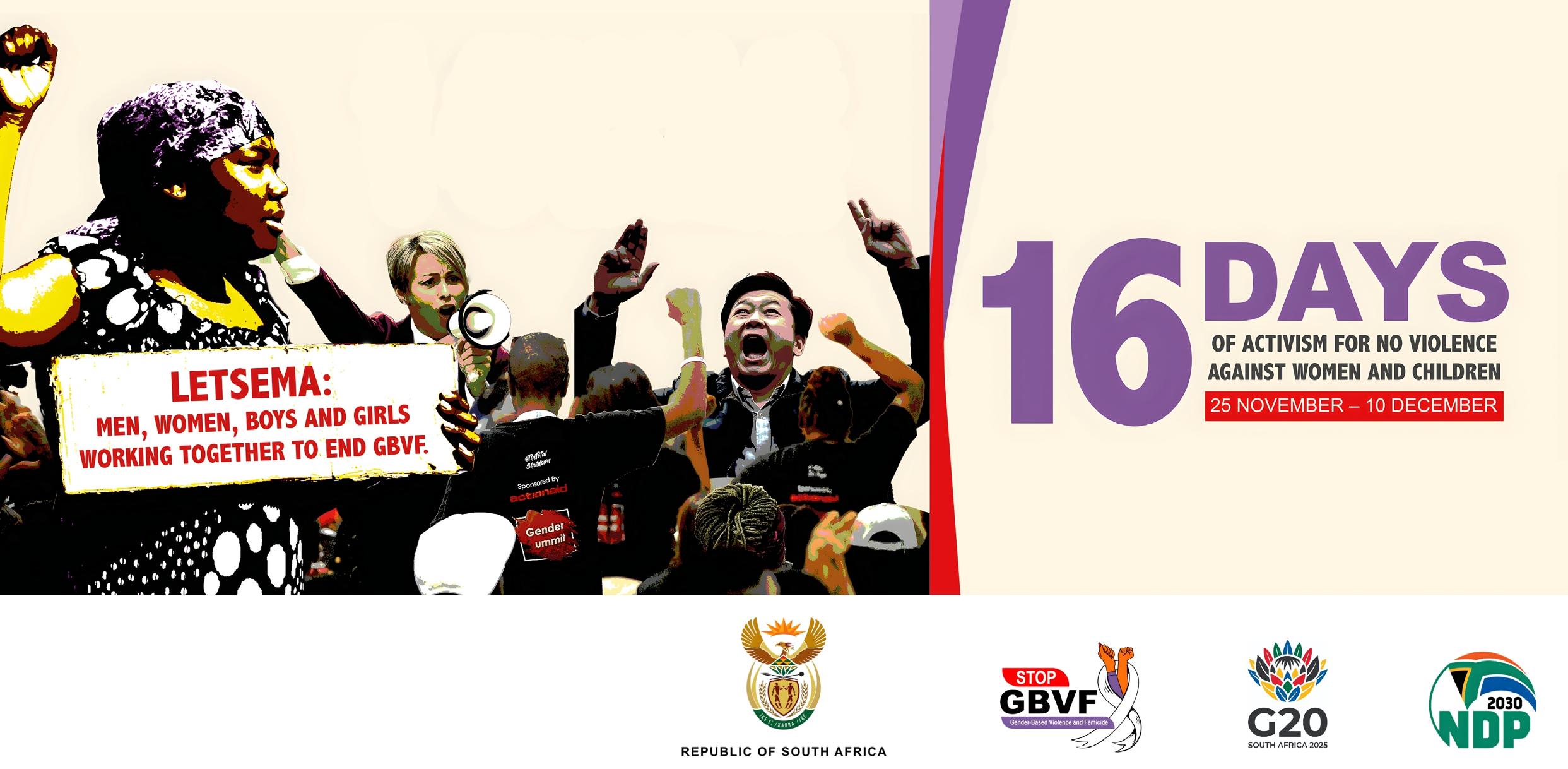
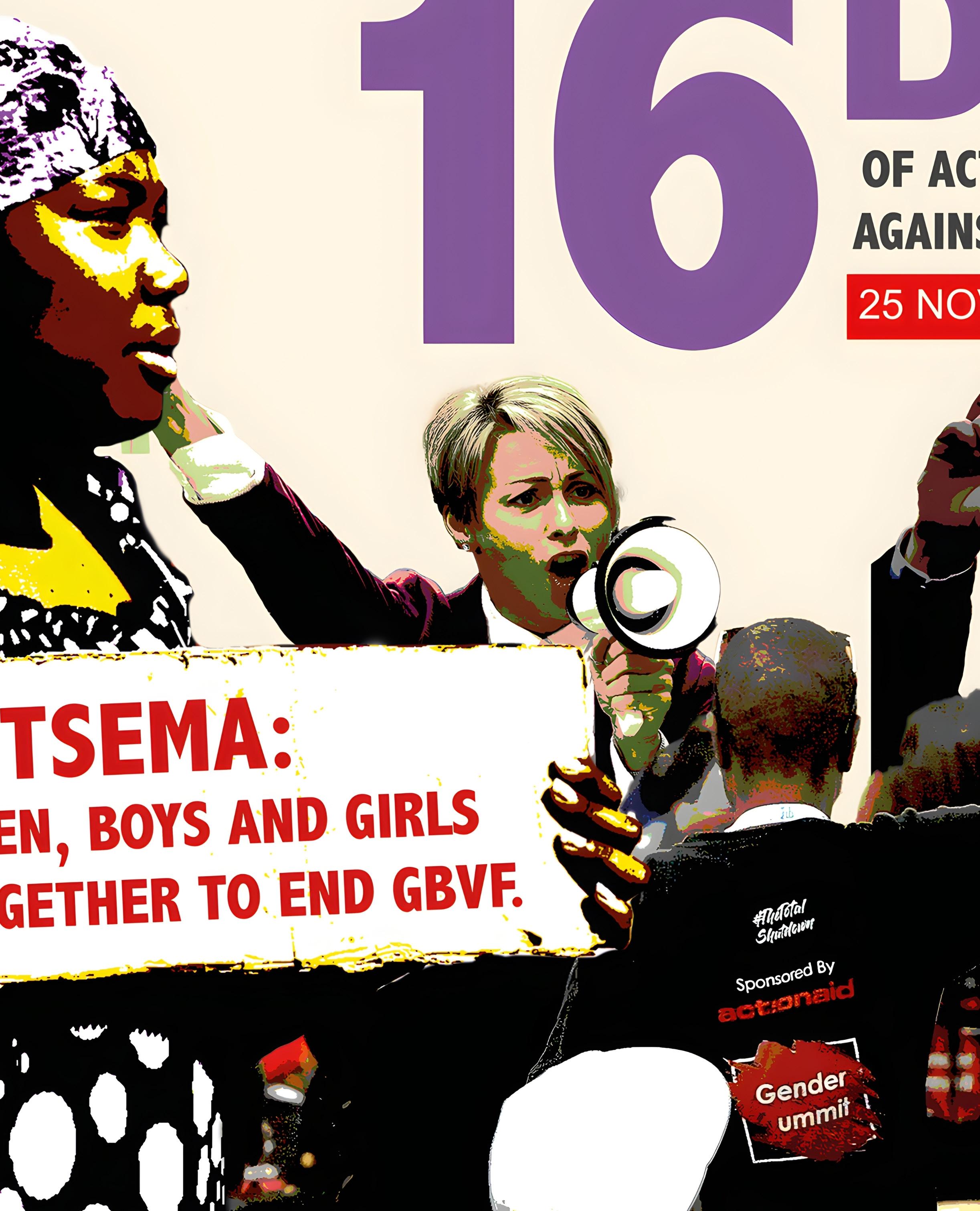
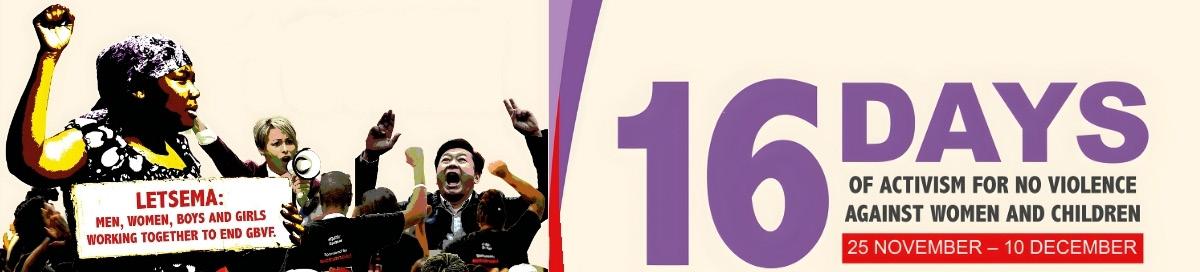
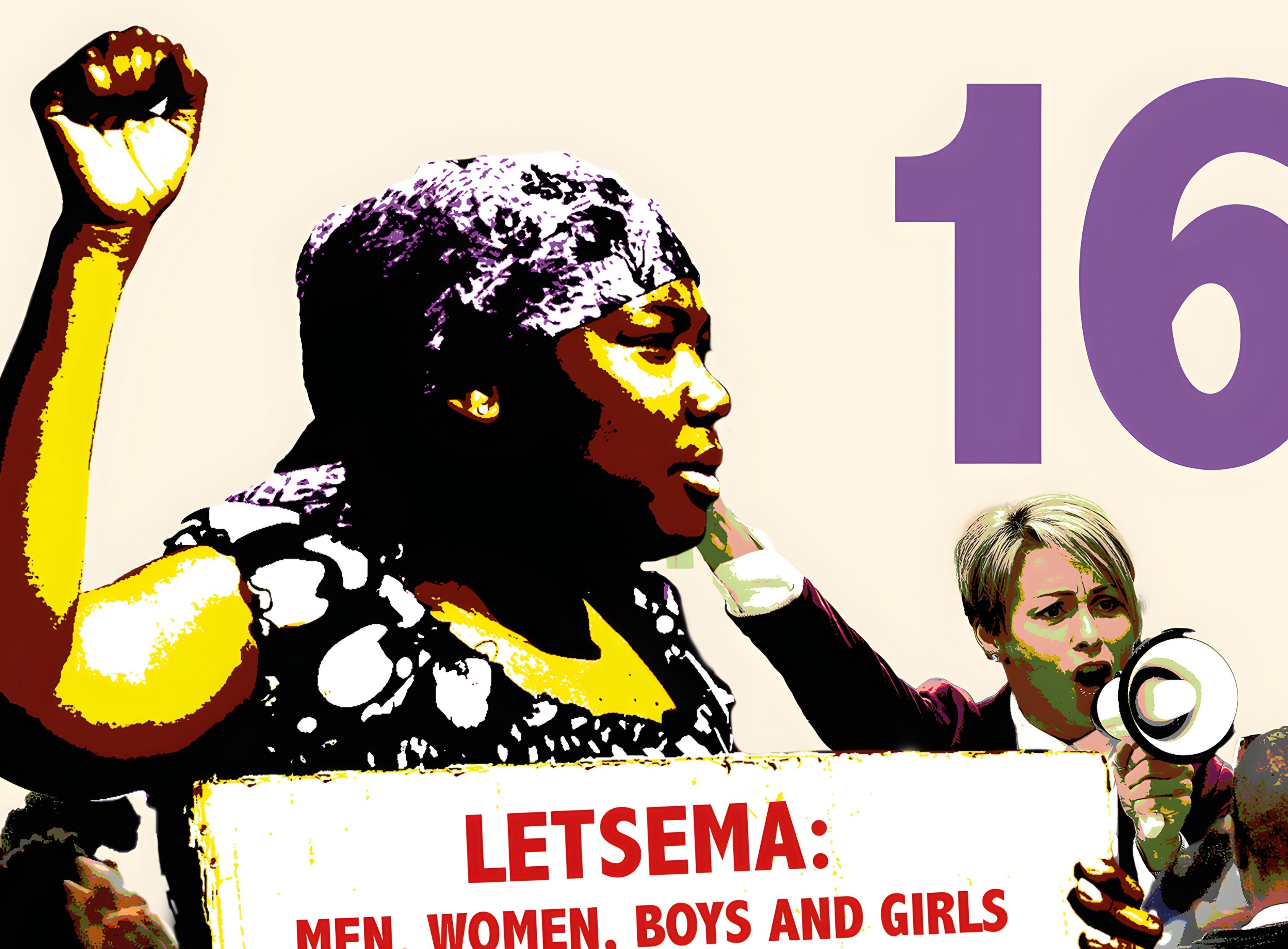
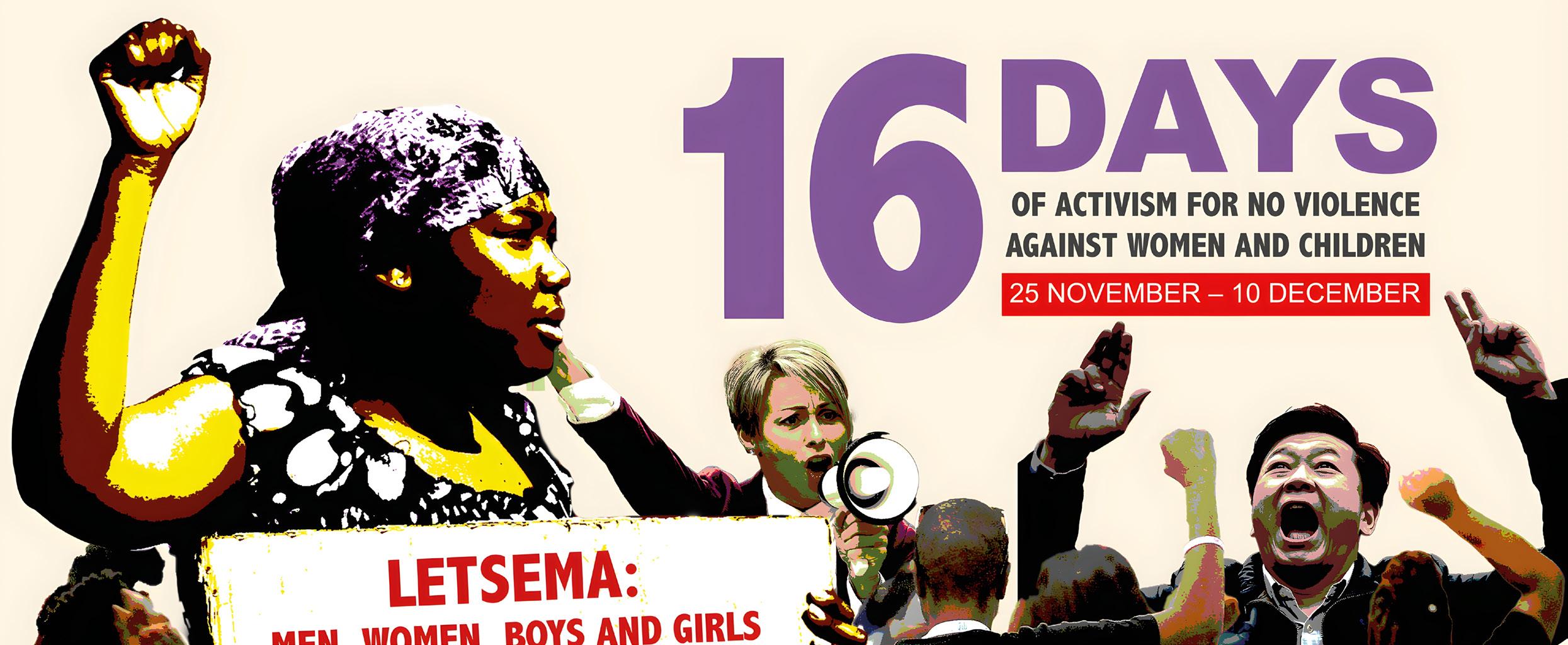
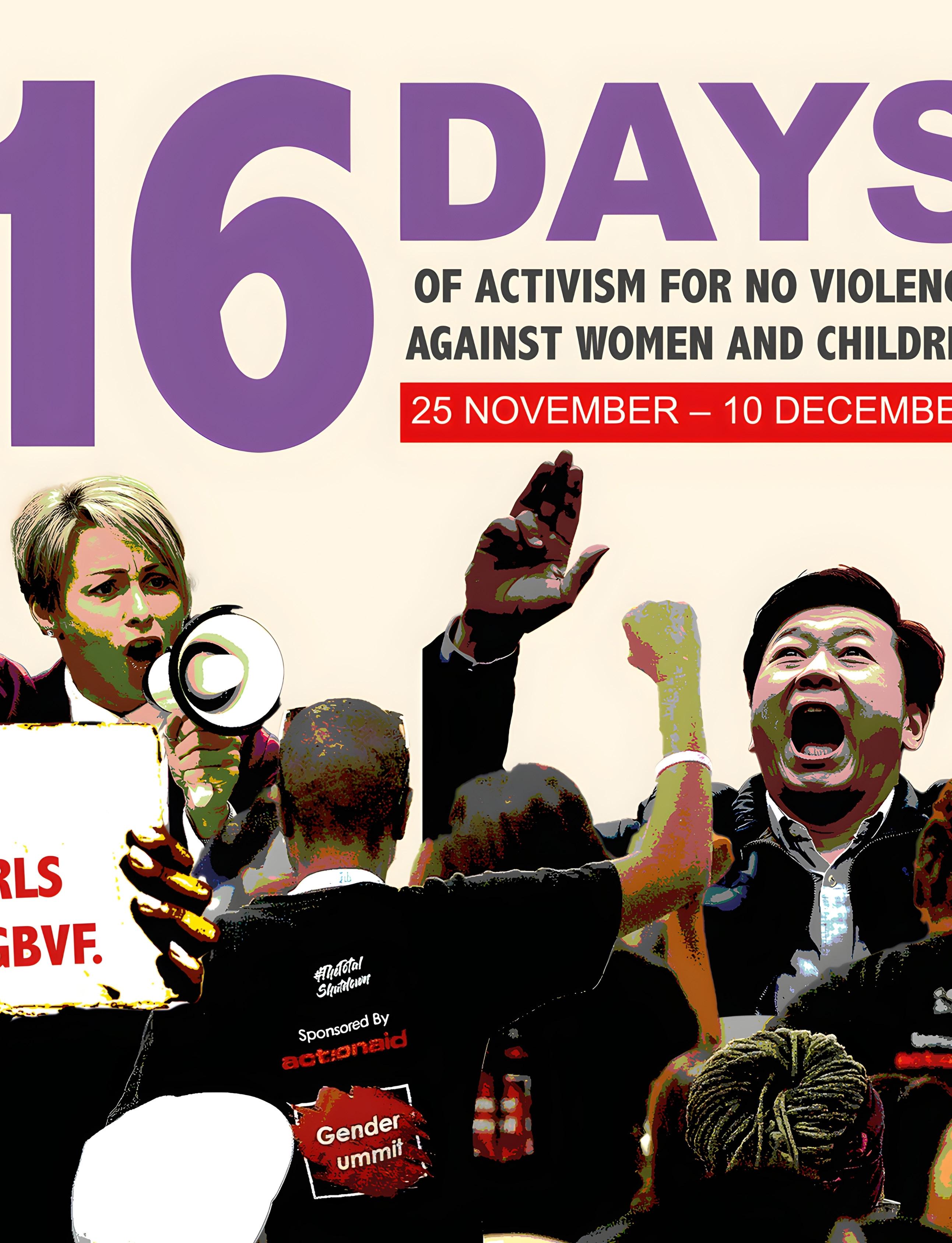
The 16 Days of Activism is an annual global campaign dedicated to raise awareness and prevent gender-based violence against women and children. It was started by the first Women’s Global Leadership Institute, hosted by the Center for Women’s Global Leadership, in 1991. Since then, it has received global recognition.
This campaign takes place from November 25th (International Day for the Elimination of Violence against Women) until December 10th (International Human Rights Day) and underscores the urgent need for all sectors of society to work together to prevent violence, support survivors, and advocate for safer, more inclusive communities.
The South African (SA) government has designated this year’s theme as “Letsema: Men, Women, Boys, and Girls Working Together to End GenderBased Violence and Femicide (GBVF)”. The Positive Masculinity Dialogue, which took place on the 30th of October 2025, as part of the G2O Ministerial Meeting, served as the theme’s focal point.
On the 20th of November 2025, the day before the national prot est in support of GBV victims, President Cyril Ramaphosa officially declared Gender-Based Violence and Femicide (GBVF) as a national disaster. This marks a significant step in the fight against this grave issue.
Below is research from CoE-HUMAN researchers/grantees on trajectories toward violence, as well as the risks associated with mother and child healthcare.
“If
Prof. Kevin Whitehead
Prof. Whitehead et al. (2025) investigated the crosscutting preferences that affect participants’ behaviour in potentially violent circumstances. This analysis is based on data from a larger dataset of more than 450 “opportunistic third party videos” (Jones and Ray Mond, 2012), which are video recordings that were made publicly available through social media sites like YouTube, Twitter, and Reddit, but were not created by researchers or for research purposes. Adopting a purposeful sample method (for example, Silverman and Marvasti 2008), the videos were found through using search phrases like “fight,” “conflict,” “argument,” and “violence.”
The study has tackled an apparent puzzle presented by theories and results suggesting that violence is either hard to avoid (cf. Fiske and Rai 2015) or hard to accomplish (cf. Collins 2008, 2009, 2012, 2013, 2019). In order to solve this puzzle, this analysis demonstrates how participants systematically orient to the moral and social organization of violent events, which are made up of progressivity toward violence and cross-cutting preferences for defensive violence.
This study shows that participants consistently orient to a constraint against employing violence in the first place—that is, they orient to a preference for using violence only in response. This is in line with Fiske and Rai’s (2015) theory of virtuous violence, as participants maintain making the distinction between violence used forcefully without justification and violence that protects a moral order against grave threats.
The study also discovered that, once physical violence has been projected, participants systematically orient to a second, cross-cutting preference that creates opposing pressures toward its implementation. In other words, movement away from violence is viewed as an accountable alternative, while advancement toward violence is viewed as expected if at least one party has threatened or invited it—whether overtly or through actions that subtly project its production.
In conclusion, the study showed that participants view violence as both an exceptional behaviour and, in certain situations, justified and even necessary. https://doi.org/10.1086/734912
Maternal age and parity influences on health outcomes: A multivariable regression analysis of mothers and infants.
Maternal and infant mortality, premature birth, low birth weight, and other preventable poor outcomes, continue to be major global health challenges. In this study, Dr. Alock et al. (2025) examined whether parity and maternal age at the time of first childbirth are related to the health outcomes of both the mother and the infant.
The Soweto First 1000 Days (S1000) cohort, a longitudinal pregnancy research conducted at the SAMRC/Wits Developmental Pathways for Health Research Unit (DPHRU) at Chris Hani Baragwanath Academic Hospital (CHBAH) in Soweto, Johannesburg, provided the data for this study. The S1000 primary objective was to thoroughly examine the connections between biological and physiological factors (such as physical activity and dietary patterns), fetal and infant growth and developmental outcomes during the first two years postpartum, and maternal health conditions (such as obesity, gestational hypertension, gestational diabetes, and HIV).
The study comprised 830 pregnant women from the S1000 cohort, aged 18 to 44 (median age of 29), who lived in the Soweto region and received antenatal care at CHBAH. Kruskal-Wallis, chi-square, and ANOVA tests were used to compare groups. Multivariable Linear and logistic regression models were used to examine the relationship between age-parity and outcomes, adjusting for socio-demographic factors. Data from 830 mother-newborn pairs were analysed using StataSE version 18.
According to the study, mothers who were over 23 and had at least one child (70.9 kg, IQR: 60.6–81.7) had a higher median weight than nulliparous women (65.9 kg, IQR: 57.3–77.4; p <.001), as well as a higher body

mass index (BMI) at recruitment (28.6 kg/m² IQR: 24.4–32.2), with more of them being overweight (p <.001). There were no significant differences in height (p=.165), suggesting that weight is the primary factor influencing BMI variance. Mothers over the age of 23 who had at least one child had a greater prevalence of HIV than nulliparous women (p <.001). Pregnancy hypertension (p<.001) and chronic hypertension (p=.007) were more common among mothers older than 23 who had at least one child. Similarly, compared to nulliparous women, mothers over 23 who had at least one child had a significantly higher prevalence of gestational diabetes mellitus (GDM) (p =.012), while the opposite occurred for respiratory disease (p =.001). The results indicate that, in comparison to nulliparous women, birth weight z-scores were substantially greater for mothers ≤ 23 years, ≥ 1 child (β = 0.52, 95% CI [0.21–0.83], p =.001) and mothers > 23 years, ≥ 1 child (β = 0.35, 95% CI [0.19–0.51], p <.001).
The results show that different maternal age–parity groups have different vulnerabilities. While linear growth seemed to be more sensitive to maternal age, favouring younger multiparous women, multiparity was linked to higher birth weight, which was partially explained by higher BMI in older mothers. These results highlight the need for more comprehensive approaches to prenatal care in low- and middle-income countries (LMICs), where a lack of resources and access to healthcare can increase existing risks. https://doi. org/10.1186/s12884-025-08194-8
Students/grantees testimonial
Dr. Monica Akokuwebe is a Sociologist and Demographer with seven years of postdoctoral experience. Her current study focuses on the life course approach to the epidemiology of chronic diseases. She is skilled at developing implementation science protocols using life course health development (LCHD), particularly primodial prevention, risk factor prevention, and chronic disease prevention strategies through multilevel health development pathways.
“My journey as a researcher at the DSTI-NRF Centre of Excellence in Human Development has been deeply enriching.” She says that the Centre has provided mentorship, collaboration, and a supportive environment, which has strengthened her capacity to
contribute to human development scholarship. She continues by saying that it has helped her as an early career researcher by equipping her with the skills needed to transform data into knowledge through rigorous analysis, contextual interpretation, and thoughtful synthesis, ultimately generating coherent insights that support deeper understanding and informed evidence-based decision making. It has also demonstrated to her how research can bridge academic inquiry with social transformation.
“Engagement within this community has deepened my commitment to advancing breast cancer research, examining the role of community health workers in adolescent health outcomes, and generating insights into adolescent skeletal development, while fostering cocreation with women,
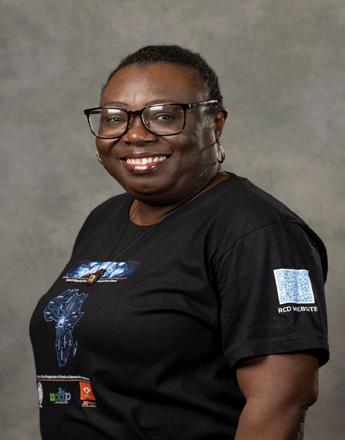
adolescents, and communities,” she further states.
In the spirit of the 16 Days of Activism, she mentions that she is reminded that the work of researchers is not only about producing knowledge but also about driving change that uplifts and protects vulnerable populations.
“The 16 Days of Activism campaign is a powerful reminder of the urgent need to challenge gender based violence and promote equity. It highlights the importance of collective responsibility, evidence based advocacy, and the creation of safer and more inclusive communities.”
– Dr. Monica Akokuwebe, Postdoctoral Research Fellow, University of Witwatersrand
1. According to a recent national study conducted by the Human Sciences Research Council (HSRC), an estimated 7,310,389 women, or 33.1% of all women aged 18 and older, have experienced physical violence at some point in their lives.
2. South Africa reported 13,453 cases of sexual offenses in the first quarter of 2025, including 10,688 rapes, underscoring the persistent problem of gender-based violence (GBV) in the country.
3. The SA Parliament has passed the following laws to protect the rights of individuals against abuse:
• The Domestic Violence Act of 1998
• The Children’s Act of 2005
• The Maintenance Act of 1998
• The Promotion of Equity and Prevention of Unfair Discrimination Act of 2000
• The Criminal Law (Sexual Offences and Related Matters Act) Amendment Act of 2007
4. Victims of violence are encouraged to use the 24Hour Gender-Based Violence Command Centre hotline 0800 428 428 to report any abuse.
1. Beukes J, Alcock S, Leal M, Thompson U, Draper CE, Norris SA. Exploring Early Childhood Development Interventions for Building Human Capital in Sub-Saharan Africa: A Scoping Review. Child Care Health Dev. 2025 Jul;51(4):e70138. doi: 10.1111/cch.70138
2. Craig, A., Mabetha, K., Gafari, O., & Norris, S. A. (2025). Health literacy, multimorbidity and its effect on mental health in South African adults: A repeated cross-sectional nationally representative panel study. Frontiers in Public Health, 13, 1622005. https://doi.org/10.3389/ fpubh.2025.1622005 (Nugget)
3. Craig, A., Mukoma, G., Mapanga, W., Mtintsilana, A., Dlamini, S. N., Micklesfield, L. K., & Norris, S. A. (2025). Public attitudes towards responsibilities and actions to curb obesity in South Africa: Second South African Human Development Pulse Survey. South African Journal of Clinical Nutrition, 1–8. https://doi.org/10.1080/16070658.2025.2498 872
4. Shinde, S., Noor, R. A., Mwanyika‐Sando, M., Moshabela, M., Tadesse, A. W., Sherfi, H., Vandormael, A., Young, T., Tinkasimile, A., Drysdale, R., Baernighausen, T., Sharma, D., & Fawzi, W. W. (2025). Adolescent health and well‐being in sub‐Saharan Africa: Strengthening knowledge base and research capacity through a collaborative multi‐country school‐based study. Maternal & Child Nutrition, 21(S1), e13411. https:// doi.org/10.1111/mcn.13411
5. Baruwa, O. J., Akokuwebe, M. E., Adeleye, O. J., & Gbadebo, B. M. (2025). Socio-demographic disparities in basic under-two immunization coverage: Insights from the 2016 Malawi demographic and health survey. BMC Public Health, 25(1), 882. https://doi.org/10.1186/s12889025-22143-2
6. Akokuwebe, M. E., Likoko, S., Miles-Timotheus, S., & Mabala, M. (2025). “Gender dimensions of quality of life”: The determinants of life satisfaction among South Africans residing in the Gauteng province—Using a multilevel psychodemographic analysis of the GCRO’s quality of life survey (2009–2024). PLOS One, 20(9), e0332626. https://doi.org/10.1371/journal.pone.0332626 (Nugget)
7. Alcock, S., Leal, M., Beukes, J., Nyati, L. H., Thompson, U., & Norris, S. A. (2025). Maternal age and parity influences on health outcomes: A multivariable regression analysis of mothers and infants. BMC Pregnancy and Childbirth, 25(1), 1094. https://doi.org/10.1186/s12884-025-08194-8 (and Newsletter)
8. Masuluke, I., Kolkenbeck‐Ruh, A., Mutabazi, J. C., Zarowsky, C., Norris, S. A., Levitt, N., & Ware, L. J. (2025). Understanding Attrition in the South African Integrated Intervention for Diabetes Risk After Gestational Diabetes (IINDIAGO) Study: A Qualitative Study of Postpartum Lifestyle Intervention Disengagement. Reproductive, Female and Child Health, 4(3), e70038. https://doi. org/10.1002/rfc2.70038
9. Banjo, H. P., Stoutenberg, M., McNulty, L. K., Spears, D., & Ware, L. J. (2025). Exploring the Acceptability of Web-Based Health Modalities in Individuals With Hypertension: Qualitative Study. Journal of Medical Internet Research, 27, e72568–e72568. https://doi.org/10.2196/72568
10. Wang, D., Shinde, S., Drysdale, R., Vandormael, A., Tadesse, A. W., Sherfi, H., Tinkasimile, A., Mwanyika‐Sando, M., Moshabela, M., Bärnighausen, T., Sharma, D., & Fawzi, W. W. (2025). Access to digital media and devices among adolescents in sub‐Saharan Africa: A multicountry, school‐based survey. Maternal & Child Nutrition, 21(S1), e13462. https://doi. org/10.1111/mcn.13462
11. Partap, U., Tadesse, A. W., Shinde, S., Sherfi, H., Mank, I., Mwanyika‐Sando, M., Sharma, D., Baernighausen, T., Drysdale, R., Worku, A., Tinkasimile, A., & Fawzi, W. W. (2025). Burden and determinants of anaemia among in‐school young adolescents in Ethiopia, Sudan and Tanzania. Maternal & Child Nutrition, 21(S1), e13439. https://doi.org/10.1111/mcn.13439