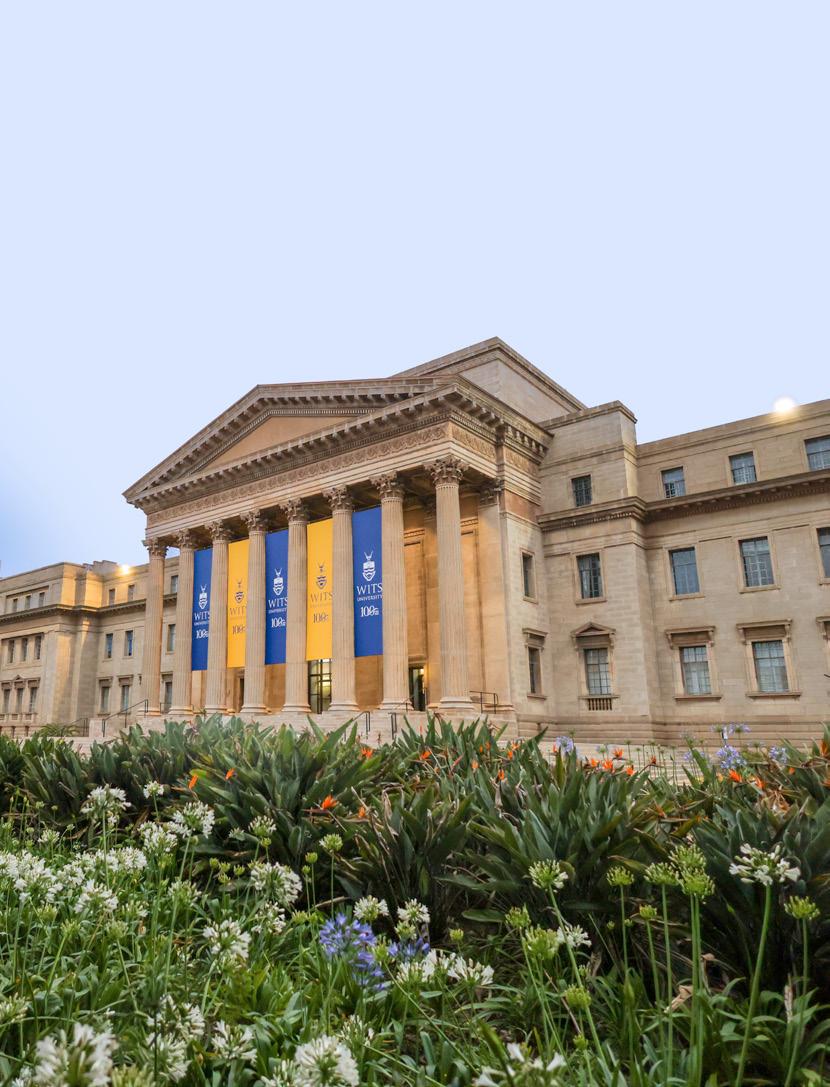


Since its establishment as a university in 1922, the University of the Witwatersrand (Wits) has been committed, among others, to advancing scientific research and innovation, excellence in teaching and learning, and inclusion and social justice� Wits is a values-led institution that recognises its role as advancing human development, economic and social progress, and environmental sustainability�
The Sustainable Development Goals (SDGs), launched by the United Nations in 2015, are closely aligned with the values Wits currently embraces and throughout its history It is therefore unsurprising that there are numerous activities at Wits that contribute to advancing the SDGS in various ways
In the past few years, we have created the position of Pro Vice-Chancellor: Climate Change, Sustainability and Inequality and produced the Wits University Sustainability Strategy As a leading university based in the Global South, Wits is committed to advancing the SDGs�
This report highlights and describes pertinent initiatives that show how Wits advances specific SDGs at institutional level namely, in our work with communities, industry, government, as well as all -inclusive, through national, regional, and international collaborations
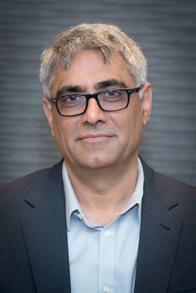
Professor Imraan Valodia
Pro Vice-Chancellor: Climate Change, Sustainability and Inequality
In 2015, the member countries of the United Nations (UN) approved 17 SDGs as the core of its 2030 agenda These goals are a universal call to action to ending poverty, protecting the planet, and improving the outlook and lives of people globally�
Wits has committed to achieving these here:

This commitment commences with awareness and advances towards practicality Wits has established steps towards this objective We have developed the Wits University Sustainability Strategy with clear objectives that can be achieved in stages and appointed a 21-person Sustainability Committee to oversee this strategy The University’s highest academic authority, the Senate, has pledged to transition to a net-zero-carbon economy by 2050 The pledge declared that through research, teaching, policy engagement, and its own practice, the University will use its location in the economic hub of South Africa to play a pivotal role in this transition for the city, region, country, continent and the world The ultimate aim is to transform the university "into a living laboratory for just practices of sustainability�"
On the ground, this commitment is reflected in practical initiatives All first-year students, for example, complete a compulsory introductory course that includes a module titled Climate Change and Me A walk across the University’s campuses reveals further evidence of this dedication: food gardens, reverse-recycling vending machines, and vibrant solar benches These multipurpose benches, branded with the message, “I was once a plastic bottle before becoming a bench,” allow students to charge their devices and collaborate in shared spaces� Solar panels installed across many buildings further demonstrate the University’s investment in sustainable energy
This report provides a window into a selection of contributions under each SDG� These focus on curriculum, engagement, and operations Statistics on research publications relevant to the SDGs are presented as an appendix and is provided by the library�
"Wits prides itself on teaching, research and social responsibility, and we need to turn this into urgent action to achieve sustainability which is informed by science and driven by the Wits community� Realising this commitment is made urgent by the unique challenges posed by the global climate emergency combined with homegrown energy and water crises that profoundly affect our already stressed society� The impact of the ongoing effects of past and current injustices intersecting with climate change and epidemics threatens food security, urban development, local economies and livelihoods, with the worst effects likely to be borne by the most vulnerable� There are many national challenges and the success of this strategy will be partly dependent on the wider adoption of sustainability practices in society�" – from the Wits Sustainability Strategy
The Master of Arts in the field of Development Studies offers the elective Institutional Reform, Poverty Reduction and Development� A second-year module in the School of Social Sciences, Contemporary Social Issues in Southern Africa II, focuses on patterns of social disintegration, including the spread of famine, rising rates of poverty, unemployment, and family breakdown Responses to these issues, such as new grassroots social movements and debates about social reconstruction�
The Wits Entrepreneurship Clinic (WEC) is an initiative of the School of Business Studies and provides community training and mentorship It is one of 24 projects in Africa that successfully bid for funding from the inaugural Innovation for African Universities programme, which is an initiative of the British Council’s Going Global Partnerships programme The University of Edinburgh is Wits’ UK partner, together with ecosystem players that include the Wits Tshimologong Digital Innovation Precinct, a hub for the incubation of startups and small and medium-sized enterprises The Africa Circular Economy Network spans more than 500 experts across 42 African countries� By providing experiential learning opportunities and management training, WEC enhances entrepreneurs’ business acumen and digital transformation� Additionally, the WEC accelerates viable entrepreneurial ventures by offering mentorship and support to entrepreneurs The WEC aligns with SDG 5 (Gender Equality) and SDG 8 (Decent Work and Economic Growth).
The BA Joint Honours in Development Studies and Political Studies in the Faculty of Humanities has an elective, Empire and the Crisis of Civilization, which explores the historical and contemporary understandings of ‘empire’ in the social sciences This elective assesses how the empire relates to territoriality, power, culture, and economic accumulation by drawing on critical theory It provides a critical understanding of the relationship between empire and contemporary capitalism�
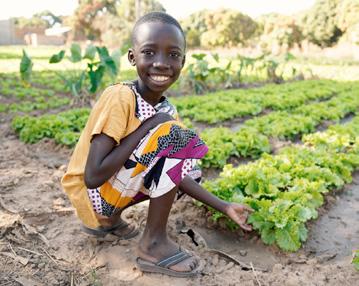
The Global Change Institute collaborates with four other universities as part of the Africa Climate Change Adaptation Institute (ACCAI). The other members of the partnership are Mekelle University in Ethiopia, University of Dar-esSalaam in Tanzania, the University of Ghana, and Stellenbosch University The partnership aims to co-investigate global environmental change transitions and transformation challenges, one of which is food systems� There are two projects under ACCAI, namely ACCAI I and ACCAI II ACCAI I centres around the theme of building the next generation of scientists and resilient societies, that is, building Africa’s capacity to face the challenges of climate change by developing flexible thinkers who can navigate complex and rapidly changing situations ACCAI II is concerned with co-producing knowledge on food systems for development in Africa Food security and food sovereignty confront many people, particularly those on the margins of urban and rural areas and/or class� To confront these challenges, the ACCAI II project focuses on establishing and operating a strong network of African researchers co-producing knowledge on food systems� The project aims to enhance food systems and climate change research capability within the ACCAI network institutions
CALS is a civil society organisation based at the Wits School of Law and serves as a law clinic registered with the Legal Practice Council of South Africa� Accordingly, CALS connects the worlds of both academia and social justice
The Centre for Applied Legal Studies (CALS) made a submission in May 2024 to the South African Human Rights Commission (SAHRC) in the Eastern Cape on its Right to Food Imbizo This gathering, Nourishing Futures: Collaborative Strategies for Sustainable Development, took place in June 2024, and related to the provincial commission’s prior inquiry into challenges of acute severe malnutrition� The imbizo’s aim was to convene with stakeholders to foster partnerships, share best practices, identify opportunities for joint initiatives, and outline a roadmap towards minimising hunger and resolving this problem collectively
CALS submission to the SAHRC specifies that food security requires a multifaceted, proactive approach of civil society becoming involved prior to the crisis becoming exacerbated This approach requires a multistakeholder
partnership including safeguarding competition law that prevents inflated food prices and reduces accessibility to food, as well as formulating a legislative framework that is clear on redistribution of land, operations of grants for smallholder farmers, and other laws that impact food security
CALS’s submission aligns with SDG 10 (Reduced Inequalities) and SDG 16 (Peace, Justice & Strong Institutions).
The Wits Citizenship and Community Outreach (WCCO) unit, which is part of the Centre for Student Development in the Student Affairs Division, runs the Wits Food Programme� The programme is a multipronged institutional response to food insecurity on campus It comprises the following projects:

• The Wits Food Bank: A repository for donations of non-perishable food items and basic hygiene products that are distributed to students in need at least twice per week and stock lasts The bank is supported by the South African packaged goods company, Tiger Brands, and donations from staff and students The Food Bank distributes more than 1,200 food parcels per month to at least 5,000 unique students annually
• The Masidleni daily hot meal project: This project serves 1,000 meals per term day from three sites on campus, namely WCCO, Wits School of Education, and Faculty of Health Sciences The University pays for the delivery of packaged meals supplied by Ashraful Aid, a non-profit organisation involved in relief work�
• Communal Kitchen for students: This facility is used by groups of student volunteers to cook meals for themselves and other students in need Volunteers serve up to 200 meals once per week over the weekend
• Wits Food Gardens: The gardens consist of agroecological farming of vegetables and fruit, contributing to a food commons This project is implemented in collaboration with the Cooperative and Policy Alternative Centre (COPAC), an NGO which Wits has a memorandum of agreement with. Most recently, the Food Sovereignty Hub (FSH) was launched on West Campus at Wits. The FSH is a multi-purpose site for food production, knowledge sharing, and experimentation, benefiting students and communities� The Hub accommodates a food garden, seedbank, nursery, greenhouse, compost site, worm farm, and water harvesting, bridging the gap with regard to waste, water use, and composting�
Students are involved in the Wits Food Programme as volunteers, which is officially recognised in a co-curricular transcript�
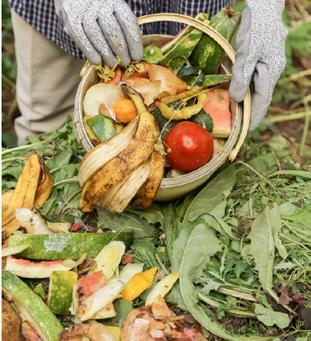
The biggest producer of greenhouse gas emissions are buildings, followed secondly by food disposal Therefore Wits’ dining halls and hospitality focus on environmental responsibility at the forefront of their operations The Operations and Facilities Management Department’s tasks relating to this for 2025 to 2028 include the continued rolling out of biodegradable containers and cutlery and expanding the use of bio bins to the remaining dining halls, which recycle food waste into compost The department plans on installing more drinking water fountains to discourage the purchase of single-use plastics and to promote the use of reusable water bottles� It plans to use an online meal booking system with menu selection capabilities to reduce food waste, provide meal variety, including healthy meals and affordable options, and expand training for growing food and cultivating herbs on campus through the Cooperative and Policy Alternative Centre (COPAC).
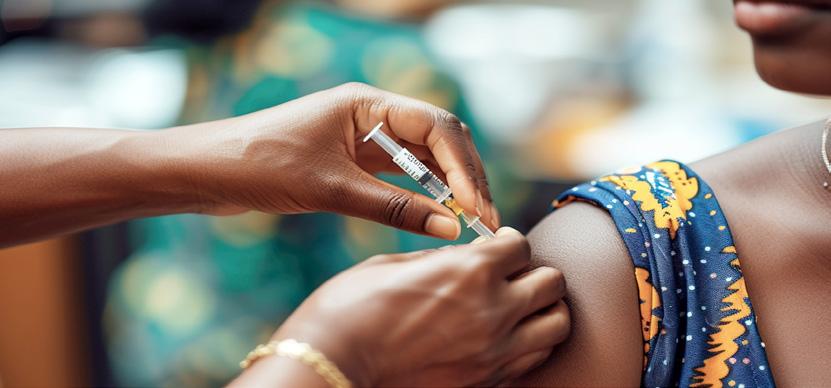
The Faculty of Health Sciences offers a Postgraduate Diploma in Child Health in the field of Community Paediatrics The diploma includes the following electives: Management in Health and Health Services; The District Model in Primary Health Care; and A Public Health Approach to Perinatal and Paediatric HIV.
The Faculty of Health Sciences offers a Postgraduate Diploma in Public Health in the field of Rural Health� The diploma includes modules in Community Oriented Primary Care and The Health of Rural People – Epidemiology and Burden of Disease. This diploma aligns with SDG 1 (No Poverty) and SDG 11 (Sustainable Cities and Communities).
The Faculty of Health Sciences offers a Master of Public Health in the field of Health Economics� Modules include Health and Society and Economics of Health Care. This degree aligns with SDG 1 (No Poverty), SDG 8 (Decent Work and Economic Growth), and SDG 10 (Reduced Inequalities).
The Bachelor of Health Sciences in the field of Health Systems Sciences covers the factors and processes that contribute to disease outbreaks and control mechanisms The diploma provides an understanding of the underlying principles of health and disease
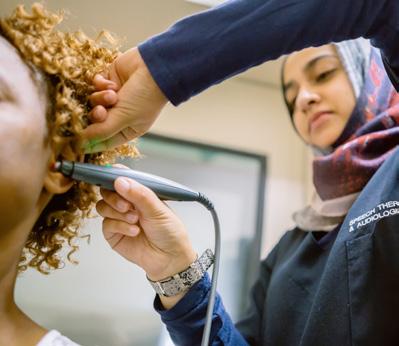
The School of Human and Community Development offers a four-year Bachelor of Audiology, which prepares students to be audiologists who assess, advise, and provide rehabilitative services to children and adults with hearing and balance disorders and related communication difficulties One of its courses, Audiology II, addresses site of lesion testing, auditory brainstem response audiology, electrocochleography, tinnitus assessment and management, and paediatric audiology�
Fellowships can play a role in addressing SDGs by providing people with resources, mentorship, and networks necessary to effect meaningful change They often take interdisciplinary approaches, opening up collaborations, consequently addressing multiple SDGs� One of these partnerships is the Cameron Schrier Equality Fellowship that joined forces with the Southern Centre for Inequality Studies (SCIS) at Wits to fund a cohort of fellowships. Based in San Francisco, California, the foundation supports non-profit organisations in the US and South Africa to develop young leaders, promote education equity, help communities in need, and encourage informed public discourse and an active civil society The fellows spend six months in residence at the SCIS where they produce a specific research output related to their area of focus� Cohort 3 for 2024/25 includes Mexican ARTivist Mora Fernández, feminist economist Sona Mitra from India, queer feminist activist Sohini Shoaib from India, and South Africa’s Ngqabutho ‘Butho’ Nceku Mpofu, whose work at the SCIS focused on how stateless people in the country navigate space and access healthcare
The Sydney Brenner Institute for Molecular Bioscience is named after Nobel laureate and Wits graduate, Sydney Brenner It is a multi-disciplinary research institute dedicated to investigating the molecular and genetic causes of diseases among African populations The institute collaborates with researchers in South Africa and other African countries to map, store, and analyse data on the genetics of people in Africa The institute focuses on enhancing the continent’s ability to advance precision medicine in Africa� An example is the Africa Wits-INDEPTH Partnership for Genomic Research, a study of over 12,000 adults from four sub-Saharan African countries that examines the genetic and environmental factors contributing to cardiometabolic diseases such as hypertension, heart disease, kidney disease, and diabetes The institute is a partner of the Data Science for Health Discovery and Innovation in Africa, as well as international consortia, such as Human Hereditary and Health in Africa (H3Africa) and the One Hundred Thousand Plus Cohort Consortium (IHCC). Its director, Professor Michèle Ramsay, is a member of the World Health Organization’s Technical Advisory Group on Genomics and one of 23 global experts of the BePRECISE consortium, which developed the guidelines for precision medicine These guidelines are an important tool for comparing research studies and accurately evaluating similarities and differences to avoid a misfit for African populations
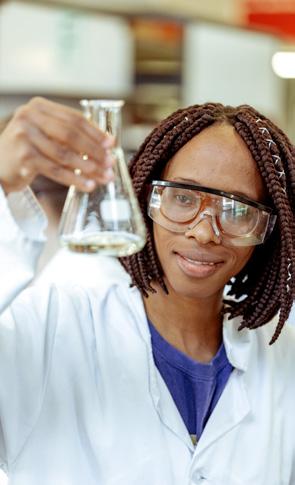
Moringa oleifera is regarded as an important herbal plant due to its medicinal benefits traditionally used by communities Analytical environmental chemistry scientists at Wits are working in partnerships with various community groups growing moringa and making tea from its leaves Wits and the University of Limpopo provide scientific guidance to a project in Tooseng Village, Ga-Mphahlele in Limpopo province Mor-nutritional products makes various blends of moringa tea, such as lemon, ginger, and rooibos, selling them under the brand name MorNutri� Mor-nutritional is a revenue-generating company and for the financial year ending 30 April 2024, it recorded revenue of R493,900, representing a robust 72% year-on-year increase from the previous financial year Other partners in the project include the universities of Venda and Mpumalanga� Analytical Environmental Chemistry has partnered with Setsong Tea Craters in Mpumalanga, in a Phedisanang Cooperative that farms moringa in
Hammanskraal Iced tea products are produced from it through a contract manufacturer in Midrand, and the Makonde Indigenous Fruit Processing Association (MIPFA) in Makonde village near Thohoyandou in Limpopo, which grows moringa and vegetables, including Chinese cabbage
Dr Julia Hornberger, an Associate Professor of Anthropology at Wits, is a partner in the €1�4 million four-year project, titled Mobility Regimes of Pandemic Preparedness and Response: The Case of Covid-19 (MoRePPaR), which ends in June 2026 She is working with postdoctoral fellow, Simbarashe Nyuke, on the project The other project partners are from Freie Universität Berlin in Germany; Pole Institute in Goma in the Democratic Republic of Congo; and Yonsei University, Seoul in South Korea The project is funded by the Volkswagen Foundation, Germany’s largest private non-profit organisation engaged in the promotion and support of academics� The project focuses on what would happen if there was another global pandemic like Covid-19 and how people and institutions would respond� It argues that people’s readiness to support pandemic response measures in the future, notably mobility restrictions, will be shaped by the highly emotional perceptions of the unequal consequences of different forms of lockdown, isolation, and border closure that have formed part of the Covid-19 experience�
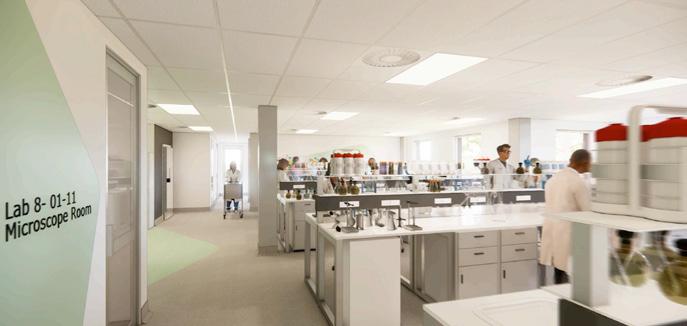
Wits is developing a campus designed to transform health innovation in Africa The 28,000 m² interdisciplinary BioHub in Houghton, Johannesburg, represents a capital investment of approximately R1 3 billion It brings together discovery science, clinical practice, and commercialisation pathways in one purpose-built environment� Phase 1, including the establishment of a Biosafety Level 3 facility for infectious disease research, has already been completed� Phase 2 will deliver additional biomolecular facilities as well as incubation and conferencing spaces, while Phase 3 will see the relocation of research units from across Wits into the new hub The campus will house advanced biomolecular laboratories, innovation hubs for biotech start-ups, and conferencing and collaboration spaces This scale of integration is unprecedented in Africa and positions Wits as a continental leader in health innovation The project was created in response to Africa’s urgent health challenges While infectious diseases such as HIV, TB, and antimicrobial resistance remain pressing, the continent is faced with a steep rise in non-communicable diseases, including cancer, diabetes, and cardiovascular illness The BioHub will bring these streams of research together, enabling an African-led approach to precision medicine that takes account of local genetics, population health data, and social context The hub has a strong mandate for sustainability� It will provide structured pathways for intellectual property protection, licensing, and the incubation of spin-off companies In doing so, it aims to stimulate a vibrant biotech sector in South Africa, creating jobs, attracting investment, and contributing to the knowledge economy� It will serve as an engine for economic growth and societal benefit With contract research, clinical trial services, and biotech partnerships embedded in its business model, the BioHub will generate revenue to secure its long-term future while producing innovations with global relevance� Professor Lynn Morris, Wits Deputy Vice-Chancellor: Research and Innovation, said the BioHub is how "Wits will ensure that African science shapes solutions for the world "
The School of Literature, Language and Media offers a first-year course, African Fiction: Introduction This course focuses on regional literatures By choosing a cross-section of East, West, and South African texts, it introduces some of the major themes of this genre, which include disparate colonial contexts that have led to distinct literary trends in the various regions and the various ways in which writers draw on indigenous intellectual traditions
Facilitation Skills in the Wits School of Education examines theories and principles of adult learning, lifelong learning, learning organisations, and training The course discusses how to select appropriate methods to facilitate learning and mediate conflict among individuals, groups, and teams
Wits and the University of Edinburgh join forces to offer a Doctorate in Sustainable African Futures
Wits and the University of Edinburgh, in partnership with Mastercard Foundation, have initiated a joint collaborative doctoral programme in Sustainable African Futures (WESAF). The programme aims to advance research capacity among African academics and higher educational institutions while grappling with the critical issues of sustainable development in their fields of interest This will enhance a more interdisciplinary approach to tackling the key threats to sustainable development in Africa and beyond� The University of Edinburgh administers the MSc by Research (MScR) in Sustainable African Futures. The 2024 WESAF Sustainability School took place from 28 April to 10 May 2024� During the period, fellows received structured academic support, in the form of both content and skills development, to help with research dissertations The programme covered academic career planning, incorporating the WESAF Doctoral Programme learnings and philosophy around sustainability and interdisciplinarity
The Cultural Policy and Management Department in the Wits School of Arts has partnered with many communitybased groups These included Maboneng Township Tours for heritage tours of Alexandra township, and Thrive Afrika, a Pan-Afrikan collective of storytellers and researchers to present the three-day Afrotellers Conference at Wits with the theme, Beyond Borders: Mapping New Frontiers for Afrikan Storytelling The department hosted the ARTventours Travel Conference, which took place at Wits, Lebo’s Backpackers in Soweto, and Altrec Sports Complex in Alexandra. These projects are aligned with SDG 10 (Reduced Inequalities), SDG 16 (Peace, Justice and Strong Institutions) and SDG 17 (Partnerships for the Goals).
Situated within the School of Literature, Language and Media in the Faculty of Humanities, the centre is a member of the Global Investigative Journalism Network Its collaborations include:
• Oslo Metropolitan University in Norway, working on the Safety Matters project, which aims to build tools to better protect journalists being silenced in ways that undermine democracies The initiative includes joint research, exchange programmes, and collaborative teaching across South Africa, Norway, Brazil, and the US�
• The postgraduate course, Equitable and Just Digital Society: Developing Interdisciplinary Skills and

Knowledge, part of Europe’s Civic University Alliance (CIVIS) micro-programme ,focused on the social challenges of digital and technological transformations� Its interdisciplinary approach covers modules such as Power and Justice in the Digital Age from an International Perspective and Social Participation and Life-Long Learning� Experts from Wits, the University of Glasgow in the UK, University of Tubingen in Germany, Stockholm University in Sweden, and the Autonomous University of Madrid in Spain teach the course. The course aligns with SDG 13 (Climate Action), SDG 16 (Peace, Justice and Strong Institutions), and SDG 17 (Partnerships for the Goals).
The Spanish Department in the School of Literature, Language and Media had a year-long collaboration with University College London (UCL), supported by the UCL-Wits Bilateral Partnership Development Seed Fund. The study, headed by Dr Nereida Ripero-Muñiz of Wits, was on the significance of arts-based methodologies in research, particularly for underserved and marginalised communities The outcome was a downloadable toolkit, which provides an overview of 16 projects, emerging themes, and best practice tools. The partnership supports SDG 10 (Reduced Inequalities), SDG 16 (Peace, Justice and Strong Institutions) and SDG 17 (Partnerships for the Goals).
Creative Writing in the School of Literature, Language and Media has many collaborations� These include ones with:
• The Neubauer Collegium for Culture and Society at the University of Chicago and The Centre for the Less Good Idea in Johannesburg, which supported the presentation of Notebook of a Long Day’s Journey into a Hillbrow Night by Césaire Youth, presented at the three-day Writing Community: Wits Writing Festival held at Wits in March 2024 The project looked at what Aimé Césaire’s classic anticolonial long poem ‘Notebook of a Return to the Native Land’ would look like if it were written today by teenagers living in Hillbrow, Johannesburg It was created by the Windybrow Arts Centre in Hillbrow and Wits Creative Writing;
• Daniel Borzutzky, the Chicago-based poet and translator, on multilingual artist books;
• Bath Spa University in the UK on prison writing and crime fiction; and
• Poet networks in India, Botswana, Kenya, UK, US and Italy�
These partnerships align with SDG 5 (Gender Equality), SDG 10 (Reduced Inequalities), SDG 16 (Peace, Justice and Strong Institutions) and SDG 17 (Partnerships for the Goals).
Wits University has a two-week compulsory programme for first-year students to help them adapt� The programme is titled Gateway to Success and integrates sessions on academic content and skills, student life, health and wellness, and orientation� Academic components include an online course on climate change� The online course, Climate change and me, defines climate change and its need-to-knows and includes an exercise on how to define it. The programme supports SDG 13 (Climate Action). Other courses in Gateway to Success include digital skills, academic writing, academic integrity and Wits’ online learning platform, Ulwazi, as well as faculty-specific offerings On-campus activities cover student wellness, holistic personal development and support, appreciation of diversity, culture, social responsibility, and community-building� It runs in a blended format, with some activities taking place on campus and some in an online mode Aatikah Moola, a first-year Bachelor of Biomedical Engineering student remarked that the climate change part of the programme had a huge impact: "The Climate Change and Me course has made me become more conscious about what I do; I have become more aware of whether I’m addressing climate change or I’m contributing to it The course has opened my eyes to the interconnectedness of environmental, social, and economic systems, and it’s given me a sense of responsibility to act There’s something powerful about coming together with my peers to tackle such a pressing issue "
Wits revamped its postgraduate support programme. The Graduate Online Learning and Development (GOLD) Programme is open to postgraduate students across all disciplines It is designed accommodate the diverse needs of students, and allows them to learn at their own pace from anywhere in the world� It uses artificial intelligence (AI) to personalise the learning experience, recommend courses, monitor progress, and provide real-time feedback, ensuring tailored support for each student GOLD is part of Wits’ Strategic Plan for Postgraduate Research Training 2023–2027, which aims to transform postgraduate students into scholars who are knowledge producers of the future The programme is structured into three distinct parts, featuring over 80 modules, including:
• Part 1 is Research Foundations and Proposal Development;
• Part 2 is Advanced Research Skills and Professional Development; and
• Part 3 is Dissertation/Thesis Completion and Knowledge Dissemination
The Wits GOLD Programme reinforces the university’s commitment to excellence and innovation in postgraduate education
The Wits Doctoral Academy (WDA) is designed to transform the often-isolating PhD experience into a community where students exchange ideas across disciplines and engage with leading researchers The academy aims to respond to the changing landscape of research, particularly the imperative to find creative solutions to problems, such as inequality and climate change� Through collaborative reading, writing, and discussion – both online and in-person – students develop their original contributions to knowledge It connects core offerings with facultyspecific programmes� The academy addresses and supports the three phases of doctoral scholarship, namely:
• Proposal writing;
• Data collection/research; and
• Thesis writing
Modules include Psychosocial Support and Wellbeing: Personal Development Plan. There is a module on Community Engagement and Social Justice in relation to the university’s multiple publics, inclusive of the climate crisis� There is a module on navigating the supervisory relationship
Wits has introduced Hardship Funding This is to assist students with registration fees and accommodation The fund is not a bursary scheme� The application criteria includes students who have a gross household income of less than R600,000 per annum, returning students who have obtained a minimum average prior-year mark of 50% and above, and those who stay further than a 30km radius from the University� Accommodation is provided only in a Wits-accredited on- or off-campus residence facility Hardship funding is not granted for those who are eligible for government funding for first-time entering students at a public university, those registered for non-degree courses or as part-time students in the prior academic year, or those who received hardship funding in the previous academic year
Gender Equality and Social Policy is an elective in the Bachelor of Arts Honours in the field of Critical Diversity Studies, and Gender and Critical Theory in International Relations is an elective in the Bachelor of Arts Honours in the field of International Relations
The Centre on African Philanthropy and Social Investment (CAPSI) at the Wits Business School has a programme titled Adɔyɛ, formerly known as the Women in African Philanthropy Programme. Adɔyɛ, which means "Love in Action" in the Akan language spoken in Ghana, centres women in African philanthropy This refers to women who engage in everyday or organic giving of their resources; women who give of their resources to or through different community/civic/non-profit formations, high-net-worth givers who are women, and women professionals who work in African philanthropy� Its conception of ‘African’ is pan-African, inclusive of the African diaspora and of women in all their diversities. Adɔyɛ’s activities include events, workshops, and building networks for women in the field of philanthropy The programme achieved significant milestones in 2024 These included an organisational mapping study that identified key organisations and highlighted gaps in engagement with grassroots and informal initiatives The year culminated with their participation in the AWID 2024 Forum in Bangkok in December, where they co-led a strategy session titled Building Alternative Narratives and Practices: Centering Pan-African and Feminist Philanthropies. AWID is a global feminist organisation working to achieve gender justice
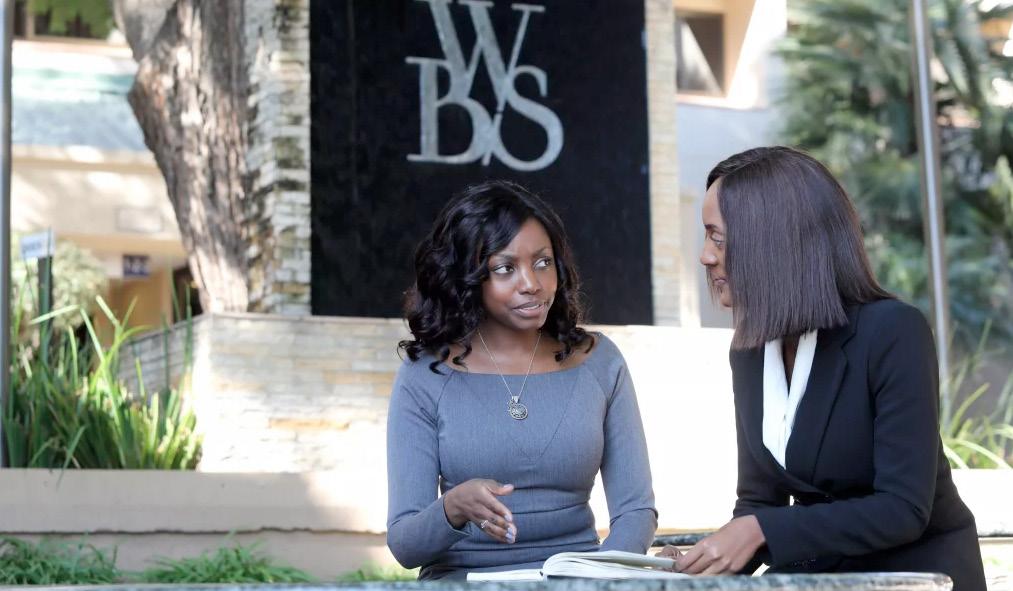
and has more than 9,000 members from over 180 countries. Adɔyɛ presented the session in collaboration with Harambee-Ubuntu Pan-African and Feminist philanthropies (PAFP) – a partnership between Urgent Action FundAfrica and TrustAfrica, the African Women’s Development Fund based in Ghana, and JASS – Just Power, an international feminist movement support organisation in the Global South� Thandi Makhubele, CAPSI’s Programme Manager, said Adɔyɛ is "reshaping the philanthropic ecosystem for a more just and equitable future."
The School of Business Studies has a partnership with the University of Lincoln in the UK on Exploring Pathways to Equality: Understanding Gender Disparities in South African Higher Education, sponsored by the British Council The project started in December 2023 and will be completed at the end of January 2025 It was supported by the British Council’s Going Global Partnerships, which gives opportunities to universities and colleges across the higher education and research sectors to build mutually beneficial international connections Dr Melissa Zulu, senior lecturer in the Wits School of Business Studies, was co-principal investigator alongside Tracey White, Associate Professor in Lincoln International Business School
Gender inequality is a deeply entrenched issue within South African society, including education� Despite the fact that in 2020, women accounted for more than half of all enrolments in higher education institutions, they occupy only roughly a quarter of all senior management positions�
The research of the Gender Equity Pathways Project addressed the underrepresentation of women in leadership positions within higher education institutions, and how to empower future leaders to enhance the employability of women graduates The project aimed to empower change by fostering a culture of safety, respect, and equality within higher education institutions A nine-person team and six postgraduate students worked on the project, which is aligned with SDG 8 (Decent Work and Economic Growth), SDG 10 (Reduced Inequalities) and SDG 16 (Peace, Justice and Strong Institutions).
The Analytics and Institutional Research Unit tracked female students’ entry rates from 2020 to 2024� The demographic profile of the 2024 cohort shows that 60% of the students are female, and 76% are African The average age is 18� Ninety-seven percent of students are from South Africa, 34% are first-generation students, and 1% are students with a disability. Forty-one percent are from quintile 1–3 high schools, which are no fee-paying public schools, with quintiles 4 and 5 being schools in wealthier areas� The gender distribution generally differs by population group. Coloured students have more female students (72%), while females account for 56% of White students. Females account for 62% of students from quintile 4–5 schools. However, they account for 55% of students from international or private schools and 56% of students from quintile 1–3 schools. There are more males enrolling as mature students compared to the other age groups, which are more female dominant
The Transformation and Employment Equity Office (TEEO) and Gender Equity Office hosted a webinar to develop a sustainable gender equity framework for Wits University in September This was to build on the insights gained from the visit of Bath Spa University’s Vice-Chancellor, Professor Sue Rigby, to Wits the previous year� The TEEO invited Rigby to Wits to help lay the foundation for a comprehensive gender equity plan for Wits She held a discussion at the Wits Club with over 30 participants
At the webinar, Professor Garth Stevens, Deputy Vice-Chancellor of People, Development, and Culture pointed out the challenges that Wits, with its large numbers of students and staff, faces in ensuring an inclusive and actionable, coherent gender equity framework� He referred to ongoing initiatives such as the Female Academic Leadership Fellowship, Sexual Orientation and Gender Identity Expression programmes, and work on Residence Life and Culture as examples of Wits’ commitment to gender equity� Simultanueosly, he was clear about the obstacles�
Dr Melissa Zulu from Wits University’s School of Business Sciences highlighted how, despite increasing female enrollment in universities, women remain significantly underrepresented in leadership roles� "The number of female vice-chancellors has only increased from four in 2017 to seven in 2024," Zulu said
The School of Animal, Plants and Environmental Studies (APES) in the Faculty of Science offers courses in aquatic ecology and environmental management The BSc in the field of Biological Sciences provides insight into the quantitative study and use of ecological, physiological, and systematic principles These are studied in the contexts of ecology, conservation, and environmental science, and their applications in conservation biology and environmental management�
The School of Social Sciences in the Faculty of Humanities includes an elective, Environment, Development and Globalisation II This course examines the social impacts of natural resource management as well as waste and industrial pollution and global environmental changes in the context of the developing world The course critically examines social responsibility for sustainability and assesses this in terms of the production and disposal of waste
The Bachelor of Arts with Honours in the field of History includes the course The Environmental History of Africa It addresses themes such as pre-colonial environmental history, the impact of European colonialism and its penetration into African environments, game hunting and wildlife conservation, nature reserves and national parks, degradation narratives (soil erosion and conservation initiatives), the politics of water, and environmental sustainability

Wits has launched Wits:H2O, a research grouping that brings together government, business, academia, and civil society to bring real-world solutions to water challenges It is a response to water crises in South Africa that are human-made, and so it is believed that human action can solve them� Access to water is a natural and basic human right but there is a deepening water emergency in South Africa, with more frequent regional ‘Day Zero’ type events occurring Prolonged local supply failures in metros; smaller municipalities and collapsing infrastructure leave millions vulnerable� Professor Craig Sheridan, the Claude Leon Foundation Chair in Water Research, leads the research group, which was previously known as the Centre in Water Research and Development Sheridan is supported by Professor Heidi Richards from the Wits School of Chemistry, with a network of more than 60 scholars and researchers from the fields of Science, Engineering, Health Sciences, Humanities, Commerce, Law and Education as well as from other Wits research institutes� The centre collaborates with other organisations locally and globally, including government, business and civil society
Wits has joined forces with Johannesburg Water to provide a sustainable groundwater supply for informal settlements� The Wits School of Geosciences, Wits Enterprise, and Johannesburg Water have launched a groundwater project aimed at delivering a reliable and sustainable water supply to informal settlements in Region G, which is the southernmost region of Johannesburg, and includes suburbs like Eldorado Park, Ennerdale, Lenasia, and Orange Farm Professor Grant Bybee from the Wits School of Geosciences said: "The project combines proven engineering methods with cutting-edge hydrogeological science to develop a sustainable groundwater system that connects directly to households." Once completed, the system will deliver 150–225 litres of water per person per day to more than 2,600 residents, providing a consistent and high-quality water supply Dr Zakhele Khuzwayo, Manager for Innovation and Technology at Johannesburg Water, said: "By working hand in hand with leading researchers from Wits University supported by Wits Enterprise, we are proving that scientific expertise can make a direct and life-changing impact in our communities�"
The Wits School of Chemistry is participating in a joint research project titled Catalytic Conversion of Atmospheric CO₂ to Urea Using Green Catalysts: A Sustainable Solution for Egypt’s Agriculture and Climate Challenges. Professor Mohamed El-Khouly of the Egypt-Japan University of Science and Technology leads the project in collaboration with Professor Kei Ohkubo of Osaka University, Japan and Professor Charles Dekong and Dr Morad El-Hendawy of Wits. The research aims to design and develop environmentally friendly, metal-free catalysts for converting CO₂ and NH₃ into urea under mild conditions, contributing to carbon neutrality and sustainable agriculture. This partnership supports SDG 7 (Affordable and Clean Energy), SDG 13 (Climate Action), and SDG 15 (Life on Land), aligning with Wits’ focus on global sustainability and scientific collaboration
In accordance with the Wits Sustainability Strategy and in alignment with the SDGs, Wits’ Operations and Facilities Management Department is committed to improving its water consumption efficiency while reducing its reliance on fresh municipal supply It is doing this by transitioning to water recycling and treatment, rainwater harvesting, and boreholes Its goal is to measure water consumption per campus, building by building, and covering each landscape area, and then conducting scoping to implement short-term water storage solutions Future tasks over the next four years include refurbishing all 16 boreholes across campus, acquiring water use licence applications (WULAs) from the state Department of Water and Sanitation for all boreholes installed after 2008, and transforming existing gardens with drought-resistant and indigenous plant species to reduce water consumption� It plans to invest in rainwater-harvesting initiatives and follow the landscape masterplan to introduce fruit trees
CURRICULUM
Pollination Biology
The School of APES offers the elective, Global Change, Ethnoecology, and Pollination Biology
Clean Energy Master’s Degree
The Wits School of Chemical and Metallurgical Engineering offers a Master’s in Clean Energy and Sustainable Technologies
Energy Studies
The Wits Business School African Energy Leadership Centre is the only centre of its kind in Africa It aims to educate leaders to overcome Africa’s energy challenges� Professor David Phaho, the centre’s director, said: "The lack of energy access in Africa is not due to a lack of natural resources, but one that I attribute to a dearth in leadership Africa, with her young and growing population, vast untapped energy and other natural resources, has the potential to become a leading global economic force This potential can be realised only if we develop the next generation of leaders in the energy sector " The centre’s partners are the University of Houston and Siemens Energy, and the programme was developed through a strategic partnership with the Chemical Industries Education and Training Authority� The centre offers a postgraduate diploma as well as a Master of Management in Energy Leadership
International Political Economy
Intermediate International Political Economy is a third-year elective in the School of Social Sciences that gives an in-depth understanding of the study of International Political Economy (IPE) as it relates to Africa.
Dr Hany Besada, a visiting Associate Professor at the Wits School of Governance, is managing a United Nations Development Programme (UNDP)-funded project focusing on the just energy transition. This initiative engages policymakers, industry leaders, and civil society organisations in examining equitable low-carbon development pathways� It contributes directly to South Africa’s national energy transformation agenda while emphasising
inclusive governance and social justice in the decarbonisation process Stakeholders include UNDP South Africa, the United Nations Environment Programme, the Global Policy Centre for Governance, Ford Foundation, the Presidential Climate Commission, the South African Local Government Association, national and local government, labour unions, civil society organisations, affected communities, and academic and private sector actors. The project is aligned with SDG 13 (Climate Action).
Wits research is helping improve air quality at the Blaauwberg Beach Hotel in Cape Town� The hotel has adopted AIrSynQ – an artificial intelligence-powered system developed through years of Wits research – to monitor and improve indoor air quality This makes it one of the first hotels in South Africa to use AI for this purpose AIrSynQ is the result of advanced sensing and data science research at Wits� It is developed from the university’s technology innovation ecosystem and is co-owned by Wits Commercial Enterprise (Pty) Ltd. "This is a proud example of Wits research becoming a commercial solution that solves everyday problems," said Dominique Adams, Head of Marketing at AIrSynQ Systems. The AIrSynQ system uses sensors combined with internet of things (IoT) technology and AI. It continuously measures inhalable fine particles of differing sizes, gases such as carbon dioxide (CO₂), nitrogen oxides (NOx), and volatile organic compounds. It tracks temperature and humidity. Data derived from these measurements is transmitted and analysed in real time, providing insights and alerts that help staff manage indoor environments proactively The rollout of the AIrSynQ technology is supported by the weather risk management business, Africa Weather, as a distribution partner. This innovation supports SDG 3 (Good Health and Well-Being) and SDG 11 (Sustainable Cities and Communities).
The School of Chemical and Metallurgical Engineering, located in Wits’ Faculty of Engineering and the Built Environment has a Materials Science and Engineering Competition and Outreach Programme� The theme for 2024 was Metallic Materials for Sustainable Power Supply Learners had to identify a problem within society and then explore how metallic materials could be used to solve it They then had to design a poster using pictures and graphics and an explanation of 200 to 300 words� The top 10 finalists received a certificate of recognition in honour of their participation The top three learners, or group of learners, scored an additional cash prize The aim is to increase awareness of materials science among high school learners�
Wits has declared that by 2050 it will have net zero-carbon emissions The University’s Senate pledge declares: "Wits commits to playing a transformative leadership role in South Africa’s response to the climate emergency� Through research, teaching, policy engagement and its own practice, using its location in the economic hub of the country, and understanding its history in mining and industry, Wits will play a pivotal role in a just and equitable transition to a net zero-carbon economy for the city, region, country, continent and the world, by 2050 At the center of this commitment will be ongoing analyses of our own carbon footprint, with a view to transforming the university into a living laboratory for just practices of sustainability." This supports SDG 11 (Sustainable Cities and Communities) and SDG 13 (Climate Action).
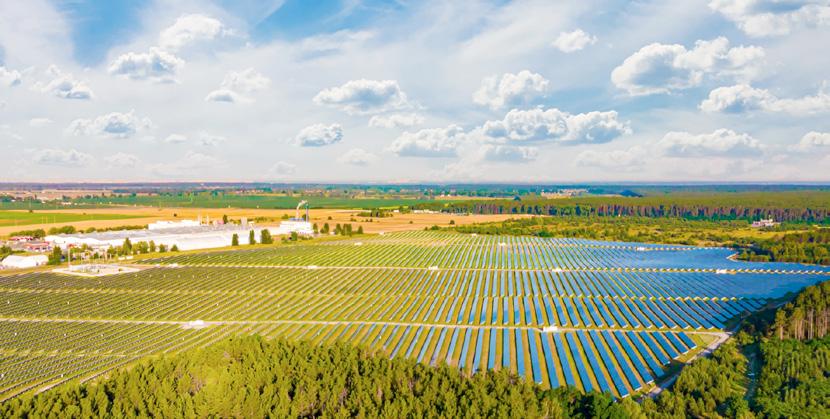
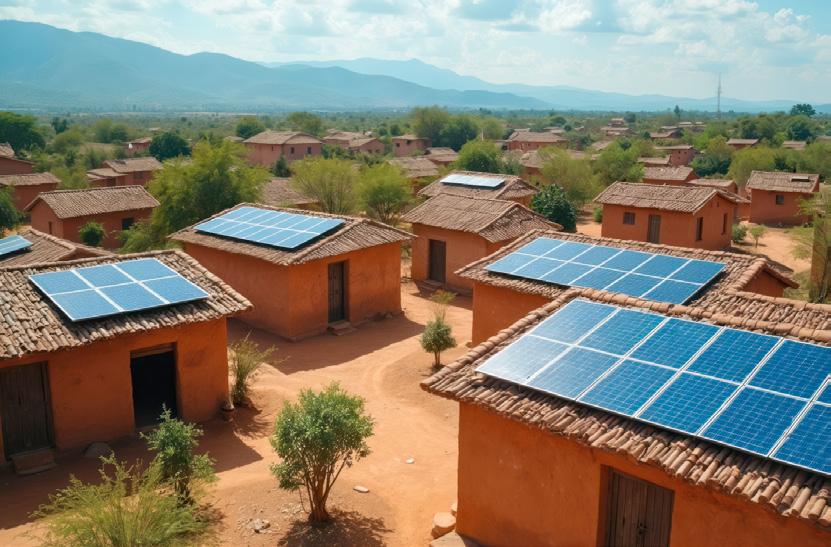
The objective is to maximise the installation potential of solar PV and solar heating systems across the University’s urban property portfolio, targeting 6,000 kWp installed capacity In 2024, it installed PV capacity of 1,328 kWp and solar heating capacity of 610 kWp� Future plans are to install an additional 888 kWp of PV installations by December 2025, bringing the total installed PV capacity up to 2,216 kWp
Solar installations have been completed, among others, the TW Khambule Mathematical Sciences Building (59kWp), the Construction Economics and Management Building (29kWp), the Origins Centre (110 kWp), and Robert Sobukwe Block (127kWp). Solar has been installed at the Wits Rural Campus on the provincial boundary between Mpumalanga and Limpopo provinces near the town of Acornhoek (143 kWp), which is the University’s 350-hectare rural campus This campus hosts the Wits Rural Knowledge Hub that links science to action for sustainable development and has a laboratory of interdisciplinary ideas about rural issues�
There is solar at Wits Agincourt Unit (47kWp), 55km south of the Wits Rural Campus, which is the field site offices of the Medical Research Council/Wits Rural Public Health and Health Transitions research unit in Agincourt village� Part of the School of Public Health, it operates the Agincourt Health and Socio-Demographic Surveillance System in 31 villages in the Bushbuckridge local municipality� The Agincourt Unit collaborates with host communities and local institutions to understand and address the evolving health, population, and social transitions in rural South Africa and sub-Saharan Africa� It strengthens public health, governance, and social responses – shaping national, regional, and global health and development policies by generating actionable insights
Solar heating has been installed at three residences in Parktown that are in close proximity to the University: Wits Junction, David Webster, and Barnato Hall
The Operations and Facilities Management Department’s sustainability plan acknowledges climate change has become critical as it impacts the University through increased energy costs with reduced funding� The energy office intends to reduce its reliance on generators and improve alternative energy options However, first it needs baseline information, that is, to identify buildings with high energy consumption in order to standardise energy reduction measures across all campuses Its four-year plan from 2025 to 2028 includes obtaining energy performance certification for selected buildings to determine energy performance grading, setting up building management systems to rationalise the usage of energy, installing check-meters for intake sub-stations to measure energy efficiency, and investigating the use of large-scale battery storage systems to improve power stability Energy performance certificates have already been completed for 22 buildings Seven were rated as A, another seven as B, three as C, one as D (which is regarded as acceptable), and four as E.
The Bachelor of Arts with Honours in the field of Labour Policy and Globalisation offers an elective, Work and Labour in the Global Economy This course focuses on the changing nature of work in the new economy and the implications for economic opportunity and inequality in both South Africa and the US
South African President, Cyril Ramaphosa, appointed two Wits academics in November 2024 to be the economic thought leaders in the Presidential Economic Advisory Council (PEAC). Their role is to guide the government to pursue inclusive and sustainable economic growth and job creation
The academics are Professor Imraan Valodia, Pro Vice-Chancellor: Climate, Sustainability and Inequality, and Director of the Southern Centre for Inequality Studies, and Dr Kenneth Creamer, Senior Lecturer in the School of Economics and Finance PEAC serves as a forum for discussions on emerging global and domestic developments as well as economic and development policies The members, who volunteer their time, are appointed for a five-year term�
Avril Joffe, a cultural policy and management expert at the Wits School of Arts, was appointed as UNESCO Chair in Cultural Entrepreneurship and Policy alongside her counterpart, Professor Annick Schramme, Academic Director for the Creative Industries at the Antwerp Management School They will collaborate to drive cultural research and strengthen arts policy on two continents
The UNESCO Chairs aim to support inclusive social development and intercultural dialogue Joffe has been a member of UNESCO’s Panel of Experts for Cultural Policy and Governance since 2011
Wits’ policy on the Employment and Advancement of Persons with Disabilities states that Wits believes the inclusion, empowerment, and integration of students and employees with disabilities are integral to its institutional identity� The University recognises that persons with disabilities have been historically marginalised in South Africa and that it is imperative to put measures in place to redress the inequalities and disadvantages created by prejudice and discrimination Wits aims to ensure the advancement of persons with disabilities is reflected in its academic, research, and social engagement plans; in its strategic and financial planning mechanisms; and in its activities� This is to ensure a culture that fosters unprejudiced attitudes towards persons with disabilities�
The University’s Employment Equity Plan represents Wits’ goal to achieve equity and promote workplace diversity� It commits to employment equity as a strategic intervention that seeks to leverage the previously disadvantaged and redress the past legacy of inequality in opportunity, uneven access to quality education, limitations on the movement of people, and systematic exclusion from the mainstream economy Its key objectives include promoting the equitable representation of suitably qualified persons from the designated groups in all occupational levels of the organisation, to accommodate staff with disabilities and female staff wherever possible to promote their participation at all levels of the organisation, and to support the University in making progress towards key targets such as 44% representation of women and 2% of persons with disabilities This Employment Equity Plan supports SDG 5 (Gender Equality). The plan goes together with other human resources policies and associated interventions supporting workplace diversity, including the Anti-discrimination Policy, Recruitment and Selection Policy, and the Promotions Policy

Statistical Computing and Inference for the Social Sciences and Humanities is a compulsory module in the Master of Arts in e-Science This course develops practical skills for conducting quantitative research using statistical software�
The Bachelor of Arts in Digital Arts brings together the creative and technical aspects of game creation� It teaches skills such as technical development, and programming, illustration, animation, writing, and sound design
Wits University launched a new Fintech research hub in collaboration with the financial services organisation, Liberty Group, in May 2024 Located in the new Flame Station building at the Liberty Group campus in Braamfontein, the hub is a space where researchers, thinkers, tinkerers, and problem solvers can meet and collaborate to develop optimal solutions to real-world problems The hub will play a role in training postgraduate students in finance and related disciplines A new Master of Commerce degree in the field of Financial Technology has been developed on the back of the launch of the hub This initiative aligns with SDG 17 (partnerships for the Goals).
Wits is a participating institution in the African Engineering and Technology Network (Afretec) collaboration, a PanAfrican grouping of engineering and technology-focused universities The others are Carnegie Mellon University Africa, University of Rwanda, University of Lagos, the American University in Cairo, and the University of Nairobi� Afretec seeks to develop leaders to drive inclusive digital transformation in Africa and create thousands of jobs It focuses on information and communication technologies that support advances in education, agriculture, health, government, and others such as edtech, agtech, mHealth, and e-Government The network consists of four pillars: knowledge creation, teaching and learning, building entrepreneurship, and inclusion and diversity Professor Ruksana Osman, Senior Deputy Vice-Chancellor: Academic at Wits and Afretec board member; Professor Nithaya Chetty, Dean of the Faculty of Science and Afretec coordinator; and Professor Heila Jordaan, project manager, drive the project at Wits
One of the projects funded in 2024 was a partnership between Wits and the universities of Nairobi and Lagos to investigate the role of micro, small, and medium enterprises (MSMEs) in Sub-Saharan Africa. The research focused on their role in the health, energy, environment and sustainability sectors with the aim of helping to create a more supportive environment for youth-led MSMEs in the face of contemporary challenges�
In September, Wits’ Disability Rights Unit (DRU) partnered with the Afretec Inclusion, Diversity and Impact Team to host 66 representatives from African education and training institutions at the Disability and Technology in Higher Education Workshop in Johannesburg Themed Enabling Access and Success, the workshop laid the groundwork for the formation of an African Higher Education Disability group, which Wits’ DRU will spearhead, driving the push for a more inclusive education systems in Africa Afretec will develop a white paper to guide institutions on the provision of assistive technology for students with disabilities
Wits launched its Machine Intelligence and Neural Discovery (MIND) Institute in November 2024, building on more than a decade of the University’s investment in postgraduate education, capacity building, and Pan-African AI initiatives� It has since secured funding of US$1 million from Google�org� This investment will supercharge its research and boost its networking-building programmes, which centre around outcomes-driven collaboration across disciplines, and dialogue among academia, industry, and policymakers� The partnership aligns with Google� org’s mission to accelerate scientific discovery through external collaborations that enable real-world impact
The institute recently launched its inaugural cohort of 34 MIND Fellows who are already collaborating on more than 25 projects in domains from reinforcement learning to digital humanities MIND brings together experts in the fields of computer and mathematical sciences, neuroscience, psychology, archaeology, anthropology, philosophy, the creative arts, and governance� Its core programmatic activity focuses on three strategic workstreams: the fundamental science of AI, application in society and industry, and African AI governance and leadership MIND addresses how AI interfaces with society from an ethical and policy perspective, ensuring AI development is safe, inclusive, and beneficial to all
World Intellectual Property (IP) Day is celebrated every year on April 26. In 2024, the Wits Innovation Centre (WIC) hosted the celebration, themed IP and the SDGs: Building our common future with innovation and creativity. The SDGs do not explicitly mention IP rights, but they play a crucial role in fostering an environment conducive to innovation and sustainable practices� The importance of IP rights is emphasised in Goal 9 of the SDGs, which states: "Without technology and innovation, industrialisation will not happen, and without industrialisation, development will not happen�" The centre plays a key role in encouraging, facilitating, and supporting the connection between research and innovation It works with the Wits Entrepreneurship Clinic to seek opportunities for innovators, and monitors and evaluates the implementation of the Wits Strategic Plan for Innovation (2023–2027).
Marius van Staden, Associate Professor in the School of Law, Faculty of Commerce, Law and Management, was appointed in 2024 as a member of the working group towards the development of a National Artificial Intelligence Strategy of the National Advisory Council on Innovation (NACI).

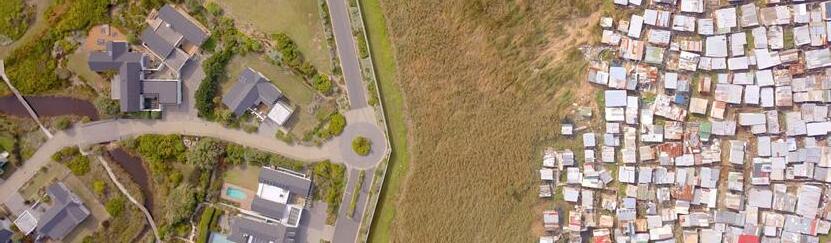
The School of Economics and Finance (SEF) and the Southern Centre for Inequality Studies (SCIS) offer a Master of Commerce in Inequality Studies The programme is interdisciplinary, drawing from economics, sociology, politics, and education It involves coursework and a research report� The two compulsory courses are Introduction to Inequality Studies and Inequality Studies: Theory and Methods� Students choose two electives from SEF and one from another school The MCom trains researchers and policy practitioners to understand inequality around the world, with a focus on the Global South
Bachelor of Arts Honours in the field of Critical Diversity Studies offers an elective, Identity, Movement and Control: Theories of Southern African Migration, and another in Human Rights and Power.
Whiteness, Race and National Identity is an elective in the Master of Arts in the field of Sociology�
The Wits interdisciplinary Southern Centre for Inequality Studies (SCIS) has been one of 16 leading universities and policy centres around the world, six of which are in the Global South, selected to join the Emerging Political Economies Network Funded by five-year grants from major international philanthropic organisations, including the Hewlett Foundation, the Omidyar Network, the Ford Foundation, and the Open Society Foundation, the network seeks to reimagine political economy for a more equal
world It investigates how economies in the twentyfirst century could and should work better� There is growing recognition that neo-liberal economic thinking and policies, which have dominated the world over the past 50 years, have exacerbated poverty, increased inequality within and among nations, and accelerated the climate crisis The SCIS has collaborated with its network partners to develop a university curriculum and build research and information-sharing networks that focus on a new political economy In 2024, two key engagements took place:
• In June, five members from SCIS attended the network’s annual meeting in Mexico City at the Collegio de Mexico The network will gather again in London in 2025, and SCIS will host the annual meeting in 2026
• In September, the network held its first Political Economy of the Global South conference, hosted by the American University in Cairo Ten members of the SCIS attended to present work, lead a workshop on teaching and learning, and strengthen research and communication partnerships
South Africa’s historic G20 Presidency has invited Professor Imraan Valodia, South African economist and Pro Vice-Chancellor: Climate, Sustainability and Inequality and Director of the Southern Centre for Inequality Studies (SCIS) at Wits, to join its Extraordinary Committee of Independent Experts on Global Wealth Inequality The committee will be chaired by Nobel laureate Professor Joseph Stiglitz and is aimed at driving international action and awareness around disparities in income, wealth, and opportunity Professor Valodia’s work through the SCIS has positioned him as a thought leader in the fight against inequality, both in South Africa and internationally�
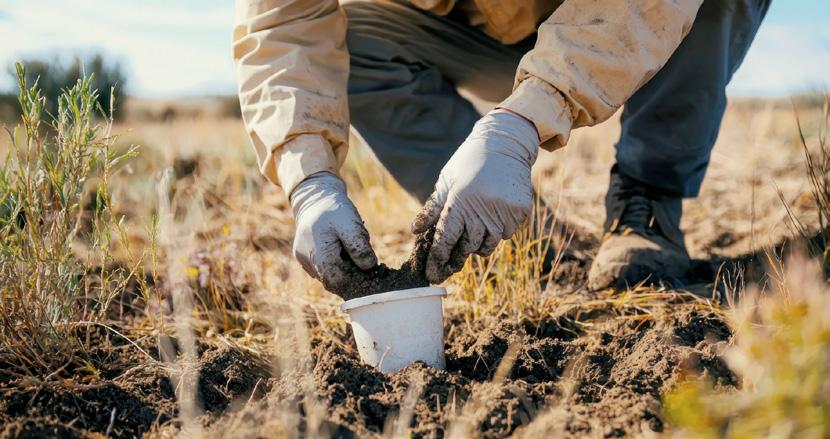
In the Faculty of Science, the Environmental Studies stream is one of the fastest growing divisions in the Wits School of Geography, Archaeology and Environmental Studies Honours students have a chance to complete research projects alongside world-leading experts in their fields of water science, climate change, and atmospheric science Career opportunities include environmental consulting – aquatic and terrestrial, and environmental scientist
The Bachelor of Science (BSc) Honours in the field of Environmental Studies consists of four compulsory courses and one elective course The four compulsory courses are: Research Report: Environmental Studies, Research Methods in Environmental Studies, Environmental Policy and Practice, and Integrated Environmental Management. The elective courses include Water Challenges in Southern Africa, Air Pollution, and Synoptic Climatology and Understanding Cities in Africa.
The School offers a BSc in the field of Environmental Studies, which provides an interdisciplinary science and social science education, focusing on the historical and contemporary issues facing southern Africa today, including climate and environmental change, resource management (heritage resources), environmental justice, and sustainability
Environmental Studies aligns with the following SDGs: SDG 6 (Clean Water and Sanitation); SDG 7 (Affordable and Clean Energy); SDG 12 (Responsible Consumption and Production); SDG 13 (Climate Action); and SDG 15 (Life on Land).
Culture and Humanity and Integrated Social Work Methods and Human Rights are electives in the curriculum for Bachelor of Social Work�

2024 marked the finalisation of the transformation of the Wits Planetarium into the Wits Anglo American Digital Dome, after the mining house partnered with the University in 2022 to support its refurbishment, expansion, and digitalisation The project has revolutionised the understanding and experience of science, art, and culture The copperdomed Wits Planetarium has been a well-known landmark on Yale Road on the East Campus of the University since it was completed in 1960� It is the largest planetarium in sub-Saharan Africa Building on its proud history as a science engagement venue, it has been transformed into a cutting-edge, multidisciplinary research facility It is hosted by the School of Physics in the Faculty of Science� The official opening was in February 2025
Wits is committed to reduce carbon emissions by 5% MT CO₂ₑ℮ / year. The intention is to facilitate the measurement of scope 1 and 3 emissions, where scope 1 are the direct greenhouse emissions that occur from sources Wits controls or owns, and Scope 3 (or value chain emissions) from sources that are not under its direct control but that occur because of its activities, such as transport, student and staff commuting, and waste generated as part of its operations�
This commitment is reflected in the University’s e-mobility strategy By 2050, most university vehicles transporting students will have been replaced by green energy vehicles It is important to support pedestrians, golf carts, cyclists and transit users, and to limit motorists as far as possible so the campus can be safer and less carbon intensive Wits’ e-mobility strategy aims at promoting sustainable commuting by introducing e-bicycles, e-golf carts, and e-utility carts on campus, developing infrastructure for cycling and disability mobility within campuses by 2030, and installing solar-powered charging stations across all campuses by 2027
In 2024, the University procured 15 e-golf carts and e-utility carts and implemented a shuttle bus to and from the transport hubs of Park Station and Rosebank to enable students and staff to be able to leave their vehicles at home
The Services Department hosted a two-day campaign on environmental sustainability in October 2024 and plans more campaigns on e-mobility At the end of 2025, the aim is to reduce the emissions of the bus service by 35%, which will cut the number of litres of diesel by 30%, resulting in cost savings� Routes that depart with less than 20% capacity will be reassessed and rationalised The University aims to invest in driver skills training to reduce high fuel consumption and to introduce at least two electric buses to operate on its intercampus routes in the second semester of 2025� The target for the university fleet is to:
• reduce carbon emissions by 20% at the end of 2025;
• centralise management of the University fleet by September 2025;
• replace vehicles older than 10 years with green energy vehicles by introducing two electric vehicles each year from 2025 to 2029; and
• reduce fuel and maintenance expenditure by 40% at the end of 2025
Between 2025 and 2028, the aim is to continue purchasing and supporting green transit options, with golf carts and hybrid vehicles, to continue with infrastructure to support an electric transport system and increase transfer options from main transit and retail stations, using the Gautrain and airports�
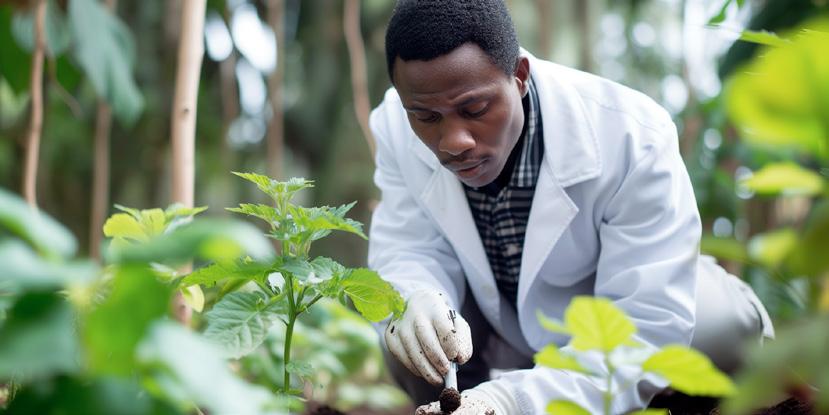
Transitions in Environmental Sustainability is an elective in the Honours in the field of Animal, Plant and Environmental Sciences� The module focuses on sustainability theory and practice
The School of Chemistry offers an applied chemistry major, Green Chemistry, either as a full course or part of a course The course covers the understanding of the following concepts:
• the impact of human activity on the environment;
• familiarity with environmentally friendly or ‘green’ chemistry;
• the 12 principles of green chemistry, which include prevention – it is better to prevent waste than to treat or clean up waste after it has been created; and
• Chemists being the key to preventing global warming and other current environmental challenges
The course supports SDG 3 (Good Health and Well-being).
The Margo Steele School of Accountancy offers a Postgraduate Diploma Specialised Accountancy in the field of Integrated Thinking and Value Creation� The qualification is part of the Chief Value Officer (CVO) Programme and part of the School’s continuing research-driven enquiry into integrated reporting, integrated thinking, sustainable development, and ethics The diploma views business in the context of broader society, rather than merely a profit-driven entity� Ultimately, this postgraduate diploma is about a more integrated and holistic way of thinking about
business� This new role of a CVO requires a thorough understanding of stakeholder inclusivity, environmental responsibility, and long-term sustainability Three of its modules can be taken online as short courses They are endorsed by the South African Institute of Chartered Accountants (SAICA).
Introduction to Cultural Policy and Management A is an elective in the curriculum for Bachelor of Arts in Theatre and Performance
Consumer Culture and the Media in the Faculty of Humanities brings together key questions about the relationship between consumer culture and the media in South Africa, the Global South, and beyond� These include the links between consumption and race, class, and gender, as well as the mediated aspects of various forms of consumption, from shopping to tourism and so-called green consumption
Africa produces about 54% of the world’s cashew nutshell liquid The shells are not a source of food, and they are usually discarded as waste, thus using them in industry or for medical applications does not compete with any other purposes� The School of Chemistry is involved in projects with various partners involving these discarded shells:
• A partnership between Wits, the German natural cosmetics company Mon Courage, and Johannes Gutenberg University Mainz in Germany that uses the shells for the synthesis of triazine-based ultraviolet absorbers that have the potential to be used in sunscreens The project aligns with SDG 3 (Good Health and Well-being).
• A project involving the South African Medical Research Council’s Antiviral Gene Therapy Research Unit (AGTRU) at Wits – whose partners include the Medicines Patent Pool, Deutsche Gesellschaft für Internationale Zusammenarbeit (GIZ), and KfW Development Bank in Germany – and the Synthetic Organic Chemistry Unit at Wits in a project titled Local large-scale production of ionisable lipids� The project involves extracting the oil from the shell, which is thereafter converted into hydrogenated cardanol, and a few simple synthetic steps later, into ionisable lipids� These lipids can then be custom-designed and assembled as lipid nanoparticles to carry encapsulated messenger RNA (mRNA) in a vaccine, triggering an immune response. The project secured a R7-million grant to develop these vaccine-enabling compounds� The grant was one of six international innovation awards under the GIZ SAVax programme Funded by the European Union and the German Federal Ministry for Economic Cooperation and Development (BMZ), the SAVax programme supports vaccine and health technology innovation across Africa as part of the Team Europe Initiative on Manufacturing and Access to Vaccines, Medicines and Health Technologies. Chemical Process Technologies (CPT) Pharma, a local industry partner, will produce the special lipids on a large scale in South Africa at a lower cost� Together, the Wits and CPT Pharma scientists will develop the ingredients needed to produce vaccines both locally and internationally� This positions Wits and South Africa as leaders in developing bio-renewable materials for mRNA vaccines and supports the African Union’s target of producing 60% of the continent’s vaccines locally by 2040, which will be a huge increase from the 1% of vaccines Africa currently produces
The University is committed to reducing waste It aims to do so through an integrated approach to reuse and recycle as much as possible and, where appropriate, support local waste reclaimers and eco/green businesses in its community Waste management has been a continued challenge within the University, with an estimated personal quantity per person ranging from 2 91 to 12 09 tons per person per month, depending on the season The main goal is to reduce waste to landfill by ten percent by 2025, achieving zero waste to landfill by 2030� To do this, the Operations and Facilities Management Department aims to:
• expand the campus-wide recycling programme, including paper, plastic, glass, and e-waste;
• increase labelling of recycling bins across all campuses;
• promote composting of organic waste from landscaping and food sources;
• implement zero-waste policies for campus events; and
• promote reusable bottles with waste separation and recycling bins as a last resort�
The department aims to introduce pest control vector management by using electrical fly catchers instead of spraying to reduce carbon emissions, and increase the use of biodegradable and earth-friendly cleaning chemicals to 80%
The department plans to increase the number of solar benches to 12� Equipped with solar panels, these benches provide a tech-savvy infrastructure of 4,800-watt-hour battery capability that can power a standard 65W laptop for up to nine days, a useful feature for overcast days and winter months where sun power is reduced� At night, these structures can easily be spotted by the automatic lights, making them easy to find Besides providing access to a reliable power supply to charge devices, they are popular for group discussions and have become collaborative outdoor spaces that contribute to teaching and learning They contribute to student wellness, according to Christabel Ziyambi, Operations Manager of the Grounds and Waste Unit within the Systems and Operations Division� "Being outdoors promotes mental health and by providing more outdoor learning facilities we are ensuring that students enjoy the sun, blue skies and the beautiful, well-maintained environment around us," she said�
The University intends to increase its promotion of reverse recycling vending machines Advertised as "Go green with Wits," these machines allow users to scan the barcode of recyclable items such as plastic bottles and glass, insert the item into the machine, and log in with their cell phone number Having previously downloaded the Imagined Earth app, users earn points in a digital wallet that can be redeemed for cash, airtime, and rewards with existing loyalty partners, such as supermarkets, and even a company through which one can buy shares on the Johannesburg Stock Exchange
The Global Change Institute (GCI) initiated an MSc by coursework and research report in the field of Interdisciplinary Global Change in 2024 The institute formerly known as the Global Change and Sustainability Research Institute – was established in 2011 as one of several multi-disciplinary research institutes at Wits, collectively known as 21st Century Institutes
This MSc programme is designed to develop a complex understanding of social-ecological sustainability and the challenges associated with global environmental change, such as unsustainable resource use and associated environmental degradation, climate change, and biodiversity loss The course covers key topics such as sustainability science, climate change, inequality, transformative change, futures thinking, leverage points, and governance� The programme comprises two core courses: Introduction to Global Environmental Change, which includes an overview of climate change, land-use change, biodiversity loss, and their interdependencies; and Sustainability Science and Governance, which includes an understanding of the role of social drivers of global change, such as vulnerability assessments� These two core modules are available as electives in other degree programmes�
At the conclusion of the programme, it is envisaged that students will be better able to interrogate the challenges of global environmental change, design appropriate responses to its pressures, and provide a thorough understanding of current approaches in sustainability science thinking and governance, both locally and internationally
Thinking with Earth: Anthropology in the Anthropocene and Climate Crisis is a third-year anthropology module in the Faculty of Humanities�
Media Studies
Media and the Environment is an elective in the Bachelor of Arts Honours in the field of Media Studies
Empire and the Crisis of Civilisation is an elective in the Master of Arts in the field of International Relations Programme�
Eight postdoc fellows joined Wits in January 2024 to boost research on the intersecting themes of climate change, just transition, sustainability, and inequality� This fellowship programme is part of the Centennial Postdoctoral Fellowships and the research initiatives of the Pro Vice-Chancellor: Climate, Sustainability and Inequality The fellows are from across the African continent and represent disciplines that include chemical and mechanical engineering, biological and environmental sciences, finance and economics, science education as well as environmental policy and planning Their research projects include Recycling coal waste to building components; Towards a just transition and a low carbon economy in South Africa: An assessment of climate change risks and opportunities; and Toward a Just Transition: Integrating Climate Science, Social Equity, and Economic Sustainability.
The Wits Climate Risk Modelling project has secured a US$50,000 phase one grant from the Bezos Earth Fund’s AI Grand Challenge for Climate and Nature to lead a project aimed at transforming weather forecasting across the African continent� Led by Professor Rendani Mbuvha from the School of Statistics and Actuarial Science, the project will make use of advanced AI to deliver accurate, high-speed weather and climate predictions in regions where current systems are insufficient "Together with our partners, we’re thrilled to democratise skilful AI-driven weather forecasts that will generate multisectoral impact across the Global South," said Mbuvha�
The Southern Centre for Inequality Studies at Wits is leading a ‘care-climate nexus’ project in collaboration with the Canadian-based International Development Research Centre, and a group of feminist economists and climate scientists from across the world The research project’s objectives are to map the conceptual links between climate change and care, and to inform and support policymakers to include care in climate policy The links between climate change and care have been largely under-researched The climate crisis stems, similarly to the care crisis, from an economic paradigm that undervalues care both for each other and for our physical environment� Climate policy that does not centre care risks replicating or even exacerbating structural inequalities Care work has been cast as "women’s work," although men do it too On average, women and girls in the Global South undertake over three times more unpaid care work than men The disproportionate responsibility for this work restricts women and girls’ opportunities to pursue education or employment� The undervaluation of care work reflects gender norms that regard women’s work as inherently less valuable and as something that is endless and free� Care goes beyond person-to-person care to include caring for the environment and is an ethical and political concern, as everything we do to maintain, continue, and repair our world is significant and crucial for life on earth

The Global Change Institute participates in the GREEN-STEM Student Mobility Programme. Funded by the European Union, the programme is an intra-Africa mobility scholarship in science, technology, engineering, and mathematics (STEM) and related fields between Wits, the University of Nairobi in Kenya, the University of Lagos in Nigeria, the University of Rwanda, and PSL University in France. GREEN-STEM is open to female postgraduate students across multiple STEM disciplines, who are of African nationality and residence, and from GREEN-STEM and Afretec universities Afretec is a Pan-African network of engineering and technology-focused universities that drives inclusive digital transformation in Africa� Participating universities are: Wits; Carnegie Mellon University Africa; University of Rwanda; University of Lagos; American University in Cairo; and University of Nairobi
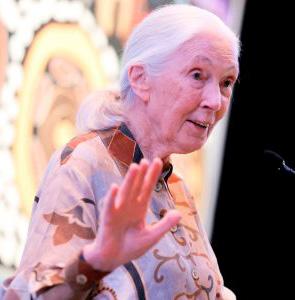
Hosts Jane Goodall at Wits
Future Ecosystems for Africa (FEFA), a cross-disciplinary initiative of Wits University’s Global Change Institute and the School of Animal, Plant and Environmental Sciences (APES), hosted Dr Jane Goodall in February 2024 for what was termed a "fireside chat�" Goodall was 89 at the time and has since passed away The chat with Goodall, arguably the world’s best-known conservation expert, was titled Protect, Manage, Restore: A conversation with Jane Goodall on cocreating future ecosystems for Africa FEFA unites experts across Africa and beyond to build resilient ecosystems, conserve biodiversity, and promote sustainable resource management across the continent It is funded by the Oppenheimer Generations Research and Conservation
The Services Department commemorated Arbour Day in September with an initiative emphasising continuity and sustainability They revisited the 16 fruit trees namely, apple, citrus, and plum planted around Hofmeyer House at the Braamfontein East Campus the previous year� The planting had been in celebration of what in South Africa is a week-long, event as in the original American tradition It has the same purpose: to galvanise people to plant indigenous trees as a practical and symbolic gesture of sustainable environmental management� Participants in the 2024 Arbour Day watered, mulched, pruned, and monitored the growth of the trees, activities that highlighted efforts towards maintaining a green campus One of the key objectives of Arbour Day at Wits is to raise awareness about the critical role trees play in mitigating the effects of climate change� In order to leverage partnerships, the Services Department was supported by one of its service providers, Rothe Landscapers, who sponsored compost
On Saturday, 16 March 2024, students from several Wits residences, who are members of the Green Campus Initiative (GCI), gathered at a workshop, the first of its kind, to discuss how they could contribute to raising awareness around climate change and sustainable use of resources The initiative is part of the Living and Learning Communities initiated by Campus Housing and Residence Life, which falls under the Student Affairs Division The Green Campus Initiative is open to all residence students regardless of their field of study
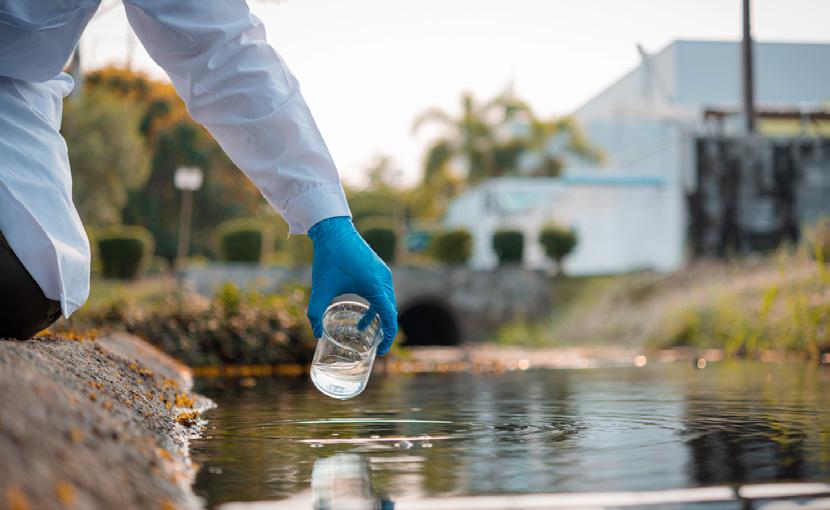
Environmental Sociology is an elective in the Master of Arts in the field of Labour Policy and Globalisation
The Wits School of Chemistry has a wide range of analytical facilities dedicated to the analysis of water and soil samples These facilities allow students to conduct research on a variety of environmental topics, such as water quality, soil contamination, and climate change The Environmental Geochemistry Lab can analyse a variety of environmental samples, including water and sediment The facilities include a floating sediment piston coring system, designed by Uwitec of Austria, which can collect cores up to 20 metres long from lakes, wetlands, and estuaries at water depths up to 100 metres�
The Environmental Analytical Chemistry group in the Wits School of Chemistry focuses on chemical analysis and modelling the transport of pollutants in the environment, including the use of AI tools in understanding water and environmental issues Chemical analysis typically involves the development and optimisation of analytical methods for metal speciation and organic pollutants, and the use of membranes for removal and recovery of heavy metals from water, soils, and industrial wastewaters� They apply synthesised nanocomposite and biocatalytic materials for the remediation of various organic pollutants and pesticides in water
Projects include:
• studies on antibiotic resistance in Vaal River catchment water and possible compounds causing it, by combining environmental DNA with a passive sampling approach;
• a study of the ecosystem health of Lake Kariba by looking at pollutants in water, sediments, and fish, linking this to land use changes;
• understanding microplastics in water and related systems;
• developing advanced materials for recovering valuable minerals from wastewater;
• developing biocatalytic metal organic frameworks for the remediation of organic pollutants in environmental water;
• geochemical modelling of aqueous environments, including: mineral-rock interactions, evolution of groundwater, secondary mineral formation, and design of water treatment systems; and
• applications of AI to environmental chemistry, such as the imputation of missing water data, sensitivity analysis, pattern recognition, text mining of water data from online platforms, and the optimisation of experiments
Oceanic Humanities for the Global South was a five-year project, funded by the US-based Mellon Foundation, that mobilised the core strengths of the humanities (art, literature, media, and the imagination) to understand oceanic ecological crises Isabel Hofmeyr, Professor Emeritus at Wits and Associate Professor Charne Lavery at the University of Pretoria co-directed Oceanic Humanities� The project comprised graduate training (which included an Honours/MA module titled Underwater), research and publications (both academic and popular), international partnerships (with academics in Mauritius, India, Jamaica and Barbados), and events. The teaching, and much of the publications, focused on Life Below Water The project ran until 2023, but its impact is on-going
There are two Wits PhDs working on the project Buhlebenkosi Dlodlo is exploring how selected African literature texts represent the militarisation of water, and Luck Makuyana is looking at The Politics and Poetics of Dams in African Literature through a hydro-infrastructural analysis The project led to a number of related projects, such as the Antarctic Artists and Writers Programme (AWP), a research pilot supported by the South African National Research Foundation under the South African National Antarctic Programme (SANAP). The programme enhances public engagement with Antarctica, the sub-Antarctic islands and the Southern Ocean through artistic and critical practice, providing a formal structure for artists and writers to access the region aboard the SA Agulhas II and to produce creative work that engages a wider audience than scientific research alone The outputs are shared through exhibitions, events, digital platforms and publications, contributing to a broader cultural awareness of the Antarctic within South Africa and beyond AWP started in 2024 and continues until 2026
Another project is the Southern African Literature: Hydrocolonial Perspectives, an experiment in reading for water This was hosted at Wits and at Wits and funded by the South African National Research Foundation, with Hofmeyr as the lead investigator, and led to a special issue of the journal, interventions, which has been taught at Wits and elsewhere On the basis of the journal article, Hofmeyr and Professor Sarah Nuttall of the Wits Institute for Social and Economic Research (WISER), and Lavery spoke in an international series entitled Reading for Water |The Literature of Sustainability: Reading, writing and the SDGs, which aligns with SDG 6 (Clean Water and Sanitation).
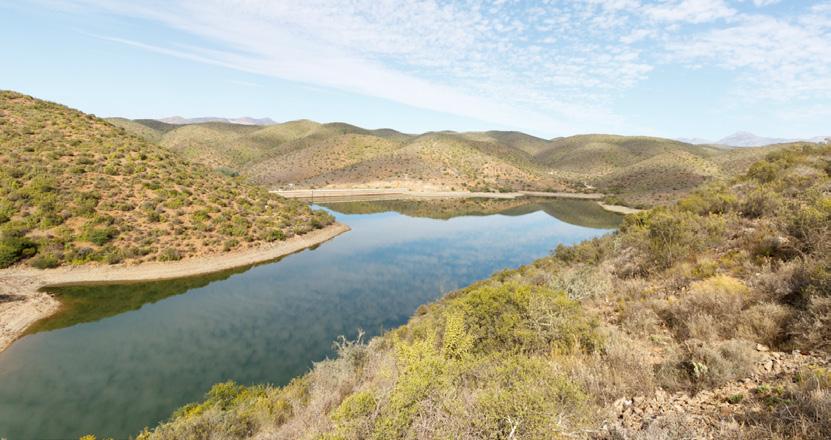
The Political Economy of Nature and Development is an environmental sociology elective in the Master of Arts in the field of Development Studies The course traces the rise of a global environmental social movement, including environmental justice movements in South Africa and elsewhere
The Centre for African Ecology (CAE) is a group conducting long-term research into Africa’s complex ecosystems. In its search for a better understanding of the interactions between herbivores, humans, and vegetation, the work is spearheading the way for improved conservation actions across the continent The researchers use eight main strands of research, extending from nutrient cycling in plantation forestry, savannas and grasslands, to animal movements, herbivore population dynamics, impacts of herbivores on vegetation and the spatiotemporal dynamics of woody vegetation inside and outside protected areas� Some of the latest technology includes GPS collars transmitting animal locations via the mobile telephone network or satellites as well as airborne laser-scanning to detect tree canopy heights and structures Field and remotely sensed data are synthesised using illuminating computational models and data analysis techniques
CAE’s research includes how gemsbok – or South African oryx – cope with extreme temperatures and aridity in the inhospitable Kalahari region of Botswana This region is a great natural laboratory for this type of research as there are fewer fences, and the already extreme arid conditions may be indicative of the types of climates this region will face under climate change conditions�
The centre maintains ongoing collaborations Within Wits, the team partners with a medical physiology group, The Brain Function Research Group, studying the effects of environmental temperature variation on humans and animals CAE collaborates with the Okavango Research Institute of the University of Botswana, which is conducting studies on the movement patterns of large herbivores elsewhere in Botswana� It works with research centres internationally, including a French team assisting with interpreting ungulate movement patterns
The United Nations themed World Environment Day on 5 June 2024 as Land restoration, desertification, and drought resilience and the Wits forestry team celebrated it by reflecting on its eventful year since the Sappi Chair in Climate Change and Plantation Sustainability had been established at Wits� Professor Mary Scholes of The School of APES, an internationally recognised authority on tree physiology and climate change, serves as the research chair The anniversary marked a year of significant progress Under the guidance of Scholes, the team has pioneered initiatives that equip the forestry industry to navigate the challenges of climate change� These include insights the Wits Research Chair has provided to the forestry industry on the impacts of El Niño and the risk of increased wildfires in the 2024 fire season in South Africa’s plantation regions� The Wits team has shared knowledge on climate change with key stakeholders, including the Department of Forestry, Fisheries and the Environment� Duane Roothman, Vice-President of Sappi Forests, said the collaboration was essential for them to continue to thrive "The partners from universities, industry, and Forestry South Africa are for the first time working closely together on the details of plant responses to climate change and the application of the climate data," Scholes said
The Sustaining Natural Resources in African Ecosystems (SUNRAE) research programme in the School of Animal Plant and Environmental Sciences (APES) aims to generate a deeper understanding of human–environment relationships in the communal lands of former apartheid government ‘homelands’; and their implications for sustainability� The programme focuses on sustainable natural resource use, rural livelihoods, community-based natural resource management, and savanna ecology Professor Wayne Twine and his postgraduate students and collaborators conduct their research at the human–environment interface in rural African settings at the Wits Rural Campus, near Kruger National Park� Within the University, SUNRAE collaborates with the Wits Global Change Institute (GCI) and the Medical Research Council/Wits-Agincourt Research Unit, which operates the Agincourt health and socio-demographic surveillance system research platform� Internationally, the programme has a longstanding collaboration on natural resources and rural livelihoods with the University of Colorado Boulder in the US, which started with the environmental dimensions of the HIV/AIDS epidemic, especially in terms of the role of natural resource use as a coping strategy in the face of economic crisis after losing a breadwinner Their partnership with the University of Bayreuth in Germany is about the relationship between environmental change and rural migration
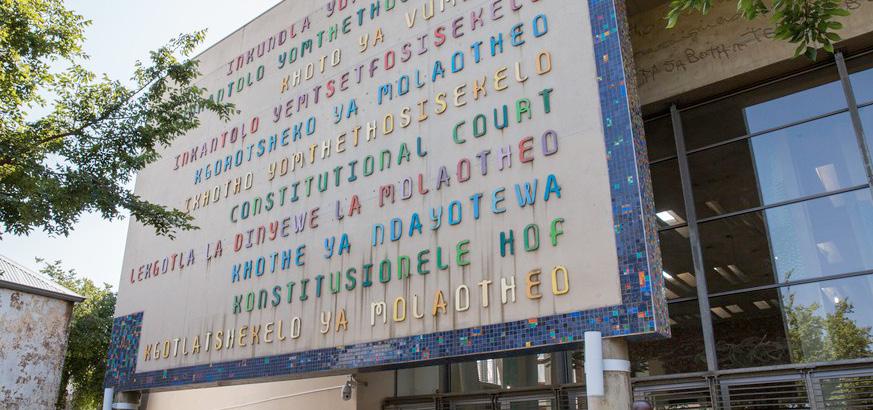
Dr Ekeminiabasi Eyita-Okon, a Senior Lecturer in the Wits School of Governance, teaches International Relations and Diplomacy, a module in the Postgraduate Diploma in Management, primarily designed for parliamentarians The module examines challenges that undermine the achievement of key themes in global development, such as defence diplomacy and digital diplomacy, the latter aligning with SDG 10 (Reduced Inequalities). The module includes border/migration diplomacy, which aligns with SDGs 10 and 11 (Sustainable Cities and Communities), economic diplomacy, which aligns with SDG 8 (Decent Work and Economic Growth) and SDG 10 (Reduced Inequalities), and green diplomacy, which supports SDG 7 (Affordable and Clean Energy), SDG 9 (Industry, Innovation and Infrastructure), SDG 13 (Climate Action), and SDG 15 (Life on Land).
Text and Migration in African Languages Fiction III is an African Languages Literature module that explores the effects of colonial modernity on the African people� The module provides an historical overview of the colonial encounter and the response of Africans to these influences The course explores power, contestation, appropriation, and historical narration�
Culture and Humanity in the Faculty of Humanities is a module that examines how African thinkers have debated basic anthropological questions about humanity and its diversity Topics include the place of the precolonial past and its heritage in the imagining of present-day and future African worlds, and reflections on the denial of humanity in contexts of violence, slavery, and racism
Ritual and Power II is an anthropology module that explores the central tenets of religion and politics as well as the role of religion in domination and resistance An anthropological approach shows the manner in which religion and politics are intertwined both in church and government, and in everyday life
Media and Society 1 introduces students to critical analytical media studies in historical and contemporary
contexts through exploring key concepts and theoretical traditions The course focuses on the nature of mediated communication, the functions and roles of media, and institutions that help to define media’s place in society
The Centre for Applied Legal Studies (CALS) is a human rights organisation based at the Wits School of Law. It uses a combination of research, advocacy and litigation to advance social justice� The centre started as a way to encourage law reform and improve access to justice during apartheid It remains committed to promoting human rights and challenging systems of power in South Africa and the region� It is guided by four key pillars:
• expanding the agency of marginalised actors;
• developing a critical partnership with the state;
• ensuring horizontal application of the Constitution; and
• taking an intersectional and gendered approach to human rights violations�
Its five intersecting programmes are Business and Human Rights; Civil and Political Justice; Environmental Justice; Gender Justice and Home, Land and Rural Democracy� CALS focuses on the implementation and enforcement of human rights law Fundamental to this is CALS’s ability to engage in rigorous research as the basis for rights-based strategies as well as its ability to build relationships with communities most affected by deprivation of rights
The Wits Law Clinic is the largest university law clinic in South Africa and it is recognised for its excellence in teaching, professional service, research, and collaborative partnerships with other organisations and stakeholders The clinic offers pro bono legal services for those who qualify for legal aid� It runs six units headed by admitted legal practitioners, who are assisted by candidate legal practitioners as well as final-year law students Besides a general unit, there are Family, Gender & Child, Labour, Property, Criminal law & Delict, and Refugee Unite units.
The University is committed to sustainable procurement Wits has the purchasing power to influence, initiate, and sustain green economies The primary goal in terms of procurement is to ensure that businesses that support the University to measure its Scope 3 emissions The University sees its task in this regard as developing a criterion for sustainable purchasing, procuring safer and more sustainable products and materials, and sourcing supply chain resources from vendors who adhere to socially and environmentally responsible practices�
The University task team developed community engagement guidelines in 2024 Dr Robin Drennan, Director for Research Development, convened the team that included Dr Bernadette Johnson, Director of the Transformation and Employment Equity Office, Karuna Singh, Senior Student Development Project Officer at the Student Development and Leadership Unit, and Professor Noor Nieftagodien, Director of the History Research Group The guidelines outline how Wits sees community engagement as imperative� It is embedded in the University’s strategic statement of purpose of 2023, which is to "make a positive impact on society through creating and advancing global knowledge and [by] fostering graduates to be leaders with integrity�" Guided by the SDGs, the University strives to connect with its communities in a mutually beneficial manner through the co-production of knowledge, exchanging ideas, sharing solutions, and being a force for good for its city, province, country, region, and continent The guidelines seek to enable ethical and safe community engagement, so Wits can fulfil its strategic intention of making a positive impact on society The purpose is not to override existing guidelines established by various organisational units within the institution, but rather to provide a broad framework for the University as a whole The University has a long history of commitment to serving and contributing to impactful and innovative societal solutions� The University and its communities seek to strengthen their connections through mutual exchanges of expertise and resources The four broad areas of community engagement are: engaged scholarship including research and innovation; engaged teaching and learning; outreach and community participation; and public access to university facilities

The Centre on African Philanthropy and Social Investment (CAPSI), located within Wits Business School (WBS), has a module focusing on SDGs and philanthropy. It is titled Philanthropy (Gifting) and the Sustainable Development Goals� The WBS has a memorandum of understanding with Carleton University in Ottawa, Canada, and after initial conversations at an Association for Research on Nonprofit Organizations and Voluntary Action (ARNOVA) Conference, of which Wits is an institutional member, it was decided to co-teach the module to both their students Wits designed the module, which is one of the electives of the Master of Management in African Philanthropy, the continent’s first specialist postgraduate programme in the field� Carleton University students select the elective as part of their Master of Philanthropy and Nonprofit Leadership (MPNL) programme. The module is presented in a hybrid format It is synchronously delivered to both students online Associate Professor Jacob Mati of CAPSI introduced an assessment component that includes students, working in small syndicate groups, paying visits to philanthropic/NPOs/social enterprises, with which CAPSI has cultivated relationships The students learn what these organisations do to address any of the SDGs, propose an innovative solution, and ensure scaling These visits see Wits and Carleton students working together in the syndicate assessment Wits hosts the Canadian students for about 10 days�
The 2024 Carleton cohort found the module invaluable MPNL student, Emma Murgida, said she had never heard of the SDGs "and taking the course was my first in-depth look at what they mean and how they’re part of an international agenda I learned what different parts of the world are doing to address the SDGs, especially because the 2030 goal is approaching The field visits in South Africa helped with that, as did the academic analyses from the South African instructors in class It was a holistic experience "
Another visiting student, Katelyn James, was reported as saying: "My favourite part of the course was connecting with the South African students from Wits University " She further said, "The course was great It was the highlight of the MPNL programme for me "
The Wits Master of Management in African Philanthropy is designed for students who want to build a career in either the business or social sector, especially in the area of foundations Since the SDGs are interconnected, philanthropic efforts can address multiple goals simultaneously, but SDG 17, Partnerships for the Goals, is particularly relevant, as philanthropy works alongside governments, the private sector, and civil society to achieve the SDGs through cooperation and collaboration�
The Wits School of Governance is about to launch a Master of Management (MM) by coursework and research with a specialisation in Public and Development Sector Monitoring and Evaluation� This programme is in collaboration with the Centre for Learning on Evaluation and Research (CLEAR Wits), one of six regional centres housed in academic institutions around the globe with the objective to improve monitoring and evaluation The other CLEAR centres are in Senegal, Mexico, India, China and Brazil, all supported by the Global Evaluation Initiative in Brussels, Belgium� The degree aims to help graduates apply a range of analytical and interpretive lenses on complex issues within the broad reach of the state and civil society, and their respective roles as social change and development agents�
Funding Contexts in Cultural and Creative Industries in the Faculty of Humanities covers the basic financial management skills required for effective and innovative fundraising It also covers the legal status and governance of cultural institutions, which are critical for their financial growth and sustainability, and places emphasis on building mutual and sustainable partnerships
Educational Psychology in the South African Context is an elective in the Bachelor of Arts Honours in the field of Psychology The learning and development component of the course includes the role of the educational psychologist in establishing and contributing to collaborative partnerships to enhance the accommodation of children with barriers to learning
Franziska Sucker, Associate Professor in the School of Law, is an academic expert for the South African SDG Policy Support Initiative (PSI), which is a tripartite partnership between the Government of South Africa, led by the Presidency, the German Government (assisted by Gesellschaft für Internationale Zusammenarbeit) and the South African SDG Hub, which the University of Pretoria hosts� The PSI acts as the coordinating mechanism bringing together experts from academia and the Presidency to collaborate on evidence-informed policy decision-making and translate this into a useable format for policymakers�

Wits scholars honoured as members of the Academy of Science of South Africa Merit-based academies are said to help implement the SDGs as they provide opportunities for more sustained and systemic involvement The members of the Academy of Science of South Africa (ASSAf) are drawn from the full spectrum of disciplines. They are the core asset of the Academy and give of their time and expertise voluntarily in the service of society� These Wits academics were among the country’s top scholars and scientists honoured in October 2024, which brings the total membership of ASSAf to 730:
• Professor Stephanie Matseleng Allais is Professor of Education and DST/NRF SARChI Chairholder in Skills Development;
• Professor Pamela Andanda is a Professor of Law and coordinates and lectures postgraduate Intellectual Property Law;
• Professor Brett Bowman is a Professor in the School of Human and Community Development and Head: Postgraduate Strategy in the Office for Research and Innovation;
• Professor Bridget Kenny is Full Professor in the Department of Sociology;
• Professor Pradeep Kumar is a Personal Professor of Pharmaceutical Sciences at the Department of Pharmacy and Pharmacology, Senior Researcher at the Wits Advanced Drug Delivery Platform Research Unit, and Chair of the School of Therapeutic Sciences’ Teaching and Learning Committee;
• Professor Madivane Mavhunga is Professor in Science Teacher Education, School of Education;
• Associate Professor Yandisa Sikweyiya is at both the School of Public Health at and the School of Public Nursing and Public Health, University of KwaZulu-Natal, and the Chief Specialist Scientist: Gender and Health Research Unit, South African Medical Research Council;
• Professor Francis Thackeray is Honorary Research Associate in the Evolutionary Studies Institute;
• Professor WD Francois Venter is the Executive Director of Ezintsha and Research Professor in the Wits School of Clinical Medicine; and
• Professor Jennifer Watermeyer is a Professor in the Department of Speech Pathology and Audiology and Director: Health Communication Research Unit
Wits and mining company, Anglo American Platinum, won the SDG Challenge SA 2024 This award recognises their outstanding contribution to sustainability efforts in South Africa Besides being upskilled and inspired to pursue purposeful careers, the winning students walked away with a R15,000 cash prize The challenge, by Soapbox South Africa, connects businesses and university students to work on solutions for the SDGs� Multidisciplinary student teams are paired with leading organisations in South Africa to solve their sustainability challenges� The teams then research and refine their ideas for two months until the Grand Finale where they pitch their solutions, Shark Tank-style, to a jury panel of sustainability experts The jury, which represents participating businesses, the Presidential Climate Commission, and Soapbox South Africa, evaluates each pitch on its alignment with the global goals, innovation, feasibility, stakeholder engagement and involvement as well as preparedness and presentation The SDG Challenge has been mobilising students and organisations since 2018 in The Netherlands, Portugal, Miami, and South Africa to work together on the implementation of the SDGs in the corporate sector�
Wits Citizenship and Community Outreach (WCCO) promotes student community engagement in the form of volunteerism� Volunteering enriches the lives of Wits students by educating them about, and connecting them to, the needs of their community, whether they be across campus, the country, or the world Wits students are involved in projects ranging from working as volunteers on campus, in their own communities, or in other communities; with children, youth or the aged; and for causes as diverse as sustainable development, literacy, social justice, child welfare, the fight against poverty, animal rights or disability awareness� These projects align with the SDGs Green Cities is a student volunteer-led initiative that aims to promote cleaner and greener cities through working with inner-city partners, including local government, private stakeholders, and schools Students are involved in clean-up campaigns aiming to raise awareness about the importance of effective waste management practices in urban spaces
Publications by SDG for the University of the Witwatersrand Entity: University of the Witwatersrand · Within: All subject areas (ASJC) · Year range: 2022 to 2025 · Data source: Scopus, up to 04 October 2025
©2025 Elsevier B.V. All rights reserved. SciVal, RELX Group and the RE symbol are trademarks of RELX Intellectual Properties SA, used under license.


Ms. Thabang Kaneli
Institutional Researcher
Email: thabang kaneli@wits ac za
Professor Imraan Valodia
Pro Vice-Chancellor for Climate, Sustainability, and Inequality
Imraan�Valodia@wits�ac�za