Acknowledgments
Salem’s Townwide Master Plan is a reflection of the hard work, deep reflection, and pragmatic leadership of community members and professional staff. The plan was led by the Planning Division with significant support from the Community Development Department, guidance from the Steering Committee, and feedback from the Planning Board. Throughout the process Salem residents shared their lived experiences, concerns, aspirations, and ideas for Salem’s future.
Town Leadership & Staff
Jacob LaFontaine, Planning Director
Crayton Brubaker, Community Development Program Manager
John Vogl, GIS Manager
Steering Committee
Dionne Garon, Chair - Zoning Board
Bianca Carlson, Vice Chair - Planning Board
Brian Flanagan, Secretary - At-large
Michael Banks, Historic District Commission
Carla Billingham, At-large
Georgia Brust, Conservation Commission
Rachel Hill, Recreation Advisory Committee
Joe Sweeney, Town Council
Bonnie Wright, Economic Development
Planning Board
Joseph Feole, Chair
Sean Lewis, Vice Chair
Damon Norcross, Secretary
Jim Harvey
Bianca Carlson
Chuck Saba
Paul Pelletier, Town Council Rep
Michael Banks, Alternate
Beverly Donovan, Alternate
Consultant Team
Utile Inc., Planning & Design
Tim Love, FAIA, Principal-In-Charge
Zoë Taft Mueller, AICP, Project Manager, Senior Urban Planner
JT Keller, Planner
Landwise Advisors, Real Estate Advisory
Jon Trementozzi, Principal
Amy Fater, Senior Planner
Nelson\Nygaard Associates, Transportation & Mobility Advisors
Bill Schwartz, Principal-in-Charge
Alyson Fletcher, Principal
April 21, 2025
Dear Salem Community,
It is my privilege to introduce the Town of Salem Master Plan, a forward-thinking blueprint designed to guide our town’s growth while preserving the qualities that make Salem a unique and desirable place to live, work, and visit. Rooted in extensive community engagement, this plan reflects our shared aspirations for a vibrant, connected, and resilient future.
Salem is at an exciting crossroads. As our town continues to evolve, we remain committed to maintaining the balance between thoughtful development and the small-town charm that residents cherish. The Master Plan is built on four key pillars—Gathering Spaces, Town Connectors, a Mixed-Use Core, and Missing Middle Edges—which together form a comprehensive strategy for enhancing public spaces, improving connectivity, fostering responsible growth, and expanding housing options that fit the needs of all residents.
This plan is the result of a collaborative process, shaped by the voices of our residents, local businesses, and community leaders. Through public workshops, surveys, and discussions, we have identified key priorities such as revitalizing the Historic Town Center, enhancing pedestrian and bicycle infrastructure, promoting strategic mixed-use development along Broadway, and ensuring that Salem remains an affordable and welcoming place for families, seniors, and young professionals alike.
I want to take a moment to express my sincere gratitude to the many individuals who made this plan possible. I want to thank our dedicated town staff for the countless hours invested in this process, ensuring that this plan is both practical and visionary. Additionally, I want to acknowledge the hard work of the Master Plan Steering Committee, which consisted of nine individuals from other boards, committees, and the community. Their leadership, insight, and commitment were instrumental in shaping this plan, and I truly appreciate their dedication to Salem’s future.
The Master Plan is more than a vision—it is a commitment to action. It will guide town policies, capital investments, and infrastructure improvements to create a stronger, more connected community. I look forward to working together to bring this vision to life and to ensuring that Salem continues to be a place we are all proud to call home.
Sincerely,
Joe Devine, Town Manager Town of Salem
Plan Purpose & Process Executive Summary
What a Master Plan is
A townwide Master Plan provides a framework and roadmap for a community’s growth and development. The plan creates a basis for unified decision-making about the longterm physical development of the Town. Typically, the primary role of a townwide Master Plan is to support coordinated land use and zoning policy updates that are linked to capital project priorities and programs. In order to do this well, a Master Plan must capture a community’s vision, define goals that support that vision, and identify actions or recommendations that can be taken to advance those goals over the course of a decade.
Core Topics
A unified strategy for land use, zoning, and community design, integrating:
• Economy
• Housing
• Transportation
• Land Use & Built Form
Supporting Topics
Topics that play a supporting role for the overall vision articulated for the core topics:
• Recreation & Amenities
• Public Utilities, Services & Facilities
• Natural Resources & Conservation
• Sustainability & Resilience
• Historic Preservation
Focal Places
Places that play an important role in Salem’s shared identity, opportunities, and quality of life:
• Salem Depot / Depot Village
• Main Street / Historic Town Center
• Spicket River, Lakes & Wetlands
• Route 28 / Broadway
• Tuscan Village
• Rail Trail
Summary of the Planning Process
This Master Plan was generated through a year-long multi-phase process, with regular guidance from the Master Plan Steering Committee and two rounds of public engagement:

Public Engagement Round 1: Learning & Visioning
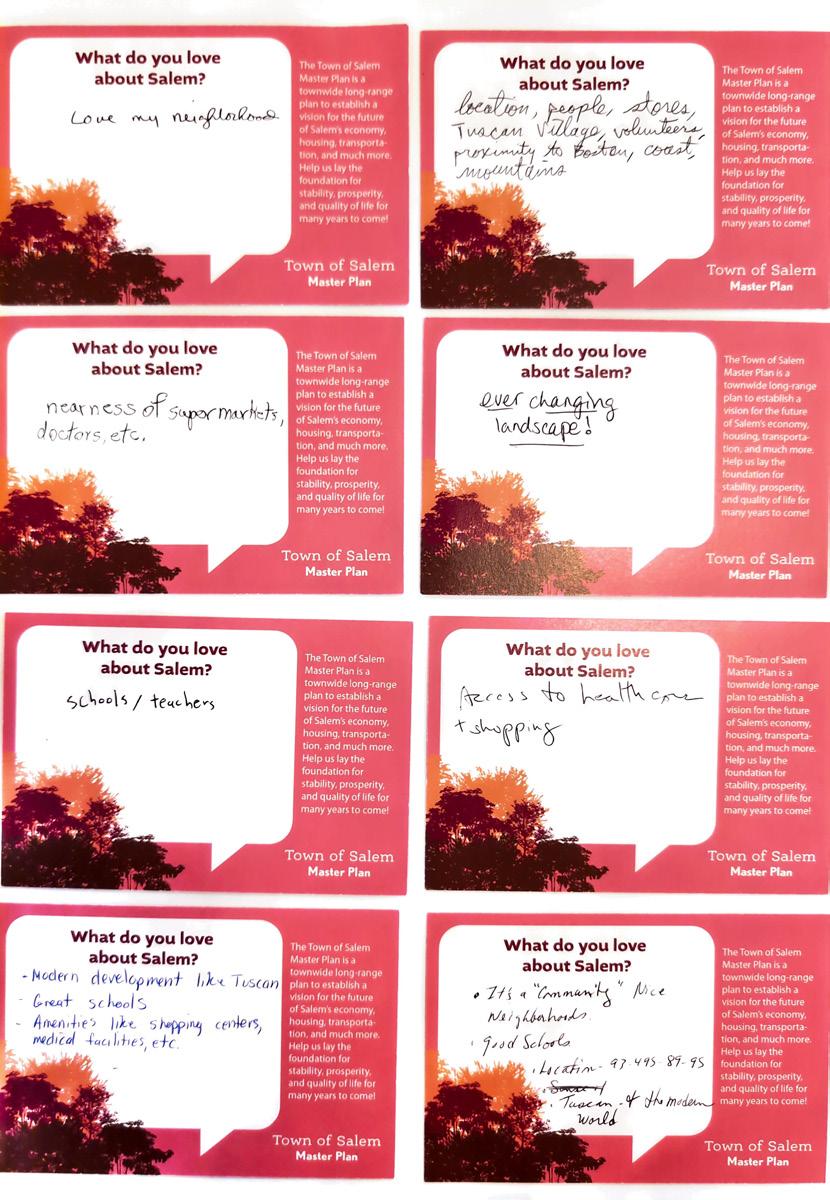
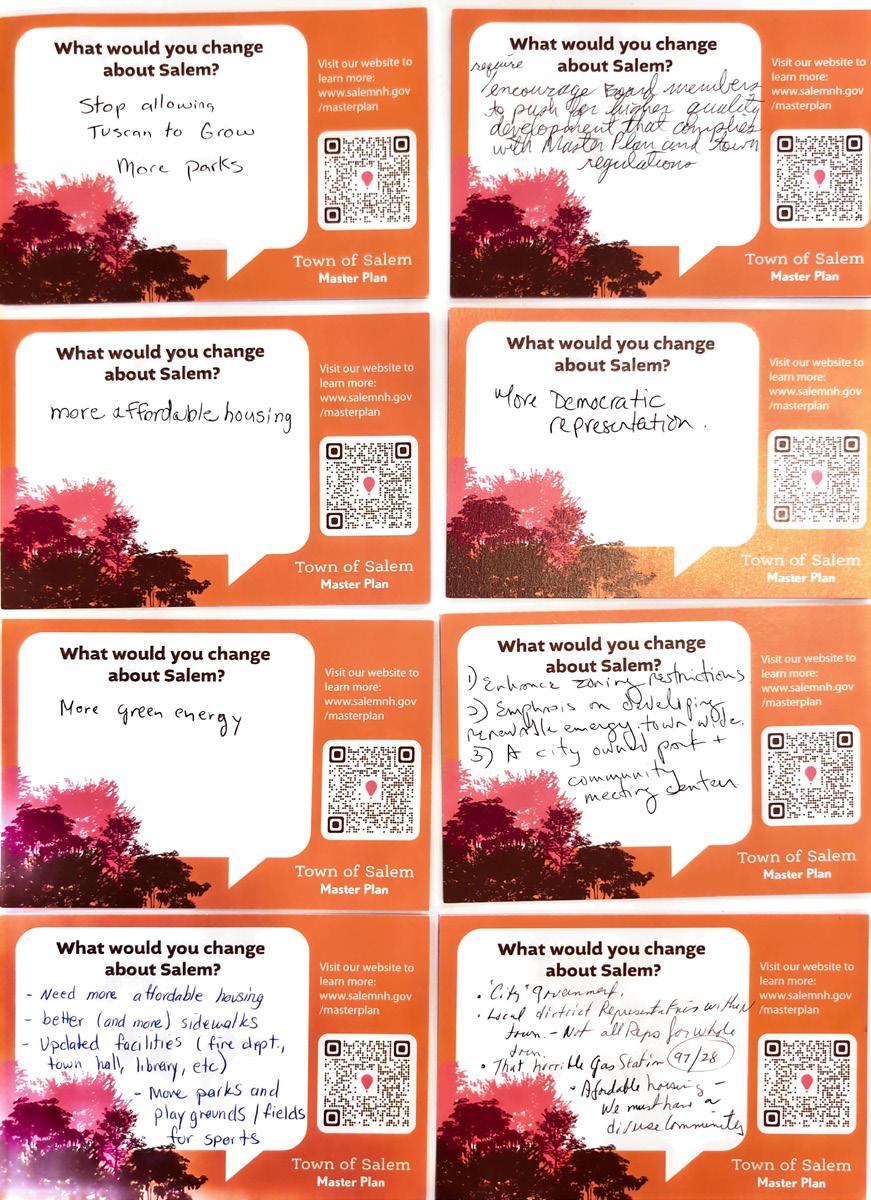
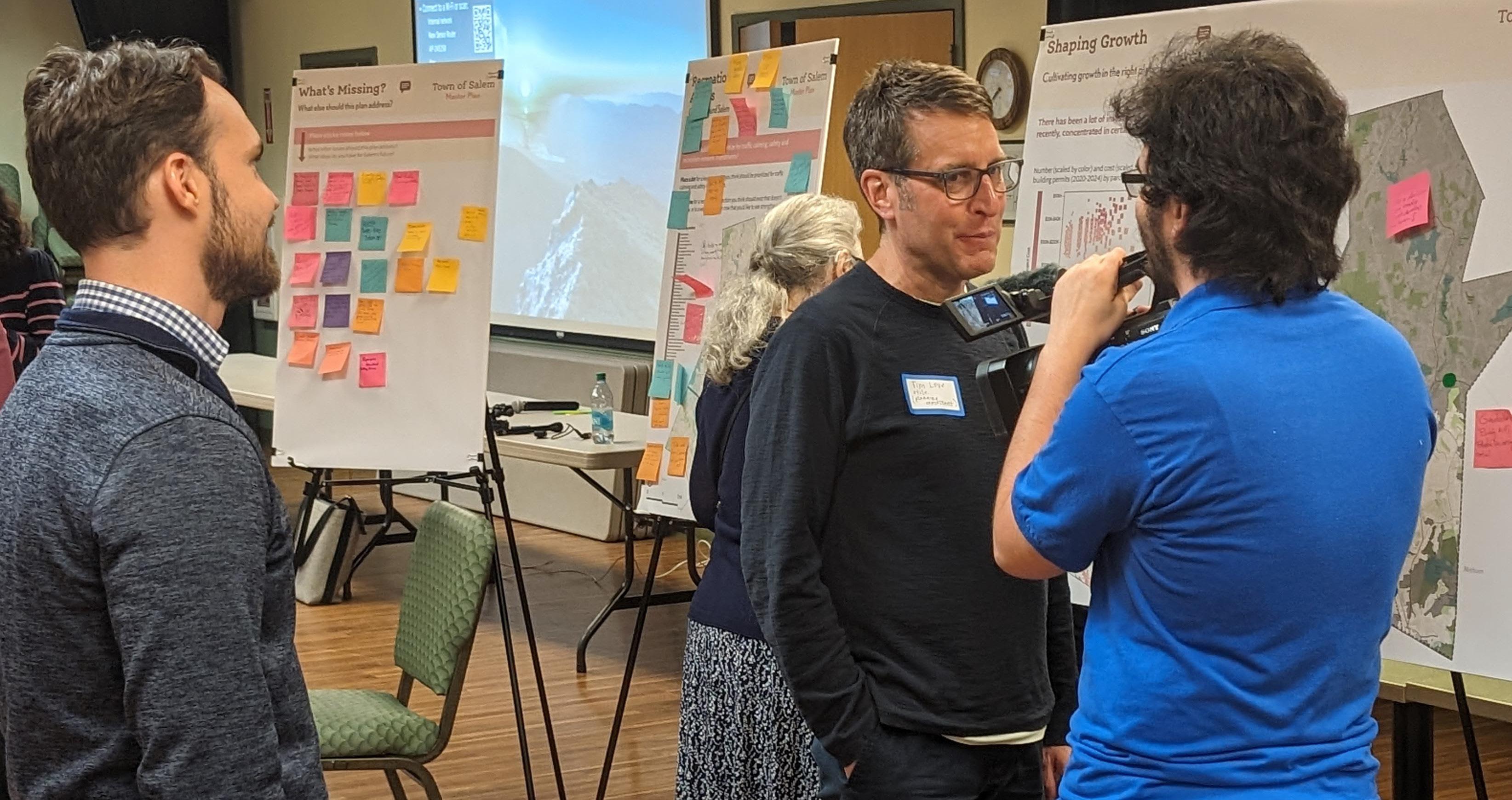
The first round of public engagement focused on learning about neighborhood and townwide opportunities and needs, exploring previous studies, validating data, and developing a vision to guide the plan framework and recommendations. To reach as many community members as possible, outreach and engagement activities included an online visioning survey, an in-person public workshop, and online and printed visioning comment cards that invited community members to share what they loved about Salem and what they wanted to change.
Public Engagement Round 2: Plan Framework & Recommendations
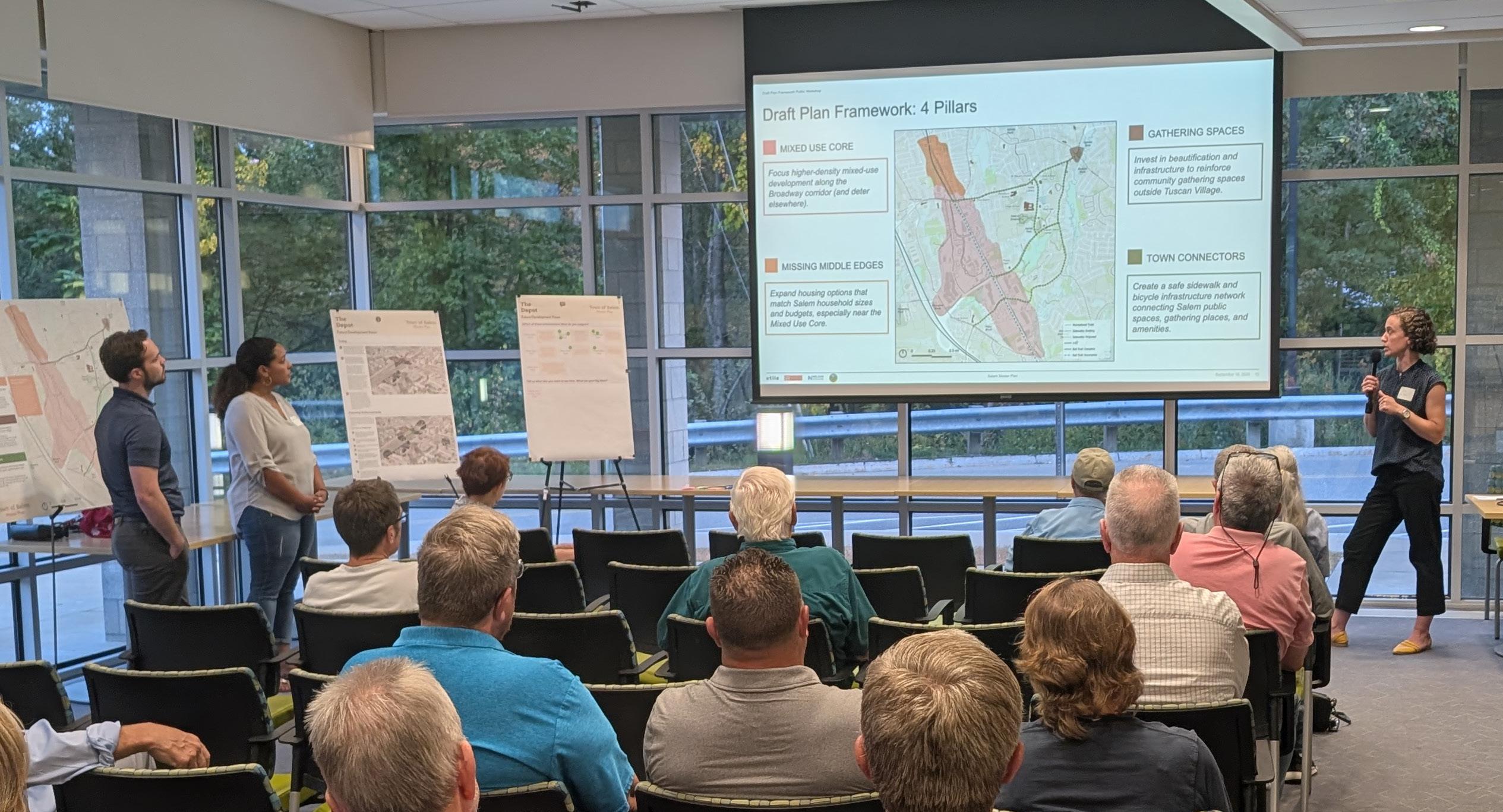
The second round of public engagement focused on gaining public feedback on a draft framework and set of recommendations for the plan. The planning team gathered comments, ideas, and reactions from the community to refine the final plan and develop an achievable and implementable action plan. This round of engagement relied on an inperson public workshop, online and paper surveys, and online comments on the draft plan document.
Engagement by the Numbers Events and Tools
• 4 Steering Committee Meetings
• 2 Public Workshops & Follow-Up Exhibits at Library and Town Hall
• 2 Public Surveys
• 1 Visioning Comment Card Campaign
• The Town promoted participation via the Town’s website, Town Hall Times, Facebook, SCTV featurettes, and What’s Up Salem podcast episodes.
Input and Participation
• Visioning Survey (online only)
• 809 people voted
• 423 statements submitted
• 64,129 votes cast
• Visioning Comment Cards (printed & online)
• 142 cards submitted
• Public Visioning Workshop
• ~50 Participants
• 54 board comments
• Public Draft Plan Workshop
• ~30 Participants
• 28 board comments
• Draft Plan Survey (printed & online)
• 150+ responses
Plan Framework
Vision Statement
Salem will preserve the best of its small town living while guiding balanced growth and sensible public investment to improve quality of life.
Central to this vision is a vibrant Town Center that connects Salem’s beautiful natural spaces and residential neighborhoods – fostering civic pride for residents of all incomes and ages.
Core Values
The core of what people love about Salem is the combination of a small town feel that offers residents a peaceful, friendly, safe, quiet and nature-filled experience while still providing convenient access to major commercial amenities, natural spaces, and urban centers. Town services and facilities like the schools, parks, the library, the senior center, public safety departments, and Town staff and boards are a source of pride and an important part of what makes residents feel connected to a shared civic identity that values public service and supports community-building.
Guiding Principles
Comments in the visioning stage of the project generally conveyed an optimism about Salem’s ability to find healthy change and framed the importance of balancing several key issues and opportunities as Salem invests in its future. These engagement themes became the Guiding Principles below, each of which has a direct connection to one of the four Plan Pillars.
Connected by gathering places. Invest in public infrastructure and gathering places that connect residents with nature and each other through recreation and entertainment.
Safe and enjoyable, no matter how you get around.
Make Salem a safe and enjoyable place to walk and bike.
Balanced development intensity and mix. Find the right development intensity and mix, and do so in a way that supports a civic Town Center that balances out Tuscan Village.
Attainable homes for all.
Make Salem a more affordable place to live in terms of housing prices and residential property taxes, so that people can live comfortable, stable lives here at every income level and stage of life.
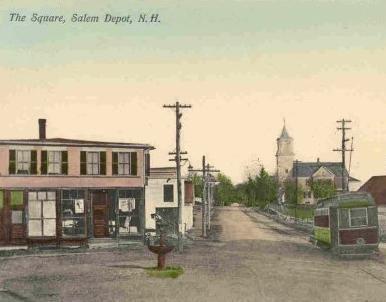
This 1940s postcard shows an earlier incarnation of the Salem Depot station area when it was tied to a community gathering place called “The Square.”
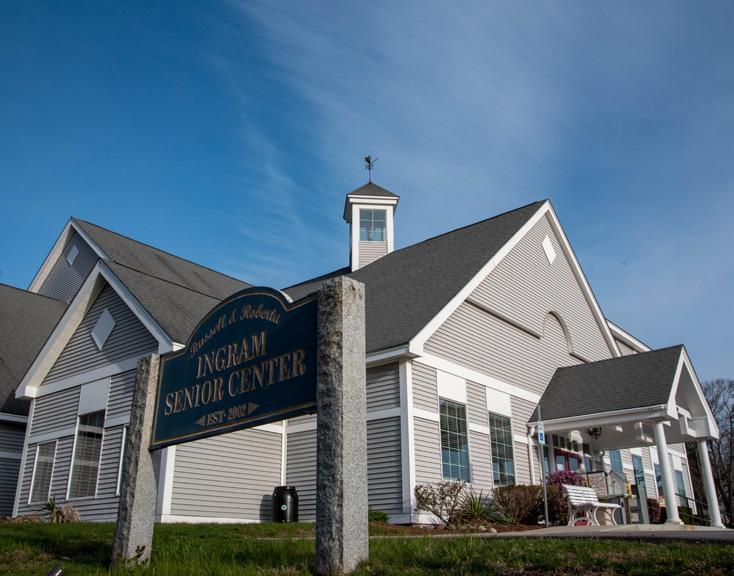
The Ingram Senior Center fosters mental, physical, social and nutritional well-being for Salem seniors and was widely referenced by residents as an example of a valued gathering place and community asset.
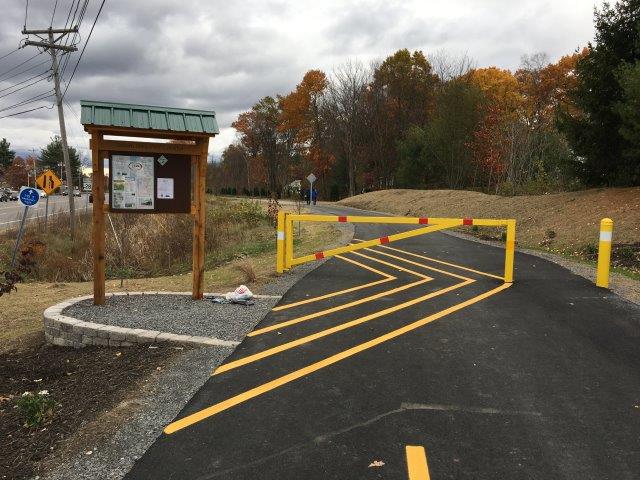
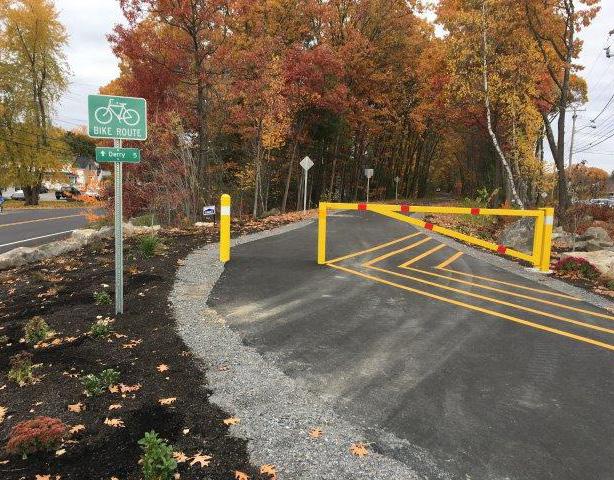
The Range Road / N. Broadway access point to the Salem Bicycle and Pedestrian Corridor (Rail Trail) pictured here is an example of the kind of biking and walking infrastructure Salem residents asked for more of.
Shaping Development in Salem
Three main factors shaped historic development patterns in Salem
1. Extensive Wetlands & Water Features
2. Dramatic Rail & Roadway Hierarchy
3. A Poly-Centered Core
Extensive Wetlands and Water Features
Salem’s lakes, ponds, rivers, streams and the extensive wetlands surrounding them are woven throughout its historic town centers and residential neighborhoods. Historic development patterns responded to this unique landscape and in some cases only exist because of this landscape.
The Spicket River intersected both Salem and North Salem’s historic town centers and played an important role in supporting the viability of water-powered mills in southern New Hampshire and Lawrence, MA.
During the heyday of streetcar travel Salem’s Canobie Lake became the central attraction for a pleasure resort with a botanical garden atmosphere opened by The Hudson, Pelham & Salem Railways (HP&S) to promote their new trolley lines. It has continued to be a tourism attraction long after the trolleys stopped running in 1929.1
Salem’s residential neighborhoods are interspersed throughout more minor waterways and wetlands creating a scenic, rural atmosphere where the relationship to nature is more intimate.
Dramatic Rail & Roadway Hierarchy
What remains of Salem’s pre-1900 development is clustered around Arlington Pond and the North Salem Historic Town Center, and along Main Street between the Depot and the Historic Town Center. These represent the historic civic and commercial cores of the town which arose from local needs and daily routines and remain the most walkable and compact parts of town.
1 https://www.canobie.com/about/park-history/
By contrast, Salem’s historic development along Broadway and the former rail line (and ultimately I-93) responded primarily to regional commercial and industrial ties to nearby urban economic hubs like Manchester, Lawrence, and Boston. Salem is situated in the middle of a region that includes Lowell, Lawrence, Haverhill, and Nashua making it inherently tied to the economies of each. The evolution of this dual rail and road connection is intertwined and important to understanding the other local development patterns in Salem.
Over time this has created a dual identity for the town - a predominantly commercial area around the national and regional corridors (I-93 and Broadway/Rt-28) and a more community-centric series of suburban and rural residential neighborhoods. Main Street has historically served as a central transect connecting local life to the regional and national commercial development along the rail and Broadway/Rt-28.
A Poly-Centered Core
Many “town centers” emerged from different periods of growth in Salem’s history and commercial variety has allowed for appealing specialization and diversity. This structure has persisted into modern days, making the connections between them especially important.
• Historic Town Center
• Civic Core
• Depot Village
• Tuscan Village
• North Salem Historic Town Center
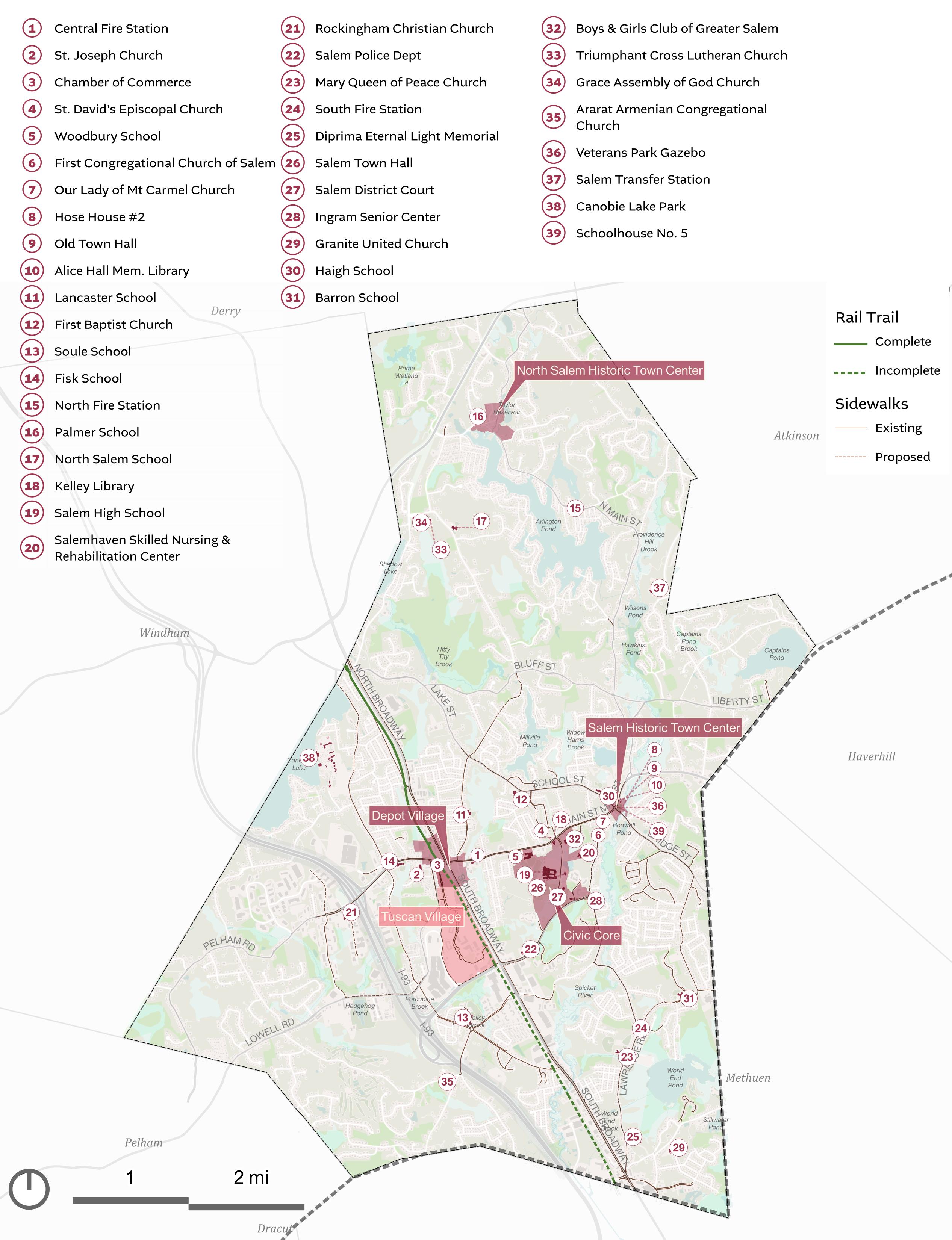
Three main factors will influence Salem’s future development patterns:
Cores & Corridors:
How to integrate and leverage the existing poly-centered core?
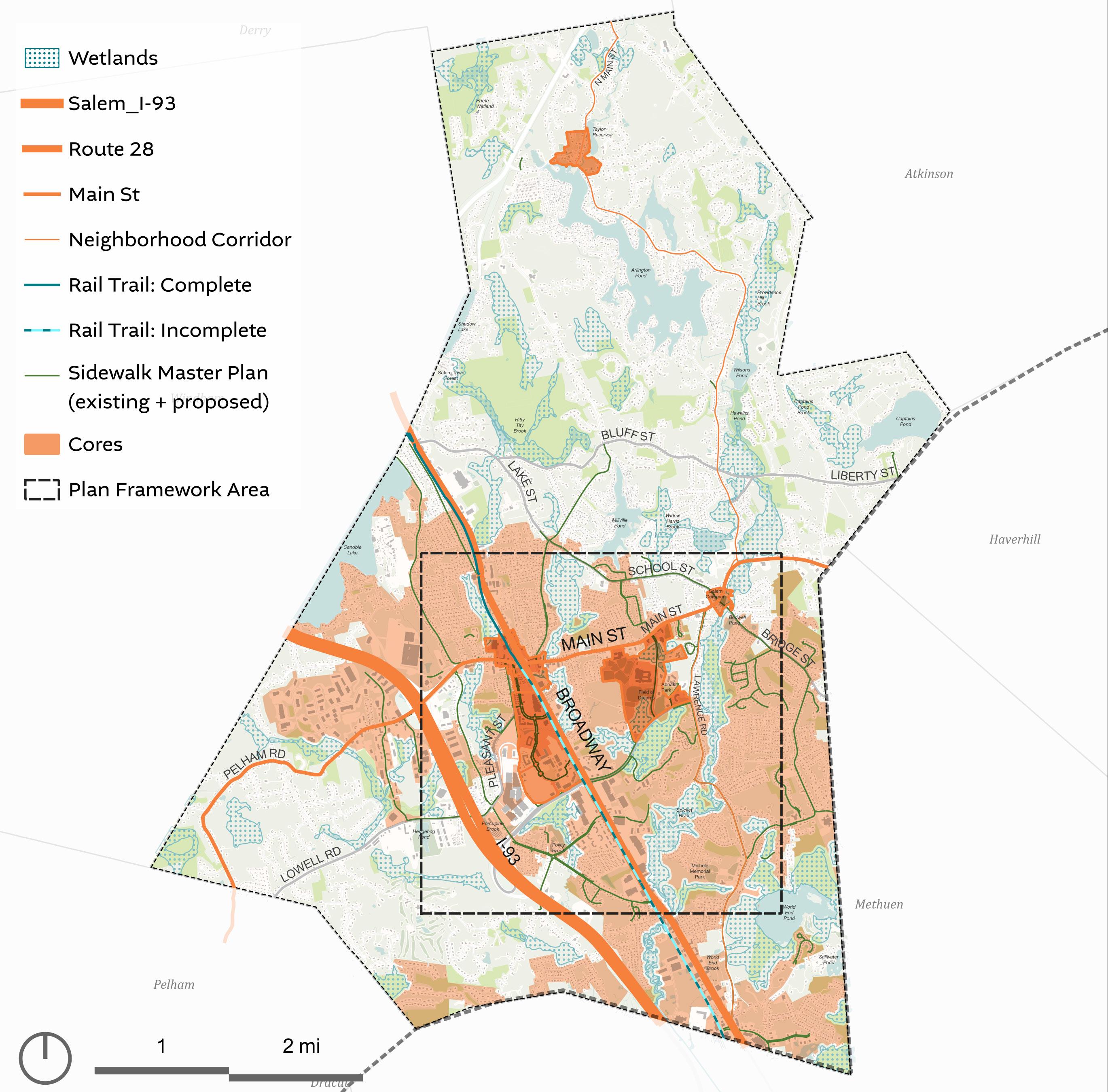
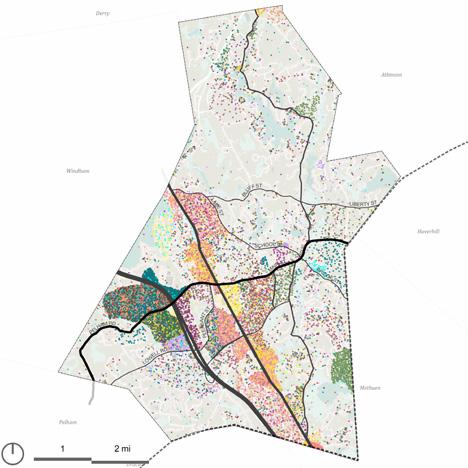
Salem has five “cores”, highlighted in dark orange on the map, that each have distinctive histories, features, and uses:
1. Historic Town Center
2. North Salem Historic Town Center
3. Civic Core
4. Depot
5. Tuscan Village
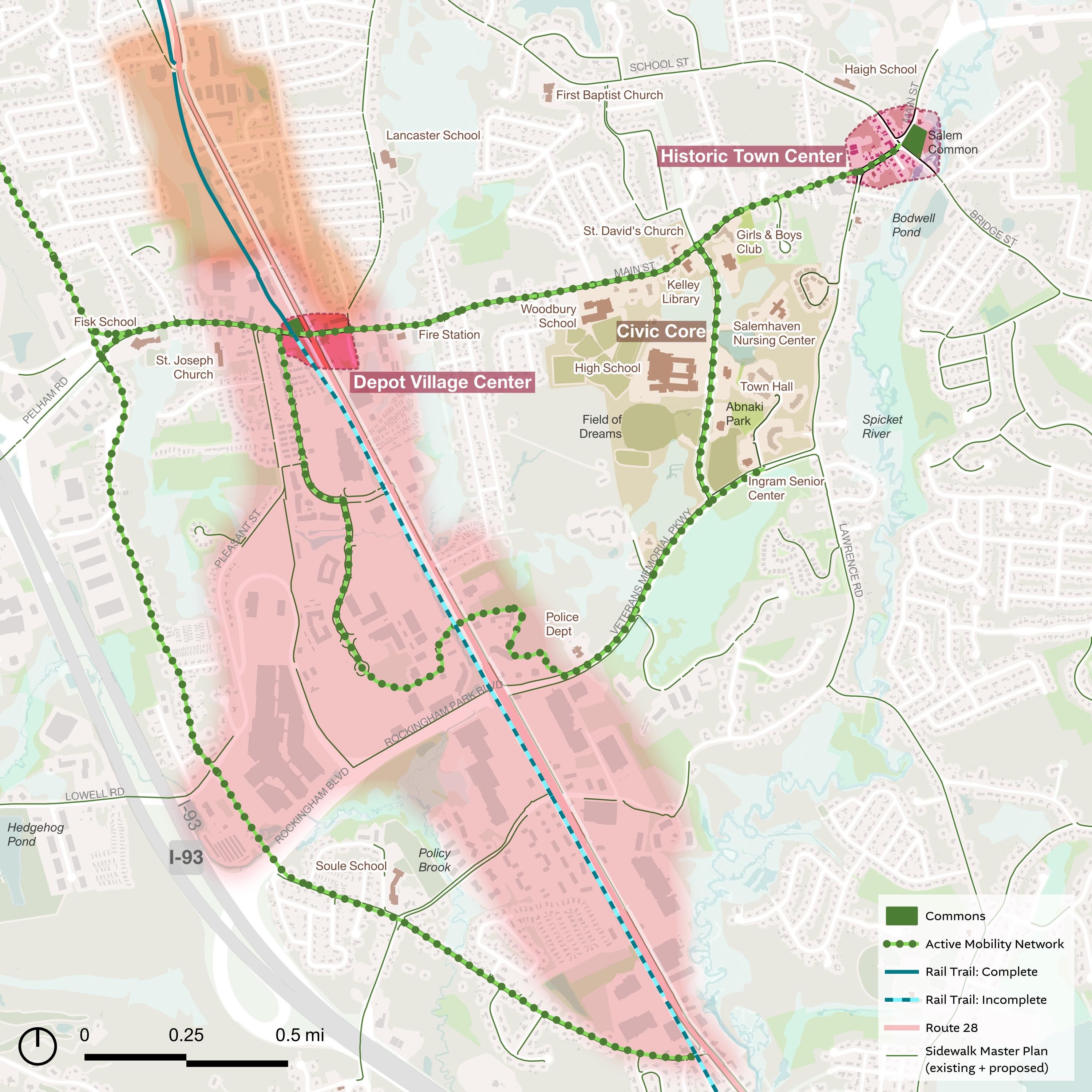
Since amenities, services, and gathering spaces are not centralized in one spot, it is particularly important that the connections are strong. The functioning of these cores and corridors relies on the strength of the secondary streets connecting them. These cores are oriented towards two key corridors:
• Main St / North Main St
• Broadway / Rt-28
Growth Potential:
What land can support denser development?
Areas that are connected to town water and sewer infrastructure, are outside wetland and conservation restricted areas, and are close enough to commercial, civic, and recreational amenities make sense for denser development. These limited areas that can support smart growth are highlighted in pale orange.
Investment Patterns:
What kinds of development are market-viable, and where?
Recent spatial investment patterns, which have been clustered along Broadway and Main Street, provide a clue to this. Other than single family residential development, recent investment has been focused within the “Big Move” Focus Area shown on this map, specifically along Broadway and Main Street, with notable public investment in community facilities along Geremonty Drive. The Plan Framework focuses on shaping and focusing development in these areas, with the goal of leveraging that market to achieve the vision and core values we have heard through this process.
Salem is unique in the region in terms of both the diversity and volume of commercial and mixed-use development. This supports jobs and the tax base. Recently, with Tuscan Village, the pace and intensity of development has picked up and is attracting more out-of-town interest. Without a clear vision and policies from the Town about where development should occur, developers will seek out any larger underutilized parcel for redevelopment.
In order to benefit from the development, Salem has to guide development to the places that are most aligned with community goals and initiatives. For Salem, the best strategy to harness development for local benefit is to encourage thoughtful, compact development in the Town Center and along the Broadway (RT-28 corridor). This reinforces existing infrastructure and amenities, while allowing rural development patterns and conservation to continue elsewhere in the town.
This plan seeks to reinforce the role of Main Street, and other key corridors, as a connector that can help to re-integrate Salem’s core so that there is a renewed sense of coherence and community that leverages the development momentum of Tuscan Village and the commercial strength of the I-93 and the Broadway/Rt-28 corridor to reinforce civic and community focused places that contribute to the small town feel and quality of life that makes Salem special.
Growth Potential
Salem has limited area that is connected to town water and sewer infrastructure, is outside wetland and conservation restricted areas, and is close enough to commercial, civic, and recreational amenities to make sense for denser development.
These limited areas that can support smart growth are highlighted in pale orange.
Cores & Corridors
Salem has five “cores” that each have distinctive histories, features, and uses:
1. Historic Town Center
2. North Salem Historic Town Center
3. Civic Core
4. Depot
5. Tuscan Village
These cores are oriented towards two key corridors:
1. Main St / North Main St
2. Broadway / Rt-28
The functioning of these cores and corridors relays on the strength of the secondary streets connecting them.
Plan Recommendations
This plan is fundamentally about shaping Salem’s development patterns in a way that continues to provide big city amenities with a small town feel. The plan is structured around four interlocking Plan Pillars designed to reinforce and rely on one another, and two development vision focus areas.
Each Plan Pillar has a “big move” to focus the Town’s efforts on a series of high-impact strategic actions that will help set in motion a unified shift in the development pattern that helps to reinforce a stronger, more connected Town Center that offers both convenience and community.
The two Development Vision Focus Areas, the Historic Town Center and Depot Village, represent critical gathering places for the Town that should be the focus of physical enhancements and programmatic activation across all four Plan Pillars.
This framework is designed to enable the Town to deliver the kinds of gathering spaces and town connectors that community members are most interested in by linking these public investments to private development potential in the parts of town that are best suited to support that kind of growth.
Gathering Spaces
Invest in the infrastructure and beautification necessary to reinforce community gathering spaces outside Tuscan Village.
Big Moves:
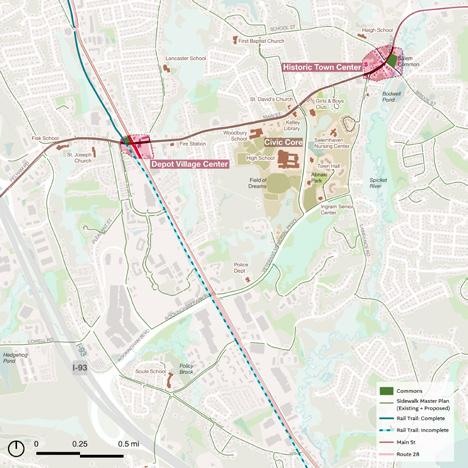
(1) Cultivate the Historic Town Center as a counterweight and complement to Tuscan Village. This includes improvements to the sidewalks and pathways connecting key destinations, intersection improvements, increasing event parking capacity, and enhancements to promote increased use and programmatic activation of the civic spaces in and around Veterans Park / Salem Common.
(2) Continue to invest in Depot Village as a civic and recreational anchor. This includes the completion of the Depot Village Master Plan, continued implementation of the 2025 update to the 2011 Depot Intersection Plan and Corridor Study, and cultivating uses and events that activate Depot Village’s planned open spaces and amenities.
Town Connectors
Continue to invest in a safe sidewalk and bicycle infrastructure network connecting Salem public spaces, gathering places, and amenities.
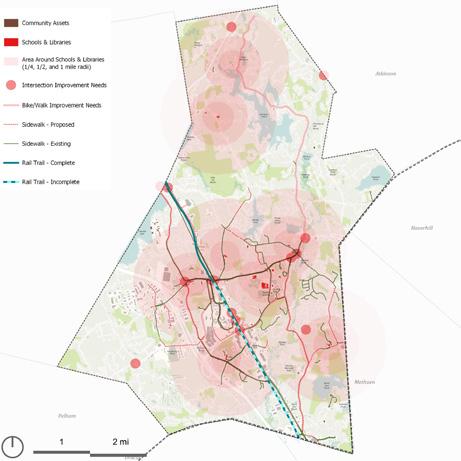
Big Move: Complete and connect Town to the Salem Bicycle-Pedestrian Corridor (Rail Trail). Work to complete the Salem Bicycle-Pedestrian Corridor (Rail Trail) through the full length of its proposed alignment through Salem with improved, safe crossings of all vehicular roads, particularly Broadway (RT-28).
Mixed Use Core
Focus higher-density mixed-use development along the Broadway corridor (and deter elsewhere).
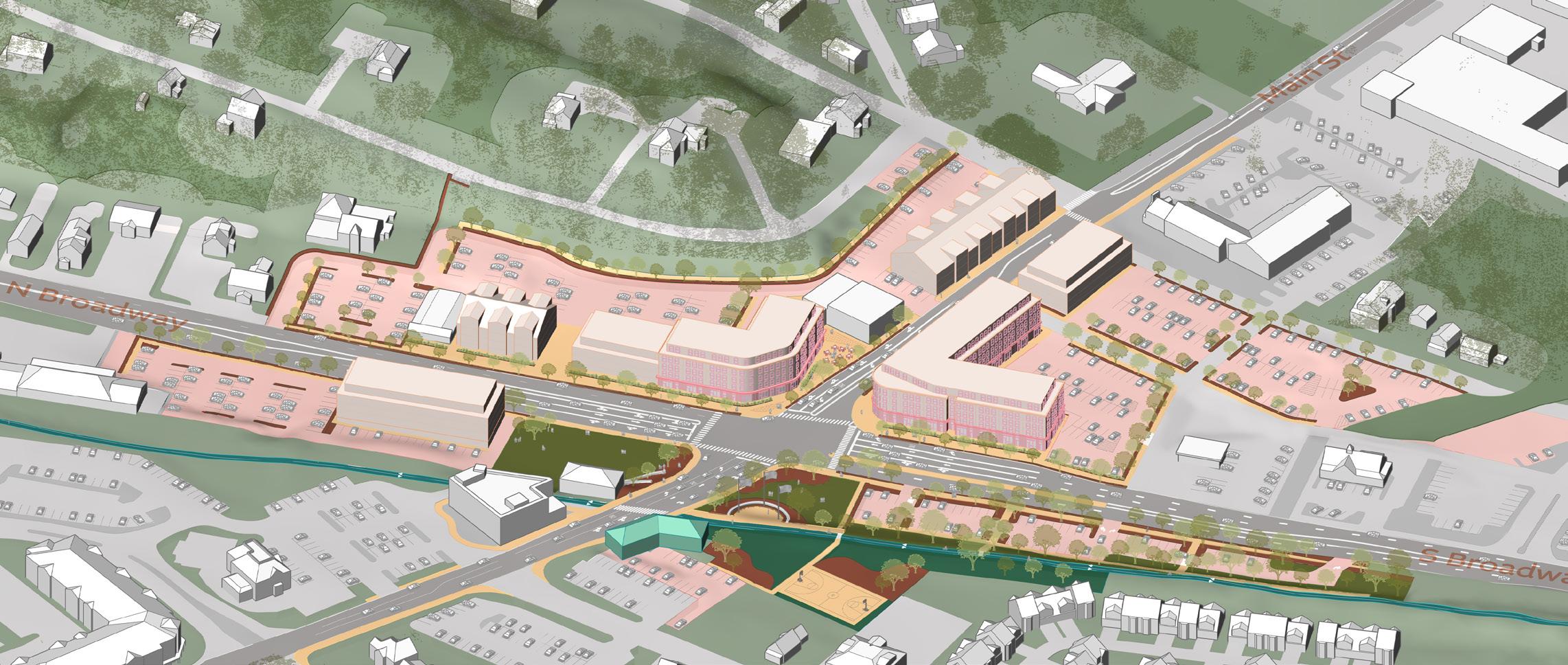
Big Move: Expand boundaries and update the design standards of the Depot Overlay District to encourage walkable mixed use development and workforce housing along Broadway. Specifically, allow a maximum of three (3) stories, with a density bonus of up to five (5) stories if ground floor retail and workforce housing is included in the development.
Missing Middle Edges
Expand housing options that match Salem household sizes and budgets, especially near the Mixed Use Core.
Big Move: Rezone for multi-family residential north of Depot. Update zoning along Broadway north of Depot to encourage multi-family housing options that are compatible with the existing scale of residences surrounding the corridor. Specifically, allow a maximum of three (3) stories, with a density bonus of up to five (5) stories along Broadway if workforce housing is included in the development.
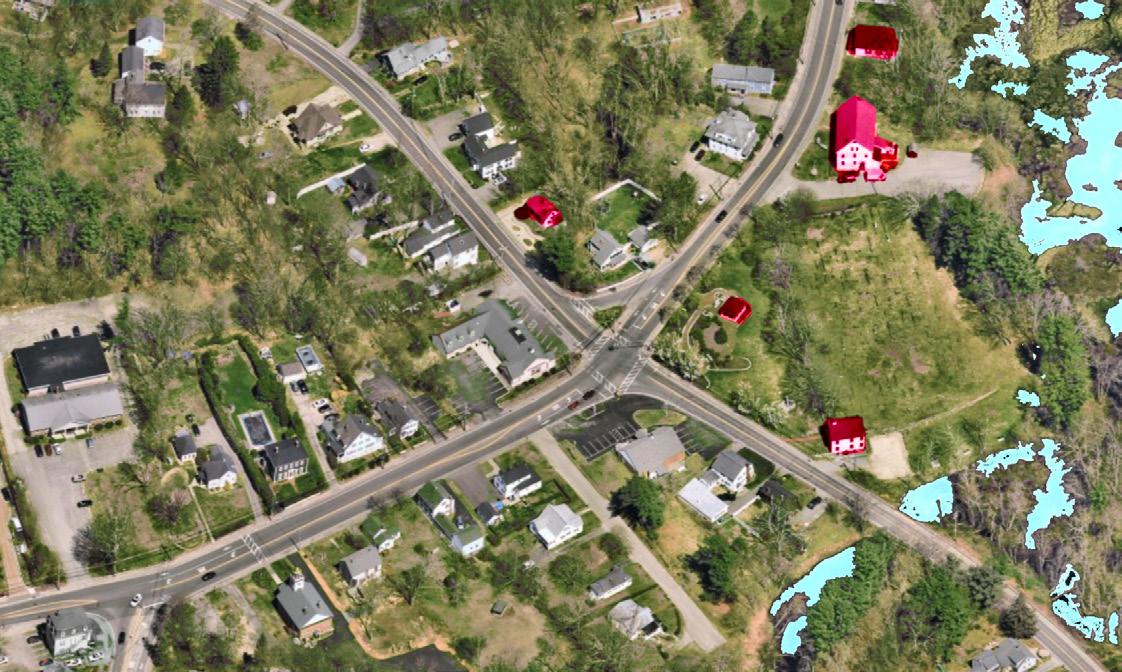
Focused updates to the sidewalks and pathways connecting key destinations.
Light improvements to intersection and street design to improve pedestrian safety and appearance, building on the 2021 Main Street Corridor Study.
Incorporation of sensible event parking strategies to support larger gatherings.
Enhancements of a few strategic places that can promote increased use and programmatic activation of the civic spaces in and around Veterans Park / Salem Common.
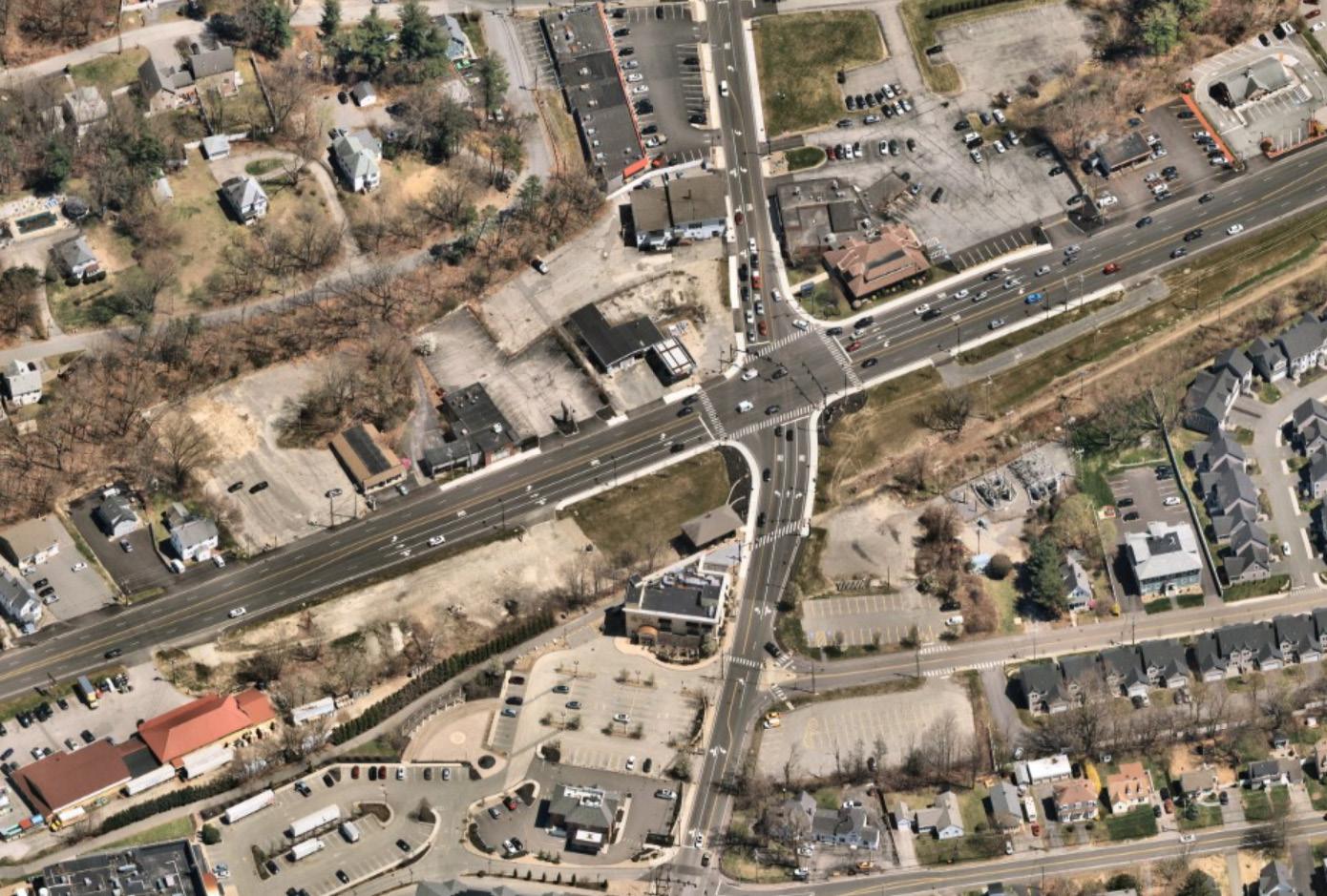
Complete and implement a Depot Village Master Plan.
Strengthen bike and pedestrian connections, including providing dedicated parking, enhancing pedestrian crossing safety and comfort, and introducing wayfinding signs to trailhead for the Rail Trail.
Promote programmatic activation and amenities, including recreational development of publicly owned land, adding public restrooms and changing facilities for Rail Trail users, community event and exhibit space, outdoor event support infrastructure, and complementary mixed-use and multifamily development on privately held parcels.
How to Use the Plan
This plan is structured to provide a clear vision, guiding principles and overview of an approach to cultivate a more vibrant and connected core for Salem, and then provide more detailed plan recommendations and a framework for implementation. Additional information, including a glossary of terms, community engagement summary, and future land use guidance, is available in appendices.
Chapter 1
Impetus for the Plan
This chapter provides an overview of what a Master Plan is and isn’t, recent Town investments and initiatives, and the planning process for this plan.
Chapter 2
Vision & Guiding Principles
This chapter introduces the plan vision and guiding principles based on community visioning input, including identification of key issues and opportunities. This also incorporates analysis in support of the guiding principles that emerged from engagement.
Chapter 3
Cultivating a More Vibrant & Connected Core
This chapter provides an overview of the forces that have shaped Salem’s historic pattern of development, and suggests an approach to shaping Salem’s future development pattern that is the basis of subsequent plan recommendations. This includes the waterways and wetlands, regional railroads and roadway connections, the multiple “town centers” that emerged over time, and the role of Main Street as a connector.
Chapter 4 Plan Recommendations
This chapter is the heart of the plan and provides a framework to deliver the infrastructure, services, and amenities needed to support resident quality of life by leveraging targeted areas of denser mixed-use development.
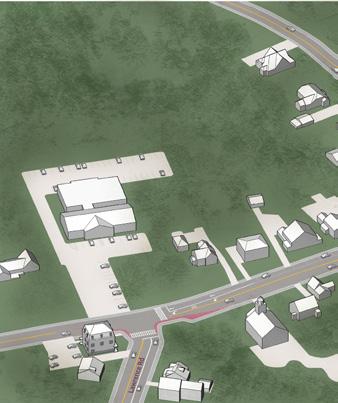
This is where you should go to find a detailed explanation of all the key recommendations of the plan, each of which is nested under one of the four plan pillars described on the previous page. This chapter is color coded for easy navigation and includes extensive illustrations to convey the intended outcome of key recommendations.
Chapter 5 Implementation
This chapter lays out the framework for implementation, highlights several specialized follow-up plans and initiatives, and includes a matrix of all plan recommendations with relative priority, order of magnitude cost, and implementation leads and partners where relevant.
Chapter 1:
Impetus for the Plan
The townwide long-range plan lays out a vision for the future of Salem’s economy, housing, transportation, and much more. Like all Master Plans in New Hampshire, it will help the Town of Salem to preserve and enhance its unique quality of life and culture by laying the foundation for stability, prosperity, and smart growth for many years to come.
What prompted this plan?
This update to the 2016 Town of Salem Master Plan was initiated in order to ensure the Master Plan meaningfully addressed the local changes brought on by the multi-phase, mixed use redevelopment of the 170-acre former Rockingham Park Race Track site (now known as Tuscan Village) and the Salem BicyclePedestrian Corridor (Rail Trail). This plan was also shaped by the need to respond to changes in Salem’s economy, housing market, and demographic makeup.
Some of the questions that emerged early on and animated much of the public engagement for the plan included:
• Where is Salem’s “Town Center” and what is its role for the community?
• What kinds of investments in infrastructure, services, and amenities are necessary to sustain and enhance resident quality of life?
• How does Salem address the rising cost of housing, especially for older residents?
• How can the Town’s natural resources and Rail Trail serve community recreation needs?
• What is the role of denser and mixed-use development in meeting these housing, infrastructure, and recreation needs? And where is that kind of development appropriate?
As a result of the reasons for the plan initiation described above as well as the early questions that emerged from engagement with the public, this Master Plan focuses on the following core topics, supporting topics, and focal places:
Core Topics
A unified strategy for land use, zoning, and community design, integrating:
• Economy
• Housing
• Transportation
• Land Use & Built Form
Supporting Topics
Topics that play a supporting role for the overall vision articulated for the core topics:
• Recreation & Amenities
• Public Utilities, Services & Facilities
• Natural Resources & Conservation
• Sustainability & Resilience
• Historic Preservation
Focal Places
Places that play an important role in Salem’s shared identity, opportunities, and quality of life:
• Salem Depot / Depot Village
• Main Street / Historic Town Center
• Spicket River, Lakes & Wetlands
• Route 28 / Broadway
• Tuscan Village
• Rail Trail
What a Master Plan Is (and Isn’t)
A townwide Master Plan, also known as a comprehensive plan, provides a framework and roadmap for a community’s growth and development. The plan creates a basis for unified decision-making about the longterm physical development of the Town. Typically, the primary role of a townwide Master Plan is to support coordinated land use and zoning policy updates that are linked to capital project priorities and programs. In order to do this well, a Master Plan must capture a community’s vision, define goals that support that vision, and identify actions or recommendations that can be taken to advance those goals over the course of a decade.
It is also important to note that townwide Master Plans are required by New Hampshire law (RSA 674) and must include, (1) a vision section that articulates the desires of the citizens affected by the master plan and includes a set of guiding principles and priorities to implement that vision, and (2) a land use section that translates the vision
The planning process will help us shape and create:
One of the most important roles of a plan like this one is to “connect the dots” so that all of the Town’s e orts work towards an integrated overall strategy.
A statement of shared values
A strategic vision and roadmap for the future of the town
A framework for implementation
statements into physical terms, specifically with the proposed location, extent, and intensity of future land uses throughout the Town. This is often followed by additional optional sections covering topics such as land use, housing, transportation and mobility, economic opportunity, natural and cultural resources, open space and recreation, and services and facilities. In addition to meeting State requirements and providing a foundation for coordinated local development decisions, townwide Master Plans are also an important foundation to enable the Town to pursue State, Federal and philanthropic funding that aligns with the plan’s vision, goals, and recommendations.
In order to continue to reflect the evolving needs and priorities of a community, it is important that Master Plans are not allowed to be stagnant plans that “sit on a shelf” but rather are used actively as a guide for interim implementation actions and are updated regularly, generally once every 10 years.
The final plan will establish:
This plan will guide the Town’s policies, regulations, and capital investment programs. It is particularly important for changes to zoning, the rules that govern what can and can’t be built on private property.
The plan will NOT:
Provide a zoning rewrite
Foundation for zoning reform
Growth framework Capital investment priorities
Policy and program priorities
Framework for more detailed
district and topic-specific plans
Generate detailed topic-area or place-specific plans
Decide exactly how local resources will be spent
Recent Town Investments & Initiatives
Since the release of the 2016 Master Plan update, the Town has engaged in a broad range of investments and initiatives to advance the plan vision and respond to new issues and opportunities as they arose. Broadly speaking, these efforts have focused on economic development, improvements to connectivity, recreation and the public realm, investment in core facilities and services, and reinforcing the Historic Town Center.
The Master Plan enables the town to tie together this foundational work into a more integrated experience of what makes Salem such a versatile and appealing place.
Economic Development
The Town has encouraged economic development, a healthy commercial tax base, and thriving businesses through implementing two tax incentive tools: the Commercial and Industrial Property Tax Incentive (RSA 72:81) and Economic Revitalization Zones.
Commercial and Industrial Property Tax Incentive (RSA 72:81)
In 2024, the Town Council adopted a Commercial and Industrial Property Tax Exemption Program under RSA 72:81. This new economic development program provides incentives for commercial and industrial businesses to build, rebuild, modernize, or enlarge their operations in Salem.
Under this program, when new structures or additions, renovations or improvements to existing structures result in an increase in the assessed value of a commercial or industrial property, that increase in assessed value is eligible for an exemption from local municipal and school property taxes. The exemption starts at 50% of the increase in assessed value
and decreases incrementally over the course of five years. The program applies to commercial and industrial uses as defined both in the program documentation and under Salem’s zoning ordinance.
The program is designed to incentivize economic growth and development within Salem while fostering a thriving business environment that benefits the entire community. To achieve this, eligible applicants are required to note public benefit(s) that are defined in the program, including the following:
• Enhance economic growth and increase the Town’s tax base
• Creation of needed services or facilities not currently available in Town
• Redevelop and revitalize commercial or industrial area
• Prevent or eliminate blight
• Retain local jobs, increase the local job base, and/or provide diversity in the job base
Economic Revitalization Zones
The Town has worked to maintain Salem’s locally-designated Economic Revitalization Zones (ERZs), enabling Salem to continue to take advantage of a statewide tax incentive program defined by the New Hampshire Department of Business of Economic Affairs (NH BEA) and detailed in RSA 162-N. The ERZ program offers a short-term business tax credit for projects that improve infrastructure and create jobs in designated areas of a municipality. The tax credits can be used against the NH Business Profits Tax and Business Enterprise Tax.
For a business to qualify for a credit within the ERZ, it must invest in plant or equipment and create at least one (1) new full-time job in the state, and must meet the following criteria:
• Business must be physically located in an approved ERZ
• Investment in plant or equipment must be made directly by the business applying for the ERZ tax credit
• Jobs must be full time, direct employees, and not be contracted or “temp” jobs
• Investment and job creation must take place within one calendar year
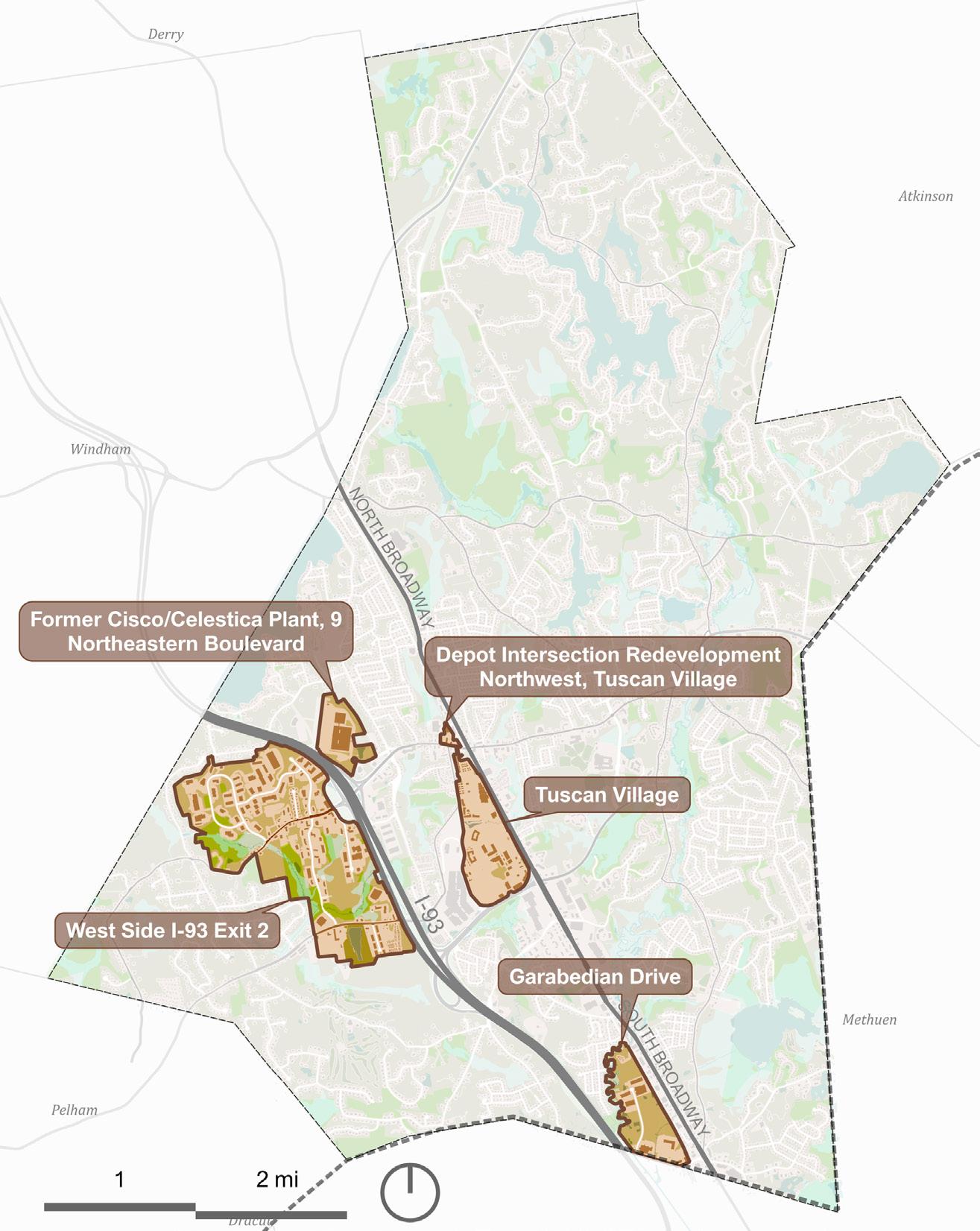
Salem currently has four approved ERZs, all of which were created in the 2010s and renewed in 2022. See the list and map to the right:
• Former Cisco / Celestica Plant, 9 Northeastern Boulevard (approved Nov 2010; renewed March 2016, January 2022)
• Depot Intersection Redevelopment Northwest, Tuscan Village (approved May 2011; renewed March 2016, January 2022)
• West Side I-93 Exit 2 (approved June 2013; renewed December 2018; November 2022)
• Garabedian Drive (approved April 2017; renewed November 2022)
Each ERZ is evaluated by the NH BEA every five years to assess whether the designation is still eligible, so they will need to be actively managed and renewed as the 2022 renewals come up for their next five-year renewal.
Public Facilities & Services
Public Facilities & Services
The Town has continued to invest in core public facilities and services like the schools, a new police station, and DPW buildings as a foundation for Town quality of life and pride. Additionally, a Municipal Building Advisory Committee has been assessing the state of municipal buildings.
Recent achievements include:
• Renovation to Salem schools, including the High School and Woodbury Middle School
• New Police Station
• Fire multi-phased facilities plan
• Town Hall - architectural concept plans
While noting significant progress on the above listed achievements, many other public facilities and buildings are still in fair or poor condition. These core public facilities serve key functions of local government. As a part of a comprehensive evaluation and planning effort, the Town should continue to invest in core public facilities and services like existing fire stations, Town Hall, Senior Center, and Kelley Library. At the same time, the Town should consider investments in infrastructure that can improve safety for residents walking and biking, support the social and cultural life of the town and enhance quality of life.
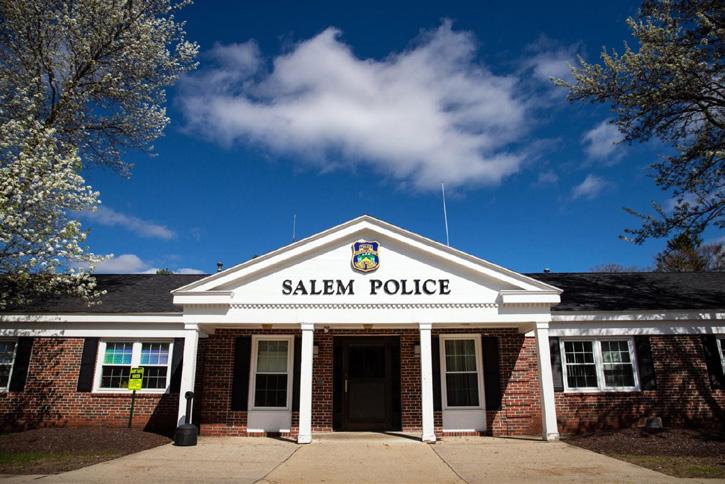
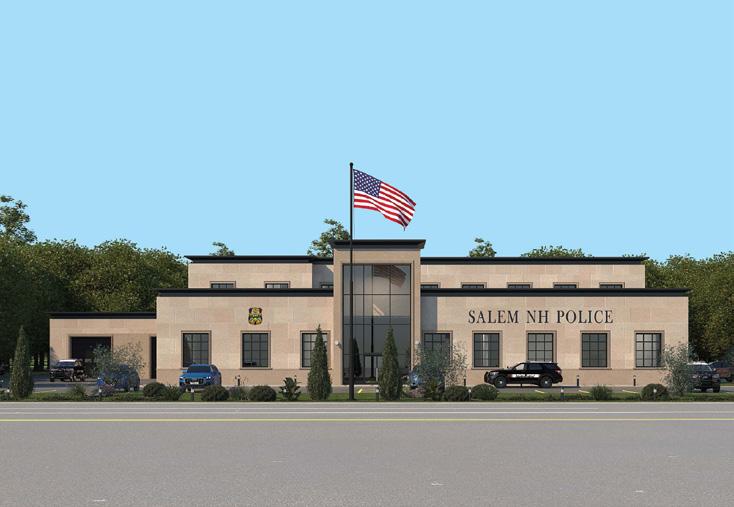
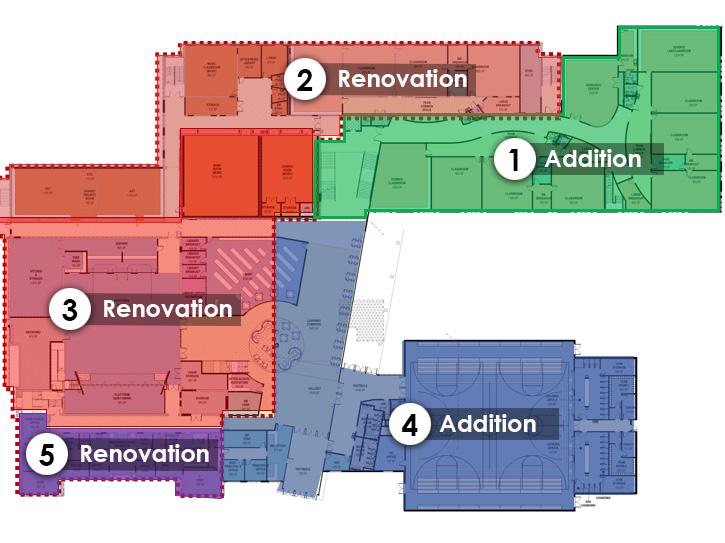
Existing and proposed new Police Station
Woodbury School renovation
Connectivity & Recreation Enhancements
The Town has already pursued a variety of projects to enhance local recreation options and make it safer for people to walk and bike to important Town destinations, especially around Broadway (Rt-28).
William Valentine Park
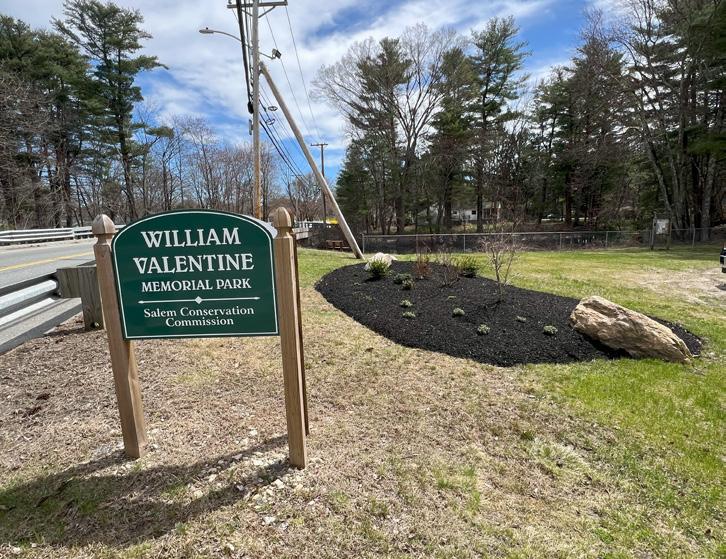
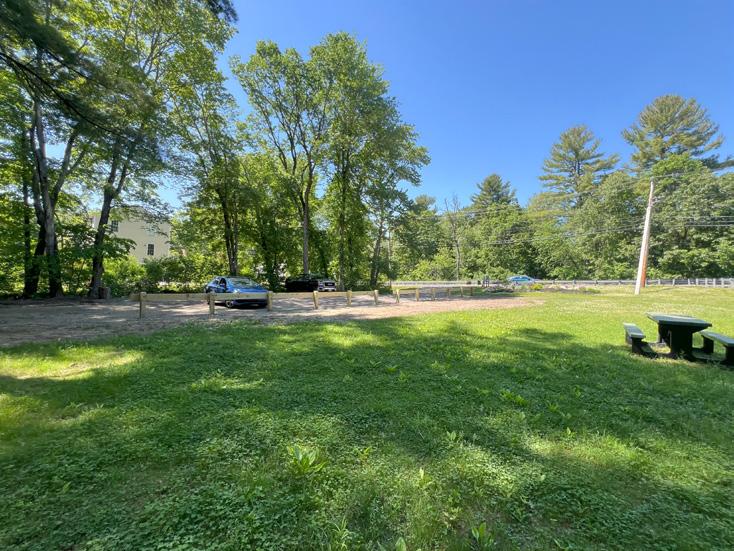
In 2021, the Conservation Commission undertook the project to create a neighborhood pocket park, “William Valentine Park” at 144 Lawrence Road (Map 110 / Lot 7943). The land was previously a residential parcel with a home on the property that was prone to flooding due to its proximity to the Spicket River. Steady improvements have been made to the park over the last several years, including installation of new signage, a new bench, a re-doing of the parking area configuration, and seeding of a flower bed and wildflower meadow for the public to enjoy as a conservation area in a residential neighborhood. This is an excellent example of how “pocket parks” and other innovative solutions can help create recreational or conservation based public spaces that enhance residential neighborhoods and the town overall.
Hedgehog Park
The Town, in cooperation with the Recreation Advisory Committee, is carrying out a multiphased plan for improvements to Hedgehog Park. The completed improvements included replacing the dilapidated skate park with a new basketball court, demolishing the bathroom structure, adding fencing to control access and instituting a new paid entry program. Each project resolves long-standing problems with unsafe equipment and issues with overflow parking, and provides an improving appearance to Hedgehog Park. Improvements in 2025 will introduce an accessible pathway around the perimeter of the pond, new picnic tables, and shade structures.. Long range plans include a new skate park and bike pump track, additional parking, a new bathroom building, and an updated playground structure.
Field of Dreams
In 2024, the Field of Dreams nonprofit organization successfully completed construction of their new Par28 Pavilion. This
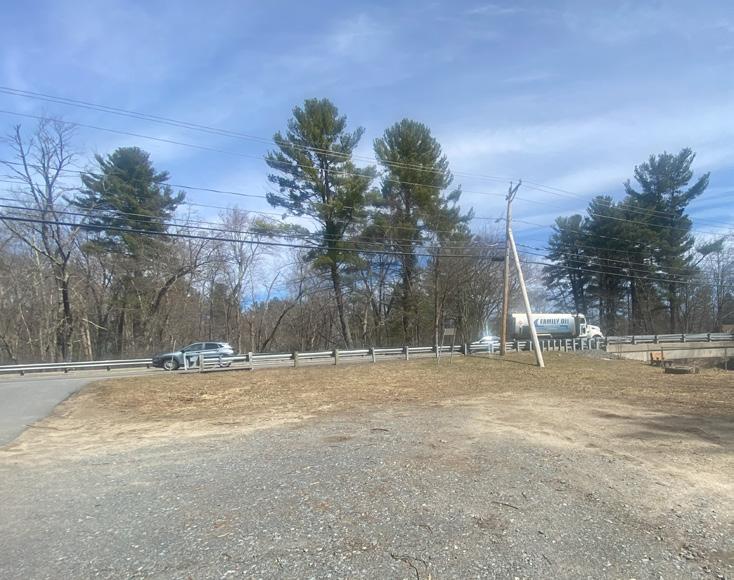
William Valentine Park: BEFORE
William Valentine Park: AFTER
replaced a 25+ year-old structure that had become unsafe and failed to provide cover from rain. The new design includes a roof element to protect equipment and performers in the case of poor weather conditions and is also fully handicapped accessible. This new pavilion enhances the ability of Field of Dreams to continue hosting community events for years to come. Efforts should continue to invest in the park’s infrastructure and terrific programming that makes the Field of Dreams a wonderful community asset.
Michelle Memorial Park
In 2024, the Town completed the first major update to Michelle Memorial Park in many years with the introduction of a new Pickleball area including 4 new playing courts. The project also involved re-striping existing tennis courts for both tennis and pickleball. Existing parking was relocated so that the project resulted in no net changes to parking. This is an example of keeping up with recreational demands and maximizing the available space on the property.
Salem Bicycle-Pedestrian Corridor (Rail Trail)
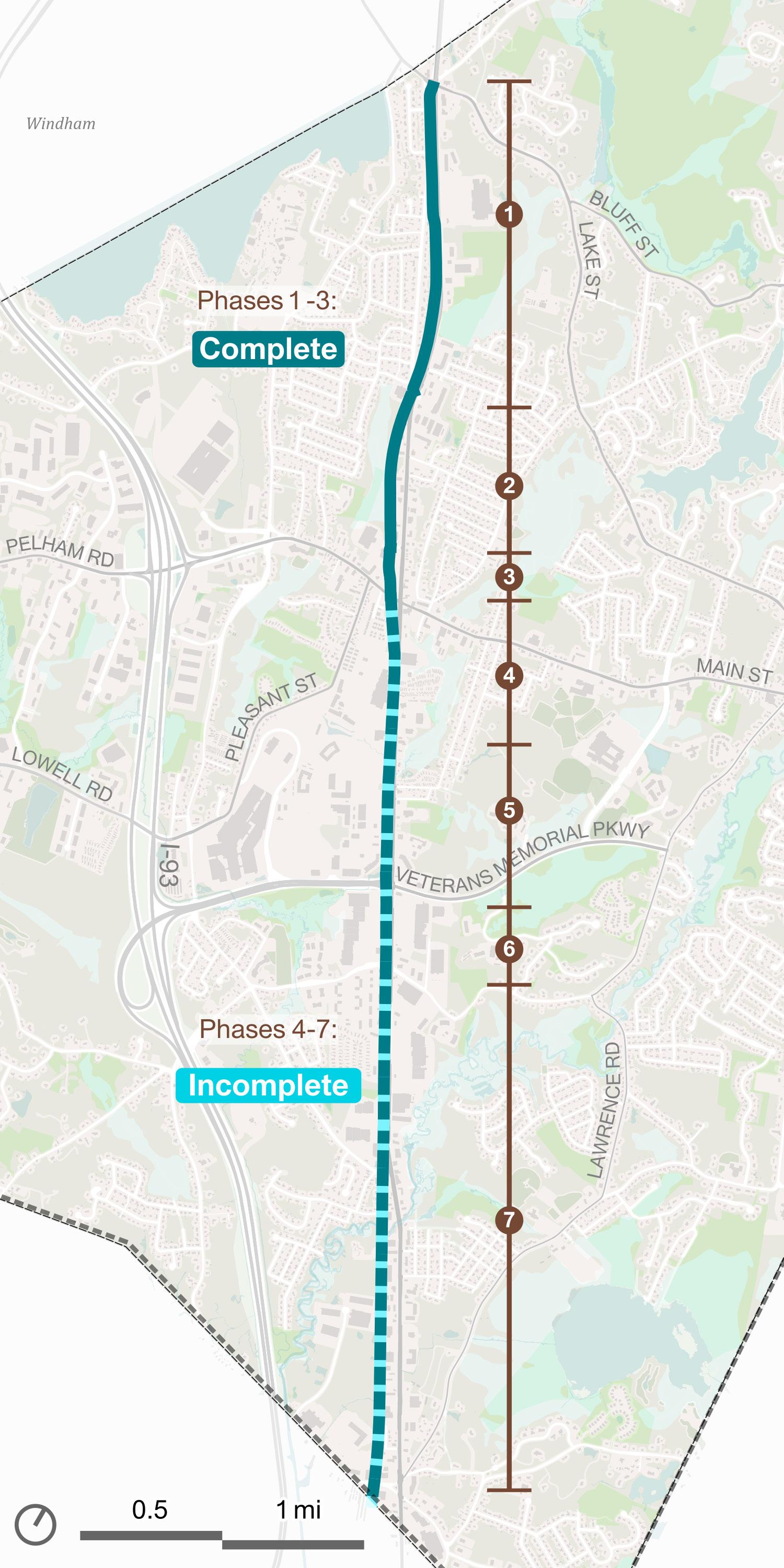
Phases 4, 5, and 6
The Salem Bicycle-Pedestrian Corridor (Rail Trail) is a once-in-a-generation opportunity to create a regional multi-use path that will enable residents to experience their community in an entirely different way. The segment of this corridor that cuts northsouth through Salem is ultimately envisioned to connect into a Granite State Rail Trail system that will reach from Lebanon through Windham to Salem NH, and on to Methuen and Lawrence MA with a potential spur reaching Goffstown, spanning over 100 miles.
The segment of the trail from the Windham border to Salem Depot was completed in 2018 and is in use, but several phases remain to complete the full length of the Rail Trail’s alignment through Salem. The trail has also received placemaking enhancements along the way that include benches, garden plantings, historic markers and other signage that have formed a linear park for the Town.
In recent years, the Town was awarded several Congestion Mitigation and Air Quality (CMAQ) grants from the NH Department of Transportation (NHDOT) for the Rail Trail.
These grants are for Phases 4 and 5 and Phase 6, respectively, and provide 80% federal funding for the project with a 20% local match required.
Phases 4 and 5 represent the area of the Salem Bicycle-Pedestrian Corridor from Main Street to Rockingham Park Boulevard, which is primarily adjacent to Tuscan Village and the Depot. These two phases are currently in design.
Phase 6 represents the area of the Salem Bicycle-Pedestrian Corridor from Rockingham Park Boulevard to Cluff Crossing Road. This phase is currently in construction and will be finished in 2025. Improvements include paving of the rail trail and associated pedestrian crossings and infrastructure enhancements around the area.
A community group, the Friends of Salem Bike-Ped Corridor, an affiliate of the Bike Walk Alliance of NH, has been actively involved in advocating for the completion of the Salem portion of the larger Granite State Rail Trail Association’s regional trail network vision.
Salem Depot Intersection Traffic and Streetscape Improvements
In recent years, the Depot intersection has undergone several traffic, intersection, and streetscape improvements as a part of the overall goal to cultivate a vibrant section of town in and around the Depot. Improvements thus far have included enhanced crosswalk and pedestrian infrastructure, installation of streetscape plantings on Town-owned parcels, and the restoration and beautification of the former Salem Depot train station, which currently houses the Southern NH Chamber of Commerce.
The Town also established the Depot Village Advisory Committee (DVAC) to create a vision and master plan for the Town- and Stateowned parcels in Depot Village. This planning process will guide future recreational and community space development on publicly owned parcels and more broadly will shape how the Depot will develop in the future. Work on that plan and associated projects is underway.
Intelligent Traffic System (ITS)
Over the past decade, Salem has consistently pursued the use of Intelligent Traffic Systems (ITS) along and around the NH Route 28 corridor, including vehicle detection and pan-tilt-zoom (PTZ) cameras for public safety and live streaming traffic conditions. These systems have been successful in alleviating vehicular traffic congestion along one of the busiest corridors in town.
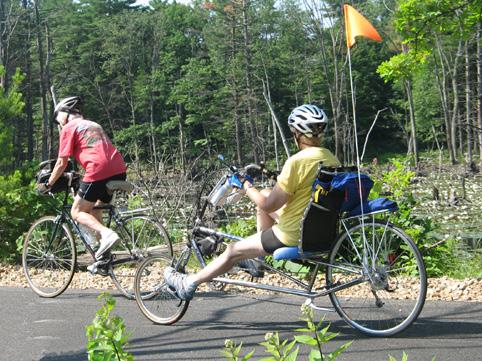
Completed segments of the Rail Trail offer a new option for residents to access commercial amenities and enjoy recreational activities.
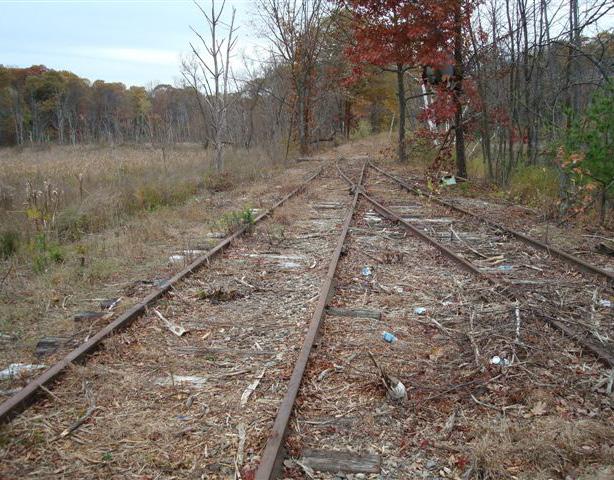
Former rail alignment prior to conversion to the Rail Trail
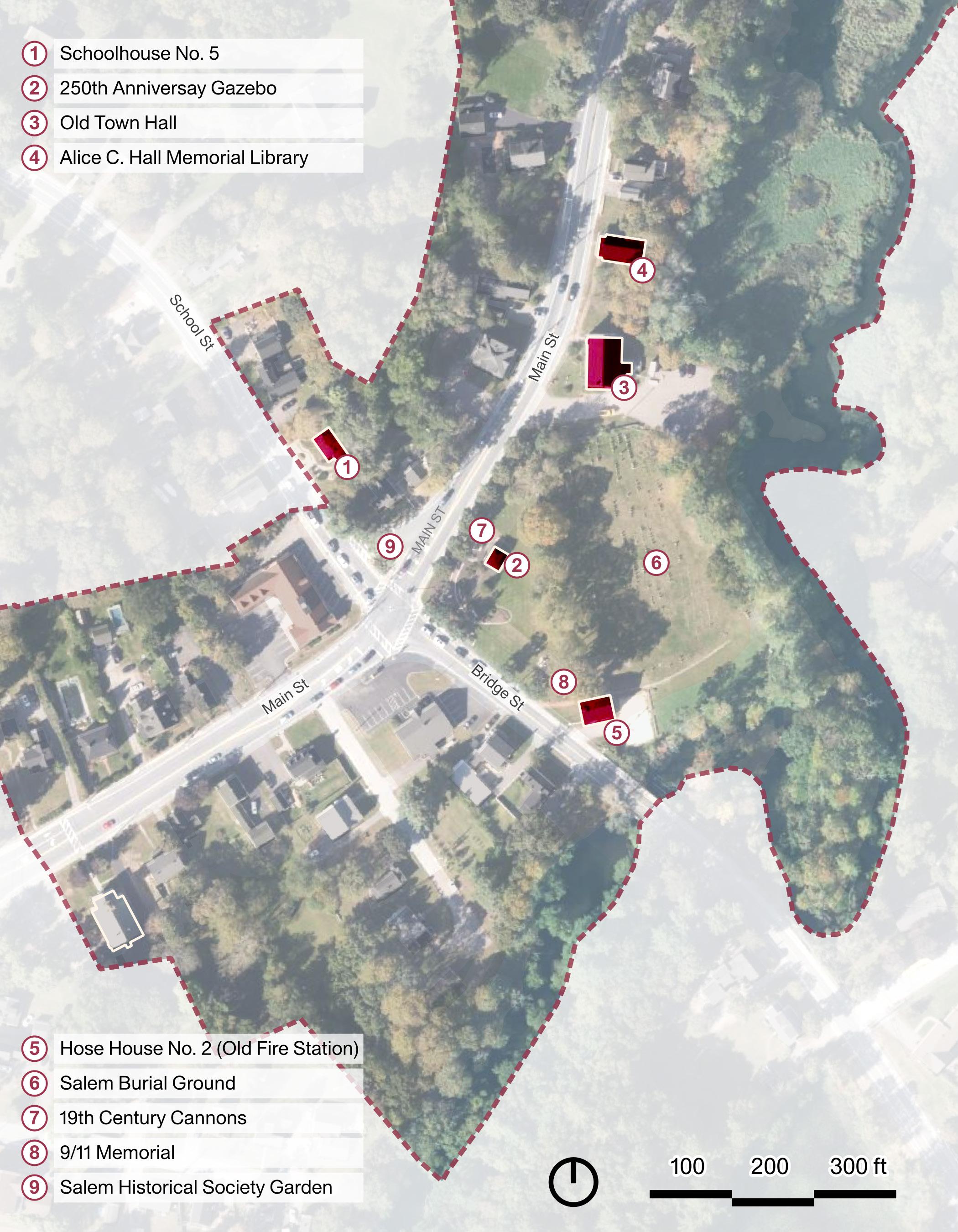
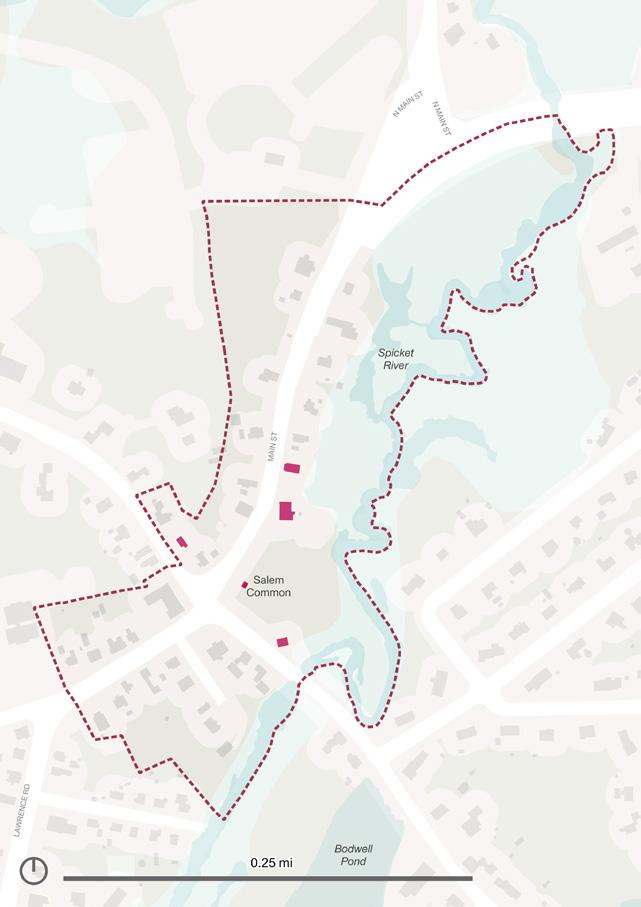
Salem Common Historic District
Salem’s Historic Town Center has always been an important anchor for the Town’s identity and history; it functions as a gateway to Salem as well as a natural limit to Main Street’s development pattern. The Historic Town Center actively served as the civic center for nearly two centuries from the 1740s into the 1940s, after which point the Town worked to incrementally invest in protecting, preserving, and restoring it to serve as a different kind of center for the community.
The Historic Town Center was first recognized and protected by Town Meeting as the “Salem Common Historic District” in 1967, with subsequent amendments in 1981 and 1987. As of 2011 it was also added to the National Register of Historic Places.1
• Salem Common (1741, originally used to train militia and later transitioned to passive recreational use)
• Town’s original burial ground (1741, with stone wall built circa 1773)
• Old Town Hall (built 1738 as a meetinghouse on the Town Common close to the present-day intersection of Bridge and Main Streets with the main entrance facing the river rotated 180 degrees from the current orientation, became the Town Hall in 1750 when the Town was incorporated, moved to current location and orientation in 1838, altered 1838, 1899, 1908, served as Town Hall until 1940s and the Town Meeting venue until 1958)
• Alice Hall Memorial Library (1861 opened as District No. 1 Schoolhouse, 1895 became town free public library until 1966)
• Hose House #2 (1906)
Additional more recent historical monuments and assets include:
• District No. 5 Schoolhouse
• War and Veterans Monuments (1922, 1957, 1968)
• Mid-19th Century Cannons
• Veterans Park Enhancements (including a curved brick walkway, low granite slab walls, flagpole, ornamental trees)
• 250th Anniversary Gazebo (2000, replacing 1960s bandstand)
• 9-11 Memorial (2019)
As described in the National Register application, “as a group and individually, these public buildings and their associated setting are a reflection of the practicality and skills of a small New Hampshire town. They embody the development of a town center originally designed to meet essential needs of the community in the 18th century. Changes in the 19th century reflect the typical evolution which occurred statewide as civic and religious responsibilities were separated… [Today the] assemblage continues to retain a useful and intimate role in the community.”2
With these protections in place, more recently the Town has been able to pursue focused enhancements that help to draw attention to and celebrate these valuable historic assets alongside the service of Salem’s veterans.
The Town recently carried out repairs to both the Alice Hall Memorial Library and Old Town Hall (2020, 2024 fundraising ongoing) to improve the structural integrity of both structures. The Old Town Hall now contains numerous historic relics and functions as a local museum, as well as a community meeting space. The relics and museum are maintained by the Salem Historical Society.
The Town also worked to restore Hose House #2, expand the parking area behind it, and remove overgrown vegetation along the Spicket River to create the pocket park in the southern area of the Common.
In 2019, the Salem NH Won’t Forget Committee raised funds to establish the 9/11 memorial erected in close proximity to the Hose House. Currently, the Common is used for memorial ceremonies on Veteran’s Day and 9/11.
Other enhancements have included adding signage marking the entrances to the historic district along Main St, Bridge St, and School St, enhancing landscaping surrounding the key buildings and at key intersections, and promoting creative programs like the “Soul Stroll” burial ground tour that help to bring the space to life.
1 National Register Documentation: #11000190, https://catalog.archives.gov/id/77845588
2 National Register Documentation: https://catalog.archives.gov/id/77845588
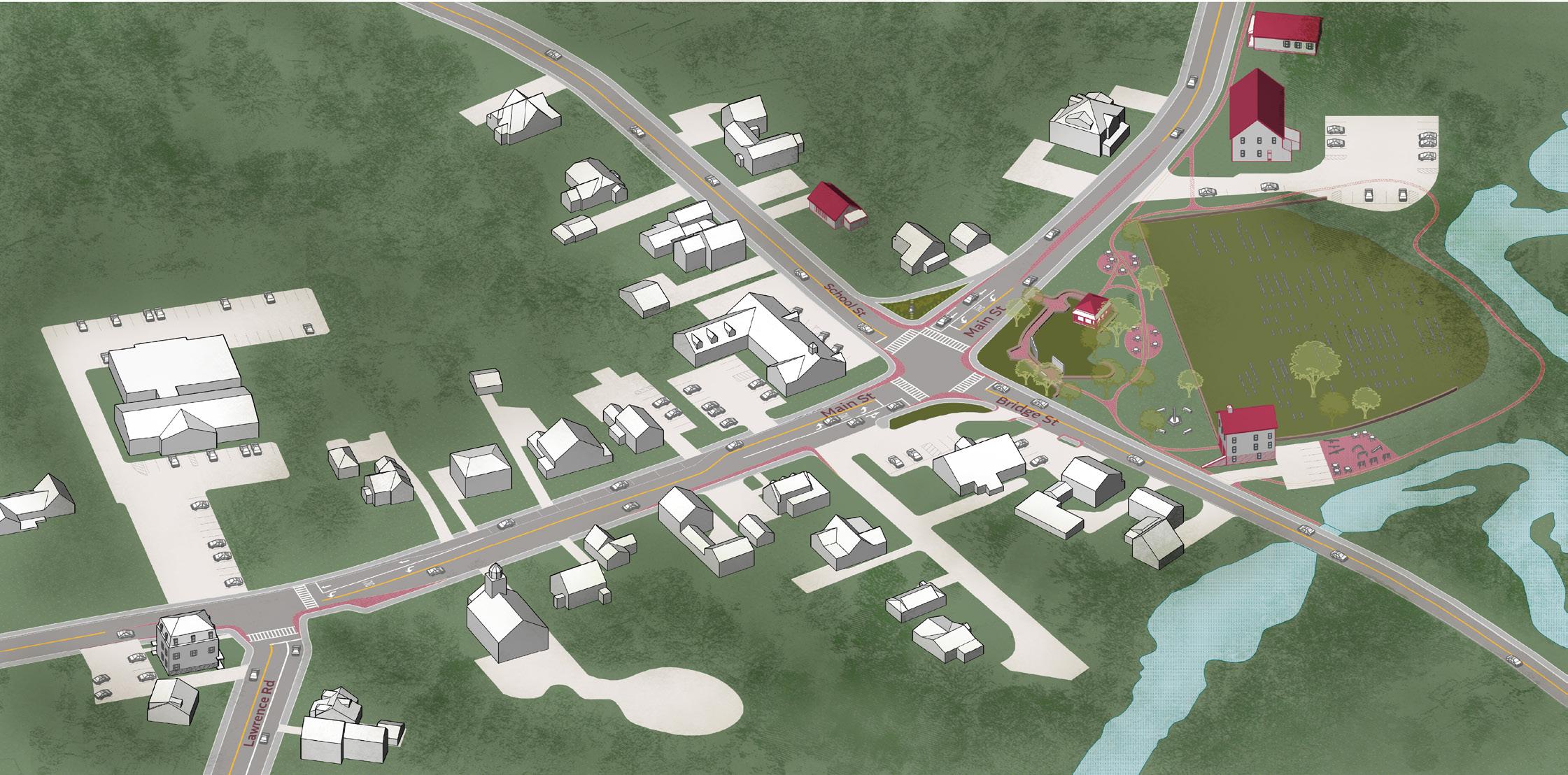
Right: Salem Common Historic District (National Register) boundary. Below: closeup of the primary intersection anchoring the District and the key historic and community assets in that area.
The Planning Process
This Master Plan was generated through a year-long multi-phase process, with regular guidance from the Master Plan Steering Committee and two rounds of public engagement:
Public Engagement Round 1: Learning & Visioning
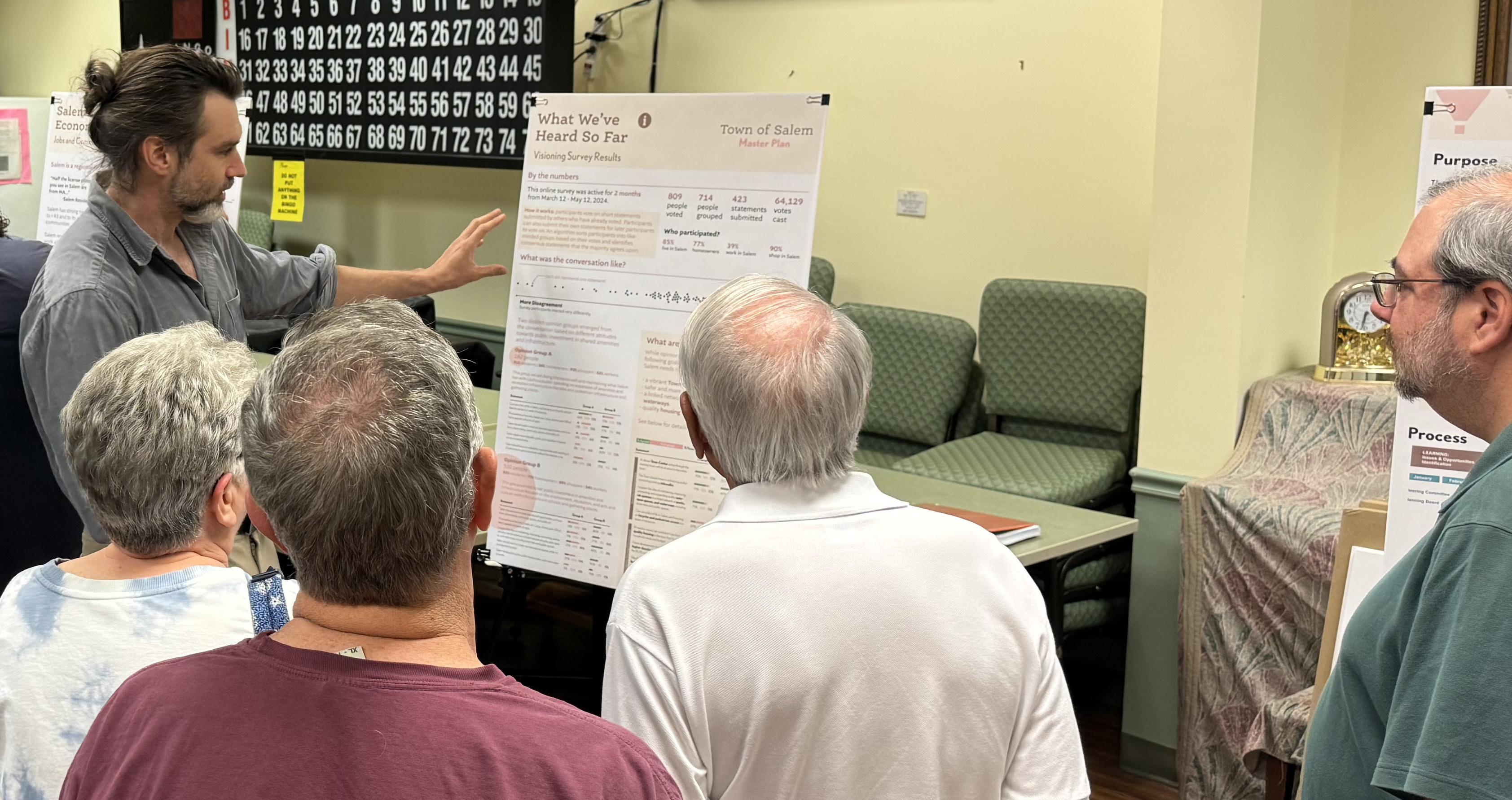
The first round of public engagement focused on learning about neighborhood and townwide opportunities and needs, exploring previous studies, validating data, and developing a vision to guide the plan framework and recommendations. To reach as many community members as possible, outreach and engagement activities included an online visioning survey, an in-person public workshop, and online and printed visioning comment cards that invited community members to share what they loved about Salem and what they wanted to change.
Public Engagement Round 2: Plan Framework & Recommendations
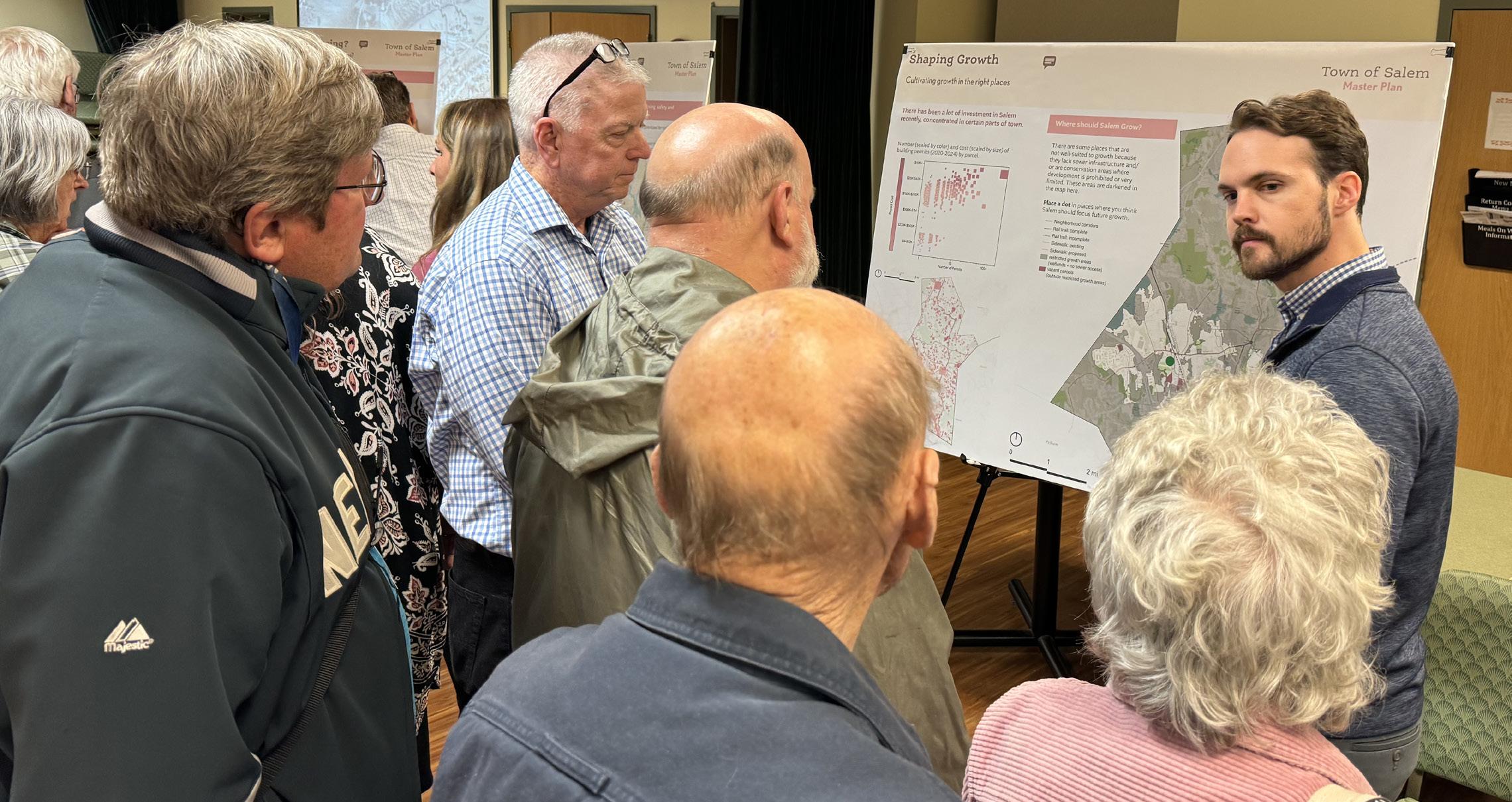
The second round of public engagement focused on gaining public feedback on a draft framework and set of recommendations for the plan. The planning team gathered comments, ideas, and reactions from the community to refine the final plan and develop an achievable and implementable action plan. This round of engagement relied on an inperson public workshop, online and paper surveys, and online comments on the draft plan document.
Engagement by the Numbers Events and Tools
• 4 Steering Committee Meetings
• 2 Public Workshops & Follow-Up Exhibits at Library and Town Hall
• 2 Public Surveys
• 1 Visioning Comment Card Campaign
• The Town promoted participation via the Town’s website, Town Hall Times, Facebook, SCTV featurettes, and What’s Up Salem podcast episodes.
Input and Participation
• Visioning Survey (online only)
• 809 people voted
• 423 statements submitted
• 64,129 votes cast
• Visioning Comment Cards (printed & online)
• 142 cards submitted
• Public Visioning Workshop
• ~50 Participants
• 54 board comments
• Public Draft Plan Workshop
• ~30 Participants
• 28 board comments
• Draft Plan Survey (printed & online)
• 150+ responses
Steering Committee
A 9-person Steering Committee served as a sounding board for the planning team to get early feedback on the plan content, and expand public outreach throughout the planning process.
Steering Committee Members:
See Appendix B. Community Engagement Summary for more detail on the engagement efforts that contributed to the creation of this Plan.
• Dionne Garon, Chair, Zoning Board of Adjustment
• Bianca Carlson, Vice Chair, Planning Board
• Brian Flanagan, Secretary, At-Large Appointment by Planning Board, President of the Historical Society
• Bonnie Wright, Economic Development Committee
• Carla Billingham, At-Large Appointment by Planning Board, Economic Development Committee
• Georgia Brust, Conservation Commission
• Joe Sweeney, Town Council
• Mike Banks, Historic District
• Rachel Hill, Recreation Advisory
Chapter 2:
Vision & Guiding Principles
A vision statement should act as a north star to orient Town actions towards a shared vision, and when considered alongside guiding principles, should also serve as an accountability and decision-making tool. Each policy, project, and planning effort that emerges, whether as part of this Master Plan or in the years that follow, can be evaluated against this chapter to determine if it would meaningfully advance the vision and if it aligns with the core values and guiding principles enough to be worth pursuing.
Vision & Core Values
Vision Statement
Salem will preserve the best of its small town living while guiding balanced growth and sensible public investment to improve quality of life.
Central to this vision is a vibrant Town Center that connects Salem’s beautiful natural spaces and residential neighborhoods – fostering civic pride for residents of all incomes and ages.
Core Values
The core of what people love about Salem is the combination of a small town feel that offers residents a peaceful, friendly, safe, quiet and nature-filled experience while still providing convenient access to major commercial amenities, natural spaces, and urban centers. Town services and facilities like the schools, parks, the library, the senior center, public safety departments, and Town staff and boards are a source of pride and an important part of what makes residents feel connected to a shared civic identity that values public service and supports community-building.
I love that though Salem is a very large place distance wise, it seems like a small town. It has a very small town community feeling to it. It also feels like a very safe place to live, despite the things that are going on in the world around us. I love our police and fire departments and school systems. I also love that we have so many options for commerce and things to do.
We love living in Salem. It is safe (thank you fire and police), friendly, and has all of the amenities we could want. There are nice outdoor spaces, tons of shopping, and good restaurants.
I love the fact that I live in such a beautiful area, and I can drive down the hill, take a left or a right on Route 28 and everything I could possibly need is right here! I do my shopping, or get entertainment, or go for a nice walk on the beautifully done bike ped corridor and then drive back up the hill to a nice quiet country setting. It’s a wonderful town to live in!
Comment Card Visioning Comment Card Visioning Comment Card
The quietness of my neighborhood with modern day conveniences an easy drive away.
Visioning Comment Card
One hour from mountains, beaches, a major cityyet everything you could ever need is right here.
Visioning Comment Card
Guiding Principles
Comments in the visioning stage of the project generally conveyed an optimism about Salem’s ability to find healthy change and framed the importance of balancing several key issues and opportunities as Salem invests in its future. These engagement themes became the Guiding Principles below, each of which has a direct connection to one of the four Plan Pillars.
• Connected by gathering places. Invest in public infrastructure and gathering places that connect residents with nature and each other through recreation and entertainment.
• Safe and enjoyable, no matter how you get around. Make Salem a safe and enjoyable place to walk and bike.
• Balanced development intensity and mix. Find the right development intensity and mix, and do so in a way that supports a civic Town Center that balances out Tuscan Village.
• Attainable homes for all. Make Salem a more affordable place to live in terms of housing prices and residential property taxes, so that people can live comfortable, stable lives here at every income level and stage of life.
Connected by Gathering Places
Invest in public infrastructure and gathering places that connect residents with nature and each other through recreation and entertainment.
When we asked Salem residents what they love about their town, one answer emerged as a prevailing theme: each other. People, community, safety, friendliness, quietness, and small-town feel – these were the words that reverberated across all engagement platforms. As one respondent put it, “we all know each other’s name and families, and we all take turns shoveling out the fire hydrant in the winter and maintaining it in the summer. Great Neighbors!”
But residents also feel that Salem is missing a place for them to actually meet. “Salem lacks a third space,” as one respondent put it. The term “third space” is often used as a standin for communal or transitional spaces , as distinct from the home as a “first space” and work as a “second space.” The front porch is a classic example of a “third space” that invites informal, organic social interactions among neighbors and tends to help build a sense of community. All in all, 70% of almost 600 survey responses agreed with the statement
that “a vibrant Town Center active through the evening hours would be an asset to the entire town.”
Tuscan Village has made this need all the more apparent for residents. While many respondents expressed support for the development, many more expressed concern that it does not fit within the Salem they call home. “Tuscan Village does not have the quaint, downtown appeal that was initially promoted,” one user wrote in the online survey. Of 425 others who responded to this statement, 55% were in agreement. Another wrote, “It feels as though there is currently no Town Center at all for day or evening use. Something not connected to Tuscan would be nice,” and among the almost 400 responses to it, 61% agreed.
See the Gathering Places Plan Pillar to read about how the plan recommendations embody this guiding principle.
Salem lacks public third spaces and parks. We need to prioritize parks for adults and young adults and not just children.
Visioning Comment Card
More community green spaces. Less autonomy for the School Board in matters of facility use for community events.
Visioning Comment Card
I would change the way that Tuscan Village has taken over our town celebrations. We lost the hometown feel when they took over the 4th of July fireworks.
Visioning Comment Card
More parks and playgrounds for the kids to play, game fields for the young teams and non-school sports.
Visioning Comment Card
We need better care and maintenance of our current outdoor spaces.
Visioning Comment Card
I would like to see Salem have more green space/recreational areas.
Visioning Comment Card
I love the nature and conservation, that we still have lots of green space not yet built upon, and the will to preserve lots of it.
Visioning Comment Card
I love Salem’s proximity to the mountains, coast, lakes, and beaches.
I love the rail trail. It is a shady, safe and beautiful place to exercise.
Visioning Comment Card
Visioning Comment Card
Safe and Enjoyable, No Matter How You Get Around
Make Salem a safe and enjoyable place to walk and bike.
Town investment in transportation has historically prioritized vehicle capacity. As the gateway into New Hampshire along both State Route 28 and Interstate 93, Salem plays an essential role in the region’s vehicular transportation network. It’s what drives the town’s economy.
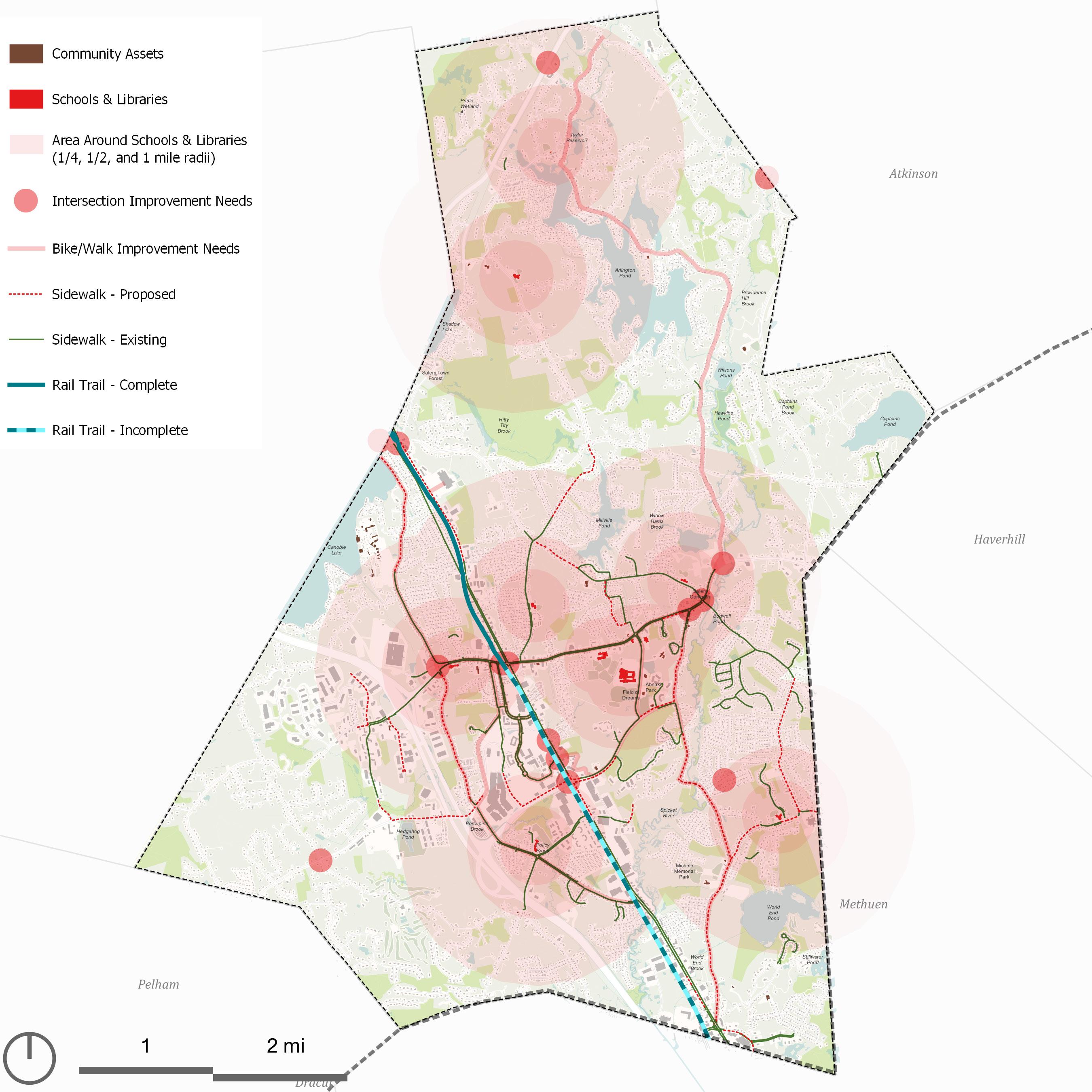
But without a proportional focus on pedestrian safety and wellbeing, Broadway has become increasingly unsafe for residents on foot and bicycle. The same is true across the town where traffic volumes, vehicle speeds, intersection complexity, and lack of a consistent and coherent sidewalk network are all making it more stressful and less safe for residents who want to walk or bike to their destination. These photos help to illustrate some of the challenges faced by people trying to get around by foot - whether for functional or recreational reasons.
Across engagement platforms, residents stressed pedestrian safety and sidewalk conditions as a key priority. In the online Visioning Survey, 71% agreed that “the Town should invest in enhancing and/or connecting existing sidewalks,” and 57% opposed the statement that “cars are a fact of life in Salem, and focusing on bicycles and pedestrian access is a waste of resources.” When asked “what would you change about Salem?” in the online and in-person Visioning Comment Card campaign, almost a quarter (22%) called for better sidewalks and/or walkability.
See the Town Connectors Plan Pillar to read about how the plan recommendations embody this guiding principle.
In addition to being a clear priority for existing residents of Salem, walkability has also been a key selling point for Tuscan Village since its inception, meaning that walkability is a shared priority for existing and potential future members of the Salem community. There was also a second, more subtle theme that emerged from engagement - a desire for the community to feel more connected and integrated - for example, the online survey revealed that 55% of respondents agreed that “I want Tuscan Village to feel more integrated with the rest of the Town.” While there are many factors involved, a critical strategy to increase integration of the community with Tuscan Village is making the street and sidewalk networks themselves to feel more continuous and connected to one another.
We need more sidewalks and pedestrian crossings for streets.
Lawrence Road needs more sidewalk, Veterans Pkwy needs more sidewalk, Salem, NH needs more sidewalks.
Visioning Comment Card
Not enough sidewalks. We need more sidewalks.
Visioning Comment Card
Better (and more) sidewalks.
Lack of sidewalks and crosswalks; lack of safe sidewalks that have curbing.
More paving of roads and added traffic signals for safety! Y’all know where the accident areas are.
Salem should focus on walkability improvements - more connected sidewalks so it’s easier to get across 28 to Target, and get from North/South Policy to Tuscan Village.
I would like to see Salem’s roads become friendlier to walking/biking.
How about some bike lanes and signage for laws on passing.
Salem should be more accessible for pedestrians. I need a car to go anywhere safely. There are main roads here that are over 100 yrs old (Bluff St, lake street, and north main for example) that stretch across town without sidewalks. It’s no wonder middle school kids keep getting in trouble for being in the road- there is physically nowhere else for them to go. Major roads that connect to 28, should have sidewalks for safe access to shops, the Rail Trail, etc.
It would be nice if Broadway was more pedestrian friendly, especially the intersection at 38. I’ve seen people crossing over there and that is extremely dangerous. Also would be nice if that section of Broadway had more grass, trees, and decorations since it is the first thing people see coming off the highway.
Broadway needs to be made more accessible to pedestrians and bicycles through bike lanes or finishing the bike path and providing connections to it.
Visioning Comment Card
Make it easier to get around without a car.
More transportation for seniors to the Ingram Senior Center.
Balanced Development Intensity & Mix
Find the right development intensity and mix to support a civic Town Center that balances out Tuscan Village.
Salem is serviced by three highway exits and has a border-town tax advantage, making the town an attractive place for retail. The Broadway corridor has maintained a healthy appetite for retail across scales, with multiple opportunities for commercial space of all sizes from single-occupancy to multi-tenant all the way up to national big-box retailers such as the Walmart Supercenter at the northern edge.
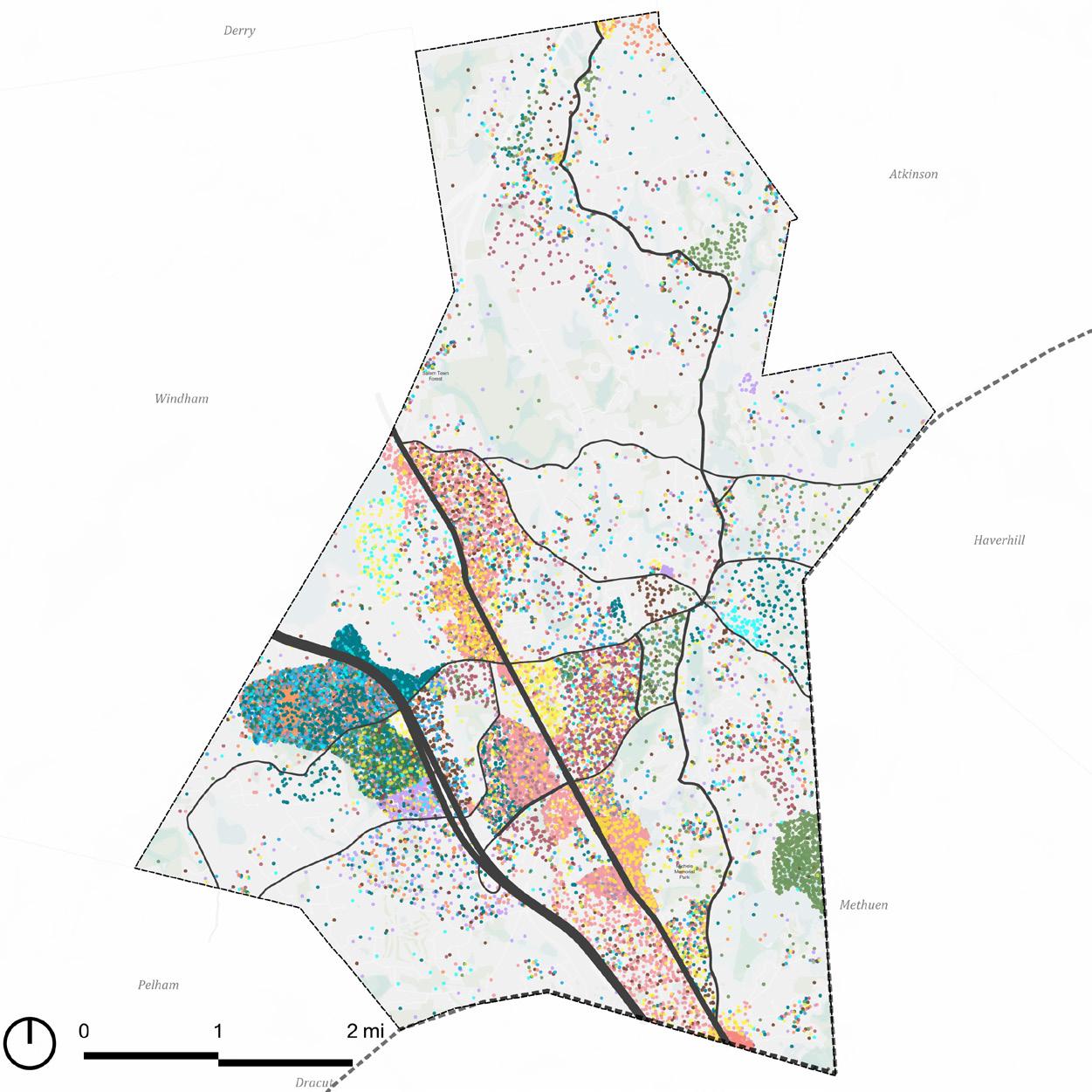
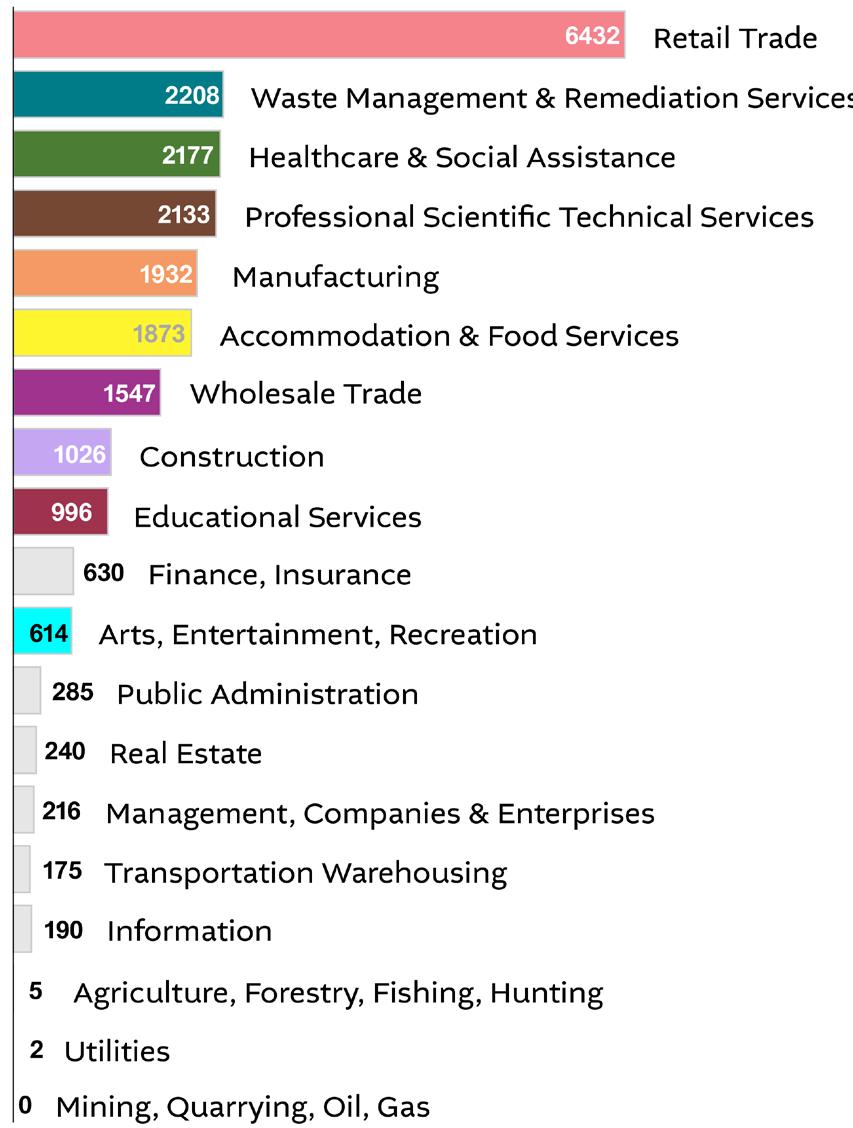
Businesses have responded to and reinforced clear distinctions and a specialization or differentiation between the different corridors of the town:
1. I-93 is home to more industrial uses like waste services, manufacturing, and wholesale along with some life science, healthcare and education uses.
2. Broadway / Rt-28 is dominated by retail trade mixed with accommodation and food services.
3. Main St and other neighborhood arterials generally offer healthcare and educational services with a mix of other businesses throughout at a lower intensity.
See the Town Connectors Plan Pillar to read about how the plan recommendations embody this guiding principle.
This diversity and specialization helps make Salem a great place for businesses - there is a place for every kind of business in terms of scale and price point. The same is not quite true for the housing market where there are more gaps in the spectrum, both in terms of scale and price point.
By following the natural growth of the market, Salem has proven that its appetite is big enough to include taller mixed-use development like Tuscan Village. The town’s reputation as a regional commercial hub is built on this responsiveness – not only is it a winning economic strategy, it’s a key strand of Salem’s DNA.
But a hot market is both a gift and a curse. Residents value the amenities and convenience that highway access and commercial development have brought to the town, but residents also voiced a clear desire to maintain Salem’s small-town character and manage resources closely, with 60% of the online Visioning Survey respondents being opposed to higher density in future development. Salem’s response to the precedent set by Tuscan must balance both of these assets: its regional identity as a commercial hub, and its local character as a series of neighborhoods defined by a smaller scale residential pattern of development.
To achieve this it is critical that any further mixed-use, commercial, and multifamily residential development explicitly benefits existing Salem residents and facilitates the creation of the recreation and quality of life amenities residents asked for throughout this planning process.
Business Type Patterns
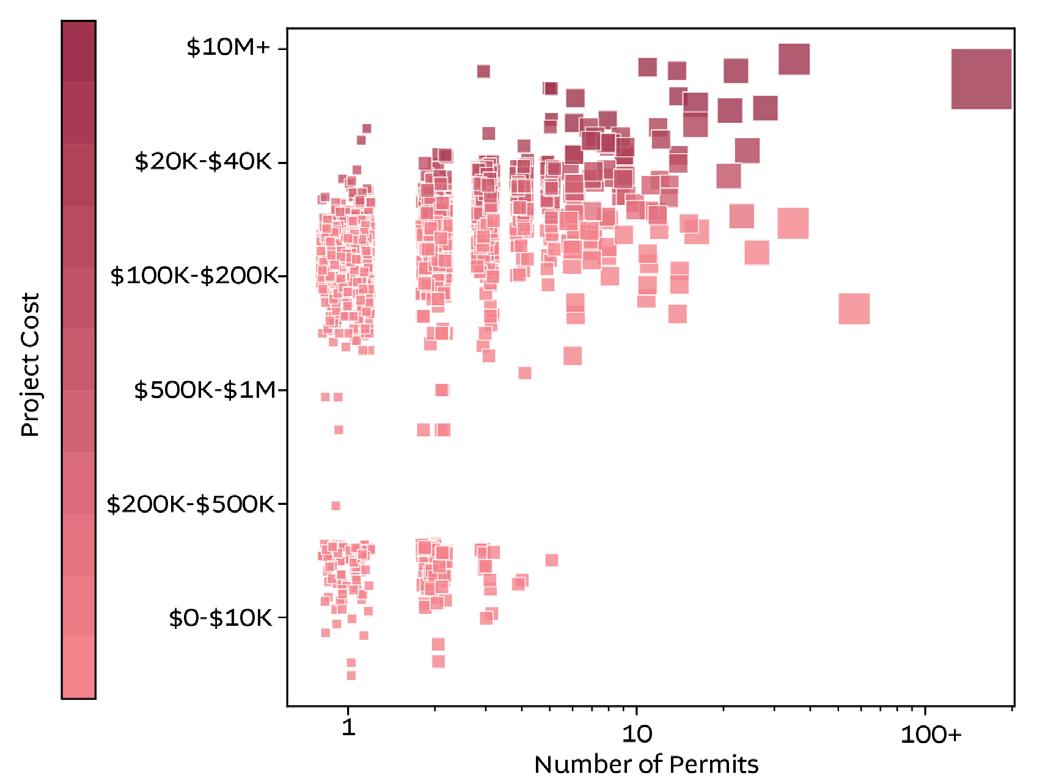
Building Permit Investment Patterns
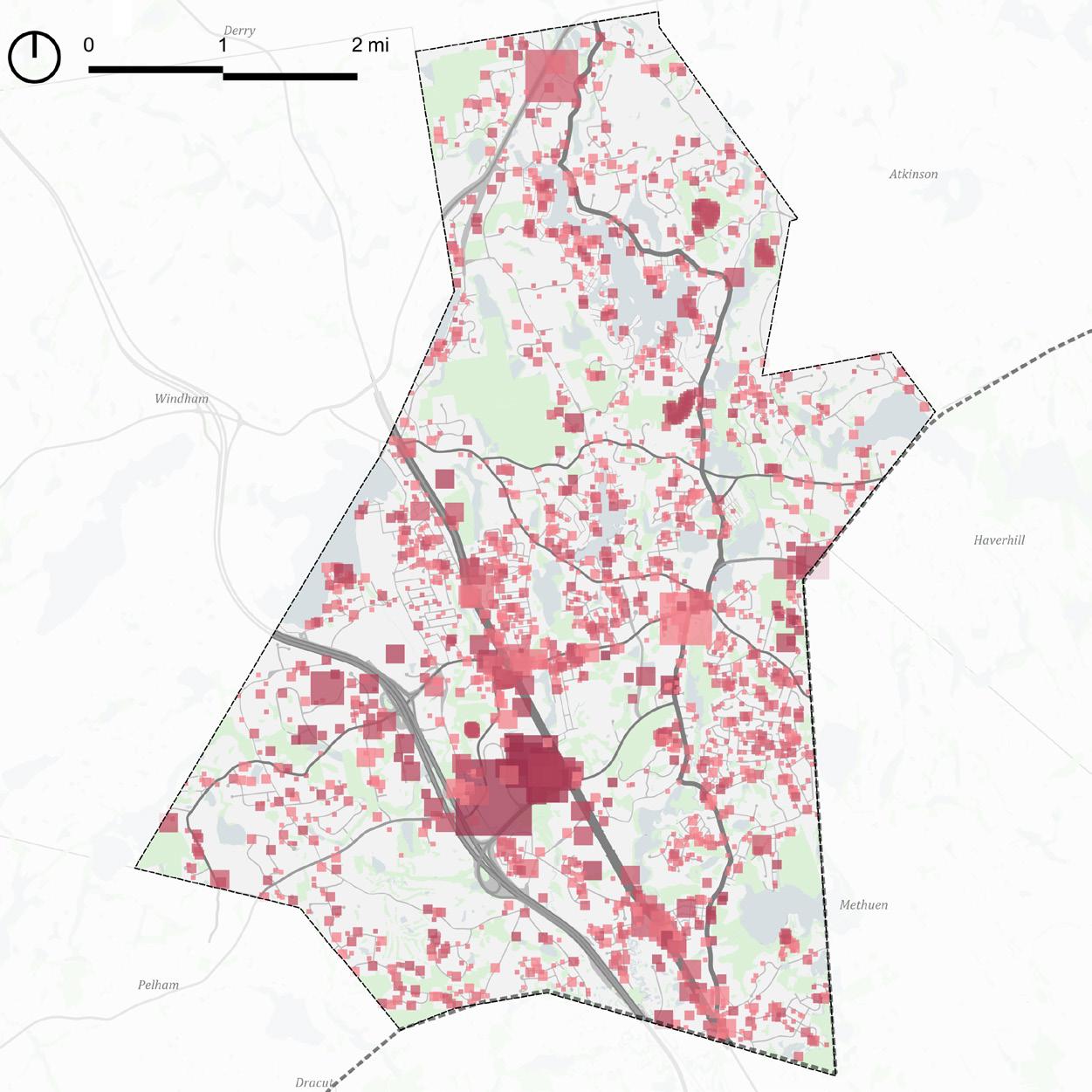
Number (scaled by color) and cost (scaled by size) of building permits (2020-2024) by parcel.
I love that we have access to lots of healthcare, grocery stores, eating, and shopping options in town.
Visioning Comment Card
I love the modern development (e.g. Tuscan).
Visioning Comment Card
I love the small businesses.
Visioning Comment Card
I love the new construction in the Tuscan village, it provides a great area for people to meet, shop and eat without driving all around town.
Visioning Comment Card
I love the convenience of Salem’s location on all the highway corridors (I-93, I-495, Rt-28, I-89, I-95).
Visioning Comment Card
I love Salem’s proximity to the highway and the availability of community resources and other things to do in the community
Visioning Comment Card
I love that I can get to Boston easily, can get most of what I need in terms of shopping in town, convenient to good biking
Visioning Comment Card
Go back to the smaller town with a lot less traffic and useless stores that I wouldn’t step into since the prices are too HIGH.
Visioning Comment Card
Living so close to so many cool things to visit!
Visioning Comment Card
Salem is growing too quickly. The strain on our resources is real and needs to be addressed, but in a way that does not burden the current residents.
Visioning Comment Card
I want less commercial development
Visioning Comment Card
Tuscan Village is over developed. We don’t need any more people living in town, it is too congested.
Visioning Comment Card
I feel like Salem’s focus and purpose is Tuscan Village, and I do not want Salem to lose its small town feel
Visioning Comment Card
Knock down some of the abandoned buildings and encourage change for undesirable development / buildings.
Visioning Comment Card
Create a vibrant Main Street that is walkable from the Depot through to the Historic District, inviting patrons and businesses alike to create a healthy community. Mixed use would be ideal, leverage form based code, reduce strip mall and sparsely developed areas that are underwhelming.
Visioning Comment Card
No high rises. Extend water and sewer lines to existing residents. We are a town not a city, keep it that way.
Visioning Comment Card
Stop building and let the infrastructure catch up.
Visioning Comment Card
I want higher quality development
Visioning Comment Card
Attainable Homes for All
Make Salem a more affordable place to live in terms of housing prices and residential property taxes, so that people can live comfortable, stable lives here at every income and stage of life.
The 2016 update to the Master Plan emphasized affordable housing as a critical need for the Town. In response, the Town’s affordable housing provisions and Innovative Land Use Controls have induced three major workforce housing projects at Braemoor Woods and 41 Main Street. As real estate prices have continued to climb, this issue has become even more acute. Decreasing home sales between 2020 and 2022, coupled with increasing competition from out-of-state buyers, has raised the median home sale price in Rockingham County by 42%.1 This rate is astronomical compared to the average 9.5% increase per two-year-period in the decade prior.
In the period from 2020 to 2024, Salem produced 675 new housing units, principally driven by projects in Tuscan Village, earning the Town recognition as a ‘Housing Champion’. The disconnect however, is that new homes and rental prices remain out of reach for most current residents and there is a sense that housing choices are out of balance with current needs. During the engagement process, residents shared their own experience of these pressures. For instance, 62% of visioning survey respondents did not feel confident that they could find a home within their budget if they had to move within the Town.
See the Missing Middle Edges Plan Pillar to read about how the plan recommendations embody this guiding principle.
1 Rockingham county housing report
2 Rockingham county housing report
The data indicates that for attached homes about 57% percent of the demand (based on income, tenure and turnover data) is for units priced below $340,000. These are price points that are likely difficult for the private market to deliver and so public sector tools like inclusionary zoning (which relies on crosssubsidy from a given development) or public subsidies (e.g. tax credits) will be needed to supply units that are attainable at these levels.
This affects different households in different ways:
1. Price/Cost Constraints: Working and middle class parents, couples, and single people are critical to supporting Salem’s many retail businesses and services. However, the cost of entry into both rental and ownership is slipping away from most wage earners, meaning that these workers are “houselocked” in their current units and have trouble finding housing near the jobs they work in Salem.
2. Accessibility Constraints: Longtime older residents looking to downsize as they age in place often need smaller ADA-accessible single-floor living options that can offer a high quality of life for someone on a fixed budget with limited mobility. This need came up in all three of the visioningstage engagement tools - the online Visioning Survey, the visioning comment card campaign, and the in-person Public Visioning Workshop held at the Salem Senior Center.
3. Multi-Generational Challenges: Recently there has been a spike in grandparents raising grandchildren in Salem—from 16 households in 2015 to 267 in 2020.2 This rate of increase far exceeds other Rockingham municipalities, and grand-
family households require specific housing types to balance elderly residents’ accessibility needs with open space and education access for the children in their care.
The barriers to attainable housing can be particularly extreme for smaller 1-2 person households and parents with very young children because the combination of high prices with the majority of units being sized for 3+ bedrooms means that attainable housing is even further out of reach for these smaller households.
In recent years the issue of attainable housing has become an economic development and business health barrier throughout the New England region where astronomical housing prices have priced out the people that provide the labor that make our businesses work and our household care and maintenance obligations manageable. The less attainable housing is close by to job hubs like Salem, the farther away workers have to live and the harder it is to find workers to fill open positions, contributing to regional congestion and decreasing quality of life for everyone.
Going forward, it is critical that Salem has strategies in place to ensure some portion of new housing being delivered by the private market is attainable for low to moderate income households.
According to the Fair Share Housing Production Model developed by Root Policy Research (which is designed to help municipalities achieve the NH Workforce Housing Statute), Salem should aim to produce 2,537 units of housing by 2040. These units should offer a mix of rental and ownership that is affordable for a range of incomes, measured as a percentage of Area Median Income (AMI).
836 Rental Units
203 Below 60% AMI
633 Above 60% AMI
1,701 Ownership Units
788 Below 100% AMI
913 Above 100% AMI
Salem’s Existing Housing & Affordability
Salem has 13,031 homes
77.2% are owner-occupied
70% are single-family
Salem’s current housing mix is too expensive for many residents’ budgets.
Single-family homes average at $288/sf. Recently, waterfront sales have exceeded $500/sf.
While single-family homes dominate, recent condo and townhome sales are active along I-93. High-end condos in Tuscan Village, for example, are selling for over $500/sf.
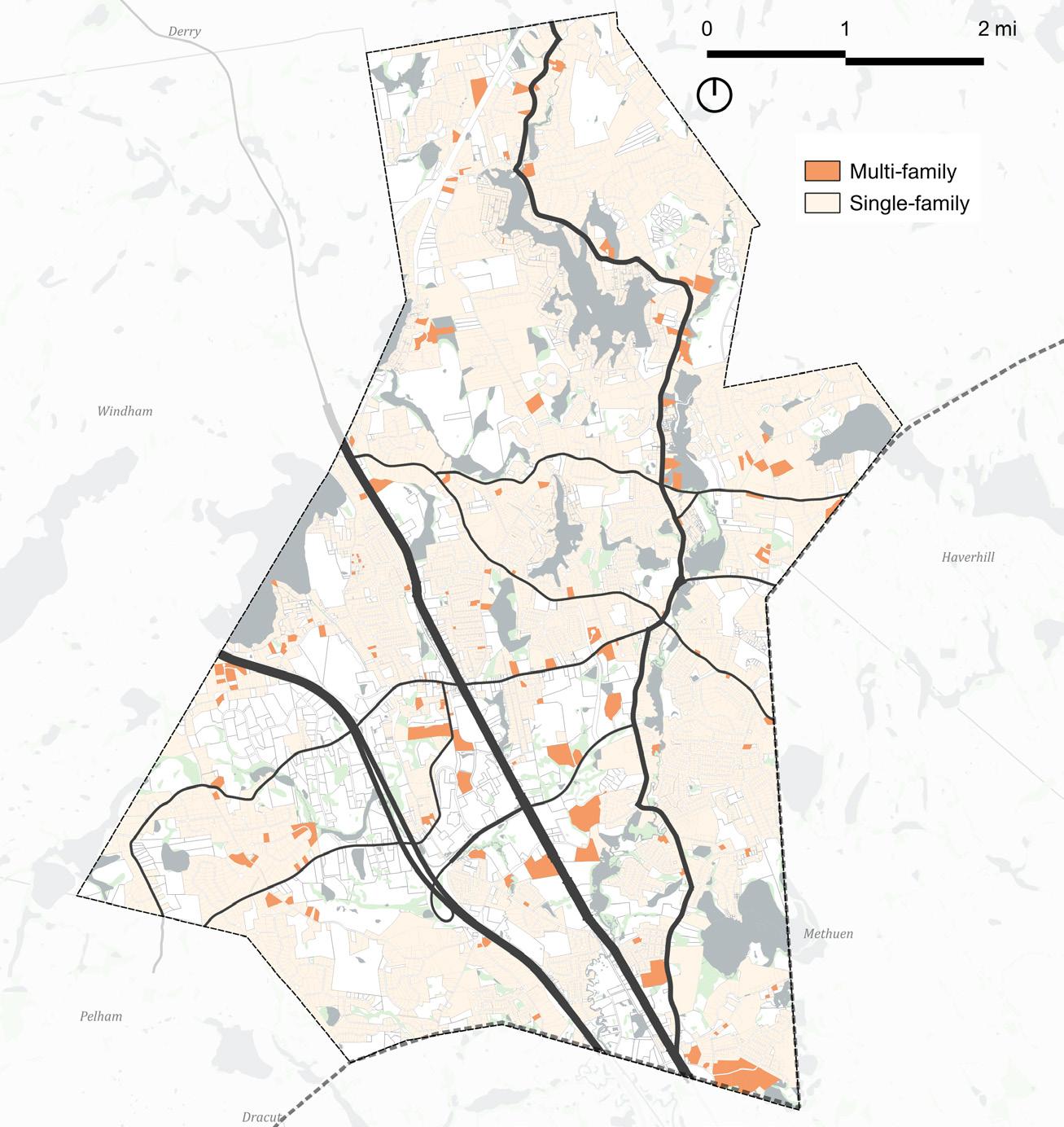
Where Salem Residents Work
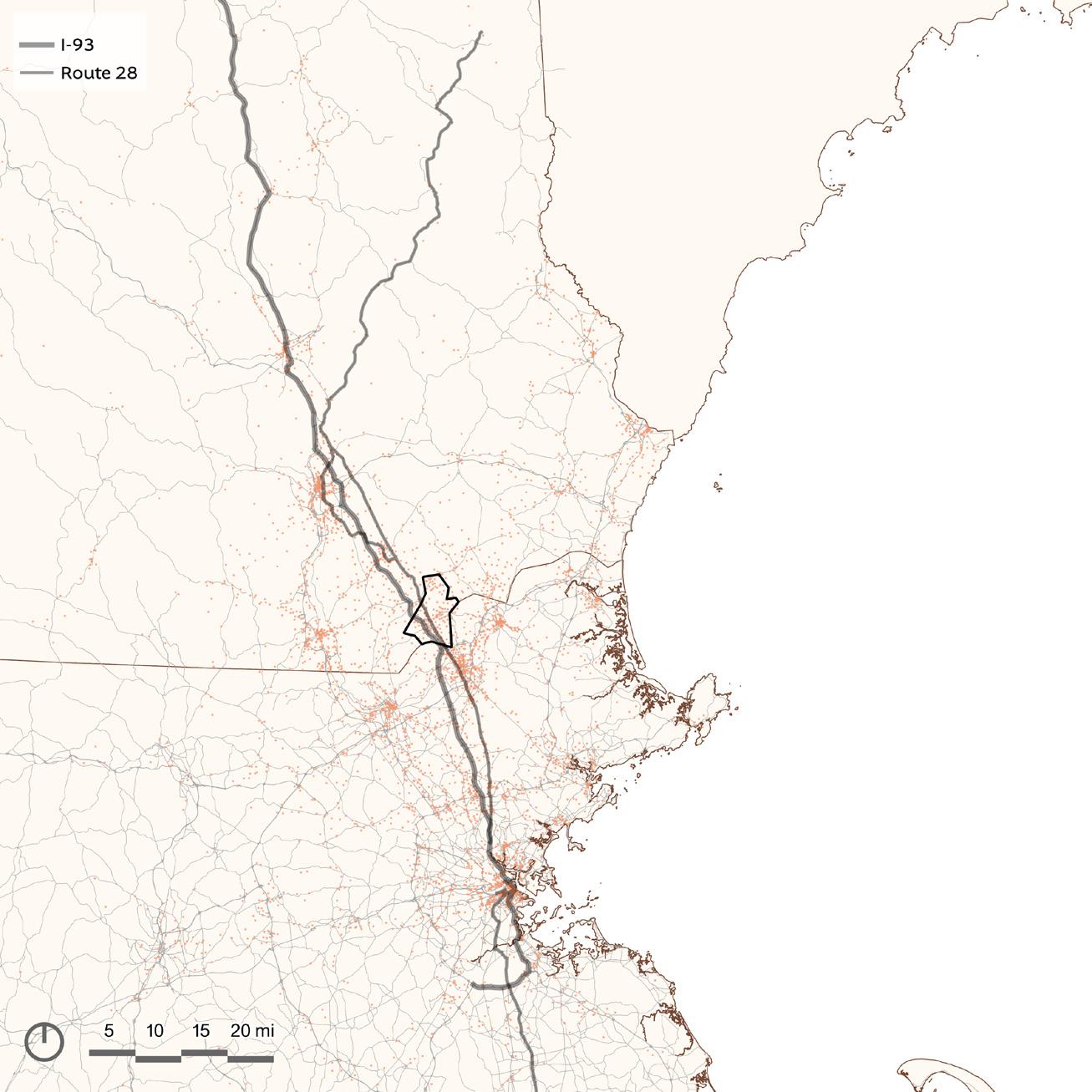
Where Salem Workers Live
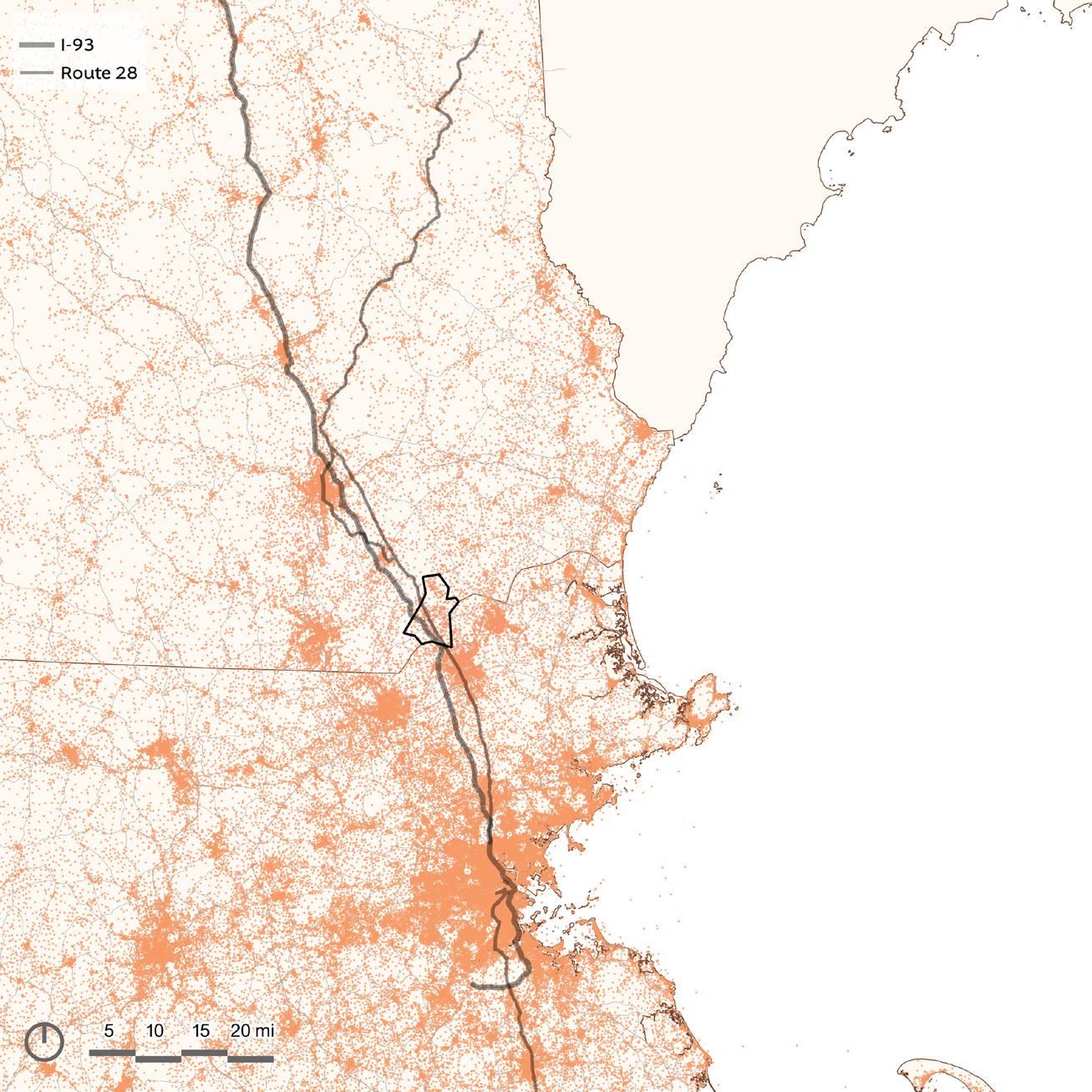
Demographic Trends & Housing Needs
Household trends nationally are towards smaller households As of 2020 Salem’s average household size is just over 2.5 for owners and just over 2 for renters.
Seniors and empty nesters looking to downsize and age in place are an important piece of this trend. Since 2010 Salem’s average age has gone from 42.3 to 45.1 years old.
To address these demographic trends, Salem needs more affordable and diverse housing options that offer more variety for time of life and lifestyle preferences.
Salem’s housing production has lagged since 1990, which is when many of the current demographic trends began to show up.
Over half of Salem’s housing stock was built in the period between 1960-1989, after which production fell dramatically. During the 1960s an average of 260 units/year were added.
There has been a significant uptick in multi-family units since 2016, likely reflecting Tuscan Village. However, those units are priced such that they don’t fully meet Salem residents’ needs for affordable and diverse unit types.
Over the last six years a substantial number of units have been permitted, but the average is more in the range of 236 units/ year with a shift towards multi-family permits.
I would change the tax structure so that residents over 65 get a break on property taxes regardless of how much money they have in savings. I would make businesses pay more towards town services and take the burden off of homeowners. I still can’t comprehend how all of the new building in the Tuscan Village hasn’t helped us reduce our taxes.
More affordable housing.
We need more affordable housing: we must have more diverse communities.
More low cost apartments.
Our taxes are unaffordable and go up substantially every year. Ours have almost doubled since 2016.
We need a solid plan for expansion including a solid budget plan, the citizens are not an endless supply of revenue.
Visioning Comment Card
Visioning Comment Card
Visioning Comment Card
Visioning Comment Card
Visioning Comment Card
Visioning Comment Card
Chapter 3:
Cultivating a More Vibrant & Connected Core
In order to craft a sensible approach to shaping future development patterns, one that allows smart growth and enhanced quality of life while continuing to protect Salem’s natural and historic resources, it is critical to first understand what forces have influenced Salem’s development pattern, and how they are evolving as we look to the future.
Salem Today
What forces shaped Salem’s historic pattern of development?
Three main factors shaped historic development patterns in Salem
1. Extensive Wetlands & Water Features
2. Dramatic Rail & Roadway Hierarchy
3. A Poly-Centered Core
Recreation & Mobility Network
Community Anchors
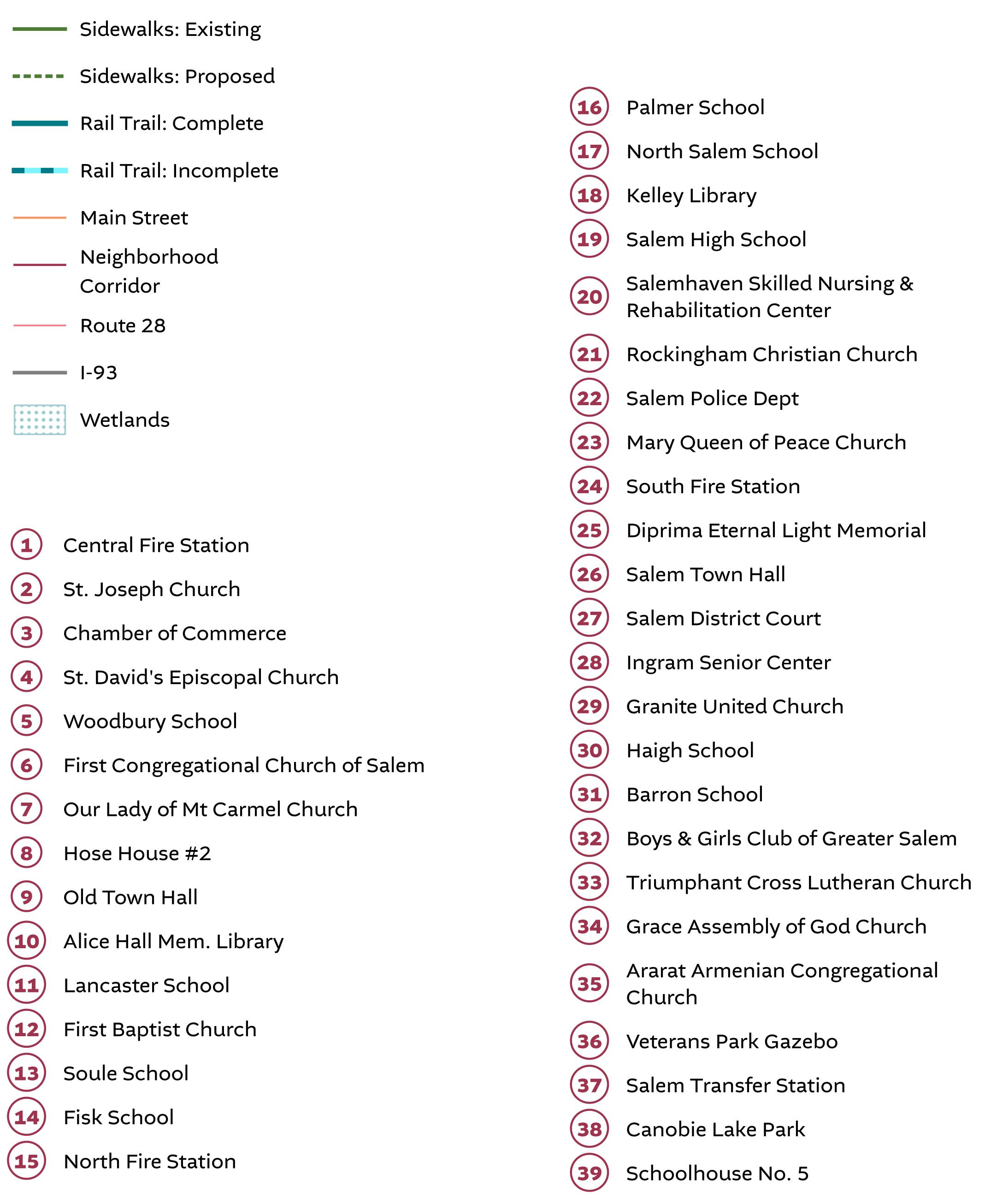
Poly-Centered Core
Salem’s historic development along Broadway and the former rail line responded to commercial and industrial needs whereas the historic civic and commercial cores of the town to the west arose from local needs and daily routines. This structure has persisted into modern days, making the connections between them especially important.
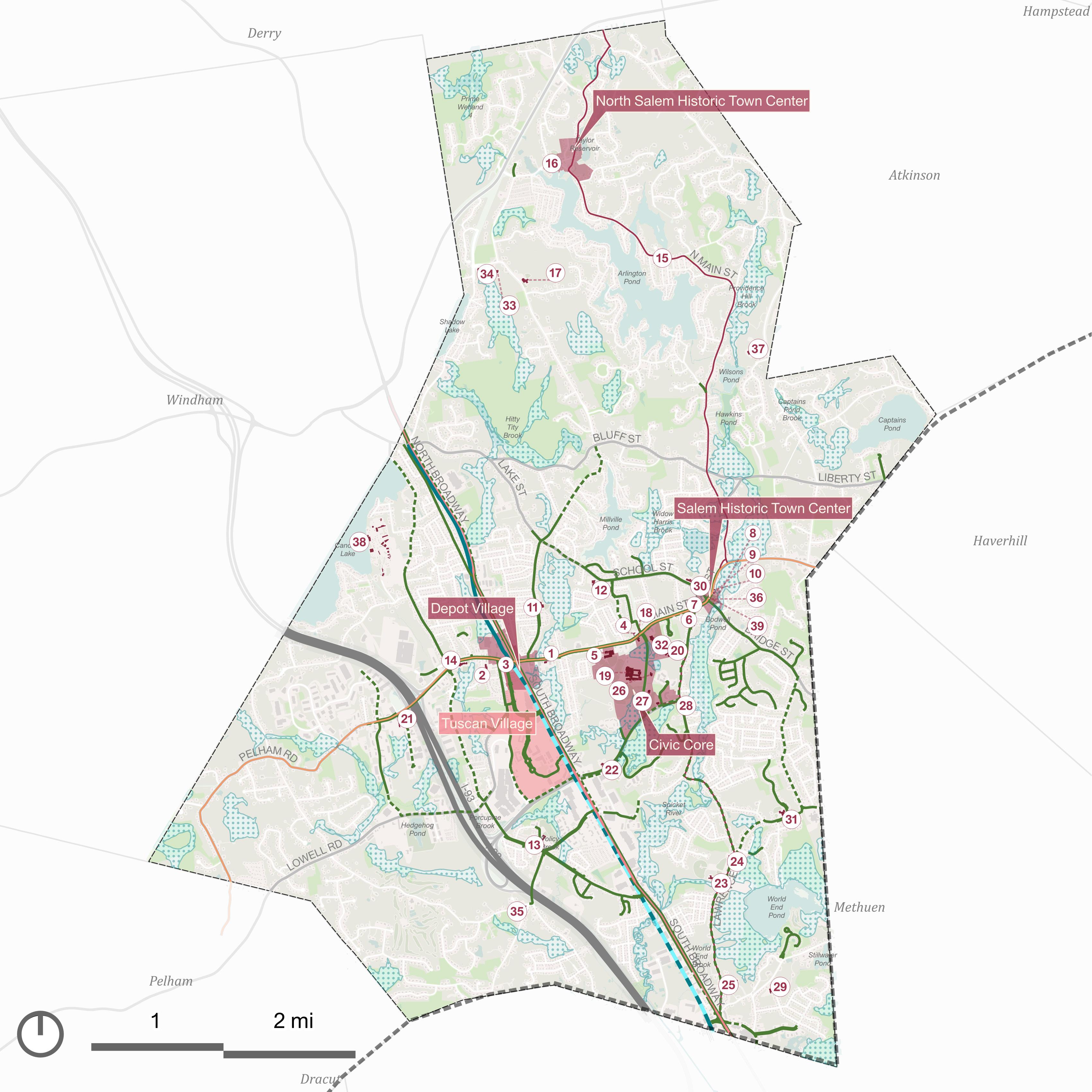
Wetlands & Water Features
Salem’s lakes, ponds, rivers and streams are woven throughout its residential neighborhoods, and extensive wetlands surrounding them. Historic development patterns responded to this unique landscape.
Historic Development
What remains of Salem’s pre-1900 development is clustered around Arlington Pond and the North Salem Historic Town Center, and along Main Street between the Depot and the Historic Town Center. This remains the most walkable and compact part of town.
Extensive Wetlands and Water Features
Salem’s lakes, ponds, rivers, streams and the extensive wetlands surrounding them are woven throughout its historic town centers and residential neighborhoods. Historic development patterns responded to this unique landscape and in some cases only exist because of this landscape.
The Spicket River intersected both Salem and North Salem’s historic town centers and played an important role in supporting the viability of water-powered mills in southern New Hampshire and Lawrence, MA.
During the heyday of streetcar travel Salem’s Canobie Lake became the central attraction for a pleasure resort with a botanical garden atmosphere opened by The Hudson, Pelham & Salem Railways (HP&S) to promote their new trolley lines. It has continued to be a tourism attraction long after the trolleys stopped running in 1929.1
Salem’s residential neighborhoods are interspersed throughout more minor waterways and wetlands creating a scenic, rural atmosphere where the relationship to nature is more intimate.
Dramatic Rail & Roadway Hierarchy
What remains of Salem’s pre-1900 development is clustered around Arlington Pond and the North Salem Historic Town Center, and along Main Street between the Depot and the Historic Town Center. These represent the historic civic and commercial cores of the town which arose from local needs and daily routines and remain the most walkable and compact parts of town.
By contrast, Salem’s historic development along Broadway and the former rail line (and ultimately I-93) responded primarily to regional commercial and industrial ties to nearby urban economic hubs like Manchester, Lawrence, and Boston. Salem is situated in the middle of a region that includes Lowell, Lawrence, Haverhill, and Nashua making it inherently tied to the economies of each. The evolution of this dual rail and road connection is intertwined and important to understanding as a longstanding contrast to the other local development patterns in Salem.
Route 28 predated the railroad and persisted beyond the railroad, but both shared similar economic drivers and had a combined impact on the structure of Salem’s development patterns.
Rail and Streetcar History
New Hampshire’s railroad era got its start in 1831, grew rapidly from the 1840s to 1880s, then began to consolidate and restructure before entering a period of decline in the 1920s. Salem’s stretch of rail, known as the Manchester and Lawrence Railroad, was chartered in 1847 and opened in 1849 as the Methuen Branch of the Boston and Maine Railroad connecting Manchester to the existing Boston & Maine Railroad lines to the south of the state line. In 1905 the Boston & Maine Railroad threw their weight behind a bill that allowed for the creation of the Rockingham Park as a betting-friendly horse race track, one of several actions that was perceived as corporate overreach, setting the stage for increased governmental regulation of their business.2
1 https://www.canobie.com/about/park-history/
2 https://www.merrimackvalleylife.com/articles/looking-back/, https://mm.nh.gov/files/uploads/dot/remote-docs/2001-nhrailroad-context-statement.pdf
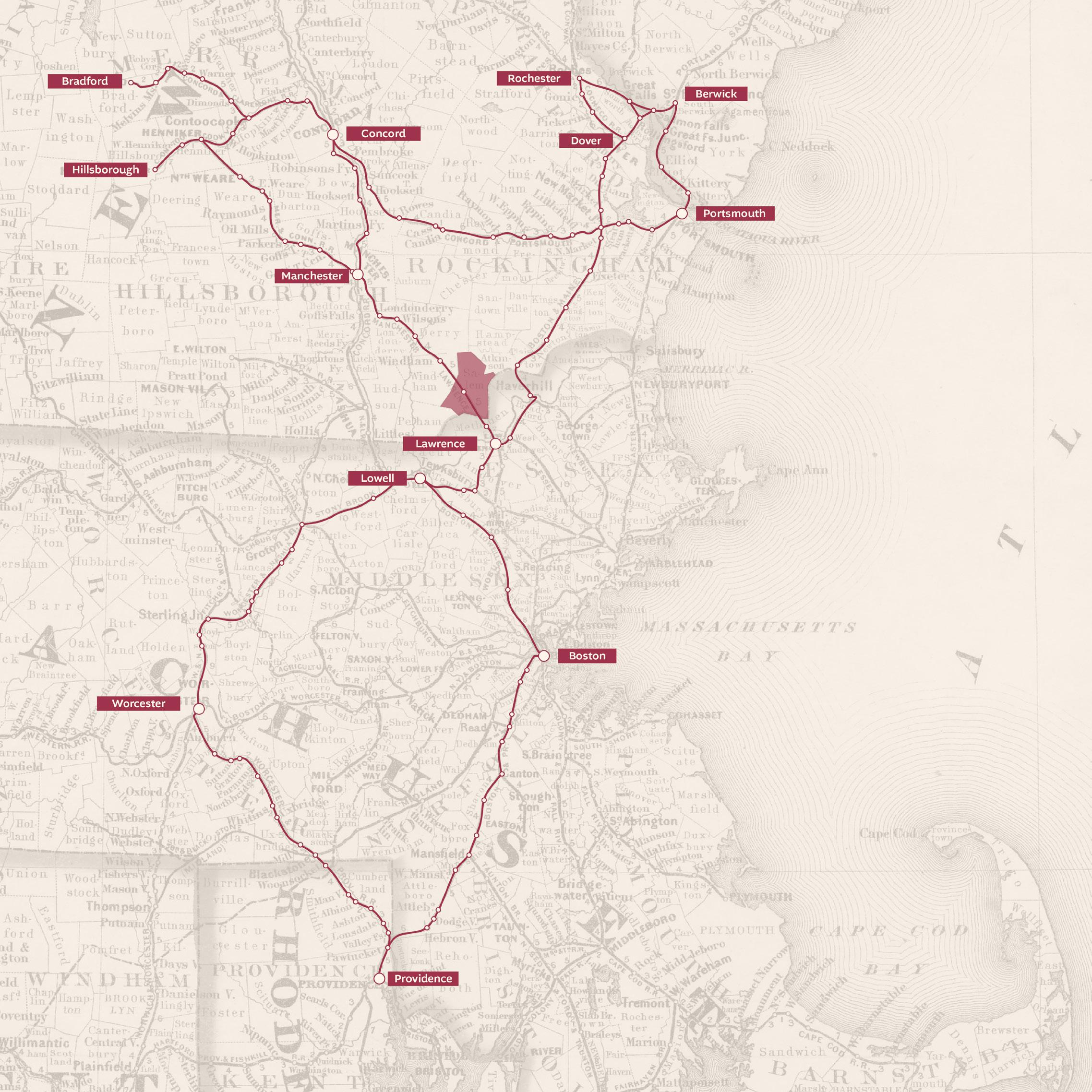
Diagram of Salem’s economic connections based on a 1860 map of New England railroad routes. Source: https://collections.lib.uwm.edu/digital/collection/agdm/id/28636/
Town of Salem Master Plan
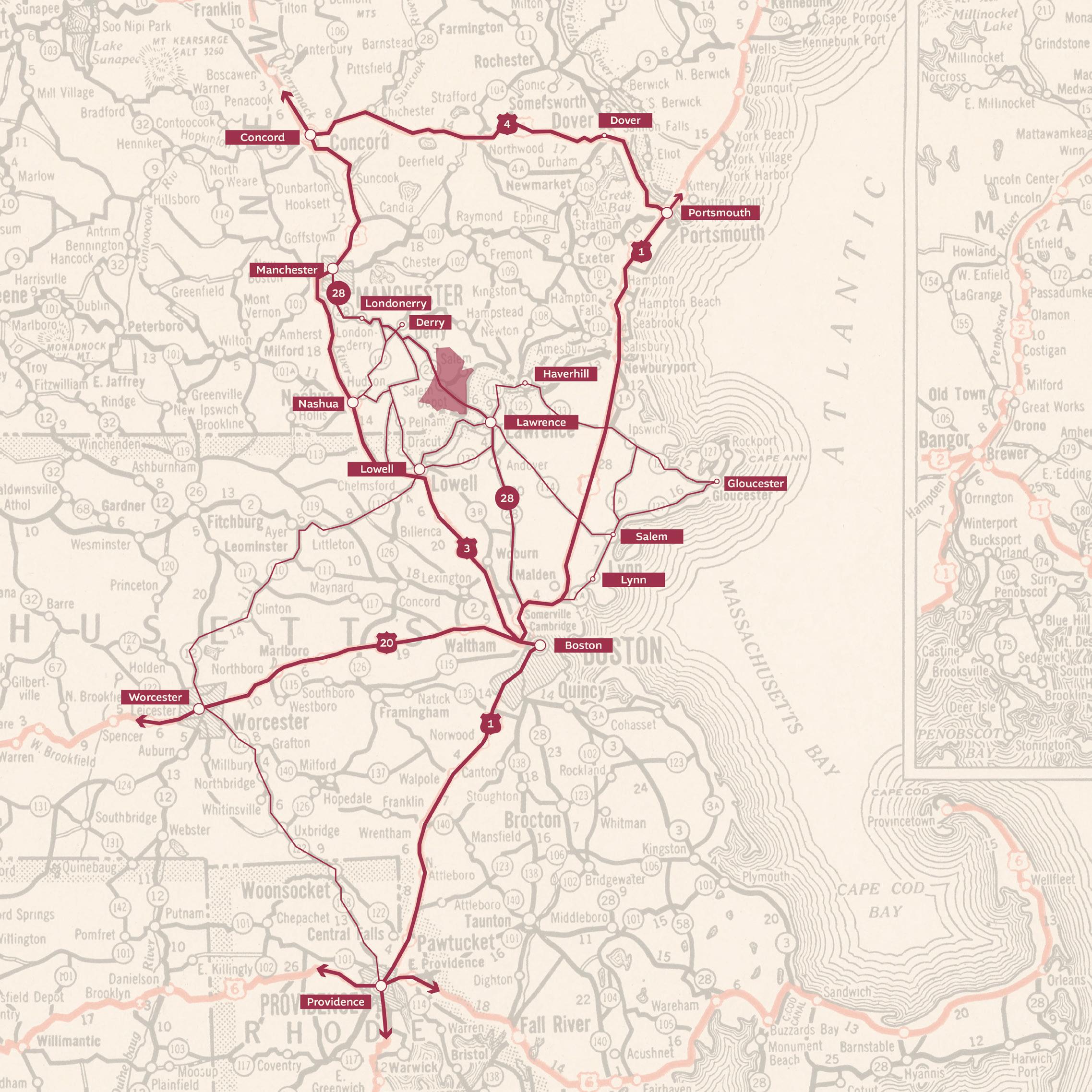
Diagram of Salem’s economic connections based on a 1931 map of New England auto road routes. This predates the planning and construction of I-93 which now plays an important role in Salem’s economic connections.
Source: https://www.davidrumsey.com/luna/servlet/detail/RUMSEY~8~1~314008~90082759:Clas on-s-Road-Map-of-New-England-St?sort=Date%2CPub_Date#
Much like railroads nationwide, Salem’s rail line struggled to maintain its service following the federal government takeover of railroads during World War I and the dual pressures of decline of freight demand from downsizing regional factories and mills and increasing passenger competition from private automobiles after the war. The “Rockingham Racer” passenger service from Boston to Salem Depot for visitors to the Rockingham Park horse race track was popular but struggled to compete with the rise of private automobiles. Regular passenger rail service was eliminated in 1954, with only special summer trains running passenger service to Rockingham Park horse races until that too was stopped in 1960. Salem’s rail line was also an important freight line, however, so it persisted past the decline of passenger rail demand. Salem Depot had the largest concentration of freight customers on the Manchester and Lawrence branch. Local freight use continued but began to decline in the 1970s and was discontinued between North Salem and Derry in September of 1980 after bad track and derailments became common, and abandoned in 1983. The Boston & Maine Railroad was bought in the mid-1980s by Guilford Transportation Industries, who continued the local freight service to Salem serving local buyers ranging from a wholesale grocery distributor, to plastics, lumber, steel, scrap, and gas companies as well as Salem’s Dodge Grain. By the late 1990s only two customers remained on the line in Salem, by 1998 just one remained, and the last cars used the tracks in June 2001.3
In parallel, the Massachusetts Northeastern Street Railway Company, which ran Salem’s streetcar service, went bankrupt in 1929 as automobile use rose. Bus services like the Mason’s Canobie Lake Coach Service from Lawrence to Canobie Lake Park began running bus services to fill the gap left by the loss of the streetcars.4
While Salem is no longer bound to the rhythms of rail and streetcar use, it continues to have an enduring connection to the places that were critical to the evolution of its economy. Today, the abandoned railbed is in the process
3 https://www.youtube.com/watch?v=H4UgIDaC930
of being converted to a rail trail that connects from Manchester at its northernmost point through Londonderry, Derry, and Windham to Salem and south to Methuen, MA just shy of Lawrence, MA where the Salem branch joined the rest of the Boston and Maine Railroad network.
Route 28 / Broadway History
Known to some as the “The Strip”, “The Golden Mile” or the “Golden Strip,” Route 28 began in 1804 as the Londonderry Turnpike connecting Concord, NH to Boston, MA. The generous initial 66-foot right-of-way was upgraded from dirt and gravel to macadam (multi-layered progressing from course to finegrain stone) in 1904, to a concrete two-lane highway in the 1920s, and to an asphalt fourlane highway in the 1950s, all staying generally within that original right-of-way. In the 1980s land was taken to expand South Broadway to include sidewalks, dedicated turn lanes, and traffic lights.5
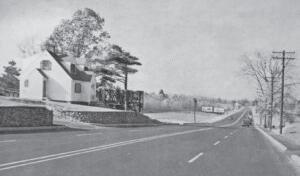
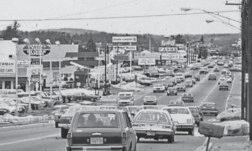
4 Doug Seed, https://www.merrimackvalleylife.com/articles/looking-back-48/
5 Doug Seed, https://www.merrimackvalleylife.com/articles/looking-back-53/, https://www.merrimackvalleylife.com/articles/ looking-back-38/
Photo of a typical day in 1984 on Broadway/Rt-28. Source: Bob Berthel, www.merrimackvalleylife.com/articles/ looking-back-38/
The newly paved Broadway/Rt-28 on the cover of the February 1951 issue of New Hampshire Highways magazine. Source: www.merrimackvalleylife.com/articles/looking-back-38/
A Poly-Centered Core
Many “town centers” emerged from different periods of growth in Salem’s history and commercial variety has allowed for appealing specialization and diversity. This structure has persisted into modern days, making the connections between them especially important.
Historic Town Center
Salem’s Historic Town Center predated all the other town centers and actively served as the community’s civic center for nearly two centuries from the 1740s into the 1940s. Originally founded as the center of religious and spiritual community life, it became the center of government and civic life. But, as Salem grew it began to outgrow the Old Town Hall and Alice Hall Memorial Library and needed to find a way to support the growing community without losing the buildings and spaces that embodied the Town’s history.
Civic Core
By the 1960s the civic uses - government offices, town meeting hall, courthouse, senior center, school, and public library - which had long animated the Historic Town Center had all been shifted to a new civic center along Geremonty Drive.6 Geremonty Drive has increasingly become the true community center for everything from town services, schools, and libraries to outdoor recreation and community centers.
Depot Village
Salem’s Depot Village also has a long history as a distinct center for the town. Salem Depot and Rockingham Park became a natural center for commercial and regional visitors in the railroad era, and have continued to play an important role in Salem’s identity beyond the sunset of the railroad era. With the restoration of Depot Station and phased construction of the Salem Bicycle-Pedestrian Corridor (Rail Trail), as well as planned public projects in the area it is entering an era as a hub for recreation and shopping.
Tuscan Village
Always closely related to Depot Village, the former Rockingham Park racetrack, and now its successor Tuscan Village, has also long held an important place in the town as a hub for commercial and recreational activities. Although Tuscan Village is not yet fully realized, it has already proven itself as a super regional mixed-use destination. At full buildout, the 170-acre site is expected to be home to four-million square feet of mixed-use programming including approximately 1,500 residential units, a 165-room hotel, 180,000 square feet of medical office and over 500,000 square feet of retail development. This is expected to create a new commercial core for the town centered at Tuscan’s Central Village and surrounded by office, medical and retail development.
North Salem Historic Town Center
Finally, last but not least is North Salem Town Center. Located at the intersection of North Main Street with Mill Pond Road and East Broadway along Arlington Pond, North Salem began as a distinct settlement from Salem with its own school, post office, and cemetery. Originally connected to saw and wool mills, it never experienced the kind of growth that came to Salem’s Historic Town Center and Depot Village because it had more rugged hilly terrain and lacked the road and rail access that made residential and commercial growth possible in those locations. By contrast, it was more defined by Big Island Pond in Derry and Arlington Pond in Salem, which were created by damming the Spicket River for the use of water-powered mills located in southern New Hampshire and Lawrence, MA in 1878/1905 and 1922 respectively.7
6 https://www.merrimackvalleylife.com/articles/the-old-salem-town-hall-restoration-history/
7 https://www.pelhamnhhistory.org/library/pdffiles/neighbors/histories/salem_gilbert.pdf, https://www.merrimackvalleylife. com/articles/looking-back-31/, https://www.arlingtonpond.com/history-page, https://bigislandpond.org/history/#:~:text=In%20 1905%20the%20Arlington%20Mills,the%20Town%20of%20Derry%2C%20NH.
What is Salem’s pattern today?
Salem’s current development pattern and land uses respond to three scales of mobility: national (I-93, predominantly industrial, manufacturing, and medical), regional (Broadway/Rt-28, predominantly commercial) and local (smaller arterials, predominantly community facilities like schools and places of worship).
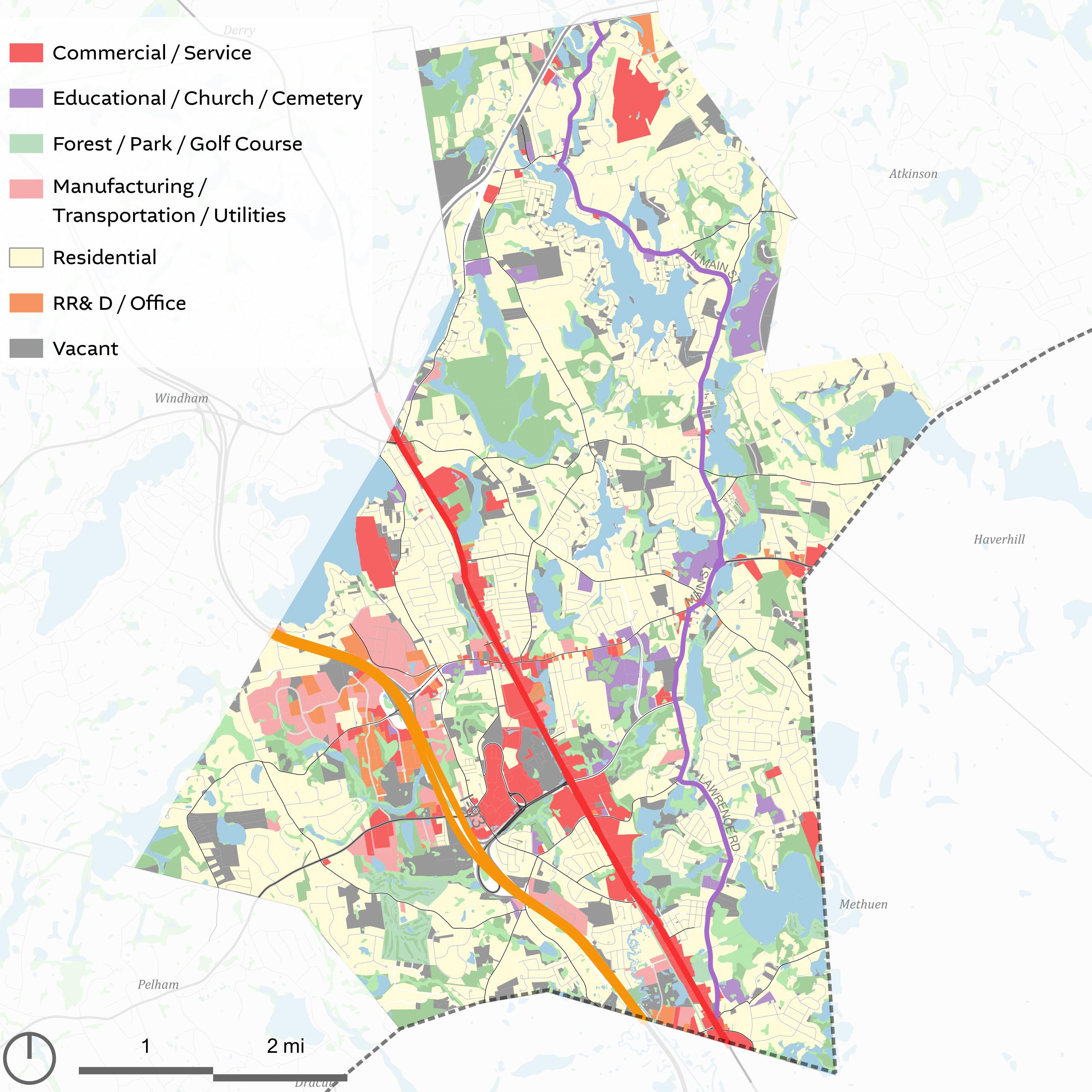
This can be distilled and understood in this “mental map” of Salem’s existing land use and development patterns.

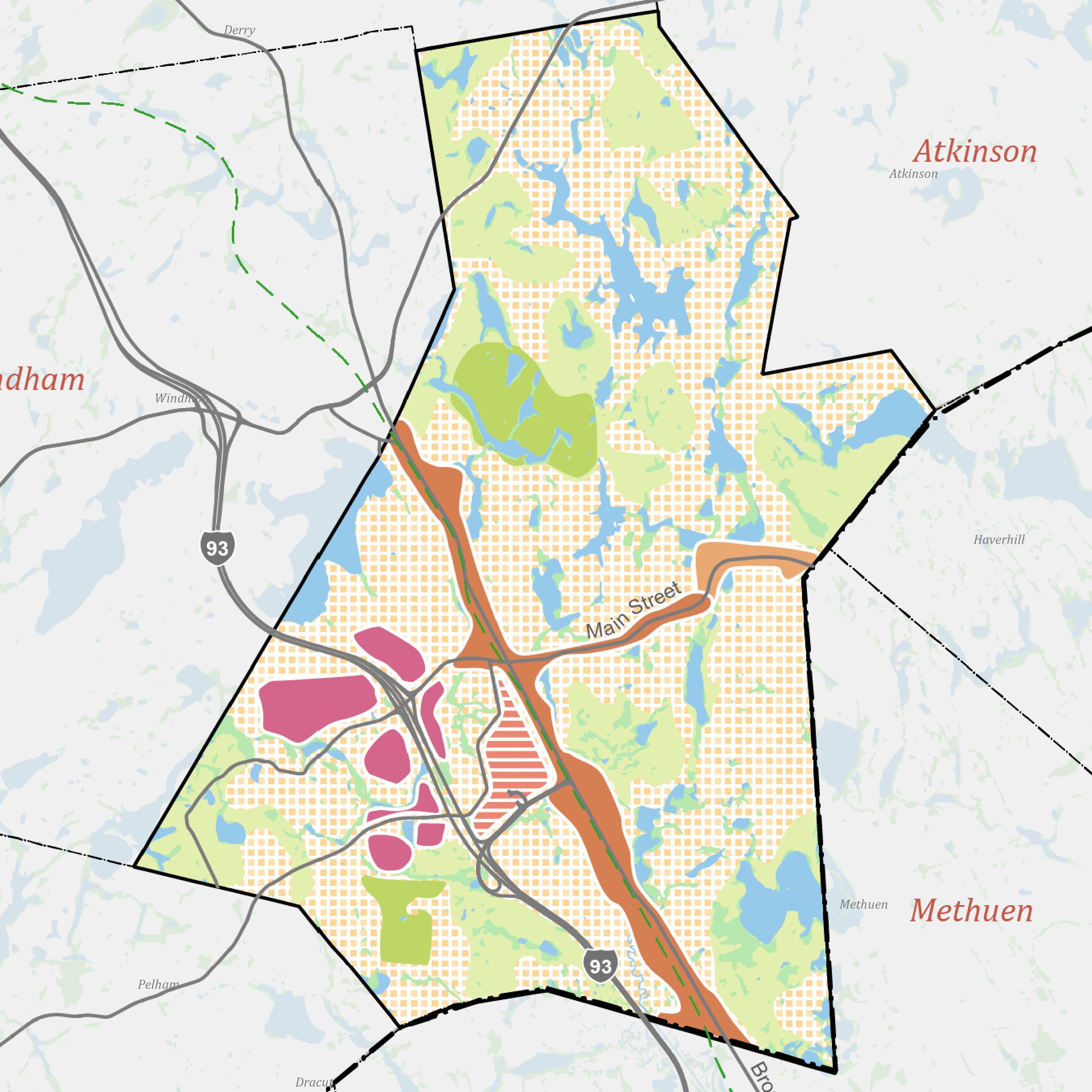
Town of Salem Master
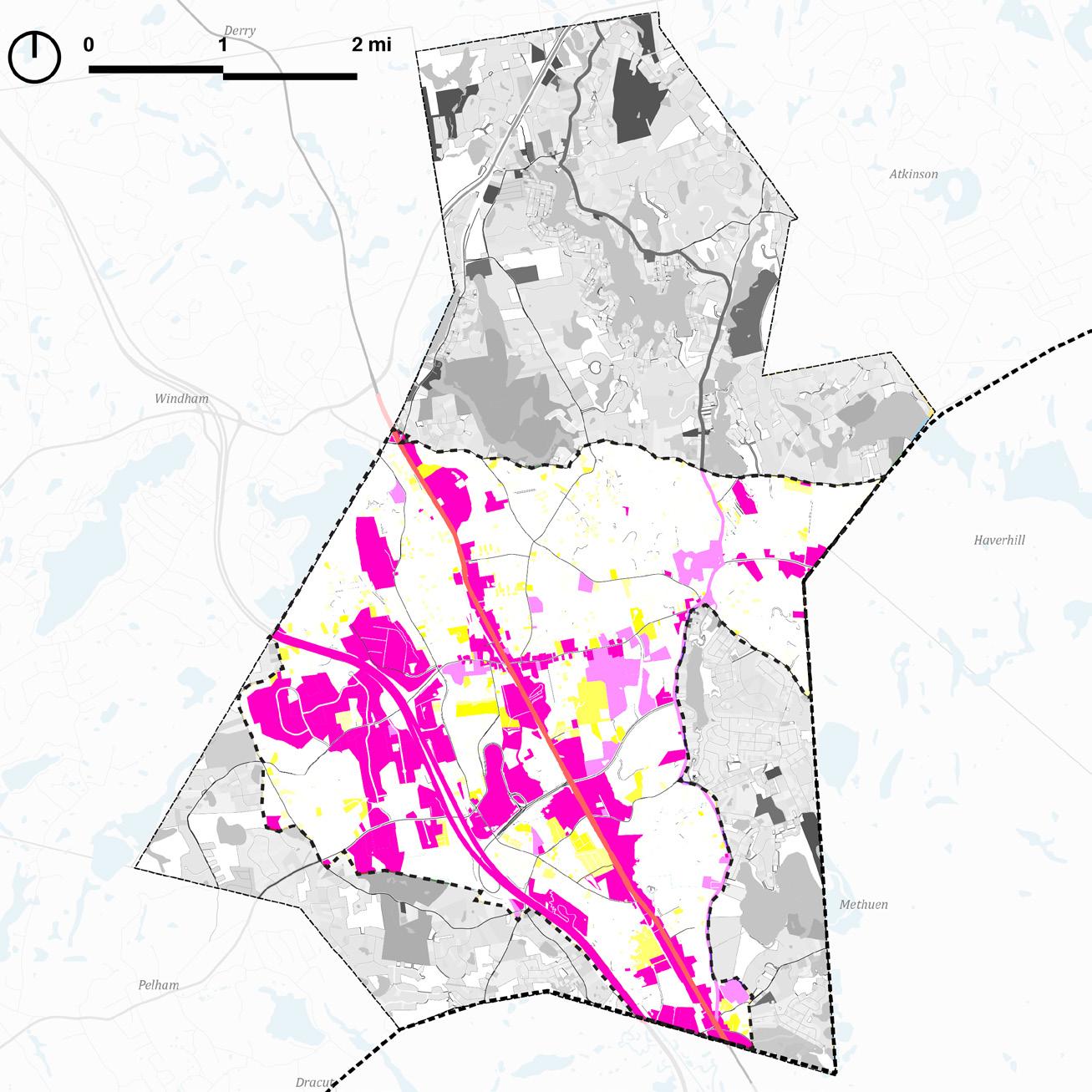
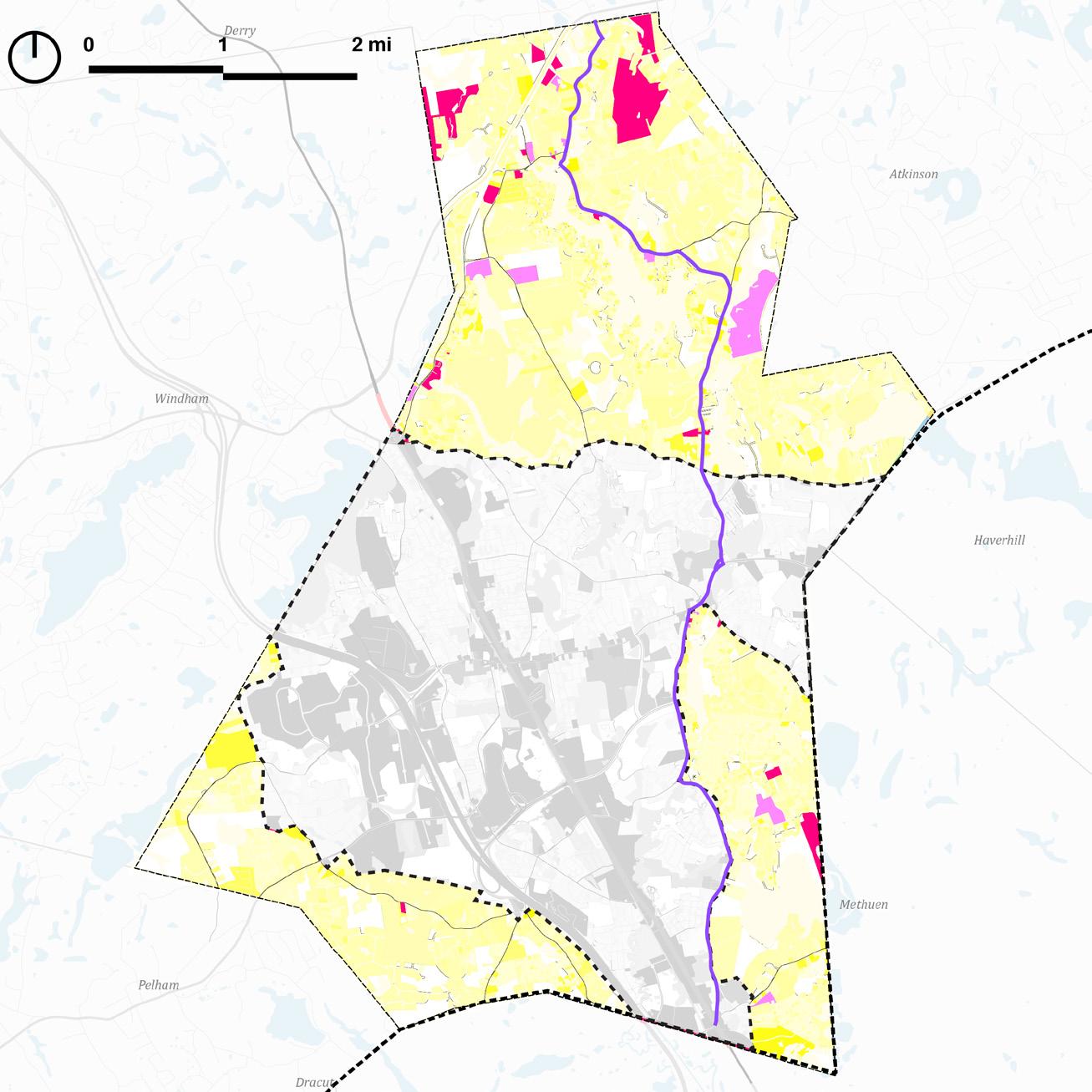
This has created a dual identity for the town:
1. National and Regional Commercial Corridors:
• Broadway / Route 28 continues to be the primary commercial corridor
• Industrial and business parks are concentrated along I-93
2. Close-Knit Community: suburban and rural residential neighborhoods.

Main Street has historically served as a central transect connecting local life to the regional and national commercial development along the rail and Broadway/Rt-28. However, Main Street has not been able to sustain this role in recent years. Due to piecemeal changes over time, including the recent widening of Broadway/Rt-28 and the more dramatic contrast in scale and traffic volume, Main Street now lacks the coherence and vibrancy to serve its historic role of connecting and unifying this dual identity for the town. However, the potential is there for it to again serve as a unifying, complementary spine for Broadway/Rt-28 that connects this vital commercial corridor to neighborhoods to the West and East, respectively.
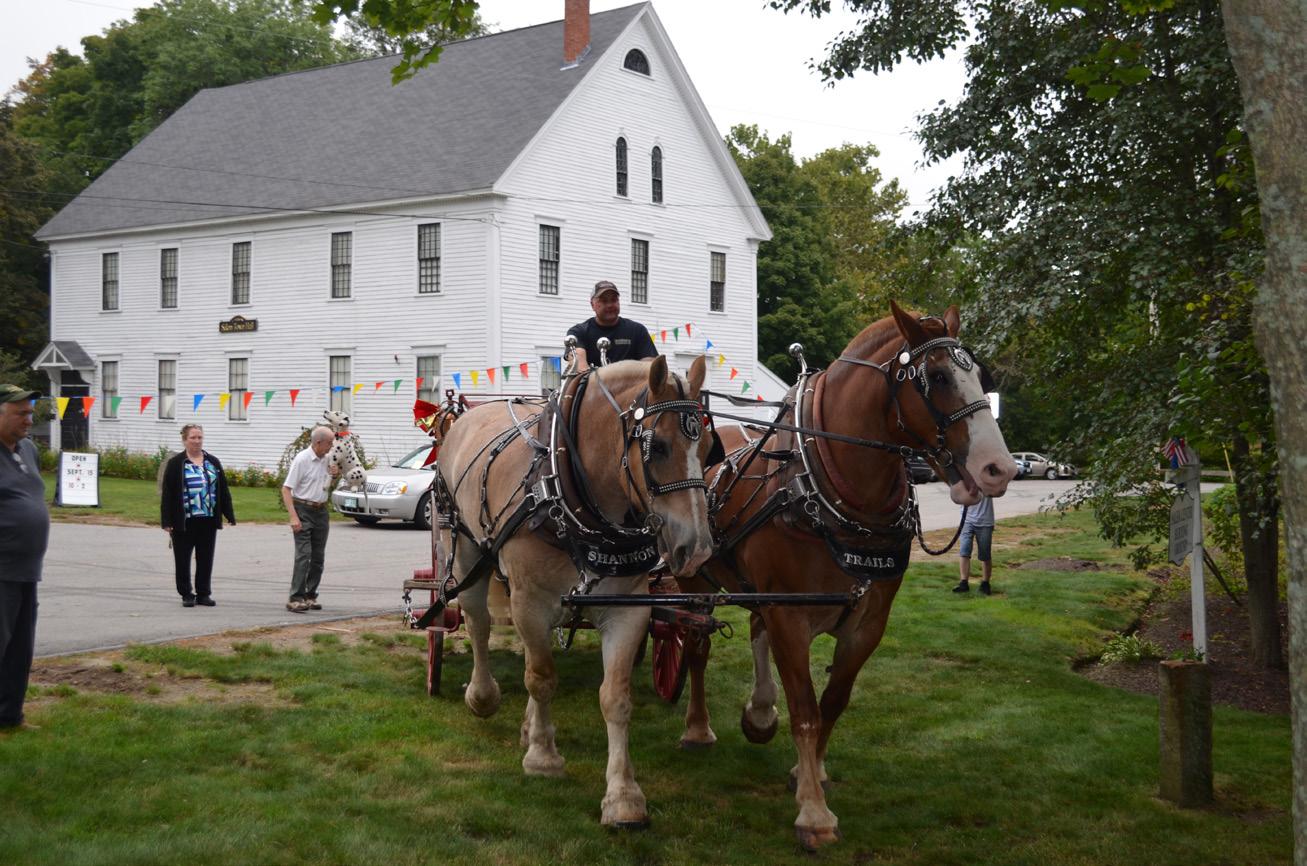
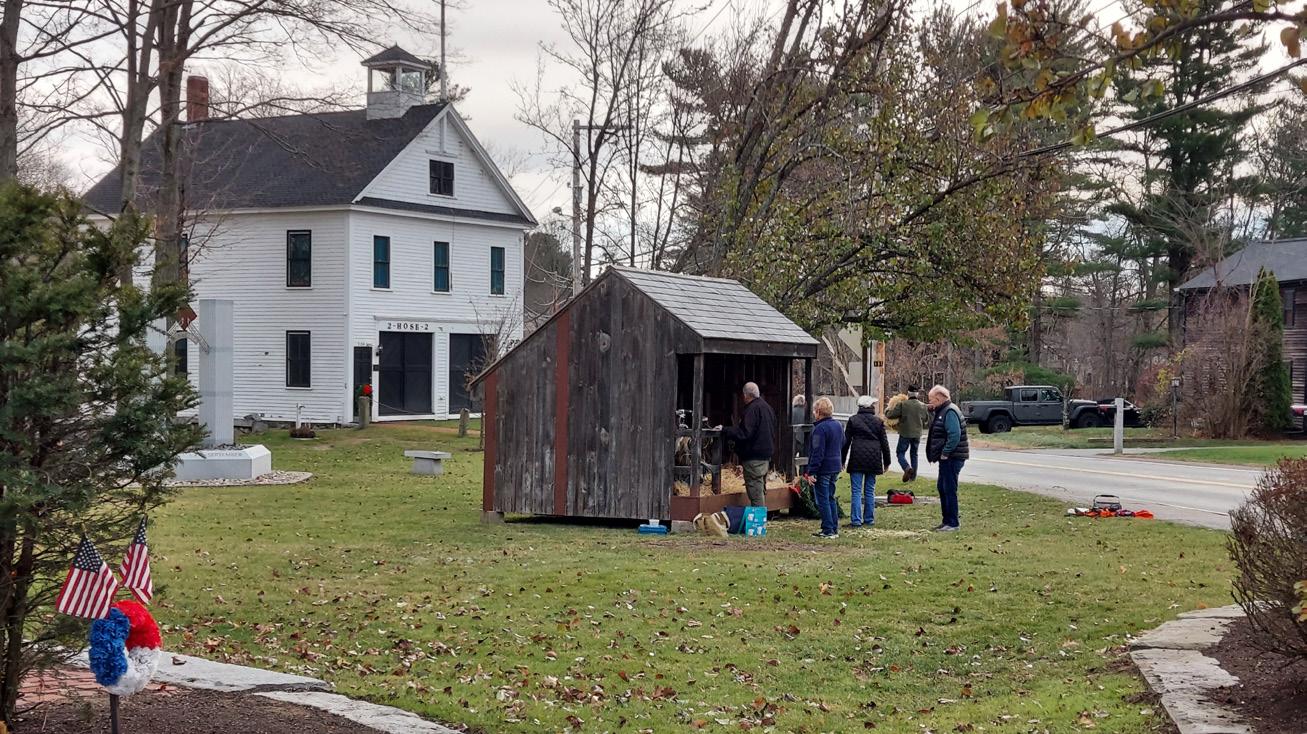
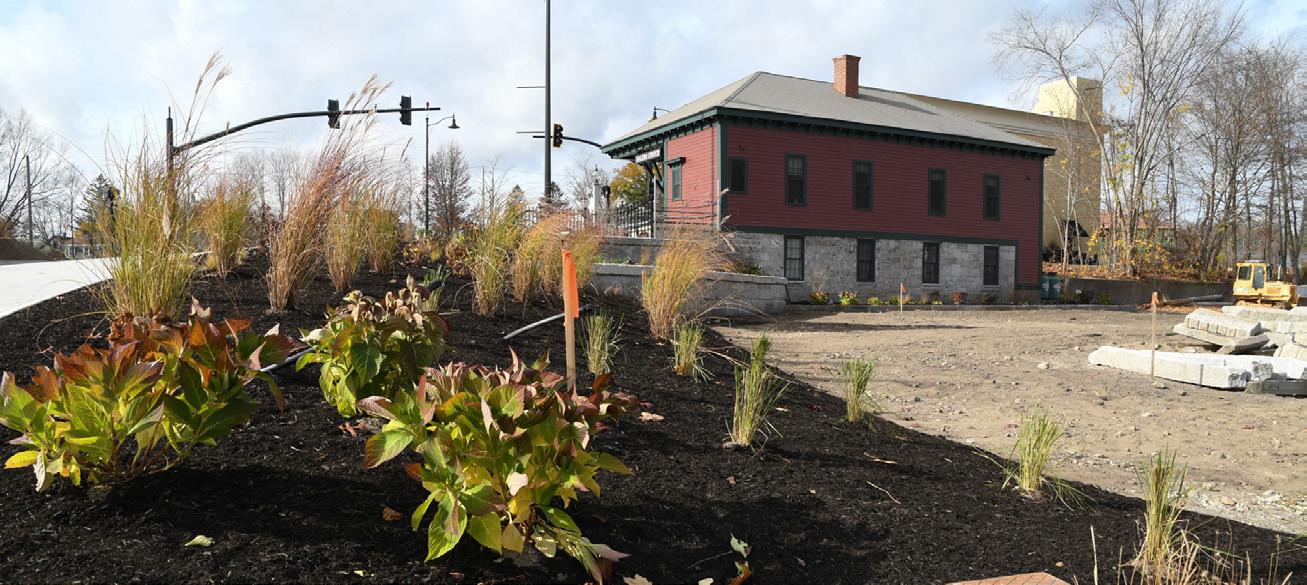
Salem’s former Town Hall, now the home of the Salem Historical Society and Museum, is located along Main Street in the town’s historic Town Center where School Street and Bridge Street intersect Main Street.
Salem Common and Veterans Park along Main Street offer a natural gathering place for the town.
The newly restored historic Salem Depot station building and the beautifully landscaped public land surrounding it provides another anchor along the Main Street corridor and functions as a natural trailhead for the Salem Bicycle and Pedestrian Corridor (a.k.a. the Rail Trail).
Salem Tomorrow
How can Salem leverage current development pressures for local benefit?
The gift and curse of a “hot market” for development. Salem is unique in the region in terms of both the diversity and volume of commercial and mixed-use development. This supports jobs and the tax base. Recently, with Tuscan Village, the pace and intensity of development has picked up and is attracting more out-of-town interest. Without a clear vision and policies from the Town about where development should occur, developers will seek out any larger underutilized parcel for redevelopment.
The importance of harnessing development pressure. In order to benefit from the development, Salem has to guide development to the places that are most aligned with community goals and initiatives. For Salem, the best strategy to harness development for local benefit is to encourage thoughtful, compact development in the Town Center and along the Broadway (RT-28 corridor). This reinforces existing infrastructure and amenities, while allowing rural development patterns and conservation to continue elsewhere in the town.
What is likely to influence Salem’s future development patterns?
Three main factors will influence Salem’s future development patterns:
Cores & Corridors:
How to integrate and leverage the existing poly-centered core?
Salem has five “cores”, highlighted in dark orange on the map, that each have distinctive histories, features, and uses:
1. Historic Town Center
2. North Salem Historic Town Center
3. Civic Core
4. Depot
5. Tuscan Village
Since amenities, services, and gathering spaces are not centralized in one spot, it is particularly important that the connections are strong. The functioning of these cores and corridors relies on the strength of the secondary streets connecting them. These cores are oriented towards two key corridors:
• Main St / North Main St
• Broadway / Rt-28
Growth Potential:
What land can support denser development?
Areas that are connected to town water and sewer infrastructure, are outside wetland and conservation restricted areas, and are close enough to commercial, civic, and recreational amenities make sense for denser development. These limited areas that can support smart growth are highlighted in pale orange.
Investment Patterns:
What kinds of development are market-viable, and where?
Recent spatial investment patterns, which have been clustered along Broadway and Main Street, provide a clue to this. Other than single family residential development, recent investment has been focused within the “Big Move” Focus Area shown on this map, specifically along Broadway and Main Street, with notable public investment in community facilities along Geremonty Drive. The Plan Framework focuses on shaping and focusing development in these areas, with the goal of leveraging that market to achieve the vision and core values we have heard through this process.
Growth Potential
Salem has limited area that is connected to town water and sewer infrastructure, is outside wetland and conservation restricted areas, and is close enough to commercial, civic, and recreational amenities to make sense for denser development.
These limited areas that can support smart growth are highlighted in pale orange.
Cores & Corridors
Salem has five “cores” that each have distinctive histories, features, and uses:
1. Historic Town Center
2. North Salem Historic Town Center
3. Civic Core
4. Depot
5. Tuscan Village
These cores are oriented towards two key corridors:
1. Main St / North Main St
2. Broadway / Rt-28
The functioning of these cores and corridors relays on the strength of the secondary streets connecting them.
How does this plan seek to shape future development?
This plan seeks to reinforce the role of Main Street, and other key corridors, as a connector that can help to re-integrate Salem’s core so that there is a renewed sense of coherence and community that leverages the development momentum of Tuscan Village and the commercial strength of the I-93 and the Broadway/Rt-28 corridor to reinforce civic and community focused places that contribute to the small town feel and quality of life that makes Salem special.
Main Street is a central connector
Underlying Business Type Patterns
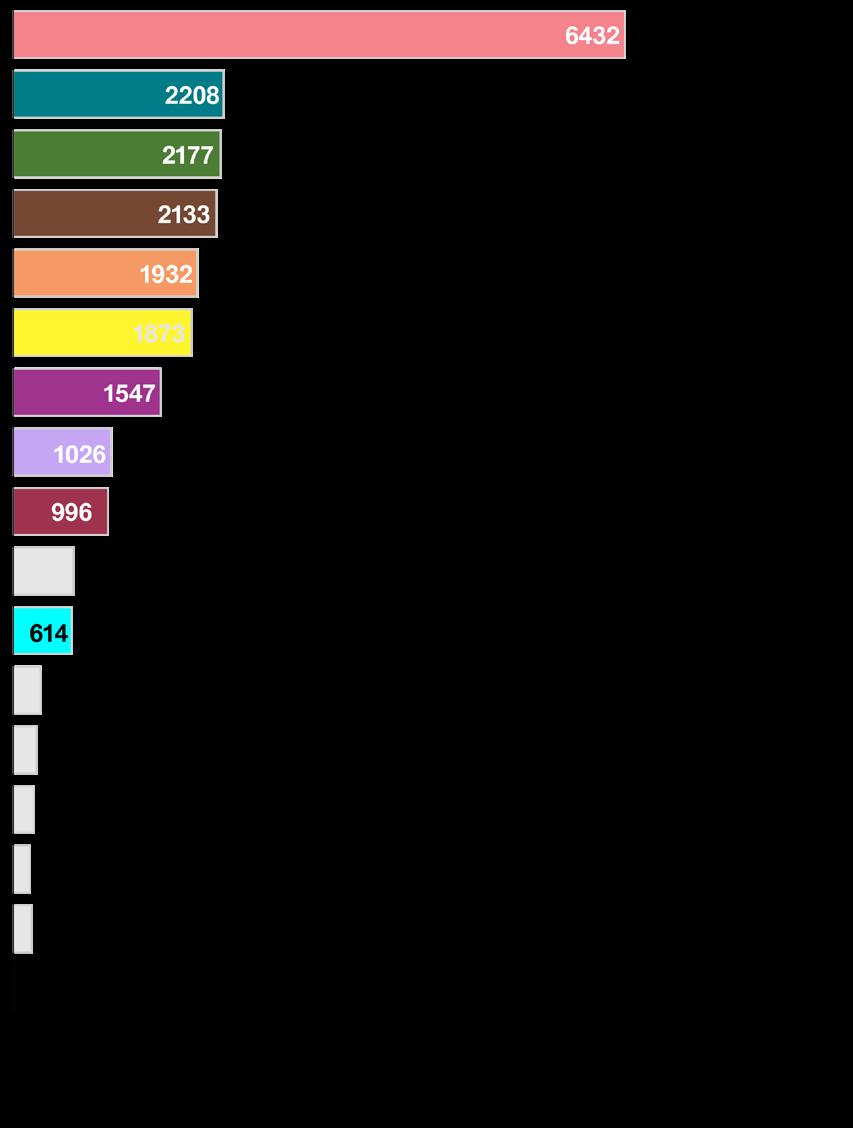
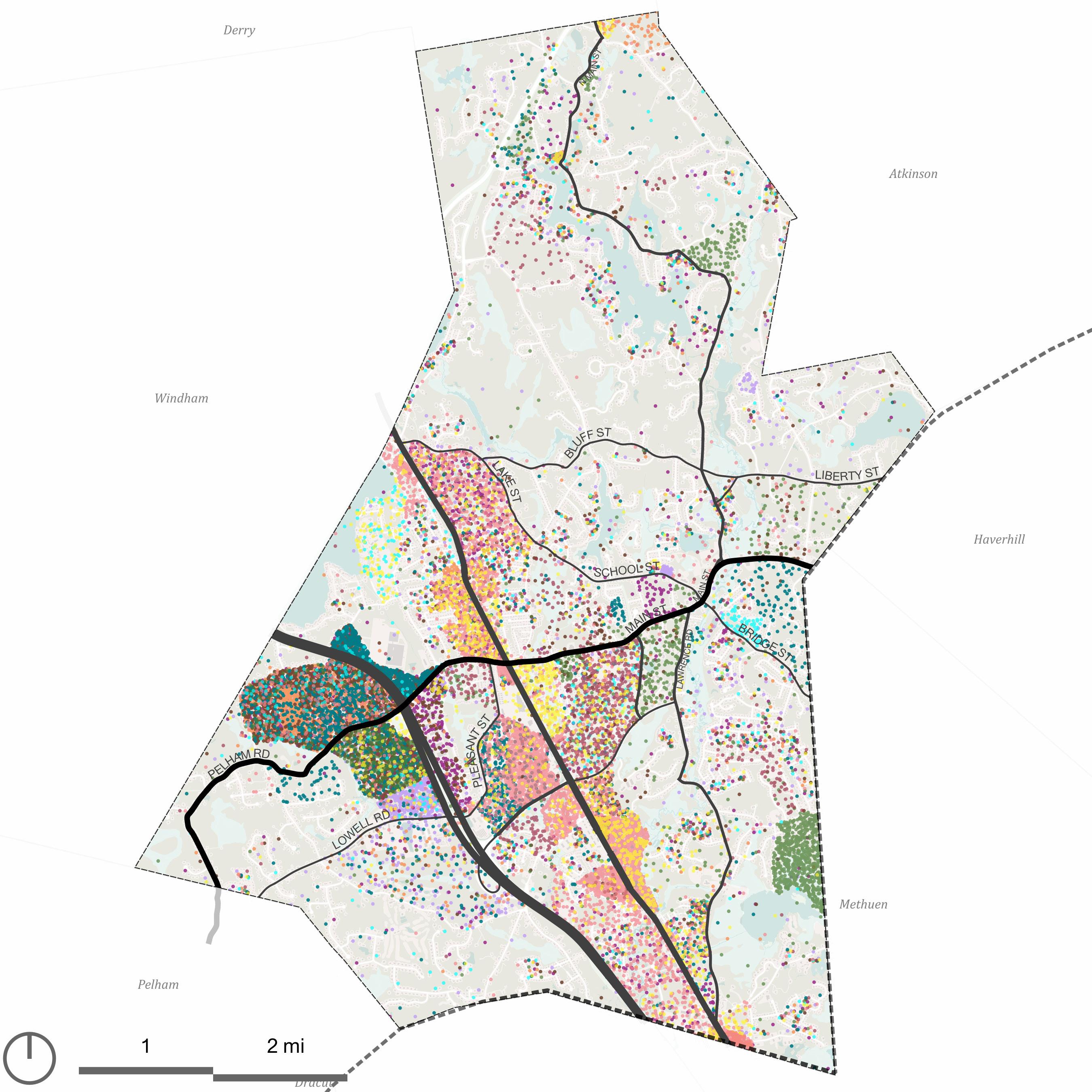
This map visualizes Work Area Characteristics (WAC) from LODES data, where each dot represents one worker in a given profession, randomly placed within their census block to reflect workplace distribution. While the dots do not indicate exact workplace locations, they collectively illustrate employment density and spatial patterns across the city.
Data Source: U.S. Census Bureau, Longitudinal Employer-Household Dynamics (LEHD) Program, LODES Work Area Characteristics (WAC) Data, 2021 (https://lehd.ces.census.gov/data/)
Chapter 4:
Plan Recommendations
This plan is fundamentally about shaping Salem’s development patterns in a way that continues to provide big city amenities with a small town feel. The plan is structured around four interlocking Plan Pillars designed to reinforce and rely on one another, and two development vision focus areas.
The four Plan Pillars are:
1. Gathering Spaces
2. Town Connectors
3. Mixed Use Core
4. Missing Middle Edges
The two Development Vision Focus Areas are:
1. Historic Town Center
2. Depot Village
Plan Framework
This plan is fundamentally about shaping Salem’s development patterns in a way that continues to provide big city amenities with a small town feel. The plan is structured around four interlocking Plan Pillars designed to reinforce and rely on one another, and two development vision focus areas.
Each Plan Pillar has a “big move” to focus the Town’s efforts on a series of high-impact strategic actions that will help set in motion a unified shift in the development pattern that helps to reinforce a stronger, more connected Town Center that offers both convenience and community.
The two Development Vision Focus Areas, the Historic Town Center and Depot Village, represent critical gathering places for the Town that should be the focus of physical enhancements and programmatic activation through uses, events, and public amenities across all four Plan Pillars.
This framework is designed to enable the Town to deliver the kinds of gathering spaces and town connectors that community members are most interested in by linking these public investments to private development potential in the parts of town that are best suited to support that kind of growth.
Gathering Spaces
Invest in the infrastructure and beautification necessary to reinforce community gathering spaces outside Tuscan Village.
Big Moves:
(1) Cultivate the Historic Town Center as a counterweight and complement to Tuscan Village. This includes improvements to the sidewalks and pathways connecting key destinations, intersection improvements, increasing event parking capacity, and enhancements to promote increased use and programmatic activation of the civic spaces in and around Veterans Park / Salem Common.
(2) Continue to invest in Depot Village as a civic and recreational anchor. This includes the completion of the Depot Village Master Plan, continued implementation of the 2025 update to the 2011 Depot Intersection Plan and Corridor Study, and cultivating uses and events that activate Depot Village’s planned open spaces and amenities.
Town Connectors
Continue to invest in a safe sidewalk and bicycle infrastructure network connecting Salem public spaces, gathering places, and amenities.
Big Move: Complete and connect Town to the Salem Bicycle-Pedestrian Corridor (Rail Trail). Work to complete the Salem Bicycle-Pedestrian Corridor (Rail Trail) through the full length of its proposed alignment through Salem with improved, safe crossings of all vehicular roads, particularly Broadway (RT-28).
Mixed Use Core
Focus higher-density mixed-use development along the Broadway corridor (and deter elsewhere).
Big Move: Expand boundaries and update the design standards of the Depot Overlay District to encourage walkable mixed use development and workforce housing along Broadway. Specifically, allow a maximum of three (3) stories, with a density bonus of up to five (5) stories if ground floor retail and workforce housing is included in the development.
Missing Middle Edges
Expand housing options that match Salem household sizes and budgets, especially near the Mixed Use Core.
Big Move: Rezone for multi-family residential north of Depot. Update zoning along Broadway north of Depot to encourage multi-family housing options that are compatible with the existing scale of residences surrounding the corridor. Specifically, allow a maximum of three (3) stories, with a density bonus of up to five (5) stories along Broadway if workforce housing is included in the development.
Gathering Spaces
Invest in the infrastructure and beautification necessary to reinforce community gathering spaces outside Tuscan Village.
Cultivating dynamic gathering spaces focused on Salem’s unique natural features and centuries-old history as a close-knit community will provide both a complement and a counterweight to the new identity that Tuscan Village brings to the town’s commercial center. Focusing on reinforcing Salem’s gathering spaces also provides a spatial framework for protecting the Town’s natural areas, for preserving the Town’s historical buildings—from the Depot to the old fire station at the edge of Salem Common—and for investing in better recreational spaces for all ages. By focusing investment in specific locations, the Town creates a synergy between historic preservation, conservation, recreation, and public space improvements—which in turn encourages greater community engagement, fosters a deeper sense of place, and draws more visitors. The momentum of these targeted, place-based investments can then anchor enhancements that radiate out from them.
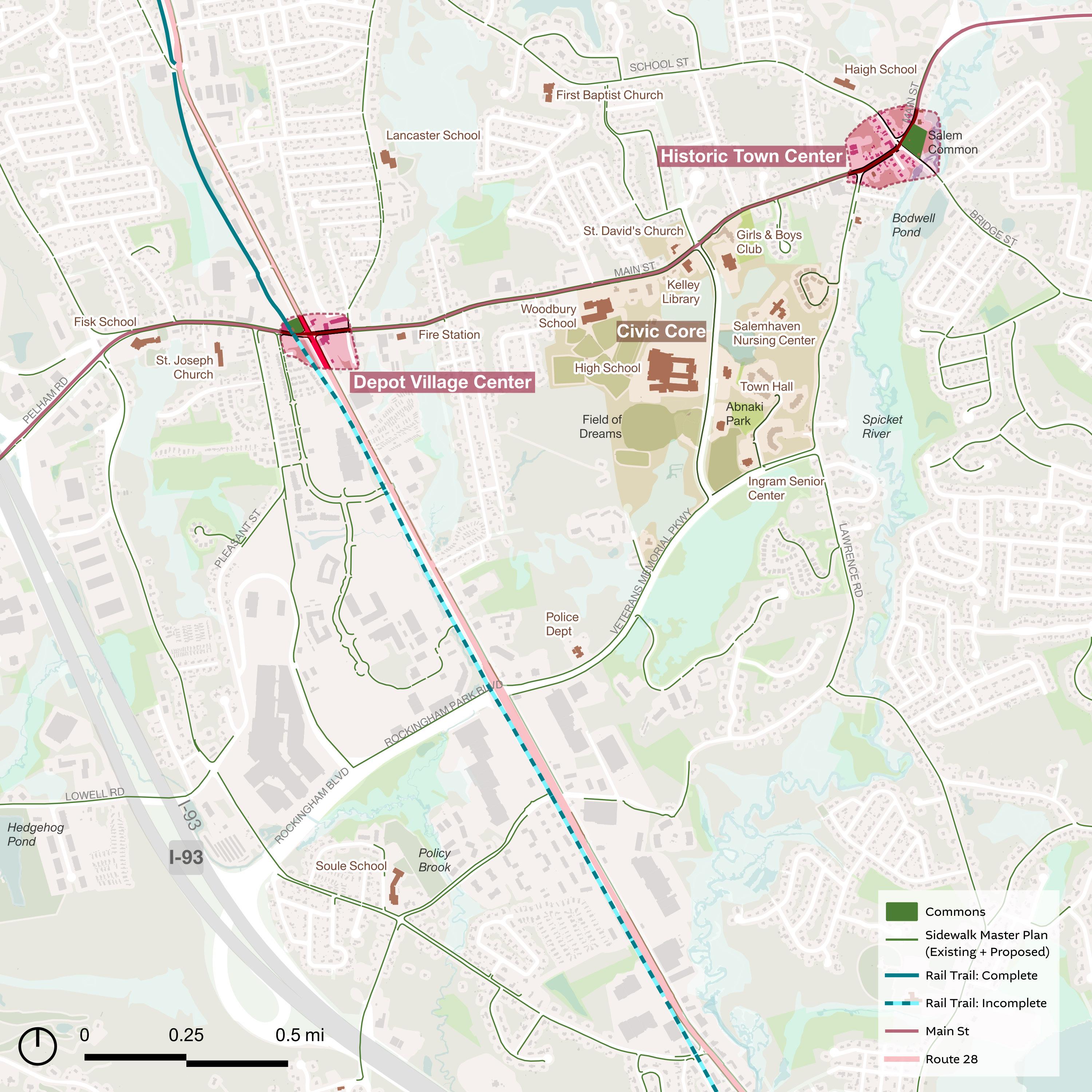
Big Move
Cultivate the Historic Town Center as a counterweight and complement to Tuscan Village.
This plan envisions a series of connected spaces that can support everything from somber recognition of Salem’s veterans to reflective quiet walks along the Spicket River and through old burial ground (including the Soul Stroll), to festive civic celebrations, farmers markets, and family-friendly recreation. This can be achieved through:
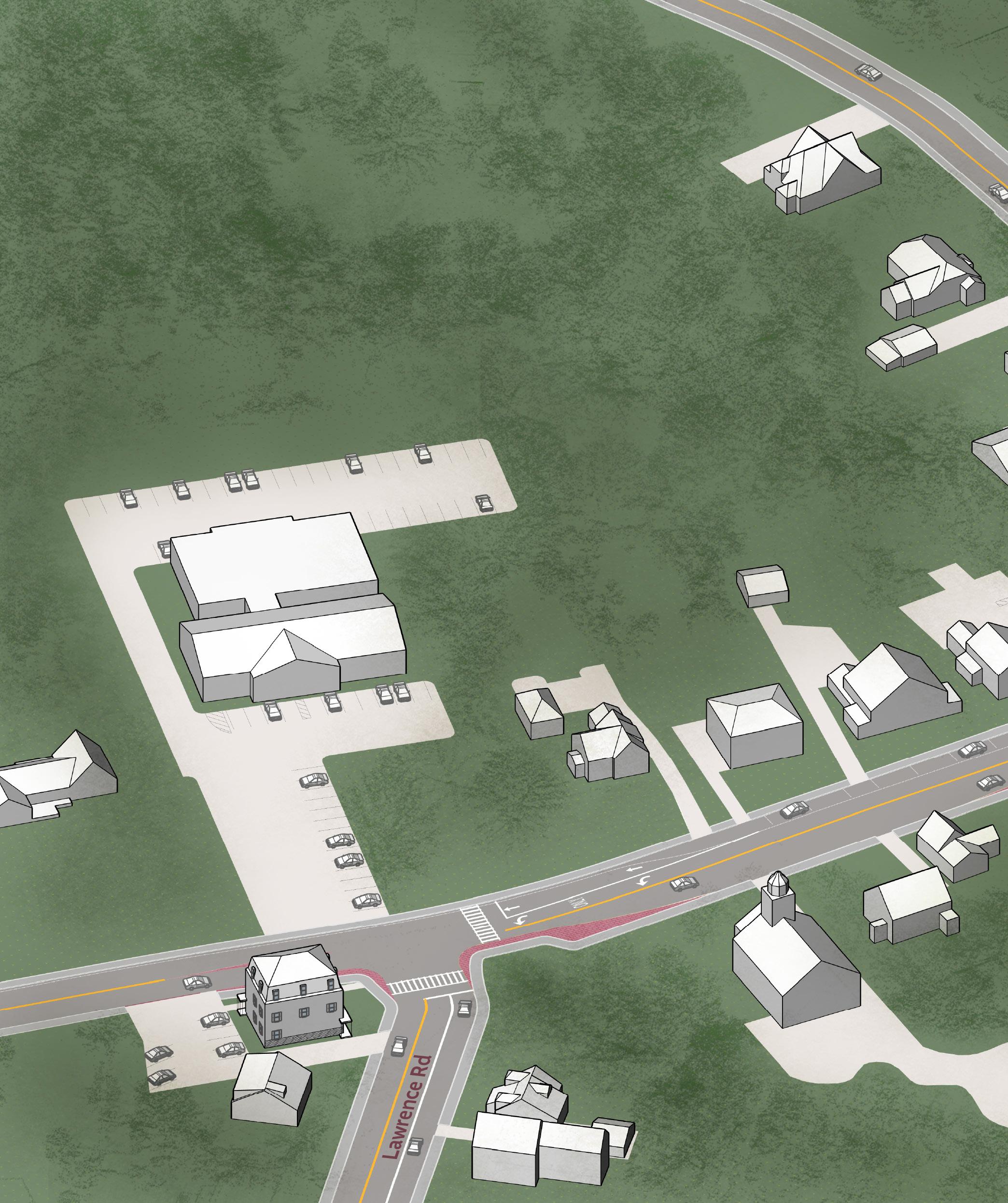
The Historic Town Center, located at the convergence of Main Street, Bridge Street and School Street, already is home to many assets that anchor Salem’s identity. However, in order for the Historic Town Center to fulfill its full potential there is a need to connect the dots and create a more unified, integrated constellation of historic, natural, recreational, and commercial assets from Lawrence Road to just beyond the historic library building along Main Street.
EXISTING
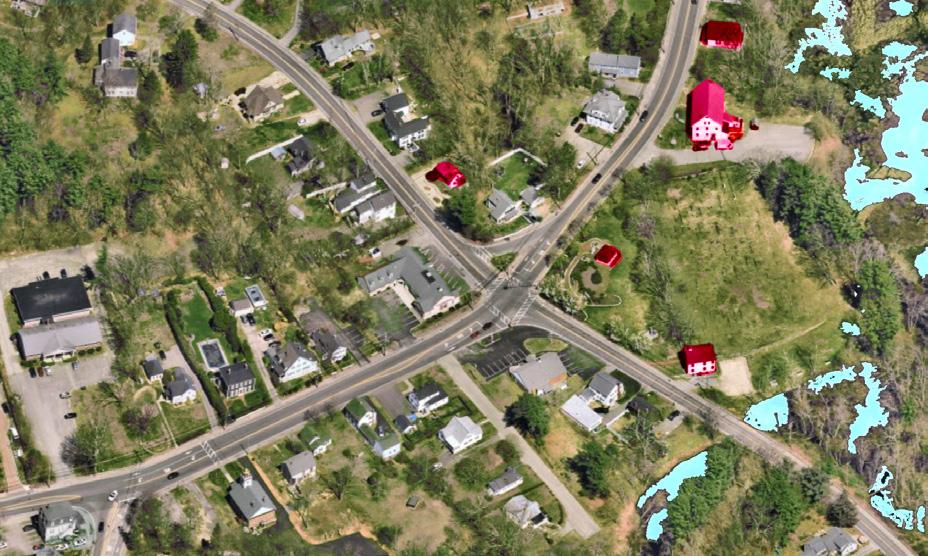
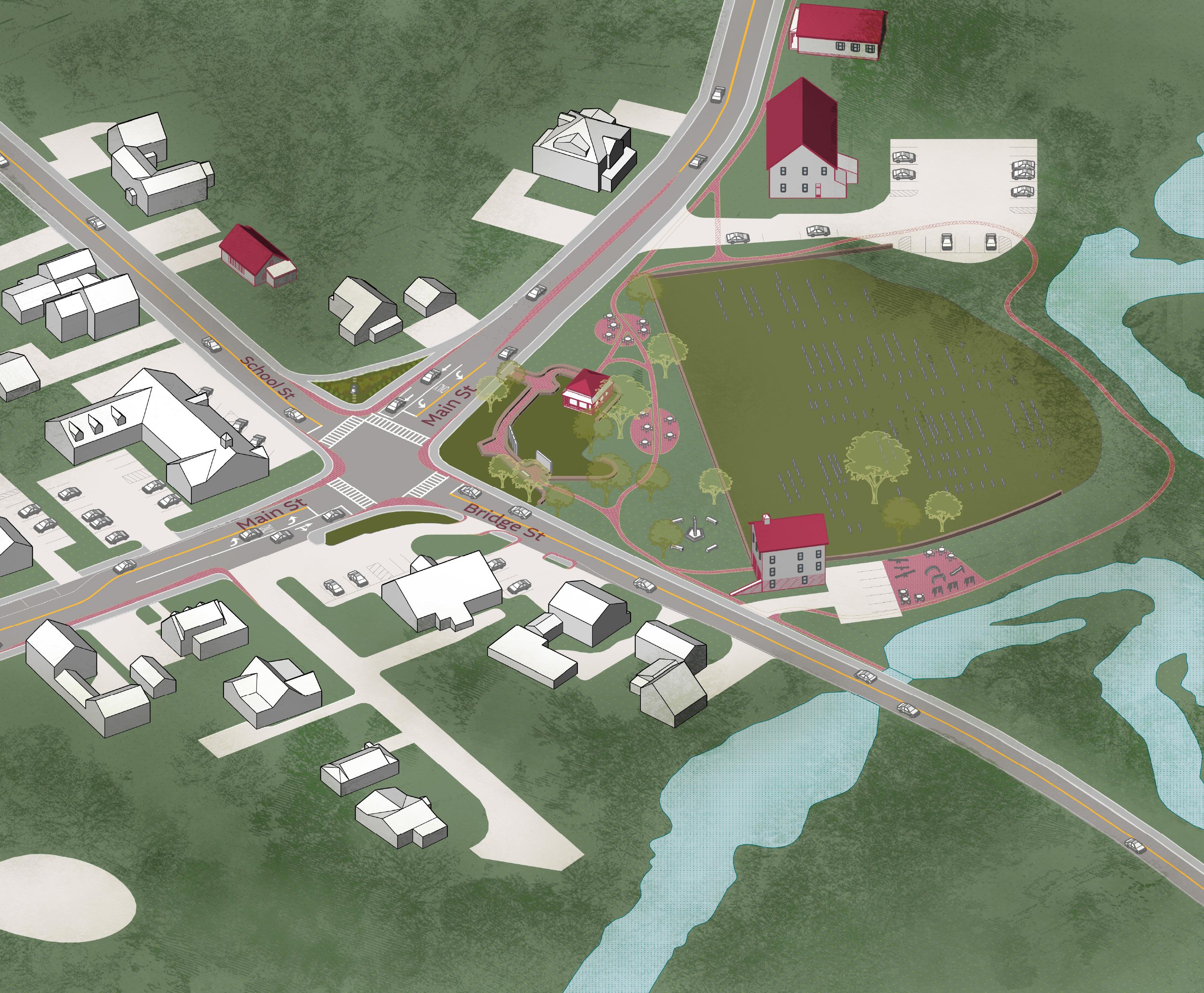
Old Burial Ground
Salem Common / Veterans Park
Old Town Hall
Alice Hall Memorial Library
Spicket River
Hose House #2
The specific enhancements envisioned and illustrated in the graphic include:
Make it safer and easier for community members to get to the Historic Town Center by car, bike, and foot through district parking and multimodal access improvements.
• Work with private property owners for properties nearby to explore potential district parking solutions that would allow community members to drive to the Historic Town Center and park once while visiting nearby businesses and gathering places on foot.
• Work to develop a holistic, publiclyadvertised event parking plan that highlights all parking options on public property, public streets, and willing private properties within comfortable walking distance to Veterans Park / Salem Common.
• Install off-street bike racks where space allows to encourage and support community members arriving by bike.
• When the bridge over Spicket River is reconstructed, consider widening it to allow for enhanced bicycle and pedestrian use of this connection, and incorporating historically appropriate building materials such as granite, red brick, and wrought iron
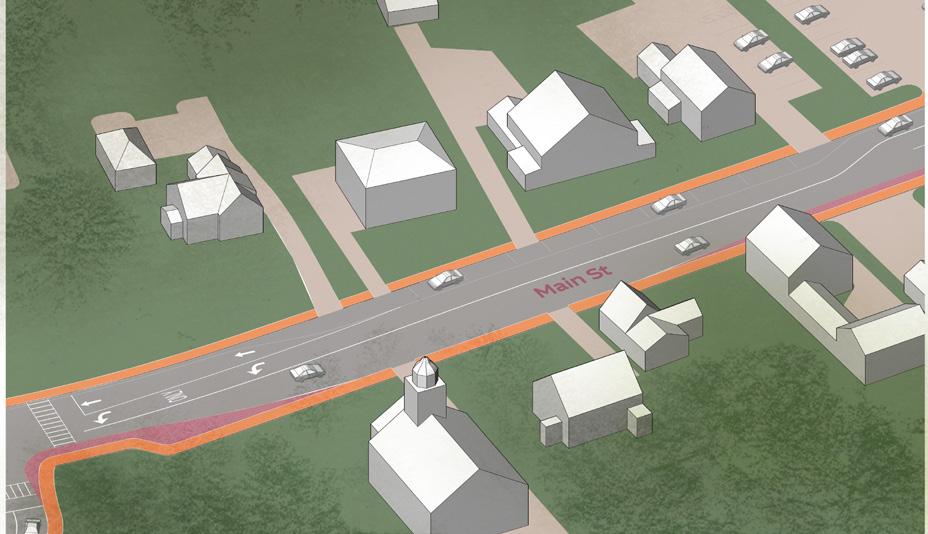
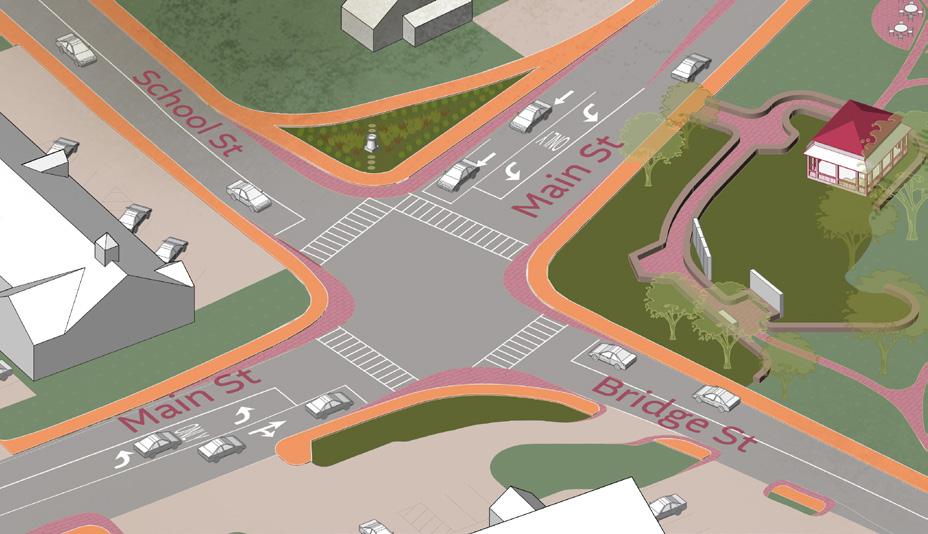
Redesign Main Street intersections and streetscape to enhance pedestrian safety and highlight the historic significance of the area from Lawrence Road to the Alice Hall Memorial Library. The intersection and street design changes listed below are intended to improve pedestrian safety by encouraging driver caution and slower speeds while making turning movements without reduction of critical vehicular capacity. Final design details should be confirmed via a third party traffic impact and feasibility study.
• Redesign the intersection of Main Street with Bridge Street and School Street.
• Remove slip lane at north corner of intersection and replace with curb extension that expands the existing Ma Parkinson triangle garden at the intersection of Main and School streets.
• Introduce curb extensions that decrease vehicular turning radii at each corner of the intersection
• Introduce more prominently marked decorative pedestrian crossings with signal coordination to the extent possible.
• Redesign the intersection of Main Street with Lawrence Road
• Introduce curb extensions that realign Lawrence Road to meet Main Street at a right angle with slightly narrower lanes without losing any of the current lanes
• All curb extensions, sidewalk and planting enhancements, mountable medians, and pedestrian crossings should, to the extent possible, use materials, patterns and plantings that emphasize the historic significance of this area, such as granite cobble and gravel, red brick, and whitewashed wood. This material palette will help to create a more unified historic identity to the street and intersection design that builds from the existing granite stone walls, foundations, and fence posts and red brick pathways of Veterans Park and the Historical Society properties. Sidewalks in these areas should be upgraded from the standard asphalt with granite curbs to instead be more attractive, durable, and accessible concrete with granite curbs, brick and granite accents, and ADA-compliant curb ramps.
Connect the assets surrounding Veterans Park / Salem Common with a dedicated pathway loop, lighting, and interpretive signage and art installations that encourage more continuous passive use, using historic materials to the extent possible such as granite cobble and gravel, red brick, and white-washed wood.
• Integrate the Old Burial Ground with the Common using existing gateways through the historic stone wall and walking trail in the burial ground using same textured brick featured in Veterans Park
• Connect proposed burial ground path to Salem Historical Museum parking lot and redesign the parking lot to be safer and accommodate more parking spots
• Extend textured brick path in Veterans Park to create connected path from Main St edge to Bridge St edge
• Building on the success of the October “Soul Stroll”, introduce signage and art installations to tell stories of people laid to rest in the burial ground and the space’s historical significance.
• Continue to offer more frequent walking tours on local history and significance of the park as the civic center of the town and a veterans memorial, building on prior efforts led by the Salem Historical Society.
• Enhance lighting throughout the park to activate the space in the evening.
• Consider installation of vertical granite fenceposts and decorative plantings to mark the edges of the Common and draw attention to pathways and entrances by contrast, using the same language already used where the Common borders Old Town Hall and Hose House #2.
Encourage activation of Veterans Park / Salem Common and the surrounding civic spaces with diverse programming, while respecting the somber and reflective nature of both the burial ground and veterans memorials.
• Introduce tables and chairs in Salem Common behind the gazebo that can be moved and stacked to support a variety of gatherings and programs.
• Install a playground behind Hose House #2, in the lawn area between the old burial ground and the Spicket River.
• Work with the Conservation Commission to integrate the park with local wildlife corridor assets, such as Spicket River access enhancements and educational signage on local wildlife.
• Building from the recent renovation of the historic fire station (Hose House #2), work with the Historic District Commission to evaluate the feasibility of introducing additional activating uses to complement the current local history museum focused on fire and police.
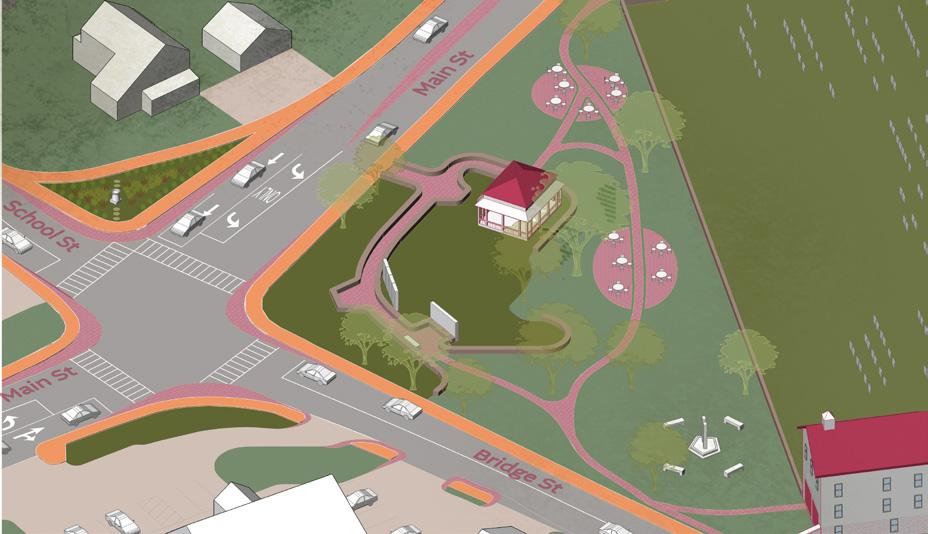
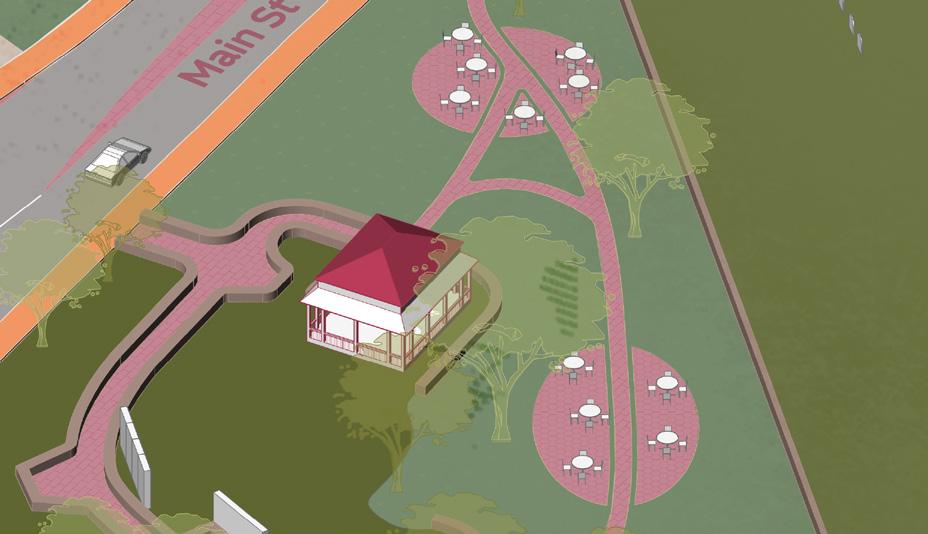
Big Move
Continue to invest in Depot Village as a civic and recreational anchor.
To leverage and build on these recent investments, the Town should continue to invest in Depot Village as a hub for Salem’s identity and recreational activities through:
1
Depot Village Master Plan: fund and complete a focused visioning and master planning process guided by the Depot Village Advisory Committee (DVAC) to guide future recreational and community space development on publicly owned parcels and shape how Depot Village will develop in the future.
(cont. next page).
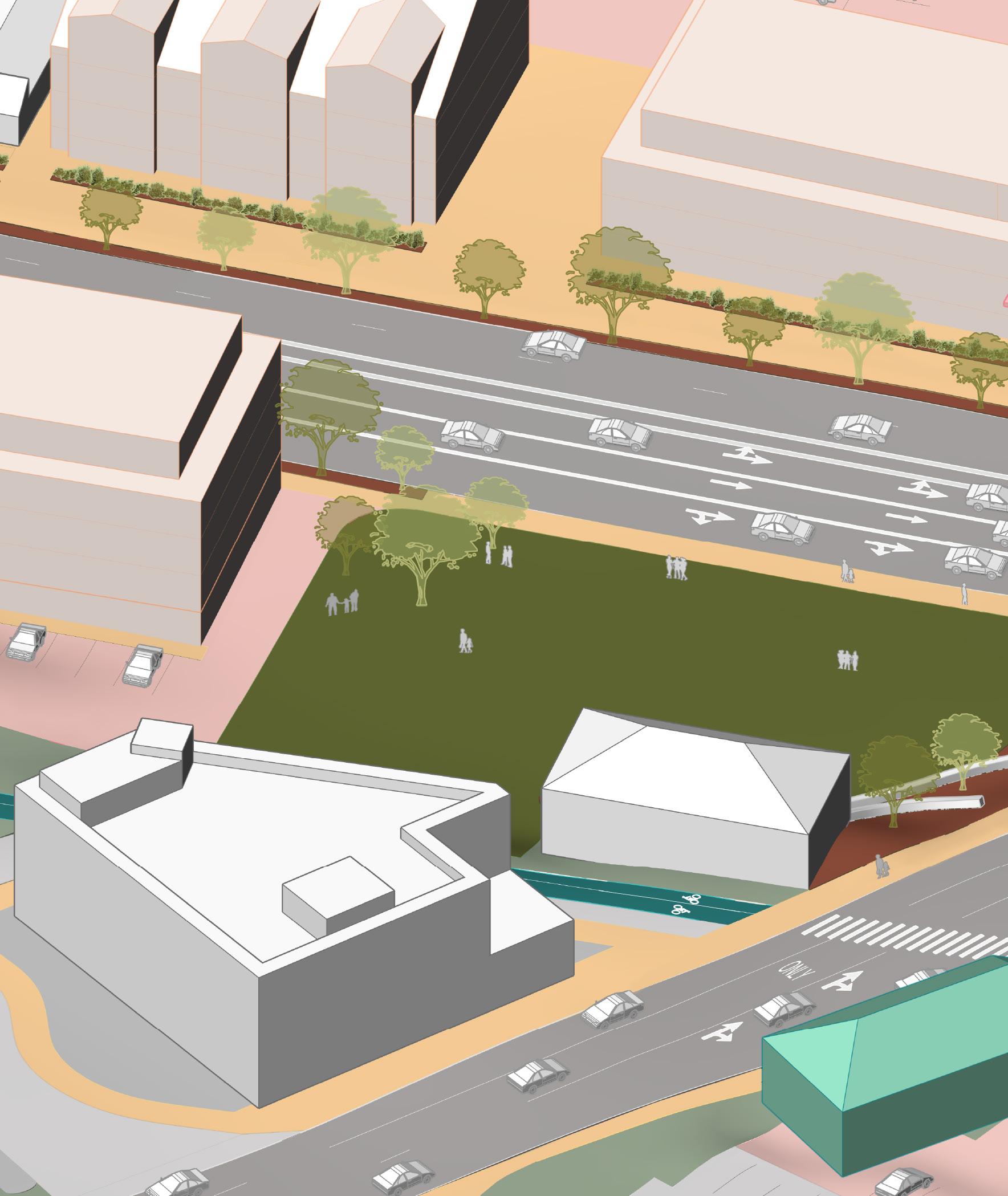
Historic Salem Depot Station Building
Recent investments in the restoration of the historic Salem Depot station building from 2007 – 2010 and in the completion of the first two phases of the Salem Bicycle-Pedestrian Corridor (Rail Trail) from the Windham town line to the historic Salem Depot station in 2019 have helped to set the stage for Depot Village to take its rightful place as a significant civic and recreational gathering place for the town.
EXISTING
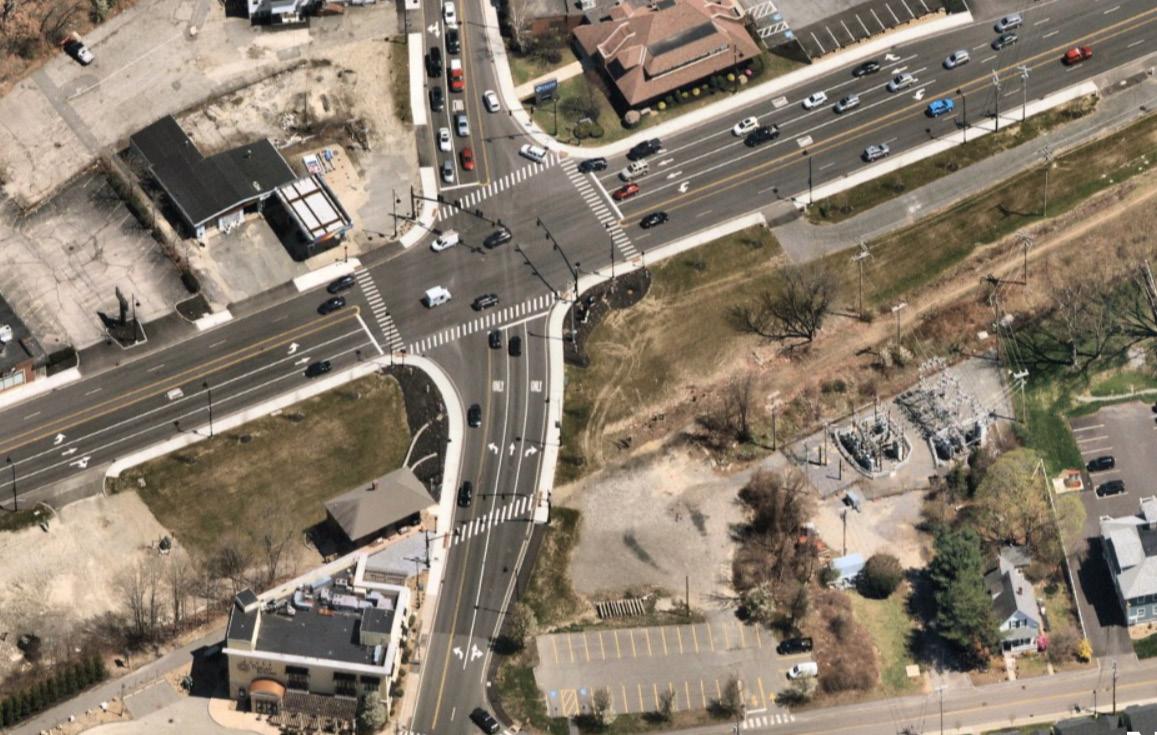
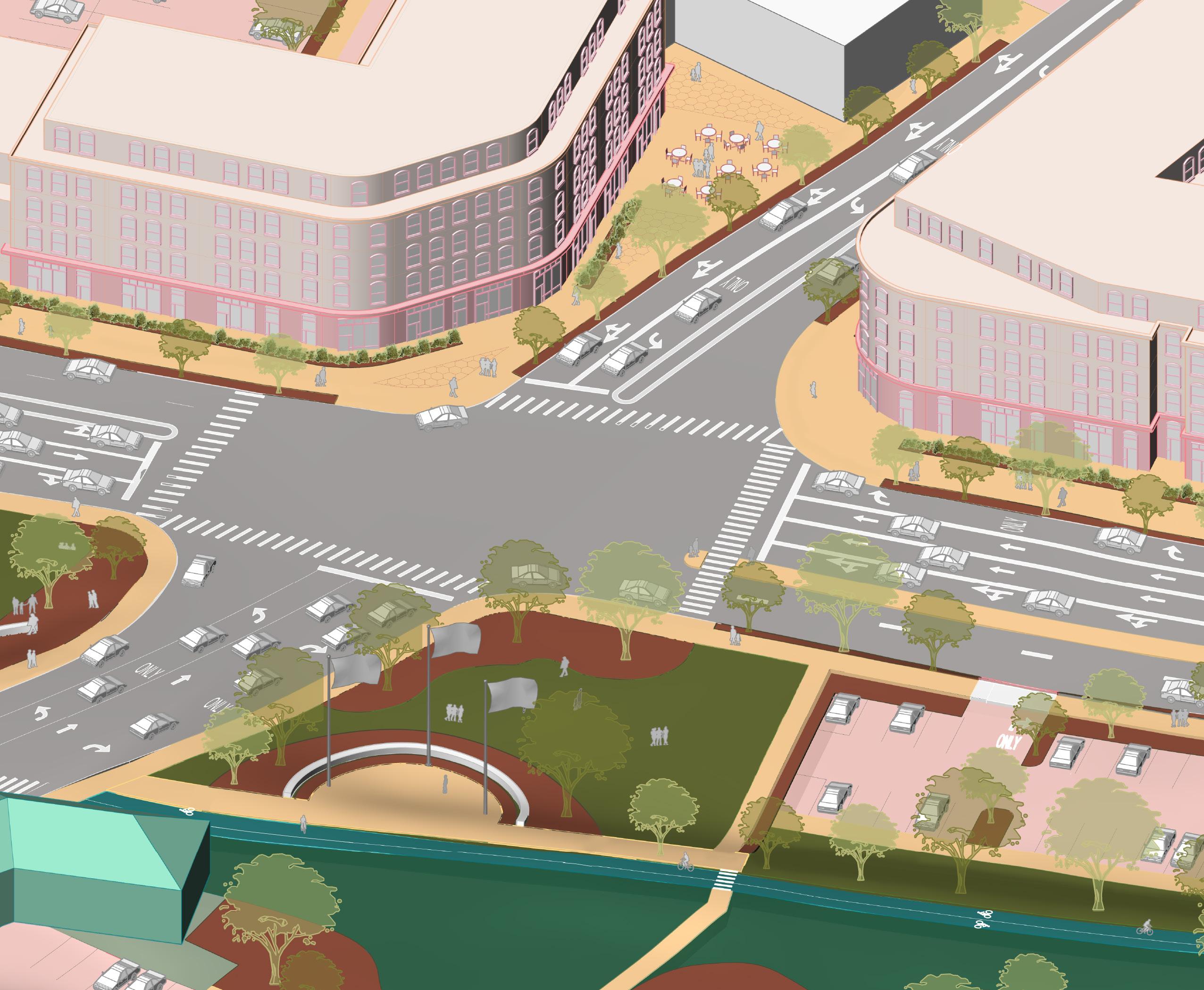
Strengthen Bike and Pedestrian Connections
• Provide dedicated parking for the Salem Bicycle-Pedestrian Corridor (Rail Trail) on nearby publicly owned lots in the Depot District with safe pedestrian connections to a highly visible trailhead.
• Explore feasibility of introducing pedestrian crossing islands/medians at key intersections along Broadway to make it safer to cross multiple lanes of traffic
• Extend enhanced pedestrian crossing infrastructure, signal, and public realm design (sidewalk improvements, plantings/ landscaping, street furniture and streetscape elements) along Main Street from Willow St to Martin Ave / Granite Ave to encourage stronger connections to nearby residential and mixed-use neighborhoods.
• Design and implement wayfinding signs to enhance awareness of and assist with navigation to the trailhead for the Salem Bicycle-Pedestrian Corridor (Rail Trail)
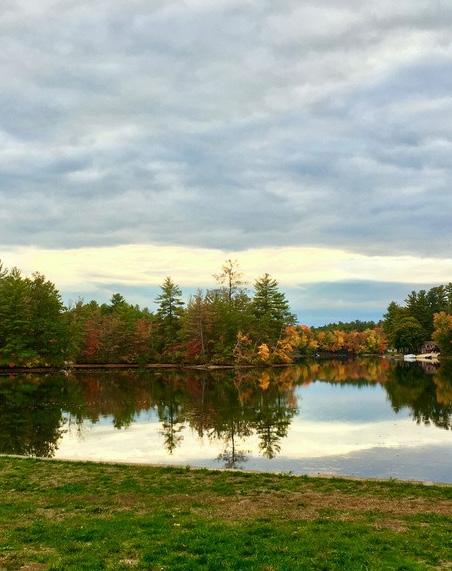
Promote Uses, Events, and Amenities that Activate Depot Village
• Design and implement recreational development of publicly-owned land along the western side of Broadway, with a focus on comfortable spaces with visual and sound buffers to mitigate the impacts of high traffic volumes at the intersection of Main Street and Broadway.
• Provide public restrooms and changing facilities for Salem Bicycle-Pedestrian Corridor (Rail Trail) users.
• Provide facility space for historic exhibitions and/or smaller community events.
• Consider creation of dedicated space close to the trailhead with power infrastructure, lighting, and movable furniture for seasonal and pop-up food and beverage vendors.
• Promote multifamily residential and mixed-use development on the privatelyheld parcels via the expanded Depot Overlay District and newly proposed North Broadway Multifamily District (see the “Big Moves” for the Mixed Use Core and Missing Middle Edges plan pillars).
The Town owns several parcels at and nearby the former Millville Lake beach. These parcels include the beach, a former bathhouse, and two approximately 16 acre parcels that could be developable into recreational use.
The two larger parcels are bisected by a stream and conservation easement and access from Millville Circle and Glen Denin Dr will need to be considered in the consideration and potential development of these parcels.
The Recreation Master Plan, which began its process in early 2025 should look at this parcel as a focus area for future recreational development. Initial ideas to be explored include multi-purpose sports fields, parking, revitalization of the Millville Lake beach and incorporation of open space, to name a few.
Millville Park Spotlight
Supporting Strategies
Enhance and Expand Parks and Open Spaces
Continue to invest in recreational access to the Town’s rich natural resources, especially those mentioned in the Master Plan engagement (see the Recreation Wishlist for details).
There was broad interest in:
• A linked network of quality parks, open spaces, and waterways specifically through bike trails.
• Recreation-based spaces as a way to address the need for gathering spaces for residents to meet.
• Beautification and access to natural resources such as public waterbodies.
In addition to the specific ideas listed in the Recreation Wishlist, the Town should explore two supplemental approaches to help fill out the network of recreation resources available to residents:
1. School Facility Shared Use: Explore ways to extend and promote shared use programming on school campuses outside of school hours for all residents, especially for playgrounds and athletic courts and fields.
2. Pocket Parks: Continue to identify and supply recreational amenities to neighborhood “pocket parks” similar to William Valentine Park to provide opportunities at low cost and in close proximity to residential neighborhoods. Innovative solutions like the “pocket park” concept help to broaden the community’s dwindling opportunities to maintain and enhance recreational, conservation, and open spaces.
Multi-Generational Consolidated Community Center & Services
Consider investing in a multi-generational, townwide community center that provides services for all ages. Since the building of the Ingram Senior Center in 2002, Salem has excelled in providing programming, gathering, recreational, and other opportunities to Salem’s seniors. It is worth exploring extending programming, a potential additional community center facility or space(s), and other recreational programming to residents of all ages, particularly teenagers and young families.
This facility and/or expanded service(s) could offer critical support, such as affordable daycare options, structured after-school programs, and extracurricular activities led by students’ interests. Creating an additional ‘third space’ for young families could foster greater connection as well as civic and community minded ideas and outcomes. It could also provide enrichment for seniors and residents of all ages, if the interaction of services is managed proactively.
Recreation Wishlist
Throughout the planning process, residents shared many ideas for the kinds of recreational spaces and facilities they value. Those places and ideas are summarized below and will be addressed in greater detail through the Recreation Plan:
• Completion of the Rail Trail with dedicated parking
• Water access and enhancements at Millville Lake, Arlington Pond, Spicket River, and Bodwell Pond
• More playgrounds, fields, and courts (pickleball)
• Dog park
• Skate park
• Splash pad and/or swimming pool
• Hedgehog Park air quality, lighting, and amenities like benches and trash receptacles
• Creative reuse of former Wastewater Treatment Plant
• Parks geared toward passive recreation
• Town Forest trail network
• Educational signage on local wildlife
• Public toilets
• Enhanced lighting
North Salem Historic Town Center Streetscape Improvements
Reinforce a sense of arrival and place at North Salem’s historic town center where East Broadway and mill Pond Road converge near Arlington Pond. This should include intersection, sidewalk, and crossing enhancements to improve safety and enhance historic appearance at the intersections of East Broadway with Mill Pond Road and Pacheco Drive, and should improve pedestrian connections to William E Palmer school, Spicket River, and Arlington Pond.
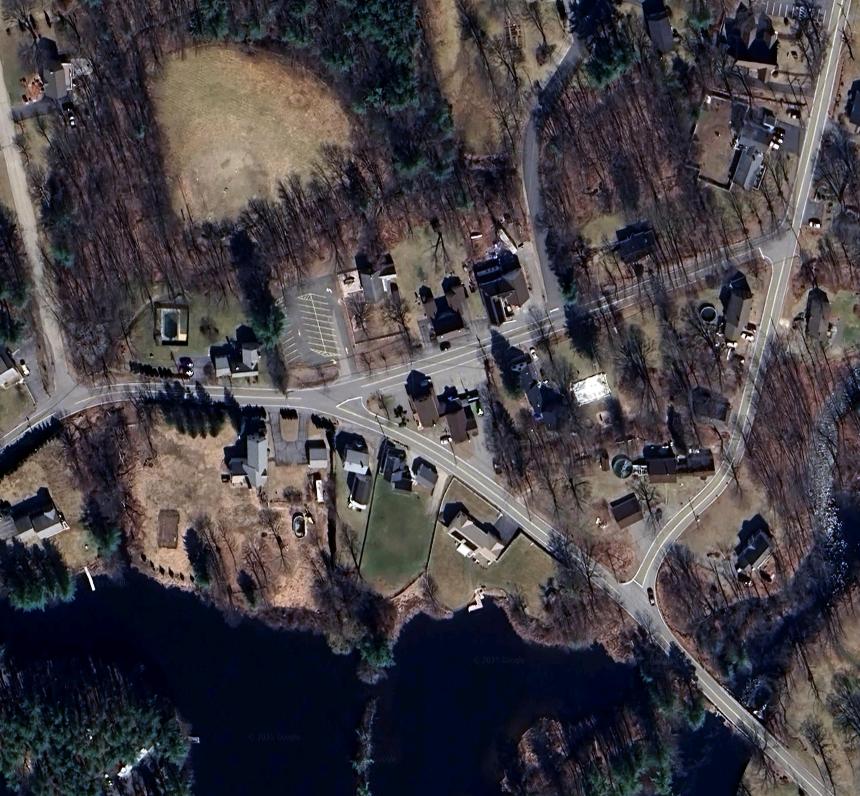
Streetscape and crossing enhancement concept for North Salem’s historic town center.
Strategic Historic Preservation
Utilize Federal Historic Rehabilitation Tax Incentives for adaptive reuse and reinvestment in anchor historic buildings along Town Connectors, Salem Common, and North Salem Historic Town Center.
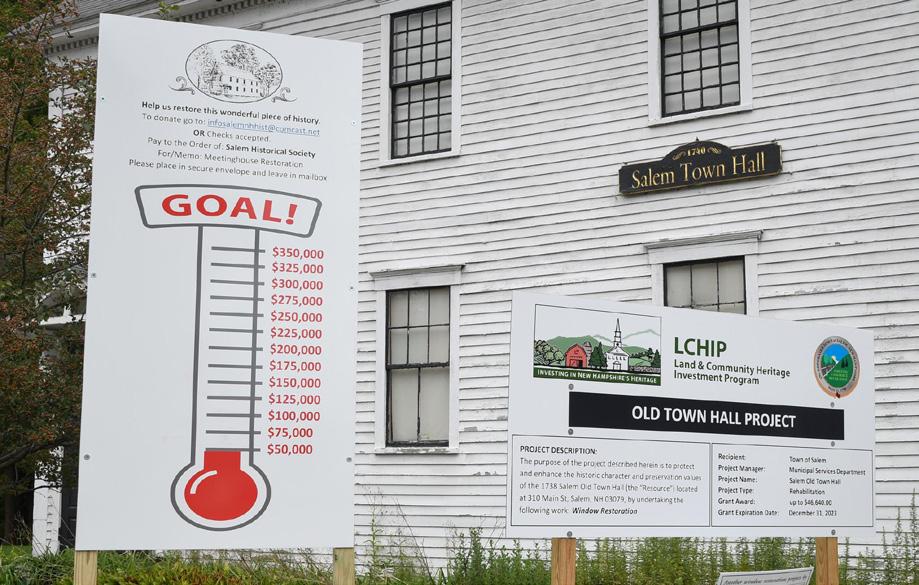
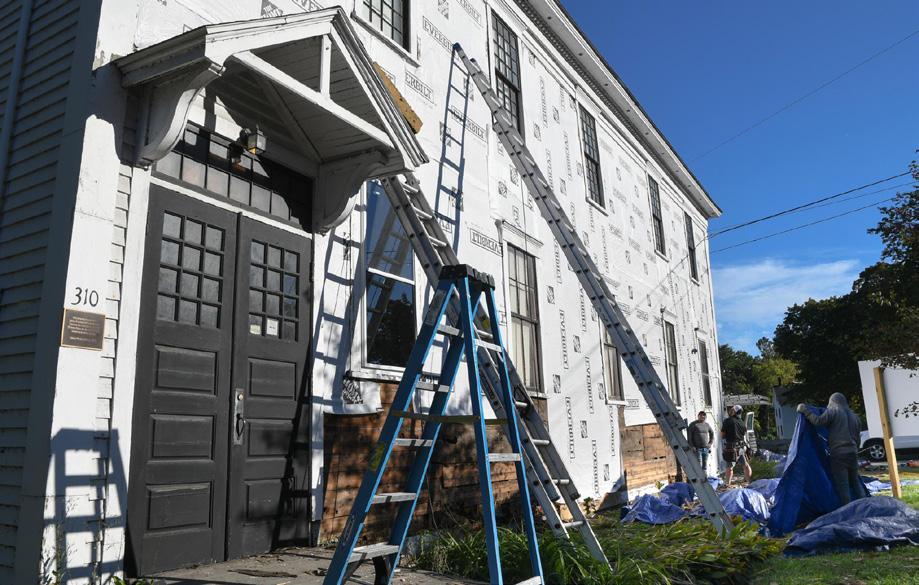
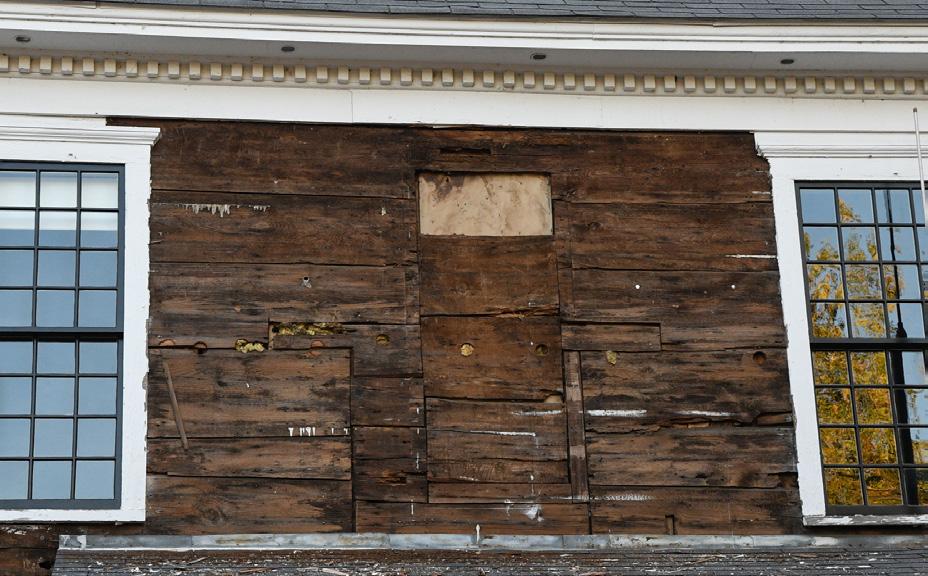
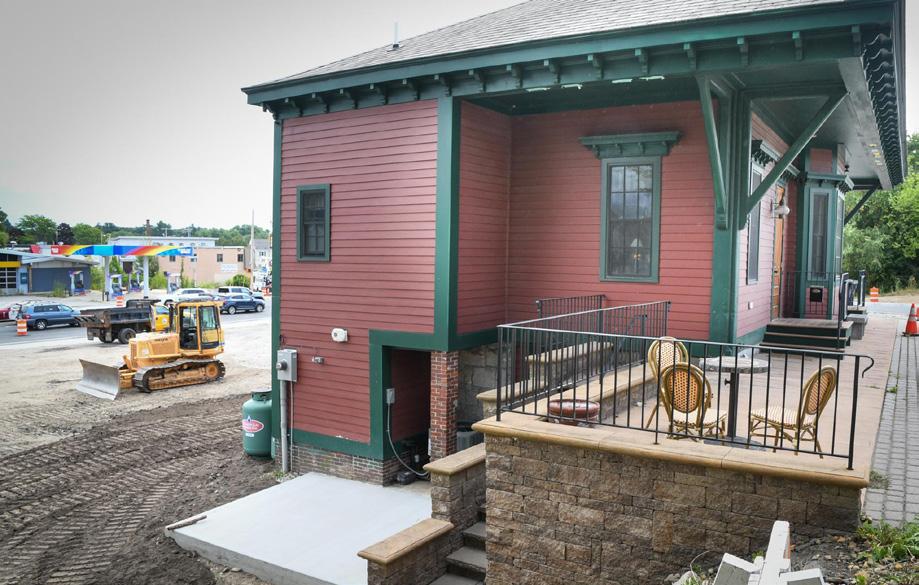
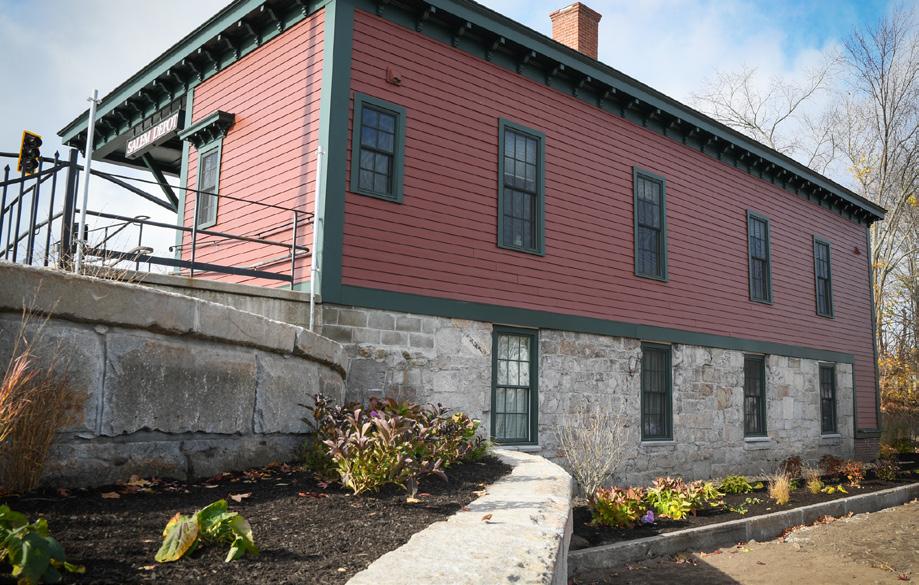
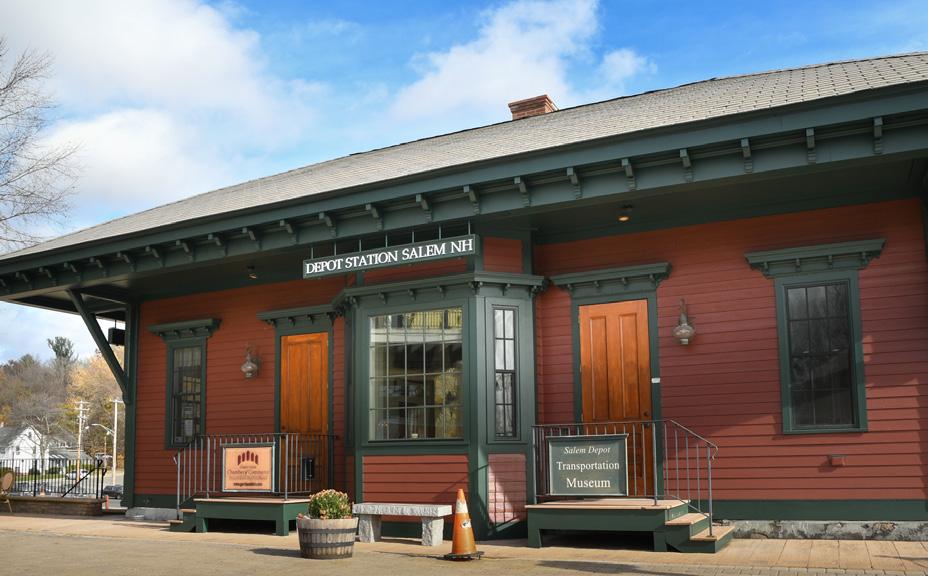
Examples of recent investment in historic buildings like the old Town Hall and Salem Depot station building.
Town Connectors
Continue to invest in a safe sidewalk and bicycle infrastructure network connecting Salem public spaces, gathering places, and amenities.
Salem’s development history has resulted in multiple town centers, each offering different experiences, amenities and services. In order for them all to work together to support a high quality of life for the Salem community, they need to be better connected, especially for those who would prefer to travel between these hubs of activity on foot or by bicycle.
The recommendations under this category offer a series of projects and policies that can collectively establish the “Complete Streets” infrastructure needed to connect Tuscan Village and the Depot to the Civic Core and Historic Town Center.
Creating this network of town connectors would serve multiple purposes: 1) address the need for pedestrian safety, 2) provide both a physical and symbolic connection that unifies the various town centers, and 3) activate the potential of the Rail Trail by extending it along an East-West axis and connecting it to Salem’s civic and commercial anchors. This approach is responsive to the overwhelming calls from Salem residents to enhance pedestrian safety as well as the desire to see Tuscan Village become better integrated into and supportive of the rest of the town. Moreover, as Tuscan Village has indicated with its emphasis on walkability, there is a market demand for it. This gives Salem a pathway to leverage private capital and development to advance Complete Streets projects that benefit Salem’s residents and small businesses.
What does “Complete Streets” mean?
A complete street is safe, and feels safe, for all users. Complete streets policies aim to establish street networks that prioritize safety, comfort, and connectivity to destinations for all people who use them. Complete streets serve pedestrians, bicyclists, public transportation users, children, older individuals, individuals with disabilities, motorists, and freight vehicles. When you think of a complete street, picture a street where somebody who is walking, biking, pushing a stroller, or using a wheelchair or walker feels just as protected, comfortable, and confident as someone who is driving. While each complete street is different, common features include clearly marked and improved crossings with reduced crossing distances, curb bump-outs, crossing islands/medians and appropriate signals, wider and more protected sidewalks and bike lanes, improved bus stops and shelters, accessible ramps to the street, trees and plantings that help manage temperature, noise and air quality, and appropriate lighting and amenities like benches and trash receptacles.
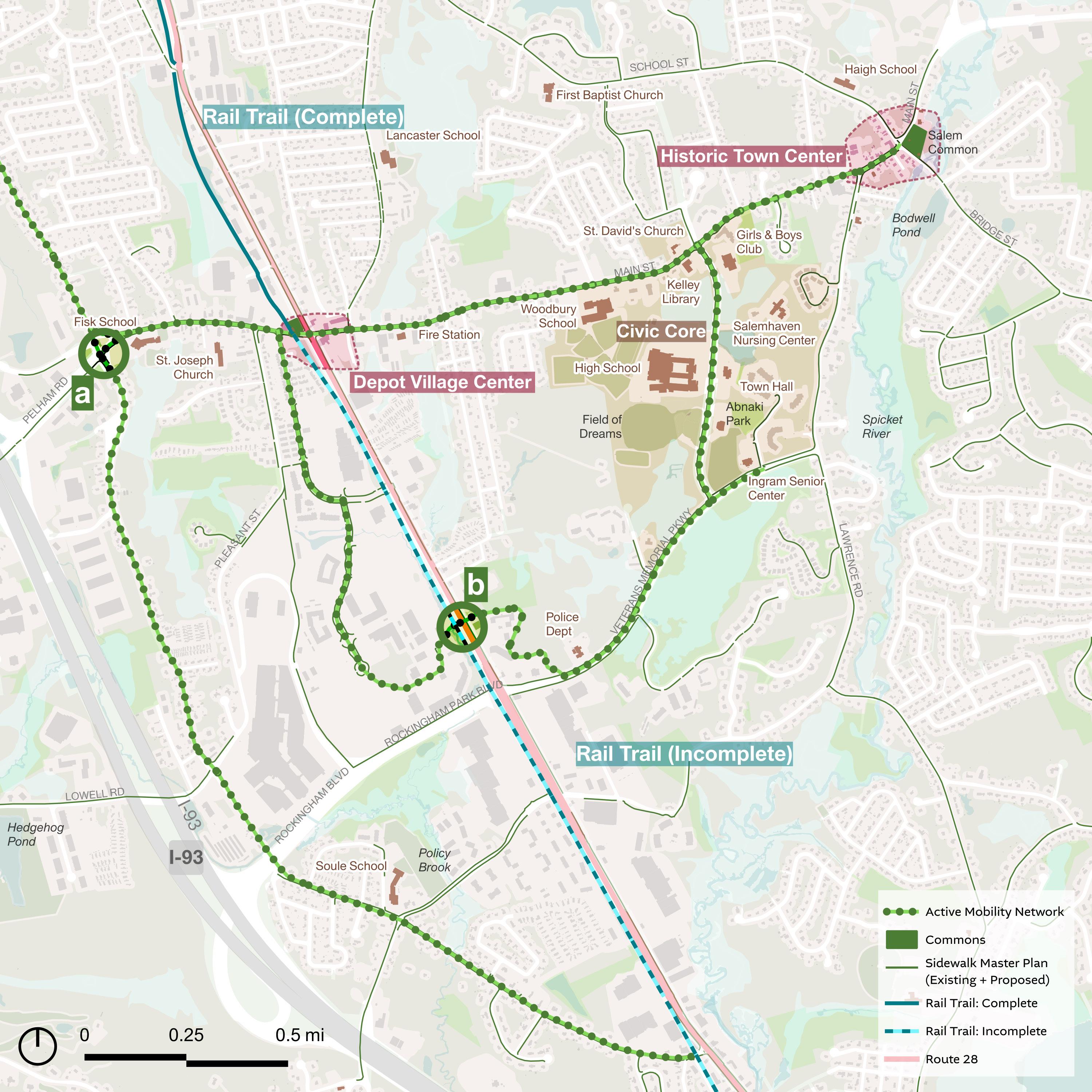
Crossing @ Via Toscana
Town Connectors
Town
Big Move
Complete and connect the town to the Salem Bicycle-Pedestrian Corridor (Rail Trail).
In order to reach the Rail Trail’s full potential, it will take more than paving a path. The section along Tuscan Village features highcapacity power lines and is not likely to be an appealing place to cycle without investments in landscaping and possibly other treatments. It will also be important to strengthen connections from Tuscan directly to the Rail Trail without having to go out to a public street, such as the future pedestrian bridge connecting the Rail Trail to Tuscan’s Central Village. Similarly, it will be important to look for opportunities to strengthen bicycle connections from residential neighborhoods on the west side of Broadway (see the Complete Priority Town Connector Network supporting strategy NorthSouth Bicycle Connection: South Policy and Kelly Rd).
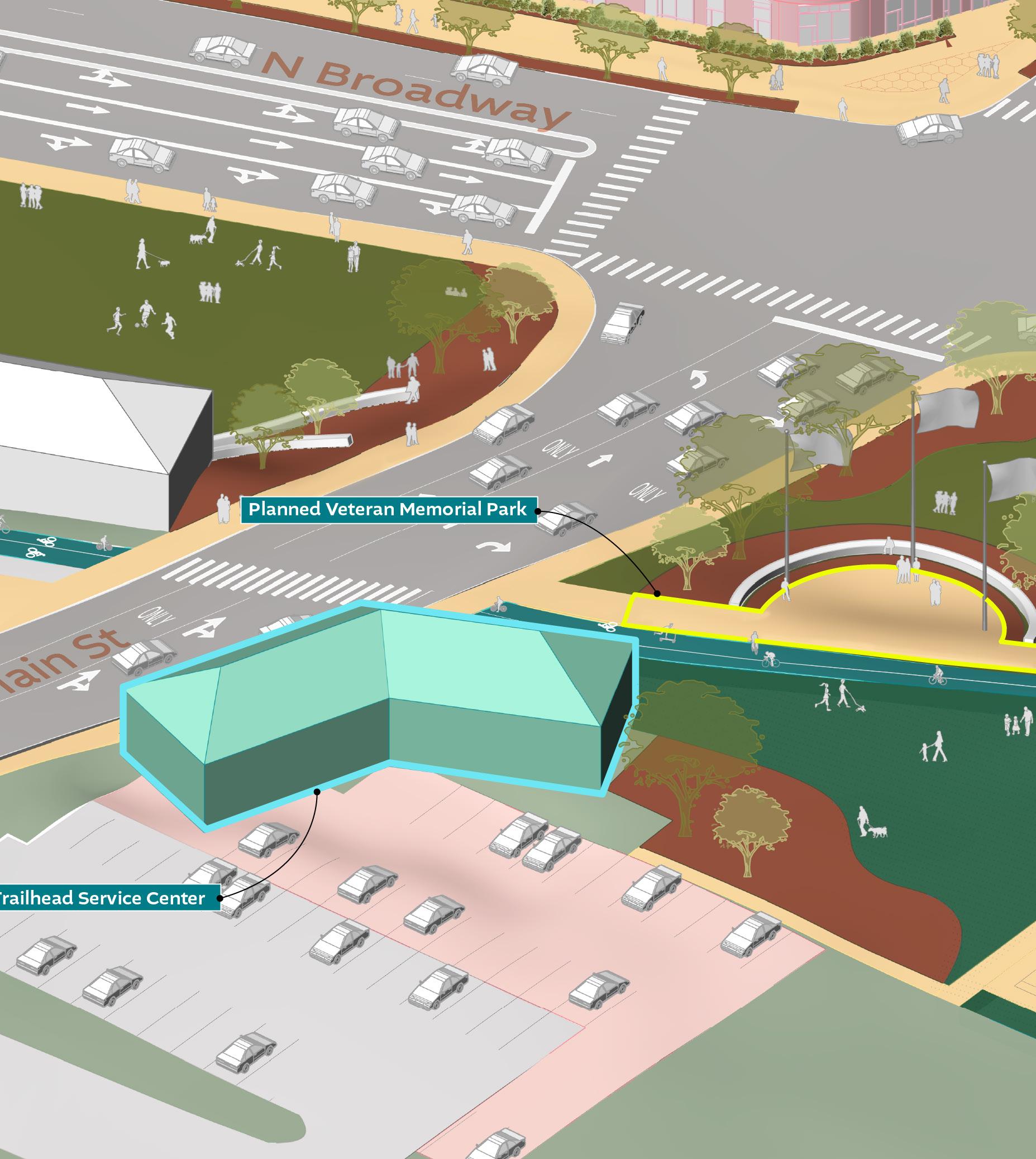
Historic Salem Depot Station Building
To achieve this it will be important to continue to cultivate broad support and participation among Salem residents, the local business community, elected officials and civil servants at all levels of government, and philanthropic and mission-driven organizations. In that spirit, it is critical that the Town continue to promote involvement of the Friends of the Salem BicyclePedestrian Corridor in maintenance and promotion of the Rail Trail.
EXISTING
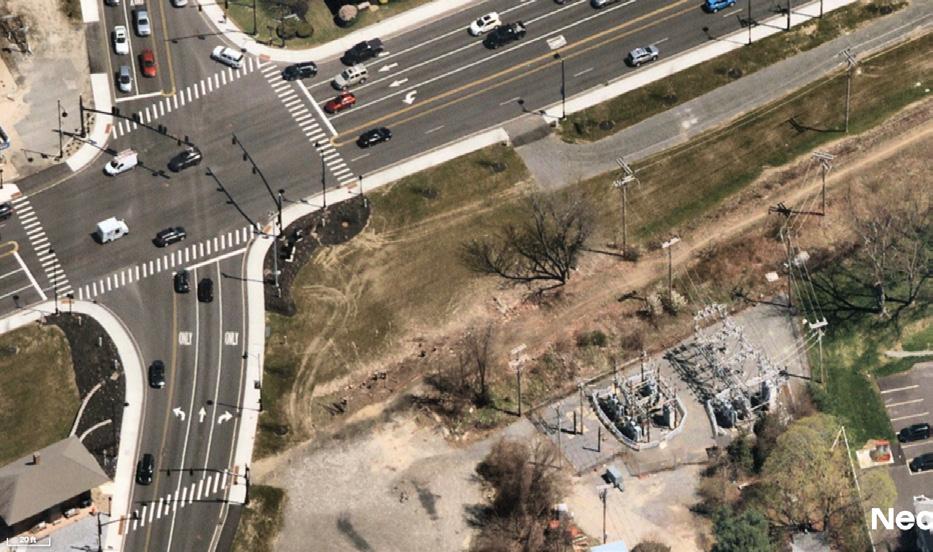
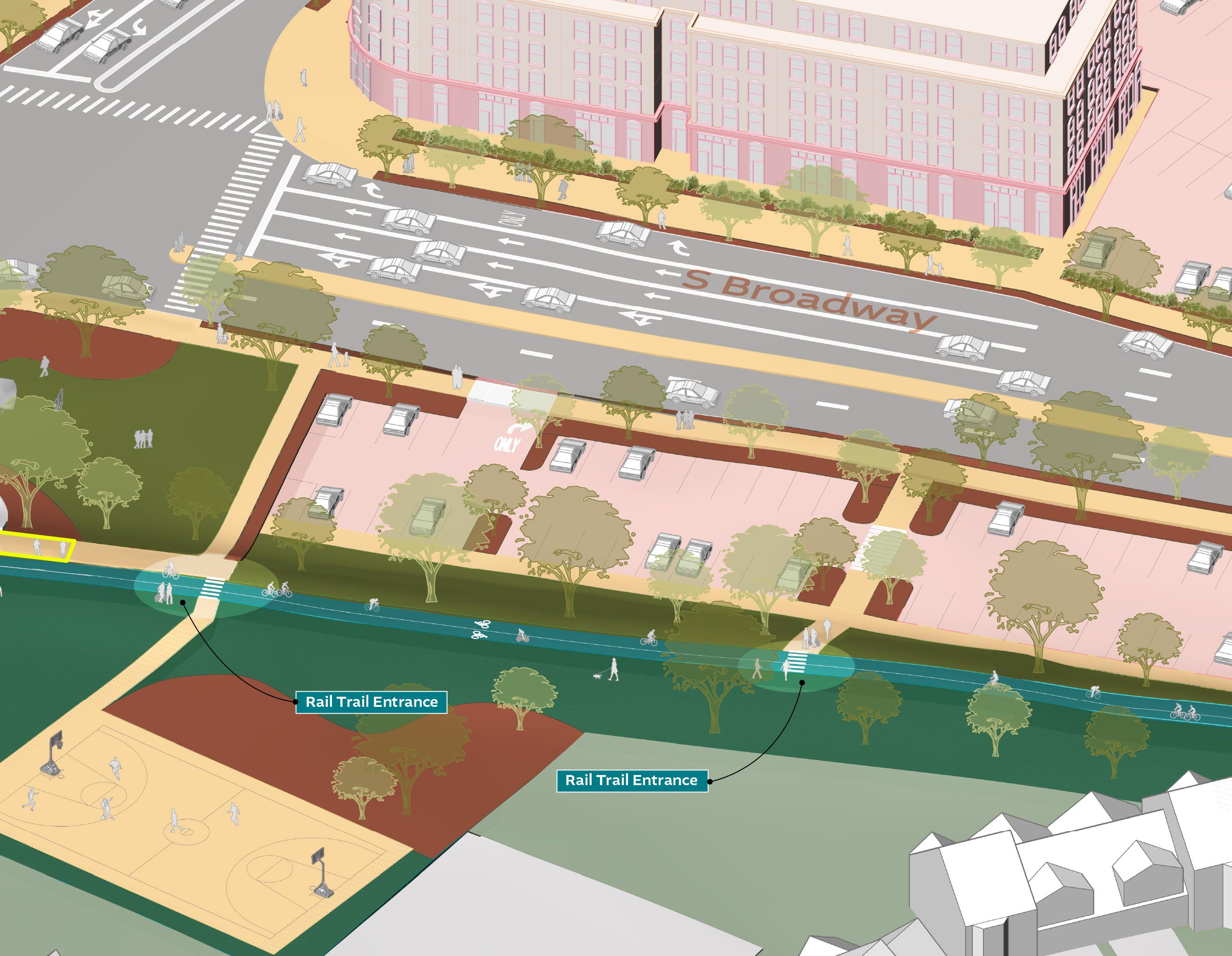
Town Connectors
To further extend the impact of the Salem Bicycle-Pedestrian Corridor (Rail Trail) and integrate it into the daily life of Salem community members, it will be necessary to identify, advocate for, and implement one or more safe pedestrian and bicycle crossings of Rt-28/Broadway and other roadways that are intimidating and unsafe to cross for pedestrians and bicyclists. There are two potential opportunities for strategic safe crossings that should be explored further as future phases of the project are funded, designed, and implemented in partnership with the State and local development partners:
Rockingham Park Boulevard: Explore potential for a north-south bicycle and pedestrian overpass.
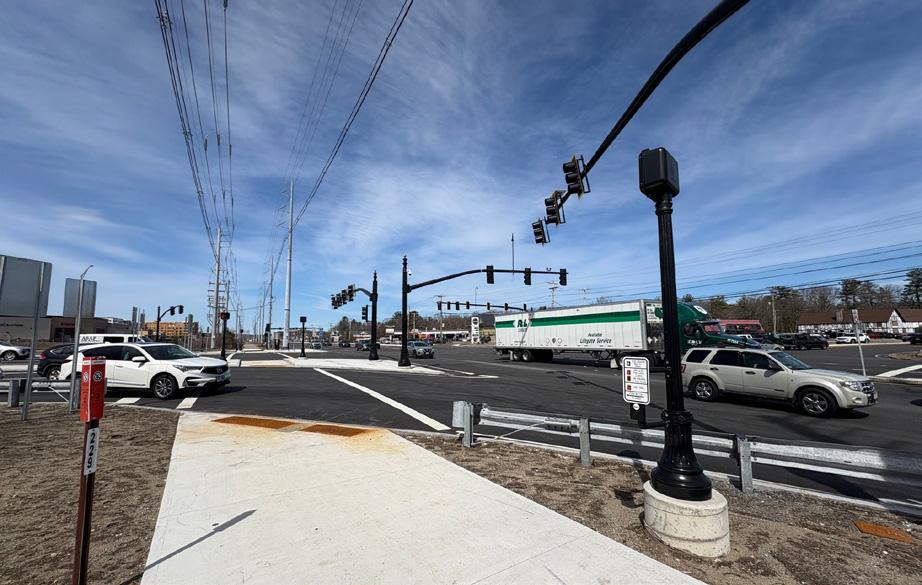
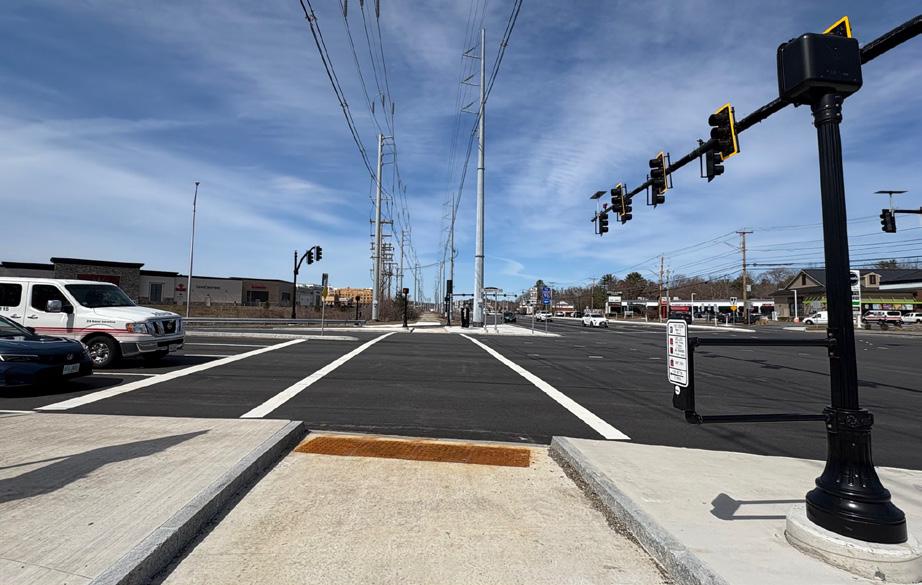
The current size and complexity of the intersection of Rockingham Park Boulevard and Rt-28/Broadway creates a condition that is unsafe for bicycles to navigate. Even with improvements to the at-grade crossing infrastructure and signals, it would likely be too intimidating to allow recreational cyclists and people walking and running on the Rail Trail to feel comfortable and safe when navigating an at-grade crossing in this location.
Via Toscana: Explore potential to introduce a new east-west bicycle and pedestrian overpass or signalized bicycle and pedestrian crossing from the Salem Rail Trail at Via Toscana to Veterans Memorial Parkway. To be an effective connection to destinations east of Broadway this crossing will need to connect to a gradeseparated, protected bike and pedestrian connection on the east side of Broadway to link up to the sidewalk on the northwest side of Veterans Memorial Parkway after the Salem Police Department. The best way to achieve this given the narrow sidewalks and many curb cuts along Broadway and Veterans Memorial Parkway would be to secure an easement from relevant property owners to construct and use a path along the rear of relevant properties. It would also be important to ensure a safe and consistent connection between the Salem Police Department and Geremonty Drive along Veterans Memorial Parkway, which would mean widening the existing north side sidewalk to at least 10 feet. This recommendation appears under the Complete Priority Town Connector Network supporting strategy East-West Bicycle Connection: Veterans Memorial Parkway. The impact of this crossing could be deepened if a safe connection was provided on the east side of Rt-28/Broadway to Belmont Street and Westchester Street, which both provide potential low-stress connections to Main Street.
Lake St: Explore intersection and signal enhancements for at-grade bicycle and pedestrian connections.
Main St: Explore intersection and signal enhancements for at-grade bicycle and pedestrian connections, and expand public parking to reinforce this as a trailhead.
Via Toscana: Explore potential to introduce a new east-west bicycle and pedestrian overpass or signalized bicycle and pedestrian crossing from the Salem Rail Trail at Via Toscana to Veterans Memorial Parkway.
Rockingham Park Boulevard: Explore potential for a north-south bicycle and pedestrian overpass.
Kelly Rd: Explore intersection and signal enhancements for at-grade bicycle and pedestrian connections. Key Rail Trail Crossings & Connections
Supporting Strategies
Complete Priority Town Connector Network.
Main Street Corridor
Building on the findings of the 2021 Main Street Corridor Study and the momentum of recent improvements to the sidewalk network at the Depot intersection, invest in a holistic re-envisioning of the Main Street Corridor between Depot and the Historic Town Center as an engaging, comfortable, and beautiful walking experience. A potential strategy is to start by focusing enhancements in the immediate vicinity of the Depot (Broadway to Martin Ave / Granite Ave) and the Historic Town Center (Lawrence Rd to just past the Alice Hall Memorial Library) and then over time work to connect these bookends to the concentration of civic uses along Geremonty Drive with more economical and targeted improvements.
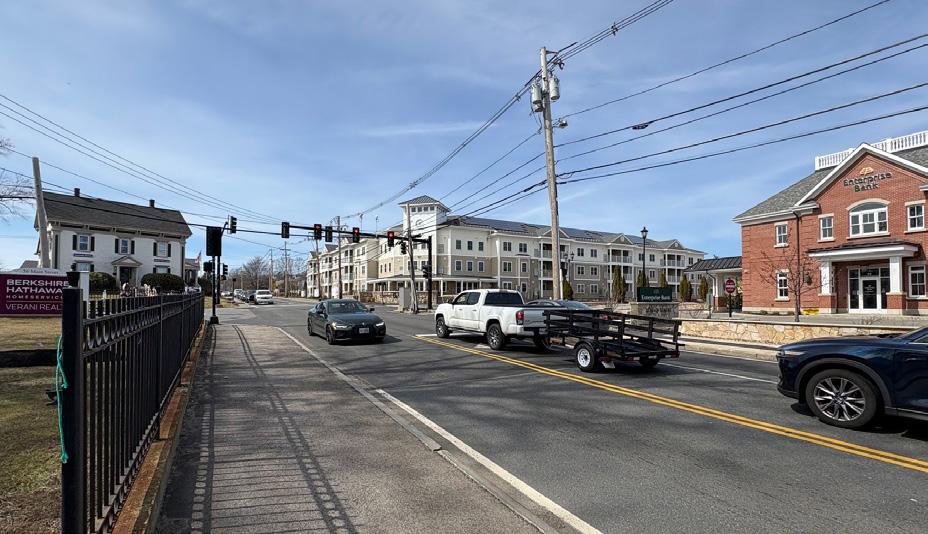
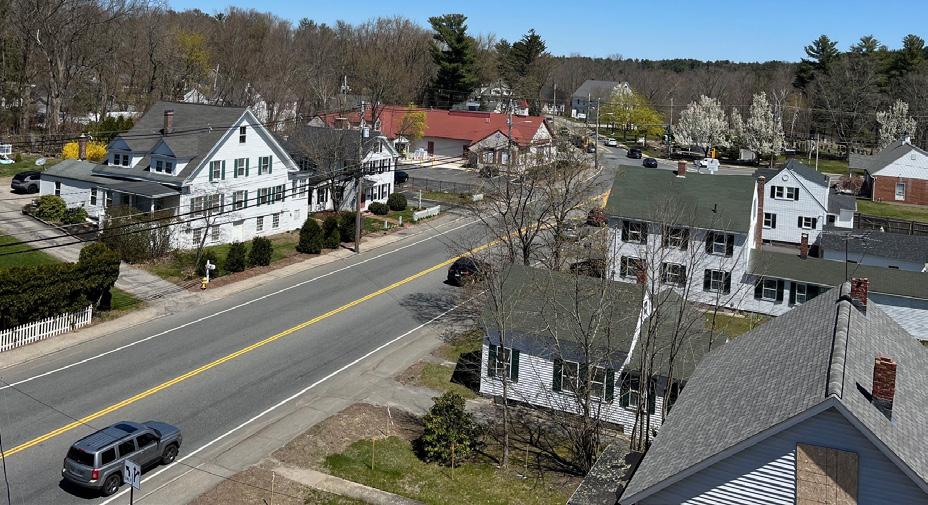
The kinds of enhancements that should be considered include those called out in the 2021 Main Street Corridor Study which are incorporated into and summarized below along with ideas raised during the Master Planning process:
• Sidewalk Improvements: Upgrade sidewalks to be safe and ADA-accessible. Consider concrete surface material for more durability and contrasting appearance against asphalt pavement. Consider burying overhead utilities in high-use pedestrian areas to reduce obstructions to safe movement of pedestrians on sidewalks.
• Key Intersection & Crossing Enhancements: Improve key pedestrian crossings and intersections, such as Martin Ave and Granite Ave. Identify mid-block crossings where appropriate.
• Greening & Amenities: Create a consistent and simple landscaping pattern of street trees, flower beds, streetlights, and benches to create a park promenade experience. This should use historically appropriate regional plants and materials where appropriate (granite curbs, cobbles, and seat walls, wood slat benches, decorative metal street lighting). The goal of these improvements should be to encourage this walk to feel like a destination in and of itself.
• On-Street Parking: Where the width of the public right of way allows, incorporate onstreet parallel parking spots to calm traffic and support existing and future businesses. This should be prioritized for the stretch of Main Street between Lawrence and Bridge Roads.
• Bike Improvements: Given recent improvements to the sidewalk infrastructure, the right-of-way along Main Street East of Depot is too narrow to add bike lanes. However, on-street bicycle infrastructure is viable on Main St to the west of the Depot, and should be considered in tandem with the sidewalk overhaul east of the Depot.
Examples of the existing street design of Main Street at Pleasant Street (top) and in the Historic Town Center (bottom).
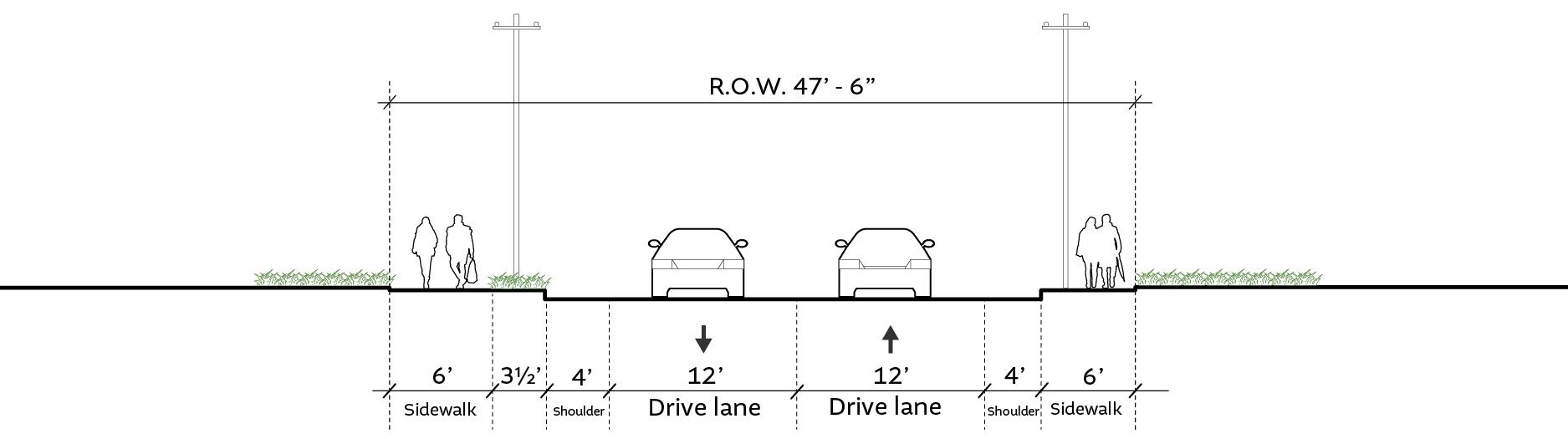
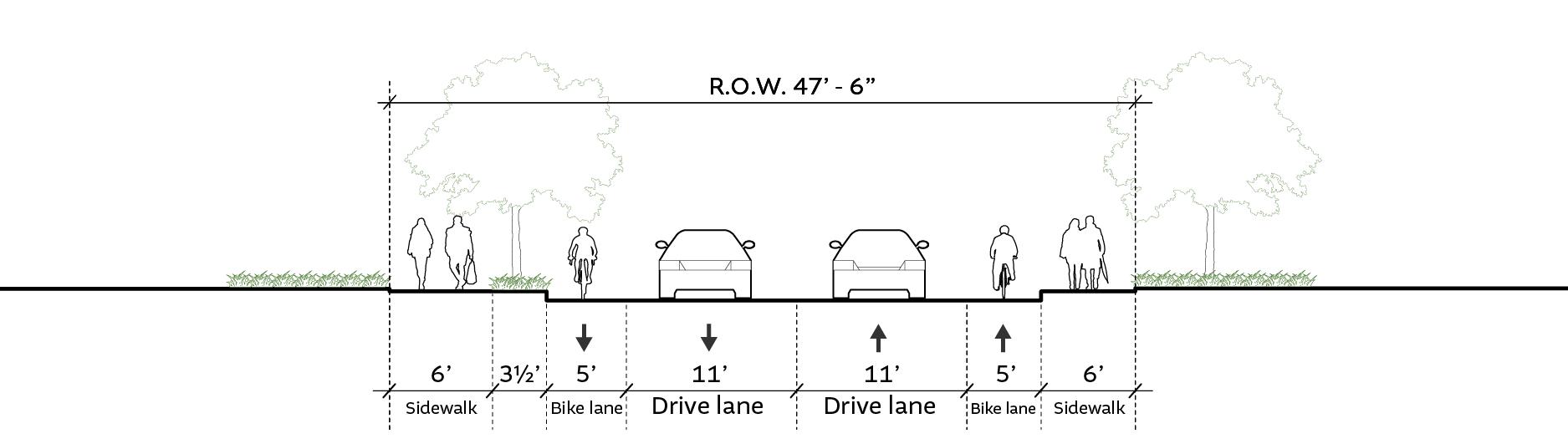
Main Street West of Rail Trail Existing
Main Street West of Rail Trail Proposed
Multi-Use Path: Geremonty Drive & Veterans Memorial Parkway
Along Geremonty Drive from Main St to Veterans Memorial Parkway and along Veterans Memorial Parkway from the Police Station to the Senior Center, enhance crosswalks and adapt the existing sidewalk to serve as a multi-use walking and bicycle path.
• Investigate the feasibility of a multi-use path (minimum 10’) along the west side of Geremonty Drive between Main St and Veterans Memorial Pkwy using the existing sidewalk. This may require relocating utility poles near the playing fields.
• Install pedestrian-activated signal and crossing between Boys & Girls Club and proposed multi-use path.
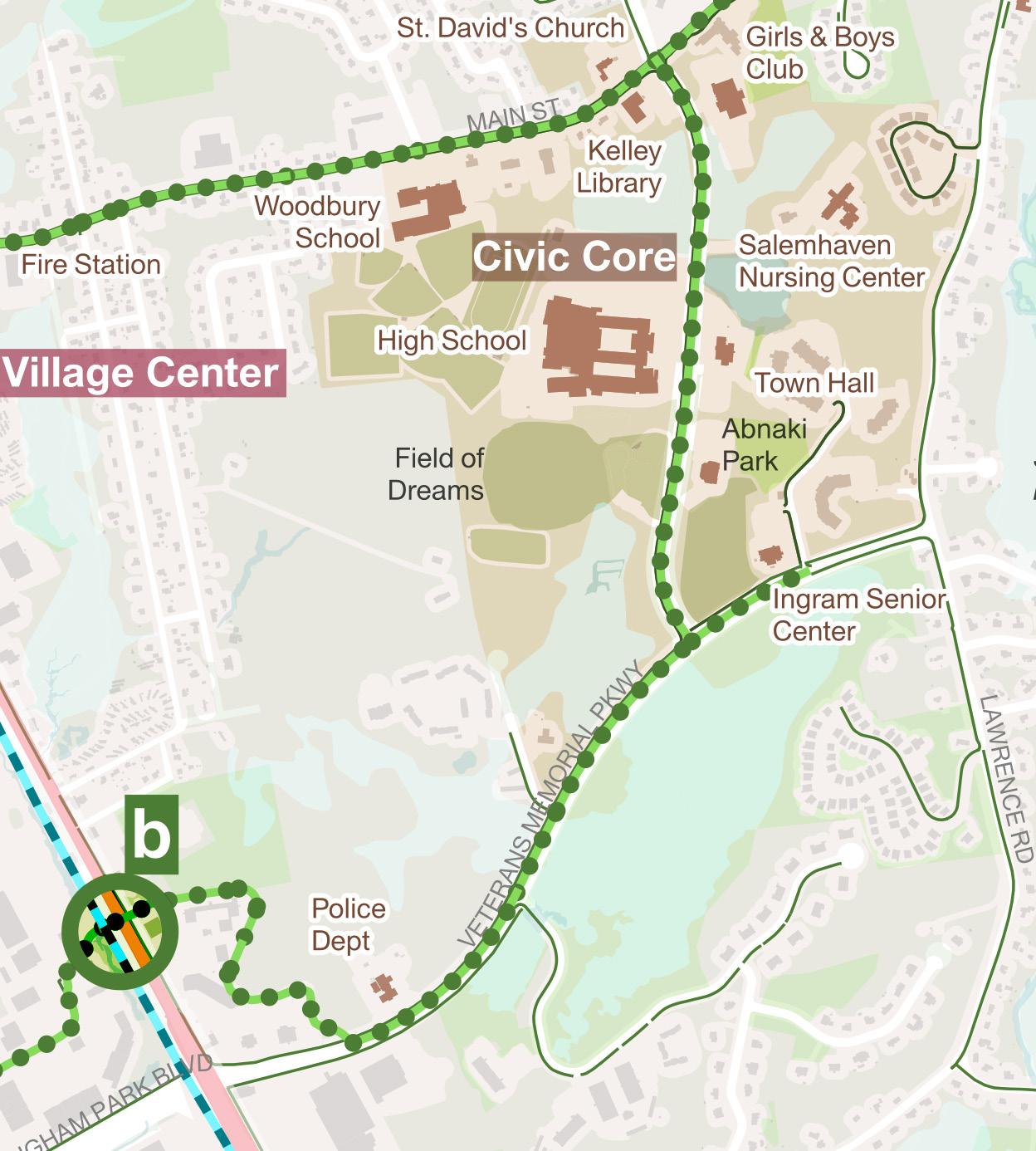
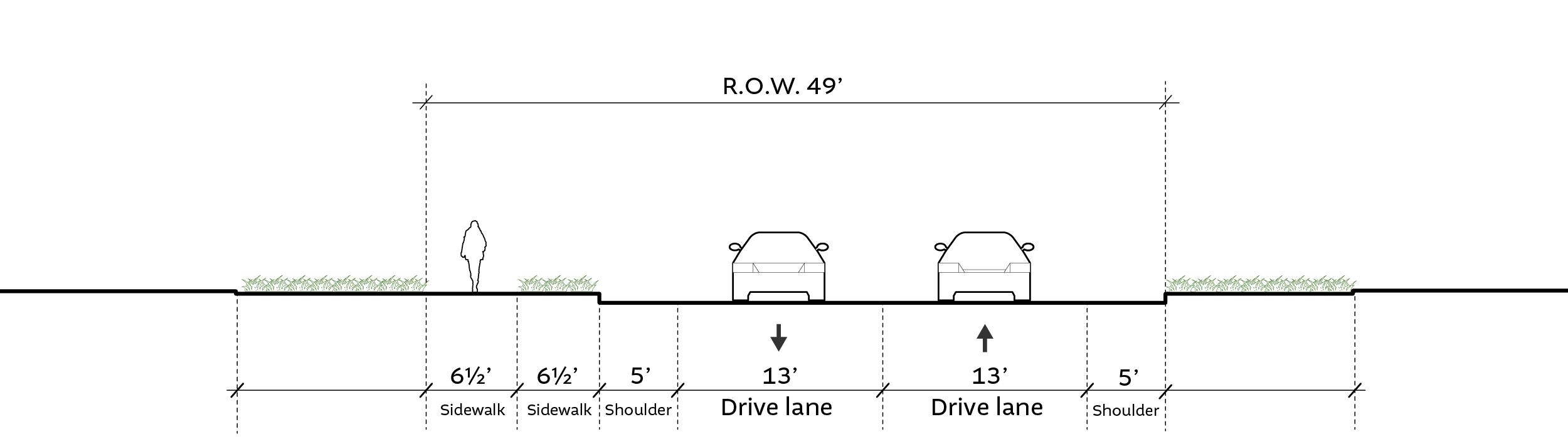
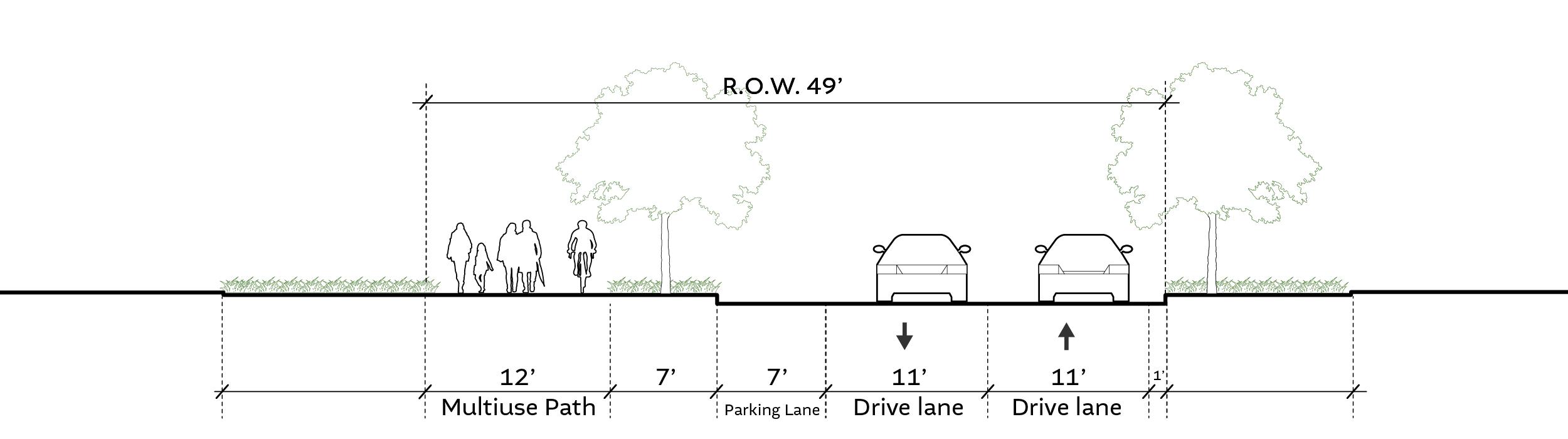
Crossing @ Via Toscana
Geremonty Drive & Veterans Memorial Parkway Drive Existing (typical/generalized street section)
Map of multi-use path concept.
Geremonty Drive & Veterans Memorial Parkway Drive Proposed (typical/generalized street section)
North-South Bicycle Connection: South Policy and Kelly Rd
In addition to bicycle and pedestrian improvements on Main St west of Depot, update road markings to narrow lanes and increase shoulder along South Policy and Kelly Rd to encourage slower speeds and safer driver behavior so that residents have the option of bicycling to the Rail Trail and Tuscan Village. Work to secure additional ROW to permit future sidewalk or shoulder improvements that encourage a safer pedestrian experience.
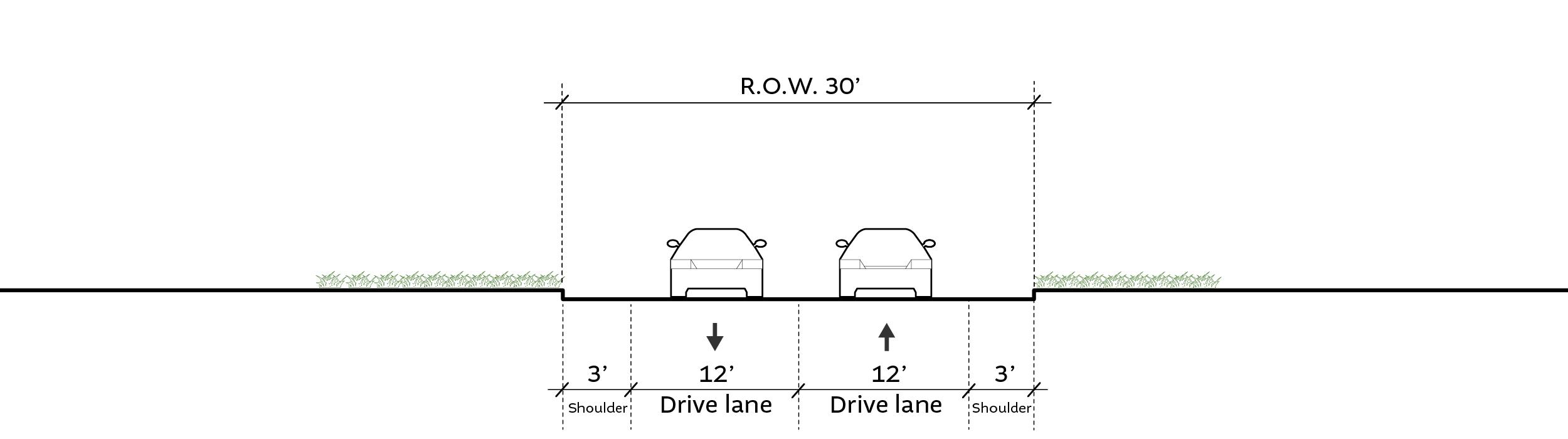
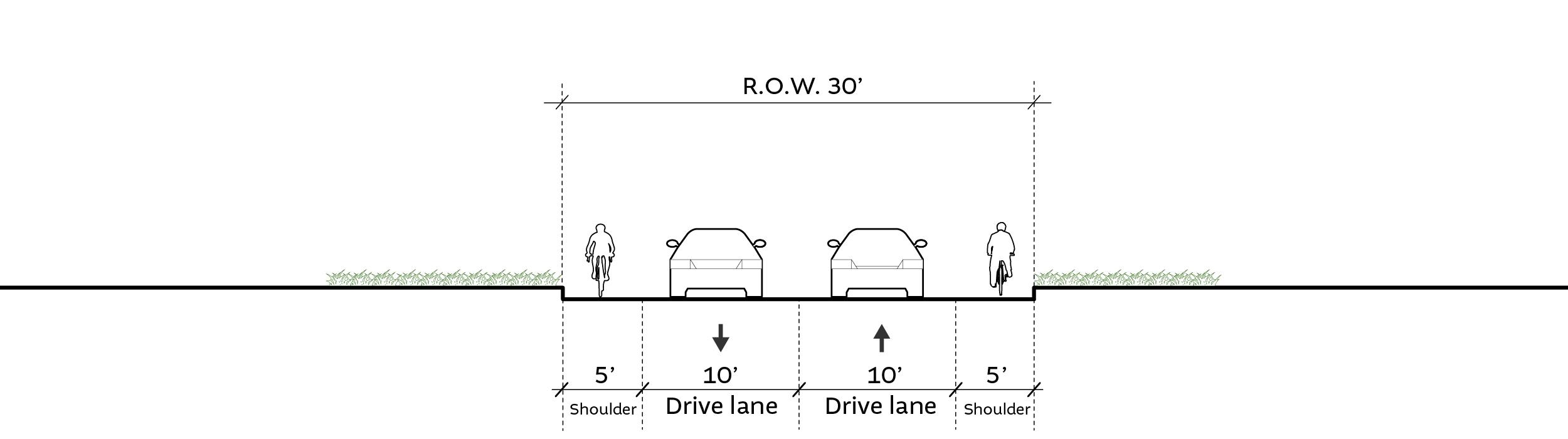
South Policy and Kelly Rd Existing (typical/generalized street section)
South Policy and Kelly Rd Existing (typical/generalized street section)
Town
Create and Implement a Complete Streets Policy
Integrate the Sidewalk Master Plan with bicycle infrastructure considerations to form a new “complete streets” policy in alignment with this plan’s four pillars and the priority Town Connectors framework described above. This policy should address all areas of town and should embed complete streets improvements into annual street upgrades including repaving, reconstruction and restriping. See the map of the current sidewalk network and identified gaps and areas of concern in Chapter 2 of this plan for a summary of all areas raised through engagement during this planning process.
Update & Implement Sidewalk Master Plan
• Unify the two sidewalk master plans and integrate bicycle infrastructure considerations wherever possible
• Include a town-wide standard to ensure all new investments meet best practices for curb cut management and accessibility, especially properly placed ramps from sidewalks to streets at intersections.
• Work to secure additional ROW to permit future sidewalk or shoulder improvements that encourage a safer pedestrian experience.
Incorporate bicycle and walkability infrastructure into road improvements wherever feasible
During annual street upgrades including repaving, reconstruction and restriping, planning staff should collaborate with public works staff to identify and prioritize complete streets options. This also includes striping travel lanes at or close to minimum widths.
Provide Dedicated Parking for Rail Trail on Broadway (Rt-28).
Provide dedicated parking for the Rail Trail on publicly owned lots in the Depot District and partner with Rail Trail-adjacent businesses across from Duffy Ave to open parking lots for Rail Trail visitors.
• Work with businesses adjacent to Rail Trail across from Duffy Ave (TSR Hockey, Highline Auto Sales, Title Cash, Amore Pizza, and Taco Bell) to open parking lots for Rail Trail visitors.
• Provide dedicated parking for Rail Trail on publicly owned lots in the Depot District.
This recommendation is closely related to the Depot Village recommendations under the Gathering Spaces plan pillar.
Develop Town Gateway & Wayfinding Program
Invest in updated, unified signage to welcome people and help them find their way. This will reinforce the Town Center(s) and Town Connectors for visitors and residents alike.
This recommendation is closely related to and should be coordinated with the Historic Town Center and Depot Village recommendations under the Gathering Spaces plan pillar.
Explore Feasibility of Enhanced Transit Service
Pursue grant funding and explore partnerships with CART and major anchor employers, property owners, and investors to create a focused transit service to connect key Town amenities (e.g. Tuscan Village, Historic Town Center, Civic Core, Senior Center, Healthcare) for all residents. This should build on the existing CART “shopper shuttle” and ondemand service, and integrate with the Boston Express Terminal at Exit 2 and existing Salem Express service.
CART (Cooperative Alliance for Regional Transportation)
CART is operated by the Manchester Transit Authority and is the only form of public transportation for Salem. Without this service, many seniors, people with disabilities, and low income persons would not have access to reliable transportation. Similar to other CART serviced communities, the Town pays community dues in order to be served by CART and receive significant public transportation benefits.
Salem residents benefit from two key CART services:
On-Demand Rides: Salem residents can request an ondemand ride to anywhere in Derry, Chester, Hampstead, Londonderry, Salem, and Manchester.
Cost: each ride costs $2 each way
Timing: Operating hours are Monday through Friday from 8am to 4:30pm.
Salem Shopper Shuttle: this fixed route picks up residents along major senior or affordable housing developments and connects them to grocery stores, retail areas, etc.
Cost: free to all Salem residents
Timing: on Mondays, Wednesdays, and Fridays in the morning
You can learn more about CART here: Salem: https://www.salemnh.gov/1011/ CART-Public-Transportation-Services General: https://mtabus.org/cart/
Mixed Use Core
Focus higher-density mixed-use development along the Broadway corridor (and deter elsewhere).
In order to deliver on the vision statement and guiding principles, Salem needs to find a way to harness and focus market interest in a way that protects a small town feel and attainable cost of living while continuing to support and expand the amenities and infrastructure that make quality of life in Salem so high. Broadway offers the key to threading that needle.
The Broadway commercial corridor can harness the growth from Tuscan Village and strategically absorb it along the corridor’s abutting parcels creating a buffer and transition between urban-scale corridor development and Salem’s small-town residential fabric.
This approach sets the tone for a delicate balance between encouraging the kind of investment that can address cost of living and amenity and infrastructure gaps in the town, and continuing to respect, protect, and celebrate Salem’s small-town feel.
• The role of Broadway is to absorb the demand for denser development and provide the cross-subsidy needed to deliver more workforce housing by leaning into its success as a commercial corridor. This potential makes it uniquely well suited to alleviate these market pressures for the rest of the town.
• The role of Main Street is to provide an environment that supports small businesses and diverse housing and is more walkable and intimate in scale to connect the “new” commercial Salem along Broadway to the historic and civic anchors of small town Salem.
• The role of retail, business, and industrial parks along I-93 is to provide the car-dependent jobs, amenities, and services necessary to anchor Salem’s economy and support resident quality of life.
In order for this approach to work effectively for the town, it is critical that all denser development is tied to the delivery of infrastructure and other priorities that emerged from engagement such as sidewalk, intersection, crossing, and recreation enhancements, and must include context-sensitive design (especially abutting lower density residential neighborhoods) and appropriate mitigation to avoid negative impacts on residents’ quality of life and tax burden. The current Depot Village Overlay District provides a good example of an existing framework to tie design standards and infrastructure delivery to zoning that allows denser development.
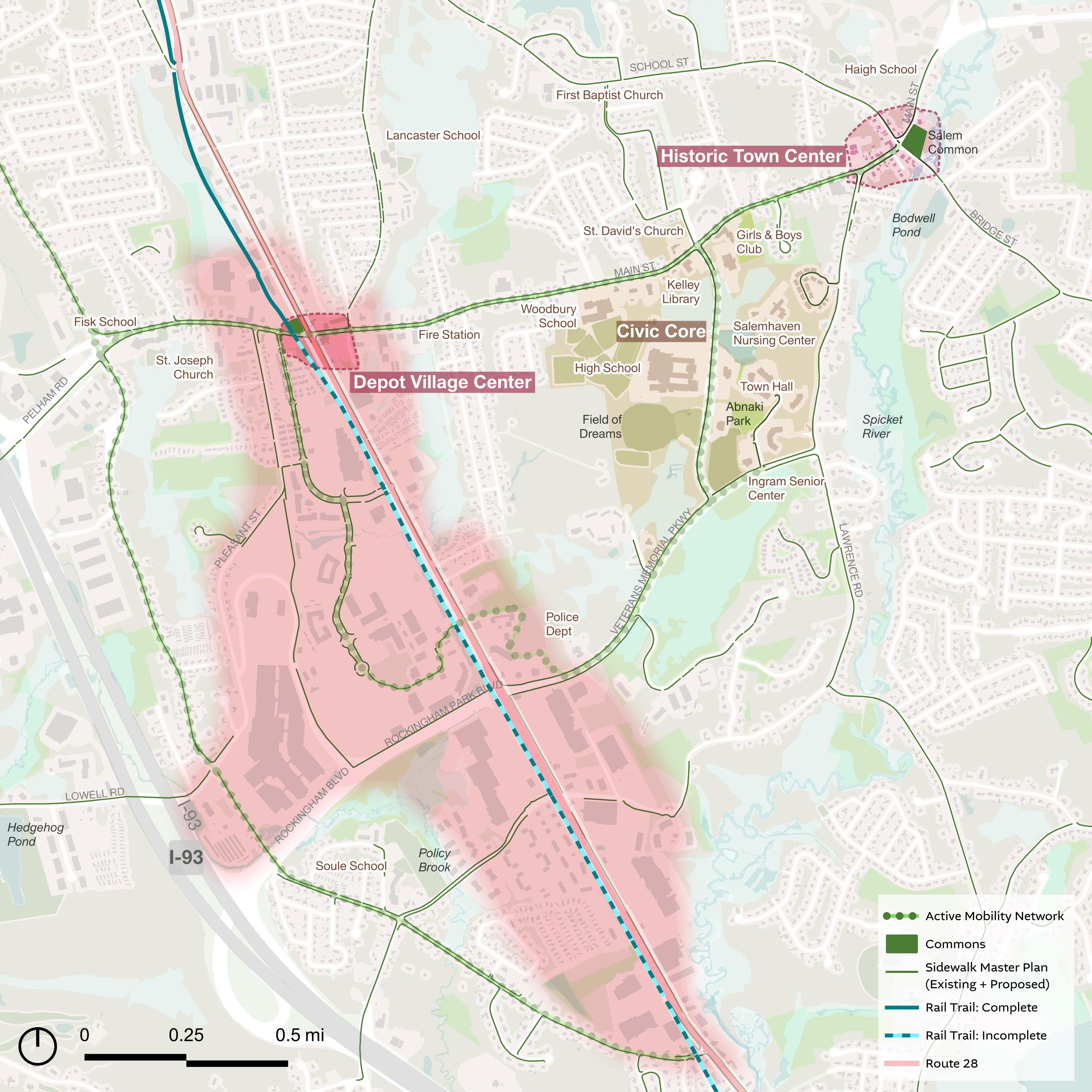
Big Move
Expand boundaries and update the design standards of the Depot Village Overlay District to encourage walkable mixed use development and workforce housing along Broadway. Specifically, allow a maximum of three (3) stories, with a density bonus of up to five (5) stories if ground floor retail and workforce housing is included in the development.
• By-Right: 3 stories max
• Bonus: two story bonus (up to 5 stories max) if both bonus conditions are met, one story bonus (4 stories max) if only one is met. To qualify for these bonuses the development must do either or both:
• Dedicate at least 33% of the ground floor area to commercial uses, and dedicate at least 80% of the ground floor street frontage to street-activating uses (e.g. retail, office, lobbies, residential amenities) of at least 20 feet in depth.
• Deliver at least 12.5% workforce housing, using Variety Standard.
• Design & Parking Requirements
• Consider eliminating parking minimums and introducing parking maximums to control potential traffic impacts
• Encourage use of multi-modal trip generation models and Transportation Demand Management (TDM) principles to encourage design choices that increase the chance of users opting for bus, bike, and walking over car trips.
• Retain and enhance siting, orientation, and street frontage requirements and incentives to better balance vehicular and pedestrian use. This would include, at minimum, a requirement that parking be sited to the rear rather than in front of new developments.
• Retain and enhance curb cut limitations and maximums.
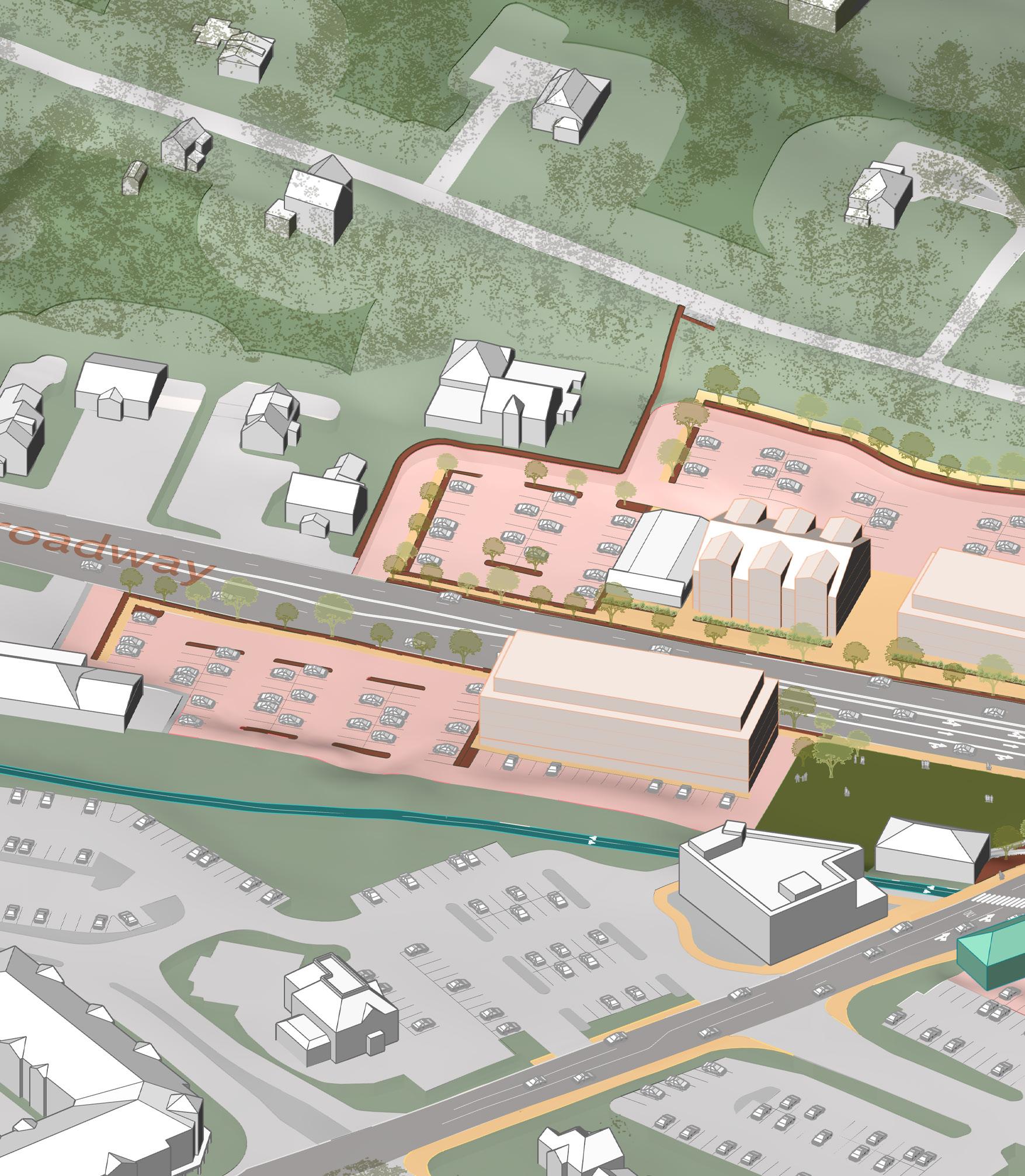
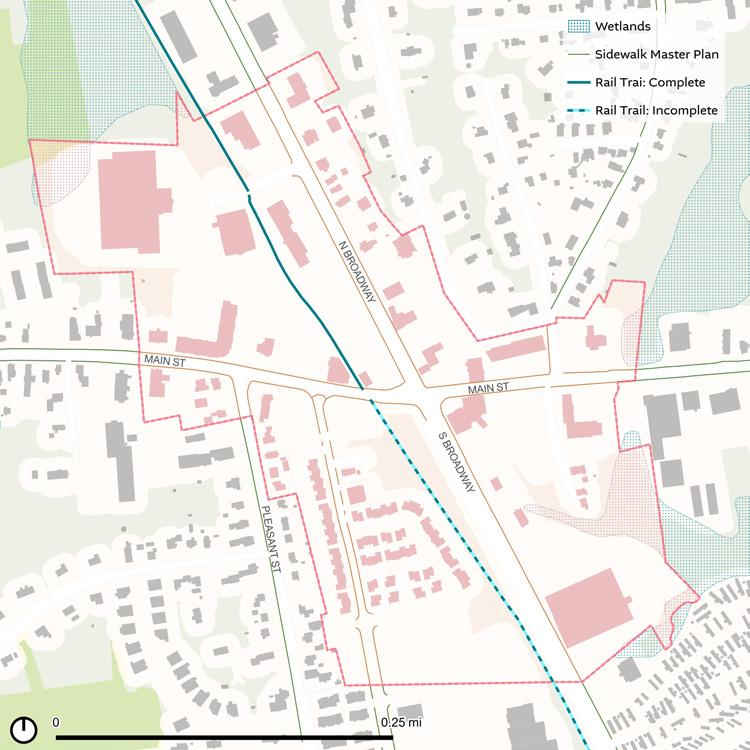
EXISTING
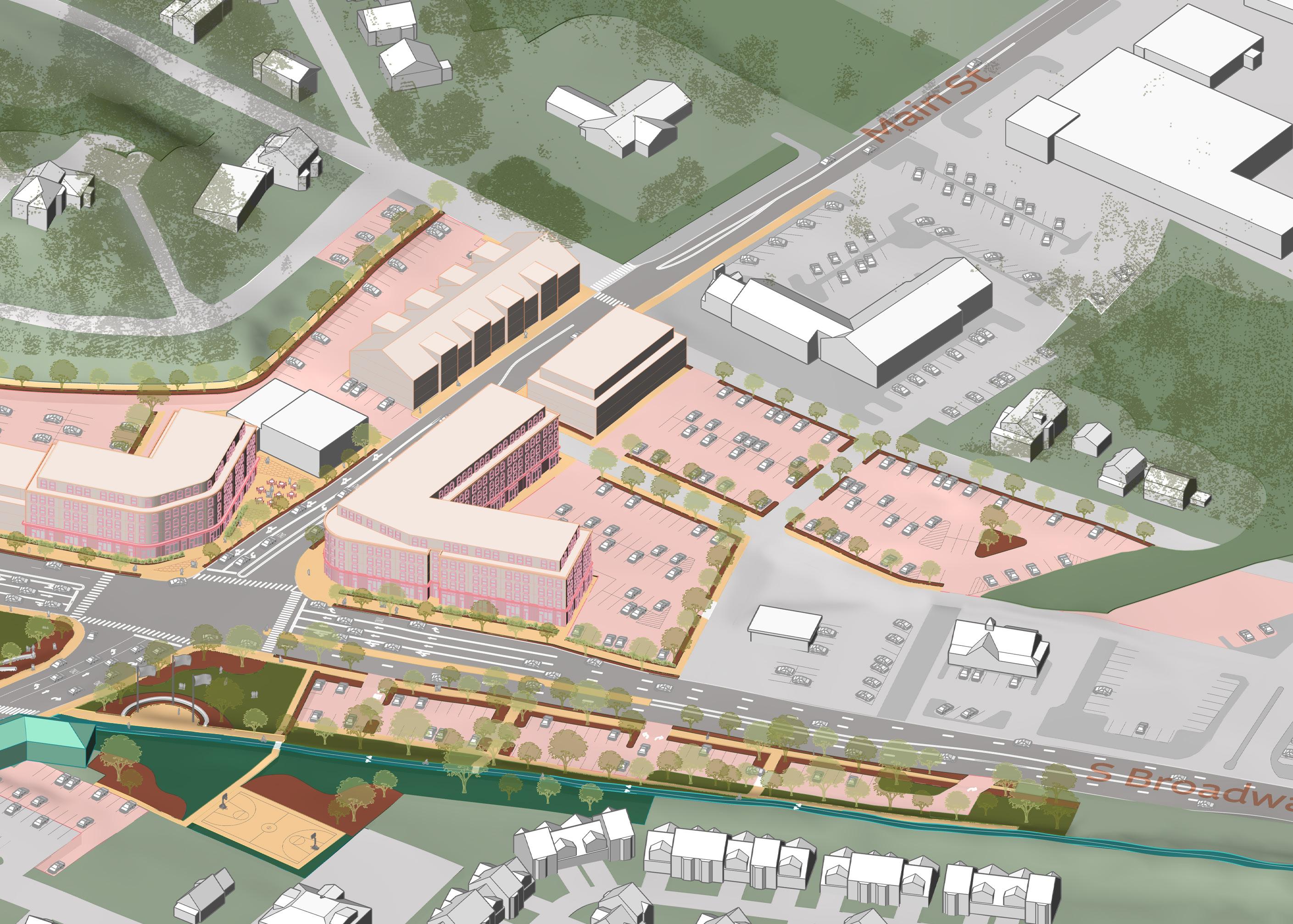
Existing Depot Village Overlay District Boundary
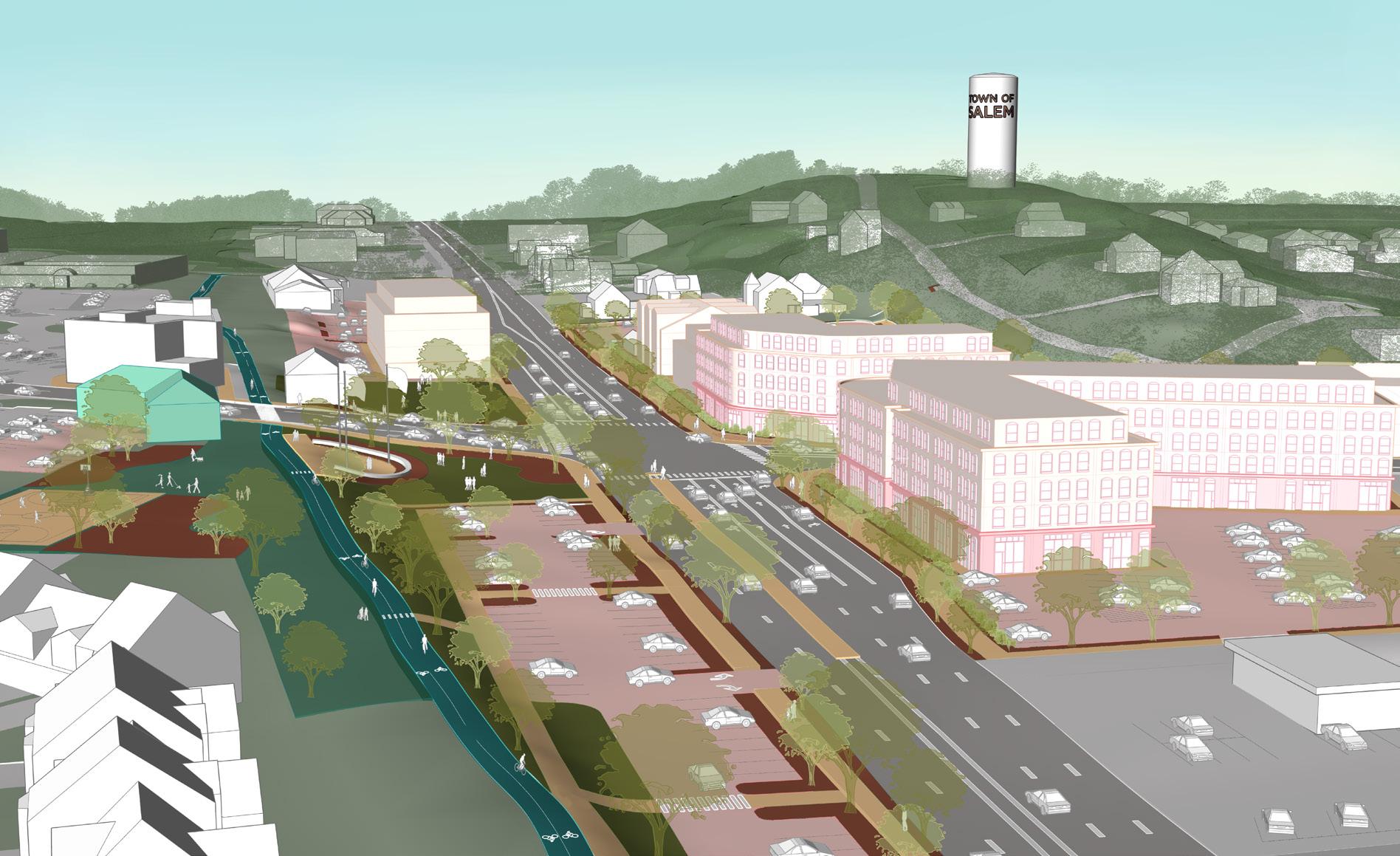
This concept builds on previous efforts to leverage the Depot intersection for economic growth. In 2011, the Town adopted the Depot Village Overlay District based on the 2011 Depot Intersection Redevelopment Concept Plan, which is currently being updated and originally had the following goals (among others):
Use mix:
• “Allow for an appropriate density of land uses to achieve a critical mass of people and activities that is needed to support a vibrant Depot Village.”
• “Encourage a diverse mix of business, commercial, office, residential, institutional and entertainment uses for workers, visitors, and residents.”
• “Limit and discourage development of highway-oriented strip commercial uses that create traffic hazards and congestion because they require numerous individual curb cuts and generally higher traffic volumes.”
• “Encourage mixed uses within the same structure with first floor retail space.”
• “Encourage uses that minimize noise and congestion.”
• “Encourage live/work or work/live space.”
Development pattern:
• “Allow for more compact development than may be permitted in other zoning districts to reduce the impacts of sprawl.”
• “Encourage pedestrian friendly environment and pedestrian-oriented commercial enterprises and consumer services that do not rely on automobile traffic to bring consumers into the area.”
• “Encourage consolidation of curb cuts for vehicular access and promote more efficient and economical parking facilities.”
• “Promote pedestrian and bicycle circulation and safety.”
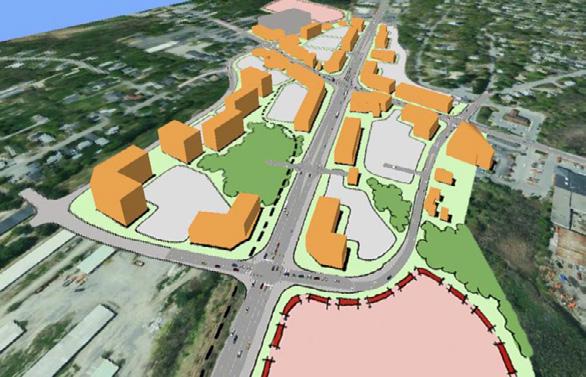
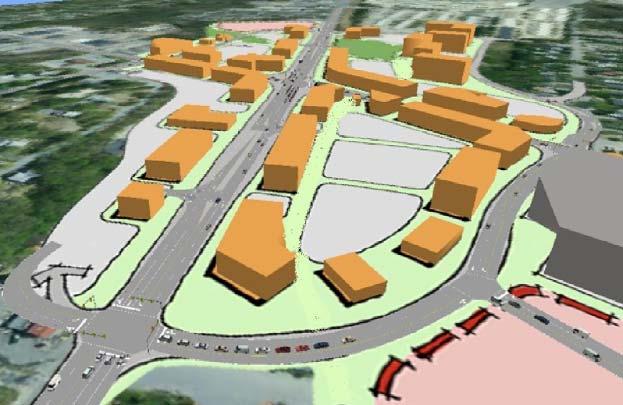
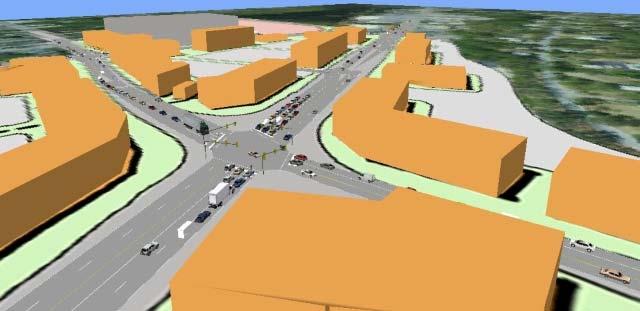
These buildout visualizations from the 2011 Depot Intersection Redevelopment Concept Plan, which is currently being updated, depicted possible growth and ring road circulation concepts intended to alleviate potential traffic impacts of increased development.
This “big move” represents a refinement of the Depot Village Overlay District to address potential reasons why the market has not responded to the 2011 overlay, to integrate this concept with the Rail Trail and ongoing Tuscan Village redevelopment which began in 2016, and to incorporate incentives that address increasingly urgent concerns around the loss of workforce housing and lack of safe bike and pedestrian connections. The “big move” to advance the Mixed Use Core plan pillar seeks to make several refinements to improve the performance of the original Depot Village concepts:
1. Reconsider Use & Parking Restrictions: the following elements of the current zoning may be deterring development and might need to be softened to facilitate a market response:
a. Ground Floor Commercial Use: “The ground floor of a commercial building or mixed-use building (any combination of retail, office, and residential) shall be occupied by commercial uses only.”
Section E.(1)
b. Maximum Residential Density: “Maximum residential density shall be 12 units per acre.” Section E.(3)
c. Required Off-Street Parking Minimums: “The minimum required parking spaces within the Depot Village Overlay District shall be 75% of the minimum required parking spaces found in § 490-701 [the Off-street parking and loading Section] of this chapter, provided that the Planning Board finds that an adequate amount of parking will be provided to meet the needs of the proposed uses.” The Planning Board may also grant a conditional use permit reducing this requirement to 50% if additional criteria are met. Section F.(5)(a) / F.(5)(b)
2. Introduce Incentives: allow for additional stories to incentivize delivery of priority public benefits such as ground floor commercial space, workforce housing, and bike and pedestrian infrastructure improvements.
3. Expand Boundaries: the Depot Overlay boundaries should be expanded to include parcels along Broadway/RT-28 and Pleasant St that abut Tuscan Village. This will help leverage and direct Tuscan’s growth along Broadway and better integrate it with the Town’s established commercial areas.
4. Strengthen Public Investment Linkages: strengthen the tools the Town has to require linkage fees and direct investment in public benefits as well as tools to earmark projected tax revenue from new development. This is critical to ensure that new, denser development is driving the kinds of amenity and infrastructure investments necessary to enhance resident quality of life, including possible utility undergrounding, ring road concepts, and emerging standards to mitigate traffic impacts and improve circulation.
5. Protect Manufactured Housing: strengthen tools to preserve manufactured housing as valued naturally occurring affordable and attainable housing.
Supporting Strategies
Promote Neighborhood-Scale Mixed-Use Development to Activate Main Street
Leverage zoning and programmatic support to activate Main Street as a more walkable and intimately scaled corridor connecting the “new” commercial Salem along Broadway to the historic and civic anchors of small town Salem. To accomplish this, it is critical that Main Street is a supportive environment for small businesses and diverse smaller-scale housing.
To make the zoning more supportive of the kind of development envisioned, it would be productive to create a unified corridor zoning along Main Street from that allows for a wider range of uses:
1. Rename the Business Office District zoning currently used along sections of Main Street to “Main Street Corridor” and revise the use table and dimensional standards to encourage small neighborhood-compatible mixed-use and small multifamily, while maintaining protections to respect historic residential development patterns and deter larger-scale mixed use and multifamily.
2. Extend the boundaries of the revised “Main Street Corridor” district to stretch from the intersection of North and South Policy Street to Hampstead Rd, with subdistricts as needed to reinforce shifts in use mix, development pattern, levels of historic preservation, and existence of sewer infrastructure.
3. The design standards of the zoning along this corridor should emphasize pedestrianorientation, limiting curb cuts, activation of the street frontage, location of parking to the rear of lots, and consistent setbacks from the front lot line that help create a more intimate small-town feel consistent with historic development patterns.
4. The permitted uses should be revisited to determine if they can be expanded beyond 2 units to include small multifamily and mixed-uses that fit within the historic
residential scale of the corridor (e.g. 4 – 6 units in a building with dimensions similar to a larger single family home). Additionally, allowing hospitality, food, and beverage businesses could help to bring more vibrancy to the corridor and encourage more continual community use.
5. Incentives should be explored to encourage delivery of accessible and workforce housing in multi-unit buildings and creation of ground floor space for commercial uses.
To further cultivate a thriving communityfocused corridor, consider developing technical assistance and small grant programs that support the incubation of small businesses and restoration of historic residential properties. Grant programs could focus on things like front yard, facade, and storefront improvements that improve curb appeal and emphasize historic design norms, as well as interior commercial fit-out grants to help upgrade and create new commercial spaces that would otherwise be costprohibitive to bring up to modern standards.
To align with the Gathering Spaces and Town Connectors recommendations and build incrementally towards the vision, these rezoning and programmatic support initiatives along Main Street should start out by focusing in the immediate vicinity of the Depot (Broadway to Martin Ave / Granite Ave) and the Historic Town Center (Lawrence Rd to just past the Alice Hall Memorial Library) and then over time work to connect these bookends to the concentration of civic uses along Geremonty Drive.
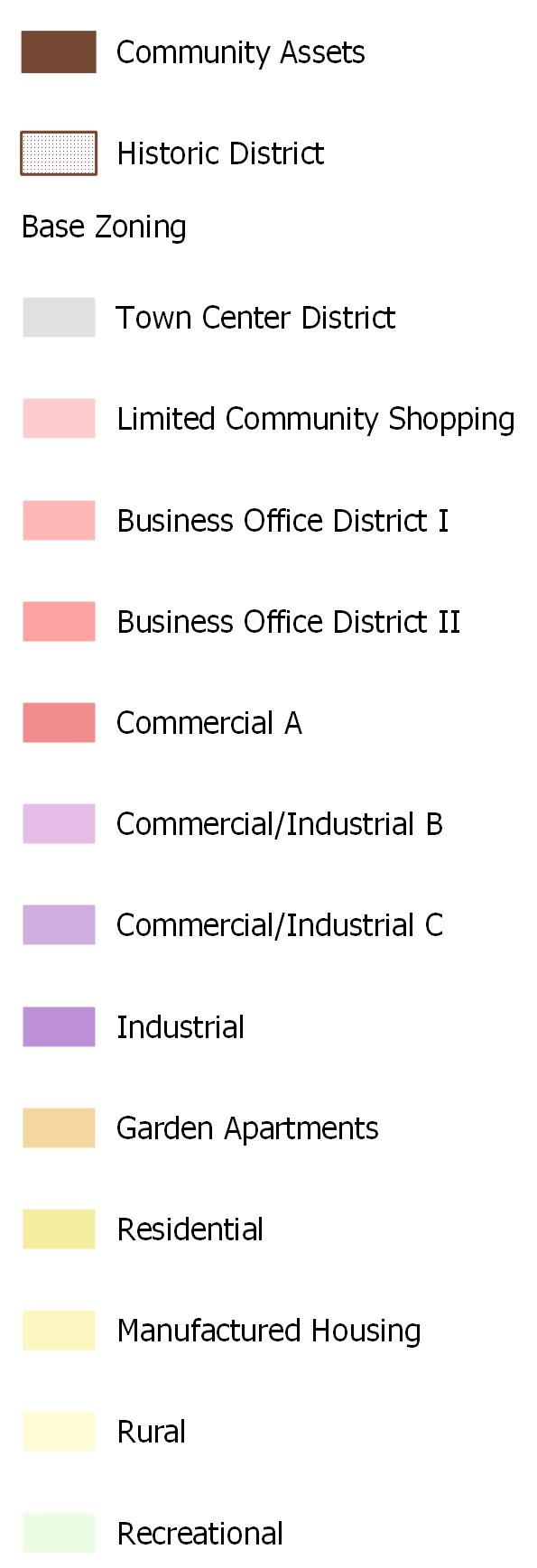
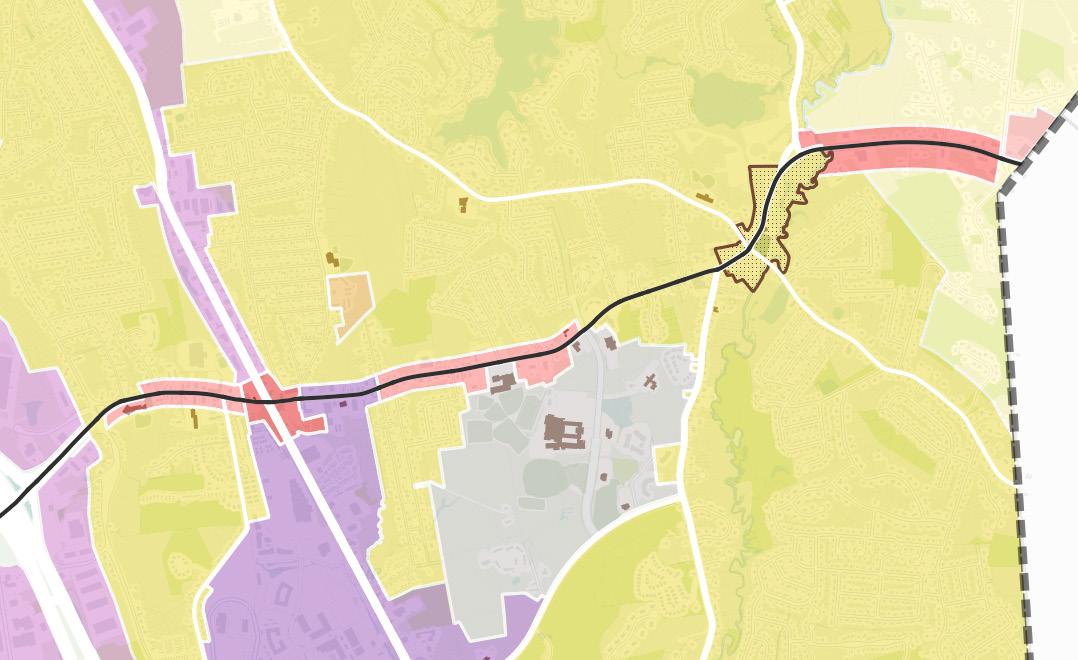
Existing zoning districts along Main St
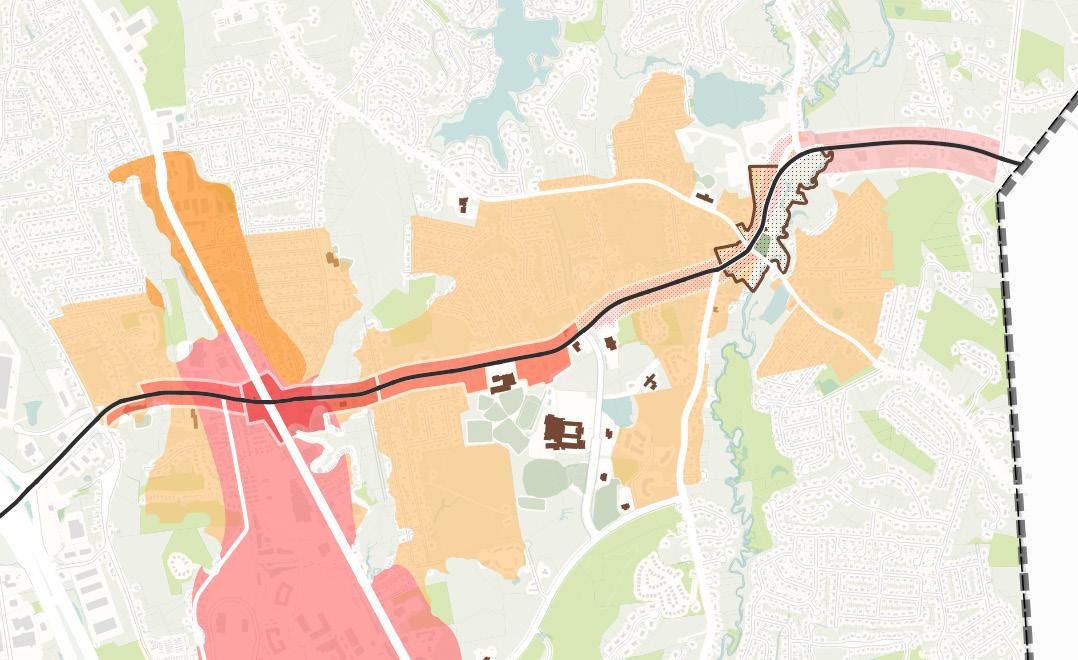
Envisioned zoning districts along Main St
Transition Support for Existing and New Businesses
When existing one-story commercial properties are redeveloped to denser mixeduse properties, it will be inherently disruptive and will result in initial displacement of commercial uses. It would be beneficial for the Town to proactively develop business support technical assistance and grant programs focused on two pain points in the redevelopment process:
1. Helping existing businesses displaced by redevelopment to find alternative locations in Salem, and
2. Helping reduce the cost for the first generation tenants of newly built commercial spaces by providing targeted help for the fit-out of core and shell commercial spaces that need to be built out with finish materials appropriate to the desired type of commercial tenant (e.g. a coffee shop will have different needs than a gym or a dry cleaner).
This is especially important for small and locally-owned businesses that may have more limited financial resources, less familiarity with commercial real estate leasing processes, and a lower tolerance for risk. By providing this kind of targeted support the Town can help avoid loss of valued businesses that help to make Salem the commercial powerhouse it is today, and can help avoid newly created commercial spaces remaining vacant and diminishing the positive momentum created by new investment and development along Broadway.
Tie Public Amenities and Infrastructure Investment to Development
Within the expanded Depot Village Overlay District, identify projects that would provide the amenities, services, and infrastructure to support this level of density, and tie development approvals to delivery of these public benefits. This could include, for example:
• Implementation of the Rail Trail
• Investment in Parks & Recreation Enhancements
• Sidewalk, Curb Ramp, and Crosswalk Improvements
• Targeted Bike Infrastructure
• Stormwater Management
These public benefits could be linked to new development in a variety of ways, including negotiated agreements, impact fees, and Tax Increment Financing (TIF) districts. Negotiated agreements can be an effective tool, especially with larger developments. The existing framework for impact fees for largescale redevelopments in Salem is primarily structured to deliver car-related street improvements and school fees, but could be refined to capture a more complete range of impacts and improvements as listed above. A Tax Increment Financing (TIF) district could also be worth considering as a way for the Town to capture future incremental growth in property taxes from new development to fund critical priorities within the district including infrastructure and quality of life needs that are not currently being addressed by the private market. It is also worth noting that, while the zoning is envisioned to include embedded incentives to encourage delivery of workforce housing and ground floor commercial space, negotiated agreements and/or a TIF district could help the Town get the most out of development beyond what the zoning would be able to do on its own.
Cultivate Job-Rich Commercial and Industrial Development Along I-93
Continue to monitor for anticipated turnover and vacancies in car-oriented commercial areas and encourage redevelopment that prioritizes living-wage jobs and local services and amenities. This should include but not be limited to the existing Business Innovation District Overlay.
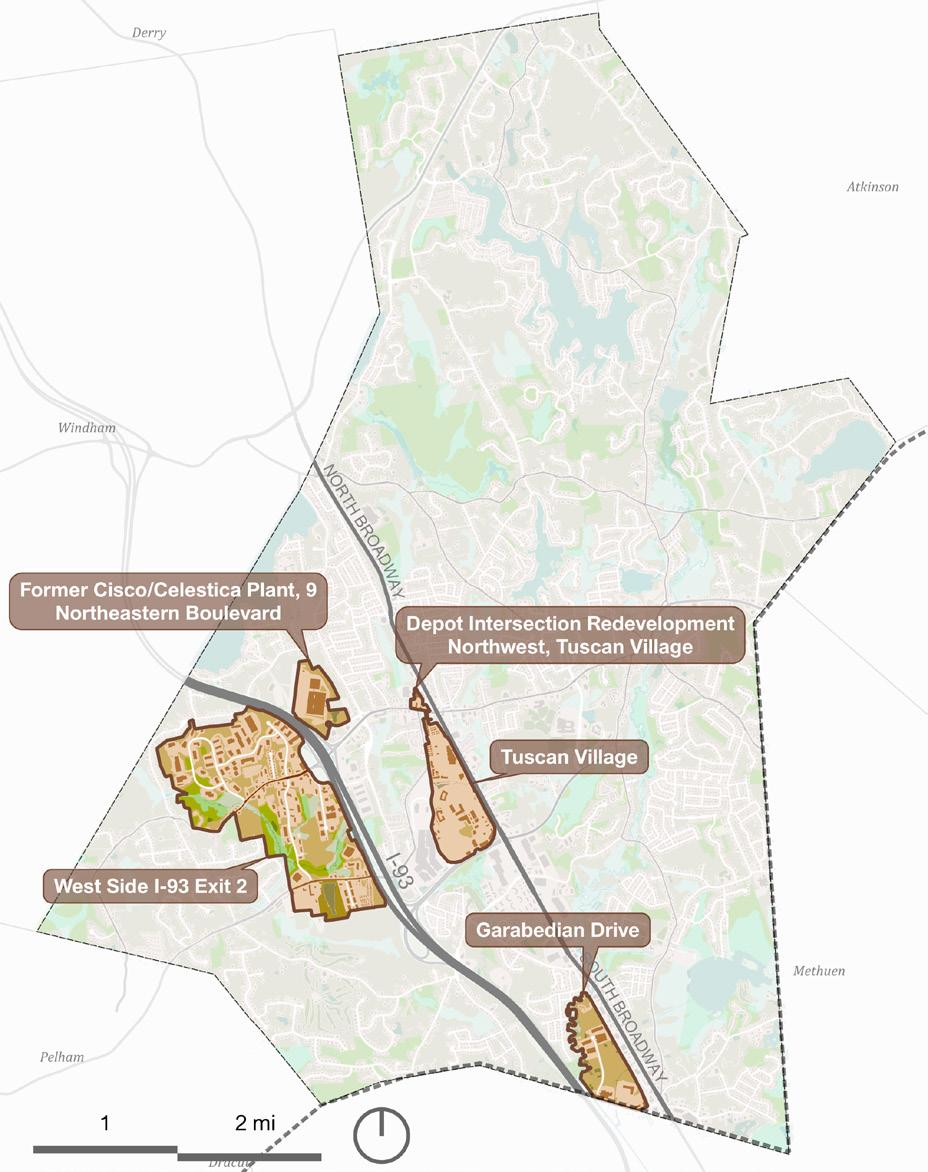
Continue to Maintain and Refine Business Tax Incentives
Continue to encourage economic development, a healthy commercial tax base, and thriving businesses through the maintenance and refinement of the Commercial and Industrial Property Tax Incentive (RSA 72:81) and Economic Revitalization Zones (ERZs).
Salem currently has four approved ERZs, which will generally be up for renewal in 2027. See the list and map below:
• Former Cisco / Celestica Plant, 9 Northeastern Boulevard
• Depot Intersection Redevelopment Northwest, Tuscan Village
• West Side I-93 Exit 2
• Garabedian Drive
Each ERZ is evaluated every five years to assess whether the designation is still eligible. The Town should continually evaluate these zones, and other potential areas in town, to ensure the community is aware of the program, that the defined areas are providing the intended outcomes of the program, and determine whether new zones should be added or current zones should be updated in any way. The most recent renewals occurred in 2022 and the Town should continue work to ensure a thriving business revitalization in these areas of Salem.
Existing Economic Revitalization Zones (ERZ)
Missing Middle Edges
Expand housing options that match Salem household sizes and budgets, especially near the Mixed Use Core.
Salem’s longtime residents cannot age in place without housing options that allow them to downsize at a price they can afford. At the same time, the local economy cannot thrive if local housing options remain unattainable and continue to be a barrier to attracting and maintaining a talented workforce. The retail and hospitality sectors need young people who live nearby - not only does this provide a layer of security to the town’s most important industry, it also directly mitigates the traffic problems that arise from long commutes. Most of Salem’s workforce drives in from northern New Hampshire, and as Tuscan Village’s market continues to grow, even more workers will be making these trips to reach their jobs in Salem. A reliable supply of multi-family housing right at the job center would reduce this added stress on traffic, making Salem’s streets safer and more pleasant.
New housing development in Salem, particularly missing middle and larger multi-family development, should align with and reinforce the strategy behind the Mixed Use Core plan pillar. This co-location will make potential housing projects more appealing to developers, ensure that new housing is located to take advantage of and support Salem’s town centers, and protect Salem’s existing single-household residential fabric from the risk of isolated large-scale multifamily buildings sprouting up in the middle of suburban and rural residential neighborhoods.
As stated in the Mixed Use Core plan pillar, in order for this approach to work effectively for the town, it is critical that all denser development is tied to the delivery of infrastructure and other priorities that emerged from engagement such as sidewalk, intersection, crossing, and recreation enhancements, and must include contextsensitive design (especially abutting lower density residential neighborhoods) as well as appropriate mitigation to avoid negative impacts on residents’ quality of life and tax burden. The current Depot Village Overlay District provides a good example of an existing framework to tie design standards and infrastructure delivery to zoning that allows denser development.
What do we mean by “Missing Middle”?
Missing Middle Housing refers to the increasingly rare or “missing” housing types that help to fill out the “middle” of the spectrum in terms of scale and price. Generally, this kind of housing is small multi-unit buildings that are compatible in scale with single-family homes— think duplexes, triplexes, fourplexes, townhomes, and courtyard apartment complexes. These units are sometimes thought of as “starter homes.”
Town of Salem
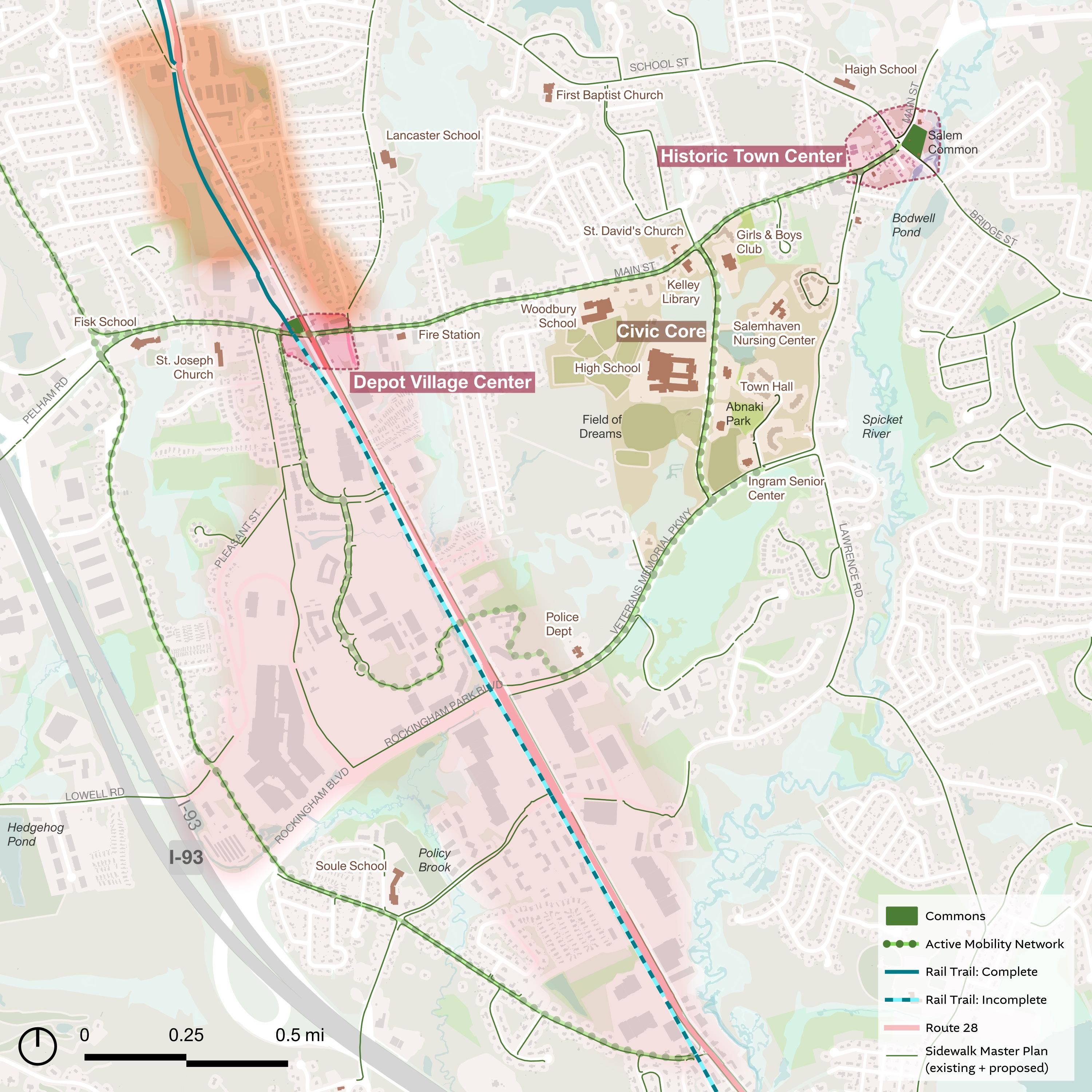
Missing
Middle Edges
Big Move
Rezone for multi-family residential north of Depot. Update zoning along Broadway north of Depot to encourage multi-family housing options that are compatible with the existing scale of residences surrounding the corridor.
Bonus: 5 stories max if workforce housing is delivered
• 12.5% workforce housing (using Variety Standard) required to qualify for bonus
Design & Parking Requirements
• Consider eliminating parking minimums and introducing parking maximums to control potential traffic impacts
• Encourage use of multi-modal trip generation models and Transportation Demand Management (TDM) principles to encourage design choices that increase the chance of users opting for bus, bike, and walking over car trips.
• Retain and enhance siting, orientation, and street frontage requirements and incentives to better balance vehicular and pedestrian use. This would include, at minimum, a requirement that parking be sited to the rear rather than in front of new developments.
• Retain and enhance curb cut limitations and maximums.
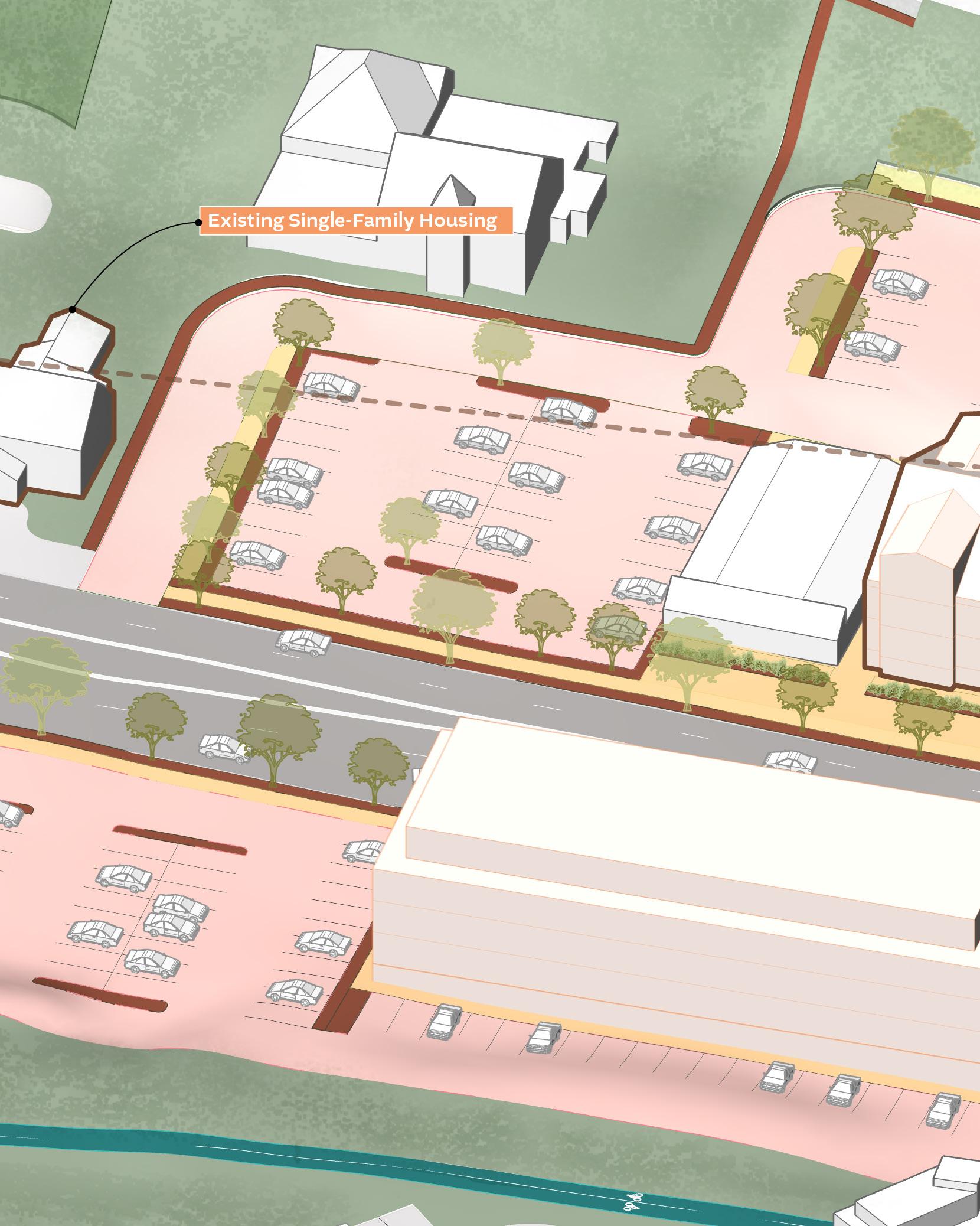
Specifically, create a “North Broadway Multi-family District” that allows a maximum of three (3) stories, with a density bonus of up to five (5) stories along Broadway if workforce housing is included in the development.
By-Right: 3 stories max, allow/encourage small multifamily housing typologies based on siting (Rt-28/ Depot vs. Side Street vs. Cul-de-Sac)
• Townhouse
• Duplex
• Triple Decker
• 6-12 unit buildings
EXISTING
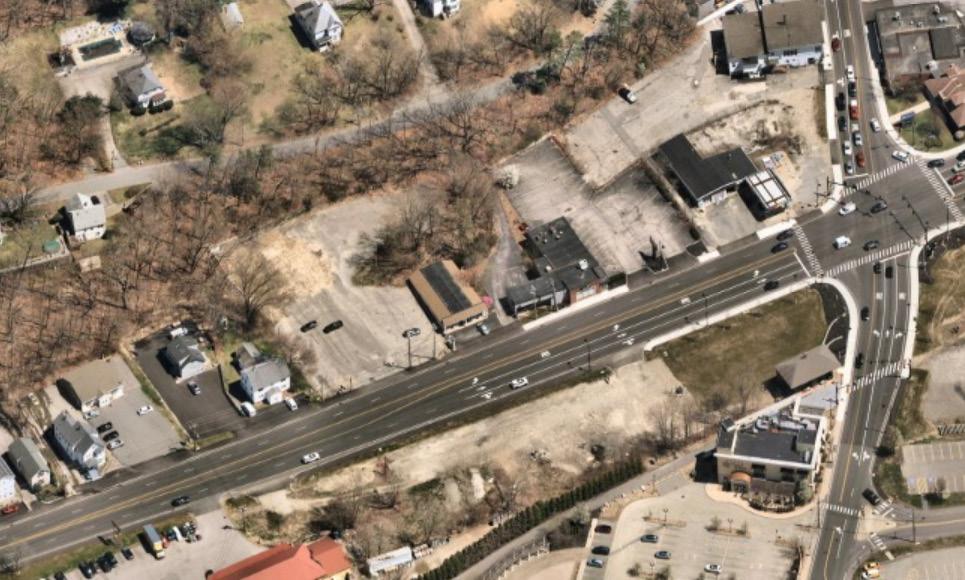
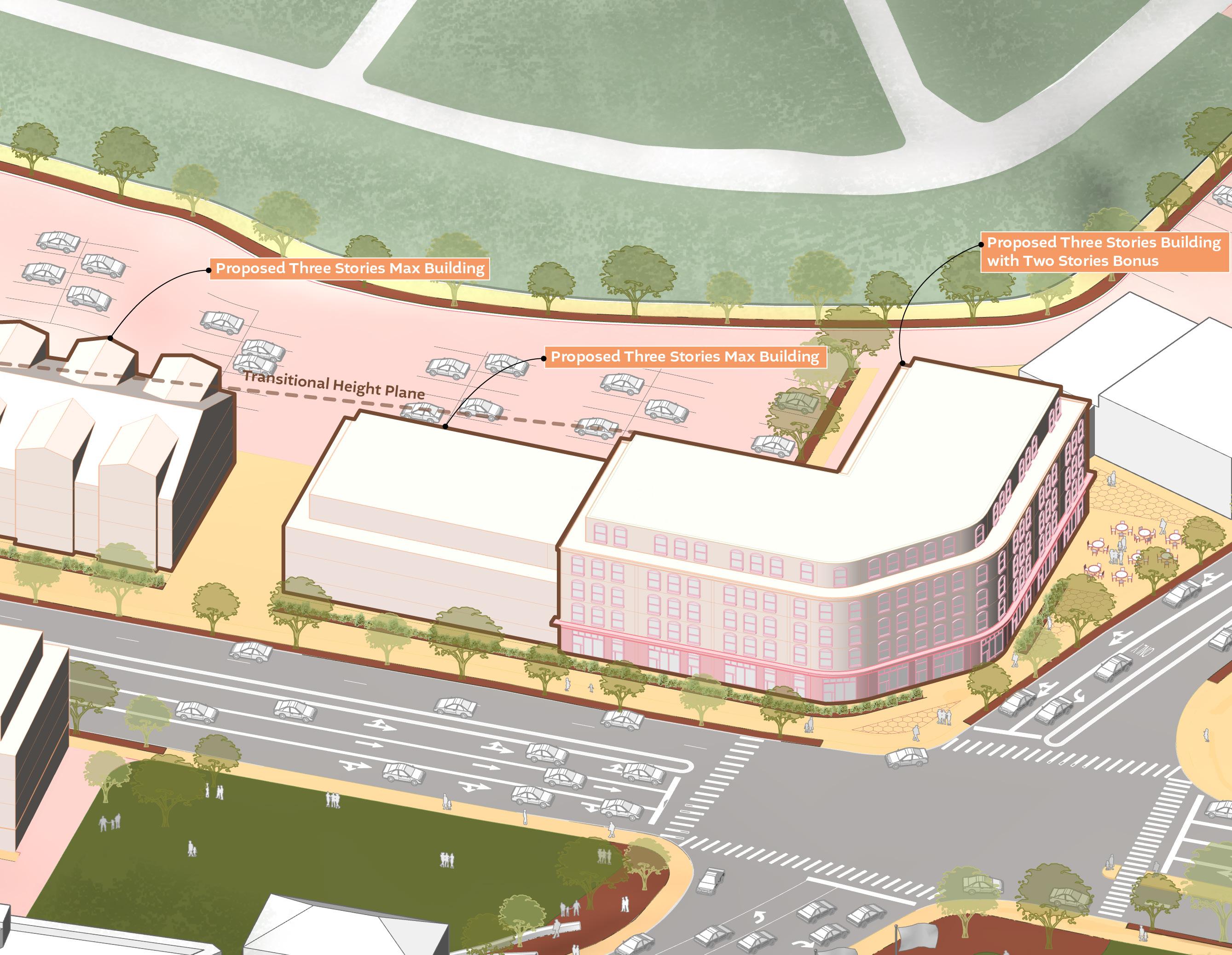
Missing Middle Edges
Supporting Strategies
Workforce Housing Variety Standard
Introduce a variety standard to Salem’s existing Workforce Housing Ordinance (2021). A “variety standard” is intended to mean introducing new language that encourages the delivery of housing at a variety of price points and unit sizes/types to encourage the private market to provide housing that meets the full range of Salem housing needs. The current ordinance requires:
At least 10% of the total dwelling units in all new multifamily housing projects which exceed the density allowed in the underlying zoning district shall be dedicated as affordable to moderateincome households, defined as being available at a cost of no more than 30% of gross household income of households at or below 60% of the Lawrence, MA PMSA – NH Portion median income as reported by the U.S. Department of Housing and Urban Development.
We suggest that this ordinance be updated to the following for all new multifamily housing projects within the Mixed Use Core and Missing Middle Edges zones as well as projects elsewhere in the town which exceed the density allowed in the underlying zoning district:
Enable Missing Middle Housing Types in Town Center Walkshed
Encourage missing middle housing types like duplexes, townhouses, and 4-12 unit courtyard apartments on larger parcels with sewer access, and especially in areas within a 15 minute walk of the Depot, Historic Town Center, and/or the Civic Core. These areas should also be considered for more flexible parcel subdivision rules and/or site plan regulations that encourage condominium standards that would allow smaller single family and cottage cluster development typologies that are ideal for “starter homes” and seniors looking to downsize and age in place.
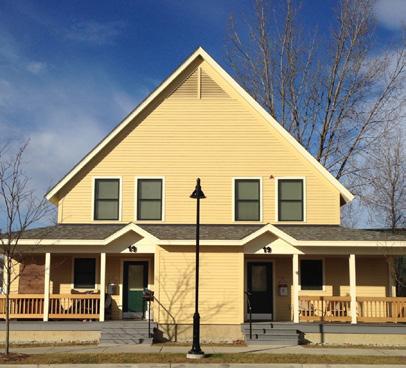
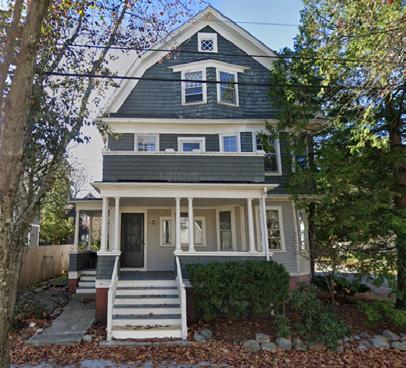
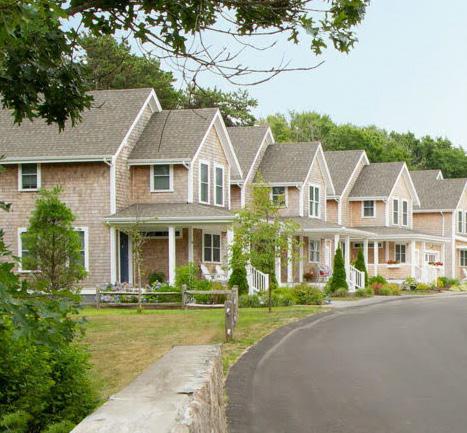
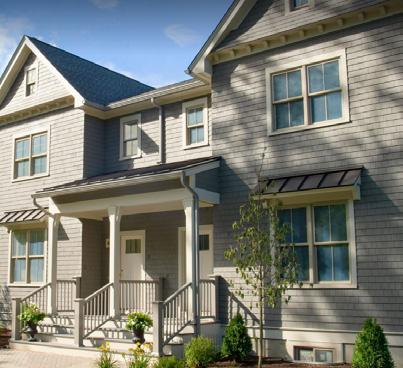
Definitions:
60% AMI: 60% of the Area Median Income for the NH portion of the Lawrence, MA PMSA
80% AMI: 80% of the Area Median Income for the NH portion of the Lawrence, MA PMSA
Affordable: affordable to moderate-income households, defined as being available at a cost of no more than 30% of the gross household income of households at the specified percentages of the Area Median Income (AMI).
Note: The specific thresholds and numbers should be studied further for market feasibility and alignment with unmet housing needs, but the overall intent should be to encourage delivery of housing that is affordable to households at 60-80% of AMI rather than exclusively delivering units affordable to households at 60% of AMI.
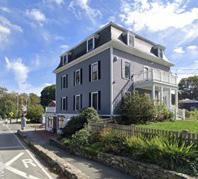
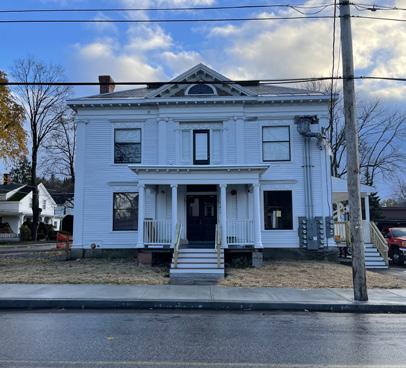
Side-by-Side Duplex Top/Bottom Duplex
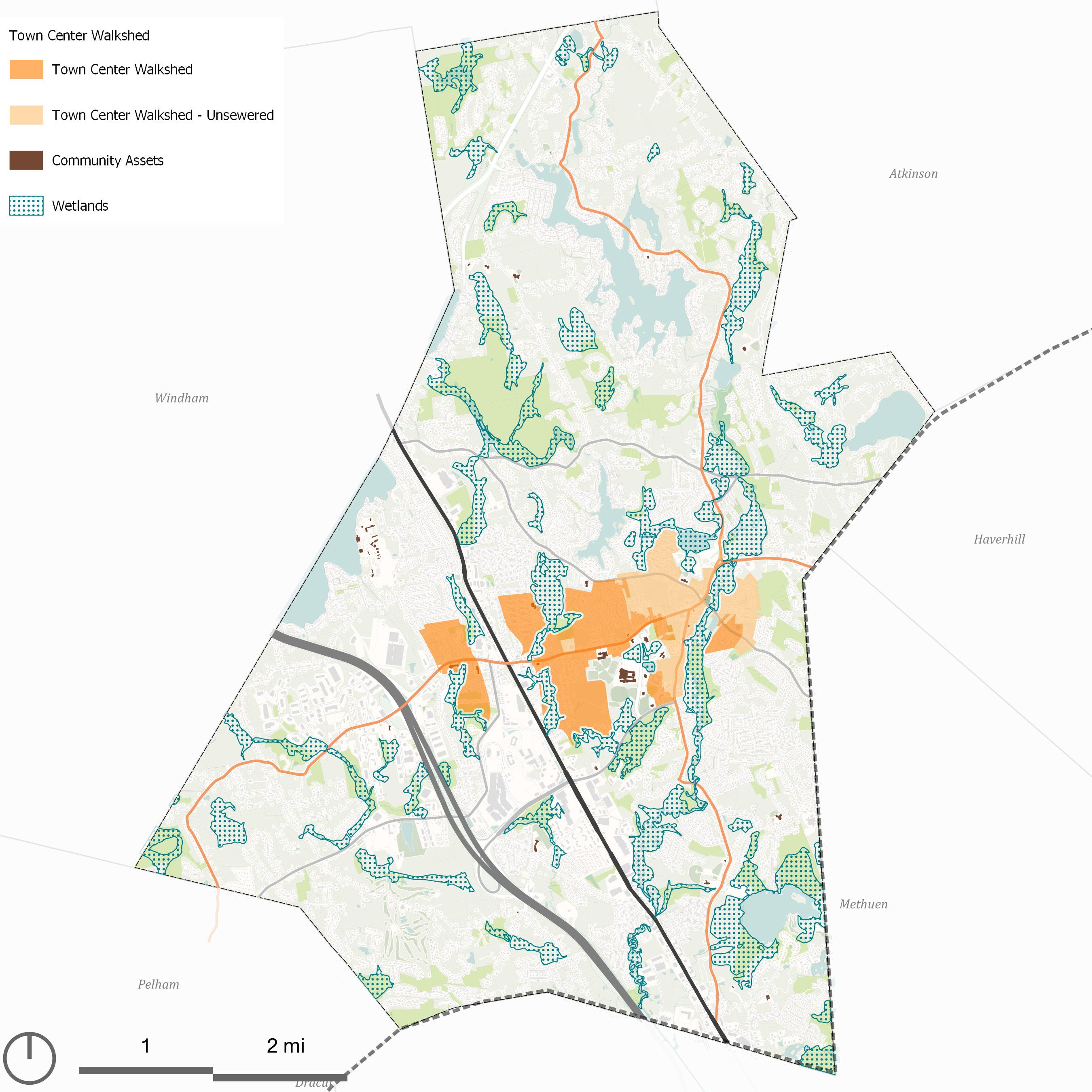
Walkshed service area calculated using model referred to below, and then supplemented with urban design and development pattern analysis: Alhassan, Abdulaziz and Sevtsuk, Andres, Madina Python Package: Scalable Urban Network Analysis for Modeling Pedestrian and Bicycle Trips in Cities. Available at SSRN: https://ssrn.com/abstract=4748255 or http://dx.doi.org/10.2139/ssrn.4748255
Missing Middle Edges
Promote Accessory Dwelling Units (ADUs) Townwide
Promote Accessory Dwelling Units (ADUs) townwide through policy and programmatic efforts, with a focus on how ADUs can help to meet housing needs for the local workforce and seniors aging in place. Ideas include:
• Continue to monitor and fine-tune Salem’s existing ADU zoning to encourage expanded housing options for small households and seniors looking to downsize and age in place in existing neighborhoods. This may include relaxing dimensional standards, allowing more flexibility in the scale and placement of new units, and better calibrating owner occupancy restrictions. Ordinances should enforce ADU typologies that are consistent with the look and feel of surrounding neighborhood conditions.
• Review the Town’s ADU criteria for compliance with current RSA’s and neighborhood conditions and update as necessary to strengthen this tool to increase housing options in existing neighborhoods.
• Enhance the current ADU how-to guide and pair with a support program that includes owner-occupant financing strategies focused on young families and seniors aging in place.
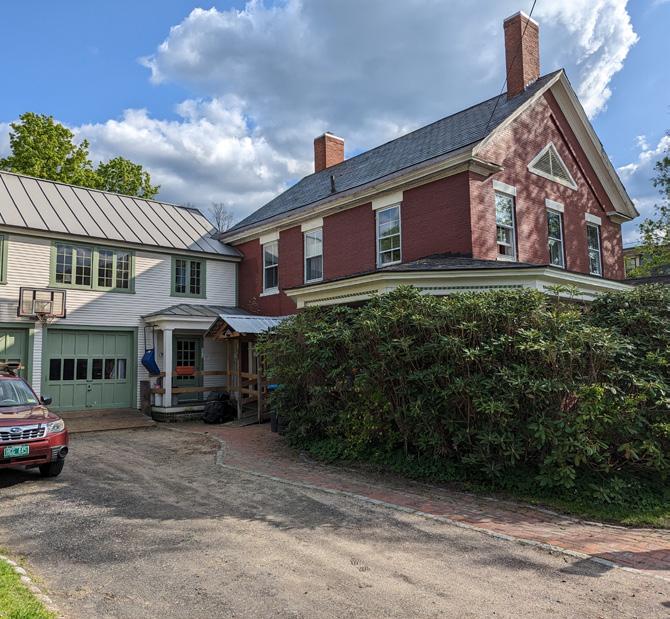
Establish a State Housing Opportunity Zone in Salem
Establish a Housing Opportunity Zone, as defined in the 2021 State Housing Opportunity Zone legislation, that encompasses the Mixed Use Core Zone, Missing Middle Edges Zone, and Town Center Walkshed in order to make market delivery of workforce housing more financially viable.1
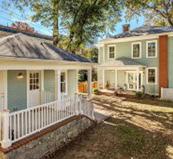
1 79-E:4-c Housing Opportunity Zone. – A city or town may adopt the provisions of this section by vote of its legislative body, in accordance with the procedures described in RSA 79-E:3, to establish a housing opportunity zone. To be eligible for tax relief under this section, the qualifying structure and property shall be located within the housing opportunity zone established by the municipality. No less than one-third of the housing units constructed shall be designated for households with an income of 80 percent or less of the area median income as measured by the United States Department of Housing and Urban Development.
Example of an attached ADU
Example of a detached ADU
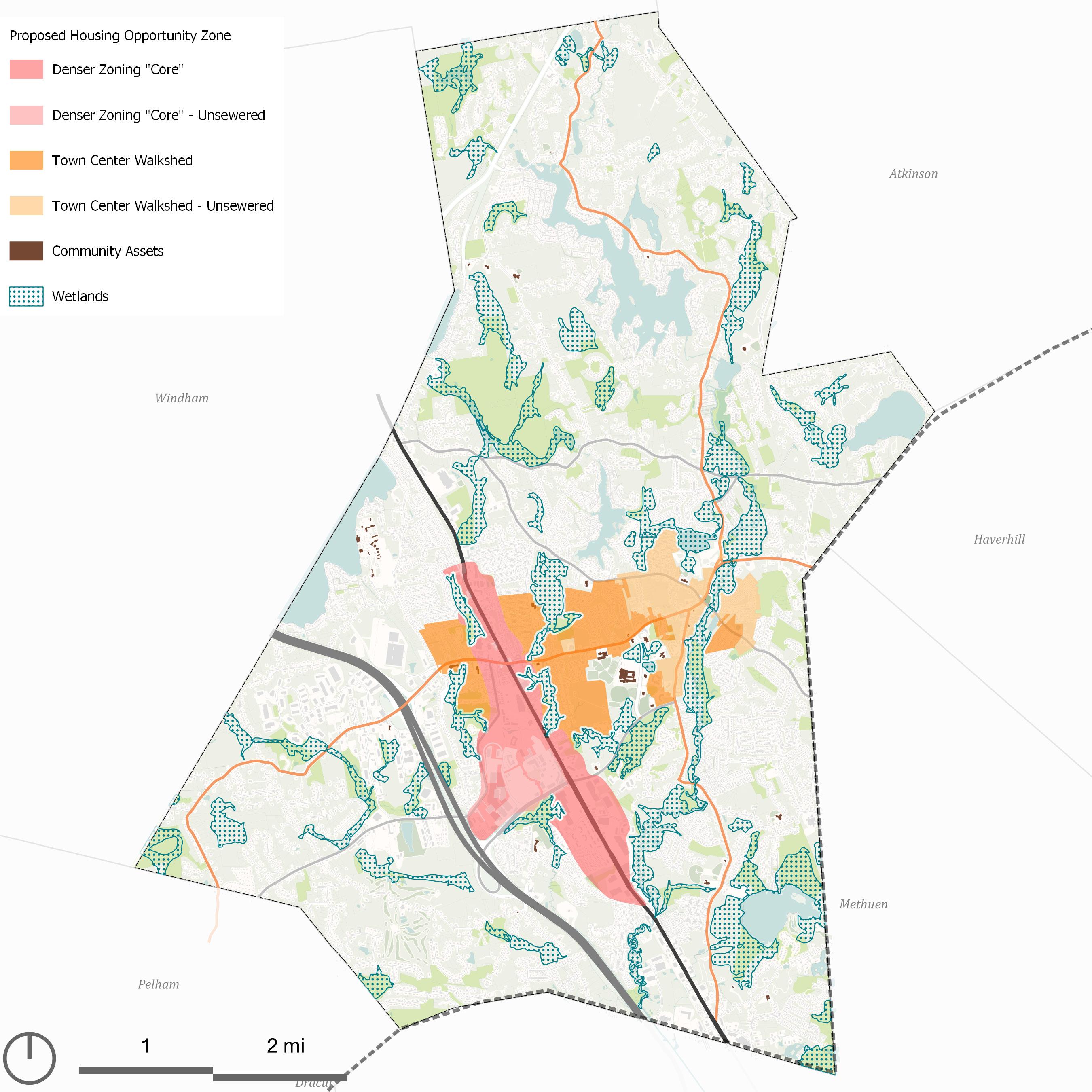
Suggested Housing Opportunity Zone relative to the Mixed Use Core, Missing Middle Edges, and Town Center Walksheds.
Missing Middle Edges
Chapter 5:
Implementation
Implementation of a townwide long-range Master Plan like this one is only possible through collaboration of many different Town departments and staff, partnerships with local investors, businesses, and organizations, and the continued input, involvement, and advocacy of town residents. This chapter lays out the framework for implementation and highlights several specialized follow-up plans and initiatives, many of which are already underway in one way or another.
Sequencing & Prioritization
As described at the start of Chapter 4 (Plan Recommendations), this plan is structured around four interlocking Plan Pillars designed to reinforce and rely on one another. Each of these pillars has one or more “big moves” to focus the Town’s efforts on a series of highimpact strategies that will help set in motion a unified shift in the development pattern that helps to reinforce a stronger, more connected Town Center that offers both convenience and community.
The plan also has two development vision focus areas, the Historic Town Center and Depot Village, each of which represent critical gathering places for the Town that should be the focus of physical enhancements and programmatic activation across all four Plan Pillars.
With this framework in mind, the Town should prioritize the five “big moves” and incorporate the implementation of supporting strategies radiating out from the Historic Town Center and Depot Village along Main Street as resources permit.
Fiscal Impact
It is also worth noting that, while this plan identifies a broad range of actions that align with priorities and potentials identified through public input, each individual financial commitment made to implement an aspect of this plan will be subject to further evaluation. Within Salem there is a diversity of opinions about what level of public investment is desirable relative to tax burdens that may be associated with that investment. These financial tradeoff decisions will have to be considered incrementally on a case-by-case basis. This plan should serve as a guide to which investments have the greatest support and should be prioritized when limited resources force a decision.
The five “big moves” are:
• Gathering Spaces: (1) Cultivate the Historic Town Center as a counterweight and complement to Tuscan Village; and (2) continue to invest in Depot Village as a civic and recreational anchor.
• Town Connectors: Complete and connect the town to the Salem Bicycle-Pedestrian Corridor (Rail Trail).
• Mixed Use Core: Expand boundaries and update the design standards of the Depot Village Overlay District to encourage walkable mixed use development and workforce housing along Broadway.
• Missing Middle Edges: Rezone for multifamily residential north of Depot.
Supporting strategies are prioritized alongside the big moves in the Implementation Matrix on the next spread. There are also several specialized follow-up plans and initiatives, detailed in the next section, that should be advanced alongside these supporting strategies.
Specialized Follow-up Plans
The purpose of a townwide Master Plan is to provide a shared vision and strategic framework that can guide investment and decision-making. However, there are always more detailed planning questions that cannot be answered within the timeframe and resources of a townwide plan like this one. As a result, it is often important to identify a handful of area- and topic-specific follow-up planning efforts. For Salem, there are three such plans and initiatives.
Depot Village Master Plan
Depot Village was recognized early as a critical area of town due to its historic role and centrality for the Town, its emerging role as a gateway to the Rail Trail and Tuscan Village, its potential to become a recreational hub, and its role as a bridge between the small town feel of Salem’s historic Main Street and the more contemporary auto-oriented retail and denser mixed-use development along Broadway/ Rt-28 and at Tuscan Village. Additionally, the Town and State together own significant land surrounding the intersection of Main Street and Broadway/Rt-28 meaning that there is a need to determine the best approach to investing in that publicly held land.
For all these reasons, and particularly because of the complexity of how they all interact, the Town established a Depot Village Advisory Committee and charged them with creating a plan in 2025 that will guide the uses on Town- and/or State-owned parcels. In addition, the Town is working with Veterans groups to install a veterans plaza with plantings and statues. This plan will elevate the Rail Trail as a critical recreational asset, create uses that compliment and add value to trail users, and provide a venue to present stories/ photographs of ‘Old Salem.’ The result will be a central area at Salem’s crossroads that is functional and aesthetically pleasing, creating a new sense of place that is otherwise lacking in Town.
Community Facilities Plan
Before investing in expansions of and improvements to infrastructure, recreation amenities, and other quality of life enhancements identified through this planning process, it is important that the Town first ensure all its current facilities are in good condition. With this in mind, the Town has established a Municipal Buildings Advisory Committee to review the status of buildings and plan for improvements. With the approval of the Police Station bond, the Town is able to replace the existing Police Station and DPW facilities. There remains, however, a long list of facilities with deferred maintenance and necessary repairs. The Town will continue to review the department needs and utilize long range planning tools to program design efforts and improvements and implement a financing plan. Special focus will be given to Fire Stations, Town Hall, and recreation properties.
Recreation and Conservation Plan
Recreation amenities and access to those amenities has been a central theme throughout this planning process, and while these desires will be well documented in this plan, they also require a more granular analysis to confirm what specific recreation and conservation investments are needed (and how those goals can best be balanced).
This will be addressed by two interconnected planning efforts focused on recreation and conservation that were both initiated in 2024:
• The Recreation Advisory Committee is leading a planning process to identify future recreation opportunities and enhancements to underutilized facilities and spaces.
• The Conservation Commission is leading an update to the 2010 Open Space Report that will visualize the natural resource value of Salem’s remaining open spaces with an emphasis on preserving wildlife corridors and riparian buffers. This plan will also identify Commission goals and objectives relative to future land purchases so that the Town can take an informed approach to preserving spaces for the benefit of natural systems and future generations.
Zoning Updates
In addition to the four area- and topic-specific planning efforts described, the Town will also be reviewing its zoning code to ensure alignment with the vision, guiding principles, and recommendations of this plan. More specific guidance on future land use and zoning can be found in Appendix C. Land Use, but broadly any zoning updates pursued should follow these broad principles to ensure basic alignment with this plan’s recommendations:
• Align density to where there is infrastructure to support it
• Tie higher density development to delivery of infrastructure and amenities that promote a high quality of life for Salem residents
• Support neighborhood scale commercial corridors through a sensible approach to mixed use and small multi-family housing
• Promote denser mixed use and increased density along Broadway, with a particular focus on reinforcing Depot Village and the Rail Trail
• Expand housing options, focused on workforce housing and aging in place
• Continue to refine the regulations for Accessory Dwelling Units (ADUs), focused on dimensional and building type parameters to maximize their potential while protecting valued neighborhood patterns
• Align parking requirements to context and desired experience, and pursue reductions in parking requirements wherever possible to enable development to be more responsive to other community priorities
Implementation Matrix
The following implementation matrix is intended to serve as a guide for prioritization and budgeting beyond the basic approach of prioritizing the four “big moves” and two development vision focus areas. The matrix includes all recommendations of the plan with an indication of the relative priority, order of magnitude cost, and likely implementation lead and partners where relevant.
1 Big Move: Cultivate the Historic Town Center as a counterweight and complement to Tuscan Village.
2 Big Move: Continue to invest in Depot Village as a civic and recreational anchor.
3 Supporting Strategy: Enhance and expand parks and open spaces.
4 Supporting Strategy: Multi-generational consolidated community center and services.
5 Supporting Strategy: North Salem historic town center streetscape improvements.
6 Supporting Strategy: Strategic historic preservation.
Town Connectors
1 Big Move: Complete and connect the town to the Salem BicyclePedestrian Corridor (Rail Trail).
2 Supporting Strategy: Provide dedicated parking for Rail Trail on Broadway (Rt-28).
3 Supporting Strategy: Complete priority town connector network.
4 Supporting Strategy: Create and implement a complete streets policy.
5 Supporting Strategy: Explore feasibility of enhanced transit service.
6 Supporting Strategy: Develop town gateway and wayfinding program.
District Commission, Historical Society
District Commission, Historical Society
1
Big Move: Expand boundaries and update the design standards of the Depot Village Overlay District to encourage walkable mixed use development and workforce housing along Broadway. Specifically, allow a maximum of three (3) stories, with a density bonus of up to five (5) stories if ground floor retail and workforce housing is included in the development.
2 Supporting Strategy: Tie public amenities and infrastructure investment to development.
3 Supporting Strategy: Promote neighborhood-scale mixed-use development to activate Main Street.
4 Supporting Strategy: Transition support for existing and new businesses.
5 Supporting Strategy: Cultivate job-rich commercial and industrial development along I-93.
6 Supporting Strategy: Continue to maintain and refine business tax incentives.
Edges
1
Big Move: Rezone for multi-family residential north of Depot. Update zoning along Broadway north of Depot to encourage multi-family housing options that are compatible with the existing scale of residences surrounding the corridor. Specifically, create a “North Broadway Multi-family District” that allows a maximum of three (3) stories, with a density bonus of up to five (5) stories along Broadway if workforce housing is included in the development.
2 Supporting Strategy: Workforce housing variety standard.
3 Supporting Strategy: Enable Missing Middle Housing types in town center walkshed.
4 Supporting Strategy: Establish a State Housing Opportunity Zone in Salem.
5 Supporting Strategy: Promote Accessory Dwelling Units (ADUs) townwide.
Page Intentionally Left Blank
Glossary of Terms
Accessory Dwelling Unit (ADU)
A self-contained housing unit in an owner occupied single-family home or lot that is either attached to the main dwelling or in a separate structure on the same property.
ADA Compliance
Refers to complying with the Americans with Disabilities Act and associated regulations for nondiscrimination against people with disabilities. Requires barrier-free access to new facilities and modifications to existing public facilities.
Affordable Housing
Dwelling units priced low enough so that households earning less than certain thresholds can comfortably pay for them. These thresholds typically target households earning below 80% of the area’s median income (or AMI) or some other percent of AMI. Affordable housing exclusively refers to the cost of the housing to the consumer and does not refer to the design, type, or method of construction of a housing unit or development. Generally, if a given household pays less than 30% of its monthly income on housing, that housing price is considered affordable.
Area Median Income (AMI)
Every year the Federal Department of Housing and Urban Development (HUD) estimates the median family income for every American metropolitan area and region at various levels (30% AMI, 50% AMI, 80% AMI, and 100% AMI).
HUD adjusts this data based on household sizes so that incomes may be expressed as a percentage of the area median income. They then publish these figures, called income limits, as part of an annual report, and these limits are used for eligibility in most housing programs.
Brownfield
A former industrial or commercial site where future use is affected by real or perceived pollution. These sites often negatively impact local communities. Typically, they cannot be redeveloped without environmental cleanup.
By-Right
A zoning framework that allows development projects to proceed without the need for a special permit, variance, amendment, waiver, or other discretionary approval if the project meets all the existing zoning requirements.
Commercial
Concerned with, or engaged in, business. Here, business refers to the trade of goods, services, or both for the primary purpose of profit. This report will often refer to commercial spaces and uses, these terms refer to places or uses that are dedicated to business. For example, a business district would refer to a portion of the city dedicated to business, such as a downtown area, and business use would refer to portions of buildings reserved for retail, restaurant, or other business related use.
Community Garden
A piece of land where a group of people individually or collectively grow plants of their choosing. Typically, community gardens are not for profit, and their purpose is to serve the local community. The location of these gardens can vary, but they are often located on publicly accessible land, and sometimes are integrated with park space.
Complete Streets
A complete street is safe, and feels safe, for all users. Complete streets policies aim to establish street networks that prioritize safety, comfort, and connectivity to destinations for all people who use them. Complete streets serve pedestrians, bicyclists, public transportation users, children, older individuals, individuals with disabilities, motorists, and freight vehicles.
Context-Sensitive Design
An approach to land-use, housing, and transportation decision-making that makes design choices based on existing features at a given site, instead of automatically engineering those features into compliance with design choices that have already been made. This approach considers stormwater flow patterns, wetlands, street layout, and other existing
site features along with nearby design and development norms before making any design decisions.
Cost Burden
The U.S. Department of Housing and Urban Development uses this phrase to describe households that spend 30% or more of their combined income on housing related costs. These costs typically refer to rent and mortgage payments.
Floor Area Ratio (FAR)
The ratio of a building’s total floor area to the size of the piece of land upon which it is built. A building’s floor area refers to the sum of the area of each floor. FAR is expressed as a decimal number, and is derived by dividing the total floor area of the building by the total area of the parcel (floor area ÷ lot area). For example, a building with a FAR of 1.0 has a total floor area equal to the area of the piece of land it is built upon, a FAR of 1.5 has one-anda-half times the floor area, and a FAR of 2.0 has double the floor area. FAR is an effective way to calculate the bulk or mass of building volume on a development site, and is often used in conjunction with other development standards such as building heights, lot coverage, and lot area to encourage a community’s desired arrangement and form of development.
Inclusionary Zoning
A policy that requires a share of new housing development to be affordable to low- or moderate-income households through zoning code.
Infill Development
Development projects located on underused or vacant land in existing urban areas. This practice increases density and places new developments near existing resources and infrastructure.
Infrastructure
The system of public works of a country, state, or region, as well as the resources (such as personnel, buildings, or equipment) required for an activity.
Land Use
The economic and cultural activities that are practiced at a given place. Land uses are often described in terms like agricultural, residential, industrial, retail, recreational, and others. Different land uses are influenced by whether the land is public or private, location of the building, zoning policy, and other factors.
Micromobility
Generalized term referring to privately owned or shared bicycles, e-bikes, cargo bikes, and standing and seated e-scooters.
Mixed-Use
A zoning classification that blends multiple uses, such as residential, commercial, cultural, institutional, or entertainment, into one space. These spaces physically and functionally integrate those multiple uses and provide pedestrian connections between surrounding areas. Mixed-use development may be applied to a single building, a block, a neighborhood, or in zoning policy across an entire area.
Missing Middle Housing
The increasingly rare or “missing” housing types that help to fill out the “middle” of the spectrum in terms of scale and price. Generally, this kind of housing is small multiunit buildings that are compatible in scale with single-family homes
Multifamily Housing
Any residential property containing more than one housing unit and where more than one family lives. These homes can take many forms, from free-standing single family homes restructured into multiple units to large multistory apartment complexes.
Multimodal
Having or using more than one method, or mode, of transportation, including walking, biking, public transportation, ridesharing, and driving alone.
Parking Ratios
The ratio of parking spaces to the unit of measure for a land use (e.g. units, square footage, number of employees, etc.). Local governments establish parking ratios in zoning ordinances. Ratios may be parking minimums or parking maximums.
Programmatic Activation
The process of strategically activating public spaces through various activities, events, and amenities that encourage more extensive use of a space and an increased level of vibrancy and social interaction. This can involve a wide variety of temporary and permanent interventions designed to attract and engage different potential users of the space. Examples include increasing the presence of ground floor retail uses in nearby buildings, pop-up events and programs like a farmers market, performance, or outdoor fitness class, and installation of public art, play structures, and furniture that encourage active use. The goal is to transform a space into a vibrant and engaging place for residents and visitors.
Public Realm
Any publicly owned streets, pathways, sidewalks, parks, open spaces, buildings, and facilities where the public has access.
Single-Family Housing
Any residential property containing no more than one housing unit and where no more than one family lives. These homes are typically free-standing residential buildings.
Stormwater Management
The practice of diverting and directing rainfall with the purpose of preventing floods during storm events. Stormwater management involves drainage infrastructure in addition to ground types and ground cover that absorb water like soil and trees.
Sustainability
Meeting the needs of the present without compromising the ability of future generations to meet their needs. This term is often used to describe environmentally friendly practices that will ensure future generations have access to an environment that is at least as safe, clean, and bountiful as today’s environment. However, the term can also be used to describe other practices that are designed to last, such as economic and social practices.
Transit-Oriented Development (TOD)
Moderate- to higher-density development, located close to a major transit stop, generally with a mix of residential, employment, and shopping opportunities designed for pedestrians without excluding the automobile. TOD can be new construction or redevelopment of one or more buildings whose design and orientation facilitate transit use.
Transportation Demand Management (TDM)
The use of strategies to inform and encourage travelers to maximize the efficiency of our transportation systems leading to improved mobility, reduced congestion, and lower vehicle emissions. TDM is a planning framework that aims to increase travel efficiency for individual users so that they arrive at their destinations more quickly. Often, the biggest barrier to fast travel times is vehicular traffic, so TDM improves efficiency by encouraging people to walk, bike, and use public transportation, thereby decreasing motor vehicle traffic.
Walkshed
An area within a specific distance of a designated origin point that can be comfortably walked using available sidewalks and paths accessible by foot. A half-mile is often used for this function because it corresponds to a 10-15 walk for most people and is a distance a majority of people are willing to walk in lieu of driving or some other mode of transportation.
Wayfinding
All of the methods people use to orient themselves in physical space and navigate from place to place. Strategies to improve wayfinding throughout an area can include increasing the number and visibility of street signs, adding additional signage with elements like maps, and improving the visibility of landmarks.
Workforce Housing
Housing that is considered affordable for middle-income earners who are employed in essential jobs.
Zoning
Or zoning code, describes land use policy that controls what can and cannot be built on a property based on its geographic location within a municipality. City and town governments use zoning to divide their municipality into areas, or zones, and then apply different restrictions and allowances to different zones. For example, factories may only be permitted in an industrial zone.
Town
Community Engagement Summary
The following summary provides an overview of the methods and results from engagement with the Salem community at every stage of the process.
Process Overview
Public Engagement Round 1: Learning & Visioning
The first round of public engagement focused on learning about neighborhood and townwide opportunities and needs, exploring previous studies, validating data, and developing a vision to guide the plan framework and recommendations. To reach as many community members as possible, outreach and engagement activities included an online visioning survey, an in-person public workshop, and online and printed visioning comment cards that invited community members to share what they loved about Salem and what they wanted to change.
Public Engagement Round 2: Plan Framework & Recommendations
The second round of public engagement focused on gaining public feedback on a draft framework and set of recommendations for the plan. The planning team gathered comments, ideas, and reactions from the community to refine the final plan and develop an achievable and implementable action plan. This round of engagement relied on an inperson public workshop, online and paper surveys, and online comments on the draft plan document.
The Planning Process interfaced with town residents across four formats:
1. Meetings with the Plan’s Steering Committee.
2. Public workshops for residents who aren’t typically able to attend traditional planning meetings.
3. Online (and in-person) surveys and comment cards.
4. Meetings with the Town’s elected Planning Board.
Each of these four formats built off one another. For example, conversations in Steering Committee meetings informed the approach to public engagement events, and public engagement events also provided the opportunity to chat with Steering Committee members in a more informal setting among their neighbors who aren’t on the Committee or the Planning Board.
All engagement materials and meeting records for the planning process were made available on the project website at: www.salemnh.gov/MasterPlan
Engagement
by the Numbers Events and Tools
• 4 Steering Committee Meetings
• 2 Public Workshops & Follow-Up Exhibits at Library and Town Hall
• 2 Public Surveys
• 1 Visioning Comment Card Campaign
• The Town promoted participation via the Town’s website, Town Hall Times, Facebook, SCTV featurettes, and What’s Up Salem podcast episodes. Input and Participation
• Visioning Survey (online only)
• 809 people voted
• 423 statements submitted
• 64,129 votes cast
• Visioning Comment Cards (printed & online)
• 142 cards submitted
• Public Visioning Workshop
• ~50 Participants
• 54 board comments
• Public Draft Plan Workshop
• ~30 Participants
• 28 board comments
• Draft Plan Survey (printed & online)
• 150+ responses
Stakeholder Engagement
Steering Committee
The Steering Committee served as a sounding board for the planning team to get early feedback on the plan content and expand public outreach throughout the planning process. This group’s members were selected by the planning department for their insights across a wide breadth of issues from historical preservation to economic development, but did not have a role in voting on outcomes. Presentation slides and summary notes for Steering Committee meetings were posted to the project website after each meeting.
Steering Committee Members:
• Dionne Garon, Chair, Zoning Board of Adjustment
• Bianca Carlson, Vice Chair, Planning Board
• Brian Flanagan, Secretary, At-Large Appointment by Planning Board, President of the Historical Society
• Bonnie Wright, Economic Development Committee
• Carla Billingham, At-Large Appointment by Planning Board, Economic Development Committee
• Georgia Brust, Conservation Commission
• Joe Sweeney, Town Council
• Mike Banks, Historic District
• Rachel Hill, Recreation Advisory
Meeting 1 Agenda (February 21, 2024):
1. Welcome & Introductions
2. Planning Purpose & Process Overview
a. Purpose
b. What a comprehensive plan is and isn’t
c. Planning Process Overview
3. Steering Committee Role
4. Initial Observations
5. Next Steps
Meeting 2 Agenda (May 22, 2024):
1. Process & Timeline Update
2. Visioning Survey Results Summary
3. Public Workshop Preparation
a. Content Preview & Role
b. Steering Committee Role at Workshop
4. Engagement & Outreach Coordination
a. Goals
b. Outreach Materials & Activities
c. Summer Event Participation Brainstorm
5. Next Steps
Meeting 3 Agenda (July 17, 2024):
1. Process & Timeline Update
2. Public Workshop Engagement Summary
3. Draft Plan Framework
4. Development Vision Focus Areas
5. Next Steps
Meeting 4 Agenda (December 11, 2024):
1. .Engagement Results Summary
a. Public Workshop
b. Draft Plan Framework Survey
2. Draft Plan Summary
a. Draft Plan Framework Overview
b. Recommendations
i. Gathering Spaces
ii. Town Connectors
iii. Mixed Use Core
iv. Missing Middle Edges
3. Discussion/Feedback
4. Closing Comments & Next Steps
Planning Board
The Planning Board, as the approving body for the plan, was engaged at the conclusion of the planning process to provide feedback on the draft plan available for public comment and guide revisions to the plan as needed prior to adoption.
Visioning Comment Cards
The planning team collected over 140 visioning comment cards from members of the public who expressed what they love about Salem now, and envisioned what they want to see change in Salem. In order to reach people in their own neighborhoods on their own time, the Steering Committee and Town staff attended a variety of community events in the summer of 2024.
What do you love about Salem?
The Town of Salem Master Plan is a townwide long-range plan to establish a vision for the future of Salem’s economy, housing, transportation, and much more. Help us lay the foundation for stability, prosperity, and quality of life for many years to come!
Town of Salem Master Plan
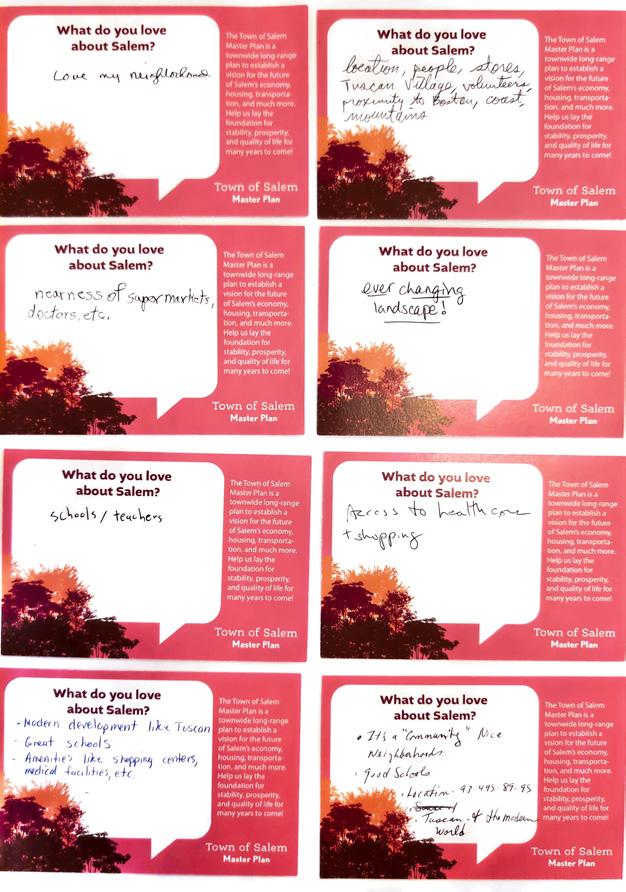
What would you change about Salem?
Visit our website to learn more: www.salemnh.gov /masterplan

Town of Salem Master Plan
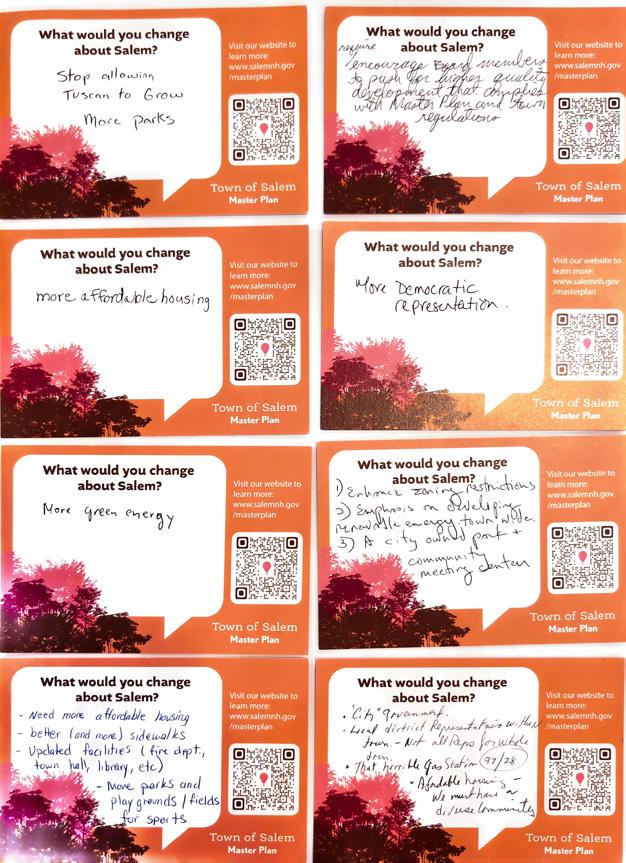
Visioning Survey: Online
The Visioning Survey, conducted over the course of two months in the spring of 2024, served as a visioning tool and first community touch-point to provide the planning team insight into topics that people care about in Salem. This online survey reached over 800 community members.
Pol.is is a digital polling tool that has been used successfully in civic projects around the world and was chosen for its ability to quickly and simply define consensus and identify “opinion groups” defined by common response patterns. Using this tool, participants were able to agree or disagree with statements written by others, including seed statements from the project team and statements
submitted by their fellow community members, and write their own statements to add to the mix. Throughout the course of the survey, 809 people submitted over 420 unique statements.
Development Patterns Understanding
i What We’ve Heard So Far
Salem’s Development Patterns
Visioning Survey Results
By the numbers
This online survey was active for 2 months from March 12 - May 12, 2024.
How it works: participants vote on short statements submitted by others who have already voted. Participants can also submit their own statements for later participants to vote on. An algorithm sorts participants into likeminded groups based on their votes and identifies consensus statements that the majority agrees upon.
What was the conversation like?
Each dot represents one statement!
More Disagreement
Survey participants reacted very differently.
Two distinct opinion groups emerged from the conversation based on different attitudes towards public investment in shared amenities and infrastructure.
Opinion Group A
people
This group valued doing the basics well and maintaining what Salem has with cautious public spending on expansion of amenities and recreation infrastructure like bike and pedestrian infrastructure and gathering places.
Based on the Visioning Survey conducted via Pol.is, the Planning Team was able to identify issues or themes that people shared the most consensus on. These themes continued to appear in engagement throughout the process and contributed to the direction of goals and recommendations for the plan, along with subsequent community engagement and analysis.
809 people voted
64,129 votes cast 423 statements submitted 714 people grouped
More Agreement
Survey participants generally reacted the same way.
What are the takeaways?
While opinions varied on how to approach the following goals, over 50% of participants agree that Salem needs to invest in:
a vibrant Town Center safer and more connected sidewalks a linked network of quality parks, open spaces, and waterways • quality housing that fits within residents’ budgets
See below for detailed voting patterns on key issues:
What was the conversation like?
Each dot represents one statement!
More Disagreement Survey participants reacted very differently.
Two distinct opinion groups emerged from the conversation based on different attitudes towards public investment in shared amenities and infrastructure.
Opinion Group A
182 people
91% residents | 84% homeowners | 93% shoppers | 52% workers
This group valued doing the basics well and maintaining what Salem has with cautious public spending on expansion of amenities and recreation infrastructure like bike and pedestrian infrastructure and gathering places.
Cars are a fact of life in Salem, and focusing on bicycles and pedestrian access is a waste of resources.
Promote/recruit fine arts, theater, etc. Large, diverse park (Windham), appeals to/access all ages.
Salem should invest in more recreational opportunities and locations, placemaking, community spaces, and public art.
Salem needs more sidewalks, parks, and regulation of speed zones around schools.
Salem should focus on walkability improvements and investing in infrastructure to get around town without the need for a car.
Opinion Group B 532 people
83% residents | 75% homeowners | 89% shoppers | 34% workers
This group wanted to see public investment in amenities and infrastructure focused on the environment, recreation, and arts and culture, with a focus around schools and gathering places.
Salem should invest in more recreational opportunities and locations, placemaking, community spaces, and public art.
Promote/recruit fine arts, theater, etc. Large, diverse park (Windham), appeals to/access all ages.
I support the idea of maintaining, improving, connecting, and expanding natural systems in a linked network of parks, open spaces, and waterways, including street trees and public spaces.
Salem should work to create new recreational spaces, while improving existing ones.
Salem needs public parks, public transportation, and more cultural events.
More Agreement Survey participants generally reacted the same way.
What are the takeaways?
While opinions varied on how to approach the following goals, over 50% of participants agree that Salem needs to invest in:
a vibrant Town Center
• safer and more connected sidewalks
• a linked network of quality parks, open spaces, and waterways
• quality housing that fits within residents’ budgets
See below for detailed voting patterns on key issues:
A vibrant Town Center active through the evening hours will be an asset to the entire town.
The Town should invest in enhancing and/or connecting existing sidewalks
I support the idea of maintaining, improving, connecting, and expanding quality natural systems in a linked network of parks, open spaces, and waterways, including street trees and public spaces.
Cars are a fact of life in Salem, and focusing on bicycles and pedestrian access is a waste of resources.
If I need to move, I am confident I can find quality housing in the town that fits my household needs and budget.
Future development should encourage higher density and taller buildings along the Rt-28 corridor.
I like the idea of adding more multi-family buildings to increase housing supply options in Salem.
The Town should investigate various energy/ electric sources and contract to reduce utility bills
Public Workshops
The Planning Team conducted two public workshops, one at the visioning stage, and one at the draft plan framework stage. Both had brief presentations to orient participants followed by an open house format that allowed participants to have conversations and provide input at various thematic display boards.
• Public Visioning Workshop
• ~50 Participants
• 54 board comments
• Public Draft Plan Workshop
• ~30 Participants
• 28 board comments
Visioning Workshop Display Boards
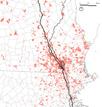
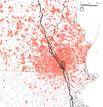

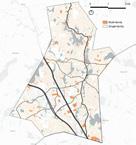

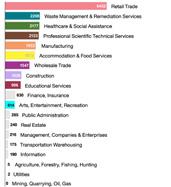
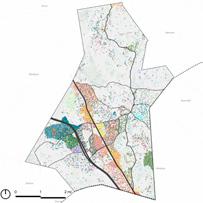
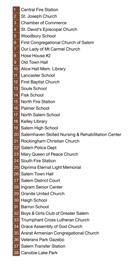

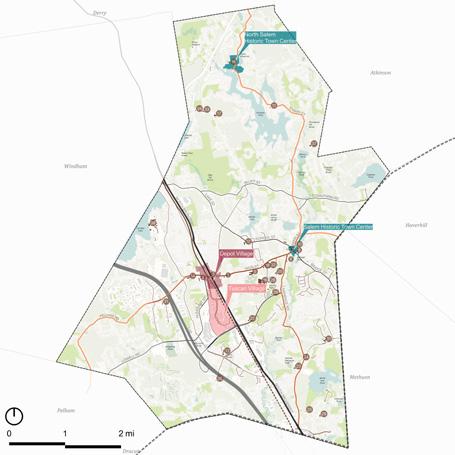
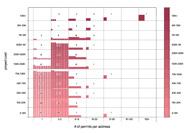
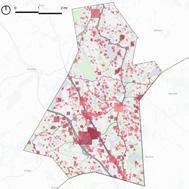

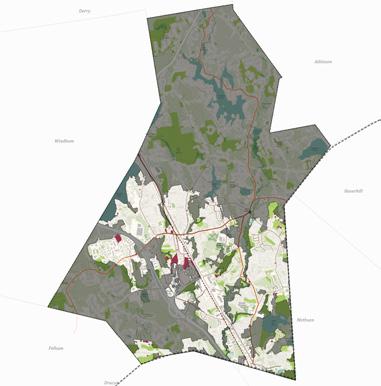

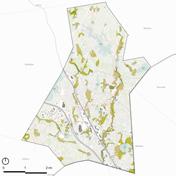
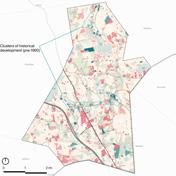

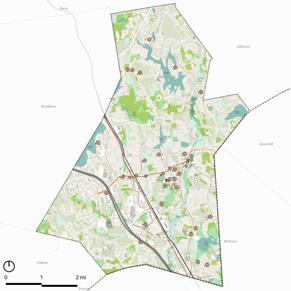
Draft Plan Framework Workshop Display Boards


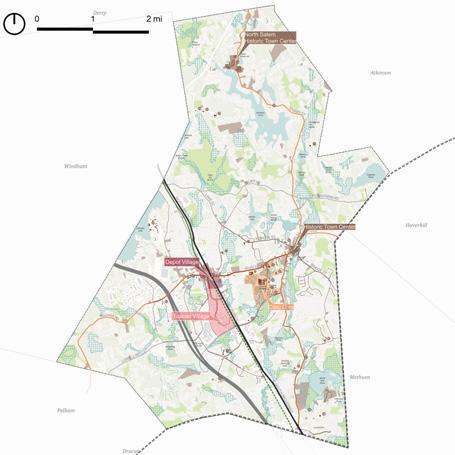
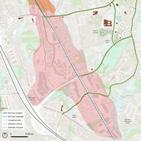

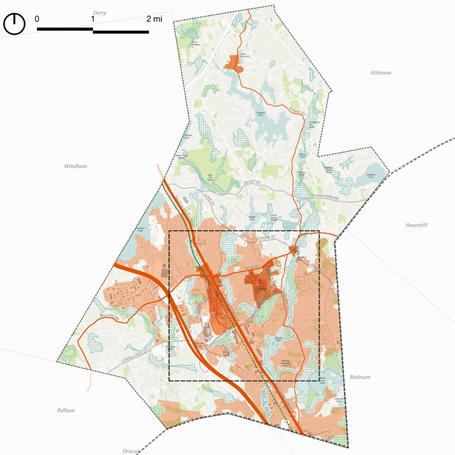
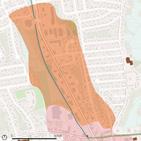
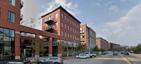
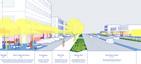
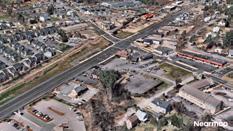
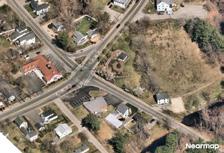
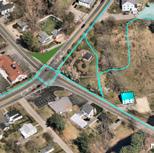


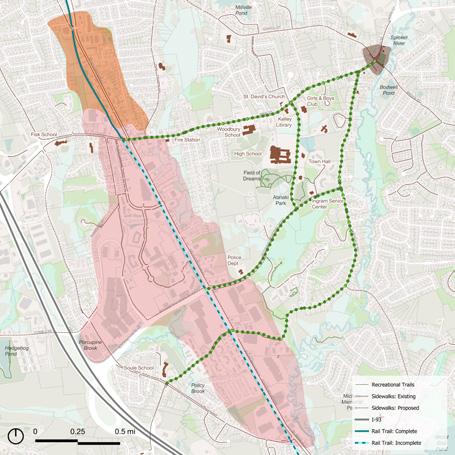
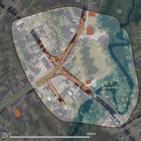
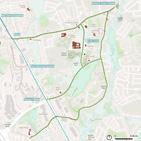
Draft Plan Survey: Online + In-person
The Draft Plan Survey was conducted across three formats: the in-person Public Meeting #2, where participants voted on proposed plan recommendations by placing stickers on pinup boards; an online survey hosted through Google Survey, and hard-copy printouts of the survey distributed to residents by the Salem Planning Staff.
Hard copies of the Draft Plan Survey was made available at the Senior Center and Town Hall and the survey was promoted in-person at a dedicated Cider Event, Trunk or Treat, Historical Society Open House and Field of Dreams Movie Series as well as digital promotion via social media and the Town Hall times.
The survey launched to coincide with the Draft Plan Framework Public Workshop September 18, 2024. The original deadline was 11/8, but it was extended to 12/10.
151 users
78 pre-extension
73 post-extension
327 comments
The survey questions were organized by the Plan’s 4 Pillars: Gathering Spaces, Town Connectors, Mixed Use Core, and Missing Middle Edges.
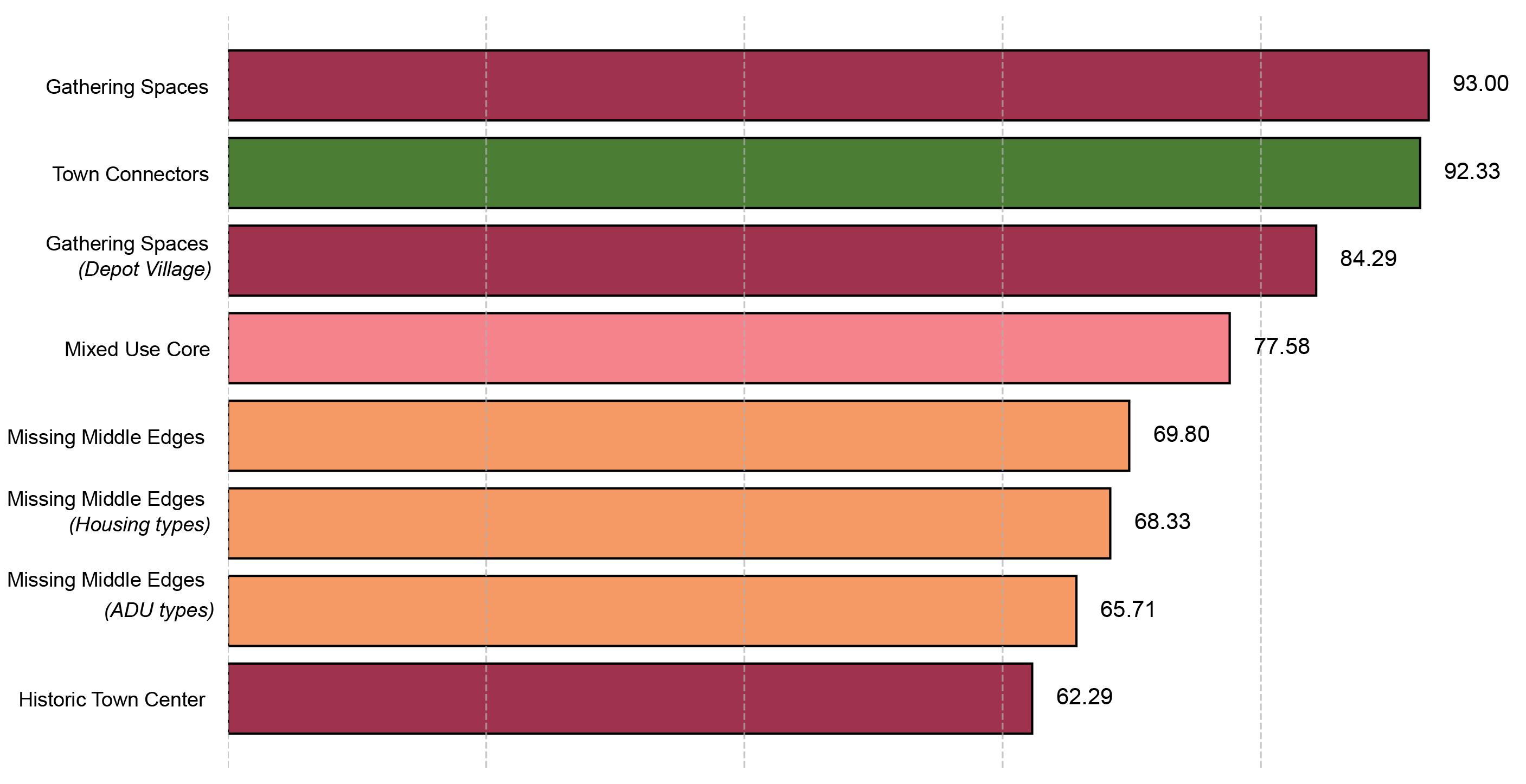
There was the most enthusiasm and support for Town investments in gathering spaces and town connectors. This graphic shows the number of supportive votes for draft plan recommendations via the Draft Plan Workshop and Draft Plan Survey in each category, divided by the number of questions asked in that category.
Draft Vision Statement
91% supportive (150 responses)
67% spot-on / 26% yes but a few things missing
What people were responding to:
Salem will continue to offer the best of the small town experience while welcoming balanced growth and sensible public investment to enhance quality of life.
Salem will do this by cultivating a more vibrant and connected Town Center that reinforces civic pride and community, surrounded by beautiful natural spaces and residential neighborhoods that offer safety, stability, and quality of life for residents at every income and stage of life.
Core Values
93% supportive (149 responses) 66% spot-on / 27% yes but a few things missing
What people were responding to:
The core of what people love about Salem is the combination of a small town feel that offers residents a peaceful, friendly, safe, quiet and nature-filled experience while still providing convenient access to major commercial amenities, natural spaces, and urban centers.
Town services and facilities like the schools, parks, the library, the senior center, public safety departments, and Town staff and boards are generally a source of pride and an important part of what makes residents feel connected to a shared civic identity that values public service and supports community-building.
Comments in the visioning stage of the project generally conveyed an optimism about Salem’s ability to find healthy change and framed the importance of balancing several key issues and opportunities as Salem invests in its future.
Key Issues & Opportunities
93% supportive (147 responses) 69% spot-on / 25% yes but a few things missing
What people were responding to:
Do these capture the key issues and opportunities this plan should address? Numbers do not imply priority.
1. Find the right development intensity and mix, and do so in a way that supports a civic Town Center that balances out Tuscan Village.
2. Make Salem a more affordable place to live in terms of housing prices and property taxes, so that people can live comfortable, stable lives at every income and stage of life.
3. Invest in public infrastructure and gathering places that connect residents with nature and each other through recreation and entertainment.
4. Make Salem a safe and enjoyable place to walk and bike.
Gathering Spaces
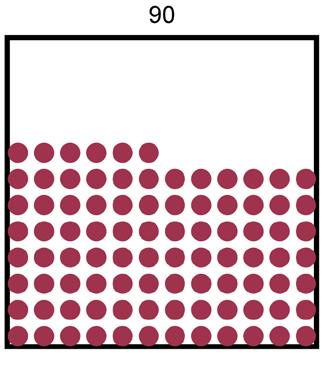
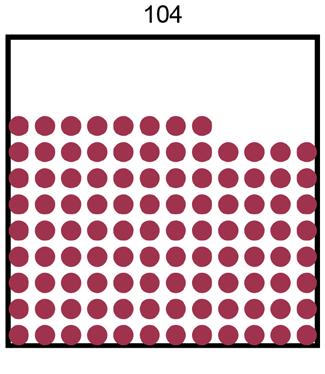
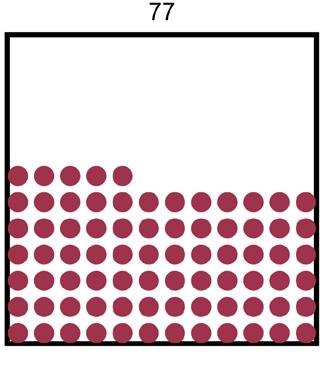
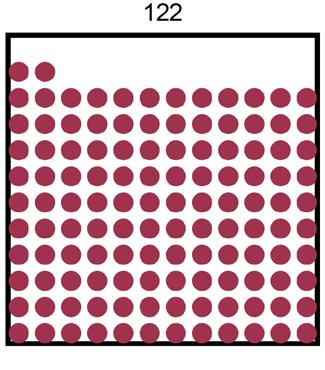
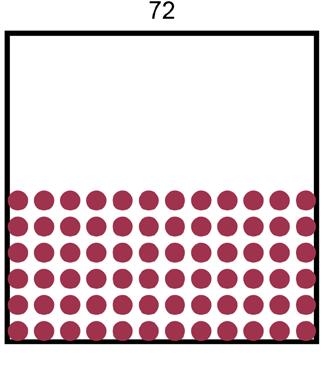
Big Move
Supporting Strategy
Cultivate the Historic Town Center as a counterweight and complement to Tuscan Village. This would include redesigning the intersection to enhance pedestrian access and safety, and pursuing design updates to promote increased use and programmatic activation of Veterans Park / Salem Common.
Continue to Invest in Depot as a Historic & Recreational Asset.
Continue to invest in the Depot as a hub for Salem identity and recreational activities through public realm enhancements (sidewalk improvements, plantings/landscaping, street furniture and streetscape elements), integration with and wayfinding signage for the Rail Trail, pedestrian crossing infrastructure and signal enhancements, design and implementation of recreational development of publicly-owned land along western side of Broadway.
North Salem Historic Town Center / Arlington Pond Pocket Park.
Supporting Strategy
Supporting Strategy
Create a new pocket park and enhanced pedestrian connections near the North Salem Historic Town Center and Arlington Pond. This should include reducing the turning radii at the intersection of East Broadway and Mill Pond Rd and/or re-allocating parking lot spaces on south side of Post Office to create a new pocket park, and adding pedestrian crosswalks connecting park to William E Palmer school as well as a sidewalk down N Main to where Spicket River connects to Arlington Pond.
Enhance and Expand Parks and Open Spaces.
Continue to invest in recreational access to the Town’s rich natural resources, especially those mentioned in the Master Plan engagement. Explore shared use programming on school campuses outside of school hours for all residents, especially for playgrounds and athletic courts and fields. Continue to identify and implement neighborhood ‘pocket parks’ similar to Bill Valentine Park.
Multi-Generational Consolidated Community Center and Services.
Supporting Strategy
Consider investing in a multi-generational, townwide community center that provides services for all ages, with a particular focus on seniors as well as young families and teens (e.g. daycare, after-school programs, extracurricular activities).
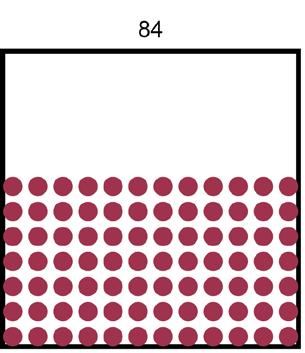
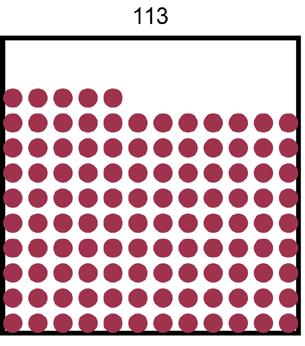
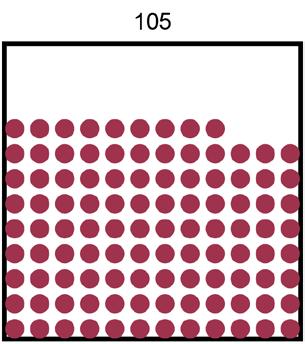
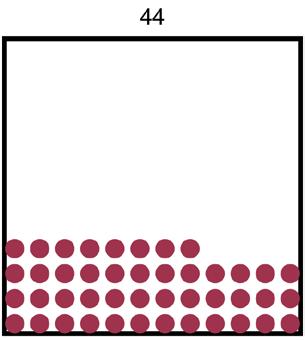
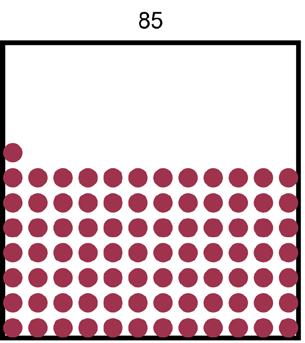
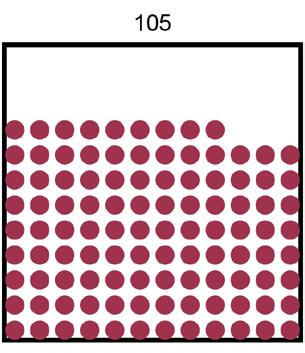
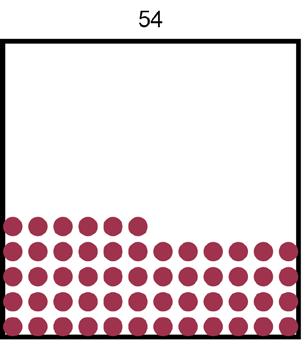
Pursue recreational development of publicly-owned land along western side of Broadway.
Extend sidewalk improvements, plantings/landscaping, street furniture and streetscape enhancements.
Provide dedicated parking for Rail Trail on publicly owned lots in the Depot District.
Promote multifamily residential and mixed-use development on the remaining privately-held parcels.
Integration with and wayfinding signage for the Rail Trail.
Pedestrian crossing infrastructure and signal enhancements.
Encourage activating mixed-use development of publicly owned parcels West of the Rail Trail, including workforce housing and a community gathering space to the extent feasible.
Historic Town Center
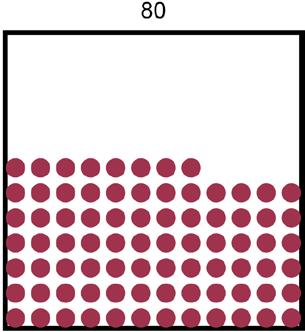
Create raised pedestrian crossings that connect with the intersection sidewalks, using the same textured brick featured in Veterans Park to signal pedestrian crossings on the street and historic character of the intersection.
Introduce curb extensions at each corner of intersection to slow vehicular traffic by decreasing turning radii, including removing the slip lane at north corner of intersection and replacing it with a curb extension.
Introduce planting beds and interpretive signage within the space created by curb extensions to beautify, and add visual and historical interest to the intersection and encourage use of nearby public spaces.
Evaluate feasibility of turning the intersection into a 4-way stop.
Introduce moveable tables and stackable seating in Veterans Park.
Integrate the Salem Center Cemetery into the Common with gateways through the existing stone wall and walking trail in the cemetery using the same textured brick featured in Veterans Park.
Extend textured brick path in Veterans park to create a connected path from the Main St edge to the Bridge St edge.
Historic Town Center (continued)
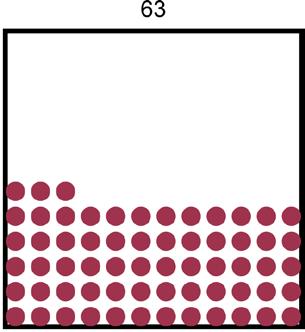
Building on the success of the “Soul Stroll”, introduce signage and art installations to tell stories of people laid to rest in the cemetery and the space’s historical significance.
Continue walking tours on local history and significance of the park as a Veterans Memorial and as a classic New England town common.
Evaluate the feasibility and safety of installing a playground in the southeast corner of the space, below the cemetery, or at an alternate site.
Integrate with local wildlife corridor assets: create access to Spicket River and provide educational signage on local wildlife.
Enhance lighting throughout the park to activate space in the evening.
Explore potential adaptive reuse of the historic fire station (Hose House #2) as a community center, event space, small business incubator, and/or bed and breakfast.
Connect the proposed cemetery walking trail to the Salem Historical Museum parking lot and expand the parking lot space North past the Museum building.
Town Connectors
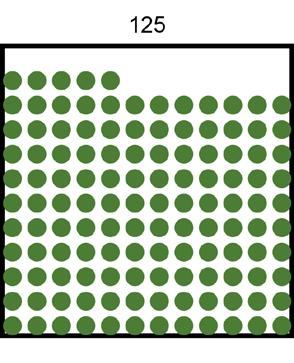
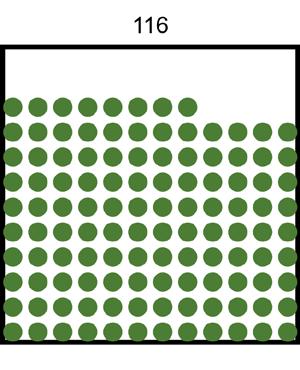
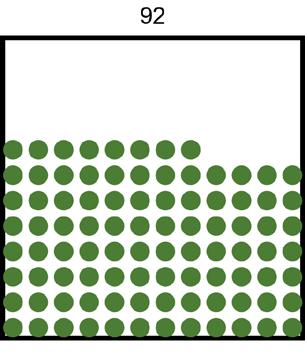
Big Move
Supporting Strategy
Complete the Rail Trail. Work to complete the Rail Trail through the full length of its proposed alignment through Salem with improved, safe crossings of all vehicular roads, particularly Broadway (RT-28). Note: the reference to “safe crossings” in this question was intended to refer to all crossings involved in getting to and making use of the Rail Trail, and was not meant to imply that the Rail Trail itself crosses RT-28.
Main Street Pedestrian Connections. From the Depot to the Historic Town Center, invest in safe and ADA-accessible sidewalks with street trees, flower beds, and benches to create a park promenade experience.
Supporting Strategy Geremonty Drive Multi-Use Path. From Main St to Veterans Memorial Pkwy, enhance crosswalks and adapt the west sidewalk to a multi-use path.
Supporting Strategy
North-South Bicycle Connection. Provide marked lanes and sharrows (road markings reminding vehicles to share travel lanes with bikes) along South Policy and Kelly Rd to integrate Tuscan Village with neighborhoods directly South of the development.
Supporting Strategy East-West Bicycle Connection. Provide bike lanes on Veterans Memorial Parkway to strengthen the connection of the Senior Center and Civic Core.
Supporting Strategy
Supporting Strategy
Create and Implement a Complete Streets Policy. Integrate the Sidewalk Master Plan with bicycle infrastructure considerations to form a new “complete streets” policy in alignment with this plan’s four pillars. This policy should also embed complete streets improvements into annual street upgrades including repaving, reconstruction and restriping.
Provide Dedicated Parking for Rail Trail on Broadway (Rt-28). Provide dedicated parking for Rail Trail on publicly owned lots in the Depot District and partner with businesses adjacent to Rail Trail across from Duffy Ave to open parking lots for Rail Trail visitors.
Town Connectors (continued)
Supporting Strategy
Supporting Strategy
Develop Town Gateway and Wayfinding Program. Invest in updated, unified signage to welcome people and help them find their way. This will reinforce the Town Center(s) and Town Connectors for visitors and residents alike.
Explore Feasibility of Enhanced Transit Service. Pursue grant funding and explore partnerships with CART and major anchor employers, property owners, and investors to create a focused transit service to connect key Town amenities for all residents.
Use Core
Supporting Strategy
Expand boundaries and update the design standards of the Depot Overlay District to encourage walkable mixed use development and workforce housing along Broadway. Specifically, allow a maximum of three (3) stories, with a density bonus of up to five (5) stories if ground floor retail and workforce housing is included in the development.
Create Neighborhood-Scale Mixed-Use Corridor Zoning along Main St. Adapt zoning along Main Street to encourage small neighborhoodcompatible mixed-use, but deter larger-scale mixed use and multifamily.
Supporting Strategy
Supporting Strategy
Tie Public Amenities and Infrastructure Investment to Development. Within the expanded Depot Overlay District, identify projects that would provide the amenities, services, and infrastructure to support this level of density, and tie development approvals to delivery of these public benefits. This could include, for example, supporting implementation of the Rail Trail, investment in parks and recreation enhancements, sidewalk and crosswalk improvements, bike infrastructure, or stormwater management.
Cultivate Job-Rich Commercial and Industrial Development Along I-93. Continue to monitor for any vacancies or high turnover in highway-oriented commercial areas and encourage redevelopment that prioritizes living-wage jobs and local services and amenities. This should include but not be limited to the existing Business Innovation District Overlay.
Mixed
Big Move
Which of these design standards and incentives do you support as part of the expanded Depot Overlay District?
Allow 3 stories of residentialonly development.
Require all off-street parking to be at the rear of the site so that buildings activate the street.
Allow a total of 4 stories if ground floor commercial is included in the development.
Limit curb cuts (driveways) to simplify traffic patterns and improve safety for people who are walking and biking.
Allow a total of 4 stories if workforce housing is included in the development.
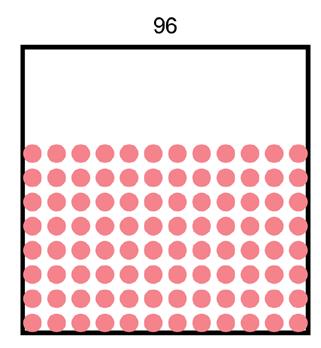
Allow a total of 5 stories if workforce housing and ground floor commercial are included in the development.
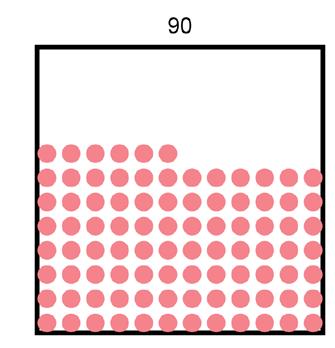
Tie development approvals to delivery of relevant public amenities, services and infrastructure (e.g. Rail Trail).
Introduce parking maximums to control potential traffic impacts of increased development along Broadway.
Missing Middle Edges
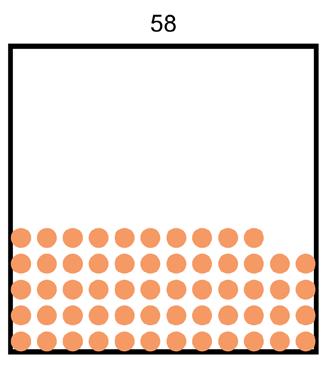
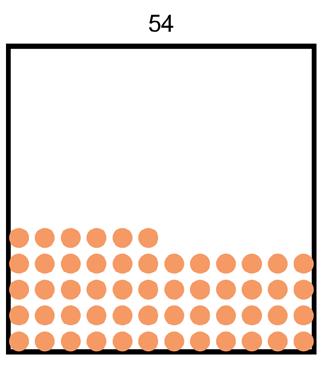
Big Move
Supporting Strategy
Rezone for multi-family residential north of Depot.
Update zoning along Broadway north of Depot to encourage multi-family housing options that are compatible with the existing scale of residences surrounding the corridor. Specifically, allow a maximum of three (3) stories, with a density bonus of up to five (5) stories if workforce housing is included in the development.
Introduce a Workforce Housing Variety Standard.
Introduce variety standard to Salem’s existing Workforce Housing Ordinance, which requires at least 10% of new multifamily units to be affordable to households earning 60% or less of area median income. A “variety standard” is intended to mean introducing new language that encourages the delivery of housing at a variety of price points and unit sizes and types to encourage the private market to provide housing that meets the full range of Salem housing needs.
Enable Missing Middle Housing Types in Town Center Walkshed
Supporting Strategy
Encourage missing middle housing types like duplexes, townhouses, and 4-12 unit courtyard apartments on larger parcels with sewer access, and especially in areas within a 15 minute walk of the Depot, Historic Town Center, and/or the Civic Core.
Supporting Strategy
Supporting Strategy
Establish a State Housing Opportunity Zone in Salem
Establish a Housing Opportunity Zone, as defined in the 2021 State Housing Opportunity Zone legislation, that encompasses the Mixed Use Core Zone, Missing Middle Edges Zone, and Town Center Walkshed in order to make market delivery of workforce housing more financially viable.
Promote Accessory Dwelling Units (ADUs) Townwide
Adjust Salem’s existing ADU zoning to encourage expanded housing options for small households and seniors looking to downsize and age in place in existing neighborhoods by relaxing dimensional standards, allowing more flexibility in the scale and placement of new units, and better calibrating owner occupancy restrictions.
Which of these missing middle housing types do you think would fit in Salem neighborhoods and help address unmet housing needs?
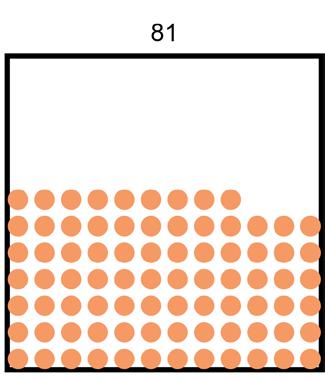
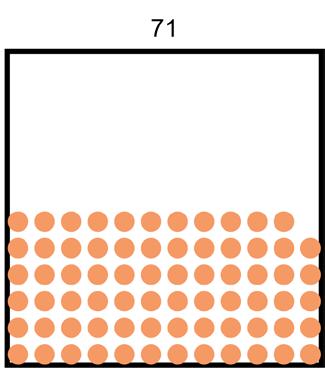
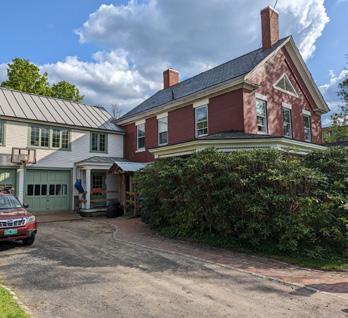
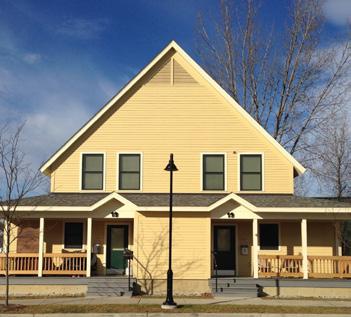
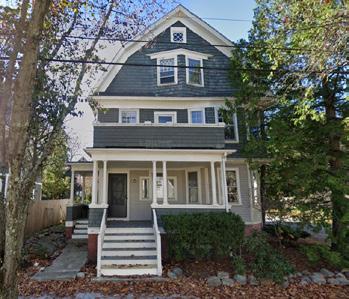
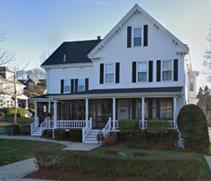
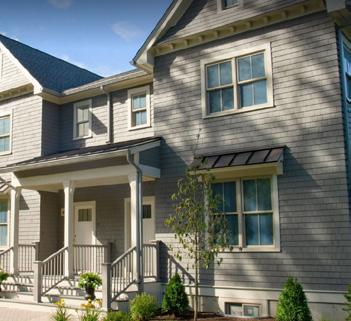
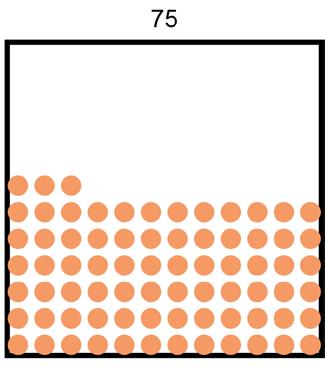
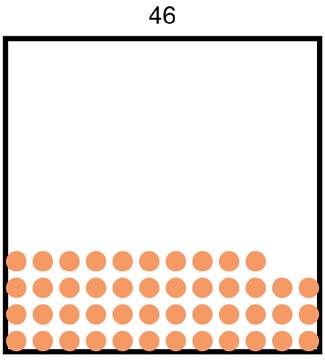
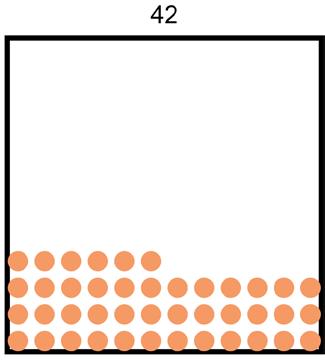
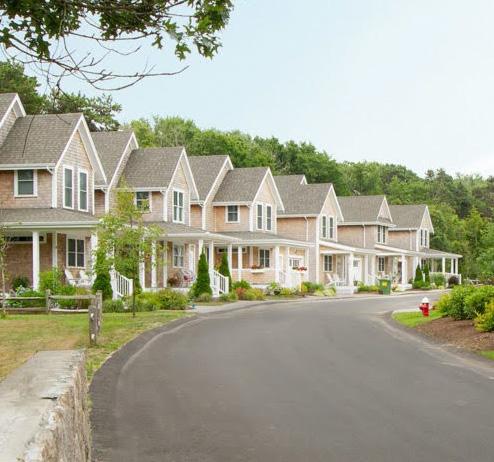
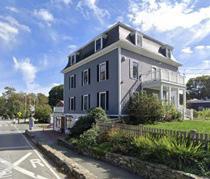
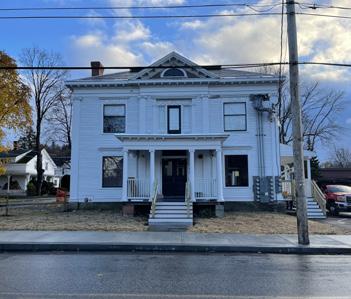
Which of these suggested updates to Salem’s existing Accessory Dwelling Unit (ADU) zoning do you support?
Maintain existing allowance for up to 2 bedrooms per ADU.
Allow attached or detached ADUs asof-right.
Calibrate setback minimums for detached ADUs to align with typical garage and accessory structure siting.
Allow for a second ADU unit (3 total units per parcel) only if it is affordable to 60% of area median income (AMI).
Increase existing floor area maximum to “1,250 sq ft or 30% of the GFA of the primary unit, whichever is smaller”
Remove or reduce off-street parking minimums for ADUs.
Allow ADUs on all parcels, but limit the use of ADUs for shortterm rentals to owner-occupied properties.
Why allow more flexibility?
Overly rigid or conservative physical constraints and limited financing options for ADUs make them very hard to build, especially for homeowners. Help us find the right balance: protecting valued neighborhood patterns while allowing housing that meets the full range of Salem’s needs.
Draft Report Public Comment
The Draft Report was made available for public comment on the project website for approximately one month from February 12, 2025 through March 19, 2025. The public also had the opportunity to share public comment at the Planning Board meeting held on February 19, 2025. No public comment was received at the meeting, but 23 individuals completed the online public comment form.
Since public comment was very limited at this stage, it should not be construed to be representative. Among those who did comment, a majority had a positive overall opinion of the recommendations of the Master Plan. As was true throughout the planning process, there remained some apprehension and discomfort with the higher density development concepts presented in the Master Plan, which should be taken into consideration as the Town works through the details of implementation.
Among the 23 respondents, here were also 10 comments that addressed topics such as housing affordability, parking access and events to support the Historic Town Center, parking to support park access, sidewalks and bike lanes, scale of future development, quality of life and tax impacts of increased development, and the necessity of aligning water and sewer infrastructure with future multifamily housing development.
Overall the comments received were consistent with the range of opinions shared throughout the planning process and did not require revision to the plan. However, they have all been recorded for reference as the Town moves into the implementation phase of the plan and must make more detailed decisions that may benefit from comments shared at this stage of the process.
Land Use
For each area, please consult the plan recommendations for greater specificity on use mix, density, and public benefits. Consult the Missing Middle Edges and Mixed Use Core plan pillar recommendations for guidance on use mix, density, and incentive structures. Consult the Town Connectors and Gathering Spaces plan pillar recommendations for specific infrastructure and amenity investment priorities.
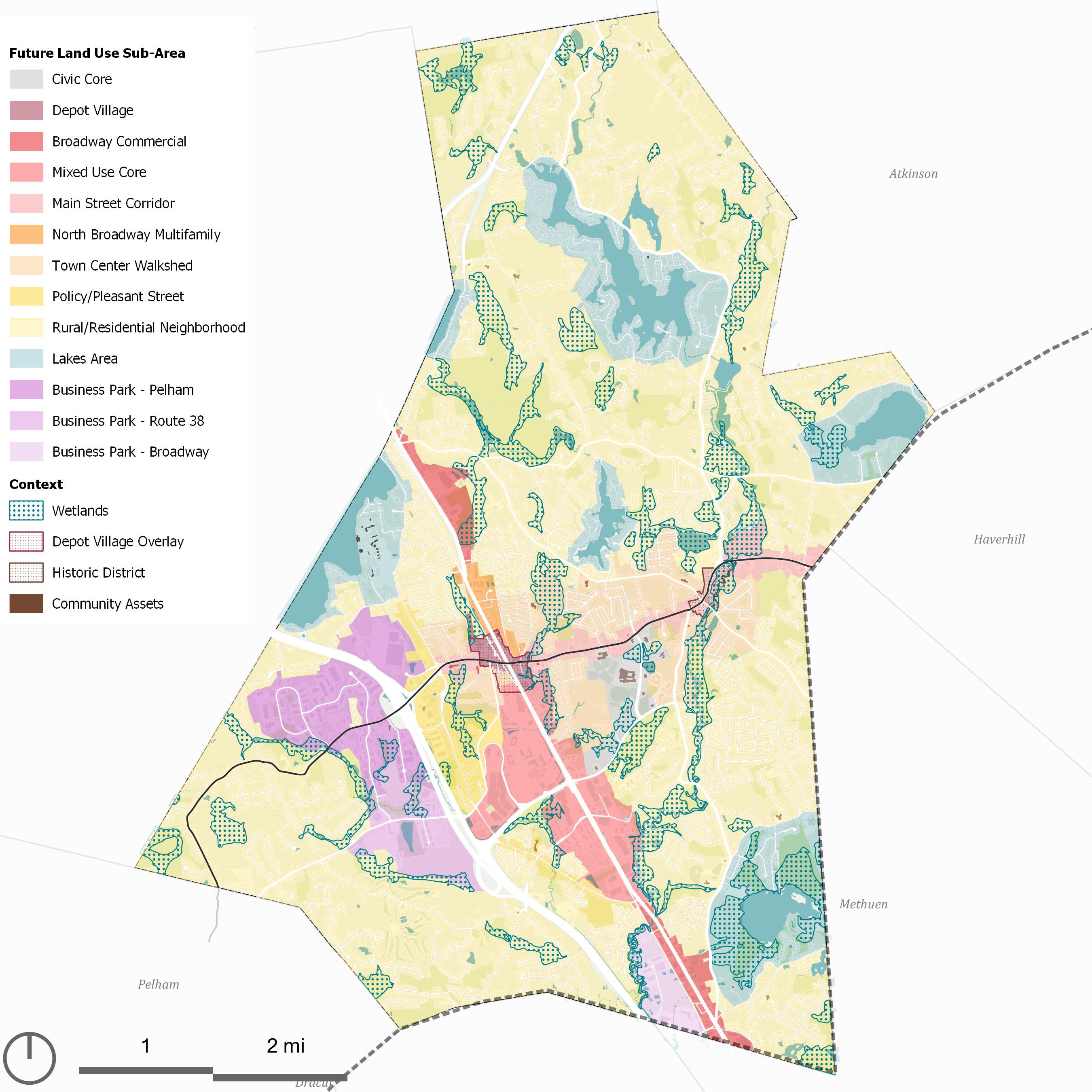
Civic Core
(Geremonty/Veterans Parkway)
Uses
• Expand government, institutional, and public uses
Infrastructure, Safety, Parking & Complete Streets Enhancements
• Add sidewalks and multi-use path along major roadways and provide ways to safely cross roadway at key intersections
• Implement intersection improvements at Veterans/Geremonty and Veterans/ Lawrence
Other Amenities & Design Considerations
• Maintain architectural design standards
• Expand cultural/recreation facilities
• Consider pocket parks on town owned parcels
• Preserve open space and wetlands
Main Street Corridor & Historic Town Center
Uses
• Allow medium density residential development, offices, and service businesses
• Promote diversification of housing options, including ADUs and small multi-family residential uses
• Promote the expansion of local business uses on ground floors of existing historic buildings
Infrastructure, Safety, Parking & Complete Streets Enhancements
• Implement intersection improvements within Historic District
• Promote less automobile dependent and pedestrian friendly designs, including locating parking to the rear
• Preserve and expand tree line along roadway
• Promote district and shared parking solutions, and reduced parking requirements
• Explore opportunities to introduce on-street parking close to commercial uses
• Minimize and reduce curb cuts
Other Amenities & Design Considerations
• Maintain integrity of historic district, residential scale and historic character of area
• Encourage activation of the Main Street frontage through landscape and architectural design, and calibrate front and side setbacks to more closely reflect historic patterns. Consider introducing a maximum front setback to discourage developments that are disconnected from the Main Street.
• Promote investment in historic preservation, including front facade and storefront renovations
• Require compliance with Design Guidelines (high quality architectural, landscaping, and signage standards)
• Create new pocket parks and enhanced pedestrian connections
Depot Village Uses
• Encourage planned redevelopment
• Allow a diverse mix of business, commercial, office, residential, institutional and entertainment uses
• Limit and discourage development of highway-oriented strip commercial uses
• Create a mixed-use environment
• Tie future development to delivery of public benefits (see Gathering Spaces and Town Connectors plan pillars): e.g. completion of the Rail Trail with safe local connections, local road and infrastructure improvements, complete streets enhancements, burying utilities, and other recreation amenities Infrastructure, Safety, Parking & Complete Streets Enhancements
• Promote less automobile dependent and pedestrian friendly designs, including locating parking to the rear/interior
• Complete intersection improvements and “ring roads” per Depot Intersection Redevelopment Concept Plan
• Require combined access points, connector driveways, connected parking lots, and other techniques to reduce traffic
congestion
• Minimize and reduce curb cuts
• Develop additional public parking to support the Rail Trail trailhead at the former Salem Depot station
• Promote Transportation Demand Management (TDM) techniques, including shared parking and reduced parking requirements
• Encourage public transit connections to other attractions and destinations
Other Amenities & Design Considerations
• Require compliance with Design Guidelines (high quality architectural, landscaping and signage standards)
• Complete recreation improvements on town owned parcels
Mixed
Use
Core
(Mall at Rockingham Park, Tuscan Village, and Portions of Broadway) Uses
• Encourage mixed uses (multifamily residential, retail, office, entertainment, hotels, convention center, and concert facility)
• Tie future development to delivery of public benefits (see Gathering Spaces and Town Connectors plan pillars): e.g. completion of the Rail Trail with safe local connections, local road and infrastructure improvements, complete streets enhancements, burying utilities, workforce housing, and recreation amenities
• Promote use of centralized, shared parking garages or decks to enable denser mixeduse development
Infrastructure, Safety, Parking & Complete Streets Enhancements
• Contribute to completion of the Salem BikePed Corridor (Rail Trail) through the full length of its proposed alignment
• Consider underground utilities
• Treat the Rail Trail as a secondary public frontage along with Broadway
• Discourage cul-de-sacs, disconnected street patterns, and redundant individual curb cuts
• Require combined access points, connector driveways, connected parking lots, and other techniques to reduce traffic congestion
• Integrate circulation of the Mall, Tuscan Village, Depot Village, the Rail Trail and the Pleasant Street / Policy Street neighborhood to promote a more regular and intuitive circulation pattern for all modes of transportation, including cycling and walking
• Promote designs that balance pedestrian and automobile use more effectively, including locating parking to the rear/ interior and providing dedicated, protected pedestrian walkways within parking lots
• Encourage public transit connections to other attractions and destinations, including the design of conveniently located, safe, and highly visible public transit stops
• Limit new access points on Broadway
• Minimize and reduce curb cuts
Other Amenities & Design Considerations
• Require compliance with Design Guidelines (high quality architectural, landscaping and signage standards)
• Screen views of parking lots from Broadway, the Rail Trail, and Rockingham Park Boulevard
North Broadway Multifamily Uses
• Encourage mixed uses (multifamily residential and retail)
• Tie future development to delivery of public benefits (see Gathering Spaces and Town Connectors plan pillars): e.g. completion of the Rail Trail with safe local connections, local road and infrastructure improvements, complete streets enhancements, burying utilities, workforce housing, and recreation amenities
• Promote use of centralized, shared parking garages or decks to enable denser mixeduse development
Infrastructure, Safety, Parking & Complete Streets Enhancements
• Contribute to completion of the Salem BikePed Corridor (Rail Trail) through the full length of its proposed alignment
• Consider underground utilities
• Treat the Rail Trail as a secondary public frontage along with Broadway
• Discourage cul-de-sacs, disconnected street patterns, and redundant individual curb cuts
• Require combined access points, connector driveways, connected parking lots, and other techniques to reduce traffic congestion
• Promote designs that balance pedestrian and automobile use more effectively, including locating parking to the rear/ interior and providing dedicated, protected pedestrian walkways within parking lots
• Encourage public transit connections to other attractions and destinations, including the design of conveniently located, safe, and highly visible public transit stops
• Limit new access points on Broadway
• Minimize and reduce curb cuts Other Amenities & Design Considerations
• Require compliance with Design Guidelines (high quality architectural, landscaping and signage standards)
• Screen views of parking lots from Broadway and the Rail Trail
Broadway Commercial Uses
• Encourage redevelopment of older commercial properties
• Restrict east-west boundaries of commercial development Infrastructure, Safety, Parking & Complete Streets Enhancements
• Contribute to completion of the Salem BikePed Corridor (Rail Trail) through the full length of its proposed alignment
• Consider underground utilities
• Treat the Rail Trail as a secondary public frontage along with Broadway
• Discourage cul-de-sacs, disconnected street patterns, and redundant individual curb cuts
• Require combined access points, connector driveways, connected parking lots, and other techniques to reduce traffic congestion
• Improve pedestrian facilities by expanding sidewalks and providing ways to safely cross roadway at key intersections
Other Amenities & Design Considerations
• Require compliance with Design Guidelines (high quality architectural, landscaping and signage standards)
• Preserve wetlands and floodplain along Spicket River and Worlds End Brook
Policy/Pleasant Street
Uses
• Allow business office and medium density residential development.
• Prohibit retail uses
• Consider overlay-zoning district with incentives for combining lots
Infrastructure, Safety, Parking & Complete Streets Enhancements
• Integrate circulation of the Mall, Tuscan Village, Depot Village, the Rail Trail and the Pleasant Street / Policy Street neighborhood to promote a more regular and intuitive circulation pattern for all modes of transportation, including cycling and walking. Discourage cul-desacs, disconnected street patterns, and redundant individual curb cuts.
• Adapt road design to encourage slower driver speeds and support more walkable and bikeable mixed-use future development
Other Amenities & Design Considerations
• Promote preservation and extension of the historic scale and development pattern of the northern section of Pleasant Street
• Require architectural design standards and increased landscaping
• Preserve wetlands and floodplain along Policy Brook
Town Center Walkshed Uses
• Allow medium density residential development
• Promote diversification of housing options, including ADUs and small multi-family residential uses
Infrastructure, Safety, Parking & Complete Streets Enhancements
• Implement intersection improvements and roadway design changes that increase the safety of residents traveling by foot or by bike
• Promote less automobile dependent and pedestrian friendly designs, including locating parking to the side or rear instead of in front of homes
• Preserve and enhance tree canopy
Other Amenities & Design Considerations
• Maintain residential scale compatible with single family homes
• Require compliance with Design Guidelines (high quality architectural, and landscaping standards)
• Create new pocket parks and enhanced pedestrian connections
Business Park - Pelham Road (I-93 to Commercial Drive)
Uses
• Allow limited retail uses to serve office/ industrial employees
• Buffer residential areas on Pelham Road and Brookdale Road from commercial encroachment
• Prohibit commercial/industrial access onto Brookdale Road
• Tie future development to infrastructure investments to manage adverse impacts
Infrastructure, Safety, Parking & Complete Streets Enhancements
• Minimize curb cuts on Pelham Road
• Extend Keewaydin Drive to Stiles Road
• Add sidewalks along major roadways
Other Amenities & Design Considerations
• Maintain high quality development, including building design, landscaping and signage
• Preserve wetlands and floodplain along Porcupine Brook
• Preserve visual buffers along roadway and I-93
Business Park - Route 38 (I-93 to Quill Lane)
Uses
• Limit boundaries of commercial/industrial development to current zoning lines
• Upgrade standards for commercial/ industrial development
• Restrict large retail uses
• Encourage redevelopment of junkyards and landfill
• Prohibit commercial/industrial access onto Brady Avenue
Infrastructure, Safety, Parking & Complete Streets Enhancements
• Minimize curb cuts
• Identify future road and intersection improvements
• Extend water and sewer lines to commercial boundary
• Construct West Salem fire station Other Amenities & Design Considerations
• Expand Hedgehog Park - add recreation equipment, trails, parking, and picnic facilities
Business Park - Route 38 (I-93 to Quill Lane)
Uses
• Allow limited retail uses to serve office/ industrial employees
• Buffer residential areas west of Spicket River from commercial encroachment
• Tie future development to infrastructure investments to manage adverse impacts Infrastructure, Safety, Parking & Complete Streets Enhancements
• Contribute to completion of Salem Bike-Ped Corridor (Rail Trail)
• Provide vegetative buffers to reduce noise and air pollution
Other Amenities & Design Considerations
• Maintain high quality development, including building design, landscaping and signage
• Preserve wetlands and floodplain along Spicket River
• Preserve visual buffers along Garabedian Drive and provide visual screening for views from I-93 and Broadway/Rt-28
Rural/Residential Neighborhood Uses
• Restrict uses to residential, recreational, and limited institutional and community services
• Consider limited retail uses in historic North Salem Village
• Allow outdoor recreational uses
Infrastructure, Safety, Parking & Complete
Streets Enhancements
• Encourage sewer and water line extensions where denser development is desired and in environmentally sensitive areas
• Ensure sidewalk network provides safe routes to schools
• Incorporate street design elements that increase the safety of residents traveling by foot or bicycle and add sidewalks along major roadways
Other Amenities & Design Considerations
• Protect water quality
• Ensure compliance with Shoreland Water Quality Protection Act (RSA 483-B)
• Create new pocket parks and enhanced pedestrian connections
Lakes Area
(Arlington, Shadow, Captain’s, Canobie, Millville, World’s End)
Uses
• Restrict uses to residential and recreational
• Consider limited retail uses in historic North Salem Village
• Consider recreation uses for town owned parcel off Millville Circle
• Preserve historic Canobie Lake Park recreational and commercial use
Infrastructure, Safety, Parking & Complete
Streets Enhancements
• Encourage sewer and water line extensions to area around Arlington, Shadow, Canobie and Millville
• Allow seasonal conversions with septic upgrades/replacements
• Upgrade roads
Other Amenities & Design Considerations
• Protect water quality
• Ensure compliance with Shoreland Water Quality Protection Act (RSA 483-B)
• Revitalize Millville Lake Beach and bathhouse