Israel’s
Diaspora
Diaspora
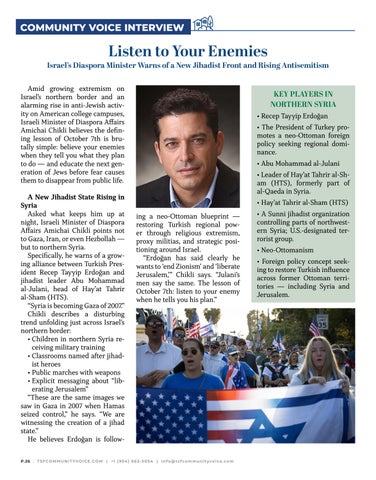
Amid growing extremism on Israel’s northern border and an alarming rise in anti-Jewish activity on American college campuses, Israeli Minister of Diaspora Affairs Amichai Chikli believes the defining lesson of October 7th is brutally simple: believe your enemies when they tell you what they plan to do — and educate the next generation of Jews before fear causes them to disappear from public life.
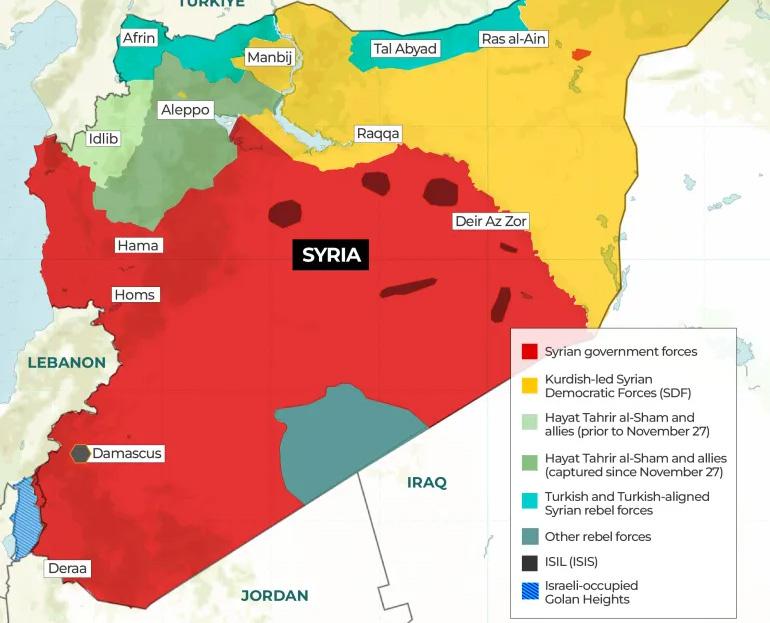
Asked what keeps him up at night, Israeli Minister of Diaspora Affairs Amichai Chikli points not to Gaza, Iran, or even Hezbollah — but to northern Syria.
Specifically, he warns of a growing alliance between Turkish President Recep Tayyip Erdoğan and jihadist leader Abu Mohammad al-Julani, head of Hay’at Tahrir al-Sham (HTS).
“Syria is becoming Gaza of 2007.”
Chikli describes a disturbing trend unfolding just across Israel’s northern border:
• Children in northern Syria receiving military training
• Classrooms named after jihadist heroes
• Public marches with weapons
• Explicit messaging about “liberating Jerusalem”
“These are the same images we saw in Gaza in 2007 when Hamas seized control,” he says. “We are witnessing the creation of a jihad state.”
He believes Erdoğan is follow-
ing a neo-Ottoman blueprint — restoring Turkish regional power through religious extremism, proxy militias, and strategic positioning around Israel.
“Erdoğan has said clearly he wants to ‘end Zionism’ and ‘liberate Jerusalem,’” Chikli says. “Julani’s men say the same. The lesson of October 7th: listen to your enemy when he tells you his plan.”
• Recep Tayyip Erdoğan
• The President of Turkey promotes a neo-Ottoman foreign policy seeking regional dominance.
• Abu Mohammad al-Julani
• Leader of Hay’at Tahrir al-Sham (HTS), formerly part of al-Qaeda in Syria.
• Hay’at Tahrir al-Sham (HTS)
• A Sunni jihadist organization controlling parts of northwestern Syria; U.S.-designated terrorist group.
• Neo-Ottomanism
• Foreign policy concept seeking to restore Turkish influence across former Ottoman territories — including Syria and Jerusalem.
“Their October 7th”: Violence -
thetical. He shares chilling reports from Druze communities in Syria describing atrocities reminiscent -
“You see the same tactics of Hamas — slaughter of civilians, indoctrination of children, ethnic He cites massacres of Alawites -
“Their October 7th”: Violence Against Druze and Alawites
Chikli says the crisis isn’t hypothetical. He shares chilling reports from Druze communities in Syria describing atrocities reminiscent of Hamas’s attack on southern Israel.
“More than 1,000 Alawites and 1,000 Druze have been murdered,” Chikli says. “And Western media barely takes notice.”
He accuses Western journalists of selectively ignoring crimes committed by anti-Israel militants:
“It was astonishing to watch a high-profile interview with Julani where not a single question mentioned the massacres, only Israel and the U.S.”
the War Over?
Two years after Hamas’s initial attack, Israel has halted major ground operations. But Chikli is blunt:
“The intense phase of the war is over — not the threat.”
He does not believe Hamas will voluntarily disarm or that international forces will fight Hamas in place of the IDF. He also cautions against foreign troops in Gaza, especially from Turkey or Qatar.
“The most urgent diplomatic threat now is Turkish troops in Gaza,” he warns. “That must not happen.”
Chikli admits Israel paid a steep public diplomacy price by conducting a long war in a dense civilian area, but insists there was no alternative after October 7th.
“Hamas wanted us to enter Gaza,” he says. “Their strategy is to maximize civilian casualties for propaganda. But doing nothing was not an option.”
Although most attention focuses on Hezbollah in Lebanon, Chikli warns that Iran’s proxy is also active across South America:
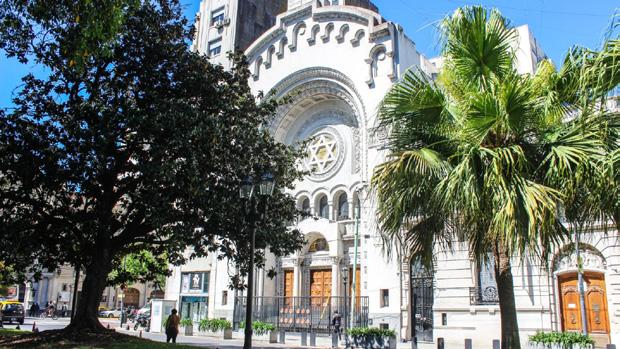
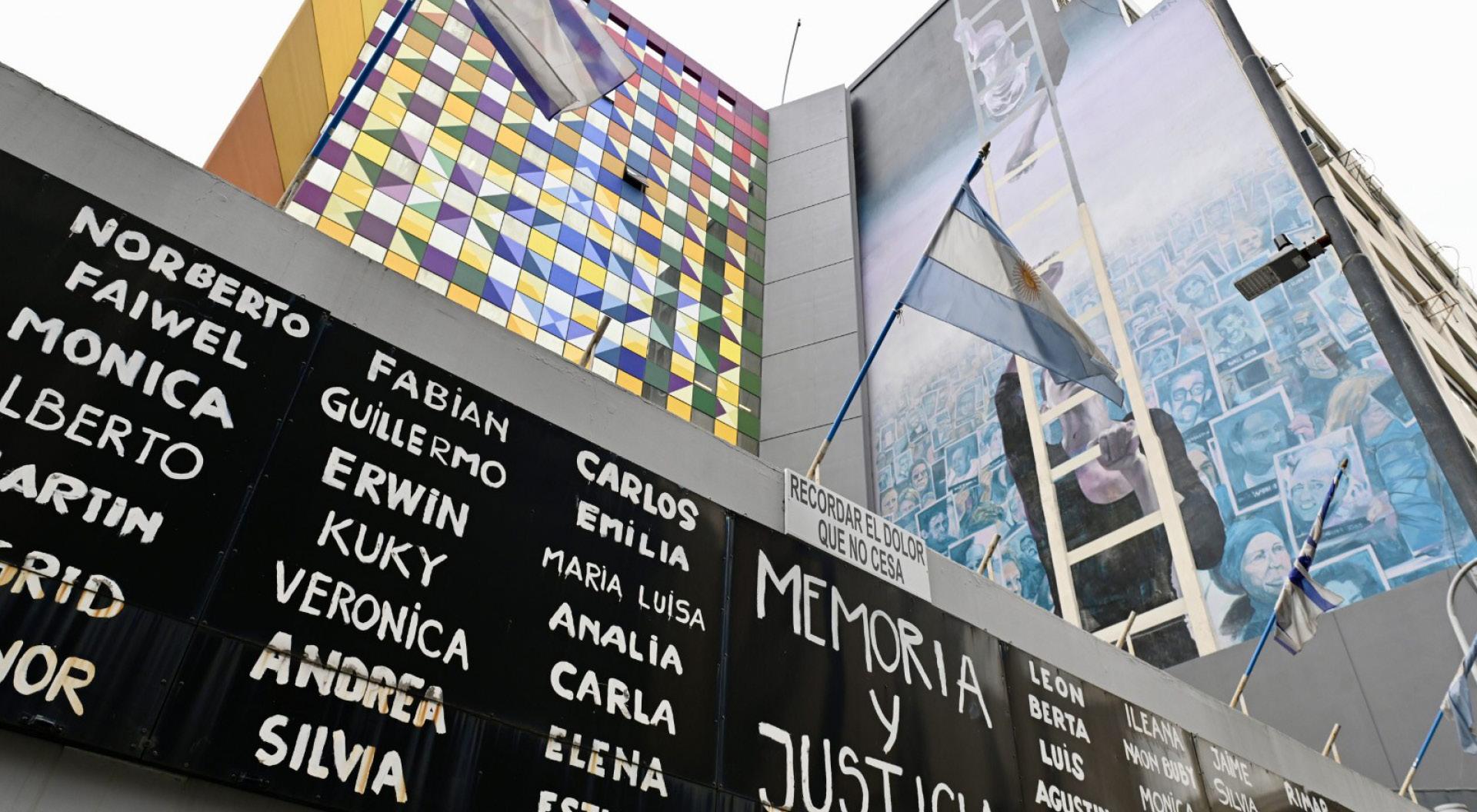
• Major terror attacks in Buenos Aires in the 1990s (Embassy bomb 1992; AMIA Jewish center 1994)
• Involvement in the narcotrade
• Support from authoritarian regimes tied to Tehran “It is well known that Hezbollah is well established in Latin America,” Chikli says. “When you have a dictatorship aligned with Iran, it becomes comfortable ground for Hezbollah to operate.”
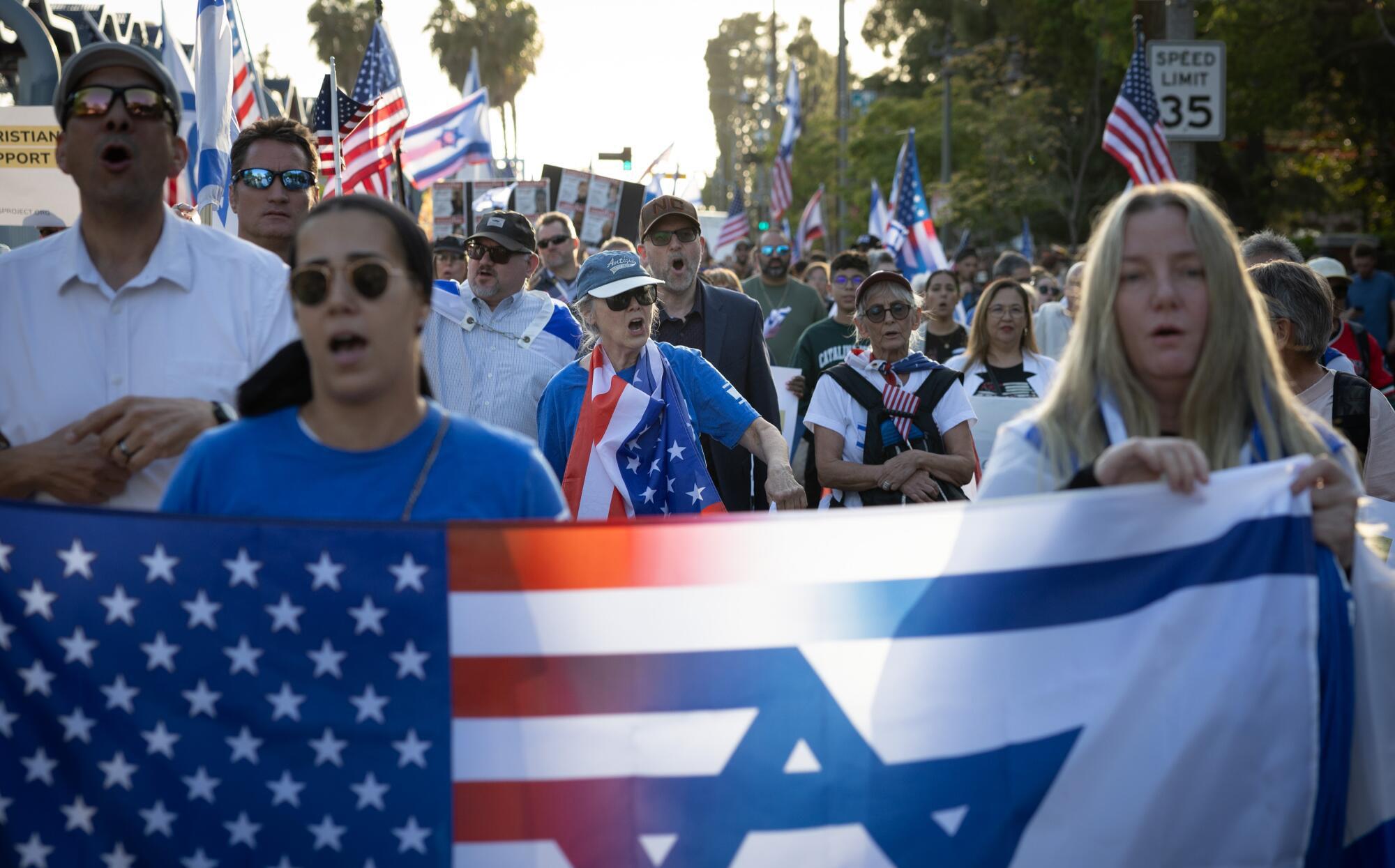
Chikli turns from geopolitics to a challenge much closer to home for American Jews: antisemitism on college campuses.
He praises the U.S. administration for taking concrete action:
“The current administration has done more to combat antisemitism than any in decades.”
He points to investigations and lawsuits under Title VI civil rights law targeting universities that fail to protect Jewish students, including actions potentially worth billions of dollars.
“There are deportations of violent Hamas supporters,” he says.
“There are lawsuits against universities that have allowed incitement and physical harassment. That is significant and unprecedented.”
He contrasts this with the previous administration, criticizing policies that:
• Weakened the standard definition of antisemitism
• Promoted partnerships with organizations whose leaders praised Hamas’s attack
“On the practical level, they did nothing,” he says.
“The Greatest Threat Is Jewish Fear”
For all the geopolitical urgency, Chikli’s central message is about identity.
“The greatest threat is a young Jew running away from his identity because he feels it is unsafe to be Jewish.”
He cites surveys showing around 40% of Jewish students feel unsafe wearing Jewish symbols or publicly
Funding priorities:
• Hebrew language
• Jewish history and tradition
• Israel trips and exchange programs
• Youth movements and leadership training
Goals:
• Reduce Jewish assimilation
• Counter college antisemitism
• Strengthen global Jewish identity
Chikli’s principle: “Knowledge and pride build resilience against hatred.”
identifying as Jewish or pro-Israel.
“That is catastrophic,” he says. “Silence and fear are the real dangers.”
“The Immune System of the Jewish People Is Education”
Chikli emphasizes that 80% of his ministry’s work has nothing to do with war or politics — it is Jewish education.
His ministry is investing tens of millions of shekels in:
• Jewish day schools
• Hebrew language programs
• Zionist education
• Cultural initiatives
• Informal youth leadership programs
After October 7th, he notes a surprising cultural shift:
• Celebrities suddenly identifying with Israel
KNOW YOUR RIGHTS
• Title VI (Civil Rights Act of 1964):
Protects students from discrimination in federally funded schools.
• What constitutes violation: Physical threats, blocking Jewish professors or students from campus access, targeted harassment, or institutional tolerance of antisemitic rhetoric.
• Terror flags are not “free speech”:
Supporting designated terrorist organizations (Hamas, Hezbollah, al-Qaeda) can be treated as material support under federal law.
• Document everything: Photos, videos, incident reports, witness statements.
• Reform rabbis returning to a pro-Israel stance
• Parents seeking Jewish schools for their children
“After October 7th, many Jews rediscovered their identity.”
The Message: Be Proud, Be Prepared, Don’t Look Away
Chikli ends with two lessons from this era:
1. Believe enemies who say they want to destroy you.
“Julani, Erdoğan, Hamas — they tell us exactly what they want. We must take them seriously.”
2. Strengthen Jewish identity.
“If a Jewish student is afraid to wear a Magen David, we have failed.” His conclusion is simple, and deliberately not dramatic:
“Israel will defend its borders. Diaspora Jews must defend their identity. Both require clarity and courage.”