Edun: intra-Nigerian
www.thisdaylive.com
Edun: intra-Nigerian
www.thisdaylive.com
Says reforms must deliver jobs, opportunities, better schools, healthcare Council expands anti-oil theft mandate, tasks states on tax, social spending
President Bola Tinubu on Tuesday promised to build a more resilient
economy and inclusive society. Tinubu urged federal and state governments to move beyond deliberations and translate the resolutions of the National Economic Council (NEC) Conference into concrete gains for Nigerians. The president made the asser-
tions at the close of the two-day NEC conference. In a speech read on his behalf by Senate President, Senator
Godswill Akpabio, Tinubu said his government would sustain its reform drive, stressing that policies must produce visible improvements
Fresh provision empowers INEC to apply discretion for transmission Atiku: Opposition must oppose amended bill passed by Senate, says APC party of riggers Amaechi joins e-transmission protest Bugaje alleges Senate plans to rig, give ‘someone’ advantage, like in 2023 PDP: Senate being clever by half ADC: Reversal victory for Nigerians
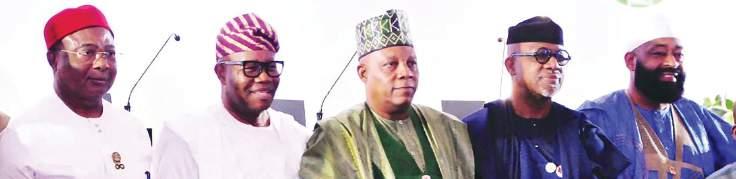
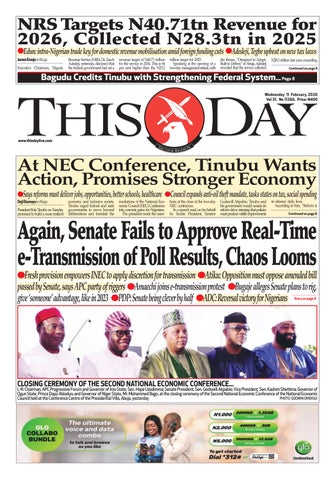
Niger State, Mr. Mohammed Bago, at the closing ceremony of the Second National Economic Conference of the National Economic Council held at the Conference Centre of the Presidential Villa, Abuja, yesterday








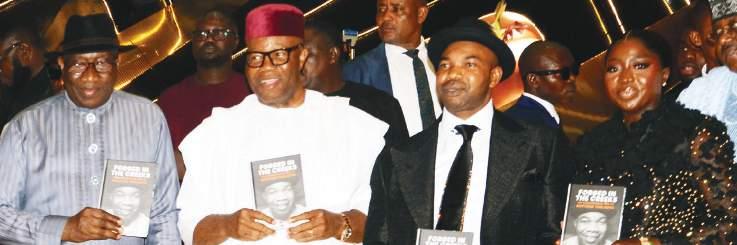
during the 50th birthday celebration and book presentation of Mr. Tonlagha in Abuja, Sunday
Lokpobiri wants needless middlemen in energy sector eliminated NNPC pledges support for indigenous capacity
Emmanuel Addeh and Peter Uzoho in Lagos
The Nigerian Upstream Petroleum Regulatory Commission (NUPRC) yesterday hinted that a fresh licensing round would open this 2026, explaining that the country is progressing with the ongoing 2025 bid round where 50 oil blocks are on offer.
The Commission Chief Executive of the NUPRC, Oritsemeyiwa Eyesan, who spoke in Lagos during a keynote address and a panel session at the ongoing Sub-Saharan African International Petroleum Exhibition and Conference (SAIPEC) 2026, noted that Africa’s energy investment outlook has significantly improved over the past three years, with the continent’s slice of global capital expenditure growing from 4 per cent to 8 per cent.
At the programme organised by the Petroleum Technology Association of Nigeria (PETAN), with the theme: “A Decade of Driving Africa’s Energy Future”, Eyesan explained that the rise in the expected investment in Nigeria and selected African countries represent between $48 billion to
$50 billion in 2026.
She admitted that the Nigerian Oil and Gas Industry Content Development (NOGICD) Act and the Petroleum Industry Act (PIA) have helped in opening the industry to attract financing, leading to the conduct of licensing rounds in quick succession.
“The NUPRC is finalising the 2024 bid round. We will be getting the final awards any time soon. We are in the process of progressing the 2025 bid round. And we have a clear line of sight to the 2026 bid round. I don’t recall any time in my over 30 years in this industry that this rapidity of opening the industry is happening”, Eyesan said during the panel session.
At the panel moderated by foremost geologist and Executive Chairman of AA Holdings, Mr. Austin Avuru, the NUPRC chief recalled that for over 70 years as an oil and gas producing nation, Nigeria has gone through several phases of development.
Also during the keynote, she noted that Africa’s energy investment outlook has risen, with the continent now capturing a larger percentage of global capital expenditure. “Of the $520 billion projected
in worldwide capital investment this year, Africa expects to attract between $48 billion and $50 billion, over 8 per cent of the total. This is a significant increase from previous years when it was below 4 per cent,” she stated.
Eyesan urged global investors to capitalise on opportunities in Nigeria’s 2025 licensing round, emphasising that recent reforms under the Petroleum Industry Act 2021 provide a predictable, transparent, and investor-friendly
framework for upstream development.
According to Eyesan, the licensing round is designed to unlock Nigeria’s upstream potential under a more predictable and investorfriendly regulatory framework established by the Petroleum Industry Act (PIA) 2021.
The NUPRC boss added that Nigeria is leveraging the momentum of renewed global interest in Africa’s hydrocarbons to attract credible investors into
its upstream sector.
“To facilitate resource access, Nigeria has launched the 2025 licensing round, offering 50 oil and gas blocks across various terrains. This initiative reflects a targeted approach to responsible resource development. We invite capable investors to participate and help realise Nigeria’s promising upstream potential,” Eyesan stated. She attributed the resurgence to renewed investor interest in frontier and established basins, particularly
in Nigeria, Namibia, Mozambique and other prolific African plays. Beyond foreign investment, Eyesan stressed the importance of domestic and regional capital formation as a stabilising force for Africa’s energy future.
“As we work to draw in more external investment, encouraging capital formation within Africa remains essential. Domestic capital brings stronger commitment and stability, creating more opportunities for development,” the CCE said.
Cyber risks, skills scarcity, rapid AI pace emerge new priorities 25% of business leaders expect to restructure their tax obligations
Nine in 10 Nigerian CEOs expect the country’s economy to improve over the next 12 months, marking a massive surge in business optimism as macroeconomic pressures begin to ease, according to the newly released PwC’s 29th
The Securities and Exchange Commission (SEC) has urged Nigerian civil servants to take advantage of opportunities in the capital market to build wealth, enhance financial security and actively participate in national economic growth.
Speaking during a strategic engagement with the Head of Service of the Federation, Didi Walson-Jack, and top officials of the service, the Director-General of the SEC, Dr. Emomotimi Agama, said the capital market should no longer be seen as distant from the everyday lives of public servants,
but as a viable platform for longterm savings and investment.
Agama stressed that civil servants, beyond earning monthly salaries, must position themselves as investors and stakeholders in the economy, noting that this would improve their financial stability both during service and in retirement.
“The capital market is a platform for wealth creation and financial security. Our collective goal should be to move civil servants from being just salary earners to becoming active investors and beneficiaries of economic growth,” he said.
He explained that the Contributory Pension Scheme (CPS) already
links millions of civil servants to the capital market, as pension funds are invested in government bonds, equities, infrastructure funds and other market instruments.
According to him, the performance of these investments directly affects the retirement benefits of workers.
Agama noted that a better understanding of how the capital market operates would deepen confidence in the pension system and encourage civil servants to explore additional investment options such as mutual funds, bonds, Real Estate Investment Trusts (REITs) and other regulated instruments.
Global CEO Survey.
The report tagged: “Leading with Confidence Amid Uncertainty and Evolving Threats”, also showed that 91 per cent of local executives are bullish about Nigeria’s growth trajectory in 2026, up from 64 per cent last year.
Besides, this confidence is significantly higher than global trends, with 56 per cent of Nigerian CEOs expressing extreme certainty in their own company’s revenue growth, compared to just 30 per cent of their peers worldwide.
While inflation and volatility are no longer the top concerns, the report revealed that leaders are now pivoting their focus toward internal transformation. Issues such as cyber risks, the scarcity of key skills, and the rapid pace of Artificial Intelligence (AI) adoption have emerged as the new priorities for the year ahead.
“This confidence is emerging amidst a changing threat landscape. Macroeconomic pressures have eased, with the share of CEOs citing inflation as a high
concern falling to 34 per cent and macroeconomic volatility to 25 per cent. At the same time, firm-level risks are more prominent.
“Cyber risk and availability of key skills are now the most cited threats, each reported by 38 per cent of CEOs. Technological disruption (25 per cent), geopolitical conflict (25 per cent), and tariffs (22 per cent) also feature strongly, shifting leadership focus toward execution capability, resilience, and risk management,” the report added.
Onyebuchi
Ezigbo in Abuja
As part of the growing concern over the menace of breast cancer in Nigeria and the plight of patients, the Chairman of the Senate Committee on Primary Health and Communicable Diseases, Senator Mao Ohuabunwa, has urged the federal government to consider the declaration of a national emergency on the fight against cancer.
Ohuabunwa, who made the suggestion at the World Cancer Day Symposium organised by Project Pink Blue in Abuja yesterday, said there was a need to ensure that breast cancer patients are properly taken care of by the government.
While acknowledging the federal government’s efforts at addressing the challenges posed by cancer, Ohuabunwa said: “Yes, we need them to do more or to
lead, but they cannot do it alone. I know the budget of patients are properly taken care of by the government.
“I really want to call that cancer treatment should be made a national emergency. Definitely, it should be a national emergency, and especially in those vulnerable areas, those areas that conflict are preventing patients from going for treatment, for screening and what have you.
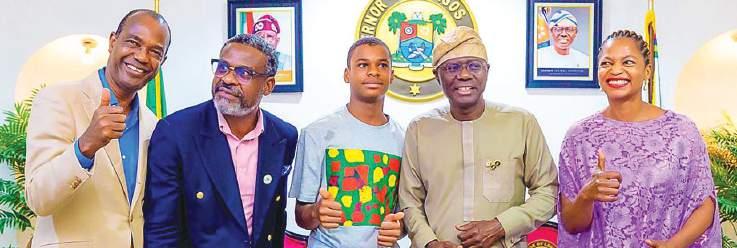
L-R: Grand Patron and Board Member, Kanyeyachukwu Autism Society, High Chief Chuck Nduka-Eze; father of the convener of the movement #RideWithKanye, Mr. Tagbo Okeke; Convener of the Movement, Kanyeyachukwu Tagbo-Okeke; Lagos State Governor, Mr. Babajide Sanwo-Olu; and mother of the convener, Mrs. Silvia Okeke, during the launch of the campaign to create awareness for World Autism Awareness Day with a cycling expedition across Nigeria tagged ‘#RideWithKanye – Impossibility Is a Myth’, held in Lagos … recently
Onyebuchi Ezigbo in Abuja
The Management of the Nigeria Social Insurance Trust Fund (NSITF) has dismissed allegations of misappropriation of funds against the Managing Director of the Fund, Oluwaseun Faleye.
A statement issued by the management, stated that, “It has noted with concern a publication circulating in sections of the media
alleging financial impropriety, abuse of office, and diversion of funds against the Managing Director/Chief Executive Officer of the Fund.”
The Fund added: “These allegations are false, malicious, and unsupported by verifiable facts, and appear to form part of a coordinated attempt to discredit the leadership of the Fund and undermine the far-reaching
reforms currently underway.”
NSITF explained that it operates strictly within a clearly defined statutory, financial, and governance framework under the Employees’ Compensation Act (ECA), 2010, the Public Finance Management laws of the Federal Republic of Nigeria, and applicable Treasury, procurement, and audit regulations.
“All funds accruing to the
Employees’ Compensation Fund are public trust funds, subject to multilayered internal controls, routine internal and external audits, Management Board oversight, and supervision by relevant government authorities.
“At no time has the Managing Director/Chief Executive Officer operated, controlled, or had access to NSITF funds outside the approved institutional banking
structure of the Fund. “NSITF monies are held exclusively in official Fund accounts, and all disbursements pass through established financial controls involving multiple officers, departments, and approval stages.
“Any suggestion that Fund resources were diverted into personal or non-Fund accounts is categorically false,” it added.
With regard to claims about
the operation of multiple bank accounts linked to a single Bank Verification Number (BVN), it said the BVN linkage and account administration are regulated by deposit money banks and the Central Bank of Nigeria, not by individual discretion.
The Fund explained that the existence of multiple accounts, many of which are dormant, marked “Post-No-Debit,” or not operational, does not constitute evidence of wrongdoing, adding that “crucially, no credible evidence has been produced showing that NSITF funds were paid into any personal or third-party account”.
About 1,444,581 Nigerians have received free reading glasses within one year under the Federal Government’s Effective Spectacle Coverage Initiative Nigeria, also known as Jigi Bola 2.0. Minister of State for Health and Social Welfare, Dr Adekunle Salako, who made this known on Tuesday while briefing newsmen at the State House, Abuja, explained that the initiative, implemented through the National Eye, Ear and Sensory Functions Programme (NESHP) of the Federal Ministry of Health and Social Welfare in collaboration with the Clinton Health Access Initiative (CHAI), was part of the Presidential
plan to deliver five million free pairs of eyeglasses to needy Nigerians.
He said within one year, the programme had also screened 1,541,325 Nigerians aged 40 and above for presbyopia across 16 states, describing the rollout as one of the largest vision-care distribution efforts on the African continent.
According to him, the 16 states currently implementing the presidential initiative are Lagos, Jigawa, Bayelsa, Delta, Ekiti, FCT, Gombe, Imo, Kaduna, Kano, Katsina, Plateau, Ogun, Kwara, Benue and Sokoto.
Salako said the programme recorded a 94 per cent utilisation rate of donated glasses, noting that 65 per cent of beneficiaries received
their first-ever pair.
He added that the initiative also helped to close gender gaps in access to care, with 53 per cent of recipients being women.
The Minister said the programme strengthened primary eye care delivery by training 2,216 primary healthcare workers and activating 811 PHC facilities to provide basic eye services, including screening, counselling, first aid, dispensing of reading glasses and referral of advanced cases.
He further disclosed that three vision centres had been equipped under the sustainability arm to provide glasses at subsidised rates, located at Alimosho General Hospital, Lagos; Ijebu-Ode General
Hospital, Ogun; and Idanre General Hospital, Ondo.
The minister said a real-time digital dashboard using Kobo Collect software was deployed to track screenings and glasses dispensed, enabling stakeholders to monitor progress from anywhere.
On funding, Salako disclosed that the Livelihood Impact Fund was supporting operations and covering the cost of one million pairs of glasses for 2026, while Founders Pledge funded Restoring Vision is to cover the cost of two million pairs,
with one million already provided to NESHP and 200,000 to CHAN.
According to him faith-based networks also played a major role, noting that the Christian Health Association of Nigeria alone dispensed 201,960 glasses.
Salako announced that the philanthropic arm of the initiative would expand in the next year to Nasarawa, Rivers, Oyo, Enugu, Taraba, Osun, Ogun and Edo, while four new vision centres had been earmarked for Edo, Enugu, Nasarawa and Sokoto.
On the allegation that the Managing Director granted himself “unlimited approval authority” the NSITF described it as “misleading and inaccurate.”
It said that internal approval frameworks within public institutions operate strictly within statutory financial regulations, procurement laws, and Board oversight.
“They do not override approval thresholds prescribed by government circulars, including those issued by the Office of the Secretary to the Government of the Federation.
Sunday Ehigiator
BUA Foods Plc has announced the appointment of Mr. Isyaku Abdulsamad Khalifa Rabiu as Chief Officer for Global Procurement and Strategic Operations, as part of efforts to strengthen its leadership structure and drive long-term growth across its operations.
The company in a statement yesterday, disclosed the appointment, which took effect from January 29, 2026, will see Rabiu oversee its end-to-end
global procurement function and drive strategic operational initiatives aimed at enhancing efficiency, cost optimisation, supply chain resilience and sustainable growth across the business.
Commenting on the appointment, the Managing Director of BUA Foods Plc, Engr. Ayodele Abioye, said, “As BUA Foods enters the next stage of its transformation, marking a shift from business consolidation to scaled and more disciplined growth, we are delighted to welcome Khalifa to our leadership team.
“His expertise in global procurement and strategic operations will be vital to further strengthening our supply chain, enhancing operational efficiency, and delivering greater value to our customers and stakeholders.”
Speaking on his new role, Rabiu said, “I am excited to assume this role at such a pivotal time in BUA Foods’ growth journey. I look forward to advancing agile, sustainable procurement systems and operational strategies that support the Company’s long-term ambitions.”
Africa’s richest man Aliko Dangote has paid a brief but strategically significant visit to Burundi where he explored new investment opportunities and cemented plans to expand the Dangote Group’s presence across the continent.
The visit, a statement by the Dangote Group said, included high level talks with President Evariste Ndayishimiye at the presidential palace.
Accompanied by former Nigerian President Olusegun Obasanjo, Dangote described the mission as both
diplomatic and economic in scope.
He revealed that two dedicated technical teams—one representing Burundi and the other, the Dangote Group—have been constituted to identify priority sectors and develop viable investment projects.
“Our focus really is investing heavily in the African continent, not anywhere else, and so Burundi is part and parcel of that African region,” Dangote stated after the meeting.
He pointed to strong potential in solid minerals, power generation, agriculture, cement production, and infrastructure development, stressing
the goal was to build a mutually beneficial partnership that drives shared prosperity. According to official sources, the discussions centered on strategic cooperation in infrastructure, logistics, industrialization, and energy—areas the Burundian government considers essential to its long-term economic transformation.
According to the statement, the engagement aligns with Burundi’s broader ambition to attract largescale private sector investment and strengthen ties with leading African industrial players.
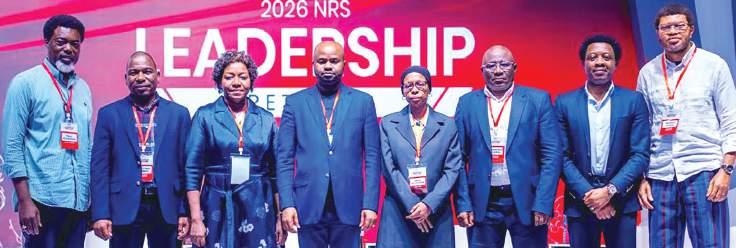
L-R: Chief of Staff to the Chairman, Nigeria Revenue Service (NRS), Mr. Tayo Koleosho; Executive Director, Policy and Compliance, Mr. Shettima Tamadi; Executive Director, Medium and Emerging Taxpayers, Mrs. Bolaji Akintola; Chairman, NRS, Dr. Zacch Adedeji; Executive Director, Government and Large Taxpayers, Ms. Amina Ado Kurawa; Executive Director, Finance and Corporate Services, Mr. Muhammad Lawal; Executive Director, People, Stakeholders and Communication, Mr. Obinna Ihedioha; and Executive Director, Technology, Mr. Iniabasi Akpan, at the opening of a two-day management retreat of NRS held at Transcorp Hilton Hotel, Abuja, Tuesday
Nigeria plans to start selling stateowned assets to private investors this year, as the authorities seek to leverage economic reforms aimed at drawing capital to the West African nation, a Bloomberg report said yesterday.
The government is identifying which assets it will sell, along with the timeline of when they will be offered, Finance Minister, Wale Edun, said in an interview on the sidelines of the AlUla Conference for Emerging Market Economies in Saudi Arabia. “The plan is to offer some assets in 2026,” he said.
Nigerian President Bola Tinubu embarked on a series of reforms after coming to power in May 2023, including eliminating costly petrol subsidies, allowing the currency to trade more freely against the dollar and overhauling its tax laws. The measures helped rein in consumer inflation, stabilise the naira and boost government revenue.
“What we have put in place has made Nigeria very competitive in terms of the economic conditions” and
“very attractive in terms of the incentives for investors” Edun
said. “I think investors are now more comfortable to invest in Nigeria,” he added.
The West Africa nation, which is Africa’s largest crude producer, announced last week that it’s in talks with a Chinese firm and other investors to operate some of its refineries. The talks include an option for the investors to buy equity in the plants, which haven’t worked for decades, despite billions of dollars being spent trying to revamp them.
After almost three years of reforms, the government now intends to “drive private investment” to boost economic growth. The economy is expected to grow 4.4 per cent this year, compared with an estimated 4.2 per cent in 2025, according to International Monetary Fund (IMF) estimates.
“We are interested in private public partnerships, optimisation of our assets by having others come in and invest,” Edun said.
Nigeria previously privatised assets including power-generation and distribution assets in 2013, and state telecom operator Nitel in 2015.
Also, Edun has said that
developing economies must rely less on external financing as high global interest rates and geopolitical tensions continue to strain public finances.
Asked how Nigeria is responding to rising global interest rates and conflicts between major powers such as the US and China, the Nigerian finance
Wale Igbintade
Eroton Exploration and Production Limited has launched a fresh legal challenge to stop the execution of court-issued interim orders that placed the oil and gas company under administration. Through its lawyers, Dr. Joseph Nwobike, SAN, leading Collins Ogbonna, of Osborne Law Practice, Eroton has asked the Federal High Court in Lagos to stay all actions arising from interim ex parte orders made on January 20 and 29, 2026, pending determination of its applications challenging both the legality of the court’s orders and its jurisdiction over the matter.
The company has filed three separate applications: a Motion on Notice to set aside the interim orders and restrain their execution; a Notice of Preliminary Objection challenging the court’s jurisdiction; and a substantive motion seeking a stay of execution and injunctions to preserve the status quo. Together, these filings aim to suspend the administration process until the court resolves questions about its authority to hear the case.
The dispute stems from proceedings initiated by the Lagos State Internal Revenue Service (LIRS), which prompted the court to issue the interim orders and appoint Mr. Amala Umeike, an insolvency practitioner,
minister told Al-Eqtisadiah, a Saudi daily business newspaper at the same event, that current conditions require developing countries to rethink traditional financing models.
“I think what it means for countries like Nigeria, other African countries, and even other developing countries is that we
have to rely less on others and more on our own resources, on our own devices,” he said on the sidelines of the Conference for Emerging Market Economies.
He added: “We have to trade more with each other, we have to cooperate and invest in each other.”
Edun emphasised the impor-
tance of mobilising domestic resources, particularly savings, to support investment and long-term economic development.
According to him, rising debt servicing costs are placing an increasing burden on developing economies, limiting their ability to fund growth and social programmes.
Dangote Petroleum Refinery has issued a firm clarification in response to recent publications attributed to S&P Global, stating the reports misrepresented its operations and created a misleading picture of Nigeria’s refining landscape.
The company in a statement last night categorically refuted claims, it said were amplified through certain newspaper adverts on Monday, February 9, 2026, suggesting it imports finished Premium Motor
Spirit (PMS) commonly known as petrol into the country.
According to Dangote Refinery, the misinformation was appropriately addressed during an S&P Global forum held yesterday in the United Kingdom.
The company said following the clarification, the forum acknowledged the refinery’s pivotal role in reshaping the global refining landscape.
The management of the refinery stressed the refinery does not import finished PMS into Nigeria and that it is only pursuing alternative feedstocks to improve its secondary-unit utilisation.
It further disclosed it has identified the individuals responsible for promoting the misleading narrative
as Administrator of Eroton.
Following the orders, Umeike issued notices to management, including a letter dated February 6, 2026, convening a management meeting for February 11 at Stren & Blan Partners in Lagos. Eroton, however, contends that the Federal High Court lacks jurisdiction to entertain the suit or make the interim orders.
In filings dated February 9, 2026, the company argued that the orders were issued without full and frank disclosure of material facts, and that the initiating party is not a juristic entity capable of seeking administration under Sections 450 and 868 of the Companies and Allied Matters Act, 2020.
and will reveal their identities and motives at the appropriate time.
“This propaganda is being promoted by unpatriotic and unscrupulous individuals who cannot afford to see Nigeria stop imports - individuals who helped to milk the NNPC refineries through fraudulent financing transactions for refinery repairs, which ended up being squandered. These individuals will soon have their day in court,” the company said.
Dangote Refinery described the claims as inaccurate and deceptive. It explained that, as a merchant refinery operating in line with global best practices, it imports only feedstocks and blending components - not finished PMS.
It maintained that these materials, including high sulphur reformates, low-RON condensates, and high sulphur cracked gasoline, must undergo further processing before they meet regulated market specifications.
The refinery emphasized that this is a standard global practice, especially among advanced refining hubs in Europe and Asia, where facilities routinely optimise their crude slates and blending strategies to enhance operational flexibility and margins.
The company warned that misrepresenting these intermediate streams as fuel or gasoline distorts public understanding and undermines confidence in Nigeria’s domestic refining progress.
of SHESTCO and NEMSA Respectively
Also appoints board members for NEMSA, nominates two as
Deji Elumoye in Abuja
President Bola Tinubu has appointed Hon. Magaji Da’u Aliyu as the Managing Director of the Sheda Science and Technology Complex, Abuja.
Accordng to a release issued on Tuesday by presidential spokesperson, Bayo Onanuga, the Sheda Science and Technology Complex
(SHESTCO) is responsible for conducting research and development in technology and for operating a nuclear research facility.
The President also appointed Adesayo Olusegun Michael as the Managing Director/CEO of the Board of Nigerian Electricity Management Services Agency (NEMSA).
Other Board members of NEMSA appointed by the President include Aliyu Abdulazeez (Executive Director,
James Emejo in Abuja
Minister of Budget and Economic Planning, Senator Abubakar Bagudu, has praised President Bola Tinubu for strengthening the nation’s federal system, noting that his economic reforms have increased funds for the subnational governments to provide more amenities for their constituents.
Speaking at the National Economic Council (NEC) conference, which concluded yesterday in Abuja, the minister said, “President Tinubu has strengthened our federalism.”
The minister told participants that the country is now a more united federation due to the bold
decisions the president made.
He highlighted the president’s support for the NEC, which includes the 36 state governors and the Federal Capital Territory (FCT).
The minister stressed that the president had fostered greater cooperation among the federal, state, and local governments.
Bagudu stated that Tinubu’s passionate interest in the council, which is the economic advisory body for the president, demonstrates his abiding faith in cooperative federalism, noting that his bipartisan approach to state affairs has softened the divisions that cause friction between federal and subnational governments.
He said, “In the NEC, state governors have been given opportunities to contribute to most of the reform measures, and commendably, most of them — regardless of party — believe the president is pursuing what our country needs and fully support the federal government.
“In fact, some have said they can’t justify being in another party.”
Highlighting the concrete gains of the economic reforms, Bagudu stated that the fiscal condition of states and local governments has improved, explaining that the federal government bore the burden of the reforms.
The minister drew the audience’s attention to the president’s priori-
tisation of the interests of lower levels of government, stating it demonstrated his belief that true federalism lies in recognising the potentials of the lowest level of government, which is closest to the people, and in supporting the sustainable generation of value within it.
Bagudu explained that this is the reason Tinubu approved the Renewed Hope Ward-based Development Programme, which aimed to identify economic activities in the 8,809 wards of the federation and support their growth.
He congratulated the president on the worldwide recognition of the increasing success of his bold and courageous economic reforms.
Bagudu said, “Just last week, a visiting World Bank delegation led by the Managing Director, Operations, told the world that Nigeria’s reforms have become a global benchmark.
“In fact, an IMF report covering the same period also listed Nigeria among the 10 leading countries contributing most to global economic growth.
“This is in addition to many other statements by leaders of various nations, international organisations, and private sector actors.”
The NEC Conference, with the themed, “Delivering Inclusive Growth and Sustainable Development: The Renewed Hope National
Chuks Okocha, Sunday Aborisade in Abuja and Laleye Dipo in Minna
For the second time in a few days, the Senate, yesterday, failed to enshrine real-time, mandatory electronic transmission of election results into Nigeria’s electoral law, opting instead for a controversial amendment that leaves the process to the discretion of the Independent National Electoral Commission (INEC).
At a tense, chaotic and at times disorderly emergency sitting, the upper chamber made a dramatic u-turn on its earlier position and
passed an amendment to the 2022 Electoral Act, approving electronic transmission of results from polling units but retaining provisions for manual collation where network challenges with transmission occur. By recommending that if electronic transmission fails, each polling officer could send results by manual transmission to the next level of collation centre, the Senate has opened the door to chaos. With many of the country’s 176,974 polling units, potentially citing network challenges to resort to manual transmission, increasing the likelihood of tampering and
manipulation of results by claiming electronic transmission failure.
Also, with results moving physically from thousands of polling units to collation centres, critics warned issue of integrity of the result would be called to question.
They also warned that delays, manipulation, conflicting figures and breakdown of public trust could overwhelm the electoral system and threaten national stability, adding further that the country could be plunged into widespread confusion, disputes and post-election chaos.
At the centre of the controversy was Clause 60(3) of the Electoral
not an event. It is a process. It requires courage, patience and consistency.
“The decisions we make here must translate into visible improvements in the daily lives of all Nigerians, in jobs created, businesses supported, roads constructed, schools strengthened, healthcare improved and opportunities expanded.”
He commended Vice President Kashim Shettima for his steady leadership of NEC, while thanking governors, ministers, development partners, and private sector stakeholders for their participation.
The president said sustainable prosperity required deeper collaboration between the federal government and states, as well as disciplined execution of agreed policies.
He stated, “The renewed hope agenda is not a slogan. It is a national commitment, and that commitment demands that we move beyond dialogue to delivery.
“I leave this conference reassured that we are aligned in purpose and united in responsibility.
“Together, we will build a more resilient economy, a more inclusive society and a stronger Federation.”
The conference, with the theme, “Delivering Inclusive Growth and Sustainable National Development: The Renewed Hope National Development Plan,” produced wide-ranging policy recommendations for all tiers of government.
Presenting the communiqué at the end of the two-day conference, Permanent Secretary in the Federal Ministry of Budget and Economic Planning, Dr. Deborah Odoh, said participants resolved that the mandate of the NEC committee against crude oil theft should be sustained and expanded.
The communiqué also urged the
federal government and states to foster stronger partnerships with the private sector, civil society and development partners to advance inclusive and sustainable national development.
On taxation, participants commended 12 states that had already passed the harmonised tax law and urged 13 states with pending bills at their Houses of Assembly to expedite passage, while calling on the remaining 11 states to commence the process.
“States should enact the harmonised tax law to address multiple taxation and complement the new tax reform laws,” the conference resolved.
On human capital development, the conference called for increased investment in education and health, warning that persistent underinvestment in the sectors required urgent correction.
It stated, “State governments should increase per capita spending on health, education and youth employment to improve human capital outcomes and expand opportunities for economic participation.
“Nigeria’s persistent underinvestment in the education and health sectors needs to be revisited, particularly when compared with peer countries.”
On security, the participants recommended non-kinetic approaches to complement military operations, stressing that tackling unemployment and poverty would help curb insecurity.
It also called for stronger interagency cooperation and urged state governments to key into the national security framework in line with the Renewed Hope Agenda.
Other resolutions included expanding concessional financing
for productive sectors, securing production corridors, strengthening federal-state coordination for domestic production, and ensuring optimal investment in oil and gas, while accelerating diversification into non-oil sectors.
The communiqué further recommended expediting consti-
its set target by 12 per cent.
Represented by Executive Director, Government and Large Taxpayers Group, NRS, Ms Amina Ado Kurawa, Adedeji charged the management and staff of the service to do away with old beliefs. He said the credibility of the country’s revenue architecture and confidence in the Nigerian economy rested on them.
He stated, “If we walk into the future with rigid beliefs, we will build walls where bridges are required. But if we lead with honesty, courage, and an open mind, we will build an institution worthy of this moment.
“Recently, I reflected deeply on an article in the Harvard Business Review titled, ‘The Hidden Beliefs That Hold Leaders Back’. Its central argument is both simple and confronting: leaders rarely fail because they lack intelligence, experience, or strategy. More often, they fall short because of the invisible beliefs they carry about themselves, about others, and about what leadership should look like, beliefs that quietly shape decisions, behaviours, and outcomes.
“The Nigeria Revenue Service will not be defined by what we say in this room. It will be defined by who we become after we leave it.”
Act (Repeal and Enactment) Bill, 2026, which the Senate had passed on February 4.
In that version, lawmakers retained the word “transfer” rather than “transmission” of election results — a choice that sparked nationwide outrage and renewed fears over the credibility of future elections.
Yesterday’s sitting, convened primarily to adopt the Votes and Proceedings of the previous plenary, quickly degenerated into fierce procedural battles, exposing deep divisions among senators over whether the chamber could revisit a decision already taken within the same legislative session.
Presided over by the Senate President, Senator Godswill Akpabio, the extraordinary session was punctuated by repeated interventions from the chair as tempers flared, points of order flew across the chamber, and order repeatedly broke down.
The crisis erupted shortly after Akpabio began reading excerpts from the Votes and Proceedings, when Senate Chief Whip, Senator Tahir Monguno (Borno North),
A breakdown of the 2025 collection showed that non-oil taxes accounted for N21.4 trillion, against the projected N18 trillion.
Total oil tax collection stood at N6.8 trillion, representing 95 per cent of the N7.2 trillion target set for the sector.
Both oil and non-oil tax revenue grew year-on-year by 19 per cent and 35 per cent, respectively.
In a statement issued by Special Adviser (Media) to the NRS chairman, Dr. Dare Adekanmbi, Kurawa said, “For the year 2025, oil tax revenue totalled N6.6trillion, representing a growth of 19 per cent over the N5.8 trillion realised during the corresponding period in 2024.
“Non-oil tax revenue for 2025 exceeded the 2024 total, reaching N21.5 trillion compared to N15.9 trillion for the same period in 2024—representing a growth of 35 per cent.
“This growth was driven by administrative enhancements, broadening of the Withholding system, digitalisation efforts, improved tax compliance initiatives and stronger enforcement tactics introduced by NRS.”
The statement added that the 44 per cent increase in the target for the agency was based on the expanded mandate of NRS to be a
invoked Orders 1(b) and 52(6) of the Senate Standing Orders, 2023 (as amended), to seek leave to rescind the earlier resolution on the disputed clause.
His motion immediately threw the chamber into confusion, with several senators questioning whether such a move was procedurally admissible while consideration of the Votes and Proceedings was still ongoing.
Others countered that Order 1(b) empowered the Senate to suspend its rules in the overriding interest of the legislature.
After putting the procedural issue to a voice vote, Akpabio ruled in favour of allowing Monguno to proceed.
Moving the motion, Monguno recalled that the Electoral Act Amendment Bill had already been passed but said “post-passage issues” had emerged, particularly with Clause 60(3), which he argued required further scrutiny to guarantee “smooth, transparent and credible elections”.
He told the chamber that the Senate could not ignore widespread public concern, stressing that laws must reflect national aspirations and
revenue system integrator for the country, including the collection of royalty, hitherto the responsibility of Nigerian Upstream Petroleum Regulatory Commission (NUPRC).
Earlier, Minister of Finance and Coordinating Minister of the Economy, Mr. Wale Edun, who joined the event virtually, charged Nigerians to rely more on made-in-Nigeria products, saying this would reduce revenue losses.
Edun said, “We talk about buying from West Africa or trading with Africa as a whole, but intra-Nigerian trade is critical.
We all know what spending in Nigeria does for the economy; we know what it does for the revenue targets of NRS.
“The debt service that was paid by the developing countries in 2024 was $163 billion, while the overseas development assistance that came in was $42 billion. The foreign direct investment and the private sector funding that came in from abroad to developing countries were just $97 billion.
“So, you can see that, as developing countries, the flow of funding. What we are giving out is more than we are getting through these various categories.
“Clearly, it is what we do for ourselves internally that is going to be important at this time.”
inspire public confidence. Monguno’s motion sought the rescission of the Senate’s earlier decision on Clause 60(3) and its recommittal to the Committee of the Whole for reconsideration and passage.
The Borno North Senator explained that the controversy stemmed from the ambiguous use of the words “transfer” and “transmission” of results, insisting that clarity was required to restore trust in the electoral process. He proposed a fresh amendment providing that the presiding officer at each polling unit shall electronically transmit results to INEC’s Result Viewing Portal (IReV) after completing and signing Form EC8A. Under the new provision, where electronic transmission fails due to network or communication challenges, the manually completed and duly signed Form EC8A would serve as the primary source for collation and declaration of results. However, the submission triggered fresh turmoil, with some senators objecting that phrases such as
The minister reiterated government’s desire to deliver in the areas of fiscal reforms and revenue mobilisation, saluting the management and staff of NRS for not just pivotal, but also indispensable role they play in domestic revenue mobilisation.
Chairman of National Tax Policy Implementation Committee, Joseph Tegbe, stressed the need for clinical delivery and execution of the tax laws.
Tegbe said the quality of execution would, ultimately, determine whether the reform would succeed or merely join a long list of wellintentioned initiatives that failed to transform outcomes.
He explained that the country’s continued dependence on what he described as volatile oil revenues exposed it to shocks beyond control, “while rising public expenditure demands stable, predictable, and sustainable domestic revenue.”
Tegbe said, “History will judge this reform not simply by the revenues it generates, but by the trust it rebuilds between the Nigerian state and its citizens.
“It is essential that we are clear about the role of the Nigeria Revenue Service. NRS is not just another agency. It is the nation’s revenue system integrator.”





L-R: Assistant PR Account Executive, Glam Brand Agency, Miss. Teniola Oyekan; Chief Executive Officer, Glam Brand Agency, Mrs. Bola Balogun; Lagos State Commissioner for Tourism, Arts and Culture, Mrs. Toke Benson-Awoyinka; Vice President, Growth and Partnerships, Rolling Stone Africa, Mrs. Itohan Barlow-Ndukuba; and PR Account Executive, Glam Brand Agency, Miss. Ochuko Akpofure, during a courtesy visit to the commissioner’s office in Alausa, Ikeja … recently
Mr. Chinedu Eneanya, a witness of the Economic and Financial Crimes Commission (EFCC) in the ongoing trial of former Governor of the Central Bank of Nigeria (CBN), Mr. Godwin Emefiele, yesterday indicted commercial banks for the scarcity that greeted the Naira redesign policy of the federal government in late 2022 and early 2023.
The witness, who is an investiga-
tor of the Commission, made the disclosure under cross-examination by Emefiele’s lawyer, Mr. Olalekan Ojo, SAN.
The former CBN Governor is standing trial on a four-count charge bordering on redesigning the Naira without recommendation from the Board of the CBN, Committee of Governors (COG) of the CBN as well as not getting the approval of then President, Late Muhammadu Buhari.
In the suit marked: FTC/
HC/CR/264/2024, the anti-graft agency claimed amongst others that Emefiele between October 19, 2022 and March 5, 2023 disobeyed the direction of Section 19 of CBN Act, by approving the printing of 375,520,000 pieces of colour swapped N1,000 notes at a total cost of N11,052,068,062 without the recommendation of the CBN Board and strict approval of the President, Federal Republic of Nigeria, which caused injury to the public.
According to the charge, the offence contravened Section 123 of the Penal Code, Cap 89 Laws of the Federation, 1990 and punishable under the same law.
The defendant, had however, denied the charge.
During his Evidence-in-Chief, the witness had tendered video evidence claiming that the redesign of the Naira notes by the Emefieleled CBN brought untold hardship for many Nigerians.
However, under cross-examina-
Okon Bassey in Uyo
A former Prime Minister of Tunisia, Mehdi Jomaa, has stressed that Nigeria and Tunisia have a lot to learn from each other in the development of their maritime potentials.
Homaa who was speaking on the sidelines of a summit on the development of the blue economy of the Niger Delta region of Nigeria in Ikot Ekpene LGA, yesterday said the enormous challenges faced by both countries in the sector also have enormous opportunities.
The summit themed - Harnessing the Blue Economy Potentials for
Sustainable Development of the Niger Delta - was put together by Dr. Uche Igwe, a communication expert and co-convener of the Niger Delta Investment Summit.
“I do believe, in the capacity of we Africans to build a nice future.
We are at this point where there is a reconfiguration of the world, and it’s time to wake up, to stand up, and to walk for the future, to prepare the future.
“The maritime sector is one of the areas where we can hope the best growth in the continent. You know, it’s easy. It’s easy and difficult in the same. Let’s have a look on the successful countries and what
they did. We will not go through the details, but I can summarize it in a few words.
“First, to get a real vision, what we want to do, the direction we have, and not to be focused only checking the daily troubles, which is important for the daily life of people. But without direction, whatever you do, even though you have the best boat in the world, you can miss the direction.
“So, it’s important to have the vision, but it’s not enough. Without vision, we cannot do anything. It’s not enough. It’s to have the team, the leadership,
“To leave that with the right
Sunday Aborisade in Abuja
President Bola Tinubu has again forwarded the name of former Kebbi State Governor, Alhaji Usman Dakingari, to the Senate for confirmation as a non career ambassador, barely two weeks after his earlier nomination was withdrawn amid controversy.
The fresh request was read on the floor of the Senate on Tuesday by the President of the Senate, Senator Godswill Akpabio, during plenary.
In a letter to the upper chamber, President Tinubu said the renomination was made pursuant to Section
171, subsections (1), (2)(c) and (4) of the 1999 Constitution of the Federal Republic of Nigeria (as amended), and urged the Senate to give the request accelerated consideration.
The President wrote: “I am pleased to present for confirmation by the Senate, the appointment of Usman Dakingari as career ambassador.”
“Whilst I hope that the Senate will consider and confirm the nominee expeditiously, please accept the assurances of my highest consideration.”
Dakingari’s initial nomination had been submitted to the Sen-
ate earlier in January but was subsequently withdrawn by the Presidency following concerns that trailed the process.
After the letter was read, Akpabio referred the nomination to the Senate Committee on Foreign Affairs for screening and confirmation, directing the committee to report back to the chamber within one week.
The renomination is expected to reignite debate within the Senate as lawmakers weigh the circumstances surrounding the earlier withdrawal against the fresh presidential request.
organization and then to develop the capacity for implementation.
That’s the biggest gap that we when we fail when we have a vision
“But we can miss our target if you don’t have a vision. But when you have a vision, you have to dedicate the right team for the implementation. If we have that, we have all the ingredients here.
We have young people.
“You have a large market, you have a good elite, and you are aware of the situation and what to do. So that’s the successful case”, he stated.
tion yesterday, Eneanya, who is the seventh prosecution witness (PW7), and head of the Inter Ministerial Probe Panel, revealed alleged infractions by some commercial banks in the country during the commencement of the policy in 2022/2023.
But he claimed not have been able to recall the total number of banks where bank officials hoarded currencies.
He was asked, “Can you confirm to the Honourable Court that bank officials were hoarding mints?”
“I am aware of that, but I cannot be specific”, he replied.
Also, when asked if the anti-graft agency arrested bank officials allegedly responsible for the hoarding of the currencies, the witness could not confirm.
Prosecution lawyer, A.O Mohammed, had objected to the question, stating that, “His beat was specific; whether his (naira redesign) was a valid approval.”
But Emefiele’s lawyer countered, pointing out that the witness was not limited to his evidence in chief and, as an investigative officer, had the power to make an arrest.
Ojo stressed that the question was also necessary since the anti-graft agency alleges that Emefiele caused undue hardship to Nigerians due to the shortage
of the redesigned currencies. Reacting, the judge after confirming the witness’s designation, asked him to answer the question.
“I stated before this court that the EFCC raised a task force; I didn’t say it was my team,” Eneanya answered, adding that he was not aware of what the EFCC did to the bank officials that caused the alleged infractions.
Meanwhile, when the witness was asked to confirm on whose authority they visited commercial banks in the country, he said he was “not privy to that information.” Responding, defendant’s counsel then requested to be given all documents related to the case and asked for an adjournment.
In a short ruling, Justice Maryanne Anenih adjourned to March 19 for the continuation of the cross-examination of the witness.
Earlier during the day’s proceeding the witness stated that the Managing Director (MD) of Nigerian Security Printing and Minting Plc (NSPM), Ahmed Halilu, disclosed the email communication between De La Rue and himself to the EFCC team.
“The email was made available to my team by the MD of NMPS, and subsequently, the email was opened in front of the team,” he said.
The Chairman and Chief Executive Officer of the Nigerians in Diaspora Commission (NiDCOM), Hon. Abike Dabiri-Erewa, has congratulated three Nigerians of global acclaim — Shaboozey, Tyler, the Creator, and Cynthia Erivo — on their landmark victories at the 2026 Grammy Awards.
In a statement issued on Tuesday, Dabiri-Erewa described the Grammy wins as a moment of immense pride for Nigeria, noting the achievements underscore the far-reaching impact of Nigerian talent and heritage on the world’s biggest cultural stages. She said the success of Shaboozey,
born Collins Obinna Chibueze; Tyler, the Creator, born Tyler Gregory Okonma; and award-winning actress and singer Cynthia Erivo, born Cynthia Chinasaokwu Onyedinmanazu Amarachukwu Owezuke Echimino Erivo, reflects the creativity, resilience and excellence deeply rooted in Nigerian identity. According to Dabiri-Erewa, their recognition at one of the world’s most prestigious music awards goes beyond individual accomplishment, representing a collective celebration of Nigerians and people of Nigerian descent across the global diaspora. She also acknowledged the continued global influence of Nigeria-based artistes such as
Davido, Burna Boy, Ayra Starr and Wizkid, whose works have helped elevate Nigerian music and culture on the international stage.
The NiDCOM boss stressed that despite being based abroad, the Grammy-winning artistes remain unmistakably Nigerian in heritage, family history and cultural identity, adding that their success continues to amplify Nigeria’s rich cultural footprint worldwide.
Dabiri-Erewa urged Nigerians at home and in the diaspora, as well as the media and cultural institutions, to embrace a more inclusive definition of national pride — one that recognises Nigerian excellence wherever it emerges.
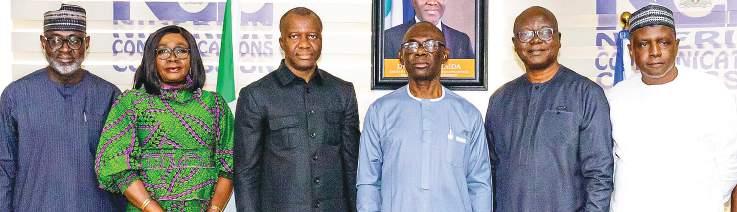
L-R: Engr. Aliyu Yusuf Aboki , Executive Secretary WATRA; Mrs Nneena Ukoa, Head Public Affairs, Nigerian Communications Commission; Hon. Clarence K. Massaquoi, Chairman Board of Commissioners, Liberia Telecommunications Authority; Kelechi Nwankwo, Director Corporate planning, strategy and Risk Management (NCC); Hon. Ben Fofana, Commissioner with oversight responsibility for Licensing and Regulation (LTA); Usman Mamman Director, Licensing & Authorization (NCC) during a courtesy visit to the Commission’s Headquarters in Abuja
The trial of alleged killers of ARISE News Correspondent and Anchor, Somtochukwu Maduagwu, commenced fully on Tuesday, at a High Court of the Federal Capital Territory (FCT), Abuja, with the prosecution calling two witnesses against the defendants.
Somtochukwu alongside a security guard, Mr. Barnabas Danladi, lost their lives during a violent robbery that occurred on September 29, 2025, at Unique Apartments in Katampe Extension, Abuja.
Following the incidents, the Nigerian Police Force subsequently arrested some persons said to be responsible for the death of Somtochukwu and Danladi.
The 11 defendants were arraigned on January 21 on a nine-count criminal charge bordering on alleged conspiracy, armed robbery, and murder.
Shortly after their arraignment and not guilty plea, trial judge, Justice Mohammed Idris, who ordered their remand at the Kuje Correctional Center, fixed February 9, 10 and 12, for trial.
However, when the matter was called on February 9, the defendants were not in court, with officials of the remand center claiming that they were not aware of trial date.
Responding, Justice Idris ordered that hearing notice be issued to the Kuje Correctional Services to ensure they produce the defendants in court the following day for trial, adding
the witnesses should also make themselves available the following day in the interest of justice.
When the matter was called on Tuesday, all the defendants were in court and the prosecution led by Adama Musa indicated interest to proceed and with the court’s permission called its first witness, Sani Yusuf, a resident of Unique Apartment.
Yusuf, led in evidence by Musa, relived the horrific events of the morning of September 29, 2025 before the court.
The 1st witness, a civil engineer, who concealed his identity with a nose mask and sun shade narrated how his apartments and others were raided by masked assailants shouting ‘Area’ while the plundering lasted.
According to Yusuf he was woken up by a loud noise, gun shots and “strange voices speaking Hausa and huge bang on my door, they entered shouting “ where are you? come out.”
He stated that after the armed men entered his bedroom, took his S25 Galaxy phone and Macbook Air laptop computer, he heard a scream of a female. “The scream stopped after about 15 minutes but before then I heard a lady screaming for help and noticed the security guard, Joshua saying his colleague had been shot”, he said.
He added that after the robbers had left, he came out of his apartment and “on my right I saw a body of a
female lying face down in a pool of blood” he continued, “I came closer and assumed she was shot, at the time I couldn’t recognise her but could tell that she was dead.
“I ran towards Joshua and he had tied Barnabas’ gun-shot wound. We got a neighbour’s car and took him to Maitama District Hospital and went back to the house to check if anybody needed help.
“The body of the woman I saw earlier had been taken away by the police. I went back to the hospital at about 4am and saw the lady’s body I saw earlier but was face up this time and recognised she was my neighbour Somto Maduagwu with a serious trauma on her head and she was later confirmed dead”.
At the end of his testimony, counsel to the defendants however said he has no question for the witness.
The prosecution lawyer then went ahead to call the second witness (PW2),
Fatou Toborteh, who also concealed her identity just like the first witness. She said, “Somto is my neighbour and Barnabas is a gate man and runs errands for us. On September 29 at about 3a.m I was in my flat at the said apartment with my aunt and children and heard screams and loud noises while in bed. “ She disclosed that when the armed men forcefully entered into her apartment and responding to their demands she surrendered her phone, car keys, cash and wallet, which she later found at the entrance of the flat alongside her debit card on the floor after the robbers had left.
“He opened my bedside drawer and found N55,000 cash and took it then he left and went downstairs with my car keys CRV Toyota Honda. One of the robbers also entered my aunt’s bedroom and my 14-year-old daughter’s room.
“They took a gold-plated wrist-
watch, an IPhone 11 promax and a Samsung phone from my aunt, lap top and some cash from my daughter”, she said.
”There were screams and calls for help. None came. There was distress in the apartment block for what seemed like forever. Until there was silence after the assailants left.
”It was afterwards that neighbours found Sommie lying face down in a pool of blood. And then there was scream for help by Joshua, a security guard, whose colleague, Barnabas Danlami, had been shot. Sommie and Barnabas were confirmed dead moments later at the Maitama District Hospital”, she added.
Meanwhile, the two witnesses said they couldn’t identify any of the assailants as they had masks.
Trial continues on February 12, with the prosecution calling additional witnesses.
Meanwhile, the Human Rights
Writers Association of Nigeria (HURIWA), has urged the Attorney General of the Federation (AGF) and Minister of Justice, Prince Lateef Fagbemi, SAN, to take over the prosecution to ensure swift, decisive, professional and excellent trial.
National Coordinator of the association, Comrade Emmanuel Onwubiko, made the call on Tuesday, following the failure of trial to commence on Monday.
HURIWA said it is inexplicable and absolutely unacceptable that the prosecution team and the officials of the Correctional Service have caused undue delay of the matter which in the view of HURIWA is one of the top-most public interest matters, given the circumstances of the death of the journalist and the fact that millions of the viewers of ARISE News television were violently deprived of the creative presence of Miss. Maduagwu.
The Economic Community of West African States (ECOWAS) has launched a pilot initiative aimed at strengthening economic empowerment and digital peace-
Kasim Sumaina in Abuja
The Nigeria Meteorological Agency (NiMet) on Tuesday predicted an early onset of rainfall in sixteen Nigerian states of Akwa Ibom, Cross River, Benue, Kogi, Nasarawa, Oyo, and parts of Kebbi, Niger, Jigawa, Katsina, Kano, Adamawa, and Taraba.
It however, said that a late onset is expected over Borno State.
NiMet gave the hint at its Public Presentation of the 2026 Seasonal Climate Prediction (SCP) event held in Abuja.
Highlighting the 2026 SCP, the Minister of Aviation and Aerospace
Development, Festus Keyamo said that the scientific robustness of the document ensures that the SCP remains a trusted national reference document, supporting policy formulation, investment planning, and risk management at all levels of government and the private sector.
Keyamo in his keynote address, said the 2026 Seasonal Climate Prediction is built on global best practices of meteorology and climate science, combining weather with long term climatological data and climatic drivers.
Key global climate drivers such as the El Niño–Southern Oscillation (ENSO) and the Indian Ocean Dipole (IOD), he said were used in the production of this year’s SCP. “For 2026, these indicators point to a predominantly neutral ENSO phase, with important implications for rainfall distribution, temperature.”
He stressed that the country have already seen some significant rains across the southern parts of the country this year. But, quickly posited, “Let me reiterate that these should not be taken to mean that the rainy season has started in these places.
building among women in Benue State, as part of efforts to address the prolonged humanitarian and displacement crisis in North-Central Nigeria.
The project, implemented through ECOWAS’ Directorate of Trade and the Directorate of Humanitarian and Social Affairs in partnership with the Benue State Government, targets women-led community-based organisations working on Women, Peace and Security (WPS) in conflictaffected communities.
The launch coincided with the start of a five-day capacity-building programme running from February 9 to 13, featuring a Training of Trainers (ToT) for 12 participants drawn from community-based organisations, civil society groups and internally displaced persons (IDP) camps.
The trained participants are expected to cascade the knowledge through step-down sessions that will reach at least 60 women and girls in selected IDP camps and host communities across the state.
The initiative responds to the persistent displacement and humanitarian challenges in Benue State and aligns with the state’s
Durable Solutions Action Plan, which prioritizes sustainable reintegration of displaced persons through livelihood recovery, peacebuilding and community resilience.
ECOWAS said the pilot recognises the critical role played by women-led grassroots organizations in mobilising communities, promoting social cohesion and advancing peace in areas affected by conflict.
The project is designed to strengthen their institutional capacity while equipping conflict-affected women and girls with practical economic and digital skills.
Anchored in ECOWAS Vision 2050, the Trade and Gender Action Plan and the ECOWAS E-Commerce Strategy (2023), the pilot integrates economic empowerment, digital literacy and digital peacebuilding through a cascade training model.
Trained WPS organizations will deliver step-down sessions directly within IDP camps and host communities.
Speaking at the opening ceremony, ECOWAS Director Dr. Sintiki TarfaUgbe described the initiative as a strategic intervention that empowers women-led organizations to drive durable solutions at the grassroots
while harnessing digital tools to promote inclusion, resilience and peace.
She noted that strengthening women’s economic agency and digital capacity is essential to building sustainable peace in fragile and displacement-affected communities.
In her remarks, the Secretary to the Benue State Government, Barrister Aber Serumum Deborah, commended ECOWAS for the initiative, saying it would reinforce grassroots peacebuilding efforts and enhance women’s participation in implementing the state’s Durable Solutions Action Plan.
According to her, the project will also contribute to livelihood recovery for women and girls affected by conflict, while strengthening community ownership of peace and reintegration processes.
The pilot will be implemented over a two-month period, beginning with preparation and adaptation of training modules, followed by training delivery, monitoring and documentation. ECOWAS said the initiative is expected to produce a scalable model that can be replicated across other Member States in the region.
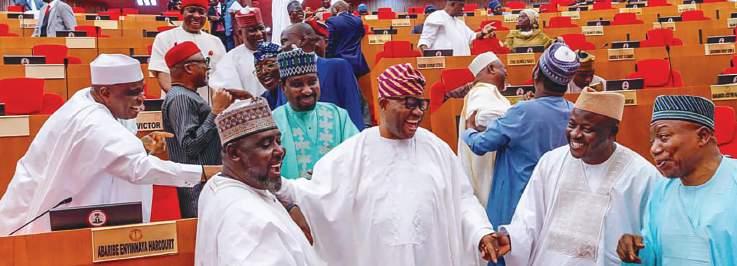
Senators
Enyinnaya Abaribe and Rufai Hanga; Deputy Senate President, Jibrin Barau; President of the Senate, Godswill Akpabio; Senators Ismaila Kawu and Adamu Aliero, exchanging banters after yesterday’s Plenary for the approval of Votes and Proceedings of the last sitting of the Senate.
Dr. Gbenga Hashim, Peoples Democratic Party (PDP) presidential aspirant has criticised Nigeria’s continued reliance on the economic prescriptions of the International Monetary Fund (IMF), arguing the country’s economic decline stems from policy choices shaped by external institutions rather than
domestic realities. Hashim made the remarks on Monday during an appearance on ARISE TV’s 8pm programme, where he discussed the Nigerian economy, national development, and his proposed $4 trillion economic plan.
According to him, Nigeria performed better when it pursued independent economic policies,
citing the country’s economic standing in the 1970s.
“When Nigeria wasn’t listening to the IMF hook, line, and sinker, our GDP per capita in 1976 was three times that of China, and our GDP was also double that of Malaysia in 1966,” he said.
He argued that “no serious nation swallows every pill that the IMF dispenses,” stressing the Fund
is not an investor and its projections should not serve as the primary benchmark for national progress.
Hashim maintained the true measure of economic performance should be reflected in the living conditions of citizens rather than headline growth figures.
The PDP aspirant also dismissed the federal government’s celebration of a four percent GDP growth rate,
A Lagos resident, Oyinkansola Talabi, has petitioned Governor Babajide Sanwo-Olu over an incident at Pebblerock Apartments, Oniru, which she alleged involved an attempted forced entry into her apartment and actions taken contrary to a subsisting court order.
In the petition, dated February 2026 and addressed to the governor through the Attorney General and Commissioner for Justice, Lagos State, Talabi raised concerns about the conduct of Green Birch Tech Limited, described as the sub-lessor of the property, and Isaiah Davies Ijele, identified as the Publicity Secretary
of the Social Democratic Party (SDP) in Kogi State, in relation to a tenancy dispute.
According to Talabi, the incident occurred at about 6:30 pm on Friday, February 6, 2026, when individuals she said included police officers and persons claiming to be court bailiffs came to her apartment while she was not at home.
She alleged that attempts were made to gain entry into the apartment, resulting in damage to the door handle.
Talabi stated that a friend who was inside the apartment at the time was distressed by the incident, which she said ended after neighbours intervened.
She maintained that no law-
ful eviction process had been communicated to her prior to the incident.
Talabi anchored her complaint on a High Court of Lagos State order in Suit No: LD/10108GCM/2025, issued on December 3, 2025, by Justice L.A. Okunnu.
She stated that the order restrains Green Birch Tech Limited and its agents from collecting or demanding rent from tenants and directs that rent payments be made to a court-appointed receiver, Paul Osaji & Co.
She explained that her current rent cycle commenced in November 2025 and that she had already paid 70 per cent of
Chuks Okocha in Abuja
Former Kaduna State governor, Nasir El-Rufai, has declared that the African Democratic Congress (ADC) would not adopt zoning or any form of consensus arrangement in its presidential primary ahead of the next year’s general election.
Speaking on Trust Tv, El-Rufai said the party was committed to conducting free, fair, and transparent exercise, where all aspirants would be given equal opportunity to contest without
pressure, imposition, or forced withdrawal.
El-Rufai disclosed that the ADC leadership was at the moment working on its manifesto and policy platform, while also engaging prospective presidential, governorship, and other aspirants to build internal unity ahead of the primaries.
“At the top level, we are preparing our manifesto and our platform. We are also working on getting our presidential aspirants, governorship aspirants, and other
aspirants to come together and agree on a process that will guarantee free and fair primaries,” he said.
According to him, the party has resolved that no zoning arrangement would be applied and that no aspirant would be compelled to step down in favour of another.
“There will be no zoning, no consensus, and no forcing anyone to step down. Everyone will be given the opportunity to contest, and whoever wins will be supported by all,” El-Rufai stated.
her annual rent, noting that she was only three months into the tenancy year at the time of the incident.
According to her, any outstanding balance was payable only to the receiver appointed by the court.
She further claimed that certain facilities within the apartment complex, including the elevator, were not functional, and that tenants had experienced challenges with electricity supply, which she attributed to disputes involving third-party billing arrangements.
describing it as inadequate in the context of what he called significant economic losses in recent years.
“After shaving 50 percent off the GDP, a four percent growth rate still represents a net decline, the GDP declined from 574 billion USD in 2014 to 230 billion USD now he said, adding that the All Progressives Congress (APC)-led government cannot credibly claim economic progress until Nigeria’s GDP surpasses the level it inherited in 2015.
Drawing comparison with the administration of former President Olusegun Obasanjo, Hashim noted that Nigeria recorded steady economic expansion between 1999 and 2003.
“When Obasanjo came in 1999, Nigeria recorded 5.5 percent growth in 2000, but by 2003 the country was achieving a 9.5 percent growth rate,” he said, insisting that despite its shortcomings, the PDP performed better than the APC across sectors.
Hashim further criticised the APC’s record in the power sector, alleging that the government has failed to significantly improve electricity generation capacity over the past decade.
“APC has not added one megawatt of electricity in 10 years,” he stated. He also claimed that rather than expanding the economy, the administration has presided over a contraction.
“APC has not added $1 to Nigeria’s GDP; instead, it destroyed 50 percent of our GDP in 10 years,” he said.
On agriculture, Hashim alleged that Nigeria has lost nearly $4 billion in productive capital within two years under President Bola Tinubu, attributing the decline to what he described as attempts to “artificially crash food prices,” a move he said weakened farmers and disrupted value chains.
Hashim argued the Economy requires double digit growth to get back into shape not micky mouse growth produced from failed reform initiatives. “Massive devaluation of the Naira started in 1986 there is nothing original or creative about that “ he said. Dr. Hashim further argued that the Economy needs Keynesian style economic package, a Roosevelt kind of bold plan for its over depressed economy not “more and more of the same failed reform measures” he noted.
cooperation in defence, economic development and global diplomacy.
The Russian Ambassador to Nigeria, Andrey Podyelyshev, has dismissed reports suggesting that Nigerians are being recruited to fight in the ongoing conflict in Ukraine, insisting there is no state-backed programme involving Nigerian citizens.
Speaking on Tuesday during a press briefing in Abuja, the ambassador described such claims as misleading and unconnected to the Russian government, while outlining the scope of Russia–Nigeria
He said: “If some illegal individuals are trying to recruit Nigerians to fight in Ukraine, this is not connected with the Russian state,” adding that: “If anyone has credible information, we are ready to forward it to Russian law enforcement authorities for proper investigation.”
He explained that all official military engagement between both countries is governed by bilateral agreements, particularly in the area of military-technical cooperation.
He noted that discussions are ongoing on the training of Nigerian military personnel and the possible supply of Russian equipment, with some projects already underway and others under consideration.
“We are ready to develop cooperation as much as the Nigerian side wishes,” the ambassador added.
Podyelyshev described Nigeria as one of Russia’s most important partners in Africa, stressing that relations with Abuja significantly shape Moscow’s broader engagement in West Africa.



DIRECT SHORT SERVICE COMMISSION COURSE 29/2026 SELECTION BOARD FROM 23 FEBRUARY - 8 MARCH 2026
1. The Nigerian Army (NA) is pleased to inform the general public that the list of successful candidates for Direct Short Service Commission (DSSC) Course 29/2026 Selection Board is available at the NA's recruitment website; https//recruitment.army.mil.ng. The shortlisted candidates are to report to the Nigerian Army School of Infantry (NASI), Jaji, Kaduna State from 9 am on 22 February 2026.
2. Candidates are to report to the Selection Board venue with the items listed below:
a. Writing materials.
b 4 copies of recent coloured passport photographs.
c. 4 copies of recent full size coloured photographs at standing position in suit. The photograph is to have the following information on the reverse side:
(1) Surname.
(2) First Name.
(3) Other Name.
(4) Date of Birth.
(4) Service Number (for serving personnel only).
(5) Current Unit (for serving personnel only).
d. Scratch cards for online confirmation of WAEC and/or NECO results.
e. 3 plain white short sleeve vests.
f. 3 pairs of blue shorts.
g. A pair of canvas shoes/trainers and 3 pairs of white socks.
h. Bucket and toiletries.
i. Set of cutleries including plate and drinking cups.
j. Beddings to include, blankets, bedspreads, mosquito net and pillow cases etc.
3. The Selection Exercise will involve physical, medical and aptitude tests. There will also be an oral interview for all candidates.
4 Candidates will be required to produce of the following in a file jacket: original and photocopies
a. All academic/professional certificates including testimonials, primary and secondary school certificates, NYSC discharge or valid Exemption Certificate as applicable.
b. Valid birth certificate as endorsed by the National Population Commission, hospital and Local Government Council at birth or valid age declaration.
c. Valid state of origin certificate.
d. Printed Bank Verification Number (BVN) certificate authenticated by same bank.
e. Completed copies of the print outs from the portal including referee forms.
f Coded AHQ MS Data Form for DSSC 29/2026 and Indemnity Clause will be sent to individual candidates' email address. These documents are to be printed, duly completed and submitted on arrival at the venue.
g. For Personnel (only)
(1) Official leave of pass.
(2) Military Identity Card.
(3) Letter of sponsorship to tertiary academic institution.
(4) Letter of recommendation by commanding officers/commanders.
5. Candidates are to note that any alteration on their documents will render such documents invalid thereby leading to disqualification.
6. Candidates will be fed and accommodated throughout the duration of the Selection Board.
7 Candidates would be responsible for their transportation to and from the Selection Board.
8. The use of personal/private vehicles by candidates is strictly prohibited throughout the duration of the Selection Board.
9. Candidates are not allowed to have visitors throughout the duration of the Selection Board.
10. Shortlisted DSSC 29/2026 candidates who fail to arrive by 6 pm on 22 February 2026 will be disqualified.
11. A high standard of discipline is expected from all candidates. Candidates who violate any instruction during the Selection Board will be disqualified.
NOTE: Due to the military nature of the Exercise, the Nigerian Army shall not be liable for any injuries or death recorded in the course of the Selection Board. Signed Military Secretary (Army)

Kayode Tokede
On the back of huge finance cost, cost of sales
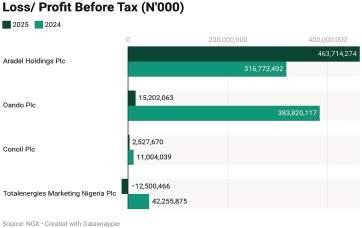
Totalenergies Marketing Nigeria and three other Oil & Gas companies listed on the Nigerian Exchange Limited (NGX) recorded revenue loss in their 2025 financial year.
Analysis of their unaudited results for the year ended December 31, 2025, showed that they recorded N4.98 trillion revenue, about 17.5 per cent drop from N6.03 trillion reported in the same period in 2024.
The remaining three companies include: Aradel Holdings Plc, Conoil Plc and Oando Plc.
Out of the four OIl & gas companies, Aradel Holdings emerged as the only company with increase in profit.
The Nigerian oil and gas sector in 2025 was marked by significant progress and challenges. The government has introduced reforms to enhance the sector’s performance, aiming to increase oil production by one million barrels per day and diversify the energy mix.
With the Dangote Petroleum Refinery ramping production, reducing reliance on imported refined products, this led to price competition that affected specifically Conoil and Totalenergies
Marketing Nigeria.
During the period under review, Totalenergies Marketing Nigeria posted N767.6 billion revenue, about 26 per cent drop from N1.9 trillion reported in 2024, while Conoil announced N301.72 billion revenue, a drop of 6.6 per cent from N323.13billion in 2024.
According to Totalenergies Marketing Nigeria, white products revenue relating to the sale of Premium Motor Spirit (PMS), Automotive Gasoline Oil (AGO) and Aviation Turbine Kerosene (ATK) stood at N529.49 billion in 2025, about 36 per cent drop from N830.5billion in 2024, while revenue from
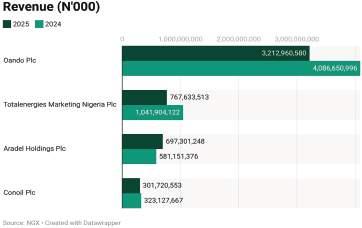
lubricants,among others closed 2025 at N238.14 billion, a growth of 12.6 per cent from N211.43billion in 2024.
For Oando, the indigenous oil & gas company posted N3.2 trillion revenue in 2025, down by 21.4 per cent from N4.09trillion declared in 2024.
Oando’s management stated that its revenue declined reflected lower trading volumes following a deliberate rebalancing of the Trading Division’s portfolio amid structural changes in the domestic downstream market.
“This was partly offset by stronger upstream contributions, supported by
higher production volumes following the consolidation of the NAOC JV interests,” the company explained.
However, Aradel Holdings declared a revenue of N697.3billion, an increase of nearly 20 per cent from N581.15billion declared in 2024.
The management of Aradel Holdings revealed that the growth in revenue was driven by sustained momentum across all business segments. Revenue from crude oil exports stood at N440.1 billion in 2025, about 18 per cent increase over N373.7 billion in 2024 and was supported by higher production volumes and
reliable evacuation through both the TNP and ACE system.
Also, Aradel Holdings’ Crude sales rose to 4.1mmbbls in 2025 from 3.1mmbbls in 2024, accounting for 63 per cent of the total revenue despite decline in realised crude oil prices. Refined products revenues closed 2025 at N210.8 billion, about 18 per cent increase over N179.3 billion billion, representing 30 per cent of total revenue. Growth in refined products was driven by a 26 per cent rise in sales volume to 302.9 mmltrs in 2025 from 240.5 mmltrs in 2024.
Nume Ekeghe
Investor demand at the Central Bank of Nigeria’s (CBN) first Treasury bills auction for February remained firmly ahead of supply, driving a sharp drop in long-term yields and reinforcing the bullish momentum across Nigeria’s fixed income market.
At the first auction in February, last week,
the CBN offered a total of N1.15 trillion across the 91-day, 182-day and 364-day tenors, while total subscriptions surged to N4.59 trillion, representing a 33.41 per cent increase from the previous auction and translating to a subscription-to-offer ratio of 3.99 times.
In a market note, analysts at Meristem Research said demand was overwhelmingly
skewed towards the long end of the curve, reflecting investors’ preference to lock in yields.
Also, the T-bills market started this week on a positive note, with the average yield easing by 7 basis points to 17.55 per cent from 17.62 per cent. Buying interest was broad-based across the curve, though it was particularly strong at the short end, including the
Mar-26 (-88bps), Apr-26 (-39bps), and May-26 (-22bps) papers. However, some maturities faced selling pressure, notably the Feb-27 (+26bps), Mar26 (+5bps), and Nov-26 (+4bps) bills.
On the last week’s auction, Meristem stated: “In the primary market, the CBN held its first Treasury bills (T-bills) auction in the month of February this week,
offering a total of N1.15bn across tenors. Investor’s demand was strong with total subscription at N4.59trn, up 33.41per cent from the previous auction resulting in a subscription-to-offer ratio of 3.99x. The elevated subscription levels were primarily driven by the 364-day bill, which accounted for 84.90per cent of total subscription.”
Despite the heavy
demand, total allotment declined compared with the previous auction, underscoring the CBN’s measured approach to liquidity management. The analysts said, “Total allotment declined by 10.17per cent from the previous auction to N952.61bn with bid-tocover ratio at 0.82x (vs. 0.92x previously).”
Sustained campaigns by foreign and domestic organisations to limit consumers’ accessibility of alcoholic and sugar-sweetened beverages is creating uneasiness in the sub-sectoer of Nigerian manufacturing, writes Dike Onwuamaeze
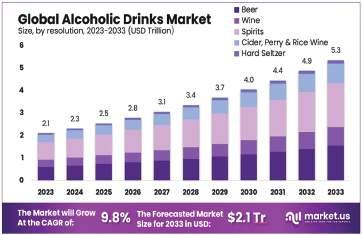
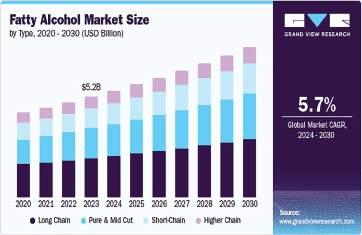
This is an uneasy time for operators in the beverage sub-sector of the Nigerian manufacturing. The sub-sector is being assailed from two fronts. One the one hand is the recently released World Health Organisation’s (WHO) “Global Report on the Use of Alcohol Taxes 2025” and the WHO’s “Global Report on the Use of Sugar-Sweetened Beverage (SSB) Taxes 2025.” Both reports made strong cases for higher taxations that would make the SSB and alcoholic beverages unaffordable.
According to the WHO, “Countries should improve tax design and increase taxes more systematically so that alcoholic beverage products become less affordable and as a consequence the burden of alcohol consumption and its related harms are effectively reduced.”
WHO also said, “Improving tax policy design and increasing taxes so that SSBs become less affordable should be pursued more systematically by countries in order to effectively reduce the intake of free sugars as part of improving population diets and preventing and controlling diet-related noncommunicable diseases (NCDs), including obesity and dental caries.”
It claimed that empirical evidence indicated that as the prices of alcoholic beverages and SSBs increase and become less affordable, purchases and consumption of these products would decrease.
It argued that, “Alcohol and alcoholic beverages contain ethanol, which is a psychoactive and toxic substance with dependence-producing properties.
“The negative health impacts of alcohol consumption include those for maternal and child health, communicable diseases, NCD and mental health damage, injuries, and poisonings.
“The harmful use of alcohol1 results in the deaths of approximately 2.6 million people annually. It also damages the well-being and health of people around drinkers, and carries significant social and economic costs.”
On the other hand, the National Agency for Food and Drug Administration and Control’s (NAFDAC) enforcement of the ban on the production and sale of alcoholic beverages that is packaged in sachets, small plastic or glass bottles that are below 200 milliliters. The enforcement, which started in January 2026, is hinged on public health concerns.
According to the Director-General of NAFDAC, Professor Mojisola Christianah Adeyeye, the ban is meant to protect children, adolescents and young adults
from the harmful use of alcohol.
Adeyeye said: “NAFDAC has resumed enforcement of the ban on the production and sale of alcoholic beverages packaged in sachets and small-volume PET or glass bottles below 200ml, in line with a resolution of the Senate of the Federal Republic of Nigeria and the Agency’s public health mandate.”
She argued that, “The widespread availability of high-alcohol-content beverages in sachets and small containers has made alcohol cheap, easily accessible and easily concealable, contributing to rising cases of underage drinking, addiction, domestic violence, road accidents, school dropouts and other social vices.”
“The current Senate resolution aligns with the spirit and letter of that agreement and with Nigeria’s commitment to the World Health Assembly Global Strategy to Reduce the Harmful Use of Alcohol,” she said.
Adeyeye stressed that, “This ban is not punitive; it is protective. It is aimed at safeguarding the health and future of our children and youth by not allowing alcohol in small pack sizes.
“The decision is rooted in scientific evidence and public health considerations. We cannot continue to sacrifice the wellbeing of Nigerians for economic gain. The health of a nation is its true wealth.”
However, it appeared that the NAFDAC is eager to swoop on the alcoholic beverage sector. Firstly, a Senate resolution is not a law that an agency under the executive arm of the government must comply with.
Secondly, it appeared that the NAFDAC is doing a forum shopping. According to the Manufacturers Association of Nigeria (MAN), NAFDAC’s implementation of the ban on the production and sale of alcoholic beverages packaged in sachets and small PET bottles is a flagrant disobedience of the directives from the Office of the Secretary to the Government of the Federation (OSGF) on the matter, as issued on December 15, 2025. It should be noted that the OSGF is the third highest executive office in Nigeria ranking only below the offices of the President and Vice President of the Federal Republic of Nigeria.
MAN added, “The recent action of NAFDAC is also in direct contradiction of the earlier resolution of the House of Representatives on the matter (vide NAS /10/HR/CT.33/77c of 14th March 2024);
wherein the House of Representatives, after an all-inclusive consultation with stakeholders through a Public Hearing, restrained NAFDAC from taking the needless punitive action of banning the production of alcoholic beverages in sachets and PET bottles.
“Rather than abiding by the generally agreed resolution, NAFDAC bided its time and chose to rely on a resolution of the Senate that was devoid of the usual stakeholders’ engagement.
“We have since approached the Senate, and we trust that the distinguished members will reconsider after further consultations. This is particularly concerning as operators are now confused as to which directive to follow in the face of multiple directives.”
The manufacturers association emphasised that the advent of the sale of alcohol in sachets and PET bottles was not intended to have a negative impact on Nigerians.
“Rather, it was an innovation to serve the segment of the adult population with low budgets who desire the product and should have a right of choice.
“The ban would, therefore, deny them the opportunity to exercise that right. In addition, and on the positive side, availability in small portions could also discourage abuse associated with bigger portions,” MAN said.
“Equally important to note is that alcohol served in sachets by local producers is produced under hygienic conditions and certified by our regulatory agencies, which include NAFDAC.
“We caution that this unnecessary action of NAFDAC is detrimental to the survival of the concerned indigenous industrial operators.
“This is worrisome as it comes at the expense of the jobs and livelihoods of workers and all those involved in the value chain. It is counterproductive as it will open up the market for illicit, substandard, and unregulated products,” MAN said.
Similarly, the Nigerian Employers’ Consultative Association (NECA) has described the ban as a serious regulatory misstep with far reaching economic and governance implications.
NECA said: “The continued enforcement is already disrupting legitimate businesses, unsettling ongoing investments, placing thousands of jobs at risk,
and weakening confidence in Nigeria’s regulatory stability at a time when investor trust is critically important.
“The current approach is misdirected. It disproportionately targets compliant and regulated manufacturers while failing to address the real drivers of underage access and the growing challenge of illicit substance abuse across the country.”
The WHO report has also bolstered the campaign of the Corporate Accountability and Public Participation Africa (CAPPA) for higher taxation on SSBs in Nigeria. On January 23, a healthy food advocate at CAPPA, Mr. Robert Egbe, wrote that Nigeria’s shift toward a pro-health review of the tax payable by manufacturers of non-alcoholic, sweetened, and carbonated drinks, commonly known SSBs, has reached a critical moment.
Egbe wrote that in November, the Senate Joint Committee on Finance, Customs and Excise convened a public hearing in Abuja to consider a bill seeking to amend the existing excise duty framework for SSBs.
He hailed the bill before the National Assembly, formally titled, “A Bill for an Act to Amend Section 21(3) of the Customs, Excise Tariffs, Etc. (Consolidation) Act to Replace the Fixed Ten Naira (N10) Per Litre Excise Duty on Non-Alcoholic, Carbonated Sugar-Sweetened Beverages with a Percentage Levy Based on Retail Price, and to Provide for the Earmarking of a Portion of the Revenue for Health Promotion and Disease Prevention Programmes” as a significant policy turning point.
He said: “Globally, SSBs are scientifically recognised as major dietary drivers of obesity, type 2 diabetes, cardiovascular diseases, childhood malnutrition, and premature death. In Nigeria, consumption of sugary drinks – particularly among children and young adults – has risen sharply. Non-communicable diseases now account for almost 30 percent of annual deaths, placing enormous strain on families and overwhelming an already fragile health system. However, the current tax level is far too weak to be effective.
“A fixed N10 per litre duty represents a negligible fraction of the retail price of sugary drinks. In 2021, a 33cl bottle of soft drink sold for N100–N150, meaning manufacturers paid less than N3 per bottle in excise duty. Today, that same bottle costs between N350 and N500, yet the tax remains unchanged.
Iyobosa Uwugiaren argues that while the Senate has accepted electronic transmission of results into Nigeria’s electoral design, it is only a guest, not as a rule.
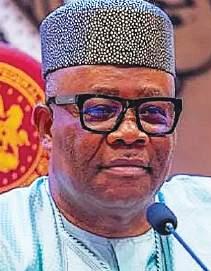
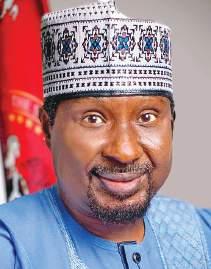
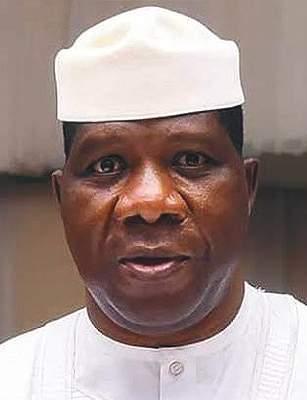
After weeks of public outrage and sustained civic pressure, the Senate has retreated—though only partially—from its earlier rejection of electronic transmission of election results. On Tuesday, senators amended the Electoral Act to permit the electronic transmission of results from polling units to the Independent National Electoral Commission’s (INEC) Result Viewing Portal (IREV). Yet the concession came with substantial conditions well short of the sweeping reform many Nigerians had demanded.
Electronic transmission, though now admitted into Nigeria’s electoral framework, enters not as a rule but as a guest—welcome, but closely supervised.
Under the revised provision, election results may be transmitted electronically after vote counting. However, lawmakers inserted a decisive caveat: where internet connectivity or network access fails, the physical result sheet—Form EC8A—will serve as the primary basis for collation. By declining to make electronic transmission mandatory and retaining manual collation as a fallback, the Senate has opted for a cautious, politically calculated compromise rather than a full embrace of electoral transparency.
The amendment followed an emergency plenary session prompted by a motion from the Senate Chief Whip, Senator Tahir Monguno (APC, Borno North). He argued that the chamber needed to revisit its earlier stance to better align the Electoral Act with public expectations and evolving technological realities. Supporters of the move hailed it as a pragmatic balance between idealism and feasibility. Critics, however, see something more troubling: a reform diluted just enough to preserve old vulnerabilities.
Indeed, the Senate’s initial rejection of mandatory electronic transmission had triggered sharp public backlash. Civil society organisations, media professional bodies— including the Nigerian Guild of Editors—and pro-democracy groups warned that the decision risked reopening familiar pathways for result manipulation. For many Nigerians, technology is not a luxury in elections; it is a safety measure against interference at the most vulnerable point of the process—between polling units and collation centres.
The Senate’s reversal, therefore, appears less a conversion than a concession. Politically, it reflects a legislature attempting to balance competing pressures: the growing public demand for credible elections on one hand, and the unease of entrenched political interests on the other. Electronic transmission limits human discretion, and by extension, political influence. For many within the political class, that loss of discretion is unsettling.
While the amendment changes are important—but what it preserves may be even more consequential. By explicitly allowing manual collation to take precedence in cases of “network failure,” the law keeps alive a process long associated with controversy, disputes, and allegations of manipulation.
In a country where logistical challenges and technical failures are routinely cited, the “network failure” clause creates an ambiguity wide enough to swallow the reform itself. Where discretion thrives, disputes often follow.
No reasonable observer denies that Nigeria’s infrastructural realities are uneven. From an administrative standpoint, the provision grants INEC operational flexibility, particularly in rural or poorly connected areas where mandatory electronic transmission could be impractical. It shields the electoral body from accusations of non-compliance where genuine technical obstacles exist.
Yet politically, this flexibility cuts both ways. INEC will now be required to justify why electronic transmission was possible in some polling units but not others.
Selective application—whether genuine or professed—could deepen suspicion, undermine public trust, and create fresh grounds for post-election litigation. Rather than simplifying elections, the amendment may complicate them.
More fundamentally, by making electronic transmission optional rather than obligatory, the Senate has preserved the very discretion that reformers sought to curtail. In tightly contested elections, where margins are slim and stakes are high, disputes rarely arise at the polling unit. They emerge during collation—precisely the stage electronic transmission was designed to secure.
In this sense, the amendment functions as a political pressure valve. It eases public anger without fundamentally altering power dynamics within the electoral process. Analysts describe it as an attempt to manage conflict rather than resolve the deeper crisis of electoral credibility. Nigeria’s history of reform supports this scepticism: electoral changes are often packaged as progress while quietly conserving the status quo.
Still, the amendment is not without significance. For the first time, electronic transmission of results is unambiguously recognised in law. That matters. Legal recognition establishes a foundation upon which future reforms can build. It forecloses the argument that electronic transmission is illegal or extraneous to Nigeria’s electoral framework.
But recognition without compulsion is not transformation. As long as electronic
For the first time, electronic transmission of results is unambiguously recognised in law. That matters. legal recognition establishes a foundation upon which future reforms can build. It forecloses the argument that electronic transmission is illegal or extraneous to nigeria’s electoral framework.
transmission remains optional, its impact will depend less on statutory authority and more on political will—often the most unreliable variable in Nigeria’s elections. The credibility of the reform will hinge on how consistently INEC applies it, how transparently it explains deviations, and how firmly it resists political pressure.
The legal implications are equally significant. Ambiguity in electoral law rarely ends at the ballot box; it travels straight to the courts. The non-mandatory language of the amendment, combined with the “network failure” allowance, is likely to become a central issue in election petitions. Tribunals may be asked to determine whether electronic transmission was reasonably possible in specific locations, whether failure to transmit affected outcomes, and whether reliance on manual collation was justified.
Far from reducing post-election disputes, the amendment risks multiplying them. Yet the Senate’s reversal also reveals something encouraging: the rising influence of civic pressure in Nigeria’s democratic space. Public outrage, protests, and sustained advocacy forced lawmakers to reconsider an unpopular decision. That, in itself, is a democratic gain.
The problem is that partial reform often creates the illusion of progress while postponing real change. By offering a compromise, senators may have lowered political temperature without addressing the underlying deficit of trust in the electoral system. For reform advocates, the concern remains familiar and valid: Nigeria’s elections cannot be rescued by half-measures.
Ultimately, the amendment represents progress—but progress measured in inches, not strides. It reflects a political system struggling to reconcile citizens’ demands for transparency with elite fears of losing control.
Whether electronic transmission becomes a stepping stone toward genuinely credible elections or merely an expedient compromise will depend on three factors: how INEC operationalises the provision, how courts interpret its ambiguities, and how relentless public pressure remains.
For now, electronic transmission has been admitted into Nigeria’s electoral design—but only as a guest, not as a rule. And until it becomes the rule, the credibility crisis it was meant to resolve will remain unsettled.

Trump’s remarks are subtle signal that the nation has capable leaders beyond the executive office, writes ABIODUN OLUWADARE
DEMOLITION: SAFETY OVER SENTIMENT
The demolition is guided by safety concerns and urban necessity, argues ADEKUNLE AKINMOSA
See page 21
CHARACTER IN AN AGE OF AI
No country grows beyond limits placed on its best people, argues SONNY IROCHE
See page 21


Nigeria’s global image has often been shaped by its enormous cultural, economic, and political footprint across Africa. While debates most times focus on security, governance, and economic reforms, the country’s soft power, particularly through influential figures in civil society and political leadership, remains a critical yet underappreciated instrument in international diplomacy. In this context, recent remarks by former United States President Donald Trump at the International Christian Gathering in New York, recognising Nigeria’s First Lady, Oluremi Tinubu, resonate far beyond personal praise. Trump described her as “a quintessential embodiment of leadership, faith, and national dedication,” highlighting her public service, moral authority, and transformative role in Nigeria’s social development.
At first glance, such recognition may appear ceremonial or symbolic. Yet in today’s interconnected world, where public diplomacy, cultural influence, and strategic alliances shape national outcomes, endorsements by global leaders carry tangible consequences. They signal to international audiences, investors, faith communities, and the diaspora that Nigeria possesses credible, respected, and effective figures driving positive societal change. This article explores the historical, strategic, and diplomatic significance of this recognition, situating it within Nigeria’s evolving soft power architecture and the broader dynamics of faith diplomacy.
Understanding the significance of Trump’s remarks requires situating them within the broader framework of US–Nigeria relations. Nigeria, Africa’s most populous nation, has historically been a key partner of the United States in areas of security, trade, counterterrorism, and democracy promotion. Since the Cold War era, Nigeria has navigated complex geopolitical alignments, balancing its African leadership role with global partnerships.
In recent decades, cooperation has included counterterrorism initiatives against Boko Haram and ISIS-West Africa, peacekeeping contributions across Africa, and growing trade relations in energy, technology, and infrastructure (Adepoju, 2022). Against this backdrop, recognition of a figure such as the First Lady in an international forum signals more than personal acclaim. It represents an affirmation of Nigeria’s political and cultural credibility, an acknowledgement of governance leadership, and a subtle diplomatic signal to global audiences that the nation has capable leaders beyond the
executive office.
Oluremi Tinubu’s public service trajectory offers insight into why international recognition resonates. As a former Senator representing Lagos Central District, she distinguished herself through legislative initiatives promoting women’s empowerment, social inclusion, and education. Her tenure was marked by advocacy for gender equity, public health reforms, and oversight of social welfare programs.
Beyond legislative work, the First Lady has spearheaded poverty alleviation, youth development, and maternal health through the Office of the First Lady, complementing national policies in line with the Sustainable Development Goals. Her emphasis on education, vocational training, and community development positions her not only as a domestic changemaker but as a soft-power ambassador capable of influencing regional and global perceptions of Nigerian governance.
This profile underscores why Trump’s recognition is strategically significant. It elevates her role from ceremonial First Lady to a figure representing Nigeria’s capacity to combine moral authority, social advocacy, and governance impact, qualities that matter in global diplomacy, foreign investment, and international partnership-building.
The forum in New York where Trump made his remarks was not arbitrary. Religious gatherings, particularly those with international audiences, serve as platforms for what scholars term “faith diplomacy.” Nigeria, a nation of nearly 220 million people, is religiously diverse, with Christians and Muslims forming the majority and various indigenous faiths influencing community life. Religious institutions have historically mediated social cohesion, provided humanitarian support, and facilitated political communication.
Faith diplomacy leverages these
networks to enhance national credibility abroad. Recognising Oluremi Tinubu in a Christian-focused international setting underscores Nigeria’s alignment with transnational moral and ethical norms, projecting a narrative of faith-aligned leadership. In strategic terms, it reinforces Nigeria’s capacity to engage soft power instruments, religion, culture, and social advocacy, to complement traditional diplomacy, security efforts, and economic negotiations.
Soft power, a concept coined by Joseph Nye, refers to a state's ability to influence others through attraction rather than coercion. Nigeria’s soft power derives from cultural exports like Nollywood, Afrobeat, literature, and diaspora engagement. Yet political figures, particularly women in leadership and advocacy roles, constitute a less recognised but potent vector of influence.
Oluremi Tinubu exemplifies this vector. Through her social programs, public visibility, and engagement with international faith and humanitarian networks, she strengthens Nigeria’s brand abroad. Recognition by a figure like Donald Trump amplifies this effect, signalling to investors, policymakers, and civil society that Nigeria is led by credible, competent, and morally authoritative individuals, a crucial signal in a continent where governance narratives often dominate global perceptions.
While seemingly a soft power matter, the recognition of Oluremi Tinubu has concrete strategic implications. National security extends beyond military and intelligence capabilities; it encompasses societal resilience, cohesion, and legitimacy. Elevating figures like the First Lady of Nigeria can strengthen its internal governance narrative, foster community trust, and reduce the appeal of violent non-state actors who thrive in the absence of governance and moral authority.
Moreover, positive international recognition could enhance Nigeria’s regional leadership in ECOWAS, AU peacekeeping, and economic diplomacy. It could facilitate multilateral cooperation, foreign investment, and collaborative efforts in counterterrorism and development assistance. In essence, it aligns moral authority with strategic objectives, bridging domestic governance and international policy impact.
Professor Oluwadare is a retired Colonel, a professor of Security and Strategy at NDA, Kaduna, and an international scholar in peace studies, governance, and strategic diplomacy
The demolition is guided by safety concerns and urban necessity, argues ADEKUNLE AKINMOSA
No country grows beyond limits placed on its best people, argues SONNY

The recent demolition exercises in parts of Makoko have once again thrust Lagos into the familiar eye of controversy. Predictably, some people and organisations have raised the alarm, aligning on emotion, to frame the exercise as an assault on the urban poor. However, beyond the outrage lies a more sober truth which is that the Lagos State government, under Governor Babajide Sanwo-Olu, is confronting a long-festering safety and environmental challenge that no responsible administration can continue to ignore.
Makoko has always occupied a peculiar place in Lagos’ reality. Part slum, part symbol, it has been romanticised by outsiders and weaponised by critics as evidence of state neglect. But Makoko is also a densely packed settlement built largely on stilts over water, with little regulation. Fire outbreaks, building collapses, water pollution, disease outbreaks and security concerns are not mere possibilities there. They are real dangers.
In recent years, Lagos has witnessed tragic incidents arising from unsafe structures, illegal developments and environmental degradation. From collapsed buildings on land to fires in congested settlements, it is clear that unregulated habitation kills quietly until it kills loudly. Many of the waterfront structures in Makoko were constructed without regulatory approval and lack basic safety standards. And particularly for buildings under high-tension cables, the Lagos State Building Control Agency (LASBCA) has repeatedly warned residents of Makoko and other high-risk zones to vacate such buildings, citing risks such as electrocution and fire.
Reacting to protests against the demolition, Sanwo-Olu promised the exercise is not a land-grab as being bandied by some non-governmental organisations.
“I have been accused of destroying Makoko” he said to select Managing Directors and Chief Executive Officers at a recent meeting organised by the Lagos State Security Trust Fund (LSSTF).
“You will notice shanties sprawling by the Third Mainland Bridge. The challenge is that they were expanding at an incredible speed and getting dangerously close to the bridge. There are also high-tension power lines underneath. I cannot sit back and watch a disaster happen where hundreds of lives could be lost in a single day. What we did was simply to push them back. For six years, a United Nations agency promised to support development if I provided funds. I did, but they never returned. Just last week, they admitted they had no money. Of what benefit would it be for the government to dislocate people? It can only be for their safety. We will not sit back and allow a tragedy to occur and then be blamed for inaction. Some NGOs collect thousands of dollars from donor countries, making videos of children missing school, only for pecuniary gain. It is a shame.”
The Sanwo-Olu-led administration has
repeatedly emphasised that Lagos cannot continue to grow chaotically. With a population pushing past 20 million and expanding daily, the state faces pressures unmatched anywhere else in the country. Urban governance in such a megacity is not for the faint-hearted. Allowing unsafe communities to persist because they evoke sympathy may appear humane in the short term, but it is very irresponsible in the long run. When tragedy strikes, as it inevitably does, the same voices condemning demolition are often the first to ask where the government was. The criticism from some NGOs failed to engage with this reality. Advocacy that begins and ends with “don’t demolish” but offers no viable alternative for ensuring safety, sanitation and environmental protection is incomplete at best.
It is also important to dispel the notion that the Lagos State government acts with reckless disregard for human consequences. Over the years, successive administrations have engaged communities, issued notices, marked buildings and warned occupants long before enforcement actions are taken.
The Sanwo-Olu government has continued this approach, combining urban renewal with resettlement discussions and, in some cases, compensation. That these measures may not satisfy every advocacy group does not make them insincere.
There is also a deeper danger of institutionalising informality. When illegal settlements are allowed to persist, they send a message that rules are optional and that the state lacks the will to enforce its own laws. This does not empower the poor. Rather, it traps them in precarious living conditions while encouraging further unregulated development. Over time, the cost of regularising such areas becomes astronomically higher, both financially and socially. Clearing unsafe structures, though painful, creates the opportunity for planned redevelopment.
Governor Sanwo-Olu’s broader urban agenda provides important context here. His administration has invested heavily in transport infrastructure, drainage systems, road expansion and climate adaptation projects. These initiatives are interconnected. A functional drainage system cannot coexist with unchecked construction along waterways.
Akinmosa writes from Lagos
Nigeria’s federal character principle, rooted firmly in the 1999 Constitution (as amended), was crafted as a kind of safety valve for a nation wrestling with deep divisions. The thinking behind it is to create room at the table for everyone, calm down fears about regional dominance, and make sure every corner of this sprawling country could genuinely claim ownership of “the Nigerian project.” Coming out of colonial rule and civil war, what policymakers wanted was healing, bridges, not barriers. Fast forward, more than twenty years into this democratic era. One uncomfortable truth has become harder to ignore: sticking rigidly to federal character rules and quota-based allocations, in everything from university admissions to public sector jobs, has backfired in ways many anticipated.
The most glaring casualty. Meritocracy itself. There’s now a growing sense that top-performing students or candidates routinely lose out because they hail from “the wrong” state or ethnic group. Here’s where things get even trickier. As Artificial Intelligence sweeps across industries worldwide, and as competition between nations becomes downright cutthroat, Nigeria faces a tough crossroads.
Can any country that systematically sidelines merit realistically hope to keep pace in an AI-driven global economy? It’s not just theory; it cuts right to our prospects for future relevance. From inclusion tool to institutional weakening federal character boils down to one core idea: representation matters a lot. Still, let’s be candid: if you push representation without demanding competence, all you’re doing is watering down your institutions (sometimes quietly). What started off as a short-term fix has morphed into something closer to a permanent speed bump on Nigeria's road toward excellence.
Check how this plays out day-to-day: In universities, federal colleges, even military academies,the bar for entry often isn’t about who worked hardest or scored highest but rather which part of the country someone comes from. You see scenarios where applicants with far lower grades leapfrog better-qualified peers purely due to state quotas. The underlying message: Your birthplace counts far more than your abilities do. That stings, and frankly, it puts us on shaky economic ground.
Artificial Intelligence couldn’t care less about ethnicity or local politics, it
runs strictly on skillsets like accuracy, inventiveness and execution speed. Just look at countries dominating the tech frontier today, from Silicon Valley hubs all the way through Asian innovation centers, they’ve gone all-in on nurturing talent wherever they find it and pushing people toward their full potential early on. In an AI-powered market: Code doesn’t respond to emotional appeals. Algorithms won’t cover up poor skills. Complex systems implode if managed by folks outmatched by their own tools.
Bottom line: Countries winning this race are those betting big on merit above all else because excellence isn’t some optional extra, it determines whether you sink or swim. Right now, though, Nigeria keeps tying its hands with inflexible quota frameworks, a risky move if we’re serious about building world-class research labs or cutting-edge cybersecurity outfits (not forgetting hospitals and defense units). If skill takes a back seat every time geography enters the equation, well, that says it all.
The fallout from federal character rarely makes headlines overnight; instead, it creeps up slowly but steadily over time. Standards slip almost invisibly at first, lecture halls grow less challenging; professional benchmarks inch downward; red tape multiplies while nimble decision-making dries up; fresh ideas struggle for air; international competitiveness slips away before anyone realizes what happened.
Given enough time, what once seemed average starts to feel like the norm, while genuine excellence somehow gets side-eyed, written off as elitist or “out of touch.” Odd twist, isn’t it. The same regions federal character aimed to elevate are frequently those left shortchanged. Instead of throwing real resources into education, teacher training, digital access, and nurturing young talent where it’s needed most, the system hands out easy fixes. Basically, we’re slapping bandages on wounds without treating what actually caused them. If inclusion is the goal, shouldn’t we be lifting standards everywhere rather than flattening them across the board.
Iroche was a Senior Academic Fellow at the African Studies Centre, University of Oxford. He also holds a postgraduate degree in Artificial Intelligence from the same institution.
Editor, Editorial Page PETER ISHAKA
Email peter.ishaka@thisdaylive.com
The authorities must do more and protect the nation's information space
To strengthen national security and social stability, the Nigerian Press Organisation (NPO) is pushing authorities in the country to protect our information ecosystem from the growing influence of global digital plat forms. In a statement entitled, ‘Preserving Nigeria’s Information Sovereignty: Why the Federal Government Must Act to Secure the Nigerian Press in the Digital Age,’ the NPO argued that the rapid rise of these platforms is not only an industry challenge, but also a national threat.
Considering that the statement was jointly endorsed by representatives of the Newspaper Proprietors’ Asso ciation of Nigeria (NPAN), the Nigerian Guild of Edi tors (NGE), the Broadcasting Organisations of Nigeria (BON), the Guild of Corporate Online Publishers (GOCOP), and the Nigeria Union of Journalists (NUJ), the federal government must heed the warning. According to the umbrella media organisation, foreign technological companies like Google have created a power imbalance that is now threatening the sustainability of professional journalism in Nigeria, particularly through their dominance in digital advertising markets. “This is not a conventional market disruption,” the organisation said. “It is the emergence of private, transnational gatekeepers over public discourse, operating beyond the effective reach of national democratic accountability.”

what Nigerians see, amplify, or ignore.”
Even if the global giants are not solely responsible, it is common knowledge that many media organisations across the country are withering, as they struggle to keep their newspapers and magazines on the streets or to make their voices heard, pay salaries, and fund important investigations. This is partly so because most of the revenue that once sustained domestic newsrooms is increasingly extracted offshore. “The erosion of journalism revenue is already translating into newsroom contraction, job losses, and declining professional standards,” NPAN president, Lady Maiden Alex-Ibru, noted. “This represents a loss of skilled labour, institutional memory, and national capacity that cannot be easily rebuilt. Algorithms controlled outside Nigeria determine
T H I S D AY
EDITOR SHAKA MOMODU
DEPUTY EDITOR WALE OLALEYE
MANAGING DIRECTOR ENIOLA BELLO
DEPUTY MANAGING DIRECTOR ISRAEL IWEGBU
CHAIRMAN EDITORIAL BOARD OLUSEGUN ADENIYI
EDITOR NATION’S CAPITAL IYOBOSA UWUGIAREN THE OMBUDSMAN KAYODE KOMOLAFE

EDITOR-IN-CHIEF/CHAIRMAN NDUKA OBAIGBENA
GROUP EXECUTIVE DIRECTORS ENIOLA BELLO, KAYODE KOMOLAFE, ISRAEL IWEGBU
DIVISIONAL DIRECTORS SHAKA MOMODU, PETER IWEGBU, ANTHONY OGEDENGBE
DEPUTY DIVISIONAL DIRECTOR OJOGUN VICTOR DANBOYI
SNR. ASSOCIATE DIRECTOR ERIC OJEH
ASSOCIATE DIRECTOR PATRICK EIMIUHI
CONTROLLERS ABIMBOLA TAIWO, UCHENNA DIBIAGWU, NDUKA MOSERI
DIRECTOR, PRINTING PRODUCTION CHUKS ONWUDINJO
TO SEND EMAIL: first name.surname@thisdaylive.com
Journalism as a profession aids nation-building, and is instrumental to strengthening electoral integrity and social cohesion. This comes through the dissemination of information which is factual, accurate, trustworthy, transparent, and balanced. This helps in promoting the public good while also reflecting authentic realities and aspirations, minimising harm and ensuring accountability to the people. These are particularly important in an age that is increasingly defined by misinformation. But the current digital market structure allows these platforms to extract disproportionate value from our public good while weakening its producers. And as rightly stated by the NPO, when trusted news institutions are weakened, misinformation, and digitally manipulated narratives walk the streets, fuelling grievances and insecurity. As it stands, the sovereignty of Nigeria is not only defended at physical borders. It is also done in the information space. Indeed, safeguarding Nigeria’s information sovereignty, as the Minister of Foreign Affairs Yusuf Tuggar, once put it, “is the digital-age equivalent of territorial integrity.” It is about Nigeria’s right and capacity to tell its own stories, shape its own narratives, and counter the corrosive effects of foreign-sponsored disinformation. But this can only be done effectively when the profession is reasonably empowered, and the country is able to protect the nation's digital space. At the end of the day, press freedom not backed with economic viability is worthless. Therefore, we endorse the NPO position that it is time to tackle the emerging risks, and misinformation from algorithmic bias. We must ensure fair compensation for Nigerian news content in addition to preserving innovation, competition, and consumer choice. In doing these, we will just be adopting what some other nations, including South Africa, United Kingdom and Canada have done to protect their national interests. Fortunately, there are already capable institutions like the Federal Competition and Consumer Protection Commission (FCCPC) and the Nigerian Copyright Commission (NCC), with powers to do what is right. We must do everything to enhance Nigeria’s information sovereignty.
Letters in response to specific publications in THISDAY should be brief (150-300 words) and straight to the point. Interested readers may send such letters along with their contact details to opinion@thisdaylive.com. We also welcome comments and opinions on topical local, national and international issues provided they are well-written and should also not be longer than (750- 1000 words). They should be sent to opinion@thisdaylive. com along with photograph, email address and phone numbers of the writer.
The recent announcement that the federal government has begun implementing a 40 % increase in the Consolidated Academic Allowance (CAA) for members of the Academic Staff Union of Universities (ASUU) is a welcome development in Nigeria’s long-standing struggle to stabilise the tertiary education system. Education Minister Tunji Alausa confirmed that the increment, effective from 1 January 2026, is already reflected in some federal university payrolls and will be extended nationwide as institutions integrate the increase into their salary structures. This step follows the 2025 renegotiation of the 2009 ASUU-FG agreement, which had become a flashpoint for years of disruptive strikes, lost academic calendars, and stalled national development in the education sector. A 40 % increase in allowances, coupled with directives to vice-chancellors to ensure compliance, signifies a renewed—if overdue—commitment by government to honour negotiated agreements and strengthen industrial har-
mony in universities.
However, while the pay rise represents a vital recognition of lecturers’ welfare and professional contributions, it should not be mistaken for a comprehensive solution to the systemic crises that have chronicled Nigerian public universities. Wage adjustments without deep reform risk being temporary palliatives rather than transformative measures. First, low remuneration has undeniably contributed to reduced morale, brain drain, and diminished research productivity among academic staff. A structured increase in allowances linked to research, conference participation, professional development, and internet access is crucial for reenergising academic engagement and global competitiveness. But negotiation outcomes must also be matched with robust funding mechanisms that guarantee infrastructure, lab facilities, libraries, and modern learning environments. Without these basics, higher pay alone will not reverse decades of academic decay.
Second, the recurring cycle of negotiation, agreement, partial implementation, and renewed industrial action reveals deep governance weaknesses within the public education sector. The 2009 ASUU agreement should have been fully implemented or reviewed long before it became obsolete, triggering strikes that disrupted millions of students’ academic journeys. The lengthy renegotiation process—spanning several administrations accentuates the need for stronger institutional frameworks to manage and enforce labour agreements.
Third, a focus on lecturers’ pay must not eclipse the welfare of non-academic staff, including members of the Senior Staff Association of Nigerian Universities (SSANU) and the Non-Academic Staff Union (NASU), whose struggles intersect with those of academic staff and whose exclusion from negotiations can fuel new tensions.
Felix Oladeji, Lagos
Ebere Nwoji
The National Insurance commission (NAICOM), has entered into partnership with CRC Credit Bureau Management to integrate insurance data and strengthen risk management in Nigeria. Both organisations agreed on the partnership during a courtesy visit by the management of CRC Credit Bureau to the commissioner for insurance, Mr Olusegun Ayo Omosehin in his office in Abuja.
Managing Director/ CEO CRC Credit Bureau,
Dr. Tunde Popoola, expressed interest in partnering with the Commission to integrate insurance sector data into national credit reporting systems, driving digital adoption, reducing fraud, and enhancing underwriting and claims management in Nigeria’s insurance industry.
Omosehin, in response expressed the commission’s strong interest to collaborate with the CRC to leverage its data and analytics for regulatory oversight, fraud detection and industry capacity building.
Both parties agreed
to pursue concrete steps including product demonstrations and analytics showcases; develop a proposal for an insurance-sector database and integration framework; deliver capacity-building/ training sessions, a proposal for a dedicated insurance-sector database, and closer operational collaboration.
He said integrating insurance data could boost the sector in several ways such as more accurate underwriting and riskbased pricing, speedier, more accurate claims processing and fraud prevention.
Ebere Nwoji
Credit rating agency, Augusto &Co, has decorated Stanbic IBTC Insurance with A1 rating, a significant upgrade from its former A rating status for 2025 and 2026 financial year.
Stanbic IBTC Insurance, a subsidiary of Stanbic IBTC Holdings, said it was pleased to receive the rating from the company having been assigned a Long-Term Rating of A and a Short-Term Rating of A1, both with a Stable Outlook.
The upgrade, the company said, reflects stronger confidence in its Insurance’s financial resilience, governance standards, and long-term sustainability.
Commenting on the rating upgrade, Chief Executive of Stanbic IBTC Insurance, Akinjide Orimolade, stated, “We are delighted with this upgrade as a reflection of our progress and the trust we’ve earned from stakeholders. Our focus remains on delivering reliable protection, exceptional service, and enduring value to both policyholders and other stakeholders. This recognition motivates us to uphold the highest standards of financial discipline, service excellence, and integrity”, he stated. In terms of claims settlement, he said Stanbic IBTC has consistently demonstrated its
commitment to prompt and efficient pay out to policyholders and annuitants.
According to him since its establishment in 2021, the company has settled over 2,000 claims, amounting to more than N1.8 billion in cash.
Orimolade said additionally, the company has paid over 16 billion in annuities to more than 4,900 retirees, reaffirming its dedication to delivering reliable and timely benefits.
He said Stanbic IBTC Insurance remained committed to maintaining its strong financial position, driving customer-centric innovation, and consistently delivering on its promise of security and peace of mind for Nigerians.
Dike Onwuamaeze
The Lafarge Africa Plc is expanding the production capacity of its Sagamu Cement Plant in Ogun State and Ashaka Cement Plant in Gombe State to 3.5 million metric tonnes (mmts) and 2.0 mmts per annum.
The two new plants will be dry plants with preheater kilns, vertical raw mills and roller presses for cement mills to make them energy efficient.
This was disclosed in a notice sent to the Nigerian Exchange Limited (NGX) by the Company Secretary
of Lafarge Africa Plc, Adewunmi Alode.
Alode said that the expansion of the Ashakacem and Sagamu plants would improve product availability and enhance Lafarge Africa’s ability to serve customers efficiently across its key markets.
This expansion is coming after the announcement made last year that Huaxin Building Materials Group had acquired 83.81per cent of Lafarge Africa Plc.
Speaking on the expansion, the Group Managing Director/CEO, Lafarge Africa Plc, Mr. Lolu Alade-Akinyemi,
stated that the expansion projects reflected the company’s long-term confidence in Nigeria’s growth and support for Nigeria’s infrastructure and construction needs.
Alade-Akinyemi explained that the project is beyond capacity growth to deliver operational and sustainability benefits but meant to support value creation for our customers and shareholders.
He said: “The expansion of our plants is a strategic investment that reinforces Lafarge Africa’s role in supporting national development.
Lasaco Assurance Plc said it has planned to expand its market share through partnership, strengthened capital base and reinforcement of its operational, governance, technology and compliance focus. These measures are designed to create a resilient and high-performing organisation, capable of delivering on its strategic objectives.
The company said the plan represents a strategic move to strengthen its market
position and drive sustainable growth, thereby sharpening its execution focus to navigates an increasingly regulated and competitive insurance landscape.
Speaking on the company’s evolving direction, Acting Managing Director, Ademoye Shoba, highlighted the importance of execution consistency and organisational alignment.
“As the business environment continues to evolve, our priority is execution. We
are aligning our people, processes, and technology to ensure that our strategic intent translates into improved service delivery, stronger performance, and sustainable growth,” Shobo stated.
Speaking on the company’s finances, Deputy Managing Director, Mr. Rilwan Oshinusi emphasised the company’s focus on capital discipline, efficient resource allocation, and balance sheet resilience.
The price of OPEC basket of twelve crudes
Kayode Tokede
The Nigerian Exchange (NGX) maintained its positive momentum yesterday, extending gains recorded in the beginning of the week as sustained investor appetite pushed market capitalisation by N1.84 trillion.
The NGX All-Share Index (ASI) advanced by 1.65 per
cent to close at 176,809.42 basis points, reflecting renewed optimism across major sectors of the market.
As a result, the NGX ASI Month-to-Date and Year-toDate returns settled higher at +6.9per cent and +13.6per cent, respectively.
Consequently, the market capitalisation of all listed stocks on NGX rose by N1.84 trillion to close at N113.50 trillion.
THISDAY can report that the market capitalisation has appreciated by N3.26 trillion in two-day, underscoring the strength of the rally and the scale of value accretion recorded during the session. Sectoral performance was broadly positive, reinforcing the upbeat sentiment across the market. The NGX Banking Index led sectoral gainers with a 1.83 per cent rise, supported
by renewed interest in major deposit money banks.
The NGX Insurance Index edged up marginally by 0.01 per cent, while the NGX Consumer Goods Index advanced by 0.18 per cent. Strong performances were also recorded in the NGX Oil & Gas Index, which climbed 2.97 per cent, and the NGX Industrial Goods Index, up 2.93 per cent, reflecting sustained
positioning in energy and infrastructure-related stocks.
The NGX Commodity Index also closed higher, gaining 1.78 per cent.
However, the market breadth remained decisively positive, settling at a robust 3.0x as advancing stocks significantly outnumbered decliners.
A total of 66 stocks closed in positive territory, compared
with 22 losers, signalling broad-based participation in the rally rather than gains concentrated in a few heavyweight stocks. Leading the gainers’ chart were Deap Capital Management & Trust Plc, eTranzact International Plc, John Holt Plc, and Omatek Ventures Plc, each appreciating by the maximum daily limit of 10.00 per cent.
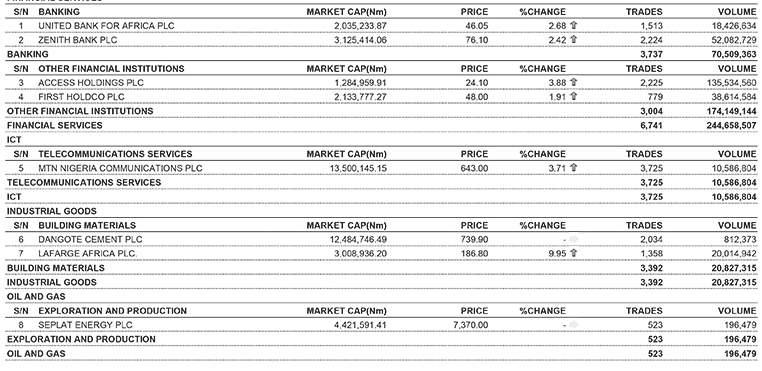
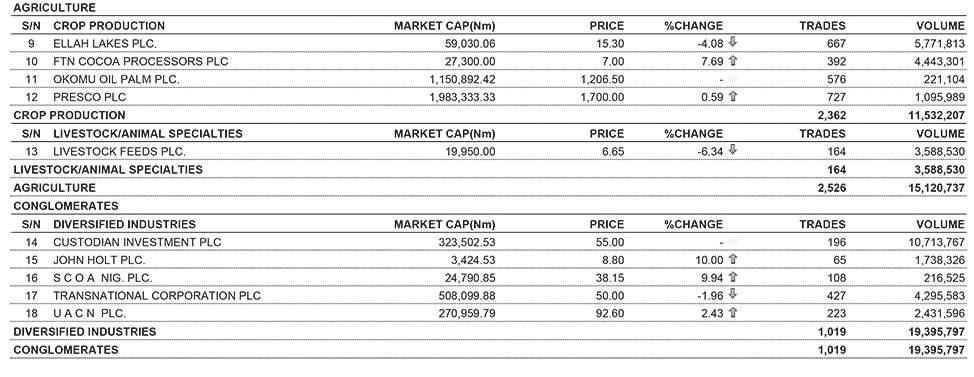
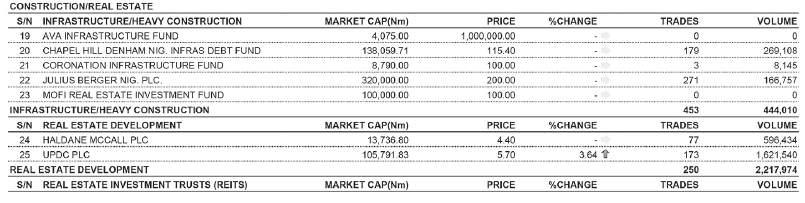
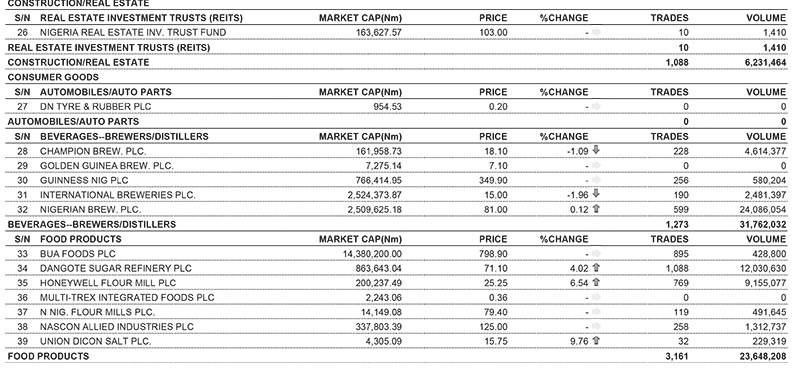
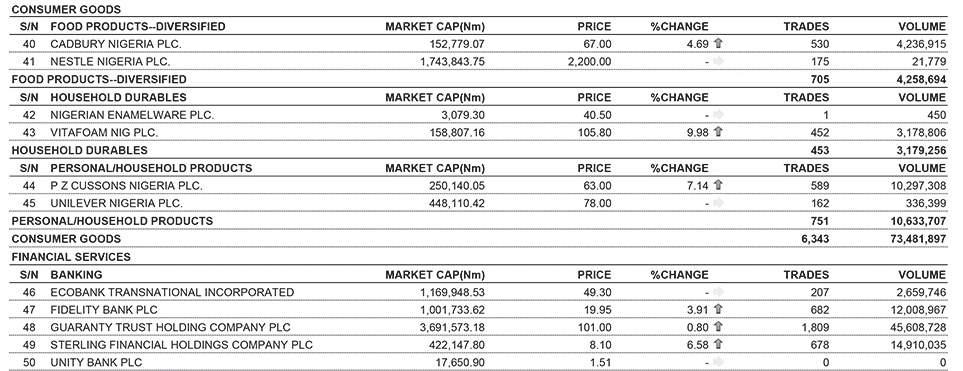
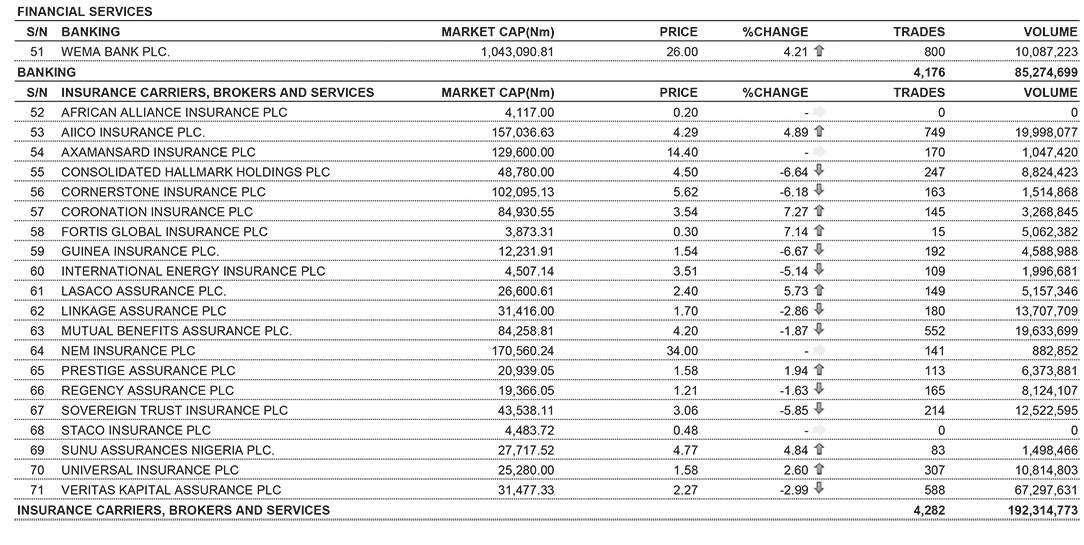

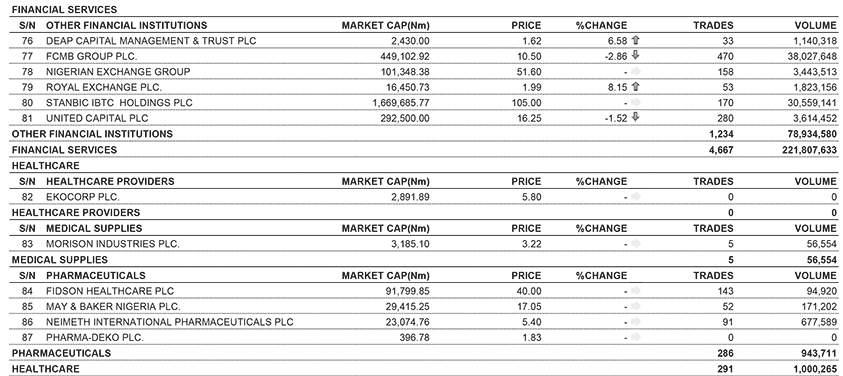
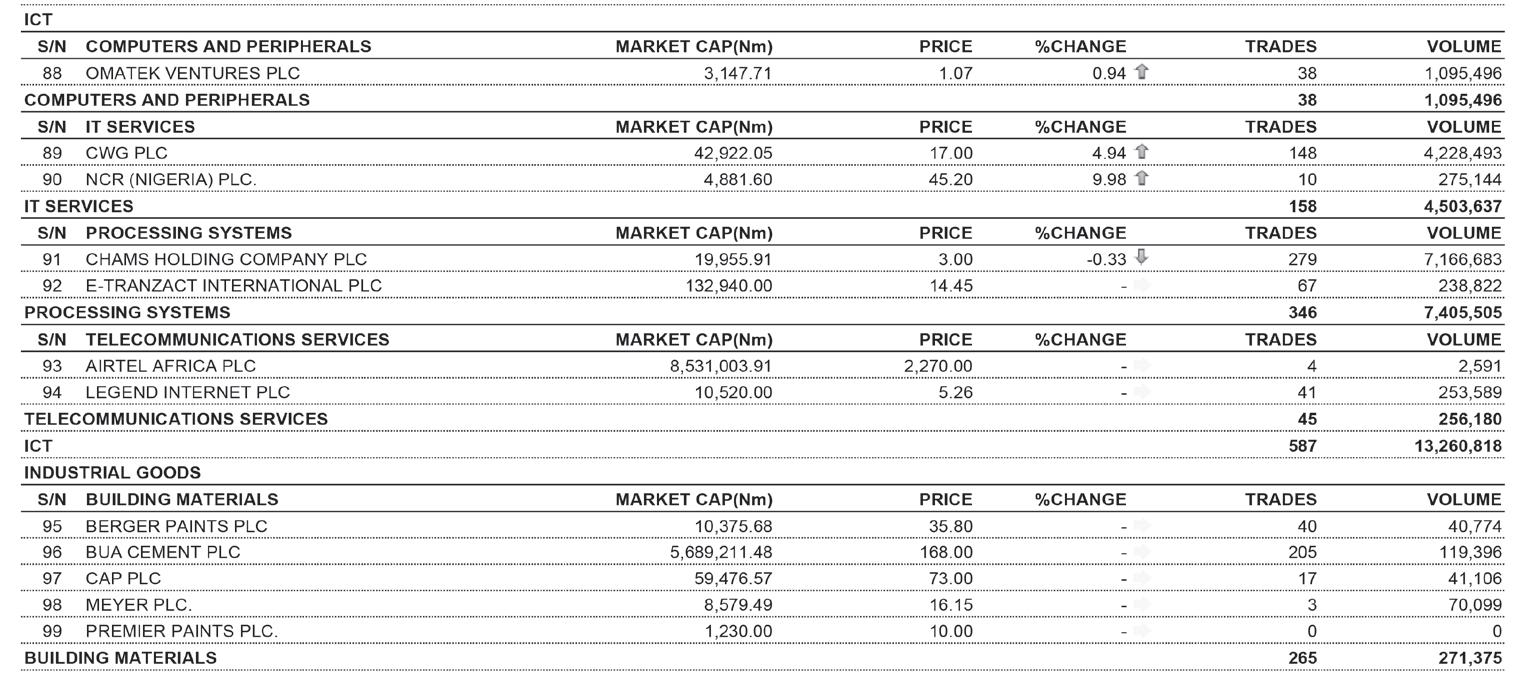
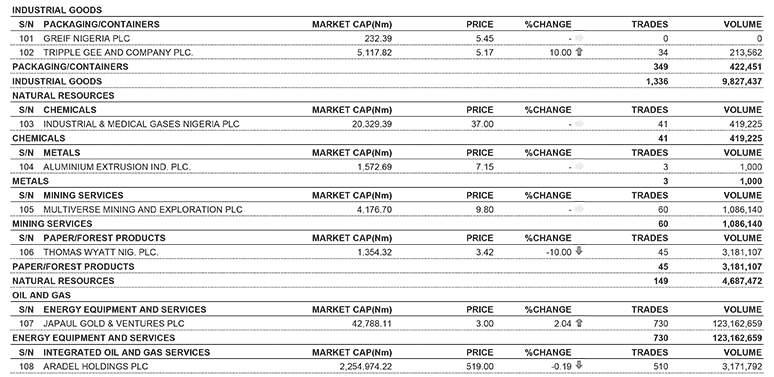
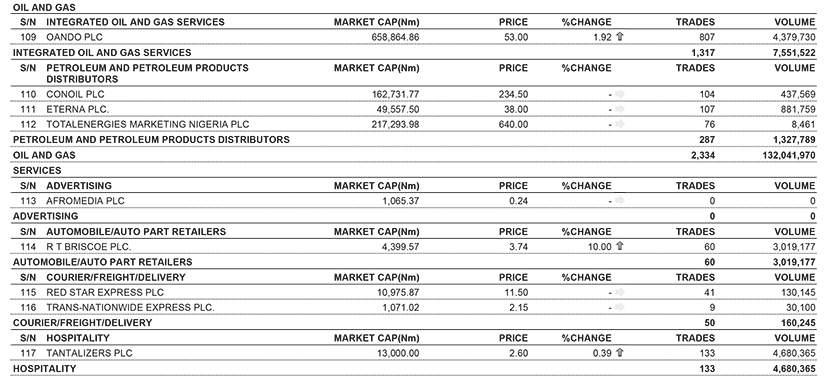
The passage of time has not erased the legacies and memories of Colonel Christopher Edorhe Unuigbe, who passed away 30 years ago, Davidson Iriekpen writes
Today marks exactly 30 years since Lt. Colonel Christopher Edorhe Unuigbe (rtd) died, and for the immediate and extended family, not even the effluxion of time has been able to erase his legacies and memories.
Each passing day, month or year, they wished he were still alive. Even though they are aware that nobody lives forever, they nevertheless did not know death would steal him away from them so early. This is further exacerbated by happenings around them which make them mull and sigh as they try to control their emotions inflamed by inestimable grief.
Col Unuigbe died on February 11, 1996, at the age of 52, leaving behind his wife and five children who, although they have fully grown up, still greatly miss their dad. He also left behind many brothers and sisters.
Admired by both the young and elderly, Christopher or Colonel as he was fondly called, died a great man. Perhaps, if he had lived about 2,400 years ago, he would have qualified for the Pens of Pericles, a chronicling of the great by the great; a scribbling by the best of pens in the land.
Even though 30 years have passed since his passing, his fond memories have not dimmed with the passage of time. Although a few other deaths have occurred in the family over the years, losing Colonel was specifically devastating and remains unforgettable. There often seems to be something that rekindles thoughts of how remarkable his life had been.
Despite the fact that he died young, his life was a strong affirmation of the saying that it's not by any means the number of years one lived that matters but the impact such a person made while alive and the lives they impacted.
Colonel led an exemplary life that proved to be a positive inspiration for everyone who came in contact with him. His generosity was not limited to his immediate family; friends, associates and in-laws had endless experience of his benevolence.
Colonel’s death thus represents a great loss not only to his immediate and extended families but also to his community. To the extended family, he was a unifying voice that fought doggedly to foster unity. He abhorred disputes and rancour and ensured that every disagreement, especially those that could potentially cause disunity in the family were promptly dealt with.
He believed very strongly and worked towards the education and uplift of every member of his family. He was a pillar. To his brothers and sisters, he was more or less a father; to his children, he was a
guardian angel; indeed, to his wife, he was a dependable ally, and to his in-laws, a God-sent.
While he was alive, Colonel was a beacon whose light shone brightly on the entire family. His house was a Mecca of sorts; a place where virtually everyone sought and actually found succour. He never despised anyone, but rather drew everybody close and in doing so, united members of the family.
Such were the impacts he made in people’s lives that even with the passage of time, words like “if only Christopher or Colonel were alive” still resonate. His selflessness was evident in the fact that there was hardly anybody who left with a sense of dissatisfaction after meeting him. From his meagre salary as a military officer, he tried to make everybody happy. Perhaps his most enduring legacy lies in the tireless efforts he made to instil a deep yearning for education in his family.
Having benefited greatly from education—which took him across cities around the world—Unuigbe encouraged members of his
immediate and extended families to embrace learning. He didn't merely inspire them to pursue knowledge, he also paid their tuition fees.
Even on his sickbed, when those whose fees he had long borne feared their education would be truncated, he did not disappoint them. He carried on till his last breath. Those he persuaded to go to school and refused are today regretting it due to how the country has evolved.
In good times and bad, he never lost his capacity to smile and laugh, nor to inspire others with his warmth and kindness. He was admired and respected for his energy and obligation to others, and especially his devotion to the betterment of his people.
Born on May 24, 1944, to Pa Oviosun Unuigbe and Madam Comfort Imoafen, his early life was greatly influenced by his father (alias "De Bala" of blessed memory). He learnt from him the values of being upright, bold, truthful and caring for the welfare of all. Little wonder, then, that these qualities featured
prominently in the life of Unuigbe even unto his death.
He had his primary education at St. Peter’s School, Uhonmora-Ora, and at Christ Church School, Ilaro. Thereafter, he had his secondary school education at Holy Trinity Grammar School, Sabongida-Ora, from 1959 to 1963 and was popularly known as "Achro Unisco."
He passed the concessional examination into the University of Ibadan in 1964 and graduated with a B.A. Hons (History) in 1968. He became a teacher on graduation and taught as a senior tutor at Anglican Girls Grammar School from June 1968 to March 1971.
He left his teaching job and joined the Nigerian Army as a commissioned officer in March 1971. He held several positions in the Nigerian Army comprising the following: history instructor at the Nigerian Defence Academy Kaduna from 1971 to 1975 and Commandant, Command Secondary School Kaduna from 1984 to 1987, among others. While in service, he returned to school and obtained a Post-Graduate Diploma in Mass Communication from the University of Lagos in 1975. He retired from the Nigerian Army in September 1990.
Upon retirement from the army, Colonel returned to his country home where he established a poultry business. He would later go into politics the next year when the Gen. Ibrahim Babangida administration lifted the ban on political activities. His genial personality and reputation endeared him to politicians in both the Owan axis as well as in the entire Edo North.
First, he pitched his tent with the Social Democratic Party (SDP) where he ran as running mate to Dr Asuen who eventually lost the party’s ticket to Chief John OdigieOyegun who later became the state governor in 1992.
The high point of his political career was when he was appointed the Edo North Coordinator of the Bamanga Tukur Presidential Campaign Organisation on the platform of the National Republican Convention (NRC). Shortly after the process was truncated by Babangida, he became ill and never recovered until he died in 1996.
No doubt his democratic ideals as a great statesman with a strong voice who could have made a difference especially in these trying times of dearth of good leadership in the Owan axis will always be missed. So is his input in giving his people a very strong voice.
Even though it’s been 30 years since he passed on, the family is consoled that while Unuigbe was alive, he lived his life in the service of God and mankind.
Emma Agu
That Bauchi is celebrating fifty years of its creation in 1976 should not surprise anyone familiar with the profound transformation that has taken place in the once provincial capital. From a modest administrative centre in the old North East, Bauchi has blossomed into a dynamic state with expanding urban skylines, growing infrastructure, and renewed civic pride. If ever there was a moment to roll out the drums, unfurl the banners, and celebrate five decades of growth, resilience, and unity, this is it.
Indeed, the people and government of Bauchi State are justified in marking this golden jubilee with carnivals, public lectures, and thanksgiving. Over the years, successive military administrators, elected governors, and public servants have added stones to the building of Bauchi’s institutional and physical architecture. Each left behind legacies—roads, schools, policies, reforms—that validate the wisdom of the 1976 state creation exercise. Bauchi’s story today is one of upward progress.
However, it is a pleasant coincidence that the last six years of Governor Bala Abdulkadir Mohammed’s stewardship have dovetailed almost seamlessly into this golden celebration. His tenure has often been described as the golden era of Nigeria’s “Pearl of Tourism.” And many would argue that the Bauchi @ 50 anniversary is as much a celebration of the state as it is a celebration of the transformational leadership that has guided it through recent years.
Whether one references the unprecedented expansion in rural infrastructure—which earned him the “Rural Infrastructure Governor of the Year” award in 2022—his sweeping urban renewal programmes rewarded in 2024, or his recognition for good governance in 2025, the consensus is unmistakable: Bauchi State under Bala Mohammed has experienced a renaissance. His developmental footprints are visible across all sectors.
By the end of 2026, the Central Business District around Wunti—long caricatured as the embodiment of congestion and urban disorder—will have been transformed into a picturesque modern enclave with interlocking flyovers, widened roads, and new commercial spaces. Coupled with the ultra modern Sir Ahmadu Bello International Conference Centre and the remodelled Government House featuring the Dr. Rilwanu Suleiman Adamu Square, Bauchi’s skyline now hints at a state stepping confidently into the future.
But as Nigerians often ask, “Na glamour we go chop?” It is a fair question. And in Bauchi’s case, the answer is reassuring.
Guided by his My Bauchi Project blueprint unveiled at his inauguration in May 2019, Bala Mohammed has pursued reforms in social development, public service, education, agriculture, solid minerals, security, and industrialisation. At the commissioning of the Sir Ahmadu Bello International Conference Centre and during the state’s first Investment and Economic Summit in 2025, his administration sent a clear message: Bauchi is ready for business. The state is positioning itself as the gateway to the resource rich North East.
This is what leadership looks like when vision, courage, empathy, and preparedness align.
Yet, as towering as these accomplishments are, they do not constitute the governor’s most defining legacy.
Physical structures, no matter how magnificent, will age. Roads will require repairs; monuments will require renovation. But certain decisions in governance transcend brick-and-mortar—they touch the soul of a people, correct historical wrongs, and redefine relationships for generations. For
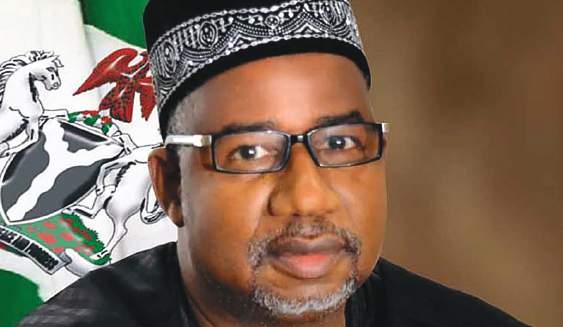
Bala Mohammed, that legacy is the creation of the Sayawa Chiefdom in 2025, a historic and moral milestone that will outlive every flyover, every conference centre, and every urban renewal project.
The Sayawa Chiefdom represents more than administrative restructuring; it embodies justice delayed and finally delivered, the restoration of dignity to a people whose yearning for selfdetermination had been met with indifference, bloodshed, and political manoeuvrings for decades.
To appreciate the magnitude of the gesture, one must revisit the painful history of the Sayawa—or Zaar—people. Spread across Bogoro, Dass, and Tafawa Balewa LGAs, the Sayawa are culturally diverse, comprising traditional worshippers, Christians, and Muslims. Yet for decades, they remained subsumed under the Bauchi Emirate Council, a structure they felt did not reflect their identity, history, or aspirations.
Their agitation for a separate chiefdom is one of Nigeria’s longest-running subnational struggles. Between 1991 and 2011, the area witnessed repeated eruptions of violence—1991, 1995, 1998, 2001, 2005, 2010, and 2011—resulting in loss of life, destruction of property, and social dislocation. Commissions of inquiry were set up; recommendations were made; temporary measures like the relocation of Tafawa Balewa LGA headquarters to Bununu in 2012 were implemented. Yet the core issue—self determination—remained unaddressed. The consequences were devastating. In the 1991 crisis alone, more than 1,000 villages were razed, 173 churches destroyed, and at least 400 people killed. The 1995 crisis was even bloodier: over 1,400 people were reportedly killed, 38 villages wiped out, and 77 churches burnt. These were not mere “clashes”; they were tragedies stemming from structural injustice.
Enter Bala Mohammed: A Leader Guided by History
When Bala Mohammed assumed office, he brought with him a fresh approach—one rooted in inclusion, justice, and empathy. He recognised that governance is not only about constructing roads
but also about healing wounds and confronting uncomfortable historical truths.
He worked closely with the Bauchi State House of Assembly under its Speaker, Rt. Hon. Abubakar Suleiman, and other stakeholders to ensure that the long-standing agitation was finally addressed. His conviction was not political; it was moral. In an interview with True Vision Online Television, he stated:
“When you see the spate of agitation and advocacy for self-actualisation, it is because of impunity, because of exclusion and because of arrogance… The minorities must be respected. It is the semblance of good government to be inclusive.”
These were not empty words. They reflected a deep understanding that peace cannot be achieved by ignoring grievances. True leadership requires the courage to confront historical injustices.
Thus, in 2025, Bala Mohammed signed into law the creation of the Sayawa Chiefdom, ending more than 70 years of agitation. When the staff of office was presented to Gung Zaar, Brig. Gen. Marcus Kokko Y. Yake (Rtd.), the celebration that erupted—marked by Christian songs, tears of joy, and communal embraces—was not just ceremonial. It was cathartic. It signalled the end of decades of humiliation and the dawn of a new era.
Few policy decisions in Nigeria achieve instant moral consensus. This one did.
Nigeria is riddled with unresolved ethnic and cultural agitations—from minority groups seeking recognition, to communities and marginalized and subjugated ethnic groups yearning for autonomy, equity, or justice. Most political leaders sidestep such issues out of fear of backlash or political consequences. Bala Mohammed chose a different path: the path of statesmanship. His decision to grant autonomy to the Sayawa people places him in a lineage of leaders who understand that unity is stronger when built on justice, not suppression; on equity not denial;
on inclusion, not exclusion. Among prominent Zaar personalities—such as former Speaker of the House of Representatives Yakubu Dogara and former TETFUND Executive Secretary Professor Suleiman Bogoro—the sentiment was unanimous: history had finally been made.
One day, decades from now, when the flyovers need reinforcement and conference centres are refurbished, the Sayawa Chiefdom will remain a living institution—a permanent reminder of a leader who confronted injustice with courage. Long after boundaries are redrawn and political actors forgotten, the descendants of the Zaar people will remember that it was Bala Abdulkadir Mohammed of Duguri in Alkaleri LGA who gave them the autonomy their ancestors fought and died for. That is a legacy cast not in concrete, but in collective memory.
Taken alongside his instrumental role in the Doctrine of Necessity in 2010—which ensured the lawful transfer of power to Goodluck Jonathan—Bala Mohammed’s creation of the Sayawa Chiefdom confirms a leadership philosophy anchored in justice, equity, and inclusion.
As Bauchi marks 50 years, the celebration is doubly meaningful. It honours not just infrastructure, investment, and governance reforms, but also the courage of a leader who dared to heal a wound many before him had avoided. Nigeria needs more of leaders like Bala Mohammed—leaders unafraid to dismantle historical shackles, to right ancient wrongs, and to place humanity above politics. Bala Mohammed has shown what is possible when courage meets compassion.
And for that reason, while Bauchi @ 50 is a celebration of the state, its greatest milestone is the liberation of the Sayawa people—a timeless testament to justice restored and Bala Mohammed’s indelible imprint on the sands of time.
•Agu, a fellow of the Nigeria Guild of Editors, is media consultant to Governor Bala Mohammed.
Stakeholders in Nigeria’s real estate and urban development ecosystem recently
converged in Lagos for the 2026 Wemabod Real Estate Outlook, with a strong call for coordinated regional action to unlock land and infrastructure
as the foundation for inclusive housing and sustainable urban growth.
The annual platform, hosted by Wemabod Limited,
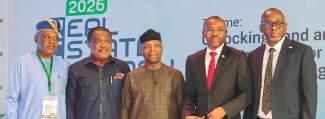
Chairman, Wemabod Limited, Engr. Nureni Adisa; Group Chairman, Odu’a Investment Company Limited), Otunba Bimbo Ashiru; former Vice President, Prof. Yemi Osinbajo SAN, GCON; Group Managing Director/ CEO, Odu’a Investment Company Limited, Mr. Abdulrahman Yinusa; and Managing Director/CEO Wemabod Limited, ESV. Bashir Oladunni, at the 2026 Wemabod Real Estate Outlook event... recently
brought together policymakers, financiers, developers, regional development institutions and professionals under the theme: “Unlocking Land and Infrastructure for Inclusive Housing: A Regional Agenda for Sustainable Urban Growth.” The event underscored growing consensus that Nigeria’s housing deficit can no longer be addressed through fragmented city-based interventions, but through deliberate, largescale, infrastructure-led regional planning.
Welcoming participants, Chairman of Wemabod Limited, Engr. Nureni Oladipo Adisa, described the 2026 Outlook as a call to action at a pivotal moment in the nation’s urban narrative. According to
him, cities across the region are grappling with a paradox of economic expansion alongside widening housing inequality, urban sprawl, infrastructure strain and land administration systems that constrain affordability.
“The question before us is stark,” Adisa said. “Will our cities be engines of exclusive prosperity, or can they become beacons of inclusive opportunity?” He stressed that sustainable growth is impossible without inclusive housing, just as inclusive housing cannot be achieved without unlocking land and deploying infrastructure in a strategic and coordinated manner.
He explained that unlocking land requires moving beyond
fragmented plots to cohesive, well-planned communities, activating underutilised spaces and streamlining cumbersome land processes to prioritise affordability and accessibility. Unlocking infrastructure, he added, means synchronising housing with transportation, power, water and digital networks from inception, in order to build connected, resilient and liveable communities. Adisa further emphasised the importance of a regional agenda, noting that housing markets and urban challenges do not respect municipal boundaries. “We must think, plan and act regionally,” he said, calling for collaboration across cities, towns and states to deliver a balanced and equitable urban ecosystem.
Bennett Oghifo
The Building Collapse Prevention Guild (BCPG), Ikoyi–Obalende Cell, has called on President Bola Ahmed Tinubu to urgently intervene in the rehabilitation and adaptive reuse of the long-abandoned Old Federal Government Secretariat and the adjoining Ikoyi Towers in Ikoyi, Lagos, warning that continued neglect poses serious safety, economic and urban regeneration risks.
In an open letter dated February 6, 2026, the professional body expressed deep concern over the worsening condition of the iconic federal assets, which have remained largely unused for decades despite their strategic location and immense national value.
The Guild recalled that it had earlier drawn attention to the state of the buildings
on May 25, 2024, marking the first anniversary of President Tinubu’s administration, but noted that deterioration has since continued unabated.
According to BCPG, the Old Federal Government Secretariat, a 12-storey structure constructed in 1976, was once a hub of federal activities in Lagos before being largely abandoned in 1991 following the relocation of the Federal Capital to Abuja. Although the complex was redesigned in 1993 to accommodate about 480 families as a residential development, the proposal was never implemented.
Similarly, the three 12-storey Ikoyi Towers, constructed in 1978 on an adjoining but separate site, have remained abandoned since 2005, according to public records.
The Guild noted that both properties occupy separate parcels of prime land in Ikoyi,
with the Old Secretariat sitting on approximately 120,000 square metres, while the Ikoyi Towers occupy about 12,140.569 square metres, roughly three acres.
“These landmark assets, despite repeated efforts by successive administrations, have regrettably remained underutilised, continually dashing the hopes of Lagosians who regard them as legacy public infrastructure,” the letter stated.
Beyond their symbolic importance, the Guild highlighted the significant economic cost of continued abandonment.
Based on comparative market valuations as of 2025, BCPG estimated the combined value of the assets at about N12.608 trillion, approximately $9.3 billion. It further estimated that the Federal Government has foregone about N93.5 bil-
lion in potential revenue, net of operating expenses, using conservative rental yield assumptions for comparable
developments in Ikoyi. The Guild described this opportunity cost as particularly troubling in the context
of Nigeria’s persistent housing deficit and growing demand for well-located residential and mixed-use developments.
during the presentation of a goodwill plaque in appreciation of LASCOPA’s intervention and successful resolution of a community dispute that persisted in the community for over two years, at LASCOPA Ikeja office...
Fadekemi Ajakaiye
Rite Foods Limited, the proudly Nigerian and world-class FMCG company, has reaffirmed its commitment to sustainable manufacturing and clean energy adoption as it marked the 2026 International Day of Clean Energy with a high-level multi-stakeholders’ engagement focused on Nigeria’s energy transition journey and sustainable industrialisation.
The forum, themed “Nigeria’s Clean Energy Transition: Balancing Risks, Trade-offs and Opportunities for Sustainable Growth,” convened government officials, regulators, energy experts, manufacturers, suppliers, sustainability advocates and media to examine practical pathways for integrating renewable energy solutions across Nigeria’s FMCG sector. The engagement was held at the company’s Head Office in
Opebi, Lagos.
As a market leader, Rite Foods continues to integrate cleaner and more efficient energy solutions into its manufacturing operations, significantly reducing its carbon footprint while consistently delivering its portfolio of innovative, award-winning brands to consumers nationwide. This approach reflects the company’s ability to balance operational resilience with environmental
Bennett Oghifo
A renowned political communication scholar, Dr. Tayo Popoola, has published the third edition of his textbook, GSM As a Tool For News Reporting in Nigeria, earlier published in 2003, barely a year after the arrival of mobile telephone technology in the Nigeria.
The top feature of the latest edition is a segment devoted to Reporting in the post COVID - 19 era.
According to the author, “This latest inclusion is largely driven by the need to strengthen one of the courses l lecture at 400 level in our Department, “Reporting Population Issues”.
He stressed that COVID dealt terribly with a large proportion
responsibility within Nigeria’s challenging power landscape.
Speaking at the event, Ekuma Eze, Head of Corporate Affairs and Sustainability at Rite Foods, who declared the event open described clean energy as central to the company’s long-term business strategy.
“At Rite Foods, clean energy is not optional; it is a strategic business imperative. Our approach acknowledges the realities of industrial operations in Nigeria
while deliberately pursuing cleaner, more efficient, and more resilient energy solutions that support sustainability, productivity, and business continuity,” he said.
Rite Foods disclosed that 95 per cent of its energy consumption comes from cleaner sources, including natural gas and solar power, with diesel accounting for just 5 per cent of its energy mix. This shift has significantly reduced the company’s reliance
on more carbon-intensive fuels across its manufacturing facilities. The Managing Director/CEO, Mr Seleem Adegunwa, in his opening remarks delivered by Mrs. Barong Asiodu, General Manager, Corporate Planning and Strategy, reiterated Rite Foods’ commitment to embedding sustainability into its long-term growth plans while aligning strong business performance with environmental responsibility.
of our population with high casualties never experienced in the country.
Popoola said Journalism failed Nigerians during COVID -19 due to failure of all the Nigerian information dissemination outlets to inform the citizenry about an earlier influenza of 1918 -1919.
He contends that COVID -19 re-invented the influenza
of 1918 - 1919 and therefore, there’s a need to arm media professionals with necessary skills that will empower them to be on top of their game in the event of a future reoccurrence.
This segment of the book further discussed the technological changes in the Nigerian media landscape in the past twenty years.
The author who was the last editor of Diet weekend newspaper further treated various ways by which media professionals are expected to carry out reporting in the Post COVID era.
Also included in the latest edition of the book is a segment on “Writing the lead for Online media”, “Characteristics of Online media” and “Similarities in news presentation “. The latest edition further treats “Objectivity in News Writing”, “Steps to objectivity in News Writing” and “Techniques in Objectivity.”
In the phase of changes in the Newsroom after Covid, the latest edition of the book captured the various factors surrounding Sub’s role in newspaper production.
L-R: Specialty Doctor in Dermatology, University of Nigeria Teaching Hospital, Enugu, Dr. Chukwuka Ifeanyi Robert; Consultant Dermatologist, Aminu Kano Teaching Hospital, Kano, Dr. Faiza Sadauki; Consultant Dermatologist, Lagos State University Teaching Hospital (LASUTH), Dr. Ehiaghe Anaba; Consultant Dermatologist, University of Port Harcourt Teaching Hospital and President, Nigerian Association of Dermatologists (NAD), Prof. Altraide Daseltima; Consultant Dermatologist, Lagos University Teaching Hospital (LUTH), Dr. Ayesha Akinkugbe; and Consultant Dermatologist, Federal Medical Centre, Keffi, Dr. Gboyega Olarinoye, all members of the Nigerian Association of Dermatologists (NAD), at the official launch of the NAD Anti-Skin Bleaching Campaign, hosted by Eucerin, held in Lagos, yesterday
CAS says counter-insurgency operations must be driven by speed, precision, others Kwara gov holds emergency security meeting Armed herdsmen besiege Ikobi, kill 4 youths
Hammed Shittu in Ilorin, Sunday Aborisade, Linus Aleke in Abuja and Onuminya Innocent in Sokoto
The National Assembly has rejected the 2026 budget proposal of the Nigerian Air Force (NAF), citing inadequate funding that could weaken the military’s capacity to confront insurgency and other security threats across the country.
The decision was taken yesterday by the Joint Committees of the Senate and House of Representatives on the Nigerian Air Force during a budget defence session in Abuja, where the service presented its 2025 budget performance and proposals for the 2026 fiscal year.
Chairman of the Joint Committee, Senator Osita Mbu, said lawmakers unanimously agreed that the proposal, as submitted, fell short of
the operational realities facing the air force at a time of heightened security challenges nationwide.
Mbu said, “The committee carefully reviewed the presentation by the Nigerian Air Force and unanimously rejected the budget as proposed.
“The allocation is inadequate and insufficient to enable the Air Force to maintain the level of firepower and air capability required to curb insurgency at this critical period in the life of the nation.”
He stressed that Nigeria’s worsening security situation demanded a more robust and realistic funding framework for the air force, warning that underfunding could undermine ongoing operations against insurgents, bandits and other criminal elements.
Following the rejection, the joint
committee constituted a six-member technical team to engage with the federal government, the budget office, and the leadership of the National Assembly with a view to working out a revised and more realistic budget for the air force.
The outcome of the engagements, Mbu said, would be resubmitted to the joint committee for consideration and approval.
The lawmakers also urged the executive arm of government to extend maximum cooperation to the committee, stating that Nigerians are increasingly anxious for decisive and effective action against insecurity.
“Nigerians urgently need results in the fight against insurgency and other forms of criminality, and this cannot be achieved without adequately funding the institutions at the forefront of this battle,” the
NLC: why labour can’t join any coalition Says it must be on 2027 presidential ballot Party appoints 19-member interim c’ttee to rebuild Rivers State
Chuks Okocha in Abuja
There was a seamless change of guard at the national secretariat of Labour Party (LP) yesterday, as Senator Nnenadi Usman took over affairs of the party.
Equally, yesterday, Professor Theophilus Ndubuaku, a representative of the Nigeria Labour Congress (NLC), explained at the event why LP could not join any coalition.
Deputy Governor of Abia State, Dr. Ikechukwu Eme-zu, also hinted that LP would present a presidential candidate for the 2027 general election.
Senator Darlington Nwokocha arrived the party’s national secretariat about 11: 10am and was ushered in with other officials of
the party by officers of the Nigeria Police.
They were guarded by a team of policemen led by a Chief Superintendent of Police from the Utako Police Division. The police came in four vans and two Toyota cars.
National secretary of the Abure faction, Farooq Umar, was not allowed to enter the party secretariat.
Umar said he learnt that a team of policemen swoop on the party secretariat Monday night and drove away their internal security.
THISDAY observed some carpenters changing the locks at the party secretariat and fixing new ones, while the police kept watch.
Speaking after assuming full control, Usman said, “We took over the party secretariat in compliance
with the orders of the federal high court. We have put behind us the leadership struggle. We plan to settle down and see how we will move the party forward.
“Our utmost duty now is to continue with the party’s e-registration exercise as well as the preparation for the congresses at all levels and the national convention.”
Usman also spoke on the relationship between LP, NLC, and Trade Union Congress (TUC), saying, “I think we are very practical and cordial as far as the Labour Party is concerned.
“Professor Ndubuogu is a serious and major stakeholder in the Nigeria Labour Congress. He is a representative here and the TUC representative will almost be here in the next few minutes.
chairman added.
While acknowledging the fiscal constraints facing the federal government, Mbu stated that the decision to reject the air force budget was taken against the backdrop of the 2025 capital budget rollovers into 2026, which affected many ministries, departments and agencies (MDAs).
He disclosed that although about 70 per cent of the 2025 capital budget was rolled over into the 2026 fiscal year as a matter of government
policy, a significant portion of those allocations had still not been funded.
Mbu said, “Our position is clear. Whatever funding is eventually provided for the Nigerian Air Force in the 2026 budget must be sufficient to meet its operational requirements. Anything short of that will not serve the national interest.”
Co-chairman of the joint committee, Hon. Kabiru Alhassan, echoed the same concerns, stressing that
the air force requires substantial and sustained funding to effectively combat insurgency, banditry and other security threats across the country. According to him, the evolving nature of security challenges demands continuous investment in air assets, logistics, personnel training, and maintenance, warning that inadequate budgetary support can compromise national security.
inspects projects, credits PH ring road vision to Wike
Olawale Ajimotokan in Abuja and Blessing Ibunge in Port Harcourt
Minister of the Federal Capital Territory (FCT), Nyesom Wike, has expressed optimism that the recent intervention by President Bola Tinubu in the Rivers State political crisis would be his last with the feuding parties.
Wike made the statement yesterday during an extensive assessment of ongoing N5 Road, which runs from Life Camp to the Old Keffi Road (Dei-Dei) and the Renewed Hope Estate in Karsana, slated for inauguration by the president to commemorate the 50th anniversary of the FCT this year.
He said Tinubu had been very kind to the people of Rivers State and urged Rivers State Governor, Siminalayi Fubara, and members of the state House of Assembly to respect the terms of the peace brokered by the president at State House, Abuja.
Wike commented on the reconciliation when a reporter recalled that after the president intervened between him and Fubara, the latter followed him to his house and begged for forgiveness.
Wike said, “I didn’t know you were there to know that ...If there seems to be a problem between the legislature and the governor,
and as a father, he (the president) really has to intervene.
“I remember this is the second time Mr. President is intervening. I believe, by the grace of God, this will be the last time, I believe that.
“The Assembly, I have told them to do the needful to obey Mr. President, which I know they will not hesitate. And I also believe that the governor will carry out his own part to make sure that this is the final time Rivers people will begin to hear this kind of discord. So, that is it.”
Rivers State Governor, Siminalayi Fubara, recommenced inspection of significant projects in the state.
The inspection tour happened a few day after President Bola Tinubu intervened to resolve the political rift between him and Wike in Abuja.
Speaking during the inspection, Fubara assured the people that the 50.15-kilometre Port Harcourt dual carriage Ring Road would be fully completed and delivered by October 2026, citing significant progress recorded on the project.
The governor also attributed the vision behind the landmark infrastructure to Wike, describing
him as the originator of the project. Fubara described the FCT minister, whom he referred to as his “Oga,” as a man of “very big ambition”. He stated that the project was conceived with the aim of improving the welfare of Rivers people.
He said, “For me, this project is very important considering the person who conceived it, my Oga, the Honourable Minister. He had a very big ambition and believed that if this project is delivered on record time, Rivers people will be happy with my administration.”
He added that regardless of political developments, he remained committed to ensuring that the vision behind the project was realised.
The governor said, “Notwithstanding whatever is happening, it is my wish and responsibility to see that this vision is fulfilled. This explains the importance we attach to the project as a government and as a people.”
Fubara recalled that the ring road was designed to be completed within 36 months, stating that the project timeline is steadily approaching its target. He said the inspection was carried out to assess the quality and pace of work being executed by the contractor.
NSA, Police: Intelligence sharing, joint operations critical to national stability Military mulls ‘Operation Savannah Shield’ to curb rising attacks in Kwara, Niger Liberian armed forces decorate COAS with highest military honours
The Senate yesterday raised the alarm over escalating killings and abductions in Woro communities of Kaima Local Government Area, Kwara State, urging the federal government to immediately intensify rescue operations for abducted women and children and mount a comprehensive security offensive to flush out criminal elements.
Adopting a raft of resolutions, the Upper Chamber called on federal and state authorities to redesign security architecture around forest reserves, clear them of bandits and kidnappers, and establish strategic security formations where necessary to prevent further attacks.
Lawmakers also urged the provision of robust humanitarian and economic support for displaced farmers and residents of Woro and neighbouring communities.
The resolutions followed a Point of Order raised by Senator Sadiq Umar (APC, Kwara North), who drew attention to the killing of over 100 residents in renewed attacks on the agrarian communities, reigniting concerns over worsening insecurity in the area.
Umar said the Senate’s intervention was aimed at restoring livelihoods, rebuilding economic resilience and ensuring lasting stability for affected residents. He warned that remote, forest-bordering communities remain highly vulnerable and require strengthened protection, intelligence gathering and early warning systems.
He stressed that sustained security presence and coordinated operations were required to end the cycle of violence.
Contributing to the debate, Senate Minority Leader, Senator Abba Moro (PDP, Benue South), described the attacks as tragic and symptomatic of a broader national challenge. He noted that insecurity, banditry and abductions had become recurring threats across the country, calling for urgent legislative action.
Moro urged the Senate’s ad hoc
committee on security to revive its work and pressed for the convening of a national security summit to strengthen oversight, harmonise strategies and better inform government policy on national security.
Senator Abdul Ningi (PDP, Bauchi Central) underscored the gravity of the situation, noting that no fewer than 250 Nigerians had been killed from January to date. He warned that without decisive and immediate action, more lives would be lost.
On his part, Senator Adamu Aliero (APC, Kebbi Central) maintained that Nigeria possessed the capacity to defeat bandits and kidnappers, stressing that what was required was political will, improved coordination and adequate resourcing of security agencies.
Former Senate President, Senator Ahmad Lawan (APC, Yobe North), called for closer collaboration between the legislature and the executive, advocating the recruitment of more security personnel and improved welfare to enhance the protection of lives and property nationwide.
Following a voice vote presided over by Deputy Senate President, Senator Jibrin Barau (APC, Kano North), the Senate unanimously adopted all the prayers of the motion, mandating urgent action to secure Woro communities, rescue abducted victims and prevent further bloodshed.
Also, Nigeria’s security and
tutional amendments to address inconsistencies in fiscal federalism implementation, to enable effective rollout of the tax regime across all tiers of government.
Speaking to newsmen after the conference, Governor Babajide Sanwo-Olu of Lagos State said the outcome of the retreat must be extended beyond government circles to include the organised private sector and the legislature.
Sanwo-Olu stated, “I’ve picked a whole lot personally. I tend to appreciate the challenges and
police institutions have stressed that robust intelligence sharing and sustained joint operations are critical to sustainable national stability. They emphasised that deeper collaboration among agencies was fast becoming the cornerstone of the country’s evolving security framework.
The Office of the National Security Adviser (ONSA) and the Nigeria Police Force stated this yesterday, on day two of the National Economic Council (NEC) Conference in Abuja, where security deliberations were situated within the broader context of economic growth and social cohesion rather than as a purely enforcement responsibility.
Speaking on behalf of the National Security Adviser, the Minister of Defence, General Christopher Musa, said the federal government has, since 2023, accelerated efforts to harmonise operational mandates, strengthen intelligence synchronisation and align security planning with national development priorities.
He observed that insecurity and economic decline often reinforce each other, warning that persistent threats, including terrorism, banditry, kidnapping, organised crime and cybercrime, continue to undermine livelihoods, deter investment and weaken public confidence in governance.
According to Musa, government’s recalibrated security doctrine was embedded in the Renewed Hope
National Development Plan 20262030, which recognises security as a cross-cutting pillar linked to economic diversification, human capital development, private-sector growth and environmental sustainability.
He stressed that sustainable safety could no longer be achieved through isolated or purely force-based measures, noting that the emerging strategy places strong emphasis on intelligence fusion, inter-agency coordination and technology-driven surveillance systems.
“Sustainable security is not achieved by force alone. Intelligence fusion, coordination and technology must work together with governance and development,” Musa said.
The Defence Minister added that closer cooperation among the Armed Forces, intelligence services and law-enforcement agencies is already improving nationwide situational awareness and operational response time.
Reinforcing the call for collaboration, the Inspector-General of Police, Kayode Egbetokun, represented by the Deputy Inspector-General in charge of Information and Communication Technology, Frank Mba, said the growing convergence of operations and training among security institutions reflects a shift from rivalry to collective responsibility.
“Our priority is collective progress, not competition,” he stated, adding that modern crime trends demand unified national action.
Mba, who spoke as a panelist, noted that shared intelligence platforms and joint field exercises are strengthening the ability of agencies to track cross-border and inter-state criminal networks, explaining that crime patterns across geopolitical zones are increasingly interconnected and require predictive, data-driven policing supported by real-time information exchange.
Both officials underscored the importance of public trust and community participation, stressing that sustainable security must be built in partnership with state governments, local authorities and grassroots stakeholders to generate credible intelligence and long-term resilience.
They also highlighted the expanding deployment of data analytics, biometric identification systems, and secure communications infrastructure as essential tools for modern security management, while acknowledging lingering challenges such as youth unemployment, coordination gaps, and environmental pressures.
The officials maintained that lasting national stability would depend on sustained joint operations, seamless intelligence exchange and the integration of governance reforms with economic and social policies, describing collaborative security planning as key to strengthening unity and unlocking Nigeria’s development potential.
In his closing remarks, Musa
expressed optimism about the country’s outlook, urging Nigerians to embrace collective responsibility in addressing security challenges and emphasising the need for both kinetic and non-kinetic measures.
“The future is bright if we work together. No organisation or community can do it alone. Good governance, fairness, trust and inclusion must go hand in hand with security operations,” he said, noting that local governments and communities remain crucial to early warning and preventive action.
In the same vein, the military hierarchy has revealed its plans to unleash “Operation Savannah Shield” to crush the increasing terrorists ravaging Kwara, and some parts of Niger State.
Chief of Defence Staff (CDS), Gen. Olufemi Oluyede, during the 2025 budget performance and 2026 budget defence held at the instance of the House of Representatives Committee on Defence on Tuesday in Abuja revealed that the military was about integrating another Joint Task Force that would cover Kwara specifically and some part of Niger, that is the Bogu area.
The military chief said there was urgent need to strengthen Nigeria Police Force and Nigeria Security and Civil Defence Corps (NSCDC) with a view to consolidate gains recorded by the Armed Forces in the fight against insurgency and banditry across the country.
problems that different parts of the country currently face, but essentially also be able to speak our individual stories and share our individual experiences.”
He urged his fellow governors to implement the resolutions, stating that Nigerians would only benefit when agreed decisions are fully executed.
Sanwo-Olu said the Tinubu administration had made notable progress in strengthening federalstate collaboration, adding that real development happens at the
subnational level.
On his part, Ogun State Governor, Prince Dapo Abiodun, described the administration’s macroeconomic reforms as a major confidence booster for investors, citing improved stability in the foreign exchange market.
Abiodun stated, “There’s stability in the forex market. There’s confidence in holding the naira. Macroeconomic policies are the biggest enabler of investor confidence.”
He praised Tinubu’s infra-
structure drive, particularly the Lagos-Calabar coastal highway and the Sokoto-Badagry road, describing them as far-reaching enablers of economic activity.
Abiodun said governors had “never had it so good” as under Tinubu’s leadership, stating that states remain central to policy implementation because they are closest to the grassroots.
The conference, convened by Minister of Budget and Economic Planning, Senator Abubakar Atiku Bagudu, attracted over 300 del-
egates, including governors, deputy governors, ministers, the Inspector-General of Police, members of the National Assembly, and representatives of international development partners and private sector organisations.
The gathering provided a platform for reviewing key economic issues and aligning subnational governments with the Tinubu administration’s strategic vision under the Renewed Hope National Development Plan 2026–2030.
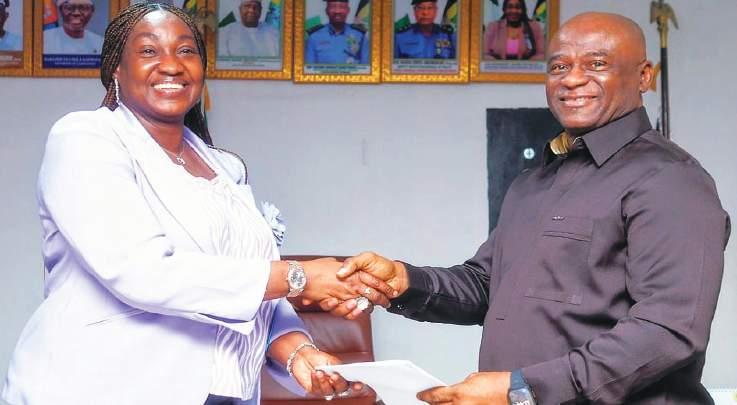
Assistant Inspector General of Police, Mr. Olatunji Disu (R), with his predecessor, AIG Margaret Ochalla, after he took over as the 55th AIG in charge of the Force Criminal Investigation Department (FCID) Annex, Alagbon Close, Ikoyi, Lagos, yesterday
“real-time upload of election results” and explicit mandatory directives to INEC were conspicuously absent.
Intervening, Akpabio clarified that the amendment empowered presiding officers to electronically transmit results, but allowed manual collation where transmission fails.
The motion, seconded by Senator Abba Moro, who described the reversal as “the beauty of democracy”, was eventually put to a voice vote and declared carried.
The declaration sparked another round of chaos, as several senators invoked Order 72, demanding a division and individual voting.
Senator Enyinnaya Abaribe led the protest, but in a dramatic twist, later withdrew his call for a division, further deepening the confusion.
Akpabio ruled that the withdrawal stood, thereby sustaining the voice vote and approving the amendment.
With the contentious clause resolved, the Senate adopted the Votes and Proceedings of the previous sitting, bringing the stormy emergency session to a close.
The resolution formally rescinded the Senate’s earlier decision on Clause 60(3) as passed on February 4 and recommitted the clause to the Committee of the Whole.
Under Section 60 of the Electoral Act, 2022, presiding officers are required to count votes at polling units, record them on prescribed forms, distribute copies to polling agents and security officials, announce results at the unit, and “transfer” results as prescribed by INEC.
Any violation attracts a fine of up to N500,000 or a minimum six-month jail term.
Yesterday’s amendment replaced the disputed “transfer” provision with a framework for electronic transmission that still grants INEC discretion to rely on manual processes where the network fails, a development critics say falls short of public expectations for real-time transparency.
At the close of the session, Akpabio reconstituted the conference committee, with Senator Simon Lalong (Plateau South) as chairman. Other members include Tahir Monguno, Adamu Aleiro, Orji Kalu, Abba Moro, Asuquo Ekpeyong, Aminu Abbas, Tokunbo Abiru, Isah Jibrin, Ipalibo Banigo, Peter Nwebonyi, and Adeniyi Adegbonmire.
Former Vice President Atiku Abubakar yesterday challenged opposition parties to unite and oppose the amended Electoral Act Bill, warning that the Senate’s decision would worsen electoral chaos.
Speaking to journalists after a visit to former military President, Ibrahim Badamasi Babangida, in Minna, Atiku said Nigerians expected real-time electronic transmission, not a hybrid system.
He described the APC as “a party of riggers and forgers” and urged opposition parties not to allow the matter to rest.
“It is actually below the expectations of Nigerians. Nigerians were expecting real time electronic transfer of election results but what we got is a mixture of electronic and manual transmission which is going to cause more confusion and chaos than if we had a single tier of election transmission system “I think there is need for all opposition political parties to come together to pursue this issue, we should not allow it to rest as they want it to rest today,” Atiku said.
Former Rivers State Governor and ex-Minister of Transportation, Mr. Chibuike Amaechi, joined protesters at the National Assembly, demanding the mandatory inclusion
of real-time electronic transmission of results.
In a video circulating on social media and shared by X user, #ImranMuhammed, Amaechi was seen standing alongside demonstrators as they pressed for lawmakers to accede to their demands.
The protesters, drawn from civil society and youth groups, insisted on explicit legislative backing for realtime uploads, with some camping overnight at the complex to press their demands.
Amaechi joined a day after a presidential hopeful, Peter Obi, joined similar demonstrations at the National Assembly, adding his voice to calls for a more credible and transparent electoral process.
Islamic scholar and political activist, Dr. Usman Bugaje, accused the Senate of deliberately leaving loopholes to enable rigging, alleging that resistance to real-time transmission was aimed at giving certain individuals undue advantage, as in 2023.
Speaking on ARISE Television, Bugaje dismissed claims about network challenges, insisting that INEC had affirmed its capacity to transmit results electronically.
“These are all alibis to prepare for rigging. It’s very clear. You have POS in the remotest villages. You have telephones, working, WhatsApp – people sending messages and communicating.
“In any case, it is for INEC to say that we do not have the capacity to deliver. It is not for the legislators to do that. And like I said, INEC itself has recommended in its submission during the public hearing that this is the position.
“So what is the business of the Senate to start speculating about INEC inability to do that when INEC is very clear on his own particular position.
“And experts in the last few
days have come out to say that the amount of coverage is more than sufficient for INEC to deliver.
“Remember, even if you post in remote areas, by the time you move into area of coverage, you know the message will find its way to the portal. And therefore it’s not something that is impossible.
“Many countries in the world, which are far less developed in terms of internet coverage, have done exactly this. So really, these are no reasons at all,” he said.
The Peoples Democratic Party (PDP) accused the Senate of being “clever by half”, describing the amendment as a backdoor attempt to undermine electronic transmission.
In a statement by its National Publicity Secretary, Ini Ememobong, the party urged members of the conference committee to adopt the House of Representatives’ version of the bill in the interest of credible elections.
‘’We have taken note of the outcome of the Senate’s reconsideration of its earlier position on the real-time electronic transmission of election results, wherein an addendum was introduced to permit manual transmission where technology is said to fail.
“We hold the firm view that this addendum is nothing more than a backdoor attempt to achieve the same objective as the earlier outright rejection, while pretending to align with the wishes of the Nigerian people.
‘’Manual transmission is already sufficiently provided for under the Electoral Act. The current agitation for electronic transmission is aimed at introducing a second-layer authentication mechanism that prevents the alteration of results en route to collation centres-a malpractice that has historically been the bane of Nigeria’s electoral process.
“Furthermore, it is inconceivable that the same BVAS technology which successfully undertakes accreditation throughout an election would suddenly become unreliable for the transmission of results and accreditation data arising from that same exercise.
‘’This caveat is a clear indication of the humongous fear being harboured by Senators opposed to electronic transmission, particularly Senate President Godswill Akpabio, whom we reasonably suspect remains haunted by the ghost of his 2019 election loss, occasioned by the deployment of technology to curb overvoting. They must be reminded that Nigeria is bigger than their narrow personal and political interests.
‘’We, therefore, urge members of the Conference Committee to adopt the version of the bill passed by the House of Representatives as the harmonised position, if indeed they are committed to delivering credible elections in 2027.
“They must rise above the instincts of politicians fixated on the next election and instead focus on the sustenance of democracy and the protection of future generations. Should this democracy fail, the names of Senator Akpabio and all Senators who voted against electronic transmission will undoubtedly occupy a conspicuous chapter in the book of infamy.
‘’We also call on Nigerians to remain resolute in their demand for the real-time electronic transmission of election results. This is no time for excuses. This hard-won democracy is far too valuable to be left in the hands of politicians alone,’’ the PDP stated.
The African Democratic Congress (ADC) described the Senate’s reversal as a victory for Nigerians, crediting sustained public pressure.
In a statement by its National Publicity Secretary, Bo-laji Abdullahi, the party said the development showed that united civic action could defeat partisan manipulation, urging Nigerians to remain vigilant until the bill is fully assented to and becomes law.
‘’It demonstrates, in the clearest possible terms, that when citizens act with unity, clarity of purpose, and resolve, they can indeed move mountains.
‘’This outcome is not merely a legislative U-turn. It is a testament to the resilience, vigilance, and rising political consciousness of Nigerians across all walks of life. From street protests to digital campaigns, the Nigerian people have once again shown that sovereignty truly belongs to them.
‘’In the face of the ruling APC’s habitual disregard for due process and democratic values, the Nigerian people have reaffirmed their place as the ultimate custodians of our democracy.
‘’In this regard, the African Democratic Congress (ADC) salutes the courage and tenacity of Nigerians. We commend every citizen who raised their voice, whether online or offline, to resist legislative mischief that threatened to undermine our electoral integrity,’’ Abdullahi stated He, however, added that, ‘’We must not relent. This is only a step forward. We must now ensure that this momentum is sustained until the amended Bill is not only passed but duly assented to by the President, properly gazetted, and becomes an enforceable law of the Federal Republic.
‘’We must remain vigilant to ensure there are no last-minute betrayals or technical ambiguities, the kind that often lead to ‘stories that touch’. Let this be a reminder that democracy does not thrive in silence or indifference. It demands participation, persistence, and sometimes, peaceful defiance,” he stressed.
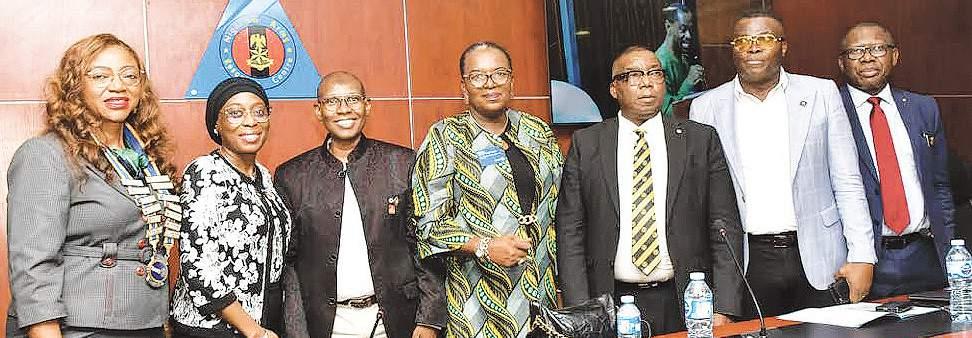
George Okoh in Makurdi
Sixteen passengers have been reportedly kidnapped at Utonkon-Ojapo/ Okpoga Road in Ado Local Government Area of Benue State by gunmen suspected to be herdsmen.
The incident took place last Monday aroun7 p.mm.m.
It was learnt from local sources that the kidnappers waylaid the victims while they were traveling from Oju to the southern part of the country for work.
According to a witness,
they departed from Iheijwo Market in Oju LGA around 7 p.m. with the driver driving through Utonkon-Ojapo/ Okpoga Road, Ado LGA, Benue State, when the kidnappers stopped them and took 15 passengers into the bush. One person was shot dead when the driver refused to stop.
“They collected their phones to prevent them from contacting their relatives. The bus is at Utonkon Police Station currently, but the passengers’ whereabouts are unknown,” the source said.
ibrahim Oyewale inLokoja
In line with its determination to promote genetics and aquaculture sustainability in Nigeria, the Federal University, Lokoja, Kogi State, has expressed readiness to ignite the massive production of fish to boost food security and blue economy for sustainable development.
A professor ofgenetics engineering, Olufeagba Olabode of the Department of Agriculture, FUL, made this known while speaking as guest lecturer during the 39th inaugural lecture of the institution at Adankolo Campus in Lokoja yesterday.
In his lecture titled ‘Fish Genetic and Sustainable Aquaculture: Pathways to Food Security and Blue Economy’, described the blue economy as
the sustainable use of ocean, sea, and coastal resources to support economic growth, livelihood, and to create jobs while protecting the health of marine and coastal ecosystems without harming them.
He explained that through effective genetics and aquaculture practices, Nigeria can produce several million tons of fish to generate a lot of revenue for the country.
According to him, aquaponics can provide millionsof jobs and take youths, men, and woofft of the streets, stressing that.
Sustainable aquaculture is very important in realising the dream of a blue economy when exploitation of aquatic fisheries resourceis used s to enhance livelihood and economic growth, which will reduce poverty.

Chairman, Oju Jackson Ominyi, who confirmed the incident, said two persons were shot dead while the
other two were rescued through the effort of his Okpokwu counterpart.
“I commend the effort of
the Okpokwu Chairman for ensuring the rescue of two persons so far, and also his assurance to rescue all
remaining 12 abductees. Meanwhile, the police in the state could not be reached for a reaction.
Gideon arinze in Enugu
Constituents and supporters of Hon. Bright Emeka Ngene, the detained member representing Enugu South Urban I constituency in the Enugu State House of Assembly, have appealed to President Bola Ahmed Tinubu to intervene in what they describe as a prolonged incarceration that
has denied their constituency democratic representation.
In a joint statement issued in Enugu yesterday, the group, comprising constituents and “concerned friends” of the lawmaker, also urged the Enugu State Governor, Dr. Peter Mbah, to intervene “as a father, a lawyer, and a respecter of the rule of law” to help facilitate what
they described as justice in the matter.
Ngene, a legal practitioner, was elected to represent Enugu South Urban I, one of Enugu State’s most politically significant constituencies. He was subsequently incarcerated after his conviction by an Enugu South Magistrate’s Court in July 2024 over
allegations of conspiracy and theft linked to a 2017 community dispute.
According to the statement read by Chukwuemeka Okereke, Ngene has remained at the Enugu Correctional Centre for about two years, a situation the group said has effectively left the constituency without representation in the state legislature.
yinka Kolawole in Osogbo
Indigenes and residents of Ile-Ife have commended the Osun State Governor, Ademola Adeleke, for what they described as a renewed commitment to rebuilding the ancient town through massive investment in road infrastructure.
Commending the governor during an on-the-spotassessment, former National Secretary of the Peoples Democratic Party (PDP), Professor Adewale Oladipupo, described the flyover as a historic and monumental project in the ancient city, admitting that the idea initially caused anxiety among some residents
because it was unprecedented in Ile-Ife’s long history.
He said: “We can’t thank him enough! Actually, when the idea of constructing that flyover was mooted by the governor, a few people were scared because it was a novel idea in the history of this ancient city. If you go back to history, a thousand years
ago, Ile-Ife was one of the five major cities in the world, but it has become what it became due to rapid urbanization in other areas of the country, and especially other parts of Yoruba land. Most of these towns were founded by people who left Ife in the early days, so we are proud of the growth of the other cities.
ayodeji ake
The National Pension Commission (PenCom) has launched Awabah as Nigeria’s first Accredited Pension Agent, marking a major push to extend pension coverage to millions of selfemployed and informal sector workers.
At the executive launch with the theme: ‘
‘Building Financial Resilience: Securing the Future with Personal Pensions’, the PenCom Director-General, Ms. Omolola Oloworaran, described personal pensions as “vital national economic infrastructure,” saying
expanding coverage beyond formal employment is now the commission’s top priority. She noted that although Nigeria’s pension assets have grown to over N27 trillion with more than 10 million Retirement Savings Accounts, the gains have largely benefited formal sector workers. Citing National Bureau of Statistics
data, Oloworaran said over 93 percent of Nigeria’s workforce—more than 75 million people—operates in the informal sector, with most retiring without savings or a safety net.
“Closing the pension gap for informal workers is the next frontier of pension reform,” she said.
Bvndle Loyalty Limited, Nigeria’s fast-growing loyalty and rewards platform, has announced the appointment of Group Managing Director of VFD Group, Mr Nonso Okpala, as chairman of its Board His appointment followed a Board meeting held on Friday, 6 February 2026.
Mr. Okpala succeeds
Mr. Femi Akinware, who served as the company’s inaugural chairman, providing foundational leadership and strategic guidance during Bvndle’s formative stage and early market entry.
Commenting on his appointment, Mr. Okpala said:
“I am honoured to accept the role of Chairman of
Bvndle Loyalty Limited at this important phase of the company’s journey. Bvndle has demonstrated strong momentum, a compelling product vision, and a clear opportunity to redefine how loyalty and rewards work across everyday life. I look forward to working closely with the Board, management,
and partners to deepen traction, strengthen market positioning, and support the company’s long-term growth ambitions.” Mr Okpala also paid tribute to the outgoing chairman, adding: “I would like to specially acknowledge and thank Mr. Femi Akinware for his leadership as the inaugural Chairman.”
The initiator of Mark D’ Ball Basketball Championship, Mr. Igoche Mark, has commended the Nasarawa State government for its efforts in promoting sports development and expanding the state’s sports ecosystem.
During a courtesy visit to the Commissioner for Youth and Sports Development, Kwanta Bohar, Mark praised Governor Abdullahi Sule for leveraging sports as a tool for youth empowerment, economic growth, and social unity.
“I commend the governor for actively advancing sports as a tool for youth empowerment, economic growth, and social unity. This policy is managed by you through conscious and deliberate investment which has started yielding results,” Mark said.
He cited the success of Nasarawa United, the state-owned football club, which is currently among the top three clubs in the Nigeria Premier Football League.
“I know the government is
investing heavily in infrastructure, including the upgrade of the Lafia City Stadium, which I personally visited on Saturday,” Mark noted.
“Also, the sports programme geared towards talent discovery through initiatives like the annual Governor’s Cup and participation in the National Sports Festival is what other states should emulate.”
Commissioner Bohar stated that the governor’s mandate is to harness sports to reduce unemployment and promote peace among young people.
“My Ministry, working under the mandate of Mr. Governor, is to use sports as a means of reducing unemployment and fostering peace among the youth,” Bohar said. “The state runs the annual Governor’s Cup football tournament across its 13 local government areas to discover grassroots talent. Aside football, we host and support other sports competitions across the state,” he concluded.
The Chairman of the Local Organising Committee of the 2026 Nigeria Oil and Gas Industry Games, Dr Sulaiman Sulaiman, has scored the organisation and level of competition high.
He added that the essence of the games which is aimed at connecting workers in the sector together has been realised.
Assessing the games so far, the chairman of the Local Organising Committee for NOGIG 2026, said, “So far so good. There has been a lot of competition. All the teams were fully prepared and from what we are seeing, everybody wants to win something. There are no underdogs as every company is doing everything possible to pack all the medals.”
After watching swimming competition, Dr Sulaiman said, “it was very exciting. You can see that it is of international standard and the fans cheering their athletes to victory, although we are still
Delta
only in the early heats.”
He said he was more satisfied with the off-competition scenario where workers from different companies were mixing together and having great fun outside the confines of their offices. “That makes the games very interesting and that is the essence of NOGIG.”
The blaring vuvuzelas swallowed the sustained chants from the stands as swimmers glided in the swimming pool of the Moshood Abiola National stadium Abuja, in Day 3 of the 2026 Nigeria Oil and Gas industry Games.
Just as the swimmers were busy doing their thing, a stone throw away were volleyball players who continued from where they stopped the previous day. The competition was intense and the pretenders are gradually being separated from serious contenders.
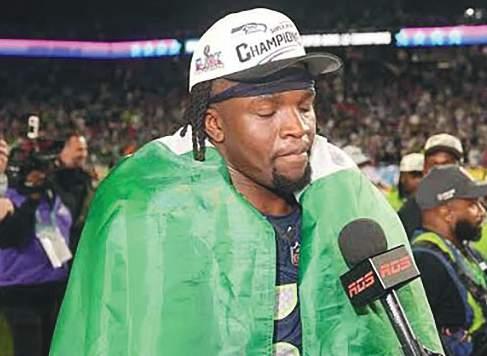
achieve this victory include Jalen Oluwaseun Milroe, quarterback; Nick Emmanwori, a defensive standout; Uchenna Nwosu, a veteran linebacker; Boye Mafe, a linebacker; and Olu Oluwatimi, an irrepressible offensive lineman.
The President, in a statement issued on Tuesday by his Adviser on Information and Strategy, Bayo Onanuga, also congratulated Michael Onwenu, who played for the New England Patriots, and is regarded as one of the most dominant offensive linemen.
Tinubu commended all the players for the pride and honour that they have brought to their country of descent, especially Emmanwori, Nwosu, and Mafe, who raised Nigeria’s flag after winning the Super Bowl with the Seahawks.
The President stated that these players and their accomplishments affirm Nigerians’ global reputation for excellence and talent.
Tinubu wished them continued success and more victories in their respective careers.
Says: “Coach Eric has so much belief in the Super Eagles and is confident that he can achieve his dreams with the team
Duro Ikhazuagbe
Despite reports of several African countries trying to woo Super Eagles Head Coach, Eric Chelle, away from Nigeria, President of the Nigeria Football Federation (NFF), Alh. Ibrahim Musa Gusau, remains unfazed, insisting that the Malian gaffer remains on contract with Nigeria for the next one year.
In a chat with NFF TVyesterday, Gusau insisted that Chelle who enjoys working with the Super Eagles is not likely to jump at the tempting offers been thrown at him as those countries may not have the same quality of players available in Nigeria for the coach to work with.
“We still have a one-year contract with Eric (Chelle) and anyone who has an interest on him would have to wait until his contract expires.”
The NFF chief stressed further that “the dream of any coach is to achieve success, especially at higher tournaments. So it is not about money but would he achieve something greater out there? Will the
team and has bonded well with the players .
“Coach Eric has so much belief in the Super Eagles and he has the confidence that he can achieve all his dreams with the team which is the key thing for any coach before accepting offers from any team or country.”
Gusau said that the transformation that has taken place in the Super Eagles is the result of Chelle’s leadership quality.
“The transformation that we are seeing in the Super Eagles, especially at the AFCON 2025, has to do with the leadership of the team which also has to do with the coach,” stressed the NFF president.
“Although we (Nigeria) did not win the AFCON 2025 in Morocco but Super Eagles were the most highest scoring team at the tournament as well as the only team that did not lose a match in regulation time but on penalties. This goes to show the quality that Chelle has brought to the team within the period that he has been in charge,” concludes Gusau
Trophy for outstanding sportsmanship. The closing Ceremony, held on Tuesday, February 10, 2026, featured thrilling football finals. Nasarawa State defeated Taraba State 3–0 in the boys’ final, while Bauchi State girls edged Gombe State 3–1 on penalties after a goalless draw in regulation time.
Speaking at the event, the Bauchi State Commissioner for Education, Dr. Mohammed Lawan Rimin Zayam, represented by the Permanent Secretary, Ali Babayo, praised all participants and organisers for their commitment and resilience. He stressed that school sports help children become more vibrant, agile, and intellectually alert.
In her remarks, the Executive Secretary of UBEC, Dr. Aisha Garba, represented by the North-East Zonal Director, Alhaji Abdullahi Shehu Jarma, said the week-long event exposed young pupils to the world of sports. She commended Bauchi State for its dedication, and called for stronger synergy among governments to boost
educational development through school sports.
Declaring the games closed, Governor Bala Abdukadir Mohammed Abdulkadir reaffirmed Bauchi State’s commitment to prioritising education, noting that school sports provide a strong platform for youth development.
He commended school officials,
referees, and athletes for promoting sanity, fair play, and mutual respect, urging them to sustain the spirit beyond the games. The event climaxed with the presentation of medals and trophies to deserving winners. Delta State will host the next edition of the UBEC Schools Sports Games.
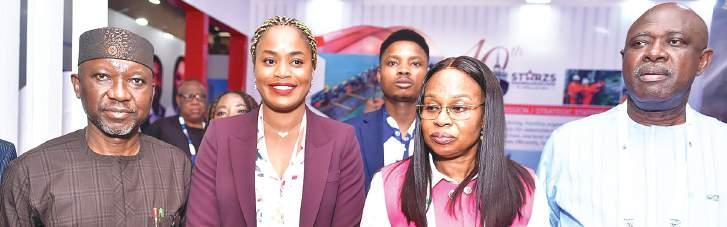
ON THEIR
L-R: Minister of State for Petroleum Resources (Gas), Hon. Ekperikpe Ekpo; Managing Director/CEO, Starzs lnvestments Company Limited, Ms. lroghama Ogbeifun; Permanent Secretary, Federal Ministry of Petroleum Resources, Mrs. Nwakuso Oyekunle, and Minister of State for Petroleum Resources (Oil), Senator Heineken Lokpobiri, during the Nigeria International Energy Summit in Abuja...recently

The significance of the recent agreement that the federal government reached with the university teachers should not be lost on the public. With effect from January 1 this year, the important agreement has put an end to a 17- year dispute between the federal government and the formidable Academic Staff Union of Universities (ASUU).
It is indeed good news about the tertiary level of the educational system.
The new pact, which is subject to review after three years, has effectively replaced the 2009 document which ASUU painstakingly negotiated with government.
The repudiation of agreements by government has been a recurrent theme in the many ASUU strikes of the last few years.
While the content of the current document may not fully meet the expectations of ASUU in the light of economic realities, it is certainly a welcome departure from the era of dealock. As a result of the deadlock strikes by university teachers episodically paralysed academic activities on campuses for decades. After all, time was when one minister of education serving a military regime infamously declared an agreement which government signed with ASUU “an imperfect obligation” that was not binding on the regime. Hence, ASUU was on strike virtually for the whole of the tenure of that minister.
It is in the light of such a sordid past that this new agreement should be appreciated as a bit of relief for the students, university teachers, administrators, parents and indeed the public at large.
Perhaps, not many observers of the long-drawn dispute between ASUU and government would note the import of the recognitions made by a federal legislator at the formal presentation of the agreement. The lawmaker, Hon, Abubakar Hassan Fulata, is the chairman of the House of Representatives’ Committee on University Education. In addition to the optimistic statements made by education minister Dr. Tunji Alausa and ASUU President Professor Chris Piwuna, Hon. Fulata was decidedly retrospective. He recalled the gallant roles played by former ASUU leaders, living and dead. Names on the roll call included those of Festus Iyayi (deceased), Eskor Toyo (deceased), Asisi Asobie, Nasir Isa Fage, Dipo Fasina, Emmanuel Osodeke, Toye Olorode and Biodun Ogunyemi. These eminent scholars and several of their comrades and colleagues had devoted a lot of time, energy and intellect negotiating with successive governments on what to do to improve the standards of university education. They had made enormous sacrifices bearing the
cross of tertiary education in Nigeria. So how does this agreement address the extant issues of university education?
Notably, embodied in the agreement is the provision for a salary increase of 40% among other elements of improvement in conditions of service. Besides, there is a novel provision for an annual allowance of N1.74 million for professors and 840,000 for readers. University teachers are also entitled to a new Earned Academic Allowances (EAA) for supervision, field trips, external assessment honoraria etc. Lecturers are to retire at age of 70 with the 100% of their annual salary paid during retirement as life pensions. Added to the foregoing is the new Consolidated Academic Tools Allowance (CATA) for academic journals, books, internet access, attendance of conference etc. Besides, while female university teachers are entitled to maternity leave their male colleagues would also go on paternity leave.
A Stabilisation and Restoration Fund of N30 billion has also been created for universities. The Fund will be disbursed in three equal instalments
“Those
between this year and 2028. The Fund is targeted at improving the infrastructure on campuses.
The agreement is also in synchrony with the proposed National Research Council to promote innovation, research and development. The proposal is to have 1% of the Gross Domestic Product (GDP) allocated for this purpose.
Remarkably, the agreement also strengthens university autonomy. Only professors would be appointed as deans and provosts. The appointment of vice chancellors and members of the governing council would also be strictly done according to regulations.
Another dimension of the agreement is the proposed comprehensive review of existing laws that are considered to be restricting university autonomy. These include the laws establishing the Joint Admission and Matriculation Board (JAMB); National University Commission (NUC), Tertiary Education Trust Fund Act And the criteria for establishing new institutions would be more rigorous henceforth.
Furthermore, in the agreement government is
committed to funding university staff primary and secondary schools.
Above are some of the takeaways from the agreement. The challenge now is that of meticulous implementation and sustainability of trust between government and ASUU.
To achieve the purpose of industrial peace on campuses the synergy of purpose between government and the university teachers should be scrupulously maintained. And with mutual good faith on both sides this is quite possible. The trend of disruptions of academic programmes could be reversed in the next three years that this agreement is meant last before a review.
Meanwhile, at least two lessons could be learnt from the positive development which the agreement represents.
First, the authorities in all tiers of government in the health sector should borrow a leaf from the playbook of the federal education ministry. Honest engagement with trade unions at different levels could bring about positive outcomes. Disruptive strikes could be avoided. Officialdom should stop revelling in the illusion that the weapon of strike could be taken away from workers by force. Intimidation and manipulation of unions will on the long run prove ineffectual. Instead of the blind declaration of “no-wok-no pay” ultimatum when workers go on strike, management in the health sector should perfect the art of collective bargaining based on facts and figures. That is the principled thing to do.
The second point is that the FG-ASUU agreement is relatively a cheery reminder that development efforts cannot be complete without taking the social sector especially education and health aspects more seriously. To solve the problem in the social sector the welfare and dignity of those who labour to keep the system running should be central to any strategy of development. Those who work in the health and education sectors deserve greater respect than they are currently getting from the government and society at large. Teachers, doctors, nurses, non-academic staff of schools etc. go on prolonged strikes and it is often as if nothing is amiss on the part of the public. Government officers talk down on the strikers accusing them of sundry crimes and misdemeanours.
In the specific case of university teachers, they are responsible for the production of knowledge. That’s their primary duty. It is indubitable that for the purpose of development and progress university teachers should be treated with respect and their welfare should be central to policymaking. It is, therefore, a good thing that this age-long proposition is now a prominent element of the new FG-ASUU agreement.