APC to Receive Mutfwang Tuesday, as Kano Gov Formally Registers Today
Mutfwang, will, barring unforeseen circumstances, be
www.thisdaylive.com
L-R: Honourable Minister of Education, Dr. Maruf Olatunji
Tinubu Heads to Turkiye Today
Security, social devt, others on agenda
Deji Elumoye in Abuja
President Bola Tinubu will today depart Abuja for a state visit to the Republic of Türkiye. The official visit, according to
Continued on page 5
Musawa: Changing the Construct of Tinubu-Shettima Ticket Risky for APC
Says if there’s no Hausa, Fulani or Kanuri Muslim on that ticket, it creates a hurdle
Insists Northern Nigerian politics deeply entrenched in social identity, historical voting behaviour
Declares it’s politically naive and detached from northern realities
Posits opposition fragmented, overcrowded, with multiple political heavyweights competing for same space
Chuks Okocha in Abuja
Minister of Culture, Tourism and Creative Economy, Hannatu Musawa, has warned that All Progressives Congress (APC) may significantly weaken its chances in the
2027 presidential election if it drops Vice President Kashim Shettima from the ticket, or fails to pick a northern Muslim to run with President Bola Tinubu in his re-election bid.
Emmanuel Addeh in Abuja and Ahmad Sorondinki in Kano
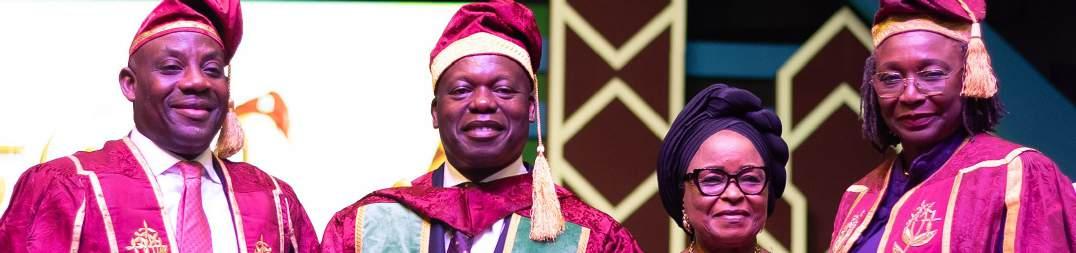
Alausa (FAMedS) CON; Group Chief Executive, Oando PLC, Dr. Jubril Adewale Tinubu CON; Iyalode of Lagos, Alhaja Bintu-Fatima Tinubu; and Vice Chancellor of University of Lagos, Professor Folasade Tolulope Ogunsola OON; at the 56th Convocation Ceremony of the University of Lagos, where Dr. Jubril Adewale Tinubu CON was conferred an honourary doctorate in Lagos.
Shell CEO: Why Oil Giant is Investing Additional $20 Billion in Nigeria
Lauds Tinubu's leadership, vision
Deji
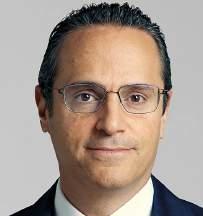
Global Chief Executive of Shell Plc, Mr Wael Sawan, has explained why the company is planning to invest additional $20 billion in the nation's oil and gas sector, lauding President Bola Tinubu's for creating a healthy climate for investments to thrive.
Speaking at a meeting with Tinubu at the State House,
Sawan said Shell is deepening and expanding its investments in Nigeria and the company is ready, alongside its partners, to invest additional $20 billion primarily because of the robust and bold leadership of the President.
He emphasised that Nigeria, under the Tinubu administration, is one of the countries attracting significant investment from
global oil companies.
Highlighting Shell's recent investments, such as $5 billion in Bonga North, $2 billion in HI, and the gas project to NLNG, Sawan stated that the corporation remains committed to long-term investments in the country, underscoring the stable economic environment.
"We have really been in a space where we are very keen
to invest in Nigeria. But I would say this has not always been the case. Your leadership and your vision have created an investment climate over the last few years that, I will be very honest with you, propelled us to invest, in particular, as we compare to other investments around the world.
"Stability in today's environment will honestly
have a premium for corporates because we are investing not for one administration or five or 10 years, we want to invest for 20, 30, 40 years and in the case of Nigeria, for many, many decades," he stated.
Commenting on the expansion of Shell's investments in Nigeria, Sawan said the company has also deepened its interest in Block OML 118, the Bonga Block.
MUSAWA: CHANGING THE CONSTRUCT OF TINUBU-SHETTIMA TICKET RISKY FOR APC
Musawa spoke at a recent episode of “Mic On Show” with journalist Seun Okinbaloye.
Her comments followed rising speculation that the ruling party might consider altering the Muslim-Muslim presidential ticket with which APC won the 2023 election.
The minister cautioned that replacing Shettima or running without a northern Muslim would pose serious political risks for APC, particularly in the core northern states, where voting patterns were deeply influenced by regional and
a statement issued yesterday by presidential spokesperson, Bayo Onanuga, is aimed at strengthening the existing cordial relations between the two countries and exploring further areas of cooperation in security, education, social development, innovation, and aviation.
Turkish President Recep
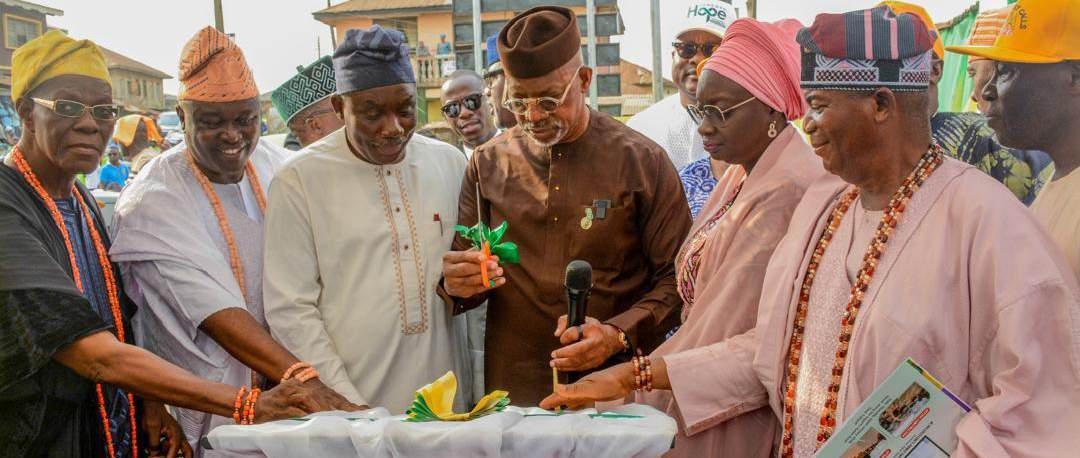
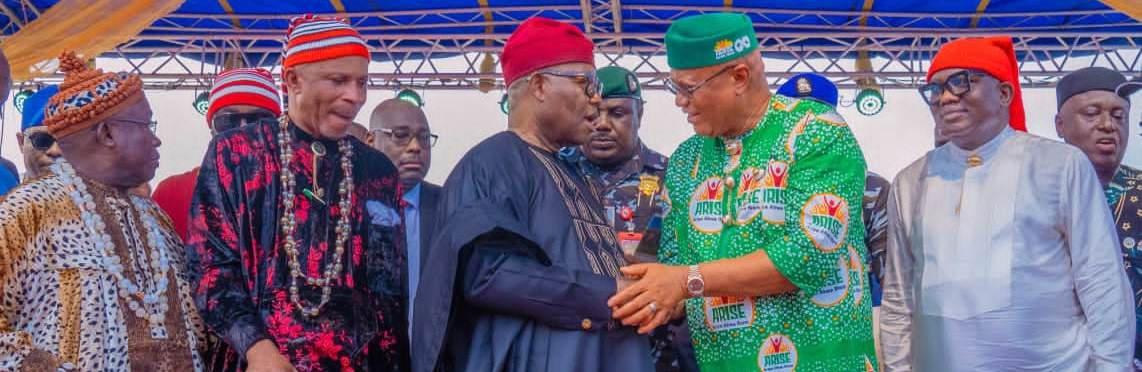
leadership of the party Tuesday (tomorrow).
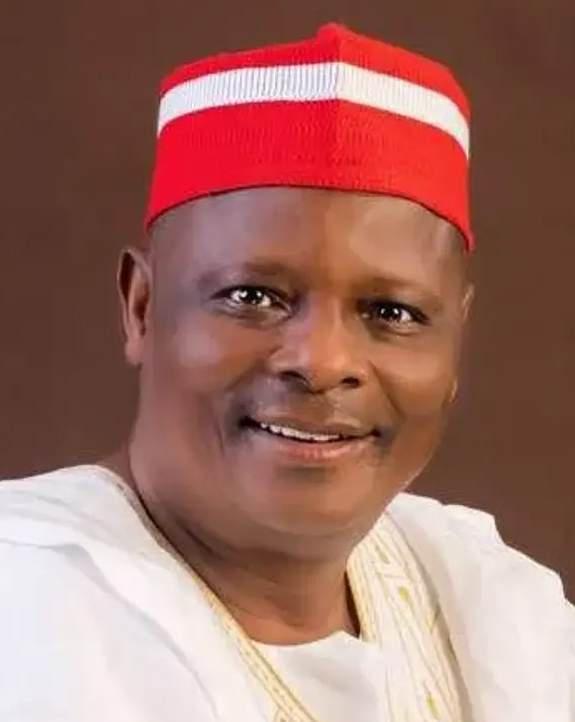
Characterised by insiders as a ‘carefully sequenced consolidation’ drive by the APC, the development is coming amid fresh disclosures on how the APC capitalised on internal tensions within Rabiu Kwankwaso’s New Nigeria Peoples Party (NNPP) to draw the Kano governor into its fold.
In the same vein, a top party chief yesterday moved to allay fears of an impending impeachment of Rivers State Governor, Siminalayi Fubara, telling THISDAY that the "process will not move forward because the party had intervened behind the scene".
In Kano, the governor’s defection, it was learnt, was the culmination of prolonged discontent within the NNPP, where sources said he had become politically constrained by the overwhelming influence of his party’s national leader and political godfather, Rabiu Kwankwaso.
Despite occupying the state’s highest executive office, the governor was said to have had limited control over key appointments, with local government chairmen, commissioners and senior
religious considerations.
Musawa stated, “If there is no Hausa, Fulani or Kanuri Muslim on that ticket, it creates a hurdle. That is the reality of the way people think.”
She explained that politics in northern Nigeria was deeply entrenched in social identity and historical voting behaviour, stating that the region remains one of the most politically sophisticated in the country.
Musawa said, “The core north states, like Katsina, Kano, Kaduna, Kebbi,
Tayyip Erdogan had paid an official visit to Nigeria from October 19 to 20, 2021 during the late Muhammadu Buhari administration.
Jigawa, Zamfara and Sokoto, understand politics at a very deep level. Politics there is a way of life. People wait every four years to line up and vote because that is where they feel they have influence.”
Musawa dismissed suggestions that APC could easily reshuffle its presidential ticket without electoral consequences, describing such assumptions as politically naive and detached from northern realities.
“I think if we toy with changing the construct of what we have now, it is
During Tinubu's visit, both countries will engage in strategic political and diplomatic discussions on shared values in finance, communication, trade and investment.
aides largely dictated by other interests, mainly those championed by the party leader, Kwankwaso.
This imbalance, insiders said, fed into growing anxiety over his political future, particularly the absence of any clear assurance of securing the NNPP ticket for a second term.
It was this vulnerability that the APC quietly exploited, THISDAY was told, offering the governor a platform that promised greater autonomy, alignment with the federal government and a more predictable pathway ahead of the 2027 election cycle.
THISDAY gathered that behind the governor's movement to APC were months of deepening internal strain within the NNPP, driven largely by the aforesaid power imbalances that left the governor increasingly isolated and uncertain about his political future.
Multiple sources familiar with the developments said that while Yusuf held executive power as governor, key political decisions were tightly controlled by forces from outside the Government House.
Kwankwaso’s dominance reportedly extended to the appointment of virtually all
The agenda will include meetings between highranking officials of both nations and the signing of memoranda of understanding (MoUs) in scientific research, energy, technical cooperation, media and communications, military cooperation and protocol, among others.
local government chairmen, councillors, commissioners, special advisers and senior aides, limiting Yusuf’s influence over his own administration.
Insiders said the arrangement steadily eroded the governor’s room to make key decisions, creating friction within the state executive council and frustration among allies who felt sidelined despite holding elective or appointive offices.
As these tensions persisted, uncertainty grew over Yusuf’s chances of securing the NNPP ticket for a second term.
THISDAY was told that there were no firm assurances from the party leadership under the stranglehold of Kwankwaso of a second term for Yusuf, his political godson.
It was this uncertainty that the APC quietly capitalise on, as senior party figures began sustained engagement with Yusuf’s inner circle, presenting the ruling party as a platform that could guarantee political stability, internal autonomy and a clearer pathway to a second term According to sources, assurances were given that Yusuf would be treated as a party leader in Kano, rather than a subordinate figure, unlike the way the NNPP leadership was treating him.
a problem. People who suggest otherwise may not fully understand how politics works in the north,” she warned.
Addressing the growing conversation around opposition alliances ahead of 2027, the minister expressed confidence that Tinubu and Shettima were firmly positioned to secure a second term.
She described the opposition as fragmented and overcrowded, with multiple political heavyweights competing for the same
A business forum will bring together investors from both countries to explore areas of interest during the visit.
Members of the president’s entourage participating in the bilateral discussions include Minister of Foreign Affairs, Ambassador Yusuf Tuggar; Attorney General of the Federation (AGF) and Minister
But with the APC machine voraciously on the move, barely hours after the Kano defection, attention is expected to shift to Plateau State, where Mutfwang will formally be received into the party on Tuesday, effectively making him the 30th governor of the APC.
Party sources said his formal reception by the APC top echelon would mark the end of months of speculation and signal a strategic recalibration aimed at purportedly strengthening Plateau’s access to federal support, especially in security and infrastructure.
The near-simultaneous moves have reinforced perceptions of a deliberate APC strategy to absorb sitting governors facing internal pressures within opposition parties, thereby expanding its influence across key regions.
Besides, seeking to dampen political tension elsewhere, a senior APC chieftain yesterday dismissed reports of a plot to impeach Rivers State Governor Siminalayi Fubara. The party leader insisted that the APC’s priority in Rivers remains stability rather than institutional confrontation, especially the one championed by FCT Minister, Nyesom Wike.
Back to the drama in Kano,
He added: "Total Energies was selling, so we bought it because we want to deepen it further. But that, we think, is not enough. We think there is more to invest here, and we understand the vision that you have for the country.
leadership space.
She stated, “You have an opposition that is overcrowded. Every single member is vying for the same spot, and that alone creates a recipe for political failure.”
While acknowledging that opposition figures remained influential and politically active, she insisted that the ruling party was not underestimating any challenger.
“We are not taking anybody lightly. But as the opposition is emerging now, I do not see how they can
of Justice, Lateef Fagbemi SAN; Minister of Defence, General Christopher Musa (rtd); and Chairman, House Committee on Defence, Hon. Jimi Benson.
Others are Ministers of Women Affairs and Social Development, Hajiya Imaan Suleiman-Ibrahim; Interior, Olubunmi Tunji-Ojo; and
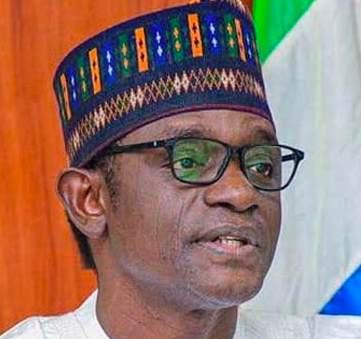
Yusuf is set to rejoin the APC today, Monday, January 26, 2026, following his resignation from the NNPP last Friday.
The governor is also expected to officially launch the APC e-registration exercise in the state.
A statement signed by the governor’s spokesperson, Sunusi Tofa yesterday described the APC platform as a familiar one.
The statement recalled that Yusuf first joined the APC in 2014 when he won the party’s primary election for the Kano Central Senatorial seat, a position he later conceded to Kwankwaso.
It noted that after years of political engagement across different platforms, including his most recent stint in the NNPP, prevailing realities of governance, national cohesion and development necessitated his return to the APC, which he described as a familiar and structured platform for progressive governance.
Yusuf stated that rejoining the APC would further strengthen cooperation with the federal government, accelerate infrastructural development, enhance security coordination and improve service delivery across Kano State.
Musawa further stated that although APC welcomed a vibrant opposition as part of democratic development, the party was focused on strengthening its political base and consolidating support across the country ahead of the next election cycle.
“It is good for democracy to have opposition. Nobody wants a one-party state. But we are confident in our political direction,” Musawa said.
Culture and Creative Economy, Hannatu Musawa; National Security Adviser (NSA), Malam Nuhu Ribadu; and Director-General of National Intelligence Agency, Ambassador Mohammed Mohammed. Tinubu is expected back in the country at the end of the visit.
He added that the decision would also consolidate political stability and unity in the state. Besides, the governor will formally register as a member of the APC in Kano alongside 22 members of the State House of Assembly, eight members of the House of Representatives and the 44 Local Government Chairmen.
Also supporters of the NNPP national leader, unfazed by the goings-on, have rallied in Kano in support of the former Kano governor. Kwankwaso disclosed this on his social media handles on Sunday.
“This afternoon, I was honoured to receive a solidarity visit at my residence in Kano from the resilient people of Nasarawa Local Government.
“In our discussions, I reaffirmed my profound appreciation for their unwavering courage and determination. Despite the recent trials that have tested the faith and fortitude of many, they have chosen to stand firmly with us—not for personal gain, but for the collective progress and wellbeing of our people.
“Together, we remain resolute in upholding and advancing the timeless ideals
unseat President Tinubu and Vice President Shettima,” she added.
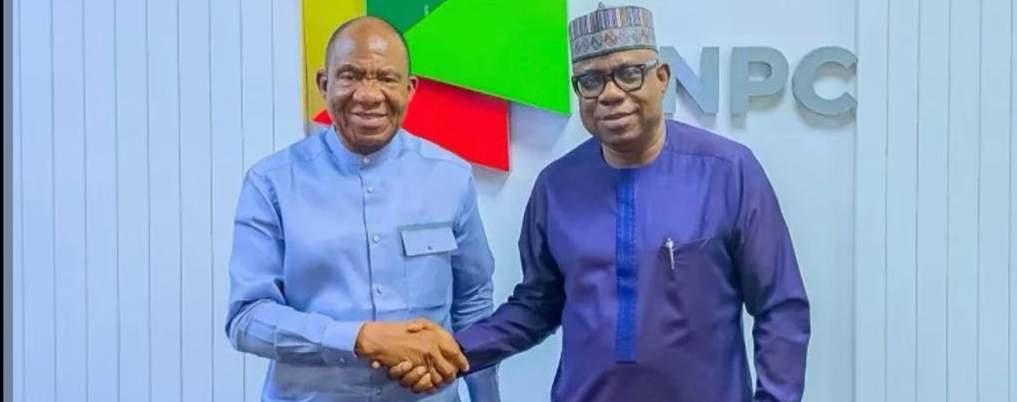
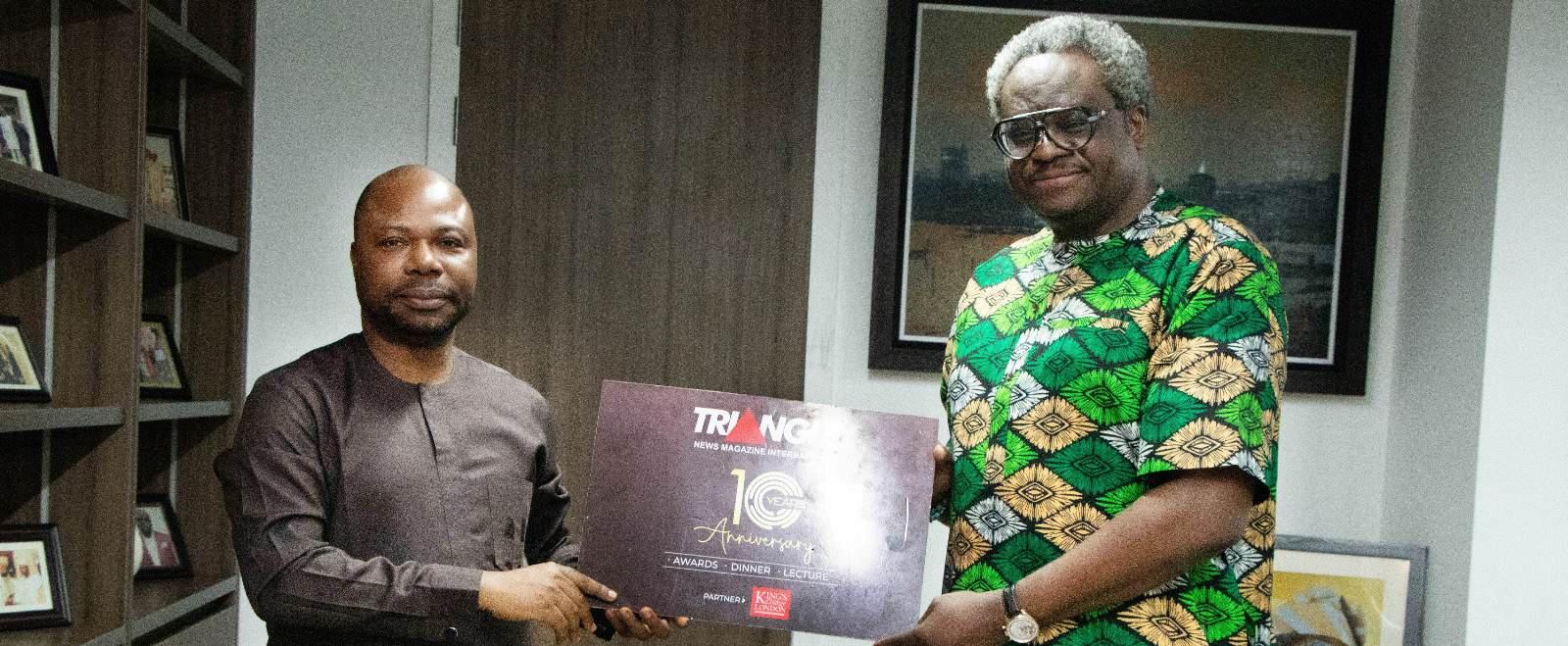
WHEN LEEMON IKPEA PAID A COURTESY VISIT TO BAYO OJULARI...
Founder/Chairman, Lee Engineering Group & Allied Company Ltd, Chief (Dr) Leemon
NNPCL in Abuja...recently
CON
and Group Chief
Wale Edun: Nigeria has Moved from Stabilisation to Consolidation
Bagudu: FG hopes to save N3tn in foreign exchange from bio-ethanol project, enlists 14 million cassava farmers
Nigeria has moved decisively from stabilisation to consolidation, embedding reforms that support privatesector-led growth, strengthen institutions, and restore confidence in the economy, Minister of Finance and Coordinating Minister of the Economy, Mr. Wale Edun, said in Davos, Switzerland.
Speaking at the Nigeria House, Edun, who participated at Davos WEF 2026, the annual meeting of the World Economic Forum (WEF), outlined
Nigeria’s reform agenda, emphasising fiscal discipline, macroeconomic stability, and the government’s commitment to building a predictable, investor-friendly economic environment.
Edun’s comments came as Minister of Budget and Economic Planning (FMBEP), Senator Abubakar Bagudu, projected a N3 trillion annual Foreign Exchange (FX) savings from the federal government's ongoing Cassava Bio-ethanol Value Chain Development Project.
Bagudu said blending bio-ethanol with Premium
Motor Spirit (PMS) will reduce the country’s reliance on imported fuel. He spoke at a capacity building workshop for stakeholders in the cassava bioethanol value chain development programme for the South-east zone.
Nigeria House serves as a one-stop hub for dialogue and deal-making at WEF, as the country positions as an emerging destination for sustainable, long-term investment in the global economy.
Edun's declaration came after last week's report by International Monetary
Fund (IMF) that Nigeria’s macroeconomic stabilisation efforts were beginning to yield results, contributing to an improved growth outlook for Sub-Saharan Africa.
The fund made the assessment in its January 2026 World Economic Outlook Update, in which it revised growth projections for the African region upward, citing Nigeria among key economies where policy adjustments are paying off.
At the South-east event, Bagudu revealed that in line with current aspirations, the federal government had begun
FG Vows Renewed Commitment to Climatesmart Agriculture Amid Positive Pilot Outcomes
James Emejo in Abuja
The federal government has reaffirmed its commitment to secure cleaner air, healthier communities, resilient food systems, and a more climatesecure Nigeria.
Permanent Secretary, Federal Ministry of Agriculture and Food Security, Dr, Marcus Ogunbiyi, said Nigeria’s Climate Change Act of 2021 provided a clear legal and
institutional framework for achieving low greenhouse gas emissions, climate-resilient development, and sustainable economic growth.
Ogunbiyi spoke at a close-out workshop on the Abatement of Short-Lived Climate Pollutants (SLCP) in the Nigerian agricultural sector.
The workshop, held at the weekend in Abuja, had the theme, “Local Action, National
Impact: Building Resilience through Climate-Smart Agriculture.”
Ogunbiyi stated that within the climate change framework, agriculture occupied a strategic position, as it was both highly vulnerable to climate impacts and a significant source of methane and black carbon emissions.
He added that Nigeria’s updated Nationally Determined Contributions (NDCs) identified
the agricultural sector as a priority for mitigation and adaptation—particularly through the reduction of methane emissions, improved residue management, and promotion of climate-smart agricultural practices.
Ogunbiyi said SLCP Abatement Project directly supported the national priorities and contributed meaningfully to NDC Implementation Roadmap.
SNG Lauds Inauguration of US–Nigeria Working Group on Security, Religious Freedom
Addeh
moves to empower 14 million smallholder farmers to play key roles in the cassava value chain.
The minister stated that under the national bio-economy policy, the ministry was committed to promoting a circular economy that would go beyond the production and utilisation of ethanol.
Represented by Director, Economic Growth, FMBEP, Mr. Auwal Mohammed, Bagudu said, "We are looking
at the entire value chain, from high quality stems and starch to the CO2 captured during fermentation and the annual feeds produced from distillery grains.
"The project will utilize the Triple -Helix Knowledge Transfer partnership of, providing high yield, disease resistant varieties, driving investments, technology and market access and providing the enabling environment and infrastructure.”
Group Faults NBA President's Position on Maina's Award
Alex Enumah in Abuja
A group under the aegis of Northern Youth Assembly of Nigeria (NYAN) has faulted President of Nigerian Bar Association (NBA), Mr. Afam Osigwe, SAN, on his position regarding an award on former Chairman of Pension Reform Task Team (PRTT), Mr. Abdulrasheed Maina, by the Garki branch of NBA.
NYAN accused Osigwe of undue interference in branch activities, and asked him to account for N300 million the association received from Rivers State Government in support of last year's general conference.
to public service, courage and perseverance in the face of adversity”, as well as his commitment to the rule of law, due process, and justice institutions.
The branch chairman said Maina was honoured for exemplifying service guided by law and courage anchored in justice, adding that he “went through a lot in the hands of those bent on destroying the work he was called to do”.
Ojo also stated regarding Maina, “We are honouring him for his efforts concerning pension reforms and all he has done and continues to do in the development of the country.”
The group, in a statement,
Save Nigeria Group USA (SNG USA) has welcomed the formal inauguration of the US–Nigeria Working Group in Abuja, describing it as a critical moment in bilateral engagement, at a time that ‘’Nigeria’s security crisis—particularly the targeted persecution of Christian communities, has reached an existential level.”
commended the US government, under the leadership of President Donald Trump for prioritising Nigeria and recognising what it termed the ‘urgent and worsening’ plight of Christian communities facing daily attacks from radical
Islamist terrorist groups.
These violent groups, according to the SNG include the notorious Fulani Islamist militia, whose violence, it said, has ravaged Christian populations across Nigeria’s Middle Belt states.
Osigwe had, in a statement on Friday, berated the Garki branch chairman, Anthony Ojo, for the recognition and award on Maina, accusing him of appearing to endorse corruption.
Ojo on Thursday handed NBA's award to Maina "in recognition of" his “dedication
But the national body of NBA said it viewed with disdain the purported appointment of Maina, "who was convicted for stealing over N2 billion in pension funds, as ‘Grand Patron of NBA Garki Branch’ by the Chairman of NBA Garki Branch, Anthony Bamidele Ojo".
Ndubuisi Francis and James Emejo in Abuja
Emmanuel
in Abuja
Ikpea,
(left),
Executive Officer, NNPC Limited, Mr. Bayo Ojulari, during a courtesy visit by Ikpea to the
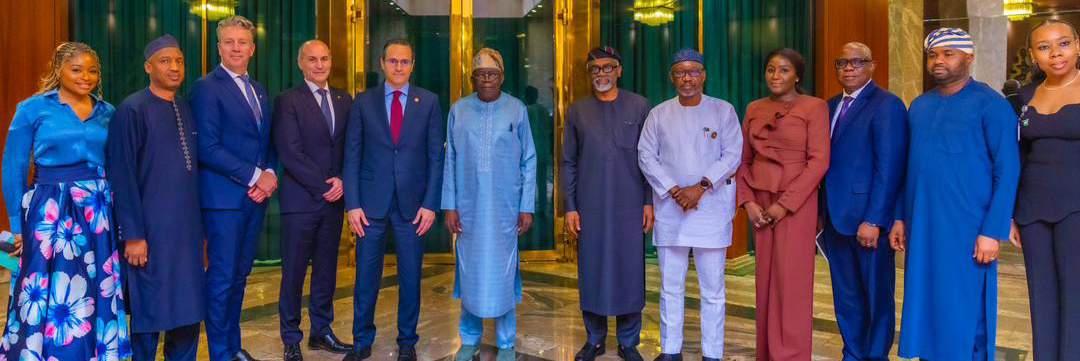
WHEN GLOBAL SHELL EXECUTIVES VISITED ASO VILLA...
L-R: Ola Adeniji, Special Assistant (Petroleum); Ahmed Abubakar, General Manager, Corporate Relations, Shell Nigeria; De Jong Marno, Executive Vice-President and Country Chair, Nigeria; Peter Costello, President, Upstream, Shell Plc; Wael Sawan, Global CEO, Shell Plc; President Bola Tinubu; Chief of Staff to the President, Rt. Hon. Femi Gbajabiamila; Honourable Minister of state for Petroleum Resources (Gas), Rt. Hon. Ekperipe Ekpo; Mrs. Olu Arowolo Verheijen, Special Adviser to the President on Energy; Mr. Bayo Ojulari, GCEO, NNPC; Dr. Zacch Adedeji, Executive Chairman, Nigerian Revenue Service; and Yasmin Mohammed, Special Assistant to the President on Energy Transition, during a visit by Shell executives to the President at the State House
Heirs Holdings Announces Ufudo, Yomi-Ajayi New Non-Executive Directors
Nume Ekeghe
Heirs Holdings has appointed Obinna Ufudo and Sola Yomi-Ajayi as non-executive directors, strengthening its board with seasoned professionals across finance, energy, governance, and global markets.
The pan-African investment company, in a statement, said the new directors brought extensive expertise in finance, energy, governance, and global markets, and their appointments demonstrated Heirs Holdings’ ongoing
PHC Reforms: World Bank-assisted HOPE-GOV Programme Partners BHCPF to Strengthen Coordination
Ndubuisi Francis in Abuja
The National Coordinator of the Human Capital Opportunities for Prosperity and EquityGovernance (HOPE-GOV) Program, a World Bank–assisted initiative of the Federal Ministry of Budget and Economic Planning, Dr. Assad Hassan, has stated that the programme is designed to incentivise implementing agencies, including state governments to institutionalise reforms in budgeting and expenditure management within Nigeria’s primary healthcare and basic education sectors.
Hassan stated this in Abuja, weekend when he led the National Programme Coordination Unit (NPCU) of the HOPE-GOV Program on an implementation coordination visit to the Ministerial Oversight Committee Secretariat of the Basic Health Care Provision Fund (BHCPF MOC).
The Basic Health Care Provision Fund (BHCPF) was established under Section 11 of the National Health Act (2014) as a catalytic funding to improve access to primary health care. It serves to fund a Basic Minimum Package of Health Services (BMPHS), increase the fiscal space for health, strengthen the national health system, particularly at primary health care (PHC) level by
making provision for routine daily operation cost of PHCs, and ensure access to health care for all, especially the poor and vulnerable.
Hassan said: “For us, it is not just about dishing out the money but if you look at the scope of the program, it's talking about reforms.
"Beyond the incentives that our implementing agencies are going to get, the health sector in particular is going to benefit from the reforms that the Program is going to achieve.”
According him, the visit was part of efforts aimed at implementing agencies to strengthen coordination and provide the support required to achieve the Disbursement-Linked Indicators (DLIs).
“This is something we usually do for all our implementing agencies. It means the people that we are responsible for in terms of the DisbursementLinked Indicators (DLIs) and the Disbursement-Linked Results (DLRs).
"Specifically, the states, BHCPF Ministerial Oversight Committee Secretariat as well as the Universal Basic Education Commission (UBEC) at the federal level. From time to time, we engage so that we provide implementation support, coordination as well as support to ensure that our implementing agencies are able to achieve their results.
commitment to strong corporate governance.
Yomi-Ajayi has over 30 years experience in financial services, governance, regulatory engagement, and enterprise risk management. She previously served as Executive Director of United Bank for Africa (UBA) and was CEO for UBA’s International Business, as well as Country CEO for UBA America.
She also sits on the boards of UBA United Kingdom (UK), and Business Council for International Understanding (BCIU), and is a member of the OECD Blue Dot Network Executive Consultation Group.
Yomi-Ajayi was previously a member of Sub-Saharan Africa Advisory Committee of the US Export-Import Bank (US EXIM) and on the Board of Trustees of Institute of International Banking (USA).
Appointments
She holds a Master’s in Business Administration degree from Aberdeen Business School, Robert Gordon University. She is a Fellow of Chartered Management Institute (UK) and a member of the Association of MBAs. Additionally, she holds a Corporate Governance Certificate from the Wharton Business School, University of Pennsylvania, and a Leadership Certificate from the Harvard Business School. Ufudo brings over 30 years of leadership experience across banking, investment, energy, and corporate transformation, having previously served as Executive Director and Chief Operating Officer at Heirs Holdings.
(Transcorp), where he led a successful turnaround and executed the landmark acquisition of the Ughelli Power Plant.
Lagos, Nigeria – January 26, 2026 Leading pan-African investment company, Heirs Holdings, has announced the appointment of Obinna Ufudo Yomi-Ajayi as Non-Executive Directors. The new directors bring expertise in finance, energy, governance, and global markets appointments demonstrate Heirs Holdings’ ongoing commitment corporate governance.
He is also the founder and chairman of Atiat Leasing Limited and Co-Founder and Chairman of LoanBook Limited.
Lagos, Nigeria – January 26, 2026 Leading pan-African investment company, Heirs Holdings, has announced the appointment of Obinna Ufudo and Sola Yomi-Ajayi as Non-Executive Directors. The new directors bring extensive expertise in finance, energy, governance, and global markets and their appointments demonstrate Heirs Holdings’ ongoing commitment to strong corporate governance.
He served as President and Group CEO of Transnational Corporation of Nigeria
Obinna holds advanced executive and postgraduate qualifications from the Wharton School (AMP),
University of Reading (M.Sc., Chevening Scholar), and IESE Business School (Executive MBA). He is a Fellow of the Chartered Institute of Bankers of Nigeria. Commenting on the appointments, Heirs Holdings Founder and Group Chair, Tony O. Elumelu, CFR, said, “We are pleased to welcome Obinna Ufudo and Sola YomiAjayi to the Board of Heirs Holdings.
Says initiative will strengthen grassroots housing delivery Dangiwa Urges States, Others to Back National Homeownership Campaign
The Minister of Housing and Urban Development, Ahmed Dangiwa, has called on state governments, housing institutions, Development Finance Institutions (DFIs), and key stakeholders in the built environment to actively participate in and support the national homeownership and housing development campaign.
Scheduled to commence on 4–5 March 2026 in Katsina State, the minister made the call while delivering an address on day four of the 14th National Council on Lands, Housing and Urban Development currently held in Ilorin, Kwara State. Dangiwa said that the
campaign represents the ministry’s determination to lead a unified and coordinated approach to subnational housing development, working closely with state governments to ensure that federal programmes, reforms, finance opportunities and private capital are translated into real and deliverable projects at the state level.
Sola Yomi-Ajayi has over 30 years of experience in financial governance, regulatory engagement, and enterprise risk management. previously served as an Executive Director of the United Bank for Africa and was CEO for UBA’s International Business , as well as Country CEO America. She also sits on the boards of UBA United Kingdom (UK), the Council for International Understanding (BCIU) and is a member of the Blue Dot Network Executive Consultation Group. She was previo usly a of the Sub-Saharan Africa Advisory Committee of the US Export-Import EXIM) and on the Board of Trustees of the Institute of International Banking Sola holds a Masters in Business Administration degree from the Aberdeen Business School, Robert Gordon University. She is a Fellow of the Chartered Management Institute (UK) and a member of the Association
He urged stakeholders to see the initiative as a collective effort to drive sustainable homeownership across the states of the Federation.
Sola Yomi-Ajayi has over 30 years of experience in financial services, governance, regulatory engagement, and enterprise risk management. She previously served as an Executive Director of the United Bank for Africa (UBA) and was CEO for UBA’s International Business , as well as Country CEO for UBA America. She also sits on the boards of UBA United Kingdom (UK), the Business Council for International Understanding (BCIU) and is a member of the OECD Blue Dot Network Executive Consultation Group. She was previo usly a member of the Sub-Saharan Africa Advisory Committee of the US Export-Import Bank (US EXIM) and on the Board of Trustees of the Institute of International Banking (USA). Sola holds a Masters in Business Administration degree from the Aberdeen Business School, Robert Gordon University. She is a Fellow of the Chartered Management Institute (UK) and a member of the Association of MBAs.
“I want to use this platform to call on all stakeholdersGovernors, Commissioners, Permanent Secretaries, housing institutions, developers, financiers and professionals -to actively support and participate in this campaign, which will be flagged off in Katsina State from 4th to 5th March, 2026,” the minister said.
The campaign being organised by Know This Nigeria Network (KTNN) in collaboration with the ministry, is designed to connect federal housing reforms, policies and interventions with state-level implementation.
It features two major components, including regional executive sessions and public homeownership seminars aimed at strengthening linkages between federal housing institutions, DFIs and state governments.
Dangiwa noted that the
campaign aligns with the ministry’s newly introduced unified housing delivery framework, which seeks to deepen collaboration between the federal and state governments in delivering housing at scale and building sustainable cities nationwide.
“Our new direction is to ensure that the ministry and all federal housing institutions function as one government, delivering results that directly support state and local implementation efforts. This is to ensure that we operate not in silos, but as one coherent national housing delivery system working in direct support of state-level delivery,” he stated.
Emmanuel Addeh in Abuja
Ufudo
PRESS RELEASE
Heirs Holdings Announces Two New Non-Executive Board
Yomi-Ajayi
Heirs Holdings Announces Two New Non-Executive Board Appointments
ENLARGING COAST OF APC IN SOUTH EAST...
How Gov Inuwa Yahaya Grew Gombe
from N6.8bn to Over N40bn
Further consolidating its fiscal momentum for growth and development, the Gombe State Government under the leadership of Governor Muhammadu Inuwa Yahaya has recorded a historic leap in Internally Generated Revenue (IGR), growing collections from 6.8 billion naira to an all-time high of about 40.8 billion naira in 2025, representing nearly 500 percent increase within six years.
The landmark IGR surge nearly doubled the 20.7 billion
naira recorded in 2024 and exceeded the 2025 revenue target of nearly 25.7 billion naira by 158%, underscoring the state’s rapidly improving fiscal performance.
Revealing the figures over the weekend, the Chairman of the Gombe State Internal Revenue Service (GIRS), Aisha Adamu, FCNA, said the state has witnessed consistent and sustained growth in revenue generation since Governor Inuwa Yahaya assumed office in 2019.
She noted the momentum
Sanwo-Olu’s Wife Flags Off Statewide Measles-Rubella, Routine Immunisation Campaign
Funmi Ogundare
The First Lady of Lagos State, Dr. Claudiana Ibijoke SanwoOlu, will tomorrow, January 27, flag off the statewide Measles-Rubella (MR) and Routine Immunization (RI) campaign aimed at protecting children and adolescents from vaccine-preventable diseases across all Local Government Areas (LGAs) and Local Council Development Areas (LCDAs).
The week-long integrated campaign will run until February 5, 2026.
Speaking on the initiative, in a statement, the Permanent Secretary, Lagos State Primary Health Care Board (LSPHCB), Dr. Ibrahim Akinwunmi Mustafa, noted the campaign aligns with national and global immunisation goals and targets the prevention of measles and rubella, two highly contagious diseases with serious public health implications.
"Measles remains one of the leading causes of vaccine-preventable childhood illness, while rubella infection during pregnancy can result in
congenital rubella syndrome, causing conditions such as heart defects, cataracts, hearing impairment, and developmental delays in infants.
He described routine immunisation as a proven and effective intervention for preventing diseases such as polio, tuberculosis, whooping cough, diphtheria, cervical cancer, and others.
“This integrated immunisation campaign is a critical public health intervention aimed at preventing measles, rubella, and other vaccine-preventable diseases,” Mustafa said.
Lagos State, he said, is determined to ensure that every eligible child and adolescent is reached, regardless of location or socioeconomic status, adding that the vaccines are safe, effective, and completely free.
He added that sustained immunisation efforts play a vital role in reducing child morbidity and mortality, improving school attendance, and supporting long-term economic and social development.
became more pronounced since her appointment as GIRS Chairman in 2023.
“From 15.18 billion naira in 2023, we recorded 20.72 billion naira in 2024. In just one year, our performance doubled, as we achieved over 40 billion naira in IGR in 2025,” she explained.
According to her, the impressive trajectory is in line with Inuwa Yahaya administration’s commitment to strengthening revenue collection
systems, improving taxpayer compliance and expanding the tax base.
She expressed appreciation to the Governor for his consistent support to the revenue authority in the discharge of its mandate.
Governor Inuwa Yahaya, she added, has continued to prioritise fiscal discipline and efficient governance, with the latest revenue milestone standing as a clear proof of the administration’s
sound economic policies and strategic investments in revenue administration.
The GIRS Chairman further disclosed the increased revenue inflow would support the state government in expanding social infrastructure, improving public service delivery and funding critical development projects with direct impact on the lives of Gombe residents.
Looking ahead, she assured of the commitment of the
revenue authority to consolidate the gains recorded and further raise the bar in revenue generation.
“As we move into 2026, we are confident that with the continued support of His Excellency and the cooperation of the good people of Gombe State, we will achieve even higher revenue performance in our collective drive to make Gombe State greater,” she said.
UNIOSUN Alumna Emerges Only Nigerian among 100 Scientists Honoured by UNESCO
Yinka Kolawole in Osogbo
The Osun State University (UNIOSUN) has recorded another landmark achievement in its quest to produce globally competitive graduates, following the international recognition of one of its alumnae, Dr. Temitope Adeniyi, who recently emerged as the only Nigerian among 100 scientists honoured by UNESCO.
Dr. Adeniyi’s achievement was highlighted on “Why She Emerged as Only Nigerian Among 100 Scientists Honoured by UNESCO – US-Based
Scientist.”
The recognition has continued to attract national and international attention, further underscoring the quality of academic training and intellectual foundation provided by Osun State University.
A statement issued by the University’s Public Relations Officer, Mr. Ademola Adesoji, confirmed the celebrated scientist, formerly known as Temitope Bolaji ODEYOMI before marriage is an alumna of Osun State University and a proud member of its Alumni
Association.
She graduated from the University in 2015 with a Second-Class Upper Division, a feat that reflected her academic excellence and discipline early in her career.
Dr. Adeniyi was trained in the Department of Physics with Electronics, where her undergraduate project was supervised by Professor Olusegun Alabi, a distinguished scholar in the Department.
Her strong academic grounding at UNIOSUN laid the foundation for her
subsequent professional and research journey, which has now culminated in global recognition by UNESCO for her contributions to science. Commenting on the development, the ViceChancellor, Professor Odunayo Clement Adebooye, described the honour as a strong affirmation of the university’s commitment to producing graduates who are not only academically sound but also capable of competing and excelling on the global stage.
Police Intercept Truck Conveying Explosive Devices in Oyo
Bandits
ambush patrol team, kill Inspector
The Oyo State Police Command yesterday said it intercepted some items suspected to be explosive devices in Saki, Oke Ogun area of the state.
This is just as it was learnt that some gunmen suspected to be bandits killed an Inspector of Police when a police patrol team was waylaid at Budo Masalasi border post area of
the state on Saturday.
The Command in a statement by its Public Relations Officer, Olayinka Ayanlade, disclosed that the driver of the truck used in transporting the devices has been arrested, stating that the materials were intercepted during a stop and search operation in Saki and that the explosive devices and the truck are currently in police custody.
He said, “Acting on credible
intelligence, operatives of the Command intercepted a truck conveying materials suspected to be explosive devices during a stop-and-search operation in Saki, Oyo State.
“The truck and the suspected materials were promptly secured and are currently in police custody.
“Upon receiving a briefing on the development, the Commissioner of Police, Oyo
State Command, CP Femi Haruna, immediately ordered a comprehensive investigation into the matter.
"Consequently, specialized personnel of the Explosive Ordnance Disposal (EOD) Unit and the Chemical, Biological, Radiological and Nuclear (CBRN) Unit were deployed to safely secure the items for safekeeping and forensic examination.
Segun Awofadeji in Gombe
Kemi Olaitan in Ibadan
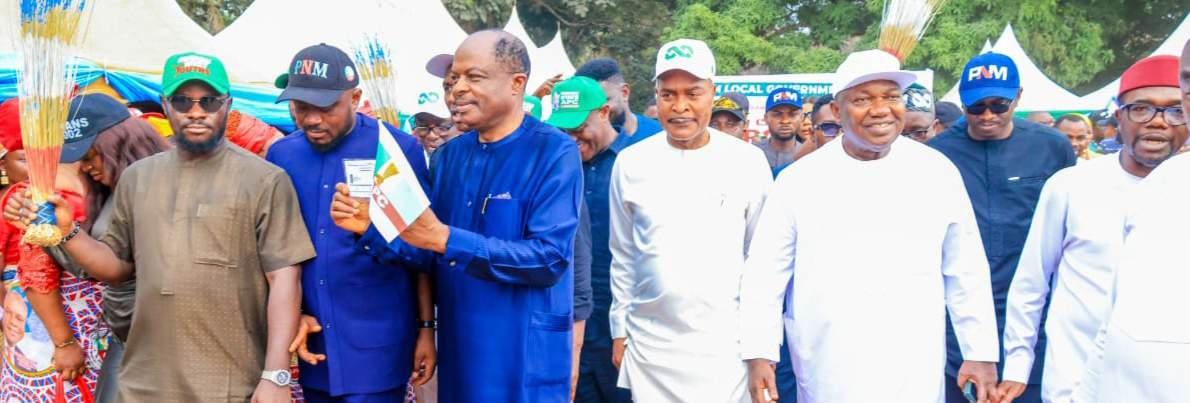
L-R: SSA on Youth Mobilisation to the Enugu State Governor, Hon. Nelson Nwogbo; Council Chairman, Udi LGA, Hon. Hyginus Agu; Chief of Staff to the Enugu State Governor, Barr. Victor Udeh; Deputy National Chairman (South), All Progressives Congress (APC), Chief Emma Eneukwu; former Governor of Enugu State, Hon. Ifeanyi Ugwuanyi; and former Chairman, APC Enugu State, Chief Ugochukwu Agballa, during the e-registration of the Chief of Staff as a member of the party at Umabi Ward, Udi LGA, Enugu State, weekend
LSSTF DONATES OPERATIONAL VEHICLE TO PORTS AUTHORITY POLICE...
PINL Pledges to Work with FG to Achieve 2.5m bpd Crude Oil Production
Olusegun Samuel in Yenagoa
Pipeline Infrastructure Nigeria Limited, (PINL), the company in charge of surveillance of the Eastern Corridor of the Trans Niger Pipeline (TNP) has pledged to align with security agencies and other apparatuses of the federal government to attain 2.5 million barrels per day crude oil production in 2026.
General Manager, Community and Stakeholders Relations of PINL, Dr Akpos
Mezeh, disclosed this during the company's January meeting with stakeholders from the TNP host communities in Bayelsa State.
Mezeh who said the decision was part of the company's strategic priorities for the year 2026, said PINL also aims to strengthen collaboration with the Office of the National Security Adviser (ONSA), the Nigeria National Petroleum Corporation Limited (NNPC) and other security agencies in
achieving the target.
Besides, the company pledged to mediate in conflicts in all oil producing communities in the area to ensure that the targeted production output is met.
"As we move into 2026, PINL’s focus will be on aligning with the efforts of the federal government towards meeting the 2.5 million bpd production target in 2026, sustaining zero infractions along the TNP coagencie,
strengthening collaboration with NNPC, ONSA, and security agencies, mediating conflicts in Ogoniland and other oil producing communities with a view to resuming production," Mezeh stated.
The company also disclosed plans to expands its empowerment programme for women and youths of the host communities as well as deepening community awareness against activities of vandals.
Tonye Cole Empowers 230,000 Youths in Rivers State
The COLE’ctive Initiative has unveiled COLE2Learn, a youth-centred education platform designed to empower 230,000 young people across Rivers State as active co-creators of education and development outcomes.
The programme is aimed at commemorating International Day of Education 2026, with the 2026 global theme, “The power of youth in co-creating education.”
The International Day of Education 2026 underscores the importance of youth-led and co-created learning systems, COLE2Learn stands as a people-
powered model for empowering young people to shape a healthier, more prosperous, and secure Rivers State
The governorship candidate of the All Progressives Congress (APC) in the 2023 elections Mr. Tonye Patrick Cole, whose leadership vision inspires The COLE’ctive, said the initiative was created to reposition education as a tool for empowerment rather than passive instruction.
Cole, in a statement issued Sunday noted the COLE2Learn is structured to equip young people with the knowledge, skills, and civic confidence needed to build healthier lives, stronger livelihoods, and safer communities.
He explained that the programme targets youths across all 23 Local Government Areas of Rivers State, empowering them to apply learning directly to real-life challenges in public health, economic inclusion, climate resilience, and community security.
Cole added: “By placing young people at the centre of the learning process, COLE2Learn reframes education as a shared civic system that promotes agency, responsibility, and participation.
“Rather than duplicating classroom-based education models, COLE2Learn focuses on practical, outcome-driven learning, embedding education into everyday civic participation,
enterprise development, innovation, and leadership pathways.
“The approach ensures that learning is connected to lived experience and immediate community needs.”
He added the learning framework is built around areas that directly strengthen youth self-reliance and leadership capacity, civic and democratic empowerment; health and wellbeing education; economic, financial, and enterprise skills; digital, innovation, and media literacy; environmental and climate awareness; peace, security, and community safety education.
"Expanding women and youth empowerment programmes, deepening community intelligence and participation, advocating for improved government presence and infrastructural development in the oil and gas communities, upholding transparency, accountability, and consistent engagement," the PINL official added.
To ensure improved surveillance in the year 2026, the PINL official announced plans to conduct capacity-building training for CommunityBased Contractors (CBSs) in the first quarter of 2026, focusing on incident reporting, event reporting, guard patrol procedures, surveillance and intelligence gathering.
While thanking the communities for their efforts in 2025, Mezeh urged them to continue on the part of dialogue in resolving all issues.
"The story of the Trans Niger Pipeline is changing and you are the author of that change. What we protect together today determines what Nigeria earns tomorrow. Let us continue to choose dialogue over disruption, cooperation over conflict and shared prosperity over shortterm gain," he admonisehed.
Chairman of Bayelsa State Council of Traditional Rulers,
Dr. Bubaraye Dakolo urged the federal government to consider development of the host communities to foster peace and curb vandalising in the region.
He particularly noted the need to make petroleum products affordable for host communities to discourage the sale of adulterated products in the areas.
"Let the NSA's office hear that if the federal government provides petroleum products at affordable cost across the Niger Delta everything about vandalism ends because there will be no person to buy.
"Educate the youths at all levels and when there is no demand for it, supply will end. So educate the youths, engage the youths and make efforts towards providing petroleum products at the communities.
“ How painful it is that you have oil wells, manifolds in your community and you still buy higher than those who don't have? Why won't the federal government know that that's the cause of the problem of vandalism in the Niger Delta. So while thanking you and your efforts in engaging us everytime and dialoguing for peace in the Niger Delta, let the federal government do the needful," he stated.
The failure of key parties to honour police invitations has become a central issue in an ongoing investigation into a disputed $250,000 loan claim and competing interests over a prime Lekki property in Lagos.
Police sources confirmed that despite formal invitations issued as part of the investigation, Ms. Memunat Ajoke Olubando and a former senator, Domingo Obende, have yet to present themselves for questioning
several months after the matter was formally reported to law enforcement authorities.
The investigation followed a petition submitted by businessman and industrialist, Chief Razaq Okoya, to the Inspector-General of Police and the Lagos State Commissioner of Police.
The petition was filed on behalf of Chief Okoya, his wife, Chief (Mrs.) Shade Okoya, and their company, RAO Investment Property Company Limited.
At the centre of the dispute
is a claim by Senator Obende that he advanced a $250,000 loan, allegedly secured with a high-value Lekki property linked to Chief Okoya.
The petitioners have, however, categorically denied the existence of any such loan arrangement or collateral agreement.
Sources close to Chief Okoya insist that he has no record of any personal or business dealings with Senator Obende and that neither he nor any of his companies obtained a loan from the former lawmaker.
They also dispute claims that any property belonging to Chief Okoya or his company was used as security for a loan.
According to the petition, concerns were raised over documents submitted to the Lagos State Lands Registry in connection with the disputed property.
The petition requested the police to examine the circumstances surrounding the handling of the property’s Certificate of Occupancy and to determine whether due process was followed.
The matter was initially reported to the Lagos State Commissioner of Police through a petition authored by the late legal practitioner, Hon. (Chief) Bankole Oki.
Follow-up petitions were subsequently submitted in October 2025, calling for a comprehensive investigation into the loan claim and related property documentation.
Police sources said the scope of the investigation also extends to complaints involving
individuals and companies connected to the property, as outlined in the petitions. However, no findings have been made public, and no charges have been filed against any party at this stage.
Legal practitioners monitoring the case note that failure to honour police invitations does not, in itself, amount to a determination of liability but may slow investigations into issues relating to property title, contractual claims, and documentation.
Adedayo Akinwale in Abuja
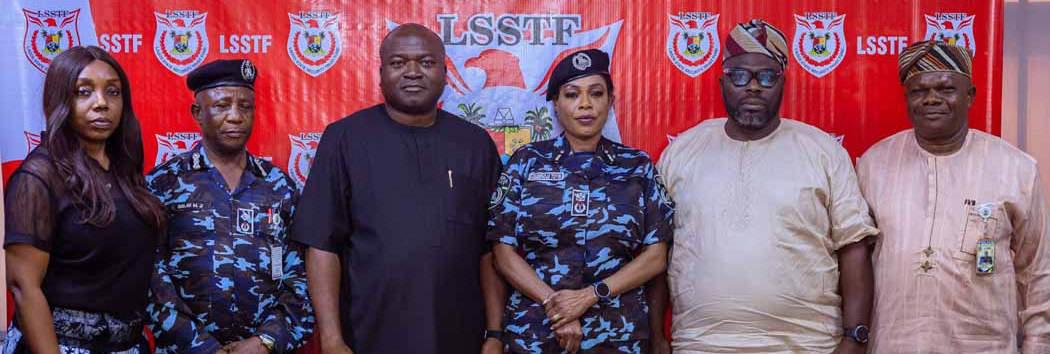
L-R: Executive Assistant, LSSTF, Mrs. Adaobi Nwankwo; Assistant Commissioner of Police, Ports CID, ACP Samuel Aladegoroye; Executive Secretary/CEO, LSSTF, Dr. Ayo Ogunsan; Commissioner of Police, Ports Authority Police (Western) Command, CP Toyin Agbaminoja; Director, Admin, LSSTF, Mr. Degbola Lewis; and Deputy Commissioner of Police, DC Operations Ports, DCP Jimoh Salau, during CP Agbaminoja’s courtesy visit and vehicle donation to Ports Authority Police Western Command by LSSTF at Alausa, Ikeja, at the weekend
Wale Igbintade
OBSEQUIES
With a deep sense of loss but total submission to the will of God, the Government and good people of Bayelsa State, and the Ewhurudjakpo family of Ofoni Federated Communities solemnly invite the general public to a‑4 day programme of events of the Funeral of the Deputy Governor of Bayelsa State, His Excellency, Senator Lawrence Oborawharievwo Ewhrudjakpo Ph.D as follows꞉
SEN. LAWRENCE ËWHRÜDJÅKPØ, Ph.D
DEPUTY GOVERNOR, BAYELSA STATE
PROGRAMME OF EVENTS
TUE. - 27th JAN. 2026
Sporting Activities
Venue꞉ Samson Siasia Stadium
Time꞉ 3pm
WED. - 28th JAN. 2026
A day of Tribute
Venue꞉ Banquet Hall
Time꞉ 3pm
THUR. - 29th JAN. 2026
Valedictory Sessions
Bayelsa State Judiciary
Venue꞉ High Court Complex, Ovom
Time꞉ 10am
Bayelsa State Executive Council
Venue꞉ State Executive Council Chambers, Government House
Body leaves Yenagoa to Ofoni, to be received by elders and family members.
Time꞉ 7am
Funeral Mass
Venue꞉ St. Paul’s Catholic Church, Ofoni.
Time꞉ 12noon
Interment
Venue꞉ His residence, Eyanvwien Quarters, Ofoni.
Traditional Wake 7pm till dawn
May his legacies endure and his soul find rest in the bosom of our Lord, Jesus Christ. Amen
SIGNED
Prof. Nimibofa Ayawei
Secretary to Bayelsa State Government & Chairman, Burial Committee
NOTICE TO APPEAR FOR INVESTIGATION
THE MATTER OF THE FEDERAL REPUBLIC OF NIGERIA v. YAKUBU IDRIS & 47 ORS
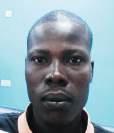
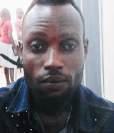
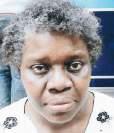
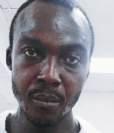
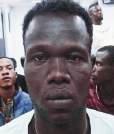
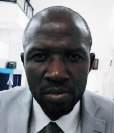
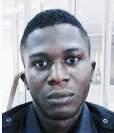
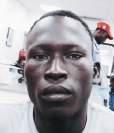
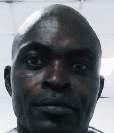
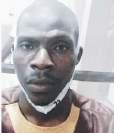
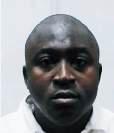
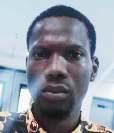
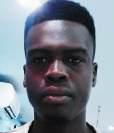
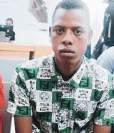
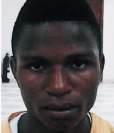
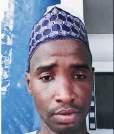
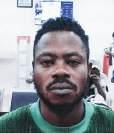
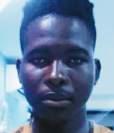
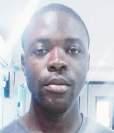
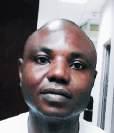
NOTICE IS HEREBY GIVEN that by an Order of the Federal High Court Holden in Lagos, the persons whose details and photographs appear below are hereby directed to make themselves available to the State Security Service (SSS) Shangisha, Lagos State Command, within 60 days of this publication to clear themselves of alleged fraudulent activities and the receipt of proceeds of fraud
A BUDGET FOR EVERYONE
Sanwo-Olu’s “shared prosperity” vision is shaping an inclusive Lagos, writes ADEWALE SAMSON
THE CENTRAL GAMING BILL
President Tinubu’s decision to decline assent to the bill is in order, contends BASHIR A. ARE See page 21
page 21
Seizure of Makoko from the residents is unjust, unconstitutional, and morally indefensible, argues OBIAGELI ‘OBY’ EZEKWESILI
THE OPPRESSION OF THE POOR IN MAKOKO
This memorandum is written in defense of the Nigerian Constitution, the dignity of citizenship, and the humanity of some of the poorest Nigerians- the poor residents of Makoko, Lagos.
Mr. President, Mr. Governor,
One, Do the poor have a right to the city, or only the rich?
Two, Is Lagos a commonwealth of citizens, or a marketplace where land value overrides human value?
Three, Does Nigeria's democracy protect only those with means, or all citizens?
History will most definitely judge your answers not by the speeches you make, but by the actions you take following from here.
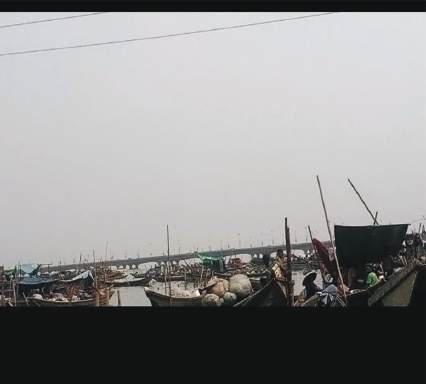
Makoko residents are not squatters on the Nigerian soil. They are citizens of Nigeria. They are preyed on by your same political class to vote for your parties during elections. They work. They raise families. Their children whose education is now disrupted are some of the most brilliant Nigerians I have met. They contribute to the Lagos economy through fishing, trade, and informal enterprise.
Yet, for decades, the residents of Makoko have been treated as though poverty nullifies their citizenship.
This memorandum is written for the children of Makoko who now sleep in the open, for their mothers clutching what remains of their households, and for a nation that must decide whether poverty- which by the way is mostly the result of bad governance - is a crime, and whether justice still means anything in our country.
This memorandum is written because a deeply troubling picture has emerged from the morbid silence that follows the heartless demolition of homes far beyond 100 meters of the power line in Makoko. All reasonable people can easily see the injustice to the victims of the demolitions and condemn this dubious Statesanctioned eviction unequivocally.
This memorandum is written to demand an immediate halt of the systematic oppression of the poor being done to the people of Makoko by the Lagos State Government, with the silence and acquiescence of the Federal Government. Seizure of Makoko from the residents is unjust, unconstitutional, and morally indefensible.
What has happened in Makoko is not about safety nor urban development. What is happening in Makoko is that individuals in authority of the Nigerian State are engaged in a vicious Class Cleansing - to banish the poor from the sight of the powerful and their rich friends.
It is widely reported that in earlier meetings with Makoko's traditional chiefs and community leaders, officials of the Lagos State Government informed them that the demolition exercise was strictly limited to structures located within a 30–50 metre safety corridor from hightension power lines crossing the lagoon. This was presented as a narrowly defined public-safety intervention, consistent with planning regulations around critical infrastructure.
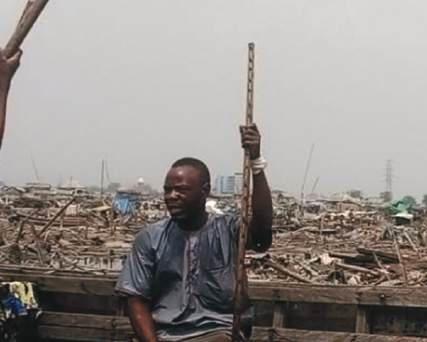
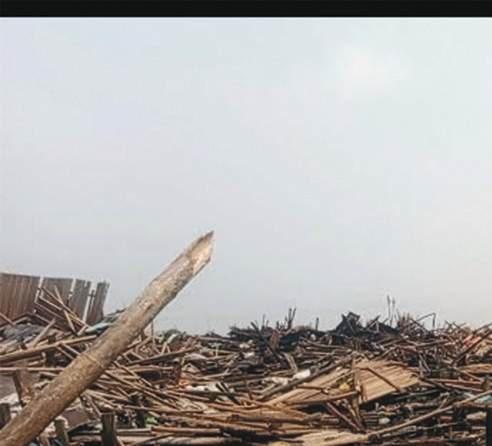
Community leaders cooperated in good faith with this representation. However, what has unfolded since then constitutes a fundamental breach of trust and legality. Despite the acceptable distance stipulated by law falling within the 30–50 metre range, the demolition has continued far beyond those limits, reportedly surpassing the agreed metre mark and extending deep into the residential core of Makoko, engulfing homes, schools, clinics, and livelihoods that bear no reasonable connection to the original safety justification.
A human rights monitoring source cited a range of 277–522 metres from the power lines as part of the cleared area which is far past what was initially communicated.
A government that changes the rules mid-exercise, widens demolition boundaries without notice, and substitutes vague administrative assertions for clear legal authority is not enforcing the law- it has flagrantly abused power.
The incontrovertible conclusion to be drawn, is that Nigerians and the rest of the world have just witnessed a King Ahab-level land grab from the poorest of the poor by a pillaging political class that has captured the Nigeria-State. Like poor Naboth in the Bible who was killed by the wicked King Ahab to forcefully grab his land, at least four Nigerians - some of whom called Makoko their home for decades- were reportedly killed in this grand land heist by the Nigeria-State. With the massive destruction of homes in one of Nigeria's largest slums, the Nigerian State has shamelessly gone
rogue by stealthily using administrative convenience to dispossess the poor of their meagre land assets.
Pretending to care about safety, the Lagos State Government has with the evident complicity of the Federal authorities in Abuja rendered thousands of Nigerians homeless by bulldozers deployed in the name of development, safety, and urban order and all done without compassion, restraint, or lawful care for human life. Our Governments went from a safety claim to forced eviction of our citizens from their lands. What is occurring in Makoko is not merely a technical planning dispute over metres.
What is happening in Makoko is an undisputed constitutional failure of process, transparency, and restraint. Period.
Until the latest safety reasons, the repeated justification of demolitions in Makoko was under the banner of "urban renewal" or "megacity aspirations" and that in itself reveals a deeply troubling governance mindset. It is the classist mindset that thinks of development as something done to the poor, not with them and that the city is for the wealthy, while the poor are disposable.
A State that cannot build with its poorest citizens but can only bulldoze over them has failed the most basic test of leadership. Global best practice rejects forced evictions. I should know. As then Vice President of the World Bank responsible for forty eight countries in the Africa Region, it was imperative for any of the countries which borrowed money for urban infrastructure projects to present comprehensive environmental and social commitment plans that are consistent with global best practices on how they would treat people in cases like Makoko. What will make Lagos a respected mega-city is to strategically build up to the status of an inclusive city. Inclusive cities invest in in-situ upgrading, secure tenure, sanitation, schools, and livelihoods. Makoko's residents and civil society groups have proposed these solutions repeatedly but have persistently been ignored by governments.
Painfully, the poor of Makoko have been made to pay, overnight, the price of a city's ambition. With this latest demolition, there is a question that cannot be ignored - What does citizenship really mean if the State can destroy your home and leave you with nothing?
Ezekwesili is the Founder, School of Politics, Policy and Governance
Sanwo-Olu’s “shared prosperity” vision is shaping an inclusive Lagos, writes ADEWALE SAMSON
President Tinubu’s decision to decline assent to the bill is in order, contends BASHIR A. ARE
A BUDGET FOR EVERYONE THE CENTRAL GAMING BILL
In a state as complex, diverse and dynamic as Lagos, budgeting is never just about numbers. It is about priorities, values and, ultimately, people. This reality was unmistakably reinforced when Governor Babajide Sanwo-Olu signed the 2026 Appropriation Bill, aptly tagged, the “Budget of Shared Prosperity” into law. Beyond its impressive size of approximately ₦4.4 trillion, the budget represents a governing philosophy anchored on inclusion, accountability and collective progress.
The signing of the budget, coming days after its thorough consideration and approval by the Lagos State House of Assembly, marks a defining moment for the Sanwo-Olu administration. As the governor himself noted, this is the final budget his administration will fully implement , a capstone document that reflects not only policy intentions, but the legacy he seeks to leave behind: a Lagos where growth is broad-based and prosperity is shared.
At the heart of the 2026 budget is a clear message: governance must work for everyone. Governor Sanwo-Olu expressed confidence that Lagosians would be the greatest beneficiaries of the fiscal plan, emphasising that implementation would be guided by transparency, prudence and accountability. In a polity where citizens are increasingly demanding value for public resources, this commitment is both timely and reassuring.
The budget’s journey from proposal to law also underscores a maturing democratic process in Lagos State. The governor commended the Speaker of the House of Assembly, Mudashiru Obasa, and members of the legislature for their diligence, stressing that effective governance thrives when the Executive and Legislature operate as partners rather than rivals. That cooperation was echoed by the Majority Leader of the Assembly, Noheem Adams, who described the budget as people-oriented, well-scrutinised and reflective of current economic realities.
This harmony between arms of government is not incidental. It is a deliberate outcome of an inclusive governance style that values consultation, debate and consensus. In many ways, the Budget of Shared Prosperity is as much a product of process as it is of policy, a testament to institutional collaboration in service of the public good.
From a policy standpoint, the substance of the budget reinforces its inclusive character. According to the Commissioner for Economic Planning and Budget, Mr. Ope George, the appropriation is designed to accelerate economic growth, deepen infrastructure development, improve transportation systems and maintain fiscal responsibility. These pillars speak directly to the lived experiences of Lagosians, from commuters navigating daily traffic to entrepreneurs
seeking reliable infrastructure to grow their businesses.
Infrastructure development, long a cornerstone of Lagos governance, remains a key driver of inclusion. Roads, bridges, public transport and urban renewal projects are not abstract investments; they are enablers of opportunity. When mobility improves, access expands to jobs, education, healthcare and markets. By prioritising these sectors, the Sanwo-Olu administration is effectively lowering barriers and widening participation in the state’s economic life.
Equally important is the emphasis on fiscal responsibility. In an era of economic uncertainty and competing demands, prudent financial management is itself a social policy. It ensures that today’s development does not become tomorrow’s burden and that public resources are deployed where they deliver the greatest collective impact.
The upward revision of the budget from ₦4.2 trillion to about ₦4.4 trillion following legislative review reflects responsiveness to evolving realities, not fiscal recklessness.
Yet, inclusive governance is not defined by budgets alone. It is also reflected in how a government recognises and supports those who bear the heaviest burdens for society’s stability. This was powerfully illustrated by Governor Sanwo-Olu’s reaffirmation of Lagos State’s unwavering support for the armed forces during the 2026 Armed Forces Remembrance Day.
Speaking through his deputy, Dr. Kadri Obafemi Hamzat, at the parade and wreath-laying ceremony, the governor made it clear that Lagos stands with the men and women of the armed forces, whether alive or fallen. This gesture goes beyond symbolism. It is an acknowledgment that security is a shared responsibility and that those who make supreme sacrifices deserve not only honour, but tangible support.
The administration’s consistent backing of the armed forces, offered annually and with a pledge to do even more, reflects an inclusive understanding of governance that values every contributor to national wellbeing.
Samson writes from Victoria Island, Lagos
Nigeria has crossed an important constitutional threshold. With President Bola Ahmed Tinubu, formally declining assent to the Central Gaming Bill, the country has moved decisively from legislative uncertainty into a phase of constitutional clarity. What remains is not debate, but responsibility—to explain the constitutional basis of that decision, educate the public, and guide future legislation in an era where digital transformation is too often mistaken for a jurisdictional mandate.
This issue is not merely about gaming. It is about preserving Nigeria’s federal balance in the digital age. President Tinubu’s decision reflects a continuity of constitutional vision traceable to 2004, when, as Governor of Lagos State, he established the Lagos State Lotteries Board. That framework pioneered a modern approach to gaming regulation— one that recognised gaming as a socially sensitive economic activity whose externalities must be mitigated. Levies from gaming operators were deliberately channelled into education, healthcare, youth development, sports, public enlightenment, and responsible gaming advocacy as an intervention trust fund. Regulation was designed not only for revenue extraction but primarily for social balance and community reinvestment.
This philosophy reflects the core principles of cooperative federalism. Cooperative federalism is not a struggle for dominance between levels of government, nor is it a fragmentation of authority. It is a constitutional partnership—where powers are clearly allocated, respected, and exercised with restraint, while governments collaborate voluntarily to achieve national coherence. It rejects coercive centralisation and destructive fragmentation alike. Instead, it promotes collaboration without domination, harmonisation without subjugation, and unity in diversity.
In the digital age, cooperative federalism offers a disciplined response to technological change. Technology may alter delivery channels, but it does not alter constitutional competence. Digital platforms should enhance regulatory cooperation, not serve as excuses for jurisdictional displacement.
Gaming regulation is a classic case for cooperative federalism. While online platforms transcend geography, the social consequences of gaming—addiction, consumer harm, youth exposure, and community impact—remain profoundly local. States are best positioned to regulate these effects, while cooperating nationally on standards, data sharing, and enforcement. Nigeria’s Constitution anticipates this model. Lotteries, betting, and gaming appear on neither the Exclusive nor Concurrent Legislative Lists. By operation of Section 4(7) of the 1999 Constitution (as amended), they are residual matters reserved exclusively for the states.
This position was conclusively affirmed by the Supreme Court of Nigeria
in November 2024. The Court held unequivocally that the National Assembly lacks legislative competence over gaming and lotteries. Judicial authority was clear: cooperation is permissible; constitutional overreach is not.
Against this backdrop, the President’s pronouncement reflects a considered political judgment exercised in faithful obedience to the Constitution. It demonstrates statesmanship rooted in respect for constitutional limits. The refusal to assent was therefore not an act of policy preference, but a necessary affirmation of constitutional order and judicial finality. The claims that online platforms confer federal jurisdiction are legally flawed. Jurisdiction flows from constitutional authority, not from technology. Consider a case initiated at the Kano State High Court, conducted entirely online. The virtual nature of the proceedings does not strip the court of its constitutional jurisdiction, nor does it transform it into a federal court matter. The court’s jurisdiction is determined by the Constitution, not by the platform used to conduct its business. Globally, federations have embraced cooperative solutions. In the United States, Canada, Germany, India, Australia, Switzerland, and South Africa, gaming regulation remains subnational, coordinated through interstate or interprovincial frameworks rather than federal takeover.
To further inform public understanding and guide sound legislative reasoning, it is useful to describe—more concretely—how leading federations structure subnational cooperation in gaming regulation, particularly in Switzerland, the United States, Germany, and Canada. Switzerland: GESPA and the Intercantonal Agreement on Gambling (GSK)
Switzerland is one of the clearest examples of cooperative federalism in action. The Swiss state is a federation of 26 cantons, and cantonal autonomy is a constitutional cornerstone. Because gambling has significant social implications—public order, youth protection, addiction prevention, and community welfare— Switzerland has long treated it as an area where local sensitivity matters.
Are is the Chief Executive Officer of the Lagos State Lotteries and Gaming Authority and Chairman of the Federation of State Gaming Regulators of Nigeria (FSGRN)
Editor, Editorial Page PETER ISHAKA
Email peter.ishaka@thisdaylive.com
ACCOUNTABILITY AND PUBLIC SERVICE
There must be an end to impunity in the MDAs
Nigeria's public finance management system is a study in the absurd. Despite supposedly laid down rules, the ministries, departments and agencies (MDAs) have continued to indulge in acts that run contrary to accountability and transparency. Sadly, all the shenanigans are done with the connivance of the National Assembly members who ordinarily should exercise oversight over public spending. Some of the ridiculous disclosures in recent budgets, including that of 2026, may elicit laughter but there is nothing funny about the issues at stake. All the officials involved in these sordid activities should not be allowed to get away with their audacious fraud. Failure to successfully prosecute suspects for financial infractions has led to all manner of silly explanations for gross incompetence and plain theft of public resources in Nigeria.
Nigerians are regularly regaled with cases of lack of accountability in the MDAs, yet the executive and legislative arms of government do little or nothing to punish the masterminds or plug the obvious leakages in the system
BudgIT, a nonprofit organisation that uses technology to improve transparency in budgets and public spending, has recently been raising serious concerns about how the federal government now runs several concurrent budgets, using revenues from one year to fund another in a manner that leaves little or no room for accountability. “When projects that do not align with national objectives are inserted into the budget and remain unfunded due to revenue shortfalls, it is inappropriate to roll such projects over into subsequent fiscal years, as done with the 2024 and 2025 re-enacted acts-that are yet to be seen,” says BudgIT CEO and co-founder, Seun Onigbinde. “Yet, this is precisely what the federal government has done. Inefficient and unfunded budget items have been allowed to persist, creating a distortion in fiscal planning. The result is a system that attempts to fully fund capital items without properly prioritising other critical obligations or correcting unrealistic assumptions.”
Almost every year, audit reports to the National As-
T H I S D AY
EDITOR SHAKA MOMODU
DEPUTY EDITOR WALE OLALEYE
MANAGING DIRECTOR ENIOLA BELLO
DEPUTY MANAGING DIRECTOR ISRAEL IWEGBU
CHAIRMAN EDITORIAL BOARD OLUSEGUN ADENIYI
EDITOR NATION’S CAPITAL IYOBOSA UWUGIAREN
THE OMBUDSMAN KAYODE KOMOLAFE
T H I S D AY N E W S PA P E R S L I M I T E D
EDITOR-IN-CHIEF/CHAIRMAN NDUKA OBAIGBENA
GROUP EXECUTIVE DIRECTORS ENIOLA BELLO, KAYODE KOMOLAFE, ISRAEL IWEGBU
DIVISIONAL DIRECTORS SHAKA MOMODU, PETER IWEGBU, ANTHONY OGEDENGBE
sembly from the Auditor-General for the Federation (AuGF) reveal how MDAs of the federal government fail to account for stupendous sums of money. And nobody is ever held accountable for these lapses. A recent report by the GIFT Nigeria Project with funding from the United States Agency for International Development (USAID) revealed that revenues generated by MDAs may not be in full compliance with remittances to the public coffers as required by law. That, of course, does not shock anybody. Nigerians are regularly regaled with cases of lack of accountability in the MDAs, yet the executive and legislative arms of government do little or nothing to punish the masterminds or plug the obvious leakages in the system that fuel the miscarriage of financial discipline and transparency. In a country where snakes and monkeys swallow or siphon 'raw cash', it is not strange that 'termites' have also been found to consume vouchers containing details of how billions of Naira was spent.
Meanwhile, the Fiscal Responsibility Act (as amended) seeks to provide for prudent management of the nation’s resources, ensure long term macro-economic stability of the national economy, and secure greater accountability and transparency in fiscal operations within the Medium-Term Fiscal Policy Framework (MTEF). But this Act, despite a recent amendment in 2023, is still replete with several loopholes which have made government revenue/finances vulnerable to massive looting, corruption and lack of accountability in the MDAs. For instance, the Act identified several offences/violations inherent in the MDAs without providing adequate sanctions to punish offenders. In a nation where the mechanism for accountability diminishes the farther away government is from the centre, one can only imagine what is happening in the 36 states and 774 local government areas. But we cannot continue to run affairs without accountability. The growing culture of high-level impunity and grand corruption must be confronted with the seriousness it deserves at all levels of government.
Letters in response to specific publications in THISDAY should be brief (150-300 words) and straight to the point. Interested readers may send such letters along with their contact details to opinion@thisdaylive.com. We also welcome comments and opinions on topical local, national and international issues provided they are well-written and should also not be longer than (750- 1000 words). They should be sent to opinion@thisdaylive. com along with photograph, email address and phone numbers of the writer.
TAXATION IN NIGERIA AND THE QUESTION OF TRUST
Nigerians hardly know figures but are also hardly confounded by them. In a country where basic literacy figures continue to take a steep slide, many Nigerians struggle with basic arithmetic. Asking them to have important data at their fingertips is often a step too far into the unknown, even when no consideration is paid to that Nigeria’s huge data gaps.
The fact that Nigerians struggle with many things is reflected in a unique relationship with insecurity, poverty, corruption, civic responsibility, and government failure. In many ways, this struggle also reflects in their unique relationship with tax.
Nigeria’s dwindling education fortunes mean that many Nigerians don’t even understand taxation and aren’t equipped with the basic knowledge to understand an arcane subject that usually mesmerizes even astute professionals.
Sometime last year, the federal government, with the
National Assembly pushed through the passage of highly controversial tax laws. The laws led by the Nigeria Tax Act 2025(NTA) which aimed at reforming Nigeria’s tax architecture, broadening the tax base, achieving tax inclusivity, and laying the groundwork for extensive economic development through robust taxation, were immediately met with resistance and recriminations.
As Nigerians struggled to comprehend the proposed laws, there were accusations and counter-accusations about what the laws were meant to achieve. In the end, however, after wider consultations, the laws were passed, effectively changing Nigeria’s tax landscape. The laws that came into effect on January 1, 2026, promise to transform the fortunes of Nigeria’s taxation with the understated effects of transforming the lives of Nigerians. But the whispers and outright whiplash that continue to greet the laws tell a familiar and potentially portentous parable. Simply put, Nigerians are no tax enthusiasts. As with
the ingrained condition that shapes their approach towards many other issues, Nigerians need convincing and even compulsion when it comes to paying their taxes. To be clear, this is not a compliance problem as much as it is a conviction conundrum. Nigerians simply do not trust that the taxes they pay will be deployed for their benefits. More tellingly, Nigerians do not trust the government that collects the taxes.
Decades of systemic corruption have laid waste to any trust Nigerians have in those who collect and account for their taxes. It is a commonly held view among many Nigerians that whatever money they remit to the government by way of taxes has a way of ending up in private pockets. Whether this view is right or wrong is not significant as much as its effect on how people perceive the government.
Ike Willie-Nwobu, Ikewilly9@gmail.com
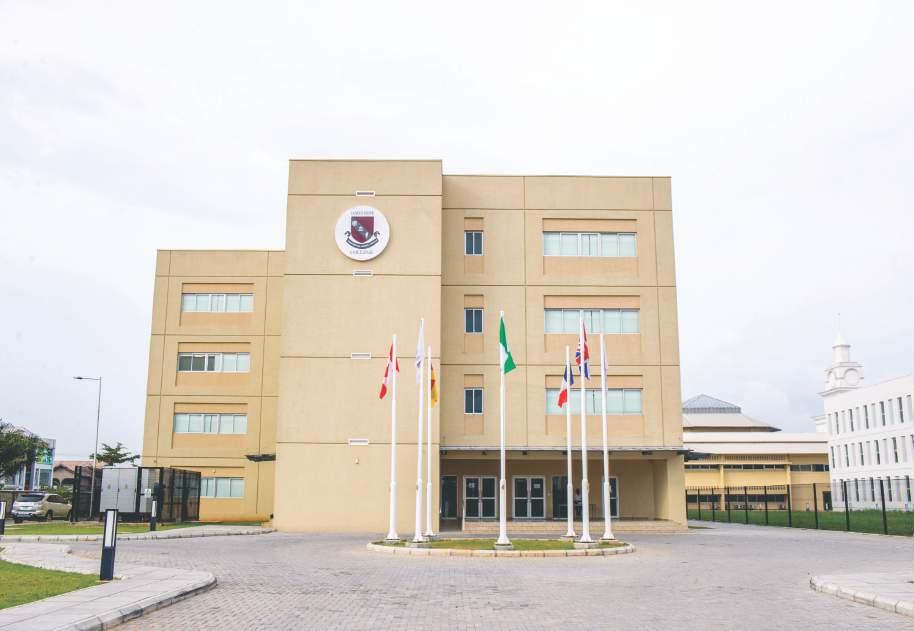
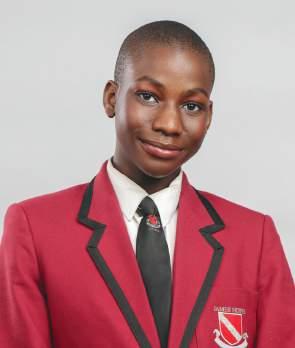
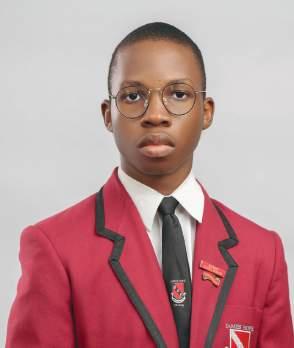
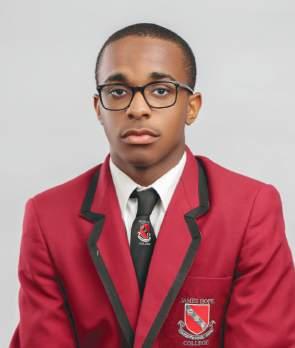
CAMBRIDGE IGCSE EXAMINATION RESULT NOVEMBER 2025
Celebrating Excellence at James Hope College, Lekki, Lagos
Subjects
Accounting
Religious Studies
Mathematics
Additional Mathematics
English Language
Chemistry
Biology
Geography
Literature in English
Design & Technology
Physics
Computer Science
Economics
CELEBRATING OUR OUTSTANDING SCHOLARS OF 2025 (A* & A)
* Jim Ovia Foundation Scholarship Beneficiar y
Oriel Nnabuikem ONYIA (10A*)
Denzel Diepreye GRANVILLE (8A*)
Michael Anthony ESSIEN (8A*, 1A)
Nwabundo Sunshine IKEYI (7A*, 1A)
Cheryl Amarachi NWACHUKWU (5A*, 3A)
Tochim Chimdalu IFEORAH (6A*, 2A)
Doris Chizalum OSEMEKA (4A*, 4A)
Qayyum Oladimeji AJIDE (6A*, 2A)
Beluchi Yovwerhi ILOKA (2A*, 6A)
DIGITAL ASSET MARKETS
with Nicky Okoye ( digitalassets@anabelgroup.com )
Positioning for the Next One Hundred Trillion Dollars of the Global Economy
We have continued to experience digital transformation in every area of human endeavour. This is particularly true for the finance and capital markets industry. Whereas we expect global GDP to increase by over one hundred trillion dollars in the next twenty-five years, what I call the Next One Hundred Trillion Dollars (N1HTD) initiative, the drivers of this growth are becoming much clearer. For instance, according to JP Morgan Bank USA, an estimated three trillion dollars ($3T) will be invested globally in Artificial Intelligence over the next five years. This large investment indicates that feeder industries within the AI ecosystem, such as data centres, cybersecurity, and power, will see substantial investment over the next few years. In fact, only recently, the Irish Government suspended all future development of additional data centres for three years due to overwhelming power demands from existing data centres in Ireland. To put this into perspective, Irish authorities state that over 21% of their current installed power capacity is used by existing data centres owned by Amazon, Microsoft, Apple, Google, etc. The Irish Nation is beginning to experience a severe power glut among its residential consumers. And they are not willing to make that trade-off for the substantial new investments.
According to the World Bank and the World Economic Forum, which just concluded its 2026 annual conference in Davos, Switzerland, 2050 will be a turning point in global economic growth and wealth distribution. Global GDP is expected to grow to over $200 trillion by 2025, up from the $105 trillion recorded in late 2023. In the capital markets, the growth and distribution of wealth are more obvious; for instance, according to Statista, as of December 31st 2023, the total market capitalisation of global equity markets stood at $111.2 trillion USD. This means that global equity markets’ total capitalisation was over 100% of global GDP. Indicating that global GDP growth is a leading indicator and is rising in step with global equities. So, what do we in Africa do with this information?
On the African continent, the African capital markets are recording a very different relationship with continental GDP. The Nigerian capital markets, for instance, grew to just over $60 billion by the close of 2025. Nigeria’s GDP is currently just over $200 billion. So, whereas the total market capitalisation is almost 30% of GDP, this is not because the economy has grown. It is more due to local currency devaluations and a shrinking national economy. In this respect, if we are to make very serious, impactful efforts to grow the Nigerian economy to reach its true potential, which I believe should be north of $1 trillion in GDP, it will require a comprehensive transformation and transition of Nigerian asset classes and the Nigerian capital markets into 21st-century Digital Asset Markets.
The Next One Hundred Trillion Dollars growth in global GDP clearly indicates that very specific industrial ecosystems,
such as Artificial Intelligence, will define investment, asset management, financial flows, human migration and human capacity development. The geopolitical landscape, which is currently transitioning into a multipolar world, has already taken shape regarding which capital will flow in which direction, which supply chains will remain open, and what strategic roles nation-states, global enterprises, and even individual investors will need to take to remain on the side of profitability.
Positioning for the Future
I would like to examine what it takes to position for the future from several perspectives. I have studied the positioning from a nation-state perspective, from an enterprise operating in Africa, from a global enterprise operating across the World in several jurisdictions, and from an individual perspective seeking to build a structured investment portfolio that can withstand risks and grow. In other words, the most important action anyone can take in 2026 and beyond will be how we position ourselves for the future, within the framework of the Next One Hundred Trillion Dollars.
Industries to Watch
The most important industries that will drive the next $100 trillion in additional global GDP are defined by technology, consumer behavioural economics, the ability to build and sustain wealth, and the ecosystems and value chains that support them. Nothing is currently shaping our World more than the race to achieve superiority in Artificial Intelligence, as well as its value chain-dependent industries, such as data centres, which themselves depend largely on power, semiconductors, specialised software and strategic security applications. In this respect, Nation-states, enterprises, and individuals will need to understand how these “industries to watch” will affect their investments, positioning, and future lives. Key industries include
Capital Markets:
The size and structure of the global capital markets will continue to shape, define and influence the growth of the
global economy. Across the developed World, capital, project funding, national development, and enterprise development are all financed through structured securities issued to global capital markets. effect on enterprise and entrepreneurship: easier initial capital access (seed/early VC, crowdfunding), more varied scaling pathways (public listings, direct listings, SPACs, PE buyouts), stronger emphasis on governance and disclosure for growth firms, and both positive and negative effects from capital abundance (faster scaling but greater competitive pressure, higher valuations, and later-stage concentration).
Digital Asset Markets:
The emergence of the digital asset markets will define funding, wealth management, project finance, and global financial engagements. This particular industry covers cryptocurrencies, central bank digital currencies, and tokenisation of real-world assets. This marketplace has various parts, including implications for national and regional development, financial flows, and related issues. Financial innovation (digital platforms, tokenisation, automated trading) materially lowered frictions to capital raising. Regulation tightened in many jurisdictions following market stresses and misconduct, while policy support (low rates earlier, fiscal programs) left structural effects on firm financing choices.
Artificial Intelligence:
AI is the fastest-growing industry in the World today. I believe AI is more than just a new industry; it is an entirely new way of doing life. AI is influencing every industry, and AI models designed for each industry will completely disrupt how industries are regulated, operated, and even engaged with. AI is influencing investment in power, datacenters, and enterprise systems. Data, AI, and trading: Algorithmic trading and AI-based analytics reshaped price discovery, credit underwriting, and investor sourcing—speeding capital deployment but raising governance and model-risk questions. The entire ecosystem of Artificial Intelligence is much larger than is currently understood. There are five layers to the AI ecosystem, and each
layer will define more opportunities, more investment and more jobs. For a nation-state to position itself in this space, it must consider which layers it focuses on. And, as my analysis will show, in many cases, some of the layers are impossible to integrate without the others.
AI LEVEL ONE
At layer 1 are the energy requirements and power supply. This is considered the foundation layer for AI systems, AI models, and AI infrastructure, all of which consume significant power. Massive electrical power plants are being planned or built to support the AI buildup across nation-states. The core function here and strategic positioning here is to design and build sustainable power plants and systems that can supply the power needs of AI systems.
AI LEVEL TWO
At layer 2 is the chip technology, considered the engine of AI, providing the core computational power. This power is typically captured through strategically designed large CPUs connected together. The core function and strategic positioning here is the design and manufacture of AI-grade CPUs.
AI LEVEL THREE
At layer 3, the backbone of AI infrastructure is the data centre. These data centres are the AI factories of the World, with thousands of interconnected CPUs, hosting chips and server farms. In many cases, these data centres can be provided by third parties using cloud infrastructure and services on a global scale. The core function and strategic positioning here are to build new data centres that focus on specific geographical catchment areas.
AI LEVEL FOUR
At level 4 are the AI models. This is considered the brain of all AI systems. Such well-known AI models include GPT by OpenAI, Claude, and DeepSeek from China, among others. Several new AI models are being designed and coming online, and many are being designed and positioned for particular industries. The core function and strategic positioning here are to design AI models focused on very specific industries or functions that can be automated.
AI LEVEL FIVE
At level 5 are the AI applications that interact directly with users, consumers and industry practitioners. At this level, very specific AI applications are being designed and developed for the finance, digital asset markets, healthcare, manufacturing, aviation, and maritime industries, among others. Whereas the AI application is the front-facing aspect of AI, it is impossible to function without the five levels of the value chain all interacting with each other in real time. Indeed……Great Things are Happening.
•Dr Nicky Okoye Global Investment Advisor Founder, Global Investment Advisory Community (GIAC)
Self-learningArtificialIntelligenceRobot
Following the slow start to business activities in 2026, which has further raised credit risk temperature, banks deposited an estimated N33.05 trillion with the Central Bank of Nigeria (CBN) in the first 16-days of 2026. This is according to financial data for the first 16-days of 2026 released by the CBN. The CBN numbers revealed that banks deposited more cash than
they borrowed to underline excess liquidity in the financial sector.
The deposit, which is far below the N63.93 trillion in December 2025, was also fuelled by uncertainty in the domestic/foreign economy and excess liquidity in the financial sector, higher interest incentives, and riskaverse lending behaviour.
THISDAY had exclusively reported last week that banks closed 2025 with N336.2 trillion total deposit with the CBN about 777.2 per
cent Year-on-Year (YoY) increase over N38.33 trillion deposited in 2024.
Banks deposit excess cash with the CBN using the Standing Deposit Facility (SDF) window. The apex bank lends the funds to banks in need of urgent liquidity through its Standing Lending Facility (SLF) window.
The data revealed that banks borrowed an estimated N1.07 trillion in the first 16-days of 2026 against N157 billion borrowed in
December 2025. The mixed behavior between deposit and lending by CBN to banks showed that although system liquidity was strengthening, some institutions still required overnight support to rebalance their books and lend to the real sector.
Analysts attributed the growth in banks deposit to high credit risk concerns and a preference for the safety of the regulator window rather than lending into the real sector.
Amid drop in MPR to 27 per cent in 2025, the CBN adjusted the standing facilities corridor around the MPR to +50basis points/-450basis points from the previous: +250basis -250basis points.
Cordros Research in a report after the November 24-25 Monetary Policy Committee (MPC) meeting stated that, “Contrary to our expectations of a 100basis points reduction, the MPC retained the MPR at 27per cent, despite the sharper disinflationary outturn in recent months and the
appreciation of the naira. “According to the MPC, inflation remains elevated at double-digit levels, underscoring the need to keep interest rates high to strengthen the disinflationary trend. However, the Committee signalled an easing bias by adjusting the asymmetric corridor to +50/-450basis points (Previous: +250basis points/-250basis points) around the MPR.
Ten notable insurance companies took the lion share of motor insurance business in Nigeria in the past five consecutive years.
This was revealed by the umbrella body of insurance underwriters, the Nigeria Insurers Association (NIA) in the latest edition of its annual publication “Insurance Digest,” 2024.
The publication said among
these 10 top firms in the motor insurance business, NEM insurance took the leadership position by consistently recording the highest motor insurance premiums. In the 2024 financial year, the company posted N23.483 billion in comprehensive premiums, N2.148 billion in third-party premiums, and N156.8 million in Third Party Fire & Theft policy cover, bringing its total gross premium to N25.8 billion.
This represents a significant increase from N20.1 billion in 2023 and N10 billion in 2020. NIA in the publication affirmed that with this continued strong performance, NEM Insurance has solidified its leadership in Nigeria’s auto insurance market for over a decade.
It said the company first rose to the number one position in motor insurance in 2015 and has since maintained a growing lead
over competitors.
Other insurance firms which also demonstrated steady growth within the period include Heirs Insurance, Sovereign Trust Insurance, Mutual Benefits Insurance and Leadway Assurance.
In 2024, Mutual Benefits recorded N14.05 billion in comprehensive premiums and N157.08 million in third-party premiums, totalling N14.2 billion, while Leadway
Assurance achieved N11.05 billion in total premiums.
Other notable insurers in the motor insurance sector include Custodian & Allied Assurance Limited with N10.48 billion, and Consolidated Hallmark Insurance Limited with N7.02 billion, both ranking among the top five leaders in 2024.
Also, AIICO Insurance Plc, Coronation Insurance Plc, Sovereign
Plc, Axamansard Insurance
Plc, and Zenith Insurance Limited have shown varying growth trajectories over the five-year period.
The data highlighted significant evolution in Nigeria’s motor insurance sector showing that from 2020 to 2024, comprehensive premiums across leading insurers have more than tripled, with NEM Insurance leading this surge.
Kayode tokede
ebere Nwoji
Dantsoho: We are Rebuilding Nigerian Ports to Global Standards
In this Interview with Ports & Harbours, the official news magazine of the International Association of Ports and Harbors (IAPH), the Chief Executive Officer and Managing Director of Nigerian Ports Authority, Dr Abubakar Dantsoho, who was recently appointed the IAPH Regional Vice President for Africa, outlines the challenges facing Nigeria’s ports, how the government is rebuilding the nation’s seaports to global standards, and his vision for the future. Eromosele Abiodun presents the excerpts
Can you give us a brief introduction to NPA and its priorities?
In Nigeria, the port authority is owned by the government and manages navigation, safety, maintenance of the channels, while cargo operations have been privatised to multinational and local terminal operators, such as MSC and APMT. With a large, growing population of over 230 million, and Africa’s leading economy, we require a more efficient ports system than what we inherited. Fortunately, we now have a forward-looking leadership in His Excellency President Bola Ahmed Tinubu GCFR, who created the Federal Ministry of Marine and Blue Economy to supervise the NPA and appointed a result-oriented professional in the person of the Minster of Marine and Blue Economy, Adegboyega Oyetola who is poised to do a lot in terms of expansion, upgrading, rehabilitation to meet our projected capacity. This has motivated us to deploy our experience into transforming the ports.
How would you assess Nigeria’s ports infrastructure today?
With regards to port infrastructure, what we missed doing on time was to construct brand new ports, which we have aggressively commenced with the operationalization of the Lekki Deep Seaport, which is fully automated and has a natural draught of 17 metres and we are ramping up investment, in order to build more deep sea ports.
Our major ports, like Apapa and Tincan, are outdated. The Port of Apapa was built 100 years ago. Even though it has 24 berths, most of them are old. Limited expansion and modernisation makes it difficult to accommodate larger, modern vessels. Our second-biggest port, Tincan, was built almost 50 years ago. But the size of vessels, their speed, the technology that drives them, has changed so much, so it has become difficult for them to
come to Nigeria. Also, these two ports are river ports, so they are a bit shallow.
We are looking at a more modernised port system in Nigeria, one that is able to accommodate most of the crucial elements governing maritime in the present age. We’re also going to strengthen our capacity to relate better and to cooperate more fully with international groups, such as IAPH, and other industry bodies.
By contrast, neighbouring countries, like Ghana (Tema), Ivory Coast (Abidjan), Togo (Lome), Benin (Cotonou) have acted faster, so they are now ahead of us. Their ports are deeper, more modernized. But the fact remains we are more populated than all of these countries. We are stronger economically, but the boxes have to be dropped there because they have strategically positioned their ports to be more efficient than ours in terms of infrastructure, equipment, technology. So, these are all things that we see as a challenge, but also as an opportunity for growth which we are poised to maximise.
In what ways is IAPH working with Nigeria, and other developing countries, on these challenges?
This links to our ‘’Closing The Gaps’’ exercise we did a few years ago, towards the end of the pandemic, to identify regional investment priorities for ports when it comes to infrastructure, technology, port community systems. Since then, we have been working with regional institutions, development banks and the World Bank, to see how investment support can be provided so that, ultimately, we have competitive ports across all regions. Nigerian Ports Authority is
a very interesting port administration because it is closely linked to the government, and the maritime administration, creating stronger coordination with the IMO than in many other countries, which is a great strength.
Our challenges are many, but it’s important to understand some of the history and context to Nigeria and its ports. So if you want to be accurate in assessing us, this historical background is essential, you can’t just jump to saying Nigeria is not doing as well as Belgium or the Netherlands, for example. We have modelled the reform of our port system on recommendations from an international consulting firm and, to a large extent, on the Antwerp system. The execution of a masterplan like that takes a lot of time, but that is the course we’ve chosen to take.
To what extent can port modernisation help Africa’s economic growth?
A: Africa is unique because it is the only continent in the world where the most populous country and the strongest economy does not have the biggest seaport. Africa’s total population is around 1.5 billion, so our potential is huge, but the opportunities for growth are still very much intact. So in terms mining capacity, we have the resources still
in the ground. But lack of technology, lack of economic strategy, lack of support and organisation compared to say, China, has denied us. For instance, the Port of Shanghai handled about 41 million TEUs last year, but Africa as a whole handled just 34 million TEUs. And, of course, China is now investing heavily in Africa because of this, for example in Guinea Conakry with the US$16bn Simandou iron ore project.
What about Nigeria specifically and the port sector’s overall contribution?
A: We are going to adopt a multidimensional approach and encourage more mining, more agriculture, so our seaports will grow to have the capacity not only to receive imports but also to export. We are also going to pursue a relationship that will lead to the establishment of a new deep sea port in Nigeria. We have licences or permits for six, in fact, but I certainly hope that we can do one of them. And we are going to emulate a project like Tanger-Med in Morocco, for example, with a brand new terminal equipped with the latest technology, and in collaboration with the best partners in the world. With these things in place, foreign investors will naturally come because they have seen that the government is also committed and on board.
How do you think your role at IAPH can help in this transformation?
I appreciate the leadership of Patrick and IAPH. His leadership style and the quality of decisions being made are very important, especially for developing economies like those in Africa. I recall a recent board meeting and the discussions and directions that were taken. To me, those decisions were focused on supporting developing systems, not just Africa, but also smaller regions and mid-level economies such as Indonesia, Malaysia, South Africa, and Nigeria. I believe it is important for IAPH to spend more time understanding the ecosystem of developing economies, because of their strong potential. We are certainly not looking for sympathy, we are just looking for collaboration and support.
What is your takeaway message to P&H readers?
I was fortunate to have the opportunity to listen to what all the experts said at the World Ports Conference in Kobe last October, so I took home a lot of ideas from that. But basically, we are looking at a more modernised port system in Nigeria, one that is able to accommodate most of the crucial elements governing maritime in the present age. We’re also going to strengthen our capacity to relate better and to cooperate more fully with international groups, such as IAPH, and other industry bodies.
Dantsoho
Enoh: FG Targeting Key Sectors with Nigeria-first Procurement Framework
Rewane wants budget right-sized to match economic reality
The Minister of State for Industry, Senator John Owan Enoh, has said the federal government is targeting key productive sectors under its Nigeria-First policy, using public procurement as a strategic tool to stimulate local manufacturing and reduce the country’s dependence on imports.
Speaking at the Redeemed Christian Church of God (RCCG), Lagos Province 35 Economic Summit over the weekend, Enoh said
the government has begun structured engagements with the Bureau of Public Procurement (BPP) to redesign procurement frameworks that deliberately support domestic industries, particularly in sectors with strong local potential.
This is as the Chief Executive Officer of Financial Derivatives Company, Bismarck Rewane, called on the federal government to right-size Nigeria’s budget to reflect economic realities.
Rewane, while presenting outlook on Nigeria’s economy,
Stakeholders Move to Create AI Ecosystem to Boost Productivity
Emma Okonji
Stakeholders in the technology industry, last week, converged in Lagos for the ‘AI in Action Now’ conference, to create an Artificial Intelligence (AI) enabled ecosystem that would drive productivity around solutions that would
address specific challenges in Nigeria.
The conference, which attracted over 500 attendees, served as a rallying point for Nigerian innovators to move beyond the passive consumption of global technology to Contextual AI, designed specifically for the Nigerian landscape.
said Nigeria’s budgets must be harmonised across fiscal years, stressing that the 2025 budget, supplementary budget and the 2026 budget should be aligned and adjusted to
deal with reality rather than overly optimistic assumptions.
Enoh stressed that Nigeria does not need to import what it can produce adding, We can clothe ourselves. Yesterday,
before leaving Abuja, I was in a meeting with the Director General of the Bureau of Public Procurement (BPP). What was that meeting about? Mr President announced a Nigeria
First policy. Now, the challenge is to get it to work. What’s the best way to implement and to execute such a policy? The Ministry of Industry and Development is key.
Adebajo: Economy at Inflection Point, Govt Must Turn Reforms to Growth
Nume Ekeghe, Dike Onwuamaeze and Kayode Tokede
Chief Executive of CFG Advisory, Tilewa Adebajo has called on the federal government to convert reform gains into a productivity-led economy capable of achieving 8–10 per cent gross domestic products (GDP) growth and
lifting millions of Nigerians out of multidimensional poverty.
Speaking during the Finance Correspondents Association of Nigeria (FICAN) 2026 Economic Outlook in Lagos, Adebajo urged immediate fiscal and structural reforms, warning that Nigeria’s current debt trajectory is unsustainable.
He said: “The urgency of now is clear. The economy is at a point of reflection. Government must convert reform gains into a productivity-led economy capable of growing at 8–10 per cent and lifting millions out of multidimensional poverty. Fiscal discipline remains the key challenge. Budgets are still too large relative to income,
and deficits remain high. If we get the policies right, sustain reforms, and show courage, Nigeria can deliver inclusive and sustainable growth.” He noted that the proposed N15.52 trillion allocation for debt service in the 2026 budget exceeds the combined spending on defence, security, education, and health, which totals N14.97 trillion.
Group Business Editor
Eromosele Abiodun
Deputy Business Editor
Chinedu Eze
Comms/e-Business Editor
Emma Okonji
Asst. Editor, Energy
Emmanuel Addeh
Asst. Editor, Money Market
Nume Ekeghe
Correspondents
KayodeTokede(CapitalMarkets)
James Emejo (Finance)
Ebere Nwoji (Insurance)
Reporter Peter Uzoho (Energy)
Convener of ‘AI in Action Now’ conference, and CEO, Carbon AI, Debola Ibiyode, stressed the need for an AI Ecosystem that would drive productivity in the Nigerian technology sector.
According to her, “The driving force is to create a chain of productivity among tech founders, tech developers and students in order to learn from each other. So the thing about building an ecosystem that thrives is ensuring that every arm of the ecosystem can be put together in one room. They can all learn from each other, inspire each other, and contribute to each other’s projects in order to move Nigeria forward.
Nume
Ekeghe
Norrenberger’s Equity Portfolio Model (EPM) delivered a standout performance in 2025, posting an 82 per cent return and decisively outperforming Nigeria’s key equity benchmarks for the second consecutive year, underscoring the strength of
its investment discipline and stock-selection strategy.
The 82 per cent return represents a clear outperformance of the broader market, beating the NGX All-Share Index, which gained 52 per cent, by 30 percentage points, and the NGX 30 Index, which returned 50 per cent, by 33 percentage points. The
Sophos Expands to Secure Hybrid Work, Govern Employee AI Use
Emma Okonji
Sophos, a global leader of innovative security solutions for defeating cyberattacks, has expanded its portfolio to help organisations secure hybrid work and govern the use of emerging technologies, including Artificial Intelligence (AI).
Built around the Sophos Protected Browser, powered by Island, the solution enables organisations to protect
applications, data, users, and guests wherever work takes place, while providing a unified approach to securing the modern workspace.
According to Sophos, traditional approaches to securing hybrid work, including deploying multiple cloud-delivered SASE and SSE solutions, often require significant infrastructure, specialised expertise, and ongoing operational overhead to deploy and manage.
wide margin highlights the effectiveness of Norrenberger’s approach to portfolio construction and its focus on generating superior risk-adjusted returns.
Nume Ekeghe
A Mutual fund (Unit Trust) is an investment vehicle managed by a SEC (Securities and Exchange Commission) registered Fund Manager. Investors with similar objectives buy units of the Fund so that the Fund Manager can buy securities that willl generate their desired return.
An ETF (Exchange Traded Fund) is a type of fund which owns the assets (shares of stock, bonds, oil futures, gold bars, foreign currency, etc.) and divides ownership of those assets into shares. Investors can buy these ‘shares’ on the
floor of the Nigerian Stock Exchange. A REIT (Real Estate Investment Trust) is an investment vehicle that allows both small and large investors to part-own real estate ventures (eg. Offices, Houses, Hospitals) in proportion to their investments. The assets are divided into shares that are traded on the Nigerian Stock Exchange.
GUIDE TO DATA:
Date: All fund prices are quoted in Naira as at 22 January 2026, unless otherwise stated.
Offer
LIRS: 98% of Workers’ll Pay Less or Zero Tax Under New Regime
Omolabake Fasogbon
The Lagos State Internal Revenue Service (LIRS), has said that under Nigeria’s new tax regime, only 1.6 per cent of Lagos taxpayers will face higher tax bills, while about 98 per cent of workers will either pay less or nothing at all.
The agency disclosed that a simulation of 1,494,491 anonymised Lagos tax records from the 2024 tax year, recalculated under the newly enacted tax laws further showed that 54.54 per cent of taxpayers will pay zero tax, while 43.9 per cent will pay less than they did under the old regime.
Special Adviser to the Executive Chairman of LIRS, Tokunbo Akande during a media chat at the agency’s headquarters in Ikeja, described the new tax framework as the country’s most fundamental fiscal
reform since independence, stressing it was designed to promote business growth, improve purchasing power and strengthen financial discipline.
“The new tax law is pro-poor, small business and middle class, while remaining neutral at the top. For the first time, Nigeria has a tax framework designed to protect the most vulnerable individuals and enterprises while still supporting large businesses,” he said.
Akande noted that opposition to the reforms was coming largely from groups that stand to benefit from them, including organised labour, adding that a closer look at the provisions shows the law strongly favours workers.
He explained that while the law exempts those earning N800,000 or less annually, it also protects anyone earning the national
minimum wage or below, ensuring they remain tax-free even if the minimum wage is increased.
He said concerns around capital gains tax reflect a shift towards fairness between productive investment and speculative income.
“Under the old framework, profits from selling shares or property were taxed at just 10 per cent, even when they matched the profits of factories and other productive businesses that faced much higher tax rates.
Under the new law, capital gains are taxed at the same rate as personal or corporate income, depending on who earns them,” he resolved.
Akande urged companies to file their annual tax returns for the previous year ahead of the January 31 deadline, warning that last-minute rushes could overwhelm the electronic filing system.
SEforALL Launches 24-Hour Clean Energy Campaign Across Africa, Europe
Oriarehu Bonny
In celebration of the 4th International Day of Clean Energy, Sustainable Energy for All (SEforALL) will today launch a 24-Hour Clean Energy campaign, marking the occasion with a series of physical and virtual events to drive clean energy advocacy and action across Sub-Saharan Africa, Europe and the globe.
As part of the commemoration, SEforALL, which the United Nations has named one of the leaders of the Day, will launch a 24-hour clean energy campaign along with three events spanning two continents.
With the objective of driving global action for clean energy on a massive scale, the activations focus on two often overlooked priorities of the global energy transition: clean cooking, which replaces polluting fuels with safer, modern solutions, as well as new approaches to financing electricity access for communities still without reliable power.
Despite significant
progress globally, more than 2.1 billion people still rely on polluting fuels such as firewood and charcoal for cooking, which exposes families to deadly household air pollution, drives deforestation and accelerates climate change. At the same time, SubSaharan Africa remains without reliable electricity, which limits economic opportunity and access to essential services. Driven by its unyielding belief that both challenges are solvable with existing technologies and targeted investment, the four flagship events will drive action from local to global change.
In Lagos, Nigeria, SEforALL will convene policymakers, private sector leaders and community stakeholders for an inperson Clean Cooking Experience focused on accelerating Nigeria’s clean energy transition.
The event will combine a policy roundtable with hands-on demonstrations of clean cooking technologies available in the Nigerian market, highlighting the health, climate and economic benefits of
transitioning away from polluting fuels.
In Vienna, Austria, SEforALL will bring together ambassadors, government officials, international partners, youth leaders and the media for a high-level event focused on clean cooking in schools. The programme will feature a panel discussion, a photo exhibition and a reception showcasing how clean cooking solutions can improve health, protect the environment and strengthen education outcomes for millions of children worldwide.
SEforALL will also mark the fifth anniversary of the Universal Energy Facility (UEF) with the event showing how funding, paid out once results are delivered, is expanding electricity access across Sub-Saharan Africa. The programme will feature the announcement of a new European Union and Danish Government–funded initiative to accelerate private-sector investment in green minigrids in Sierra Leone and open a call for applications.
BOI Appoints Mubarak MD of Investment Company
The Bank of Industry (BOI) has announced the appointment of Olayinka Mubarak as the Managing Director of BOI Investment & Trust Company Limited (BOIITC), its wholly owned subsidiary.
Olayinka brings over 25 years of experience in banking and financial services, spanning development finance, treasury management, public sector, commercial and retail banking, corporate and private banking, and investment
banking. She has also attended numerous local and international training programmes, equipping her with global perspectives and best practices in financial services, leadership, and governance.
Prior to her appointment, she held various senior leadership roles at the Bank of Industry, where she was part of the team that drove significant impact across key sectors of the economy.
In 2017, she was appointed by the
federal government to the Board of the Solid Minerals Development Fund (SMDF), further underscoring her experience in governance and public sector oversight.
As MD, Olayinka will provide strategic leadership for BOI-ITC, overseeing its core business areas of trusteeship, custodial services, financial planning, and advisory services, with a focus on strong governance, operational excellence, and sustainable value creation.
OPEC DAILY BASKET PRICE As At 24 t H n OV e M be R , 2025
The price of OPEC basket of twelve crudes stood at $63.14 a barrel on Monday, according to OPEC Secretariat calculations.
The OPEC Reference Basket of Crudes
is made up of the
(ORB)
following: Saharan Blend (Algeria), Djeno (Congo), Zafiro (Equatorial Guinea), Rabi Light (Gabon), Iran Heavy (Islamic Republic of Iran), Basrah Medium (Iraq), Kuwait Export (Kuwait), Es Sider (Libya), Bonny Light (Nigeria), Arab Light (Saudi Arabia), Murban (UAE) and Merey (Venezuela).
Stock Market Drops by N395bn as Investors Intensify Profit-taking
Kayode Tokede
The Nigerian stock market last week recorded its first weekly negative performance, extending its losing streak as investor sentiment weakened following several sessions of intensified profit-taking.
The Nigerian Exchange Limited All-Share Index
(ASI) closed at 165,512.18 basis points, from 166,129.50
basis points, reflecting a week-on-week decline of 0.37 per cent and underscoring subdued confidence among market participants.
Also, the market capitalisation declined by N395 billion to close the week at N105.959 trillion from N106.354 trillion it opened for trading.
Sector performance reflected the broader market sentiment, as the
NGX Consumer Goods index declined by two per cent, NGX Banking index depreciated by 1.3per cent, NGX Industrial Goods index down by 0.1per cent and NGX Insurance index dropped by 0.1per cent, while the NGX Oil & Gas index appreciated by 1.4per cent.
Despite the overall decline, market breadth remained moderately positive as 57 advancing stocks significantly
outnumbered 40 decliners, indicating selective bargain hunting. DEAP Capital Management & Trust led the gainers table by 60.09 per cent to close at N7.14, per share. SCOA Nigeria followed with a gain of 59.73 per cent to close at N23.80, while NCR Nigeria went up by 46.36 per cent to close to N188.15, per share.
On the other side, Eterna led the decliners table by
11.92 per cent to close at N28.45, per share. Secure Electronic Technology followed with a loss of 10.19 per cent to close at 97 kobo, while Industrial & Medical Gases Nigeria declined by 9.95 per cent to close at N34.85, per share.
Meanwhile, a total turnover of 3.748 billion shares worth N99.865 billion in 237,179 deals was traded last week by investors on the floor of
the Exchange, in contrast to a total of 4.607 billion shares valued at N130.636 billion that exchanged hands prior week in 263,439 deals. The Financial Services Industry led the activity chart with 1.742 billion shares valued at N44.893 billion traded in 90,589 deals; contributing 46.49 per cent and 44.95 per cent to the total equity turnover volume and value respectively.
PRICES FOR SECURITIES TRADED AS OF JANUARY /22/26
Tamrose’s Impact in Reshaping Nigeria’s Offshore Logistics Economy Business Special
In recognition of the urgent need to modernise offshore logistics and close operational gaps, several Nigerian oil and gas service companies are investing in modern fleets, disciplined operational systems, and technology-driven processes to improve efficiency and safety. One of such companies is Tamrose Limited, a leading indigenous marine logistics and offshore support company, Peter Uzoho writes
Nigeria’s offshore oil and gas sector is a critical engine of the national economy, contributing roughly 9 per cent of Gross Domestic Product (GDP) and over 90 per cent of export earnings. Yet, despite its economic significance, the industry faces persistent logistical challenges that threaten operational efficiency: frequent vessel downtime, inconsistent maintenance practices, uneven service delivery, and a heavy reliance on foreign-owned vessels. These inefficiencies have often translated into costly disruptions for energy operators offshore and negatively impacted Nigeria’s production volumes.
Reports from the International Association of Oil & Gas Producers (IOGP) show that nearly 40 per cent of support vessels in West Africa are over 20 years old, resulting in frequent mechanical failures and higher operating costs. This infrastructure gap not only constrains efficient personnel and material movement but also impacts emergency response capabilities—a critical factor in ensuring safety and environmental protection.
Similarly, an offshore vessel expert, Captain Tami Adu, recently raised concerns that Nigeria loses over $500 million annually due to an unstructured, unregulated shipbroking system and weak compliance monitoring in vessel chartering. This informal, unmonitored system facilitates revenue leakages, bypasses statutory 2 per cent cabotage taxes, and compromises safety/efficiency.
Additionally, a key gap lies in the integration of technology and real-time data. Many logistics service providers still rely on manual reporting, fragmented scheduling, and reactive maintenance models, which limit predictive decision-making and delay critical operations. Without reliable systems to track fleet readiness, monitor safety compliance, or forecast equipment maintenance needs, operators face heightened uncertainty and risk, especially in deepwater and remote offshore installations.
Recognising the urgent need to modernise offshore logistics and close operational gaps, several Nigerian companies are investing in modern fleets, disciplined operational systems, and technology-driven processes to improve efficiency and safety.
Tamrose’s Indigenous Solution Emerges
Tamrose Limited, an indigenous marine logistics and offshore support company has quietly emerged as a game-changer in the sector. Making a bold entry into the marine logistics space in 2010 with the acquisition of its first vessel, TMC Primus, the company has grown to operate a modern fleet of fifteen offshore support vessels, including platform supply and security patrol vessels, all the while building a strong reputation for operational excellence, reliability, integrity, and safety.
A pivotal moment in Tamrose’s growth was its partnership with the Nigerian Content Intervention Fund (NCIF), an initiative of the Nigerian Content Development and Monitoring Board (NCDMB).
In 2019, with just four security patrol vessels, Tamrose secured a $10 million facility from the NCIF to expand operations. This support became a catalyst for transformation,
enabling the company with the additional support of her bankers like Union Bank Plc and African Export-Import Bank (AFREXIM), to scale its fleet from four to fifteen vessels—comprising 10 security patrol vessels and five platform supply vessels—while creating over 250 direct jobs and supporting over 600 indirect family livelihoods across the maritime ecosystem.
More than 100 Nigerian seafarers received training and certification meeting international standards, further strengthening local human capacity.
This partnership demonstrates how strategic government interventions, when aligned with accountable and performance-driven indigenous companies, can accelerate industrial growth, local content development, and socio-economic impact. Through disciplined execution, Tamrose has turned this support into tangible results—expanding operations, improving service reliability, and contributing to national energy resilience.
Operational Excellence and Technology-Driven Efficiency
Central to Tamrose’s impact is its operational excellence and modern fleet. The company has invested steadily in purpose-built vessels designed to support offshore operations efficiently and safely. From patrol vessels that enhance offshore security to platform supply vessels that keep operations running smoothly, Tamrose’s assets are maintained with a clear focus on uptime and preventive maintenance.
Beyond assets, Tamrose’s business model is anchored in compliance, accountability, and safety. Offshore logistics is unforgiving of lapses, and Tamrose has built its operations around strict adherence to international maritime and
safety standards. From safety management systems to environmental responsibility and crew welfare, compliance is treated as a core operational principle.
As global energy markets evolve and competition intensifies, operational efficiency and reliability will play an increasingly decisive role in sustaining output and attracting investment. Indigenous offshore logistics, often overlooked, will remain a critical enabler of that future in Africa.
Tamrose’s steady growth demonstrates how indigenous companies can anchor this transformation. Through a combination of modern assets, disciplined systems, and a culture of excellence and accountability, the company contributes to a more stable offshore environment—one where predictability replaces uncertainty, and local capability underpins national and continental resilience.
By leveraging initiatives like the NCIF (and hopefully very soon, the Cabotage Vessel Finance Fund (CVFF) midwifed by NIMASA) Tamrose has shown that local content policies, when effectively implemented and ably supported, can translate into industrial advancement and national capacity, positioning indigenous expertise at the center of Nigeria’s energy future.
Firm’s Capacity Excites Stakeholders
At a landmark event held in November 2025 at the NCDMB Headquarters in Yenagoa, Bayelsa State, to celebrate Tamrose’s meteoric rise in the offshore marine services sector, the Minister of State for Petroleum Resources (Oil), Senator Heineken Lokpobiri, commended the company for utilising the $10 million loan facility from the NCI Fund to grow its fleet and expand
operations to Angola in Southern Africa and elsewhere on the continent.
The minister said it was a thing of joy to be at the ceremony to “celebrate the success of the partnership between NCDMB and Tamrose,” adding, “I am happy that Tamrose has gone beyond the shores of Nigeria to render logistics services in the oil and gas industry across the continent of Africa.”
He assured indigenous companies in the oil and gas sector that as Chairman of the Governing Council of the NCDMB and Petroleum Resources Minister, the commitment is “to continue to grow this Fund so that companies like Tamrose… would continue to acquire more capacity and render the services that are needed in the oil and gas industry.”
The Executive Secretary of NCDMB, Felix Ogbe, said the event was to celebrate Tamrose and its success story, and also to show “what Nigeria can become when we place our confidence in indigenous talent, Nigerian ownership, and the capacity of our people.”
He appreciated the leadership and workforce of Tamrose, noting that their professionalism and commitment to excellence would continue to elevate the Nigerian marine logistics subsector.
Ogbe reiterated that the Nigerian Oil and Gas Industry Content Development (NOGICD) Act, 2010, was established “to ensure that Nigerians sit at the centre of value creation in our energy industry,” and that NCDMB has translated its mandate into real impact through deliberate frameworks, clear processes, and strong partnerships.
On the NCI Fund, he said the intention is “to provide structured capital to qualified Nigerian companies that demonstrate capacity and are contributors to the Fund,” and that “Tamrose Limited stands…as clear evidence that our approach is delivering results.”
The NCDMB boss, represented at the occasion by the General Manager, Human Capacity Development (HCD), Mr. Esueme Dan Kikile, said the board remains committed to supporting credible Nigerian enterprises and determined to strengthen its frameworks, deepen transparency, and expand programmes that equip companies to match global competition.”
The Divisional Head, Extractive and Natural Resources, BOI, Mr. Taiye Emagha, representing the Managing Director, Dr Olasupo Olusi, described Tamrose as the kind of customer every good bank would want to deal with.
According to him, “As a beneficiary of the NCI Fund, Tamrose consistently demonstrated exceptional repayment discipline,” and fully repaid the facility in line with the agreed terms, and without any reminder from the bank. He wished the company more successes.
On his part, the Director-General of the Nigerian Maritime Administration and Safety Agency (NIMASA), Dr. Dayo Mobereola, represented by Mr. Jibril Abba, expressed further commendations for the leadership and team of Tamrose “for exemplifying operational excellence and, most importantly, for sustaining a fully Nigerian-flagged fleet.” He thanked the NCDMB for aiding the company to attain its successes.
Rivers: Struggling to Stabilise Govt Amid Political Crisis
While other 35 state governments across the country boast of developmental strides and innovations, showcasing achievements in the past two and half years, Rivers State continue to struggle for governance stability amid political crisis. Blessing Ibunge writes.
The battle for supremacy in the soul of Rivers State has set the state back in development.
Governance is presently in a limping situation seeking for quick medication or may be led to uncertainty. The state which used to be a reference point in terms of good governance has become a war zone. The State was near recovery after President Bola Tinubu waved in to settle the dispute between the Minister of Federal Capital Territory (FCT), Nyesom Wike, Governor Siminalayi Fubara and 27 members of Rivers State House of Assembly. After weeks of suspended noise from the political gladiators, they are now fighting to finish, not minding the implication of their actions on the development of the State and the people.
Rivers people are yet to know the main reason for the crisis that ensued between the political gladiators shortly after the current government birthed in the state on May 29, 2023. Even if there had been rumours of sharing formula in the allocations of the state funds, the warring parties are yet to come out clean and explain why the state will not experience peace and stability. Their actions have further exposed cases of selfish interest among the parties. For sometime now, residents of the State were kept in suspense following a renewed threat of impeachment by the lawmakers led by the House Speaker, Hon Martins Amaewhule, and the legal battle seeking to stop the impeachment process against Governor Fubara and his deputy, Prof Ngozi Odu.
On Friday, Justice Florence Fiberesima of the Oyigbo High Court of Rivers State sitting in Port Harcourt, adjourned indefinitely the suit filed by Governor Fubara and his Deputy, Prof Odu challenging the impeachment processes against them by Amaehwule and 26 other members of Rivers State House of Assembly as well as the Clerk of the House. The judge had on January 16, this year, restrained the Speaker and other lawmakers from sending any request, resolution, articles of impeachment or other document or communication to the Chief Judge.
The court also restrained the Chief Judge from receiving, forwarding, considering and
or however acting on any request, resolution, articles of impeachment or other document or communication from the lawmakers for purposes of constituting a panel to investigate allegations of misconduct against the governor and his deputy.
Acting on the earlier court order, the Chief Judge of the State, Justice Simeon Amadi declined to constitute impeachment panel to investigate an alleged gross misconduct levelled against the governor and his deputy, as directed by the 27 lawmakers of the Rivers State House of Assembly.
In a letter he signed, dated January 20, 2026, and addressed to the Speaker, Rivers State House of Assembly, Justice Amadi noted that he is a defendant in the suits before a High Court in the State. He explained in his response to the lawmakers that he is restrained by the subsisting High Court order from taking any further action as regards setting up the panel to probe the allegations.
In the letter addressed to the Chief Judge and signed by the Speaker, he accused the governor and his deputy of “Gross Misconduct”. The Assembly members loyal to the FCT Minister reaffirmed their resolve to continue with the impeachment against Governor Fubara and his deputy, stressing
that the process remains the most viable constitutional option to resolve the lingering political impasse in the state. But the High Court reacting on the Interim Order of Injunction by the governor barred the Chief Judge from acting on the resolution of the Assembly.
However, in his response letter, the Chief Judge told the Speaker that he was legally restrained from acting on his request due to interim orders issued by the State High Court. He further disclosed that the Speaker had lodged an appeal against the interim orders at the Court of Appeal, Port Harcourt Division, noting that notices of appeal were served on his office on January 19 and 20, 2026.
Referencing the received letter in RS/ JUD/CJ/RSHAS/VOL.2/26 by the Speaker, the Chief Judge said “Reference is made to your two letters to my office, both dated 16th January, 2026 and received the same date. To both letters, are attached voluminous documents on the subject-matters to wit: Request for the Chief Judge, my humble self, to appoint seven (7) persons to investigate the allegations of gross misconduct against His Excellency, Sir Siminalayi Fubara, GSSRS, the Governor of Rivers State, pursuant to Section 188(5) of the Constitution of the Federal Republic of Nigeria, 1999 (as amended); based on the resolution of the House of Assembly vide Section 188(4) of the Constitution.
Rivers people are yet to know the main reason for the crisis that ensued between the political gladiators shortly after the current government birthed in the state on May 29, 2023. Even if there had been rumours of sharing formula in the allocations of the state funds, the warring parties are yet to come out clean and explain why the state will not experience peace and stability.
“Constitutionalism and the Rule of Law are the bedrock of democracy and all persons and authorities are expected to obey subsisting orders of court of competent jurisdiction, irrespective of perception of its regularity or otherwise. Given the above scenario, our legal jurisprudence enjoins the parties to obey the order of interim injunction until it is set aside or the suit is finally determined. Case laws vindicate this position:
“In the case of Hon. Dele Abiodun Vs. The Hon, Chief Judge Of Kwara State &3 ORS. (2007) 18 NWLR, 109-169 is opposite. In that case, the Chief Judge of Kwara State who proceeded to set up a 5-man panel to investigate the allegations levelled against the Appellant despite a subsisting restraining order of court and pending suit was roundly condemned in strong language and voided the entire proceedings. At page 165, the Court of Appeal in its judgment, descended on the Chief Judge as follows: I liken the scenario created by the Chief Judge to the position of a chief priest and custodian of an oracle turning round to desecrate the oracle. The Chief Judge of the State who is the custodian and head of the judicial arm of the State, ought to abide by the laws of the State, nay the land.
“Speaker, the law envisions a threepronged restraint virtue of the subsisting interim orders of injunction, the pending motion on notice for interlocutory injunction and pending suits. Furthermore, you have lodged an appeal against the said interim orders at the Court of Appeal, Port Harcourt Division. I was served with the Notices of Appeal on the 19th and 20th instant. Attached herewith, are the said Notices of Appeal. By the doctrine of lis pendens’, parties and the court have to await the outcome of the appeal. In view of the foregoing, my hand is fettered, as there are subsisting interim orders of injunction and appeal against the said orders. I am therefore legally disabled at this point, from exercising my duties under Section 188(5) of the Constitution in the instant”, Justice Amadi added.
NOTE: Interested readers should continue in the online edition on www.thisdaylive.com
Fubara
Amaewhule
Wike
Kwankwaso, Yusuf and the Curious Politics of “Betrayal Day”
Gloria Fraser
From February 23, 2019 to January 23, 2026 — A Narrative Comes Full Circle Nigerian politics is often driven as much by symbolism as by substance.
Few words are deployed more loosely — or more emotionally — than the word “betrayal.”
That is why many in Kano have reacted with disbelief to Senator Rabiu Musa Kwankwaso’s reported decision to label Governor Abba Kabir Yusuf’s political realignment toward the APCled Federal Government as “betrayal,” even designating 23 January 2026 as an infamous “Betrayal Day.”
The irony, however, is difficult to ignore: the same Kwankwaso has long been politically associated with one of the most talked-about rupture points in opposition politics — 23 February 2019, the day of Nigeria’s presidential election, when the PDP and former Vice President Atiku Abubakar’s camp faced internal fractures and accusations of strategic abandonment.
In other words, Kano is now being asked to accept a moral lecture on betrayal from a figure whose own political history has been entangled with betrayal allegations.
A Tale of Two Dates
For many observers, these two dates now form an uncomfortable parallel. February 23, 2019: The general election in which Atiku Abubakar sought to unseat President Muhammadu Buhari.
In the aftermath, opposition circles were rife with accusations that key actors, including Rabiu Kwankwaso, pursued personal political calculations rather than collective opposition unity. January 23, 2026: Kwankwaso now declares “Betrayal Day” over Yusuf’s alignment with the ruling party — not over an election betrayal, but over a governance-driven repositioning intended, supporters argue, to connect Kano more directly to federal opportunities.
The question therefore arises: is betrayal a serious moral concept, or merely a political weapon deployed when convenient?
Realignment Is Not Treason — It Is Governance Strategy.
First principles matter. Political realignment is not betrayal. It is part of democracy.
Governors are elected to govern states, not to preserve the emotional expectations of any one political
movement indefinitely.
Across Nigeria’s Fourth Republic, leaders have crossed platforms repeatedly — often in response to shifting national realities, internal party crises, or the developmental demands of their people.
Kano itself has never been politically static: NEPU, PRP, PDP, ANPP, APC, NNPP — the state’s history reflects strategic recalibration, not ideological imprisonment.
If political movement is betrayal, then Nigerian politics itself would be impossible.
The Difference Between 2019 Politics and 2026 Governance
What makes the current accusation particularly contentious is that Governor Yusuf’s reported repositioning is being framed by supporters not as personal ambition, but as developmental pragmatism.
Kano is Nigeria’s commercial heartbeat in the North. Its needs are enormous:
•Security coordination
•Industrial revival
•Infrastructure expansion
•Youth employment and investment.
In today’s Nigeria, many of these outcomes depend heavily on centre-state synergy.
Mega projects — rail corridors, highways, power investments, security support — require cooperation with Abuja. Kano cannot remain permanently distant from federal machinery if it seeks accelerated development.
Thus, Yusuf’s supporters argue that alignment is not betrayal. It is leverage.
The Irony of Weaponising “Betrayal”
This is where the contradiction sharpens.
Kwankwaso’s political critics have long argued that his moves around the 2019 election period weakened opposition cohesion and placed personal strategy above coalition discipline.
Yet today, he presents himself as the moral custodian of loyalty,
condemning Yusuf for choosing a path that may deliver tangible dividends to Kano citizens.
The politics begins to resemble not principle, but projection: a man once accused of abandoning allies now accusing others of the same.
Kano Voters Will Judge Delivery, Not Theatre
Ultimately, Kano’s electorate is sophisticated.
They do not vote based purely on slogans or symbolic days.
They remember that Kano delivered Buhari and the APC overwhelming support in 2019 — over 1.46 million votes — showing that Kano can align with the centre when it believes the terms are right.
Kano is not permanently opposition. Kano is permanently strategic.
Politics Needs Statesmanship, Not Naming Ceremonies
Senator Kwankwaso remains an important figure in Kano’s political story.
But maturity demands recognising that protégés may make independent choices shaped by governance pressures.
Branding such choices as betrayal does not strengthen Kano.
It diminishes the seriousness of political debate.
Governor Yusuf, for his part, must prove that any federal alignment translates into visible development: roads, security gains, industrial opportunity and lasting legacies. That is the true test — not the theatrics of “Betrayal Day.”
Conclusion:
Kano Must Not Be Held Hostage to Emotional Politics
In the end, Kano belongs not to movements, but to its people.
If Yusuf’s repositioning is rooted in development logic, then the betrayal label is misplaced.
And if Kwankwaso’s own history includes moments where others felt abandoned — particularly around February 23, 2019 — then declaring January 23, 2026 as “Betrayal Day” is not moral clarity.
It is political irony.
History will not remember symbolic accusations.
History will remember who delivered progress.
•Dr. G. Fraser MFR
The National Patriots.
Kwankwaso
This Week In Tech
Why 2026 is the Year Hype Ends and Value Begins
For more than a decade, Nigeria’s tech ecosystem grew fast, loud, and often unchecked. Startups chased users, investors chased scale and regulators chased problems after they appeared.
In 2026, that era is ending. Across fintech, artificial intelligence, telecommunications, and digital infrastructure, Nigeria is entering what industry analysts describe as a maturity phase, one where regulation tightens, profits matter more than growth, and technology must prove real economic value.
At the centre of this shift is money. Nigeria’s digital economy is projected to reach $18.3 billion in revenue by 2026, nearly doubling from about $9.97 billion in 2021, according to multiple industry and asset management reports. That growth is driven by wider internet access, deeper fintech adoption, expanding cloud services, artificial intelligence integration, and nationwide rollout of 5G and broadband infrastructure.
From startup boom to digital infrastructure
For years, tech in Nigeria was treated as disruption. In 2026, it is being treated as national infrastructure. Telecommunications alone contributed over nine per cent of real GDP in 2025, according to data from the National Bureau of Statistics (NBS), a figure expected to rise as fibre-to-the-home networks and next-generation mobile connectivity expand nationwide.
Internet penetration is forecasted to reach around 60 per cent by 2026, supported by Nigeria’s mobile-first population and lower barriers to digital access.
As connectivity deepens, technology now touches daily life, payments, education, lending, logistics, entertainment, and public services. That reach is forcing a rethink of how the sector is being governed.
A new regulatory era for digital economy
At the heart of 2026’s transformation is regulation. Tech Hive’s Nigeria: A 2025 Retrospective and 2026 Outlook report stated that legislative backing for the digital economy is set to deepen, with the National Digital Economy and E-Governance Bill expected to be enacted in the second quarter of 2026. If passed, the law would elevate the National Information Technology Development Agency (NITDA) into a central authority, effectively a “super-regulator”, with powers over artificial intelligence regulation, algorithm transparency, AI risk classification, and accreditation of AI auditors.
This would create a dual framework alongside the Nigeria Data Protection Commission, reflecting a global shift toward stronger digital governance. Industry analysts noted that the move signals Nigeria no longer views technology as an experimental space, but as a system that requires guardrails.
Child safety moves to forefront
One of the most sensitive areas of regulation in 2026 will be child online safety.
Tech Hive and policy analysts, a premier technology policy, research, and advisory firm operating at the intersection of law, business, and technology, primarily focusing on Africa, expect the Child Online Access Protection Bill to be signed into law, alongside amendments to the Cybercrimes Act and new rules from the Nigerian Communications Commission.
These include a draft Internet Code of Practice and Child Online Standard Operating
Procedures aimed at protecting minors in Nigeria’s expanding digital environment. As internet usage rises among younger Nigerians, regulators are under pressure to act before harm scales.
AI in Nigeria: From buzzword to backbone
2026 is being described across global and local reports as the year artificial intelligence moves from hype to utility. In Nigeria, this shift is already visible. Businesses are integrating AI into everyday operations, customer support, document handling, fraud detection, credit underwriting, and predictive analytics, instead of running isolated pilot projects.
Manifold Computers, a Nigerian-based IT system integration company with over 30 years of experience, said AI will become “invisible but indispensable”, especially in fintech, where it will power fraud monitoring, SME credit scoring, and automated regulatory reporting.
This transition aligns with global enterprise data showing that companies embedding AI into core strategy are already seeing productivity gains and cost efficiencies. The focus is no longer innovation theatre but return on investment.
Fintech grows up
Nigeria remains Africa’s largest fintech market by number of startups, transaction volume, and talent depth. But by 2026, fintech is no longer an outsider, it is becoming the core national financial infrastructure.
Payments will remain the backbone, but the business model is shifting. The race for transaction volume is giving way to monetisation through value-added services like data analytics, merchant financing, escrow services, and cross-border trade support.
Agency banking is expected to deepen its reach in rural and semi-urban areas, expanding financial inclusion while serving as a distribution channel for insurance, pensions, and government payments.
The end of predatory lending
Digital lending has faced one of the most painful corrections in Nigeria’s tech history. By 2026, reports suggest the era of uncontrolled payday loan apps will largely be over.
Stricter enforcement by regulators is expected to push out abusive players, replacing them with alternative credit scoring models that use transaction history and behavioural analytics.
Growth will shift toward SME lending, embedded credit within platforms, supplychain financing, and invoice discounting, areas that align credit with real economic activity. This marks a major shift toward ethical, data-driven lending practices.
Nigeria’s consolidationfintechaccelerates
With clearer licensing rules from the Central Bank of Nigeria and the Securities and Exchange Commission, 2026 is expected to bring a wave of Nigerian fintech consolidation.
Capital requirements will rise. Compliance costs will increase. Smaller or weaker players will exit or be absorbed. While this reduces the number of players, analysts pointed out that it strengthens trust, attracts institutional capital, and stabilises the ecosystem.
Investors are already favouring profitability, governance, and clear unit economics over scale-at-all-costs growth. Cybersecurity becomes economic issue As digital adoption expands, so does
risk. Global industry data shows cybersecurity spending rising sharply in response to cloud migration, AI deployment, and regulatory pressure.
Telecommunications companies are among the most exposed, committing billions globally to protect networks and customer data. In Nigeria, operators face additional challenges, power costs, infrastructure vandalism, and legacy systems, making cybersecurity spending both a technical and financial necessity.
Industry leaders warn that without sustained investment, service quality and public trust could suffer.
Infrastructure meets its limits
The AI boom is colliding with physical constraints. Globally, data centre capacity is stretched, with long wait times in major markets. Power management and energy efficiency are becoming central to technology strategy.
In Nigeria, this raises critical questions about energy supply, cooling infrastructure, and sustainable expansion. Hybrid computing and cloud architectures are emerging as essential tools for managing complex workloads while controlling costs.
Connectivity expands beyond towers
While 5G deployment continues in major cities, satellite-based connectivity is emerging as a complementary solution for underserved areas. Industry discussions suggest Nigeria is preparing for this shift through spectrum planning and pilot initiatives.
Expanded connectivity could unlock new use cases in agriculture, healthcare, and education, especially in rural communities, but it also raises regulatory and consumer protection questions that policymakers must address.
New tech careers take shape
As AI becomes operational, new career paths are emerging. Roles such as Prompt Engineering and AI Ethics Consulting are expected to move into the mainstream by 2026. This reflects a broader shift toward governance, accountability, and human oversight as automated systems scale.
Beyond Fintech: New sectors gain momentum
While fintech remains dominant, other sectors are accelerating. Nigeria’s edtech market is projected to surpass $400 million in revenue, with platforms like AltSchool Africa and uLesson scaling across West Africa. Logistics and quick commerce startups, including Chowdeck and Kobo360, are expanding regionally, leveraging AfCFTA to reach new markets.
In sustainable technology, players like Spiro in electric mobility and Arnergy in renewable energy are gaining attention as Nigeria pushes toward cleaner energy solutions.
Global outlook
Globally, the technology sector is at a major turning point in 2026 as well. Across the world, investment and strategy are shifting from experimentation and hype toward measurable business value and integration into core operations.
FEaturEs
Makoko Demolition: The Environmental, Human and Economic Costs of Urbanisation
Makoko, one of Lagos’ oldest waterfront settlements, is once again at the centre of a contentious urban renewal drive that has seen homes demolished and families displaced. Officially justified as a safety measure around high-tension power lines, the exercise has revived long-standing concerns about the human, environmental and economic consequences of rapid urbanisation in Nigeria’s commercial capital, and the fate of vulnerable communities caught in its path. Esther Oluku reports
Something is happening along a section of Lagos’ coastline, gradually sweeping away what has variously been described as the Venice of Lagos, in a move to transform the area into a high-stakes waterfront residential zone in keeping with megacities around the world. If the ambition of the state is followed through as planned, thousands of men, women and children will be permanently displaced, thus bringing to the fore the environmental, human and economic costs of urbanisation.
Residents who spoke to journalists on Tuesday, January 14, 2026, said the demolition of the shanties began about three days before Christmas Day 2025, as excavators pulled down stilts which officials claimed were built too close to a set of power lines running across the lagoon.
Seventy-five-year-old Evangelist Isaac said: “Just days to the end of the year, the Lagos State Government came and destroyed the houses on the water which were close to the power lines. They said they were too close and demanded that we remove the structures within 30 metres of the power lines, which we agreed to.
“Later, after they had removed the structures within the 30-metre mark, they said they would extend the demolition to 100 metres. Again, we accepted. As we speak, they have destroyed structures within 200 metres of the power lines.
“We went to Alausa on Monday (January 13) to meet with the Permanent Secretary, Office of Urban Development, Gbolahan Oki, but he did not meet us. He told us that the governor himself would come to the land.
“Many people would have come to this meeting today, but they cannot leave their houses. One woman died on the occasion when policemen began throwing tear gas. A man also died, as well as three children, the youngest of whom was five days old. We are calling on the world to save us from the Lagos State Government.
“They don’t give us any notice. They may come tomorrow or the next day and start removing people from their homes.”
Another resident, Ayinde Roderick, stated that since the demolition exercise began, no child in Makoko has been to school. “All schools have been closed. People have not been going to church. There is fear on people’s faces. People who lost their houses are sleeping on boats.”
On his part, youth leader and school owner Idowu Israel said: “I pulled down my school on Sunday because I spent a lot of money building it. I had to remove it myself because when the caterpillar comes, it will destroy everything.”
A brief history of Makoko Makoko is located along Lagos’ waterways. The settlement is bordered by Adekunle on one side and the Lagos Lagoon on the other, with its waterfront overlooking the Third Mainland Bridge.
With the majority of its settlers living on stilts, the settlement dates back to the 19th century. Makoko houses six villages, four of which are on water and two on land.
In 2012, the Lagos State Government, alarmed by the steep environmental degradation of the community, plagued by black water, indiscriminate disposal of sewage and refuse, limited healthcare access, and the expansion of the floating slum beyond a set of power lines hanging across the lagoon, ordered the removal of stilts beyond the power line. The directive was enforced within 72 hours, costing 3,000 residents their homes.
Demolition and urban renewal have been recurrent themes for the settlement between 2005, 2012 and late 2025 into early 2026. As megacities spring up with renewed affinity for waterfront residences, government ambition, academic discussions, engagement with consultants and town planners have once again been drawn to Makoko’s urban renewal.
The Permanent Secretary, Office of Urban Development, Gbolahan Oki, speaking with the media earlier this year, explained that the state’s engagement with community leaders was not aimed at demolishing the entire settlement, but at providing a safety buffer for residents from the power lines.
He noted that there are lethal risks associated with living underneath and around the power line, which could culminate in serious indictment of the government should there be a cut in any of the power cables.
The 100-metre distance from the power line, he said, is aimed at ensuring residents’ safety while conforming with
the state’s drive towards attaining megacity status.
However, residents note that while the stance of the state government seems harmless, land reclamation and sales are already ongoing just beside Makoko, raising fears and questions about the long-term intent of government for the settlement.
Makoko is mostly known as a fishing community floating on black water, indiscriminate refuse heaps and lack of proper sewage management, prompting concerns over the health and safety risks faced by residents.
With limited access to clean water, many residents depend on the black water for daily needs. This, critics argue, may breed healthcare epidemics such as malaria, typhoid and cholera, among others.
These, in addition to the extension of the settlement beyond a set of high-power lines, present lethal risks for residents who depend on the water for daily subsistence and for children who use the water for leisure swimming.
Between displacement and resettlement
While the environmental concerns are real, other issues, such as the high cost of housing in Lagos, present another challenge. If the government insists that current residents living close to the power lines vacate the area, is there provision to resettle them?
While the destruction of the stilts would necessitate the relocation of residents, respondents say the state government has not assured them of any concrete resettlement plan.
According to PropertyPro.ng, the cost of renting a one-room self-contained apartment, alternatively regarded as a studio apartment, ranges between ₦390,000 and ₦3.5 million per annum, depending on the area. The cost of relocating 50,000 families would therefore vary between ₦19.5 billion and ₦175 billion respectively.
What Makoko’s rehabilitation may mean for Lagos State
With Lagos leading the pace in urbanisation and land reclamation gaining traction among developers and
urban planners, waterfront residences have come to occupy a high-stakes property investment space beyond the reach of the common man. A listing by PropertyPro. ng shows that waterfront residences just across Makoko in the Ikoyi area of Lagos cost about ₦2.4 million per square metre, making a 500-square-metre plot cost as much as ₦1.2 billion. With Makoko stretching over 50 hectares in land mass, reclamation holds enormous economic potential.
However, physical geographer and researcher, Dr Dhritiraj Sengupta, in a 2022 publication on Sandstories.org, harped on the environmental impact of altering the delicate balance of the ecosystem, noting that these structures, referred to in modern times as prestige constructions, mainly serve the interests of the rich.
He added that although land reclamation promotes economic growth, its long-term environmental impact includes flooding resulting from rising sea levels, land subsidence, and shifts in the marine ecosystem.
“The investment (land reclamation and waterfront residences) comes at a cost, so it is not for common people or the middle class to purchase. It is targeted at the elite to have the sea view. As we know, coastal regions are at the frontline of any changes that come from the seas, so all reclaimed land is already susceptible to sea-level rise, coastal flooding and land subsidence.
“Reclamation impacts the coastal ecosystem and usually happens at the expense of coastal wetlands which support the region’s biodiversity.”
Meanwhile, a report on StoryMap.ArcGIS, authored by Felix Odhiambo, notes that some benefits of reclamation include expanded urban spaces, development of new tourist destinations and eco-friendly designs, job creation, innovation in engineering, and promotion of climate change resilience.
Civil society organisations react
Civil society organisations have condemned the demolition of parts of the Makoko waterfront community in Lagos, describing the exercise as a violation of human rights and calling on the Lagos State Government to halt further evictions and engage affected residents.
A man using his canoe as a means of conveying household items from one end of the demolished floating community to another with the powerline standing behind him in the distance
A section of demolished Makoko shanties
Displaced Makoko residents using their boats as makeshift camps
Exercise Restore Hope IX and the Making of a More
Adaptable, Disciplined and
Combat-ready Nigerian Army
In an era where modern warfare demands agility, professionalism and seamless joint operations, the Nigerian Army is deliberately reshaping its fighting force through intensive, mission-driven training under Exercise Restore Hope IX, which was designed to forge a more adaptable, disciplined and combat-ready constitutional force capable of prevailing across diverse and complex security theatres. From sharpening infantry skills and mental resilience to reinforcing ethical conduct and leadership accountability, Chiemelie Ezeobi writes that the exercise reflects a broader commitment to building an Army prepared not just to fight, but to win and sustain peace
In a security environment increasingly defined by asymmetric threats, joint operations and rapidly evolving battle spaces, the Nigerian Army is sharpening its combat edge through deliberate, mission-focused training.
Central to this effort is Exercise Restore Hope IX, a programme conceived to transform the Nigerian Army into a more professional, adaptable, combat-ready and resilient constitutional force capable of operating effectively within joint and multi-agency environments.
Forging Combat Excellence for Modern Warfare
That vision came into sharp focus at the Final Exercise and Graduation Ceremony held at the Nigerian Army Training Camp, Kachia, Kaduna State, on Friday, January 23, 2026, where officers and soldiers concluded months of intensive, high-tempo training designed to prepare them for the realities of modern warfare.
Addressing the graduating troops, the Chief of Army Staff (COAS), Lieutenant General Waidi Shaibu, charged them to translate their rigorous training into tangible operational victories as they deploy across various theatres of operation to confront Nigeria’s security challenges.
“Combat excellence, discipline, adaptability and teamwork are essential requirements for success in modern warfare,” the Army Chief said, stressing that these attributes must define the conduct of Nigerian Army personnel on and off the battlefield.
Restore Hope IX and the Army’s
Transformation Agenda
Lieutenant General Shaibu described Exercise Restore Hope as a critical component of the Nigerian Army’s transformation agenda, deliberately structured to build a professional, resilient and mission-oriented force capable of operating effectively within joint and multi-agency environments.
According to him, the exercise was designed not only to sharpen combat skills but also to instil the mental toughness and operational flexibility required for sustained engagements in complex and hostile environments.
He noted that the advanced infantry training undertaken during the exercise had equipped the graduating troops with enhanced marksmanship, physical endurance, combat medical skills and the mental resilience required for sustained and high-tempo operations.
Training for High-tempo and Austere Operations
The COAS expressed confidence that the skills acquired during the exercise would significantly enhance the potency, lethality and effectiveness of Nigerian Army troops across operational theatres.
He commended the instructors and training establishments for maintaining high standards, noting that graduates of previous editions of Exercise Restore Hope had continued to distinguish themselves in various operations nationwide.
“My leadership remains committed to introducing innovative training regimes
while consolidating existing ones to strengthen manpower capacity and operational effectiveness,” Shaibu said.
Professionalism, Ethics and Operational Legitimacy
Beyond tactical proficiency, the Army Chief underscored the importance of ethical conduct in military operations. He stressed that battlefield success must be anchored on professionalism, respect for human rights and accountability, noting that ethical conduct remains vital to maintaining public confidence and operational legitimacy.
He urged the graduating officers and soldiers to demonstrate empathy towards citizens while remaining firm and resolute against threats to peace and stability.
Shaibu also assured the troops of firm
leadership and sustained support, while tasking commanders at all levels to lead, support and care for their personnel.
The COAS also commended President Bola Tinubu for his unwavering support for the Nigerian Army, describing it as critical to sustaining training, morale and operational effectiveness, this was just as he praised the Chief of Training (Army) and his team, as well as the Commandant of the Nigerian Army School of Artillery, instructors and support staff, for ensuring the success of Exercise Restore Hope IX.
From Post-basic
Orientation to Model Combat Training
Earlier, the Chief of Training (Army), Major General Valentine Okoro, described Exercise Restore Hope, now in its ninth series, as one of the Nigerian Army’s most
important post-basic training platforms for sharpening combat skills, building resilience and preparing soldiers for contemporary operational realities.
He said the exercise, which began as a post-basic orientation package for young soldiers, had evolved into the Nigerian Army’s model training programme for enhancing lethality and operational dominance across theatres of operation.
According to him, the exercise was initiated under the tutelage of the current COAS when he served as the Deputy Chief of Training (Training and Exercises), noting that the programme has now reached its ninth series.
“The sustainability of Exercise Restore Hope over the years reflects the professionalism, competence and resilience of the Nigerian soldier, especially as our instructors effectively sustained the programme after the exit of foreign mentors,” Okoro said.
Building a Resilient and Combat-ready Force
Major General Okoro stated that graduates of the exercise had continued to justify the vision behind the training through their effectiveness and proficiency in various operational theatres, leading to the expansion of the training capacity from one battalion to two battalions.
He added that the objectives of the exercise aligned perfectly with the COAS’s command philosophy, stressing that the programme had become one of the Army’s most important avenues for generating a combat-ready force.
The Chief of Training explained that the graduates underwent intensive training in marksmanship, physical fitness, combat medic skills, direct action operations and Survival, Evasion, Resistance and Escape (SERE), among other high-intensity combat competencies.
Rewarding Excellence and Sustaining Momentum
The soldiers, he said, were trained to operate under strenuous and austere conditions. “They are proficient in weapon handling by day and night, capable of accurate first-round engagement, and able to fight effectively as a team,” Okoro said. He affirmed that the training objectives had been fully achieved, adding that every graduating soldier had been transformed into a highly resilient and effective combatant.
Okoro further disclosed that the COAS had approved the conduct of subsequent batches of the exercise and had directed the development of a reward and welfare framework to motivate outstanding graduates in the field.
At the close of the ceremony, Lieutenant General Shaibu formally declared Exercise Restore Hope IX closed, congratulated the graduating officers and soldiers, and approved the immediate promotion and decoration of seven soldiers who distinguished themselves as instructors during the exercise.
t he Chief of a rmy s taff (CO as ), Lieutenant General Waidi s haibu, By showing his men how it’s done
L- r : Commandant Nigerian Defence a cademy, Major General t homas Olatoye; the CO as ; Chief of training, Major General Valentine Okoro; and Brigadier General Olawale Oyekola, the Chief of s taff to the Chief of a rmy s taff
Personnel of e xercise r estore Hope IX
CSOs Condemn Makoko Demolition,
Allege Human Rights Violations
Sunday Ehigiator
Civil society organisations have condemned the demolition of parts of the Makoko waterfront community in Lagos, describing the exercise as a violation of human rights and calling on the Lagos State Government to halt further evictions and engage affected residents
This position flowed from a stakeholders’ engagement themed “Community Eviction
Halting Dialogue”, organised by the Health of Mother Earth Foundation (HOMEF) in collaboration with Corporate Accountability and Public Participation Africa (CAPPA) and the Centre for Children’s Health Education, Orientation and Protection (CEE-HOPE Nigeria).
Speaking at the event, the Executive Director of HOMEF, Nnimmo Bassey, urged the government to adopt a more humane approach to urban
development, warning that demolitions without resettlement plans amounted to collective punishment.
“What government has to do is support these communities, not destroy them,” Bassey said. “Destroying communities is never a solution. In the case of Makoko, destroying the place with no options given and no discussion about where the people are moving to is like sentencing them to death. This is reprehensible
and unacceptable.”
He added that civil society groups were monitoring developments closely and would continue to draw national and international attention to what he described as impunity in the handling of waterfront communities.
On her part, the Executive Director of CEE-HOPE Nigeria, Betty Abah, said government interventions in a vulnerable settlement such as Makoko should focus on protection
NDLEA Nabs Brazilian Woman with N3bn Heroin at Abuja Airport, Seizes Explosives, Drugs Nationwide
Michael Olugbode in Abuja
The National Drug Law Enforcement Agency (NDLEA) has recorded a major breakthrough in its nationwide anti-narcotics operations with the arrest of a Brazilian national carrying heroin worth over N3 billion at the Nnamdi Azikiwe International Airport, Abuja.
The suspect, Ms. Ingrid Rosa Benevides, a 30-year-old private security officer from Brazil, was apprehended last Friday, January, shortly after arriving in Nigeria aboard Qatar Airways flight QR1431.
NDLEA operatives acted on
credible intelligence, leading to a thorough search of her checked-in luggage.
During the search, officers discovered 21 factory-sealed packets of Brazilian coffee concealed in two suitcases. Further examination revealed that the coffee packs contained 30.09 kilogrammes of white heroin, which later tested positive, making it the largest single heroin seizure ever recorded at the Abuja airport.
NDLEA estimated the street value of the illicit drug at over N3 billion. In her preliminary statement, the suspect claimed she travelled to Nigeria under the guise of a holiday.
At the Murtala Muhammed International Airport, Lagos, NDLEA operatives last Tuesday intercepted two outbound passengers, Adediran Adedoyin and Afatakpa Ochuko, who were en route to Istanbul, Turkey, aboard a Turkish Airlines flight.
A search of their luggage uncovered 3,990 pills of tapentadol (250mg) and tramaking (225mg) hidden inside food items.
In a separate operation, officers of the NDLEA Marine Command intercepted a wooden boat carrying 1,848 kilogrammes of Ghana Loud
cannabis packaged in 44 jumbo bags at Jakande Beach, Lekki, Lagos, in the early hours of last Thursday.
The consignment had reportedly just arrived from Ghana when NDLEA operatives stormed the area around 1 a.m. and seized both the drugs and the boat.
The agency also disrupted a potentially dangerous operation involving explosives.
Two suspects, Aminu Ali Baba (20) and Abdulrasheed Abubakar (28), were arrested last Friday in connection with two bags containing 140 packets of explosives destined for Kano and Kaduna states.
NPA Director Praises Launch of Lagos State Police Band as Milestone for Community Policing
citizen relations in Africa’s most dynamic city. Badmus, who attended the event held in Ikeja, described the development as a positive and refreshing initiative that reveals the softer, more approachable side of the Nigeria Police Force (NPF). Badmus, in a statement issued and made available to THISDAY
in Osogbo at the weekend praised the development as a positive step toward better police-citizen relations in Africa’s most dynamic city, and extended warm congratulations to Inspector-General of Police (IGP) Kayode Egbetokun for his visionary leadership in driving such reforms.
According to him “It was a refreshing experience that highlighted the softer, more approachable side of the Nigerian Police Force,” Badmus remarked. “Initiatives like this prove that the Force is dedicated not just to law enforcement, but to being people-friendly and fostering the mutual growth of our society.”
and social support, rather than displacement.
Abah cited the reported death of a newborn baby during the demolition exercise as evidence of the human cost of the operation.
“The first child of a couple lost his life just five days after birth in the course of the demolition exercise, for being born in a marginalised community,” she said.
“This community deserves the very best of protection from the government, but it is unfortunate that the same government facilitated his death barely five days after he was born.”
CSOs and residents accused the state government and private interests of carrying
out unlawful demolitions and forced evictions, leading to displacement, loss of livelihoods and disruption of social life.
Abah who has spent over 13 years working in Makoko and other informal settlements, alleged that demolitions across Lagos were often carried out without notice, consultation or adherence to legal procedures.
“What we are witnessing is not development in the interest of the majority of Lagosians,” she said. “It is benefiting a few people who have hijacked the state. Due process is not being followed, and people are being treated as if they do not matter.”
Convocation: 40 TASFUED Students Bag First Class
James Sowole in Abeokuta
No fewer than 40 out of 4, 785 regular students that would be graduating at the 17th Convocation of the Tai Solarin Federal University of Education (TASFUED), Ijagun, Ijebuode made First Class.
The Acting Vice Chancellor of TASFUED, Prof. Adekunle Adeogun, disclosed the performances of the students at a press conference on the 17th Convocation Ceremony of the university. The news conference, which was held at the Senate Chamber of the institution, was attended by principal officers of the university, who explained several issues concerning the university.
Giving further breakdown of performances of students, the Vice Chancellor disclosed that 1,466 obtained Second Class Upper Division, 2,768 obtained
Second Class Lower Division, 492 Third Class Division, and 92 Pass Degree.
Apart from the regular students, Adeogun disclosed that 269 part-time students would be graduating while 88 are graduating from the Nigerian Army College of Education (NACOE). At the postgraduate level, Adeogun said the university would be graduating a total number of 356 graduands.
He gave the breakdown of the graduands as 73 Postgraduate Diploma in Education (PGDE), 21 Postgraduate Diploma (PGD) holders; 85 M.Ed; 50 M.Sc; 19 M.A; 05 M.A (Ed), 13 MLIS and 90 Doctor of Philosophy (Ph.D.) graduates.
The Acting Vice Chancellor, said the graduating figures reflect the growing academic strength and postgraduate capacity of the university.
Yinka Kolawole in Osogbo
The Executive Director of Marine and Operations at the Nigerian Ports Authority (NPA), Hon. Olalekan Badmus, has hailed the recent inauguration of the Lagos State Command Police Band as a commendable step toward strengthening police-
CELEBRATION OF 600 SUCCESSFUL HOLEP SURGERIES FOR BENIGN PROSTATIC HYPERPLASIA...
L-R: Consultant Urologist, Dr. Bertin Njinou; Consultant Urologist, Dr. Celsus Ukelina Undie; Consultant Family Physician, Dr. Nedosa Kenechi; and Consultant Urologist, Dr. Aklilu Getchew, all of Kelina Hospital, at a press briefing to announce the milestone celebration of 600 successful HOLEP surgeries for benign prostatic hyperplasia (enlarged prostate) carried out in seven years, held at Kelina Hospital, Victoria Island, at the weekend
INAUGURATION OF SAGAMU AIYEPE ROAD...
NMDPRA Satisfied with Operations of Indigenous Energy Firms
The Nigerian Midstream and Downstream Petroleum Regulatory Authority (NMDPRA) has expressed satisfaction with the investment strides of Nigerian indigenous oil and gas firms in the energy sector.
The Chief Executive Officer of NMDPRA, Mr. Saidu Mohammed, spoke during
his three-day tour of facilities in the midstream oil and gas sector in Port Harcourt, Rivers State, at the weekend.
Speaking during his team’s facility tour at the Aradel Holdings Plc, Mohammed expressed satisfaction with the company, identifying the midstream market as where the growth of the nation's economy lies to propel industrialisation.
He thanked Aradel for its
improved investment in the oil and gas sector, calling on other Nigerians, the private sector in particular, "to imitate what they have done and build on it.” He stated that Nigeria has enough market for petroleum products, gas as well as cleaner energy.
He said: "What we desire to see is more and more of this kind of assets and that's what I keep on saying, that the midstream sector is where
the growth of the Nigerian economy is; where we can propel all other sectors from the midstream.
"We need more and more refineries. Dangote refinery alone will not be, because our desire is not only for the Nigerian market which we are satisfied with today. We are also looking at the entire African continent and beyond, so that PMS can be sent to as far as America and
Kelina Hospital Celebrates 600 Successful HOLEP Surgeries for Enlarged Prostate
In a remarkable achievement, Kelina Hospital has successfully performed 600 Holmium Laser Enucleation of the Prostate (HOLEP) surgeries for Benign Prostatic Hyperplasia (BPH) or enlarged prostate.
This milestone marks seven years of dedicated care and expertise in urology at Kelina Hospital, Victoria Island.
The hospital's team of consultant urologists and family physicians, including Dr. Bertin Njinou, Dr. Celsus Ukelina Undie, Dr. Nedosa Kenechi, and Dr. Aklilu Getchew, gathered for a press briefing to commemorate this significant achievement last Saturday.
Dr. Celsus Ukelina Undie, a Consultant Urologist at Kelina Hospital, expressed his excitement about the milestone, saying, "We are thrilled to share this news with the public, and we
believe that this achievement underscores Kelina Hospital's commitment to providing world-class medical care and advancing urological health in Nigeria."
Undie emphasised the importance of early detection and treatment, highlighting that the hospital's team of experts is dedicated to providing the best possible care for patients.
The hospital's statistics show that in 2025, Kelina Hospital performed 212 prostate surgeries, the largest number of prostate surgeries by any hospital in Nigeria in one year. Additionally, the hospital reached a milestone of 101 prostate cancer surgeries in exactly two years.
The hospital's team of urologists and surgeons has been at the forefront of innovation, introducing cutting-edge technology and techniques to Nigeria. They have performed complex
procedures, including robotic radical prostatectomy and laparoscopic partial nephrectomy.
The hospital's achievement is a testament to its commitment to providing high-quality medical care and advancing urological health in Nigeria.
Dr. Undie emphasised the hospital is committed to providing the best possible care and treatment options for patients.
"We want to encourage men to take care of their prostate health, and we are committed to providing the best possible care and treatment options," Dr. Undie said.
The hospital's team highlighted the importance of prostate health awareness among African men, who are at higher risk of developing prostate cancer.
Dr. Aklilu Getchew emphasised, "We want to encourage men to take care of
their prostate health, and we are committed to providing the best possible care and treatment options.”
Kelina Hospital's achievement sets a new standard of care for prostate health in Nigeria. The hospital's team of experts continues to innovate and improve treatment options, offering patients the best possible outcomes.
As Dr. Undie noted, "We are proud of our achievement, and we will continue to work tirelessly to provide the best possible care for our patients."
Dr. Nedosa Kenechi, a Consultant Family Physician at Kelina Hospital, noted that early presentation is a critical factor in improving recovery outcomes. "When we create awareness, we are more likely to have people come earlier. So that's part of what we were hoping to achieve by having this press conference”, Dr. Kenechi said.
Europe, not only Africa. But then we have to satisfy our local demand by the local players.
"And Aradel has demonstrated this; that is what we need. What we
need is more and more of them to bring up not only the AGO and the fuel oil and the naphtha, but convert that one to another more valuable product such as LPG and gasoline.
Gov Adeleke Slams Oyebamiji's Economic Blueprint
Says it seeks to reverse current gains and impoverishes Osun People
Yinka Kolawole in Osogbo
Governor Ademola Adeleke has condemned the recently released economic blueprint of the governorship candidate of the All Progressive Congress, Muniru Bola Oyebamiji, describing it as “capital flight oriented, old-school thinking and behind current socio-economic advances under the current administration.
In a statement issued on Sunday at Osogbo, signed by Mallam Olawale Rasheed, spokesperson to the state governor, Adeleke noted that a review of Mr. Oyebamiji's economic plans confirms that his ideas are outdated, in conflict with progressive ideals he professes and a condemnable attempt to reverse the economic boom currently being enjoyed by Osun people.
He declared that, “Mr. Oyebamiji by his own admission seeks to return Osun to the old era of capital flight to Lagos and suppressive tax regime to reimpose extreme poverty on Osun people.
“The Adeleke’s economic blueprint is focused on local content for citizens’
empowerment, grassroots and artisans’ financial inclusion, bridging infra deficit to fast-track economic growth, widening tax base with reduced tax rates, integrated easing of business environment to attract investment, agro-industrialisation through revived economic and free trade zones, mining sector reforms to diversify state economy among others. The current plan is people-based in conception and people -focused in implementation.
“The Adeleke economic plan currently being implemented has empowered grassroots economy through artisan and cooperative financing of almost four billion naira; enhanced local businesses through strict implementation of the local content policy in procurement and workforce management; reinvigorated Osun Digital Economy hub to tap into multi-billion dollar global industry; increased Internally generated revenue through tax harmonization and digitisation; and relaunched industrialisation through revival of Osun free trade zones; reduced state debt stock through sustainable debt management.
L-R: Eleposo of Eposo, Oba Mukaila Olabinjo; Radanuwa of Idado, Oba Musiliu Soile; Speaker of the Ogun State House of Assembly, Rt. Hon. Oludaisi Elemide; Ogun State Governor, Prince Dapo Abiodun; Deputy Governor of the state, Engr. Noimot Salako-Oyedele; and Orimolusi of Ijebu Igbo, Oba Lawrence Jaiyeoba, during the inauguration of the 3.65km Sagamu–Aiyepe Road on Thursday
Mary Nnah
COURTESY VISIT...
Military Air Strikes Kill over 100 Suspected Terrorists in Kwara as COAS Tasks Troops
Theatre commander reaffirms resolve to end insurgency at WASA 2025 Barau urges troops to repel bandits’ incursion into
Ndume
Hammed Shittu in Ilorin, John Shiklam in Kaduna, Sunday Aborisade and Linus Aleke in Abuja
Military air strikes, at the weekend, neutralised no fewer than 100 suspected bandits and terrorists, who had been terrorising Kwara State since the last few months, THISDAY has gathered. A military source, who disclosed this on condition of anonymity, said several
terrorist camps had also been destroyed, while many terrorists were currently on the run or hiding with varying degrees of injury.
That was as Chief of Army Staff (COAS), Lieutenant-General Waidi Shaibu, urged officers and soldiers graduating from Exercise Restore Hope IX to convert the skills and discipline acquired during the training into tangible battlefield successes as they deployed to various theatres
to confront Nigeria’s security challenges.
Deputy President of the Senate, Senator Jibrin Barau, yesterday, carried out an onthe-spot assessment of security operations in Kano State, and urged troops to constantly repel incursion of bandits and terrorists into the state.
Similarly, former Senate Leader and incumbent senator for Borno South, Ali Ndume, commended the federal
government and Borno State Governor, Professor Babagana Zulum, for the successful relocation and resettlement of persons, who had been displaced by Boko Haram and Islamic State West Africa Province (ISWAP) insurgents.
Some of the resettled persons had lived in exile in Cameroon for over 10 years.
The military operations in Kwara State, it was learnt, took place at various camps and
Amosun: Why Tinubu’s Re-election in 2027 is Crucial to Nat’l Growth, Political Stability
Says
north-south rotation must be upheld
Former Governor of Ogun State, Senator Ibikunle Amosun, yesterday, declared support for the second term aspiration of President Bola Tinubu, saying it is necessary for the growth, political stability, and development of the country.
Speaking with newsmen during his 68th birthday anniversary held at Ake, Abeokuta, Amosun said the north-south understanding for rotational presidency must be upheld for equity and fairness.
He said it was only fair and just for the south to complete
of Kwankwasiyya. Thank you once again for your loyalty and solidarity. The journey continues, and victory is assured by the grace of God and the will of the people,” Kwankwaso stated.
In a related development, a top APC chief has dismissed speculation over a possible
an eight-year presidential tenure in line with Nigeria’s rotational arrangement.
Reaffirming his membership of APC, the former governor stressed that equity and national stability demanded respect for zoning between the north and south. He said the rotational agreement remained a “nobrainer” for anyone who truly desired unity and fairness in Nigeria.
Amosun stated, “In the interest of Nigeria, we must observe rotation. If the north takes the presidency this time, the south will have to take it the next time.
impeachment of Rivers State Governor, Siminalayi Fubara, insisting that the APC remains more focused on stabilising governance in Rivers than pursuing confrontational tactics.
“The plan to impeach Governor Fubara is dead on arrival. It's only on paper. Those pushing that narrative are doing
“The last president from the north was President Muhammadu Buhari. He did how many years? Eight years.
“Now, it is the turn of the south. And we have President Tinubu in the saddle, President Tinubu representing all of us in Nigeria, primarily, but he is from the South-west zone.
“And he is representing all of us in the south. So, indeed, it is a no-brainer for anybody that loves Nigeria to agree that whatever we are doing, we should respect that rotational arrangement and that rotational agreement."
Amosun said the reforms
so for political reasons. The APC is interested in stability in Rivers State, not crisis,” the chieftain said.
Meanwhile, the Kano State Commissioner for Science and Technology, Dr. Yusuf Kofar-Mata, has resigned his appointment, accusing Yusuf of abandoning the political
of the Tinubu administration came with early hardship. But he explained that they were beginning to yield positive results.
The former governor urged citizens to remain patient, with confidence that the Renewed Hope Agenda would ultimately deliver dividends of democracy.
The event was attended by several APC stalwarts, including former Minister of Mines and Steel Development, Lekan Adegbite, and former Minister of State for Transportation, Ademola Adegoroye.
ideology that brought the administration to power following his recent defection.
Kofar-Mata, a staunch loyalist of the national leader of the New Nigeria Peoples Party (NNPP), Kwankwaso, said he could no longer in good conscience serve in a government he believes has
hideouts of terrorists, bandits, and kidnappers located at Edu, Ifelodun and Patigi local government areas.
It was further learnt that the operation was specifically carried out at Baba Sango (Ifelodun), Gbugbu (Edu), and Lata (Patigi) areas of the state.
A military source said the operations, which were still ongoing, had destroyed several of the terrorists’ camps, while many of them sustained varying degrees of injury.
The source said, “Residents need to be vigilant. They need to speak up about the informants, who give out information about troops movement. This is important for more success.”
Confirming the incident to journalists in Ilorin, a senior military officer, who pleaded anonymity, said, "Ongoing military operations have attacked terrorist camps in parts of Edu, Ifelodun, and Patigi local government areas, neutralising many kidnappers and terrorists.
"The military operations hit bandits’ camps operated by notorious kidnappers and terrorists with hideouts in Baba Sango (Ifelodun), Gbugbu (Edu), and Lata (Patigi).
“It is obvious that Operation India has put the bandits in disarray and displaced them from their positions.”
The source added, “However, operations are impeded by
betrayed the platform on which it was elected.
“I wish to categorically state that I hereby resign my appointment as Commissioner and member of the Kano State Executive Council. I took this decision in good faith, as I cannot continue to work under a government that has
activities of moles and informants within different communities, who give out information about troops movement.”
COAS Urges Troops to Translate Training into Operational Win, Emphasises Excellence
Chief of Army Staff (COAS), Lieutenant-General Waidi Shaibu, advised officers and soldiers graduating from Exercise Restore Hope IX to turn the skills and discipline acquired during training into concrete field successes as they deployed to various theatres to confront Nigeria’s security challenges.
Speaking at the final exercise and graduation ceremony held at Nigerian Army Training Camp in Kachia, Kaduna State, Shaibu stressed that success in contemporary warfare demanded more than courage. According to him, combat excellence must be underpinned by discipline, adaptability, teamwork, and professionalism.
Shaibu described Exercise Restore Hope as a pillar of Nigerian Army’s transformation agenda. He said it was designed to produce a professional, resilient, and mission-oriented force capable of operating effectively in joint and multiagency environments.
strayed from the ideology that brought it to power,” he said in a statement.
He described the development as a painful political departure, rooted in principle rather than personal interest, and reaffirmed his loyalty to Kwankwaso and the NNPP political philosophy.
James Sowole in Abeokuta
LR: Publisher, Triangle News International, Otunba Femi Salako, presenting a Triangle Magazine leadership award nomination letter to a discussant and Sahara Power GMD, Kola Adesina, at his VI Lagos office, on Friday, ahead of the 10th Anniversary of Triangle Magazine Award scheduled for King's College, London on April 2, 2026.
METHODIST BOYS’ HIGH SCHOOL OLD BOYS SET COMMEMORATE 70TH ANNIVERSARY...
Altered Gazetted Tax Law Tears House Apart
Leadership insists minority caucus committee on altered tax law lacks institutional authority Says caucus action procedurally improper, inconsistent with parliamentary norms
House of Representatives said the ad-hoc committee on altered tax law constituted by Minority Caucus of the House lacked institutional authority.
The minority caucus had constituted an ad hoc committee on January 2 to further examine the recently enacted tax laws, and it had submitted an interim report.
The caucus said in the interim report released on Friday that the Nigeria Tax Administration Act (NTAA) 2025 had a number of discrepancies from the version passed by the National Assembly and the version earlier published in the official gazette. It maintained that these discrepancies were obvious going by the released Certified True Copies (CTCs)
by the House.
The caucus insisted that given the anomalies, illegalities, and impunity observed, which undermined the National Assembly's constitutional powers and democracy, there was sufficient evidence to warrant a deeper investigation.
But the spokesperson of the House, Hon. Akin Rotimi, in a statement yesterday, said while the House recognised the legitimate role of the minority caucus within parliamentary democracy and affirmed its right to express dissenting opinions, engage in policy advocacy, and raise public concerns, it was necessary to distinguish between political activities and the formal parliamentary processes of the House.
Rotimi explained that under the Standing Orders of the
House of Representatives (Eleventh Edition), the authority to constitute an ad hoc committee of the House rested solely with the House acting in plenary, or with the speaker exercising powers conferred under the Standing Orders.
The statement said, “No political caucus, whether majority or minority, possesses the procedural authority to establish a committee that carries the status of a parliamentary body. Political caucuses remain important platforms for consultation and coordination among members.
“However, they do not possess institutional authority within the House and do not possess investigative authority, oversight jurisdiction, or the power to summon persons
or demand official documents.
“Any action taken by a caucus in this regard is therefore nonbinding, informal, and without legal or institutional consequence. Any committee constituted outside the processes prescribed by the Standing Orders lacks institutional recognition.”
Rotimi said, “Accordingly, any interim or final report emanating from such a caucus-led body cannot be laid before the House, cannot be received as a parliamentary document, and does not form part of the official legislative or oversight record of the National Assembly.”
He further stated that the House considered the action attributed to the minority caucus to be liable to set an unwholesome precedent, and create unnecessary public confusion, particularly since
Lack of LG Autonomy Turning Youths to Deviants, Monsters, Declares Dep. Speaker
Boniface Okoro in Umuahia
The Deputy Speaker of the House of Representatives, Hon. Benjamin Okezie Kalu, has said the lack of local government autonomy was turning Nigerian youths into deviants occasioned by lack of sustainable employment opportunities.
Kalu, who stated this in his Bende country home in Abia State while interacting with newsmen at the weekend, said it was to arrest the ugly situation that National Assembly was fine-tuning the Supreme Court judgement on local government autonomy and other related laws for effective implementation of local government autonomy.
"Lack of autonomy handicaps local governments from engaging youths, leading to
their recruitment for social media insults and propaganda," Kalu said, emphasising that implementation of LG autonomy would create jobs, reduce burdens on governors, and develop states.
He stressed that lack of LG autonomy was negatively impacting national development by providing opportunity for politicians to create monsters out of Nigerian youths.
According to him, since the local governments were not allowed to control their resources, they lacked the capacity to provide platforms for meaningful engagements of the youths, leaving them to be recruited as e-rats to hurl insults on people on the social media.
"Youths given tablets to insult people, particularly opposition politicians, on social media are
being under-developed. At the end of the day, we create deviants.
“When we hand over tablets to young people to sit at home, earn money at the end of the month, based on how many insults they give to opposition, you are creating monsters, who will end up fighting us later and that is the sad fact,” the lawmaker added.
Though laws have been passed granting the local governments the autonomy to manage their affairs, backed up with a Supreme Court ruling, the governors have been reluctant in implementing the laws and the apex court’s decision.
“If the constitutional court of the land has taken a decision on an issue, it should be recognised. At the constitutional amendment level, we are also
fine-tuning that. This will, embolden the local government to be autonomous,” the Deputy Speaker said.
He said the President Bola Tinubu administration was desirous of implementing the local government autonomy because of its numerous advantages.
“Truly speaking, some of these interventions we are making is because of the weak local government system. If the local governments were working efficiently, there would be less for us to do, most of the legislators will focus more on law making and oversight functions.
“But, because there is a gap, that is why as representatives at the federal level, we are intervening to see that our constituents are not allowed to suffer,” he said.
the matter has already been addressed through established parliamentary mechanisms.
He recalled that in December 2025, the House duly constituted a bipartisan ad hoc committee following the intervention of an opposition member, who formally drew the attention of the House to the existence of multiple documents purporting to be official gazettes of the tax legislation.
The spokesperson stated that the mandate of that committee, which comprised members from both the ruling and opposition parties, was specifically to examine those allegations. He stated that the committee was constituted by the House in line with the Standing Orders, remained in force, and continued to discharge its assignment.
Okiro: Tinubu Governing with Courage
Says president deserves re-election
Former Inspector-General of Police (IGP), Mike Okiro, said President Bola Tinubu deserved a second term because no president had ever governed the country with so much courage as him.
Speaking with journalists in Ibadan at the weekend, Okiro said Tinubu came to power amid challenges, adding that he has been tackling the problems gradually.
The former IGP was in Ibadan to endorse Tinubu for second term and to inaugurate a support group, Grassroots Mobilisation for Tinubu (GMT).
He explained that Tinubu’s policies in every sector had been yielding fruits after taking some critical decisions, assuring that Nigeria would be much better by the end of his tenure.
He said the legacies and antecedents of Tinubu as governor of Lagos State were enough to show his stuff and what the country should expect by the end of eight years.
Okiro said, “The legacies he left in Lagos are still there. As president, he has been governing with courage. No president in Nigeria has ever been bold to govern this way.
“Tinubu took critical decisions,
from subsidy removal to various others. It was harsh on Nigerians at first, but all is gradually taking shape and yielding positive results now.
“Nigerians should remain very patient and support him for a second term. I am confident that he would have taken Nigeria to where it ought to be at the end of his second term."
On insecurity, Okiro expressed optimism that it would soon be over, commending the president for efforts made so far in tackling the challenges.
Okiro, who was IGP from 2007 to 2009, spoke on the giant strides recorded in the area of security in Lagos State under Tinubu’s watch.
He stated that he met Tinubu as governor of Lagos State and could boldly say that his security architecture accounted for the peaceful atmosphere enjoyed in Lagos today. The former IGP stated, “Insecurity is an ill-wind that does no good to anybody, irrespective of age, gender or status. We must commend the president for efforts so far.
“I am optimistic that, with the ongoing efforts, insecurity would soon be reduced to the barest minimum if not totally wiped off.”
Kemi Olaitan in Ibadan
Adedayo Akinwale in Abuja
Aremo Olusegun Osoba, former Governor of Ogun State (7th left); Apinni Gbolahan Odeinde, Chairman (6th left); and other members cutting the anniversary cake at the Methodist Boys’ High School Lagos Old Boys’ National Association Liberation Set, in commemoration of 70 years of entering the portals of the school, held at the Yoruba Tennis Club, Lagos.
AKEEM SALAU.
Report: Half of World’s CO2 Emissions Caused by 32 Fossil Fuel Firms
Africa still producing less than 4% of global pollution
Just 32 fossil fuel companies were responsible for half the global carbon dioxide emissions driving the climate crisis in 2024, down from 36 a year earlier, an updated report collated by a think tank, InfluenceMap, has revealed.
But the report showed that Africa was still producing less
than 4 per cent of the entire quantum of pollution globally, despite pressure from the West to tame the exploitation of hydrocarbons on the continent.
“Smaller-emitting regions present their own concerns. African and South American companies each contribute less than 4 per cent to global emissions, but Africa saw the
highest proportional increase of 4.8 per cent, while in South America, only one of the five assessed companies did not increase emissions,” the report added.
In comparison, Asian companies stood out overwhelmingly, contributing 31.9 per cent of global fossil CO2 emissions, with over 81
per cent coming from coal; European and North American companies shared 15.2 per cent and 11.2 per cent respectively, while firms in the Middle East accounted for 12.9 per cent of global emissions.
Saudi Aramco was the biggest state-controlled polluter and ExxonMobil was the largest investor-owned polluter, the
Mbah's Promise of Reward Ignites Healthy Rivalry as Wards, LGs Struggle to Record Highest APC Membership
Emmanuel Ugwu-Nwogo in Enugu
The All Progressives Congress(APC) chapters at wards and local governments levels in Enugu State are deeply engaged in healthy rivalries to top the records in the number of members registered in the ongoing e-registration.
The struggle to register more APC members than others ensued following Governor Peter Mbah’s promise to reward the ward and the local government with the highest figure in their membership register at the conclusion of the e-registration. He has set two million APC membership target
for Enugu State.
To win the governor’s prize, which has not been disclosed, APC stakeholders in the communities and wards are in a frenzy mobilising people at the grassroots for enrolment in APC membership.
Party leaders and stakeholders have even turned the flag-off of the e-registration exercise into big political gatherings and mini carnivals with large crowds lining up for registration.
Such scenarios were witnessed at Ugbawka Wards 1 and 2 in Nkanu East LG, Amaechi Ward 1 in Enugu South LGA, Awgu Ward 2 in Awgu LGA, Eke ward and Udi/Agbudu Ward
in Udi LG.
State Coordinator of the APC e-registration programme, Chief Flavour Eze, said that the exercise was a mandate of Mr. President, adding that Governor Mbah had indeed promised rewards for wards and LGs with the highest figures of registered party members.
He also stated that only registered party members would benefit from the planned empowerment programmes by state and federal governments.
The e-registration state Coordinator therefore urged Enugu residents to turn up with their National Identification Number (NIN) and voter’s card
details and get registered as members of APC.
Speaking at Community Secondary School, Amafor Ugbawka registration centre, the Executive Chairman of Nkanu East, Hon. Sydney Edeh, attributed growing enthusiasm for APC membership to "tangible dividends of governance under President Bola Ahmed Tinubu and Governor Peter Mbah".
Edeh, who is also the chairman of the Association of Local Government of Nigeria (ALGON), listed massive rehabilitation of federal roads, stabilisation of exchange rate to enhance business growth, as some of President
key achievements.
Kano Battles 4,000 Health Worker Shortage, Braces for 700,000 Births in 2026
The Director General of the Kano State Primary Healthcare Management Board, Prof. Salisu Ahmad Ibrahim, disclosed that the state has recorded a deficit of 4000 professional health workers as rapid population growth continues to exert enormous pressure on the healthcare system in the state. Prof. Ibrahim, disclosed this over the weekend during the maiden convocation ceremony
of the Sardauna College of Health Sciences and Technology, Kano. He said, hospitals and primary healthcare centres in Kano are currently struggling with inadequate manpower, stressing the need for urgent measures to bridge the gap in skilled health personnel. According to him, the crisis is coming at a time when the state is expecting a significant surge in births projected to record around 600,000 to 700,000 births in 2026,
putting immense pressure on already overburdened health facilities for the expected influx of newborns.
He urged training institutions to place greater emphasis on practical and community-based training to ensure that graduates are well prepared for effective service delivery. Prof. Ibrahim also disclosed that plans were underway to absorb newly trained health workers and deploy them to underserved areas,
including Doguwa, Rogo and Sumaila Local Government Areas.
Speaking at the event, the Chairman of the Arewa Consultative Forum (ACF), Alhaji Bashir Dalhatu, said the high proportion of female graduates from the College would help address cultural concerns in the region, where many families are still uncomfortable with their wives, daughters and mothers being attended to by male medical personnel.
report said, with critics accusing the leading fossil fuel companies of “sabotaging climate action” and “being on the wrong side of history”.
State-owned fossil fuel producers made up 17 of the top 20 emitters in the Carbon Majors report, which the authors said underscored the political barriers to tackling global heating.
All 17 are controlled by countries that opposed a proposed fossil fuel phaseout at the Cop30 UN climate summit in December, including Saudi Arabia, Russia, China, Iran, the United Arab Emirates and India. More than 80 other nations had backed the phaseout plan.
According to the report, Saudi
Aramco was responsible for 1.7 billion tonnes of CO2, much of it from exported oil. If it were a country, Aramco would be the world’s fifth biggest carbon polluter, just behind Russia, the Guardian UK reported . ExxonMobil’s fossil fuel production led to 610 million tonnes of CO2 – it would be the ninth biggest polluter, ahead of South Korea.
Since a blip during the Covid pandemic, continued fossil fuel burning has led to carbon emissions resuming their annual rise to record levels each year. Emissions would have to fall by 45 per cent by 2030 to meet the Paris agreement’s goal of 1.5C, a target now seen as impossible.
UNESCO, UNN, Igbo-Eze South Train Over 500 Youths in Ethical Artificial Intelligence
Linus Aleke in Abuja
Igbo-Eze South Local Government Area of Enugu State, in partnership with the United Nations Educational, Scientific and Cultural Organization (UNESCO) and the University of Nigeria, Nsukka (UNN) Department of Vocational Education, has successfully trained over 500 youths in ethical artificial intelligence.
The programme attracted participants from Enugu North Senatorial District as well as neighbouring communities in Benue and Kogi States.
Speaking to THISDAY, the Chairman of Igbo-Eze South LGA, Hon. Ugo Ferdinand Ukwueze, revealed that his administration also empowered an additional 250 youths with vocational skills.
This, he said, complements earlier initiatives, including the payment of WAEC and
JAMB fees for all students in the LGA to encourage them to pursue education, particularly indigent students.
Hon. Ukwueze emphasised that these initiatives were deliberate, undertaken not because they were convenient or easy, but because meaningful progress often requires sacrifice.
The human rights lawyer noted that while the cost was significant, such investments are necessary today to secure the gains of tomorrow.
He stressed the overarching goal of his administration is to equip Igbo-Eze youths to compete favourably with their peers globally.
“Our most recent initiative focuses on training youths in ethical artificial intelligence. This programme was conducted in collaboration with UNESCO, which provided technical support and manpower.
Emmanuel Addeh in Abuja
Tinubu's
OYEBANJI VISITS AKANDE...
Ekiti State Governor, Mr. Biodun Oyebanji (L), with former Osun State Governor and first Interim National Chairman of the All Progressives Congress (APC), Chief Bisi Akande, during the governor’s visit to Chief Akande’s residence in Ibadan on Saturday
Ahmad Sorondinki in Kano
CONDOLENCE VISIT…
L-r: members, ajara development Forum(adF), mautin ajulo; Segun Hokon; Son of late oba of Badagry, mr. Seyon akran, and President of adF, Sessi Fagbeji-agemo, during a condolence visit by adF members to the palace of the late monarch in Badagry…recently
Atiku’s Camp Mocks FG As Tinubu Reverses Ambassadorial Appointment
Chuks Okocha in abuja
The camp of former VicePresident Atiku Abubakar has launched a scathing attack on the Bola Tinubu’s administration over the controversial appointment and sudden reversal of the nomination of Alhaji Usman
Dakingari as Nigeria’s ambassador to Turkey.
Reacting to the development, Atiku’s Senior Special Assistant on Public Communication, Phrank Shaibu, described the episode as another embarrassing reflection of what he called the lack of tact, competence
Sanwo-Olu’s Wife Flags Off Measles - Rubella Immunisation Campaign
Funmi Ogundare
The First Lady of Lagos State, Dr. Claudiana Ibijoke Sanwo-Olu, will on January 27 flag off the statewide Measles-Rubella (MR) and Routine Immunisation (RI) campaign aimed at protecting children and adolescents from vaccine-preventable diseases across all Local Government Areas (LGAs) and Local Council Development Areas (LCDAs).
The week-long integrated campaign will run until February 5, 2026.
Speaking on the initiative in a statement, the Permanent Secretary, Lagos State Primary
Health Care Board (LSPHCB), Dr. Ibrahim Akinwunmi Mustafa, noted that the campaign aligns with national and global immunisation goals, which target the prevention of measles and rubella, two highly contagious diseases with serious public health implications.
“Measles remains one of the leading causes of vaccinepreventable childhood illness, while rubella infection during pregnancy can result in congenital rubella syndrome, causing conditions such as heart defects, cataracts, hearing impairment, and developmental delays in infants,” he said.
Late Senator Ezea Begins Final Journey Feb 3
The burial rites for Senator Okechukwu Ezea, who represented Enugu North, are set to commence on Tuesday, February 3, 2026.
The National Burial Committee, under the leadership of Senator Victor Umeh, has confirmed that the late Senator will be interred in his hometown of Itchi, within the Igbo Eze South Local Government Area, on Friday, February 13, 2026.
According to a statement, requiem Mass will take place in Abuja at the Holy Trinity Catholic Church, Maitama, on February 3, at 3.00 p.m, followed by a Night of
Tributes at the National Ecumenical Centre, Central Area, Abuja, starting at 5.00 p.m.
On Wednesday, February 4, 2026, his remains will lie in state at the Senate Chamber for a valedictory session, allowing his colleagues in the Senate and other members of the 10th National Assembly to pay their final respects.
A second Night of Tributes will occur on Tuesday, February 10, 2026, in Enugu at 5.00 p.m. Then, on Thursday, February 12, a Vigil Mass/wake will be held at Senator Ezea’s compound in Itchi, Igbo-Eze South.
and coordination within the current administration.
In a post on social media, Shaibu lampooned the Presidency for what he
termed a pattern of chaotic governance and public reversals.
“They’ve appointed the dead before. Now they
appointed Dakingari an ambassador and withdrew it before lunch time at ‘Iya Oyo’ without explanation,” Shaibu wrote.
“Usman Dakingari was announced as Turkey ambassador. Minutes later: no appointment ever happened.”
NGO Unveils WhatsApp Chatbot to Curb Spread of Fakes News, Misinformation
Hammed Shittu in Ilorin
A non governmental organisation(NGO) based in Kwara State, the Brain Builders Youth Development Initiative (BBYDI) at the weekend designed and launched a WhatsApp-based chatbot aimed at tackling the growing menace of misinformation and
fake news across Nigeria. The tool, known as “MyAIFactChecker”, according to the group was unveiled in Ilorin, the state capital in order to assist the people of the country to have access to a simple means of verifying information, especially on social media platforms where false narratives spread rapidly.
Addressing newsmen at the event in Ilorin, the BBYDI Communications Director, Mr. Sanni Alausa Issa, said the organisation developed the chatbot to meet people where misinformation thrives most on WhatsApp.
According to him, misinformation often spreads because people genuinely want
to inform others, but lack access to reliable verification tools.
“Misinformation exploits our good intentions. People share false content believing they are helping. That is why verification must exist on the same platforms where misinformation spreads,” Issa said.
Group Plans Non-violent Election Programme, Others
Sylvester Idowu in Warri
A civil society organisation, the Centre for Peace and Environmental Justice (CEPEJ), has announced plans to roll out a NonViolent Election Programme ahead of the 2027 general elections, as part of a broader strategy to promote peace,
unity, and sustainable development in Nigeria.
The Chief Executive Officer/National Coordinator of the CEPEJ-Africa, Sheriff Mulade, announced this over the weekend at the Africa for Peace Complex, CEPEJ Building, Ugolo Near Osubi Airport in Delta State.
The programme, according
to the leader of the Pan African Development Advocacy group, will focus on civic and voter education, deployment of election observers, training of election peace monitors, community stakeholder networking, and multi-stakeholder roundtable discussions, aimed at ensuring calm,
secure, and transparent electoral processes.
In the year 2027, being an election year, Mulade noted that it is of utmost importance to sustain the existing peace in Nigeria, and the plan is to mitigate conflict and promote tolerance among all political actors.
Sani Restates Commitment to Safety of Corp Members
The Kaduna State Governor, Senator Uba Sani, has described the National Youth Service Corps(NYSC) as a critical instrument for nation building, national unity, integration and the development of forward thinking citizens.
Sani stated this at the swearing-in ceremony of the 2026 Batch A, Stream One
corps members at the NYSC temporary orientation camp at Government College, Kaduna.
The governor, who was represented by the Commissioner for Youth Development, Gloria Ibrahim, assured the 2,529 corps members registered for the 2026 service year of adequate security throughout their stay in the state.
He said the Kaduna State
Government remained deeply committed to the safety of corps members and would work closely with the NYSC and security agencies to ensure a secure and supportive environment for them to successfully complete their national assignment.
Sani urged the corps members to see the oath they had taken as a pledge to serve Nigeria with dedication and
selflessness while rising above ethnic, religious and cultural differences.
According to him, Kaduna State, with its rich heritage, resilience and innovative spirit, was proud to host the corps members, noting that the state was more than a posting location but a vibrant and historically significant place where their national service would be enriched.
Sokoto to Revive Historical Sites to Boost Tourism
Onuminya Innocent in Sokoto
The Sokoto State Government has announced plans to revive historical sites across the state to strengthen the tourism sector and enhance revenue generation. The state Governor, Ahmad Aliyu, announced the inauguration of the remodeled Zawiyatu Sheikh Aliyu Bunza, citing Sokoto’s status as the seat
of the Caliphate and home to numerous historical monuments and artifacts.
“The revival and improvement of these historical sites will preserve the rich history of the Caliphate and its founders, while providing a conducive environment for tourists, scholars, and researchers,” Governor Aliyu said.
He added that the state intends to engage the federal government for stronger collaboration to improve and develop these monuments.
The sites earmarked for revival include Hubbaren Shehu, Hubbaren Muhammadu Fodiyo in Degel, Tabkin Kwato, Alkalawa, and Surame, among others. Governor Aliyu has directed stakeholders to produce
a comprehensive blueprint for the revival and development of these sites.
Observers note that developing these sites could significantly boost revenue for both the state and federal governments, adding that the move is seen as a strategic effort to tap into Sokoto State’s rich cultural heritage and promote tourism in the state.
John Shiklam in Kaduna
MONDAYSPORTS
Awoniyi Scores First Goal in 12 Months as Man Utd Stun Arsenal in Five Goal Thriller
Duro Ikhazuagbe
Taiwo Awoniyi came off the bench in the 68th minute to score his first goal in almost 12 months as Nottingham Forest defeated Brentford 2-0 in a Premier League fixture on Sunday afternoon in London.
The goal was the second of the day for Nottingham who were shot into the lead in the 12th minute by Igor Jesus. The maximum three points have now moved Nottingham to safety on same 25 points as 16th placed Leeds United.
The 28-year-old Nigerian international forward, collected a long pass, waltz pass a Brentford defender before slamming home for his first goal of the season.
Typical of Awoniyi, he went emotional, displaying the sign of the Cross etched on his two shin pads. It was indeed worth celebrating for the player who went into induced coma at the tail end of last season after he suffered an abdominal injury after collision with the goalpost.
He was Man-of-the-Match with a personal rating of 8.0 points.
Meanwhile, Matheus Cunha scored a dramatic late winner for Manchester
United as they defeated Premier League leaders Arsenal 3-2 in a five-goal thriller at Emirates Stadium.
The Gunners’ first home defeat of the season, following wins for their title rivals Manchester City and Aston Villa, means their lead has been narrowed to four points.
Arsenal had started the match extremely well, taking the lead when United defender Lisandro Martinez put the ball into his own net in the 29th minute.
Golf: CIO Championship Win Earns Epe Kenya Open Ticket
Nigeria’s professional golf prodigy, Francis Epe, has secured a spot in the 2026 Magical Kenya Open, a flagship event on the DP World Tour, scheduled for February 19–22 at Karen Country Club in Nairobi, Kenya.
Epe earned his qualification by emerging as the champion of the 6th CIO Golf Classic, held in November 2025 at the Python Golf Club in Port Harcourt, Rivers State.
The tournament featured a competitive field of over 100 players and offered a $50, 000 prize purse.
The CIO Championship holds special significance as the only event of its kind in West Africa integrated into the Safari Tour mini-league qualification system.
Through this pathway, top performers across select Safari Tour-affiliated events accumulate points, with top finishers securing one of two exemption tickets to the $2.7 million Magical Kenya Open—one of the few DP World Tour events hosted in Sub-Saharan Africa.
The Magical Kenya Open represents a major platform for African talent to compete
on the global stage. The second ticket was claimed by Rwandan professional Celestin Nsanzuwera.
Chief Ikenna Okafor, a passionate golfer and the CEO of Keeves Global Leasing—who has sponsored and funded the CIO Championship since its inception—hailed Epe’s achievement as a landmark moment for Nigerian professional golf.
“This success marks a major milestone for Nigeria’s professional golf scene,” Okafor said.
“It demonstrates that it is both more accessible and more progressive for our players to earn tickets to international events through strong local tournaments. By building these pathways at home, we are nurturing talent, raising standards, and positioning Nigeria as a growing force in African and global golf.”
He further said that the CIO Championship will further elevate the event, including intentions to increase the prize purse in future editions to create even more opportunities for local and regional professional golfers.
PREMIER LEAGUE
Manchester United a route back into the match when Martin Zubimendi’s loose pass put Bryan Mbeumo through on goal and the United striker calmly went past David Raya and put the ball into an empty net.
United then shocked the home side, taking the lead five minutes into the second half through a superb strike from Patrick Dorgu, who hammered in a shot off the underside of the crossbar.
Arsenal manager Mikel
Arteta tried to force a turnaround in the match as he made a quadruple change, throwing on Viktor Gyokeres, Eberechi Eze, Mikel Merino and Ben White. It was Merino who thought he had rescued at least a point when he bundled in from a corner
in the 84th minute.
However, just three minutes later, substitute Cunha picked up a pass from Kobbie Mainoo and curled a superb strike into the bottom corner from about 25 yards out. The win moves Manchester United into fourth place.
NDDC Chairman: Niger Delta Games Will Produce Future Olympians
Blessing Ibunge in Port Harcourt
The Chairman of the Governing Board of the Niger Delta Development Commission (NDDC), Mr Chiedu Ebie, has expressed optimism that talents discovered at the Niger Delta Games will represent the country in future international sporting events like the Olympics, Commonwealth Games, and the All-Africa Games.
In a statement by Seledi Thompson-Wakama, Director, Corporate Affairs of NDDC, explained that the Chairman made the assertion during a strategic retreat organised by the consultant for the 2nd Niger Delta Games, Dunamis Icon Limited, in Benin, Edo State.
Ebie endorsed the idea of holding sessions to review and
project plans for successful games.
He stated: “The Board of the NDDC wants to make the games our legacy project, such that there will come a time in the future when we can have athletes from the Niger Delta Games representing Nigeria at international events such as the Olympics.”
Addressing members of the
Main Organising Committee and the Local Organising Committee, the NDDC Chairman commended the leadership of Dunamis-Icon Limited, noting: “When you want to institutionalise an event such as the Games, you have to hold such reviews to ensure that gaps are closed.”
Ebie also commended the Edo State Government
for its proactive leadership in sports development and expressed confidence that the second edition of the Niger Delta Sports Festival would exceed expectations.
Earlier, Chairman of the Edo State Sports Commission, Amadin Enabulele, reaffirmed Edo State’s readiness to host the second edition of the Niger Delta Sports Festival.
Maiden Nathaniel Idowu U-14 Football League Kicks off
t was goals galore as the maiden edition of the Nathaniel Idowu Foundation U-14 Football League kicked off on Saturday amidst excitement at the Nathaniel Idowu Pitch, Oregie, Ajegunle-Apapa, Lagos.
The opening day delivered a thrilling spectacle, with Fortune FC and Strong Dove FC accounting
for 10 goals between them, setting the tone for what promises to be an electrifying competition. Organised by the AjeromiIfelodun Sports Council with the support of the Nathaniel Idowu Foundation, the tournament is designed to nurture grassroots football and provide a platform for young players to showcase
their skills.
The league will run for 11 weeks, featuring 12 teams from across Lagos State. At the end of the regular fixtures, the top four teams will advance to a roundrobin Super 4, where the overall champion will be crowned. Fortune FC recorded the biggest win, thrashing Divinely
Nottingham Forest’s Taiwo Awoniyi (centre) attempting to shoot as Brentford’s Sepp van den Berg stretches to block him during their English Premier League fixture in Brentford, London...on Sunday afternoon. Forest won the away clash 2-0
Blessed FC 5–0; Michael May FC and Ajegunle United settled for a 1–1 draw; Pure Talents FC defeated Coal City FC 2–0; Bright Future FC edged Moree Wins FC 2–1; Strong Dove FC pummeled Best of Best FC 5–1; while Sharp Talent FC beat Young 11 FC 2–0, kickstarting their campaign on
L-R: Sir Itiako Ikpokpo, Managing Director of Dunamis-Icon Limited, Hon. Desmond Amadin Enabulele, Chairman of Edo State Sports Commission and Chiedu Ebie, Chairman of the Niger Delta Development Commission during the strategic retreat for key stakeholders of the Games in Benin City...at the weekend
VACATE THAT SEAT, LET ME SIT
histories and alleged agreements. Probably Oga Buni’s biggest problem in this reconciliation matter is the large number of governors, legislators and other heavyweight politicians who flocked into APC in the past year. Harmonizing the aspirations of these “settlers” with those of party “natives” is like the old Ife-Modakeke dispute.
There was this story last week that a group called Oyo Heritage Forum petitioned the Oyo State House of Assembly asking for an investigation into the process that produced Oba Abimbola Akeem Owoade I as Alaafin of Oyo. They said traditional and legal procedure was violated because Oyo’s traditional kingmakers, the Oyo-Mesi, under the Alaafin Chieftaincy Declaration of 1961, had elected Prince Lukman Gbadegesin for the throne, only for the state government to appoint Owoade. In other words, Oba Owoade should stand up and vacate the exalted seat for Prince Gbadegesin to sit on, and he can then go to court and the press and say whatever he wants.
He is not about to do that because, according to another story at the weekend, Alaafin Owoade is fighting another battle, this time for supremacy between himself and the Olubadan, Oba Rashidi Ladoja. It is an old contest; in 1991, when then President Ibrahim Babangida was about to create nine new states, an elder statesman in Kaduna told me that IBB told him he wanted to split the old Oyo State in order to end the embarrassing tussle between the Alaafin, Oba Lamidi Adeyemi and the Oni of Ife, Oba Okunade Sijuwade Olubuse [both now deceased] over chairmanship of the Oyo State Council
of Obas. But 35 years since the Oni moved to Osun State, the problem is still there, this time between the Alaafin, Olubadan and Soun of Ogbomosho, the three rotational chairmen of the Council. Each one wants the others to vacate the seat so he can sit on it.
Across the border in Ogun State, another major struggle is unfolding, this time for the throne of the Awujale of Ijebuland, made vacant by the departure last year of Oba Sikiru Adetona. Among the contestants is Fuji musician Wasiu Ayinde, alias Kwam I, who wants to throw away the drums and sit on the Oba’s throne. Ogun State government is in a real dilemma over this matter and accusations are already flying around. To be shortly followed by protracted court cases.
Not to forget the crisis in Rivers State, where state MPs loyal to FCT Minister Nyesom Wike made a move to eject both Governor Simi Fubara and his deputy from their chairs so that the pro-Wike Assembly Speaker can sit on it for a while. Fubara can then go and heap insults at Wike wherever he goes, but he instead found a way to stall the impeachment process through the courts. A High Court judge issued an order restraining his boss, the Chief Judge, from constituting a panel to probe the allegations, and Chief Judge Simeon Amadi [happily] complied.
There was this story also last week that first term Governor Ahmed Usman Ododo of Kogi State has been told [I don’t know by whom] to not seek a second term in 2027 so that MP James Abiodun Faleke, a diehard Tinubu loyalist, will sit on the governor’s chair at Lugard House. Oga Mala
THE HUMANITY IN SADIO MANÉ
More Than a Trophy
When the final whistle blew and Senegal lifted the trophy, Mané had already achieved something far greater:
•He lifted African football.
•He lifted African dignity.
•He elevated the standard of leadership for an entire generation. His humanity shone brighter than the silverware.
A Personal Confession - The Only “Grievance”
Permit me one light-hearted confession. My only grievance - my sole, entirely football-related “hatred” - for Sadio Mané comes from his time in the English Premier League. Mané tormented Arsenal’s defence with almost predictable regularity. In 16 EPL encounters, he scored in 8 and provided assists in 4. For an Arsenal loyalist like me, that pain was real.
Yet even in those frustrating moments, admiration was unavoidable. When excellence is that consistent and that human in its expression, you cannot deny it - even when it comes at your team’s expense.
A Blueprint for African Leadership
The humanity of Sadio Mané offers Africa a leadership template we urgently need:
•Humility in success - remembering one’s roots even at the peak
•Generosity in prosperity - turning wealth into community uplift
•Wisdom in crisis - choosing restraint over ego
•Courage in responsibilitysafeguarding collective dignity
Buni should go there in a hurry, because Kogi politics has a heavy ethnic bent, and with the majority Igalas already antagonised, ejecting Ododo will antagonise the Igbirra, the second largest bloc, and that is bye bye to APC rule of the state. However, by far the biggest story of stand up from your chair so that I can sit on it concerned Vice President Kashim Shettima, the most visible face of the Tinubu Presidency on many domestic social, economic, political and also international circuits. The story alleged that the [erratic] US Presidency of Donald Trump is demanding that Tinubu picks one of three Northern Christian persons, namely Bishop of Sokoto Mathew Hassan Kukah, former House of Representatives Speaker Yakubu Dogara or current Defence Minister General Chris Musa as his running mate, assuming APC renominates him for the 2027 election. If Trump indeed gave that advice, then his aim is probably to push President Tinubu off the political cliff. I doubt if Bishop Kukah is available because I remember John Cardinal Onaiyekan saying, with respect to the political activism of Father Mbaka of Enugu, that the Roman Catholic Church does not permit its priests to go into politics. I however wondered if Father Moses Adasu and Father Hyacinth Alia both sought the Church’s permission before they became governors of Benue State. Former Speaker Dogara, who in 2023 quit APC because of the MuslimMuslim ticket, badly wants to sit on the VP’s chair but doesn’t seem to have big political assets to bring to the table. While General Musa is widely popular
in the North, he is popular as a soldier, not as a politician.
Right now, the Tinubu Presidency is quite unpopular in the North due to a combination of policy, project and appointment reasons. Keeping Shettima’s picture out of the lineup of party leaders at several party events, as well as the Tinubu Presidency’s stout refusal to speak up on the matter, is seen in the North as a typical Lagosian wayo, to woo several political blocs all at once by indicating to them that the vice presidency is still up for grabs. I suspect that the opposition ADC party is praying hard for APC to make this very big blunder.
It is a dicey situation. Many Northern Christians are still fretting about Tinubu’s Muslim-Muslim experiment of 2023 and are invoking [fake] American pressure to “correct” it. On the other hand, from all the talk on social media and in private chats, most Northern Muslims already feel that they were scammed by the Muslim-Muslim ticket thing, which is now the butt of jokes in many quarters. Yet, I suspect that any attempt to “correct” it by replacing Kashim Shettima will reverse that feeling overnight and will drive almost the entire North East and North West, plus a substantial portion of the North Central, into ADC’s waiting arms.
Those political princes who want Kashim Shettima to stand up from the vice president’s chair so that they can sit on it, would later come to realise that there will be no chair to sit on and the heaps of insults uttered by defeated princes will still trail them everywhere. It is the kind of thing lawyers call double jeopardy.
•Authenticity in identity - embracing Africa with pride, not pretense
This is the leadership Africa needs in boardrooms, parliaments, institutions, and communities.
The Humanity Within Every African
This story is not just about one man.
It is about the potential within every African.
There is a Sadio Mané in every African.
•A leader.
•A builder.
•A healer.
•A guardian of dignity.
•A brand ambassador of Africa’s best values.
But this inner Mané can be muted by bitterness, debased by corruption and fraudulent tendencies, rubbished by greed and selfish interest, suffocated by resentment, dimmed by anger, destroyed by jealousy, drowned by disagreements along parochial ethnic and religious sentiments.
The charge is clear:
•Do not let bitterness suppress it.
•Do not let resentment silence it.
•Do not let anger override it.
•Do not let disagreement destroy it.
•Do not let corruption and greed defeat it.
•Do not let our ethnic and religious disposition stand in the way.
If we rise above emotion - like Mané - Africa will not only win finals, we will win the respect, progress, and future that our children deserve.
*Dr. Ebenezer Onyeagwu is a PanAfrican Banker, inspirational leader, and economic thought leader.
AKWA IBOM KINGS BACK TINUBU, AKPABIO, ENO'S REELECTION...
MAHMUDJEGA
VIEW FROM THE GALLERY
Vacate That Seat, Let Me Sit
Seven different stories in the newspapers last week reminded me of a local story that made the rounds some years ago. It was about two village princes in, I think, Katsina State, who contested for the stool of Village Head. Prince A won the contest and became the Village Head. He soon heard that Prince B, who lost the contest, was heaping insults on him wherever he went, so he sent for Prince B and asked him, “I hear that you abuse me wherever you go.” To his amazement Prince B replied, “Yes, it is true.” “Why do you heap insults on me?” Prince B said, “Stand up from that chair, let me sit on it, then you can go everywhere you like and insult me.”
Governor Mai Mala Buni of Yobe has begun his assignment to resolve conflicts in, according to one report,
APC chapters in eleven states. Only eleven? I thought 37 is more like it. I cannot imagine any of the 36 state APC chapters, and the FCT chapter, without conflicts for party and government positions. Back in 1998, I remember asking the then Kaduna State PDP governorship aspirant, Alhaji Ahmed Makarfi, why there was a crisis in the newly formed party because he rejected a proposed harmonization agreement. He said briefly, “What we are doing here is politics, not religion.”
In every state in Nigeria, there is only one governor’s seat and dozens of people want to sit on it. If the person sitting on it is eligible to seek a second term, the number of aspirants is reduced because not many people have the nerve
to challenge an incumbent who has the state treasury and appointments at his beck and call. Where the incumbent is completing his second term, the number of aspirants balloons. A party may try to prune their number by using zoning, promises or some agreement to rotate between party factions, but the outgoing governor almost always has his preferred choice of successor. How will Oga Buni go round telling which people to abandon their aspiration, for which reason, and in return for the promise of which office or largesse? Remember, as Makarfi said, it is politics, not religion, so there is no verse to quote from a holy book, only advancing various self-serving arguments,
Continued on page 47
The Humanity in Sadio Mané
Africa celebrates greatness not only in brilliance, but in humanity - in the character, humility, and heart that define true leadership. In a world where fame often distorts values, Sadio Mané stands as a reminder of the Africa we aspire to build: grounded, dignified, disciplined, generous, compassionate, and wise. He embodies the human spirit at its best.
From Bambali to the World — A Story Rooted in Humanity and Humility
Mané’s story began in Bambali, a small Senegalese village where life was simple, opportunities were few, and the
future was uncertain. His childhood was marked not by privilege, but by perseverance.
•He trained on dusty fields.
•He wore borrowed boots.
•He carried big dreams with no guarantees.
From these humble beginnings, he rose to become an iconic African legend and one of the continent’s most admired global brand ambassadors - proof that humanity, not circumstance, determines destiny.
Humanity Expressed Through Generosity
When global success found him, he did not turn away from his roots. Instead, he embraced them more deeply.
He built a state-of-the-art hospital, a modern secondary school, solar electrification projects, and scholarship and welfare programs for families across Bambali. His generosity is not performance - it is gratitude. Not charity - but responsibility. His life demonstrates that true greatness is measured not by what we accumulate, but by how many lives we elevate.
The
Night Africa Held Its Breath - AFCON
2026 Final
On Sunday, 18 January 2026, at 8:00 p.m. in Rabat, Morocco, Africa watched the AFCON final between Senegal and the host nation. It was a night meant for football - until tension erupted. A VAR crisis triggered outrage.
Senegal’s players felt aggrieved, and emotions surged dangerously toward a walk-off that could have plunged the continent into global ridicule. Then humanity intervened. Sadio Mané stepped forward - calm, composed, thoughtful. He urged restraint. He reminded his teammates that Africa’s dignity was bigger than any disputed call. In that moment, Mané was not just a footballer - he was a statesman. By insisting that Senegal finish the match, he protected Africa’s honour, upheld Morocco’s right as host, preserved AFCON’s integrity, and saved the continent from needless embarrassment.
L-R: The Paramount Ruler of Oruk Anam LGA, Akuku (Engr) Johnson Johnny Obosi; The Paramount Ruler of Abak and Chairman Akwa Ibom State Supreme Council of Traditional Rulers His Royal Majesty Akuku Saviour Sylvester Udofia; President of the Senate, Godswill Akpabio; Governor of Akwa Ibom State, Pastor Umo Eno and the Executive Director of the Niger Delta Development Commission (NDDC) Dr Victor Antai at a grand rally by Traditional Rulers in Akwa Ibom State to endorse President Tinubu, Akpabio and Governor Eno for reelection in 2027