EIC Inside
Sector analysis
Assessing the prospects of small modular reactors: global projects and challenges
Nuclear power provides roughly 10% of the world's electricity and a quarter of its low-carbon electricity, according to the World Nuclear Association. In the wake of growing worldwide energy insecurity, driven primarily by rising consumption rates, states have begun to pivot toward nuclear power once again in terms of policy discussions. However, despite recent narrative shifts and although the sector is a significant part of the energy mix in countries like France and South Korea, nuclear energy remains a highly controversial and costly industry that faces pressing challenges.
The tech industry has been one of the biggest boosters of nuclear power as its electricity needs rise alongside the demand for larger datacentres, driven primarily by AI and cloud computing. This growing demand has led major tech players to invest directly in nuclear solutions. Most prominently, Google has agreed to fund nuclear power sites for Elementl Power, has ordered power from Kairos Power's Hermés 2 developing plant and recently announced a partnership with Westinghouse to use AI in building advanced nuclear reactors. Similarly, Amazon has expanded its nuclear energy partnerships to better support its operations, while Microsoft has officially joined the World Nuclear Association as it doubles down on its nuclear plans.
This renewed interest from the tech sector has been a key driver in the revival of the nuclear conversation, with a new surge in startups and projects, especially for small modular reactors (SMRs).
Nuclear plans tend to run over budget, which is why a bigger focus has been given to the prospect of SMRs in recent years – a shrunken version of a larger reactor with a typical maximum capacity of 300MW, constructed in a modular fashion (in factories, instead of onsite), which, in theory, reduces upfront capital costs. Additionally, a SMR's reduced size contributes to the developer's ability to incorporate more passive safety measures that don't rely on external power –an approach deemed safer than more active safety models.
Despite the promising design and safety features, the operational reality of SMRs is still at the beginning of its development. Currently, of all announced SMR plants under various stages of development, none have begun operations. In fact, EICDataStream indicates that most remain in the early planning stages, with only 11 actively under construction in Bulgaria, Canada, China, India, Russia, Sweden and Uzbekistan.
This slow pace is further highlighted by recent project announcements. Since 2024, 51 new SMR projects have been announced globally – 29 of those in Europe alone.

So far, 47 remain in the early planning stages while four are indeed moving forward and have progressed to EPC, namely China's Gobi Desert TMSR-SF1 SMR prototype, Uzbekistan's Jizzakh small modular reactor, Sweden's Oskarshamn SEALER-D demonstration power plant (Blykalla) and India's Bharat small modular reactor (BSMR) project.

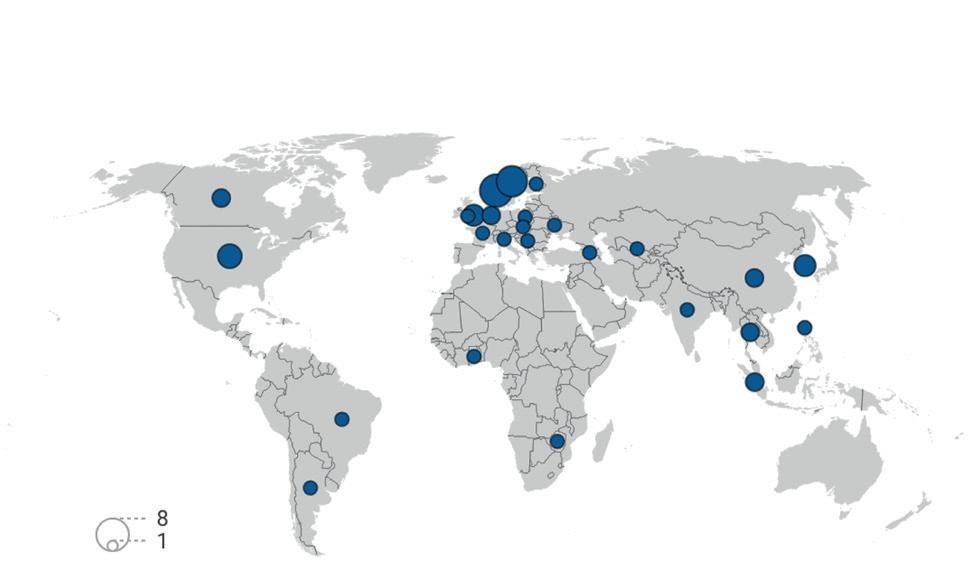
Recent small modular reactor announcements: Norway and Sweden lead (2024-2025)
Despite the optimistic narrative surrounding SMRs, the financial viability of such technologies remains a major hurdle. Smaller reactors promise faster construction and lower upfront costs than conventional large-scale nuclear developments, which can easily surpass US$10bn, but this theoretical cost advantage is failing to materialise. Due to notyet-established supply chains, novel or first-of-a-kind (FOAK) technologies and smaller efficiency compared to larger reactors, SMRs have not fared well in maintaining their initial CAPEX forecasts, especially in Europe and North America.
In this context, viewing SMRs as a strategic national investment is the approach taken by countries like China, India and Russia, where SMR projects are almost entirely state-run. Such state-controlled models ensure that regulatory burdens are avoided and guarantees the operator will be able to compete effectively within the market once the project comes online, assured of a reasonable rate of return for power sales downstream.
While the sector has talked about it for years, a true nuclear renaissance remains speculation beyond our current technological and market reality. The prospect of synergistic, fossil-free hybrid systems integrating nuclear and renewable energy is promising, but it is also undermined by opposing cost trends: nuclear expenses are escalating as the costs of renewables such as solar and battery storage (BESS) continue to fall. Ultimately, a lot will hinge on the commissioning of the world's first commercial land-based small modular reactor – China's LingLong One – scheduled to come online in 2026.
Gabriela Santos, Junior Energy Consultant gabriela.santos@the-eic.com
Inside this issue...
Welcome to another packed and highly information EIC Inside Energy members magazine. This month, I want to use this foreword to highlight two new services that EIC now offers to its members that we are really excited about.
Firstly, for the last few months, we have been building a powerful new podcast series, under the general header of EIC Podcasts. We have five podcast shows in the series, that provide unique opportunities for our members to promote the amazing work they are doing and to use this exciting and powerful new channel to reach your target audience.
We have two C-level podcast shows, namely EIC Clearly and EIC Energy Focus; we have two podcast shows for members to promote specific success stories and share best practises, namely EIC Survive & Thrive and EIC Inside Energy; and we have one podcast show that showcases the work EIC does, namely EIC Energy Insights. If you want to be featured in any of these platforms, please contact EIC CEO Stuart Broadley directly at stuart.broadley@the-eic.com
Secondly, after months of behind-the-scenes product development work, we are delighted to now announce that members can integrate EIC data from EICDataStream into their own internal systems via something called an EIC API, which stands for Application Programming Interface. Why would an API help you?

Are you looking to automate the distribution of project insights from EICDataStream throughout your business? Have you always wished EIC project insights from EICDataStream could be loaded directly into your business software or enterprise software, for example CRM or Salesforce, removing manual uploading of project information? The API also works with Power BI or other business analytics tools.
Please note that this new and very wonderful API feature is only available for EIC global members. If this sounds interesting, we recommend you involve your IT team or IT support company, for any development work that may be needed to integrate the EIC API into your systems. To find out more about how an EIC API could help your business, please go to www.the-eic.com/MarketIntelligence/EIC_API



DataStream
AUSTRALIA
Marinus Interconnector Project – Stage 1
Operator: Marinus Link Value: US$3bn
Stage 1 of the project has reached FID. Construction will begin in Q1 2026. The project has also received its environmental permit from the Australian government. Hitachi Energy has the contract to provide the converter stations and Prysmian will supply the HVDC cables.
For information on these and more than 16,000 other current and future projects we are tracking please visit EICDataStream
THAILAND
Arthit Offshore Gas Field – CCS Project
Operator: PTTEP
Value: US$328m
The project has reached FID and will see investment totalling up to US$328m. The project, which will capture 1 mtpa of CO2, will utilise existing infrastructure at the field while constructing additional facilities as needed and will not affect the natural gas production at the Arthit field.
Global opportunities
BRAZIL GasLub Refining Hub
Operator: Petrobras Value: US$2.4bn
The HIDW/HCC units tender has been awarded to the consortium formed by Tenenge, ECB and EGTC Infra. The contract is worth around US$795m (R$4.37bn).
SAUDI ARABIA
Al
Sadawi Solar PV IPP
Operator: Masdar Value: US$2bn
Masdar's consortium has successfully achieved financial close through US$1.1bn financing by eight regional and international lenders; Standard Chartered Bank, KEXIM, ADCB, BNP Paribas, ADIB, Bank of China, HSBC and Société Générale. The funds will be used to cover a major part of the total project costs.
TURKEY
Sakarya Gas Field – Phase 3
Operator: TPAO Value: US$5bn
The major EPC contracts have been awarded on the project. Saipem has been awarded an EPCI contract for eight rigid flowlines and a 24-inch diameter gas export pipeline around 183km long. Wison Energies has been awarded an EPCIC contract for the project's FPU. Subsea7 has the EPCI contract for the subsea umbilicals, risers and flowlines.
US
Rio Grande LNG Export Terminal (Train 4)
Operator: Next Decade Value: US$6.7bn
NextDecade has issued a positive FID for the Rio Grande LNG Train 4 project. A Full Notice to Proceed has been given to Bechtel and total CAPEX is US$6.7bn (including EPC costs, owner's costs, contingencies, financing fees/interest during construction and other costs). First commercial delivery under Train 4 is anticipated in 2H 2030.

THE VOICE OF THE ENERGY SUPPLY CHAIN
DataStream

Are you up to date on the latest project developments in the energy market? The EIC’s leading market intelligence database – EICDataStream – contains information on energy projects and associated contracting activity from the inception stage all the way through to construction and commissioning.
• Access details on over 16,000 CAPEX projects across all energy sectors
• Identify business opportunities and inform your business development strategies
• Explore a truly global database, updated daily by an international team of analysts
• Stay up to date with project developments, including information on tenders and awards
• Get insights into what your existing clients are doing and identify potential new clients
• Have a direct interface with analysts for local knowledge and insights
• Access insight and country reports with in-depth data on specific sectors and markets
NEW COUNTRIES ADDED

SupplyMap
EICSupplyMap maps the capabilities of supply chain companies that operate across all energy industries. These industries cover renewables, oil and gas, power, nuclear and energy transition technologies like energy storage, carbon capture and hydrogen.
• Identify the supply chain local to your region, giving you the opportunity to engage with potential new clients.
• Find the supply chain capability in 12 regions, now covering the UK, Germany, Spain, Italy, UAE, Oman, Saudi Arabia, Malaysia, Singapore, Indonesia, US and Brazil.
• An in-depth look at profiles of more than 10,000 energy sector supply chain companies.
• Make smarter decisions by targeting your offering to international developers/operators and contractors matching your capability with international energy projects.
RIO
DUBAI
KUALA LUMPUR
HOUSTON
BERLIN
One-to-one
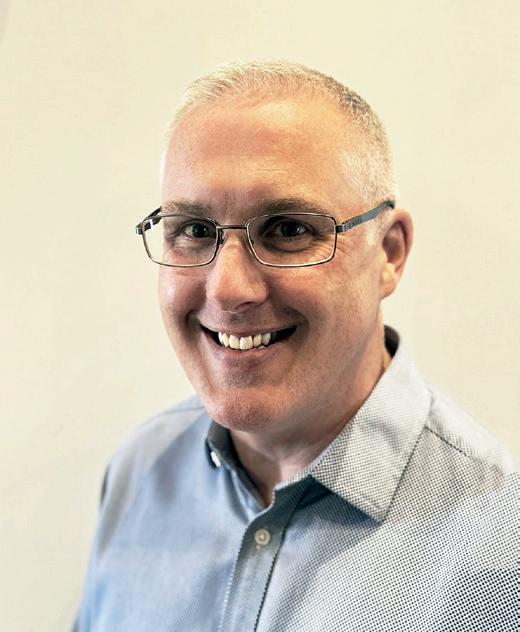
with Will Fossey, International Development Director, NRL
Will Fossey has supported companies to manage their workforce needs to facilitate global growth for over 20 years. He’s overseen significant expansion of the company’s international capability, now servicing 70 countries and providing strategic labour management and global mobilisation support to high-profile engineering clients.
You've recently celebrated 10 years with NRL, how has the business changed over that time?
The evolution has been remarkable to see, and a testament to the people in our business who are always ready to embrace change. When I joined the company, we had a small international recruitment offering, primarily gained through business acquisition. My remit for international development was to grow that piece of business into a sustained vertical for the NRL Group, so we could truly proclaim to prospective clients that we are a global provider.
Initially this involved expanding our recruitment expertise into new sectors and geographical regions, having predominately supported oil, gas and petrochemical clients recruiting highly skilled expats into the Middle East. Five years into that plan we quickly had to rethink our strategy, as life-changing events such as the pandemic and Brexit threatened our international operations. The changes we have made have catapulted our capability to deliver a range of labour management, global mobilisation and recruitment solutions across the globe, which is exciting to have been involved with.
That sounds intriguing, can you tell us more?
When the world ground to a halt due to COVID 19 we went from a growing international operation which represented around 5% of our recruitment business, to just one single worker.
Our day-to-day operations relied on clients wanting to bring over expats and we did a good job of recruiting them compliantly.
With cross-country borders closed as the pandemic took hold and safety precautions rightly put in place, we quickly identified that our remote location in the UK hindered our ability to deliver global services and taking a local in-country approach would allow us to better service our clients.
The pandemic was quickly followed by the looming Brexit deadline, another indicator that we needed business entities within the countries we were strategically targeting, to grow at the scale we sought. In 2020 we set up our first business entity outside the UK in Ireland, providing us with an office based in the EU to manage our service delivery in Europe post-Brexit, which is still providing a number of advantages today.
It was followed by entities in Spain, Sweden, Poland, Germany and Saudi Arabia – in addition to Norway through a strategic business acquisition. Bringing on board seven business entities outside the UK in just five years, and with further growth plans, we're now able to work within our own operations and with our network of in-country partners to support clients in over 70 countries. The focus on setting up incountry entities and building relationships with in-country partners such as payroll and accountancy experts, allowed us to pivot our international



focused on recruitment, to begin creating labour management solutions for our clients. This includes Employer of Record services where we engage the workers on their behalf and manage the payroll and legal aspects of their employment, as well as statement of works and visa sponsorship.
We now play a much bigger role in solving our clients' global employment challenges and they come to us to ask for advice and compliant solutions, instead of just seeing us as a recruiter. These sizeable changes have allowed the international side of our operations to grow considerably and it now represents 24% of our group turnover.
In 2023 we were recognised by the Staffing Industry Analysts as one of the largest engineering staffing firms globally, which was a testament to our growth and we're now seeing companies approach us to work with them thanks to the respected industry reputation we've earned.
What challenges are businesses facing when planning global energy transition projects?
Across the globe there are significant factors which are impacting how our clients operate, from socioeconomic to changing immigration legislation and skills availability. Civil unrest is impacting large geographical areas, making it harder to mobilise workers safely and impeding the ability to deliver global projects.
AQWe're also seeing changes in some nations as to how receptive they are to expatriates entering the country for work, emphasising the need to recruit locally and through in-country business entities. Continuous changes to employment legislation, immigration and work permits also make it challenging for companies to stay compliant without a labour management partner with the expertise to advise them.
While the growing demand for new engineering innovation in key energy transition sectors such as wind, hydrogen, as well as pharmaceutical and data centres, are highlighting a chronic underinvestment in STEM learning which is driving skills shortages globally.
How is NRL supporting organisations with these challenges?
This is where our decision to diversify beyond traditional recruitment into full labour management solutions has really paid off. Today, we're not just providing workforce solutions, we're supporting clients with a range of complementary services such as purchasing, translations, language support and multicurrency payroll management. These additions make it easier for clients to operate globally without the friction of local complexities. When challenges arise, we don't just offer a service; we design bespoke solutions which remove barriers and keep projects moving.
One example is where we manage all in-country hires through our Employer of Record service, working with local partners and through our own legal entities to manage all the necessary employment legislation, work permits, payroll and taxation, so our clients can focus on the operational side of their global projects.
As a business we've always taken a partnership approach with our clients, regardless of how large or small their account is.
It's this approach that encourages our teams to understand the future challenges our clients are facing and look at how we can support these as a business. It's resulted in us opening new business entities in countries such as Saudi Arabia, investing locally so we can provide a better service.
We're able to do this because we've prioritised bringing on board a wide range of skills, languages and industry knowledge as we've grown our international operations. We've recruited people with experience of working in the countries we are targeting for growth, who have the language skills and local knowledge to be able to advise our clients, as well as ensuring we're hiring for compliance and financial acumen to expand our geographical capability.
AQHow does NRL stay up to date with the change in immigration rules from country to country?
Over the years we’ve built a robust network of in-country partners including payroll and accountancy experts. We work with those companies to ensure we have the latest information to advise our clients, while drawing on the expertise of our own colleagues.
Our international compliance team is well versed in managing complex labour solutions, to understand the finer details of immigration rules and employment legislation. To ensure we’re always one step ahead of upcoming changes, the NRL Group’s compliance panel, made up of subject matter experts from our payroll and labour operations, meet regularly to determine our business’s approach and proactively communicate with clients. In today’s world immigration and the documentation needed to work abroad is continually changing, so it's an area our clients are always looking for support with.
Like many businesses we’re also navigating how AI can drive efficiencies within our operations, including how it can help us stay on top of immigration and employment legislation changes from one country to another, always ensuring a human eye is verifying the finer details.
AQWhat's the current focus for NRL's international strategy?
It’s about expanding our geographical remit while strengthening our international service offering and ensuring we’re focused on what our clients need from us now and in the future. Many of them are looking to get involved with more energy transition projects across the globe, but don’t have the incountry operations to be able to hire workers or confidently manage local employment legislation.
We're able to offer a range of services to clients, from hiring and global mobility, to comprehensive labour management solutions which allow us to engage an entire workforce in a country on behalf of our clients. Solutions are built with 100% compliance in line with local employment laws and immigration rules and are always focused on creating a positive experience for the workers, understanding that it is crucial candidates feel supported when relocating abroad.
As a business our strategy has always been to work closely with our clients, understanding what their future challenges are, what they want to be able to achieve and the international barriers they’re currently facing. That's because we're able to offer practical solutions to address these and are happy to invest in strengthening our own operations in readiness to support them. It’s an approach which has proved successful since pivoting our business at the start of the pandemic and one we’re looking forward to continuing in the coming years.

Member’s news
Flexitallic welcomes global network to UK Channel Partner event in Manchester
Flexitallic, a global leader in static sealing solutions, has successfully hosted its UK Channel Partner event in Manchester.
The two-day gathering brought together representatives from more than 30 distributors worldwide, with partners travelling from countries including Spain, Korea, Angola, Nigeria, Poland, Sweden, Finland, Pakistan, Ireland, the UK, Iraq and the Netherlands.
Flexitallic's own teams also attended from Belgium, Germany, Italy, UAE, China, Türkiye, France and the US.
Held at Old Trafford Football Ground, the event combined strategic updates, technical insights and interactive sessions. Highlights included application insights delivered by Flexitallic engineers and an in-depth look at Flexlogics®, the company's digital joint integrity ecosystem that improves safety, reliability and efficiency by centralising flange data, gasket selection, bolt load calculations and joint integrity records.
Delegates also enjoyed networking opportunities, including a dinner at The Edwardian Manchester Hotel, as well as a tour of Flexitallic UK's manufacturing base at Cleckheaton, West Yorkshire, where they were introduced to the latest innovations in gaskets and sealing solutions.
The Flexitallic Group is a global leader in specialised sealing solutions and products serving the oil and gas, power generation, chemical and petrochemical industries in emerging and developed markets. Focused on the refining, petrochemical, chemical, power generation and upstream sectors, it has operations in the US, Canada, Mexico, the United Kingdom, France, Belgium, Germany, Italy, the United Arab Emirates, Thailand and China, plus a network of worldwide licensing partners and distributors.
This was an incredibly successful event that highlights both the strength and breadth of Flexitallic's global distribution network. To have so many of our partners travel from around the world demonstrates the value they place on working closely with us and the commitment we share to delivering excellence.
By working in close partnership with our distributors, we can ensure that high-quality products are consistently supported by outstanding service. This combination is what gives operators the confidence that their assets are being protected to the highest standards.
Most importantly, events like this allow us to listen, learn and collaborate. Together with our partners, we are not only meeting the needs of today's industrial operators but also preparing for future challenges – with innovation, digital tools such as Flexlogics® and a shared focus on safety, reliability and efficiency.
Sam Bradley, VP Sales for the UK, Middle East and Asia (UMEA)
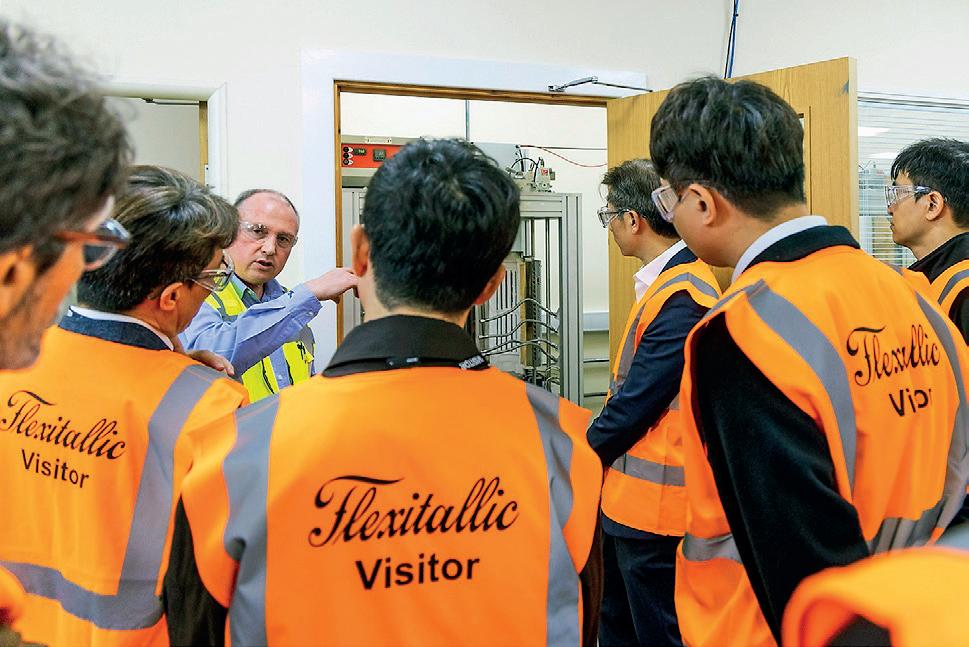
Delegates attending Flexitallic's UK Channel Partner event tour its manufacturing hub in Cleckheaton, West Yorkshire
Spotlight on technology


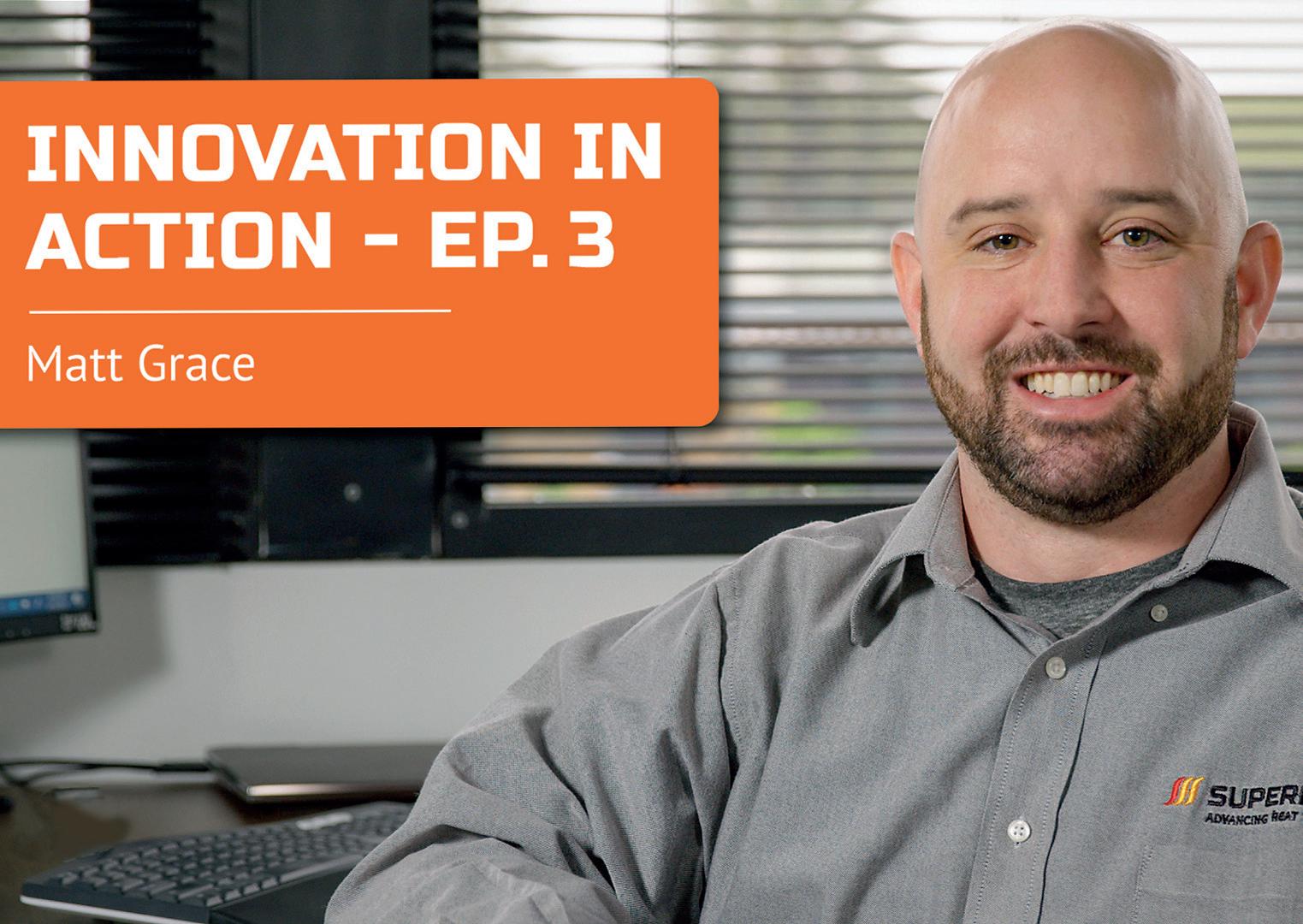

When a tornado swept across the Midwest USA, it left a trail of destruction, damaging infrastructure, downing power lines and halting operations at a major refinery. With product lines solidified due to a total power loss, the facility urgently needed emergency onsite heat treatment support to evacuate material and resume operations.
That's when Superheat was called in for a rapid response. Within hours, its team mobilised to the site with 15 technicians and quickly scaled operations to over 65 heating machines running across the facility. However, the real game-changer was the use of the Superheat SmartCenter™, the proprietary remote control and monitoring hub.
Once the heat cycles were up and running, SmartCenter™ enabled Superheat to reduce onsite staffing from over 20 technicians per shift to just 5, saving the client numerous labour hours while continuing to monitor the equipment 24/7 without interruption.
By reducing manpower, Superheat not only lowered overall costs but also decreased safety exposure, helping the client recover operations more quickly and efficiently. The success of this project has already led to discussions for future planned work at the refinery for Superheat.
This is the Superheat SmartWay™ in action, combining advanced technology, experience and rapid deployment to solve complex heat treatment challenges under pressure.
Watch Episode 3 of Superheat’s Innovation in Action series to see how the company helped turn disaster recovery into an opportunity for smarter, safer, heat treatment execution.
Contact Superheat today for all your onsite heat treatment needs:
US 1.888.508.3226
UK +44 (0)1462 888003
Email sales@superheat.com
New EIC members
NEW PRIMARY MEMBER
AC Valves Alliance
Unit 6, Interlink Way South
Bardon Hill
Coalville LE67 1PH UK
Contact
Elissa Park, Marketing Manager
Telephone +44 (0)1530 834 270
Email elissap@acvalveallilance.com
Web www.acvalvealliance.com
The AC Valve Alliance Group provides end-to-end valve and automation solutions for its customers, across a broad range of industries and applications.
Operating out of custom facilities in the heart of the UK and the Netherlands, the company prides itself on both its technical knowledge and world-class customer service – AC Valve Alliance has built a reputation for flexibility, innovative solutions, fast-tracked stock and world-class support from its team of expert consultants.
NEW PRIMARY MEMBER
Add Value Consultancy (AVC)
Spaces, 1 Marischal Square Broad Street
Aberdeen AB10 1BL UK
Contact Hossam Aboegla, CEO
Telephone +44 77667 17516
Email hossam.aboegla@ addvalue-consultancy.com
Web
www.addvalue-consultancy.com
Add Value Consultancy (AVC) is a UK-headquartered consultancy with a strong presence in Abu Dhabi and Dubai, delivering technical services, project management consulting and AI-enabled solutions to the energy, industrial and public sectors.
The company's expertise covers asset integrity, maintenance and reliability, HSE, environmental and sustainability studies and digital transformation. Leveraging AI and data-driven solutions, it enables clients to enhance safety, reliability and performance while aligning with ESG and ISO 55000 standards.
Operating across EMEA and beyond, AVC partners with leading operators, EPCs, digital firms and government entities to deliver measurable value, innovation and sustainable growth.
Thursday 20 November 2025
• Manchester
NEW PRIMARY MEMBER
AISUS Offshore
Unit 21
Denmore Road
Aberdeen AB23 8JW UK
Contact
Barry Marshall, General Manager
Telephone +44 (0)1224 222 070
barry.marshall@aisus.co.uk
Web www.aisus.co.uk
AISUS is a leading provider of advanced inspection solutions, specialising in remote crawlers, robotics, visual and advanced nondestructive technologies for the energy sector.
Focused on asset integrity, AISUS delivers innovative, tailored services that maximise efficiency and minimise downtime. Operating worldwide, AISUS deploys in the most challenging environments, including areas such as the splash zone and behind guide frames to gather critical inspection data safely and effectively.
By leveraging AI and machine learning, AISUS transforms traditional reporting into immersive, animated models with precise defect sizing. With expert professionals and deep offshore knowledge, AISUS provides high-quality inspection services and trusted client support.
NEW BRAZIL NETWORKING MEMBER
BR2W Soluções Ltda
Rua José Eugênio 23A São Cristóvão Rio de Janeiro RJ 20941-140 Brazil

Contact Loreno Ribeiro do Val, Comercial
Telephone +55 21 3005 3320
Email loreno.ribeiro@br2w.com.br
Web www.br2w.com.br/show
To oil and gas operators the company performs mechanical automation of equipment aboard ships and platforms, i.e. the control of cranes or anchoring line.
To maintenance teams BR2W Soluções Ltda monitors the condition of moving equipment, i.e. generators, engines, gearboxes and axis.
NEW PRIMARY MEMBER
Divine Flame and Energy International Ltd
KM 20 Aba Port Harcourt Expressway By Timber Bus Stop Port Harcourt Rivers State Nigeria
Contact Billy Idoro, General Manager
Telephone +23491 6580 4495
Email b.idoro@dfande.com
Web https://dfande.com/
Divine Flame and Energy Int. Ltd is an ISO 9001/ISO14001/ISO 45001/NCDMB certified Nigerian oil and gas services company that is headquartered in Lagos with a full field service support operational base in Port Harcourt.
The company's key products/ services include engineering, procurement, installation, inspection, repairs, maintenance, precommissioning, commissioning and aftermarket support for wellhead equipment (surface and subsea), choke valves (surface and subsea), Xmas trees (surface and subsea), wellhead control panels, subsea equipment and ancillary services.
Divine Flame and Energy Int. Ltd is currently active with ExxonMobil, Chevron, Renaissance (formally SPDC), TotalEnergies, Seplat Energy, First E&P and Oriental Energy amongst others.
Tuesday 10 February 2026 Dammam
NEW
PRIMARY MEMBER
DLC
Avenida Nossa Senhora da Gloria 1109 Pecado
Macaé, Rio de Janeiro 27.923-215 Brazil
Contact Claudio Ramalho, Business Development Manager
Telephone +55 21 998305257
Email claudio.ramalho@dlcdiesel.com.br
Web
www.dlcdiesel.com.br
DLC Diesel was established in 1996 in Mogi das Cruzes/SP, Brazil. The company stands out for providing complete solutions for high and medium-speed engines, air compressors, gensets and filtration systems. It has significant competitive advantages, which is why DLC is an authorised distributor in Brazil for renowned international manufacturers. With dedicated branches, the company offers customised solutions to meet the needs of the energy, marine and oil and gas markets.
Sectors: oil and gas. Categories: operation and maintenance contractor, turbine installation, inspection services, Caterpillar and Perkins engines, Z-Pellers and Niigata engines, Cummins and MAN engines, Napier, Garrett, Holset and BorgWarner turbochargers, ABB and KBB turbochargers, Bosch fuel injection systems, generators, energy storage systems, air compressors, booster lighting towers from Atlas Copco, Fueltrax electronic fuel management system, Parker contaminant management and filtration systems, Motcom predictive failure.
NEW KUALA LUMPUR NETWORKING MEMBER
ENest Pte Ltd
151 Chin Swee Road
#02-04A Manhattan House Singapore 169876
Contact Ho Mun Choong, Co-Founder & Chief Executive Officer
Telephone +65 9146 5001
+6012 681 6960
Email munchoong.ho@enest.ai
Web www.enest.ai
ENest is an AI-powered platform designed to simplify and speed up complex engineering, procurement and construction (EPC) workflows.
The company helps energy, infrastructure and industrial companies cut through manual processes, reduce errors and make faster, smarter decisions.
With built-in AI agents and connectors to your existing systems, ENest automates tender reviews, improves bid accuracy and streamlines project planning.
ENest's approach saves time, reduces costs and increases win rates, while providing transparency across teams and stakeholders.
Backed by industry expertise and advanced technology, ENest delivers practical tools that are easy to adopt and built to scale with your business.
NEW PRIMARY MEMBER EXHEAT Ltd
Threxton Road Industrial Estate
Watton
Norfolk IP25 6NG UK
Contact
Martin King, Business Development Manager
Telephone +44 (0)1953 886 200
Email martin.king@exheat.com
Web
www.exheat.com
EXHEAT is a globally renowned designer and manufacturer of electric process heating and control systems. Its experience in the design of electric heaters for use in hazardous area locations is second to none. The company's complete range of custom-engineered process and immersion heaters, together with its standard product portfolio which incorporates immersion heaters, room heaters and thermostats have extensive IECEx, ATEX and CSA certification amongst others. The range of electric process heaters and standard industrial heaters are designed and manufactured in the UK, backed by more than 20 years of industry experience. EXHEAT's dedicated services company will assist you with all your after-sales needs.
EXHEAT has the knowledge and expertise to design and manufacture electric process heating equipment suitable for installation within the extreme environments commonly found in the oil, gas and petrochemical industries.
NEW BRAZIL NETWORKING MEMBER
L. Quintella Advogados Associados
Av Rio Branco 156, sala 1108
Centro, Rio de Janeiro - RJ Brazil
Contact

Leonardo Quintella, Managing Partner
Telephone +55 21 98867 0433 +55 21 2220 4076
Email lquintella@lq.adv.br
Web www.lquintella.adv.br
Founded in 2012, L. Quintella Advogados is a law firm specialising in litigation, consulting and legal support on:
• Labour and workers compensation disputes.
• Legalisation of foreigners and citizenships.
• Social security claims.
• Contracts.
• Sports law.
With a highly qualified technical team, the company always seeks the best legal solution for its clients in its areas of expertise.
NEW RENEWABLES MEMBER Mapei
Via Cafiero, 22 20158 Milano MI Italy

Contact Lee Parnaby, Corporate Business Development Manager
Telephone +39 0237 6731
Email l.parnaby@mapei.co.uk
Web www.mapei.com
Founded in 1937, Mapei is now among the world's leading manufacturers of chemical products for the building industry. Mapei offers long-lasting high-quality products that are mindful of both the planet and people.
The company draws on this same expertise to contribute to the most important architectural and infrastructural works globally, including projects in the housing industry, energy industry and renovation of historic buildings. Mapei's vision embraces the entire world, reaching all five continents. An internationalisation strategy that has resulted in responsible growth as the company responds to market and local demands and contributes to the development of local communities.
NEW PRIMARY MEMBER
Seven Seas Shipping and Logistics Services
Hatat Complex A-Wing 2nd Floor, Office No 218 Wadi Adai, Muscat Sultanate of Oman
Contact Chacko Jose, General Manager
Telephone +968 91992520
Email c.jose@sevenseasworld.com
Web
www.sevenseasworld.com
Part of the Seven Seas Group, Seven Seas Shipping and Logistics is a leading Omani provider of end-to-end freight and logistics solutions across sea, air and land. Backed by strong expertise in maritime and supply chain operations, the company offers freight forwarding, liner agency, customs clearance, warehousing and inland transportation. With a focus on reliability and efficiency, Seven Seas ensures seamless movement of cargo – from small parcels to large project shipments – across Oman and international markets.
NEW KUALA LUMPUR NETWORKING MEMBER
Verra Seals & Engineering Sdn Bhd
No 99 Ground Floor
Jalan Putra A/4
Taman Bandar Putra, KG Mak Lagam
24000 Kemaman
Terengganu
Contact
Raja Muhammad Al-Amin Bin Raja Zahri, Director
Telephone 09 8504697
Email raja.muhammad@ verraseals.com.my
Established in 2025, Verra Seals & Engineering Sdn Bhd is a private limited company incorporated in Malaysia under the Companies Act 2016. The company specialises in providing engineering services with a primary focus on supplying, servicing and repairing various types of mechanical seals.
In addition to mechanical seals, Verra Seals & Engineering is actively engaged in the wholesale, trade, import and export of industrial machinery, equipment and a variety of general goods, offering reliable solutions for multiple industries.














Member news
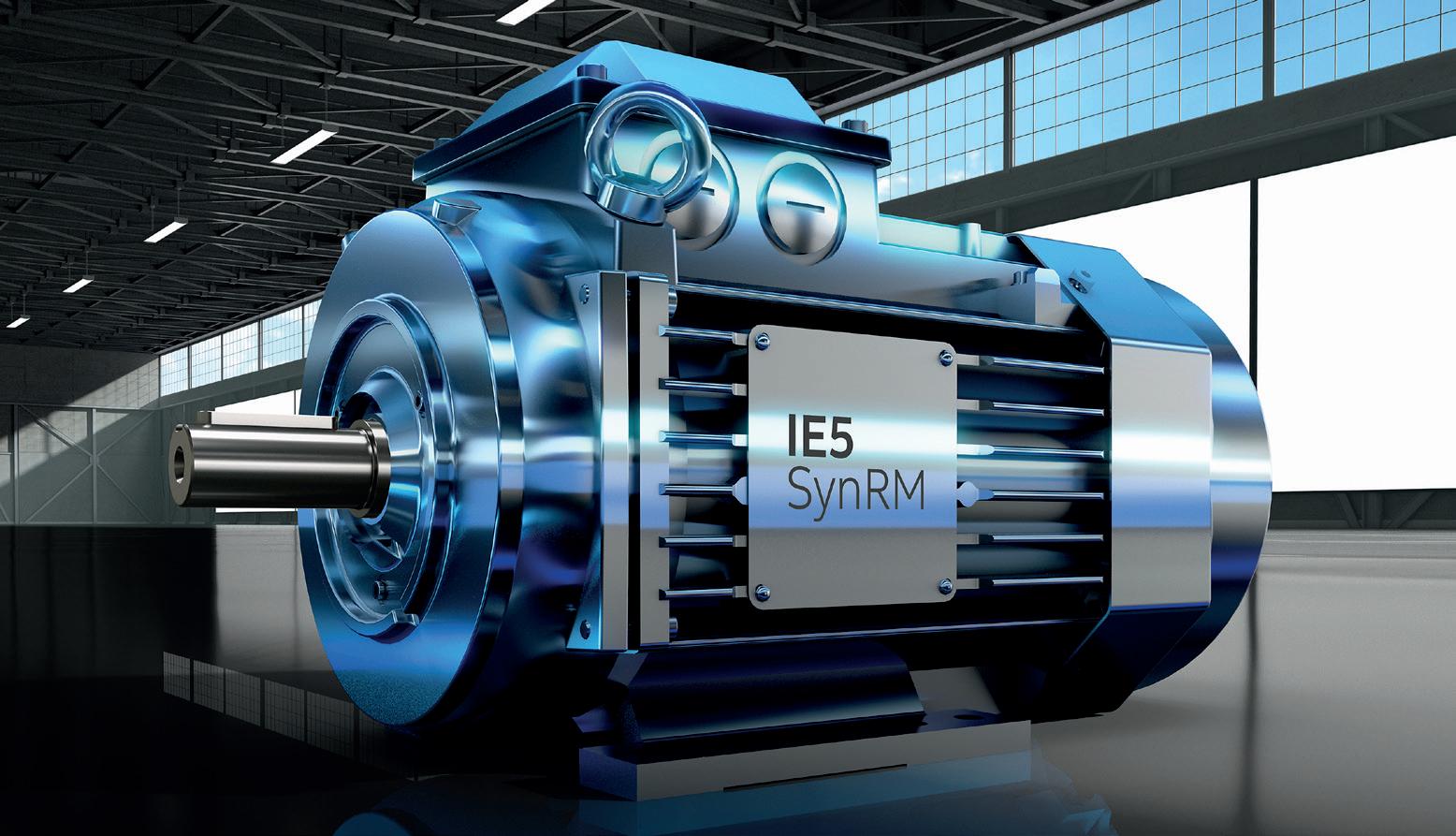
ABB expands IE5 SynRM motor range to enable ultrapremium efficiency in more applications
ABB has expanded its IE5 SynRM motor portfolio with three smaller frame sizes (90, 100, 112), now covering 0.75kW to 450kW. This gives customers the broadest range of magnet and rare earth-free motors to boost efficiency, reliability and sustainability across even more applications. With extended power and speed options up to 3,600 RPM, the motors are ideal for pumps, fans and compressors – perfectly paired with ABB variable speed drives for maximum performance.
ABB's IE5 SynRM motors cut energy losses by up to 40% compared to IE3 motors, resulting in significant savings. For example, a single 90kW motor can save €79,800 and reduce CO2 emissions by 95,760kg over 20 years. Industrial sites typically operate dozens or even hundreds of smaller motors alongside larger ones, multiplying these savings and environmental benefits – often delivering a payback in as little as five months.
ABB SynRM motors are included in the ABB EcoSolutions™ portfolio, empowering customers and partners to make more sustainable choices through increased transparency about each product's circularity and environmental impact. This supports informed, responsible decisionmaking. Products in this portfolio are backed by externally verified, third-party environmental product declarations (ISO 14025 Type III).
This expansion reinforces ABB's commitment to IE6 hyper-efficiency, already achieved by select SynRM models above 90kW. These futureready motors deliver up to 20% lower losses than IE5, setting a benchmark in energy efficiency for the industry.
ABB is a global technology leader in electrification and automation, enabling a more sustainable and resourceefficient future. By connecting its engineering and digitalisation expertise, ABB helps industries run at high performance, while becoming more efficient, productive and sustainable so they outperform. The company has over 140 years of history and around 110,000 employees worldwide.
Amarinth awarded grant to develop next-generation multistage cryogenic pump
Amarinth, a world-leading, net zero designer and manufacturer of low lifecycle cost centrifugal pumps and associated equipment, primarily for the offshore and onshore oil and gas industries; nuclear and renewable energy generation; defence; desalination; process and industrial markets, has been awarded a £500,000 grant by Innovate UK to develop an advanced multistage centrifugal pump for cryogenic LNG applications.
This award builds on Amarinth's previous success in securing a £250,000 grant to refine its design and production processes for highly energy efficient pumps, which culminated in the launch of an industry leading molten sulphur pump.
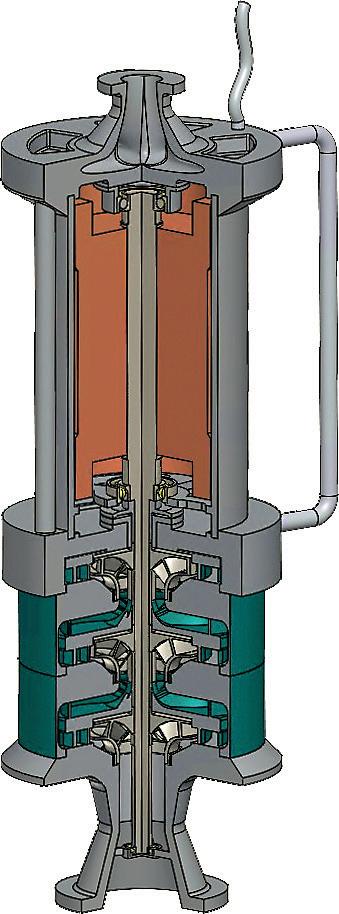
Innovate UK's new funding underscores its confidence in Amarinth's engineering excellence and entrusts the company to meet the growing demand for modern, efficient pump technology in the low temperature fuel sector.
Leveraging its proven cryogenic expertise, including recent projects replacing obsolete single stage pumps, Amarinth will design and prototype a multistage pump capable of handling liquefied natural gas at approximately -162°C. Departing from legacy designs, the new pump will incorporate state of the art CFD designed hydraulics and bespoke impellers, ensuring each stage operates at its optimal duty point.

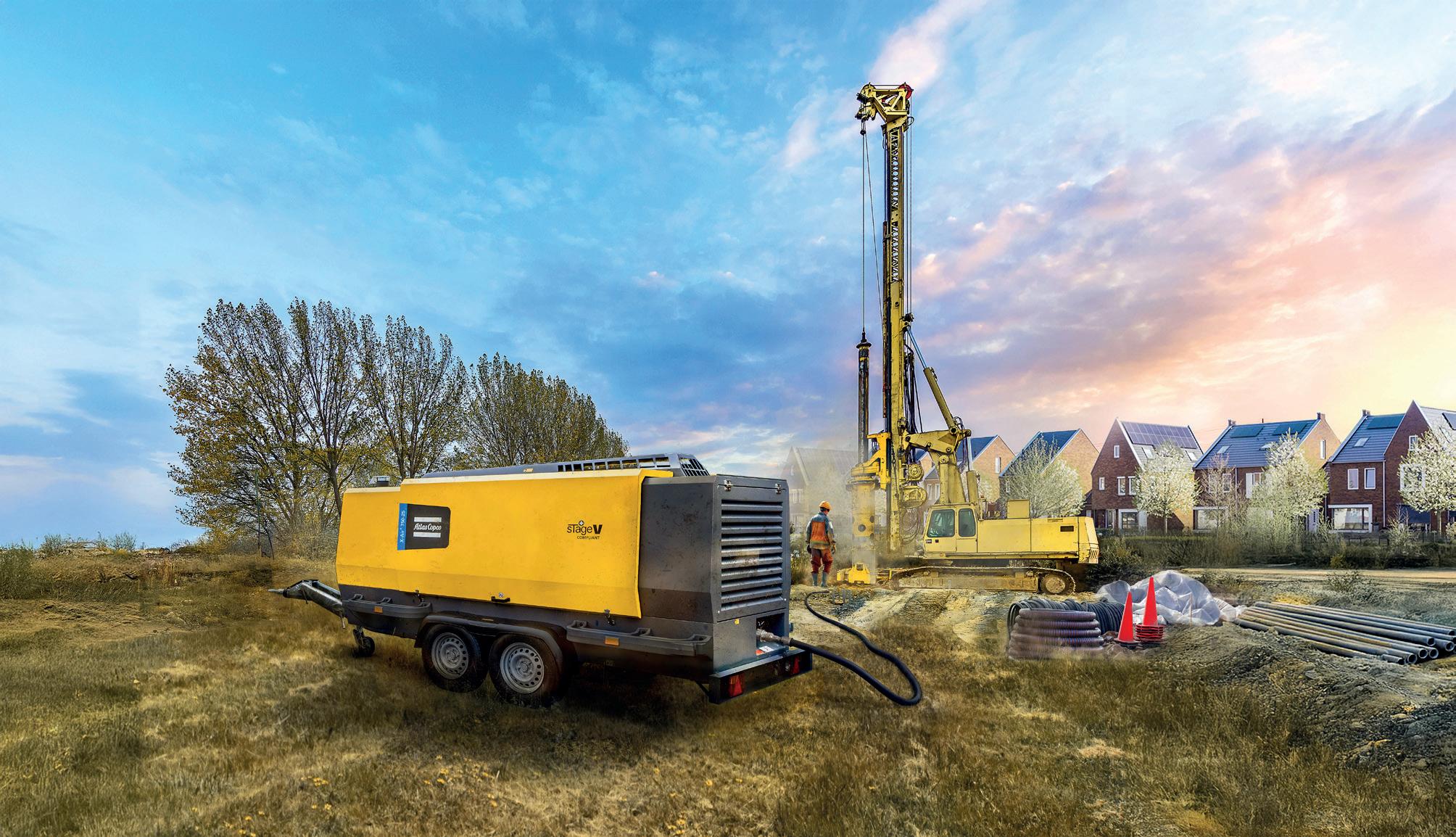
Atlas Copco's X-Air⁺ 750-25 portable air compressor powers reliable water well drilling in rural Spain
Reliable access to water is essential for agriculture, construction and development – and it often starts with efficient water well drilling. In the Spanish countryside near Zaragoza, a local drilling company is relying on Atlas Copco's compact, powerful and fuel-efficient X-Air⁺ 750-25 portable air compressor to carry out well drilling projects with ease and confidence.
Water well drilling in rural terrain is no easy task. Beneath the dry, gravelly soil of the Zaragoza countryside, operators often face compacted ground that resists even the toughest drilling equipment. Access roads are narrow and uneven, requiring equipment that's not only powerful but also highly mobile. The drilling process itself demands consistent high pressure and air flow to break through layers of stone and sediment – all while keeping fuel consumption low and productivity high in remote locations where downtime is costly.
Perforaciones y Sondeos Hermanos Rodríguez SL (Hermanos Rodríguez), based in Peñaflor de Gállego, Zaragoza, Spain, is a local drilling company that has built a reputation in water well drilling and geological soundings. For them, the ability to transport and deploy their compressor easily was essential but so was ensuring reliable performance and fuel efficiency in remote conditions. That's why they chose the Atlas Copco X-Air⁺ 750-25, a compact, high-performance portable air compressor specifically designed for demanding drilling jobs in rugged, hard-to-access environments.
In a recent project, the team faced the task of drilling wells and conducting soundings up to 40 metres deep in challenging gravel terrain. With site access limited to a dirt road, they needed a compressor that could be transported and deployed easily – without compromising on pressure or performance.
The Atlas Copco X-Air⁺ 750-25 portable air compressor was selected for its ability to meet the pressure and air flow demands of medium-depth water well drilling.
With a working pressure range from 16–25 bar (232-363 psi) and free air delivery between 20-19m³/min (701–678 cfm), the X-Air⁺ 750-25 provided the consistent performance needed to penetrate dense, rocky subsoil.
This level of power ensured that the drilling operation could proceed without interruptions, even in some of the toughest terrain found in rural Zaragoza.
The X-Air⁺ 750-25 was designed by listening closely to our customers, who need more power in a smaller, more efficient package. This case shows how the right balance of power, mobility and fuel efficiency can make a real difference in dayto-day operations, especially in remote, rugged conditions.
Raúl Roldán Quintana, Business Line Manager, Atlas Copco
Atlas Copco Group innovates to develop products, services and solutions that are key to customers' success. The Group's four business areas offer compressed air and vacuum solutions, energy solutions, dewatering and industrial pumps, industrial power tools and assembly and machine vision solutions.
The Atlas Copco X-Air⁺ 750-25 portable air compressor excels in water well drilling applications
Photo © Atlas Copco Ltd
Bureau Veritas confirms new Teesside location after being named key partner on East Coast Cluster projects
Bureau Veritas, a world leader in testing, inspection and certification, has expanded its UK presence with the opening of a new project office in Teesside. The new office will support local content amid the area's focus on growth and energy transition.
The development follows Bureau Veritas' appointment to a major framework contract to provide quality services for Net Zero Teesside Power (NZT Power) and the Northern Endurance Partnership (NEP), two projects within the East Coast Cluster, one of the UK's leading Track 1 carbon capture storage initiatives.
The development of NZT and NEP as part of the East Coast Cluster is a significant step towards a net zero future and the UK's transition. We're proud to be working with bp through our local UK and extensive global network, providing services and solutions and building on our own reputation and technical capabilities and understanding of the supply chain.
Darren Taylor, Market Lead for Energy Transition, Bureau Veritas
Bureau Veritas will provide independent quality, inspection and surveillance services, representing bp within a significant portion of the project supply chain.
NZT Power aims to be the world's first gas-fired power and carbon capture project and a key driving force behind plans to make Teesside the UK's first decarbonised industrial cluster.
Once operational, NZT Power's combined cycle gas turbine electricity generating station could produce up to 742MW of flexible, dispatchable, low-carbon power, equivalent to the average annual electricity requirements of more than 1m UK homes.
NEP is developing onshore and offshore infrastructure needed to transport CO₂ from carbon capture projects across Teesside and the Humber to secure storage under the North Sea. The NEP infrastructure includes a CO₂ gathering network and onshore compression facilities, as well as a 145km offshore pipeline and subsea injection and monitoring systems for the Endurance saline aquifer, located around 1,000 metres below the seabed. The infrastructure will transport and permanently store up to an initial 4m tonnes of CO₂ per year.
NEP is a joint venture between bp, Equinor and TotalEnergies. It was formed in 2020 as the East Coast Cluster CO₂ transportation and storage provider, which will transport and store CO₂ emissions from the Teesside and the Humber industrial clusters.
Bureau Veritas has a track record of more than 250GW in renewables and net zero projects, supporting major power companies globally. Its inspection team can act as a second party for developers and OEMs, acting as a representative of its client, or as an accredited or voluntary third party offering its independent technical consultancy to make recommendations and issue statements regarding product quality.
Bureau Veritas is a world leader in laboratory testing, inspection and certification services. Created in 1828, the Group has more than 84,000 employees located in more than 1,600 offices and laboratories around the globe. i
For more information: https://marine-offshore.bureauveritas.com/
ECITB: new welding qualification launched for engineering construction industry
The ECITB awarding organisation has launched a new Level 2 welding qualification and is inviting colleges and training providers to become approved centres to deliver this.
The regulated qualification – ECITB Level 2 Diploma in Introduction to Welding in Engineering Construction Operations – is now available for registrations in England.
With units covering safe working practices, communications and working relationships, interpreting documentation, preparing and reinstating work areas and welding techniques, the qualification prepares candidates for a welding career in the engineering construction industry (ECI).
To view the qualification including entry requirements and modules visit: www.ecitb.org.uk/qualifications/ ecitb-level-2-diploma-inintroduction-to-welding-inengineering-construction-operations/
The qualification is based on the National Occupational Standards (NOS) and Occupational (Apprenticeship) Standards for the trade, encompassing the required knowledge, skills and behaviours.
This ensures the qualifications are relevant and future proofed. Through extensive consultation with industry, they are tailored specifically to meet the needs of industry.
For more information on the qualifications, including entry requirements, structure and progression opportunities, visit: www.ecitb.org.uk/professionaldevelopment/ecitb-qualifications/
For more information on applying to be an approved centre visit: www.ecitb.org.uk/professionaldevelopment/ecitb-qualifications/ become-an-approved-centre/
iFor more information: www.ecitb.org.uk
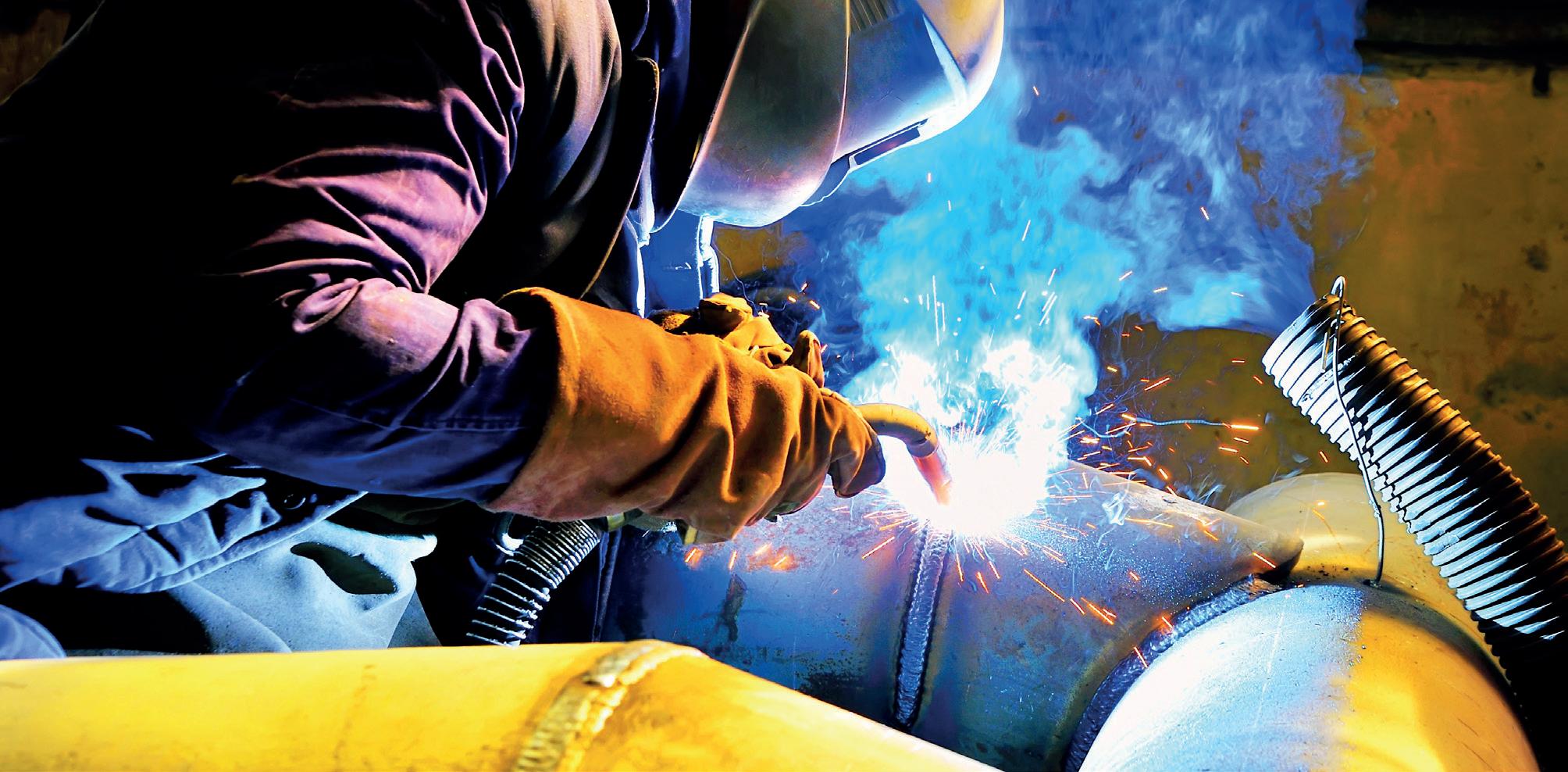
Welding is one of those key trades that will be vital to build the infrastructure needed to deliver major projects. ECITB qualifications are the only ones designed specifically for engineering construction to meet the needs of our employers and the wider industry.
Kent joins FEED team to help deliver UK's hydrogen future
Kent, a global integrated energy services partner, is proud to announce its support to the front-end engineering design (FEED) delivery team for Project Union East Coast, a landmark initiative by National Gas to create a corehydrogen network across the UK.
Kent has joined the expert delivery team, contributing to the two-year FEED phase of Project Union East Coast, led by WSP, acting as FEED integrator. This multidisciplinary team will deliver the two-year FEED phase, including engineering design, environmental assessment, public consultation and route consenting, alongside National Gas's in-house experts and other appointed specialists.
As part of this team, Kent will contribute its extensive experience in end-to-end project delivery and engineering design, helping to shape the infrastructure required to support a hydrogen economy across the UK.
Project Union will initially connect key industrial clusters in the Humber and Teesside regions, eventually forming a 1,500-mile core hydrogen network capable of transporting 100% hydrogen. This network will be vital in reducing industrial emissions, supporting clean growth, protecting jobs and advancing the UK's net zero targets.
Kent brings to the programme over a century of engineering excellence and a track record of delivery in complex, regulated energy environments. Kent's involvement in Project Union East Coast reflects its ongoing commitment to enabling the energy transition by repurposing and building infrastructure that will fuel the UK's hydrogen future.
For more information: https://kentplc.com/
Global Recruiter Awards 2025 shortlist for NRL
Technical engineering specialist NRL is celebrating securing a spot on the shortlist for Global Recruiter Awards 2025's highly competitive Best Large Recruitment Business (annual turnover £100m+) category.
The prestigious accolade celebrates the achievements of recruitment organisations that demonstrate outstanding performance, innovation and impact across the industry. Held each year in November, the Global Recruiter Awards are widely recognised as a benchmark of excellence in the recruitment sector, showcasing the very best in the industry.
Being shortlisted in the Best Large Recruitment Business category for a second consecutive year is a significant honour, reflecting NRL's continued
growth, strategic client relationships and unwavering commitment to ethical and inclusive recruitment practices.
NRL's submission highlighted its 40+ years of experience supporting UK and global engineering organisations with tailored recruitment and workforce solutions. The company is trusted by clients to deliver the right people for complex projects and strategic hires, acting as a key supply chain partner and often working as an extension of internal talent acquisition teams. NRL's expertise spans both temporary and permanent recruitment, with a strong focus on compliance, industry knowledge and global reach. The company's longstanding relationships with clients, some dating back to its founding in 1983, are a testament to its industry reputation and service excellence.
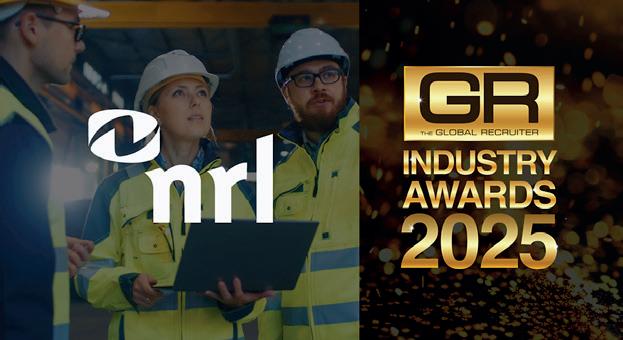
The winners of the Global Recruiter Awards 2025 will be announced at the annual awards ceremony which takes place in London on Wednesday 19 November. i
For more information: www.nrl.co.uk
Andrew Hockey, CEO, Engineering Construction Industry Training Board
Gordon Matson promoted to director of Peterson Freight Management
A leading figure in the international freight forwarding industry has taken over the reins at Peterson Freight Management. Gordon Matson will now lead both LS Customs and Peterson Freight Management for Peterson Energy Logistics.
Gordon joined Peterson in 2022. In that time, his customer-connected focus has led to significant growth in contracts and service offering at LS Customs which has doubled its headcount.
Peterson Freight Management and LS Customs not only share a location, but an ethos. Their innovative approaches meant that Gordon was a natural choice to lead both businesses.
Andrew Ellis, Commercial Director, Peterson Energy Logistics
Gordon worked as national oil and gas manager at Keuhne & Nagel for more than 15 years. His focus as managing director of both businesses will be strategic customer engagement, business development, developing and delivering external training and internal business management.
Gordon is supported by a strong management team of Martin Scott, operations manager and Chris Carter, warehouse and transport manager, for Peterson Freight Management and Jane Waldie, customs hub manager, for LS Customs.
Peterson Freight Management has managed international transport solutions within the UK and overseas, ensuring all requirements in terms of documentation are addressed for more than 10 years.
i For more information: www.onepeterson.com

SGS elevates FPSO operations through innovation and insight
As global offshore energy projects become more complex, success depends on more than just meeting minimum standards – it demands proactive innovation, technical precision and deep sector insight. SGS goes beyond compliance to help FPSO operators drive safer, smarter and more sustainable performance across the full asset lifecycle.
From fabrication yards to offshore operations, SGS delivers integrated support built on decades of experience in the energy sector.
Its services encompass vendor inspection, commissioning support, crew well-being monitoring and real-time data insights through SGS managed and operated onsite modular laboratories. With each solution, the company focuses on improving operational efficiency, reducing risk and ensuring asset integrity – as well as considering how sustainability performance can be improved.
i For more information: www.sgs.com/FPSO
Today’s FPSO projects require partners who understand the technical, logistical and regulatory demands from day one. At SGS, we bring global expertise with local agility –helping operators achieve efficiency, compliance and competitive advantage.
Laura Wakeham, Global Head of Supply Chain and Technical Staffing Solutions, SGS
Compliance and engineering appointments strengthen STATS Group offering
STATS Group (STATS) has announced two key appointments which bolster its legal and compliance and engineering capabilities.
The pipeline technology company – a leading provider of pressurised pipeline isolation, hot tapping and plugging services to the global energy industry – has appointed Adam Morrice as legal and compliance director based in the company's Kintore headquarters in Aberdeenshire, Scotland.
Previously Adam held senior positions with Expro as legal and contracts manager and most recently he was head of legal at Trojan Energy. As a member of the executive committee, he leads the renewal of STATS' legal, contract, risk and compliance functions, working closely with global and regional leadership teams on contractual oversight, regulatory compliance, policy development and strategy.
Vince Kolbuck joins the company as global engineering manager based in Houston, US.

Vince will work closely with engineering teams across Canada, the US, the Middle East, Asia Pacific and UK, ensuring strategic alignment of regional and global engineering priorities with clients' needs.
A seasoned, results oriented leader, Vince joins the company with a diverse three-decade background in midstream pipeline operations, tank terminals, engineering and construction.
STATS, a wholly owned subsidiary of Mitsui & Co Ltd, provides specialist engineering services for the maintenance, integrity and repair of oil, gas and petrochemical installations and infrastructure.
STATS has gained an excellent reputation for providing a responsive, client-centred approach combined with expertise and innovative products which enhance safety and environmental performance, reduce system or plant downtime, improve asset performance and support decommissioning and abandonment.
The group operates from its headquarters in Kintore, Aberdeenshire in the UK.



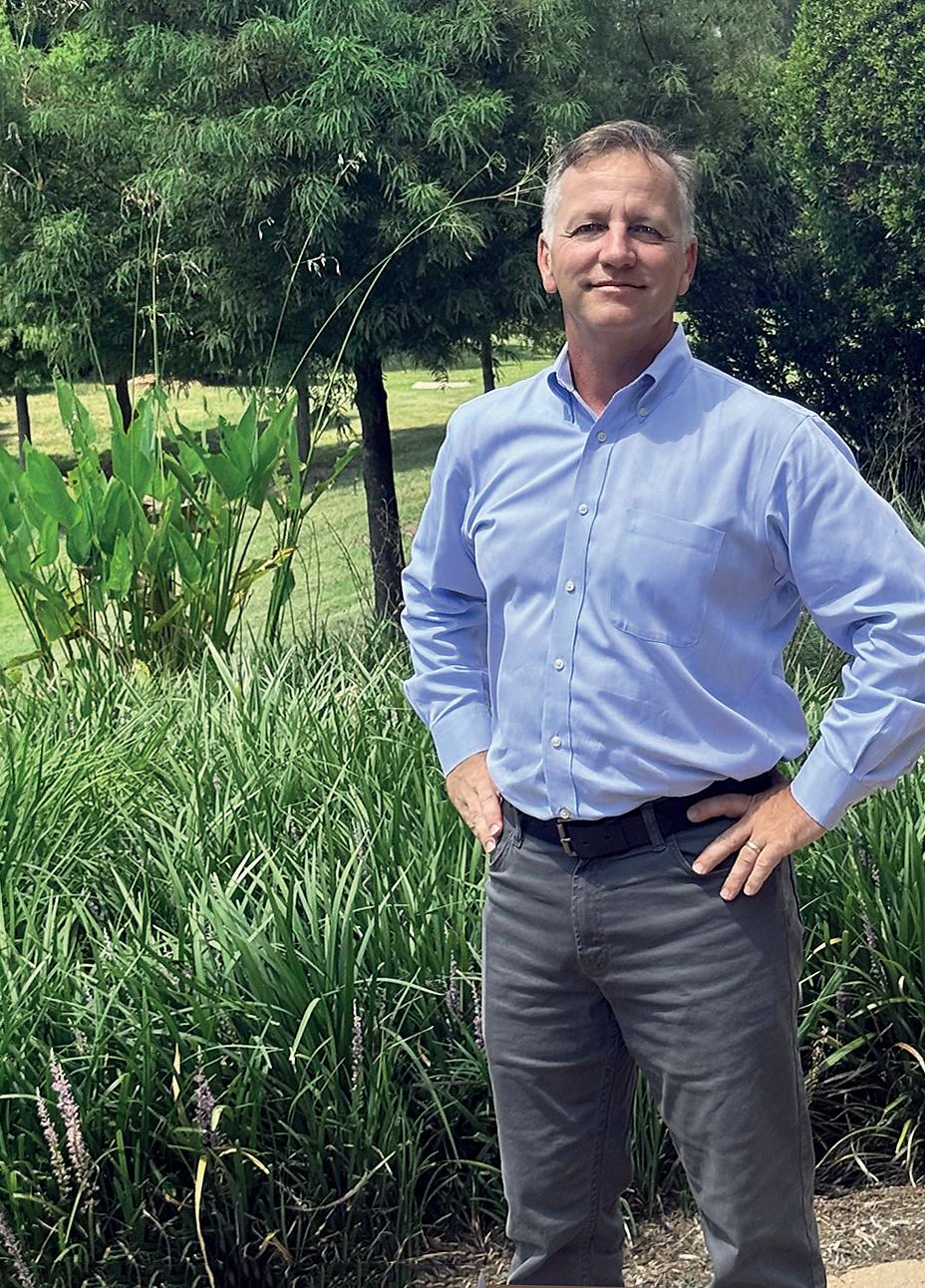
Adam and Vince bring us a wealth of knowledge and experience as we move into the execution phase of our 3-year growth plan. Legal and compliance and engineering are important enablers of our success as we bring industry leading technology and customer service to more regions and customers around the world.
Stephen Rawlinson, CEO, STATS Group
SINI is now part of the WIKA Group
The WIKA Group has acquired AB Svenska Industri Instrument SINI as a wholly owned subsidiary. This move strengthens the global measurement technology manufacturer's presence in Sweden. Established in Gothenburg in 1948, SINI was originally founded as a service provider for the shipping industry. Since SINI became a distributor for WIKA measuring instruments in 1970, the partners have steadily expanded their joint business. Today, SINI enables Swedish companies to directly access a broad portfolio of instrumentation for pressure, temperature, level, flow and force. They also benefit from various services such as calibration, installation and warehousing.


The acquisition of SINI as a subsidiary marks a strategic milestone for WIKA in Northern Europe. Our local presence allows us to offer more tailored advice and enhanced support.
Sascha Niederhagen, Executive Vice President EMEA India, WIKA
i For more information: www.wika.co.uk

Vince Kolbuck, Global Engineering Manager and inset, Adam Morrice, Legal and Compliance Director
Photos Copyright © 2025 STATS Group

Wood and Equinor extend UK collaboration
Wood, a global leader in consulting and engineering, has secured a three-year contract extension to provide operations, maintenance, modifications and support services (OMMS) on Equinor's assets at the Mariner field, located on the UK Continental Shelf (UKCS).
With this extended contract, Wood will continue to support the delivery of Equinor strategic objectives through projects, upgrades and maintenance on the Mariner A platform and Mariner B floating storage unit.
The contract, which includes a further one-year contract extension option, will continue to be supported by more than 110 employees based at Wood's office in Aberdeen, as well as offshore on the Mariner assets.
Wood has a longstanding collaboration with Equinor, supporting global projects, including long-term contracts in Norway and Brazil as well as Equinor's renewable energy business in the UK.
Wood is a global leader in consulting and engineering, delivering solutions to critical challenges in energy and materials markets.
This contract extension reflects Equinor's continued confidence in Wood's ability to deliver safe, efficient and reliable performance on the Mariner assets – a responsibility we've upheld since 2020. The Mariner field plays a vital role in supporting the UK's energy security and we’re proud of Wood's part in its success.
Steve Nicol, Executive President of Operations, Wood
The company provides consulting, projects and operations solutions in 60 countries, employing around 35,000 people.
Worley's new Aberdeen headquarters
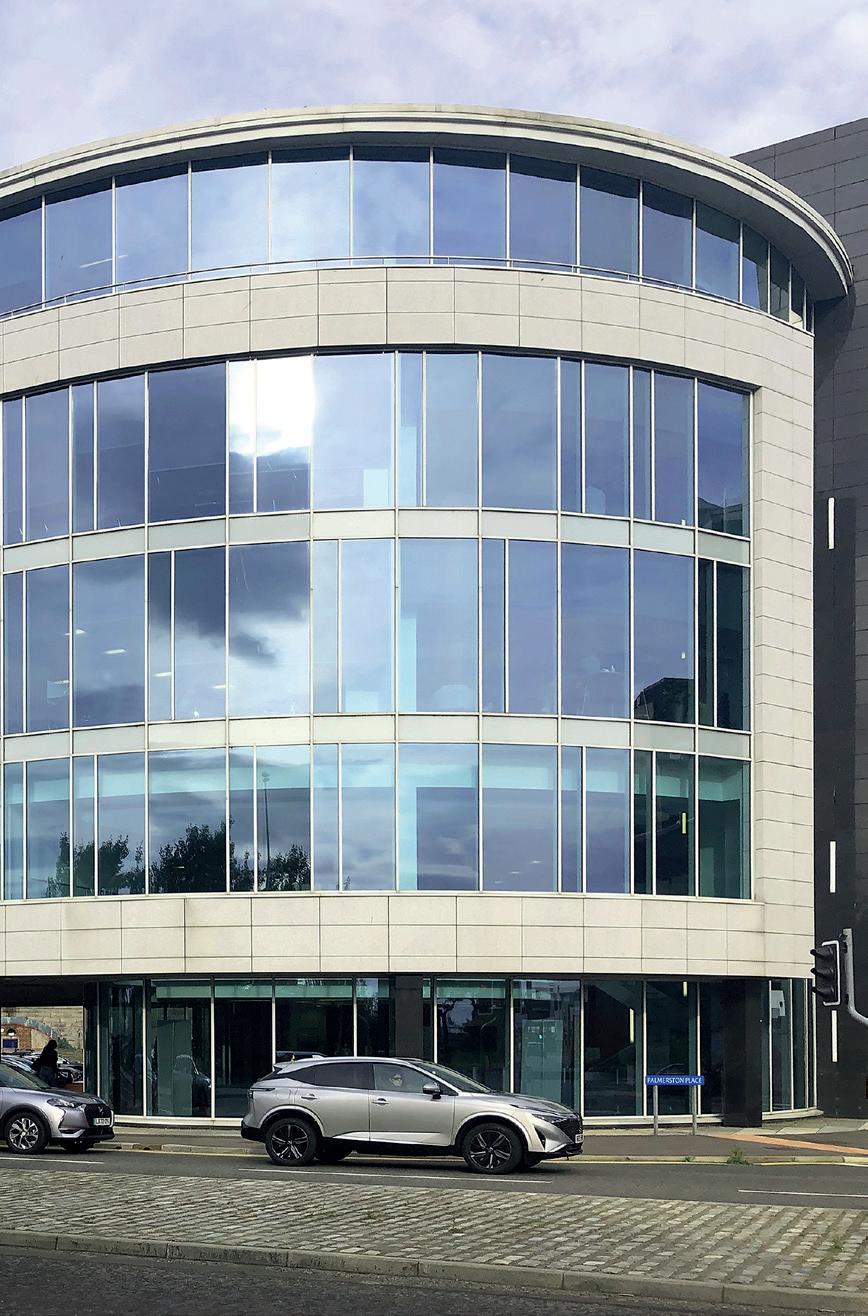
Worley has relocated to a new facility, 16 North Esplanade West, in central Aberdeen. The move signals a major milestone for the company - reaffirming its long-term commitment to the city, its people and the energy sector.
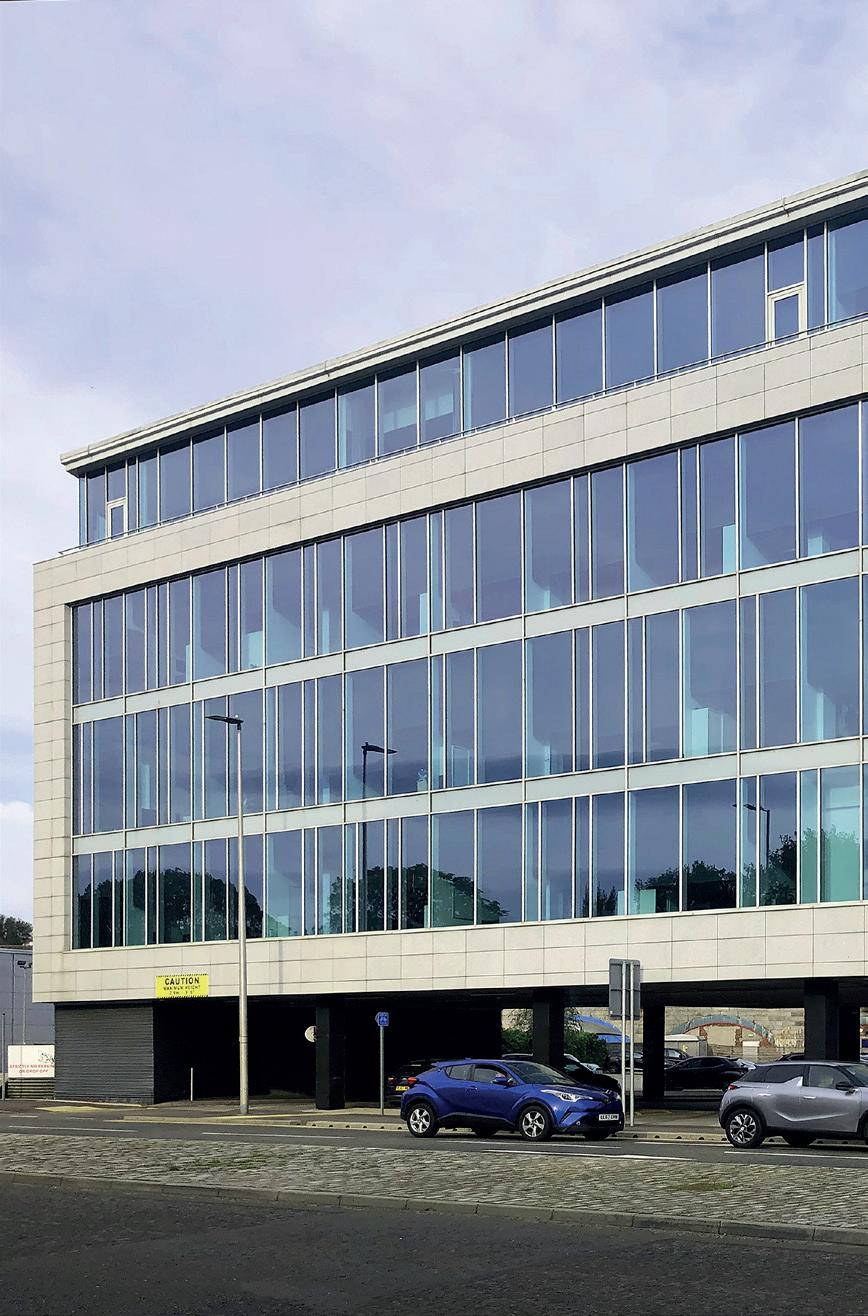
Wood will continue to support Equinor's assets at the Mariner field
The new workspace has been designed to encourage collaboration, innovation and sustainability, reflecting Worley's forward-looking approach and deep industry roots.
As a company with a rich heritage in Aberdeen, we’re proud to be investing in the region’s future. This symbolises our continued commitment to our customers and the wider energy community.
Chris Behan, Vice President of Operations – Scotland, Worley
The energy capital of Europe, Aberdeen has long been a hub for expertise and innovation. As a global professional services company, Worley's continued presence in Aberdeen strengthens its role in shaping the future of the energy industry, supporting customers through the energy transition and delivering solutions across oil and gas, renewables and emerging technologies.
The new facility provides space for expanding teams and new projects, ensuring Worley is well positioned for future opportunities.
i For more information: www.worley.com

Social media round up
We want to use every opportunity to connect with our members, so please follow us on LinkedIn –EIC (Energy Industries Council)
Below you’ll find a selection of some of the exciting EIC activities and useful industry information we’ve shared through our social media channels.
EIC (Energy Industries Council)
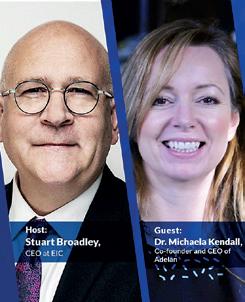
EIC CEO Stuart R Broadley speaks with Dr Michaela Kendall, co-founder and CEO of Adelan – one of the UK's leading voices in hydrogen and fuel cell innovation: https://lnkd.in/dATDebW3
EIC (Energy Industries Council)
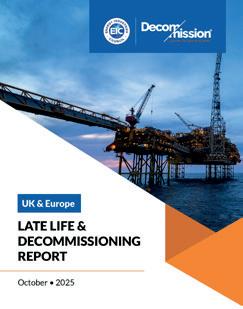
The first in a new series jointly produced by the EIC and Decom Mission, this report provides an overview of end-of-life activity across the UK and Europe: https://lnkd.in/eTBksbGh
EIC (Energy Industries Council)
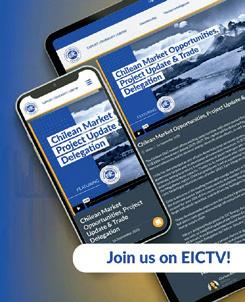
Discover how solar, wind and hydrogen initiatives are positioning Chile as a leader in South America's energy transition. Watch the full session on EICTV: https://lnkd.in/d9gmUWD2

Events calendar LIVE events
3 November Business Presentation
ADIPEC Business Breakfast
Pearl Rotana Capital Centre, Abu Dhabi
3-6 November Overseas Exhibition
ADIPEC
4 November Overseas Exhibition
World Nuclear Exhibition (WNE) 2025
Paris Nord Villepinte
5 November Business Presentation
Europe's Nuclear Future: SMRs & AMRs
Innovation Breakfast, Paris
5 November Regional Showcase

Cross Industry Decommissioning Mapping the Future, Edition One: Europe Webinar
November Business Presentation

Gas Market Opportunities
Minas Gerais Breakfast with TAG and Actemium
EIC
EIC CONNECT UK & Ireland Energy Hotel Football, Old Trafford
November Business Presentation
Breakfast in Houston: Project Opportunities Houston with Subsea7 and Guardian Decommissioning

EIC Regional Awards 2025 Asia Pacific
November Overseas Delegation Overseas Delegation to Mozambique

EIC Breakfast: Opportunities with SLB
Cannon West Houston

INTERNATIONAL TRADE
EVENT LISTING 2025 | 2026
UK & EIC PAVILIONS AND DELEGATIONS


World Nuclear Exhibition (WNE) | Paris, France | UK & EIC Pavilion 4-6 November 2025
Trade Delegation to Mozambique | Delegation 24-27 November 2025



World Future Energy Summit (WFES) | Abu Dhabi, UAE | UK & EIC Pavilion 13-15 January 2026








Hyvolution | Paris, France| UK & EIC Pavilion 27-29 January 2026
Trade Delegation to Angola | Delegation 23-27 February 2026
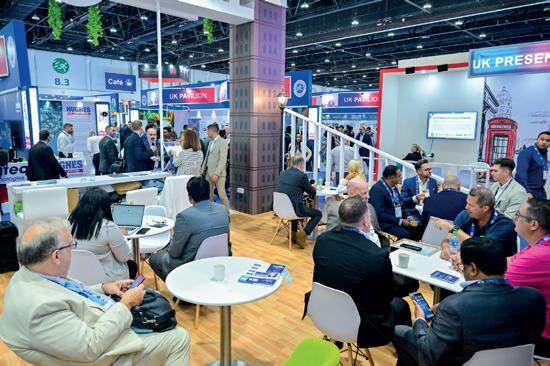
Wind Expo Japan | Tokyo, Japan | UK & EIC Pavilion 17-19 March 2026
Trade Delegation to Chile | Delegation 9-13 March 2026
Trade Delegation to Guyana & Suriname | Delegation 13-17 April 2026
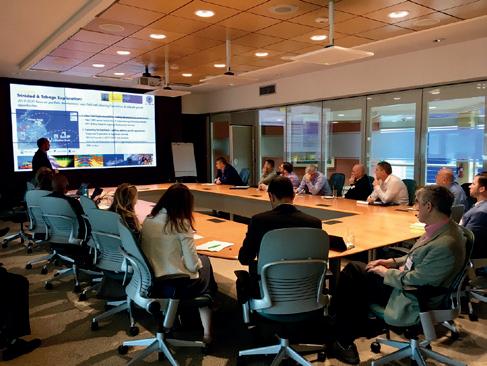
Offshore Technology Conference (OTC) | Houston, USA | UK & EIC Pavilion 4-7 May 2026
Trade Delegation to Nigeria | Delegation 11-15 May 2026
Trade Delegation to Egypt | Delegation 24-28 May 2026




INTERNATIONAL TRADE
EVENT LISTING 2026
UK & EIC PAVILIONS AND DELEGATIONS



OPES | Muscat, Oman | UK & EIC Pavilion 18-20 May 2026
Trade Delegation to Denmark & Norway | Delegation 1-5 June 2026






Beijing Energy Congress| Beijing, China | UK & EIC Pavilion 24-26 June 2026
ONS | Stavanger, Norway | UK & EIC Pavilion 24-27 August 2026
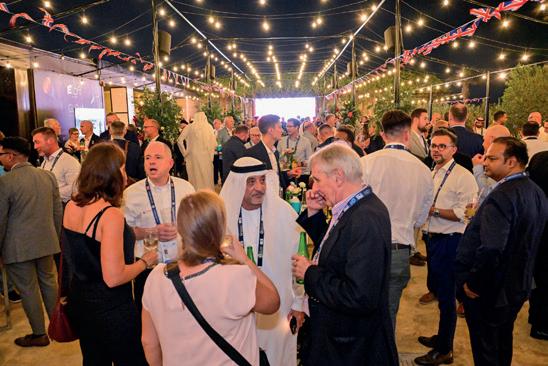
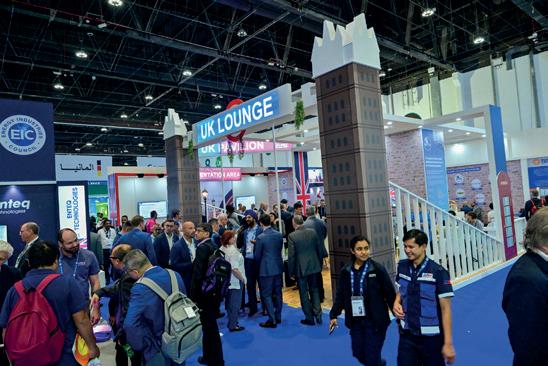
Oil & Gas Asia (OGA) | Kuala Lumpur, Malaysia | UK & EIC Pavilion 2-4 September 2026
ROG e | Rio de Janeiro, Brazil | UK & EIC Pavilion 21-24 September 2026
WindEnergy Hamburg | Hamburg, Germany | UK & EIC Pavilion 22-25 September 2026
Trade Delegation to Spain & Portugal | Delegation 5-9 October 2026
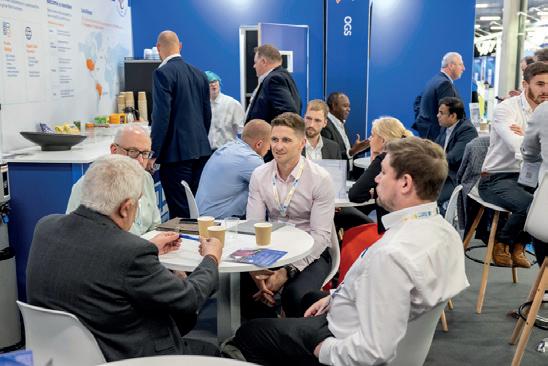
Hydrogen Technology Expo Europe | Hamburg, Germany | UK & EIC Pavilion October 2026

Please note that the list is not final If you think there are any events we should attend, please contact the team


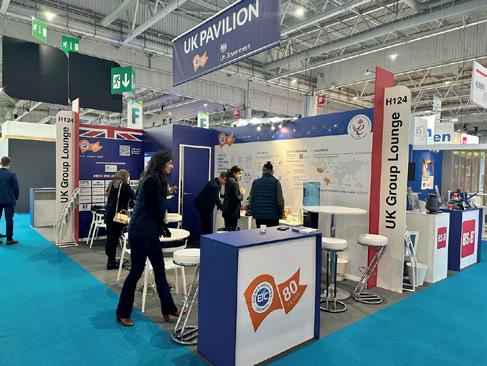



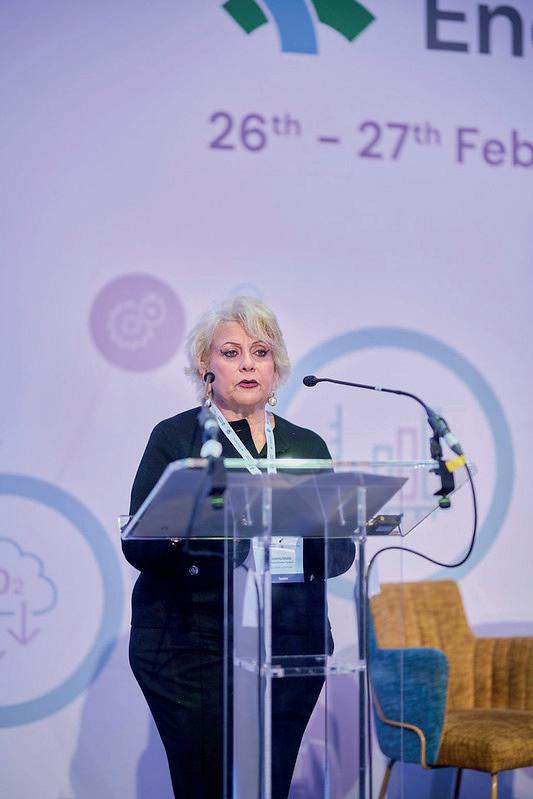
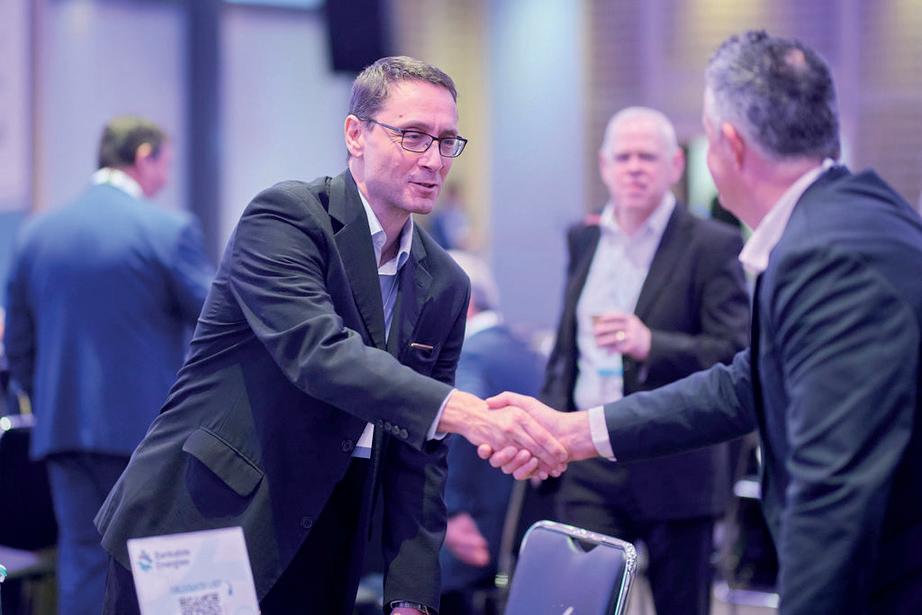
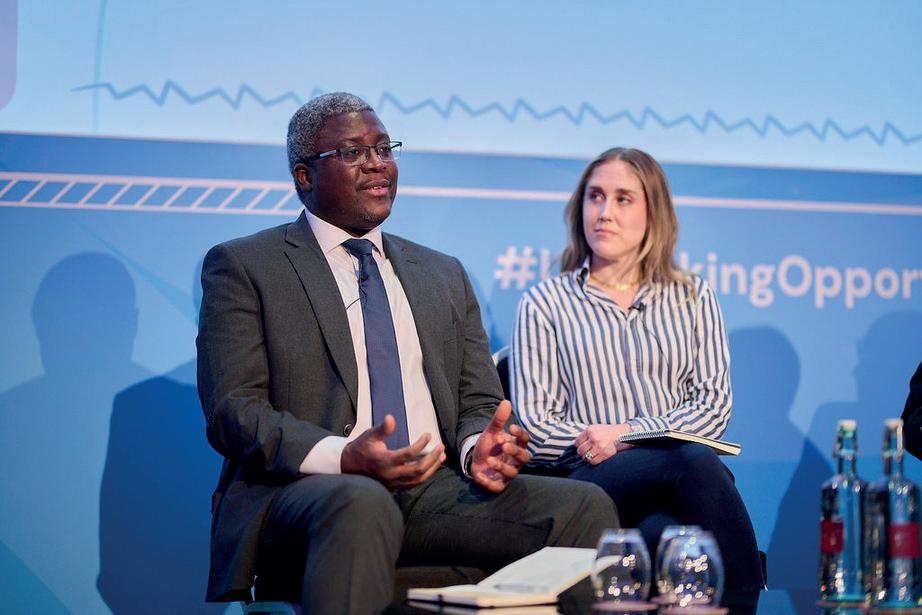

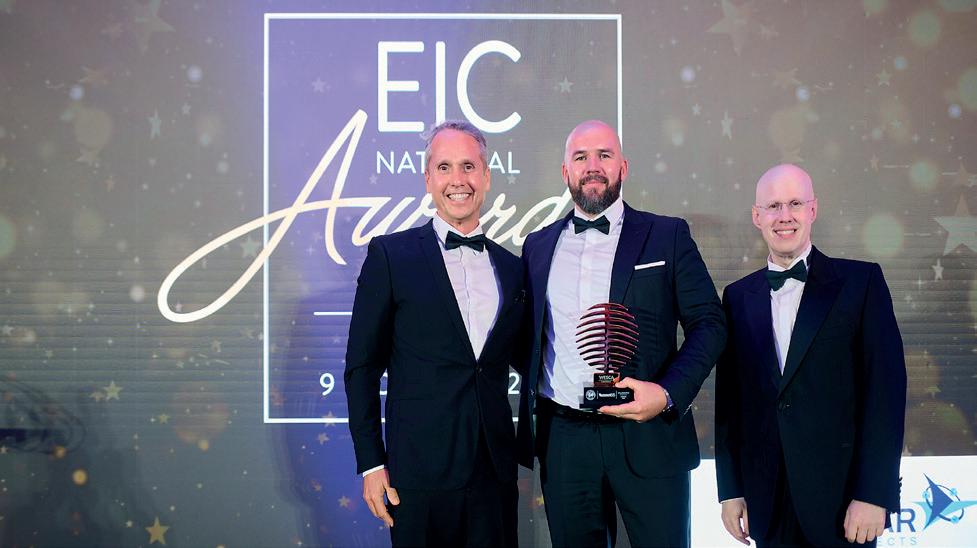
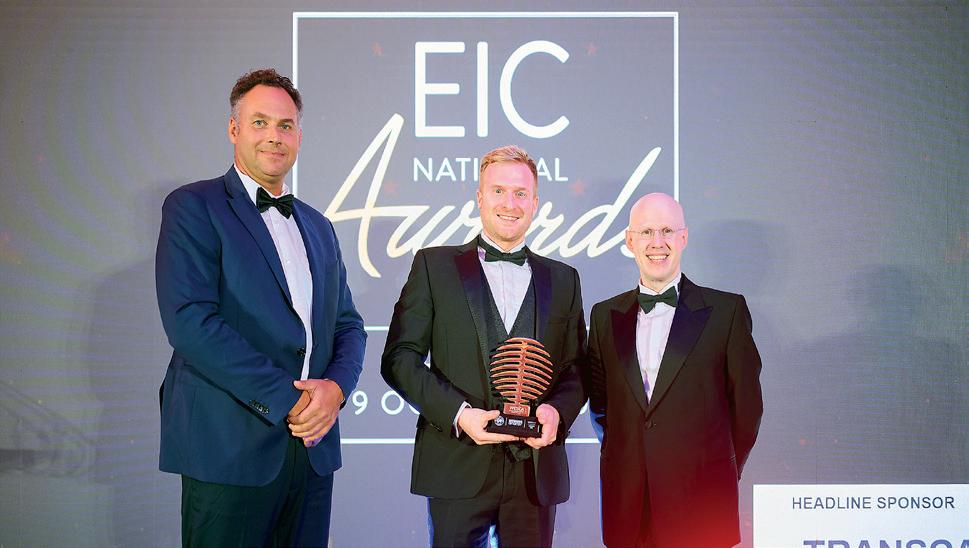
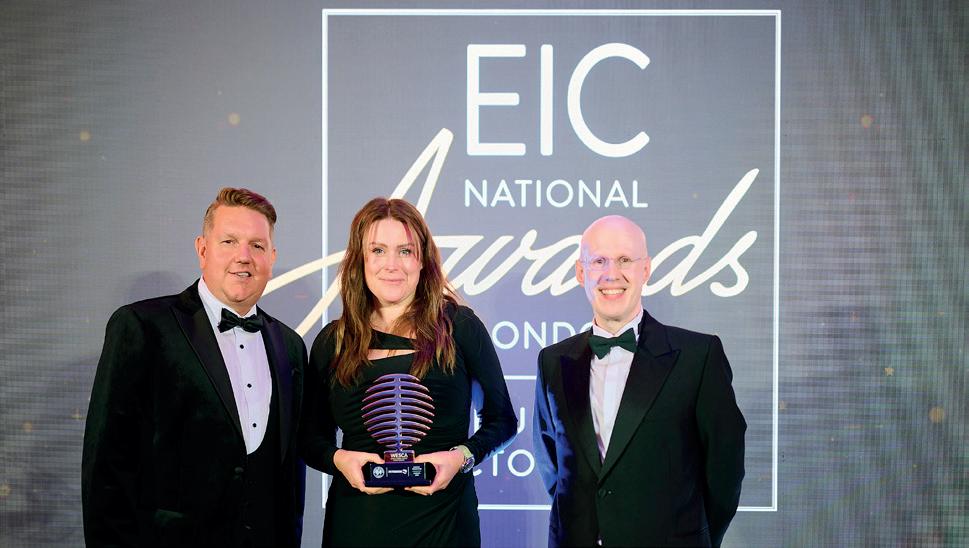
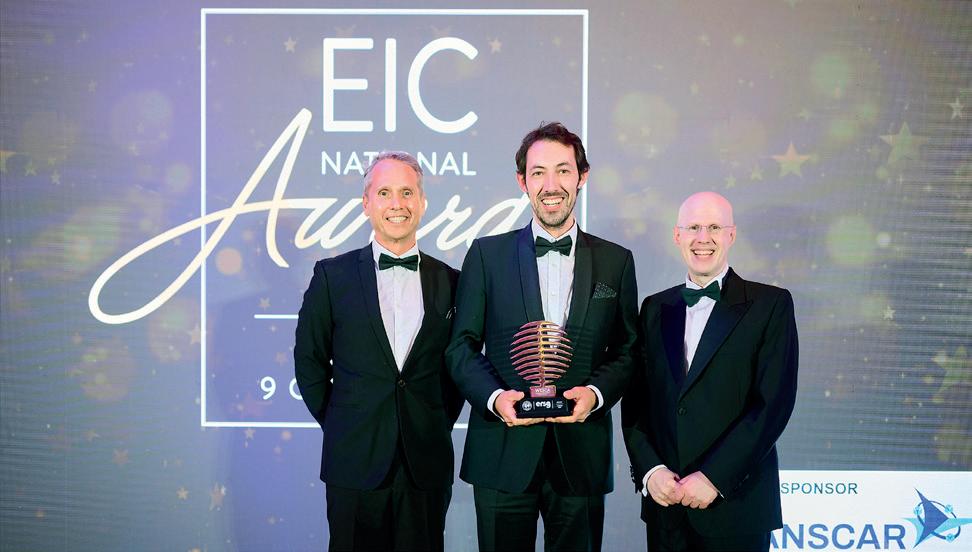


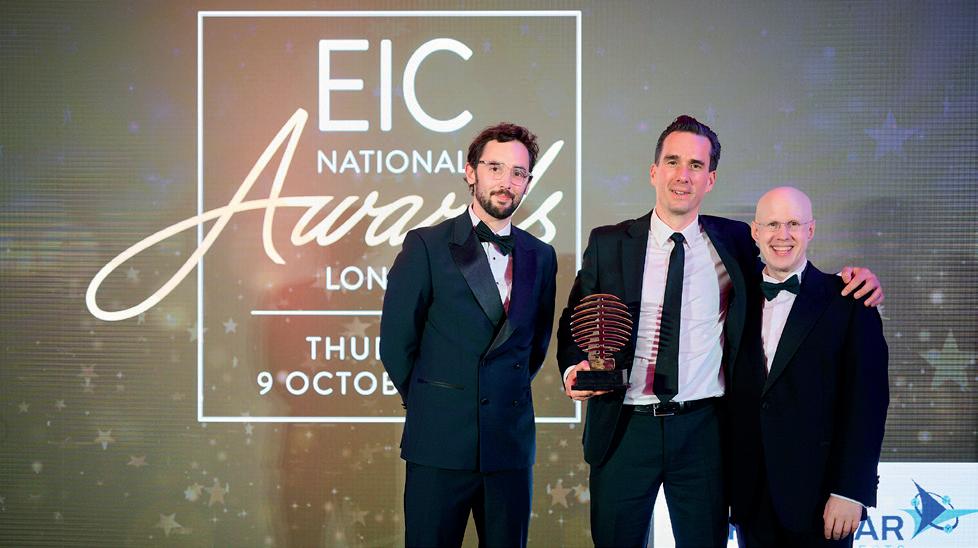
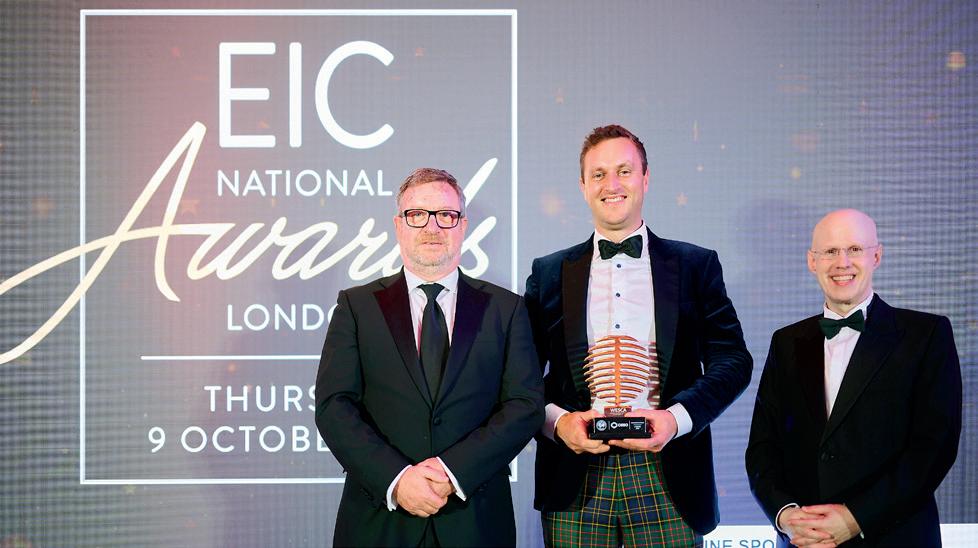
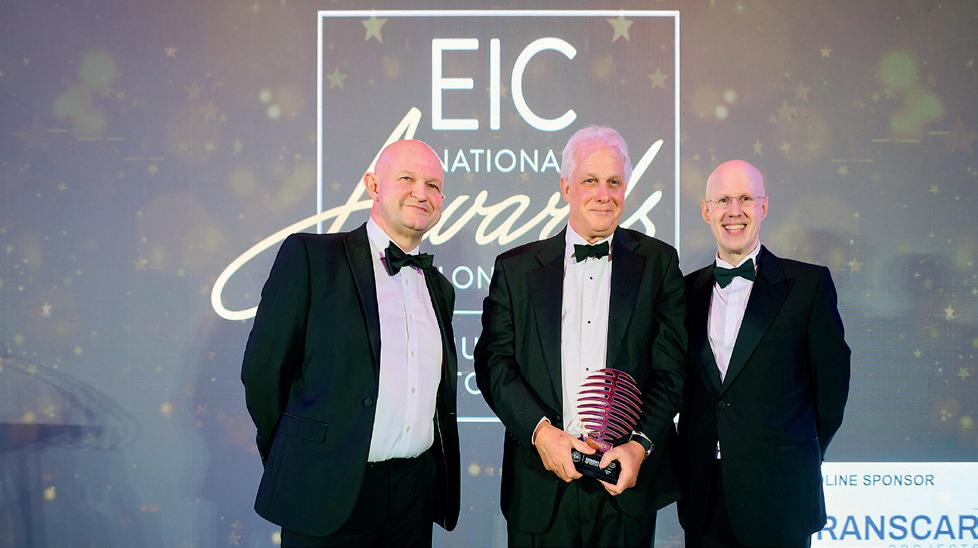
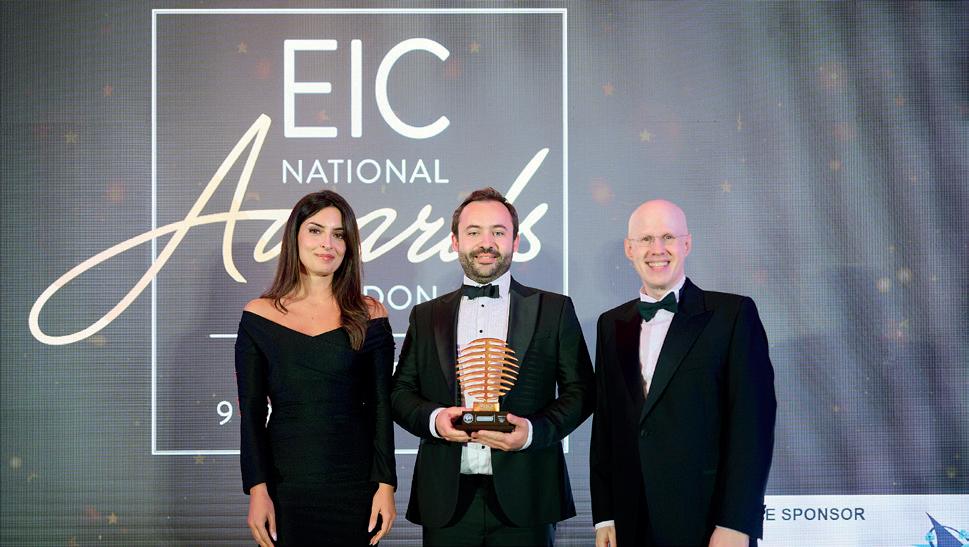


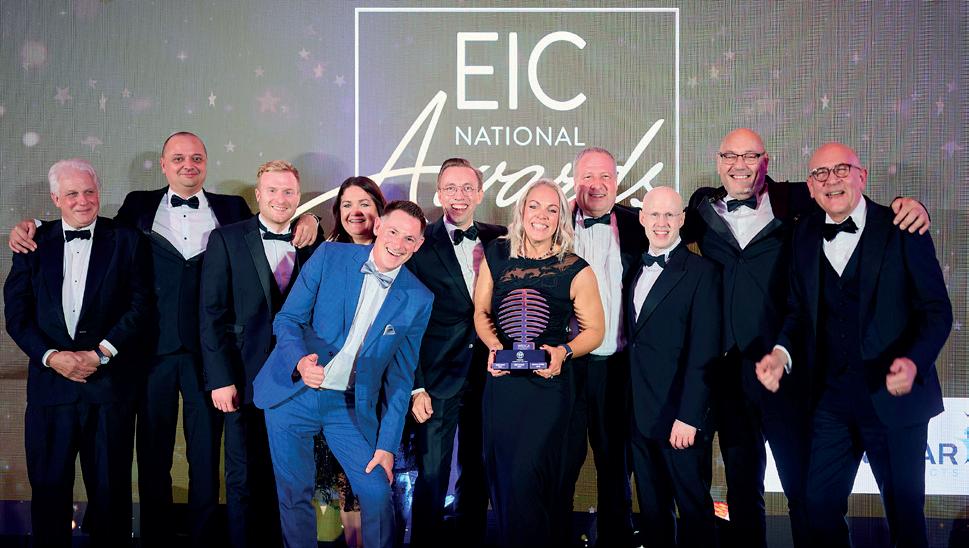
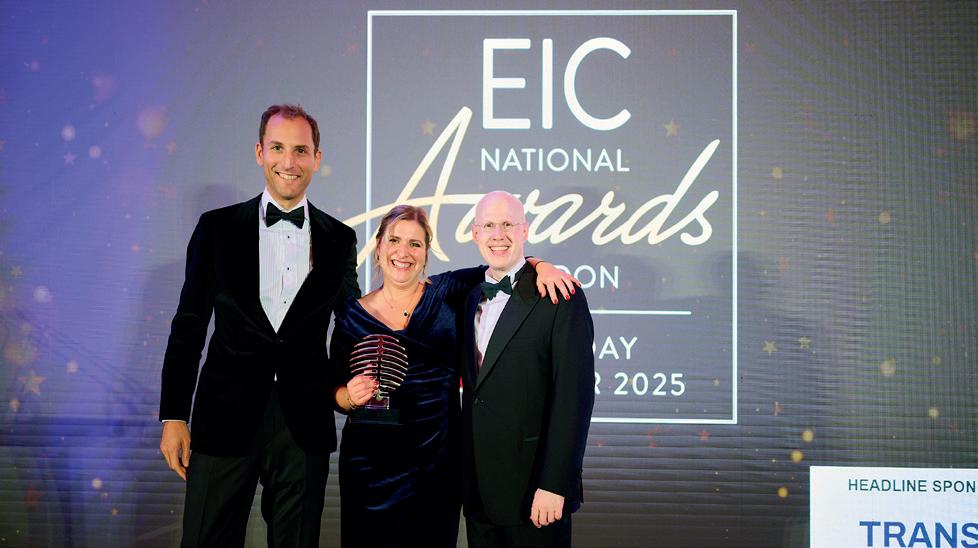
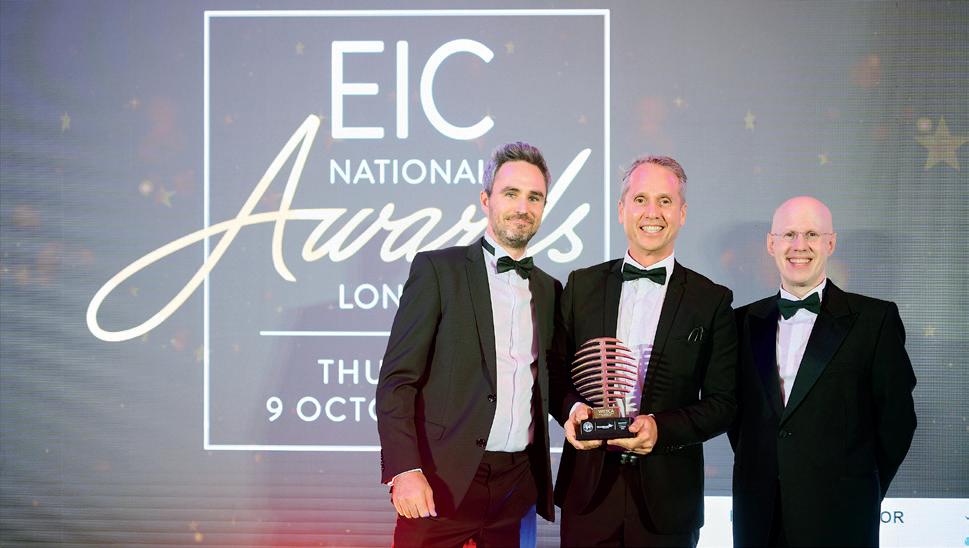
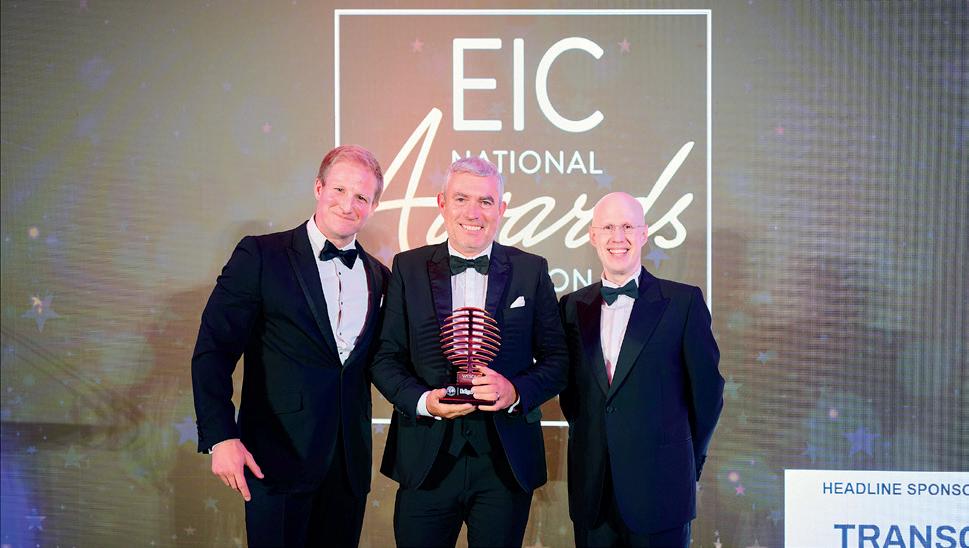
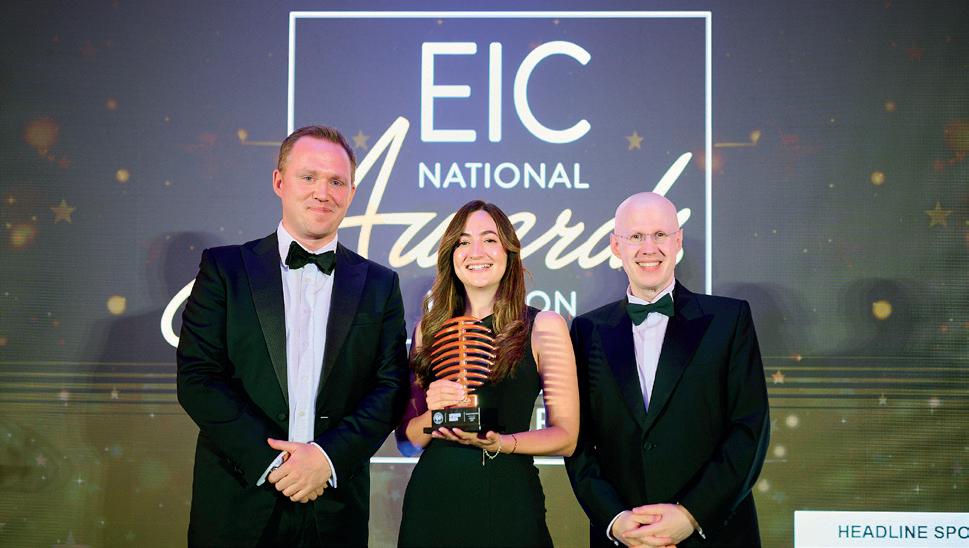




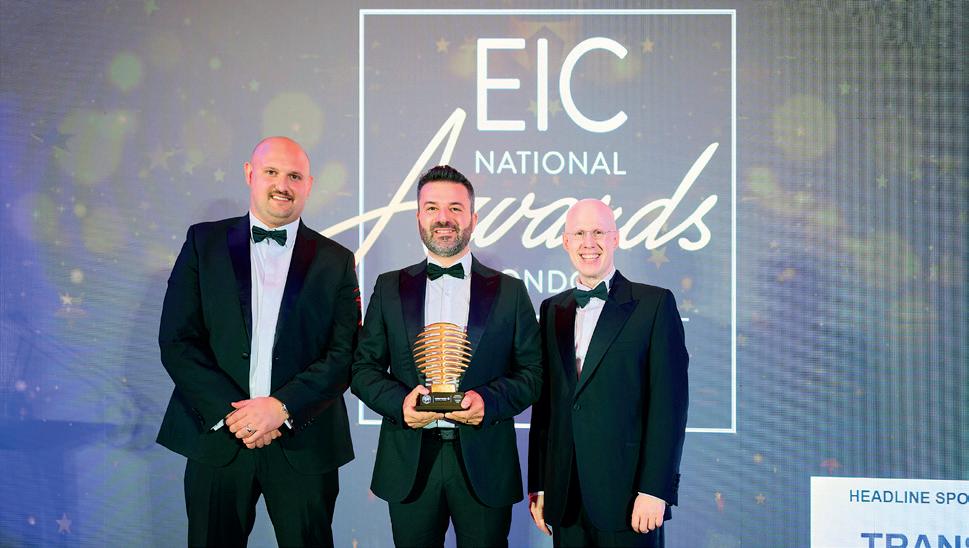
EIC National Dinner 2025
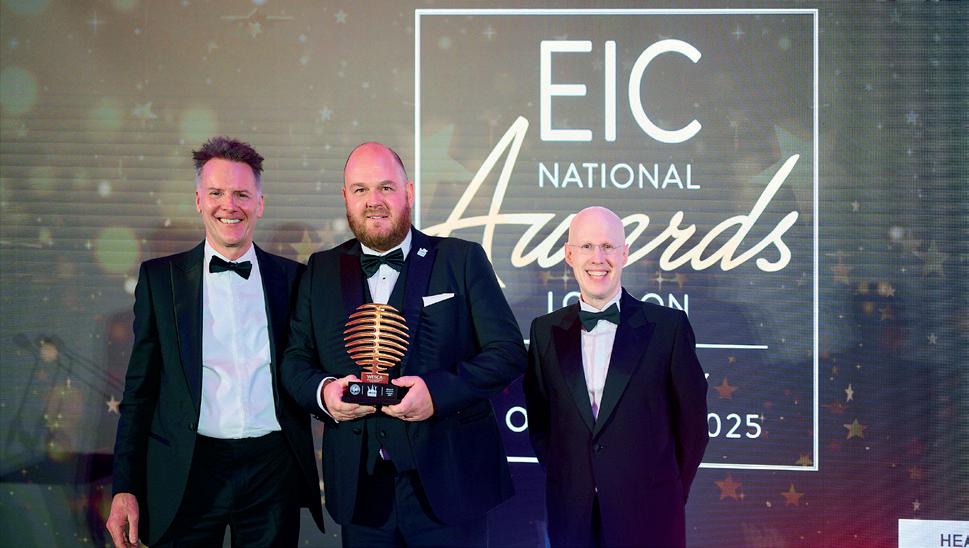
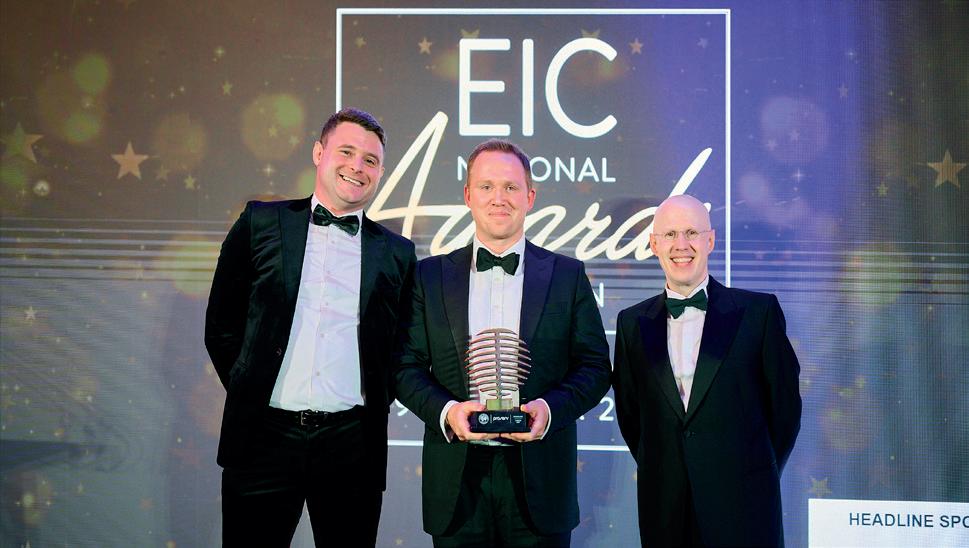
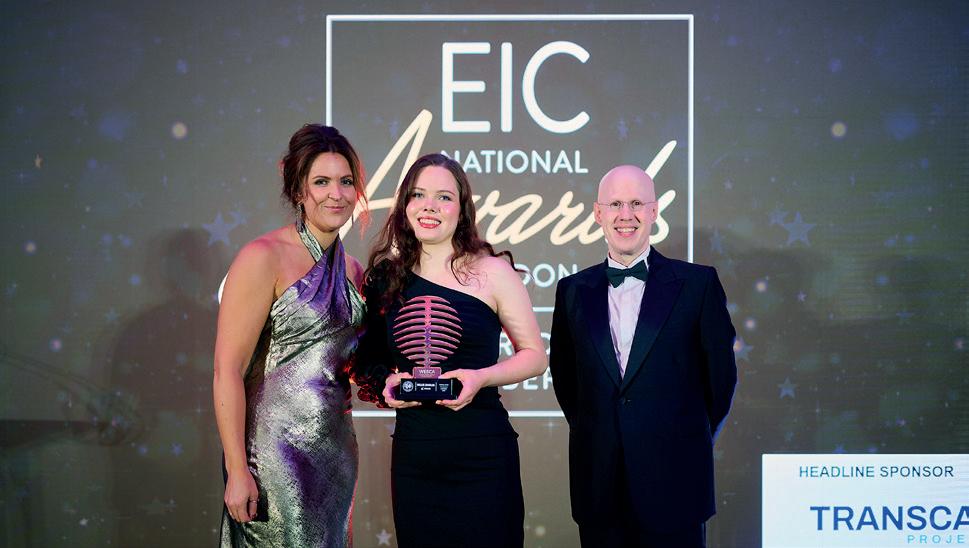
Welcoming over 430 guests to a sell-out event and hosted by Matt Lucas, the evening celebrated excellence across 17 categories, highlighting outstanding achievements from across the UK and Europe within the energy sector supply chain. The journey to winning a WESCA begins each January, when members share their stories through Survive & Thrive. 140 companies featured in the 9th edition, before their success strategies were rigorously reviewed by a global expert judging panel. On behalf of EIC I extend our congratulations to each and every finalist and of course our winners – you should all be incredibly proud of your businesses achievements! Kim Stephen, Regional Director, UK




Photographs by Photographer London Ltd
Continental Europe
Regional update
The Continental Europe team continues to grow. We welcome Tunde Sebok to the team. Tunde is a highly experienced event producer and will immediately dive into the creation of our first EIC Europe events. More events in this new series are scheduled to take place next year.

Tunde Sebok

In addition to the exhibitions listed in the events calendar of this magazine, where the EIC is present with a dedicated booth, the Continental Europe team is planning to attend the following exhibitions in November in Europe and is very much looking forward to meeting with members of the EIC. Please get in touch to schedule a short meeting:
Sara Castiglioni
Business Development Manager, Southern Europe sara.castiglioni@the-eic.com
Tunde Sebok
Events & Office Co-ordinator tunde.sebok@the-eic.com
wwwRegional news
What is Nordex's secret?
Vestas' share price has been trending downwards over the last five years, although there have been signs of a slight recovery over the last 12 months. The shockwaves from the Ørsted scandal, triggered by the externally imposed construction freeze on the almost completed offshore wind farm off New York, have spread this far. Ørsted itself has not really recovered from the share price loss at the end of August 2023 and the construction freeze off the coast of New York, combined with the increase in share capital to secure liquidity, led to a 25% drop in the share price in a single day. In a press release Ørsted states to have received the order to stop all work on the project from the US Department of the Interior's Bureau of Ocean Energy Management (BOEM) on 22 August 2025, after having received the final federal approval from BOEM last year. The project is 80% complete with all offshore foundations installed and 45 out of 65 wind turbines installed.
And Nordex? It seems as if Nordex has been operating in a different market segment since at least the beginning of 2024, a segment that appears to be constantly on the rise. We sincerely hope that the currently struggling players in the wind industry will also recover sustainably and that, in future, they and the entire supply chain will benefit even more from reliable, stable and futureoriented framework conditions for the industry.
Money talk
In her 2025 State of the Union Address, the President of the European Commission von der Leyen emphasised energy independency through clean homegrown energy, the new initiative called Energy Highway and the identification of eight critical bottlenecks in the European energy infrastructure.
We welcome the recognition of the importance of reliable, safe and affordable energy and energy infrastructure and are very excited to see how the energy-related aspects will be translated into real actions and projects and we will stay on the ball to enable the participation of the supply chain and thus our members.
Middle East news
Regional update
As the year draws to a close, it was a privilege to celebrate excellence across the energy supply chain at the recent EIC regional awards ceremony, where we honoured the winners of the World Energy Supply Chain Awards (WESCAs) across nine outstanding categories. This annual event continues to grow in stature and it is always an honour to recognise such a diverse group of companies, from innovative SMEs to global giants each striving for excellence in their respective fields. The energy sector's resilience, creativity and ambition were on full display and it was truly inspiring to see so many organisations committed to driving the industry forward. Thank you to everyone who attended and sincere congratulations to all 24 finalists, with special recognition to this year's winners for their remarkable achievements. Applications for Survive & Thrive X will open soon and are open to all EIC members.

Just five spaces remain, don't miss this chance to showcase your solutions to 40,000+ key industry stakeholders. As we enter the final stretch of the year, now is the time to make the most of upcoming opportunities. The EIC team is here to support you every step of the way, whether through events, insights, or connections, please don’t hesitate to reach out.
Ryan McPherson
Regional Director, Middle East, Africa, Russia & CIS ryan.mcpherson@the-eic.com
Regional news
Syria: first crude export in 14 years marks revitalisation
The beginning of this month will be marked by the return of ADIPEC 2025, the world's largest gathering for the energy sector. Once again, EIC is proud to host the UK pavilion, representing over 125 UK companies across Halls 8, 12, 15 and 17. The pavilion will serve as a platform for showcasing advanced technologies, forging strategic partnerships and facilitating high-level engagement across the entire energy sector. Our welcome breakfast, on 3 November, has reached full capacity for the second consecutive year which should prove to be a great way to kickstart the week. If you are attending the show please stop by and explore the UK pavilion, where exhibiting companies span the breadth of the sector, from engineering services and digital solutions to clean energy technologies and manufacturing.
Following the success of last month's sold-out Iraq business briefing with Wood, it's clear that interest in the Iraqi energy market is gaining real momentum. In response to this demand, we are actively exploring the opportunity to host a dedicated in-country event in 2026. If your company is interested in joining us on this exciting mission, we'd love to hear from you.
Our recent trade delegation to Namibia and South Africa was a resounding success, building strong foundations for companies in emerging markets. Building on this momentum, we will be leading follow-up delegations to Mozambique later this month and to Angola and Nigeria in 2026. For further details please contact: internationaltrade@the-eic.com
Looking ahead to the start of next year EIC is proud to lead the UK pavilion at WFES 2026 in Abu Dhabi, a global platform for clean energy and innovation.
Syria has resumed official crude exports for the first time in 14 years, signalling a potential return to the global energy stage. A shipment of 600,000 barrels of heavy crude departed from the port of Tartus under a new deal with B Serve Energy. This follows the lifting of US sanctions in mid-2025 and a shift in the country's diplomatic landscape after the removal of President Bashar al-Assad. With oil production and trade once again active, Syria is positioned to begin rebuilding its energy infrastructure.
KPC explores pipeline leasing to finance ambitious upgrade
Kuwait Petroleum Corporation (KPC) is considering leasing some of its existing pipelines as a means to raise capital for its US$65bn investment plan. The proposal is part of a broader strategy to unlock funding without raising additional debt, leveraging assets more efficiently. Lease arrangements could enable KPC to maintain ownership while securing long term income from such infrastructure. The plan is still under evaluation with details including lease terms, potential partners and regulatory frameworks expected to follow.
Forthcoming events
Please go to page 24 to see upcoming events around the world
Ryan McPherson
North and Central America news
Regional update

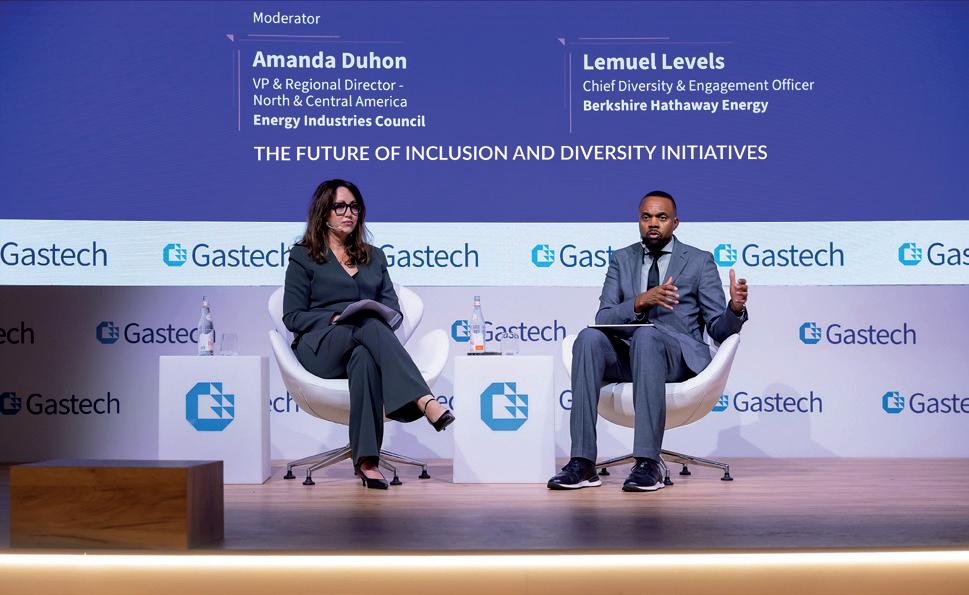
Reflecting on September, I had the opportunity to represent the EIC with my attendance at Gastech 2025. Held in Milan, Italy I had the honour of serving as a moderator for three sessions: The Future of Inclusion and Diversity Initiatives, Bridging the Green Talent and Digitalisation Gap to Prepare a New Skilled Workforce for Tomorrow, Reimagining Corporate Culture to Drive Inclusion in the Energy Workforce. During these sessions I was joined by fellow panellists: Stepanie Sirt, VP – Global Strategic Accounts, Scheider Electric; Tracy Lothian, Head – Asia Pacific & Global Low Carbon, MidOcean Energy; Patricia Lizarraga, Chief Investment Officer & Founder, Hypatia Women; Ilaria Catastini, Group Sustainability Head of Department & GM, Maire; Sandra Melki, VP –Sustainability, Technip Energies; Pablo Peris, Industry Advisor Manager – Energy Resources, Microsoft; Marco Sanchez, Chief Advisory Office & Board Member, Stellar Energy; Wendi Tao, Deputy Director – Natural Gas Trade Department, Shenzhen Energy Gas Investment Holding and Lameul Levels, Chief Diversity & Engagement Officer, Berkshire Hathaway Energy.
As the North and Central America region gathers to reflect on the season of gratitude, I want to extend our heartfelt thanks to you, our valued members and stakeholders, for your continued support over the last 30 years of the Houston office. This milestone is made possible by the incredible partnerships and trust our members have placed in us. I also want to thank the amazing EIC team for North and Central America, both past and present, as they have been instrumental in shaping our journey. Wishing you and your loved ones a joyful, restful and meaningful Thanksgiving.
Amanda Duhon
VP & Regional Director, North & Central America amanda.duhon@the-eic.com
Regional news
Canada introduces new biofuel production incentives
The prime minister has unveiled new measures to reinforce an industrial strategy aimed at countering US tariffs. Among these measures, the government plans to make targeted amendments to the clean fuel regulations (CFR) and introduce a two-year biofuel production incentive, providing more than CAD370m (US$270m) to support domestic renewable diesel and biodiesel producers and to help restructure their value chains.
The measure also seeks to offset China's 75.8% tariff on Canadian canola, a key feedstock for the sector. This incentive will be provided on a per-litre basis and will be available from January 2026 to December 2027 for up to 300m litres per facility.
AI boom leads to data centre state race for investment in US
The rapid expansion of cloud computing and artificial intelligence (AI) has triggered a surge in demand and investment for data centres across the US.
Successive announcements by tech giants Google, Microsoft, Amazon and Meta illustrate more intense competition among states of the federation, in that certain conditions – tax breaks, availability of renewable energy, reliable water supply, workforce readiness – are determinant to where money will be beyond Virginia. Research states data centres are projected to require US$6.7tn worldwide by 2030 to keep pace with the demand for compute power.
Forthcoming events
Please go to page 24 to see upcoming events around the world
Amanda Duhon
South America news
Regional update

EIC Rio is kicking off November in style with one of our most prestigious gatherings: the Gala Dinner – South America Regional Awards 2025. On 6 November, we'll come together to celebrate the remarkable accomplishments of industry leaders, with a special spotlight on the companies participating in Survive & Thrive 2025. Beyond an evening of recognition and celebration, the gala offers a prime opportunity to expand your network, connect with peers and explore fresh business possibilities – open to both EIC members and non-members alike.
The following week, on 13 November, our Breakfast in Rio series returns, featuring SBM Offshore and Baker Hughes, who will share insights into upcoming project opportunities. SBM Offshore has identified numerous opportunities in the near term in South America – especially Brazil, Guyana and Suriname. SBM Offshore has ordered its tenth MPF hull, guaranteeing the availability of two units for future tenders. Baker Hughes has recently secured another contract with Petrobras for the supply of around 77km of flexible pipes to be used in the Búzios, Mero, Berbigão, Sururu and Sépia fields, located in the Santos Basin.
Staatsolie offers flexible entry options in upcoming offshore bidding round
Suriname's state-owned energy company will launch an auction for open offshore blocks on 24 November 2025. Bidders will have the option of entering into a joint study agreement (JSA)/technical evaluation agreement (TEA), or a production sharing contract (PSC). Staatsolie has indicated that the final acreage boundaries may still be adjusted and will be confirmed at the launch.
This initiative forms part of a broader strategy to unlock further exploration and development opportunities while providing flexible entry options for international investors. Following the recent PSC signed with Petronas for Block 66, around 50% of Suriname's offshore acreage is now under contract.
Minas Gerais Breakfast happens on 18 November and brings Gas Market Opportunities with TAG and Actemium. In 2025, TAG inaugurated, in partnership with NTS, a new bidirectional interconnection point in Macaé (Rio de Janeiro), enabling direct gas transfer between Brazil's main regions and, by 2029, it plans to invest up to R$5.3bn in expansion and modernisation. Closing the year on a high note, December will celebrate a Breakfast with Equinor bringing the procurement team focused on the Bacalhau and Raia projects.
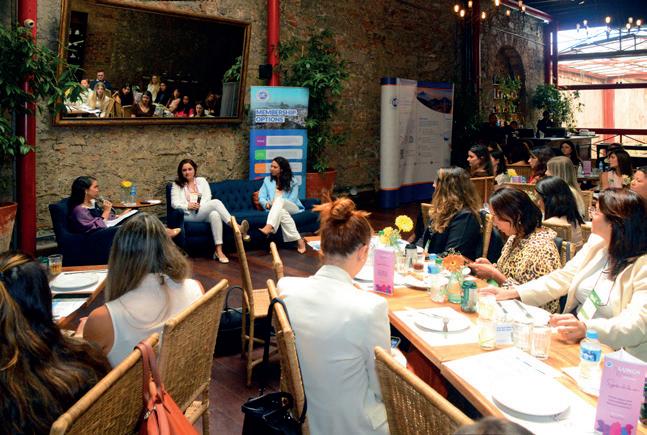
Looking back on 18 September, we hosted the 6th edition of the Women of Energy Lunch with Fernanda Scoponi (TotalEnergies) and Ana Clara Nascimento (BW Energy) as speakers. Key takeaways included the idea that female leadership is built daily through active voices and presence; that diversity must be lived through tangible actions like committees, mentorship and open dialogue and that balance, resilience and solidarity are essential to grow without burnout. A special thank you to Norsul, the event sponsor and to Women in Energy (WIN) Brazil and WISTA Brazil, whose support makes these enriching exchanges possible.
Clarisse Rocha, Director – Americas clarisse.rocha@the-eic.com
Brazil to hold two firm power public auctions in Q1 2026
Following the cancellation of the national reserve of capacity power auction (LRCAP) last June, Brazil's Ministry of Mines and Energy (MME) announced a potential split of LRCAP into two separate auctions in March 2026. Preliminary plans call for Auction 1 aiming at contracting firm power from either greenfield/existing generation plants powered by gas/ coal, as well as from hydroelectric assets planning expansions – supply starting between 2026 and 2030. Auction 2, on the other hand, would focus on facilities powered by diesel/ oil – 3-year supply starting between 2026 and 2027. The auctions are designed to provide baseload capacity and reliability in support of renewable sources grown in the country.
Regional news
Clarisse Rocha
Survive &
In its ninth year, EIC's Survive and Thrive initiative continues to research the 15 most popular growth strategies used by the world's energy supply chain in challenging market conditions. New and important findings have been revealed, such as the trend for businesses and skilled workers to relocate in their droves to the Middle East, in response to short term and inconsistent energy policies and project delays in many other parts of the world, attracted by the longer term and all-energy technology polices and the much higher supply chain growth rates in the Middle East.
The report features 139 success stories and insights from 138 EIC member companies and underscores the need for all regions to learn the lessons of the Middle East.
Exporting to new markets remains the least used growth strategy due to excessive risks, cost and time to market. Companies called for more government support and funding with market access. The #1 growth strategy was to develop client-facing solutions and services, with 82% of these companies working directly with operators and Tier 1 EPCs.
Please see our success stories overleaf or visit the EIC website to view the complete report: www.the-eic.com/MediaCentre/Publications/SurviveandThrive
EIC Insight Report 2025 Volume IX
The EIC Awards Programme
The World Energy Supply Chain Awards aim to recognise excellence from all companies and organisations across the energy industries globally. In their business cases featured in the Survive & Thrive Insight Report, the EIC member companies can demonstrate how they faced a specific challenge and introduced a new business solution or any initiative that drove successful results.
AWARD CATEGORIES
Collaboration
Culture
Digital & AI
Diversification
Energy Transition
Environmental Sustainability & Social Impact
Export
Innovation
Optimisation
People & Competency
Resilience
Scale Up
Service & Solutions
Technology
Transformation

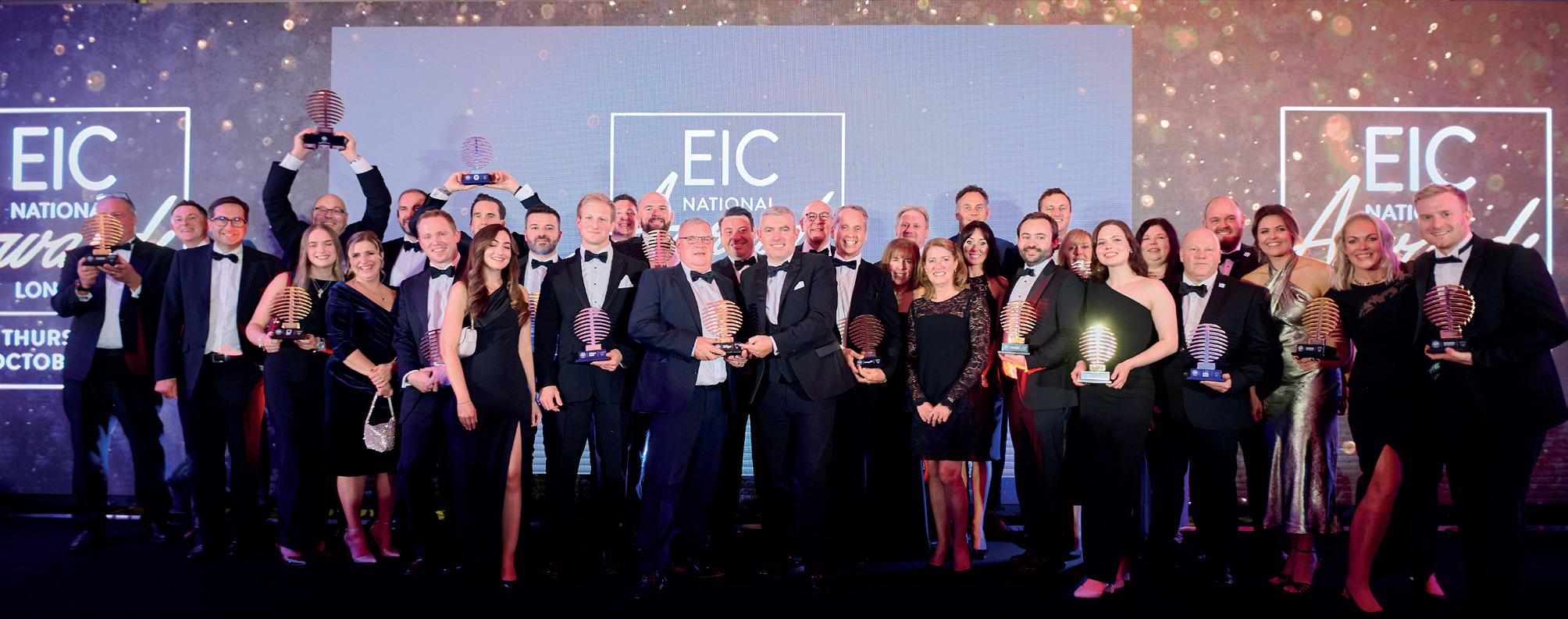
The WESCA winners 2025

Infrastructure Networks Inc. (iNet)
Connecting remote industries with smarter, reliable networks
Story type
#innovation (main category)
#service & solutions
Benefits
▸ Revenue has increased by 260% over four years.
▸ Partnerships have allowed iNet to deliver end-to-end solutions tailored to customers’ demands.
Key findings

Hector J. Maytorena Senior Vice President, Customer Success
How is iNet thriving?
iNet has transformed from being a traditional bandwidth reseller into a full-service managed network partner. By quickly adopting emerging technologies such as Starlink and Juniper SDWAN to align with customer requirements, the company is now delivering smart, reliable connectivity solutions to remote and industrial environments – a move which is facilitating the company’s rapid growth, expansion into new markets, and stronger customer loyalty in a competitive landscape.
The challenge - Like many companies, iNet faced a major challenge with COVID in 2020. The firm quickly found itself confronted with the worst effects of a major economic downturn. With the vast majority of its revenue being dependent upon a highly variable U.S. onshore oil and gas sector, the firm experienced a significant contraction of its business that year as onshore drilling and completions activity plummeted.
It was a stark wakeup call. The firm needed to diversify to secure its future. Yet that would be no easy task.
Across industries, customers that had become frustrated with fragmented, site-specific connectivity models and stranded data were beginning to demand more agile, scalable, and intelligent networks as they sought benefits from digitised field operations. Concurrently, they sought advanced capabilities such as remote automation, live video, and secure SCADA transmission – especially in offshore environments.
In light of this, iNet recognised that traditional LTE and legacy satellite services alone were no longer sufficient to meet evolving expectations.
Meanwhile, industry competition was heating up. Disruptive market entrants had begun to introduce viable Low Earth Orbit (LEO) satellite solutions at scale. SD-WAN technology became field-deployable, and demand for bundled, managed connectivity surged.
Global supply chain disruptions were also delaying hardware deliveries and extending project timelines. iNet itself was grappling with operational challenges, as its legacy service model was proving to be both difficult to scale and heavily reliant upon manual support. In turn, managing disconnected systems across
offshore rigs, pipelines, and vessels was placing an unsustainable burden on the firm’s network operations teams, limiting the company’s ability to respond swiftly to customer needs.
For iNet, the path forward was clear. The firm would need to reinvent its business model to more closely align with customer needs, leveraging emerging technologies as a foundation for scalable growth.
The solution - As a direct result, in 2021, iNet decided to transform the firm from a bandwidth provider to a full-service, multiaccess managed network partner.
The goals were clear. The firm wanted to align more closely with customers’ demand for agile, intelligent, and field-ready network infrastructure, improve operational efficiency by reducing downtime, lowering costs, and boosting employee satisfaction at the edge; and embrace a growth mindset to move faster and seize emerging opportunities.
Central to this evolution was the early adoption of pooled Starlink data plans, the integration of Juniper’s Session Smart SD-WAN, and the development of fully managed turnkey solutions tailored for harsh, remote environments. A 90day pilot with a large operator in the oil and gas sector demonstrated the potential of this new offering, achieving 100% application uptime compared to mid-90s performance previously. Through proactive partnerships, the firm was able to gain access to Starlink before its formal reseller program was launched, unlocking significant first mover advantages.
In turn, the firm was able to capitalise on new opportunities in key markets spanning North America, Latin America, Europe, the Middle East and West Africa, and Asia Pacific among others. Not only was this move strengthening iNet’s service offerings to existing oil and gas clients, but this was also opening new markets in adjacent sectors and underserved regions.
At the heart of iNet’s new offerings are its LEOConnect providing highest availability, coupled with INPath for intelligent traffic management.
Crucially, this combines Starlink and other LEO satellites with Geosynchronous Earth Orbit (GEO) satellites, LTE, and terrestrial broadband into a unified, software-defined network. Juniper SD-WAN also enables intelligent traffic routing and application management, ensuring high uptime, optimal performance, low overhead for more effective throughput, and real-time network visibility.
Further, iNet’s revamped service model has also paid dividends. It has replaced rigid, sitespecific data plans with flexible shared data
For young people
▸ Our industry moves fast. The people who thrive are those who constantly seek to understand how things work and how they can work better.
For industry
▸ The winners are those who move early and refine fast. Don’t wait for full clarity; move with conviction based on principles, not perfection.
For government
▸ Help American innovation scale globally—faster.
iNET at a glance:
Key products and services: provider of advanced connectivity and OT/IT solutions.
Main industries served:
▸ Oil and gas - 80%
▸ Conventional power- 5%
▸ Onshore renewable energy - 5%
▸ Others (non-energy): remote industrial, state and local municipalities, retail - 10%
Headquarters: Houston, US
Year established: 2011
Number of employees: 20
Revenue from exports: 20%
pools, giving customers greater control over costs and bandwidth deployment.
These efforts, in combination with strategic partnerships with Starlink, Hughes OneWeb, AST OneWeb, Juniper Networks, and Axis Communications, have enabled iNet to deliver end-to-end and up-the-stack solutions tailored to the unique demands of offshore platforms, midstream pipelines, maritime vessels, and utilities, the results of which have been significant.
From 2021, revenue has grown around 40% per year as the company expands into international and offshore markets, extends into other critical infrastructure market segments, and enhances offerings at the advanced connectivity and with software solutions up the digital technology stack.
In every sense, this is a truly successful transformation story. In a crowded market, the company has been able to stand out through its focus on delivering integrated services that address performance, visibility and support. to
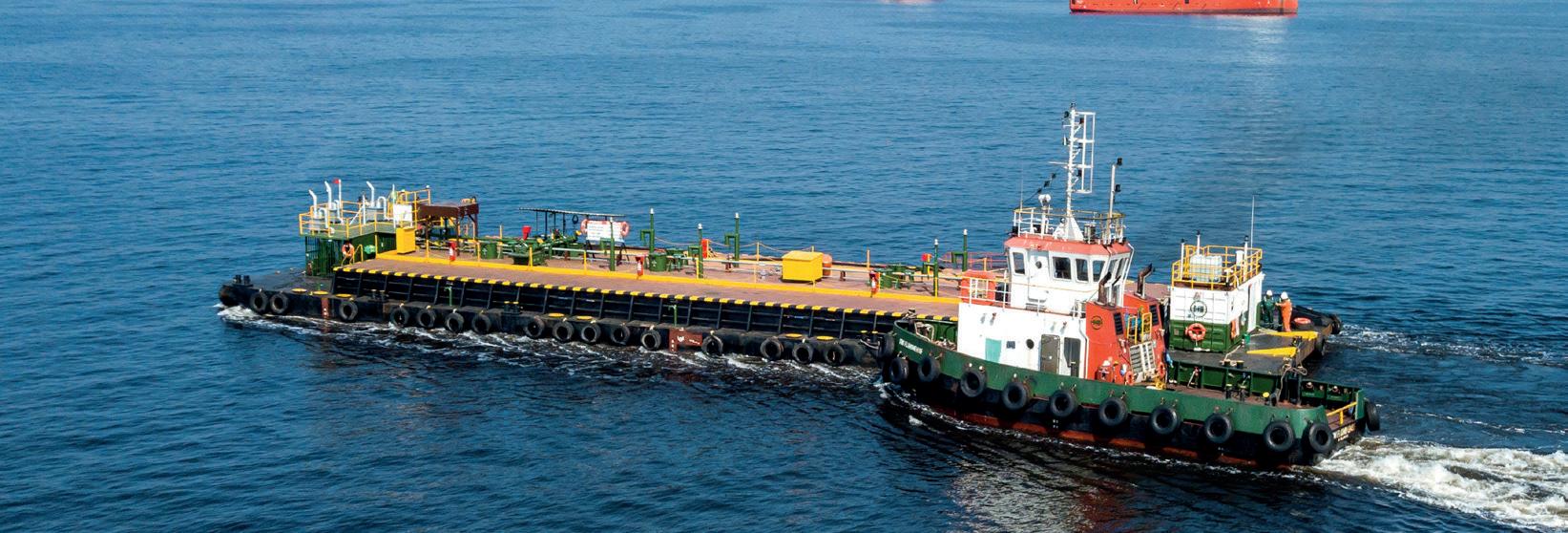
Ipiranga
Driving bunker innovation to transform maritime fuelling in Brazil
Vinicius Ceccarelli
Business Director, B2B
How is Ipiranga thriving?
Established in 1937, Rio de Janeirobased Ipiranga Produtos de Petróleo has successfully reinvented its B2B strategy by diversifying operations and entering highpotential segments like maritime fueling, supported by cross-functional collaboration and smart use of tax incentives. Despite early challenges, it rapidly scaled its bunker operation, growing from a single client to over 20, expanding its logistics infrastructure, and delivering 96 million liters in 2024.
Now serving five of the six major operators in the sector, Ipiranga is positioned as a key logistics partner to key clients, offering service excellence, reliability and guaranteed fuel quality.
The challenge - Ipiranga’s story of survival and growth began in 2022 with the adoption of a new strategy focused on diversifying operations, exploring new B2B opportunities, and developing specialised hubs tailored to different market segments. Ipiranga has already established activities in sectors such as thermal power plants and maritime fuelling.. However, the new strategy brought market analysis into sharper focus, with the goal of identify potential areas for diversification.
There was initial intent to also operate in thermal plants, but complex regulatory environment and governance limitations prevented progress. However, the firm also turned to the maritime market, where it saw opportunities to gain volume, especially in diesel supply.
The maritime market is divided into two main segments – fuelling cargo vessels and supporting fuel consumption for exploration and production (E&P) operations In this space, the REDUC refinery in Rio de Janeiro plays a central role as the primary supplier. Indeed, the State of Rio handles 40-60% of
the country’s total volume, with Guanabara Bay alone accounting for around 40% of the national MGO demand.
The solution - As Ipiranga set its sights on the maritime sector, the leadership team quickly identified a knowledge gap, with skills scattered across various departments. Competency mapping was resultantly carried out, enabling greater integration between departments.
Ipiranga’s new strategy was carefully planned across all fronts, including logistics, supply, fiscal aspects, and the creation of dedicated operations to ensure efficient and competitive delivery. In September 2023, Ipiranga officially began operations in the bunker segment. The company hired a barge, loading terminal, and structured dedicated logistics from its Caxias base to the barge. Full governance services were included, such as surveyor (BV), emergency and urgency response, all according to the standard required for E&P operations.
The firm’s first bunker operation began with supplying OceanPact’s vessel Austral Abrolhos. The initial supply quota with Petrobras was two million litres per month,. However, this initial volume did not cover operational costs, with barge mobilisation alone taking nearly a week. To make the operational viable, the transport team presented a dedicated fleet solution and leveraged the support of a services partner.
From here, it then entered a Navy bid via Fundação SEEMAR to supply the Antarctic mission, with monthly deliveries– enough volume to cover operations for three months. Although the margin on this operation was lower than others, the high volume sustained over three months made it a significant contributor to overall profitability. The bid was won in October 2023, with deliveries starting in November. By the end of December 2023, the sustained volume over
Story type
#scale up (main category)
#diversification
Benefits
▸ Total deliveries in 2024 reaching 96 million litres.
▸ Five of the six major Brazilian oil and gas operators are served by Ipiranga.
Key findings
For young people
▸ Learn first before choosing a specific career path.
For industry
▸ Accept that managing expectations and pressure is part of the journey.
For government
▸ Adopt long-term policies.
Ipiranga at a glance:
Key products and services: fuel distribution.
Main industries served:
▸ Oil and gas – 100%
Headquarters: Rio de Janeiro, Brazil
Year established: 1937
Number of employees: 3,000
Revenue: £15.2bn
two months led to a monthly average nearly four times higher than previously months. The operation ramped up rapidly, marked by a 50% increase in the inbound truck fleet. A second barge with a 2,200 m³ capacity joined the original 1,500 m³ unit, and storage capacity expanded significantly—from 1.4 million litres to seven million litres. Following the successful expansion of operations and the establishment of a strong client base, the bunker business became the company’s highest-margin segment in 2024. Building on this momentum, the focus for 2025 is to continue growing while differentiating through product development, offshore delivery, other geographic regions and service excellence in the B2B market. Among the six major operators in the sector, Ipiranga now serves five – customers it is keen to retain by applying its customer experience mindset to the bunker segment, positioning itself as a key logistics partner offering service reliability and guaranteed fuel quality.
As a company eyeing substantial progress on several key fronts, Ipiranga Produtos de Petróleo will certainly be one to watch in the coming years.
James Walker
Leadership development programme strengthens staff retention in competitive talent market
Story type
#people & competency (main category)
Benefits
▸ Four participants from the first cohort of the BUDDIES programme have received promotions.
▸ Higher retention, performance, training and well-being rates due to BUDDIES.
Key findings
For young people
▸ Don’t expect to know in your 20s what career you will have. Be willing to change and try new things.
For industry
Joseph
Smith
Global Account Manager
How is James Walker thriving?
By implementing an innovative mentoring initiative, James Walker has been able to better retain key staff. The fluid sealing specialist, which generates over £200m in annual revenue, reinvented its Business Unit Dedicated Development in Executive Skills (BUDDIES) programme in 2021 to focus on leadership development and relationship building. The revived programme pairs promising employees with senior mentors, including board members, to create a pathway for professional growth beyond financial incentives.
This approach has proven effective for a medium-sized company competing against larger organisations for engineering talent. With 1,800 employees globally, James Walker has addressed critical knowledge gaps as experienced staff retire. BUDDIES’ success has contributed to record performance in 2024, with four participants receiving promotions and numerous partnerships secured through skills developed through the programme.
The challenge – As a mid-sized manufacturing organisation specialising in high-performance fluid sealing products, James Walker faced significant challenges in retaining skilled personnel in a competitive job market. In particular, the company was vulnerable to larger organisations headhunting its talent with more substantial remuneration packages.
This challenge was compounded by demographic shifts. As many experienced professionals reached retirement age or sought opportunities elsewhere, the highly specialised technical knowledge built up over decades was at risk of filtering away faster than the firm could replenish it.
James Walker’s previous approach to talent development, which focused primarily on academic qualifications such as MBAs, had shown diminishing returns with decreasing participation rates. It therefore needed a more holistic strategy that would not only create stronger bonds between employee and employer but also develop leadership capabilities beneficial to both parties.
The solution – This led to the reinvention of the Business Unit Dedicated Development In Executive Skills (BUDDIES) programme. Starting in 2021, James Walker transformed it from a primarily academic qualification route into a comprehensive mentoring and development initiative designed to create deeper engagement with promising employees.
The implementation process began with senior management team members reviewing their departments to identify candidates with high potential. From an initial shortlist of approximately 100 employees, 16 were selected for the first cohort of the new programme, with subsequent cohorts limited to 12 participants. The selection process specifically targeted employees in the 30-45 age range – identified as the demographic most vulnerable to external recruitment –who were challenging the status quo and demonstrating leadership potential.
The two-year programme (occasionally extended to 2.5 years) incorporates several key elements designed to create a more rounded development experience. Senior leadership, including the CEO and Chairman, take an active role by leading formal sessions and providing one-onone mentoring. A broad range of external speakers, from Olympic athletes to former banking executives, are brought in to share diverse leadership perspectives. Participants also undertake individual strategic projects that will directly benefit the business, such as evaluating manufacturing relocation options to improve competitiveness.
Unlike the previous incarnation of BUDDIES, which focused on individual achievement, the new approach emphasises group learning and collaboration. Participants from different departments and geographical locations work together, fostering a stronger sense of teamwork and exposing them to broader aspects of the business. Meanwhile, roundtable discussions held under Chatham House rules, PESTLE analysis exercises and other business simulations provide practical learning experiences beyond theoretical knowledge.
While the programme still offers the option to pursue an MBA, this component has been moved to the end rather than being the central focus, which has helped to manage workload challenges more effectively. Around a third of programme time is dedicated to formal
▸ Try and encourage the best of the best to stay and remain in our industry.
For government
▸ Remember medium to small businesses when developing policies.
James Walker at a glance:
Key products and services: fluid sealing products and services.
Main industries served:
▸ Oil and gas – 28%
▸ Offshore renewable energy – 3%
▸ Nuclear power – 2%
▸ Onshore renewable energy – 2%
▸ Conventional power – 1%
▸ Carbon capture – 0.5%
▸ Hydrogen – 0.5%
▸ Others (energy) – 20%
▸ Others (non-energy): biopharma, chemical, marine, metallurgical – 43%
Headquarters: Woking, UK
Year established: 1882
Number of employees: 1,800
Revenue: £208m
Revenue from exports: 80%
learning activities, with the remainder focused on practical application and mentoring.
The new BUDDIES initiative is already delivering, with four participants from the first cohort receiving promotions. Participants have reported becoming more well-rounded professionals with improved business acumen, strategic thinking capabilities and delegation skills. The programme has also directly contributed to business success, with participants leveraging their enhanced capabilities to secure significant partnerships with customers and lead global projects.
beyond
And beyond individual advancement, BUDDIES has created a culture of knowledge sharing and strategic thinking that permeates the wider organisation. By investing in this new approach to talent development, James Walker has strengthened its ability to retain key personnel despite lacking the financial firepower of larger competitors. As the company looks forward to continued growth in 2025, with revenue projected to grow by more than 10%, the BUDDIES initiative will continue to play a crucial role in developing the leaders needed to sustain and build on this momentum.
James Walker
Product innovation drives successful diversification into renewable energy
Mark Bradley Global Account Manager
How is James Walker thriving?
By developing innovative sealing solutions specifically for the wind energy sector, James Walker has successfully diversified beyond its traditional oil and gas market. The UK-based fluid sealing specialist recognised the strategic importance of renewable energy following net zero announcements and invested in developing the Walkersele X-Gen product. This first-to-market solution incorporates unique technology that delivers significant performance improvements as wind turbines get bigger and perform for longer in harsh environments.
Since its launch in 2022, the product has generated rapidly growing revenues, quadrupling its turnover from 2022 to 2024, helping the company establish strong positions in key wind markets including Spain, Germany, Denmark, China, Brazil and the US. Aided by support from government grants to enhance UK manufacturing capacity, it has transformed wind energy from a non-existent revenue stream to over 3% of company turnover, with projections to reach 20% of overall turnover by 2030.
The challenge – James Walker faced significant business challenges from overreliance on the oil and gas sector, which traditionally generated most of the revenue for its elastomer seal division. When this market experienced a downturn around 2015, the company’s sales of elastomeric products declined substantially and highlighted the vulnerability of its narrow market focus at that time.
The wind sector presented a promising diversification opportunity but required a different commercial approach. While both industries require high-quality sealing solutions, the wind sector is more commoditised and highly price competitive. This necessitated a fundamental mindset shift within the organisation.
Additionally, James Walker needed to address technical challenges presented by evolving wind turbine designs, which were growing larger and requiring new sealing
solutions. With limited prior experience in the renewable energy market, the company had to build relationships with entirely new customer bases while developing products tailored to their specific requirements.
The solution – The response centred on developing the Walkersele X-Gen, an innovative sealing product specifically designed for wind energy applications. Following several years of development and testing, it was brought to market in 2022, coinciding with increasing momentum in renewable energy following net zero target announcements.
To accelerate market entry, the company also decided to invest in a dedicated Global Account Manager position focused exclusively on the wind energy sector, the role being created to build relationships with leading turbine manufacturers and understand their technical challenges firsthand. This has included attending industry exhibitions, hosting technical conferences and engaging directly with both OEMs and service companies to validate the Walkersele X-Gen’s performance in real-world applications.
A critical breakthrough came through collaboration with the UK Department for Business and Trade, which assisted the company in securing a significant grant through the Offshore Wind Growth Partnership. This funding enabled investment in new manufacturing machinery at James Walker’s Cumbria facility, which has significantly enhanced production capacity and secured UK-based manufacturing capabilities.
Engineer-to-engineer collaboration and leveraging James Walker’s technical expertise to build credibility in a new sector have also been crucial. By encouraging direct engagement between its own engineers and customer technical teams, the company has established trust and developed relevant solutions which fulfil market needs.
Success has followed, with the Walkersele X-Gen generating huge growth during its first year, quadrupling by 2024. The product has secured positions in key global wind markets, including Spain’s onshore sector, Germany’s offshore market and emerging markets in Denmark, China, Brazil, India and the US.
The success extends beyond immediate
Story type
#diversification (main category)
#innovation, #technology
Benefits
▸ Developed a strong foothold in the growing offshore wind sector for the future of UK manufacturing.
▸ By taking a long-term strategy, operations and maintenance is expected to represent 60% of manufacturing demand for Walkersele X-Gen by 2030.
Key findings
For young people
▸ Inspire, encourage and motivate.
For industry
▸ Work together to achieve net zero targets and a more sustainable world.
For government
▸ Integrate solutions in trade partnerships to help ease export and logistics costs.
James Walker at a glance
Key products and services: fluid sealing products and services.
Main industries served:
▸ Oil and gas – 28%
▸ Offshore renewable energy – 3%
Nuclear power – 2%
Onshore renewable energy – 2%
Conventional power – 1%
▸ Carbon capture – 0.5%
▸ Hydrogen – 0.5%
▸ Others (energy) – 20%
▸ Others (non-energy): biopharma, chemical, marine, metallurgical – 43%
Headquarters: Woking, UK
Year established: 1882
Number of employees: 1,800
Revenue: £208m
Revenue from exports: 80%
revenue gains, as it has enabled James Walker to evolve its corporate vision to embrace diversification more broadly. The company’s ‘Working for a safer and more sustainable world’ strategy now guides development across multiple sectors. This, of course, includes wind energy, which is projected to grow to 20% of overall company revenue by 2030 thanks to sustained investment in product development and manufacturing capacity.
The Walkersele X-Gen solution has also yielded significant benefits for customers, including improved health and safety performance and reduced operational costs. As more installations are made, James Walker anticipates the operations and maintenance market will become increasingly important, potentially representing 60% of manufacturing demand within the wind sector by 2030.
Owing to its successful diversification into renewable energy, James Walker has reduced its vulnerability to oil and gas market fluctuations and positioned itself for long-term growth in an expanding sector.
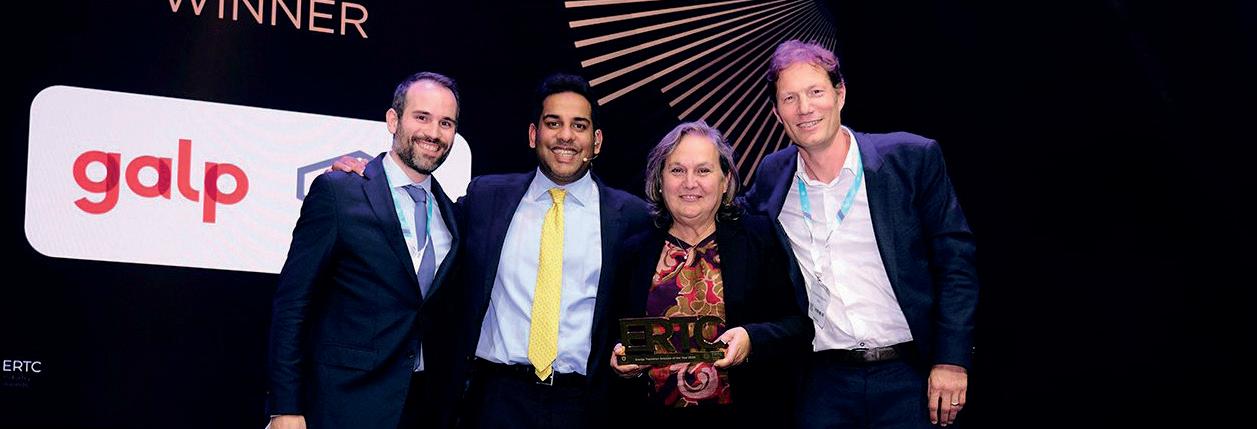
KBC (A Yokogawa Company)
Cutting carbon with confidence
Story type
#energy transition (main category) #collaboration, #environmental sustainability & social impact, #innovation
Benefits
▸ Award of Energy Transition Solution of the Year from the ERTC.

Alvaro Bolibar Senior Staff Consultant
How is KBC thriving?
Following a record-breaking year in 2024, KBC (A Yokogawa Company) is forecasting growth in 2025 as demand increases for its decarbonisation roadmaps and digital solutions. The company’s prominence was highlighted when it received the prestigious Energy Transition Solution of the Year Award from the European Refining Technology Conference (ERTC) for its collaboration with Galp on a transformative refinery decarbonisation project. This success demonstrates how KBC’s data-driven approach can help deliver substantial emissions reductions while maintaining operational excellence and economic viability.
The challenge - KBC, established in 1979 and headquartered in Surrey, UK, is a technology-based consulting firm specialising in the global hydrocarbon and chemical industries. With 350 employees worldwide and a track record of more than 40 years in the sector, the company combines strategic consulting with proprietary simulation technology to optimise hydrocarbon operations while focusing on achieving operational excellence and decarbonisation goals.
Currently, the energy sector faces unprecedented challenges in balancing shortterm operational demands with long-term strategic decisions, particularly in regard to decarbonisation. For European refineries such as Portugal’s Galp Sines complex, the challenge was threefold – reducing Scope 1 and 2 CO2 emissions by at least 30% by 2030, ensuring economic viability of high capital investment projects, and navigating regulatory uncertainties.
Specifically, Galp struggled with uncertainty surrounding economic impacts of decarbonisation regulations, lack of clarity on European Union subsidies, and managing immediate operational demands while making long-term strategic decisions. Additionally, remaining competitive while implementing a decarbonisation agenda and addressing shortages of qualified personnel
created further complications. The transition required high capital investment, making it critical to thoroughly assess all potential projects before committing to a final roadmap.
The solution - Although Galp Sines Refinery had designed an initial decarbonisation roadmap in 2017, it approached KBC in 2022 to validate, refine and optimise its path toward achieving 30% emissions reduction by 2030. The 12-month collaboration began with an intensive two-week process to identify 100 potential energy efficiency and CO2 reduction opportunities.
KBC’s approach combined its four decades of operational expertise with advanced digital modelling capabilities. The company deployed its proprietary Integrated Process, Energy, Emissions and Economics Model (IP3EM) to create a digital twin of the refinery, which enabled comprehensive analysis of current operations and predictive assessment of proposed strategies. This advanced simulation tool allowed the team to evaluate various scenarios and prioritise efforts based on their impact on emissions, energy efficiency and economic performance.
The project then prioritised the identified opportunities, evaluating each for CAPEX requirements, expected saving and emissions reduction potential. They also assessed additional factors such as implementation probability, impact on the broader refinery operations, ease and speed of implementation, and risk levels associated with established versus innovative technologies.
Through this process, KBC helped Galp calculate a potential 26% reduction in energy consumption through the collaborative implementation of selected projects. The model allowed for evaluation of the refinery’s configuration and assessment of transformative technologies, including carbon capture, electrification, and the use of green and blue hydrogen.
▸ Successful emissions reduction balanced with operational excellence and economic viability.
KBC at a glance:
Key products and services: consulting.
Main industries served:
▸ Oil and gas – 90%
▸ Carbon capture – 2%
▸ Hydrogen – 2%
▸ Others (energy) – 6%
Headquarters: Surrey, UK
Year established: 1979
Number of employees: 350
require capital expenditure exceeding €1bn, emphasising the importance of optimising the investment roadmap. Here, the digital twin proved invaluable by enabling scenario testing without disrupting actual operations, ensuring that decisions were based on robust data rather than assumptions.
Crucially, KBC’s impact extended beyond the initial roadmap development. Although the implementation of agreed projects was initially handed back to Galp, the client subsequently requested KBC’s continued support through the implementation phase, leading to a second contract in 2023 that remains ongoing.
The success of this collaboration earned industry recognition, with KBC receiving the prestigious Energy Transition Solution of the Year Award from the European Refining Technology Conference (ERTC). The award highlighted how KBC’s approach successfully balanced emissions reduction with operational excellence and economic viability and demonstrated a practical pathway for energy transition in the refining sector.
This case study exemplifies KBC’s broader strategy of ‘Bringing Decarbonization to Life®’. Through a combination of deep industry expertise and advanced digital technology, the company is primed for sustained growth as the energy sector navigates the complex decarbonisation challenges. Refining
The analysis also revealed that achieving the 30% emissions reduction target would

Kent
Revolutionising energy asset management with AI

Wassim Ghadban
Global SVP AI and Digital Energy
How is Kent thriving?
Kent is spearheading digital transformation in the energy industry, with its proprietary, award-winning Ennova AI technology helping clients across the sector to enhance efficiency, safety, and sustainability. By addressing key industry challenges –from data fragmentation to operational inefficiencies – the company has successfully scaled remote and autonomous operations, earning industry recognition and driving significant revenue growth.
The challenge – Kent is a true champion of Industry 5.0 in the energy sector. With its 13,000 employees delivering US$1.6 billion in revenue annually, the company is bringing top-tier digital engineering expertise to tackle the real-world challenges of its energy sector clients.
Tailoring innovative solutions to make operations smarter, safer and more efficient, it is an EPC specialist that’s helping to build and run tomorrow’s energy infrastructure with industrial AI solutions and digital services that improve efficiency, cut costs and make projects more sustainable.
Key to the company’s success has been listening to clients, ensuring that it addresses real-world industry challenges. For Kent, there is little point in having a suite of shiny, new, innovative solutions if they don’t actively solve existing challenges.
This process hasn’t been easy, presenting both internal and external challenges.
To support clients with their digitisation and transformation journeys, the company recognised its solutions had to ease operational headaches, developing a solution to help overcome the complexities of managing a variety of contractors, mini systems and data from many platforms, as well as facilitating real-time asset status and remote monitoring capabilities. For Kent, addressing this disconnection and fragmentation was a key priority, demonstrating positive ROI potential to clients.
Internally, the company has also had to overcome several hurdles. Indeed, the company itself has continued to advance and evolve, moving from digital project delivery models and integrating AI as a key part of its offering. That has required continual upskilling, with the firm tasked with its many different employees, ensuring they are all actively pulling in the same, cohesive direction.
The solution – The latest chapter in Kent’s journey began in 2022 when the company began to conduct market gap analysis in relation to AI-centric solutions. At this time, a new dedicated team was also established for AI development.
Specifically, Kent was trying to group client needs into a series of solutions that could solve common challenges. During this discovery and consideration process, the firm recognise that many clients lacked a single platform that would operate as a “system of systems”, integrating disparate data, contractor services and solutions into a single centre of visibility.
Here, Ennova AI was created, with the platform now redefining industrial asset management across the entire asset lifecycle.
During development, Kent ensured the platform would allow auto generation of reports to prioritise the client UX, while also creating different AI agents for different purposes – be it support, procurement, maintenance, asset planning or otherwise.
In 2023, the firm’s dedicated development team focused on production environment testing, working to scale the solution. Here, the first Intelligent Operation Centre was set up, adapted to the existing Kent control room in Abu Dhabi to prove the Ennova AI’s capabilities. By the end of the year, full remote operation capabilities were proven, with the company then further scaling up remote operations in Ennova AI in 2024, including full autonomous operation.
Most recently, Kent has been adapting the platform to meet ongoing client requests for improvements and bespoke needs in 2025. And now, Kent is taking another step, seeking to implement Ennova AI internally, with the company having formed a committee to see how Kent can make best use of the platform.
So far, the results of its innovative endeavours

Story type
#digital & AI (main category)
Benefits
▸ Revenue increased five times since 2017.
▸ Kent named the Best Use of AI in Operations at the Oil & Gas Middle East Awards 2025.
Key findings
For young people
▸ Discover how to bring value to your career by being in the best time of the industry.
For industry
▸ Adopt emerging technologies to augment, not replace, human capabilities.
For government
▸ Reward innovative companies to push and enhance new technologies.
Kent at a glance:
Key products and services: consulting, engineering, project delivery, commissioning and decommissioning.
Main industries served:
▸ Oil and gas – 55%
▸ Low carbon & renewable energy – 21%
▸ Others (non-energy): process and chemicals – 24%
Headquarters: Dubai, UAE
Year established: 1919
Number of employees: 13,000 Revenue: £1.6bn
are clear to see.
This year, Kent was named the Best Use of AI in Operations at the Oil & Gas Middle East Awards 2025, having already delivered several successful use cases. In one project, the firm is empowering its client to remotely operate two projects located 180 kilometres from its main office, revolutionising the way in which its assets are managed with advanced capabilities like digital twins.
Both client satisfaction and industry recognition have been resounding, with Ennova AI being actively leveraged to solve problems and unlock efficiency enhancements. With its proprietary solution, Kent is well placed to continue to excel moving forward, with much of its revenue growth today driven by futureproofed digital and AI solutions.
With the company having seen five times increase in revenues since it became a digitalfirst solutions provider back in 2017, the future remains bright for one of the energy industries most disruptive companies.

Kerry Project Logistics
From logistics provider to EPCM contractor
Fabio Belli KPL Group Executive Vice President & C.O.O.
How is Kerry Project Logistics thriving?
By implementing a bold strategy to expand from project cargo logistics into EPCM contracting, Kerry Project Logistics (KPL) has successfully elevated its position in the supply chain. The company established a new Project Management and Engineering division (KPM) in 2023, immediately winning a US$1.5bn EPCM contract for one of the Mediterranean’s most significant offshore infrastructure projects in two decades.
This strategic diversification has enabled KPL to overcome margin pressures in traditional logistics activities while creating new revenue streams. With plans to achieve a 50-50 split between EPCM and logistics revenue by 2026, the company is forecasting 30% growth in 2025 despite global economic uncertainties.
The challenge – The post-COVID environment presented KPL with multiple challenges that threatened its traditional business model. As the project logistics arm of Kerry Logistics Network (KLN), KPL faced significant margin pressure, finding itself squeezed between EPC contractors seeking cost reductions and shipping companies that had substantially increased their rates following pandemic-related disruptions.
Logistics costs for industrial projects, particularly in remote and complex locations, had risen from the traditional 5-10% of total project value to 15-20%. However, EPC contractors were slow to recognise these increases in their pricing models which created financial strains for logistics providers. At the same time, the unpredictable nature of project awards led to revenue instability and made long-term planning increasingly difficult.
KPL needed to find a way to stabilise revenue streams, increase margins and reposition itself higher in the value chain. The company recognised that continuing as a traditional logistics provider would mean accepting ever-diminishing returns, while the growing importance of logistics in complex projects presented an opportunity to offer more
comprehensive solutions.
The solution – Drawing on the past experience of its leadership team, KPL embarked on a business development strategy based on the enlargement of its footprint in strategic areas and on the integration of services in the supply chain by expanding into EPCM services. This approach was designed to capitalise on the growing importance of logistics in complex projects while capturing higher-margin engineering and management activities.
This began in 2023 with internal studies analysing declining logistics margins. KPL identified an opportunity to fill a market gap left by medium-sized EPCM players financially affected by the pandemic.
The company acquired two small engineering firms which brought 20 experienced engineers into the organisation. In May 2024, the first major success arrived with the award of a US$1.5bn contract to lead a consortium for an offshore oil and gas platform in Libya – the largest such investment in the Mediterranean region in two decades. This landmark achievement marked the first time a traditional logistics provider had won leadership of a major EPCM consortium.
To underpin the new direction the company was taking, it created Kerry Project Management (KPM), a dedicated division that expanded to 50 employees by early 2025. KPM now functions as a competence centre for project managers and engineers, allowing Kerry to bid on projects across diverse sectors such as oil and gas, nuclear, agri-food and waste management.
The integration of EPCM and logistics capabilities has provided KPL with several competitive advantages. The company can offer comprehensive solutions that address both engineering and logistics challenges from the outset, which is proving particularly valuable in remote and challenging locations.
For KPL, the strategy has transformed its business model and revenue prospects. In 2024, the company reported revenue of €203m, with approximately 10% coming from EPCM activities. By 2025, projected revenue will reach €300m with the EPCM contribution increasing to 33%, and the aim is for a 50-50 split and total turnover of €400m by 2026.
Story type
#people & competency (main category) #diversification, #scale up, #services & solutions
Benefits
▸ US$1.5bn contract win - the largest such investment in the Mediterranean region in decades.
▸ Revenue increase, with higher contribution from EPCM activities.
Key findings
For young people
▸ “Stay hungry and stay foolish” – young people will join the company to do something completely new which can allow them to move from engineering to logistics.
For industry
▸ Talk about their vision and involve as much as possible the new generation.
For government
▸ What are the solutions to embrace new trends and technology to rebuild Italy and Europe for the next 20 years?
Kerry Project Logistics at a glance: Key products and services: project management and logistics.
Main industries served:
▸ Oil and gas – 60%
▸ Conventional power – 5%
▸ Onshore renewable energy – 3%
▸ Nuclear power – 1%
▸ Offshore renewable energy – 1%
▸ Hydrogen – 1%
▸ Carbon capture – 1%
▸ Energy storage – 1%
▸ Others (energy) – 2%
▸ Others (non-energy): construction and steel mill – 25%
Headquarters: Hong Kong
Year established: 1991
Number of employees: 16,000
Revenue: £5.77bn
Revenue from exports: 80%
This strategic shift has elevated KPL’s market position from a commoditised service provider to a leader of major project consortiums. It also creates downstream opportunities, as subcontractors working on KPM’s projects often utilise KPL’s logistics services – this is serving to expand the company’s client base even further.
By transforming into an integrated EPCM contractor, KPL has successfully repositioned itself to achieve higher margins, greater revenue stability and enhanced client relationships.
KLINGER
Diversifying into services to drive growth

Ben Blinman

Story type
#service & solutions (main category) #technology, #transformation
Benefits
▸ Clients’ efficiency improvement.
▸ Diversification leading to overall increase in revenues.
Key findings
For young people
▸ Ask questions - you can’t go wrong. Embrace networking, get out, meet and talk to people.
How is KLINGER thriving?
With a heritage spanning over 130 years in sealing technologies, KLINGER has successfully transformed its UK business model by establishing a dedicated integrity services division. This strategic move, coupled with the development of its innovative IntegrityXpert™ software, has positioned the company uniquely as the only manufacturer of gaskets that also provides comprehensive asset integrity and flange management services.
The challenge – As an established market leader in sealing technologies, KLINGER began to face mounting pressure from low-cost global competitors in key energy territories, making it increasingly difficult to secure new international EPC projects.
Indeed, the company recognised that growing the business purely through conventional product sales would be challenging, given its already dominant market position. Moreover, there was a clear gap in the market. Despite being experts in joint integrity through decades of providing engineered products for complex projects globally, KLINGER had not fully capitalised on opportunities to provide associated services. Therefore, it needed to find ways to differentiate itself from standard product suppliers while adding more value for clients.
KLINGER had already been servicing the market with ad hoc requests, predominantly for flange management related enquiries including bolting and stress calculations for flanges. However, without a dedicated service division, these opportunities remained fragmented and underutilised. There was also an added incentive to fill this gap in the market, adding urgency to the need for transformation.
The solution – In 2018, KLINGER embarked on a significant transformation strategy with the establishment of KLINGER Integrity Services (KIS). This new division was designed to bring the company’s expertise into the field by providing services related to joint integrity – a natural extension of its manufacturing capabilities.
A key element of the strategy involved recruiting industry specialists to build the new services team. Beginning with contract labour support, the division has grown to nine permanent staff members, including technical

Scott Whelan
Project Pursuit Manager Integrity Assurance Manager
leaders, machine and technical authorities, operations managers and coordinators.
The company restructured its operations to support this new direction, realigning marketing and sales functions to better serve the KIS business unit. This involved a substantial internal change management effort and required careful positioning to shift market perception of KLINGER from purely a product manufacturer to a comprehensive service provider.
The approach focused initially on securing smaller jobs and growing organically through existing clients in the UK market before expanding into the Middle East. Strategic appointments in key locations ensured comprehensive coverage and brought valuable industry experience and client relationships. This methodical expansion has proven particularly successful in the construction and operator segments, as it has enabled KLINGER’s to expand beyond its traditional EPC client base.
A crucial differentiator emerged with the development of IntegrityXpert™, KLINGER’s proprietary flange management software. Built in-house using the company’s extensive expertise, the solution has modernised traditional spreadsheet-based approach and has been driven by firsthand experience of incorrect product servicing in the field, as well as the need for more efficient flange monitoring processes.
Many clients are benefitting from its development. For example, when Bilfinger needed to implement new joint integrity management systems on a major UK asset, KLINGER’s team mobilised within 48 hours to meet strict shutdown windows. The IntegrityXpert™ implementation significantly reduces operational downtime, and with a typical asset operating at circa £250,000 per day, improvements to the efficiency of a planned shutdown can help operators to minimise lost revenues.
The latest version of the software solution, launched earlier in 2025. Now a cloud-based platform, it houses enhanced calculation capabilities following an investment of £1.5m into its development. The software promises to deliver significant efficiency gains – for example, it is capable of reducing calculation times for offshore platform applications from several hours to less than 20 minutes.
For industry
▸ Know your people. Understand who they are and what they do and be transparent with your team.
For government
▸ Express frustration on importing oil and gas rather than using domestic productionneeds to change.
KLINGER at a glance:
Key products and services: sealing technologies, fluid control and management.
Main industries served:
Onshore renewable energy – 5%
Hydrogen – 5%
Carbon capture – 5%
Headquarters: Gumpoldskirchen, Austria Year established: 1886
Number of employees: 200 (UK)
Revenue: £29.6 (UK)
Revenue from exports: 25% (UK)
The establishment of KIS has also led to increased internal collaboration and knowledge sharing across the wider organisation. As a result, the combination of product expertise, field services and innovative software solutions has created a more compelling and unique market position which competitors have found difficult to replicate. In particular, the new-look KLINGER has resonated with operators seeking to streamline their maintenance processes and improve asset integrity management –Bilfinger being just one example.
Looking ahead, KLINGER is continuing to expand its service offerings. The UK operation now provides integrity services to more than 25 major operators, with KIS revenues projected to reach £10m by 2030 – representing 25% of overall projected revenue. The success of this diversification strategy is reflected in the company’s overall growth, with revenues increasing from £21.8m in 2021 to £29.4m in 2023 and £29.6 in 2024. Momentum is certainly on KLINGER’s side.
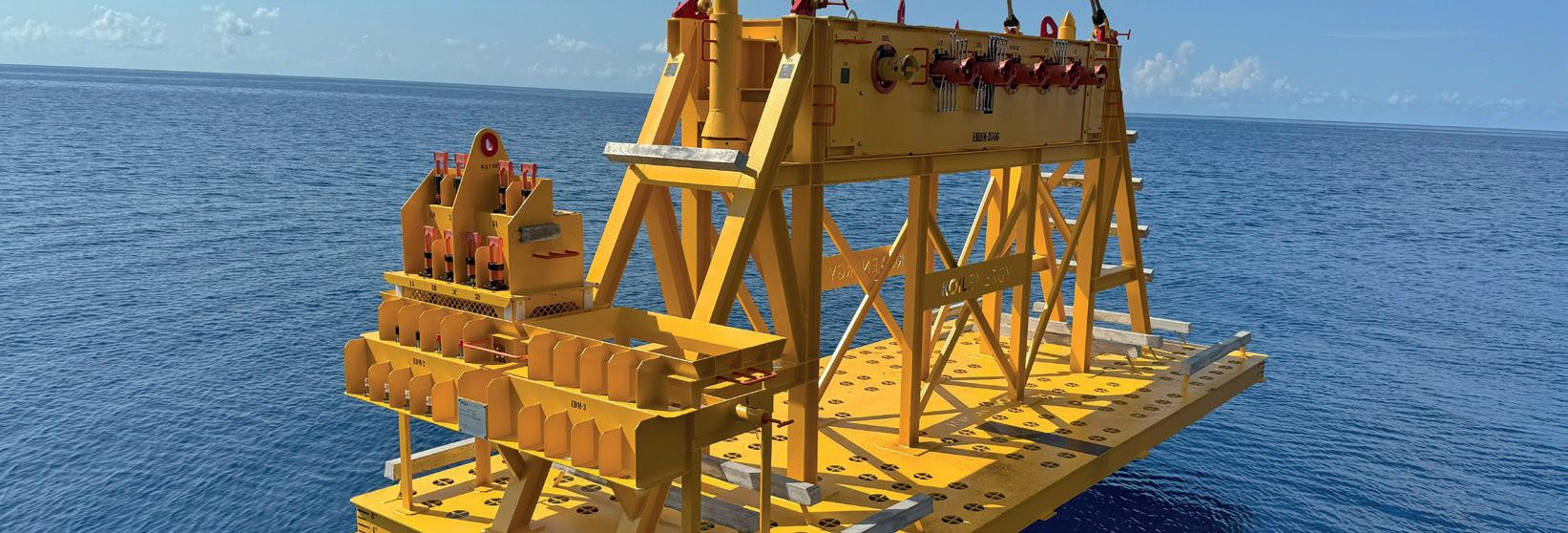
KOIL Energy
Strategic transformation drives 50% annual growth and global
expansion

Erik
Wiik CEO
How is KOIL Energy thriving?
Following years of flat growth and operating below critical mass, Houston-based KOIL Energy has undergone a dramatic transformation under CEO Erik Wiik’s leadership. The subsea solutions specialist delivered record-breaking results in 2024, achieving four consecutive quarters of 50% year-on-year growth, reaching US$23m in revenue and US$3.5m in EBITDA. Through strategic client relationship expansion and cultural transformation, KOIL has evolved from a project-driven service provider into an integrated products and services platform, and is now poised to scale internationally and compete across broader subsea markets.
The challenge - By early 2023, KOIL Energy had reached an inflection point. Despite providing exceptional service to existing clients, the company was trapped in a cycle of projectto-project survival without access to capital needed for sustainable growth. Operating with a high degree of customer concentration and heavily dependent on the US offshore market, KOIL was vulnerable to legislative policy changes and shifts in client strategies.
The company’s narrow geographic focus and limited customer base meant it often operated below critical mass – a position that threatened long-term sustainability. With limited shareholder returns and a small market capitalisation, KOIL lacked access to the capital necessary for strategic expansion. Whilst the company maintained excellent client relationships and strong technical expertise, it struggled to realise its full potential.
The solution - KOIL Energy’s transformation began in October 2023 with the arrival of Erik Wiik as an external consultant followed by his appointment as CEO in March 2024. Erik brought with him a fresh perspective to assess the company’s capabilities and identify growth opportunities, and launched an ambitious threeyear strategy designed to maximise existing potential whilst expanding market reach.
The first phase focused on expanding business with current clients through strategic relationship management. Rather than maintaining isolated relationships within client organisations, KOIL implemented a
“heatmap” approach, identifying untapped departments and new opportunities within existing large clients. This effort revealed that many customers were unaware of KOIL’s full capabilities, having confined the company into narrow service areas. By expanding relationships across client organisations, KOIL was able to convert fragmented accounts into strategic, enterprise-wide relationships and capture immediate revenue opportunities.
The cultural transformation was equally significant. KOIL transitioned from purely service-focused model to a fully integrated approach combining engineering, fabrication, assembly, and offshore deployment. By leveraging its deep application knowledge and field expertise, the company repositioned itself to provide complete solutions rather than individual components. This shift is aligned with its ”engineered for service” philosophy, which emphasises technical problem-solving and collaborative customer engagement.
Central to KOIL’s success has been fostering a culture of collaboration and inclusivity. Every employee, regardless of function, was encouraged to adopt a sales-oriented mindset and understand how their role contributes to customer outcomes. Engineers and technicians now work closely together in on-site ‘huddles’ with clients, driving innovation and quality through integrated problem-solving. This collaborative approach has extended beyond internal teams to include customers in troubleshooting and development efforts. KOIL’s Business DNA includes collaboration and speed. This is an incredibly effective way of working enabling exceptional responsiveness, quicker problem-solving, and reduced lead-times.
The company’s technology strategy centres on solution selling – starting with the client’s problem, identifying optimal solutions, then engineering, fabricating and delivering customised responses. This technical orientation, combined with proactive workforce planning and strategic hiring, has enabled KOIL to scale operations whilst maintaining delivery quality.
Looking ahead, KOIL is entering the second phase of its strategic plan, which involves international expansion, identifying strategic partners and establishing presence in new global subsea markets. In early 2025, KOIL opened a new 180,000-square-foot technology centre in Macaé, Brazil. In 2026, KOIL aims to expand its network of international facilities capable of delivering

Story type
#transformation (main category)
Benefits
▸ KOIL Energy had a growth year in 2024 and expects to scale up internationally in 2026.
▸ Operations scaled whilst maintaining delivery quality.
Key findings
For young people
▸ Find your passion and what you are good at – you can become an expert in this industry by working here – learn by doing.
For industry
▸ Develop a culture of inclusivity, oneteam, collaboration (the “Business DNA”) and your company will be unique and have its competitive edge.
KOIL Energy at a glance:
Key products and services: subsea equipment and support services to the world’s energy and offshore industries.
Main industries served:
▸ Oil and gas – 90%
▸ Offshore renewable energy – 5%
▸ Others (non-energy): infrastructure – 5%
Headquarters: Houston, US
Year established: 1997
Number of employees: 64
Revenue: £17.3m
Revenue from exports: 20%
integrated services to the oil and gas industry whilst further venturing into adjacent markets such as renewables and telecommunications infrastructure.
KOIL’s transformation demonstrates how strategic client relationship management, cultural evolution and collaborative innovation can unlock significant growth. The company’s ability to leverage existing strengths whilst adapting to market opportunities has positioned it well for long-term global relevance, proving that with the right strategy and mindset, even established companies can achieve notable transformation and growth in competitive markets.
Indeed, the immediate impact of these strategic changes has been profound. 2024 became a record year with consistent quarterly growth, which provides the ultimate validation for KOIL’s approach and has set the foundation for sustained international expansion. Through maintaining its technical excellence whilst expanding relationship breadth and market reach, KOIL has evolved from a one-off service provider into a dynamic, growth-oriented solutions company.
Levidian
Demonstrating that prosperity and decarbonisation can coexist

Colin Elcoate Managing Director – MENA
How is Levidian thriving?
Levidian is the definition of a start-up success story. Emerging from groundbreaking research at the University of Cambridge, the company has developed scalable technology that holds massive potential for decarbonising hard-to-abate industries. It is already working with some of the world’s largest companies and has teams in the UK, Europe, MENA and the US. Critically, Levidian is demonstrating that prosperity and decarbonisation can go hand in hand, inspiring businesses to innovate, challenge their existing processes and supply chains, and accelerate the transition to net zero.
The challenge – 64% of greenhouse gas emissions are caused by heavy emitters and hard-to-abate industries. Levidian is on a mission to help decarbonise these sectors using an innovative technology that transforms methane – a potent greenhouse gas – into hydrogen and graphene.
Known as LOOP, the start-up’s proprietary technology is a pre-combustion, modular carbon capture system. Specifically, it captures the carbon from methane gas before it’s burned, cracking it into two highly valuable outputs: hydrogen, a clean alternative fuel source, and graphene, a super-material additive that can be used to significantly enhance the intrinsic characteristics of products in major global industries as far ranging as steel, batteries and petrochemicals.Integrating this solution into existing industrial processes, the firm is helping businesses turn their carbon liabilities into competitive advantages, reducing emissions while unlocking new efficiencies and product enhancements.
As with any disruptive technology, Levidian has faced challenges regarding market adoption and scaling for commercial deployment. For example, the slow pace of industrial adoption for emerging materials has been a significant hurdle, but Levidian is overcoming this by focusing on applications where the benefits of graphene are proven
and targeting customers with immediate and material demand.
The solution – These challenges have ultimately helped the company to sharpen its commercial edge, positioning its solutions not just as sustainable innovations, but equally as commercially essential technologies for industries of the future.
Levidian recognised that it needed to take a more proactive approach in demonstrating the economic and operational benefits of its technology, building strategic partnerships with forward-thinking industrial players committed to decarbonisation. Demands for localisation in high-growth markets like the UAE have also required Levidian to invest in regional engagement, aligning with key stakeholders that can accelerate deployment. By embedding itself in markets, the firm recognised it would be better placed to scale its impact – and it has achieved just that.
Levidian’s drive and ambition to do something different has been validated by several major organisations, with the firm having closed a Series A funding round in 2022, securing £27m from US energy giant Baker Hughes and UAE sovereign investor Mubadala.
As well as attracting foreign investment into the UK’s green economy, the firm has used these funds to invest considerable resources into R&D, improving LOOP’s capacity and efficiency. As a result, the initial pilotsize LOOP10 has evolved into a secondgeneration LOOP technology capable of unlocking industrial-level production of graphene. The firm’s team has also grown considerably, attracting top talent in niche fields of plasma and graphene technology.
The outcomes of these improvements have been substantial.
Indeed, Levidian achieved revenue growth of more than 300% year on year, reaching £3.6m in 2024. Further, in the same period, Levidian achieved a 20x increase in production efficiency relating to gas processing and graphene production.
The firm also now serves over 50 clients across various industries that use natural gas at scale, produce methane as a byproduct of operations, and/or seek sustainable carbon solutions to improve
Story type
#innovation (main category) #technology
Benefits
▸ Revenue growth of more than 300% over the year and a 20x increase in production efficiency in gas processing and graphene production.
▸ More than 50 clients globally and across different sectors.
Key findings
For young people
▸ Embrace innovation, challenge conventional thinking, and be ready to adapt. Ask questions, take ownership and collaborate across disciplines.
For industry
▸ Embrace innovation with urgency. The race to net-zero isn’t just about ambition, but execution.
▸ The importance of collaboration over competition, as no single company/ industry can decarbonise alone.
For government
▸ Prioritise the growth and global deployment of innovative low-carbon technologies.
▸ Encourage deeper collaboration with international partners, particularly the UAE.
Levidian at a glance:
Key products and services: decarbonisation, hydrogen and graphene.
Main industries served:
▸ Oil and gas – 25%
▸ Carbon capture – 25%
▸ Hydrogen – 10%
▸ Others (non-energy): waste management, aluminium, batteries, construction, more - 40%
Headquarters: Cambridge, UK
Year established: 2020
Number of employees: 77
Revenue: £3.6m
Revenue from exports: 50%
product performance. The use of graphene offers a multiplier effect, opening the door to more energy-efficient processes, higherperforming materials and, in turn, lower carbon footprints across supply chains.
With 10 pilots currently being undertaken in different regions, the potential of Levidian’s technology is being observed on a global scale, with the start-up now firmly eyeing significant expansion in the coming years.
Not only has the firm solidified its position as an innovative British export, accelerating industrial decarbonisation worldwide. Equally, it’s demonstrating that growth, prosperity and decarbonisation can coexist, breaking traditional barriers and accelerating efforts to meet global targets.
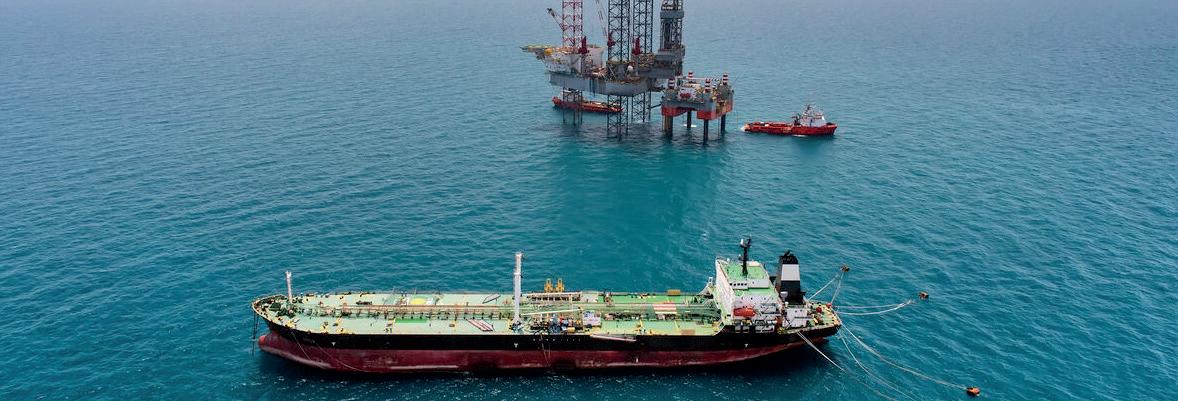
Lloyd’s Register
Navigating evolving markets with global expertise and local presence

How is Lloyd’s Register thriving?
Lloyd’s Register (LR) has transformed from a regionally focused class provider to a globally integrated, trusted adviser to the energy and maritime industries whilst successfully navigating a volatile energy market. In recent years, LR’s focus has shifted from productcentric operations to client-focused solutions delivery, achieving 15% revenue growth and nearly 20% margin improvement year-onyear in the process.
LR’s energy division operates across oil and gas (65%) and the renewable energy sectors (25%), with new advisory services contributing significantly to a strengthening market position.
The new global model means LR is more responsive to clients’ needs in a constantly changing energy market. The company is now more agile and can respond more quickly to market and clients’ needs, following their journeys across global projects and global expertise, whilst still maintaining a strong local presence in key markets.
The challenge - Energy market turbulence and shifting priorities at regional and national governments has led LR to review regional models and assess how to continue delivering high-quality service to clients. To successfully operate in the new fast-changing environment LR needed to reconsider how to interact with and support the industry. LR’s traditional regional operating model limited the company’s ability to follow client journeys across global projects. An inbound, productfocused way of working was insufficient for clients seeking comprehensive solutions.
As a result, LR recognised the need to evolve from a regional model to a strategically focused industry partner that could deliver a consistent, predictable service around the world, with a local market touch.
The solution - The change process began

with a mindset shift – from product-focus to client-centricity.
Alongside this, LR restructured its client engagement, moving from transactional relationships to consultative partnerships. Teams sat down with clients to discuss specific challenges and requirements, which led to key partnerships to complement LR’s core capabilities.
These partnerships became central to the new operating model. Rather than developing all capabilities internally, Lloyd’s Register identified specialist partners that could offer complementary services in specific geographies or technical areas. These included open commercial discussions and clear mutual benefits. LR’s brand credibility opened new client bases for partners, while partners offered enhanced capabilities and brought local expertise.
Advisory services have for many years been an important part of LR’s revenue growth. LR relaunched these services under the LR Advisory brand in March this year (2025). This team of more than 150 experts, drawn from across the business, supports clients throughout their journey from early-stage concept development through to infrastructure delivery and operation. Technical expertise is backed by commercial understanding, positioning LR as a trusted adviser through volatile market conditions. This work forms a vital role in futureproofing both LR and client businesses in these uncertain times.
The global model also supports technically curious staff who can now explore different products and markets and maintain consistent service delivery as specialists with global mandates.
Cultural change management has also been essential to success. LR has adopted training programmes including needs-based selling courses and internal coaching, for example. Leadership engagement was another crucial

Story type
#diversification (main category)
#service & solutions
Benefits
▸ Easier for client to access total asset assurance offering from concept through EPCI, operations and decommissioning.
▸ Revenue increase of 15% year-on-year.
▸ Growth targets exceeded and diversification process completed successfully.
Lloyd’s Register at a glance:
Key products and services: third-party assurance, project risk management, compliance and classification.
Main industries served:
▸ Oil and gas – 65%
▸ Offshore renewable energy – 25%
▸ Nuclear power – 5%
▸ Carbon capture & hydrogen – 5%
Headquarters: London, UK
Year established: 1760
Number of employees: 5,000
Revenue: £517m
Revenue from exports: 75%
element, with CEO-level involvement bringing direct client assurance and empowered colleagues within the new structure.
Meanwhile, LR’s solution-agnostic philosophy supports a diversifying market, working with different energy mix priorities across regions and countries. Rather than depending on any single market or technology, LR supports clients regardless of their chosen energy solutions. The outcomes have been impressive. Revenue has increased by 15% year-on-year with margins improving by nearly 20% and exceeded recent growth targets.
Lloyd’s Register’s new structure combines global expertise with local presence to support evolving industry trends and requirements. LR Advisory continues to support the expansion across multiple sectors.
Ian Crehan
Global Head of Offshore Solutions
Sean Van Der Post Global Offshore Business Manager
Loquen
Creating a complete solution for rental and sale of cargo handling equipment, mooring and fenders


Story type
#service & solutions (main category)
Benefits
▸ Increase in company revenue and in company profit.
▸ More customers and continuous expansion of service offerings.
Key findings
For young people
▸ To be successful, we need to have focus, resilience and hard work. Work cannot be a sacrifice but rather a motivation for professional and personal success.
Fernando Lescure
How is Loquen thriving?
Part of the FASD Group, Loquen has successfully transformed the lifting and rigging equipment market in Brazil by pioneering an innovative rentalbased business model. Starting with the manufacture of water bags and evolving into comprehensive equipment rental services, the company has grown from its inception in 2018 to 2024 by more than 20 times, establishing itself as the largest rental company of material handling accessories in Brazil in terms of value, number of assets and rentals.
The challenge – In 2018, Loquen identified a significant inefficiency in the lifting and hoisting equipment market. After manufacturing large quantities of water bags for load testing, the company noticed a substantial amount of idle inventory. Traditional approaches required companies to purchase, maintain, and store their own equipment, resulting in high costs and inefficient resource utilisation.
Additionally, many companies lacked the expertise to properly maintain and store specialised equipment such as water bags, which created potential safety risks. The market also faced a fragmented supply chain, with companies often needing to source multiple pieces of equipment from multiple suppliers, leading to coordination challenges and increased costs.
The situation was further complicated by increasing competition from international players entering the Brazilian market, resulting in increased pricing pressure and market consolidation. This evolving competitive landscape meant that simply manufacturing and selling equipment would not be sustainable in the long term – instead, a more innovative approach to market differentiation was required.
The solution – In late 2018, Loquen revolutionised its business model by shifting to a rental-based approach. This transformation addressed market pain

Johny Amaral CEO Business Development Manager
points while maximising the utility of the company’s assets – in short, the strategy focused on providing not just equipment rentals, but comprehensive solutions that encompass asset management, inspection, maintenance, manufacturing, certification, storage, cargo handling, and technical support for the leased equipment.
A key element of the new approach involved expanding the equipment portfolio beyond water bags to include pneumatic hoists, shackles, winches and other critical lifting equipment. To ensure reliable supply, Loquen developed its own supplier network leveraging its growing market position to secure equipment volumes comparable to industry giants.
The company has also set up a production facility in Macaé, achieving a production of up to 3,000 tons of water bags to date. This facility, combined with the rental model, allows Loquen to maintain strict quality control while offering customers flexibility in access to equipment. At the same time, the service-based approach has eliminated the need for customers to maintain specialised in-house teams, typically saving the equivalent of 20-25 full-time positions.
Loquen’s expertise has been built on its deep understanding of customer needs and industry requirements. This expertise has been developed through years of experience in the cargo handling sector, particularly through its work with major operators in Brazil’s offshore industry. Now, the company’s ability to provide rapid solutions and flexible arrangements has made it particularly attractive to operators who need reliable equipment at short notice.
A distinctive feature of Loquen’s approach is its hybrid business model. While primarily focused on equipment rental, the company maintains the ability to sell equipment when it best meets customer needs. This flexibility is supported by a detailed analysis of demand for each customer, ensuring that the most cost-effective solution is provided.
Investment in technical expertise has been
For industry
▸ Have a business owner mentality and a strong sense of responsibility, especially when it comes to employees.
For government
▸ Free the country from excessive taxes and implement a meritocracy.
Loquen at a glance:
Key products and services: rental and sale of cargo handling equipment, mooring and fenders;
Main industries served:
▸ Oil and gas – 100%
Headquarters: Macaé, Brazil
Year of foundation: 2018
Number of employees: 63
particularly crucial. Loquen has built a strong team capable of providing comprehensive maintenance and certification services to ensure that all leased equipment meets rigorous safety standards. This technical capability has become a key differentiator, especially in high-risk environments such as offshore platforms, where equipment reliability is paramount.
Loquen has delivered impressive results. Profit margins have been consistent since 2020, while the company now serves over 90 customers and continues to expand its rental offerings. This success is reflected in strong financial performance, with revenues growing and profit margins maintaining healthy levels.
Looking ahead, the company is eyeing significant international expansion, targeting strategic locations such as Rotterdam, Houston, Portugal and Dubai. It intends to establish bases in multiple regions, with plans to invest R$6 million in each new rental operation once regional sales reach R$10m. This expansion strategy, coupled with continued innovation in equipment solutions, positions Loquen for sustainable growth in the global lifting and hoisting equipment market.

LRQA
Transforming risk management through AI and mixed
reality innovation

Leanne Halliday Global Head of Energy and Renewables
How is LRQA thriving?
LRQA is reimagining global risk management with its strategic AI deployment and use of mixed reality technologies. With over 5,000 employees across more than 150 countries serving 61,000 clients, the company achieved revenue of £423m in 2024 and is targeting record growth in 2025. The implementation of Halo mixed reality glasses is enabling remote inspections and real-time collaboration, demonstrating how LRQA is moving beyond traditional inspection and assurance to provide comprehensive risk intelligence. LRQA is also expanding its EiQ supply chain intelligence software with AI enhancements, which will transform how supply chain professionals interpret, analyse and report on data across their global supply chains. Internally, LRQA’s own digital transformation initiative, launched in January 2024, has established a dedicated data science team and integrated AI capabilities.
The challenge - LRQA, the global assurance partner with deep technical expertise in assessment, advisory, inspection, and cybersecurity services, recognised a fundamental shift in the risk management landscape around 2020. Clients were faced with new challenges around three global trends — ESG considerations, supply chain complexity, and evolving cyber security threats. Traditional assurance models were becoming insufficient to meet this new era of risk management.
The company observed that risks were no longer confined to traditional quality and inspection concerns. Clients faced an expanded spectrum of challenges including cyber threats, sourcing responsibly, achieving product integrity, navigating the energy transition, and assuring their assets and management systems – all while adopting AI and technology with confidence. These risks were interconnected rather than sitting in isolated silos, requiring a more holistic approach to risk management.
The solution - In response, LRQA launched a digital transformation initiative in January 2024 at its global management conference. The company established a dedicated team of 60 engineers, including a data science team and AI think tank, fully integrated into the business rather than operating as a separate entity.
A crucial breakthrough came with the implementation of Halo mixed reality technology. LRQA invested in Trimble HoloLens devices, which use mixed reality to perform immersive pre-construction walkthroughs with 3D model overlays on equipment being manufactured. This innovation allows inspectors to wear smart glasses that stream live data to offices, enabling real-time collaboration with technical experts worldwide. The technology enhances safety by keeping inspectors’ heads up and hands free while completing tasks, and makes LRQA’s experts accessible to clients regardless of location.
The first major deployment of Halo technology occurred in Q4 2024 with a large greenfield oil and gas project. The client faced challenges with reducing non-conformances on critical items in offshore yards and needed access to technical experts in remote locations. The Halo system successfully provided mixed reality capabilities to accelerate construction pace and mitigate risks earlier in the construction cycle, while enabling real-time collaboration between inspectors, clients, engineers and subject matter experts.
LRQA’s digital transformation also expanded to its supply chain intelligence software, EiQ, which covers key sectors and continuously scans media for risks and delivering datadriven insights to help clients achieve supply chain confidence. The software is undergoing its next phase of development, be being integrated an innovative Generative AIpowered supply chain intelligence agent, that will transform how supply chain professionals interpret, analyse and report on data.
Furthermore, in 2024, LRQA also has an ambitious mergers and acquisitions strategy and has recently acquired three additional companies to accelerate its capabilities: Eco Engineers (US-based, specialising in carbon management, hydrogen, CCS, and biofuels), Reset Carbon (Asia-based, focused on carbon regulations and LCA modelling), and Ergon (human rights consultancy specialising in gender equality assessments). These acquisitions brought enhanced technical expertise and expanded its global reach.
The company also restructured its organisation in early 2025, moving from service line divisions to more sector-focused teams. This change recognised that risks don’t operate in silos and enabled more comprehensive solutions for specific industries.
LRQA’s technological transformation has
Story type
#digital & AI (main category) #transformation
Benefits
▸ LRQA went beyond simply being a traditional assurance provider.
▸ Full potential of the Halo technology successfully demonstrated.
Key findings
For young people
▸ Be curious and ask questions – bring a fresh perspective.
For industry
▸ Make technology a leadership topic –it’s a client-facing value driver.
For government
▸ Set a global carbon price similar to the international trade price of oil.
LRQA at a glance:
Key products and services: assessment, inspection, advisory and cybersecurity services.
Main industries served:
▸ Oil and gas – 25%
▸ Offshore renewable energy – 5%
▸ Nuclear power – 5%
▸ Hydrogen – 2%
▸ Onshore renewable energy – 2%
▸ Conventional power – 0.5%
▸ Energy storage – 0.5%
▸ Others (non-energy) – 60%
Headquarters: Birmingham, UK
Year established: 2021
Number of employees: 5,000
Revenue: £423m
already delivered measurable benefits. The analytics capabilities are generating more consultancy opportunities, clients gain realtime access to technical experts, and there are significant cost and emissions reductions through reduced travel requirements. The combination of AI-driven insights and mixed reality capabilities positions LRQA to address modern supply chain complexities while maintaining its core assurance expertise.
By embracing technology while fundamentally changing its organisational structure and mindset, LRQA has successfully evolved from a traditional assurance provider to a comprehensive risk intelligence partner. Its approach demonstrates that digital transformation requires more than just adopting new tools – it demands organisational change and cultural shift to unlock technology’s full potential.
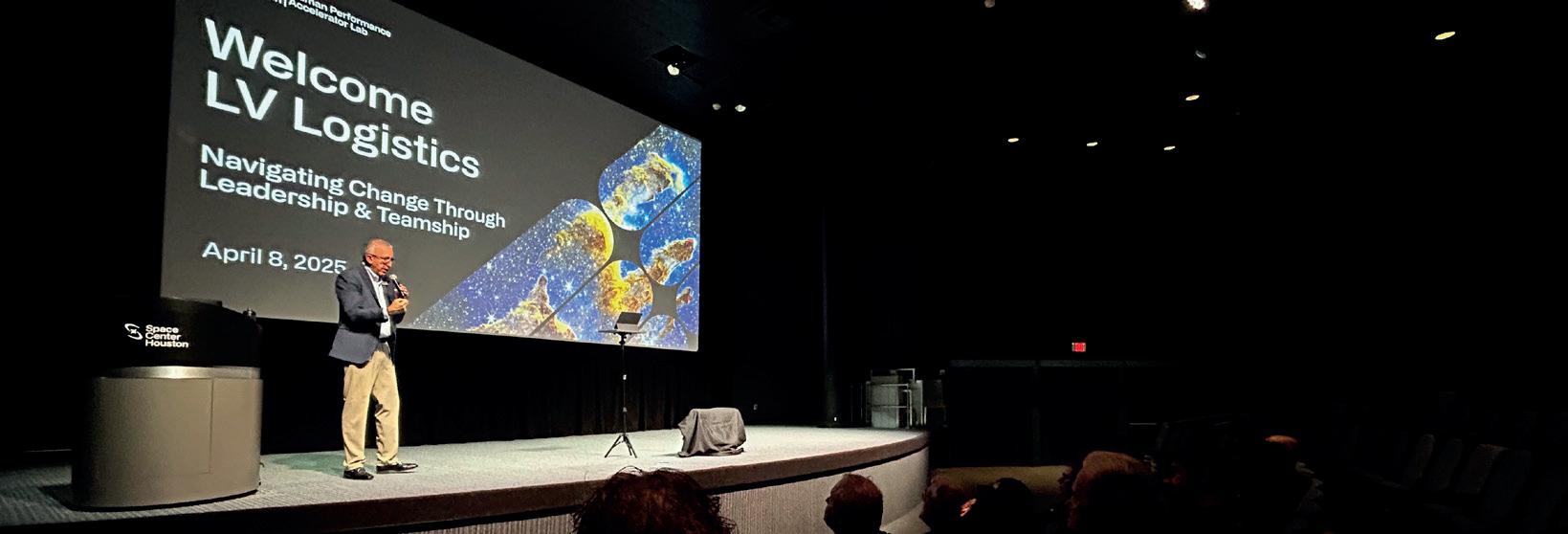
LV Logistics
A five-pronged strategy to deliver on growth targets
Martin Jones
Global Sales & Tender Manager
How is LV Logistics thriving?
Through a strategically implemented focus on internal collaboration across its global network of 36 offices, Royal Dutch LV Logistics is transforming its operational approach to unlock new growth opportunities, particularly in project logistics. By developing five key strategic pillars, LV is enhancing both internal efficiency and client service delivery. The privately-owned, family-run business has set ambitious targets of minimum 5% growth across all sectors annually, with a particular focus on expanding its projects business beyond the current 10% of UK revenues. The early signs are positive, as the firm is already benefiting from improving supply chain visibility and operational processes, which is gearing it up for sustainable growth.
The challenge - As an independent, family-run logistics provider with a 100-year heritage and Royal Dutch warrant, LV Logistics had set ambitious three-year growth targets. However, spiralling freight rates in 2021-22 significantly impacted these plans and prevented the company from hitting its growth targets.
With a renewed determination to accelerate growth, and a specific aim for at least 5% annual increases across all sectors while also improving UK profitability, LV recognised the need for structural change. The company needed to diversify faster, reduce its reliance on UK oil and gas operations, and substantially grow its projects business.
Meanwhile, a historical lack of cross-border collaboration within the group created inefficiencies, and increasing client demands for sustainability reporting and enhanced supply chain visibility required new capabilities. With travel restrictions due to corporate CO2 reduction targets further complicating coordination efforts, LV needed a plan to overcome these obstacles.
The solution - Such a plan took the form of a three-year strategic change programme (20252027) built around five core pillars – expanding customer relationships, investing in employee development, contributing to sustainability, developing innovative digital services, and delivering optimal customer experiences.
Central to this transformation was a fundamental shift in how the company operates across borders. Recognising that its global network of 36 offices represented both an untapped resource and a competitive advantage, LV set about enhancing internal collaboration to streamline operations and create a more unified client experience.
Implementation of the three-year programme began with leadership changes in 2024. New co-directors were appointed for the UK business, while Martin Jones joined as Global Sales & Tender Manager, specifically tasked with expanding the projects side – a key growth area targeting significant expansion beyond its current share of less than 10% of UK revenues.
To support this pivot, LV enhanced supply chain visibility by investing in improved tracking capabilities, a move which has provided clients with unprecedented transparency. Sustainability became another cornerstone, with investments put into tracking CO2 emissions, which is a growing requirement in client tenders. Combined with enhanced compliance capabilities, these initiatives have helped LV compete more effectively in specialised markets such as offshore wind.
There are numerous real-world examples which underline the success of the change programme to date. For example, when managing a complex shipment from Rotterdam to Azerbaijan, teams in the Netherlands and Baku coordinated daily to overcome port congestion issues through shared planning and local expertise. In another case, when faced with a last-minute reroute of Class 1 supplies to the US, teams across three countries rapidly mobilised, each bringing regional expertise to ensure timely delivery.
LV’s global coordination extends to its 24/7 operations, with the UK Control Tower working closely with Asian colleagues to monitor overnight movements. For global drilling clients, account managers in the UK, Brazil and US coordinate seamlessly to offer a single point of contact regardless of operation location.
Knowledge sharing has become institutionalised through the company’s Learning Management System, with recent initiatives such as container optimisation sessions bringing together teams from multiple regions.
While still in its initial stage, the three-year programme has clear measurement frameworks

Story type
#collaboration (main category)
#optimisation
Benefits
▸ LV Logistics projects a 10% growth in 2025 while it strategically diversifies into new markets.
▸ Internal improvements have been made with the new standardisation of processes, allowing teams to collaborate in an easier and more efficient way.
Key findings
For young people
▸ Read – to stay engaged, to learn, and to question everything.
For industry
▸ Stay calm and focused, even in chaotic markets.
For government
▸ Reduce the costs of doing business in the UK.
LV Logistics at a glance:
Key products and services: projects logistics services provider.
Main industries served:
▸ Offshore renewable energy – 10%
▸ Oil and gas – 5%
▸ Conventional power – 1%
▸ Onshore renewable energy – 1%
▸ Others (non-energy): industrial machinery – 82%
Headquarters: Vlaardingen, Netherlands
Year established: 1921
Number of employees: 625 (UK)
Revenue: £93.5m (UK)
Revenue from exports: 35%
tracking progress against targets. The company is projecting 10% growth for 2025 while strategically diversifying into promising sectors such as nuclear, defence and carbon capture –this is creating a solid foundation for achieving LV’s ambitious long-term goals.
The standardisation of processes across the Group has been a significant enabler of this newly collaborative way of doing business. By creating common systems and workflows, LV has made it easier for teams to work together despite geographical separation. This standardisation, combined with the company’s family-run ethos and independent decision-making capability, allows LV to be both agile and consistent, meaning it can now respond quickly to market opportunities while maintaining service quality.
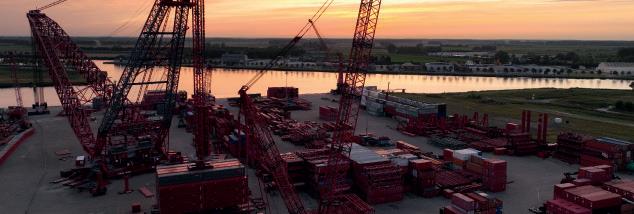
Mammoet UK
Enabling the world to build bigger than ever before while reducing carbon impacts

Story type
#innovation (main category)
#energy transition, #service & solutions
Benefits
▸ SK6000 re-defines construction supply chain for large energy and infrastructure projects.
▸ Removes construction design bottlenecks, allowing new economies of scale to be realized.
▸ The crane will help to guarantee the constructability of emerging sustainable energy forms.
Key findings
For young people
Alex Scott
How is Mammoet UK thriving?
Mammoet offers heavy lifting and transport services to energy and infrastructure customers in the UK, blending local knowledge with the expertise of a global organization to deliver more efficient supply chains.
Whether installing the New Wear Bridge in Sunderland, marshalling key components for Hornsea Offshore Wind Farm or helping to install power generating nuclear components at Hinkley Point C, Mammoet is helping communities and economies to thrive, across the country.
Moreover, it is innovating to solve the central challenges of the energy transition, bringing down the carbon impact of its own operations through the development of electric equipment, and elsewhere exploring alternatives such as HVO and hydrogen to lower emissions.
This extends to its very largest equipment. Mammoet’s SK6000 crane – delivered to the market late last year - is not only the strongest land-based crane in the world – but has been built with full electric operation in mind –from the grid, hydrogen or battery packs.
The challenge – As populations grow, so do our energy needs. Chasing larger yields at higher elevations, offshore wind components are growing taller and heavier by the year. New nuclear plants are utilizing larger components to build facilities from fewer pieces and hence bring them online quicker - providing a reliable base load. In the petrochemical sector, facilities must modernize and diversify their product ranges - often without expanding their footprints.
To serve these needs and more, a new crane was needed with an enhanced lifting capacity, capable of hoisting loads at a greater height and further outreach than ever before. In so doing, this machine would safeguard the future constructability of offshore wind facilities, while allowing customers across the energy and civil sectors to redesign supply chains and realise greater efficiencies than ever before possible.
Gavin Kerr Global Nuclear Segment Lead Director Global Services
The result was the SK6000.
▸ Be closely involved with some of society’s greatest challenges – and travel the world while doing so!
▸ Work on generation-defining projects in energy and infrastructure that people will be talking about for decades to come.
For industry
▸ What more can we do to enable the energy transition to move at pace to reach our goals from COP?
maximum radius of 160m is achieved. This
The solution – Using 4,200t of ballast as its anchor, the SK6000 can lift up to 6,000 tonnes, while in its base configuration, a maximum radius of 160m is achieved. This gives it a minimum reach longer than two football fields, and the capacity to lift the weight of over thirty 747 aircrafts.
The crane is rated for a load moment of 520,000 tonne metres: a common measurement for strength in the industry. This is well over one and a half times greater than the rated load moment of its predecessor the SK350 – which has a maximum capacity of 5,000t and 350,000 tonne meters, and was previously the world’s strongest land-based crane. This load moment is also more than double its nearest competitor.
Aside from mere technical specifications, this crane marks a step away from traditional product-based thinking, with Mammoet seeing the necessity for scalable and versatile lifting systems due to the pace of growth in the market. With wind turbines, construction modules, and reactors growing in size at an increased rate, systems such as the SK range of cranes allow its customers to realise economies of scale comparatively quickly.
By designing the SK series in a modular fashion, it can grow incrementally alongside market demands and becomes more resilient against obsolescence than bespoke solutions.
Sustainability is also central to its design. Indeed, using existing components from the SK series helped to save around 4,000 tonnes of CO2 during construction. Further, being fully electric, it offsets 400 tonnes of carbon annually during its operational life. As proof of concept, all operating modes of the SK6000 have been tested using electricity, powered by containerised batteries with output equivalent to 20 electric cars.
The SK6000’s versatility, precision, and sheer lifting power enables Mammoet customers to transition to cleaner power sources and build more safely and efficiently in larger pieces – shrinking the logistics, integration and
▸ Mobility of people, equipment and services is vital to tackle challenges on a global scale. This is becoming more difficult.
For government
▸ How can we encourage young people to consider working in the construction industry?
▸ Promote the skilled trades to young people. Why wouldn’t someone want to be a crane operator? It’s a job that offers the chance to travel the world, working on exciting projects - and earn a good living whilst doing so.
Mammoet UK at a glance:
Key products and services: heavy transport, heavy lifting, heavy construction and decommissioning.
Main industries served:
▸ Offshore renewable energy – 25%
▸ Nuclear power – 15%
▸ Oil and gas – 20%
▸ Carbon capture – 3%
▸ Conventional power – 2%
▸ Others (energy): transmission – 4%
▸ Others (non-energy): civil construction, infrastructure and shipbuilding – 35%
Headquarters: Schiedam, Netherlands
Year established: 1807
Number of employees: 5,000
Revenue: £1.4bn
mobilization phases of projects.
Backed by a highly experienced team, Mammoet continues to rise to the most complex heavy lifting and transport challenges – across the UK and abroad.
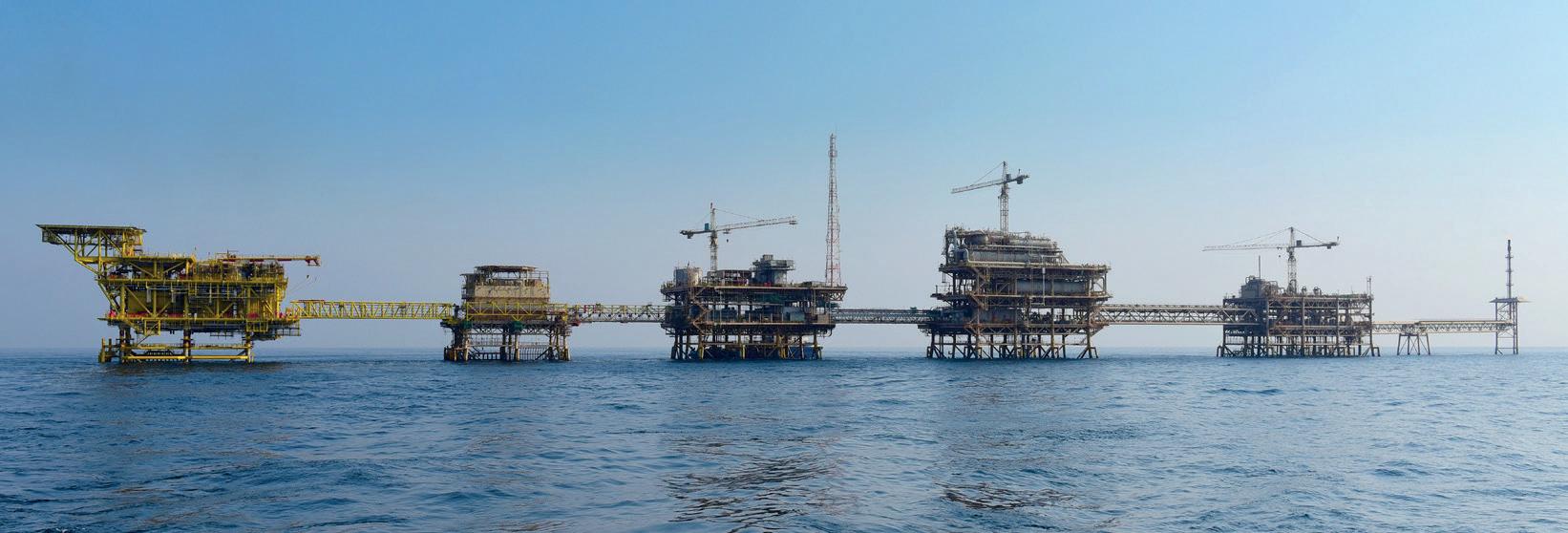
McDermott
IGNITE innovation programme drives operational efficiency and cost savings
Gareth Gregory Director, Commercial
How is McDermott thriving?
McDermott’s Offshore Middle East business successfully reinvigorated its workplace innovation culture through the relaunch of its IGNITE programme in 2024. The programme has since prompted active participation from employees and several ideas have progressed through the review stages and are now being implemented. The results are measurable and include improved operational efficiency, while advancing McDermott’s commitment to sustainability.
The challenge - The COVID-19 pandemic impacted McDermott’s established innovation processes and workplace collaboration during 2022 and 2023. Whilst health protocols were essential for employee safety, they inadvertently decreased organic interactions where innovation previously flourished. During this time, the SPARK innovation programme, which preciously captured workforce ideas, became dormant.
By early 2024, McDermott recognised the need to reestablish crucial communication channels between organisational tiers to tap into the workforce’s valuable knowledge to improve efficiency and competitiveness.
The solution - McDermott’s Middle East leadership relaunched the IGNITE innovation programme as a comprehensive, structured forum through which all employees can propose innovative ideas to improve operations across safety, quality, efficiency, productivity and environmental sustainability.
The IGNITE process begins with simple PowerPoint submissions to a central mailbox. Ideas undergo technical review by a diverse panel of subject matter experts (SMEs) representing all disciplines. The SMEs then offer insights to refine and enhance each idea into a final, polished concept. Proposals scoring above 60% then advance to a steering committee round comprised of senior management representatives with authority to approve implementation. This ensures maximum exposure and support for

Anu Wilson Senior Manager, Project Controls
viable concepts whilst maintaining rigorous evaluation standards.
Crucially, the programme spans the entire business line, breaking down traditional silos that might otherwise limit innovation. McDermott implemented extensive promotion across all locations, utilising digital signage, toolbox talks and multilingual communications to ensure accessibility for the diverse workforce.
To encourage participation, McDermott introduced scaled financial rewards for implemented ideas, alongside global internal recognition. The programme fosters improved communication and contact throughout the organisation – progress updates are regularly shared via the company’s intranet site and inspire similar initiatives across global operations.
A standout example demonstrates the programme’s impact, where an employee suggested to increase spool lengths from 65m to 90m for offshore installation projects. This seemingly simple modification delivered multiple benefits including reduced spool quantities and flanges, decreased diving time, shorter offshore installation durations and reduced fuel consumption. For McDermott, this translated into optimised costs, whilst the client benefited from reduced leak probability and lower annual maintenance costs.
The programme’s success stems from McDermott’s existing advantages – a large, knowledgeable workforce, previous experience with innovation programmes, strong senior management appetite for continuous improvement, and an established culture emphasising employee empowerment and engagement. Meanwhile, the company’s emphasis on two-way communication ensures employees receive support in developing and presenting their ideas effectively.
Within the last 12 months, employees across diverse departments including marine operations, engineering, project controls and
Story type
#people & competency (main category)
#culture
Benefits
▸ Cost savings and operational efficiency improvements for McDermott and its clients, and environmental benefits enabled by the programme.
Key findings
For young people
▸ Focus on the deployment of new technologies and concepts in new and conventional energy markets.
For industry
▸ Be prepared to delve into the outlook and aspirations for your respective business divisions.
For government
▸ Develop a solid, long-term energy transition plan.
McDermott at a glance:
Key products and services: engineering and construction solutions.
Main industries served:
▸ Oil and gas
▸ Offshore renewable energy
▸ Hydrogen
▸ Carbon capture
▸ Energy storage
Headquarters: Houston, US
Year established: 1923
Number of employees: 30,000
supply chain management have contributed innovative solutions. The programme has delivered cost savings, operational efficiency improvements and environmental benefits, for example through reduced operational time and fuel consumption.
Overall, McDermott’s IGNITE programme demonstrates how organisations can successfully restore and enhance innovation culture following disruption. By creating structured pathways for employee ideas whilst maintaining open communication and recognising contributions, companies can unlock significant operational improvements. IGNITE’s success reinforces that innovation thrives when organisations provide clear processes, senior management support and recognition for employee contributions.
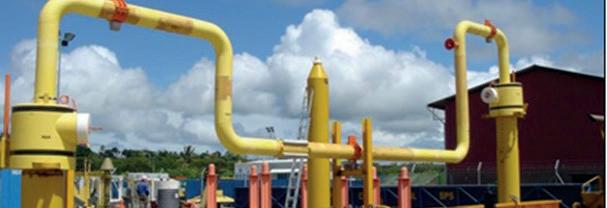
Metalcoating
Beyond the surface, reinventing the way Metalcoating delivers protection solutions
Pablo Costa Sales & Business Development Director
How is Metalcoating thriving?
Founded in 2000, and established in 2001 in Rio das Ostras, Brazil, Metalcoating Revestimentos Ltda has evolved from a traditional anticorrosion coatings specialist into a provider of fully integrated surface protection solutions. In 2021, the company achieved another milestone, awarding key offshore custom coating projects with anticorrosive solutions, and by 2025, expanded its capabilities to include thermal insulation services through targeted technology investments.
With a team of approximately 65 experienced professionals and growing expertise across oil and gas, conventional power, and other industrial sectors, Metalcoating is now eligible to work directly with Tier 1 players — including major EPCIs such as TechnipFMC, Saipem, Subsea 7 and others. The acquisition of a domestically manufactured three-stream pump further enhanced the company’s ability to deliver customised solutions for Brazil’s increasingly complex pre-salt demands, with a strategic focus on projects such as Búzios 10, Búzios 11, Atapu 2, Sépia 2 and beyond.
The challenge - As offshore projects in Brazil became more technically demanding, Metalcoating reached a turning point. While the company had successfully delivered anti-corrosion coating services for subsea structures in Mero 1 and 2 (via subcontracted partnerships under TechnipFMC), the specifications for new projects such as Mero 3, Mero 4, Búzios introduced a new level of complexity — requiring full combined solutions and, in special, thermal insulation capable of withstanding temperatures above 100°C, compared to the previous projects.
This shift revealed a market gap: insulation providers often offered costly stand-alone solutions, while only a few major players were prepared to deliver complete, integrated scopes. Petrobras’ SURF specifications provided a range of acceptable and specific solutions, further increasing pressure on local and qualified suppliers.
Despite having strong technical capabilities,
Metalcoating was at risk of exclusion from future projects due to a lack of formal insulation qualifications. As a result, strategic Tier 2 clients began demanding often full compliance packages — including technical dossiers, product data books, certified assets, and dedicated project teams — pushing Metalcoating to evolve from a single-service subcontractor into a qualified, multi-solution partner.
The solution - Metalcoating’s strategic transformation began with a clear vision: to survive and thrive in Brazil’s offshore market, it needed to become a full-scope service provider of custom coating solutions.
Taking bold action, the company eliminated intermediaries and began engaging directly with Tier 1 EPCs and key clients.
As mentioned, a major milestone in this journey was the investment in a domestically manufactured three-stream pump, ordered in 2023 and delivered in 2024. This equipment enables the precise application of advanced, catalyst-based insulation materials — essential for high-temperature resistance in demanding subsea environments.
In parallel, Metalcoating initiated a full restructure of its internal operations: developing compliance frameworks, producing detailed technical documentation, assembling dedicated multidisciplinary teams and equipping a state-ofthe-art laboratory. The company also enhanced its base infrastructure to support pre-assembly activities while maintaining the flexibility required for on-site execution.
A breakthrough then came - TechnipFMC selected Metalcoating to provide corrosion protection for the Búzios 6 GE Jumper Scope of Work — validating its technical excellence and laying the foundation for future engagements. This recognition not only strengthened Metalcoating’s position as a trusted partner in anticorrosion protection but also opened the door to offering integrated insulation solutions to other clients — and potentially, to TechnipFMC itself.
This transformation was not easy. It required
Story type
#service & solutions (main category)
#collaboration
Benefits
▸ Metalcoating’s technical knowledge, competitiveness has secured a contract win with Technip.
▸ The company’s new approach has improved collaboration with clients.
Key findings
For young people
▸ Always stay vigilant and curious – be aware of where you are in the sector, have a dynamic life.
For industry
▸ “We have never arrived; we are always becoming.” We are always in constant change in life. Understanding the O&G market is a metamorphosis.
For government
▸ How is it possible that there is no master plan for energy growth in Brazil? It’s no use having three equatorial margins and not knowing what to do with them. Why haven’t we left a legacy?
Metalcoating at a glance:
Key products and services: anticorrosive and thermal insulation coatings.
Main industries served:
▸ Oil and gas – 60%
▸ Conventional power – 30%
▸ Nuclear power – 10%
Headquarters: Rio das Ostras, Brazil
Year established: 2001
Number of employees: 65
Revenue: £2.65m
significant organisational changes, including the development of new collaboration models, dedicated client spaces, and deeper integration of knowledge and processes. Today, Metalcoating is preparing to compete in major upcoming tenders — including Atapu, Búzios 9–11, SEAP 1 & 2, Sépia 2, among others — with delivery models specifically tailored to Brazil’s complex offshore contracting environment.
This strategic evolution is not just a win for Metalcoating—it’s a testament to the strength of Brazilian industrial capability. By integrating value-added services, embracing innovation, and aligning boldly with market demands, Metalcoating reinforces that national players can lead, not follow, in shaping the future of offshore excellence.
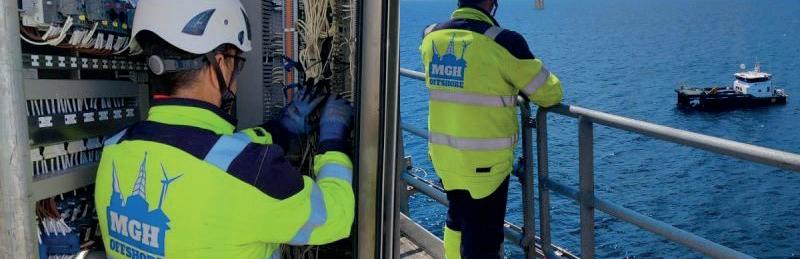
MGH Offshore
Diversification drives rapid growth from £600k to £6m in three years
Story type
#scale up (main category), #export #service & solutions, #transformation
Benefits
▸ MGH Offshore targets expansion to Europe, UAE and Taiwan.
▸ The company is growing without debt, external investment or government grants.
Key findings

Matthew Lynn Managing Director
How is MGH Offshore thriving?
Since launching full-time operations in 2021, MGH Offshore (MGH) has been on a journey of rapid growth, expanding from a singleperson consultancy to a 21-strong team supporting multiple contractors across global energy projects. The electrical and mechanical engineering specialist has delivered year-onyear doubling of revenues, reaching £6m in 2024 from £600k in 2021. Through strategic acquisitions, international expansion, and service diversification, MGH has transformed from a wind-focused contractor to a global energy services provider operating across renewables, battery storage, rail, and oil & gas sector.
The challenge - MGH faced significant vulnerabilities in its early growth phase, with 95% of revenue concentrated with a single client by mid-2022. As a rapidly growing SME, MGH encountered cashflow pressures which were exacerbated by large clients’ slow payment processes.
Additionally, the company struggled with international mobility constraints postBrexit. These visa and mobility challenges significantly impacted MGH’s capacity to expand internationally and compete effectively in European markets. The combination of client concentration risk, cashflow pressures and mobility restrictions threatened to constrain the company’s ambitious growth trajectory despite strong market demand for its specialised electrical and mechanical engineering services.
The solution - MGH embarked on an aggressive expansion strategy in 2022 and fundamentally transformed its business model and service capabilities. The company’s first major move involved acquiring an NFPAaccredited fire and gas company, making it one of only five firms in Europe capable of providing comprehensive fire and gas safety services within its core services.
capabilities. alongside
This acquisition enabled MGH to offer complete substation operations services across offshore and onshore wind sectors, which significantly expanded its addressable market. The company then recruited specialist engineers to strengthen their offering – allowing it to provide turbine-to-grid engineering solutions, alongside comprehensive fire and gas services, something of a unique value proposition in the market.
In 2023, the company opened an office in Glasgow to support Scottish operations and registered in the US, establishing an office in Wilmington, Delaware. This international presence enabled MGH to engage with major US developers and demonstrate its commitment to global markets.
The acquisition strategy continued aggressively into 2024, with MGH purchasing KPL Engineering, an HVAC company primarily focused on serving the UK rail industry. The company also invested in physical infrastructure, acquiring 2,500 sqft of office space and 16,000 sqft of industrial workspace on a 2.5-acre site to provide operational flexibility and support further expansion.
MGH’s client diversification efforts proved highly successful, culminating in signing a global master services agreement with a major global energy developer. The company successfully delivered complex projects, including executing electrical and mechanical construction works on a 150MW battery energy storage system (BESS), mobilising over 60 personnel who completed the work scopes on time and within budget. The BESS project showcased MGH’s expertise in specialised HV and LV electrical installation, including 33KV cable systems and DC link connections between power conversion systems and battery units, strengthening the UK’s grid stability infrastructure.
In parallel, MGH has demonstrated its technical capability in offshore and onshore substation works, managing comprehensive hook up and black start campaigns, along with HV & LV installations, for wind farm connections while navigating challenging marine environments and strict regulatory requirements. Its turnkey approach included specialised rectification works to convert wind farm AC power to DC for efficient transmission, backed by a robust risk management strategy and advanced marine operations using crew transfer and Jack-up vessels.
Central to MGH’s success has been maintaining a flat organisational structure, enabling rapid decision-making without external investor constraints. The company operates on principles of quality, honesty and relationship-building, often prioritising long-term partnerships over shortterm profits. This approach also involves maintaining work-life balance for employees, fostering strong company culture through team-building activities, and building deep relationships within local communities.
MGH’s commitment to quality remains uncompromising – the company has walked
For young people
▸ Focus on being really great and having a specialism. Don’t just chase the money.
For industry
▸ Foster relations, build strong unified teams, focus and prioritise, communications at all.
For government
▸ Make the UK a manufacturing nation – energy independent. Remember our historical allies and work with them.
MGH Offshore at a glance:
Key products and services: electrical engineering.
Main industries served:
▸ Offshore renewable energy – 50%
▸ Energy storage – 15%
▸ Others (energy) – 20%
▸ Others (non-energy) – 15%
Headquarters: Washington, UK
Year established: 2017
Number of employees: 21
Revenue: £6m
Revenue from exports: 25%
away from lucrative contracts exceeding £1m when unable to guarantee quality standards within unrealistic timeframes being proposed clients. This dedication to excellence has built strong client relationships and repeat business across all sectors.
The company’s rapid response, exemplified by the ability to mobilise personnel between Christmas and New Year after receiving confirmation of contract award just four days earlier, sets it apart from competitors. This agility, combined with MGH’s solutionsfocused approach and willingness to work closely with clients to resolve challenges, has established the company as a trusted partner across the energy sector.
Currently, MGH is continuing its international expansion journey by targeting Europe, UAE and Taiwan, whilst growing its presence in hydrogen and battery storage sectors. Crucially, the company is achieving this growth without debt, external investment or government grants, a feat which demonstrates the strength of its business model and growth strategy.
HV when

Monaco Engineering Solutions
Dynamic risk assessment of competence attrition in the oil and gas industry

Riccardo Bandini Operation Manager, Italy
How is Monaco Engineering Solutions thriving?
Founded in 2006, Monaco Engineering Solutions (MES) is a specialised consultancy providing technical safety and asset integrity services to energy, petrochemical, and industrial sectors globally. Originally supporting EPC contractors, MES now also partners directly with operators— applying its expertise and adaptability to deliver effective, tailored solutions to complex challenges.
The challenge - The crux of MES’ challenge stems from its desire to support operators directly. Pivoting in this direction, one major client – a leading Middle Eastern energy company with global operations –presented a particularly complex challenge.
In a context in which oil and gas companies are experiencing an increase in people movement, either internal (promotion, job reassignment, secondment, leaves, etc.) or external (retirement, termination, resignation, etc.), the client acknowledged that this situation may diminish the competence of critical roles and therefore expose their assets to process safety and asset integrity risks.
The client faced the challenge, particularly as they aimed for higher production and efficiency. In line with common practice across the global oil and gas industry—where a standardised approach has yet to be established—, there was an opportunity to develop a systematic method to assess and forecast the impact of fluctuating competencies on performance over time
The client sought a new, credible and quantifiable methodology to assess competency risk that would also provide visibility into how these risks varied across assets and clarify which technical disciplines were most impacted by gaps in specific roles. This insight would enable the development of actionable mitigation strategies.
The solution - When the client engaged MES for support, the firm started out by conducting in-depth interviews with senior personnel at the client’s headquarters. This collaborative effort aimed to gain a clear understanding of how workforce competency was being managed and how it was linked to operational risk.
With this phase completed, MES set about developing up a new risk assessment methodology, using one of the client’s plants for its proof-of-concept.

Roberto Garbuglia Global Asset Integrity Director
The pilot began with a role criticality assessment aimed at identifying and ranking the most critical roles, ensuring that all Asset Integrity and Process Safety positions were appropriately considered. MES then analysed HR data and turnover trends, ranked the risk associated with job roles based on their criticality to plant safety and performance, linked each role to specific asset-level key performance indicators (KPIs), and forecasted trends in performance degradation due to loss of experience and knowledge. The methodology was then fine-tuned based on the trial, carried out at this initial plant.
The pilot proved crucial, enabling MES to refine and calibrate the model under operational conditions, where assumptions could be tested and analysis improved. Despite significant time pressures, the successful completion of the pilot established confidence with the client’s leadership and paved the way for a broader rollout.
Once validated, MES rapidly scaled the methodology across 80% of the client’s asset base. It was able to run assessments in parallel across different plants, drawing from the learnings of the initial pilot to accelerate progress.
The results provided powerful insights. Indeed, while no immediate threats to production were identified, the analysis showed clear signs of strain in some areas including a rising backlog of technical work, early indicators of loss of containment and growing performance variability.
The real concern lay in the mid- to long-term, particularly given the anticipated extensive asset growth combined with a significant number of planned retirements. Without targeted intervention, the gradual reduction of competency in key roles could increase the risk of major safety incidents and operational failures.
To support the client in addressing these challenges, MES delivered a comprehensive risk-based recovery and mitigation plan. This included practical, actionable steps such as transferring experienced personnel from lower-risk plants, rebalancing workloads and implementing structured approach to succession planning. Additionally, a competency assurance framework for Asset Integrity and Process Safety roles, supported


MES
Story type
#service & solutions (main category) #collaboration, #people & competency
Benefits
▸ Second project phase commissioned by client.
▸ Tailored high-quality solution maximising value for client.
▸ MES showcased it can help clients navigate major structural changes.
Key findings
For young people
▸ Find your way and you will learn.
For industry
▸ Don’t be solely number-oriented. Understand the value in your people.
For government
▸ Invest in human resources through education and research.
Monaco Engineering Solutions at a glance:
Key products and services: consultancy services.
Main industries served:
▸ Oil and gas – 95%
▸ Conventional power – 2%
▸ Offshore renewable energy – 1%
▸ Onshore renewable energy – 1%
▸ Hydrogen – 1%
Headquarters: Leatherhead, UK
Year established: 2006
Number of employees: 200
Revenue: £22.4m
Revenue from exports: 75%
by targeted training and certification program, was introduced for sustainably and continuously building competency. These recommendations were designed not just to manage risk, but to protect long-term business performance. As part of the implementation, the client adopted a formal procedure to regularly assess competency-related risks and established KPIs to continuously monitor and respond to potential attrition in critical roles.
The client’s executive leadership approved the findings and expressed strong confidence in MES’ approach and recommendations. As a result, they commissioned a second phase to cover the remaining of their global facilities. MES then completed the full assessment by January 2025 and presented the results to the company in April 2025.
By demonstrating a clear link between workforce dynamics and asset risk in a quantified, plant-specific, and actionable manner, the project showcased the firm’s ability to not only deliver technically sound solutions, but also to help clients navigate major structural changes in their workforce, operations and long-term business strategy.

Mott MacDonald
Strategic upskilling powers ambitious growth trajectory for Mott MacDonald’s energy team
Prem Mahi Technical Excellence Director – Energy
How is Mott MacDonald thriving?
Mott MacDonald has navigated unprecedented growth of nearly 30% in revenue over the past three years while also implementing a comprehensive upskilling strategy to maintain its reputation for technical excellence.
New team members have been supported to quickly develop the technical capabilities and cultural understanding needed to deliver complex projects. This approach has enabled the company to grow its presence across Europe in key markets including France, Spain, Italy, Bulgaria, and Serbia, while maintaining a strong reputation for handling technically challenging, high-value projects.
The challenge – Mott MacDonald is an employee-owned consultancy with over 20,000 people across more than 50 countries, offering expertise across the energy, transport, water, buildings, and wider infrastructure sectors. However, the organisation faced a significant challenge when rapid growth in the energy sector created unprecedented demand for its services, necessitating a substantial expansion of the workforce.
To demonstrate how the company responded, by the end of last year, 60% of the energy unit workforce consisted of employees who had joined within the previous three years—a figure projected to reach 80% by the end of 2026. While this is beneficial for meeting project demands, it also presents challenges for maintaining technical capabilities and preserving cultural identity.
This rapid influx of new talent required new team members to undergo not only technical training but also effective cultural integration. Existing experts were tasked with mentoring new colleagues in addition to managing their own demanding workloads. Furthermore, the organisation needed to balance resource utilisation across different energy sectors to ensure consistent service quality.
The solution – Mott MacDonald’s energy team launched a comprehensive five-year upskilling campaign in 2022, designed to address the need to recruit and retain
staff. Rather than adopting a one-size-fitsall approach, the organisation developed a flexible framework tailored to individual employees based on their existing skills, experience, and potential.
The programme draws on the 70:20:10 model of professional development, recognising that approximately 70% of learning occurs through on-the-job experience, 20% through mentoring and coaching, and 10% through formal training.
A key element of this initiative was the expansion beyond the UK into mainland Europe, with the establishment and growth of energy offices in France, Spain, Italy, Bulgaria, and Serbia. This strategic move leveraged regional strengths—such as Bulgaria’s expertise in advanced analysis, Spain’s early adoption of renewable energy, and the UK’s civil engineering heritage. These European offices are already delivering tangible benefits, including increased employee loyalty and competitive cost structures, with teams able to support UK projects remotely— in some cases, with up to 90% of the work delivered from locations such as Italy.
The upskilling programme is supported by robust structures, including a carefully designed induction process, technical coaching, comprehensive written resources, and knowledge-sharing initiatives. For experienced hires, the approach is customised to address specific skill gaps through targeted development. Additionally, the company has enhanced its support for team members pursuing chartered professional status, encouraging broader achievement of this industry recognition.
The success of the programme is reflected in several performance indicators, including employee engagement surveys measuring up to 60 factors such as technical competence, inclusion, and alignment with company values. Additional metrics include training completion rates, professional chartership achievements, client satisfaction, and repeat business rates.
The initiative has already delivered strong results. Graduate chemical engineer, Xheni Poshnjari, joined the company in its Genoa office to initially assist with employee training. Through the upskilling programme, Xheni gained good technical knowledge to deliver valuable engineering and safety work on client energy projects.
Employee retention remains high, particularly in
Story type
#people & competency (main category)
#scale up
Benefits
▸ Company’s energy team upskill programme has achieved impressive results on employee retention and training opportunities.
▸ Technical excellence with repeat business driving approximately 20% of the overall 30% energy unit growth.
For young people
▸ Keep an open mind, say ‘yes’ more often than ‘no’ and don’t be afraid to ask questions.
For industry
▸ To achieve our climate change targets, don’t look to government as politicians will come and go. Do what is within your power and capabilities to progress.
For government
▸ Change the planning laws – they are a barrier to onshore renewable energy.
Mott McDonald at a glance:
Key products and services: multi-sector engineering, development and management consultancy services.
Main industries served:
▸ Nuclear power – 35%
▸ Conventional power – 25%
▸ Onshore renewable energy – 15%
▸ Oil and gas – 10%
▸ Hydrogen, CCUS and energy storage –10%
▸ Offshore renewable energy – 5%
Headquarters: London, UK
Year established: 1989
Number of employees: 20,000
Revenue: £2.37bn
mainland Europe where Mott MacDonald has successfully established its energy presence. Training participation and the number of team members achieving chartered status have both increased significantly. Crucially, the organisation has maintained its reputation for technical excellence in the energy sector, with repeat business contributing substantially to the overall 30% growth.
With two years remaining in the five-year campaign and projected growth of 20–25% for 2025, the company is also exploring how artificial intelligence can supplement internal knowledge, with multiple working groups and trial initiatives currently underway.
By focusing on systematic upskilling and strategic geographical expansion, Mott MacDonald has effectively navigated the challenges of rapid growth in the energy sector while preserving its core strengths in technical excellence and complex project delivery.
(0)20