
Professional Learning Programs 2024-25 Annual Report
Letter from the Head of Professional Learning
This year, Professional Learning continued to strengthen partnerships with schools, educators, and organizations across the country and around the world. Together, we advanced our shared vision that place-based education can inspire meaningful learning and foster thriving communities.
We reached several exciting milestones in our Place Network evaluation, gathering our most comprehensive student and school-level data to date. These results demonstrate clear trends: students are showing higher engagement, educators are reporting stronger well-being, and schools are deepening their connections with local communities. By aligning our efforts with our theory of change, we’re seeing how intentional, sustained implementation of placebased education creates lasting impact across multiple levels of the learning ecosystem.
This portfolio highlights the collective outcomes of that work. From student-led community action projects and teacher leadership programs to international collaborations that bring place-based practices to life in new contexts, each story and data point underscores the same message: when learning is grounded in place, everyone benefits.
Read on to learn about our recent successes.
Sincerely,
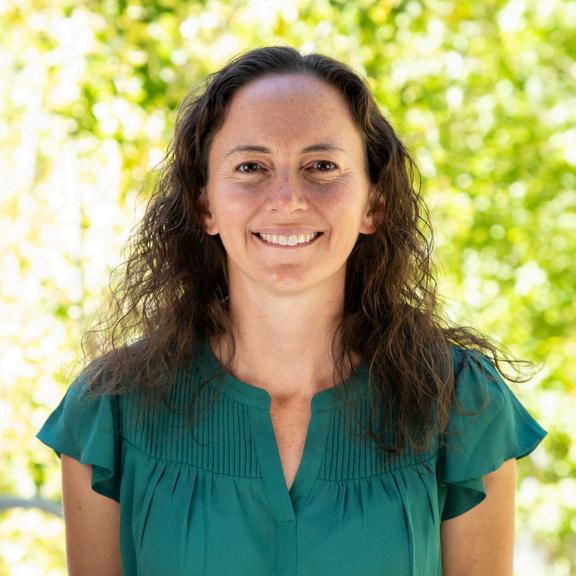
LeslieCook
Leslie Cook Head of Professional Learning
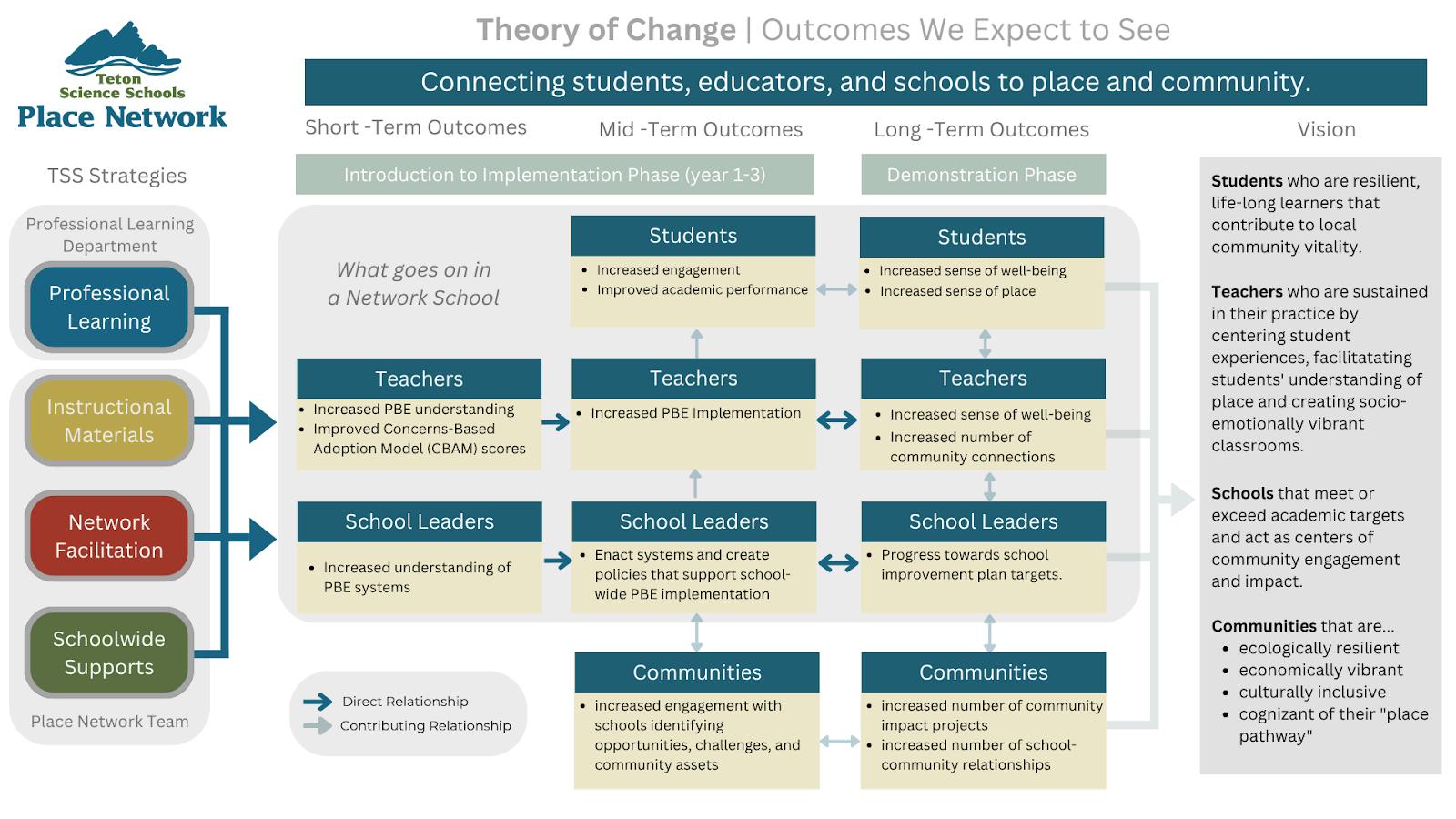
At Teton Science Schools, we believe that intentional applications of place-based education can lead to meaningful outcomes for students, educators, schools, and communities. Our theory of change outlines how we believe deeper engagement with place and community can create pathways toward lasting, positive contributions for all learners.
While educators often feel the impact of place-based learning in their classrooms, there has historically been insufficient concrete evidence to demonstrate these effects at scale. Over the past two years, we’ve made significant progress toward addressing this gap.
Between 2023 and 2025, we collected our most complete snapshot to date of school- and studentlevel data from across the Place Network. Although participation varies year to year, this dataset offers the clearest picture yet of how implementation relates to outcomes.
Our evaluation explores how place-based education shapes multiple levels of the learning ecosystem through these guiding questions:
For Students: Can the Teton Science Schools model of place-based education increase engagement and foster growth in key areas of student well-being?
For Educators: Does participation in Place Network support stronger place-based education implementation and teacher well-being?
For Schools & Communities: Does Place-Network foster school-wide academic growth and deepen school–community connections?
Student Outcomes

This year, our Place Network evaluation reached a milestone: For the first time, we collected comparable student- and school-level data across two consecutive school years. Based on surveys from over 700 students across schools in the Place Network, student engagement scores increased on average over the most recent 2 years of program participation This growth reflects both full partner schools (actively working with our team to integrate place-based education practices) and demonstration schools (schools that have previously worked with us and are now independently implementing the model at high fidelity). When student engagement is measured during these deeper phases of implementation, we see trends consistent with our theory of change. In particular, that sustained place-based education integration corresponds with stronger engagement outcomes.
Seven of the eight reporting schools experienced stable or increased engagement scores, with the overall network average rising by nearly 12 points. This increase represents a mix of schools in their second or third year of implementation and schools at the demonstration stage. While contexts differ, the shared upward trend highlights how meaningful, locally rooted learning experiences can positively shape students’ connection to their education.
These results align with other student-level and paired school-level findings across the network, suggesting that place-based education not only enriches classroom learning but also strengthens engagement over time. Engagement is a well-documented driver of academic achievement, student well-being, and community connection. By continuing to support high-quality place-based education implementation, schools are building stronger learning environments with lasting, systemic impact.

The Wisdom Writers
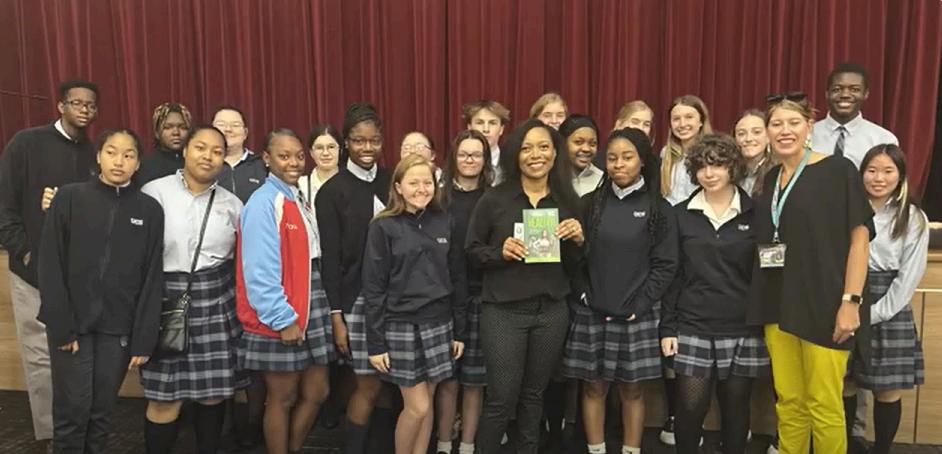
In rural Alabama, a group of high school students turned their creative writing class into a platform for community change. Building on a participatory action research model, the students explored the realities of teen mental health in their community as an issue they felt deeply connected to. Through personal storytelling, they have crafted and published a collective series of memoirs sharing their own mental health experiences. The students have also organized local mental health conferences, bringing together peers, educators, families, and community members for honest dialogue, awareness-building, and support.
We aim to encourage people that writing can be a great outlet for them if they can’t verbally express their feelings. - High school English Teacher
Working alongside university researchers and their teacher, the students helped design surveys to measure the impact of their work. Pre- and post-project results showed meaningful gains in students’ sense of being heard, access to safe spaces, the value of peer discussions, and perceptions of their community’s awareness of teen issues. The most significant changes were in areas the students themselves identified as priorities, highlighting the power of youth-led design.
Themes that emerged from the project included increased selfexpression, stronger peer support networks, and the vital role of youth voice in shaping community conversations. This project demonstrates how place-based education, when centered on student perspectives, can empower young people to lead, inspire, and create lasting social impact.
Rock River Student STEM Identity Outcomes

In a small rural school, students in grades 4-6 discovered that science can start right in their own backyard and that they have the power to make a difference. Through a place-based STEM project, students investigated a pressing local issue: wildlife-vehicle collisions in their community. Their work combined real scientific inquiry with public advocacy, blending classroom learning with authentic, hands-on problem-solving.
Grounded in the principles of place-based education, the project drew on students’ lived experiences and local environment to make STEM learning relevant and meaningful. Students participated in research, analyzed data, and proposed solutions, strengthening not only their STEM skills but also their sense of responsibility as community members.
This work shows how place-based education can spark both academic and personal growth, helping students see themselves not just as learners, but as capable change-makers. By connecting STEM learning to real community challenges, the project fostered identity development, civic engagement, and a lasting sense of agency.
Pre- and post-project surveys, focus groups, and reflections revealed powerful shifts in how students saw themselves The identities with the most positive growth from before the project to after the project are advocate, problem-solver, and communicator They expressed greater confidence in their STEM abilities and a deeper commitment to caring for the places they call home.
Educator Outcomes
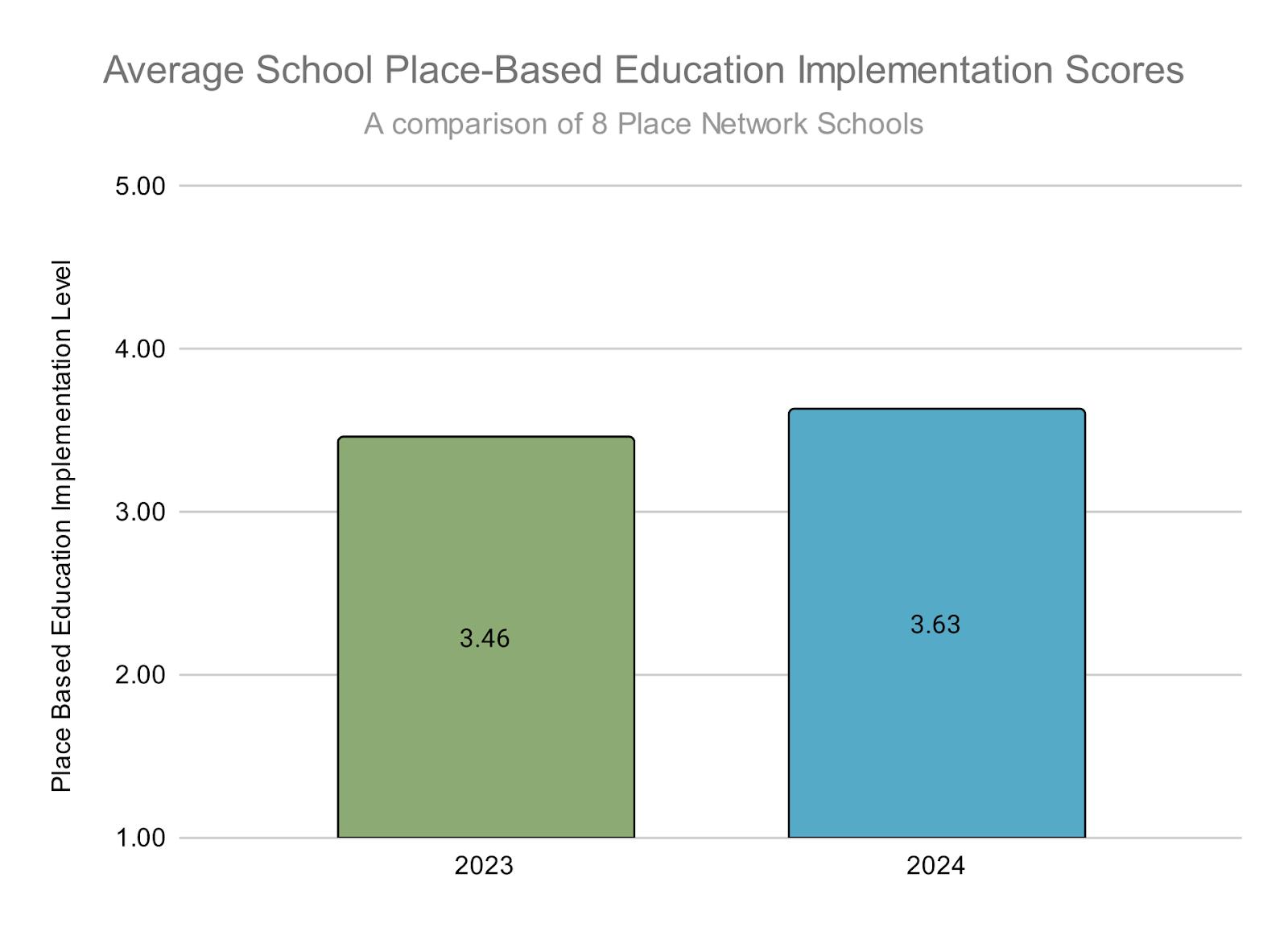
A central question guiding our evaluation is whether participation in the Place Network supports stronger place-based education practices. Our latest data provide encouraging evidence: Schools in the network are increasingly embedding local context, community engagement, and student-driven inquiry into teaching and learning.
Between Fall 2023 and Fall 2024, six out of eight schools reported measurable growth in place-based education implementation, with scores increasing on average across the network. Schools that invested in collaborative planning, community partnerships, and curriculum integration saw the most consistent improvements. This trend demonstrates that network participation provides both the guidance and peer support needed to strengthen place-based education practice across diverse school contexts
Participation in the Place Network creates a reinforcing cycle: as educators gain confidence and share strategies, their schools adopt more robust place-based education practices While the sample is relatively small, these consistent improvements suggest that network involvement supports educators in translating place-based learning principles into meaningful classroom experiences.
Teacher Well-Being
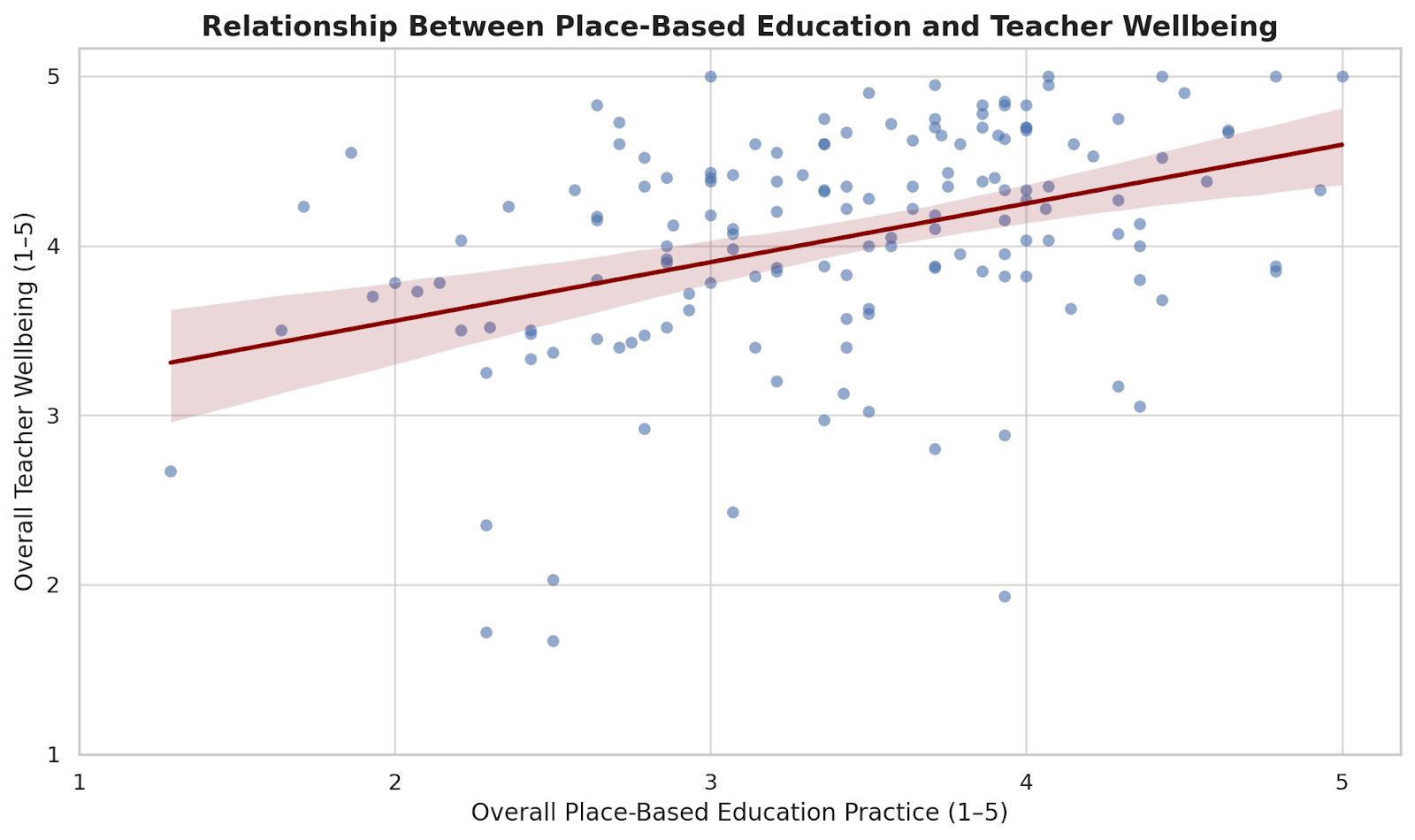
Our second key question asks whether engaging in the Place Network and implementing place-based education is associated with higher teacher well-being. Teacher well-being is essential for sustaining highquality instruction, fostering professional growth, and maintaining positive school climates.
Our survey of 155 teachers across the Place Network found that teachers who engage more deeply in place-based education also report stronger well-being. In other words, educators who implement practices that connect learning to local communities, students’ lived experiences, and the natural environment tend to feel more confident, more effective, and more fulfilled in their work. Teachers who described more frequent and higher-quality place-based teaching reported:
Stronger relationships with students
Greater confidence and self-efficacy in their teaching
More positive emotional experiences at school
Approximately 65% of teachers indicated that their place-based teaching positively impacts their wellbeing, suggesting that engaging with local contexts and community partners contributes not only to student learning but also to professional fulfillment.
While this data does not prove that one causes the other, the pattern is clear: Engaging with place-based education appears to support teachers’ professional vitality. This suggests that helping educators bring local context, student voice, and community engagement into their classrooms may also make teaching more energizing and sustainable

Place Network Conference
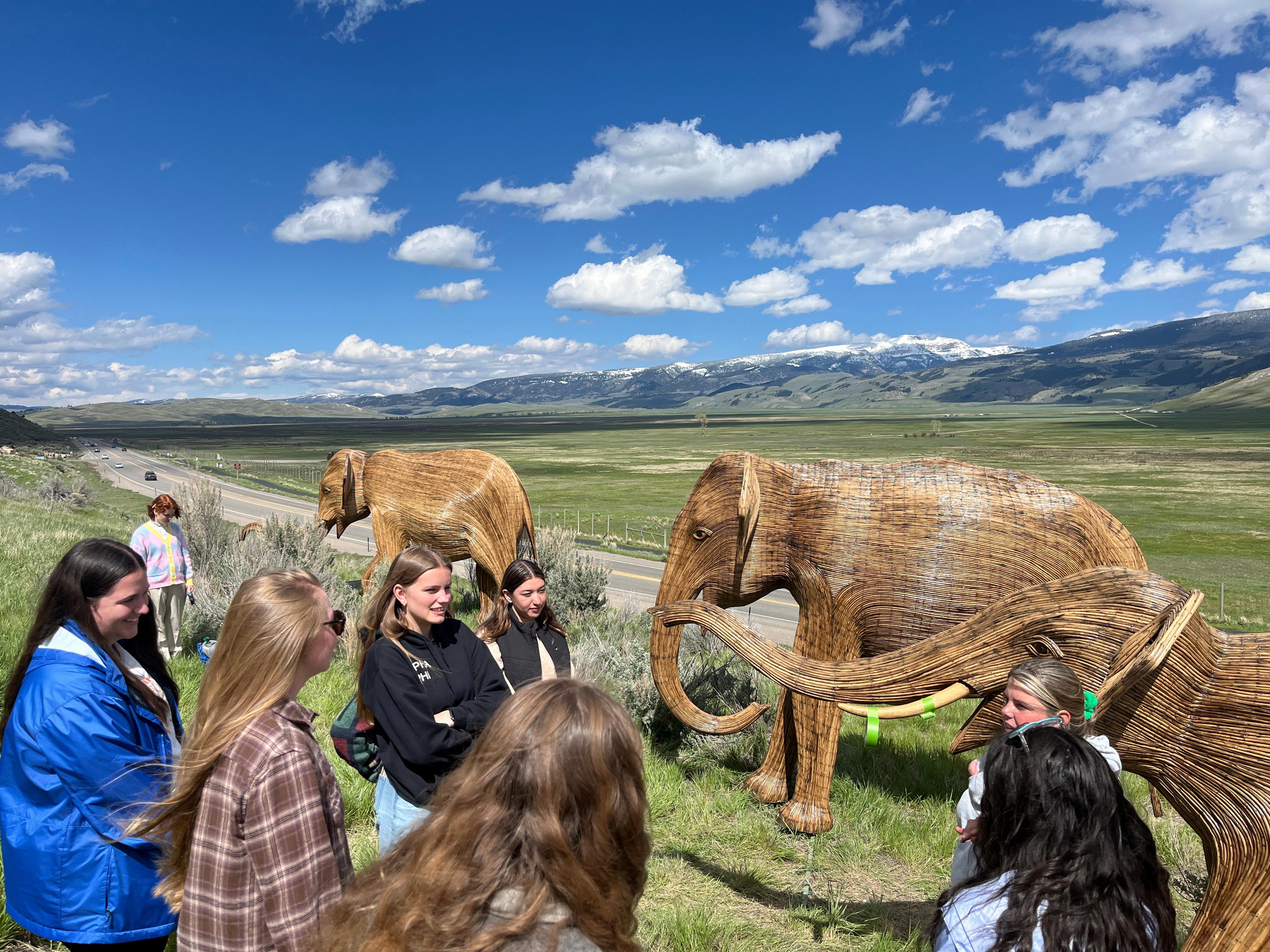
In April, over 30 educators from across the United States and Canada convened in the Tetons for the Spring 2025 Place Network Conference. Throughout the week, participants engaged deeply with place-based learning, exploring the local landscape, exchanging ideas, and fostering meaningful dialogue around education rooted in community and environment.
Throughout the conference, sessions focused on the core of place-based education: connecting curriculum to community, empowering student action, and leading with curiosity.
Key highlights
Breakouts from schools such as Cottonwood School of Civics and Science, Mountain Community School, Grand Rapids Museum School, and others.
Conversations on gift economy models, elementary economy projects, high school design thinking, and schoolwide scheduling for place-based learning.
Student showcases and a Project Exhibition Night at Mountain Academy’s Teton Valley Campus, offering a window into the innovative work happening.
Keynote speaker Wes Martel, Senior Wind River Conservation Associate at Greater Yellowstone Coalition and advocate for Indigenous land stewardship
In Mud: NatureBased Early Childhood Educators Workshop
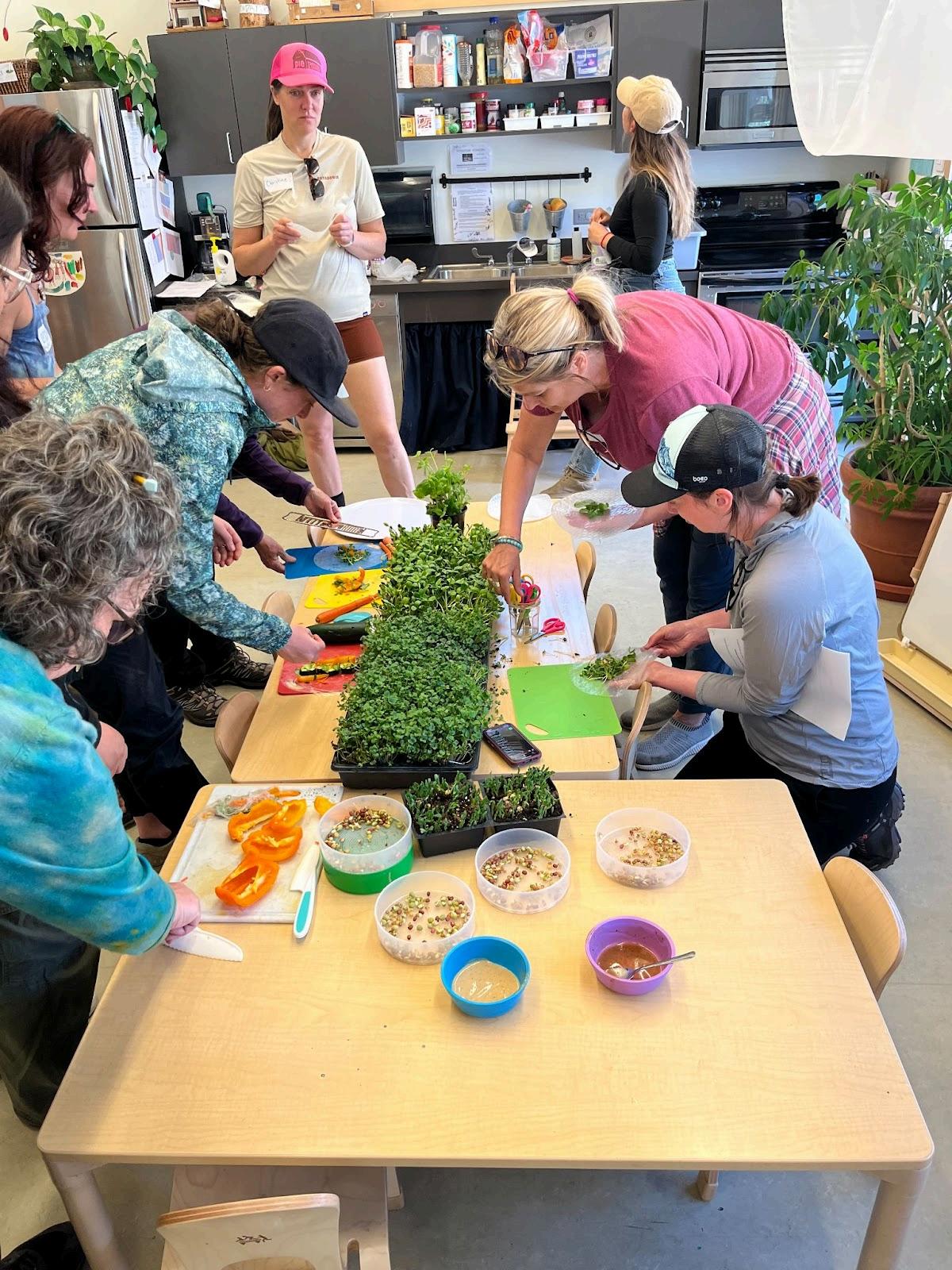
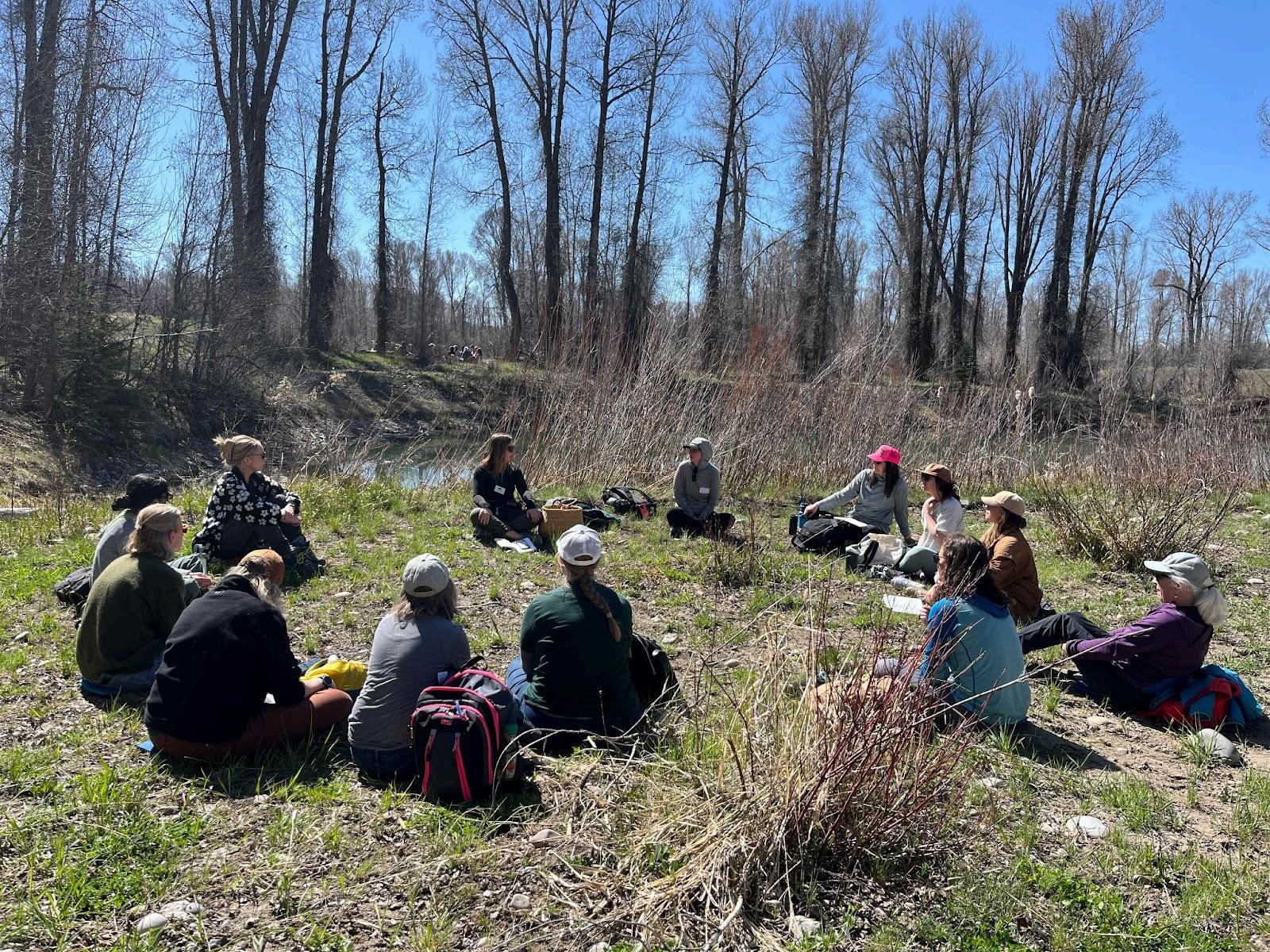
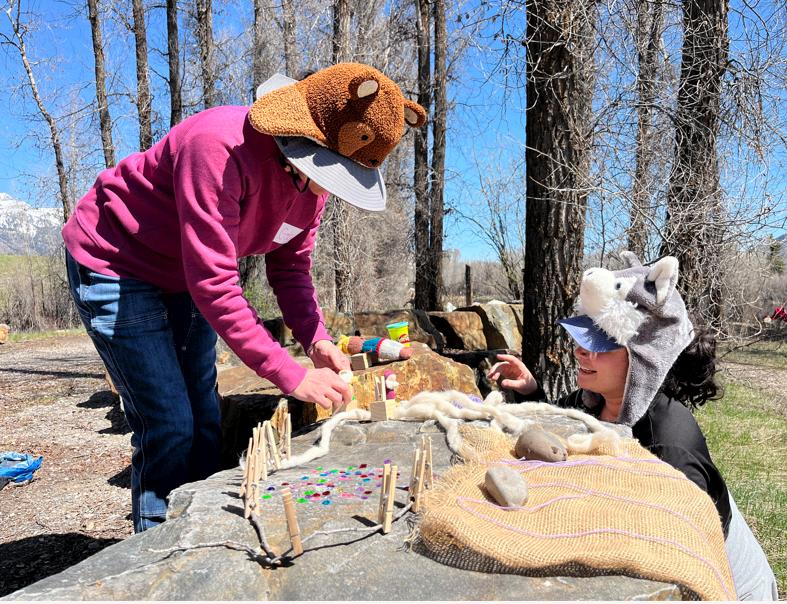
On May 3, educators gathered in Jackson for our eighth annual In Mud: Nature-Based Early Childhood Educators workshop. From mud kitchens to growing real food, and climbing trees to becoming play detectives, the day was filled with wonder and excitement.
Highlights included keynote speaker Susan Ford, a pediatric occupational therapist, infant massage educator, Reiki master, and founder of Coorie Wellness in Kittery, Maine. Susan shared how she integrates natural spaces and creative movement into her programs to build emotional regulation and resilience.
After attending the workshop, In Mud participants reported high confidence (90%) and high commitment (94%) in implementing nature-based learning. Compared with other professional learning workshops, 94% reported that the In Mud workshop had a high benefit and impact on their teaching practice, and 93% would highly recommend the In Mud workshop to a colleague.
“What engaged me most in the workshops was that they were held outdoors, where educators were encouraged to embody a child's perspective and interact directly with materials.” - In Mud participant
Place-Based Education in Bhutan
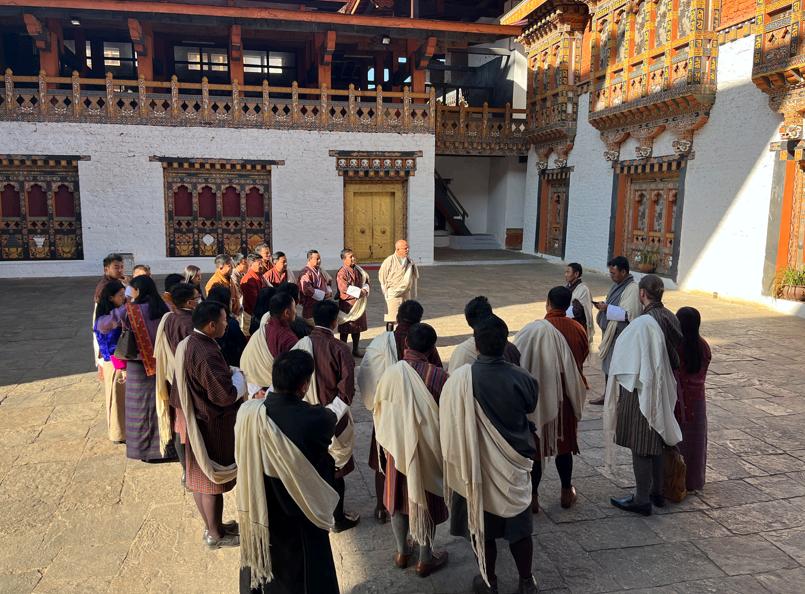
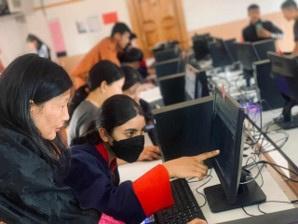
At Teton Science Schools, we believe that place-based education naturally takes unique forms in each community where it is practiced. Recently, our Professional Learning team collaborated with school partners and educators in Bhutan to strengthen and celebrate these approaches. During our visit, we witnessed inspiring examples of how schools are connecting students to their local environment, culture, and economy through place-based practices:
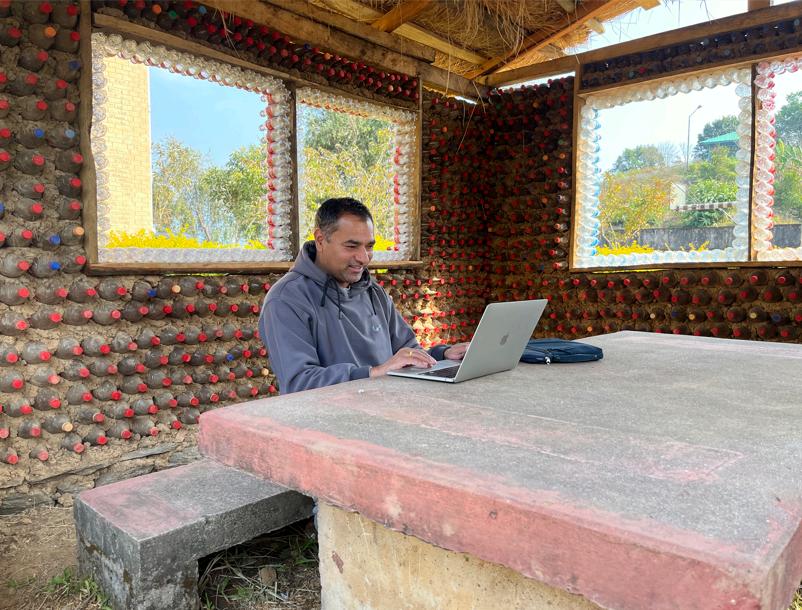
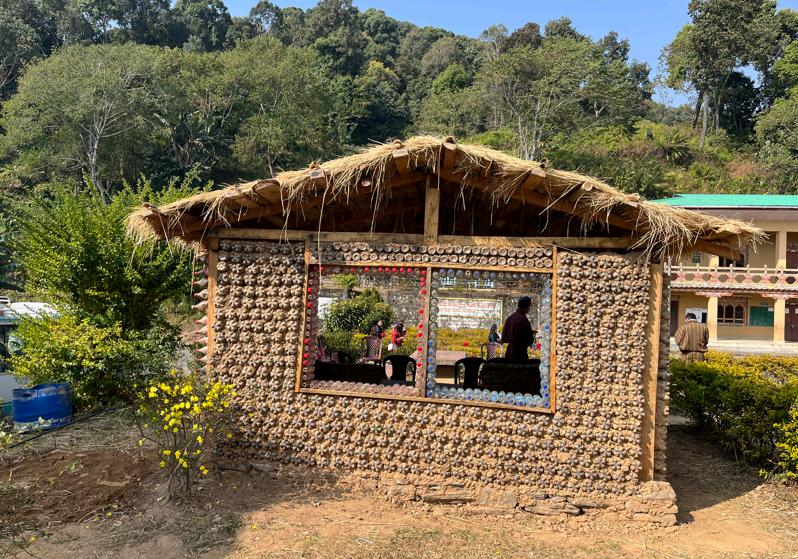
Pangserpo Primary School (Dagana, Bhutan) hosted a Human, Art, Culture, and Economy Place-Based Education Exhibition. With support from teachers and the community, students showcased projects such as pickling bamboo shoots for sale, weaving sit mats and baskets from recycled materials, and creating pencils from reused paper. These items were shared with the local community and visiting educators, demonstrating both creativity and entrepreneurial skills. They even built a small shelter, pictured at left, with mud and plastic bottles.
Tendruk Central School (Samtse, Bhutan) integrates design thinking into its place-based approach. Students tackle real-life challenges. Some of the projects include improving refrigeration and mapping nearby natural resources, which enhances engagement in science while building creativity, empathy, and collaboration skills.
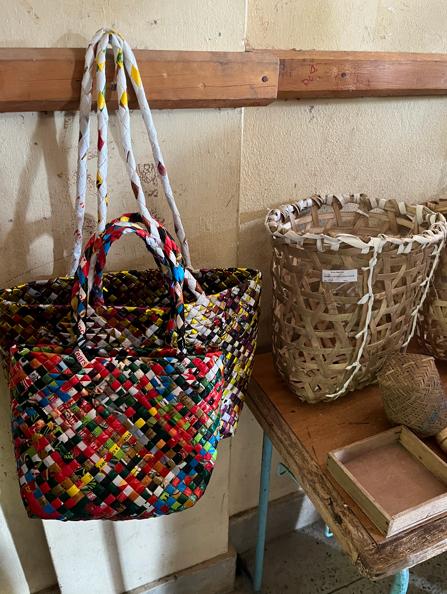
My Gadikh Village School (Punakha, Bhutan) recently completed a cultural heritage and textile project in partnership with the Green Weaving Centre. Over several weeks, students collected nettle plants to process into yarn, participated in natural dye workshops, and sourced local materials to create their own dyes. These practices reinforce the preservation of traditional craft practices.
Each of these schools is implementing place-based education in ways that reflect their community’s culture, economy, and ecology. During our workshops, teams also set goals and action plans for the upcoming school year, which runs from February through December in Bhutan. We continue to learn from our global partners as place-based education takes shape in diverse ways across the world. These partnerships are rooted in reciprocity, allowing for a rich exchange of ideas and practices that strengthen our shared understanding.
Looking ahead to 2025, TSS Place-Based Education Fellow Tristan Moehs will live in Bhutan to work closely with these partner schools. Tristan, a 2024 TSS AmeriCorps member, was inspired to return to Bhutan after his firsthand experiences with place-based learning and studying abroad in Bhutan during his undergraduate studies.
School Outcomes
Academic Outcomes
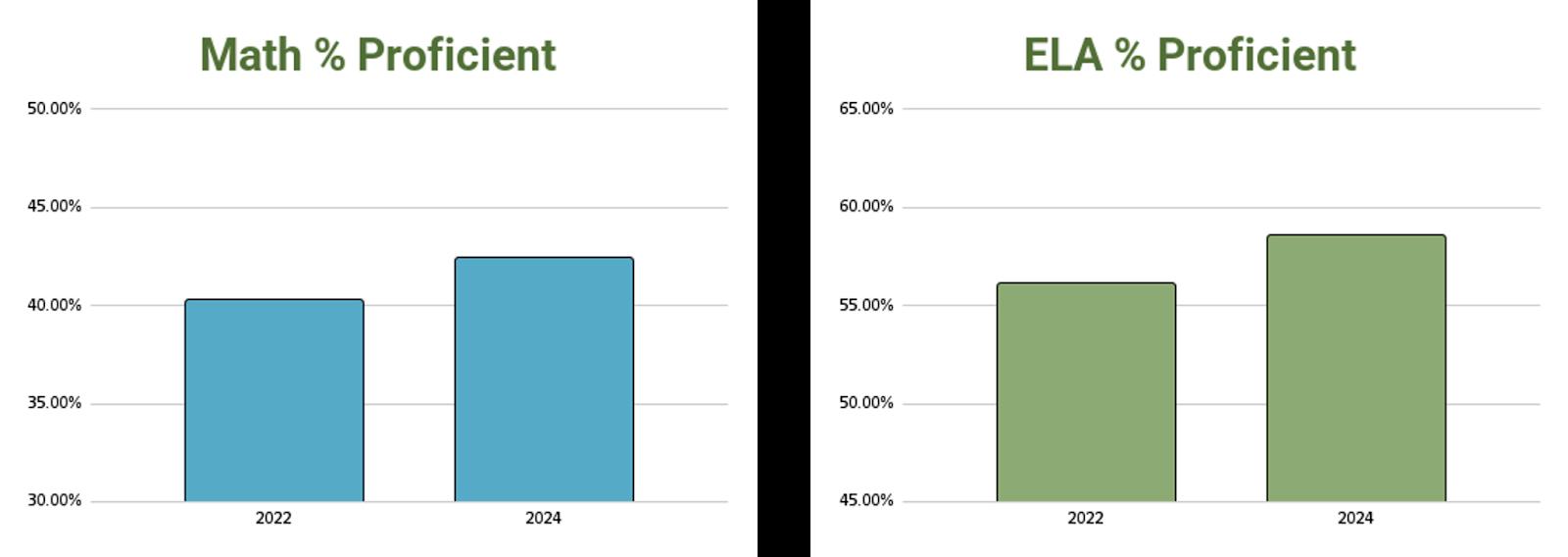
Over three years, schools participating in our program have demonstrated positive trends in student academic outcomes. Weighted averages, which account for school size, show gradual improvement in English Language Arts scores, rising from 56.1 in 2022 to 58.6 in 2024. Math scores increased from 40.3 in 2022 to 43.3 in 2023, with a slight stabilization in 2024.
These trends reflect schools that have advanced to the demonstration phase of program implementation and are delivering program components with fidelity. While individual school contexts vary, the network-level results suggest that program participation is associated with measurable gains in student learning.
Not all schools reported data in every year; weighted averages reflect the schools with available scores. A sensitivity analysis limited to schools with complete multi-year data yields similar patterns, reinforcing the reliability of these findings.
This evidence aligns with our theory of change: As schools engage more deeply with the program, students demonstrate increased academic performance, supporting the value of sustained, place-based, and culturally responsive educational practices.
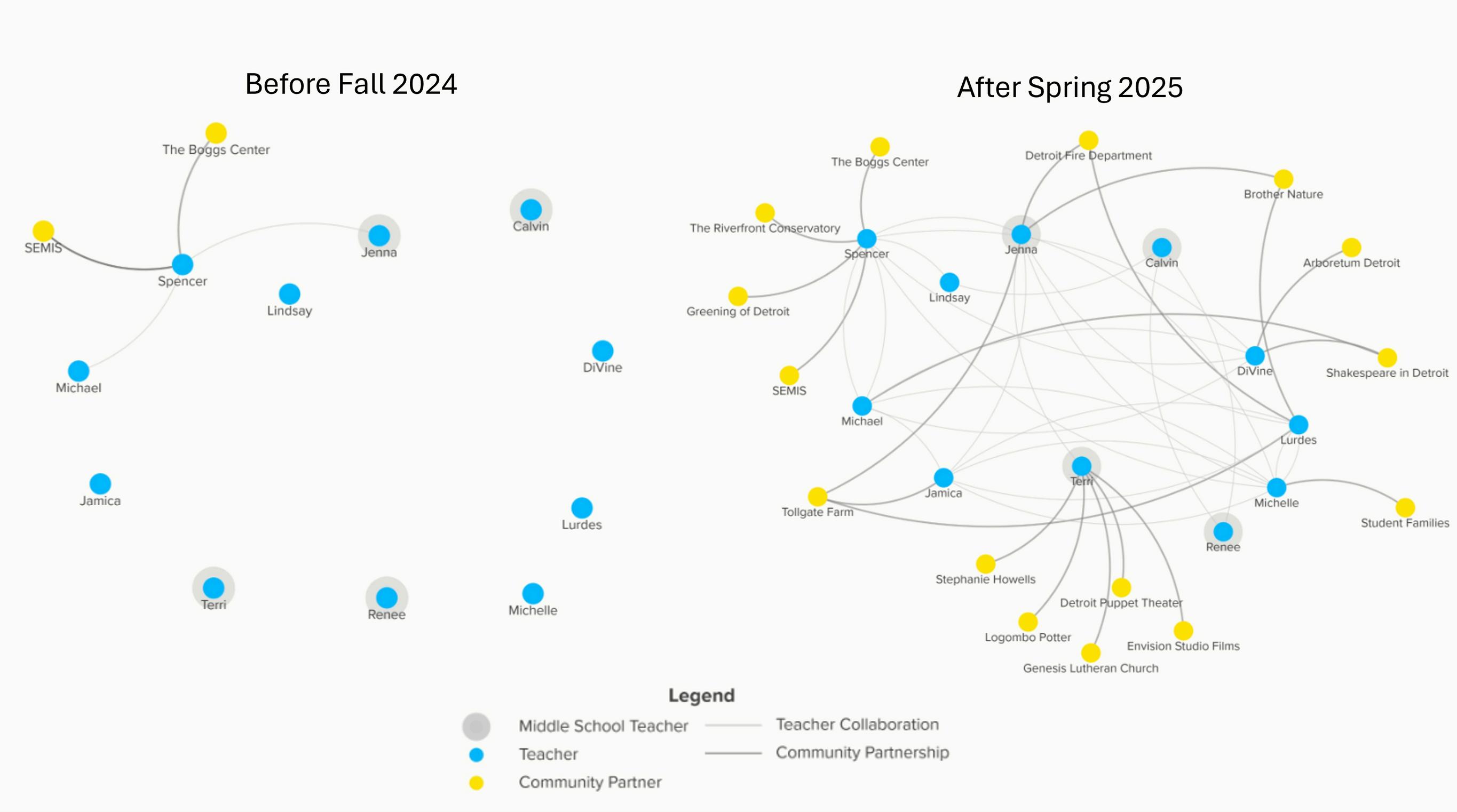
As part of our ongoing efforts to study and strengthen the role of place-based education in cultivating school–community connections, three partner schools participated in a social network analysis pilot during the 2024–25 school year. This work mapped educators’ collaboration with one another and with community partners, providing a clearer picture of the relationships that anchor experiential, locally connected learning.
By visualizing these networks before and after a year of place-based education implementation, schools can see not only an increase in the number of connections but also a strengthening of the density and cohesion within their professional and community networks.
Across all three schools, results showed statistically significant growth in teacher-reported community partnerships and collaborative ties among educators. For example, at James and Grace Lee Boggs School (Detroit, MI), overall educator connections increased from a median of 0 to 5 over the course of the year. Similar upward trends were observed at the Cottonwood School of Civics and Science (Portland, OR) and at Grand Rapids Museum School (Grand Rapids, MI), where community connections and teacher collaborations both increased significantly. Together, these findings highlight the promise of place-based education not only as a pedagogical approach but also as a catalyst for building the webs of relationships that sustain vibrant schools and communities.
Wagonner Creek Elementary School
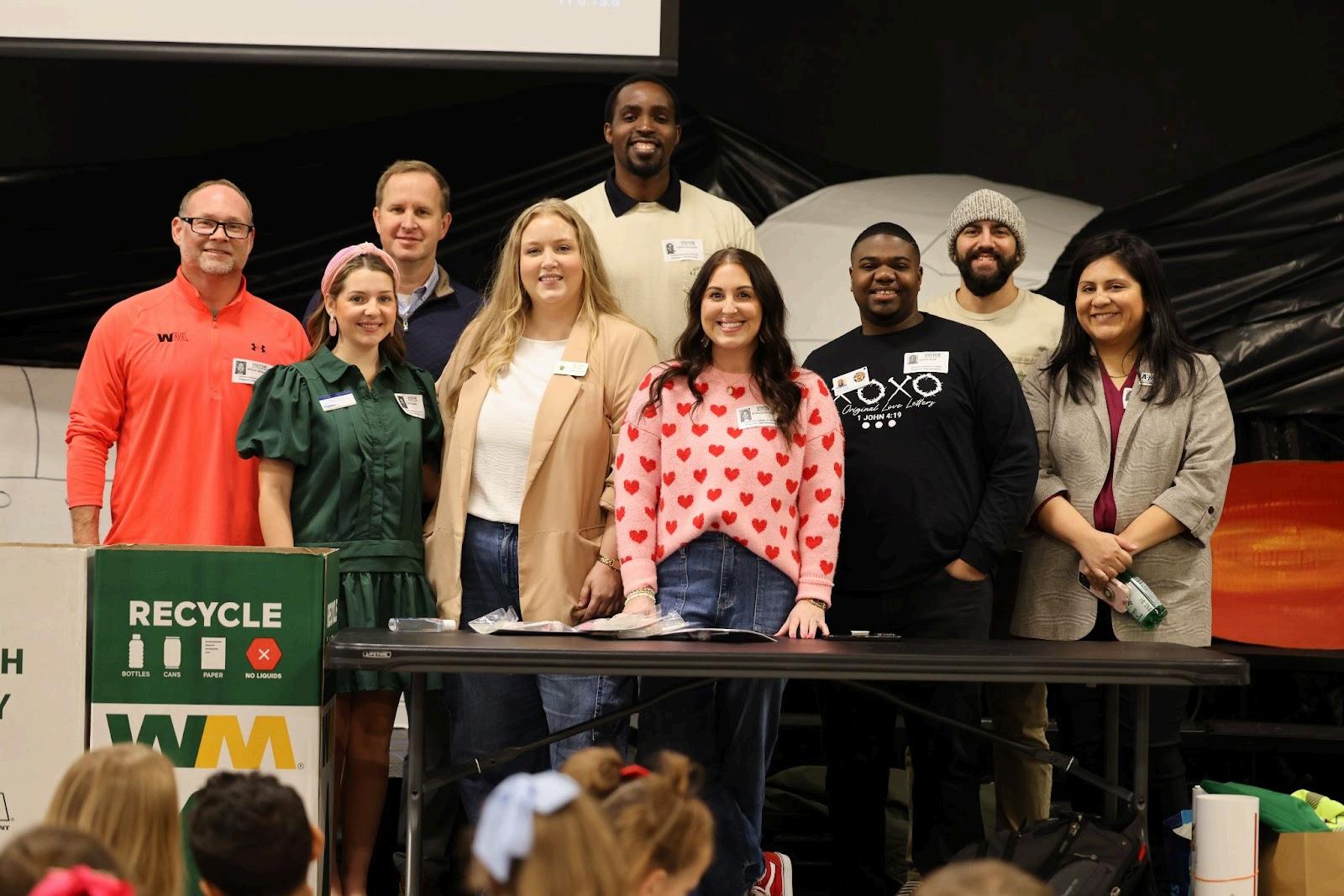
At Waggoner Creek Elementary School (Texarkana, Texas)
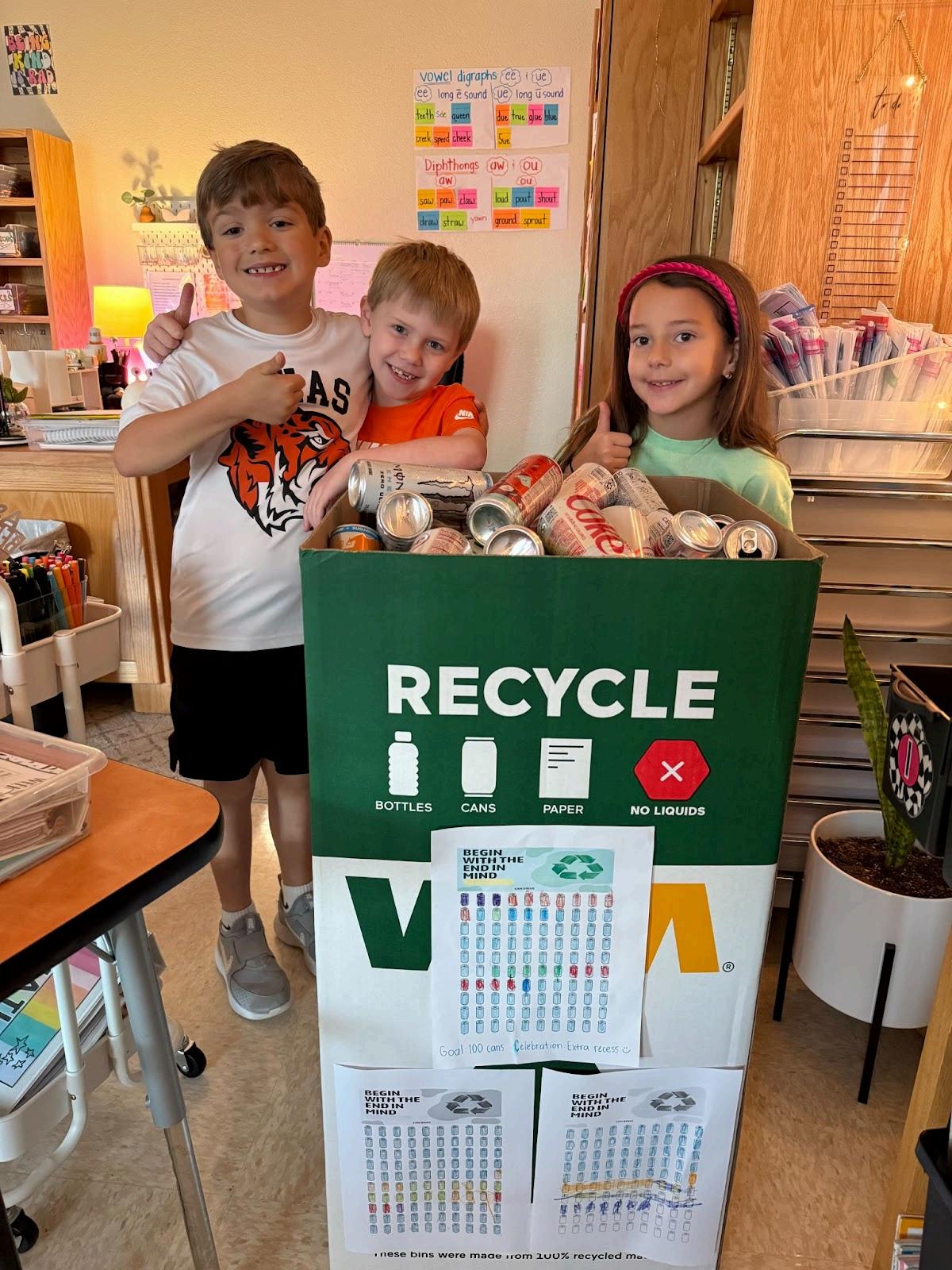
sustainability has evolved from a simple classroom activity into a vibrant, schoolwide movement. What began as a recycling project among kindergarten and first-grade students has grown to engage the entire school community, with the intention of fostering environmental awareness and action.
Launched on Valentine’s Day under the theme “We Love Our Earth,” the initiative will culminate in a campus-wide clean-up and tree planting on Earth Day. Originally centered on plastic recycling, the project quickly expanded to include paper and aluminum, reflecting the students’ growing commitment to environmental stewardship.
Key partnerships with Keep Texarkana Beautiful and Waste Management have provided critical support, including materials and guidance for recycling and community trash pick-up walks. These collaborations have strengthened students’ understanding of sustainability by connecting classroom learning to meaningful, real-world impact.
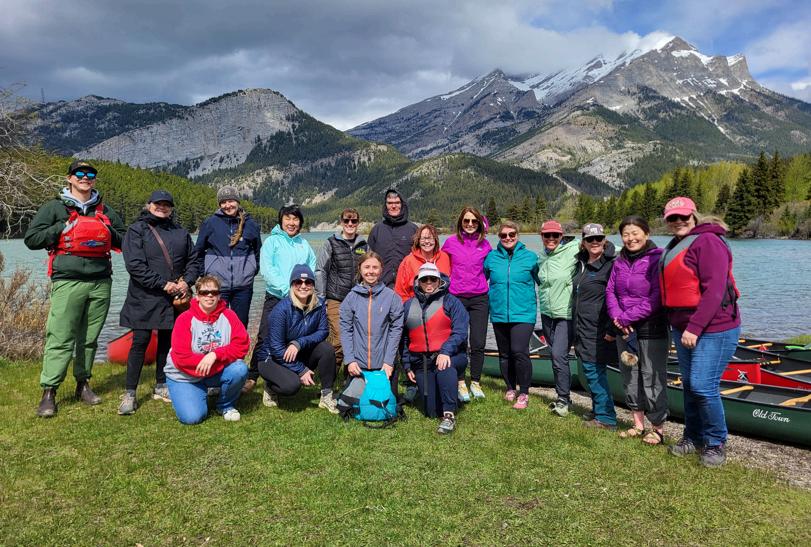
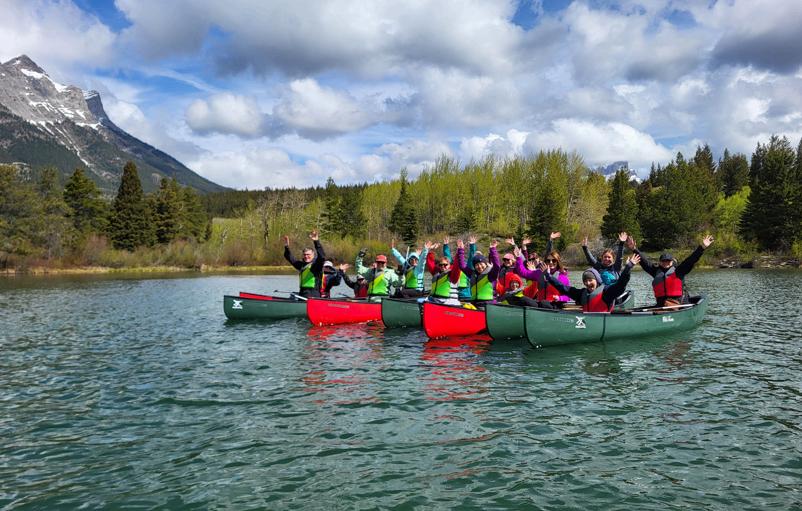
This May, Horace Allen and Isabelle Sellon Schools (in Alberta’s Crowsnest Pass) concluded a three-year, grant-funded partnership with our Professional Learning Team. Since 2022, teachers have worked alongside us to strengthen their already strong tradition of outdoor and land-based learning by tying local experiences more directly to classroom content, standards, and daily practice. Every K–6 classroom designed and carried out a student-led community impact project. From improving school playgrounds and gardens to launching a podcast, fundraising for local causes, and supporting the hospital, students applied their learning in meaningful, hands-on ways that engaged community partners and elevated student voice.
Horace Allen and Isabelle Sellon Schools
This partnership closed with a celebration of learning, including a place-based field experience in Waterton Lakes National Park and a showcase of student projects.
Teachers left energized and proud of their progress, with a renewed commitment to embedding placebased education into their classrooms. The culture of learning rooted in community and land is thriving and poised to keep growing.
Community Outcomes
The Professional Learning team’s work is grounded in the belief that education is most transformative when it connects deeply to local communities. Our programs aim to strengthen educational systems, foster meaningful relationships among educators, and provide learners with opportunities to engage with their local environments, cultures, and economies. By supporting professional growth and collaboration, we help educators develop the skills, confidence, and agency needed to create lasting impact in their schools and communities.
In the 2024–2025 academic year, our programs continued to demonstrate this commitment both internationally and within rural U.S. communities. Initiatives such as the Empowering Emerging Leaders program and the Wyoming Rural Teacher Corps bring educators together for immersive, place-based professional learning experiences. These programs prioritize collaboration, mentorship, and leadership development, ensuring that participants are equipped to apply innovative strategies in classrooms while building networks that span local, regional, and international contexts.
Through these efforts, educators not only enhance their instructional practice but also strengthen the broader educational ecosystem. By integrating local landscapes, industries, histories, and cultures into teaching, they connect learning to real-world challenges while cultivating a sense of belonging, professional connection, and shared purpose. As we continue to expand and refine these programs, our focus remains on creating educational experiences that inspire, empower, and connect communities locally and globally.
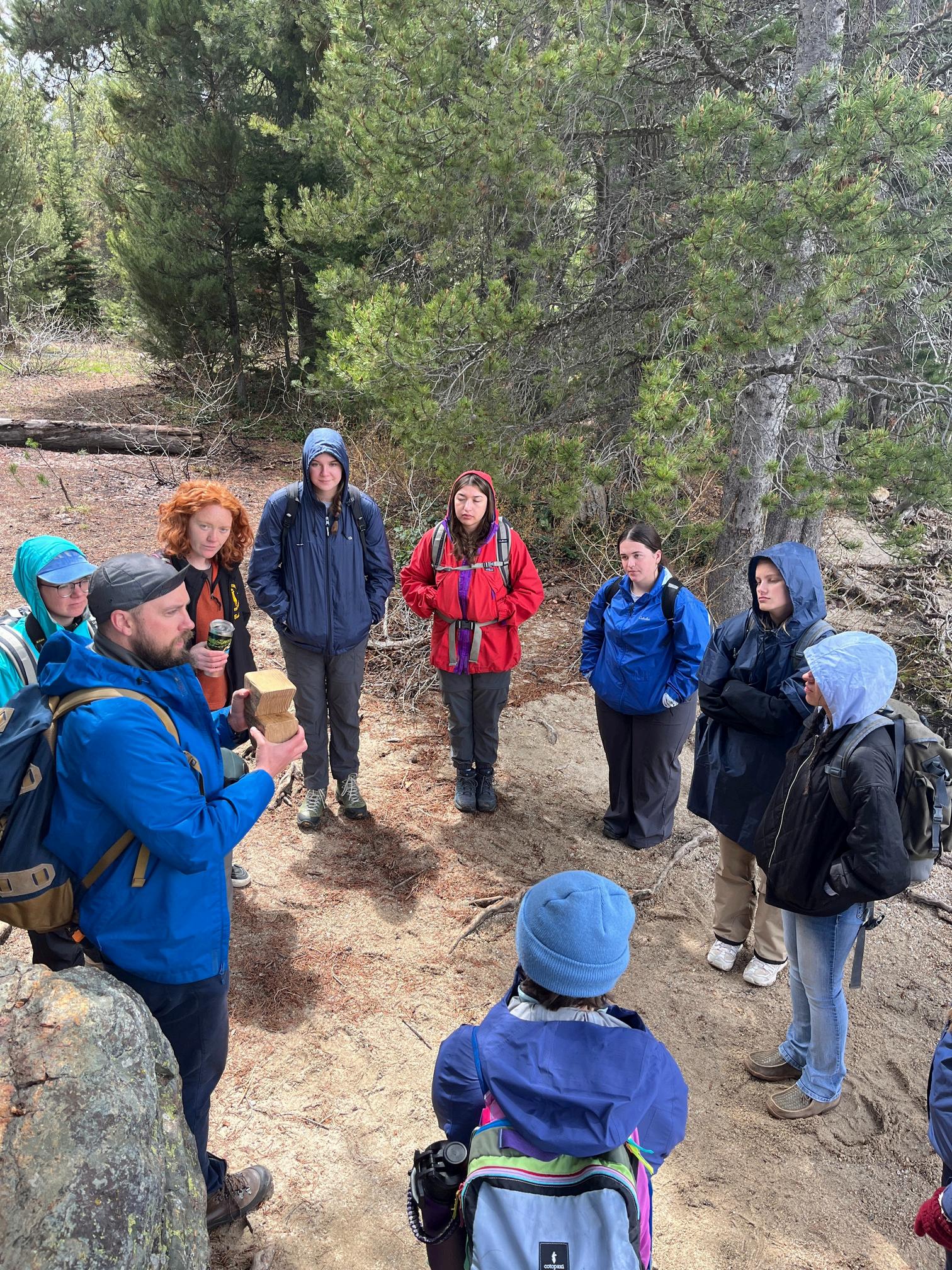
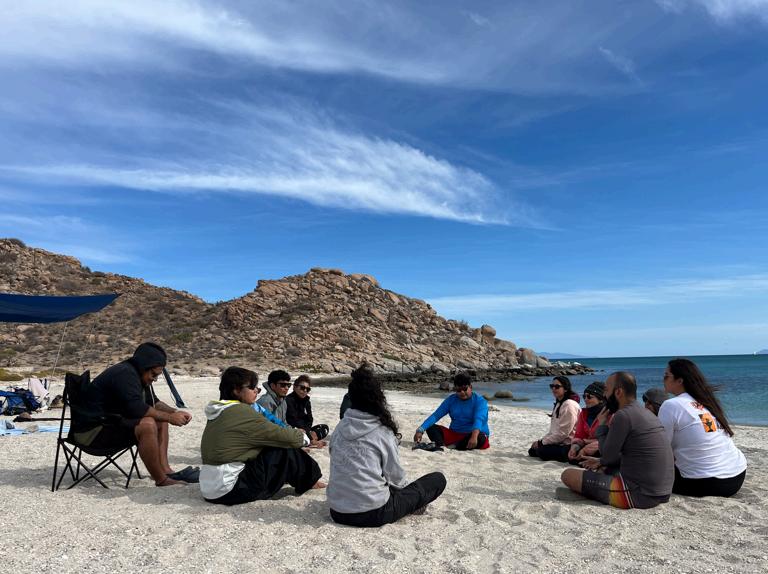
Ecology Project
International
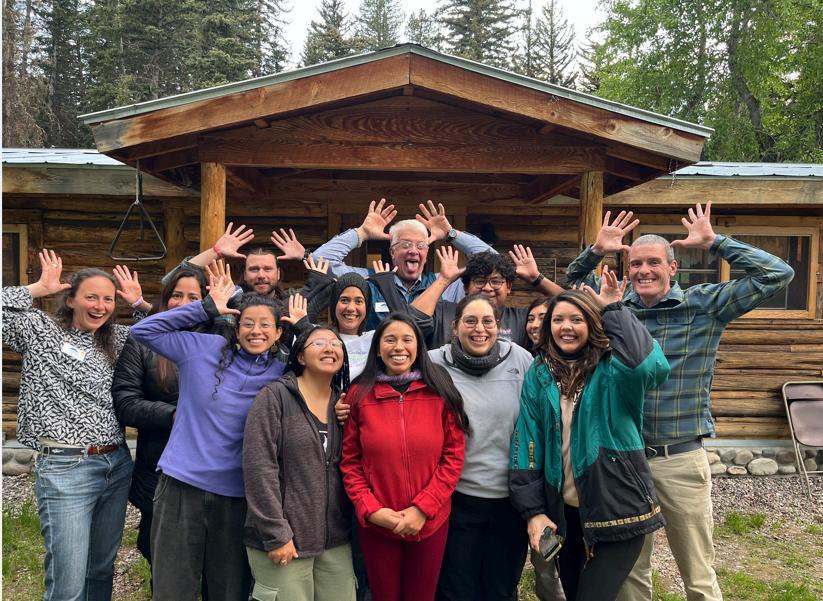
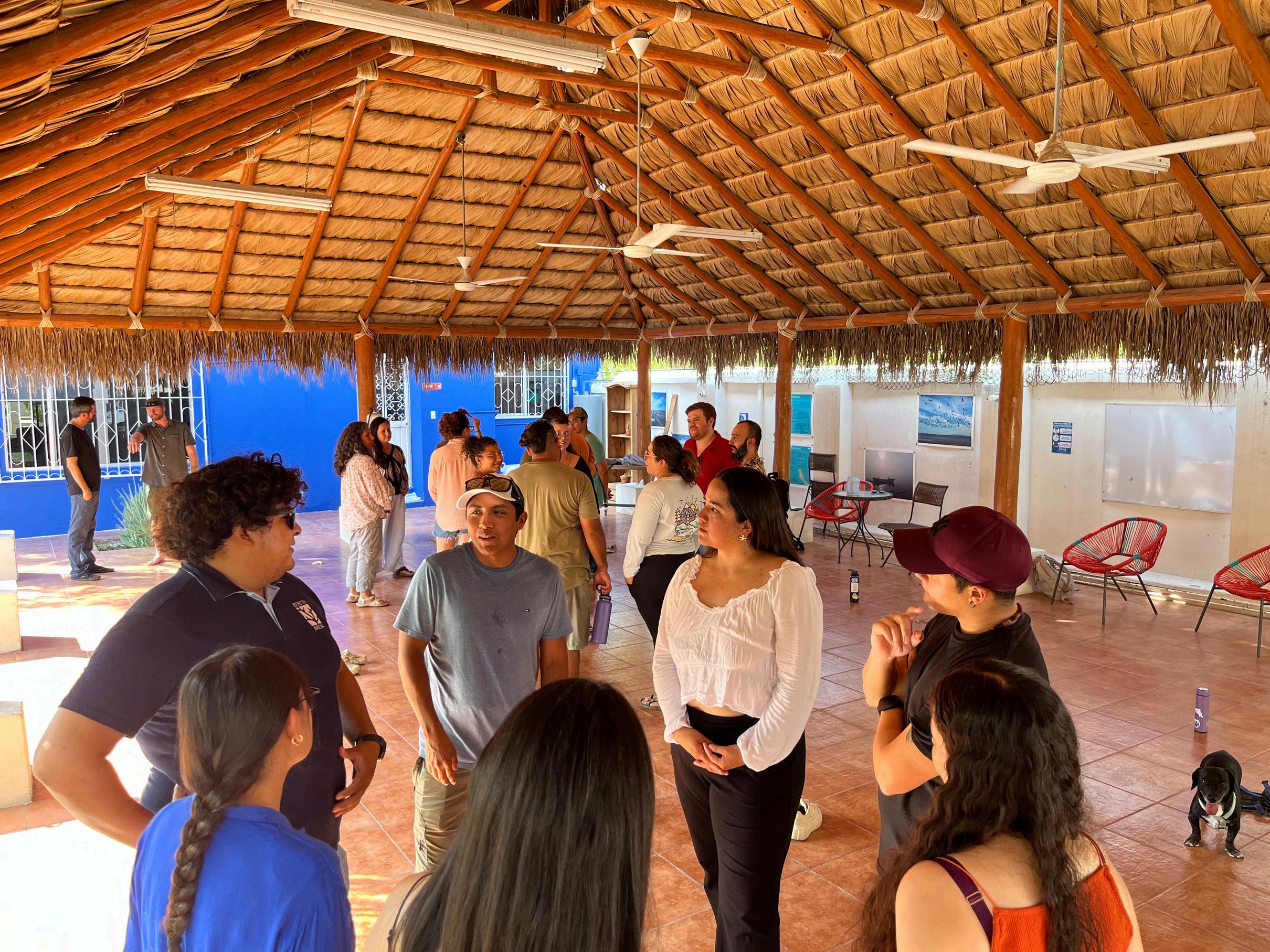
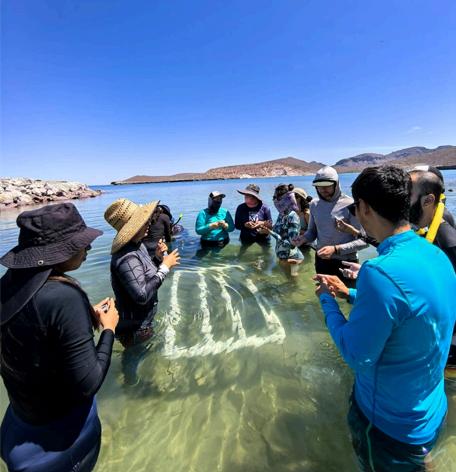
In partnership with Teton Science Schools, Ecology Project International, and Alumbra Innovations Foundation, we launched a year-long professional development program to strengthen educator networks and systems in La Paz and Baja California Sur. Thirteen educators working in Baja California Sur participated in three courses: Place-Based Education, Advanced Instructional Strategies, and Curriculum Design & Systems Thinking. These courses combine online learning with immersive, place-based experiences in La Paz and Jackson, WY. This program is building educator capacity in place-based practice, curriculum design, and understanding of the blue and green economy. We are continuing to assess program outcomes, with early indicators showing meaningful growth in educator agency and instructional practice.
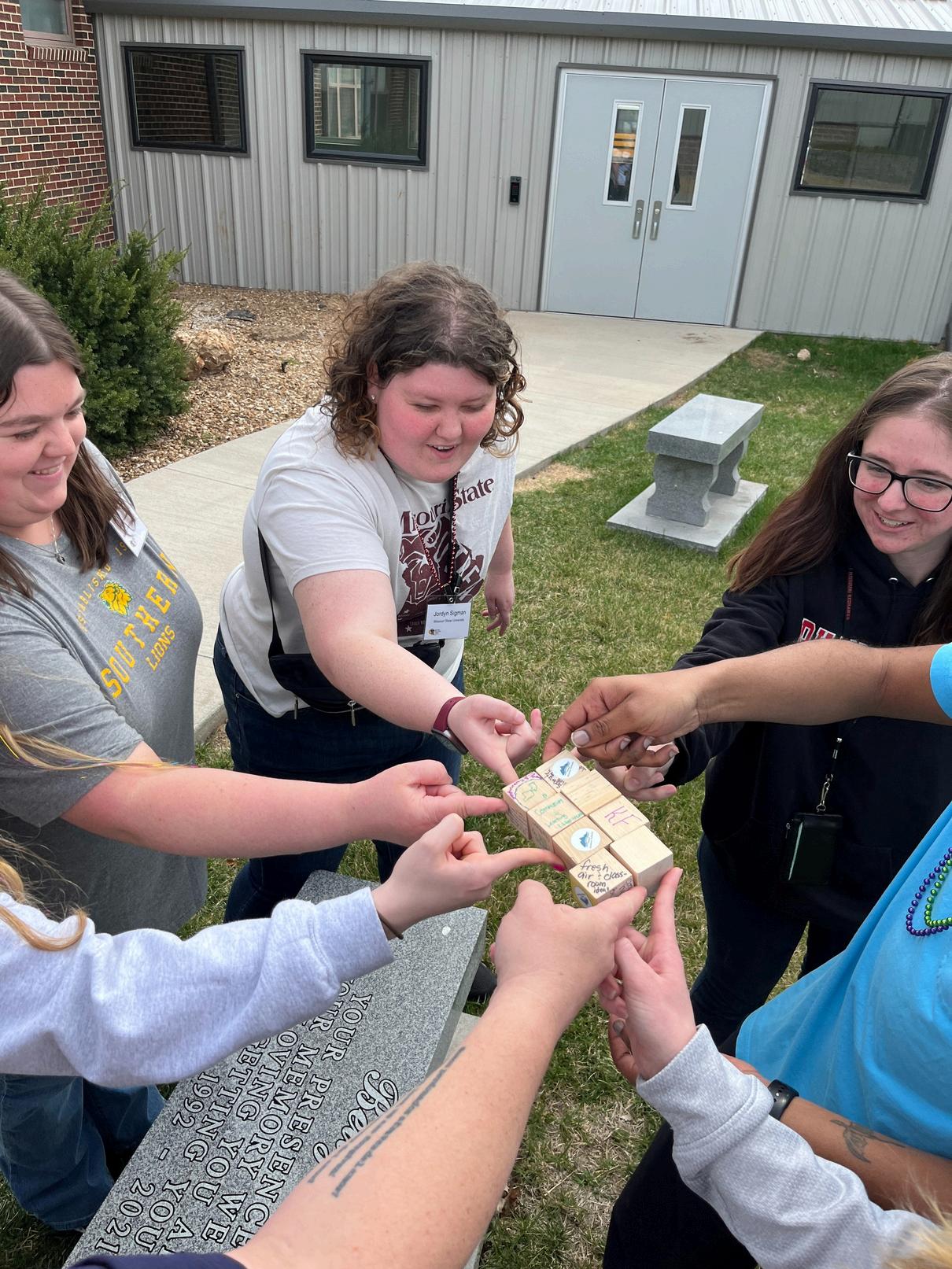
As part of the Empowering Emerging Leaders program, nine educators from La Paz traveled to Jackson, WY, for a week of hands-on learning in place-based education, curriculum design, and systems thinking, creating a powerful cross-cultural exchange between U.S. and Mexican educators.
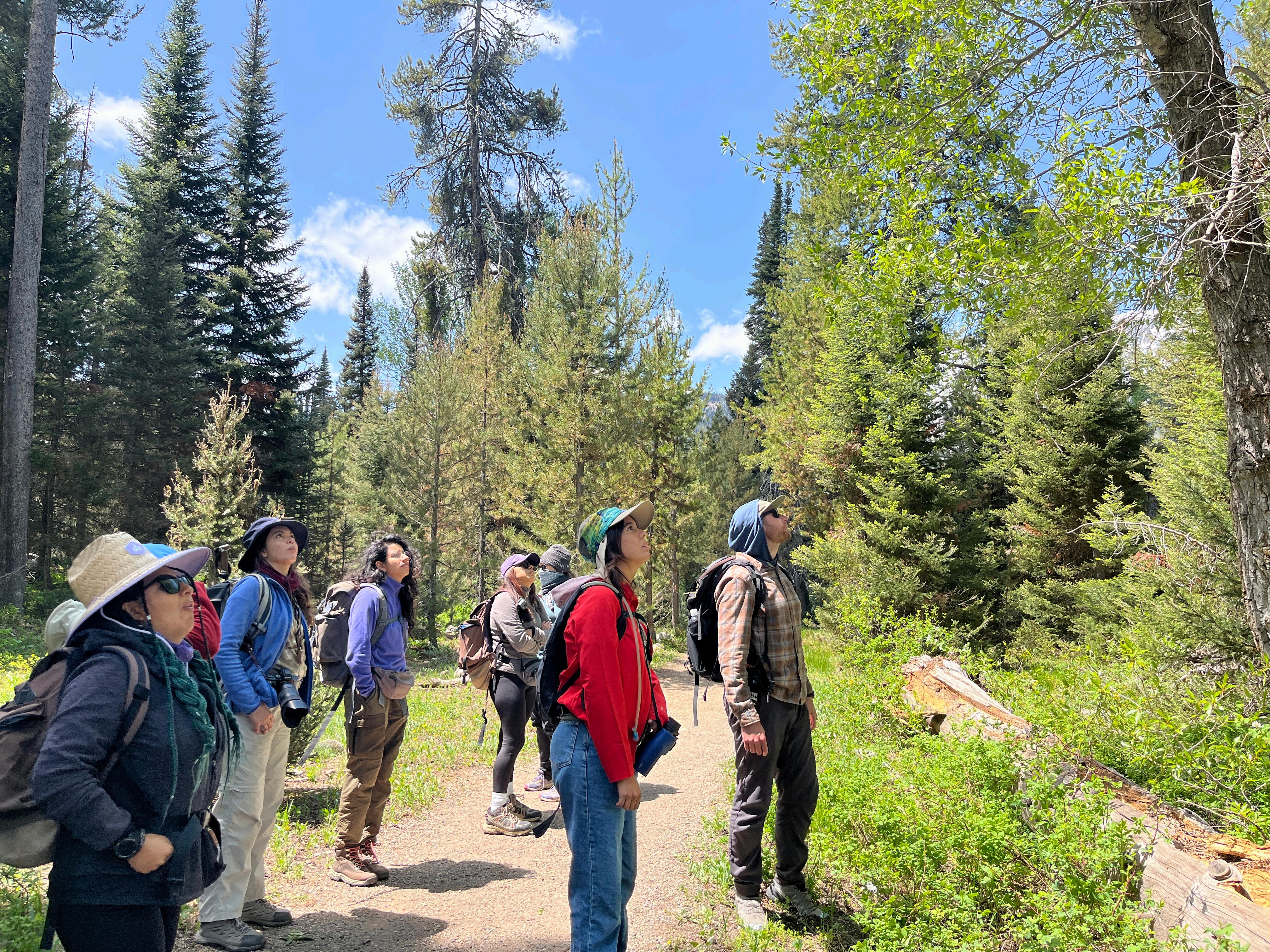
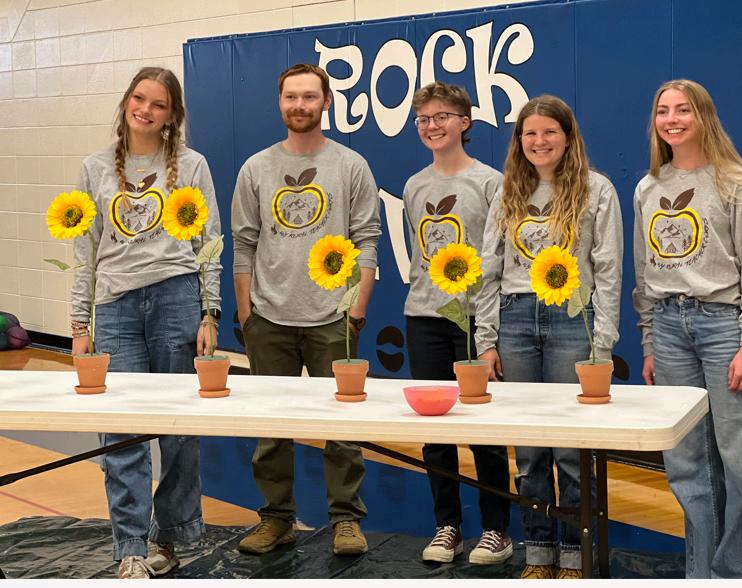
Now in its third year, the Wyoming Rural Teacher Corps welcomed 10 new members and seven returning participants who engaged in mentorship, school visits, professional learning, and advanced leadership roles. Highlights included co-presenting at the National Forum for the Advancement of Rural Education, collaborating with the University of Wyoming’s Teacher Researcher Knowledge Exchange Program, and leading place-based projects in rural classrooms. Members also visited Wyoming schools and participated in a professional development workshop with Wyoming Ag in the Classroom, reinforcing the corps’ commitment to strengthening rural education through authentic, place-based practice.
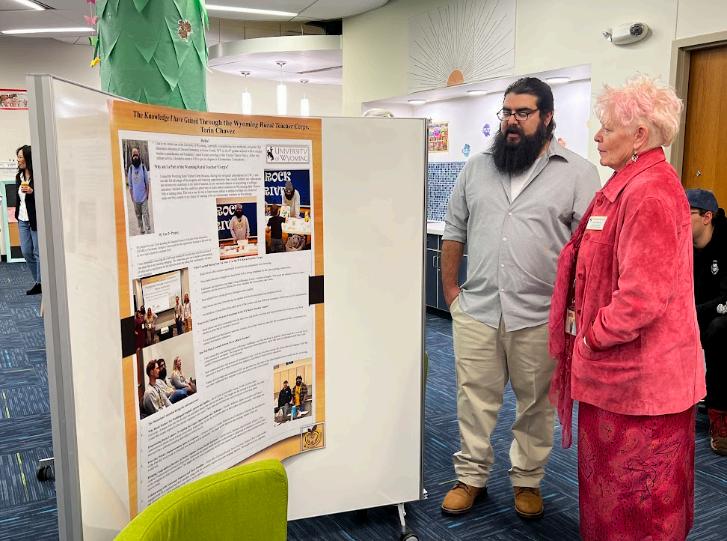
Wyoming Rural Teacher Corps
Several Wyoming Rural Teacher Corps members have been part of the program since its inception, demonstrating both continuity and growing leadership within the corps. Their long-term engagement is helping to shape the program’s culture, model sustained commitment to rural education, and mentor incoming cohorts.
Research Publications
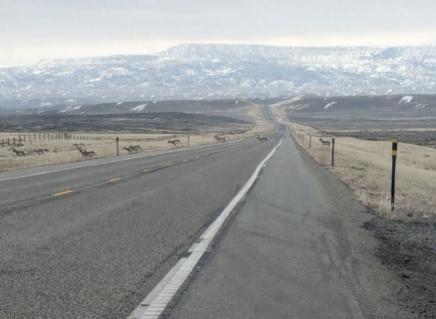
Using Google Earth Engine to Teach Burn Severity Mapping of Wildfires Across Bhutan - Tashi Dema & Alexander J Sivitskis
This year, a collaborative project between Teton Science Schools and educators in Bhutan was published in The Geography Teacher. The study highlights how secondary students used satellite data to investigate local wildfire impacts, connecting placebased inquiry to global environmental challenges.
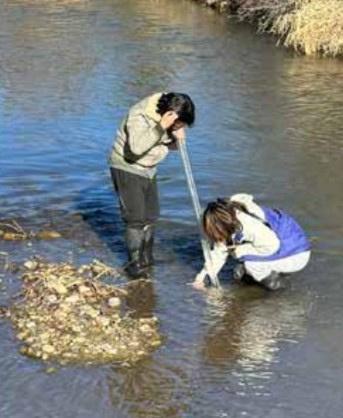
Shaping
Change Locally: A Place Based STEM Project’s Influence on
Rural Elementary and Middle Grade Students
- Allison K. Mercier, Alexander J Sivitskis, Jeffrey Torbert, Kelly Vallier
This article examined how the Rock River wildlife vehicle collision mitigation project (p. 7) shaped students’ STEM identity and agency. Students engaged in authentic inquiry, interdisciplinary learning, and public advocacy, leading to stronger self perception as problem solvers, advocates, and community members.
Braiding
Partner Interests into
a Youth Water Quality Monitoring Program
- Clare I. Gunshenan, Martha C. Inouye, Sarah Collins, Leslie Cook, Megan Kohli, Julia Olsen
This year, Teton Science Schools partnered with Grand Teton National Park and the University of Wyoming to engage fifthgrade students in hands-on water quality monitoring along the Snake River. The project strengthened youth science literacy while contributing valuable data to long-term climate and ecological monitoring efforts