2025 ANNUAL REPORT
Connecting people, place, and nature through education.
Connecting people, place, and nature through education.
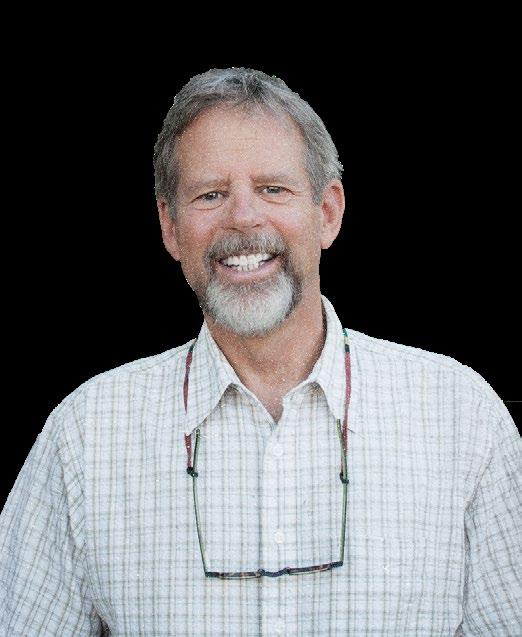
Dear Friends,
Each year, the story of Teton Science Schools unfolds in new and inspiring ways, across generations, campuses, and landscapes.
This year, I invite you to join us in exploring a few of those stories. They reflect not only who we are, but also where we’re going, guided by our founding: connecting people, place, and nature through education.
As you read, you’ll see how each story embodies our strategic priorities: aligning programs with excellence and mission, deepening our partnership with Grand Teton National Park, strengthening our Mountain Academy campuses, and growing our ties to the communities we serve.
You’ll meet educators from Baja California Sur who gathered at the Murie Ranch to design place-based curricula rooted in their own local ecosystems. You’ll join students as they journey into the Tetons, where science becomes wonder and discovery becomes stewardship. You’ll experience the energy of our Place-Based Education Symposium, where curiosity comes to life through stu-
dent projects that connect local learning to impact. You’ll see how the Murie Spirit of Conservation Awards continue to honor the legacy of those who safeguard our wild places. And you’ll step into classrooms and field sites where curiosity sparks ideas that ripple throughout Wyoming and beyond.
These stories remind us that the power of place-based education lies not in one classroom, one program, or one generation, but in the connections we build across them all. When learners of any age engage deeply with the places they inhabit, they grow into stewards of both land and community.
As you turn the page, I hope you’ll see yourself reflected in this work. Whether you’ve joined us in the field, on the trail, at the Murie Ranch, or in spirit, you are part of this unfolding story. Together, we are cultivating a legacy of learning and stewardship that will shape generations to come.
With gratitude and excitement for what lies ahead,

Doug Wachob, Ph.D. Board of Directors Chair
Teton Science Schools
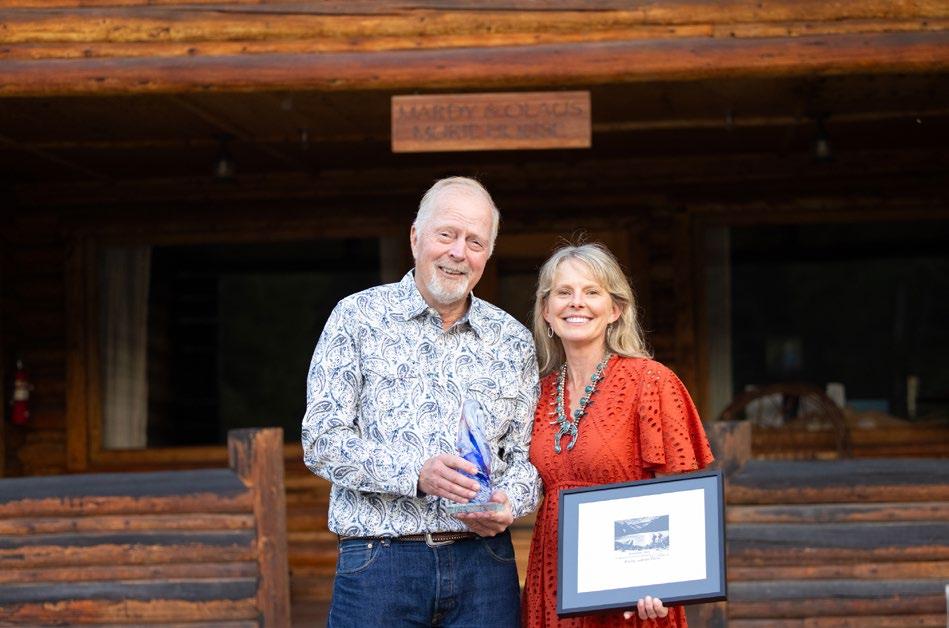
Anyone who has visited the Murie Ranch in Grand Teton National Park knows there’s a feeling that’s hard to describe. The 2025 Murie Spirit of Conservation Awards captured that magic and made it grow.
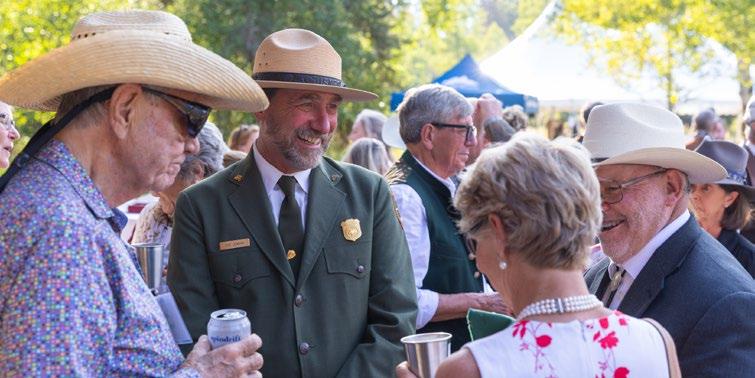
On an early September evening, more than two hundred friends, neighbors, and partners of Teton Science Schools (TSS) and Grand Teton National Park gathered to celebrate a shared love of wild places and the people who protect them. Two remarkable individuals were recognized for their lasting contributions to conservation in Grand Teton National Park, the Greater Yellowstone Ecosystem, and across the continent.
Rob Wallace was honored with the Murie Spirit of Conservation Award in recognition of his lifelong commitment to conservation. His career placed him at the heart of some of our nation’s most significant conservation stories, spanning from helping preserve the Kelly Parcel to shaping national policy. Among his many contributions, Rob’s previous service on The Murie Center’s Board of Directors played a key role in shaping our mission and vision for future generations. Honoring him this year felt like a full-circle moment.

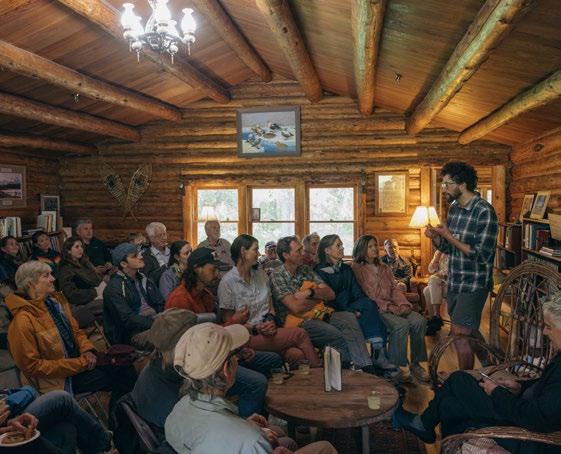
Amy Brennan McCarthy was honored as the Local Legend for her leadership, innovation, and deep community roots. Amy’s connection to TSS began as a member of the inaugural class of our year-long graduate program, which ran from 1994 to 1995. Her early work with The Murie Center, as Director of Development and Communications and Interim Executive Director from 2001 to 2006, makes this recognition especially meaningful.
Both Rob and Amy embody the imagination, persistence, and courage that drive lasting conservation.
As the sun set over the Ranch, guests lingered on Mardy and Olaus’s front porch, sharing stories, laughter, and the simple joy of connection. The evening reminded everyone that conservation is more than any one person’s work; it’s the shared effort of a caring community.
Everyone left carrying the Murie legacy forward, and a Cry Baby Cookie in hand.
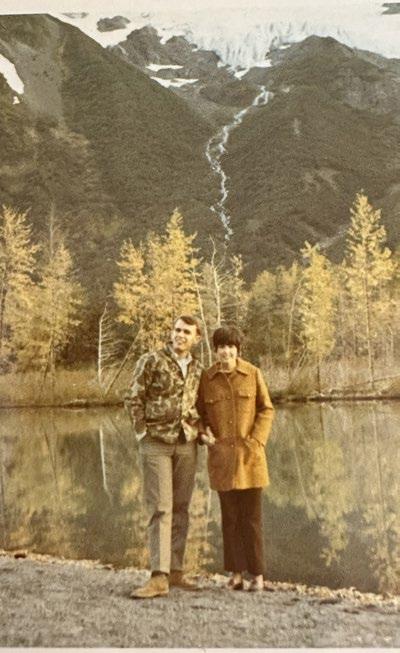
When Carmie and Janet Cook first moved to Alaska in 1972, a book by Mardy Murie sparked a lifelong fascination with the Murie legacy. Fifty years later, they visited the Murie Ranch in Grand Teton National Park for the first time, where docent Dan welcomed them on Mardy’s front porch. The tour, meant to last one hour, became three. Carmie and Janet, now in their second year as docents themselves, share the inspiring Murie story with thousands of visitors each summer. One guest, deeply moved by Carmie’s impassioned story of the Muries’ perseverance, broke down in tears on the porch, overcome by the enduring power of America’s wilderness and the people who have worked tirelessly to protect it.
4,500
visitors
to Grand Teton National Park, heard, learned, and felt the Muries’ story of conservation and stewardship through Teton Science Schools’ daily docent program.
Enjoyed conversations, concerts, and connections with 800+ community members and nonprofit partners as part of
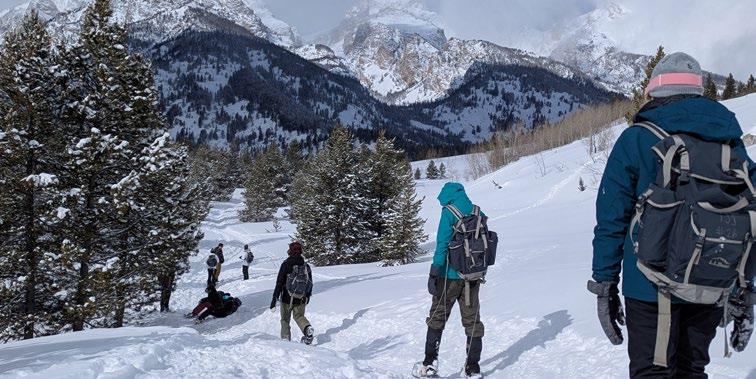
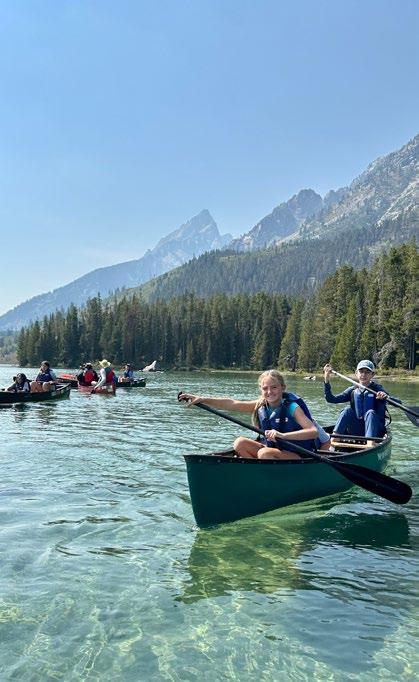
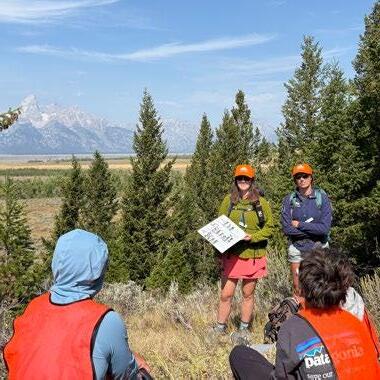
At Mountain Academy of Teton Science Schools, learning doesn’t stop at the classroom door. It extends into the forests, mountains, and communities that define our region and beyond. Our Journeys are not typical field trips; they are immersive, interdisciplinary experiences that connect students to the natural world and to human communities through the lens of place-based education.
Each Journey, whether a day-long visit to Grand Teton National Park or an extended trip to Baja, California, in Mexico, is thoughtfully designed around academic inquiry, leadership development, and personal

growth. Whether studying ecology in Yellowstone, exploring municipal water systems in the Teton Valley, or examining cultural identity in Utah’s canyon country, students learn to see and make connections between ecosystems and economies, conservation and community, self and place.
Journeys weave together science, art, history, and storytelling, creating a rich tapestry of experiences. Students might test water quality in a tributary to the Snake River in the morning, interview a local rancher about land use in the afternoon, and share their findings at an evening presentation. These experiences invite curiosity, build resilience,
“A Journey challenges students to think critically and empathetically,” says Joanna Cooke, Mountain Academy Jackson Campus faculty member.
“They learn to navigate unfamiliar terrain, both literally and metaphorically.”
and foster a sense of belonging to one another, to the landscape, and to the broader human story unfolding around them.
Place-based education at Mountain Academy is not just about observing the world; it’s about participating in it. Students return from Journeys with muddy boots, full journals, and new perspectives on their roles as stewards and citizens. They return transformed (and tired), ready to bring that learning home, to their classrooms, communities, families, and futures.
In a time when connection feels increasingly distant, Mountain Academy’s Journeys remind us that education rooted in place helps young people find meaning, purpose, and agency. The mountains, rivers, and neighborhoods of our region are not just backdrops for learning; they are our teachers.
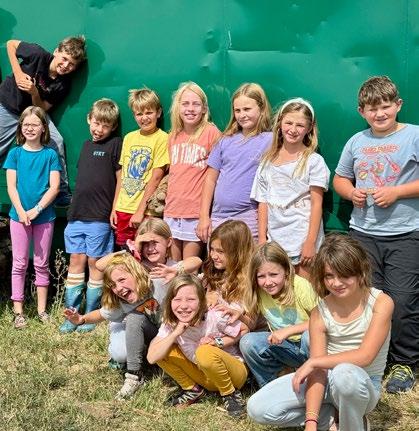


109 42.9% early childhood through eighth-grade students at the Mountain Academy Teton Valley Campus.
(in three months) at the Mountain Academy Jackson Campus.
Leila is a visionary leader and an educational innovation champion. As a member of Teton Science Schools’ Executive Leadership Team, she inspires faculty and students alike to embrace curiosity, creativity, and connection to place. Her leadership is defined by a deep commitment to fostering a learning environment where every child is known, challenged, and supported. Through her guidance, the Teton Valley Campus continues to grow as a model for transformative, place-based education.

Chris brings decades of leadership, innovation, and community connection to his new role. A recipient of the Milken Educator Award and a Fulbright Teacher Exchange scholar, Chris has spent his career championing place-based learning and global perspectives. Since joining Mountain Academy, he has led the Jackson Campus with a renewed focus on curiosity, connection, and action, empowering students to see their community and environment as an extension of the classroom. As a member of the Executive Leadership Team, Chris leads with vision, fostering an educational environment where students are inspired to ask big questions and make a difference.
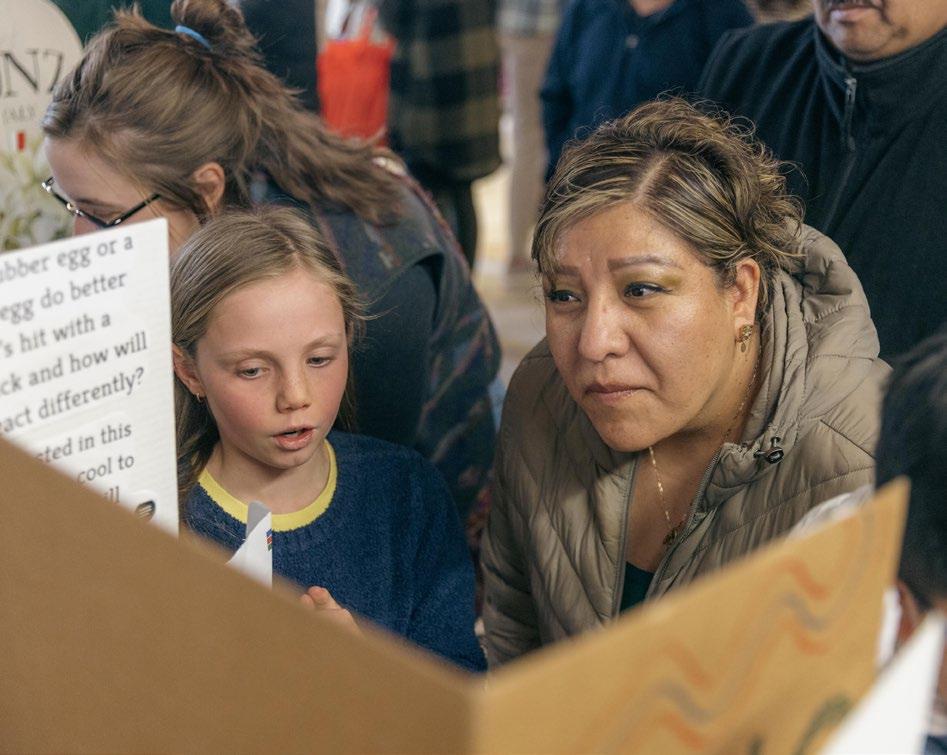
The 10th Annual Place-Based Education Symposium celebrated the power of curiosity in action. Under the theme “Your Local Science & Global Impact,” students, families, and educators from across the United States and Canada came together to explore how local learning can spark discoveries that reach far beyond the classroom.
The Student Family Showcase transformed
Teton Science Schools’ Jackson Campus into a hub of energy and inspiration. More than 150 community members, some visiting for the first time, others returning as alumni or former staff, gathered to see how place-based learning continues to shape the next generation of thinkers and doers.
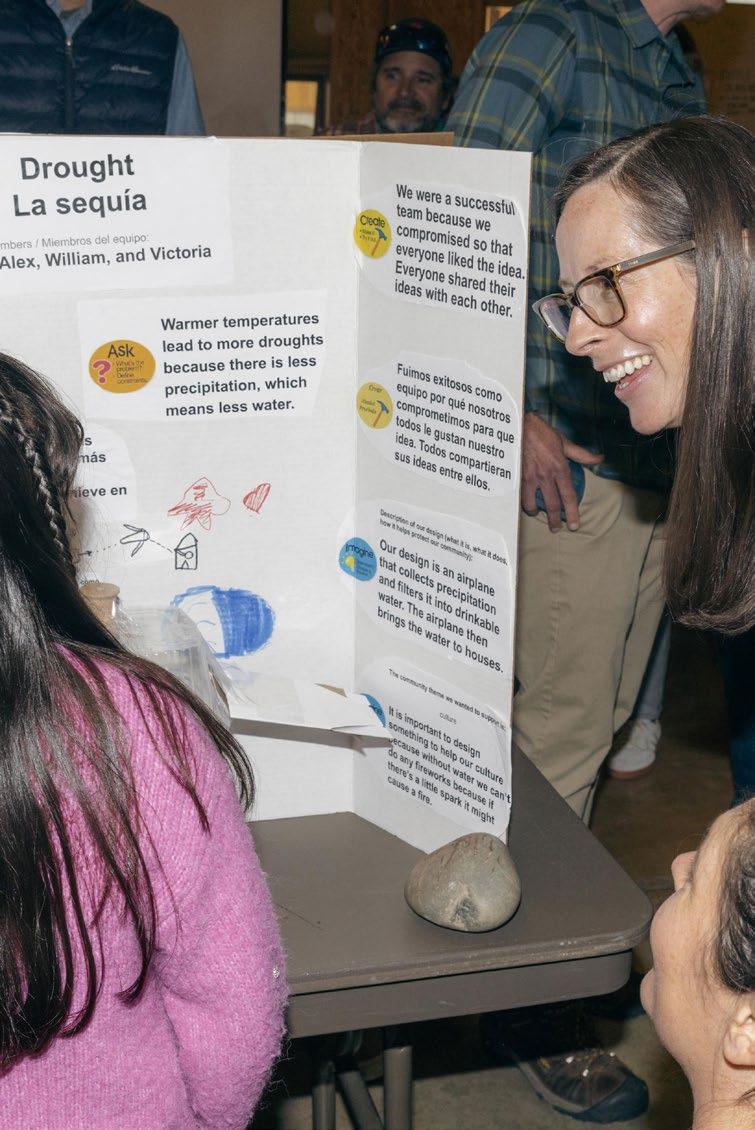
Projects came alive throughout the day. Jackson Middle School students shared weekly nature journals from their favorite “sit spots,” connecting their backyard observations to global ecosystems. An eight-year-old’s love of cats blossomed into a self-published book benefiting local animal shelters. Third graders learned about avalanches, droughts, and floods, designing creative solutions to extreme weather challenges across the Greater Yellowstone Ecosystem. Each project reflected a spark of curiosity transformed into a plan for action.
Dr. Bryan Shuman’s keynote set an inquisitive tone, inviting participants to reflect on how place-based learning deepens understand-

ing of the natural world and our shared responsibility to it. His address highlighted how geological evidence—such as lake sediments, tree rings, and other natural records—can reveal how climate change has shaped, and continues to shape, our water resources and ecosystems. The Dining Lodge buzzed with conversation, inquiry, and the camaraderie of connection.
By the end of the day, one thing was clear: place-based education transforms more than what students know; it changes how they perceive the world. Every conversation, observation, and experiment carried a ripple of impact, a reminder that when learning is rooted in place, it can reach anywhere.
In June 2025, nine educators from Baja California Sur gathered at the Murie Ranch for an immersive week of collaborative learning. Guided walks, hands-on workshops, and curriculum design exercises sparked ideas for connecting lessons to the environments their students know best. Each
participant left with projects rooted in local needs, from youth-led waste reduction initiatives to environmental stewardship. This experience, part of a growing year-long program with Ecology Project International and supported by the Alumbra Innovations Foundation, is building a network of placebased educators who empower students and communities across Baja California Sur.
Surveys and reflections from Rock River, Wyoming, a school that Teton Science Schools has been partnering with the Place Network since 2022, showed significant shifts in student engagement and learning. The greatest growth occurred in students seeing themselves as advocates, problem solvers, and communicators, with more substantial confidence in STEM and a deeper care for their communities.
Among the 155 educators surveyed from Place Network Schools, a statistically significant positive relationship was found between reported levels of place-based education implementation and teachers’ sense of well-being. When asked directly, 65% of teachers indicated that their place-based practice has a positive effect on their well-being.
4.8
With an average benefit rating of 4.8 out of 5, teachers and school leaders participating in Teton Science Schools’ professional learning programs overwhelmingly describe the course as highly impactful in advancing their educational goals.
A Net Promoter Score of 10 out of 10 underscores this enthusiasm, demonstrating strong confidence among educators in recommending the experience to others. Together, these results highlight the exceptional quality, relevance, and measurable value of our Professional Learning program in supporting educators’ professional growth.
Reflection by
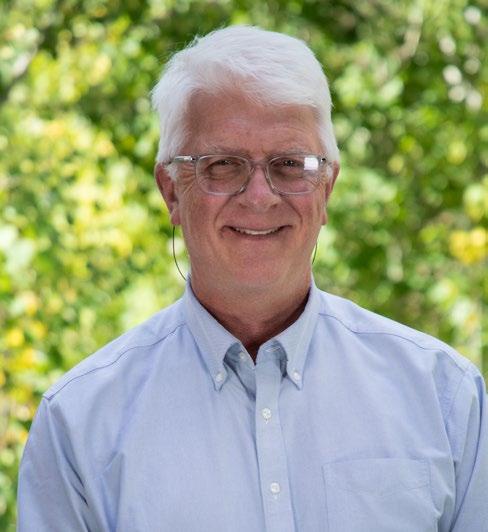
Executive Director, Teton Science Schools
It was thirty-nine years ago that I first set foot at Teton Science Schools. My high school biology teacher, a former summer ranger in Grand Teton National Park, had previously sent other students to the sixweek High School Field Ecology program. He thought the experience would be good for me, a fifteen-year-old kid from Westport, Massachusetts. Grand Teton National Park, the faculty, my classmates, the way TSS taught—all of it spoke to me.
Two years later, I was pursuing a degree in biology because it felt like the closest thing to what I had learned that summer in the Tetons. Each summer break, I found my way back to TSS— working as a prep cook in the mornings and maintenance in the afternoons. After gradua-
tion, I couldn’t wait to return to the Kelly Campus, where I spent a year helping relocate and repurpose the Hunter Lodge into what is now the dining lodge and outfitting center that still welcomes students, visitors, and staff today.
Over the years, I’ve come and gone from TSS many times, serving in a variety of roles—including as the dad of two students. Looking back, so much of my life has intersected with TSS, Grand Teton National Park, and the people connected to this remarkable institution and this inspiring place. I met my wife, Polly, while she was a graduate student and later a faculty member here. My daughters, Phoebe and Wren, have participated in TSS programs. Many of my classmates from that summer in 1986 remain among my closest friends.
In January of this year, I was honored and humbled to be selected as Executive Director of Teton Science Schools. When I was considering the role, my daughter Phoebe asked why it was so important to me. It was a question thirty-nine years in the making—and the answer has guided me every day since. I’ve never felt more inspired or more certain that what happens here matters.
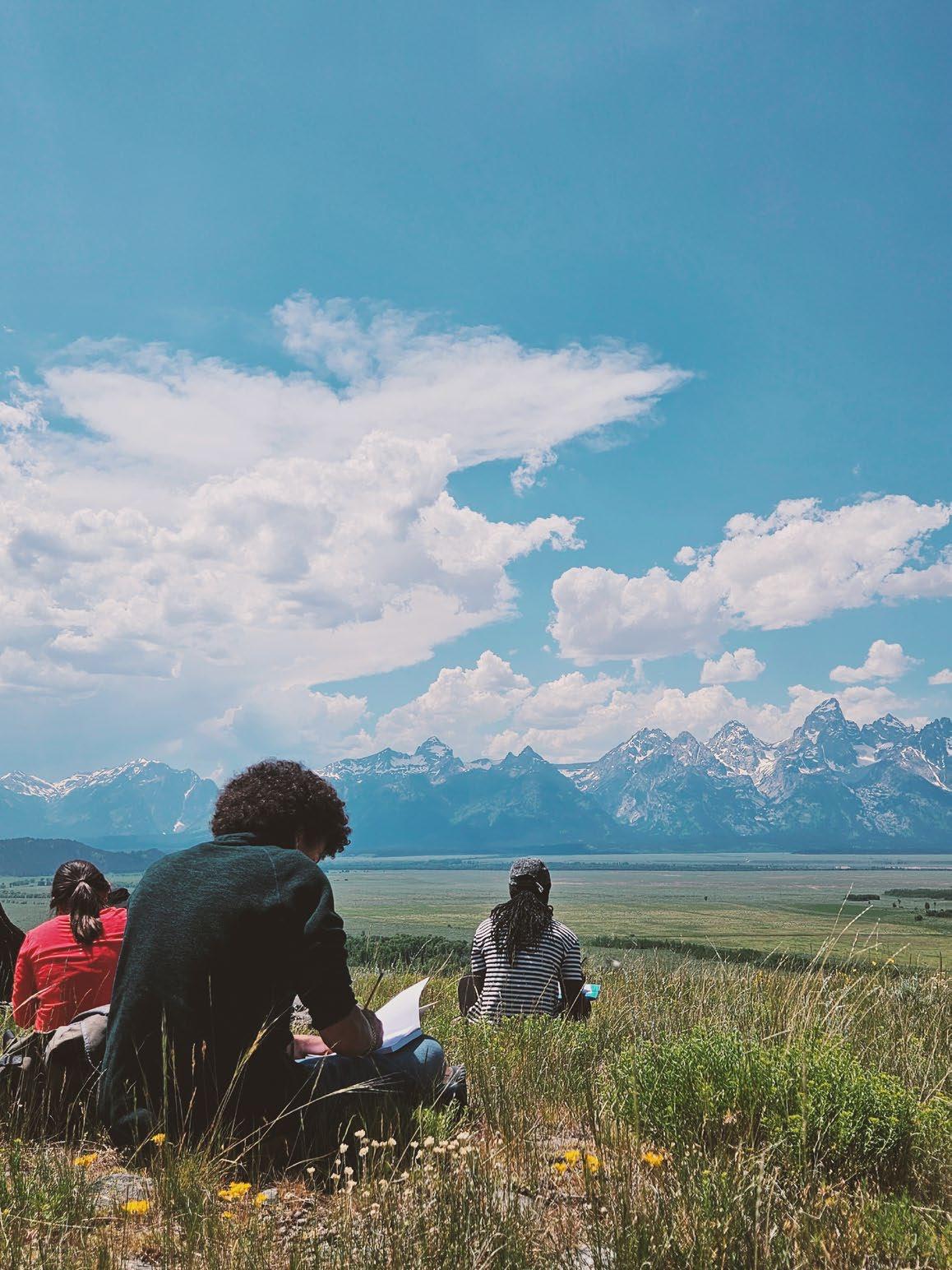
Earlier this summer, I attended the research presentations of the twenty high school students who participated in this year’s High School Field Ecology program—now called
Jackson Hole Science Expeditions. Watching the students present transported me back to my own summer research presentation decades ago. As the evening concluded, I shared a few remarks with the students, reminiscing about what TSS has meant to
me and how deeply grateful I am for the path it has set me on. One of the students, a young woman from Nepal, came up afterward and told me she hoped to have my job one day. I can only hope she does—and that she finds it to be the role of a lifetime.
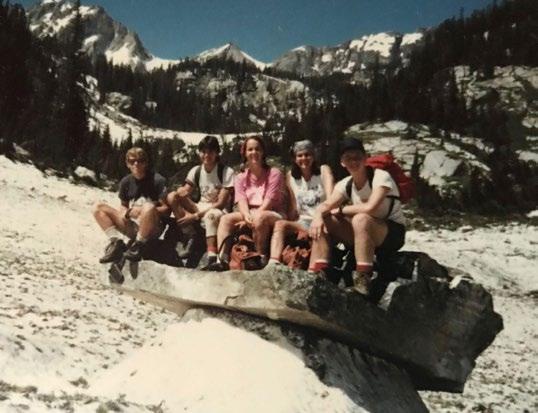
“If I could be lucky enough to serve in a position of influence—one that could ensure young people, especially those who might not otherwise have the chance, can experience what I did when I was their age—that’s why I want this job.”
George Angelo, my high school biology teacher, currently serves on the board of directors of Teton Science Schools, as does Kris Kaly, who was one of my classmates in 1986. Mary Ashworth was a chef at Teton Science Schools when I was a student, and I worked with her when I was a young intern. She also serves on Teton Science Schools’ board. Rich Bloom, who has served TSS in a variety of roles across his career, and was one of my instructors in 1986, serves on the TSS board as well.
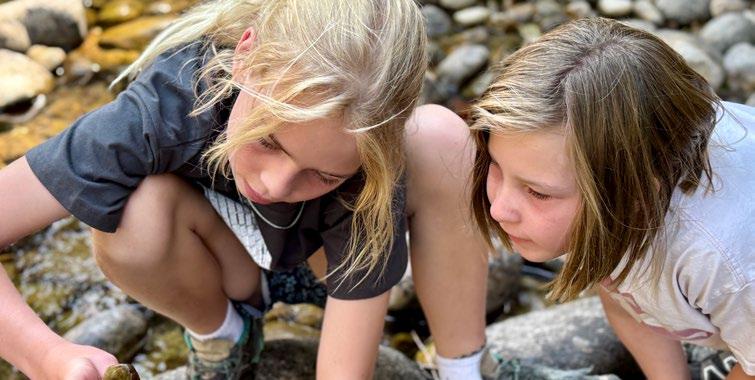
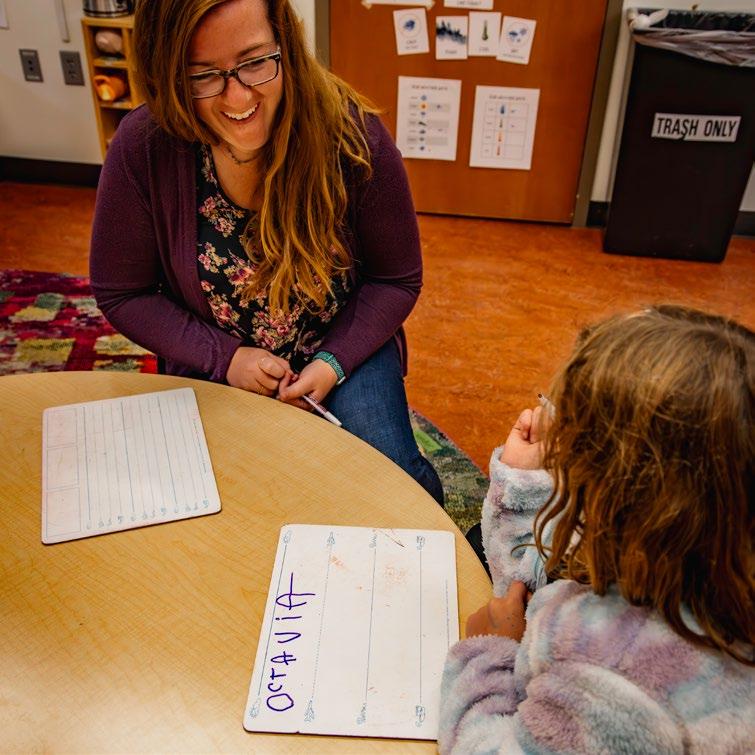
Mountain Academy provides an exceptional, holistic approach to education that challenges students to think critically. Serving students from early childhood through 8th grade, with campuses in Jackson, Wyoming, and Teton Valley, Idaho, Mountain Academy uses place-based education to expand opportunities for all students. Through dynamic on-campus experiences and immersive Journeys, the school nurtures curiosity, fosters lifelong learning, and prepares students to impact their communities positively.
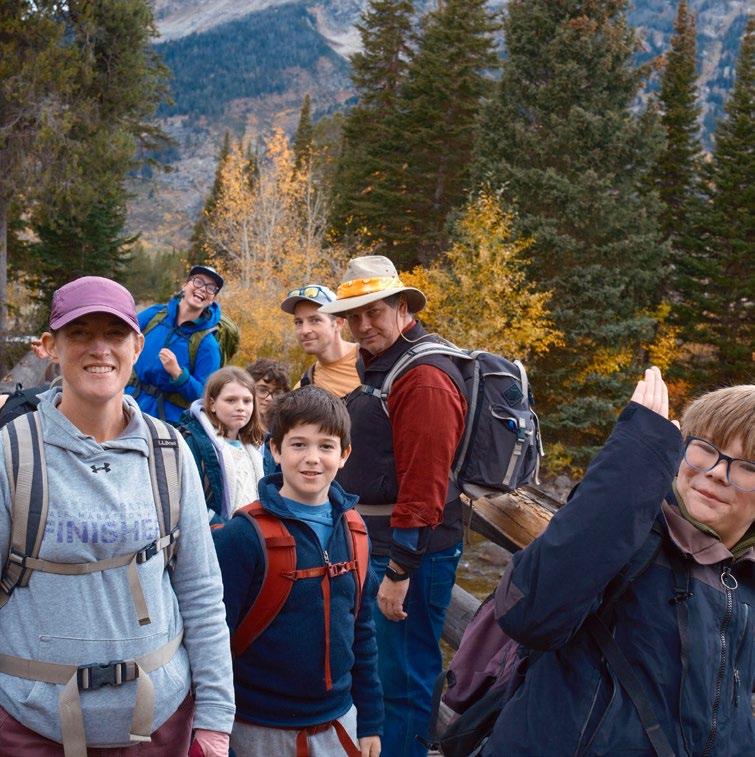
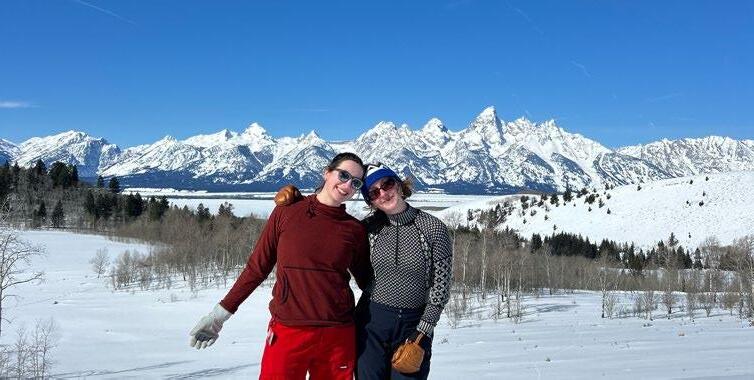
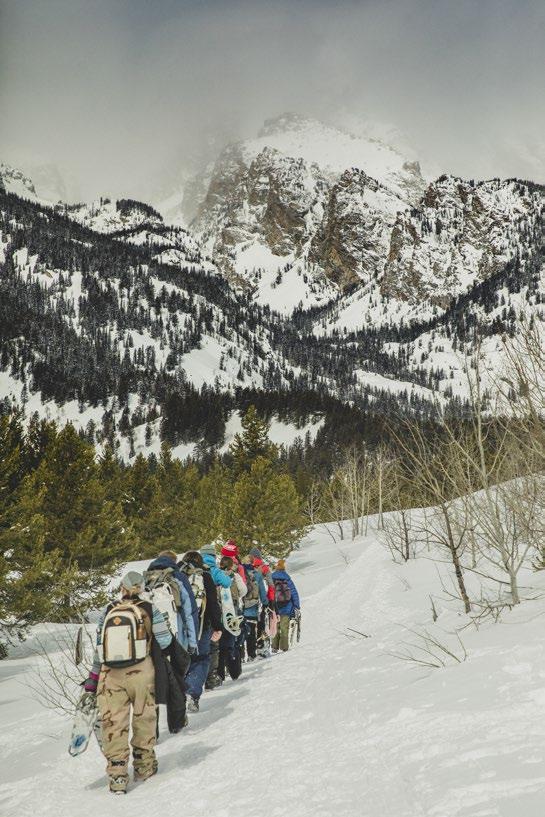
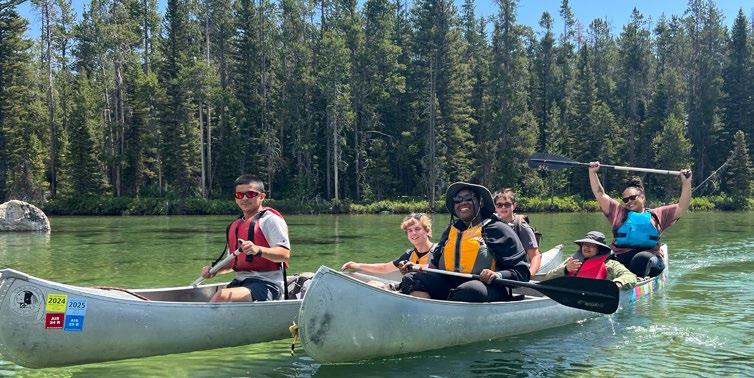
Student groups can experience immersive, place-based learning within the Greater Yellowstone Ecosystem through programs ranging from three to seven days. These experiences blend education with hands-on engagement, meeting specific learning goals that are aligned with state and national standards. Programs take place across Teton Science Schools’ Jackson Campus, Kelly Campus, the Murie Ranch, and in Grand Teton National Park, leaving students with lasting lessons and inspiration that they carry back to their classrooms and communities.
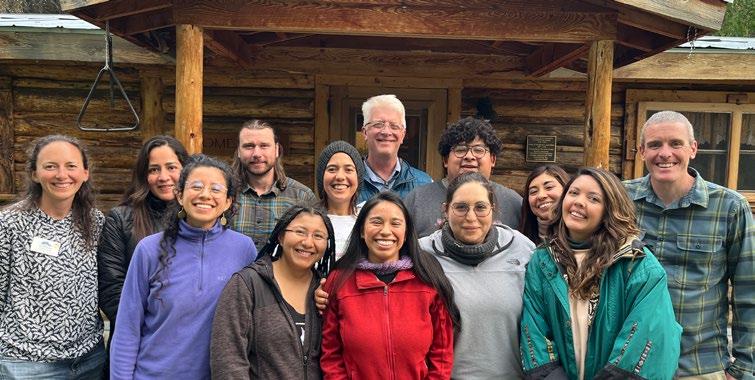
Educators at all stages of their careers can access a variety of professional development opportunities focused on place-based education. These programs integrate educational theory, practical applications, leadership strategies, and mentorship guided by experienced place-based educators. Participants can engage through on-site workshops, customized school consulting, and online courses. Each program connects learning to the local environment, helping educators strengthen their teaching practices and improve student learning outcomes.
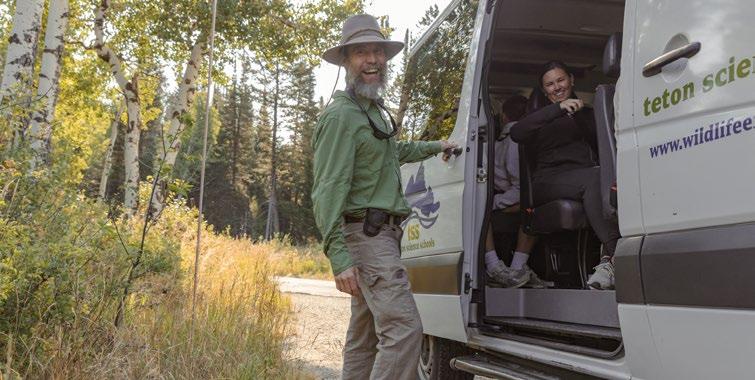
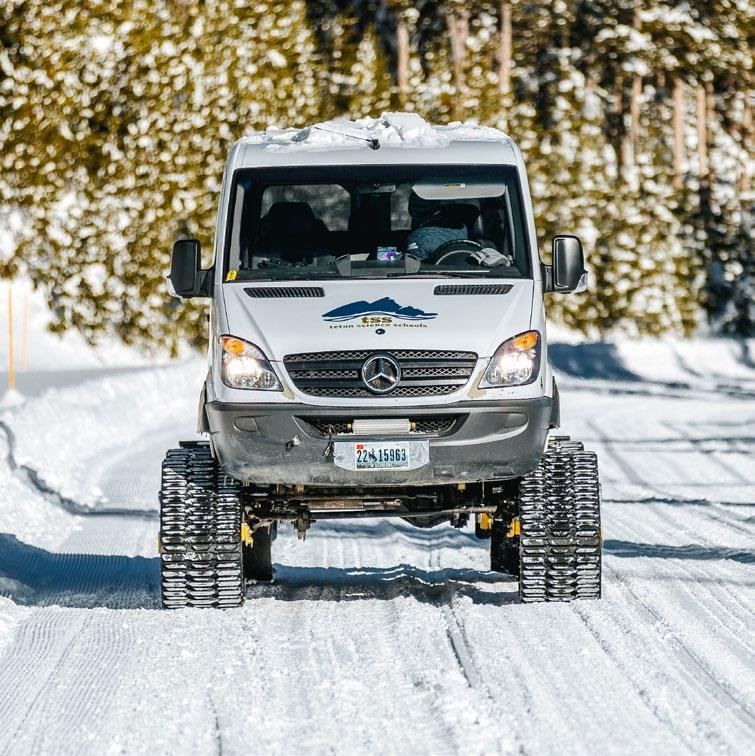
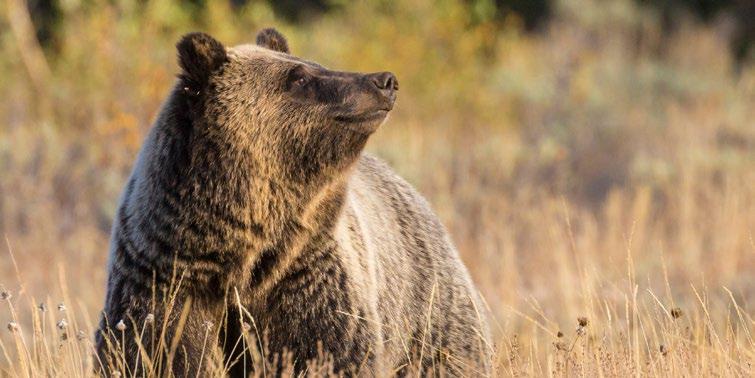
Since 1999, Wildlife Expeditions has offered immersive tours in the Greater Yellowstone Ecosystem. Guided by biologists and naturalists, guests observe wildlife in their natural habitat while learning about local ecology, geology, history, biology, and botany. Your-round tours focus on prime viewing areas, adapting to group interests and recent sightings in Grand Teton and Yellowstone National Parks, as well as surrounding forests.
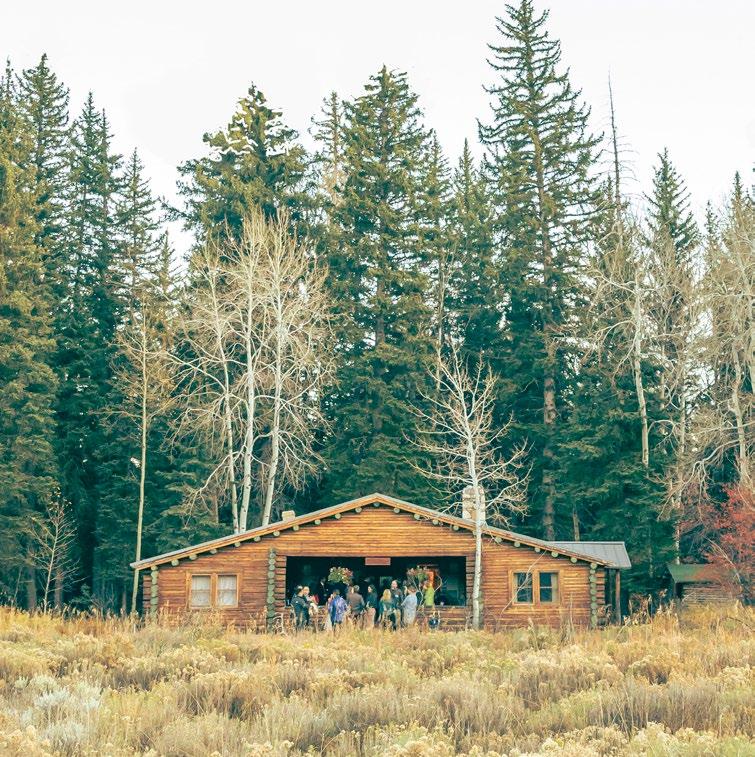
The Murie Ranch, named after conservationists Margaret (Mardy) and Olaus Murie, and Adolph and Louise Murie, is a National Historic Landmark in Grand Teton National Park. Acquired by the Muries in 1945, it became the Murie Center in 1997 and merged with Teton Science Schools in 2015. The ranch offers cabins for retreats and meetings, hosts docent tours, and fosters community conservation conversations on Mardy’s front porch. It continues the Murie Legacy through conservation programs, awards, and mission-aligned events.
Teton Science Schools is a private, 501(c)(3) nonprofit educational organization operating year-round in Jackson Hole, Wyoming, and Teton Valley, Idaho. Teton Science Schools does not discriminate on the basis of race, gender, creed, or sexual orientation in any of its policies or programs. TSS operates as a partner of Grand Teton National Park and as a permittee of the Bridger-Teton and Caribou-Targhee National Forests.