CENTERINGASIAN DIASPORICVOICES &SHAPINGPOLICY
TheEducationalExperiencesand Well-beingofAsianandAsianAmerican YouthinWashingtonSchools




TheEducationalExperiencesand Well-beingofAsianandAsianAmerican YouthinWashingtonSchools
Jenn Nguyễn, PhD Candidate, M.Ed.
Max A. Halvorson, PhD
Alyssa Ledesma, MSW, LSWAIC
Jane J. Lee, PhD, MSW
Zewei (Victor) Tian, M.Ed.
Santino G. Camacho, PhD Candidate, MPH
Koa Beck, MSW
Buddy Kalanikumupaʻa Seto-Myers
Tressa Diaz, PhD
Min Sun, PhD
Michael Spencer, PhD
The following core contributors assisted in data collection, cleaning, coding, analysis and literature review for the report: Dani Canaleta, Zixin Chen, Roberta Collison, Marcus Conde, Whitney Lane, and Sydney Ying-Tuing Lin.
Our Community Advisory Board, consisting of Jen Chong Jewell, Erin Okuno, Ay Saechao, and Frieda Takamura, provided critical input to the design, execution, and interpretation of the studies, and reflected and represented the views of their communities in these roles. We also acknowledge the Community Advisory Board for our sister study on Native Hawaiian and Pacific Islander youth – Sui-lan Hoʻokano, Kiana McKenna, Inez Olive, Sili Savusa, and Adrianna Suluai – for their involvement in the overall conception and design of the study.
It is with care, humility, and commitment to community well-being that we share this report on educational opportunities among Asian and Asian American (As/AsAm) students in Washington’s K–12 schools.
This report will provide the Committee on Asian Pacific American Affairs (CAPAA) and the Educational Opportunity Gap Oversight and Accountability Committee (EOGOAC) with quantitative and qualitative data, along with community-driven recommendation to inform policies, strategies to close educational opportunity gaps for As/AsAm students. This report reflects a broad collaboration.
Researchers from both the As/AsAm and NH/PI communities came together from across the University of Washington’s College of Education and School of Social Work to produce two distinct reports While our teams shared resources, we centered the specific histories, contexts, and needs of each community to ensure that their voices and experiences are not collapsed into a single narrative.


We thank Leah Forester and the UW School of Social Work Marketing and Communications team for their design and layout support, which helped bring this report to life
We are also deeply grateful to CAPAA and EOGOAC for championing this work and continuing the legacy of the foundational study by Drs. David Takeuchi and Shirley Hune in 2008. We hope this updated report will serve not only policymakers but also educators, families, and communities as a resource for advocating for systemic change and celebrating community strengths.
We also thank the Office of the Superintendent of Public Instruction (OSPI), the Education Research and Data Center (ERDC), and the Healthy Youth Survey (HYS) team for their partnership, data sharing, and consultation Their commitment to advancing data disaggregation has been vital to deepening our collective understanding of As/AsAm students’ diverse educational realities.
Above all, we extend our appreciation to the students, families, educators, and community advisory board members who contributed their insights, stories, and aspirations. Their voices illuminate not only the challenges faced such as erasure, stereotypes, and pressures As/AsAm communities experience, but also the resilience, creativity, and visions for thriving that shape the future of As/AsAm youth in Washington.
2. Who Are Asian/Asian Americans?
3. Data Disaggregation for Equitable Data Policy
4.
5. Postsecondary Outcomes
6. From Shadows to Strength: Uplifting Asian Youth and Wellness
7. Beyond the Monolith: Understanding the Intersectional Identities of As/AsAm Youth
8. Curriculum and Instruction (Culture and Identity): Building Culturally Grounded Education Systems
9. Cultural Humility and Culturally Responsive Practices 10.
Asian and Asian American (As/AsAm) youth and families are integral to their communities and come from a diversity of 49-51 Asian countries with distinct languages, cultures, religions, migration histories, and lived experiences that shape their identities and contributions to their communities in the United States These diasporic roots form interconnected communities with interwoven histories that foster shared spaces of belonging, collective resilience and solidarity. However, this interconnectedness is often oversimplified by outsiders, where the richness of collectivist resilience is flattened into a singular narrative, leading to persistent misrepresentation of the As/AsAm experience as a monolithic one that erases the breadth and depth of the As/AsAm experience. This report presents an urgent call to schools, districts, and state policymakers to strengthen equity-driven educational policy for As/AsAm students by recognizing their rich diversity, diasporic roots, and complex needs
such as grades, graduation rates, and standardized testing scores provided by the Office of the Superintendent for Public Instruction (OSPI). We also examined student well-being via the Washington Healthy Youth Survey, a survey administered to all students in a probability sample of schools in Washington. Qualitative data consisted of focus groups and interviews with students, educators, and administrators in which they shared their thoughts on the needs and challenges faced by As/AsAm youth.
In analyzing quantitative data, we disaggregated data based on subethnic groups and examined their experiences separately (e.g., Laotian, Punjabi), and for the qualitative data, we aimed for representation across the Asian diaspora.
To ensure that recommendations were community-driven and informed by those who know communities best, we convened a Community Advisory Board (CAB) made up of community and educational leaders in the Washington As/AsAm community to collaboratively interpret data and craft recommendations.
In collaboration with the NH/PI Opportunity Gap Report, we used a mixed-methods approach and collected both quantitative data and qualitative data to describe opportunity disparities for As/AsAm youth and to develop recommendations based on community input.
Quantitative data consisted of formal metrics
Washington’s As/AsAm population grew significantly over the past several decades, increasing by 55% between 2000 and 2020, making it one of the fastest-growing racial groups in the state This growth reflects migration from across the Asian Diaspora, with
communities representing a wide range of languages, religions, and migration histories, including long-established families, recent immigrants, and refugee populations. Yet, despite this demographic expansion, many
ssubethnic groups, particularly those within Central Asian, Southeast Asian, and refugee communities, remain underrepresented in education policy conversations and decision-making processes. Their unique needs multilingual education access, culturally responsive mental health and classroom practices, and equitable funding for underresourced schools are often overshadowed by aggregated data and stereotypes of academic success. For instance, multilingual language learners from many Asian communities underperform academically relative to monolingual speakers; Cambodian/Khmer multilingual learners have lower median GPAs than non-multilingual learners (2.6 vs. 3.2).
Mental health challenges among As/AsAm youth are underacknowledged due to cultural stigma, underreporting, and the lack of culturally and linguistically responsive mental health services in schools Disaggregated survey data from the 2023 Washington State Healthy Youth Survey reveal that certain As/AsAm ethnic subgroups report higher rates of emotional distress, anxiety, and depression. For example, Filipino youth reported a higher prevalence of depression at 32% compared to Chinese youth at 22%. As a variety of factors likely impact prevalence, As/AsAm youth focus group findings further highlight experiences of social isolation, invisibility,
and identity-based bullying, particularly among youth who hold intersecting identities, including queer, transgender, disabled, neurodivergent, and multiracial students. Without culturally responsive and linguistic practices, these stressors compound, posing long-term mental health risks.
“And also, healthyto me is—I knowthatthere's people supporting me, such as my parents andfriends.Andyeah, and also, like, being surrounded bythe people that bringyou down is kind of, like, makesyourenergies go awayand howyou don't wantto goto school either And so Ifeellikebeing aroundthepeoplewho youfeelcomfortablewith andwhobringyou positivitywillhelpyoube
.
Culturally affirming curriculum and pedagogy are vital levers for equity and belonging Educational environments that reflect the histories, languages, and identities of As/AsAm youth are essential to fostering both academic success and holistic well-being. Strategies such as ethnic studies, duallanguage programs, and culturally responsive teaching foster identity development, strengthen student engagement, and counter feelings of invisibility. Focus group data revealed the importance of affinity spaces and
ethnic studies courses in helping students feel seen, validated, and empowered to navigate complex social and cultural dynamics As/AsAm educator representation also remains disproportionately low across Washington State’s K–12 workforce, limiting students’ access to culturally reflective role models and mentors. In educator interviews, As/AsAm educators emphasized that representation benefits both students and other educators. Increasing recruitment, retention, and leadership opportunities for As/AsAm educators is
“Iwouldsay,that'smydreamas well,Ithink,tohavethe opportunitiestoconnectwith peoplewholike,whoarethe
sameasmewhohadthesame experiences.IthinkthewayI woulddoithavethesameinterest thatIdoandhavingthosekindsof opportunitiestoconnectwith people,tolinkupwithpeople,to gettoknowpeoplebetterthatare likeme,thatcomefromthesame experienceswillbereallybeneficial.”
-Chinese Student
essential to fostering more inclusive school climates and ensuring that the diverse experiences of As/AsAm communities are reflected in education
Finally, authentic collaboration with As/AsAm subethnic communities, including refugee and immigrant populations often overlooked in aggregated approaches, is essential. Community-based organizations play a critical role in bridging schools with families by providing culturally and linguistically accessible resources, mental health supports, and academic programming tailored to the specific needs of subethnic communities By intentionally partnering with community organizations and amplifying their voices and expertise, schools can better address barriers to access and improve student wellbeing.
Washington’s educational systems must evolve to meet the needs of a multiracial, multilingual, and intersectional student population. By grounding policy in both data and lived experience, we can ensure that As/AsAm students succeed academically, define success on their own terms, and experience a deep sense of belonging.
1.Mandate data disaggregation by race, ethnicity, and language to inform equitable decision-making.
2.Expand cultural and identity programs, such as dual-language and ethnic studies, to honor cultural languages, affirm identity, and promote belonging.
3.Invest in wellness initiatives and programs to support As/AsAm youth mental health.
4.Increase representation and retention in the As/AsAm educator workforce.
5.Build collaborative partnerships with communitybased organizations

Asian/Asian American (As/AsAm) youth are often framed as a “success story” due to high academic performance in K-12 and beyond However, this framing overlooks the diversity and richness of their racial and ethnic identities. Standardized academic metrics may suggest that many As/AsAm students are doing well academically, but these measures do not capture the full picture of their lived experiences They often obscure the emotional burden of high expectations from parents, teachers, and society, which can contribute to stress and anxiety, and invisibility. Moreover, this monolithic narrative erases the struggles of many As/AsAm students who face academic challenges, feel alienated from school, or are constrained by stereotypes that limit their ability to define themselves
This report builds on the 2008 Opportunity Gap report “Asian Americans in Washington State: Closing their Hidden Achievement Gaps” by drawing on both quantitative and qualitative data to examine current policies and practices that either advance or limit racial equity for As/AsAm students in Washington State’s (WA) K-12 public school system In addition to the quantitative administrative data sources examined by the prior report, we also conducted in-depth qualitative interviews with students, educators, and administrators to add further dimension to study findings and inform our recommendations. Throughout, we engaged a Community Advisory Board consisting of education and policy leaders in the As/AsAm community to provide their expertise and community-informed input to our report and
recommendations. This study seeks to: (1) unpack the “model minority” stereotype that assumes As/AsAms are academically successful; (2) explore how these expectations fuel internalized pressure, emotional distress, and stigma; (3) identify how inequitable access to culturally responsive mental health and academic support services affects underserved As/AsAm ethnic subgroups; (4)highlight how aggregate data and dominant success narratives contribute to inequitable resource allocation; and (5) center on the diversity and rich cultural uniqueness of the Asian diaspora. 1,2
Drawing on both existing research and the insights shared by our interviewees including administrators, teachers, students, policymakers, and advocates we situate our analysis within a resource equity framework guided by an evidence-based feedback loop (e.g., All4Ed Alliance for Resource Equity, 2022). Building on the recent Evidence for Equity report on Understanding and Addressing Inequity in Washington State’s Public Education System, this framework outlines five core components of resources and practices that shape students’ learning experiences and outcomes. Policies and practices across all levels of the school system are embedded within this ongoing cycle of continuous improvement, underscoring that equity is not a static goal,
but an ongoing process implemented at every level of schooling
This framework reflects the complex and intersecting conditions that shape As/AsAm youth experiences across identity, context, and time. It integrates both structural indicators and lived experiences to better understand how educational opportunity, safety, and identity affirmation are, or are not, equitably distributed
As/AsAm students’ learning opportunities and outcomes are at the ‘heart’ of the education system. Policymakers and school leaders must regularly track both overall progress and disparities across key indicators. These key indicators should include not only academic achievement, graduation rates, school attendance, and grades, but also student mental health, belonging, and wellbeing. These outcomes are shaped by layered and intersecting factors, including immigration history, language access, racialization, disability, gender and sexuality, and ethnic and cultural affiliation. Rather than relying solely on aggregated academic metrics, this framework emphasizes the importance of disaggregated data and the broader conditions that enable youth wellbeing and learning. Ongoing monitoring is essential to ensure all youth are supported in both their academic and holistic development.
The framework’s ‘inner circle’ highlights components most directly influenced by education leaders; those closest to students and most impactful on their school experiences. These include access to highquality teaching, culturally responsive curriculum, supportive school climate, mental
health and wellness services, sufficient instructional time, inclusive learning environments, multi-tiered support systems, summer school, and tutoring. Together, these elements form the foundation for equitable learning opportunities and outcomes.
The framework’s ‘outer circle’ represents the broader structural conditions that shape the school environment This includes educational leadership, community partnerships, and data accountability that either support or constrain the ‘inner circle’ components. The arrows demonstrate the iterative cycle of continuous improvement that should occur at every level of school practice.
In this report, we center on five key factors that are foundational to the educational experiences of As/AsAm youth and are actionable through policy and practice. These factors span the core operations of public K12 systems, from classrooms to broader state-level structures. We recognize that youth and family experiences are shaped not only within school settings but also by broader historical conditions and local sociocultural contexts that influence how resources, supports, and expectations are distributed. To reflect these dynamics, we intentionally engaged a diverse group of stakeholders across racial and ethnic backgrounds, professional roles, and regions of the state, whose insights shed light on the structural and cultural conditions that shape As/AsAm youth wellbeing
Figure 01 shown on the following page.
Curciculum and Instruction
(Culture and Identity)
Asian / Asian American student learning opportunities and outcomes
Educator and Schools
Resources
Student Supports and Interventions
Asians and Asian Americans (As/AsAms) come from vastly diverse regions and countries in Asia and include people with cultural, ethnic, and ancestral ties to more than 48 countries like China, India, Japan, Korea, the Philippines, Vietnam, and Pakistan. The majority of the As/ AsAm population in the United States (U.S.) come from six ethnic groups: Chinese (23%-24%), Indian (21%-22%), Filipino (18%-19%), Vietnamese (10%-11%), Korean (9%-10%), and Japanese (6%-7%). Other notable communities include Pakistani, Bangladeshi, Laotian, Thai, Cambodian, and Hmong populations, among others In 2023, more than 26 million As/AsAms lived in the
United States, accounting for approximately 7% of the nation’s population As/AsAms are also the fastest growing major racial or ethnic group in the country, according to U.S. Census Bureau data.5
According to the Pew Research Center (2024), immigrants account for a narrow majority of Asians (54%), while 46% are U.S.-born. This near-even split highlights the vast diversity within the Asian diaspora, where people identify as Asian in a variety of ways Many individuals primarily identify with their specific ethnicity, such as “Hmong” or “Chinese,” while others adopt
5
broader regional descriptors, such as “South Asian” or “East Asian” to reflect their geographic origins. Some embrace pan-ethnic terms like “Asian” to unify across communities, while others highlight their American experience through terms like “Asian American” or “Vietnamese American.”
These identity choices often reflect personal experiences, generational ties, and cultural or societal influences. Preferences may also shift depending on context, whether personal, social, and professional, and can evolve over time due to generational change, multiracial/ multiethnic identities, and changing societal perceptions This diversity in identification underscores the complexity and individuality within Asian and Asian American identity formation
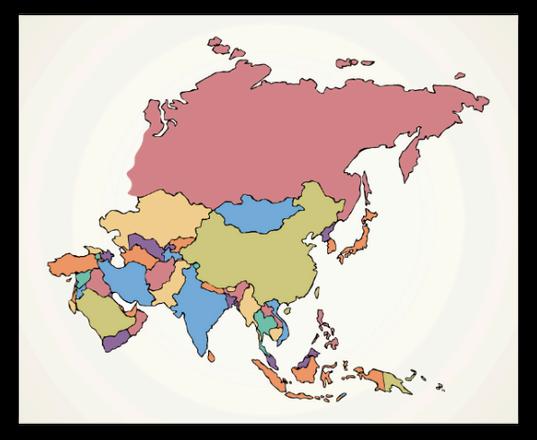
Asia spans at least 48-51 countries, encompassing vast ethnic and cultural diversity. According to the 2020 U.S. Census, racial and ethnic backgrounds were categorized into distinct racial groups. Ethnicities such as Lebanese, Egyptian and Moroccan are moving towards being listed under Middle Eastern and North African (MENA), while other ethnicities such as Kazakh, Taiwanese, Bangladeshi and Filipino are listed under Asian with distinct regions such as Central, East, South, and Southeast. In the 2020 U.S. Census, several Central Asian subethnic groups, such as Afghan, Kazakh, Kyrgyz, Tajik, Turkmen, and Uzbek were reclassified under the racial category “Asian,” after previously being coded as “White” in 2010. While “Central Asian” is not a standalone checkbox, these identities can be written in under the Asian category, and the Census now includes them as part of the detailed Asian origin groups.
As/AsAms have diverse migration histories some families have lived in the U S for generations, while others are recent immigrants. Despite this diversity, the use of broad "pan-Asian" labels can overlook the distinct cultural and social experiences of individual subgroups. These include meaningful differences in socioeconomic status, educational attainment, and language proficiency. The dual perception of Asia as both a continent and, mistakenly, as a monolithic cultural region presents significant challenges for the Asian diaspora. Asia is one of the largest and most diverse continents, encompassing many cultures, languages, religions, and histories. Yet, it is often generalized as a single entity, reducing its people to a singular, stereotyped identity This homogenization perpetuates oversimplified narratives and stereotypes such as the "model minority" or the assumption that all Asians share similar traditions and experiences.
For members of the diaspora, these misperceptions can hinder the expression of unique identities, complicate intercultural understanding, and obscure subgroup-specific needs They also fuel xenophobia or racism by reinforcing onedimensional portrayals, ultimately silencing the diversity of voices within the Asian community.
The introduction of the Middle Eastern and North African (MENA) category into federal reporting standards published by the Office of Management and Budget in 2024 makes a step toward a more nuanced and accurate representation. Historically, individuals from countries such as Iran, Iraq, Egypt, and Lebanon were often categorized as “White” on U.S. Census forms or grouped with populations that are culturally and geographically distinct from East, South, and Southeast Asia Recognizing MENA as a separate category helps clarify these distinctions, allowing for more precise data collection, better informed policy, and increased visibility of the MENA community’s unique experiences and needs. For the purpose this report, however, we focus specifically on non-MENA As/AsAm communities and encourage the EOGOAC to engage the MENA community to develop explicit guidance on gathering MENA perspectives and data.
6
With over 2,000 languages spoken across Asia, it is one of the most linguistically diverse continents in the world. In Washington State public schools, more than 20,000 As/AsAm youth approximately 14% are multilingual learners (MLL), with languages such as Vietnamese, Mandarin, Dari, Punjabi, and Korean represented among youth and families For many As/AsAm communities, language is more than a means for communication; it is
deeply tied to identity, intergenerational relationships, and cultural continuity The loss or devaluation of heritage languages can lead to feelings of disconnection from family, community, and cultural roots.
In Washington, data on primary languages spoken by As/AsAm youth reveals rich linguistic diversity, with over 100 distinct languages represented. Among MLLs, the most common primary languages spoken by more than 1,000 students are Vietnamese (3,440), Mandarin Chinese (1,842), English (1,432), Dari (1,356), Punjabi (1,309), and Korean (1,211). This diversity highlights the importance of culturally and linguistically responsive educational support While some languages are spoken by thousands of students, others, such as Indonesian, Bengali, and Ilokano, are spoken by nearly 100 students, and languages such as Mien, Cham, and Rohingya, are spoken by fewer than 30. These patterns underscore the need for targeted resources and inclusive language policies that support both larger and smaller linguistic communities.
Language and accent play a powerful role in how Asian youth navigate perceptions of belonging. For many, sounding “American”
is not simply about fluency,
but about gaining social acceptance and avoiding discrimination. As one Vietnamese youth shared:
“I think I also try to have a more American accent, because I’ve heard a lot of stories of discrimination based on accent.”
In this context, accent becomes a racialized marker, signaling difference and vulnerability rather than merely linguistic variation The pressure to adopt an “American” accent reflects deeper dynamics of racial exclusion, where language functions not just as a means for communication, but as a tool that shapes how individuals are perceived and treated.
Historically, the use and visibility of heritage languages among As/AsAm communities have been limited within U.S. public schools. The pressure to assimilate, particularly through English language acquisition, has often resulted in Asian languages being marginalized or viewed as obstacles rather than assets This reflects a broader system of racialized assimilation in which language loss is normalized as a condition for “success,” often at the cost of cultural identity and intergenerational connection. Language access is also critical to fostering family-school partnerships. For many As/AsAm families whose home language is not English, communication with schools can be limited or misinterpreted, creating barriers to
engagement and advocacy As one educator described:
“That's
a big disconnection, when
it's
come to talk about school. Parents cannot even say, hey, how was school today? […] Or maybe they're signing something that they don't understand because it's not in their language.”
Investing in language services and culturally aligned programming is essential, not only to support student success, but also to strengthen intergenerational relationships and community trust in education systems.
At the forefront of the following recommendations is the need to increase visibility for communities that have long been overlooked in educational data, policy, and
practice The call to continue conversations on MENA to address a critical gap in current data systems, where MENA populations are often invisible under outdated racial categories. Similarly, visibility for Central Asian communities must be prioritized in As/AsAm data conversations. Their unique histories, migration experiences, and educational needs are frequently excluded from broader narratives, despite growing populations in U.S. schools. Language access is another key dimension of visibility. Providing culturally responsive language support in underserved Asian languages like Hmong, Mien, and Laotian affirms the presence of these communities and helps ensure families are included meaningfully in school systems. Disaggregated enrollment and administrative data to identify and respond to these language needs reinforces the principle that visibility is not only about being counted, but is about being seen, heard, and supported in ways that honor the full humanity and diversity of As/AsAm students and families.
RECOMMENDATION2.1:
Continue and expand statewide conversations on Middle Eastern and NorthAfrican (MENA) educational equity These conversations should actively engage MENA communities, researchers, and policymakers to ensure their unique educational experiences and needs are recognized and addressed
RECOMMENDATION2.2:
Include and educate about CentralAsian communities (e.g., Kazakhstan, Uzbekistan a focus on amplifying communityvoice inAs/AsAm data reporting and conversatio
RECOMMENDATION2.3:
Provide high-quality culturally responsive language support services in diverse Asian languages (Hmong, Mien, and Laotian) to strengthen family-school partnerships Districts should use enrollment and administrative data to assess language needs and prioritize resources for smaller language groups often overlooked in mainstream services.

Washington State is home to approximately 730,500 As/AsAms (12.2% of the state population), which makes it the state with the sixth-largest Asian population in the country
Since 2010, As/AsAms have been among the fastest growing racial groups in the state, increasing by 55.5%. While California leads the
nation with more than 6 million As/AsAms, sizeable populations also reside in New York and Texas, each with around 2 million. Other states, including Hawaiʻi, Illinois, and New Jersey, also have well-established and growing As/AsAm communities, reflecting broader demographic trends shaped by migration, economic opportunities, and community networks.
As As/AsAm populations continue to grow across the United States, their geographic
distribution within states plays a crucial role in shaping local communities. In Washington State, this growth is most evident in urban centers such as King and Snohomish counties, where As/AsAms make up an increasing share of the population In contrast, while numbers are increasing in suburban and rural areas, As/AsAms often remain a smaller proportion of the overall population Understanding these shifts in population density is essential for addressing disparities in access to education, resources, and services.
King County remains the primary hub of Washington’s As/AsAm population, experiencing a substantial 141% increase from 2010 to 2020. However, Snohomish County recorded the highest percentage
growth at 190%, surpassing Pierce County to become the state’s second-largest As/AsAm population center. Growth patterns also highlight emerging As/AsAm communities beyond traditional urban centers, with Clark and Whatcom counties growing by 119% and 118%, respectively While Thurston County saw moderate growth (89%), Kitsap and Spokane counties exhibited slower increases (41% and 61%), suggesting that the most significant demographic shifts are concentrated in suburban and metropolitan areas. In contrast, Island County’s relatively low growth rate (34%) and small overall numbers reflect the limited expansion of As/ AsAm populations in rural areas. These trends reflect broader patterns of suburbanization and dispersal, which are reshaping
Washington’s demographic landscape and influencing decisions around resource allocation, community development, and educational access.
The top 10 counties with the largest As/AsAm populations have remained relatively stable over time, with the exception of Island County, which fell from the list in 2010. Beyond these core counties, several others including Whitman, Yakima, Skagit, Franklin, Cowlitz, Clallam, Grant, and Grays Harbor also have notable As/AsAm communities. While these populations may be smaller in absolute numbers, their presence highlights the ongoing geographic diversification of As/AsAms across Washington State and points to the need for equitable resource distribution and culturally responsive services in both high and lower density areas across the state.
King County consistently accounts for much of the state’s As/AsAm population, rising slightly from 61% in 2000 to 64% in 2020. King County’s sustained role as the central hub for As/AsAm residents is likely driven by employment opportunities, established cultural communities, and infrastructure in major urban centers like Seattle and Bellevue. Snohomish County’s steady growth in its share of the state’s As/AsAm population, increasing from 11% in 2000 to 14% in 2020, may reflect suburbanization and the migration of families seeking more affordable housing and access to good schools while remaining close to King County's urban core
For counties other than King and Snohomish, the percentages are less significant and trend downward despite the increases in absolute numbers of As/AsAm residents in these counties. These are not due to population
outflows, but rather to more rapid growth and concentration into King County and Snohomish County, which reflect the state’s urban hierarchy in terms of As/AsAm population distribution. The proportion of As/AsAm residents in King County has grown significantly from 11% in 2000 to 20% in 2020, nearly doubling over two decades. This increase reflects King County's role as a cultural and economic hub, attracting diverse communities through its job market and established As/AsAm neighborhoods.
In Snohomish County, the As/AsAm population share increased from 6% in 2000 to 12% in 2020. As a representative of broader suburban growth, this increase mirrors suburban migration patterns, with families seeking more affordable housing and proximity to King County while maintaining access to quality schools and amenities. Pierce County also experienced growth in its As/AsAm population, increasing from 5% of the population in 2000 to 7% in 2020. Although the pace of growth has been slower, Pierce County remains a significant destination for reasons similar to Snohomish County, including affordable housing and proximity to urban hubs Thurston and Kitsap Counties have experienced steady increases in their As/AsAm population, reaching 6% and 5% of the population, respectively, in 2020, up from 4% in 2000. This reflects gradual diversification likely tied to expanding economic opportunities and the appeal of suburban or semi-rural living. Whatcom County's As/Am population rose from 3% in 2000 to 5% in 2020, and Clark County experienced similar growth, rising from 3% to 5%. Given these counties’ proximity to the Canadian border and Portland, respectively, their trends may reflect broader patterns of As/AsAm migration and settlement
across the Pacific Northwest and internationally In contrast, Spokane, Benton, and Island Counties exhibited slower growth, reaching 2%, 3%, and 5%, respectively, in 2020. These counties remain less densely populated and offer fewer metropolitan advantages, which may explain their comparatively slower demographic changes.
These patterns highlight an ongoing urbansuburban migration among As/AsAm populations, with concentrations and
diversification in metropolitan hubs (King County) and rapidly growing suburbs (Snohomish County). Economic opportunity, affordability, and community networks appear to be the primary drivers of these shifts. As King County continues to anchor regional growth, understanding the geographic spreadof As/AsAm populations will be critical for addressing local needs related to education and health and for ensuring that As/AsAm youth are supported across the state.
As/AsAm disaggregated population growth and density data offer critical insights into Washington State's evolving demographics. Over the past several decades, the state’s Asian population has grown significantly, driven by economic and educational pursuits, refugee resettlement, and natural population growth A focus on aggregated data obscures the unique trends and challenges faced by different ethnic subgroups, while data disaggregation enables a more nuanced understanding of population density patterns, growth rates, and geographic distributions, particularly in urban, suburban, and rural communities; hence, efforts to disaggregate data are vital for shaping equitable policies in education and health and for ensuring that the diverse needs of all communities are effectively met.
Asian and Asian American populations are highly concentrated in King County, where Chinese, Indian, Filipino, Vietnamese, and Korean communities make up the majority of the state’s Asian population. King County alone accounts for over 70% of the state’s Indian population and nearly half of Chinese and Filipino residents. Their longstanding presence and continued growth have shaped the region's cultural, economic, and educational landscape. Chinese Americans have deep historical roots in the Pacific Northwest, while Indian American populations have increased significantly in recent decades, particularly in technology and professional sectors. While often more represented in data due to their population size, these communities still experience internal diversity and nuanced challenges, including disparities across immigration waves, socioeconomic status, and linguistic needs that are often obscured by aggregated reporting and model minority assumptions.
Furthermore, King County remains home to more than half of the Laotian population, with Snohomish and Pierce Counties accounting for an additional 23% While King County is the primary destination for nearly all Asian ethnic groups, Snohomish County is also str preferred, especially for Indonesian, Mongolian, Sri Lankan, Pakistani, and communities more than 20% of eac state population resides there. Additi 20% of the Hmong population lives in Snohomish County.
County
ThecompositionofAsian communitiesshifts
In Snohomish County, Vietnamese and Indian populations are among the fastest-growing. In Pierce County, which accounts for more than a quarter of the state’s total Cambodian
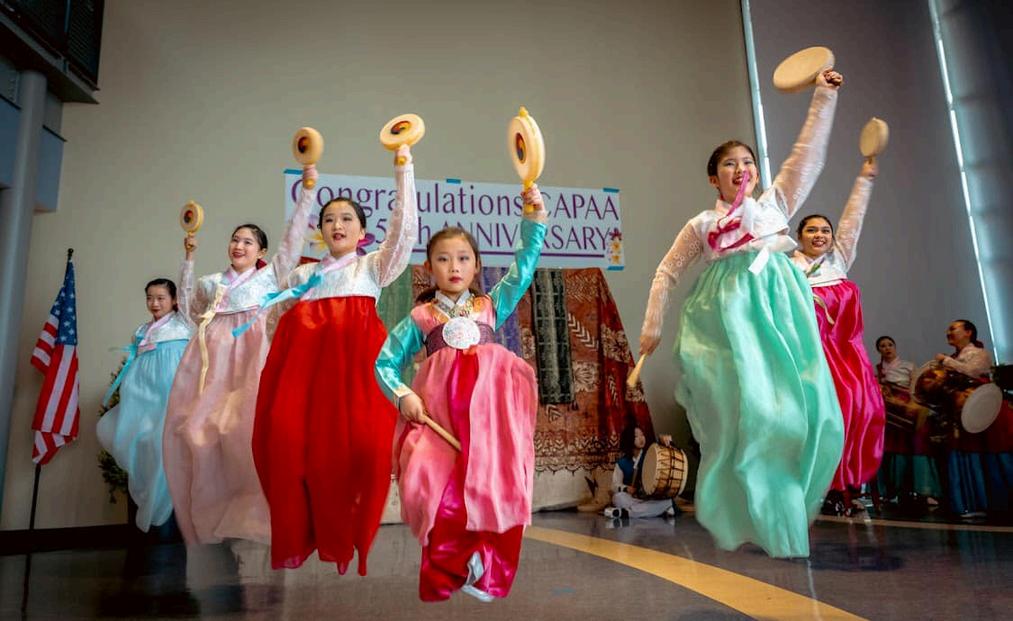
Beyond the Puget Sound corridor, smaller but increasingly visible Asian communities in counties like Spokane, Benton, Kitsap, and Island highlight the widening geography of Washington’s Asian diaspora In Spokane County, Filipino and Vietnamese families are the most significant subgroups; however, Burmese populations are strongly represented, comprising 14% and 13% of their respective state totals. Burmese residents are also concentrated in Benton County, making up 11% of the group’s statewide population In these areas, Filipino, Indian, and Japanese residents represent growing shares of the population, often tied to industries such as agriculture and naval bases. Their presence reflects how migration has diversified both
demographically and geographically, expanding from concentrated urban centers into rural and suburban areas.
Understandingthese
differences matters because
thetopethnicgroupvaries bycounty,reflectinghow distinctmigrationhistories haveshapedeach community’spresence across the state.
COMMUNITY-BASEDORGANIZATIONS ASACENTRALPARTOF UNDERSTANDINGCOMMUNITY
Community plays a critical role in the educational and developmental experiences of As/AsAm youth. Research emphasizes that culturally grounded support systems, including family networks and ethnic community infrastructures, are foundational to students’ academic persistence and socioemotional wellbeing. Communitybased organizations serve as vital partners in bridging educational institutions with families, particularly for refugee and immigrant populations facing linguistic, economic, and systemic barriers. These organizations offer culturally and linguistically relevant services, such as academic support, linguistic services, mental health care, and parent engagement,
services that are often missing in mainstream school settings. Many As/AsAm families, especially those from refugee or immigrant backgrounds, face systemic barriers to accessing education, including language barriers, unfamiliarity with school systems, and cultural stigma around seeking support
Community-based organizationshelpfillthese gapsbyprovidingtrusted, culturallyresponsive servicesthathonorthe
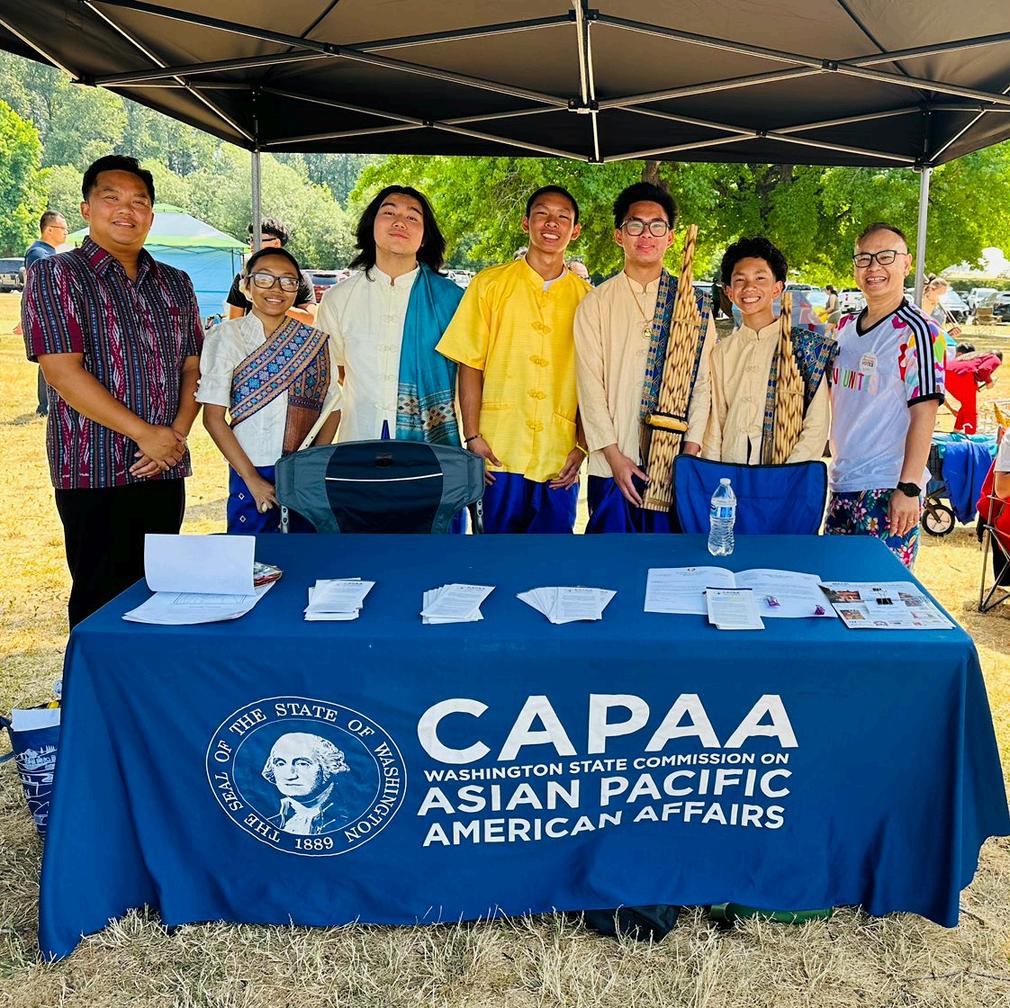
There is an urgent need to disaggregate data on Asians/Asian Americans, Native Hawaiians, and Pacific Islanders (NH/PI) to avoid masking disparities within broad racial categories. Presenting educational data on the most specific ethnic subgroups possible is important to reveal the unique barriers and strengths that exist within each community. The continued use of the broad “AAPI” umbrella may promote sociopolitical solidarity in some contexts, but in educational data and policy, it often obscures the distinct experiences of NH/PIs and As/AsAms, limiting the effectiveness of educational policies and practices
Disaggregating data down to the ethnic
subgroups helps expose inequities that are often invisible and enables more equitable resource allocation and culturally responsive support.
To better understand the educational landscape, and the needs of different ethnic subgroups, it is important to center the voices and perspectives of families within those communities For communities whose data are suppressed due to small sample size, it may be necessary to collaborate directly with communities and community organizations to understand the needs of their youth. This not only affirms their right to self-representation but ensures that data practices are held accountable and aligned with community need
RECOMMENDATION3.1:
Continue to disaggregate A/AA and NH/PI data to avoid maski disparities within broad categories.
RECOMMENDATION3.2:

Present educational data on As/AsAm students in a maximally disaggregated format down to the level of individual ethnic commu (e.g., Hmong, Mien) whenever possible.
RECOMMENDATION3.3:
Collaborate directly with communities whose data are suppressed t better understand their unique needs, priorities, and preferred ways of being represented
Student learning outcomes offer one lens through which to assess the effectiveness and equity of our education systems. Across K-12 and postsecondary settings, academic indicators such as test scores, graduation rates, and college enrollment reveal persistent disparities that disproportionately impact students from historically underserved communities. Traditionally, these data have been aggregated under broad racial and ethnic categories (e.g., Asian, White), which can obscure important differences within groups. In the following analysis, data are disaggregated where possible to examine variations in outcomes by ethnicity
and country of origin, offering a more nuanced understanding of educational equity.
These gaps reflect deeper systemic inequities and highlight the need for more inclusive and responsive educational policies. Among the student populations most affected are multilingual learners (MLLs), whose diverse linguistic backgrounds intersect with academic expectations in complex ways. This section examines trends in student learning outcomes across key academic metrics, exploring how disparities manifest and persist, while considering the positioning of specific student groups, including MLLs, within these patterns PERCENTAGEOFSTUDENTSMEETING STATEWIDESTANDARDS, BYSUBJECTANDRACE
FIGURE 03. THIS FIGURE DISPLAYS PERCENTAGES OF GIVEN STUDENT GROUPS WHO HAVE ACHIEVED PROFICIENCY IN ENGLISH LANGUAGE ARTS (ELA), MATH, AND SCIENCE ASSESSMENTS. STUDENTS TAKE MATH AND ELA TESTS IN GRADE 10 AND SCIENCE TEST IN GRADE 11. REACHING PROFICIENCY IN THESE TESTS CAN SERVE AS THE FULFILLMENT OF ONE OF THE GRADUATION PATHWAYS PROVIDED IN WASHINGTON STATE.
Aggregated data on As/AsAm students often reflect high achievement on statewide assessments: 75.9% of As/AsAm students met proficiency in English Language Arts (ELA), 52.7% in Math, and 66.3% in Science in 2023. Relative to data provided in the 2008 report, these figures show lower proficiency rates for English Language Arts and Math, and higher proficiency rates for Science. These differences may be driven in part by changes over time in state proficiency standards. However, these data tell only one part of the story, as overall averages mask variation across ethnic subgroups within the Asian diaspora
Given the diverse migration histories and socioeconomic contexts of As/AsAm students, proficiency rates vary widely across ethnic groups (shown in the graphs on the following pages). In ELA, passing rates ranged from 49.0% among students whose ethnic identities were not listed in OSPI data collection (who wrote in an “other” answer) to 90.9% among Malaysian students. Math passing rates were below 30% for several groups, including Cambodian/ Khmer, Hmong, Lao, and Mongolian;
while Indian, Malaysian, Chinese, and Taiwanese students exceeded 70% proficiency. Proficiency rates for science also showed substantial variability, ranging from 39% to 87% Science proficiency was notably high for Pakistani, Taiwanese, and Japanese students; and lower for Lao, Cambodian/Khmer, and Thai students. Compared to statewide averages (57.1% for ELA, 26.4% for Math, and 48.8% for Science), passing rates across As/ AsAm subgroups surpassed these averages for some groups and fell below for others.
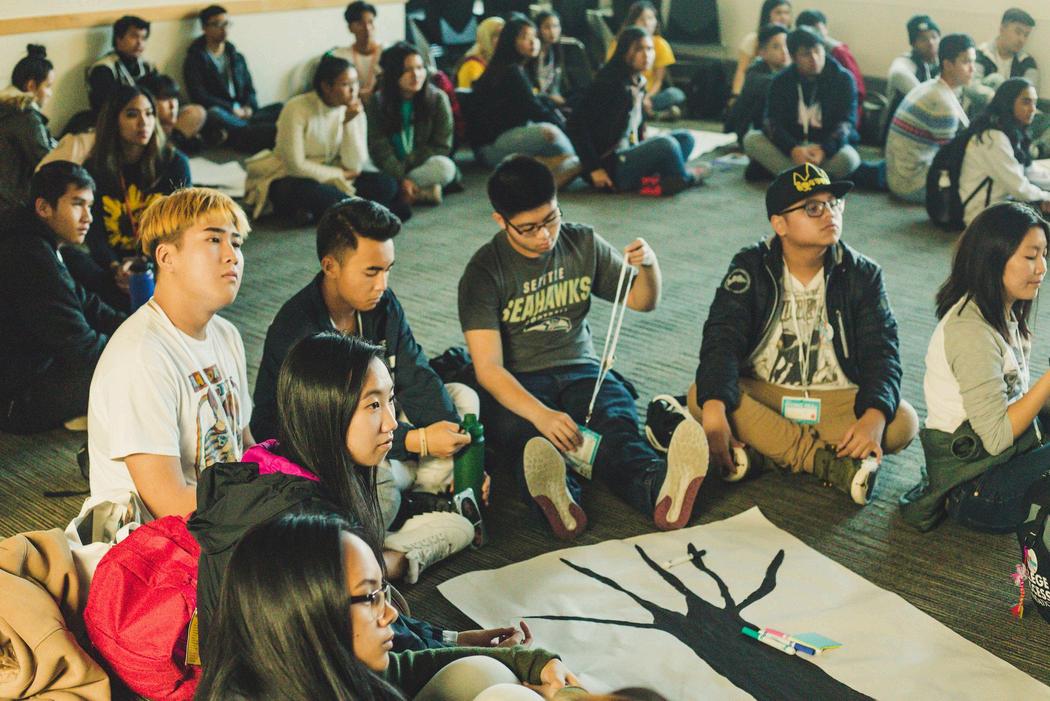
While region of origin within Asia is not a perfect predictor of student achievement, some general patterns emerge. Students with East Asian or South Asian descent tend to have slightly higher passing rates, whereas students with Southeast Asian backgrounds or from smaller, aggregated groups such as Bhutanese, Burmese/ Myanmar, Cham, Mien, Okinawan, Sri Lankan, and Tibetan often experience lower passing rates
Grade point average (GPA) data reflect similar disparities, with average GPAs ranging from 2.5 to 3.9. These gaps are
further shaped by differences in English proficiency and length of time in the U S school system. Asian students comprise more than 10% of Washington's MLL population, with significant variation in English proficiency across ethnic groups.
Aggregate academic performance data may underrepresent the challenges faced by recent immigrant students while overrepresenting those from more established, English-proficient communities. In the following section, we explore differences in performance between MLL and non-MLL students.
Between 2010 and 2024, nearly 9 in 10 (87%) As/ AsAm students who were enrolled in Washington public high schools graduated on-time. When disaggregating to specific As/AsAm communities,
we observed some variability in these graduation rates was noted, though graduation rates for all communities were 80% or higher. This variability points toward groups that might require additional supports including Lao, Cambodian/Khmer, and Thai youth
FIGURE 07: ON-TIME HIGH SCHOOL GRADUATION
FIGURE 08: DISAGGREGATED ON-TIME HIGH SCHOOL GRADUATION
Multilingual Learning (MLL), historically known as English Language Learning (ELL) or English as a Second Language (ESL) programs, have a complex history rooted in systemic efforts to prioritize English as the dominant language. Washington State defines Multilingual Learners (MLLs) as students who speak a language other than English and are developing English proficiency. Increasingly, “multilingual learner” is used in place of “English learner” to emphasize students’ existing language skills and cultural assets, rather than implying a deficit 13 14
According to the Office of Superintendent of Public Instruction’s Washington State Multilingual Learners: Policies and Practices Guide, youth who report speaking another language at home are not automatically identified as MLLs. Instead, districts are required to determine a newly enrolled youth's primary language and eligibility through a Home Language Survey. Based on results, families are notified of eligibility for services such as the Transitional Bilingual Instruction Program and/or Title III services. Washington recognizes six approved models for language instruction: dual-language, transitional bilingual, content-based instruction, the supportive mainstream model, and newcomer programs. The state is home to more than 154,458 multilingual students, 19,953 of whom identify as As/AsAm. Language has become not only a tool for communication but also a means of maintaining cultural identity. Youth use bilingualism, heritage language practices, code switching, and translation to negotiate their migration experiences and diasporic identities 15 16 17
English Language Arts performance data reveals how academic English development is shaped not only by language acquisition, but also by youth’s prior educational continuity and the availability of family and community support These factors vary widely across Asian communities, with more recent immigrants facing particular challenges that must be acknowledged and addressed in more inclusive and responsive educational systems.
This table reveals gaps between MLL and NonMLL youth across all three subject areas, with disparities that consistently exceed 40 percentage points in each domain MLL youth achieve 27.81% proficiency in ELA compared to 86.75% for non-MLL youth, creating a 58.94 percentage point gap. In mathematics, MLL youth reach only 19.50% proficiency while nonMLL youth achieve 60.56%, representing a 41.06 percentage point difference. The most severe disparity appears in science, with MLL youth at 16 15% proficiency compared to 73.73% for non-MLL youth, yielding a 57.58 percentage point gap.
GPA data reflects a similar trend. Among nonMLL youth, average GPAs range from 2.3 to 3.8, while MLL youth have a broader but generally lower range from 1.9 to 3.8. On average, MLL youth earn lower GPAs than their non-MLL peers
Youth participants described academic achievement not merely as a performance metric, but as a deeply internalized marker of self-worth, cultural belonging, and familial duty. For many As/AsAm youth, “achievement” is tied to emotional wellbeing and identity formation. Struggling academically, especially in math or science, may be perceived not simply as poor performance, but as personal failure, signaling a break from family and community expectations
One Japanese administrator reflected on how generational values and the “immigrant mentality” shape these expectations, particularly in multigenerational households:

Students echoed this pressure. One Vietnamese student shared how academic comparisons within their family reinforced a sense of inadequacy and shaped their understanding of what it means to be Asian:
“SoIwasalwayspushedbymy brothertoexcelatschool,butIw asgoodashim.Soit'sjustthecultur thatI'mraisedin,whichishowmy–howmyidentityasAsianAmeric hasaffectedmethemost.It influencesthethingsaroundme - Vietnamese Stu
“Becausethatidentityforalotofour[As/AsAm]parents isacademicachievement–besuccessfulyouknow,and relativelymoretraditional.Idon'tlookdownonfamilies forfeelingthatway Imean,myownfamily,youknow,iskind oflikethat.So,Iembracethat.Youknow,theybringalotof theimmigrantmentalityandthingslikethat.It'slikewewant ourkidstobesuccessful,soIdon'tsaythatinanegativeway, becauseIdon'tthinkthatthere'snecessarilyonewaythat's betterortheother.ButIthinkforourkidsthen,asthey're livingwiththeirfamilies,multi-generational,andeverything withalotofimmigrantmentality.Thentheygointothese schoolswhereitcanbequiteadifferentexperience.Thekids havetotrytonavigatecrosscultures. ” - Japanese Administrator

Another Vietnamese student described extended family expectations that linked selfworth to academic success: “They would be like, oh yeah, make sure you grow up to be successful, just as them.” These familial and cultural dynamics intersect with peer comparisons Several youth noted feeling guilty for resting or socializing, perceiving any time not spent studying as a step away from success Internalized academic pressure, often framed through racialized expectations, contributes to chronic stress and diminished self-esteem. Language fluency further complicates these dynamics.
As one multiracial Filipino and Mexican educator explained, conversational English fluency among multilingual As/AsAm and NH/PI youth can mask deeper struggles with academic language:
“Inoticedthatwithourmultilingual students,InoticedthatalotofourAsian AmericanandPacificIslanderstudents havebasicconversationalEnglishdown It’swhenwegettoreadingand writingwherewenoticewhenthey starttostruggle.Ithinkbecausealot ofourteachersdon’thaveeducationon liketeachingmultilingualstudents Theydon’tknowthateventhougha studentappearstobeabletospeak English,thatdoesn’tmeanthat they’refluent. ” - Filipino-Mexican Educator
This assumption of fluency contributes to the under-identification of language support needs and limits youth’s ability to fully engage with academic content particularly in reading and writing.
Academic pressure, language barriers, and cultural expectations converge in ways that profoundly shape youth’s identity development and overall wellbeing. These intersecting forces illuminate the need for more culturally responsive and linguistically informed educational practices that validate the diverse experiences of As/AsAm youth, rather than perpetuating narrow models of success.
Postsecondary degree attainment data highlight both opportunity and outcome disparities across student populations in Washington State. Among K-12 graduates, over half (53%) of As/AsAm students went on to complete a 4-year degree on time, while 23% attained a 2-year degree. Disaggregated data, however, reveal stark differences across ethnic groups. Students of Taiwanese, Chinese, Indian, and Vietnamese descent had some of the highest 4-year degree attainment rates, while youth from Southeast Asian backgrounds, including Cambodian/Khmer, Filipino, Hmong, Lao, and Thai, were far less likely to complete a 4-year degree These disparities highlight the limitations of aggregated reporting and emphasize the need for culturally responsive, equity-driven supports that address the unique needs of each community.
Twenty-three percent of As/AsAm graduates from Washington’s K-12 public schools completed a 2-year degree and over half (53%) completed a 4-year degree on time. “On-time” degree attainment is defined as completing a program within 1.5 times its expected duration. Youth from several ethnic groups, including Taiwanese (74%), Chinese (68%), Indian (61%), Singaporean (57%), Korean (57%), Vietnamese (54%), and Japanese (52%) youth, were more likely than not to complete a 4-year degree. In contrast, youth from other ethnic groups including Cambodian/Khmer, Filipino, Hmong, Lao, and Thai had lower 4-year graduation rates, all at or below 36%
Science emerges as the most challenging subject for MLL youth, with the lowest absolute proficiency rate (16.15%) and the widest achievement gap (57.58 percentage points). This pattern suggests that science content presents particularly high language demands that current instructional approaches struggle to address for youth developing English proficiency. In mathematics often assumed to be less language-dependent—MLL youth also experience significant barriers. The 41.06 percentage point difference indicates that mathematical reasoning, problem solving, and assessment in American schools rely heavily on academic English These consistently large gaps across all subjects suggest that academic English proficiency plays a central role in student performance. Standardized assessments appear to require advanced English language skills far beyond conversational fluency.
When viewed alongside disaggregated As/AsAm data, these MLL outcomes help
explain disparities within Asian communities. Southeast Asian youth, who demonstrated lower performance in the previous analyses, likely include large numbers of MLL. Their outcomes are shaped not only by linguistic challenges, but by immigration timing, prior educational access, and support systems factors that aggregate reporting obscures. The magnitude of these gaps also raises questions about the validity of standardized assessments for MLL populations. Proficiency rates as low as 16%-19% may reflect language barriers more than actual content deficits, particularly in subjects like science and mathematics where conceptual understanding could exist independently of English language mastery. These patterns indicate that current approaches to supporting MLL youth are insufficient and may systematically exclude them from academic success as defined by state assessments. The consistency and severity of these achievement gaps point to systemic rather than programmatic issues requiring comprehensive interventions.
RECOMMENDATION4.1:
Districts and state agencies should not only disaggregate As/AsAm student data ethnicity, but also actively use it to inform decision making and to ensure program policies are responsive to specific communities
RECOMMENDATION4.2:
Even when sample sizes are small, find responsible ways to include these grou published data When suppression is necessary, explicitly name the communit whose data are omitted to maintain visibility
RECOMMENDATION4.3:
Expand culturally and linguistically responsive supports for MLL students by increasing a to culturally responsive language programming (such as dual language) and invest in cul linguistic teacher training
Though a direct comparison with previous reports was not possible, current estimates compare favorably to the overall 4-year degree attainment rates among As/AsAm adults in Washington State from 2006 to 2008. For example, 61% of Indian OSPI graduates completed a 4-year degree, compared to 56% of Indian adults in the earlier period (2006–2008)
The same was true across several groups: Cambodian/ Khmer (29% of OSPI graduates vs. 9% of adults), Chinese (68% vs. 42%), Filipino (36% vs. 31%), Hmong (33% vs. 9%), Japanese (52% vs. 43%), Korean (57% vs. 30%), Lao (28% vs. 8%), and Vietnamese (54% vs. 17%).
Disaggregated data for other ethnic groups were not available in the 2008 dataset
10.
DATA PROVIDED BY OSPI DATA WERE SUPPRESSED DUE TO SMALL SAMPLE SIZE FOR OTHER AS/ASAM (NOT LISTED) AND OTHER AS/ASAM (COMBINED).
highest rates of both 2-year and 4-year degree enrollment However, there is some variability in degree enrollment across As/ AsAm communities Several Southeast Asian communities had higher rates of 2-year degree enrollment than 4-year degree enrollment (Cambodian/Khmer, Filipino, Hmong, Lao, Thai, Vietnamese, and the combined As/AsAm group which included Bangladeshi, Burmese, Cham, Malaysian, Mien, Mongolian, and Punjabi students). 2-YEARAND4-YEARDEGREE ENROLLMENT
Approximately half (54%) of As/AsAm graduates from Washington’s K-12 public schools went on to enroll in a 2-year degree immediately after high school, and approximately half (56%) enrolled in a 4-year degree program. Among the broad racial and ethnic groups, As/AsAm youth had the
FIGURE 11.PERCENTAGE OF OSPI GRADUATES ENROLLING IN 2-YEAR AND 4-YEAR DEGREE PROGRAMS
DATA PROVIDED BY OSPI. FOR DEGREE ENROLLMENT, WE SELECTED STUDENTS GRADUATING FROM 2013 TO 2022 TO ALLOW STUDENTS 18 MONTHS TO ENROLL
FIGURE 12. PERCENTAGE OF OSPI GRADUATES ENROLLING IN 2-YEAR AND 4-YEAR DEGREE PROGRAMS, PRESENTED BY AS/AM COMMUNITY
A 2018 estimate from the Washington State Institute for Public Policy estimated that a college degree provides on average $192,047 in benefits to the graduating youth across their lifetime, and a total benefit of $406,473 when
accounting for benefits to taxpayers, higher education providers, and legal and healthcare systems. We examined whether the value of a college degree might differ by race and ethnicity with respect to salaries earned in the years immediately following degree attainment. The value of a high school, 2-year, or 4-year degree for As/AsAm graduates was
comparable to or slightly higher than the value of the same degree for youth from other racial and ethnic groups. Whereas As/AsAm graduates with a high school education made about $36,000 per year, those with a 2-year degree
made around $44,000 per year and those with a 4-year degree made around $51,000 per year. These figures varied across communities, with Taiwanese 4-year graduates notably making around $55,000 per year
$0
DATA PROVIDED BY OSPI FOR DEGREE ENROLLMENT, WE SELECTED STUDENTS GRADUATING FROM 2013 TO 2022 TO ALLOW STUDENTS 18 MONTHS TO ENROLL
14. MEDIAN HIGHEST EARNING YEAR FOR OSPI GRADUATES, PRESENTED BY AS/ASAM COMMUNITY
DATA PROVIDED BY OSPI.
Existing data on As/AsAm mental health presents a nuanced and complex picture of youth wellbeing. Cultural stigma surrounding mental health poses challenges to interpreting quantitative data, often obscuring the full extent of distress. As/AsAm youth report elevated levels of psychological distress, including anxiety, depression, and suicidal ideation at rates comparable to or higher than their peers. Cultural factors, such as familial and societal expectations and model minority pressures, compound internalized stigma and discourage open dialogue about mental health struggles. 29,30 31,32
In many As/AsAm communities, mental health is not adequately addressed through Western models such as talk therapy and medication, especially with providers who lack shared cultural identities. This disconnect is further exacerbated by structural issues, including racial invisibility and the shortage of culturally responsive mental health resources in school and healthcare settings These factors contribute to a mismatch between need and service utilization. Understanding wellbeing requires moving beyond individual diagnoses to consider the broader sociocultural and institutional forces shaping mental health. 33,34
As/AsAm youth experience a range of pressures that may lead them to avoid seeking help from mental health specialists, especially
when they do not feel represented or understood by these providers. As pointed out by Yellow Chair Collective, a therapy team specializing in serving As/AsAm and multicultural clients, “Much of what Asian American and multicultural therapy identifies as intergenerational trauma, or racial discrimination has been neglected and dismissed throughout American history.” This ongoing erasure contributes to the invisibility of As/AsAm mental health needs. Psychologists attribute this lack of attention to a combination of factors, including language barriers, cultural norms about mental health care, and societal pressures to conform to the ‘model minority' stereotype
35 36
Research highlights that these challenges are not uniform across all Asian ethnic subgroups. Southeast Asian youth, such as those from Vietnamese, Cambodian, Laotian, and Hmong backgrounds, face elevated mental health risks due to refugee histories, socioeconomic disparities, and intergenerational trauma As a result, they often report higher rates of depression and PTSD symptoms. Sangalang and Gee found that Southeast Asian American adolescents were significantly more likely to report mental health symptoms than their East Asian counterparts. These findings emphasize the need for disaggregated data and culturally specific interventions that attend to the heterogeneity within the As/AsAm umbrella 37,38
39
The Washington State Healthy Youth Survey (HYS) provides valuable population-level insights into the health and wellbeing of youth across the state, including key indicators of mental health, such as depression, anxiety, and suicidal ideation
Administered biennially to students in Grades 6 through 12, the HYS captures self-reported data on youth’s emotional experiences, including discrimination and belonging. This survey serves as a valuable tool for identifying mental health trends across secondary school youth by highlighting disparities across racial and ethnic groups and informing school and community-based responses aimed at MENTALHEALTHAMONG WASHINGTONK-12ASIANSTUDENTS
Asian American youth are experiencing depression
improving youth wellbeing.
1 in 4 Asian/Asian American students are selfreporting feelings of depression, but when disaggregated further among ethnic subgroups, Southeast Asian youth (including Cambodian/Khmer, Filipino, and Vietnamese youth) have higher prevalence rates of depression (32%-36%) – closer to 1 in 3.
Notably, Southeast Asian subgroups not only report higher rates of depressive symptoms and anxiety (1 in 3) but are also among the groups that are more likely to be eligible for free or reduced-price lunch and have lower levels of maternal education These patterns reflect broader structural ties to socioeconomic resources and educational access.
For many families within these communities, mental health challenges are rooted in intergenerational experiences of displacement, resettlement, and systemic marginalization following war, genocide, and refugee migration. As a result, present-day socioeconomic stressors are not isolated barriers, but are shaped by historical trauma and longstanding inequities in educational and economic opportunities. This reinforces the importance of understanding mental health not solely through individual or cultural lenses, but also through the intersecting impacts of poverty, education, and intergenerational experiences on youth wellbeing. Similarly, anxiety was also elevated for Southeast Asian groups relative to other Asian groups, with 30%-32% of Cambodian/Khmer, Filipino, Thai, and Vietnamese youth reporting a problematic level of anxiety in the past year All groups were near or below the statewide average.
40
40,41
However, anxiety was relatively stable across all of the broader racial and ethnic groups studied, ranging between 27% and 36% compared to the overall HYS average (30.4%).
Overall, As/AsAm groups had a lower likelihood of suicidal ideation in the past year (13%) when compared to the overall HYS average (15 1%) These figures showed variability across As/ AsAmidentity, however, with Japanese,
Cambodian/Khmer, Laotian, and Filipino youth showing the highest rates (18%-20%).
Notably, the "other Asian/Asian American" group, which consisted of racial backgrounds other than the groups listed (see Method Supplement), consistently showed the highest rates of mental health problems (33% reporting depression problems, 32% anxiety problems, 20% suicidal ideation).
Self-reported mental health data for As/AsAm youth may be skewed due to welldocumented cultural stigmas that discourage open discussion of mental health challenges These stigmas, often rooted in values around family reputation, emotional restraint, and individual perseverance, can lead to underreporting of symptoms such as depression, anxiety, or suicidal ideation. As a result, quantitative data alone may fail to capture the depth and nuance of youth’s mental health struggles. To address this gap, qualitative methods that center youth voices and lived experiences are essential for developing a more accurate, empathetic, and culturally grounded understanding of their wellbeing.
Across focus groups, many Asian youth demonstrated a high level of self-awareness regarding their mental health A Chinese and Vietnamese youth expressed:
“I've kind of neglected emotional health. But I think as I'm approaching like adulthood, I realize it's pretty important to keep yourself grounded and do a lot of introspection. I think emotional health to me it wasn't as important before, but it is growing now.”
“I think to me, emotional health is understanding who you are and what your values are. And I think that can be done through, like, meditating and journaling.”
Youth often articulated feelings of stress, anxiety, and emotional overwhelm with notable clarity. Despite this awareness, they consistently described a lack of access to adequate mental health resources and support systems, both in and out of school Several noted long wait times to see counselors, limited culturally responsive care, or simply not knowing where to turn for help Male youth, in particular, highlighted the stigma surrounding mental health and explained that societal expectations around masculinity often discouraged them from opening up or seeking support. This tension between knowing they are struggling and feeling unable or unsupported in addressing their struggles points to a critical gap between youth needs and available resources.
In contrast, female youth were more open about their mental health and expressed that having community and supports from other youth were vital to their experiences Across all Asian youth focus groups, participants frequently discussed the toll of managing expectations, whether from school, family, or societal pressures, and how these demands contribute to feelings of anxiety, stress, and, for some, depression. As one Korean educator reflected, academic success itself can become a
significant stressor for As/AsAm youth: “Pretty much performance related, or you know, with anxiety and stress management… sometimes depression and trauma, just, you know, other stuff that we're going through.”
This reflection underscores how mental health challenges often emerge not in isolation but in response to the compounding demands placed on youth to meet high expectations, particularly in academic settings.
A strong sense of belonging is a key protective factor for youth wellbeing, yet many As/AsAm
youth face challenges that undermine this sense of connection. According to data from the Healthy Youth Survey, approximately 2 in 5 As/AsAm youth reported being treated unfairly because of their race within the past year. These experiences were even more pronounced among certain subgroups, with 64% of Lao, 60% of Thai, 50% of Cambodian/Khmer, and 48% of Korean youth reporting experiencing racial discrimination. Such racialized exclusion can contribute to feelings of cultural disconnection, particularly for first-generation youth who may already be navigating language barriers, intergenerational tensions, and social isolation Together, these dynamics can erode youth's sense of belonging both in and outside of school In response, schools must foster culturally affirming environments, cultivate peer connection and support systems, and develop systems that recognize and respond to the nuanced needs of As/AsAm youth.
Youth’s sense of belonging is shaped by multiple intersecting factors, including immigration status, English fluency, and peer support. First-generation youth, in particular, described feeling socially disconnected as they navigated between cultures, which led to a sense of lacking rootedness in either. One Vietnamese youth shared:
The lack of shared language at times, shared cultural understanding can leave first-generation youth feeling as though they are alone with their emotional burdens
As/AsAm youth described the ongoing labor of managing how they are perceived, often feeling responsible not just for themselves but for how their behaviors reflect upon their entire racial group One Filipino youth shared:
“I
think growing up as a first-gen American and with Asian American parents that don’t know English too well, and I don’t know like Vietnamese that well, I think it’s kind of hard for me to communicate my emotions to my parents as a kid. So, I think that’s kind of stuck with me. And that’s kind of why it’s hard for me to open up to people. ”
This youth explains the emotional distance that can result from language barriers within families, presenting challenges to youth’s ability to build trust and connection in broader social settings.
“Being Asian, I try to… just try to be a nice person because I don't like it when people see an Asian person do something bad, they will consider that it may be because they are Asian and I am that bad thing too.“
This quote exemplifies how stereotype threat can function as a collective burden, where individuals feel compelled to counteract negative assumptions not only to protect their personal image but also to defend the broader reputation of their community.
Despite these challenges, many youth found belonging through peer friendships, which served as buffers against isolation. Friendships with both Asian and non-Asian peers were important sources of support, though connections with other firstgeneration or same-ethnicity youth often provided a unique sense of understanding and safety. Cultural clubs and identitybased student groups also played a vital role in fostering belonging. As a Vietnamese youth reflected,
“When I’m around other Vietnamese people, it just feels like everyone’s family.”
These spaces allowed youth to express themselves more freely, feel culturally affirmed, and access a form of communal care that may not always be available at home. In contrast, some youth expressed that difficulty in communicating with their parents left them feeling unheard not just at home, but more broadly. A Vietnamese youth shared,
“If my parents can’t understand me, other people might not be able to either.”
This illustrates how the absence of emotional and linguistic connection in one context can ripple into other areas of a young person’s social and emotional life.
Social Emotional Learning (SEL) has gained traction in educational settings, particularly in response to the developmental impacts of COVID-19 related to social isolation. SEL is defined as “the process through which all young people and adults acquire and apply the knowledge, skills, and attitudes to develop healthy identities, manage emotions and achieve personal and collective goals, feel and show empathy for others, establish and maintain supportive relationships, and make responsible and caring decisions.” The widely used “CASEL Wheel” places these core competencies at the center, surrounded by key settings that support learning and development. 42
However, like English-dominant language instruction, SEL spaces may inadvertently miss the mark on supporting As/AsAm youth, as school-based SEL programs may not traditionally focus on embodied learning processes that are situated in the learners' contexts and lived experiences SEL practices were initially developed within Western frameworks, and in turn have failed to reflect the cultural values, lived experience, and community-based ways of knowing of students of color. For Asian youth, SEL programs that prioritize verbal self-disclosure and direct eye contact as signs of emotional health can conflict with cultural practices and norms that emphasize emotional restraint and indirect community. For example, in many East and Southeast Asian cultures, students are socialized to show respect through quiet attentiveness rather than verbal participation. When SEL activities require youth to “speak up” about
feelings or perform assertiveness in ways that contradict their cultural values, Asian students may be perceived as disengaged or lacking social emotional competence, even though they are actively participating in culturally relevant ways. When implemented without cultural responsiveness, SEL may be used to sidestep culturally relevant pedagogy, failing to affirm or center the realities of As/AsAm youth. This may impact As/AsAm students who often experience high levels of stress and anxiety due to academic pressure, cultural obligations, and racialized stereotypes and experiences that are not always captured in official data but deeply affect their mental health and overall wellbeing. 41 42
Addressing these gaps requires culturally responsive approaches that recognize the
intersections of culture, language, and emotional development. A critical step is ensuring that Washington State’s educator workforce is racially and linguistically diverse, reflecting the ethnic and linguistic backgrounds of As/AsAm youth. Educators who share students’ cultural or linguistic identities are better positioned to build trust, identify hidden struggles, and provide support that feels authentic and relevant. In addition, multilingual staff and paraprofessionals frequently offer informal emotional and cultural support and must be formally recognized as contributors to school climate and student wellbeing. These roles should be adequately compensated, supported, and provided with access to training and professional development opportunities.
RECOMMENDATION6.1:
Equip andtrain educators on social-emotional learning (SEL) practicesthat pertainto culturalvalues, mental health stigmas, and community-specific understandings of wellbeing amongAs/AsAmyouth.
RECOMMENDATION6.2:

Recognizethat academic pressure, cultural obligations, and racialized stereotypes can create high stress and anxietyamongAs/AsAm students even ifthis is not always captured in existing data systems
RECOMMENDATION6.3:
OSPI should invest in hiring and retaining a raciallyand linguisticallydivers workforce, including staffwho reflectthe ethnic and linguistic background youth
RECOMMENDATION6.4:
Acknowledgethat multilingual staffand paraprofessionals often provide informal emotional supportforAs/AsAm students These roles should be recognized, compensated, and supportedwith accesstotraining and development opportunities
Research on disability and neurodivergence among Asian youth remains underexplored in both educational and mental health discourses. The intersection of racialization, cultural stigma, and ableism contributes to underdiagnosis, misdiagnosis, and inadequate support for neurodivergent As/AsAm students. Cultural values such as familial honor and deference may discourage families from seeking diagnoses or accommodations Moreover, model minority narratives reinforce the expectation that Asian youth are inherently high achieving and compliant, which can mask learning differences or behavioral expressions of neurodivergence, particularly in school contexts. As a result, As/AsAm youth may internalize struggles as personal failings, experience heightened academic pressure, and become socially isolated factors that further exacerbate mental health risks and educational inequities.
Disaggregated data reveal that disability-related challenges disproportionately impact Southeast Asian youth who face systemic barriers to accessing culturally responsive support. For example, research shows that Southeast Asian youth experience high rates of PTSD, depression, and trauma-related learning needs due to the intergenerational impacts of war, displacement, and migration. However, special
education and mental health services often misinterpret racialized trauma, family dynamics, or cultural differences as pathology, pointing to the need for intersectional approaches grounded in community voice, racial justice, and disability justice. A deeper understanding of how disability and neurodivergence are navigated within Asian diasporic contexts is essential for creating educational systems that truly recognize and support the whole child. 50,51
During the 2023–2024 school year, the most common request from caretakers to the Washington State Governor’s Office of the Education Ombuds (OEO) was for assistance related to special education, inclusion, and equitable access. This trend extended to As/AsAm families, many of whom faced challenges navigating special education systems due to language access barriers, cultural stigma around disability diagnoses, and potential other sociocultural factors. As/AsAm students receive services for documented disabilities at higher rates in certain disability labels. For As/AsAm youth, Autism Spectrum Disorder services were most common among all disabilities (9% of all students receiving ASD services). Similarly, Communication Disorder services were also common for all disabilities (4.5% of all students receiving CD services) This trend may be influenced by sociocultural factors such as language, cultural differences in communication, and the ways that schools interpret behaviors through a dominant cultural lens. For example, 52
multilingual students who speak a heritage language at home may be more likely to be flagged for speech or language disorders, even when their development aligns with typical multilingual language acquisition. Similarly, cultural norms around eye contact, expression of emotion, or social interaction can be
misinterpreted as symptoms of autism when assessed through a Western framework. These patterns suggest a need to critically examine how racialized and linguistic assumptions shape disability identification, and also to ensure that evaluations are culturally responsive and not pathologizing cultural differences.
DATA PROVIDED BY OSPI. PERCENTAGES CALCULATED BASED ON
19:

There are stark disparities in mental health outcomes between students with and without disabilities, with disabled students reporting significantly higher rates across all indicators. These gaps point to systemic failures in providing inclusive, accessible mental health support and reflect the compounding effects of ableism and stigma. Schools must invest
in anti-ableist and affirming, culturally responsive services and ensure that wellness initiatives intentionally include students at the intersection of disability and being As/AsAm. Addressing these disparities requires not only improved services, but a broader cultural shift toward understanding disability as a valued aspect of diversity.
Students with disabilities face greater levels of bullying, discrimination, and feeling unsafe at school compared to their nondisabled peers. These numbers aren’t just statistics. They reflect the daily realities of students navigating multiple layers of ableism, racism, and queerphobia Schools should move beyond one-size-fits-all policies and create environments that actively affirm and protect
students with disabilities, and especially those at the intersections of multiple marginalized identities A start would be to listen to their experiences, address harm directly, and commit to building truly inclusive, safe learning spaces
Furthermore, Asian educators and schoolbased staff who share linguistic and cultural backgrounds with families often serve as crucial bridges, helping students access appropriate services and preventing unnecessary or inappropriate placements in special education.
As one educator emphasized, many families “ … don’t know what services are out there or how to navigate the process,” and without trusted schoolcommunity relationships, students may fall through the cracks.
As shared by Jen Chong Jewell, Snohomish County Transition Resource Coordinator, Washington State Board of Education Member, and Community Advisory Board member for the As/AsAm Educational Opportunity Gap Report, whose leadership advances the creation of inclusive community ecosystems that uphold the rights, dignity, and full participation of individuals with developmental disabilities in all areas of community life:
“According to a 2023 report by Disability Belongs, "Asian American and Native Hawaiian/Pacific Islander (AANHPI) students are the least likely of all races to receive special education services. According to the National Center for Education Statistics, about 15% of all public school students are in special education, compared to only 8% of Asian American students. The gap is less drastic for Native Hawaiian/Pacific Islander students at 12%, but it is still significant. This gap means it is very likely that AANHPI students who would benefit from special education services are not receiving them."
53
This report goes on to state that while it is tempting to blame stigma that might be present in some AANHPI communities regarding disability, it is far more helpful to consider what the critical structural factors that prohibit AANHPI students to receive the accommodations, services, and supports needed to access their education These structural barriers often include language access and racial discrimination. Access can also be complicated by the need to have support as an English Learner and as a student with a disability.
As more communities and schools work together to dispel the model minority myth and disaggregate data, it follows that it will equally benefit these same members to work together to dispel myths regarding disability and to closely examine potentially discriminatory practices regarding referrals for education evaluations that determine the need for accommodations, services, and supports
Taken together, these data and insights paint a troubling picture of how students with disabilities especially those who are As/AsAm are overlooked and underserved in schools. They face disproportionately high rates of bullying, discrimination, and mental health challenges, while being the least likely of all racial groups to receive special education services. These disparities aren’t just about individual struggles; they reflect deeprooted structural barriers like language access, racial bias, and the harmful weight of the model minority myth Instead of placing the blame on cultural stigma alone, we must recognize how systemic inequities limit support for As/AsAm students getting the accommodations and support they need. Addressing these challenges requires intentional efforts that recognize ableist and racist assumptions and create schools where students feel seen and supported.
In Washington, over 1 in 5 (22%) As/AsAm residents identify as multiracial. Nationally, multiracial populations are growing rapidly, with multiracial Asian and Latinx communities projected to grow significantly by 2050. For this report, we define multiracial Asians as those who identify with more than one race, including both White-Asian and multiminority (e.g., Black and Asian or Latinx and Asian) identities. 54
Despite their growing numbers, multiracial Asians are often absent in research and policy discussions. According to Washington State’s 2023 Healthy Youth Survey, multiracial youth
report slightly higher rates of mental health concerns across several categories compared to their monoracial peers
This disparity was evident among Asian multiracial youth, who had elevated rates of depression, anxiety, and overall mental health challenges. While Asian multiracial youth experienced a comparable amount of bullying and discrimination as Asian monoracial youth, multiracial youth were more likely to report experiencing any mental health concern compared to monoracial youth (28% vs. 13%).
This pattern points to the heightened mental health vulnerabilities among Asian multiracial populations and emphasizes the need for nuanced, identity-specific approaches to mental health support and research MULTIETHNICAND MULTIRACIALIDENTITY
According to the HYS, multiracial As/AsAm youth experience similar patterns of school belonging compared to their monoracial peers; however, within qualitative interviews, multiracial AsAm youth expressed negative encounters related to their multiracial identities in school, leading them to feel disconnected from school and isolated from others. These microaggressions are often rooted in monoracism, or the assumption that race is a single, fixed entity. Monoracism manifests in two primary ways: vertical monoracism and horizontal monoracism Vertical monoracism, typically perpetuated by dominant individuals or systems, occurs when multiracial people are viewed and treated as a single racial identity, often erasing the complexity of their heritage.
One Taiwanese and White youth explained:
“Something
that I feel like comes up a lot in class, is like where you were born or like where else you've lived, and I was born in the middle of nowhere, Illinois. I feel like when that comes up people are always pushing, like ‘You don't look like you're from Illinois.”
This student highlights how peers assumed not only that they were monoracial Asian, but that Asian people do not come from rural Midwestern regions, revealing both monoracial and regional biases.
Horizontal monoracism occurs when people of color reinforce monoracial paradigms For example, the same Taiwanese and White participant described this experience with their fellow Asian peers:
“I know exactly what they're pushing out when they start talking about, ‘Where are your parents from?’. Because I don't look White, but I also don't look Asian, I look different. And yeah, I definitely don't get it from adults or teachers at all, but peers, and even Asian peers trying to figure out what kind of Asian I am, and things like that. I feel like it's really common.“
These microaggressive forms of identity invalidation from the participants’ educational community often force them to explain and defend their mixed identities, which are viewed through a monoracial lens
Such experiences can lead to “cultural homelessness” or feelings of in-betweenness and nonbelonging that increase risk for depression, anxiety, and shame. As another Taiwanese and White participant puts it: 56-59
“We have ASU [Asian Student Union] at our school. I feel like even when I went, even though there's also a lot of biracial people, I still don't feel like I quite fit, especially cause my dad, when he was growing up, he very much was trying to assimilate, to feel safe. So, I really don't feel connected to my culture at all.”
This quote illustrates how a family’s history of assimilation can limit a young person’s cultural connection and complicate their sense of belonging among their Asian and biracial Asian peers. These experiences of identity invalidation are associated with feelings of shame, isolation, and inadequacy.60-62
Participants frequently expressed feeling “not enough” of any racial group. Another Taiwanese and White youth shared:
“I guess I've never really felt Asian. Like, I never felt Asian enough, and I've also never felt White enough in school, and I think being represented in the curriculum would probably make me feel a little more… Like I don't know what the word is, but like normal. I'm a mix between two normals, I guess, and like what [name] was saying, where it's like, I'm Asian when people want me to be but then I'm White when people want me to be.“
One Korean and White participant shared:
“With social media, stuff like Japan, Korea, and other Asian countries have really become this thing that people really admire. Like a lot of like K-beauty, K-pop and stuff like that. And sometimes I feel like I'm not Korean enough like I feel like I'd be more cool if I was fully Korean. And sometimes that's really annoying, because you can't change your race. You're just born like that.”
These reflections reveal how multiracial Asian youth grapple with feelings of inadequacy and a longing for wholeness as they navigate external pressures and internal contradictions.
Multiracial As/AsAm youth have expressed pressure to explain or defend their racial background, often due to limited cultural visibility in broader social settings. While some maintained connections through family traditions, these moments were often confined to the home and felt insufficient in
affirming their full identities.
However, when multiracial As/AsAm youth were in spaces with multiracial or non-White peers who shared similar experiences, they felt as though they did not have to offer explanations for their identities and experienced a greater sense of belonging. Peer relationships play an important role in reducing feelings of otherness and in fostering psychological safety. As one Korean and White student shared, “ they just kind of know not to be weird about it,” reflecting the relief of being understood without having to constantly educate others.
Many multiracial As/AsAm youth struggled with feeling “not enough” of any one identity, a tension that
research links to increased emotional distress and internalized oppression. On the other hand, stronger identity integration is associated with better mental health outcomes. There is an urgent need to create identity-affirming and culturally responsive environments where multiracial youth feel seen, supported, and understood As schools and community spaces seek to foster spaces that support multiracial youth, they must recognize the diversity of the Washington student population, which extends beyond monoracial identities to include multiracial and multiethnic experiences. By embracing the full complexity of multiracial identities, educators and community leaders can help dismantle harmful binaries and cultivate spaces where all youth can thrive in their wholeness.
“Double count” multiracial and multiethnicyouth sotheyare not excludedfromtheircommunities’ data Continueto develop guidance, with communityinput, on howthe growing numberofmultiracial and multiethnicyouth should be represented inthe statewide discourse on achievement and opportunitygaps.
An estimated 685,000 U.S. adults self-identify as As/AsAm or NH/PI and LGBTQ+ (Lesbian, Gay, Bisexual, Transgender, and Queer or Questioning, with the "plus" representing other sexual and gender identities). Among all As/ AsAm and NH/PI adults, 4.5% identify as LGBTQ+, including 3.8% of As/AsAm adults and 8.8% of NH/PI adults. Additionally, approximately 2% of the 1.2 million (11%) LGBTQ+ adults in the U.S. identify as nonbinary. Given these numbers of intersectional identity, As/AsAm who identify as LGBTQ+ often express feelings of invisibility, and less than half (41%) of AAPI transgender adults reported feeling connected to the broader As/AsAm or NH/PI communities. 64
65
students (8.8%) reported that school staff intervened most of the time or always when overhearing negative remarks about gender expression Current antibullying strategies around gender and sexuality often center White students and are not responsive to the needs of As/AsAm youth. Students typically develop greater awareness of their identities at school, and navigating this process has become even more challenging in light of recent social and political events. One Filipino youth shared:
“And so I think with that, and then with quarantine, and, like, questioning, like, my gender and my sexuality and everything—it was a really hard time for me at the time.”
The 2025 Washington LGBTQ+ Survey Report highlights similar concerns across generations. Participants ranged in age from 11 to 98 years, and included a diverse representation of 2SLGBTQIA+ Washingtonians. Among them, 3.5% identified as Asian, Southeast Asian, or Asian American; and 24.8% felt deeply connected to LGBTQ+ communities in Washington. It is important to recognize that today’s youth will shape the adult populations of tomorrow Yet, LGBTQ+ students, especially those who are As/ AsAm, face a lack of targeted resources and support in schools There is a significant gap in knowledge surrounding the experiences of queer and gender diverse As/AsAm youth. A study by GLSEN, an educator-founded LGBTQ+ advocacy group, found that most educators, staff, and school officials do not adequately respond to bullying based on homophobia. Only one tenth of LGBTQ+ students (10.9%) reported that school staff intervened most of the time or always when overhearing homophobic remarks at school, and less than one tenth of LGBTQ+ 66 6,7
Queer and/or transgender youth often struggle with a sense of belonging, especially when they lack representation in school environments. This is particularly true for As/AsAm students, who rarely see themselves reflected in gender diverse or LGBTQ+ narratives within school curricula. When such stories are included, they often center White students, further marginalizing queer As/AsAm identities. As a result, many queer As/AsAm youth find it difficult to reconcile their ethnic and queer identities, navigating the tension between cultural belonging and LGBTQ+ identity 67,68
As/AsAm Queer As/AsAm youth also experience higher levels of stigma among peers, including within LGBTQ+ spaces. They report experiencing microaggressions, perceptions of being “not queer enough,” and racism in LGBTQ spaces that often center White experiences. Compared to their heterosexual counterparts, queer As/AsAms have a higher prevalence of depression disorders and suicide attempts (see Table 7). The lack of representation in the queer community contributes to the persistence of harmful stereotypes about As/AsAm people, and those who 68
do not conform to the notions of being “submissive” are often viewed as undesirable
Tables X.1-X.4 in this section are not disaggregated by ethnic subgroups due to the risk of participant identification. However, findings from a 2020 study by GLSEN and the National Queer Asian Pacific Islander Alliance study, which analyzed six major AAPI origin groups across the U S , highlight important differences in mental health outcomes for AAPI LGBTQ youth Overall, 16% of AAPI LGBTQ youth reported attempting suicide in the past 69 year, including 20% of Pacific Islander/Native Hawaiian youth, 18% of Korean youth, 14% of
Vietnamese youth, 13% of Filipino youth, 9% of Chinese youth, and 8% of Indian youth
Compared to cisgender students, transgender students consistently report higher rates of being bullied and feeling unsafe except for cyber-bullying, which both groups report equally at 15%. Notably, transgender students also experience higher rates of being treated unfairly based on race as well as a 13% higher rate of being bullied based on their LGBT identity. These findings illustrate the intersectional struggles faced by As/AsAm LGBT youth. As/AsAm LGBTQ youth frequently experience microaggressions, are perceived as “not queer enough,” and experience racism within LGBTQ spaces that often primarily cater to White experiences Many also feel pressure to hide their LGBTQ identity to preserve family support and social harmony within their caregiver networks. 68 66-69
95% of trans As/AsAms youth who participated in the HYS also identify as LGBQ. Generic data and research methods regarding gender and sexuality in young people may not necessarily distinguish between gender identity and sexuality in their participants, often grouping all those who identify as LGBTQ+ under the same demographic for surveys. For example, a transgender youth can identify as straight or LGBQ, but whose answer for a survey is consolidated with LGBTQ+ students even though they might distinctly have a dissimilar experience in comparison to their cisgender LGBQ peers. However, the data has shown that health outcomes continue to look worse
for transgender youth than for those who identify as LGBQ and cisgender and continue to reflect historic and current literature local to Washington state and nationally 66-71
FIGURE 24. LGBQ AS/ASAM REPORTS OF BULLYING AND SAFETY, 2023 HEALTH YOUTH SURVEY
As such, groupings and generalizations can obscure distinct experiences, all tables in this section are separated to highlight the consistently higher rates of adverse outcomes among transgender As/AsAm youth compared to their cisgender peers. Alarmingly, 41% of transgender As/Am youth reported experiencing suicidal thoughts a statistic that demands urgent attention Grouping all LGBTQ+ identities together erases important differences and contribute to further invisibility for transgender and gender diverse youth.
A study in San Francisco found that 45.8% of trans and gender diverse As/AsAms experienced hate crimes based on their gender identity Importantly, strong social support networks have been shown to be a protective factor against depressive symptoms for gender diverse As/AsAm 70
individuals, even when exposed to high rates of discrimination. Schools can play an important role in fostering these social support networks to enhance students’ sense of belonging and safety
Data from the HYS reveal that LGBTQIA+ Asian students especially trans students face unique challenges that are often shaped by cultural/ethnic identity, socialization, and a lack of representation in both school environments and the broader queer community. These dynamics can influence whether students feel safe and supported in expressing their gender identity or sexuality. The absence of culturally relevant representation contributes to a sense of invisibility and pressure to hide aspects of
their identity As one educator observed:
“I think that that's hard for students to do, to like water down a version of themselves or hide a version of themselves, or not be celebrated for that version of themselves. And also, they have been so respectful of cultural and family traditions or expectations or beliefs and so not necessarily wanting to, not wanting to like push that as much.“
The compounded lack of support for As/AsAm students, both in terms of their cultural identity and their gender and/or sexual identity, can lead to heightened mental health challenges. Many students express that navigating these intersecting identities is particularly difficult without affirming support from adults in school settings. Schools must take active responsibility in creating culturally responsive and genderinclusive environments so that As/AsAm students do not feel pressured to compartmentalize aspects of their identities in order to succeed or feel safe. This can include implementing cultural programming, providing education on gender and sexuality, and addressing harmful language and verbiage, especially in the context of cyber-bullying and campus-wide discourse.
Our qualitative data show that few As/AsAm
openly identified as queer or transgender
Those who did often turned to peers, and not schools for support, pointing to the ongoing stigma and absence of affirming institutional resources. These students face intersecting challenges tied to both racialized and gendered expectations, with cultural norms often discouraging open expression of gender and sexual identity.
One Korean educator reflected:
“They [As/AsAm LGBTQIA+ youth], of course, struggle with mental health and kind of just a lot of the different I don't know, like the stressors or expectations of kind of not fitting into a box and being different. ”
To create a culturally responsive and LGBTQIA+ affirming environment, teacher
development requires adequate resources and representation within its development Not all schools will have queer, especially queer As/ AsAm teachers available to lead this work. And even when such educators are present, they often take on additional labor beyond their teaching roles. Schools must therefore build institutional capacity so that representation does not translate into undue burden. Teachers should not be expected to compartmentalize their identities or serve as the sole providers of cultural or LGBTQ programming. Still, they play a critical role in modeling inclusion and representation for students.
As one Japanese American administrator shared:
“I know how hard it is like to be home with one type of culture and then to be at school with a whole different type of culture. It can be very challenging, and it's hard to make sense of until you get old.”
RECOMMENDATION7.3:
SupportLGBTQ+AsianyouthbyintegratingQueerandTransAsianstories, histories,andperspectivesintoethnicstudiescurriculaandschool-based programming.Educatortrainingshouldincludeawarenessofcommunity resourcesandaffirmingspacesforQueerandTransAs/AsAmyouth
As/AsAm students are often reduced to monolithic stereotypes, portrayed as quiet, high-achieving, and lacking cultural or social complexity. K-12 curricula often limit their representation to isolated historical events rather than highlighting the rich diversity, activism, and contributions of these groups to American democracy. Access to specific curricular pathways plays a critical role in shaping youth’s academic engagement and identity development. A Japanese educator who grew up in Hawaiʻi offered a pointed critique of how structural inequities within the U S public education system reinforce exclusion and uphold existing hierarchies: 18
“Our society is built so that only some people get the most benefit out of things. And so, if everybody was able to get all of those benefits, I mean, that's not what the [White] man is looking for.”
This reflects how structural inequities in education reinforce exclusion and uphold racial hierarchies The persistence of a Eurocentric curriculum and institutional practices that marginalize non-dominant voices has contributed to what has been called a curriculum of violence a system that symbolically erases As/AsAm communities and limits their recognition as part of the American
narrative. This exclusion can cause feelings of alienation and psychological harm and reinforce anti-Asian sentiment.19-21
A national study of state U.S. history standards revealed that 18 states fail to mention As/AsAm communities entirely. Of the 32 states that do, representation is severely limited in both scope and depth. Existing references tend to focus narrowly on Japanese incarceration, the Chinese Exclusion Act, and immigration policy. These topics often portray As/AsAms as oppressed outsiders (55%) or recent arrivals (26%) Only 4% of standards recognize As/AsAms as civic actors or leaders In response, some districts have launched culturally sustaining initiatives Seattle Public Schools introduced Filipinx American U.S. History in 2022–2023, which was the first year-long course in Washington State to fulfill U.S. history graduation requirements with a communitydeveloped, liberatory curriculum. The course features guest speakers, community events, and 19,22
a “living curriculum” that is owned and shaped by the local Filipino community.
Similarly, California’s Southeast Asian Studies Model Curriculum was developed with Cambodian, Hmong, and Vietnamese American communities It explores histories of war, migration, and resilience, giving students an opportunity to see their lived experiences reflected. At the launch, second-generation youth described how affirming it was to see their families’ histories reflected in the classroom. Beyond the curriculum itself, students also find empowerment and affirmation in school-based cultural affinity spaces. One Vietnamese student illustrates how racial and cultural affinity groups can serve as counter-spaces for connection:
23
“Wehavelike,clubsthatare relatedtoourraceandabout ourselves,whichisverynice.
AndIstartedgettingmoreinvolved inschool.Andthen,nomatterwhat Iinam,languagebarriers,likeIstill likeIinvolve,andIstrong,andI stronglycommittedtothose things,anditmakesmefeellikeI belongedtohere,andbeing aroundtheschool,whichvery good.” -Vietnamese Student
Despite language barriers, this student found a deep sense of belonging and purpose through identity-based clubs These culturally sustaining structures not only supported their engagement and leadership in school life but also affirmed
their presence within an education system not initially designed for them.
These limitations in Ethnic Studies offerings and culturally relevant curriculum highlight the need for multiple entry points for students to access learning that reflects their histories and experiences In Washington, one such pathway is Running Start, a dual-credit program that allows high school students to take tuition-free community college courses. This expands access to Ethnic Studies that may not be available at their high schools, providing culturally relevant curriculum that supports students in reconnecting with and deepening their understanding of their own identities.
Dual-language programs (DLPs) offer instruction in two languages, aiming to promote biliteracy, academic success, and cross-cultural competence among both multilingual learners, multilingual speaker and mono-English speakers Research shows that students in well-implemented DLPs often academically perform at or above grade level in standardized assessments and develop strong bilingual proficiency by the upper elementary grades. These benefits extend into long-term academic success and allow students opportunities to be within culturally sustaining environments.
25
24
Across the U.S., DLPs [MH1] have expanded rapidly in recent years, driven by growing recognition of multilingualism as an educational asset and increased policy support As of 2021, over 3,600 DLPs were in place nationally 80% of which were
26
Spanish-English, followed by Chinese (8.6%) and French (5%) programs In Washington State, the growth of dual-language education reflects both national trends and local advocacy for
27
multilingual equity. As of the 2022–2023 school year, Washington had 154 DLPs statewide. While Spanish remains the most widely offered language, there is growing demand for programs in Asian and Pacific Islander languages such as Mandarin, Vietnamese, and Tagalog Yet, implementation remains uneven Curriculum design, teacher preparation, and instructional support for Asian language DLPs often lack the standardization and investment seen in Spanish-language programs. In many cases, program mission statements are not aligned with actual classroom goals, leading to inconsistent outcomes.
A major barrier to equitable DLP expansion is the shortage of qualified multilingual teachers, particularly in Asian and Pacific languages. As of 2015, 16 states, including Washington, had identified bilingual education as a teacher shortage area The limited availability of teacher certification programs, especially for less commonly taught languages, constrains the pipeline of educators prepared to lead these programs. To support linguistic diversity and affirm student achievement, Washington has implemented initiatives like the State Seal of Biliteracy, which recognizes students who attain proficiency in multiple languages. However, recognition alone does not address the structural challenges, such as lack of dedicated funding, instructional materials, and teacher development for non-Spanish DLPs. To ensure DLPs fulfill their promise as equitable and inclusive models of education, Washington must invest in policies and practices that reflect its linguistic diversity. This includes expanding support for underrepresented languages, ensuring implementation fidelity across programs, and affirming the cultural and educational assets of multilingual learners, especially those from As/AsAm communities.
28
One Vietnamese youth expressed:
“I want to be fluent in Vietnamese so bad. I feel like I’m losing it. I used to be so good at it when I was little. But now I’m forgetting.”
This longing reveals how language is experienced not just as a skill, but as a living connection to identity, family, and belonging. The loss of that connection, and the absence of it being connected in school, can leave students feeling lost in belonging. Another Vietnamese youth shared:
"Sometimes I can’t really talk to my grandparents. I wish I learned more Vietnamese so I could understand what they’re saying. It’s like a part of me is missing.”
Without access to home language instruction, students are cut off from meaningful communication with their elders, and a form of cultural disconnection that schools could help address through inclusive programming such as dual-language programming.
A Cambodian student also pointed to the mismatch between school offerings and community needs:
“It would be cool if we could have classes in other languages, not just Spanish or French. Like Vietnamese, Tagalog, or Khmer. There’s so many of us here, but we don’t have that.”
This speaks directly to the limited access to duallanguage programs Despite the linguistic diversity of student populations, most schools offer only a narrow set of world language options, further marginalizing students whose languages are not represented.
These findings reinforce that ethnic studies, affinity spaces, and dual-language programming are foundational, and not supplemental to the educational success, identity development, and wellbeing of As/ AsAm youth. Mainstream curricula often erase or flatten the complexity of As/AsAm communities, reducing them to generic categories or narratives of oppression and academic success. Ethnic studies offer a powerful pathway and must go beyond panAsian frameworks to include specific ethnic subgroups and cultural groups, such as Cambodian/Khmer, Hmong, Laotian, Filipino, and others whose distinct histories and
migration experiences are often left out or told within a U.S.-centric framework.
Similarly, affinity spaces become most effective when they create intentional, culturally grounded opportunities for connection and leadership rooted in students’ lived experiences Lastly, dual-language programs also play a crucial role by sustaining heritage languages that carry intergenerational memory and belonging. Yet, the scarcity of programs in Asian and Pacific Islander languages, despite high student demand, reflects systemic inequities in resource allocation and cultural prioritization. Together, these strategies must be integrated, resourced, and be community-based to ensure schools become spaces that not only reflect the Asian diaspora but actively affirm the diversity of the As/AsAm community.
RECOMMENDATION8.1:
Support educator and community-led initiatives to integrate cultural knowledge and histories into school curriculum and offer course credit for learning rooted in cultural participation through Mastery-Based Learning models.
Disaggregate ethnic studies content so As/AsAm communities are not flattened under broad categories like “Asian” or “AAPI” Ensure curriculum includes nuanced representation of multiple Asian diasporic histories and experiences
RECOMMENDATION8.3:
Expand dual-language programming to affirm Asian youth’s cultural iden support multilingualism, and promote access to cultural curriculum
Definitions of success are often socialized in youth at an early age by families and communities, with youth internalizing messages around school performance and extracurricular achievement. For As/AsAm youth, these expectations and pressures are often intertwined with how they see themselves and how they believe others see them. In youth focus groups, students name the weight of stereotypes such as the “model minority” on their social and emotional wellbeing, as it’s an expectation for them to succeed within schools and their communities Students also name the challenges of lumping all Asian ethnic subgroups into a single category, despite their diverse languages, histories, and experiences. Building culturally sustaining systems requires schools to listen to young people, honor their stories, and create learning environments where both identity and wellbeing are centered alongside academic success.
expectations internalized from an early age and later manifests as personal academic drive. However, many students and educators emphasize that these expectations may be reinforced by educators. A Chinese youth shares this socialized expectation:
“Not sure about barriers as much as just the expectation that as Asians, we are doing better academically, and should be doing better academically.”
This stems from the “model minority” stereotype implying Asians are docile, obedient, always and must be performing remarkably, and do not need support or guidance. Another Chinese youth shares insight on how educators affect their sense of support in the classroom:
ACADEMICACHIEVEMENTAND PERFORMANCEPRESSURE
Performance pressure is often defined by high academic metrics such as top grades, test scores, and achievement in extracurricular activities. As/AsAm educators and students both share that this pressure may stem from family
“I also feel kind of neglected, especially in math, because, like a lot of times, I do need support like I either get brushed off or like get told to figure it out on my own, and, like the expectation wise, I honestly just strive to be like the best, or like, you know, one of the best in my classes.”
The “model minority” myth creates internalized pressure among Asian American students, affecting their educational goals and overall wellbeing and reducing chances of seeking support academically due to teacher biases. A Japanese educator who grew up in Hawaiʻi shared:
“I would say, in particular, Asian American students have shared, ‘There are a lot of assumptions about my abilities in math and science. And teachers believe it. My classmates believe that I'm just inherently good at it. So, when I've been bad at it, when I felt bad at it, it has felt like there's something wrong with me.”
These reflections highlight the emotional toll of being measured against stereotypes, where academic struggle is not treated as a normal part of learning, but as a personal failure. This can lead to stress, diminished confidence, and mental health challenges. Educators must actively work to decenter deficit-based assumptions and normalize academic vulnerability rather than if students do not need support or, at the least, experience academic and personal hardships due to their Asian identity Creating spaces where students are seen as whole people, not as cultural myths, is essential for fostering genuine engagement and wellbeing.
access to resources, particularly through language and cultural barriers. For many Asian families, financial stability is tied to survival, and academic success is perceived as a path to wellbeing. Across interviews and focus groups, youth presented definitions of success that included academic achievement, economic stability, and strong relationships A Japanese administrator reflected on generational shifts:
“Even my experience is just so different than other Asians in the system, because I think I acknowledge this, but for the Japanese American community after World War II, it was out of survival, assimilate the best that you can. I went through seasons of being very angry with my parents and grandparents for the assimilation. Now that I'm almost [age], I feel like I kind of get it.“
While these expectations are often attributed to family pressure or stereotypes, many students recognize that their motivation is also self-driven. From witnessing the generational perspectives of older family members who lived with a survival mentality and saw that education-especially in the United States-was a pathway to financial stability thus leading to a safe, stable, and ultimately happy life A Filipino student reflected:
Generational narratives around academic and financial success are shaped by historical migration, systemic discrimination, and limited
“And so I still feel a lot of pressure to do well in school, but not as much for like, my parents' expectations, but just for myself as well, because I understand how hard it was for both of them to immigrate over here and like, just transition overall.“
A Vietnamese student highlighted the importance of family roles and the pressure also includes a duty to the family:
“I think the first pressure is like maybe to take care of the younger. And like, because you're the oldest, you have to be like, stronger, protect your siblings and like, help your parents [...].”
These stories reflect how success is tied to intergenerational responsibility. Many As/AsAm communities are rooted in collectivist cultural values such as harmony or sense of oneness among their community that prioritizes the wellbeing of the family or community as a whole over individual achievements. These values contrast with the individualism emphasized in the American education system in performances and individual goal setting. Educators and students noted how this disconnect can create tension around definitions of success and identity development. Students are navigating these contrasting cultures in their education in conjunction with their homes and broader society Educators must seek to understand the unique context of As/AsAm students and their constant consideration of their families and communities. Rather than dismissing them under the assumption of “model minority,” educators should provide academic guidance and work to foster culturally sustaining environments.
In many US systems, individualism is rewarded and highly regarded as well as fostered naturally. Competition amongst peers and individual assignments or ways to complete an assignment like exams are constantly the norm. Fostering culturally sustaining environments means understanding that students embody a way of being from their cultures that gets suppressed
orerasedthroughassimilation,especiallyinschools.
Family and community are central pillars that shape youth identities, values, and visions for the future. These relationships are deeply rooted in cultural values that influence how success, wellbeing, and belonging are understood. Within many As/AsAm communities, there is a collective understanding that achievement is viewed in the context of family honor, as well as communal and intergenerational responsibility. These cultural values around family and community often motivate and guide academic aspirations, shape definitions of health, and cultivate strong ties with peers and mentors who reflect their identities
As/AsAm educators often serve as cultural bridges, bringing historical and contemporary perspectives into the curriculum to validate student experiences. A Chinese - Japanese American educator explained:
“Because of my personal identity, I am contracted, or before that, specifically interested in the Asian American and Chinese American history that I see as not included in the student's curriculum. Then I am contracted to bring it into their curriculum. So, I guess just by way of my identity, I already have a starting point for the things that I write and then teach.”
The uniqueness in the As/AsAm community is the interconnected relationship between one’s self, their ethnic subgroup, and the greater historical context in addition to the American experience. To understand the resilience that comes with this, A Vietnamese educator emphasized how this connection extends beyond the classroom and into the local community:
“Basically, what I mean is like bonding together and looking out for the interests of their ethnic group, and like creating businesses and doing economics and like building these like community and cultural centers. Like, I guess, keeping the resources within the community. [...] And so that, I think, has led to a lot of resources that get built up over time through the community, but also that relates to how they are socially and what values they have.”
Youth repeatedly emphasized the importance of peer and community support and how embedded these values are in their lives Every decision becomes not just for an individual but one of cultural continuity As one Chinese student noted:
“So, there's a lot of aspects behind my culture it really drives who I am, and really what my goals in life strive to be.”
And a Vietnamese student reflected on how support systems shape health and motivation through empowerment:
“Healthy to me is—I know that there's people supporting me, such as my parents and friends. And yeah, and also, like, being surrounded by the people that bring you down is kind of, like, makes your energies go away and how you don't want to go to school either. And so I feel like being around the people who you feel comfortable with and who bring you positivity will help you be more healthy and also happy in your life.“
For many As/AsAm youth, identity is shaped not only through personal goals but through an enduring connection to family, peers, and community. They carry multiple roles: students, caretakers, and cultural bearers, and these intersect with their lived experiences in school. Their wellbeing cannot be separated from their social and cultural contexts. Yet, many educators lack the cultural understanding or training needed to recognize and support this complexity In response, As/AsAm educators often step in to fill these gaps, drawing on their own experiences to foster culturally sustaining environments. Schools must acknowledge and honor cultural interdependence, cultivate belonging, and center the lived realities of As/AsAm youth and families.
Throughout the data collection process for this report, As/AsAm students and educators highlighted the absence of cultural and historical context related to their As/AsAm communities in both their curriculum and school environments. Historical context should not be limited to distant past events it must also encompass contemporary experiences in the diaspora, including rising anti-Asian hate crimes, discrimination during the COVID-19 pandemic, and students’ fears or hopes for the future One Chinese student reflected on how global and local issues shape their emotional landscape at school:
“No, I think it's hard for me to pinpoint what exactly makes me sad at school. But I think the broader generalization of it as well [...] I think, in terms of like the Israel-Gaza conflict...the one Ukraine and Russia we've had. We had, like student walkout student protests here at school and that kind of saddens me to see our community so shaken up and so broken by an event like that. But it also kind of empowers me in the same sense. That you know, people from, you know halfway across the world are still taking action, I hope they would do the same for my people in my country if we went through something like that.”
Educators are also impacted by this lack of historical context in their roles As mentioned earlier, the dominant narratives imposed on As/AsAm educators and
students, particularly in predominantly White schools, contribute to ongoing bias and misunderstanding in the forms of the “model minority” and “perpetual foreigner” stereotypes.
To sustain efforts in supporting As/AsAm communities, culturally responsive practices that incorporate cultural knowledge and understanding of complex migration and generational histories must be prioritized.

These practices support the development of cultural humility and competence because they highlight the distinctive experiences of the As/ AsAm community and are essential to sustaining the wellbeing and success of diverse ethnic subgroups.
RECOMMENDATION9.1:
RECOMMENDATION9.2:
AvoidcollapsingAs/AsAmandNH/PIintothe singleterm“AAPI”inculturalcompetence training Trainingsshouldreflecttheunique barriers,strengths,andracializedexperiences ofspecificcommunities Culturallyresponsiveinitiativesshould highlightthediversityofmigrationhistories andgenerationalidentitieswithinAs/AsAm communitiesinWashingtonState.
As/AsAm educators play a vital yet often underrecognized role in shaping educational settings. They bring diverse perspectives and pedagogical strengths that enhance learning environments and contribute to more inclusive school communities. However, systemic barriers continue to limit their representation and advancement within the educational sector. According to the U.S. Bureau of Labor Statistics, Asian-identifying teachers make up just 3% of preschool and kindergarten teachers, 4% in elementary and middle school, 3% in secondary school, and 3% in special education In Washington State, the most recent data 71
show that teachers who identify as Asian alone, or in combination with another race, make up only 2% of the educator workforce. While this percentageis slowly increasing, it is important to account for teacher attrition, particularly in the current climate of administrative challenges and unstable education funding.
Even when accounting for all school personnel, including administrators and specialists, As/ AsAm educators make up only 3% of the workforce in Washington State While, As/AsAm students make up >10% of students in many school districts.
Research shows that students benefit academically and socially when taught by educators who share their racial, cultural, or gender identities. Teachers of color are also more likely to provide culturally responsive education and serve as role models for students 72,73
74
However, As/AsAm educators are often made invisible in educational research and discussion despite facing some of the worst teacher-students ratios in the field. As one 22
Cambodian Chinese educator mentioned, the emotional labor and informal student support they provide is both important and taxing:
“[ ] I knowsometeachers havereferredafew studentstome,too. Inthat part I'm like, ‘Oh, okay,this is, this is good becausethere's a connection’. But oh,they're not mine,’ but I'm nevergoingto denythem.I'mnevergoing todenythem. But I have seen thattoo, thatsometeachers will specificallyreferthemto me becausetheyjustwant themtofeelliketheyhave somebodytheycantalkto. Thatidentifiesasthem. ”
-Cambodian/Chinese Educator
This additional labor is often underrecognized and unsupported, contributing to feelings of isolation among Asian educators. The lack of systemic support can reinforce harmful racial stereotypes, such as the model minority myth and the perpetual foreigner trope, further marginalizing As/AsAm educators and obscuring the diverse needs of the students they serve 75,76
A Japanese administrator reflected on these dynamics:
“IwouldsaythatourAsian teachers,probably,ourEastAsian teachersfeelthebestsenseof belonging OurSoutheastAsian andNH/PIdonot.[...]Ifyou're theoneAsianteacheritcanbe verymarginalizing,because youjustdon'tseethingsthe sameway.Youwouldn'tteach thingsthesameway,oryou wouldn'tapproachsomething thesamewaysothenyoulook likeabadteamplayerandthen youendupleaving So,ourBIPOC staffhavebasicallytoldus,focus lessonrecruitment,focusmore onretention” -Japanese Administrator
77
Research by Wang et al on Chinese and Korean American educators illustrates the layered representation of As/AsAm educators, noting that the diverse nature of the As/AsAm population is likely to yield different assets and barriers across different ethnic groups.
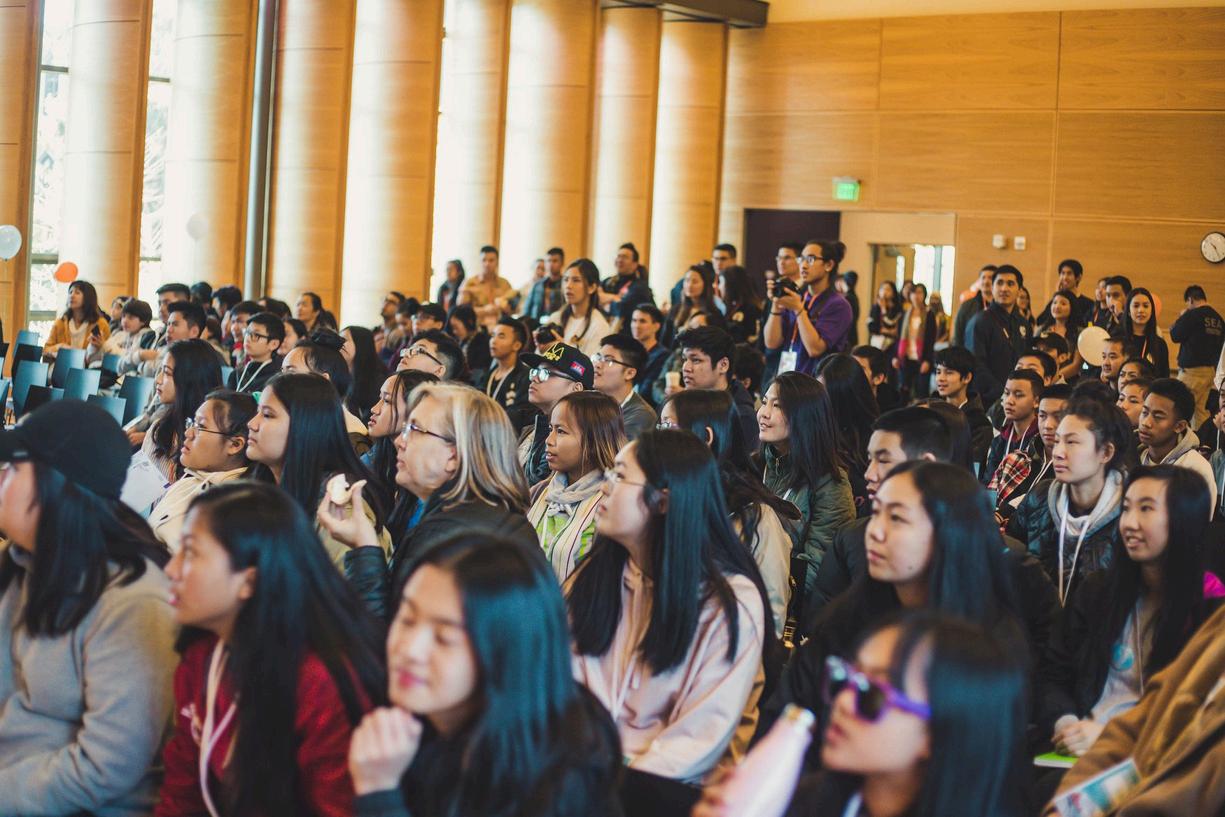
While increased representation can foster empathy and understanding towards minority groups, it can also lead to internalized model minority beliefs and cultural expectations that can be passed on to As/ AsAm students. Integrating diverse As/AsAm perspectives into curriculum, pedagogy, and school policies is also essential. In predominantly White institutions, As/AsAm educators, especially those from Southeast Asian, South Asian, Central Asian, and West Asian backgrounds, often find their voices marginalized Communication styles that differ from dominant cultural norms can further complicate participation in school governance 8081
As one Cambodian-Chinese educator shared:
“Honestly, I think it [being an educator] helps a lot because Iwasthatstudent thatwishedIhadsomebodythat lookedlikeme [ ] I went to school here, it was not very colorful staff. Not at all… It was not until I went to [university] and went through ethnic studies classes, and met other people like myself”
-Cambodian-Chinese Educator
RECOMMENDATION10.1:
Increase efforts to recruit, retain, and support As/AsAm educators, especially those from underrepresented ethnic communities such as Southeast Asian, West Asian, Central Asian, and South Asian groups
As/AsAm youth dream of futures grounded in growth, purpose, and the opportunity to uplift their families and communities. While As/AsAm youth share common experiences with other communities of color, they also bring distinct cultural assets, histories, and challenges shaped by migration, language, and systemic invisibility. These youth are not a monolith and they navigate multiple intersecting identities, including ethnicity
generational status, language, multiracial identity, gender and sexual identity, faith and spiritual background, neurodivergence and disability. Supporting As/AsAm youth requires cultural humility, curiosity, and intentional investment in systems that honor their diversity and build authentic belonging in schools.
We hope this report deepens understanding of As/AsAm youth for educators, policymakers, and community partners working to create more equitable learning environments across Washington State.
The following section includes community-driven recommendations outline steps toward ensuring that As/AsAm youth have the educational opportunities, supports, and recognition they need and deserve. In closing, we share the reflection of a Cambodian administrator, who reminded us that data alone cannot capture the full story of As/AsAm students:

“Disaggregatingdatahelpsusnot onlyunderstandwhothestudents are,butalso,andjustasimportantly,the studentswhohavelearnedto‘doschool’ reallywell.They’retheonesrepresented intheaggregateddatathatsays,‘Look, ourAsianandWhitestudentsare outperformingalltheseothersubgroups’ Buteventhosestudentsarebeingdone tipleways Frommy owmanyofthemare derlyingmental s,carryingalotof dpressureto gardlessoftheir
mbodian Administrator
to move beyond the hear, and support As/ ll and whole selves.
Recommendation
Recommendation 2.1: Continue and expand statewide conversations on Middle Eastern and North African (MENA) educational equity. These conversations should actively engage MENA communities, researchers, and policymakers to ensure their unique educational experiences and needs are recognized and addressed.
Recommendation 2.2: Include and educate about Central Asian communities (e.g., Kazakhstan, Uzbekistan), with a focus on amplifying community voice in As/AsAm data reporting and conversations.
Recommendation Notes
Youth from Middle Eastern and North African (MENA) backgrounds should be recognized as a distinct group in state data systems and educational reporting. A dedicated MENA report would increase visibility into their unique educational experiences and inform targeted policy responses.
Recommendation 2.3: Provide high-quality culturally responsive language support services in diverse Asian languages (Hmong, Mien, and Laotian) to strengthen familyschool partnerships Districts should use enrollment and administrative data to assess language needs and prioritize resources for smaller language groups often overlooked in mainstream services.
Central Asian communities (e.g., Uzbek, Kazakh, Kyrgyz, Tajik, Turkmen) should be intentionally included in As/AsAm educational reporting and discourses. Their distinct cultural and migration histories require dedicated attention for policy and program design.
Language access plans, as required by state and federal law, should guide this work. Translation and interpretation services should be high quality and delivered by trained professionals familiar with educational terminology related to curriculum, instruction, and special education services. Additionally, dual-language programs should be expanded beyond urban areas to meet the needs of rural schools with diverse language populations
Recommendation
Recommendation 3.1: Continue to disaggregate A/AA and NH/PI data to avoid masking disparities within broad categories.
Recommendation Notes
For solidarity purposes and to reflect the unique narratives and histories within the As/AsAm and NH/PI communities, data on these two racial groups should continue to be reported separately Disaggregation elevates each group’s narratives and perspectives
Recommendation
Recommendation 3.2: Present educational data on As/AsAm students in a maximally disaggregated format down to the level of individual ethnic communities (e g , Hmong, Mien) whenever possible
Recommendation 3.3: Collaborate directly with communities whose data are suppressed to better understand their unique needs, priorities, and preferred ways of being represented.
Recommendation Notes
To account for the diverse and specific needs and experiences of each ethnic subgroup of As/AsAm communities, continue to provide opportunities for visibility and representation in data, and inform future policy and program decisions.
Engaging with communities whose data are suppressed ensures that their voices guide how they are represented. This approach fosters trust within communities and helps develop more culturally grounded, accurate, and meaningful interpretations that inform equitable practices.
Recommendation
Recommendation 4.1: Districts and state agencies should not only disaggregate As/AsAm student data by ethnicity, but also actively use it to inform decision making and to ensure programs and policies are responsive to specific communities.
Recommendation 4.2: Even when sample sizes are small, find responsible ways to include these groups in published data. When suppression is necessary, explicitly name the communities whose data are omitted to maintain visibility.
Recommendation 4.3: Expand culturally and linguistically responsive supports for MLL students by increasing access to culturally responsive language programming (such as dual language) and invest in culturally linguistic teacher training.
Recommendation Notes
Disaggregated data reveals important differences in educational outcomes, language needs, and access to resources. When used effectively, this data prevents one-size-fits-all approaches and promotes equity by addressing the unique strengths and challenges of As/AsAm subgroups
Excluding small population groups from public data without acknowledgment contributes to their invisibility in policy and practice. Naming suppressed groups affirms their presence, upholds transparency, and signals a commitment to addressing their needs through future datainformed efforts.
Expand culturally and linguistically responsive supports for MLL students requires increasing access to dual language and heritage language programs, including those for less commonly taught languages, and investing in recruiting, retaining and teacher training that integrates culturally responsive pedagogy.
Recommendation
Recommendation 6.1: Equip and train educators on social-emotional learning (SEL) practices that pertain to cultural values, mental health stigmas, and communityspecific understandings of wellbeing among As/AsAm youth.
Recommendation Notes
As/AsAm students navigate mental health stigmas and cultural expectations not addressed by mainstream SEL approaches Culturally responsive training can help educators support students through frameworks that honor both individual and collective concepts of mental health, such as family interdependence and cultural responsibility
Recommendation 6.2: Recognize that academic pressure, cultural obligations, and racialized stereotypes can create high stress and anxiety among As/AsAm students even if this is not always captured in existing data systems.
Recommendation 6.3: OSPI should invest in hiring and retaining a racially and linguistically diverse educator workforce, including staff who reflect the ethnic and linguistic backgrounds of As/AsAm youth.
As/AsAm youth often experience invisible stressors, and it is essential to create supportive school environments, as unrecognized mental and emotional burdens can negatively impact students’ engagement and overall wellbeing despite appearing outwardly successful in traditional metrics.
A sense of belonging is rooted in representation and visibility. OSPI is currently recruiting a racially and linguistically diverse workforce, but must invest in retaining and providing support for its workforce across the state to better support and reflect students' communities and wellbeing throughout their K-12 experience.
Recommendation 6.4: Acknowledge that multilingual staff and paraprofessionals often provide informal emotional support for As/AsAm students. These roles should be recognized, compensated, and supported with access to training and development opportunities.
Districts should continue to implement practices and compensate multilingual staff and paraprofessionals who work beyond their official duties to build trust, offer culturally and linguistically affirming emotional support, and serve as bridges between schools, students, and families.
Recommendation
Recommendation 7.1: Address racial and cultural bias in special education by ensuring that learning needs in As/AsAm students are not misinterpreted, and that language differences or cultural behaviors are not pathologized.
Cultural and linguistic differences are often misinterpreted in special education evaluations, particularly in districts lacking adequate multilingual language programs or culturally responsive staff. Furthermore, meeting only the minimum CCDEI compliance is insufficient without additional investments in school psychologist training, lower caseload ratios, and evaluation models that move beyond behaviorism to reflect diverse family, cultural, and disability contexts. These should align with standards around Disability and Accommodations from the Washington State Association of School Psychologists.
Recommendation 7.2: “Double count” multiracial and multiethnic youth so they are not excluded from their communities’ data. Continue to develop guidance, with community input, on how the growing number of multiracial and multiethnic youth should be represented in the statewide discourse on achievement and opportunity gaps.
Recommendation 7.3: Support LGBTQ+ Asian youth by integrating Queer and Trans Asian stories, histories, and perspectives into ethnic studies curricula and school-based programming. Educator training should include awareness of community resources and affirming spaces for Queer and Trans As/AsAm youth.
Multiracial and multiethnic people encompass all aspects of their identities and should not be excluded in data reporting, as such exclusion contributes to inconsistent reporting and erasure of their narratives across systems. Data practices should follow community initiatives and evolve to reflect more inclusive and accurate ways of representing multiracial and multiethnic youth
Aligning with OSPI and Superintendent Reykdal’s commitments to supporting LGBTQIA+ students, there should be continued inclusive curricula and educator training that center their identities to help validate their experiences, reduce isolation, and foster safer, more affirming school environments for LGBTQIA+ As/AsAm youth who often navigate layered experiences of cultural stigma, racial invisibility, and gender-based discrimination. Furthermore, partner with As/AsAm LGBTQIA+ communities to improve the ways schools collect data on gender and sexuality. Ensure data systems create space for culturally specific gender and sexual identities beyond binary categories.
Recommendation
Recommendation 8.1: Support educator and community-led initiatives to integrate cultural knowledge and histories into school curriculum and offer course credit for learning rooted in cultural participation through Mastery-Based Learning models.
Recommendation 8.2: Disaggregate ethnic studies content so As/AsAm communities are not flattened under broad categories like “Asian” or “AAPI ” Ensure curriculum includes nuanced representation of multiple Asian diasporic histories and experiences
Recommendation 8.3: Expand dual-language programming to affirm Asian youth’s cultural identities, support multilingualism, and promote access to cultural curriculum.
Recommendation Notes
Formal recognition of cultural knowledge and history builds on the informal support already provided by educators and staff, and fosters institutional understanding of the communities represented in schools.
Disaggregated ethnic studies content enables students to see their specific cultural and ethnic identities, histories, and resiliencies reflected in the curriculum This approach disrupts monolithic narratives and supports meaningful cross-cultural understanding among students.
Dual-language programming promotes opportunities for As/AsAm youth to engage in culturally sustaining practices by connecting academic learning with cultural languages, family values, and community-rooted values. These programs help validate their cultural identities within educational spaces
Recommendation
Recommendation 9.1: Avoid collapsing As/AsAm and NH/PI into the single term “AAPI” in cultural competence training. Trainings should reflect the unique barriers, strengths, and racialized experiences of specific communities.
Recommendation 9.2: Culturally responsive initiatives should highlight the diversity of migration histories and generational identities within As/AsAm communities in Washington State.
Recommendation Notes
Using the umbrella term “AAPI” without distinction can erase the distinct colonial histories, migration patterns, and sociopolitical realities of As/AsAm and NH/PI communities Culturally competent training must center these differences to ensure accurate representation and support for these communities
As/AsAm history is extensive and distinct, especially in each ethnic subgroup within the As/AsAm communities in Washington State in addition to national and international contexts. Migration histories and generational identities should be considered baseline requirements and efforts must go beyond this minimum to truly meet community needs
Recommendation
Recommendation 10.1: Increase efforts to recruit, retain, and support As/AsAm educators, especially those from underrepresented ethnic communities such as Southeast Asian, West Asian, Central Asian, and South Asian groups.
Recommendation Notes
As/AsAm educators tend to serve outside of their classroom through various extracurricular and/or community-led programs (i.e., Vietnamese Student Association, Asian Student Associations, Multicultural night, etc.) due to lack of representation in the curriculum or school climate and must be compensated, as a lack of recognition and added labor contribute to higher attrition and dissatisfaction among educators.
MATH, cont.
Hmong
Indian
Indonesian
Japanese
Korean
Lao
Malaysian
Mien
Mongolian
More than 1 Race within Rollup
Nepali
Pakistani
Punjabi
Singaporean
Sri
SCIENCE
Asian Write in Bangladeshi
Bhutanese
Burmese/Myanmar
Cambodian/Khmer
Cham
Chinese
Combined
Filipino
Hmong
Indian
Indonesian
Japanese
Korean
Lao
Malaysian
Mien
Mongolian
More than 1 Race within Rollup
Nepali
Okinawan
Pakistani
Punjabi
Singaporean
Sri
Primary
[1] Tagalog & Pilipino/Filipino: Participants were able to mark both Pilipino/Filipino and Tagalog as primary languages spoken but are combined to provide a more accurate representation of the speakers APPENDIX 2.
APPENDIX 3. GEOGRAPHIC DISTRIBUTION OF ASIAN/ASIAN AMERICAN ETHNIC GROUPS IN WASHINGTON STATE (TOP 5 ETHNIC GROUPS, 2020). DATA FROM THE U S CENSUS BUREAU COUNTS FROM 2000, 2010, AND 2020 POPULATION COUNTED AS “ALONE,” INDICATING THOSE INDIVIDUALS WHO SELECTED ONLY ONE RACE/ETHNICITY RESPONSE CONT ON P 23-24
APPENDIX 3 (CONT). GEOGRAPHIC DISTRIBUTION OF ASIAN/ASIAN AMERICAN ETHNIC GROUPS IN WASHINGTON STATE (TOP 5 ETHNIC GROUPS, 2020). DATA FROM THE U S CENSUS BUREAU COUNTS FROM 2000, 2010, AND 2020 POPULATION COUNTED AS “ALONE,” INDICATING THOSE INDIVIDUALS WHO SELECTED ONLY ONE RACE/ETHNICITY RESPONSE CONT ON P 23-24
APPENDIX A4 (CONT). GEOGRAPHIC DISTRIBUTION OF ASIAN/ASIAN AMERICAN ETHNIC GROUPS IN WASHINGTON STATE (TOP 5 ETHNIC GROUPS, 2020). DATA FROM THE U S CENSUS BUREAU COUNTS FROM 2000, 2010, AND 2020 POPULATION COUNTED AS “ALONE,” INDICATING THOSE
RACE/ETHNICITY RESPONSE CONT
Table 01: Decennial As/AsAm population counts in the top 10 counties in WA for years 2000-2020, U.S. Census Bureau...............................................................................................................................................
Table 02: Decennial As/AsAm population shares by county as a percentage of statewide As/AsAm population, U.S. Census Bureau.........................................................................................................................
Table 03: Decennial As/AsAm population shares as percentages of total county population, U.S. Census Bureau.......................................................................................................................................................
Table 04: MLL and non-MLL median GPAs presented by As/AsAm community, OSPI Data.................
Table 05: MLL and non-MLL student spring assessment proficiency rates..............................................
Table 06: Percentage of students receiving disability accommodations at OSPI schools......................
Table 07: Mental health outcomes by As/AsAm LGBQ status, 2023 Healthy Youth Survey..................
Table 08: Recommendations..............................................................................................................................
Figure 01: Multidimensional equity framework for Asian and Asian American youth
Figure 02: Most frequent spoken language at home data cloud, OSPI Data
Figure 03: Percent meeting statewide standards in high school (10th or 11th grade, depending on subject) by race, OSPI Data
Figure 04: ELA proficiency by Asian ethnic group (high school)
Figure 05: Math proficiency by Asian ethnic group (high school)
Figure 06: Science proficiency by Asian ethnic group (high school)
Figure 07: On-time high school graduation
Figure 08: Disaggregated on-time high school graduation
Figure 09: 2-year and 4-year degree attainment by race, OSPI Data
Figure 10: 2-year and 4-year degree attainment, presented by As/AsAm community
Figure 11: Percentage of OSPI graduates enrolling in 2-year and 4-year degree programs
Figure 12: Percentage of OSPI graduates enrolling in 2-year and 4-year degree programs, by As/AsAm community
Figure 13: Median highest earning year for OSPI graduates by race
Figure 14: Median highest earning year for OSPI graduates, presented by As/AsAm community
Figure 15: Depression by As/AsAm community, 2023 Healthy Youth Survey
Figure 16: Anxiety by As/AsAm community, 2023 Healthy Youth Survey
Figure 17: Thoughts of suicide by As/AsAm community, 2023 Healthy Youth Survey
Figure 18: Reporting of being treated unfairly due to race or ethnicity by As/AsAm community, 2023 Healthy Youth Survey................................................................................................................................
Figure 19: As/AsAm mental health by disability status, 2023 Healthy Youth Survey............................
Figure 20: As/AsAm emotional safety by disability status, 2023 Healthy Youth Survey.......................
Figure 21: Multiracial As/AsAm mental health outcomes, 2023 Healthy Youth Survey........................
Figure 22: Multiracial As/AsAm emotional safety, 2023 Healthy Youth Survey......................................
Figure 23: Mental health by by gender, 2023 Healthy Youth Survey........................................................
Figure 24: LGBQ As/AsAm reports of bullying and safety, 2023 Health Youth Survey..........................
Figure 25: As/AsAm student enrollment by school district, SY23-24 OSPI...............................................
Appendix 1: Supplemental disaggregated data of sample sizes by subject
Appendix 2: Supplemental disaggregated data of sample sizes by languages
Appendix 3: Geographic distribution of As/AsAm top 5 ethnic groups
Ladson-Billings, G. (1995). Toward a theory of culturally relevant pedagogy. American Educational Research Journal, 32(3), 465-491. https:// doi org/10 3102/00028312032003465
Paris, D (2012) Culturally sustaining pedagogy: A needed change in stance, terminology, and practice Educational Researcher, 41(3), 93-97 https:// doi org/10 3102/0013189X12441244
Alliance for Resources Equity (2022). Dimensions of equity. https:// educationresourceequity.org/dimensions-of-equity/
Education Policy Analytics Lab (2022). Evidence for equity: Understanding and advancing racial and economic equity in Washington State’s K-12 public school system.
Pew Research Center. (2024, August 6). Asian Americans: A survey data snapshot. https://www.pewresearch.org/race-and-ethnicity/2024/08/06/asian-americans-asurvey-data-snapshot/
Office of Management and Budget. (2024, March 29). Revisions to OMB's Statistical Policy Directive No. 15: Standards for maintaining, collecting, and presenting federal data on race and ethnicity. Federal Register. https://www.federalregister.gov/ documents/2024/03/29/2024-06469/revisions-to-ombs-statistical-policy-directiveno-15-standards-for-maintaining-collecting-and
Klingle, M W (n d ) A history bursting with telling: Asian Americans in Washington State Center for the Study of the Pacific Northwest https://www washington edu/ uwired/outreach/cspn/Website/Classroom%20Materials/Curriculum%20Packets/ Asian%20Americans/Asian%20American%20Main html
DePalma, V. (2024, October 18). From India to Seattle: A cultural confluence of tradition and innovation. https://greater-seattle.com/2024/10/18/from-india-toseattle/
Quintana, M., & Rosales Castañeda, O. (2020). Farm workers in Washington State: Asians and Latinos enter the fields. The Seattle Civil Rights & Labor History Project. https://depts.washington.edu/civilr/farmwk ch4.htm
Asis, M. M.B. (2017, July 12). The Philippines: Beyond labor migration, toward development and (possibly) return. Migration Policy Institute. https:// www.migrationpolicy.org/article/philippines-beyond-labor-migration-towarddevelopment-and-possibly-return
Zhou, M., & Kim, S. S. (2006). Community forces, social capital, and educational achievement: The case of supplementary education in the Chinese and Korean immigrant communities. Harvard Educational Review, 76(1), 1–29. https:// doi org/10 17763/haer 76 1 u08t548554882477
Teranishi, R. T., Suárez-Orozco, C., & Suárez-Orozco, M. M. (2019). Immigrants in community-based education: The role of community-based organizations in K-12 immigrant education. In M. M. Suárez-Orozco (Ed.), Humanitarianism and mass migration: Confronting the world crisis (pp. 173–188). University of California Press.
Rethinking Schools (1998). History of bilingual education. Rethinking Schools, (12)3. https://rethinkingschools.org/articles/history-of-bilingual-education/
Washington Office of Superintendent of Public Instruction (OSPI) Multilingual Education Program. (2023). Multilingual Learner Statewide Strategic Plan. Supporting the success of all multilingual learners in Washington State. https://ospi.k12.wa.us/ sites/default/files/2023-12/wastatemlstrategicplan.pdf
Washington Office of Superintendent of Public Instruction (OSPI) Multilingual Education Program (2024) Washington State multilingual learners: Policies and practices guide https://ospi k12 wa us/sites/default/files/2024-09/chapter-1identification-eligible-mls pdf
Learning English in Washington schools: What families should know. Office of Superintendent of Public Instruction. (n.d.). https://ospi.k12.wa.us/student-success/ access-opportunity-education/migrant-and-multilingual-education/multilingualeducation-program/transitional-bilingual-instruction-program-guidance/learningenglish-washington-schools-what-families-should-know
13. 4. 5. 16. 17. 8. 9. 0. 21. 22. 23.
Shankar, S., Lee, S., & Reyes, A. (2011). Asian American youth language use: Perspectives across schools and communities. Review of Research in Education, 35(1), 1–28. https://doi.org/10.3102/0091732X10383213
Hsu, E., Davies, C. A., & Hansen, D. J. (2004). Understanding mental health needs of Southeast Asian refugees: Historical, cultural, and contextual challenges. Clinical Psychology Review, 24(2), 193–213. https://doi.org/10.1016/j.cpr.2003.10.003
An, S. (2022). Re/Presentation of Asian Americans in 50 States’ K–12U.S. history standards. The Social Studies, 113(4), 171–184. https:// doi org/10 1080/00377996 2021 2023083
Cridland-Hughes, S , & King, L (2015) Killing Me Softly: How violence comes from the curriculum we teach In K Fasching-Varner & N Hartlep (Eds ), The assault on communities of color (pp 99–102) Rowman & Littlefield
Iftikar, J. S., & Museus, S. D. (2018). On the utility of Asian critical (AsianCrit) theory in the field of education. International Journal of Qualitative Studies in Education, 31(10), 935–949. https://doiorg.offcampus.lib.washington.edu/10.1080/09518398.2018.1522008
Hsieh, B., & Kim, J. (2020). Challenging the invisibility of Asian Americans in education. Review of Education, Pedagogy, and Cultural Studies, 42(2), 95–103. https://doi.org/10.1080/10714413.2020.1760643
California Department of Education. (2025). Model curricula and curriculum guides. Curriculum Frameworks & Instructional Materials. https://www.cde.ca.gov/ci/cr/cf/ modelcurriculumprojects.asp
24. 25. 6.
Mora, J. K., Wink, J., & Wink, D. (2001). Dueling models of dual language instruction: A critical review of the literature and program implementation guide. Bilingual Research Journal, 25(4), 435–460. https://doi.org/10.1080/15235882.2001.11074462
Lindholm-Leary, K. (2012). Success and challenges in dual language education. Theory into Practice, Special issue: Rethinking language teaching and learning in multilingual classrooms, 51(4), 256–262. https:// doi.org/10.1080/00405841.2012.726053
Williams, C.P., Meek, S., Marcus, M., & Zabala, J. (2023). Ensuring equitable access to dual-language immersion programs: Supporting English learners' emerging bilingualism. Retrieved from https://tcf.org/ content/ report/ ensuring-equitableaccess-to-dual-language-immersion-programs-supporting-english-learnersemerging-bilingualism/
7. 28.
Duimovic, A I (2024) Washington State dual language mission and vision statements as strategic planning tools: A qualitative document analysis (Doctoral dissertation, American College of Education)
Boyle, A., August, D., Tabaku, L., Cole, S., & Simpson-Baird, A. (2015). Dual language education programs: Current state policies and practices. United States Department of Education Office of English Language Acquisition. https://eric.ed.gov/? id=ED601041
29.
Abe-Kim, J., Takeuchi, D. T., Hong, S., Zane, N., Sue, S., Spencer, M. S., ... & Alegría, M. (2007). Use of mental health–related services among immigrant and US-born Asian Americans: Results from the National Latino and Asian American Study. American Journal of Public Health, 97(1), 91–98. https://doi.org/10.2105/AJPH.2006.098541

Yoo, H. C., Burrola, K. S., & Steger, M. F. (2010). A preliminary report on a new measure: Internalization of the Model Minority Myth Measure (IM-4) and its psychological correlates among Asian American college students. Journal of Counseling Psychology, 57(1), 114–127. https://doi.org/10.1037/a0017871
Park, Y. S., Kim, B. S. K., Chiang, J., & Ju, C. M. (2010). Acculturation, enculturation, parental adherence to Asian cultural values, parenting styles, and family conflict among Asian American college students Asian American Journal of Psychology, 1(1), 67–79 https://doi org/10 1037/a0018961
Lee, D (2022, December 12) Voices at the center: Asian American educators rising EdSurge https://www edsurge com/news/2022-12-12-voices-at-the-center-asianamerican-educators-rising
Cheng, H. L., Wang, C., McDermott, R. C., Kridel, M., & Rislin, J. L. (2018). Self-stigma, mental health literacy, and attitudes toward seeking psychological help. Journal of Counseling & Development, 96(1), 64–74. https://doi.org/10.1002/jcad.12178
Museus, S. D., & Kiang, P. N. (2009). Deconstructing the model minority myth and how it contributes to the invisibility of Asian American students in education research and practice. In S. R. Harper & S. J. Quaye (Eds.), Student engagement in higher education (pp. 459–471). Routledge.
Yellow Chair Collective. (2023). Why Asian American therapy? About Us. https:// yellowchaircollective.com/about-us/
Huff, C. (2023, July 1). How to promote mental health among Asian American teens. Monitor on Psychology, 54(5). https://www.apa.org/monitor/2023/07/mental-healthasian-american-teens
Chung, R C -Y , Bemak, F , & Wong, S (2018) Working with Asian American and Pacific Islander populations In D G Hays & B T Erford (Eds ), Developing multicultural counseling competence (3rd ed., pp. 295–322). Pearson.
Sangalang, C. C., Jager, J., & Harachi, T. W. (2017). Effects of maternal traumatic distress on family functioning and child mental health: An examination of Southeast Asian refugee families in the U.S. Social Science & Medicine, 184, 178-186. https:// doi.org/10.1016/j.socscimed.2017.04.032
Sangalang, C. C., & Gee, G. C. (2015). Racial discrimination and depressive symptoms among Cambodian American adolescents: The role of gender. Journal of Community Psychology, 43(4), 447–465. https://doi.org/10.1002/jcop.21696
Spencer, M S , Chen, J , Gee, G C , Fabian, C G , & Takeuchi, D T (2010) Discrimination and mental health-related service use in a national study of Asian Americans American journal of public health, 100(12), 2410–2417 https:// doi org/10 2105/AJPH 2009 176321 35. 36. 7. 8. 39. 40. 1. 2. 43. 44.
Fradkin, C., Wallander, J. L., Yamakawa, Y., Schwebel, D. C., Chienl, A., Le, Y. L., Li, D. H , Elliott, M , & Schuster, M (2014) Quality of life among Asian American Youth Asian American Journal of Psychology, 5(1), 13–21 https://doi org/10 1037/a0029822
Hayashi, A , Liew, J , Aguilar, S D , Nyanamba, J M , & Zhao, Y (2022) Embodied and social-emotional learning (SEL) in early childhood: Situating culturally relevant SEL in Asian, African, and North American contexts. Early Education and Development, 33(5), 746–763. https://doiorg.offcampus.lib.washington.edu/10.1080/10409289.2021.2024062
Jagers, R. J., Rivas-Drake, D., & Borowski, T. (2019). Equity & social and emotional learning: A cultural analysis. Frameworks Briefs: Equity Series. Collaborative for Academic, Social, and Emotional Learning (CASEL).
Annamma, S. A., Connor, D., & Ferri, B. (2013). Dis/ability critical race studies (DisCrit): Theorizing at the intersections of race and dis/ability. Race Ethnicity and Education, 16(1), 1–31. https://doi.org/10.1080/13613324.2012.730511
45. 46. 7. 8. 49. 50. 1. 2. 3. 54. 55. 56.
Kim, S. B., & Lee, Y. J. (2022). Factors Associated with Mental Health Help-Seeking Among Asian Americans: a Systematic Review. Journal of racial and ethnic health disparities, 9(4), 1276–1297. https://doi.org/10.1007/s40615-021-01068-7
Shankar, S (2023) Desi neurodivergence: Notes on disability, language, and race Duke University Press
Chang, J., Lau, A. S., & Fung, J. J. (2017). Community mental health services for Asian American children and families. In Fong, R., & Furuto, S. (Eds.), Culturally competent practice (pp. 203–218). Routledge.
Fasching-Varner, K. J., Mitchell, R. W., Martin, L. L., & Bennett-Haron, K. P. (2014). Beyond School-to-Prison Pipeline and Toward an Educational and Penal Realism. Equity & Excellence in Education, 47(4), 410–429. https://doiorg.offcampus.lib.washington.edu/10.1080/10665684.2014.959285
Ngo, B. (2008). Beyond “Culture Clash” Understandings of Immigrant Experiences. Theory Into Practice, 47(1), 4–11. https://doiorg.offcampus.lib.washington.edu/10.1080/00405840701764656
Annamma, S A (2015) Disrupting the school-to-prison pipeline through disability critical race theory The Race Controversy in American Education, 1, 191–211
Erevelles, N. (2011). Disability and difference in global contexts: Enabling a transformative body politic. Palgrave Macmillan.
Washington State Governor’s Office of the Education Ombuds. Annual report 20232024.
Snodderly, E. (2023, May 23). AANHPI students are underrepresented in K-12 special education. Disability Belongs™. https://www.disabilitybelongs.org/2023/05/aapistudents-underrepresented-special-education/
Lee, J., & Bean, F. D. (2004). America’s changing color lines: Immigration, race/ethnicity, and multiracial identification. Annual Review of Sociology, 30(1), 221–242. https://doi.org/10.1146/annurev.soc.30.012703.110519
Sonoda, P T , & Garrison, Y L (2023) Storytelling for Asian–White multiracial American college students’ racial identity Journal of Diversity in Higher Education, 18(4), 468-478 https://doi org/10 1037/dhe0000526
Fisher, S., Reynolds, J. L., Hsu, W.-W., Barnes, J., & Tyler, K. (2014). Examining multiracial youth in context: Ethnic identity development and mental health outcomes. Journal of Youth and Adolescence, 43(10), 1688–1699. https://doi.org/10.1007/s10964-014-0163-2
Vivero, V. N., & Jenkins, S. R. (1999). Existential hazards of the multicultural individual: Defining and understanding “cultural homelessness.” Cultural Diversity & Ethnic Minority Psychology, 5(1), 6–26. https://doi.org/10.1037/1099-9809.5.1.6
Chen, J. M., Kteily, N. S., & Ho, A. K. (2018). Whose side are you on? Asian Americans’ mistrust of Asian–White biracials predicts more exclusion from the ingroup. Personality and Social Psychology Bulletin, 45(6), 827-841. https://doiorg offcampus lib washington edu/10 1177/0146167218798032 (Original work published 2019)
Harris, T M , Youn-Heil, F , Duong, H (2020) Negotiating and communicating about identity within multi-ethnic/ multi-racial families. In J. Soliz & C. Warner Colaner, eds., Navigating relationships in the modern family: Communication, identity, and difference (pp. 19-32). Peter Lang Publishing.
Charmaraman, L., & Grossman, J. M. (2010). Importance of race and ethnicity: An exploration of Asian, Black, Latino, and multiracial adolescent identity. Cultural Diversity & Ethnic Minority Psychology, 16(2), 144–151. https://doi.org/10.1037/a0018668
Franco, M. G., & O'Brien, K. M. (2018). Racial identity invalidation with multiracial individuals: An instrument development study. Cultural Diversity & Ethnic Minority Psychology, 24(1), 112–125. https://doi.org/10.1037/cdp0000170
Renn, K A (2008) Research on biracial and multiracial identity development: Overview and synthesis New Directions for Student Services, 2008(123), 13-21 https://doi org/https://doi org/10 1002/ss 282
Chong, V., & Kuo, B. C. (2015). Racial identity profiles of Asian-White biracial young adults: Testing a theoretical model with cultural and psychological correlates. Asian American Journal of Psychology, 6(3), 203–212. https://doi.org/10.1037/aap0000022
Choi, S. K., Wilson, B. D. M., Bouton, L. J. A., & Mallory, C. (2021). AAPI LGBT adults in the US. UCLA School of Law Williams Institute.
Wilson, B. D. M., & Meyer, I. (2021). Nonbinary LGBTQ adults in the United States. UCLA School of Law Williams Institute.
Gillig, T. K., Crain, C., Janssen, C., Price, E., Warren, O. E., Zarcone, A., & Moreno, Z. (2025) Washington LGBTQ+ Survey report 2025 Washington State University https://www walgbtqsurvey com/
Kosciw, J G , Clark, C M , & Menard, L (2021) The 2021 National School Climate Survey: The experiences of lesbian, gay, bisexual, transgender, and queer youth in our nation’s schools. GLSEN. 57. 58. 9. 60. 61. 2. 3. 64. 65. 66. 67.
Shen, E., Zhong, J., Benhayoun, A., Choi, E. Y., Zou, L., & Yuen, E. Y. (2023).
Navigating intersectional identities: Clinical considerations for working with LGBTQ Asian American youth. Journal of the American Academy of Child and Adolescent Psychiatry, 62(12), 1297–1300. https://doi.org/10.1016/j.jaac.2023.03.016
Truong, N. L., & Gay, L., National Queer Asian Pacific Islander Alliance, issuing body, Zongrone, A. D., & Kosciw, J. G. (2020). Asian American and Pacific Islander LGBTQ youth in U.S. schools. GLSEN.
Gyamerah, A. O., Baguso, G., Santiago-Rodriguez, E., Sa'id, A., Arayasirikul, S., Lin, J., Turner, C M , Taylor, K D , McFarland, W , Wilson, E C , & Wesson, P (2021)
Experiences and factors associated with transphobic hate crimes among transgender women in the San Francisco Bay Area: Comparisons across race BMC Public Health, 21(1), 1053 https://doi org/10 1186/s12889-021-11107-x
Bureau of Labor Statistics. (2024, January 26). Employed persons by detailed occupation, sex, race, and Hispanic or Latino ethnicity [Data set]. Labor Force Statistics from the Current Population Survey. U.S. Department of Labor. https://www.bls.gov/cps/cpsaat11.htm
Dee, T. S. (2005). A teacher like me: Does race, ethnicity, or gender matter? The American Economic Review, 95(2), 158–165. https://doi.org/10.1257/000282805774670446
69. 0. 71. 73. 4. 5. 76. 77.
Rasheed, D. S., Brown, J. L., Doyle, S. L., & Jennings, P. A. (2020). The effect of teacher–child race/ethnicity matching and classroom diversity on children’s socioemotional and academic skills. Child Development, 91(3), e597–e618. https://doi org/10 1111/cdev 13275
Paris, D , & Alim, H S (2014) What are we seeking to sustain through culturally sustaining pedagogy? A loving critique forward. Harvard Educational Review, 84(1), 85–100. https://doi.org/10.17763/haer.84.1.982l873k2ht16m77
Cooc, N., & Kim, G. M. (2022). Revisiting the “decline” in Asian American and Pacific Islander teachers. Educational Policy, 36(7), 1759–1790. https://doi.org/10.1177/08959048211012509
Wu, A. (2023). Model minority myth: Voice of Asian American academics. In A. Wu (Ed.), Asian American educators and microaggressions: More than just work(ers) (pp. 61–88). Springer International Publishing. https://doi.org/10.1007/978-3-03123459-0 4
Wang, J., Jackson, K. A. L., Kim, E. K., & Han, K. (2023). Exploring Chinese and Korean American teachers’ perceptions of their cultural identity as assets and barriers. Behavioral Sciences, 13(12), Article 12. https://doi.org/10.3390/bs13120969
Chow, C. (2017). Teaching for social justice: (post-) model minority moments. Journal of Southeast Asian American Education and Advancement, 12(2), Article 3 https://doi org/10 7771/2153-8999 1155
Lee, D (2022, December 12) Voices at the center: Asian American educators rising EdSurge. https://www.edsurge.com/news/2022-12-12-voices-at-the-center-asianamerican-educators-rising
Ida, M. P. (2024, January 31). How my voice as an Asian American teacher goes unheard and why I can’t speak up EdSurge News. EdSurge. https://www.edsurge.com/news/2024-01-31-how-my-voice-as-an-asian-americanteacher-goes-unheard-and-why-i-can-t-speak-up
Nguyễn, J.,* Halvorson, M. A.,* Ledesma, A., Lee, J. J., Tian, Z., Camacho, S. G., Beck, K. L., Seto-Myers, D. K., Diaz, T. P., Sun, M., & Spencer, M. S. (2025). Centering Asian Diasporic Voices & Shaping Policy: The Educational Experiences and Wellbeing ode to Asian and Asian American Youth in Washington Schools. Committee for Asian Pacific American Affairs.
* indicates co-lead authors.