













Well. 2025. Not a year that I will personally missit has been a lot for a full 365 days, hasn’t it?
The UK marked three decades since the Disability Discrimination Act (DDA) became law, as well as a further fifteen years since the Equality Act superseded this historically important piece of legislation. And yet, it can feel.. almost as if we have not come that far. This year saw the passing of the contentious Welfare Reform Bill, which also meant a rare intervention from the UN. I was there at Parliament the day the bill passed, an observer and as a journalist, but also profoundly impacted as a Disabled person. (And that is capitalised fully, as it is something that I am proud to be.) That will be a day I will never forget, for all the wrong reasons.
To rest is a revolutionary act - and it allows us to keep going, especially in these unstable times.
Activism has been the point at which the rights of Disabled people (yes, again, capitalised) have been secured, often through art, forms of protest, and other contributions. But it can also be exhausting to have to
continually fight over the most basic of rights, all the while combatting the most insidiously pervasive assumptions. To be Disabled is not a crime - and it is the world’s largest minority group, too. Anyone can become a member of this brilliant, vibrant community at any time.
To have to continually defend the rights of our community can have a cost, and not just financially. For this issue, I chose the theme of rest and relaxation - simply because this needs to be talked about a lot more in a disability context. We cannot always be ‘on’. We should be afforded softness, too. To rest is a revolutionary act - and it allows us to keep going, especially in these unstable times. There is always so much work to do, and we will need everything at our disposal.
Anyone can become a member
of this brilliant, vibrant community, at any time.
In this issue, we hear from Pippa Stacey, who has just released a follow-up journal to her last book; since you last heard from us at DRM, a landmark study into ME has just been released, which has the potential to change how we understand energylimiting conditions (ELCs) forever. Our very own Carole Edrich has found an ideal Christmas activity for everyone; meanwhile, Mr Cookfulness has an all-in-one tray bake recipe to make Christmas dinner accessible, thus saving a lot of time and energy. We also have some new guest writers for this issue, too.
As the seasons begin to change once again, and we move into the new year that is 2026, I wish you all a very happy Christmas. We will reconvene very shortly, in time for Naidex in the spring.
Rest up, conserve your energy, and enjoy yourselves this holiday season.
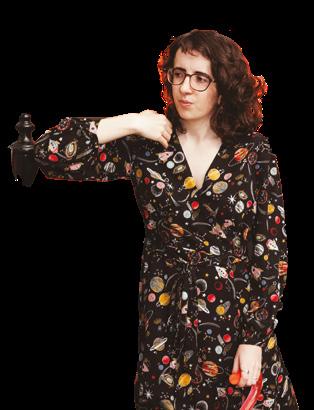
Lydia x
03 Editor’s Letter
A letter from the editor of Disability Review Magazine
09 Newsbeat
A breakdown of all the current and upcoming disability media
13 Term Explainer: What Is Tokenism?
What is tokenism & how does it apply to the disabled community?
EMPLOYMENT AND EDUCATION
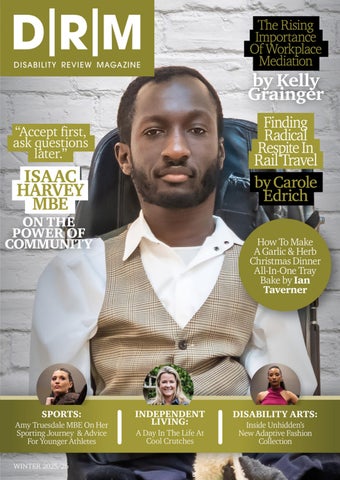
14 “Accept First, Ask Questions Later.”
Isaac Harvey MBE talks to Disability Review Magazine INDEPENDENT LIVING
22 Pave Your Way With Chronic Illness
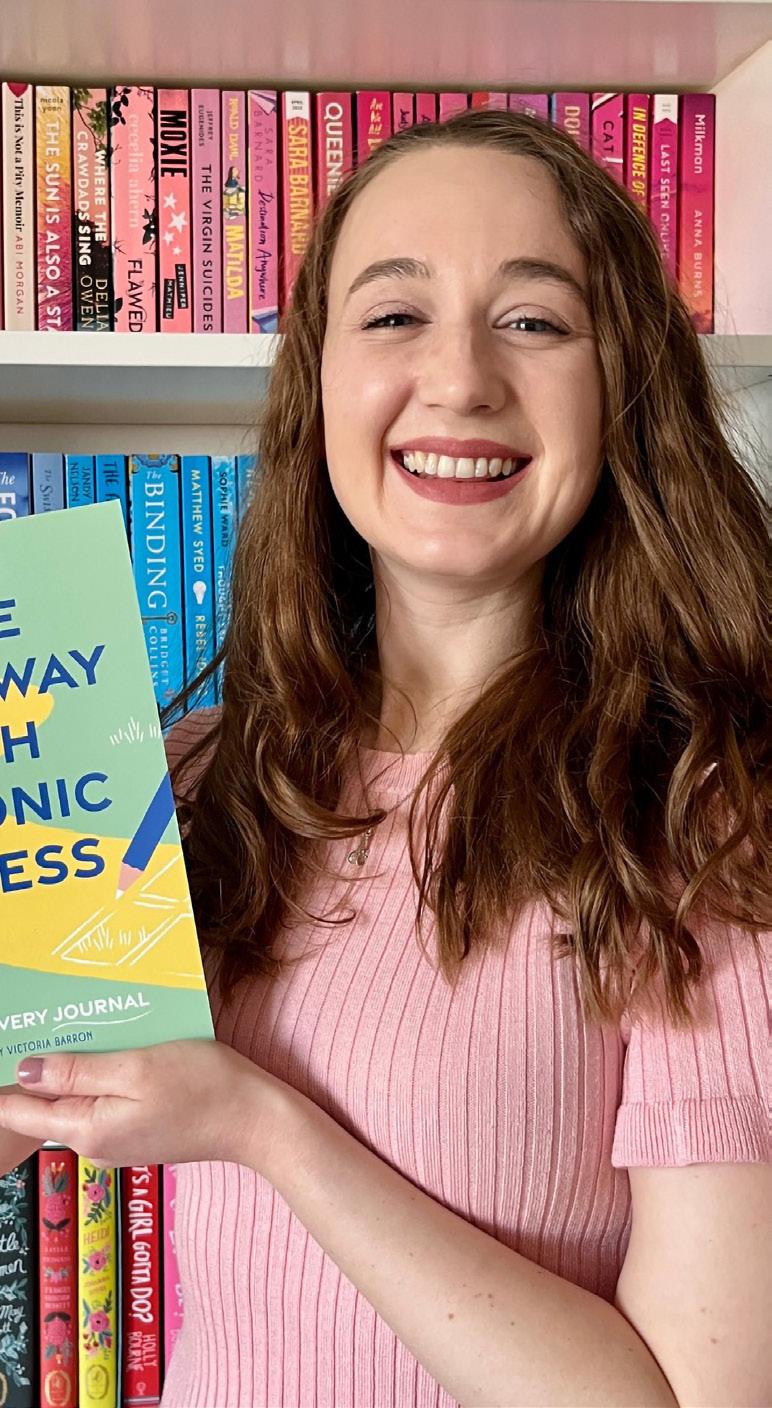
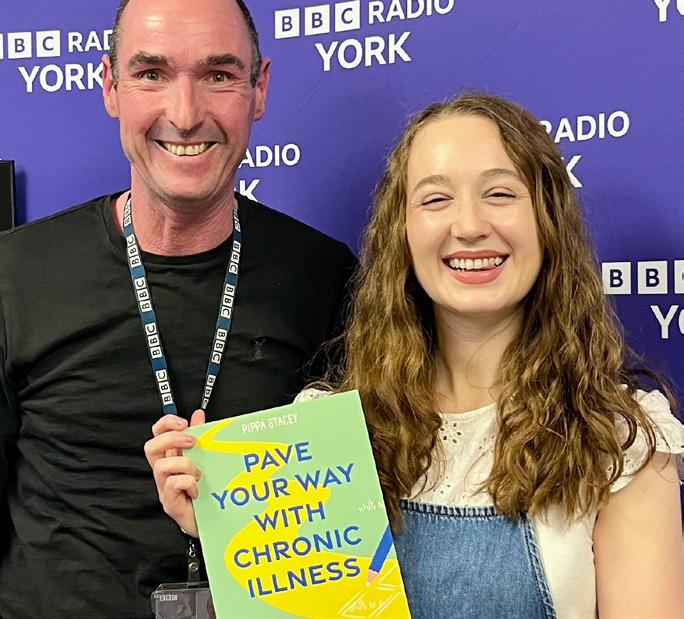
Pippa Stacey tells us all about her new book, Pave Your Way With Chronic Illness
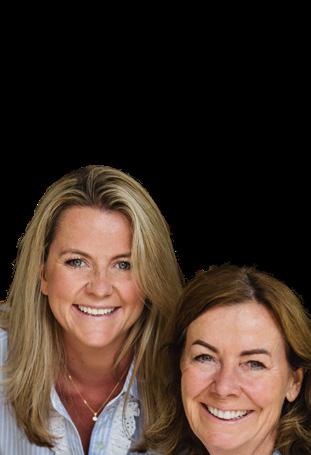
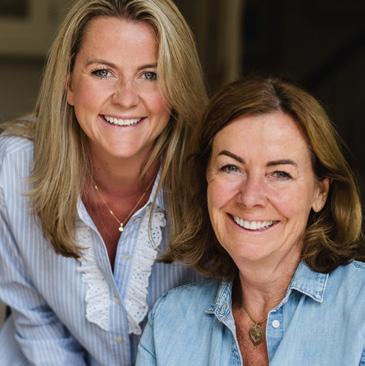
26 A Day In The Life At Cool Crutches
Amelia Peckham, founder & CEO of Cool Crutches, shares her story
34 The Rising Importance Of Workplace Mediation by Kelly Grainger
Kelly Grainger investigates the rise of workplace conflict
38 The Accessible Christmas Gift Guide
What to give other people this Christmas? We have you covered
41 How To Be A Disability Ally
2025 has been a contentious year for disabled people; 5 women tell us how to be an ally
42 Rest Is Resistance by Dr Amo Raju OBE
DRM’s columnist reflects on the year that was 2025
44 Finding Radical Respite In Rail Travel
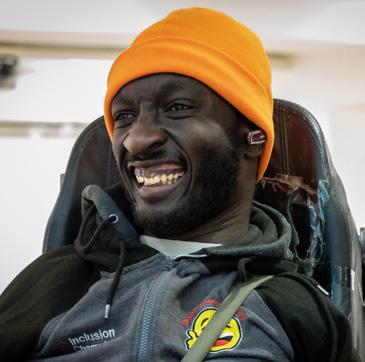
Our travel columnist Carole Edrich gets more than she expects when travelling by rail
47 How To Grow Your Own Hydroponic Plants
A guest writer talks you through how to bring more greenery into your life
48 A Glass Act by Carole Edrich
Carole Edrich discovers an accessible activity for everyone this Christmas DISABILITY ARTS
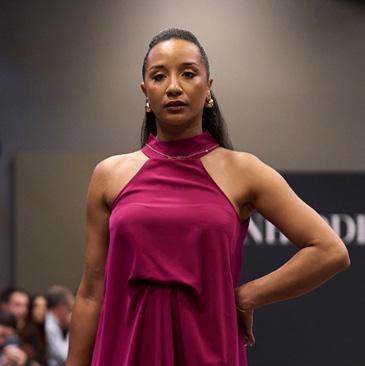
50 Inside Unhidden’s New Adaptive Fashion Collection
What happened at London Fashion Week? DRM went to investigate
54 What Is Your Disabled Joy?
5 disabled people tell us how they find joy in quiet moments
56 “I think my main piece of advice would be to reach out to other people with disabilities”
In conversation with athlete Amy Truesdale MBE
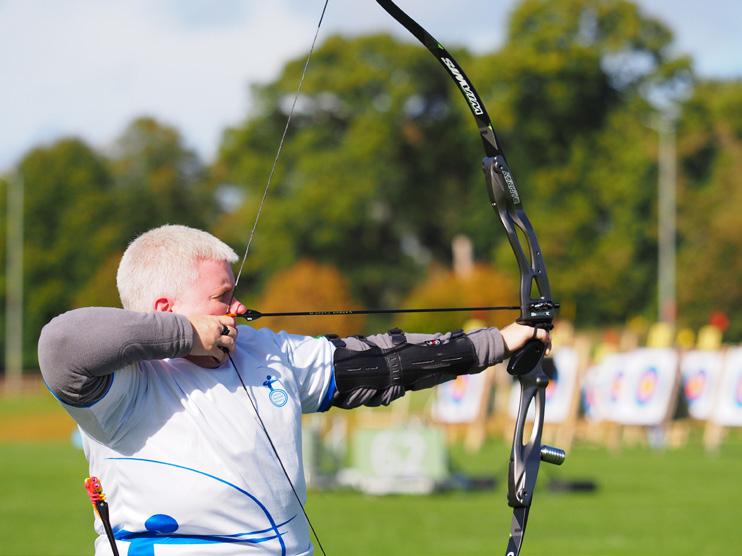
63 Something To Aim For Sam Clarke tells us about her journey to take on the world of archery
64 How To Make A Garlic & Herb Christmas Dinner All-In-One Tray Bake by Ian Taverner
Mr Cookfulness has you covered with an accessible Christmas dinner recipe
Executive Editor: Lee Gatland
Art Director: Richard Hejsak
Managing Editor: Lydia Wilkins lydia@sevenstarmedia.co.uk
Sales Team: 01959 543 650 sales@sevenstarmedia.co.uk
Published by SEVEN STAR MEDIA LTD
184 Main Road, Biggin Hill, Westerham, Kent Tel: 01959 543659 disabilityreviewmagazine.co.uk
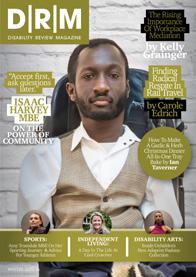
COVER CREDITS: Photographer: Debb Burrows
Disclaimer: Disability Review Magazine (DRM) is published three times per annum by Seven Star Media Ltd. No part of DRM may be reproduced, stored in a retrieval system or transmitted to any form without permission. Views expressed in the magazine are not necessarily those of Seven Star Media Ltd, and are included to provide advice only. No content is a substitute for professional medical advice. During printing, images may be subject to a 15% variation. © Copyright of content belongs to individual contributors with the magazine copyright belonging to Seven Star Media. All rights reserved. Please either keep this magazine for future reference, pass it on for somebody else to read, or recycle it.


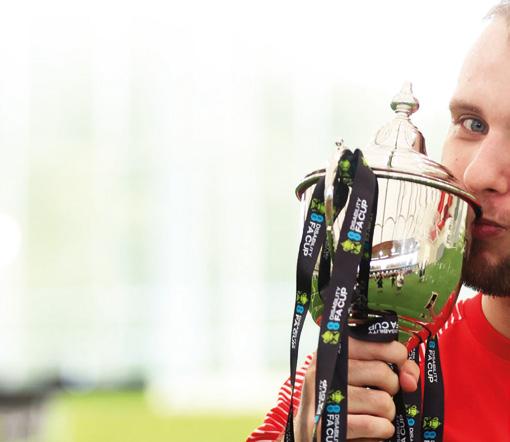
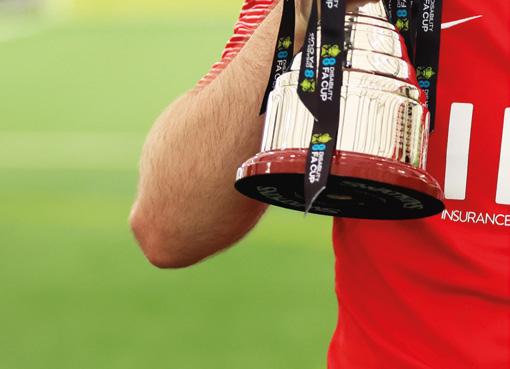


THE EE FA DISABILITY CUP 2025: KICKING OFF A BOLD NEW ERA FOR PARA FOOTBALL IN 2025.
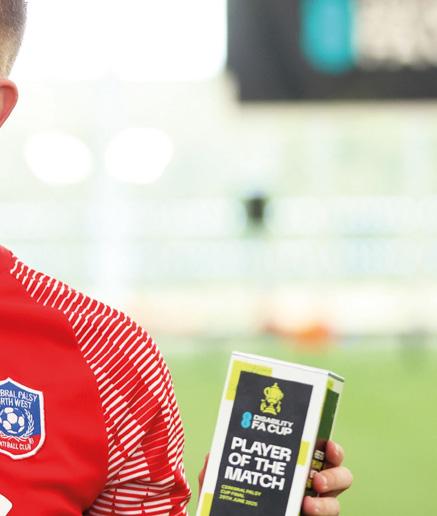
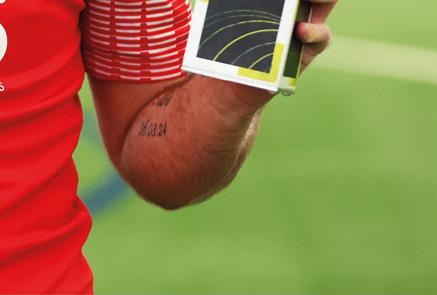
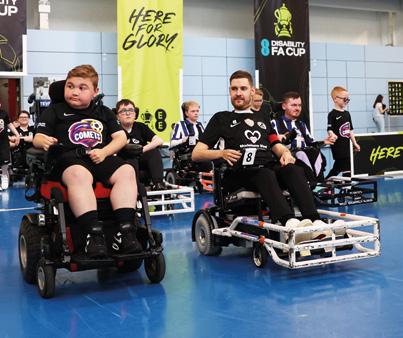
The EE FA Disability Cup 2025 returned to St. Georgeʼs Park on 28-29 June, marking the ninth edition of the UKʼs biggest parafootball showcase – and the first under EEʼs new four-year title partnership.
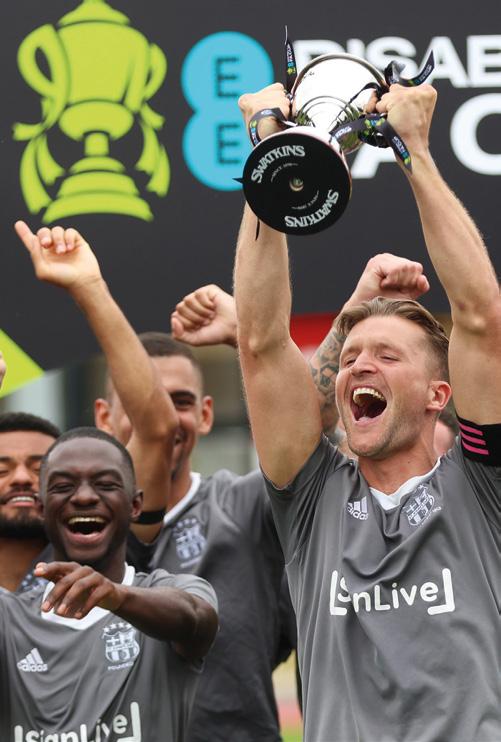
What a weekend of football! Six incredible finals brought champions to the pitch across Amputee, Blind, Cerebral Palsy, Deaf, Partially Sighted, and Powerchair football. From Chelseaʼs 2 – 0 amputee win over Everton to Birminghamʼs nail-biting 5 – 4 futsal victory, the action didnʼt stop. CP North West pulled off an unforgettable comeback in the Cerebral Palsy final and Aspire edged a tense 2 – 1 Powerchair triumph. St. Johnʼs Deaf FC also stole the show, continuing their dominant run with a statement 7 – 0 win!
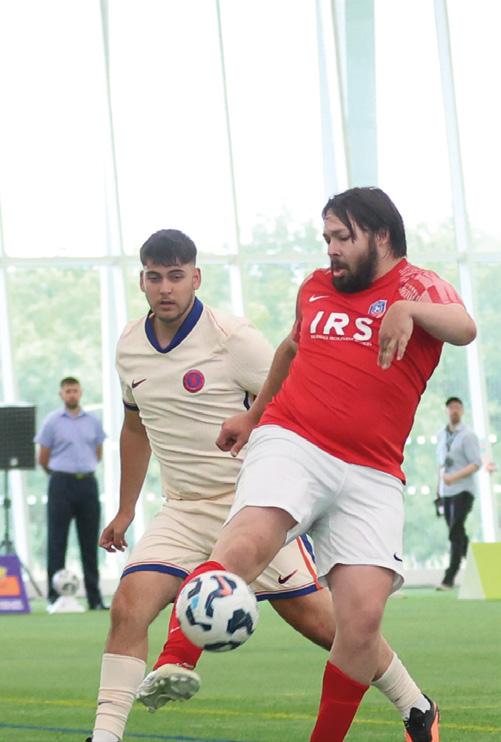
EE is proud to help shine a national spotlight on para football and inspire the next generation. With EEʼs support, the FA Disability Cup continues to prove that football – in every format – truly is for everyone.
The event brought The FAʼs Football Without Limits strategy to life, highlighting the growth of disability football and the importance of visibility across all formats. The 2025 EE FA Disability Cup strengthened its place as the largest competition of its kind in the country, with live coverage on TNT Sports, packed stands, and interactive fan zones creating an atmosphere that reflected the energy and passion of the players and fans alike.
EEʼs new role as title partner marks an exciting step forward for the competition. Building on its support since 2022, EE is deepening its partnership to raise the Disability Cupʼs profile and influence while championing the future of para football.

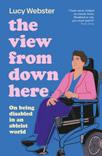

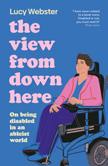
The View From Down Here by Lucy Webster
3 years since publication, this important memoir has had an update for its paperback release. Complete with a new look and more, The View From Down Here by journalist Lucy Webster takes aim at ableism & sexism.
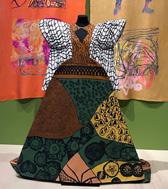
Design & Disability, V&A
A landmark exhibition at the V&A in Kensington, London, this is a potted history of the disability rights movement. Tickets are free for disabled people and care-givers; make sure to see it before it’s gone.
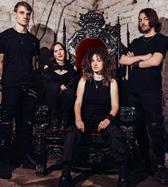
Smile by Mallavora
30 years since the Disability Discrimination Act became law, metal band Mallavora has released a new single on the subject - with an album dropping next year. Stay tuned for our next issue for more information.
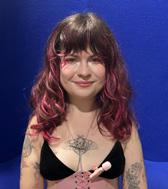
Unhidden’s New Collection
Unhidden debuted a new range of adaptive fashion designs at London Fashion Week in September, which will be available early next year. Read on to find out more.
Decode ME
In August this year, the Decode ME study reported its landmark findings, which suggest that genetics could play a role in the development of ME / CFS. This has been deemed something of a breakthrough moment.
#HandsOffOurHandles
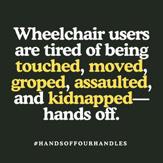
Freelance journalist Melissa Parker has launched a new social media campaign, #HandsOffOurHandles. Wheelchair users are tired of their mobility aid being manhandled, damaged - this has to stop.
Certified Accessible Bored of the lack of businesses who care about accessibility for disabled people? Millie Flemington-Clare has recently launched Certified Accessible, a new and pioneering business with lived experience at its core.
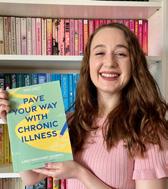
Pave Your Way With Chronic Illness by Pippa Stacey
A follow-up journal to her book How To Do Life With A Chronic Illness, Pippa Stacey is back in action. Read on to find out more about the journal in this issue & how it’ll develop your relationship with rest.
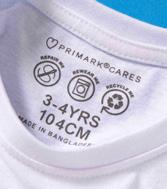
Primark & Changes To Children’s Clothing
Following the release of its gamechanging range, Primark Adaptive, further changes have been made to Primark’s kidswear. The changes address sensory issues and challenges, including no neck labels.
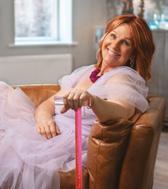
NeoWalk Rewards Home of the glitzy canes and light-up walking sticks, NeoWalk now offers a rewards scheme for its members.
To redeem your discounts on future purchases, sign up at: neo-walk.com/ pages/neo-walk-rewards
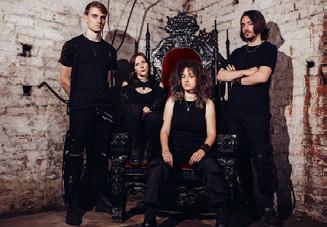

Mallavora’s Debut Album Hot on the heels of their single Smile, metal band Mallavora will be releasing their debut album, What If Better Never Comes?, in spring next year. Make sure to come back for our next issue, where the band will tell us all about it.

Being Heumann Goes To The Big Screen
Judy Heumann has a huge place in disability history. An adaptation of Heumann’s memoir, Being Heumann, is officially coming to the big screen, with Ruth Madeley in the title role.
Perfectly Autistic Academy
Want to become a confident neurodiversity trainer? The Perfectly Autistic Academy will equip you with everything you need to know. Visit perfectlyautistic.co.uk
Naidex
The UK’s biggest annual disability conference is back! Taking place once again at Birmingham’s NEC, Naidex will take place from 25th - 26th March next year.

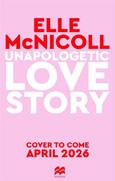
Unapologetic Love Story by Elle McNicoll
Neurodivergent author Elle McNicoll will be releasing a book for adults next year. Arriving on World Autism Day in 2026, Unapologetic Love Story is available for pre-orders now.
Haystack Dating
Dating apps are fraught with a range of risks, especially when you’re disabled. Live events have become more of a fixture on the dating scene - make sure you get involved with Haystack Dating, particularly if you’re on the hunt for accessible venues.
Disability History Month
A celebration of the world’s largest minority group, Disability History Month will end on 20th December. We need to look back at how far we’ve come to see how far we have yet to go, as part of the disability justice movement.
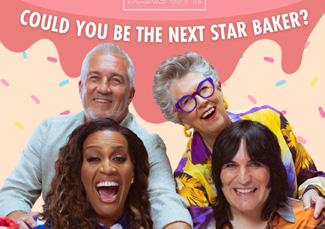
Great British Bake Off
Could you be Britain’s next star baker?
Access arrangements to apply for the Great British Bake Off are continually being improved - and you can apply for the next series at applyforbakeoff. co.uk . Apply by 15th December.
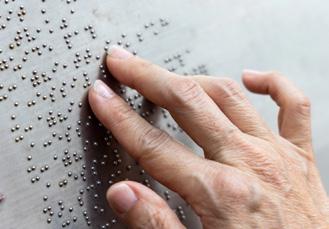
World Braille Day
World Braille Day is back in January! Taking place on Sunday 4th January, people and organisations are encouraged to celebrate this day, by improving access for visually impaired disabled people.
Are you receiving Income-related Employment and Support Allowance?

It’s not automatic, so look out for your letter telling you what to do. Visit gov.uk/ucmove for more information.
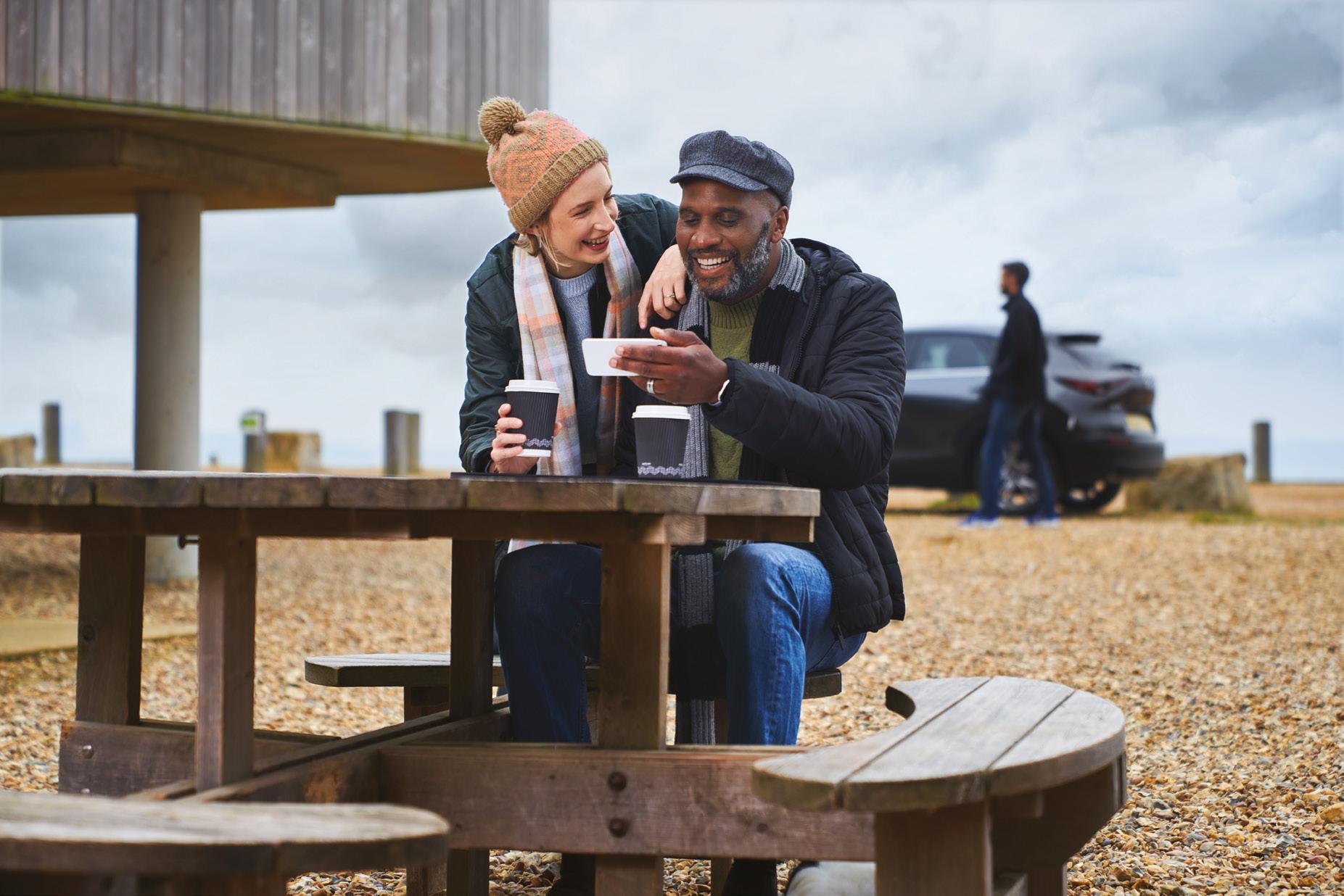
each issue of Disability Review Magazine, we dissect one word related to the disability space.
For this issue of Disability Review Magazine, we decided to choose the concept of tokenism. It has been a long time since our last issue, a lot has happened in the disability space, and this word seemed appropriate to mark these times.
When you ask Google for a definition of tokenism, it says: “…. making a perfunctory and symbolic effort towards the equitable inclusion of members of a minority group..” The definition then goes on to add that this is partly to give the look of differing forms of equality within a workforce, such as on gender or race lines. This may come through the most tiniest of gestures, such as making sure that company photography exhibits these characteristics - while doing little by way of assistance otherwise.
What Does This Look Like In The Disability Space?
Tokenism is not just confined to the workplace, and it can look very different, especially when dependent on the context, who is involved, and what has taken place.
In the DEI space, this may look like recruiting a representative for a panel just because they are disabled - ‘they have the disabled angle’ - while doing nothing to support disabled people inside an organisation. It may also look like asking someone to come on board just because they are disabled for a conditionspecific event… when that person does not have the relevant
condition themselves. (A great example would be asking a hearing, yet disabled person to speak about the lived experiences of individuals who may be Deaf.) There may be a tick box element to this, too. Another example would be asking a person to write specifically and only about their lived experiences, when this may not be their specialism as a disabled creative. In a social context, this may be ‘having’ the one disabled friend in a group, just because they somehow make everyone else look good for being inclusive.
Genuine inclusion is not only the morally right thing to do, it also has a range of benefits to a business and to everyone else. The Purple Pound estimates that approximately £2 billion is lost per month on the High Street due to the lack of access afforded to disabled people, who are the world’s largest minority group. Yet the Curb Cut Effect also suggests that access for disabled people - i.e a ramp to get into a shop - is of a benefit to all. That could help a mother with a newborn in a pram, someone who is just out of surgery…
1

2
3
4
5
Reach out to the people with the appropriate lived experience, such as for panels/events that are disability-specific.
Pay disabled consultants to rule on disability issues.
Allow disability to be embedded, not just an ‘add-on’.
Celebrate disability culture!
Avoid inspiration porn. (See our last issue for more information.)
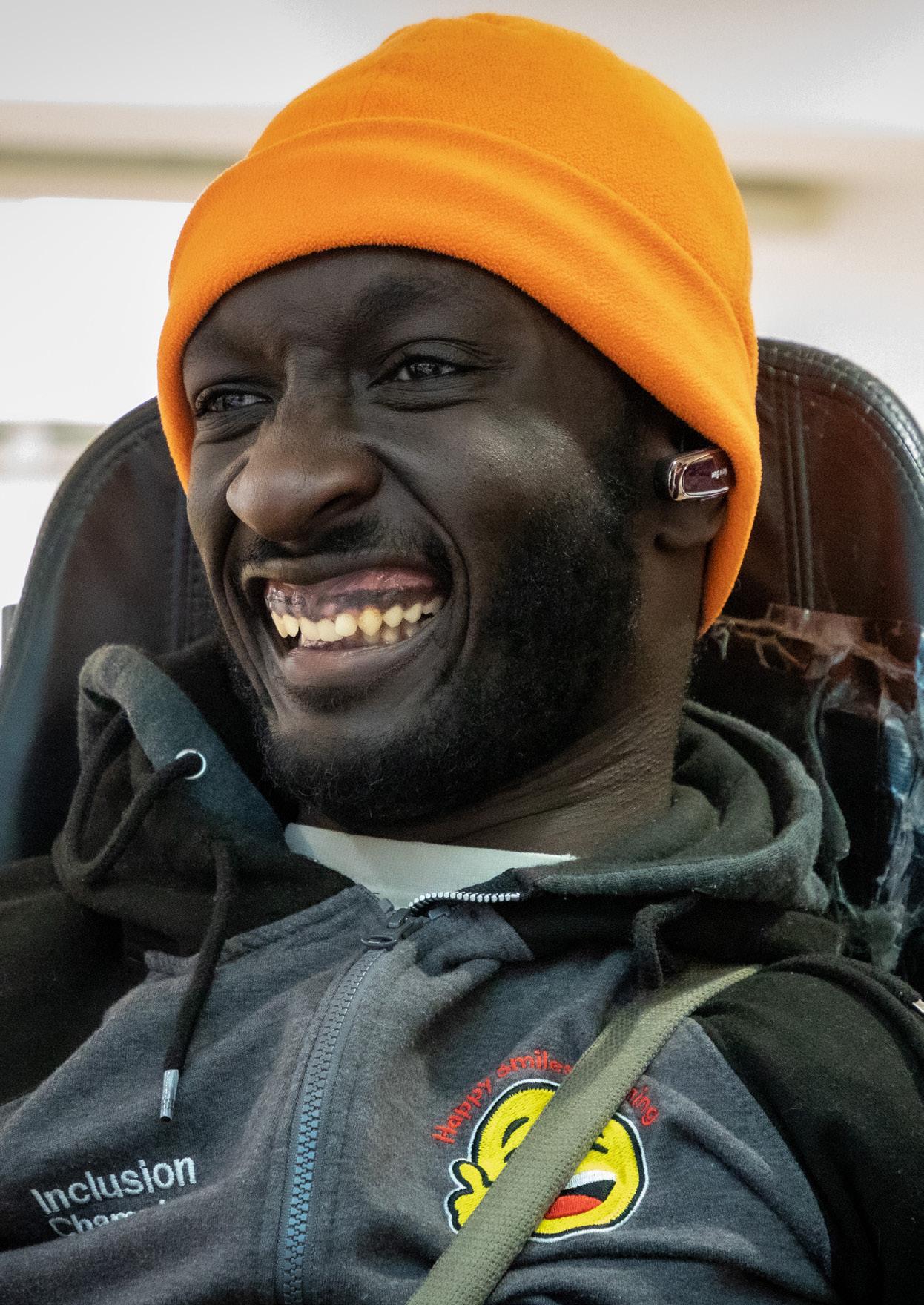
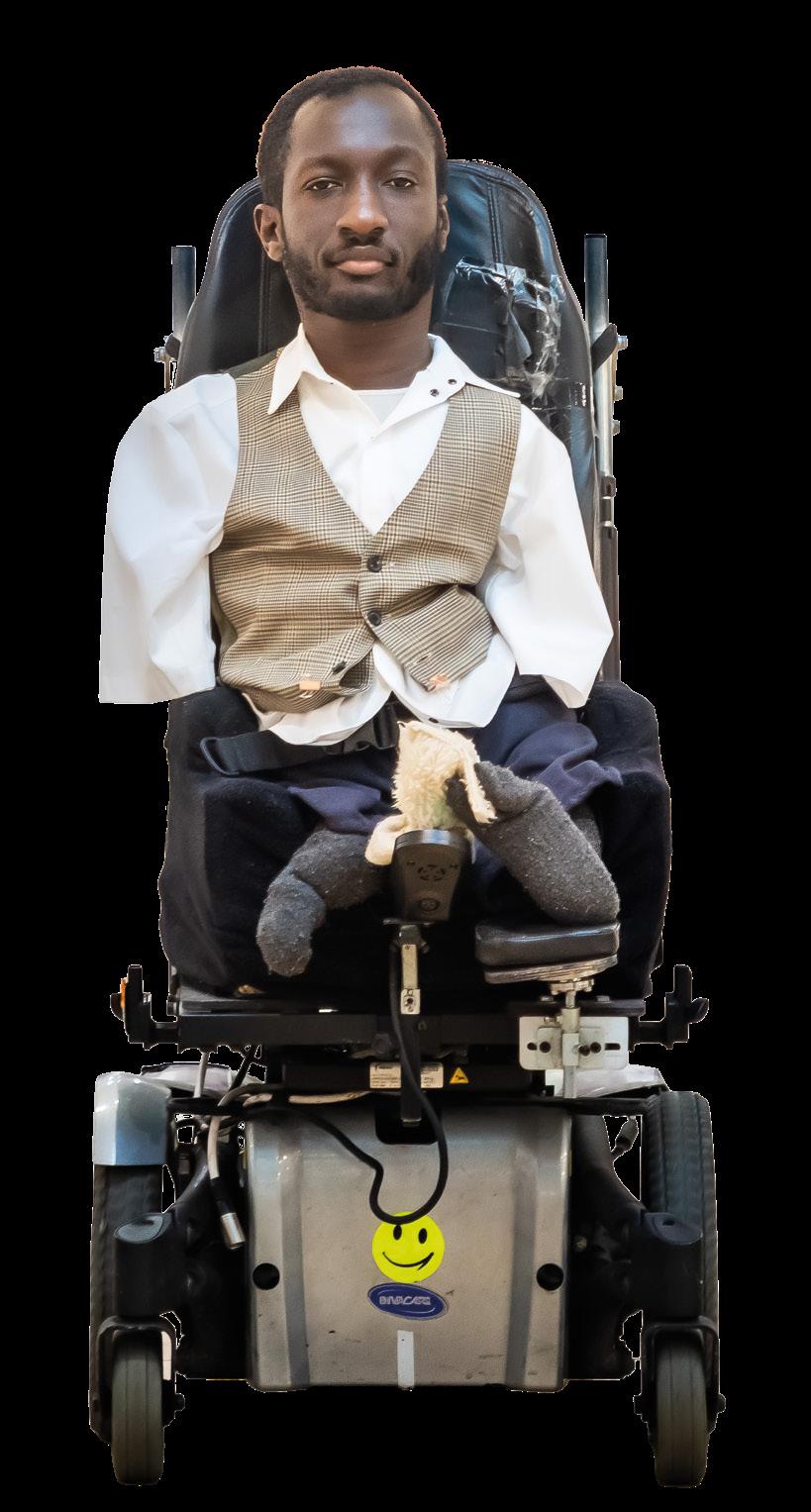
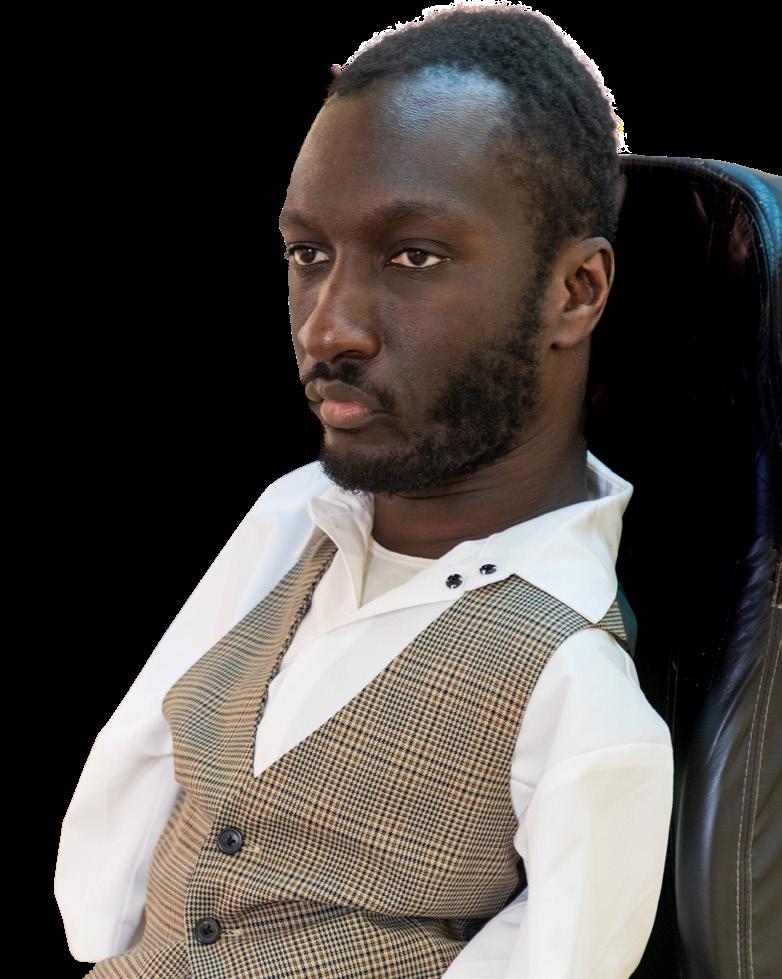
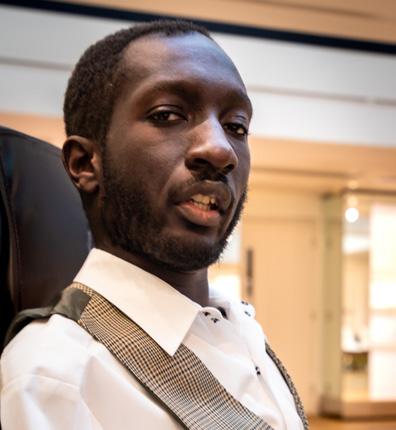
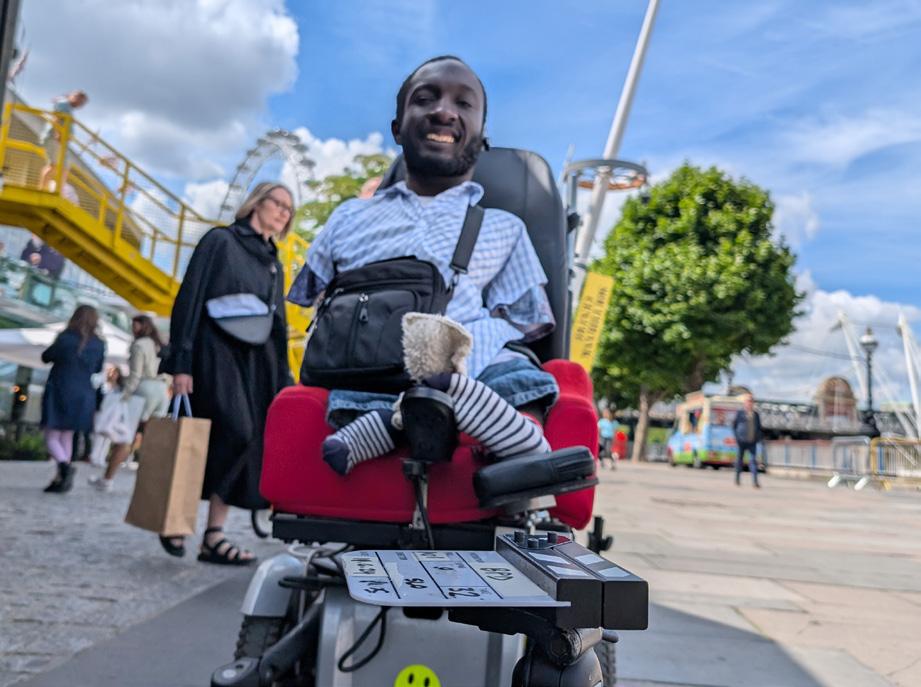
Disability can be a balancing act at the best of times; Isaac Harvey MBE offers us a masterclass in how he does it. As told to editor Lydia Wilkins.
Q Isaac Harvey, welcome to Disability Review Magazine, and thank you for agreeing to talk to us.
A Yes, thank you for having me.
Q As a first question, can you tell us about your MBE? What’s the story behind that?
AOkay. It was one of those experiences that I never thought would happen, but also it wasn’t something that I was [expecting, or] leading up to, especially like an MBE. It’s like, how do you even go about getting it? So I, it wasn’t like something that I was working towards, and at the end of the day, I was just sharing my lived experience, which opportunities have come from. But when it comes to the MBE itself, it’s, it’s bit of a long story, but I’ll keep it as short as possible. So in 2021, I and the co-founder of Wheels & Wheelchairs, so that’s an outdoor activity sports club that I’m the president of…
Q We’ll come to that in a second.
A
Sure. But I’ll mention very briefly. Um, so that group was awarded the Points Of Light award, which is what the Prime Minister was giving out during COVID, [to] people who were doing good work during [the lockdown] in the community.
And we were given that on the 3rd of December, so it was kind of like a special moment to receive that, on International Day of People with Disabilities.
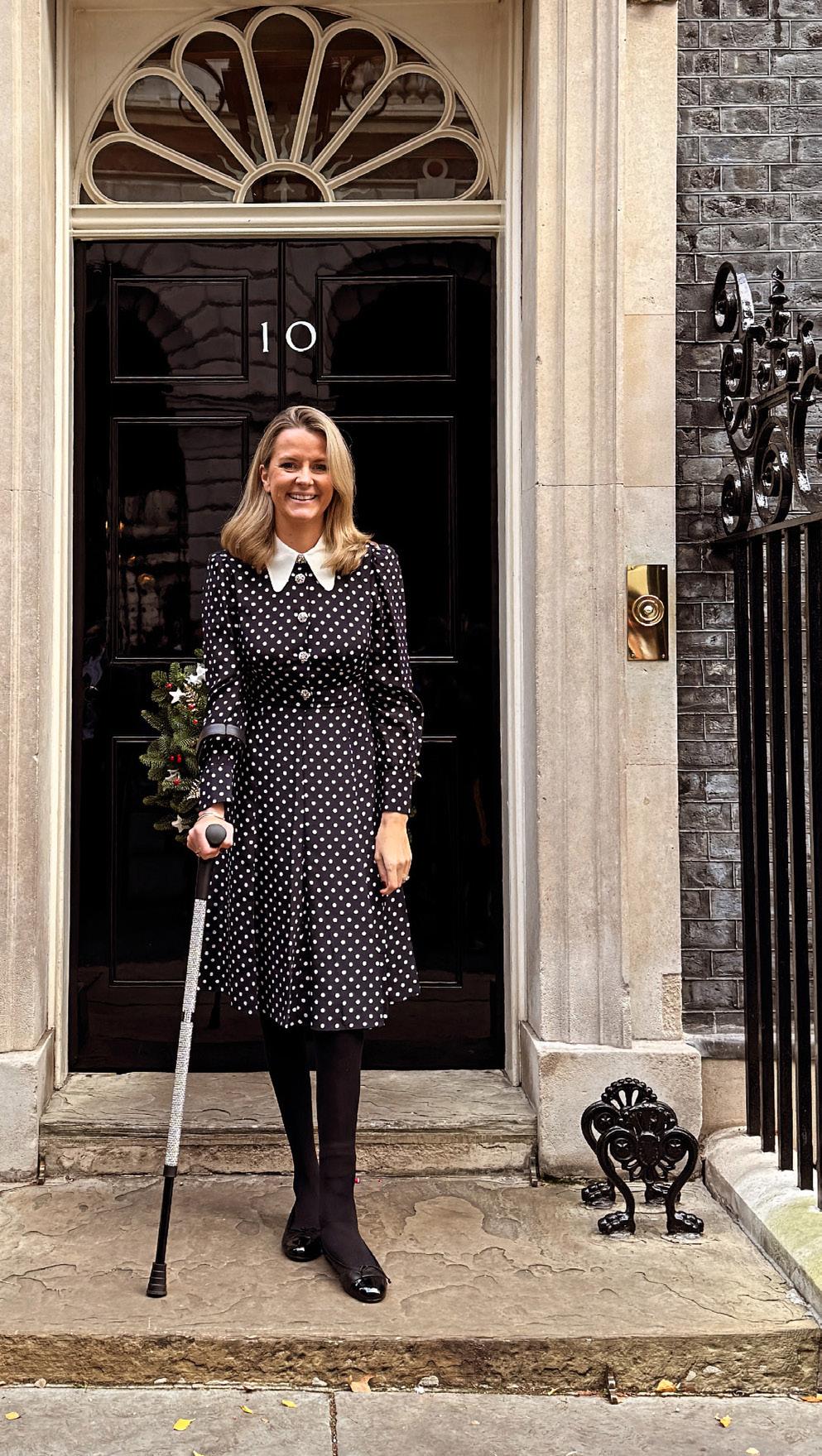
And then a year later [in] 2022, around [the] summer, I was invited to 10 Downing Street because of the Points Of Light award, because they were inviting some of the people who were awarded it to a garden party. And I ended up going, and ended up getting to meet Boris Johnson, we had like a five-minute conversation, and he was congratulating everyone who’d got the award. And then that same year in November, I got an email to say that Boris Johnson had nominated me to get an MBE, and if I would like to accept it. I really had to think about it ‘cause of its history and everything like that, but I ended up accepting it because of it being a reflection of what people with disabilities can achieve.
So when opportunities have come, I’ve kind of said, ‘You know what? It’s something different, so why not?’
I don’t do it for awards, but it was like, this is like a huge moment for the community ‘cause it... Without the community, I wouldn’t have got to where I am today. So yeah, I got to wear a really cool outfit from one of my friends, Kat from Seated Sewing made me a cool outfit. And yeah, got it [the MBE] presented by King Charles himself.
QNo notes from me. For those of us who may not know, would you… Do you mind me asking what is your disability, and what are your access needs?
ASure. So I have a disability called Limb/Pelvic Hypo/Aplasia, which means I have no arms, I have short legs, a weak pelvis, meaning I’m not able to walk, but I use a wheelchair, I have scoliosis, which is the curvature of the spine, and on top of all of that, I have acid reflux. And when it comes to access needs, pretty much I need help

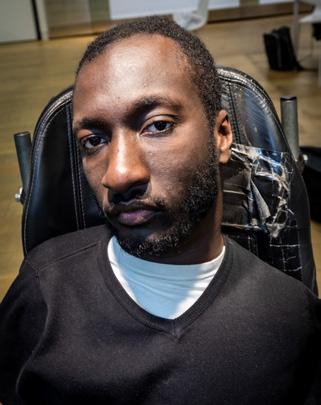
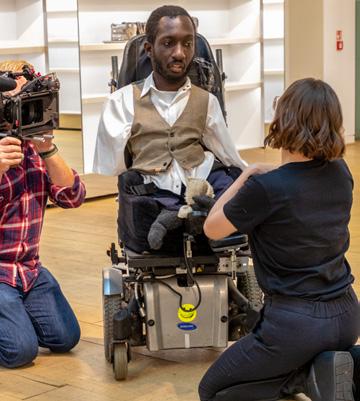
Without the community, I wouldn’t have got to where I am today
with most things. I’m independent by, you know, being able to use the computer and being able to drive my chair, but when it comes to personal care or eating and drinking, I do need support to do that.
QWhen researching for this interview, there’s a quote that keeps coming up on Google. “Accept first, ask questions later” seems to be something of your defining philosophy. Can you tell us more about that?
AYeah. I mean, with life, um, I mean, I’ve kind of come to terms with it over time, but I really struggled with my mental health and really understanding disability, and I realised that there’s a lot in life that’s out there and for real growth and really understanding what’s out there, I need to kind of just push myself out of my comfort zone. So when opportunities have come, I’ve kind of said, “You know what? It’s something different, why not?”And then, that’s when I ask the questions
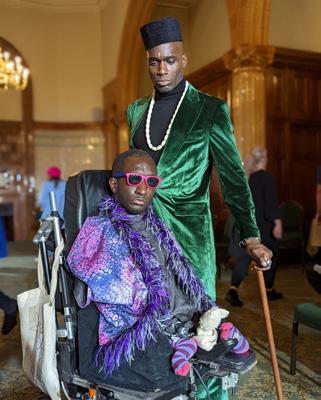
afterwards. It’s after it’s done. But, you know, one prime example of that would be me being involved in the fashion industry as a model. It was a space that I didn’t really understand because I... whenever [it came to] for fashion, I saw ridiculous clothes on the catwalk, and that’s when I really thought of fashion, and I was like, “Oh, why would I really want to be involved in that?” I was posting on LinkedIn. I got a message from someone talking about adaptive clothing, which is a term I’d never heard of before, ‘cause up until that point, my mum just made clothes fit me, and they invited me to come down to see these adaptive clothes.
And it was a pop-up shop, so
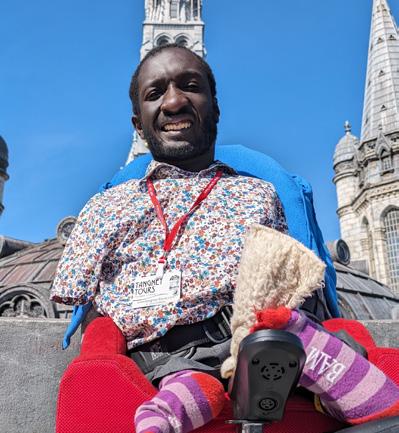
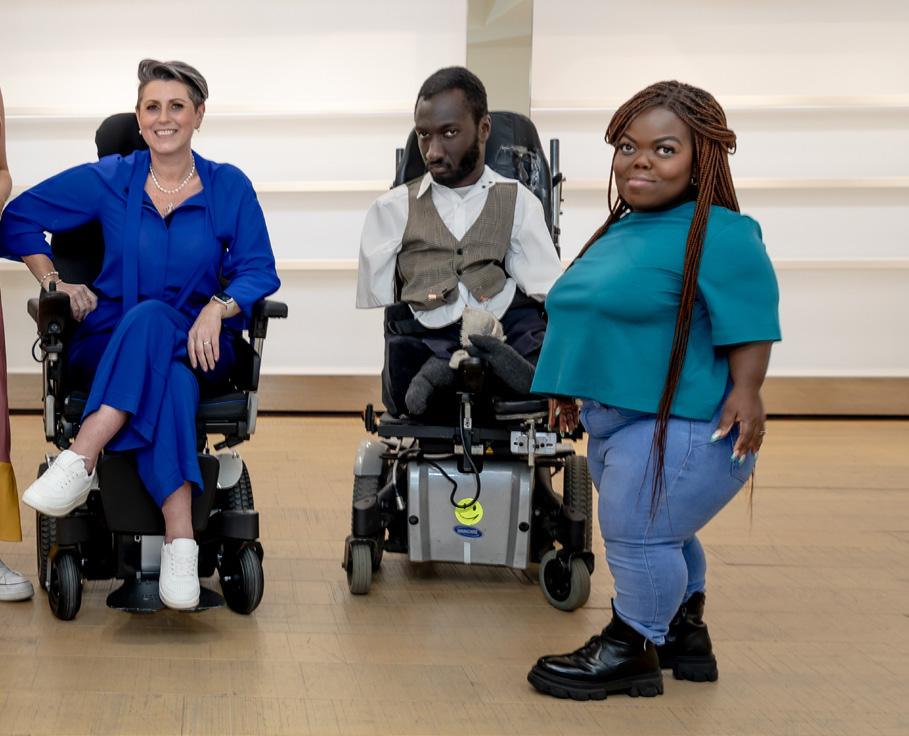
it was Victoria [Jenkins] from Unhidden. She invited me ‘cause she wanted to do a collaboration with Wheels & Wheelchairs. Uh, well, I was saying I was gonna go, and then the day I went [to visit, it] was the last day of this pop-up shop. And she said, “Oh, we’re doing, like, a fashion show, uh, which would be in front of, like, 40 people”, because the pop-up shop was quite small. And she said, “Would you like to be a model?” And, for a - I’ve never been a model before, but you know what? Why not?!
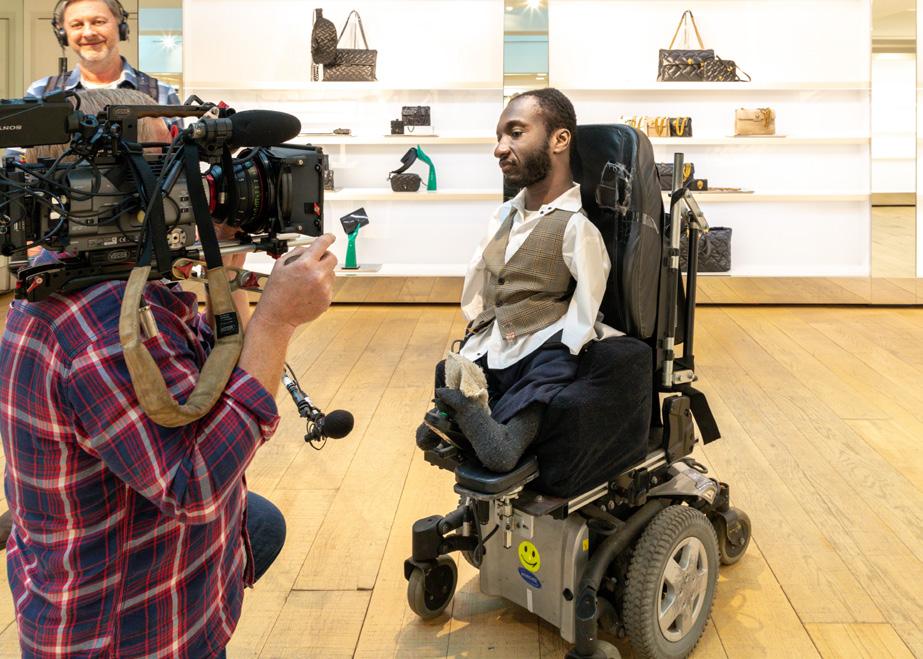
The community from the get-go was really inclusive and didn’t really see me as any ‘different’. And I really liked that vibe from it, so I got really involved in it.
Who would’ve guessed that it would’ve... one thing would’ve come after another. But yeah, I’ve kind of just felt like coming out my comfort zone, and just doing things I wouldn’t usually do, and seeing if I like it or not. Because if you don’t know, you don’t know.
QI like that. So we’ve kind of talked about Wheels & Wheelchairs, so how did your presidency begin?
AUm, so, it was 2019… No, 2018, Winter Wonderland in Hyde Park. I went there in my electric wheelchair, and I went on the ice rink in my electric wheel[chair]. And I was going around the ice rink, and, uh, one of the ice marshals came up to me, and we were talking, and he said randomly, “Oh, would you be interested in wheelchair rollerskating?” And I’m thinking, “Oh, I’ve never… I’ve never heard of that before.” Uh, ‘cause previously to that I’d done skiing, and I’d done
a skydive, and sailed a tall ship and done all these things, but wheelchair rollerskating, this was a totally new concept.
So I was like, “Yeah, sure. I’ll give that a go.” So [I] ended up going on a saturday morning at Battersea Park, where I got to see the wheelchair firsthand. And I got into this chair, which was specially adapted. So it was a sports chair with a front wheel attached, which makes it a threewheeled wheelchair, [so it] turns it more into, like, a sports chair. And I remember going around the first time and thinking, “This is one of the coolest things ever.” And comparing it to the other activities where I’d have to go abroad, I could actually do it in London, so that made it more convenient.
The community from the getgo was really inclusive and didn’t really see me as any ‘different’. And I really liked that vibe from it, so I got really involved in it, ended up doing the Easter Bunny Skate where I dressed up. [I] went [and] did the Paris Marathon, did a road trip to
France and did skating, and [the] Halloween and the Christmas skate, and all these different things. And because I was so involved and because they had a committee, they had an AGM at the end of the year, and I thought since I was so involved in 2019, I should go to this committee meeting. And from that...
So we were going through the year, and during that meeting, part of it was sharing some sad news that the previous president, [from] when I had joined, sadly passed from unforeseen circumstances. Throughout the year, [I] felt like I knew the previous president because everyone had such good memories of her. So I felt like I did know her, but didn’t at the same time. And during that AGM meeting, they were looking for a new president, and because of my involvement, they all turned their heads and asked me if I would like to take on that role. And I, for, you know, since being part of it and feeling like we could really push what we’re doing to more people and really seeing what we could be capable of, I ended up accepting it. And then my first year was 2020, which was COVID, so that was fun. [Both laugh.] Um, but... But yeah, I’ve been the president ever since.
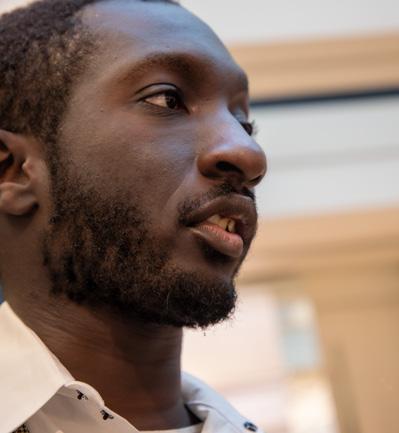
Q
Wow. Okay. This issue has the theme of rest and relaxation to it, simply because 2024 has been quite a contentious year for disabled people and activists, as an understatement. There is a degree of complexity when you say ‘rest’ and ‘disability’ in the same sentence.
Just talking to you… it seems to me that you may potentially be an adrenaline junkie. Is that accurate?
AYeah, that’s one way of putting it, yes. Yeah.
Q I kind of also want to ask you, how do you rest and relax, though? Because that sounds incredibly energetic.
AYeah, so... And, and that’s a very good question because, um, whenever I sit for a long period of time, no matter what activity I might be doing, I get, uh, severe leg pain after two, three hours. Even though I’m, like, doing all these activities, it comes with a lot of pain.
Me being me, I do push myself to the limit, because on one side, it’s like, if I don’t, I wouldn’t be having these incredible experiences. But on the other side, like for example, I did the Berlin Marathon in September, and I was in the manual chair for the whole time, which is not the most comfortable of seating. But I sat in that all week, and then... So five days, did the marathon as well, and then when I got back, it took me four days to fully recover because of the amount of pain that I was in from my leg.
But also within that recovery,
because I do most things on a solo basis, it meant I wasn’t able to do my work when I got back, and that was missing time. And being away, and just having my phone restricts me from working. So, you know, physically, I wasn’t able to get up for four days, and it was hard to mentally rest as well, because I knew I had like… I had to get back to that email. I had to get back to that message. It was just a lot. Uh, well, yeah, rest and being in adrenaline is a lot at times.
QHow do you like to rest, though? Is there anything that you enjoy in terms of time off?
AUm, yeah. I mean, I, I like… ‘Cause it’s a bit of a difficult question when it comes to, like, resting, ‘cause it also requires me to, um, plan it and have things in place. If it’s like proper down time,
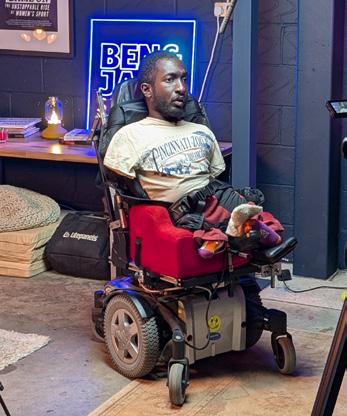
Me being me, I do push myself to the limit, because on one side, it’s like, if I don’t, I wouldn’t be having these incredible experiences.
QAmidst all of your achievements, there still remains access barriers. So there was an article in the BBC around train travel and how your lack of access basically spiralled.
If non-disabled people were to show their allyship to disabled people, what is the one thing you would like them to know and why?
AI think at the end of the day, it’s so important to have open dialogue and conversations like we’re having now, ‘cause I think without that, uh, assumptions are made, and then they end up being wrong. Or they label all wheelchair users the same or all Deaf people the same when everyone has a different experience. So, I think it’s just nice to have that open dialogue so we can actually see it as a two-way street where I’m telling people what’s gonna be best for me, and then for people to actually implement that.
And I’m not saying everyone has to buy ten grand ramps and have to refurbish their place, but, you know, having the conversation on what is actually feasible in this situation to make it more accessible or more understanding.
I think it all starts with a conversation. And also, on the other side, it’s not always appropriate for people who are interested to be, asking questions like, “Oh, what’s your medical history?” Or, “How did that happen?” So, I think it’s just like respecting boundaries and, uh, yeah, just being open to learning from both sides ‘cause I think it’s a two-way street, not just one person’s responsibility.
QYou are also a content creator as well as being the president of Wheels and Wheelchairs. Is there any advice that you would like to give to other disabled people?
AUm, I mean, yeah, there’s a... There’s a lot of - could say throughout this, uh, journey, but I
Together, we can keep pushing and making that change, and just sharing our stories and being very open and honest about it.
think to be very realistic, you know, things are challenging, uh, and there are people who will go against you.
You know, I’ve been, been very challenged by the local authority and my housing situation and Access To Work and all of these different things that just really shouldn’t be, uh, so challenging, and the obstacles that they put in the way just shouldn’t happen. Um, but, you know, for me, there has been times where I’ve genuinely wanted to give up. But, uh, what’s really always picked me up is knowing that there are those who want to listen. Uh, there is a community that, uh, does have your back, and I think it’s only together we can really make the difference. So yeah, the reality is, it’s hard, it’s not an easy road.
But together, we can keep pushing and making that change, and just sharing our stories and being very open and honest about it. But, uh, only to as comfortable as that person feels. Like, don’t share everything if you don’t feel comfortable in doing so.
But yeah, it’s, again, goes back to communication, just being very open, saying, “Actually, that, that’s not right for me, and I don’t like it done like that.” And so, another thing is like, everyone can express it in a different way. So, sometimes confrontation is not someone’s strong suit, but maybe an email might be better. So, you know, doing it in what feels most comfortable as well.
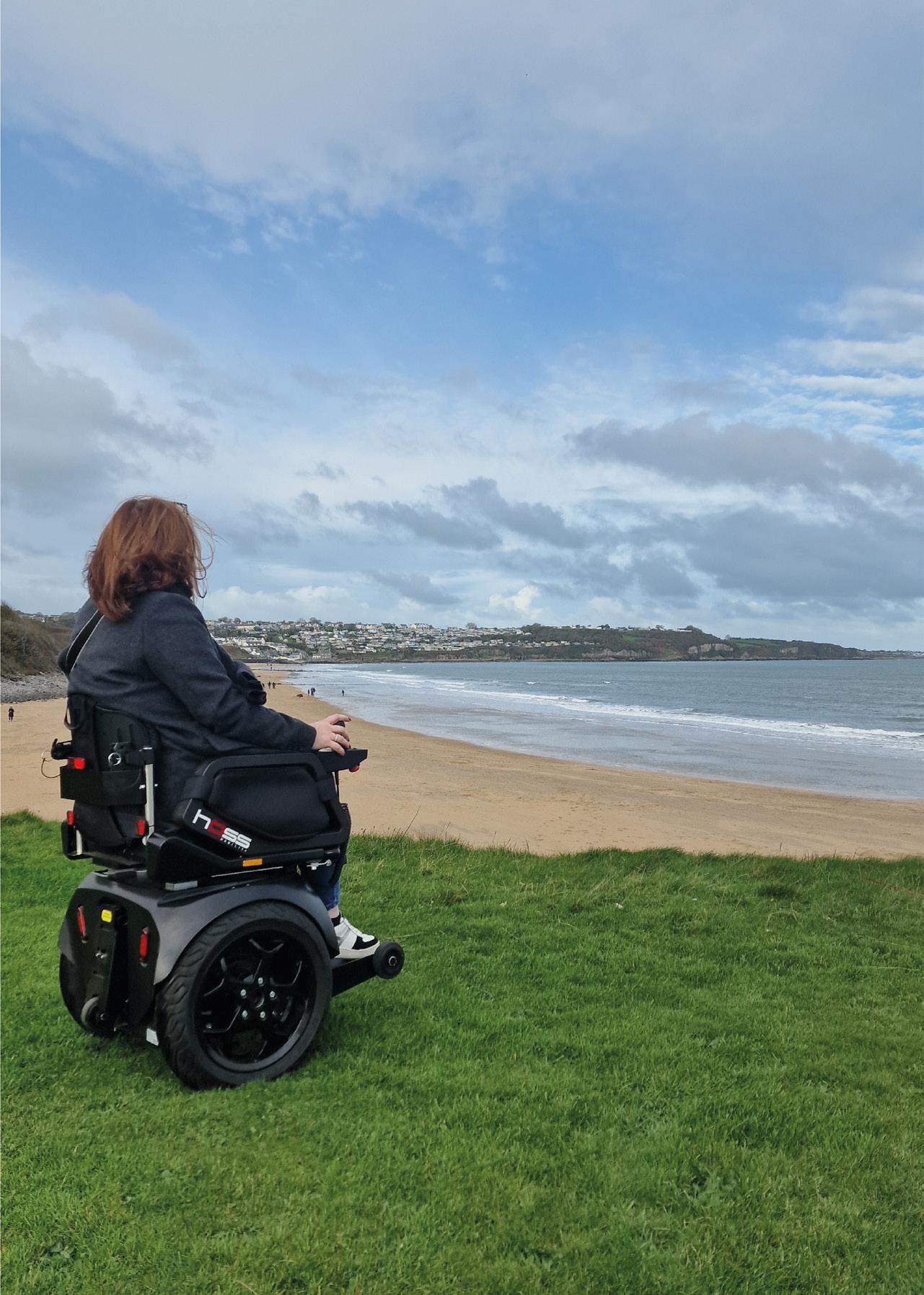



Pippa Stacey is back with a new book. A follow-up titled Pave Your Way With Chronic Illness, she tells DRM all about it. As told to editor Lydia Wilkins.
Q Tell me everything about your new book. What was the impetus, and how did that start?
AWell, it came [to me]… The actual idea of doing a journal or an interactive workbook came from the publishers. It came about after I had submitted the final manuscript for my previous book, How to Do Life With A Chronic Illness. So, in the time between submitting that [book] and it being released, this opportunity came up to see if I wanted to do a companion journal to go alongside it.
can reconnect with your sense of self even while you’re living with a chronic illness, which feels like it’s sapping all of the energy out of you.
And I just wanted to create something that would give people the space and hopefully be really enjoyable, so people can reconnect with that sense of self at a time when, if they’re anything like me, it might feel as though they’ve lost that sense of self a bit.
So, if somebody had read and enjoyed the previous book, this would almost be like the natural follow-on, the thing where you could kind of be like, “I enjoyed this. Let’s move on to this next.”
So I went away and I had a think about it, and I was like, “I would love to do this, but how am I gonna make it different from what’s already out there? What is the thing that I think people really need, and what feels aligned with my sort of journey, so to speak?” So I decided I wanted to do, like, a creative journal that was focused on disability and identity, but how those things can sit alongside each other, so basically, how you
QYou used the expression companion journal. What does ‘companion journal’ mean?
AI couldn’t tell you the official definition, but I think, in sort of, like, the publisher’s sense, they wanted a book that would sit alongside the book that I released previously.
So, if somebody had read and enjoyed the previous book, this would almost be like the natural follow-on, the thing where you could kind of be like, “I enjoyed this. Let’s move on to this next.” But at the

same time, I wanted to make this journal something that was good enough to be a stand-alone book as well, because I know that reading isn’t accessible for everybody with a chronic illness. So, in my head, while it’s a follow-on journal, I wanted it to be something that stood on its own, just for people who might have different cognitive capabilities. And hopefully, it would be something that they could still read but would be more enjoyable in a bit more of an energy-efficient way.
AOh, well, let me show you. [Pippa holds up a copy and flicks through during the Zoom call.] Yes. So this is my completed one, and it’s literally got, like, colouring-in pages. It’s got a little bit of text at the beginning of each section, but it’s mostly prompts and questions to answer. There’s things you can fill in. There’s a little meal plan here. And it’s all themed around different sections. So this is where you can look at the advice that people have given you, and you can put the helpful stuff in your backpack and the unhelpful stuff in the bin. So it’s all little fun things like that. I just really wanted it to be something that people would actually enjoy and get a lot of benefit out of, and just helping [others with a chronic illness] to kind of get that balance a bit more in line with what they want at the minute.
QI had the realisation that I’m really not giving myself the mental rest that I need, and that’s something that I’ve been in denial about for a very, very long time.
In relation to the journal, do you think that reading and journalling have a place in the sense of managing chronic illness?
AQ And when we say about ‘journal’, I’m assuming that this is a book that you can, in fact, journal in?
Absolutely, because I think when your energy is so limited, you’re often having to spend it on getting through the day and just getting the things done that need to be done. It’s focused on things like medical appointments, managing your symptoms, [and] dealing with medication. And I think no matter how much time it is or what that time looks like for you, actually sitting down and having the chance to reflect on how things are going and how you’re actually feeling in that moment is something that we don’t really often allow ourselves the time to do. And it’s funny, actually, I created this journal, you know, with publishing timelines, so I created this back in 2024.
When the book came out a couple of months ago, I sat down and I did it myself. So I went through and I filled it in and I did all of the activities myself again. And it was actually quite a confronting experience, because there’s a whole section in the book about condition management and about thinking about what physical rest looks like to you, [as well as] mental rest, emotional rest. And in filling that out, I had the realisation that I’m really not giving myself the mental rest that I need, and that’s something that I’ve been in denial about for a very, very long time. So, actually sitting down and making the time to reflect and actually writing it out has really helped me to see that I do need to make changes for my [own] condition management. So, while that’s a bit of a tricky realisation to have, because, I mean, one of the ways, like, I cope with my condition is to just funnel everything into work, which is not something I recommend, it’s definitely highlighted to me that there are changes that need to be made in my own sort of lifestyle as well.
QWith reference to what you’ve just
said as well, I’d like to ask you about the DecodeME study. That came out exactly a week prior to us talking.
AYes. Has it been a week already? Oh my gosh. That’s crazy.
AQWhat was your initial reaction?
Oh my gosh. It was... So, we all knew that the results were coming out at 7:00 PM, and luckily the team had given people a heads-up so that everybody who wanted to see the results live was able to pace and prepare themselves. So I was really, really grateful for that because as the clock got closer to 7:00 PM, I was sat on my sofa and I was literally shaking. Like, ‘cause I had, I had no idea what the results were. They’ve kept it so tightly locked with the initial team as they should.
So I was kind of like... I think everybody in that situation was kind of mentally gearing themselves up, like, to think, “Well, they might not find something, and if that’s the case then we’re just gonna have to
be okay with it.” So to then see the results come out and see that they had found something statistically significant, it was bonkers. It was more than I think anybody had, like, dared to let themselves hope for. And honestly, I’m still processing it now. Like, it’s such a conflicting range of emotions, like, it’s on the one hand, it’s so positive that they finally found something that has this clear, like, genetic base. But then at the same time it’s like, oh my gosh, thinking about the implications of that, it’s... Yeah, it’s a lot. But it’s a really, really positive step forward, and I think this will do so much, even if it’s just in reducing some of the stigma around the condition [of ME], and still all those people out there who think that it doesn’t exist or that it isn’t as debilitating as people say it is. Even if it just helps to challenge that narrative, I think it will be a really positive thing.
Q And this is the point where you also plug your book to say about redressing the sense of self with chronic illness.
Go!
AWoohoo! So, I wrote a book, and it’s called How To Do Life With A Chronic Illness, and I also have [written] Pave Your Way With Chronic Illness, and those books are written because I wanted to produce something that didn’t ,sort of, play down the serious impact that chronic illness can have on your life and your identity. So it’s never gonna sort of diminish the impact that it can have, but I also wanted to write something that would help people to reconnect with the broader elements of life, and how to ‘do’ life in their own way, and ways to adapt tasks, and to still try and find some enjoyment in life while you’re dealing with this really life-altering thing.
Pave Your Way With Chronic Illness is
out now.
We started The Senses Project as a new approach to mentor neurodiverse people to achieve independence. We specialise in Autism, Sensory Processing Needs, ADHD and SEMH supportive mentoring. The Independent Support Programme is completely person-centred and designed to meet the support needed within the individual’s own home and community. We offer therapeutic approaches, incorporating confidence building to support individuals dealing with challenges and processing trauma. The Independence Support model makes its difference by adapting our mentoring our client’s life and adapting around barriers together. We focus on what will help our clients to enjoy understanding themselves as they progress toward independence.
My name is Jack, I’m 25, and when I joined The Senses Project I was around 20. When I first joined Senses I was a very indoor person, I still had my closest friends and my family but I did not work and did not go outside very often, because of this I feared social situations with strangers and had anxiety that controlled me when faced with new situations. I was also depressed, lacked motivation for everyday tasks and felt hopeless about my future When I met Senses they started different activities with me to tackle my different struggles slowly. My sessions included going outside for walks and chats, providing cooking sessions, aiding me in job searching, financing, fitness, group outings, family chats and more. Now I am doing well in work and I’m planning to buy my first home.


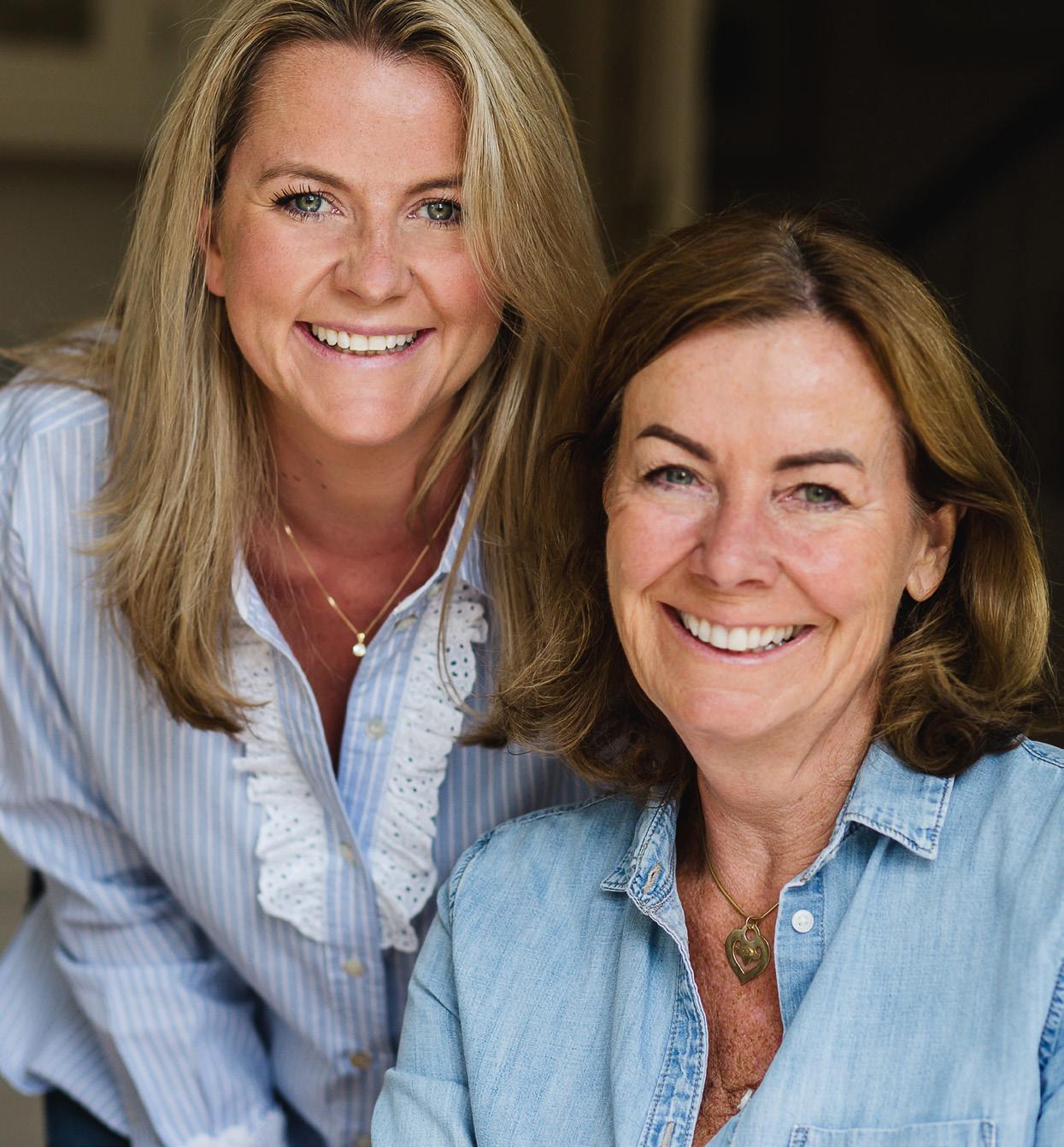
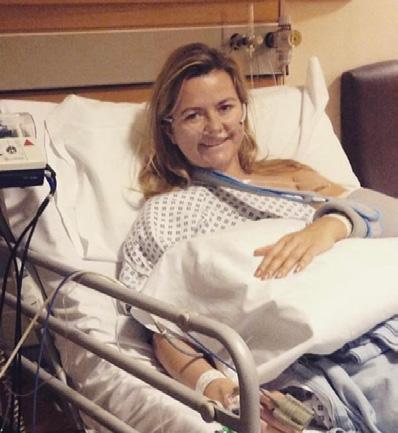
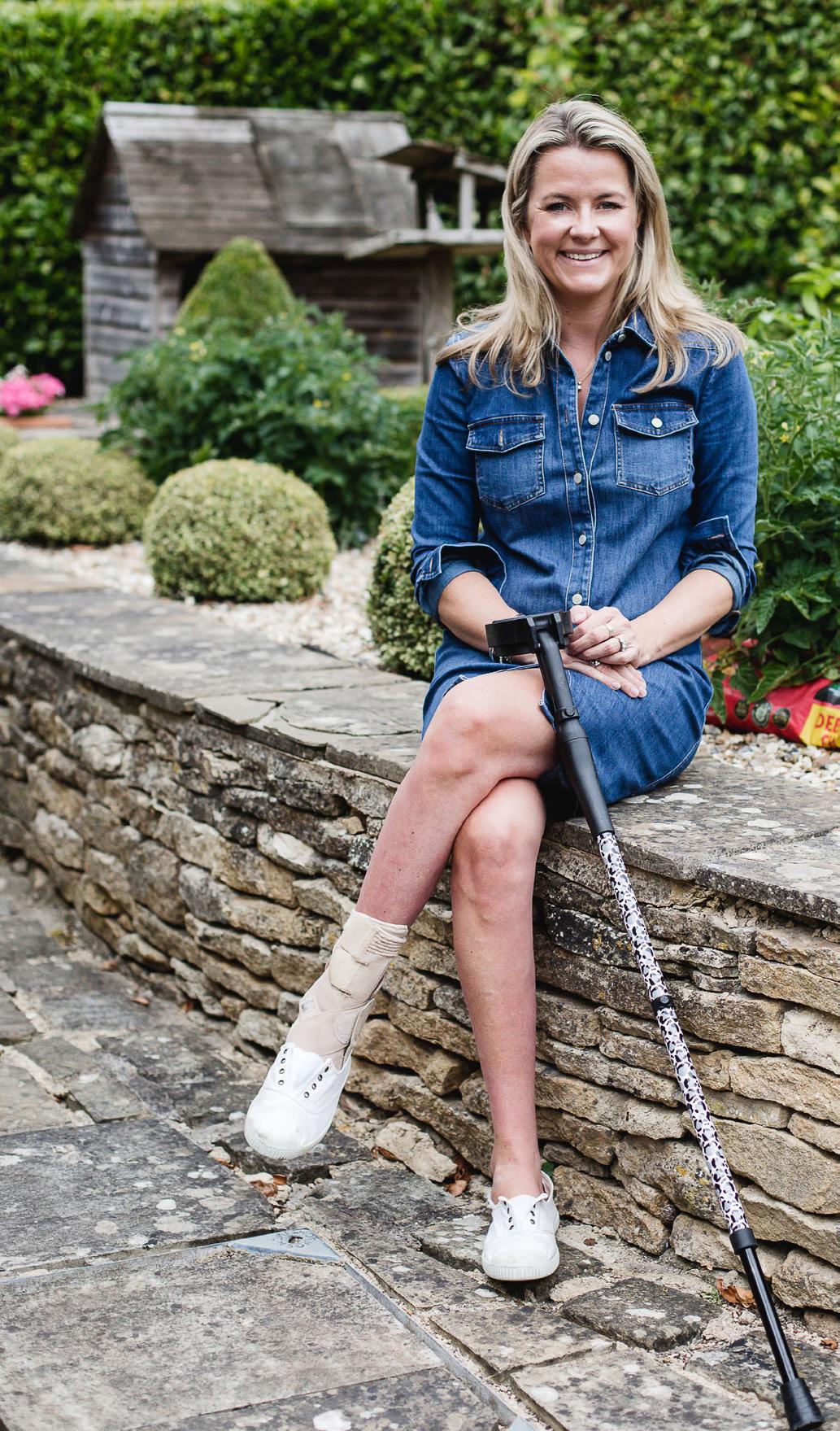
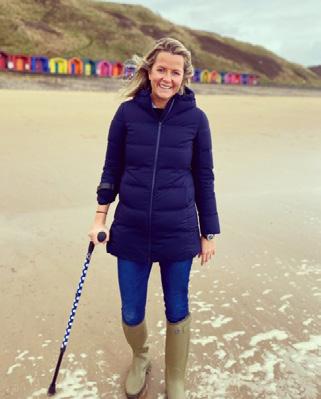
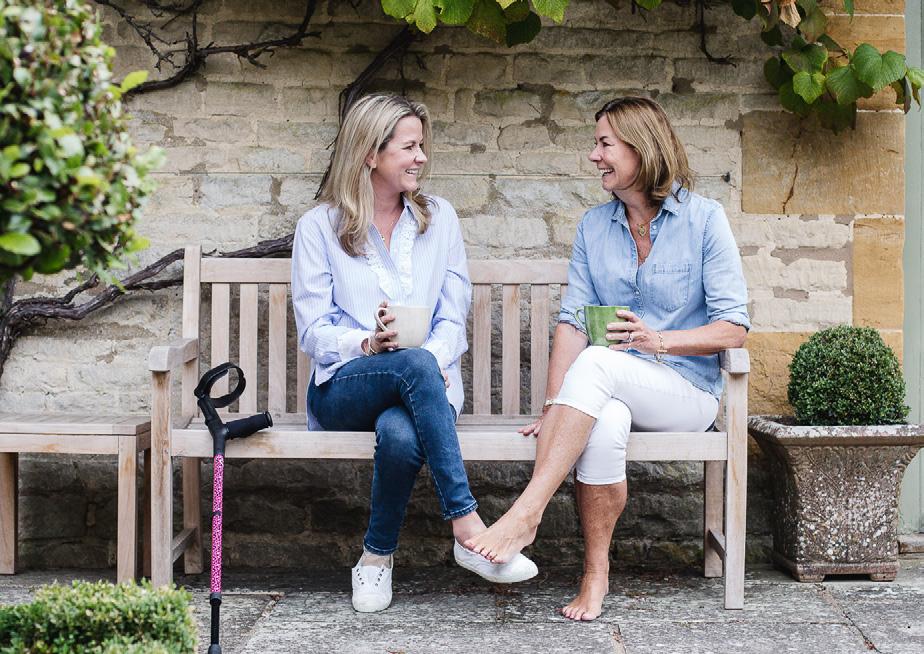
Amelia Peckham is the founder and CEO of Cool Crutches, a brand that sells colourful mobility aids. Here she shares her story.
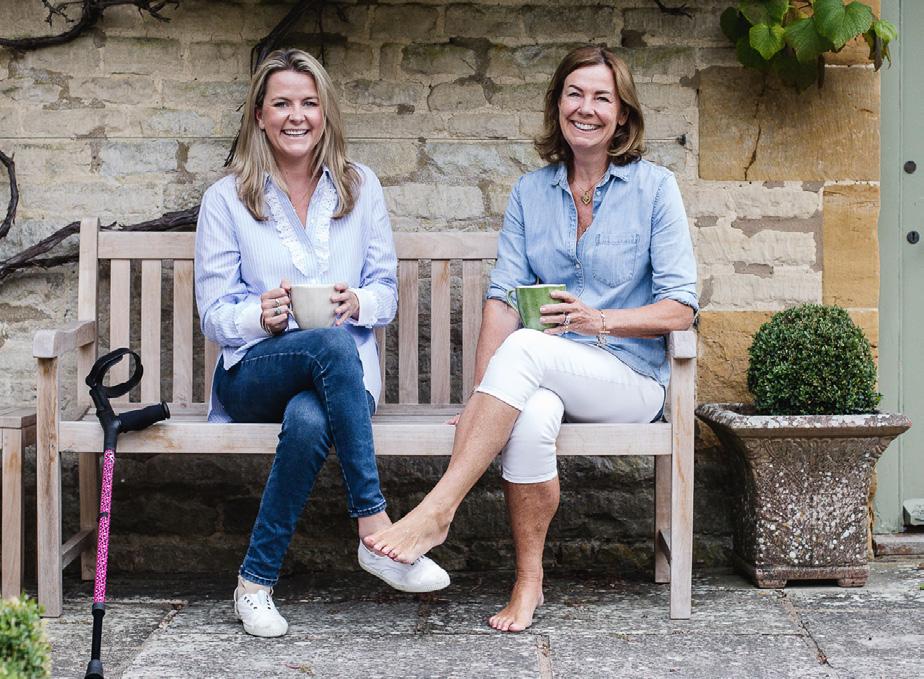
Iwas involved in an accident in 2005. I was in my second year at uni, and I basically went away for a weekend, got on a quad bike, didn’t last very long on the quad bike. We hit a pothole, and it flipped, and I was thrown off it and rolled down a hill. My hips got stuck on a rock, and the front of me kept going, so I smashed a vertebrae in the middle of my back. The consultant who did my MRI said that it looked like someone had taken a hammer to a meringue and was like, “This is permanent, but yeah, we won’t know for three to six months what [mobility] you’re gonna get back.”
“Are you okay?” And I was like, “Are you okay?” And she was like, “Yes.” And I was like, “I think I’ve broken my legs and my feet. Could you take my boots off?” And she was like, “You’re not wearing any boots.” So at that point, I was like, “Okay, I can’t feel my legs.” And she was like, “Don’t panic. It’s fine. We’ll call an ambulance.”
I had no concept of disability. I didn’t know anyone with a disability. I didn’t know anyone with a spinal injury.
There were three other people on the quad bike with me, and one of them came running. She ended up in a river at the bottom of the hill with the quad bike on top of her, and I’d obviously come off halfway down, and she ran up and said,
I had no concept of disability. I didn’t know anyone with a disability. I didn’t know anyone with a spinal injury.
Uh, and they [medical team] always said, “You will be physically capable of work, of walking, but whether that’s with callipers, crutches, we don’t know.”
They said, “We think your day-to-day is gonna be [using] a wheelchair and crutches depending on how far you’re trying to go.” I obviously ignored all of that, heard crutches, and was like, “Okay great, when can I get a pair of crutches?”
So it took two and a half, maybe three months, to do multiple operations. They pinned my back to make it safe to move me to a hospital where a surgeon was willing to operate on me because of the level of damage. It was a bit of a nightmare to find someone who was kind of comfortable doing an operation. They then did a bone graft for my pelvis and fused three vertebrae in my back, [it meant] I couldn’t do any more damage.
And at that point they said, “Okay, now you can start rehab as soon as you’ve recovered from that final operation.” So I think I had three or four operations in total and then was packed off to rehab, and they said, “Right, the end goal is to get you to stand on bars and then crutches.”
Which I thought was gonna be like 24 hours later. Turns out [it] took another three weeks.
So by the time I’d done a sort of tilt bed to get me used to being upright, and then I went into a standing frame for a week, and then I was given a chair and the bars, and then at the end of that I was given the crutches. So by the time I’d got to the crutches
I was like, “These are the Holy Grail. They are what are going to give me my independence back.” And obviously I had no feeling or movement from my waist down , so all of the weight went through my hands, and I gritted my teeth, and I thought it’ll be fine, and a week later I had infected blisters on my hands.
And they [medical team] said, “Right, you need to go back to bed, lie down, wait for your hands to get better, and then we can try again, but really you need to get a wheelchair.
“Get your head round it and get on with it.”And I was like, “Fine. Totally appreciate crutches aren’t gonna work.” So I was, like, right, start looking at which wheelchair to get, what’s the best one.
And my mum was like, “Hang on, hang on. You’re paralysed from your waist down. Your hands aren’t impacted by your injury, so why are they the reason you’re not going to learn to walk?” And I was like, “Uh, I don’t really know, but the doctors have said…” And she said, “No, like, what do double amputees do? Like, what do you…” You
Our team is now eight, and Charlotte and I are in the office every day, but everyone else has completely flexible working.
know, “There must be something. Someone will have made something. Someone in America will have made something.”
So then we started looking, thinking if we can find ones that don’t give you blisters, I can potentially learn to walk on them. Not planning on setting up a business at this point.
And then when we realised there weren’t any, and there weren’t any in Australia, there weren’t even any being manufactured in China, there were none, and America was still using underarm crutches, Europe were using not even a full cuff, so they still fell on the floor, [they were] really slippy. Mum was like, “Why don’t we try and make them, and if they’re good, why don’t we try and sell them?” Because by that point I’d done four months in hospital with multiple people who had different disabilities. So there was [a patient with] MS, there was [a patient with] Motor Neurone Disease, there were people recovering from strokes. And the second you leave consultant care and you go into physio, it’s like it goes from colour to black and white, and they go, “Here are your options. ‘There’s a sort of hideous wheelchair you couldn’t possibly wheel on your own and will only ever be wheeled by someone else, and some NHS crutches, walking sticks, the rest of it.”
But that was it. There was nothing. There was no choice in the matter, nothing. And all these people were on, in wheelchairs, with the capacity to walk.
So I was like, “Do you know what? Let’s see if we can do it, and if we can, can we take 10 pairs back to physio and see what everyone thinks, and then we’ll decide based on their reaction if it’s worth doing.” Which is what we did. So we found a pair of crutches on a beach in Portugal, [there was] a man walking with them, [and] that looked like it might be nearly what we wanted. And we basically by that point had kind of gone, “Okay, what are the problems with the hospital-issued crutches and where do we need them to be for them to work for someone like me with a disability or any one of the people I was in physio with?”
[So we] sorted that, found a factory, got a prototype, took it back to physio, and everyone was like, “These are amazing. But why are they black?” And I was like, “Well…” ”At that point, I didn’t wanna talk about my disability. I didn’t want anyone to ask me about it. I was like, “I just want to be able to get on with things without being noticed. So I just want to be invisible because I’ve been so visible since my accident. I just don’t want to have to deal with any of the negative [expectations].” And bearing in mind this was 20 years ago. There were no disabled people visible anywhere, not in the paper, not on the telly. The only time a walking stick was ever featured was if someone was about to die.
There were no disabled people visible anywhere, not in the paper, not on the telly.
Everyone had a physical shop. Everyone we spoke to was like, “You need a physical shop.” I was like, “No, I don’t want a physical shop.
And everyone in [the] hospital was like, “We’ve…”, you know:
“You’re four months in.
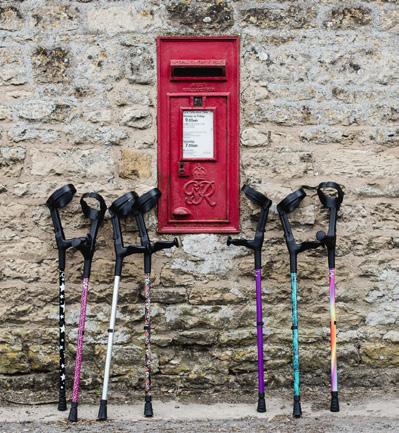
We’re four years in. I want a red one, a pink one, a spotty one. I want one to go to my mum’s birthday with. I want one to go to work with. I want one to walk the dog with.”
I was like, “That is a huge part of the beginning to the end of coming to terms with a disability.” Then [I] was like, “If I get to a point where I want a leopard print one, I’ll be over the moon.”
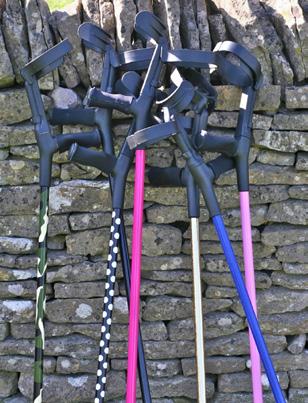
Then we launched with four plain colours, leopard print, spots, and zebra because we had so many people with EDS [needing a walking stick], and EDS now is much more well-known. But in the hospital, it was like this kind of new phenomenon. All of the doctors were like, “It’s definitely growing, and more people are coming in thinking they’ve got neurological problems with their spine, and it’s actually EDS, and it’s to do with hypermobility.” So we did the zebra one for one woman that I was in hospital with, and we basically started, set the whole thing up remotely because
I was like, “I can’t lift a box. I can’t pack an order. I can’t stand on my feet for 12 hours a day. We need to make sure that someone else does all the packing and storing and lifting,” which at the time was really archaic. Everyone had a physical shop. Everyone we spoke to was like, “You need a physical shop.” I was like, “No, I don’t want a physical shop. We’re gonna do this to make it work for us, and if it works, great. If it doesn’t, we don’t lose anything.” So we did that and sold out of the first lot within three months and then used that money to buy more stock. And that was [in] 2006 [when] we launched. We ran it as a kind of side hustle, I guess, until 2021, by which point I had done ten years in London, probably worked for eight different companies, never lasted longer than 14 months in an employed job because I couldn’t hack the physical schlep of, I guess, commuting, meetings, what kind of conventional work in an office looks like. My husband and I then got married. I got pregnant. We left London because
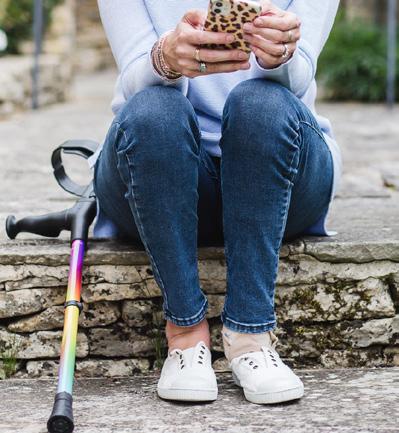
And it’s all on a mission to kind of, I guess, reduce the adjustment period from diagnosis or injury to feeling confident and comfortable with your disability and your mobility aids.
I was like, “I can’t do this on a good day, let alone when I’ve got a baby in my tummy or a baby in my house.” So we left. We moved to the middle of Yorkshire, and then I was working remotely for a company who were amazing, but they were like a fitness brand, a gym, and a members club, and it was really cool. COVID hit. It went into administration, and suddenly I’d gone from ‘I’ve nailed it. I’ve got a part-time flexible working out of London, based in London, get the salary from London, don’t have to work in London. This is the dream’, and then the whole thing went [away]. And I was like, “Now what do I do?” So I was like, “Right, can I make the business viable?” And that’s when I kind of was like, “What do we need to do?” And we’d had Amanda Holden, Prue Leith, Eamonn Holmes, Olly Murs all photographed with them. And every time a celebrity had kind of been seen using our products, sales had gone up.
So I took it on full-time in 2021, and gave myself six months to cover the cost of childcare for my two kids, who were nine months old and two. And I did it in three. So then I was like, “Okay, there’s masses of potential here.” That was March 2021, and we are now four years down the line. We’ve launched walking sticks. We’ve launched kids’ crutches. We now do bespoke. We do designyour-own. We’ve got a range of accessories, and it’s [the business has] just, like, grown and grown and grown and grown and grown. And it’s all on a mission to kind of, I guess, reduce the adjustment period from diagnosis or injury to feeling confident and comfortable with your disability and your mobility aids. And hopefully, when my children get to 19, I’ll be like, “If anything horrible happens to any of you, it will be easy, and it will be positive. And it will be how you move forward, not if,” which is where hopefully we will get to.
There are so many things, thanks to social media, YouTube, you name it, there’s nothing you can’t teach yourself. So for the first two years, when I took it on full-time, it was just me.
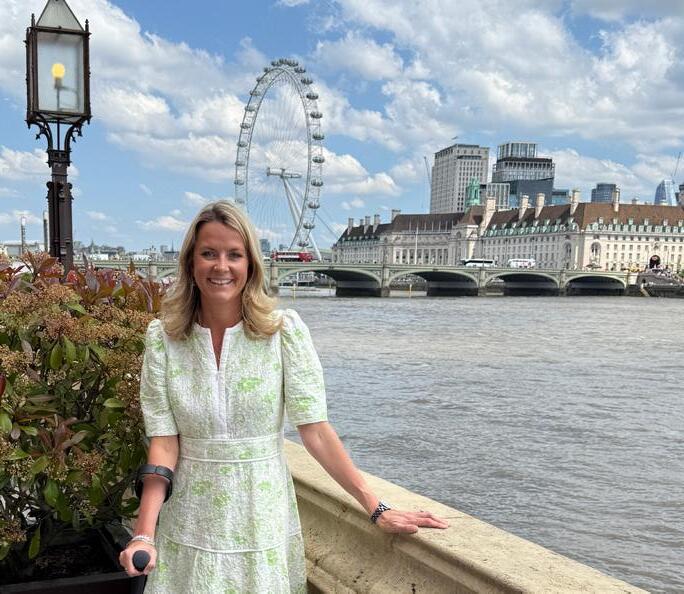
I have two kids, so I get up at 6:00am to do breakfast, uniform. And then I take my kids, I drive them half an hour to get on a bus to go to school. They go to school. I then come into the office where I work with Charlotte, who runs our customer service team, and then [I’m] basically in the office probably three days a week. And then one day a week, I’m normally travelling, so that will be [to] Leeds, Manchester, London. And then meetings. So today, I’m doing an interview with you, and then I’ve got a meeting for our finance strategy, and then I’ve got a meeting with our marketing team. It’s all done remotely. So our team is now eight, and Charlotte and I are in the office every day, but everyone else has completely flexible working. Everything’s done on Zoom, which means health-wise, I can do
one or two a week where it’s face-to-face, purely because travelling is incredibly tiring and counterproductive. And I think where entrepreneurship is amazing is that your input/ output is rewarded much faster than in employment. And you can make things flexible, and you can change the way you work to improve productivity and success. And I think that’s where perhaps employment has got a long way to go. But hopefully, the more people like me that do set up their own businesses and do run them flexibly and do include disability in that process, the more then people will do it. It’s liberating.
There are so many things, thanks to social media, YouTube, you name it, there’s nothing you can’t teach yourself. So for the first two years, when I took it on full-time, it was just me. And I did a lot of Zoom business support.
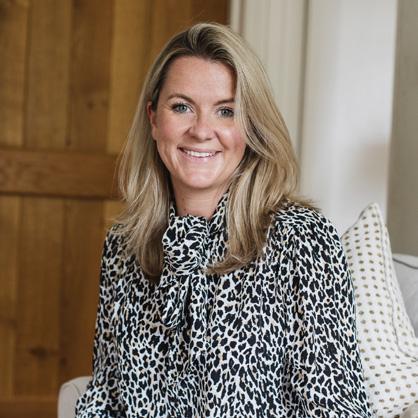
it from home, I can do it in the office. I can do it if I’m well enough to travel. But to be completely honest with you, no two days are the same because my health is never the same two days running. I guess everyone else is ,kind of, because they’re flexible, the whole thing is flexible.
I found employment incredibly difficult. Traditional employment is quite rigid in [its] expectations, and I think the reality when you’re juggling a disability is someone without a disability might be able to do four client-facing in-person meetings in a day. I would avoid that like the plague if I could. I would do [this from a] remote [location], [on] Zoom.
I would then probably do
So Small Business Britain has been brilliant. Lloyds have been brilliant. NatWest were brilliant. Digital Boost is another one that does remote learning. And it is so quick to sit for an hour. You can do as much or as little as you want, and you can implement it straight away. So I would say, if you’re worried, if you’re currently employed and you want to start a business, I would start doing that on the side and just try and do, like, one seminar a week on, I don’t know, marketing, and then one on finance, and then one on product development, and just slowly teach yourself.
But it will almost certainly, if you have a disability, be a lot easier than what you’re currently doing. I would go for it. I wish I’d known earlier how much better it is [to be an entrepreneur]. And I wish I’d not waited till 2021 to take the plunge.
Visit coolcrutches.com to find out more today.




We know that navigating the start of your
Our neurodiversity pre-screening tool package is here to help. It includes:
A curated collection of courses to help you learn about and explore neurodivergent conditions.
A session with an experienced coach to help you understand what neurodiversity means to you.







Shocked & disappointed to discover that workplace conflict seems to be on the increase, Kelly Grainger decided to investigate.
Having received an increase in inquiries for workplace mediation, I started to research why this was happening. I was shocked and disappointed to discover that workplace conflict seems to be on the increase. It is more common than many organisations care to admit. We might not always call it ‘conflict’; sometimes it’s labelled as ‘tension’, ‘friction’, or even just ‘personality clashes’. Left unresolved, these issues can begin to spiral out of control.
Conflict doesn’t just hurt people; it hits the bottom line, and businesses understandably don’t like that.
Employment tribunal cases in the UK cost employers an average of £8,500 in legal fees alone. Add to that the wider impact of workplace conflict, which Acas estimates costs UK businesses £28.5 billion every year, and the case for early, constructive resolution has never been stronger. Conflict doesn’t just hurt people; it hits the bottom line, and businesses understandably don’t like that.
The modern workplace is under pressure. Hybrid working has changed communication & teams are more diverse than ever before. Organisations are being
asked to do a lot more with less. With this in mind, disagreements are inevitable. But expensive disputes don’t have to be. Mediation provides a faster, cheaper, and more human-centred way to resolve conflict before it escalates. Instead of two sides digging their heels in, a mediator creates space for honest conversation and practical solutions. It’s not about smoothing things over and papering over the cracks; it’s about ensuring lasting, workable resolutions that protect relationships, as well as results.
I’ve spent over 20 years in the corporate world at a senior level and often in highpressure environments. I’ve worked in a range of industries, and I’ve seen how conflict derails productivity, damages morale, and leads to people quietly (or sometimes loudly) walking out the door.
I
was diagnosed as Autistic and with ADHD in

I also understand what it’s like to be neurodivergent, in a world that isn’t always designed with inclusion in mind. In the world of mediation, that makes me a bit of a unicorn.
my forties, having worked for large, global corporations. When I told my boss at the time that I was Autistic, his response was to laugh at me and say, “Really?! You don’t look Autistic.” He also threw in a few other offensive comments for good measure. It was a lightbulb moment. Here was a senior leader who perhaps didn’t mean harm but simply didn’t understand. It was that conversation, as well as the subsequent lack of follow-up and understanding from the organisation, that made me realise that wasn’t the company for me. That’s why five and a half years ago, my wife Hester and I set up Perfectly Autistic. A neurodiversity consultancy, we work with
organisations to help them understand and support their staff through training, workshops, and coaching. Over the last few years, the number of calls I received asking for my help with workplace conflicts increased massively… but I wasn’t qualified. Last year I finally decided to train and become a certified workplace mediator. I wanted to fully understand the mediation process, have the knowledge, tools, and skills to ensure I could properly support both sides. My lived experience provides me with a unique perspective, a foot in both camps. I understand the workplace environment; I know the pressures that leaders face. I also understand what it’s like to be neurodivergent, in a world that isn’t always designed with inclusion in mind. In the world of mediation, that makes me a bit of a unicorn.
Too often, organisations view mediation as a ‘last resort’, something you try only once grievances are formal, feet are firmly dug in, and lawyers are involved.
When mediation is embedded in culture, it stops being about “fixing problems” and starts being about building healthier workplaces.
By that stage, mediation can still help, but the damage is often done. If you are neurodivergent like me, you may well have already mentally checked out.
The real power of mediation lies in being proactive. Embedding it into workplace culture means stepping in before conflict spirals out of control, not afterwards.
When conflict is left unresolved, the costs quickly mount. Tribunals and legal disputes are just the tip of the iceberg. The hidden costs, lost productivity, damaged reputations, recruitment fees, and the mental health toll on employees can be devastating. Mediation is quicker, more cost-effective, and confidential. It saves money, yes, but more importantly, it saves relationships.
As the diagnostic process for neurodivergent people improves, workplaces are starting to wake up to the importance of inclusion. Yet that isn’t just about policies or awareness training; it definitely shouldn’t ever be a tick-box exercise. It’s about communication. Many conflicts involving neurodivergent colleagues stem not from malice but from misunderstandings. An email that comes across as blunt, a meeting format that excludes different thinking styles, or assumptions about ‘how someone should behave’ can all spark unnecessary tension.
Mediation provides a space where both sides can explain their perspectives without attributing blame. For neurodivergent employees, it can be the difference between feeling unheard and being truly understood. For managers, it’s a chance to learn and adapt. Having walked both paths, I know how powerful that conversation can be. When mediation is embedded in culture, it stops being about “fixing problems” and starts being about building healthier workplaces.
How organisations can start to use mediation more effectively:
Normalise it as an early intervention. Don’t wait for grievances to be filed; offer mediation at the first signs of tension.
Train managers to spot issues. Equip leaders with the skills to recognise when conflict is brewing and when to bring in a certified mediator.
Make it part of policy. Mediation should be built into how your organisation handles disputes.
Create psychological safety. Encourage a culture where employees feel they can raise concerns without fear of reprisal.
The business case for mediation is strong. It saves time, money, and resources. But that’s not the only reason it matters. At its heart, mediation is about people. I’ve seen how one guided conversation can change everything. Misunderstandings dissolve, respect is rebuilt, and solutions emerge that no policy could have imposed. Workplace mediation is on the rise because it works, not just for businesses, but for the people who work there. And in a world where we need healthier, more inclusive workplaces, that rise can’t come soon enough.
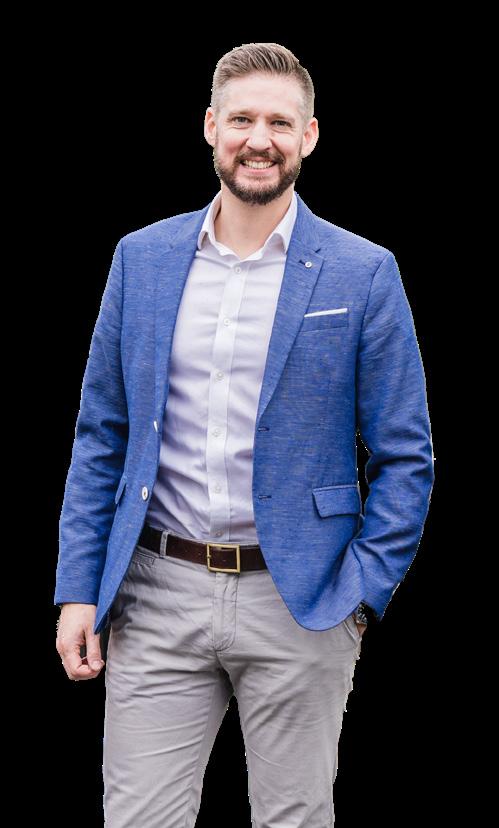
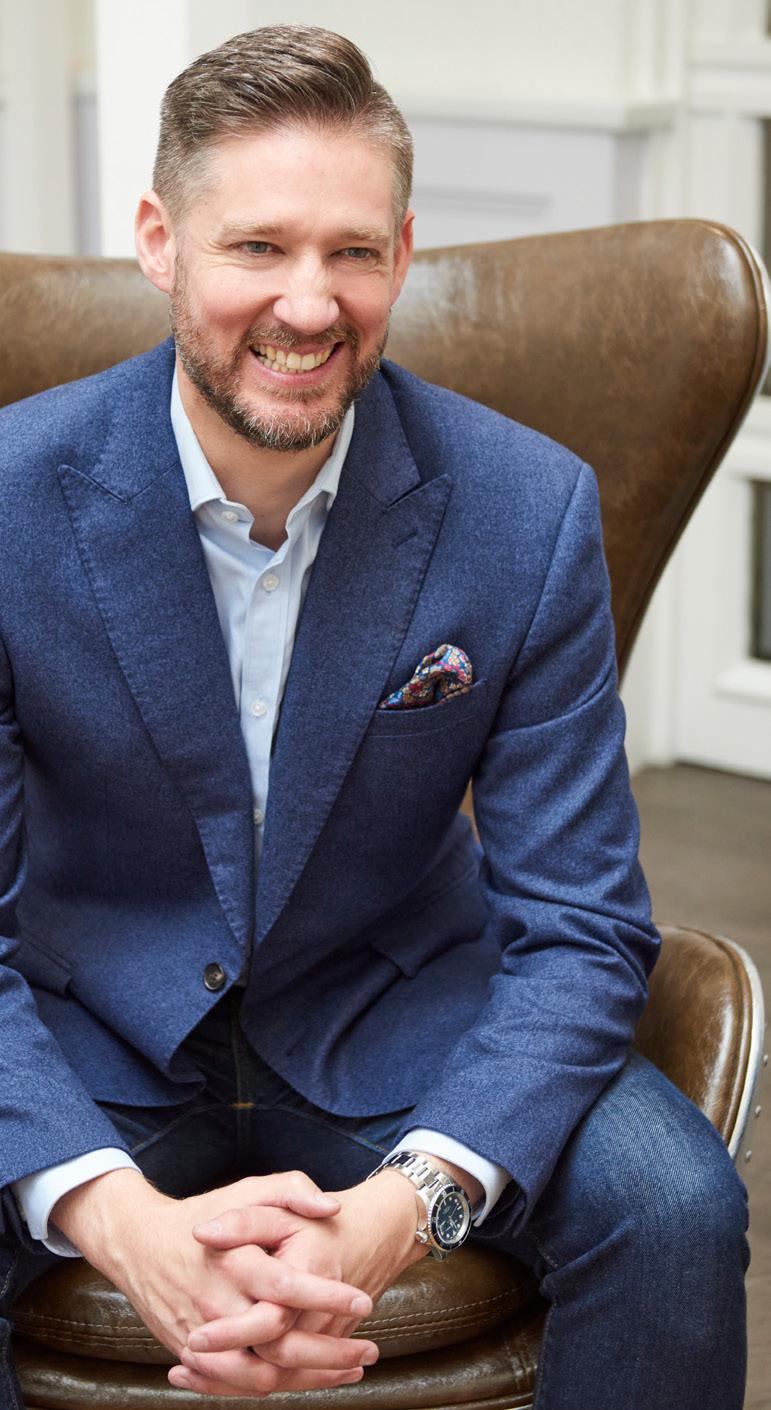
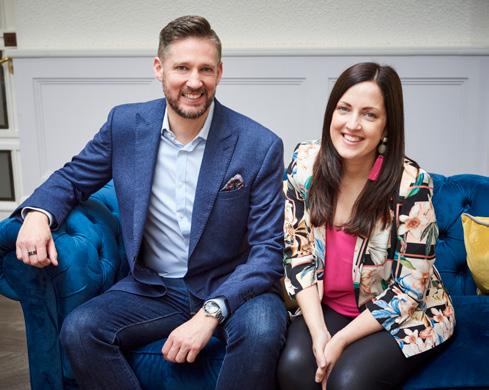
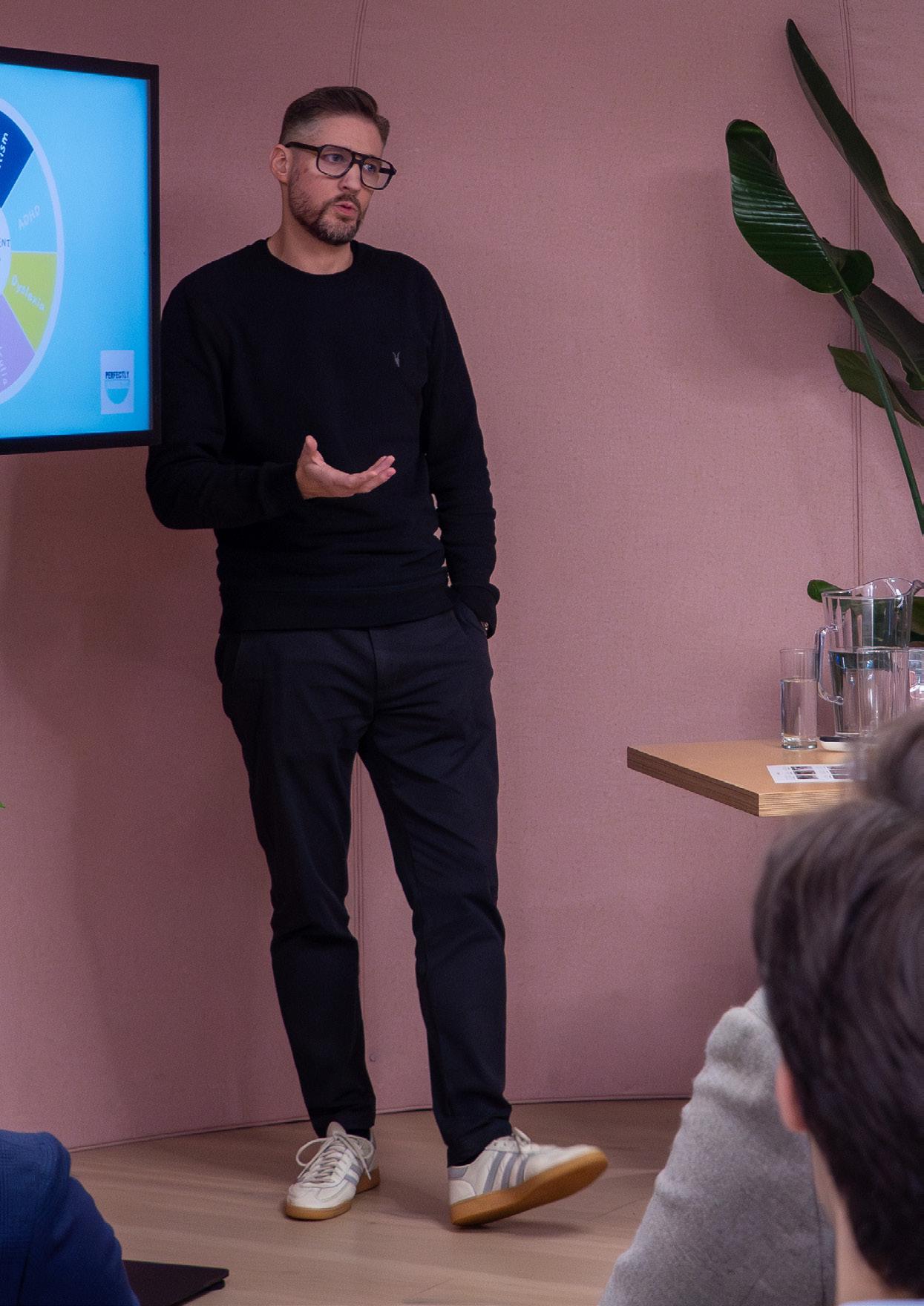
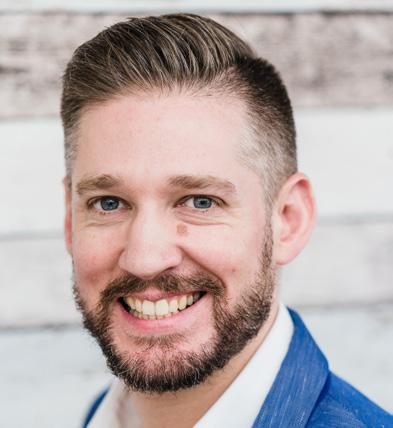
iKelly Grainger is the co-founder of Perfectly Autistic, a neurodiversity consultancy he runs with his ADHD wife Hester. It offers training, workshops, coaching, and mediation. Kelly was diagnosed as autistic and with ADHD in his forties.
WEB: perfectlyautistic.co.uk

Christmas time is just around the cornerand disabled businesses have you covered for accessible gifts this year!
C hristmas is a time for giving, and here at Disability Review Magazine we have covered a range of options to suit your budget. Not sure what to give as gifts this year? Read on to find out more about what to give this holiday season.
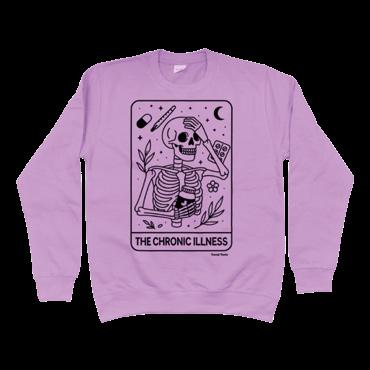
and travel columnist for Disability Review Magazine:
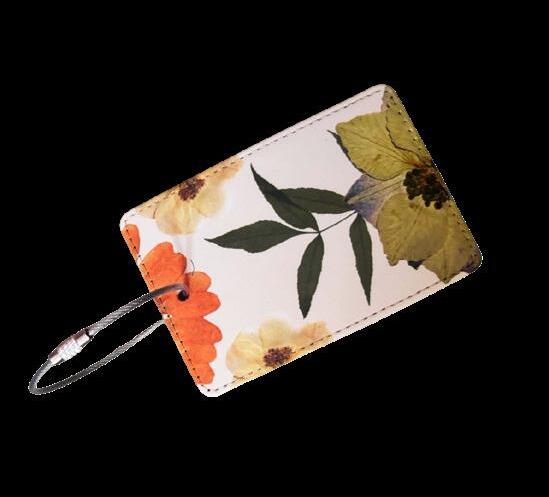
“So many Trend Tonic designs speak to me that it’s hard to choose just one. That said, the edgy, playful skeleton, palm pressed to forehead in the universal ‘what now?!’ gesture, got me straight off. It’s surrounded by floating pills and a moon (because of course, 03:00am is the only time my ME has me not-atall-tired), while “The Chronic Illness” written tarot-style at the bottom speaks of the cards we are all unwillingly dealt. It’s quality fabric at 80% cotton and fits brilliantly. However, the biggest reason I’ve selected it is that whoever chooses this gift has put thought into acknowledging that my disabilities exist.”
Visit Trend Tonic: https://tinyurl.com/bdcc734h
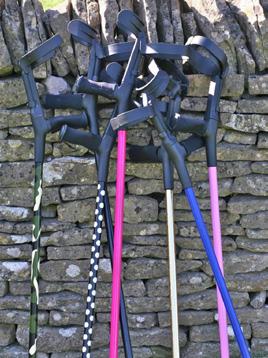
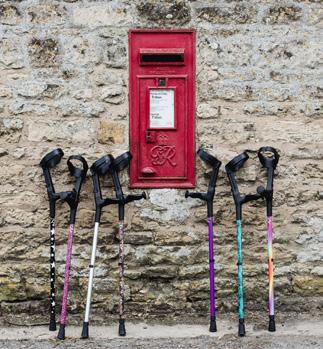
Why should mobility aids be boring, standardised, and.. well, ‘meh’? Cool Crutches offers a range of design options, including sparkly sticks, prints in funky designs, and with diamantés, too. Online, there is also an option to design your own mobility aid. And for those going travelling? There is also an option for a fold-up walking stick, which would be easy to stash inside a suitcase or travel bag. And if prints and glitz are not your thing, there are also options for plain coloured sticks, too. There is something for everyone, and within budget, at Cool Crutches. Prices vary. Coolcrutches.com



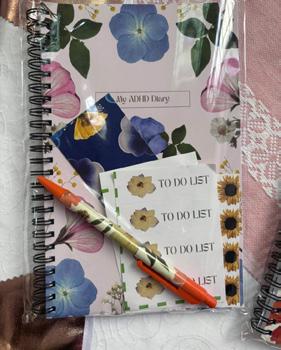
With a focus on neurodivergence and deafness, BainesLondon is an Etsy shop run by actress and broadcaster Samantha Baines. Whether you need a notebook to plan a wedding or just simply love a silk scarf, BainesLondon offers a range of different products to suit a variety of budgets.
Prices vary. https://tinyurl. com/4c4eu8yb
Lydia
Wilkins,
freelance journalist & editor of Disability Review Magazine:
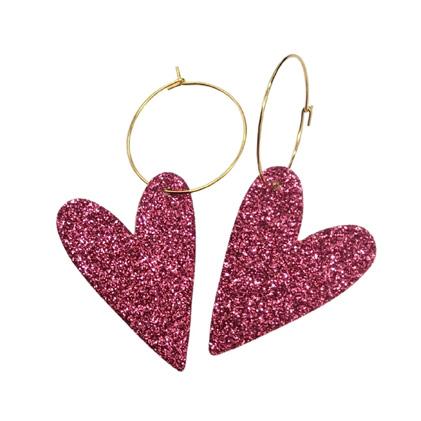
“For me personally, you cannot go wrong with something that is pink and sparkly! After the year that was 2025, this is surely the *only* way to celebrate. The pink glitter heart hoops from Trend Tonic are the perfect and accessible antidote to boredom this holiday season. What more could a girl want? I adore these hooped earrings, perhaps more than I can say.“
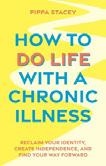
Publishing is gradually becoming more inclusive with disability-related books; this year has been something of a landmark such as with new releases by Dr Frances Ryan. If you’re after a small gift, such as for a Secret Santa event, these titles can be found at mainstream bookshops:
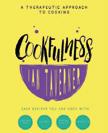
Cookfulness: A Therapeutic Approach To Cooking by Ian Taverner, £14.99
How To Do Life With A Chronic Illness by Pippa Stacey, £13.99
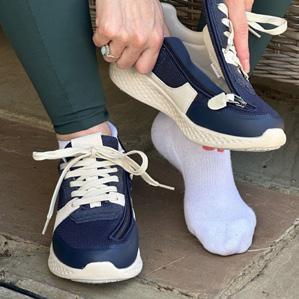
have zip openings, as well as being lightweight yet ultimately durable. And with options for men, women, and children, too! We think that you’d look chic to welcome in the new year in a nifty shade of blue…
Prices vary. Friendlyshoes.co.uk
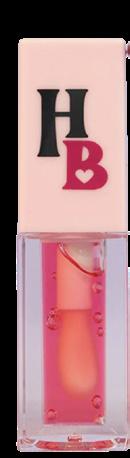
Adaptive beauty finally started to get its presence noticed this year! And it won’t be going away any time soon. Human Beauty, a brand featured on Dragon’s Den, has been setting standards from the get-go on access to beauty. Whether it’s a hydrating lip oil retailing at £11, to an eyeshadow and highlighter palette designed specifically with a campaign around Autism in mind, this brand is one you should definitely order from this Christmas. And the access taken into account in the design of the products also encompasses neurodivergence, too.
You’ve Got This!
Hyrdating Lip Oil, RRP £11
Who Wants Normal? The Disabled Girls’ Guide To Life by Frances Ryan, £18.99

The AntiAbleist Manifesto by Tiffany Yu, £18.99
The View From Down Here by Lucy Webster, £10.99
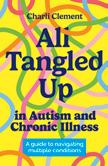
All Tangled Up In Autism & Chronic Illness by Charli Clement, £16.99
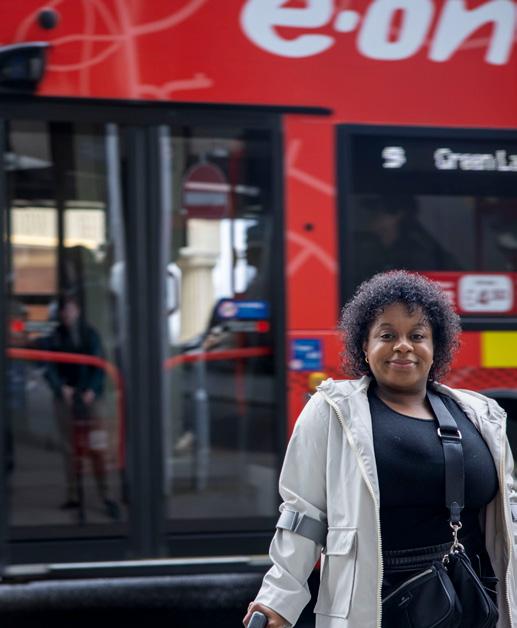
The National Centre for Accessible Transport (ncat), funded by Motability Foundation, works with disabled people to research and improve accessible transport.
We aim to ensure lived experiences inform policies and services, addressing the fact that 43% of transport professionals feel disabled people are excluded from transport decisions ‘ncat (2024). ‘Working together for accessible transport’. Available at www.ncat.uk
Are you disabled, chronically ill, or living with a long-term health condition or impairment?
Your experiences can help improve transport services and make them more inclusive and accessible for everyone.
This is your chance to:
• Share your experiences and insights
• Influence decisions that impact real journeys
• Help break down barriers in public and community transport
Get involved. Make transport better. For everyone.
Join our Accessible Transport Panel today.
www.ncat.uk/get-involved/ join-our-panel
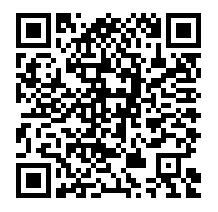
Or scan the QR code to participate
We asked 5 disabled women for their thoughts on how to be a disability ally.
Kate Stanforth, dancer, model, and activist.
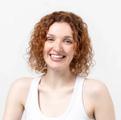
“The one thing non-disabled people can do to be an ally is amplify our voices. Too often, disabled people aren’t heard, but when allies listen, share our stories, and make space for us to lead, real change happens.”
Roxy Murray, disability advocate and stylist.
“Listen to and believe disabled people, then act on what you hear. That’s what real allyship looks like.”
Kelly Gordon, CEO and co-founder of talent and production agency With Not For.
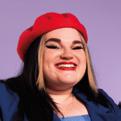
“For me a huge act of allyship is to educate yourself about disability, but equally to educate others around you. Disabled people are often expected to educate about access, their disabilities, mobility aids.. the list goes on! So when a non-disabled ally takes the reins, educates themselves about access needs and accessibility, it can be HUGE. Making access arrangements and inquiries for your disabled pals is a such an act of care and love, and it can take away an admin load for disabled people.”
Carole Edrich, travel writer, columnist, and photographer.
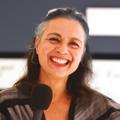
“Think. The fact that we’re disabled doesn’t mean we can’t contribute to society, run successful businesses, or do great things. Your attitude – and society’s barriers –might.”
Lydia Wilkins, editor of Disability Review Magazine.
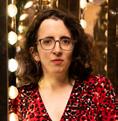
“For me, allyship is about the ‘doing’ - the proactive deeds, not the words. It can be exhausting to have to explain every tiny part of your existence, such as why you may need a chair for a work event, or just a step-free entrance. These could be a default for all!
deeds will dismantle ableism in the end.
“But that is a conversation for another day. It is incredibly touching when someone goes out of their way to make you feel a part of things, by ensuring your access, before you yourself have thought about it! It could be a small thing, such as finding a bar with a step-free entrance after work hours. Tiny deeds will dismantle ableism in the end.”
1 Read disabilityspecific books that are written by disabled people, who have the relevant lived experience.
2 At times of gift giving, such as Christmas and birthdays, purchase from disabled business owners.
3 Think about tokenism and what can be done. Is there organisational training that can be implemented, perhaps?
4
Celebrate disability culture! There are multiple days to celebrate, as well as Disability Pride Month. Make a point of celebrating and learning about disability culture.
5
At times of crisis, reach out to your disabled friends, just to check in on them. Ask them how they are doing, and offer them the chance to talk to you in a safe space, without judgment.
How do you think you can show your allyship to the disabled community? Let us know on our social media channels!
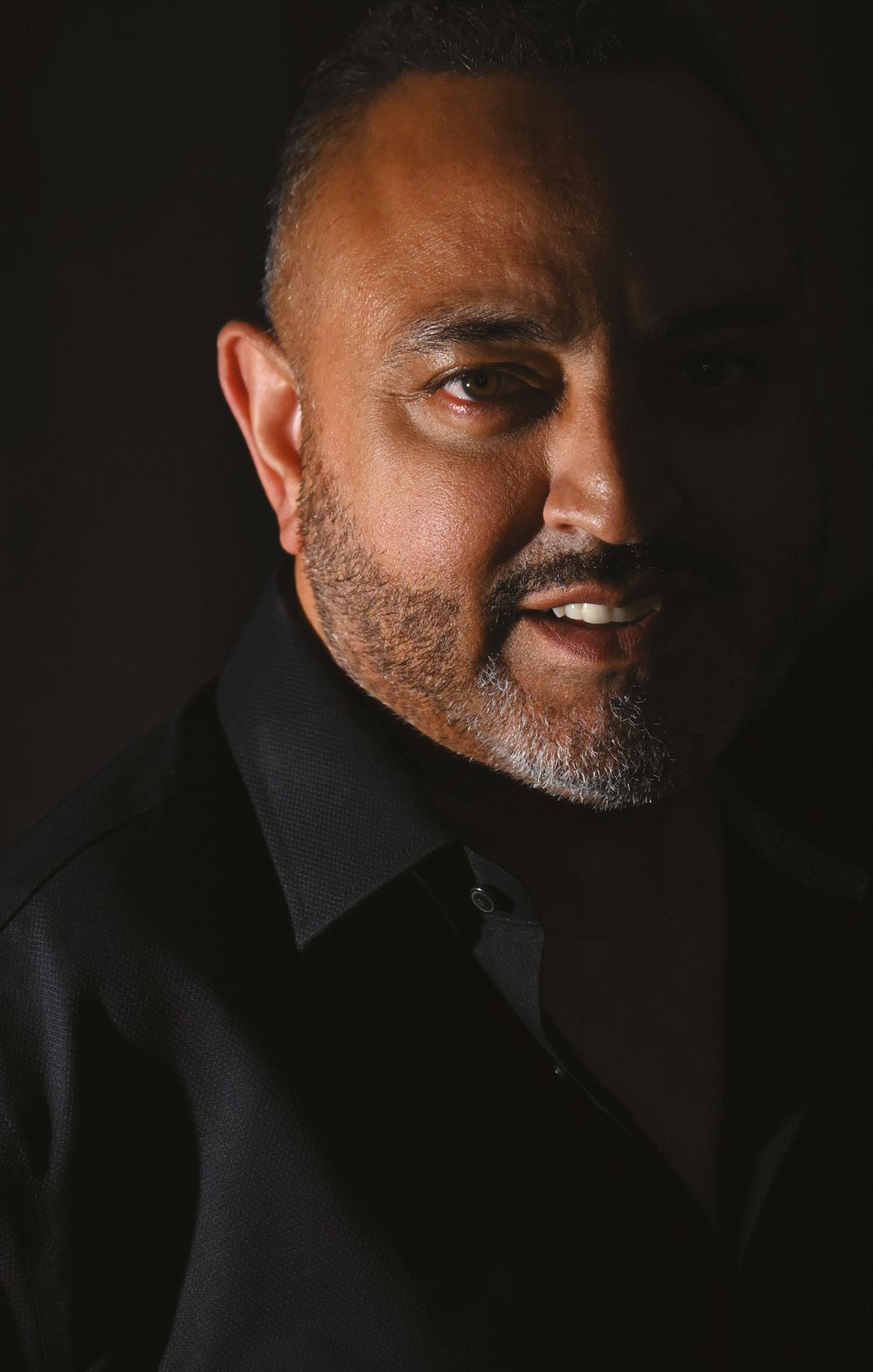
Columnist & author Dr Amo Raju OBE reflects on 2025
Here we are again. 2025. Another shining example of progress! I sometimes wonder if the powers that be have a secret competition going; “how long can we make them fight for the basics this time?” Heating, care, access, dignity - pick your battle. Of course, we are meant to be grateful for any crumbs that fall from the policy table!
By the time you’ve secured your basic rights, you’ve already run a marathon you never signed up for.
This year has seen its fair share of demonstrations. Disabled activists have spoken at rallies and written heartfelt pleas that were shockingly met with the usual polite silence. We’re told society values resilience (yes, I know I hate that word – read my previous column in the last issue). Resilience isn’t a compliment when it’s forced upon you. It’s what happens when people have no other choice. Let’s be honest, every protest comes with a price tag. The emotional labour, the planning, the travelling, and don’t forget the pain. We pour our limited energy into fighting for what should already be ours and then get lectured about “budget constraints” and “difficult trade-offs.” The irony is almost impressive. Disabled people are constantly told to live within our means, but somehow the system never has to live within its moral ones.
and the rest reply, “That’s okay. We’ve got you.” This is an act of community. That’s how movements survive. Not just in shouting at the gates but in caring for each other when the shouting has to stop for a while.
The sad truth is, it shouldn’t be this hard. We shouldn’t have to burn ourselves out just to maintain the most basic standards of living. Accessible housing shouldn’t be a lottery win. Access to social care shouldn’t depend on which postcode you’re unlucky enough to live in. And dignity shouldn’t be rationed.
But here’s the hopeful part - because there is one. 2025 has also shown that disabled people will not disappear quietly. We are organising, mobilising, storytelling, and innovating in ways that can’t be ignored forever. Every act of defiance, every rest period taken, every boundary set, it all adds up. The cracks in the system are widening and through them, light is slowly getting in.
I sometimes think back to a phrase I heard earlier this year: “They underestimate us because they don’t understand us.” Maybe that’s our strength. They see fragility; we know our endurance. They see dependency, we live with interdependence. They see limits, we see creativity.
We are defying a culture that measures value in output, that treats rest as laziness and self-care as indulgence.
And the cruelty is subtle, too. It’s in the forms that are impossible to fill out, the inaccessible online portals, the phone lines that keep you on hold until you give up. By the time you’ve secured your basic rights, you’ve already run a marathon you never signed up for.
But here’s the thing; protest is necessary and it works, but it can’t be the only thing. Somewhere amid the noise, I’ve learned that rest isn’t failure. Rest is resistance. Rest is the protest that happens in silence. It’s the act of saying, “I refuse to destroy myself to prove I deserve to exist.” When disabled people rest, we are doing something profoundly political. We are defying a culture that measures value in output, that treats rest as laziness and self-care as indulgence. We are saying ‘we matter even when we are still’. That’s a radical message in a world that still sees employment and productivity as the ultimate proof of worth.
I’ve seen it firsthand this year - the quiet rebellions between the marches. It’s in the group chats where people check in on each other, the online spaces where someone says, “I can’t today”,
So yes, we’ll keep resisting. We’ll keep turning up, sometimes to the protest line, sometimes to bed with a hot water bottle and the audacity to rest. Because both are valid. Both are powerful. Both are necessary. And when the world finally catches up and asks how we managed to survive all this, I hope we’ll answer, with our usual mix of exhaustion and humour: “Oh, we just refused to disappear.”
Because that, in the end, is what resistance looks like. It’s loud and quiet, fierce and tender, relentless and restful. It’s every disabled person who said “no” to being erased and “yes” to being human.
iDr Amo Raju is the author of ‘Walk Like A Man’, now available on Amazon.
AUTHOR: Dr. Amo Raju
TWITTER: @AmoSinghRaju
INSTAGRAM: @amorajuofficial
TIKTOK: @amorajuofficial
Travel columnist Carole Edrich gets more than she expects on an Interrail trip through Europe.
The train sings, the world slides by, and I’m in that restful state you get when lulled by the rhythm of a train. The physical distance from London is already helping my perspective. My troubles aren’t on the 10.47 train to Ypres. Sadly nor am I.
The interrail app (C-E.short.gy/ Interrail) makes changing tickets easy, so I arrive at Ypres (officially Ieper) with its 13th century cathedral and Cloth Hall without stress. I take so long at the Yper Museum there’s not enough time to do the other places justice. My Novotel is an easy 10 minute stroll from the station,
conveniently close to Cloth Hall’s museums and to the Menin Gate (the Last Post is a must). (Carole.short.gy/ Ypres)
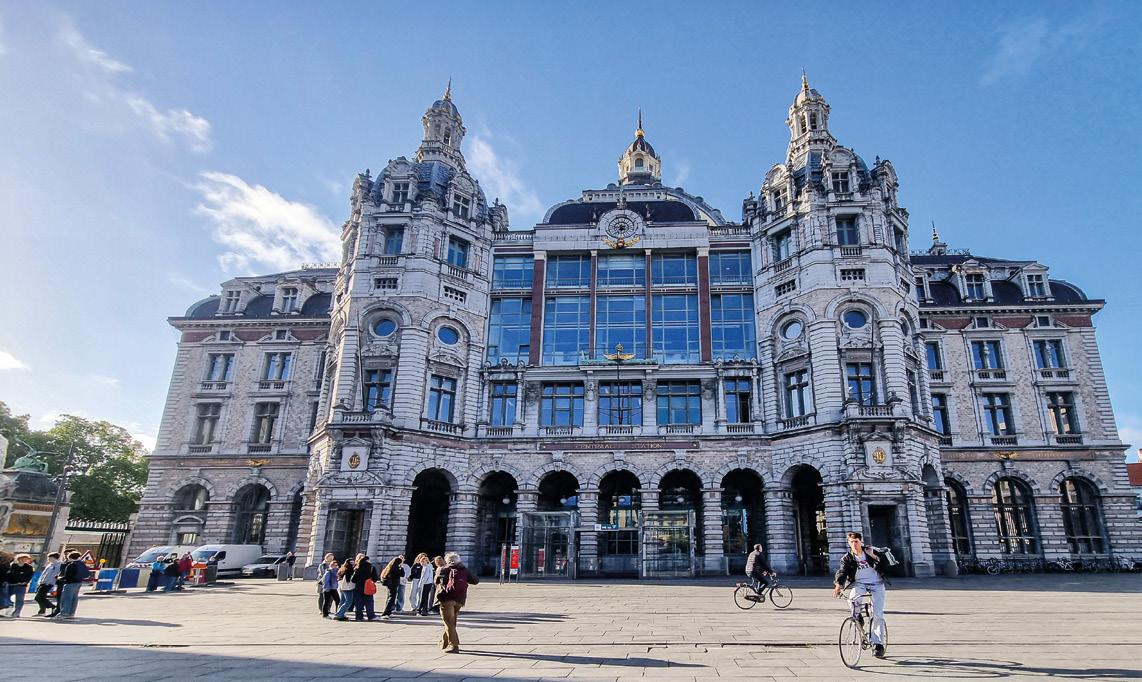
Rooftops shift from Belgian stepped gables to gentler Dutch pitches on narrower homes. Utrecht Station – the country’s busiest and its geographic heart – runs so smoothly I don’t realise its size.
The gorgeous Grand Hotel Karel V; (C-E. short.gy/GrandKarel) 10 minutes from the station, is a converted monastery with elegant rooms, lush gardens, and good restaurants. I stroll along the nearby canal, wishing I had more time.
Here’s what nobody tells you about


Here’s what nobody tells you about rail travel. When you’re managing your energy like currency, proximity to the station can make or break everything.
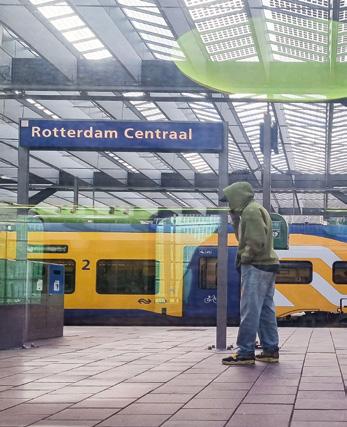
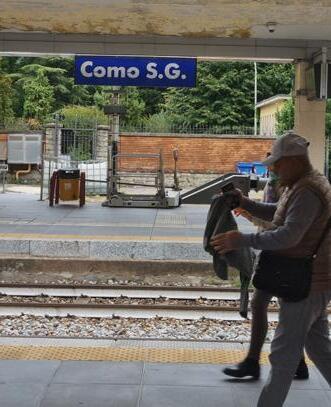
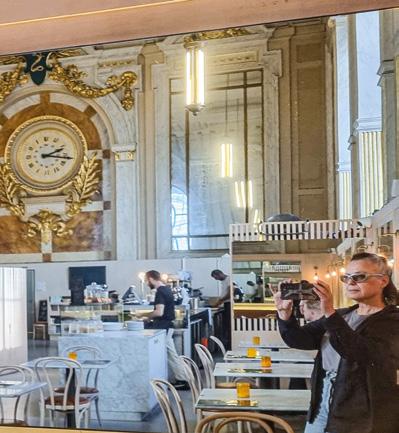
rail travel. When you’re managing your energy like currency, proximity to the station can make or break everything. Hotels near the station mean no 40-euro taxis, no GPS battles, and no getting lost. That saved energy becomes rest, fun, or exploration..
Precise Dutch polders dissolve into industrial sprawl as we approach Düsseldorf. I’ve wanted to experience German trains since my friend Sonja warned me about them. I watch rolling countryside with medieval field patterns emerge on the way to Nuremberg, where I hope we’ll meet. They don’t disappoint: trains stop dead, change destination mid-route, skip stops, and appear on station boards but not platforms. After too many beers with her, I’m 90 minutes late to the station.. and catch my train anyway, since it’s even later than me!
My Munich taxi driver is miserable because of the roads closing to prepare for Oktoberfest. I am not. Hotel Andaz Schwabinger Tor is everything superlative. Their food is so good that I
break my ‘only what’s needed’ rule, and my accessible suite truly delivers with amazing views, and multiple rooms so large that I don’t find all the light switches before I go. (Carole. short.gy/Andaz)
The interrail app makes it easy to change plans at the very last minute, and the fun of exploring in three-hour bursts pales, so I decide to push through to each overnight destination. This works fine until I alight by accident in unspoilt MallnitzObervellach, Austria. But the place is beautiful, I have a great walk, watch the Tauern Tunnel car-shuttle trains load, and book the next train.
This city works hard at accessibility. The results are impressive.
That gets me to Ljubljana late, which doesn’t matter because Eurostars Hotel is close and I’m staying for three days. They’re a wonderful whirlwind of local natural wines, meeting interesting people, visiting the castle, and eating far too much. This city works hard at accessibility. The results are impressive. From ground-level free transport to wheelchair lifts in City Hall, they ask, listen, and act on what the locals say. I’m already planning my return. (Carole.short.gy/LjubCity)
In Rome, my friend Melanie’s ‘typical Roman meal’ is all-you-caneat sushi.
I love my job. Travel exposes me to people, cultures, languages, and ways of being that take me out of my head.
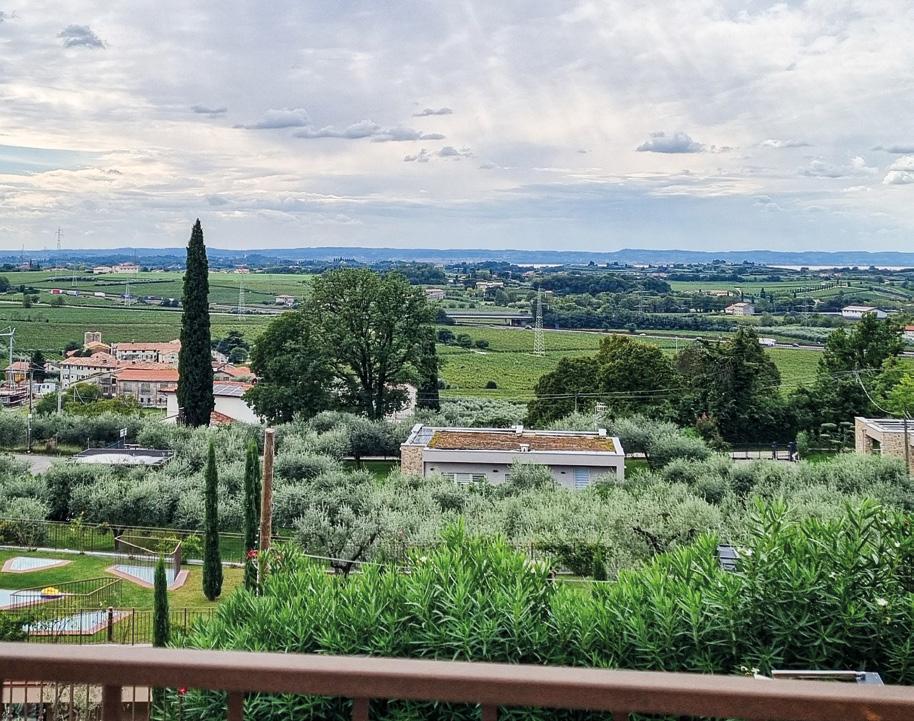
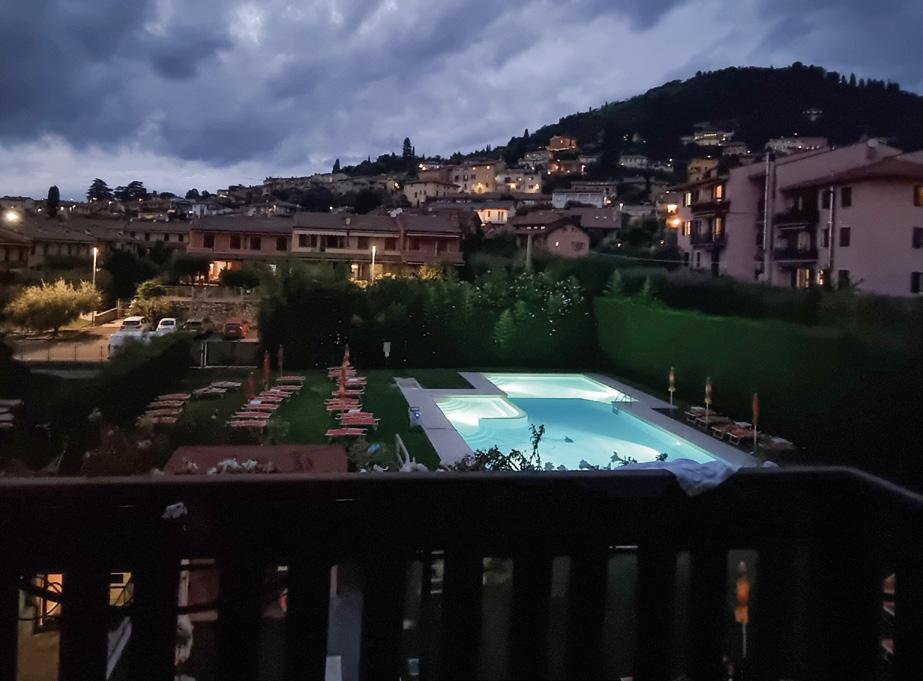
Then through Milan to Lake Garda and a wedding. The less said about one hotel, the better, but when the Italian General Strike delays me, I relocate to La Cipressina. This beautifully kept B&B with amazing balconies, provisions for wheelchair users and the blind, is so restful that I stay put until departure time. (Carole.short.gy/Cipressina)
Back through Milan and Switzerland to Mulhouse, France. I could spend days in its National Automobile Museum, but escape for local Alsatian cuisine. The Berti hotel - 5 minutes from the station - is small, clean, and seemingly womenrun, with two wheelchair accessible rooms, ridged guides on the floor for the blind, and the most comfortable mattress of my trip. (Carole.short.gy/ Berti)
Ready for home, but I said I’d ‘do’ Luxembourg. The recommended accessible suites are an expensive 35 minute taxi ride from the station. When the receptionist claims no booking exists, I take another taxi. Back at the station, I eat an egg roll for blood sugar while searching through interrail. I can’t face rail replacement
buses to Brussels, so book the new Marriott opposite. (Carole.short. gy/MarriottLux)
My room is lovely, accessible, and overlooks the station. Too upset to explore, I watch the people below, grateful I’m not one. A second egg roll in the morning is as good as I remember. Time to go home.
I love my job. Travel exposes me to people, cultures, languages, and ways of being that take me out of my head. Train travel brings no environmental guilt, but this trip gave me something unexpected. The mindfulness of train-travel, plus the preoccupation of getting lost or discovering routes, doesn’t exist, yet keeps my mind off my problems entirely. Rail travel isn’t an escape; it’s perspective made physical, distance literal. It’s the radical act of being between places, selves, and people. Watching the world slide by while something in me finally rests.
The story ends here, but I have five interrail days left. Where shall I go next?
I don’t write for The Times or present for the BBC. My phraseology is as conventional as crocodiles are vegetarian. That’s fine by me. Back at Chester’s Media Gateway, other journos get hotels by the station. Mine’s a 20 minute walk in the centre. Oddfellows Hotel is outrageously, gloriously quirky. An Alice in Wonderland tearoom, wild contemporary décor, and my splitlevel suite is bigger than a louche Londoner’s living space with a huge bed, oldey-worldey bathtub, and leafy loggia views.
The Gateway comprises 16 fifteenminute chats, 14 country reps, 13 attractions. Standard junket stuff. But here’s the thing. Oddfellows extends my stay! They chose me over 200 other journos for my offbeat style. Found my work and liked it! I escape the herd, get lost, have fun, and find stories. Sometimes being ADHDifferent pays off. (Carole. short.gy/Oddfellows)
AUTHOR: Carole Edrich is a photographer, journalist, and board member for Unlimited. She is also a resident travel columnist for Disability Review Magazine.
SUBSTACK: caroleinnit.substack.com
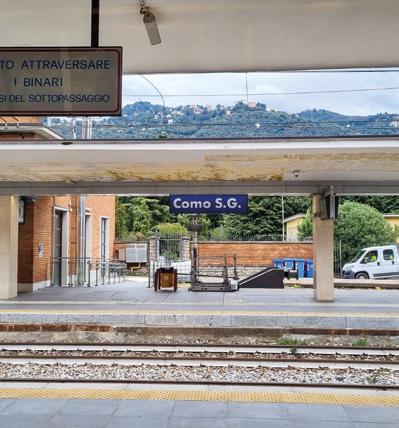
By
Green spaces are not always accessible to disabled people. Here’s how to bring more greenery into your life.
If you’d like to try something new, you should try growing plants in water! It’s easier than you think, and comes along with some surprising upsides when compared to growing them in soil. Like plants, we all have different ways of growing; with a bit of fresh air and sunshine some plants thrive, while others might do better in other environments.
Cultivating plants entirely in water is known as hydroponics, a simple soil-free way to nurture greenery in your own home, and is perfect for the forgetful or the busy plant owners. I’ve gotten away with leaving the
house for the summer and coming home to some Epipremnum aureum, which had sprouted some new leaves and grown a network of sprawling roots.
If you’d like to get started, simply take a cutting from a Common Ivy and trim off any leaves on the bottom half, leaving the upper half with leaves. Then place it in a bottle of water and leave it by a window with ample light. All you’ve got to do is fill it up with water; within a week or two, you’ll start to see growth, you’ll get to see the sprawling root system develop from just water! The perfect thing about using Ivy is that it’s abundant and free.
If you’d like to grow another plant, I would recommend any variety of Pothos or inch plants; just keep some of the stem submerged in water, and you’ll see roots popping out within a week.
Growing plants in my living space has strengthened my own personal affinity with nature. It’s a modest peace brought along by tending to plants. It’s enjoyable, going through the steps of routine and care, even if it’s just watering them every so often. Keeping a little personal garden plant gives you something amazing for your headspace; it’s helping to keep my mental health concordant with nature, grounded, and giving me something to look forward to, as well as taking pride as I grow my collection of hydroponic plants.
What plants can do for us is amazing; you can freely have a rich amount of diversity inside your house. While our day-to-day interactions with the world are often lacking in greenery, the benefits of spending time immersed in nature on our mental wellbeing is needed now more than ever.
in my living space has strengthened my own personal affinity with
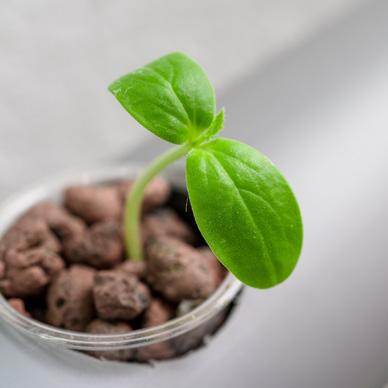
enrich your life just a bit, consider perhaps getting yourself a houseplant. Perhaps you’ll find yourself picking up a new hobby. And don’t forget, like plants, we all benefit from a bit of morning air or the warmth of sunshine on our face, with all the stress of life. By looking after our leafy friends, they remind us to enjoy nature with our own personal green spaces.

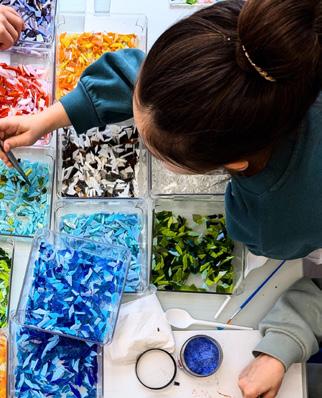
Carole Edrich has finally found a Christmas activity that works for everyone by GlassDeva, a company offering workshops for a range of celebrations.
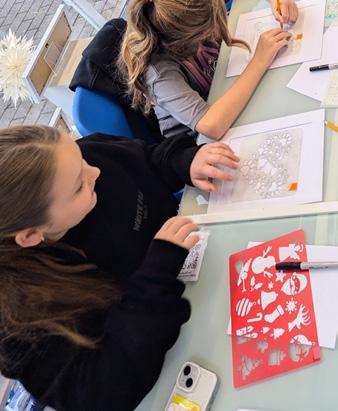
At Chester’s Media Gateway press junket with 200 other travel writers, I am at the back for the obligatory group photograph, while not wanting to be seen. The person to my right doesn’t seem keen either. Bonding instantly over our shared discomfort, we start to chat. She runs GlassDeva, a glassart shop.
“Are you accessible?” I ask, with
But something about Neela Chatakondu’s enthusiasm made me curious.
Walking to the shop, I do a double-take. Two Roman soldiers are wandering down the street! Just another day in Chester, where the city’s heritage often breaks through into the 21st century. The Romans built their largest British fortress here. They called the place Deva, meaning ‘the holy one’, after the River Dee. It feels like they never left.

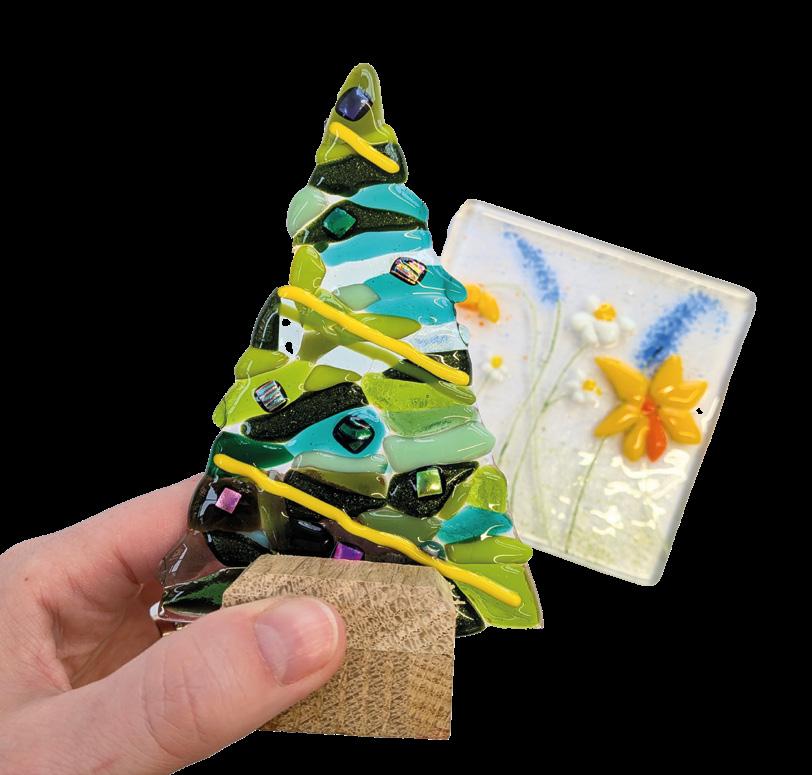
From the minute I walk in, my cynicism crumbles. The warmth hits first. Not the physical warmth, but the genuine friendliness. Neela talks me through my options and offers a drink. I choose a proper cup of tea. The shop is great, with aisles wide enough to accommodate wheelchairs (not the token ‘technically accessible’ width that requires a 24-point-turn to navigate), good natural light, and a well-organised workshop area. It really can accommodate 6-8 wheelchair users at once (there’s a wheelchair-accessible loo 3 minutes away) with provisions for Deaf, hard-of-hearing, and blind people.
“We structure it differently for different needs,” Neela explains. She’s not pitching anything, it’s a simple fact. They work in 15-minute bursts with clear transitions for Autistic people who may need more structure. There’s music to help those with ADHD.
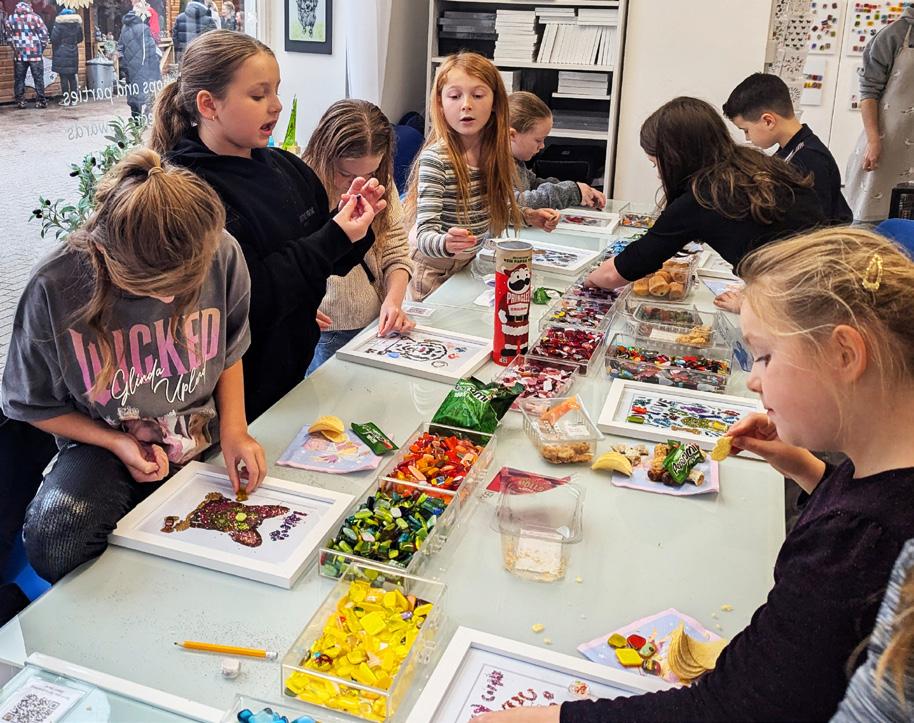
From the minute I walk in, my cynicism crumbles. The warmth hits first. Not the physical warmth, but the genuine friendliness.
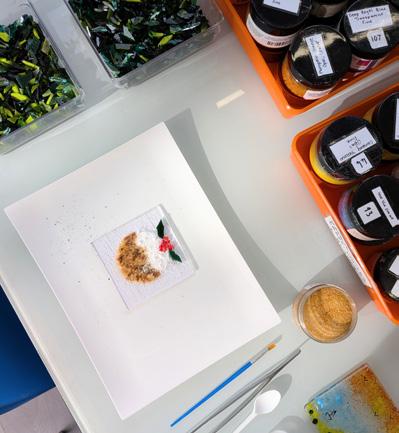
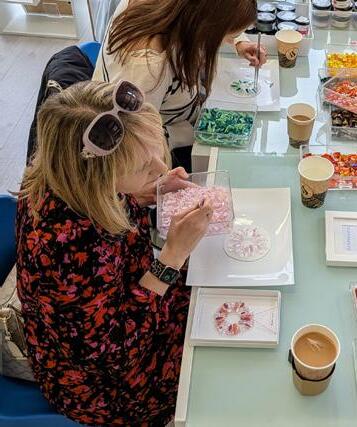
Can’t manage the fine motor control for paintbrushes? There are sprinkles and spoons. Sensitive to noise? Let them know in advance, and they’ll tell you the quieter times.
Watching Amanda, Jennifer, and Gillian drives it home. This threegeneration family are celebrating Jennifer’s 80th birthday. No fuss, no hovering, no othering or segregation, and they’re having fun. I make a glass tile featuring my cat in a pose that causes more double-takes. I collect my masterpiece the next day and give it to a friend who appreciates questionable art.
discounts, and they’re transparent about costs.
Neela’s background (she’s a parttime GP turned glass artist) explains why she understands different needs, but not why it feels more like visiting a creative friend who has thought of everything in advance. As I leave, passing another cohort of Roman re-enactors, my cynicism is gone. This is a Christmas activity that works for everyone. Not “everyone except...” or “everyone if they can manage...” but everyone. And they serve proper tea.
For more information, please visit glassdeva.co.uk/ workshops
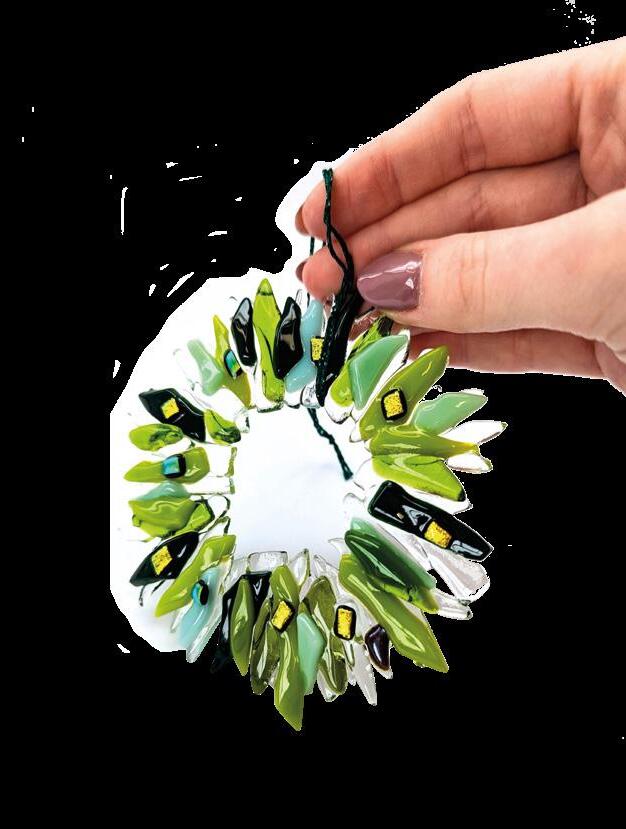
GlassDeva’s Christmas potential is enormous. Delicate glass wreaths that catch the light, ornaments for trees, decorative pieces for Hanukkah and Diwali, paintings, panels, presents, and more, all refreshingly reasonably priced. Sessions start from around £12; most Christmas ornament projects are between £15 and £25, family groups get
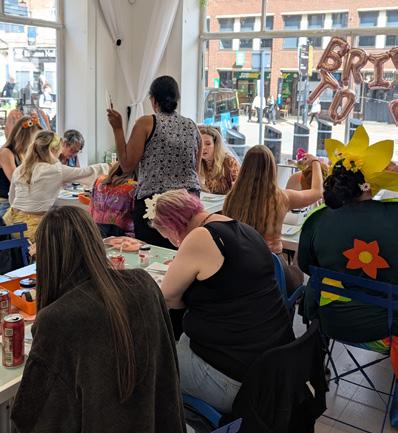
Why is adaptive fashion important? Disability Review Magazine went to the Unhidden show at this year’s London Fashion Week to find out more.
The anticipation is growing. You can feel the excitement in the room among an audience that includes people such as TikToker Helena Moody, awardwinning campaigner Patsy Stevenson, the founder of NeoWalk, and comedian Rosie Jones, curious about what we are about to see. The Unhidden show for London Fashion Week is underway at last. For something typically deemed as ‘niche’ - because just why would anyone care about disability, exactly? - you could be forgiven for thinking that these are archaic attitudes of another era.
Yet, why is it that we still have to justify and defend our rights?
Adaptive fashion - fashion that is inclusive of disabled people from the point of design - is an ever-expanding market. (That can be a reduction in seams
to accommodate sensory issues, or a wellplaced zip to allow for discretion for stoma bag users.) At this current moment in time, the industry is estimated to be worth a whopping £13.7 billion. This figure is set to grow alongside an ever-increasing disabled population; the last government census documents that almost a quarter of the UK’s population is disabled. Yet Scope also estimates that the extra cost of having a disability is an extra £1224 per month.
The future seems bright for adaptive fashion; Primark released its first adaptive fashion collection earlier this year, as documented by this magazine. Other brands are following suit with more tailored offerings, such as with BraEasy, Dewey, and Intotum. Others are set to follow suit in the next year or so.
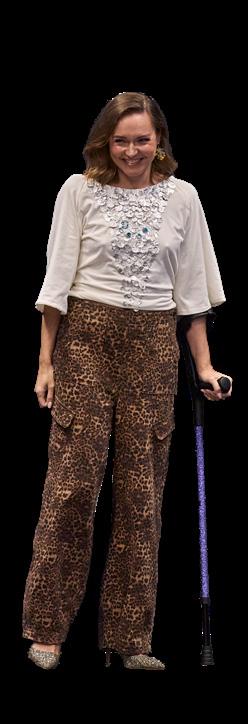
Fashion has long-been a form of protest, to document the times we live in, and this was no exception.
Lights, they dim. And a dialogue presents itself; this year marks thirty

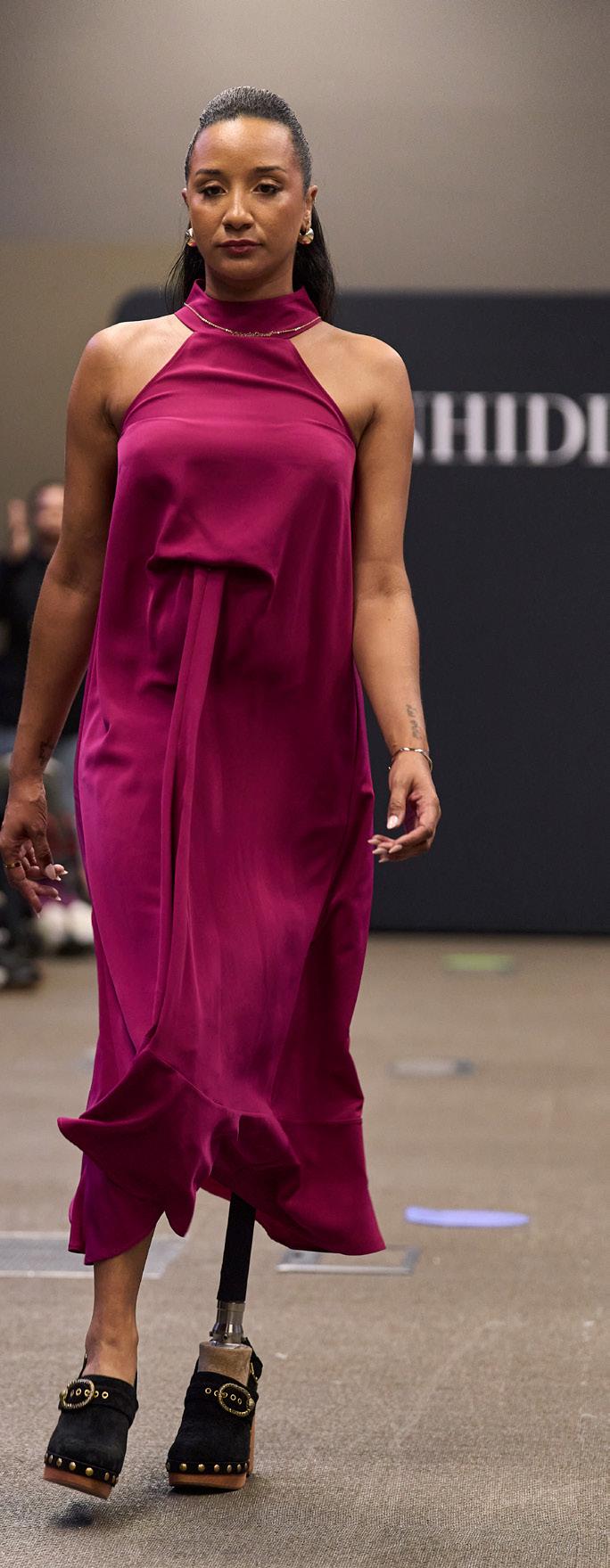
years since the inception of the Disability Discrimination Act (also known as the DDA.) It is another fifteen since the DDA, popularised by BBC drama Then Barbara Met Alan, was superseded by the Equality Act. Yet, why is it that we still have to justify and defend our rights?
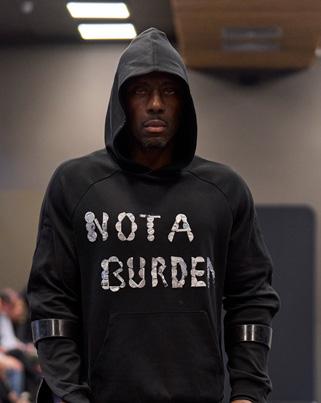
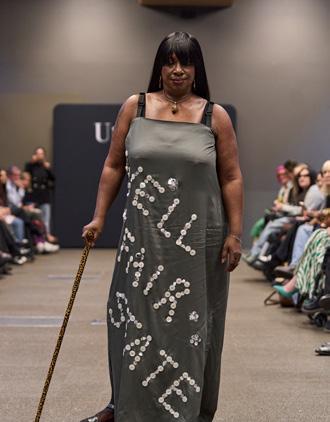
The events of this year are just one example, such as with the contentious Welfare Reform Bill that saw a last-minute rare intervention by the United Nations. Mallavora, a new metal band on the block, presented an unrehearsed speech to open the showand were also the soundtrack to the event with their single, Smile. It was raw, vulnerable, angry and a sign of a cultural zeitgeist. It was a simple declaration, that “enough is enough.”
Fashion has long-been a form of protest, to document the times we live in, and this was no exception. And you could see it in the crowd, the smiles from disabled onlookersparticularly at lyrics such as “I don’t want your admiration / I am not your inspiration.”
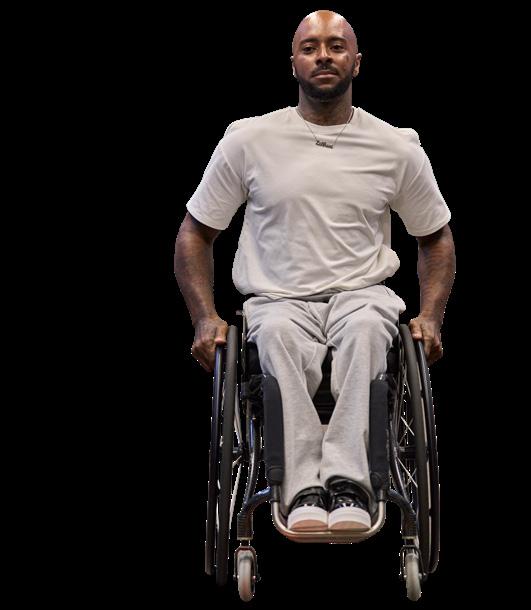
A garment technologist by trade, Victoria Jenkins, 40, has previously worked for organisations such as Victoria Beckham. While hospitalised, she had seen another patient suffer the indignity of having to expose more of her body than she should have had to, in order to access the basics of medical treatment.
right.”
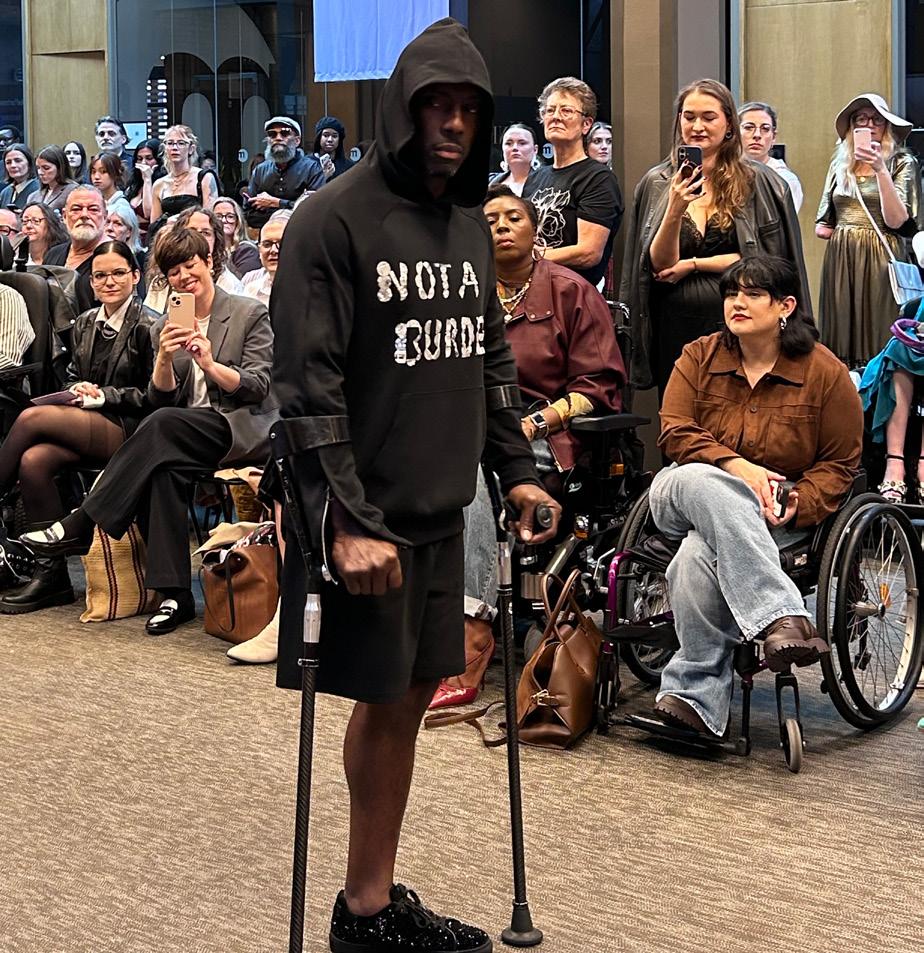
Jenkins herself would later go on to found Unhidden, where she remains the CEO, but is also disabled herself. Previous collections have debuted in the last few years, such as in connection with Kurt Geiger. Every single model on the catwalk was disabled, as well being equally distributed on race and gender lines. From olympian Amy Truesdale MBE (who you’ll hear from in this issue) to podcaster Brooke Millhouse (of Disabled & Proud infamy), a range of designs, tailored and colourful, debuted on the Unhidden catwalk. At times obscured because of the amount of smartphones documenting the occasion, the event was also live streamed through the Unhidden Instagram page. (The footage is now online and available to watch for free at the time of writing.) More than 200 individuals, seated and standing, were in attendance. Previous show models were also in attendance, including Kate Stanforth, Roxy
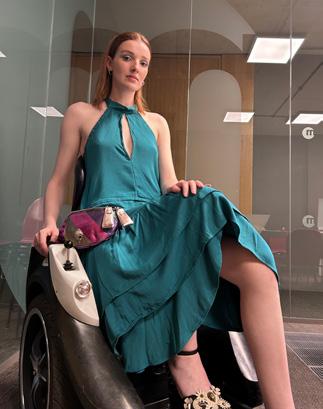
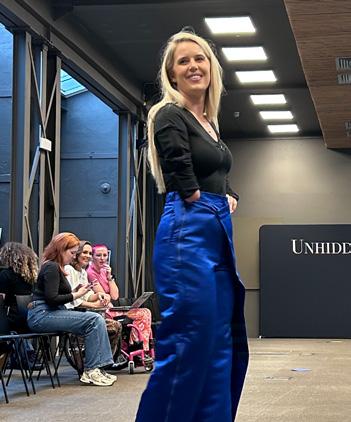
Murray and Mark Webb. Some of the show partners also brought their lived experience to the event, such as with the inclusion of Human Beauty and Trend Tonic, whose designs could be seen on some of the models for the night. Millie Flemington-Clare, founder of Human Beauty, said: “We need disability representation, and this is the perfect opportunity to show us in our beauty, and our glory, and to kind of show the fashion and beauty industry what they’re missing! And this is how you ‘do’ representation
And as to adaptive features? There were slogan hoodies, with simple statements emblazoned across the chest, such as ‘NOT A BURDEN’. Tailored trousers were also on show - and a definitive favourite from onlookers, especially when it came to a leopard print option. Asking onlookers around the room, there was a definitive call for colour when it comes to adaptive fashion. Because just why should something for disabled people be confined to subtle, functional, beige shades? A favourite design, one of those that closed the show, was seemingly everywhere in the aftermath - a simple dress, stamped with the words ‘WELL FAIR STATE’. The letters of all slogans were hand-crafted sequins from medical packaging from Jenkins’ own medical supplies, with a few
Some of the show partners also brought their lived experience to the event.

donated by friends. As part of the show closure, the reaction was immense - as well as intensely loud.
A model for the 2023 Unhidden show, Mark Webb is now medically retired. He works as a multi-award winning speaker, and jokingly describes himself as “likely to be the next James Bond.” Asked what he thought of the collections debut, he simply said:“I bloody loved the show, it was amazing.”
Kate Stanforth is a teacher, model and activist. She attended the show while wearing one of Unhidden’s previous double layered dresses, as well as a Kurt Geiger bag that’s accessible for wheelchair users. On why representation within the fashion industry is important for disabled people, speaking after the show she said: “It is so important to see disabled representation on the catwalk, as always Unhidden absolutely smashed that!”
A self-described “lover of adaptive fashion”, Roxanne ‘Roxy’ Murray is known as the Multiple Sclerosis Fashionista online. She is also a previous Unhidden model alumni, and has a background as a stylist. Speaking in the aftermath on what she thought of the show, she said: “From
the music to the models to the new pieces and the great leopard print pieces and the beautiful trousers designs, I absolutely loved it.”
The leopard print trousers were also a definitive favourite of hers, she said.
To not be inclusive of the disability community is a fundamental mistake that businesses continue to make, at a time when they cannot afford to. The Purple Pound points to an estimate of £2 billion lost each month on the High Street, owing to the lack of access afforded to disabled people. Why
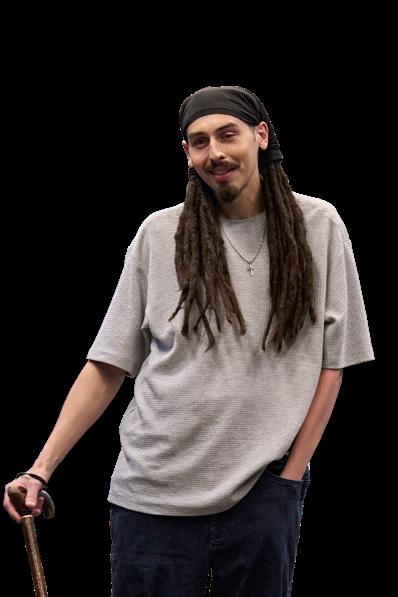
Every single model on the catwalk was disabled, as well being distributedequallyon race and lines.gender
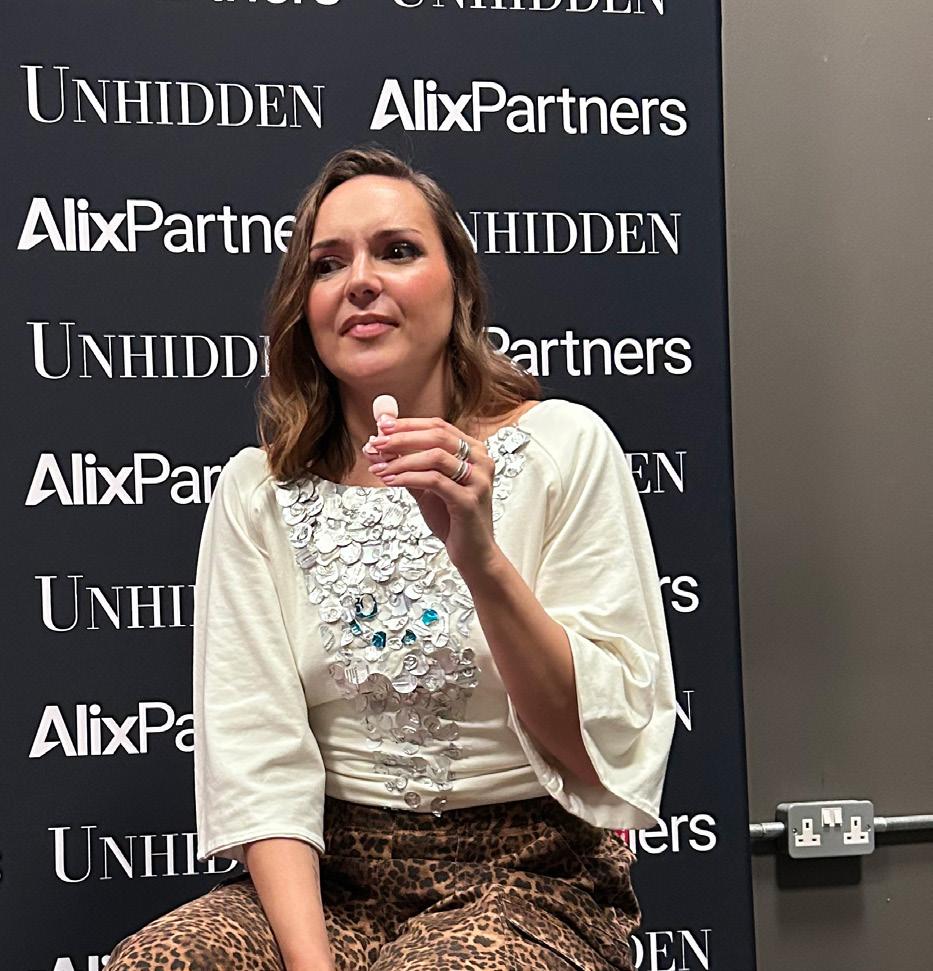
would a person who needs a stepfree entrance to access a shop be inclined to visit, should it not be there? A disabled person should be afforded the autonomy and agency to move around freely, without having to rely on someone else, as if under a kind of supervision. Yet the curb cut effect also describes how inclusion of disabled people is for the benefit of everyone; touchscreen technology was originally designed by a disabled person was adopted by the masses. The same goes for electric toothbrushes and other design items. Inclusion of disability is not about favouritism - contrary to popular misconception - and is for the eventual benefit of every single one of us. This is a question that ought to be passed to the fashion industry; what more can be done to include disabled people in fashionable offerings made to the mainstream?
Anyone can become disabled at any given time. This is the world’s largest minority group - and there are more of us than ever before. Looking around the room, the impact of ‘being seen’ is all too clear, the countless smiles and enthusiastic discussions underway a testament to the new offering incoming from Unhidden. It is a community of people who, in these unstable times, know all too well how to hold each other close. It’s about time for the fashion industry to follow suit.
The new collection from Unhidden is due for release in early 2026. The new album by Mallavora will be out in early 2026; make sure to read our next issue for more information.
This year has been difficult for the disabled community; in times of hardship, we look towards our collective disabled joy. Here are 5 people on their disabled joy.
Lucy Webster, freelance journalist and author of The View From Down Here
“Disabled joy for me is the joy I only get to experience because I’m disabled. Laughing in a group of disabled friends, a squeeze of the hand from one of my PAs, or seeing a piece of activism make a small but vital difference to someone’s life.”
I discovered the kindest, most thoughtful, most resilient, most creative gang ever.
Ian Taverner, aka Mr Cookfulness
“My disabled joy? What a great question. I think now it is very much my personality and my identity. Out with my stick and, before, being slow on stairs, holding people up, was something I was very embarrassed by, apologising for all the time - it is now just ‘me’. I am proud to be me, to be disabled, and doing things my way, what works for me is super important. It underpins everything about Cookfulness. Who set the rules? Who said this way is right? Not me! Not you! So now I find great joy in doing things
the way that works for me, sharing that with others, empowering people with confidence to find ‘their’ way and be super proud of it. So my disabled joy is I’ve found me!!!”
Lydia Wilkins, editor of Disability Review Magazine
“Owing to Long Covid, I have become more disabled as I’ve aged - and that has left me with a litany of dynamic disabilities. My body changes on a daily basis, which is beyond frustrating, especially along with the associated fatigue. For the longest time, I was ashamed of my body, ashamed of being sick, ashamed of needing help. The joy that I found in being disabled came with finding and accepting bright,
glittery mobility aids. It was ‘me’. I felt so much more confident, brighter, and more accepting of myself and my new body. There is a joy to be found in that of a kind, and I now have a collection of snazzy canes for a range of reasons. I am more outgoing as a result, too.”
Mark Webb, multi awardwinning keynote speaker and disability advocate.
“Like 83% of the disabled population, I wasn’t born disabled.
I ‘started’ becoming disabled in my 20s, and once I got the hang of it, I discovered the kindest, most thoughtful, most resilient, most creative gang ever.”
The joy that I found in being disabled came with finding and accepting bright, glittery mobility aids.
Allie Mason,
author “Communitythere’s nothing quite like the disabled community for being welcoming, inclusive, encouraging, uplifting and ultimately, a home-from-home wherever you are.”
What is your disabled joy and why? How do you spread disabled joy in your community? Tell us in the comments over on our social media channels!


Hi my name is Alan Richardson ‘my full name is Alan John Charles Andrew Richardson I’m a huge supporter of Animal welfare and animal rights also i support Autism Pride and Gay Pride refugee rights and Socialism in this article i wish to introduce myself and share my experiences of me being both Autistic and Gay.
I’m writing
this
article to share my experiences of Autism and i hope to meet people with similar experiences
The reason I have changed my surname is because of love for my aunt and uncle who live in the northeast originally they were from London During my school and college years I was bullied for having development delay and during the 1990’s I was diagnosed with a mild learning
disability after many years hiding my sexuailty i came out to my family as gay in 2003 in 2013 i was officially diagnosed with Autism i have a faulty fourth chromosome gene which is the cause of my Autism so ever since i can be easily misunderstood and misinterpreted very easily and people do disrespect me and take advantage of me very easily i have got a lot better with my development delay through childhood and adulthood I’m writing this article to share my experiences of Autism and i hope to meet people with similar experiences as me who have a lot in common with me I’m looking for gay friends similar to me as well.
I currently live in Clacton On Sea, and i have expressed my desire to move to Northampton one day.
Alan Richardson’s dedication to raising awareness and fostering understanding makes him a valuable advocate for both the autism and LGBTQ+ communities.
me on Linktree: https://shorturl.at/

“I THINK MY MAIN PIECE OF ADVICE WOULD BE TO REACH
A Paralympic Champion (2024) and a competitor in the 2020 Paralympic games, Amy Truesdale MBE talks to Disability Review Magazine about her journey. As told to editor Lydia Wilkins.
Q As an opening question, would you mind telling us how your love of sporting began?
A I think my love of sport began at a very young age. I was always quite an energetic kid, and then my parents just took me to lots of sports clubs as a child, so I was always involved in being active from a very young age.
I think my love of sport began at a very young age.
Q And then, kind of going on from that, how was it that you got to the professional level that you are at?
ASo it was a long journey, me getting to become a professional athlete, um, so I sort of competed in a different style of Taekwondo to what I currently do, it’s a non-Olympic style, it’s quite, sort of different rules, it’s like a kickboxing style.
So I had a very successful career doing that, and that was against, not probably the right terminology, but able-bodied people. And so I did that for, like, 22 years, and because I had such, like, a successful career doing that, there was sort of no progression, so then I transferred over to Olympic-style Taekwondo, again, against able-bodied athletes. And then it was in 2009 that I was presented an opportunity to take part in a para competition. So at first, when I received the invitation, it said that I was invited to a special championship, and I didn’t really particularly like the terminology, so I was a bit dubious on whether to participate. And then on reflection, I just thought I’ve been in this sport for over two decades,
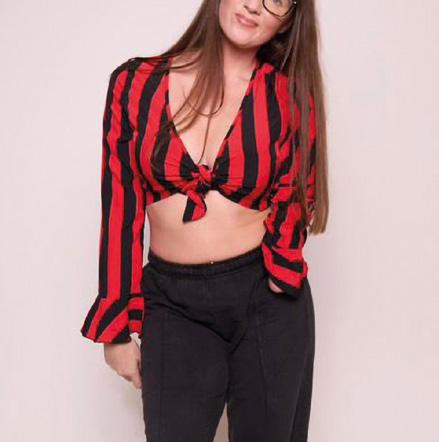
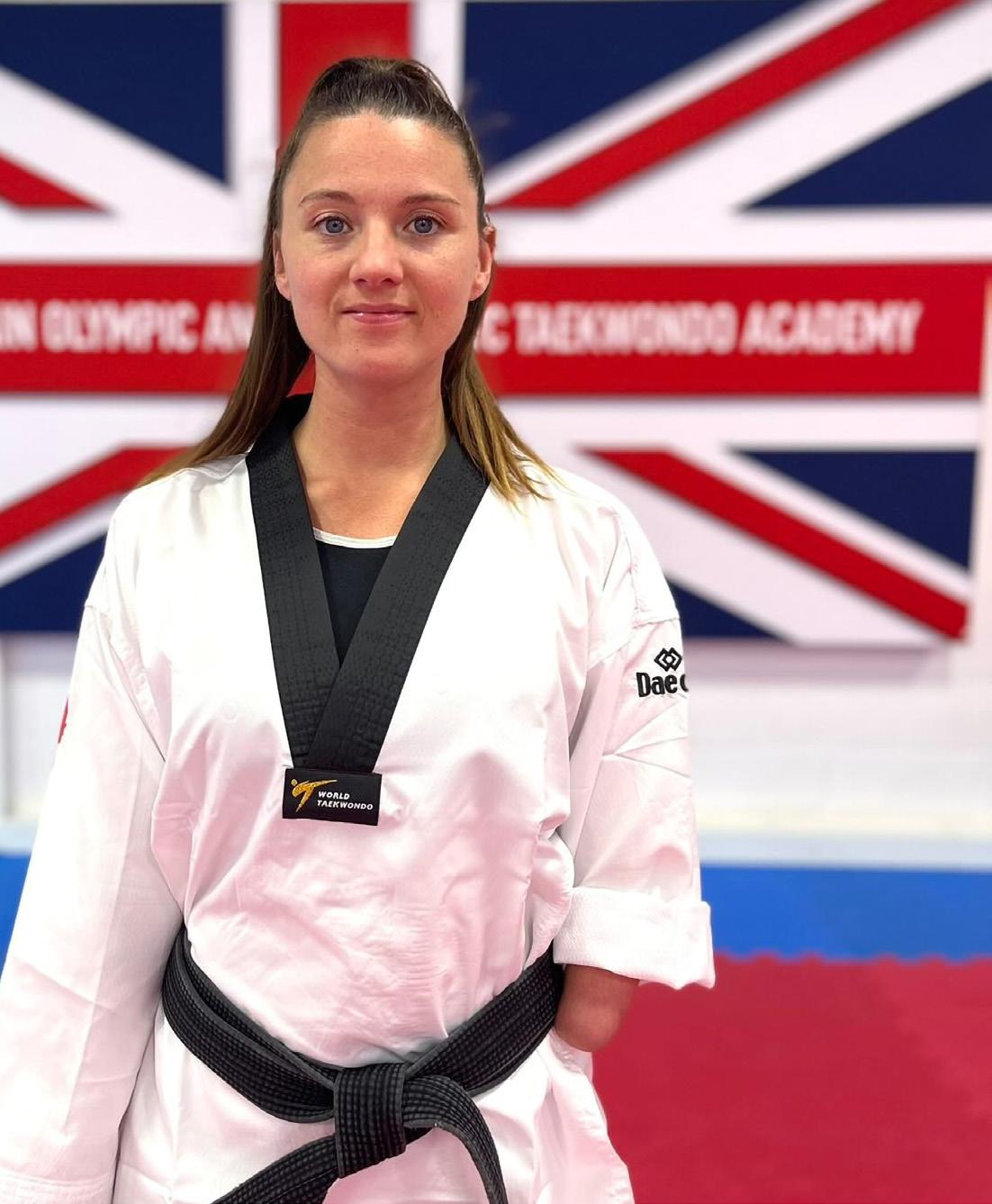
and I’ve never really come across anyone with the same disability as myself, so I thought that would be an amazing opportunity for me to meet other athletes with the same disability from different countries, and just to see what the level of play was like.
So [in] 2009, I competed in my first Parachampionships, which was in Azerbaijan, and then I just thought this is definitely an avenue that I want to pursue, it was a new challenge. Then, due to my consistent, like, medal success, it was [in] 2017 I became world champion, and then [the] UK Sport & the National Lottery said, “We believe this girl’s a medal prospect for a Paralympic medal.” So then funding was released to create a world-class training program for Paralympic athletes, and that’s how I then became a full-time Paralympic Taekwondo athlete.
If you are thinking of joining a club, maybe have a conversation, explain your situation [as a disabled person] with the coach just so they’re aware and, you know, just be totally transparent about any support or adaptations that you may need.

QSo just to pick up on what you said, there’s two very interesting remarks that you made there. So around the language of ‘special’...
AYeah
Q …and it’s also really interesting how you talk about able-bodied people. So, as a disabled woman, do you mind me asking what it’s like to be in that situation? How do you adapt?
AUm, I think, like, usually I’d use the terminology Taekwondo and Para-Taekwondo, but I just say able-bodied just so, I don’t know, people understand, but I think because that’s what I was used to, um, I didn’t... Sometimes I didn’t really see myself as anything different because it is predominantly a kicking sport. However, having, like, [the] majority of my left arm
missing, you know, there is still challenges within it as well, I suppose.
Q Do you mind me asking how that’s adapted?
A Okay. Yeah, so, yeah, I suppose throughout our training, things like doing a pushup, that’s the only sort of adaptation I’d use. I can, I can still do them, but obviously my left arm’s like 13 inches shorter than my right one, so I would use, like, a foam pad. Within Taekwondo, because your opponent is kicking towards sort of your stomach, your torso, you don’t have your full arm to sort of cover and to block and defend sort of those kicks, so if your arm is shorter, you create a lot of space for them to score. So I suppose the way of adapting that, because you can’t rely on covering with your arms because you don’t have the full length of two limbs, it’d be using your footwork and sort of maybe changing stance just so you’re protected a little bit more.
I thought that would be an amazing opportunity for me to meet other athletes with the same disability from different countries and just to see what the level of play was like.
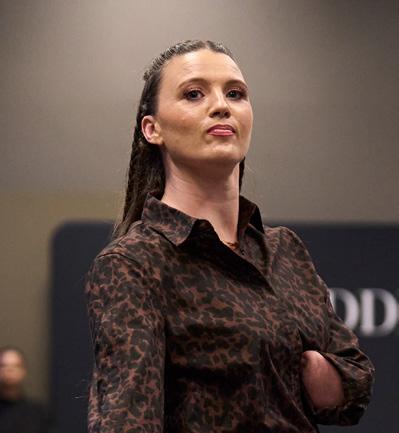
Q That’s so interesting, I would never have considered that. I mean, that’s such a… I’m not a sporting person, so that’s incredibly interesting. And I guess I kind of want to ask you about, have you ever experienced ableism within the profession?
AUm, yeah, I’m sure I can speak about it now. Um, so I’m integrated with the Olympic team, so it’s Olympic Taekwondo athletes as well as Paralympic Taekwondo athletes. When I first joined the team, I’ve been on the program for eight years now, there was a lot of terminology like, um, “Oh yeah, I watch the normal Taekwondo but I don’t really watch the Para-Taekwondo”. So there was a few things like that flying around the gym, and there was another athlete that said it’s easier for ParaTaekwondo athletes. Like they don’t deserve the same funding as us, like, we do competitions. Um, so sort of things like that, really.
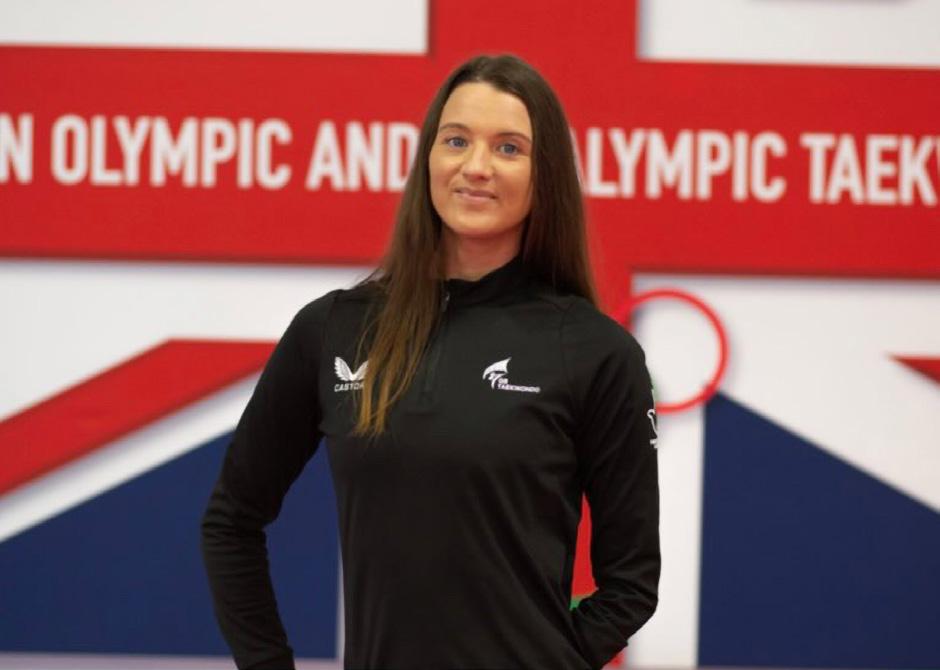
So yeah, I have experienced it before, and so my approach to that was just to try and educate people about terminology, because it, you know, we’re all in the same building, doing the same sessions, training at the same time. It’s, not like because we’re Para-athletes, we’re not training, we’re doing
exactly the same as everybody else.
Q What does ‘to educate’ somebody look like?
ASo what I did, I did take it a little bit higher, um, to sort of, management, and I requested, like, a workshop on terminology that should be used. However, I do think it needs revisiting. I think just the terminology and just maybe more personal stories of people who’ve had to overcome adversity, I think they’re quite powerful to sort of get the message across.
Q That’s... Yep, no notes from me. My last question, I guess, would be: if there is anyone who is reading this who is thinking of going into sport in any capacity, who may also be disabled, what would be your advice and why?
AI think my main piece of advice would be to reach out to other people with disabilities. I feel [like] we’ve got so many role models within our community, and they’re always happy to help you and give you any advice. I know I get a lot of inboxes; I will reply to anyone and just give them advice, share my experiences, if I can support them in any way. So yeah, definitely ask questions. If you are thinking of joining a club, maybe have a conversation, explain your situation [as a disabled person] with the coach just so they’re aware and, you know, just be totally transparent about any support or adaptations that you may need. I think most importantly, just, just give it a go; um, try loads of sports, because I don’t think I really tried enough. There’s so many you can try. You’re not gonna be amazing at all of them, but as long as you’re enjoying it, I think that’s, that’s the most important thing.
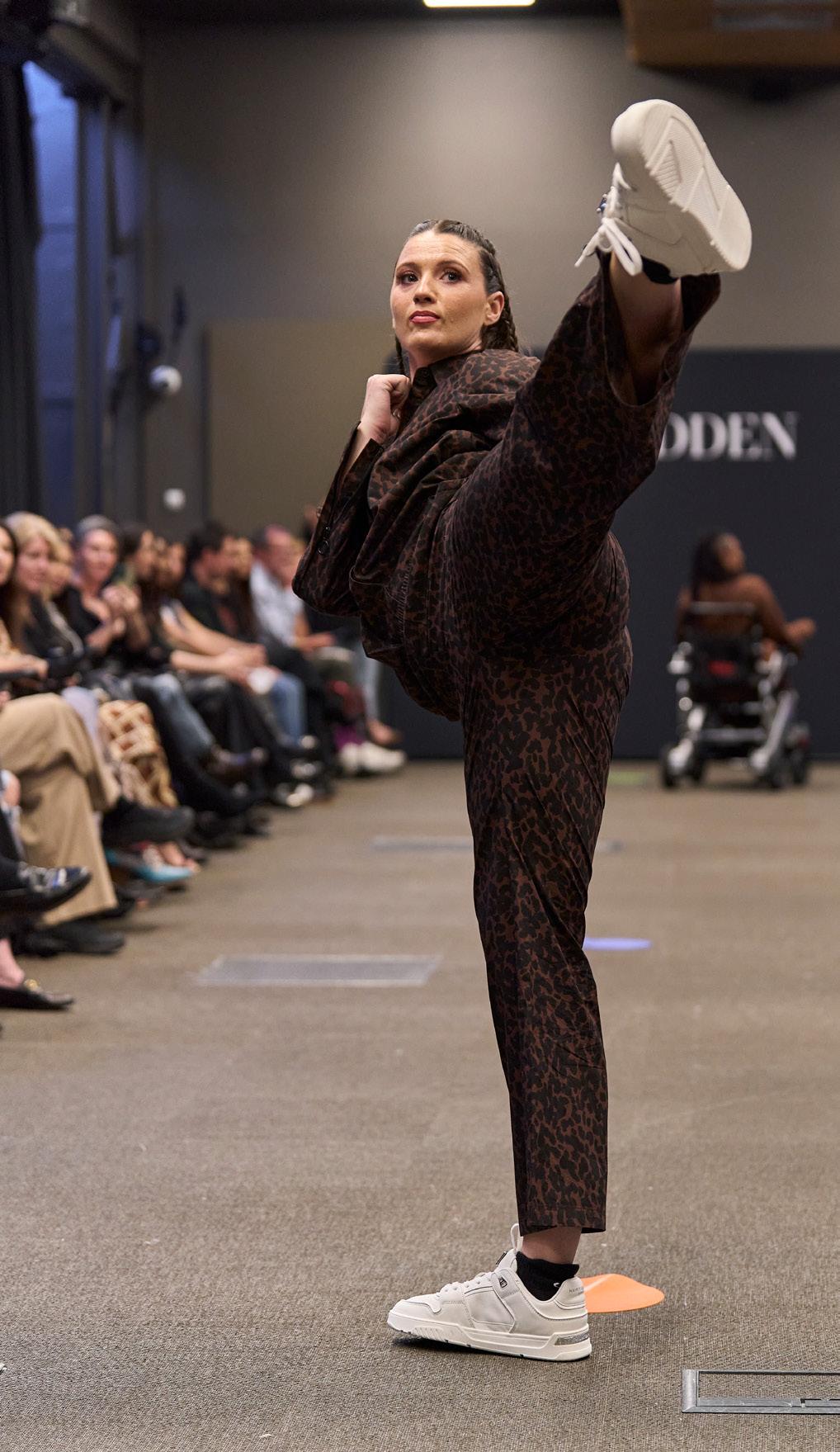
Sometimes I didn’t really see myself as anything different because it is predominantly a kicking sport.
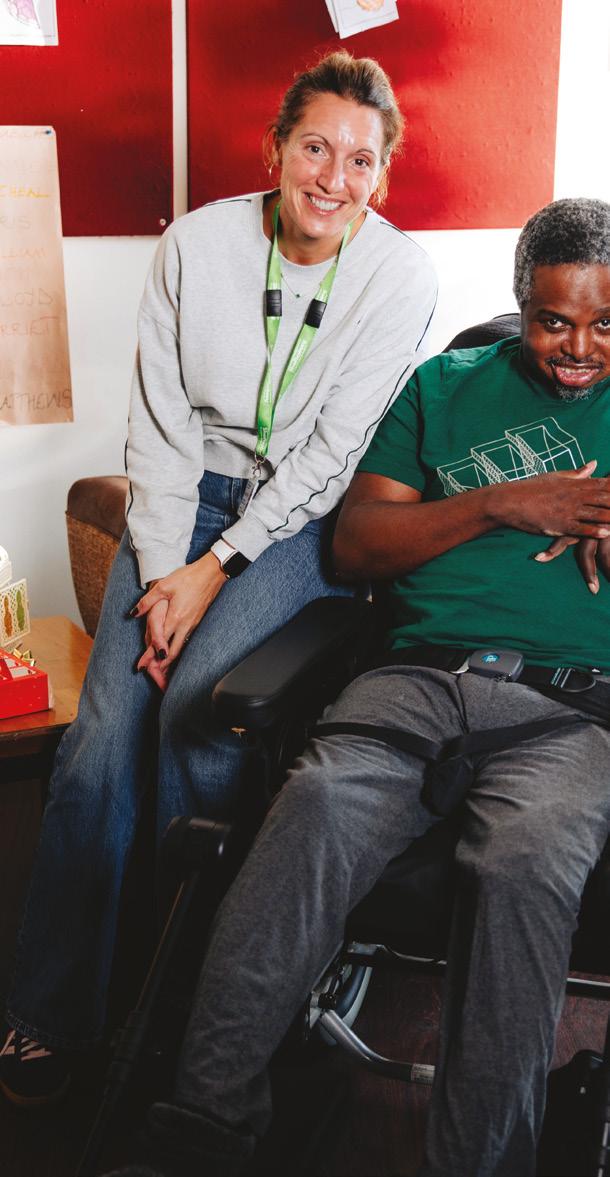

Will you open the door this Christmas ?
Scan to open the door
“Easy
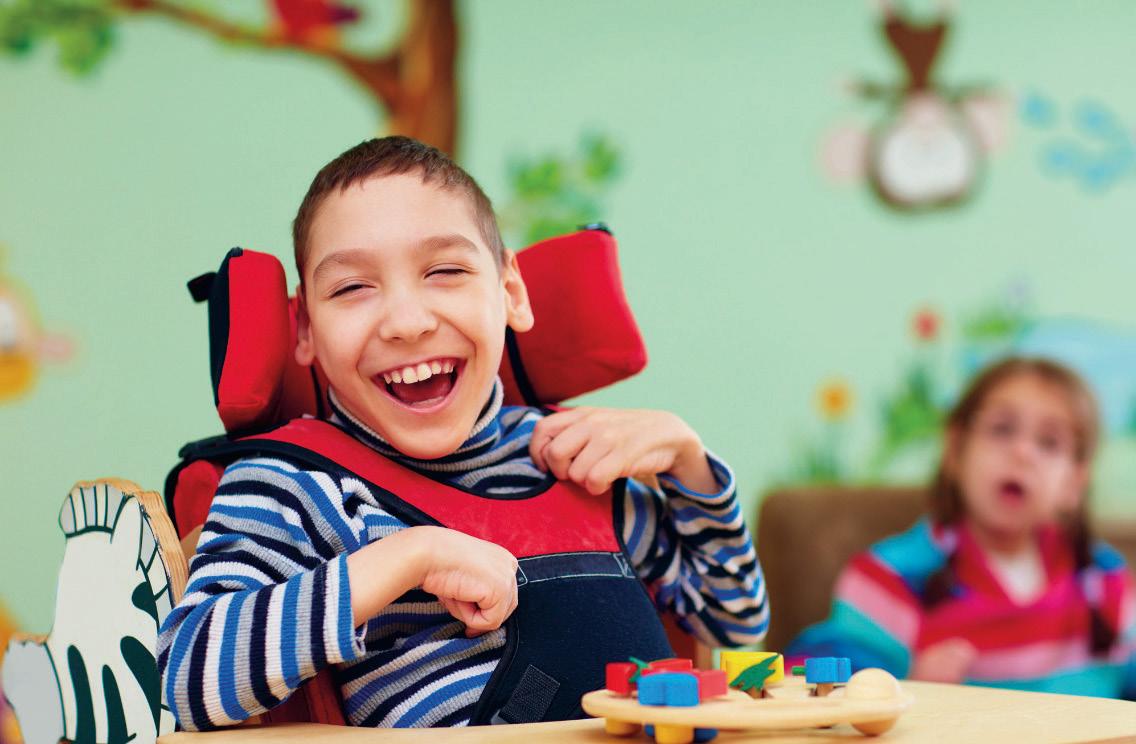




Credit: Malcolm Rees
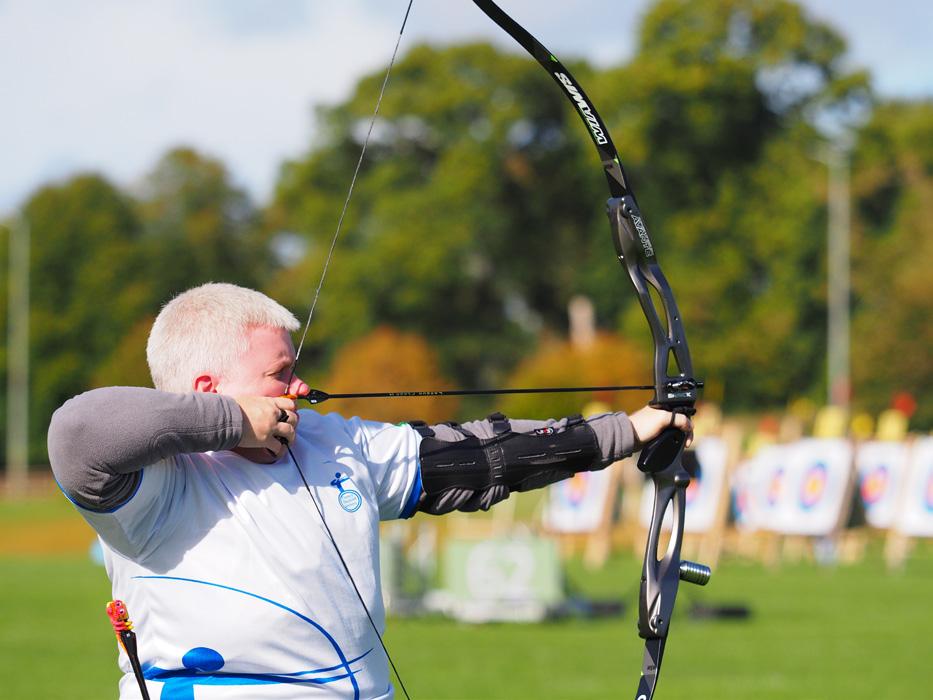
By Sam Clarke
In our last issue, Dr Sam Clarke spoke to us about her swimming journey; now she’s taking on the world of archery.
In March this year, I was looking for a sport that I could do from my wheelchair. Having discovered Conwy Disabled Archery, I thought I’d give it a go as something to get me out of the house. After the first few weeks, I was hitting the target reasonably well, and Nick (my coach) planted the idea in my head that maybe I could compete professionally. He mentioned the GB Disability Championships, which are held in September, thinking that I had a good shot at winning. I chuckled in disbelief. I’d only been shooting for 4 weeks. What do I know about archery? Never mind winning a
national competition!
I purchased my own bow, and Nick started coaching me. After another month, we discussed the competition again, and I thought, why not? It would be a good experience if nothing else. We spent the next few months practicing three times a week, and competition day arrived before I knew it. I’m always very hard on myself and thought I had no chance of placing, but my aim was to get a reasonable score and not come last. If I could do that, I’d be happy. Competition day: I feel like a duck out of water. Everyone starts arriving, putting bows together, getting equipment sorted, ready
for inspection. We headed to our allocated boss (target) and got ready. Nick’s passing words: “You can do this!”
I got through the morning stages, coming second in the group. Now, the head-to-heads. It’s the semi-finals, I’m thinking: ‘Just win this and get a medal, that would be pretty cool’.
Archery has taken over my life, and I’m excited for the future.
I do it, I’m in the finals! I can hear Nick and fellow club members cheering me on. I start to think maybe I’m in with a chance. Then tell myself off and not to get ahead of myself. I think ‘focus’, immediately thinking of Dwayne ‘The Rock’ Johnson shouting ’focus!’ (My mind wanders easily). I turn to look at my coach, who simply nods. That was all that was needed.
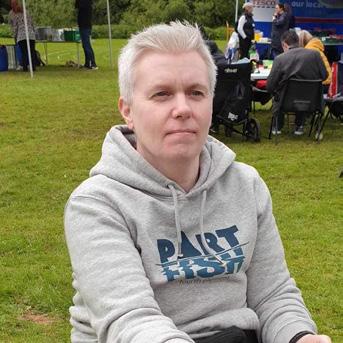
I settle in. It’s the first to 6 points. 2-0, 2-2, 4-2. I’m almost there. Three more arrows. My next arrow hits the blue. I can hear Nick in my head: ‘Slow down!’ Next arrow hits the gold. Yes!! Last arrow, it hits the gold again. I’m not sure what my competitor has scored; the target is too far away. The judges come and confirm I’ve done it. Gold medal! I’m now ready for the GB Disability Champion 2025 for Barebow, after just 6 months. I also got my Para-classification that weekend.
So, what now? A lot more practice, more competitions. Archery has taken over my life, and I’m excited for the future. Who knows how far we can go? Paralympics? Maybe. It’s a very distant goal, but it’s certainly something to aim for.
By Ian Taverner
Having to cook a perfect Christmas dinner can strike fear in anyone, warranting a disabilityinclusive solution. Enter: the all-in-one tray bake Christmas dinner.
This recipe for an allin-one tray bake is perfect for taking away a lot of the stress, the juggling, and the worry over timings, and being able to serve everything on time and fully cooked. In addition to this anxietybusting Christmas dinner recipe, here are a few of my top tips for a Cracking Cookfulness Christmas Cook to get you started:
1
Always write out a little plan of timings, while making sure to work back from when you ideally want to serve your meal, through to all of the time to cook, prepare, chat, and get distracted! Then add in a little extra time, just in case.
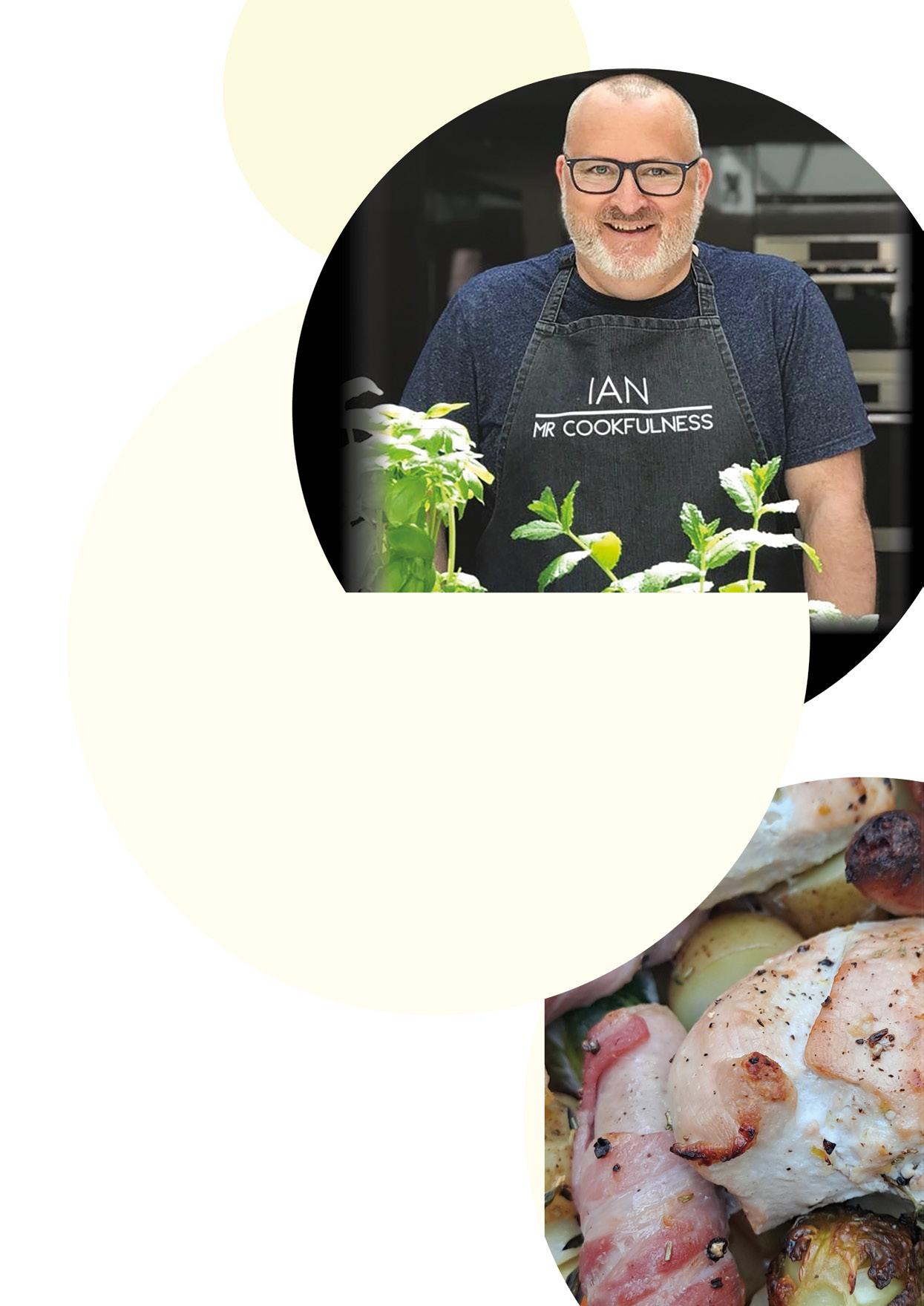
2
Check you have enough oven space for everything you want to cook by using a cold oven and cold serving/cooking dishes to make sure everything fits beforehand.
3
Don’t go crazy! Cook what you are confident in. If you want to try something new, think about giving it a practice ‘run’ beforehand.
4If things do go wrong, don’t worry! Just take a step back, breathe deeply and slowly, remember you are doing amazingly, and don’t be afraid to ask for a little help if you need it. People will wait, people will understand, people will
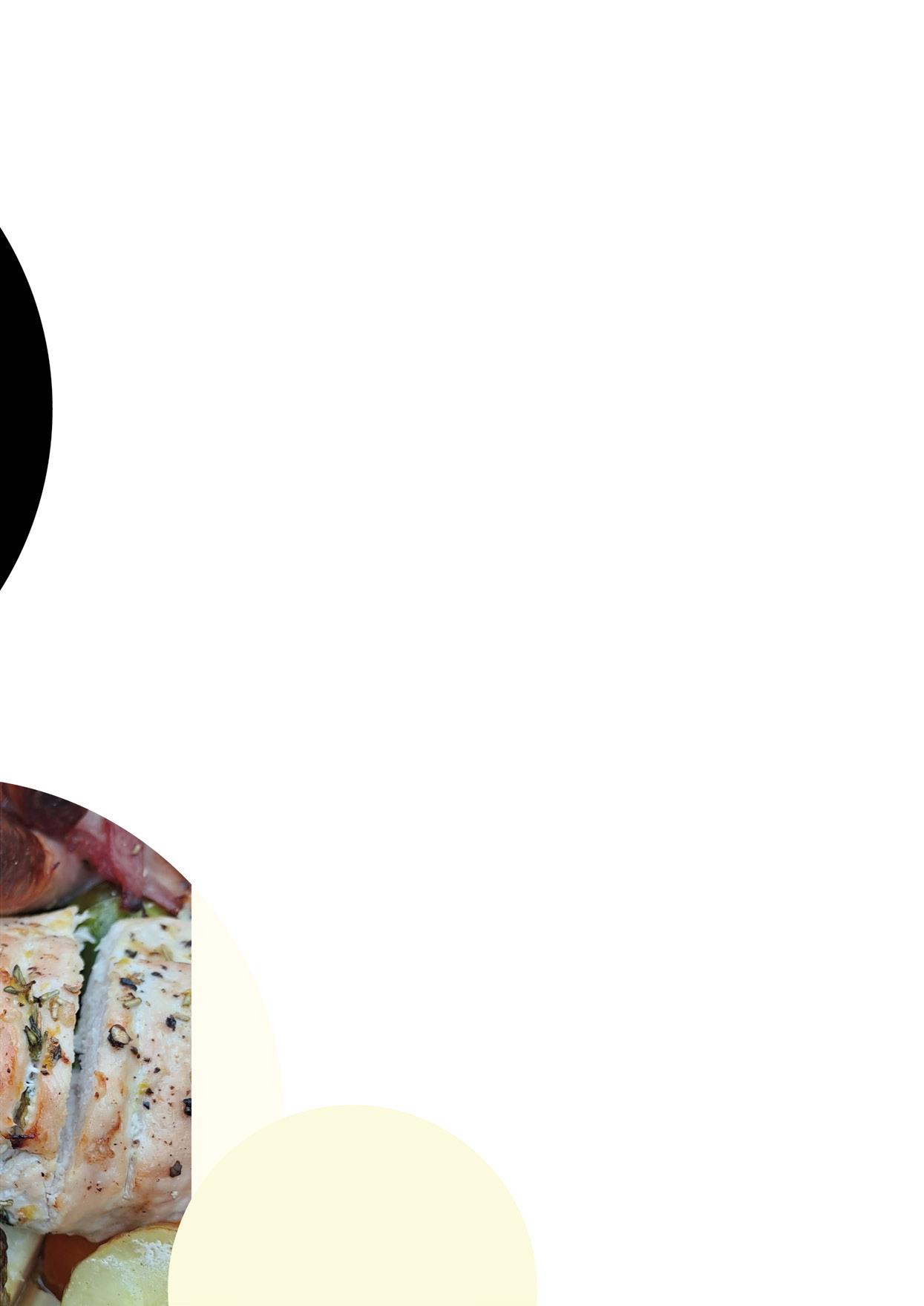
support you through the cooking process. 5
Enjoy every second, get the music on loud, sing, chat, shout, whatever you want to, but always make it a theatre of cooking joy!
DIFFICULTY RATING: 3/5
What You Need To Know First:
Serves: 4-6 people | Cooking time: 40 minutes | Preparation time: 25 minutes | Total duration: 65 minutes
1 large oven-proof cook/serve dish
| 1 knife | 1 chopping board
| 1 peeler | 1 zester |
1 tablespoon | 1 teaspoon | 1 small mixing bowl | 1 small spoon
15-20 mini potatoes, chopped roughly in half
2 large parsnips
2 large carrots
20 sprouts
4 chicken or turkey breasts
8 chipolata sausages
8 streaky bacon rashers
1 red onion
4 tablespoons of olive oil
3 teaspoons of garlic paste
1 tablespoon of honey
Zest & juice of 1 lemon
4 fresh sprigs of thyme
2 fresh sprigs of rosemary
Salt & pepper
Give yourself time – take a step back, breathe, and re-cookfulness yourself.
1 Set the oven to 200 °C.
2 Peel the parsnips and carrots, then roughly chop all into one-inch large chunks. Wash and clean the sprouts, removing any ‘stalky’ bits.
3 Add the potatoes, parsnips, carrots, and sprouts to your dish.
4 Peel the onion and cut it into quarters, then add it to the vegetable mix.
5 Next, wrap each sausage with a piece of bacon and add it to the vegetable mix.
6 Make the dressing! In the small bowl, add the garlic, honey, oil, lemon juice, and zest and mix well to combine. Remove the leaves of 2 of the thyme sprigs and 1 of the rosemary, and add, mixing in well. Set the dressing aside.
7 Carefully score diagonal slashes into the chicken/turkey breasts, making sure to only cut through by halfway.
8 Pour half of the dressing you set aside earlier over the vegetable/ sausage mix and gently ensure everything is fully coated. Spread the vegetable/sausage mix out into as even and mixed a layer as you can.
9 Place the chicken/turkey breasts in a single layer over the vegetables/ sausages, then pour over the remaining dressing, ensuring you get some into the ‘scores’ you made in step seven. Top with the remaining thyme and rosemary sprigs, then put everything into the oven.
10 Set your timer for 20 minutes. Carefully remove and give the vegetables/sausages a gentle mix, then put back into the oven. Reduce the oven heat to 180°C, and set the timer for twenty-five minutes.
11 Carefully remove everything from the oven, check that the chicken/ turkey is fully cooked through and that the vegetables still have ‘bite’.
12 Serve for people to help themselves.
Before you start to cook this dish, add your raw chopped vegetables to your cooking dish, to ensure it is big enough to have an even layer and not be too piled up. Use two smaller dishes to make the process easier if needed. To make it easier to put the diagonal cuts/scores into the chicken/turkey, just pinch gently on either side of the breast, and it will create a peak that is easier to cut.
Change the vegetable combinations up, but make sure it is a robust vegetable alternative; otherwise, your dish just might burn! Add some cranberry sauce to the vegetables for the last 25 minutes; this will give it a real christmassy feel. Change the lemon for 2 teaspoons of mustard for a bit of a ‘kick’. Add stuffing balls to the vegetable mix or even sprinkle stuffing mix over for a new christmas crumble.
iIan Taverner, A.K.A Mr Cookfulness, is available for bespoke cooking shows, demonstrations, workshops, talks, and courses. To inquire:
WEB: cookfulness.co.uk
EMAIL: cookfulness@gmail.com
TWITTER: @cookfulness
YOUTUBE: @cookfulness
The Cookfulness Cookbook is available in hard copy & e-book on Amazon | BookshopUK | Waterstones
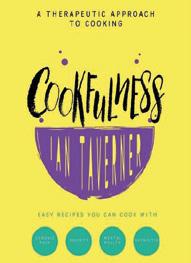
Sale of daily living aids, mobility aids, mobility scooters and powerchairs, vehicle adaptations, riser recliners, incontinence items, stairlifts and wheelchairs
We do all of the Stage 2 conversions for the Motability Wheelchair Accessible Vehicles (WAV’s)
Battery checks and fitting
Installing vehicle adaptations including, Steering wheel aids, Hand controls, Twin Flip left foot accelerators, Right hand brake and accelerators, 40Kg, 80Kg, 120Kg Boot hoists, Transfer plates, Docking systems and pedal extensions
Scooter and powerchair servicing and repairs
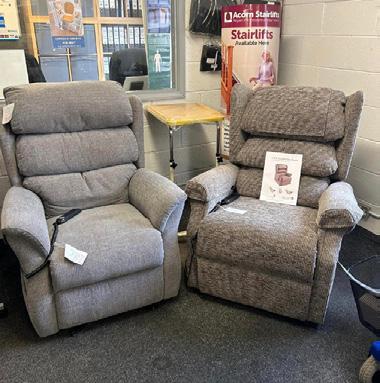
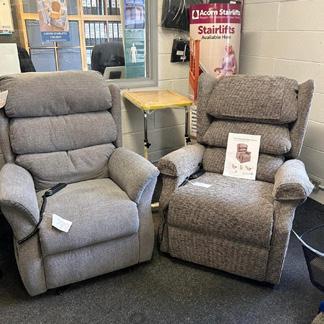
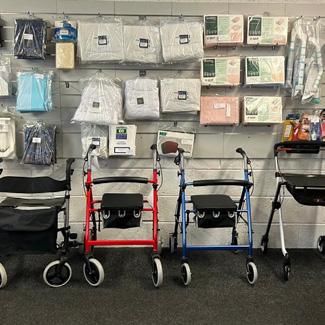
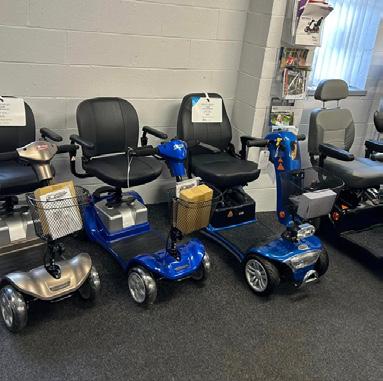
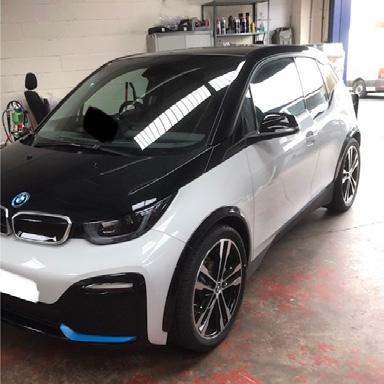
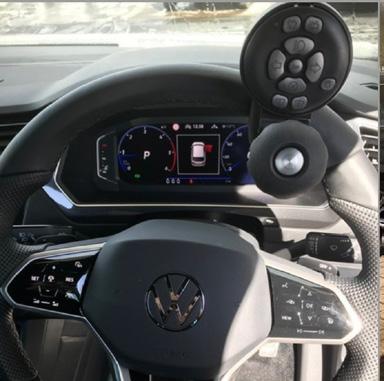
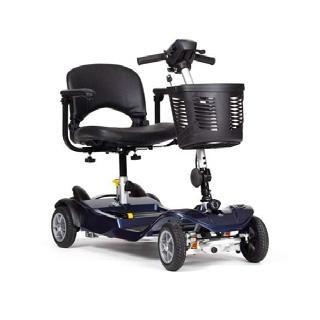
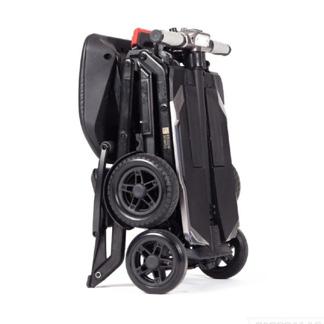
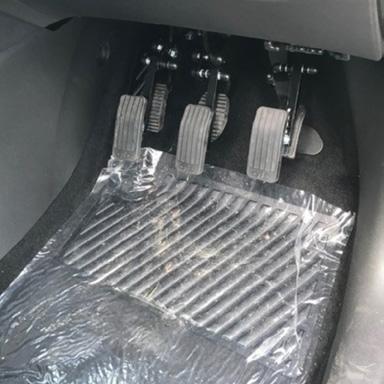
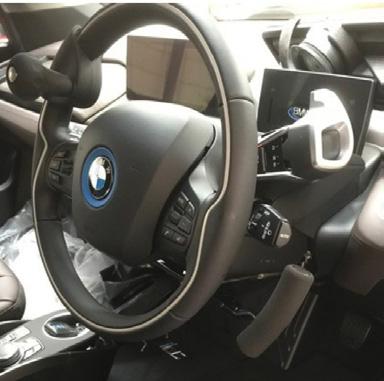
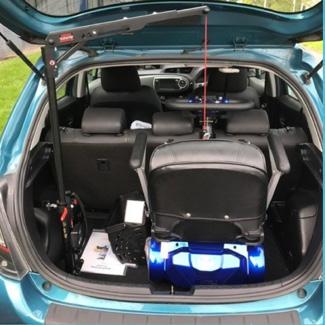
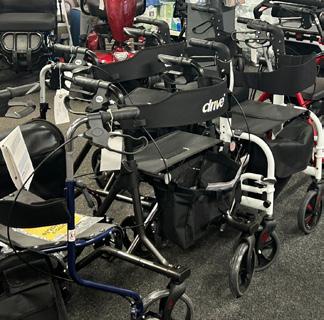
Sale of daily living aids, mobility aids, mobility scooters and powerchairs, vehicle adaptations, riser recliners, incontinence items, stairlifts and wheelchairs.
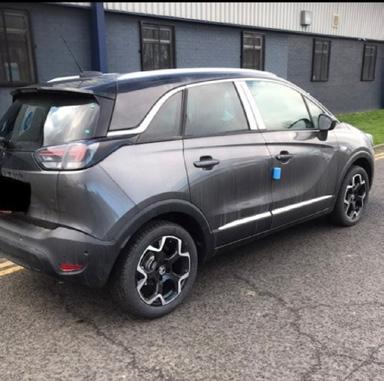
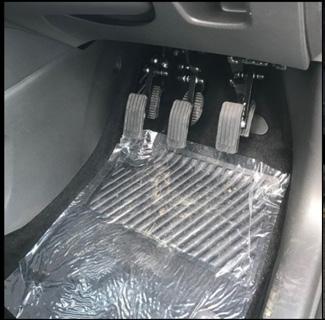
Installing vehicle adaptations including, Steering wheel aids, Hand controls, Twin Flip left foot accelerators, Right hand brake and accelerators, 40Kg, 80Kg, 120Kg Boot hoists, Transfer
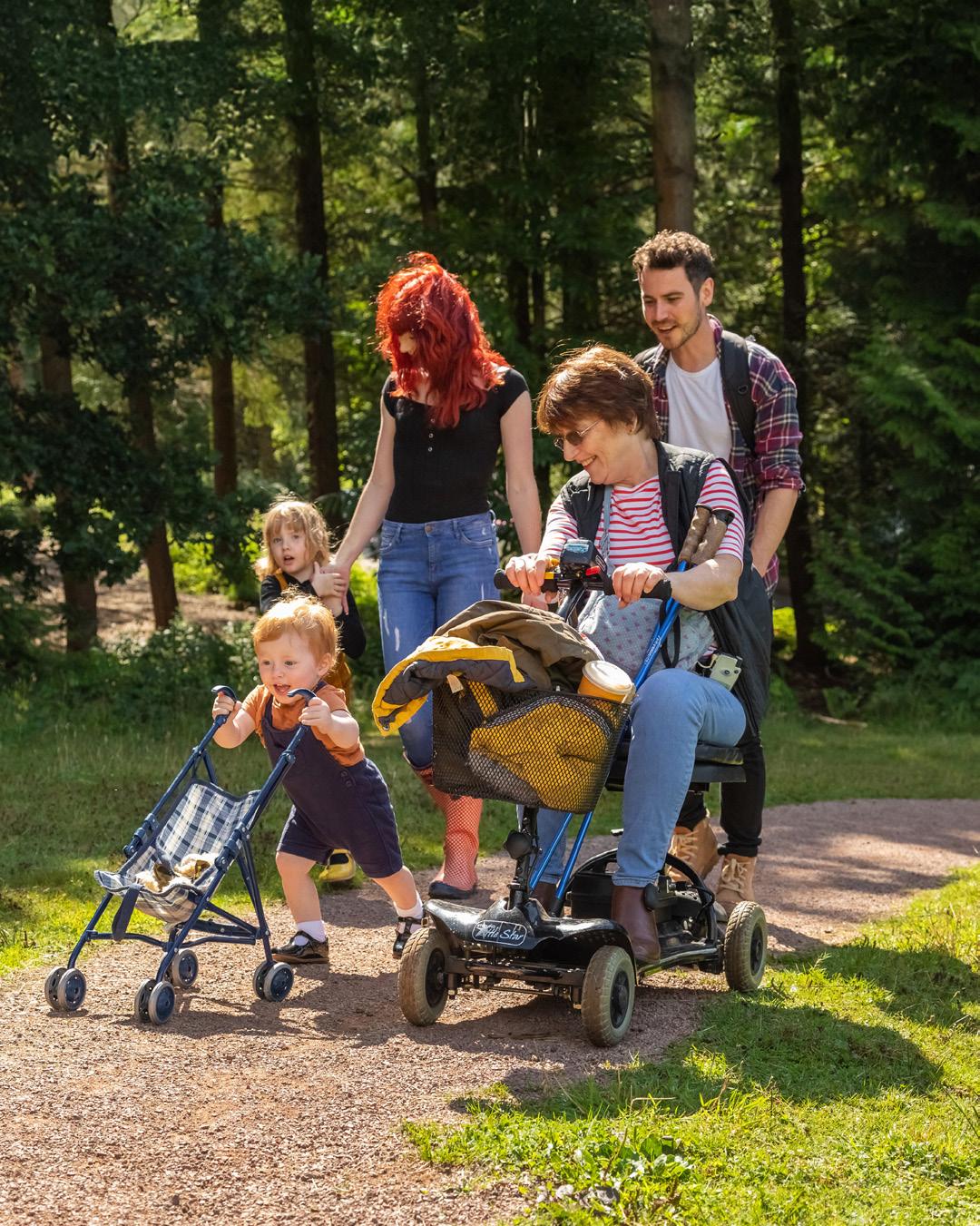
Supporting Every Child to Live a Meaningful Life
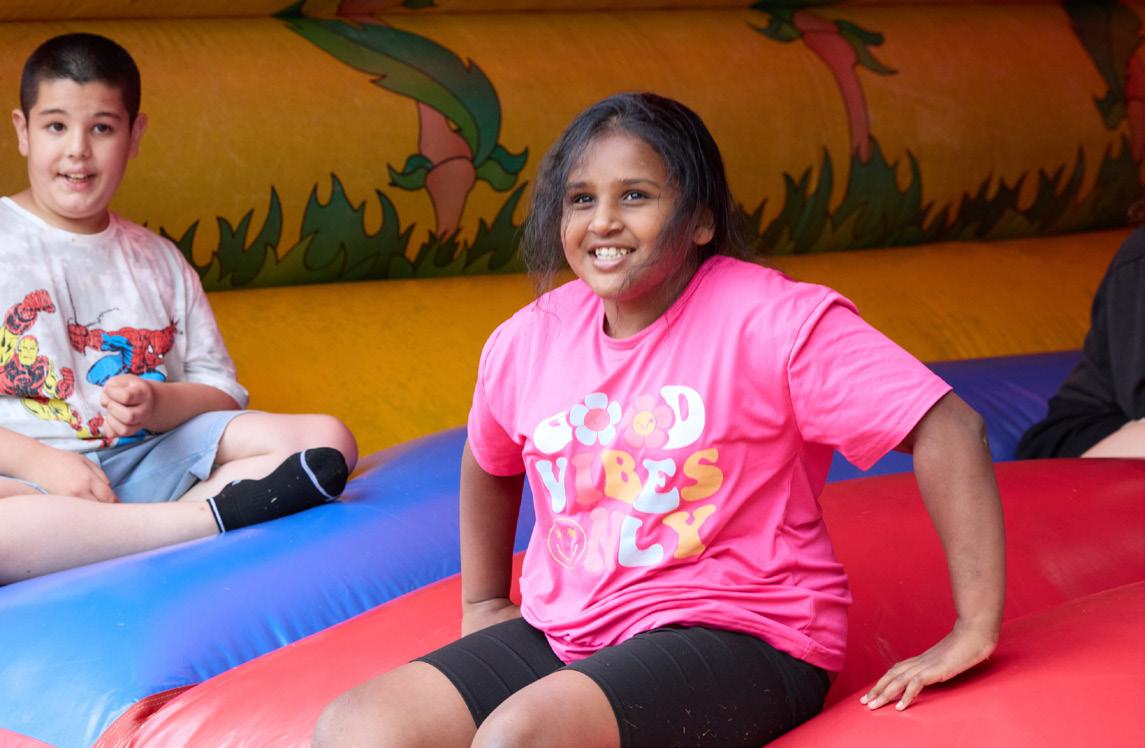
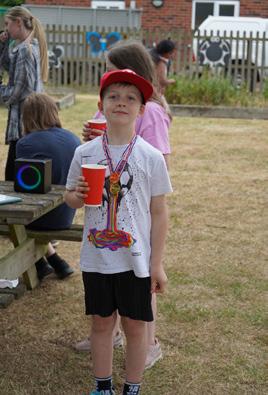
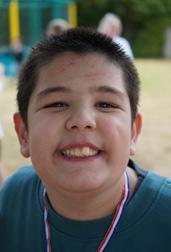
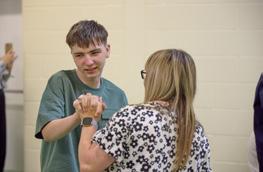
Enquire Now info@kisimul.co.uk www.kisimul.co.uk
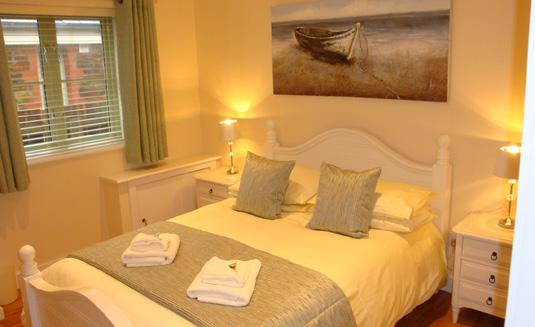
Kisimul: What We Offer
Specialist education for children with autism, learning disabilities and complex needs
Individual learning plans
Therapy and behaviour support on-site
Life skills Development
Support for transition to adulthood
Nurturing, inclusive environments
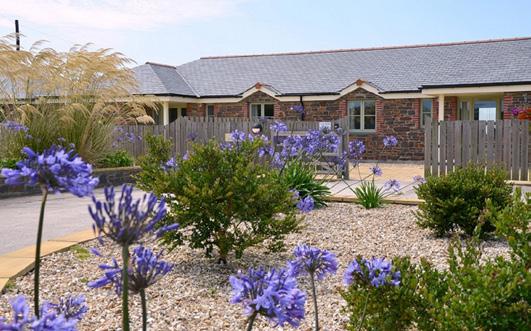
Cornish Accessible Holiday Cottages, now has 3 purpose built wheelchair friendly cottages, Hazel, Willow & Elm.
All Cottages offer the ideal self-catering location; close by one of the most beautiful coastal areas in Cornwall. The cottages have been specifically designed to accommodate families, friends and the less mobile. Guests can now hire a full profile bed for their stay in both Hazel and Willow cottages. Also Hazel cottage now has a riser recliner chair to aid guests independence & comfort.
www.cornishaccessibleholidaycottages.co.uk
All enquiries please contact Phil & April Cooke. Cornish Accessible Holiday Cottages, Tregony, Truro, Cornwall. TR2 5SH Telephone: 01872 530520
Email: info@cornishaccessibleholidaycottages.co.uk
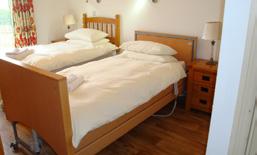

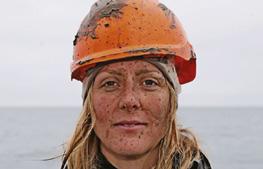
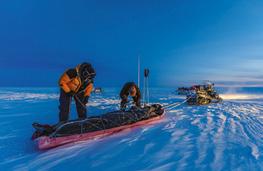
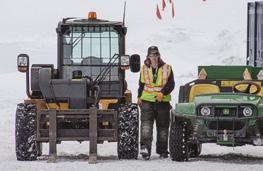
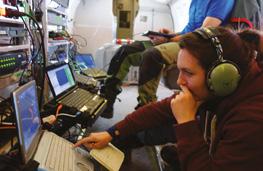
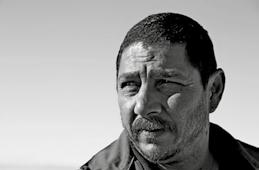
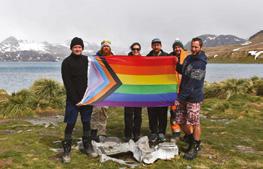



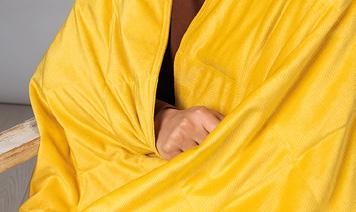
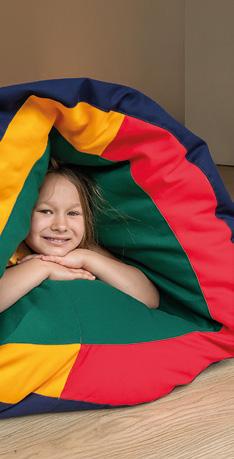

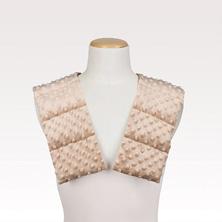

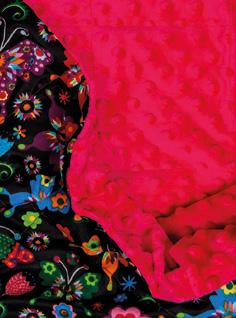


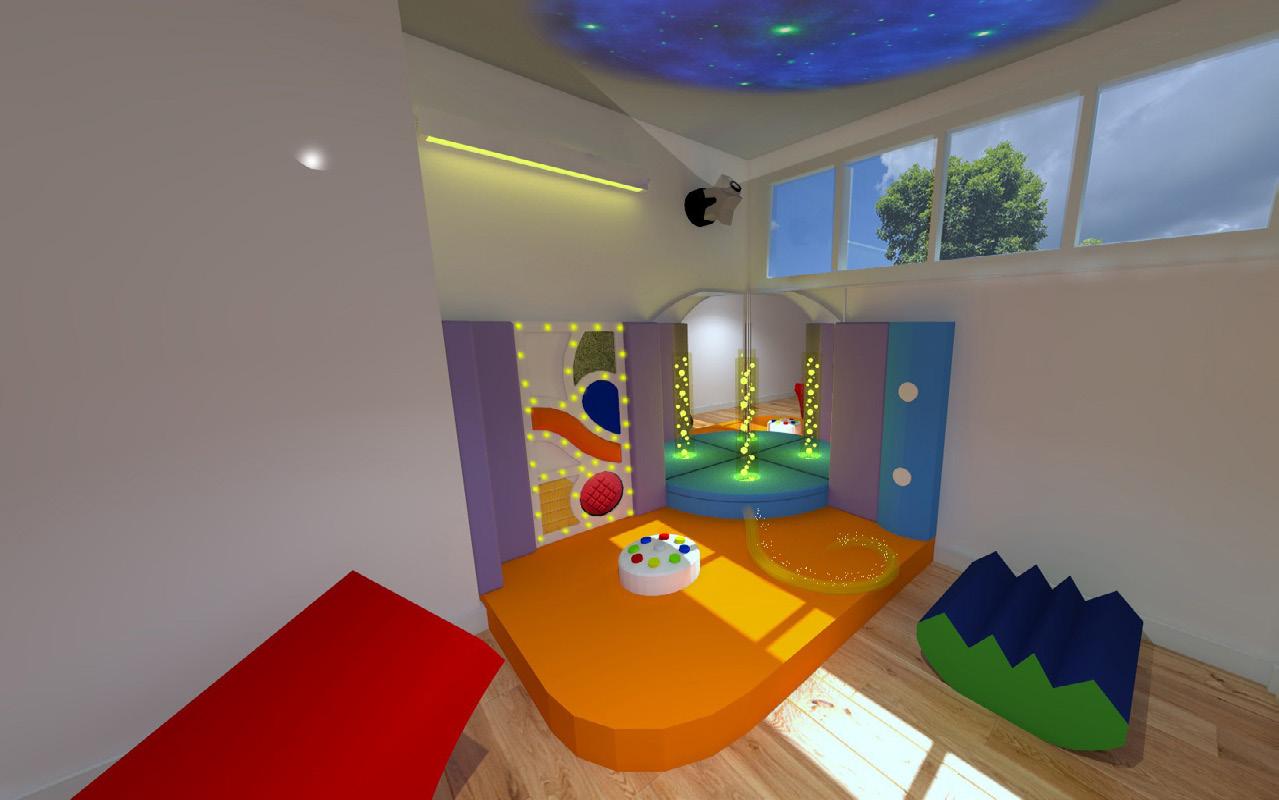
Rompa® is a trusted leader in designing and installing Snoezelen® Sensory Rooms and Soft Play areas across schools, nurseries, and educational institutions.
These calming, therapeutic spaces are thoughtfully created to support students with sensory processing challenges, mental health needs, or disabilities. Equipped with soft lighting, soothing sounds, tactile elements, and comfortable furnishings, Snoezelen® rooms help reduce stress, improve focus, and promote emotional regulation. Backed by research, these environments enhance behaviour, boost academic performance, and foster inclusive learning, benefiting students with additional needs and the entire school community.


211 777