

Understanding Arthroscopic Surgery
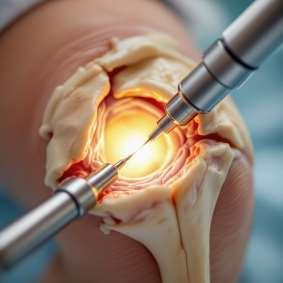
• Minimally Invasive Procedure: Utilizes small incisions and a specialized camera (arthroscope).
• Diagnostic Tool: Allows precise visualization of internal joint structures.
• Therapeutic Benefits: Enables repair or treatment of damaged tissues with minimal disruption.
• Advantages: Often leads to faster recovery, reduced pain, and less scarring compared to traditional surgery.
Before Your Surgery: Consultation & Preparation
• Initial Consultation: Discuss your condition, medical history, and surgical options with our orthopedic specialists.
• Diagnostic Tests: X-rays, MRIs, or other imaging may be used to plan the procedure.
• Risk Assessment: Understanding potential risks, benefits, and alternatives.
• Pre-operative Instructions: Guidance on diet, medications, and any necessary lifestyle adjustments.
Pre-Operative Instructions
• Fasting: You'll typically need to avoid food and drink for a certain period before surgery.
• Medication Management: Specific instructions on continuing or stopping medications (e.g., blood thinners).
• Personal Items: What to bring to the hospital (e.g., comfortable clothing, personal care items).
• Arrangements: Plan for transportation home and assistance for the first 24-48 hours post-surgery.

During Your Surgery
• Anesthesia: Administered by a qualified anesthesiologist (general, regional, or local).
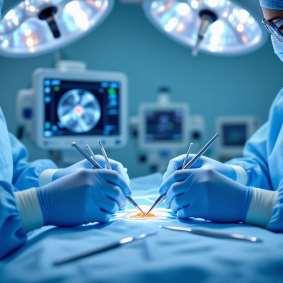
• Incision: Tiny incisions are made to insert the arthroscope and surgical instruments.
• Visualization: The surgeon views the joint's interior on a monitor via the arthroscope.
• Treatment: Surgical instruments are used to perform repairs or address the diagnosed issue.
After Surgery: Immediate Recovery
• Recovery Room: You'll be closely monitored as anesthesia wears off.
• Pain Management: Medications will be administered to manage post-operative discomfort.
• Vital Signs: Nurses will monitor your heart rate, blood pressure, and breathing.
• Discharge Planning: Instructions for home care, pain management, and follow-up appointments will be provided.

After Surgery: Home Care & Pain Management
• Pain Relief: Follow your prescribed pain medication schedule.
• Wound Care: Keep incisions clean and dry as per instructions; use bandages provided.
• Rest & Elevation: Allow your body to heal by resting and elevating the operated limb.
• Activity Restrictions: Avoid strenuous activities and follow weight-bearing guidelines.
• Warning Signs: Be aware of and report any signs of infection (fever, increased redness, pus) or severe pain.

Rehabilitation & Return to Activities
• Physical Therapy: Crucial for regaining strength, flexibility, and range of motion.
• Gradual Progression: Exercises will increase in intensity as you heal.
• Timeline: Recovery varies by individual and the type of surgery, but a gradual return to normal activities is expected.
• Follow-up: Regular check-ups with Best Orthopedic Hospital in Hisar to monitor progress.
Choose Sarvesh Health for Your Orthopedic Needs
• Expert Surgeons: Our team comprises highly skilled and experienced orthopedic specialists.
• State-of-the-Art Facilities: Equipped with the latest technology for advanced surgical procedures.
• Patient-Centric Care: We prioritize your comfort, safety, and successful recovery.
• Commitment to Excellence: Dedicated to providing the highest standard of care in orthopedic surgery.
• Your trusted choice for the Sarvesh Health City.