

Everything You Need to Know About Kidney
Transplant: A Complete Guide for Patients
What is a Kidney Transplant?
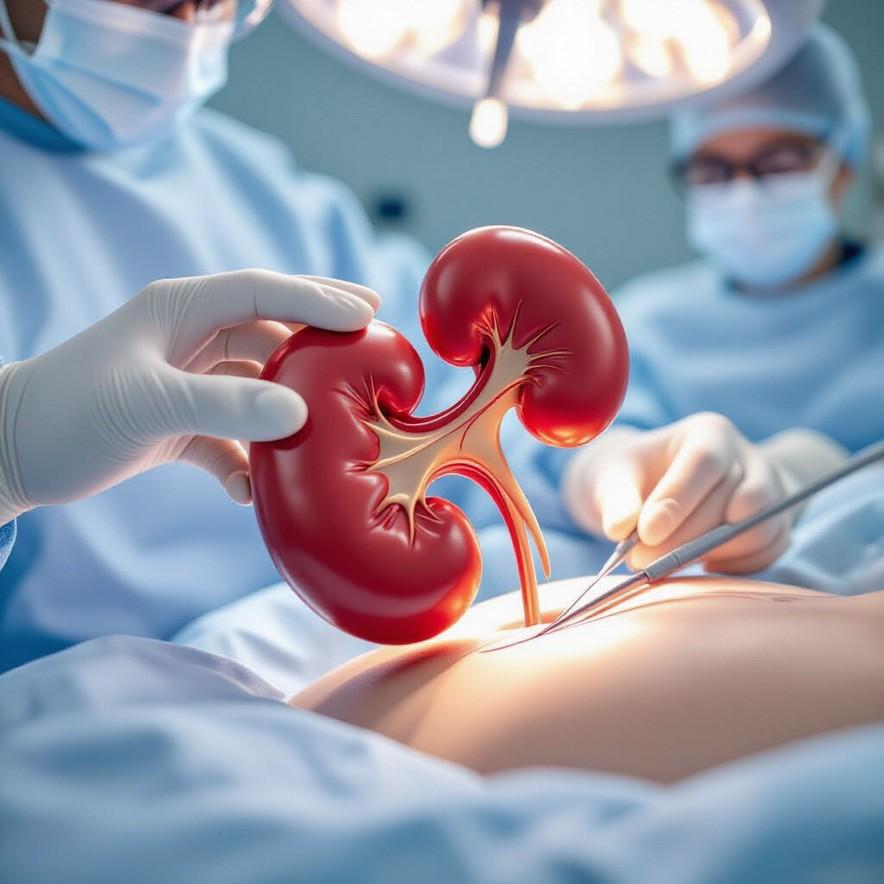
• A surgical procedure to replace a diseased or damaged kidney with a healthy kidney from a donor.
• It is a treatment for End-Stage Renal Disease (ESRD), where the kidneys have lost most or all of their function.
• The goal is to restore normal kidney function, allowing patients to live healthier and longer lives.
Why Consider a Transplant? The Benefits
• Significantly improves quality of life compared to long-term dialysis.
• Offers greater freedom from rigid dialysis schedules and restrictions.
• Potential for a longer lifespan and a more active lifestyle.
• Fewer dietary and fluid restrictions often compared to dialysis.
Who is a Candidate for a Kidney Transplant?
• Patients diagnosed with End-Stage Renal Disease (ESRD).
• Undergo a comprehensive evaluation including medical, psychological, and social assessments.
• Must be healthy enough to undergo major surgery and commit to lifelong follow-up care.
• Absence of severe co-existing conditions that would make the transplant too risky or unsuccessful.

The Transplant Journey: Evaluation & Waiting List
• Comprehensive Evaluation: A multidisciplinary team assesses your overall health, kidney disease, and readiness for transplant.
• Listing on the Waiting List: Once approved, you are added to the national waiting list managed by organizations like UNOS.
• Donor Matching: Kidneys are matched based on blood type, tissue type, antibody levels, and organ size.
• Waiting Time: Can vary greatly depending on donor availability, blood type, and medical urgency.
Donor Options: Living vs. Deceased Donors
• Deceased Donor: Kidneys are donated by individuals who have recently passed away, with family consent.
• Living Donor: A healthy person (family, friend, or altruistic stranger) donates one of their kidneys.
• Living donor transplants often have better outcomes and shorter waiting times.
• Paired Kidney Exchange programs help match incompatible donor-recipient pairs.

The Transplant Surgery & Recovery
• Surgery Duration: Typically 3-4 hours. The new kidney is usually placed in the lower abdomen, not replacing the old kidneys unless necessary.
• Hospital Stay: Patients usually remain in the hospital for 5-7 days for monitoring and initial recovery.
• Post-Surgery Care: Focus on pain management, wound healing, and starting crucial immunosuppressant medications.
• Initial Recovery Period: Takes several weeks to months, involving gradual return to normal activities.

Life After Transplant: A New Beginning
• Lifelong Immunosuppressants: Essential to prevent your body from rejecting the new kidney. These must be taken consistently.
• Regular Follow-up Care: Consult the best Kidney Transplant Hospitals in Hi sar , blood tests, and scans are crucial to monitor kidney function and overall health.
• Healthy Lifestyle: Maintaining a balanced diet, regular exercise, avoiding smoking, and managing stress are vital for long-term success.
• Return to Normal Activities: Most patients can return to work, travel, and enjoy hobbies, leading fulfilling lives.

Finding the Right Care & Support
• Choose a Transplant Center with a proven track record of successful outcomes and patient care.
• Look for experienced surgeons, nephrologists, and a dedicated transplant team.
• Consider facilities that offer comprehensive pre- and post-transplant support services.
• For exceptional care and advanced facilities, consider Sarvesh Health city, a leading name in specialized healthcare, dedicated to patient well-being. They are known for being among the best Kidney Transplant Hospitals in Hisar.