

Thermo King and BPW
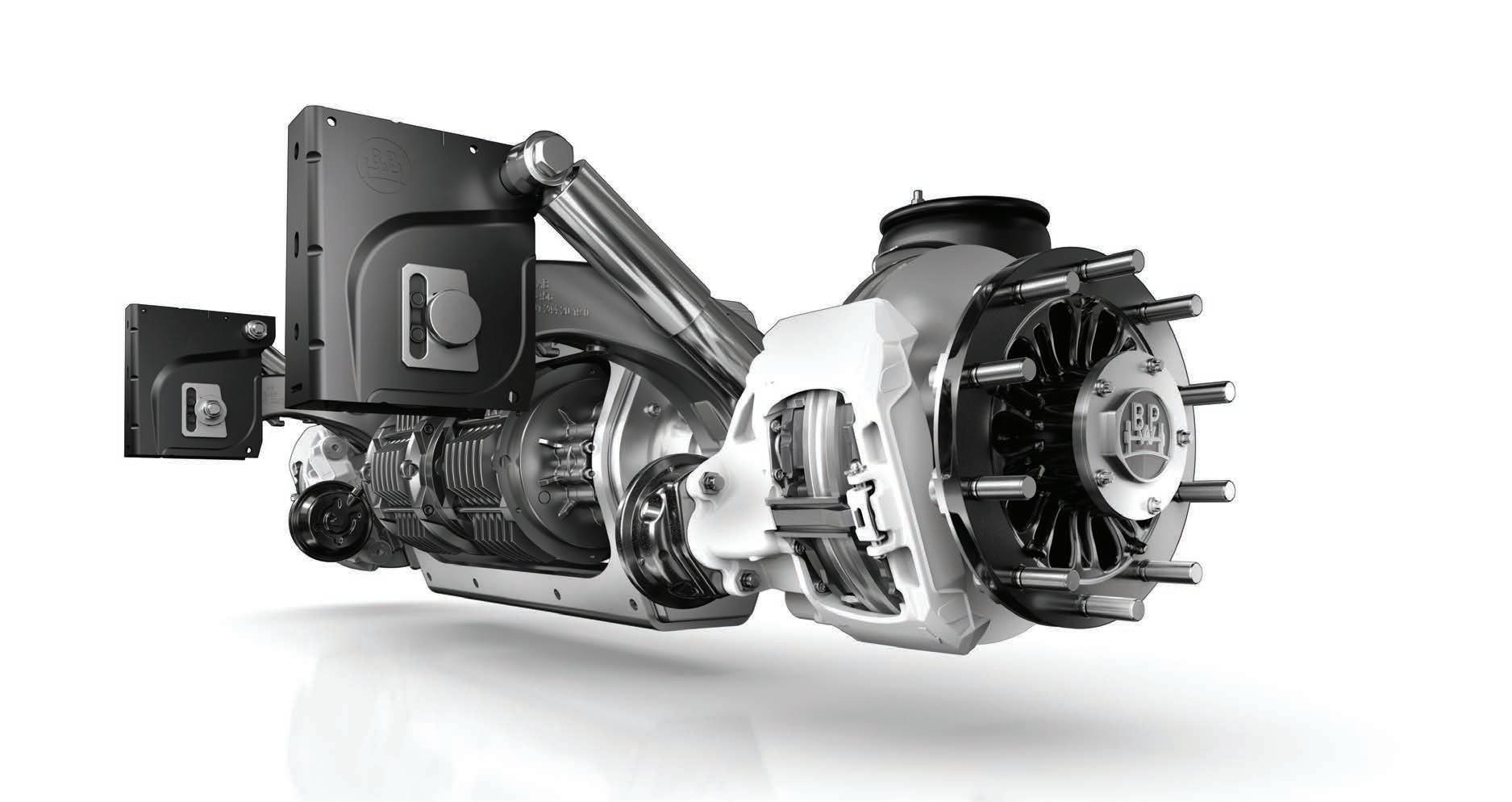
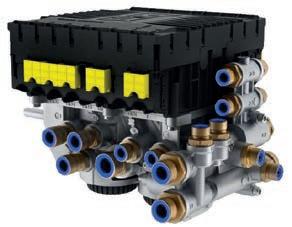
What are the benefits of ePower?
Reliable, independent power supply for fully electric or hybrid refrigeration units
Intelligent energy management and efficient operation
Air-cooled
Saves fuel and CO2

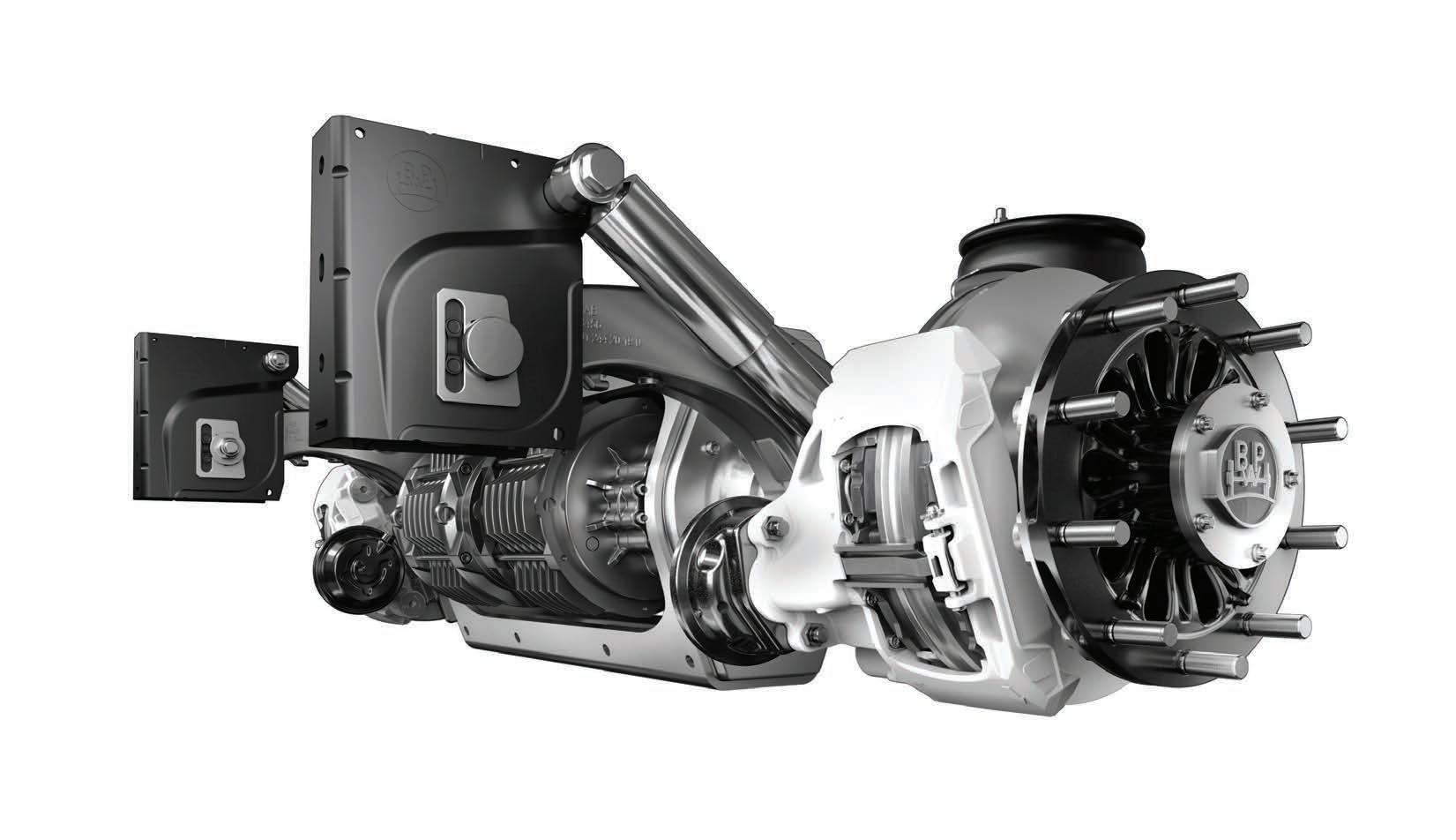
What are the benefits of ePower?
Reliable, independent power supply for fully electric or hybrid refrigeration units
Intelligent energy management and efficient operation
Air-cooled
Saves fuel and CO2
CHAIRMAN
John Murphy
john.murphy@primecreative.com.au
MANAGING
EDITOR
Luke Applebee luke.applebee@primecreative.com.au
EDITOR
Peter White peter.white@primecreative.com.au
JOURNALIST
Sean Gustini sean.gustini@primecreative.com.au
ADVERTISING
Adrian Kos: 0413 777 670 adrian.kos@primecreative.com.au
Ashley Blachford ashley.blachford@primecreative.com.au
DESIGN
Alejandro Molano
HEAD OF DESIGN
Blake Storey
CLIENT SUCCESS MANAGER
Ben Sammartino ben.sammartino@primecreative.com.au
HEAD OFFICE
Prime Creative Pty Ltd
379 Docklands Drive Docklands VIC 3008 Australia
SUBSCRIPTIONS
03 9690 8766 subscriptions@primecreative.com.au
Trailer Magazine is available by subscription from the publisher.
Annual rates: AUS $99.00 (inc GST). For overseas subscriptions, airmail postage should be added to the subscription rate. The right of refusal is reserved by the publisher.
ARTICLES
All articles submitted for publication become the property of the publisher. The Editor reserves the right to adjust any article to conform with the magazine format.
COPYRIGHT
Trailer Magazine is owned by Prime Creative and published by John Murphy.
All material in Trailer Magazine is copyright and no part may be reproduced or copied in any form or by any means (graphic, electronic or mechanical including information and retrieval systems) without written permission of the publisher. The Editor welcomes contributions but reserves the right to accept or reject any material. While every e ort has been made to ensure the accuracy of information Prime Creative will not accept responsibility for errors or omissions or for any consequences arising from reliance on information published.
The opinions expressed in Trailer Magazine are not necessarily the opinions of, or endorsed by the publisher unless otherwise stated.
O cially endorsed by the VTA
Two thousand and twenty-five has been quite the year for the transport industry. One that has been full of various challenges but also many opportunities.
We kicked January off with a bang when the Australian Government announced that an extra $7.2 billion would be invested into the Bruce Highway – a move aimed at upgrading and fixing the freight route in hopes of turning the tide on its notoriety. Several projects took shape over the remainder of the year, and ongoing developments are still being announced as we approach the end.
In March, aluminium providers and trailer manufacturers were faced with the news that the United States would be implementing tariffs on imports from Australia and trade partners around the world. Higher inflation rates and slower economic growth were general concerns for Australia as a whole, but for the trailer manufacturing industry in particular, it meant the possibility of additional costs being passed onto trailer builders and end users.
Then, Ex-Tropical Cyclone Alfred arrived. Businesses along the east coast were halted and communities were left damaged and affected. But the industry’s resilience and ability to work together in times of need proved to be much more powerful than the natural disaster.
In May, we all geared up for the Brisbane Truck Show. What we witnessed was a record-breaking event which provided OEMs with the perfect opportunity to showcase the latest technologies and equipment our industry has to offer. Manufacturers such as Vawdrey, Haulmark Trailers, Bruce Rock Engineering and JOST took the opportunity to show off new innovations while others like Krueger, GLT and HELLA used it to display their products in their own unique ways. It was a remarkable event to be a part of, and one that truly showcased what transport is all about.
Two thousand and twenty-five was also full of growth for many transport and logistics companies. Industry giants such
as Toll Group, Linfox, Lindsay Australia and Qube continued to expand with record fleet equipment investments, acquisitions, partnerships and yearon-year financial growth. Family and Australian-owned businesses including Followmont Transport, Simon National Carriers, JD Refrigerated Transport, Freight Assist Australia, Tasman Logistics Services, Minus 1 and the many others that have featured in Trailer demonstrated true resilience and development.
As we enter 2026, we inch closer and closer to a reality that could look very different to the one we know now. The Victorian Government’s Victorian Freight Plan, for example, will look to supercharge the state’s $36 billion transport sector with targeted investments in new road, rail and port infrastructure to accommodate higher productivity combinations. Additionally, the Australian Government’s Net Zero Roadmap and Action Plan will work towards reducing national emissions significantly over the next 25 years. But one thing is certain. IF we use 2025 as an example, it’s clear that the heart behind Australian transport will never change.

Trailer Magazine Editor
Peter White





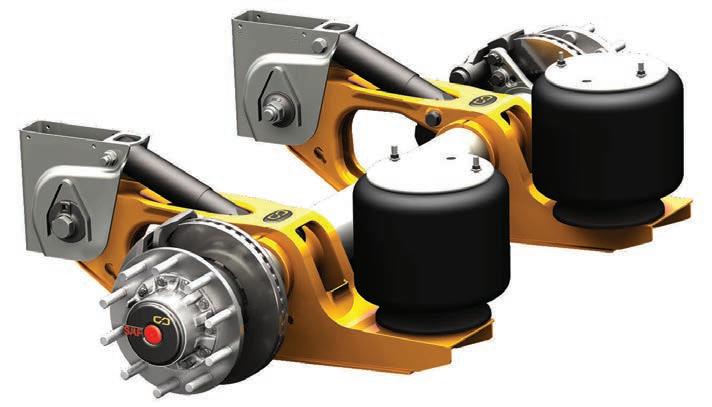



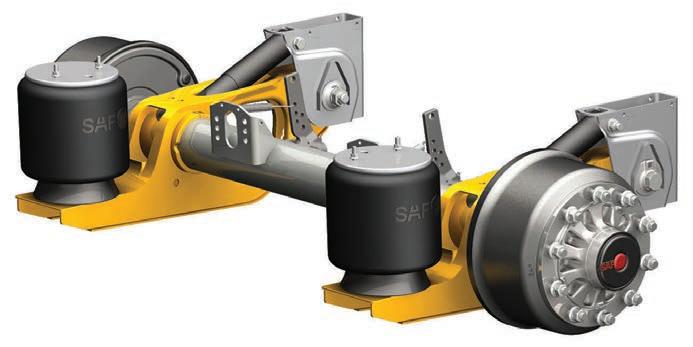
+ No Ubolts
+ More uptime
+ Low maintenance


+ Patented composite rotor
+ Frame bracket symmetry – no shocker bracing needed + SAF drum brake with quick release spherical anchor
SAF-HOLLAND (Aust.) Pty. Ltd
ABN: 79004371215 | Sales: 1300 131 613
SAF-HOLLAND (Aust.) Pty. Ltd
+ Long life disc brake technology SAF-HOLLAND (Aust.) Pty. Ltd
(Aust.) QLD
www.safholland.com.au
Ph: (61-3) 9971 7900 Fax: (61-3) 9743 6763
Ph: (61-3) 9971 7900 Fax: (61-3) 9743 6763
Email: sales@safholland.com.au www.safholland.com.au
www.safholland.com.au SAF-HOLLAND (Aust.) Pty. Ltd
(Aust.) QLD
(Aust.) QLD
(61-7) 3375 7033 Fax: (61-7) 3375 7044
Ph: (61-7) 3375 7033 Fax: (61-7) 3375 7044
(Aust.) WA
(Aust.) WA
Ph: (61-8) 9353 1720 Fax: (61-8) 9353 1730


December 2025 24
Business partnerships, people movements, developments that bolster freight productivity and more.
22 Economy
The ALRTA believes the Federal Government’s proposal to lower speed limits in rural areas will impact the transport industry if it goes ahead.
24 PBS equipment & engineering
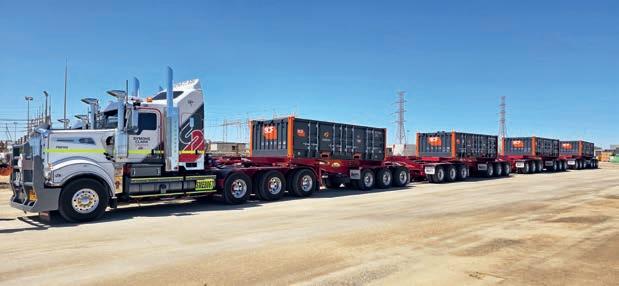
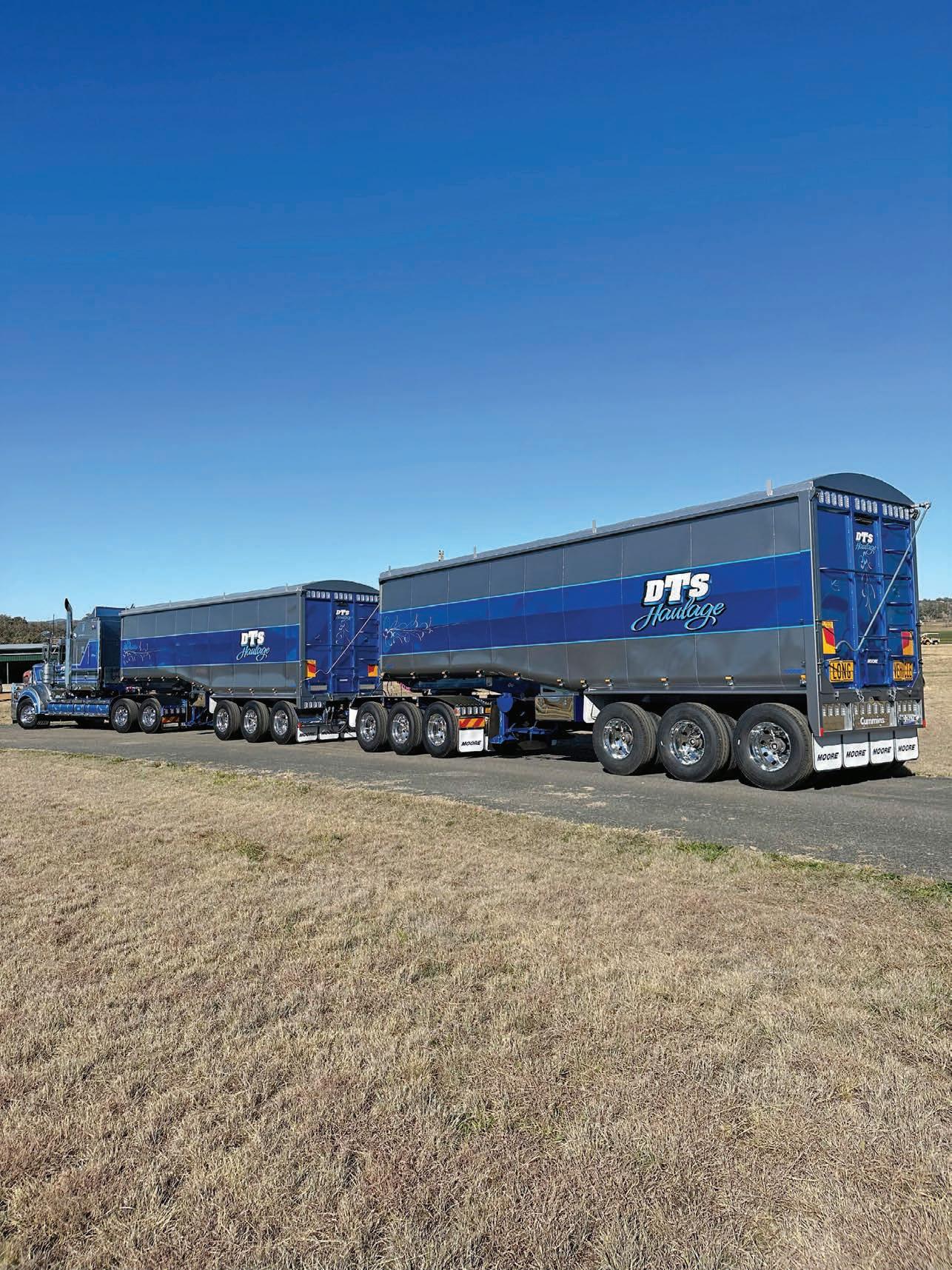
OBrienco Transport dedicates a B-triple road train to epilepsy as Symons Clark Logistics launches the first batch of a massive custom skel order.
28 Tippers
Find out about the latest tipper application developments from E-Plas, Moore Trailers and Bulk Transport Equipment.
36 Trailer builder
Australia’s trailer manufacturing industry is as strong as ever.
40 Service & maintenance
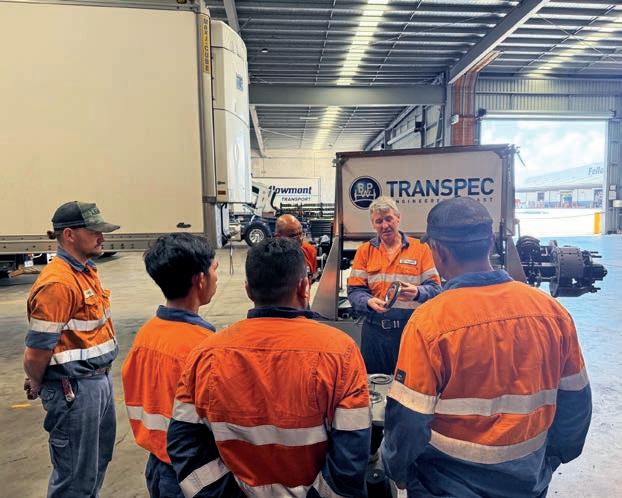
SAF-Holland, JOST and BPW Transpec are making strides with their servicing and aftersales support.
46 Trailer building materials/components
A showcase of the products and services that keep trailers on the move.
50 ALRTA
The LRTAV, Department of Transport and Planning and NHVR are championing the development of the High Productivity Livestock Vehicle Network.
52 Infrastructure spotlight
What you need to know about Australia’s biggest road projects this month.
54 World map
DHL’s newly opened Europe Innovation Centre in Germany is a launchpad for the future.
57 Fleet of the month
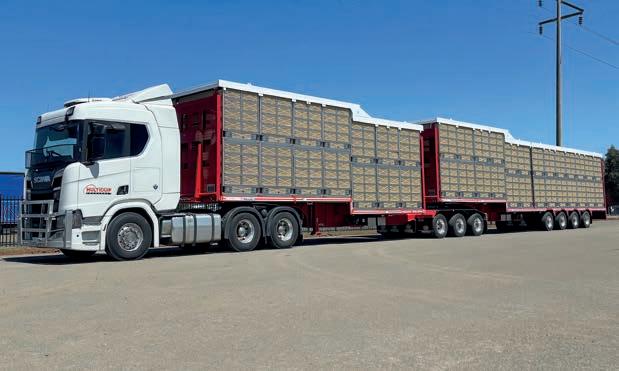
Multiquip is rolling out 10 custom Performance-Based Standards B-double combinations for Baiada.
58 What’s on Upcoming shows and field days.
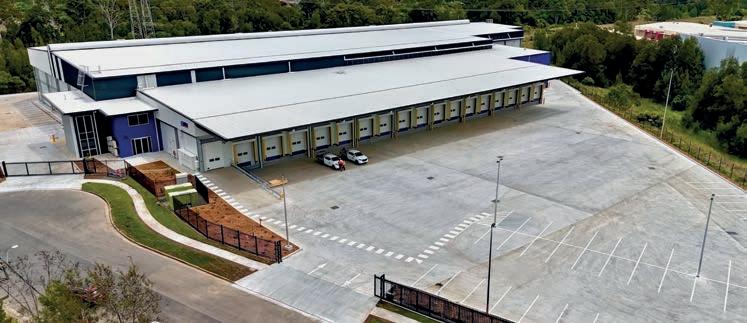
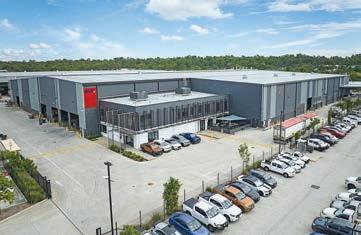
National refrigerated transport company, Minus 1, has opened a new facility in Minchinbury, New South Wales.
The 20,000-square-metre purpose-built depot features a 10,200-square-metre cold storage facility and multiple temperature chambers.
Also included is a large refrigerated cross dock, 19 recessed loading docks, a freezer with 10,000-plus pallet capacity and chiller and confectionery rooms with 2,000 temperature-controlled spaces each.
The new Minchinbury location aligns with Minus 1’s clear and aggressive growth strategy which will include several additional national infrastructure projects in the coming years.
Minus 1 CEO and Managing Director, Billy Barba, told Trailer the latest site was developed to accommodate recent growth in NSW and future expansion.
“We’ve seen growing demands as the business shifts from transport only services into the 3PL warehouse and logistics space,” he said.
“Sydney is our largest market, and
to manage customer demand while maintaining service levels, building a dedicated company-managed site was a must.”
The Minchinbury depot is positioned in a centralised location and within a close proximity to major distribution centres in the area.
It also enables greater access for the fleet’s Performance-Based Standards (PBS) combinations.
“This depot increases our capacity, brand
awareness and footprint in Sydney and NSW,” Barba told Trailer
“Importantly, it provides us with quicker vehicle turnaround times due to the increased number of recessed docks.
Better vehicle utilisation will enable continued growth for our transport division.
“Customers will benefit from an increased service offering, access to a market leading food-grade facility for better productivity, higher capacity and an ability to manage seasonal demand.”
Mondiale VGL has announced the appointment of Matthew Warrington as Group CEO, effective January 2026.
Warrington’s appointment follows an extensive global search and marks an important next phase for the Oceaniabased transport and logistics provider.
He brings more than 30 years of international logistics and supply chain experience to Mondiale VGL and its customers, including senior leadership roles with some of the sector’s most recognised organisations.
Warrington joins Mondiale VGL from Toll Group, where as President of Toll Global Forwarding, he led 2,500 people across 29 countries and managed more than US $2.3 billion (approx. $3.5 billion AUD) in annual revenue.
His earlier career included executive roles with Linfox, Visy Logistics, GrainCorp and BevChain, as well as five years as a Partner and Director with Boston Consulting Group.
Mondiale VGL Chair, Justine Smyth, said
the appointment reflects the company’s continued focus on expansion, innovation and customer success.
“Matthew is a highly respected industry leader with a proven track record of driving growth and delivering customer-focused solutions across large and complex global logistics operations,” she said.
“His commercial insight and deep understanding of what drives performance will further strengthen how we help our customers compete and succeed in today’s market.
“He brings operational discipline and an international perspective that will build on the strong platform already in place and position Mondiale VGL well for the opportunities ahead.”
Warrington said Mondiale VGL had built an impressive global platform and strong reputation across key trade lanes, supported by long-term partnerships with some of Australasia’s and the world’s most recognised brands.
“The company’s progress over the past
several years has been remarkable,” he said.
“I’m looking forward to working with the Board and leadership team to continue building on that success – strengthening our network, expanding our footprint, enhancing our customer offering and creating new opportunities for our people.”
Warrington, based in Australia, will operate from Mondiale VGL’s Sydney office while maintaining a regular presence at Mondiale VGL’s New Zealand headquarters and across the global network.
This leadership transition follows the decision of outgoing CEO, Ray Meade, to move into a senior commercial role within the business.
“Ray’s leadership has been instrumental in shaping Mondiale VGL into the global business it is today,” Smyth said.
“We’re delighted Ray will continue to play an active role in the business and we thank him for his outstanding commitment and leadership over many years.”
We choose Vawdrey because they’re a family business with exceptional values. Their design, quality equipment, back-up support and relationships with customers is what we look
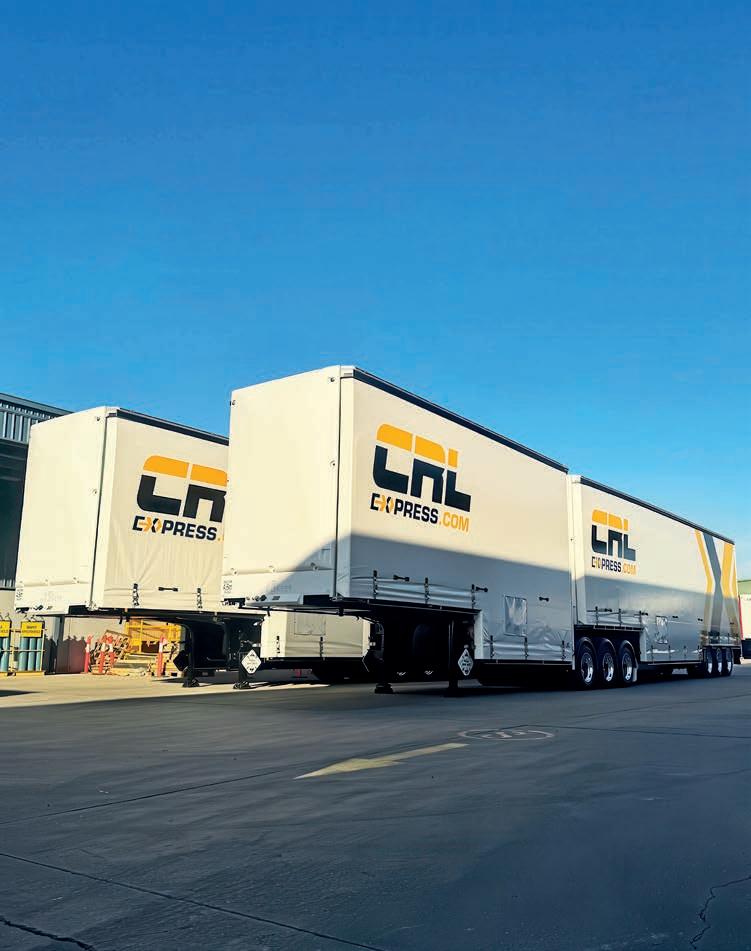
CRL Express has joined forces with Healthy Heads in Trucks and Sheds as a Supporting Level Corporate Partner.
The Victoria-based transport and logistics provider will work with Healthy Heads to drive positive change across the transport and logistics sectors, helping to build a safer, healthier and betterconnected industry.
CRL Express Group General Manager, Brendan Tate, told Trailer Healthy Heads’ mission resonates deeply with its core belief – that people matter most.
“Our business, like every business, is built on people,” he said.
“This partnership is about ensuring no one feels alone. Whether it’s sharing a coffee, offering advice or having a longer conversation, we want to create a culture of support and care across our industry and business.
“Supporting a noble cause that aligns with our values is a small step with a big impact.”
By partnering with Healthy Heads, CRL Express will be able to contribute to the wellbeing of the people keeping industry moving.
Tate sees the partnership as the beginning of a long-term relationship between both organisations.
“As CRL Express grows and evolves, so will our partnership with Healthy Heads,” he told Trailer
“I’d like to extend my sincere thanks to Ben Maguire for championing this partnership. I’m excited about the opportunity to collaborate with Ben, Melissa Weller and the entire team on upcoming initiatives that will make a meaningful impact.
“We’re proud to stand alongside Healthy Heads in promoting mental health and wellbeing in the transport and logistics sector.
“Together, we can make a real difference for the people who keep our industry moving.”
Cahill Transport has completed a major expansion of its Laverton, Victoria, depot.
The project, completed by CMW Design and Construct, primarily delivered an extended warehouse which has significantly increased Cahill Transport’s capacity.
Construction also included building a central workshop and extensive new hardstand areas which have since streamlined yard operations.
Additionally, Cahill Transport invested in a new state office building with modern workspaces, meeting rooms, a staff café and upgraded driver amenities as well as key site infrastructure including drainage, refuelling, truck wash and a new weigh bridge.
CMW Design and Construct said the upgrade has set the foundation for a highperformance logistics hub.
“We are delighted to continue our longstanding partnership with Cahill Transport and deliver a facility that supports their next stage of growth in the transport and logistics industry,” the company said.
“The project was delivered while Cahill Transport remained fully operational, thanks to the seamless collaboration between our team, subcontractors and Cahill’s management.”
We are committed to shaping the future of clean energy transport through cutting-edge technology and Australian-certified solutions. From LPG and LNG to Cryogenics and Hydrogen, our products set the standard for performance, safety, and sustainability. Whether on the road or in stationary applications, we deliver energy solutions that empower industries and communities to thrive in a cleaner, greener world.

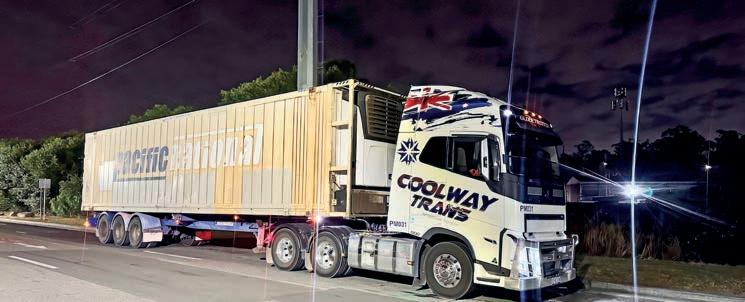
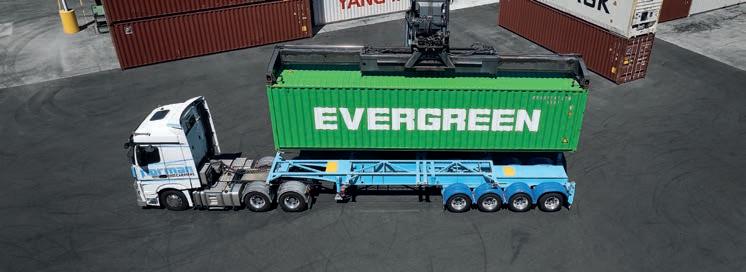
Coolway Trans has enlarged its intermodal freight services in a partnership with Pacific National.
The transport company has combined its refrigerated logistics expertise with Pacific National’s extensive rail network to transport freight across Australia in a more affordable, efficient and sustainable way.
By utilising Pacific National’s intermodal services, Coolway Trans now has the capacity to move an additional five to six containers by rail each week.
The fleet’s intermodal freight services have also expanded to cover round trips from Sydney to Perth and Melbourne to Perth.
Coolway Trans CEO, Sunny Ahmed, told Trailer the partnership has enabled the company to maintain reliability and costeffectiveness while expanding its capacity.
“This expansion was primarily led by significant growth in freight volumes to Western Australia and the need to offer
Trans semi-trailer carrying
more competitive transport rates for our customers,” he said.
“As our client base grew, particularly in the food and retail sectors, it became essential to find a scalable, sustainable logistics model.
“Intermodal rail provided exactly that.”
Coolway Trans first opened its WA depot around two years ago, marking a major step in the company’s national growth at the time.
The fleet was initially operating just one B-double per week until increased demand saw it introduce four road trains and several B-triple combinations.
Ahmed told Trailer Coolway Trans later explored the rail option when presented with a strong proposal from Pacific National.
“Pacific National offered a sustainable rate structure and reliable capacity,” he said.
“Their national presence and proven track record made them the ideal partner to support our expansion.”
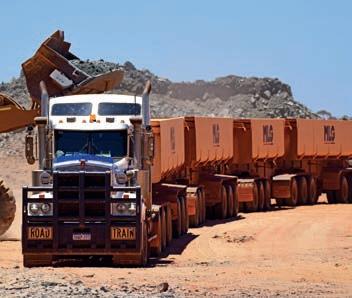
Western Australian mining company, MLG Oz, has received an extension to its existing contract with Rio Tinto.
The contract is for the provision of bulk haulage site services in support of ongoing activities at the Western Turner Syncline Mine in Pilbara, WA.
It encompasses the provision of offroad bulk ore haulage services, material loading, rock breaking, unloading, stockpile management and road maintenance services.
“We are very pleased to be able to extend our relationship with Rio Tinto for a further three months, which is a positive reflection of the successful commencement and delivery of our services,” said MLG Oz acting CEO, Mark Hatfield.
The extension will provide additional revenues of approximately $5 million through to March 2026.
The original contract revenue is still expected to be approximately $20 million.
The agreement initially targeted two to five containers per week, utilising Pacific National’s equipment and infrastructure while Coolway Trans’ own rail containers were being prepared.
Following a successful trial, the flexible arrangement has allowed Coolway Trans ensure the continuity of its operations during a growth phase.
“The WA expansion has given us greater capacity, more competitive pricing and sustainable transport rates across long-haul lanes for customers who are looking for sustainable and cost-effective rates,” Ahmed told Trailer
“It also strengthens our ability to compete with larger refrigerated transport companies in the Less-Than-Truckload (LTL) segment.
“Importantly, these improvements allow us to pass savings directly to our customers – many of whom are small businesses supplying food across Australia.”
The Pacific National intermodal solution will also allow Coolway Trans to maintain service consistency during peak periods, ensuring products reach markets on time and in optimal condition.
“Our expansion reflects our long-term vision of building a national, sustainable logistics network that supports Australian businesses from coast to coast,” Ahmed said.
“We’re proud of how far we’ve come – from a small family operation to a trusted partner servicing every major state – and we remain committed to innovation, reliability and customer success.”
The Queensland Government has announced a $79.1 million injection into its manufacturing sector.
This investment, part of the State Government’s Transforming Queensland Manufacturing Strategy 2025-2030, was made public at the headquarters of GLT Trailers in Carole Park at the start of October.
Queensland Minister for Natural Resources and Mines, Manufacturing and Regional and Rural Development, Dale Last, met with Mayor of Ipswich City Council, Teresa Harding, to make the announcement.
Harding said the investment and overall manufacturing strategy are vital, with the sector being key to Queensland’s economy.
“The manufacturing industry employs more than 10,000 people in Ipswich and is our third largest employment sector,” she said.
“Manufacturing adds $29 billion to the Queensland economy alongside supporting 175,000 jobs including 83,000 in regional Queensland.
“The Transforming Queensland Manufacturing Strategy 2025-2030 and Action Plan will be investing $79.1 million, which is set to drive Queensland’s manufacturing revival to deliver more jobs, greater productivity and innovation
into the economy, ultimately getting more Queensland products into the hands of global consumers.
“I am looking forward to working with Minister Dale and the Crisafulli Government to bring this strategy to our Queensland manufacturing industry, setting it up for long-term success ultimately boosting our local economy.”
GLT Trailers CEO and Queensland Manufacturing Advisory Council member, Shay Chalmers, expressed her support for the strategy while hosting the meeting between Harding and Last.
“We have some of the world’s leading manufacturers right here in Queensland, and this strategy is a launch pad for longterm success,” she said.
“It’s a plan to help our manufacturers grow, innovate and meet the challenges ahead.”


Norman Carriers has been re-certified to operate under the National Heavy Vehicle Accreditation Scheme’s (NHVAS) Mass Management, Maintenance Management and Performance-Based Standards (PBS) framework.
The re-accreditation confirms that Norman Carriers’ systems for mass, maintenance and fatigue management continue to meet National Heavy Vehicle Regulator (NHVR) standards.
It provides independent recognition of the fleet’s ongoing commitment to safe, compliant and efficient operations, reinforcing its reputation as a trusted operator which takes safety and Chain of Responsibility obligations seriously.
Norman Carriers Safety and Compliance Manager, Richard Wyles, told Trailer the re-accreditation will enable the business to deliver smarter and more efficient logistics solutions.
“The PBS framework allows us to use modern, high-productivity vehicles designed for enhanced safety,
improved manoeuvrability and reduced environmental impact,” he said.
“This capability is particularly important as customer demands evolve, with increasing expectations for reliability, capacity and sustainable transport outcomes.”
Recently, Wyles spoke to Trailer about Norman Carriers’ extensive safety initiatives.
The NHVAS re-accreditation builds on this, reinforcing the business’ commitment to safe operations.
“Ultimately, this re-accreditation reflects
the culture our team lives every day – a focus on safety, efficiency and continuous improvement to deliver dependable logistics solutions our clients and partners can trust,” Wyles told Trailer
“Our recent NHVAS re-accreditation is a direct result of our team’s dedication and discipline.
“Every person across Norman Carriers plays a role in maintaining the standards that keep our fleet safe, compliant and performing at its best. It is something we are genuinely proud of.”
A review into the Tasmanian Freight Equalisation Scheme (TFES) by the Australian Government is now underway.
TFES financially supports Tasmanian freight, including the state’s world-class produce, and passengers to cross the Bass Strait.
The review will consider if the scheme could better support local businesses – including farmers and producers – to compete in domestic and other markets.
It will also consider how the Bass Strait Passenger Vehicle Equalisation Scheme is reducing the cost of moving passenger vehicles across the Bass Strait.
Furthermore, the review will also explore other issues raised by the 2024 Senate Select Committee Inquiry into TFES.
Federal Minister for Infrastructure, Transport, Regional Development and Local Government, Catherine King, is in favour of improving Tasmania’s freight transport network and the economic
strength that would come with it.
“We know how important these financial support schemes are, as Tasmanians don’t have the interstate road or rail options that their mainland counterparts do,” she said.
“A strong shipping industry means new jobs, supply chain security and economic diversity, which is why we are investing an additional $95 million in the TFES over the next two years.”
Additionally, Federal Member for Lyons, Rebecca White, stressed the importance of this scheme for the farming industry.
“Keeping Tasmania connected across the Bass Strait is vital for our economy and our way of life,” she said.
“This review is about making sure Tasmania’s freight and passenger transport schemes are fit for purpose and delivering the best outcomes for our state.”
Independent reviewers, Dr David
Parmeter and Dr Jenny Gordon, have been appointed to carry out the review.
Parmeter is the former Chair of the Maritime Industry Australia Limited and the current Chair of the Australian Mariners’ Welfare Society.
Meanwhile, Gordon served previously as the Chief Economist at DFAT and currently serves on the Asian Development Bank Institute’s Advisory Council.
The Federal Government is committed to ensuring these critical schemes are fit-for-purpose and best serving Tasmanians, including reducing the red tape for efficient shipping.
Since July 2025, Tasmanian businesses have reportedly been benefitting from a 25 per cent increase in assistance rates under the scheme.
A final review report and recommendations to the government are expected in the first half of 2026.

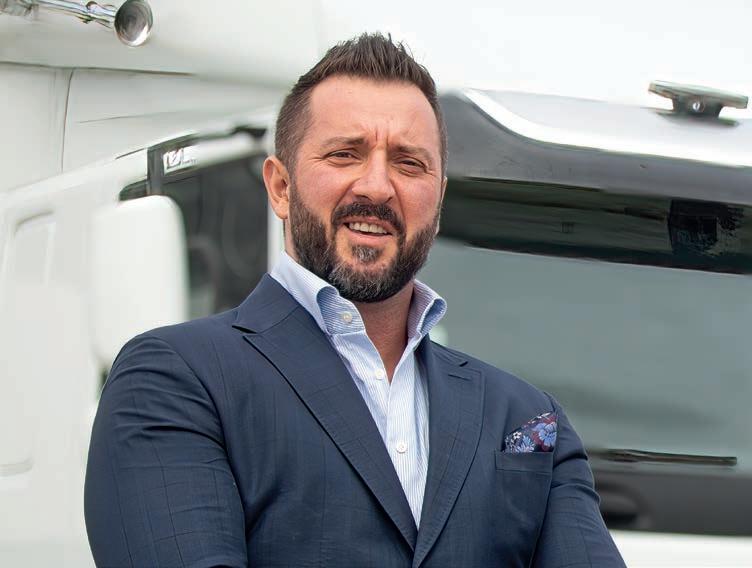
Tasman Logistics Services CEO and Managing Director, Ivan Vanis, has announced his resignation.
Vanis joined the business in 2010 as General Manager, serving in that role for eight years before moving up to CEO and Managing Director in 2018.
Vanis led Tasman Logistics Services through several growth phases at the helm of its operations.
This was evident when Vanis told Trailer in October that the transport company had tripled in size over the last three years.
This rapid expansion was primarily due to organic growth and various company acquisitions.
Vanis reflected on his time at the business, recognising the opportunity for future achievements.
“After 16 years at Tasman Logistics, I have decided it’s time for a new challenge and have exited the business,” he said.
“My time at Tasman has been amazing in building a great business backed by a sensational team. I have learnt a lot over this time and am proud of what I’ve achieved in conjunction with great people.
“It was my time to move on and pursue other opportunities that kept presenting
themselves and also take some time to spend with my family who have suffered the long hours of logistics for a long time.”
Vanis also took the time to express his gratitude to the people behind Tasman Logistics Services.
“Thank you to the amazing team at Tasman for the support over the years and allowing me to push them to their limits to be their best,” he said.
“I will miss everyone but I’m only a phone call away.”
Riordan Group has purchased Tasmaniabased agricultural company, XLD Commodities.
XLD, established in 2009, is a trusted agribusiness which offers growers and end users a range of contracting options integrated with storage and transport services.
Both XLD and Riordan Group have worked closely together for many years.
Riordan Group manages one of Victoria’s largest grain handling and logistics programs and supports XLD through fully integrated mainland procurement across accumulation, transport, storage, bulk handling and packing.
This partnership has given XLD fast and efficient access to markets in southeast Australia, delivering significant supply
chain efficiencies, cost savings and supply certainty.
As part of the acquisition, all XLD operational staff will be offered roles under the new ownership of Riordan Group.
XLD Commodities CEO, John Tuskin, will work alongside Riordan Group to ensure a smooth transition.
“This acquisition is an exciting investment for us,” said Riordan Group Managing Director, Jim Riordan.
“We are committed to building on XLD’s success and continuing the strong relationships developed with Tasmanian customers and growers.
“We have witnessed the growth of the Tasmanian grain industry as a service provider to XLD for 15 years, and this is an
opportunity to be part of the community and industry development.”
As part of the handover, all existing contracts will be honoured and, under Grain Trade Australia (GTA) provisions, can be assigned to the new counterparty.
Contracts for grain purchases or sales from November onward will be established under Riordan Group in accordance with GTA terms.
“The decision to sell comes with mixed emotions; however, the time is right for the business,” Tuskin said.
“We are very proud of XLD and the relationships we have built, and this change brings opportunities for investment in Tasmania’s grain industry and expanded services for growers and customers.”
Skel trailers
Evolution side tippers
Road train dollies
Flat tops, drop decks
Deck wideners and extendables
Coldcore
ANE and
Walking
PBS


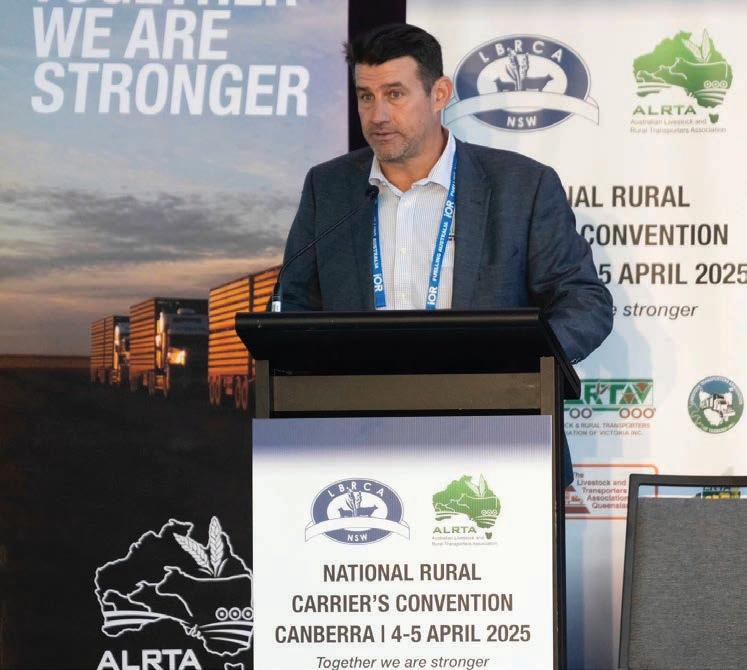
The Australian Livestock and Rural Transporters Association (ALRTA) has refined its governance processes and executive team at its Annual General Meeting (AGM).
ALRTA President, Gerard Johnson, was re-elected for a second year and was warmly endorsed by Council.
Joining Gerard are two new Vice Presidents – Benno Sutherland (Western Australia) and Athol Carter (Queensland).
“Many will know Benno as the face of the ‘Keep the Sheep’ campaign, which made national headlines during the last federal election,” said ALRTA Executive Director, Anthony Boyle.
“Based in Ravensthorpe, WA, Benno runs his own transport business, 5K Livestock and Bulk, with both livestock and bulk grain experience.
“His passion for advocacy and political insight will be invaluable to the ALRTA leadership team.”
Athol is Frasers Livestock Transport’s Compliance and Central Queensland Manager.
He is also Chair of the Performance-
Based Standards (PBS) subcommittee which is made up of stakeholders from the National Heavy Vehicle Regulator (NHVR), Australian Trucking Association (ATA), grain and livestock carriers and PBS and telematics experts.
“His strong compliance and safety knowledge will be a great asset to the Executive,” Boyle said.
Alan McKenzie from New South Wales is making a return to the ALRTA in the Treasurer role.
McKenzie operates McKenzie Water in Bulla, Victoria, with a fleet of eight prime movers.
His passion for agriculture and its contribution to Australia’s economy, combined with his sharp business acumen, will ensure a steady and wellinformed approach to ALRTA’s financial management.
Meanwhile Ann Ferry is joining the ALRTA executive team for the first time, bringing a wealth of fresh perspective and leadership experience.
“As former ATA Future Leader, Ann brings knowledge in advocacy, government
policy, business development and collaboration,” Boyle said.
“Based in Ballarat and working with GDP Transport in Creswick, Ann’s energy and insight will be a tremendous addition to the team.”
Immediate past President, Scott McDonald, will remain a part of the executive team to ensure valuable continuity.
Boyle said his four years as ALRTA President were marked by enormous dedication, and retaining his guidance will help ensure a smooth transition and steady leadership.
Veteran industry advocate, John Beer, has been appointed as the new Chair of the Driver and Animal Welfare Committee (DAWC).
“Beer is a former National President, ALRTA Life Member and Bruce McIver Award recipient for services to the industry,” Boyle said.
“His leadership, passion, and experience will be a great asset to the committee.”
Outgoing Chair, Graeme Hoare, was warmly thanked by Johnson for his outstanding contributions – including the development of the Truckwash Standards and progress toward a National Effluent Management Plan.
The ALRTA’s executive team has already held its first meeting, laying solid foundations for the year ahead.
The team has committed to meeting fortnightly, strengthening Council engagement and expanding connections across industry stakeholders.
“I’m looking forward to working with the new Executive and welcome everyone’s different skills and passion they bring to the team,” Johnson said.
“I would also like to thank the outgoing Executive – Wade Lewis, David Fyfe, Pete Edmonds and Tamara McArdle – for their tireless work and dedication to our industry.
“The time and sacrifice each person gives is immense and deserves our full appreciation.
“Together with General Manager of Policy and Strategy, Ashley Mackinnon and myself, we look forward to working closely with the new Executive to drive outcomes for all members.”
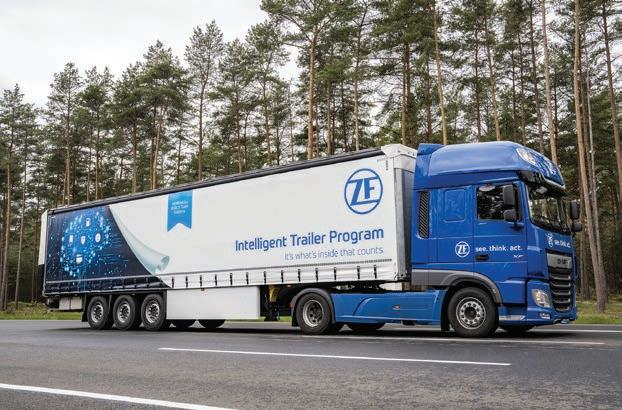
ZF [pro]Service workshops across Australia provide advanced diagnostic expertise for Trailer Electronic Braking Systems (TEBS)
We understand how complex trailer electronic braking systems can be and servicing them can often be challenging. That’s why we’ve trained workshops across Australia under our next-generation service concept, ZF [pro]Service.
ZF [pro]Service is designed to future-proof commercial vehicle workshops by combining world-class technical expertise and advanced diagnostic training across ZF’s extensive product portfolio.
This program unites the previously separate ZF Service Point and WABCO Service Partner networks into one powerful platform, supporting workshop maintenance for trucks and trailers nationwide. Scan the QR code to find your nearest ZF[pro]Service Workshop


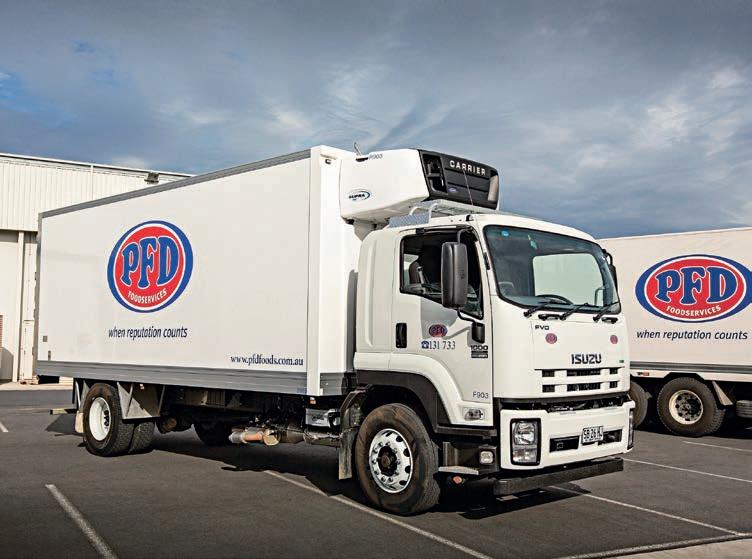
Australian foodservice distributor, PFD Food Services, is doubling the size of its Western Australian operations.
A new flagship facility spanning 22,290 square metres is set to open in the ASCEND Industrial Estate at Jandakot Airport in October 2026.
Marking a major milestone in the company’s growth strategy, the expansion will enhance PFD’s operations, increase capacity and allow it to better serve its growing customer base across WA.
The move will also improve service delivery to meet the changing needs of customers and support regional operations in Geraldton, Bunbury, Albany, Esperance and Kalgoorlie.
“This expansion reflects our commitment to investment in Western Australia, delivering high-quality service and an even more comprehensive product range to our customers,” said PFD Food Services General Manager, Western Australia and Northern Territory, Tony Pascov.
“Over 17 years, we’ve proudly built strong, long-lasting relationships with local businesses and an upgraded facility is needed to meet capacity.
“We’re excited about this next step for PFD as we continue to bring
people together through food across Western Australia.”
The new facility will house state-of-theart infrastructure and equipment – driving efficiency, quality and a greater product range to support PFD’s future growth plans.
This includes energy-efficient refrigerated storage rooms, supported by a modern two-storey office space, truck maintenance
facilities and environmental features including roof-mounted solar panels and refrigeration plant.
The opening of the new facility will also further bolster PFD’s connection to the local community, better position the business to meet increasing demand and reinforce its role as a trusted leader in the foodservices industry.
Border Express has announced an official partnership with PMA Global to provide last mile transport services in Australia.
Established in 1988, PMA Global began as a print management business and has since expanded into a provider of managed services for sourcing print and promotional goods.
The company now supports a diverse range of industries with tailored solutions, including logistics services, to meet unique needs.
Border Express will be PMA Global’s official freight distributor in a collaboration which will strengthen its position as a trusted logistics partner in the
pharmaceutical sector.
“This win reflects our continued dedication to exceeding customer expectations and delivering excellence across all the industries we serve –especially the critical pharmaceutical sector,” Border Express said.
“[The partnership] is especially significant as PMA Global services several major pharmacy chains.
“It also highlights the strength of our broader Border Express team, whose responsiveness and capability were key in winning PMA Global’s trust.”
Border Express was selected by PMA Global due to its ability to deliver
advanced reporting, real-time tracking and exceptional account management.
“With decades of experience in one of the most time-sensitive and compliancedriven sectors, we understand the importance of accuracy, transparency and reliability in every delivery,” Border Express said.
“From meeting strict temperature and handling requirements to ensuring fast, secure distribution, our network and systems are built to meet the unique needs of pharmaceutical logistics.
“We look forward to building a longterm relationship with PMA Global and supporting their success.”






























































































































































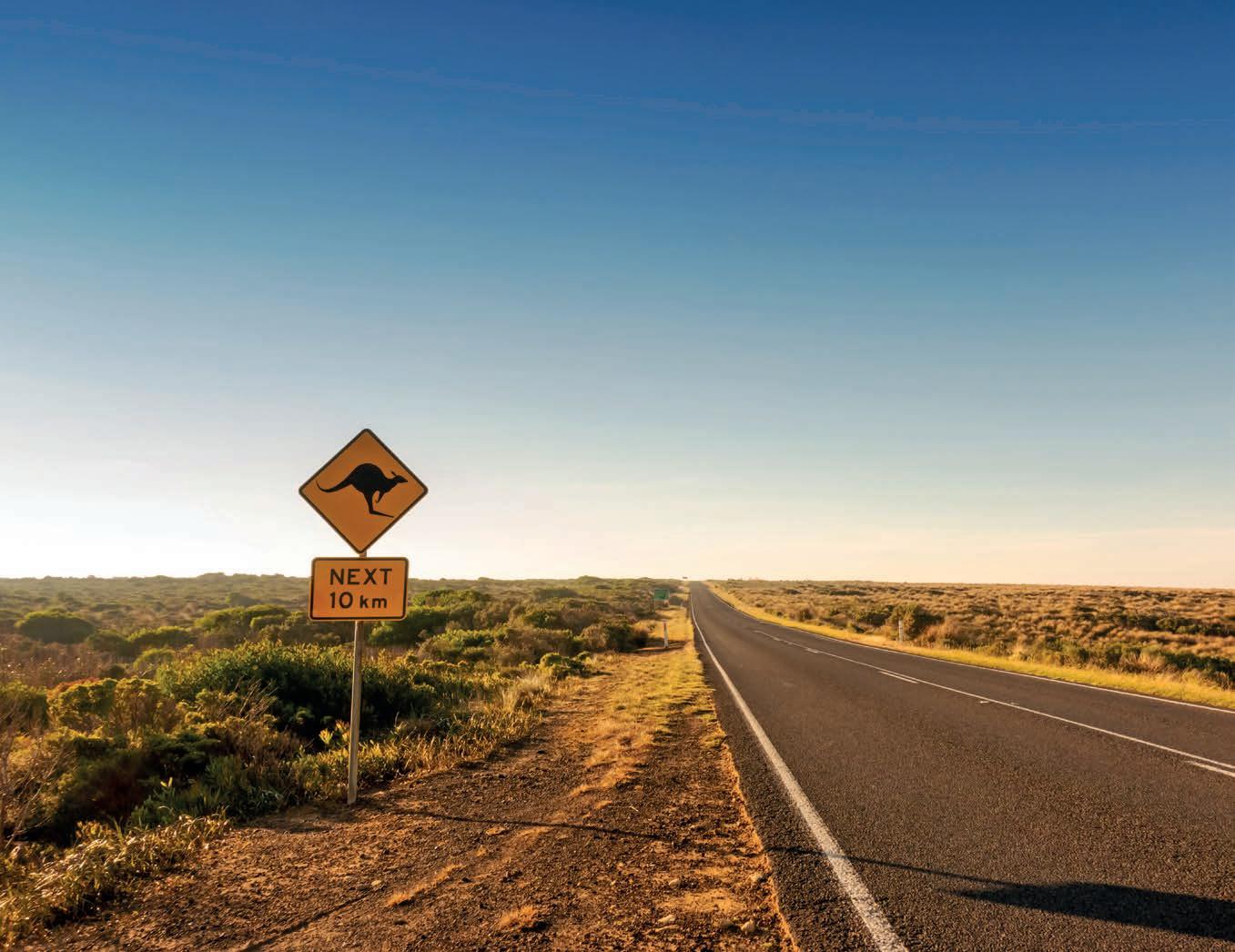
The Australian Livestock and Rural Transporters Association believes the Federal Government’s proposal to lower speed limits in rural areas will impact the transport industry if it goes ahead.
The Australian Livestock and Rural Transporters Association (ALRTA) has condemned the Federal Government’s proposal to reduce default speed limits in rural areas.
The Department of Infrastructure’s Regulatory Impact Analysis (RIA) suggests that lowering the speed limits of sealed and unsealed roads outside built-up areas from 100km/h to 80-70km/h will increase safety and reduce road toll.
The government department is insisting that travelling at up to 100km/h on these roads “may not be safe” and “will increase the risk of crashes, death and serious injuries”.
Therefore, it is vouching that reducing speed limits will help prevent the tragedy of accidents, injuries and deaths.
However, the ALRTA argues that this will harm productivity, compromise animal welfare and “disguise the real issue –
chronic under-investment in rural roads”.
“For regional operators, speed limits directly shape fatigue management, delivery windows and daily productivity,” said ALRTA Executive Director, Anthony Boyle.
“Even a modest reduction of seven km/h equates to an additional 45-60 minutes on a typical full-day run – enough to push drivers into mandated rest breaks or latenight driving under the Heavy Vehicle National Law.”
According to Boyle, this will result in more time spent resting in unsuitable metropolitan zones, greater fatigue exposure during high-risk dusk/ night hours and increased costs and scheduling disruption with “no measurable safety gain”.
He claimed that this will in turn significantly affect transporters and livestock animals.
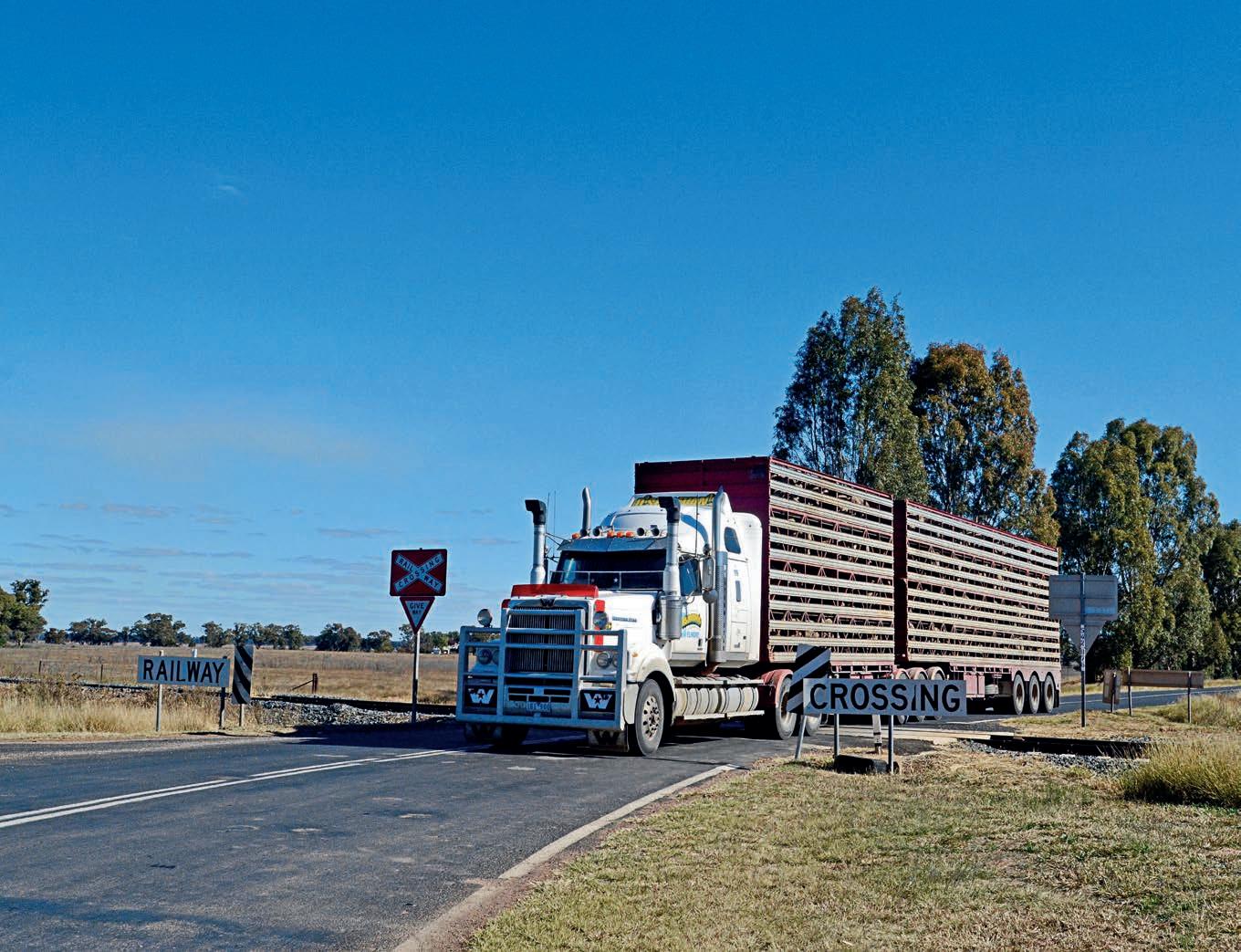
“In real terms, a driver moving livestock from Dubbo to Melbourne or Brisbane could lose almost an hour in transit, eroding valuable time for unloading and returning to regional rest areas,” Boyle said.
“For livestock transporters, an extra hour on the road carries serious welfare implications. Exposure to sub-zero overnight cold can cause chilling stress, while 40°C daytime heat rapidly increases dehydration risk.”
“The Australian Animal Welfare Standards and Guidelines – Land Transport of Livestock (2012) require journeys to be planned to minimise exposure to extreme weather and ensure contingency arrangements for affected stock.
“The RSPCA also directs transporters to take reasonable steps to reduce the impact of heat or cold during transport, while Agriculture Victoria advises that
if maximum time off water is likely to be exceeded, stock must be spelled or journeys rescheduled.
“An additional hour, particularly in peak summer or winter conditions, is not just a cost to business – it is a genuine animal welfare risk.”
The ALRTA believes reducing default open road speed limits won’t do anything to fix what it feels is the underlying cause of rural road trauma – poor road condition and underfunded maintenance.
“Rural operators already face deteriorating pavements, narrow shoulders and limited overtaking lanes,” Boyle said.
“Instead of slowing down the very operators keeping regional Australia supplied, governments should be investing in practical safety improvements [such as] sealed shoulders and improved drainage, better line marking and more overtaking opportunities.
“These measures deliver genuine safety outcomes without undermining productivity or welfare.”
The ALRTA is urging governments to:
• retain the current 100km/h sealed road
default and avoid a new unsealed road national limit;
• focus on engineering upgrades and local risk management; and
• measure success by reduced fatigue incidents linked to improved road surfaces.
“Lowering default speed limits is not a
safety strategy; it’s a budget substitute for not fixing the roads,” Boyle said.
“If policymakers want safer outcomes, they must fund the infrastructure, not punish the operators who depend on it.
“If they cancel live export, then they must support rural businesses to transition properly.”
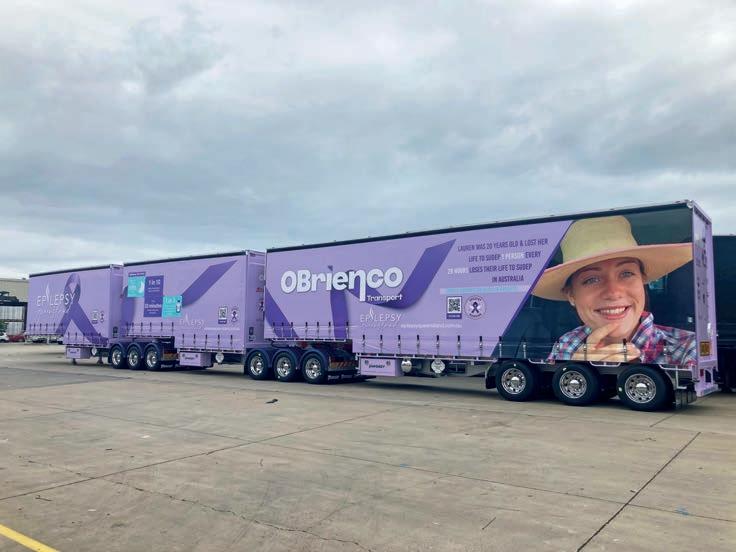
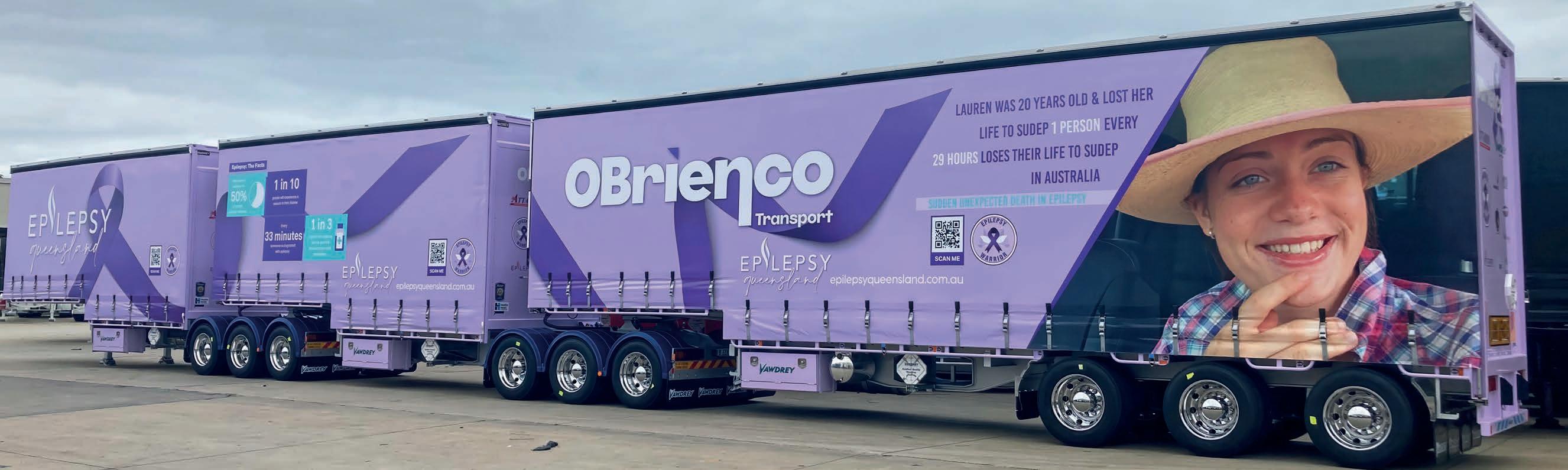
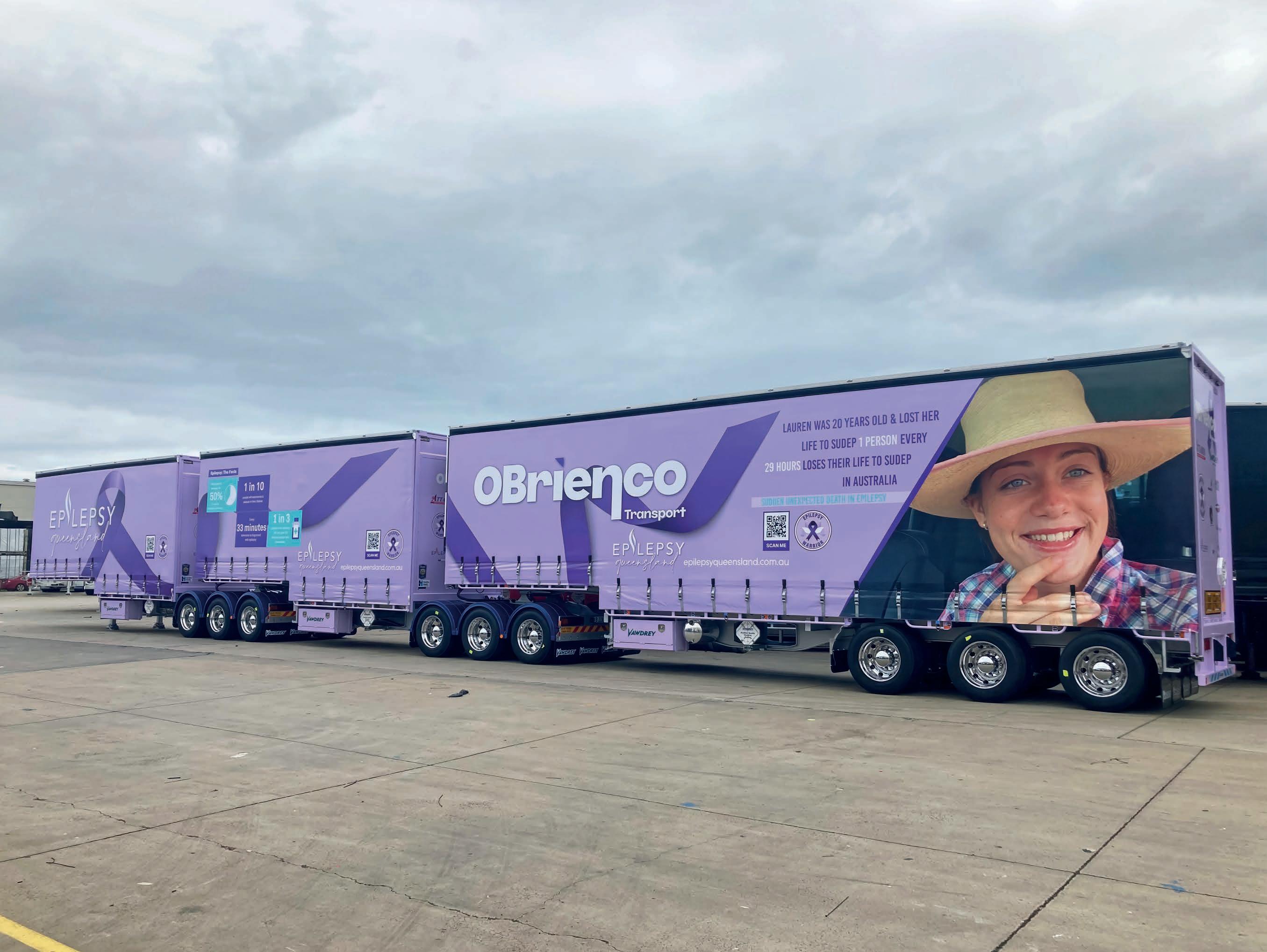
OBrienco Transport has dedicated a new Vawdrey Performance-Based Standards B-triple road train to a cause it holds very close to its heart.
Epilepsy is a chronic neurological disorder which affects around 50 million people worldwide. It’s characterised by recurring seizures and can be accompanied by a loss of consciousness and control of bowel or bladder function. Further temporary symptoms include disturbances of movement, sensation, mood or other cognitive functions.
An estimated five million people are diagnosed with epilepsy each year, and between four and 10 people per 1,000 in the general population have active epilepsy according to the World Health Organization (WHO).
The cause of around 50 per cent of epilepsy cases is unknown. Treatments include anti-seizure medications, brain surgery, dietary therapy and medicinal cannabis, but there is currently no known cure.
On 2 April 2024, Lauren Smith lost her life to Sudden Unexpected Death in Epilepsy (SUDEP). Lauren’s passing brought the entire Queensland community of Clifton together, and highlighted the importance
“I was talking to Lauren’s parents, Craig and Susan, at the funeral about how passionate she was around raising awareness for epilepsy,” says OBrienco Transport Sales Manager and Linehaul Coordinator, Jack O’Brien. “She always put herself out there and shared information around her struggles, seizures and the many near-death experiences she had.
“So, I said to them, ‘Why don’t we continue that legacy? We have some ambitions and I’d love to do something like that, too.’”
This idea very quickly became a reality. OBrienco Transport, with the help of its suppliers and customers, launched a Vawdrey Performance-Based Standards (PBS) B-triple road train for Lauren and Epilepsy Queensland.
“We’ve got two new B-triple sets,” Jack says. “One was branded with our standard OBrienco Transport blue and orange colours and the other in purple for Epilepsy Queensland. We’re using that combination to bring awareness to epilepsy and to share Lauren’s story.”
out to some of our partners, but everyone that I spoke to jumped on board.
“Vawdrey has donated to the charity. Attards provided the curtains and design work for free. The B-triple came with a Mack Super-Liner prime mover and Mack, Western Truck Group and some of our other appliance providers have thrown things in. Our insurance broker, AEI, and one of our main customers, Pacific Seeds, have also come on board.
“The support I received from what could have been considered just a throwaway idea has been amazing. I think it’s going to have a huge impact for Lauren’s family and friends.”
The Epilepsy Queensland Vawdrey Titeliner B-triple combination comprises two 12-pallet drop deck A trailers and a 20-pallet drop deck B trailer. Key features such as mezzanine decks, a Thermo King A-500 fridge unit and SuperStrap load restraint insulated curtains have made the road train extremely versatile.
“It’s a very well-rounded unit to cart almost anything around the country,” Jack
without messing around with permits too much, and the trailers can do that under PBS, Concessional Mass Limits (CML) or even by being deployed as a B-double.”
The B-triple will be involved with a range of freight tasks in 2026. In the first quarter, it will be deployed on a fortnightly basis to move canola and grass seed from Queensland to Western Australia and return with potatoes and onions. Then, in the winter, it will spend time in Moree, New South Wales, and Emerald, Queensland, transporting cotton, produce, general freight and seed around the northern and southern areas of the east coast. From there, the unit will head into South Australia and North Queensland to cart more produce such as pumpkins, onions, potatoes, watermelon before closing out with some general freight.
The Epilepsy Queensland B-triple and its sister road train follow two new Vawdrey B-doubles which arrived in the middle of this year. OBrienco Transport invested in these trailers to accommodate for much heavier freight types such as bricks and construction materials, and the transporter has been in awe with the Vawdrey product ever since.
“Vawdrey is a superior product,” Jack says. “The trailers are fantastic. They perform and they look good on the road. We get compliments on them all of
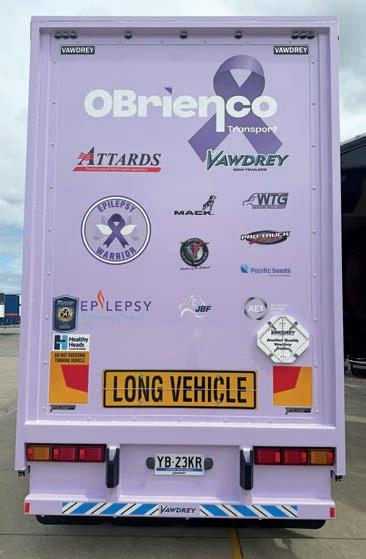
The rear of the combination showcases all supporting partners.
OBrienco Transport was founded in 2007 by Jack’s father, John. It all began with one truck and an Australia Post contract which grew to nine prime movers, multiple trailer combinations and a range of services including a Full Trailer Load (FTL) division, Less-Than-Truckload (LTL) operations, warehousing, last-mile delivery, general freight and more.
Despite the business’ healthy growth, Jack considers OBrienco Transport an infant in the transport industry’s mindset. He’s always been humble about the company’s position and the journey that will be required to make ‘OBrienco’ a household name. Jack was therefore slightly sceptical when considering purchasing new trailers earlier this year, but he got the assurance he needed after he chose Vawdrey.
“Vawdrey gave us a call a couple weeks after we took delivery of our first trailers to see how they were going, and they did the same for the B-triples,” he says. “Receiving that level of care from Vawdrey was fantastic.
“Vawdrey is just as invested in OBrienco Transport as we are. They want to see us grow to the point that we want to, and they’re going to be a very integral part of that growth. We’ve developed a really good relationship with Vawdrey and we’re very grateful for all of their support –especially with what we’ve achieved for Lauren and epilepsy.”
Contact
Vawdrey Australia
1-53 Quantum Close
Dandenong South, VIC 3175
Ph: 03 9797 3700
Web: www.vawdrey.com.au
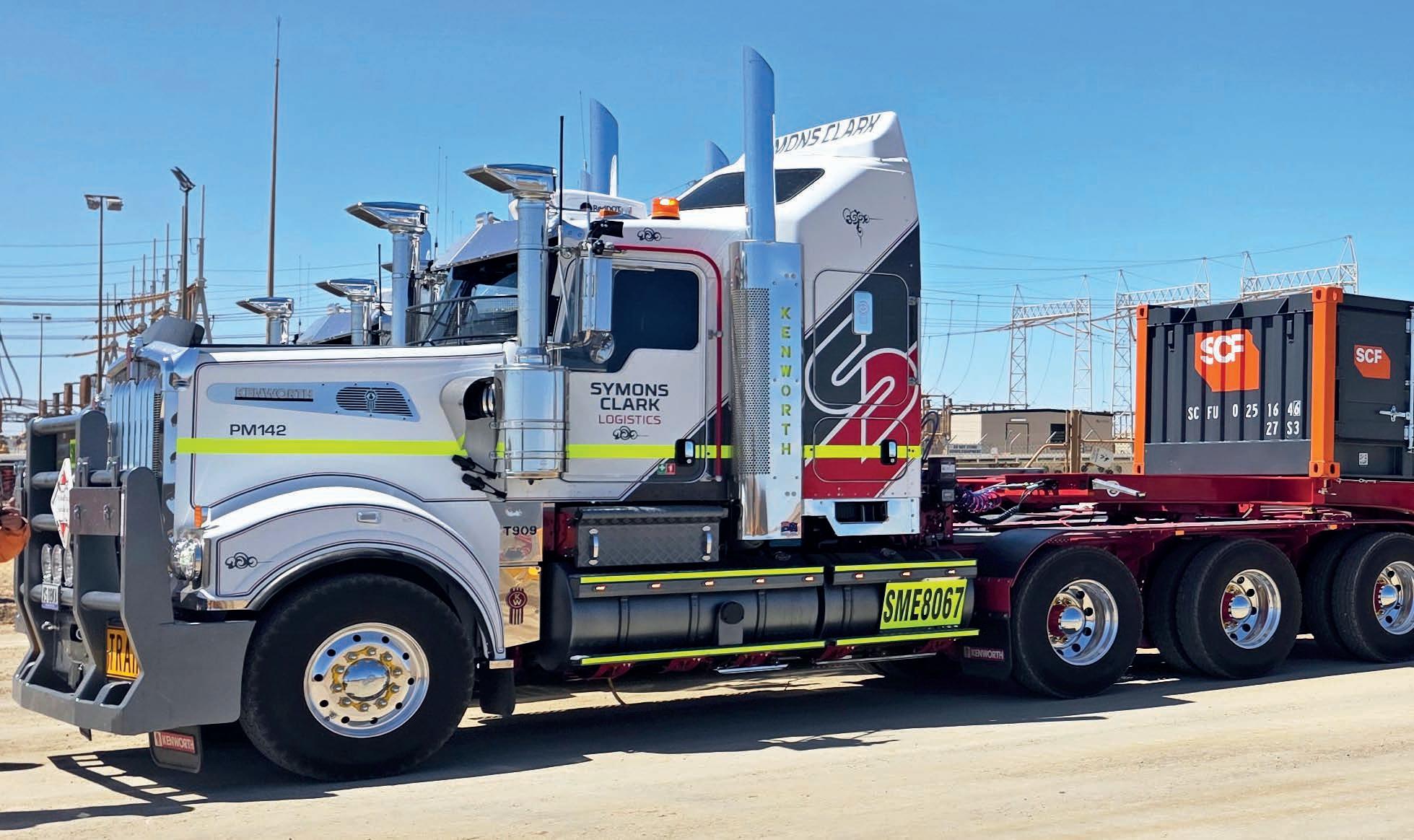
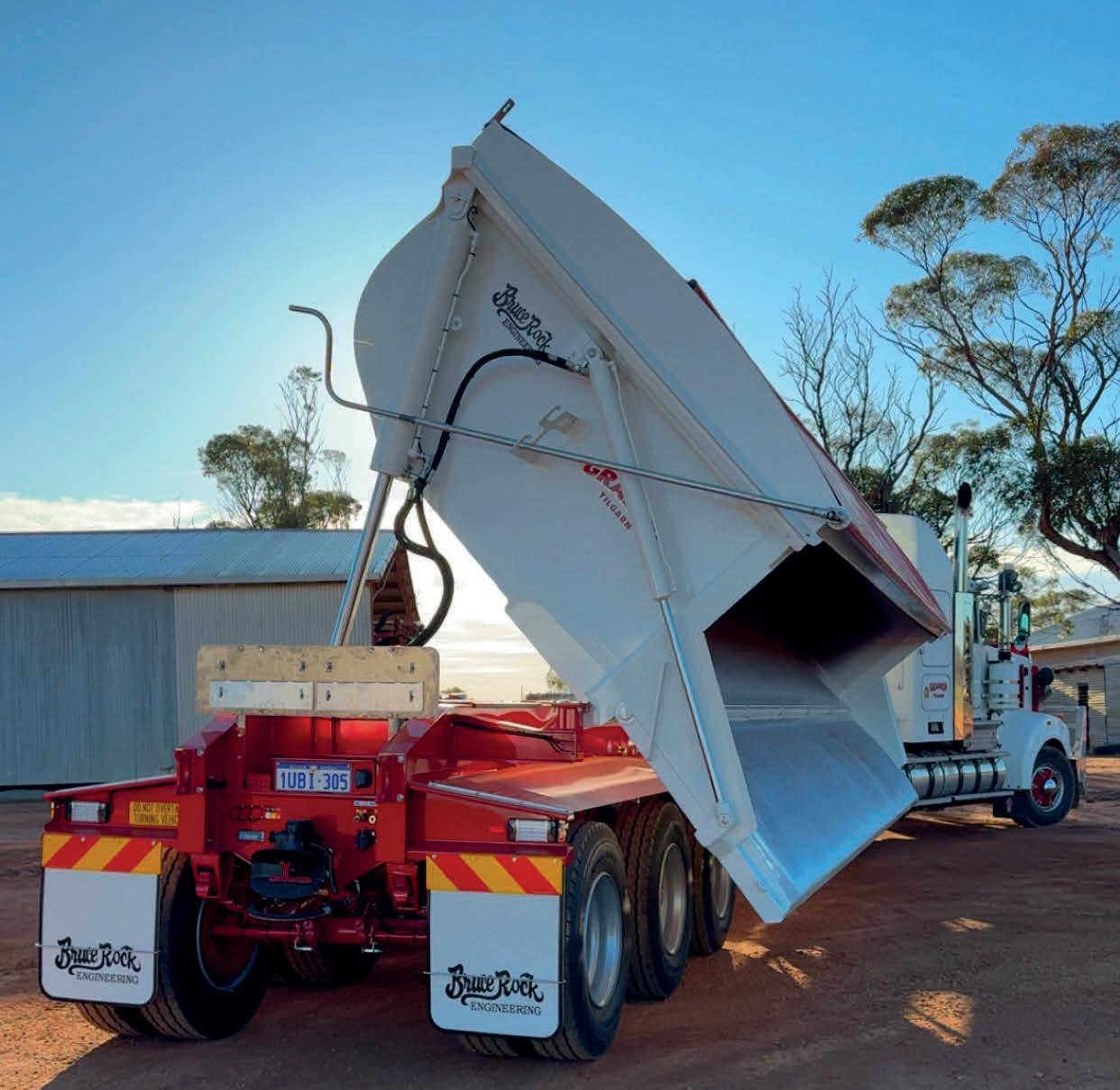
Symons Clark Logistics has launched the first of 140 custom Bruce Rock Engineering Performance-Based Standards skels into a transport contract for BHP and Aurizon.
Symons Clark Logistics has become embedded in South Australia’s transport industry over 150 years of operations.
The company was founded in 1875 in the suburb of Rosewater by Cornish blacksmith, Thomas Symons, to service the state’s growing agriculture trade. It then went on to evolve from a small carrier into a leading national logistics provider – a change which was solidified in 1981 when the business was purchased by Alby Clark.
Alby’s sons, Ricky and David, and grandsons, Jason and James, have rebranded Symons Clark Logistics to a diverse logistics operation consisting of more than 300 employees and multiple depots throughout SA. These locations have been established within close proximities to key shipping, intermodal and airport hubs to allow Symons Clark Logistics to provide solutions including wharf cartage, container transport, warehousing, packing and unpacking, heavy haulage, national bulk haulage and project and mining logistics services to customers throughout SA and beyond.
Symons Clark Logistics has most recently
continued its commitment to integrated logistics by forming a partnership with Aurizon. The fleet will service BHP’s Copper SA demand as the network moves to an intermodal solution.
“We have a very unique opportunity to be involved with the operations of BHP and Aurizon in SA’s biggest single logistics supply chain,” says Symons Clark Logistics CEO, Jason Clark. “It’s a generational transformation from road to intermodal.
“This new opportunity sees our businesses servicing the logistics requirements of BHP’s SA operations across three key mines in the state – Carrapateena, Olympic Dam and Prominent Hill.
“Aurizon transports material and equipment via rail from Adelaide to Pimba. That’s where the rail network stops and where we come in.”
Symons Clark Logistics has been commissioned to continue this supply chain by transporting mining support materials such as cement, sand and sulphur from the end of the rail line to the three aforementioned mine sites. In order to ensure ultimate safety and efficiency, an
investment in an array of custom skel trailers built under Performance-Based Standards (PBS) was required.
“We needed custom skel trailers that would be durable enough to traverse the outback roads which run out to the Carrapateena and Prominent Hill mines,” says Symons Clark Logistics General Manager of Regional Mining, Josh Hofmaier. “But we also needed these trailers to support high payloads at the same time. So, we started moving towards a PBS design that was a little more unique.”
This brought the fleet to Bruce Rock Engineering (BRE) for an order which will see a total of 140 units built and delivered by the end of the contract. The ongoing design process, supported by BRE’s in-house engineering team, has been extremely collaborative to ensure all of Symons Clark Logistics’ requirements are fully met.
“We’re having weekly meetings with BRE to discuss the trailers in our order,” Josh explains. “We talk about what additional design tweaks we can make, stress-testing and other relevant diagnostic reports.
“We’re working towards some pretty tight
deadlines, but we’ve been able to utilise BRE’s impressive manufacturing capacity at its Forrestfield and Bruce Rock facilities in Western Australia. BRE has done an excellent job of prioritising what we need in a very short timeframe.”
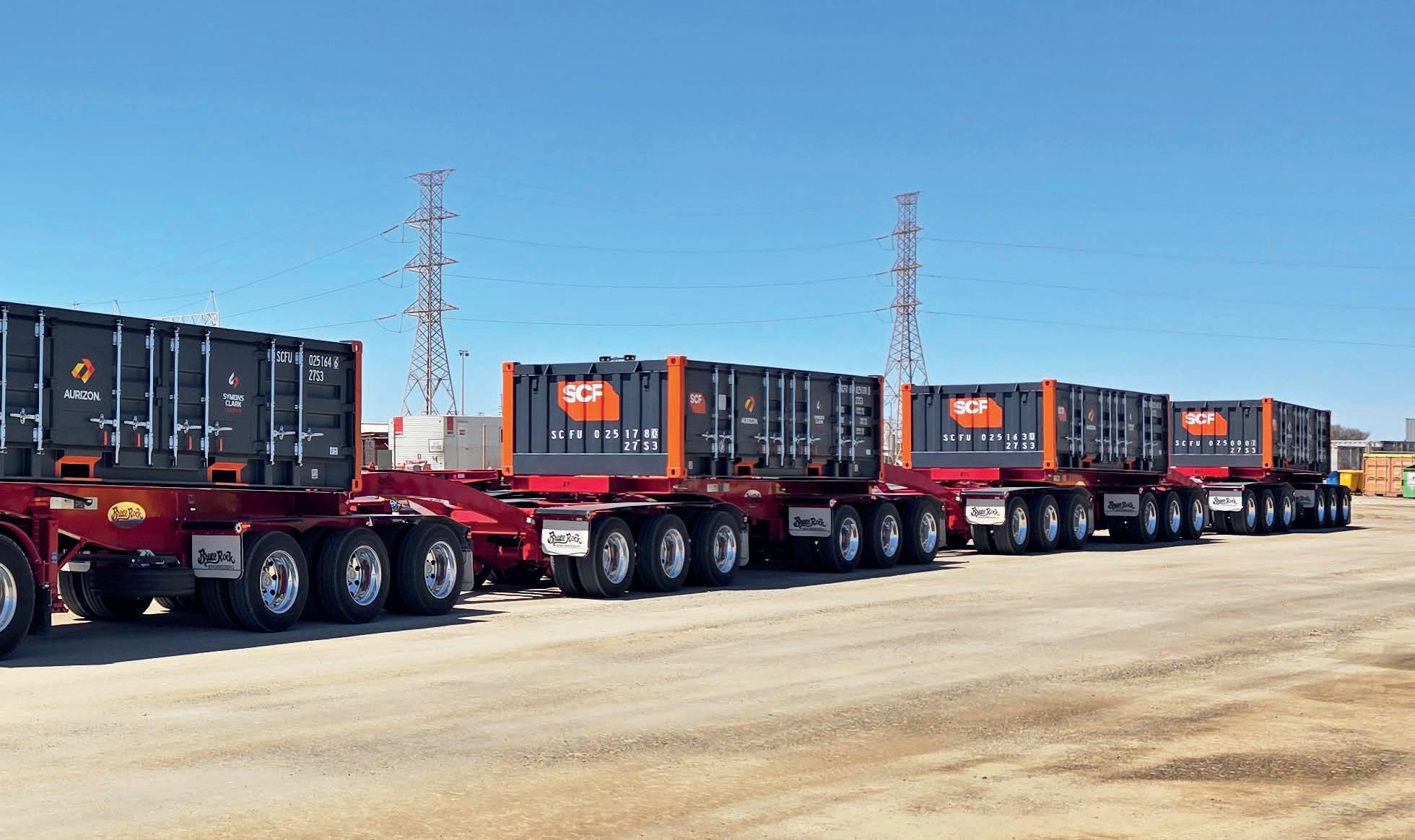
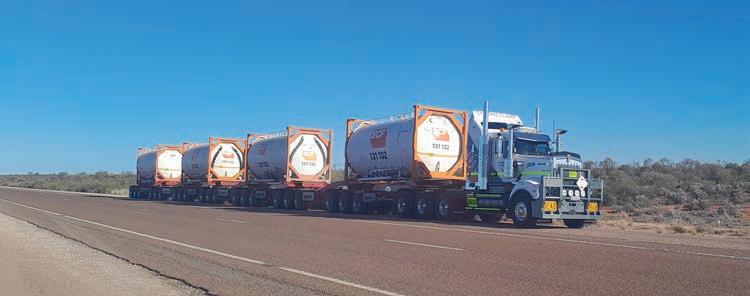
The results speak for themselves. Symons Clark Logistics recently took delivery of its first batch of 26 PBS and Dangerous Goods (DG) compliant custom skel trailers which included a combination of five super quad road trains, six super A-triples and 15 A-triple drop decks. According to Josh, these units have already made the BHP and Aurizon supply chain contract extremely efficient.
“These combinations are highly efficient and can move significant weight,” he says.
Gross Combination Mass (GCM) ratings of 187 tonnes allow the quad road trains to move freight such as copper concentrate, cement and other products to BHP’s mining sites with ease. This is also applicable to the super A-triples and A-triple drop decks which boast 142-tonne and 130-tonne GCMs respectively.
These capacities are also bolstered by extremely low tare weights throughout all of the trailers. Josh says extensive testing was required to achieve these specs.
“Keeping the height of the trailers down to cater for taller container heights and maintaining the structural integrity of the trailers was key,” he explains. “We also wanted to make sure that the trailers could be hooked up to bogey-drive and tri-drive prime movers for full flexibility within the supply chain.”
Symons Clark Logistics’ operations also required certain access benefits. These were delivered by BRE via PBS in a significant way.
“PBS has given us much greater flexibility with getting units of different lengths into certain locations,” Josh says. “We needed to meet more requirements to achieve this, but it’s made our combinations on the road much safer.
“Greater access is particularly important to us. We want our trailers to be flexible to the point where we can be short enough to travel around Adelaide through Port Adelaide and load at various supplier locations. So, a lot of work was involved to get them right.”
The single drop deck skels also went through various iterations to ensure maximum performance. Built with lower deck heights than the super triples and quads while maintaining a similar strength, they can be connected with tri-axle dollies in a gooseneck configuration to maintain stability when transiting in larger combinations.
“We ended up working through 11 versions of the drop decks in the span of two weeks,” Josh says. “We needed to get the payloads for the container weight correct on every trailer to reduce the risk of lighter and heavier containers on the trailer combinations.
“Standard drop decks will typically only offer a maximum container weight of 28.5 tonnes. We didn’t want to have any
restrictions, so we used a spread-axle setup on the front which gave us a higher payload.
“The trailers are DG compliant too, which is highly unique in the industry.”
Symons Clark Logistics is now experiencing increased productivity by being able to move a variety of heavy freight across both rough mining terrain and the extensive PBS road network.
“Our trailers have been going non-stop since the contract started in October, and we haven’t found anything wrong with them,” Josh says. “The different GCM and payload figures provide versatility in what we can move which gets the job done faster.”
These capabilities have become a point of pride for the logistics operator’s team.
“Our drivers and workers are proud to be operating such solid products,” Josh adds. “It has made the start of the operation a lot easier than it could have been.
“We haven’t had to worry about any mechanical issues, and coming from BRE, we’re not surprised. We’re incredibly proud to have BRE as a partner and look forward to doing more business with them in the future. The experience has been fantastic.”
Contact
Bruce Rock Engineering
15 Swan Street, WA 6418
Ph: 08 9061 1253
Web: www.brucerockengineering.com.au
E-Plas’ QuickSilver and Heavy Duty liners offer a full suite of operational advantages in tipping applications.
E-Plas’ QuickSilver and QuickSilver Heavy Duty tipper liners are two premier options within the transport industry which have demonstrated their worth in realworld applications. Each come with their own unique benefits depending on the application and freight task at hand.
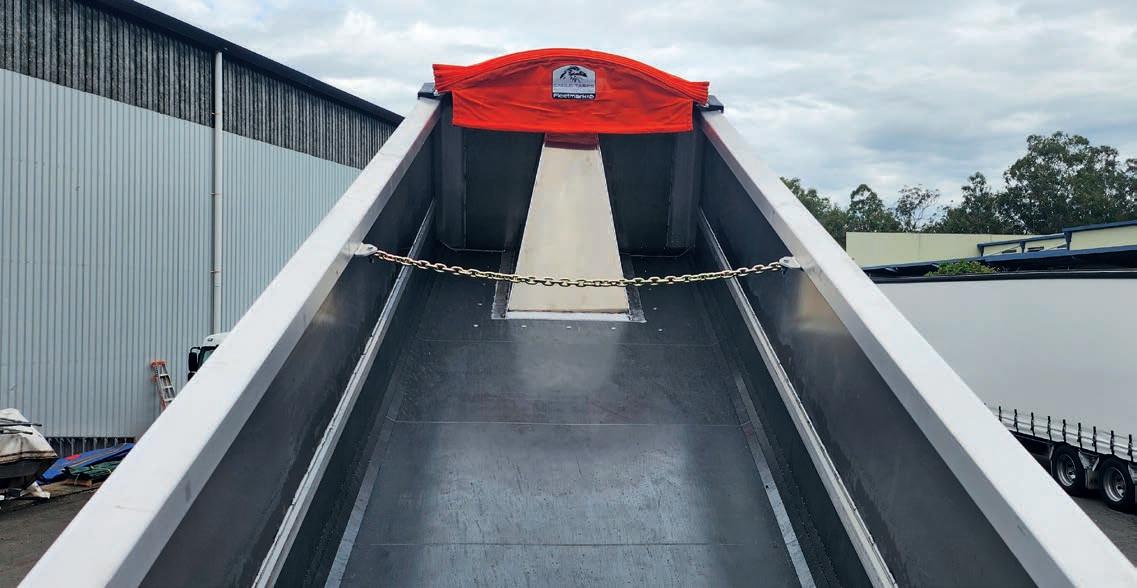
The classic QuickSilver variant has long been renowned as an ultimate stateof-the-art industrial strength UHMW-PE continuous liner for truck and trailer combinations. Generally used in end tippers, side tippers and quick-release applications across the transport, bulk handling, minerals, agriculture and grain sectors, it diminishes a number of core issues upon implementation including hang-up, tipper body abrasion and corrosion, unnecessary service
and maintenance, downtime and increased expenses.
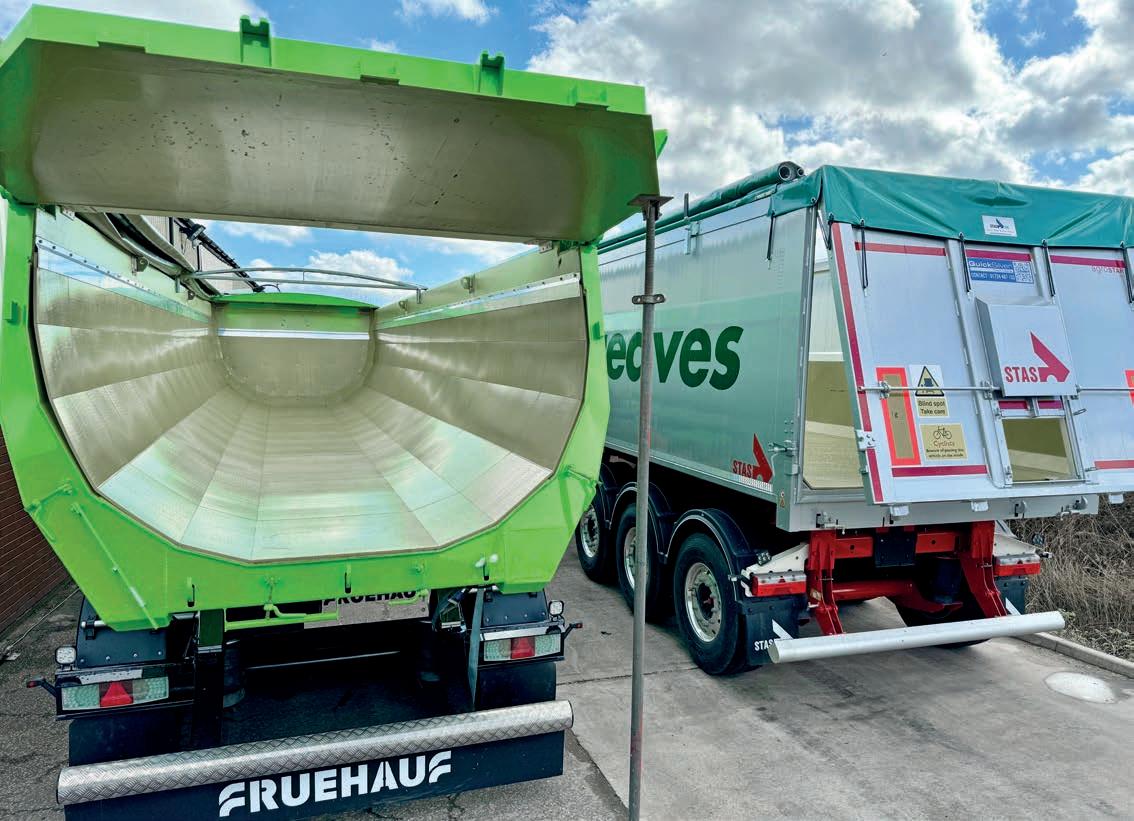
On the other hand, QuickSilver Heavy Duty has quickly emerged as a top-tier solution since launching in the Australian market just over a year ago. It was developed specifically for extreme abrasion under high intensity and can withstand applications such as sand, gravel, rock, recycled glass and construction rubble which require eight or more trips per day – while still flexing increased wear capacity and flow improvements.
Side by side, QuickSilver and QuickSilver Heavy Duty can cater to the varying demands of tipper combinations while ultimately increasing safety.
“Safety is a very big aspect of QuickSilver
and Heavy Duty,” says E-Plas National Operations Manager, Rupin Joshi. “These liners are the perfect products to have because they can handle multiple different materials with very low maintenance and cleaning required.”
Hang-up, one of the most prevalent issues in tipping, is eliminated with QuickSilver and QuickSilver Heavy Duty. The liners’ flow rates prevent bulk material from sticking to the surface of the tipper tray, allowing materials to flow much easier at a lower tipping angle and increasing safety for heavy vehicle operators. This increases productivity while eliminating the potential for injuries to occur.
“Having an empty trailer when returning after each trip is key for a lot of operators,” Rupin explains. “This is one of the biggest
benefits of QuickSilver and Heavy Duty.
“Bins are always left empty, meaning drivers can load them with more cubic metres and get more money per trip. It also decreases the chances of injuries occurring because people aren’t spending as much time manually cleaning their trucks out.”
Both QuickSilver liners were developed in the United States by Mitsubishi Chemical Advanced Materials (MCAM). They quickly gained traction throughout the international market before arriving in Australia.
To compare the effectiveness of each, E-Plas and MCAM recently conducted a case study which put both liners through the applications of a customer that was transporting a very abrasive material. The results found that Heavy Duty lasted approximately 30 per cent longer than the standard QuickSilver – proving the claims behind its durability to be true. In another study, E-Plas and MCAM compared QuickSilver Heavy Duty and a wear resistant steel liner with a customer that was looking to reduce weight and achieve a similar product lifespan. Heavy Duty lasted twice as long as the wear resistant steel liner material did.
“Aluminium liners don’t tend to help with the release, flow and elimination of carryback,” says MCAM Linings Business Manager for Asia Pacific, Orson Yong. “This can cause damage to the trailer body itself, leading to unnecessary repair costs and downtime.”
Elimination is what QuickSilver Heavy Duty in particular specialises in. The product also has a distinctive green colour which allows operators to easily identify whether a tipper is empty or if there is still product in the trailer.
“There has been a very positive trend for Heavy Duty, especially in Europe,” Orson adds. “We launched Heavy Duty internationally around six years ago and the uptake has been very encouraging.
“The growth of Heavy Duty over the classic QuickSilver grade has been around 15 per cent. That says a lot about its performance considering the original QuickSilver product has been in the market for over 20 years.”
QuickSilver Heavy Duty has been performing exceptionally in Australia so far. According to Rupin, feedback has been extremely positive.
“In terms of its performance, the initial response has been very good,” he says. “The product has met all of the standards and requirements that we expected it to.
“Our customer base has been very open to Heavy Duty. There has been a great reaction from the market, and we haven’t received any negative feedback from all of the people currently using it.
“A lot of customers have also been interested in upgrading from QuickSilver to Heavy Duty too. Australia seems to be loving it.”
The classic QuickSilver liner remains the perfect choice for transport companies
and operators outside of the mining realm. The fact that it has been available in a competitive and ever-expanding market for more than 20 years speaks for itself.
“QuickSilver is a great long-term investment,” Rupin says. “We know that it can be installed in a day based off the feedback received from the operators we work with. Our customers have been able to keep their trailers on the road for longer and get a great return on investment.”
E-Plas plans to further investigate the long-term benefits of QuickSilver Heavy Duty in the near future. Simultaneously, it will continue the legacy of QuickSilver.
“We are currently having discussions with our installers to see if QuickSilver Heavy Duty will work in hot mix applications,” Rupin reveals. “We’re also exploring a mine site application with automated trucks.
“We’re always looking to take on an application that others might not want to touch. That’s the key thing about our partnership with MCAM – we have the freedom to explore different sizes of rolls and kits without being restricted to one thickness or size. We’re always watching out for different opportunities and we’ll continue to do so.”
Contact E-Plas
Ph: 03 8361 1791
Web: www.eplas.com.au
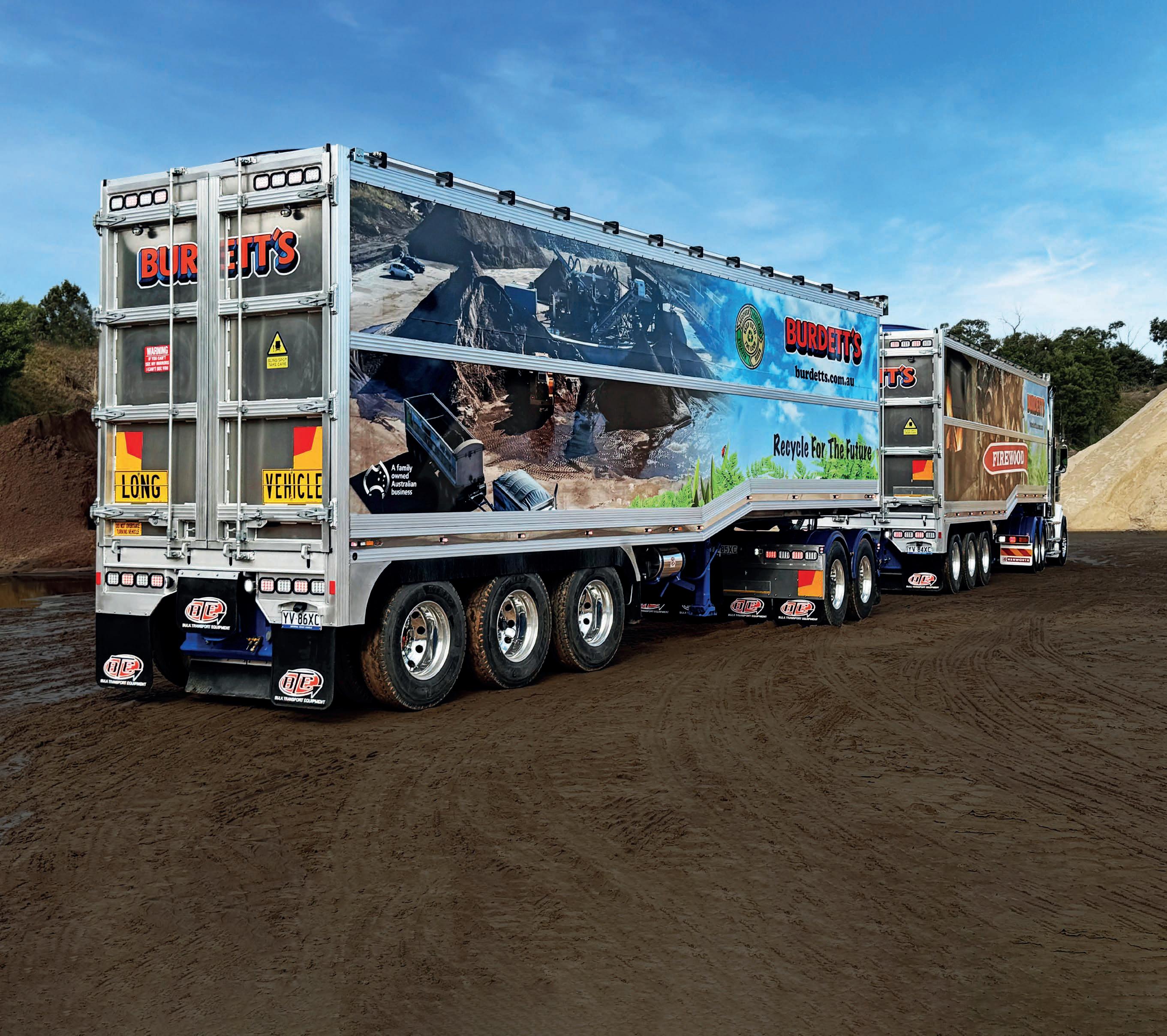
From quarry contractors to Harvest operators to Road Train work. BTE is earning its keep everyday. Hard work demands the best Equipment.
Chassis warranty across the whole trailer range.
Chassis warranty across the whole trailer range.
40 TONNE Ballraces on all Dog Trailers.
90MM Diameter pivot bar.
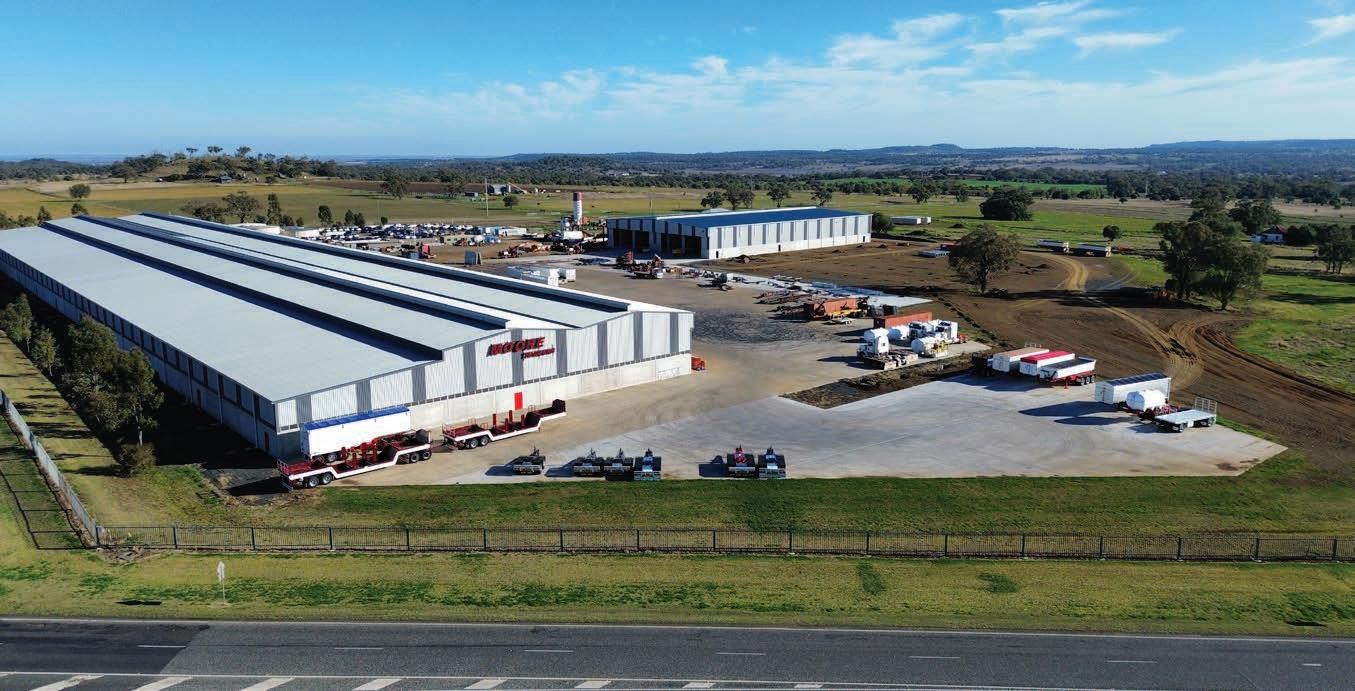
Moore Trailers is expanding to bring a wide range of additional manufacturing capabilities and efficiencies to its operation.
Lionel Moore had spent over a quarter of a century building trailers with other manufacturers in the rural town of Pittsworth, Queensland, when he decided he could channel his expertise into an enterprise of his own. So, in 1988, he partnered with his sons, Shayne and Grahame, to establish Lionel Moore Trailers.
The business operated out of the corner of a rented shed in its early days, mainly repairing attachments for old trailers. But, following the commission of its first new trailer build in 1992, its operations changed significantly. Lionel Moore Trailers quickly relocated to an upgraded facility and then extended its value proposition extended over time.
Moore Trailers soon boasted an extensive portfolio of combinations ranging from tippers, flat tops, drop decks, tilt trays and extendables to livestock trailers, fibreglass and steel tankers, conveyor floor units, convertible trailers and dollies. This vast offering grew the business’ customer base significantly.
This concept of growth has always
remained integral to Moore Trailers’ operations. Now, the company is expanding its facility complex even further as part of a new business strategy.
“We are thrilled to have entered a new age in our company’s journey with an expansion of our operations,” Shayne says. “This is a strategic move which will create a more efficient flow for our production.”
The project involves consolidating all of Moore Trailers’ divisions into two new state-of-the-art facilities in Pittsworth.
The first location, at a size of 3,500 square metres, will serve as a dedicated blast, prep and paint shed with two fully enclosed blast booths (22 metres and 15 metres in length respectively) including dual blast heads and dust suppression and extraction features.
The blast booths will be joined by two prep areas and three paint booths. The latter will provide internal mechanical platforms for trailers as well as full downdraft vapor extraction capabilities.
Moore Trailers’ second building will be a 2,750-square-metre finish and repair facility. Complementing the
company’s existing finishing section, it will include a variety of amenities such as multiple internal pits with hydraulic floors to suit the business’ broad range of products and many overhead gantry cranes. These will further be supported by a repair section with access to pits, brake testing area and drive-through for quick turnaround.
Shayne says the combination of these two sites will have a great impact on the Moore Trailers business.
“The consolidation of these sites will enable us to reduce production time, deliver high-quality products and services more efficiently, strengthen our industry presence and foster community growth and development,” he says. “This move also represents a significant step towards achieving our long-term vision of operational excellence and industry leadership.
“We want to thank our dedicated team, loyal customers, and partners for their unwavering support.”
Moore Trailers’ two new facilities are expected to be operational in the first quarter of 2026.



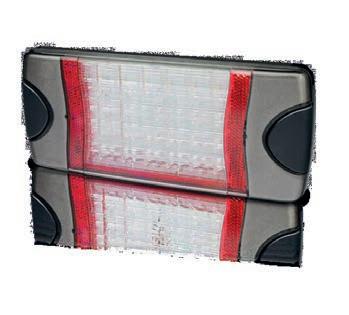
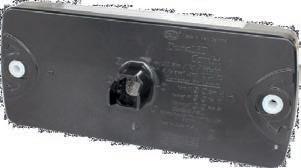
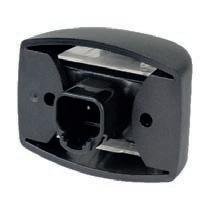
HELL A’s DuraLED range with integrated DT connectors provide ultimate reliability and efficiency that
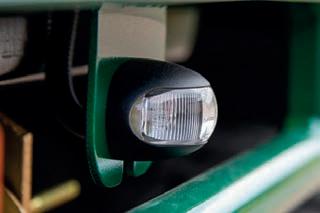
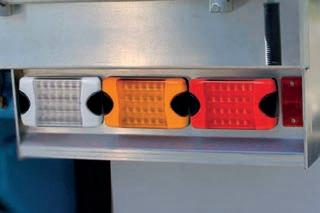
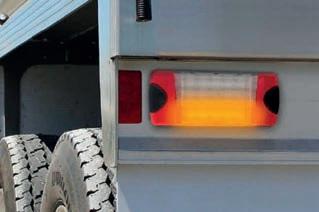
• Highly resistant to impact and vibrations
• Corrosion-resistant
• Broad temperature range
• High-performance silicone seals
• Tight line insulation sheathing (reliable environmental sealing)
• Resistant to most substances used in industry and engine compartments
• Compatible with a range of cable cross-sections


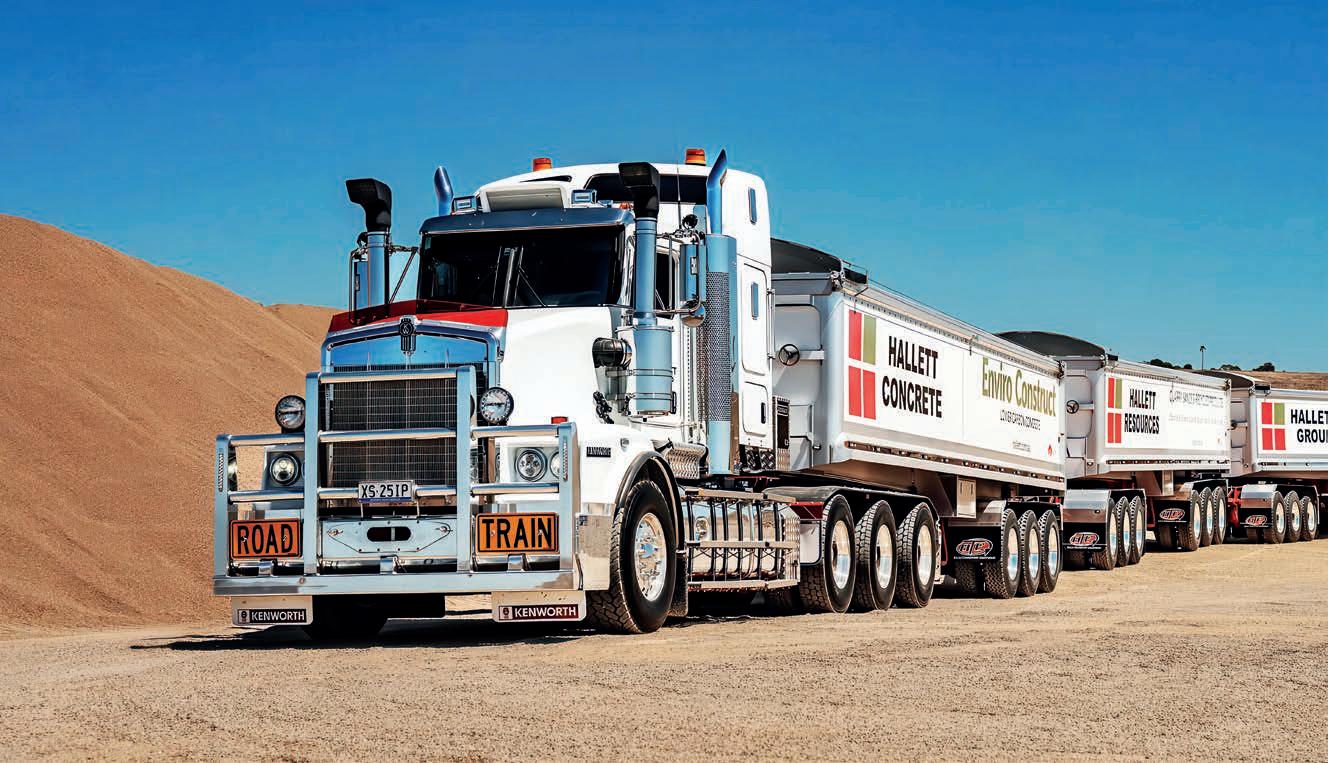
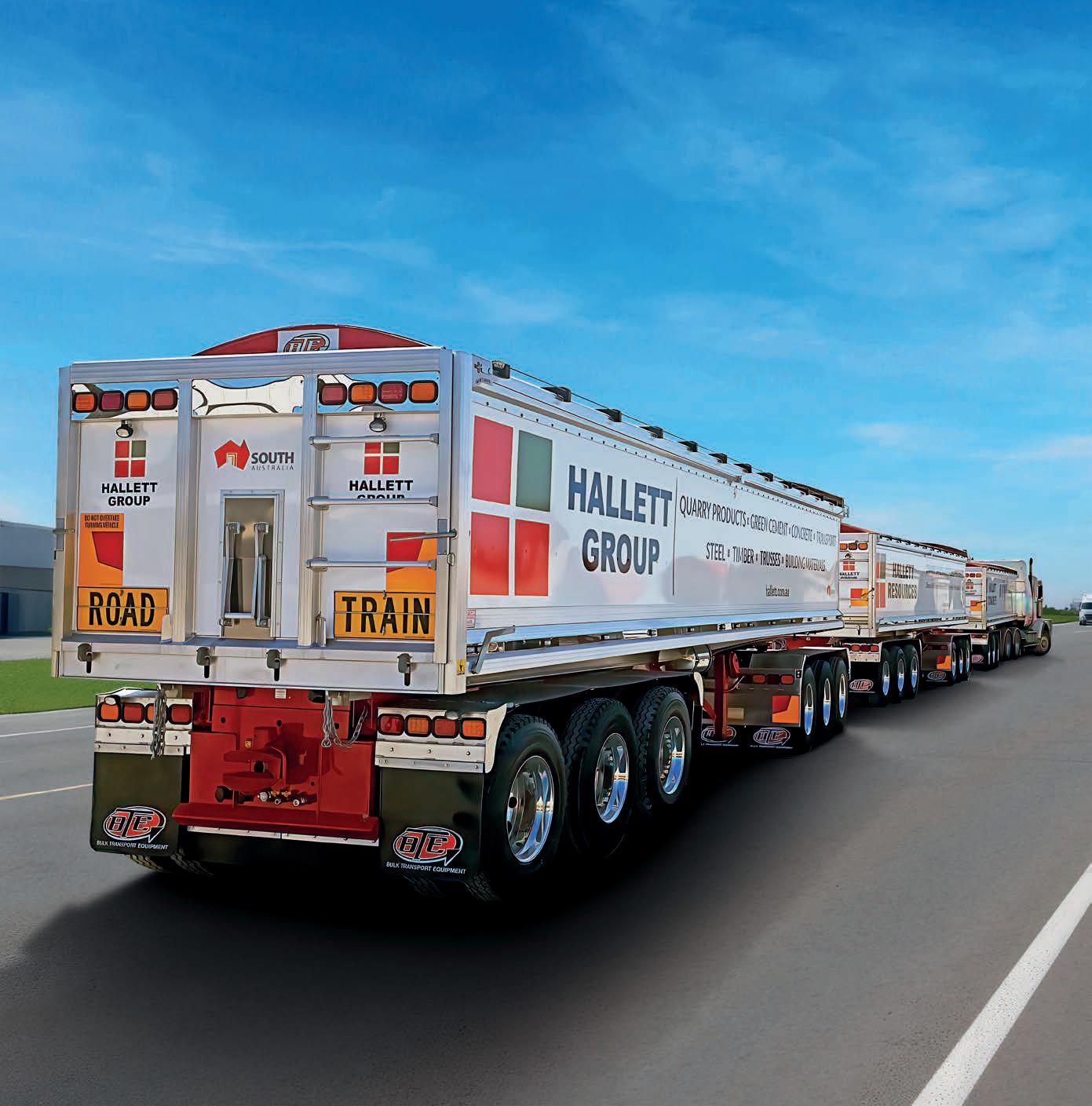
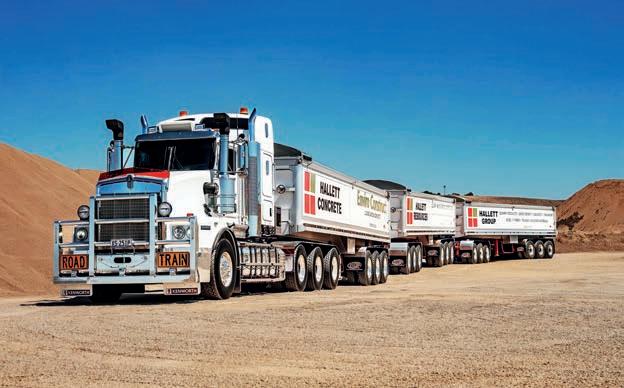
Hallett Group isn’t just an ordinary, vanilla transport company. It’s much more like a Neopolitan option with several flavours which customers can enjoy at the same time. The organisation is the largest integrated supplier of building, construction and mining materials in South Australia with the ability to transport bulk freight throughout the entire country, source and supply its own products to end users and support major infrastructure projects simultaneously.
“We have a solution for everything,” says Hallett Group General Manager – Transport and Logistics, Joshua Macfarlane. “Being agile and solutionbased is one of our key pillars.”
In Joshua’s view, Hallett Group is a company that was born out of necessity.
The family-owned business started from one single business stream, Hallett Concrete, but demand from the market called for more coverage.
“We have evolved significantly over almost 50 years by listening to the market and taking the next steps,” he says. “That’s why we’re so integrated and in control of what we do.”
Hallett Group’s outreach spans all across Australia. Although its operations are headquarted in SA, the many parts of its business extend its services into Victoria, Northern Territory, Western Australia and more.
Transporting more than seven million tonnes of heavy construction materials a year is a powerhouse fleet consisting of around 200 prime movers and 50 Bulk Transport Equipment (BTE) tipper bodies and trailers. Joshua says the trailers in particular are very versatile due to their ability to be deployed in various configurations – an essential factor in achieving the seven million figure each annum.
“We’ve got a mix of everything”, he explains, “from tandem and twin-steer prime movers to five- and six-axle truck and dogs, Performance-Based Standards (PBS) combinations, A-triples, B-doubles and A-doubles. It’s a very agile fleet.”
Hallett Group recently bolstered this fleet even further with the addition of three PBS A-triple tri-axle tri-drive end tipper combinations from BTE. The investment was made following major organic growth and demand from the market.
“We’re doing a lot of internal development work on our low carbon cement product range, including Enviro Construct,” Joshua reveals. “There’s been a lot of natural growth of the business and our mining operations through Central Australia.”
Joshua claims the A-triples are the heaviest combinations south of Port Augusta in SA. Measuring in at 46.5 metres in length, they boast Gross Combination
Masses of up to 150 tonnes and payloads of around 100 tonnes.
The trailers have been deployed in Hallett Group’s internal business and are travelling to various clients in SA as well as to mining customers in Central Australia, the Northern Territory, WA in the Pilbara and the northern parts of Queensland. Joshua says the fleet was built with a purpose to go anywhere and to do anything.
“The trailers are predominantly transporting mining materials like aggregates and sands, complemented by our cementitious products for our mine development work,” he says. “We’re moving anything from the rocks out of the ground at quarries all the way through to the kitchen sink and everything in between. It’s an end-to-end supply chain.”
Increased productivity has been one of the standout advantages of the road trains so far. Their PBS capabilities and payload figures have allowed Hallett Group to transport bulk materials much more efficiently with fewer trucks and therefore less fuel and additional operational costs.
“The 100-tonne payload figure is pretty important to us,” Joshua says. “We can do more for less while keeping the industries and communities that we’re deeply connected with satisfied.”
The second advantage has been more prevalent in the fleet’s long-term use of the BTE product.
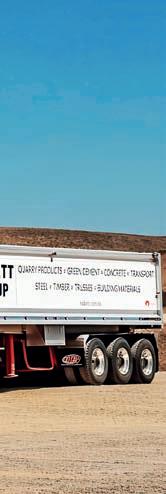
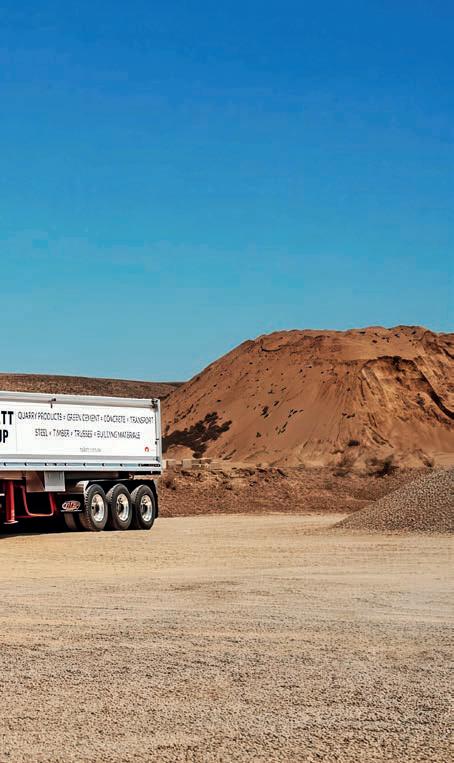
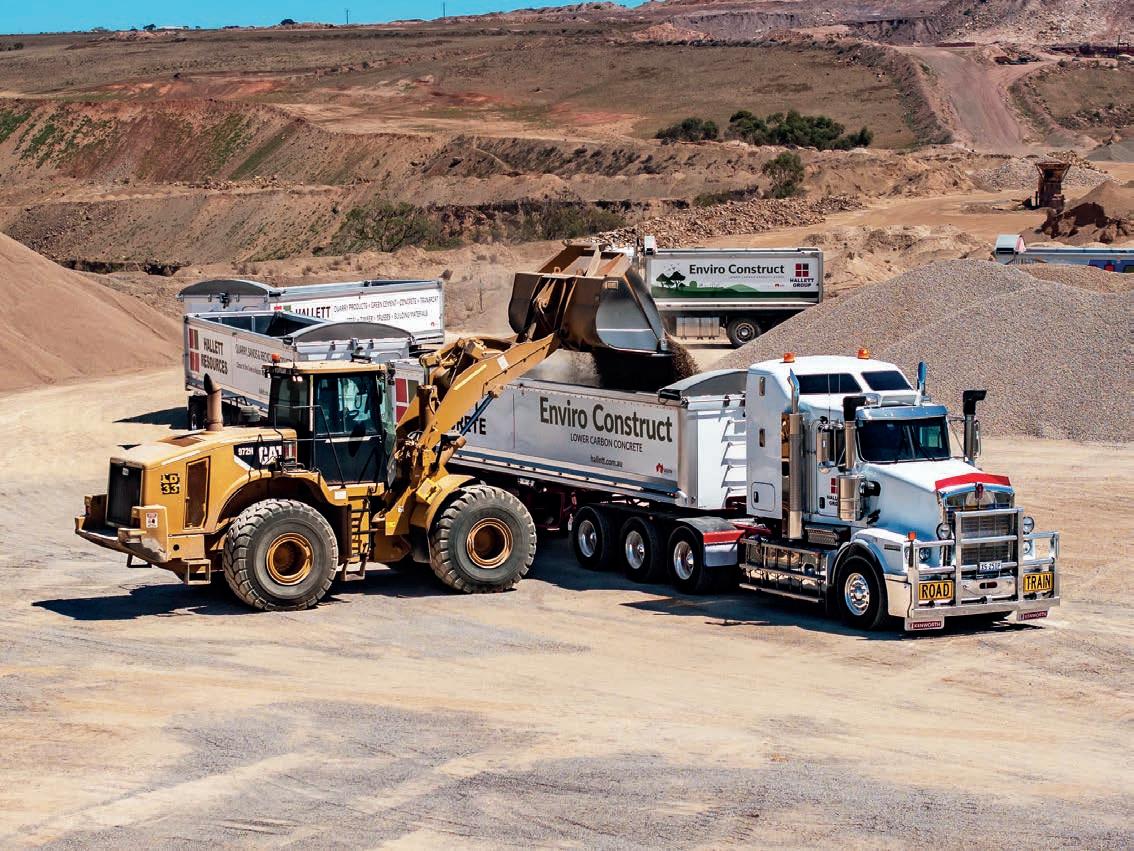
“Our uptime is really critical,” Joshua explains. “Our combinations are doing up to 250,000 kilometres or more a year, working in the middle of the outback in very remote areas. We can’t afford to have mechanical breakdowns, body failures and downtime in these isolated parts, and that’s why BTE’s trailers are so critical to us.
“We have BTE trailers that have done more than two million kilometres without any cracks or major faults. That’s almost unheard of for an aluminium body truck.
“BTE also offers an extensive chassis warranty, but not once have we needed to make a claim.”
Overall, Joshua says the new A-triples have been performing excellently. He believes the trailers are built for the challenges Hallett Group is presented with because they turn up and go straight to work from the word ‘go’. This, he explains, is testament to Hallett Group’s ongoing relationship with BTE.
“BTE is very clever, and they do a lot of due diligence on their products. I can call Alan Griffiths at any time and say, ‘I’ve got this wild idea about how we’re going to do more with less’. He’s always open to having that conversation.
“I’ve never worked with another company that is as willing to innovate as BTE. I love to live and breathe trucks, design and productivity, and it’s great to see someone with that same energy and enthusiasm to want to drive change in the industry.”
This close-working relationship has made trailer deliveries aplenty. Hallett Group has launched eight combinations in the last year alone which have included a mix of end tippers, side tippers, truck and dogs and rigid bodies in addition to the latest three A-triples.
“I can pick the phone up and talk to the guys at BTE at any time,” Joshua says. “They’re not salesmen trying to jam a product down your throat. They’re trailer builders and real people. That personal piece means a lot.
to get, I know the people face to face and I can have the Director of the business call me if I need anything.
“Hallett Group has a great relationship with BTE, and when you have great relationships and products, you both achieve really good things together.”
Hallett Group is now in the midst of another expansion phase. The business is currently tendering for major infrastructure work in the metropolitan areas of Adelaide which could require a significant amount of BTE trailer orders to be made if successful.
“SA is going through a really interesting time with its infrastructure spends, and it’s really exciting for a SA business like us to be part of a once in a lifetime project,” Joshua says. “By having BTE in our corner, we know that we can build a product that will go to the project, but a product that is also versatile and can secure the future needs of our business.”
“We’ve partnered with BTE for close to 10 years now,” he says. “We run a pretty critical supply chain and we can’t have a business like ours without reliable partners. Contact Bulk
“So, I’m quite excited about working with BTE because I know what I’m going
Web: www.bte.net.au
Ph: (03) 9794 0313
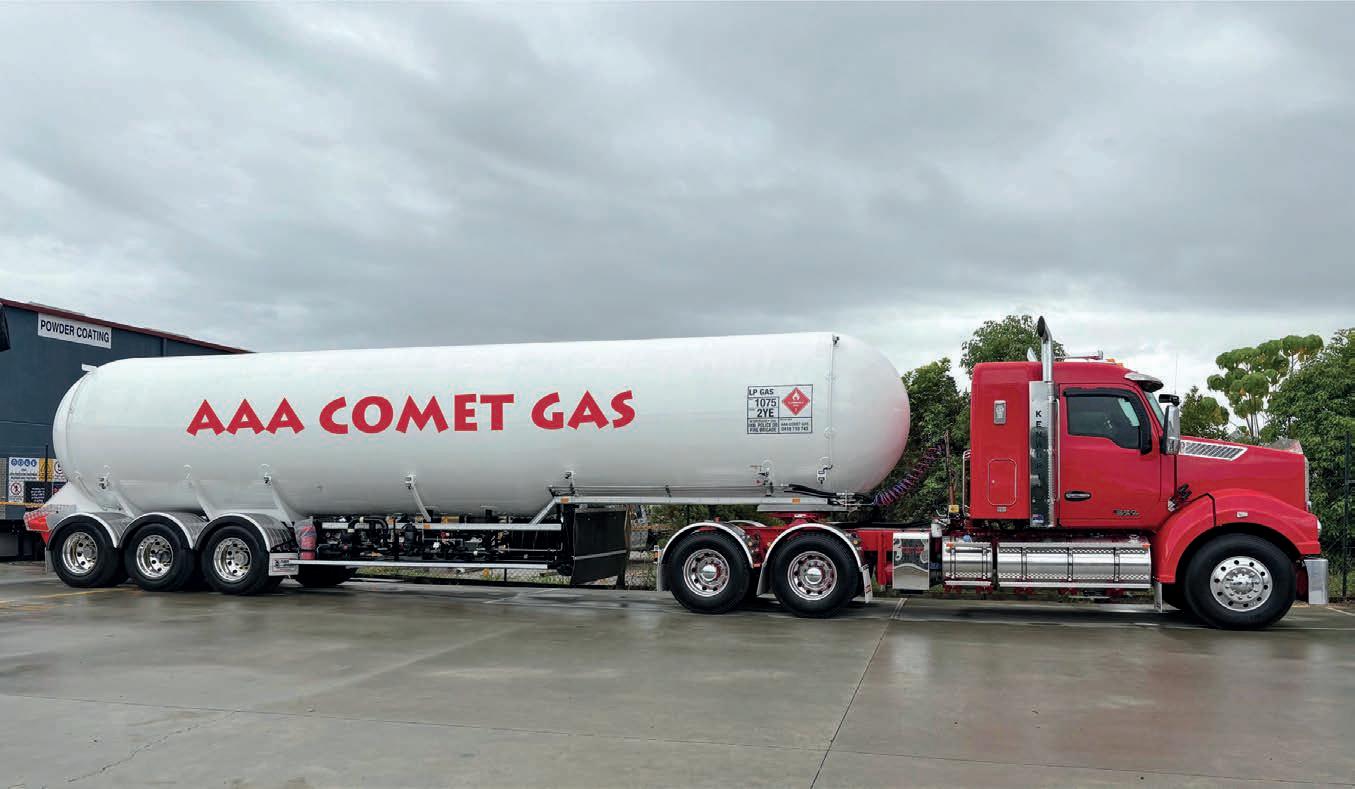
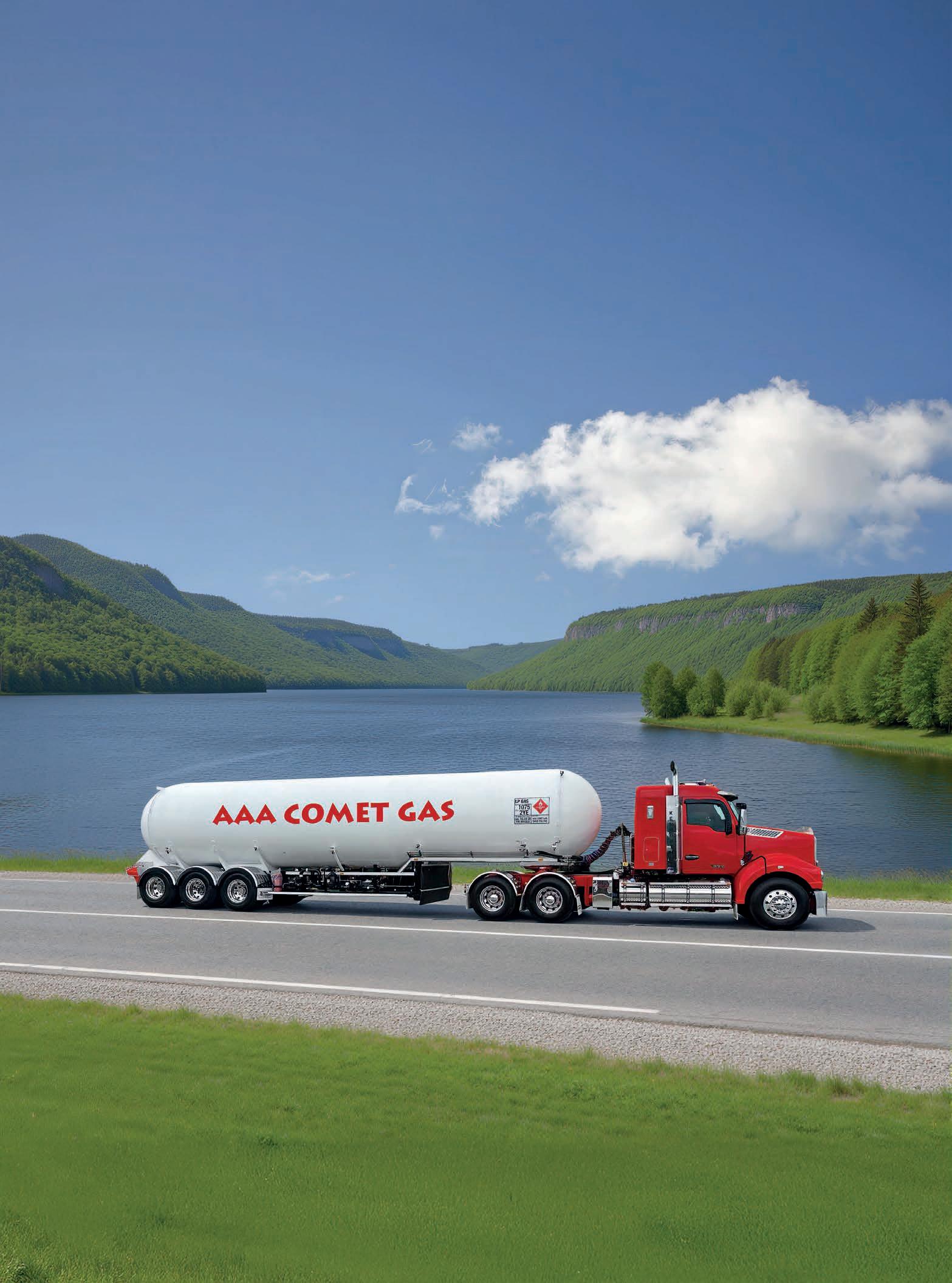
AAA Comet Gas has become the first to take delivery of Marshall Lethlean’s next-generation liquefied petroleum gas tanker.
Australia’s liquefied petroleum gas (LPG) sector operates as a prominent piece of the country’s economy and is essential for a variety of consumers. According to a 2017 report from Gas Energy Australia, LPG is consumed by nearly two million Australian households and provided to more than 160,000 businesses.
Furthermore, a report published by Grand View Research in 2023 found that the sector has experienced year-onyear revenue growth since 2020 – with a projected compound annual growth rate (CAGR) of 4.1 per cent between 2024 and 2030.
Among the providers contributing to the growing LPG sector is AAA Comet Gas, a proud family-owned enterprise operating out of the heart of Australia’s east coast. Founded in 2002 and headquartered in Tweed Heads, New South Wales, the business has spent over two decades specialising in the transport of 45kg LPG cylinders throughout NSW and parts of Queensland.
AAA Comet Gas caters to the LPG’s wide range of customers, from homeowners with barbecues to major commercial clients with forklifts and heating systems. Major servicing is
bolstered by a competitive, same-day delivery capability.
AAA Comet Gas Managing Director, Mick Taylor, says it is this quality that makes the business stand out in the industry.
“We’ve refined our process to make ordering easy,” he says. “Whether it’s done online or over the phone, we make sure customers never run out of gas when they need it most.”
Another key aspect of AAA Comet Gas’ operations is its utilisation of different modern technologies. While some of these technologies are used to help customers manage their orders, track deliveries and make payments online, many come in the form of complex equipment to assist in the safe transport of LPG altogether.
“Safety is always our top priority,” Mick says. “It is essential that we ensure safety for our customers, our team and the wider communities that we serve.”
AAA Comet Gas recently became the first fleet to take delivery of Marshal Lethlean’s brand-new trailer model, a 53,000-litre LPG tanker. The product, developed in close collaboration with Air Brake Corporation and Acme Fluid
Handling, represents a shared vision of safety, operational, performance and durability standards.
“This delivery marks the beginning of a new chapter,” says Marshall Lethlean Sales Manager, Garry Brennan. “We’re setting a new benchmark for what LPG tankers can achieve with Air Brake Corporation, Acme Fluid Handling and AAA Comet Gas.”
All parties contributed to this new standard in their own ways. Air Brake Corporation’s involvement included the designing and manufacturing of the intelligent Electronic Braking System (i-EBS) brake kit and system which was specifically designed for this tanker.
The i-EBS spec has equipped the tanker with various safety features. One of these is an adaptive braking response which can automatically adjust itself to load weight, terrain and driving conditions. Rollover mitigation is also included which provides advanced stability control and reduces rollover risk during emergency manoeuvres. In addition, the i-EBS comes with predictive diagnostics such as real-time alerts for brake wear, air pressure anomalies and system faults, while being fully compatible with
telematics platforms for live monitoring and compliance reporting.
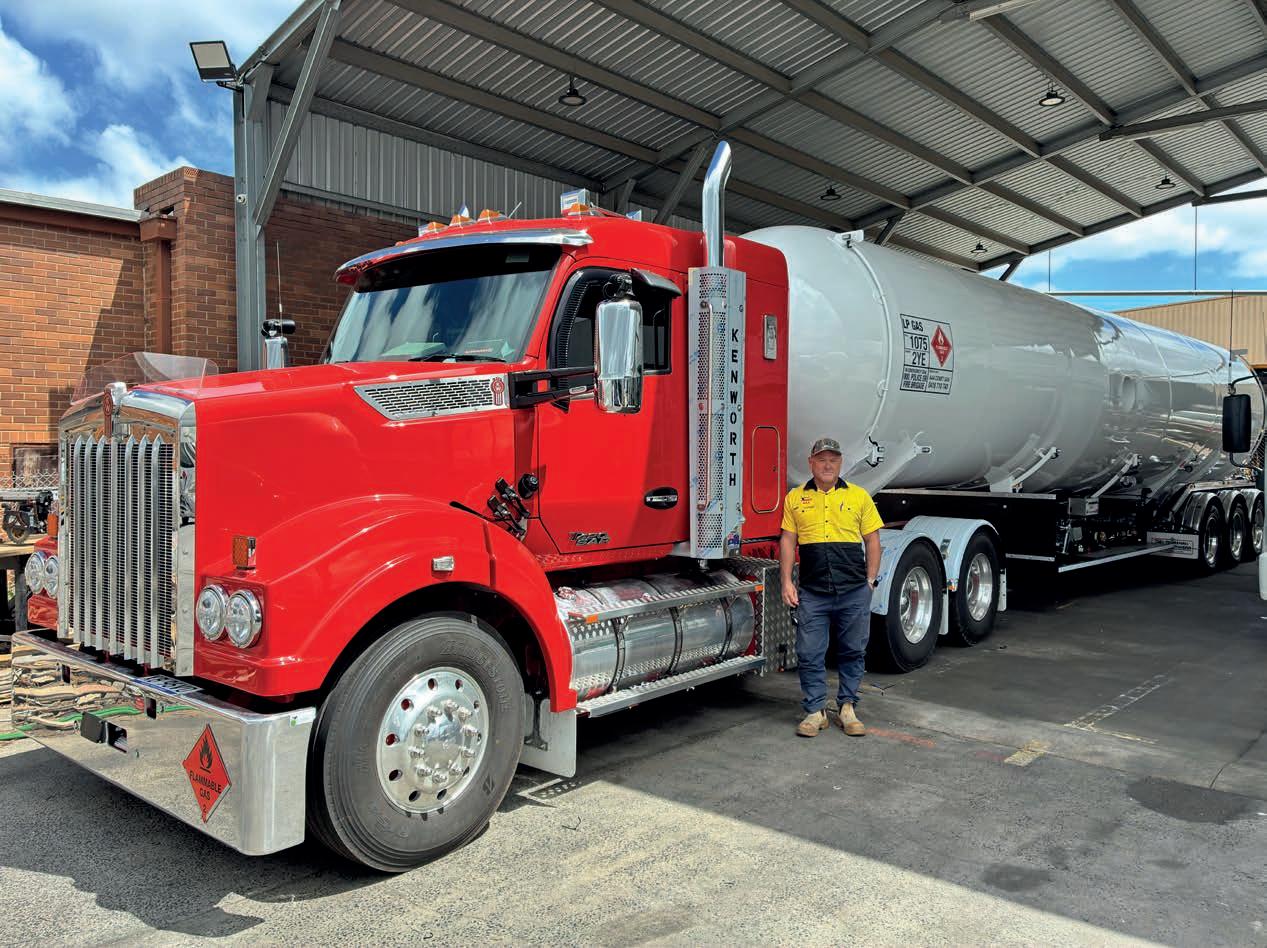
Mick, who personally delivered the new LPG road tanker from Marshall Lethlean to AAA Comet Gas’ headquarters, praised the i-EBS’ handling.
“This braking system is just one of the qualities that makes this tanker a game changer,” he says. “It gives you confidence on the road, especially when you’re hauling full loads through unpredictable terrain. It’s the kind of innovation we’ve been waiting for.”
The LPG tanker’s capabilities are further bolstered by fuel pumping and metering components from Acme Fluid Handling. The Corken Z3500 pump and ZV 200 bypass valve in particular provide optimum performance across many fuel delivery options such as bulk-metering, unmetered bulk, hose reel delivery, self-filling and compressor unloading. These systems are
combined with Acme Fluid Handling’s own VTM 200A flow metering system to give high accuracy and efficiency over the fuel delivery process.
Marshall Lethlean’s new LPG tanker was designed in Australia to maximise its durability and minimise maintenance across a mix of road and weather conditions. Its standout benefits include payload efficiency, reduced tare weight for fuel savings, Australian Design Rules (ADR) compliance, Dangerous Goods (DG) certification and configuration customisation for fleet needs.
“This new road tanker is the first Marshall Lethlean unit to join the AAA Comet Gas fleet, and we couldn’t be happier with how it’s been performing,” Mick says. “Its build quality and engineering are first-class, and the lighter tare weight, improved payload capacity and upgraded safety systems fit perfectly with the way we run our operation.
“We take pride in maintaining a modern, reliable fleet that reflects the professionalism and safety standards our customers expect. This new tanker gives us the reliability to keep LPG supplies moving to our loyal customers and the flexibility to support future growth and expansion.”
With the delivery of Marshall Lethlean’s new LPG tanker now in the rear view mirror, Mick sees an exciting future with the OEM.
“This delivery opens the door for more collaboration down the line,” he says. “It gives us continuity as we plan for the next phase of our fleet’s growth.”
Contact
Marshall Lethlean
20 Whitfield Blvd, Cranbourne West VIC 3977
Ph: 03 9797 2100
Web: www.mli.com.au
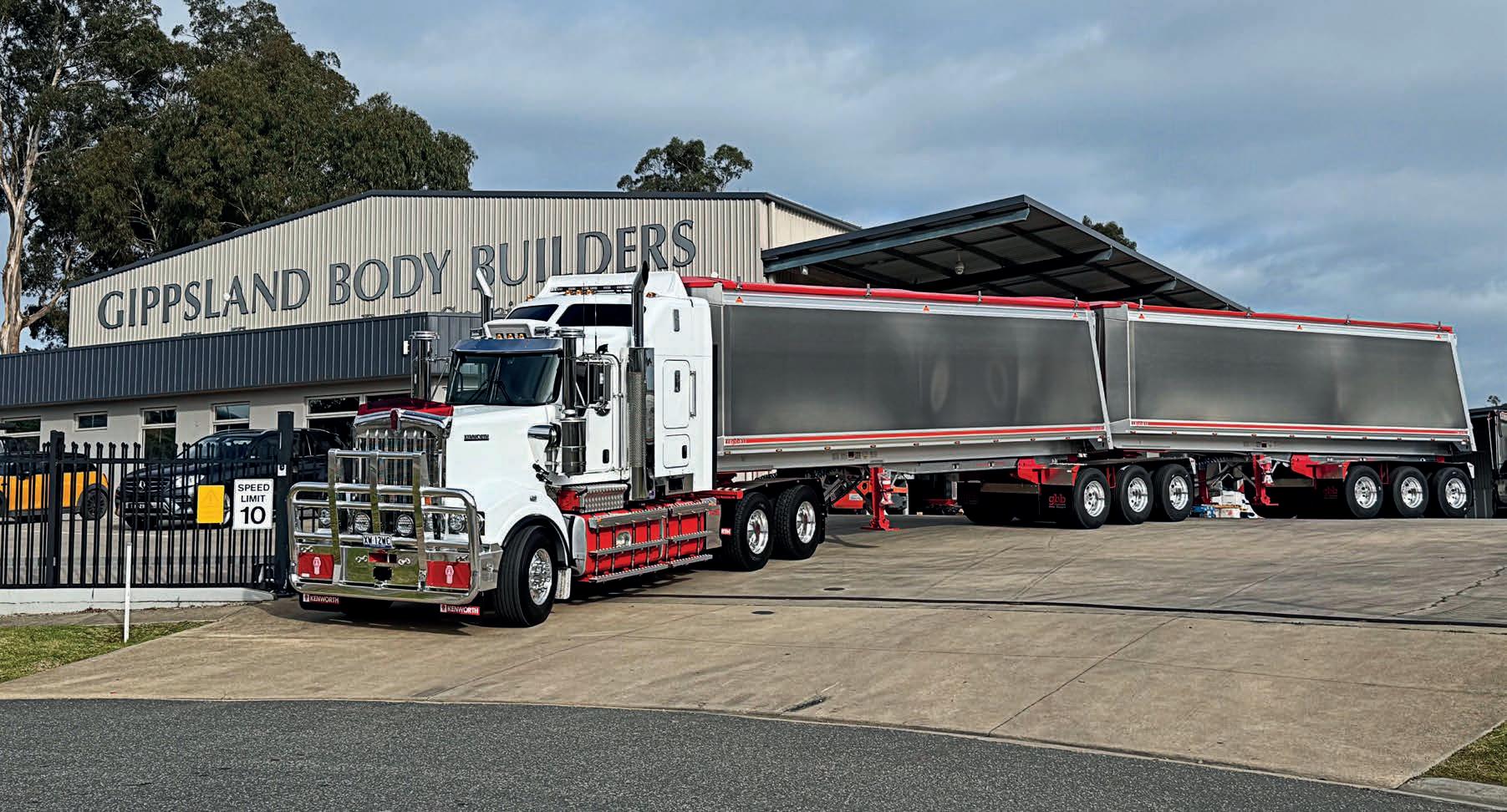
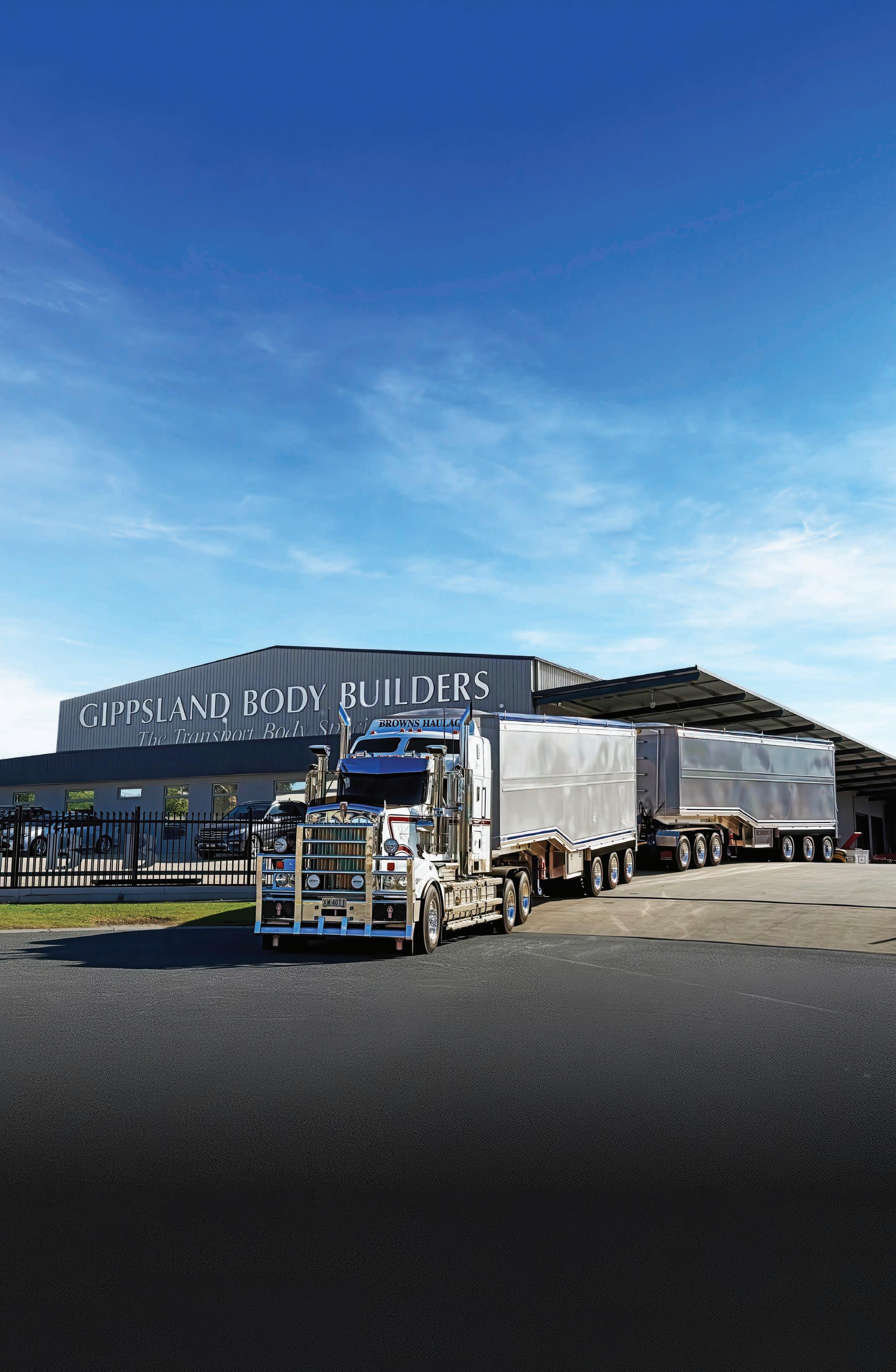
Gippsland Body Builders has reached its 50th anniversary with a new captain at the helm and new horizons to match.
Gippsland Body Builders was 20 years old when current Managing Director, Ryan Worrall, was born. Ryan’s father, Danny, had purchased the trailer manufacturing company with his business partner, Brian Golding, in the Gippsland region of Victoria in 1985.
Brian’s father founded the business 11 years earlier. Danny and Brian took the reins and committed to creating a legacy of high-quality custom trailers for the transport industry – a legacy which Ryan grew up around.
“I spent a lot of my childhood around the company,” Ryan recalls. “As a kid, I always wanted to be heavily involved. It was great to understand where the company had come from and where it was going.”
Gippsland Body Builders’ origins were in general transport body manufacturing. But Danny and Brian noticed a gap in the market for trailers and tippers and led the company in that direction.
“The market evolved a fair bit, and our manufacturing capabilities did too,” Ryan says. “Our offering grew from single trailers to B-doubles and then road train
spec trailers. We built the first metro double combination in the mid-1990s and our first step deck trailer in 1996, which we believe was the first step deck in Australia.
“Additionally, we became well-known for implementing aluminium chassis in our builds to reduce tare weights and improve longevity.”
Ryan, eager to follow in his father’s footsteps and oversee the family business, started his own apprenticeship at Gippsland Body Builders in 2010. After 15 years of dedicated work, he bought majority shares in the company and was named co-owner alongside his father.
Gippsland Body Builders has come a long way from the original vision of two men in regional Victoria. The company is now 50 years old – an impressive feat in a competitive and fast-paced market.
The business has grown to reflect this milestone. Its operations now spread across two work sites and are supported by many staff members.
Ryan, now in command, is looking to grow the company’s manufacturing capabilities while retaining the core family values which
got it this far.
“We want to take on more diverse work while staying true to the family values that this company was built on,” he says. “We don’t want to get to the point where we’re so corporate that we lose touch of what we’re making or who we’re making it for.”
Ryan says these values have made Gippsland Body Builders very approachable – a factor which has long been a cornerstone of its success.
“We want to continue providing old-school services,” he says. “We want people to feel like they can call us, tell us what they personally need and get our help. We want to facilitate that relationship all the time and give them what they actually want.
“Offering a service like this has never been easy. Properly listening to customers and carrying out their customisations has always required a bit of extra effort, but that’s the effort that we’re willing to put in.”
Although the task of catering to various customer needs with high-quality builds can be difficult and demanding, Gippsland Body Builders is able to achieve it by completing every step of the trailer building process in-
house within its well-equipped facilities. This allows Ryan and the team to exact their own specific standards of quality control and attention to detail.
“We are responsible for every aspect of our manufacturing and aftersales processes, from the customer’s phone call and quoting to engineering, delivery and aftersales support,” Ryan says. “We don’t want anyone else involved in the process because they’ll get in the way of us and the customer. Plus, by controlling every part of our trailer production, it is much easier to implement changes to our processes or instill a new direction.”
Gippsland Body Builders is now gearing up to reintroduce truck and dog combinations to its build capacity. This is a move which will allow it to better support the market.
“We’re planning to return to the truck and dog market so that we can service more trailer customers more consistently,” Ryan says. “This expansion will begin with us reaching out to more customers and letting them know we’re in the space. We’ll also be employing more workers and refining our workshop processes so
that we can take on more work.
“In the past, manufacturing two very different trailer types at the same time has proven to be difficult. But I want the business to evolve so that it can service these varying sectors at once.”
Gippsland Body Builders, having surpassed its momentous 50th anniversary, is now ready to evolve even further. As the business approaches this next phase, Ryan recognises the significance of what the business has achieved over the last half-century.
“It’s a bit difficult to fathom our 50th anniversary,” he says. “It’s quite incredible to reach this stage. It’s a credit to everyone who has been involved with the company. I’m so proud that we’ve been able to keep this business in the family for all of this time.
“We’ve prioritised our staff, our customers and our values – and we’ll continue to do this as the business begins its next phase.”
Contact
Gippsland Body Builders
Ph: 03 5625 5580
Web: www.gippslandbodybuilders.com.au
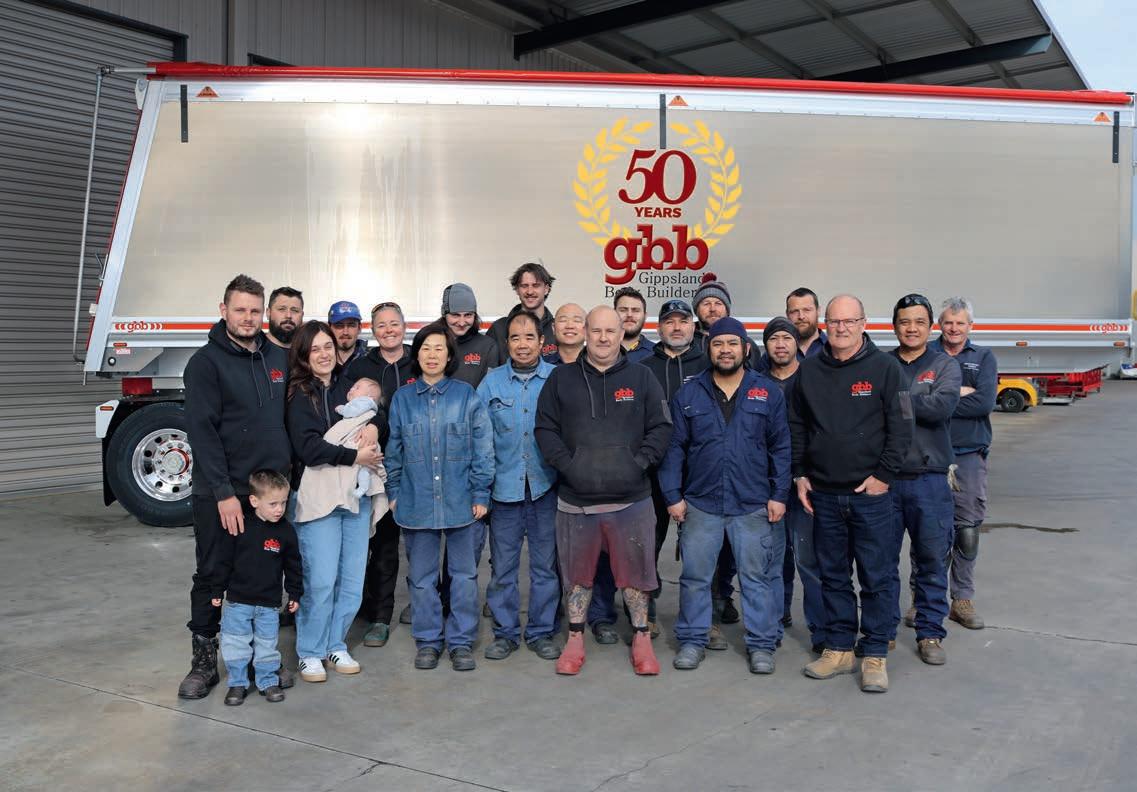
SAF-Holland’s INTRADISC and INTRADRUM first service program gives customers a complementary service for higher levels of safety, longevity and compliance.
SAF-Holland is a behemoth in the world of transport. The company boasts a rich history as the product of a merger between two pioneers, German Otto Sauer Achsenfabrik GmbH (SAF) with North American Holland-Hitch, with close to 260 years of combined manufacturing and supplying experience.
Among its extensive international presence, SAF-Holland has spent more than 60 years operating in the Australian market. During this time, it has provided the industry with an extremely extensive range of high-quality truck and trailer components to make its trailer and prime mover combinations safer.
SAF-Holland Product, Engineering and Technical Manager – Australia, Nemanja Miletic, says this has always been a cornerstone of the company’s vision.
“We’re customer-orientated with a specific focus on safety within our parts,” he says. “Our vision is to be the most trustworthy and reliable partner in the industry.”
SAF-Holland’s interest in safety extends far beyond its product line and into aftersales service. Nemanja says this part of the business is just as crucial to maintaining safety industry-wide.
“Servicing trailer parts is critical for so many reasons,” he explains. “It greatly extends the life cycle of the trailers themselves by contributing to their overall safety, reliability and compliance.
“Servicing also controls cost management for operators by ensuring they get a good return on investment for their product. With increasing axle loads, longer service intervals and advanced suspension
technologies, the need for structured, component-specific maintenance protocols is more important than ever.”
SAF-Holland delivers these protocols via a first service program for INTRADISC and INTRADRUM suspension systems. This is a complementary offering which the OEM recommends be completed within the first 5,000 to 10,000 kilometres.
“The first service mainly addresses post-installation settling of parts,” Nemanja says. “It also verifies the work of the last person who touched the suspension system. This includes validating different part capabilities, check system integrity and making sure everything has been in working order since its fitment.”
SAF-Holland’s first service tackles these checks through four key objectives. Firstly, air suspension systems are checked for
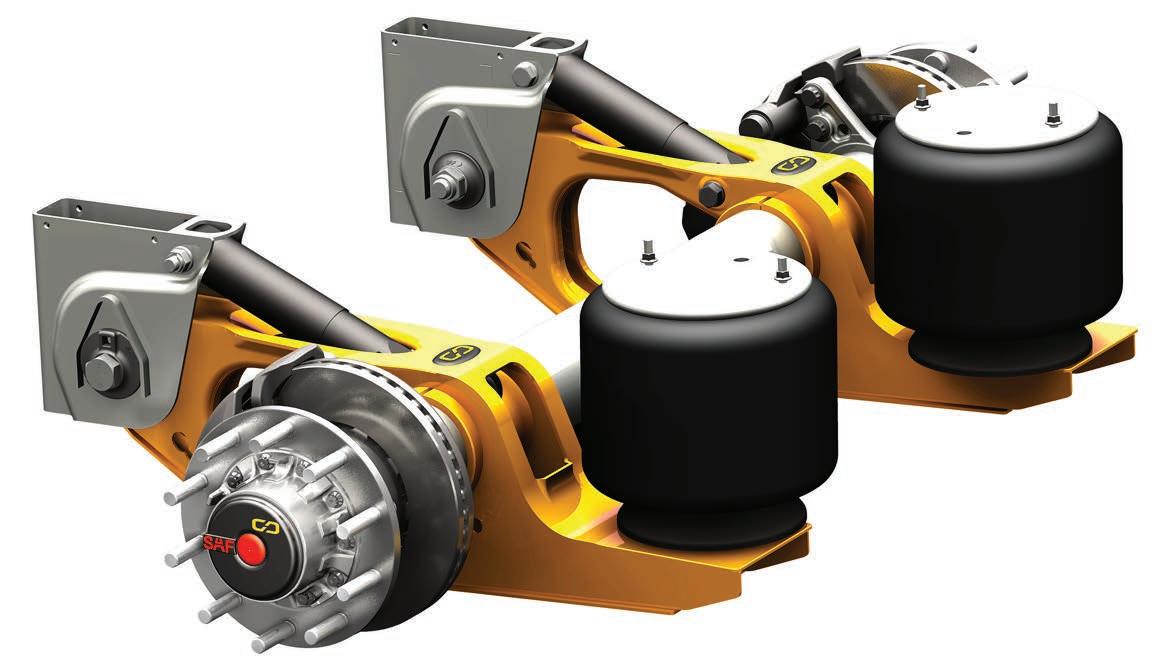
correct ride height setting. Then, pivot and shock absorber bolts are validated and re-torqued to OEM specifications using calibrated tools. This is often necessary due to fasteners being loosened by vibration and cycling in early operations.
SAF-Holland also has specific protocols for the first service of its axle components. The axles’ hubs are inspected for noise and leakage while the brake systems’ brake chambers, slack adjusters and S-cam bushing are checked. The rotor thickness and caliper alignment of disc brakes are also inspected if applicable. Meanwhile, spring bellows are inspected for cracks, abrasions or misalignments.
“We want to encourage people to use our service as soon as they’re eligible for it,” Nemanja says. “They can even organise it with our service providers who just send the invoice directly to us. We cover the bill, so it’s entirely free for the end user.”
When it comes to servicing, SAF-Holland believes it is imperative for operators to be proactive instead of reactive to have the best chance of keeping their equipment healthy.
“Overall downtimes will ultimately be reduced if operators complete the service before they notice any problems,” Nemanja explains. “There’s a higher chance that any mechanical issues will be discovered early when equipment is more regularly serviced, allowing people to prevent them from getting worse in a timely manner.”
Despite the major benefits of SAFHolland’s first service, Nemanja says there has been a concerning gap in customers that have not taken it up.
“Fifty per cent of the equipment that we’ve sold in Australia hasn’t received its first service,” he says. “We would really like to decrease that figure, because servicing is critical to safety and efficiency.”
SAF-Holland has also developed a registration system for operators to use to easily organise their first service. This comes in the form of QR codes which takes users to an online platform.
“These stickers will get the attention of fleet managers and make sure that someone in their operation registers for our service online,” Nemanja says. “It’s a simple yet effective step to raise
awareness for something so important.”
While operators may be concerned with downtimes around receiving this service, SAF-Holland assures that it is worth it in the grand scheme of things.
“People need to take advantage of this service,” Nemanja says. “Some people don’t want to have their gear off the road for too long, which we understand, but they think they can just get their equipment serviced at regular intervals. By then, it may be too late, and that could be a mistake that many people end up paying for.”
Contact
SAF-Holland Australia
115 High St Melton VIC 3337
E: sales@sa olland.com.au Web: www.sa olland.com/au/en

JOST has consolidated its renowned safety training sessions and aftersales support program into its new Victorian headquarters.
Eight years ago, the Victorian arm of JOST’s national manufacturing operations sat on Cherry Lane in Laverton North, a prominent industrial hub in the state. The site clocked 1,500 square metres –a suitable size for the enterprise at the time. But as JOST’s role in the transport industry continued to grow, so too did its operational requirements.
Some years later, JOST relocated to a 4,200-square-metre facility on Mt Derrimut Road in Derimut. Again, this site was wellsuited for JOST’s needs. But the business continued to grow and demanded more room as a result.
“We realised that we needed to expand,” says JOST Australia National Fleet Manager, Shane Harbridge. “Our building capacity and storage requirements outpaced the space that we were in.
“Moving to a site that could accommodate our growth was essential.”
JOST returned to Cherry Lane in Laverton North in early September this year, this time to a 14,000-square-metre facility backing directly onto the Princes Freeway. In addition to its sheer size, the new site features many amenities which benefit JOST’s operations. Chief among them is a purpose-built training facility to provide mechanics, dealers and fleet managers with safety training sessions and aftersales support.
“We have always hosted three types of training and support for our customers and staff – workshop training, driver training and product training,” Shane says. “We’ve typically supplied these services to our customers by travelling to their sites and walking them through the specific products that they’ve bought from us. But the amount of support we’ve been able to provide with this approach has been quite restrictive due to the products available onsite.”
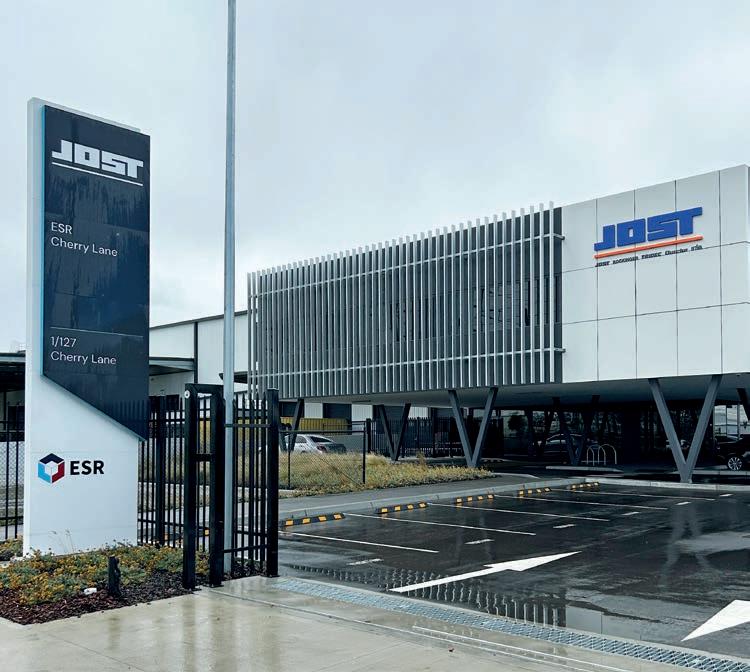
JOST’s new in-house training facility eliminates this problem. It centralises these long-provided technical workshop sessions into one location, allowing customers to disassemble and reassemble JOST products onsite in order to learn how to effectively service and maintain them.
“Our training room provides ample space for our customers to come to us for aftersales support,” says JOST Australia Regional Sales Manager, Graham Cox.
“Together, we run through a wider variety of our products with a more in-depth level of training. We can do certificate training to repair certain JOST fifth wheels while also covering other models and components altogether.”
The new training room serves to educate industry stakeholders on the many products JOST has to offer, in a comprehensive manner not previously provided. This capability, according to Shane, has been a long time coming.
“We always wanted a training facility like this but we never had the space,” he explains. “So, when we started the process of moving facilities, we needed ensure this idea could be accommodated.
“The Laverton North site didn’t initially
have room for the training facility. However, when designing the layout of the new building, we made sure that this critically important aspect was accommodated in the fit-out.”
The aftersales support aspect of the training facility is further enhanced with a showroom which features JOST’s past Brisbane Truck Show displays and upcoming product developments for customers to view.
“This new space also allows us to host information nights for new pieces of equipment and technology,” Shane says.
“It’s a setup that is comparable to the Brisbane Truck Show.”
These events, according to Graham, allow customers to receive critical information on JOST’s expanding product portfolio.
“We invite fleets and OEMs into our facility to help them understand all of the JOST equipment coming to the market,” he says. “This even extends to our own sellers and other stakeholders that are involved in our brand.
“We want to provide brand knowledge to as many people as we can. A lot of our customers might not know about all of the products the JOST group has to
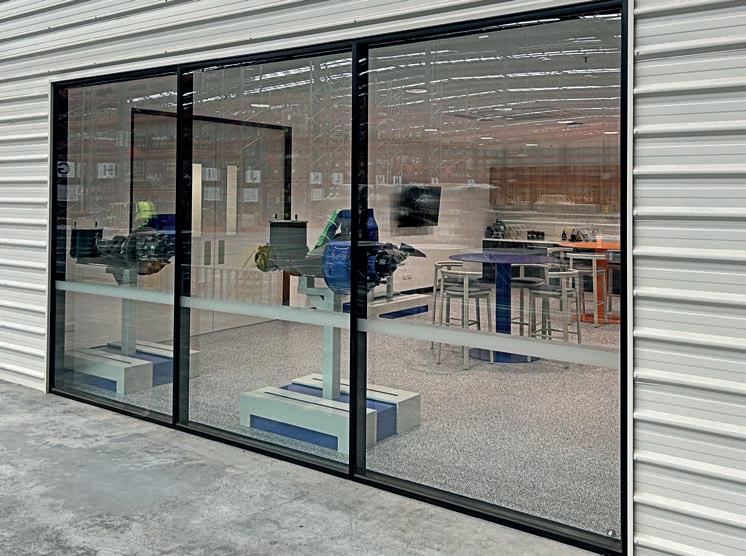
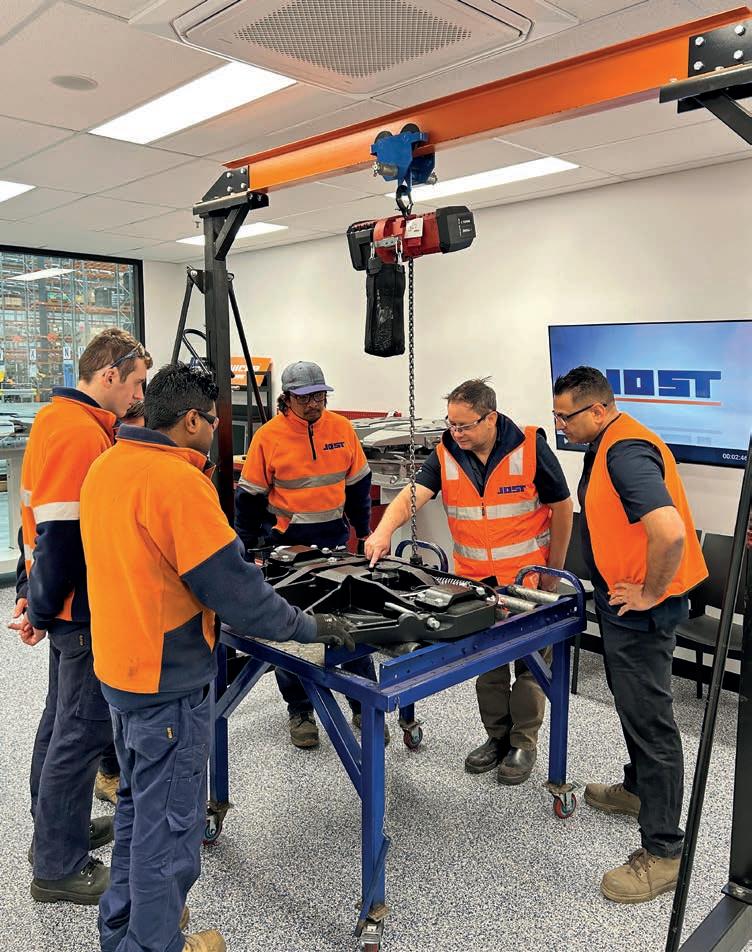
offer until we show them, so this training room provides us with a space to show everything off in full.”
JOST’s training room and the other various amenities at its Laverton North facility were recently showcased at an official open day event in October. Industry personnel and partners were in attendance to celebrate the new development and, according to Graham, were nothing short of impressed.
“We received a lot of comments and reactions from different people across different industries,” he says. “They were surprised by the scale and scope of the operation and services we provide.
“That’s exactly what the room and overall facility was built for. We want to bring all of our customers together in one space so that they can have a better awareness of our products.”
New JOST employees have also received detailed tours of the training room. Shane says they have felt supported to learn more about the OEM’s products in their own ways.
“Everyone learns in a different way,” he says. “Some like to read about concepts, some like to listen to them be explained and some need to deal with them hands on.
“With this training room, we can give our employees all three aspects to ensure that they get a full learning experience before they start working with us. They can see our products while we discuss them, meaning they are able to understand how they work up close.”
Following the success of developing the training room and completing the overall facility relocation, Shane says JOST is equipped with even more confidence to grow in the future.
“Developing these resources and undertaking this move has really highlighted how much we have to offer in the market,” he says. “This new facility has shown us that we can expand without restriction.
“The jump we made to develop the training room, warehousing facilities and manufacturing space was big, but we did it. That’s a great indicator of what else we can do.”
Contact
JOST Australia
Ph: 1800 811 487
Web: www.jostaustralia.com.au
E: sales@jostaustralia.com.au
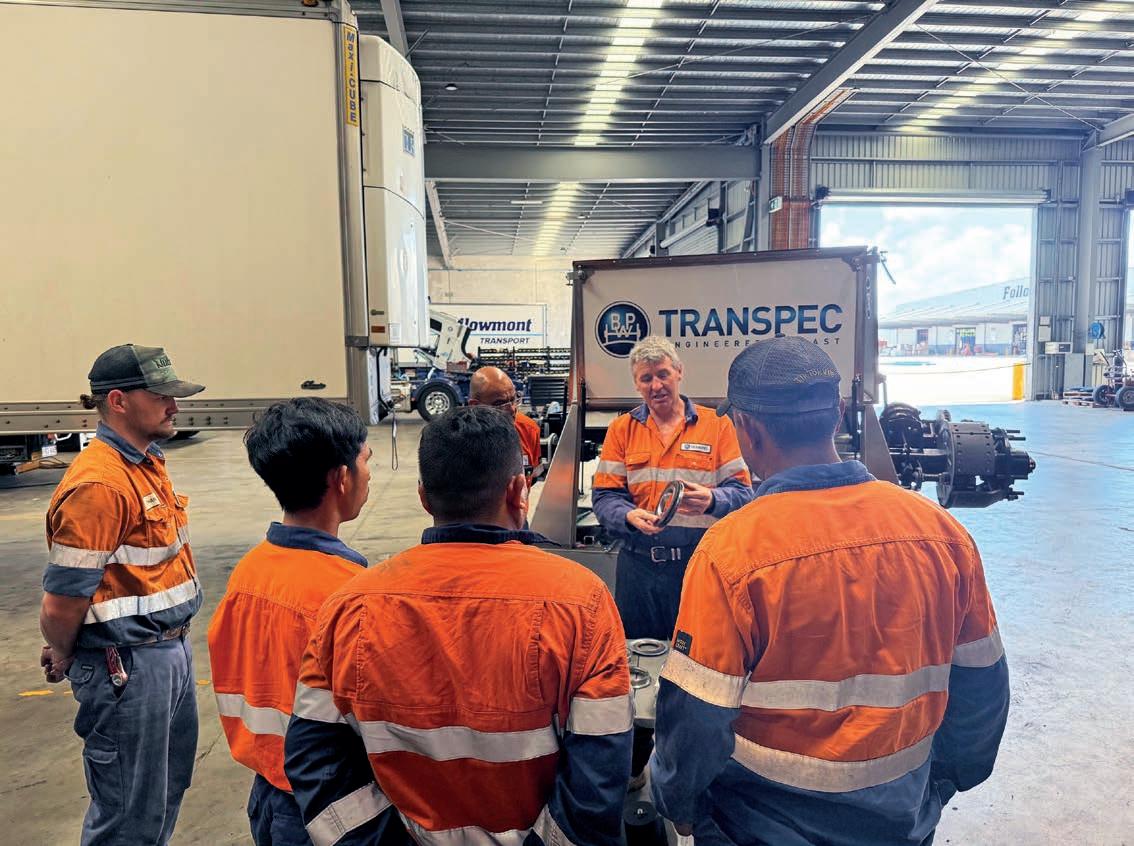
BPW Transpec’s national technical workshop program provides critical aftersales support to customers such as Followmont Transport .
Manufacturing solutions may drive a business, but a commitment to aftersales support is what keeps its customer network satisfied. For this reason, BPW Transpec’s live workshop training – a tailored program providing fleets across the industry with free technical servicing programs at their doorsteps – is operational in every state and territory.
“The workshop sessions have been fundamental to our services for very long,” says BPW Transpec National Workshop Trainer, Evan McDonald. “We’ve been providing this training for more than 20 years.”
BPW Transpec delivers its technical workshop sessions to customers via an organised system which ensures they
all receive one instalment every year.
Two sessions are allocated to each state per half of the year and are split among different customers each time.
The program is led by Evan who has been an integral part of the BPW Transpec team for the last 26 years and was responsible for bringing the workshop training back to life in 2022. He travels to various locations around Australia and New Zealand to deliver the training in person, and is accompanied by BPW Transpec sales representatives, team leaders and a mobile trailer with display equipment to physically demonstrate each part being discussed.
“Sales teams from each state will often accompany training session leaders at our
customers’ workshops,” he says. “Prior to the session, companies can request specific training topics to be covered by us. The sales teams will then give workshop leaders like myself a rundown of the training that needs to be covered before we arrive.
“We personalise the sessions to give each customer the best experience possible. BPW Transpec offers a lot of different components, so the content of each workshop needs to reflect the particular product that a given customer is using.”
BPW Transpec’s workshop training can cover anything from servicing hubs, axles and suspension products to fitment procedures for valves and drum and
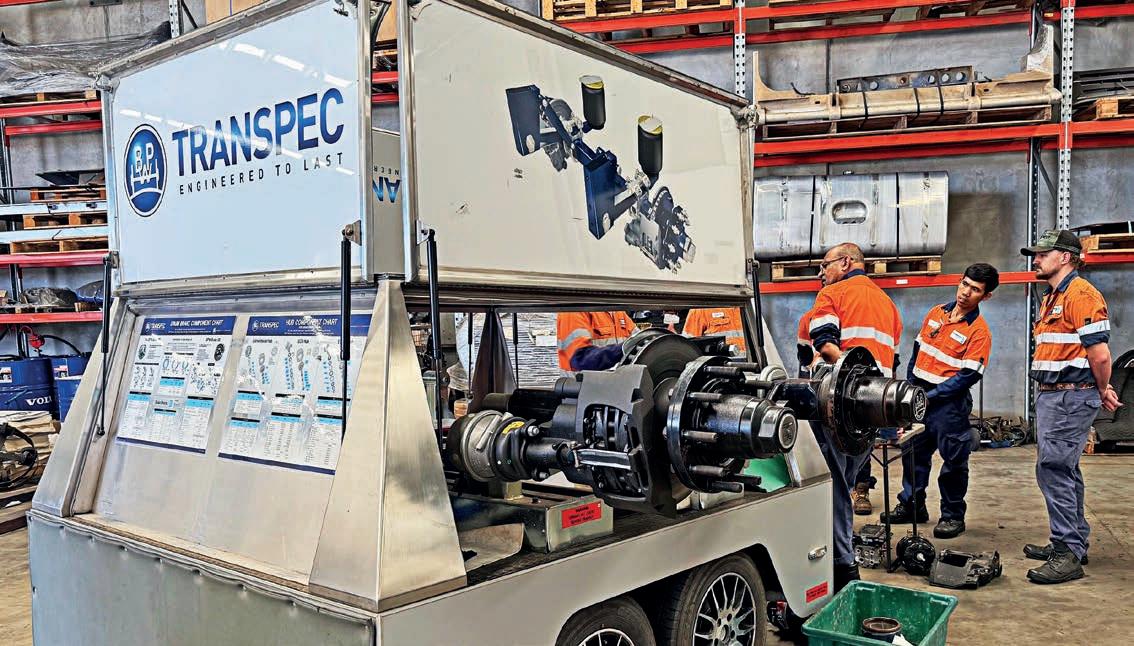
disc brake options. The presentations are also uniquely delivered, depending on how each leader chooses to convey the information.
“Each trainer has their own spin on how to lead a workshop,” Evan explains. “Some run their sessions in a very classroombased way while others use power-point presentations for visual aid.
“I tend to focus on walking through how each product works with a handson approach, so that the mechanics can physically follow along as I tell them about a piece of equipment. Handling these products up close is essential to their understanding. It’s what I know, so it’s what I can teach.”
The ultimate goal of BPW Transpec’s training workshops is to ensure operators are fitting products correctly. This is imperative for the technical safety and compliance of a given customer’s fleet.
“I’ve had people not realise just how serious the content is in many sessions,” Evan says. “I’ve also had to walk people through the consequences of incorrect fitments – accidents, injuries and serious incidents.
“Fitting our products properly ensures safety for our customers’ operations and for other people on the road. When I explain this in my sessions, I often see the mindsets of the mechanics change in front of me as they realise what I’m
talking about.”
Creating a culture in customer workshops which prioritises safety is critical to BPW Transpec. The OEM believes it will also have greater effects on the industry at large.
Followmont Transport is one of the many fleets participating in BPW Transpec’s workshop training. Followmont Transport National Workshop Manager, Dean Alcock, has been with the company for eight years and has seen the true value of the sessions during his time.
“Our team members are always interested and excited for BPW’s workshop training,” he says. “We get great feedback on the sessions all the time. They provide our mechanics with valuable information while also giving them some variety during their work days.”
Followmont Transport’s workshop training is conducted in groups of up to six participants, running multiple times over one day in order to include all mechanics. Dean says organising the sessions into smaller crowds ensures everyone will receive an in-depth training experience.
“We purposely try to set up BPW’s workshop training to be as intimate as possible,” he says. “We believe some key information can get lost when it’s being explained to a bigger group of people, and that’s the last thing we want for our team.”
Followmont Transport’s training sessions feature a strong emphasis on BPW Transpec axles, suspensions and braking products. Dean says the focus is essential due to the industry’s frequent technological advancements.
“Keeping up to date with the latest requirements is crucial as our sector progresses with Electronic Braking Systems (EBS) and Anti-lock Braking Systems (ABS),” he says. “We want to make sure our employees get hands-on experience with the equipment so that they’re acutely aware of what it takes to keep the fitment of these products and our overall operations compliant and safe.
“Evan’s sessions are great for what we need. He takes his time and teaches them in a way which allows everyone to understand the ins and outs of the products in question.”
Because of this, Dean says it’s imperative that Followmont Transport continues to receive BPW Transpec’s workshop training well into the future.
“We have every intention of continuing to use this training program on a yearly basis,” he says. “There’s never a shortage of things to learn.”
Contact
BPW Transpec Ph: 03 9267 2444
Web: www.bpwtranspec.com.au
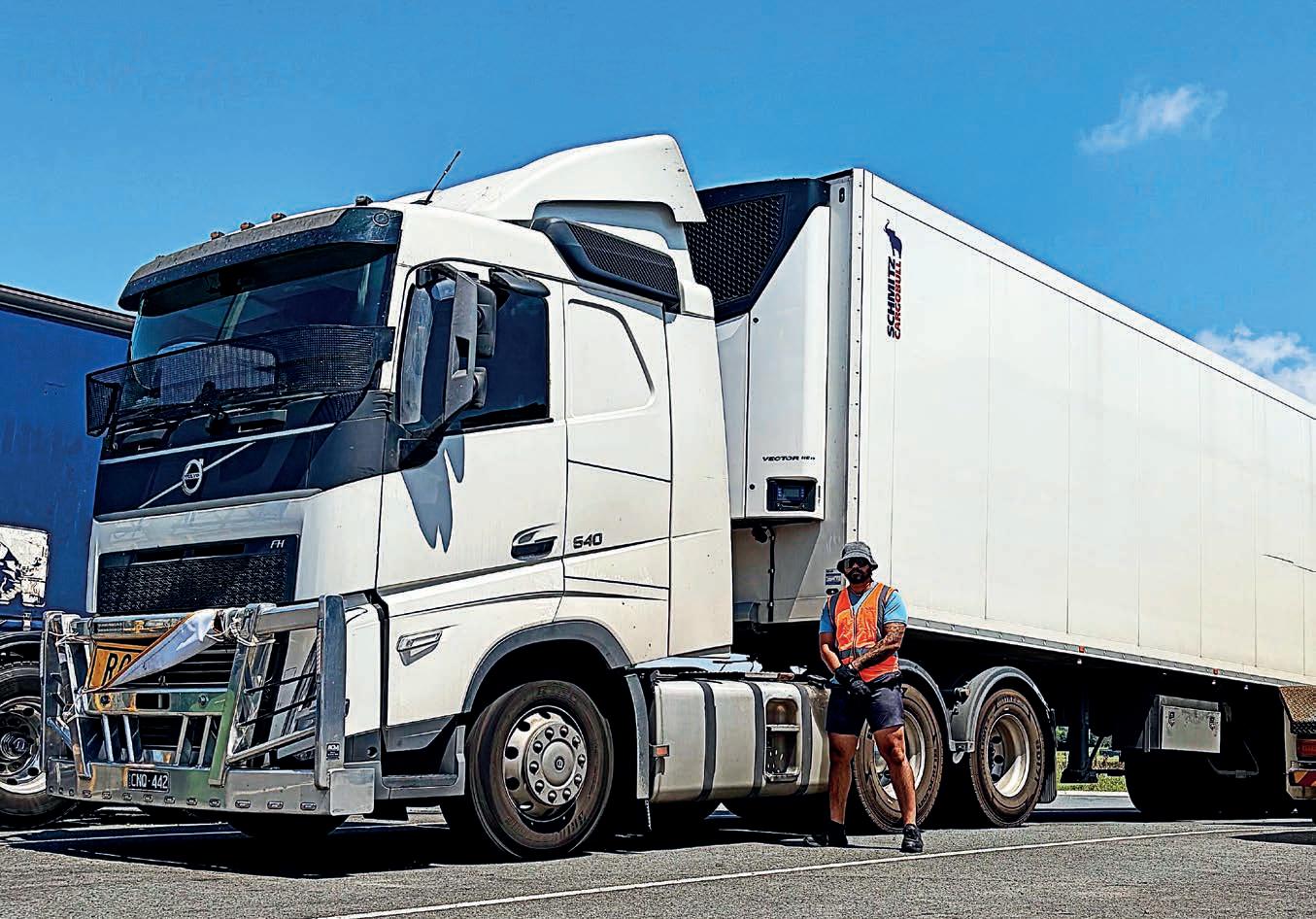
AusCold Transport has grown immensely with the help of Carrier Transicold and various of its refrigeration units.
AusCold Transport stands out in the competitive space that is Australia’s cold chain solutions industry. The company is a new kid on the block in comparison to established behemoths which have grown to operate large fleets across interstate operations, but it has undergone considerable growth – and in a very short period of time.
The company was born in 2022 in Dandenong, Victoria, from the minds of friends, Raghav Patel and Yuvraj Solanki. The two men, who separately moved from India before reconnecting in Australia, both arrived with big entrepreneurial dreams.
“I came to Australia in 2009 and Yuvraj a bit before me,” Raghav says. “We were both excited to see what opportunities the country could provide us with.”
Post arrival, Raghav tried his hands at various jobs before teaming up with Yuvraj to make an impact. Cold chain logistics was an attractive idea to the two partners.
“We chose to enter the refrigerated
transport industry because it seemed like there was steady work available,” Raghav says. “Everyone needs temperaturecontrolled products, mainly in the form of food. That means there will always be demand for people to transport these goods.
“Additionally, the lifestyle and responsibility seemed to suit what we wanted to do. We were excited to manage drivers, build a network and make a difference.”
AusCold Transport has since grown from a single truck and trailer operation to a 10-unit fleet of semi-trailers and B-double combinations. Carrying a range of produce, chocolate, bread and other foodstuffs, the logistics provider routinely makes cold chain deliveries on an interstate basis between Victoria, New South Wales and as far as Queensland.
Raghav says the business’ impressive rate of growth has been made possible by two components – the first being his
appetite for risk which has led to him taking on a variety of jobs to get the AusCold Transport name in front of as many customers as possible.
“There’s a lot of competition around us,” he says. “We cut through that by taking on big jobs and completing them with a commitment to high-quality customer service. Even our push into interstate work was a risk, but it paid off and has been essential to our fast growth.”
The second component to this expansion has been the use of Carrier Transicold refrigeration units. These systems have been integral to AusCold Transport’s operation since its inception.
“We’ve been dealing with Carrier since the beginning,” Raghav explains. “We wanted to align ourselves with the best refrigeration units when we were getting started to ensure the best temperature control and delivery quality.
“We had heard so many good things about Carrier throughout the industry, so
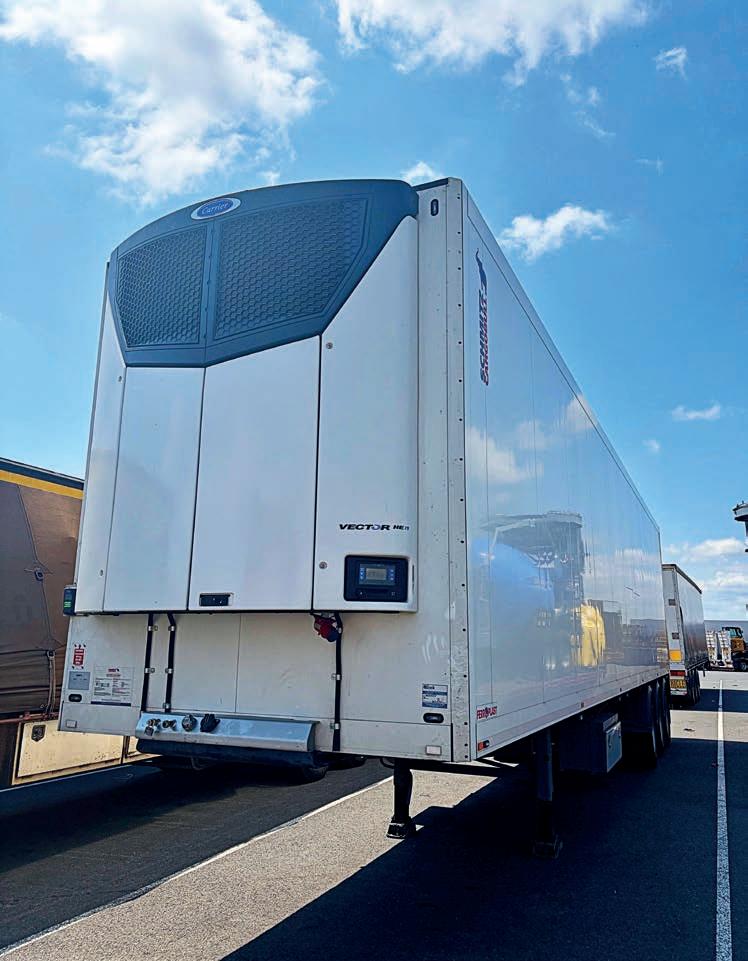
picking them was an easy choice for us.”
AusCold Transport has equipped its fleet units with a number of Carrier Transicold refrigeration units over the years. In the early days, Raghav and Yuvraj utilised the Carrier X2 2500 APX model which proved well-suited for their company due to its low cost of ownership, intuitive driver interface and APX control system which allowed for remote control usage.
The APX’s remote capabilities, coupled with Carrier Lynx Fleet telematics, soon became a must for Raghav. He still uses them today in more current Carrier Transicold models.
“This ability can be useful if we’re dealing with delays while travelling or if our goods require a temperature change mid-journey. It also prevents operators from worrying about the temperature of their freight while on the road, allowing them to focus purely on driving.”
Carrier Transicold Vector 1950 MT units have provided a new set of benefits to AusCold Transport. In addition to maximised uptime, a large choice of evaporators and reinforced cargo protection, this model in particular has increased the fleet’s sustainability.
“It’s important for us to be sustainable wherever possible,” Raghav says. “We travel long distances for our deliveries, so it’s good to know that the emissions along the way are being controlled to some degree.”
AusCold Transport recently invested in Carrier Transicold Vector HE 19 refrigeration systems as well. This model includes select features of its predecessors such as an APX control system and Lynx Fleet telematics for remote control usage and E-Drive technology, in addition to other new game-changing attributes.
Carrier Transicold’s Vector HE 19 unit has the ability to reduce fuel consumption by up to 30 per cent, tare weight by 10 per cent and maintenance costs by 15 per cent over its predecessors. It has been a very economical choice for AusCold Transport and a comfortable choice for its operators as a result.
“The Vector HE 19’s fuel consumption is really low,” Raghav says. “We’re able to save a lot of fuel by running this refrigeration unit, especially on longer drives. Its thermal efficiency provides us with peace of mind to run very cold temperatures too, as we mostly run our models at -22ºC for our freight.
“We’ve received great feedback on the Vector HE 19 unit and its ability to run with very little noise. Our drivers can actually sleep during long transport journeys because of how quiet it is. They’re able to stay comfortable and well-rested which allows them to carry out their driving duties much better and safer.”
AusCold Transport has been thrilled with the performance and reliability of its Carrier Transicold refrigeration units.
The company is now planning to invest in another application which it hopes will deliver even greater business benefits.
“We’re very excited about using Carrier’s products,” Raghav says. “We’re looking forward to purchasing a new Vector HE 17 model, when the time is right.
“We have every reason to believe it will help our business which has already grown so much. Until then, our other Carrier units will keep getting the job done.”
“Being able to control our Carrier units remotely has been a massive help to our operations,” he says. “With an online connection, I can change the temperature of our freight while it is in the middle of a delivery. Contact
This is mainly due to the included E-Drive technology which, replacing the unit’s direct-coupled compressors with a directcoupled high-performance generator, powers the system with electricity and ultimately reduces diesel usage and carbon emissions.
Carrier Transicold
Ph: 1800 448 166
Web: www.transicold.carrier.com.au
ZF’s [pro]Service network opens up a direct line of communication between the OEM and workshops for their technical support needs.
ZF has long operated as a major player in the many facets of Australia’s transport industry. For decades, the German-based manufacturer has supplied the local market with various components for a multitude of vehicles and machinery such as prime movers, buses and construction equipment. These wide-spreading capabilities have resulted in an equally wide-spreading product range.
“Our product portfolio is so broad that you could almost build a whole vehicle with the components that we manufacture,” says ZF Head of Sales Commercial Vehicle Aftermarket and OE Trailer, Oceania, Damon Baffico. “We make everything from driveline parts all the way to steering components, suspension components and braking equipment.”
ZF’s product range has further expanded within the last five years to service Australia’s trailer market as well. This was facilitated by the global
acquisition of leading braking technology manufacturer, WABCO, in 2020.
“The acquisition united two industry leaders to create a customer-focused powerhouse, and advance commercial vehicle technology and integrated support services,” Damon explains.
“WABCO is a very prominent company in trailer componentry and is well-known for its Trailer Electronic Braking Systems (TEBS) in particular.
“There have been more than 100,000 WABCO (now ZF) TEBS units fitted to trailers in Australia over the years. We now oversee between 75 and 80 per cent of all these fitments through our distribution partners in the market.”
ZF, having such a large presence in the country, is focused on developing a service support network to deal with its [pro]Service partners’ maintenance needs.
ZF established the system in the form of the [pro]Service network – an integration of the former WABCO aftersales support program and the resources and expertise of ZF’s own technical and aftersales service platform, ZF Service Point.
“Up until our acquisition, WABCO had its own service partner network which looked after its products,” Damon says.
“ZF had something similar, predominantly for prime mover and bus transmissions.
“We have since unified these two services into one all-encompassing service network, providing a much more comprehensive experience for our workshops.”
“Fleets require maintenance support for their trailers across the country,” Damon explains. “Trailers routinely travel from one end of the country to the other, and we are developing our service network to ensure we can support them all.”
The [pro]Service network is a nextgeneration workshop concept designed to provide partners and their workshops with diagnostic assistance, aftersales
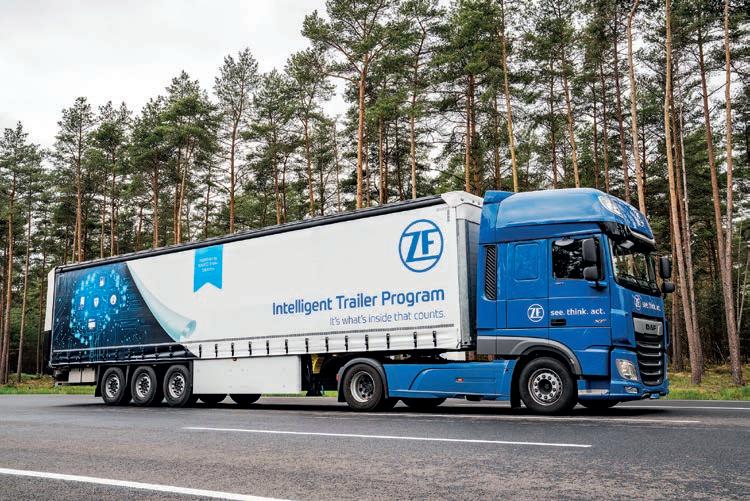
support and technology training related to TEBS modules and the entire ZF product portfolio. As Damon explains, the process of becoming a service partner of ZF’s network involves a request to join and an evaluation for eligibility.
“The [pro]Service network collaborates with key partners to ensure they have all the right technical competencies and equipment to maintain our products in the field,” he says. “Workshops must undergo a competency evaluation to join it. We do this to make sure they are properly equipped with the right space and tools to apply the best in class service.”
Service partners have access to a direct line of communication with ZF’s expert technical support team and Australian headquarters based in Sydney, New South Wales. The support team can be reached via phone and email to provide personalised equipment assistance with any service partner’s issues.
“Our technical support staff team strives to help service partners achieve the most vehicle uptime possible,” Damon says. “We recognise that operators have invested in their trailers and components as assets, and that they need to be on the road in order to be making returns.”
In addition to the [pro]Service network, ZF supports the market with specialty training courses through its [pro]Academy service. ZF has run 50 TEBS module dedicated training sessions with fleets and workshops in the past two years – training a total of 500 service technicians on the requirements of TEBS.
The current form of the [pro]Service
network has proven to be extremely successful in recent years, amassing 40 partners and workshops which span from Western Australia to Queensland. According to Damon, these service partners have praised ZF’s diligence and availability to provide essential technical support and training workshops for trailer components and other technologies.
“The partners in our service network are very grateful for the opportunity to consult us directly,” he says. “They are very enthusiastic to learn hands-on skills from us as one of the global leaders of commercial vehicle components. We are
equally happy to give this assistance and are looking to expand the network to more workshops around the country.
“There are roughly 15 locations which we call ‘white spots’ that could benefit from the [pro]Service network representation. We’re looking to break into these regions and give them direct access to our support team.”
Damon says the [pro]Service network will benefit from the introduction of technical support for emerging technologies in the future, particularly as new component developments such as e-mobility continue to arrive in the transport industry.
ZF also hopes to expand the number of products the [pro]Service network can assist with – particularly as new component developments continue to break in.
“The complexity of components in the industry is increasing,” Damon says.
“As a global leader in the design of new technology, it’s our responsibility to impart the right knowledge to the market through the [pro]Service network.
“With the right teachings and the right partners, our service network will help keep operators on the road and the industry running smoothly. That’s all we are committed to do.”
ZF – mobilised by WABCO Trailer Solutions
Ph: 02 9679 5555
Web: www.zf.com/au | www.wabco-auto.com
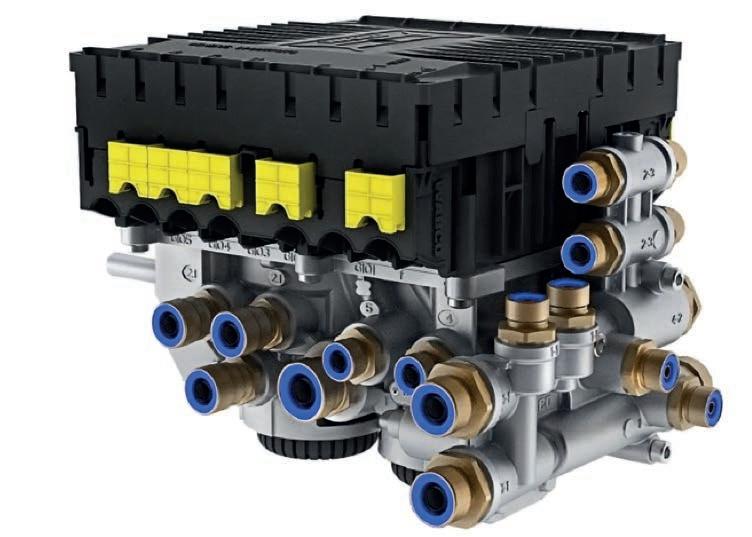
The Livestock and Rural Transporters Association of Victoria, Department of Transport and Planning and NHVR are championing the development of the High Productivity Livestock Vehicle Network.
Victoria’s livestock transport industry has entered a new era with the launch of the High Productivity Livestock Vehicle (HPLV) Network, a major advancement for industry transport. The HPLV Network delivers a step change in productivity while also acting as a model for how targeted design, operator accreditation and sound regulation can be combined to strengthen both safety and animal welfare outcomes.
For the Livestock and Rural Transporters Association of Victoria (LRTAV), the organiser which spearheaded the scheme’s development, it represents years of dedicated advocacy and technical collaboration.
The HPLV Network, created at the beginning of this year, is the product of a unique partnership between industry leadership, technical experts and government regulators. The LRTAV was
joined by engineering consulting firm, Tiger Spider, the Victorian Department of Transport and Planning (DTP) and the National Heavy Vehicle Regulator (NHVR) – each who contributed their own expertise to deliver a safe, practical and productivity-focused outcome.
At the livestock industry level, LRTAV President, Russell Borchard, along with LRTAV COO, Alina Hawkins, provided steadfast direction for the project.
The two executives ensured the HPLV Network’s design and accreditation framework were firmly grounded in realworld livestock transport operations.
Russell and Alina guided the project’s outcomes to focus on delivering genuine value for operators while maintaining high road safety and animal welfare standards. This direction was heavily supported by technical and regulatory efforts from Tiger Spider founder and Managing Director,
Marcus Coleman, who worked closely with DTP Manager of Freight Victoria, Ian Fond, and NHVR Manager of Heavy Vehicle Network Access Policy, Jose Arredondo, to translate complex vehicle modelling into practical access solutions.
Tiger Spider’s role focused on stability assessments for representative livestock combinations to inform the network’s vehicle reference framework, in addition to working with the LRTAV to develop the HPLV scheme’s operating conditions and business rules. According to Marcus, developing these solutions with productivity in mind also impacts safety for the HPLV Network.
“By increasing the productivity of livestock fleets, you actually improve safety,” he says. “Higher productivity vehicles mean fewer trips, less trucks on the road, reduced fatigue and better outcomes for all road users.”
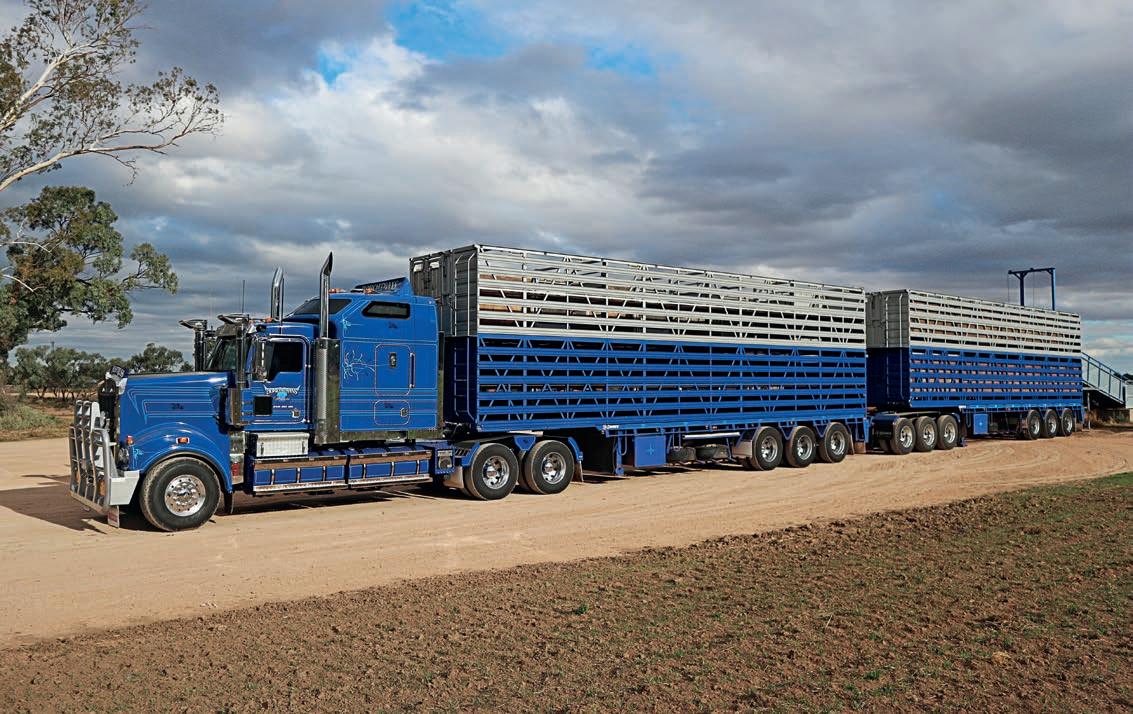

The HPLV scheme adapts proven heavy vehicle productivity principles to the realworld operating environment of livestock transport. It combines modern telematics, road friendly suspensions, ADR 80/02 emissions, maintenance management accreditation and Performance-Based Standards (PBS)-compliant braking systems to ensure performance and safety go hand in hand.
Maintenance accreditation was introduced specifically to add an extra safety layer to the HPLV Network. A load management plan was also developed to strengthen compliance with penning density guidelines and help operators manage deck loading and livestock weight more efficiently.
A major strength of the HPLV Network is the clarity of which combinations can operate within it. This was achieved by developing generic high productivity reference vehicles for the scheme based on livestock trailers built to consistent volumetric loading lengths.
The network allows operators to enrol all compliant equipment into the scheme and operate any combination of prime movers and trailers under that single reference approval. This flexibility represents
a major step forward compared to traditional PBS Vehicle Approval or Design Approval processes which are often more rigid.
Operating in the HPLV Network grants livestock carriers greater freedom to match equipment to their task and route. This improves efficiency without compromising compliance.
This efficiency is further bolstered by the HPLV scheme’s different accommodating routes. The 36-metrelong HPLV Network supports A-double and B-triple combinations, while the 42-metre-long section of the network in the Victoria’s northwest region is purpose-built for AB-triple combinations. This longer configuration unlocks even greater payload potential, with the network designed to expand further as additional infrastructure and route assessments come online.
“By allowing the use of A-double and B-triple combinations on key livestock corridors, operators can move approximately 30 per cent more livestock per trip, depending on the configuration and species being carried,” Alina says. “While these longer combinations use slightly more fuel,
the increase is far outweighed by the additional payload. This means that the fuel used per tonne of livestock transport improves by anywhere between 15 and 25 per cent.”
In addition to increased carrying capacity, fuel efficiencies and safety measures, the HPLV Network provides a greater route certainty across Victoria’s livestock passageways. Together, these advantages demonstrate how industryled innovation, supported by technical expertise and regulatory cooperation, can deliver real-world results.
“This is a proud moment for Victoria’s livestock transport industry,” Russell says.
“The HPLV Network shows what can be achieved when government and industry work together. It’s smarter, safer and more productive for everyone involved.
“The Victorian High Productivity Livestock Vehicle Network is giving livestock transport operators access to Victoria like never before.”
Australian Livestock and Rural Transporters Association
Ph: 02 6247 5434
Web: www.alrta.org.au
First West Gate Tunnel Project bypass opens
The Victorian Government has delivered the first part of the West Gate Tunnel Project.
The completion of the new Wurundjeri Way extension has provided a new direct link into Docklands and the Marvel stadium – creating a safer, faster and more reliable connection between Dynon Road and Flinders Street.
The bypass is also expected to add much-needed capacity to the road network by taking up to 5,000 vehicles off some of the city’s busiest thoroughfares every day.
Importantly, the West Gate Tunnel Project’s Wurundjeri Way extension is a crucial new inner-city connection which will allow traffic to flow more freely.
“The new Wurundjeri Way extension will make getting around our city easier – providing another connection for Melbourne’s west to the CBD, and the first new CBD bypass in a quarter of a century,” said the Premier of Victoria, Jacinta Allan.
Once open, the West Gate Tunnel will deliver a vital alternative to the West Gate Bridge – providing a safer, more efficient second river crossing and removing more than 9,000 trucks from local roads.
Brooker Hwy upgrades to bolster TAS freight movements
Road works set to strengthen sections of Tasmania’s Brooker Highway have commenced.
The project, delivered under the Australian and State Governments’ Freight Capacity Upgrade Program, is targeting the highway’s Bridgewaterbound lanes near the Claremont Link Road overpass.
The Freight Capacity Upgrade Program is strengthening bridges and roads across Tasmania to provide improved access and reliability for the heavy vehicle freight industry.
According to Tasmanian Minister for Infrastructure and Transport, Kerry Vincent, this state-wide effort has so far proven successful.
“Significant progress has been made under the five-year, $100 million program, with 22 of the 38 planned road strengthening projects completed to date, and a further five currently under construction,” he said.
“The program supports a more productive and efficient freight industry by providing freight operators increased safe operating loads, more predictable travel time, optimising road asset life, and reducing maintenance costs.
“We look forward to achieving more milestones under the program in 2026 and the benefits it will deliver across the state.”
The program will continue into 2026, with contracts either recently awarded or to be awarded in the coming months for a further 10 sites.
This will include strengthening sections of road on the Brooker, Tasman, Huon, Lyell, Midland and Ridgley highways as well as several regional roads.
Of the 37 planned bridge strengthening sites included in the program, eight have been completed to date.
A further four are expected to be completed by the end of 2025, including:
• Don River Bridge, Sheffield Road, Acacia Hills;
• Allans Creek Bridge, Arthur Highway, Taranna;
• Norfolk Creek Bridge, Arthur Highway, Taranna; and
• Wivenhoe Rail Underpass, Bass Highway, Wivenhoe.
Sixteen bridge strengthening sites are either currently under construction or have been awarded a contract for construction, 10 of which are expected to start by early 2026.
Major construction on the Brooker Highway will wrap up later this month.
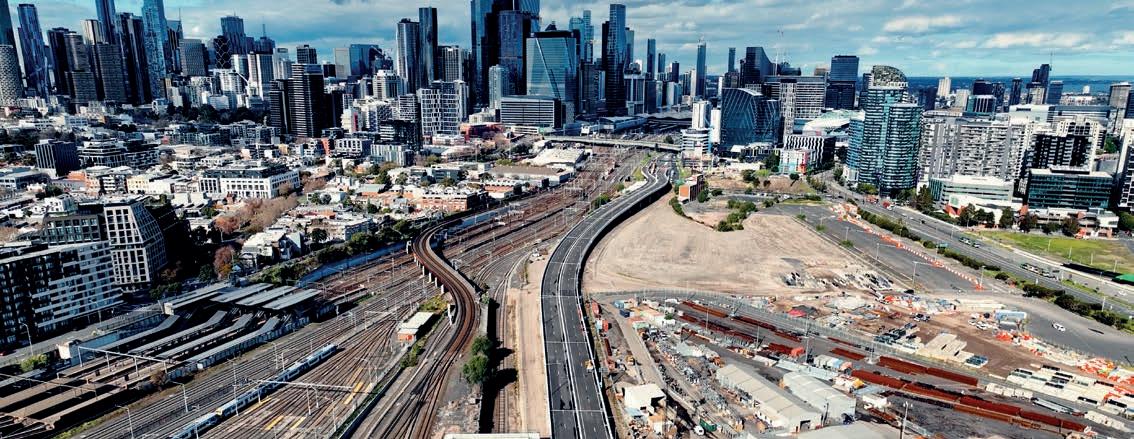
Newell Highway upgrades to benefit transport operators
Work to upgrade two rest areas on the Newell Highway south of Moree, New South Wales, has begun.
These works will improve the northbound and southbound rest areas, on both sides of the Newell Highway at Tycannah, to the particular benefit of heavy vehicle drivers.
The existing rest areas at Tycannah service the major long-haul interstate freight route linking Melbourne, Victoria, to Brisbane, Queensland, but currently have no toilets or turning lanes.
These upgrades will include a reconfiguration of the rest areas to better accommodate extra-long vehicles, and also deceleration lanes at the entry of the rest areas to improve safety.
Additionally, separate parking will be provided for both light and heavy vehicles, as well as caravans.
According to Heavy Vehicle Rest Area Steering Committee Chair, Glenn Sterle, these road works will greatly contribute to the safety of freight movers and other motorists.
“As part of our ongoing commitment to supporting Australia’s freight network, we’re improving critical rest areas like Tycannah to ensure our truck drivers have access to safe, modern and accessible facilities along key freight routes,” he said.
“While this investment primarily caters for our essential truckers, this project will also provide practical rest area facilities and separate parking for light traffic and tourists towing caravans.”
NSW Labor Duty MLC for Northern Tablelands, Peter Primrose, said the project is a critical step towards ensuring road safety.
“We are working with the road freight industry to improve the quantity and quality of heavy vehicle rest stops across the state,” he said.
“Fatigue is one of the top three contributors to serious heavy vehicle crashes on NSW roads, so these improvements help drivers comply with the national fatigue legislation while helping reduce the incidence of crashes involving heavy vehicles in the northwest region.”
Work on the rest area upgrades is expected to take six months to complete.
A design and construct contract has been awarded to deliver significant upgrades to the Gateway Motorway and Bruce Highway.
The Gateway to Bruce Upgrade will tackle longstanding congestion and safety issues on one of North Brisbane’s busiest transport corridors which supports up to 160,000 vehicles daily.
The project combines the delivery of the $1 billion Gateway Motorway, Bracken Ridge to Pine River upgrade and the $948 million Bruce Highway (Brisbane to Gympie) Gateway Motorway to Dohles Rocks Road upgrade (Stage 1).
Gateway Connect Joint Venture has been awarded the contract to upgrade the Gateway Motorway and Bruce Highway route.
The project will include providing additional lanes on the Gateway Motorway, improving the motorway curve at Bracken Ridge and completing upgrades to the Bruce Highway interchange with Gateway Motorway and Gympie Arterial Road, south of the Pine River.
Federal Minister for Infrastructure, Transport, Regional Development and Local Government, Catherine King, said these upgrades will be critical for freight movements.
“We are committed to bolstering the economy in Queensland through strategic infrastructure investment,” she said.
“This commitment by the Australian Government will greatly benefit freight movement, local and regional commuters and holiday makers.
“Without additional capacity, this vital section of the national highway will face longer periods of heavy congestion.”
Treasurer of Australia, Jim Chalmers, recognised the overall importance of the Gateway Motorway and Bruce Highway corridor.
“As a Queenslander, I know how important the Bruce is to our state,” he said.
“The Bruce transports people, goods and opportunities and links local communities and economies right around regional Queensland.
“This is a big investment in easing congestion in our communities and growing the Queensland economy.”
An overhaul of the Barrier Highway will see two key junctions upgraded as well as new rest areas and culvert upgrades to improve safety and freight operations.
The junction of the Barrier Highway and Whyte Road at Whyte Yarcowie, South Australia, is being installed with new lighting and safety barriers.
The road will also be reconstructed, widened and spray sealed to allow larger heavy vehicles to turn onto Whyte Road from the highway.
In Yunta, the Main Street (Tea Tree Road) and Barrier Highway junction will also be reconstructed, widened and spray sealed to improve heavy vehicles travelling to and from pastoral stations and mining production and exploration areas near Yunta.
The project involves building a new rest area in Winnininnie and upgrading an existing rest area in Bindarrah to give drivers the opportunity to pull over and take a break with new shelter and picnic tables.
Additionally, two culverts at Winnininnie and one at Bindarrah will be upgraded to prevent flooding and road damage while also accommodating the movement of larger heavy vehicles.
SA Minister for Infrastructure and Transport, Emily Bourke, said these road works are critical to improve the passage of freight along the Barrier Highway.
“The State Government is investing in road safety, and freight efficiency is essential for sustaining regional economies,” she said.
“These improvements will not only protect motorists but also help key sectors like agriculture and mining by providing reliable access to important transport corridors.
“By upgrading these junctions, we’re making the jobs of many transport operators easier, allowing them more room to manoeuvre their vehicles and providing an additional route option when transporting goods.”
Federal Minister for Infrastructure, Transport, Regional Development and Local Government, Catherine King, said ensuring the safety of motorists is a priority for the Australian Government.
“We are making a significant investment in making our roads safer,” she said.
“Upgrading the Barrier Highway and Whyte Road junction will provide stock carriers an alternative route when transporting sheep from livestock saleyards at Jamestown.”
Early works including service relocations are complete and major construction are expected to be finished by mid-2026.
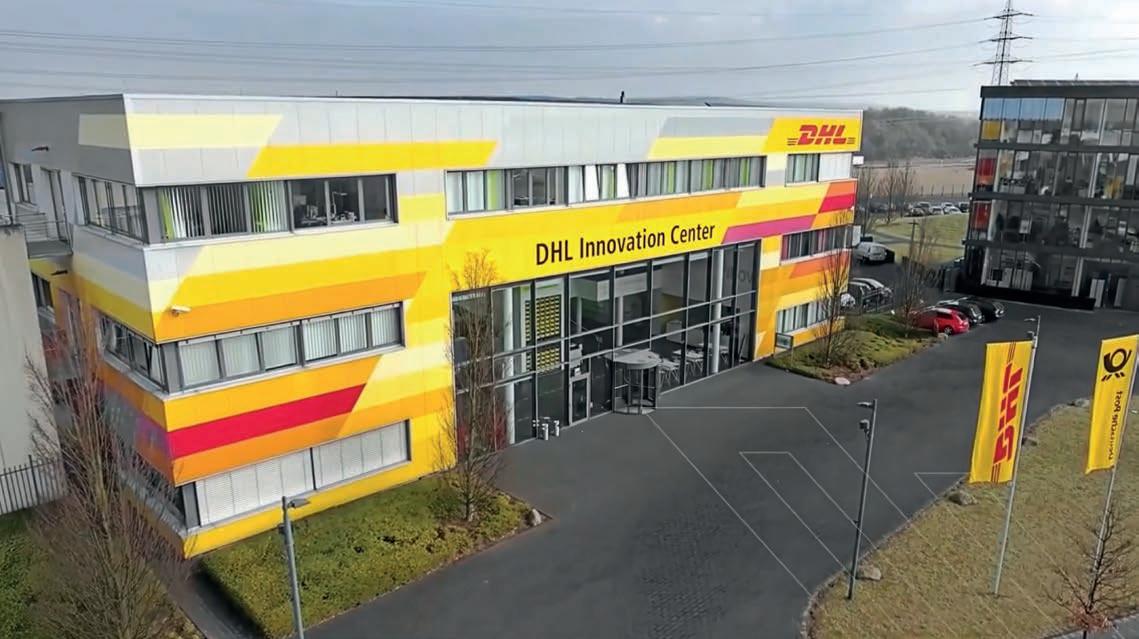
DHL’s newly opened Europe Innovation Centre in Germany is a launchpad for the future
In the quiet outskirts of Germany, something extraordinary is unfolding.
What began in 2007 as the DHL Europe Innovation Centre has now evolved into a reimagined, state-of-the-art facility that places bold ideas and practical innovation at the core of logistics transformation.
Launched with a clear mission to shape what’s next in logistics, the new Europe Innovation Centre takes collaboration to new heights. Within its sleek, sustainable design, DHL has created a dynamic space where customers, partners, academics and thought leaders converge to explore emerging technologies from robotics and the Internet of Things (IoT) to automation and carbon-conscious solutions.
“This is more than a facility, it’s an ecosystem for innovation,” a DHL spokesperson said. “It’s where we take vision and turn it into reality.”
From the moment you step inside, the space tells a story of ambition. Flexible working zones and interactive tech
displays invite visitors not just to observe, but to engage. Think tank areas buzz with ideation. Prototypes roll through test zones. In every corner, the future is in motion.
The DHL Innovation Centre is built around a few key pillars such as discovery, inspiration, connection and creation. Visitors are encouraged to dive deep into the latest breakthroughs in logistics tech, whether it’s testing autonomous delivery bots, exploring AI-powered warehouse systems, or learning how digital twin technology can optimise supply chain flows in real-time.
But beyond the hardware, the centre is about human connection. It is a place where industry challenges are not just discussed but tackled together. By bringing together the brightest minds from across disciplines, DHL aims to turn blue-sky thinking into tangible, business-ready solutions.
The sustainability thread runs strong through the centre’s mission, too. With green building materials, energy-efficient systems, and a focus on circular economy
principles, the facility itself is a model of responsible innovation. DHL’s broader goal? To enable a logistics network that’s not only smarter and faster – but also cleaner.
“Think Beyond. Think EPIC.” That’s the rallying cry echoed throughout the new centre. It is reported to be more than a slogan but rather a mindset that permeates the entire DHL approach to innovation. EPIC stands for Exploratory, Purposedriven, Inclusive and Customer-centric – four values that define the culture within these walls.
As global supply chains face mounting complexity, DHL’s Innovation Centre in Germany acts as both a compass and a catalyst. It helps partners navigate disruption, explore new efficiencies, and build logistics strategies that are resilient, adaptive, and future-ready.
In the world of logistics, standing still is not an option. With this new chapter, DHL has made it clear. The journey toward the future is collaborative, creative and already well underway.

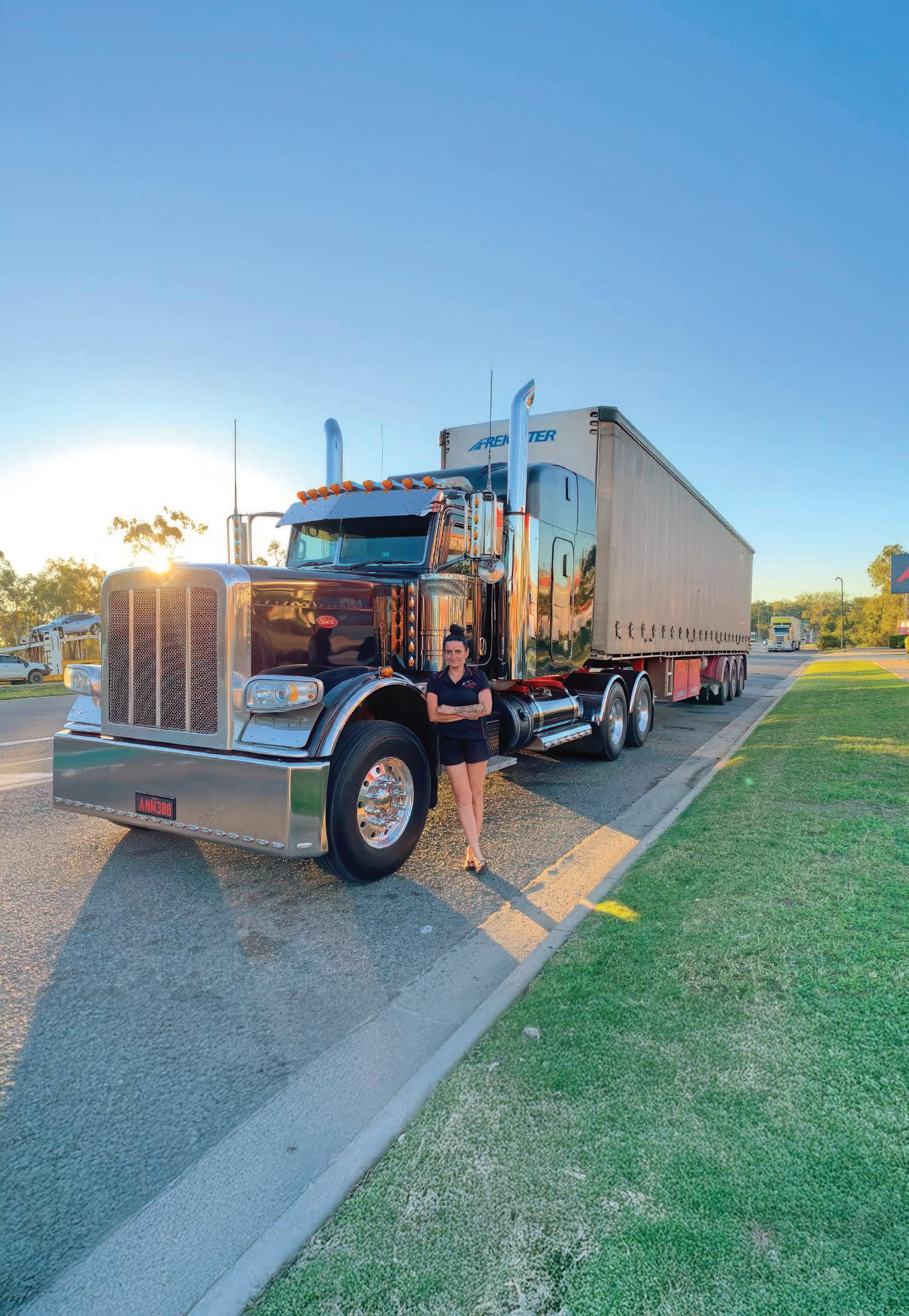




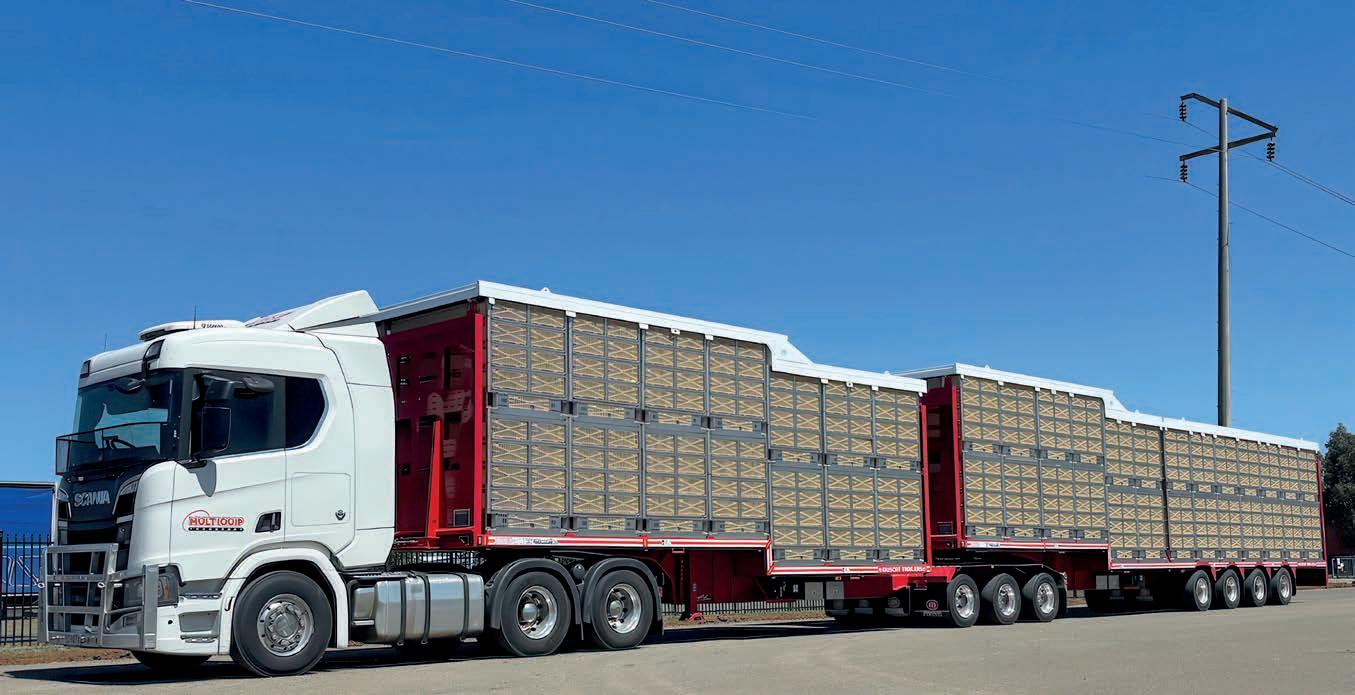
Multiquip is in the process of rolling out 10 custom Performance-Based Standards B-double combinations for Baiada.
Australian poultry transport and logistics provider, Multiquip, is launching 10 advanced Performance-Based Standards (PBS) B-doubles from Muscat Trailers.
The B-double combinations feature triaxle A trailers and quad-axle rear trailers with a custom roof system which can be raised for easy loading and unloading of poultry modules.
The first two combinations have arrived, with the remaining eight to be manufactured and deployed over the next year.
Multiquip Director, Jason Mikosic, claims these units are the most advanced live bird transport trailers in the world.
“These trailers set a new benchmark in both animal welfare and operational efficiency,” he says. “They will allow us to carry almost double the payload of a single trailer which is very unique and efficient for their application.
“A lot of processing plants are using single trailers, so doubling that volume will make a big difference for us in terms of less trips on the road.”
The trailers are being purpose-built for one of Multiquip’s largest customers, Baiada. The national poultry provider will be opening a new processing plant in Tamworth, New South Wales, during the middle of next year.
All 10 B-doubles will be used to transport live chickens to the processing plant from farms within a 100-kilometre radius. Additional units will be built to the exact same design as required.
“All chicken processing plants have certain modules which go on the trailers to transport live birds,” Jason says. “We needed to design a trailer that would suit the sort of module that works in Baiada’s processing plant.
“Their modules are like interlocking drawers which need to be load restraintrated from the top of the frame, so we created a roof design with the help of Muscat Trailers that would hold the drawers together and secure the load in transit.”
The load restraint-rated system removes the need for additional straps and frames on the sides of the trailers. To unload Baiada’s ‘Atlas’ poultry modules, operators simply have to press a button located at the front sides of each trailer to raise the roof by 600mm.
Forklift operators can then unload the modules, take them into sheds to be loaded with chickens and load them back onto the trailer. From there, the roof can be lowered back onto the modules and inspected prior to the trailer’s departure.
Jason says this design will increase
safety and efficiency for Multiquip.
“The biggest benefit of having no frames or tie down straps on the side of the trailer is that the truck driver doesn’t have to go anywhere near where the forklift is operating,” he says. “This will keep operators away from danger areas, reducing the chance of injuries and increasing work health and safety.”
The PBS B-doubles will all feature Gross Combination Masses (GCM) of 73 tonnes with payloads of approximately 28 tonnes of chicken. According to Jason, the axle configurations will make them extremely versatile units.
“The tri-axle front and quad-axle rear was best option for us because it gives us access to the majority of the farms in Tamworth through either a B-double or quad-axle semi-trailer,” he says. “We looked at different combinations such as single trailers, standard B-doubles and road trains and found that this would be the most versatile configuration.
“We came up with a concept that we wanted to develop with Muscat Trailers, and they were very proactive with their engineering and designing to help us achieve what we wanted. They handled the PBS process, engineering and design very well to give us a good quality product which we hope will last many years.”
Pencil in some information on dates and venues of various truck shows, field days and road transport industry conferences both locally and internationally.
Victoria evokeAG
17-18 February
Melbourne, VIC Visit: www.evokeag.com
New South Wales
2026 National Rural Carriers Convention 26-28 February
Co s Harbour, NSW
Visit: www.lbrca.org.au/lbrca-events
March
Victoria
Wimmera Machinery Field Days
3-5 March
Horsham, VIC
Visit: www.wimmerafielddays.com.au
Queensland
LRTAQ Annual Conference 19-21 March
Townsville, QLD
Visit: www.lrtaq.com.au/annual-conference
South Australia
South East Field Days 20-21 March
Lucindale, SA Visit: www.sefd.com.au
Sydney TruckFest 20-22 March
Clarendon, NSW
Visit: www.sydneytruckfest.com.au
Victoria
Transport Women Australia Limited Conference
16-18 April
Melbourne, VIC Visit: www.transportwomen.com.au/events
New South Wales
National Diesel Dirt and Turf Expo 17-19 April
Sydney, NSW Visit: www.dieseldirtandturf.com.au
Tocal Field Days 1-3 May
Tocal, NSW Visit: www.tocalfielddays.com
Brisbane
Australian Manufacturing Week 12-14 May
Brisbane, QLD Visit: www.australianmanufacturingweek.com. au
TruckShowX 18-19 May
Lovedale, NSW
Visit: www.hvia.asn.au/events-hvia
Queensland
Trucking Australia 3-5 June
Hamilton Island, Queensland Visit: www.new.truck.net.au/ta
September
Victoria
MegaTrans 16-17 September
Melbourne, VIC Visit: www.megatrans.com.au
November
Brazil
Fenatran 9-13 November
São Paulo, Brazil
Visit: www.fenatran.com.br

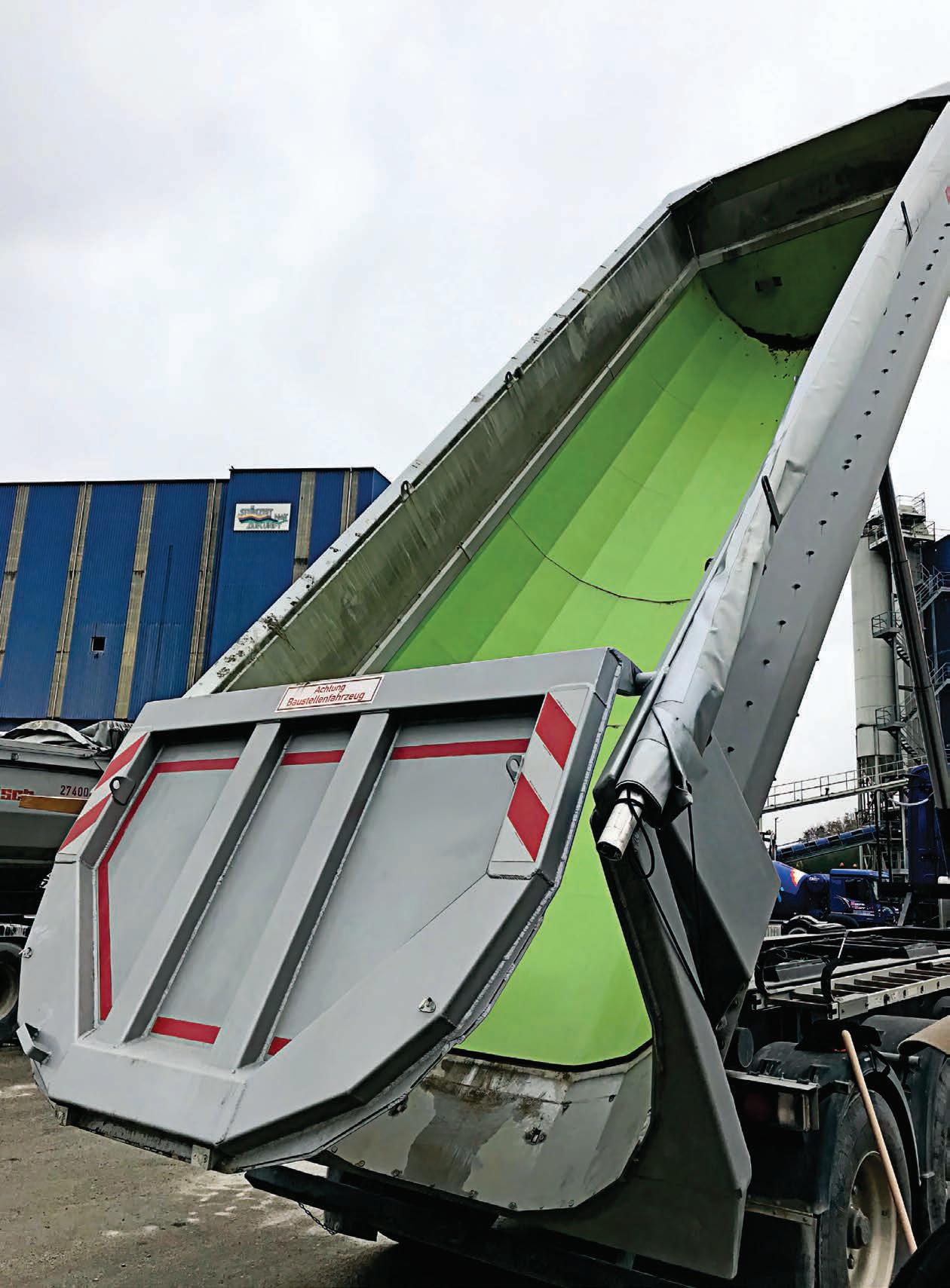
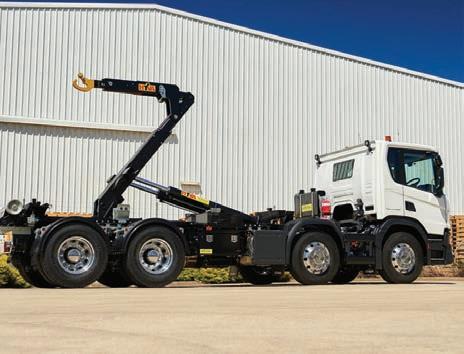
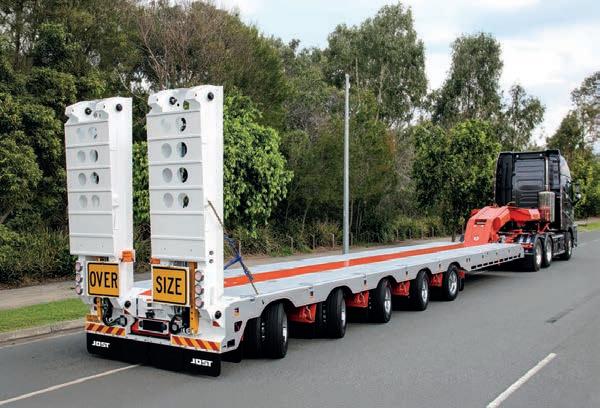
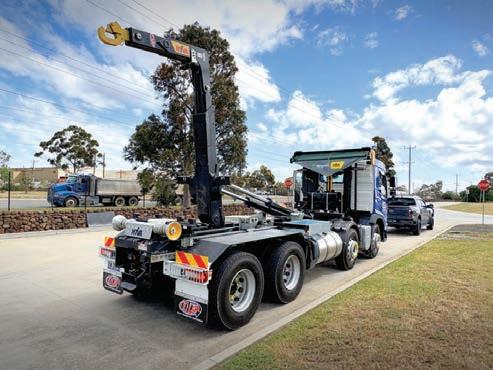
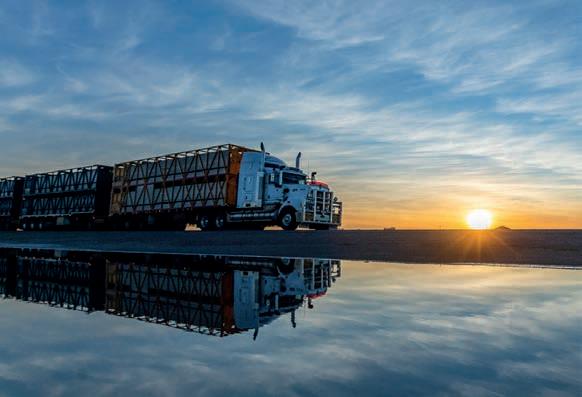
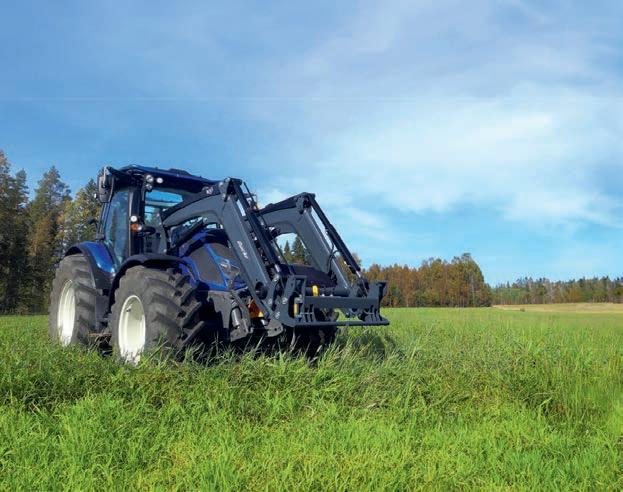
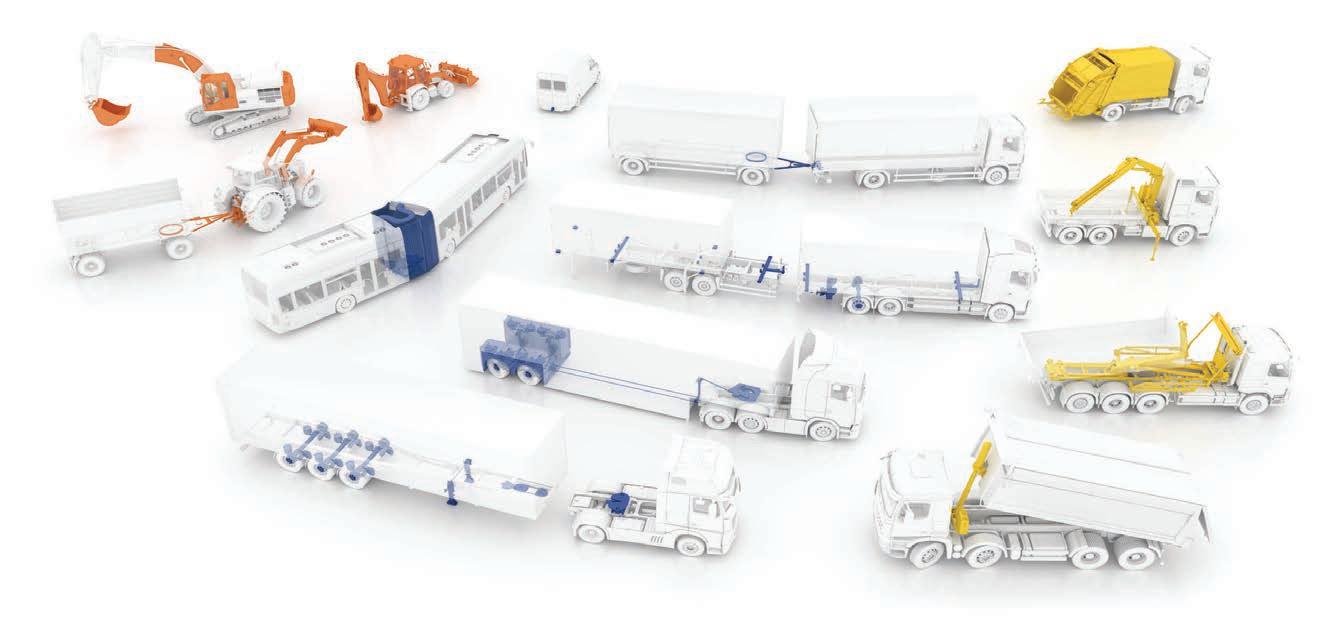
Comprehensive range of quality transportation components, encompassing fifth wheel couplings, landing gear, king pins, and other critical transportation components built to withstand even the harshest conditions.