PI X EL
Issue 6 - May 2023 WildLife

Photography Club
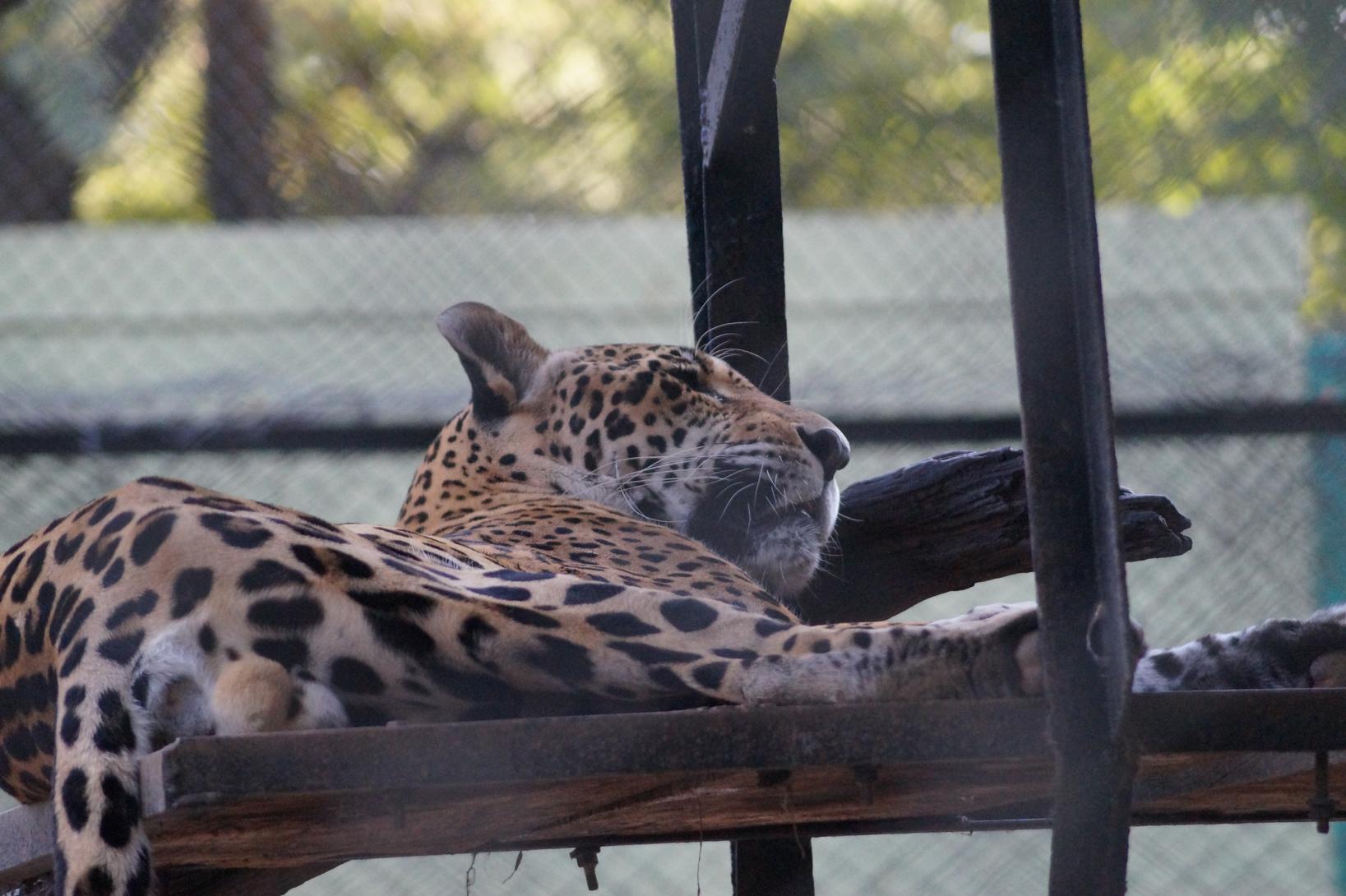
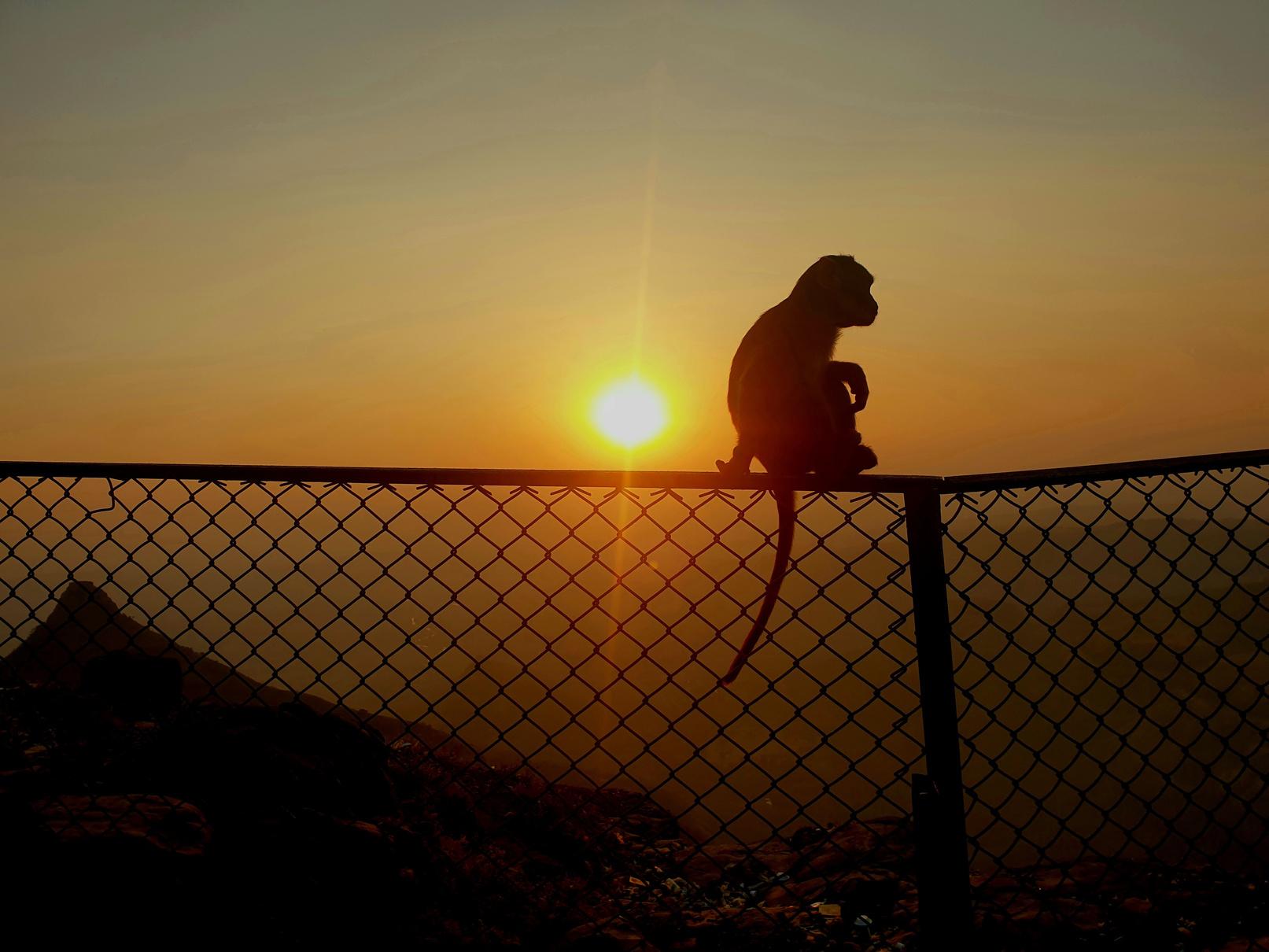
Image by Jayank Panchal

The Photography Club of K J Somaiya Institute of Management has been encouraging students to use the art of photography to express their emotions & thoughts. We aim to create an environment for everyone to discover, develop, and express their creativity in photos & videos, by honing their capturing & editing skills.
To keep the passion for photography alive in the busy lives of the students, the club conducts workshops, events, photo walks, competitions, and official photoshoots around the year under the guidance of Prof. Hitesh Punjabi.
To be a member of the club, one may not know the technicalities of photography but must have a passion for it as our goal is to keep capturing moments and lives around us in one way or the other.
The club believes that every picture has a story to tell and to let everyone tell their's, the club presents to the whole institute the opportunity to showcase their best shots on various themes the club runs throughout the year for the students of the institute.
Pixel, the club's official magazine brings various styles of photography and camera techniques together as well as expert's views and journeys to encourage budding photographers to take on their picturesque journey forward.


We hope you enjoy the content of this issue.
Regards,

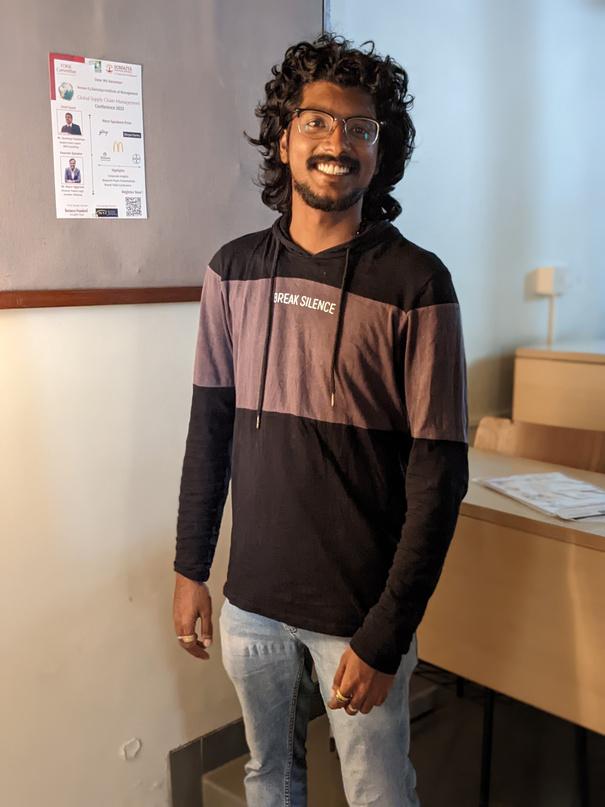
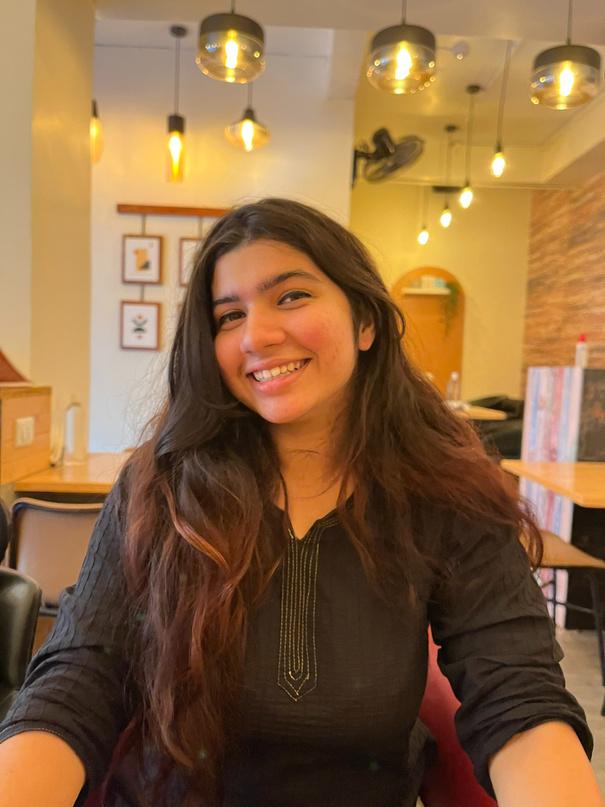



 Kunal Kishore
Shweta Nayak
Prajwal Poojari
Muskan Aggarwal
Kashish Khanduja
Ayush Sharma
Kunal Kishore
Shweta Nayak
Prajwal Poojari
Muskan Aggarwal
Kashish Khanduja
Ayush Sharma
"Photography is a way of feeling, of touching, of loving. What you have caught on film is captured forever... it remembers little things, long after you have forgotten everything."
Aaron Siskind"Wildlife photography is a way to capture the beauty of nature and inspire people to protect it"
Ami Vitale
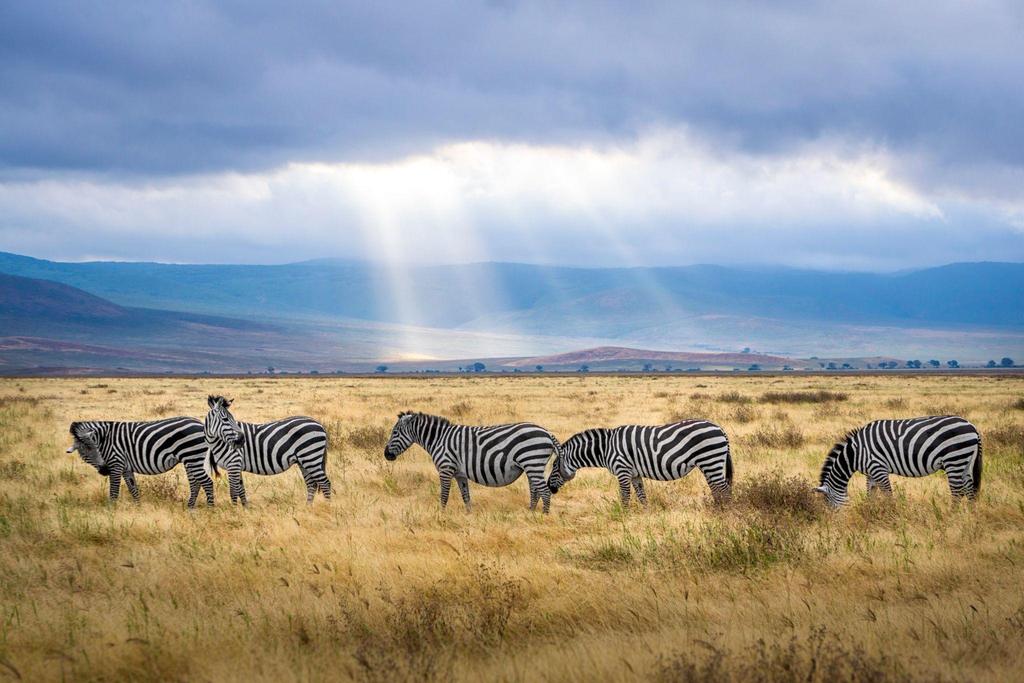
Wildlife photography is a captivating and enthralling genre of photography that involves capturing the natural beauty and behavior of animals in their natural habitat. Wildlife photographers often brave challenging conditions, spend countless hours waiting for the perfect shot, and use advanced equipment to capture stunning images of animals in action.
The essence of wildlife photography lies in capturing the emotion, beauty, and spirit of wildlife in their natural environment. Wildlife photographers seek to showcase the intimate relationship between animals and their surroundings, as well as the intricate details of their behavior and interactions. Their work is not only a reflection of the natural world but also an opportunity to raise awareness about the importance of wildlife conservation.
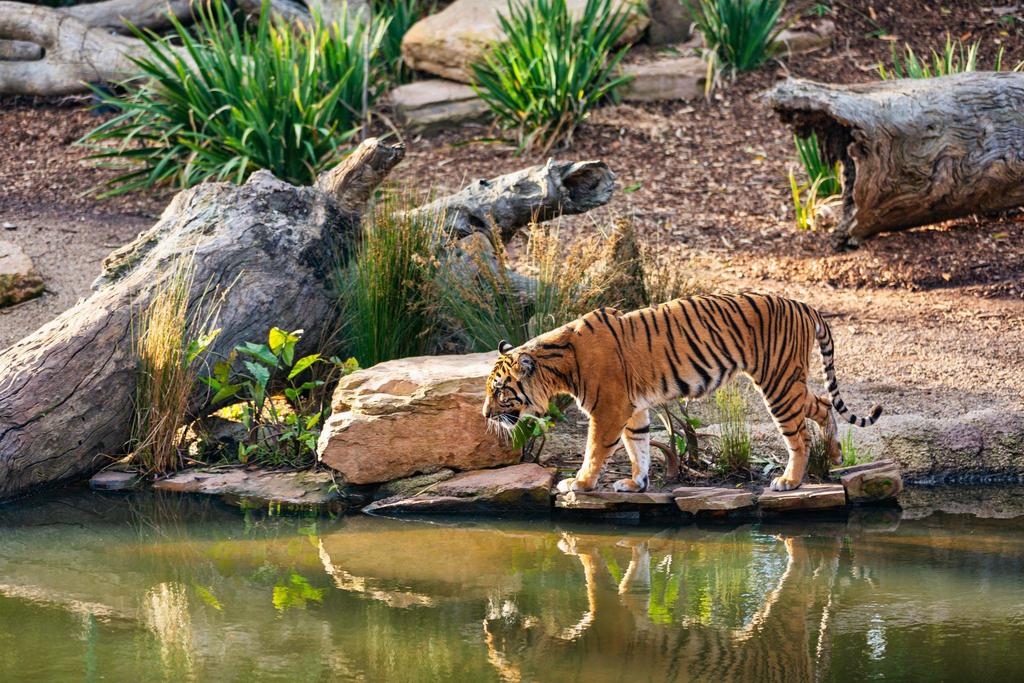
Wildlife photography can be both challenging and rewarding. It requires patience, perseverance, and a deep understanding of the subject. The beauty of this genre of photography lies in its ability to capture the essence of animals in their natural state, allowing us to connect with nature on a deeper level.
Wildlife photographers in India play a crucial role in documenting the rare and endangered species, their behavior, and their interaction with the environment. Their photographs not only showcase the beauty of wildlife but also highlight the need for conservation efforts to protect these fragile ecosystems.Through their lenses, wildlife photographers capture the essence of nature and bring it to the forefront, igniting a sense of wonder and admiration among the viewers. Wildlife photography has the power to inspire people to take action towards conservation and create a positive impact on the environment.
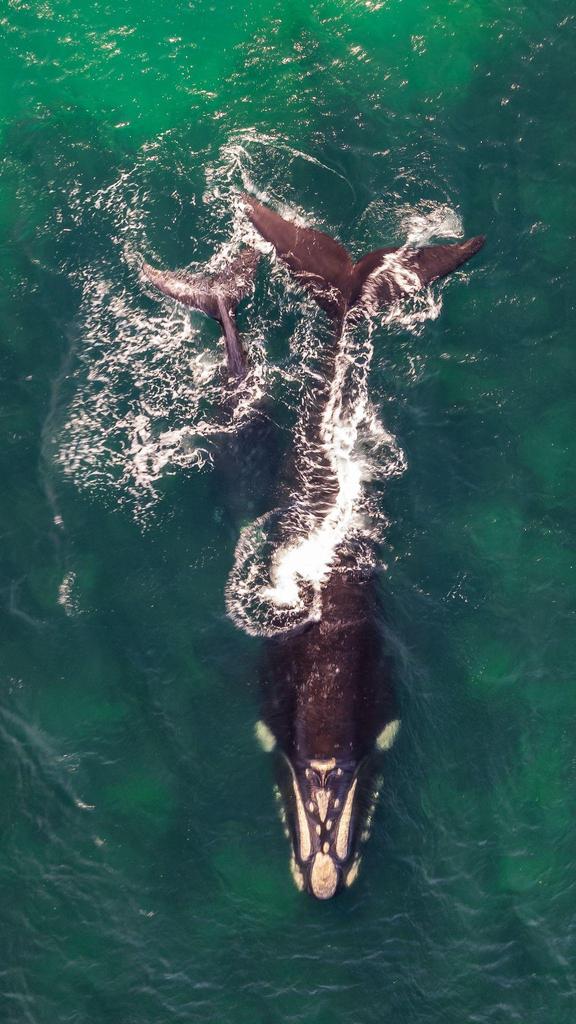
In conclusion, wildlife photography is a fascinating genre of photography that requires a unique set of skills, patience, and dedication. As Aaron Siskind once said, photography is a way of capturing emotions and memories that will last forever, and wildlife photography allows us to capture the beauty and spirit of animals in their natural habitat, preserving their memory for generations to come.
The Photography Club of K J Somaiya Institute of Management is pleased to introduce to you the theme of the current edition of our official magazine, Pixel - Wildlife Photography
We invite you to explore the fantastic art of wildlife photography through the lenses of our club members, fellow students, and guest photographers
Research the subject:
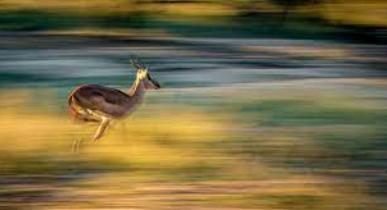
Before you head out to shoot wildlife, do some research on the animal you want to photograph. Learn about its behavior, habitat, and daily routines. This knowledge will help you anticipate its movements and be in the right place at the right time. You can find information online, in books, or by talking to other wildlife photographers.
Gear it up right:
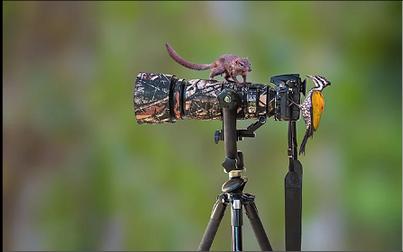
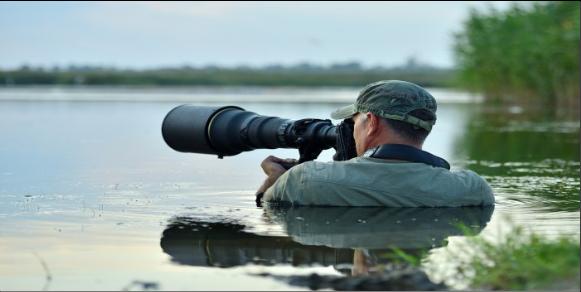
Invest in quality camera equipment, including a telephoto lens, a tripod, and a camera bag. A telephoto lens will allow you to get close-up shots without disturbing the animals, while a tripod will help you get sharp, stable shots even in low light or challenging conditions. A camera bag will protect your gear and make it easier to carry.
Be patient:
Wildlife photography requires a lot of patience. You may need to wait for hours or even days to capture the perfect shot. Be prepared to stay in one place for a long time and be ready to move quickly when the opportunity arises. Keep your camera ready at all times and be alert for any signs of animal activity
Respect the animals:
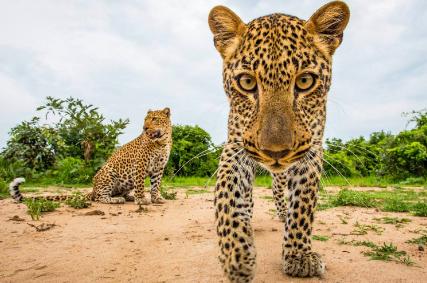
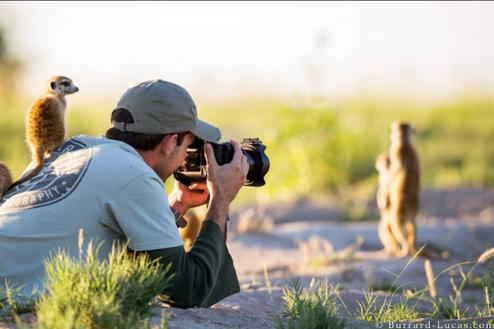
Remember that you are a guest in their habitat. Do not disturb or harass the animals, and always maintain a safe distance. Use a telephoto lens to get close-up shots without getting too close to the animals. Do not interfere with their natural behavior or try to feed them, and eyes are the most important part of any wildlife photograph. Make sure they are in sharp focus and capture the animal's expression. This will create a connection between the viewer and the animal and make the photograph more engaging.
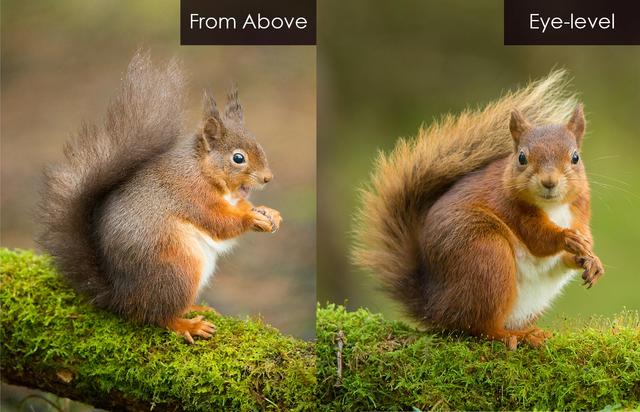
Try shooting from different angles and perspectives to create unique and interesting compositions. Get low to the ground, shoot from above, or use a wide-angle lens to capture the animal's surroundings. This will help you create more dynamic and visually interesting images.
Wildlife photography is a skill that takes time to master. Keep practicing and experimenting until you find your own style and develop your own unique vision. Learn from your mistakes and try new things. Don't be afraid to take risks and push yourself out of your comfort zone. With time and practice, you'll be able to capture stunning wildlife photographs that tell a story and evoke emotions in the viewer.
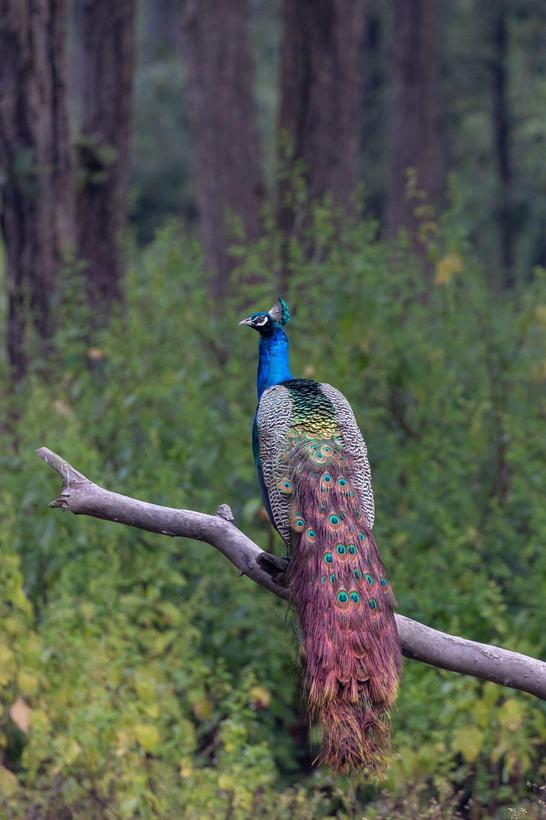
Wildlife photography isn’t an easy ball game for all, as it requires one of the most crucial skill, i.e., patience. Be it capturing cheetahs in a wildlife sanctuary or that most lovable dog in your colony, you can’t ask them to pose as per your convenience. A peacock might not look best at the time, when you decide to shoot an aesthetic picture of the same but it might decide to dance an hour later. The more time you spend with your lovable models, the more you get to know their likes and dislikes.
One might need to click 100s of pictures before that “oh so picture perfect moment.” The essence of wildlife photography can be truly realized once the photographer decides to indulge himself in the beauty of nature. Let’s deep dive to explore tips and tricks that can be used to enhance the beauty of our lovable creatures without disturbing their natural habitat.
Sharpen the image: Wildlife photography often requires quick reflexes, which can result in slightly blurry images. Sharpening can help to bring out details and make the image appear sharper.
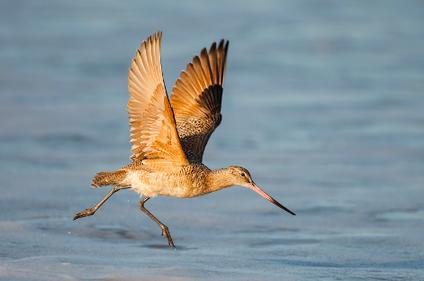
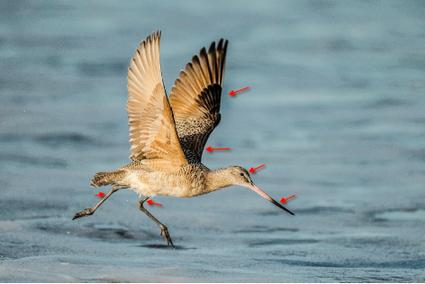
2. Wildlife positioning: Each and every subtleties of an animal movement can depict an entirely different story. Hence, capturing that story in the way it should be can be highly crucial.
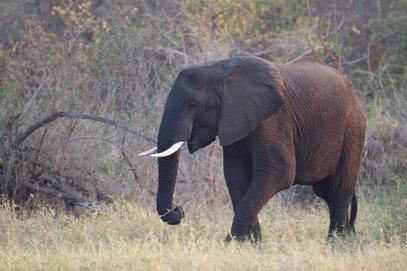
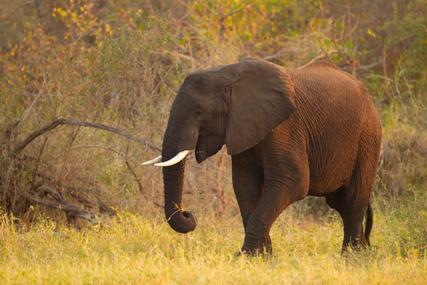
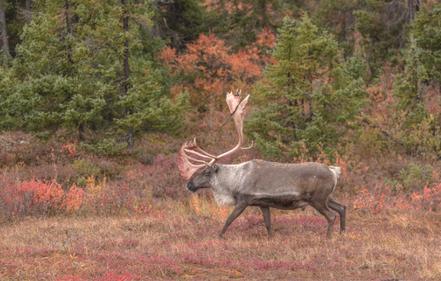
3. Use selective adjustments: You can use selective adjustments to brighten or darken certain areas of the image, or to adjust the color or contrast in specific areas. This can help to draw attention to certain parts of the image and make it more visually interesting.
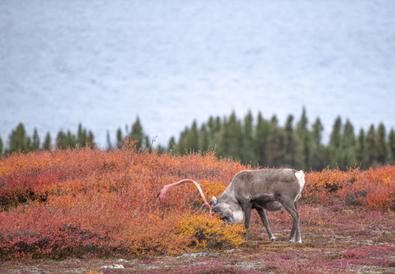
4. Focus on the eyes: When we greet someone, eye contact can make or break the first meeting. Eyes are being considered as a very powerful tool that humans have. During the photoshoot, if an animal makes an eye contact, it helps in creating strong connections with its viewers.
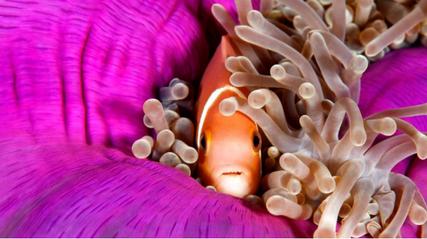
5. Background: Cluttered, filtered and abrupt backgrounds can distort the true essence of wildlife photography. Hence, capturing our loved ones while they are going their lovable activities in their natural background helps in maintaining authenticity and strengthening bonds with the audiences’.
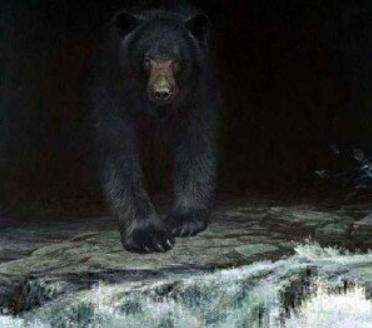
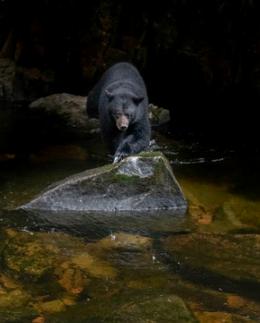

Wildlife photography can be a challenging yet rewarding hobby. Here are some tips and tricks to help you capture stunning wildlife photos:
Use a long lens:
A long lens is essential for wildlife photography, as it allows you to capture the animal from a distance without disturbing it. A 300mm or 400mm lens is ideal, but a 70-200mm zoom lens can also work well if you're on a budget.
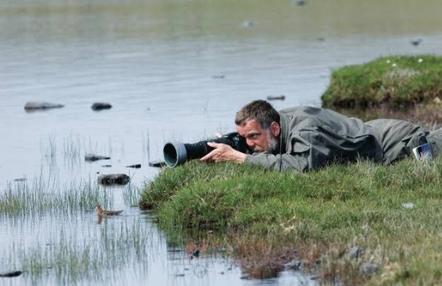
Research your subject:
Before you head out to photograph wildlife, take some time to research he species you want to photograph. earn about their habitat, behaviours, and habits so that you an anticipate their movements and et the shot you want.
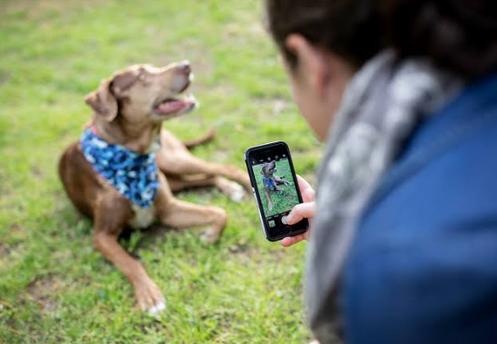
Use a fast shutter speed: Wildlife moves quickly, so yo speed to freeze the action a blur. A shutter speed of 1/500th of a second is recomm
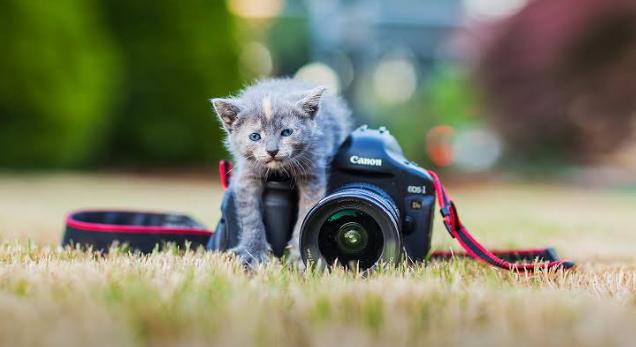
Use a low ISO: Use the lowest ISO possible noise in your images. If you're in low light, you can raise the try to keep it below 800.
Shoot in the golden hours: The golden hours, the first and last hours of sunlight each day, provide the best lighting for wildlife photography. The light is warm and soft, which can create beautiful and dramatic images.
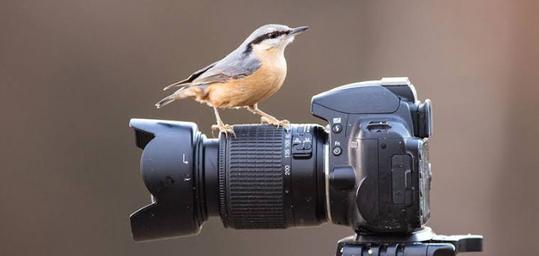
Get down to eye level: To create a more intimate and engaging photo, try to get down to eye level with your subject. This can mean lying on the ground or using a low-angle tripod.
Be patient: Wildlife photography requires a lot of patience. Sometimes, you may have to wait hours for the animal to appear, but the payoff can be worth it.
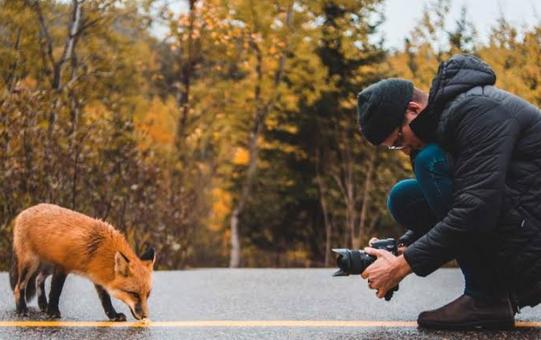
Avoid distractions: Avoid distractions in your frame, such as busy backgrounds or other animals that may draw the viewer's attention away from your subject.
Respect the wildlife: Remember to respect the animals you're photographing. Don't disturb their natural habitat or get too close; always put their safety and well-being first.
Use the rule of thirds: The rule of thirds is a composition technique that involves dividing your frame into thirds both vertically and horizontally. Place your subject at one of the intersections to create a more balanced and visually appealing image.
Rathika Ramasamy is a renowned Indian wildlife photographer who has dedicated her life to capturing the beauty of nature through her lens. Her journey as a photographer began when her father gifted her a camera when she was in high school. As she grew older, her passion for photography intensified, and as a result in the year 2003, she quit her job as a software engineer and took up wildlife photography as a full-time profession.
Her love for nature and wildlife started from a very young age and was always fascinated by the natural beauty that surrounded her. However, it wasn't until she visited the Keoladeo National Park in Rajasthan that she discovered her passion for wildlife photography. She was captivated by the stunning birdlife in the park and decided to focus her photography on capturing the beauty and behaviour of birds and animals in their natural habitat.
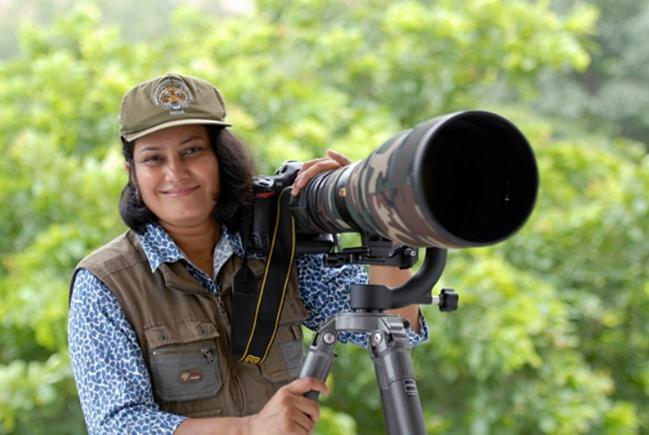
Her photography is known for its striking composition, vivid colours, and detailing. She has travelled extensively across India and various parts of the world, capturing the beauty of nature and wildlife through her lens. Some of her most iconic photographs include images of tigers, elephants, birds, and landscapes.
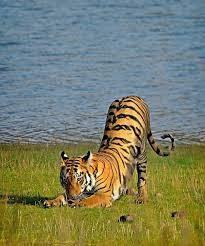
Her work has been recognized and awarded by numerous organizations, including the prestigious BBC Wildlife Photographer of the Year award in 2013. She has also authored several books on photography, including "Photography of Birds - Art and Techniques" and "Wildlife Photography - On Safari with your DSLR: Equipment, Techniques, Workflow."
In addition to her photography, Rathika is also a passionate conservationist and works to raise awareness about the importance of protecting and preserving wildlife and their habitats. She believes that photography is a powerful tool for conservation and hopes that her images will inspire others to appreciate and protect the natural world.
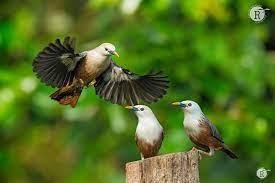
In summary, Rathika Ramasamy's photography journey is a testament to the power of passion and dedication in pursuing one's dreams and making a difference in the world. Through her stunning images, she has captured the beauty of India's wildlife and inspired others to appreciate and protect it.
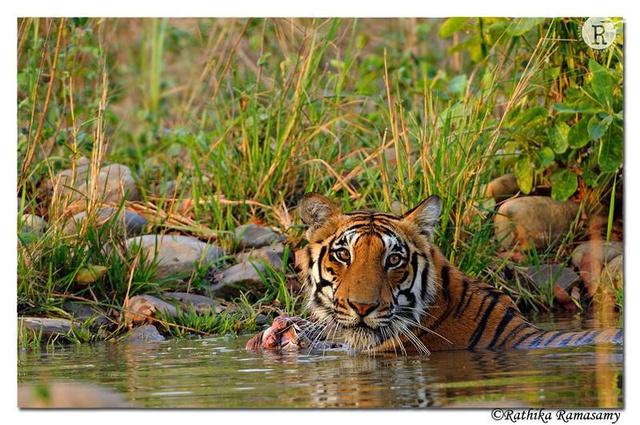
Her work has been recognized and awarded by numerous organizations, including the prestigious BBC Wildlife Photographer of the Year award in 2013. She has also authored several books on photography, including "Photography of Birds - Art and Techniques" and "Wildlife Photography - On Safari with your DSLR: Equipment, Techniques, Workflow."
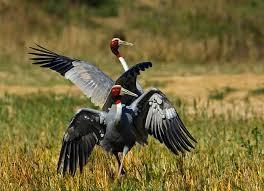
What inspired you to become a wildlife photographer, and when did you first start taking photos of animals?
I always had a fascination for big cats while growing up, especially tigers. Soon it became an obsession to see a tiger in the wild. During my school days, I hardly got any chance to visit a national park for various reasons. It is only after completing my class 12 exams I finally got my chance to explore a national park.
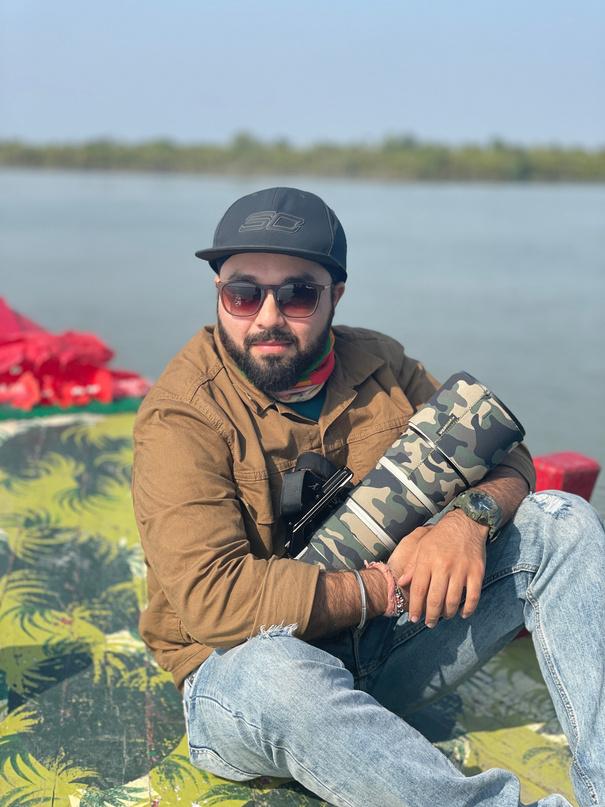
It was Manas which is in Assam back in the year 2012. It is one of the toughest places to spot a Tiger but unbelievably I saw my first tiger in the wild on that very trip! It was a mere glimpse of it for 5-6 seconds but those were enough to turn my obsession into a passion. After that I started making frequent trips to the jungles across India, saw many tigers and the beauty of mother nature and the rich natural heritage of our country had me in its grasp completely.
All this while serious photography was not in the scene. I use to carry a small point-and-shoot just to document the sightings, but things changed in 2016. During my trips I use to come across photographers carrying huge lenses and cameras, it somewhat intrigued me and I started following a few them on social media. Back then facebook was booming as a platform for photographers to showcase their work and I use to come across a lot of beautiful pictures clicked by various photographers whom I was following which eventually inspired me to pick a camera and soon it stirred a new passion in me to click beautiful pictures of wildlife in their natural habitat. I got myself a new DSLR Nikon D5600 along with a 70-300 kit lens and started clicking. That is how I kickstarted a new journey of seeing nature and wildlife through my lens and learning the art of photography which is continuing to date.
What are some of the challenges you face as a wildlife photographer, and how do you overcome them?
Any genre of serious photography is a challenge but it gets tougher to maybe 10-fold when it comes to wildlife. You have absolutely no control over the light, 99% of the time we have to work in natural lighting conditions except for macro and some rare cases where we can use a flashlight with a diffuser without causing any harm to the animal.
One has to brave harsh weather conditions may it be scorching heat, thunderstorms or chilly cold. And the most important aspect is the uncertainty of animal sightings. In the jungle, there is no guarantee of any wildlife sightings.
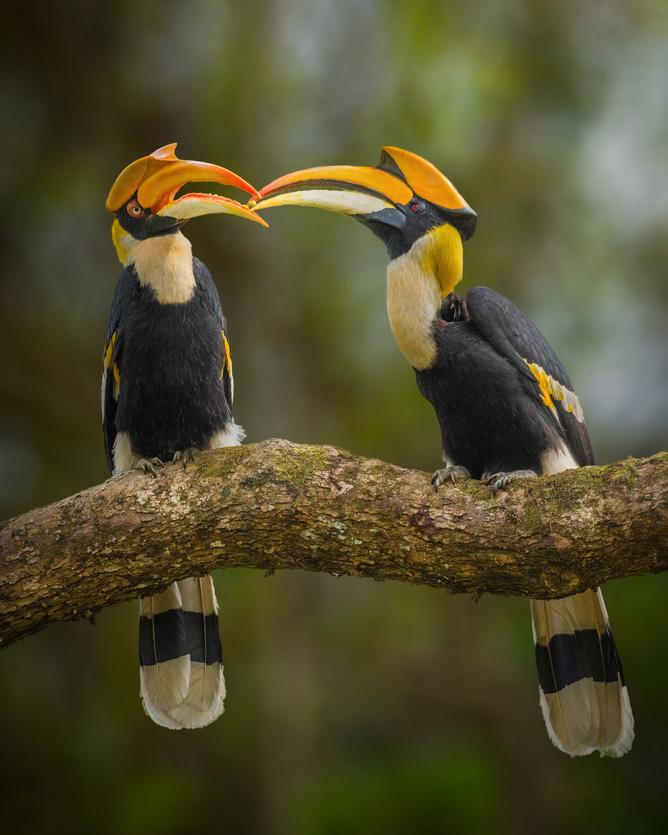
There are a number of occasions where I have spent my entire trip without picking up my camera but we have to overcome these hurdles by remaining extremely patient and positive. Also, you need to devote a lot of time to reading about animal behavior's which is a very important aspect of wildlife photography.
It helps you to determine how to approach a wild animal without making it uncomfortable about your presence and ensuring your own as well as the animals’ safety. It also helps you to predict its next move so you can be quick and precise to capture the important action moments. And lastly having a good understanding of light along with your camera gears will minimize the impact of challenges involved in photographing wildlife in their natural habitat.
Have you ever had a close encounter with a dangerous animal while photographing in the wild? How did you handle the situation?
Firstly I don't believe that wild animals are dangerous. We only invite trouble when we don't respect their space and approach them without any knowledge of their behavior. The majority of animal attacks on humans are either out of self-defense or accidental. Very rarely does an animal attack without any provocation. So it is extremely important to respect their space and know their behavior. I had many close encounters with wild animals but fortunately never did I nor the animal had a nervous movement and this is where the role of your naturalist comes into play. I always make sure that I am accompanied by an experienced and knowledgeable naturalist who knows the jungle and its inhabitants inside and out.
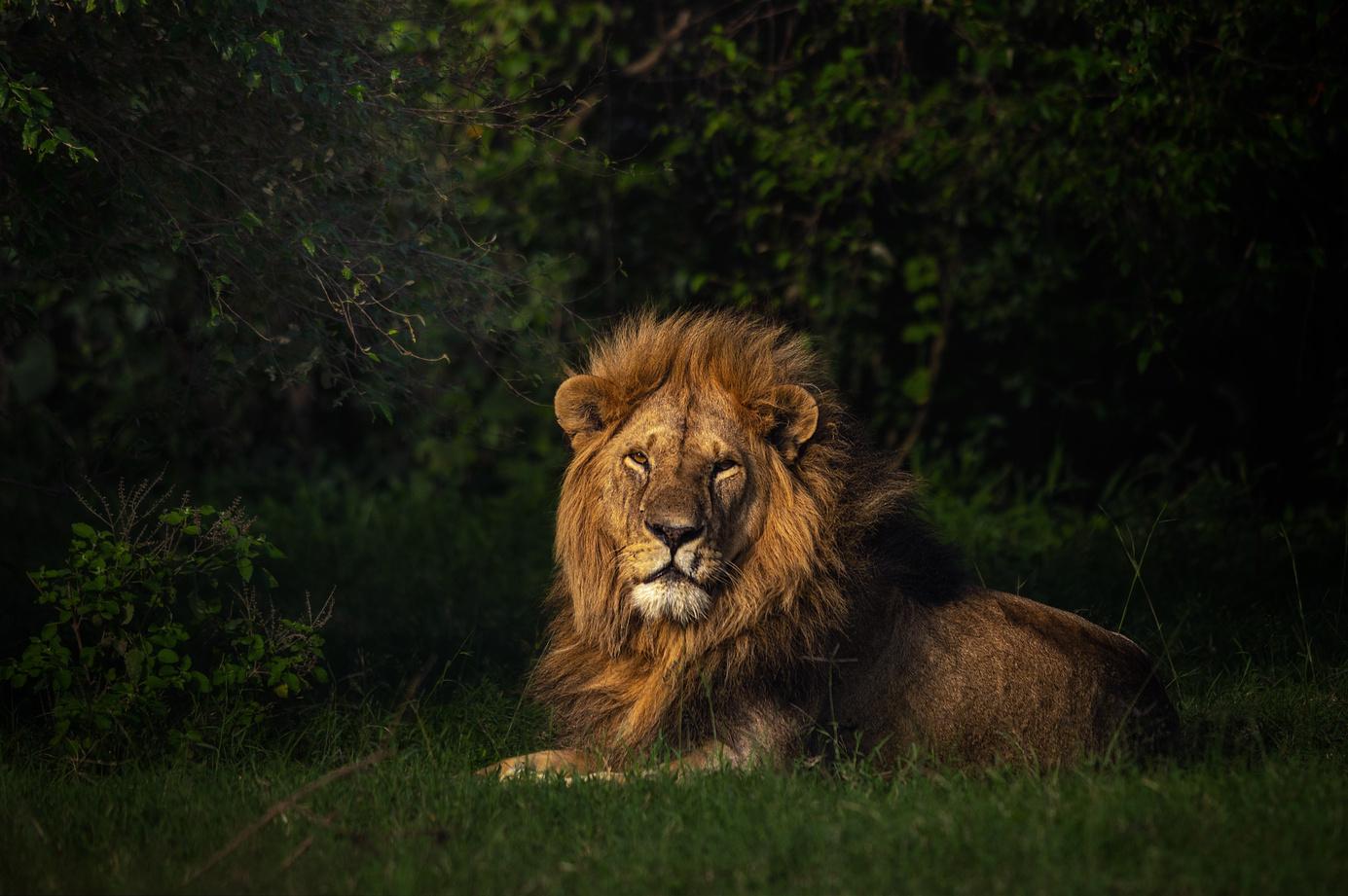
What equipment do you typically use for your wildlife photography, and how important is gear in capturing stunning images?
I started with a Nikon D5600 and a 70-300mm kit lens. Right now I own a Nikon Z6II mirrorless body and a 300mm prime. I have also used a Nikon D850 along with 70-200 2.8.I believe the camera is as much important for a photographer as is a brush and canvas for a painter. Just like a painter cannot paint without a brush and a canvas a photographer cannot shoot without a camera and lens. Now it takes us to the second question, which is can a high-end camera help us take good picture and to answer that question I will give you another example. Suppose you give a man who doesn't know driving an option to pick between a Ford and Ferrari now doesn't matter which once he picks, ultimately it will not bring any difference to his driving skills because he doesn't know how to drive. And one who has the skills can even drive a Ford and make it feel like Ferrari. So to conclude my point gears without skills will not make any difference in your art.
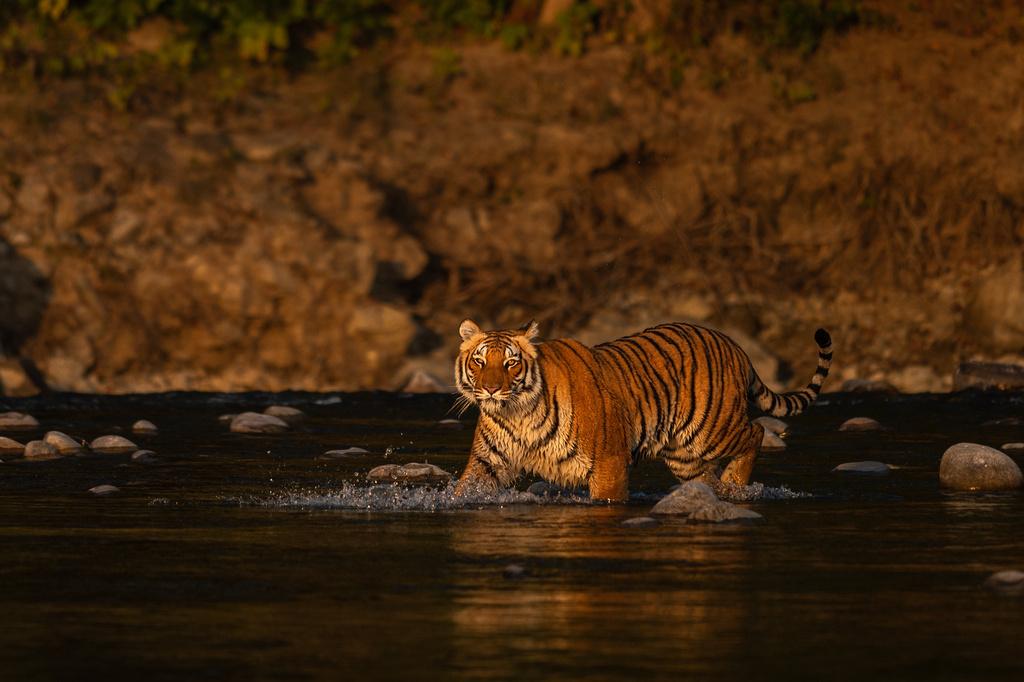
How do you approach photographing animals in their natural habitat without disturbing them or their environment?
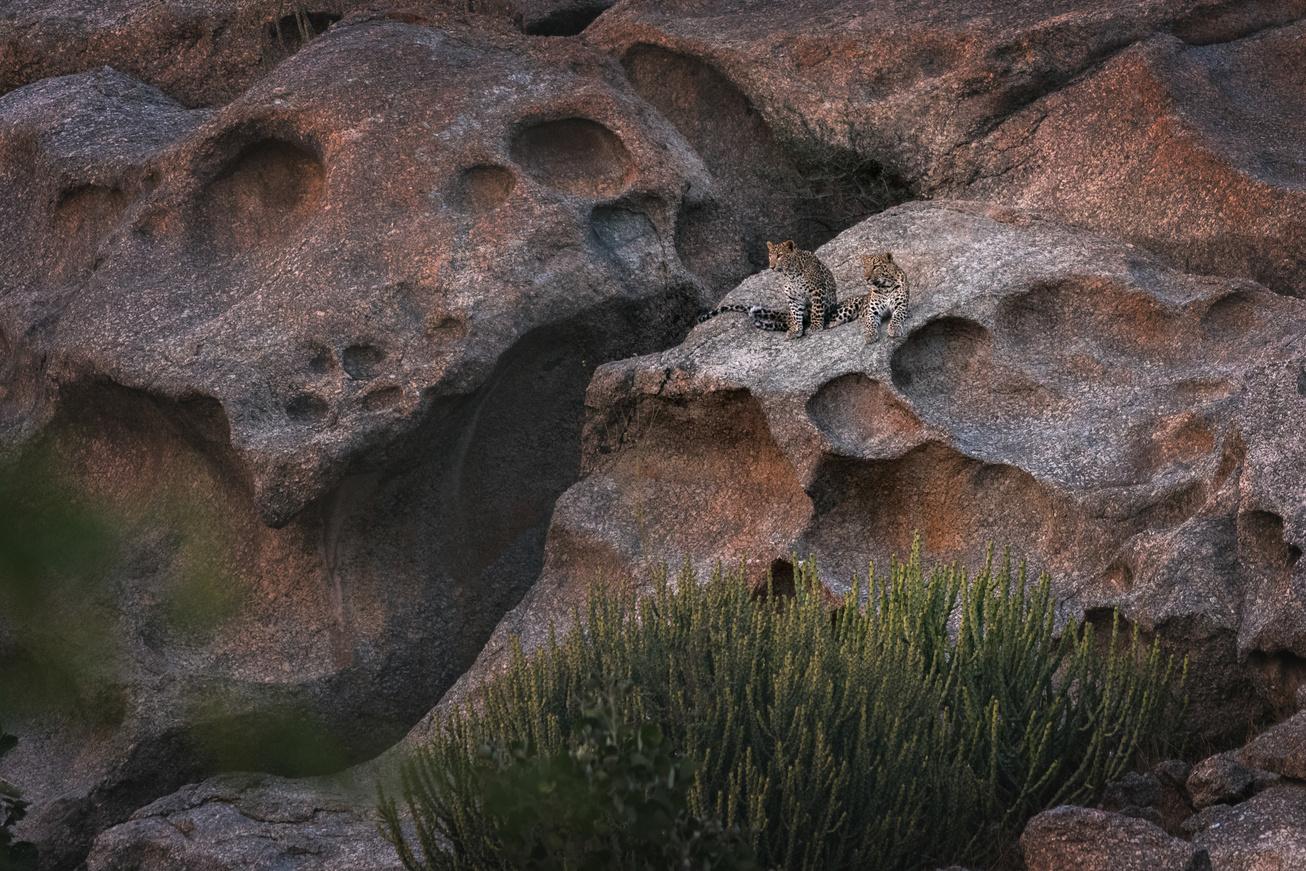
Learning about animal behavior and being patient are the most important aspects in this regard. Secondly, I always tend to maintain a safe distance and allow them their space and time to get comfortable in my presence before I try to get a little close without them feeling threatened. Believe me, once the animal is conformable in your presence it will give you ample amount of opportunities to photograph its behavioral aspects along with some natural history moments.
How do you balance work and your passion for photography?
I am very lucky to have a supportive family. My parents never stopped me from following my passion and when that's the case, the rest of things will fall in place with proper planning.
What advice do you have for aspiring wildlife photographers who want to pursue this field professionally?
First of all let me clear some misconceptions. Out of all the genres of photography ‘Wildlife’ is the least rewarding commercially. It may look very lucrative, full of fun and adventure but the reality is far from it. Job opportunity in this field is very scarce, almost close to zero. Unlike ‘Wedding’ and ‘Fashion’ photography generating sustainable long-term revenue directly through your images is extremely tough. Majority of the people working full-time as Wildlife photographers earn by conducting guided wildlife tours where they teach photography if you have a good following on social media you may also get brand endorsements which adds to their revenue. So basically the majority of the people in this field earn through tourism, teaching and influencing rather than selling their images. And anyone who is aspiring to explore this field professionally my advice would be to start it as a hobby, study wildlife, hone your craft, work on your aesthetics and always think practical. Earn from your primary job or business and spend on your hobby until you feel you are ready to take the leap.
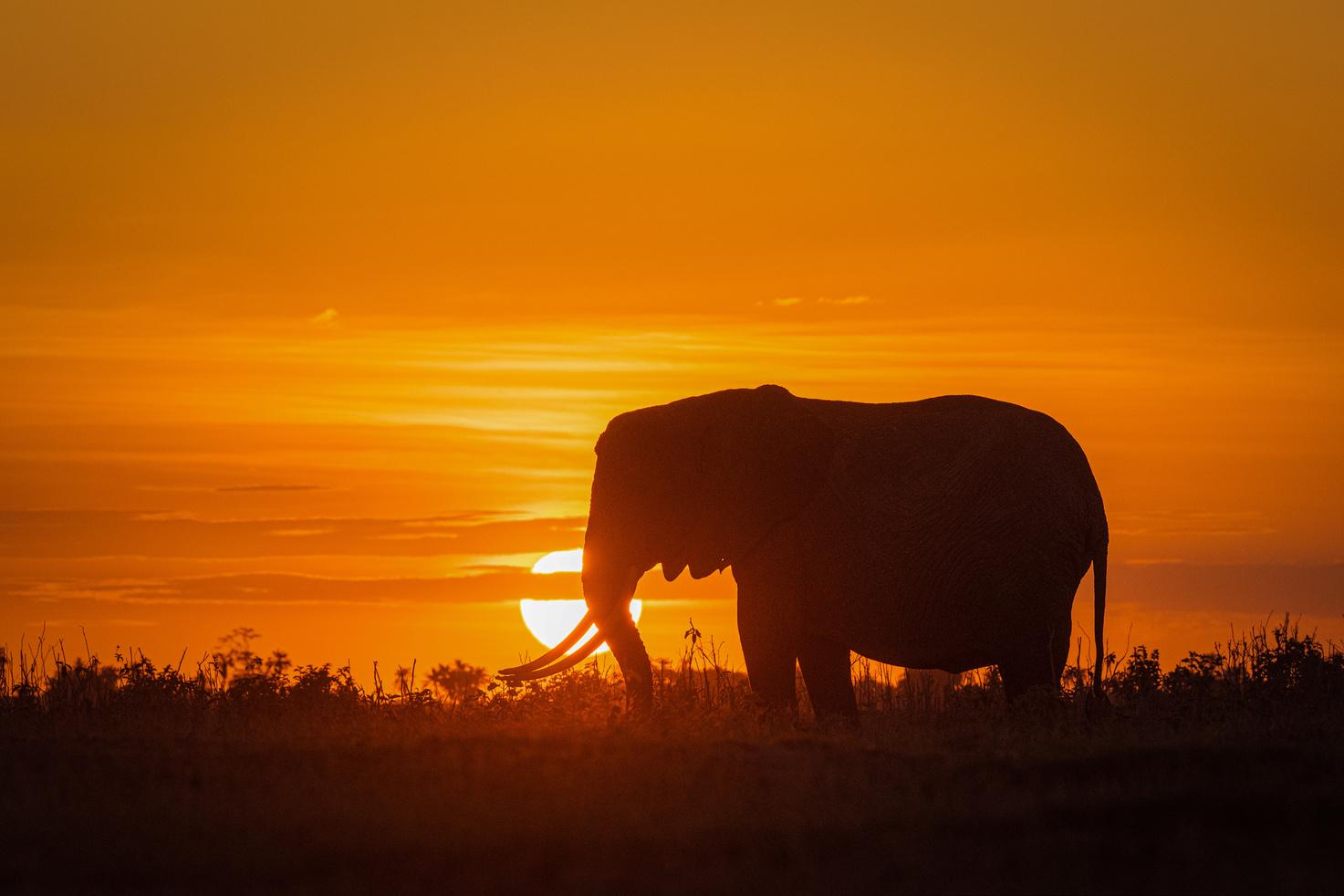
What inspired you to become a wildlife-photographer, and when did you first start taking photos of animals?
I was interested in birds & animals ever since my childhood. It’s almost been a decade since I started photography. I started clicking pictures when I visited Niagara in 2014. I found it challenging and interesting to capture Seagulls in flight with my smartphone. People started appreciating me looking at my photographs which eventually motivated me to continue clicking pictures and that’s how my journey began. Looking at how graceful birds and animals are in their natural habitat made me fall in love with them.
What are some of the challenges you face as a wildlife photographer, and how do you overcome them?
I've always loved freezing moments in photography, but I find wildlife the most challenging of all genres. In wildlife photography nature dictates everything, you don’t have control over the light , subject ,scene, and other circumstances that affect your photograph. Light is the key element in photography and most times we get to sight wildlife in harsh or lowlight situations which makes it very challenging & difficult for photographers to make a good image with the given lighting. The only way to over come this situation and make your images stand apart is by playing with shutter and other different settings /modes in your gear. At times thunder expose the subject and play with my white balance to achieve a silhouette(in harsh light conditions). In low light situations ,I reduce my shutter speed and create panning shots/zoom burst to create unique images.
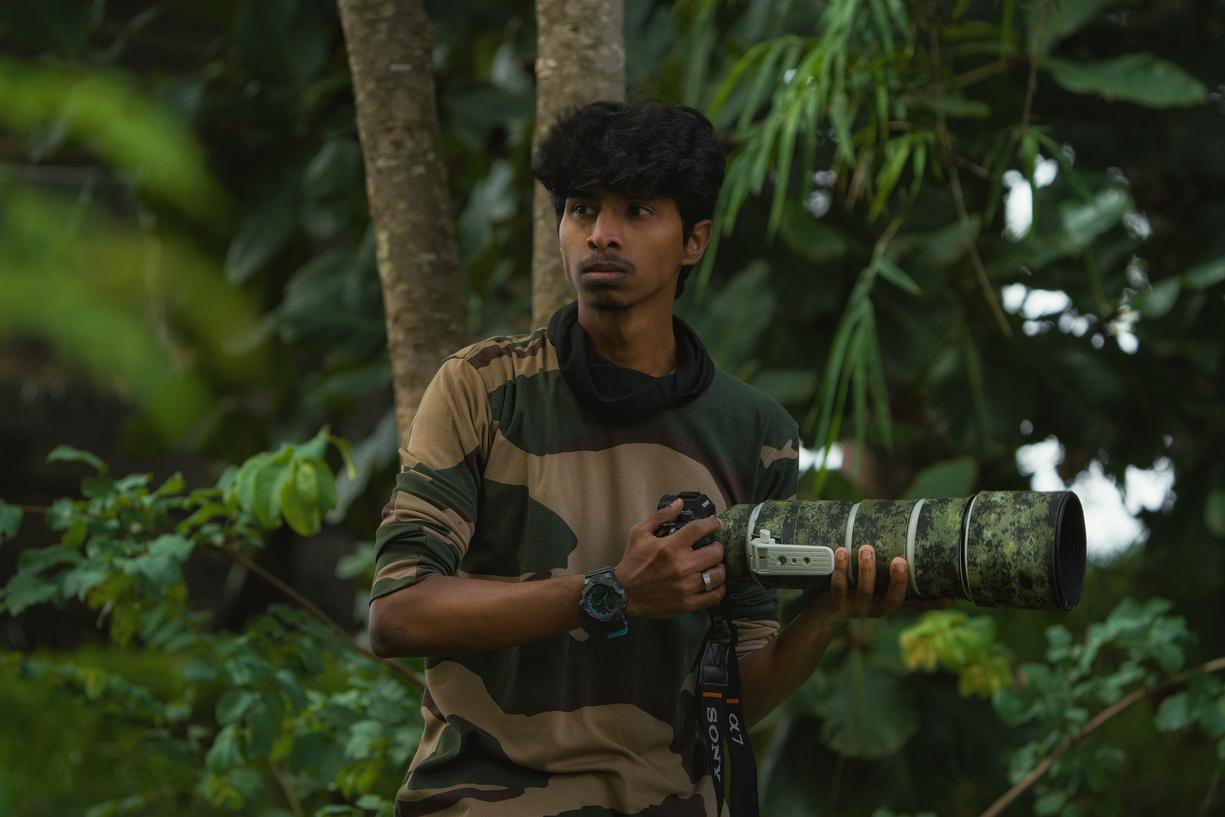
Have you ever had a close encounter with a dangerous animal while photographing in the wild? How did you handle the situation?
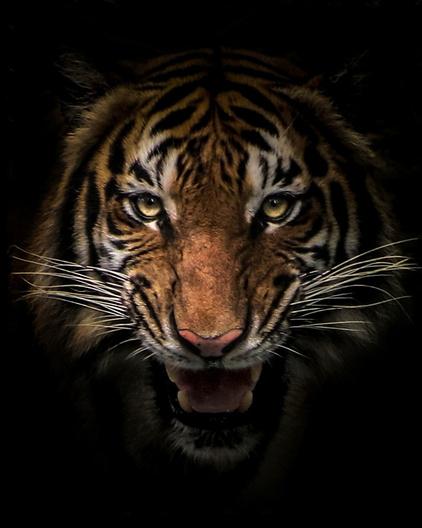
I've had 'n' number of close encounters with wild animals .Wild animals aren't the safest subject &you might have a hard time communicating with them. Respecting wildlife and maintaining a safe distance is very much necessary .All the animals follow a code before they attack, first they give their attention, then they growl or show sign of warning and only after that they attack. Only when animals are provoked or feel threatened they tend to chase/ attack us. During safari ,jeeps are driven and guided by Naturalist or Rangers. They study the behavior of animals. If they see any wild animal give warning signs, they driveaway immediately .So it is necessary to go on safaris with a skilled driver
What equipment do you typically use for your wildlife photography, and how important is gear in capturing stunning images?
I own a sony A9 body with 200-600mm lens& canon 70D with18-135mm, 50mmlens. At times based on my needs I rent different lenses. Its been 1.5 years since I upgraded to Sony and the gears are way too good. Gears do take part in making good images, but it’s the keen eye & creativity of the photographer that makes an image stand apart.
How do you approach photographing animals in their natural habitat without disturbing them or their environment?
As said earlier, it is necessary to stay calm& maintain a safe distance with the wild animals . I try my best to be camouflaged & let the animals/birds feel comfortable having me around them. Animals basically don’t care about our presence unless we get too close or try to provoke them.
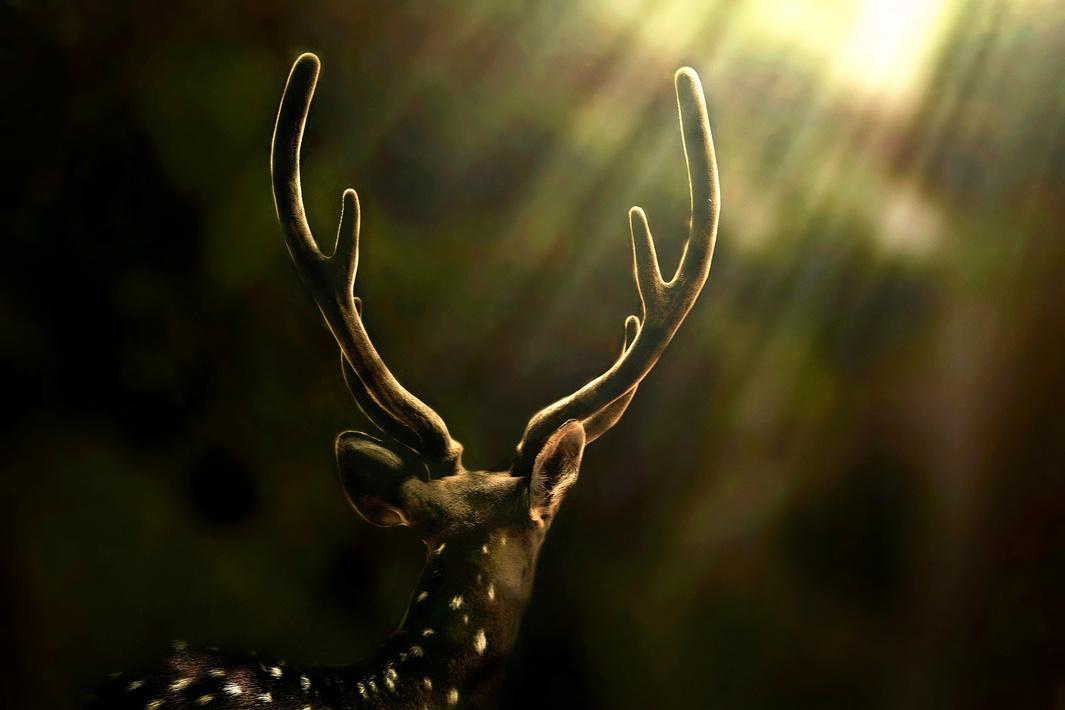
Since you are a medical student, it must be difficult for you to balance your studies and your passion. How do you manage to achieve that balance?
What advice do you have for aspiring wildlife photographers who want to pursue this field professionally?
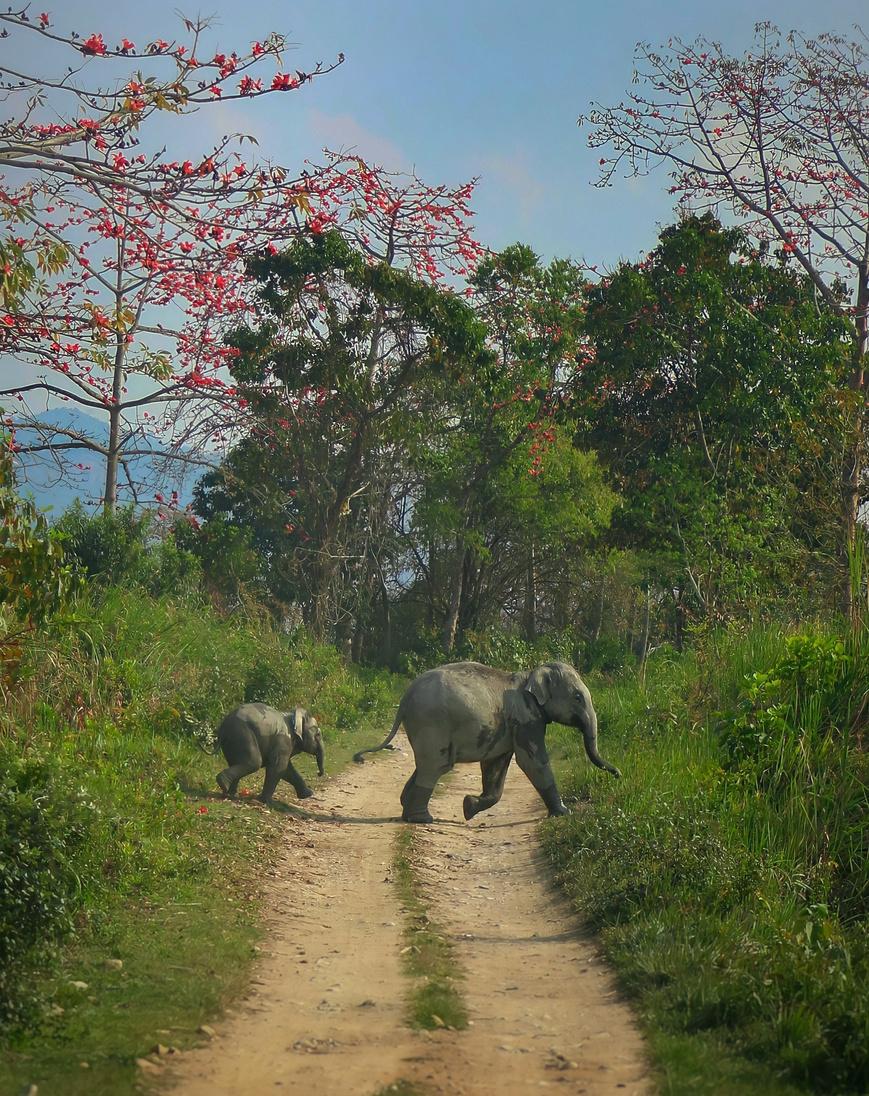
Wildlife photography is the most challenging of all genres of photography, and pursuing it as a profession is even more challenging. For those who are passionate and money isn't a concern at all, pursuing wildlife photography can be rewarding. I'd suggest aspiring photographers to first improve their skills and get creative with their images before purchasing higher-end gears. Making best use of a basic gear would help you get creative & make you a better photographer.
I limit myself to1 or 2 trips per year(1216days) & try to make the best out of it. Being a medical student, I kind of find it difficult to balance photography as well as my studies. Photography is what keeps me motivated and stress free. I'd like to thank my parents who've played a huge role in helping me pursue my passion and motivating me.
REACH US OUT ON: