X EL

Photography Club Issue 5 - November 2022
PI
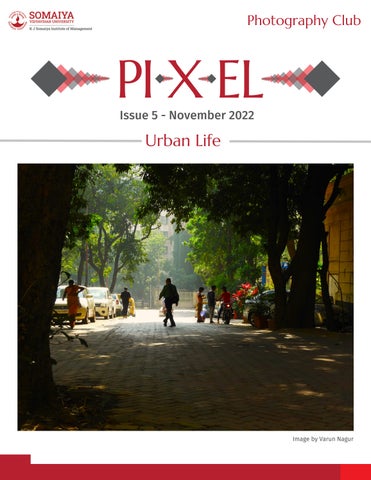
Urban Life
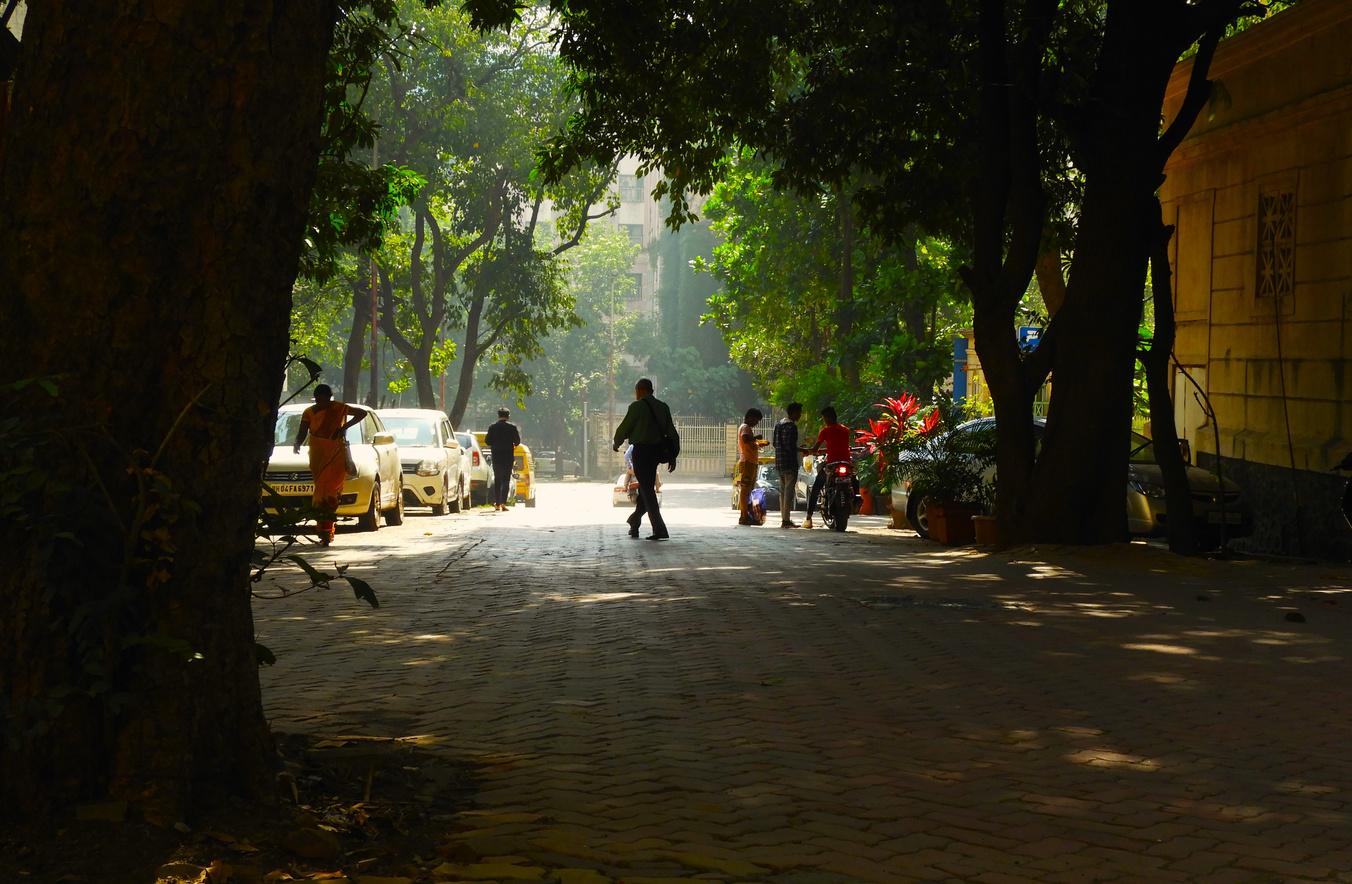
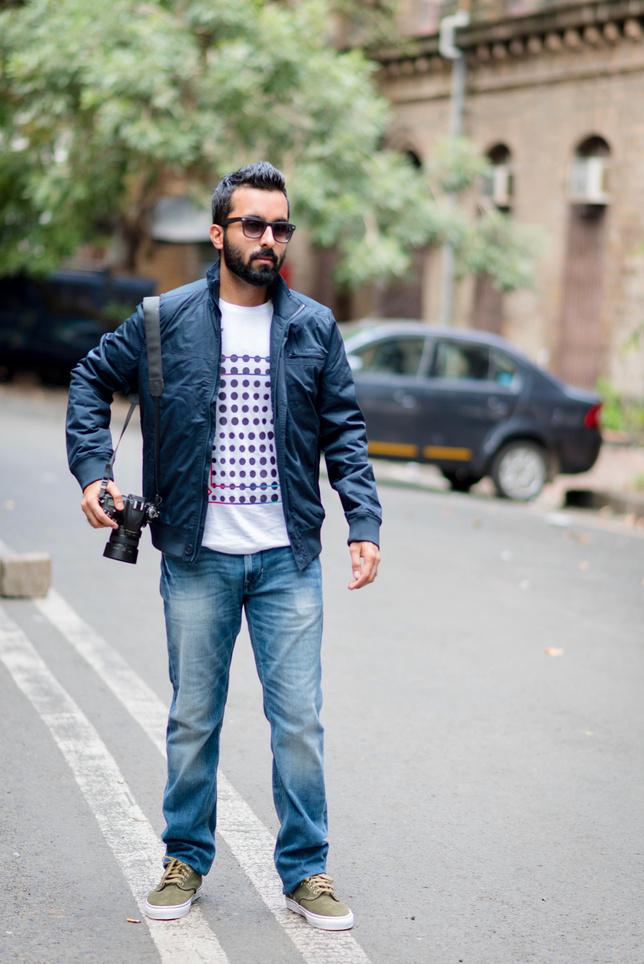
Image by Varun Nagur
The Photography Club of K J Somaiya Institute of Management has been encouraging students to use the art of photography to express their emotions & thoughts. We aim to create an environment for everyone to discover, develop, and express their creativity in photos & videos, by honing their capturing & editing skills.
To keep the passion for photography alive in the busy lives of the students, the club conducts workshops, events, photo walks, competitions, and official photoshoots around the year under the guidance of Prof. Hitesh Punjabi.
To be a member of the club, one may not know the technicalities of photography but must have a passion for it as our goal is to keep capturing moments and lives around us in one way or the other.
The club believes that every picture has a story to tell and to let everyone tell their's, the club presents to the whole institute the opportunity to showcase their best shots on various themes the club runs throughout the year for the students of the institute.
Pixel, the club's official magazine brings various styles of photography and camera techniques together as well as expert's views and journeys to encourage budding photographers to take on their picturesque journey forward.
We hope you enjoy the content of this issue.
Regards,
ABOUT US Photography Club
THE TEAM
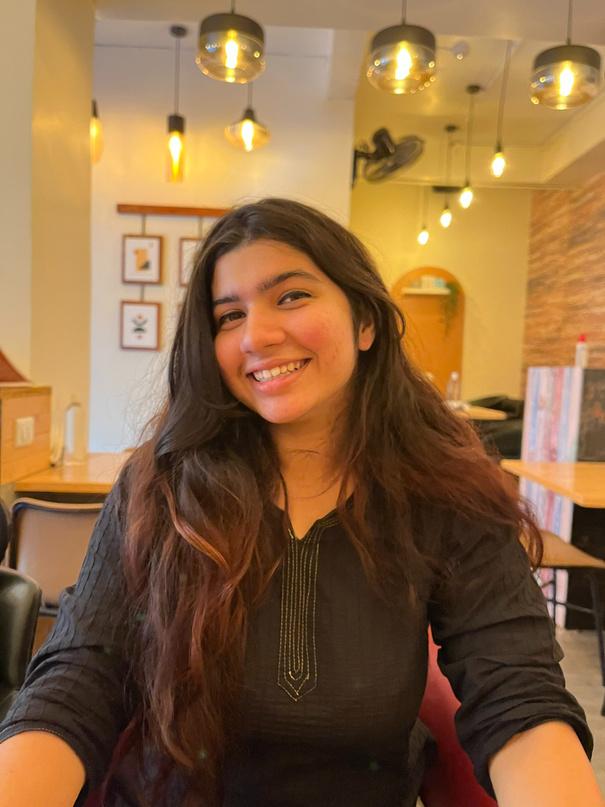
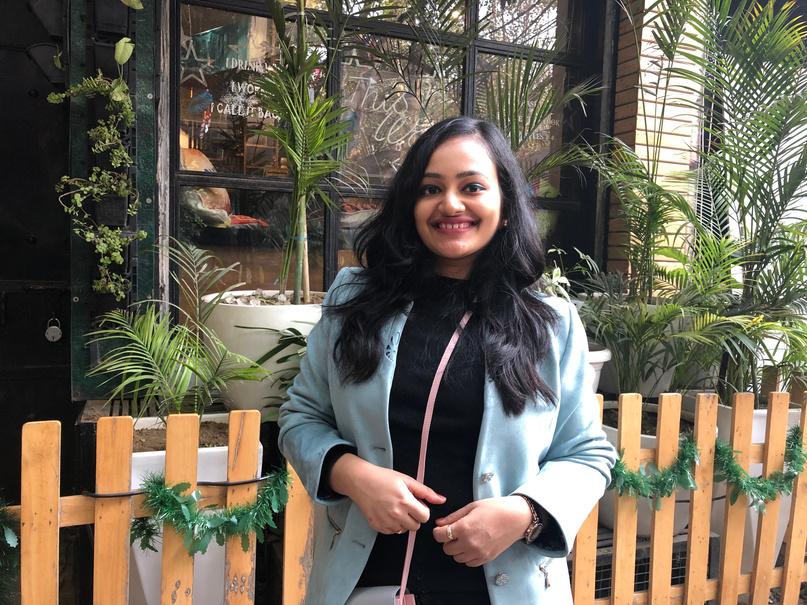
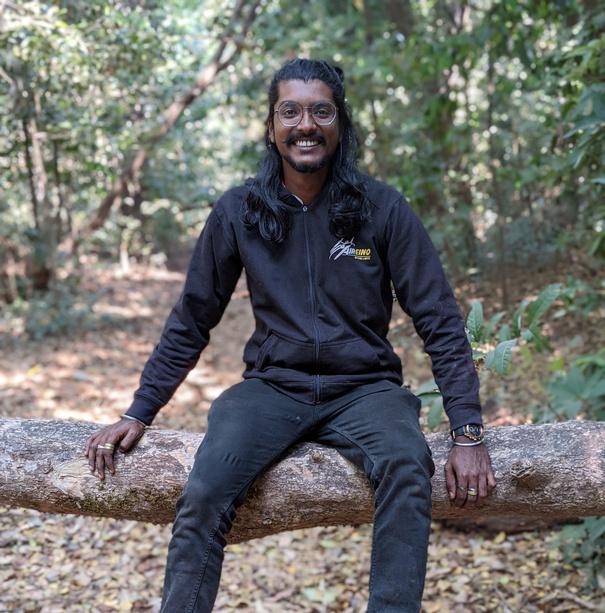
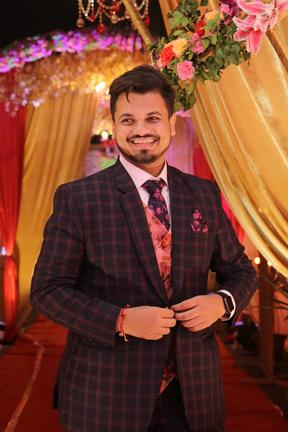
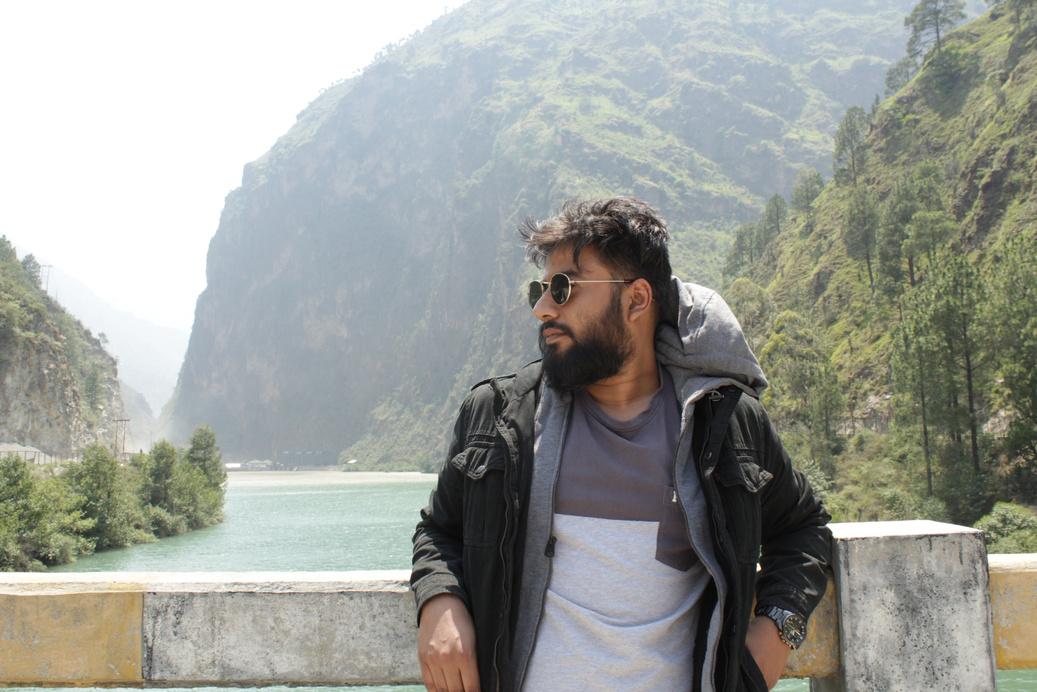
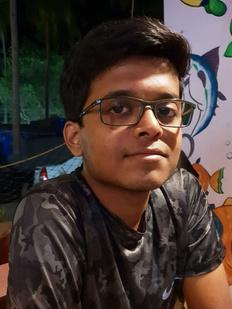
D E S I G N E R S


C O N T E N T C U R A T O R S
Prajwal Poojari Kunal Kishore
Muskan Aggarwal
Kashish Khanduja
Ayush Sharma
Ashutosh Mendes
Shweta Nayak
Theme Overview Get introduced to the world of Urban Life Photography 1 Capture The Perfect Shot Learn the techniques to click the best shot 4 Aesthetic Edits Enhance your shot to make it come alive 7 Tips & Tricks Use hacks to get professional looking clicks 10 A Photographer's Journey Know about the journey of Cocu Liu 13 The Professional's Insights Interview with Rahul Vangani 16 Shots From The Club Glance through the best captures of our members 20 CONTENTS
Theme Overview
Landscape photography is the most common and venerable form of art because who doesn't love a shot of the setting sun over a beach, or the same sun rising from the hilltops? Almost everyone, the way we imagine a place initially, is through the images captured of its land. When we flip through a travel brochure, we look for enticing landscapes. For some reason, we equate a place with land; based on these photographs, we convince ourselves we have an idea of the place.
Is the natural landscape still the best way to capture the soul of a place?
Traditional landscape photography seems less relevant to grasping the essence of a location. What does photography tell us about India if the nation's heart is its cities?
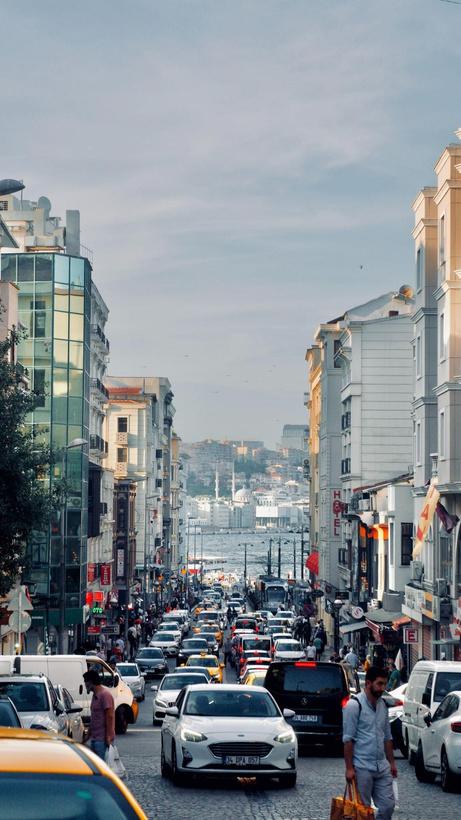
Urban lifestyle relates to the way of living adopted in densely populated human settlements and city conditions and quality of life. Although different in size, spatial structure, resource availability, and social, cultural, and economic characteristics, all cities merge naturally with built environments. It is a mystifying concept to characterize.
1
(Source: Ikbal Alahmad)
Urban life as a theme encompasses many fields. It can be the urban economy, the culture, the environment, or the physical infrastructure. Urban is a term used to describe, modify or fields of study, and that urban is not one thing but rather a set of interrelated concepts.
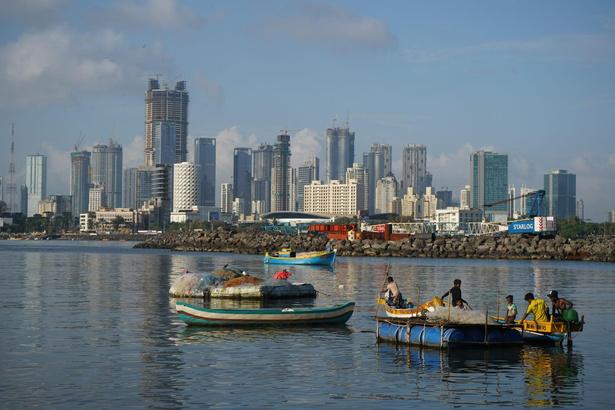
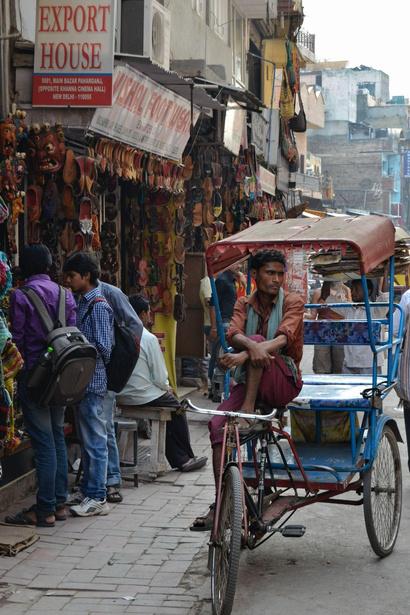
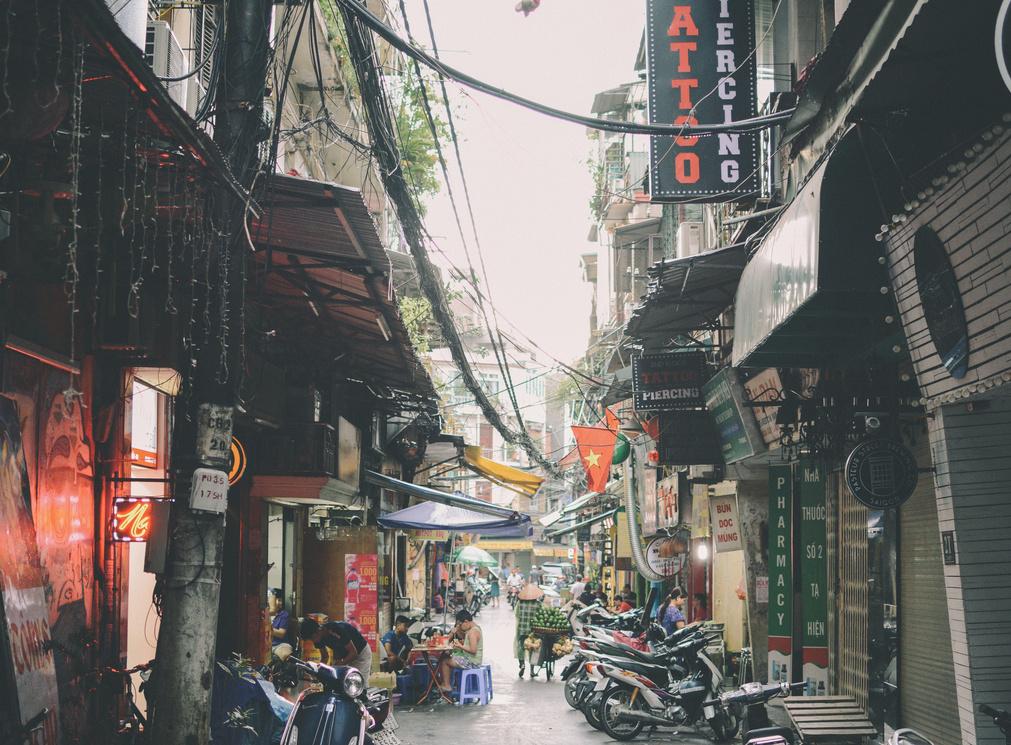
Street photography specifically includes taking candid photos of only people. Whereas, Urban photography, may or may not be direct and is not limited to photographing people.
Urban photography is a broad term that showcases all aspects of an urban environment, combining different elements of photography, including portrait, fine art, landscape, and architectural photography, as well as photojournalism. Its most sincere form, urban photography is the documentation of the urban space. Urban photography is often confused with street photography, but the genres are quite dissimilar.
2
(Source: Elle Decor)
(Source: Richard McAlister)
(Source: Asif pav)
The use of urban photography has enormous potential to complement and enhance contemporary enquiries particularly those that highlight feelings, experiences, and textures of place. Photographers gain a creative edge by exploring city spaces, objects, and events through the lens. They focus not on the images themselves, but the feeling it evokes of the place and its material richness.
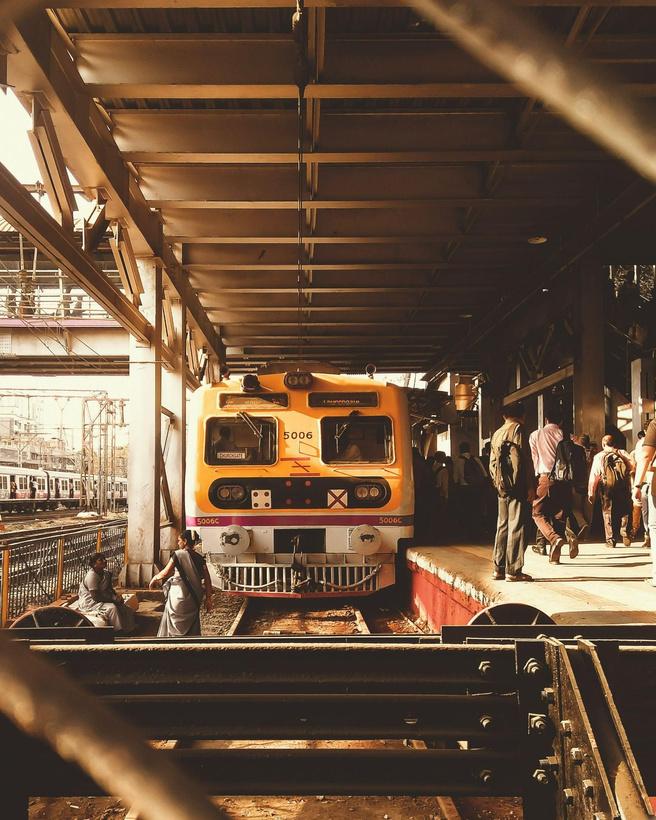
Finally, as well as highlighting the matter of things, images can capture the matter of our n bodies caught up in events in the cities nhabit. Urban photography offers a way oing research that opens up city spaces, ects, and events, so we can better reflect the complex textures, feelings, and eriences of urban space.
Photography Club of K J Somaiya itute of Management is pleased to oduce to you the theme of the October ion of our official magazine, Pixel an Life Photography. hope you're ready to explore the city, erience urban life through our articles our exclusive interviews with illustrious photographers specializing in Urban Life photography, and even learn a few tricks to help capture the perfect photograph.
3
(Source: Darshak Pandya)
Capture The Perfect Shot!
Capture movement
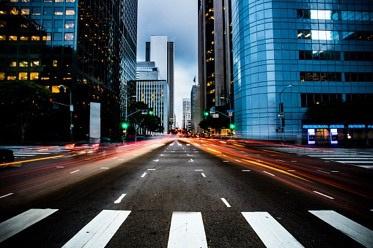
City spaces are all about movement, which is why movement is such a crucial element of urban photography. Whether you are shooting long exposure photography or high shutter speeds, your images should always convey the dynamism of the environment you’re shooting in.
This can be done either by capturing moving subjects, such as people or vehicles or through the lines and forms of static elements like buildings and other urban elements. You should always ask yourself whether the shot you just took is an accurate representation of the energy of the city landscape you find yourself in
4
(Source: wwwwixcom)
Pay attention to detail
(Source: wwwwixcom)
By default, most beginners in the world of urban photography tend to see the genre as a metropolitan version of landscape photography. Because of this, most of their work shows vast spaces and wide-angle shots. While there is nothing wrong with this approach, it’s important to know that urban photography is much more than skylines.
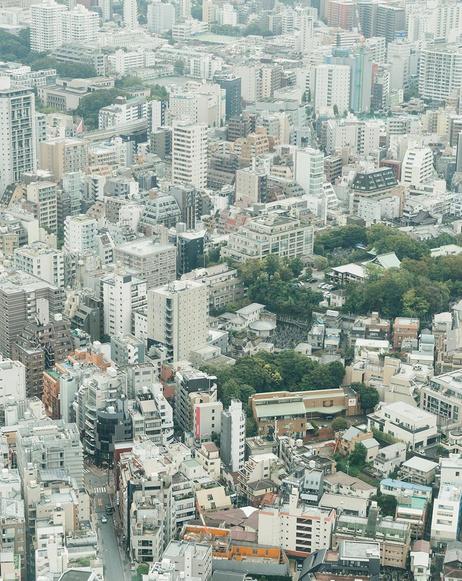
(Source: www.wix.com)
As you find yourself walking down the street, keep your head up and look for elements and shapes that stand out.
Keep an eye on the details and textures of buildings, as well as how their shapes merge or contrast with their surroundings. Since this is a habit most people don’t practice, you’ll be able to capture striking images that are much more likely to draw people’s attention.
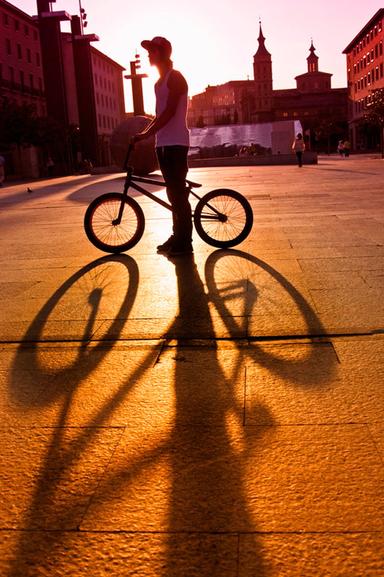
5
Develop your own style
As you photograph more and more and review your work, you will probably begin to see what is evolving in your photography style. It’s important to work on creating your own unique aesthetic, as that will be what defines your work. This is not to say that your style can never adapt or evolve, but try to find a sensibility that is apparent across all of your images. It’s this sensibility that will make your work unique and make it your own.
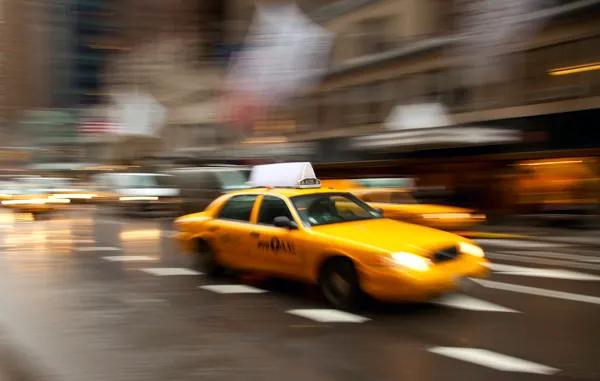
6
(Source: wwwwixcom)
Aesthetic Edits
Urban life photography is a unique form that engages the photographer and the external environment heavily as the artist is expected to capture the essence of the frame along with right colours and quality. The primary objective of Urban Life photography is to capture the everyday life of the city and convey the uniqueness of the city and the people who reside in it and call it their home
Since a lot of movement and on the spot improvisations are required from the end of photographer, it is imperative that good editing would be required to bring out the real essence of the image. Here we explore some of the tips that can be used to edit Urban Life images and bring them to life.
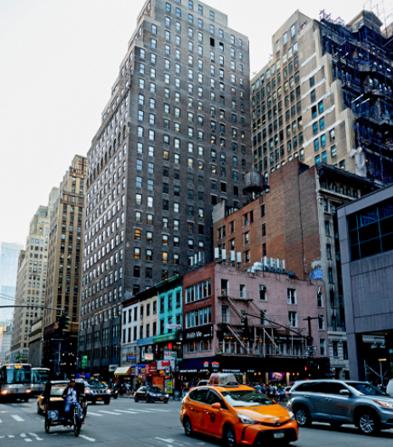
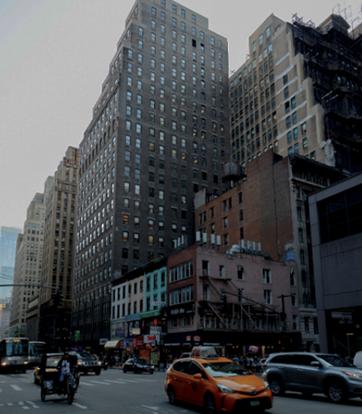
Regulation of Exposure
It is generally advised to keep the images under exposed and use a flash if required while capturing the image. This brings out the best combination and later the image can be edited to adjust the color and overall aesthetics of the photograph.
7
(Source: wwwfixthephotocom)
(Source: www.fixthephoto.com)
Experiment with Contrast
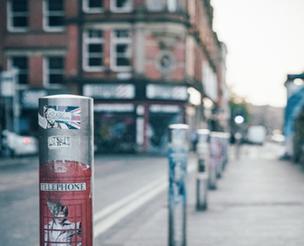
Contrast differentiates the darker parts from the brighter edges. This brings out the richness of the image and accentuates the contours of the architectural elements in the image. One can get more dramatic or clam effect by experimenting with this aspect.
Use of Polarizer
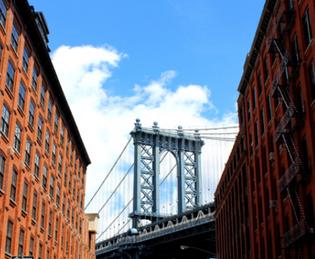
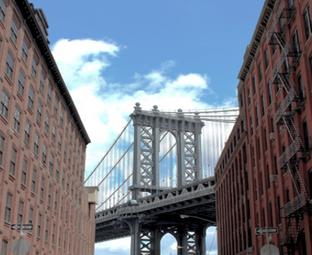
Polarizer filters are generally used to bring out the volume in the images so that the photographs look more refined and dramatic. They can make the color of the sky deeper which can in turn complement the geometrical shapes of architectural elements in the photograph. These filters also help in dealing with glares and reflections from glass like materials. One must remember to set the angle of the polarizing filters at 90 degrees to the sky in order deepen the effect.
8
(Source: wwwfixthephotocom)
(Source: wwwfixthephotocom)
White Balance
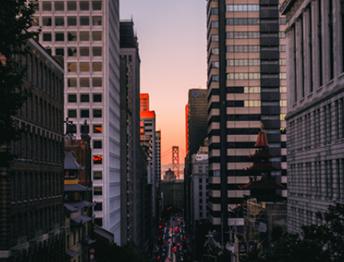
This aspect deals primarily with the tone of the white colour that appears in the image; this is important as White Balance forms the base of how others colours would appear in the image. If the White Balance is off, the image will come out with unappealing white and yellow shades.
(Source: wwwfixthephotocom)

9
Tips & Tricks
Capturing mundane life surely isn’t an easy task. Urban life photography gives an opportunity to the photographer to understand the various nuances of one’s environment. Capturing essence of one’s life in each and every form starting from the architecture to shapes etc. surely catches attention of amateurs as well as professionals.
(Source: https://unsplashcom/)
1. Shoot during golden hour
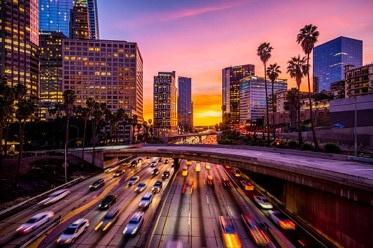
A photographer should never forget to harness the power of this amazing tool, i.e., golden hour. Sunset and sunrise timings are the best for capturing the essence of urban life. The soft warm lights transform the views, by adding various hues of gold, pink, blue
2. Make everyday objects beautiful
Urban landscape is usually grand, however there’s much to capture beyond the grand. Simple details can simply enhance the beauty of a photograph. Look down instead of up and find some hints to highlight the tiniest of the details. This could offer a fresh perspective to the audiences’ as well as the photographer.
(Source: https://unsplashcom/)
10
(Source: https://unsplashcom/)
4. Use auto exposure feature
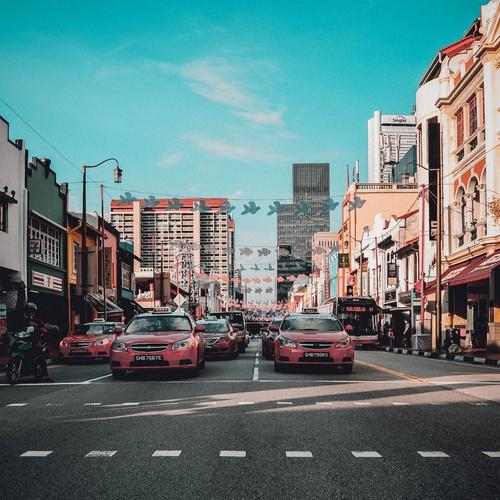
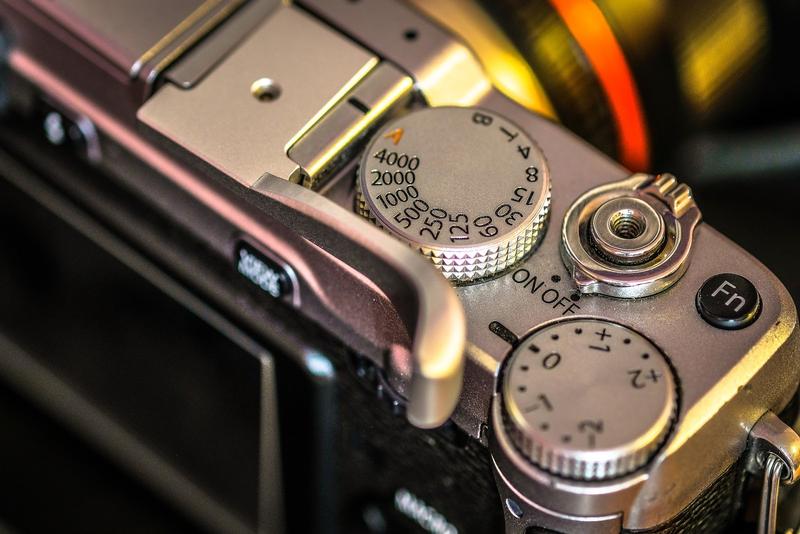
As a photographer, you need to be on your toes all the time to capture opportune moments. The majority of modern DSLRs and mirro less cameras have a program shift mode that deals with this problem. It enables you to assume direct control over the settings by rotating the dial and choosing the shutter speed and aperture. Similar to other exposure modes, changing one setting will adjust the rest of the values accordingly.
3. Pay attention to your compositions
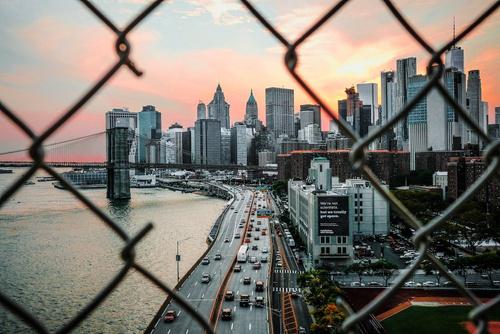
Look for unique details, material or element that inspires you. Abstract images, blurriness etc. can be a part of your unique composition. One can always play around the geometry of the frame.
(Source: https://unsplashcom/)
11
6. Think about colors
(Source: https://unsplashcom/)
5.Experiment with Day-to-Night technique
This technique requires you to click various pictures at different hour during the entire day at several time intervals. Afterwards, all the photographs are merged together to showcase how a single location changes from dawn till dusk. This technique requires a sturdy tripod and a place that you can freely take for several hours.
(Source: https://unsplashcom/)
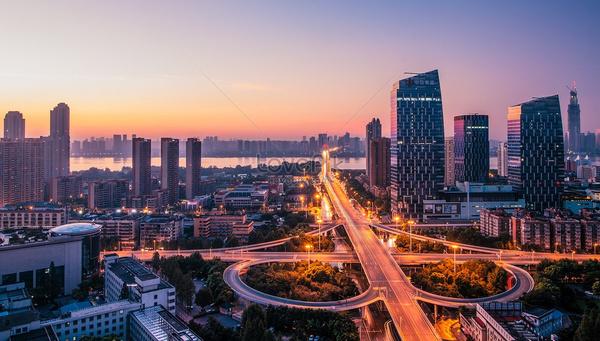
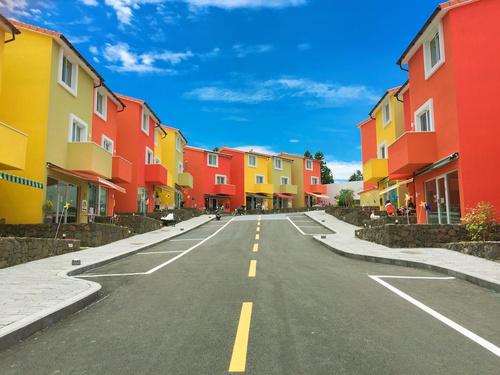
Colors play a huge role in a photograph and can transform the same completely. There are many contrasting colors in every urban landscape and finding those can be crucial at times.
12
(Source: iso.500px.com)
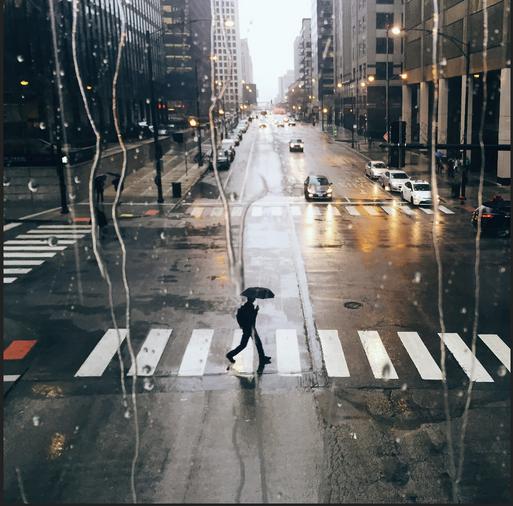
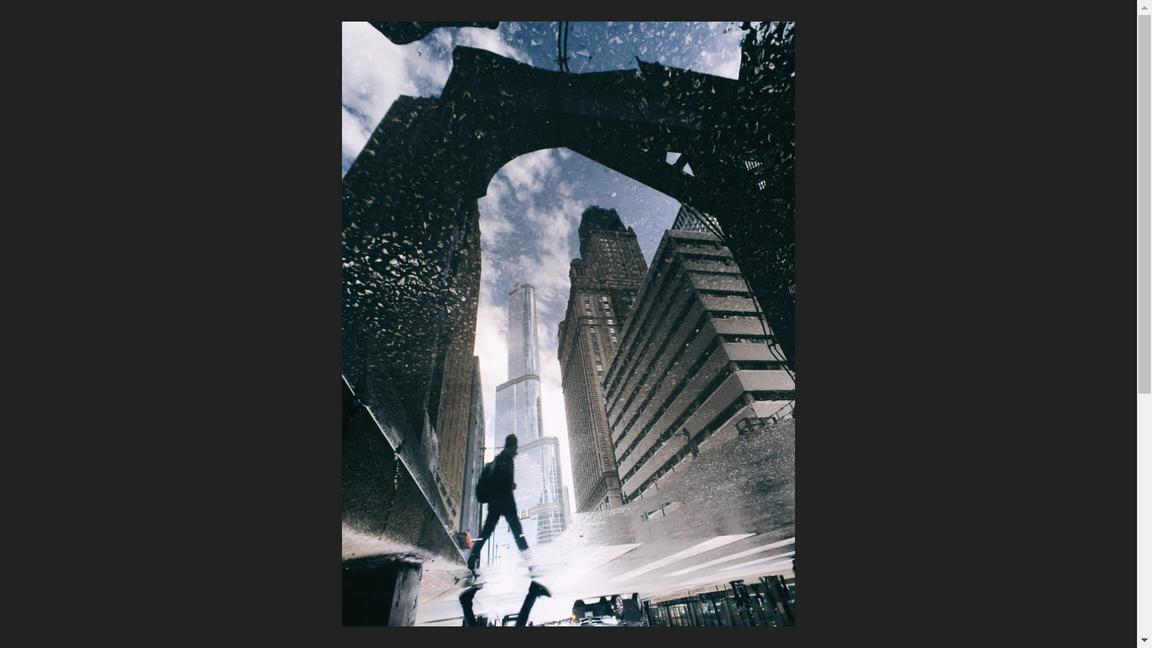
The main inspiration of Liu is light. He loves to experiment with different kinds of light, which is quite evident in his photos. He uses light to express emotions and define what the subject matter looks like. He is a master of light capturing stunning shadows, silhouettes, and reflections. This style of Liu makes him a romanticist in some ways as he aims to express and illicit emotions through his pictures.
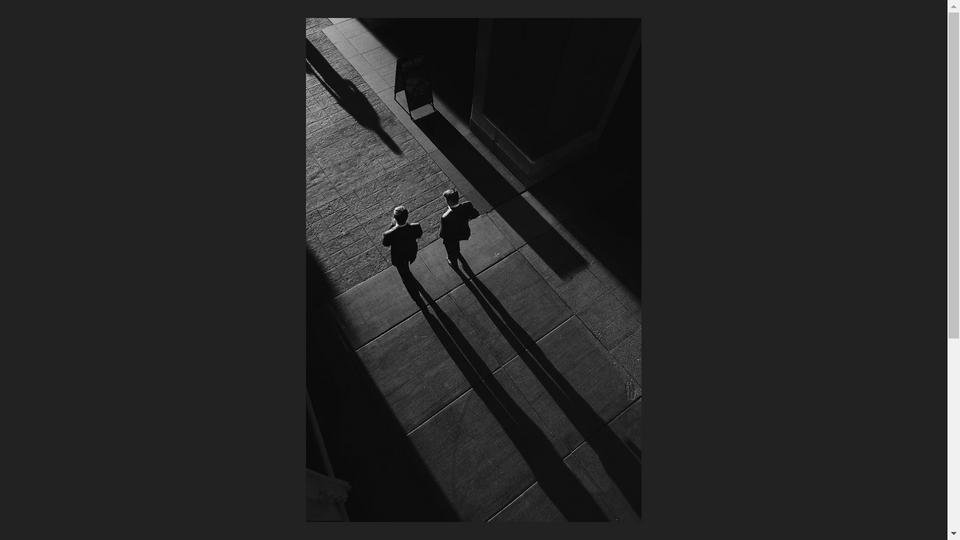
(Source: iso500pxcom)
However, Liu’s work mostly relates to urban photography. Most of the locations that one sees in his pictures are in Chicago where he lives. He uses natural light and his subject matter is mostly urban.For capturing photos, he usually just walks around the city and captures whatever catches his attention. According to him, the fun part of doing urban photography is that you never know what you will get before, it involves exploring and discovering new things.
14
His images caught the eye of the judges in the iPhone Photography Awards, 2014 and as a result, several of his photos made it into the winner’s list. Cocu was chosen by the CBRE as The Urban Photographer of the Year (Mobile category,2015), apart from this his work was also featured in Apple World Gallery in 2015.He posts his work on Instagram, VSCO grid, and on his blog LOFTER too.
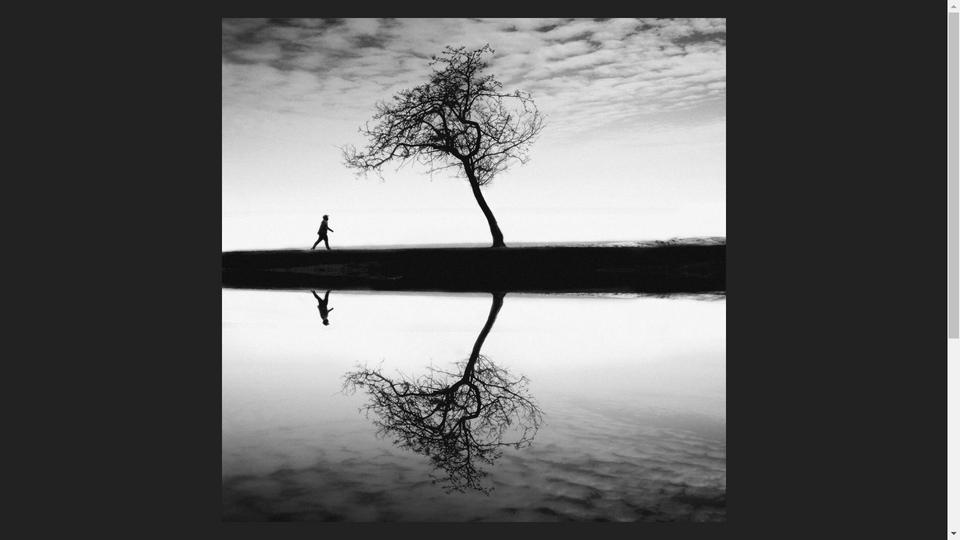
(Source: iso.500px.com)
(Source: iso500pxcom)
15
The Professional's Insights
I started photography back in 2011, which is approximately a decade ago. I got my first job and wanted to keep myself busy on weekends. So, with my 2-months salary, I got myself a smartphone with a brilliant camera. I used to go out on weekends and come back with 300 400 pictures. I had always been creative from childhood, in calligraphy, sketching, drawing, etc., and thus could use my creativity in photography too. Gradually, after taking lots and lots of pictures, my photographs started improving. People used to give me good feedback and appreciated which boosted my motivation to go and click more pictures.
@rahul vangani
I started posting on Instagram and wanted to build a community. Thus I interacted with a lot of photographers in Mumbai, Delhi, and Bangalore. In 2012, the Instagram community in India started picking up, and I could see people getting interested in SMARTPHONE PHOTOGRAPHY, and I used to interact with them. Gradually, I got myself a DSLR in 2014 and started learning by seeing YouTube videos, blogs, and articles it took me 6 8 months to understand the technicalities and start with capturing photographs that looked professional. When I joined KJSIMSR in 2014, I was already taking good pictures then, so I started taking up small assignments for brands in 2015 as a freelancing photographer. In 2016, I got a much better camera, and since then I have taken it up as my full-time profession. I got placed in 2014 and worked for around 9-10 months, and then I started photography as my full time profession as this was something I loved to do.
16
Q. How did your journey of photography start?
The Professional's Insights
I started posting on Instagram and wanted to build a community. Thus I interacted with a lot of photographers in Mumbai, Delhi and Bangalore.
Q: Your Instagram account has lots of photographs related to urban life. Is this the genre you wanted to get into or any other genre you were particularly interested. No, I didn’t start with the intention of getting into this genre. This just happened. I used to go and come back with lots of pictures from the streets of Mumbai. Mumbai has a lot to offer. Mumbai has cityscapes, it has architecture, and beautiful streets. I am a big love of architecture, so I started shooting buildings, especially in the area of south Bombay, where I developed an eye for street and architecture photography and a bit of regular life in general.
Q: Having a 30k+ follower base on Instagram, how do you maintain consistency on social media? Also, in this age of content creation, what is your opinion on tools of social media as reels, sponsored ads to promote your photographs.
The algorithm of social media has changed a lot. It is difficult to understand how it works. Let me take you back to 10 years ago when I started my journey of photography, I used to interact with like-minded people from Bangalore, Mumbai, and Delhi on the platform, post a good image daily or 2 4 images in a week, so that consistency is maintained and also there is some activity in my account. At that time, there were no stories and probably no videos as well.
I used to interact with lots of people who had the expertise and also those who clicked on a casual basis. At times, I clicked theme-based photographs such as Mumbai sunset pictures and Mumbai streets used related hashtags of those communities, participated in competitions, etc.
17
The Professional's Insights
Coming to sponsored ads, I initially started on a trial and error basis. I realized I am getting likes on my pictures, but there was no follower base, maybe it was not reaching the right audience, so it was not worth spending money on every picture without any strategy.
Q: How beneficial is photo walks for every photographer?
Photo Walks are good places to meet new people and network with like minded photographers. Age and experience are not an issue here. You get to know what gear they are using and take suggestions about different techniques for clicking the same object. It’s about getting to understand how people look at the same things in different ways.
I have participated in more than 200 photo walks. In a photo walk that happened last month, there was a 55year old man, who was from Bangalore who wanted to meet me. The beauty of the photo walk was that not everyone was a photographer; some were there in their 20s, somebody 40s. People from all age groups take part in these photo walks. You meet people who are so experienced, not only in photography but come with a set of experiences and thoughts in different genres of life. I ensure that whenever these people participate in photo walks conducted by me, I talk to them for about 15 mins to understand what is their purpose for being here.
Usually, when I am doing photo walks near Chorbazar, I usually ask the participants to upload their photographs with the hashtag #Chorbazar on Instagram so that everyone gets to see the beautiful photographs clicked by the other person in the group. This gives them the understanding to view things from different perspectives.
18
The Professional's Insights
I started with a smartphone, so although it had a good camera, to capture long exposure photographs, such as traffic lights slow motion water movements, you would need a DSLR and tripod. With the phone, it wasn’t much effective. Every camera brand comes with its own pros and cons. When I started using the full-frame Nikon D750, it was a very solid and robust camera. In my case, it faced the heat of Rajasthan and got wet in rain, sometimes the snowfall of Kashmir, but nothing happened to the camera. However, it comes with a disadvantage, that it’s very heavy. As a traveler, I would always want something lightweight, I cannot carry 10 kg of gear every day while traveling. DSLR is also not advanced for videos. For these couple of reasons, I shifted to being a content creator now I have shifted to a mirrorless camera, which is 300 400 gms lighter, so that also makes a huge difference in my daily life. But the disadvantage, it is not very robust as DSLR. So, you need to decide what your priority is and then choose your gear and camera.
“Everything starts with passion. Be it any field, cultural or corporate, you need to love what you do. Build on your skills. After passion comes to practice. You need to practice to be able to understand that it’s the thing you love to do. It’s important to do what you love and love what you do.”
19
Q: What are your thoughts on changing gears and cameras in your journey of photography?
Q: What are some tips/advice you would like to give to budding photographers and enthusiasts?
Shots From The Club
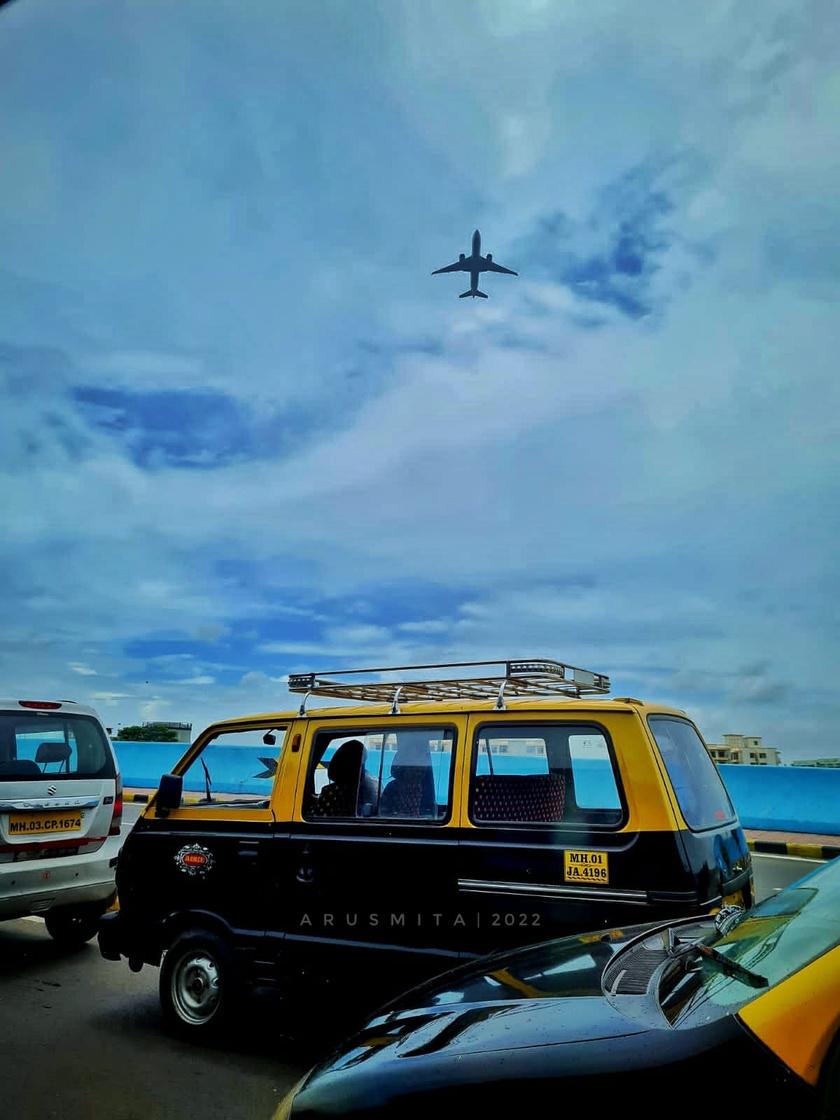
20 @ c l i c k e r _ a r u A R U S M I T A R O Y
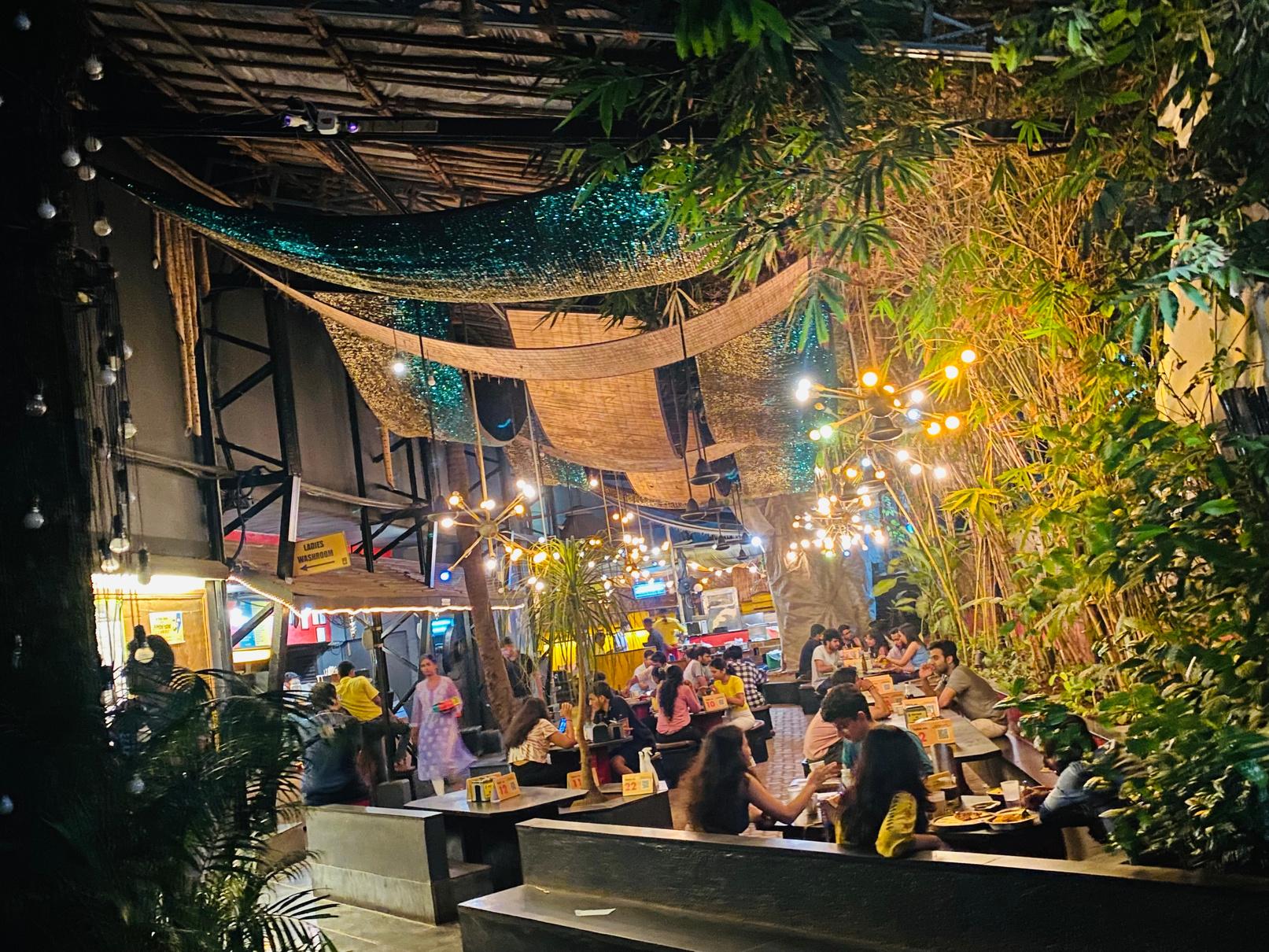
21 K R I S H J A I N @ _ k r i s h _ _
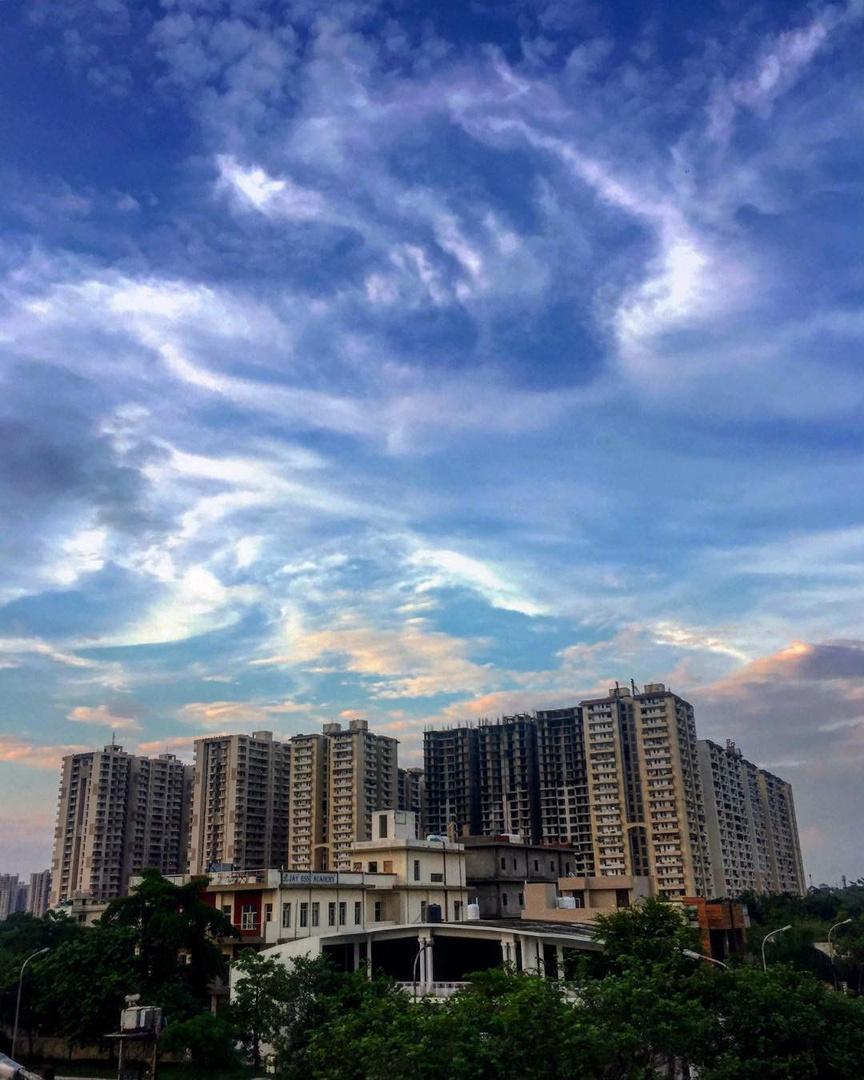
22 S I D D H A R T H Y A D A V @ v i s i o n o f s h u t t e r
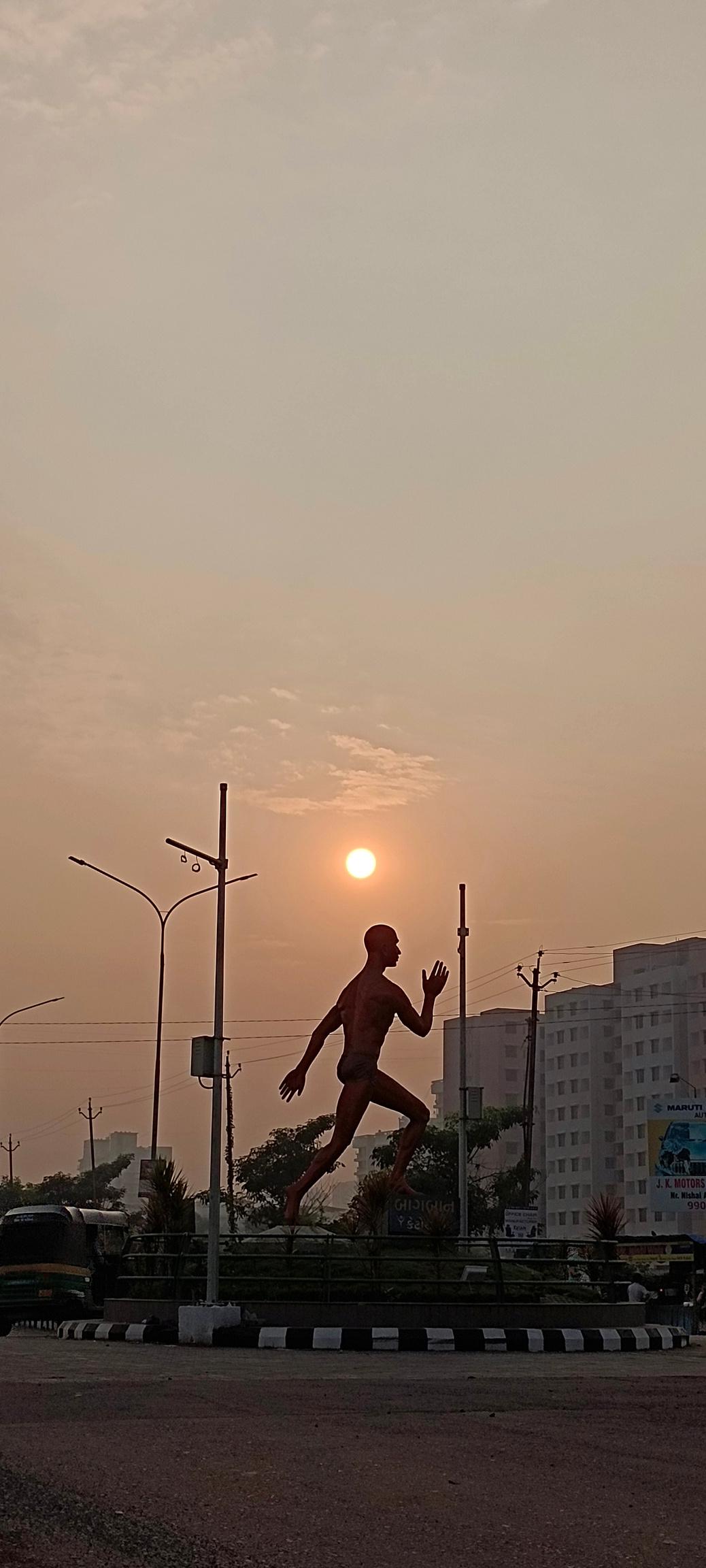
23 Y U T I T A L A T I @ y u t i i i i _ _ _
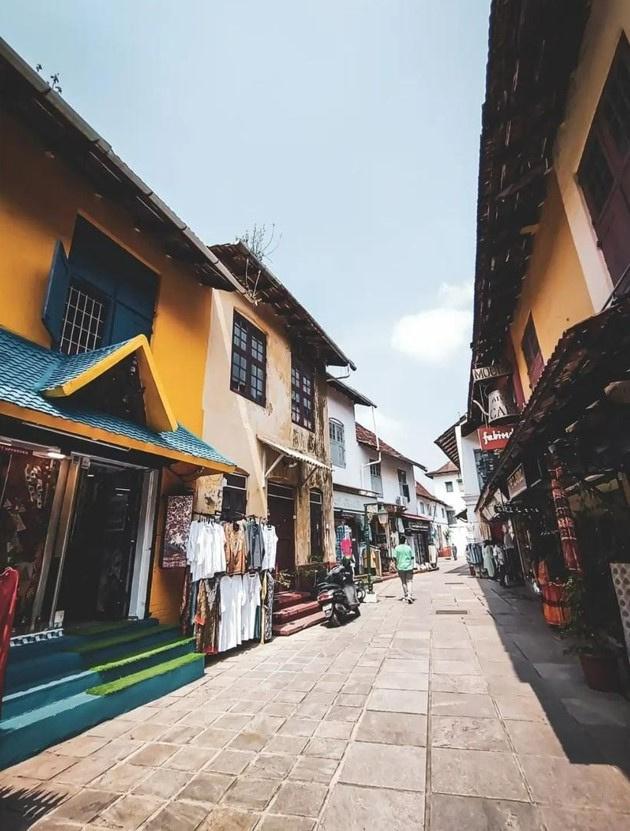
24 A P O O R V A K
L E @
A
a p o o r v a h a h a h a h a
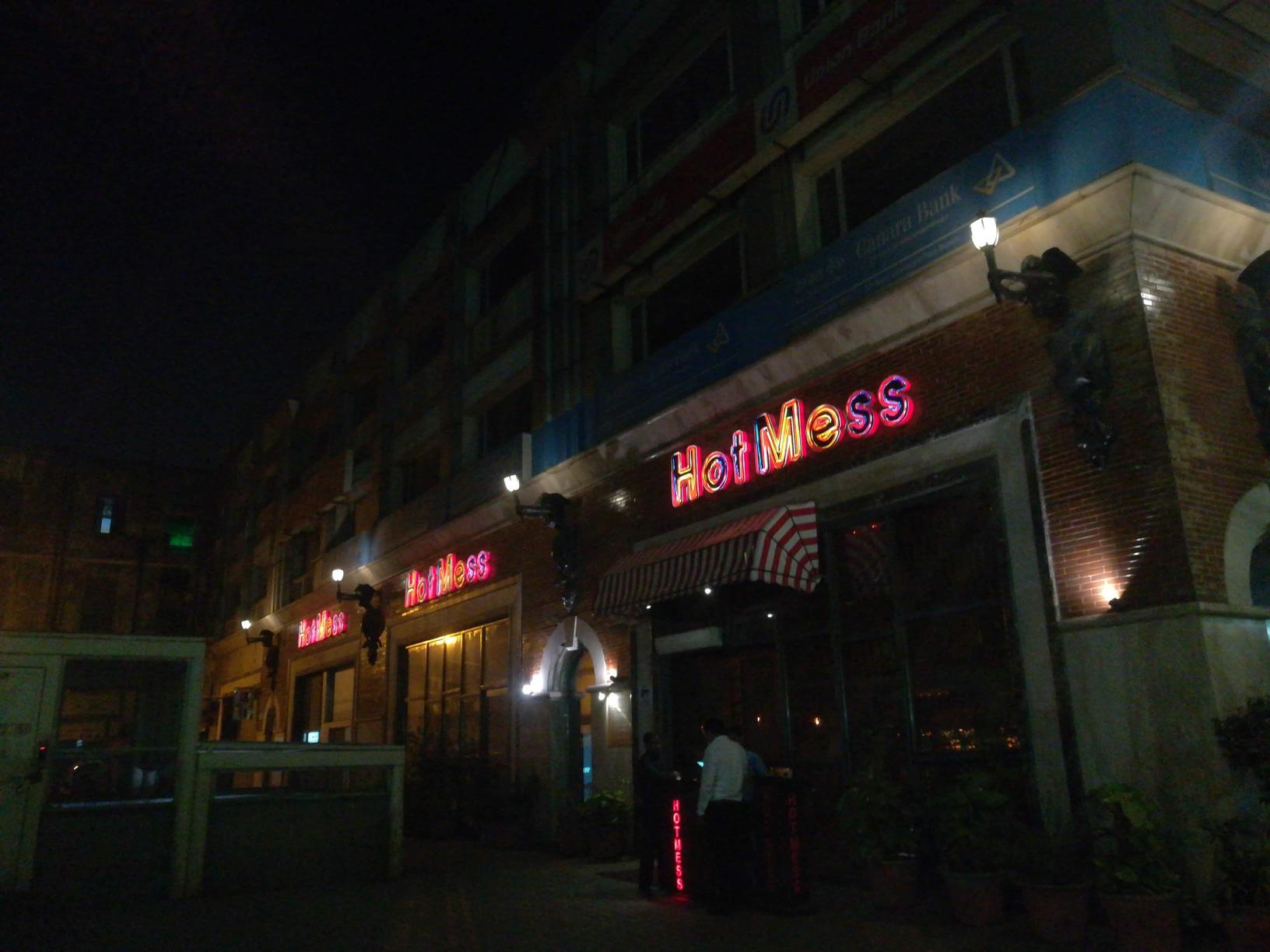
25 G A R V I T
O
@ g a r v i t . p n g
A R
R A
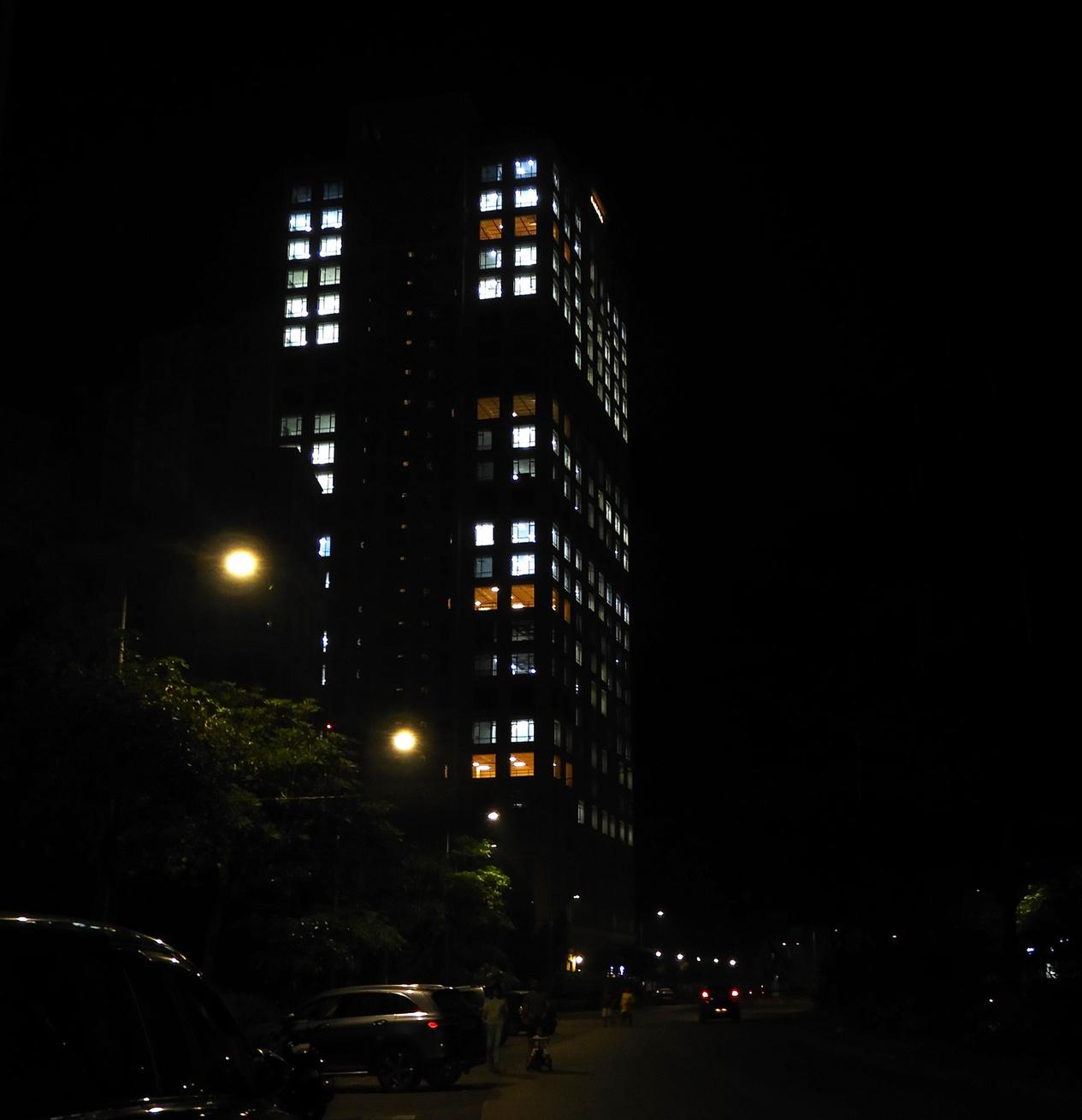
26 V A R U N N A G U
@ v
g u r
R
a r u n _ n a

PI X EL YOUR LENS TO EXPLORE THE WORLD OF PHOTOGRAPHY Photography Club K J Somaiya Institute of Management REACH US OUT ON: