Patently Cosmetic: Protecting Innovations in a Crowded Ingredient Space
…Lucas Koziol
From moisturizers and lotions to fragrances, makeup, and hair products, new cosmetics are constantly being innovated For business owners, obtaining patent protection for an innovation can be almost as important for safeguarding market share and attracting investment as the innovation itself
One challenge is that the industry already has thousands of safe, effective ingredients in use. Most innovations come not from brand-new chemicals, but from creative and unique combinations of known building blocks
In this article, we discuss the patentability of new products that contain combinations of known ingredients As an example, let’s consider a hypothetical new product: A + B Lotion Lotion has two active ingredients, A (a known emollient) and B (a known preservative)
Content and Function: Two Paths to Patentability
The U S Patent and Trademark Office (USPTO) is the federal agency that administers the national patent system The USPTO rigorously reviews every patent application, ensuring it satisfies the legal requirements to be entitled to gover nment patent protection. This review process is typically a back-and-forth negotiation between the patent applicant and a USPTO employee known as an Examiner.
In many technology fields, the most challenging legal requirement is often nonobviousness The USPTO will compare Lotion to specific documents known as “prior art” including other patents and applications, scientific papers, and any other documents publicly available before the filing date describing similar products or compositions
In a typical scenario, the USPTO finds one existing product using ingredient A, and a second product using B, and asserts Lotion is merely an obvious combination of the two

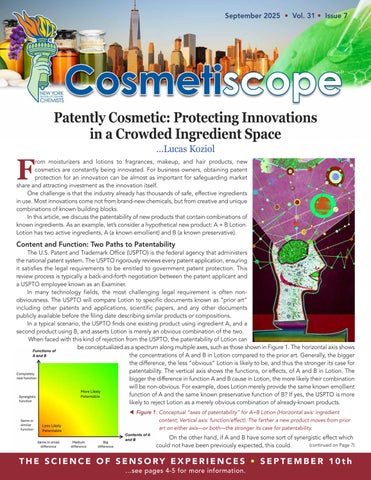
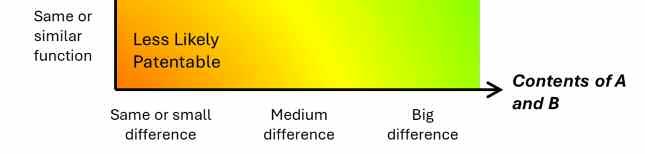
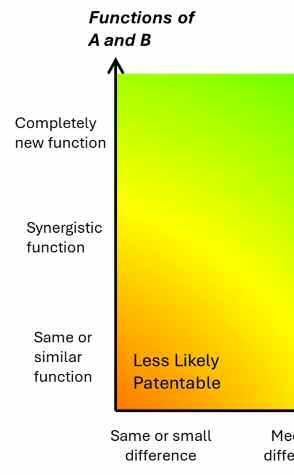
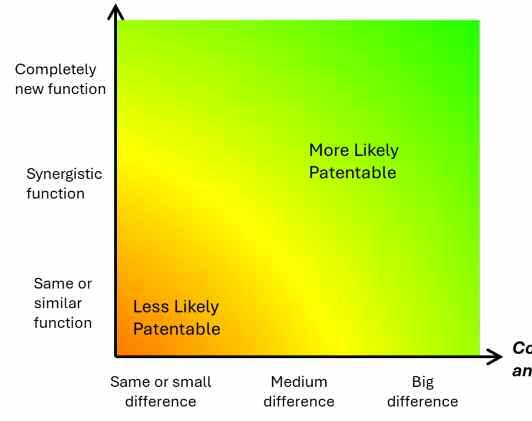
When faced with this kind of rejection from the USPTO, the patentability of Lotion can be conceptualized as a spectrum along multiple axes, such as those shown in Figure 1 The horizontal axis shows the concentrations of A and B in Lotion compared to the prior art Generally, the bigger the difference, the less “obvious” Lotion is likely to be, and thus the stronger its case for patentability The vertical axis shows the functions, or effects, of A and B in Lotion The bigger the difference in function A and B cause in Lotion, the more likely their combination will be non-obvious For example, does Lotion merely provide the same known emollient function of A and the same known preservative function of B? If yes, the USPTO is more likely to reject Lotion as a merely obvious combination of already-known products Figure 1: Conceptual “ axes of patentability” for A+B Lotion (Horizontal axis: ingredient content; Vertical axis: function/effect) The farther a new product moves from prior art on either axis or both the stronger its case for patentability
On the other hand, if A and B have some sort of synergistic effect which could not have been previously expected, this could (continued on Page 7)
BOARD & COMMITTEE
Chair John Carola chair@nyscc.org
Chair-Elect
Anushka Nadkarni chair-elect@nyscc org
Treasurer Diane Dabkowski treasurer@nyscc org
Secretary Mythili Nori secretary@nyscc.org
Advisor Amber Evans advisor@nyscc org
Program Alexis Piterski program@nyscc.org
At Home Live Series
Susanna Fernandes
Susanna Fernandes@tri-k com
By-Laws and Membership
Cathy Piterski cpiterski@essentialingredients com
Communications
Dejour Waite
Revathi Nair socialmedia@nyscc.org
House Chair
Afam Okoro house@nyscc org
Special Events
Johanna Gigliotti johanna e gigliotti@gmail com
Cosmetiscope Editor
Roger Mcmullen roger mcmullen@fdu.edu
Cosmetiscope Advertising
Bret Clark rbclark@ashland com
Letter from the Chair …John Carola
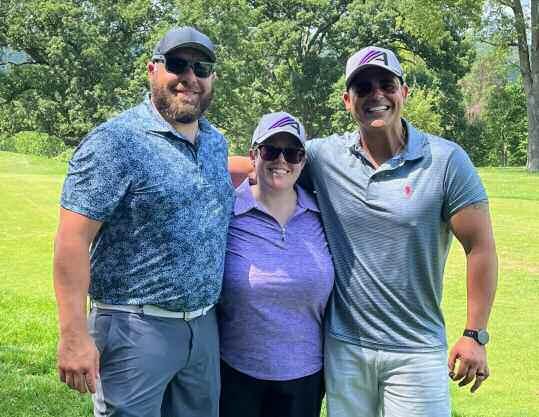
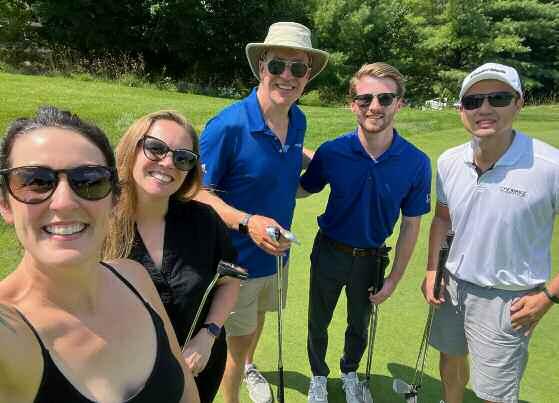
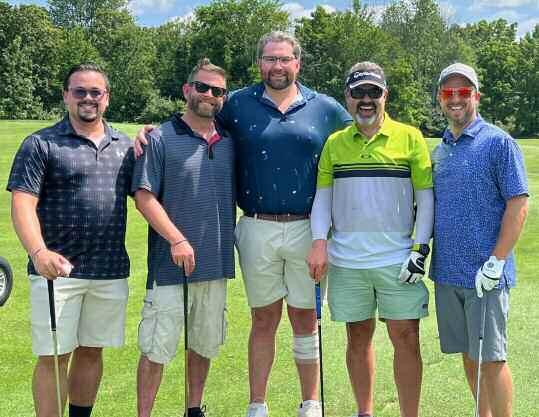
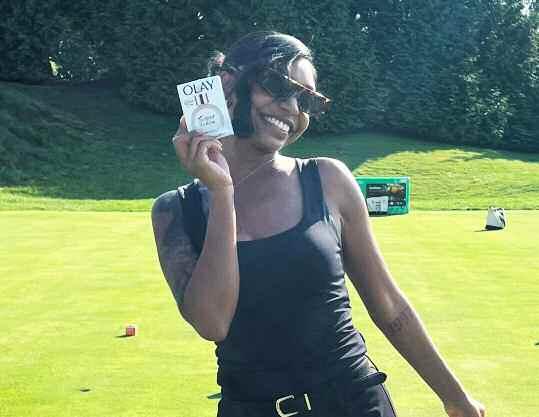
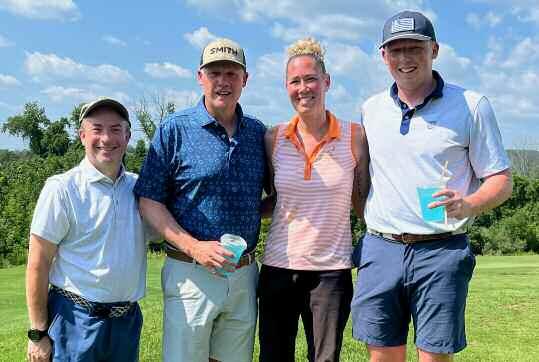
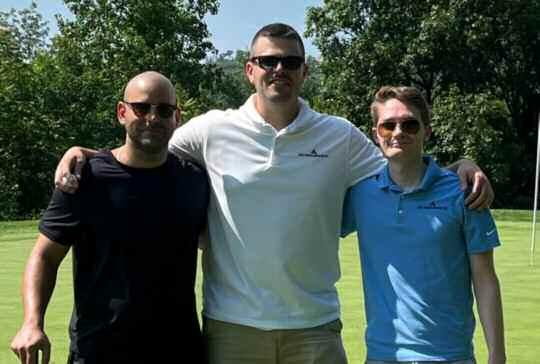
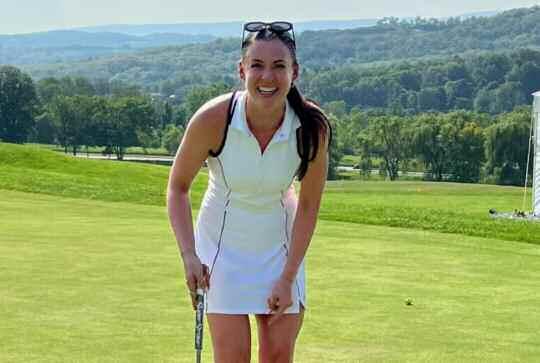
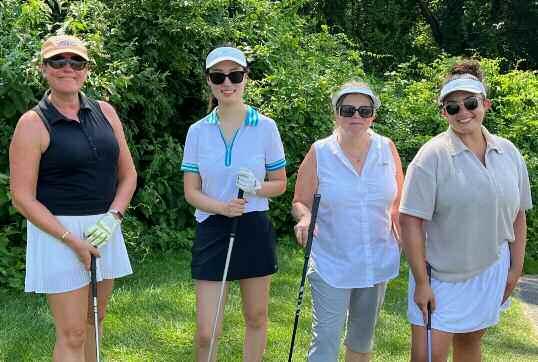
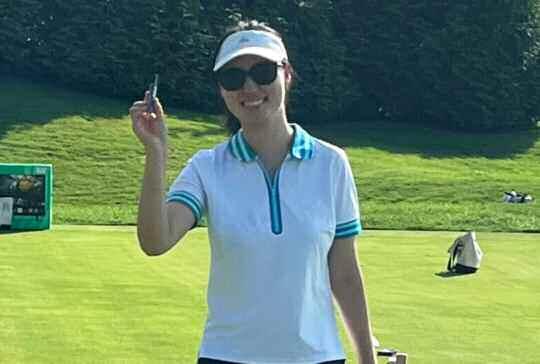
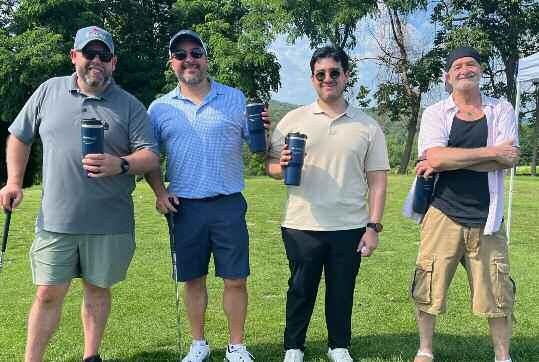
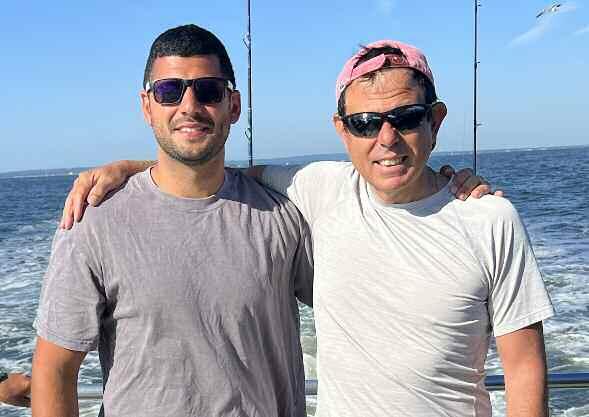
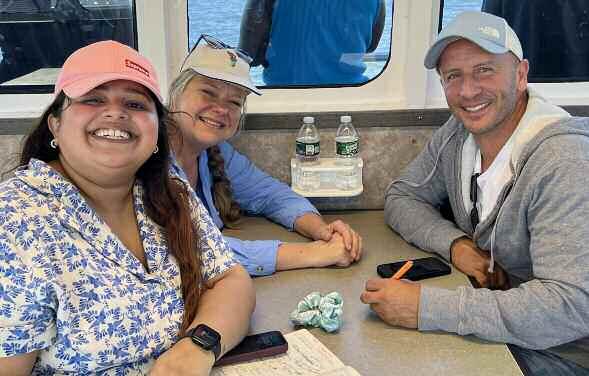
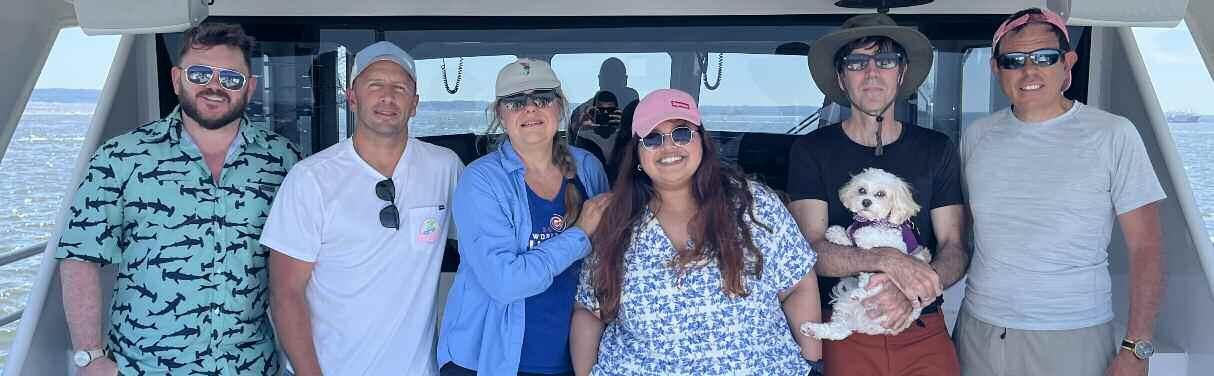
Welcome back from summer! I hope you had a chance to recharge, reconnect, and maybe even gather a little inspiration for the months ahead A big thank you to everyone who supported our Golf Outing and Fishing Trip The Putt for Products challenge complete with the very funny (and heckling!) comic R yan Patrick was a crowd favorite and is sure to become a staple of our annual golfing event

As we turn the page into fall, the NYSCC is ready to dive into a season brimming with education, networking, and innovation On September 10th at The Venetian, our Science of Sensory Experiences in Beauty and Personal Care Products program promises to be a highlight Sensory science plays a pivotal role in for mulating products that deliver not only perfor mance but also unforgettable consumer experiences This symposium will explore how texture, fragrance, aesthetics, and overall appeal influence satisfaction and brand differentiation. If you ’ re looking to elevate your formulation skills and stand out in the competitive beauty marketplace, this is a must-attend More educational programs are on the horizon, including sessions on the timely topics of rheology and biotechnology.
Our signature culinary event also has a new twist and location Bites Around the Globe! on September 24 at The Legacy Castle will celebrate diversity through food, featuring dishes, ingredients, and traditions from across the world With two ticket options, there’s something to fit every budget and networking goal
Beyond our own programming, the NYSCC will be representing our members and supporting sister chapters and the international SCC at key events this fall, including the IFSCC Congress in Cannes, France; the Florida SCC in Orlando; and the California Chapter’s Suppliers’ Day in Long Beach These are invaluable opportunities to connect with colleagues, share insights, and showcase the incredible work being done by our chapter and cosmetic chemists.
Also in September, for the first time, the NYSCC will sponsor an Ingredients & Formulation Pavilion featuring the eight finalists of the CEW Supplier’s Awards at the CEW Beauty Expo in New York City on September 18th.
Looking ahead, stay tuned for our plans at the National SCC’s Scientific Meeting & Technical Showcase in December, as well as our Education Night, where numerous scholarships and grants will be awarded.
Let’s make this fall a season of learning, connection, and momentum I look forward to seeing many of you at one of our upcoming programs and engagements
2025 NYSCC Events Calendar
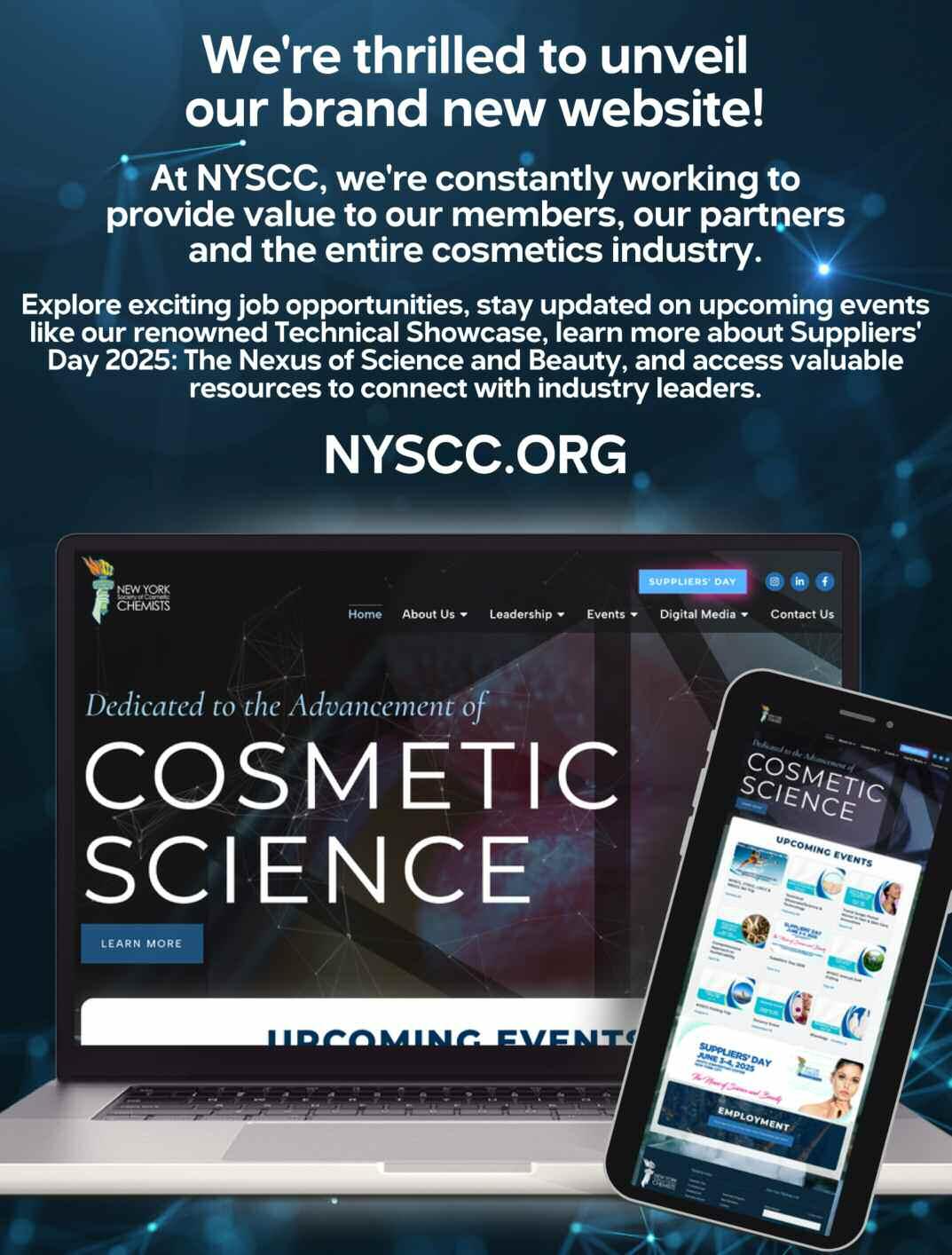
• For updated NYSCC information, visit us on the web at: www.nyscc.org
• For National SCC information: www.scconline.org
September 10 Sensory Event • Venetian, Garfield, NJ
September 24 NYSCC Culinary Event • The Legacy Castle, Pompton Plains, NJ
October 23 Rheology Event • Jay Conference Bryant Park, New York, NY
November 12 Demystifying Biotechnology: 360 Degree Look from Ingredient to Brand • Liberty House, NJ
November 13 NYSCC Supports Education Night • Intrepid Museum, New York, NY
December 15-17 SCC Scientific Meeting & Showcase • Sheraton New York Times Square Hotel, New York, NY

The Science of Sensory Experiences in Beauty and
Personal Care Products
September 10, 2025 • 3:30 – 8:30 p.m.
Venetian, Garfield, New Jersey
Sensory science plays a vital role in formulating beauty products that deliver not only perfor mance but also unforgettable consumer experiences. This session will explore how texture, fragrance, aesthetics, and overall product appeal influence customer satisfaction and brand differentiation Attendees will gain insight into the psychological and physiological responses triggered by sensory stimuli and learn how to leverage these in product development Key topics include understanding sensory perception in cosmetics and personal care products, formulation strategies to enhance sensory impact, evaluating sensory attributes through testing, and applying findings to create innovative, immersive products that build strong emotional connections with consumers

About the Speakers

n Gail Vance Civille – CEO, Sensory Spectrum, Inc.

Ms Civille is a pioneer in sensory evaluation with over 60 years of influence across industry, academia, and government. She is best known for developing the Spectrum Descriptive Analysis methodology, which established foundational tools and protocols for evaluating flavor, texture, fragrance, skin feel, and fabric feel Over the course of her career, she has applied both consumer and descriptive sensory techniques to thousands of food and personal care products, shaping global best practices and driving product innovation.
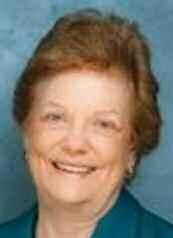
A dedicated educator and thought leader, Ms Civille has trained countless professionals in sensory evaluation methods, consumer testing, panel leadership, quality control, and advertising claims She has co-authored key texts such as Sensory Evaluation Techniques and Sensory Evaluation in Quality Control and co-edited Aroma and Flavor Lexicon for Sensory Evaluation Her contributions have been recognized with numerous awards, including the IFT Sensory and Consumer Sciences Achievement Award and ASTM Award of Merit As a founding member and first Chair of the Society of Sensory Professionals, Ms. Civille continues to advance the field through her leadership, teaching, and commitment to excellence in sensory science
n Naomi Bedford – Director of Marketing, Grant Industries
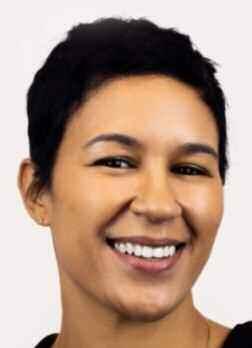
Naomi is the Director of Marketing at Grant Industries, where she leads global marketing strategy for cutting-edge ingredient technologies in beauty and personal care She built the marketing department by translating complex science into compelling brand stories, bridging the worlds of R&D, product development, and consumer trends With over a decade of experience across luxury fragrance, skin care, and specialty ingredients, Naomi has held roles at The House of Creed and Coty, building expertise in creative storytelling, upstream product education, and global communications
n Brian Ecclefield – Founder/CEO, Validated Claim Support
Brian has spent the last 17 years custom developing in vivo clinical studies to help inter national brands build their personal care and cosmetic product portfolios In 2018, he founded Validated Claim Support in the testing, inspection, certification, and compliance (TICC) space as an alternative to the “CRO Status Quo,” offering an ethical, transparent, and technologically secured solution for the modern Personal Care manufacturer. Brian also enjoys assisting with consumer protection civil suits as an Expert Witness By ensuring that end users gain a better understanding about what cosmetic and personal care claims mean and the value of doing studies the right way, Brian hopes to continue to help make skincare clinical testing more transparent and CROs more accountable
n Steve Her man – President, Diffusion LLC; Adjunct Professor, University of Cincinnati


Steve has a B S in Physics from Stevens Institute of Technology and M S in Chemistry from Fairleigh Dickinson University He was an Adjunct Professor in the Fairleigh Dickinson University Cosmetic Science Program from 1993 to 2018, teaching the Cosmetic Formulation Lab and Perfumery He has been teaching a Fragrance Science course for the University of Cincinnati since 2019. He currently serves as Scientific Advisor to Sino Lion USA He has also conducted numerous webinars for the Center for Professional Advancement Steve was a columnist for GCI Magazine for 17 years and has written a book, Fragrance Applications: A Survival Guide, and four book chapters His Society of Cosmetic Chemist activities include service as Chairman of the New York Chapter in 1992 and 2013, election to Fellow status in 2002, and instructor in the Continuing Education Program He is currently Historian of the NYSCC
Pricing:
• Members: Early bird: $10
Use promo code SENSOR for free tickets (first 50 tickets only)
After September 3rd price increases to $25
• Non-Members: $125
• Students and Emeritus Members: Free (limited allotment)
To register for the event, visit the Events section of the NYSCC website (www.nyscc.org).
Location:

NYSCC Culinary Event

JBites Around the Globe! Bites Around the Globe! Bites Around the Globe!
Bites Around the Globe!
September 24, 2025 • 5:00 – 9:00 p.m.
The Legacy Castle, Pompton Plains, NJ
oin us at our new location for this year ’ s signature culinary experience! We’re celebrating diversity through food featuring dishes, ingredients, and traditions from around the world
Ticket Options:
• Full Access: Includes cocktail hour, hands-on cooking session, tasting menu, and exclusive networking opportunities
• Networking Access: Enjoy cocktail hour, access to the networking lounge, and a global tasting menu to cap off the evening
Event Agenda:
Registration: 4:30 – 5:00 p.m.
Cocktail Hour: 5:00 – 6:00 p.m.
Event Sponsors:

Registration:
Competitive Cooking: 6:00 – 7:30 p.m.
Tasting and Raffles: 7:30 – 8:30 p.m.


Don’t miss this delicious journey! To register, visit the Events section of the NYSCC website (www.nyscc.org)
Event Location:
The Legacy Castle, 141 Route 23 South, Pompton Plains, NJ


increase Lotion’s chances of being non-obvious For example, let’s say the presence of A somehow enables a much lower concentration of B to be used, while having the exact same antimicrobial function This synergism could form a basis for patentability Note that experimental data showing this effect would likely be required to convince the USPTO. Further along the vertical axis, if combining A and B has some completely new effect, completely unrelated to either emollience or preservation, this could also form a basis of non-obviousness
The patentability of combinations of known ingredients can often rest on these kinds of unexpected or surprising results, as opposed to results that merely extend or combine previous knowledge in an expected or “obvious” way.
Physical and Chemical Properties: A Third Path
But what if A+B Lotion is squarely in the red corner of Figure 1? Lets’ say several products exist having both A and B, and in the exact same concentrations? Is there still a chance at patent protection?
Potentially, yes Patentability can also arise from new physical, chemical, or structural properties of Lotion that make it different from the prior art despite having the same ingredients list These new properties come from the formulation of the ingredients into the final product. These can be almost any property: viscosity, density, skin feel, or microstructures like emulsions, micelles, or liposomes Such properties are tunable synthetically and may provide unique performance advantages. In other words, even if the “ingredients” looks the same, differences in process leading to a new microstructure can create a patentable product
Key Takeaways
• Think beyond ingredients: Patentability isn’t just about what’s in the formula, but also how it functions and what unexpected results it produces
• Back it up with data: Comparative studies showing differences in performance are often essential to convince the USPTO
• Look at all angles: Content, function, and physical/chemical properties can each provide a path to non-obviousness
Conclusion
For cosmetics innovators, success often comes from pinpointing what makes a product truly different Carefully framing these differences up front, with patent non-obviousness in mind, can significantly smooth the patenting process and lead to stronger, more durable intellectual property
Disclaimer: The opinions expressed in this article are the author’s own This article is intended for infor mational purposes only and should not be taken as legal advice.
About the Author:
Lucas Koziol, Ph.D., J.D.
Dr Koziol helps innovators draft and prosecute patent applications at Harmonic Intellectual Property Law, LLC. Prior to his IP career, he worked as a research chemist at a major energy company He is registered with the USPTO and admitted to practice law in New York He lives with his wife and three daughters in New Jersey.



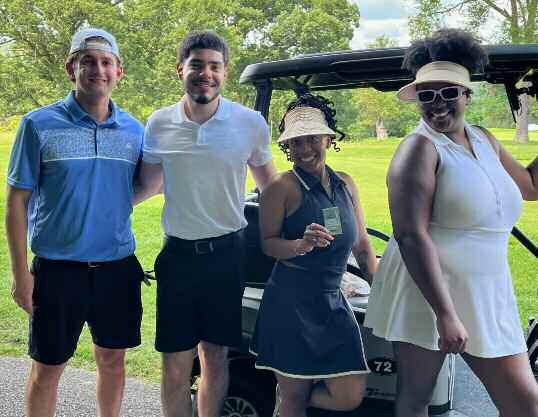
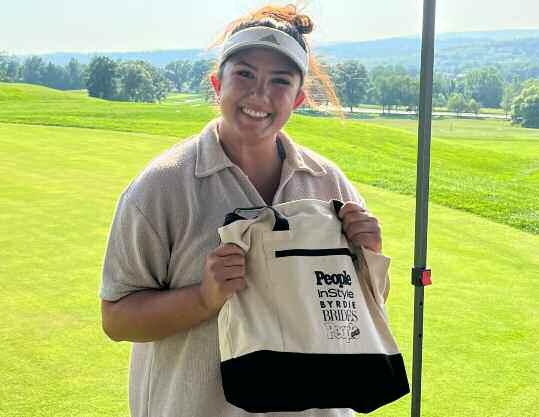
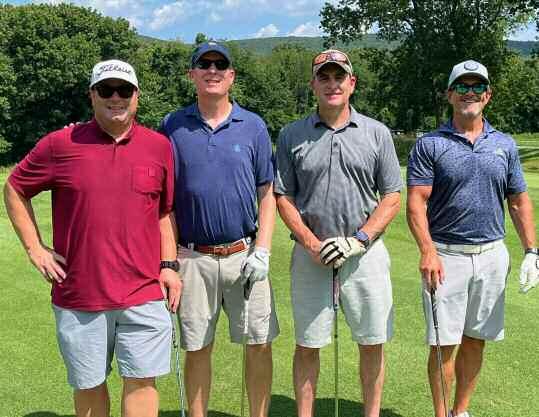
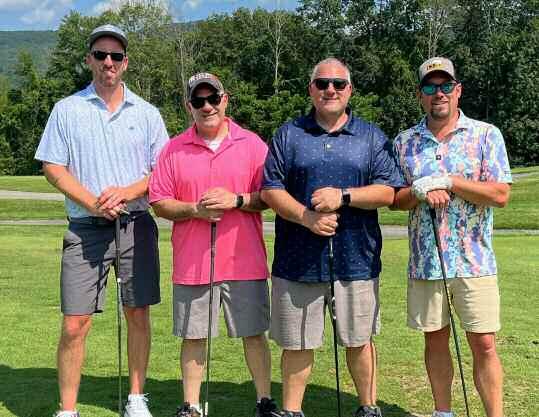
NYSCC Annual Golf Outing
Monday, July 28, 2025
Crystal Springs Resort, Hamburg, NJ



NYSCC History Project ...Steve
NYSCC History – 1979 Part II
As a continuation of the Summer 2025 issue of Cosmetiscope, here are excerpts of more letters by former Chapter Chairs written in 1979
“At my advanced age, and since all my records of those years were dutifully passed on, I am not sure of what happened when. I remember the outcry, “How can a New York Chapter meet in New Jersey!” Loud protests were heard from Long Island and New York members But these protests soon yielded to the obvious success of this location
And then there was Shirley DeRagon’s first issue of the New York Chapter’s Newsletter with a column entitled “Who is Working Where – This Week ” An acknowledgement of the high coefficient of mobility of some of our members in those days.
And I remember Arthur Cohane’s astonishingly clear and precise introduction of our four Japanese guests, by spelling their names in Hebrew! And they thought the spelling was in Korean.”
Henry F. Maso
Chapter Chairman, 1964

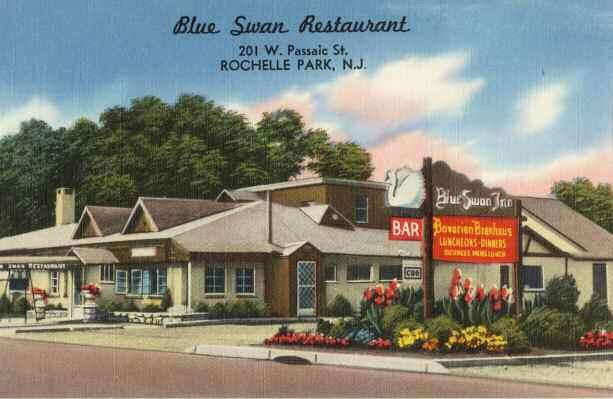
“The only recollection I have is that I am the last chairman to have run unopposed (I probably would have lost otherwise!) and that the first Special Events committee was formed under my regime The Special Events Chair man was Herb Ruvitz and we had a dinner-dance at the Blue Swan in Rochelle Park, NJ Rodney Dangerfield was the entertainment.* If I think of anything else, you will hear from me!”
Mitchel L. Schlossman Chapter Chairman, 1966
“Very early in the term year a letter was written requesting consideration to split the chapter into separate New York and New Jersey Chapters At the time I believe this was initiated by some of the other members outside of the New York Chapter to reduce the strength of the New York area The first order of business during my administration was to counter this and fortunately we were able to maintain our one chapter ”
Maurice L. Rosenthal Chapter Chairman, 1968

* In 1966, Rodney Dangerfield’s career was just starting to take off, and he appeared on the Ed Sullivan Show in March 1967 His career peaked in his movie appearances in Caddyshack (1980) and Back to School (1986). His performance at an early NYSCC event is an interesting footnote in our history.
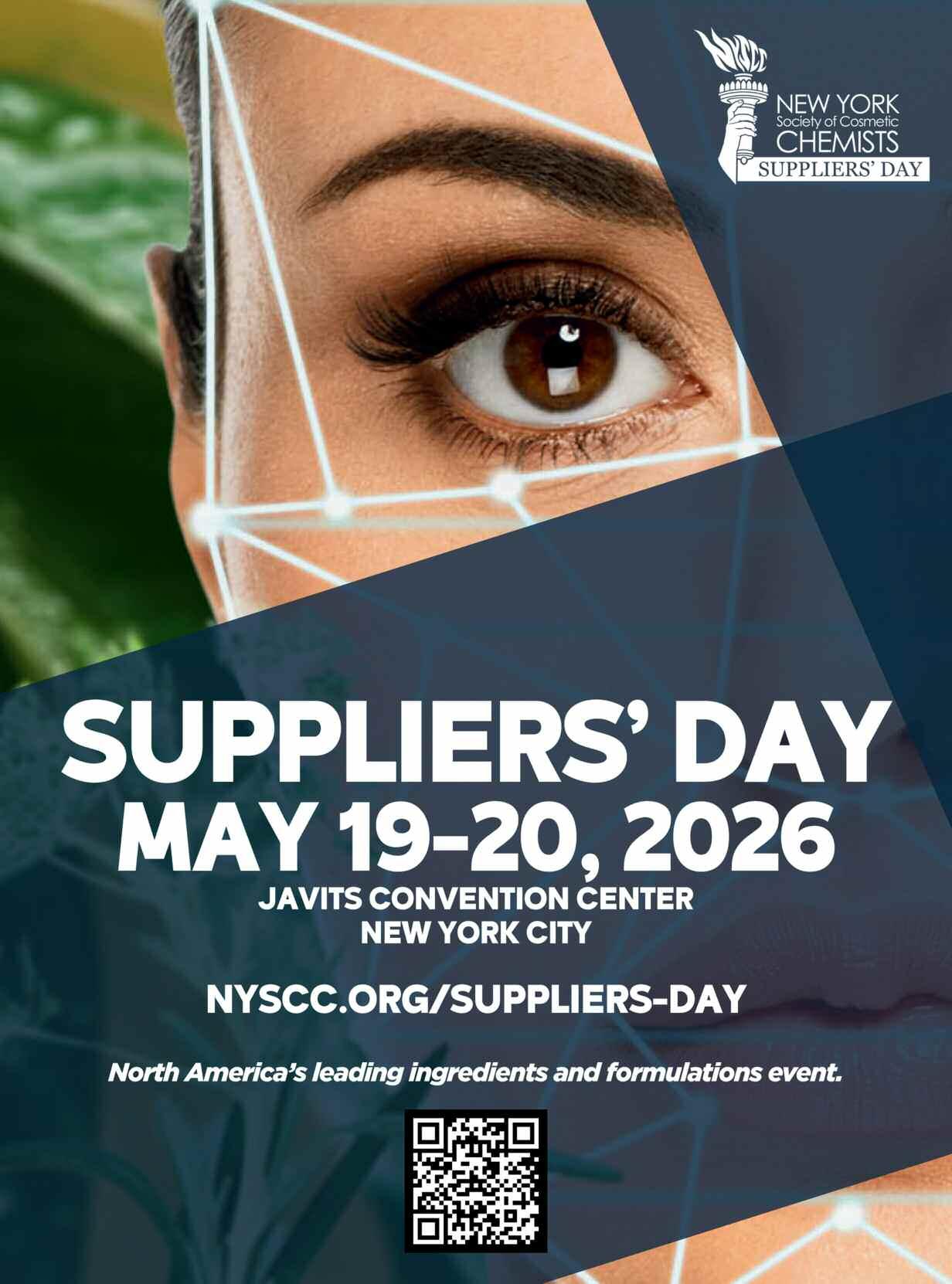
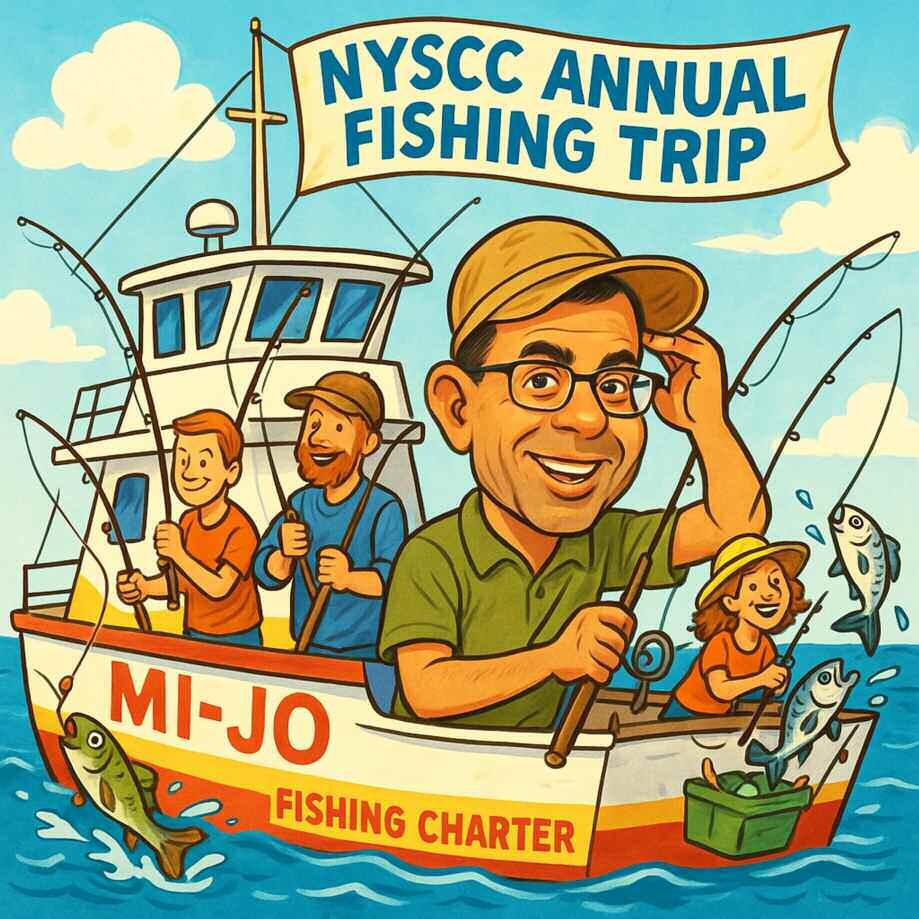
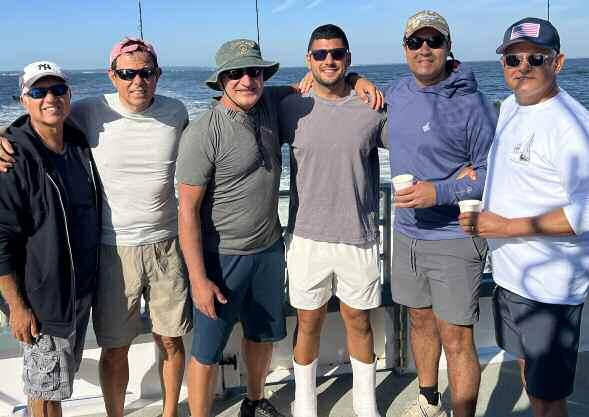
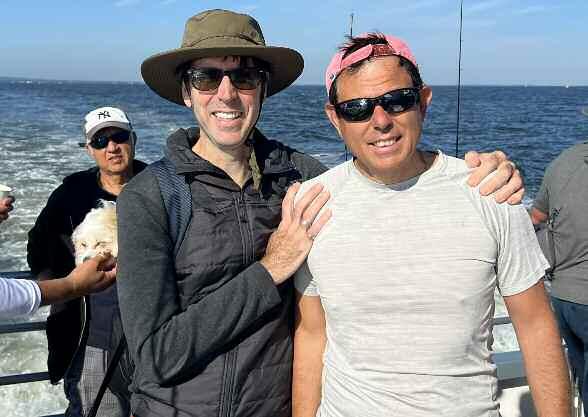
Atlantic Highlands, NJ Saturday, August 9, 2025


















Symposium
October 23rd
10:00 a.m. – 4:00 p.m.
For registration and more infor mation, visit the Events section of the NYSCC website (www.nyscc.org).
NYSCC Employment Section
Are you looking for a candidate that loves the personal care i enjoys the thrill of designing a make-up product or shampoo? you are seeking someone with expertise in raw materials. need some help around the lab and could use a tenacious intern w start their career in the personal care space.
The NYSCC Chapter supports you and your business with FR to our webpage Contact employmentadmin@nyscc.org to hav passionate candidates apply to your roles. Recent postings include companies such as Lucas Meyer Cosmetics, Kenvue, Olaplex, and Symrise for roles in Sales, Marketing, Formulations, and Regulatory


Below are some positions in the personal care industry that are currently posted on the NYSCC website. For a full description of the jobs, visit https://nyscc.org/jobs.
• Inside Sales Account Manager – GreenTech USA – Englewood Cliffs, NJ
• Chemical Manufacturing Account Manager – Kobo Products – China
• Customer Care and Documentation Specialist – Provital – Saddle Brook, NJ
Call for Papers
The Cosmetiscope editorial committee invites all interested parties to submit feature technical articles for publication in the NYSCC monthly newsletter. Authors of feature articles are eligible to win the prestigious NYSCC Literature Award ($1,000) for the best front-page article published during the calendar year Authors also receive $200 reimbursement to attend a theatrical performance of their choice Writing an article for your peers is a very rewarding experience, both personally and professionally, and will ensure your place in NYSCC history. You may choose whatever topic you feel would be interesting to fellow colleagues in our industry We also welcome any other types of commentaries or articles that may be published in the Career Corner, Technical Tidbit section, or as a Letter to the Editor
Please send correspondence to: roger mcmullen@fdu.edu