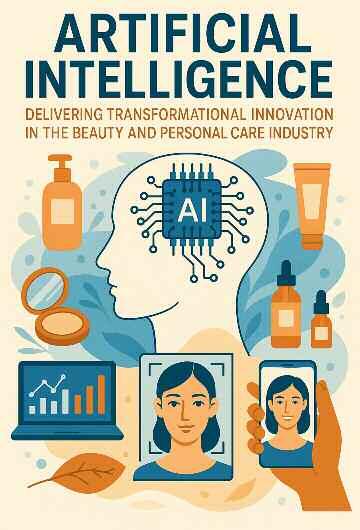
Artificial Intelligence—Delivering Transformational Innovation in the Beauty and Personal Care Industry
…Prem Sreenivasan
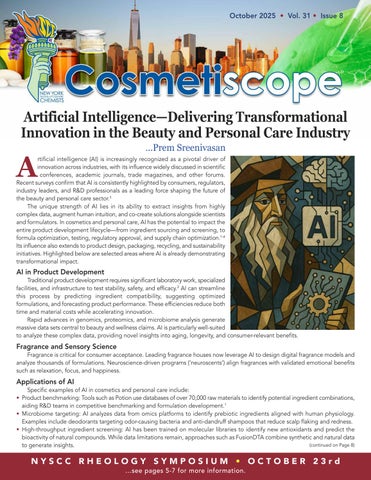
Artificial intelligence (AI) is increasingly recognized as a pivotal driver of innovation across industries, with its influence widely discussed in scientific conferences, academic jour nals, trade magazines, and other forums Recent surveys confirm that AI is consistently highlighted by consumers, regulators, industry leaders, and R&D professionals as a leading force shaping the future of the beauty and personal care sector ¹
The unique strength of AI lies in its ability to extract insights from highly complex data, augment human intuition, and co-create solutions alongside scientists and for mulators In cosmetics and personal care, AI has the potential to impact the entire product development lifecycle from ingredient sourcing and screening, to formula optimization, testing, regulatory approval, and supply chain optimization 1-4 Its influence also extends to product design, packaging, recycling, and sustainability initiatives Highlighted below are selected areas where AI is already demonstrating transfor mational impact
AI in Product Development
Traditional product development requires significant laboratory work, specialized facilities, and infrastructure to test stability, safety, and efficacy 2 AI can streamline this process by predicting ingredient compatibility, suggesting optimized for mulations, and forecasting product perfor mance. These efficiencies reduce both time and material costs while accelerating innovation
Rapid advances in genomics, proteomics, and microbiome analysis generate massive data sets central to beauty and wellness claims AI is particularly well-suited to analyze these complex data, providing novel insights into aging, longevity, and consumer-relevant benefits.
Fragrance and Sensory Science

Fragrance is critical for consumer acceptance Leading fragrance houses now leverage AI to design digital fragrance models and analyze thousands of for mulations Neuroscience-driven programs (‘neuroscents’) align fragrances with validated emotional benefits such as relaxation, focus, and happiness.
Applications of AI
Specific examples of AI in cosmetics and personal care include:
• Product benchmarking: Tools such as Potion use databases of over 70,000 raw materials to identify potential ingredient combinations, aiding R&D teams in competitive benchmarking and for mulation development 1
• Microbiome targeting: AI analyzes data from omics platfor ms to identify prebiotic ingredients aligned with human physiology Examples include deodorants targeting odor-causing bacteria and anti-dandruff shampoos that reduce scalp flaking and redness.
• High-throughput ingredient screening: AI has been trained on molecular libraries to identify new antioxidants and predict the bioactivity of natural compounds. While data limitations remain, approaches such as FusionDTA combine synthetic and natural data to generate insights (continued on Page 8)
BOARD & COMMITTEE
Chair John Carola chair@nyscc.org
Chair-Elect
Anushka Nadkar ni chair-elect@nyscc org
Treasurer Diane Dabkowski treasurer@nyscc org
Secretary Mythili Nori secretary@nyscc.org
Advisor Amber Evans advisor@nyscc org
Program
Alexis Piterski program@nyscc.org
At Home Live Series
Susanna Fer nandes
Susanna Fer nandes@tri-k com
By-Laws and Membership
Cathy Piterski cpiterski@essentialingredients com
Communications
Dejour Waite
Revathi Nair socialmedia@nyscc.org
House Chair
Afam Okoro house@nyscc org
Special Events
Johanna Gigliotti johanna e gigliotti@gmail com
Cosmetiscope Editor
Roger Mcmullen roger mcmullen@fdu.edu
Cosmetiscope Advertising
Bret Clark rbclark@ashland com
Letter from the Chair …John
September showcased the strength of our NYSCC community, with impactful programs that highlight the power of science and collaboration! Our Sensory Conference was the largest educational event to date and a resounding success The program brought to light the science behind texture, fragrance, and consumer experience in product development. Thank you to our speakers, sponsors, and attendees for making this program so well received. We also look forward to expanding our partnership with the Society of Sensory Professionals at Suppliers’ Day and other future events
Our Culinary Event at a new venue mixed science with flavor and was another home run for the NYSCC The event sparked creative conversations among attendees and truly demonstrated how food and ingredient innovations from around the world intersect with cosmetic science.
As we move into the fall, we are excitedly preparing for our Rheology Symposium on October 23rd at the Jay Conference Center in New York City. This important program will thoroughly explore how rheology is the invisible force that transfor ms for mulations from functional to phenomenal
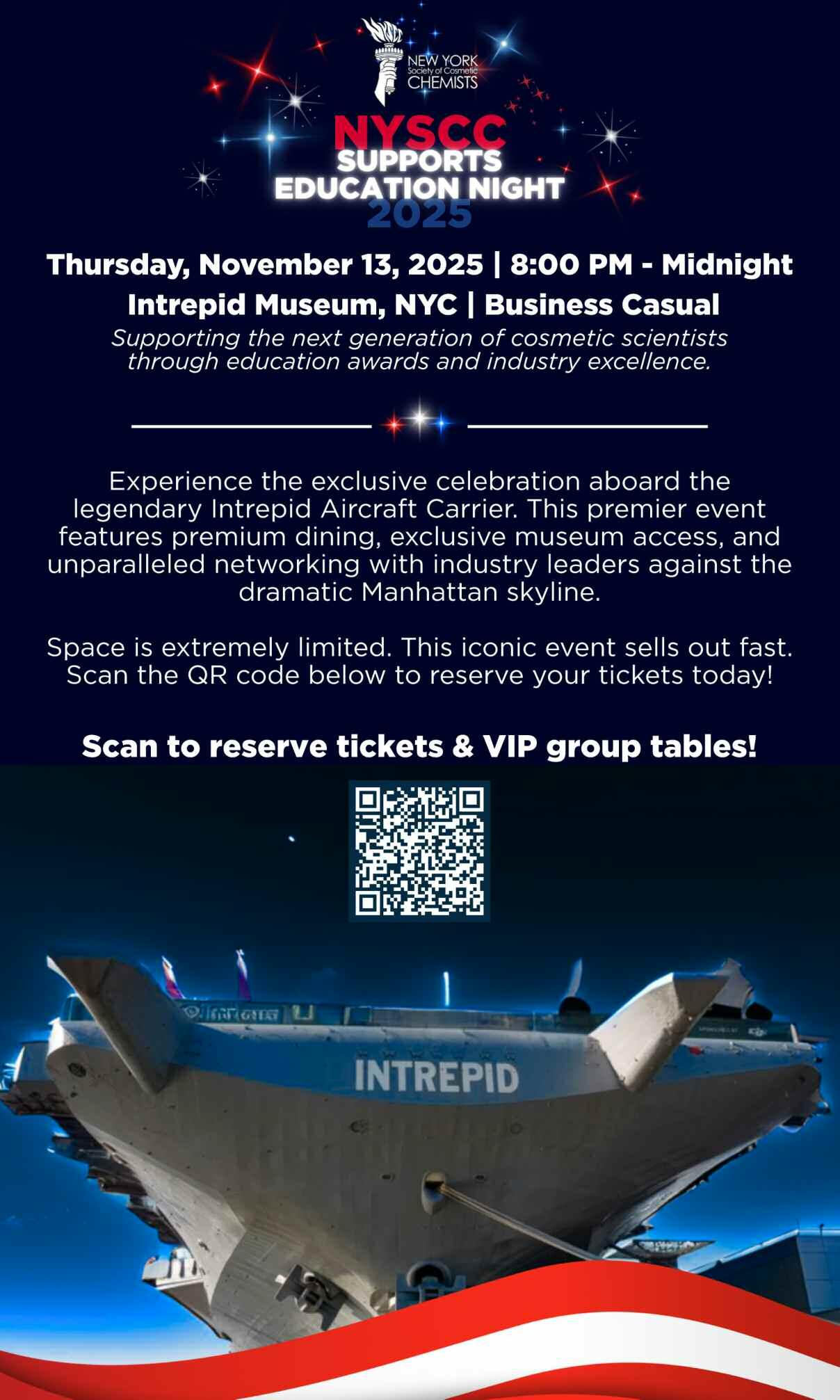
A highlight of the year is the upcoming Education Awards Night on November 13th, aboard the legendary Intrepid Aircraft Carrier, set against the magnificent backdrop of the Manhattan skyline and Hudson River Numerous scholarships and grants will be bestowed upon students and chapter members, and the evening will also mark the induction of our new board members leaders who will help shape the future of our Chapter I encourage you to join us for this celebratory evening, where we will honor the next generation of scientists while reflecting on the achievements of our dedicated community
It was great to meet many of you at the Florida Sunscreen Symposium and the IFSCC Congress in Cannes as well as the CEW Beauty Expo. We also look forward to participating in the Califor nia SCC Suppliers’ Day, October 29th–30th in Long Beach, CA, as well as the SCC National Scientific Showcase in December. We can’t wait to hear who will be announced as the winner of the CEW Supplier’s Beauty Award on November 11th and don’t miss a special webinar with all the judges discussing this year ’ s breakthrough ingredients and for mulations on November 4th.
W ith all that has happened and what is to come, it is clear our community is thriving with curiosity, collaboration, and connection Thank you for your continued support I look forward to seeing many of you at our upcoming programs and aboard the Intrepid as we continue to advance the nexus of science and beauty

2025 NYSCC Events Calendar
• For updated NYSCC information, visit us on the web at: www.nyscc.org
• For National SCC information: www.scconline.org
October 23 Rheology Event • Jay Conference Bryant Park, New York, NY
November 4 CEW x NYSCC: Supplier’s Award Finalists: In Conversation with the Judges’ Panel! • Virtual Event
November 12
Demystifying Biotechnology: 360 Degree Look from Ingredient to Brand • Liberty House, NJ
November 13 NYSCC Supports Education Night • Intrepid Museum, New York, NY
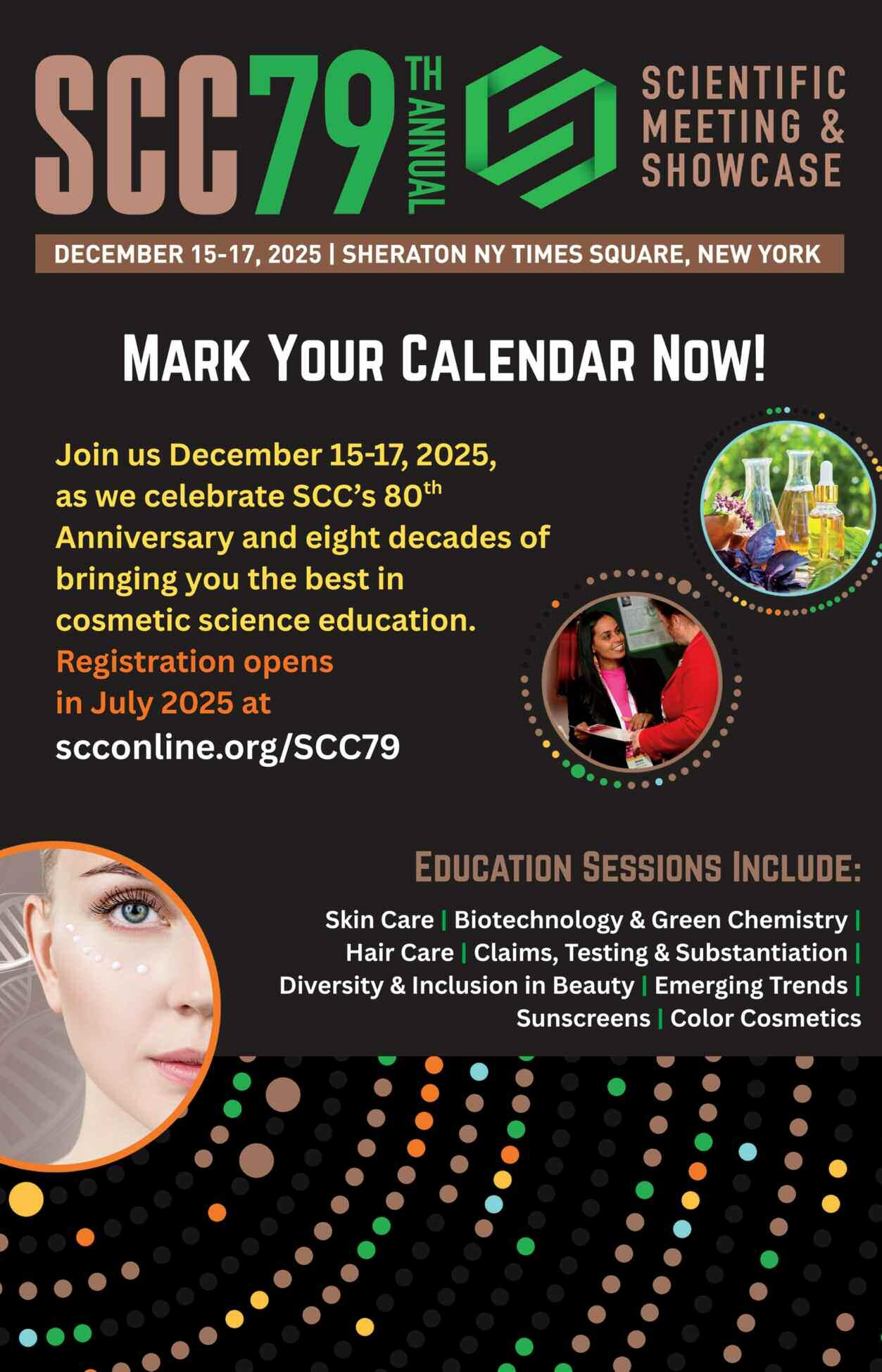
December 15-17 SCC Scientific Meeting & Showcase • Sheraton New York Times Square Hotel, New York, NY

NYSCC Rheology Symposium
October 23, 2025 • 10:00 a.m. – 4:00 p.m.
Jay Conference Center, Bryant Park, New York, NY
Rheology is the invisible force that transfor ms your for mulations functional to phenomenal Picking the ideal additive package can the difference between the luxurious glide of serums or the grip styling gels. Rheological profiles don’t just deter mine product perfor man they define consumer connections with your brand.
Mastering the art of rheology unlocks competitive advantages across e development stage It allows chemists to go from product ideation to streamlin manufacturing, optimizing filling, and improving customer experience. Joi to lear n about leveraging the rheology landscape today to create new for mulations and drive customer loyalty.
Event
Pricing and Registration
• Early Bird Member Tickets: $10 (available through October 16th)
• General Member Tickets: $25 (after October 16th)
• Students: Free (limited to 25 tickets)
• Emeritus Members: Free (limited to 5 tickets)
Please note: Based on high demand, we do not anticipate onsite tickets being available in October Secure your spot early
To register, visit the Events section of the NYSCC website (www.nyscc.org).

EVENT
About the Event Chair and Speakers
n Elizabeth Kaufman, Ph.D. – BYK USA
– Event Chair
Supplier of
Elizabeth has a B S in Chemistry from Haverford college and a Ph D in Polymer Chemistry from New York University. While completing her degree, Elizabeth began volunteering with the NYSCC Her graduate work focused on drug delivery polymers for preventing the spread of HSV-1 and stabilizing UV filters for suncare applications During that time, she acted as the Sustainability Chair for the NYSCC and founded the Supplier Awards which continue to this day
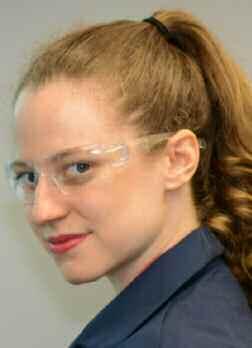
After finishing her degree, she started her career at BYK in Research and Development There she discovered her love of process chemistry leading her to take on the role of Production Chemistry Manager. Her work now includes quality control, analytical chemistry, second source qualification, customer complaints management, and process optimization Despite working primarily in a plant setting, she has never lost her passion for personal care Through her work moving from R&D to production she has a unique perspective on the life cycle of products from specialty chemicals to personal care
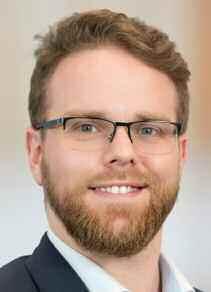
n Sam Lindeyer – BYK USA
Topic: Rheology 101
Sam has a B S in Chemistry from the University of Connecticut and brings a passion for problem solving to his work. His career is focused on helping people develop better, more effective products by providing technical expertise and practical solutions For the past three years at BYK, Sam has led customer projects in various markets including agriculture, adhesives, energy storage, and consumer care Whether it’s controlling rheology to improve the feel and perfor mance of a product during application, dispersing pigments for optimal efficiency/packing density, or adjusting the surface tension of a coating to achieve ideal wetting and leveling, he works to fine tune customer formulations and ensure they have the tools and knowledge to overcome any challenge they may face (continued on Page 6)
Before joining BYK, Sam spent five years developing and improving high throughput industrial cleaning systems and processes for everything from credit cards to parts on the Mars Rover, as well as developing a novel system for cleaning and maintaining fiber optic cables. Across every industry he’s worked in, Sam aims to help customers solve technical challenges and build systems that are effective, efficient, and successful
n Daphne Benderly, Ph.D. – Presperse
Topic: Powder Rheology
Daphne is Director of R&D at Presperse. In this role, she oversees scouting and evaluation of new, innovative ingredients and guides a talented for mulation group. Daphne has over 30 years of experience in materials engineering, with a background in various industries such as personal care, automotive, consumer goods, and telecommunications Daphne has published jour nal articles and has presented at multiple industry conferences. She received her doctorate in Materials Engineering from Technion – Israel Institute of Technology, M S in Macromolecular Science from Case Wester n, and a B.S. in Mechanical Engineering from MIT.
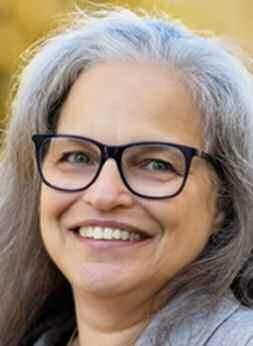
n Julio Pina – The Basset Labs
Topic: How Naming Conventions Dictate Expected Product Rheology
W ith a strong foundation in both technical and creative innovations, Julio brings extensive and diverse experience to the cosmetic and personal care industry. In today’s fast-paced beauty industry, there are two aspects of technical product development that captivate Julio: the creative marketing challenges that drive exploration; and the technical research and implementation processes essential to bringing concepts to life Julio is a fir m believer in the power of collaboration to tur n innovation into reality Through effective analysis, strategic thinking, and collaborative methods, Julio aims to contribute to a company ’ s innovation portfolio and overall profitability
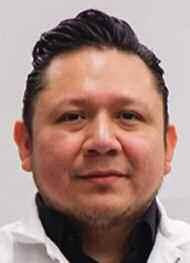
Julio’s jour ney in the cosmetics industry began in 2008 as a lab technician in MANA Products’ powder lab while pursuing a college degree Over the years, he has remained passionate and dedicated to his craft, constantly seeking ways to enhance his skills and expertise W ith an extensive and diverse background in for mulation, Julio has had the privilege of working across a wide range of product categories, including powder technologies, color cosmetics, skincare, haircare, SPF, and acne treatments. Throughout his career, he has contributed to the successful launch of many products for various brands and hundreds of library for mulas for contract manufacturers
After 17 years working in the contract manufacturing arena, Julio made the decision to venture out on his own and establish a formulating consulting company. His focus now is on collaborating with brands, contract manufacturers, and raw material suppliers to develop innovative for mulas and cutting-edge technologies.
n Cindy Sullivan – Lubrizol
Topic: Regulatory Landscape
Cindy graduated from Syracuse University with a B.S. in Biology, B.S. in Secondary Science Education, and a minor in Chemistry She began her career with Miller Brewing Company as a Quality Control Analyst, followed by quality positions at GOJO Industries, Inc (Akron, Ohio) before moving into Regulatory Affairs at GOJO Industries in 1997
Since 2002 she has been at The Lubrizol Corporation (Cleveland, Ohio) and currently holds the position of Chief Product Steward in the Lubrizol Life Science Beauty, Health and Home division. She has global regulatory experience from both a for mulation and raw material supplier standpoint
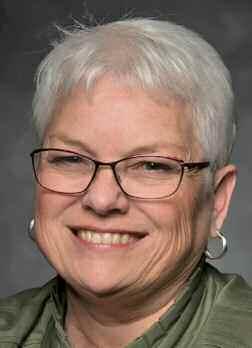
Cindy has been an active member with Personal Care Products Council’s committees including the Inter national Committee; Safety, Regulatory, and Toxicology Committee; and previously chaired the Global Science Polymer and Plastics Task force She also actively participates in American Cleaning Institute (ACI) committees.
n Maureen Zettel – Lucas Meyer
Topic: Natural vs. Synthetic Rheology Modifiers: Balancing Perfor mance, Sustainability, and Consumer Expectations
Maureen holds M S degrees in Chemistry and in Colloidal Science with emphasis in cosmetic for mulation from ESCOM and UTC, respectively, both French universities W ith over 10 years of for mulation experience in the cosmetic industry, she has worked on different sides of the Cosmetic Industry in the US She first started as a for mulation chemist creating numerous for mulas that were launched globally and gained valuable experience in scale up for Beauty Manufacturing Solution Corp, a cosmetic contract manufacturer in Texas. She is now Senior For mulation Manager at Lucas Meyer Cosmetics by Clariant to support customers’ technical needs in North America She manages employees in two labs across the US. One in New Jersey where she delivers training and customizes innovative for mulas for this market and one in Los Angeles where she built LMC’s second application lab.
n Ari Mayisoglu – Elementis
Topic: What Can Personal Care Lear n From Other Industries
Ari Mayisoglu is an Applied Research Scientist at Elementis with seven years of experience exploring the role of rheology in creating stable, high-perfor ming for mulations. He specializes in testing and interpreting rheology modifiers for personal care applications, translating lab results into practical insights for for mulators Earlier in his career, Ari supported decorative waterbor ne coatings through for mulation troubleshooting and technical service
Ari earned his degree in Chemistry from Rutgers University and is now pursuing a master’s in Chemical and Biochemical Engineering at Rutgers. He is passionate about making rheology more accessible to chemists and for mulators, bridging the gap between data and product perfor mance.
NYSCC Employment Section
Are you looking for a candidate that loves the personal care indu t h enjoys the thrill of designing a make-up product or shampoo? Or pe are seeking someone with expertise in raw materials Maybe you n help around the lab and could use a tenacious inter n who wants to start th in the personal care space.
The NYSCC Chapter supports you and your business with FREE postin our webpage. Contact employmentadmin@nyscc.org to have passionate candidates apply to your roles Recent postings include companies such as Lucas Meyer Cosmetics, Kenvue, Olaplex, and Symrise for roles in Sales, Marketing, For mulations, and Regulatory.


Below are some positions in the personal care industry that are currently posted on the NYSCC website. For a full description of the jobs, visit https://nyscc.org/jobs.
• Full-time Faculty Position in Cosmetics and Fragrance Marketing –Fashion Institute of Technology – New York, NY
• Principal Scientist, Process Engineer – Burts Bees – Durham, NC
• Application Chemist II, Claim Substantiation and Application Research –AppleChem – Parsippany, NJ
• Cosmetic Chemist (Freelance) – Body by Imani – Brooklyn, NY
• SaaS Account Executive – Registrar Corp./Cosmetri – Remote Location
• Personalized for mulations: AI-powered diagnostics, such as Revive’s skin and nutrition advisor, use selfies and lifestyle questionnaires to analyze 100+ facial markers (hydration, pigmentation, fine lines) and recommend tailored topical and nutritional regimens 3-4
Sustainability and Ingredient Sourcing
AI also plays a role in sustainable ingredient sourcing Dell’Acqua’s NYSCC Blog5 highlights how AI accelerates biotech-based far ming and metabolite production, reducing reliance on traditional far ming and minimizing environmental impact These approaches support resilient, sustainable supply chains for the future.
Personalization and Consumer Experience
Personalized beauty experiences are now a recognized driver of consumer loyalty 4 Smartphones, wearable devices, and virtual try-on tools collect vast amounts of personal data AI algorithms analyze this infor mation to tailor recommendations, track treatment efficacy, and deliver immersive shopping experiences
Final Remarks
AI is poised to transform the beauty and personal care industries by accelerating ingredient discovery, enabling personalized solutions, and improving sustainability.1 2 While enthusiasm is high, successful adoption requires careful attention to regulatory frameworks, data privacy, and ethical oversight 6 Addressing these issues through collaboration, education, and workforce development will be essential for responsible implementation
Looking forward, three themes stand out: (1) AI will accelerate discovery and product innovation; (2) regulatory, ethical, and workforce considerations must remain central; and (3) sustained investments in infrastructure and training will deter mine the speed and scale of adoption 7
References
1 Eppler, A R ; Ma, H Artificial Intelligence Beauty Revolution State of the Art and New Trends from the SCC78 Annual Meeting Cosmetics 2025, 12 (2), 73 https://doi.org/10.3390/cosmetics12020073
2 Xin, H ; Virk, A S ; Virk, S S ; et al Applications of Artificial Intelligence and Machine Lear ning on Critical Materials Used in Cosmetics and Personal Care For mulation Design. Curr. Opin. Colloid Interface Sci 2024, 73, 101847 https://doi org/10 1016/j cocis 2024 101847
3 Hash, M G ; Forsyth, A ; Coleman, B A ; Li, V ; Vinagolu-Baur, J ; Frasier, K M Artificial Intelligence in the Evolution of Customized Skincare Regimens Cureus 2025, 17 (4), e82510 https://pmc.ncbi.nlm.nih.gov/articles/PMC12085869/.
4 Hashimoto, W ; Kaneda, S A Smartphone Application for Personalized Facial Aesthetic Monitoring Skin Res Technol 2024, 30, ePub ahead of print https://bibbase.org/network/publication/ hashimoto-kaneda-asmartphoneapplicationforpersonalizedfacialaestheticmonitoring-2024
5 Dell’Acqua Ingredient Sourcing and Sustainability: The Growth of Vertical Far ming and Biotech NYSCC Blog. https://nyscc.org/blog/ingredient-sourcing-and-sustainability-the-growth-ofvertical-farming-and-biotech/(accessed Sept 24, 2025)
6 Yadav, N ; Pandey, S ; Gupta, A ; Dudani, P ; Gupta, S ; Rangarajan, K Data Privacy in Healthcare: In the Era of Artificial Intelligence Indian Der matol Online J 2023, 14, 788–792 https://pmc.ncbi.nlm.nih.gov/articles/pmid/38099022/.
7. Georgievskaya, A.; Tlyachev, T.; Danko, D.; et al. How Artificial Intelligence Adopts Human Biases: The Case of Cosmetic Skincare Industry AI Ethics 2023, 2, 212–214 https://link.springer.com/article/10.1007/s43681-023-00378-2
About the Author
Prem Sreenivasan, Ph D , is an experienced clinical research professional with expertise in R&D, drug development, and medical affairs developing strategic partnerships for innovation globally He has led global product launches with unique clinical claims He is a member of the NYSCC Scientific Committee and volunteers at several national scientific organizations in the health and wellness space.
NYSCC History Project ...Steve Herman NYSCC History Project ...Steve
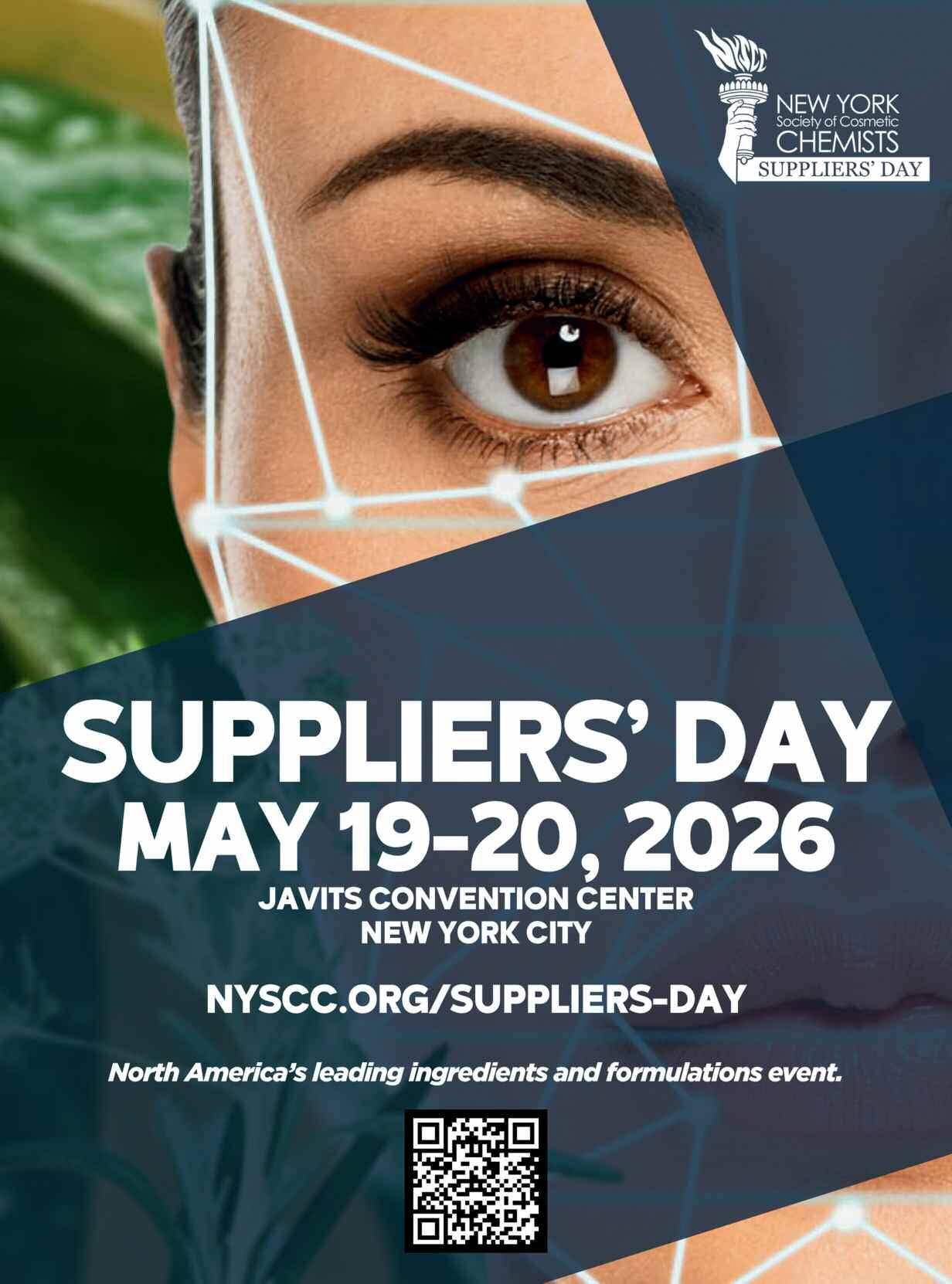
Reminiscence of Planning the First Suppliers’ Day
Geoffrey Brooks was on the committee to plan the first Suppliers’ Day event in 1979-80. His recollection is as follows:
At that time, I worked for Croda, Inc. in Technical Sales and Marketing. My father, Donald Brooks, was Managing Director, BPS Exhibitions Ltd, Brighton, UK. He had organized and run a series of very successful trade exhibitions since 1960 in the UK and US; these included FoodPack (food packaging), Interphex (Phar ma), Oceanography (marine, oil, and gas drilling) I asked him for guidance He provided 3 basic questions for advice:
1 Who do you want to come?
2. W ill they be able to?
3 Would the ingredient suppliers exhibit?

At the time, there was a “tension” between the ingredient suppliers and the personal care research departments, as keeping trade secrets was more important than the benefits of sharing infor mation openly
The objective was to encourage junior chemists and technicians by giving them an opportunity to talk directly to suppliers that they rarely had before; rather than top R&D managers doing it, which was revolutionary at the time!
An action plan was put together by the committee.
1 Letters were sent by the NYSCC to all senior R&D directors of major companies in the New York chapter area, urging their support, allowing their lab staff effectively an after noon off to attend The event would enhance their staff ’ s understanding of the industry. I personally discussed this event opportunity with senior lab personnel at companies such as Avon, Chesebrough Ponds, Clairol, Pfizer, Mennen, and many other companies with excellent buy in. Other society members, such as Lou Frischling of Lipo, did the same
2 Several suppliers provided the NYSCC with lists of R&D, Supply Chain Management, and Marketing personnel who were not members to amplify their mailing efforts
3 These efforts to promote the NYSCC’s first event, by encouraging attendees and industry management support, were used to get suppliers to participate. It was expected that about fifty or so suppliers would pay to participate The cost for them was minimal In the end sixty-six exhibited.
The initial event ran for one day, from noon to 6:00 p.m. It was very well attended!
Call for Papers
The Cosmetiscope editorial committee invites all interested parties to submit feature technical articles for publication in the NYSCC monthly newsletter. Authors of feature articles are eligible to win the prestigious NYSCC Literature Award ($1,000) for the best front-page article published during the calendar year Authors also receive $200 reimbursement to attend a theatrical perfor mance of their choice Writing an article for your peers is a very rewarding experience, both personally and professionally, and will ensure your place in NYSCC history. You may choose whatever topic you feel would be interesting to fellow colleagues in our industry We also welcome any other types of commentaries or articles that may be published in the Career Corner, Technical Tidbit section, or as a Letter to the Editor
Please send correspondence to: roger mcmullen@fdu.edu



CSR program
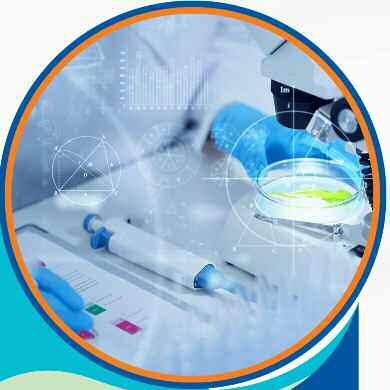
Demystifying Biotechnology: 360° Look from Ingredient to Brand
November 12, 2025
10:00 a.m. – 4:00 p.m.
Liberty House Wedding and Event Venue
76 Audrey Zapp Drive, Jersey City, NJ
Biotechnology is transforming the beauty and personal care industry, unlocking new frontiers in ingredient innovation product performance, and consumer engageme This session offers a comprehensive exploratio the biotech ecosystem from scientific discov brand execution through the lens of industry
Our Experts Include:
• An Award winning and biotech disrupting for mulation consultant who will share practical insights on biotechnology.
• A high-tech brand pioneering the use of advanced technologies
• Two ingredient suppliers presenting cutting-edge technology platfor ms on exosomes and neurocosmetics
• A regulatory expert addressing the evolving compliance landscape for biotech ingredients
Attendees will gain a 360° understanding of how biotech is driving innovation across for mulation, branding, and regulation empowering brands to deliver high-perfor mance, science-backed products that resonate with today’s conscious and tech-savvy consumers
Online Registration Prices
• Early Bird Members Tickets: $10 (Use Promo Code BIOTECH for a free ticket! There is a limit of 50 free tickets.
• General Members Tickets: $25 (After 11/5)
• Non-Member Tickets: $125
• Student Tickets: FREE
• Emeritus Tickets: FREE
Valet Parking
Attendees must validate ticket before leaving the event
Speaker Biographies
n Krupa Koestline – Clean Cosmetic Chemist, Biotech Expert and Founder of KKT Labs
Krupa Koestline is the beauty industry’s clean chemistry disruptor rewriting the rules with bold science, sustainable innovation, and zero tolerance for BS As the founder of KKT Innovation Labs, she’s behind some of the most fearless for mulations on the market where biotech meets Ayurveda, perfor mance meets purpose, and every ingredient ear ns its place
After cutting her teeth at Estée Lauder and Neutrogena, Krupa walked away from corporate comfort to build her own lab one that prioritizes planet, perfor mance, and proof. Today, she’s developed over 600 high-impact products, from bestselling launches to category disruptors that prove sustainability and science aren’t mutually exclusive they’re the future
Awarded the 2024 Florence Wall Cosmetic Chemist Award and named one of Beauty Independent’s
Top 30 Product Developers, Krupa is the industry’s go-to person when brands are ready to level up. She doesn’t follow trends she builds what’s next
n Alisar S. Zahr, Ph.D. – Senior Director of Research and Clinical Development, Revision Skincare, Irving, TX
Dr. Alisar S. Zahr is the Senior Director of Research and Clinical Development at Revision Skincare She is responsible for product innovations, for mulation, and conducting clinical studies for new product launches as well as marketed products She is responsible for a team of clinical scientists focused on disruptive innovation and measurable clinical results Dr Zahr collaborates with marketing as well as inter national, domestic, and strategic sales to ensure the product innovations and benefits can be translated to physicians, their staff, and patients
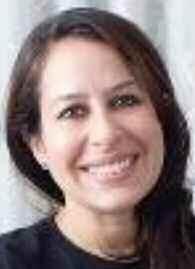
Dr. Zahr is considered a subject matter expert in for mulation of sun-care products as well as anti-aging treatment innovations Throughout her career in the personal care industry, she has for mulated and successfully brought products to the market, such as Neutrogena, Roc, Clean & Clear, Aveeno, and eltaMD. As evident from Dr. Zahr’s prior work experience, she is passionate about cosmetics and is focused on creating products for healthy, beautiful skin.
Dr Zahr received a B S in Chemical Engineering at Villanova University and her Ph D in Chemical Engineering from The Pennsylvania State University (PSU), under the leadership of Dr Michael Pishko She has also received post-doctoral training at the University of Califor nia Santa Barbara (UCSB) under the mentorship of Dr Samir Mitragotri and at Schepens Eye Research Institute an affiliate of Harvard Medical School, Department of Ophthalmology under the mentorship of both Dr. Patricia D’Amore and Dr Pablo Argueso She has published papers in peer-reviewed jour nals and patented innovations while at PSU, UCSB, Schepens Eye Research Institute, and Johnson & Johnson Consumer Products
n Simone Swafford, D.Sc., M.S.
– CEO and Founder of Vogue Regulatory LLC
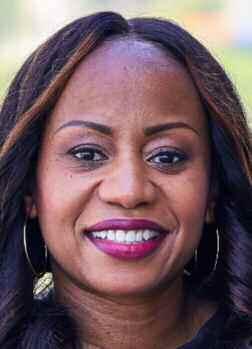
Dr. Simone Swafford is the CEO and Founder of Vogue Regulatory, LLC. Before establishing Vogue Regulatory, Dr Swafford worked for small to largesized companies in the beauty, personal care, consumer healthcare, and dietary supplement industries, and has almost 20 years of experience in US and inter national regulations Dr Swafford graduated with both a master’s degree, and the only one of its kind, doctorate in Regulatory Science from the University of Souther n Califor nia She has given the cosmetics lecture in the Introduction to Medical Product Regulations course at USC and has also written the Cosmetics chapter in the USC regulatory textbook, “An Overview of FDA Regulated Products: From Drugs and Cosmetics to Food and Tobacco ” Dr Swafford is passionate about advocating on behalf of the beauty industry In her free time, she serves on the Gover nment and Public Relations Committee of a non-profit trade association that represents entrepreneurial beauty brands. She is married to her husband Mickey, and together they live with their beautiful family in Chattanooga, Tennessee
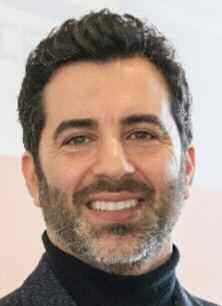
n Daniel Pando Rodríguez – Co-Founder and Chief Executive Officer, Nanovex Biotechnologies and INder mal
Daniel Pando Rodríguez has over ten years ’ management experience as the Co-founder and Chief Executive Officer of Nanovex Biotechnologies He has a scientific background, holding a Chemical Engineering degree with specialization in bioprocesses as well as a master’s degree in Environmental and Process Engineering After finishing his doctorate studies on Niosomes, emulsions, and interfacial phenomena, he complemented his technical knowledge with an MBA and a master’s degree in Project Management He is now committed to the business development of Nanovex and its cosmetic brand INder mal.





NYSCC Outreach Committee





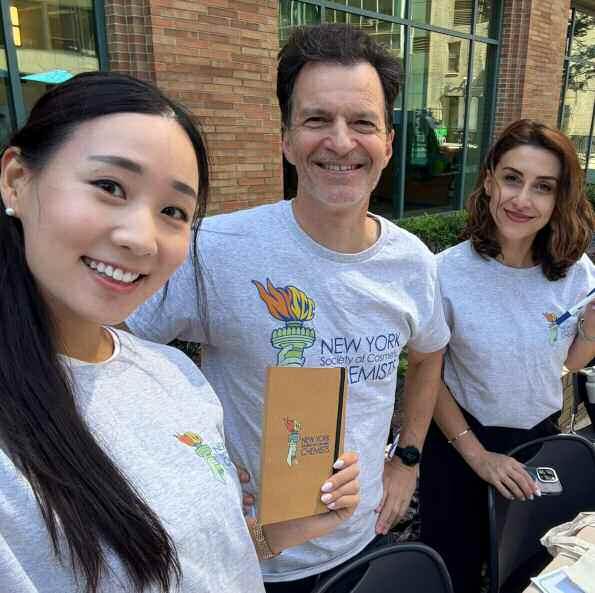
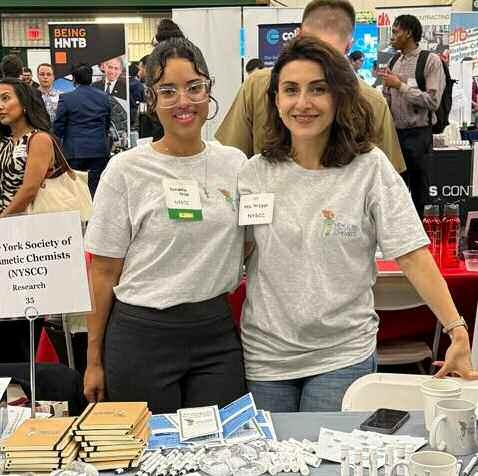
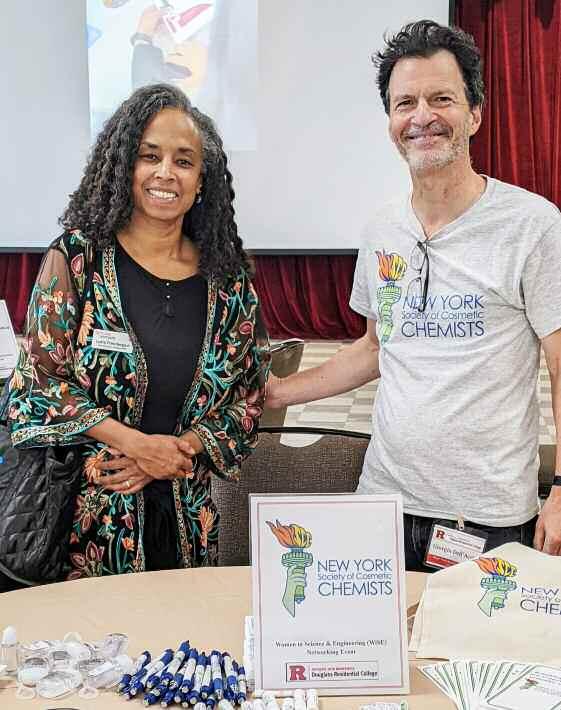
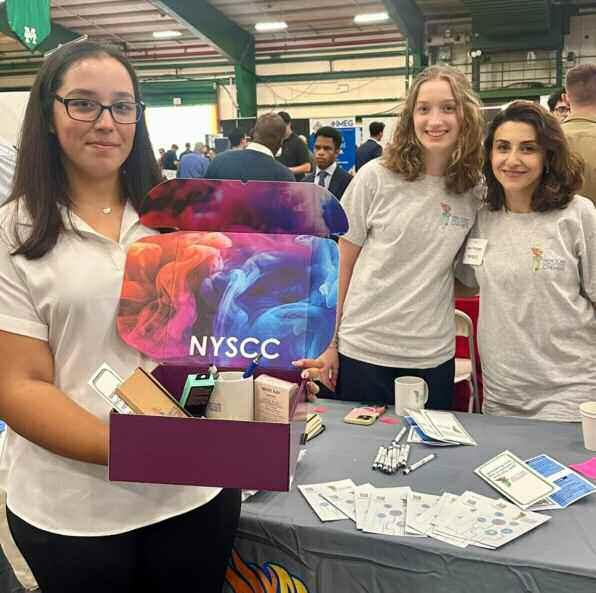
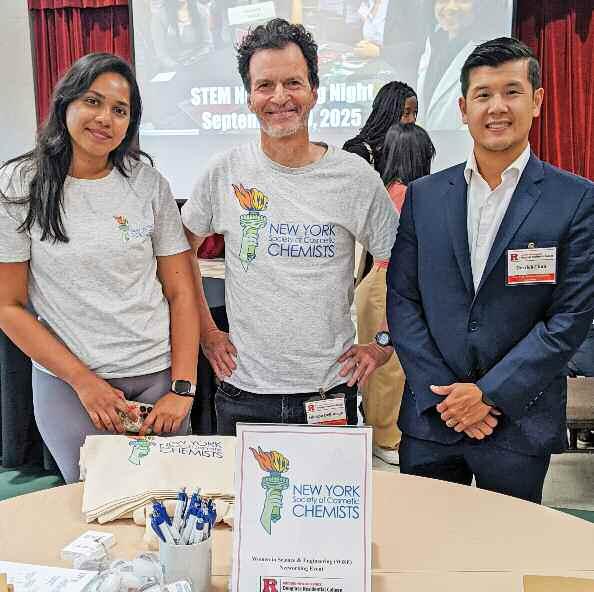
What a September for the NYSCC Outreach Committee On September 11, with the mission of bringing awareness about the cosmetic industry and the NYSCC, members of the committee visited Long Island University (Brooklyn Campus) for their annual career fair The event was a blast and the committee engaged with hundreds of students That day 81 undergraduate students signed up for the SCC! W ith the same mission in mind, we
Douglass College for their STEM event while the very same day other committee members were present at the Manhattan University Career Fair! During both events we were able to engage and drive interest to the NYSCC Also, during those events we were able to sign up more than 50 students eager to join the SCC! More to come in October and November when we plan to visit Drew University, NYU, Lehman College, and Stevens! Follow us on social media and if you are interested in joining this committee let us know! Please contact us at: outreach@nyscc.org



























































S a v e t h e Da t e . . . S a v e t h e Da t e . . .
Demystifying Biotechnology: 360 Degree Look from Ingredient to Brand
November 12th 10:00 a.m. – 4:00 p.m.