


We respectfully acknowledge the Traditional Owners of the land on which we stand, the Wurundjeri Woi-Wurrung and Bunurong Boon Wurrung peoples of the Eastern Kulin Nations. We pay our respects to their Elders past, present, and emerging, and acknowledge the ongoing connection of Aboriginal and Torres Strait Islander peoples to the land, waters, and culture. We recognize the strength, resilience, and richness of Aboriginal and Torres Strait Islander cultures and commit to reconciliation, justice, and equity.
About the course and studio, meeting the faculty and the team.
The compact city studio’s guide to Livable Neighborhoods.
Unraveling the methods of learning
Outlining the required skills for the job
Studio summaries (Gordon Street Neighborhood)
Group and individual takeaways
This publication is a corroborating effort that articulates and reflects on the author’s journey of learning as a group, using the studio content and intensive weeks as a framework to delve into the critical role of urban planning in enhancing livability outcomes.
In order to create sustainable and thriving environments, this exploration encompasses a comprehensive analysis of how urban planning, as a profession, can address and mitigate the challenges faced by contemporary cities. The publication aims to contribute to the broader discourse on urban planning and inspire future planners to prioritize livability in their professional endeavors through the experiences and insights of the authors.
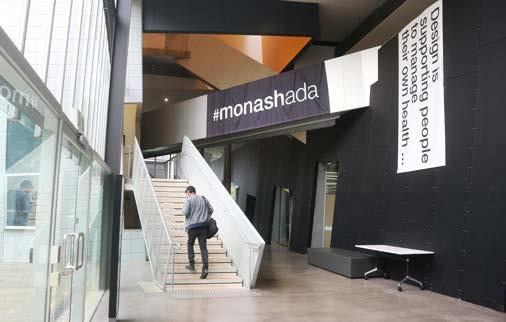
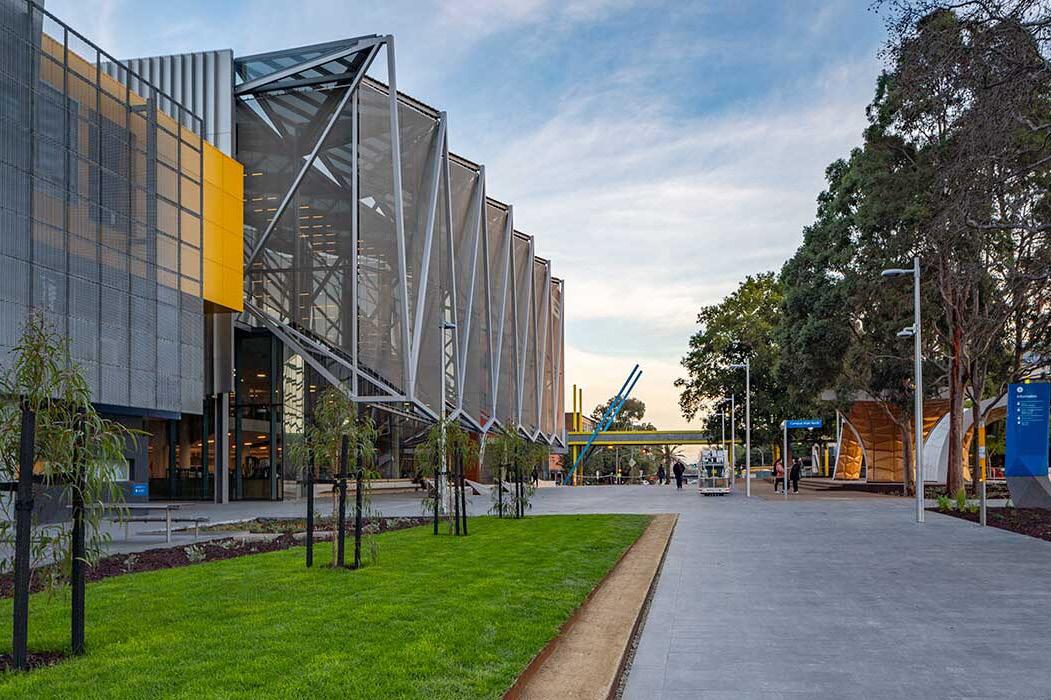
Monash is an internationally recognized university that is known to engage in innovative research, holds diverse cultures, and is committed to excellence. It encompasses vibrant hubs of academic and cultural activities and thrives at educating students coming from more than 170 countries all around the world with a perspective that crosses fields of knowledge and cultures.
The prestigious university is known for maintaining strong connections with industry and community, thereby facilitating the translation of research findings into real-world applications, driving social and economic progress. Monash’s dynamic and inclusive environment fosters innovation, critical thinking, and a commitment to addressing the world’s most pressing challenges.
Accredited by the Planning Institute of Australia, the Masters of Urban Planning and Design (MUPD) degree offers a robust and comprehensive education that addresses the design perspectives of place and space. Through it’s collaborative and multidisciplinary approaches, it aims to nurture the next generation of creative planners to go beyond solving problems and understanding urban landscapes.
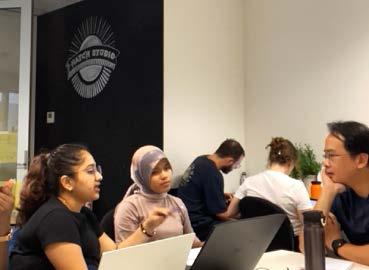
The Masters in Urban Planning and Design Course at Monash is crafted to equip students with the ability to create functional, aesthetically pleasing urban landscapes and spaces that are conscious of the environmental and human needs. It entails a coverage of topics like transportation, housing, open spaces, community development etc. Monash tailors this program to emphasize practical skills alongside theoretical knowledge to prepare students for careers in the Urban Planning and Design field. To tackle challenges in the urban realm, this program
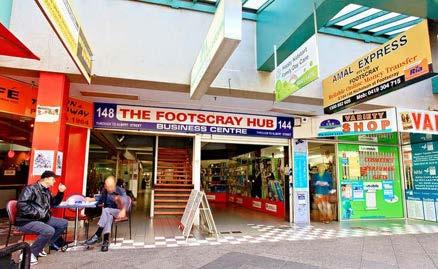
introduces four studios for each of the four semesters of the course. The project title for this semester is the ‘Compact City
Studio: Targeting a more livable Footscray’ with the City Council of Maribyrnong as its hypothetical client. This studio-based subject elaborates planning theories and practices through Footscray to help students grasp the concepts and become wholesome professionals that can ably identify the communities’ needs and contribute to improving the livability of our cities.
The Compact City studio was coupled with a ‘Professional Practice- Urban planning and design communication’ unit, which was delivered as an intensive course over a two week period. This was carried out in Footscray at the Footscray Connectivity Center on Nicholson Street. The unit emphasized on the fundamental planning skills required to convey information and concepts using various techniques, as well as familiarize students with the professional skills, conduct, and principles of planners for practicing in the real world.
Dr. Suzanne Barker
(Senior Lecturer, Urban Planning and Design, Department of Architecture)
Suzanne’s background and experience in urban planning, design, and stakeholder engagement provided us with real-world examples, thus contributing to a better understanding of different themes through the lenses of her knowledge. During the studio, her expert training in spatial data and processing encouraged us to cultivate critical thinking skills to produce high quality data and analysis.

“Hailing from a multicultural India and shaped by the dynamic landscapes of Oman, my journey as an architect is a vibrant blend of diverse influences.
Now, as I delve into the realm of urban planning and design, I am driven to create sustainable, inclusive spaces that harmonize with their surroundings and address the evolving needs of the communities.”
“I come from Uganda, a vibrant and developing country that shaped my undergraduate studies in Property Valuation and Management. This ignited my fascination with Urban Development, compelling me to pursue a master’s degree in this domain. Currently, I am relishing the opportunity to expand my knowledge and skills in the growth of thriving cities from this studio.”
Ms. Katherine Sundermann
(Senior Lecturer, Department of Architecture)
As a professional architect and experienced urban designer and planner, Katherine’s proficiency in master planning and strategic planning policies for affordable housing and urban regeneration enriches us with insights into the professional world of practice. Her unique method of teaching using case studies helped us understand and incorporate similar techniques of thinking and approach.

“I started my career as a Planning Assistant at Gadjah Mada University in 2019. I currently work as a public employee at Land and Spatial Planning for the Department of Yogyakarta Province, Indonesia. My experience in this studio has been a fantastic one, owing it to the exceptional guidance from our experienced professors.”
“Since 2013, I have been a Development Manager in residential real-estate in Australia and internationally. My background is in engineering with a degree from The University of Cambridge. My motivation for enrolling in this course was to increase in-depth knowledge, and to improve my alignment with urban planning goals.”
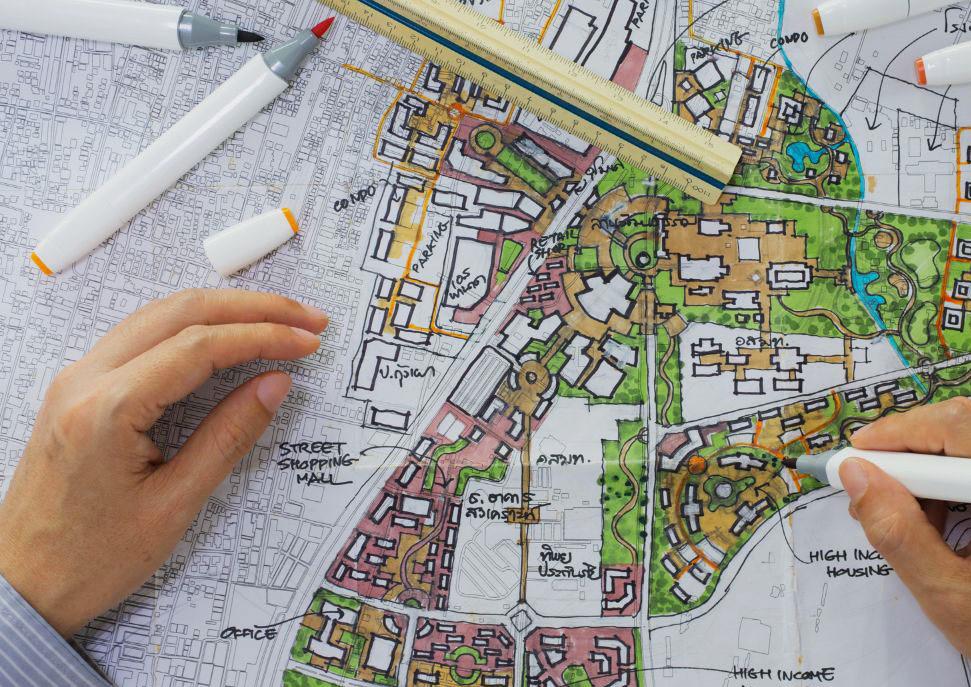
Creating livable space and place requires integrated planning across multiple sectors and levels of government. Through the studio, we learn how to integrate spatial plans between departments and collaborate with the Maribyrnong City Council.


Planning for the local economy is one of the main methods of achieving financial sustainability. Footscray has a rich industrial history and the studio’s teachings helped gain insights on how we could enhance the economic attractiveness of the precincts.
Public green spaces are pivotal elements for neighborhood livability. It plays a role in mitigating the effects of pollution and encourages healthy life, thus making ecological aspects an integral part of the studio’s concern.
Provision of stable housing is important to social equality with housing being a fundamental human right and a basic need. The Footscray studio covered methods of identify housing needs and provision schemes in order to ensure fairness in housing distribution is achieved.
Community engagement is an important segment of a successful urban planning process. While planning for Footscray, we explored the perspectives of the culturally diverse communities, a sense of belonging, community connections, and their importance in place making.
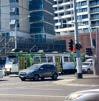
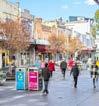
Mobility is a another critical aspect. This not only involves physical movement, but also the right to perform everyday activities. The studio discusses the public transportation system, and its role in supporting a livable environment.
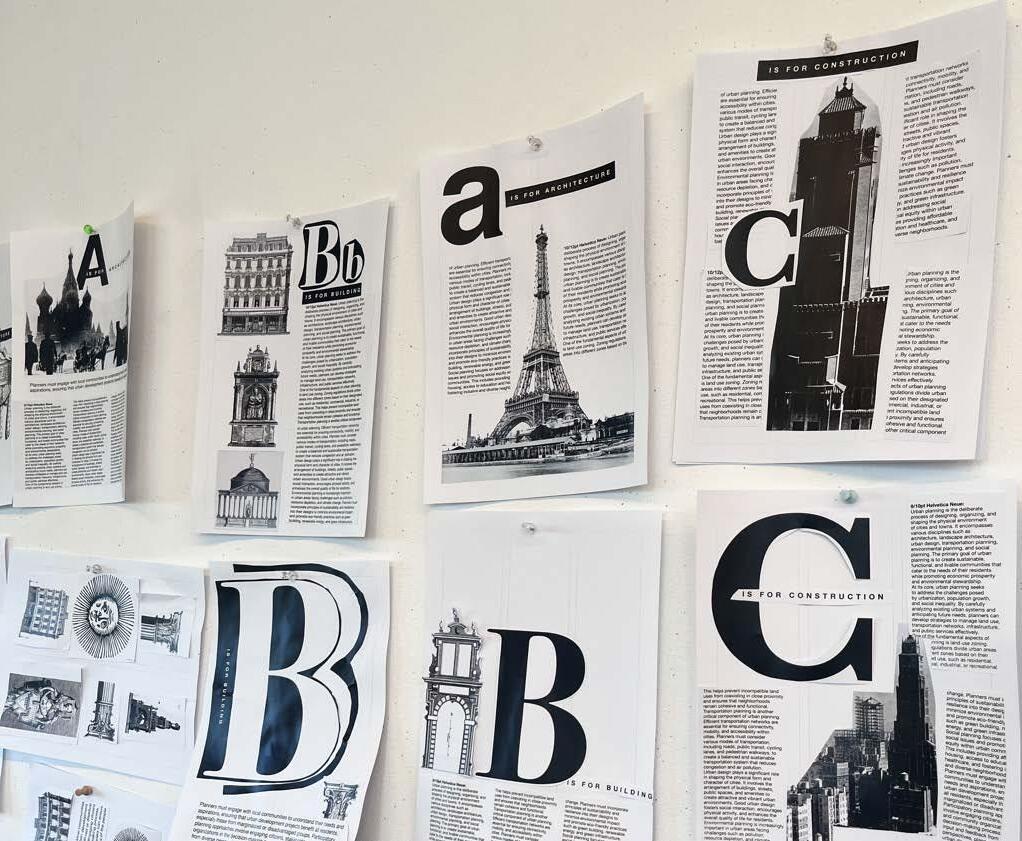
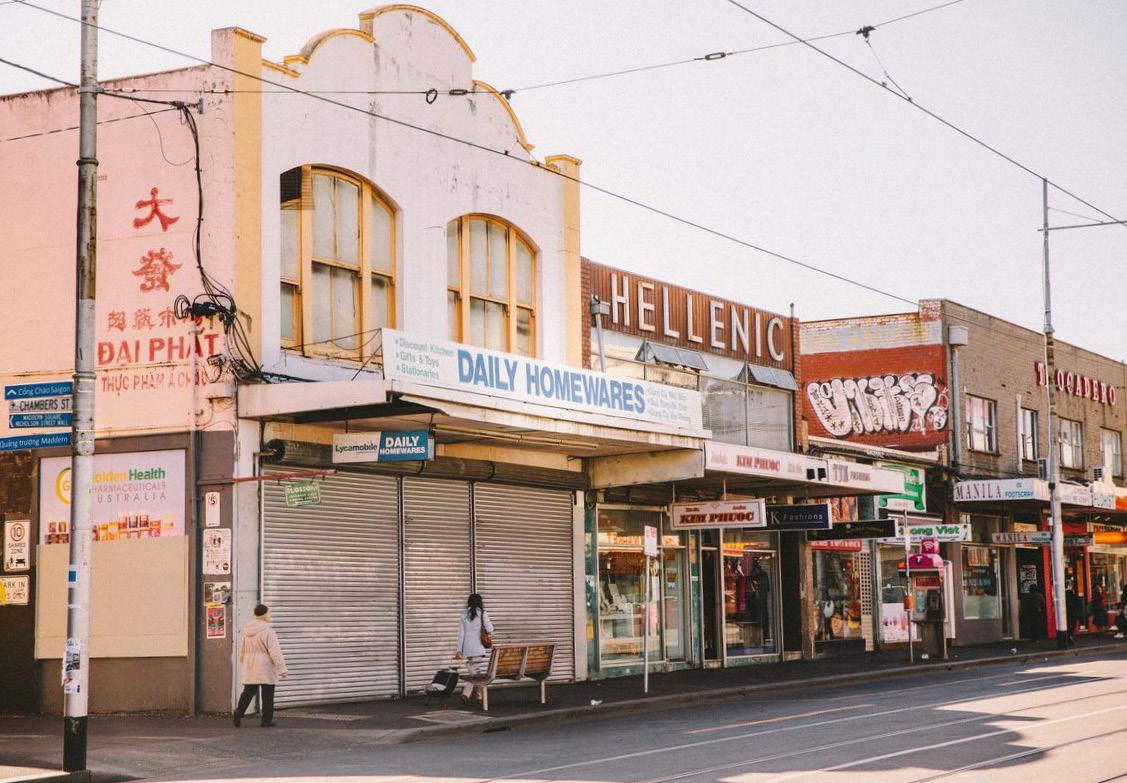
In order to breakdown the broad concept of ‘Compact City’, the course structure looked at Footscray as a case study. This vibrant multicultural suburb of Melbourne served as the focal point of exploration in the studio. Its selection was based on its diverse population, cultural wealth, intricate urban challenges and its potential as the anchor point of Melbourne’s West.
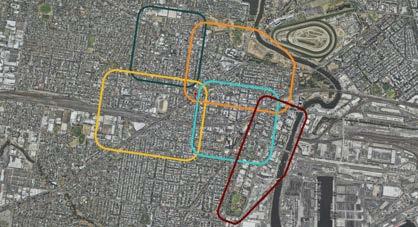
The selection of this case study involved dividing Footscray into five precincts and among five groups. Our group was assigned the Gordon Street Precinct. This method was strategic as it immersed us in Melbourne’s urban environment and allowed us to connect theoretical knowledge with practical experience, thereby enhancing our understanding of urban planning principles through direct engagement.
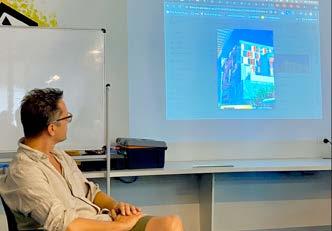
Our exploration of Footscray has extended beyond surfacelevel observations as it involved thorough research, site visits, and engagement with local stakeholders. The studio comprised of lectures from various industry professionals to aid in the learning process.
We had guests from the City of Maribyrnong, professional photographers, research experts, and urban planning experts. They shared their expertise with identifying and analyzing issues and coming up with possible solutions to the current planning predicaments in order to create a more livable Footscray.
At the start of the semester, we were made to form collaborative groups on the basis of our varied backgrounds. This ensured that every group was equipped with diverse skills and perspectives and encouraged the idea of adapting, adopting and learning from each other. Each group was assigned a specific precinct within Footscray and this diversity encouraged group interactions whilst boosting the learning experience.

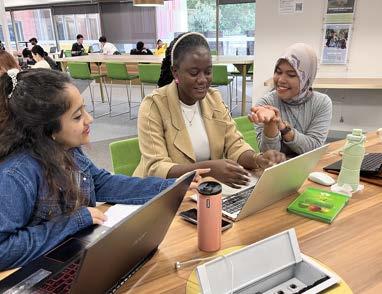
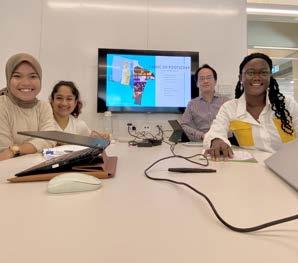
Group discussions served as a medium for cultivating ideas, exchanging thoughts, and untangling the concepts of the studio. We joined forces to craft presentations that articulated our understanding of place, findings and propositions.
We were also given the opportunity to get involved in workshops together, which provided practical tools and skills to address urban issues, granting us the ability to process theoretical concepts into action.
To have a better learning experience, we had a two week intensive studio session in Footscray. This promoted a deeper understanding of the project as we were able to see everything we discussed in real time.
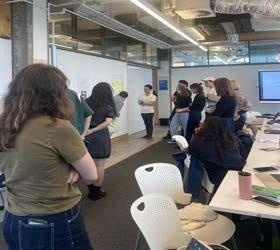
The studio settings and sessions offered a wholesome learning experience in a way that they provided a space to interact and share views, engage in hands-on activities and participate in design exercises.
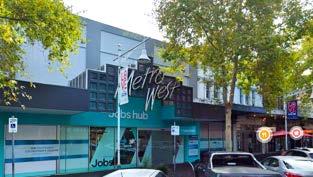
The guided tours with the City of Maribyrnong council and individual visits to each of the allocated precincts proved to be eye-openers into the challenges faced and enabled us to critically think of opportunities to improve the neighborhoods.
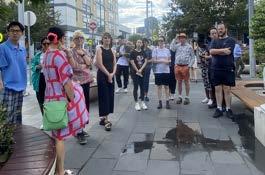
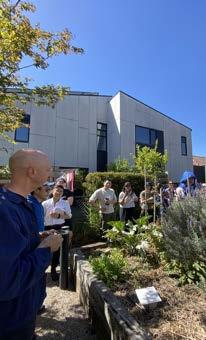
Neighborhood visits a.k.a. field trips to projects like the Nightingale Village in Brunswick, Studio Nine in Richmond and Clyde Street Mews in Thornbury helped us to get a better idea of what aspects contributed to a livable neighborhood.
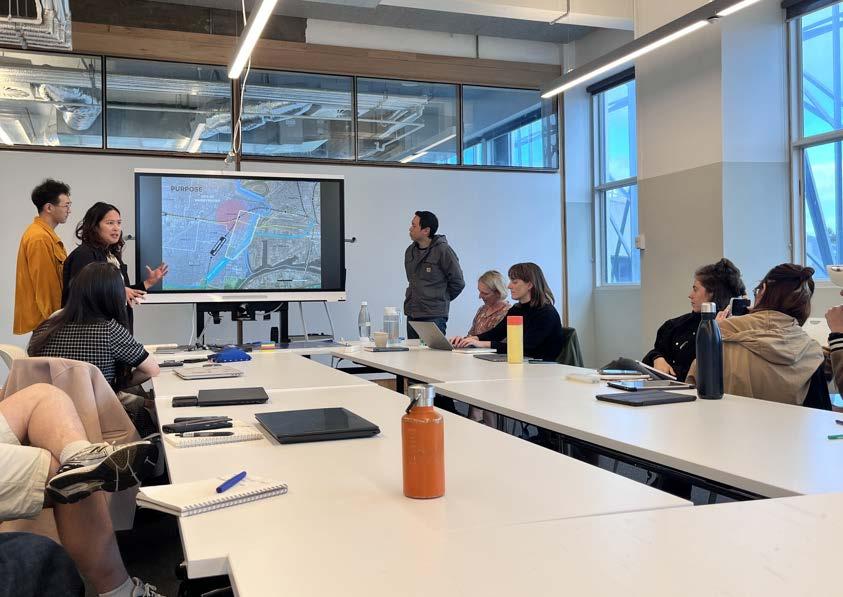

Stakeholder Engagement
Spatial and Critical


Creative Design and Presentation

Urban Planning and Design is an interdisciplinary field that demands an array of abilities known as urban planning and design ‘skills’ to aid planners in the creation, design and management of land. These assist them in supporting the growth, accessibility, and economic and social development of the urban areas as well as effectively tackling the challenges of enhancing our built environments.
During the course of the studio, students were encouraged to develop, practice and enhance a variety of skills ranging from researching, analyzing, and mapping to creating and designing presentations to convey their findings and ideas within set time limits.
In addition, students were also trained to keep in mind and apply ethical practices such as professional integrity, transparency and accountability, equity and inclusivity, sustainability, and public participation.
Additional support was provided in the form of special design classes that focused on mastering the Adobe Suite softwares (Photoshop, Indesign and Illustrator), catering mainly to students from non-design backgrounds to help them improve their design skills.
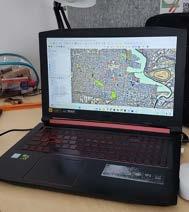
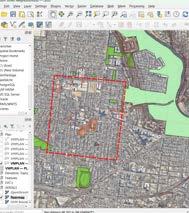
Representing information in a concise, clear and creative manner; and being able to communicate the message to people from non-design backgrounds is a vital skill that we as budding urban planners and designers continually cultivate for success in the field.
The ability to use technological tools and softwares like QGIS is crucial for data analysis and visualizations. These skills along with Adobe Suite softwares were adopted through the studio to help us understand geography, area plans, demographics, spatial structures, and land-use regulations and translate this data into creative presentations.
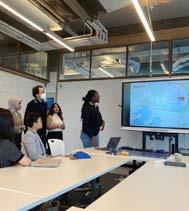
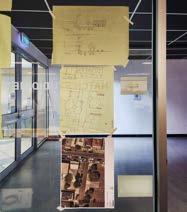
Techniques for critical and analytical thinking involve interpreting the conditions of urban areas by creating and studying maps, plans, and sections. The continuous engagements in the studio helped us analyze the primary causes of any issue and exercise our problem-solving abilities.
As planners and designers, engaging with different stakeholders provides a direct understanding of problems. Utilizing this understanding and collaborating with several interdisciplinary teams result in efficient partnerships and developing holistic and inclusive solutions.
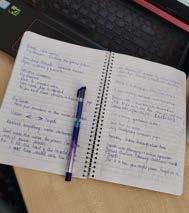
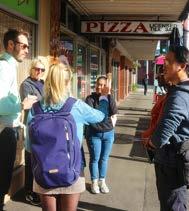
Methods of documentation such as note-taking and photography are important skills that urban planners and designers use to maintain important information and observations that come handy while preparing reports and devising effective solutions.
In order to collect and analyze data, recognize patterns, and evaluate the effects of proposed initiatives, planners and designers need to possess strong research skills. Several activities throughout the studio helped us acquire these techniques enabling us to make evidence-based decisions and develop solutions tailored to specific contexts.
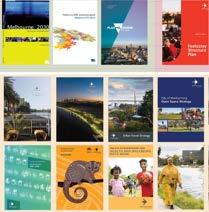
“ Learning and refining such essential skills helped us throughout the semester, especially for reviews presented in front of the City of Maribyrnong Council. This was an effective method of introducing us students to ethical practice and gave us a gist of the professional world.“
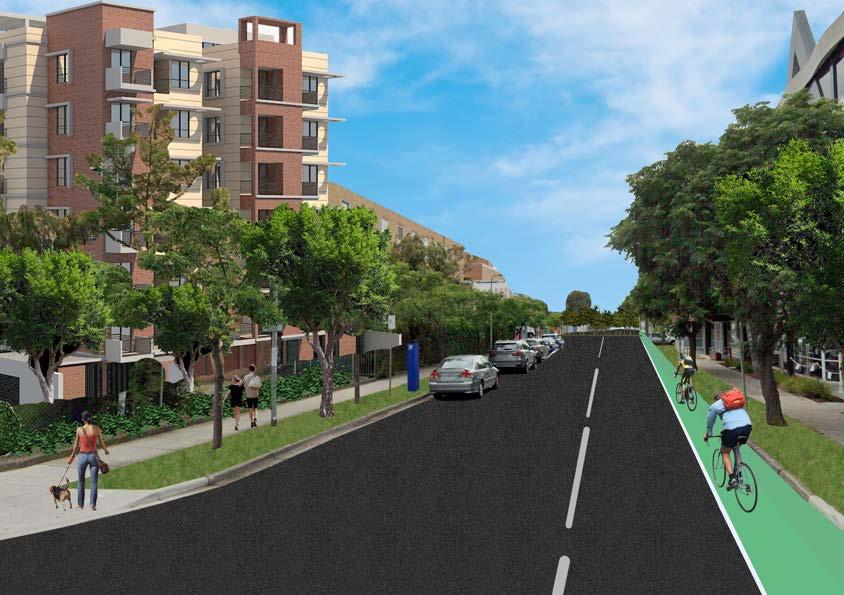
This section aims to highlight the key findings and outcomes of the Gordon Street neighborhood project.
As urban planners, our role extends beyond just designing spaces—it involves nurturing and sustaining the cultural and historical fabric of the communities we serve. Thus, before planning for the problem areas, it is crucial to get an understanding of the background and culture associated with the area. A brief of the findings is as discussed.
Footscray is known for its multiculturalism associated with the presence and influence of the Wurundjeri Woi Wurrung and Bunurong people as well as various immigrant cultures displayed through the eateries and businesses along its streets. This cultural diversity is integral to the area’s identity and the cultural connection to this land greatly influenced and continues to influence the values and cultural expression.
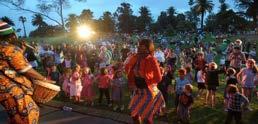
The history of settlement on the land on which Footscray sits was greatly associated to the “Saltwater River” present day Maribyrnong River as it was a source of livelihood to the people.
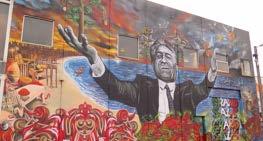
Following the Second World War, many migrants and refugees arrived from all over the world which explains the diverse cultural presence within the streets of Footscray. Franco Cozzo was one of prominent immigrants to live in Footscray and strongly contributed to its history.
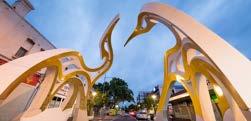
Footscray is a significant activity center in Melbourne serving as a gateway to the city’s west. It is as a hub for a number of mixed uses such as retail, civic, economic, commercial, education and health activities, catering to a varied range of cultural backgrounds and adding to the vibrance of Melbourne’s western suburbs.
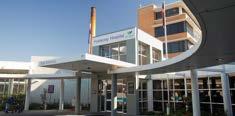
The Gordon Street Precinct is home to Footscray’s major hospital also known as the “People’s Hospital”, as it was constructed through the local community’s contributions. This hospital was born out of the need for health care at a time of crisis in the early 1920s, and a group of people decided to set up a facility to provide health care. Its relocation is disheartening to the community as it holds great significance in Footscray as well as Melbourne’s western suburbs because of its role as the “Western Health Hospital.”
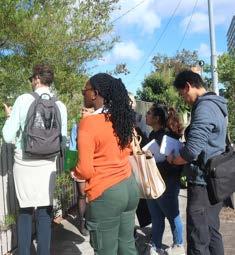
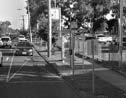
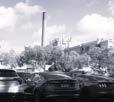
There were several processes involved in identifying the prevalent issues and potential opportunities for the neighborhood. Steps included investigating the current conditions of the Gordon street neighborhood through site visits as well as conducting secondary data analysis from database trends. Additionally, engaging with stakeholders gave us a clearer idea of what the community desired for the precinct and helped us come up with creative solutions. The former hospital site was recognized as a potential area to address the identified challenges within the precinct.
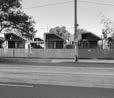
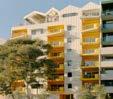
Lack of diverse housing options including social housing, affordable housing, and short stay options to support different needs.
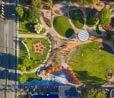
Scarcity and limited access to open green spaces reducing their accessibility and appeal to residents and visitors.
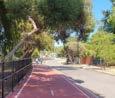
Lack of bicycle routes and permeability within the precinct which restricts mobility within the site connections to other areas outside the precinct.
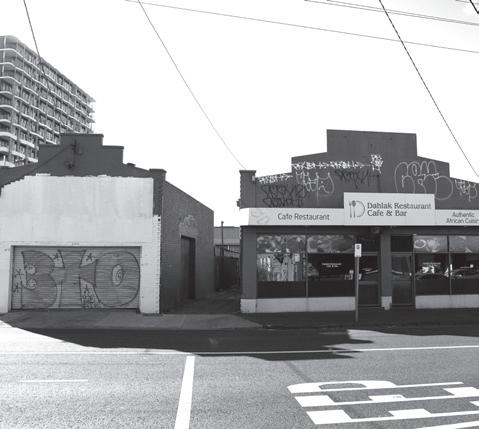
Lack of street activity resulting in an underutilized urban space that diminishes the vibrancy and appeal of the precinct.
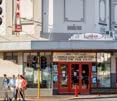
Provision of inclusive and diverse housing options to generate more housing and accommodate the expected population growth in 2051.
Development of hospital carpark to become a public open space that would be accommodating of all age-groups and improve the environment quality.
Increase site connectivity and improve bike riding connections to encourage active transportation in the neighborhood.
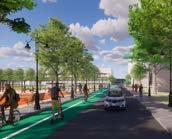
Create attractive streets to attract more visitors and enhance activation by expanding walkways and adding trading zones for shops.
The vision and strategies for this precinct were synthesized from the compact city concept which relates to density, sustainable transportation, and green space. In order to execute the vision, we came up with four guiding principles along with targets for the desirable outcomes.
5,698 target dwellings in 2051
It is projected that in 2051, the population in Gordon Street neighborhood will grow by 40%, i.e. approximately 12,100 people.
More housing typologies
To meet the housing needs of increasingly diverse residents and household types in Gordon Street Neighborhood.
Increase canopy coverage to at least 30%
This measure will improve the environment quality and help mitigate urban heat island effect within the precinct.


Public green open spaces for all
In order to enhance the livability of the Gordon Street precinct, it is necessary to address the lack of accessible green open space and provide the necessary.
“Gordon Street Neighborhood will be a demonstration project for diverse housing and active life styles focusing on mental wellbeing, through the creation of a community-oriented development. It aims to continue supporting the surrounding health network, and create walkable connections to the new Footscray Hospital.”

In order to encourage active lifestyles and establish a connection to the new Footscray Hospital, attempts to make the neighborhood more walkable were made.
Safer cycling along the streets
Dedicated bike lanes along streets in within the precinct aims to encourage active transportation.


Optimize land-use and manage parking 2000 sq.m of nature for health and well-being
Effective parking management is essential for managing parking spots and traffic flow in the Gordon Street precinct.
spaces in the precinct
These are designed to promote social and cultural community-oriented activities.
Improve street activation and local economy
Revitalizing the vacant buildings and providing social infrastructure would contribute to the enhancement of street activity in the precinct.
Providing support and giving importance to mental health and well-being through nature is crucial to create healthy livable neighborhoods.
The approach to improving the livability was divided into five strategies. The five maps below (from left to right) depict the housing strategy, mobility and connectivity, open space, green corridors and social infrastructure strategies. As urban planners and designers, our strategies need to aim to be holistic, and take into consideration how each solution interconnects with the other and intra-connects to the precincts outside. Separating out the strategies by themes is a common method for planners; it helps with presenting information and delineating actions.
The housing strategy (first map) addresses the need for public housing, which includes Neighborhood housing, short-stay accommodation, and affordable housing.
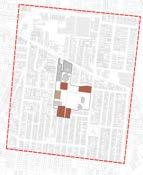
Improving bicycle paths and infrastructure using our mobility and connectivity strategy will provide a multi-deck carpark (second maporange building), dedicated cycling lane ways, and integrated parking facilities.
The open space strategy provides a much needed park (green area in the centre) and relaxation space (yellow area near the centre) for the neighborhood. It helps address mental health concerns and tackles the on-going climate crisis. The open space will retain existing trees and plant new vegetation to improve Footscray’s urban canopy coverage, and together reduce urban heat island effect and lower heat vulnerability.
The green corridor strategy also provides more urban canopy cover, and it aims to improve walkability. It is divided into two stages: firstly, to support the medical network (purple areas) while connecting to the superstop (red dot) and new hospital site (orange triangle), and secondly, expansion of the green corridor throughout main roads and street networks.
Lastly, the social infrastructure strategy provides the area with a community hub and an expansion of the childcare centre. It also attempts to re-work the heritage-listed former Footscray Psychiatric Centre. This heritage building has the potential to provide an arts and cultural centre, but it would require careful planning and designing to preserve the brutalist architectural heritage.
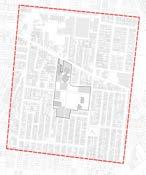
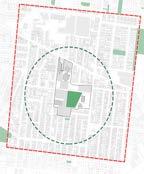
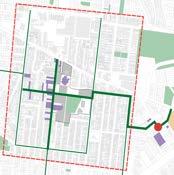
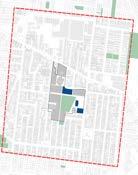
The implementation stage for the project consisted of coming up with staging plans to achieve each of the strategies through specific actions that we came up with. This involved dividing the actions for each of the strategies into short-term, mid-term and long-term stages. Each of the actions began with developing a framework to guide the development and commencement of the respective strategy, with a keen focus on the former hospital site. For example, preparing a housing framework plan, open space framework plan, staging plans for street greening, introduction of bike paths and parking infrastructure, etc.
Staging plans also involved engaging with various stakeholders including departments of the State and Federal governments, private developers, not-for-profit groups as well as the community to play roles of regulating, advocating, and investing as required. Formulating implementation and staging plans is essential in urban planning as it provides a structured and detailed road map for execution, and increases the likelihood of successful project completion.
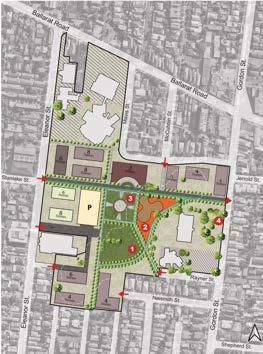
The catalyst project for the precinct involved developing the master plan for the former hospital site, considering the structures that are going to be retained and those flexible for redevelopment.
Creating an inclusive, dynamic and community-oriented development at the heart of the
site.
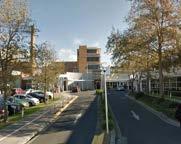
The proposed master plan spans a sprawling 20 acres, responding to the surrounding context, including the prevailing zoning of adjoining land, and features the physical aspects from each of the 5 strategies to help achieve the vision.
The master plan for the site envisages the following land uses:
• Housing structures with diverse housing options.
• Open space with varied uses for all age groups
• Community Hub to support community oriented activities and gatherings.
• Native species garden to preserve heritage and for health and well-being benefits.
• Commercial Mixed use unit to help with economic growth and job opportunities.
• Short- stay options to accommodate visitors to surrounding medical facilities.
• Multi-deck car park to control and concentrate vehicular movement.



This semester, the Compact City Studio immersed the class in Footscray CBD for an intensive two-week program. Most students were unfamiliar with the local development planning, thus students had to learn to adapt quickly to the new environment.
The strategy here was to mimic the professional-life of urban planners, where, different precincts offer differing urban characters.
For example, Footscray riverfront has more industrial buildings, on the other hand, the neighborhood around Footscray Hospital is more residential. This forced students to research more into the particular needs of their assigned precincts.
The statues (or rules) of this course allocate a portion of its grading to each presentation and report. For example, in UPD4001 and 4101, each presentation carry 10-15% weighting.
These rules of dividing up weighting enabled student groups to reiterate and get multiple opportunities to formally practice their presentation; Practicing their skills and to perfect their ideas.
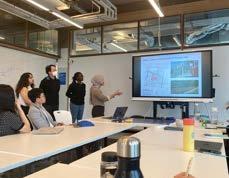
It also provides students with multiple chances to receive feedback and make crucial adjustments. For example, at the start of the studio, students relied on google maps, but constructive feedback suggested professional map designs are created using GIS information and edited in Adobe software.
“People with really high expectations have very low resilience”, Jensen Huang, CEO of Nvidia, tells the audience at Stanford Institute of Economics.
This quote entails relevant wisdom when reflecting on participating in group-based work. By normalizing one’s expectation, then we can start to work more cohesively.
For example, at the start of the studio, students may expect their work to be accepted without any corrections, but, instead, cross-checking each other’s work could reduce chances for errors.
The intensive studio-work exacerbated working-under-pressure, thus exposing our flaws, but we discovered ways to complement and harmonize to produce an impressive outcome. For example, individuals in our team may exhibit stronger affinity towards quantitative analysis, while other(s) may have a keen eye for design.
Unique to Monash University is the diversity of the students, in the cultural sense and academic context.
This enabled us to learn about the values and practices of multiple geographic identities (i.e. Australia, China, Hong Kong, India, Indonesia, Netherlands, Taiwan, United Kingdom, and Uganda) and assorted disciplines (i.e. architecture, banking, computer science, engineering, geography, legal studies, and urban planning).
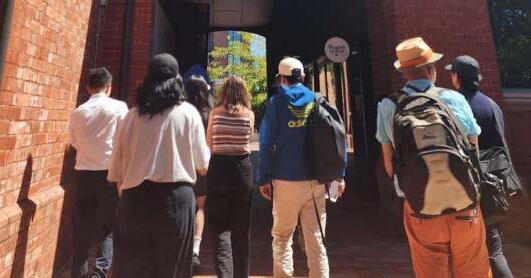
We started with a basic display of information, and then progressed into a professional design.
Design software training and constructive feedback complimented our skills. Improving our public speaking has better prepared us for future opportunities to present to a formal vocational setting.
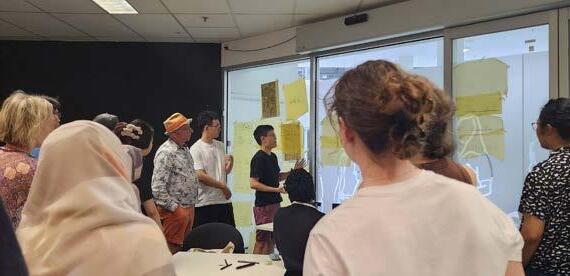
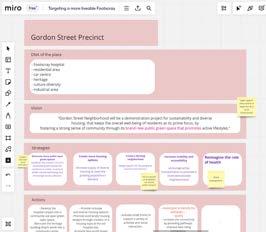
The studio divided Footscray into precincts, and groups of 3-4 students focused on each precinct. We worked closely within the group, but, in times of need, members of other groups were also willing to collaborate. This sharing of information allowed to integrate our urban plans, for example, we developed plans to connect bicycle paths and green corridors with strategic locations in neighboring precincts.
The human ability to learn from analogies is indeed one of our greatest aptitudes. We engaged with industry professionals and expert supervisors, who deeply challenged our thought processes. They guided us through their experiences to self-evaluate and sympathize with others. These skills will be vital in engaging with relevant stakeholders when working in the urban planning and design field.
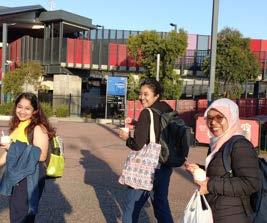
Being a part of the this Compact Studio project has truly been a transformative experience that has profoundly shaped my understanding of urban environments and the intricate dynamics that govern them. My initial encounters with the theoretical basis of the course were intellectually stimulating, laying a strong foundation for the practical aspects that would follow. Coming from an architectural background, the studio culture was not something new for me, though I did get to experience a different style of learning and teaching. Engaging in an interactive studio environment helped me to come out of my comfort zone, express my views, and be completely involved in the learning process.
Working together with peers from diverse educational and cultural backgrounds enriched my perspective and fostered a team-oriented mindset. Each stage of the studio required meticulous research, innovative thinking, and the ability to synthesize complex data into concise presentations. This trained me to be patient and understanding of each one’s perspectives in order to achieve the most favorable outcomes. The iterative process of presenting, receiving feedback, and refining our proposals was both challenging and rewarding. It taught me the value of resilience and the importance of adaptability.
One of the most impactful sessions of the studio was definitely the intensive classes at Footscray. Nothing beats having a live experience of the problem area before coming up with solutions to treat it. This unique blend of practical application, understanding the place, engaging with the stakeholders and devising solutions for the identified challenges made me understand the ethical dimensions of the field, and realize that urban planning is not just about designing spaces, but also about addressing broader societal issues.
Looking back and reflecting on my journey, I am struck by the depth of knowledge I have gained so far. The course has equipped me with a toolkit of skills, from technical proficiency in design software to a nuanced understanding of policy frameworks. More importantly, it has instilled in me a deep appreciation for the complexities of urban environments and the pivotal role of urban planners in shaping sustainable, living cities. As I move forward in my academic and professional career, I carry with me the lessons learned and the experiences gained throughout this course. I am very grateful to my professors for their patience and invaluable inputs throughout this journey. This has inspired me to continue exploring innovative solutions to urban challenges and become a competent professional.
-Rochelle Fernandez
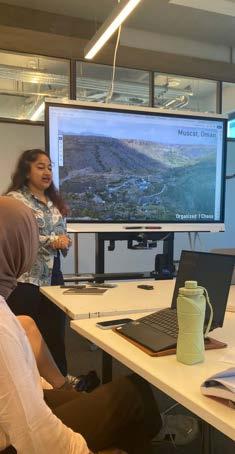
During the course of the semester and my engagement with the studio, I gained a profound appreciation for the rich cultural fabric and historical significance of Footscray in Melbourne. This precinct is not just a collection of buildings; it is a living narrative of the community’s evolution, filled with stories of the past and aspirations for the future. The architectural designs, historical landmarks, and community traditions are testaments to the area's unique identity. Through research and interaction with Footscray, the studio unearthed stories and facts that painted a vivid picture of the precinct’s past. This included understanding the origins of certain architectural styles, the significance of various public spaces, and the cultural practices that have been passed down through generations.
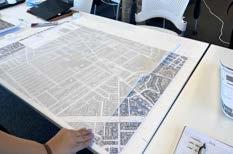
The immersive learning during the intensive period offered me a sense of connection and respect for the people who shaped the precinct. The studio took on teaching from a different perspective which I found more engaging and easier to understand. I can say I have picked up on all the different topics we tackled that taught me to think critically about urban planning challenges. The field trip to Brunswick coupled with the site visits within Footscray CBD and the Gordon Street Precinct helped me understand the place and think of effective ways to plan for this neighborhood. Interaction with a community makes the solutions identified more wholesome. For example, walking gave us a feel of the heat the residents experience daily which made it easier to deliver solutions to address needs.
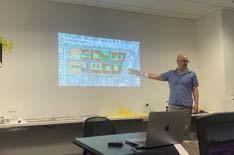
The support we were given by our tutors and the faculty helped us to understand the concept of creating a thriving neighborhood. Engagement with city council members and industry professionals gave us valuable insights into creative and strategic planning. It aided alot of our thought process and analysis of the data we collected about the precinct.
This experience profoundly shaped my perspective on Urban Planning and taught me the importance of approaching planning with empathy, respect, and a deep understanding for the community’s history and culture. I realized that as an urban planner, my role is beyond designing places on my computer, it greatly entails community engagement.
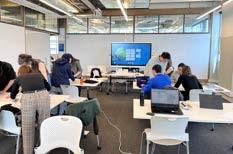
The course was meticulously designed to blend theoretical knowledge with practical applications. In this professional practice unit, I studied the theoretical basis for planning, and participated in practical assignments that included preparation of planning and design documents. This approach thus enabled me to better understand theoretical paradigms as well as engage more effectively in the learning process.
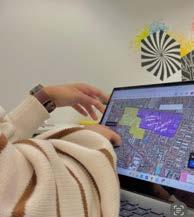
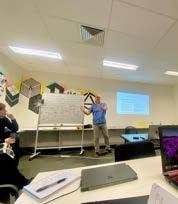
One of the most valuable aspects of this Professional Practice unit in Footscray was the session from professionals. They gave insightful case studies from their experience which helped me to contextualize theoretical concepts of planning, making them more relatable and understandable. Overall, this unit has significantly enhanced my analytical skills and strategic thinking for designing and planning.
Another crucial element of this professional practice course was the focus on cooperative learning. Collaborating on group projects in Footscray, alongside students from various cultural backgrounds, improved my proficiency in team communication, negotiation, and problem-solving. It also helps me in cultivating interpersonal skills that are essential in both personal and professional domains.
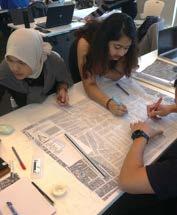
-Retno Palupi
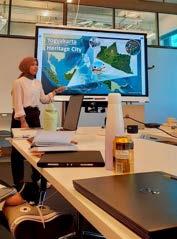
Equipped with the knowledge and abilities gained from the Footscray project, particularly in the Gordon Street precinct. I dedicated a period of time to introspect on my advancement and the competencies I had attained. I have gained greater self-assurance to pursue further learning opportunities since I have come to recognize that learning is a continuous journey, and the abilities I had unlocked were just the beginning.
Feedback was provided in-person and through marked assessments. I found both types to be invaluable. Direct discussions during classes allowed me to gauge the supervisor’s responses and bounce ideas off of them. Whilst comments marked on assessed documents were more detailed.
The experience and feedback of two supervisors were in many ways complimentary of each other: one with experience as a landscape architect while the other provided design perspectives from a professional architectural firm.
Getting a taste of professional practice was an intensive journey, but, looking back, it was ultimately worth it.
This studio allowed me to work in a professional manner with a small team (Gordon Street Neighborhood), but contributing towards a greater goal (improving the livability of Footscray).
Dividing the goal down into more manageable sizes, as opposed to individually tackling the same goal, allowed me to see the big picture, but to also refine my skills on the smaller details.
-Tony Chang
The studio experience was complimented with the use of innovative software. For example, Miro, a web-based collaboration platform, enabled us to concurrently brainstorm and post our work. Similarly, Google Docs allowed supervisors to provide live-feedback on literature research.
On the other hand, using Adobe InDesign and QGIS taught me to create professional looking maps and info-graphics. They also provided a design platform to set up a consistent layout.
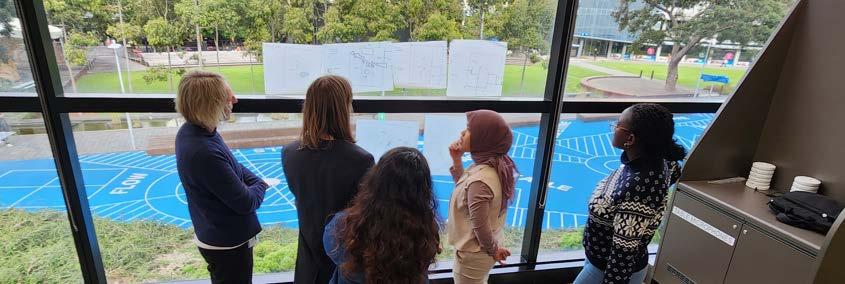
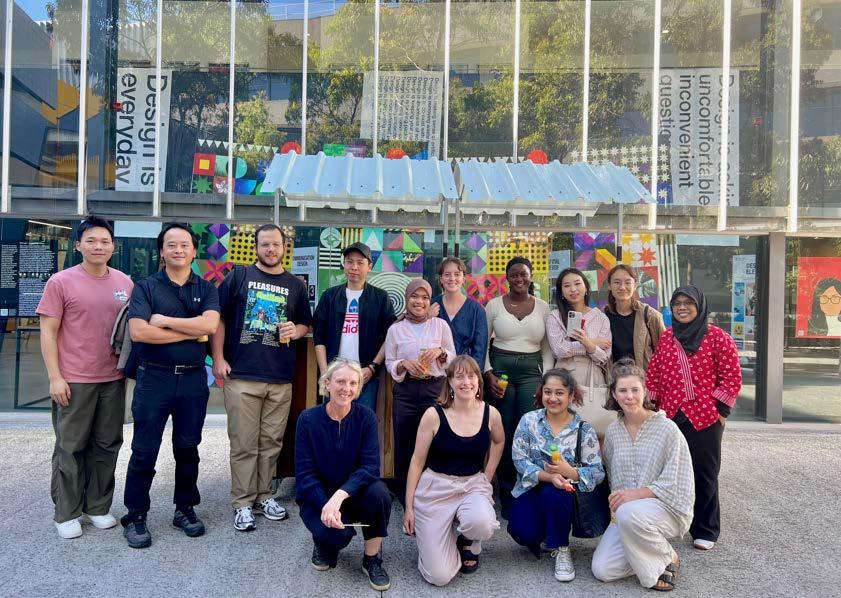
Cover
Photo by Retno Palupi
Design by Rochelle Fernandez
Acknowledgment of Country
Design and wording by Rochelle Fernandez
Introduction
Photos by Retno Palupi
Content editing by Hillary Namitala, Rochelle Fernandez
Themes Uncovered
Content by Retno Palupi
Editing by Tony Chang
Layers of Learning
Content and Design by Hillary Namitala
Editing by Rochelle Fernandez, Retno Palupi
Skill Palette
Content and Design by Rochelle Fernandez
Photos by several authors
Key Outcomes
- Understanding the place
Content by Hillary Namitala
Editing by Rochelle Fernandez
- Issues and Opportunities
Content by Retno Palupi
Editing by Rochelle Fernandez
- The Vision
Content by Retno Palupi
Editing by Rochelle Fernandez
- Strategies
Content by Tony Chang
- The Implementation Stage
Content by Rochelle Fernandez
Reflections and Learning Outcomes
Photos by Retno Palupi
Content and Design by Tony Chang
Cover Photo (Page 6)
Monash University. 2019. “Art Design & Architecture PhD Information Session 2019 - E-Flux Education.” Www.e-Flux.com. July 30, 2019. https:// www.e-flux.com/announcements/278589/art-design-architecture-phdinformation-session-2019/
Cover Photo (Page 10)
https://www.chitkara.edu.in/blogs/wp-content/uploads/2024/03/TheIntersection-of-Archite.jpg
Images (What makes a neighborhood livable?)
SHUANG LI. 2018. “Entrance of Footscray Hub.” Alamy. June 12, 2018. https://www.alamy.com/entrance-of-footscray-hub-a-shopping-andbusiness-centre-features-african-related-businesses-melbourne-vic-australiaimage207681363.html.
Cover Photo (Page 16)
Credits: Author provided
Cover Photo (Page 20)
Credits: Author provided
Images (Understanding Place) https://beat.com.au/heatwave-comes-to-town/ https://www.mcbridecharlesryan.com.au/project/saigon-welcome-arch/ https://www.pinterest.com.au/pin/79938962112646117/ https://www.facebook.com/photo. php?fbid=840059888123890&set=a.668341165295764&type=3&from_ lookaside=1&checkpoint_src=any
Images (Identifying Issues and Opportunties)
Duong, Amy. 2024. “Bright Balcony-Defined Apartments.” TrendHunter.com. January 5, 2024. https://www.trendhunter.com/trends/nightingale-village.
Gollings, John. n.d. Springvale Community Hub / Lyons. Accessed 2024. https://www.archdaily.com/958384/springvale-community-hublyons/60496d6af91c81cff3000326-springvale-community-hub-lyons-photo
Visualization © Scenery. n.d. “Rush\Wright Associates.” Australian-Architects. com. Accessed June 7, 2024. https://www.australian-architects.com/en/rush-wrightassociates-melbourne/project/springvale-community-precinct
Cover Photo (Page 26)
a.canvas.of.light. 2017. “Yarra River, Melbourne.” Wikimedia Commons. October 4, 2017. https://commons.wikimedia.org/wiki/File:Reflections_(23798220088).jpg
Images (Strategic Reflections)
Colour Box Studio. n.d. “VU at MetroWest.” Colour Box Studio. Accessed June 7, 2024. https://colourboxstudio.com/membership/vu-at-metrowest/
GaryJetner. 2022. “File:Arms of Monash University.svg - Wikipedia.” Commons. wikimedia.org. February 16, 2022. https://en.wikipedia.org/wiki/File:Arms_of_ Monash_University.svg
Cover Photo (Page 34)
Credits: Author provided
- Andy Fergus “ “ Create the city as though it was built over time.