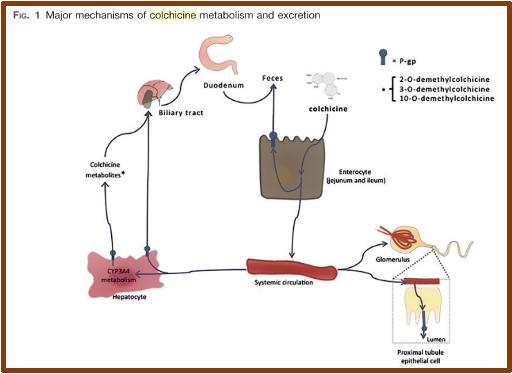
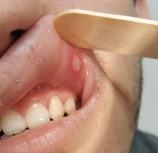
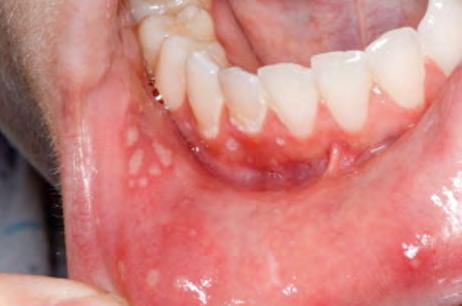
1. Kolb SJ and Kissel JT. Neurol Clin. 2015;33(4):831–46. 2. Prior TW, et al. NCBI Bookshelf 2019. Available at https://www.ncbi.nlm. nih.gov/books/NBK1352. Date accessed: Δεκέμβριος 2022. 3. Wang CH, et al. J Child Neurol. 2007;22(8):1027–49. 4. Govoni A, et al. Mol Neurobiol. 2018;55(8):6307–18. 5. Stifani N. Front Cell Neurosci. 2014;8:293. doi: 10.3389/fncel.2014.00293. 6. Pera MC, et al. PLoS One. 2020;15(3):e0230677. 7. Lin CW, et al. Pediatr Neurol. 2015;53(4):293–300. 8. Mercuri E, et al. Neuromuscul Disord. 2018;28(2):103–115.
Familial Mediterranean Fever and PFAPA Syndrome: Contemporary Disease management and treatment when partial overlap is present
130
Karananou Panagiota
Haploinsufficiency of A20 protein (HA20) and Deficiency of adenosine deaminase 2 (ADA2) enzyme (DADA2): Immunodeficiencies or Autoinflammatory diseases?
144
Pratsidou-Gertsi Polyxeni
Introduction to Interferonopathies. Aicardi Goutières and CANDLE syndromes: new members in the genetically determined Autoinflammatory diseases family
President A. Constantopoulos
Editorial board
Editor- in- Chief
S. Antoniadis
Members
S. Andronikou
E. Galanakis
A. Evangeliou
L. Thomaidou
M. Kanariou
A. Kapogiannis
S. Kitsiou-Tzeli
E. Mantadakis
P. Panagiotopoulou-Gartagani
A. Papadopoulou
V. Papaevagelou
A. Papathanassiou
A. Siamopoulou-Mavridou
A. Syrigou-Papavasiliou
Manuscript submission
e-mail: grammateia@e-child.gr
Instructions to authors: http://e-child.gr/publications/ instructions-to-authors
Owner Greek Paediatric Society 15, Mpakopoulou st. GR - 15451, Ν. Psychiko Tel.: +302107771140
e-mail: grammateia@e-child.gr
Annual subscription All foreign countries: US$50
152
Koutsonikoli Artemis Monogenic Systemic Lupus Erythematosus (mono-SLE) and SAVI syndrome (STING-Associated Vasculopathy with onset in Infancy)
160
Kanakoudi-Tsakalidou Florence Conclusions
174 BETWEEN COLLEAGUES
Stelios Antoniadis
176 BOOK PRESENTATION
Stelios Antoniadis
180 INSTRUCTIONS TO AUTHORS
K.
e-mail: flkan@auth.gr
Φλωρεντία Κανακούδη-Τσακαλίδου
«General pediatricians need to be aware of the importance of this group of diseases and they should consider autoinflammatory diseases in patients with clinical hallmarks, in ordertoguidefurtherexaminationsandreferthepatientstoaspecialistrheumatologist».
ΒΙΒΛΙΟΓΡΑΦΙΑ
1.Κανακούδη-Τσακαλίδου, Φ, Παπαχρήστου, Φ, Δρόσου-Αγακίδου Β, Ζαφειρίου, Δ (2023) Βασική Παιδιατρική, 4η έκδ., University Studio Press.
2. Rood JE, Behrens EM. Inherited Autoinflammatory Syndromes. Annu Rev Pathol 2022 Jan 24;17:227-249
3. di Donato G, d’Angelo DM, Breda L, Chiarelli F. Monogenic Autoinflammatory Diseases: State of the Art and Future Perspectives. Int J Mol Sci 2021, 22,6360. https://doi.org/10.3390/ ijms22126360.
4.Crow YJ, Stetson DB. The type I interferonopathies: 10 years on. Nat Rev Immunol 2022;22(8):471-483.
5. Savic S, Caseley EA, Michael F. McDermott MF. Moving towards a systems-based classification of innate immune mediated diseases. Nature Reviews Rheumatology, 2020; 16: 222-237
6. The expanding pathways of autoinflammation: a lesson from the first 100 genes related to autoinflammatory manifestations. Adv Protein Chem Struct Biol 2020;120:1-44. doi: 10.1016/bs.apcsb.2019.11.001. Epub 2019 Dec 12.
K.
e-mail:
Correspondence
Vasiliki Sgouropoulou
Olimpiados 3Β, 57010
Pefka Thessaloniki
Τ. +30 2310676202, M. +30 6972232877
e-mail: vsgouro@hotmail. com
Familial Mediterranean Fever and PFAPA Syndrome: Contemporary Disease management and treatment
when partial overlap is present
Vasiliki Sgouropoulou
Abstract
Familial Mediterranean Fever (FMF) and PFAPA syndrome are the most common autoinflammatory diseases in childhood. FMF is a genetic disorder of the innate immune system, caused by mutations in the MEFV gene. Today, in addition to the former clinical criteria, we have new diagnostic criteria that include genotype, while modern tools are used for disease monitoring. At the same time, in addition to the standard treatment with colchicine, innovative biological agents are used, aiming at complete remission of the disease. PFAPA syndrome is a multifactorial disease with an unknown genetic basis. The onset of the disease in the majority of the cases is observed in early childhood up to 6 years of life, while there are records of onset even in adulthood. The coexistence of the disease with mutations in the MEFV gene is particularly common and has been associated with late onset of the disease and with episodes of shorter duration and lower frequency. The conventional treatment methods with corticosteroids and tonsillectomy have now been replaced by colchicine. The prognosis of the syndrome is excellent, with episodes resolving 3-6 years after onset, while only 20% of patients will continue to have episodes in adulthood.
1st Department of Paediatrics, Paediatric Immunology and Rheumatology Referral Center, Hippokration General Hospital, Aristotle University of Thessaloniki, Thessaloniki, Greece
1. Georgin-Lavialle S, Hentgen V, Stankovic Stojanovic K, Bachmeyer C, Rodrigues F, Savey L, et al. Familial Mediterranean fever Vol. 39, Revue de Medecine Interne. 2018 p. 240–55.
2. Burhan Fatih Kocyigit, Ahmet Akyol. Bibliometric analysis of publication activity in the field of familial Mediterranean fever in 2010-2019: a Scopus-based study. Rheumatol Int. 2021 Nov;41(11):2015-2023.
3. Koga T, Sato S, Mishima H, Migita K, Endo Y, Umeda Y et al. Next-generation sequencing of the whole MEFV gene in Japanese patients with familial Mediterranean fever: a casecontrol association study. Clin Exp Rheumatol. 2020 Sep-Oct;38 Suppl 127(5):35-41.
4. Theofilopoulos AN, Gonzalez-Quintial R, Lawson BR, Koh YT, Stern ME, Kono DH, et al. Sensors of the innate immune system: their link to rheumatic diseases. Nat Rev Rheumatol [Internet]. 2010 Mar;6(3):146–56.
5. Georgin-Lavialle S, Hentgen V, Stankovic Stojanovic K, Bachmeyer C, Rodrigues F, Savey L, et al. Familial Mediterranean fever Vol. 39, Revue de Medecine Interne. Rev Med Interne; 2018. p. 240–55.
6. Saatçi Ü, Ozen S, Özdemir S, et al. Familial Mediterranean fever in children: Report of a large series and discussion of the risk and prognostic factors of amyloidosis. Eur J Pediatr. 1997. doi:10.1007/s004310050677
7. Gattorno M, Hofer M, Federici S, Vanoni F, Bovis F, Aksentijevich I, et al. Classification criteria for autoinflammatory recurrent fevers. Ann Rheum Dis 2019 Aug 1;78(8):1025–32.
8. Ahsen A, Ulu MS, Yuksel S, Demir K, Uysal M, Erdogan M, et al. As a new inflammatory marker for familial mediterranean fever: Neutrophil-to-lymphocyte ratio. Inflammation. 2013 Dec;36(6):1357–62.
9. Özer S, Yılmaz R, Sönmezgöz E, Karaaslan E, Taskin S, Bütün I, et al. Simple markers for subclinical inflammation in patients with familial mediterranean fever. Med Sci Monit. 2015 Jan 23;21:298–303.
10. Giancane G, Haar NMT, Wulffraat N, Vastert SJ, Barron K, Hentgen V, et al. Evidencebased recommendations for genetic diagnosis of familial Mediterranean fever. Ann Rheum Dis. 2015 Apr 1;74(4):635–41.
11. Soriano A, Pras E. Familial mediterranean fever: Genetic update. Isr Med Assoc J. 2014;16(5):274–6.
12. Jéru I, Hentgen V, Cochet E, Duquesnoy P, Le Borgne G, Grimprel E, et al. The Risk of
Familial Mediterranean Fever in MEFV Heterozygotes: A Statistical Approach. PLoS One. 2013 Jul 3;8(7).
13. Ben-Chetrit E, Ozdogan H. Can we make a diagnosis of autoinflammatory diseases based upon clinical features only?. Vol. 35, Clinical and Experimental Rheumatology. Clin Exp Rheumatol; 2017. p. S16–8.
14. Slobodnick A, Shah B, Krasnokutsky S, Pillinger MH. Update on colchicine, 2017. Vol. 57, Rheumatology (Oxford, England). Rheumatology (Oxford); 2018. p. i4–11.
15. Manukyan G, Aminov R. Update on pyrin functions and mechanisms of familial mediterranean fever. Vol. 7, Frontiers in Microbiology. Front Microbiol; 2016.
16. Sahakyan H, Abelyan N, Arakelov V, Arakelov G, Nazaryan K. In silico study of colchicine resistance molecular mechanisms caused by tubulin structural polymorphism. PLoS One. 2019 Aug 1;14(8).
17. Finkelstein Y, Aks SE, Hutson JR, Juurlink DN, Nguyen P, Dubnov-Raz G, et al. Colchicine poisoning: The dark side of an ancient drug. Vol. 48, Clinical Toxicology. Clin Toxicol (Phila); 2010. p. 407–14.
18. Ozen S, Demirkaya E, Erer B, Livneh A, Ben-Chetrit E, Giancane G, et al. EULAR recommendations for the management of familial Mediterranean fever. Ann Rheum Dis. 2016 Apr 1;75(4):644–51.
19. Hentgen V, Grateau G, Kone-Paut I, Livneh A, Padeh S, Rozenbaum M, et al. Evidencebased recommendations for the practical management of Familial Mediterranean Fever. Semin Arthritis Rheum. 2013 Dec;43(3):387–91.
20. Ozen S, Kone-Paut I, Gül A. Colchicine resistance and intolerance in familial mediterranean fever: Definition, causes, and alternative treatments. Vol. 47, Seminars in Arthritis and Rheumatism. Semin Arthritis Rheum; 2017. p. 115–20.
21. Cetin P, Sari I, Sozeri B, Cam O, Birlik M, Akkoc N, et al. Efficacy of Interleukin-1 Targeting Treatments in Patients with Familial Mediterranean Fever. Inflammation. 2015 Feb 1;38(1):27–31.
22. Kacar M, Savic S, van der Hilst JCH. The efficacy, safety and tolerability of canakinumab in the treatment of familial mediterranean fever: A systematic review of the literature. Vol. 13, Journal of Inflammation Research. J Inflamm Res; 2020. p. 141–9.
23. Førsvoll J, Kristoffersen EK, Øymar K. Incidence, clinical characteristics and outcome in Norwegian children with periodic fever, aphthous stomatitis, pharyngitis and cervical adenitis syndrome; A population-based study. Acta Paediatr Int J Paediatr. 2013 Feb];102(2):187–92.
24. Padeh S, Stoffman N, Berkun Y. Periodic fever accompanied by aphthous stomatitis phayngitis and cervical adenitis syndrome (PFAPA syndrome) in adults. Isr Med Assoc J. 2008;10(5):358–60.
25. Cantarini L, Vitale A, Bartolomei B, Galeazzi M, Rigante D. Diagnosis of PFAPA syndrome applied to a cohort of 17 adults with unexplained recurrent fevers. Clin Exp Rheumatol. 2012;30(2):269–71.
26. Kraszewska-Głomba B, Matkowska-Kocjan A, Szenborn L. The Pathogenesis of Periodic Fever, Aphthous Stomatitis, Pharyngitis, and Cervical Adenitis Syndrome: A Review of Current Research. Vol. 2015, Mediators of Inflammation. Mediators Inflamm; 2015.
27. Perko D, Debeljak M, Toplak N, Avčin T. Clinical features and genetic background of the periodic fever syndrome with aphthous stomatitis, pharyngitis, and adenitis: A single center longitudinal study of 81 patients. Mediators Inflamm 2015;2015.
28. Asna Ashari K, Rezaei N. PFAPA (periodic fever, aphthous stomatitis, pharyngitis, and adenitis) syndrome: an overview of genetic background Vol. 40, Clinical Rheumatology. Clin Rheumatol; 2021 p. 4437–44.
29. Welzel T, Ellinghaus M, Wildermuth AL, Deschner N, Benseler SM, Kuemmerle-Deschner JB. Colchicine Effectiveness and Safety in Periodic Fever, Aphthous Stomatitis, Pharyngitis, and Adenitis. Front Pediatr 2021 Nov 25;9.
30. Yildiz M, Adrovic A, Ulkersoy I, Gucuyener N, Koker O, Sahin S, et al. The role of Mediterranean fever gene variants in patients with periodic fever, aphthous stomatitis, pharyngitis, and adenitis syndrome. Eur J Pediatr. 2021 Apr 1;180(4):1051–8.
31. Taniuchi S, Nishikomori R, Iharada A, Tuji S, Heike T, Kaneko K. MEFV Variants in Pa-
tients with PFAPA Syndrome in Japan. Open Rheumatol J. 2013 Apr 27;7(1):22–5.
32. Feder HM, Salazar JC. A clinical review of 105 patients with PFAPA (a periodic fever syndrome) Vol. 99, Acta Paediatrica, International Journal of Paediatrics. Acta Paediatr; 2010 p. 178–84.
33. Gaggiano C, Rigante D, Sota J, Grosso S, Cantarini L. Treatment options for periodic fever, aphthous stomatitis, pharyngitis, and cervical adenitis (PFAPA) syndrome in children and adults: a narrative review. Vol. 38, Clinical Rheumatology. Clin Rheumatol; 2019. p. 11–7.
34. Soriano A, Soriano M, Espinosa G, Manna R, Emmi G, Cantarini L, et al. Current Therapeutic Options for the Main Monogenic Autoinflammatory Diseases and PFAPA Syndrome: Evidence-Based Approach and Proposal of a Practical Guide Vol. 11, Frontiers in Immunology. Front Immunol; 2020
35. Rigante D, Gentileschi S, Vitale A, Tarantino G, Cantarini L. Evolving frontiers in the treatment of periodic fever, aphthous stomatitis, pharyngitis, cervical adenitis (PFAPA) syndrome Vol. 19, Israel Medical Association Journal. 2017 p. 444–7.
36. Gunes M, Cekic S, Kilic SS. Is colchicine more effective to prevent periodic fever, aphthous stomatitis, pharyngitis and cervical adenitis episodes in Mediterranean fever gene variants? Pediatr Int 2017 Jun 1;59(6):655–60.
37. Renko M, Salo E, Putto-Laurila A, Saxen H, Mattila PS, Luotonen J, et al. A Randomized, Controlled Trial of Tonsillectomy in Periodic Fever, Aphthous Stomatitis, Pharyngitis, and Adenitis Syndrome. J Pediatr 2007 Sep;151(3):289–92.
38. Garavello W, Romagnoli M, Gaini RM. Effectiveness of Adenotonsillectomy in PFAPA Syndrome: A Randomized Study. J Pediatr 2009 Aug;155(2):250–3.
40. Vigo G, Martini G, Zoppi S, Vittadello F, Zulian F. Tonsillectomy efficacy in children with PFAPA syndrome is comparable to the standard medical treatment: A long-term observational study. Clin Exp Rheumatol 2014;32:S156–9.
41. Wang A, Manthiram K, Dedeoglu F, Licameli GR. Periodic fever, aphthous stomatitis, pharyngitis, and adenitis (PFAPA) syndrome: A review [Internet]. Vol. 7, World Journal of Otorhinolaryngology - Head and Neck Surgery. World J Otorhinolaryngol Head Neck Surg; 2021 p. 166–73.
Απλοανεπάρκεια
K.
e-mail: panagiotakarananou@gmail.com
Παναγιώτα
Correspondence
Panagiota Karananou
Aigaiou 41, 55133
Kalamaria, Thessaloniki
Τ. +30 2310249878
M. +30 6974842552
e-mail: panagiotakarananou@gmail.com
Haploinsufficiency of A20 protein (HA20) and Deficiency of adenosine deaminase 2 (ADA2) enzyme (DADA2): Immunodeficiencies or Autoinflammatory diseases?
Panagiota Karananou
Abstract
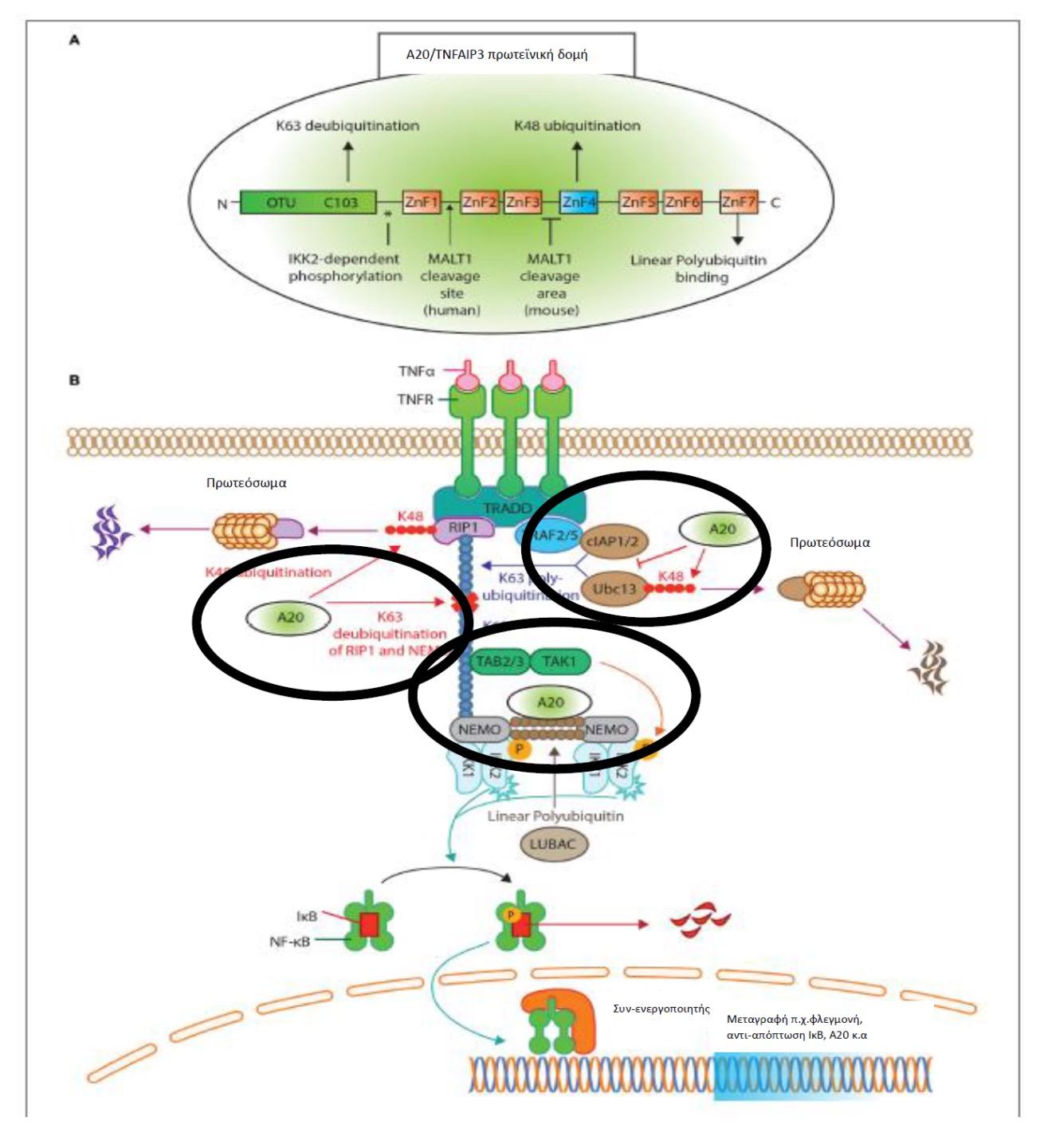
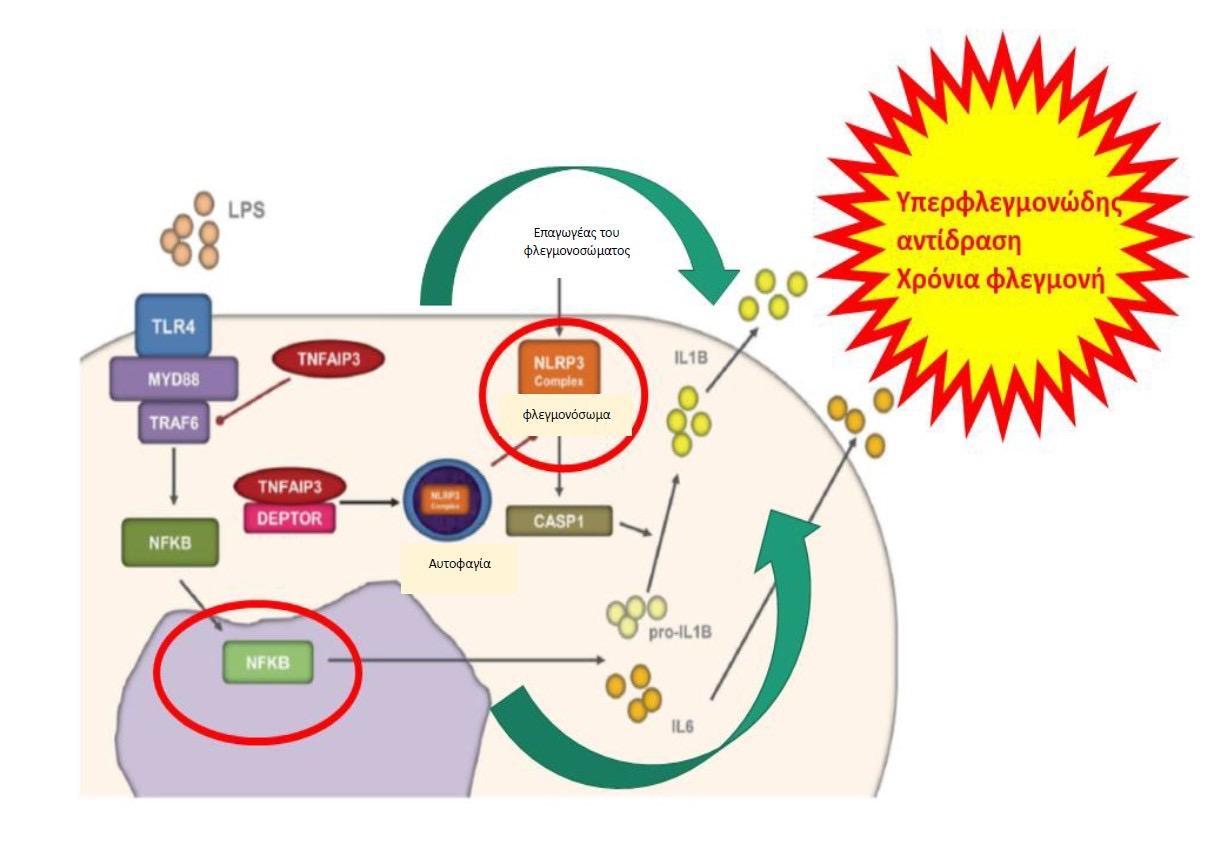
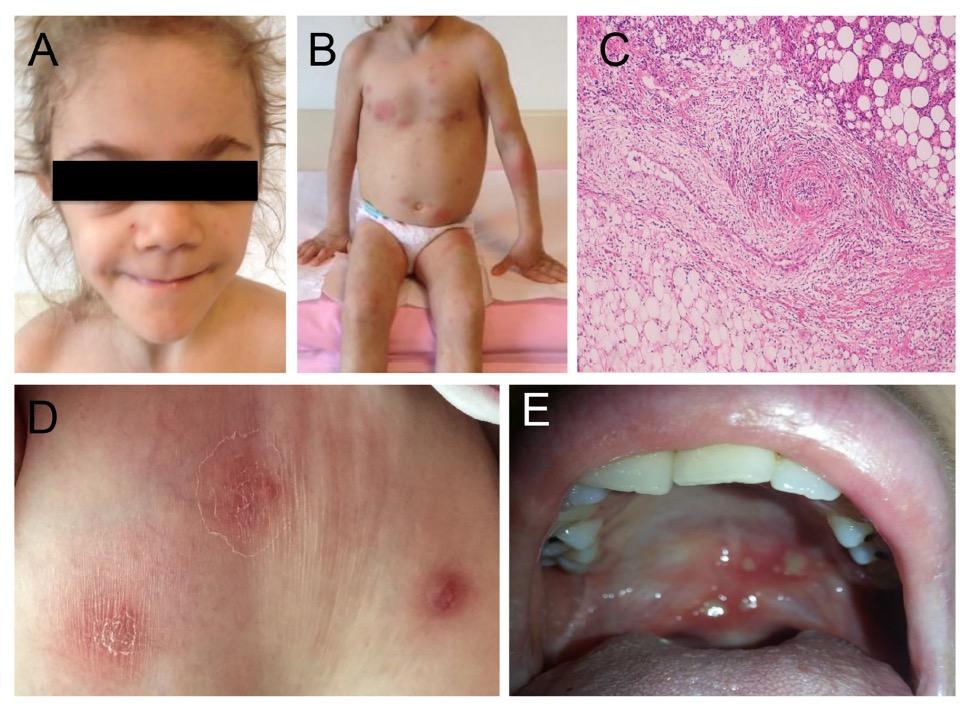
Haploinsufficiency of A20 protein (HA20) is an autoinflammatory disease caused by highpenetrance loss-of-function germline mutations in TNFAIP3(Τumor Νecrosis Factor α-Induced Protein 3). Patients may present with symptoms of Adamantiades-Behcet-like disease with the main difference of the earlier onset (childhood). Fever is also reported as well as lipodystrophy. However, the hallmark feature of the disease is the recurrent painful oral, genital and/or gastrointestinal ulcers. Other common symptoms that occur at various time points during disease course include gastrointestinal complaints, polyarthritis and/ or arthralgia, skin involvement and less frequently, ocular and cardiovascular and renal involvement.
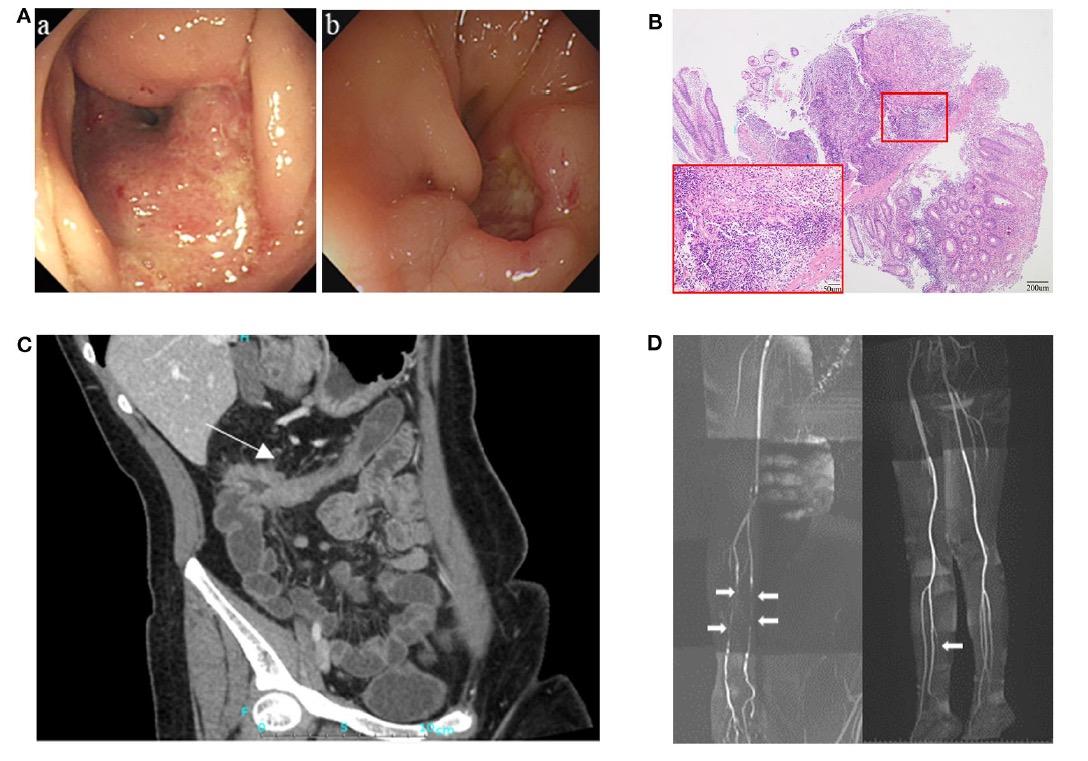
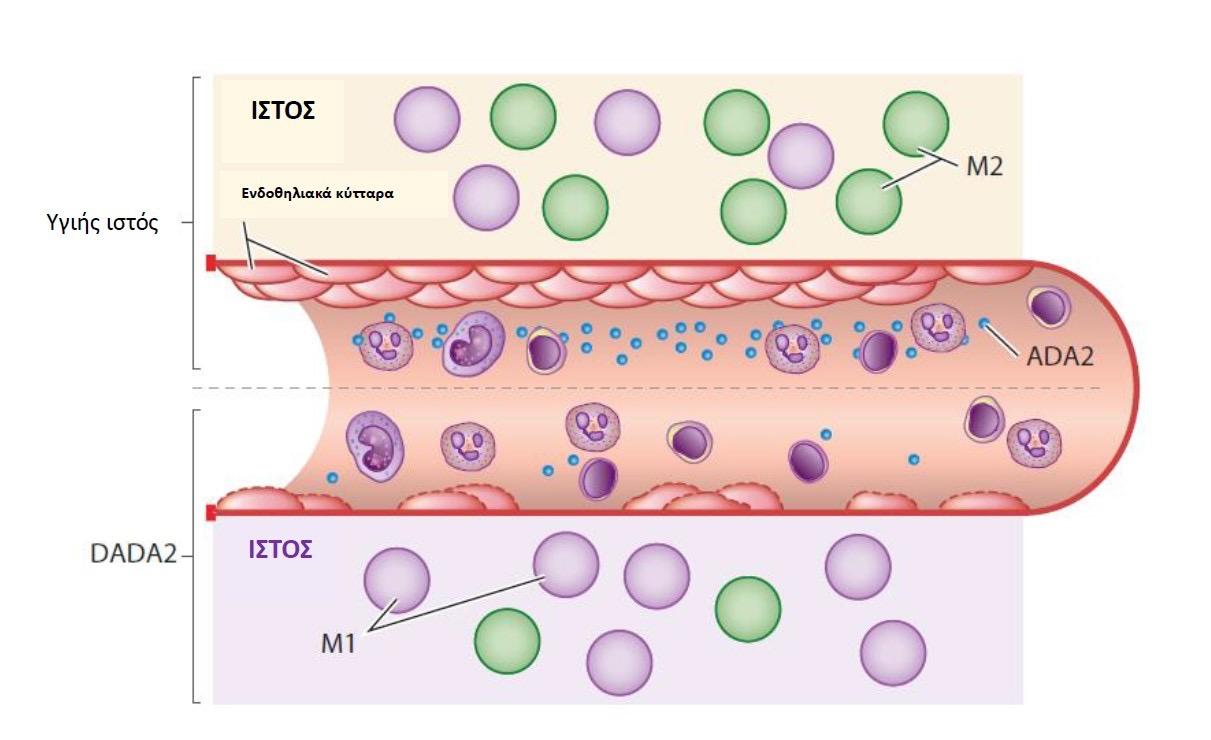
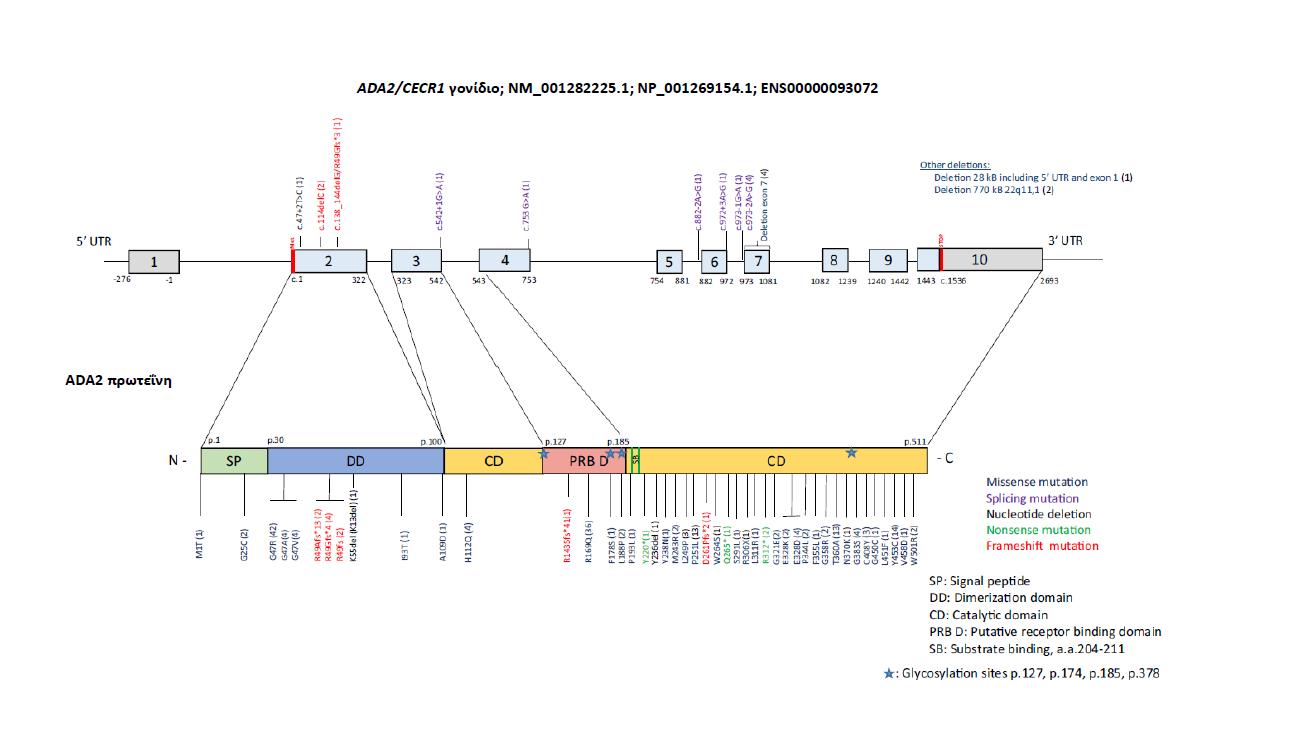
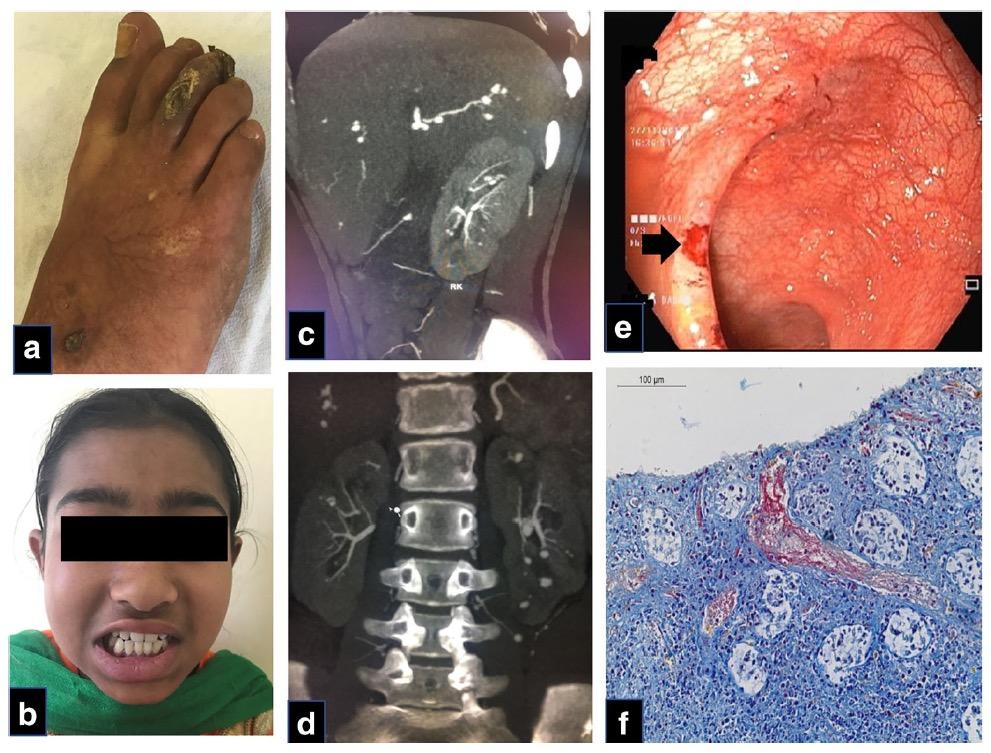
Deficiency of adenosine deaminase 2 (ADA2) enzyme (DADA2) is a monogenic autoinflammatory disease, with polyarteritis nodosa (PAN)–like features, associated with mutations in ADA2 protein. The first symptoms of the disease occur early, before the age of 10 years. DADA2 can manifest with intermittent fevers, and vasculitis/vasculopathy that are described in the group of rheumatic diseases in older children and adolescents (mainly skin, neurological, gastrointestinal with or without cardiovascular and renal involvement). These manifestations may also be combined with a clinical picture of immunodeficiency.
To date there is no specific treatment for HA20 and DADA2. The treatment depends on the clinical manifestations and severity of the disease. In conclusion, in pediatric patients with manifestations, such as those of Adamantiades-Bechet syndrome at a very young age, as well as the coexistence of polyarteritis nodosa and immunodeficiency in the first decade of life, an autoinflammatory disease should be considered and suspected.
Keywords: Haploinsufficiency of A20 protein (HA20), Deficiency of adenosine deaminase 2 (ADA2) enzyme (DADA2), autoinflammatory diseases, immunodeficiencies.
Panagiota Karananou 4th Department of Pediatrics, Aristotle University of Thessaloniki, School of Medicine, Papageorgiou General Hospital, Ring Road Nea Efkarpia 56403, Thessaloniki, Greece
Κατάλογος
ADA2 enzyme: Adenosine deaminase 2 enzyme,
ADA2: Deficiency of adenosine deaminase 2 (ADA2) enzyme
ΗΑ20: Haploinsufficiency of A20 protein,
JAK: janus kinase, janus
IL: Interleukin,
NF-κB: Nuclear factor of activated B cells
NEMO: NF-κB essen-
tial modifier, NF-κB
NLRP3: NOD-like receptor protein 3
TNF: Tumor necrosis factor, παράγοντας νέκρωσης των
1. Tangye SG, Al-Herz W, Bousfiha A, Cunningham-Rundles C, Franco JL, Holland SM, et al. Human Inborn Errors of Immunity: 2022 Update on the Classification from the International Union of Immunological Societies Expert Committee. J Clin Immunol. 2022 Jun 24.
2. Zhou Q, Wang H, Schwartz DM, Stoffels M, Park YH, Zhang Y, et al. Loss-of-function mutations in TNFAIP3 leading to A20 haploinsufficiency cause an early-onset autoinflammatory disease. Nat Genet. 2016 Jan;48(1):67-73.
3. Hershko A, Ciechanover A. The ubiquitin system. Annu Rev Biochem (1998) 67:425–79.
4. Das T, Chen Z, Hendriks RW, Kool M. A20/Tumor Necrosis Factor α-Induced Protein 3 in Immune Cells Controls Development of Autoinflammation and Autoimmunity: Lessons from Mouse Models. Front Immunol. 2018 Feb 21;9:104.
5. Zhai Y, Lin P, Feng Z, Lu H, Han Q, Chen J, et al. TNFAIP3-DEPTOR complex regulates inflammasome secretion through autophagy in ankylosing spondylitis monocytes. Autophagy. 2018;14(9):1629-1643.
6. Yu MP, Xu XS, Zhou Q, Deuitch N, Lu MP. Haploinsufficiency of A20 (HA20): updates on the genetics, phenotype, pathogenesis and treatment. World J Pediatr. 2020 Dec;16(6):575-584.
7. Zhang D, Su G, Zhou Z, Lai J. Clinical characteristics and genetic analysis of A20 haploinsufficiency. Pediatr Rheumatol Online J. 2021;19(1):75.
8. Aksentijevich I, Zhou Q. NF-κB Pathway in Autoinflammatory Diseases: Dysregulation of Protein Modifications by Ubiquitin Defines a New Category of Autoinflammatory Diseases. Front Immunol. 2017 Apr 19;8:399.
9. Chen Y, Huang H, He Y, Chen M, Seidler U, Tian D, et al. A20 Haploinsufficiency in a Chinese Patient With Intestinal Behcet's Disease-Like Symptoms: A Case Report. Front Immunol. 2020 Jul 3;11:1414.
10. Zhou Q, Yang D, Ombrello AK, Zavialov AV, Toro C, Zavialov AV, et al. Early-onset stroke
and vasculopathy associated with mutations in ADA2. N Engl J Med. 2014 Mar 6;370(10):91120.
11. Navon Elkan P, Pierce SB, Segel R, Walsh T, Barash J, Padeh S, et al. Mutant adenosine deaminase 2 in a polyarteritis nodosa vasculopathy. N Engl J Med. 2014 Mar 6;370(10):92131.
12. Meyts I, Aksentijevich I. Deficiency of Adenosine Deaminase 2 (DADA2): Updates on the Phenotype, Genetics, Pathogenesis, and Treatment. J Clin Immunol. 2018 Jul;38(5):569-578.
13. Aksentijevich I, Sampaio Moura N, Barron K. Adenosine Deaminase 2 Deficiency. 2019 Aug 8. In: Adam MP, Mirzaa GM, Pagon RA, Wallace SE, Bean LJH, Gripp KW, Amemiya A, editors. GeneReviews® [Internet]. Seattle (WA): University of Washington, Seattle; 1993–2022.
14. Jee H, Huang Z, Baxter S, Huang Y, Taylor ML, Henderson LA, et al. Comprehensive analysis of ADA2 genetic variants and estimation of carrier frequency driven by a functionbased approach. J Allergy Clin Immunol. 2022 Jan;149(1):379-387.
15. Stoffels M, Kastner DL. Old Dogs, New Tricks: Monogenic Autoinflammatory Disease Unleashed. Annu Rev Genomics Hum Genet. 2016 Aug 31;17:245-72.
16. Clarke K, Campbell C, Omoyinmi E, Hong Y, Al Obaidi M, Sebire N, et al. Testicular ischemia in deficiency of adenosine deaminase 2 (DADA2). Pediatr Rheumatol Online J. 2019 Jul 10;17(1):39.
17. Pinto B, Deo P, Sharma S, Syal A, Sharma A. Expanding spectrum of DADA2: a review of phenotypes, genetics, pathogenesis and treatment. Clin Rheumatol. 2021 Oct;40(10):38833896.
18. Moens L, Hershfield M, Arts K, Aksentijevich I, Meyts I. Human adenosine deaminase 2 deficiency: A multi-faceted inborn error of immunity. Immunol Rev. 2019 Jan;287(1):62-72.
Ιντερφερονοπάθειες,
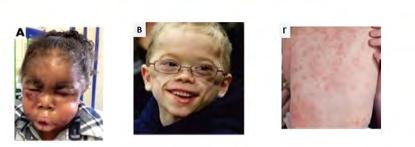
Aicardi Goutières (AGS)
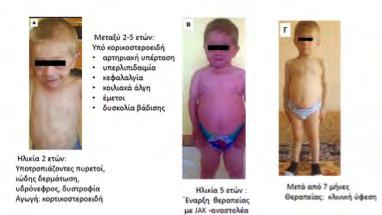
CANDLE (Chronic Atypical Neutrophilic Dermatosis with Lipodystrophy and Elevated temperature).
K.
e-mail: jennypratsidou. gertsi@gmail.com
Correspondence
Jenny Pratsidou-Gertsi
Vasilikou 13, 54636
Thessaloniki
Τ. +30 2310204872
M. +30 6944598159
e-mail: jennypratsidou. gertsi@gmail.com
Interferonopathies, Aicardi Goutières and CANDLE syndromes: new members in the genetically determined autoinflammatory diseases Family
Jenny Pratsidou-Gertsi
Abstract
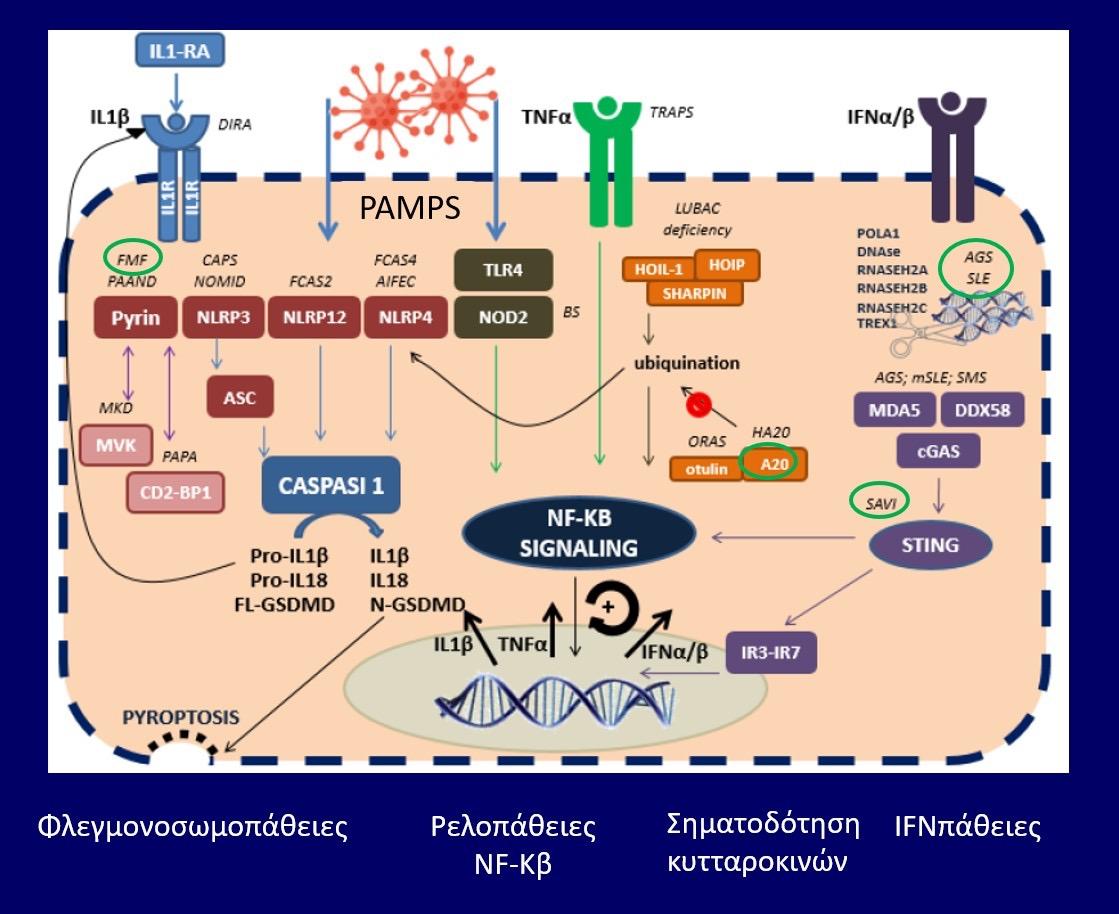
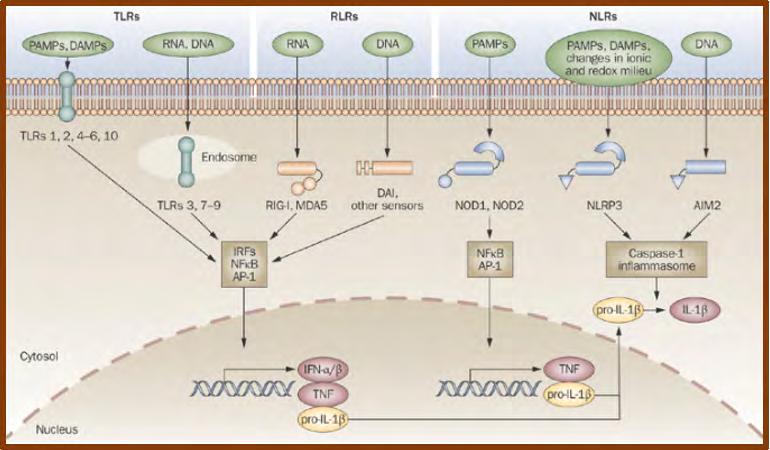
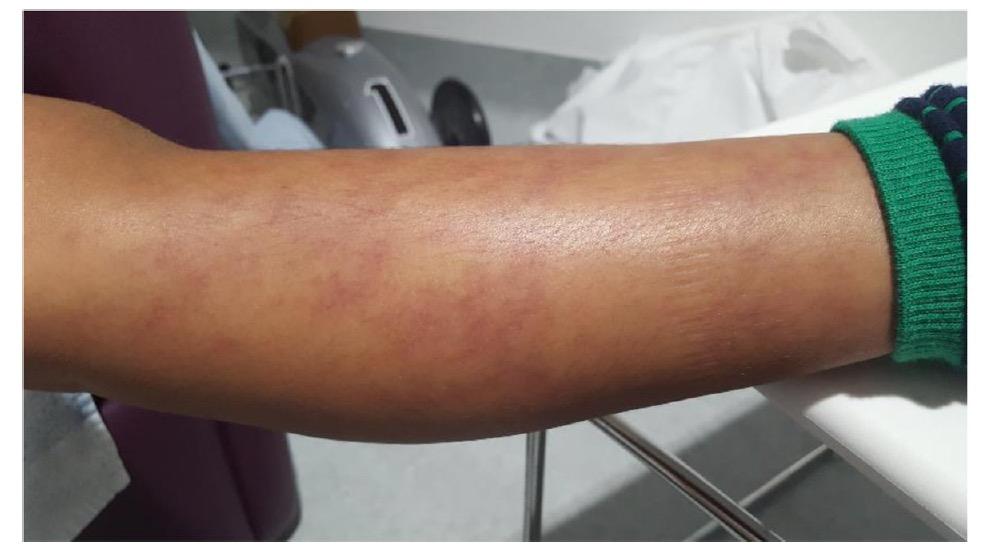
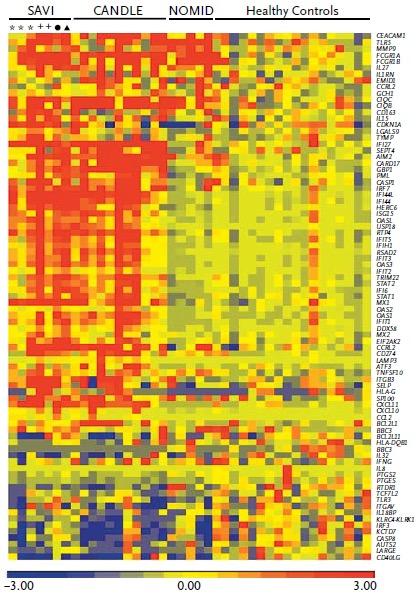
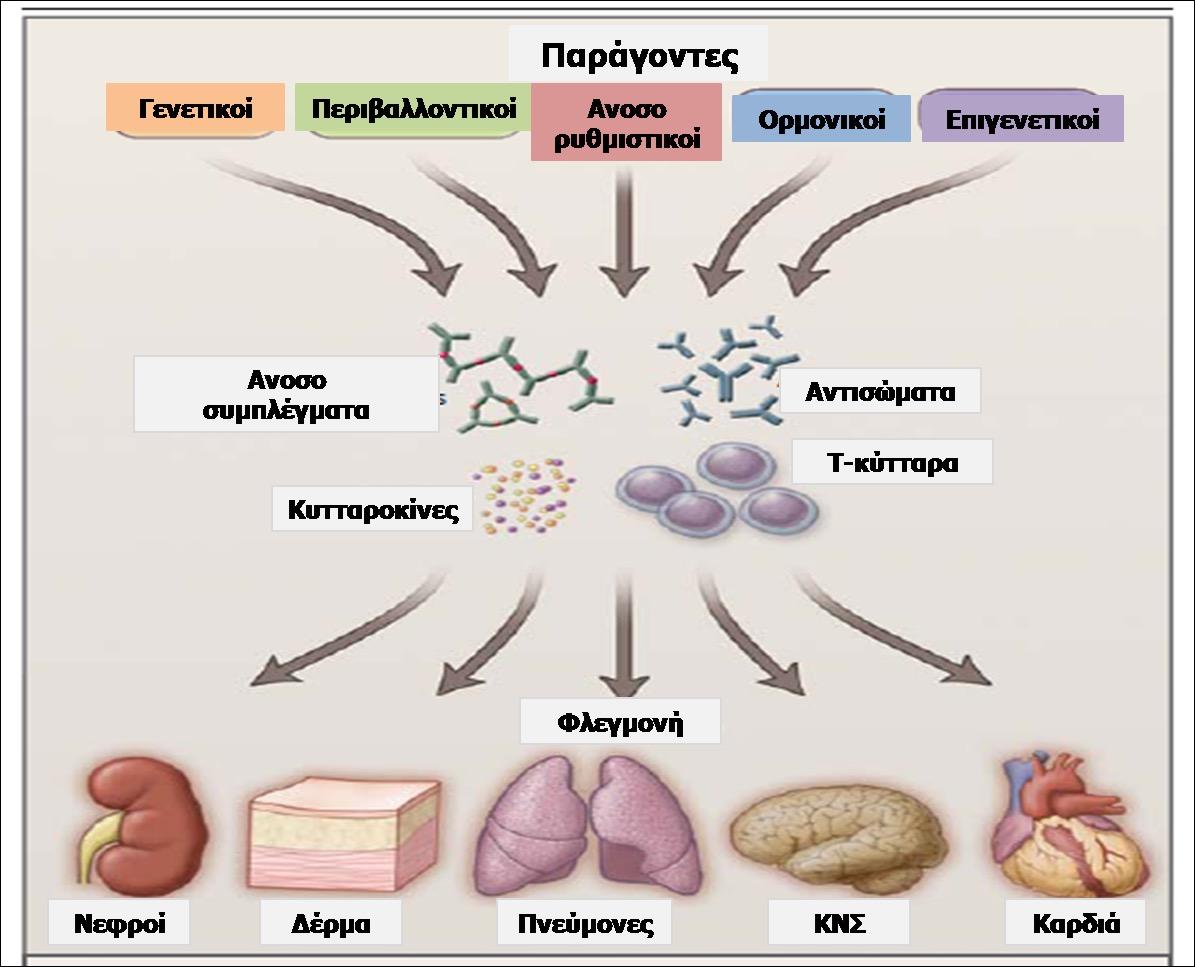
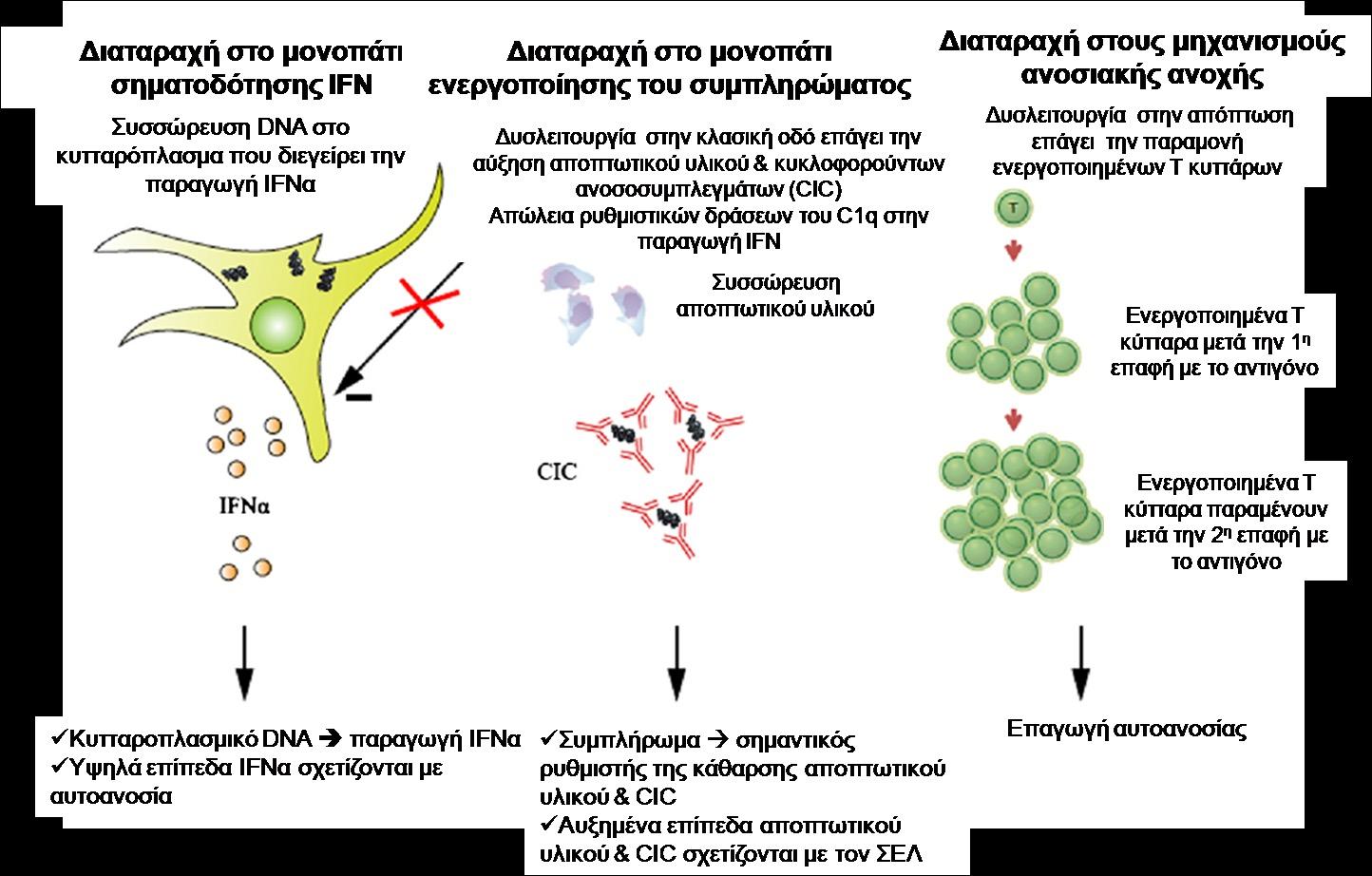
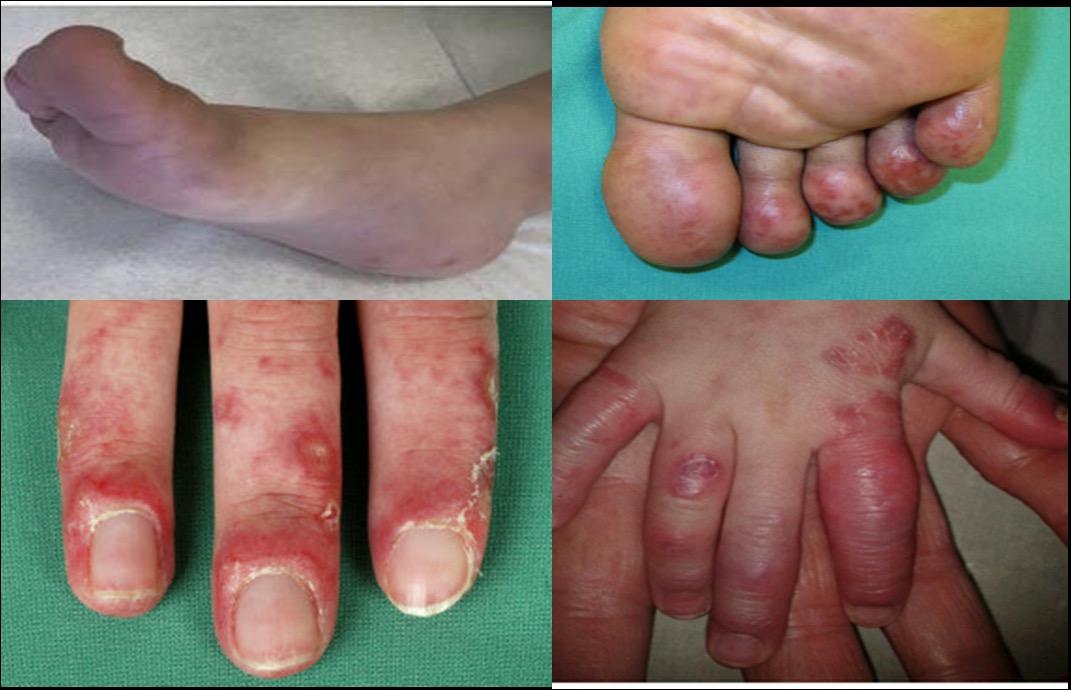
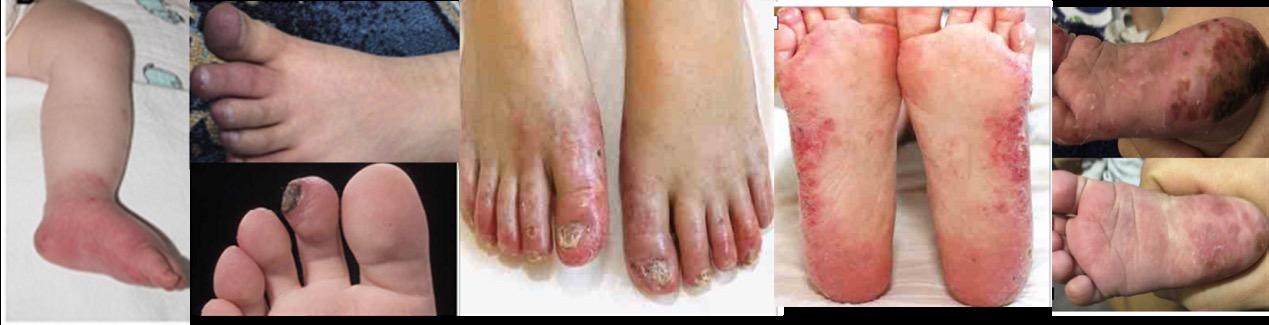
Interferonopathies are heterogeneous diseases resulting from an immune dysregulation of the interferon type I (IFN-I) expression. They are attributed to genetic disorders concerning the production and/or function of IFN-I. Interferonopathies are multisystem overlapping diseases with an early onset, recurrent or persistent inflammatory phenotype indicative of vasculitis, with an increased morbidity and mortality, and no cure. An early recognition is based on gene expression profiling with Next-Generation Sequencing and IFN gene signature, and the genetic monitoring is based on the IFN activity score. Targeted therapy with contemporary biologic agents has improved their outcome. The prototype of interferonopathies is Aicardi Goutières syndrome (AGS) and of proteasomopathies- a subgroup of interferonopathies-, CANDLE syndrome (Chronic Atypical Neutrophilic Dermatosis with Lipodystrophy and Elevated temperature). AGS is attributed to mutated genes of the nucleic acid recognition and processing pathway. It has an early onset- even from the neonatal period- with a severe phenotype of neuro-autoinflammation similar to congenital infections. AGS has a progressive course and an increased mortality, with severe disabilities evident in the survivors. The escorting clinical manifestations are limp and ear pernio-like lesions and the laboratory findings reminiscent of Systemic Lupus Erythematosus. Similar manifestations are also recognized in proteasomopathies, entities due to proteasome mutations that lead to an endoplasmic concentration of degraded proteins and intracellular stress. CANDLE syndrome is characterized by fevers, dermatoses, joint contractures, panniculitis, CNS and eye involvement and later, development of metabolic syndrome and hepatic steatosis. It partially responds to biologic therapy with anti-TNF agents; recently, JAK inhibitors are promising.
1st Department of Paediatrics, Paediatric Immunology and Rheumatology Referral Center, Hippokration General Hospital, Aristotle University of Thessaloniki, Thessaloniki, Greece
1. di Donato G, d’Angelo DM, Breda L, Chiarelli F. Monogenic Autoinflammatory Diseases: State of the Art and Future Perspectives. Int J Mol Sci 2021, 22,6360. https://doi.org/10.3390/ ijms22126360.
2. Rood JE, Behrens EM. Inherited Autoinflammatory Syndromes. Annu Rev Pathol 2022 Jan 24;17:227-249
3. Crow YJ, Stetson DB. The type I interferonopathies: 10 years on. Nat Rev Immunol 2022;22(8):471-483.
4. Negishi H, Taniguchi T, Yanai H. The Interferon (IFN) Class of Cytokines and the IFN Regulatory Factor (IRF) Transcription Factor Family. Cold Spring Harb Perspect Biol 2018;10:a028423
5. Gao KM, Marshak-Rothstein A, Fitzgerald KA Type-1 interferon-dependent and -independent mechanisms in cyclic GMP-AMP synthase-stimulator of interferon genes-driven auto-inflammation. Curr Opin Immunol 2023 Feb;80:102280. doi: 10.1016/j.coi.2022.102280.
Epub 2023 Jan 11.
6. Moghaddas F, Masters SL. The classification, genetic diagnosis and modelling of monogenic autoinflammatory disorders. Clin Sci 2018;132:1901-1924.
7. Eleftheriou D, Brogan PA. Genetic interferonopathies: An overview. Best Practice 2017; 31(4): 441-459
8. D'Angelo DM , Di Filippo P, Breda L , Chiarelli F. Type I Interferonopathies in Children: An Overview. Front Pediatr 2021 Mar 31;9:631329. doi: 10.3389/fped.2021.631329. eCollection 2021.
9. Papa R, Picco P, Gattorno M. The expanding pathways of autoinflammation: a lesson from the first 100 genes related to autoinflammatory manifestations. Adv Protein Chem Struct Biol 2020;120:1-44. doi: 10.1016/bs.apcsb.2019.11.001. Epub 2019 Dec 12.
10. de Jesus AA, Hou Y, Brooks S, Malle L, Biancotto A, Yan Huang Y, et al. Distinct interferon signatures and cytokine patterns define additional systemic autoinflammatory diseases: J Clin Invest 2020;130(4):1669–1682. https://doi.org/10.1172/JCI129301.
11. Liu Υ, Jesus ΑΑ, Marrero Β, Yang D, Ramsey SE, Montealegre Sanchez GA, et al. Activated STING in a Vascular and Pulmonary Syndrome. N Engl J Med 2014;371:507-18.
12. Melki I, Fremond ML. Type I Interferonopathies: From a novel concept to targeted therapies. Curr Rheum Rep 2020; 22:32 doi:10.1007/s1926-020-00909-4
13. Ha MK, Bartholomeus E, Van Os L, Dandelooy J, Leysen J, Aerts O, et al. Blood transcriptomics to facilitate diagnosis and stratification in pediatric rheumatic diseases – a proof of concept study. Pediatric Rheumatology 2022; 20:91
14. Savic S, Caseley EA, Michael F. McDermott MF. Moving towards a systems-based classification of innate immune mediated diseases. Nat Rev Rheumatol 2020; 16: 222-237
15. Miyamoto T, Honda Y, Izawa K, Kanazawa N, Kadowaki S, Ohnishi H, et al. Assessment of type I interferon signatures in undifferentiated inflammatory diseases: A Japanese multicenter experience. Front Immunol 2022 Sep 23;13:905960. doi: 10.3389/fimmu.2022.905960. eCollection 2022.
16. Rice GI, Park S, Gavazzi F, Adang LA, Ayuk LA, Van Eyck L, et al. Genetic and phenotypic spectrum associated with IFIH1 gain-of-function Hum Mutat 2020;41:837-849. doi: 10.1002/humu.23975.
17. Gedik KC, Lamot L, Romano M, Demirkaya E, Piskin D, Torreggiani S, et al. The 2021 European Alliance of Associations for Rheumatology/American College of Rheumatology. Points to Consider for Diagnosis and Management of Autoinflammatory Type I Interferonopathies: CANDLE/PRAAS, SAVI, and AGS. Arthritis & Rheumatol 2022;74:735-751. doi:10,1002/art.42087
18. Hanson EP, Lee-Kirsch MA, Montealegre Sanchez GA, Neven B, Orcesi S, Ozen S, et al. The 2021 EULAR and ACR points to consider for diagnosis and management of autoinflammatory type I interferonopathies: CANDLE/PRAAS, SAVI and AGS. Ann Rheum Dis 2022;81:601-613. doi: 10.1136/annrheumdis-2021-221814
19. Volpi S, Picco P, Caorsi R, Candotti F, Gattorno M. Type I interferonopathies in pediatric rheumatology. Pediatr Rheumatol Online J 2016 Jun 4;14(1):35
20. Dell'Isola GB, Dini G, Culpepper KL, Portwood KE, Ferrara P, Di Cara G, et al. Clinical spectrum and currently available treatment of type I interferonopathy Aicardi-Goutières syndrome. World J Pediatr 2023 Jan 17. doi: 10.1007/s12519-022-00679-2. Online ahead of print
21. Du Y, Liu M, Nigrovic PA, Dedeoglu F, Pui Y, Lee PY. Biologics and JAK inhibitors for the treatment of monogenic systemic autoinflammatory diseases in children. J Allergy Clin Immunol 2023 Jan 25;S0091-6749(22)02589-1.
22. Krusche M, Kallinich T. Autoinflammation – Unterschiede bei Kindern und Erwachsenen. [Article in German] Z Rheumatol 2021 https://doi.org/10.1007/s00393-021-01115-y Published Online: 11 Nov 2021
23. Signa S, Dell'Orso G, Gattorno M, Faraci M. Hematopoietic stem cell transplantation in systemic autoinflammatory diseases - the first one hundred transplanted patients. Expert Rev Clin Immunol 2022;18:667-689. doi: 10.1080/1744666X.2022.2078704.
24. Papendorf JJ, Krüger E, Ebstein F. Proteostasis Perturbations and Their Roles in Causing Sterile Inflammation and Autoinflammatory Diseases. Cells 2022 Apr 22;11(9):1422. doi: 10.3390/cells11091422.
25. Brehm A, Liu Y, Sheikh A, Marrero B, Omoyinmi E, Zhou Q, et al. Additive loss-offunction proteasome subunit mutations in CANDLE/PRAAS patients promote type I IFN production J Clin Invest 2015;125:4196-211. doi: 10.1172/JCI81260. Epub 2015 Oct 20.
26. Boyadzhiev M, Marinov L, Boyadzhiev V, Iotova V, Aksentijevich I, Hambleton S. Disease course and treatment effects of a JAK inhibitor in a patient with CANDLE syndrome. Pediatr Rheumatol Online J. 2019 May 2;17(1):19. doi: 10.1186/s12969-019-0322-9.
SAVI (STING-Associated Vasculopathy with onset in Ιnfancy)
K.
e-mail:
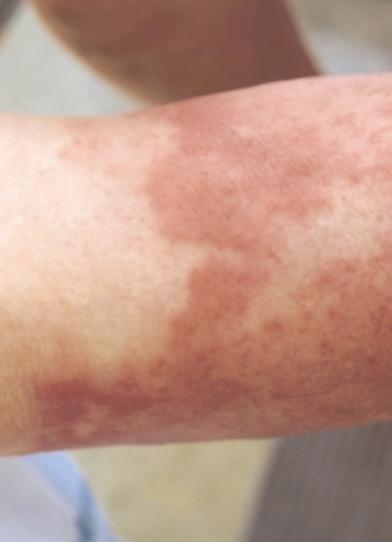
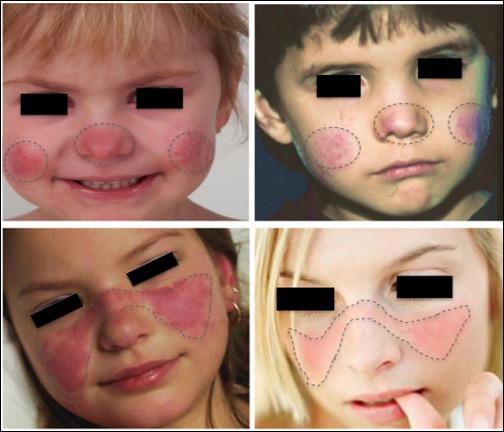
(chilblain lupus).
Correspondence
Artemis Koutsonikoli
Pantazidou 38, Pylaia
Τ. +30 2310892498
M. +30 6944590243
e-mail: artemis_kou@ yahoo.com
Monogenic Systemic Lupus Erythematosus (monoSLE) and SAVI syndrome (STING-Associated Vasculopathy with onset in Infancy)
Artemis Koutsonikoli
Abstract
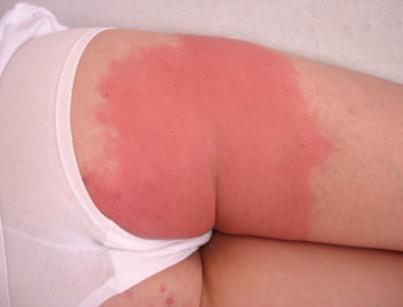
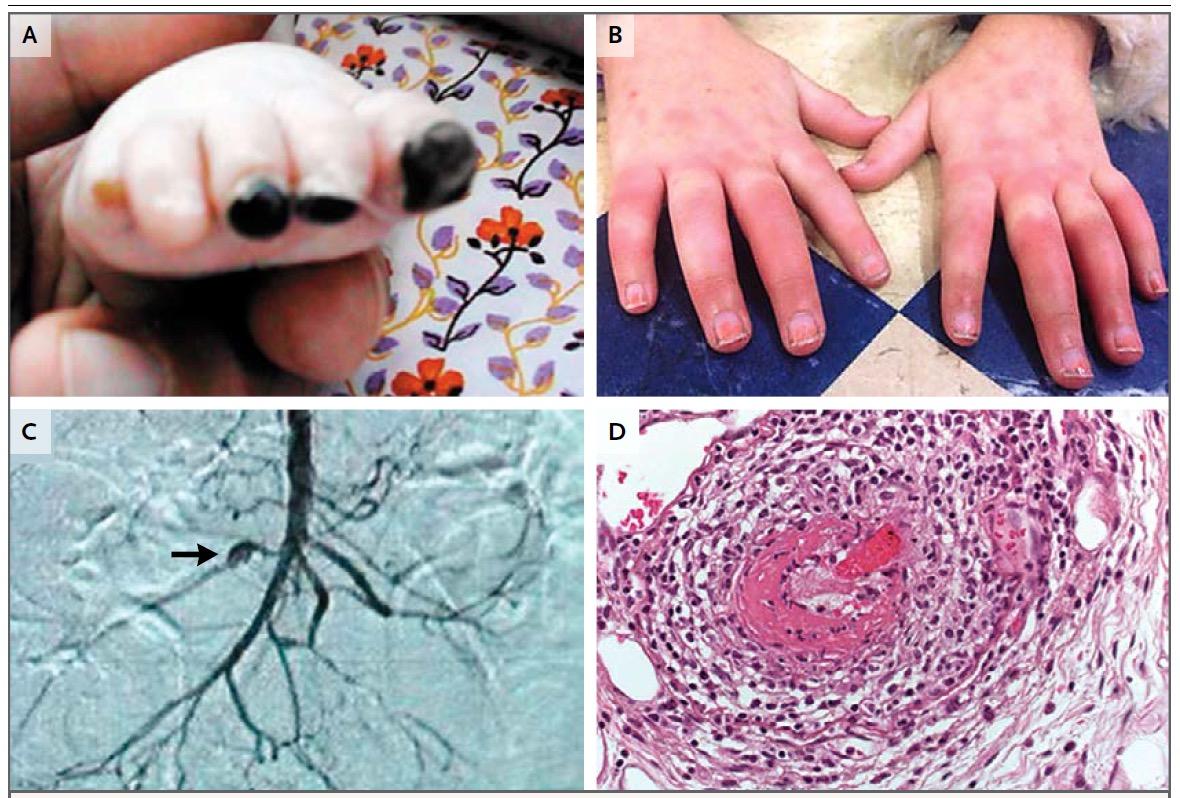
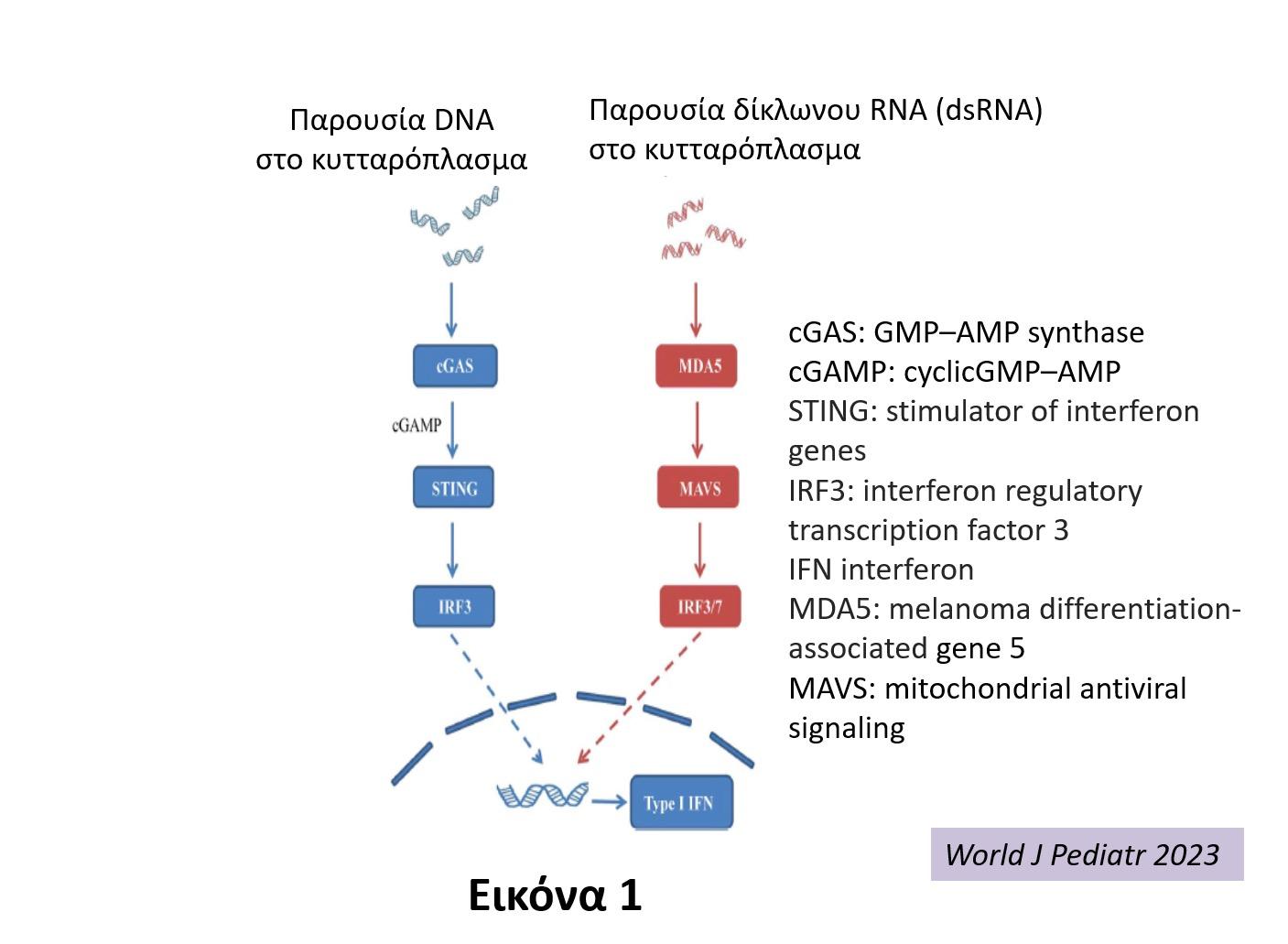
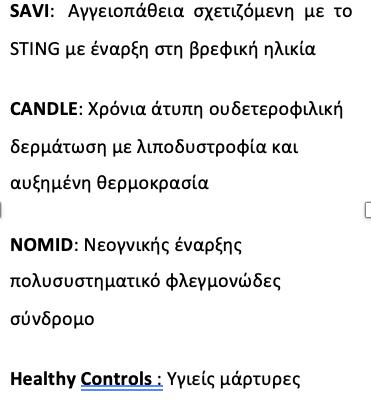
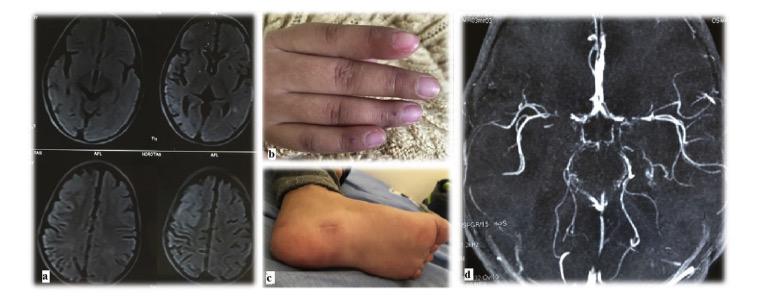
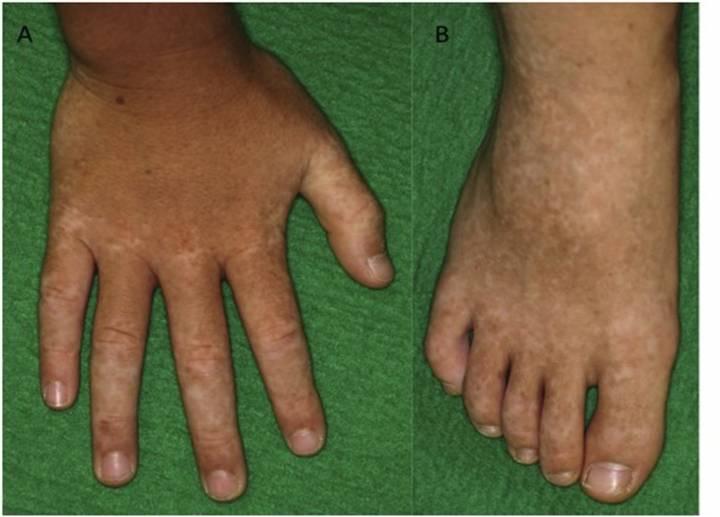
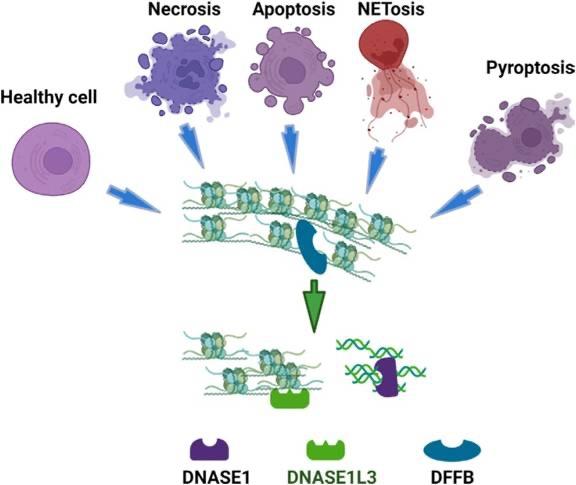
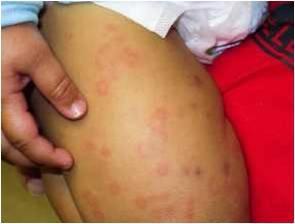
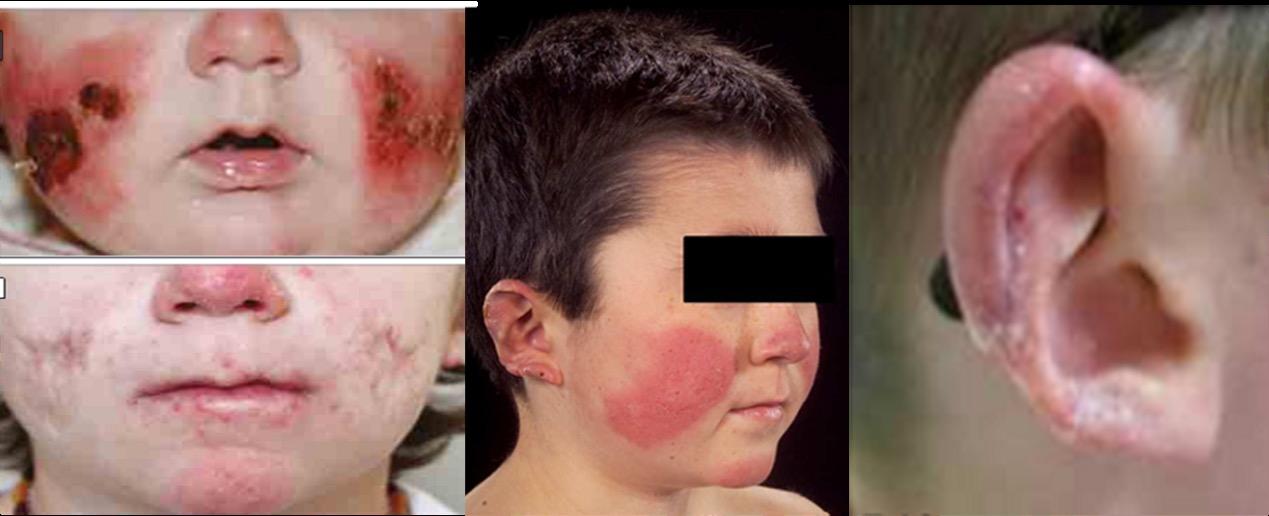
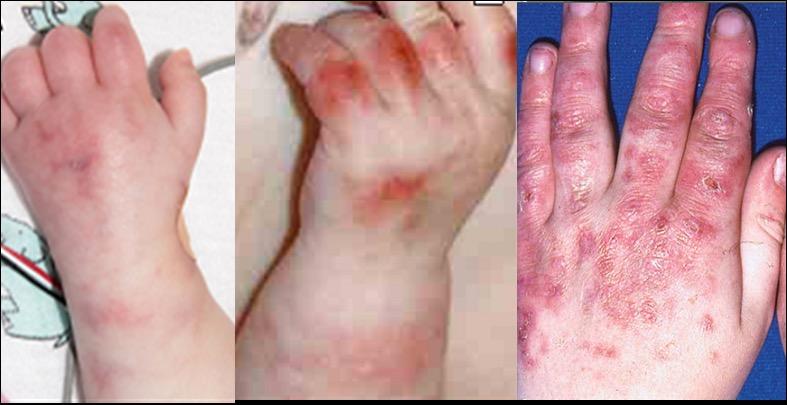
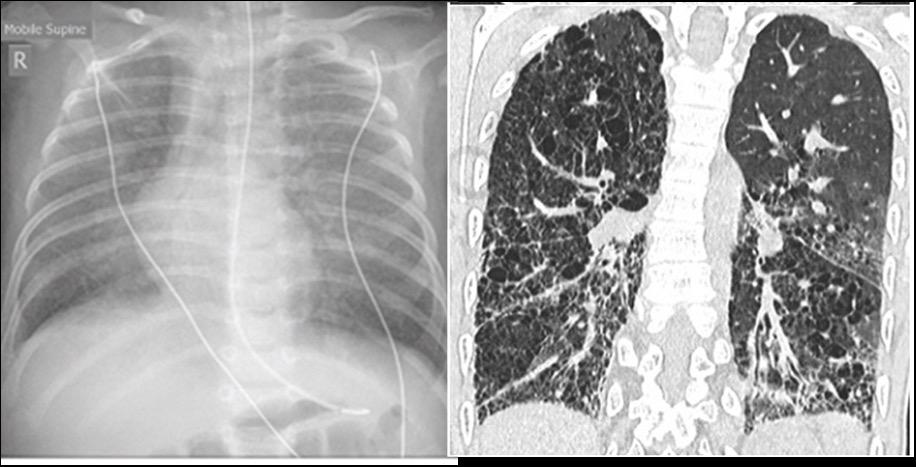
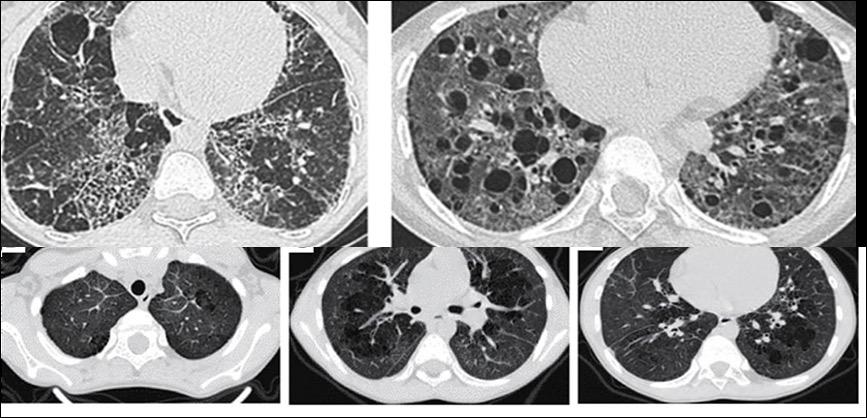
Monogenic Systemic Lupus Erythematosus (monoSLE) is an autoinflammatory disease, caused by a single gene’s mutation. The approximately 30 described genes are involved in inflammation and participate in the: a. complement’s activation pathway or b. interferon (IFN) signaling pathway or c. extracellular DNAses’ function or d. mechanisms of immune tolerance. Characteristics of monoSLE are the early onset in children <5 years old and the frequent familial presentation. Depending on the immune pathway, disrupted by each mutation, the pathophysiology, inheritance and clinical picture differ. Patients generally present with symptoms from multiple systems and sometimes the clinical phenotype is reminiscent of an autoimmune disease, like juvenile SLE. Among the most characteristic skin manifestations are chilblains (chilblain lupus). Treatment is challenging, as there is often no response to the standard regimens used in jSLE. SAVI syndrome (STING-Associated Vasculopathy with onset in Infancy) is a rare monogenic autoinflammatory syndrome. It is caused by a mutation in the gene encoding the protein STING (STimulator of INterferon Genes), which leads to its increased activation, overproduction of IFN and induction of systemic inflammation. The syndrome’s onset is often in the neonatal period. The manner of inheritance is autosomal dominant but de novo mutations are more common. SAVI typically manifests with cutaneous signs of severe vasculopathy and interstitial lung disease (with secondary pulmonary fibrosis). Symptoms from other systems may coexist. The prognosis is poor mainly due to the pulmonary involvement. Response to established immunomodulatory agents is inadequate. Encouraging results are emerging from the use of janus kinase (JAK) inhibitors.
ΣYΝΔΡΟΜΟ SAVI (STING-ASSOCIATED VASCULOPATHY WITH ONSET IN INFANCY)
Εικόνα
(STING-Associated Vasculopathy
(STING-Associated Vasculopathy with onset in Ιnfancy)
1. Tsokos G. N Engl J Med. Systemic lupus erythematosus. N Engl J Med 2011;365:2110-21.
2. Omarjee O, Picard C, Frachette C, Moreews M, Rieux-Laucat F, Soulas-Sprauel P et al. Monogenic lupus: Dissecting heterogeneity. Autoimmun Rev 2019;18:102361.
3. Alperin J, Ortiz-Fernández L, Sawalha A. Monogenic Lupus: A Developing Paradigm of Disease. Front Immunol 2018;9: 2496.
4. Demirkaya E, Sahin S, Romano M, Zhou Q, Aksentijevich I. New Horizons in the Genetic Etiology of Systemic Lupus Erythematosus and Lupus-Like Disease: Monogenic Lupus and Beyond. J Clin Med 2020;9:712.
5. Costa-Reis P, Sullivan K. Monogenic lupus: it's all new! Curr Opin Immunol 2017;49:87-95.
6. Belot A, Cimaz R. Monogenic forms of systemic lupus erythematosus: new insights into SLE pathogenesis. Pediatr Rheumatol Online J 2012;10:21.
7. Melki I, Frémond ML. Type I Interferonopathies: from a Novel Concept to Targeted Therapeutics. Curr Rheumatol Rep 2020;22:32.
9. Kono M, Akiyama M. Dyschromatosis symmetrica hereditaria and reticulate acropigmentation of Kitamura: An update. J Dermatol Sci 2019;93:75-81.
10. Mathapathi S, Chu CQ. Contribution of impaired DNASE1L3 activity to anti-DNA autoantibody production in systemic lupus erythematosus. Rheumatol Immunol Res 2022;3:17-22.
12. Wang Y, Wang F, Zhang X. STING-associated vasculopathy with onset in infancy: a familial case series report and literature review. Ann Transl Med 2021;9(2):176.
13. Omoyinmi E, Melo Gomes S, Nanthapisal S, Woo P, Standing A, Eleftheriou D et al. Stimulator of interferon genes-associated vasculitis of infancy. Arthritis Rheumatol 2015;67:808.
14. Liu Y, Jesus AA, Marrero B, Yang D, Ramsey SE, Sanchez GAM et al. Activated STING in a vascular and pulmonary syndrome. N Engl J Med 2014;371:507-518.
15. Munoz J, Rodière M, Jeremiah N, Rieux-Laucat F, Oojageer A, Rice GI et al. JAMA Dermatol 2015;151:872-7.
16. Picard C, Thouvenin G, Kannengiesser C, Dubus JC, Jeremiah N, Rieux-Laucat F et al. Severe Pulmonary Fibrosis as the First Manifestation of Interferonopathy (TMEM173 Mutation). Chest 2016;150:e65-71.
17. Frémond ML, Rodero MP, Jeremiah N, Belot A, Jeziorski E, Duffy D et al. Efficacy of the Janus kinase 1/2 inhibitor ruxolitinib in the treatment of vasculopathy associated with TMEM173-activating mutations in 3 children. J Allergy Clin Immunol 2016;138:1752-1755.
18. Melki I, Rose Y, Uggenti C, Van Eyck L, Frémond ML, Kitabayashi N et al. Disease-associated mutations identify a novel region in human STING necessary for the control of type I interferon signaling. J Allergy Clin Immunol 2017;140:543-552.
19. Saldanha RG, Balka KR, Davidson S, Wainstein BK, Wong M, Macintosh R et al. A Mutation Outside the Dimerization Domain Causing Atypical STING-Associated Vasculopathy With Onset in Infancy. Front Immunol 2018;9:1535.
20. Sanchez GAM, Reinhardt A, Ramsey S, Wittkowski H, Hashkes PJ, Berkun Y et al. JAK1/2 inhibition with baricitinib in the treatment of autoinflammatory interferonopathies. J Clin Invest 2018;128:3041-3052.
21. Balci S, Ekinci RMK, de Jesus AA, Goldbach-Mansky R, Yilmaz M. Baricitinib experience on STING-associated vasculopathy with onset in infancy: A representative case from Turkey. Clin Immunol 2020;212:108273.
22. Lin B, Berard R, Al Rasheed A, Aladba B, Kranzusch PJ, Henderlight M et al. A novel STING1 variant causes a recessive form of STING-associated vasculopathy with onset in infancy (SAVI). J Allergy Clin Immunol. 2020;146:1204-1208.e6.
23. Frémond ML, Hadchouel A, Berteloot L, Melki I, Bresson V, Barnabei L et al. Overview of STING-Associated Vasculopathy with Onset in Infancy (SAVI) Among 21 Patients. J Allergy Clin Immunol Pract 2021;9:803-818.e11.
24. Kim H, Sanchez GA, Goldbach-Mansky R. Insights from Mendelian Interferonopathies: Comparison of CANDLE, SAVI with AGS, Monogenic Lupus. J Mol Med (Berl) 2016;94:11111127.
2.
3.
www.nomidalliance.org/compchart.php
K.
e-mail: flkan@auth.gr
ΣΥΝΑΔΕΛΦΙΚΑ
1.
2.
3. Βραβευμένες
4. Ερευνητικές μελέτες
5.
6.
7. Επίκαιρα θέματα
τραπεζών
8. Θέματα εκπαίδευσης και οργάνωσης υγείας
9. Ενδιαφέρουσες περιπτώσεις
10. Σύντομα νέα
11. Βραχείες δημοσιεύσεις
12. Επιστολές προς τη σύνταξη
13.
14.
•
ted to Biomedical
International Committee of Medical Journal Editors/Uniform Requirements for Manuscripts Submitted to Biomedical Journals, (www.icmje.org και www.icmje.org/icmje.pdf).
Cumulated Index Medicus [List of Journals Indexed in Index Medicus (www.nlm.nih.goν/bsd/ uniform_requirements.html)].
Παραδείγματα βιβλιογραφικών
1999;59:272-279.
Proesmans W. Bartter syndrome and its neonatal νariant. Eur J Pediatr 1997;156:669-679.
Flyvbjerg Α. Role of growth hormone, insulin-like growth factors (IGFs) and IGF-binding proteins in the renal complications of diabetes. Kidney Ιnt 1997;52 (60 Suppl):S12-S19. Χωρίς
National Institutes of Health Consensus Deνelopment Conference. Neurofibromatosis conference statement. Arch Neurol1988;45:575-578.
Προσδιορισμός τύπου άρθρου:
Schreiner GF, Lange L. Ethanol modulation of macrophage influx in glomerulonephritis [Abstract]. J Am Soc Nephrol 1991;2:562.
Should antileukotriene therapies be used instead of inhaled corticosteroids in asthma? [Editorial]. Am J Respir Crit Care Med 1998;158:1697-1701.
Clark AG, Barratt ΤΜ. Steroid-responsiνe nephrotic syndrome. Ιn: Barratt ΤΜ, Arner ED, Harmon WE, editors. Pediatric Nephrology. 4th ed. Baltimore: Lippincott William Wilkins; 1999. p. 742.
Σύγγραμμα ή μονογραφία: Gorlin RJ, Cohen ΜΜ, Leνin LS. Syndromes of the head and neck. 3rd ed. New York: Oxford Uniνersity Press; 1990.
Δημοσίευση
Bauer ΑW. The two definitions of bacterial resistance. In: Smith AJ, Rogers CA, eds. Proceedings of the Third International Congress of Chemotherapy; 1962 May 29-31; New York: International Society of Chemotherapy; 1963. p. 484-500.
Διδακτορική διατριβή: Παπαδόπουλος
Αθηνών; 1979.
Kaplan SJ. Post hospital home health care: the elderly’s access and utilization [dissertation]. St. Louis (Μο): Washington Univ.;1995.
III. CD-ROM
Andersoη SC, Poulsen ΚΒ. Anderson’s electronic atlas of hematology [CD-ROM]. Philadelphia: Lippincott Williams & Wilkins; 2002.
IV. ΣΤΟ ΔΙΑΔΙΚΤΥΟ Άρθρο σε περιοδικό: Abood S. Quality improνement initiatiνe in nursiηg homes: the ΑΝΑ acts in an adνisory role. Am J Nurs [Internet]. 2002 Jun: