Serotype 3 complicated pneumococcal pneumonia in a vaccinated immunocompetent paediatric patient.
Margarita-Efthalia Papasavva, Dimitra Savvidou, Georgina Tzanakaki, Andreas Iliadis, Vasiliki Gketsi
076
BETWEEN COLLEAGUES
Stelios Antoniadis
078
BOOK PRESENTATION
Aristidis G. Diamantis
082
INSTRUCTIONS TO AUTHORS
: Delay (investigating), Deny (responsibility), Distort (the facts), Disparage (the victim), and Devalue (the victim’s right to an equal education),
2. Chudal R, Tiiri E, Brunstein Klomek A, Ong SH, Fossum S, Kaneko H, Kolaitis G, Lesinskiene S, Li L, Huong MN, Praharaj SK, Sillanmäki L, Slobodskaya HR, Srabstein JC, Wiguna T, Zamani Z, Sourander A; Eurasian Child Mental Health Study Group. Victimization by traditional bullying and cyberbullying and the combination of these among adolescents in 13 European and Asian countries. Eur Child Adolesc Psychiatry 2022 Sep;31(9):1391-1404. doi: 10.1007/s00787-021-01779-6.
3. Mori Y, Tiiri E, Lempinen L, Klomek AB, Kolaitis G, Slobodskaya HR, Kaneko H, Srabstein JC, Li L, Huong MN, Praharaj SK, Ong SH, Lesinskiene S, Kyrrestad H, Wiguna T, Zamani Z, Sillanmäki L, Sourander A; EACMHS Study Group. Feeling Unsafe at School Among Adolescents in 13 Asian and European Countries: Occurrence and Associated Factors. Front Psychiatry 2022 Apr 25:13:823609. doi: 10.3389/fpsyt.2022.823609.
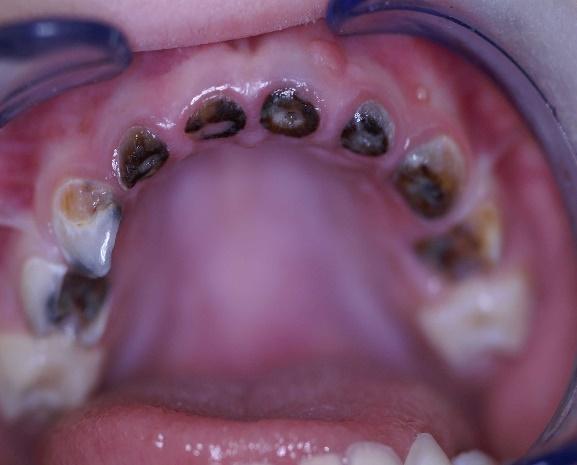
(DMFT) (D-Decayed, M-Missing, F-Filled, T-Tooth)
DMFT index classification (WHO 2013).
Correspondence
Androniki G. Hatziioannou
Priamou 37, Ano Voula
16673
M. +306973610846
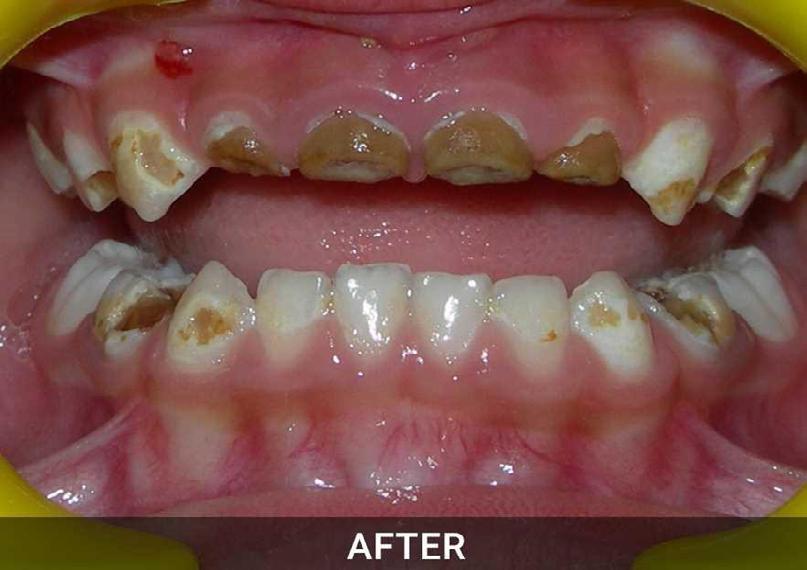
Tερηδόνες θηλασμού (nursing bottle caries)
1.
Βιβλιογραφία
1.
Αγγελόπουλος) eclass.uoa.gr. File php DENT236. Ενότητα 1η
2. Αλεξίου Π: Τι
όπως πριν 20 χρόνια. Φάρμακο-Υγεία 2007:43-44
3. Τhe role of fluoride on caries prevention-Yomna Nassar, Melina Brizuela, Alexandria university, faculty of Dentistry
4. Kassebaum NJ,Bernabe E, Dahiya M-Global burden of untreated caries: a systematic review and metaregression. J.Dent. Res. 2015 May; 94(5) 650-85.
5. Clark MB, Keels MA, Slayton RL. Section of oral health. Fluoride use in caries prevention in the primary care setting. Pediatrics 2020 Dec ;146(6)
7. Recommendation of using fluoride to prevent and control dental caries in the United States. Center for Disease control and prevention MMWR Recomm. Rep 2001 Aug.17;50 (RR- 14):1-4
8. Fluoride toothpastes for preventing dental caries in children and adolescents. Cochrane Datasase syst. Rev. 2003; 2003 (1)CD002278
9. The use of fibrin sealant during non-emergency surgery: a systematic review of evidence of benefits and harms. Edwards SJ, Crawford F, Van Velthoven MH, et al. Southampton technology Assesment, No. 20.71.
10. Traumatic injuries of teeth by Andreasen, published by Willey-Blackwell,2018
11. Ελληνικη
12.
Ανδρικοπούλου Α Παιδοδοντία 2012,26(2)53-57
13. Αγγελόπουλος Α, Παπανικολάου Σ, Αγγελοπούλου Ε:Σύγχρονη Στοματική και Γναθοπροσωπική Παθολογία. Αθήνα Ιατρικές εκδόσεις Λίτσας 2000: 471-6
14. Κακαράντζα Ε,Αλεξανδρίδης Κ , Αγγελόπουλος Α. Τα
1984; 38: 195-201
15. Mechanisms of tooth eruption and orthodontic tooth movement. Dent. Res. 2008; 87:414-34
16. Becker A. General principles related to the diagnosis and treatment of impacted teeth: The orthodontic treatment of impacted teeth. Becker A, ed. St.Louis :Mosby 1998:1-11
17.Periodontal treatment in children and adolescents A Tsami. Odontostomatological Progress 2009,63(1):94-111
18.Bimstein E, Eidelman E. Morphological changes in the attached and keratinized gingiva and gingival sulcus in the mixed dentition. J.Clin. Periodontol 1988;15.175-182
19. Surgical Orthodontic Treatment by William R. Proffit and Raymont P.White ,Jr. Mosby 1991 pages 2-23, and 428-481
20. The impact of mouth breathing on dentofacial development. A concise review National Library of Medicine. Front Public Health. 2022;10:Published online 2022 Sept. 8,2022
e-mail: dkasimos@med.
Correspondence
Dimitris Cassimos
Τ. +302551030476
e-mail: dkasimos@med. duth.gr
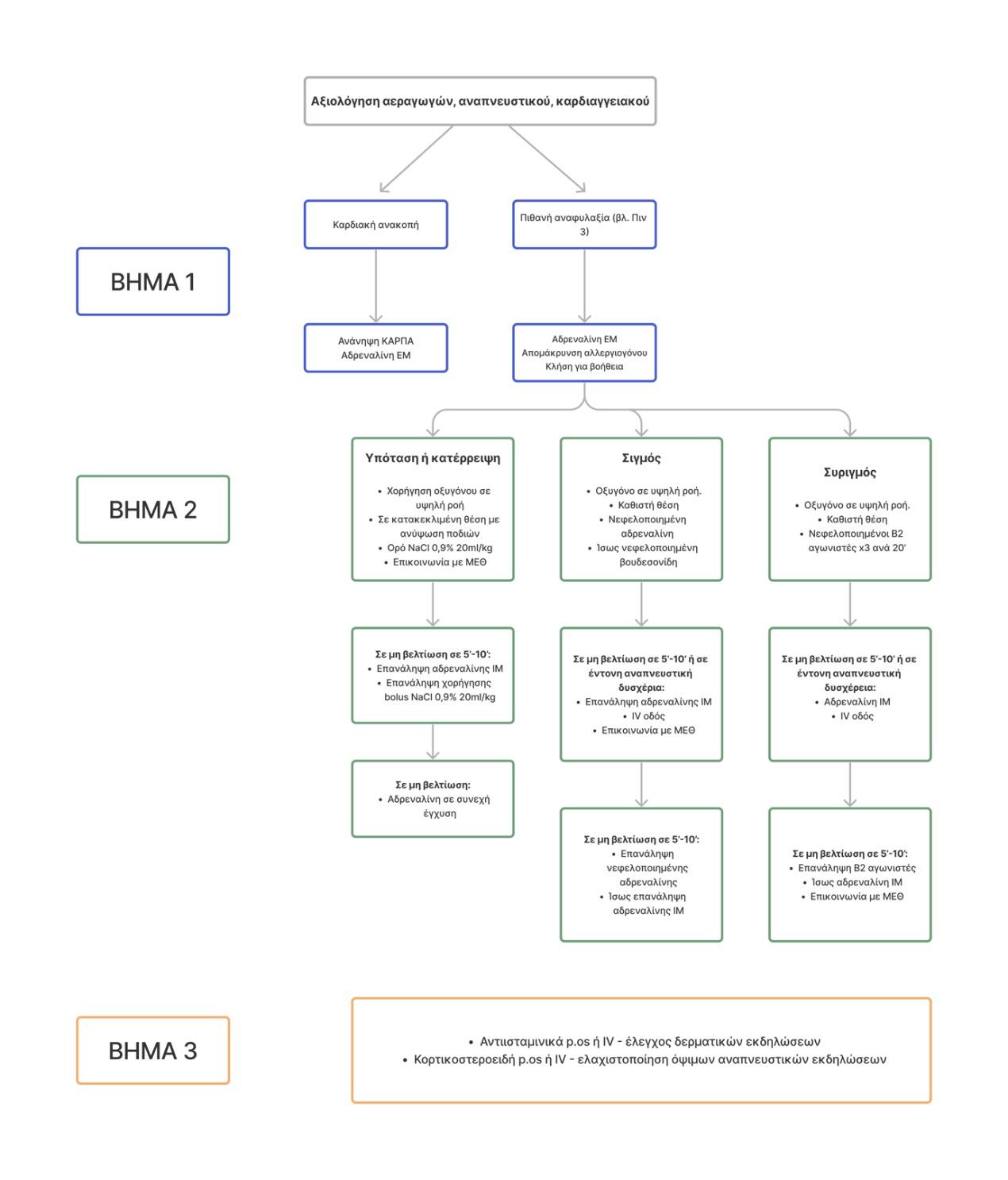
Anaphylaxis: Recognition , diagnosis and treatment at the school environment
Dimitrios Cassimos, Anna Papazoglou
Abstract
Anaphylaxis is a life-threatening emergency. It manifests with symptoms from many systems such as skin, respiratory and cardiovascular and is caused after contact with an allergen, through any route. Its successful treatment is based on rapid diagnosis and the subsequent immediate and effective treatment. The drug of first choice is adrenaline followed by inhaled bronchodilators or adrenaline, intravenous fluids and finally, antihistamines and corticosteroids. First aid measures that take place before transport to the hospital are of the utmost importance for the patient's outcome. It is important to recognize the clinical signs of anaphylaxis in time and to start treatment immediately with the aim of maintaining airway patency and avoiding cardiovascular collapse. Due to the need for immediate intervention, it is important to have proper information and training for parents, patients and teachers so that they are able to recognize the signs and symptoms and deal with possible anaphylaxis episodes promptly. In every school environment there must be an anaphylaxis kit with portable autoinjector adrenaline, while patients with a known or possible allergy must have a corresponding identity card with them and a protocol of anaphylaxis treatment. Finally, it is highly important to hire a trained school nurse capable to deal with such incidents.
Dimitrios Cassimos
Anna Papazoglou
Pediatric Clinic, Alexandroupolis University Hospital
Second symposium on the definition and management of anaphylaxis: summary report-Second National Institute of Allergy and Infectious Disease/Food Allergy and Anaphylaxis Network symposium.) (18)
Anaphylaxis: guidelines from the European Academy of Allergy and Clinical Immunology (19)
1. Johansson SGO, Nopp A, van Hage M, Olofsson N, Lundahl J, Wehlin L, et al. Passive IgE-sensitization by blood transfusion. Allergy. 2005 Sep;60(9):1192–9.
2. Lieberman P. Biphasic anaphylactic reactions. Ann Allergy Asthma Immunol Off Publ Am Coll Allergy Asthma Immunol. 2005 Sep;95(3):217–26; quiz 226, 258.
3. Sato S, Yanagida N, Ito K, Okamoto Y, Saito H, Taniguchi M, et al. Current situation of anaphylaxis in Japan: Data from the anaphylaxis registry of training and teaching facilities certified by the Japanese Society of Allergology - secondary publication. Allergol Int Off J Jpn Soc Allergol. 2023 Jul;72(3):437–43.
4. Cardona V, Ansotegui IJ, Ebisawa M, El-Gamal Y, Fernandez Rivas M, Fineman S, et al. World allergy organization anaphylaxis guidance 2020. World Allergy Organ J. 2020 Oct;13(10):100472.
5. Lieberman PL. Recognition and first-line treatment of anaphylaxis. Am J Med. 2014 Jan;127(1 Suppl):S6-11.
6. Macdougall CF, Cant AJ, Colver AF. How dangerous is food allergy in childhood? The incidence of severe and fatal allergic reactions across the UK and Ireland. Arch Dis Child. 2002 Apr;86(4):236–9.
7. Meyran D, Cassan P, Nemeth M, Singletary E, Raitt J, Djarv T, et al. The Ability of First Aid Providers to Recognize Anaphylaxis: A Scoping Review. Cureus. 2023 Jul;15(7):e41547.
8. Pouessel G, Deschildre A, Dribin TE, Ansotegui IJ, Cardona V, Chinthrajah RS, et al. Refractory Anaphylaxis: A New Entity for Severe Anaphylaxis. J Allergy Clin Immunol Pract. 2023 Jul;11(7):2043–8.
9. Shah A, Dribin TE, Wang J. How to define severity: A review of allergic reaction severity scoring systems. Ann Allergy Asthma Immunol Off Publ Am Coll Allergy Asthma Immunol. 2023 Aug;131(2):170–5.
10. Dribin TE, Motosue MS, Campbell RL. Overview of Allergy and Anaphylaxis. Emerg Med Clin North Am. 2022 Feb;40(1):1–17.
11. Fleming JT, Clark S, Camargo CA, Rudders SA. Early treatment of food-induced anaphylaxis with epinephrine is associated with a lower risk of hospitalization. J Allergy Clin Immunol Pract. 2015;3(1):57–62.
12. Morriello F, Chapman M. Epinephrine in anaphylaxis. CMAJ Can Med Assoc J J Assoc Medicale Can. 2023 May 15;195(19):E683.
13. Sidhu N, Jones S, Perry T, Thompson T, Storm E, Melguizo Castro MS, et al. Evaluation of Anaphylaxis Management in a Pediatric Emergency Department. Pediatr Emerg Care. 2016 Aug;32(8):508–13.
14. Pistiner M, Mendez-Reyes JE, Eftekhari S, Carver M, Lieberman J, Wang J, et al. Factors Associated With Epinephrine Use in the Treatment of Anaphylaxis in Infants and Toddlers. J Allergy Clin Immunol Pract. 2024 Feb;12(2):364-371.e1.
15. Kim YH, Kim AL. Evaluating Standardized Job Competencies for Managing Students at Risk for Anaphylaxis in Elementary School Nurses. Healthc Basel Switz. 2023 Jul 24;11(14):2102.
16. Feketea G, Lakoumentas J, Papatriantafyllou E, Douladiris N, Efthymiou D, Stanciu LA, et al. Food Allergy Management Competence in Greek Schools. Child Basel Switz. 2023 Mar 11;10(3):541.
17. Pumphrey R. Anaphylaxis: can we tell who is at risk of a fatal reaction? Curr Opin Allergy Clin Immunol. 2004 Aug;4(4):285–90.
18. Sampson HA, Muñoz-Furlong A, Campbell RL, Adkinson NF, Bock SA, Branum A, et al. Second symposium on the definition and management of anaphylaxis: summary report-Second National Institute of Allergy and Infectious Disease/Food Allergy and Anaphylaxis Network symposium. J Allergy Clin Immunol. 2006 Feb;117(2):391–7.
19. Muraro A, Roberts G, Worm M, Bilò MB, Brockow K, Fernández Rivas M, et al. Anaphylaxis: guidelines from the European Academy of Allergy and Clinical Immunology. Allergy. 2014 Aug;69(8):1026–45.
Correspondence
Alexios Mavroudis MD
Erithrou Staurou Terma 22131, Tripoli, Arkadia T. +306978699611
e-mail: alexis.mavroudis@ yahoo.gr REVIEW
Immunological profile of early neonatal sepsis
Alexios Mavroudis
Summary
Early neonatal sepsis poses a particular challenge for the clinician, as it coexists with the immaturity of the immune mechanisms against pathogenic microorganisms. This study aims to investigate the molecular mechanisms and biological deviations of the neonatal age in conjunction with environmental factors. A literature review of reputable scientific articles and online sources was conducted to collect information regarding the pathophysiology of neonatal sepsis. According to the findings, qualitative and quantitative changes in cellular elements involved in defense mechanisms are observed in the neonatal age. Significance is attributed to innate immunity characterized by immediate action and non-specific confrontation aiming to limit the risk. Studies emphasize the reduced antigen presentation by "professional cells" APCs, diminished secretion of cytokines, and limitations in MHC antigen processing, making neonates vulnerable to infections. Simultaneously, incomplete activation of adaptive immunity negatively affects defense mechanisms, with a decrease in co-stimulatory molecules (CD40, CD80, PD-1), leading to the disruption of the biological function of T-lymphocytes. Additionally, platelets, through the production of soluble factors, play a crucial role in inflammation. In conclusion, it is estimated that environmental factors (smoking, maternal milk, chorioamnionitis) also influence the immunological phenotype of infants. The development of the immune response is thus a result of immaturity and the effort to maintain immune tolerance to common antigens, aiming to prevent tissue damage and the consequences of inflammation.
Keywords: Immunology, early neonatal sepsis, pathophysiology, inflammation, environment.
Alexios Mavroudis
Peadiatric Department General Hospital “EYAGELISTRIA”
ΑDCC: Antibody-Dependent Cellular Cytotoxicity
ΑP-1: Activator Protein-1
CD: Cluster of Differentiation
Σύμπλεγμα
CXCL: Chemokine ligand
FOXP3: Forkhead box P3
HLA: Human
Leukocyte Antigen
IL: Interleukine
LFA-1: Lymphocyte
Function-Associated Antigen
ΜΑPK-1: MitogenActivated Protein Kinase-1
ΜΗC: Major
Histocompatibility
NET: Neutrophil
Extracellular Traps
NLRP-3: NLR Family Pyrin Domain Containing 3
PAX-5: Paired Box Protein
PAMPs: PathogenAssocciated Molecular
PRRs: Platelets
Recognition Receptors
(ΜΜΠ)» (PAMP, Pathogen associated molecular patterns), ή
1. Kara G. Greenfield, Vladimir P. Badovinac, Thomas S. Griffith, Kathryn A. Knoop, Sepsis, Cytokine Storms, and Immunopathology: The Divide between Neonates and Adults. Immunohorizons 2021; 5(6): 512–522.
2. Tsafaras GP, Ntontsi P, Xanthou G, Advantages and Limitations of the Neonatal Immune System. Front Pediatr 2020 Jan 28:8:5.
3. Ilkay Ozmeral Odabasi, Ali Bulbul, Neonatal Sepsis. Med Bull Sisli Etfal Hosp 2020;54(2):142–158.
4. Rea IM, Gibson DS, McGilligan V, McNerlan SE, Alexander HD, Ross OA. Age and Age-
Related Diseases. Role of Inflammation Triggers and Cytokines. Front Immunol. 2018 Apr 9;9:586.
5. Pratibha Yadav, Shailendra Kumar Yadav, Progress in Diagnosis and Treatment of Neonatal Sepsis: A Review Article J Nepal Med Assoc 2022;60(247):318-24.
6. Renato Soibelmann Procianoy, Rita C Silveira, The challenges of neonatal sepsis management. J Pediatr (Rio J) 2020 Mar-Apr;96 (1 Suppl):80-86.
7. Kirsty Sands, Owen B Spiller, Kathryn Thomson, Edward AR Portal, Kenneth C Iregbu, Timothy R Walsh, Early-Onset Neonatal Sepsis in Low-and Middle-Income Countries: Current Challenges and Future Opportunities. Infection and Drug Resistance 2022:15 933–946.
9. Kolaczkowska E, Kubes P, Neutrophil recruitment and function in health and inflammation. Nature Reviews Immunology 2013;13:159–175.
10. Glaser MA, Hughes LM, Jnah A, Newberry D, Neonatal Sepsis: A Review of Pathophysiology and Current Management Strategies. Adv Neonatal Care 2021 Feb 1;21(1):49-60.
11. Khalid N. Haque, Neonatal Sepsis in the Very Low Birth Weight Preterm Infants: Part 1: Review of Definition, Diagnosis and Management. Journal of Medical Sciences (2010); 3(1):1-10.
12. April C Apostol, Kirk D C Jensen, Anna E Beaudin, Training the Fetal Immune System Through Maternal Inflammation-A Layered Hygiene Hypothesis. Front Immunol 2020 Feb 11:11:123.
13. Unzila Ali Nayeri, Catalin S Buhimschi, Guomao Zhao, Irina A Buhimschi, Vineet Bhandari, Components of the antepartum, intrapartum, and postpartum exposome impact on distinct short-term adverse neonatal outcomes of premature infants: A prospective cohort study. PLoS One 2018 Dec 5;13(12) e0207298.
14. Kaplan JL, Shi HN, Walker WA, The role of microbes in developmental immunologic programming. Pediatr Res. 2011 Jun;69(6):465-72.
15. Plüddemann A, Mukhopadhyay S, Gordon S. Innate immunity to intracellular pathogens: macrophage receptors and responses to microbial entry. Immunol Rev. 2011; 240(1): 11-24.
16. Wynn JL, Wong HR: Pathophysiology and treatment of septic shock in neonates, Clin Perinatol. 2010;37(2):439–479.
17. Istemi Han Celik, MD1, Morcos Hanna, DO2, Fuat Emre Canpolat, MD, Mohan Pammi, MD, PhD, MRCPCH2, Diagnosis of Neonatal Sepsis: The Past, Present and Future. Pediatr Res. 2022 January;91(2):337–350.
18. Takeuchi O, Akira S, Pattern recognition receptors and inflammation. Cell. 2010:140:805–820.
19. Wu J, Chen ZJ, Innate immune sensing and signaling of cytosolic nucleic acids. Annual Review of Immunology 2014:32:461–488.
21. Hye Sun Yoon, Neonatal innate immunity and Toll-like receptor. Korean J Pediatr 2010 Dec;53(12):985-8.
22. Chow A, Brown BD, Merad M, Studying the mononuclear phagocyte system in the molecular age. Nature Reviews Immunology 2011: 11:788–798.
23. Shi Y, Li HQ, Shen CK, et al: Plasma nitric oxide levels in newborn infants with sepsis. J Pediatr 1993:123(3):435–438.
24. Janeway CA, Medzhitov R: Innate immune recognition. Annual Review of Immunology 2002:20:197–216.
25. Emily Hensler, Habesha Petros, Chyna C Gray, Chun-Shiang Chung, Alfred Ayala, Eleanor A Fallon, The Neonatal Innate Immune Response to Sepsis: Checkpoint Proteins as Novel Mediators of This Response and as Possible Therapeutic/Diagnostic Levers. Front Immunol 2022 Jul 4:13:940930.
26. Aharon G Freud, Michael A Caligiuri, Human natural killer cell development. Immunol Rev 2006 Dec:214:56-72.
27.
28. Θεοδώρα
2019;9-43.
2021;17 (1): 44 – 48.
29. Amalie K Bentzen, Lina Such, Kamilla K Jensen, Andrea M Marquard, Leon E Jessen, Natalie J Miller et al. T cell receptor fingerprinting enables in-depth characterization of the interactions governing recognition of peptide-MHC complexes. Nat Biotechnol. 2018: Nov 19.
30. Hoffman W, Lakkis FG, Chalasani G. B Cells, Antibodies, and More, Clin J Am Soc Nephrol, 2016;11(1):137-154.
31. Hagman J, Lukin K, “Hands-on” regulation of B cell development by the transcription factor Pax5. Immunity. 2007; 27(1): 8-10.
32. Paediatric and neonatal sepsis and inflammation. [Editorial]. Pediatric Research 2022;91:267-269.
33. Ahlam Fatmi, Nafissa Chabni, María Cernada, Máximo Vento, María González-López, Mourad Aribi, et al. Clinical and immunological aspects of microRNAs in neonatal sepsis. Biomed Pharmacother 2022 Jan:145:112444.
34. Fleischmann-Struzek C, Goldfarb DM, Schlattmann P, Schlapbach LJ, Reinhart K, Kissoon N. The Global Burden of Paediatric and Neonatal Sepsis: A Systematic Review. Lancet Respir Med (2018) 6(3):223–30.
35. Rabe H, Nordström I, Andersson K, Lundell AC, Rudin A. Staphylococcus Aureus Convert Neonatal Conventional CD4(+) T Cells Into FOXP3(+) CD25(+) CD127(low) T Cells via the PD-1/PD-L1 Axis. Immunology (2014) 141(3):467–81.
36. Latchman Y, Wood CR, Chernova T, Chaudhary D, Borde M, Chernova I, et al. PD-L2 is a Second Ligand for PD-1 and Inhibits T Cell Activation. Nat Immunol (2001) 2(3):261–8.
37. Daniel O'Reilly, Claire A Murphy, Richard Drew, Afif El-Khuffash, Patricia B Maguire, Fionnuala Ni Ainle, Platelets in pediatric and neonatal sepsis: novel mediators of the inflammatory cascade. Pediatr Res 2022 Jan;91(2):359-367.
38. Hotchkiss RS, Colston E, Yende S, Crouser ED, Martin GS, Albertson T, et al. Immune Checkpoint Inhibition in Sepsis: A Phase 1b Randomized Study to Evaluate the Safety, Tolerability, Pharmacokinetics, and Pharmacodynamics of Nivolumab. Intensive Care Med (2019) 45(10):1360–71.
39. Ιωάννης Κ. Θανασάς, Χοριοαμνιονίτιδα:
2018; 23(3): 339-360.
40. Theresa W Gauthier 1, Carolyn Drews-Botsch, Arthur Falek, Claire Coles, Lou Ann S Brown, Maternal alcohol abuse and neonatal infection. Alcohol Clin Exp Res 2005 Jun;29(6):1035-43.
41. Patricia Palmeira, Mag da Carneiro-Sampa, Immunology of breast milk. Rev Assoc Med Bras 2016; 62(6):584-593.
42. M. Σακλαμάκη-Κοντού,
2009:(79):365-374.
43. Segal S, Tzehoval E, Feldman M. Immunological tolerance: high-dose antigen-induced suppressor cells from tolerant animals inactivate antigen-presenting macrophages. Proc Natl Acad Sci U S A. 1979;76:2405-9.
44. Kim M, Moon HB, Kim K, Lee KY. Antigen dose governs the shaping of CTL repertoires in vitro and in vivo. International Immunology 2006;18: 435-444.
K.
e-mail: salavourakaterina@ gmail.com
Correspondence
Salavoura Katerina
G. Papandreou 45, Goudi 17533
Τ. +302107777027
K. +306977592484
e-mail: salavourakaterina@ gmail.com
A case report of Crohn’s disease with complications from urinary track
Salavoura Katerina, Panagiotou Ioanna, Roma Eleutheria, Orfanou Irini.
Summary
Background: Inflammatory bowel disease consists of two different entities of idiopathic chronic intestinal inflammation, Crohn’s disease and ulcerative colitis. Complications in Crohn’s disease are rare in children.
Methods: Clinical and laboratory investigation of our case.
Results: We present a girl with Crohn’s disease, who presented with nearly fatal urinary complications during an acute severe exacerbation of her disease. She developed acute renal failure due to bilateral ureteral obstruction that was a probable complication of generalized inflammation of the pelvis, retroperitonitis and hemorrhagic cystitis. Pigtails were necessary for ureterolysis and decompression of the obstructed ureters. In addition, a fistula connecting ileum and bladder appeared due to chronic inflammation.
Conclusion: Urinary complications of Crohn’s disease are infrequently reported in the literature.
Salavoura Katerina
Panagiotou Ioanna
Roma Eleutheria
Orfanou Irini
Α’ Pediatric Clinic
University of Athens, Children’s Hospital “Agia Sophia”
Βιβλιογραφία
1. Ishi G, Tanaka N, Ishii N, Matsumoto H. Management of urinary complication of Crohn’s disease. Nippon Hinyokika Gakkai Zasshi 2007; 98 (6): 757-763
2. Ruffolo C, Angriman I, Scarpa M et al. Urologic complications in Crohn’s disease: suspicion criteria. Hepatogastroenterology 2006; 53 (69): 357-360
3. Yamamoto T, Keighley M. Enterovesical fistulas complicating Crohn’s disease: clinicopathoilogical features and management. Int J Colorectal Dis 200; 15 (4): 211-5
4. Block G, Enker W, Kirsner J. Significance and treatment of occult obstructive uropathy complicating Crohn’s disease. Annals Surg 1973; 178 (3); 322-330
5. Ueno Y, Tanaka S, Kanao H et al. A case of Crohn’s disease with hydronephrosis caused by ureteropelvic junction obstruction. Eur J Gastroenterol Hepatol 2006; 18(9): 1015-8
6. Elabbassi T, Bachar A, Moufakkir A, El Berni Y, Particularities of urological complications in Crohn's disease: Report of two cases. Ann Med Surg (Lond) 2022 Jun 6:79:103903
7. Ben-Ami H, Ginesin Y, Behar M et al. Diagnosis and treatment of urinary tract complications in Crohn’s disease: an experience over 15 years. Can J Gastroenterol 2002; 16 (4): 225-9
8. Sato S, Sasaki I, Funayama Y et al. Management of urinary complications in Crohn’s disease. Surg today 1999; 29 (8): 713-7
9. Gruner J, Sehon J, Johnson L. Diagnosis and management of enterovesical fistulas in patients with Crohn’s disease. Am Surg 2002; 68 (8): 714-9
10. Solem C, Loftus E, Tremaine W et al. Fistulas to the urinary system in Crohn’s disease: clinical features and outcomes. Am J Gastroenterol 2002; 97 (9): 2300-5
11. Carazo P, Escalona M, Earle S et al. Bilateral hydronephrosis secondary to ileocolic Crohn’s disease. Actas Urol Esp 2002; 26 (6): 425-8
e-mail: maggiepap@hotmail. com
Correspondence
Margarita-Efthalia
Papasavva
Makrigianni Avenue, PC 454 45, Ioannina, Greece
Τ. +30 2651080786
e-mail: maggiepap@ hotmail.com
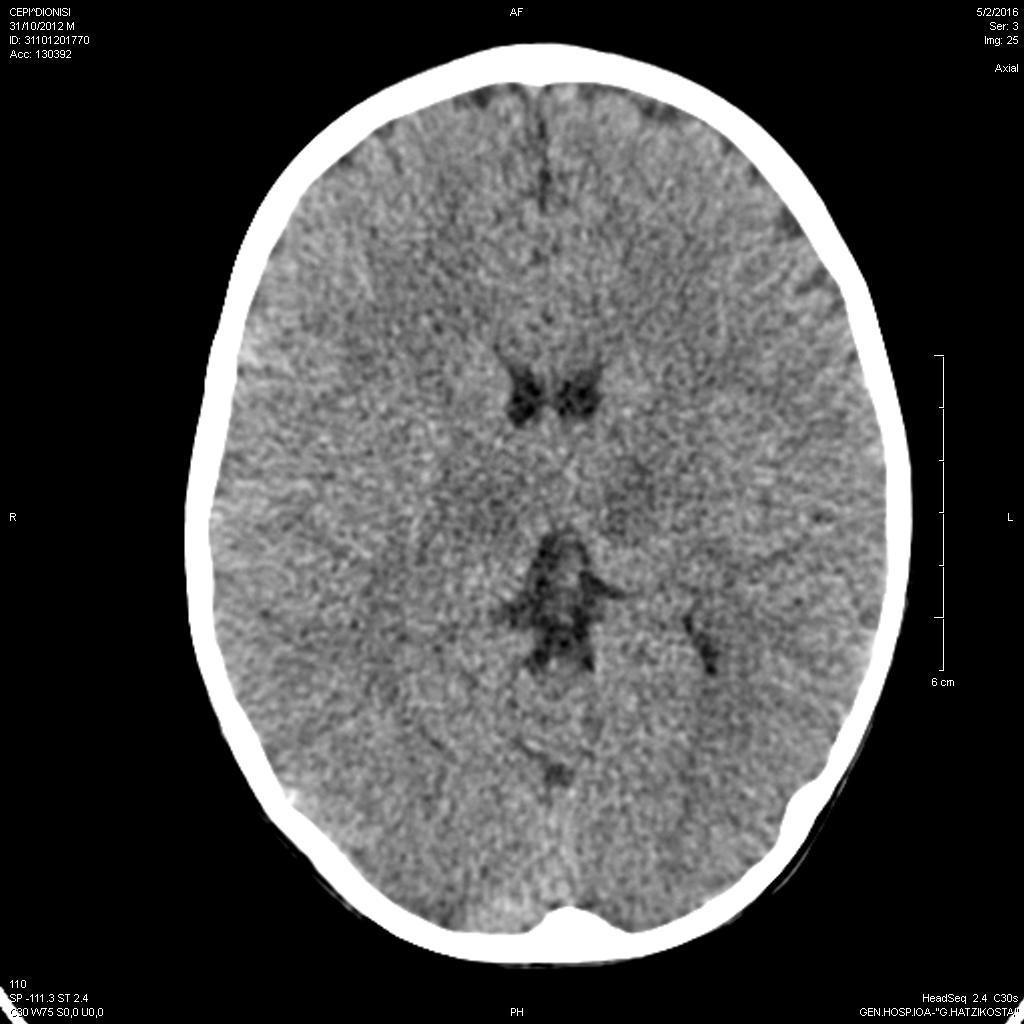
Acute encephalopathy, renal and hepatic failure in an immunocompetent toddler with influenza type Α infection
Influenza infection is very common among the pediatric population, with prominent clinical presentation the involvement of the respiratory system, which usually resolves within a few days. Rarely, influenza may affect all human systems, particularly the Central Nervous System, the kidneys and the liver. We describe the case of a three-year-old immunocompetent boy, with influenza type A infection, without respiratory participation, who presented within a few hours with multi-system organ failure (encephalopathy, renal and hepatic failure and disseminated intravascular coagulation). He was hospitalized in PICU and recovered with neurological defects.
Keywords: influenza, encephalopathy, hepatic failure, renal failure, influenza virus A
Margarita-Efthalia
Papasavva
Vasiliki Gketsi
Department of Pediatrics, General Hospital of Ioannina “G. Ηatzikosta”
Iliada Nakou
Department of Pediatric Neurology, University Hospital of Ioannina, Ioannina
[16]. To CDC (Centers for Disease Control and Prevention)
ασθενείς.
Βιβλιογραφία
[1]. Keilich SR, Bartley JM, Laura Haynes. Diminished immune responses with aging predispose older adults to common and uncommon influenza complications. Cell Immunol,2019 Nov; 345: 103992. Published online 2019 Oct 10.
doi: 10.1016/j.cellimm.2019.103992
[2]. Newland JG, Laurich VM, Rosenquist AW, Heydon K, Licht DJ, Keren R, et al. Neurologic complications in children hospitalized with influenza: characteristics, incidence, and risk factors. J Pediatr, 2007 Mar;150(3):306-10.
doi: 10.1016/j.jpeds.2006.11.054.
[3]. Studahl M. Influenza virus and CNS manifestations. Journal of Clinical Virology, 28 (2003) 225–232.
doi: 10.1016/S1386-6532(03)00119-7.
[4]. Glaser CA, Winter K, DuBray K, Harriman K, Uyeki TM, Sejvar J, et al. A populationbased study of neurologic manifestations of severe influenza A (H1N1) pdm09 in California. Clinical Infectious Diseases, 55 (2012) 514–520. doi: 10.1093/cid/cis454.
[5].Donnelley E, Teutsch S, Zurynski Y, Nunez C, Khandaker G, Lester-Smith D, et al. Severe Influenza-Associated Neurological Disease in Australian Children: Seasonal Population-Based Surveillance 2008–2018. Journal of the Pediatric Infectious Diseases Society, Volume 11, Issue 12, December 2022, Pages 533–540.https://doi.org/10.1093/jpids/ piac069.
[6]. Mizuguchi M. Influenza encephalopathy and related neuropsychiatric syndromes. Influenza and other respiratory viruses, 7 (2013) 67–71. doi: 10.1111/irv.12177.
[7]. Gonzalez B, Brust D. Novel influenza A (H1N1) presenting as an acute febrile encephalopathy in a mother and daughter. Clinical infectious diseases, 49 (2009) 1966–1967. doi: 10.1086/649014.
[8]. Carrillo-Esper R, Pérez-Bustos E, Ornelas-Arroyo S, Albores-Saavedra J, Misael Uribe. Liver involvement in severe human influenza A H1N1. Ann Hepatol, 2010;9:107–11.
[9]. Duchini A, Viernes ME, Nyberg LM, Hendry RM, Pockros PJ. Hepatic decompensation in patients with cirrhosis during infection with influenza A. Arch Intern Med, 2000 Jan 10;160(1):113-5. doi: 10.1001/archinte.160.1.113.
[10]. Bagshaw SM, Sood MM, Long J, Fowler RA, Adhikari NK, Acute kidney injury among critically ill patients with pandemic H1N1 Influenza A in Canada: cohort study. BMC Nephrology, 14 (2013) 123. doi: 10.1186/1471-2369-14-123.
[11]. Jung JY, Park BH, Hong SB, Koh Y, Suh GY, Jeon K, Koh SO, Kim JY, Cho JH, Choi HS,
Acute kidney injury in critically ill patients with pandemic influenza A pneumonia 2009 in Korea: a multicenter study. J Crit Care, 26 (2011) 577–585. doi: 10.1016/j.jcrc.2011.02.012.
[12]. Steininger C, Popow-Kraupp T, Laferl H, Seiser A, Gödl I, Djamshidian S, Stöckl EP. Acute encephalopathy associated with influenza A virus infection. Clinical infectious diseases, 36 (2003) 567–574. doi: 10.1086/367623.
[13]. Papic N, Pangercic A, Vargovic M, Barsic B, Vince A, Kuzman I. Liver involvement during influenza infection: perspective on the 2009 influenza pandemic. Influenza Other Respir Viruses, 2012;6: e2–e5. doi: 10.1111/j.1750-2659.2011.00287.x.
[14]. Kawada JI., Kimura H, Ito Y, Hara S, Iriyama M, Yoshikawa T, Morishima T. Systemic cytokine responses in patients with influenza-associated encephalopathy. J Infect Dis, 188 (2003) 690–698. doi: 10.1086/377101.
[15]. Ichiyama T, Morishima T, Isumi H, Matsufuji H, Matsubara T, Furukawa S, Analysis of cytokine levels and NF-κB activation in peripheral blood mononuclear cells in influenza virus-associated encephalopathy. Cytokine, 27 (2004) 31–37. doi: 10.1016/j.cyto.2004.03.012.
[16]. Overview of Influenza Testing Methods/CDC www.cdc.gov>flu>professionals.
[17]. Takahashi H, Otsuka Y, Patterson BK. Diagnostic tests for influenza and other respiratory viruses: determining performance specifications based on clinical setting. J Infect Chemother. 2010 Jun;16(3):155-61. doi: 10.1007/s10156-010-0035-y. Epub 2010 Feb 27.
[18]. Teutsch SM, Zurynski YA, Nunez C, Lester-Smith D, Festa M, et al. Ten Years of National Seasonal Surveillance for Severe Complications of Influenza in Australian Children. Pediatr Infect Dis J. 2021 Mar 1;40 (3):191-198. doi: 10.1097/INF.0000000000002961.
K.
e-mail:
Correspondence
Vasiliki Gketsi
60, Makrigianni Av., PC 454 45, Ioannina, Greece
Τ. +30 2651080785 M. +30 6945398479 e-mail: vikigetsi@gmail.com
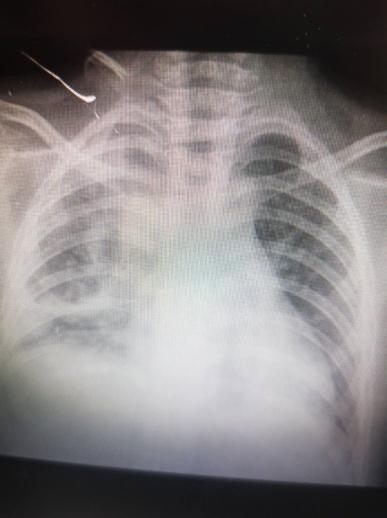
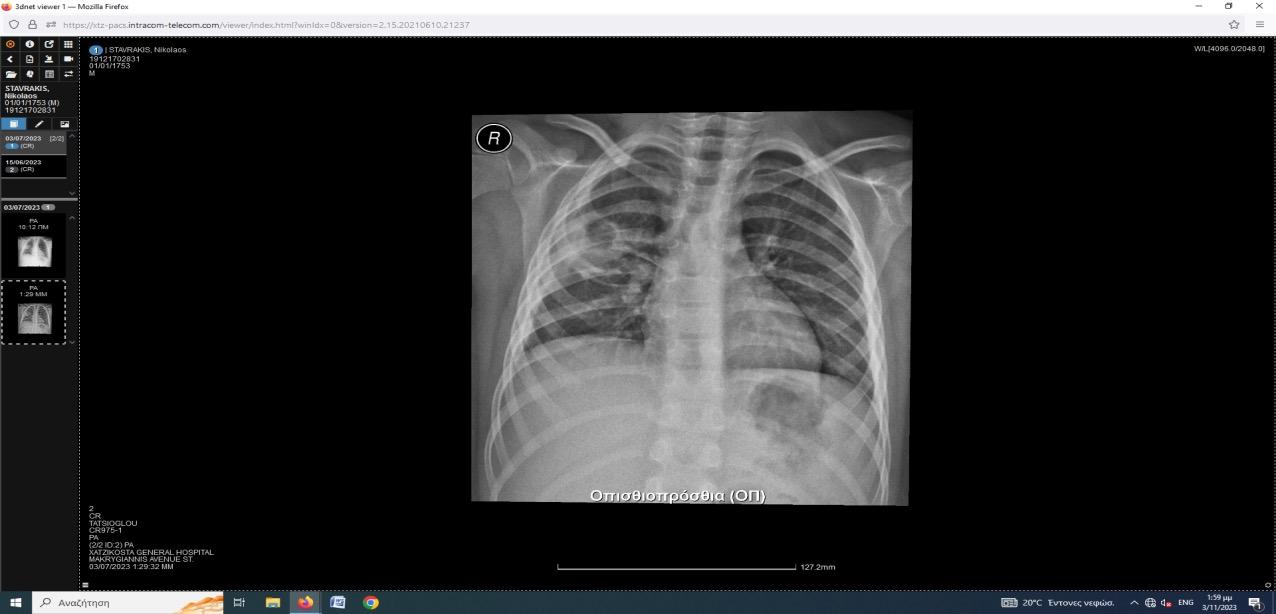
Serotype 3 complicated pneumococcal pneumonia in a vaccinated immunocompetent paediatric patient
Margarita-Efthalia Papasavva, Dimitra Savvidou, Georgina Tzanakaki, Andreas Iliadis, Vasiliki Gketsi
Abstract
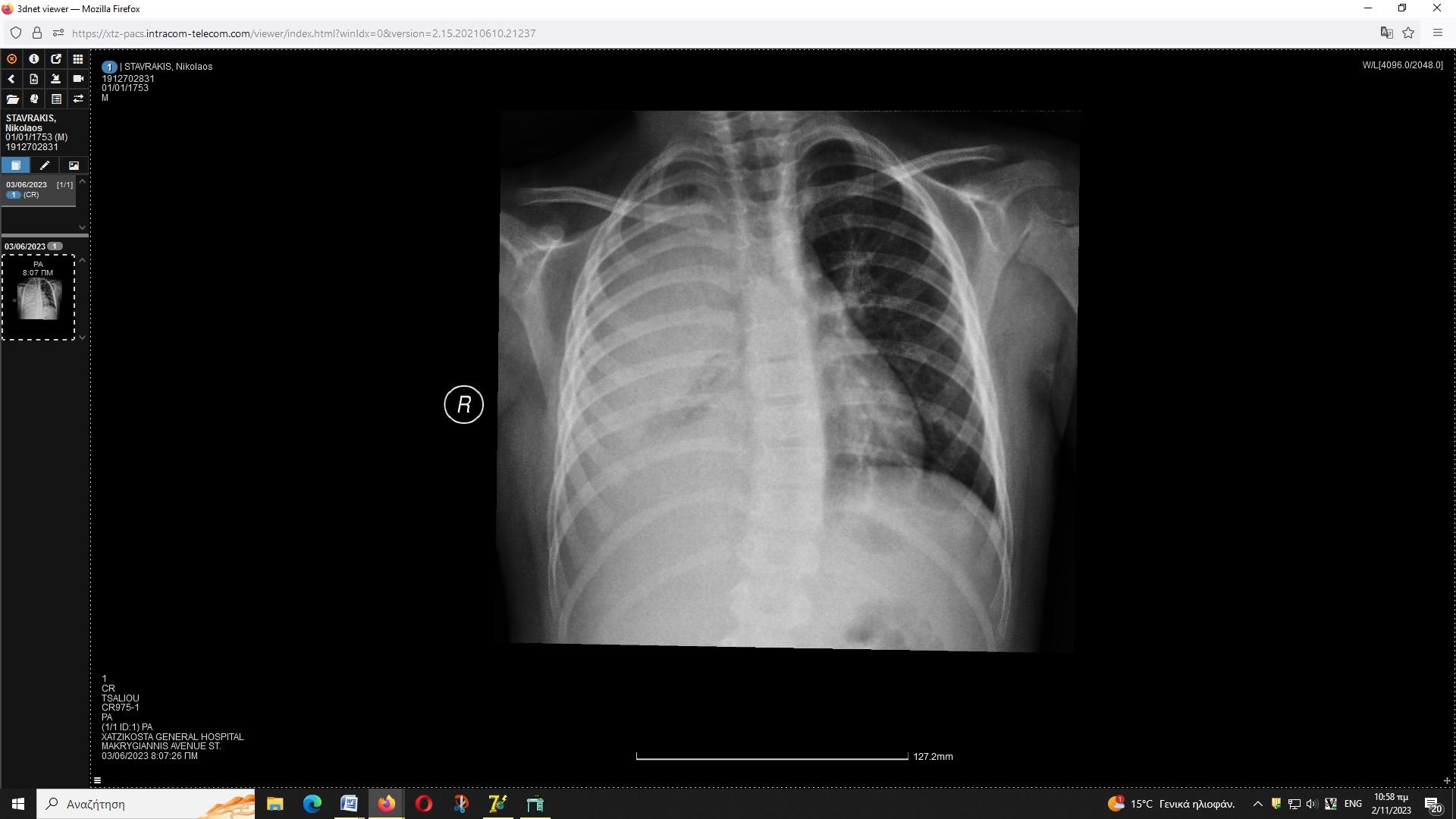
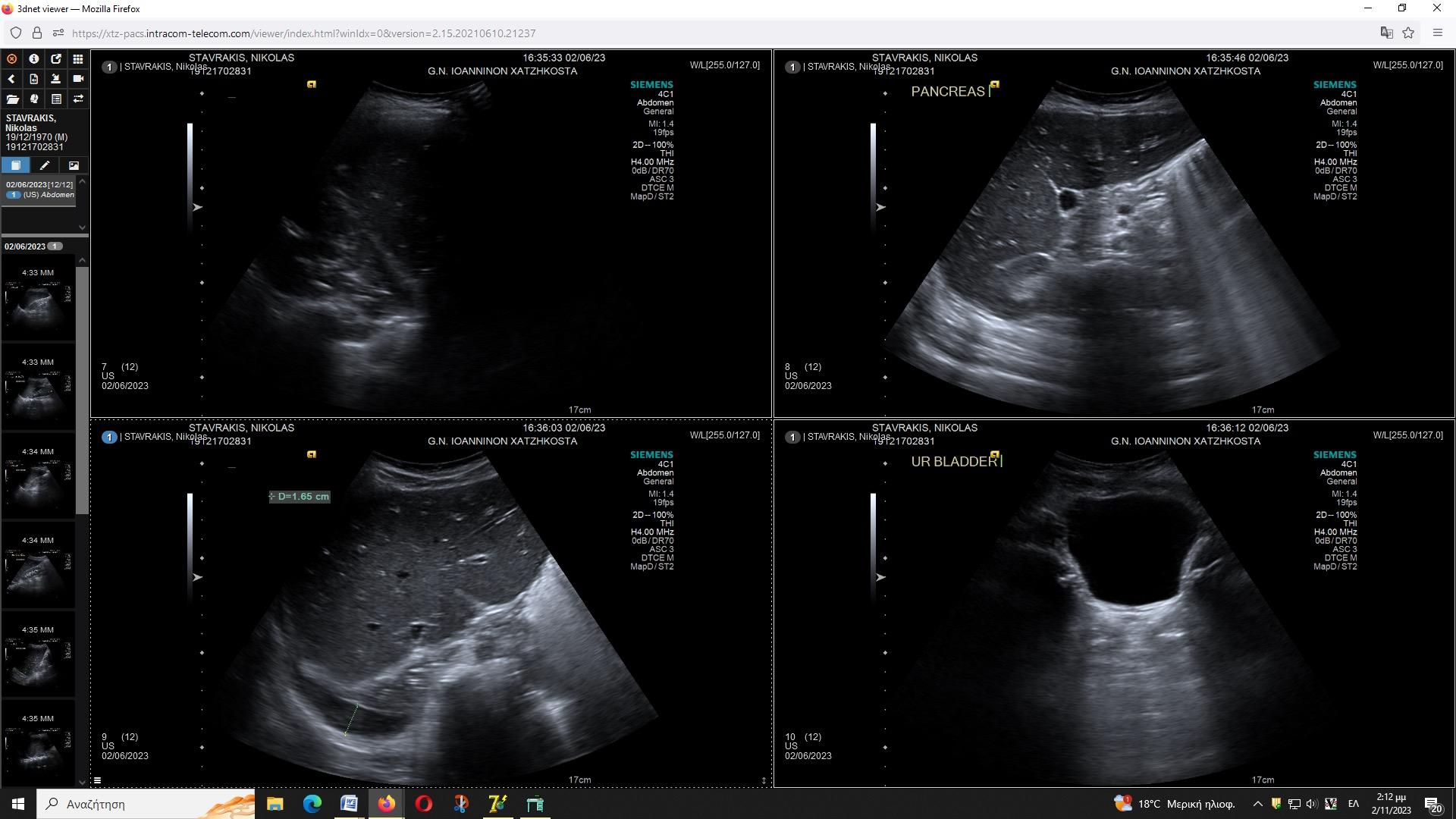
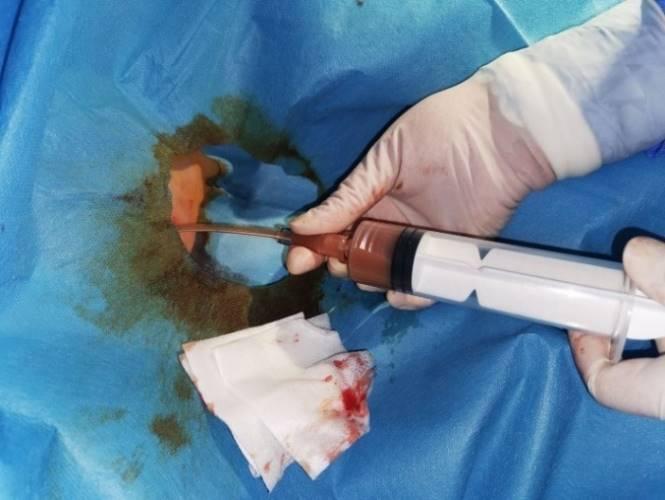
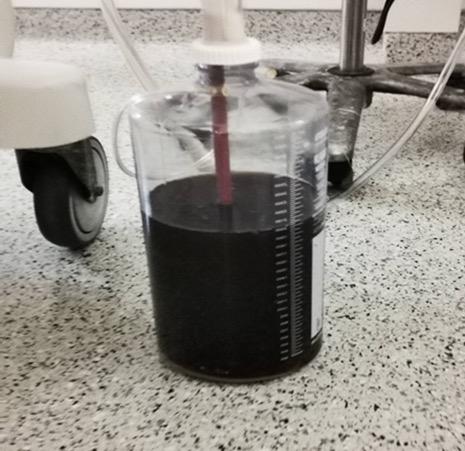
After the introduction of the 13-valent pneumococcal conjugate vaccine (PCV13) in the Paediatric National Immunization Programs, both invasive pneumococcal disease and complicated pneumonia due to serotype 3 have not been significantly decreased in the paediatric population. This epidemiological data have raised a great concern about the efficacy of PCV13 against serotype 3 pneumococcal disease in children. We report the case of a 5.5-year-old boy with community acquired complicated pneumococcal pneumonia due to pneumococcus serotype 3. The patient was fully vaccinated with 4 doses of PCV13.
Keywords: 13-valent pneumococcal conjugate vaccine (PCV13), complicated pneumonia, S. pneumoniae serotype 3, children
Margarita-Efthalia
Papasavva
Dimitra Savvidou
Vasiliki Gketsi
Paediatric Department, General Hospital of Ioannina "G. Hatzikosta"
Georgina Tzanakaki Laboratory Surveillance of Infectious Diseases (LSID), National Meningitis Reference Laboratory, Dept. of Public Health Policy, School of Public Health, University of West Attica
Andreas Iliadis
Pediatric Intensive Care Unit, University General Hospital of Patras
(CST) (Marmaras et al
Εικόνα
3.
Βιβλιογραφία
1. Tzanakaki G, Tsopanomichalou M, Kesanopoulos K , Matzourani R, Sioumala M, A Tabaki, et al. Simultaneous single-tube PCR assay for the detection of Neisseria meningitidis, Haemophilus influenzae type b and Streptococcus pneumoniae 2005. Clinical Microbiology and Infection. Volume 11 (5), pp 386-390. https://doi.org/10.1111/j.1469-0691.2005.01109.x
2. Marmaras N, Xirogianni A, Papandreou A, Petinaki E, Papaevangelou V, Tsolia M, et al. Pneumococcal Serotype Identification by Capsular Sequence Typing (CST): A Modified Novel Approach for Serotyping Directly in Clinical Samples. Diagnostics (Basel). 2021 Dec 14;11(12):2353. doi: 10.3390/diagnostics11122353.
3. Grant L R, Slack M P E, Theilacker C, Vojicic J, Dion S, Reinert R-R, et al. Distribution of Serotypes Causing Invasive Pneumococcal Disease in Children From High-Income Countries and the Impact of Pediatric Pneumococcal Vaccination. Clin Infect Dis. 2023 Feb 1; 76(3): e1062–e1070. doi: 10.1093/cid/ciac475. PMCID: PMC9907512. PMID: 35789262.
4. Silva-Costa C, Gomes-Silva J, Pinho M D, Friães A, Ramirez M, Melo-Cristino J. Continued Vaccine Breakthrough Cases of Serotype 3 Complicated Pneumonia in Vaccinated Children, Portugal (2016-2019). Microbiol Spectr. 2022 Aug 31;10(4):e0107722. doi: 10.1128/ spectrum.01077-22.
5. Goettler D, Streng A, Kemmling D, Schoen C, Kries R, Rose M A, et al. Increase in Streptococcus pneumoniae serotype 3 associated parapneumonic pleural effusion/ empyema after the introduction of PCV13 in Germany. Vaccine. 2020 Jan 16;38(3):570-577. doi: 10.1016/j.vaccine.2019.10.056. PMID: 31735502.
6. McLaughlin J M, Jiang Q, Gessner B D, Swerdlow D L, Sings H L, Isturiz R E, et al. Pneumococcal conjugate vaccine against serotype 3 pneumococcal pneumonia in adults: A systematic review and pooled analysis. Vaccine. 2019 Oct 8;37(43):6310-6316. doi: 10.1016/j. vaccine.2019.08.059. PMID: 31522807.
7. Silva-Costa C, Brito M J, Pinho M D, Friães A, Aguiar S I, Ramirez M, et al. Pediatric Complicated Pneumonia Caused by Streptococcus pneumoniae Serotype 3 in 13-Valent
8. Haggie S, Fitzgerald D A, Pandit C, Selvadurai H, Robinson P, H Gunasekera H, et al. Increasing Rates of Pediatric Empyema and Disease Severity With Predominance of Serotype 3 S. pneumonia: An Australian Single-center, Retrospective Cohort 2011 to 2018. Pediatr Infect Dis J. 2019 Dec;38(12):e320-e325. doi: 10.1097/INF.0000000000002474. PMID: 31634299.
9. Syrogiannopoulos G A, Michoula A N, Tsimitselis G, Vassiou K, Chryssanthopoulou D C, Grivea I N. Pneumonia with empyema among children in the first five years of high coverage with 13-valent pneumococcal conjugate vaccine. Infect Dis (Lond). 2016 Oct;48(10):749-53. doi: 10.1080/23744235.2016.1192720. PMID: 27320108.
10. Azzari C, Serranti D, Nieddu F, Moriondo M, Casini A, Lodi L, et al. Significant impact of pneumococcal conjugate vaccination on pediatric parapneumonic effusion: Italy 2006-2018. Vaccine. 2019 May 6;37(20):2704-2711. doi: 10.1016/j.vaccine.2019.04.012. PMID: 30981627.
ΣΥΝΑΔΕΛΦΙΚΑ
1.
2.
3. Βραβευμένες
4. Ερευνητικές μελέτες
5.
6.
7. Επίκαιρα θέματα
8. Θέματα εκπαίδευσης και οργάνωσης υγείας
9. Ενδιαφέρουσες περιπτώσεις
10. Σύντομα νέα
11. Βραχείες δημοσιεύσεις
12. Επιστολές προς τη σύνταξη
13.
14.
15.
•
•
International Committee of Medical Journal Editors/ Uniform Requirements for Manuscripts Submitted to Biomedical Journals, (www.icmje.org και www.icmje.org/icmje.pdf).
Cumulated Index Medicus [List of Journals Indexed in Index Medicus (www.nlm.nih.goν/bsd/ uniform_requirements.html)].
Παραδείγματα βιβλιογραφικών
1999;59:272-279.
Proesmans W. Bartter syndrome and its neonatal νariant. Eur J Pediatr 1997;156:669-679.
Flyvbjerg Α. Role of growth hormone, insulin-like growth factors (IGFs) and IGF-binding proteins in the renal complications of diabetes. Kidney Ιnt 1997;52 (60 Suppl):S12-S19. Χωρίς
National Institutes of Health Consensus Deνelopment Conference. Neurofibromatosis conference statement. Arch Neurol1988;45:575-578.
Προσδιορισμός τύπου άρθρου:
Schreiner GF, Lange L. Ethanol modulation of macrophage influx in glomerulonephritis [Abstract]. J Am Soc Nephrol 1991;2:562.
Should antileukotriene therapies be used instead of inhaled corticosteroids in asthma? [Editorial]. Am J Respir Crit Care Med 1998;158:1697-1701.
Clark AG, Barratt ΤΜ. Steroid-responsiνe nephrotic syndrome. Ιn: Barratt ΤΜ, Arner ED, Harmon WE, editors. Pediatric Nephrology. 4th ed. Baltimore: Lippincott William Wilkins; 1999. p. 742.
Σύγγραμμα ή μονογραφία:
Gorlin RJ, Cohen ΜΜ, Leνin LS. Syndromes of the head and neck. 3rd ed. New York: Oxford Uniνersity Press; 1990.
Δημοσίευση
Bauer ΑW. The two definitions of bacterial resistance. In: Smith AJ, Rogers CA, eds. Proceedings of the Third International Congress of Chemotherapy; 1962 May 29-31; New York: International Society of Chemotherapy; 1963. p. 484-500.
Διδακτορική
Αθηνών; 1979.
Kaplan SJ. Post hospital home health care: the elderly’s access and utilization [dissertation]. St. Louis (Μο): Washington Univ.;1995.
III. CD-ROM
Andersoη SC, Poulsen ΚΒ. Anderson’s electronic atlas of hematology [CD-ROM]. Philadelphia: Lippincott Williams & Wilkins; 2002.
IV. ΣΤΟ ΔΙΑΔΙΚΤΥΟ Άρθρο σε περιοδικό: Abood S. Quality improνement initiatiνe in nursiηg homes: the ΑΝΑ acts in an adνisory role. Am J Nurs [Internet]. 2002 Jun:
Μονογραφία: Foley ΚΜ, Gelbaηd Η, editors. Improving palliative care for cancer [Monograph, Internet]. Washington: National Academy Press; 2001.
Webpage: http://www.nap.edu/books/0309074029/html Ιστοσελίδες: Cancer-Pain.org [Webpage, Internet]. New York: Association of Cancer Online Resources, Ιnc.; 2002: http://www.cancer-pain.org/