1. Kolb SJ and Kissel JT. Neurol Clin. 2015;33(4):831–46. 2. Prior TW, et al. NCBI Bookshelf 2019. Available at https://www.ncbi.nlm. nih.gov/books/NBK1352. Date accessed: Δεκέμβριος 2022. 3. Wang CH, et al. J Child Neurol. 2007;22(8):1027–49. 4. Govoni A, et al. Mol Neurobiol. 2018;55(8):6307–18. 5. Stifani N. Front Cell Neurosci. 2014;8:293. doi: 10.3389/fncel.2014.00293. 6. Pera MC, et al. PLoS One. 2020;15(3):e0230677. 7. Lin CW, et al. Pediatr Neurol. 2015;53(4):293–300. 8. Mercuri E, et al. Neuromuscul Disord. 2018;28(2):103–115.
Correlation between body composition and development of overweight/ obesity in children born with deviant birth weight during prepuberty. A case-control study within a cohort of children from the region of Northwest Greece
Background: Despite the increase in survival rates of pediatric acute lymphoblastic leukemia (ALL), relapsed and refractory disease still pose a therapeutic challenge, while there are patients who do not exhibit the anticipated response to treatment. MicroRNAs (miRNAs), endogenous small RNA molecules acting as epigenetic modulators, have emerged as promising prognostic and predictive biomarkers, but a consensus on a set of miRNAs, which can be effectively used for risk stratification is currently lacking. The current pilot study aims to identify miRNAs, which could serve as prognostic biomarkers or as novel therapeutic targets.
Eleni Tsotridou
Athanasios Tragiannidis
Assimina Galli-Tsinopoulou
Emmanouel Hatzipantelis
Children and Adolescent Hematology-Oncology Unit, 2nd Department of Pediatrics of the Aristotle University of Thessaloniki, AHEPA University Hospital, Thessaloniki, Greece
Elisavet Georgiou
Chrysostomos Avgeros
Georgios Tzimagiorgis
Laboratory of Biological Chemistry, School of Medicine, Faculty of Health Sciences, Aristotle University of Thessaloniki, Thessaloniki, Greece
Maria Lambrou
Eugenia Papakonstantinou
Department of Pediatric Hematology and Oncology, Hippokration General Hospital, Thessaloniki, Greece
Methods: We assessed the expression levels of 84 miRNAs known to be implicated in various cancer types in bone marrow aspirates of pediatric patients with newly diagnosed ALL at diagnosis and explored associations with established prognostic factors: age, sex, number of leukocytes at diagnosis, immunophenotype, karyotype, prednisone response, minimal residual disease (MRD) on days 15 and 33, risk group and complete response.
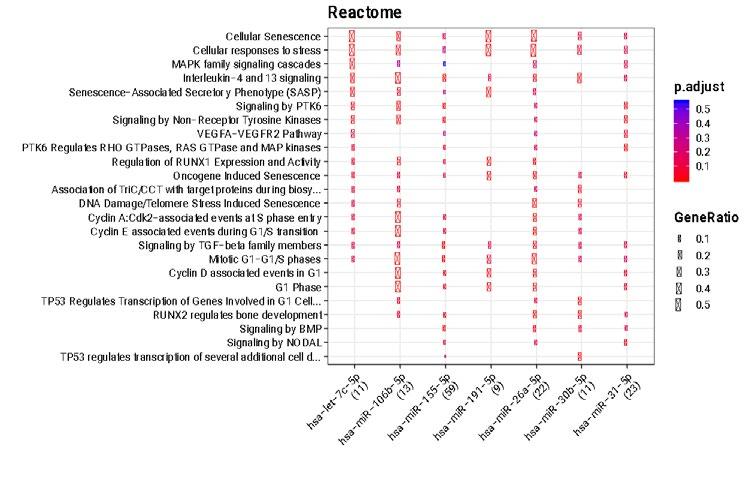
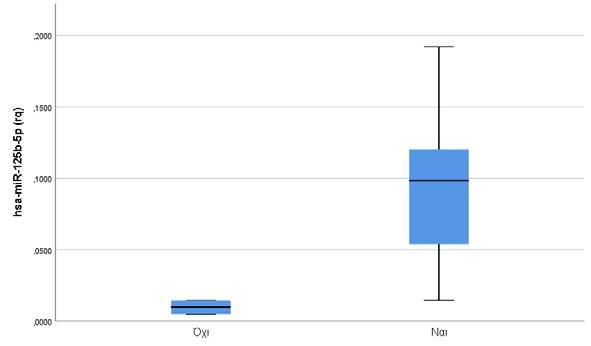
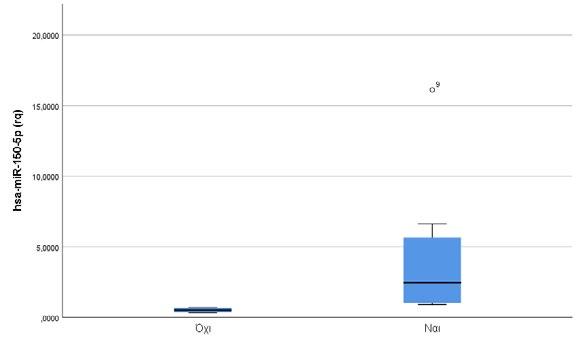
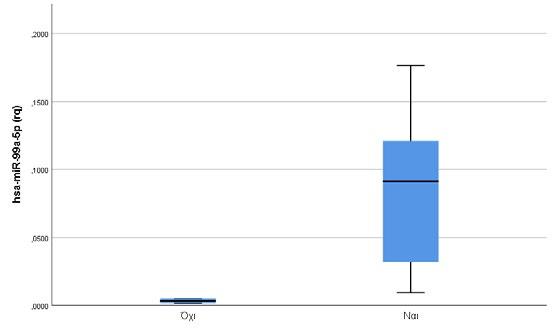
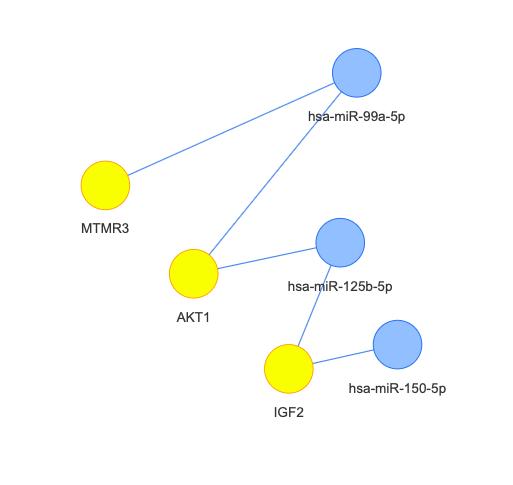
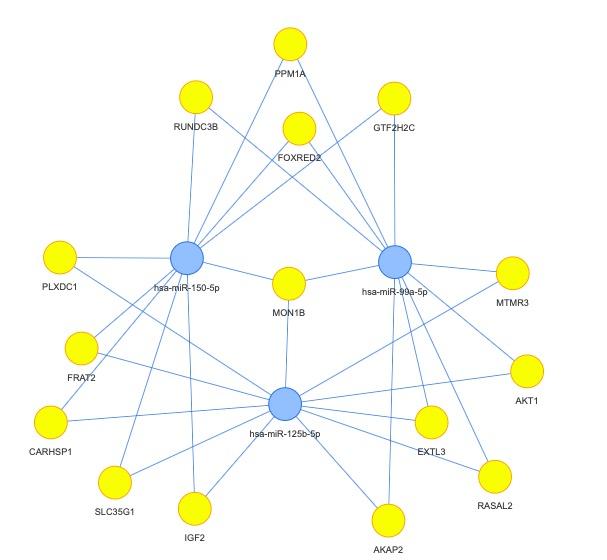
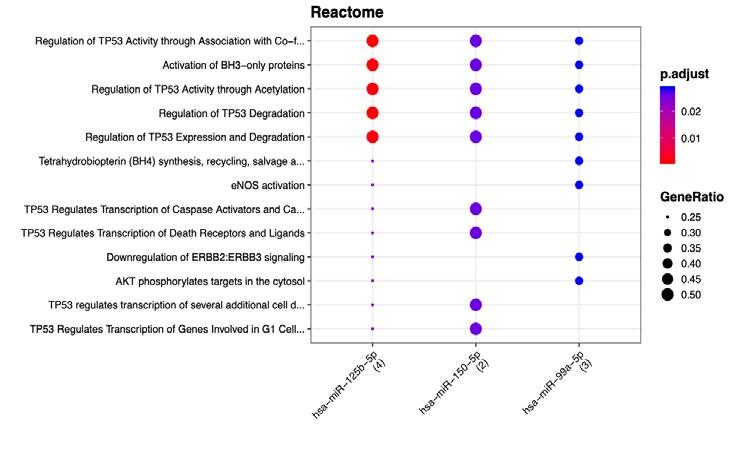
Results: The levels of 25 miRNAs at diagnosis were associated with at least two of these parameters. Higher expression levels of let-7c-5p, miR-106b-5p, miR-26a-5p, miR-155-5p, miR-191-5p, miR-30b-5p and miR-31-5p were associated with good prednisone response. Higher levels of miR-125b-5p, miR-150-5p and miR-99a-5p at diagnosis were associated with standard/intermediate versus high-risk group (Mann-Whitney U p-value=0,017, 0,033 and 0,017 respectively) and complete response at the end of induction (Mann-Whitney U p-value=0,044 for all 3 miRNAs).
Conclusions: We identified miRNAs, which could be integrated into the risk stratification of pediatric ALL, after being validated in larger patient cohorts.
χρήση του miRCURY LNA RT Kit (Qiagen, Hilden, Germany) (13)
84 miRNAs
των miRCURY SYBR Green PCR Kit (14) και miRCURY LNA miRNA Cancer Focus PCR Panels (15) στο StepOnePlus Real Time PCR system (Applied Biosystems, Waltham, MA, USA).
GeneGlobe Data Analysis tool (Qiagen, Germany)
Β-ΟΛΛ:
MRD: Minimal Residual Disease
miRNAs: MicroRNAs
RNA: Ribonucleic Acid
cDNA: complementary DNA
qRT-PCR: Quantitative
Real-Time Polymerase Chain Reaction
mRNA: messenger RNA
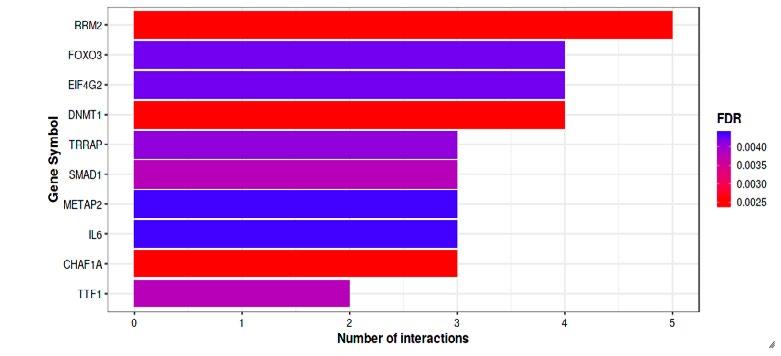
RRM2: Ribonucleotide
Reductase Regulatory Subunit M2
FOXO3: Forkhead Box O3
DNMT1: DNA Methyltransferase 1
LIN28A: Lin-28 Homolog A
BCL2: BCL2 Apoptosis Regulator
FKBP51: FKBP Prolyl Isomerase 5
IGF1R: Insulin Growth Factor 1 Receptor
mTOR: Mechanistic Target of Rapamycin Kinase
MCL1: MCL1 Apoptosis Regulator, BCL2 Family Member
(Mann Whitney U p-value=0,017, p-value=0.033 και p-value=0,017 αντίστοιχα),
Whitney U p-value=0,044).
Pfizer Hellas
#75239833.
Βιβλιογραφία
1. Howlader N, Noone AM, Krapcho M, Miller D, Brest A, Yu M, Ruhl J, Tatalovich Z, Mariotto A, Lewis DR, Chen HS, Feuer EJ, Cronin KA (eds). SEER Cancer Statistics Review, 1975-2018, National Cancer Institute. Bethesda, MD, https://seer.cancer.gov/csr/1975_2018/, based on November 2020 SEER data submission, posted to the SEER website, April 2021.
2. Hunger SP, Lu X, Devidas M, Camitta BM, Gaynon PS, Winick NJ, et al. Improved survival for children and adolescents with acute lymphoblastic leukemia between 1990 and 2005: a report from the children’s oncology group. J Clin Oncol 2012;30(14):1663–9.
3. Pui C-H, Carroll WL, Meshinchi S, Arceci RJ. Biology, risk stratification, and therapy of pediatric acute leukemias: an update. J Clin Oncol 2011;29(5):551–65.
4. Pui C-H, Mullighan CG, Evans WE, Relling M V. Pediatric acute lymphoblastic leukemia: where are we going and how do we get there? Blood 2012;120(6):1165–74.
5. Woo JS, Alberti MO, Tirado CA. Childhood B-acute lymphoblastic leukemia: a genetic update. Exp Hematol Oncol 2014;3:16.
6. Esquela-Kerscher A, Slack FJ. Oncomirs - microRNAs with a role in cancer. Nat Rev Cancer 2006;6(4):259–69.
7. Montagner S, Dehó L, Monticelli S. MicroRNAs in hematopoietic development. BMC Immunol 2014;15:14.
8. Gutierrez-Camino A, Garcia-Obregon S, Lopez-Lopez E, Astigarraga I, Garcia-Orad A. MiRNA deregulation in childhood acute lymphoblastic leukemia: A systematic review. Epigenomics 2019;12(1):69–80.
9. Carvalho de Oliveira J, Molinari Roberto G, Baroni M, Bezerra Salomão K, Alejandra Pezuk J, Sol Brassesco M. MiRNA Dysregulation in Childhood Hematological Cancer. Int J Mol Sci 2018;19(9).
10. Stary J, Zimmermann M, Campbell M, Castillo L, Dibar E, Donska S, et al. Intensive chemotherapy for childhood acute lymphoblastic leukemia: results of the randomized intercontinental trial ALL IC-BFM 2002. J Clin Oncol 2014;32(3):174–84.
16. Schmittgen TD, Livak KJ. Analyzing real-time PCR data by the comparative CT method. Nat Protoc 2008;3(6):1101–8.
17. Licursi V, Conte F, Fiscon G, Paci P. MIENTURNET: an interactive web tool for microRNAtarget enrichment and network-based analysis. BMC Bioinformatics 2019;20(1):545.
18. Hsu S-D, Lin F-M, Wu W-Y, Liang C, Huang W-C, Chan W-L, et al. miRTarBase: a database curates experimentally validated microRNA-target interactions. Nucleic Acids Res 2011;39(Database issue):D163-9.
19. Gillespie M, Jassal B, Stephan R, Milacic M, Rothfels K, Senff Ribeiro A, et al. The reactome pathway knowledgebase 2022. Nucleic Acids Res 2022;50(D1):D687-D692.
20. Dördelmann M, Reiter A, Borkhardt A, Ludwig WD, Götz N, Viehmann S, et al. Prednisone response is the strongest predictor of treatment outcome in infant acute lymphoblastic leukemia. Blood 1999;94(4):1209–17.
21. Lauten M, Möricke A, Beier R, Zimmermann M, Stanulla M, Meissner B, et al. Prediction of outcome by early bone marrow response in childhood acute lymphoblastic leukemia treated in the ALL-BFM 95 trial: differential effects in precursor B-cell and T-cell leukemia. Haematologica 2012;97(7):1048–56.
22. Felice MS, Zubizarreta PA, Alfaro EM, Sackmann-Muriel F. Childhood acute lymphoblastic leukemia: prognostic value of initial peripheral blast count in good responders to prednisone. J Pediatr Hematol Oncol 2001;23(7):411–5.
23. Aye Y, Li M, Long MJC, Weiss RS. Ribonucleotide reductase and cancer: biological mechanisms and targeted therapies. Oncogene 2015;34(16):2011–21.
24. Su Y-F, Wu T-F, Ko J-L, Tsai H-T, Tee Y-T, Chien M-H, et al. The expression of ribonucleotide reductase M2 in the carcinogenesis of uterine cervix and its relationship with clinicopathological characteristics and prognosis of cancer patients. PLoS One. 2014;9(3):e91644.
25. Thomas AL, Coarfa C, Qian J, Wilkerson JJ, Rajapakshe K, Krett NL, et al. Identification of potential glucocorticoid receptor therapeutic targets in multiple myeloma. Nucl Recept Signal 2015;13:e006.
26. Han B-W, Feng D-D, Li Z-G, Luo X-Q, Zhang H, Li X-J, et al. A set of miRNAs that involve in the pathways of drug resistance and leukemic stem-cell differentiation is associated with the risk of relapse and glucocorticoid response in childhood ALL. Hum Mol Genet 2011;20(24):4903–15.
27. Yuan B, Zhang J, Wang H, Xiong L, Cai Q, Wang T, et al. 6-Thioguanine reactivates epigenetically silenced genes in acute lymphoblastic leukemia cells by facilitating proteasomemediated degradation of DNMT1. Cancer Res 2011;71(5):1904–11.
28. El-Khazragy N, Elshimy AA, Hassan SS, Matbouly S, Safwat G, Zannoun M, et al. Dysregulation of miR-125b predicts poor response to therapy in pediatric acute lymphoblastic leukemia. J Cell Biochem 2019;120(5):7428–38.
29. Piatopoulou D, Avgeris M, Marmarinos A, Xagorari M, Baka M, Doganis D, et al. MiR125b predicts childhood acute lymphoblastic leukaemia poor response to BFM chemotherapy treatment. Br J Cancer 2017;117(6):801–12.
30. Li G, So AY-L, Sookram R, Wong S, Wang JK, Ouyang Y, et al. Epigenetic silencing of miR-125b is required for normal B-cell development. Blood 2018;131(17):1920–30.
31. Chaudhuri AA, So AY-L, Mehta A, Minisandram A, Sinha N, Jonsson VD, et al. Oncomir miR-125b regulates hematopoiesis by targeting the gene Lin28A. Proc Natl Acad Sci U S A 2012;109(11):4233–8.
32. Willimott S, Wagner SD. miR-125b and miR-155 contribute to BCL2 repression and proliferation in response to CD40 ligand (CD154) in human leukemic B-cells. J Biol Chem
2012 ;287(4):2608–17.
33. Li X-J, Luo X-Q, Han B-W, Duan F-T, Wei P-P, Chen Y-Q. MicroRNA-100/99a, deregulated in acute lymphoblastic leukaemia, suppress proliferation and promote apoptosis by regulating the FKBP51 and IGF1R/mTOR signalling pathways. Br J Cancer 2013;109(8):2189–98.
34. Zhang L, Li X, Ke Z, Huang L, Liang Y, Wu J, et al. MiR-99a may serve as a potential oncogene in pediatric myeloid leukemia. Cancer Cell Int 2013;13(1):110.
35. Schotte D, De Menezes RX, Akbari Moqadam F, Khankahdani LM, Lange-Turenhout E, Chen C, et al. MicroRNA characterize genetic diversity and drug resistance in pediatric acute lymphoblastic leukemia. Haematologica 2011;96(5):703–11.
36. Akbari Moqadam F, Lange-Turenhout EAM, Ariës IM, Pieters R, den Boer ML. MiR-125b, miR-100 and miR-99a co-regulate vincristine resistance in childhood acute lymphoblastic leukemia. Leuk Res 2013;37(10):1315–21.
37. Zhang H, Luo X-Q, Zhang P, Huang L-B, Zheng Y-S, Wu J, et al. MicroRNA patterns associated with clinical prognostic parameters and CNS relapse prediction in pediatric acute leukemia. PLoS One 2009;4(11):e7826.
38. Avigad S, Verly IRN, Lebel A, Kordi O, Shichrur K, Ohali A, et al. miR expression profiling at diagnosis predicts relapse in pediatric precursor B-cell acute lymphoblastic leukemia. Genes Chromosomes Cancer 2016;55(4):328–39.
39. Fang ZH, Wang SL, Zhao JT, Lin ZJ, Chen LY, Su R, et al. miR-150 exerts antileukemia activity in vitro and in vivo through regulating genes in multiple pathways. Cell Death Dis 2016;7(9):e2371.
40. Oh L, Hainaut P, Blanchet S, Ariffin H. Expression of p53 N-terminal isoforms in B-cell precursor acute lymphoblastic leukemia and its correlation with Clinicopathological profiles. BMC Cancer 2020;20(1):110-115.
e-mail:
Correspondence
Foteini Balomenou
Τ. +306945981469
e-mail: f.balomenou@uoi.gr
Foteini Balomenou
Filippos Evagelou
Dimitrios Rallis
Konstantinos Prentzas
Kalliopi Balomenou
Anna Zisi
Anastasios Serbis
Basileios Giapros
NICU, University Hospital of Ioannina, Ioannina
Correlation between body composition and development of overweight/ obesity in children born with deviant birth weight during prepuberty. a case-control study within a cohort of children from the region of NorthWest Greece
Background: One of the major public health problems nowadays is the obesity pandemia affecting all ages including childhood while evidence exist that childhood obesity predisposes to adult obesity. There is some evidence that overweight-obesity, apart from epidemiologic and hereditary (genetic) factors, can be correlated to birth weight, especially to its deviations (small or large birth weight SGA,LGA).
Aim of the study: The aim of this study was to examine children with deviant birth weight (SGA or LGA) aged 7-10 years comparatively with children born appropriate for gestational age (AGA) regarding differences in BMI and body constitution.
Material and Methods: This study included 686 children aged 7-10 years. SGA were 106, LGA were 50 and AGA controls were 530.
Results: It was shown that the SGA status is correlated to statistically significant lower lean/ muscle mass, lower fat free mass and lower BMI at the mean age of 9 years. However fat mass as well as waist circumference were similar to controls despite the lower lean mass and BMI implying a central fat distribution in the group of SGA children. No correlations with body constitution or BMI were found in the LGA group comparing to controls.
Conclusions: Small birth weight is correlated to body size and constitution at prepuberty. No correlations with body constitution were found in the LGA group comparing to controls.
Keywords: SGA, LGA, AGA, obesity, neonate, deviant birth weight
2. Barker DJP, Osmond C, Winder PD Margetts B, Simmonds SJ. Weight in infancy and death from ischaemic heart disease. Lancet 1989;2:577-580
3. Basioti M, Giapros V, Kostoula A, Cholevas V, Andronikou S. Growth Restriction at Birth and Kidney Function During Childhood. American Journal of Kidney Diseases, 2009 Nov; 54 (5) : 850-858
Claris, Lévy-Marchal C. Catch-up growth following fetal growth restriction promotes rapid restoration of fat mass but without metabolic consequences at one year of age.PLoSOne. 2009;4(4):e5343. doi: 10.1371/journal.pone.0005343
5. Berenson GS, Srinivasan SR, Bao W, Newman WP III, Tracy RE, Wattigney WA. Association between multiple cardiovascular risk factors and atherosclerosis in children and young adults. The Bogalusa Heart study. N Engl J Med 1998;338:1650-1656.
6. Heymsfield, S.B., Lohman, T.G., Wang, Z.M. and Going, S.B. eds., 2005. Human BodyComposition. 2nd ed. Champaign, IL: Human kinetics
7. Hirko KA, Kantor ED, Cohen SS, Blot WJ, Stampfer MJ, Signorello LB. Body Mass Index in Young Adulthood, Obesity Trajectory, and Premature Mortality. Am J Epidemiol. 2015 Sep 1; 182(5): 441–450. doi: 10.1093/aje/kwv084.
8. Hokken-Koelega AC , De Ridder MA, Lemmen RJ, Hartog HD, De Muinck Keizer-Schrama SM, Drop SL. Children Born Small for Gestational Age: Do They Catch Up? Pediatr Res. 1995 Aug;38(2):267-71. doi: 10.1203/00006450-199508000-00022.
9. Hong YH, Chung S. Small for gestational age and obesity related comorbidities. Annals of Pediatric Endocrinology & Metabolism 2018;23(1): 4-8.doi: https://doi.org/10.6065/ apem.2018.23.1.4.
10. Horta BL, Loret de Mola C, Victora CG. Long-term consequences of breastfeeding on cholesterol, obesity, systolic blood pressure and type 2 diabetes: A systematic review and meta-analysis. Acta Paediatrica, 2015; 104(467), 30–37. https://doi.org/10.1111/apa. 13133
11. Huang L, Yang S , Yang F, Xiong F.A Prospective Study About Physical Growth of Children From Birth to 2 Years Old Born Full-Term Small-For-Gestational-Age. J PaediatrChild Health. 2019 Feb;55(2):199-204. doi: 10.1111/jpc.14162.
12. Hubbard VS. Defining overweight and obesity: what are the issues? Am J Clin Nutr2000;72:1067-1068.
13. Huh J, Kwon JY, Kim H, Lee EH, Rhie YJ, Choi BM, Lee KH.Comparison of postnatal catch-up growth according to definitions of small for gestational age infants. Korean Journal of Pediatrics 2018;61(3):71-77. doi: https://doi.org/10.3345/kjp.2018.61.3.71.
14. Huxley RR , Shiell AW, Law CM. The role of size at birth and postnatal catch-up growth in determining systolic blood pressure: a systematic review of the literature.J Hypertens. 2000; 18(7):815-31. doi: 10.1097/00004872-200018070-00002.
15. Ibáñez L , Suárez L, Lopez-Bermejo A, Díaz M, Valls C, de Zegher F. Early development of visceral fat excess after spontaneous catch-up growth in children with low birth weight J Clin Endocrinol Metab. 2008;93(3):925-8. doi: 10.1210/jc.2007-1618.
16. Ibanez L, Ong K, Dunger DB , de Zegher F. Early Development of Adiposity and Insulin Resistance after Catch-Up Weight Gain in Small-for-Gestational-Age Children. The Journal of Clinical Endocrinology & Metabolism 91(6):2153–2158. doi: 10.1210/jc.2005-2778.
17. Ibanez L, Suarez L, Lopez-Bermejo A, Diaz M, Valls C, et al. Early development of visceral fat excess after spontaneous catch-up growth in children with low birth weight. J ClinEndocrinol Metab.2008; 93: 925–928.
18. Ibáñez L, Ong K, Dunger DB, de Zegher F. Early development of adiposity and insulin resistance after catch-up weight gain in small-for-gestational-age children. J ClinEndocrinolMetab . 2006;91(6):2153-8. doi: 10.1210/jc.2005-2778
19. Karlberg J, Albertsson-Wikland K. Growth in full-term small-for-gestational-age infants: from birth to final height.PediatrRes. 1995;38(5):733-9. doi: 10.1203/00006450199511000-00017.
20. Maeyama K, Morioka I, Iwatani S, Fukushima S, Kurokawa D, Yamana K, Nishida K, Ohyama S, Fujioka K, Awano H, Taniguchi-Ikeda M, Nozu K, Nagase H, Nishimura N, Shirai C, Iijima K. Gestational age-dependency of height and body mass index trajectories during the first 3 years in Japanese small-for-gestational age children. SciRep. 2016 Dec 9;6:38659. doi: 10.1038/srep38659.
22. Meas T , Deghmoun S, Armoogum P, Alberti C, Levy-Marchal C. Consequences of being born small for gestational age on body composition: an 8-year follow-up study.J ClinEn-
23. Lemos T, Gallagher D. Current body composition measurement techniques. CurrOpinEndocrinolDiabetesObes.. 2017 Oct;24(5):310-314.doi: 10.1097/MED.0000000000000360
24. Li L, Moira AP, de, Power C. Changing influences on childhood obesity: a study of two generations of the 1958 British birth cohort. J Epidemiol Community Health 2009;63(Suppl 2):27–27.
25. Melchiorri G, Viero V, Sorge R, Triossi T, Campagna A, Volpe SL, Lecis D, Tancredi V, Andreoli A. Body composition analysis to study long-term training effects in elite male water polo athletes.J SportsMedPhysFitness. 2018 Sep;58(9):1269-1274. doi: 10.23736/S00224707.17.07208-5.
Introduction: During recent years, the effect of blood pressure (BP) on cognitive functions of the brain has gained increasing interest. The aim of the present study was to study if hypertensive children and adolescents present lower cognitive function scores.
Methods: Children and adolescents aged 5-18 years with diagnosis of primary arterial hypertension underwent 24-hour ambulatory BP monitoring and assessment of cognitive functions with WISC-III test.
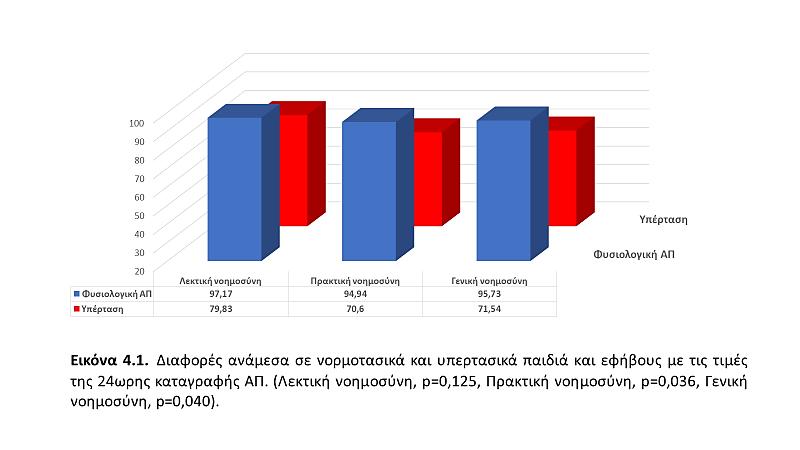
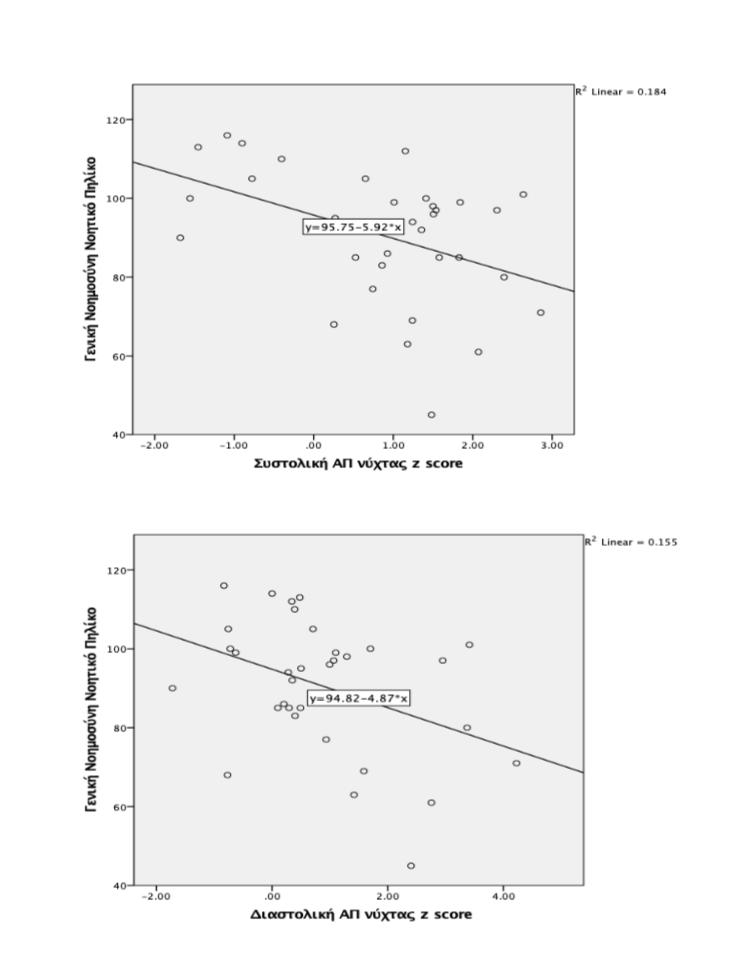
Results: Hypertensive children showed statistically significantly lower performance on the scales of similarities, cube patterns, as well as practical intelligence and general intelligence scales, compared to children with normal BP on 24-hour ambulatory BP monitoring. Night systolic BP z score showed a negative correlation with the verbal intelligence quotient (r=-0.439, p<0.05), and the general intelligence quotient (r=-0.429, p<0.05), while night diastolic BP z score showed a negative correlation with the practical intelligence quotient (r=0.356, p<0.05) and the general intelligence quotient (r=-0.394, p<0.05). For each standard deviation (SD) increase of systolic and diastolic night BP intelligence quotient was reduced by 0.462 and 0.421 respectively.
Conclusions: Night BP is closely correlated with cognitive function in children and adolescents as shown by the associations with intelligence quotients in WISC-III test. 24-hour ambulatory BP monitoring in children and adolescents with hypertension is important for identifying children at increased risk for lower cognitive performance.
First Department of Pediatrics, Aristotle University of Thessaloniki, Hippokratio General Hospital, Thessaloniki, Greece
WISC-III (Wechsler Intelligence Scale for
0,490, p<0,005).
1. The fourth report on the diagnosis, evaluation, and treatment of high blood pressure in children and adolescents. Pediatrics 2004; 114 (2 Suppl 4th Report):555-576.
2. Flynn JT, Kaelber DC, Baker-Smith CM, Blowey D, Carroll AE, Daniels SR, et al. Clinical Practice Guideline for Screening and Management of High Blood Pressure in Children and Adolescents. Pediatrics 2017; 140 (3).
3. Lurbe E, Agabiti-Rosei E, Cruickshank JK, Dominiczak A, Erdine S, Hirth A, et al. 2016 European Society of Hypertension guidelines for the management of high blood pressure in children and adolescents. Journal of hypertension 2016; 34 (10):1887-1920.
4. Stabouli S, Kotsis V, Toumanidis S, Papamichael C, Constantopoulos A, Zakopoulos N. White-coat and masked hypertension in children: association with target-organ damage. Pediatric nephrology (Berlin, Germany) 2005; 20 (8):1151-1155.
5. Abete P, Della-Morte D, Gargiulo G, Basile C, Langellotto A, Galizia G, et al. Cognitive impairment and cardiovascular diseases in the elderly. A heart-brain continuum hypothesis. Ageing research reviews 2014; 18:41-52.
6. Qiu C, Winblad B, Fratiglioni L. The age-dependent relation of blood pressure to cognitive function and dementia. The Lancet Neurology 2005; 4 (8):487-499.
7. Chrysaidou K, Stabouli S. Treatment of Hypertension Induced Target Organ Damage in Children and Adolescents. Current pharmaceutical design 2018; 24 (37):4378-4384.
8. Hedden T, Gabrieli JD. Insights into the ageing mind: a view from cognitive neuroscience. Nature reviews Neuroscience 2004; 5 (2):87-96.
9. Mejia S, Pineda D, Alvarez LM, Ardila A. Individual differences in memory and executive function abilities during normal aging. The International journal of neuroscience 1998; 95 (3-4):271-284.
10. Nilsson LG. Memory function in normal aging. Acta neurologica Scandinavica Supplementum 2003; 179:7-13.
11. Galobardes B, Lynch J, Smith GD. Measuring socioeconomic position in health research. British medical bulletin 2007; 81-82:21-37.
12. Wuhl E, Witte K, Soergel M, Mehls O, Schaefer F. Distribution of 24-h ambulatory blood pressure in children: normalized reference values and role of body dimensions. Journal of hypertension 2002; 20 (10):1995-2007.
13. Williams B, Mancia G, Spiering W, Agabiti Rosei E, Azizi M, Burnier M, et al. 2018 ESC/
ESH Guidelines for the management of arterial hypertension: The Task Force for the management of arterial hypertension of the European Society of Cardiology (ESC) and the European Society of Hypertension (ESH). European Heart Journal 2018; 39 (33):3021-3104.
14. Cooper S. The clinical use and interpretation of the Wechsler Intelligence Scale for children. Psyccritiques 1996; 41 (4).
15. Edelman S. A Review of the Wechsler Intelligence Scale for Children-(WISC-III). Measurement and Evaluation in Counseling and Development 1996; 28 (4):219-224.
16. Lim SS, Vos T, Flaxman AD, Danaei G, Shibuya K, Adair-Rohani H, et al. A comparative risk assessment of burden of disease and injury attributable to 67 risk factors and risk factor clusters in 21 regions, 1990-2010: a systematic analysis for the Global Burden of Disease Study 2010. Lancet (London, England) 2012; 380 (9859):2224-2260.
17. Brouhard BH, Donaldson LA, Lawry KW, McGowan KR, Drotar D, Davis I, et al. Cognitive functioning in children on dialysis and post-transplantation. Pediatric transplantation 2000; 4 (4):261-267.
18. Kupferman JC, Batisky DL, Samuels J, Adams HR, Hooper SR, Wang H, et al. Ambulatory blood pressure monitoring and neurocognitive function in children with primary hypertension. Pediatric Nephrology 2018; 33 (10):1765-1771.
19. Slickers J, Duquette P, Hooper S, Gipson D. Clinical predictors of neurocognitive deficits in children with chronic kidney disease. Pediatric Nephrology 2007; 22 (4):565-572.
20. Lande MB, Batisky DL, Kupferman JC, Samuels J, Hooper SR, Falkner B, et al. Neurocognitive Function in Children with Primary Hypertension. The Journal of pediatrics 2017; 180:148-155.e141.
21. Lande MB, Gerson AC, Hooper SR, Cox C, Matheson M, Mendley SR, et al. Casual blood pressure and neurocognitive function in children with chronic kidney disease: a report of the children with chronic kidney disease cohort study. Clinical journal of the American Society of Nephrology : CJASN 2011; 6 (8):1831-1837.
22. Lande MB, Kaczorowski JM, Auinger P, Schwartz GJ, Weitzman M. Elevated blood pressure and decreased cognitive function among school-age children and adolescents in the United States. The Journal of pediatrics 2003; 143 (6):720-724.
23. Adams HR, Szilagyi PG, Gebhardt L, Lande MB. Learning and attention problems among children with pediatric primary hypertension. Pediatrics 2010; 126 (6):e1425-1429.
24. Ditto B, Seguin JR, Tremblay RE. Neuropsychological characteristics of adolescent boys differing in risk for high blood pressure. Annals of behavioral medicine : a publication of the Society of Behavioral Medicine 2006; 31 (3):231-237.
25. Lande MB, Adams H, Falkner B, Waldstein SR, Schwartz GJ, Szilagyi PG, et al. Parental assessments of internalizing and externalizing behavior and executive function in children with primary hypertension. The Journal of pediatrics 2009; 154 (2):207-212.
26. Lande MB, Adams H, Falkner B, Waldstein SR, Schwartz GJ, Szilagyi PG, et al. Parental assessment of executive function and internalizing and externalizing behavior in primary hypertension after anti-hypertensive therapy. The Journal of pediatrics 2010; 157 (1):114-119.
27. Katona É, Zrínyi M, Lengyel S, Komonyi É, Paragh G, Zatik J, et al. The prevalence of adolescent hypertension in Hungary - the Debrecen hypertension study. Blood pressure 2011; 20 (3):134-139.
28. Ruebner RL, Laney N, Kim JY, Hartung EA, Hooper SR, Radcliffe J, et al. Neurocognitive Dysfunction in Children, Adolescents, and Young Adults With CKD. American journal of kidney diseases : the official journal of the National Kidney Foundation 2016; 67 (4):567-575.
29. Yano Y, Ning H, Muntner P, Reis JP, Calhoun DA, Viera AJ, et al. Nocturnal Blood Pressure in Young Adults and Cognitive Function in Midlife: The Coronary Artery Risk Development in Young Adults (CARDIA) Study. American journal of hypertension 2015; 28 (10):1240-1247.
30. Drawz PE, Abdalla M, Rahman M. Blood pressure measurement: clinic, home, ambulatory, and beyond. American journal of kidney diseases : the official journal of the National Kidney Foundation 2012; 60 (3):449-462.
31. Lurbe E, Redon J, Kesani A, Pascual JM, Tacons J, Alvarez V, et al. Increase in nocturnal blood pressure and progression to microalbuminuria in type 1 diabetes. The New England journal of medicine 2002; 347 (11):797-805.
32. Lee SH, Kim JH, Kang MJ, Lee YA, Won Yang S, Shin CH. Implications of nocturnal hypertension in children and adolescents with type 1 diabetes. Diabetes care 2011; 34 (10):2180-2185.
Foreign body ingestion in pediatric patients at a Secondary Care Hospital: A retrospective study
Valentina Diamantidou, Eleni P. Kotanidou, Alexandra Tsiftsaki, Aikaterini Parisi, Anastasia Gavriilidou, Sofia Chrusostomidou
Abstract
Background: Foreign body (FB) ingestion constitutes a common reason of admission to pediatric Emergency Room (pER). It mainly concerns infants and toddlers, during the development of their ability to recognize and interact with objects and materials. The aim of the study was to describe and analyze FB ingestion cases of infants and children treated in a secondary care Hospital, during a ten-year period (2012-2022).
Methods: Medical records of the Pediatrics Department of the Kilkis General Hospital were retrospectively studied. Families of the retrieved cases were thereafter contacted through telephone.
Results: Eighty-seven (n=87) cases were retrieved (infants: 10.3%, toddlers: 48.3%, preschool children: 17.2%, school-aged children: 24.1%). Prevalence of FB ingestion cases increased during the COVID-19 pandemic period (2019-2022). Almost half of cases lived in urban areas (55.2%). The majority of patients were asymptomatic (n=57/87, 65.5%). Cough (46.7%) and vomiting (33.3%) were recorded as the predominant presenting symptoms. Most common FB were coins and cigarette butts, both with the same prevalence (20.7%). FB was not visualized radiographically in the vast majority of cases (60.9%). FB were most commonly located in the stomach (14.9%) and the small intestine (14%) and were expelled within 72 hours after ingestion in the 73.3% of cases. Communication with families was possible in 67.8% of cases, whereas 93.2% among them were treated conservatively, while endoscopic extraction was needed in a percentage of 6.7% (n=4) after referral to a tertiary hospital. Conclusions: FB ingestion is a common reason of presentation to the pER, with increased prevalence during the COVID-19 pandemic period.
Department of Pediatrics, General Hospital of Kilkis, Kilkis, Greece
1. McNeill MB, Sperry SLW, Crockett SD, Miller CB, Shaheen NJ, Dellon ES. Epidemiology and management of oesophageal coin impaction in children. Dig Liver Dis 2012;44(6):482–486.
2. Lee JH, Lee JH, Shim JO, Lee JH, Eun BL, Yoo KH. Foreign Body Ingestion in Children: Should Button Batteries in the Stomach Be Urgently Removed? Pediatr Gastroenterol Hepatol Nutr 2016;19(1):20-28.
3. Antoniou D, Christopoulos-Geroulanos G. Management of foreign body ingestion and food bolus impaction in children: a retrospective analysis of 675 cases - PubMed. Turk J Pediatr 2011;53(4):381–387.
4. Nadir A, Sahin E, Nadir I, Karadayi S, Kaptanoglu M. Esophageal foreign bodies: 177 cases. Dis esophagus Off J Int Soc Dis Esophagus 2011;24(1):6–9.
5. Waltzman ML, Baskin M, Wypij D, Mooney D, Jones D, Fleisher G. A randomized clinical trial of the management of esophageal coins in children. Pediatrics 2005;116(3):614–619.
6. Jackson RM, Hawkins DB. Coins in the esophagus. What is the best management? Int J Pediatr Otorhinolaryngol 1986;12(2):127–135.
7. Chinski A, Foltran F, Gregori D, Ballali S, Passali D, Bellussi L. Foreign Bodies in the Oesophagus: The Experience of the Buenos Aires Paediatric ORL Clinic. Foreign Bodies in the Oesophagus: The Experience of the Buenos Aires Paediatric ORL Clinic. Int J Pediatr 2010;2010:1–6.
8. Sugawa C, Ono H, Taleb M, Lucas CE. Endoscopic management of foreign bodies in the upper gastrointestinal tract: A review. World J Gastrointest Endosc 2014;6(10):475-481.
9. Litovitz TL, Klein-Schwartz W, White S, Cobaugh DJ, Youniss J, Omslaer JC, et al. 2000 Annual report of the American Association of Poison Control Centers Toxic Exposure Surveillance System. Am J Emerg Med 2001;19(5):337–395.
10. Speidel AJ, Wölfle L, Mayer B, Posovszky C. Increase in foreign body and harmful substance ingestion and associated complications in children: a retrospective study of 1199 cases from 2005 to 2017. BMC Pediatr 2020;20(1):560.
11. Orsagh-Yentis D, McAdams RJ, Roberts KJ, McKenzie LB. Foreign-Body Ingestions of Young Children Treated in US Emergency Departments: 1995-2015. Pediatrics 2019;143(5):20181988.
12. Rabbone I, Tagliaferri F, Carboni E, Crotti B, Ruggiero J, Monzani A, et al. Changing Admission Patterns in Pediatric Emergency Departments during the COVID-19 Pandemic in Italy Were Due to Reductions in Inappropriate Accesses. Children (Basel) 2021;8(11):962.
13. Pizzol A, Rigazio C, Calvo PL, Scottoni F, Pane A, Gennari F, et al. Foreign-body Ingestions in Children During COVID-19 Pandemic in a Pediatric Referral Center. JPGN Reports 2020;1(2):018.
14. Festa NT, Thakkar H, Hewitt R, Dhaiban M, Muthialu N, Cross K, et al. Foreign body ingestion during the COVID-19 pandemic: a retrospective single centre review. BMJ Paediatr open 2021;5(1):001042.
15. Kay M, Wyllie R. Pediatric foreign bodies and their management. Curr Gastroenterol Rep 2005;7(3):212–218.
16. Hesham A-Kader H. Foreign body ingestion: children like to put objects in their mouth. World J Pediatr 2010;6(4):301–310.
17. Goins JL, Evans AK. Retrieval of a penny from the pediatric esophagus: a cost analysis. Int J Pediatr Otorhinolaryngol 2011;75(12):1553–1557.
18. Heim SW, Maughan KL. Foreign bodies in the ear, nose, and throat. Am Fam Physician 2007;76(8):1185–1189.
19. Arana A, Hauser B, Hachimi-Idrissi S, Vandenplas Y. Management of ingested foreign bodies in childhood and review of the literature. Eur J Pediatr 2001;160(8):468–472.
20. Farmakakis T, Dessypris N, Alexe DM, Frangakis C, Petoussis G, Malliori M, et al. Magnitude and object-specific hazards of aspiration and ingestion injuries among children in Greece. Int J Pediatr Otorhinolaryngol 2007; 71(2):317–24.
21. Chen X, Milkovich S, Stool D, Van As AB, Reilly J, Rider G. Pediatric coin ingestion and aspiration. Int J Pediatr Otorhinolaryngol 2006;70(2):325–329.
22. Crysdale WS, Sendi KS, Yoo J. Esophageal foreign bodies in children. 15-year review of 484 cases. Ann Otol Rhinol Laryngol 1991;100(4):320–324.
23. Cheng W, Tam PKH. Foreign-body ingestion in children: experience with 1,265 cases. J Pediatr Surg 1999;34(10):1472–1476.
24. Jayachandra S, Eslick GD. A systematic review of paediatric foreign body ingestion: presentation, complications, and management. Int J Pediatr Otorhinolaryngol 2013;77(3):311–317.
25. Denney W, Ahmad N, Dillard B, Nowicki MJ. Children will eat the strangest things: a 10year retrospective analysis of foreign body and caustic ingestions from a single academic center. Pediatr Emerg Care 2012;28(8):731–734.
26. Tiryaki HT, Akbiyik F, Şenel E, Mambet E, Dışkapı A, Hastalıkları Ç, et al. Foreign body ingestion in childhood. Turkish J Pediatr Dis 2010;4(2):94–99.
27. Gün F, Salman T, Abbasoglu L, Çelik R, Çelik A. Safety-pin ingestion in children: a cultural fact. Pediatr Surg Int 2003;19(6):482–484.
28. Dahshan A. Management of ingested foreign bodies in children - PubMed. J Okla State Med Assoc 2001;94(6):183–186.
29. Thomson M, Tringali A, Dumonceau JM, Tavares M, Tabbers MM, Furlano R, et al. Paediatric Gastrointestinal Endoscopy: European Society for Paediatric Gastroenterology Hepatology and Nutrition and European Society of Gastrointestinal Endoscopy Guidelines. J Pediatr Gastroenterol Nutr 2017;64(1):133–153.
30. Amanatidou V, Sofidiotou V, Fountas K, Kalostou A, Tsamadou A, Papathanassiou V, et al. Button battery ingestion: the Greek experience and review of the literature. Pediatr Emerg Care 2011;27(3):186–188.
REVIEW
Correspondence
Alexios Mavroudis MD.
Erithrou Staurou Terma 22131, Tripoli M. +306978699611
e-mail: alexis.mavroudis@ yahoo.gr
Alexios Mavroudis
Peadiatric Department
General Hospital “EVAGELISTRIA”
Multisystem inflammatory syndrome following SARS-CoV-2 in children. In
edge
Alexios Mavroudis
Summary
the view of new knowl-
Multisystem inflammatory syndrome (MIS-C) usually manifests a few weeks after the SARS-CoV-2 infection. It predominantly affects neonatal and school-aged children. This study aimed at investigating the physiopathology of immunological and hematological parameters, as well as the molecular mechanisms of the multisystemic disease. The study was based on a literature review of scientific articles in English and Greek, published between 2020 and 2022, and was based on internet search tool databases. According to the findings, the pathogenesis of MIS-C is unclear. It is not the result of an acute viral infection but is considered a postinfectious syndrome associated with an IgG antibody-mediated reaction in a genetically predetermined background of patients. Another interpretation is the delayed onset of the disease, which is due either to an inability to control the multiplication of the virus or to a high initial load. Hemostasis disorders are observed with increased inflammation indicators and with cardiovascular and respiratory dysfunction. A remarkable role in the pathology of the infection is "endotheliopathy", with the presence of autoantibodies to specific proteins of the vascular endothelium. The multisystem syndrome caused by SARS-CoV-2 in children is the biological stage of an incompletely controlled primary infection with the involvement of natural and specific immunity.
DCBLD: Discoidin, CUB and LCCL domain-containing protein,
Discoidin
IL: Interleukin,
MMP: matrix metalloproteinase,
Mεταλλοπρωτεϊνάση
T regs: Τ-regulations,
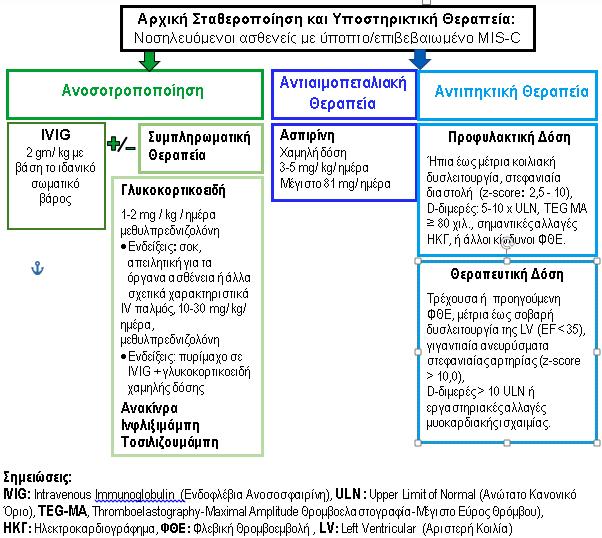
II.A. MISC
• Tocilizumab:
• Anakinra:
• Infliximab:
(32).
1. Jiang L, Tang K, Irfan O, Li X, Zhang E, Bhutta Z. Epidemiology, Clinical Features, an Outcomes of Multisystem Inflammatory Syndrome in Children (MIS-C) and Adolescents-a Live Systematic Review and Meta-analysis. Curr Pediatr Rep. 2022;10(2):19–30. Available from: doi: 10.1007/s40124-022-00264-1
2. Feldstein LR, Rose EB, Horwitz SM, Collins JP, Newhams MM, Son MBF, et al. Multisystem Inflammatory Syndrome in U.S. Children and Adolescents. N Engl J Med. 2020;383(4):334–
46. Available from: doi:10.1056/NEJMoa2021680
3. Ardies CM. Diet, exercise and chronic disease: The biological basis of prevention. Florida: CRC Press; 2014.
4. Booth FW, Roberts CK, Laye MJ. Lack of exercise is a major cause of chronic diseases. Compr Physiol. 2012;2(2):1143–211. Available from: doi:10.1002/cphy.c110025
5. Walter EB, Talaat KR, Sabharwal C, Gurtman A, Lockhart S, Paulsen GC, et al. Evaluation of the BNT162b2 Covid-19 Vaccine in Children 5 to 11 Years of Age. N Engl J Med. 2022;386(1):3546. Available from: doi:10.1056/NEJMoa2116298
7. Yousaf AR, Cortese MM, Taylor AW, Broder KR, Oster ME, Wong JM, et al. Reported cases of multisystem inflammatory syndrome in children aged 12-20 years in the USA who received a COVID- 19 vaccine, December, 2020, through August, 2021: a surveillance inves-
tigation. Lancet Child Adolesc Health. 2022;6(5):303– 12. Available from:doi:10.1016/S23524642(22)00028-1
8. Consiglio CR, Cotugno N, Sardh F, Pou C, Amodio D, Rodriguez L, et al. The Immunology of Multisystem Inflammatory Syndrome in Children with COVID-19. Cell.2020;183(4):968981.e7. Available from: doi.org/10.1016/j.cell.2020.09.016
9. Saghazadeh A, Rezaei N. Immune-epidemiological parameters of the novel coronavirus - a perspective. Expert Rev Clin Immunol. 2020;16(5):465–70. Available from: doi:10.1080/1 744666X.2020.1750954
10. Lazova S, Gerenska D, Slabakova Y, Velikova T. Immunological features of the multisystem inflammatory syndrome associated with SARS-CoV-2 in children. Am J Clin Exp Immunol. 2022 11(4):64–71. Available from https://www.ncbi.nlm.nih.gov/pmc/articles/ PMC9520186/
11. Ye Q, Wang B, Mao J. The pathogenesis and treatment of the `Cytokine Storm’ in COVID19. J Infect. 2020;80(6):607–13. Available from:doi:10.1016/j.jinf.2020.03.037
12. Felsenstein S, Herbert JA, McNamara PS, Hedrich CM. COVID-19: Immunology and treatment options. Clin Immunol. 2020;215 Available from: doi:10.1016/j.clim.2020.108448
13. Prompetchara E, Ketloy C, Palaga T. Immune responses in COVID-19 and potential vaccines: Lessons learned from SARS and MERS epidemic. Asian Pac J Allergy Immunol. 2020;38(1):1–9. Available from: doi:10.12932/AP-200220-0772
14. Brodsky NN, Ramaswamy A, Lucas CL. The Mystery of MIS-C Post-SARS-CoV-2 Infection. Trends Microbiol. 2020; 28(12):956–8. Available from: doi:10.1016/j.tim.2020.10.004
15. Sancho-Shimizu V, Brodin P, Cobat A, Biggs CM, Toubiana J, Lucas CL, et al. SARS-CoV2-related MIS-C: A key to the viral and genetic causes of Kawasaki disease? J Exp Med. 2021;218(6). Available from: doi:10.1084/jem.20210446
16. Chou J, Platt CD, Habiballah S, Nguyen AA, Elkins M, Weeks S, et al. Mechanisms underlying genetic susceptibility to multisystem inflamematory syndrome in children (MIS-C). J Allergy Clin Immunol. 2021;148(3):732-738.e1. Available from:doi:10.1016/j.jaci.2021.06.024
17.Santos-Rebouças CB, Piergiorge RM, Dos Santos Ferreira C, Seixas Zeitel R de, Gerber AL, Rodrigues MCF, et al. Host genetic susceptibility underlying SARS-CoV-2-associated Multisystem Inflammatory Syndrome in Brazilian Children. Mol Med. 2022;28(1):153. Available from: doi.org/10.1186/s10020-022-00583-5
18. Hoste L, Roels L, Naesens L, Bosteels V, Vanhee S, Dupont S, et al.TIM3+ TRBV11-2 T cells and IFNγ signature in patrolling monocytes and CD16+ NK cells delineate MIS-C. J Exp Med. 2022;219(2). Available from: doi: 10.1084/jem.20211381
19. Sharma C, Ganigara M, Galeotti C, Burns J, Berganza FM, Hayes DA, et al. Multisystem inflammatory syndrome in children and Kawasaki disease: a critical comparison. Nat Rev Rheumatol.2021;17(12):731–48. Available from: doi.org/10.1038/s41584-021-00709-9
20. Menikou S, Langford PR, Levin M. Kawasaki Disease: The Role of Immune Complexes Revisited. Front Immunol. 2019;10. Availαble from: doi:10.3389/fimmu.2019.01156
21. Panupattanapong S, Brooks EB. New spectrum of COVID-19 manιfestations in children: Kawasaki-like syndrome and hyperinflammatory response. Cleve Clin J Med. 2020; Available from: doi:10.3949/ccjm.87a.ccc039
22. Ouldali N, Tubiana J, Antona D, Javouhey E, Madhi F, Lorrot M, et al. Association of Intravenous Immunoglobulins plus Methylprednisolone vs Immunoglobulins alone with course of fever in Misc. JAMA Med Assoc. 2021; Available from: doi:10.1001/jama.2021.0694
23. Henderson LA, Canna SW, Friedman KG, Gorelik M, Lapidus SK,Bassiri H, et al. American College of Rheumatology Clinical Guidance for Multisystem Inflammatory Syndrome in Children Associated With SARS-CoV-2 and Hyperinflammation in Pediatric COVID-19: Version 3. Arthritis Rheumatol. 2022;74(4):e1–20.Available from: doi: 10.1002/art.42062
24.
25. Whitworth H, Sartain SE, Kumar R, Armstrong K, Ballester L, Betensky M, et al. Rate of thrombosis in children and adolescents hospitalized with COVID-19 or MIS-C. Blood. 2021;138(2):190– 8. ΑAvailaable from: doi:10.1182/blood.2020010218
26. Faganel Kotnik B, Zajc Avramovič M, Kitanovski L, Avčin T. Prophylactic Anticoagulation Therapy: Comment on the Article by Henderson et al. Arthritis Rheumatol. 2021;73(7):1341–2.
Available from: doi:10.1002/art.41690
27. Goldenberg NA, Sochet A, Albisetti M, Biss T, Bonduel M, Jaffray J,et al. Consensusbased clinical recommendations and research priorities for anticoagulant thromboprophylaxis in children hospitalized for COVID-19-related illness. J Thromb Haemost.2020; 18(11):3099–105. Available from: doi: 10.1111/jth.15073
28. Henderson LA, Canna SW, Friedman KG, Gorelik M, Lapidus SK,Bassiri H, et al. AmeriCan College of Rheumatology Clinical Guidance for Multisystem Inflammatory Syndrome in Children Associated With SARS-CoV-2 and Hyperinflammation in Pediatric COVID-19: Version 2. Arthritis Rheumatol. 2021;73(4):e13– e-29. Available from: doi: 10.1002/art.41616
29. Ghosh D, Skinner M, Ferguson LR. The role of the Therapeutic Goods Administration and the Medicine and Medical Devices Safety Authority in evaluating complementary and alternative medicines in Australia and New Zealand. Toxicology. 2006;221(1):88–94. Available from doi:10.1016/j.tox.2005.12.023
30. Eckard AR, Borow KM, Mack EH, Burke E, Atz AM. Remestemcel-L Therapy for COVID19-Associated Multisystem Inflammatory Syndrome in Children. Pediatrics.2021;147(5). Available from: doi:10.1542/peds.2020-046573
31. Najar M, Raicevic G, Crompot E, Fayyad-Kazan H, Bron D, Toungouz M, et al. The Im munomodulatory Potential of Mesenchymal Stromal Cells: A Story of a Regulatory Network. J Immunother. 2016;39(2):45–59. Available from: doi: 10.1097/CJI.0000000000000108
32. Mahmoud S, El-Kallini M, Kotby A, El-Ganzouri M, Fouda E, Ibrahim H.Treatment of MIS-C in Children and Adolescents. Curr Pediatr. Rep.2020;10:1–10. Available from:doi. org/10.1007/s40124-021-00259-4
33. Παπαευαγγέλου Β.
e-mail:
Correspondence
Elpis-Athina Vlachopapadopoulou
Thivon and Levadias 11527, Athens
Τ. +302132009851
Κ. +306932247228
e-mail: elpis.vl@gmail.com
Adolescent girl with Hashimoto’s thyroiditis that developed into Graves’ disease
Marialena Mani, Eirini Dikaiakou, Fani Athanasouli, Stefanos Fakiolas, Maria Kafetzi, Marina Vakaki, Elpis-Athina Vlachopapadopoulou
Abstract
Marialena Mani
Eirini Dikaiakou
Fani Athanasouli
Elpis-Athina Vlachopapadopoulou
Department of Endocrinology, Growth and Development, Children’s Hospital “P. & A. Kyriakou”, Athens
Marialena Mani
Department of Pediatrics, General Hospital “Tzaneio”, Piraeus
Stefanos Fakiolas
Maria Kafetzi
Biochemistry Department, Children’s Hospital “P. & A. Kyriakou”, Athens
Marina Vakaki
Department of Radiology, Children’s Hospital “P. & A. Kyriakou”, Athens
Hashimoto's thyroiditis or autoimmune thyroiditis (AT) is the most prevalent cause of hypothyroidism in iodine-sufficient countries and the commonest cause of thyroid dysfunction during childhood and adolescence. Its prevalence in childhood is estimated at 1-2%, being higher in girls particularly during adolescence. The etiology involves genetic and environmental factors. Clinical indicators are the presence of goiter and symptoms of hypothyroidism. Furthermore, elevated TSH levels raise suspicion for TH. Autoantibodies against thyroid peroxidase (Anti-TPO) are the most sensitive marker for the diagnosis of AT. Thyroid function at diagnosis, varies considerably and ranges from euthyroidism to overt hypothyroidism and rarely hyperthyroidism. In this particular case, a 118/12-year-old adolescent girl was referred to the department of endocrinology, because during investigation for increased body mass elevated TSH, anti-TPO and anti-TG values were appreciated, while free Thyroxine (fT4) levels were within normal range. She underwent a thyroid ultrasound which was consistent with autoimmune thyroiditis. Thus, the diagnosis of Hashimoto's thyroiditis and subclinical hypothyroidism was established and treatment with levothyroxine was initiated. The patient became euthyroid and remained so, on thyroxine replacement, for 18 months. At that time the patient reported heat intolerance and increased appetite during the last two months. Physical examination revealed a goiter and fine tremor of the hands. Laboratory testing showed suppressed TSH, elevated FT4 and T3, and high levels of thyroid-stimulating hormone receptor autoantibodies (TSI), findings that were consistent with the diagnosis of Graves' disease. Development of Grave’s disease on the grounds of hypothyroidism due to AT is rare and needs to be promptly recognized.
1. Hanley P, Lord K, Bauer AJ. Thyroid Disorders in Children and Adolescents: A Review. JAMA Pediatr. 2016;170(10):1008-19.
2. Cappa M, Bizzarri C, Crea F. Autoimmune thyroid diseases in children. J Thyroid Res. 2010;2011:675703.
3. Davies T. Pathogenesis of Hashimoto's thyroiditis (chronic autoimmune thyroiditis), Uptodate. 2022.
4. Casto C, Pepe G, Li Pomi A, Corica D, Aversa T, Wasniewska M. Hashimoto's Thyroiditis and Graves' Disease in Genetic Syndromes in Pediatric Age. Genes (Basel). 2021;12(2).
5. LaFranchie S. Acquired hypothyroidism in childhood and adolescence. Uptodate. 2022.
6. Crisafulli G, Gallizzi R, Aversa T, Salzano G, Valenzise M, Wasniewska M, et al. Thyroid function test evolution in children with Hashimoto's thyroiditis is closely conditioned by the biochemical picture at diagnosis. Ital J Pediatr. 2018;44(1):22.
7. Vlachopapadopoulou E, Thomas D, Karachaliou F, Chatzimarkou F, Memalai L, Vakaki M, et al. Evolution of sonographic appearance of the thyroid gland in children with Hashimoto's thyroiditis. J Pediatr Endocrinol Metab. 2009;22(4):339-44.
8. Aversa T, Corica D, Zirilli G, Pajno GB, Salzano G, De Luca F, et al. Phenotypic Expression of Autoimmunity in Children With Autoimmune Thyroid Disorders. Front Endocrinol (Lausanne). 2019;10:476.
9. De Luca F, Santucci S, Corica D, Pitrolo E, Romeo M, Aversa T. Hashimoto's thyroiditis in childhood: presentation modes and evolution over time. Ital J Pediatr. 2013;39:8.
10. Aversa T, Corrias A, Salerno M, Tessaris D, Di Mase R, Valenzise M, et al. Five-Year Prospective Evaluation of Thyroid Function Test Evolution in Children with Hashimoto's Thyroiditis Presenting with Either Euthyroidism or Subclinical Hypothyroidism. Thyroid. 2016;26(10):1450-6.
11. Takasu N, Yamada T, Sato A, Nakagawa M, Komiya I, Nagasawa Y, Asawa T. Graves' disease following hypothyroidism due to Hashimoto's disease: studies of eight cases. Clin Endocrinol (Oxf). 1990 Dec;33(6):687-98
12. Wasniewska M, Corrias A, Arrigo T, Lombardo F, Salerno M, Mussa A, Vigone MC, De Luca F. Frequency of Hashimoto's thyroiditis antecedents in the history of children and adolescents with graves' disease. Horm Res Paediatr. 2010;73(6):473-6
ΣΥΝΑΔΕΛΦΙΚΑ
1.
2.
3. Βραβευμένες
4. Ερευνητικές μελέτες
5.
6.
7. Επίκαιρα θέματα
τραπεζών
8. Θέματα εκπαίδευσης και οργάνωσης υγείας
9. Ενδιαφέρουσες περιπτώσεις
10. Σύντομα νέα
11. Βραχείες δημοσιεύσεις
12. Επιστολές προς τη σύνταξη
13.
14.
•
ted to Biomedical
International Committee of Medical Journal Editors/Uniform Requirements for Manuscripts Submitted to Biomedical Journals, (www.icmje.org και www.icmje.org/icmje.pdf).
Cumulated Index Medicus [List of Journals Indexed in Index Medicus (www.nlm.nih.goν/bsd/ uniform_requirements.html)].
Παραδείγματα βιβλιογραφικών
1999;59:272-279.
Proesmans W. Bartter syndrome and its neonatal νariant. Eur J Pediatr 1997;156:669-679.
Flyvbjerg Α. Role of growth hormone, insulin-like growth factors (IGFs) and IGF-binding proteins in the renal complications of diabetes. Kidney Ιnt 1997;52 (60 Suppl):S12-S19. Χωρίς
National Institutes of Health Consensus Deνelopment Conference. Neurofibromatosis conference statement. Arch Neurol1988;45:575-578.
Προσδιορισμός τύπου άρθρου:
Schreiner GF, Lange L. Ethanol modulation of macrophage influx in glomerulonephritis [Abstract]. J Am Soc Nephrol 1991;2:562.
Should antileukotriene therapies be used instead of inhaled corticosteroids in asthma? [Editorial]. Am J Respir Crit Care Med 1998;158:1697-1701.
Clark AG, Barratt ΤΜ. Steroid-responsiνe nephrotic syndrome. Ιn: Barratt ΤΜ, Arner ED, Harmon WE, editors. Pediatric Nephrology. 4th ed. Baltimore: Lippincott William Wilkins; 1999. p. 742.
Σύγγραμμα ή μονογραφία: Gorlin RJ, Cohen ΜΜ, Leνin LS. Syndromes of the head and neck. 3rd ed. New York: Oxford Uniνersity Press; 1990.
Δημοσίευση
Bauer ΑW. The two definitions of bacterial resistance. In: Smith AJ, Rogers CA, eds. Proceedings of the Third International Congress of Chemotherapy; 1962 May 29-31; New York: International Society of Chemotherapy; 1963. p. 484-500.
Διδακτορική διατριβή: Παπαδόπουλος
Αθηνών; 1979.
Kaplan SJ. Post hospital home health care: the elderly’s access and utilization [dissertation]. St. Louis (Μο): Washington Univ.;1995.
III. CD-ROM
Andersoη SC, Poulsen ΚΒ. Anderson’s electronic atlas of hematology [CD-ROM]. Philadelphia: Lippincott Williams & Wilkins; 2002.
IV. ΣΤΟ ΔΙΑΔΙΚΤΥΟ Άρθρο σε περιοδικό: Abood S. Quality improνement initiatiνe in nursiηg homes: the ΑΝΑ acts in an adνisory role. Am J Nurs [Internet]. 2002 Jun: