Volume 81 | Number 2 | May - June - July - August 2018
112
EDITORIAL
S. Antoniadis
114
AWARD WINNING REPORT
First report of decreased DNA methylation of the Alpha- subunit of the interleukin-2 receptor (IL2RA) gene promoter region in children and adolescents with autoimmune thyroid disease.
Ioannis Kyrgios, Aikaterini Fragou, Eleni P. Kotanidou, Konstantina Mouzaki, Smaragda Efraimidou, Georgios Tzimagiorgis, Assimina Galli-Tsinopoulou
124
RECENT DECLARATION
Endorsement of Budapest Declaration: Rights, Health & Well-Being of Children and Youth on the Move
Stauroula Papadakou, Stella Tsitoura
132
RESEARCH STUDY
Effects of hydrotherapy - Halliwick in the respiratory system of children with cerebral palsy
Completed suicide in prepubertal children (≤12 years old)
Antonios Paraschakis
152
Glucose-6-phosphate dehydrogenase deficiency (G6PD), drugs and substances contradicted in disease patients
Triantafyllia Sdogou, Kleopatra Schulpi
President
A. Constantopoulos
Editorial board
Editor- in- Chief
S. Antoniadis
Members
S. Andronikou
E. Galanakis
A. Evangeliou
L. Thomaidou
M. Kanariou
A. Kapogiannis
S. Kitsiou-Tzeli
E. Mantadakis
P. Panagiotopoulou-Gartagani
A. Papadopoulou
V. Papaevagelou
A. Papathanassiou
A. Siamopoulou-Mavridou
A. Syrigou-Papavasiliou
Manuscript submission
e-mail: grammateia@e-child.gr
Instructions to authors: http://e-child.gr/publications/ instructions-to-authors
Owner Greek Paediatric Society 15, Mpakopoulou st. GR - 15451, Ν. Psychiko Tel.: +302107771140
e-mail: grammateia@e-child.gr
Annual subscription All foreign countries: US$50
166
Ovarian cysts in infancy and childhood: options of treatment Kanioura Eftychia, Kalogridaki Evgenia, Skondras Ioannis, Methymaki Areti-Alexandra, Kapouleas Georgios, Passalidis Alexandros
172
CASE REPORT
Congenital Melanocytic Nevus: A case study F. Balomenou, T. Palianopoulos, A. Drougia, I. Basoukas, G. Gaitanis, V. Giapros
178
BETWEEN COLLEAGUES S. Antoniadis
180 BOOK PRESENTATION
182
INSTRUCTIONS TO AUTHORS
ΕΠΙΣΤΟΛΗ
e-mail: gallitsin@gmail.com, agalli@auth.gr
Correspondence
Assimina Galli-Tsinopoulou
Ring Road Nea Efkarpia 56403, Thessaloniki, Greece
Τ. | F. +302310991537 e-mail: gallitsin@gmail.com, agalli@auth.gr
First report of decreased DNA methylation of the Alpha- subunit of the interleukin-2 receptor (IL2RA) gene promoter region in children and adolescents with autoimmune thyroid disease
Ioannis Kyrgios, Aikaterini Fragou, Eleni P. Kotanidou, Konstantina Mouzaki, Smaragda Efraimidou, Georgios Tzimagiorgis, Assimina Galli-Tsinopoulou
Abstract
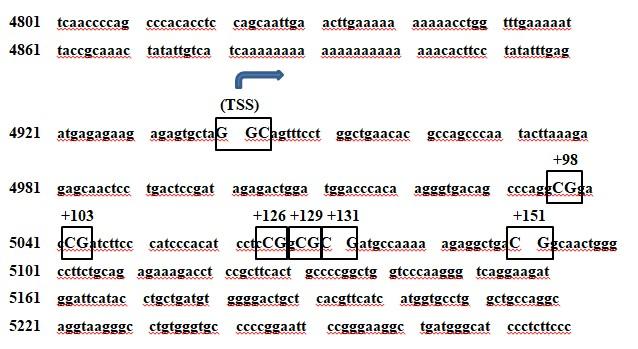
Background: Alpha- subunit of the interleukin-2 receptor (IL2RA) is involved in the regulation of T-cell function and has been previously related with autoimmune thyroid disease. However, the exact processes at a molecular level are not fully known. Epigenetic modifications such as DNA methylation in gene promoters are considered as possible mechanisms.
Ioannis Kyrgios
Eleni P. Kotanidou
Konstantina Mouzaki
Assimina Galli-Tsinopoulou
4th Department of Pediatrics, School of Medicine, Faculty of Health Sciences, Aristotle University of Thessaloniki, Papageorgiou General Hospital, Thessaloniki, Greece
Aikaterini Fragou
Georgios Tzimagiorgis Laboratory of Biological Chemistry, School of Medicine, Faculty of Health Sciences, Aristotle University of Thessaloniki, Thessaloniki, Greece
Smaragda Efraimidou Hematology Laboratory, Papageorgiou General Hospital, Thessaloniki, Greece
Aim: To investigate whether there are differences in the percentage of DNA methylation within the IL2RA gene promoter in children and adolescents with autoimmune diseases of the thyroid gland.
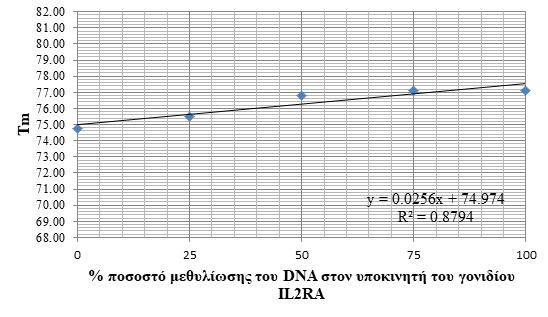
Materials and Methods: In the present study, 130 participants were enrolled: 53 patients with Hashimoto thyroiditis (11.7±0.3 years), 21 patients with type 1 diabetes and Hashimoto thyroiditis (13.8±0.5 years), 8 patients with Graves disease (12.0±0.4 years) and 48 healthy controls (11.1±0.3 years) without any personal/ family history of thyroiditis/ other autoimmune condition. DNA was extracted from whole blood and then modified with sodium bisulfite. The percentage of methylation in the IL2RA gene promoter was later quantified, using specific primers for modified DNA, by Real-Time PCR, and melting-curve analysis of the selected fragment. Results: Percentage of methylation in the IL2RA gene promoter was found to significantly differ among the study groups (p<0.001) and was significantly decreased in patients with Graves’ disease (25.1±4.6%) but not in those with Hashimoto thyroiditis (37.4±1.3%) in comparison with controls (42.1±1.5%).
Conclusions: Decreased DNA methylation of the IL2RA gene promoter may be related with increased expression of the corresponding gene product, thus contributing to aetiopathogenesis of the autoimmune thyroid disease especially Graves disease in childhood and adolescence.
Key words: DNA methylation, children and adolescents, IL2RA, autoimmune thyroid disease
(Real-Time PCR) (Step One Plus Real-Time PCR System, Applied Biosystems).
(melting curves)
DNA (22).
(υπερμεθυλιωμένο) (31). Επιπρόσθετα, οι Limbach και
DNA
CD8+ T-κύτταρα,
1. Antonelli A, Ferrari SM, Corrado A, Di Domenicantonio A, Fallahi P. Autoimmune thyroid disorders. Autoimmun Rev 2015;14:174–180.
2. Effraimidis G, Wiersinga WM. Mechanisms in endocrinology: autoimmune thyroid disease: Old and new players. Eur J Endocrinol 2014;170:R241-252.
3. Davies TF, Latif R, Yin X. New genetic insights from autoimmune thyroid disease. J Thyroid Res2012;2012:623852.
4. Cooper JD, Simmonds MJ, Walker NM, Burren O, Brand OJ, Guo H, et al. Seven newly identified loci for autoimmune thyroid disease. Hum Mol Genet 2012;21:5202–5208.
5. Huber A, Menconi F, Corathers S, Jacobson EM, Tomer Y. Joint genetic susceptibility to type 1 diabetes and autoimmune thyroiditis: From epidemiology to mechanisms. Endocr Rev 2008;29:697–725.
6. McLeod DS, Cooper DS. The incidence and prevalence of thyroid autoimmunity. Endocrine 2012;42:252–265.
7. Dang MN, Buzzetti R, Pozzilli P. Epigenetics in autoimmune diseases with focus on type 1 diabetes. Diabetes Metab Res Rev 2013;29:8–18.
8. Tomer Y. Mechanisms of autoimmune thyroid diseases: from genetics to epigenetics. Annu Rev Pathol 2014;9:147–156.
10. Mikoś H, Mikoś M, Obara-Moszyńska M, Niedziela M. The role of the immune system and cytokines involved in the pathogenesis of autoimmune thyroid disease (AITD). Endokrynol Pol 2014;65:150–155.
11. van der Heul-Nieuwenhuijsen L, Padmos RC, Drexhage RC, de Wit H, Berghout A, Drexhage HA. An Inflammatory Gene-Expression Fingerprint in Monocytes of Autoimmune Thyroid Disease Patients. J Clin Endocrinol Metab 2010;95:1962–1971.
12. Wang J, Wicker LS, Santamaria P. IL-2 and its high-affinity receptor: genetic control of immunoregulation and autoimmunity. Semin Immunol 2009;21:363–371.
13. Vella A, Cooper JD, Lowe CE, Walker N, Nutland S, Widmer B, et al. Localization of a type 1 diabetes locus in the IL2RA/CD25 region by use of tag single-nucleotide polymorphisms. Am J Hum Genet 2005;76:773–779.
14. Lowe CE, Cooper JD, Brusko T, Walker NM, Smyth DJ, Bailey R, et al. Large-scale genetic fine mapping and genotype-phenotype associations implicate polymorphism in the IL2RA region in type 1 diabetes. Nat Genet 2007;39:1074–1082.
15. Brand OJ, Lowe CE, Heward JM, Franklyn JA, Cooper JD, Todd JA, et al. Association of the interleukin-2 receptor alpha (IL-2Ralpha)/CD25 gene region with Graves’ disease using a
multilocus test and tag SNPs. Clin Endocrinol (Oxf) 2007;66:508–512.
16. International Multiple Sclerosis Genetics Consortium, Hafler DA, Compston A, Sawcer S, Lander ES, Daly MJ, De Jager PL, et al. Risk alleles for multiple sclerosis identified by a genomewide study. N Engl J Med 2007;357:851–862.
17. Barton A, Thomson W, Ke X, Eyre S, Hinks A, Bowes J, et al. Rheumatoid arthritis susceptibility loci at chromosomes 10p15, 12q13 and 22q13. Nat Genet 2008;40:1156–1159.
18. Smith KA. The quantal theory of how the immune system discriminates between "self and non-self". Med Immunol 2004;3:3.
19. Sarı E, Karaoglu A, Ye E. Hashimoto Thyroiditis in children and adolescents. In: Huang Fang-Ping, editor. Autoimmune disorders - current concepts and Advances from bedside to mechanistic insights. InTech; 2011. p27–40.
20. Alisch RS, Barwick BG, Chopra P, Myrick LK, Satten GA, Conneely KN, et al. Age-associated DNA methylation in pediatric populations. Genome Res 2012;22:623–632.
21. World Medical Association. World Medical Association Declaration of Helsinki: ethical principles for medical research involving human subjects. JAMA 2013;310:2191-2194.
22. Smith E1, Jones ME, Drew PA. Quantitation of DNA methylation by melt curve analysis. BMC Cancer 2009;9:123.
24. Kurdyukov S, Bullock M. DNA Methylation Analysis: Choosing the Right Method. Biology (Basel) 2016;5:piiE3.
25. Belot MP, Fradin D, Mai N, Le Fur S, Zélénika D, Kerr-Conte J, et al. CpG Methylation Changes within the IL2RA Promoter in Type 1 Diabetes of Childhood Onset. PLoS One 2013;8:e68093.
26. Field J, Fox A, Jordan MA, Baxter AG, Spelman T, Gresle M, et al. Interleukin-2 receptor-α proximal promoter hypomethylation is associated with multiple sclerosis. Genes Immun 2017;18:59–66.
27. Takai D, Jones PA. Comprehensive analysis of CpG islands in human chromosomes 21 and 22. Proc Natl Acad Sci U S A 2002;99:3740–3745.
28. Eckhardt F, Lewin J, Cortese R, Rakyan VK, Attwood J, Burger M, et al. DNA methylation profiling of human chromosomes 6, 20 and 22. Nat Genet 2006;38:1378–1385.
29. Wang B, Shao X, Song R, Xu D, Zhang JA. The Emerging Role of Epigenetics in Autoimmune Thyroid Diseases. Front Immunol 2017;8:396.
30. Coppedè F. Epigenetics and Autoimmune Thyroid Diseases. Front Endocrinol (Lausanne) 2017;8:149.
31. Cai TT, Muhali FS, Song RH, Qin Q, Wang X, Shi LF, et al. Genome-wide DNA methylation analysis in Graves’ disease. Genomics 2015;105:204–210.
32. Limbach M, Saare M, Tserel L, Kisand K, Eglit T, Sauer S, et al. Epigenetic profiling in CD4+ and CD8+ T cells from Graves’ disease patients reveals changes in genes associated with T cell receptor signaling. J Autoimmun 2016;67:46–56.
33. Arakawa Y, Watanabe M, Inoue N, Sarumaru M, Hidaka Y, Iwatani Y. Association of polymorphisms in DNMT1 , DNMT3A , DNMT3B, MTHFR and MTRR genes with global DNA methylation levels and prognosis of autoimmune thyroid disease. Clin Exp Immunol 2012;170:194–201.
34. Cai TT, Zhang J, Wang X, Song RH, Qin Q, Muhali FS, et al. Gene-gene and gene-sex epistatic interactions of DNMT1, DNMT3A and DNMT3B in autoimmune thyroid disease. Endocr J 2016;63:643–653.
35. Mao R, Fan Y, Zuo L, Geng D, Meng F, Zhu J, et al. Association study between methylenetetrahydrofolate reductase gene polymorphisms and Graves’ disease. Cell Biochem Funct 2010;28:585–590.
36. Lee JY, Kim NK, Cho YW, Lew H. Association between methylenetetrahydrofolate reductase (MTHFR) polymorphisms and susceptibility to Graves’ ophthalmopathy. Mol Med Rep 2016;14:2276–2282.
37. Liu T, Sun J, Wang Z, Yang W, Zhang H, Fan C, et al. Changes in the DNA Methylation and Hydroxymethylation Status of the Intercellular Adhesion Molecule 1 Gene Promoter in
Thyrocytes from Autoimmune Thyroiditis Patients. Thyroid 2017;27:838–845.
38. Ma J, Dempsey AA, Stamatiou D, Marshall KW, Liew CC. Identifying leukocyte gene expression patterns associated with plasma lipid levels in human subjects. Atherosclerosis 2007;191:63–72.
39. Wettinger SB, Doggen CJ, Spek CA, Rosendaal FR, Reitsma PH. High throughput mRNA profiling highlights associations between myocardial infarction and aberrant expression of inflammatory molecules in blood cells. Blood 2005;105:2000–2006.
Endorsement of Budapest Declaration: Rights, Health & Well-Being of Children and Youth on the Move
ALAPE-Latn American Association of Pediatrics
ECPCP-European Confederation of Primary Care Pediatricians
EAP-European Academy of Pediatrics
German Academy of Pediatrics and Adolescent Medicine-DAK German Professional Association of Paediatricians
German Society of Pediatrics
German Society of Tropical Paediatrics and International Child Health (GTP)
Hungarian Paediatric Association
Japan Society for Social Medicine (JSSM) Spanish Society of Pediatrics
Swiss Society of Pediatrics (SSP) International Child Health Group (IHCH)
Water Orientation Test Alyn 1 (WOTA1)
Water Orientation Test Alyn 2 (WOTA2).
e-mail: konchand@gmail. com
Correspondence
Dimitriou Nika 12
Katerini, 601 34
Τ. 6947-476006
e-mail: konchand@gmail. com
Effects of hydrotherapy - Halliwick in the respiratory system of children with cerebral palsy
Purpose: The purpose of this research is to study the effects of hydrotherapy on the respiratory system of children diagnosed with Cerebral Palsy. The results of hydrotherapy on the musculoskeletal system of children with Cerebral Palsy has been extensively studied and reported in various research papers, as well as the results of hydrotherapy on the respiratory system and the lung function of children with cystic fibrosis, asthma, scoliosis etc. However, few are the studies that report the effects of hydrotherapy on the respiratory system of children with Cerebral Palsy.
Methodology: This study includes ten (10) children diagnosed with cerebral palsy, aged from five (5) to fifteen (15) years old. Children enrolled in the hydrotherapy program once a week for 45 minutes. The function of their respiratory system was measured by spirometer, flowmeter and oximeter. Furthermore, the International Halliwick Association’s SWIM evaluation form has been completed by the researcher. This form evaluates the respiratory control of each individual inside the water. In addition, two more evaluation forms have been completed by the researcher, the Water Orientation Test Alyn 1 (WOTA1) and the WATER Orientation Test Alyn 2 (WOTA2). Both measurements and evaluations were repeated twice during the investigation. A pre-test was conducted at the beginning of the program and a post-test at the end of the program. Results: Eight (8) children have successfully completed the study, whereas one (1) child has been excluded due to an allergic reaction and another one (1) couldn’t complete the study. The results indicate changes in the lung function, but no statistically significant differences were observed after the thorough evaluation of the questionnaires.
Conclusion: Hydrotherapy resulted in positive effects on the respiratory system of children with Cerebral Palsy. Nevertheless, further investigation is required to test the effectiveness of hydrotherapy after a longer time period than the one currently studied.
Key words: cerebral palsy, hydrotherapy, therapeutic swimming, Halliwick, lung diseases, Water Orientation Test Alyn 1 (WOTA1), Water Orientation Test Alyn 2 (WOTA2), Swim Test.
Christodoulaki Euanthia
Hristara-Papadopoulou
Alexandra
Chandolias Konstantinos
Pediatric Physiotherapists
(18).
1. Ασκήσεις ενδυνάμωσης
2. Διατατικές ασκήσεις
3. Αναπνευστικές ασκήσεις
4. Ασκήσεις
5. Εκπαίδευση βάδισης
6. Χαλάρωση (18,20)
1.
2.
3.
4.
5.
6.
8.
Halliwick
(7). (www.halliwick.org.gr, 2016).
1.
2.
3.
4.
5.
6.
7.
8.
9.
1.
2.
3.
1. Ακτινογραφίες
2. SaO2
3. Καλλιέργεια
4. Μέτρηση FEV1
5. Μέτρηση PEFR (21)
(PEFR).
SWIM
Ιnternational Halliwick Association
φόρμες Water Orientation Test Alyn 1 (WOTA1) και Water Orientation Test Alyn 2 (WOTA2).
(SPO2post=97,12),
Paired Samples Statistics
Pair 1 HRpre HRpost
Pair 2 SPO2pre SPO2post
Pair 3 PEFRpre PEFRpost
Pair 4 FEV1pre FEV1post
Pair 5 FEV1Ppre FEV1Ppost
Paired Samples Correlations
Pair 1 HRpre & HRpost
Pair 2 SPO2pre & SPO2post
Pair 3 PEFRpre & PEFRpost
Pair 4 FEV1pre & FEV1post
Pair 5 FEV1Ppre & FEV1Ppost
HRpre - HRpost Pair 1
SPO2pre - SPO2post Pair 2
PEFRpre - PEFRpost Pair 3
FEV1pre - FEV1post Pair 4
FEV1Ppre - FEV1Ppost Pair 5
Προτάσεις
1. Bax Martin, Brown Keith,
2009:9-14
2. Blair Eve, Stanley Fiona, Issues in the Classification and Epidemiology of Cerebral Palsy. Article in Mental retardation and developmental disabilities reviews, January 1997: 1-2. Developmental Medicine and Child Neurology, 2005:838-842
3. Dragos Adrian, Emese Agnes, Beng Ileana, Effects Of An Aquatic Therapy Program On Vital Capacity, Quality Of Life And Physical Activity Index In Children With Cerebral Palsy, Human And Veterinary Medicine, 2013, Vol. 5, Issue 3: 117-124.
4. Ersoz Murat, Selcuk Barin, Gunduz Ramazan. Kurtaran Aydan, Akyz Mufit, Decreased Chest Mobility in Children With Spastic Cerebral Palsy, The Turkish Journal Of Pediatrics, 2006, 48:344-350
5. Frazen Kathleen, Tryniszewski Priscilla, Effectiveness of Aquatic Therapy for Children with Neurodevelopmental Disorders: A Systematic Review of Current Literature, May 2013: 1-22
6. Grosse J. Susan, Water Freedom For All: The Halliwick Method, International Journal Of Aquatic Research And Education, 2010
7. Halliwick Association of Greece Ελληνικό Σωματείο Halliwick Therapy (www.halliwick.org. gr, 2016)
8. Hutzler Yeshayahu, Chacham Anat, Bergman Uri, Effects of a movement and swimming program on vital capacity and water orientation skills of children with cerebral palsy, Neurodevelopmental Medicine and Child Neurology, 1998: 176-181
9. JorgicBojan, Dimitrijevic Lidija, Lambeck Johan, Aleks and rovic Marko, Okicic Tomislav and Madic Dejan, Effects of aquatic programs in children and adolescents with cerebral palsy: Systematic review, Sport science 5, 2012: 49-56
10. Park Sook Eun, Park Hyun Jung, Rha Wook Dong, Park IL Chang, Park Woo Change, Comparison Of The Ratio Of Upper To Lower Chest Wall In Children With Spastic Quadriplegic Cerebral Palsy And Normally Development Children, Yonsei Medical Journal, 2006, Volume 47, No 2:237-242
11. Pickham-Fragala Maria, Haley M. Stephen, O’Neil E. Margaret, Group Aquatic Aerobic Exercise For Children With Disabilities, Developmental Medicine And Child Neurology, 2008, 50: 822-827.
12. Retarekar Runzun, Pinkham-Fragala A. Maria, Townsend E. Elise, Effects Of Aquatic Aerobic Exercise For A Child With Cerebral Palsy: Single - Subject Design, Pediatrics Of The Ameri-
can Physical Therapy Association, 2009:336-344.
13. Rosenbaum L. Peter, Jacobson Bo, Domino Diane, Proposed definition and classification of cerebral palsy, April 2005- Introduction. Article in Developmental Medicine and Child Neurology, August 2005: 571
Completed suicide in prepubertal children (≤12 years old)
Antonios Paraschakis
Abstract
It is widely believed that suicides in prepubertal children (≤12 years old) are underreported for various reasons (stigma and erroneous attribution to accidents being the main ones). Personal and/or family history of depression, bipolar disorder, schizophrenia, attention-deficit disorder, suicide/suicide attempts, symptoms such as (commanding) auditory hallucinations, delusional ideas, anhedonia, hopelessness, dreams and persistent preoccupation about death, family discord, divorce, family grief, physical and/or sexual abuse, bullying, school failure, extreme poverty, all seem to be –more or less- related to completed suicide in prepubertal children. In comparison to teenagecompleters, the younger ones appear to suffer less from drug abuse and alcohol problems (or psychiatric morbidity in general). Erotic/romantic relations seem to be also less of a problem for younger completers, whose main problems appear to be predominately confined at home or at school. Children of 12 years will very rarely express their suicidal ideation to anyone. Pediatricians may well be the first -and often the only- capable of pinpointing the “vulnerable” children, given that a child-mental health expert might be totally unavailable in certain hospital settings. (S)he has to maintain a high level of suspicion particularly in cases of “equivocal” accidents (e.g. cutting by sharp objects, falling from heights, poisoning etc.), investigate whether any of the risk factors are present and interview the child (preferably alone). Prepubertal suicide completers were usually isolated, silent and helpless. Aim of the review was to raise the awareness of pediatricians in order to assist the vulnerable children before it is too late…
Psychiatric Hospital of Attica “Dafni”, Athens, Greece
Βιβλιογραφία
1. Tishler CL, Reiss NS. Suicidal behavior in children younger than twelve: A diagnostic challenge for emergency department personnel. AcadEmerg Med 2007;14:810-8.
2. Mishara BL. Conceptions of death and suicide in children ages 6-12 and their implications for suicide prevention. Suicide Life Threat Behav1999;2:341-50.
3. McClanaghan KK, Omar H. Suicide in prepubertal children. In: Shrivastava Α, Kimbrell Μ, Lester D, editors. Suicide from a Global Perspective. Nova Science Publishers 2012, pp. 1-12.
4. Sousa GS, Santos MSP, Silva ATP, Perrelli JGA, SougeyEB.r Suicide in children: a literature review. CiencSaudeColetiva2017;22:3099-3110.
5. Freuchen A, Kjelsberg E, Lundervold AJ, GrØholt B. Differences between children and adolescents who commit suicide and their peers: a psychological autopsy of suicide victims compared to accident victims and a community sample. Child Adolesc Psychiatry Ment Health 2012;6:1-12.
6. Horowitz LM, Ballard ED, Pao M. Suicide screening in schools, primary care and emergency departments. CurrOpinPediatr2009;21:620-7.
7. Sheftall AH, Asti L, Horowitz LM, Felts A, Fontanella CA, Campo JV, Bridge JA. Pediatrics 2016;138:piie20160436.
8. Miller M, Azrael D, Hemenway D. Firearm availability and unintentional firearm deaths, suicide and homicide among 5-14 year olds. J Trauma 2002;52:267-75.
9. WHO Greece.www.who.int/mental_health/suicide.../GRC.pdf?ua=1Ανακτήθηκε
2018.
10. Kolves K, De Leo D. Suicide rates in children aged 10-14 years worldwide: changes in the past two decades B J Psych 2014;205:283-5.
11. Gould MS, Greenberg T, Velting DM, Shaffer D. Youth suicide risk and preventive interventions: a review of the past 10 years. J Am Acad Child Adolesc Psychiatry 2003;42:386-405.
12. GrØholt B, Ekeberg Ø. Suicide in young people under 15 years: Problems of classification. Nord J Psychiatry 2003;57:411-17.
13. GrØholt B, Ekeberg Ø, Wichstrom L, Haldorsen T. Suicide among children and younger and older adolescents in Norway: a comparative study. J Am Acad Child Adolesc Psychiatry 1998;37:473-81.
14. Soole R, Kolves K, De Leo D. Factors related to childhood suicides: analysis of the Queensland child death register. Crisis 2014;35:292-300.
15. Soole R, Kolves K, De Leo D. Suicide in children: A systematic review. Arch Suicide Res 2015;19:285-304.
16. Citrome L, Goldberg JF. Bipolar disorder is a potentially fatal disease. Postgrad Med 2005;17:9-11.
17. Papolos DF, Hennen J, Cockerham MS. Factors associated with parent-reported suicide threats by children and adolescents with community-diagnosed bipolar disorder. J Affect Disord2005;86:267-75.
18. Pfeffer CR. Childhood suicidal behavior: a developmental perspective. Psychiatr Clin North Am 2008;31:271-91.
19. Brent DA, Oquendo M, Birmaher B, Greenhill L, Kolko D, Stanley B et al. Familial transmission of mood disorders: convergence and divergence with transmission of suicidal behavior. J Am Acad Child Adolesc Psychiatry 2004;43:1259-66.
20. O’Leary CC, Frank DA, Grant-Knight W, Beeghly M, Augustyn M, Rose-Jacobs R et al. Suicidal behavior among urban nine and ten year olds. J Dev BehavPediatr2006;27:33-39.
21. Dervic K, Brent DA, Oquendo MA. Completed suicide in childhood. Psychiatr Clin North Am 2008;31:271-91.
22. Agerbo E, Nordentoft M, Mortensen PB. Familial, psychiatric and socioeconomic risk factors for suicide in young people: nested case control study. BΜ J 2002;325:74-78.
23. Pompili M, Mancinelli I, Girardi P, Ruberto A, Tatarelli R. Childhood suicide: a major issue
in pediatric health care. Issues ComprPediatrNurs2005;28:63-8.
24. Thompson R, Briggs E, English DJ, Dubowitz H, Lee LC, Brody K et al. Suicidal ideation among 8-year-olds who are maltreated and at risk: findings from the LONGSCAN studies. Child Maltreat 2005;10:26-36.
25. Seguin M, Renaud J, Lessage A, Robert M ,Turecki G. Youth and young adult suicide: a study of life trajectory. J Psychiatry 2011;45:863-70.
26. Agritmis H, Yayci N, Colak B, Aksoy E. Suicidal deaths in childhood and adolescence. Forensic Sci Int 2004;142:25-31.
27. Bruffaerts R, Demyttenaere K, Borges G, Haro JM, Chiu WT, Hwang I et al. Childhood adversities as risk factors for onset and persistence of suicidal behavior. Br J Psychiatry 2010;197:2027.
28. Hong M, Cho HN, Kim AR, Hong HJ, Kweon YS. Suicidal deaths in elementary school students in Korea. Clin Adolesc Psychiatry Ment Health 2017;11:53.
29. Klomek AB, Sourander A, Niemela S, Kumpulainen K, Piha J, Tamminen T. Childhood bulling behaviors as a risk for suicide attempts and completed suicides: A population-based birth cohort study. J Am Acad Child Adolesc Psychiatry 2009;48:254-61.
30. Bauman AS, Toomey RB, Walker JL. Associations among bulling, Cyberbulling, and suicide in high school students. J Adolesc2013;36:341-50.
31. Schmidt P, Muller R, Dettmeyer R, Madea B. Suicide in children, adolescents and young adults. Forensic Sci Int 2002;127:161-7.
32. Shaffer D, Pfeffer CR, Bernet W, . Practice parameter for the assessment and treatment of children and adolescents with suicidal behavior. J Am Acad Child Adolesc Psychiatry 2001;(Suppl 7):24S-51S.
33. Shaw D, Fernandez JR, Rao C. Suicide in children and adolescents: a 10-year retrospective review. Am J Forensic Med Pathol2005;26:309-15.
34. Orbach I, Feshbach S, Carlson G, Glaubman H, Gross Y. Attraction and repulsion by life and death in suicidal and in normal children.J Consult Clin Psychol 1983;51:661-70.
35. Gardner W, Klima J, Chisolm D, Feehan H, Bridge J, Campo J et al. Screening, triage, and referral of patients who report suicidal thought during a primary care visit. Pediatrics 2010;125:945-52.
36. Klimes-Dougan B. Screening for suicidal ideation in children and adolescents: methodological considerations. J Adolesc1998;21:435-44.
37. Kennedy SP, Baraff LJ, Suddath RL, Asarnow JR. Emergency department management of suicidal adolescents. Ann Emerg Med 2004;42:452-60.
38. Freuchen A, Grovolt B. Characteristics of suicide notes of children and young adolescents: an examination of the notes from suicide victims 15 years and younger.Clin Child Psychol Psychiatry 2015;20:194-206.
e-mail: lsdogou@writeme. com
Correspondence
Triantafyllia Sdogou
Thinon & Papadiamantopoulou, 115 27 Goudi, Athens
Τ. +302107467476
Κ. +306934135413
e-mail: lsdogou@writeme. com
Glucose-6-phosphate dehydrogenase deficiency (G6PD), drugs and substances contradicted in disease patients
Triantafyllia Sdogou, Kleopatra Schulpi
Summary
Erythrocyte G6PD deficiency is inherited with x-linked recessive trait. High prevalence of G6PD deficiency has been described in Greece. Clinical manifestations are presented when the patients are administrated with drugs and substances named in a special list (table 1). The clinical manifestations include jaundice (with high indirect bilirubin), haemolysis and anaemia.
Neonatal screening includes the measurement of G6PD activity in dried blood spots on Guthrie cards. If the results are positive, quantitation of the enzyme activity should confirmed at the age of 6 months. The high prevalence of the disorder in the Greek population obliged the physicians and paediatricians to be informed about the activity of the enzyme and be careful before administration of any drug. G6PD activity is measured during the perinatal period, as mentioned above and it has been incorporated in the Greek neonatal screening.
Unit for Metabolic Disorders, Choremio Research Institute, First Department of Pediatrics School of Medicine, National and Kapodistrian University of Athens, “Agia Sofia” Children’s Hospital, Greece
Kleopatra Schulpi
Inborn Errors of Metabolism Department, Institute of Child Health, “Agia Sofia” Children’s Hospital, Athens, Greece
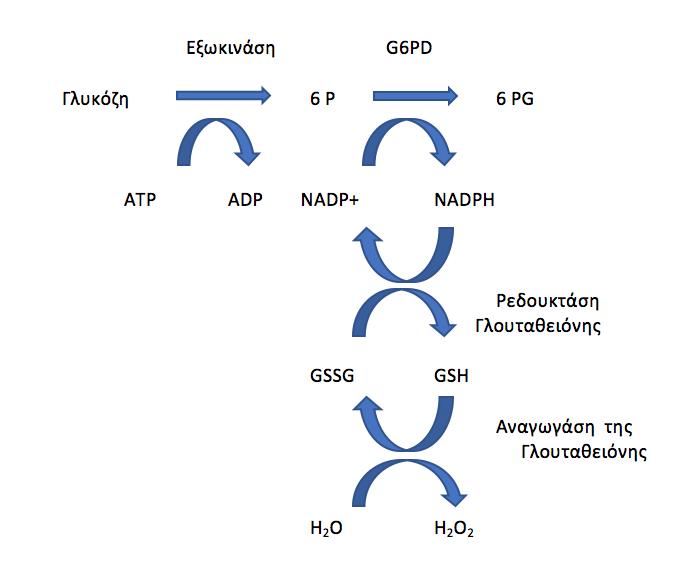
Εικόνα 1
(Glucose6-phosphate dehydrogenase)
http://www.ich.gr).
(2-amino-5 sylphanyltheiazole)
(Azatadine)
(Acetaminophenone)
(Acetanilide)
(Acetophenetidine)
(AcetylSalycilic Acid)
(Acetylphenylhydrazine)
(Actazoline) Σουλφαμίδια (Sulphamides)
(Aminopyrine)
(Antihistaminic)
(Analgesic)
(Analgesic)
(Analgesic)
(Antimicrobial)
(Analgesic)
Αμινοφαιναζόνη (Aminophenazone)
Ανταζολίνη (Antazoline)
Αντιισταμινικά (Antihistamines)
Αρσίνη (Arsine)
Ασκορβικό Οξύ-Βιταμίνη C (Ascorbic Acid-Vitamin C)
1. Glader B. Hereditary hemolytic anemias due to red blood cell enzyme disorders. In: Wintrobe's Clinical Hematology, 13th edition, Greer JP, Arber D, Glader B, et al (Eds), Wolters Kluwer/Lippincott Williams & Wilkins, Philadelphia 2014. p.728.
3. Nkhoma ET, Poole C, Vannappagari V, et al. The global prevalence of glucose-6-phosphate dehydrogenase deficiency: a systematic review and meta-analysis. Blood Cells Mol Dis 2009; 42:267.
4. Beutler E. G6PD deficiency. Blood 1994; 84:3613.
5. Beutler E. Glucose-6-phosphate dehydrogenase deficiency. N Engl J Med 1991; 324:169.
6. Mason PJ, Bautista JM, Gilsanz F. G6PD deficiency: the genotype-phenotype association. Blood Rev 2007; 21:267.
7. Kaplan M, Vreman HJ, Hammerman C, et al. Contribution of haemolysis to jaundice in Sephardic Jewish glucose-6-phosphate dehydrogenase deficient neonates. Br J Haematol 1996; 93:822.
8. Kattamis CA, Kyriazakou M, Chaidas S. Favism: clinical and biochemical data. J Med Genet 1969; 6:34.
9. Stamatoyannopoulos G, Fraser GR, Motulsky AC, et al. On the familial predisposition to favism. Am J Hum Genet 1966; 18:253.
10. Cutillo S, Costa S, Vintuleddu MC, Meloni T. Salicylamide-Glucuronide formation in children with favism and in their parents. Acta Haematol 1976; 55:296.
11. George JN, Sears DA, McCurdy PR, Conrad ME. Primaquine sensitivity in Caucasians: hemolytic reactions induced by primaquine in G-6-PD deficient subjects. J Lab Clin Med 1967; 70:80.
12. Reclos GJ, Hatzidakis CJ, Schulpis KH. Glucose-6-phosphate dehydrogenase deficiency neonatal screening: preliminary evidence that a high percentage of partially deficient female neonates are missed during routine screening. J Med Screen 2000;7:46-51.
13. Bhutani VK, Johnson LH, Keren R. Diagnosis and management of hyperbilirubinemia in the term neonate: for a safer first week. Pediatr Clin North Am 2004;51:843-61,vii.
14. Jalloh A, Tantular IS, Pusarawati S, Kawilarang AP, Kerong H, Lin K, et al. Rapid epidemiologic assessment of glucose-6-phosphate dehydrogenase deficiency in malaria-endemic areas in Southeast Asia using a novel diagnostic kit. Trop Med Int Health 2004;9:615-23.
15. Bizzarro MJ, Colson E, Ehrenkranz RA. Differential diagnosis and management of anemia in the newborn. Pediatr Clin North Am 2004;51:1087-107,xi.
16. Molou E, Schulpis KH, Thodi G, Georgiou V, Dotsikas Y, Papadopoulos K, Biti S. Loukas YL. Glucose-6-Phosphate Dehydrogenase (G6PD) deficiency in Greek newborns: the Mediterranean C563T mutation screening. Scand J Clin Lab Invest. 2014 Apr;74(3):259-63.
17. Schulpis KH, Reclos GJ, Parthimos T, Parthimos N, Gavriilidis A, Tsakiris S. L-cysteine supplementation protects the erythrocyte glucose-6-phosphate dehydrogenase activity from reduction induced by forced training. Clin Biochem. 2006 Oct;39(10):1002-6.
18. Lee SW, Lai NM, Chaiyakunapruk N, Chong DW. Adverse effects of herbal or dietary supplements in G6PD deficiency: a systematic review. Br J Clin Pharmacol 2017; 83:172.
19. Belfield KD, Tichy EM. Review and drug therapy implications of glucose-6-phosphate dehydrogenase deficiency. Am J Health Syst Pharm. 2018 Feb 1;75(3):97-104.
20. Fu C, Luo S, Li Q, Xie B, Yang Q, Geng G, Lin C, Su J, Zhang Y, Wang J, Qin Z, Luo J, Chen S, Fan X. Newborn screening of glucose-6-phosphate dehydrogenase deficiency in Guangxi, China: determination of optimal cutoff value to identify heterozygous female neonates. Sci Rep. 2018 Jan 16;8(1):833.
21. Bertil Glader, MD, PhD up to date Literature review current through: Aug 2017. Diagnosis and management of glucose-6-phosphate dehydrogenase deficiency. This topic last updated: Aug 28, 2017.
Ovarian masses are a rare case as far as children’s surgery is concerned. There has been a raise in the diagnosis during the last years due to the advances in imaging techniques. Aim of this study is to review and record the patients treated for ovarian masses in our department as well as to present the relative literature.
We collected all the patients of our department who were diagnosed with ovarian masses between the years 2004 - 2016. This cohort study consists of 41 patients whose average age was 107/12 years. Fourteen of them were premenarcheal girls and the rest 21 were menarcheal girls. Data was collected by reviewing the hospital’s medical archives.
Forty-one point five per cent of the patients presented with a simple ovarian cyst, 48,5% with a benign mass and 10% with a malignant mass. The most frequent symptom was abdominal pain. U/S imaging was the most helpful preoperative diagnostic tool followed by the measurement of α-FP, β-hCG and CA-125 (31 patients).
In conclusion, patients with ovarian masses mostly present with abdominal pain. This situation causes a dilemma in the differential diagnosis between ovarian mass and acute appendicitis, especially if the pain localizes in the right inguinal. When suspecting malignancy, cancer biomarkers should be investigated preoperatively. Finally, ovarian torsion is a medical emergency, which threatens the viability of the organ and should always be in the differential diagnosis.
Key words: Ovarian cyst, neonates, childhood
Kanioura Eftychia
Kalogridaki Evgenia
Skondras Ioannis
Methymaki Areti-Alexandra
Kapouleas Georgios
Passalidis Alexandros
Second surgical department of “P&A Kyriakou” Children’s Hospital
Βιβλιογραφία
1. Mukhopadhyay M, Shukla Rm, Mukhopadhyay B, Mandal KC, Ray A, Sisodiya, et al. Ovarian cysts and tumors in infancy and childhood. J Indian Assoc Pediatr Surg 2013;18(1);16-9.
2. Aydin BK, Saka N, Bas F, Yilmaz Y, Haliloglu B, Guran T et al. Evaluation and treatment results of ovarian cysts in childjood and adolescence: a multicenter, retrospective study of 100 patients. J Pediatr Adolesc Gynecol 2017;30;449-455.
3. Emeksiz HC, Derinöz O, Akkoyun EB, Pinarli FG, Bideci A. Age-specific frequencies and characteristics of ovarian cysts in children and adolescents. J Clin Res Pediatr Endocrinol 2017;9(1);58-62.
4. Shimada T, miura K, Gotoh H, Nakayama D, Masuzaki H. Management of prenatal ovarian cysts. Early Hum Dev 2008;84;417-420
5. Zhang M, Jiang W, Li G, Xu C. Ovarian masses in children and adolescents - an analysis of 521 clinical cases. J Pediatr Adolesc Gynecol 2014;27;73-77.
6. Llorens Salvador R, Sangüesa Nebot C, Pacheco Usmayo A, Picó Aliaga S, Garcés Iñigo E. Neonatal ovarian cysts: Ultrasound assessment and differenctial diagnosis. Radiologia 2017;59;3139.
7. Manjiri S. Padmalatha SK, Shetty J. Management of complex ovarian cysts in newborns – our experience. J Neonat Surg 2017;6:3
8. Brandt M, Luks F, Filiatrault D, Garel L, Desjardins J, Youssef S. Surgical indications in antenatally diagnosed ovarian cysts. J Pediatr Surg 1991;26;276-282.
9. Ki EY, Byun SW, Choi YJ, Lee KH, Park JS, Lee SJ et al. Clinicopathologic review of ovarian masses in Korean premenarchal girls. Int J Med Sci 2013;10;1061-1067.
10. Gonzalez D, Minneci P, Deans K. Management of benign ovarian lesions in girls: a trend toward fewer oophorectomies. Adolescent Pediat G 2017;29;1-7.
11. Galinier P, Carfagna L, Juricic M, Lemasson F, Moscovici J, Guitard J. Fetal ovarian cysts management and ovarian prognosis: a report of 82 cases. J Pediatr Surg 2008;43;2004-2009.
F. Balomenou, T. Palianopoulos, A. Drougia, I. Basoukas, G. Gaitanis, V. Giapros
Summary
By the term “Congenital melanocytic nevus”, CMN, we define the melanocytic lesion that is present at birth and will acquire a diameter equal to or bigger than 20 cm during adult life. Its incidence is estimated as 1 in 50000 births. In spite of its rarity, this lesion is important because it is related to severe complications, like affection of the CNS (neurocutaneous melanosis, NCM), cutaneous or extracutaneous melanoma and its impact on the patient’s psychology, as well as the family’s, due to the aesthetic problems caused by it (1, 2, 3).
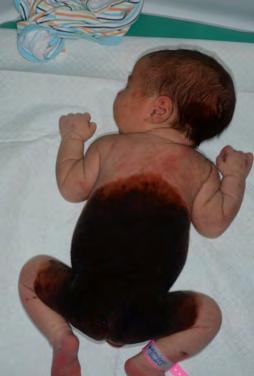
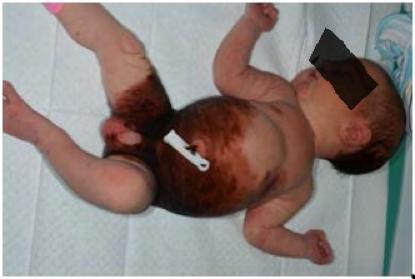
We present the case of a neonate with a giant congenital melanocytic nevus occupying an extensive area of the torso, accompanied by multiple satellite lesions in the limbs and the scalp. On ultrasoundand MRI examination the brain proved to be normal The neonate was asymptomatic. The importance of the proper evaluation and investigation is highlighted, aiming at the timely diagnosis for the detection of the early symptoms and/or of melanoma.
Key words: Congenital melanocytic nevus, neonate
F. Balomenou
T. Palianopoulos
A. Drougia
V. Giapros
NICU, University Hospital of Ioannina, Ioannina
I. Basoukas
G. Gaitanis
Dermatology Department, University Hospital of Ioannina, Ioannina
2. Viana AC, Gontijo B., Bittencourt FV. Giant congenital melanocytic nevus. An Bras Dermatol. 2013 Nov-Dec; 88(6): 863-878
3. Viana AC,Goulart EM, Gontijo B., Bittencourt FV. A prospective study of patients with large congenital melanocytic nevi and the risk of melanoma. An Bras Dermatol. 2017 Mar-Apr; 92(2): 200-205
4. Al-Hadithy N., Al Nakib K., Mc Gurk S., Quaba A. Primary intracranial melanoma in a child with a giant congenital naevus and normal MRI. BMJ Case Rep. 2013; 2013: bcr2013009276
5. Scattolin MA, Lin J, Peruchi MM, Rocha AJ, Masruha MR, Vilanova LC. Neurocutaneousmelanosis: follow-up and literature reviw. J Neuroradiol. 2011 Dec; 38(5): 313-8
6. Yakut ZI, Bas AY, Turan A., Demirel N., Demirkan TH. Early Sonographic Diagnosis of NeurocutaneousMelanosis in a Newborn. Iran J Radiol. 2014Dec; 11(4): e 10107
7. Kinsler VA, Aylett SE, Coley SC, Chong WK, Atherton DJ. Central nervus system imaging and congenital melanocytic naevi. Arch Dis Child 2001; 84:152-155
8. Leech S., MRCP, Bell H. MRCP, Leonard N. MRCPath et al. Neonatal Giant Congenital Nevi With Proliferative Nodules. Arch Dermatol. 2004; 140(1) :83-88
ΣΥΓΚΟΜΙΔΗ (1965-2015)
2.
3.
4.
5.
6.
7.
8.
9. Ενδιαφέρουσες
10. Σύντομα
11. Βραχείες
12.
13.
14.
(Uniform Requirements for Manuscripts Submitted to Biomedical Journals),
International Committee of Medical Journal Editors/Uniform Requirements for Manuscripts Submitted to Biomedical Journals, (www.icmje.org και www.icmje.org/icmje. pdf).
Cumulated Index Medicus [List of Journals Indexed in Index Medicus (www.nlm.nih.goν/bsd/uniform_requirements. html)].
Proesmans W. Bartter syndrome and its neonatal νariant. Eur J Pediatr 1997;156:669-679.
Flyvbjerg Α. Role of growth hormone, insulin-like growth factors (IGFs) and IGF-binding proteins in the renal complications of diabetes. Kidney Ιnt 1997;52 (60 Suppl):S12-S19.
Χωρίς συγγραφέα:
National Institutes of Health Consensus Deνelopment Conference. Neurofibromatosis conference statement. Arch Neurol1988;45:575-578.
Προσδιορισμός
Schreiner GF, Lange L. Ethanol modulation of macrophage influx in glomerulonephritis [Abstract]. J Am Soc Nephrol 1991;2:562.
Should antileukotriene therapies be used instead of inhaled corticosteroids in asthma? [Editorial]. Am J Respir Crit Care Med 1998;158:1697-1701.
Clark AG, Barratt ΤΜ. Steroid-responsiνe nephrotic syndrome. Ιn: Barratt ΤΜ, Arner ED, Harmon WE, editors. Pediatric Nephrology. 4th ed. Baltimore: Lippincott William Wilkins; 1999. p. 742.
Σύγγραμμα
Gorlin RJ, Cohen ΜΜ, Leνin LS. Syndromes of the head and neck. 3rd ed. New York: Oxford Uniνersity Press; 1990.
Δημοσίευση
Bauer ΑW. The two definitions of bacterial resistance. In: Smith AJ, Rogers CA, eds. Proceedings of the Third International Congress of Chemotherapy; 1962 May 29-31; New York: International Society of Chemotherapy; 1963. p. 484-500.
Διδακτορική
Πανεπιστήμιο Αθηνών; 1979.
Kaplan SJ. Post hospital home health care: the elderly’s access and utilization [dissertation]. St. Louis (Μο): Washington Univ.;1995.
III. CD-ROM
Andersoη SC, Poulsen ΚΒ. Anderson’s electronic atlas of hematology [CD-ROM]. Philadelphia: Lippincott Williams & Wilkins; 2002.
IV. ΣΤΟ ΔΙΑΔΙΚΤΥΟ
Abood S. Quality improνement initiatiνe in nursiηg homes: the ΑΝΑ acts in an adνisory role. Am J Nurs [Internet]. 2002 Jun: