Paediatriki
Volume 75 • Number 1 • January-February-March 2012
Trimonthly publication of the Greek Paediatric Society
President
A. Constantopoulos
Editorial board
Director
G. S. Varlamis
Members
S. Andronikou
E. Galanakis
A. Evangeliou
L. Thomaidou
M. Kanariou
A. Kapogiannis
S. Kitsiou-Tzeli
E. Mantadakis
P. Panagiotopoulou-Gartagani
A. Papadopoulou
V. Papaevagelou
A. Papathanassiou
A. Siamopoulou-Mavridou
A. Syrigou-Papavasiliou
Manuscript submission e-mail: hps@ath.forthnet.gr
Instructions to authors: http://www.e-child.gr/paediatriki/ iae.pdf
Manuscript editing
English editing
S. Nakou
Owner
Greek Paediatric Society 15, Mpakopoulou st.
GR - 15451, Ν. Psychiko
Tηλ.: +302107771140, +302107771663
e-mail: grammateia@e-child.gr proedros@e-child.gr
Annual subscription
All foreign countries: US$50
EDITORIAL
SPECIAL ARTICLE
Paediatric Neurology: Past, present, and future
S. G. Youroukos
REVIEW ARTICLES
Assessment of lung function in preschoolers
Vasiliki Avramidou, Elpis Hatziagorou, Ioannis Tsanakas
Τype 2 diabetes mellitus in children and young adults; obesity as a major pathogenetic mechanism
Angeliki A. Makri, Demetrios P. Chiotis
Childhood acute lymphoblastic leukemia: outcome with current therapeutic protocols and modern therapeutic approaches
Maria Abatzidou, Euthymia Rigatou and Sophia Polychronopoulou
Infections in immunocompromised children
Filippou Olga, Kalambalikis Panagiotis, Vliora Christianna
ORIGINAL ARTICLES
A Greek multicenter study comparing the clinical and immunologic phenotypes between adult and juvenile-onset lupus
P. Nalbanti, S. Stefanidou, S. Alfantaki, A. Siamopoulou, M. Trachana, V. Galanopoulou, P. Pratsidou-Gertsi, E. Farmaki, F. Papachristou, A. Garyphallos, F. Kanakoudi-Tsakalidou
The role of exhaled Nitric Oxide (eNO) in modification of treatment among asthmatic children
Elpis Hatziagorou, Vasiliki Avaramidou, Fotis Kirvassilis, Antigoni Mavroudi, Maria Emboriadou, John Tsanakas
CASE REPORTS
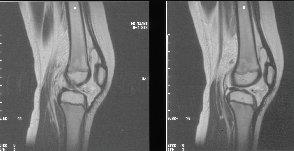
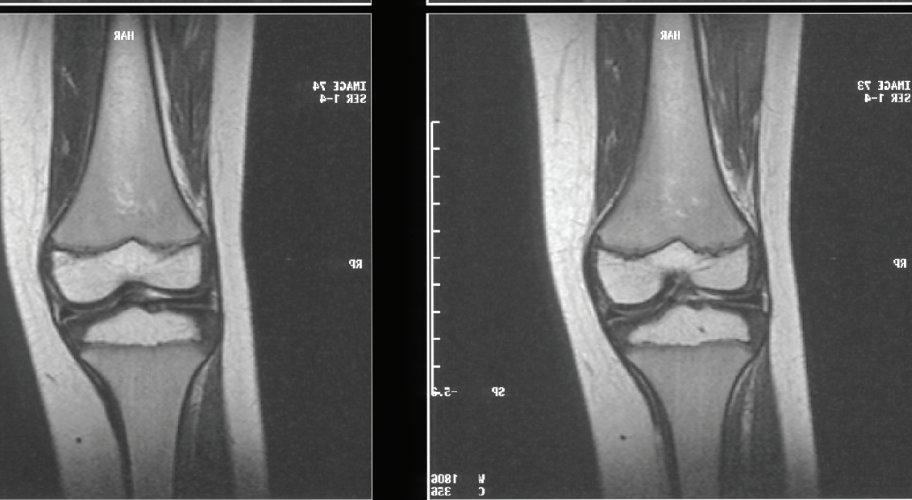
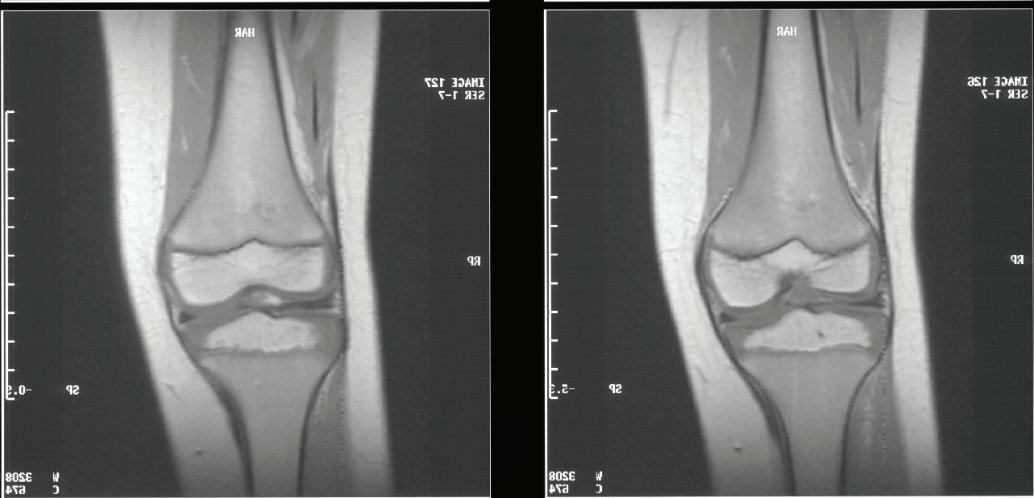
Parotid pleomorphic adenoma in childhood: report of a case and review of the literature
Evangelia Tsakiropoulou, George Kontzoglou, Aris Maganaris
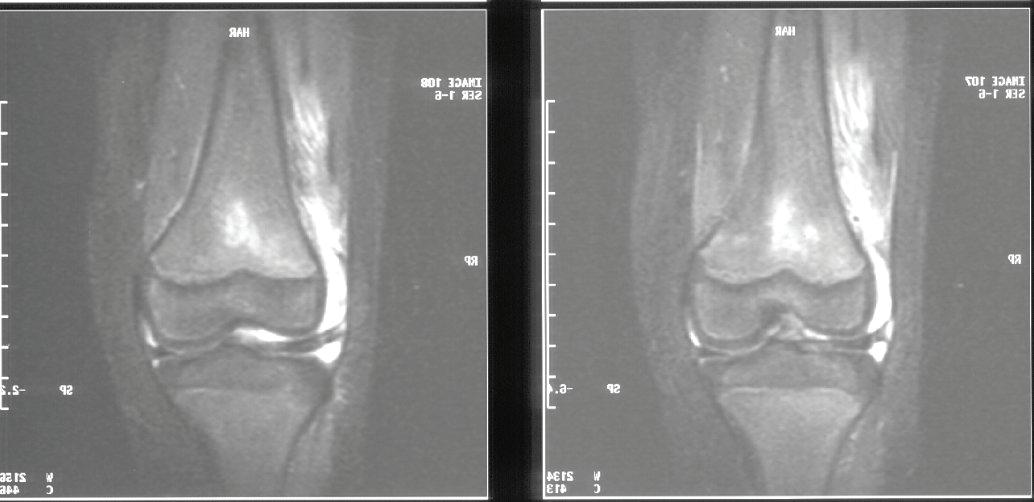
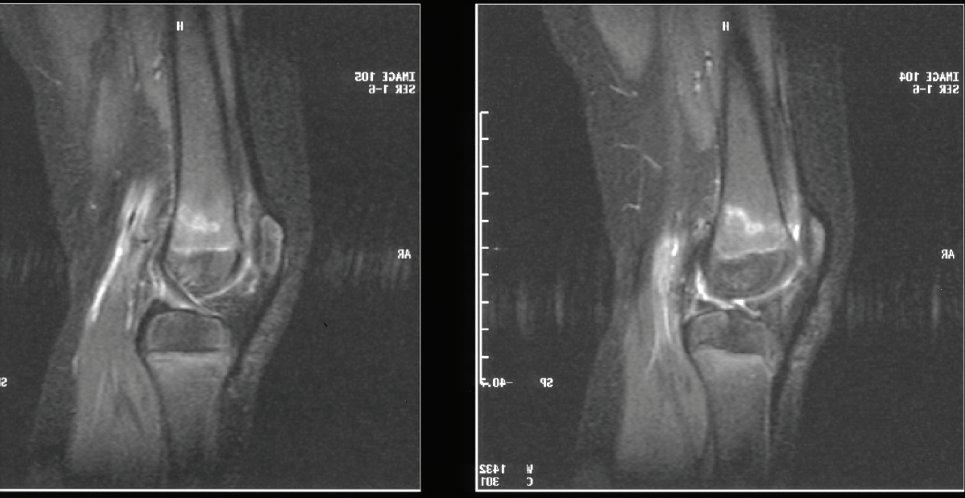
Osteomyelitis: a complication of varicella
H. Papadimitriou, M. Argyrou, J. Kavaliotis
Κikuchi-Fujimoto disease in a 12-year old girl with pauciarticular juvenile idiopathic arthritis
E. Spatoula, F. Haliotis, C. Stefanaki, E. Efthimiou, N. Manolaki
Haemophagocytic syndrome: report of three cases
Georgia Avgerinou, V. Papadakis, Kleoniki Roka and Sophia Polychronopoulou
Petersen Michael
Κανακά-Gantenbein Χριστίνα
Κανάριου Μαρία Καπόγιαννης
Καραγκιόζογλου-Λαμπούδη Θωμαή
Καττάμης Αντώνης
Καφρίτσα Παναγιώτα
Κίτσιου-Τζέλη Σοφία
Κοντόπουλος Ελευθέριος
Κόσσυβα Λυδία
Κουρή Αγαθή
Κώσταλος Χρήστος
Μαλαμίτση-Πούχνερ Αριάδνη
Μανουσάκης Εμμανουήλ
Μανταδάκης Ελπιδοφόρος
Μπιτσώρη Μαρία
Μυριοκεφαλιτάκης Νικόλαος
Ντουντουνάκης Σταύρος
Ξεπαπαδάκη Παρασκευή
Παναγιωτοπούλου-Γαρταγάνη Πολυτίμη
Παπαβασιλείου-Συρίγου Αντιγόνη
Παπαγαρουφάλης Κωνσταντίνος
Abstract
S. G. Youroukos
First Department of Paediatrics, University of Athens
“Aghia Sophia” Children’s Hospital
Paediatric Neurology: Past, present, and future
S. G. Youroukos
During the last 50 years paediatric neurology was internationally recognized and established. After 1950 it became clear that paediatricians as well as adult neurologists could not manage efficiently neurological disorders in children. At that time in some major paediatric hospitals of developed countries, the first efforts to organize paediatric neurology units were started. In Greece the first effort to organize such a unit took place in 1951 in the Athens University Department of Paediatrics in “St. Sophia” Children’s Hospital. Since 1968, international societies for paediatric neurology have been formed, while the Hellenic Paediatric Neurology Association was formed in 1992. In the fifties a 3-year-training program was organized in U.S.A. This program was later extended to 5 years. In Europe, the training program proposed by the European Paediatric Neurology Society, is 6.5 years long. In Greece, the program proposed to the Ministry of Health by the committee appointed in 2009, has a duration of 7 years (4 years paediatrics, 6 months neurology, 2.5 years paediatric neurology). Since 2002 paediatric neurology has been recognized in Europe as “subspecialty of paediatrics with strong relation to neurology”. In Greece we have more than 30 paediatric neurologists and 1-2 new ones are expected every year. It is hoped that the ability to provide full training of high level in Greece, will lead to better paediatric neurology services in the country.
Key words: paediatric neurology, training, subspecialty
Αλληλογραφία
Σωτήρης Γ. Γιουρούκος
Θηβών και Λεβαδείας, 11527, Αθήνα
Τηλ.: 2108061714, 6972721996
www.pediatrics-uoa.edu.gr
e-mail: sotel@hol.gr
Correspodence
S. G. Youroukos
Thivon & Livadias, 11527, Athens, Greece
Τel.:+302108061714, +306972721996 www.pediatrics-uoa.edu.gr e-mail: sotel@hol.gr
Κατάλογος Συντομογραφιών
ΚΔ = κετογονική δίαιτα
2DG = 2-δεοξυ-D-γλυκόζη
TCA κύκλος = κύκλος του
κιτρικού οξέος
GNU = μονάδα νευρώνα–νευρογλοίας
GABA = γ-αμινοβουτυρικό οξύ
DON = 6-διαζο-5-οξο-Lνορλευκίνη
AEDs = αντιεπιληπτικά φάρμακα MCT1 = μονοκαρβοξυλικοί
υποδοχείς 1
ATP = τριφωσφορική αδενοσίνη
Lennox (Boston Children’s Hospital), P. Dodge (Mass General Hospital, Boston), S. Carter (New York) και D. Clark (John Hopkins, Baltimore).
S. Prichard (Toronto),
ο Y. Fukuyama (2).
W. Wyllie
R. McKeith
V. Hutinel (έκδοση
(Maladies des enfants: Tome V. Maladies du Systeme Nerveux) (4).
Diseases of the Nervous System in Infancy, Childhood and Adolescence
F. Ford,
(5).
Executive, Training, Educational, Scientific, Expended Europe, Journal, Committee of
tional Advisers (CNA).
Aicardi, P. Barth, P. Casear, V. Dubowitz, P. Evrard, N. Gordon, B. Hagberg, F. Hanefeld, G. Lyon, B. Neville, και F. Schulte.
του Confederation of European Specialties in Paediatrics (CESP). Όμως το 2009-2010
pean Board of Paediatrics).
(3
1. Little WJ. On the influence of abnormal parturition, difficult labors, premature birth and asphyxia neonatorum, on the mental and physical condition of the child, especially in relation to deformities. Trans Obstet Soc 1862; 2:293-344.
2. Milichap J, Millichap JG: Child Neurology: Past, present, and future. Part 1: History. Neurology 2009; 73:e31-e33.
3. Hagberg B, Ingram T, McKeith R: Development of Paediatric Neurology. Lancet 1970; 1:940- 942.
4. Hutinel V. Maladies des enfants. Tome V. Maladies du systeme nerveux). Paris : Asselin et Houzeau; 1909.
5. Ford F. Diseases of the nervous system in infancy, childhood and adolescence. Springfield, Illinois; 1937.
6. Laureta E, Moshe S. State of training in child neurology 1997-2002. Neurology 2004; 62:864-869.
7. Maski K, Jeste S, Darras B. Child Neurology: Past, present, and future. Part 2: Present training structure. Neurology 2010; 74:e17-e19.
8. Tibbles J: The functions and the training of a Paediatric Neurologist. Devel Med Child Neurol 1976; 18:167-172.
9. Aicardi J: Paediatric Neurology (Letter). Devel Med Child Neurology 1979; 21:264.
10. Gordon N: Paediatric Neurology. Devel Med Child Neurology 1978; 20:670-672.
11. Bax M, Brown K.: Paediatric Neurology (Editorial). Devel Med Child Neurology 1979; 21:283- 284.
12. Lavenstein B. Crisis in the child neurology workforce. World Neurology 2010 June. Webpage: www.wfneurology.org
13. Werner R, Polsky D. Comparing the supply of pediatric subspecialists and child neurologists. J Pediatr 2006; 148:20-25.
14. Gilbert D, Ridel K, Elkind M. Child Neurology: Past, present, and future. Part 3: The future. Neurology 2010; 75:e9-e12.
15. Bradley W. Neurology in the next two decades: report of the Workforce Task Force of the American Academy Of Neurology. Neurology 2000; 54:787-789.
16. Polsky A, Werner R. The future of child neurology; a profile of child neurology residents. J Child Neurol 2004; 19:6-13.
17. Ashwal S, Rust R. Child neurology in the 20th century. Pediatr Res 2003; 53:345-61.
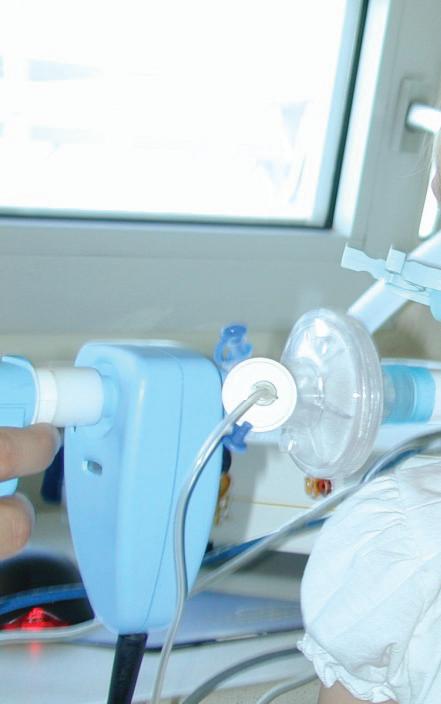
(Interrupter Resistance, Rint),
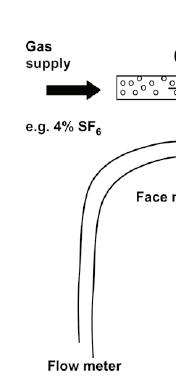
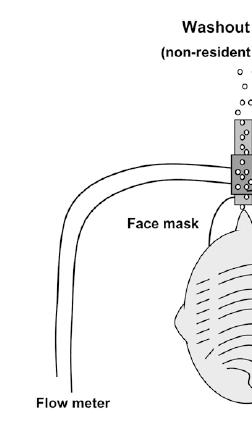
(Multiple-Breath Washout, MBW),
(Whole Body Plethysmography, WBP)
(Forced oscillation Technique, FOT).
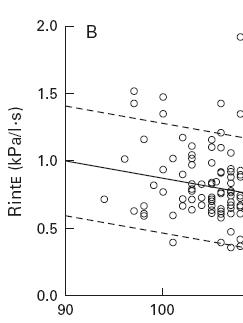
Rint
Abstract
Vasiliki Avramidou
Elpis Hatziagorou
Ioannis Tsanakas
Department of Paediatric Pneumonology, 3rd Department of Paediatrics, Hippokrateion
General Hospital of Thessaloniki, Aristotle University of Thessaloniki
Assessment of lung function in preschoolers
Vasiliki Avramidou, Elpis Hatziagorou, Ioannis Tsanakas
Measuring lung function in preschoolers and infants presents a number of special challenges. The most commonly used pulmonary function tests (PFTs) in this age group include Interrupter Resistance (Rint), Multiple-Breath Washout (MBW), Whole Body Plethysmography (WBP) and Forced Oscillation Technique (FOT), which require only quiet tidal breathing. In addition, adjusted spirometric indices can be used in preschoolers. Spirometry measures flows pulmonary volumes and capacities in cooperative patients. Rint is a representation of airway resistance; its measurements are higher in young asthmatic children, children with history of wheeze and children with cystic fibrosis compared with healthy children. Rint measurements can also evaluate the airways’ response to inhaler medication. The MBW of an inert gas method is used to measure the FRC and the efficiency of ventilation distribution in the lungs. The Lung Clearance Index (LCI) is one of the indices of ventilation distribution and a sensitive index in airway disorders that involve
49 546 42, Θεσσαλονίκη e-mail: tsanakas@hol.gr
Correspodence
Tsanakas Ioannis Constantinoupoleos 49 546 42, Thessaloniki, Greece. e-mail: tsanakas@hol.gr
the peripheral airways. The WBP -either by variable pressure or volume displacementcan measure both thoracic gas volume (FRCpleth) and airways’ resistance (sRaw), which are sensitive indices of obstructive airway diseases, primarily involving more peripheral airways, as well as estimate the response to inhaler medication. Lastly, in FOT an external signal is applied to the respiratory system and its response reflects the total resistanse of the respiratory system (Rrs). FOT can identify bronchial obstruction and response to bronchodilators and bronchoconstrictors.
Key words: lung function, preschoolers, Spirometry, Rint, Multiple-Breath Washout, Whole Body Plethysmography, Forced Oscillation Technique
Breath Washout,
mography, WBP)(5-8)
(Forced Oscillation Technique, FOT).(8)
2.
3.
FRC=CEV / CetSTART - CetEND
CEV: Cumulative Expired Volume tracer gas
Cet: end- tidal concentration
CetEND approx. 1/40 of CetSTART
/ FRC
4.
1. Stocks J, Pulmonary function tests in infants and young children. In: Chemick V, Boat TF, Wilmott RW, Bush A (eds). Kendig’s disorders of the respiratory tract in children, Vol 7, Philadelphia, PA, USA:Elsevier, 2006 chapter 9.
2. ATS/ERS Consensus Statement: Pulmonary Function Testing in Preschool Children: The next frontier. Am J Respir Crit Care Med 2007; 175:1304-1306.
3. Stocks J, Introduction and overview of preschool lung function testing. Paediatric respiratory reviews ; Elsevier (2006); 7S, S2-S4.
4. Aurora p, Stockw J,Oliver C et al. Quality control for spirometry in preschool children with and without lung disease. Am J Respir Crit Care Med 2004; 169: 1152-1159.
5. Aurora P, Bush A, Gustafsson P et al. Multiple-breath washout as a marker of lung disease in preschool children with cystic fibrosis. Am J Respir Crit Care Med 2005; 179: 249-256.
6. Lowe LA, Simpson A, Woodcock A, Morris J, Murray CS, Custovic A. Wheeze phenotypes and lung function in preschool children. Am J Respir Crit Care Med 2005; 171:231237.
7. Nielsen KG, BIsgaard H. Cold air challenge and specific airway resistance in preschool children. Paediatr Respir Rev 2005; 6:255-266.
8. Marchal F, Schweitzer C, Thuy LV. Forced oscillations, interrupter technique and body plethysmography in the preschool child. Paediatr Respir Rev 2005; 6: 278-284.
9. Beydon N, Pin I, Matran R, Chaussain M, Boule M, Alain B et al. Pulmonary function tests in preschool children with asthma. Am J Respir Crit Care Med 2003; 168:640-644.
10. Child F. The measurement of airways resistance using the interrupter technique (Rint). Paediatr Respir Rev 2005; 273-277.
11. Quanjer PH, Tammeling GJ, Cotes JE, Pedersen OF, Peslin R, Yernault JC: Lung volumes and forced respiratory flows. Report Working Party Standardization of Lung Function Tests, European Community for Steel and Coal. Official Statemant of the European Respiratory Society. Eur Respir J Suppl 1993;16:5-40.
12. Eigen H, Bieler H, Grant D, Christoph K, Terrill D, Heilman DK, Ambrosius WT, Tepper RS. Spirometric pulmonary function in healthy preschool children. Am J Respir Crit Care Med 2001;163:619–623.
13. Vilozni D, Barker M, Jellouschek H, Heimann G, Blau H. An interactive computer-animated system (SpiroGame) facilitates spirometry in preschool children. Am J Respir Crit Care Med 2001;164:2200–2205.
14. Crenesse D, Berlioz M, Bourrier T, Albertini M. Spirometry in children aged 3–5 years: reliability of forced expiratory maneuvers. Pediatr Pulmonol 2002;32:56–61.
15. Nystad W, Samuelsen SO,Nafstad P, Edvardsen E, Stensrud T, Jaakkola JJK. Feasibility of measuring lung function in preschool children. Thorax 2002;57:1021-1027.
16. Zapletal A, Chalupova J. Forced expiratory parameters in healthy preschool children (3-6 years of age). Pediatr Pulmonol 2003;35:200–207.
17. Marostica PJ, Weist AD, Eigen H, Angelicchio C, Christoph K, Savage J, Grant D, Tepper RS. Spirometry in 3- to 6-year-old children with cystic fibrosis. Am J Respir Crit Care Med 2002;166:67-71.
18. Vilozni D, Barak A, Efrati O, Augarten A, Springer C, Yahav Y, Bentur L. The role of computer games in measuring spirometry in healthy and “asthmatic” preschool children. Chest 2005;128:1146–1155.
19. Gustafsson PM. Inert gas washout in preschool children. Paediatr Respir Rev 2005; 6:239-245.
20. Lombardi E, MD: The interrupter technique in young children. In: International Conference on Lung function testing in young children: clinical and research applications.2007, May 18 (San Francisco, California). American Thoracic Society; 2007.
21. Hall G, Brookes I.Techniques for the Measurement of Lung Function in Toddlers and Preschool Children. Prog Respir Res. Basel, Karger, 2005;33:66-77.
22. Kessler V, Mols G, Bernhard H, Haberthür C, Guttman J. Interrupter airway and tissue resistance: errors caused by valve properties and respiratory system compliance. J Appl Physiol 1999; 87:1546-1554.
23. Frey U, Stocks J, Coates A, Sly P, Bates J, for the ERS/ATS Task Force on Standards for Infant Respiratory Function Testing. Specifications for equipment used for infant pulmonary function testing. Eur Respir J 2000;16:731-740.
24. Bates JHT, Hunter IW, Sly PD, Okubo S, Filiatrault S, Milic-Emili J. Effect of the valve closure time on the determination of respiratory resistance by flow interruption. Med Biol Eng Comput 1987; 25:136-140.
25. ATS_ERS Consensus Statement: Pulmonary Function Testing in Preschool Children: The interrupter technique. Am J Respir Crit Care Med 2007; 175:1318-1323.
26. Lombardi E, Sly PD, Concutelli G, Novembre E, Veneruso G, Frongia G, Bernardini R, Vierucci A. Reference values of interrupter respiratory resistance in healthy preschool white children. Thorax 2001; 56:691-695.
27. Mercus PJFM, Mijnsberger JY, Hop WCG, de Jongste JC. Interrupter resistance in preschool children: measurement characteristics and reference value. Am J Respir Crit Care 2001;163:1350-1355.
28. Oswald-Mammoser M, Llerena C, Speich JP, Donata L, Lonsdorfer J. Measurements of respiratory system resistance resistance by the interrupter technique in healthy asthmatic children. Pediatr Pulmonol 1997; 24: 78-85.
29. Bridge PD, Rannganathan S, McKenzie SA. Measurement of airway resistance using the interrupter technique in preschool children in the ambulatory setting. Eur Respir J 1999;13:792-796.
30. Beydon N, Amsallem F, Bellet M, Chaussain M, Denjean A, Matran R, Wuyam B, Alberti C, Gaultier C; Frence Pediatric Programme Hospitalier de Recherche Clinique Group. Pre/ postbronchodilator interrupter resistance values in healthy young children. Am J Respir Crit Care 2002; 165:1388-1394.
31 McKenzie SA, Chan E, Dundas I, Bridge PD, Pao CS, Mylonopoulou M, Healy MJ. Airway resistance measured by the interrupter technique: normative data for 2-10 year olds of three ethnicities. Arch Dis Child 2002;87:248-251.
32. Mercus Pj, Arets HG, Joosten T, Siero A, Brouha M, Mijnsberger JY, de Jongste JC, van der Ent CK. Measurements of interrupter resistance: reference values for children 3-13yrs of age. Eur Respir J 2002;20:907-911.
33. Lombardi E, Stocks J, Merkus P, Beydon N, Jones M, Mckenzie S, Kivastik J, Stanojevic S. Reference ranges for interrupter resistance technique: the asthma UK initiative. Eur Respir J 2010; 36:157-163.
34. Klug B, Bisgaard H. Specific airway resistance, interrupter resistance, and respiratory impedance in healthy children aged 2-7 years. Pediatr Pulmonol 1998;25:322-331.
35. Nielsen KG, Bisgaard H. Discriminate capacity of bronchodilator response measured with three different lung function techniques in asthmatic and healthy children aged 2 to 5 years. Am J Respir Crit Care Med 2001;164:554-559.
36. McKenzie SA, Bridge PD, Healy MJ: Airway resistance and atopy in preschool children with wheeze and cough. Eur Respir J 2000;164:833-838.
37. Phagoo SB, Wilson NM, Silverman M. Evaluation of a new interrupter device for measuring bronchial responsiveness and the response to bronchodilator in 3 year old children . Eur Respir J 1996;9:1374-1380.
38. Hellinckx J, De Boeck K, Bande- Knops J, van der Poel M, Demedts M. Bronchodilator response in 3-6.5 year old healthy and stable asthmatic children. Eur Respir J 1998;12:438443.
39. McKenzie SA, Mylonopoulou M, Bridge PD. Bronchodilator resposiveness and atopy in 5-10 –yr-old coughers. Eur Respir J 2001;18:977-981.
40. ATS/ERS Consensus Statement: Pulmonary Function Testing in Preschool Children: The Multiple-Breath Inert Gas Washout Terchnique. Am J Respir Crit Care Med 2007; 175:1328-1333.
41. Macklem PT, Mead J. Resistance of central and peripheral airways measured by a retrograde catheter. J Appl Physiol 1967; 22:395-401.
42. Macklem PT. The physiology of the small airways. Am J Respir Crit Care Med 1998; 157: S181-S18.
43. Gustafsson PM, Ljungberg H. Measurement of Functional Residual Capacity and Ventilation Inhomogeneity by Gas Dilution Techniques. Prog Respir Res. Basel, Karger, 2005;33: 54-65.
44. Gustafsson PM, Johansson HJ, Dahlback GO. Pneumotachographic nitrogen washout method for measurement of the volume of trapped gas in the lungs. Pediatr Pulmonol 1994;17: 258-268.
45. Gustafsson PM, Kallman S, Ljungberg H, Lindbland A. Method for assessment of volume of trapped gas in infants during multiple-breath inert gas washout. Pediatr Pulmonol 2003; 35: 42-49.
46. Larsson A, Jonmarker C, Werner O. Ventilation inhomogenity during controlled ventilation. Which index should be used? J Appl physiol 1988; 65: 2030-2039.
47. Edelman NH, Mittman C, Norris AH, Shock NW. Effects of respiratory pattern on age differences in ventilation uniformity. J Appl physiol 1968; 24:49-53.
48. Stocks J, Quanjer PH: Reference values for residual volume, functional residual capacity and total lung capacity. ATS Workshop on Lung Volume Measurements. Official statement of the European Respiratory Society. Eur Respir J 1995;8: 492-506.
49. Aurora P, Oliver C, Lindbland A, Bush A, Wallis CE, Gustafsson P,Stockw J. Multiplebreath inert gas washout as a measure of ventilationdistribution in children with cystic fibrosis. Thorax 2004;59:1068-1073.
50. Gustafsson PM, Aurora P, Lindbland A. Evaluation of ventilation of maldistribution as an early indicator of lung disease in children with cystic fibrosis. Eur Respir J 2003; 22:972979.
51. Gappa M, Hűlskamp G. Infant Whole-Body Plethysmography. Prog Respir Res. Basel, Karger, 2005;33: 44-53.
52. Marchal F, Schweitzer C. Plethysmography and Gas Dilution Techniques. Prog Respir Res. Basel, Karger, 2005;33: 103-117.
53. Stocks J, Godfrey S, Beadsmore C, Bar-Yishay E, Casile R. Plethysmographic measurements of lung volume and airway resistance. ERS/ATS Task Force on Standards for Infant Respiratory Function Testing. European Respiratory Society / American Thoracic Society. Eur Respir J 2001; 17:302-312.
54. Ljungberg H, Hűlskamp G, Hoo A-F, Pillow JJ, Lum S, Gustafsson P, Stocks J. Estimates of plethysmographic FRC axceed those by gas dilution in infant with cystic fibrosis (CF) but not in healthy controls. Thorax 2002;57(suppl3):iii23.
55. Greenough A, Loftus BG, Pool J, Price JF. Abnormalities of lung mechanics in young asthmatic children. Thorax 1987;42:500-505.
56. Pool JB, Greenough A, Price JF: Abnormalities of functional residual capacity in symptomatic and asymptomatic young asthmatics. Acta Paediatr Scand 1988;77:419-423.
57. Greenough A, Pool J, Price JF. Changes in functional residual capacity in rensponse to bronchodilator therapy among young asthmatic children. Pediatr Pulmonol 1989;7:811.
58. Aurora P. Plethysmographic Methods In Young Children (Abstract). In: Program and Abstracts of the ATS International Conference: Postgraduate course 8 on Lung Function Testing in Young Children: Clinical and Research Applications, 2007 May 18, (San Francisco, California).
59. Nielsen KG, Bisgaard H. Lung function response to cold air challenge in asthmatic and healthy children of 2-5 years of age. Am J Respir Crit Care Med 2000;161:1805-1809.
60. Lowe L, Murray CS, Custovic A, Simpson BM, Kissen PM, Woodcock A. Specific airway resistance in3-year-old children: A prospective cohort study. Lancet 2002;359:19041908.
61. ATS/ERS Consensus Statement: Pulmonary Function Testing in Preschool Children: The forced oscillation technique. Am J Respir Crit Care Med 2007; 175:1323-1328.
62 Peslin R, Gallina C, Teculescu D, Pham QT. Respiratory input and transfer impedances in children 9–13 years old. Bull Eur Physiopathol Respir 1987;23:107–112.
63. Marchal F, Bouaziz N, Baeyert C, Gallina C, Duvivier C, Peslin R. Separation of airway and tissue properties by transfer respiratory impedance and thoracic gas volume in reversible airway obstruction. Eur Respir J 1996;9:253-261.
64. Peslin R, Fredberg JJ. Oscillation mechanics of the respiratory system. In: Macklem PT, Mead J, editors. Handbook of physiology: the respiratory system-mechanics of breathing. Bethesda, MD: American Physiological Society; 1986. pp. 145-178.
65. Mazurek H, Willim G, Marchal FHJ, Tomalak W. Input respiratory impedance measured by head generator in preschool children. Pediatr Pulmonol 2000;30:47–55.
66. Malmberg LP, Pelkonen A, Poussa T, Pohianpalo A, Haahtela T, Turpeinen M. Determinants of respiratory system input impedance and bronchodilator response in healthy Finnish preschool children. Clin Physiol Funct Imaging 2002;22:64-71.
67. Frey U, Makkonen K, Wellman T, et al. Alterations in airway wall properties in infants with a history of wheezing disorders. Am J Respir Crit Care Med 2000; 161: 1825-1829.
68. Hall GL, Hantos Z, Petak F, et al. Airway and respiratory tissue mechanics in normal infants. Am J Respir Crit Care Med 2000; 162: 1397-1402.
69. Lebecque P, Desmond K, Swartebroeckx Y, Dubois P, Lulling J, Coates A. Measurement of respiratory system resistance by forced oscillation in normal children: a comparison with spirometric values. Pediatr Pulmonol 1991;10:117-122.
70. Hordvik NL, Konig P, Morris DA, Kreutz C, Pimmel RL. Normal values for forced oscillatory respiratory resistance in children. Pediatr Pulmonol 1985;1:145-148.
71. Solymar L, Aronsson PH, Bake B, Bjure J. Respiratory resistance and impedance magnitude in healthy children aged 2–18 years. Pediatr Pulmonol 1985;1:134-140.
72. Stanescu D, Moavero NE, Veriter C, Brasseur L. Frequency dependence of respiratory resistance in healthy children. J Appl Physiol 1979;47:268-272.
73. Ducharme FM, Davis GM, Ducharme GR. Pediatric reference values for respiratory resistance measured by forced oscillation. Chest 1998;113:1322-1328.
74. Amra B, Soltaninejad F, Golshan M. Respiratory resistance by impulse oscillometry in healthy Iranian children aged 5-19 years. Iran J Allergy Asthma Immunol 2008; 7: 25-29.
75. Nowowiejska B, Tomalak W, Radlinski J, et al. Transient reference values for impulse oscillometry for children aged 3–18 years. Pediatr Pulmonol 2008; 43: 1193-1197.
76. Dencker M, Malmberg LP, Valind S, et al. Reference values for respiratory system impedance by using impulse oscillometry in children aged 2–11 years. Clin Physiol Funct Imaging 2006; 26: 247-250.
77. Nussbaum E, Galant SP: Measurement of total respiratory resistance in children by a modified forced oscillation method. Pediatr Res 1984;18:139-145.
78. Ducharme FM, Davis GM: measurement of respiratory resistance in the emergency department - Feasibility in young children with acute asthma. Chest 1997;111:15191525.
79. Ducharme FM, Davis GM. Respiratory resistance in the emergency department: a reproducible and responsive measure of asthma severity. Chest 1998;113:1566-1572.
80. Delacourt C, Lorino H, Fuhrman C, Herve-Guillot M, Reinert P, Harf A, Housset B. Comparison of the forced oscillation technique and the interrupter technique for assessing airway obstruction and its reversibility in children.Am J Respir Crit Care Med 2001;164:965972.
81. Gangell CL, Horak F Jr, Patterson HJ, et al. Respiratory impedance in children with cystic fibrosis using forced oscillations in clinic. Eur Respir J 2007; 30: 892-897.
82. Nielsen KG, Pressler T, Klug B, et al. Serial lung function and responsiveness in cystic fibrosis during early childhood. Am J Respir Crit Care Med 2004; 169: 1209-1216.
83. Udomittipong K, Sly PD, Patterson HJ, et al. Forced oscillations in the clinical setting in young children with neonatal lung disease. Eur Respir J 2008; 31: 1292-1299.
84. Duiverman EJ, Neijens HJ, van Strik R, Affourtit MJ, Kerrebijn KF. Lung function and bronchial responsiveness in children who had infantile bronchiolitis. Pediatr Pulmonol 1987;3: 38-44.
Αγγελική
Human Genetics Department,
McGill University Health CenterMontreal Children’s Hospital Research Institute, Montreal, Canada
Τype 2 diabetes mellitus in children and young adults; obesity as a major pathogenetic mechanism
Angeliki A. Makri1, Demetrios P. Chiotis2
Abstract
Angeliki A. Makri1
Human Genetics Department, McGill University Health CenterMontreal Children’s Hospital Research Institute, Montreal, Canada
Demetrios P. Chiotis2
Endocrinology Department - Pediatric Euroclinic
The global epidemic of childhood obesity is closely associated with the increasing incidence of type 2 diabetes in children and young adolescents. Despite the extended research on type 2 diabetes in adult patients, clinical and experimental data in childhood are still limited. Obesity appears to be the major pathogenetic mechanism. Risk factors also include ethnicity, family history, insulin resistance and finally smoking. This modern trend seems to be evolving into a major public health issue, given the significant co-morbidities that almost always accompany the diagnosis of type 2 diabetes mellitus. The extent of the problem will only be appreciated when the obese adolescents develop -during their adulthood- the full spectrum of diabetes clinical consequences.
Key words: Adolescents, childhood obesity, type 2 diabetes mellitus, epidemiology, pathophysiology, risk factors.
McGill University Health Center-Montreal Children’s Hospital Research Institute, 4060 St-Catherine H3Z2Z3, Montreal, Quebec, Canada.
e-mail: angeliki.makri@mail.mcgill.ca
Correspodence
Angeliki Makri
McGill University Health Center-Montreal Children’s Hospital Research Institute, 4060 St-Catherine H3Z2Z3, Montreal, Quebec, Canada.
e-mail: angeliki.makri@mail.mcgill.ca
BMI = Body Mass Index
ADA = American Diabetes Association
AHA = American Heart Association
CDC = Center for Disease Control and Prevention
FPG =
IFG = Ιmpaired Fasting glucose
IGT = Impaired Glucose Tolerance
OGTT = Oral Glucose Tolerance Test
Europe-
1. Nolan CJ, Damm P, Prentki M. Type 2 diabetes across geenrations: from pathophysiology to prevention and management. Lancet. 2011 Jul 9;378(9786):169-81.
2. Olshansky SJ, Passaro DJ, Herhow RJ et al. A potential decline in life expectancy in the United States in the 21st century. N Engl J Med. 2005 Mar 17;352(11):1138-45.
3. Yngve A, De Bourdeaudhuij I, Wolf A et al. Differences in prevalence of overweight and stunting in 11-year olds across Europe: The Pro Children Study. Eur J Public Health. 2008 Apr;18(2):126-30.
4. Kimm SY, Barton BA, Obarzanek E et al. Obesity development during adolescence in a biracial cohort: the NHLBI Growth and Health Study. Pediatrics. 2002 Nov;110(5).
5. Thompson DR, Obarzanek E, Franko DL et al. Childhood overweight and cardiovascular disease risk factors: the National Heart, Lung, and Blood Institute Growth and Health Study. J Pediatr. 2007 Jan;150(1):18-25.
6. Kempf K, Rathmann W, Herder C. Impaired glucose regulation and type 2 diabetes in children and adolescents. Diabetes Metab Res Rev 2008;24:427-437.
7. Tfayli H, Arslanian S. Pathophysiology of type 2 diabetes mellitus in youth: the evolving chameleon. Arq Bras Endocrinol Metab. 2009;53(2):165-174.
8. http://www.cdc.gov
9. The Expert Committee on the Diagnosis and Classification of Diabetes Mellitus. Follow-up report on the diagnosis of diabetes mellitus. Diabetes Care 2003; 26: 3160-3167.
10. International Expert Committee Report on the Role of the A1C Assay in the Diagnosis of Diabetes. Diabetes Care, volume 32, number 7, July 2009.
11. Daniels SR, Jacobson MS, McCrindle BW et al. American Heart Association Childhood Obesity Research Summit: Executive Summary. Circulation 2009;119:2114-2123.
12. Ogden CL et al. Prevalence of overweight and obesity in the United States, 999-2004. JAMA 2006; 295:1549-1555.
13. Jackson-Leach R, Lobstein T. Estimated burden of pediatric obesity and comorbidities in Europe. Part 1. The increase in the prevalence of child obesity in Europe is itself increasing. Int J Pediatr Obes. 2006;1(1):26-32.
14. Kosti RI, Panagiotakos DB. The epidemic of obesity in children and adolescents in the world. Cent Eur J Public Health. 2006 Dec;14(4):151-9.
15. Savage PJ, Bennett PH, Senter RG, Miller M: High prevalence of diabetes in young Pima Indians. Diabetes 28:937-942, 1979.
16. Harris SB, Perkins BA, Whalen-Brough E:Non-insulin dependent diabetes mellitus among First Nations children: new entity among First Nations people of northwestern Ontario. Can Fam Physician 42 : 86 9 - 876 ,1996.
17. Pinhas-Hamiel O, Dolan LM, Daniels SR, Standiford D, Khoury PR, Zeitler P: I ncreased incidence of non-insulin-dependent diabetes mellitus among adolescents. J Pediatr128:608–615, 1996.
18. Neufeld ND, Raffal LJ, Landon C, Chen YDI, Vadheim CM: Early presentation of type 2 diabetes in Mexican-American youth. Diabetes Care21:80-86, 1998.
19. SEARCH for Diabetes in Youth Study Group. Liese AD, D’Agostino RB Jr, Hamman RF et al. The burden of diabetes mellitus among US youth: prevalence estimates from the SEARCH for Diabetes in Youth Study. Pediatrics 2006, 118, 1510-1518.
20. Fagot-Campagna A, Saaddine JB, Flegal KM, Beckles GLA. Diabetes, impaired fasting glucose, and elevated HbA1c in U.S. adolescents: The Third National Health and Nutrition Examination Survey. Diabetes Care 2001, 24, 834-837.
21. Kadiki OA, Reddy MR, Marzouk AA: Incidence of insulin-dependent diabetes (IDDM) and non-insulin-dependent diabetes (NIDDM) (0-34 years at onset) in Benghazi, Libya. Diabetes Res Clin Pract 32:165-173, 1996.
22. Kitagawa T, Owada M, Urakami T, Tajima N: Epidemiology of type 1 (insulin-dependent) and type 2 (non-insulin-dependent) diabetes mellitus in Japanese children. iabetes Res Clin Pract24 (Suppl.):S7-S13, 1994.
23. Herder C, Schmitz-Beuting C, Rathmann W et al. Prevalence of impaired glucose regulation in German school-leaving students. Int J Obes 2007, 31, 1086-1088.
24. Uckun-Kitapci A, Tezic T, Firat S et al. Obesity and type 2 diabetes mellitus: a population-based study of adolescents. J Pediatr Endocrinol 2004, 17, 1633-1640.
25. Wei J-N, Sung F-C, Lin C-C, Lin R-S, Chiang C-C, Chuang L-M. National surveillance for type 2 diabetes mellitus in Taiwanese children. J Am Med Assoc 2003, 290, 1345-1350.
26. Sinha R, Fisch G, Teague B, Tamborlane WV, Banyas B, Allen K et al. Prevalence of impaired glucose tolerance among children and adolescents with marked obesity. N Engl J Med. 2002 Mar 14;346(11):802-10.
27. Mazza CS, Ozuna B, Krochik AG, Araujo MB. Prevalence of type 2 diabetes mellitus and impaired glucose tolerance in obese Argentinean children and adolescents. J Pediatr Endocrinol 2005, 18, 491-498.
28. Valerio G, Licenziati MR, Iannuzzi A, Franzese A, Siani P, Riccardi G, Rubba P. Insulin resistance and impaired glucose tolerance in obese children and adolescents from Southern Italy. Nutr Metab Cardiovasc Dis. 2006 May;16(4):279-84
29. Tresaco B, Bueno G, Moreno LA, Garagorri JM, Bueno M. Insulin resistance and impaired glucose tolerance in obese children and adolescents. J Physiol Biochem. 2003 Sep;59(3):217-23.
30. Viner RM, Segal TY, Lichtarowicz-Krynska E, Hindmarsh P. Prevalence of the insulin resistance syndrome in obesity. Arch Dis Child. 2005 Jan;90(1):10-4.
31. Wabitsch M, Hauner H, Hertrampf M et al. Type II diabetes mellitus and impaired glucose regulation in Caucasian children and adolescents with obesity living in Germany. Int J Obes Relat Metab Disord. 2004 Feb;28(2):307-13.
32. Xekouki P, Nikolakopoulou NM, Papageorgiou A et al. Glucose dysregulation in obese children: predictive, risk, and potential protective factors. Obesity (Silver Spring). 2007 Apr;15(4):860-9.
33. Bergman RN, Ader M, Huecking K, Van Citters G. Accurate assessment of β-cell function: the hyperbolic correction. Diabetes. 2002; 51(Suppl. 1):S212-20.
34. Kahn SE. The relative contributions of insulin resistance and beta-cell dysfunction to the pathophysiology of type 2 diabetes. Diabetologia. 2003;46(1):3-19.
35. Gungor N, Hannon T, Libman I, Bacha F, Arslanian S. Type 2 diabetes mellitus in youth: the complete picture to date. Pediatr Clin North Am. 2005;52(6):1579-609.
36. Arslanian SA. Clamp techniques in paediatrics: what have we learned? Horm Res. 2005;64 Suppl 3:16-24.
37. Libman IM, Arslanian SA. Prevention and Treatment of Type 2 Diabetes in Youth. Horm Res 2007;67:22-34.
38. Gungor N, Bacha F, Saad R, Janosky J, Arslanian S: Youth type 2 diabetes: insulin resistance, b -cell failure, or both? Diabetes Care 2005;28:638-644.
39. Salmon J et al. Television viewing habits associated with obesity risk factors: a survey of Melbourne schoolchildren. Med J Aust 2006;184:64-67.
40. Yannakoulia M, Karayiannis D, Terzidou M, Kokkevi A, Sidossis LS. Nutrition-related habits of Greek adolescents. Eur J Clin Nutr. 2004 Apr; 58(4):580-6.
41. Hood MY et al. The Frammingham Children’s Study. Parental eating attitudes and the development of obesity in children. Int J Obes Relat Metab Dis 2000;24:1319-1325.
42. Ozcan U et al. Endoplasmic reticulum stress links obesity, insulin action, and type 2 diabetes. Science 2004; 306:457-461.
43. Lin Y, Berg AH, Iyengar P, et al. The hyperglycemia-induced inflammatory response in adipocytes: the role of reactive oxygen species. J Biol Chem 2005; 280: 4617-4626.
44. Furukawa S, Fujita T, Shimabukuro M, et al. Increased oxidative stress in obesity and its impact on metabolic syndrome. J Clin Invest 2004; 114: 1752-1761.
45. Weisberg SP, McCann D, Desai M, Rosenbaum M, Leibel RL, Ferrante AW Jr. Obesity is associated with macrophage accumulation in adipose tissue. J Clin Invest 2003; 112: 1796-1808.
46. Xu H, Barnes GT, Yang Q, et al. Chronic inflammation in fat plays a crucial role in the development of obesity-related insulin resistance. J Clin Invest 2003; 112: 1821-1830.
47. Wellen KE, Hotamisligil GS. Inflammation, stress, and diabetes. J Clin Invest 2005; 115: 1111-1119.
48. Dabelea D, Hanson RL, Bennett PH, Roumain J, Knowler WC, Pettitt DJ: Increasing prevalence of type 2 diabetes in American-Indian children. Diabetologia 1998; 41: 904910.
49. Neufeld N, Raffel L, Landon C, Chen Y, Valdheim C: Early presentation of type 2 diabetesin Mexican-American youth. Diabetes Care 1998; 21: 80-86.
50. Pihoker C, Scott C, Lensing SY, Cradock MM, Smith J: Non-insulin-dependent diabetes mellitus in African-American youths of Arkansas. Clin Pediatr (Phila) 1998; 37:97-102.
51. Pinhas-Hamiel O, Dolan LM, Daniels SR, Standiford D, Khoury P, Zeitler P: Increased incidence of non-insulin-dependent diabetes mellitus among adolescents. J Pediatr 1996; 128: 608-615.
52. Haines L, Wan KC, Lynn R, Barrett TG, Shield JPH (2007) Rising incidence of type 2 diabetes in children in the U.K. Diabetes Care, 30, 1097-1101.
53. Arslanian S, Bacha F, Saad R, Gungor N:Family history of type 2 diabetes is associated with decreased insulin sensitivity and impaired balance between insulin sensitivity and insulin secretion in white youth. Diabetes Care 2005; 28: 115-119.
54. Grant SFA, Thorleifsson G, Reynisdottir I, Benediktsson R, Manolescu A, et al: Variant of transcription factor 7-like 2 (TCF7L2) gene confers risk of type 2 diabetes. Nat Genet DOI: 10.1038/ng1732.
55. Frayling TM. Genome-wide association studies provide new insights into type 2 diabetes aetiology. Nat Rev Genet 2007; 8:657-662.
56. Scaglioni S, Verduci E, Salvioni M, et al. PPAR-gamma2 Pro12Ala variant, insulin resistance and plasma long-chain polyunsaturated fatty acids in childhood obesity. Pediatr Res 2006; 60: 485-489.
57. Meyre D, Bouatia-Naji N, Tounian A, et al. Variants of ENPP1 are associated with childhood and adult obesity and increase the risk of glucose intolerance and type 2 diabetes. Nat Genet 2005; 37: 863-867.
58. Bottcher Y, KornerA, ReinehrT, et al. ENPP1 variants and haplotypes predispose to early onset obesity and impaired glucose and insulin metabolism in German obese children. J Clin Endocrinol Metab 2006; 91: 4948-4952.
59. Amiel S, Sherwin R, Simonson D, Lauritano A, Tamborlane W. Impaired insulin action in puberty: a contributing factor to poor glycaemic control in adolescents with diabetes. N Engl J Med 1986, 315, 215-219.
60. Amiel SA, Caprio S, Sherwin RS, Plewe G, Haymond MW, Tamborlane WV: Insulin resistance of puberty: a defect restricted to peripheral glucose metabolism. J Clin Endocrinol Metab 1991; 72: 277-282.
61. Dunaif A: Insulin action in the polycystic ovary syndrome. Endocrinol Metab Clin North Am 1999; 28: 341-359.
62. Pettitt DJ, Baird HR, Aleck KA, Bennett PH, Knowler WC: Excessive obesity in offspring of Pima Indian women with diabetes during pregnancy. N Engl J Med 1983; 308: 242-245.
63. Barker DJP, Hales CN, Fall CHD, Osmond C, Phipps K, Clark PM: Type 2 (non-insulindependent) diabetes mellitus, hypertension and hyperlipidaemia (syndrome X): relation to reduced fetal growth. Diabetologia 1993;36: 62-67.
64. Eliasson B. Cigarette smoking and diabetes. Prog Cardiovasc Dis 2003; 45: 405-413.
65. Frohlich M, Sund M, Lowel H, Imhof A, Hoffmeister A, Koenig W. Independent association of various smoking characteristics with markers of systemic inflammation in men. Results from a representative sample of the general population (MONICA Augsburg Survey 1994/95). Eur Heart J 2003; 24: 1365-1372.
66. Herder C, Haastert B, Muller-Scholze S, et al. Association of systemic chemokine concentrations with impaired glucose tolerance and type 2 diabetes: results from the Cooperative Health Research in the Region of Augsburg Survey S4 (KORAS4). Diabetes 2005; 54(Suppl. 2): S11-S17.
67. Herder C, Kolb H, Koenig W, et al. Association of systemic concentrations of macrophage migration inhibitory factor with impaired glucose tolerance and type 2 diabetes: results from the Cooperative Health Research in the Region of Augsburg, Survey 4 (KORA S4). Diabetes Care 2006; 29: 368-371.
68. American Diabetes Association (ADA). Type 2 diabetes in children and adolescents. Diabetes Care 2000, 23, 381-389.
Maria Abatzidou
Euthymia Rigatou
Sophia Polychronopoulou
Paediatric Department of Hematology - Oncology, “Aghia
Sophia” Children’s Hospital.
Childhood acute lymphoblastic leukemia: outcome with current therapeutic protocols and modern therapeutic approaches
Maria Abatzidou, Euthymia Rigatou and Sophia Polychronopoulou
Currently applied therapeutic protocols in childhood acute lymphoblastic leukemia (ALL) have led to the attribution of remarkable survival rates that exceed 85% in cases of standard and medium risk and 55-60% in cases of high risk patients. This success has been
34, Αμπελόκηποι
Τ.Κ. 115 27,
Τηλ: 6973631032
e-mail: mirellaaba@yahoo.gr
Correspodence
Maria Abatzidou
34 Sinopis St., Ampelokipi 115 27, Athens, Greece
Tel: +306973631032
e-mail: mirellaaba@yahoo.gr
mainly accomplished through precise risk stratification and subsequent individualized treatment planning. In a recent study of our Department, we analyzed the epidemiological, morphological, flow cytometric, cytogenetic and molecular characteristics as well as the final outcome of patients with ALL in our Department since 1999. 136 pediatric patients have been analyzed that all received chemotherapy homogeneously according to ALL-BFM 95-2000 Protocol by two therapy risk groups (Medium Risk Group-MR and High Risk Group-HR) and a median follow up time of 5 years. In groups MR and HR, EFS percentages were 95,3% and 66,7% respectively while in the whole cohort OS and EFS percentages reached 89,6% and 92,5% respectively. However, despite the amazing progress in treatment strategies and prognosis of pediatric patients with ALL, the long term survival rates in relapsed and refractory disease have been consistently low during the past two decades. Early response to treatment remains one of the fundamental prognostic factors that highlights the need for advanced therapeutic strategies, especially in cases of patients that are in high risk of relapse according to contemporary treatment protocols. Novel treatment strategies include new formulations of currently applied chemotherapeutic agents, new antimetabolites and nucleoside analogs, monoclonal antibodies and cellular immunotherapy, as well as new molecular inhibitors. Some of these agents have already been incorporated in contemporary treatment protocols while others remain in early stages of development and evaluation. Future research is oriented towards a more sophisticated understanding of mechanisms that are implicated in leukemogenesis that will allow formulation of treatment agents of great specification and low chemotherapy tolerance. The main goal always remains the improvement of long term outcome and survival of pediatric ALL patients as well as substantial treatment toxicity decrease through careful modification and gradiation of currently applied and novel therapy agents.
Key words: Childhood acute lymphoblastic leukemia, treatment protocols, nucleoside analogs, monoclonal antibodies, molecular inhibitors.
ALL = Acute Lymphoblastic Leukemia
MRD = Minimal Residual Disease
OS = Overall Survival
EFS = Event-free survival
(prednisone, VCR, PEG Asparaginase, doxorubicin).
asparaginase
2.
Wolinella asparaginase.
1. Papadhimitriou SI, Polychronopoulou S, Tsakiridou AA, Androutsos G, Paterakis GS, Athanassiadou F. p16 inactivation associated with aggressive clinical course and fatal outcome in TEL/AML1-positive acute lymphoblastic leukemia. J Pediatr Hematol Oncol. 2005 Dec;27(12):675-7.
2. Dacou-Voutetakis C, Kitra V, Grafakos S, Polychronopoulou S, Drakopoulou M, Haidas S. Auxologic data and hormonal profile in long-term survivors of childhood acute lymphoid leukemia. Am J Pediatr Hematol Oncol. 1993 Aug;15(3):277-83.
3. Kostaridou S, Polychronopoulou S, Psarra K, Kapsimali V, Parcharidou A, Katevas P, Papasteriades C, Haidas S. Decrease of CD4+ and B-lymphocyte populations is not associated with severe infectious complications in children with acute lymphoblastic leukemia during maintenance. Int J Hematol. 2004 Nov;80(4):354-60.
4. Katsimpardi K, Papadakis V, Pangalis A, Parcharidou A, Panagiotou JP, Soutis M, Papandreou E, Polychronopoulou S, Haidas S. Infections in a pediatric patient cohort with acute lymphoblastic leukemia during the entire course of treatment. Support Care Cancer. 2006 Mar;14(3):277-84.
5.
2009: Χαρακτηριστικά
Haema 2009; 12(suppl.1):206-207
6. Pui CH, Evans WE. Treatment of acute lymphoblastc leukaemia. N Engl J Med. 2006; 354:166-78.
7. Oeffinger KC, Hudson MM. Long-term complications following childhood and adolescent cancer: foundations for providing risk-based health care for survivors. CA Cancer J Clin. 2004;54:208-36.
8. Rivera GK, Zhou Y, Hancock ML, Gajjar A, Rubnitz J, Ribeiro RC, et al. Bone marrow recurrence after initial intensive treatment for childhood acute lymphoblastic leukemia. Cancer. 2005;103:368-76.
9. Schroeder H, Garwicz S, Kristinsson J, Siimes MA, Wesenberg F, Gustafsson G. Outcome after first relapse in children with acute lymphoblastic leukemia: a population-based study of 315 patients from the Nordic Society of Pediatric Hematology and Oncology (NOPHO). Med Pediatr Oncol. 1995;25:372-8.
10. Kantarjian HM, Gandhi V, Kozuch P, Faderl S, Giles F, Cortes J, et al. Phase I clinical and pharmacology study of clofarabine in patients with solid and hematologic cancers. J Clin Oncol. 2003;21:1167-73.
11. Jeha S, Gandhi V, Chan KW, McDonald L, Ramirez I, Madden R, et al. Clofarabine, a novel nucleoside analog, is active in pediatric patients with advanced leukemia. Blood. 2004;103:784-9.
12. Jeha S, Gaynon PS, Razzouk BI, Franklin J, Kadota R, Shen V, et al. Phase II study of clofarabine in pediatric patients with refractory or relapsed acute lymphoblastic leukemia. J Clin Oncol. 2006;24:1917-23.
13. Berg SL, Blaney SM, Devidas M, Lampkin TA, Murgo A, Bernstein M, et al. Phase II study of nelarabine (compound 506U78) in children and young adults with refractory T-cell malignancies: a report from the Children’s Oncology Group. J Clin Oncol. 2005;23:3376-82.
14. DeAngelo DJ, Yu D, Johnson JL, Coutre SE, Stone RM, Stopeck AT, et al. Nelarabine induces complete remissions in adults with relapsed or refractory T-lineage acute lym-
phoblastic leukemia or lymphoblastic lymphoma: Cancer and Leukemia Group B study 19801. Blood. 2007;109:5136-42.
15. Jeha S, Behm F, Pei D, Sandlund JT, Ribeiro RC, Razzouk BI, et al. Prognostic significance of CD20 expression in childhood B-precursor acute lymphoblastic leukemia. Blood 2006;108:3302-4.
16. Teeling JL, French RR, Cragg MS, van den BJ, Pluyter M, Huang H, et al. Characterization of new human CD20 monoclonal antibodies with potent cytolytic activity against non-Hodgkin lymphomas. Blood 2004;104:1793-800.
17. Dillman RO. Radioimmunotherapy of B-cell lymphoma with radiolabelled anti-CD20 monoclonal antibodies. Clin Exp Med. 2006;6:1-12.
18. Raetz EA, Cairo NS, Borowitz MJ, Blaney SM, Krailo MD, Leil TA, et al. Chemoimmunotherapy reiduction with epratuzumab in children with acute lymphoblastic leukemia in marrow relapse: a Children’s Oncology Group Pilot Study. J Clin Oncol. 2008;26:375662.
19. Kreitman RJ, Squires DR, Stetler-Stevenson M, Noel P, FitzGerald DJ, Wilson WH, et al. Phase I trial of recombinant immunotoxin RFB4(dsFv)-PE38 (BL22) in patients with B-cell malignancies. J Clin Oncol. 2005;23:6719-29.
20. Vallera DA, Todhunter DA, Kuroki DW, Shu Y, Sicheneder A, Chen H. A bispecific recombinant immunotoxic, DT2219, targeting human CD19 and CD22 receptors in a mouse xenograft model of B-cell leukemia/lymphoma. Clin Cancer Res. 2005;11:3879-88.
21. Tibes R, Keating MJ, Ferrajoli A, Wierda W, Ravandi F, Garcia-Manero G, et al. Activity of alemtuzumab in patients with CD52-positive acute leukemia. Cancer. 2006;106:264551.
22. Zwaan CM, Reinhardt D, Jurgens H, Huismans DR, Hahlen K, Smith OP, et al. Gemtuzumab ozogamicin in pediatric CD33-positive acute lymphoblastic leukemia: first clinical experiences and relation with cellular sensitivity to single agent calicheamicin. Leukemia. 2003; 17:468-70.
23. Sima Jeha. New Therapeutic Strategies in Acute Lymphoblastic Leukemia Seminars in Hematology, Vol 46, No 1, January 2009, pp 76–88.
24. Burmeister T, Gokbuget N, Reinhardt R, et al. NUP214-ABL1 in adult T-ALL: the GMALL study group experience. Blood 2006; 108:3556–3559.
25. Arico M, Valsecchi MG, Camitta B, et al. Outcome of treatment in children with Philadelphia chromosome-positive acute lymphoblastic leukemia. N Engl J Med 2000; 342:998–1006.
26. Schultz KR, Aledo A, Bowman WP, et al. Minimal toxicity of imatinib mesylate in combination with intensive chemotherapy for Philadelphia chromosome positive acute lymphoblastic leukemia (ALL) in children: a report of the Childrens Oncology Group (COG) AALL0031 protocol for very high risk ALL.
Blood 2006; 108:A-283.
27. Mullighan CG, Miller CB, Radtke I, Phillips LA, Dalton J, Ma J, et al. BCR-ABL1 lymphoblastic leukaemia is characterized by the deletion of Ikaros. Nature. 2008;453:110-4.
28. Brown P, Levis M, McIntyre E, et al. Combinations of the FLT3 inhibitor CEP-701 and chemotherapy synergistically kill infant and childhood MLLrearranged ALL cells in a sequence-dependent manner. Leukemia 2006; 20:1368–1376.
29. Armstrong SA, Kung AL, Mabon ME, Silverman LB, Stam RW, den Boer ML, et al. Inhibition of FLT3 in MLL. Validation of a therapeutic target identified by gene expression based classification. Cancer Cell. 2003;3:173-83.
30. Torelli GF, Guarini A, Porzia A, Chiaretti S, Tatarelli C, Diverio D, et al. FLT3 inhibition in t(4;11)1 adult acute lymphoid leukaemia. Br J Haematol. 2005;130:43-50.
31. Hoover RR, Mahon FX, Melo JV, Daley GQ. Overcoming STI571 resistance with the farnesyl transferase inhibitor SCH66336. Blood. 2002;100:1068-71.
32. Garcia-Manero G, Yang H, Bueso-Ramos C, Ferrajoli A, Cortes J, Wierda WG, et al. Phase 1 study of the histone deacetylase inhibitor vorinostat (suberoylanilide hydroxamic acid [SAHA]) in patients with advanced leukemia and myelodysplastic syndromes. Blood. 2008;111:1060-6.
33. Miller CP, Ban K, Dujka ME, McConkey DJ, Munsell M, Palladino M, et al. NPI-0052, a novel proteasome inhibitor, induces caspase-8 and ROS-dependent apoptosis alone and in combination with HDAC inhibitors in leukemia cells. Blood. 2007;110:267-77.
34. Avelino R, Romano S, Parasole R, Bisogni R, Lamberti A, Poggi V, et al. Rapamycin stimulates apoptosis of childhood acute lymphoblastic leukemia cells. Blood. 2005;106:14006.
35. Breit S, Stanulla M, Flohr T, et al. Activating NOTCH1 mutations predict favorable early treatment response and long-term outcome in childhood precursor T-cell lymphoblastic leukemia. Blood 2006; 108:1151–1157.
36. Weng AP, Ferrando AA, Lee W, et al. Activating mutations of NOTCH1 in human T cell acute lymphoblastic leukemia. Science 2004; 306:269–271.
37. O’Neil J, Grim J, Strack P, et al. FBW7 mutations in leukemic cells mediate NOTCH pathway activation and resistance to gamma-secretase inhibitors. J Exp Med 2007; 204:1813-1824.
38. Zhu YM, Zhao WL, Fu JF, et al. NOTCH1 mutations in T-cell acute lymphoblastic leukemia: prognostic significance and implication in multifactorial leukemogenesis. Clin Cancer Res 2006; 12:3043–3049.
39. Jackman KM, Frye CB, Hunger SP. Flavopiridol displays preclinical activity in acute lymphoblastic leukemia. Pediatr Blood Cancer. 2008;50:772-8.
40. Marcucci G, Byrd JC, Dai G, Klisovic MI, Kourlas PJ, Young DC, et al. Phase 1 and pharmacodynamic studies of G3139, a Bcl-2 antisense oligonucleotide, in combination with chemotherapy in refractory or relapsed acute leukemia. Blood. 2003;101:425-32.
41. Pelicano H, Carew JS, McQueen TJ, Andreeff M, Plunkett W, Keating MJ, et al. Targeting Hsp90 by 17-AAG in leukemia cells: mechanisms for synergistic and antagonistic drug combinations with arsenic trioxide and Ara-C. Leukemia. 2006;20:610-9.
42. Walling J. From methotrexate to premetrexed and beyond. Invest New Drugs 2006;24:37-77.
Abstract
cystis carinii, CMV
Infections in immunocompromised children
Filippou Olga1, Kalambalikis Panagiotis2, Vliora Christianna1
Filippou Olga1
Vliora Christianna1
Department of Paediatric, General Hospital “Asklipeio
Voulas”
Kalambalikis Panagiotis2
Paediatric Intensive Care
Unit, “Aghia Sophia” Children’s Hospital
The number of immunosuppressed / immunocompromised children, in recent times is constantly rising, mainly due to advances in transplantations, the HIV syndrome and the extended survival of patients with neoplastic diseases. In these patients, infections are the main cause of morbidity and mortality. Symptoms and signs of infection can be very subtle and diagnostics made difficult, as the inflammatory response is moderated by immunosuppression. In this review, the main characteristics of infections caused by fungi and viruses, the modern methods of laboratory confirmation and the recent guidelines for their treatment are summarized. Also diseases caused by Candida, Aspergillus and Pneumocystis carinii, as well as CMV, which has primary importance in transplant recipients, are described in detail. Furthermore, emphasis is given in the defining role of administering prophylaxis to prevent infections, in special patient categories and in the recommendations for the prompt initiation of empirical treatment.
Key words: immunosuppressed children, transplantations, fungal infections, pneumocystis carinii, CMV infection.
Β.
Τ.Κ. 16673
Τηλ.: 2108923751
e-mail: filiolga@hotmail.com
Correspodence
Filippou Olga
1 V. Pavlou St. 166 73, Voula, Attiki, Greece
Tel.: 2108923751
e-mail: filiolga@hotmail.com
Candida Αλληλογραφία
CANDIDA ASPERGILLUS
Candida (C. parapsilosis, C. tropicalis, C. krusei, C. glabrata)
Amphotericin B δεοξυχολική (Fungizone)
Amphotericin B λιποσωμιακή (Ambisome)
Amphotericin B
(Fungustatin)
(V-Fend)1
(Noxafil)2
Κασποφουγγίνη (Cancidas)
(Abelcet)
0,6-1,5 mg/kgr/24ωρο, σε 1 δόση IV
3-5 mg/kgr/24ωρο, σε 1 δόση IV
3-5 mg/kgr/24ωρο, σε 1 δόση IV
6-12 mg/kgr/24ωρο, σε 2 δόσεις IV
14 mg/kgr/24ωρο, σε 2 δόσεις IV
400-800 mg/24ωρο POS
50 mg/m²/24ωρο, σε 1 δόση IV.
και κ/α BAL, ΕΝΥ, ή/και υλικού
3) Ιστολογική εξέταση (βιοψία), 4) Ανίχνευση και προσδιορισμός των επιπέδων γαλακτομανάνης (Αg του κυτταρικού τοιχώματος του ασπέργιλλου) στον ορό, BAL, ENY. Η ευαισθησία και ειδικότητα αγγίζουν το 80%, αλλά ποικίλλουν ευρέως, λόγω μη σαφούς καθορισμού
Pneumocystis Carinii
300 mg ανά μήνα με νεφελοποιητή Respigard II® (≥5 ετών).
30 mg/kg/24h PO σε 1 δόση (1-3 μηνών) 45 mg/kg/24h PO σε 1 δόση (4-24 μηνών)
30 mg/kg/24h PO σε 1 δόση (>24 μηνών)
2 mg/kg/24h PO σε 1 δόση (max 100 mg) 4 mg/kg PO
(max 200 mg)
CMV
(62, 63, 64, 65).
1. 2. 3. 4. 5. 6. 7. 8. 9. 10. 11. 12.
1. Ροηλίδης Ε. Λοιμώξεις
2001;64:272-275.
2.
2005;52:32-46.
3. Pappas PG, Rex JH, Lee J, Hamill RJ, Larsen RA, Powderly W et al. A prospective observational study of candidemia: epidemiology, therapy, and influences on mortality in hospitalized adult and pediatric patients. Clin Infect Dis 2003;37:634-643.
4. Zaoutis TE. Candidemia in children. Current Med Res and Opin 2010;26;7;1761-1768.
5. Zaoutis TE, Argon J, Chu J, Berlin JA, Walsh TJ, Feudtner C. The epidemiology and attributable outcomes of candidemia in adults and children hospitalized in the United States: a propensity analysis. Clin Inf Dis 2005;41:1232-1239.
6. Tufano R. Focus on risk factors in ICU patients. Minerva Anesthesiol 2002;68:269-272.
7. Gullo A. Invasive fungal infections: The challenge continues. Drugs 2009;69(Suppl1):6573.
2009;18-24.
9. Filioti J, Spiroglou K, Roilides E. Invasive candidiasis in paediatric intensive care patients: epidemiology, risk factors, management and outcome. Int Care Med 2007;33:12721283.
10. Mor M, Gilad G, Kornreich L, Fisher S, Yaniv I, Levy I. Invasive fungal infections in pediatric oncology. Pediatr Blood Cancer 2011;56:1092-1097 (doi:0.1002/pbc.23005).
11. Blyth C, Chen S, Slavin M, Serena C, Nguyen Q, Marriot D et al. Not just little adults: candidemia epidemiology, molecular characterization and antifungal susceptibility in neonatal and paediatric patients. Pediatrics 2009;123:1360-1368.
12. Pappas PG, Alexander BD, Andes DR, Hadley S, Kauffman CA, Freifeld A et al. Invasive Fungal Infections among Organ Transplant Recipients: Results of the Transplant-Associated Infection Surveillance Network (TRANSNET). Clin Inf Dis 2010; 50:1101–1111.
13. Girmenia C, Finolezzi E, Federico V, Santopietro M, Perrone S. Invasive candida infections hematopoietic stem cell transplant recipients: current epidemiology and therapeutic options. Mediterr J Hematol Infect Dis 2011;3:e2011013 (doi: 10.4084/MJHID.2011.013) (Webpage: http://www.mjhid.org/article/view/7975).
14. Kontoyiannis DP, Marr KA, Park BJ, Alexander BD, Anaissie EJ, Walsh TJ et al. Prospective Surveillance for Invasive Fungal Infections in Hematopoietic Stem Cell Transplant Recipients, 2001–2006: Overview of the Transplant-Associated Infection Surveillance Network (TRANSNET) Database. Clin Inf Dis 2010; 50:1091–1100.
15. Horn DL, Neofytos D, Anaissie EJ, Fishman JA, Steinbach WJ, Olyaei AJ et al. Epidemiology and Outcomes of Candidemia in 2019 Patients: Data from the Prospective Antifungal Therapy Alliance Registry. Clin Inf Dis 2009; 48:1695-703.
16. Schelenz S. Management of candidiasis in the intensive care unit. J Antimicrob Chemoth 2008;61(i31-i34).
17. Ellis M, Al-Ramadi B, Bernsen R, Kristensen J, Alizadeh H, Hedstrom U. Prospective evaluation of mannan and anti-mannan antibodies for diagnosis of invasive Candida infections in patients with neutropenic fever. J Med Microbiology 2009;58:606-615.
18. Pappas P, Kauffman C, Andes D, Benjamin D, Calandra T, Edwards J et al. Clinical Practice Guidelines for the management of Candidiasis: 2009 update by the Infectious Diseases Society of America. Clin Inf Dis 2009;48:503-535.
19. Zaoutis TE, Greves HM, Lautenbach E, Bilker WB, Coffin SE. Risk factors for disseminated candidiasis in children with candidemia. Pediatr Infect Dis J 2004;23:635-541.
20. Zilberg M, Shorr A. Fungal infections in the ICU. Infect Dis Clin N Am 2009;23:625642.
21. Burgos A, Zaoutis T, Dvorak C, Hoffman J, Knapp K, Nania J et al. Pediatric Invasive Aspergillosis: a multicenter retrospective analysis of 139 contemporary cases. Pediatrics 2008;121:e1286-1294.
22.
23.
2003;50:348-358.
2005;68:74-78.
24. Deasai R, Ross LA, Hoffman JA. The role of bronchoalveolar lavage galactomannan in the diagnosis of pediatric invasive aspergillosis. Pediatr Infect Dis J 2009;28:283-286.
25. Hummel M, Spiess B, Roder J, Von Komorowski G, Durken M, Kentouche K et al. Detection of Aspergillus DNA by A nested PCR assay is able to improve the diagnosis of invasive aspergillosis in paediatric patients. J Med Microbiol 2009;58:1291-1297.
26. White PL, Linton CJ, Perry MD, Johnson EM, Barnes RA. The evolution and evaluation of a whole blood PCR assay for the detection of invasive Aspergillosis in haematology patients in a routine clinical setting. Clin Infect Dis 2006;42:479-86.
27. Ackerman A, Singhi S. Pediatric infectious diseases: 2009 update for the Rogers’ textbook of Pediatric Intensive Care. Pediatr Crit Care Med 2010;11:117-123.
28. Steinbach W, Walsh T. Mycoses in Pediatric Patients. Infect Dis Clin N Am 2006;20:663678.
29. Wash T, Anaissie E, Denning D, Herbrecht R, Kontoyiannis D, Marr K et al. Treatment of Aspergillosis: Clinical Practice Guidelines of the Infectious Diseases Society of America. Clin Inf Dis 2008;46:327-360.
30. Blyth C, Palasanthiran P, O’ Brien T. Antifungal therapy in children with invasive fungal infections: a systematic review. Pediatrics 2007;119:772-784.
31. Ruping MJ, Vehreschild JJ, Cornely OA. Patients at high risk of invasive fungal infections: when and how to treat. Drugs 2008;68:1941-1962.
32. Wakefield A. Pneumocystis carinii. Brit Medi Bulletin 2002;61:175-188.
33. Huang L, Morris A, Limper A, Beck J. An official ATS Workshop: Recent advances and future directions in pneumocystis pneumonia (PCP). PROC Am Thorac Soc 2006;3:655664.
34. Pyrgos V, Sholam S, Roilides E, Walsh T. Pneumocystis pneumonia in children. Pediatric Resp Review 2009;10:192-198.
35. Green H, Paul M, Vidal L, Leibovici L. Prophylaxis of Pneumocystis pneumonia in nonHIV-infected patients: Systematic review and meta-analysis of randomised controlled trials. Mayo Clinic Pro 2007;82:1052-1059.
36. Ellerin T, Rubin RH, Weinblatt ME. Infections and anti-tumor necrosis factor alpha therapy. Arthritis Rheum 2003;48:3013-3022.
37. http://www.learningradiology.com [Webpage, Internet].
38. Ζάβρας
2004; 812-820.
39. Stokes DC, Shenep JL, Parham D, Bozeman PM, Marienchek W, Mackert PW. Role of flexible bronchoscopy in the diagnosis of pulmonary infiltrates in pediatric patients with cancer. J Pediatr 1989;115:561-567.
40. Sing A, Trebesius K, Roggenkamp A, Russmann H, Tybus K, Pfaff F et al. Evaluation of diagnostic value and epidemiological implications of PCR for pneumocystis carinii in different immunosuppressed and immunocompetent patient groups. J Cli Microb 2000;38:1461-1467.
41. Guidelines for the Prevention and Treatment of Opportunistic Infections Among HIVExposed and HIV-Infected Children. Recommendations from CDC, the National Institutes of Health, the HIV Medicine Association of the Infectious Diseases Society of America, the Pediatric Infectious Diseases Society, and the American Academy of Pediatrics. MMWR 2009;58:RR-11.
42. Delclaux C, Hemenway C, Klein AS, Barret DJ. Corticosteroids as adjunctive therapy for severe pneumocystis carinii pneumonia in non-human immunodeficiency virus-infected patients: retrospective study of 31 patients. Clin Infect Dis1999;29:670-672.
43. Pareja JG, Gar R, Koziel H. Use of adjunctive corticosteroids in severe adult non-HIV pneumocystis carinii pneumonia. Chest 1998;113:1215-1224.
44. Madden R, Pui CH, Hughes W, Flynn P, Leung W. Prophylaxis of pneumocystis carinii pneumonia with atovaquone in children with leukemia. Cancer 2007;109:1654-1658.
45. Hodson EM, Craig JC, Strippoli GFM, Webster AC. Antiviral medications for preventing cytomegalovirus disease in solid organs recipients. Cochrane Database Syst Rev 2008: CD003774.
46. Osawa R, Singh N. Cytomegalovirus infection in critically ill patients: a systematic review. Critical Care 2009;13:R68 (doi:10.1186/cc7875).
47. Kotton CA, Kumar D, Caliendo AM, Asperg A, Chou S, Snydman DR et al. International consensus guidelines on the management of Cytomegalovirus in Solid Organ Transplantation. Transplantation 2010;89:779-795.
48. Schroeder R, Michelon T, Fagundes, Bortolotto A, Lammerhirt E, Oliveira J et al. Antigenemia for cytomegalovirus in renal transplantation: Choosing a cutoff for the diagnosis criteria in CMV disease. Transplant Proc 2005;37:2781-2783.
49. Humar A, Kumar D, Boivin G, Caliendo AM. CMV virus load kinetics to predict recurrent disease in solid-organ transplant patients with CMV disease. J Infect Dis 2002;186:829833.
50. Ibrahim A, Gautier E, Roittmann S, Bourhis JH, Fajac A, Charnoz I et al. Should cytomegalovirus be tested for in both blood and BAL fluid of patients at a high risk of CMV pneumonia after bone marrow transplantation? Br J Haematol 1997;98:222-227.
51. Χατζηπαντελής
2007;19:387-390.
52. Gasparetto EL, Ono SE, Escuissato D, Marchiori E, Roldan L, Marques HL et al. Cytomegalovirus pneumonia after bone marrow transplantation: high resolution CT findings. Brit J Radio 2004;77:724-727.
53. Eksborg S. The pharmacokinetics of antiviral therapy in paediatric patients. Herpes 2003;10:66-70.
54. Marshall BC, Koch WC. Antivirals for CMV infection in neonates and infants: focus on pharmacokinetics, formulations, dosing, and adverse events. Paediatr Drugs 2009;11:309321.
55. Tomblyn M, Chiller T, Einsele H, Gress R, Sepkowitz K, Storek J et al. Guidelines for preventing infectious complications among HCT recipients. Biol Blood Marrow Transplant 2009;15:1143-1238.
56. Sullivan KM, Dykewicz CA, Longworth DL, Boeckh M, Baden LR, Rubin RH et al. Preventing opportunistic infections after Hematopoietic Stem Cell Transplantation. Hematology Am Soc Hematol Educ Program. 2001;392-421.
57. Campadelli-Fiume G, Mirandola P, Menotti L. Human Herpesvirus 6: An emerging pathogen. Emerging Inf Dis 1999;5:353-366.
58. Gavin PJ, Katz BZ. Intravenous Ribavirin Treatment for severe Adenovirus Disease in Immunocompromised children. Pediatrics 2002;110:e9.
59. Legrand F, Berrebi D, Houhou N, Freymuth F, Faye A, Duval M et al. Early diagnosis of adenovirus infection and treatment with cidofovir after bone marrow transplantation in children. Bone Marrow Transplantation 2001;27:621-626.
60. Doan ML, Mallory GB, Kaplan SL, Dishop MK, Schecter MG, McKenzie ED et al. Treatment of adenovirus pneumonia with cidofovir in pediatric lung transplant recipients. J Heart Lung Transplant 2007;26:883-889.
61. Yusuf U, Hale GA, Carr J, Gu Z, Benaim E, Woodard P et al. Cidofovir for the treatment of adenovirus infection in pediatric stem cell transplant patients. Transplantation 2006;27;8:1398-1404.
62. Pelletier G, Dery P, Abed Y, Boivin G. Respiratory tract reinfections by the new human metapneumovirus in an immunocompromised child. Emerg Infect Dis 2002;8:976–978.
63. Vargas SO, Kozakewich HP, Perez-Atayde AR, McAdam AJ. Pathology of human metapneumovirus infection: insights into the pathogenesis of a newly identified respiratory virus. Pediatr Dev Pathol 2004;7:478–486.
64. Broor S, Bharaj P, Chahar HS. Human metapneumovirus: a new respiratory pathogen. J Biosci 2008;33:483–493.
65. Alto WA. Human Metapneumovirus: A Newly Described Respiratory Tract Pathogen. J Am Board Fam Pract 2004;17:466–469.
66. Kainulainen L, Waris M, Söderlund-Venermo M, Allander T, Hedman K, Ruuskanen O. Hepatitis and human bocavirus primary infection in a child with T-cell deficiency. J Clin Microbiol 2008;46:4104–4105.
67. Koskenvuo M, Mottonen M, Waris M, Allander T, Salmi TT, Ruuskanen O. Human bocavirus in children with acute lymphoblastic leukemia. Eur J Pediatr 2008;167:1011–1015.
68. Schenk T, Strahm B, Kontny U, Hufnagel M, Neumann-Haefelin D, Falcone V. Disseminated bocavirus infection after stem cell transplant. Emerg Infect Dis 2007;13:1425–1427.
69. Jutte JC, de Vries RG, Bredius M, van Rheenen PF, Smiers FJW, Schölvinck EH et al. Human Bocavirus in an Immunocompromised Child Presenting with Severe Diarrhea. J Clin Microbiol 2009;47:1241–1243 (doi:10.1128/JCM.01703-08).
70. Maginnisa MS, Atwooda WJ. JCV: An Oncogenic Virus in Animals and Humans? Semin Cancer Biol 2009; 19:261–269 (doi:10.1016/j.semcancer.2009.02.013.).
71. Reploeg MD, Storch GA, Clifford DB. BK Virus: A Clinical Review. Clin Infect Dis 2001; 33:191–202.
72. Sabath BF, Major EO. Traffic of JC Virus from Sites of Initial Infection to the Brain: The Path to Progressive Multifocal Leukoencephalopathy. J Infect Dis 2002;186(Suppl 2):S180–6.
Abstract
P. Nalbanti1
M. Trachana1
P. Pratsidou-Gertsi1
E. Farmaki1
F. Papachristou1
F. Kanakoudi-Tsakalidou1
11st Dept of Pediatrics, Aristotle University, Pediatric Immunology and Rheumatology Referral Center, Thessaloniki
S. Stefanidou2
A. Garyphallos2 24th Dept of Internal Medicine, Aristotle University, Thessaloniki
S. Alfantaki3
A. Siamopoulou3
3Dept of Child Health, University of Ioannina, Ioannina
V. Galanopoulou4
4Rheumatology Unit, N. Papageorgiou Hospital, Thessaloniki, Greece
A Greek multicenter study comparing the clinical and immunologic phenotypes between adult and juvenile-onset lupus
P. Nalbanti1, S. Stefanidou2, S. Alfantaki3, A. Siamopoulou3, M. Trachana1, V. Galanopoulou4, P. Pratsidou-Gertsi1, E. Farmaki1, F. Papachristou1, A. Garyphallos2, F. Kanakoudi-Tsakalidou1
Background: Differences in the clinical and immunologic phenotype between adult and juvenile-onset SLE (aSLE, jSLE) affect the decision about the “induction therapy” which has to be used in order to shorten the time of disease activity and minimize the risk of cumulative damage overtime. The objective of this study is to compare the clinical and immunologic phenotypes between aSLE and jSLE, in Greek patients at disease onset and 5 yrs thereafter due to paucity of relevant data from Mediterranean countries. Methods: This retrospective study enrolled 66 jSLE and 97 aSLE Greek Caucasian patients, all having been attended in 4 Rheumatology Centers. Demographic data, as well as clinical and immunologic findings at diagnosis and 5 yrs thereafter, were studied.
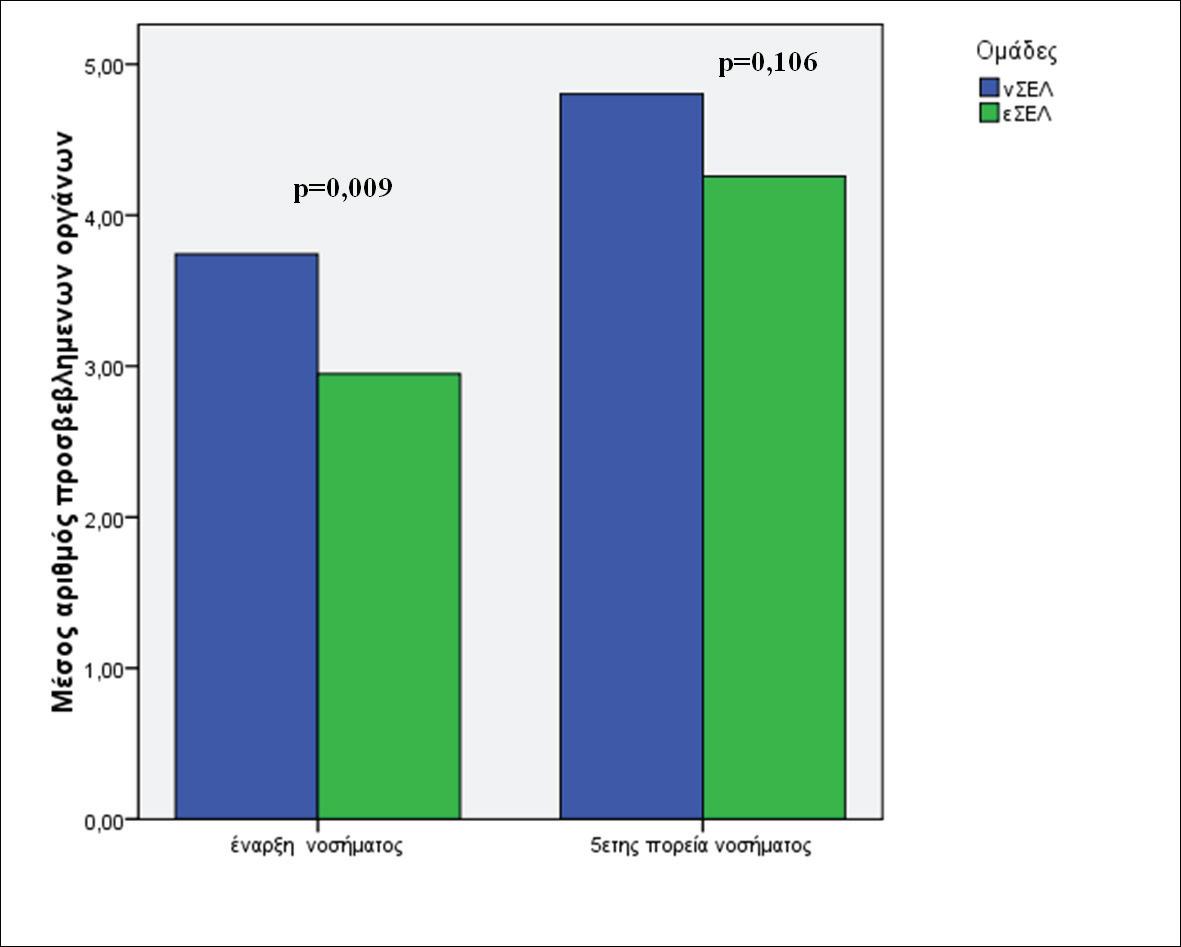
Results: At the disease onset, the mean (SD) ages were 12,25±0,27 and 33,93±1,32 yrs and the mean follow-up time 6,63±0,59 and 11,6±0,7 yrs, for jSLE and aSLE respectively. Regarding the clinical phenotype, general features, lymphoid hyperplasia (hepatosplenomegaly and/or lymphadenopathy) and blood disorders were more frequent in jSLE patients (p=0,001, p=0,015 and p<0,001 respectively), whereas photosensitivity was commoner in those with aSLE (p=0,033). In contrast with most of the relevant studies in the literature, renal involvement in this study was not found to be significantly commoner in jSLE patients compared to those with aSLE. Nevertheless, frequency of organ/system involvement in jSLE was significantly higher than in aSLE (p=0,009). At the end of 5 yrs, the cumulative number of clinical manifestations and organ involvement was similar in both groups. General symptoms and blood disorders remained significantly commoner in patients with jSLE. Frequency of anti-dsDNA, anti-cardiolipin, anti-Sm, anti-URNP antibodies and low C3 and C4 levels were cumulatively found to be significantly higher in jSLE patients (p<0,01).
Conclusions: The results of our study show that clinical and immunologic phenotypes of jSLE are more severe, disease activity index is high and frequency of organ/system involvement is higher at disease onset, compared with aSLE. These findings suggest that the induction therapy in patients with jSLE has to be more aggressive and probably more specific (i.e. anti B-cell biologics) than in those with aSLE.
Key words: Adult-onset lupus; juvenile-onset lupus; clinical phenotype; immunologic phenotype
2310839291
e-mail: flkan@auth.gr
Correspodence
F. Kanakoudi-Tsakalidou
Emeritus Professor of Paediatrics
2 M. Mpotsari St. 546 43 Thessaloniki, Greece
Tel.: +302310839291
e-mail: flkan@auth.gr
WHO). 10)
γαστρεντερικό (αιμορραγίες,
αγγειίτιδας). 15) Εκδηλώσεις από
Hashimoto. 17)
0,001
Στοματικά
Μυοσκελετικές
0,001 0,007 0,308 0,19 0,377 0,24 0,717 0,757 0,212 0,986 0,056 <0,001 0,271 1 0,475 1 0,202 0,252
1. Kamphuis S and Silverman ED. Prevalence and burden of pediatric-onset systemic lupus erythematosus. Nature Reviews/Rheumatology 2010; 6:538-546.
2. Papadimitraki ED, Isenberg D. Childhood and adult-onset lupus: an update of similarities and differences. Expert Rev Clin Immunol 2009; 5:391-403.
3. Tucker LB. Making the diagnosis of systemic lupus erythematosus in children and adolescent. Lupus 2007; 16: 546-549.
4. Gottlieb B. Ilowite NT. Systemic lupus erythematosus inchildren and adolescents. Pediatrics in Review 2006; 27:323-330.
5. Brunner HI, Huggins J, Klein-Gitelman MS. Pediatric SLE-Toward a comprehensive management plan. Nature Reviews/Rheumatology 8/3/2011 http://www.medscape.org/ viewarticle/738088print.
6. Marks SD, Tullus K. Modern therapeutic strategies for paediatric systemic lupus erythematosus and lupus nephritis. Acta Paediatrica 2010;99:967-974.
7. Hiraki LT, Benseler SM, Tyrrell PN, Harvey E, Hebert D, Silverman ED. Ethnic differenced in Pediatric Systemic Lupus Erythematosus. Rheumatol 2009; 36: 2539-46.
8. Johnson AE, Gordon C, Palmer RG, Bacon PA. The prevalence and incidence of systemic lupus erythematosus in Birmigham, England: relationship to ethnicity and country of birth. Arthritis Rheum 1995; 38: 551-558.
9. Tucker LB, Menon S, Schaller JG, Isenberg DA. Adult- and childhood –onset systemic lupus erythematosus. A comparison of onset, clinical features, serology and outcome. Br J Rheumatolol 1995;34:866-872.
10. Janwityanujit S, Totemchokchyakarn K, Veasertniyom O, Vanichapuntu M, Vatanasuk M. Age related differences on clinical and immunological manifestations of SLE. Asian Pac J Allergy Immunol 1995;13: 145-149.
11. Font J, Cervera R, Espinosa G, Pallares L, Ramos-Casals M, Jimenez S, et al. Systemic lupus erythematosus (SLE) in childhood: analysis of clinical and immunological findings in 34 patients and comparison with SLE characteristics in adults. Ann Rheum Dis 1998; 57: 456-459.
12.Carreno L, Lopez-Longo FJ, Monteagudo I, Rodriquez-Mahou M, Bascones M, Gonzal-
ez CM, et al. Immunological and clinical differences between juvenile and adult onset of systemic lupus erythematosus. Lupus 1999; 8: 287-292.
13.Tucker LB, Uribe AG, Fernandez M, Vila LM, McGwin G, Apte M, et al. Adolescent onset of lupus results in more aggressive disease and worse outcomes: results of a nested matched case-control study within LUMINA, a multiethnic US cohort (LUMINA lvii). Lupus 2008; 17:314-322.
14.Brunner H.I, Gladman D.D., Ibanez D, Urowitz MD, Silverman ED. Difference in disease features between childhood-onset and adult-onset systemic lupus erythematosus. Arthritis & Rheumatism 2008; 58: 556-562.
15.Hersh A.O, Von Scheven E, Yazdany J, Panopalis P, Trupin L, Julian L, et al. Differences in long-term disease activity and treatment of adult patients with childhood and adultOnset Systemic Lupus Erythematosus. Arthritis & Rheumatism 2009; 61: 13-20.
16.Hoffman IEA, Lauwerys BR, De Keyser F, Huizinga TW, Isenberg D, Cebecauer L, et al. Juvenile –onset systemic lupus erythematosus: different clinical and serological pattern than adult-onset systemic lupus erythematosus. Ann Rheum Dis 2009; 68:412-415.
17.Feng JB, Ni JD, Yao X, Pan HF, Li XP, Xu JH, et al. Gender and age influence on clinical and laboratory features in Chinese patients with systemic lupus erythematosus: 1,790 cases. Rheumatol Int 2010; 30: 1017-1023.
18.Pande J, Sekharan NG, Kailash S, Uppal SS, Singh RR, Kumar A, et al. Analysis of clinical and laboratory profile in Indian childhood systemic lupus erythematosus and its comparison with SLE in adults. Lupus 1993; 2: 83-87.
19.Hochberg M. Updating the American College of Rheumatology revised criteria for the classification of systemic lupus erythematosus. Arthritis Rheum 1997; 40: 1725.
20.Pons-Estel G.J, Alarcón G.S, Scofield L., Reinlib L & Cooper G.S. Understanding the epidemiology and progession of systemic lupus erythematosus. Semin Arthritis & Rheuma 2009; 39: 257-268.
21.Cervera R, Khamashta MA, Font J, Sebastiani GD, Gil A, Lavilla R, et al. Systemic lupus erythematosus: Clinical and immunologic patterns of disease expression in a cohort of 1.000 patients. Medicine (Baltimore) 1993;72:113-24.
22.Cooper GS, Parks CG, Treadwell EL, St Clair EW, Gilkeson GS, Cohen PL, et al. Differences by race, sex and age in the clinical and immunologic features of recently diagnosed systemic lupus erythematosus patients in the southeastern United States. Lupus 2002; 11: 161-167.
23.Jurencak R, Fritzler M, Tyrrell P, Hiraki L, Benseler S, Silverman E. Autoantibodies in pediatric systemic lupus erythematosus: ethnic grouping cluster analysis and clinical correlations. J Rheumatol 2009; 36: 416-21.
Elpis Hatziagorou1
Vasiliki Avaramidou1
Fotis Kirvassilis1
Antigoni Mavroudi1
John Tsanakas1
3rd Paediatric Department, Aristotle University of Thessaloniki, Hippokration Hospital of Thessaloniki
Maria Emboriadou2
2nd Paediatric Department, Aristotle University of Thessaloniki, AHEPA Hospital
The role of exhaled Nitric Oxide (eNO) in modification of treatment among asthmatic children
Elpis Hatziagorou1, Vasiliki Avaramidou1, Fotis Kirvassilis1, Antigoni Mavroudi1 , Maria Emboriadou2, John Tsanakas1
Background: Exhaled nitric oxide (eNO) is a sensitive marker of airway inflammation. The aim of the study was to assess the anti-inflammatory effect of inhaled steroids and to compare the combination of low doses of inhaled steroids with LABA (long acting beta agonists) vs. high doses of inhaled steroids among children with persistent asthma. Methods: We studied 52 children (mean age ± SD: 13.3 ± 3.3 years) with moderate asthma, who had not received prophylactic anti-inflammatory treatment before, and were
Αλληλογραφία
Ελπίδα Χατζηαγόρου,
Πλουτάρχου 6 55236,
Θεσσαλονίκη
Τηλ.: 2310892400
Κινητό: 6972851721
e-mail: elpcon@otenet.gr
Correspodence
Elpis Hatziagorou
Ploutarchou 6, 55236, Thessaloniki, Greece
Τel.: +302310892400
Mob: +306972851721
e-mail: elpcon@otenet.gr
on inhaled steroids for two months. Furthermore, we studied 36 children (mean age ± SD: 14.6 ± 3.1 years) with persistent asthma that received either high doses of inhaled steroids or a combination of low doses of inhaled steroids with LABA. Children were evaluated by measuring eNO and FEV1 (spirometry).
Results: Median eNO values were significantly decreased by inhaled steroids among children with moderate asthma (p<0.05). Median eNO values were reduced significantly, by combination of low doses of inhaled steroids with LABA (p=0.00001) and by high dose of inhaled steroids (p=0.00001).
Conclusion: Measurement of eNO is a useful tool to regulate the anti-asthmatic treatment. Inhaled steroids were found to reduce significantly the eNO values. The combination of low doses of inhaled steroids with LABA were found to reduce eNO values significantly; they can be used instead of high dose of inhaled steroids.
Key words: Εxhaled nitric oxide, inhaler steroids, long acting beta agonists, asthma, children
(NOS) [2], [3], [4].
2008 #1509}.
(Vitalograph 2120, Vitalograph Ltd, Ennis, Ireland).
Expiratory Flow 25-75: FEF25-75).
SPSS v.19.0
Chicago, Illinois,
Αποτελέσματα
1. Mayell, S.J., et al., A European consensus for the evaluation and management of infants with an equivocal diagnosis following newborn screening for cystic fibrosis. J Cyst Fibros, 2009. 8(1): p. 71-8.
2. Ziche, M. and L. Morbidelli, Nitric oxide and angiogenesis. J Neurooncol, 2000. 50(1-2): p. 139-48.
3. Jungersten, L., et al., Plasma nitrate as an index of nitric oxide formation in man: analyses of kinetics and confounding factors. Clin Physiol, 1996. 16(4): p. 369-79.
4. Dattilo, J.B. and R.G. Makhoul, The role of nitric oxide in vascular biology and pathobiology. Ann Vasc Surg, 1997. 11(3): p. 307-14.
5. Barnes, P.J., Transcription factors and inflammatory disease. Hosp Pract (Minneap), 1996. 31(6): p. 93-100, 105-6.
6. MacMicking, J., Q.W. Xie, and C. Nathan, Nitric oxide and macrophage function. Annu Rev Immunol, 1997. 15: p. 323-50.
7. Saleh, D., et al., Increased formation of the potent oxidant peroxynitrite in the airways of asthmatic patients is associated with induction of nitric oxide synthase: effect of inhaled glucocorticoid. FASEB J, 1998. 12(11): p. 929-37.
8. Gustafsson, L.E., et al., Endogenous nitric oxide is present in the exhaled air of rabbits, guinea pigs and humans. Biochem Biophys Res Commun, 1991. 181(2): p. 852-7.
9. Baraldi, E. and J.C. de Jongste, Measurement of exhaled nitric oxide in children, 2001. Eur Respir J, 2002. 20(1): p. 223-37.
10. Standardization of Spirometry, 1994 Update. American Thoracic Society. Am J Respir Crit Care Med, 1995. 152(3): p. 1107-36.
11. Quanjer, P.H., et al., Lung volumes and forced ventilatory flows. Report Working Party Standardization of Lung Function Tests, European Community for Steel and Coal. Official Statement of the European Respiratory Society. Eur Respir J Suppl, 1993. 16: p. 5-40.
12. Quanjer, P.H., et al., Spirometric reference values for white European children and adolescents: Polgar revisited. Pediatr Pulmonol, 1995. 19(2): p. 135-42.
13. Barnes, P.J., Efficacy of inhaled corticosteroids in asthma. J Allergy Clin Immunol, 1998. 102(4 Pt 1): p. 531-8.
14. Djukanovic, R., et al., Effect of an inhaled corticosteroid on airway inflammation and symptoms in asthma. Am Rev Respir Dis, 1992. 145(3): p. 669-74.
15. van Rensen, E.L., et al., Effect of inhaled steroids on airway hyperresponsiveness, sputum eosinophils, and exhaled nitric oxide levels in patients with asthma. Thorax, 1999. 54(5): p. 403-8.
16. van Grunsven, P.M., et al., Effect of inhaled corticosteroids on bronchial responsiveness in patients with “corticosteroid naive” mild asthma: a meta-analysis. Thorax, 1999. 54(4): p. 316-22.
17. Sont, J.K., et al., Relationship between the inflammatory infiltrate in bronchial biopsy specimens and clinical severity of asthma in patients treated with inhaled steroids. Thorax, 1996. 51(5): p. 496-502.
18. Haley, K.J. and J.M. Drazen, Inflammation and airway function in asthma: what you see is not necessarily what you get. Am J Respir Crit Care Med, 1998. 157(1): p. 1-3.
19. Foresi, A., et al., Inflammatory markers in bronchoalveolar lavage and in bronchial biopsy in asthma during remission. Chest, 1990. 98(3): p. 528-35.
20. Lipworth, B.J., Leukotriene-receptor antagonists. Lancet, 1999. 353(9146): p. 57-62.
21. Toogood, J.H., et al., A graded dose assessment of the efficacy of beclomethasone dipropionate aerosol for severe chronic asthma. J Allergy Clin Immunol, 1977. 59(4): p. 298-308.
22. Kharitonov, S.A., D.H. Yates, and P.J. Barnes, Inhaled glucocorticoids decrease nitric oxide in exhaled air of asthmatic patients. Am J Respir Crit Care Med, 1996. 153(1): p. 454-7.
23. Kraan, J., et al., Dosage and time effects of inhaled budesonide on bronchial hyperreactivity. Am Rev Respir Dis, 1988. 137(1): p. 44-8.
24. Carra, S., et al., Budesonide but not nedocromil sodium reduces exhaled nitric oxide levels in asthmatic children. Respir Med, 2001. 95(9): p. 734-9.
25. Jones, S.L., et al., Exhaled NO and assessment of anti-inflammatory effects of inhaled steroid: dose-response relationship. Eur Respir J, 2002. 20(3): p. 601-8.
26. Di Rosa, M., et al., Glucocorticoids inhibit the induction of nitric oxide synthase in macrophages. Biochem Biophys Res Commun, 1990. 172(3): p. 1246-52.
27. Smith, A.D., et al., Exhaled nitric oxide: a predictor of steroid response. Am J Respir Crit Care Med, 2005. 172(4): p. 453-9.
28. Fahy, J.V. and H.A. Boushey, Effect of low-dose beclomethasone dipropionate on asthma control and airway inflammation. Eur Respir J, 1998. 11(6): p. 1240-7.
29. Fuglsang, G., et al., Effect of salmeterol treatment on nitric oxide level in exhaled air and dose-response to terbutaline in children with mild asthma. Pediatr Pulmonol, 1998. 25(5): p. 314-21.
30. Currie, G.P., et al., Effects of fluticasone plus salmeterol versus twice the dose of fluticasone in asthmatic patients. Eur J Clin Pharmacol, 2003. 59(1): p. 11-5.
31. Aziz, I., A.M. Wilson, and B.J. Lipworth, Effects of once-daily formoterol and budesonide given alone or in combination on surrogate inflammatory markers in asthmatic adults. Chest, 2000. 118(4): p. 1049-58.
32. Pauwels, R.A., et al., Effect of inhaled formoterol and budesonide on exacerbations of asthma. Formoterol and Corticosteroids Establishing Therapy (FACET) International Study Group. N Engl J Med, 1997. 337(20): p. 1405-11.
33. Ducharme, F.M., et al., Addition of long-acting beta2-agonists to inhaled steroids versus higher dose inhaled steroids in adults and children with persistent asthma. Cochrane Database Syst Rev, 2010(4): p. CD005533.
34. McIvor, R.A., et al., Potential masking effects of salmeterol on airway inflammation in asthma. Am J Respir Crit Care Med, 1998. 158(3): p. 924-30.
35. Lipworth, B.J., et al., Effects of adding a leukotriene antagonist or a long-acting beta(2)-agonist in asthmatic patients with the glycine-16 beta(2)-adrenoceptor genotype. Am J Med, 2000. 109(2): p. 114-21.
Evangelia Tsakiropoulou
George Kontzoglou
Aris Maganaris
Department of Otorhinolaryngology, “Hippokratio”General Hospital of Thessaloniki, Greece.
Parotid pleomorphic adenoma in childhood: report of a case and review of the literature
Evangelia Tsakiropoulou, George Kontzoglou, Aris Maganaris
Background: Salivary gland tumors in childhood are rare. The most common tumors of the parotid gland in children are in order haemangioma, lemphangioma and pleomorphic adenoma.
Case presentation: We present the case of an 11-year old boy with 7-month history of a solitary, painless swelling of the left parotid area. Investigation studies included ultrasound and magnetic resonance imaging of the left parotid area. The fine needle aspiration cytology under ultrasound guidance was suggestive of pleomorphic adenoma. Superficial parotidectomy was performed and the histology of the surgical specimen confirmed the diagnosis of the preoperative cytology. The facial nerve was identified and preserved. No complications were noticed during the early postoperative period and 1 year later no signs of tumor recurrence exist.
Conclusion: Due to the low incidence of pleomorphic adenoma in childhood, diagnosis and treatment remain a challenge for both pediatricians and otorhinolaryngologists.
Key words: Pleomorphic adenoma, parotid, parotid tumors, parotidectomy, salivary glands
τηλ: 2310321677
ltsak@hotmail.com
Correspodence
Tsakiropoulou Evangelia
3 Kapetan Kotta St.
Thessaloniki
tel: 2310321677
ltsak@hotmail.com
1. Bentz BG, Hughes CA, Ludemann JP, et al. Masses of the Salivary Gland Region in Children. Arch Otolaryngol Head Neck Surg 2000; 126:1435-1439.
2. Krolls SO, Trodahl JN, Boyers RC. Salivary gland lesions in children: survey of 430 cases. Cancer 1972; 30:459-469.
3. Orvidas LJ, Kasperbauer JL, Lewis JE, et al. Pediatric Parotid Masses. Arch Otolaryngol Head Neck Surg 2000; 126:177-184.
4. Garcia CJ, Flores PA, Arce JD, et al. Ultrasonography in the study of salivary gland lesions in children. Pediatr Radiol 1998; 28:418–425.
5. Chong GC, Beahrs OH, Chen ML, et al. Management of parotid gland tumors in infants and children. Mayo Clin Proc 1975; 50:279-283.
6. Nagler RM, Laufer D. Tumors of the major and minor salivary glands: review of 25 years of experience. Anticancer Res 1997; 17:701-707.
7. Ellies M, Schaffranietz F, Arglebe C, et al. Tumors of the Salivary Glands in Childhood and Adolescence. J Oral Maxillofac Surg 2006 ; 64:1049-1058.
8. Dalati T, Hussein MR. Juvenile pleomorphic adenoma of the cheek: a case report and review of literature. Diagnostic Pathology 2009; 4:32.
9. Faktorovich EG, Crawford JB, Char DH, et al. Benign mixed tumor (pleomorphic adenoma) of the lacrimal gland in a 6-year-old boy. Am J Ophthalmol 1996; 122: 446-447.
10. Rodriguez KH, Vargas S, Robson C, et al. Pleomorphic adenoma of the parotid gland in children. Int J Pediatr Otorhinolaryngol 2007;71: 1717-1723.
11. Ikeda K, Katoh T, Ha-Kawa SK, et al. The usefulness of MR in establishing the diagnosis of parotid pleomorphic adenoma. Am J Neuroradiol 1996; 17:555-559.
12. Cajulis RS, Gokaslan ST, Yu GH, et al. Fine needle aspiration biopsy of the salivary glands: a five-year experience with emphasis on diagnostic pitfalls. Acta Cytol 1997; 41:1412-1420.
13. Rehberg E, Schroeder HG, Kleinsasser O. Chirurgie bei gutartigen Parotistumoren individuell angepasste oderstandardisierte radikale Eingriffe? Laryngorhinootologie 1998;77:283–288.
14. Bullerdiek J, Wobst G, Meyer-Bolte K, et al. Cytogenetic subtyping of 220 salivary gland pleomorphic adenomas: correlation to occurrence, histological subtype, and in vitro cellular behavior. Cancer Genet Cytogenet 1993; 65: 27-31.
15. Stennert E, Wittekindt C, Klussmann JP, et al. Recurrent pleomorphic adenoma of the parotid gland: a prospective histopathological and immunohistochemical study. Laryngoscope 2004; 114: 158-163.
16. Carew JF, Spiro RH, Singh B, et al. Treatment of recurrent pleomorphic adenomas of the parotid gland. Otolaryngol. Head Neck Surg 1999; 121: 539-542.
Συγγενείς
H. Papadimitriou
M. Argyrou
J. Kavaliotis
Pediatric Department, Infectious Diseases Hospital, Thessaloniki
Osteomyelitis: a complication of varicella
H. Papadimitriou, M. Argyrou, J. Kavaliotis
Varicella is a common viral infection which is highly contagious with high morbidity, at least before the introduction of the vaccine. Serious complications are rare in previously healthy people. The case presented is about a child with osteomyelitis of lower limp after varicella. One month after treatment the patient was in very good clinical condition. The aim of the presentation is to remind this rare but serious, if not treated in time, varicella complication.
Key words: Varicella, Complications, Arthritis, Osteomyelitis.
2313308719
e-mail: kavagr@hotmail.com
Correspodence
J. Kavaliotis
Pediatric Department, Infectious Diseases Hospital
13 Gr. Lampraki St. 546 38 Thessaloniki, Greece
Tel. 2313-308719
e-mail: kavagr@hotmail.com
Cierny-Mader
Cierny-Mader
1. Ziebold C, Von Kries R, Lang R, Weigl J, Schmitt H. Severe Complications of varicella in previously healthy children in Germany. A 1-year Survey. Pediatrics 2001, 108:79.
2. Kavaliotis J, Sakellaropoulou A, Siskow A, Mataki Th. Varicella in children. Analysis of 1920 patients. 22th ESPID, Tampere-Finland 26-28/05/2004.
3. Grier D, Feinstein K. Osteomyelitis in hospitalized children with chickenpox. Imaging findings in four cases. AJR 1993, 161: 643-646.
4. Krogstad P. Osteomyelitis and Septic Arthritis. In Feigin, Cherry, Demmler, Kaplan. Textbook of pediatric infectious diseases, 5th edition, Saunders:London, 2004:711-726.
5. Madder/. C, Pennick J. A clinical staging system for adult osteomyelitis. Contemp Orthop 1985, 10:17-37.
6. Symeonides P. Bone and joint infectious diseases. In P. Symeonides, ed. Orthopedics, 1st ed. Thessaloniki 1986:207-217.
7. Lazarini L, Mader J, Calhoun J. Osteomyelitis in long bones. J Bone Joint Surg Am 2004, 86: 2305-2318.
8. Al-Fifi, McDonald J. Group A streptococcus osteomyelitis and septic arthritis following variccella: case report and review of the literature. Ann Saudi Med 1998, Vol 18, No 5,1.
9. Koturoglu G, Kurugol Z, Cetin N, Hizarcioglou, Vardar F, Helvaci M, et al. Complications of varicella in healthy children in Izmir, Turkey. Pediatr Intern 2005, 47:296-299.
E. Spatoula1
F. Haliotis1
E. Efthimiou1
N. Manolaki1
C. Stefanaki2
2nd Department of Pediatrics1 and Department of Pathology2, “Aghia Sophia” Children΄s Hospital, Athens, Greece.
Κikuchi-Fujimoto disease in a 12-year old girl with pauciarticular juvenile idiopathic arthritis
E. Spatoula1, F. Haliotis1, C. Stefanaki2, E. Efthimiou1, N. Manolaki1
Kikuchi-Fujimoto disease is a benign, self limited disease, rare in children, of unknown aetiology. Clinically it manifests as cervical lymphadenopathy with or without fever. Diagnosis is established by characteristic histological findings on affected lymph nodes biopsy. It has been associated with infectious agents and autoimmune diseases especially systemic lupus erythematosus. We describe a case of Κikuchi–Fujimoto disease in a 12-year old girl with pauciarticular persistent juvenile idiopathic arthritis, who presented with arthritis of the right knee 18 months ago. Non steroidal anti-inflammatory medication resulted in full remission for the last 12 months. Lymphadenopathy was accompanied with fever, joint pain, malaise and weight loss. Excision biopsy of cervical lymph nodes confirmed Kikuchi- Fujimoto disease. There was complete recovery and over a 14-month
τηλ: 6945423996
e-mail: elspat10@yahoo.gr
Correspodence
Eleni Spatoula
2nd Department of Pediatrics“Aghia Sophia” Children΄s Hospital, Athens, Greece.
5 Dervenakion St., N. Chalkidona Athens, 143 43 tel: +306945423996
e-mail: elspat10@yahoo.gr
KFD = Νόσος Kikuchi-Fujimoto
JIA = juvenile idiopathic arthritis
SLE = systemic lupus erythematosus
follow up period no recurrence was noted in contrast to three other reported cases of Kikuchi-Fujimoto disease in children with systemic juvenile idiopathic arthritis which were complicated with hemophagocytic lymphohistiocytosis. To our knowledge this is the first case of Kikuchi-Fujimoto disease in a child with pauciarticular persistent juvenile idiopathic arthritis. Kikuchi-Fujimoto disease should be included in the differential diagnosis of cervical lymphadenopathy with or without fever and the patient should be closely followed up either for complications if he has an autoimmune disease or for manifestations of an autoimmune disease later on.
Key words: histiocytic necrotizing lymphadenitis, Kikuchi-Fujimoto disease, juvenile idiopathic arthritis, cervical lymphadenopathy, hemophagocytic lymphohistiocytosis
Kikuchi-Fujimoto (Kikuchi-Fujimoto Disease, KFD)
(1)
Fujomoto (2).
CMV, EBV, HSV, VZV,
Yersinia enterocolitica
Sjogren.(8)
Parvo B19,
Pasteurella multocida (7).
1. Kikuchi M. Lymphadenitis showing focal reticulum cell hyperplasia with nuclear debris and phagocytes. Acta Hematol Jpn 1972; 35: 379-380.
2. Fujimoto Y, Kozima Y, Yamaguchi K. Cervical subacute necrotising lymphadenitis: a new clinicopathologic entity. Naika 1972; 20: 920-927.
3. Ramanan AV, Wynn RF, Kelsey A, Baildam E M. Systemic juvenile idiopathic arthritis. Kikuchi’s disease and haemophagocytic lymphohistiocytosis-is there a link? Case report and literature review. [Letter to the editor] Rheumatology 2003; 42(4): 596-598.
4. Οliveira S, Destri UBW, Vasquez LCO, Ferman S, Romano S, Sztajnbok FR. Systemic juvenile idiopathic arthritis associated with Kikuchi΄s disease. [Abstr.] Ann Rheum Dis 2000; 59(9): 731.
5. Singh YP, Agarwal V, Krishnani N, Misra R. Enthesitis-related arthritis in Kikuchi-Fujimoto disease. Mod Rheumatol. 2008; 18(5): 492-495.
6. Ohta A, Matsumoto Y, Ohta T, Kaneoka H, Yamaguchi M. Still’s disease associated with necrotizing lymphadenitis (Kikuchi’s disease): report of 3 cases. J Rheumatol. 1988; 15(6): 981-983.
7. Wong VK, Campion-Smith J, Khan M, Smith S. Kikuchi disease in association with Pasteurella multocida infection. Pediatrics 2010; 125: 679-682.
8. Οgata S, Bando Y, Saito N, Katsuoka K, Ishii M. Kikuchi-Fujimoto disease developed into autoimmune disease: a report of two cases. Mod Rheumatol 2010; 20(3): 301-305.
9. Μahajan T, Merriman RC, Stone MJ. Kikuchi – Fujimoto disease (histiocytic necrotizing lymphadenitis): report of a case with other autoimmune manifestations. Proc (Bayl Univ Med Cent) 2007; 20: 149-151.
10. Child fatality associated with pathological features of histiocytic necrotizing lymphadenitis (Kikuchi-Fujimoto disease). Pediatr Pathol Lab Med 1998;18:79-88
11. Lee HY, Huang YC, Lin TY, Huang JL, Yang CP, Tsun H, et al. Primary Epstein-Barr virus infection associated with Kikuchi’s disease and hemophagocytic lymphohistiocytosis. A case report and review of the literature. J Microbiol Immunol Infect 2010; 43 (3): 253257.
12. Kim YM, Lee YJ, Nam SO, Park SE, Kim JY, Lee EY. Hemophagocytic syndrome associated with Kikuchi’s disease. J Korean Med Sci 2003;18(4): 592-594.
Georgia Avgerinou
Vasilios Papadakis
Kleoniki Roka and Sophia Polychronopoulou
Paediatric Department of Hematology-Oncology, “Aghia
Sophia” Children’s Hospital, Athens
Haemophagocytic syndrome: report of three cases
Georgia Avgerinou, V. Papadakis, Kleoniki Roka and Sophia Polychronopoulou
Τhree children with Haemophagocytic lymphohistiocytosis (2 Males – 1 Female) with median age of 6 years are being presented. The patients were admitted to the hospital with prolonged fever, pancytopenia, hepatoslenomegaly and increased serum ferritin levels. The diagnosis was based on internationally established diagnostic criteria, present at the onset of the illness. All patients received therapy according to the HLH-2004 protocol. Two patients are in remission, alive more than ten months from diagnosis while, the third patient died due to Multiple Organ System Failure. Awareness of the clinical presentation and of the diagnostic criteria of HLH is crucial in establishing HLH diagnosis promptly and initiating life-saving combination therapy.
Key words: Haemophagocytosis, diagnosis, treatment, child
Αλληλογραφία
Γεωργία Αυγερινού
Αργοναυτών 4, 19005,
Μάκρη
τηλ: 6944944535
e-mail: g.avgerinou@yahoo.gr
Correspodence
Georgia Avgerinou
4 Argonauton St., 19005
Nea Makri
tel: +306944944535
e-mail: g.avgerinou@yahoo.gr
[2, 3, 5, 6, 7, 10, 11, 12, 13].
Συντομογραφίες
HLH = Haemophagocytic lymphohistiocytosis
ΑΦΣ = Αιμοφαγοκυτταρικό
TG = Triglycerides
NK = Natural Killer
ΜΕΘ = Μονάδα Εντατικής
FHL = Familial Haemophagocytic Lymphohistiocytosis
MAS = Macrophage Activation Syndrome IL-2
g/dL, PLT 50 k/uL), TG 626 mg/dL,
(SGOT 696 U/L, SGPT 283 U/L),
(Na 118 mmol/L), LDH ορού 3082 U/L,
1. Πυρετός
2. Σπληνομεγαλία
3. Κυτταροπενίες (να
*Αιμοσφαιρίνη <9 g/dL (νεογνά <4
*Αιμοπετάλια <10 k/uL
*Ουδετερόφιλα (ANC) < 1000
4. Υπερτριγλυκεριδαιμία και /ή υποϊνωδογοναιμία:
*Τριγλυκερίδια
5. Αιμοφαγοκυττάρωση
<10 g/dL)
(SGOT 176 IU/L, SGPT 75 IU/L),
[2, 3, 5, 6, 7, 16, 22].
[16, 22, 23].
[5, 6, 19, 20, 22].
[6, 13, 17, 18].
(X-linked lymphoproliferative syndrome: XLP),
celli (type2),
DiGeorge
Chediac-Higashi,
Ommen’s [5, 6, 15, 21].
1. Michaela Allen, Carmela De Fusco, Faeseh Legrand, Rita Clementi, Valentino Conter, Cesare Danesino, et al (2001). Familial hemophagocytosis: how late can the onset be? Haematologica 2001;86: 499-503.
2.
2011;28:1-7.
3. Jan-lnge Henter, MD, PhD, Anna Carin Horne, MD, Mauritzio Arico, MD, R. Maarteen Egeler, MD, PhD, Alexandra H. Filipovitch, MD, Shinsaku Imashuku, MD, et al for the Histiocyte Society (2007). Review HLH-2004: Diagnostic and Therapeutic Guidelines for Hemophagocytic Lymphohistiocytosis. Pediatr Blood Cancer 2007;48:124-131.
4. Ost A, Nilsson Ardnor S, Henter JI (1998). Autopsy findings in 27 children with haemophagocytic lymphohistiocytosis. Histopathology 1998;32: 310-316.
5. Gritta E. Janca (2007). Familial and acquired hemophagocytic lymphohistiocytosis. Eur J Pediatr (2007) 166:95-109.
6. Gritta E. Janca (2007) Hemophagocytic syndromes. Blood Reviews (2007) 21, 245253.
7. Gritta Janca and Udo zur Stadt (2005). Familial and Acquired Hemophagocytic Lymphohistiocytosis. Hematology 2005.
8. Eiichi Ishii, Ikuyo Ueda, Ryutaro Shirakawa, Ken Yamamoto, Hisanori Horiuchi, Shouichi Ogha et al. Genetic subtypes of familial hemophagocytic lymphohistiocytosis: correlations with clinical features and cytotoxic T lymphocyte/natural killer cell functions. Blood, 1 May 2005, Vol 105, No.9, pp3442-3448.
9. Juan Mayordomo-Colunga, Corsino Rey, Soledad Gonza’lez and Andres Concha (2008). Multiorgan failure due to hemophagocytic syndrome: A case report. Cases journal 2008, 1: 209.
10. Stephan JL, Kone’-Paut I, Galambrun C, Mouy R, Bader-Meunier B, Prieur AM (2001). Reactive haemophagocytic syndrome in children with inflammatory disorders. A retrospective study of 24 patients. Rheumatology ( Oxford). 2001 Nov;40(11): 1285-92.
11. Cortis E, Insalaco A.(2006). Macrophage activation syndrome in juvenile idiopathic arthritis. Acta Paediatr Suppl. 2006 Jul;95(452): 38-41.
12. A. Stabile, B. Bertoni, V. Ansuini, La Torraca, A. Salli, D. Rigante (2006). The clinical spectrum and treatment options of macrophage activation syndrome in the pediatric age. European Review for Medical and Pharmacological Sciences 2006;10: 53-59.
13. Janca GE, Schneider EM (2004). Modern management of children with haemophagocytic lymphohistiocytosis. Br J Haematol 2004;124: 4-14.
14. Kelly A, Ramanan AV. Recognition and management of macrophage activation syndrome in juvenile arthritis. Curr Opin Rheumatol 2007;19: 477-481.
15. Schmidt MH, Sung L, Shuckett BM (2004). Hemophagocytic Lymphohistiocytosis in children: Abdominal u/s findings within one week of presentation. Radiology 2004; 230: 685-689.
16. Henter JI, Neresmo I, (1997). Neuropathologic findings and symptoms in twenty three children with hemophagocytic lymphohistiocytosis. J. Pediatr 1997;130: 358-365.
17. Imashuku S, Kuriyama T, Ishii E,et al. Requirement for etoposide in the treatment of Epstein-Barr virus–associated hemophagocytic lymphohistiocytosis, J Clin Oncol 2001;2665-2673.
18. Ueda I, Ishii E, Morrimoto A, Ogha S, Sako M, Imashuku S. Correlation between phe-
notypic heterogeneity and gene mutational characteriostics in familial hemophagocytic lymphohistiocytosis. Pediatr Blood Cancer 2006;46: 482-488.
19. Schneider EM, Lorentz I, Muller-Rosenberger M, Steinbach G, Kron M, Janka-Schaub GE. Hemophagocytic lymphohistiocytosis is associated with deficiencies of cellular cytolysis but normal expression of transcripts relevant to killer-cell-induced apoptosis.Blood 2002;100:2891-8.
20. Henter JI, Elinder G, Soder O, Hansson M, Andersson B, Andersson U. Hypercytokinemia in familial hemophagocytic lymphohistiocytosis. Blood 1991;78: 2918-22.
21. Aleman K, Noordzij JG, de Groot R, et al. Reviewing Omenn syndrome. Eur J Pediatr2001;160:718-725.
22. Χ. Κουτσαυτίκη, Ε. Μάντζιου, Ν. Μυριοκεφαλιτάκης (2009). Αιμοφαγοκυτταρική Λεμφοϊστιοκυττάρωση. Παιδιατρική 2009;72: 89-96.
23. Παπαδάκης Βασίλειος. Αιμοφαγοκυτταρικά Σύνδρομα. Ημερίδα
Αιματολογίας; 2009. Σελ. 69-78.