Paediatriki
Volume 76 • Number 1 • January-February-March 2013
Trimonthly publication of the Greek Paediatric Society
President
A. Constantopoulos
Editorial board
Director
G. S. Varlamis
Members
S. Andronikou
E. Galanakis
A. Evangeliou
L. Thomaidou
M. Kanariou
A. Kapogiannis
S. Kitsiou-Tzeli
E. Mantadakis
P. Panagiotopoulou-Gartagani
A. Papadopoulou
V. Papaevagelou
A. Papathanassiou
A. Siamopoulou-Mavridou
A. Syrigou-Papavasiliou
Manuscript submission e-mail: grammateia@e-child.gr
Instructions to authors: http://e-child.gr/publications/ instructions-to-authors
Owner
Greek Paediatric Society 15, Mpakopoulou st. GR - 15451, Ν. Psychiko Tel.: +302107771140, e-mail: grammateia@e-child.gr
Annual subscription
All foreign countries: US$50
CONTENTS
REVIEW ARTICLES
Neuropsychological profile of idiopathic epileptic syndromes in childhood
Dimitrios I. Zafeiriou, Pinelopi Dragoumi, Eleftherios Kontopoulos
Dyslexia genes?
Filippos Vlachos & Julia Nisiotou-Mantelou
Thrombocytosis in childhood
Vaia Papageorgiou, Marina Oikonomou
Abnormal retinal reflex in children
Maria Tsimpida, MD, PhD.
Sarcoidosis in infancy and early childhood; a brief literature review
Despoina Maritsi, Helen Dana, Lydia Kossiva
ORIGINAL ARTICLES
Thyroid dysfunction in children with epilepsy under valproic sodium treatment
Meropi Tzoufi, Margarita Papassava, Iliada Nakou, Stefania Makariou, Vasilios Giapros, Helen Bairaktari, Antigone Siamopoulou - Mavridou
PRACTICAL ISSUE
The use of barcodes in health
Papadopoulou Magdalini, MSC
CASE REPORTS
Aseptic meningitis due to west nile virus in a 12-year old child
Michailidou Elisavet, Antoniou Antonia, John Th. Kavaliotis
A patient with a-mannosidosis
Vargiami Εfthimia,Zafeiriou I. Dimitrios, Batzios Spiridon, A. Anastasiou, Badouraki Maria, E. Dimitriou, Michelakaki Eleni
Huge breast mass in a 13-years-old girl: phyllodes tumour or giant fibroadenoma?
Anna Poupalou, Jean-Stephane Valla
A case of methylmalonic aciduria with combined homocystinemia and cobalamin C (CblC) deficiency
Ek. Martinopoulou, V. Papavasiliou, A. Andreou
BOOK REVIEW
Pediatric and Adolescent Primary Care
Μaria Εmporiadou-Petikopoulou
Abstract
Dimitrios I. Zafeiriou
Pinelopi Dragoumi
Eleftherios Kontopoulos
1st Department of Pediatrics, “Hippokration” General Hospital of Thessaloniki
Division of Developmental Pediatrics “A. Fokas”
Neuropsychological profile of idiopathic epileptic syndromes in childhood
Dimitrios I. Zafeiriou, Pinelopi Dragoumi, Eleftherios Kontopoulos
Epilepsy does not represent a single disease as it comprises of multiple epileptic syndromes sharing the common feature of the occurrence of epileptic seizures but presenting with distinct clinical and EEG characteristics and variable etiologies; thus epilepsy does not cause a specific template of neuropsychological disturbance. In contrast, the cognitive profile of children with epilepsy ranges greatly from being totally normal to being very seriously disturbed, depending on multiple variables such as the symptomatic or idiopathic etiology of the seizures and the epileptic syndrome itself, the age at seizure onset as well as the frequency of seizures and the degree of the patient’s response to treatment. Also, independent factors have been proven to cause transient and potentially reversible damage regarding the cognitive and behavioral functions of patients with epilepsy, such as some of the antiepileptic drugs used for controlling seizures or the underlying epileptic activity as recorded in the EEG of patients in the post-ictal and inter-ictal period. In the present review article we attempt to highlight the main neuropsychological comorbidities described in the course of the most common idiopathic generalized and partial epilepsies in childhood.
Keywords: neuropsychology, cognitive function, idiopathic epileptic syndromes, childhood
1,
546 22,
6944913556, 2310223150 e-mail: ezlouis@gmail.com
Correspodence
Pinelopi Dragoumi
1 I. Michail St., PO Box 546 22 Thessaloniki, Greece
Tel.: 6944913556, 2310223150
e-mail: ezlouis@gmail.com
Behavior Checklist
2. Πρώιμη
1. Aldenkamp a P. Effect of seizures and epileptiform discharges on cognitive function. Epilepsia 1997;38 (Suppl 1):S52-5.
2. Besag FMC. Cognitive and behavioral outcomes of epileptic syndromes: implications for education and clinical practice. Epilepsia 2006;47 (Suppl): 2119-25.
3. Hommet C, Sauerwein HC, De Toffol B, Lassonde M. Idiopathic epileptic syndromes and cognition. Neuroscience and Biobehavioral Reviews 2006;Jan,30(1):8596.
4. Hermann BP, Jones JE, Sheth R, Koehn M, Becker T, Fine J, et al. Growing up with epilepsy: a two-year investigation of cognitive development in children with new onset epilepsy. Epilepsia 2008; Nov,49(11):1847-58.
5. Smith ML, Elliott IM, Lach L. Cognitive skills in children with intractable epilepsy: comparison of surgical and nonsurgical candidates. Epilepsia 2002;Jun,43(6):631-7.
6. Mandelbaum DE, Burack GD. The effect of seizure type and medication on cognitive and behavioral functioning in children with idiopathic epilepsy. Developmental Medicine and Child Neurology 1997;Nov,39(11):731-5.
7. Aldenkamp a P, Overweg J, Gutter T, Beun a M, Diepman L, Mulder OG. Effect of epilepsy, seizures and epileptiform EEG discharges on cognitive function. Acta Neurologica Scandinavica 1996; Apr ,93(4):253-9.
8. Aldenkamp AP, Arends J. Effects of epileptiform EEG discharges on cognitive function: is the concept of “transient cognitive impairment” still valid? Epilepsy & Behavior : E&B 2004;Feb,5 (Suppl 1S):25-34.
9. Kasteleijn-Nolst Trenité DG. Transient cognitive impairment during subclinical epileptiform electroencephalographic discharges. Seminars in Pediatric Neurology 1995; Dec,2(4):246-53.
10. Berg AT, Langfitt JT, Testa FM, Levy SR, DiMario F, Westerveld M, et al. Global cognitive function in children with epilepsy: a community-based study. Epilepsia 2008;May,49(4):608-14.
11. Bhise VV, Burack GD, Mandelbaum DE. Baseline cognition, behavior, and motor skills in children with new-onset, idiopathic epilepsy. Developmental Medicine and Child Neurology 2010;Jan,52(1):22-6.
12. Nolan MA, Redoblado MA, Lah S, Sabaz M, Lawson JA, Cunningham AM, et al. Intelligence in childhood epilepsy syndromes. Epilepsy Research 2003; Feb,53(12):139-50.
13. Bailet LL, Turk WR. The impact of childhood epilepsy on neurocognitive and behavioral performance: a prospective longitudinal study. Epilepsia 2000; Apr,41(4):426-31.
14. Austin JK, Dunn DW. Progressive behavioral changes in children with epilepsy. Progress in Brain Research 2002; Jan ,135:419-27.
15. Rodenburg R, Stams GJ, Meijer AM, Aldenkamp AP, Deković M. Psychopathology in children with epilepsy: a meta-analysis. Journal of Pediatric Psychology 2005;Sep,30(6):453-68.
16. Pascalicchio TF, Araujo Filho GM de, Silva Noffs MH da, Lin K, Caboclo LOSF, Vidal-Dourado M, et al. Neuropsychological profile of patients with juvenile myoclonic epilepsy: a controlled study of 50 patients. Epilepsy & Behavior 2007;Mar ;10(2):263-7.
17. Karachristianou S, Katsarou Z, Bostantjopoulou S, Economou A, Garyfallos G, Delinikopoulou E. Personality profile of patients with juvenile myoclonic epilepsy. Epilepsy & Behavior 2008; Nov,13(4):654-7.
18. Plattner B, Pahs G, Kindler J, Williams RP, Hall RE, Mayer H, et al. Juvenile myoclonic epilepsy: a benign disorder? Personality traits and psychiatric symptoms. Epilepsy & Behavior 2007;Jun,10(4):560-4.
19. Piazzini A, Turner K, Vignoli A, Canger R, Canevini MP. Frontal cognitive dysfunction in juvenile myoclonic epilepsy. Epilepsia 2008; Apr,49(4):657-62.
20. Iqbal N, Caswell HL, Hare DJ, Pilkington O, Mercer S, Duncan S. Neuropsychological profiles of patients with juvenile myoclonic epilepsy and their siblings: a preliminary controlled experimental video-EEG case series. Epilepsy & Behavior : E&B 2009; Mar,14(3):516-21.
21. Savic I, Lekvall A, Greitz D, Helms G. MR spectroscopy shows reduced frontal lobe concentrations of N-acetyl aspartate in patients with juvenile myoclonic epilepsy. Epilepsia 2000; Mar,41(3):290-6.
22. Woermann FG, Free SL, Koepp MJ, Sisodiya SM, Duncan JS. Abnormal cerebral structure in juvenile myoclonic epilepsy demonstrated with voxel-based analysis of MRI. Brain:a Journal of Neurology 1999; Nov,122 , Pt 12101-8
23. Mory SB, Li LM, Guerreiro CAM, Cendes F. Thalamic dysfunction in juvenile myoclonic epilepsy: a proton MRS study. Epilepsia 2003; Nov,44(11):1402-5.
24.
25. Araújo Filho GM de, Lin K, Lin J, Peruchi MM, Caboclo LOSF, Guaranha MSB, et al. Are personality traits of juvenile myoclonic epilepsy related to frontal lobe dysfunctions? A proton MRS study. Epilepsia 2009; May,50(5):1201-9.
26. Pavone P, Bianchini R, Trifiletti RR, Incorpora G, Pavone A, Parano E. Neuropsychological assessment in children with absence epilepsy. Neurology 2001; Apr ;56(8):1047-513
27. Hughes JR. Absence seizures: a review of recent reports with new concepts. Epilepsy & Behavior 2009;Aug,15(4):404-12.
28. Panayiotopoulos CP. A clinical guide to epileptic seizures and their treatment, Springer-Verlag London Ltd 2007, p 325-330
29. Caplan R, Siddarth P, Stahl L, Lanphier E, Vona P, Gurbani S, et al. Childhood absence epilepsy: behavioral, cognitive, and linguistic comorbidities. Epilepsia 2008; Nov,49(11):1838-46.
30. Barnes GN, Paolicchi JM. Neuropsychiatric comorbidities in childhood absence epilepsy. Nature clinical practice. Neurology 2008;Dec,4(12):650-1.
31. Ott D, Caplan R, Guthrie D, Siddarth P, Komo S, Shields WD, et al. Measures of psychopathology in children with complex partial seizures and primary generalized epilepsy with absence. Journal of the American Academy of Child and Adolescent Psychiatry 2001; Aug ;40(8):907-14.
32. Henkin Y, Sadeh M, Kivity S, Shabtai E, Kishon-Rabin L, Gadoth N. Cognitive function in idiopathic generalized epilepsy of childhood. Developmental Medicine and Child Neurology 2005; Feb,47(2):126-32.
33. Nolan MA, Redoblado MA, Lah S, Sabaz M, Lawson JA, Cunningham AM, et al. Memory function in childhood epilepsy syndromes. Journal of Paediatrics and Child Health 2004; 40(1-2):20-7.
34. Dunn DW, Austin JK, Harezlak J, Ambrosius WT. ADHD and epilepsy in childhood. Developmental Medicine and Child Neurology 2003; Jan,45(1):50-4.
35. Betting LE, Mory SB, Lopes-Cendes I, Li LM, Guerreiro MM, Guerreiro CAM, et al. MRI volumetry shows increased anterior thalamic volumes in patients with absence seizures. Epilepsy & behavior 2006;May,8(3):575-80.
36. Betting LE, Mory SB, Li LM, Lopes-Cendes I, Guerreiro MM, Guerreiro CAM, et al. Voxel-based morphometry in patients with idiopathic generalized epilepsies. NeuroImage 2006;Aug,32(2):498-502.
37. Midzyanovskaya IS, Kuznetsova GD, Luijtelaar ELJM van, Rijn CM van, Tuomisto L, Macdonald E. The brain 5HTergic response to an acute sound stress in rats with generalized (absence and audiogenic) epilepsy. Brain Research Bulletin.2006; May,69(6):631-8.
38. Hermann B, Jones J, Dabbs K, Allen CA, Sheth R, Fine J, et al. The frequency, complications and aetiology of ADHD in new onset paediatric epilepsy. Brain 2007;Dec,130(Pt 12):3135-48.
39. Northcott E, Connolly AM, Berroya A, McIntyre J, Christie J, Taylor A, et al. Memory and phonological awareness in children with Benign Rolandic Epilepsy compared to a matched control group. Epilepsy Research. 2007;Jun,75(1):57-62.
40. Panayiotopoulos CP. A clinical guide to epileptic seizures and their treatment, Springer-Verlag London Ltd 2007, p 286-293
41. Deonna T. Rolandic epilepsy: neuropsychology of the active epilepsy phase. Epileptic disorders 2000; Jan,2 Suppl 1S:59-61.
42. Ott D, Siddarth P, Gurbani S, Koh S, Tournay A, Shields WD, et al. Behavioral disorders in pediatric epilepsy: unmet psychiatric need. Epilepsia.2003;Apr ;44(4):5917.
43. Lindgren S, Kihlgren M, Melin L, Croona C, Lundberg S, Eeg-Olofsson O. Development of cognitive functions in children with rolandic epilepsy. Epilepsy & Behavior 2004;Dec,5(6):903-10.
44. Papavasiliou A, Mattheou D, Bazigou H, Kotsalis C, Paraskevoulakos E. Written language skills in children with benign childhood epilepsy with centrotemporal spikes. Epilepsy & Behavior 2005;Feb,6(1):50-8.
45. Northcott E, Connolly AM, Berroya A, Sabaz M, McIntyre J, Christie J, et al. The neuropsychological and language profile of children with benign rolandic epilepsy Epilepsia 2005; Jun,46(6):924-30.
46. Pinton F, Ducot B, Motte J, Arbuès A-S, Barondiot C, Barthez M-A, et al. Cognitive functions in children with benign childhood epilepsy with centrotemporal spikes (BECTS). Epileptic Disorders 2006; Mar,8(1):11-23.
47. Piccinelli P, Borgatti R, Aldini A, Bindelli D, Ferri M, Perna S, et al. Academic performance in children with rolandic epilepsy. Developmental medicine and Child Neurology 2008;May,50(5):353-6.
48. Ay Y, Gokben S, Serdaroglu G, Polat M, Tosun A, Tekgul H, et al. Neuropsychologic impairment in children with rolandic epilepsy. Pediatric Neurology 2009; Nov,41(5):359-63.
49. Giordani B, Caveney AF, Laughrin D, Huffman JL, Berent S, Sharma U, et al. Cognition and behavior in children with benign epilepsy with centrotemporal spikes (BECTS). Epilepsy Research. 2006;Jul,70(1):89-94.
50. Danielsson J, Petermann F. Cognitive deficits in children with benign rolandic epilepsy of childhood or rolandic discharges: a study of children between 4 and 7 years of age with and without seizures compared with healthy controls. Epilepsy & Behavior : E&B 2009; Dec,16(4):646-51.
51. Goldberg-Stern H, Gonen OM, Sadeh M, Kivity S, Shuper A, Inbar D. Neuropsychological aspects of benign childhood epilepsy with centrotemporal spikes. Seizure 2010; Jan,19(1):12-6.
52. Baglietto MG, Battaglia FM, Nobili L, Tortorelli S, De Negri E, Calevo MG, et al. Neuropsychological disorders related to interictal epileptic discharges during sleep in benign epilepsy of childhood with centrotemporal or Rolandic spikes. Developmental Medicine and Child Neurology 2001;Jun ,43(6):407-12.
53. Northcott E, Connolly AM, McIntyre J, Christie J, Berroya A, Taylor A, et al. Longitudinal assessment of neuropsychologic and language function in children with benign rolandic epilepsy. Journal of Child Neurology 2006; Jun,21(6):518-22.
54. Fonseca LC, Tedrus GMAS, Pacheco EMC. Epileptiform EEG discharges in benign childhood epilepsy with centrotemporal spikes: reactivity and transitory cognitive impairment. Epilepsy & behavior 2007;Aug,11(1):65-70.
55. Nicolai J, Aldenkamp AP, Arends J, Weber JW, Vles JSH. Cognitive and behavioral effects of nocturnal epileptiform discharges in children with benign childhood epilepsy with centrotemporal spikes. Epilepsy & Behavior 2006;Feb,8(1):56-70.
56. Wolff M, Weiskopf N, Serra E, Preissl H, Birbaumer N, Kraegeloh-Mann I. Benign partial epilepsy in childhood: selective cognitive deficits are related to the location of focal spikes determined by combined EEG/MEG. Epilepsia 2005; Oct,46(10):1661-7.
57. Metz-Lutz M-N, Filippini M. Neuropsychological findings in Rolandic epilepsy and Landau-Kleffner syndrome. Epilepsia 2006; Jan,47 Suppl 271-5.
58. Panayiotopoulos CP. A clinical guide to epileptic seizures and their treatment, Springer-Verlag London Ltd 2007, p 249-258
59. Robinson RO, Baird G, Robinson G, Simonoff E. Landau-Kleffner syndrome: course and correlates with outcome. Developmental Medicine and Child Neurology 2001;Apr,43(4):243-7.
60. Galanopoulou AS, Bojko A, Lado F, Moshé SL. The spectrum of neuropsychiatric abnormalities associated with electrical status epilepticus in sleep. Brain & Development 2000;Aug,22(5):279-95.
61. Kramer U. Atypical presentations of benign childhood epilepsy with centrotemporal spikes: a review. Journal of Child Neurology 2008; Jul,23(7):785-90.
62. Koutroumanidis M. Panayiotopoulos syndrome: an important electroclinical example of benign childhood system epilepsy. Epilepsia 2007;. Jun,48(6):1044-53.
63. Ferrie C, Caraballo R, Covanis A, Demirbilek V, Dervent A, Kivity S, et al. Panayiotopoulos syndrome: a consensus view. Developmental Medicine and Child Neurology 2006; Mar,48(3):236-40.
64. Gülgönen S, Demirbilek V, Korkmaz B, Dervent A, Townes BD. Neuropsychological functions in idiopathic occipital lobe epilepsy. Epilepsia 2000;Apr,41(4):405-11.
65. Germanò E, Gagliano A, Magazù A, Sferro C, Calarese T, Mannarino E, et al. Benign childhood epilepsy with occipital paroxysms: neuropsychological findings. Epilepsy Research. 2005;May,64(3):137-50.
66. Schmitz Bettina. Effects of antiepileptic drugs on mood and behavior. Epilepsia 2006;47(Suppl 2):28-33
67. Lieven Lagae. Cognitive side effects of anti-epileptic drugs.The relevance in childhood epilepsy. Review. Seizure 2006; 15, 235-241.
68. Sung-Pa Park, Soon-Hak Kwon. Cognitive effects of antiepileptic drugs. J Clin Neurol. 2008;4:99-106
69. Smith ME, Gevins A, McEvoy LK, Meador KJ, Ray PG, Gilliam F. Distinct cognitive neurophysiologic profiles for lamotrigine and topiramate. Epilepsia 2006; Apr,47(4):695-703.
70. McKnee PJ, Blacklaw J, Forrest G, et al. A double-blind,placebo-controlled interaction study between oxcarbazepine and carbamazepine, sodium valproate and phenytoin in epileptic patients. Br J Clin Pharmacol 1994; 37:27-32
71. Neyens LGJ, Alpherts WCJ, Aldenkamp AP. Cognitive effects of a new pyrolidine derivative (levetiracetam) in patients with epilepsy. Prog Neuropsychopharmacol Biol Psychiatry 1995; 19:411-9
72. Berg AT. Epilepsy,cognition,and behavior: The clinical picture. Epilepsia2011;52(Suppl.1):7-1.
Φίλιππος
Abstract
Filippos Vlachos1,2
University of Thessaly, Volos, Greece
University of Patra, Patra, Greece
Julia Nisiotou-Mantelou1
University of Thessaly, Volos, Greece
Dyslexia genes?
Filippos Vlachos1,2
& Julia Nisiotou-Mantelou1
Our knowledge concerning the biological basis of dyslexia has significantly increased during the past few years, due to the ability to use sophisticated genetic analysis methods in order to identify genes implicated in the pathogenesis of dyslexia. The goal of this article is to provide a brief overview of recent research findings concerning the location and the specific role of genes that relate to dyslexia. The studies so far have revealed 12 chromosomal loci and 13 “candidate” genes. They showed that none of the “dyslexia genes” are expressed exclusively within a particular cognitive area; on the contrary, they seem to influence basic processing of brain development and functioning. The correlation of the above findings offers the opportunity for a better understanding of the dyslexia heterogeneity, while it provides a framework for the interpretation of the comorbidity of dyslexia with other learning difficulties and developmental disabilities.
Key words: Dyslexia, Genes, Brain
Αλληλογραφία
Ιουλία Νησιώτου-Μαντέλου
Αργοναυτών & Φιλελλήνων, 38221 Βόλος
Τηλ.: 2421074839
e-mail: nisiotou@uth.gr
Correspodence
Julia Nisiotou-Mantelou, Argonafton & Filellinon, 38221 Volos, Greece
Τel.: +302421074839
e-mail: nisiotou@uth.gr
C2ORF3 στον τόπο 2p11-16 (14). Επίσης, με χαρτογράφηση χρωμοσωμικών
(15) και
ROBO1 στον τόπο 3p12. (16). Πρόσφατα
PCNT, DIP2A, S100B,
(FISH)
3p12-q13
6q11.2-q12
6p21.3-p22
11p15.5
1. American Psychiatric Association. Task force on DSM-IV. Diagnostic and statistical manual of mental disorders: DSM-IV, 4th ed. Washington, DC: American Psychiatric Association; 1994.
2. Frith U. Paradoxes in the definition of dyslexia. Dyslexia: Intern J Res Pract 1999;5:192-214.
3. Ramus F. Neurobiology of dyslexia: A reinterpretation of the data. Trends Neurosc 2004;27:720-726.
4. Βλάχος Φ. Δυσλεξία: Μια
Hel J
chol 2010;7:205-240.
5. Βλάχος
Π. (Επιμ.) Η
(Τόμος Α΄). Αθήνα: Γρηγόρης; 2007. σ. 132-141.
6. Francks C, MacPhie I, Monaco A. The genetic basis of dyslexia. Lancet Neurol 2002;1(8):483-490.
7. Kωστόπουλος Σ.
Eγκέφαλος, 2005;42:55-66.
8. Pennington B. Toward an integrated understanding of dyslexia: Genetic, neurological, and cognitive mechanisms. Develop & Psychopath 1999;11:629-654.
9. Schumacher J, Hoffmann P, Schmal C, Schulte-Körne G, Nöthen M. Genetics of dyslexia: the evolving landscape. J Med Genet 2007;44(5):289-297.
10. Meng H, Smith S, Hager K, Held M, Liu J, Olson R, et al. DCDC2 is associated with reading disability and modulates neuronal development in the brain. Proc Natl Acad Sci USA 2005;102(47):17053-17058.
11. Schumacher J, Anthoni H, Dahdouh F, Konig I, Hillmer A, Kluck N, et al. Strong genetic evidence of DCDC2 as a susceptibility gene for dyslexia. Am J Hum Genet 2006;78(1):52-62.
12. Cope N, Harold D, Hill G, Moskvina V, Stevenson J, Holmans P, et al. Strong evidence that KIAA0319 on chromosome 6p is a susceptibility gene for developmental dyslexia. Am J Hum Genet 2005;76(4):581-591.
13. Francks C, Paracchini S, Smith S, Richardson A, Scerri T, Cardon L, et al. A 77kilobase region of chromosome 6p22.2 is associated with dyslexia in families from the United Kingdom and from the United States. Am J Hum Genet 2004;75(6):10461058.
14. Anthoni H, Zucchelli M, Matsson H, Muller-Myhsok B, Fransson I, Schumacher J, et al. A locus on 2p12 containing the co-regulated MRPL19 and C2ORF3 genes is associated to dyslexia. Hum Mol Genet 2007;16(6):667-677.
15. Taipale M, Kaminen N, Nopola-Hemmi J, Haltia T, Myllyluoma B, Lyytinen H, et al. A candidate gene for developmental dyslexia encodes a nuclear tetratricopeptide repeat domain protein dynamically regulated in brain. Proc Natl Acad Sci USA 2003;100(20):11553-11558.
16. Hannula-Jouppi K, Kaminen-Ahola N, Taipale M, Eklund R, Nopola-Hemmi J, Kaariainen, H, et al. The axon guidance receptor gene ROBO1 is a candidate gene for developmental dyslexia. PLoS Genet 2005;1(4):e50.
17. Dennis M, Paracchini S, Scerri T, Prokunina-Olsson L, Knight J, Wade- Martins R, et al. A common variant associated with dyslexia reduces expression of the KIAA0319 gene. PLoS Genet 2009;5(3):e1000436.
18. Poelmans G, Engelen J, Van Lent-Albrechts J, Smeets HJ, Sheonmakers E, Franke J, et al. Identification of novel dyslexia candidate genes through the analysis of a chromosomal deletion. Am J Med Genet. Part B, Neuropsychiatric Genetics 2009;150B(1):140-147.
19. Ludwig K, Roeske D, Herms S, Schumacher J, Warnke A, Plume E, et al. Variation in GRIN2B Contributes to Weak Performance in Verbal Short-Term Memory in Children With Dyslexia. Am J Med Genet Part B 2010;153B:503–511.
20. Scerri T, Morris A, Buckingham L, Newbury D, Miller L, Monaco A, et al. DCDC2, KIAA0319 and CMIP Are Associated with Reading-Related Traits. Biol Psychiat 2011;70 (3):237-245.
21. Fisher S, & Franks C. Genes, cognition and dyslexia: learning to read the genome. Trends Cogn Sci 2006;10:250-257.
22. Meng H, Smith S, Hager K, Held M, Liu J, Olson R, et al. DCDC2 is associated with reading disability and modulates neuronal development in the brain. Proc Natl Acad Sci USA 2005;102(47):17053-17058.
23. Wang Y, Paramasivam M, Thomas A, Nathans J, et al. DYX1C1 functions in neuronal migration in developing neocortex. Neuroscience 2006;143(2):515-522.
24. Paracchini S, Thomas A, Castro S, Lai C, Paramasivam M, Wang Y, et al. The chromosome 6p22 haplotype associated with dyslexia reduces the expression of KIAA0319, a novel gene involved in neuronal migration. Hum Mol Genet 2006;15(10):16591666.
25. Kidd T, Brose K, Mitchell K, Fetter M, Tessier-Lavigne C, Goodman C., et al. Roundabout controls axon crossing of the CNS midline and defines a novel subfamily of evolutionarily conserved guidance receptors. Cell 1998;92(2):205-215.
26. Andrews W, Liapi A, Plachez C, Camurri L, Zhang J, Mori S, et al. Robo1 regulates the development of major axon tracts and interneuron migration in the forebrain. Development 2006;133:2243-2252.
27. Whitford P, Dijkhuizen F, Polleux P, Ghosh A. Molecular control of cortical dendrite development. An Rev Neurosc 2002;25:127-149.
28. Deutsch G, Dougherty R, Bammer R, Siok W, Gabrieli J, Wandell B. Children’s reading performance is correlated with white matter structure measured by diffusion tensor imaging. Cortex 2005;41:354-363.
29. Galaburda A, Sherman G, Rosen G, Aboitiz F, Geschwind Ν, et al. Developmental dyslexia: four consecutive patients with cortical anomalies. Ann Neurol 1985;18(2):222-233.
30. Ramus F, Rosen S, Dakin SC et al. Theories of developmental dyslexia: insights from a multiple case study of dyslexic adults. Brain, 2003, 126: 841-865.
31. Gayan J, Wilcutt E, Fisher S, Francks C, Cardon L, Olson R, et al. Bivariate linkage scan for reading disability and attention-deficit/hyperactivity disorder localizes pleiotropic loci. J Child Psychol Psychiat 2005;6:1045-1056.
32. Couto J, Gomez L, Wigg K, Ickowicz A, Pathare T, Malone M. Association of attention-deficit/hyperactivity disorder with a candidate region for reading disabilities on chromosome 6p. Biol Psychiatry 2009;66:368-375.
33. Marino C, Mascheretti S, Riva V, Cattaneo F, Rigoletto C, Rusconi M, et al. Pleiotropic effects of DCDC2 and DYX1C1 genes on language and mathematics traits in nuclear families of developmental dyslexia. Behav Genet 2011;41: 67-76.
Abstract
Vaia Papageorgiou, Marina Oikonomou
1st Pediatric Clinic A.U.TH., Hippocratio Hospital, Thessaloniki
Thrombocytosis in childhood
Vaia Papageorgiou, Marina Oikonomou
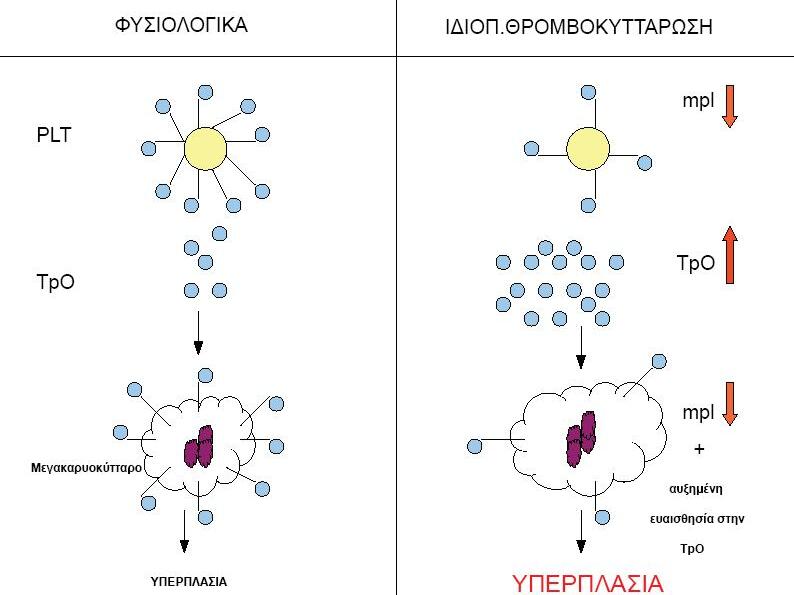
Thrombocytosis is quite a common finding in childhood which usually concerns the clinician. According to its pathophysiology, it is classified into primary and secondary (or reactive). Primary thrombocytosis, which can be of a clonal or a non-clonal nature, is extremely rare in children but could cause quite serious consequences like thrombotic or, paradoxically, bleeding episodes. Secondary thrombocytosis accompanies various conditions, is much more common and is accidentally diagnosed due to its asymptomatic clinical course. In the majority of cases, thombocytosis in children is secondary-reactive; therefore, a “watch and wait” policy is usually followed; diagnosis of any underlying situation should precede the thorough investigation of primary thrombocytosis.
Key words: primary-secondary (reactive) thrombocytosis, childhood
Αλληλογραφία
Βάϊα Παπαγεωργίου
Μητροπόλεως 109
Τ.Κ.: 54622, Θεσσαλονίκη
Τηλ: 2310263351, 6945370923 e-mail: valiapap@yahoo.com
Correspodence
Vaia Papageorgiou
Mitropoloeos 109
Zip code: 546 22, Thessaloniki Tel: 2310263351, 6945370923 e-mail: valiapap@yahoo.com
Κατάλογος
DNA
Τpo
GM-SCF
παράγοντας
IL-6 =
IL-11 =
W
JAK/STAT = Janus Kinase/Signal Transducer and Activation of Transcription
1.
2.
3. Σπληνεκτομή
4.
5. Αιμορραγία
6. Αυτοάνοσα νοσήματα
7.
8. Φάρμακα
9.
10.
Tpo
1. Sutor A. Thrombocytosis in childhood. Semin Thromb Hemost 1995;21:330-9.
2. Blair P, Flaumenhaft R. Platelet alpha-granules: basic biology and clinical correlates. Blood Rev 2009;23:177- 189.
3. Kaushansky K. Determinants of platelet number and regulation of thrombopoi
esis. Hematol 2009;147-152.
4. Wolber E, Dame C, Fahnenstich H, Hofmann D, Bartmann P, Jelkmann W, et al. Expression of the thrombopoietin gene in human fetal and neonatal tissues. Blood 1999;94:97-105.
5. Kaushansky K. Thrombopoietin: the primary regulator of platelet production. Blood 1995;86:419-431.
6. Choi E, Hokom M, Bartley T, Li Y, Ohashi H, Kato T, et al. Recombinant human megakaryocyte growth and development factor (rHuMGDF), a ligand for c-Mpl, produces functional human platelets in vitro. Stem Cells 1995;13: 317-322.
7. Debili N, Wendling F, Katz A, Guichard J, Breton-Gorius J, Hunt P, et al. The Mplligand or thrombopoietin or megakaryocyte growth and differentiative factor has both direct proliferative and differentiative activities on human megakaryocyte progenitors. Blood 1995;86:2516-2525.
8. Cardier J, Dempsey J. Thrombopoietin and its receptor, c-mpl, are constitutively expressed by mouse liver endothelial cells: evidence of thrombopoietin as a growth factor for liver endothelial cells. Blood 1998;98: 923-9.
9. Hey A, Road E. Secondary thrombocytosis. Arch Dis Child 1993;69170-171.
10. Begley C, Basser R. Biologic and structural differences of thrombopoietic growth factors. Semin Hematol 2000;37(2 suppl 4):19-27.
11. Dame C, Sutor A. Primary and secondary thrombocytosis in childhood. B J Haematol 2005;129:165-177.
12. Yohannan M, Higgy K, Al-Mashhadani S, Santhosh-Kumar C. Thrombocytosis. Etiologic analysis of 663 patients. Clin Pediatr (Phila) 1994; 33:340-3.
13. Denton A, Davis P. Extreme thrombocytosis in admissions to paediatric intensive care: no requirment for treatment. Arch Dis Child 2007;92:515-516.
14. Papageorgiou T, Theodoridou A, Kourti M, Nikolaidou S, Athanassiadou F, Kaloutsi V. Childhood essential thrombocytosis. Pediatr Blood Cancer 2006; 47:970-1.
15. Hasle H. Incidence of essential thrombocythaemia in children. Br J Haematol 2000;110:751.
16. Dror Y, Blanchette V. Essential thrombocythaemia in children. Br J Haematol 1999;107:691-8.
17. Li J, Xia Y, Kuter D. The platelet thrombopoietin receptor number and function are markedly decreased in patients with essential thrombocythaemia. Br J Haematol 2000;111:943-953.
18. Horikawa Y, Matsumura I, Hashimoto K, Shiraga M, Kosugi S, Tadokoro S, et al. Markedly reduced expression of platelet c-mpl receptor in essential thrombocythemia. Blood 1997;90:4301-8.
19. Mi J, Blanc-Jouvan F, Wang J, Sotto M, Cousin F, Castinel A, et al. Endogenous megakaryocytic colony formation and thrombopoietin sensitivity of megakaryocytic progenitor cells are useful to distinguish between essential thrombocythemia and reactive thrombocytosis. J Hematother Stem Cell Res 2001;10:405-9.
20. Schafer A. Thrombocytosis: too much of a good thing? Trans Am Clin Climatol Assoc 2002;11368-77.
21. Kikuchi M, Tayama T, Hayakawa H, Takahashi I, Hoshino H, Ohsaka A. Familial
thrombocytosis. Br J Haematol 1995;89:900-2.
22. Stuhrmann M, Bashawri L, Ahmed M, Al-Awamy B, Kühnau W, Schmidtke J, et al. Familial thrombocytosis as a recessive, possibly X-linked trait in an Arab family. Br J Haematol 2001;112:616-620.
23. Skoda R. The Genetic Basis of Myeloproliferative Disorders. Hematol Am Soc Hematol Educ Progr 2007; 1-10.
24. Tefferi A, Thiele J, Vardiman J. The 2008 World Health Organization classification system for myeloproliferative neoplasms: order out of chaos. Cancer 2009;115:38427.
25. Tefferi A. Novel mutations and their functional and clinical relevance in myeloproliferative neoplasms: JAK2, MPL, TET2, ASXL1, CBL, IDH and IKZF1. Leukemia 2010;24:1128-1138.
26. Teofili L, Foa R, Giona F, Larocca L. Childhood polycythemia vera and essential thrombocythemia does their pathogenesis overlap with that of adult patients. Haematologica 2008;93:169-172.
27. Finazzi G, Gregg X, Barbui T, Prchal J. Idiopathic erythrocytosis and other nonclonal polycythemias. Best Pract Res Clin Haematol 2006;19:471-482.
28. Hou M, Andersson P, Stockelberg D, Mellqvist U, Ridell B, Wadenvik H. Plasma thrombopoietin levels in thrombocytopenic states: implication for a regulatory role of bone marrow megakaryocytes. B J Haematol 1998;101:420-424.
29. Wang J, Chen C, Novetsky A, Lichter S, Ahmed F, Friedberg N. Blood thrombopoietin levels in clonal thrombocytosis and reactive thrombocytosis. Am J Med 1998;104:451-455.
30. Harrison C, Bareford D, Butt N, et al. Guideline of investigation and management of adults and children presenting with a thrombocytosis. Br J Hematol 2010;149: 352-375.
31. Murphy S, Peterson P, Iland H, Laszio J. Experience of the Polycythemia Vera Study Group with essential thrombocythemia: a final report on diagnostic criteria, survival, and leukemic transition by treatment. Semin Hematol 1997; 34:29-39.
32. Tefferi A. Recent progress in the pathogenesis and management of essential thrombocythemia. Leuk Res 2001;25:369-377.
33. Randi M, Putti M. Essential thrombocythaemia in children: is a treatment needed? Expert Opin Pharmacother 2004;5:1009-14.
34. Mazzucconi MG, Redi R, Bernasconi S, Bizzoni L, Dragoni F, Latagliata R, et al. A long-term study of young patients with essential thrombocythemia treated with anagrelide. Haematologica 2004;89:1306-13.
35. Scherer S, Ferrari R, Rister M. Treatment of essential thrombocythemia in childhood. Pediatr Heamatol Oncol 2003;20:361-365.
36. Vora A, Lilleyman J. Secondary thrombocytosis. Arch Dis Child 1993;68:88-90.
37. Robey C, Chmel H. Thrombocytosis associated with acute osteomyelitis. Infection 1984;12:384-386.
38. Garoufi A, Voutsioti K, Tsapra H, Karpathios T, Zeis P. Reactive thrombocytosis in children with upper urinary tract infections. Acta Paediatr 2001;90:448-449.
39. Mantadakis E, Tsalkidis A, Chatzimichael A. Thrombocytosis in childhood. Indian
Pediatr 2008;45:669-677.
40. Geddis A, Kaushansky K. Cross-reactivity between erythropoietin and thrombopoietin at the level of Mpl does not account for the thrombocytosis seen in iron deficiency. J Pediatr Hematol Oncol 2003;25:919-920.
41. Gerding R. Kawasaki disease: a review. J Ped Health Care 2011;25:397-87.
42. Chan K, Kaikov Y, Wadsworth L. Thrombocytosis in childhood: a survey of 94 patients. Pediatrics 1989;84:1064-7.
43. Blatt J, Penchansky L, Horn M. Thrombocytosis as a presenting feature of acute lymphoblastic leukemia in childhood. Am J Hematol 1989;31:46-9.
44. Komura E, Matsumura T, Kato T, Al E. Thrombopoietin in Patients with Hepatoblastoma. Stem Cells 1998;16329-333.
45. Davis W, Ross A. Thrombocytosis and thrombocythemia: the laboratory and clinical significance of an elevated platelet count. Am J Clin Pathol 1973;59: 243-7.
46. Bruel H, Chabrolle J, Khoury E el, Poinsot J, Forzi N el, Amusini P, et al. Thrombocytosis and cholestasis in a newborn treated with zidovudine. Arch Pediatr 2001;8:893894.
47. Nako Y, Tachibana A, Fujiu T, Tomomasa T, Morikawa A. Neonatal thrombocytosis resulting from the maternal use of non-narcotic antischizophrenic drugs during pregnancy. Arch Dis Child Fetal Neonatal Ed 2001;84:F198-200.
48. Hanssler L, Roll C. Increased thrombocyte count in newborn infants of drug-dependent mothers. Klin Padiatr 1994;206:55-58.
49. Chen H, Chiou S, Sheen J, Jang R, Lu C, Chang T. Thrombocytosis in children at one medical center of southern Taiwan. Acta Paediatr Taiwan 1999;40:309-313.
50. Edstrom C, Christensen R. Evaluation and treatment of thrombosis in the neonatal intensive care unit. Clin Perinatol 2000;27:623-641.
Μαρία Τσιμπίδα, MD, PhD.
Abstract
Maria Tsimpida, MD, PhD. Paediatric Ophthalmologist, Athens
Abnormal retinal reflex in children
Maria
Tsimpida, MD, PhD.
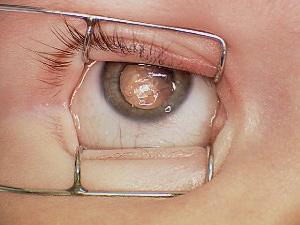
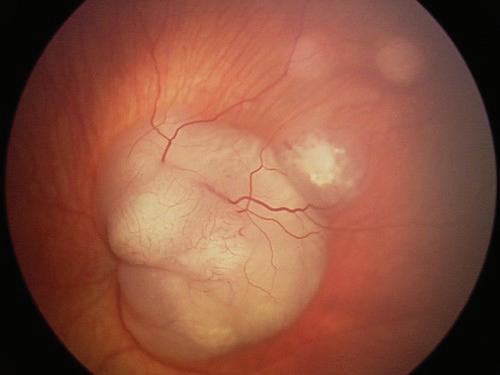
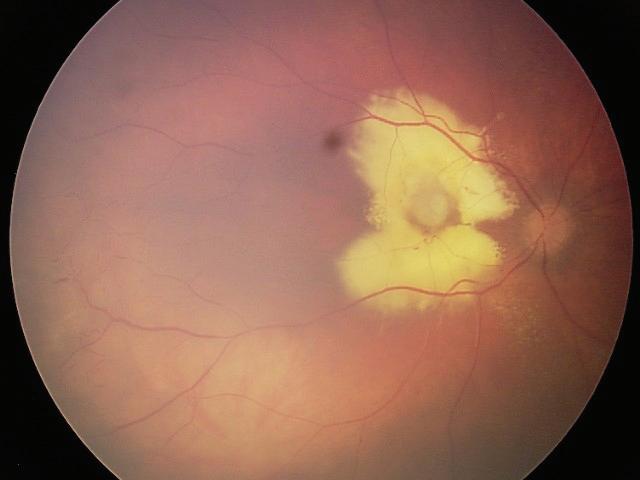
The assessment of the red reflex is a simple and non-invasive clinical examination that can lead to the early diagnosis and treatment of ophthalmic diseases in childhood. The abnormal retinal reflex in the form of leukocoria can be one of the clinical signs of the aforementioned diseases, the most common of which are presented in this article.
Key words: Leukocoria, red reflex assessment, retinoblastoma, congenital cataract, Coats disease
Αλληλογραφία
Μαρία Τσιμπίδα, MD, PhD.
Σκουφά 41, 10673, Αθήνα e-mail: tsimpidam@yahoo.co.uk
Τηλ: 6945708600
Correspodence
Maria Tsimpida, MD, PhD. 41 Skoufa Str, 106 73, Athens e-mail: tsimpidam@yahoo.co.uk
Tel: 00306945708600
Coats:
1. Muen W, Hindocha M, Reddy M. The role of education in the promotion of red reflex assessments. JRSM Short Rep 2010;1:46.
2. Roe LD, Guyton DL. The light that leaks: Bruckner and the red reflex. Surv Ophthalmol 1984;28:665-670.
3. Balmer A, Munier F. Differential diagnosis of leukocoria and strabismus, first presenting signs of retinoblastoma. Clin Ophthalmol 2007;1:431-439.
4. Aerts I, Lumbroso-Le Rouic L, Gauthier-Villars M, Βrisse H, Doz F,Desjardins L. Retinoblastoma. Orphanet J Rare Dis 2006;1:31.
5. Shields JA, Augsburger JJ. Current approaches to the diagnosis and management of retinoblastoma. Surv Ophthalmol 1981;25:347-372.
6. Shields JA, Shields CL, Materin M. Diffuse infiltrating retinoblastoma presenting as a spontaneous hyphema. J Pediatr Ophthalmol Strabismus 2000;37:311-312.
7. Shields JA, Shields CL, Suvarnamani C, Schroeder RP, DePotter P. Retinoblastoma manifesting as orbital cellulitis. Am J Ophthalmol 1991;112:442-449.
8. Shields CL, Shields JA, Shields MB, Augsburger JJ. Prevalence and mechanisms of secondary intraocular pressure elevation in eyes with intraocular tumors. Ophthalmology 1987;94:839-846.
9. Shields JA, Shields CL, Eagle RC, Blair CJ. Spontaneous pseudohypopyon secondary to diffuse infiltrating retinoblastoma. Arch Ophthalmol 1988;106:1301-1302.
10. Smith BJ, O’Brien JM. The genetics of retinoblastoma and current diagnostic testing. J Pediatr Ophthalmol Strabismus 1996;33:120-123.
11. Shields CL, Shields JA, Shah P. Retinoblastoma in older children. Ophthalmology 1991;98:395-399.
12. Spencer WH. Optic nerve extension of intraocular neoplasms. Am J Ophthalmol 1975;80:465-471.
13. Karcioglu ZA, al-Mesfer SA, Abboud E, Jabak MH, Mullaney PB. Workup for metastatic retinoblastoma. A review of 261 patients. Ophthalmology 1997;104:307-312.
14. Abramson DH, Melson MR, Dunkel IJ, Frank CM. Third (fourth and fifth) nonocular tumors in survivors of retinoblastoma. Ophthalmology 2001;108:1868-1876.
15. Rahi JS, Dezateux C. Measuring and interpreting the incidence of congenital ocular anomalies: lessons from a national study of congenital cataract in the UK Invest Ophthalmol Vis Sci 2001;42:1444-1448.
16. Chan WH, Biswas S, Ashworth JL, Lloyd IC. Congenital and infantile cataract: aetiology and management. Eur J Pediatr 2012;171:625-630.
17. Zetterstrom C, Lundvall A, Kugelberg M. Cataracts in children. J Cataract Refract Surg 2005;31:824-840.
18. Ghorbanian S, Jaulim A, Chatziralli IP. Diagnosis and treatment of coats’ disease: a review of the literature. Ophthalmologica 2012;227:175-182.
19. Haines L, Fielder AR, Baker H, Wilkinson AR. UK population based study of severe retinopathy of prematurity: screening, treatment, and outcome. Arch Dis Child Fetal Neonatal Ed 2005;90:F240-244.
20. Hsieh CJ, Liu JW, Huang JS, Lin KC. Refractive outcome of premature infants with or without retinopathy of prematurity at 2 years of age: a prospective controlled cohort study. Kaohsiung J Med Sci 2012;28:204-211.
21. Quinn GE, Dobson V, Kivlin J, Kaufman LM, Repka MX, Reynolds JD et al. Prevalence of myopia between 3 months and 5 1/2 years in preterm infants with and without retinopathy of prematurity. Cryotherapy for Retinopathy of Prematurity Cooperative Group. Ophthalmology 1998;105:1292-1300.
22. Arevalo JF, Espinoza JV, Arevalo FA. Ocular Toxocariasis. J Pediatr Ophthalmol Strabismus 2012:1-11.
23. Goldberg MF. Persistent fetal vasculature (PFV): an integrated interpretation of signs and symptoms associated with persistent hyperplastic primary vitreous (PHPV). LIV Edward Jackson Memorial Lecture. Am J Ophthalmol 1997;124:587626.
Περίληψη
Δέσποινα
Abstract
Despoina Maritsi1
Lydia Kossiva1
Second Department of Academic Pediatrics, “P&A Kyriakou” Children’s Hospital, Goudi, Athens, Greece
Helen Dana2
2. Department of Pediatric Hematology-Oncology, “P&A Kyriakou” Children’s Hospital, Goudi, Athens, Greece
Sarcoidosis in infancy and early childhood; a brief literature review
Despoina Maritsi1, Helen Dana2, Lydia Kossiva1
Sarcoidosis is a multisytemic granulomatous disease of unknown aetiology, which is rarely seen in toddlers and children. Clinical presentation is variable depending on the age of the patient and the organ affected. Two completely different subtypes have been described. Older children are mainly affected by the so-called classic form of sarcoidosis, manifesting with multi-organ involvement and interstitial lung disease associated with hilar lymphadenopathy. Early onset sarcoidosis on the other hand has been described mainly in children aged four years or less and it manifests with the triad of uveitis, arthritis and rash, in the absence of systemic features. Diagnosis is made based on the clinical findings, confirmed by the findings of the tissue biopsy. Treatment incorporates the use of non steroidal anti-inflammatory medications, followed by the use of corticosteroids and immunosuppressive agents. There are limited data regarding the long term outcome in childhood sarcoidosis, however it is well established that early onset of the disease is associated with poorer prognosis.
Key words: Sarcoidosis, Early onset sarcoidosis, Blau syndrome
Αλληλογραφία
Δέσποινα Μαρίτση
Θηβών και Λειβαδίας, Γουδή,
Αθήνα, 11527.
Τηλ.: 2132009000
e-mail: dmaritsi@med.uoa.gr dmaritsi@yahoo.co.uk
Correspodence
Dr. Despoina Maritsi, Thivon & Livadias, Goudi, 115 27, Greece. e-mail: dmaritsi@med.uoa.gr
Σύνδρομο Blau
Early onset sarcoidosis (EOS)
TNF-a = Tumor Necrosis Factor a
HRCT = High Resolution Computer Tomography
MHC = Major Histocompatibility Complex
PGA = Polygranulomatous arthritis
Επιδημιολογία:
1. Shetty AK, Gedalia A: Sarcoidosis in children. Curr Probl Pediatr 2000, 30:149176.
2. Spagnolo P, Grunewald J. Recent advances in the genetics of sarcoidosis. J Med Genet. 2013;50:290-297.
3. Tchernev G, Ananiev J, Cardoso JC, Wollina U, Verma SB, Patterson JW, et al. Sarcoidosis and molecular mimicry--important etiopathogenetic aspects: current state and future directions. Wien Klin Wochenschr. 2012;124:227-238.
4. Rose CD, Martin TM, Wouters CH. Blau syndrome revisited. Curr Opin Rheumatol. 2011;23:411-418.
5. Sfriso P, Caso F, Tognon S, Galozzi P, Gava A, Punzi L. Blau syndrome, clinical and genetic aspects. Autoimmun Rev. 2012 Nov;12:44-51.
6. Martin T, Wouters CH, Meiorin S, Rose CD. Pediatric Granulomatous Arthritis and Card 15 Mutations: a status report on the International Registry. Fourth International Congress of Systemic Autoinflammatory Diseases, November 2005, Bethesda, MD.
7. Blau, E.B. Familial granulomatous arthritis, iritis and rash. J Pediatr. 1985; 107: 689–693.
8. McGrath DS, Daniil Z, Foley P, du Bois JL, Lympany PA, Cullinan P, et al: Epidemiology of familial sarcoidosis in the UK. Thorax 2000; 55:751-754.
9. North, AF, Fink, CW, Gibson, WM, et al. Sarcoid arthritis in children. Am. J. Med. 1970, 48, 449-455.
10. Borzutzky A, Fried A, Chou J, Bonilla FA, Kim S, Dedeoglu F. NOD2-associated diseases: Bridging innate immunity and autoinflammation. Clin Immunol. 2010;134:251-261.
11. Hoffman AL, Milman N, Byg KE: Childhood sarcoidosis in Denmark 1979–1994: incidence, clinical features and laboratory results at presentation in 48 children. Acta Paediatr 2004;93:30-36.
12. Lindsley CB, Petty RE: Overview and report on international registry of sarcoid arthritis in childhood. Curr Rheumatol Rep2000;2:343-348.
13. Baughman RP, Nagai S, Balter M, Costabel U, Drent M, du Bois R, et al. Defining the clinical outcome status (COS) in sarcoidosis: results of WASOG Task Force. Sarcoidosis Vasc Diffuse Lung Dis. 2011;28:56-64.
14. McGrath DS, Daniil Z, Foley P, du Bois JL, Lympany PA, Cullinan P et al. Epidemiology of familial sarcoidosis in the UK. Thorax. 2000;55:751-754.
15. Sverrild A, Backer V, Kyvik KO, Kaprio J, Milman N, Svendsen CB, et al. Heredity in sarcoidosis: a registry-based twin study. Thorax. 2008;63:894-896.
16. Morais A, Lima B, Peixoto MJ, Alves H, Marques A, Delgado L.BTNL2 gene polymorphism associations with susceptibility and phenotype expression insarcoidosis. Respir Med 2012 ;106:1771-1777.
17. Agostini, C., Meneghin, A., Semenzato, G. T lymphocytes and cytokines in sarcoidosis. Curr. Opin. Pulmonol Med 2002; 8: 435-440.
18. Ziegenhagen MW, Muller-Quernheim J: The cytokine network in sarcoidosis and its clinical relevance. J Intern Med 2003;253:18-30.
19. Shigehara K, Shijubo N, Ohmichi M, Takahashi R, Kon S, Okamura H, et al: IL-12 and IL-18 are increased and stimulate INF-γ production in sarcoid lung. J Immunol 2001; 166:642-649.
20. Merten DF, Kirks DR, Grossman H: Pulmonary sarcoidosis in children. Am J Roentgenol 1980; 135:673-679.
21. Nocton JJ, Stork JE, Jacobs G, Newman AJ: Sarcoidosis associated with nephrocalcinosis in young children. J Pediatr 1992; 121:937-940.
22. Yanardağ H, Pamuk ON, Karayel T. Cutaneous involvement in sarcoidosis: analysis of the features in 170 patients.Respir Med 2003;97:978-982.
23. Umur KA, Tayfun B, Oguzhan O. Different ophthalmologic manifestations of sarcoidosis. Curr Opin Ophthalmol 2012;23:477-484.
24. Beneteau-Burnat B, Baudin B, Morgant G, Baumann FC, Giboudeau J: Serum angiotensin converting enzyme activity in normal children and in those with sarcoidosis. Clin Chem 1990;36:344-346.
25. Mallory SB, Paller AS, Ginsburg BC, McCrossin ID, Abernathy R: Sarcoidosis in
children: differentiation from juvenile rheumatoid arthritis. Pediatr Dermatol 1987; 4:313-319.
26. White ES, Lynch JP Jr: Current and emerging strategies for the management of sarcoidosis. Expert Opin Pharmacother 2007;8:1293-1311.
27. Gedalia A, Molina JF, Ellis GS Jr, Galen W, Moore C, Espinoza LR: Low-dose methotrexate therapy for childhood sarcoidosis. J Pediatr 1997;130:25-29.
28. Russell E, Luk F, Manocha S, Ho T, O’Connor C, Hussain H. Long term follow-up of infliximab efficacy in pulmonary and extra-pulmonary sarcoidosis refractory to conventional therapy. Semin Arthritis Rheum. 2013 (Epub ahead of print).
29. Marcille R, McCarthy M, Barton JW, Merten DF, Spock A: Long term outcome of pediatric sarcoidosis with emphasis on pulmonary status. Chest 1992;102:1444-1449.
30. Hafner R, Vogel P: Sarcoidosis of early onset. A challenge for the pediatric rheumatologist. Clin Exp Rheumatol 1993;11:685-691.
31. Fretzayas A, Moustaki M, Vougiouka O. The puzzling clinical spectrum and course of juvenile sarcoidosis. World J Pediatr. 2011;7:103-110.
Abstract
Meropi Tzoufi1
Iliada Nakou1
Stefania Makariou1
Antigone Siamopoulou - Mavridou1
Pediαtric Department
Margarita Papassava2
Vasilios Giapros2
Neonatal Intensive Care Unit (NICU)
Helen Bairaktari3
Biochemical Laboratory, Univer-
sity General Hospital of Ioannina
Thyroid dysfunction in children with epilepsy under valproic sodium treatment
Meropi Tzoufi1, Margarita Papassava2, Iliada Nakou1, Stefania Makariou1, Vasilios Giapros2, Helen Bairaktari3, Antigone Siamopoulou - Mavridou1
Introduction: Valproic acid (VPA) is the most common and widely used antiepileptical drug in children, usually well tolerated. There are conflicting reports in the literature about its influence on thyroid function. The aim of the study was to evaluate the influence of VPA administration on thyroid function of children with epilepsy. Patients and Methods: In 224 children who receive VPA as monotherapy (Group Α) and 84 children who receive VPA as part of polytherapy (Group Β), we reviewed levels of serum thyroid stimulating hormone (TSH), thyroid hormones and antithyroidal antibodies, before and during the duration of therapy. VPA serum levels were within therapeutic range (50-100 ng/ml).
Results: Thyroid function and TSH levels were within normal limits before starting therapy (2 patients had high levels of TSH, one of them already receiving substitu-
Αλληλογραφία
Μερόπη Τζούφη
Iωάννινα, 45 110, Ελλάδα
Tel: 2651007302, 2651007546
Fax: 2651007038
e-mail: mtzoufi@cc.uoi.gr
Correspodence
Meropi Tzoufi
Ioannina, 45 110, Greece
Tel:+302651007302, +302651007546
Fax: +302651007038
e-mail: mtzoufi@cc.uoi.gr
tion therapy). In 59 patients (39 of Group A, and 20 of Group B), with duration of therapy from 1 to 8 years, an increase of TSH levels was found (>5 μΙU/ml). Most patients presented with spontaneous return of TSH values within normal limits after 1-3 months, while substitutional therapy with thyroxine was administered to 16 patients (the symptomatic ones and those with TSH>10 μIU/ml - 9 from Group A and 7 from Group B).
Conclusion: VPA seems to induce transitory, usually subclinical hypothyroidism, in several patients. Thyroidal function should be followed up closely in these patients before and during therapy, although substitutional therapy indications are still vague.
Key words: thyroid function, valproic acid, hypothyroidism, childhood epilepsy
Lane Handbook, 17th
(17,4%)
(3,5%)
(5%)
(2,5%)
(23,8%)
(4,7%)
(0%)
(0%)
1) TSH
2) TSH 0-1 έτος
3) TSH > 1 έτος
(μIU/ml) ±SD 2,55±0,82 4,88±1,79
vs C: p=0,0001 3,98±2,43
vs C: p=0,0002 2,66±0,98 5,3±2,2 B vs C, p<0,0001 4,47±2,56
vs C, p<0,0001
(1) A vs B: p=0,375, A vs C: p=0,824, B vs C, p= 0,607, (2)A vs B: p=0,0017, A vs C: p=0,0001, B vs C, p<0,0001, (3) A vs B: p=0,685, A vs C: p=0,0002, B vs C, p<0,0001
1) fT4 προ αγωγής (ng/dl) ± SD
2) fT4 0-1 έτος αγωγής (ng/dl) ± SD
3) fT4 >1 έτος αγωγής (ng/dl) ± SD 1,08±0,19
1,05±0,22 A vs C: p<0,0001
0,97±0,23
A vs C: p<0,0001
1,31±0,88
0,97±0,23 B vs C, p<0,0001
0,97±0,48 B vs C, p<0,0001
(1)A vs B: p=0,0377, A vs C: p=0,0019, B vs C, p= 0,7200, (2) A vs B: p=0,1304, A vs C: p<0,0001, B vs C, p<0,0001, (3) A vs B: p=0,9592, A vs C: p<0,0001, B vs C, p<0,0001
1) ΤΤ3 προ αγωγής (ng/dl) ± SD
2) ΤΤ3 0-1 έτος αγωγής (ng/dl) ± SD
3) ΤΤ3 >1 έτος αγωγής (ng/dl) ± SD
1,12±0,25
1,53±1,49 A vs C: p=0,63
1,34±0,35 A vs C: p=0,9
1,18±0,31
1,28±0,34 B vs C: p=0,51
1,38±0,33 B vs C: p=0,11
1,44±0,32
1,44±0,32
1,44±0,32
(1)A vs B: p=0,37, A vs C: p<0,0001, B vs C:p=0,0005 , (2)A vs B: p=0,27, A vs C: p=0,63, B vs C:p=0,51, (3) A vs B: p=0,68, A vs C: p=0,9, B vs C: p=0,11
1. Tanaka K, Yaokoyama S, Κomatsy Μ, Konishi H, Momota K, Matsuo T. Thyroid function in children with long-term anticonvulsant treatment. Pediatr Neurosci 1987; 13 (2): 90-94.
2. Isojärvi JI, Pakarinen AJ, Myllylä VV. Thyroid function with antiepileptic drugs. Epilepsia. 1992; 33(1):142-148.
3. Rao P, Madhav Natu S, Mati Goel M, Ali B. Valproate-induced subclinical hypothyroidism. J Neuropsychiatry Clin Neurosci. 2008; 20(1):111-112.
4. Eirís - Puñal J, Del Río - Garma M, Del Río - Garma MC, Lojo - Rocamonde S, NovoRodríguez I, Castro - Gago M. Long-term treatment of children with epilepsy with valproate or carbamazepine may cause subclinical hypothyroidism. Epilepsia. 1999; 40(12):1761-1766.
5. Verrotti A, Basciani F, Morresi S, Morgese G, Chiarelli F. Thyroid hormones in epileptic children receiving carbamazepine and valproic acid. Pediatr Neurol. 2001; 25(1):43-46.
6. Verrotti A, Di Corcia G, Trotta D, Chiarelli F. Thyroid function in children treated with antiepileptic drugs: effects of treatment withdrawal. Ital J Pediatr 2003; 29:242-246.
7. Vainionpää LK, Mikkonen K, Rättyä J, Knip M, Pakarinen AJ, Myllylä VV, et al. Thyroid function in girls with epilepsy with carbamazepine, oxcarbazepine,or valproate monotherapy and after withdrawal of medication. Epilepsia 2004; 45(3):197-203.
8. Cansu A, Serdaroğlu A, Camurdan O, Hirfanoğlu T, Bideci A, Gücüyener K. The evaluation of thyroid functions, thyroid antibodies, and thyroid volumes in children with epilepsy during short-term administration of oxcarbazepine and valproate. Epilepsia 2006;47(11):1855-1859.
9. Hirfanoglu T, Serdaroglu A, Camurdan O, Cansu A, Bideci A, Cinaz P,et al. Thyroid function and volume in epileptic children using carbamazepine, oxcarbazepine and valproate. Pediatr Int. 2007; 49(6):822-826.
10. Castro-Gago M, Novo-Rodríguez MI, Gómez-Lado C, Rodríguez-García J, Rodríguez-Segade S, Eirís-Puñal J. Evolution of subclinical hypothyroidism in children treated with antiepileptic drugs. Pediatr Neurol. 2007; 37(6): 426-430.
11. Mikati MA, Tarabay H, Khalil A, Rahi AC, El Banna D, Najjar S. Risk factors for development of subclinical hypothyroidism during valproic acid therapy. J Pediatr 2007; 151(2):178 - 181.
12. Verrotti A, Laus M, Scardapane A, Franzoni E, Ciarelli F. Thyroid hormones in children with epilepsy during long- term administration of carbamazepine and valproate. Eur J Endocrinol 2009;160 (1): 81- 86.
13. Caksen H, Dulger H, Cesur Y, Odabas D, Tuncer O, Atas B. No effect of longterm valproate therapy on thyroid and parathyroid functions in children. Intern J Neurosci 2002; 112:1371- 1374.
14. Attilakos A, Katsarou E, Prassouli A, Mastroyanni S, Voudris K, Fotinou A, et al. Thyroid function in children with epilepsy treated with sodium valproate monotherapy: a prospective study Clinical Neuropharm 2009; 32:32-34.
15. Sahu J, Gulati S, Kabra M, Arya R, Sharma R, Gupta N, et al. Evaluation of subclinical hypothyroidism in ambulatory children with controlled epilepsy on valproate monotherapy. J Child Neurology 27 (5) 594-597.
16. Kim SH, Chung HR, Kim SH, Lim BL, Chae JH, Kim KJ, et al. Subclinical hypothyroidism during valproic acid therapy in children and adolescents with epilepsy. Neuropediatrics 2012; 43 (3):135-139.
17.Augun F, Ekili B, Aydinli N, Aydin BK, Bas F, Tatli B. Thyroid hormones in children on antiepileptic therapy. Int J Neurosci. 2012 ;122 (2):69-73.
18.
Crown Plaza, Αθήνα, 1213 Δεκεμβρίου 2009, ΑΑ 05: σελ30.
19. Deepak K, Nikhil T Overt and subclinical hypothyroidism: Who to treat and how. Therapy in practice 2012; 72 (1):17-33.
20. Fatourechi V. Subclinical hypothyroidism: how should it be managed? Treat Endocrinol. 2002; 1 (4): 211-216.
21. Surks MI, Ortiz E, Daniels GH, Sawin CT, Col NF, Cobin RH, etal. Subclinical thyroid disease: scientific review and guidelines for diagnosis and management. JAMA 2004;291(2):228-238.
22.Villar HC, Saconato H,Valente O, Atallah AN. Thyroid hormone replacement for subclinical hypothyroidism. Cochrane Database Syst Rev 2007; 18 (3):CD003419.
23. Loscher W, Schmidt D. Increase of human plasma GABA by sodium valproate. Epilepsia 1980;21 (6) :611-615.
Abstract
Papadopoulou Magdalini, MSC Pediatrician - Neonatologist, Registrar NICU, General Hospital of Nikaia “Agios Panteleimon”, Piraeus
The use of barcodes in health
Papadopoulou Magdalini, MSC
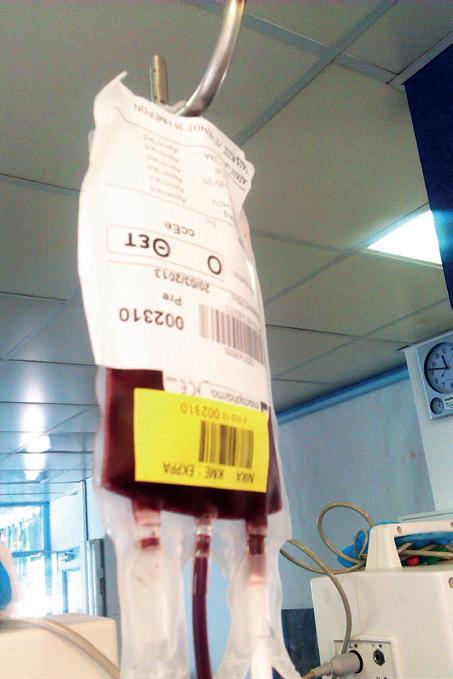
The use of barcodes in health can bring many benefits to the health care systems and their users. A new technological application from the field of trade is to penetrate with great success in the health sector with the ultimate aims to improve procedures in hospitals to ensure better quality and speed in health services to reduce the workload of health professionals to reduce medical errors, to ensure patient health, to reduce the pharmaceutical costs and wasteful economic costs of hospital units.
Keywords: Bar codes, Health, Medical Errors, Hospital Units, Medicines
Αλληλογραφία
Μαγδαληνή Παπαδοπούλου Ριζούντος 90, Τ.Κ. 167 77, Ελληνικό, Αθήνα
τηλ.: 6974753589
e-mail: magpapadopoulou@ yahoo.gr
Correspodence
Magdalini Papadopoulou
Rizoudos 90, 167 77, Elliniko, Athens
Tel: 6974753589
E-mail: magpapadopoulou@ yahoo.gr
Τεχνολογία Barcode
cation and Data Capture - AIDC) (2)
EAN 13 (European Article Numbering), EAN 8, EAN 128, UPC (Universal Product Code), ITF, ISBN (International Standard Book Numbering), ISSN (International Standard Serial Numbering), PDF 417, CODE 39 (6).
(US Food and Drug Administration - FDA),
eration of American Hospitals - FAH),
(Fed
(National Coordinating Council for Medication Error Reporting - NCCMERP)
(American Society of Health - System Pharmacists - ASHP).
Joint Commission On Accreditation of Healthcare Organizations - JCAHO)
2.
3.
4. αυτοματοποίηση
1. Нealth Industry Business Communications Council. Implementation Guide for the Use of Bar Code Technology in Healthcare; 2003: http://www.mckesson. com/static_files/McKesson.com/CorpBrand/Medication%20Safety/Implementation_guide.pdf
2.
3. Ellram L, LaLonde B, Weber MM. Retail Logistics. International Journal of Physical Distribution and Logistics Management 1999; 29: 477-494.
4. Παπαβασιλείου Ν, Μπάλτας Γ. Διοίκηση Δικτύων Διανομής & Logistics, Αθήνα: Εκδόσεις Rosili. 2003, σελ. 159.
5. Αρβανιτογιάννης ΙΣ, Τζούρος Ν. Το νέο πρότυπο ποιότητας & ασφάλειας τροφίμων ISO 22000. Παρουσίαση & Ερμηνεία, Αθήνα: Εκδόσεις Σταμούλης, 2006, σελ. 143.
6. Μπερέτας Ι. Αυτοματισμός με
PLC, Αθήνα:
7. Bucklin R, Gupta S. Commercial Use of UPC Scanner Data: Indurty and Academic Perspectives. Marketing Science 1999; 18: 247-273.
8. Seideman Τ. Bar Codes Sweep the World. American Heritage of Invention and Technology, 1993; 8: 1-5.
9. Byrd-Bredbenner C, Bredbenner C. Assessing the home food environment nutrient supply using mobile barcode (Universal Product Code) scanning technology. Nutrition & Food Science 2010; 40: 305-313.
10. U.S. FDA. FDA to require bar coding of most pharmaceuticals by mid-2006. Am J Health Syst Pharm 2004; 61:644–645.
11. American Society of Health-System Pharmacists. ASHP Patient Concerns National Survey Research Report, 1999: http://www.ashp.org/pr/survey.cfm?cfid=21 604385&CFToken=49077124
12. American Society of Health-System Pharmacists. ASHP Patient Concerns National Survey Research Report, 1999: http://www.ashp.org/pr/survey.cfm?cfid=216 04385&CFToken=49077124.
13. Healthcare Information and Management Systems Society, Vantage Point, 2004; 1: http://www.himss.org/vantagepoint.
14. World Health Organization. Promoting safety of medicines for children, 2007: http://www.who.int/medicines/publications/essentialmedicines/Promotion_safe_ med_childrens.pdf.
15. Holden RJ, Brown RL, Alper SJ, Scanlon MC, Patel NR, Karsh BT. That’s nice, but what does IT do? Evaluating the impact of Barcoded medication administration by measuring changes in the process of care. Int J Ind Ergon 2011; 4:370-379.
16. Holden RJ, Brown RL, Scanlon MC, Karsh BT. Pharmacy workers’ perceptions and acceptance of bar-coded medication technology in a pediatric hospital. Res Social Adm Pharm. 2012; 8:509-22.
17. Healthcare Information and Management Systems Society, RFID and Prescription Medication Dispensing, Vantage Point, 2004: http://www.himss.org/content/ files/vantagepoint/pdf/vantagepoint_1203.pdf.
18. Chua RV, Cordell WH, Ernsting KL, Bock HC, Nyhuis AW. Accuracy of Barcodes versus handwriting for recording trauma resuscitation events. Ann Emerg Med. 1993; 22:1545-50.
19. Sansgiry S, Dwibedi N, Frost C, Dasgupta A, Doan T, Johnson M, Tipton J, Jacob S, Schanafelt C, Snippy A, PHP84 outcomes of bedside-barcode technology intervention on medication administration time in an intensive care unit. Value in Health, 2010; 13: A97.
20. Johansson P., Petersson G., Nilsson G., Personal digital assistant with a barcode reader - A medical decision support system for nurses in home care. International Journal of Medical Informatics. 2010; 79: 232-242.
21. Tsai SL, Sun YC, Taur FM, Comparing the working time between Bar-Code Medication Administration system and traditional medication administration system: An observational study, International Journal of Medical Informatics. 2010; 79: 681689.
22. Patterson ES, Cook RI, Render ML. Improving patient safety by identifying side effects from introducing bar coding in medication administration. J Am Med Inform Assoc. 2002; 9: 540-553.
23. U.S. FDA. Federal Register: Bar Code Label Requirement for Human Drug Products and Blood. 2003: www.fda.gov/OHRMS/DOCKETS/98fr/03-5205.pdf.
24. Wideman MV, Whittler ME, Anderson, TM. Barcode Medication Administration: Lessons Learned from an Intensive Care Unit Implementation. Advances in Patient Safety, 2005; 3: 437-451.
25. Joint Commission on Accreditation of Health Care Organizations: National Patient Safety Goals. 2003: http://www.jcaho.org/accredited+organizations/ patient+safety/npsg/npsg_03.htm.
26. Joint Commission on Accreditation of Healthcare Organizations. Joint Commission Announces Patient Safety Goals. 2002: http://www.jcaho.org/news+room/ news+release+archives/npsg.htm.
27. ΓΎ/149/12 (ΦΕΚ 545/ΕΓ/1-3-2012) Υπουργική
545, 1
2012.
28. Κωλέτης Θ.
2009; 357: 12-13.
29. Νοσοκομείο
2013: http://www.aglaiakyriakou.gr/hospital_e.html.
Abstract
Michailidou Elisavet
Antoniou Antonia
Jοhn Th. Kavaliotis
Paediatric Department, Infectious Diseases Hospital, Thessaloniki, Greece
Aseptic meningitis due to west nile virus in a 12-year old child
Michailidou Elisavet, Antoniou Antonia, Jοhn Th. Kavaliotis
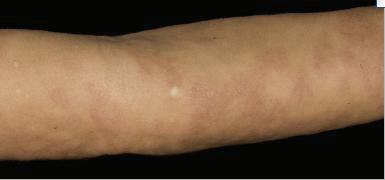
We describe a case of aseptic meningitis secondary to West Nile virus (WNV) infection in a 12 year-old girl, the first one to be reported in Greece. The patient presented with febrile exanthematous disease, accompanied by malaise and neck pain. Diagnosis was made while investigating for the cause of the aseptic meningitis. Treatment was supportive and the patient recovered uneventfully.
Keywords: West Nile virus, aseptic meningitis, child, Greece
Αλληλογραφία
546
Τηλ.: 2313308745
e-mail: elisam@otenet.gr
Correspodence
Ε. Μichailidou
Paediatric Department
Infectious Diseases Hospital
13 Gr. Lampraki St. 546 38 Thessaloniki
tel.: 00302313308745
e-mail: elisam@otenet.gr
10.040 mm3 (Πολυμορφοπύρηνα 55%), Ηb 14,7 g/dl, Αιμοπετάλια 181000 mm3, TKE 24 mm, CRP 0,42mg/dl, SGOT 31U/lt, SGPT 25U/lt, Na 140 mEq/L, K 5 mEq/L, Γεν. Ούρων: κφ.
76 mm3,
57 mg/dl,
67 mg/dl.
Herpes Simplex, Varicella-Zoster, Echo, Coxsackie
1. J. R. Romero. B. West Nile Virus, Feigin and Cherry;s Textbook of Pediatric Infectious Diseases: Expert Consult, 2009 SAUNDERS, Elsevier, p.2331-2342.
2. West Nile Virus, American Academy of Pediatrics, Red Book : 2012 Report of the Committee on Infectious Diseases Pickering LK, ed. 29th ed. Elk Grove Village, IL: American Academy of Pediatrics; 2012 p.792-795.
3. Antoniadis A, Alexiou-Daniel S, Malisiovas N, Doutsos I, Polyzoni T, Leduc JW, et al. Seroepidemiological survey for antibodies to arboviruses in Greece Arch Virol. 1990;Suppl1:277-85.
4.
ΚΕΕΛΠΝΟ, www.keelpno.gr.
5. K. Danis, A. Papa, G. Theocharopoulos, G. Dougas, M. Athanasiou, M. Detsis, A. Baka, Th. Lytras, K. Mellou, St. Bonovas, and T. Panagiotopoulos, Outbreak of West Nile Virus Infection in Greece, 2010, Emerging Infectious Diseases• www.cdc.gov/ eid • Vol. 17, No. 10, October 2011, 1868-1872.
6. A Papa, K Danis, A Baka, A Bakas, G Dougas, T Lytras, G Theocharopoulos, D Chrysagis, E Vassiliadou, F Kamaria, A Liona, K Mellou, G Saroglou, T Panagiotopoulos, Ongoing outbreak of West Nile virus infections in humans in Greece, July – August 2010 Euro Surveill. 2010;15(34):pii=19644. Available online: http://www. eurosurveillance.org/ViewArticle.aspx?ArticleId=19644.
7. West Nile virus infection outbreak in humans in Romania October 2010 Joint ecdc/who regional office for europe mission report, www.ecdc.europa.eu.
8. M. N. Kantzanou, Z. M. Moschidis, G. Kremastinou, S. Levidiotou, A. Karafoulidou C. Politis, O. Marantidou, L. Kavallierou, A. Kaperoni, C. Veneti & A. Hatzakis Searching for West Nile virus (WNV) in Greece Transfusion Medicine, 2010, 20, 113-117.
9. West Nile Virus, www.cdc.gov /ncidod/dvbid/westnile/clinicians.
10.
(West Nile Virus)
A patient with a-mannosidosis
Vargiami Efthimia1 , Zafeiriou I. Dimitrios1, Batzios Spiridon1, A. Anastasiou2, Badouraki Maria2, E. Dimitriou3, Michelakaki Eleni 3
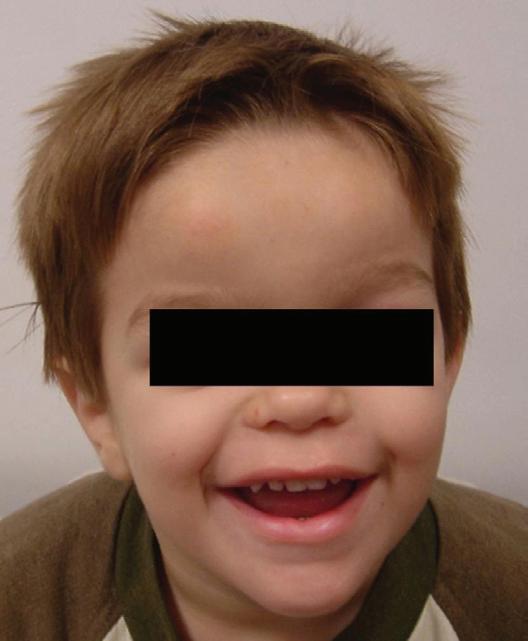
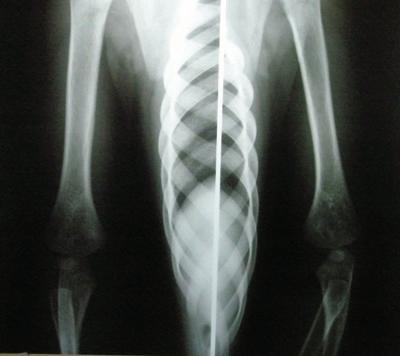
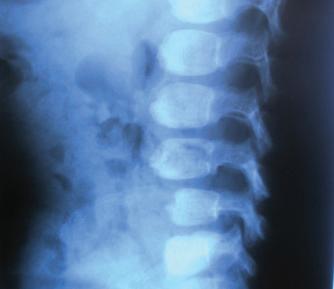
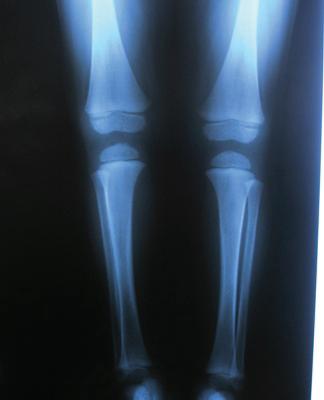
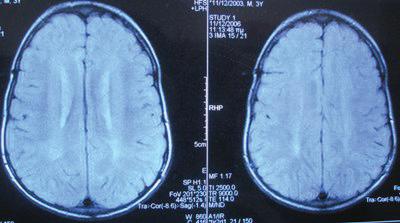
Mannosidosis-a is a deficiency of a-mannosidase inherited by an autosomal recessive trait1. The first case was published by Ockerman in 19672. Since then over 130 cases have been reported. Mannosidosis-a is characterized by storage of mannose-rich oligosaccharides in numerous organs throughout the body1. The clinical expression varies considerably. We describe a patient with mannosidosis-a and review the literature.
Αλληλογραφία
Τηλ.: 2310892470
Fax: 2310892439
e-mail: keva@med.auth.gr
Correspodence
Efthymia Vargiami
Dorilaiou 3, Kalamaria, Thessaloniki, Greece
55133
Tel: 2310892470
Fax: 2310892439
e-mail: keva@med.auth.gr
Vargiami Efthimia1
Zafeiriou I. Dimitrios1
Batzios Spiridon1
1st Pediatric Clinic, Aristotle University of Thessaloniki
A. Anastasiou2
Badouraki Maria2 Department of Radiology, Ippokratio Hospital of Thessaloniki
E. Dimitriou3
Michelakaki Eleni 3 Institute of Child Health, Athens, Greece
1. Bennet JK, Dembure PP, Elsas LJ. Clinical and biochemical analysis of two families with type I and type II mannosidosis. Am J Med Genet 1995; 55:21–26.
2. Ockerman PA. A generalized storage disorder resembling Hurlers syndrome. Lancet 1967; II: 239–241.
3. Dag Malm, Øivind Nilssen. Alpha-mannosidosis. Orphanet Journal of Rare Diseases 2008; 3:21-31.
4. Ockerman PA. Mannosidosis: isolation of oligosaccharide storage material from brain. J Pediatr 1969; 75:360-365.
5. HUE-MAN. Towards the Development of an Effective Enzyme Replacement Therapy for Human á-Mannosidosis. 2006 [http://www.uni-kiel.de/Biochemie/hueman/].
6. Berg T, Riise HM, Hansen GM, Malm D, Tranebjaerg L, Tollersrud OK et al. Spectrum of mutations in alpha-mannosidosis. Am J Hum Genet 1999; 64:77-88.
7. Malm D, Nilssen O. Alpha-Mannosidosis. GeneReviews. Medical Genetics Information Resource [Database online] 2006 [http:// www.geneclinics.org/].
8. Malm D, Tollersrud OK, Tranebjaerg L, Mansson JE. Alpha-mannosidosis. Tidsskr Nor Laegeforen 1995; 115:594-597.
9. Meikle PJ, Ranieri E, Simonsen H, Rozaklis T, Ramsay SL, Whitfield PD et al. Newborn screening for lysosomal storage disorders: clinical evaluation of a two-tier strategy. Pediatrics 2004; 114:909-916.
10. Halperin JJ, Landis DM, Weinstein LA, Lott IT, Kolodny EH. Communicating hydrocephalus and lysosomal inclusions in mannosidosis. Arch Neurol 1984, 41:777779.
11. DeFriend DE, Brown AE, Hutton CW, Hughes PM. Mannosidosis: an unusual cause of a deforming arthropathy. Skeletal Radiol 2000: 29:358-361.
12. Gerards AH, Winia WP, Westerga J, Dijkmans BA, van Soesbergen RM. Destructive joint disease in alpha-mannosidosis. A case report and review of the literature. Clin Rheumatol 2004: 23:40-42.
13. Ahmmed AU, O’Halloran SM, Roland NJ, Starkey M, Wraith JE. Hearing loss due to mannosidosis and otitis media with effusion. A case report and review of audiological assessments in children with otitis media with effusion. J Laryngol Otol 2003; 117:307-309.
14. Ara JR, Mayayo E, Marzo ME, Guelbenzu S, Chabás A, Pina MA et al. Neurological impairment in alpha-mannosidosis: a longitudinal clinical and MRI study of a brother and sister. Childs Nerv Syst 1999; 15:369-371.
15. Dietemann JL, Filippi de la Palavesa MM, Tranchant C, Kastler B. MR findings in mannosidosis. Neuroradiology 1990;32:485-487.
16. Malm D, Pantel J, Linaker OM. Psychiatric symptoms in alphamannosidosis. J Intellect Disabil Res 2005; 49:865-871.
17. Sedel F, Baumann N, Turpin JC, Lyon-Caen O, Saudubray JM, Cohen D. Psychiatric manifestations revealing inborn errors of metabolism in adolescents and adults. J Inherit Metab Dis 2007;631-641.
18. Malm D, Halvorsen DS, Tranebjaerg L, Sjursen H. Immunodeficiency in alphamannosidosis: a matched case-control study on immunoglobulins, complement factors, receptor density, phagocytosis and intracellular killing in leucocytes. Eur J Pediatr 2000; 159:699-703.
19. Michalski JC, Klein A. Glycoprotein lysosomal storage disorders: alpha- and beta-mannosidosis, fucosidosis and alpha-Nacetylgalactosaminidase deficiency. Biochim Biophys Acta 1999; 1455:69-84.
20. Zanetta JP, Bonaly R, Maschke S, Strecker G, Michalski JC. Differential binding of lectins IL-2 and CSL to candida albicans and cancer cells. Glycobiology 1998; 8:221-225.
21. Green RS, Stone EL, Tenno M, Lehtonen E, Farquhar MG, Marth JD. Mammalian N-glycan branching protects against innate immune self-recognition and inflammation in autoimmune disease pathogenesis. Immunity 2007; 27:308-320.
22. Malm D, Klenow H, Nilssen O, Kuroda Y. Sisters with alpha-mannosidosis and systemic lupus erythematosus. Eur J Pediatr 2004; 163:192-195.
23. Segoloni GP, Colla L, Messina M, Stratta P. Renal transplantation in a case of mannosidosis. Transplantation 1996;61:1654-1655.
24. Malm D, Nilssen. Αlpha-Mannosidosis. In: Pagon RA, Bird TD, Dolan CR, Stephens K, Adam MP, editors. Gene Review. Seattle (WA): University of Washington, Seattle; 1993-2001 Oct 11 [updated 2012 May 03].
25. Antuzzi D, Parini R, Spaccini L, Bembi B, Beccari T. Identification and characterization of five novel MAN2B1 mutations in Italian patients with alpha-mannosidosis. Hum Mutat 2005;25:320.
26. Pittis MG, Montalvo AL, Heikinheimo P, Sbaragli M, Balducci C, Persichetti E et al. Funtional characterization of four novel MAN2B1 mutations causing juvenile onset alpha-mannosidosis. Clin Chim Acta 2007;375:136-139.
27. KA, Davies SM, Wenger DA, Rimell FL, Abel S, Grovas AC, Orchard PJ et al. Effective treatment of alpha-mannosidosis by allogeneic hematopoietic stem cell transplantation. J Pediatr 2004; 144:569-573.
28. Wall DA, Grange DK, Goulding P, Daines M, Luisiri A, Kotagal S. Bone marrow transplantation for the treatment of alphamannosidosis. J Pediatr 1998; 133:282285
29. Crawley AC, King B, Berg T, Meikle PJ, Hopwood JJ. Enzyme replacement therapy in alpha-mannosidosis guinea-pigs. Mol Genet Metab 2006; 89:48-57.
Jean-Stephane Valla
Άννα
Jean-Stephane Valla Παιδοχειρουργικό
Abstract
Anna Poupalou
Jean-Stephane Valla
Department of Pediatric Surgery, Lenval Hospital, Nice, France
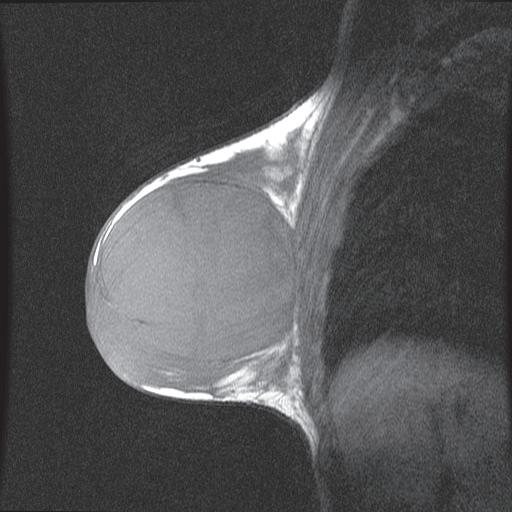
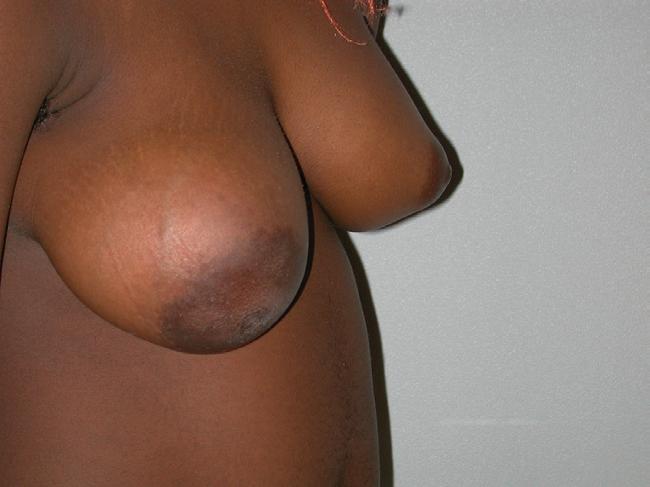
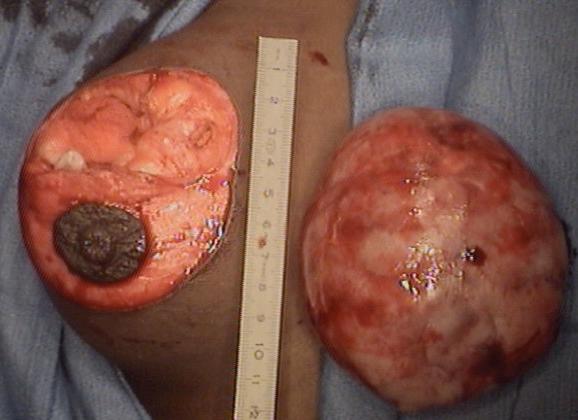
Huge breast mass in a 13-years-old girl: phyllodes tumour or giant fibroadenoma?
Anna Poupalou, Jean-Stephane Valla
Introduction: Giant fibroadenoma (GF) is a rare benign breast tumour that is found mainly in adolescents and that must be distinguished from the Phyllodes Tumour (PTs), which can be malignant.
Material and methods: To increase awareness of the disorder, we present one case of pubertal female with Phyllodes Tumour (PTs). Clinical history, radiological investigations, operative procedure, pathology, and follow-up notes are reported.
Conclusions: Ultrasonography and magnetic resonance imaging can aid in diagnosis but histological examination is frequently necessary to define the pathology and exclude malignancy. Resection of GF and PTs is essential as they enlarge to the point of causing psychosocial discomfort and mass effects. A prompt surgical excision is required with regard to the best possible cosmetic outcome.
Key words: Breast, adolescent, phyllodes tumour, giant fibroadenoma
Αλληλογραφία Άννα Πουπάλου 149 rue de Sèvres, 15eme arrondissement, Paris. Chirurgie viscerale (prof. Revillon), 4eme etage.
Τηλ: 0-688275411 (Γαλλία, κωδικός 0033), 6944500865 (Έλλαδα) e-mail: apoupalou@gmail.com
Διεύθυνση Ελλάδας: Μυκόνου 3-5, 157 72, Ζωγράφου, Αθήνα
Correspodence
1. Park C.A., David L.R., Argenta L.C. Breast Asymmetry: Presentation of a Giant Fibroadenoma Breast J 2006 12(5):451-61
2. De Silva N. K., Brandt M. L. Disorders of the Breast in Children and Adolescents, Part 2: Breast Masses. J Pediatr Adolesc Gynecol (2006) 19:415e418
3. Moore R. L., Mungaraa A., Shayanb K., Wallacea A. M. Bilaterally symmetric juvenile fibroadenomas and tubular breast deformity in a prepubescent girl J Pediatr Surg 2007. 42:1133-1136
4. Uygur F., Yiğitler C. Rare Juvenile Giant fibroadenoma. The Journal of Breast Health 2009 (3):164-166
5. Amerson JR. Cystosarcoma phyllodes in adolescent females: A report of seven patients. Ann Surg 1970; 171: 849-856
6. Stehr K. G., Lebeau A., Stehr A., Grantzow R. Fibroadenoma of the Breast in an 11-Year-Old Girl. Eur J Pediatr Surg 2004; 14:56-59
Muttarak M., Chaiwun B. Imaging of giant breast masses with pathological correlation. Singapore Med J 2004 Vol 45(3): 132
7. Ο.
8. Kelly R.J., Barrett C., Swan N., McDermott R. Metastatic phyllodes tumor causing small-bowel obstruction. Clin Breast Cancer 2009 9(3): 193-5
9. West K.W., Rescorla F. J., Scherer III L.R., Grosfeld J. L. Diagnosis and Treatment of Symptomatic Breast Masses in the Pediatric Population. J Pediatr Surg 1995 30(2): 182-187
11. Sridhar G.R., Jaya Sinha M. Macromastia in Adolescent girls. Indian Pediatrics 1995. 32: 496-499
12. Tsushima Y., Takahashi- Taketomi A., Endo K. Magnetic resonance (MR) differential diagnosis of breast tumors using apparent diffusion coefficient (ADC) on 1.5-T. J Magn Reson Imaging 2009 30(2):249-55
13. Gobbi D., Dall’Igna P., Alaggio R., Nitti D., Cecchetto G. Giant Fibroadenoma of the breast in adolescents: report of 2 cases. J Pediatr Surg 2009 Feb; 44(2):e39-41
14. Ciftci A.O., Tanyel F.C., Büyükpamukçu N., Hiçsönmez A. Female Breast Masses During Childhood: A 25- Year Review. Eur J Pediatr Surg 1998; 8:67-70
Abstract
Ek. Martinopoulou
V. Papavasiliou
A. Andreou
Neonatal Department of General Hospital “Hippokration”, Thessaloniki
A
case of methylmalonic aciduria with combined homocystinemia and cobalamin C (CblC) deficiency
Ek. Martinopoulou, V. Papavasiliou, A. Andreou
The case is reported of a male infant born with cobalamin CblC deficiency, in which the newborn screening test for inborn errors of metabolism was negative. The infant presented in the 21st day of life with lethargy, feeding difficulty, hypothermia, apnea and pancytopenia. The biochemical tests and the culture of fibroblasts showed methylmalonic aciduria with combined homocystimenia and cobalamin CblC deficiency. The neutropenia was treated with granulocyte stimulating factor. The initial treatment with vitamin B12 and the addition of betaine later on made the clinical course and biochemical profile better. The neurodevelopment of the infant by the age of 1 was normal.
Key words: methylmalonic aciduria, homocystinemia, cobalamin C deficiency
Αλληλογραφία
Αικατερίνη
Δημητσάνας 41,
Τ.Κ. 544 54, Θεσσαλονίκη e-mail: k.martinopoulou@ yahoo.gr
τηλ: 2310900798, 6947074785
Correspodence
Ekaterini Martinopoulou
Dimitsanas 41 St, 544 54, Thessaloniki
e-mail: k.martinopoulou@ yahoo.gr
τηλ : 2310900798, 6947074785
Κατάλογος Συντομογραφιών
U/S = υπερηχογράφημα
MRI
1. Nelson Textbook of Pediatrics, Kliegman, Behrman, Jenson, Stanton 18th Edition.
2. Morel CF, Watkins D, Scott P, et al. Prenatal diagnosis for MMA and inborn errors of vitB12 metabolism and transport Mol Genet Metab. 2005; 86:160-171.
3. Morel CF, Lerner-Ellis JP, Rosenblatt DS. Combined MMA and homocystinuria (cblC): phenotype-genotype correlations and ethnic-specific observations. Mol Genet Metab. 2006;88 :315-321.
4. Rosenblatt DS, Aspler AL, Shevell MI, Pletcher BA, Fenton WA, Seashore MR. Clinical heterogenecity and prognosis in combined MMA and homocystinuria (cblC) J Inherit Metab Dis. 1997;20 :528-538.
5. Biancheri R, Cerone R, Schiaffino MC, Caruso U, Veneselli E, Perrone MV, Rossi A, Gatti R. Cobalamin cblC C/D deficiency: clinical, neurophysiological and neuroradiologic findings in 14 cases Neuropediatrics. 2001; 32:14-22.
6. Deodato F, Boenzi S, Santorelli FM, Dionisi-Vici C. Methylmalonic and propionic aciduria. Am J Med Genet C Semin Med Genet. 2006 15;142:104-112.
7. UrbΓ3 n Artero A, Aldana GΓ3mez J, Reig Del Moral C, Nieto Conde C, Merinero Cort. Neonatal onset MMA and homocystinuria: Biochemical and clinical improvement with betaine therapy. An Esp Pediatr. 2002;56: 337-341.
8. Anderson H.C, Marble M, Shapira E. Long term outcome in treated combined MMA and homocystinemia. Genet.Med. 1999;1:146-150.
9. Atkinson J. Genetic Mapping of Cobolamin C Deficiency: Linkage to Chromosome 1p32-34. PhD Thesis: Univ of Toronto, 2003.
10. Cerone R, Schiaffino M.C, Caruso U, Lupino S, Gatti R. Minor facial anomalies in combined MMA and homocystinuria due to a defect in cobalamin metabolism. J Inherit Metab Dis 1999 ;22:247-250
11. Lerner-Ellis J.P, Tirone J.C, Pawelek P..D, Dore C, Atkinson J.L, Watkins D, Morel C.F, Fujiwara T.M, Moras E, Hosack A.R, Dunbar G.V, Antonicka H, et al. Identification of the gene responsible for MMA and homocystinuria, cblC type. Nature Genet 2006; 38 : 93-100.
12. Russo P, Doyon J, Sonsino E, Ogier H, Saudubray J.M. A congenital anomaly of vitamin B12 metabolism: a study of 3 cases. Hum Path 1992;23: 504-512.
13. Morel CF, Watkins D, Scott P, et al: Prenatal diagnosis for methylmalonic acidemia and inborn errors of vitamin B12 metabolism and transport. Mol Genet Metab 2005;86:160-171.
14. De Raeve L, De Meirleir L, Ramet J, Vandenplas Y, Gerlo E: Acrodermatitis enteropathica like cutaneous lesions in organic aciduria. J Pediatr 1994;124:416-420.
15. Howard R, Friedeu IJ, Crawford D, McCalmont T, Levy ML, Rosenblatt DS, Sweetman L, Goodman SI, Onstad C, Hart K, Berrios M, PackmanS: Methylmalonic academia, cblC type, presenting with cutaneous manifestations. Arch Derm 1997;133:1563-1566.