INSTRUCTIONS TO AUTHORS
specifying in detail the modifications or objections to the reviewers’suggestions.
Delay in submission of the modified paper exceeding 30 days entails new submission.
Manuscripts of papers which have not been approved for publication are not returned to the author. The accompanying figures and photographs can be returned upon request within six months.
Before submitting your paper by e-mail, make sure the file contains:
1. The title page, which includes:
a. the title and short title of the paper;
b. the name and surname (full name) of the author(s);
c. the academic centre(s) of origin;
d. the corresponding authors’ name, address and telephone number;
2. English and Greek abstracts (200-250 words), with the following structure: background, methods, results and conclusions
3. Key words.
4. List of abbreviations.
5. Text.
6. Acknowledgements and reference to funding, sponsorships or other financial sources.
7. References.
8. Tables (one per page).
9. Figures.
10. Figure titles.
“The
“Blind
Marcela Cortes,
patrol of the Peace”, Diana Marcela Cortes, 10 years old, Colombia Partially blind child
children paint”, Anna Laoutari-Gritzala, Athens 2006
(http://www.e-child.gr).
Dear colleagues,
On behalf of the Editorial Board I would like to thank you for your continuous interest in “Paediatriki”. This is the end of the fifth year that the journal is distributed with a new layout. During this period significant improvements in both the content and the layout of the journal were continuously implemented by the Editorial Board and the publisher.
The editorial process of the journal is handled electronically. This resulted to a significant acceleration of the editorial process. You can find all the papers of the last ten years and the instructions to authors at the new web page of the journal (http://www.e-child.gr).
We would especially like to thank the authors, the reviewers, Mrs Maritina Chrysikou, responsible for the Secretariat of the journal and the members of the International Editorial Board for their contribution.
I am sure that the New Year will prove to be productive for “Paediatriki”.
With our best wishes for a happy, healthy and creative new year.
Constantinos Stefanidis Editor-in-Chief
The effect of juvenile idiopathic arthritis on the musculoskeletal system
D.C. Cassimos1, N.G. Galanopoulos2, T. Konstantinidis2, A. Chatzimichail1
Abstract: Juvenile Idiopathic Arthritis (JIA) is characterized by an intense inflammatory reaction that causes chondral and bone destruction and subsequent growth retardation, either by the direct effect of the cytokines on the growth plate, or through the GH – IGF-1 axis. The final result is skeletal growth retardation that can be generalized or local. There may be also significant loss of bone mass and osteoporosis. All these consequences of JIA can be worsened even further by the therapeutic use of corticosteroids. Early recognition of skeletal growth retardation and bone mass loss in children with JIA is crucial in order to introduce the appropriate management of these conditions. Treatment includes medication such as growth hormone (GH), calcium, vitamin D, calcitonin, and biphosphonates. It is also important to control inflammation, with the lowest possible dose of corticosteroids or other with the use of biological factors. Intervention should also include modification of diet (rich in calcium and protein), encouragement of physical activity (motivation) and lifestyle counseling regarding avoidance of smoking and alcohol consumption.
Key words: Idiopathic juvenile arthritis, chronic, rheumatoid, osteoporosis, skeletal growth, corticosteroids, growth hormone.
1 University Paediatric Clinic, Democritus University of Thrace 2 Rheumatology Outpatient Clinic, General University Hospital of Alexandroupolis
Correspondence: D.C. Cassimos dkasimos@med.duth.gr 26, 28th of October St., 68 100, Alexandroupolis, Greece
- ILAR (1997)
1.
2.
3.
4.
5. Ψωριασική
6.
7.
(14). Οι
Benedetti και συν προτείνουν
4.
5.
6.
δράση (46).
(45).
3β.
PGE
1. Cassidy JT, Petty RE. Chronic arthritis in childhood. In: Textbook of Pediatric Rheumatology. 5th edition. Cassidy JT, Petty RE, Laxer RM, Lindsley CB, editors. Philadelphia: Elsevier-Saunders; 2005. p. 216-260.
2. Petty RE. Classification and epidemiology of juvenile idiopathic arthritis. In: Rheumatology 4th ed. Hochberg ME, Silman AJ, Smolen JS, Weinblatt ME, Weisman MH, editors. Philadelphia: Mosby; 2008. p. 931-935.
3. Cassidy JT, Petty RE. Chronic arthritis in childhood. Polyarthritis. In: Textbook of Pediatric Rheumatology. 5th edition. Cassidy JT, Petty RE, Laxer RM, Lindsley CB, editors. Philadelphia: Elsevier-Saunders; 2005. p. 261-273.
4. Andersson-Gare, Fasth A. Presentation, clinical features and special problems in children. In: Rheumatology 4th ed. Hochberg ME, Silman AJ, Smolen JS, Weinblatt ME, Weisman MH, editors. Philadelphia: Mosby; 2008. p. 937-951.
5. Donn R. Etiology and pathogenesis of juvenile idiopathic arthritis. In: Rheumatology 4th ed. Hochberg ME, Silman AJ, Smolen JS, Weinblatt ME, Weisman MH, editors. Philadelphia: Mosby; 2008. p. 953-959.
6. Resnick D, Krandorf MJ. Juvenile chronic arthritis. In: Bone and Joint Images. 3rd Ed. Philadelphia: ElsevierSaunders; 2005. p. 255-266.
7. Prieur A-MF. Management of juvenile idiopathic arthritis. In: Rheumatology 4th ed. Hochberg ME, Silman AJ, Smolen JS, Weinblatt ME, Weisman MH, editors. Philadelphia Mosby; 2008. p. 975-986.
8. Berstein BH, Stobie D, Singen BH, Koster-King K, Kornreich HK, Hanson V. Growth retardation in Juvenile rheumatoid arthritis (JRA). Arthritis Rheum 1977;20 (2 Suppl):212-216.
9. Simon D, Fernado C, Czernichow P, Prieur AM. Linear growth and final height in patients with systemic juvenile idiopathic arthritis treated with long term glucocorticoids. J Rheumatol 2002;29(6):1296-1300.
10.
1998,
11.
555-610.
2008;20:134-136.
12. Wong SC, MacRae VE, Gracie JA, McInnes IB, Galea P, Gardner-Medwin J, et al. Inflammatory cytokines in juvenile idiopathic arthritis: Effects on physical growth and the insulin-like growth factor axis. Growth Horm IGF Res 2008;18:369-378.
13. MacRae VE, Farquharson C, Ahmed SF. The restricted potential for recovery of growth plate chondrogenesis and longitudinal bone growth following exposure to proinflammatory cytokines. J Endocrinol 2006;189:319-328.
14. Martensson K, Chrysis D, Savendahl L. Interleukin–1beta and TNF–alpha act in synergy to inhibit longitudinal growth in fetal rat metatarsal bones. J Bone Miner Res 2004;19:1805-1812.
15. de Benedetti F, Meazza C, Oliveri M, Pignatti P, Vivarelli M, Alonzi T, et al. Effect of IL-6 on IGF Binding Protein-3: A Study in IL-6 Transgenic Mice and in Patients with Systemic Juvenile Idiopathic Arthritis. Endocrinology 2001;142:4818-4826.
16. Street ME, de Angelis GI, Camacho-Hubner C, Giovannelli G, Ziveri MA, Bacchini PL, et al. Relationship between serum IGF-1, IGFBP2, interleukin-1beta and interleukin-6 in inflammatory bowel disease. Horm Res 2004;61:159-164.
17. Gouwy M, Struyf S, Proost P, Van Damme J. Synergy in cytokine and chemokine networks amplifies the inflammatory response. Cytokine Growth Factor Rev 2005;16: 561-580.
18. Van der Erden BC, Karperien M, Wit JM. Systemic and local regulation of the growth plate. Endocr Rev 2003;24: 782-801.
19. Leong GM, Mercado-Asis LB, Reynolds JC, Hill SC, Oldfield EH, Chroussos GP. The effect of Cushing’s disease on bone mineral density, body composition, growth and puberty: a report of an identical adolescent twin pair. J Clin Endocrinol Metab 1996;81:1905-1911.
20. Rauch F, Schoenau E. The developing bone: slave or master of its cells and molecules? Pediatr Res 2001;50:309-314.
21. Ward LM. Osteoporosis due to glucocorticoid use in children with chronic illness. Horm Res 2005;64:209-221.
22. Underwood LE. Growth retardation in chronic diseases: possible mechanisms. Acta Paediatr Suppl 1999;428:93-96.
23. Simon D. Pubery in chronically diseased patients. Horm Res 2002;57:53-56.
24. Mantzoros CS, Flier JS, Rogol AD. A longitudinal assessment of hormonal and physical alterations during normal puberty in boys. V. Rising leptin levels may signal the onset of puberty. J Clin Endocrinol Metab 1997;82:1066-1070.
25. Kaltsas GA, Isidori AM, Kola BP, Skelly RH, Chew Sl, Jenkins PJ, et al. The value of the low dose dexamethasone suppression in the differential diagnosis of hyperandrogenism in women. J Clin Enocrinol Metab 2003;88:26342643.
26. Garcia-Consuega MJ, Merino MR, Lama MR. Growth in children with juvenile idiopatic arthritis. Ann Pediatr (Barc) 2003;58:529-537.
27. Allen DB, Jullius JR, Breen TJ, Attie KM. Treatment of glucocorticoid-induced growth suppression with growth hormone. National Cooperative Growth Study. J Clin Endocrinol Metab 1998;83:2824-2829.
28. Mader R, Lavi I, Luboshitzky R. Evaluation of the pituitaryadrenal axis function following single intraarticular injection of methylprednisolone. Arthritis Rheum 2005; 52:924-928.
29. Tynjala P, Lahdenne P, Vahasalo P, Kautiainen H, Honkanen V. Impact of anti-TNF treatment on growth in severe juvenile idiopathic arthritis. Ann Rheum Dis 2006;65:10441049.
30. Cimaz R, Falcini F. Skeletal maturation and bone mineralization in the rediatric rheumatic diseases. In: Cassidy JT, Petty RE, Laxer RM, Lindsley CB, editors. Textbook of pediatric rheumatology. 5th ed. Philadelphia: Elsevier-Saunders; 2005. p. 716-727.
31. Cassidy JT. Juvenile rheumatoid arthritis. In: Kelley’s Textbook of Rheumatology 7th Ed. Harris ED Jr, Sledge CB, Ruddy S, Firestein GS, Sergent JS, editors. Philadelphia: Elsevier-Saunders; 2005. p. 1579-1596.
32. Cimaz R. Osteoporosis in rheumatic diseases: an update. In: Osteoporosis. Cooper C, Woolf AD, editors. Elsevier; 2006. p. 109-116.
33. Celiker R, Bal S, Bakkaloglu A, Ozaydin E, Coskut T, Cetin A, et al. Factors playing a role in the development of decreased bone mineral density in juvenile chronic arthritis. Rheumatol Int 2003;23:127-129.
34. Roth J, Bechtold S, Borte G, Dressler F, Girschick HJ, Borte M. Osteoporosis in juvenile idiopathic arthritis – a practical approach to diagnosis and therapy. Eur J Pediatr 2007; 166:775-784.
35. Manolagas SC, Jilka RL. Bone marrow, cytokines, and bone remodeling. Emerging insights into the pathophysiology of osteoporosis. N Engl J Med 1995;332:305-311.
36. Masi L, Cimaz R, Simonini G, Bindi G, Stagi S, Gozzini A, et al. Association of low bone mass with vitamin D receptor gene and calcitonin receptor gene polymorphism in juvenile idiopathic arthritis. J Rheumatol 2002;29:2225-2231.
37. Masi L, Simonini G, Piscitelli E, Del Monte F, Mavilla C, Strigolli D, et al. Osteoprotegerin (OPG)/ RANK-L system in juvenile idiopathic arthritis: is there a potential modulating role for OPG/RANK-L in bone injury? J Rheumatol 2004;31:986-991.
38. Van Staa TP, Cooper C, Leufkens HG, Bishop N. Children and the risk of fractures caused by oral corticosteroids. J Bone Miner Res 2003;18:913-918.
39. Morris HA, Need AG, O’Loughlin PD, Horowitz M, Bridges A, Nordin BE. Malabsorption of calcium in corticosteroidinduced osteoporosis. Calcif Tissue Int 1990;46:305-308.
40. Canalis E, Bilezikian JP, Angeli A, Giustina A. Perspectives on glucocorticoid-induced osteoporosis. Bone 2004;34: 593-598.
41. Rubin MR, Bilezikian JP. The role of parathyroid hormone in the pathogenesis of glucocorticoid-induced osteoporosis. A re-examination of the evidence. J Clin Endocrinol Metab 2002;87:4033-4041.
42. Szulc P, Seeman E, Delmas PD. Biochemical measurements of bone turnover in children and adolelescents. Osteoporos Int 2000;11:281-294.
43. Iqbal F, Michaelson J, Thaler L, Rubin J, Roman J, Nanes MS. Declining bone mass in men with chronic pulmonary disease: contribution of glucocorticoid treatment, body mass index, and gonadal function. Chest 1999;116;16161624.
44. Crawford BAL, Liu PY, Kean MT, Bleasel JF, Handelsman DJ. Randomized placebo-controlled trial of androgen effects on muscle and bone in men requiring long-term systemic glucocorticoid treatment. J Clin Endocrinol Metab 2003;88:3167-3176.
45. Delany AM, Durant D, Canalis E. Glucocorticoid suppression of IGF I Transcription in Osteoblasts. Mol Endocrinol 2001;15:1781-1789.
46. Devogelaer JP, Goemare S, Boonen S, Body JJ, Kaufman JM, Reginster JY. Evidence-based guidelines for the prevention and treatment of glucocorticoid-induced osteoporosis. Osteoporos Int 2006;17(1):8-19.
47. Reid JR. Glucocorticoid effects in bone. J Clin Endocrinol Metab 1998;83:1860-1862.
48. Ward LM, Rauch F, White C, Glorieux FH. Ilial histomorphometry in children with osteoporosis secondary to chronic illness. J Bone Miner Res 2004;19:511-522.
49. Weinstein RS, Jilka RL, Parfitt AM, Manolagas SC. Inhibition of osteoblastogenesis and promotion of apoptosis of osteoblasts and osteolytes by glucocorticoids. Potential mechanisms of their deletations effects on bone. J Clin Invest 1998;102:274-282.
50. Jones DH, Kong YY, Penninger JM. Role of RANKL and RANK in bone loss and arthritis. Ann Rheum Dis 2002; 61:32-39.
51. Ritchlin CT, Swartz EM, O’Keeth RJ, Looney RJ. RANK, RANKL and OPG in inflammatory arthritis and periprosthetic osteolysis. J Musculoscel Neuron Interact 2004; 4(3):276-284.
52. Neumann E, Gay S, Mueller-Ladner U. The RANK/RANKL/ osteoprotegerin System in Reumatoid Arthritis: New insights from animal models. Arthritis Rheum 2005;52:29602967.
53. Hotbauer LC, Gori F, Riggs BL, Lacey DL, Dunstan CR, Spelsberg TC, et al. Stimulation of osteoprotegerin ligand and inhibition of osteoprotogerin production by glucocorticoids in human osteoblastic lineage cells: potential paracrine mechanisms of glucocorticoid-induced osteoporosis. Endocrinology 1999;140:4382-4389.
54. Manolagas SC. Cell number versus cell rigor-what really matters to a regenerality skeleton? Endocrinology 1999; 140:4377-4381.
55. Bianchi ML, Cimaz R, Galbiati E, Corona F, Cherubini R, Bardare M. Bone mass change during methotrexate treatment in patients with juvenile rheumatoid arthritis. Osteoporosis Int 1999;10(1):20-25.
56. Rauchenzauner M, Schmid A, Heinz-Erian P, Kapelari K, Falkensammer G, Griesmacher A, et al. Sex and age-specific reference curves for serum markers of bone turnover in healthy children from 2 months to 18 years. J Clin Endocrinol Metab 2007;92:443-449.
57. Binkovitz LA, Henwood MJ. Pediatric DXA: technique and interpretation. Pediatr Radiol 2007;37:21-31.
58. Crabtree NJ, Kibirige MS, Fordham IN, Banks LM, Muntoni F, Chinn D, et al. The relationship between lean body mass and body mineral content in mediatric health and disease. Bone 2004;35:965-972.
59. Henderson CJ, Cawkwell GD, Specker BL, Sierra RI, Wilmott RW, Campaigne BN, et al. Predictors of total bone mineral density in non-corticosteroid-treated prepubertal children with juvenile rheumatoid arthritis. Arthritis Rheum 1997;40:1967-1975.
60. Henderson CJ, Specker BL, Sierra RI, Campaigne BN, Lovell DJ. Total-body bone mineral content in non corticosteroidtreated postpubertal females with juvenile rheumatoid arthritis: frequency of osteopenia and contributing factors. Arthritis Rheum 2000;43(3):531-540.
61. Lien G, Flatø B, Haugen M, Vinje O, Sørskaar D, Dale K, et al. Frequency of osteopenia in adolesents with early-onset juvenile idiopathic arthritis: A long-term study of one hundred five patients. Arthritis Rheum 2003;48(8):22142223.
62. Haugen M, Lien G, Flatø B, Kvammen J, Vinje O, Sørskaar D, et al. Young adults with juvenile arthritis in remission attain normal peak bone mass at the lumbar spine and forearm. Arthritis Rheum 2000;43:1504-1510.
63. Aggarwal P, Aggarwal A, Gupta S, Misra R. Osteopenia is common in adult male patients with active juvenile idiopathic arthritis. J Rheumatol 2006;33(8):1642-1645.
64. Lovell DJ, Glass D, Ranz J, Kramer S, Huang B, Sierra RI, et al. A randomised controlled trial of calcium supplementation to increase bone mineral density in children with juvenile rheumatoid arthritis. Arthritis Rheum 2006;54(7): 2235-2242.
65. Hillman LS, Cassidy JT, Chanetsa F, Hewett JE, Higgins BJ, Robertson JD. Percent true calcium absorption, mineral metabolism, and bone mass in children with arthritis. Arthritis Rheum 2008;58(10):3255-3263.
66. Hochberg Z, Bereket A, Davenport M, Dellemare-Van De Waal HA, De Schepper J, Levine MA, et al. Consensus Development for the supplementation of vitamin D in childhood and adolescence. Horm Res 2002;58(1):39-51.
67. Siamopoulou A, Challa A, Kapoglou P, Cholevas V, Mavridis AK, Lapatsanis PD. Effects of intranasal salmon calcitonin in juvenile idiopathic arthritis: An observation study. Calcif Tissue Int 2001;69(1):25-30.
68. Srivastava T, Alon US. The role of biphosphonates in diseases of childhood. Eur J Pediatr 2003;162:735-751.
69. Cimaz R, Gattorno M, Sormani MP, Falcini F, Zulian F, Lepore L, et al. Changes in markers of bone turnover and inflammatory parameters during alendronate therapy in pediatric patients with rheumatic disease. J Rheumatol 2002;29:1786-1792.
70. Thornton J, Ashcroft DM, Mughal MZ, Elliott RA, O’Neil TW, Symons D. Systematic review of effectiveness of biphosphonates in treatment of low bone mineral density and fragility fractures in juvenile idiopathic arthritis. Arch Dis Child 2006;91:753-761.
71. Woo SB, Hellstein JW, Kalmar JR. Systematic review: biphosphonates and osteonecrosis of the jaw. Ann Intern Med 2006;144:753-761.
72. Simon D, Prieur A-M, Quartier P, Ruiz JC, Czernichow P. Early Recombinant Human Growth Hormone Treatment in Glycocorticoid-Treated Children with Juvenile Idiopathic Arthritis: A 3-Year Randomized Study. J Clin Endocrinol Metab 2007;92:2567-2573.
73. Frost HM, Schonau E. The “muscle Bone Unit” in children and adolescents: a 2000 overview. J Ped Endocr Metabol 2000;13:571-590.
74. deJong Z, Munneke M, Lems WF, Zwinderman AH, Kroon HM, Pauwels EK, et al. Slowing of bone loss in patients with rheumatoid arthritis by long term high intensity exercise: results of a randomised controlled trial. Arthritis Rheum 2004;50(4):1066-1076.
Quiz
1.
V.
2.
I.
II.
III.
IV.
V.
3.
I.
II.
III.
IV.
V.
4. Η οστεοπόρωση στη ΝΙΑ σχετίζεται
I. Διαταραχή της οστεοβλαστικής-οστεοκλαστικής δραστηριότητας.
II. Μειωμένη παραγωγή του RANKL.
III. Τη σύνδεση
OPG
IV. Θεραπεία με μεθοτρεξάτη.
RANK
V. Θεραπεία με βιολογικούς παράγοντες.
5. Η επίδραση των ΓΚ στην ΟΜ:
I. Αφορά την απορρόφηση
II.
III.
IV.
RANKL με RANK.
Benign hypermobility syndrome in children
E. Mantadakis1, N.G. Galanopoulos2, G.P. Kambakis2, S. Thomaidis1, A. Chatzimichail1
Abstract: Benign hypermobility syndrome is due to laxity of the periarticular structures. Its clinical manifestations include symptoms and signs in the musculoskeletal system (arthritis/arthralgias, joint subluxations, deformities, etc.), and in other systems/organs (skin laxity, vasomotor disturbances, etc.). The syndrome is often associated with defective school attendance, and with fibromyalgia and the syndrome of chronic fatigue-pain. Timely diagnosis is important, as is discussion with the affected child and his/her family regarding the nature of the syndrome and its clinical course. The implementation of a physical rehabilitation programme may be helpful, including the use of splints/braces, strengthening exercises, etc., and the involvement of an occupational therapist. Such interventions can prevent articular damage and functional crippling, and reduce the level of anxiety in the children provoked by the syndrome.
Key words: Joint laxity, joint hypermobility, fibromyalgia, skin laxity, chronic fatigue syndrome.
1 Paediatric Department, University General Hospital of Alexandroupolis
2 Outpatient Clinic of Rheumatology, University General Hospital of Alexandroupolis
Correspondence: Athanassios Chatzimichail Professor of Paediatrics achatzim@med.duth.gr Democritus University of Thrace 6th km AlexandroupolisMakri Road (Dragana) 68 100, Alexandroupolis
(16).
66% (12).
McCormack et al
δακτύλων
(2 βαθμοί, αν υπάρχει αμφοτερόπλευρα)
• Ενεργητική υπερέκταση του αγκώνα >10ο (2 βαθμοί, αν υπάρχει αμφοτερόπλευρα)
• Ενεργητική υπερέκταση του γόνατος >10ο (2 βαθμοί αν υπάρχει αμφοτερόπλευρα)
• Επαφή των παλαμών με το δάπεδο, με τα γόνατα σε έκταση, με τον κορμό σε κάμψη (1 βαθμός)
Μέγιστη βαθμολογία: 9 βαθμοί
Διαγνωστικά κριτήρια Beighton αναθεωρηθέντα το 1998
1. Βαθμολογία Beighton ≥4/9 (τώρα ή στο παρελθόν)
2. Αρθραλγίες ≥4 αρθρώσεων διάρκειας >3
1. Βαθμολογία Beighton 1,2 ή 3/9 σε άτομα ηλικίας >50 ετών
2. Αρθραλγίες σε 1-3
3. Εξάρθρημα
4. Ρευματισμός μαλακών ιστών με >3 βλάβες (π.χ. επικονδυλίτιδα, τενοντοελυτρίτιδα, θυλακίτιδα)
5. Εμφάνιση που θυμίζει σύνδρομο Marfan, όπως υψηλό ανάστημα, λεπτόσωμος σωματότυπος, άνοιγμα χεριών / ύψος σώματος >1,03, μήκος άνω/ κάτω άκρων <0,89, αραχνοδακτυλία, θετικό σημείο Steinberg στον καρπό
6. Ανώμαλο δέρμα: ραβδώσεις, λεπτό δέρμα,
7. Σημεία από τα μάτια: πρόπτωση βλεφάρων, αντιμογγολοειδής σχισμή, μυωπία
8. Φλεβικοί
(41).
El-Garf et al, σε
εμφάνισης αρθραλγιών, αγγειοκινητικών διαταραχών (που θυμίζουν φαινό-
μενο Raynaud), θολωτής υπερώας και τάσης για
ή άλλες αρθρώσεις (με
παρατήρησαν δυσκολία στη βάδιση, όπως εύκολη
πτώση και δυσκολία συντονισμού των κινήσεων, ενώ στο 25% ανάγκη χρήσης βακτηριών
ρινών δραστηριοτήτων των παιδιών. Μυϊκή αδυνα-
(7%),
1. Grahame R. Hypermobility syndrome. In: Hochberg MC, Silman AJ, Smolen JS, Weinblatt ME, Weisman MH, eds. Rheumatology. Mosby; 2003.
2. Sheon RP. Clinical manifestations and treatment of the hypermobility syndrome. Up-todate [Internet]. May 2, 2008. Webpage: http://www.utdol.com.
3. Simpson MR. Benign joint hypermobility syndrome: evaluation, diagnosis, and man-agement. J Am Osteopath Assoc 2006;106:531-536.
4. Kirk JA, Ansell BM, Bywaters EG. The hypermobility syndrome. Musculoskeletal complaints associated with generalized joint hypermobility. Ann Rheum Dis 1967;26: 419-425.
5. Al-Rawi ZS, Al-Aszawi AJ, Al-Chalabi T. Joint mobility among university students in Iraq. Br J Rheumatol 1985;24:326-331.
6. Larsson LG, Baum J, Mudholkar GS, Srivastava DK. Hypermobility: prevalence and features in a Swedish population. Br J Rheumatol 1993;32:116-119.
7. Grahame R, Bird H. Hypermobility in New Zealand. Rheumatology (Oxford) 2003; 42:491.
8. Raskin RJ, Lawless OJ. Articular and soft tissue abnormalities in a “normal” popula-tion. J Rheumatol 1982;9:284-288.
9. Grahame R. Joint hypermobility-not a circus act. Int J Clin Pract 2000;54:314-315.
10. Hudson N, Starr MR, Esdaile JM, Fitzcharles MA. Diagnostic associations with hy-permobility in rheumatology patients. Br J Rheumatol 1995;34:1157-1161.
11. McCormack M, Briggs J, Hakim A, Grahame R. Joint laxity and the benign joint hy-permobility syndrome in student and professional ballet dancers. J Rheumatol 2004;31:173-178.
12. Gedalia A, Brewer EJ Jr. Joint hypermobility in pediatric practice - a review. J Rheu-matol 1993;20:371-374.
13. Jessee EF, Owen DS Jr, Sagar KB. The benign hypermobility joint syndrome. Arth Rheum 1980;23:1053-1056.
14. Birrell FN, Adebajo AO, Hazleman BL, Silman AJ. High prevalence of joint laxity in West Africans. Br J Rheumatol 1994;33:56-59.
15. Seçkin U, Tur BS, Yilmaz O, Yağci I, Bodur H, Arasil T. The prevalence of joint hy-permobility among high school students. Rheumatol Int 2005;25:260-263.
16. Eyigor S, Ozdedeli S, Durmaz B. The prevalence of generalized soft tissue rheumatic conditions in Turkish medical students. J Clin Rheumatol 2008;14:65-68.
17. Everman DB, Robin NH. Hypermobility syndrome. Pediatr Rev 1998;19:111-117.
18. Beighton P, Solomon L, Soskolne CL. Articular mobility in an African population. Ann Rheum Dis 1973;32:413-418.
19. Larsson LG, Baum J, Mudholkar GS. Hypermobility: features and differential inci-dence between the sexes. Arthritis Rheum 1987;30:1426-1430.
20. Jónsson H, Valtýsdóttir ST, Kjartansson O, Brekkan A. Hypermobility associated with osteoarthritis of the thumb base: a clinical and radiological subset of hand osteoarthritis. Ann Rheum Dis 1996;55:540-543.
21. van der Giessen LJ, Liekens D, Rutgers KJ, Hartman A, Mulder PG, Oranje AP. Vali-dation of beighton score and prevalence of connective tissue signs in 773 Dutch children. J Rheumatol 2001; 28:2726-2730.
22. Vougiouka O, Moustaki M, Tsanaktsi M. Benign hypermobility syndrome in Greek schoolchildren. Eur J Pediatr 2000;159:628.
23. El-Garf AK, Mahmoud GA, Mahgoub EH. Hypermobility among Egyptian children: prevalence and features. J Rheumatol 1998;25:1003-1005.
24. Grahame R, Bird HA, Child A. The revised (Brighton 1998) criteria for the diagnosis of benign joint hypermobility syndrome (BJHS). J Rheumatol 2000; 27:1777-1779.
25. Gedalia A, Press J, Klein M, Buskila D. Joint hypermobility and fibromyalgia in schoolchildren. Ann Rheum Dis 1993;52:494-496.
26. Carter C, Wilkinson J. Persistent joint laxity and congenital dislocation of the hip. J Bone Joint Surg Br 1964;46:40-45.
27. Rikken-Bultman DG, Wellink L, van Dongen PW. Hypermobility in two Dutch school populations. Eur J Obstet Gynecol Reprod Biol 1997;73:189-192.
28. Gedalia A, Press J. Articular symptoms in hypermobile schoolchildren: a prospective study. J Pediatr 1991;119: 944-946.
29. Gedalia A, Person DA, Brewer EJ Jr, Giannini EH. Hypermobility of the joints in ju-venile episodic arthritis/ arthralgia. J Pediatr 1985;107:873-876.
30. Arroyo IL, Brewer EJ, Giannini EH. Arthritis/arthralgia and hypermobility of the joints in schoolchildren. J Rheumatol 1988;15:978-980.
31. Pountain G. Musculoskeletal pain in Omanis, and the relationship to joint mobility and body mass index. Br J Rheumatol 1992;31:81-85.
32. Beighton P, Horan F. Orthopaedic aspects of the EhlersDanlos syndrome. J Bone Joint Surg Br 1969;51:444-453.
33. Hakim AJ, Cherkas LF, Grahame R, Spector TD, MacGregor AJ. The genetic epide-miology of joint hypermobility: a population study of female twins. Arthritis Rheum 2004;50:2640-2644.
34. Schalkwijk J, Zweers MC, Steijlen PM, Dean WB, Taylor G, van Vlijmen IM, et al. A recessive form of the EhlersDanlos syndrome caused by tenascin-X deficiency. N Engl J Med 2001;345:1167-1175.
35. Zweers MC, Bristow J, Steijlen PM, Dean WB, Hamel BC, Otero M, et al. Haploin-sufficiency of TNXB is associated with hyper-mobility type of Ehlers-Danlos syndrome. Am J Hum Genet 2003;73:214-217.
36. De Paepe A, Devereux RB, Dietz HC, Hennekam RC, Pyeritz RE. Revised diagnostic criteria for the Marfan syndrome. Am J Med Genet 1996;62:417-426.
37. Beighton P, De Paepe A, Steinmann B, Tsipouras P, Wenstrup RJ. Ehlers-Danlos syn-dromes: revised nosology, Villefranche, 1997. Ehlers-Danlos National Foundation (USA) and Ehlers-Danlos Support Group (UK). Am J Med Genet 1998;77:31-37.
38. Grahame R, Edwards JC, Pitcher D, Gabell A, Harvey W. A clinical and echocardio-graphic study of patients with the hypermobility syndrome. Ann Rheum Dis 1981;40: 541-546.
39. Yazici M, Ataoglu S, Makarc S, Sari I, Erbilen E, Albayrak S, et al. The relationship between echocardiographic features of mitral valve and elastic properties of aortic wall and Beighton hypermobility score in patients with mitral valve prolapse. Jpn Heart J 2004;45:447-460.
40. Hakim AJ, Grahame R. Non-musculoskeletal symptoms in joint hypermobility syn-drome. Indirect evidence for autonomic dysfunction? Rheumatology (Oxford) 2004;43:1194-1195.
41. Haberhauer G, Feyertag J, Hanusch-Enserer U, Dunky A.
Joint hypermobility syn-drome and bilateral total occlusion of the ulnar arteries presenting as Raynaud’s phe-nomenon. Clin Exp Rheumatol 2000;18:270-271.
42. Westling L, Mattiasson A. General joint hypermobility and temporomandibular joint derangement in adolescents. Ann Rheum Dis 1992;51:87-90.
43. Adair SM, Hecht C. Association of generalized joint hypermobility with history, signs, and symptoms of temporomandibular joint dysfunction in children. Pediatr Dent 1993;15:323-326.
44. Bird HA, Brodie DA, Wright V. Quantification of joint laxity. Rheumatol Rehabil 1979;18:161-166.
45. Barron DF, Cohen BA, Geraghty MT, Violand R, Rowe PC. Joint hypermobility is more common in children with chronic fatigue syndrome than in healthy controls. J Pediatr 2002;141:421-425.
46. Adib N, Davies K, Grahame R, Woo P, Murray KJ. Joint hypermobility syndrome in childhood. A not so benign multisystem disorder? Rheumatology (Oxford) 2005;44: 744-750.
47. Gurley-Green S. Living with the hypermobility syndrome. Rheumatology (Oxford) 2001;40:487-489.
48. Murray KJ, Woo P. Benign joint hypermobility in childhood. Rheumatology (Oxford) 2001;40:489-491.
49. Grahame R. Time to take hypermobility seriously (in adults and children). Rheuma-tology (Oxford) 2001;40:485-487.
50. Beard DJ, Dodd CA, Trundle HR, Simpson AH. Proprioception enhancement for an-terior cruciate ligament deficiency. A prospective randomised trial of two physiotherapy re-gimes. J Bone Joint Surg Br. 1994;76:654-659.
51. Ferrell WR, Tennant N, Sturrock RD, Ashton L, Creed G, Brydson G, et al. Ameliora-tion of symptoms by enhancement of proprioception in patients with joint hypermobility syndrome. Arthritis Rheum 2004;50:3323-3328.
52. Williams AC, Nicholas MK, Richardson PH, Pither CE, Justins DM, Chamberlain JH, et al. Evaluation of a cognitive behavioural programme for rehabilitating patients with chronic pain. Br J Gen Pract 1993;43:513-518.
Cleft lip and cleft palate: Follow-up by the paediatrician - Timetable for treatment
M. Pavlou, N. Chaliasos, Α. Siamopoulou - Mavridou
Abstract: Cleft lip (CL) and cleft palate (CP) are among the ten most frequent forms of congenital malformation, comprising 8.6% of all malformations. CL and CP often coexist, along with a corresponding cleft in the intermediate bone of maxilla, constituting the cleft lip-maxilla-palate (CLMP). Clefts which are accompanied by mental retardation or malformations in other systems are classified as syndromic. The frequency of CLMP is 1:700-800 neonates and that of CP is 1:2,200. The aetiology is multifactorial, and gene mutations appear to play a major role. Exposure to certain environmental factors during pregnancy has been identified as a risk factor; such exposures include smoking, alcohol, drugs (including phenytoin, valproic acid, oxazolidine, cortisone, digoxin, retinoic acid), maternal dietary deficiency of folic acid and vitamins B6-B12, and maternal diabetes mellitus. Respiratory and feeding problems are frequent complication of clefts during the newborn period and infancy. The treatment of cleft anomalies should be managed by a multidisciplinary team in a well-organized special reference centre for clefts. The optimal team includes otolaryngologist, craniofacial, oral, maxillofacial and plastic surgeons, paediatrician, paediatric dentist, orthodontist, speech pathologist, geneticist, psychologist, nurse and social worker. This is a review for the primary care paediatrician of the entire spectrum of cleft treatment, with specific timetables from birth to adulthood, emphasizing the necessity for referral of these children to a special reference centre for clefts.
Key words: Cleft lip, cleft palate, cleft maxilla, neonate, congenital anomalies, syndromes.
Paediatric Department, University Hospital of Ioannina, Ioannina
Correspondence: Maria Pavlou marpavlou@gmail.com
Paediatric Department, University Hospital of Ioannina, 45110, Ioannina, Greece
TGF-A, BCL3, DLX2, MSX1, P63, TGF B3, D4S 192, RARA, MTHFR, RFC1, GABRB3, PVRL1, IRF-6, TP73C, Sumo 1gene (13).
χείρες, άκροι πόδες)
• ΚΝΣ (μηνιγγοκήλη, διαταραχές μέσης γραμμής, νοητική υστέρηση)
• Καρδιαγγειακό (με κίνδυνο εμφάνισης 5-20πλάσιο του γενικού πληθυσμού)
• Ουροποιoγεννητικό (υποσπαδίας και νεφρική αγενεσία)
• Αναπνευστικό (κυρίως ανωμαλίες λάρυγγα, τραχειοοισοφαγικό συρίγγιο)
• Γαστρεντερικό (ατρησία οισοφάγου - διαφραγματοκήλη)
FGFR1, FOXC2, FOXE1, ROR2, COL2A1, TCOF1, IRF6, TBX22 (14).
(ΣΧ), σχιστίες χείλους, γνάθου και υπερώας (ΣΧΓΥ), σχιστίες υπερώας (ΣΥ)
• Ακολουθία Pierre Robin (25% Stickler σ., 15% Υπερωιοκαρδιοπροσωπικό σ.)
• σ. Marshall
• Ημιπροσωπική μικροσωμία (οφθαλμο-ωτικο-σπονδυλικό φάσμα) και σ. Goldenhar
• σ. Treacher - Collins (ή
• σ. Charge
• σ. DiGeorge
• σ. Van der Woode
• σ. Binders
• σ. Hay - Wells
• σ. Smith - Lemli - Opitz
• σ. Peters
• σ. Down
• Trisome 13-18-15
•
5.
2.
3.
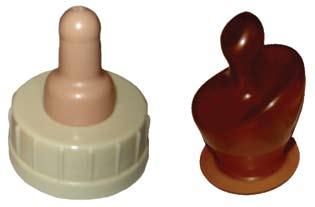
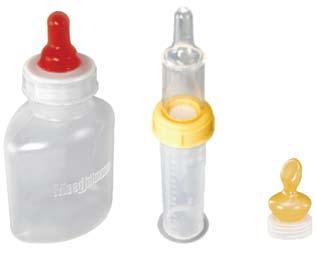
Mead-Johnson
Cleft Palate nurser
Haberman Feeder
1.
2.
3.
4.
5.
ζουν χαμηλότερη αυτοεκτίμηση-αυτοπεποίθηση, κοινωνική
Βιβλιογραφία
1. independenceinc.org [Webpage, Internet]. Research and Training Center on Independent Living: Guidelines for reporting and writing about people with disabilities. 5th edition. 1996: http://www.independenceinc.org/guideln.htm.
2. widesmiles.org [Webpage, Internet]. Wide Smiles: HarelipThe Dark History of an Unfortunate Word. 1996: http:// www.independenceinc.org/guideln.htm.
3. Σπυροπούλου Μ.
4. Νασίκα
5. International Clearinghouse for Birth Defects Monitoring Systems. Annual Report 2000. Rome, International Centre for Birth Defects, 2000:1-164.
6. who.int [Webpage, Internet]. World Health Organization: Typical Orofacial Clefts: cumulative data by Register, Updated: January 2007; 2007: http://www.who.int/ genomics/anomalies/cumulative_data/en/
7. Robin NH, Baty H, Franklin J, Franklin J, Guyton FC, Mann J, Woolley AL, et al. The multidisciplinary evaluation and management of cleft lip and palate. South Med J 2006;99:1111-1120.
8. Sibbald B, MLowry RB. Oro-facial Clefts in Alberta 1980-
2004 Inclusive. Canadian Congenital Anomalies Surveillance Network (CCASN) [Internet], 2005: Webpage: http://www.phac-aspc.gc.ca/ccasn-rcsac/ct2005/or-clalberta-eng.php
9. Calzolari E, Bianchi F, Rubini M, Ritvanen A, Neville AJ. Epidemiology of cleft palate in Europe: implications for genetic research strategy. Cleft Palate Craniofac J. 2004;41:244-249.
10. Lees M. Genetics of cleft lip and palate. In: Watson ACH, Sell DA, Grunwell P, editors. Management of cleft lip and palate; London: Whurr Publishers; 2001. p. 87-104.
11. Stoll C, Alembik Y, Dott B, Roth MP. Associated malformations in cases with oral clefts. Cleft Palate Craniofac J 2000;37:41-47.
12. Milerad J, Larson O, Hagberg C, Ideberg M. Associated malformation in infants with cleft lip and palate: a prospective, population-based study. Paediatrics 1997; 100:180-186.
13. Stanier P, Moore, GE. Genetics of cleft lip and palate: syndromic genes contribute to the incidence of nonsyndromic clefts. Hum Mol Genet 2004;13:R73-R81.
14. Lidral AC, Murray JC. Genetic approaches to identify disease genes for birth defects with cleft lip/palate as a model. Birth Defects Res A. 2004;70:893-901.
15. Little J, Cardy A, Munger RG. Tobacco smoking and oral clefts: a meta-analysis. Bull World Health Organ 2004;82: 213-218.
16. Carinci F, Pezzetti F, Scapoli L, Martinelli M, Avantaggiato A, Carinci P, et al. Recent developments in orofacial cleft genetics. J Craniofac Surg 2003;14:130-143.
17. Leite GIC, Paumgartten RFJ, Koifman S. Chemical exposure during pregnancy and oral clefts in newborns. Cad Saude Publica 2002;18:17-31.
18. Johnson N, Sandy JR. Prenatal diagnosis of cleft lip and palate. Cleft Palate Craniofac J 2003;40:186-189.
19. Huth-Bocks AC, Levendosky AA, Bogat GA, von Eye A. The impact of maternal characteristics and contextual variables on infant-mother attachment. Child Dev 2004;75: 480-496.
20. Burgess KB, Marshall PJ, Rubin KH, Fox NA. Infant Attachment and Temperament as Predictors of Subsequent Externalizing Problems and Cardiac Physiology. J Child Psychol Psychiatry 2003;44:819-831.
21. Kasten EF, Schmidt SP, Zickler CF, Berner E, Damian L, Christian GM, et al. Team care of the patient with cleft lip and palate. Curr Probl Pediatr Adolesc Health Care 2008; 38:138-158.
22. Hodgkinson PD, Brown S, Duncan D, Grant C, McNaughton M, Thomas P, et al. Management of children with cleft lip and palate: A review describing the application of multidisciplinary team working in this condition based upon the experiences of a regional cleft lip and palate centre in the United Kingdom. Fetal and Maternal Medicine Review 2005;16:1-27.
23. Merritt L. Part 2. Physical assessment of the infant with cleft lip and/or palate. Adv Neonatal Care 2005;5:125-134.
24. Hagberg C, Larson O, Milerad J. Incidence of cleft lip and palate and risks of additional malformations. Cleft Palate Craniofac J 1998;35:40-45.
25. Sokol J, Hyde M. Hearing screening. Pediatr Rev 2002; 23:155-162.
26. Caoutte-Laberge L, Bayet B, Larocque Y. The Pierre Robin sequence: review of 125 cases and evolution of treatment modalities. Plast Reconstr Surg 1994;93:934-942.
27. Marques IL, de Sousa TV, Carneiro AF, Peres SP, Barbieri MA, Bettiol H, et al. Clinical experience with infants with Robin sequence: A prospective study. Cleft Palate Craniofac J 2001;38:171-178.
28. Meyer AC, Lidsky ME, Sampson DE, Lander TA, Liu M, Sidman JD. Airway interventions in children with Pierre Robin Sequence. Otolaryngol Head Neck Surg 2008;138: 782-787.
29. de Buys Roessingh AS, Herzog G, Hohlfeld J. Respiratory distress in Pierre Robin: successful use of pharyngeal tube. J Pediatr Surg 2007;42:1495-1499.
30. Sher AE. Mechanisms of airway obstruction in Robin sequence: Implications for treatment. Cleft Palate Craniofac J 1992;29:224-231.
31. Denny AD. Distraction osteogenesis in Pierre Robin neonates with airway obstruction. Clin in Plast Surg 2004;31:221-229.
32. Goodacre T, Swan MC. Cleft lip and palate: current management. Paed Child Health 2008;18:283-292.
33. Morris SE, Klein DM. Pre-Feeding Skills. 2nd ed. USA: Harcourt Therapy Skill Builders; 2000.
34. Wolf LS, Glass, RP. Feeding and Swallowing disorders in Infancy: Assessment and Management. Arizona: Therapy Skill Builders; 1999.
35. Turner L, Jacobsen C, Humenczuk M, Singhal VK, Moore D, Bell H. The effects of lactation education and a prosthetic obturator appliance on feeding efficiency in infants with cleft lip and palate. Cleft Palate Craniofac J 2001;38: 519-524.
36. Marcia R. Newborn Services Clinical Guideline: Cleft Lip and Palate Feeding Guidelines. Auckland District Health Board [Internet]. 2003 Nov: Webpage: http://www.adhb. govt.nz/newborn/Guidelines/Anomalies/CleftLipAnd PalateFeeding.htm
37. Roger G, Morisseau-Durand MP, Van Den Abbeele T, Nicollas R, Triglia JM. The CHARGE Association: The Role of Tracheotomy. Arch Otolaryngol Head Neck Surg 1999;125:33-38.
38. Tolarova MM. Cleft Lip and Palate. eMedicine [Internet] updated 2006 May: Webpage: http://www.emedicine.com/ ped/topic2679.htm
39. Young JL, O'Riordan M, Goldstein JA, Robin NH. What Information Do Parents of Newborns with Cleft Lip, Palate, or Both Want To Know? Cleft Palate Craniofac J 2001;38:55-58.
40. Reid JA. A review of feeding interventions for infants with cleft palate. Cleft Palate-Craniofacial Journal 2004;41: 268-278.
41. Κουδουμνάκης Ε. Η αποκατάσταση των σχιστιών του χείλους. Ωτορινολαρυγγολογία - Χειρουργική Κεφαλής & Τραχήλου 2007;30:6-13.
42. Inman DS, Thomas P, Hodgkinson PD, Reid CA. Oronasal fistula development and velopharyngeal insufficiency following primary cleft palate surgery - an audit of 148 children born between 1985 and 1997. Br J Plast Surg 2005;58:1051-1054.
43. Wood RJ, Grayson BH, Cutting CB. Gingivoperiosteoplasty and midfacial growth. Cleft Palate Craniofac J 1997;34:17-20
44. Millard DR, Latham R, Huifen X, Spiro S, Morovic C. Cleft lip and palate treated by presurgical orthopedics, gingivoperiosteoplasty, and lip adhesion (POPLA) compared with previous lip adhesion method: a preliminary study of serial dental casts. Plast Reconstr Surg 1999;103(6):1630-1644.
45. Μ. Κουδουμνάκης
2008.
46. Losquadro WD, Tatum SA. Direct gingivoperiosteoplasty with palatoplasty. Facial Plast Surg. 2007;23:140-145.
47. Bicknell S, Leland R, McFadden J, Curran B. Frequency of pharyngoplasty after primary repair of cleft palate. J Can Dent Assoc Dec 2002;68:668-692.
48. Saint Raymond CS, Bettega G, Deschaux C, Lebeau J, Raphael B, Levy P, et al. Sphincter pharyngoplasty as a treatment of velopharyngeal incompetence in young people: A prospective evaluation of effects on sleep structure and sleep respiratory disturbances. Chest 2004; 125:864-871.
49. Shaw RJ, Richardson D, McMahon S. Conservative management of otitis media in cleft palate. J Cranio-maxillofac Surg 2003;31:316-320.
50. Phua YS, Salkeld LJ, de Chalain TMB. Middle ear disease in children with cleft palate: Protocols for management. Int J Ped Otorhinolaryngol 2009;73:307-313.
51. Goudy S, Lott D, Canady J, Smith RJ. Conductive hearing loss and otopathology in cleft palate patients. Otolaryngol Head Neck Surg 2006;134:946-948.
52. Kummer AW, Briggs M, Lee L. The relationship between the characteristics of speech and velopharyngeal gap size. Cleft Palate Craniofac J 2003;40:590-596.
53. Sell D, Grunwell P, Mildinhall S, Murphy T, Cornish TA, Bearn D, et al. Cleft lip and palate care in the United Kingdom - the Clinical Standards Advisory Group (CSAG) Study. Part 3: speech outcomes. Cleft Palate Craniofac J 2001;38:30-37.
54. Bitter K. Repair of bilateral clefts of lip, alveolus and palate Part 1: A refined method for the lip-adhesion in bilateral cleft lip and palate patients. J Maxillofac Surg. 2001;29:39-43.
55. Collet BR, Speltz ML. A developmental approach to mental health for children and adolescents with orofacial cleft. Orthod Craniofacial Res 2007;10:138-148.
56. Hunt O, Burden D, Hepper P, Johnston C. The physiological effect of cleft lip and palate: a systematic review. Eur J Orthod 2007;27:274-285.
1
linman@med.uoc.gr
1 Department of Preventive Medicine & Nutrition, Faculty of Medicine, University of Crete
2 Euromedica Special Maternity Clinic
“MITERA”, Crete
Correspondence: Manolis Linardakis linman@med.uoc.gr
University of Crete, School of Health Sciences, Faculty of Medicine, Department of Preventive Medicine & Nutrition
Voutes - Stavrakia Junction, 71 003, P.O. Box: 2208, Heraklion, Crete
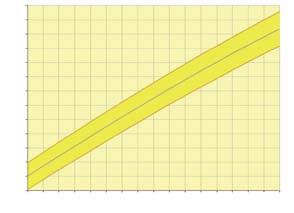
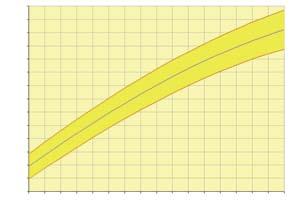
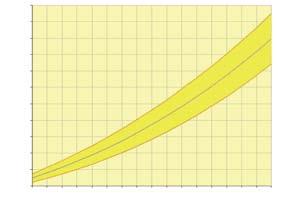
Growth curves of body measurements and heart rate of 1,353 fetuses from Crete, aged 11 to 37 weeks of gestation
M. Linardakis1, S. Moussourakis2, G. Drandakis2, M. Fassoulaki1, A. Kafatos1
Abstract
Background: Ultrasonography (US) in gestation is important from the clinical and research viewpoint for the estimation of appropriate growth curve patterns of fetal heart rate and size. To date no such curves have been constructed for the Greek population.
Methods: In 1,353 simple gestations in Crete, Greece, fetal heart rate as heartbeat per minute (BPM), biparietal diameter (BPD), occipital frontal diameter (OFD), head circumference (HC), abdominal circumference (AC), femur length (FL) and body length were measured from the 11th to 37th week. Estimated fetal weight (EFW) was calculated according to the Hadlock method in relation to BPD, HC, AC and FL. Percentiles and charts of the development of the measurements were estimated using polynomial regression models, and comparison was made of the EFW with other international studies.
Results: The 5th, 10th, 25th, 50th, 75th, 90th and 95th percentiles of the measurements were estimated and the 5th, 50th and 95th were schemed. The regression models gave high coefficients of determination (R2 >95%) and an increase of the body measurements along with the gestational age (GA) growth. A lower coefficient of determination was estimated for fetal heart rates (R2=58%). The comparison of the median EFW percentile (50th) with other studies gave levels similar to those in Israel and lower in
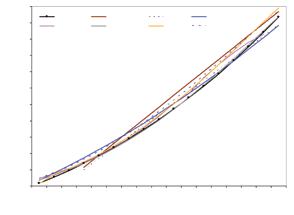
gestational weeks’ total than those in Norway, France, China, Europe, Brazil and USA. The marginal homogeneity test showed a significant difference (p<0.001) between EFW distribution based on the USA percentiles from the US (leptokurtic distribution), and that based on the EFW percentiles of this study (platykurtic distribution).
Conclusions: In this study an estimation of appropriate fetal growth curves is presented for the first time in Greece. It shows a low level of EFW in relation to that of other countries. The curves derived in this study constitute a basis for reference and comparison and methodology for the construction of national fetal growth curves.
Key words: Fetus, growth curves, percentiles, heart rate, body measurements.
(Εικόνα 1) προερχόμενες από όλη την Κρήτη, ηλικίας
και 11/2007. Στο χρονικό αυτό διάστημα, παρακολουθήθηκαν 1.125 γυναίκες με μια κύηση και
(Biparietal Diameter - BPD)
(outer-inner)
οπτικού θαλάμου.
περίμετρος κεφαλής (Head Circumference - HC), η
(Abdominal Circumference - AC), το
(Femur Length - FL),
(Occipital Frontal Diameter - OFD)
(length)
Hadlock et al (31)
(Estimated Fetal Weight - EFW)
Hadlock: Log10 EFW = 1,3596 + (0,0064 x HC) + (0,0424 x AC) + (0,174 x FL) + (0,00061 x BPD x AC) – (0,00386 x AC
R2=0,583.
21 167,2 169,9 174,5 179,6 184,7 189,3 192,1
22 179,0 181,8 186,5 191,8 197,0 201,8 204,6
23 190,5 193,4 198,2 203,6 209,0 213,9 216,8
24 201,7 204,7 209,7 215,2 220,8 225,8 228,8
25 212,6 215,7 220,8 226,5 232,2 237,3 240,4
26 223,2 226,4 231,6 237,5 243,3 248,6 251,7
27 233,5 236,7 242,1 248,1 254,1 259,5 262,7
28 243,4 246,7 252,2 258,4 264,5 270,1 273,4
29 253,0 256,4 262,0 268,3 274,6 280,3 283,7
30 262,2 265,7 271,5 277,9 284,3 290,1 293,6
31 271,0 274,6 280,5 287,1 293,7 299,6 303,2
32 279,4 283,1 289,2 295,9 302,6 308,7 312,4
33 287,5 291,2 297,4 304,3 311,2 317,4 321,1
34 295,1 298,9 305,2 312,3 319,3 325,7 329,5
35 302,3 306,2 312,7 319,8 327,0 333,5 337,4
36 309,0 313,0 319,6 327,0 334,3 340,9 344,9
37 315,3 319,4 326,1 333,6 341,1 347,9 351,9
#
Y=-117,112+15,057 x ηλικία+0,000001 x ηλικία2-0,0021 x ηλικία3, με βαθμό
5% 10% 25% 50% 75% 90% 95%
21 143,1 146,2 151,4 157,2 162,9 168,1 171,3
22 152,9 156,2 161,6 167,7 173,8 179,2 182,5
23 162,7 166,2 171,9 178,2 184,6 190,3 193,8
24 172,6 176,2 182,2 188,8 195,5 201,4 205,0
25 182,5 186,2 192,5 199,4 206,4 212,6 216,4
26 192,4 196,3 202,8 210,0 217,3 223,8 227,7
27 202,3 206,4 213,1 220,7 228,2 235,0 239,1
28 212,3 216,5 223,5 231,3 239,2 246,2 250,4
29 222,2 226,6 233,9 242,0 250,2 257,5 261,8
30 232,2 236,8 244,4 252,8 261,2 268,7 273,3
31 242,3 247,0 254,8 263,5 272,2 280,0 284,7
32 252,3 257,2 265,3 274,3 283,3 291,3 296,2
33 262,4 267,4 275,8 285,1 294,3 302,7 307,7
34 272,5 277,7 286,3 295,9 305,4 314,1 319,2
35 282,6 288,0 296,8 306,7 316,6 325,4 330,8
36 292,8 298,3 307,4 317,6 327,7 336,9 342,4
37 303,0 308,6 318,0 328,5 338,9 348,3 354,0
21 25,1 25,5 26,2 27,0 27,8 28,5 28,9
22 26,5 26,9 27,7 28,4 29,2 29,9
23 27,9 28,3 29,1 29,9 30,7 31,4 31,8
24 29,3 29,7 30,4 31,3 32,1 32,8 33,2
25 30,6 31,1 31,8 32,6 33,5 34,2 34,7
26 31,9 32,4 33,2 34,0 34,8 35,6 36,1
27 33,3 33,7 34,5 35,4 36,2 37,0 37,4
28 34,6 35,0 35,8 36,7 37,6 38,3 38,8
29 35,8 36,3 37,1 38,0 38,9 39,7 40,1
30 37,1 37,6 38,4 39,3 40,2 41,0 41,5
31 38,3 38,8 39,6 40,6 41,5 42,3 42,8
32 39,6 40,1 40,9 41,8 42,7 43,6 44,1
33 40,8 41,3 42,1 43,0 44,0 44,8 45,3
34 41,9 42,4 43,3 44,3 45,2 46,1 46,6
35 43,1 43,6 44,5 45,4 46,4 47,3 47,8
36 44,2 44,7 45,6 46,6 47,6 48,5 49,0
37 45,3 45,9 46,8 47,7 48,7 49,6 50,2
#
5,144+1,58 x ηλικία+0,000001 x ηλικία2-0,000110 x
Εβδομάδα κύησης 5% 10% 25% 50% 75% 90% 95%
21 267,5 284,0 311,4 341,8 372,3 399,6 416,1
22 337,9 359,7 396,0 436,4 476,7 513,0 534,9
23 415,6 442,9 488,1 538,3 588,6 633,8 661,0
24 501,0 533,6 587,7 647,9 708,1 762,2 794,7
25 594,3 632,3 695,3 765,4 835,4 898,4 936,4
26 695,8 739,1 811,0 891,0 971,0 1042,9 1086,2
27 805,6 854,3 935,1 1025,0 1114,9 1195,7 1244,4
28 924,2 978,2 1068,0 1167,8 1267,6 1357,3 1411,3
29 1051,7 1111,1 1209,7 1319,4 1429,1 1527,8 1587,2
30 1188,4 1253,2 1360,7 1480,4 1600,0 1707,5 1772,3
31 1334,6 1404,8 1521,2 1650,7 1780,2 1896,7 1966,8
32 1490,6 1566,1 1691,4 1830,9 1970,3 2095,6 2171,1
33 1656,5 1737,4 1871,7 2021,0 2170,3 2304,6 2385,5
34 1832,8 1919,0 2062,2 2221,4 2380,6 2523,8 2610,0
35 2019,5 2111,1 2263,2 2432,4 2601,5 2753,6 2845,2
36 2217,1 2314,1 2475,0 2654,1 2833,1 2994,1 3091,1
37 2425,7 2528,1 2697,9 2886,9 3075,9 3245,7 3348,1
(cross sectional, prospective cross sectional) (7,17,22,24,25,27,36,38)
(longitudinal) (28-32,39-42),
προτείνονται
Βιβλιογραφία
1.
2.
2005;17(2):172-178.
2004;16(1):60-63.
3. Garmel SH, D'Alton ME. Fetal ultrasonography. West J Med 1993;159:273-285.
4. Economides DL, Whitlow BJ, Braithwaite JM. Ultrasonography in the detection of fetal anomalies in early pregnancy. Br J Obstet Gynaecol 1999;106:516-523.
5. Economides DL. Early pregnancy screening for fetal abnormalities Ultrasound Obstet Gynecol 1999;13:81-83.
6. Hadlock FP, Harrist RB, Martinez-Poyer J. In utero analysis of fetal growth: a sonographic weight standard. Radiology 1991;181(1):129-133.
7. Jung SI, Lee YH, Moon MH, Song MJ, Min JY, Kim JA, et al. Reference charts and equations of Korean fetal biometry. Prenat Diagn 2007;27(6):545-551.
8. Coomarasamy A, Connock M, Thornton J, Khan KS. Accuracy of ultrasound biometry in the prediction of macrosomia: a systematic quantitative review. BJOG 2005;112(11):1461-1466.
9. Gardosi J. Fetal growth: towards an international standard. Ultrasound Obstet Gynecol. 2005;26(2):112-114.
10. Sherman DJ, Arieli S, Tovbin J, Siegel G, Caspi E, Bukovsky I. A comparison of clinical and ultrasonic estimation of fetal weight. Obstet Gynecol 1998;91(2):212-217.
11. Abramowicz JS. Prenatal exposure to ultrasound waves: is there a risk? Ultrasound Obstet Gynecol. 2007 Apr;29(4):363-367.
12. Newnham JP, Doherty DA, Kendall GE, Zubrick SR, Landau LL, Stanley FJ. Effects of repeated prenatal ultrasound examinations on childhood outcome up to 8 years of age: follow-up of a randomised controlled trial. The Lancet 2004;364:2038-2044.
13. Maulik D. Fetal growth compromise: definitions, standards, and classification. Clin Obstet Gynec 2006;49(2):214-218.
14. Alexander GR, Himes JH, Kaufman RB, Mor J, Kogan M. A United States national reference for fetal growth. Obstet Gynecol 1996;87(2):163-168.
15. Degani S. Fetal biometry: clinical, pathological and technical considerations. Obstet Gynecol Surv 2001;56(3):159-167.
16. Snijders RJ, Nicolaides KH. Fetal biometry at 14-40 weeks' gestation. Ultrasound Obstet Gynecol 1994;4(1):34-48.
17. Romano-Zelekha O, Freedman L, Olmer L, Green MS, Shohat T; Israel Network for Ultrasound in Obstetrics and Gynecology. Should fetal weight growth curves be population specific? Prenat Diagn 2005;25(8):709-714.
18. Hadlock FP, Deter RL, Harrist RB, Park SK. Fetal abdominal circumference as a predictor of menstrual age. Am J Roentgenol 1982;139:367-370.
19. Hadlock FP, Deter RL, Harrist RB, Park SK. Fetal femur length as a predictor of menstrual age: sonographically measured. Am J Roentgenol 1982;138:875-878.
20. Hadlock FP, Harrist RB, Sharman RS, Deter RL, Park SK. Estimation of fetal weight with the use of head, body, and
femur measurements – A prospective study. Am J Obstet Gynecol 1985;151:333-337.
21. Gardosi J. Ethnic differences in fetal growth. Ultrasound Obstet Gynecol 1995;6:73-74.
22. Jacquemyn Y, Sys S, Verdonk P. Fetal biometry in different ethnic groups. Early Hum Dev 2000;57:1-13.
23. Johnsen SL, Wilsgaard T, Rasmussen S, Sollien R, Kiserud T. Longitudinal reference charts for growth of the fetal head, abdomen and femur. Eur J Obstet Gynecol Reprod Biol 2006;127(2):172-185.
24. Salomon LJ, Bernard JP, Ville Y. Estimation of fetal weight: reference range at 20-36 weeks' gestation and comparison with actual birth-weight reference range. Ultrasound Obstet Gynecol 2007;29(5):550-555.
25. Cecatti JG, Machado MR, dos Santos FF, Marussi EF. Curve of normal fetal weight values estimated by ultrasound according to gestation age. Cad Saude Publica 2000;16(4): 1083-1090.
26. Mongelli M, Biswas A. A fetal growth standard derived from multiple modalities. Early Hum Dev 2001;60(3): 171-177.
27. Figueras F, Torrents M, Muñoz A, Comas C, Antolín E, Echevarría M, et al. References intervals for fetal biometrical parameters. Eur J Obstet Gynecol Reprod Biol 2002; 105(1):25-30.
28. Neufeld LM, Haas JD, Grajeda R, Martorell R. Ultrasound measurement of fetal size in rural Guatemala. Int J Gynaecol Obstet 2004;84(3):220-228.
29. Amoa AB, Wapi J, Klufio CA. Longitudinal fetal biometry of normal pregnant Melanesian Papua New Guineans to construct standards of reference for Papua New Guinea. PNG Med J 1993;36(3):219-227.
30. Vintzileos AM, Campbell WA, Neckles S, Pike CL, Nochimson DJ. The ultrasound femur length as a predictor of fetal length. Obstet Gynecol 1984; 64(6):779-782.
31. Hadlock FP, Deter RL, Roecker E, Harrist RB, Park SK. Relation of fetal femur length to neonatal crown-heel length. J Ultrasound Med 1984;3(1):1-3.
32. Ott W. Fetal Femur Length, Neonatal Crown-Heel Length, and Screening for Intrauterine Growth Retardation. Obstet Gynecol 1985;65(4):460-464.
33. Mirghani HM, Weerasinghe S, Ezimokhai M, Smith JR. Ultrasonic estimation of fetal weight at term: an evaluation of eight formulae. J Obstet Gynaecol Res 2005;31(5):409-413.
34. Altman DG, Chitty LS. New charts for ultrasound dating of pregnancy. Ultrasound Obstet Gynecol 1997;10(3):174-191.
35. Royston P, Wright EM. How to construct 'normal ranges' for fetal variables. Ultrasound Obstet Gynecol 1998;11(1):30-38.
36. Paladini D, Rustico M, Viora E, Giani U, Bruzzese D, Campogrande M, et al. Fetal size charts for the Italian population. Normative curves of head, abdomen and long bones. Prenat Diagn 2005;25(6):456-464.
37. Dudley NJ. A systematic review of the ultrasound estimation of fetal weight. Ultrasound Obstet Gynecol 2005;25: 80-89.
38. Lessoway VA, Schulzer M, Wittmann BK, Gagnon FA, Wilson RD. Ultrasound fetal biometry charts for a North American Caucasian population. J Clin Ultrasound 1998; 26(9):433-453.
39. Johnsen SL, Rasmussen S, Wilsgaard T, Sollien R, Kiserud T. Longitudinal reference ranges for estimated fetal weight. Acta Obstet Gynecol Scand 2006;85(3):286-297.
40. Owen P, Donnet ML, Ogston SA, Christie AD, Howie PW, Patel NB. Standards for ultrasound fetal growth velocity. Br J Obstet Gynaecol 1996;103(1):60-69.
41. Royston P, Altman DG. Design and analysis of longitudinal studies of fetal size. Ultrasound Obstet Gynecol 1995;6(5): 307-312.
42. Schluter PJ, Pritchard G, Gill MA. Using ultrasonic fetal size measurements to estimate gestational age in Brisbane, Australia. Australas Radiol 2007;51(1):46-52.
43. Alexander G, Kogan M, Himes J. 1994-1996 U.S. Singleton birth weight percentiles for gestational age by race, Hispanic Origin, and gender. Matern Child Health J 1999; 3(4):225-231.
44. Schwärzler P, Bland JM, Holden D, Campbell S, Ville Y. Sex-specific antenatal reference growth charts for uncomplicated singleton pregnancies at 15-40 weeks of gestation.Ultrasound Obstet Gynecol 2004;23(1):3.
45. Ott W, Doyle S. Normal ultrasonic fetal weight curve. Obstet Gynecol 1982; 59:603-606.
46. Manassiev N, Abusheika N, Victor-Olagundoye V, Johnstone M. What is the normal heart rate of a term fetus? J Obstet Gynaecol 1998;18(5):442-444.
47. Stefos TI, Lolis DE, Sotiriadis AJ, Ziakas GV. Embryonic heart rate in early pregnancy. J Clin Ultrasound. 1998; 26(1):33-36.
48. Mongelli M, Gardosi J. Fetal growth. Curr Opin Obstet Gynecol. 2000;12(2):111-115.
49. Pang MW, Leung TN, Sahota DS, Lau TK, Chang AM. Customizing fetal biometric charts. Ultrasound Obstet Gynec 2003;22(3):271-276.
50. Kierans WJ, Joseph KS, Luo ZC, Platt R, Wilkins R, Kramer MS. Does one size fit all? The case for ethnic-specific standards of fetal growth. BMC Pregnancy Childbirth 2008;8:1.
3.
4.
5.
6.
Λέξεις
Innovative implementation of a questionnaire on the surveillance of the sexual behaviour of senior high school pupils in the prefecture of Thessaloniki
M. Patseadou1, D.G. Goulis2, M. Arvanitidou - Vayona3, A. Galli - Tsinopoulou4
Abstract
Background: The development of a healthy sexual life is an integral part of the physical and emotional development of adolescents. The aim of this study was to record various parameters of the sexual behaviour of pupils attending senior high schools (lyceums) in the prefecture of Thessaloniki and to investigate factors associated with the onset of sexual activity.
Methods: A questionnaire for adolescents, developed by the Centers of Disease Control and Prevention (CDC, USA) and adapted to national priorities and characteristics, was distributed to students from a representative sample of 11 senior high schools in the prefecture of Thessaloniki (7 public, 2 private and 2 vocational schools). A total of 523 pupils attending the 1st, 2nd and 3rd grades completed the questionnaire, which covered general information as well as a series of questions concerning sexual behaviour. Frequencies of certain sexual behaviours were estimated and multivariate logistic regression models were used in order to evaluate correlates of the onset of sexual activity.
Results: Onset of sexual activity was reported by 48% of the adolescents in the sample. About one half of the sexually active adolescents reported that they had started having sex by the age of 15 years. Seventysix percent of the sexually active pupils responded that they had used a condom the last time they had a
1 Programme of Postgraduate Studies “Medical Research Methodology”, Medical School, Aristotle University of Thessaloniki
2 Unit of Reproductive Endocrinology, Aristotle University of Thessaloniki
3 Department of Hygiene, Medical School, Aristotle University of Thessaloniki
4 4th Department of Paediatrics, Aristotle University of Thessaloniki
Correspondence: Magdalini Patseadou mpats82@gmail.com
3, Ypsilantou St., 553 37, Thessaloniki, Greece
sexual intercourse, whereas 21% stated that they used no contraceptive method at all. Taking into consideration the effect of other factors, it was found that the onset of sexual activity is associated with gender, age, type of school and smoking: Boys, pupils attending vocational high schools and smokers had a significantly higher likelihood of having started having sexual intercourse at the time of completion of the questionnaire.
Conclusions: The regular registration of the sexual behaviour of high school pupils is vital for the planning and implementation of special sex educational programmes for adolescents.
Key words: Sexual behaviour, high school, adolescents, prefecture of Thessaloniki.
Επάγγελμα πατέρα (Ν=499)
Επιστήμονας-ΔιευθυντήςΕπαγγελματίας
Υπάλληλος, μη χειρώνακτας
Άλλο (συνταξιούχος, οικιακά, άνεργος κ.λπ.)
Επάγγελμα
(Ν=505)
2
3
Αγόρι, n (%) n (%)
Ναι 110 (37,9%) 136 (60,7%) 246 (47,9%) Όχι 180 (62,1%) 88 (39,3%) 268 (52,1%)
Σύνολο 290 224 514
Chi-square value=26,289, df=1, p<0,001
Περιοχή λυκείου (Δυτική/Ανατολική)
Χώρα γέννησης μαθητή (Άλλη/Ελλάδα)
Χώρα γέννησης πατέρα (Άλλη/Ελλάδα)
0,394
Χώρα γέννησης μητέρας (Άλλη/Ελλάδα) 1,515 0,994-2,310 0,053
Μόρφωση πατέρα
Γυμνάσιο-Λύκειο/Δημοτικό 0,383 0,181-0,809 0,012
ΤΕΙ/Δημοτικό 0,484 0,219-1,071 0,073
ΑΕΙ/Δημοτικό 0,538 0,247-1,168 0,117
Μόρφωση μητέρας
Γυμνάσιο-Λύκειο/Δημοτικό 1,209 0,561-2,604 0,628
ΤΕΙ/Δημοτικό 1,408 0,606-3,273 0,426
ΑΕΙ/Δημοτικό 1,180 0,537-2,594 0,680
Επάγγελμα πατέρα
Υπάλληλος / Επιστήμονας-Διευθυντής-Επαγγελματίας 0,827 0,554-1,235 0,354
Χειρώνακτας / Επιστήμονας-Διευθυντής-Επαγγελματίας 0,772 0,419-1,422 0,406
Άλλο / Επιστήμονας-Διευθυντής-Επαγγελματίας 1,170 0,609-2,246 0,637
Επάγγελμα μητέρας
Υπάλληλος / Επιστήμονας-Διευθυντής-Επαγγελματίας 1,065 0,664-1,707 0,794
Χειρώνακτας / Επιστήμονας-Διευθυντής-Επαγγελματίας 1,113 0,605-4,060 0,871
Άλλο/ Επιστήμονας-Διευθυντής-Επαγγελματίας 0,994 0,624-1,584 0,981
Κάπνισμα (Ναι/Όχι) 5,164 3,437-7,758 <0,001 5,488 3,488-8,63 <0,001
Κατανάλωση
(Ναι/Όχι)
OR = Odds Ratio (Λόγος Αναλογίας)
CI 95% = Confidence Intervals (Διαστήματα Εμπιστοσύνης)
1. World Health Organization. Department of Child and Adolescent Health and Development. Adolescent Friendly Health Services – An Agenda for Change. Geneva: World Health Organization; 2002.
2. World Health Organization. Regional Committee for Europe. The health of children and adolescents in WHO’S European Region. Vienna: World Health Organization; 2003.
3. Institute of Medicine. The Hidden Epidemic-Confronting sexually transmitted disease. Washington: National Academy Press; 1997.
4. Berman SM, Hein K. Adolescents and STDs. In: Holmes KK, Sparling PF, Mardh P, et al (eds). Sexually transmitted diseases, 3rd ed. New York: McGraw Hill; 1999. p. 129-142.
5.
1991,57:126-132.
6. Brener ND, Kann L, Kinchen SA, Grunbaum JA, Whalen L, Eaton D et al. Methodology of the Youth Risk Behavior Surveillance System. MMWR Recomm Rep 2004;53(RR12):1-13.
7. Centers for Disease Control and Prevention. Sexually Transmitted Disease Surveillance, 2002. Atlanta, GA: US Department of Health and Human Services, Center for Disease and Prevention; September 2003.
8. Alan Guttmacher Institute. Sex and America’s Teenagers. New York, NY and Washington, DC: The Alan Guttmacher Institute; 1994.
9. Abma JC, Martinez GM, Mosher WD, Dawson BS. Teenagers in the United States: Sexual activity, contraceptive use and childbearing, 2002. Vital Health Stat 23 2004;(24):1-48.
10. Erens B, McManus S, Field J, Korovessis C, Johnson AM, Fenton KA. National Survey of Sexual Attitudes and Lifestyles II: Technical Report. London, UK: National Centre for Social Research; 2001.
11. Wellings K, Nanchahal K, Macdowall W, McManus S, Erens B, Mercer CH, et al. Sexual behavior in Britain: early heterosexual experience. Lancet 2001;358:1843-1850.
12. Klanger B, Τyden T, Ruusuvaara L. Sexual behavior among adolescents in Uppsala, Sweden. J Adolesc Health 1993;14: 468-474.
13. Magnusson C. Adolescent girls’ sexual attitudes and opposite-sex relations in 1970 and 1996. J Adolesc Health 2001;28:242-252.
14. Agius PA, Dip G, Dyson S, Pitts MK, Mitchell A, Smith A. Two steps forward and one step back? Australian secondary students’ sexual health knowledge and behaviours 19922002. J Adolesc Health 2006;38:247-252.
15. Rosenthal D, Smith AMA, Lindsay J. Change over time: high school students’ behaviors and beliefs 1992 to 1997. Venereology 1998;11:6-13.
16. Centers for Disease Control and Prevention (CDC). Trends in sexual risk behaviors among high school studentsUnited States, 1991-2001. MMWR Morb Mortal Wkly Rep 2002;51:856-859.
17. Dinas K, Hatzipantelis E, Mavromatidis G, Zepiridis L, Tzafettas J. Knowledge and practice of contraception among Greek female medical students. Eur J Contracept Reprod Health Care 2008;13:77-82.
18. Kallipolitis G, Stefanidis K, Loutradis D, Siskos K, Milingos S, Michalas S. Knowledge, attitude, and behavior of female students concerning contraception in Athens, Greece. J Psychosom Obstet Gynaecol 2003;24:145-151.
19. Δαρδαβέσης
2004,16:63-72.
20. Ioannidi-Kapolou E. Use of contraception and abortion in Greece: a review. Reprod Health Matters 2004;12(24 Suppl): 174-183.
21. Galazios G, Tsikouras P, Koutlaki N, Dafopoulos K, Emin M, Liberis V. Attitudes towards male condom use in two different populations in Thrace, Greece. Eur J Contracept Reprod Health Care 2004;9:34-38.
22. Galazios G, Dafopoulos K, Koutlaki N, Liberis V, Tsikouras P, Anastasiadis P. Attitudes towards contraceptive pill use in two different populations in Thrace, Greece. Eur J Contracept Reprod Health Care 2002;7:127-131.
23. Γεννηματά Δ, Μεράκου
2007,24:270-290.
24. Tabachnick BG, Fidell LS. Using Multivariate Statistics, 3rd ed. New York: HarperCollins College Publishers; 1996.
25. Rose E, Diclemente RJ, Wingood GM, Sales JM, Latham TP, Crosby RA et al. The Validity of Teens' and Young Adults' Self-reported Condom Use. Arch Pediatr Adolesc Med 2009;163:61-64.
26. Shew ML, Remafedi GJ, Bearinger LH, Faulkner PL, Taylor BA, Potthoff SJ, et al. The validity of self-reported condom use among adolescents. Sex Transm Dis 1997;24:503-510.
27. Siegel DM, Aten MJ, Roghman KJ. Self-reported honesty among middle and high-school students responding to a sexual behavior questionnaire. J Adolesc Health 1998;23:20-28.
28. Metzler CW, Noell J, Biglan A, Ary D, Smolkowski K. The social context for risky sexual behavior among adolescents. J Behav Med 1994;17:419-438.
29. Gregson S, Zhuwau T, Ndlovu J, Nyamukapa CA. Methods to reduce social desirability bias in sex surveys in lowdevelopment settings: experience in Zimbabwe. Sex Transm Dis 2002;29:568-575.
30. Centers for Disease Control and Prevention. Health risk behaviors among adolescents who do and do not attend school-United States, 1992. MMWR Morb Mortal Wkly Rep 1994;43:129-132.
Cardiac function in children with septic shock - Drug haemodynamic support
G. Sideri, I. Vassilopoulou, A. Vassilopoulos
Abstract: Paediatric septic shock results in myocardial dysfunction, disturbances in vascular tone and permeability, and inadequate oxygen delivery. Septic shock is diagnosed in the clinical context of suspected infection with persistent signs of decreased perfusion. Various different mechanisms can explain the development of septic myocardial depression, including the cause of the sepsis, the levels of cytokines, the age of patient and genetic predisposition. Myocardial depression could protect the heart by reducing cellular energy expenditure in a situation where energy generation is impaired due to mitochondrial dysfunction and microcirculatory disturbances. Oxygen extraction abnormalities, diminished responses to adrenergic agonists and impaired ventricular function often result. Goal-directed haemodynamic support is the critical focus of resuscitation of the child with septic shock. Aggressive fluid therapy and the use of vasopressors to maintain the normal cardiac index constitute the current recommendations of goaldirected therapy. Administration of up to and even more than 60 ml/kg of crystalloid may be necessary during the first 30 to 60 minutes of resuscitation. Persistent hypotension despite adequate fluid resuscitation mandates the use of vasopressors. Dopamine is the consensus first-line drug for fluid refractory shock. As yet, no specific therapy other than fluid resuscitation and treatment of the infectious cause has been shown to improve survival in children with septic shock.
Key words: Septic shock, haemodynamic support, fluid resuscitation, vasopressors.
Intensive Care Unit, “P. & A. Kyriakou” Children’s Hospital
Correspondence: Georgia Sideri georgia_sideri@yahoo.co.uk 10, Kritis St., 17236, Athens, Greece
Fick):
CI Cardiac index 3,5-6 ml/min/m2
GEDI Global endiastolic volume index 680-800 ml/m2
ΙΤΒΙ Ιntrathoracic blood volume index 850-1000 ml/m2
EVLWI Extravascular lung water index 3-7 ml/kg
PVPI Pulmonary vascular permeability index 1-3
GEF Global ejection fraction 25-35%
SVRI Systemic vascular resistance index 1200-2000 dyne-sec/cm5/m2
CaO2 = [Hb x SaO2 x 1,34] + [PaO2 x 0,003]
(όπου SaO2 και PaO2
αίμα, αντίστοιχα).
CvO2 είναι η περιεκτικότητα σε οξυγόνο
CvO2 = [Hb x SvO2 x 1,34] + [PvO2 x 0,003]
(όπου SvO2 ο κορεσμός
1.
6.
3.
SVCO2 <70%
mcg/kg/min:
5-15 mcg/kg/min: περισσότερο βήτα-1 10-20 mcg/kg/min: περισσότερο άλφα-1 Μπορεί να είναι αποτελεσματική στο shock κατανομής
Ντομπουταμίνη
2,5-15 mcg/kg/min: περισσότερο βήτα-1, λίγο βήτα-2
Μπορεί να είναι αποτελεσματική στο καρδιογενές shock
Επινεφρίνη
0,05-0,1 mcg/kg/min: περισσότερο βήτα-1, λίγο βήτα-2 > 0,1 έως 0,2 mcg/kg/min: άλφα-1
Νορεπινεφρίνη
0,05-0,2 mcg/kg/min: μόνο άλφα και βήτα-1
Χρησιμοποιείται πάνω από 1 mcg/kg/min
Μιλρινόνη 50 mcg/kg φόρτιση μετά 0,375-0,75 mcg/kg/min:
1. Carcillo ΑJ, Pollack ΜM, Ruttimann ΕU, Fields ΙA. Sequential physiologic interactions in pediatric cardiogenic and septic shock. Crit Care Med 1989;17:12.
2. Tabbutt S. Heart failure in pediatric septic shock: Utilizing inotropic support. Crit Care Med 2001; 2(Suppl):S63-S68.
3. Dellinger RP. Cardiovascular management of septic shock. Crit Care Med 2003;31:946-955.
4. Rudiger A, Singer M. Mechanisms of sepsis-induced cardiac dysfunction. Crit Care Med 2007;35:1599-1608.
5. Cunnion RE. The coronary circulation in human septic shock. Circulation 1986:73; 637-644.
6. Thiru Y. A myocardial cytotoxic process is involved in the cardiac dysfunction of meningococcal septic shock. Crit Care Med 2000;28:2979-2983.
7. Turner A. Myocardial cell injury in septic shock. Crit Care Med 1999;27:2035-2036.
8. Thiru Y, Pathan N, Bignall S, Habibi P, Levin M. Myocardial cytotoxic process is involved in the cardiac dysfunction of meningococcal septic shock. Crit Care Med 2000;28:29792983.
9. Makwana N, Baines PB. Myocardial dysfunction in meningococcal septic shock. Crit Care Med 2005;11:418-423.
10. Carcillo JA. Sequential physiology interactions in pediatric cardiogenic and septic shock. Crit Care Med 1989;17:12-16.
11. Carcillo JA. Clinical practice parameters for hemodynamic support of pediatric and neonatal patients in septic shock. Crit Care Med 2002;30:1365-1378.
12. Ceneviva G, Parschall JA, Maffei F, Carcillo JA. Hemodynamic support in fluid-refractory pediatric septic shock. Paediatrics 1998;102(2):e19.
13. Heusch G, Schulz R, Rahimtoola SH. Myocardial hibernation: A delicate balance. Am J Physiol Heart Circ Physiol 2005;288:984-999.
14. Koch T, Geiger S, Ragaller JR. Monitoring of organ dysfunction in Sepsis/Systemic Inflammatory Response Syndrome: novel strategies. J Am Soc Nephrol 2001;12:S53-S59.
15. Wan L, Naka T, Uchino S, Bellomo R. A Pilot study of Pulse Contour Cardiac Output Monitoring in patients with septic shock. Crit Care Resusc 2005;7:165.
16. Khilnani P. Clinical management guidelines of pediatric septic shock. Indian J Crit Care Med 2005;9:164-172.
17. Carcillo JA, Davis AL. Parameters for hemodynamic support of pediatric and neonatal patients in septic shock. Crit Care Med 2005;30:1365-1378.
18. Melendez E, Bachur R. Advances in the emergency management of pediatric sepsis. Emergency and critical care pediatrics. Curr Opin Pediatr 2006;18:245-253.
19. Saladino AR. Management of septic shock in the pediatric emergency department in 2004. Clin Ped Emerg Med 2004;(1) 113-117.
20. Katz K. Vasopressin pressor effects in critically ill children during evaluation for brain death and organ recovery. Resuscitation 2003;47:33-40.
21. Koerner, MM, Jahanyar J. Assist devices for circulatory support in therapy-refractory acute heart failure. Curr Opin Cardiol 2008;23:399-406.
22. Meyer S, Gottschling S, Baghai A, Wurm D, Gortner L. Arginine-vasopressin in catecholamine-refractory septic versus non-septic shock in extremely low birth weight infants with acute renal injury. Crit Care 2006;10:R71.
23. Levy JR, Piel AD, Acton MP, Zhov R, Ferrari AV, Karp SJ. Evidence of Myocardial hibernation in the septic heart. Critical Care Med 2005;33:2752-2756.
24. Tibby SM, Murdoch IA. Monitoring cardiac function in intensive care. Arch Dis Child 2003;88:46-52.
25. Evans JM, Harry DE, Schenkman AK. Principles of invasive monitoring. Text book of Pediatric Critical Care, 3rd edition. Fuhrman BP, Zimmerman; 2006. Chapter 19. p. 251-264.
26. Smith Lincoln, Hernan Lynn. Shock states. Text book of Pediatric Critical Care. 3rd edition. Fuhrman BP, Zimmerman; 2006. Chapter 27. p. 394-410.
27. Nadel S, Raujit S. Recognition and initial management of shock. In: Rogers’ text book of Pediatric Intensive Care, 4th edition. Wolters Kluwer Health - Lippincot Williams & Wilkins; 2008. p. 372-383.
28. Halley C Gillian, Tibby S Hane. Hemodynamic monitoring. In: Roger’s text book of Pediatric Intensive Care, 4th edition. Wolters Kluwer Health - Lippincot Williams & Willkins; 2008. Chapter 65. p. 1039-1063.
29. Valley B, Wie E, Lebuffe G. Resuscitation from circulator shock. An approach based on oxygen drived parameter. In: Yearbook of Intensive Care and Emergency Medicine. Vincent JL, editor. Springer; 2005. p. 249-258.
30. Parker MM, Fink MP. Septic shock. J Intensive Care Med 1992;7:90-100.
31. Dellinger RP, Levy MM, Carlet JM, Bion J, Parker MM, Jaeschke R, et al. Surviving Sepsis Campaign: International guidelines for management of severe sepsis and septic shock: 2008. Crit Care Med 2008;36:296-327.
32. Pathan N, Williams J, Oragui E, Stephens A, Levin M. Changes in the interleukin-6/soluble interleukin-6 receptor axis in meningococcal septic shock. Crit Care Med 2005;33: 1839-1844.
A case of congenital measles
Α. Andreou, E. Anastasiadou, V. Kougia, G. Mavridis, A. Kita
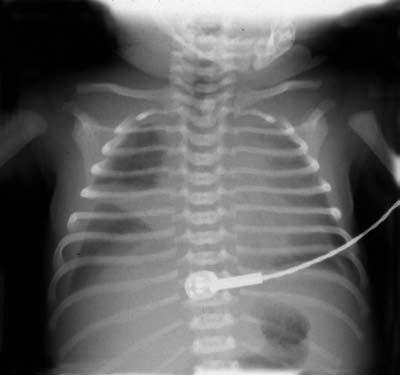
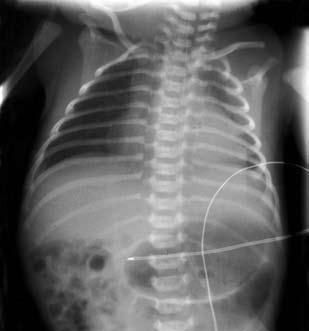
Abstract: The case is reported of a female infant born with congenital measles, with unusual clinical and laboratory findings. No similar case report has been found in the bibliography. The mother developed measles in the 37th week of gestation, during an epidemic in 2005. The newborn infant developed a micro-macular rush on the face and trunk, which faded away in subsequent hours. She developed respiratory distress and incidents of apnoea which necessitated mechanical ventilation for one day. She had hepatomegaly with an increase in the level of liver enzymes and thrombocytopenia, lasting a few days. Chest X-ray on the second day of life revealed pleural fluid. Both the mother and the infant were serologically positive for measles.
Key words: Congenital measles, pleural effusion, thrombocytopenia, hepatitis.
Department of Neonatology, Hippokrateion General Hospital of Thessaloniki
Correspondence: Alexandros Andreou aalex@the.forthnet.gr Department of Neonatology, Hippokrateion General Hospital of Thessaloniki
1. Ballantyne JW. Congenital measles, with notes of a case. Arch Pediatr 1893;10:301-309.
2. Gerhson AA. Chickenpox, measles and mumps. In: Remington J, Klein J, eds. Infectious diseases of the fetus and the newborn infant. Philadelphia, PA: WB Saunders Co; 2001:708-718.
3. Ali E, Albar HM. Measles in pregnancy: Maternal morbidity and perinatal outcome. Int J Gynecol Obstet 1997;59:109-113.
4. Aaby P, Bukh J, Lisse IM, Seim E, de Siva MC. Increased perinatal mortality among children of mothers exposed to measles during pregnancy. Lancet 1988;1:516-519.
5. Atmar RL, Englud JA, Hammil H. Complication of measles during pregnancy. Clin Infect Dis 1992;14:217-226.
6. Betta Ragazzi SL, De Andrade Vaz-de-Lima LR, Rota P, Bellini WJ, Gilio AE, Costa Vaz FA et al. Congenital and neonatal measles during an epidemic in São Paulo, Brazil in 1997. Pediatr Infect Dis J 2005;24(4):377-378.
7. Chiba ME, Saito M, Suzuki N, Honda Y, Yaegashi N. Measles infection in pregnancy. J Infect 2003;47:40-44.
8. Muhlbauer Β, Berns LM, Singer A. Congenital measles -1982. Isr J Med Sci 1983;19: 987-988.
9. Ohji G, Satoh H, Satoh H, Mizutani K, Iwata K, TanakaTaya K. Congenital measles caused by transplacental infection. Pediatr Infect Dis J 2009;28:166-167.
10. Γεωργακοπούλου Θ, Μένεγας Δ, Δεδούκου Ξ, Ηλιοδρομίτη Ζ, Κάβακα Ν, Λάγγας Δ και συν. Εθνική μελέτη εμβολιασμών, 2006: κάλυψη για ιλαρά-ερυθρά-παρωτίτιδα. Βιβλίο περιλήψεων 45ου Πανελληνίου Παιδιατρικού Συνεδρίου, Χαλκιδική, 2007.
11. Michael K. Scientists doubt Europe can wipe out measles by 2010, Reuters Health Information [Internet]. Webpage: http:// www.alertnet.org/ thenews/ newsdesk/ L6607247.htm.
12. Neil O. US measles increase due to declining vaccinations. Medscape medical news, August 28 2008 [Internet]. Webpage: http://www.medscape.com/viewarticle/579800.
13.
2002;65:273-277.
1 Second Department of Pediatrics, “P. & A. Kyriakou” Children’s Hospital, National and Kapodistrian University of Athens School of Medicine
2 Department of Nephrology, “P. & A. Kyriakou” Children’s Hospital, Athens
Correspondence: Elena Critselis ekritseli@med.uoa.gr
Second Department of Paediatrics, “P. & A. Kyriakou” Children’s Hospital, National and Kapodistrian University of Athens School of Medicine, Athens, Greece
Randomized clinical trials:
Evaluating preventive and therapeutic approaches
E. Critselis1, C. J. Stefanidis2, D. A. Kafetzis1
Abstract: Randomized clinical trials constitute an optimal means of evaluating the efficacy of both innovative preventive strategies for forestalling, and novel therapeutic approaches for managing the progression of, paediatric diseases. The factorial randomized clinical trial is widely recognized as a suitable method for simultaneously assessing the efficacy of two or more preventive or therapeutic interventions in patient populations. In this paper, the principles of study design and methodology implemented in the application of randomized clinical trials are presented, and the epidemiological and statistical assessment of the efficacy of therapeutic management schemes for paediatric diseases is discussed. Because of the specific attributes inherent to their design and their immediate relevance to clinical practice, the preference for randomized clinical trials in the evaluation of the prevention and management of paediatric diseases is increasing continuously.
Key words: Clinical trial, epidemiology, paediatric diseases.
Ομάδα
Ομάδα
a b (a + b)
2.
3.
1)
2)
(evidence-based standard) ή, σε περίπτωση έλλειψης των ανωτέρω, 3) Εφαρμογή ανενεργού θεραπευτικού μέτρου ή χορήγηση εικονικού
1)
2)
1. Gordis L. Epidemiology. Pennsylvania, USA: WB Saunders Company; 1996.
2. Rothman KJ, Greenland S. Modern Epidemiology, Second Edition. Pennsylvania, USA: Lippincott Williams & Wilkins; 1998.
3. Szklo M, Nieto FJ. Epidemiology: Beyond the Basics. Maryland, USA: Aspen Publishers; 2000.
4.
1st Paediatric Department,
“ P. & A. Kyriakou” Children’s Hospital
Correspondence: Alexandra Papadopoulou papadop5@otenet.gr
1st Paediatric Department, “ P. & A. Kyriakou” Children’s Hospital Athens, Greece
Joint recommendations of the ESPGHAN & NASPGHAN on paediatric gastroesophageal reflux clinical practice guidelines
L. Fotis, A. Papadopoulou
Pediatric Gastroesophageal Reflux Clinical Practice Guidelines: Joint Recommendations of the North American Society of Pediatric Gastroenterology, Hepatology, and Nutrition and the European Society of Pediatric Gastroenterology, Hepatology, and Nutrition. Co-Chairs: Yvan Vandenplas and Colin D. Rudolph. Committee Members: Carlo Di Lorenzo, Eric Hassall, Gregory Liptak, Lynnette Mazur, Judith Sondheimer, Annamaria Staiano, Michael Thomson, Gigi VeeremanWauters, and Tobias G. Wenzl. Journal of Pediatric Gastroenterology and Nutrition 2009; 49:498–547 by European Society for Pediatric Gastroenterology, Hepatology, and Nutrition and North American Society for Pediatric Gastroenterology, Hepatology, and Nutrition.
αναμνηστικό
Screening νεογέννητων
νόσοι, κυρίως croup, πνευμονία, άσθμα
βράγχους φωνής, fussiness (φασαρία), λόξυγκας
Υποτροπιάζουσες λαρυγγίτιδες, πνευμονίες, κρίσεις
άσθματος
Βράγχος φωνής, ευερεθιστότητα, λόξυγγας
Άπνοια
Άλλες χρόνιες καταστάσεις
Άλλα χρόνια νοσήματα
Φάρμακα
Χρησιμοποιούμενα, πρόσφατα, συνταγογραφούμενα, μη συνταγογραφούμενα
Οικογενειακό ψυχοκοινωνικό ιστορικό
Πηγές άγχους
Μητρική ή πατρική χρήση φαρμάκων
Μεταγεννητική κατάθλιψη
Οικογενειακό ιστορικό
Σημαντικές νόσοι
Γαστρεντερικές διαταραχές
Ατοπία
κεφαλής
Προειδοποιητικά σημεία (βλ. Πίνακα 2)
• Αιματοχεσία
•
•
• Διάρροια
• Δυσκοιλιότητα
• Πυρετός
• Λήθαργος
• Ηπατοσπληνομεγαλία
• Προέχουσα πηγή
• Μακρο/μικροκεφαλία
• Σπασμοί
• Κοιλιακή ευαισθησία ή διάταση
• Γενετικά / μεταβολικά σύνδρομα
• Σχετιζόμενα χρόνια νοσήματα
επίσης, (κυρίως η σιμετιδίνη) με ηπατικές βλάβες
4. Βρέφος ή παιδί με
1. Shay S, Tutuian R, Sifrim D, Vela M, Wise J, Balaji N, et al. Twenty-four hour ambulatory simultaneous impedance and pH monitoring: a multicenter report of normal values
from 60 healthy volunteers. Am J Gastroenterol 2004;99: 1037-1043.
2. Martin AJ, Pratt N, Kennedy JD, Ryan P, Ruffin RE, Miles H, et al. Natural history and familial relationships of infant spilling to 9 years of age. Pediatrics 2002;109:1061-1067.
3. Nelson SP, Chen EH, Syniar GM, Christoffel KK. One-year follow-up of symptoms of gastroesophageal reflux during infancy. Pediatric Practice Research Group. Pediatrics 1998;102:E67.
4. Chial HJ, Camilleri M, Williams DE, Litzinger K, Perrault J. Rumination syndrome in children and adolescents: diagnosis, treatment, and prognosis. Pediatrics 2003;111: 158-162.
5. Tutuian R, Castell DO. Rumination documented by using combined multichannel intraluminal impedance and manometry. Clin Gastroenterol Hepatol 2004;2:340-343.
6. Kawahara H, Dent J, Davidson G. Mechanisms responsible for gastroesophageal reflux in children. Gastroenterology 1997;113:399-408.
7. Vandenplas Y, Hassall E. Mechanisms of gastroesophageal reflux and gastroesophageal reflux disease. J Pediatr Gastroenterol Nutr 2002;35:119-136.
8. Murray JA, Camilleri M. The fall and rise of the hiatal hernia. Gastroenterology 2000;119:1779-1781.
9. Vandenplas Y, Rudolph CD, Di Lorenzo C, Hassall E, Liptak G, Mazur L, et al. Pediatric Gastroesophageal Reflux Clinical Practice Guidelines: Joint Recommendations of the North American Society of Pediatric Gastroenterology, Hepatology, and Nutrition and the European Society of Pediatric Gastroenterology, Hepatology, and Nutrition. Journal of pediatric gastroenterology and nutrition 2009.
10. Orenstein SR, Shalaby TM, Cohn JF. Reflux symptoms in 100 normal infants: diagnostic validity of the infant gastroesophageal reflux questionnaire. Clinical pediatrics 1996;35:607-614.
11. Orenstein SR, Cohn JF, Shalaby TM, Kartan R. Reliability and validity of an infant gastroesophageal reflux questionnaire. Clin Pediatr (Phila) 1993;32:472-484.
12. Salvatore S, Hauser B, Vandemaele K, Novario R, Vandenplas Y. Gastroesophageal reflux disease in infants: how much is predictable with questionnaires, pH-metry, endoscopy and histology? J Pediatr Gastroenterol Nutr 2005;40:210-215.
13. Aggarwal S, Mittal SK, Kalra KK, Rajeshwari K, Gondal R. Infant gastroesophageal reflux disease score: reproducibility and validity in a developing country. Trop Gastroenterol 2004;25:96-98.
14. Stordal K, Johannesdottir GB, Bentsen BS, Sandvik L. Gastroesophageal reflux disease in children: association between symptoms and pH monitoring. Scand J Gastroenterol 2005;40:636-640.
15. Hochman JA, Favaloro-Sabatier J. Tolerance and reliability of wireless pH monitoring in children. J Pediatr Gastroenterol Nutr 2005;41:411-415.
16. Croffie JM, Fitzgerald JF, Molleston JP, Gupta SK, Corkins MR, Pfefferkorn MD, et al. Accuracy and tolerability of the Bravo catheter-free pH capsule in patients between the ages of 4 and 18 years. J Pediatr Gastroenterol Nutr 2007;45:559-563.
17. Gunnarsdottir A, Stenstrom P, Arnbjornsson E. 48-hour wireless oesophageal pH-monitoring in children: are two days better than one? Eur J Pediatr Surg 2007;17: 378-381.
18. Vandenplas Y, Derde MP, Piepsz A. Evaluation of reflux episodes during simultaneous esophageal pH monitoring and gastroesophageal reflux scintigraphy in children. J Pediatr Gastroenterol Nutr 1992;14:256-260.
19. Sant'Anna AM, Rolland S, Fournet JC, Yazbeck S, Drouin E. Eosinophilic esophagitis in children: symptoms, histology and pH probe results. J Pediatr Gastroenterol Nutr 2004;39:373-377.
20. Steiner SJ, Gupta SK, Croffie JM, Fitzgerald JF. Correlation between number of eosinophils and reflux index on same day esophageal biopsy and 24 hour esophageal pH monitoring. Am J Gastroenterol 2004;99:801-805.
21. Trachterna M, Wenzl TG, Silny J, Rau G, Heimann G. Procedure for the semi-automatic detection of gastrooesophageal reflux patterns in intraluminal impedance measurements in infants. Med Eng Phys 1999;21:195-201.
22. Lopez-Alonso M, Moya MJ, Cabo JA, Ribas J, del Carmen Macias M, Silny J, et al. Twenty-four-hour esophageal impedance-pH monitoring in healthy preterm neonates: rate and characteristics of acid, weakly acidic, and weakly alkaline gastroesophageal reflux. Pediatrics 2006;118:e299-308.
23. Wenzl TG, Moroder C, Trachterna M, Thomson M, Silny J, Heimann G, et al. Esophageal pH monitoring and impedance measurement: a comparison of two diagnostic tests for gastroesophageal reflux. J Pediatr Gastroenterol Nutr 2002;34:519-523.
24. Vandenplas Y, Salvatore S, Devreker T, Hauser B. Gastrooesophageal reflux disease: oesophageal impedance versus pH monitoring. Acta Paediatr 2007;96:956-962.
25. Gillett P, Hassall E. Pediatric gastrointestinal mucosal biopsy. Special considerations in children. Gastrointest Endosc Clin N Am 2000;10:669-712, vi-vii.
26. Lundell LR, Dent J, Bennett JR, Blum AL, Armstrong D, Galmiche JP, et al. Endoscopic assessment of oesophagitis: clinical and functional correlates and further validation of the Los Angeles classification. Gut 1999;45:172-180.
27. Vakil N, van Zanten SV, Kahrilas P, Dent J, Jones R. The Montreal definition and classification of gastroesophageal reflux disease: a global evidence-based consensus. Am J Gastroenterol 2006;101:1900-1920; quiz 1943.
28. Sherman PM, Hassall E, Fagundes-Neto U, Gold BD, Kato S, Koletzko S, et al. A global, evidence-based consensus on the definition of gastroesophageal reflux disease in the pediatric population. Am J Gastroenterol 2009;104:12781295; quiz 1296.
29. Hetzel DJ, Dent J, Reed WD, Narielvala FM, Mackinnon M, McCarthy JH, et al. Healing and relapse of severe peptic esophagitis after treatment with omeprazole. Gastroenterology 1988;95:903-912.
30. Dahms BB. Reflux esophagitis: sequelae and differential diagnosis in infants and children including eosinophilic esophagitis. Pediatr Dev Pathol 2004;7:5-16.
31. Furuta GT, Liacouras CA, Collins MH, Gupta SK, Justinich C, Putnam PE, et al. Eosinophilic esophagitis in children and adults: a systematic review and consensus recommendations for diagnosis and treatment. Gastroenterology 2007;133:13421363.
32. Ravelli AM, Panarotto MB, Verdoni L, Consolati V, Bolognini S. Pulmonary aspiration shown by scintigraphy in gastroesophageal reflux-related respiratory disease. Chest 2006;130:1520-1526.
33. McVeagh P, Howman-Giles R, Kemp A. Pulmonary
aspiration studied by radionuclide milk scanning and barium swallow roentgenography. Am J Dis Child 1987; 141:917-921.
34. Fawcett HD, Hayden CK, Adams JC, Swischuk LE. How useful is gastroesophageal reflux scintigraphy in suspected childhood aspiration? Pediatr Radiol 1988;18:311-313.
35. Tipnis NA, Liu J, Puckett JL, Mittal RK. Common cavity pressure during gastroesophageal reflux: reassessment using simultaneous pressure, impedance, and ultrasound imaging. Am J Physiol Gastrointest Liver Physiol 2006;290: G1149-1156.
36. Tack J. Review article: the role of bile and pepsin in the pathophysiology and treatment of gastro-oesophageal reflux disease. Aliment Pharmacol Ther 2006;24 Suppl 2: 10-16.
37. O'Reilly RC, He Z, Bloedon E, Papsin B, Lundy L, Bolling L, et al. The role of extraesophageal reflux in otitis media in infants and children. Laryngoscope 2008;118(7 Part 2 Suppl 116):1-9.
38. Farhath S, Aghai ZH, Nakhla T, Saslow J, He Z, Soundar S, et al. Pepsin, a reliable marker of gastric aspiration, is frequently detected in tracheal aspirates from premature ventilated neonates: relationship with feeding and methylxanthine therapy. J Pediatr Gastroenterol Nutr 2006;43:336-341.
39. Mattioli G, Sacco O, Repetto P, Pini Prato A, Castagnetti M, Carlini C, et al. Necessity for surgery in children with gastrooesophageal reflux and supraoesophageal symptoms. Eur J Pediatr Surg 2004;14:7-13.
40. Armstrong D, Marshall JK, Chiba N, Enns R, Fallone CA, Fass R, et al. Canadian Consensus Conference on the management of gastroesophageal reflux disease in adultsupdate 2004. Can J Gastroenterol 2005;19:15-35.
41. Irwin RS. Chronic cough due to gastroesophageal reflux disease: ACCP evidence-based clinical practice guidelines. Chest 2006;129(1 Suppl):80S-94S.
42. Ours TM, Kavuru MS, Schilz RJ, Richter JE. A prospective evaluation of esophageal testing and a double-blind, randomized study of omeprazole in a diagnostic and therapeutic algorithm for chronic cough. Am J Gastroenterol 1999;94:3131-3138.
43. Talley NJ, Vakil N. Guidelines for the management of dyspepsia. Am J Gastroenterol 2005;100:2324-2337.
44. Cremonini F, Wise J, Moayyedi P, Talley NJ. Diagnostic and therapeutic use of proton pump inhibitors in non-cardiac chest pain: a metaanalysis. Am J Gastroenterol 2005;100:12261232.
45. Numans ME, Lau J, de Wit NJ, Bonis PA. Short-term treatment with proton-pump inhibitors as a test for gastroesophageal reflux disease: a meta-analysis of diagnostic test characteristics. Ann Intern Med 2004;140:518-527.
46. Khoshoo V, Ross G, Brown S, Edell D. Smaller volume, thickened formulas in the management of gastroesophageal reflux in thriving infants. J Pediatr Gastroenterol Nutr 2000;31:554-556.
47. Vandenplas Y, Sacre L. Milk-thickening agents as a treatment for gastroesophageal reflux. Clin Pediatr (Phila) 1987;26:66-68.
48. Wenzl TG. Evaluation of gastroesophageal reflux events in children using multichannel intraluminal electrical impedance. Am J Med 2003;115(Suppl 3A):161S-165S.
49. Xinias I, Mouane N, Le Luyer B, Spiroglou K, Demertzidou V, Hauser B, et al. Cornstarch thickened formula reduces
oesophageal acid exposure time in infants. Dig Liver Dis 2005;37:23-27.
50. Corvaglia L, Ferlini M, Rotatori R, Paoletti V, Alessandroni R, Cocchi G, et al. Starch thickening of human milk is ineffective in reducing the gastroesophageal reflux in preterm infants: a crossover study using intraluminal impedance. J Pediatr 2006;148(2):265-268.
51. Vandenplas Y, Hachimi-Idrissi S, Casteels A, Mahler T, Loeb H. A clinical trial with an "anti-regurgitation" formula. Eur J Pediatr 1994;153:419-423.
52. Vanderhoof JA, Moran JR, Harris CL, Merkel KL, Orenstein SR. Efficacy of a pre-thickened infant formula: a multicenter, double-blind, randomized, placebo-controlled parallel group trial in 104 infants with symptomatic gastroesophageal reflux. Clin Pediatr (Phila) 2003;42:483-495.
53. Bosscher D, Van Caillie-Bertrand M, Deelstra H. Do thickening properties of locust bean gum affect the amount of calcium, iron and zinc available for absorption from infant formula? In vitro studies. Int J Food Sci Nutr 2003; 54:261-268.
54. Bosscher D, Van Caillie-Bertrand M, Van Dyck K, Robberecht H, Van Cauwenbergh R, et al. Thickening infant formula with digestible and indigestible carbohydrate: availability of calcium, iron, and zinc in vitro. J Pediatr Gastroenterol Nutr 2000;30:373-378.
55. Ferry GD, Selby M, Pietro TJ. Clinical response to shortterm nasogastric feeding in infants with gastroesophageal reflux and growth failure. J Pediatr Gastroenterol Nutr 1983;2:57-61.
56. Corvaglia L, Rotatori R, Ferlini M, Aceti A, Ancora G, Faldella G. The effect of body positioning on gastroesophageal reflux in premature infants: evaluation by combined impedance and pH monitoring. J Pediatr 2007;151:591-596, 596 e591.
57. van Wijk MP, Benninga MA, Dent J, Lontis R, Goodchild L, McCall LM, et al. Effect of body position changes on postprandial gastroesophageal reflux and gastric emptying in the healthy premature neonate. J Pediatr 2007;151:585590, 590 e581-582.
58. Brazer SR, Onken JE, Dalton CB, Smith JW, Schiffman SS. Effect of different coffees on esophageal acid contact time and symptoms in coffee-sensitive subjects. Physiol Behav 1995;57:563-567.
59. Murphy DW, Castell DO. Chocolate and heartburn: evidence of increased esophageal acid exposure after chocolate ingestion. Am J Gastroenterol 1988;83:633-636.
60. Sabesin SM, Berlin RG, Humphries TJ, Bradstreet DC, Walton-Bowen KL, Zaidi S. Famotidine relieves symptoms of gastroesophageal reflux disease and heals erosions and ulcerations. Results of a multicenter, placebo-controlled, dose-ranging study. USA Merck Gastroesophageal Reflux Disease Study Group. Arch Intern Med 1991;151:23942400.
61. Orenstein SR, Shalaby TM, Devandry SN, Liacouras CA, Czinn SJ, Dice JE, et al. Famotidine for infant gastrooesophageal reflux: a multi-centre, randomized, placebocontrolled, withdrawal trial. Aliment Pharmacol Ther 2003;17:1097-1107.
62. Garcia Rodriguez LA, Wallander MA, Stricker BH. The risk of acute liver injury associated with cimetidine and other acid-suppressing anti-ulcer drugs. Br J Clin Pharmacol 1997;43:183-188.
63. Garcia Rodriguez LA, Jick H. Risk of gynaecomastia associated with cimetidine, omeprazole, and other antiulcer drugs. BMJ 1994;308:503-506.
64. Champion G, Richter JE, Vaezi MF, Singh S, Alexander R. Duodenogastroesophageal reflux: relationship to pH and importance in Barrett's esophagus. Gastroenterology 1994;107:747-754.
65. Hassall E, Kerr W, El-Serag HB. Characteristics of children receiving proton pump inhibitors continuously for up to 11 years duration. J Pediatr 2007;150:262-267, 267 e261.
66. Drut R, Altamirano E, Cueto Rua E. Omeprazole-associated changes in the gastric mucosa of children. J Clin Pathol 2008;61:754-756.
67. Pashankar DS, Israel DM. Gastric polyps and nodules in children receiving long-term omeprazole therapy. J Pediatr Gastroenterol Nutr 2002;35:658-662.
68. Canani RB, Cirillo P, Roggero P, Romano C, Malamisura B, Terrin G, et al. Therapy with gastric acidity inhibitors increases the risk of acute gastroenteritis and communityacquired pneumonia in children. Pediatrics 2006;117: e817-820.
69. Guillet R, Stoll BJ, Cotten CM, Gantz M, McDonald S, Poole WK, Phelps DL. Association of H2-blocker therapy and higher incidence of necrotizing enterocolitis in very low birth weight infants. Pediatrics 2006;117:e137-142.
70. Saiman L, Ludington E, Dawson JD, Patterson JE, RangelFrausto S, Wiblin RT, et al. Risk factors for Candida species colonization of neonatal intensive care unit patients. Pediatr Infect Dis J 2001;20:1119-1124.
71. Dial S, Delaney JA, Barkun AN, Suissa S. Use of gastric acid-suppressive agents and the risk of communityacquired Clostridium difficile-associated disease. JAMA 2005;294:2989-2995.
72. Laheij RJ, Sturkenboom MC, Hassing RJ, Dieleman J, Stricker BH, Jansen JB. Risk of community-acquired pneumonia and use of gastric acid-suppressive drugs. JAMA 2004;292:1955-1960.
73. Orenstein SR, Hassall E, Furmaga-Jablonska W, Atkinson S, Raanan M. Multicenter, double-blind, randomized, placebo-controlled trial assessing the efficacy and safety of proton pump inhibitor lansoprazole in infants with symptoms of gastroesophageal reflux disease. J Pediatr 2009;154:514-520 e514.
74. Moore DJ, Tao BS, Lines DR, Hirte C, Heddle ML, Davidson
GP. Double-blind placebo-controlled trial of omeprazole in irritable infants with gastroesophageal reflux. J Pediatr 2003;143:219-223.
75. Augood C, MacLennan S, Gilbert R, Logan S. Cisapride treatment for gastro-oesophageal reflux in children. Cochrane Database Syst Rev 2003;(4):CD002300.
76. Pritchard DS, Baber N, Stephenson T. Should domperidone be used for the treatment of gastro-oesophageal reflux in children? Systematic review of randomized controlled trials in children aged 1 month to 11 years old. Br J Clin Pharmacol 2005;59:725-729.
77. Rocha CM, Barbosa MM. QT interval prolongation associated with the oral use of domperidone in an infant. Pediatr Cardiol 2005;26:720-723.
78. Machida HM, Forbes DA, Gall DG, Scott RB. Metoclopramide in gastroesophageal reflux of infancy. J Pediatr 1988;112:483-487.
79. Craig WR, Hanlon-Dearman A, Sinclair C, Taback S, Moffatt M. Metoclopramide, thickened feedings, and positioning for gastro-oesophageal reflux in children under two years. Cochrane Database Syst Rev 2004;(4): CD003502.
80. Lobe TE. The current role of laparoscopic surgery for gastroesophageal reflux disease in infants and children. Surg Endosc 2007;21:167-174.
81. Orenstein SR, McGowan JD. Efficacy of conservative therapy as taught in the primary care setting for symptoms suggesting infant gastroesophageal reflux. J Pediatr 2008; 152:310-314.
82. Shalaby TM, Orenstein SR. Efficacy of telephone teaching of conservative therapy for infants with symptomatic gastroesophageal reflux referred by pediatricians to pediatric gastroenterologists. J Pediatr 2003;142:57-61.
83. Cavataio F, Carroccio A, Iacono G. Milk-induced reflux in infants less than one year of age. J Pediatr Gastroenterol Nutr 2000;30(Suppl):S36-44.
84. Rommel N, De Meyer AM, Feenstra L, Veereman-Wauters G. The complexity of feeding problems in 700 infants and young children presenting to a tertiary care institution. J Pediatr Gastroenterol Nutr 2003;37:75-84.
85. Klauser AG, Schindlbeck NE, Muller-Lissner SA. Symptoms in gastro-oesophageal reflux disease. Lancet 1990;335: 205-208.
Β’
Twelve-year-old boy with antalgic scoliosis
N. Markeas1, S. Hadjimichalis2, I. Papachristos1
1. 2nd Orthopaedic Department, Children’s Hospital
“P. and A. Kyriakou”
2. Neurosurgical Department, Children’s Hospital
“P. and A. Kyriakou”
Correspondence:
Nikolaos Markeas markeasn@otenet.gr
2nd Orthopaedic Department
Children’s Hospital
“P. and A. Kyriakou” Athens, Greece
1.
5.
1st Paediatric Department, General Children’s Hospital of Penteli, Athens, Greece
Correspondence:
Ioannis N. Mammas mammasjo@hotmail.com
1st Paediatric Department, General Children’s Hospital of Penteli, 152 36, Palaia Penteli, Athens, Greece
Website of the 1st Paediatric Department of the General Children’s Hospital of Penteli
I. N. Mammas, C. Koutsaftiki, K. Papantzimas, N. Myriokefalitakis
ανωμαλίες (σπονδυλόλυση, σπονδυλολίσθηση), φλεγμονώδεις καταστάσεις (δισκίτιδα, οστεομυελίτιδα σπονδύλου), νεοπλάσματα και διάφορα άλλα αίτια, κοινωνικοοικονομικά
1. Davis PJC, Williams HJ. The investigation and management of back pain in children. Arch Dis Child Educ Pract Ed 2008;93:73-83.
2. Bhatia NN, Chow G, Timon SJ, Watts HG. Diagnostic modalities for the evaluation of pediatric back pain. A prospective study. J Pediatr Orthop 2008;28:230-233.
3. Harish S, Saifuddin A. Imaging features of spinal osteoid osteoma with emphasis on MRI findings. Eur Radiol 2005;15:2396-2403.
4. Garg S, Dormans JP. Tumors and tumor-like conditions of the spine in children. J Am Acad Orthop Surg 2005; 13:372-381.
5. Sanpera I Jr, Beguiristain-Gurpide JL. Bone scan as a screening tool in children and adolescents with back pain. J Pediatr Orthop 2006;26:221-225.
6. Fenoy AJ, Greenlee JD, Menezes AH, Donovan KA, Sato Y, Hitchon PW, et al. Primary bone tumors of the spine in children. J Neurosurg 2006;105 (Suppl 4): 252-260.
5-6
6-7
Divani Caravel
E-mail: info@vitacongress.gr
Website: www.vitacongress.gr
Athens Hilton
AC&C International SA
Τηλ.: 210 68 89 130
26
2010
E-mail εγγραφών: psreg@candc-group.com
Website: www.ped-subspec.gr
25-27 μαρτίου 2010 41st Annual Meeting of the Society for Hamburg, Germany
Paediatric Nephrology
Contact: Jutta Vach
E-mail: jutta.vach@conventus.de
25-28
27-28
8-10
Πληροφορίες: Triaena Tours & Congress AE
Tηλ.: 210 7499305
Fax: 210 7705752
E-mail: lianae@triaenatours.gr Website: www.triaenatours.gr
Makedonia Palace
Τηλ.: 2310 247743
Fax: 2310 247746
Ε-mail: info@globalevents.gr
Website: www.globalevents.gr
2010 6th International Conference on Paediatric Rome, Italy
Continuous Renal Replacement Therapy
Contact: Carol Malone
E-mail: cmalone@pclnet.net
12-16
Τηλ.: 210 5832228
E-mail: ymexi@hotmail.com
16-18 Απριλίου
29 Απριλίου -
1 μαΐου 2010
4-8 μαΐου 2010
12-15 Mαΐου 2010
Ξενοδοχείο Divani Caravel
Πληροφορίες: Triaena Tours & Congress
Τηλ.: 210 7499300, 7499353
Fax: 210 7705752
E-mail: lianae@triaenatours.gr
Website: www.ene-congress.gr
1st International Congress on Sorrento, Italy
Controversies in Allergology and Immunology
Phone: 41-229-080-488
Fax: 41-229-069-140
E-mail: immuno@kenes.com
28th Annual Meeting of the European Nice, France
Society for Paediatric Infectious Diseases
(ESPID 2010)
Phone: 41 229 080 488
Fax: 41 229 069 140
E-mail: espid@kenes.com
10th European Symposium on Pediatric Αθήνα Cochlear Implantation
Goldair Congress
Τηλ.: 210 3274570
Ε-mail: congress@goldair.gr Website: www.congress.goldair.gr
14-16
20-22
2010
21-23
26-29 μαΐου 2010
E-mail: info@embryomitriki2010.gr Website: www.erasmus.gr
10th European Society for Pediatric lausanne, Switzerland
Dermatology Congress (ESPD)
Phone: 41-223-399-571
Fax: 41-223-399-631
E-mail: espd2010@mci-group.com
Royal Myconian
Πληροφορίες: AC&C International SA
Τηλ.: 210 68 89 130
E-mail: pedcongress@candc-group.com
Website: www.pediatric-congress.gr
XXII ECPM- European Congress on Granada, Spain
Perinatal Medicine
Phone: 39-0-234-934-404
Fax: 39-0-234-934-397
E-mail: info@mcaevents.org