417Child health certificates: cardiovascular examination by the paediatricianguidelines
I. Germanakis, π. Papagiannis, G. Varlamis
426The effect of childhood epilepsy on cognitive function and behaviour
A. Prassouli, A. Attilakos, I. Antoniadou
434Internet addiction in adolescence
∞. Papadopoulou, P. Georgiopoulou-Micha
ORIGINAL ARTICLES
441Study on the use and misuse of internet among Greek adolescents
∞. Tsitsika, ∂. Kritseli, ∂. Konstantoulaki, G. Kormas, ∞. Filippopoulou, D. Tounissidou, ∞. Freskou, T. Spiliopoulou, ∞. Louizou, A. Constantopoulos, D. Kafetzis
449Computer and internet use by school age children in Athens
A. Papadopoulou, G. Michas, F. Michas, A. Zervoudakis, K. Tsoumakas, P. Georgiopoulou-Miha
458The A TEST; assessment of school readiness
S. Mantoudis, L. Thomaidis
469Model health promotion program in an urban community by a primary health care setting
A. Xekalaki, D. Menegas, K. Zolota, Z. Iliodromiti, A. Prasouli, E. Tzini, P. Mavrika, K. Dimopoulou, A. Margari, I. Antoniadou-Koumatou
475Application of the legislation on allergen labelling for selected food products in the Greek market
∞. Vassilopoulou, ∂. Stroumpi, ¡.G. Papadopoulos, V. Karathanos
PRACTICAL ISSUE
482Non-nutritive sucking habits: their influence on children’s health
G. Tsolas
CASE REPORT
486Mastocytosis in children: a report of two cases
V. Aggelakou, M. Koutli, N. Papadopoulos, E. Manoussakis, P. Xepapadaki, I. Charoniti
On behalf of the Editorial Board of “Paediatriki”, I wish you Merry Christmas and a happy and creative new year.
On this occasion, we would like to thank you for your continuous participation to the journal and we look forward for your advice and feedback. We would especially like to thank the authors, the reviewers and each one of you who has contributed to the success of the journal.
I am sure that with your contributions the New Year will also prove to be creative for “Paediatriki”.
Child health certificates: cardiovascular examination by the paediatrician - guidelines
I. Germanakis1, π. Papagiannis2, G. Varlamis3
Abstract: Preparticipation cardiovascular evaluation is obligatory for all children in Greece before participation in school athletic activities, while additional evaluation is requested by individual sports clubs. The current policy regarding preparticipation screening in Greece was reviewed. According to recent practice guidelines, the current screening practices could be improved by the addition of further details of the personal and family history, parental confirmation of the accuracy of the history provided, the use of a standardized physical evaluation and possibly the performance of an electrocardiogram before participation in competitive sports. However, as none of the current preparticipation screening systems can guarantee a ‘zero risk’ state during high intensity competitive sports, effective screening continues to be based on a detailed personal and family history and physical evaluation performed by a well trained general paediatrician.
1 Medical School, University of Crete, Crete, Greece
2 Pediatric Cardiologic Clinic, “Mitera” General, Maternity & Children’s Hospital
3 Medical School, Aristotelio University of Thessaloniki, Thessaloniki, Greece
Correspondence: Ioannis Germanakis germjohn@med.uoc.gr Paediatric Cardiology Unit, Department of Paediatrics, University Hospital of Heraklion, Crete, Greece
1. Washington RL, Bernhardt DT, Gomez J, Johnson MD, Martin TJ, Rowland TW, et al. Organized sports for children and preadolescents. Pediatrics 2001;107:1459-1462.
2. American Academy of Pediatrics. Committee on Pediatric Aspects of Physical Fitness, Recreation, and Sports. Competitive athletics for children of elementary school age. Pediatrics 1981;67:927-928.
3. American Academy of Pediatrics. Committee on Sports Medicine and Committee on School Health: Organized athletics for preadolescent children. Pediatrics 1989;84: 583-584.
4. American Academy of Pediatrics. Committee on Sports Medicine and Fitness. Intensive training and sports specialization in young athletes. Pediatrics 2000;106:154-157.
5. American Academy of Pediatrics. Committee on Sports Medicine and Fitness. Participation in boxing by children, adolescents, and young adults. Pediatrics 1997; 99:134-135.
6. American Academy of Pediatrics. Committee on Sports Medicine and Fitness. Medical conditions affecting sports participation. Pediatrics 1994;94:757-760.
7. Campbell RM, Berger S. Preventing pediatric sudden cardiac death: where do we start; Pediatrics 2006;118:802-804.
8. Maron BJ, Thompson PD, Puffer JC, McGrew CA, Strong WB, Douglas PS, et al. Cardiovascular preparticipation screening of competitive athletes. A statement for health professionals from the Sudden Death Committee (clinical cardiology) and Congenital Cardiac Defects Committee (cardiovascular disease in the young), American Heart Association. Circulation 1996; 94:850-856.
9. Maron BJ, Chaitman BR, Ackerman MJ, Bayes de Luna A, Corrado D, Crosson JE, et al. Recommendations for physical activity and recreational sports participation for young patients with genetic cardiovascular diseases. Circulation 2004;109:2807-2816.
10. Thompson PD, Franklin BA, Balady GJ, Blair SN, Corrado D, Estes NA, et al. Exercise and acute cardiovascular events placing the risks into perspective: a scientific statement from the American Heart Association Council on Nutrition, Physical Activity, and Metabolism and the Council on Clinical Cardiology. Circulation 2007;115:2358-2368.
11. Maron BJ, Shirani J, Poliac LC, Mathenge R, Roberts WC, Mueller FO. Sudden death in young competitive athletes. Clinical, demographic, and pathological profiles. JAMA 1996;276:199-204.
12. Basso C, Maron BJ, Corrado D, Thiene G. Clinical profile of congenital coronary artery anomalies with origin from the wrong aortic sinus leading to sudden death in young competitive athletes. J Am Coll Cardiol 2000;35:1493-1501.
13. Corrado D, Basso C, Rizzoli G, Schiavon M, Thiene G. Does sports activity enhance the risk of sudden death in adolescents and young adults? J Am Coll Cardiol 2003;42: 1959-1963.
14. Van Camp SP, Bloor CM, Mueller FO, Cantu RC, Olson HG. Nontraumatic sports death in high school and college athletes. Med Sci Sports Exerc 1995;27:641-647.
15. Basso C, Corrado D, Thiene G. Arrhythmogenic right ventricular cardiomyopathy in athletes: diagnosis, management, and recommendations for sport activity. Cardiol Clin 2007;25:415-422.
16. Maron BJ, Isner JM, McKenna WJ. 26th Bethesda
conference: recommendations for determining eligibility for competition in athletes with cardiovascular abnormalities. Task Force 3: hypertrophic cardiomyopathy, myocarditis and other myopericardial diseases and mitral valve prolapse. Med Sci Sports Exerc 1994;26(10 S): S261-267.
17. Pelliccia A, Corrado D, Bjornstad HH, PanhuyzenGoedkoop N, Urhausen A, Carre F, et al. Recommendations for participation in competitive sport and leisure-time physical activity in individuals with cardiomyopathies, myocarditis and pericarditis. Eur J Cardiovasc Prev Rehabil 2006;13:876-885.
18. Corrado D, Pelliccia A, Bjornstad HH, Vanhees L, Biffi A, Borjesson M, et al. Cardiovascular pre-participation screening of young competitive athletes for prevention of sudden death: proposal for a common European protocol. Consensus Statement of the Study Group of Sport Cardiology of the Working Group of Cardiac Rehabilitation and Exercise Physiology and the Working Group of Myocardial and Pericardial Diseases of the European Society of Cardiology. Eur Heart J 2005;26:516-524.
19. Maron BJ, Thompson PD, Ackerman MJ, Balady G, Berger S, Cohen D, et al. Recommendations and considerations related to preparticipation screening for cardiovascular abnormalities in competitive athletes: 2007 update: a scientific statement from the American Heart Association Council on Nutrition, Physical Activity, and Metabolism: endorsed by the American College of Cardiology Foundation. Circulation 2007;115:1643-1455.
20. Pelliccia A, Di Paolo FM, Corrado D, Buccolieri C, Quattrini FM, Pisicchio C, et al. Evidence for efficacy of the Italian national pre-participation screening programme for identification of hypertrophic cardiomyopathy in competitive athletes. Eur Heart J 2006;27:2196-2200.
21. Corrado D, Basso C, Pavei A, Michieli P, Schiavon M, Thiene G. Trends in sudden cardiovascular death in young competitive athletes after implementation of a preparticipation screening program. JAMA 2006;296:1593-1601.
22. Niwa K, Warita N, Sunami Y, Shimura A, Tateno S, Sugita K. Prevalence of arrhythmias and conduction disturbances in large population-based samples of children. Cardiol Young 2004;14:68-74.
23. Ninova PP, Dascalov IK, Dimitrova MI. Automated phonocardiographic screening for heart disease in children. Cardiology 1978;63:5-13.
24. Muta H, Akagi T, Egami K, Furui J, Sugahara Y, Ishii M, et al. Incidence and clinical features of asymptomatic atrial septal defect in school children diagnosed by heart disease screening. Circ J 2003;7:112-115.
25. Germanakis I, Dittrich S, Perakaki R, Kalmanti M. Digital phonocardiography as a screening tool for heart disease in childhood. Acta Paediatr 2008;51:327-333.
26. Okuni M, Kusakawa S, Hozaki J, Hirayama T, Osano M, Murakami M, et al. Development of a heart disease screening system for school children and its results in the Tokyo area in 1980. Jpn Circ J 1982;46:1250-1254.
27. Tavel ME. Cardiac auscultation. A glorious past - but does it have a future? Circulation 1996;93:1250-1253.
28. McFee RB, Boykan R. Clinical auscultation skills in pediatric residents. Pediatrics 2001;108:1388-1389.
29. Yi MS, Kimball TR, Tsevat J, Mrus JM, Kotagal UR. Evaluation of heart murmurs in children: cost-effectiveness and practical implications. J Pediatr 2002;141:504-511.
30. Mahnke CB, Nowalk A, Hofkosh D, Zuberbuhler JR, Law YM. Comparison of two educational interventions on pediatric resident auscultation skills. Pediatrics 2004;113: 1331-1335.
31. Hatzisevastou-Loukidou H, Badouraki M, Kambouridou P, Sotiridou E. Risks of sports activities in individuals with Down syndrome and atlantoaxial instability. Paediatriki 2005;68:365.
32. Antoniadis S. Doping in children, adolescents and young adults. Paediatriki 2006;69:317-322.
33. Calfee R, Fadale P. Popular ergogenic drugs and supplements in young athletes. Pediatrics 2006;117:e577-589.
Department of Social and Developmental Paediatrics, Institute of Child Health, “Aghia Sophia” Children’s Hospital
Thivon & Levadias St., 115 27, Athens
A.
Prassouli,
A. Attilakos, I. Antoniadou
Abstract: Epilepsy is one of the most common neurological disorders in childhood. Children with epilepsy are at increased risk of cognitive dysfunction and behavioural problems, compared with normal children or children with other chronic diseases not involving the central nervous system. Cognitive dysfunction and behavioural problems may precede, coincide with or follow the diagnosis of childhood epilepsy. Numerous investigators have attempted to identify specific factors contributing to or predictive of cognitive and behavioural impairment in epileptic children, with conflicting results. The investigation of the precise relationship between epilepsy and cognitive/behavioural dysfunction is confounded by several variables, including the type of seizures, the pathophysiology of the epilepsy, the underlying brain damage, the occurrence of subclinical epileptiform discharges, the effect of antiepileptic drug treatment and family-related parameters. Epilepsy type, age at onset, seizure frequency, and subclinical epileptiform disharges have been associated with the occurrence of cognitive impairment, while additional neurological deficits, drug-resistant epilepsy, and family-related factors have been associated with the occurrence of behavioural disturbance in epileptic children. In any case, the neurological monitoring of children with epilepsy should include evaluation of cognitive and behavioural functions, and provision of appropriate intervention when needed.
1. Cowan LD. The epidemiology of the epilepsies in children. Ment Retard Dev Disabil Res Rev 2002;8:171-181.
2. Beghi M, Cornaggia CM, Frigeni B, Beghi E. Learning Disorders in Epilepsy. Epilepsia 2006;47 (Suppl 2):14-18.
3. Williams J. Learning and behavior in children with epilepsy. Epilepsy Behav. 2003;4:107-111.
4. Austin JK, Caplan R. Behavioral and psychiatric comorbidities in pediatric epilepsy: toward an integrative model. Epilepsia 2007;48:1639-1651.
5. Ott D, Siddarth P, Gurbani S, Koh S, Tournay A, Shields WD, et al. Behavioral disorders in pediatric epilepsy: unmet psychiatric need. Epilepsia 2003;44:591-597.
6. Bourgeois BF. Antiepileptic drugs, learning, and behavior in childhood epilepsy. Epilepsia 1998;39:913-921.
7. Ortinski P, Meador KJ. Cognitive side effects of antiepileptic drugs. Epilepsy Behav 2004;5 (Suppl 1):S60-65.
8. Holmes GL, Ben-Ari Y. The neurobiology and consequences of epilepsy in the developing brain. Pediatr Res 2001;49:320-325.
9. Grigonis AM, Murphy EH. The effects of epileptic cortical activity on the development of callosal projections. Brain Res Dev Brain Res 1994;77:251-255.
10. Bourgeois BF, Prensky AL, Palkes HS, Talent BK, Busch SG. Intelligence in epilepsy: a prospective study in children. Ann Neurol 1983;14:438-444.
11. Gündüz E, Demirbilek V, Korkmaz B. Benign rolandic epilepsy: neuropsychological findings. Seizure 1999;8: 246-249.
12. Bailet LL, Turk WR. The impact of childhood epilepsy on neurocognitive and behavioral performance: a prospective longitudinal study. Epilepsia 2000;41:426-431.
13. Bulteau C, Jambaque I, Viguier D, Kieffer V, Dellatolas G, Dulac O. Epileptic syndromes, cognitive assessment and school placement: a study of 251 children. Dev Med Child Neurol 2000;42:319-327.
14. Neville BG. Reversible disability associated with epilepsy. Brain Dev 1999;21:82-85.
15. Berg AT, Langfitt JT, Testa FM, Levy SR, DiMario F, Westerveld M, et al. Global cognitive function in children with epilepsy: a community-based study. Epilepsia 2008;49: 608-614.
16. Rodin EA, Schmaltz S, Twitty G. Intellectual functions of patients with childhood-onset epilepsy. Dev Med Child Neurol 1986;28:25-33.
17. Piccirilli M, D'Alessandro P, Sciarma T, Cantoni C, Dioguardi MS, Giuglietti M, et al. Attention problems in epilepsy: possible significance of the epileptogenic focus. Epilepsia 1994;35:1091-1096.
18. Massa R, de Saint-Martin A, Carcangiu R, Rudolf G, Seegmuller C, Kleitz C, et al. EEG criteria predictive of complicated evolution in idiopathic rolandic epilepsy. Neurology. 2001;57:1071-1079.
19. Nieuwenhuis L, Nicolai J. The pathophysiological mechanisms of cognitive and behavioral disturbances in children with
Landau-Kleffner syndrome or epilepsy with continuous spikeand-waves during slow-wave sleep. Seizure 2006; 15:249-258.
20. Aldenkamp AP, Alpherts WC, Dekker MJ, Overweg J. Neuropsychological aspects of learning disabilities in epilepsy. Epilepsia 1990;31 (Suppl 4):S9-20.
21. Gordon N. Cognitive functions and epileptic activity. Seizure 2000;9:184-188.
22. Cohen M. Auditory/verbal and visual/spatial memory in children with complex partial epilepsy of temporal lobe origin. Brain Cogn 1992;20:315-326.
23. Reid IC, Stewart CA. Seizures, memory and synaptic plasticity. Seizure 1997;6:351-359.
24. Aldenkamp AP, Bodde N. Behaviour, cognition and epilepsy. Acta Neurol Scand Suppl 2005;182:19-25.
25. Dunn DW, Kronenberger WG. Childhood epilepsy, attention problems, and ADHD: review and practical considerations. Semin Pediatr Neurol 2005;12:222-228.
26. Liégeois F, Connelly A, Salmond CH, Gadian DG, VarghaKhadem F, Baldeweg T. A direct test for lateralization of language activation using fMRI: comparison with invasive assessments in children with epilepsy. Neuroimage 2002; 17:1861-1867.
27. Camfield PR, Gates R, Ronen G, Camfield C, Ferguson A, MacDonald GW. Comparison of cognitive ability, personality profile, and school success in epileptic children with pure right versus left temporal lobe EEG foci. Ann Neurol 1984;15:122-126.
28. Aldenkamp AP, Beitler J, Arends J, van der Linden I, Diepman L. Acute effects of subclinical epileptiform EEG discharges on cognitive activation. Funct Neurol 2005;20: 23-28.
29. Aldenkamp AP, Arends J. Effects of epileptiform EEG discharges on cognitive function: is the concept of“transient cognitive impairment” still valid? Epilepsy Behav 2004;5 (Suppl 1):S25-34.
31. Schouten A, Oostrom KJ, Pestman WR, Peters AC, JennekensSchinkel A; Dutch Study Group of Epilepsy in Childhood. Learning and memory of school children with epilepsy: a prospective controlled longitudinal study. Dev Med Child Neurol 2002;44:803-811.
32. Austin JK, Dunn DW. Progressive behavioral changes in children with epilepsy. Prog Brain Res 2002;135:419-427.
33. Cornaggia CM, Beghi M, Provenzi M, Beghi E. Correlation between cognition and behavior in epilepsy. Epilepsia 2006;47 (2 Suppl):34-39.
34. Aldenkamp AP, Overweg-Plandsoen WC, Arends J. An open, nonrandomized clinical comparative study evaluating the effect of epilepsy on learning. J Child Neurol 1999;14: 795-800.
35. Hertz-Pannier L, Chiron C, Véra P, Van de Morteele PF, Kaminska A, Bourgeois M, et al. Functional imaging in the work-up of childhood epilepsy. Childs Nerv Syst 2001;17: 223-228.
36. Westerveld M, Sass KJ, Chelune GJ, Hermann BP, Barr WB, Loring DW, et al. Temporal lobectomy in children: cognitive outcome. J Neurosurg 2000;92:24-30.
37. Austin JK. Comparison of child adaptation to epilepsy and asthma. J Child Adolesc Psychiatr Ment Health Nurs 1989; 2:139-144.
38. Lambert MV. Seizures, hormones and sexuality. Seizure. 2001;10:319-340.
39. Austin JK, Harezlak J, Dunn DW, Huster GA, Rose DF, Ambrosius WT. Behavior problems in children before first recognized seizures. Pediatrics 2001;107:115-122.
40. Dunn DW, Austin JK, Huster GA. Behavior problems in children with new-onset epilepsy. Seizure 1997;6:283-287.
41. Jokeit H, Schacher M. Neuropsychological aspects of type of epilepsy and etiological factors in adults. Epilepsy Behav 2004;5 (Suppl 1):S14-20.
42. McDermott S, Mani S, Krishnaswami S. A population-based analysis of specific behavior problems associated with childhood seizures. J Epilepsy 1995;8:110-118.
43. Semrud-Clikeman M, Wical B. Components of attention in children with complex partial seizures with and without ADHD. Epilepsia 1999;40:211-215.
44. Noeker M, Haverkamp-Krois A, Haverkamp F. Development of mental health dysfunction in childhood epilepsy. Brain Dev 2005;27:5-16.
45. Levisohn PM. The autism-epilepsy connection. Epilepsia 2007;48 (Suppl 9):33-35.
46. Caplan R, Arbelle S, Guthrie D, Komo S, Shields WD, Hansen R, et al. Formal thought disorder and psychopathology in pediatric primary generalized and complex partial epilepsy. J Am Acad Child Adolesc Psychiatry 1997;36:1286-1294.
47. Dunn DW, Austin JK, Huster GA. Symptoms of depression in adolescents with epilepsy. J Am Acad Child Adolesc Psychiatry 1999;38:1132-1138.
48. Oguz A, Kurul S, Dirik E. Relationship of epilepsy-related factors to anxiety and depression in epileptic children. J Child Neurol 2002;17:37-40.
49. Devinsky O, Vazquez B. Behavioral changes associated with epilepsy. Neurol Clin 1993;11:127-149.
50. Besag FM. Childhood epilepsy in relation to mental handicap and behavioural disorders. J Child Psychol Psychiatry 2002; 43:103-131.
51. Cendes F, Andermann F, Gloor P, Gambardella A, LopesCendes I, Watson C, et al. Relationship between atrophy of the amygdala and ictal fear in temporal lobe epilepsy. Brain 1994;117:739-746.
52. Hariri AR, Bookheimer SY, Mazziotta JC. Modulating emotional responses: effects of a neocortical network on the limbic system. Neuroreport 2000;11:43-48.
53. Hoare P. The quality of life of children with chronic epilepsy and their families. Seizure 1993;2:269-275.
54. Williams J, Steel C, Sharp GB, DelosReyes E, Phillips T, Bates S, et al. Parental anxiety and quality of life in children with epilepsy. Epilepsy Behav 2003;4:483-486.
55. Austin JK, Risinger MW, Beckett LA. Correlates of behaviour problems in children with epilepsy. Epilepsia 1992;33:11151122.
56. Stores G. School-children with epilepsy at risk for learning and behaviour problems. Dev Med Child Neurol 1978;20: 502-508.
57. Nuffield EJ. Neuro-physiology and behaviour disorders in epileptic children. J Ment Sci 1961;107:438-458.
58. Caplan R, Arbelle S, Magharious W, Guthrie D, Komo S, Shields WD, et al. Psychopathology in pediatric complex partial and primary generalized epilepsy. Dev Med Child Neurol 1998;40:805-811.
59. Prassouli A, Attilakos A, Katsarou E, Sarafidou J, Mastroyianni S, Voudris K, et al. Behavioural and emotional
problems in children with idiopathic generalized epilepsy and well-controlled seizures. Paediatriki 2008;71:210-214.
60. Jacoby A, Austin JK. Social stigma for adults and children with epilepsy. Epilepsia 2007;48 (Suppl 9):6-9.
61. Saccomani L, Cordella E, Cirrincione M. Children and adolescents with epilepsy. Cognitive abilities, learning disorders and depression. Minerva Pediatr 1991;43:383-388.
62. Kaindl AM, Asimiadou S, Manthey D, Hagen MV, Turski L, Ikonomidou C. Antiepileptic drugs and the developing brain. Cell Mol Life Sci 2006;63:399-413.
63. Bittigau P, Sifringer M, Ikonomidou C. Antiepileptic drugs and apoptosis in the developing brain. Ann N Y Acad Sci 2003;993:103-114.
64. Loring DW, Meador KJ. Cognitive side effects of antiepileptic drugs in children. Neurology. 2004;62:872-877.
66. Hirsch E, Schmitz B, Carren~o M. Epilepsy, antiepileptic drugs (AEDs) and cognition. Acta Neurol Scand Suppl 2003;180:23-32.
67. Pressler RM, Binnie CD, Coleshill SG, Chorley GA, Robinson RO. Effect of lamotrigine on cognition in children with epilepsy. Neurology 2006;66:1495-1499.
68. Aldenkamp AP, Alpherts WC, Blennow G, Elmqvist D, Heijbel J, Nilsson HL, et al. Withdrawal of antiepileptic medication in children - effects on cognitive function: the Multicenter Holmfrid Study. Neurology 1993;43:41-50.
69. Chen Y, Chi Chow J, Lee I. Comparison the cognitive effect of anti-epileptic drugs in seizure-free children with epilepsy before and after drug withdrawal. Epilepsy Res 2001;44:65-70.
70. Vermeulen J, Aldenkamp AP. Cognitive side-effects of chronic antiepileptic drug treatment: a review of 25 years of research. Epilepsy Res 1995;22:65-95.
¶·È‰È·ÙÚÈÎfi
AÏÏËÏÔÁÚ·Ê›·:
∞ıËÓ¿ ¶··‰ÔÔ‡ÏÔ˘ athinapap@yahoo.com
¶·È‰È·ÙÚÈÎfi ∆Ì‹Ì·, °ÂÓÈÎfi
¡ÔÛÔÎÔÌÂ›Ô ∫∞∆, ∞ı‹Ó·
Department of Pediatrics, “KAT” General Hospital, Athens, Greece
Abstract: Internet addiction has been diagnosed increasingly in the last decade and it is a recognized phenomenon in adolescence in developed countries. It is characterized by compulsive use and addictive behaviour, to a degree which interrupts personal, social, academic, economic and occupational activities and is associated with withdrawal symptoms, such as anxiety, trembling, tremors, aggressiveness and fantasies, which are relieved by re-use of the internet. Internet addiction is the combined result of many social factors and personal characteristics and is often associated with depression. Its prevalence in adolescence ranges from 1% to 9%. A few internet addiction recovery centres have been organized, with their main task that of changing the subjects’ everyday life, encouraging them to create other activities and trying to influence the family environment in a positive way. The internet offers an on-line updated library in the home, an open window to the world knowledge, and a means for children to improve their talents. However, for children and adolescents its use must be logical, with specific purposes and for certain time periods, supervised by adults; all persons responsible for children’s biopsychosocial development (parents, teachers, paediatricians, mental health professionals) should be aware of the problem of internet addiction and be able to identify prodromal symptoms and recognize children and adolescents who are at risk.
Taiwan: an interview study. Cyberpsychol Behav 2003;6: 649-652.
13. Simkova B, Cincera J. Internet addiction disorder and chatting in the Czech Republic. Cyberpsychol Behav 2004;7: 536-539.
14. Donovan DM, Marlatt GA. Assessment of Addictive Behaviors. 2nd ed. New York: Guilford Press; 2008.
15. Cho YR, Lee HJ. A study on a model for internet addiction of adolescents. Taehan Kanho Hakhoe Chi 2004;34:541-551.
16. Chak K, Leung L. Shyness and locus of control as predictors of internet addiction and internet use. Cyberpsychol Behav 2004;7:559-570.
17. Caplan SE. Relations among loneliness, social anxiety, and problematic Internet use. Cyberpsychol Behav 2007;10: 234-242.
18. Campbell AJ, Cumming SR, Hughes I. Internet use by the socially fearful: addiction or therapy? Cyberpsychol Behav 2006;9:69-81.
19. Seepersad S. Coping with loneliness: adolescent online and offline behavior. Cyberpsychol Behav 2004;7:35-39.
20. Jang KS, Hwang SY, Choi JY. Internet addiction and psychiatric symptoms among Korean adolescents. J Sch Health 2008;78:165-171.
21. Ha JH, Kim SY, Bae SC, Bae S, Kim H, Sim M, et al. Depression and Internet addiction in adolescents. Psychopathology 2007;40:424-430.
1. O’Reilly M. Internet addiction: a new disorder enters the medical lexicon. CMAJ 1996;154:1882-1883.
2. Belluck P. Net addiction: true disorder or just a cyberpsycho-fad? The New York Times [Internet]. 1996 Dec: Webpage: http://search.nytimes.com/search/daily/bin/ fastweb?search
3. Yang DJ. Craving your next Web fix. Internet addiction is no laughing matter. US News World Rep 2000;128:41.
4. Block JJ. Issues for DSM-V: internet addiction [Editorial]. Am J Psychiatry 2008;165:306-307.
5. Young KS. πnternet addiction: the emergence of a new clinical disorder. Paper presented at the 104th annual meeting of the American Psychological Association, Toronto, Canada, August 15, 1996. Center for Internet Addiction Recovery [Internet]. Webpage: http://www. netaddiction.com/ articles/newdisorder.pdf
6. What is Internet addiction? Center for Internet Addiction Recovery [Internet]. 2008: Webpage: http://www. netaddiction.com/whatis.htm
7. Tuleya LG. Thesaurus of Psychological Index Terms. 11th ed. Washington, American Psychological Association; 2007.
8. Nichols LA, Nicki R. Development of a psychometrically sound internet addiction scale: a preliminary step. Psychol Addict Behav 2004;18:381-384.
9. Ko CH, Yen JY, Chen CC, Chen SH, Yen CF. Proposed diagnostic criteria of Internet addiction for adolescents. J Nerv Ment Dis 2005;193:728-733.
0. Ko CH, Yen JY, Yen CF, Chen CC, Yen CN, Chen SH. Screening for Internet addiction: an empirical study on cut-off points for the Chen Internet Addiction Scale. Kaohsiung J Med Sci 2005;21:545-551.
11. Young K. Internet Addiction Test (IAT). Center for Internet Addiction Recovery [Internet]. Webpage: htpp://www. netaddiction.com/resources/internet_addiction_test.htm
12. Tsai CC, Lin SS. Internet addiction of adolescents in
22. Kratzer S, Hegerl U. Is “Internet Addiction” a Disorder of its Own? Psychiatr Prax 2008;35:80-83.
23. Yoo HJ, Cho SC, Ha J, Yune SK, Kim SJ, Hwang J, et al. Attention deficit hyperactivity symptoms and internet addiction. Psychiatry Clin Neurosci 2004;58:487-494.
24. Yen JY, Ko CH, Yen CF, Wu HY, Yang MJ. The comorbid psychiatric symptoms of Internet addiction: attention deficit and hyperactivity disorder (ADHD), depression, social phobia, and hostility. J Adolesc Health 2007;41:93-98.
25. Yen JY, Yen CF, Chen CC, Chen SH, Ko CH. Family factors of internet addiction and substance use experience in Taiwanese adolescents. Cyberpsychol Behav 2007;10: 323-329.
26. Liu CY, Kuo FY. A study of Internet addiction through the lens of the interpersonal theory. Cyberpsychol Behav 2007; 10:799-804.
27. Cao F, Su L. Internet addiction among Chinese adolescents: prevalence and psychological features. Child Care Health Dev 2007;33:275-281.
28. Hur MH. Demographic, habitual, and socioeconomic determinants of Internet addiction disorder: an empirical study of Korean teenagers. Cyberpsychol Behav 2006;9: 514-525.
29. June KJ, Sohn SY, So AY, Yi GM, Park SH. A study of factors that influence Internet addiction, smoking, and drinking in high school students. Taehan Kanho Hakhoe Chi 2007;37:872-882.
30. Deng YX, Hu M, Hu GQ, Wang LS, Sun ZQ. An investigation on the prevalence of internet addiction disorder in middle school students of Hunan province. Zhonghua Liu Xing Bing Xue Za Zhi 2007;28:445-448.
31. Nalwa K, Anand AP. Internet addiction in students: a cause of concern. Cyberpsychol Behav 2003;6:653-656.
32. Stefanescu C, Chele G, Chirit , a V, Chirit , a R, Mavros M, Macarie G, et al. The effects of computer-use on adolescents. Rev Med Chir Soc Med Nat Iasi 2005;109:871-877.
33. Johansson A, Götestam KG. Internet addiction: characteristics of a questionnaire and prevalence in Norwegian youth (12-18 years). Scand J Psychol 2004;45: 223-229.
34. Grüsser SM, Thalemann R, Griffiths MD. Excessive computer game playing: evidence for addiction and aggression? Cyberpsychol Behav 2007;10:290-292.
36. Subrahmanyam K, Kraut RE, Greenfield PM, Gross EF. The impact of home computer use on children's activities and development. Future Child 2000;10:123-144.
37. Beard KW. Internet addiction: a review of current assessment techniques and potential assessment questions. Cyberpsychol Behav 2005;8:7-14.
38. Meenan AL. Internet Gaming: A Hidden Addiction. Am Fam Physician 2007;76:1116-1117.
39. Wu CS, Cheng FF. Internet café addiction of Taiwanese adolescents. Cyberpsychol Behav 2007;10:220-225.
40. Subrahmanyam K, Lin G. Adolescents on the net: Internet use and well-being. Adolescence 2007;42:659-677.
41. Olson CK, Kutner LA, Warner DE, Almerigi JB, Baer L, Nicholi AM 2nd, et al. Factors correlated with violent video game use by adolescent boys and girls. Adolesc Health 2007;41:77-83.
42. Ng BD, Wiemer-Hastings P. Addiction to the internet and online gaming. Cyberpsychol Behav 2005;8:110-113.
43. Van den Bulck J. Television viewing, computer game playing, and Internet use and self-reported time to bed and time out of bed in secondary-school children. Sleep 2004;27:101-104.
44. Kim K, Ryu E, Chon MY, Yeun EJ, Choi SY, Seo JS, et al. Internet addiction in Korean adolescents and its relation to depression and suicidal ideation: a questionnaire survey. Int J Nurs Stud 2006;43:185-192.
45. Naito A. Internet suicide in Japan: implications for child and adolescent mental health. Clin Child Psychol Psychiatry 2007;12:583-597.
46. Stein DJ. Internet addiction, Internet psychotherapy. Am J Psychiatry 1997;154:890.
47. Young KS. Cognitive behavior therapy with Internet addicts: treatment outcomes and implications. Cyberpsychol Behav 2007;10:671-679.
48. Widyanto L, Griffiths M. ‘Internet Addiction’: A Critical Review. Int J Mental Health and Addiction 2006;4:31-51.
49. Chien C, Linda C, Belland JC. A Review of the Research on Internet Addiction. Educational Psychology Review 2005; 17:363-388.
50. Grohol JM. Internet addiction guide. Psychcentral [Internet]. 2005 Apr: Webpage: http://psychcentral.com/ netaddiction
Study on the use and misuse of internet among Greek adolescents
∞. Tsitsika1, ∂. Critselis2, ∂. Konstantoulaki1, G. Kormas1, ∞. Filippopoulou1, D. Tounissidou1, ∞. Freskou1, T. Spiliopoulou1, ∞. Louizou1, A. Constantopoulos1, D. Kafetzis2
Abstract
Background: The internet is an integral tool for information, social communication, and entertainment among adolescents. However, the risk of adopting pathological internet use behaviour is inherent. The aim of this study was: (1) to evaluate the prevalence and (2) to assess the characteristics and predictors of internet use, and (3) to measure the prevalence of pathological internet use among Greek adolescents.
Methods: A cross-sectional study design was applied. The source population (N=897) consisted of a random sample, stratified according to locality and population density, of adolescents residing in Athens, Greece. Self-completed questionnaires, pertaining to internet access characteristics, and the Young Internet Addiction Score (YIAS) were utilized in order to assess the predictors of internet use and the prevalence of pathological internet use.
Results: Multivariate logistic regression analysis indicated that the most significant predictors of all categories of internet use included accessing the internet via one’s own home portal and internet access for on-line games and social interaction (i.e. e-mail and chat room use). Internet access via the school environment was a significant protective factor against the development of misuse. Access via internet cafés was a significant predictor for high (11-20 hours/week) internet users. According to the YIAS, 1% of the study population reported Addictive Internet Use and 12.8% recorded problems of use that could potentially lead to future pathology (Borderline Internet Use).
Conclusions: Internet misuse is apparent among Greek adolescents and calls for intervention and preventive public health programmes.
Key words: Adolescence, internet use, internet misuse, internet addiction.
AÏÏËÏÔÁÚ·Ê›·:
1 Adolescent Health Unit (AHU), 2nd Department of Paediatrics, Medical School, University of Athens, “P. & A. Kyriakou” Children’s Hospital, Athens, Greece 2 2nd Department of Paediatrics, Medical School, University of Athens, “P. & A. Kyriakou” Children’s Hospital, Athens, Greece
Correspondence: Artemis Tsitsika info@youth-health.gr Adolescent Health Unit (AHU), 2nd Department of Paediatrics, Medical School, University of Athens, “P. & A. Kyriakou” Children’s Hospital, Athens, Greece
∏ÏÈΛ·
0-1 ÒÚ·/ ‚‰ÔÌ¿‰· 1-3 ÒÚ˜/‚‰ÔÌ¿‰· 4-10 ÒÚ˜/‚‰ÔÌ¿‰· 11-20 ÒÚ˜/‚‰ÔÌ¿‰· >20 ÒÚ˜/‚‰ÔÌ¿‰· (N=277) (N=318) (N=191) (N=55) (N=56) N (%) N (%) OR 95% CI N (%) OR 95% CI N (%) OR 95% CI N (%) OR 95% CI
0-1 ÒÚ·/ ‚‰ÔÌ¿‰· 1-3 ÒÚ˜/‚‰ÔÌ¿‰· 4-10 ÒÚ˜/‚‰ÔÌ¿‰· 11-20 ÒÚ˜/‚‰ÔÌ¿‰· >20 ÒÚ˜/‚‰ÔÌ¿‰· (N=277) (N=318) (N=191) (N=55) (N=56) N (%) N (%) OR 95% CI N (%) OR 95% CI N (%) OR 95% CI N (%) OR 95% CI
(N=897) 1-3 ÒÚ˜/‚‰ÔÌ¿‰· (N=524) 4-10 ÒÚ˜/‚‰ÔÌ¿‰· (N=381) 11-20 ÒÚ˜/‚‰ÔÌ¿‰· (N=262) >20 ÒÚ˜/‚‰ÔÌ¿‰· (N=264) Maximum Wald CI Maximum Wald CI Maximum Wald CI Maximum Wald CI Likelihood for Likelihood for Likelihood for Likelihood for Estimates Adj OR Estimates Adj OR Estimates Adj OR Estimates Adj
1. Süss D. Impacts of computer- and media usage on the personality development of children and young people. Ther Umsch 2007;64:103-108.
2. Paul B, Bryant JA. Adolescents and the internet. Adolesc Med Clin 2005;16:413-426.
3. Dannon PN, Iancu I. Internet addiction. Harefuah 2007; 146:549-553, 573, 572.
4. Bradley K. Internet lives: social context and moral domain in adolescent development. New Dir Youth Dev 2005;108: 11-12.
5. Valaitis RK. Computers and the internet: tools for youth empowerment. J Med Internet Res 2005;7:e51.
6. Bremer J. The internet and children: advantages and disadvantages. Child Adolesc Psychiatr Clin N Am 2005;14: 405-428.
7. Yan Z. What influences children’s and adolescents’ understanding of the complexity of the Internet? Dev Psychol 2006;42:418-428.
8. Caplan SE. Relations among loneliness, social anxiety, and problematic Internet use. Cyberpsychol Behav 2007;10: 234-242.
9. Pallanti S, Bernardi S, Quercioli L. The Shorter PROMIS Questionnaire and the Internet Addiction Scale in the assessment of multiple addictions in a high-school population: prevalence and related disability. CNS Spectr 2006;11: 966-974.
10. Leung L. Stressful life events, motives for Internet use, and social support among digital kids. Cyberpsychol Behav 2007;10:204-214.
11. Shapira NA, Goldsmith TD, Keck PE Jr, Khosla UM, McElroy SL. Psychiatric features of individuals with problematic internet use. J Affect Disord 2000;57:267-272.
12. Chak K, Leung L. Shyness and locus of control as predictors of internet addiction and internet use. Cyberpsychol Behav 2004;7:559-570.
13. Ng BD & Wiemer-Hastigs P. Addiction to the internet and online gaming. Cyberpsychol Behav 2005;8:110-113.
14. Suhail K, Bargees Z. Effects of excessive internet use on undergraduate students in Pakistan. Cyberpsychol Behav 2006;9:297-307.
15. Borzekowski DL. Adolescents’ use of the Internet: a controversial, coming of age resource. Adolesc Med Clin 2006;17:205-216.
16. Widyanto L, McMurran M. The psychometric properties of the internet addiction test. Cyberpsychol Behav 2004;7: 443-450.
17. Madell D, Muncer S. Back from the beach but hanging on the telephone? English adolescents’ attitudes and experiences of mobile phones and the internet. Cyberpsychol Behav 2004;7:359-367.
18. Rees H, Noyes JM. Mobile telephones, computers, and the internet: sex differences in adolescents’ use and attitudes. Cyberpsychol Behav 2007;10:482-484.
19. Wu CS, Cheng FF. Internet café addiction of Taiwanese adolescents. Cyberpsychol Behav 2007;10:220-225.
20. Lee MS, Ko YH, Song HS, Kwon KH, Lee HS, Nam M, et al. Characteristics of Internet use in relation to game genre in Korean adolescents. Cyberpsychol Behav 2007;10:278-285.
21. Griffiths MD, Hunt N. Dependence on computer games by adolescents. Psychol Rep 1998;82:475-480.
22. Grusser SM, Thalemann R, Albrecht U, Thalemann CN. Excessive computer usage in adolescents - results of a psychometric evaluation. Wien Klin Wochenschr 2005;117: 188-195.
23. Johansson A, Gotestam KG. Problems with computer games without monetary reward: similarity to pathological gambling. Psychol Rep 2004;95:641-650.
24. Skinner H, Biscope S, Murray M, Koru D. Dares to addiction: youth definitions and perspectives on gambling. Can J Public Health 2004;95:264-267.
25. Ko CH, Yen JY, Chen CC, Chen SH, Yen CF. Gender
differences and related factors affecting online gaming addiction among Taiwanese adolescents. J Nerv Ment Dis 2005; 193:273-277.
26. Wei R. Effects of playing violent videogames on Chinese adolescents’ pro-violence attitudes, attitudes towards others, and aggressive behaviour. Cyberpsychol Behav 2007; 10:371-380.
27. Telemedicine, Telepsychiatry, and Online Therapy. In: Sadock BJ, Sadock VA, editors. Kaplan and Sadock’s Comprehensive Textbook of Psychiatry. 8th ed. Lippincott Williams & Wilkins; 2004. p. 958.
28. Johansson A, Götestam KG. Internet addiction: characteristics of a questionnaire and prevalence in Norwegian youth (12-18 years). Scand J Psychol 2004;45:223-229.
29. Niemz K, Griffiths M, Banyard P. Prevalence of pathological internet use among university students and correlations with self-esteem, the General Health Questionnaire and disinhibition. Cyberpsychol Behav 2005;8:562-570.
30. Stefanescu C, Chele G, Chirita V, Chirita R, Mavros M, Macrie G, et al. The effects of computer use on adolescents. Rev Med Chir Soc Med Nat Iasi 2005;109:871-877.
31. Nalwa K, Anand AP. Internet addiction in students: a cause of concern. Cyberpsychol Behav 2003;6:653-656.
32. Whang LS, Lee S, Chang G. Internet over-users’ psychological profiles: a behaviour sampling analysis on internet addiction. Cyberpsychol Behav 2003;6:143-150.
33. Cao F, Su L. Internet addiction among Chinese adolescents: prevalence and psychological features. Child Care Health Dev 2007;33:275-281.
34. Halkias D, Harkiolakis N, Thurman P, Caracatsanis S. Internet use for health-related purposes among Greek consumers. Telemed J E Health 2008;14:255-260.
35. Dejoie JF. Internet addiction: a different kind of addiction? Rev Med Liege 2001;56:523-530.
36. Hagan JF Jr, Shaw JS, Duncan P. In: Health Supervision: Middle Adolescence (15 to 17 Year Visits). In: Bright Futures, Guidelines for Health Supervision of Infants, Children and Adolescents. 3rd ed. American Academy of Pediatrics; 2008. p. 539-557.
Computer and internet use by school age children in Athens
A. Papadopoulou, G. Michas, F. Michas, A. Zervoudakis, K. Tsoumakas, P. Georgiopoulou-Miha
Abstract
Background: Children are attracted to computer and internet early in life, which may make them vulnerable to adopting high risk behaviour. The aim of this study was to investigate the prevalence of internet use in school age children and to determine risk factors.
Methods: The population sample comprised 213 children (46% boys, mean age 12.3 years) from primary and secondary public schools in Athens, who answered an anonymous questionnaire.
Results: Among children in the study, 90.1% used a computer and 69.9% had access to internet, with a mean age of initiation 8.5 years. Children were instructed mainly by parents and siblings (44.6%), only 14.5% by school teachers, while 22% attended private tutorial centres. In their families, 70% of fathers and 55.3% of mothers used a computer, with significant relationship to their occupation [OR (95% CI): 3.11 (1.55-6.26) and 2.37 (1.31-4.28), respectively]. The computer was located in the child’s bedroom in 46.4% of the cases, and daily use was reported to be 52.6% for computer and 26.2% for internet. The main reasons given for the use were recreation (70%) and education (29%). Only 51.6% of parents regularly supervised their children’s use of internet. Among the study children, 32.3% reported visiting an internet café (mean age 13 years) and 37.8% pornographic sites (mean age 12.5 years). Health problems due to overuse were reported by 43 children (22.3%).
Conclusions: The majority of school age children in Athens use computer and internet, mainly for recreation. The family is reported to be the main educator; however, parental supervision is inadequate and many children have opportunities to visit “garbage sites”.
1. Olson CK, Kutner LA, Warner DE, Almerigi JB, Baer L, Nicholi AM 2nd, et al. Factors correlated with violent video game use by adolescent boys and girls. J Adolesc Health 2007;41:77-83.
2. Bushman BJ, Huesmann LR. Short-term and long-term effects of violent media on aggression in children and adults. Arch Pediatr Adolesc Med 2006;160:348-352.
3. Wood W, Wong FY, Chachere JG. Effects of media violence on viewers’ aggression in unconstrained social interaction. Psychol Bull 1991;109:371-383.
4. Mitchell KJ, Finkelhor D, Wolak J. Risk factors for and impact of online sexual solicitation of youth. JAMA 2001;285:3011-3014.
5. Young KS. Psychology of computer use: XL. Addictive use of the Internet: a case that breaks the stereotype. Psychol Rep 1996;79:899-902.
6. Young KS. Cognitive behavior therapy with Internet addicts: treatment outcomes and implications. Cyberpsychol Behav 2007;10:671-679.
7. Ng BD, Wiemer-Hastings P. Addiction to the internet and online gaming. Cyberpsychol Behav 2005;8:110-113.
8. US Department of Education, National Centre for Education Statistics. Rates of computer and internet use by children in nursery school and students in kindergarten through twelfth grade: 2003. [Internet]. 2005 Oct: Webpage: http://nces.ed.gov/pubs2005/2005111rev.pdf
9. Becker HJ. Who’s wired and who’s not: children’s access to and use of computer technology. The Future of Children 2000;10:44-75.
11. Subrahmanyam K, Kraut RE, Greenfield PM, Gross EF. The impact of home computer use on children’s activities and development. Future Child 2000;10:123-144.
12. Rizzolatti G, Fadiga L, Gallese V, Fogassi L. Premotor cortex and the recognition of motor actions. Brain Res Cogn Brain Res 1996;3:131-141.
13. Meltzoff AN, Moore MK. Imitation of facial and manual gestures by human neonates: resolving the debate about early imitation. In: Muir D, Slater A, editors. Infant Development: The Essential Readings. Malden, MA: Blackwell Publishers; 2000. p. 167-181.
14. Ko CH, Yen JY, Chen CC, Chen SH, Yen CF. Proposed diagnostic criteria of Internet addiction for adolescents. J Nerv Ment Dis 2005;193:728-733.
15. Dannon PN, Iancu I. Internet addiction. Harefuah 2007; 146:549-553.
16. Nichols LA, Nicki R. Development of a psychometrically sound internet addiction scale: a preliminary step. Psychol Addict Behav 2004;18:381-384.
18. Hur MH. Demographic, habitual, and socioeconomic determinants of Internet addiction disorder: an empirical study of Korean teenagers. Cyberpsychol Behav 2006;9: 514-525.
19. Ferraro G, Caci B, D’Amico A, Di Blasi M. Internet addiction disorder: an Italian study. Cyberpsychol Behav 2007;10:170-175.
20. Yen JY, Yen CF, Chen CC, Chen SH, Ko CH. Family factors of internet addiction and substance use experience in Taiwanese adolescents. Cyberpsychol Behav 2007;10: 323-329.
21. Deng YX, Hu M, Hu GQ, Wang LS, Sun ZQ. An investigation on the prevalence of internet addiction disorder in middle school students of Hunan province. Zhonghua Liu Xing Bing Xue Za Zhi 2007;28:445-448.
22. June KJ, Sohn SY, So AY, Yi GM, Park SH. A study of factors that influence Internet addiction, smoking, and drinking in high school students. Taehan Kanho Hakhoe Chi 2007;37:872-882.
23. Stefa nescu C, Chele G, Chirit , a V, Chirit , a R, Mavros M, Macarie G, Ilinca M. The effects of computer-use on adolescents. Rev Med Chir Soc Med Nat Iasi 2005;109: 871-877.
24. Grüsser SM, Thalemann R, Albrecht U, Thalemann CN. Excessive computer usage in adolescents-results of a psychometric evaluation. Wien Klin Wochenschr 2005;117: 188-195.
25. Jang KS, Hwang SY, Choi JY. Internet addiction and psychiatric symptoms among Korean adolescents. J Sch Health 2008;78:165-171.
26. Cao F, Su L. Internet addiction among Chinese adolescents: prevalence and psychological features. Child Care Health Dev 2007;33:275-281.
27. Johansson A, Götestam KG. Internet addiction: characteristics of a questionnaire and prevalence in Norwegian youth (12-18 years). Scand J Psychol 2004;45: 223-229.
Department of Developmental Paediatrics, “P. & A. Kyriakou” Children’s Hospital, Athens, Greece
Correspondence: Loretta Thomaidis developmental-health@ yahoo.gr Department of Developmental Paediatrics, “P. & A. Kyriakou” Children’s Hospital, Athens, Greece
Ì ÙËÓ Îϛ̷η TVƒS (r=0,895, p=0,000) Ô˘ ÌÂÙÚ¿
TVªS (r=0,599, p=0,000) Ô˘ ÌÂÙÚ¿ ·ÔÎÏÂÈ-
The A TEST; assessment of school readiness
S. Mantoudis, L. Thomaidis
Abstract
Objectives: The development of a reliable, flexible, short instrument for the detection of early learning disabilities.
Methods: Two representative samples of children were studied: a sample aged 4-7 years for a pilot study (N=322), and a sample with an average age of 5 years and 8 months, that of the final study (¡=2002). In order to decide on the final scales to be included in the test, many developmental assessment instruments were used, such as: hand-eye coordination, visual perception, linguistic development tasks, intelligence scales and learning ability tests. The sectors that showed a deviation of equal to or more than two standard deviations were selected. The final composition of the 7 scales which comprise the test was based on the statistical analysis.
Results: The assessment standards of children’s abilities were determined according to the first administration of the A TEST (Excellent, Normal, Borderline and Low performance). The A TEST was found to be positively correlated with the TVPS scale (r=0.895, p=0.000), which is used exclusively for the assessment of Visual Perception, and with the TVMS scale (r=0.599, p=0.000), which is used exclusively for the assessment of hand-eye coordination.
Conclusions: The reliability and validity of the ∞ TEST were found to be 99.8% and 97%, respectively; the A TEST thus detects effectively both those children who have all the essential skills to start primary school and those who do not.
1. Crnic K, Lamberty G. Reconsidering school readiness: conceptual and applied perspectives. Early education and development 1994;5:91-105.
2. De Lemos MM, Mellor EJ. A longitudinal study of developmental maturity, school entry age and school progress. Journal of Australian Research in Early Childhood Education 1994;1:42-50.
3. Routley V, De Lemos MM. Changing trends in school entry age in Victoria. Australian Journal of Early Education 199; 18:30-38.
4. Janus M, Offord DR. Reporting on readiness to learn at school in Canada. Canadian Journal of Policy Research 2000;1:71-75.
6. Meisels SJ. Assessing Readiness. In: Pianta RC and Cox M, editors. The transition to Kindergarten. Baltimore: Paul Brookers Press; 1999. p. 39-66.
7. Moffit TE. Adolescence-limited and life-course-persistent antisocial behaviour: a developmental taxonomy. Psychological Review 1993;100:674-701.
8. Barnett S. Economics of early childhood intervention. In: Meisels SJ, editor. Handbook of early childhood intervention. 2nd ed. New York, NY: Cambridge University Press; 2000. p. 589-610.
9. Kolb B, Fantie B. Development of the child’s brain and behaviour. In: Reynolds CE, Fletcher-Janzen E, editors. Handbook of clinical child neuropsychology. New York: Plenum Press; 1997. p. 17-41.
10. Ayres AJ. Sensory Integration and Praxis Tests. Los Angeles: Western Psychological Services; 1989. p 52-78.
11. Kamphaus RW, Kaufman AS. The assessment of preschool children with the Kaufman Assessment Battery for Children. In: Bracken BA, editor. The Psychoeducational Assessment
of Preschool Children. 2nd ed. Needham Heights, MA: Allyn & Bacon; 1991.
12. Hresko W, Reid DK, Hammill DD. Test of Early Language Development. 2nd ed. Austin, TX: PRO-ED; 1991.
13. Gardner MF. Test of visual-perceptual skills TVPS (nonmotor) (upper level). Burlingame, CA: Psychological and Educational Publications; 1992.
14. Gardner MF. Test of visual-motor skills TVMS - revised. Burlingame, CA: Psychological and Educational Publications; 1996.
15. Shaw DS, Gilliom M, Giovanelli J. Aggressive behaviour disorders. In: Zeanah CH, editor. Handbook of infant mental health. 2nd ed. New York: Guilford; 2000. p. 397-411.
16. Moffit TE. Adolescent limited and life course persistent anti-social behaviour. A developmental taxonomy. Psychological Review 1993;100:674-701.
17. Richman N, Stevenson J, Graham P. Preschool to school: a behavioural study. Academic Press; 1982. p. 12-56.
Model health promotion program in an urban community by a primary health care setting
A. Xekalaki1, D. Menegas1, K. Zolota1, Z. Iliodromiti1, A. Prasouli1, E. Tzini1, P. Mavrika1, K. Dimopoulou1, A. Margari2, I. Antoniadou-Koumatou1
Abstract Background: The role of primary health care has been identified as very important for improving the health of the population. Community participation is a prerequisite in contemporary health promotion models.
The Child Health Centre of Kessariani, an urban primary health care centre scientifically supervised by the Institute of Child Health, designed and implemented a health education-promotion programme in the community, on the issue of “Health and the Environment”. The aims of the programme were: a) to enable the children to understand how the pollution of the environment affects health, and that health is protected when environment is protected, and b) to create a model programme which can be implemented by various settings.
Methods: The target population comprised the pupils of the kindergartens and the elementary and secondary schools of the area. The action plan included: 1) community participation, 2) education of professionals and educators, 3) health education sessions in schools, 4) community health education, and 5) evaluation of the programme using questionnaires completed by pupils and teachers.
Results: Data from the analysis of the questionnaires showed a statistically significant difference (p<0.01) in the level of relevant knowledge after the interventions, which was demonstrated to be excellent. The content of the electronic presentations was evaluated as from exceptional to very appropriate for each age
1 Institute of Child Health, Health Care Centre of Kessariani, Athens, Greece
2 Ecological Workshop of Municipality of Kessariani, Athens, Greece
Correspondence: Ioanna AntoniadouKoumatou inchildh@otenet.gr Institute of Child Health “Aghia Sophia” Children’s Hospital Thivon and Levadias St. 11527, Athens, Greece
group by 89.6% of the elementary school teachers and 84.2% of the secondary school teachers. The mode of presentation was evaluated by the teachers as very accurate, vivid and flexible.
Conclusions: Promoting community participation in health education-promotion by a primary health care team is an innovative approach in Greece, since it requires a health care system based on primary care. It is suitable for standard work practice in the primary care setting.
Key words: Health education, environment, community.
Application of the legislation on allergen labelling for selected food products in the Greek market
∞. Vassilopoulou1, ∂. Stroumpi2, ¡.G. Papadopoulos1, V. Karathanos2
Abstract
Introduction: Food labelling legislation has been established by the European Union (EU) for the protection of the health of consumers, in particular those who have food allergies, and to guarantee their right to be reliably informed about the food they consume. The aim of this study was to evaluate the labelling of food products available in the Greek market for certain allergens and their derivatives in 198 selected foods (biscuits, dark chocolate, milk, and packaged bread), with respect to the application of the EU legislation and the precautionary measures taken to avoid cross-contamination during production and sale.
Methods: The EU legislation on food labelling was reviewed in detail. Its application on selected food products was assessed by a detailed record of the terms used on packages to describe common allergens (milk, egg, wheat, peanuts, tree-nuts, soya). A standard questionnaire was used to evaluate the precautionary measures taken by the manufacturers to avoid cross contamination.
Results: Food allergens and their derivatives were recorded in a variety of ways on food packaging labels (7 for wheat, 29 for milk, 6 for egg, 8 for tree-nuts, 2 for peanuts and 5 for soya). The frequent use of complex terms to describe food allergens and the extensive use of precautionary labelling (65.66%) makes it impossible for the consumer to recognise a specific allergen. Companies report inability to avoid crosscontamination during production.
Conclusion: The use of complicated, non-specific terminology and precautionary labelling in the majority of products sold in the Greek market make it difficult to characterise a product as “allergen free”. It is
1 Allergology Research Center & Department of Allergology, 2nd University Department, “P. & A. Kyriakou” Children’s Hospital, Athens, Greece
2 Department of Nutrition, Harokopio University, Athens, Greece
9. Official Journal of the European Communities [Webpage, Internet]. Regulation (EC) No 178/2002/EC of the European Parliament and of the Council of 28 January 2002, laying down the general principles and requirements of food law, establishing the European Food Safety Authority and laying down procedures in matters of food safety; 2002: http://eur-lex.europa.eu/pri/en/oj/ dat/2002/l_031/l_03120020201en00010024.pdf
10. Official Journal of the European Union [Webpage, Internet]. Commission communication in the framework of the implementation of the directive 2001/95/EC of the European Parliament and of the Council of 3 December 2001 on general product safety; 2001: http://eurlex.europa.eu/LexUriServ/LexUriServ.do?uri=OJ:C:2006: 171:0023:0026:EN:PDF
11. Official Journal of the European Union [Webpage, Internet]. Directive 2003/89/EC of the European Parliament and of the Council of 10 November 2003 amending Directive 2000/13/EC as regards indication of the ingredients present in foodstuffs; 2003: http://eurlex.europa.eu/LexUriServ/LexUriServ.do?uri=OJ:L:2003: 308:0015:0018:EN:PDF.
1. Van Hengel AJ. Declaration of allergens on the label of food products purchased on the European market. Trends in Food Science and Technology 2007;18:96-100.
2. Bock SA, Mun~oz-Furlong A, Sampson HA. Fatalities due to anaphylactic reactions to foods. J Allergy Clin Immunol 2001;107:191-193.
3. Food Standards Australia New Zealand [Webpage, Internet]. Australia New Zealand Food Standards Code; 2002: http://www.foodstandards.gov.au/thecode/
4. US Food and Drug Administration, Center for Food Safety and Applied Nutrition [Webpage, Internet]. Food Allergen Labelling and Consumer Protection Act of 2004; 2004: http://www.cfsan.fda.gov/~dms/alrgact.html
5. Boden M, Dadswell R, Hattersley S. Review of statutory and voluntary labelling of food allergens. Proc Nutr Soc 2005;64:475-480.
6. Gateway to the European Union [Webpage, Internet]. http://europa.eu/
7. Niggemann B, Beyer K. Diagnosis of food allergy in children: toward a standardization of food challenge. J Pediatr Gastroenterol Nutr 2007;45:399-404.
12. Official Journal of the European Communities [Webpage, Internet]. Directive 2000/13/EC of the European Parliament and of the Council of 20 March 2000 on the approximation of the laws of the Member States relating to the labelling, presentation and advertising of foodstuffs; 2000: http://eur-lex.europa.eu/LexUriServ/LexUriServ. do?uri=OJ:L:2000:109:0029:0042:EN:PDF
13. Canadian Food Inspection Agency [Webpage, Internet]. Yeast production and use in food industry. http://www. inspection.gc.ca/
14. University of Guelph, Canada [Webpage, Internet]. Butter manufacture - Overview of the butter making process; http://www.foodsci.uoguelph.ca/dairyedu/butter. html
15. Eastridge ML. Major advances in applied dairy cattle nutrition. J Dairy Sci 2006;89:1311-23.
16. UK Food Standards Agency [Webpage, Internet]. Nut Allergy Labelling - Report of Research into the Consumer Response; 2002: http://www.foodstandards.gov.uk/ multimedia/pdfs/nutallergyresearch.pdf
17. Laitinen K, Isolauri E. Allergic infants: growth and implications while on exclusion diets. Nestle Nutr Workshop Ser Pediatr Program 2007;60:157-167; discussion 167-169.
18. Mills EN, Valovirta E, Madsen C, Taylor SL, Vieths S, Anklam E, et al. Information provision for allergic consumers - where are we going with food allergen labelling? Allergy 2004;59:1262-1268.
19. Said M, Weiner JM. “May contain traces of...”: hidden food allergens in Australia. Med J Aust 2004;181:183-184.
20. Crevel R. Industrial dimensions of food allergy. Proc Nutr Soc 2005;64:470-474.
Non-nutritive sucking habits: their influence on children’s health
2nd Department of Paediatrics, University of Athens, “P. & A. Kyriakou” Children’s Hospital, Athens, Greece
Correspondence: Georgios Tsolas geotsol@otenet.gr
2nd Department of Paediatrics, University of Athens, “P. & A. Kyriakou” Children’s Hospital, Athens, Greece
G. Tsolas
Abstract: Certain oral habits in infants have been linked to medical conditions or adverse outcomes, especially related to orofacial structures. Most children suck their thumbs, fingers, or a pacifier at some time in their early life. These habits are very common and have a soothing and calming effect. There is also evidence that pacifiers may help reduce the risk of sudden infant death syndrome (SIDS). The only time sucking habits might be a concern is if they continue beyond the age of 6 to 8 years or affect the shape of the child’s mouth or teeth pattern. The good news is that most children stop their sucking habits before they get very far in school. This means that parents may be assured that their child will eventually stop the habit on his/her own, and they should know that putting too much pressure on their child to stop the habit may cause more harm than good.
1. Davidson L. Thumb and finger sucking. Pediatr Rev 2008;29:207-208.
2. Nowak AJ, Warren JJ. Infant oral health and oral habits. Pediatr Clin North Am 2000;47:1043-1066.
3. Adair SM. Pacifier use in children: a review of recent literature. Pediatr Dent 2003;25:449-458.
4. Bishara SE, Warren JJ, Broffitt B, Levy SM. Changes in the prevalence of non-nutritive sucking patterns in the first 8 years of life. Am J Orthod Dentofacial Orthop 2006;130:31-36.
5. Bishara S, Larsson E. Finger habits: Their effects and their treatments - part 1. Dent Assist 2007; 76:14-16, 18.
6. Bishara S, Larsson E. Finger habits: Their effects and their treatments - part 2. Dent Assist 2007:76:16-18, 20, 22.
V. Aggelakou1, M. Koutli2, N. Papadopoulos2, E. Manoussakis2, P. Xepapadaki2, I. Charoniti1, F. Saxoni-Papageorgiou2
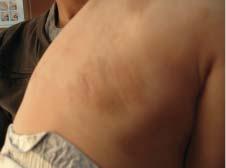
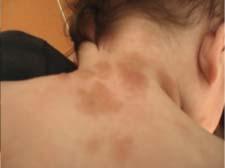
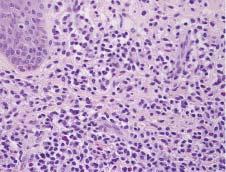
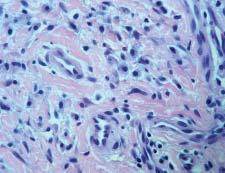
Abstract: Mastocytosis is an uncommon disease in infants and children. It is characterized by aggregates of large numbers of mast cells in several body tissues. The clinical manifestations depend on the dispersion of mast cells in specific organs and the secretion of mast cell mediators. Skin is the tissue usually affected in children and dermal manifestations may be the only presenting feature of the disease. Adults usually present with systemic mastocytosis and are more often affected by the more severe forms of the disease. Two cases of cutaneous mastocytosis in childhood of different types are presented. A 7 month-old male infant had first presented at the age of three months, with brownish maculopapular cutaneous lesions. There were no other clinical signs, apart from jitteriness and pruritus. The Darier sign was positive. Biopsy of the lesion revealed large perivascular aggregates of mast cells, which were compatible with maculopapular cutaneous mastocytosis. A 13 year-old boy presented with episodes of respiratory distress, expiratory wheezing, epigastric pain, flushing, facial angioedema, pruritus and lowered blood pressure. No apparent cutaneous lesions were reported and the Darier sign was negative. Skin biopsy revealed perivascular mast cell aggregates, while examination for systemic mastocytosis was negative. The diagnosis was made of diffuse cutaneous mastocytosis.
4. Alto W, Clarcq L. Cutaneous and systemic manifestations of mastocytosis. Am Fam Physician 1999;59:3047-3054, 3059-3060.
5. Surjushe A, Jindal S, Gote P, Saple DG. Darier’s sign. Indian J Dermatol Venereol Leprol 2007;73:363-364.
6. Hartmann K, Bruns BS, Henz MB. Mastocytosis: Review of clinical and experimental aspects. J Investig Dermatol Symp Proc 2001;6:143-147.
7. Brockow K. Urticaria pigmentosa. Immunol Allergy Clin N Am 2004;24:287-316.
8. Ben-Amitai D, Matzker A, Cohen HA. Paediatric cutaneous mastocytosis: A review of 180 patients. Isr Med Assoc J 2005;7:320-322.
9. Kiszewski AE, Dura ã n-Mckinster C, Orozco-Covarrubias L, Gutiérrez-Castrellfin P, Ruiz-Maldonado R. Cutaneous mastocytosis in children: a clinical analysis of 71 cases. J Eur Acad Dermatol Venereol 2004;18:285-290.
10. Akoglu G, Erkin G, Cakir B, Boztepe G, Sahin S, Karaduman A, et al. Cutaneous mastocytosis: demographic aspects and clinical features of 55 patients. J Eur Acad Dermatol Venereol 2006;20:969-973.
11. Roy J, Metry DW, Hicks J, Morgan AJ, Heptulla R. An unusual presentation of mastocytosis: Unilateral swelling of the vulva. Pediatr Dermatol 2005;22:554-557.
12. Conrad H, Gausche-Hill M, Burbulys D. A 6-month old
with total body flushing and a macular-papular lesion. Pediatr Emerg Care 2007;23:321-323.
13. Shaffer HC, Parsons DJ, Peden DB, Morrell D. Recurrent syncope and anaphylaxis as presentation of systemic mastocytosis in a pediatric patient: case report and literature review. J Am Acad Dermatol 2006;54(5 Suppl):S210-213.
14. Brockow K, Jofer C, Behrendt H, Ring J. Anaphylaxis in patients with mastocytosis: a study on history, clinical features and risk factors in 120 patients. Allergy 2008;63: 226-232.
15. Greenhawt M, Akin C. Mastocytosis and allergy. Curr Opin Allergy Clin Immunol 2007;7:387-392.
16. Heide R, Tank B, Oranje A. Mastocytosis in childhood. Pediatr Dermatol 2002;19:375-381.
17. Valent P, Akin C, Escribano L, Födinger M, Hartmann K, Brockow K, et al. Standards and standardization in mastocytosis: consensus statements on diagnostics, treatment recommendations and response criteria. Eur J Clin Invest 2007;37:435-453.
1. Carroll, AJ, Coakley JC. Transient hyperphosphatasaemia: an important condition to recognize. J Paediatr Child Health 2001;37:359-362.
2. Stein P, Rosalki SB, Foo AY, Hjelm M. Transient hyperphosphatasemia of infancy and early childhood: clinical and biochemical features of 21 cases and literature review. Clin Chem 1987;33:313-318.
3. Eboriadou M, Skouli G, Panagopoulou P, Haidopoulou K, Makedou A, Varlamis G. Acute laryngotracheobronchitis and associated transient hyperphosphatasemia: a new case of transient hyperphosphatasemia in early childhood. J Paediatr Child Health 2006;42:149-150.
4. Suzuki M, Okazaki T, Nagai T, Töro K, Sétonyi P. Viral infection of infants and children with benign transient hyperphosphatasemia. FEMS Immunol Med Microbiol 2002;33:215-218.
5. Crofton PM. What is the cause of benign transient hyperphosphatasemia? A study of 35 cases. Clin Chem 1988;34:335-340.
6. Behúlova ã D, Bzdúch V, Holesova ã D, Vasilenkova ã A, Ponec J. Transient hyperphosphatasemia of infancy and childhood: study of 194 cases. Clin Chem 2000;46:1868-1869.