











‘W l k f h h d










l f h 60 f l .





i












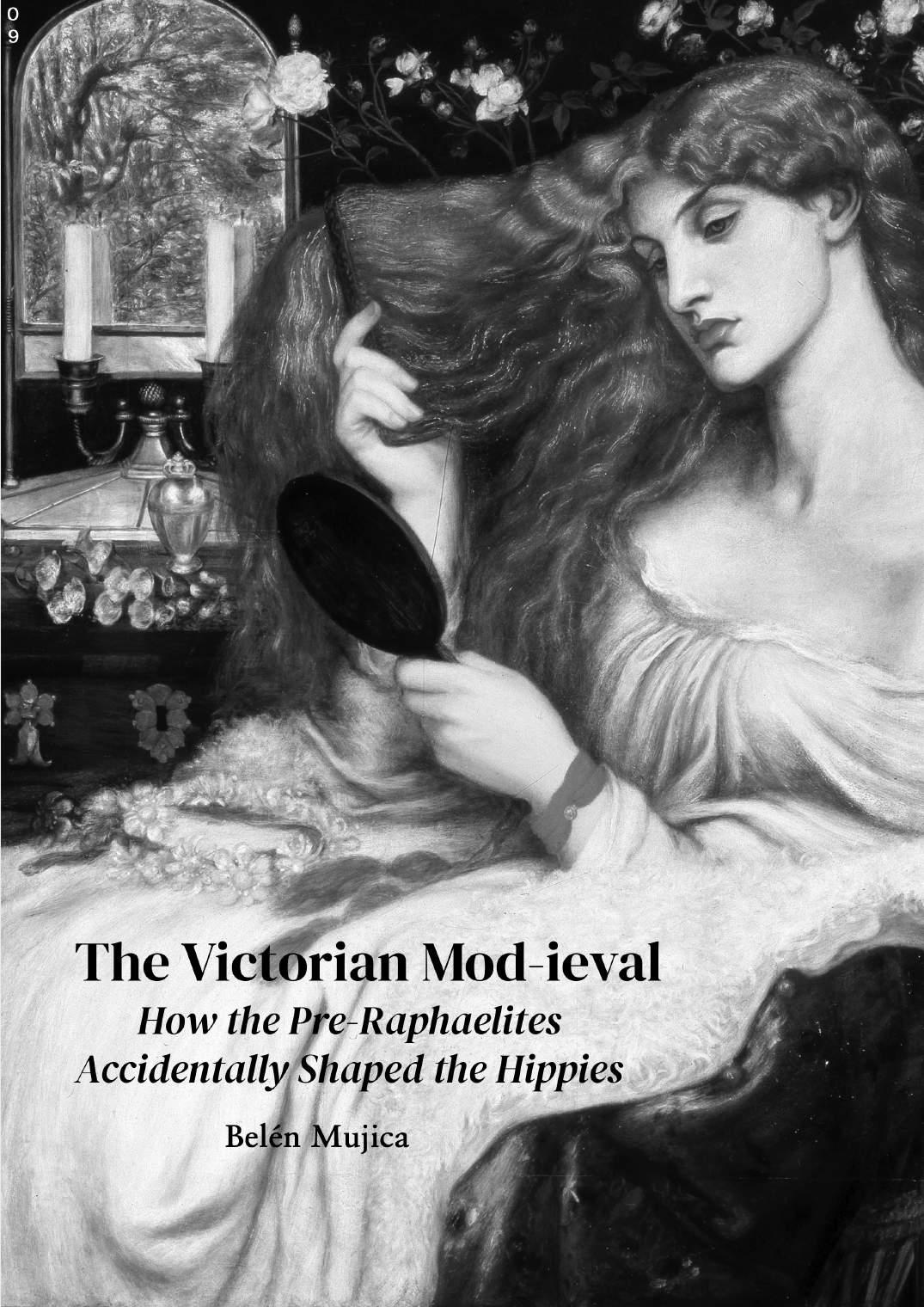
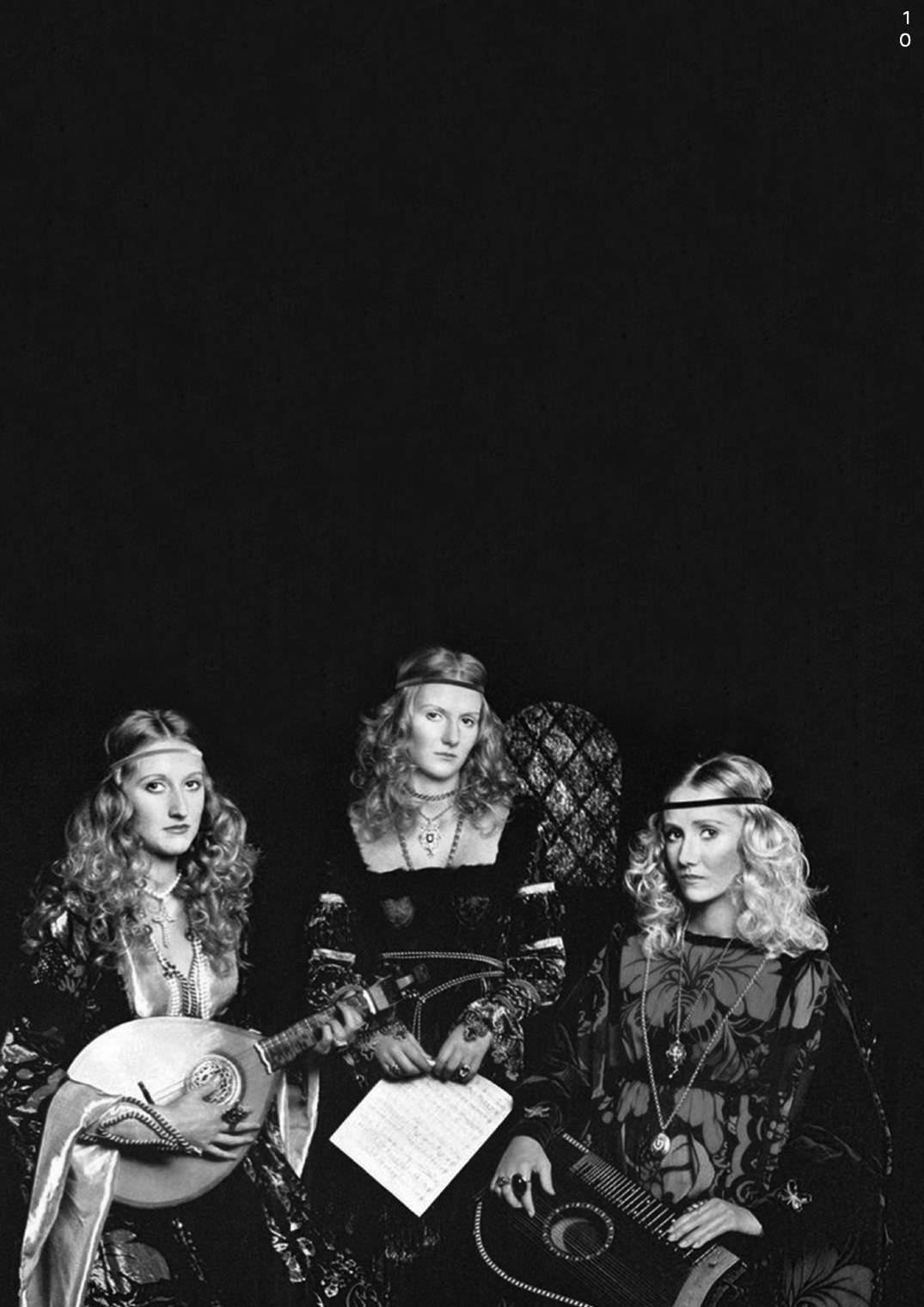
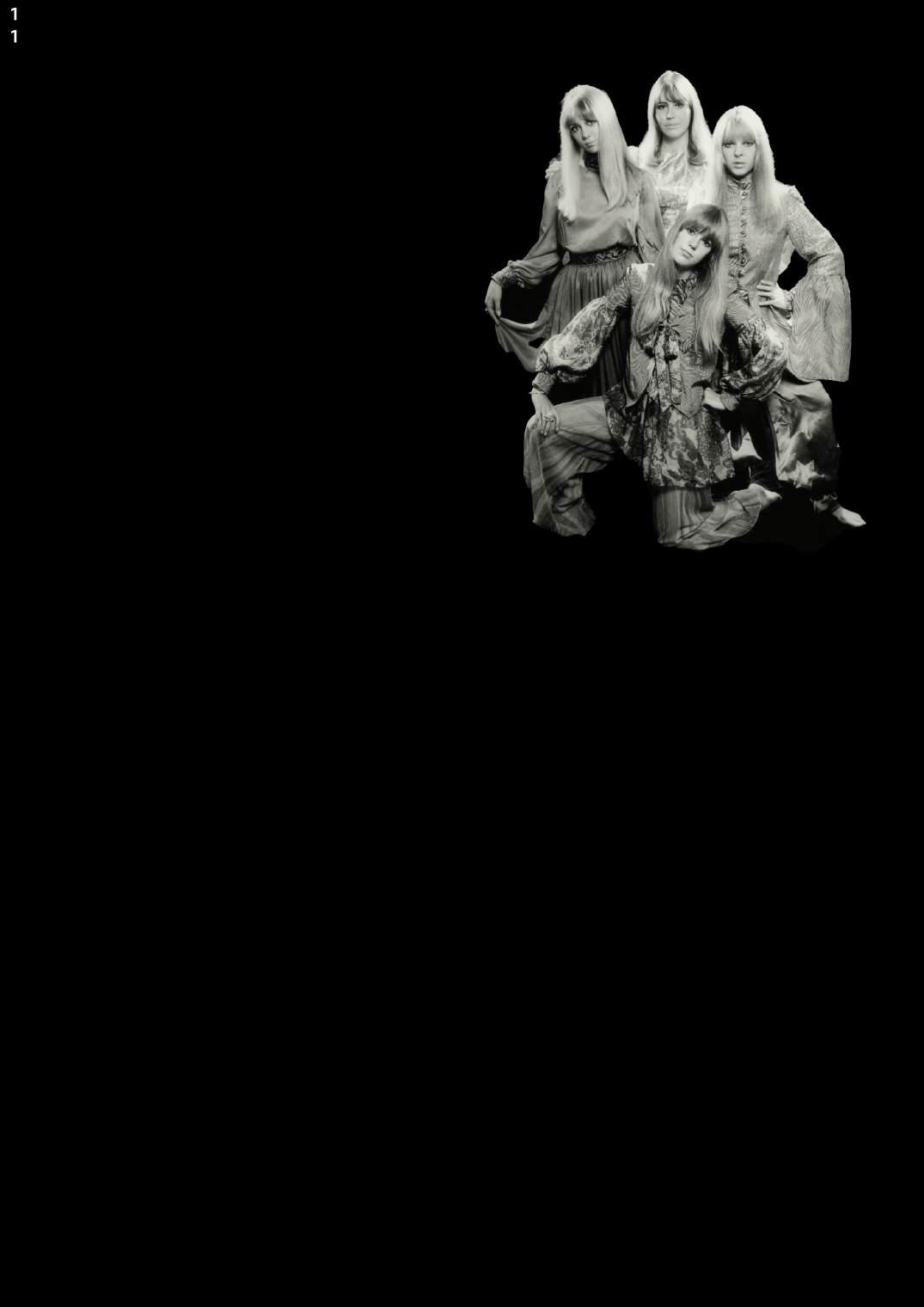
Ages in search of a more human way of living, idealising it as a time of spirituality and communal harmony. The Victorian era perhaps is one of the most memorable examples of this, as the Pre-Raphaelite Brotherhood transformed it into an era of chivalry, spiritual purity, and pastoral beauty. It is this romanticised Victorian vision, not the historical Middle Ages that the 1960s inherited, owing far less to the realities of the times than to the lingering influence of the Pre-Raphaelite fantasy. This deliberate historical inaccurac y, however, is telling of the decade, showing a generation not trying to return to a lost past, but instead boldly accepting its reshaping to imagine a freer, more hopeful future.







II ’ h 1960 d d h













Wh h i l i l d




t w s s t F M l T n H a , s h ( c m b a h . T s k w f w , s s

m hb b ’ i h ll k s p d a a d
v t a W t M s t







Ali B l i hi E d d i h h ld l i
o k H t







t a i t b c G c o T a t t y w Ali B t lik th H h d s t h l s t a b t c w T A W b t w f b t h m n . A w h




Tonight, he was no longer Alien Boy. There were no Martian men on the moon like the comics promised. There was only a spaceship with voices growing closer and closer.
The boy with the shaved head sat heavily on the ground and whispered to his spaceship desperately.
“Home. Home. Home.”
The spaceship did not respond. It couldn't speak that language.
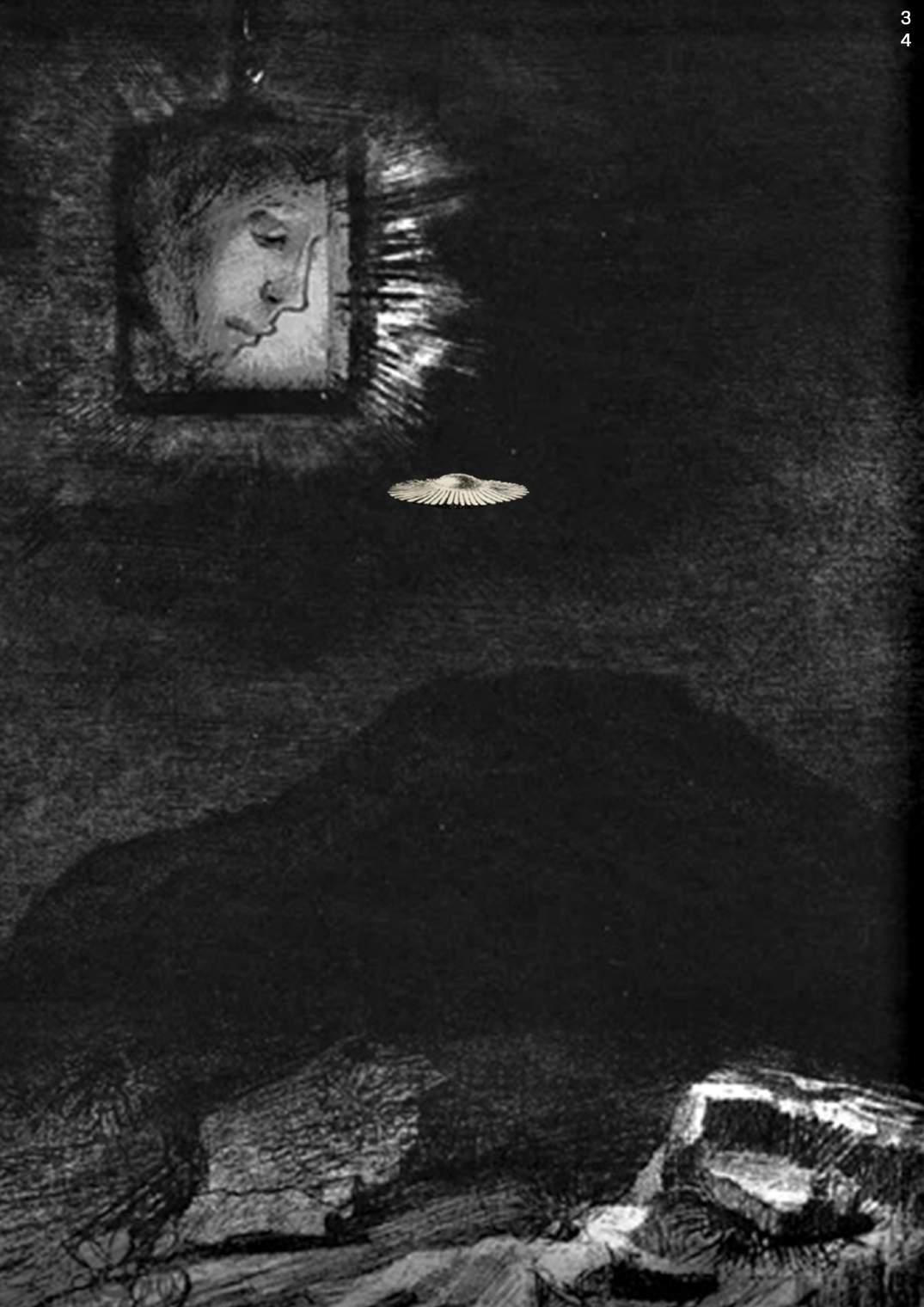
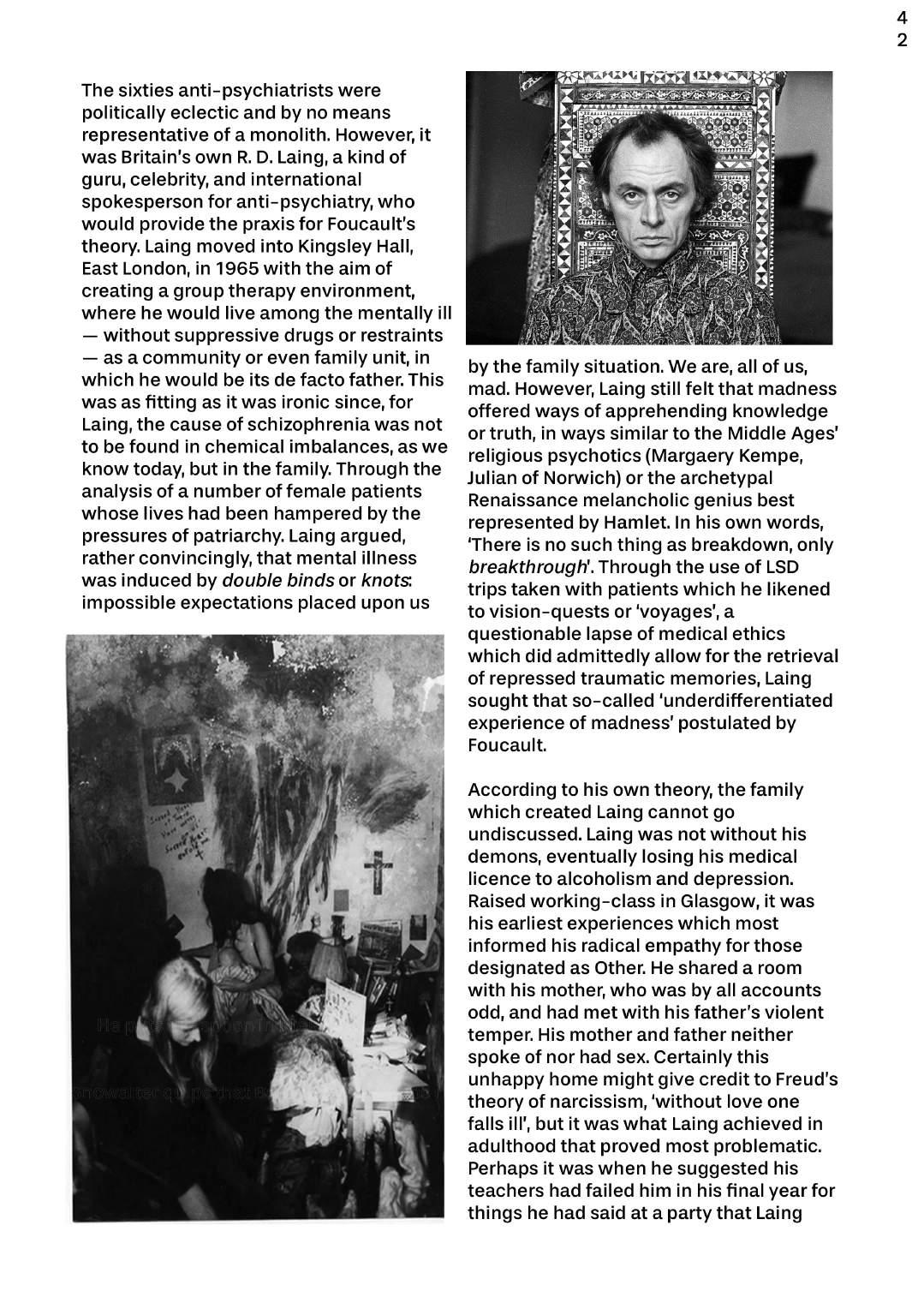
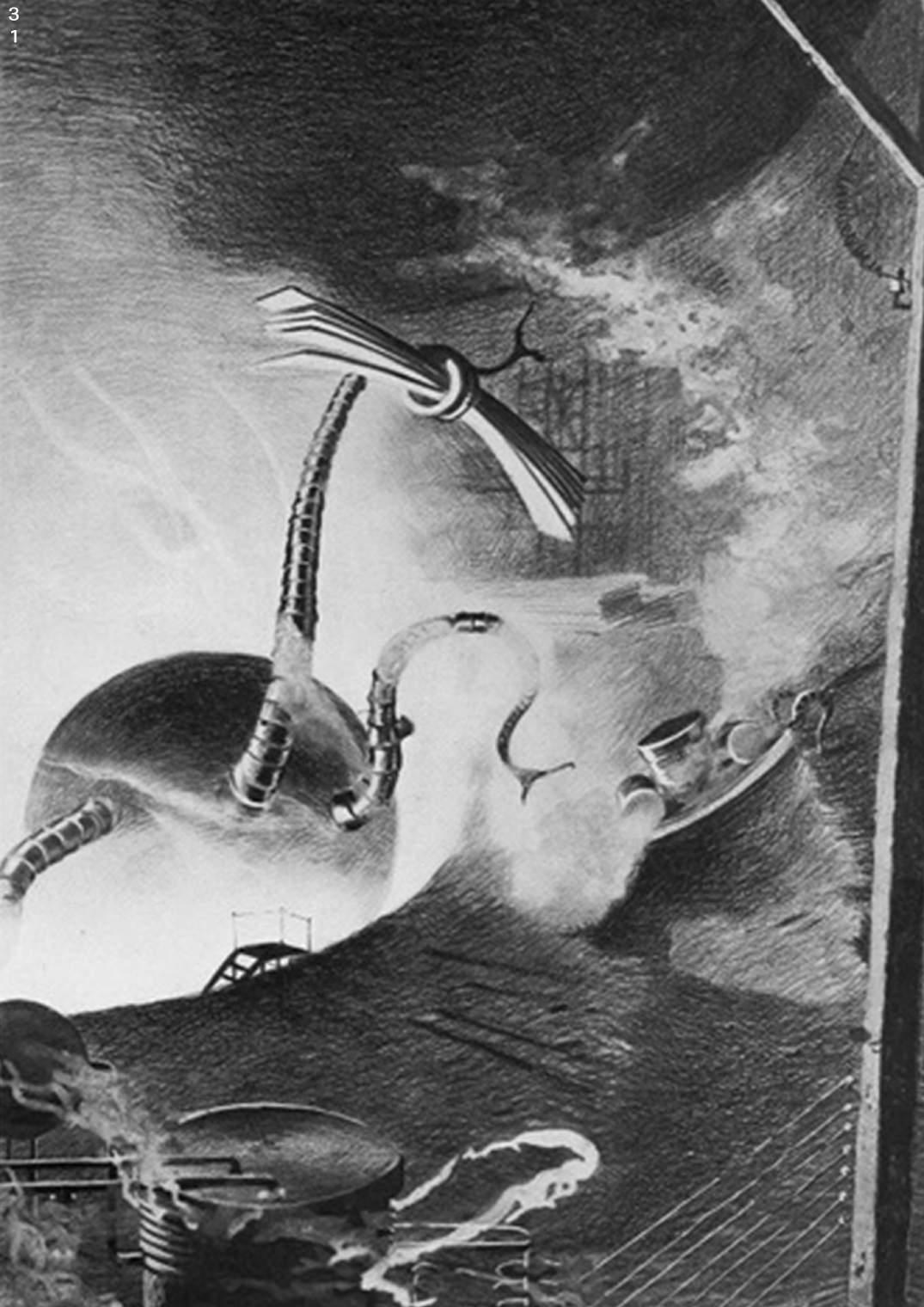
Residential schools were established in 1880 within Canada, with the last formal one closing in 1997, only 28 years ago. These residential schools were a way for the Canadian government to force cultural assimilation upon indigenous populations. The biggest taking of children is often referred to as the Sixties Scoop, where children as young as infants were taken and placed in white foster families and residential schools. It is estimated that over 20,000 children between 1951 and 1984 were taken, many of whom were never seen again by their families. During the sixties, many comic books began e xperimenting with space, specifically the idea that aliens, something previously only treated as fictional, may have a grounding in reality. Comics such as Exiled to Earth (Space War), The Morning of the Magicians and Marvel: The Eternals were widespread, primarily available for children's reading. Oftentimes, when discussing Canada's history of racism towards indigenous peoples, many forget that this did not happen that long ago and was occurring directly alongside iconic pop culture moments. My piece is inspired by the many indigenous children who were reading comic books during the sixties and using them to cope and understand the trauma they were experiencing.