Focal Points
Of Bears and Puffins . . . An Alaskan Safari
Chair
Programs
Treasurer
Membership
Editor Communications
Instagram Outings Outings
Of Bears and Puffins . . . An Alaskan Safari
Chair
Programs
Treasurer
Membership
Editor Communications
Instagram Outings Outings
Joe Doherty
Susan Manley
Ed Ogawa
Joan Schipper
Joe Doherty
Velda Ruddock
Joan Schipper
Joan Schipper
Alison Boyle
joedohertyphotography@gmail.com
SSNManley@yahoo.com
Ed5ogawa@angeles.sierraclub.org
JoanSchipper@ix.netcom.com
joedohertyphotography@gmail.com
vruddock.sccc@gmail.com
JoanSchipper@ix.netcom.com
JoanSchipper@ix.netcom.com
AlisoniBoyle@icloud.com
Focal Points Magazine is a publication of the Sierra Club Camera Committee, Angeles Chapter. The Camera Committee is an activity group within the Angeles Chapter, which we support through the medium of photography. Our membership is not just from Southern California but is increasingly international.
Our goal is to show the natural beauty of our world, as well as areas of conservation concerns and social justice. We do this through sharing and promoting our photography and by helping and inspiring our members through presentations, demonstration, discussion, and outings.
We have members across the United States and overseas. For information about membership and/or to contribute to the magazine, please contact the editors or the membership chair listed above. Membership dues are $15 per year, and checks (payable to SCCC) can be mailed to: SCCC-Joan Schipper, 6100 Cashio Street, Los Angeles, CA 90035, or Venmo @CashioStreet, and be sure to include your name and contact info so Joan can reach you.
The magazine is published every other month. A call for submissions will be made one-month in advance via email, although submissions and proposals are welcome at any time. Member photographs should be resized to 3300 pixels, at a high export quality. They should also be jpg, in the sRGB color space.
Cover articles and features should be between 1000-2500 words, with 4-10 accompanying photographs. Reviews of shows, workshops, books, etc., should be between 500-1500 words.
Copyright: All photographs and writings in this magazine are owned by the photographers and writers who created them. They hold the copyrights and control all rights of reproduction and use. If you desire to license one, or to have a print made, contact the editor at joedohertyphotography@gmail.com, who will pass on your request, or see the author’s contact information in the Contributors section at the back of this issue.
https://angeles.sierraclub.org/camera_committee
https://www.instagram.com/sccameracommittee/
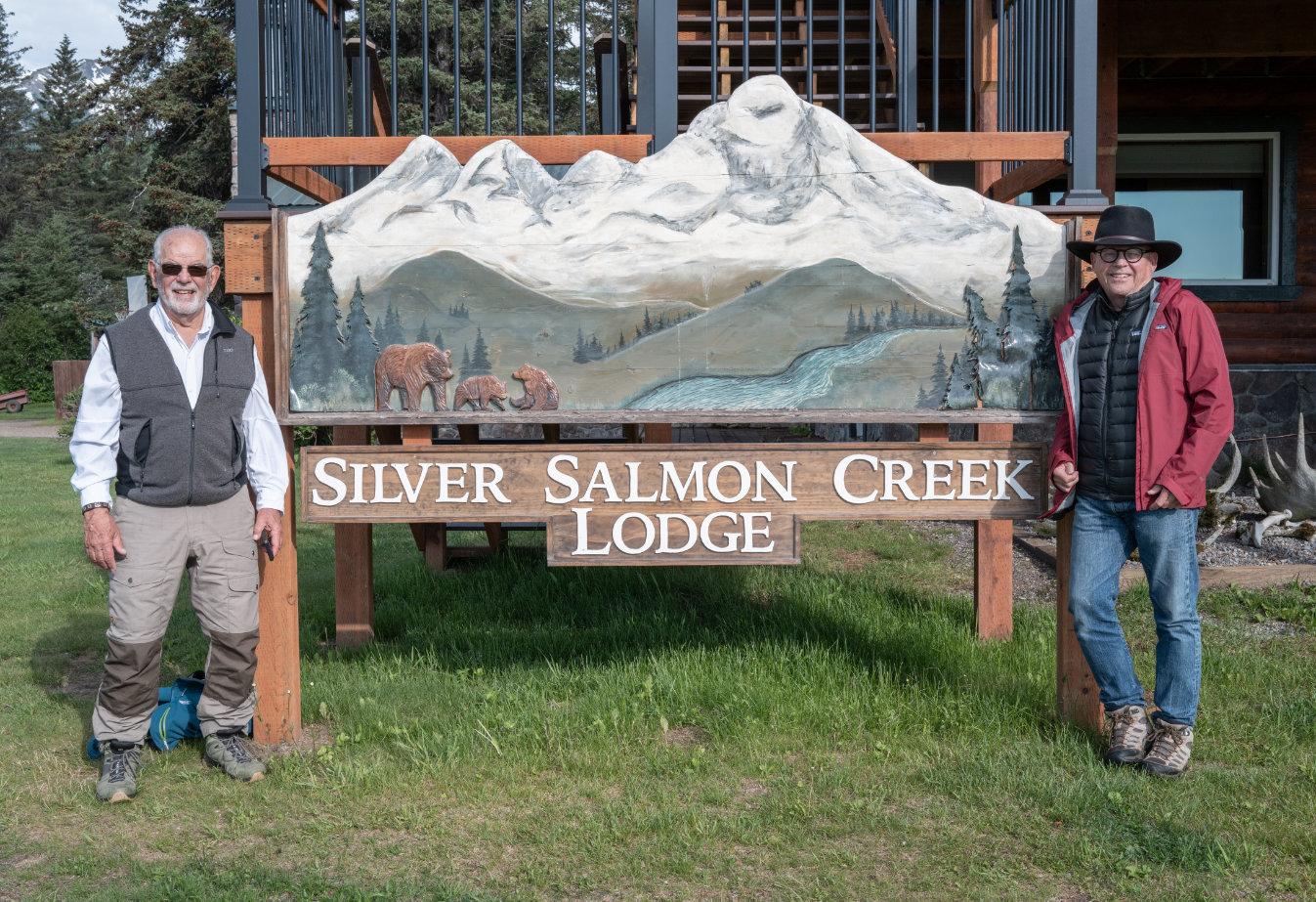
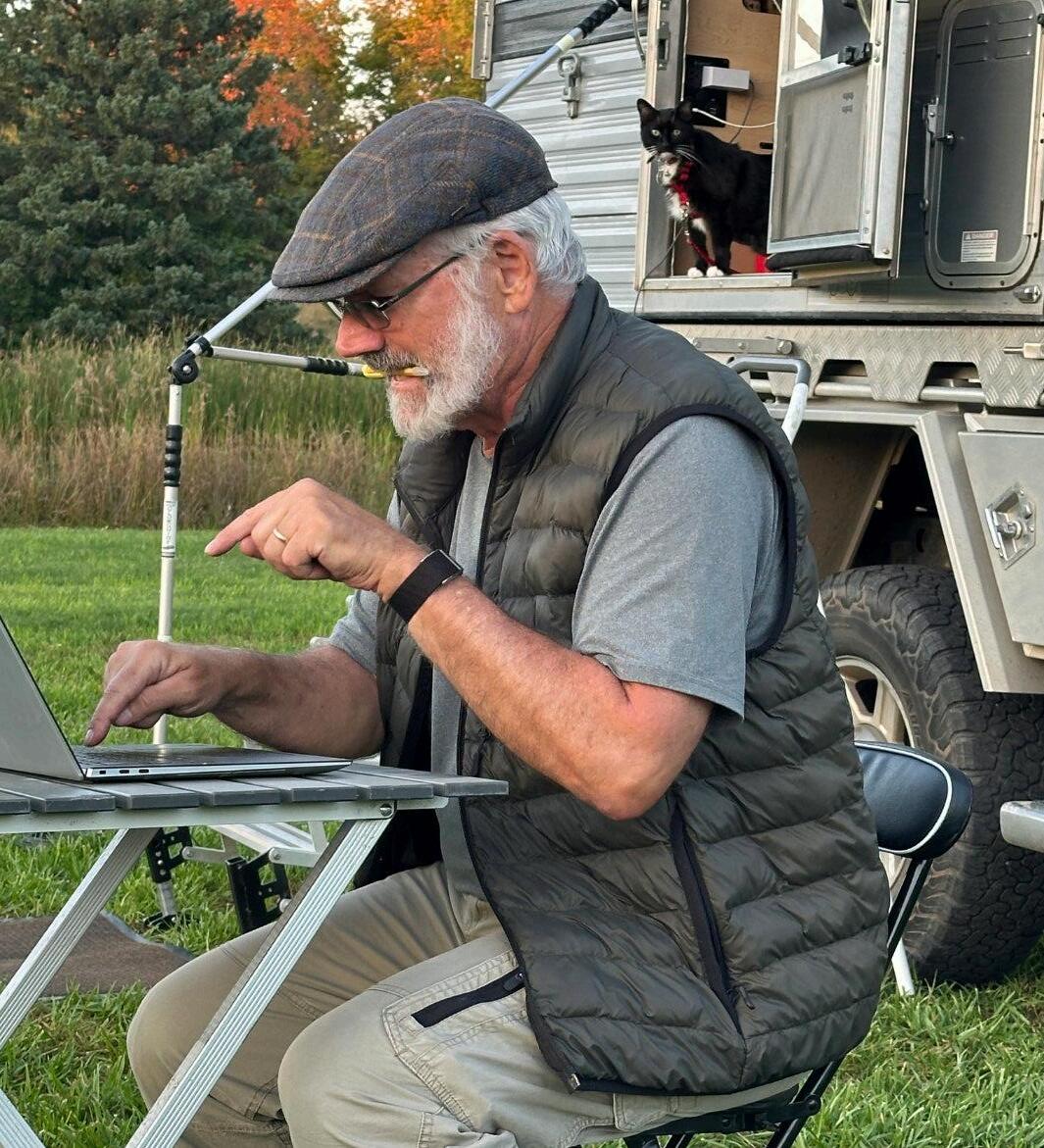
We are on a cross-country road trip. Given our ages and the state of the country, it seemed like a good idea to finally commit to a long journey in our camper. You never know when bad health or martial law will affect one’s ability to travel in the future. And I can edit this magazine from the road.
The last time we traveled this far, in 2018, I worried about what reaction we might get due to our California license plates. My friend Gary, an Oklahoma native, advised me to “just tell them your from Bakersfield.” That seems to work.
I can report with authority that Portland is not war ravaged. Parking at the Japanese Garden on Saturdays is a nightmare, but I would not expect even the National Guard to solve that problem. The places we’ve been are beautiful, and many of the people we’ve met are quite friendly.
During a recent shutdown, Yellowstone simply threw open its gates and stopped collecting entrance fees.
But the effects of Washington on our journey are not distant. We expect to cross the border into Canada not long after this is published, and the impending government shutdown might hinder us. It might also be a problem visiting some of our planned destinations.
I hope it does not get that far. But if past is prologue it will, and it will last longer than ever before.
What can we do? Care for ourselves first. Make art, and share it with others.
October 9 at 7:00pm
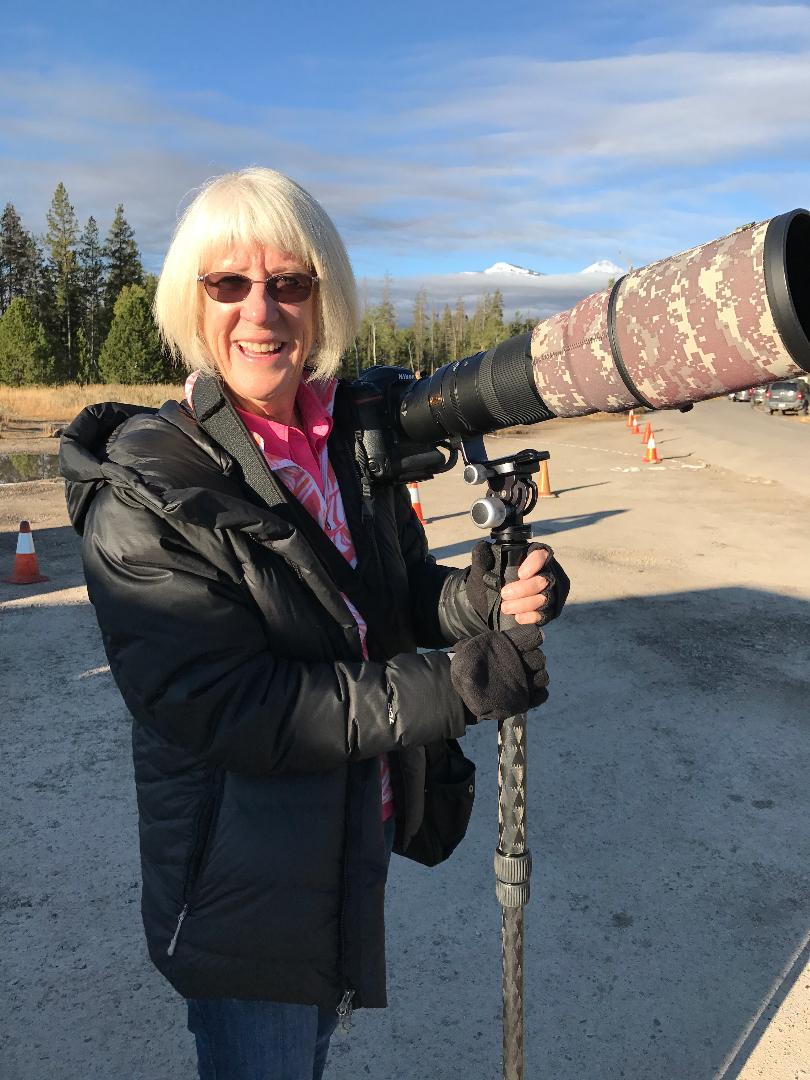
Karen Schuenemann is a nature and wildlife photographer. Her work is recognized internationally having garnered numerous awards and appeared in a variety of publications. She has focused in part on the "urban Wilderness" in Los Angeles area locales and spent over 100 days documenting the story of urban red foxes in Southern California. Karen was awarded a Highly Commended Award-Bird Behavior in the prestigious 2018 Wildlife Photographer of the Year sponsored by the London Natural History Museum. In 2017 she was the Professional Category Honorable Mention in the National Audubon Contest, one of the top five awards. Her images have garnered numerous awards from Best in Show in Los Angeles County Fair to Honorable Mention in the National Park Contest.
She enjoys speaking about wildlife and bird photography and using photography to tell stories and make a positive impact in protecting and conserving our natural world. Karen's photography inspires people to truly care about the natural world in the busy urban landscapes, as well more remote places around the world.
She currently leads workshops to a variety of locations around the world with her company, Wilderness At Heart Photography, and teaches classes in both California and Florida. http://www.wildernessatheart.com/
Register for the meeting at this link:
https://us02web.zoom.us/meeting/register/NxBJaaVyT1G0NZqua-IFng
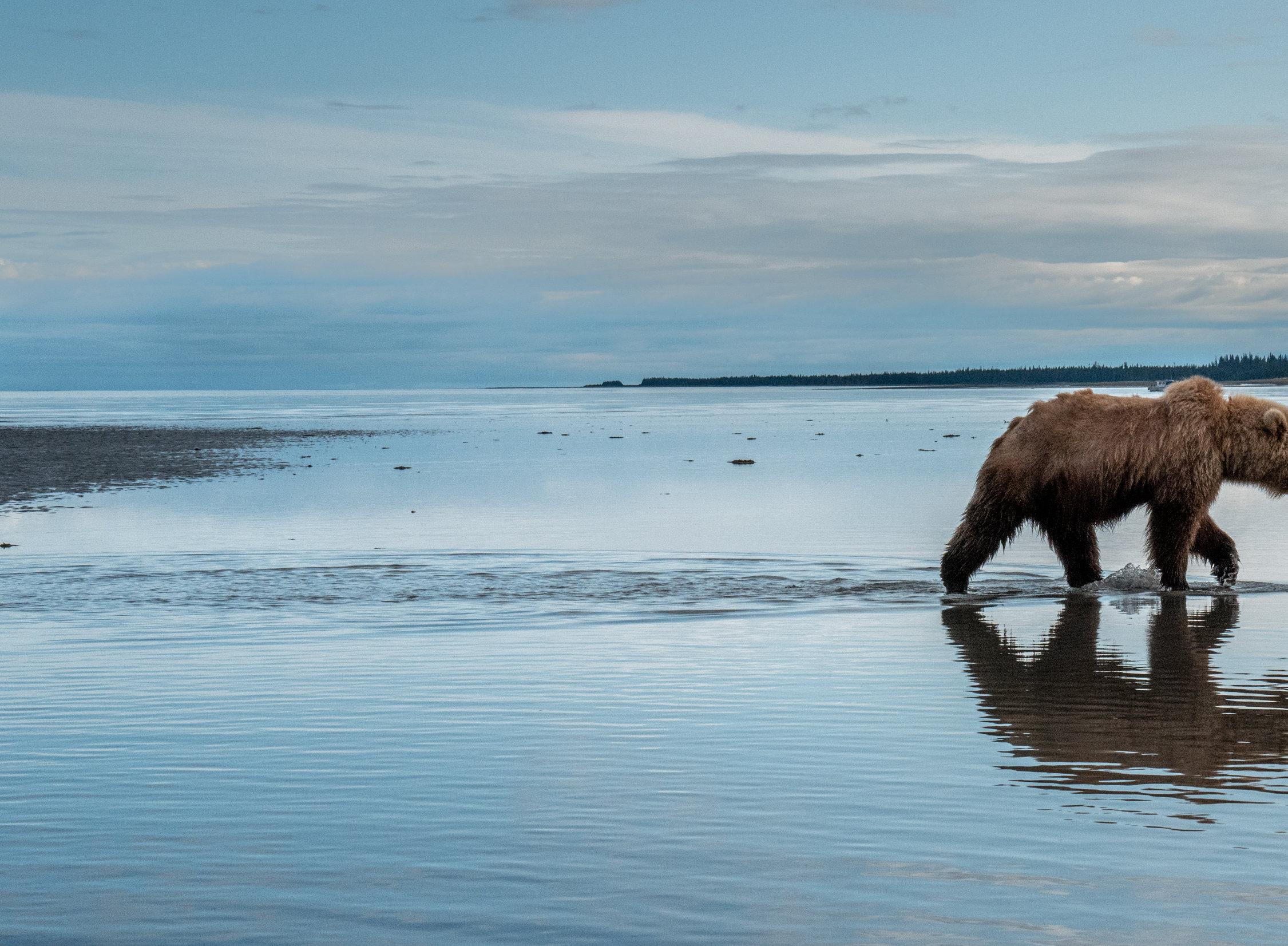
Article and Photographs by John Nilsson
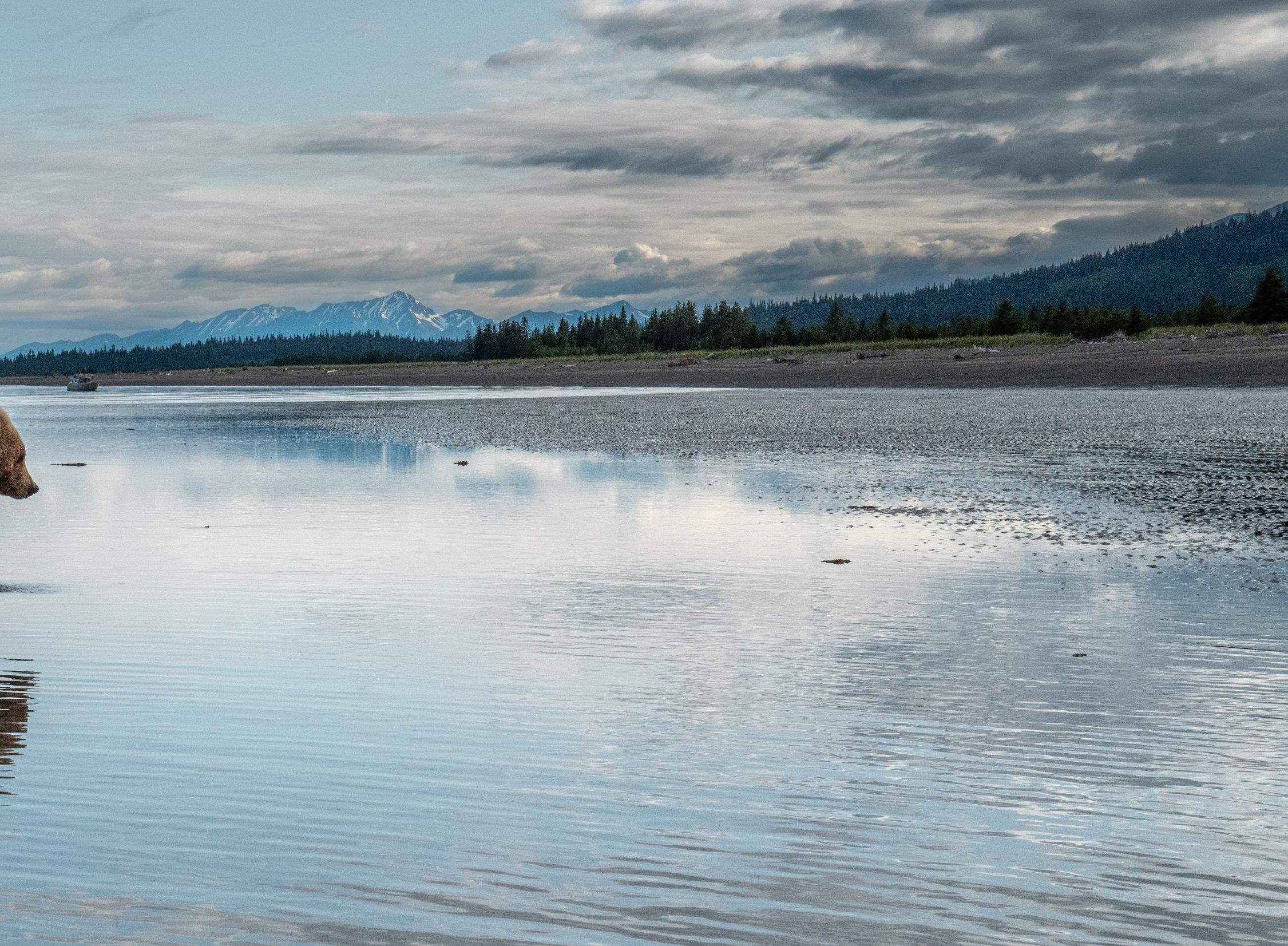
“Jump up in the right seat there, young man,” said our pilot, ignoring the fact that I was obviously 30 years older than he, “and we’ll see if we can get this thing off the ground.”
We were boarding a modernized version of the classic DeHavilland Otter that sported a hefty turboprop engine more than capable of lifting the two of us, the six other passengers and 300 pounds of camera gear out of the Lake Hood Seaplane Base, (the largest seaplane facility in the world), near the center of downtown Anchorage, Alaska. Soon we were on the one hour hop to Silver Salmon Creek Lodge to the south-west and on the far
side of the gigantic Cook Inlet. We were looking forward to “shooting” a few bears.
Shortly after traversing the Inlet and going “feet dry” over some rather stark and pointy terrain, our pilot put the nose down into a wide spiral and started losing altitude… quickly. I was growing more-and-more curious how a float plane was going to land in the low, flat meadow until I realized we were landing not on a beautiful, green meadow but on what turned out to be long alpine lake completely covered with water lilies. It was then and there that I realized I would be
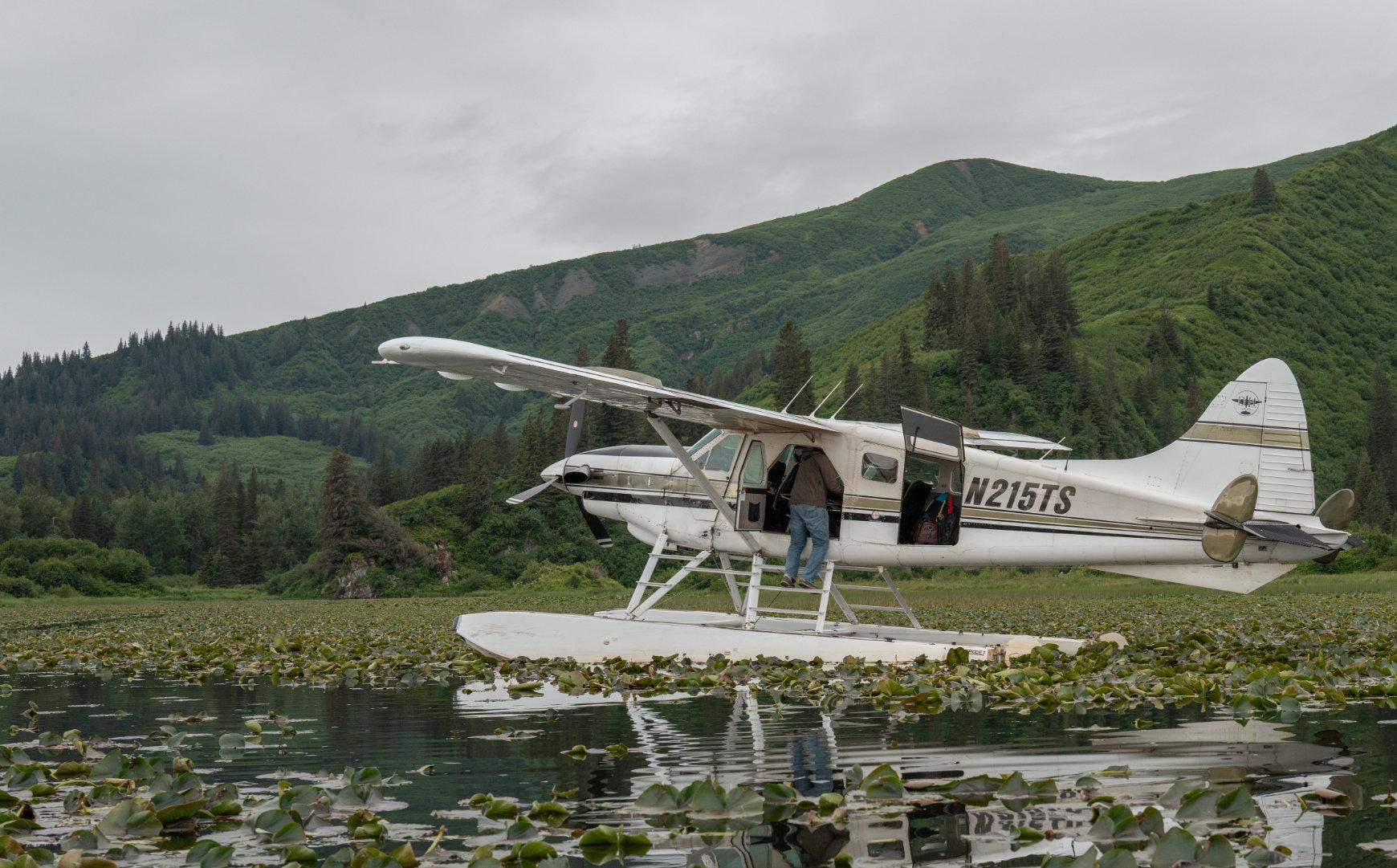
experiencing many new things in the Alaskan wilderness.
We were met mid-lake by the transfer boat and treated to a roller coaster ride through jungle by four wheeler to the Lodge. Upon arrival there was no time to rest – we were immediately stewarded to the tidal mud flats on the inlet. The tide was out, and the bears were waiting. What followed that afternoon and for the remaining five days of our trip was nothing less than amazing.
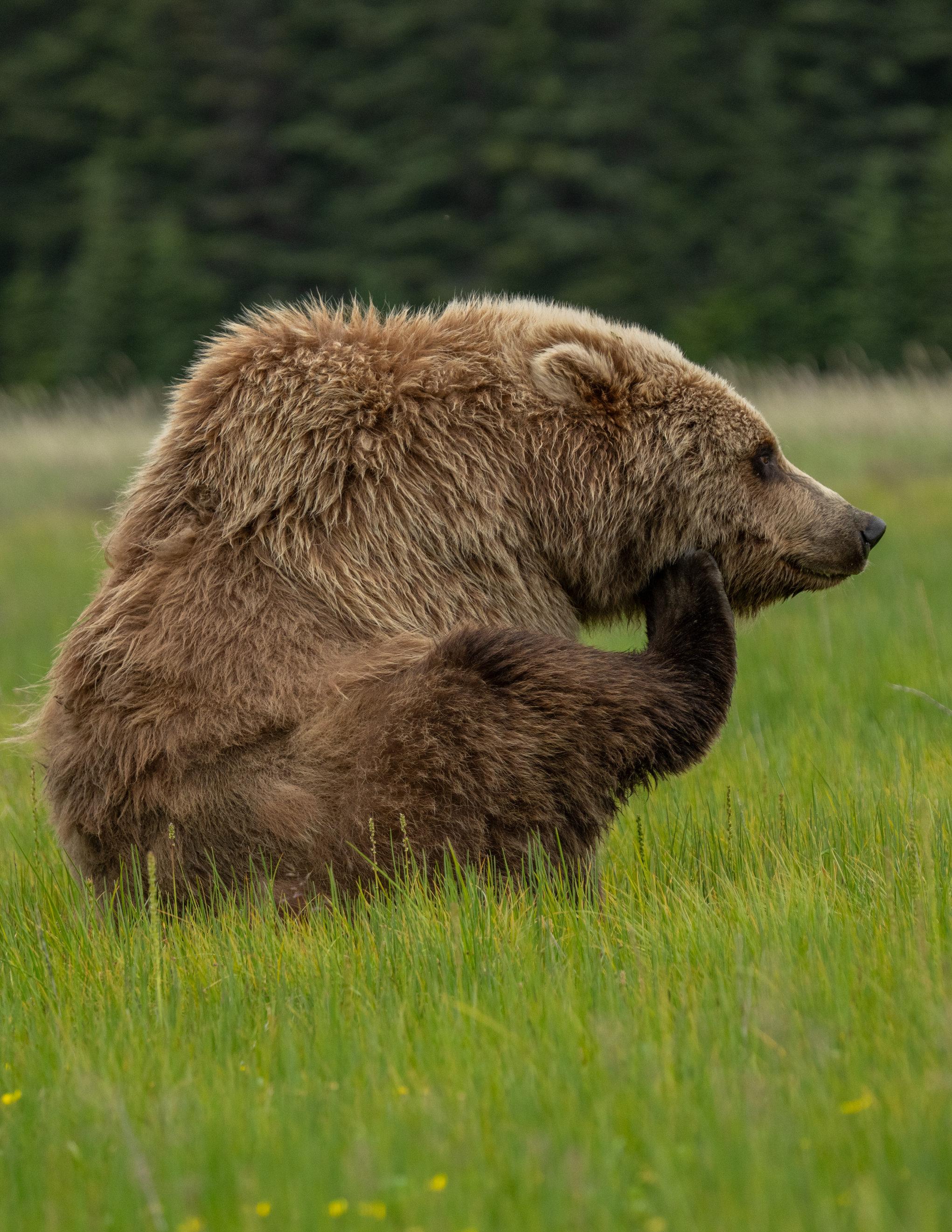
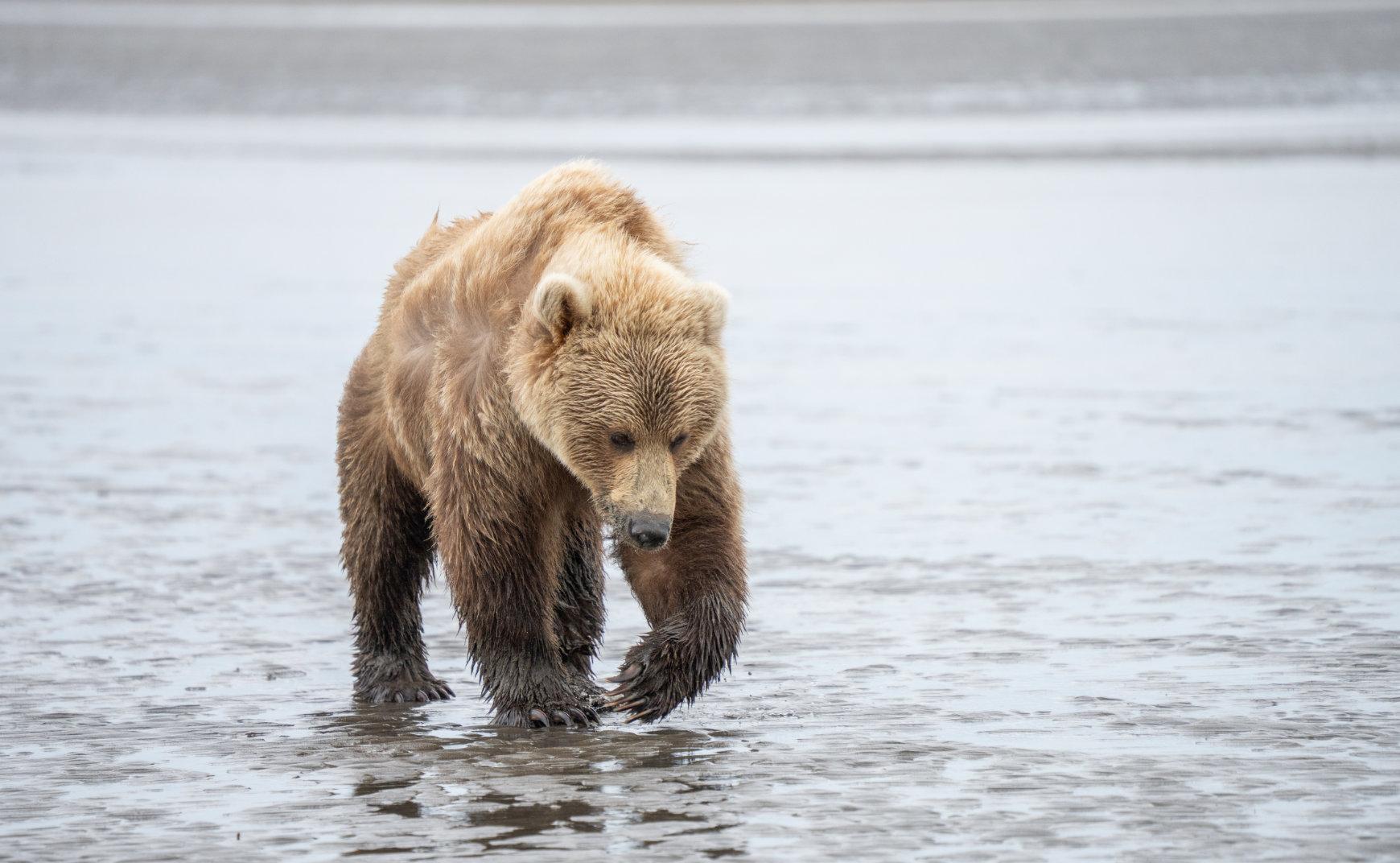
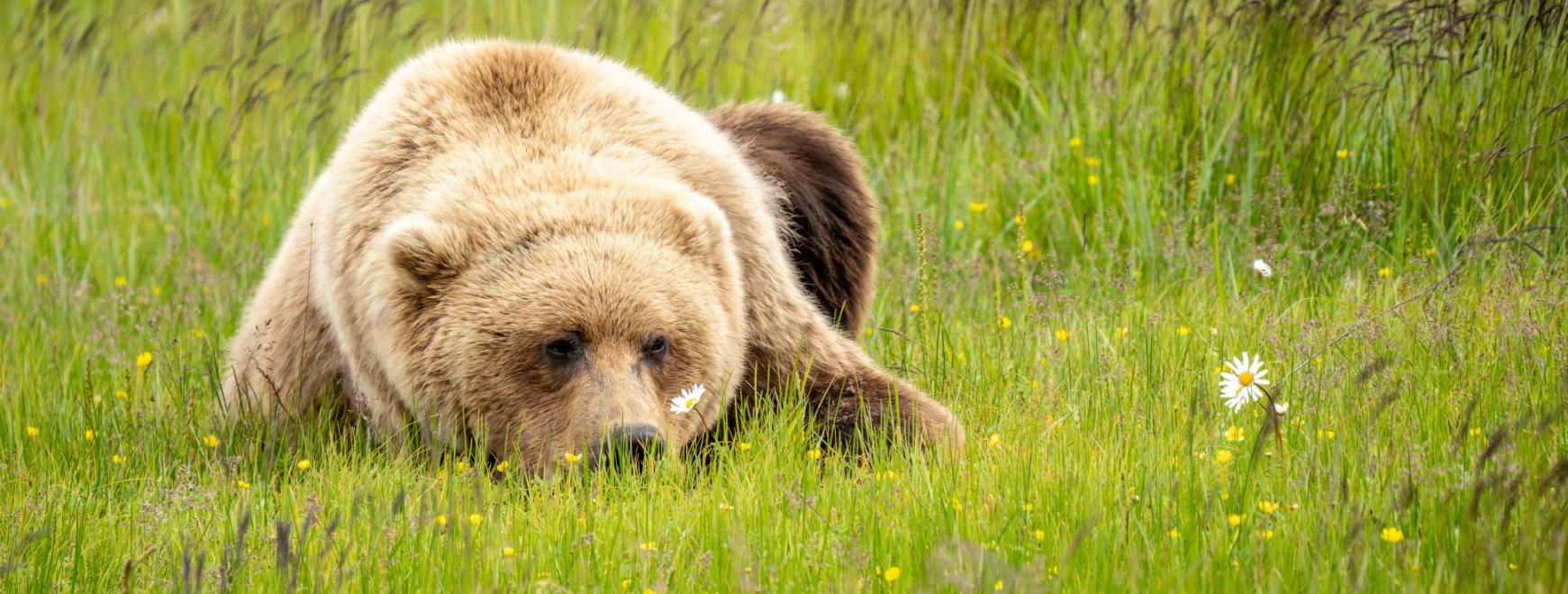
For weeks leading up to this trip, my wife had been forwarding me internet stories of Alaskan bear attacks and unfortunate confrontations where the poor human/ photographer/hunter/hiker had met with unpleasant results. Thanks, Enid. Here we were standing comfortably in the middle of a literal pack of 800-pound beasts calmly digging in the mud of the flats with their
eight-inch claws and paying absolutely no attention to us.
Our guide explained that the bears in this region did not consider humans to be the slightest threat. Silver Salmon Creek is in the National Park where hunting is not allowed, and the area is so remote that generations of bears have grown to consider humans a normal part of the landscape. He did warn us, however, to not take the aloofness of these bears for granted. In most parts of Alaska, a Brown Bear would as likely take your face off as let you get this close. I took comfort in the large can of bear spray on his hip. He claimed he’d never had to use this comforting item even once in ten years of working at Silver Salmon Creek.
From the first day of waking up from hibernation in the spring, brown bears start taking in calories in preparation for winter. The salmon run is later in the summer around
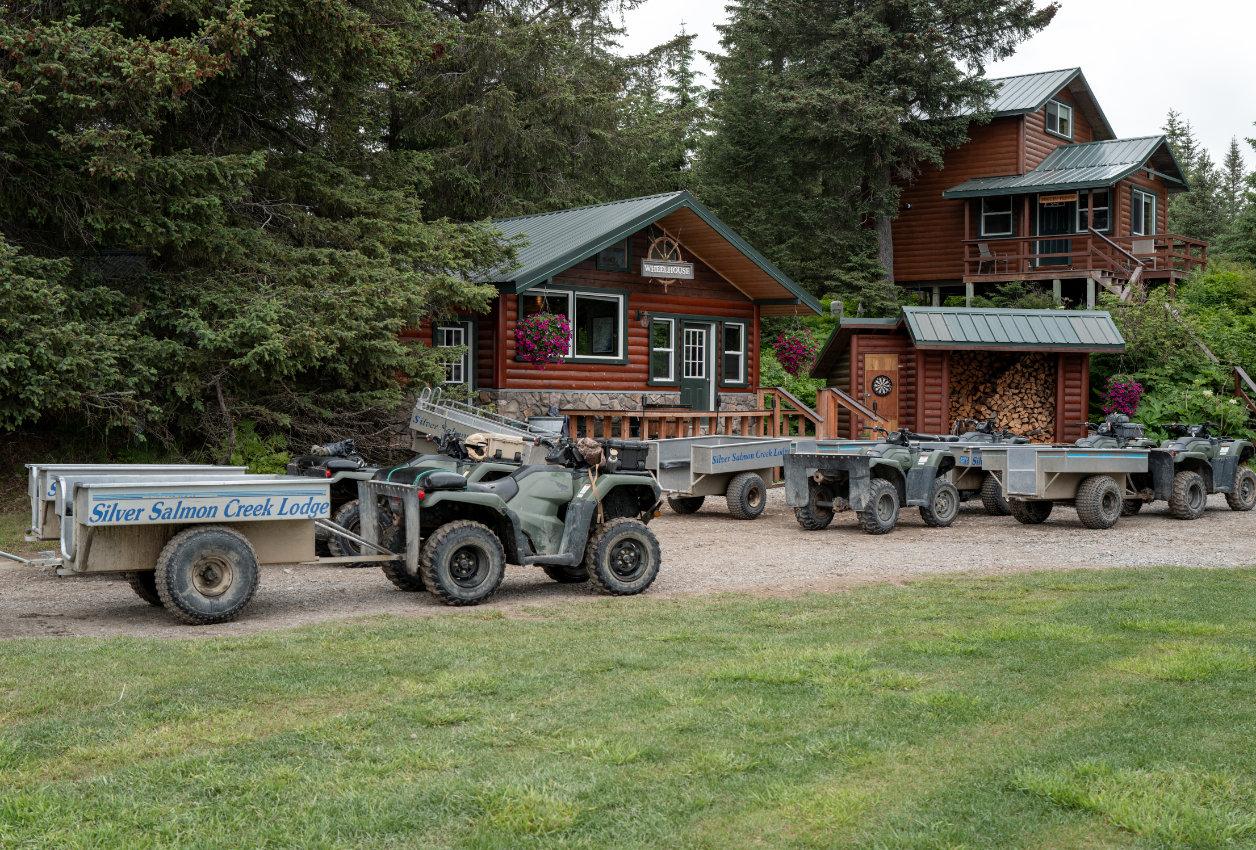
Silver Salmon Creek Lodge and the bears’ major food source are the clams in the tidal flats of the Cook Inlet, just a quick fourwheeler ride from the Lodge.
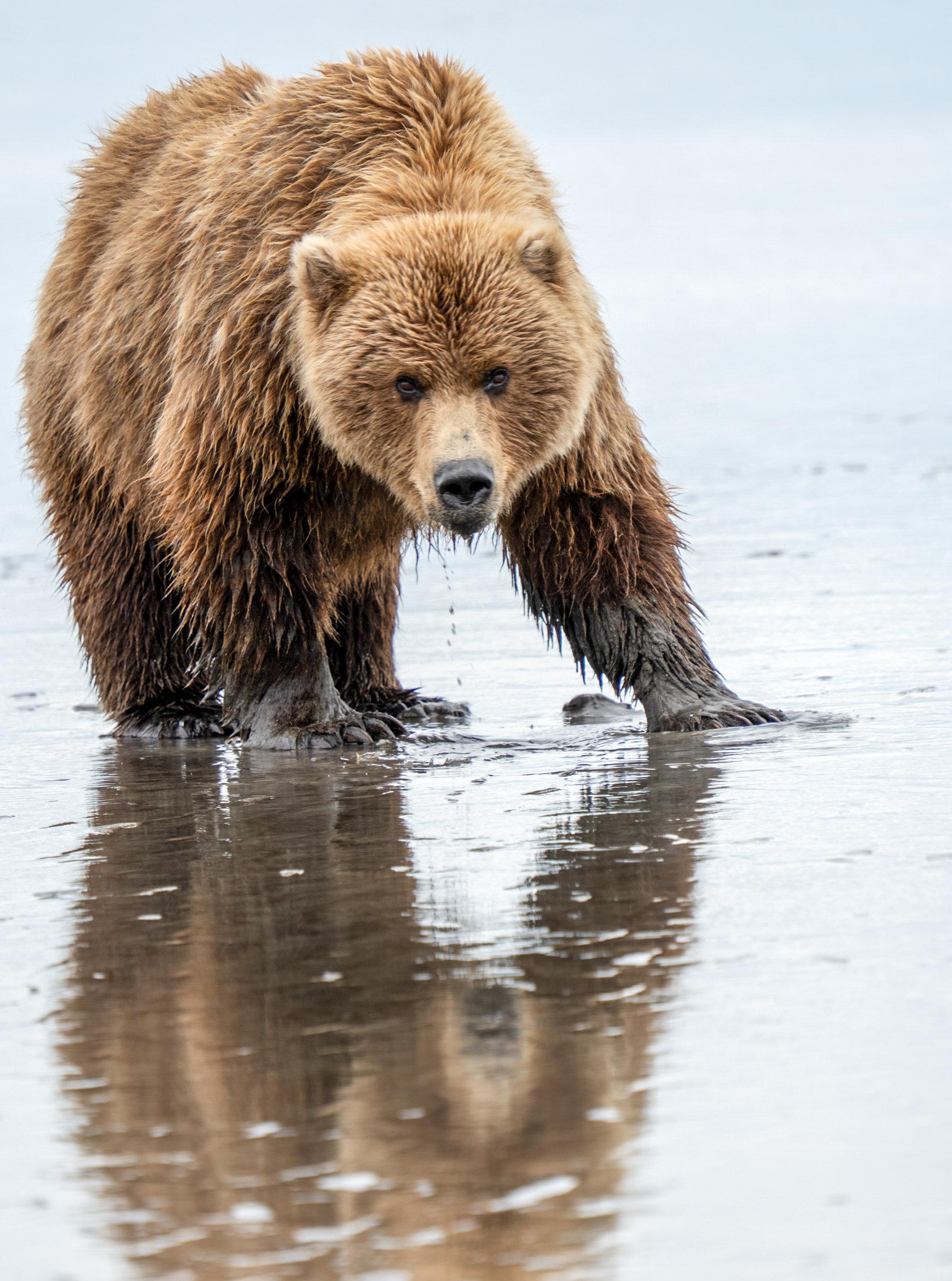
The bears spend most of the low tide period digging in the mud for dinner. They have an
uncanny ability to sniff out clams hiding under six inches of mud and they eat hundreds of them a day. A quick crunch of the shell and down the hatch! They are not delicate eaters, either. There are a lot of leftovers to sustain the hangers-on gulls that follow the bears around in the mud.
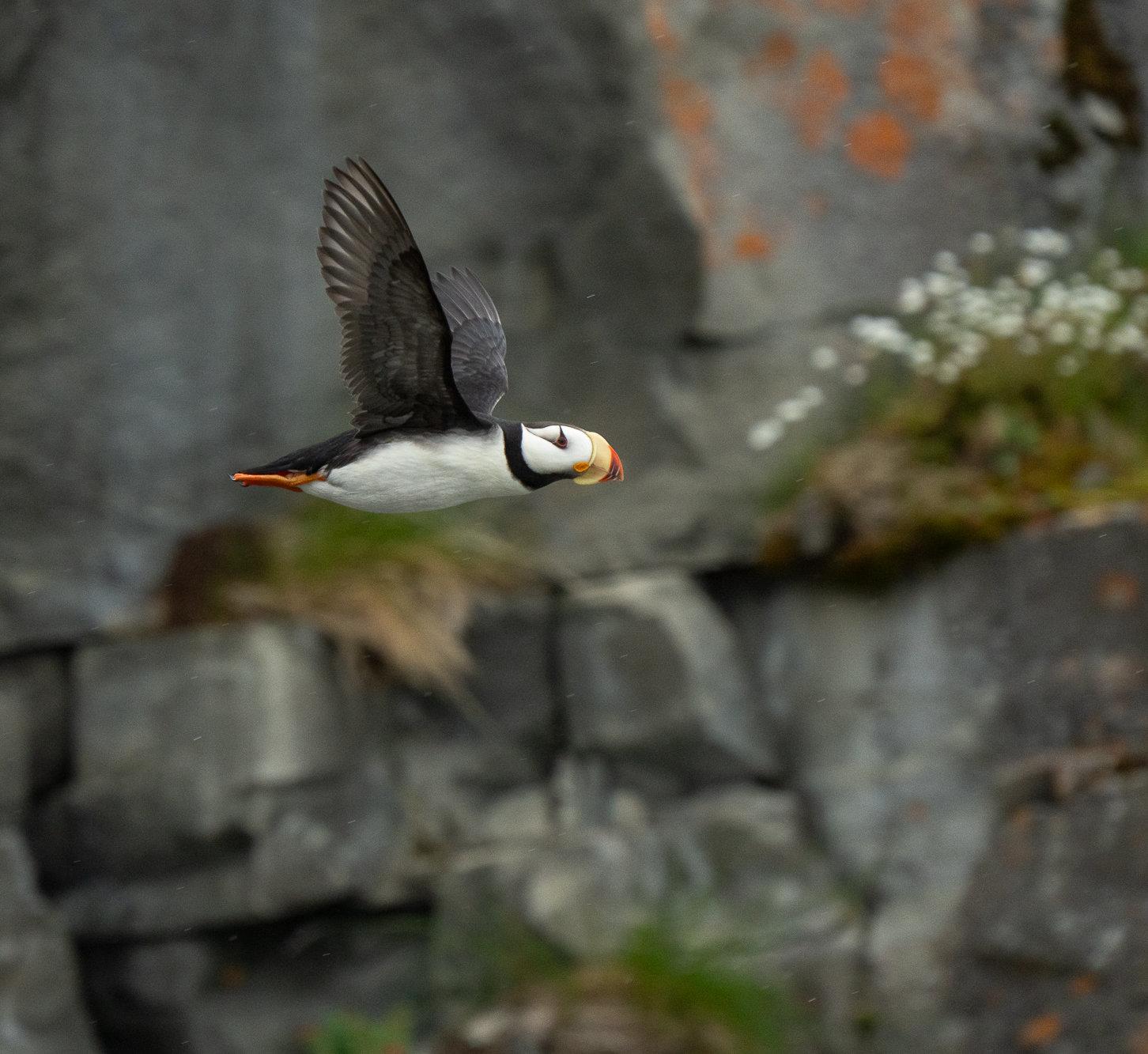
The second day found us an opportunity to jump in the Lodge’s two boats for a trip to some small islands in the Cook Inlet that were crawling with seabirds. Among these residents was a large group of Puffins. I had always been keen to have a good shot of these elusive birds. I was not disappointed. These little guys look like they have no right to be able to fly with their
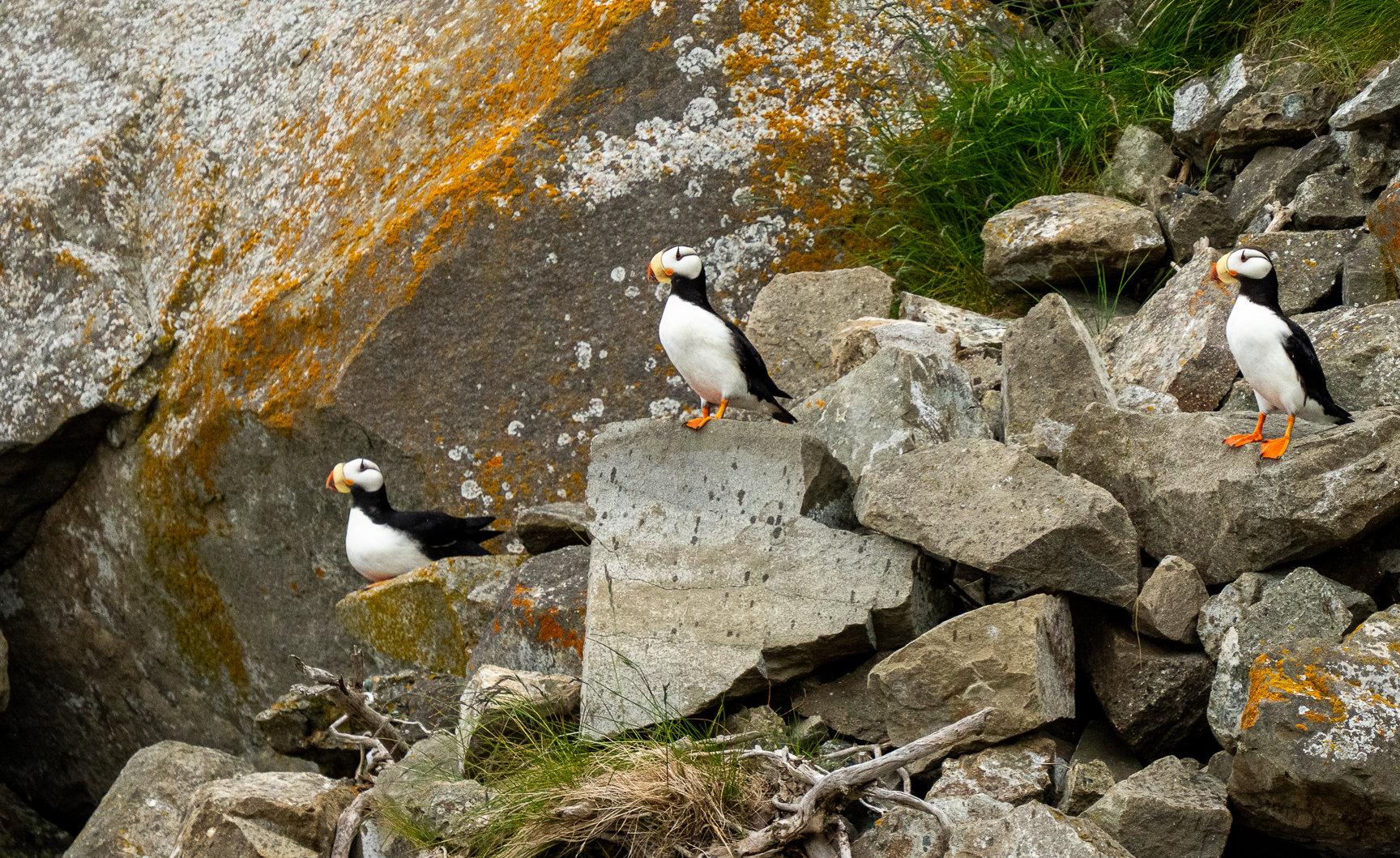
almost basketball-like physiques and tiny, short wings. But fly they did. I was amazed to learn that they had also been known to dive below the water’s surface to depths of 200 feet in pursuit a meal! Puffins had always been sparse on previous bird shoots in the lower 48, but here they presented themselves by the hundreds. A visit by several curious sea otters punctuated a great afternoon accented by light rain.
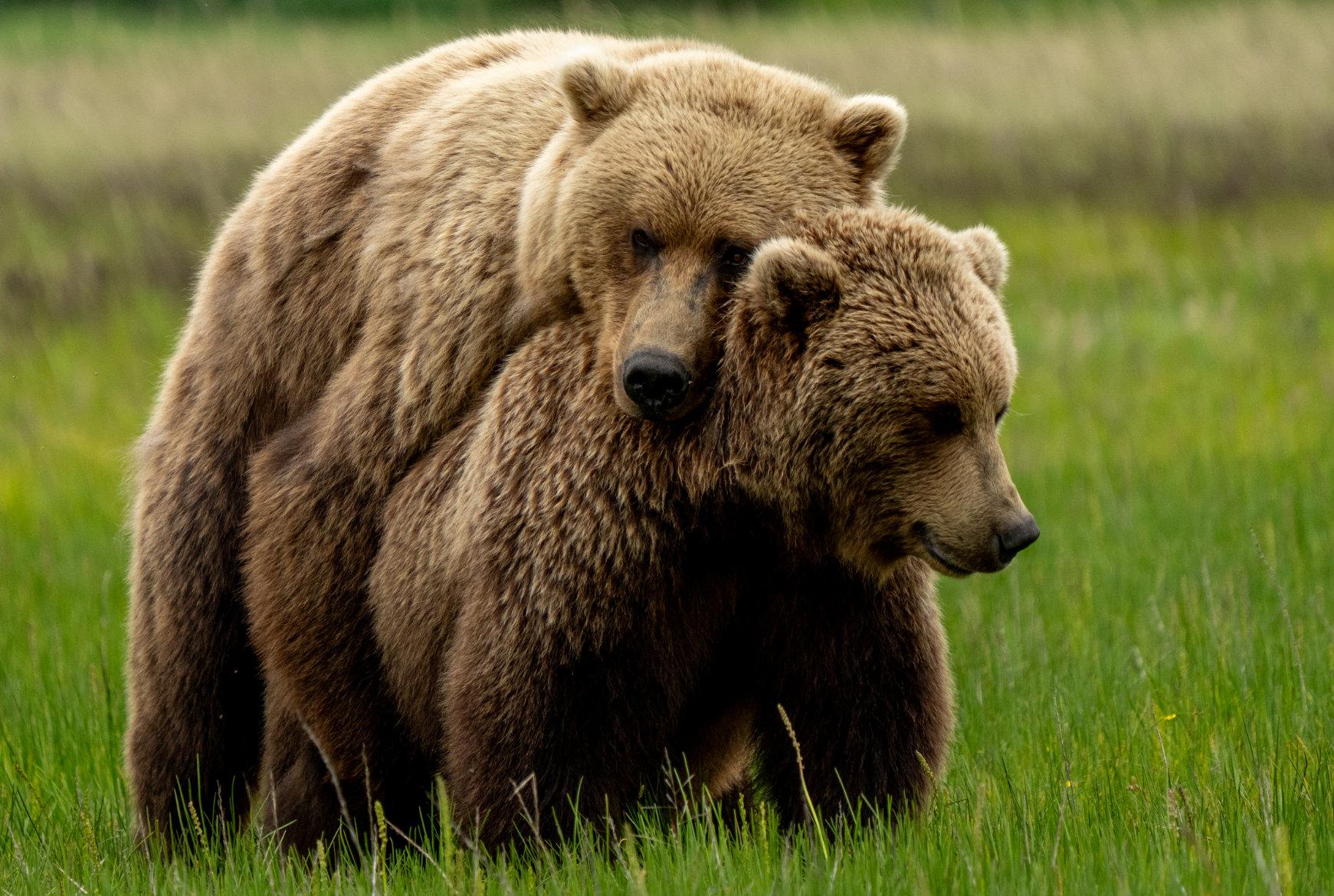
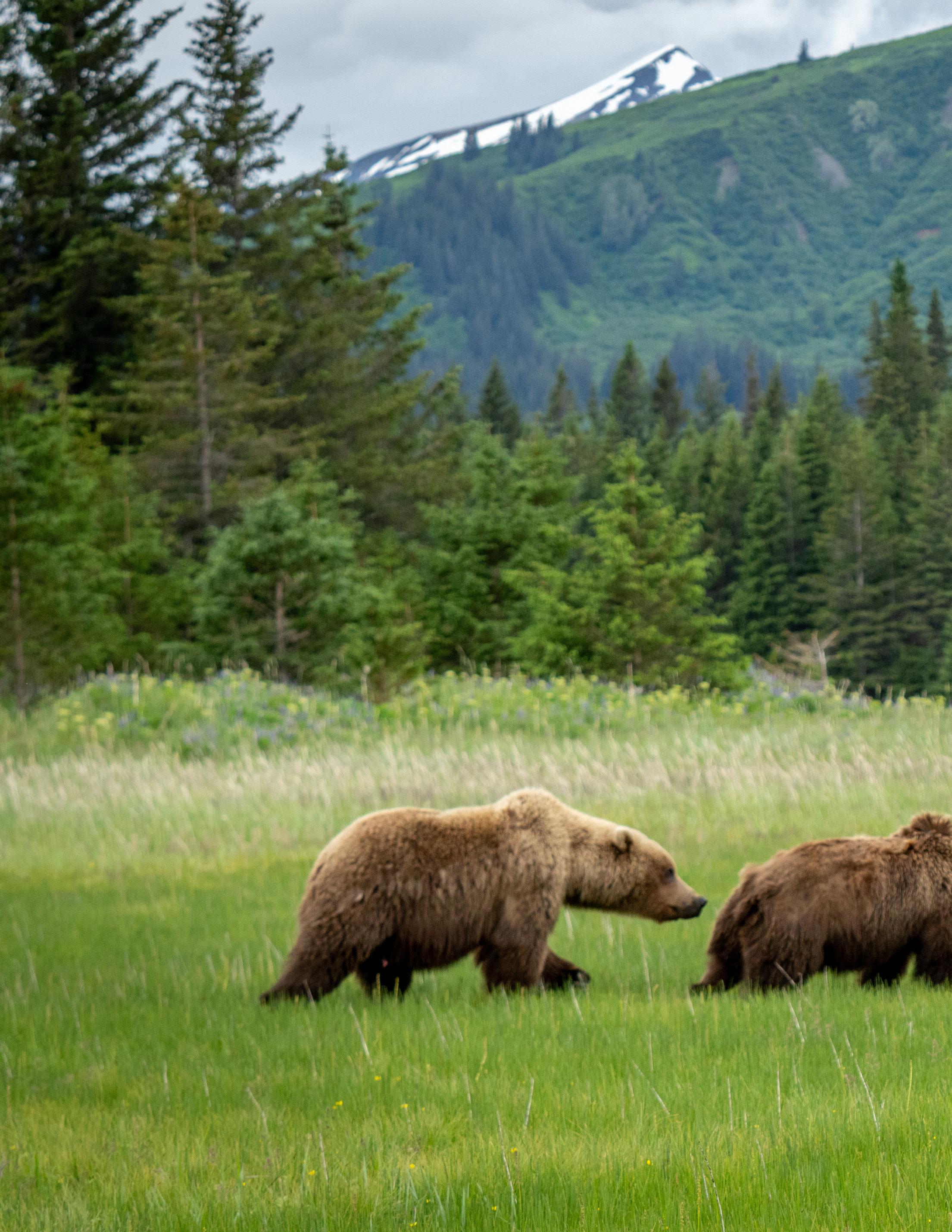
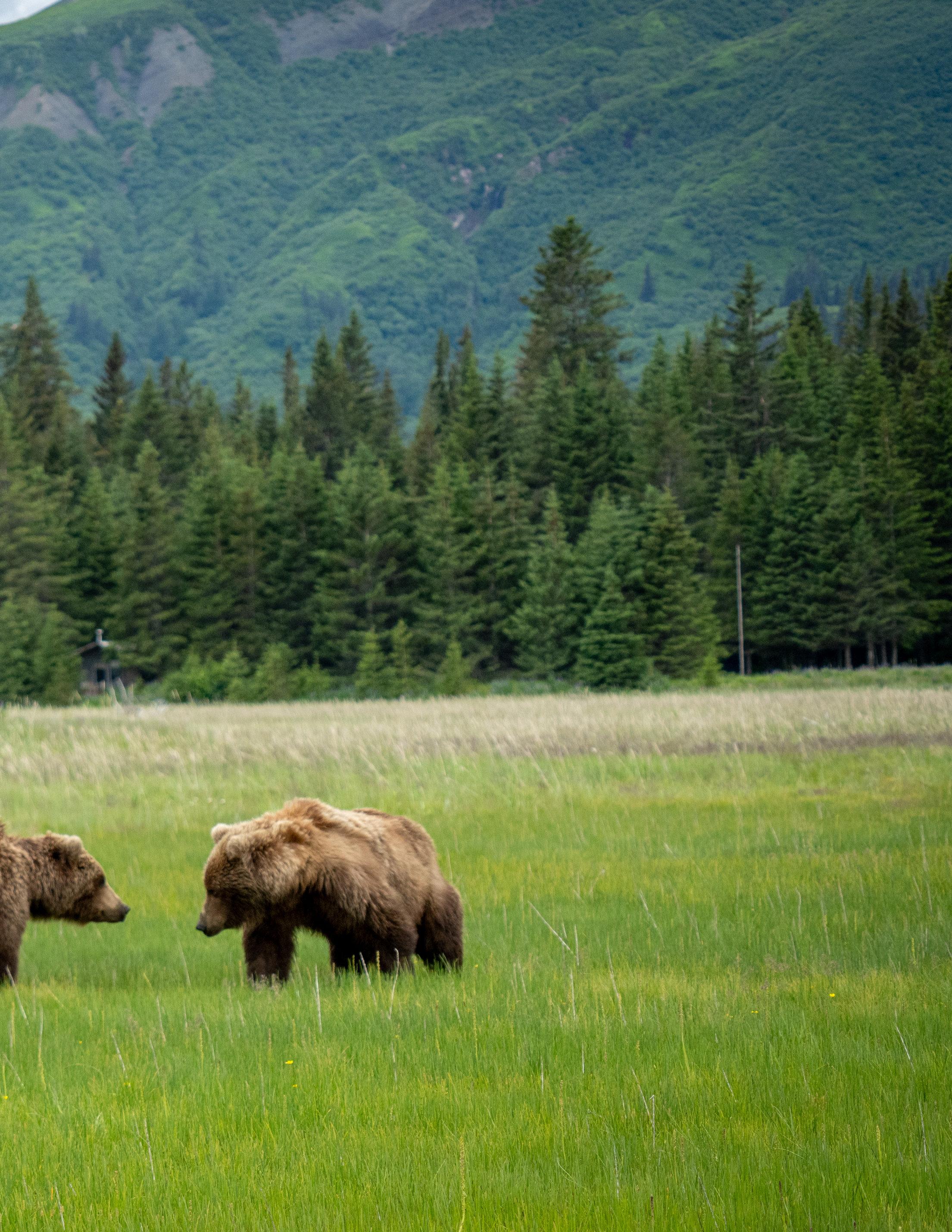
What do Silver Salmon Creek bears do when they are not clamming? They snooze, they eat tons of grass in the verdant meadows off the beach, and they procreate. As it was the mating season, there was a lot of bear interplay in the meadows. Several boars would roam among the sows at the party and, after some social interplay a partner would be selected. A two-bear cluster would then result. We watched one such interplay which lasted an exhausting hour until the lucky lady would have no more of it and turned around
and bit her suitor on the nose. That action effectively and finally ended the interlude.
Toward the end of the week we wondered why we hadn’t seen any cubs. Our guide explained that the presence of a lot of boars in the area meant that sows kept their cubs away because mating boars will kill cubs to bring their mothers back into heat.
In addition, for unknown natural reasons, the last two years had been void of cubs. Births had been rare in recent years and fewer than 50% of cubs ever make it to their second year. It’s a tough world out there.
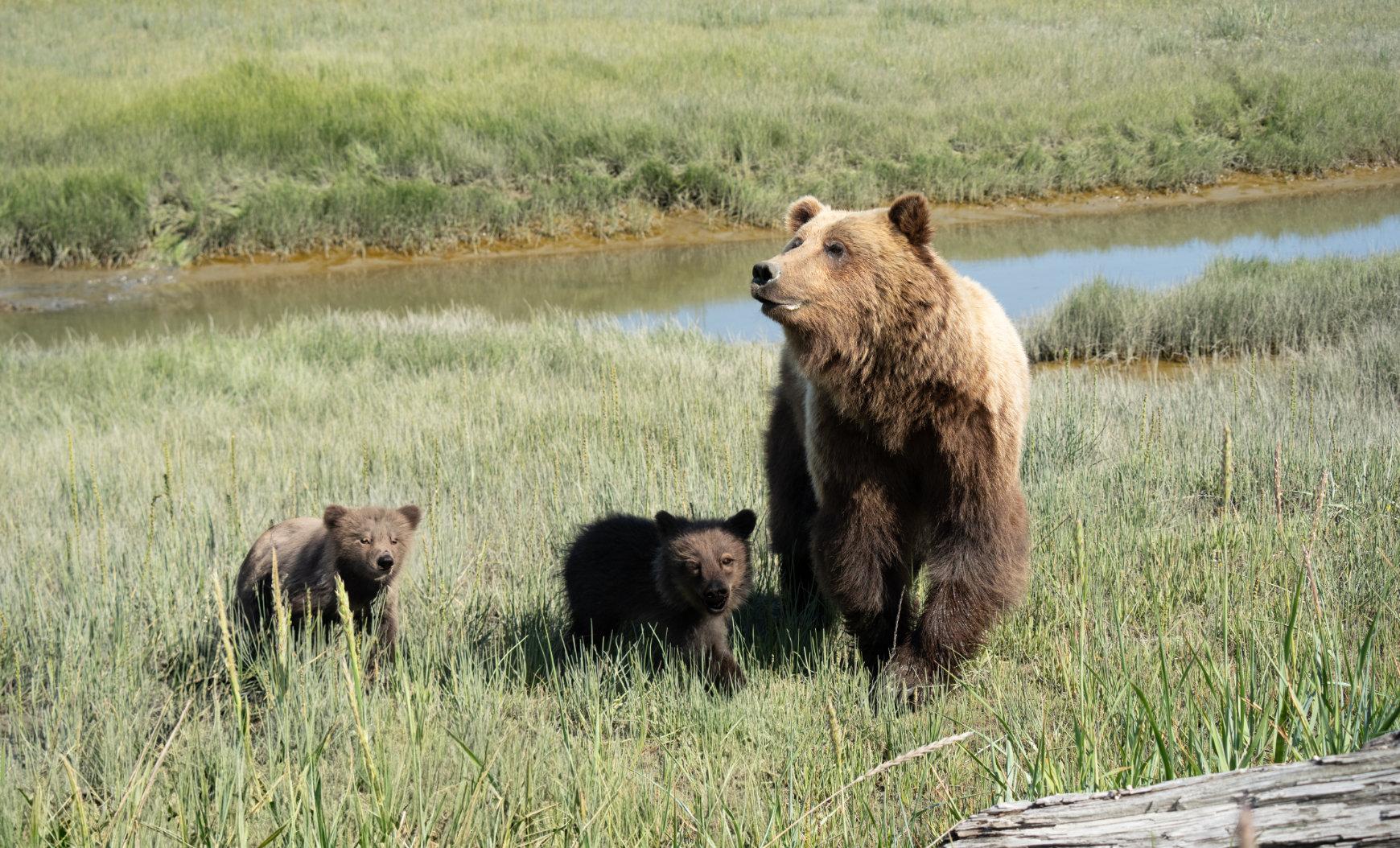
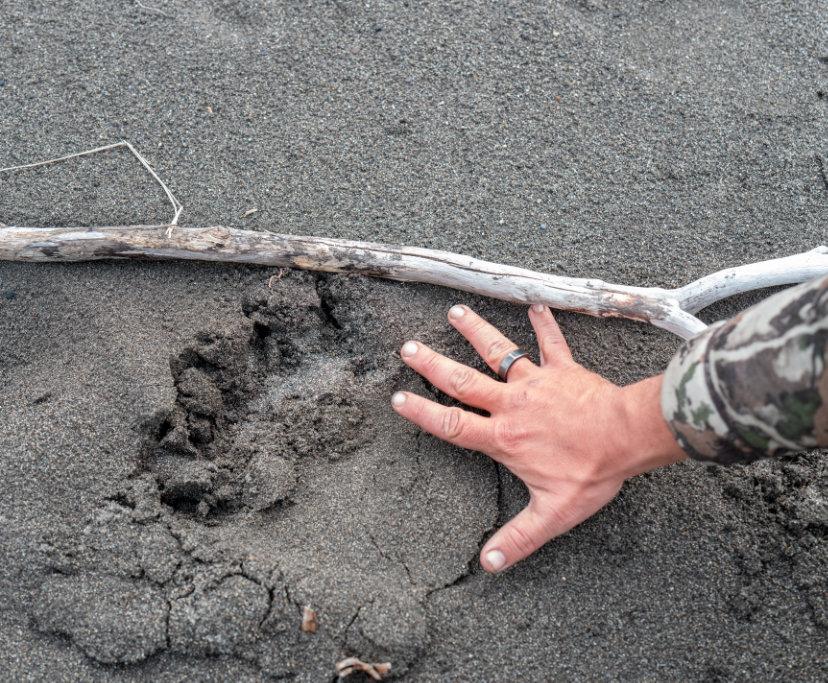
Just about the time we were resigning ourselves to missing out on cubs this trip we found tracks in the sand of the beach of a large bear followed by two sets of smaller tracks! The search began in earnest. Sure enough, minutes later we chanced upon a sow and her two tiny cubs slinking along the slough off the beach. Our guide told us these cubs were only a few months old and just out of the den. We were most likely the first humans these little creatures had ever seen.
The cubs were very curious but stuck close to mama as we watched them playing in the grass. Amazingly, mama and cubs walked up to within two feet of us in their ramblings. So much for warnings about coming between a mother and her cubs! They were like puppies playing at our feet.
At dinner the last night of our stay at the Lodge we all agreed that we had been lucky enough to experience every local interaction with nature that we had dreamed of, including seeing cubs, and we had collected thousands of exciting photographs of our
adventure. As a bonus we had enjoyed comfortable accommodations, gourmet meals, knowledgeable, professional guide services and a friendly and personable staff, as well as many new friendships.
But now it was time to go back to civilization. Two Cessnas landed lightly on the beach to pick us up. The ride back was a treat as our pilot decided to give us a premium sightseeing ride back up the peninsula at 500 feet.
While pricey, the Silver Salmon Creek Lodge and its staff lived up to its vaunted reputation for delivering the best possible interaction with remote Alaska and its natural inhabitants. The Lodge has been famous for the very best in bear encounters for well over 15 years.
Unfortunately, as it seems everywhere in Alaska, the Lodge and the bear’s way of life is being threatened by the possibility of another gold mine at the head of Silver Salmon Creek that would necessitate the installation of a haul road through this pristine wilderness. There is an opportunity for another conservation battle here if you want it! In the meantime, if your photography interests concern nature and wildlife, you must treat yourself to this wonderful experience. Book now for next year!
Der
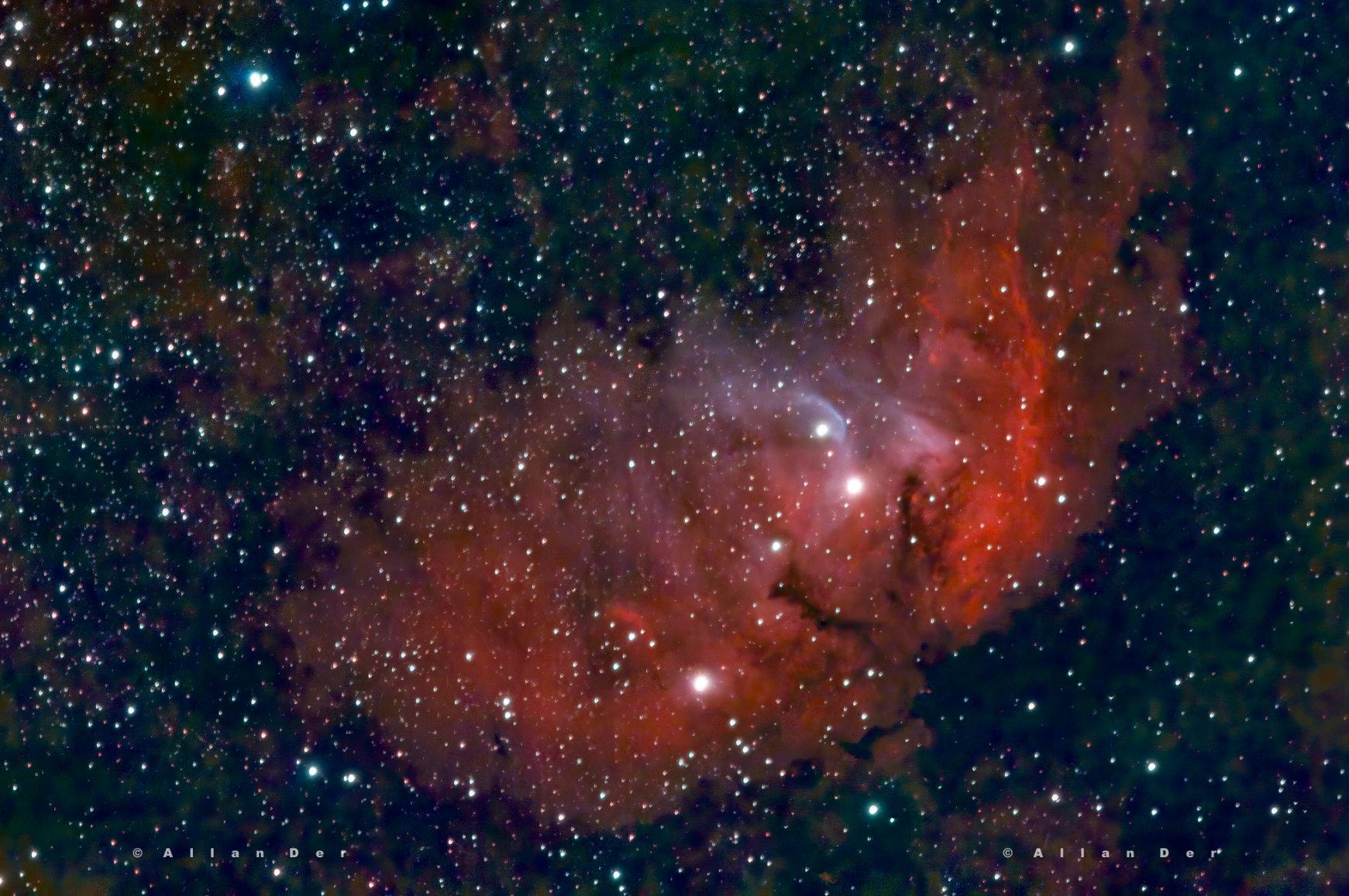
I captured the Tulip Nebula using a dedicated astronomy camera attached to a telescope. To create this detailed photo of the Tulip Nebula, I recorded images here with two bands of light using filters that only let through specific frequencies.
I can’t give you specific data on how I took this photo, I’m poor at keeping notes on my images. I can say I stacked 30 to 60 X 5 min. exposures frames plus 90 more of what are
called calibration frames, all stacked together to create one image. That comes to about five hours of exposure, sometimes more.
Astronomers talk about telescopes by their apertures, not focal lengths, as photographers do. That is because they want to gather more light, and they can add optics that extend or reduce focal length. Camera lenses are also made to be average sharp at many focus distances, whereas telescopes are made to be
sharpest at infinity and wide open. Photographers talk about sensors sensitive in ISO, whereas astrophotographers talk about gain. It has taken me a while to get used to their terminology and how it equates to photography.
My computer assisted astrophotography setups partial list: 10" Meade SCT telescope, 9.25" Celestron HD Edge SCT telescope, Askar V, Nikon Z8, Nikon 180-600mm and Vitrox 16mm f:1.8 lens, Fujifilm XT5, ZWO AM3 mount, Skywatcher EQ6R-Pro mount,
Skywatcher Star Adventurer, Move Shoot
Move mount, ZWO ASI 2600MC Pro, ZWO ASI 585MC Pro. Software: Siril, Lightroom, Photoshop, Astronomy Tools, StarXTerminator, ON1 NoNoiseAI, DXO Pure RAW, Topaz Photo PhotoAI, Starry Sky Stacker, Starry Landscape Stacker, Stellarium, SkySari Pro, and PhotoPills.
by Velda Ruddock and Joe Doherty
Ghost towns are unique to the American West. Sure, there are other places that have suffered sudden economic collapse and a rapidly shrinking population, but they lack the romantic appeal of boom-and-bust mining. The country is dotted by abandoned shopping malls, decaying factories, overgrown theme parks, and the occasional haunted house. The West has colorful characters, famous gunfights, haunted hotels, and tales of heroism and villainy. There is no modern equivalent of the Old West.
We’ve visited a few ghost towns in our travels. Bannack has been high on Joe’s list since 2018, when he saw photographs of the place
by Terry Donnelly
and
Tom Kirkendall.
Located in Montana near the Lewis & Clark Trail, the town emerged from a gold strike in 1862 that attracted 3,000 souls in less than a year. The Territorial Legislature met there starting in 1864, and a brick County Courthouse was finished in 1876. This building was later abandoned, then turned into the Deane Hotel. The Deane shut its doors for the last time in the 1940s, and the school closed in the early 1950s, after which Bannack was virtually emptied.
The town was saved by a series of public and private efforts, one of which included a stipulation that Bannack was not to be made
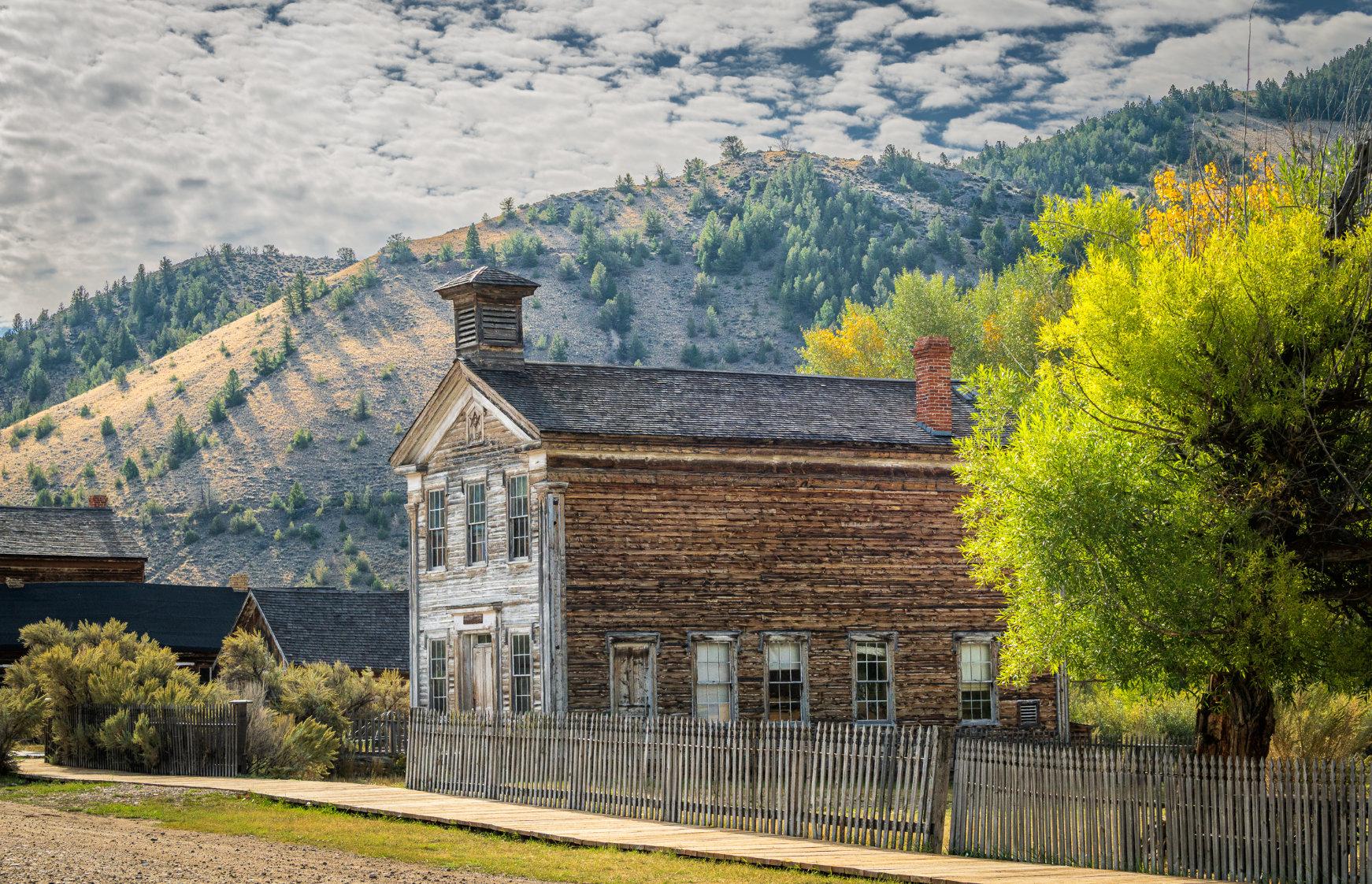
into a tourist town. This likely explains why there is no lodging (apart from a campground), no concession, and only a modest gift shop. Restoration efforts emphasize stabilizing foundations and the occasional paint job.
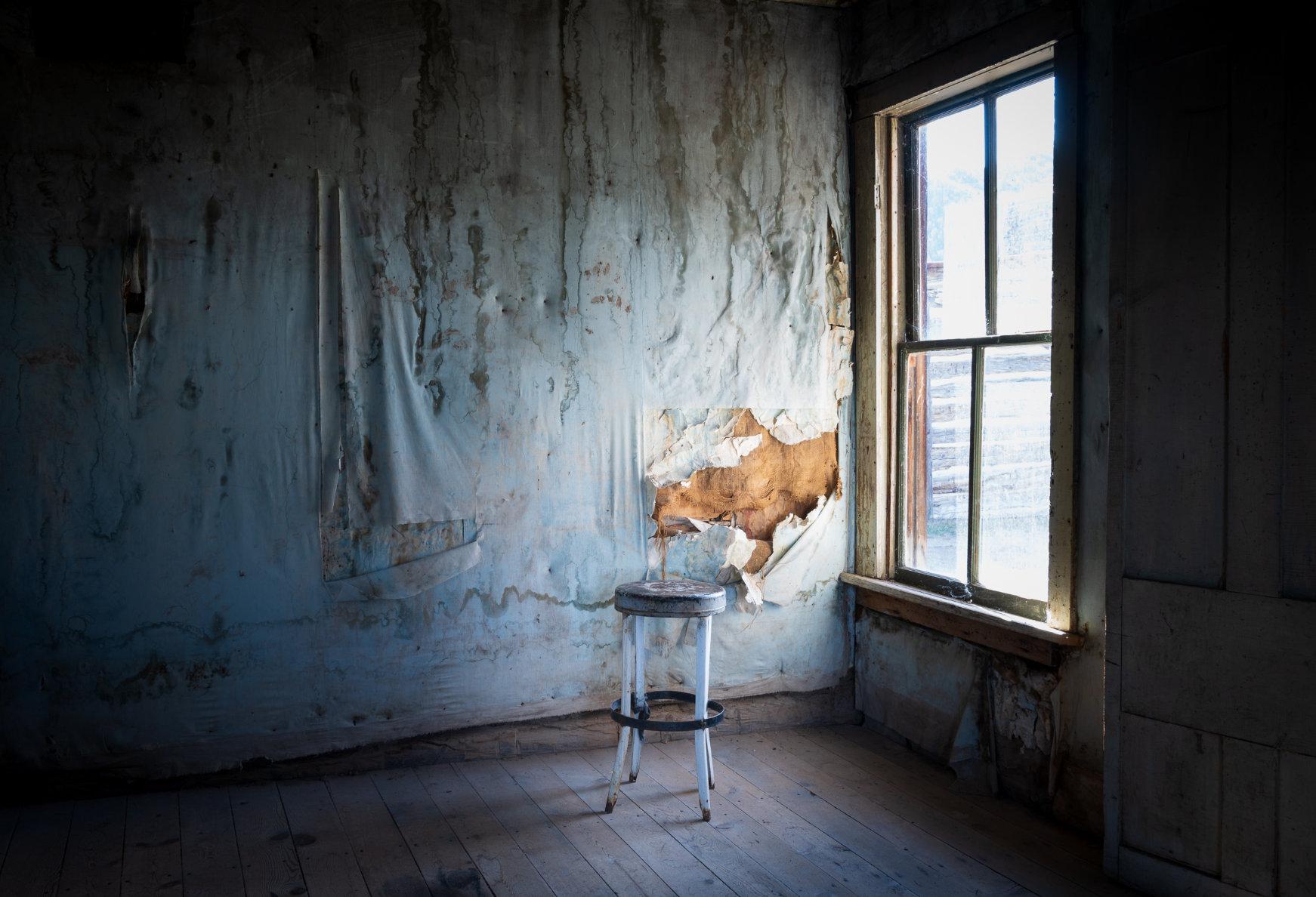
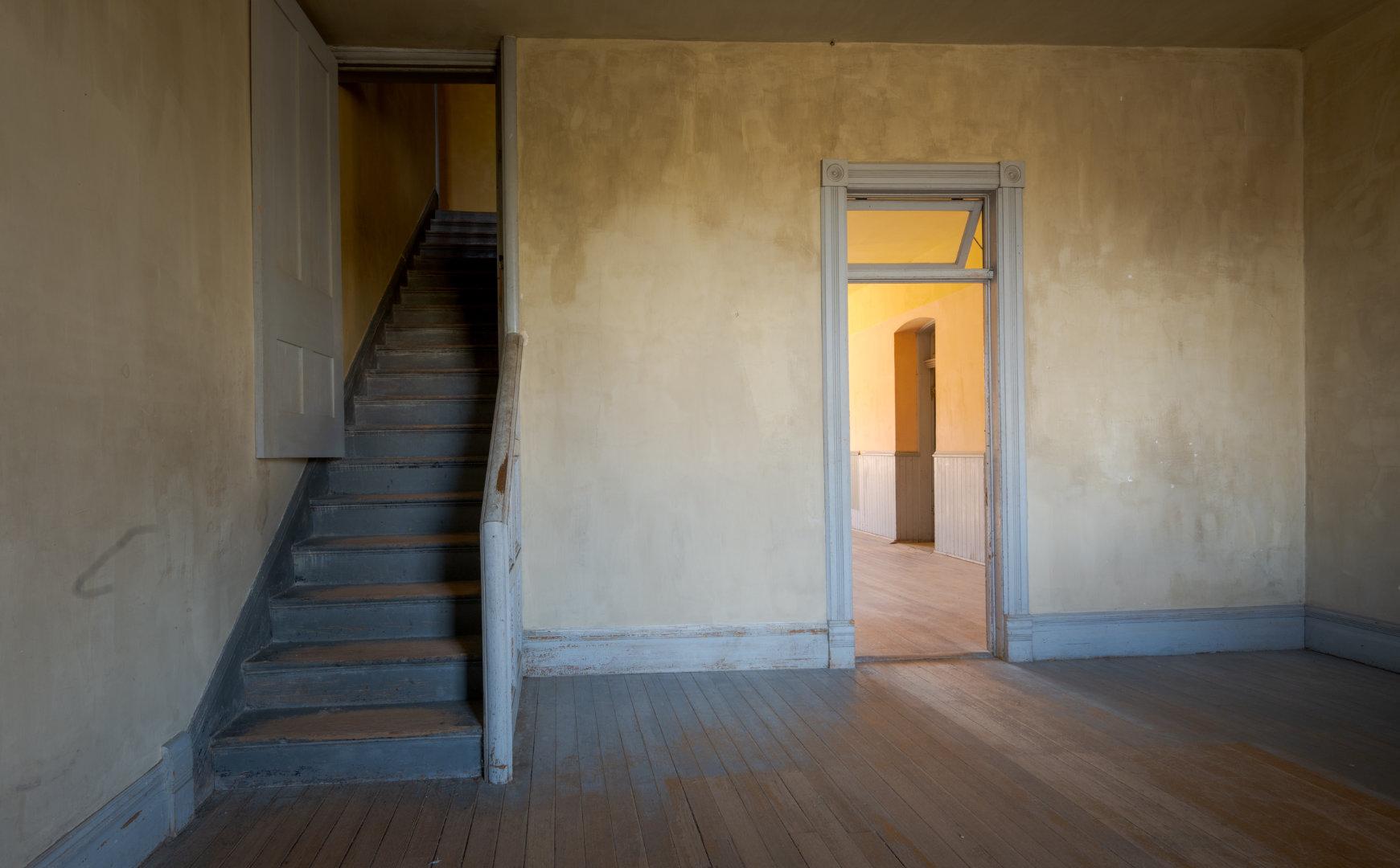
As a photographic, subject Bannack is a delight and a puzzle. Many of the buildings are fully accessible to the public – just turn the door handle and walk in. This includes private homes, businesses, and the aforementioned hotel. Most of these are in a state of suspended decay, with tattered wall coverings, chipped paint, missing linoleum, and holes where wood burning stoves once exhausted their smoke. The patterns and contrasts are endless.
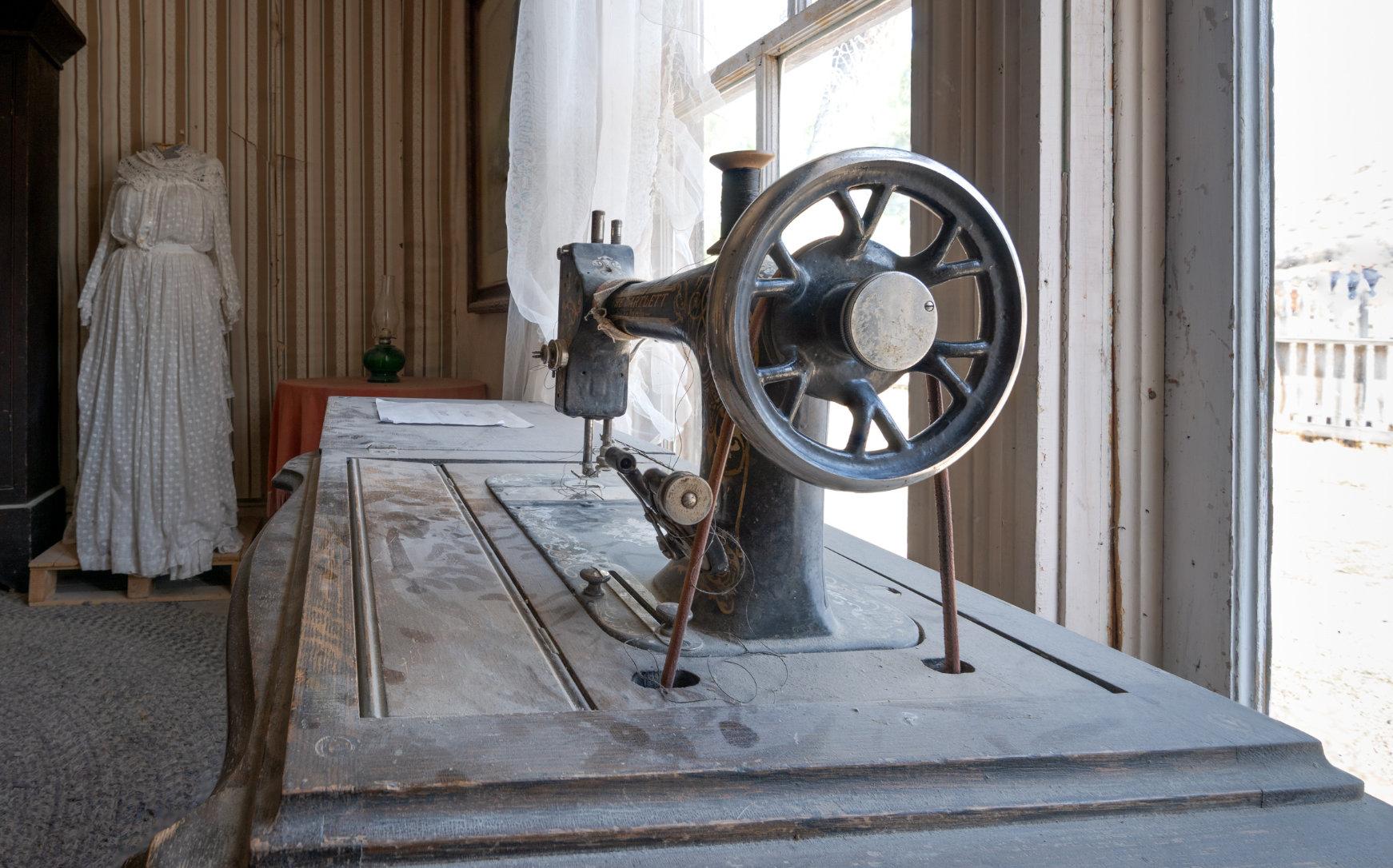
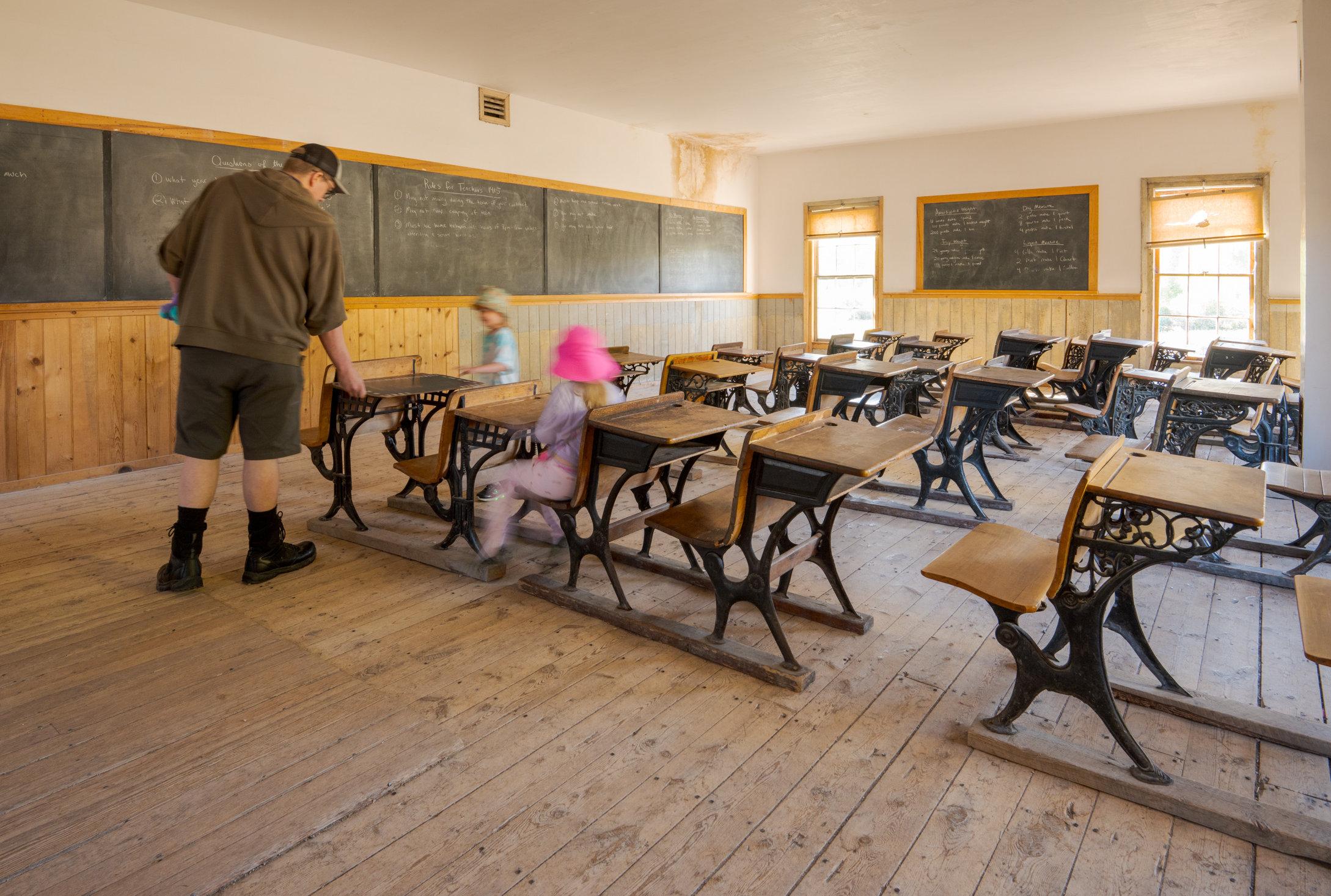
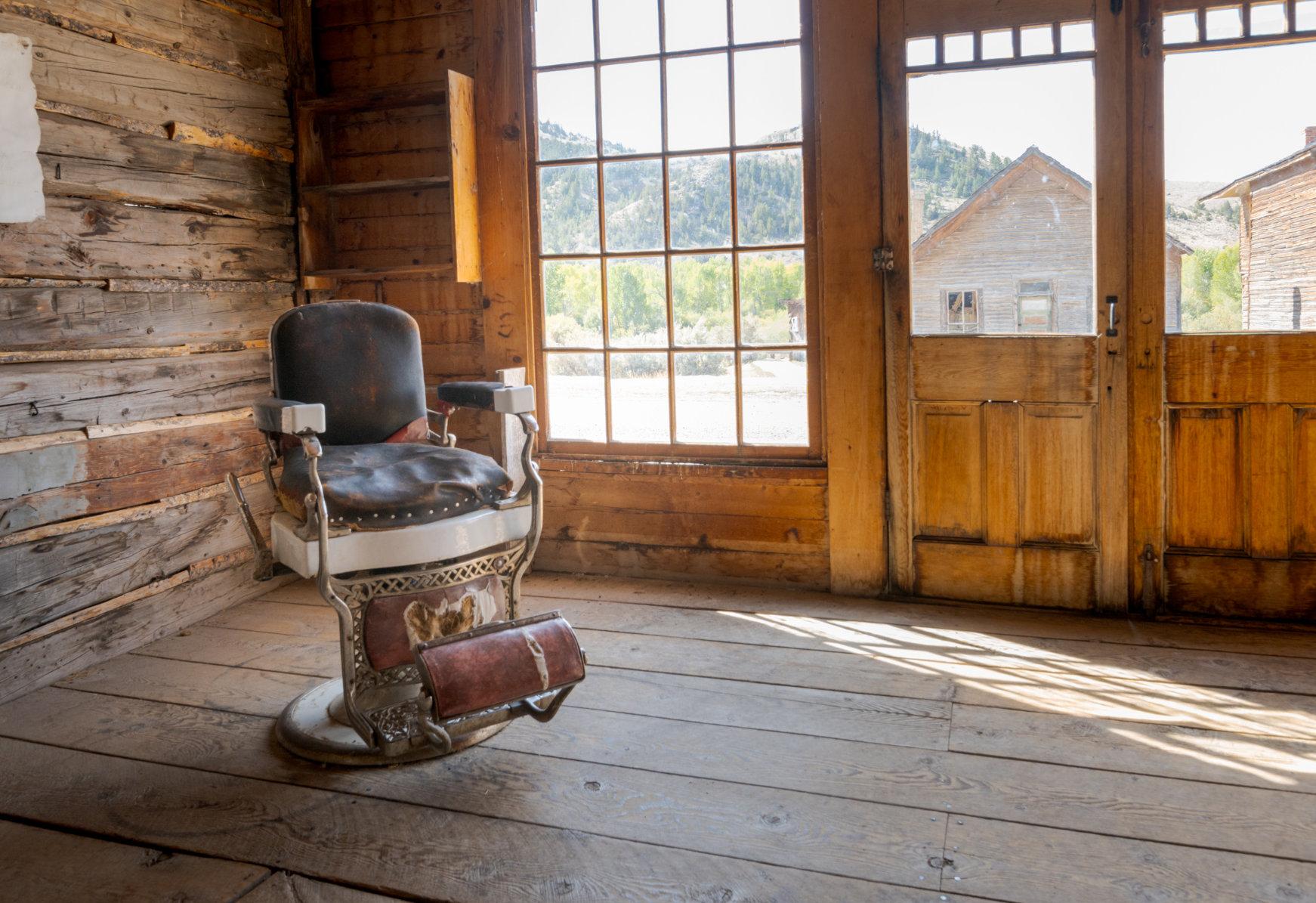
Furniture and fixtures have been staged in some places, or possibly they have never left
the building. The schoolhouse is full of period desks and a usable chalkboard. Wood and kerosene stoves populate one kitchen, and tools of trade like sewing machines and a barber’s chair are spread throughout the town. In other buildings there are no furnishings at all, or at most a decrepit table or two.
What catches the eye immediately is the symmetry of the place, how doors and stairways lead to other rooms and passages. In this way it is similar to Chaco Culture National Historic Park in New Mexico, where visitors are also free to move around and within structures. What differentiates Bannack from a place like Bodie is the feeling that Stephen King might use it as the locale for one of his stories. There is a creeping sense that something might pull you in.
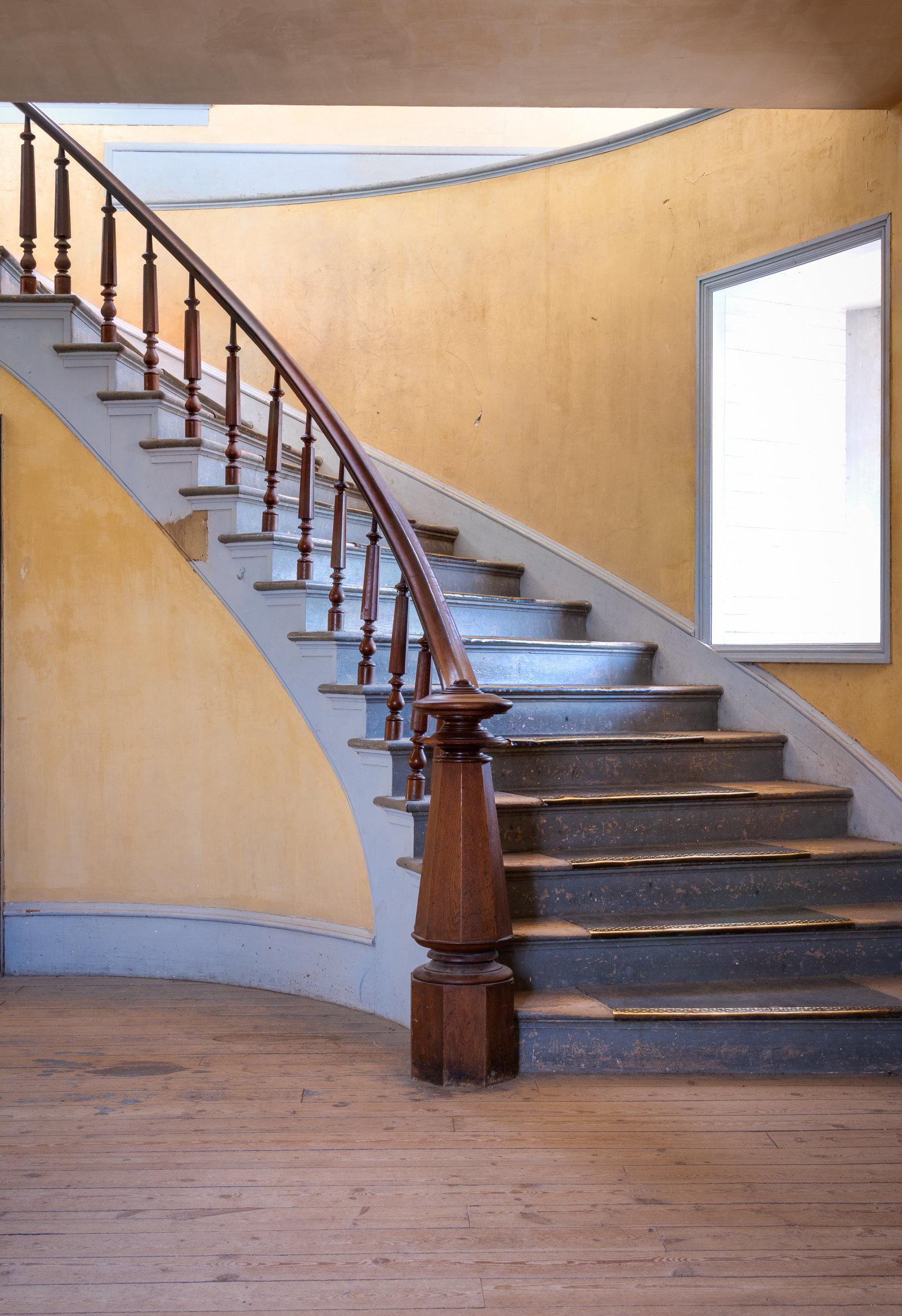
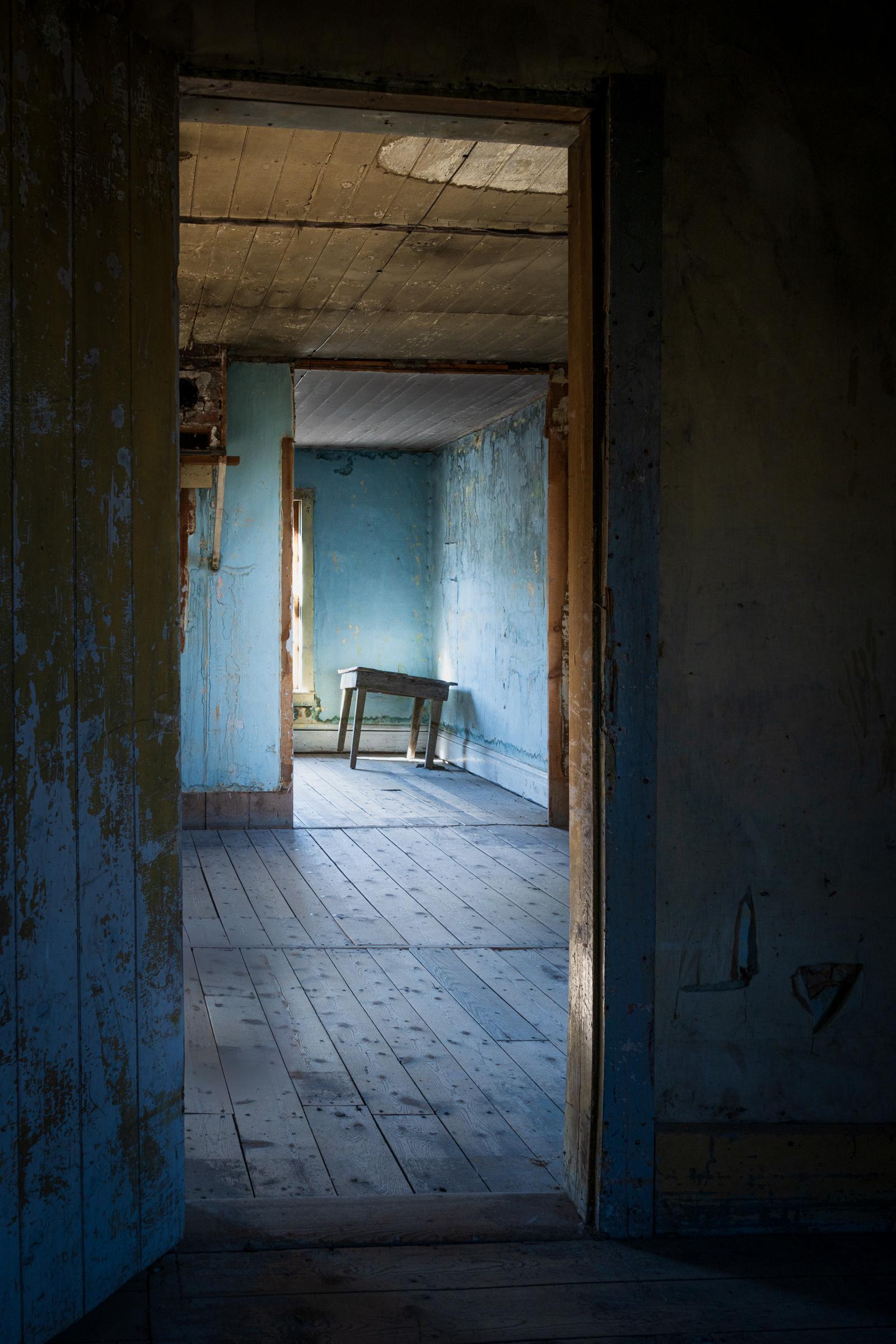
Photo Stories is an occasional feature where photographers can tell stories about some of their personally meaningful images.
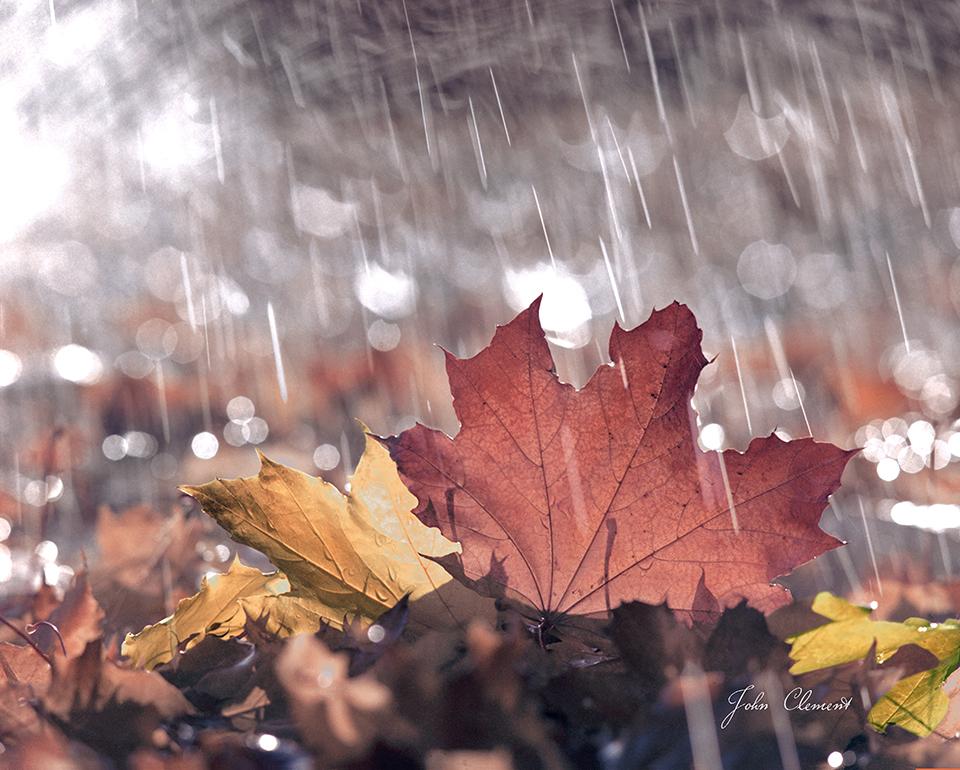
Going way back to the late ‘70s, I had just returned from a fall shoot in some of the best places in the North West photographing fall colors. Taking out the garbage at home upon my return my neighbor had turned on his sprinklers and my maple was dropping leave in the chilly morning light. I put down the garbage can and grabbed my RB-6x7 medium format camera and put on my 250mm lens. I laid down on the ground to capture this image. It has been the most popular fall image I’ve ever taken because of its simplicity…
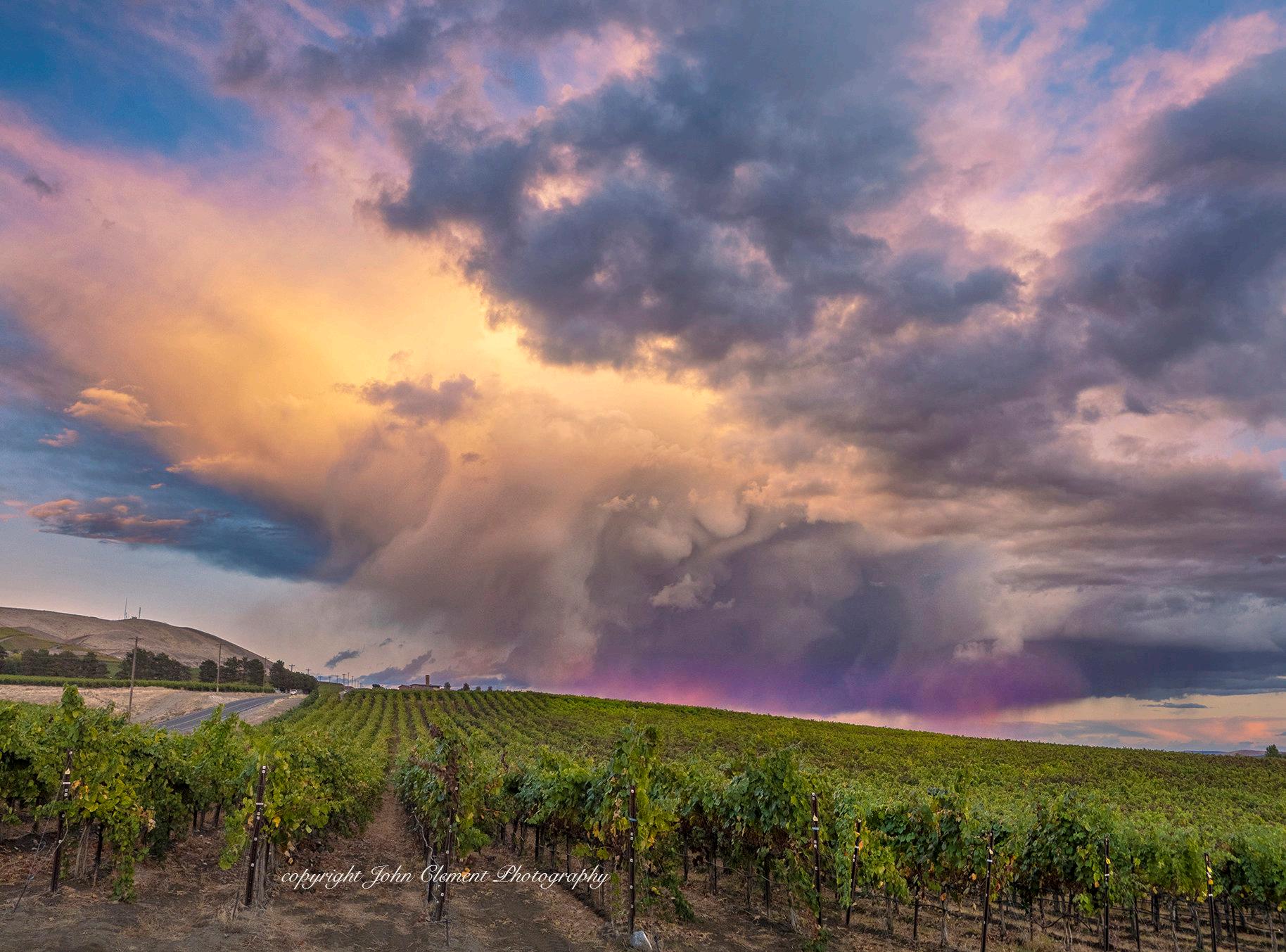
Several years ago, while chasing some summer storms, I could see what was going to happen with this storm chase. I ended up at Red Mountain Vineyards, a world renowned viticulture near my home. When the sun set on the stormy clouds I captured this image as a two-mage panorama of the vines and colorful skies.
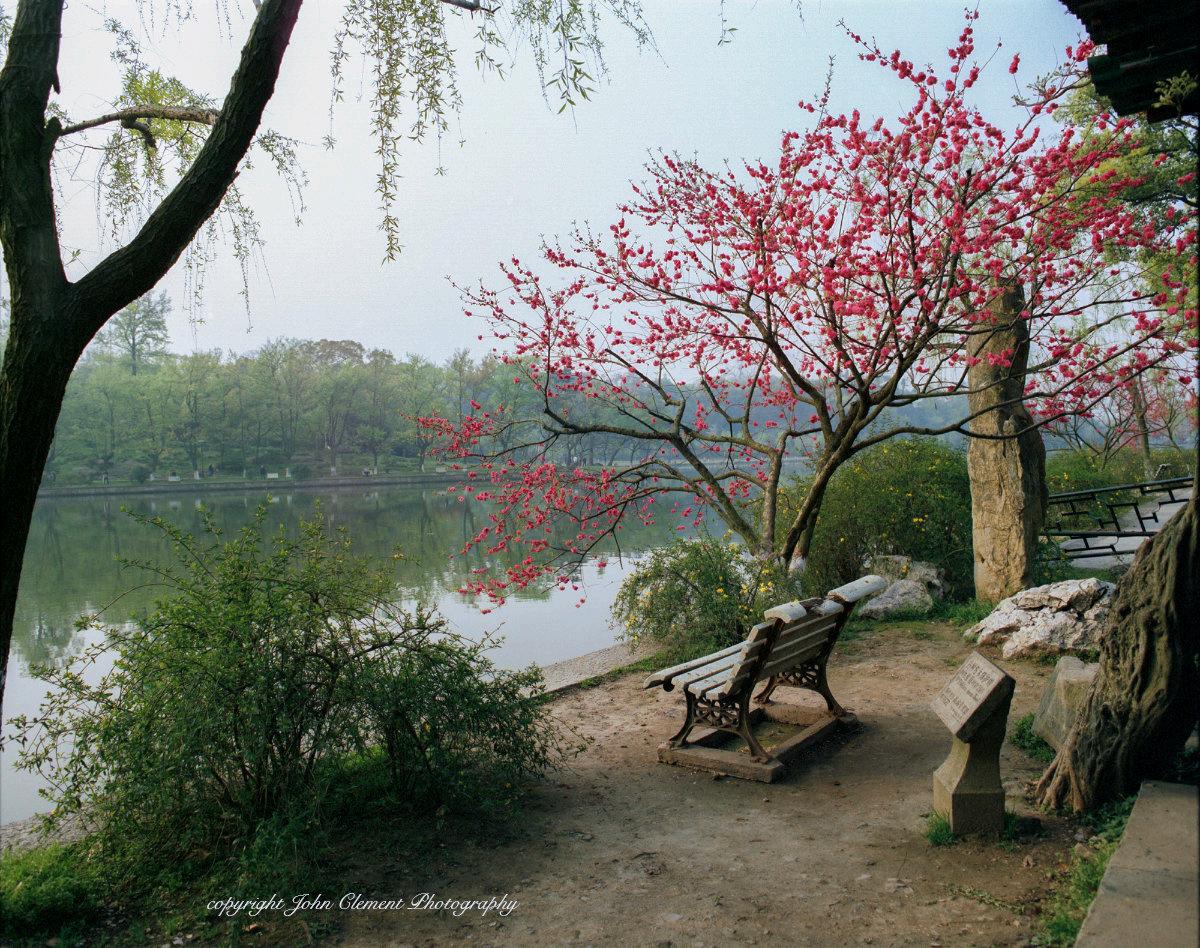
I was visiting Hangzhou China in 1998 with Seattle Pacific University on an information exchange. They had had several murders in their city of over ten million people at that time and want to receive the writings on ethic and morality based on the gospel of John. That gospel was having great reviews from several countries the university had introduced it to the year before.
Interestingly, we were under constant surveillance as we did presentations at the college and several high schools. My traveling partner Richard Scheuerman, with whom we collaborated with on nine books, is tall and the kids wanted to play basketball during recess. When he made the first three point shot they went wild and mobbed him with high fives!!
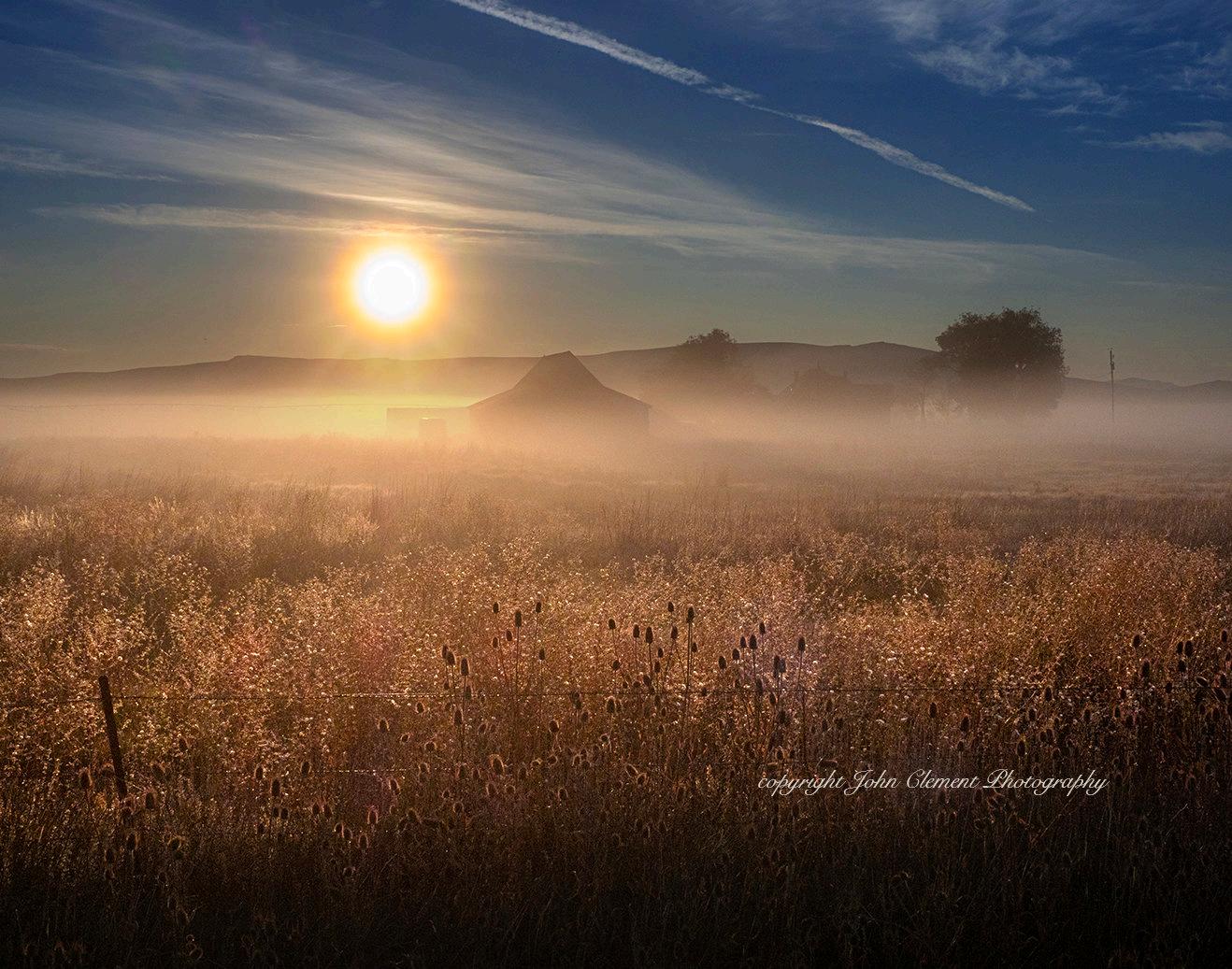
In the Baker Valley in eastern Oregon I helped my brother Tom with his cancer battle in 2024. He passed in January this year into the arms of heaven.
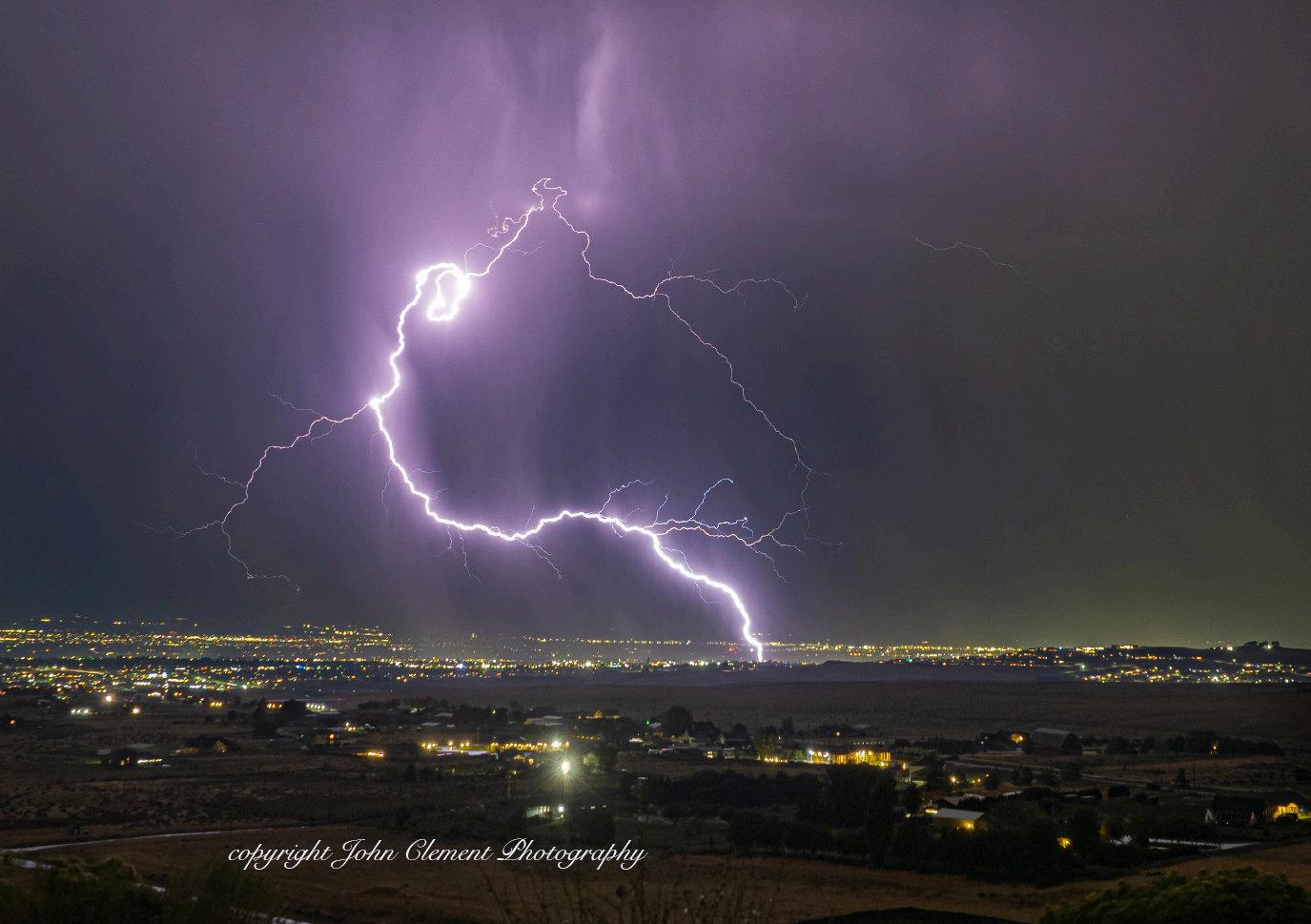
Over our cities in eastern Washington. several weeks ago. I was able to capture dozen of bolts as the thunder roared till after midnight.
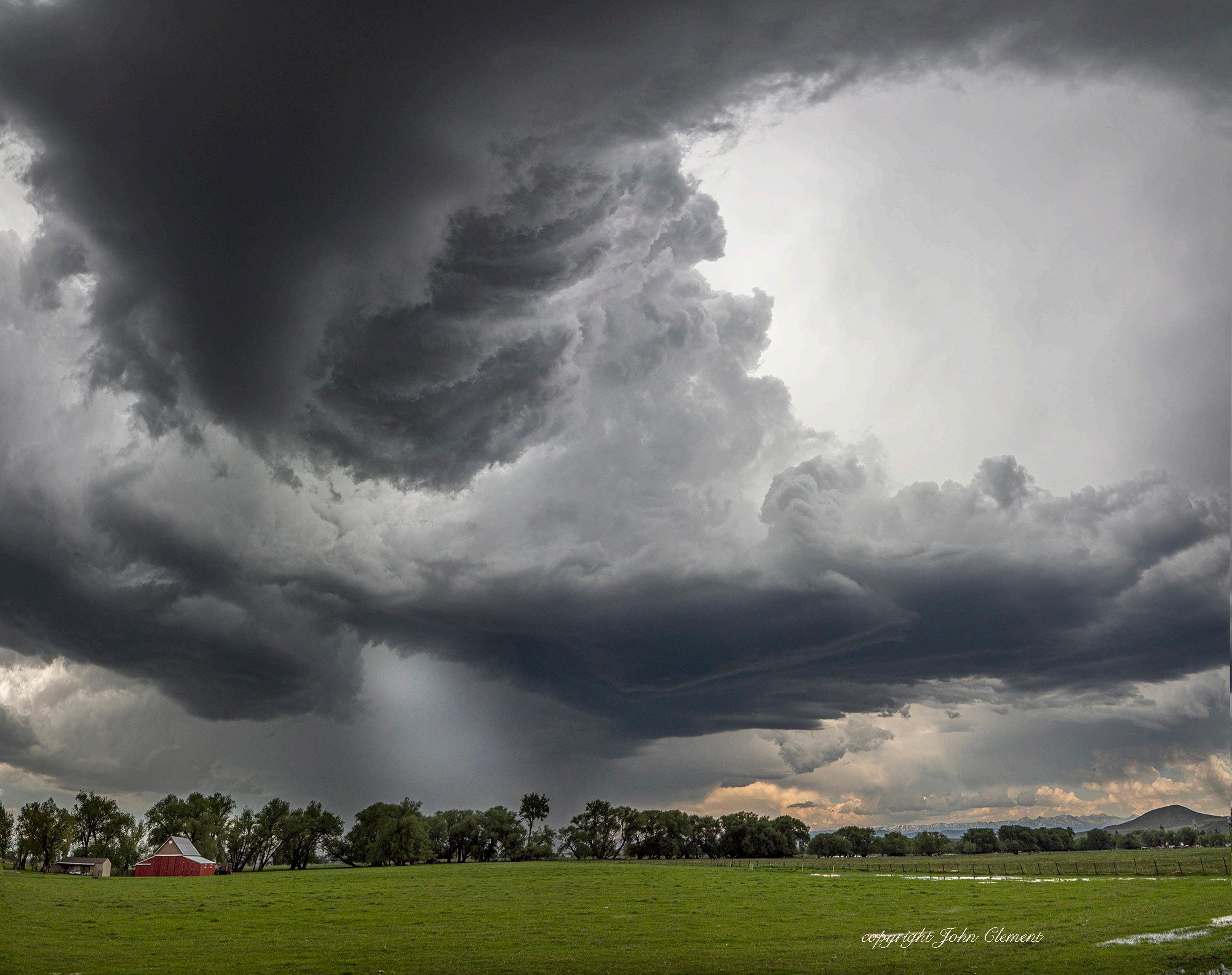
As the clouds boiled and rolled with this storm’s intensity here, in eastern Oregon’s Baker Valley, I spent the afternoon chasing weather. My brother, Tom, enjoyed the wild weather and the heart pounding thunder even though by then he was partially blind from his cancer. We had a great time together!
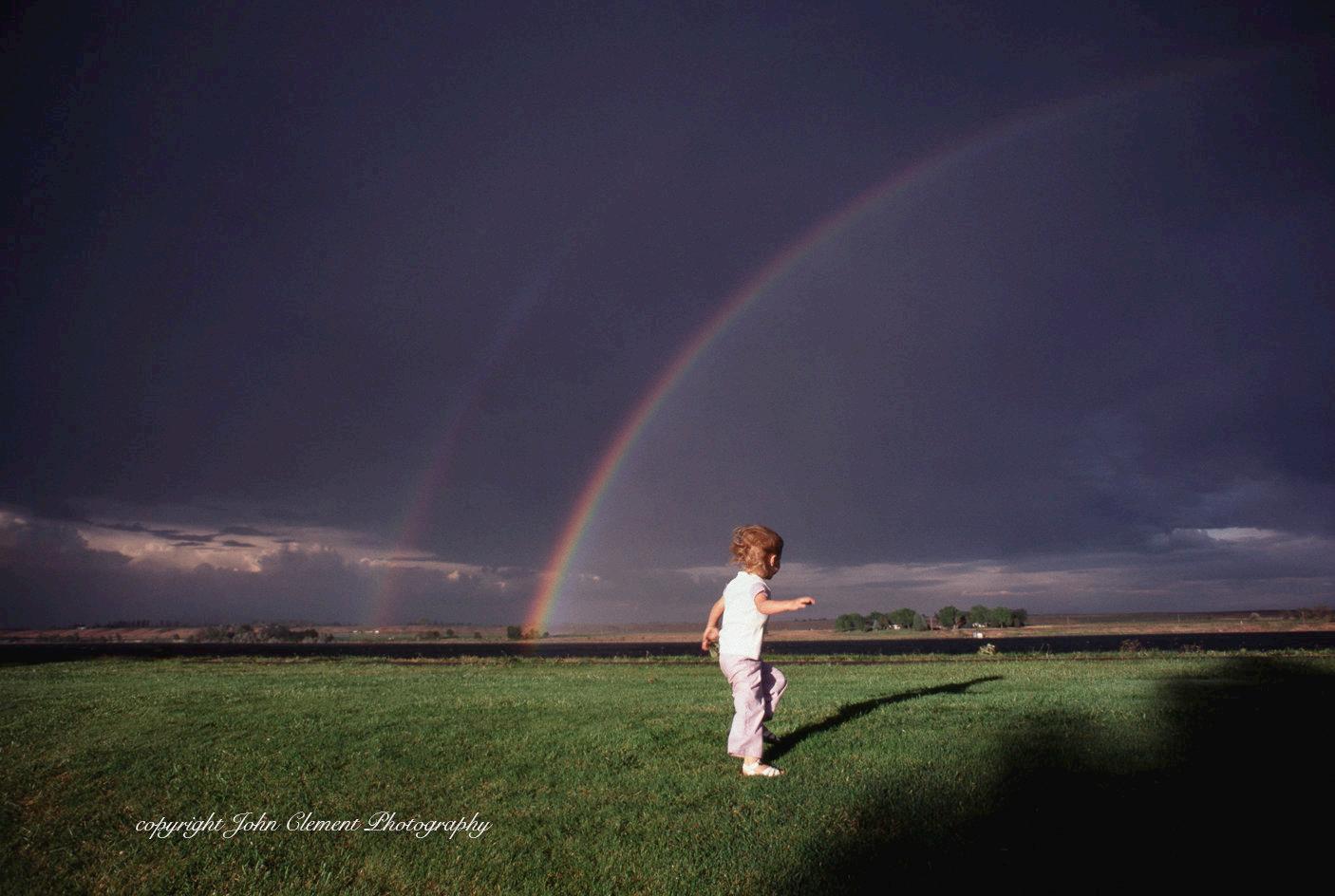
Sarah’s Rainbow
Flashback to the ‘70s. We were watching the Washington Huskies and WSU Cougars battle it out at home in Richland, Washington. My daughter, the four-year old Sarah, said, “Daddy it’s raining and I see the sun. There is going to be a rainbow! I want to go see the rainbow!” I grabbed my camera and we headed to the Richland dyke where I knew we would have a clear view over the Columbia river. When I got her out of the van and set her on the ground she said, “I’ll race you up the hill!” I grabbed my Leica and started shooting. This image paid for her first two years of college 16 years later.
PS. The Cougars upset the Huskies keeping them out of the Rose Bowl!!!
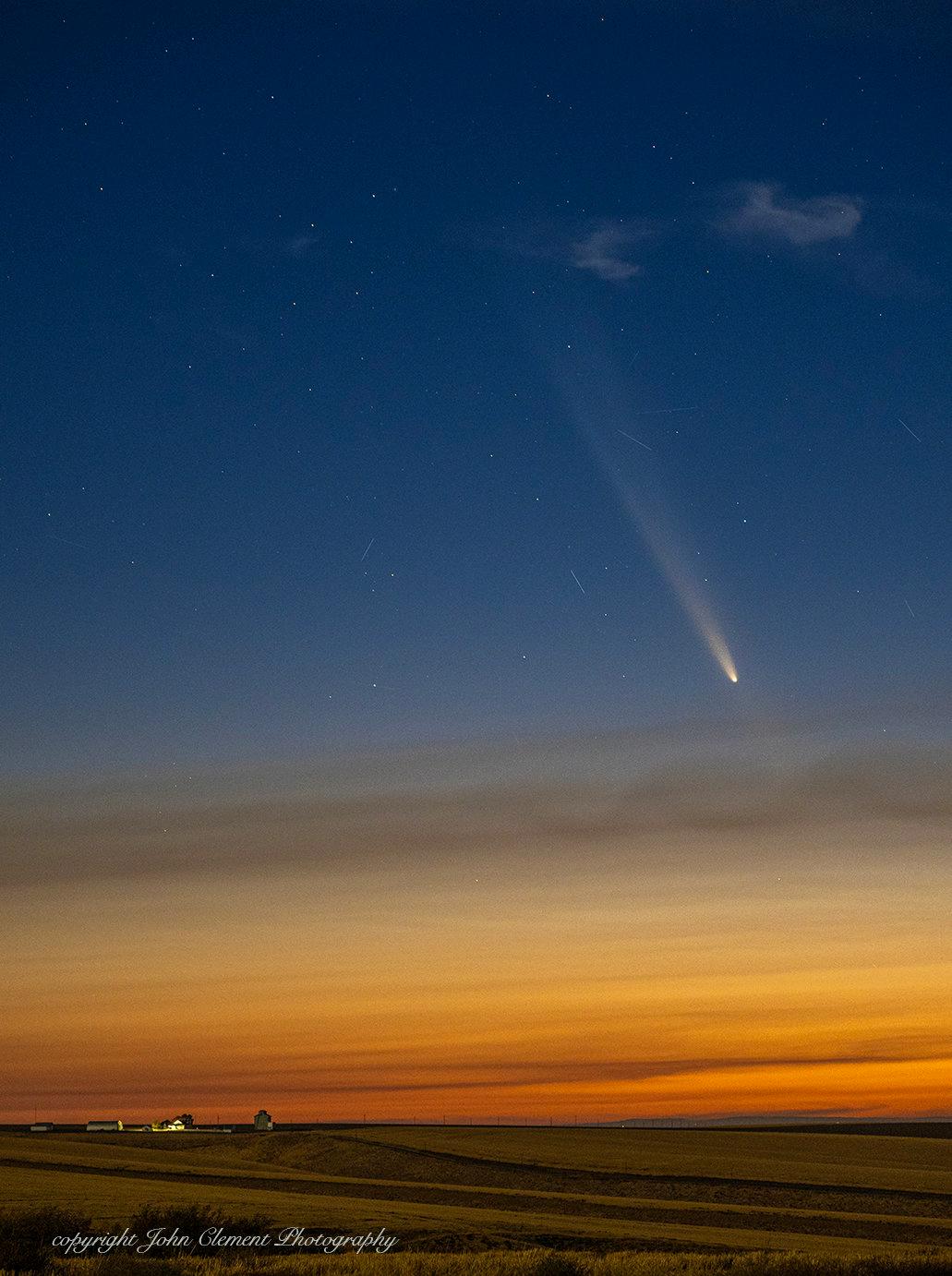
This was taken south of my house about five miles in the Horse Heaven Hills. I was the only one at this location. I had traveled to several other locations but they were crowded. I know many spots in Horse Heavens so headed here. After ten minutes, three more vehicles saw my car and pulled in. Nobody could see the comet and we were searching visually. Then a big truck pulled in, with a man who had a big telescope and a group of others. The man asked his son if he could find the comet! His son took out his iPhone 16, pointed it at the sky, and hit the find button. “Dad, it’s right there!” he said. We all moved our cameras slightly and voila, there it was!
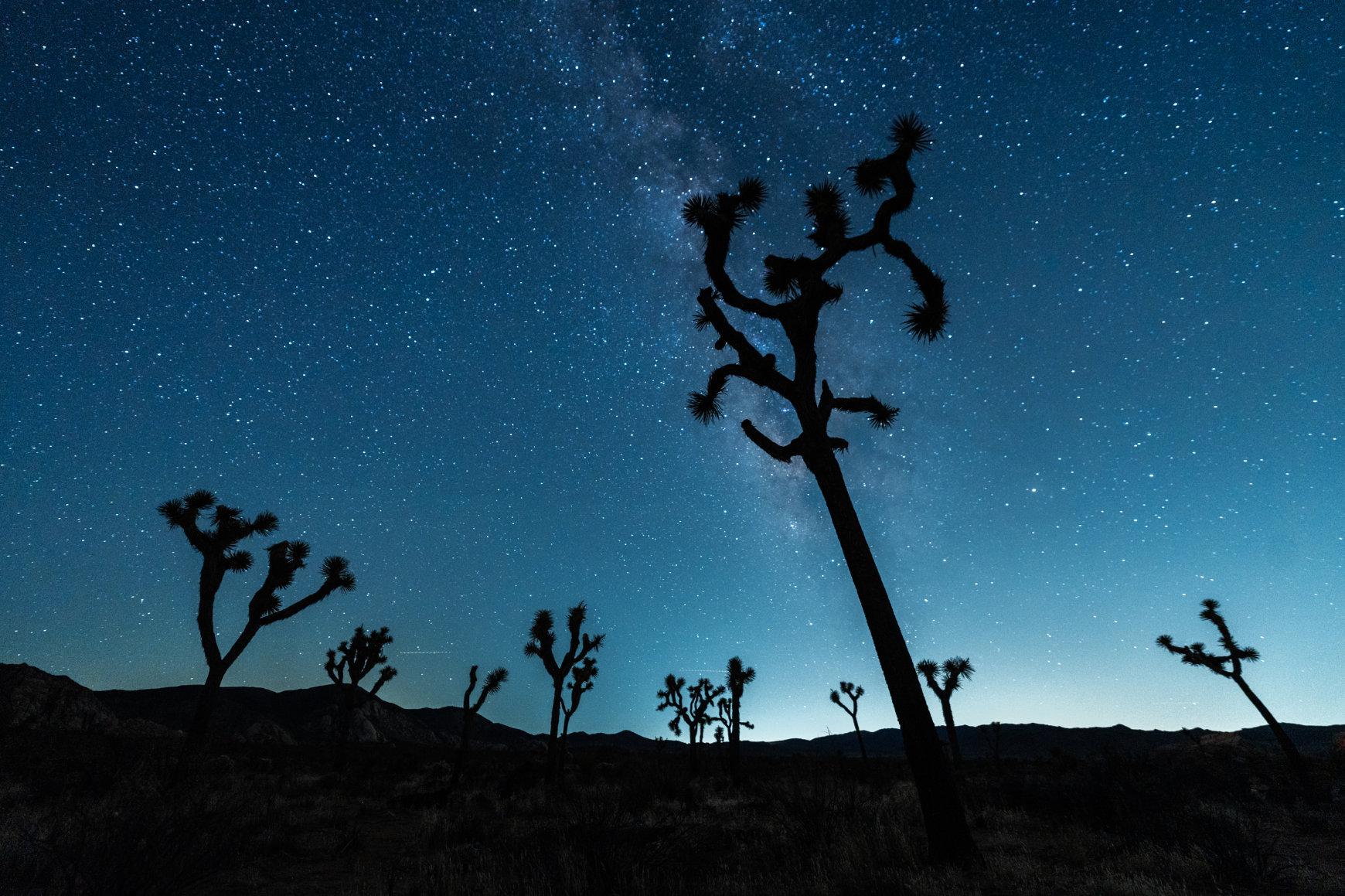
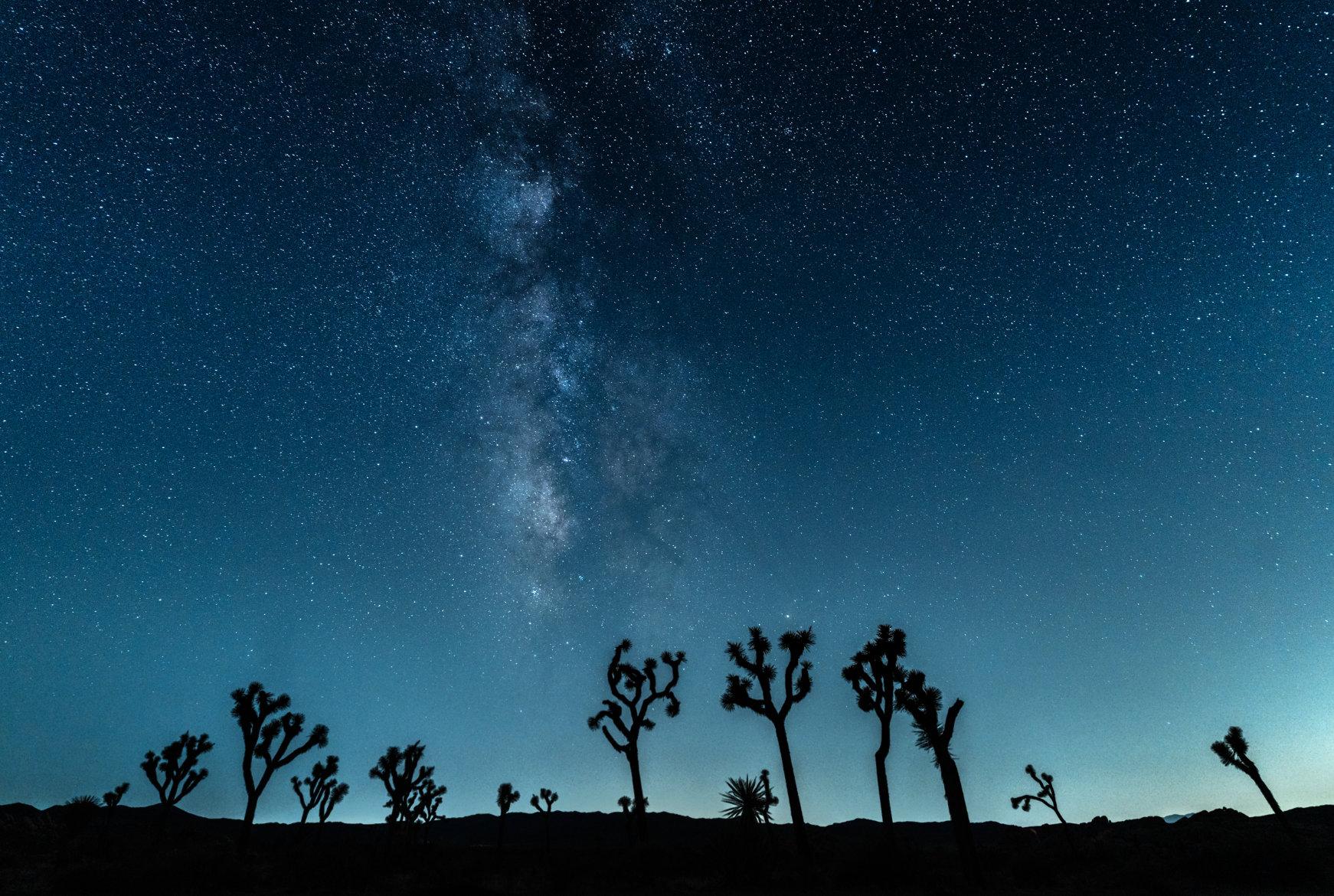
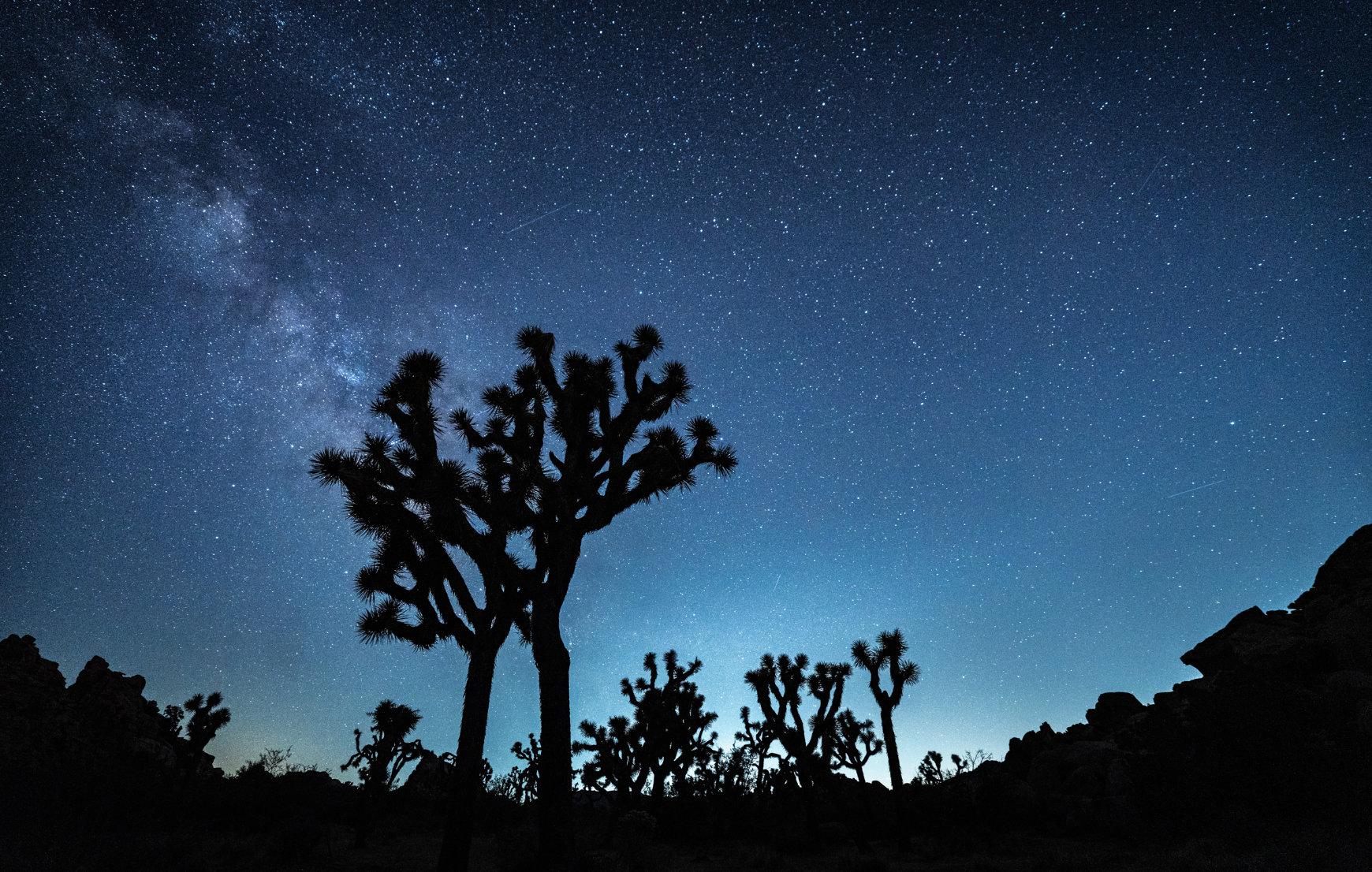
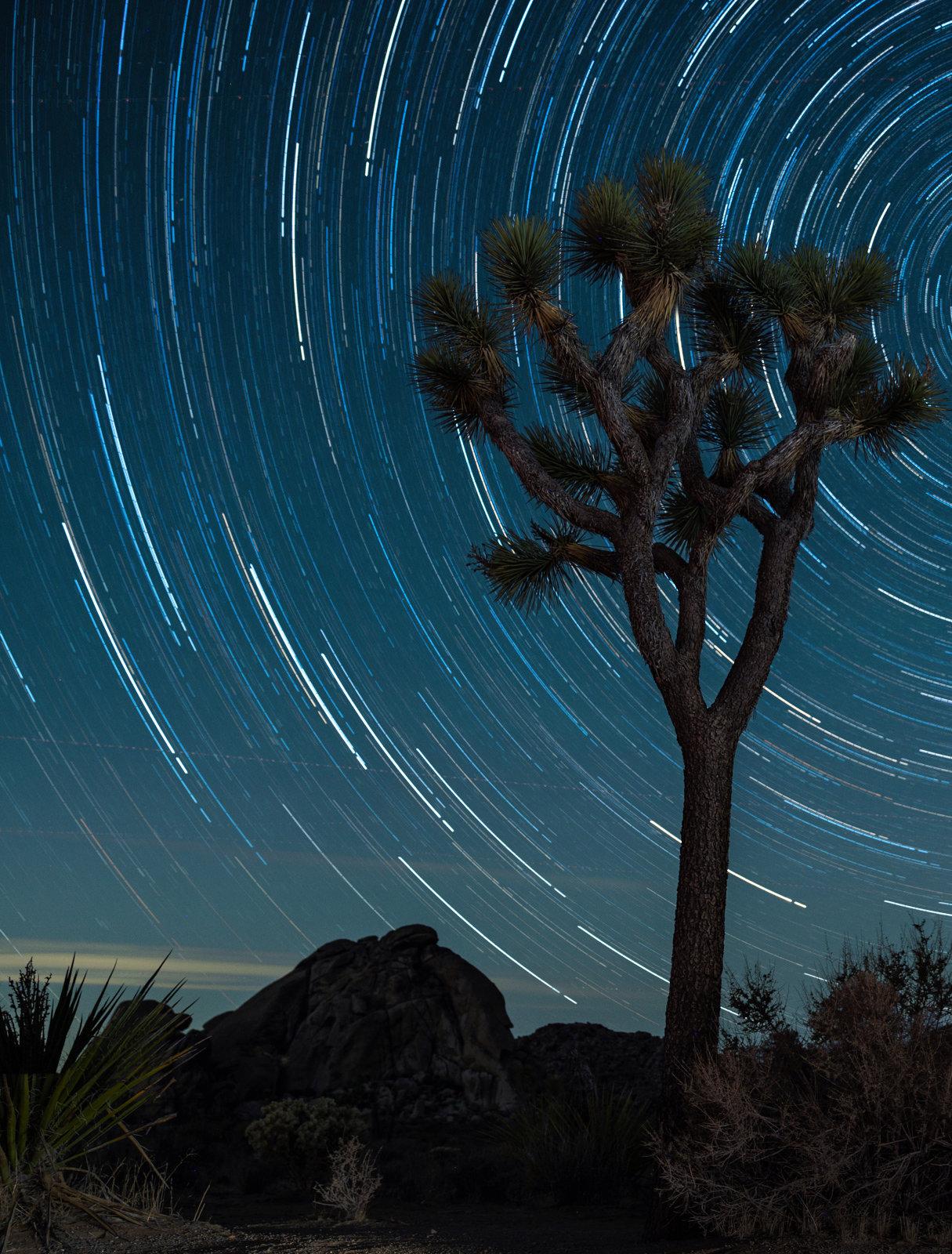
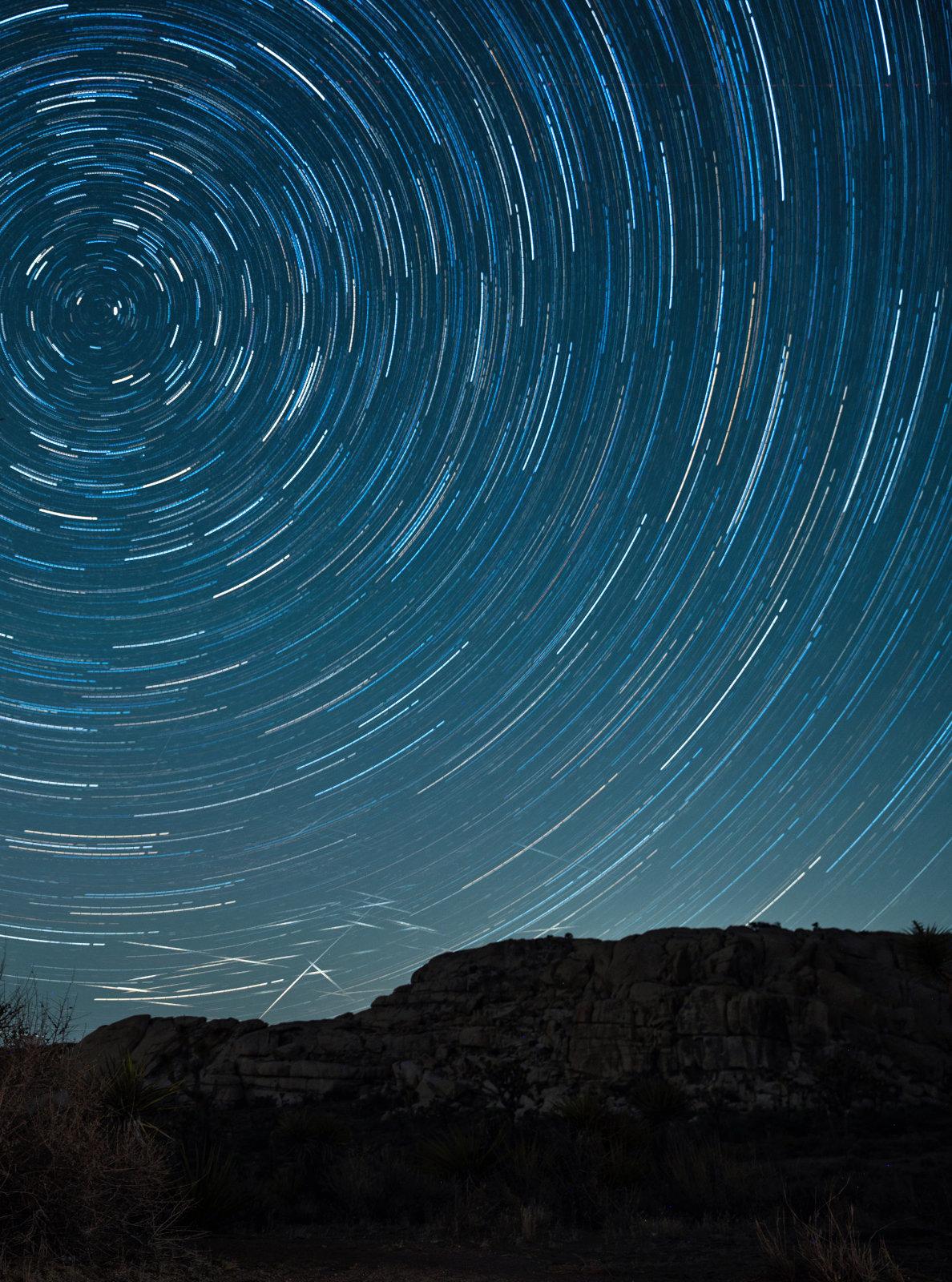
I made a quick visit to Joshua Tree in July for the new moon. It was right the beginning of the Perseid meteor shower so I caught a few in the photos.
It was sad to see the light pollution which has increased over the years from Palm Desert and the surrounding cities when facing south for the Milky Way. Looking north I had just some light from Yucca Valley, but overall it’s harder to find a quiet spot with a good composition of trees that isn’t overwhelmed by excessive light from outside or traffic at all hours inside Joshua Tree. Still, it’s one of my favorite parks.
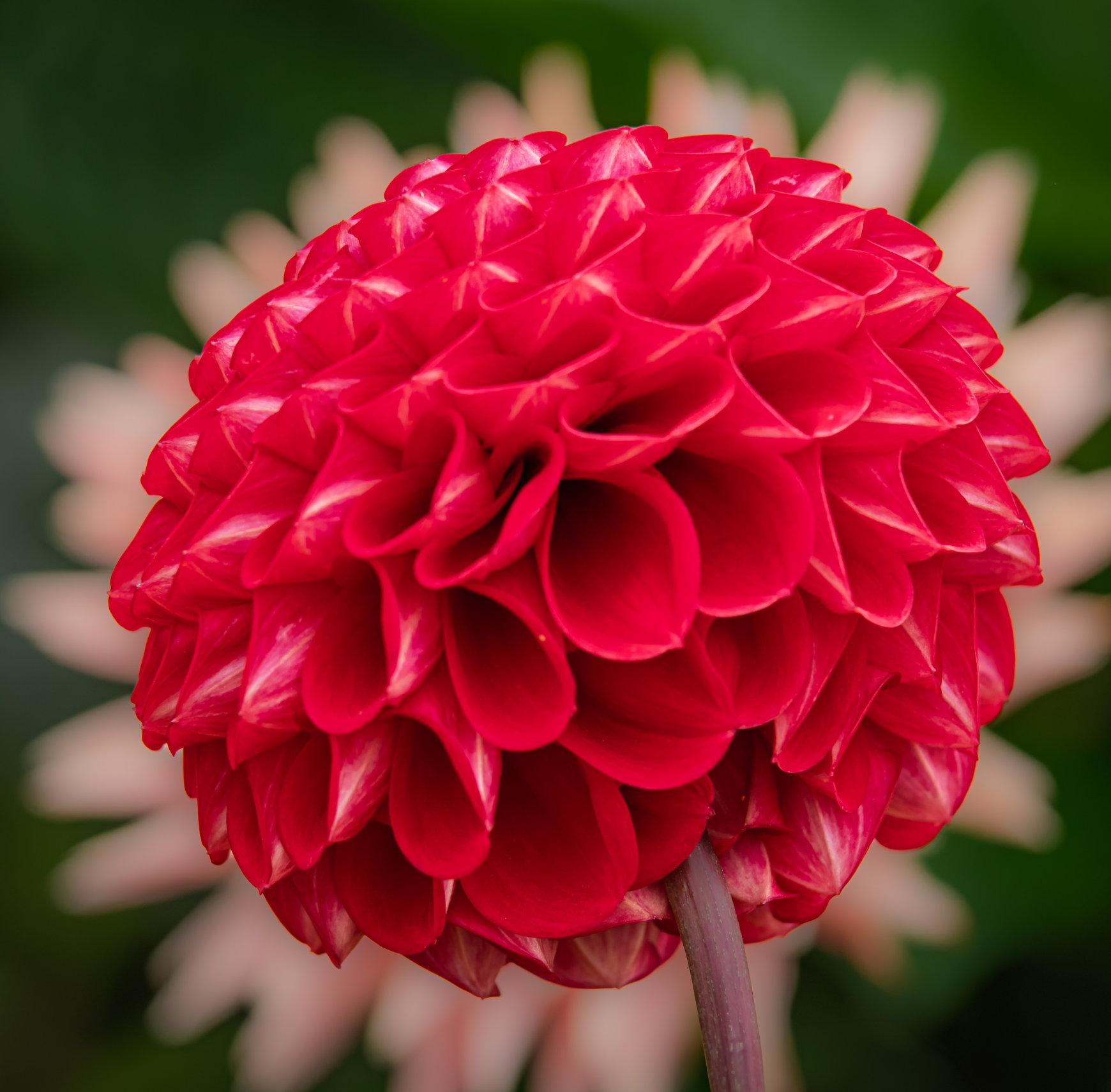
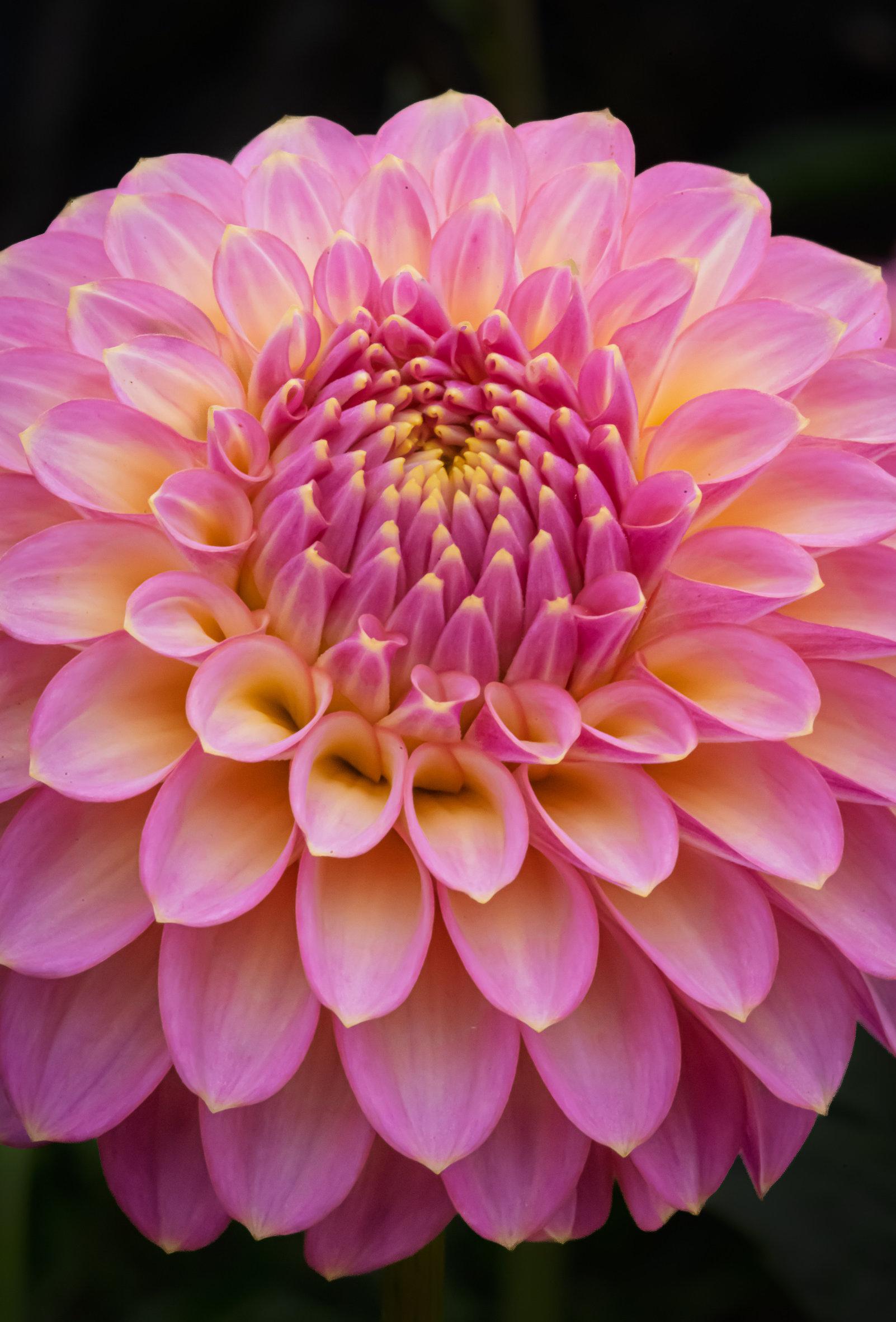
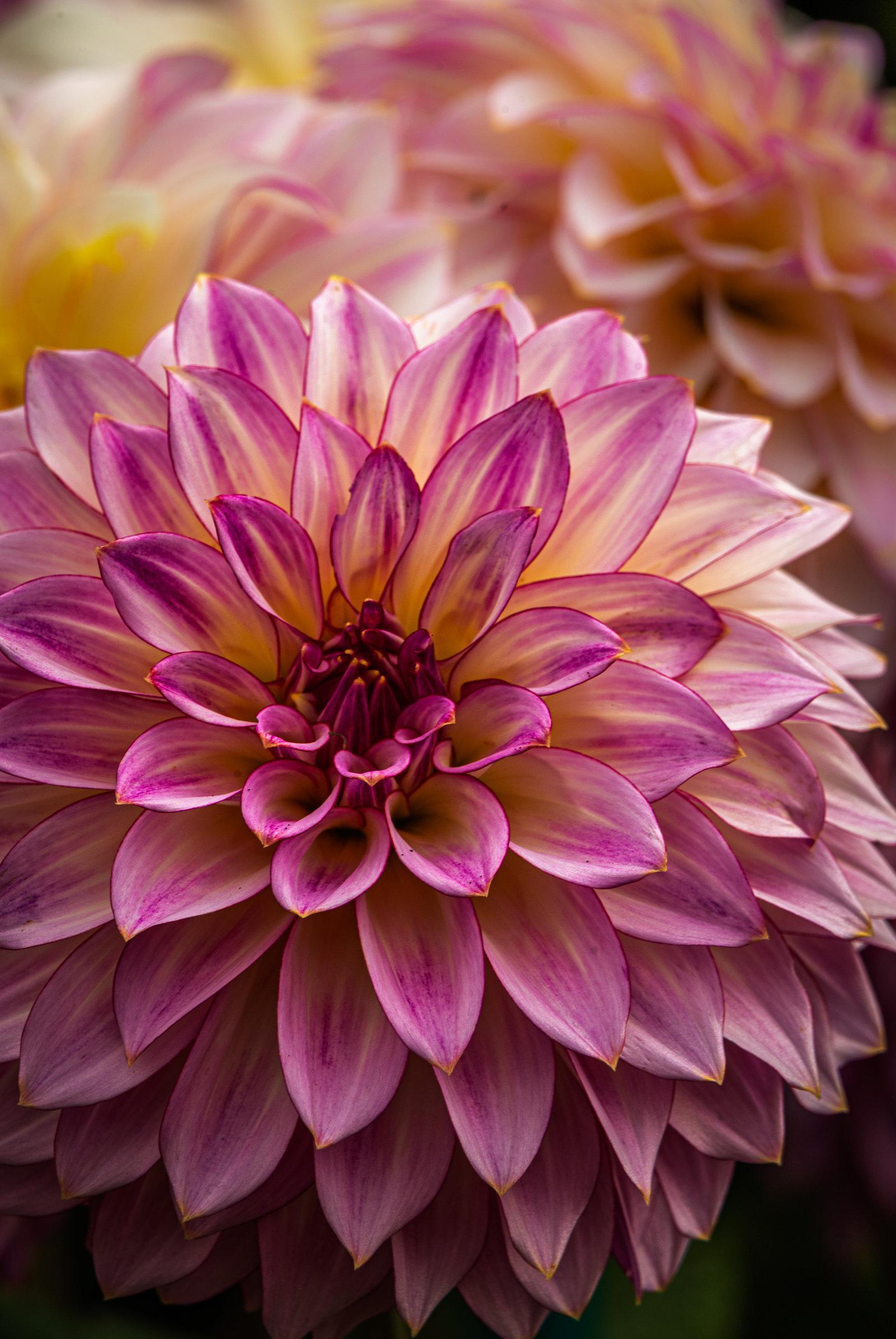
There is a beautiful backyard garden of dahlias alongside the Ballona Lagoon Marine Preserve in Marina del Rey that the owner dedicates to the memory of his late wife. I photographed these images there on August 1st.
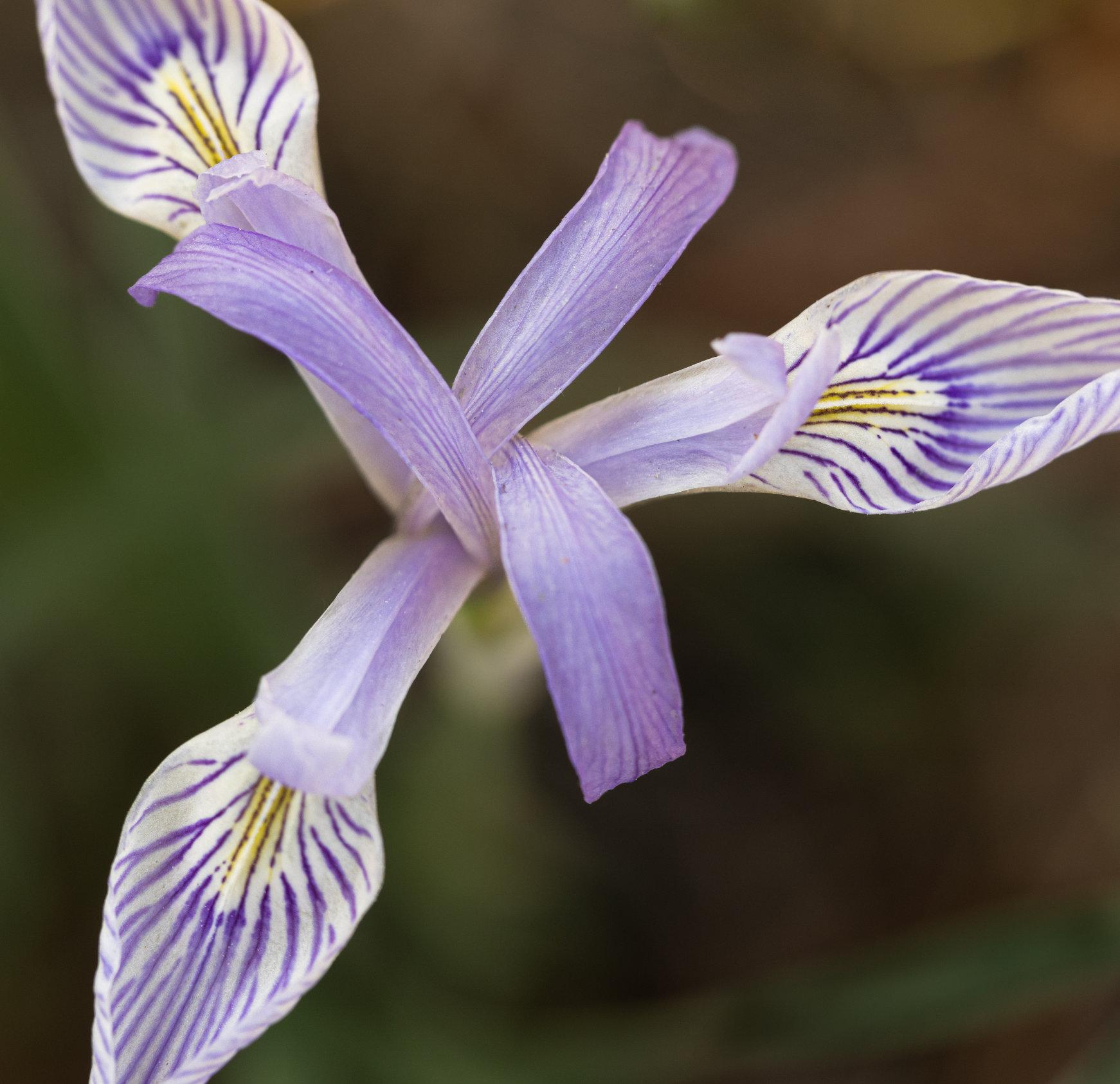
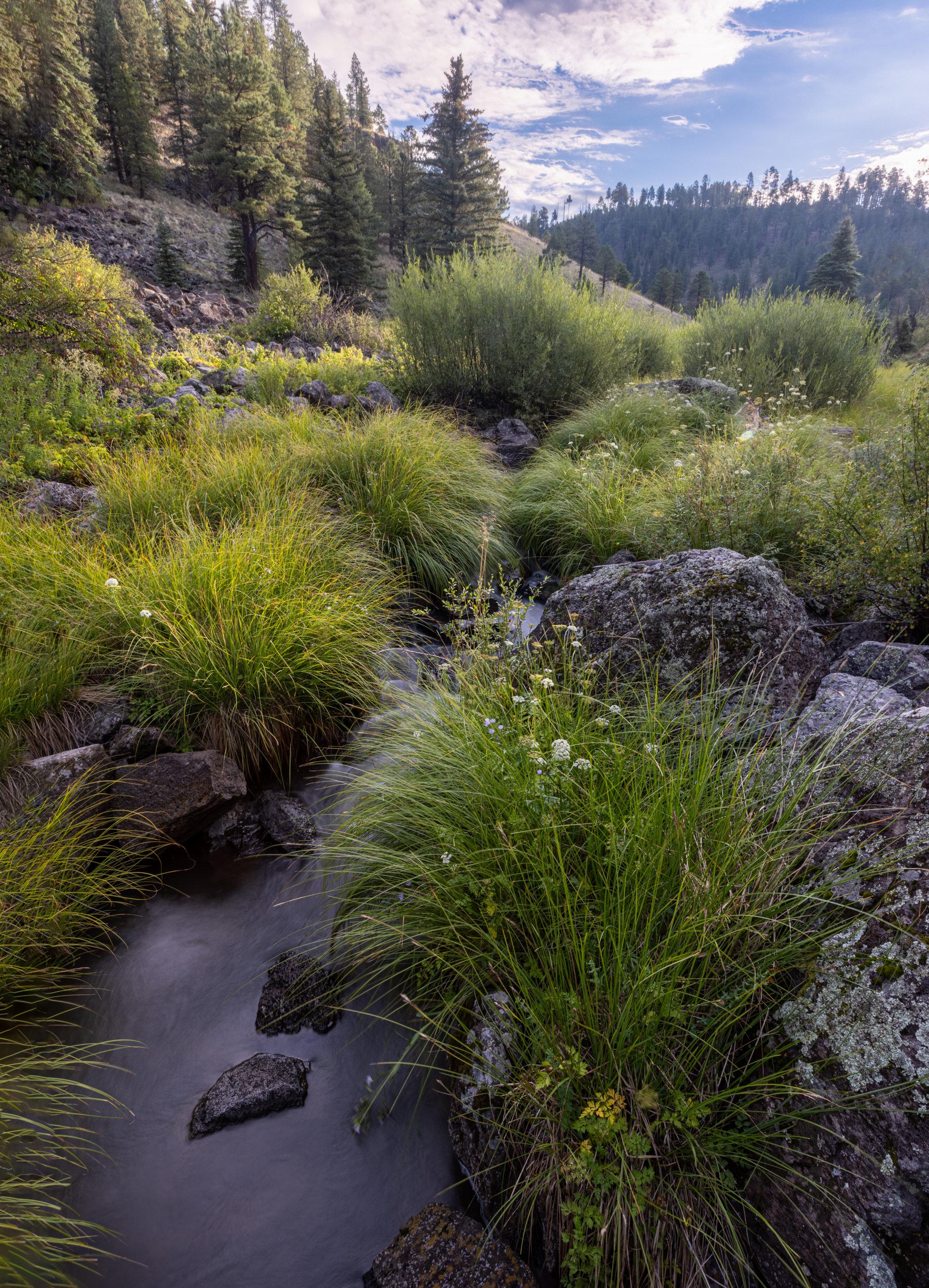
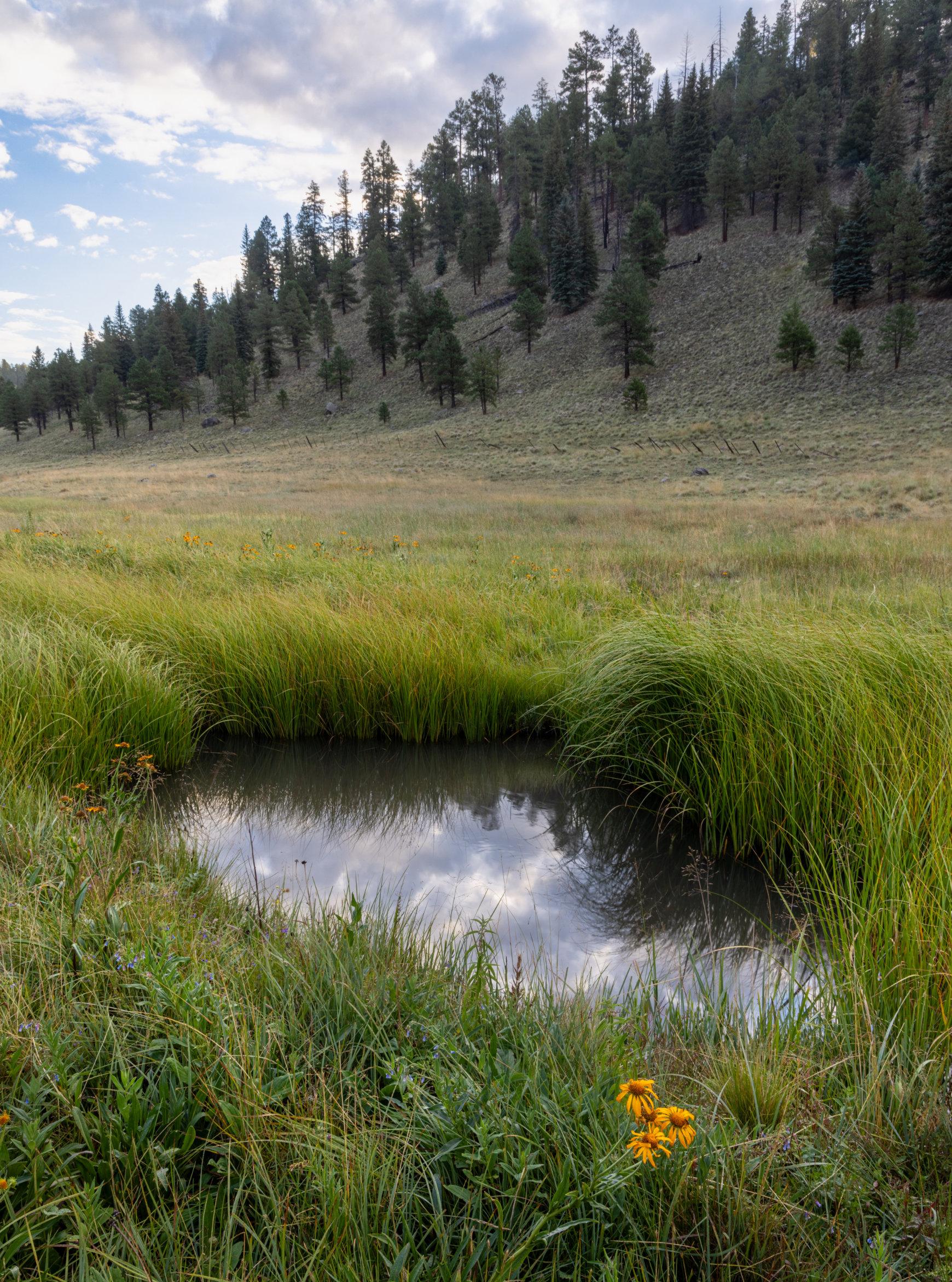
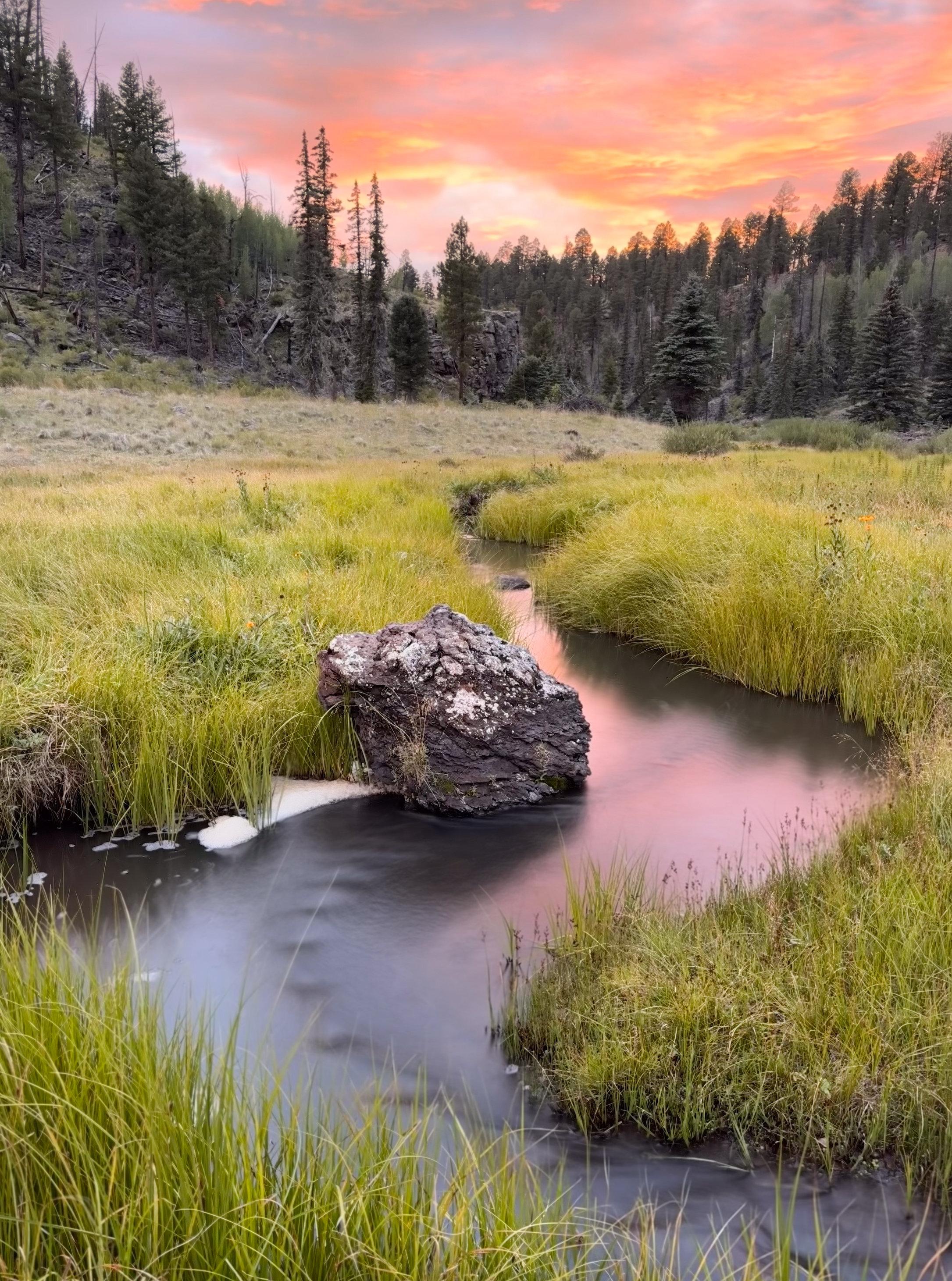
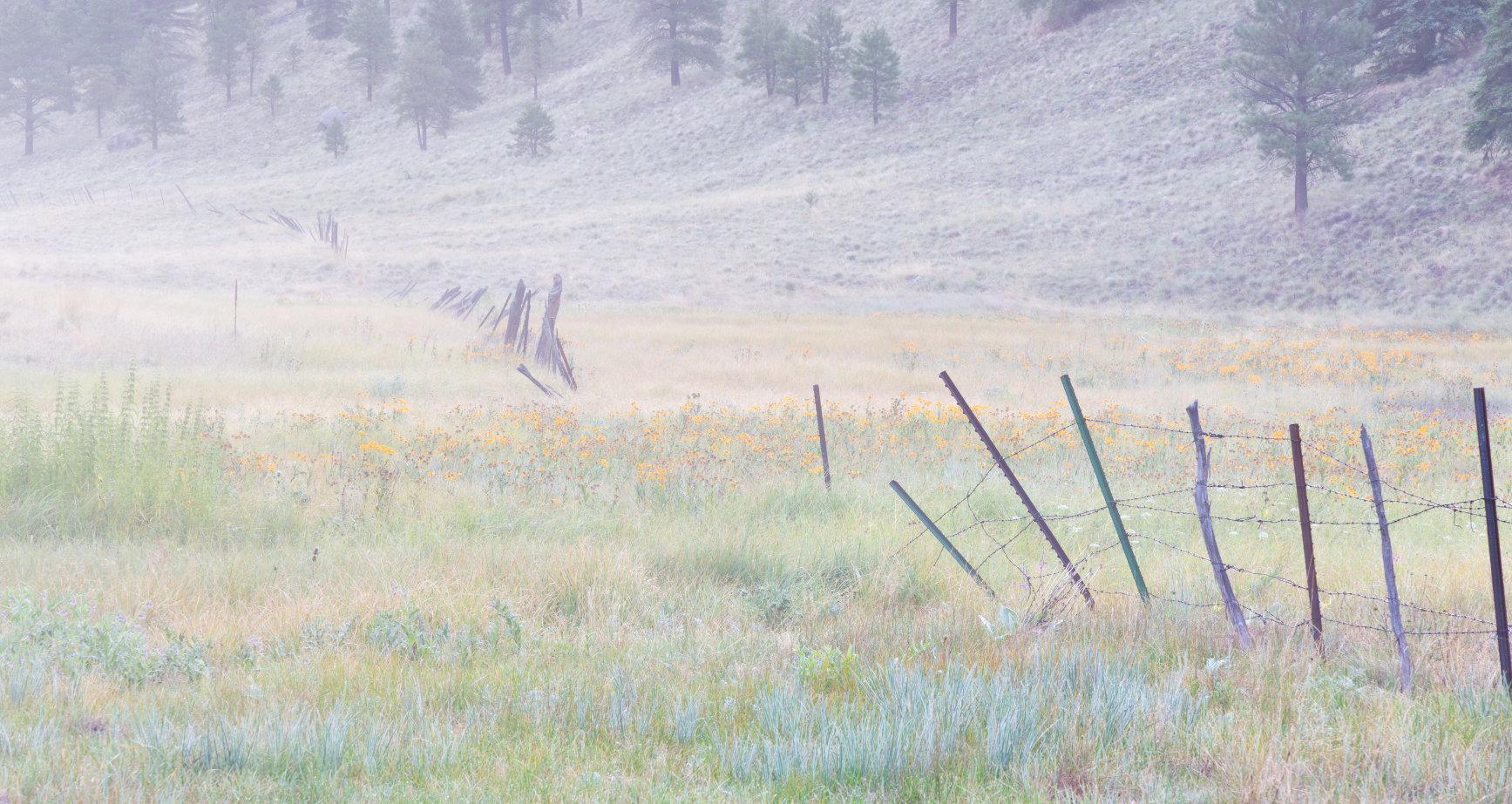
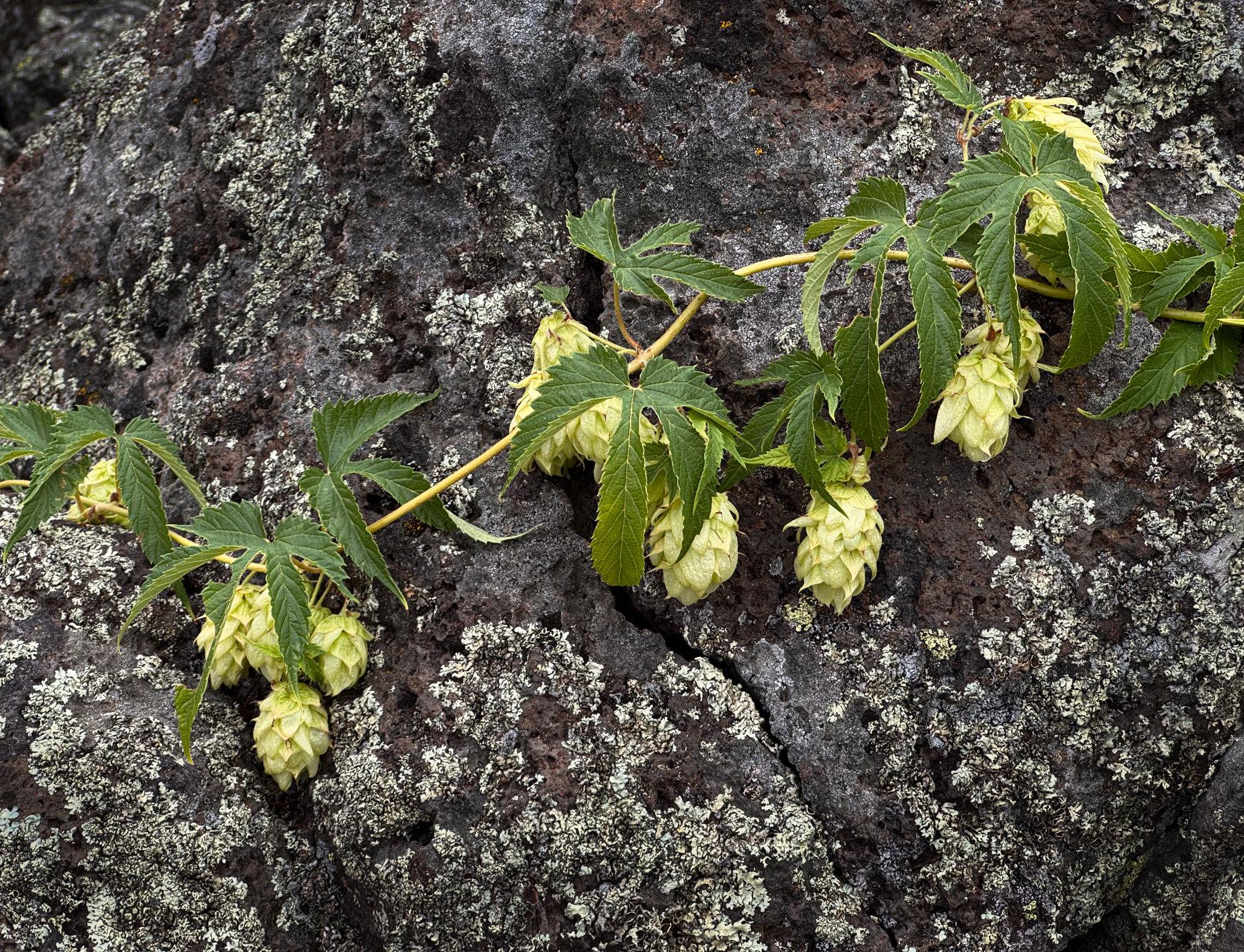
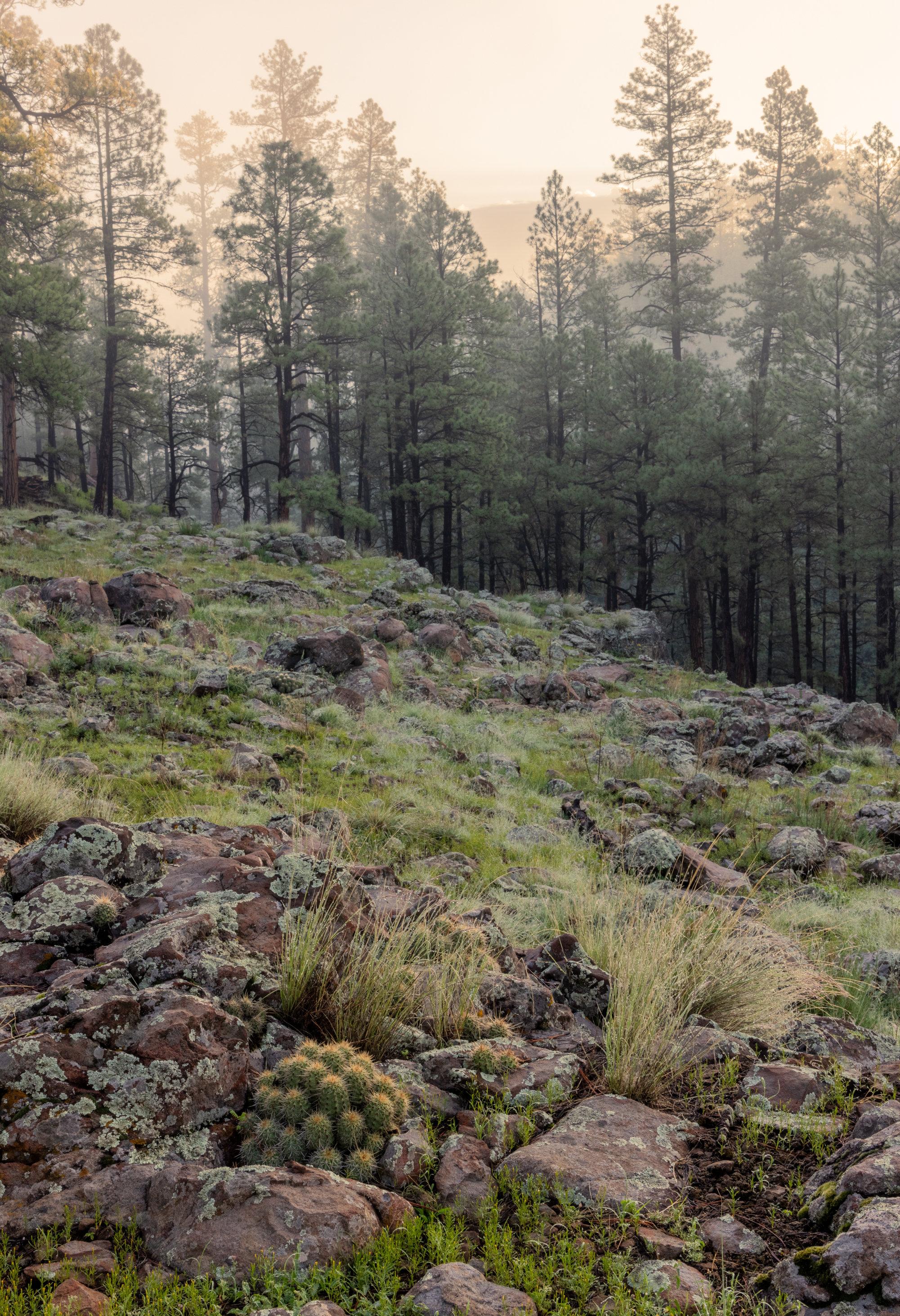
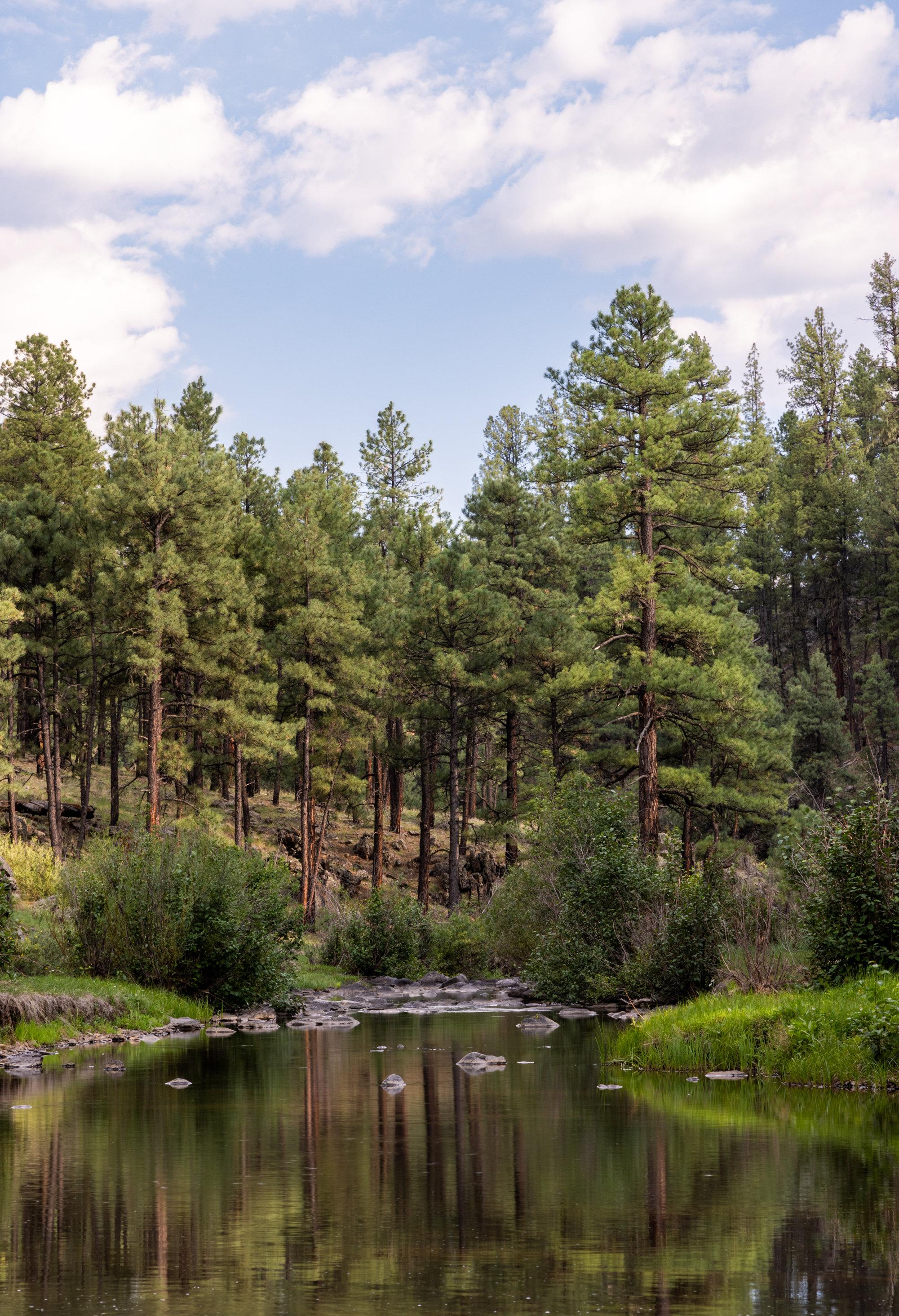
These are from a week of camping in Apache National Forest (The White Mountains), Arizona in August.
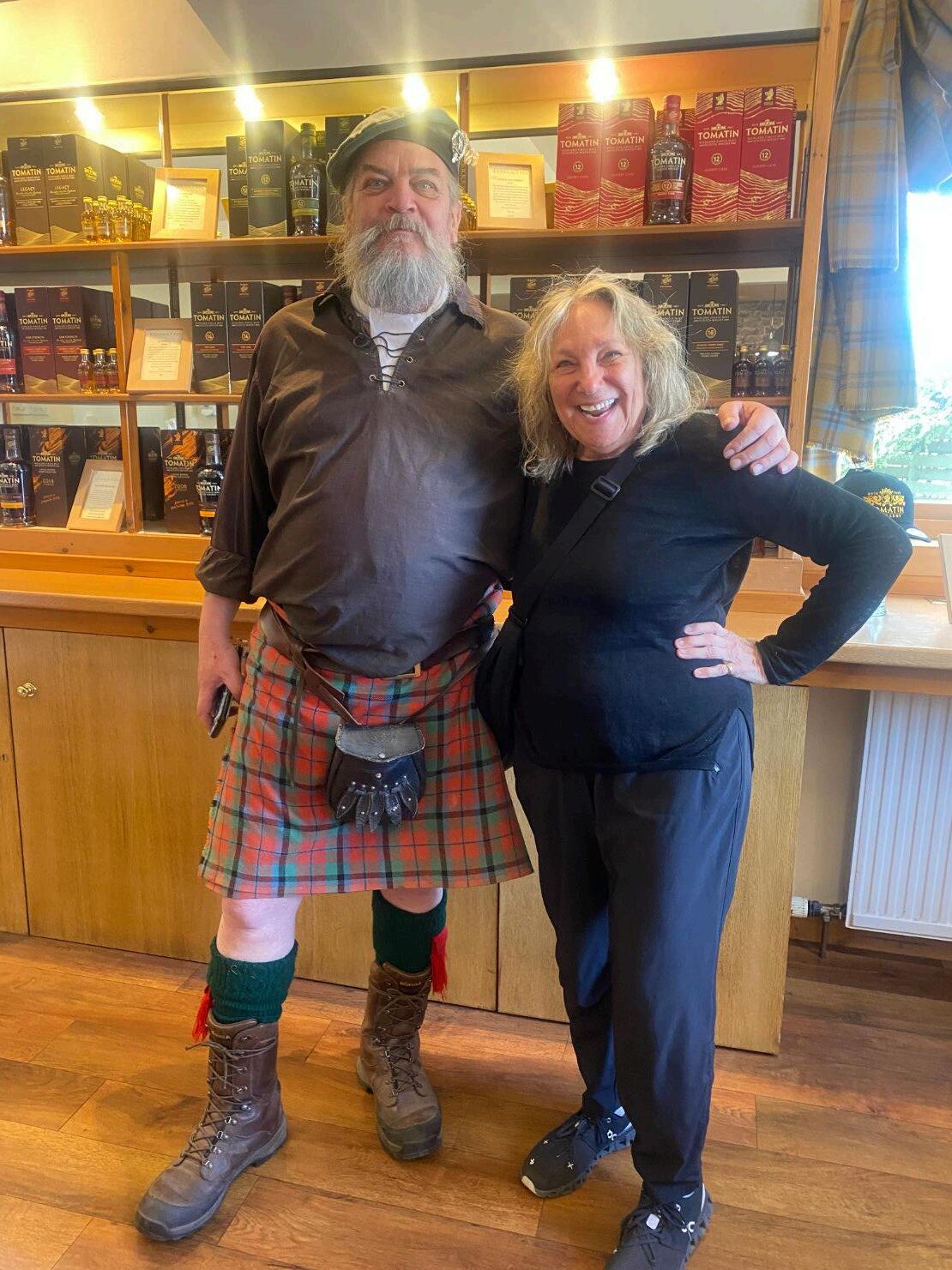
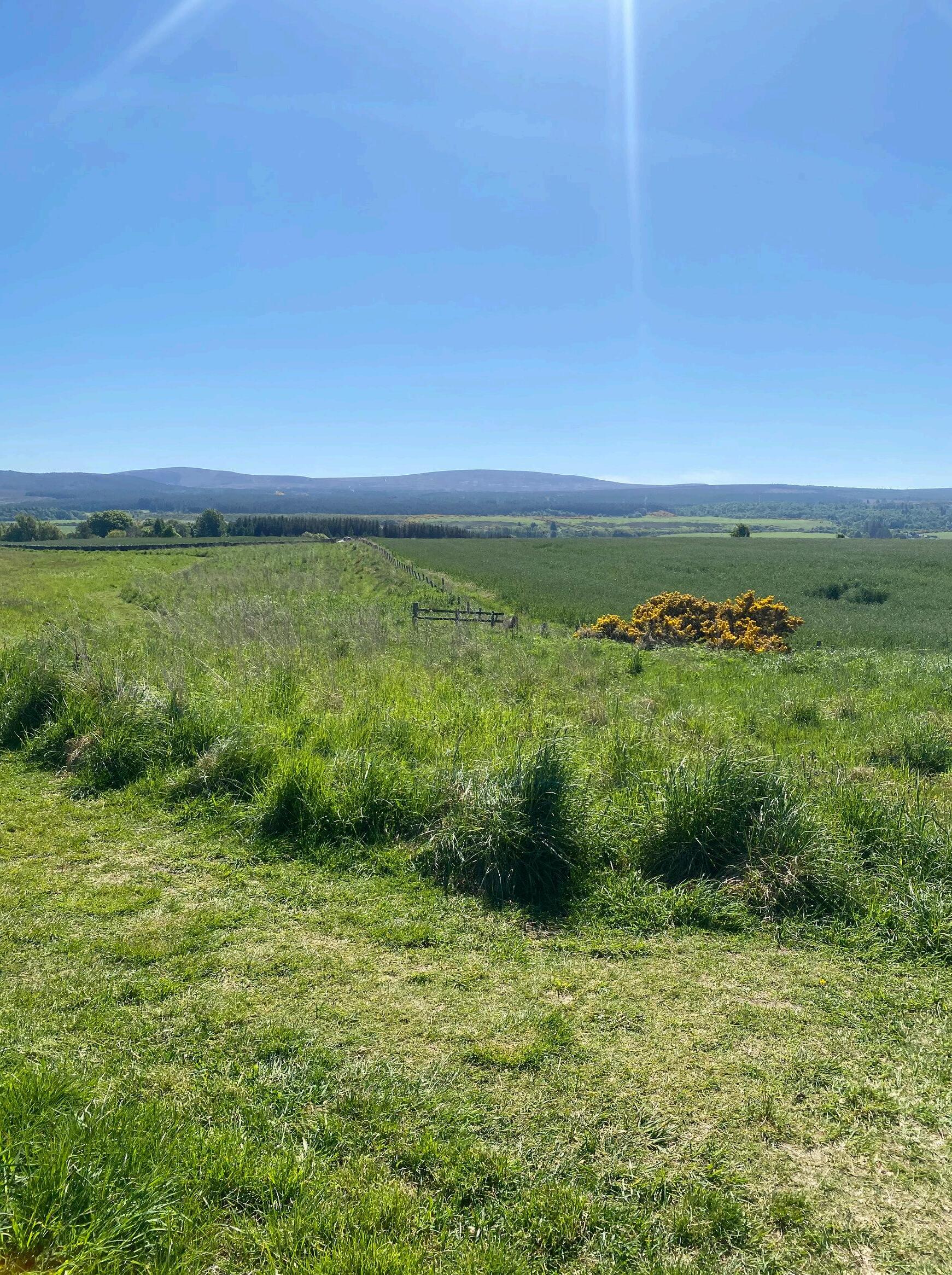
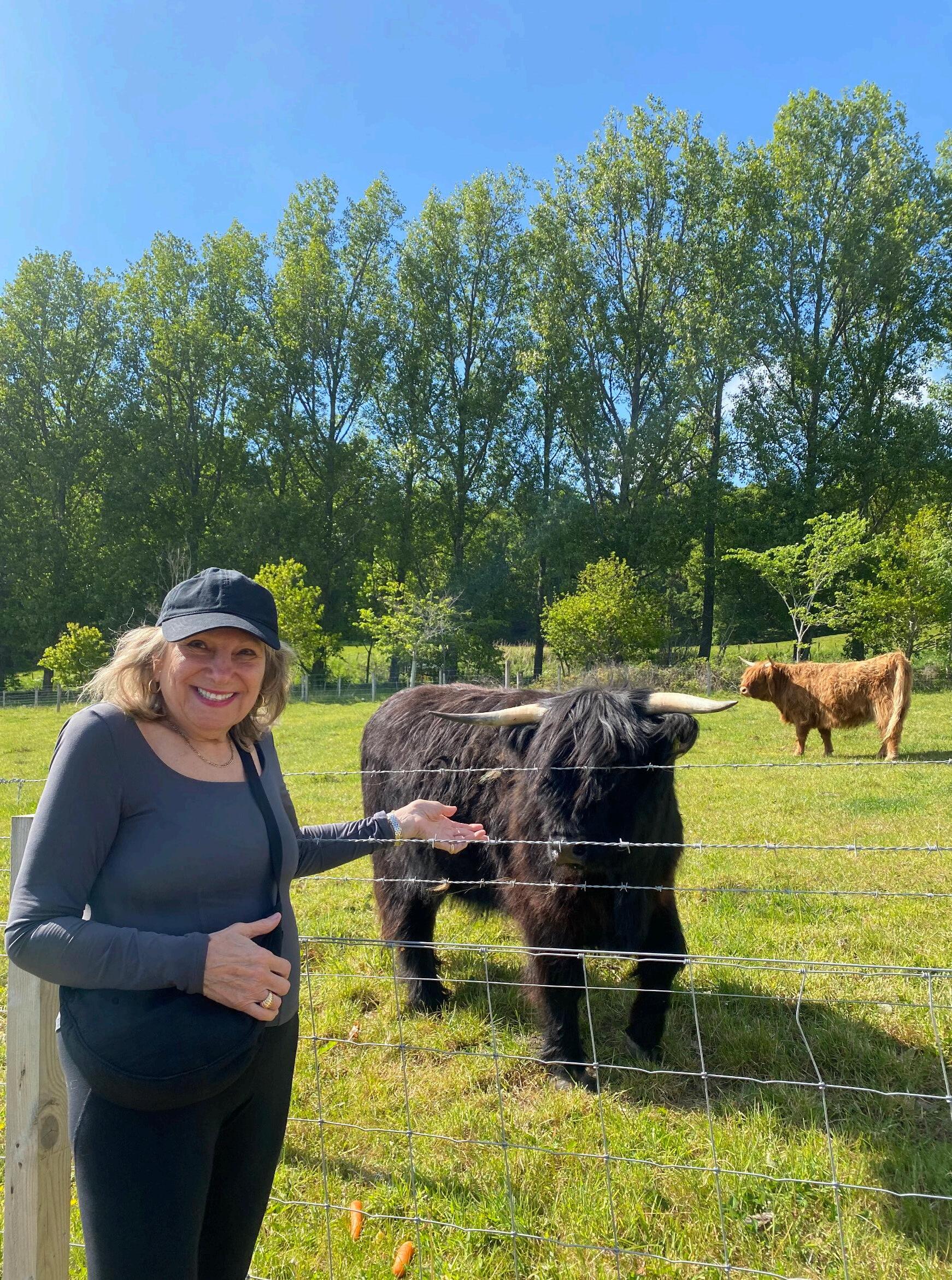
I visited the Highlands in Scotland. Very ordinary place. Claim to fame is the battlefield of Culloden photo taken. The only kilt wearing highlander I met was a tour guide. Certainly was disappointed as I was looking forward meeting Scotsman in kilts! They call cows coos. Lovely mild mannered coos.
I was in Tuscany for a few weeks. I was taken by their ancient history. Too much to see and photograph. The memory lingers in my mind and heart. I submitted couple of photos. I didn’t submit the laundry drying out of the windows. Or the chestnut vendors, or this older 85, at least looked it, on her bicycle on her way home from the market.
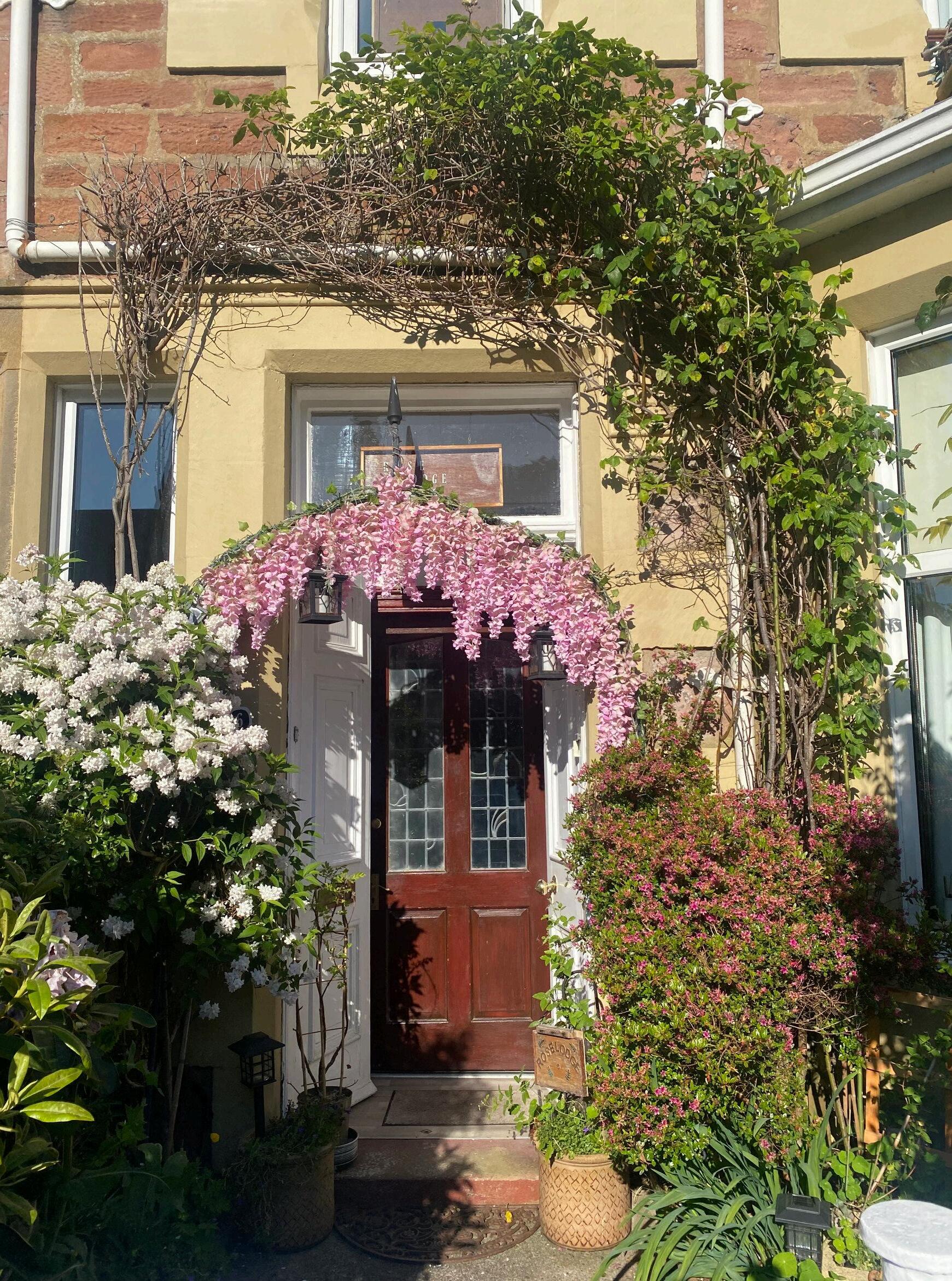
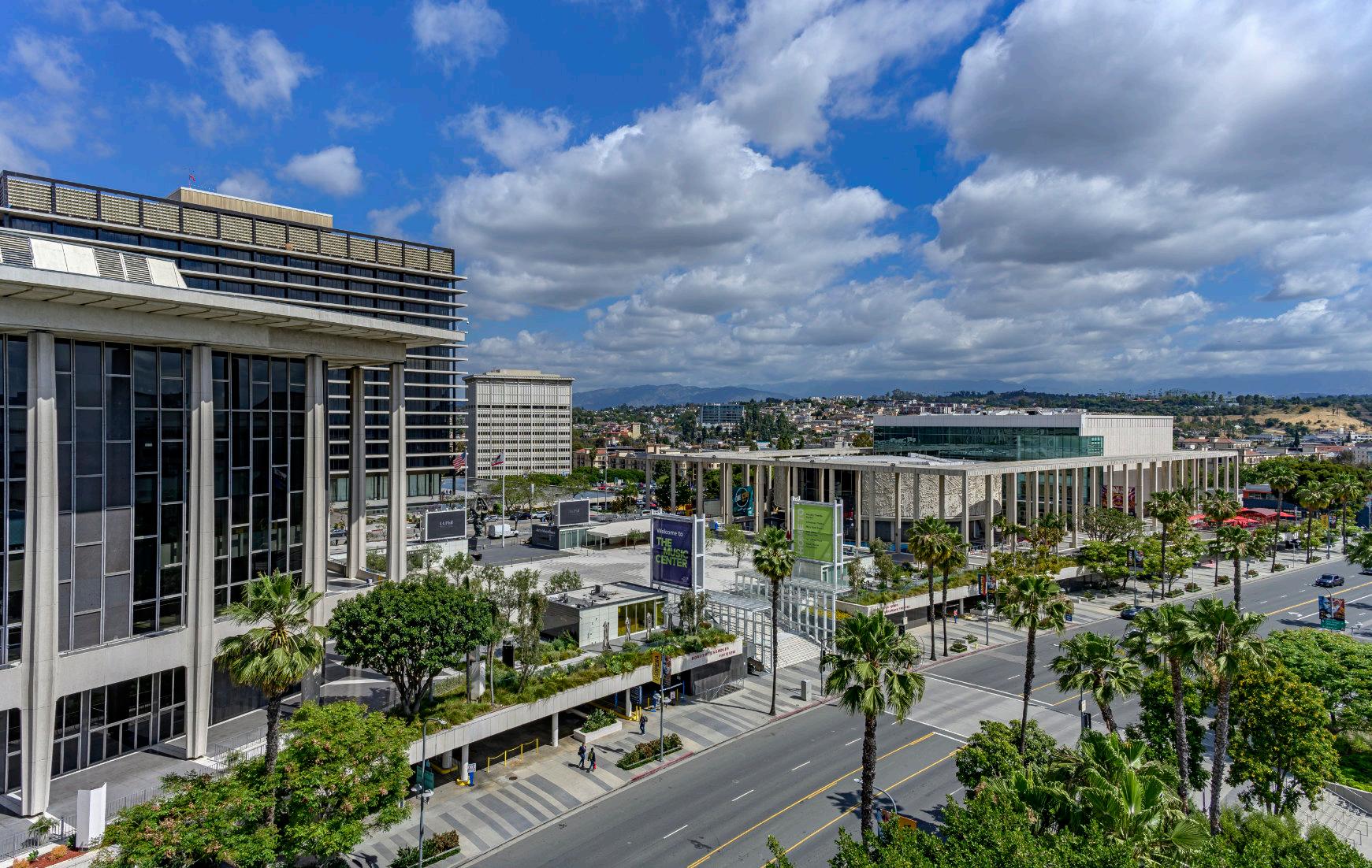
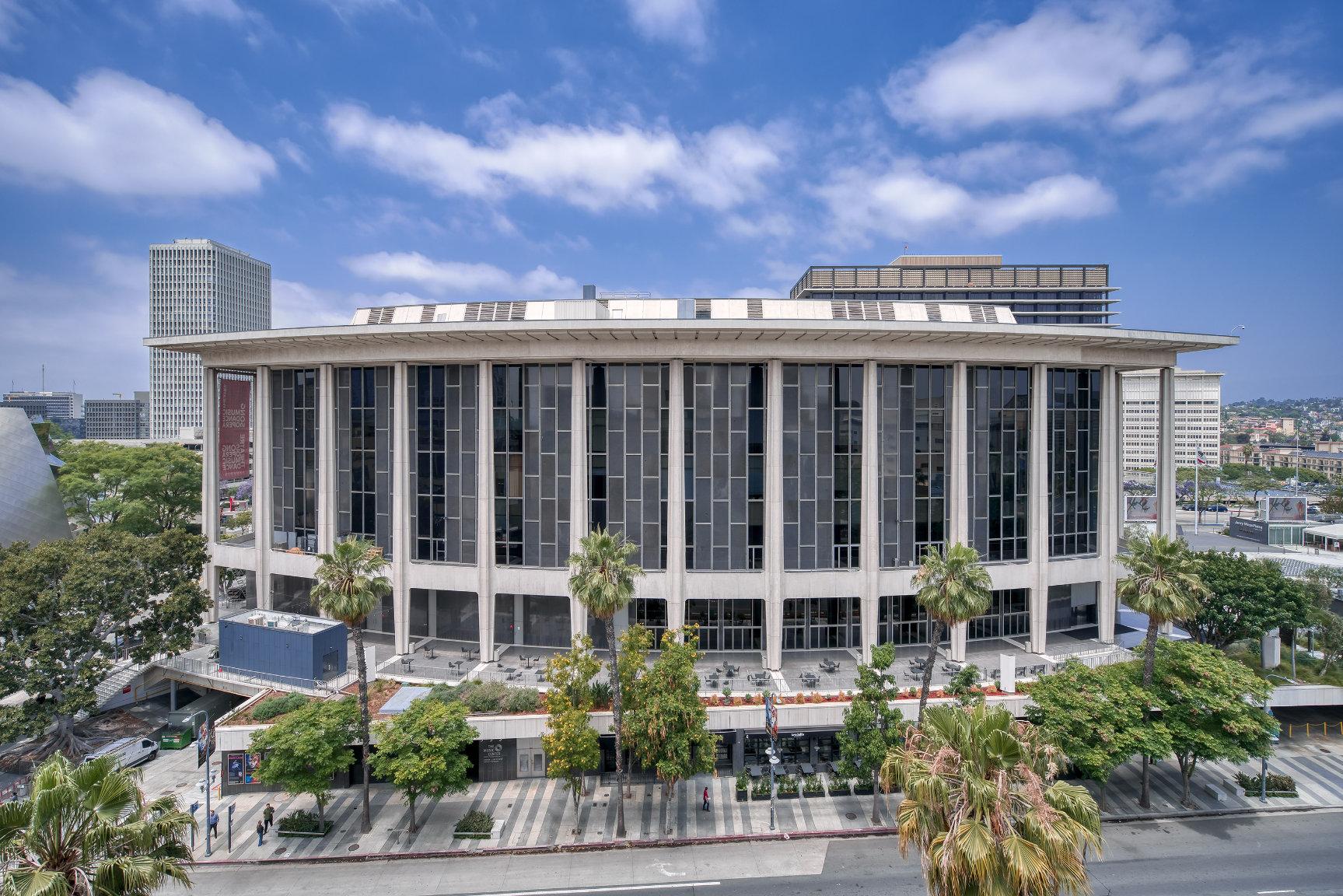
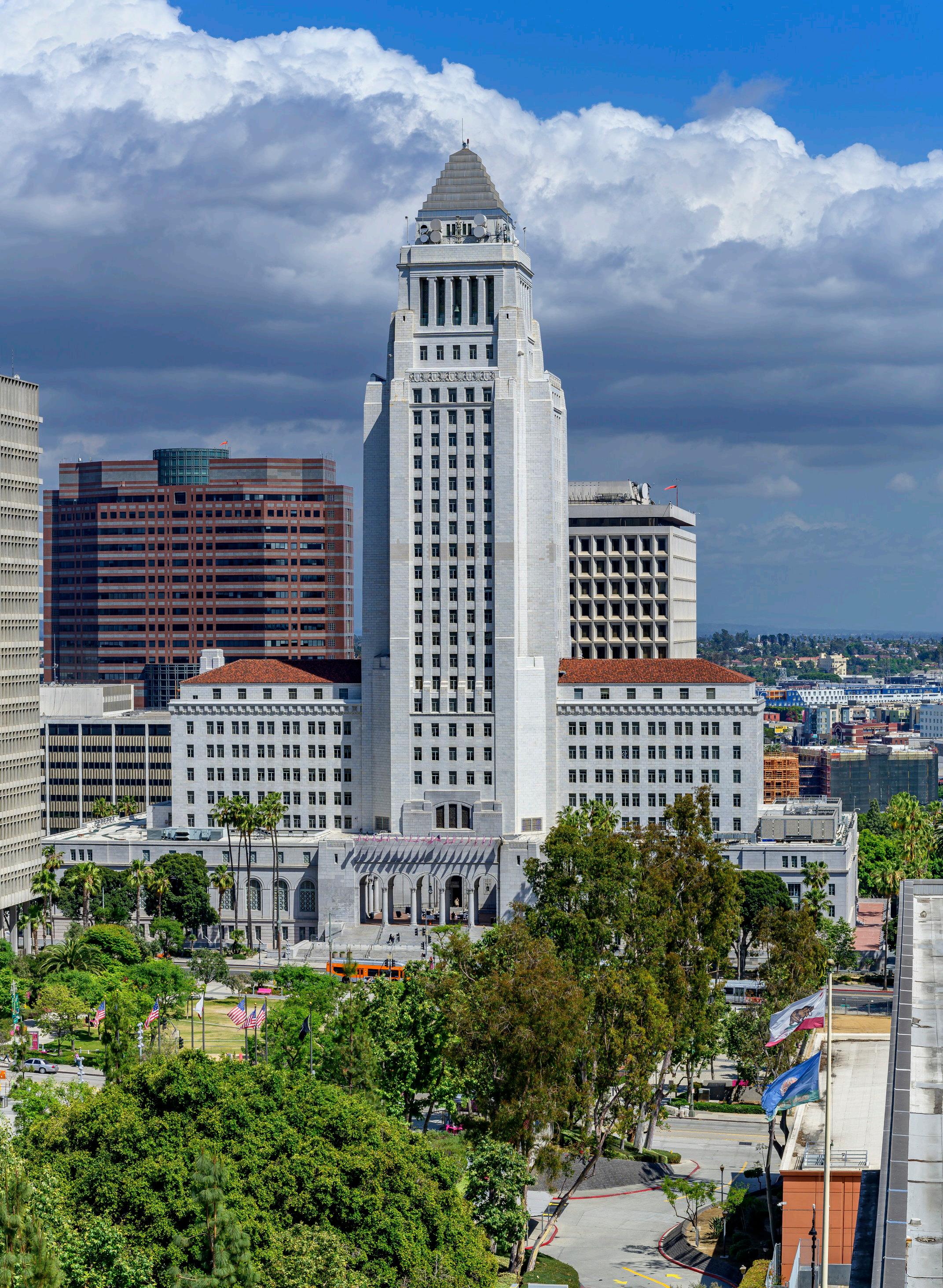
Here’s something different from my usual outdoor landscape photos. I also enjoy architectural photography and had a recent opportunity to add to my portfolio.
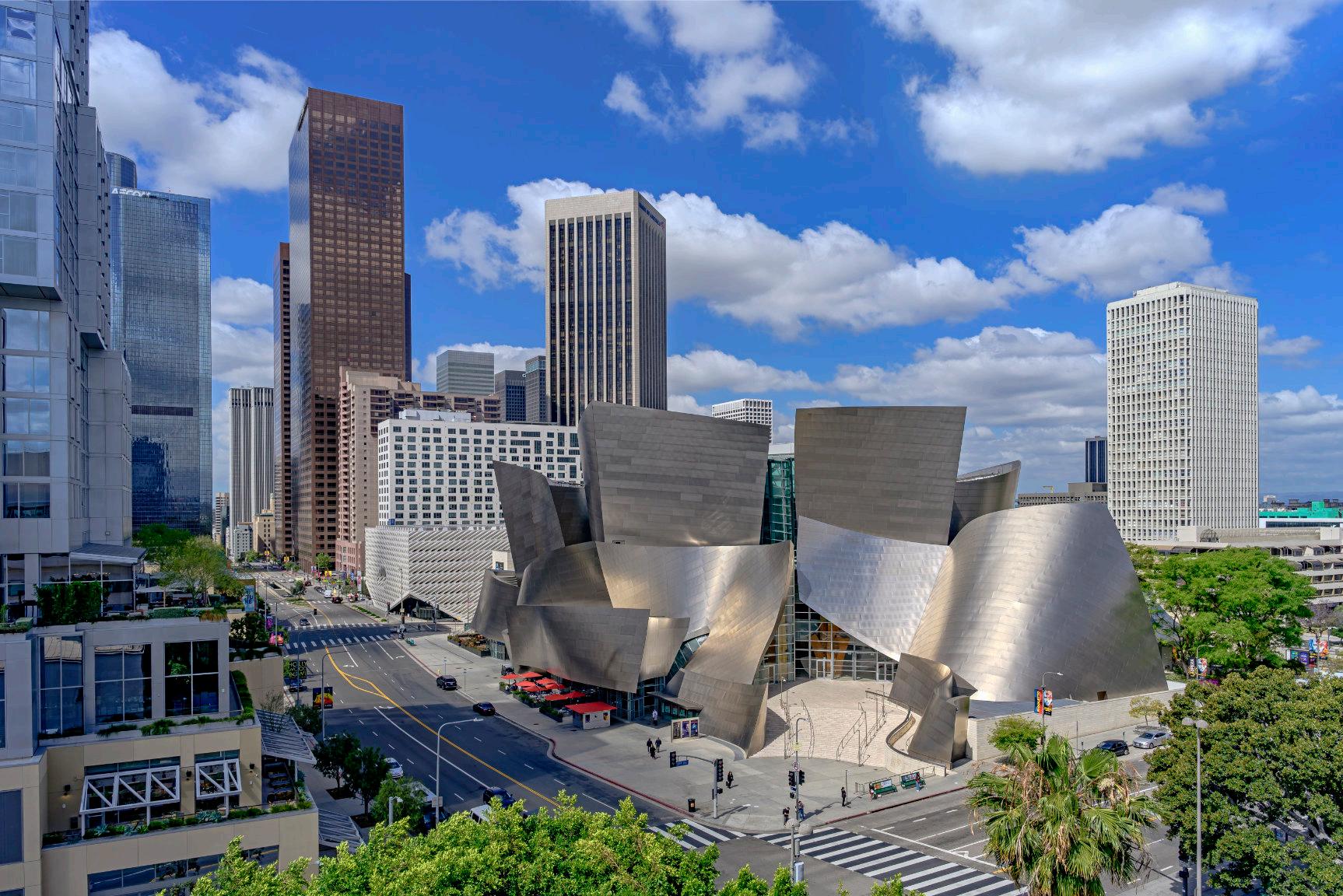
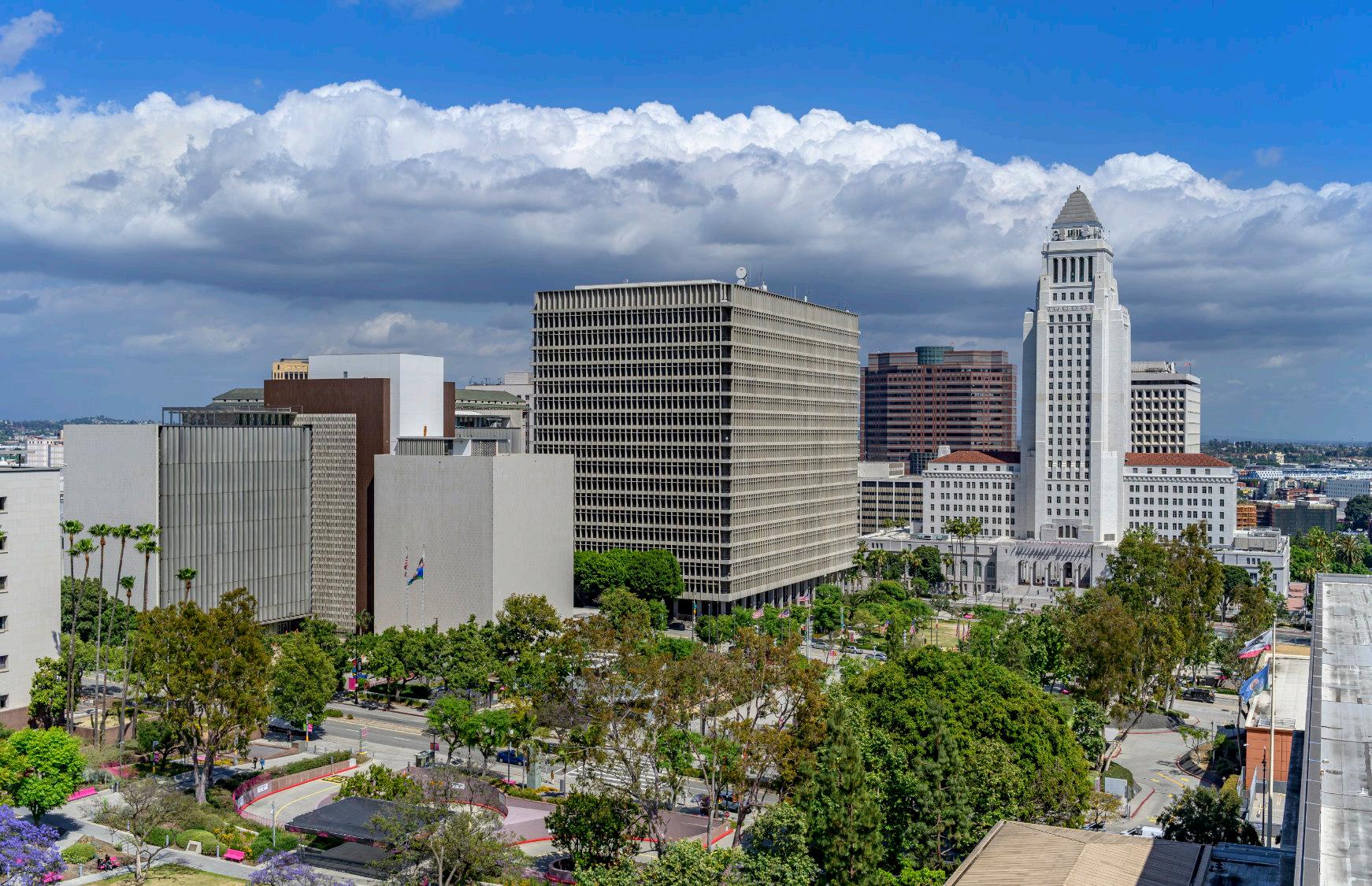
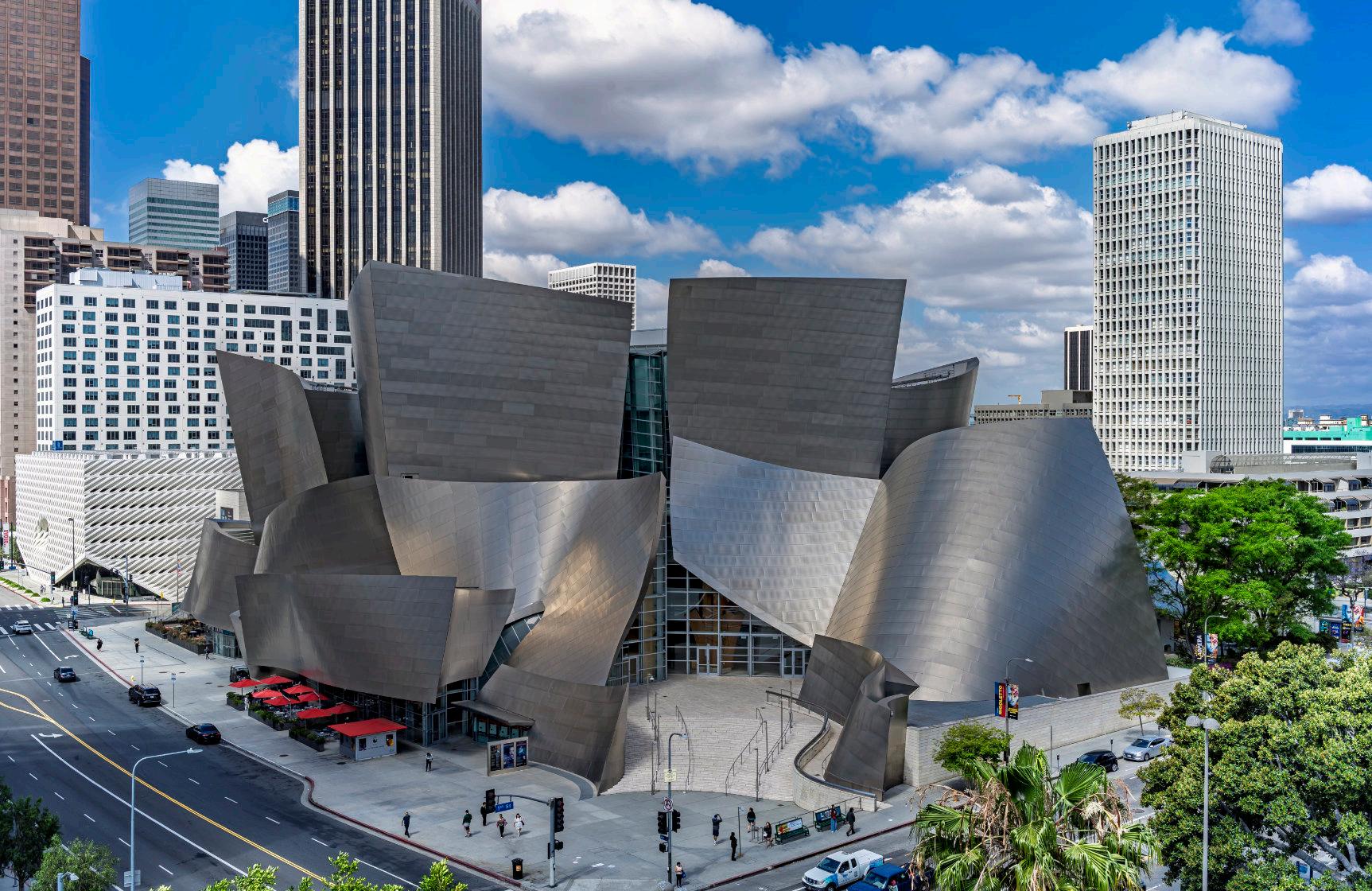
I imagine these images are not what come to mind when one reads the caption, “Jury Duty Photos.” This past spring, I was a trial juror at the Stanley Mosk Courthouse, 111 No. Hill Street, Los Angeles. While there, I discovered that the cafeteria on the ninth-floor has an outdoor patio deck affording good views of many iconic downtown LA landmarks. On subsequent days, I brought a camera with me to the courthouse so I could photograph the city during breaks in the trial. I turned my jury duty into a photo assignment!
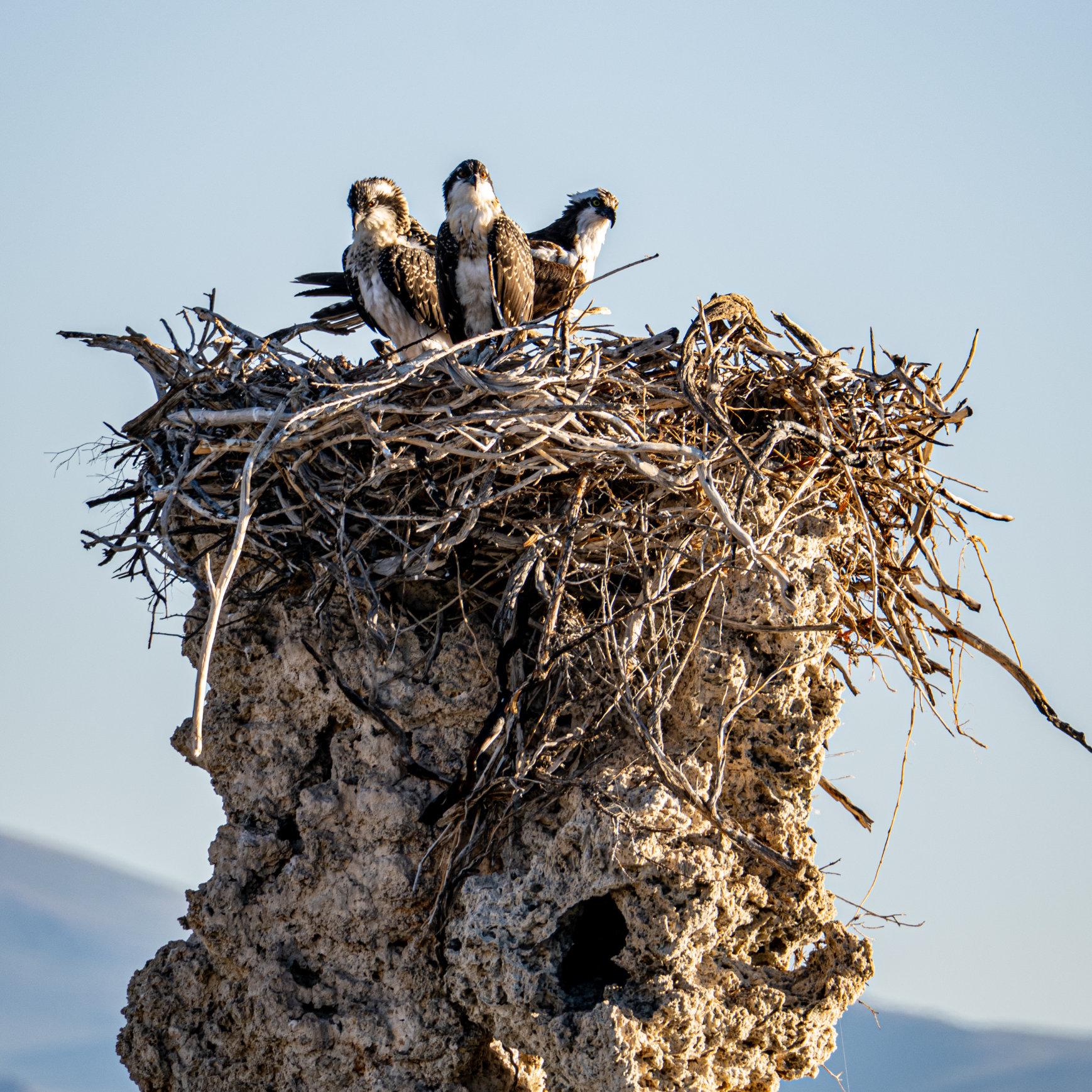
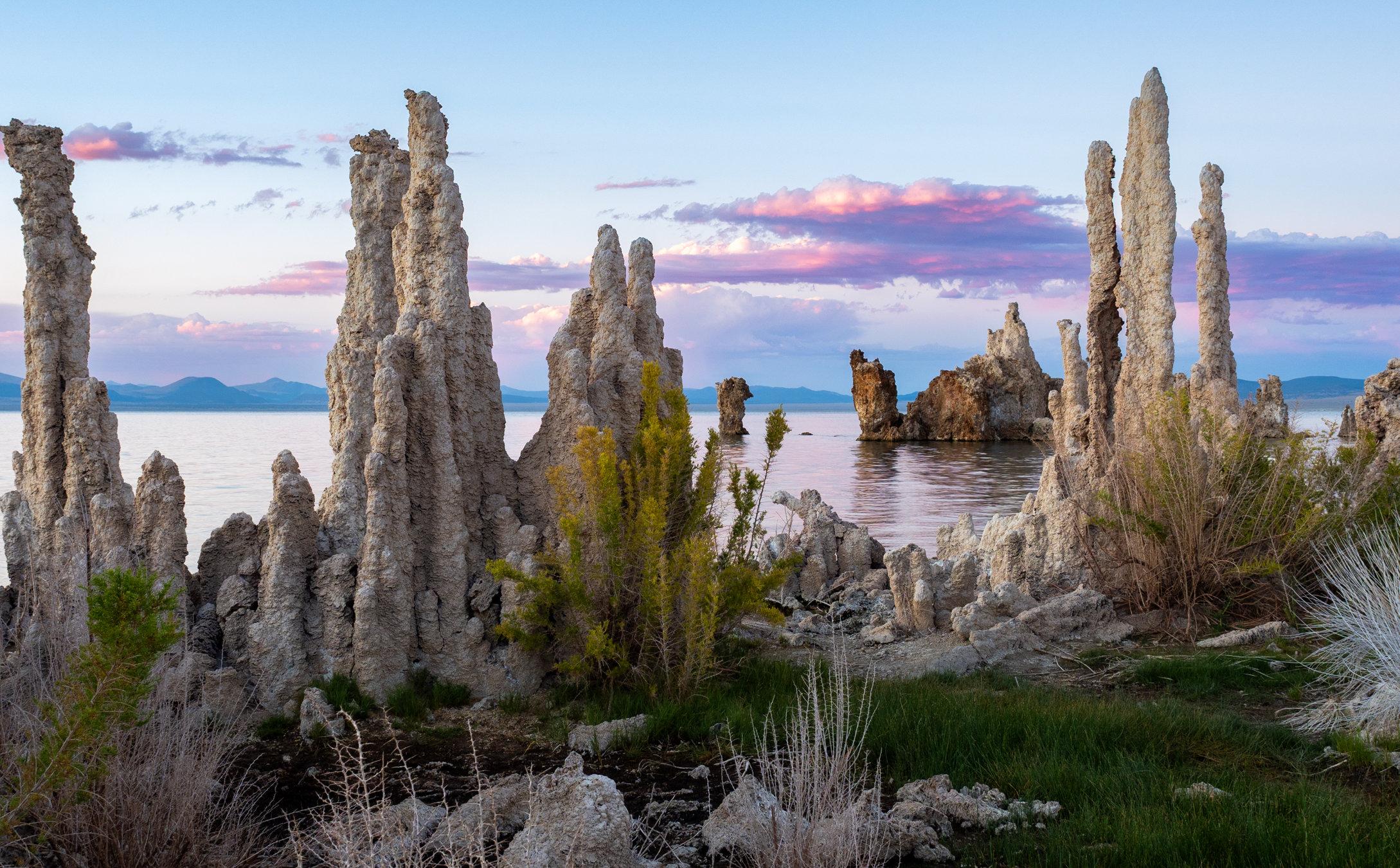

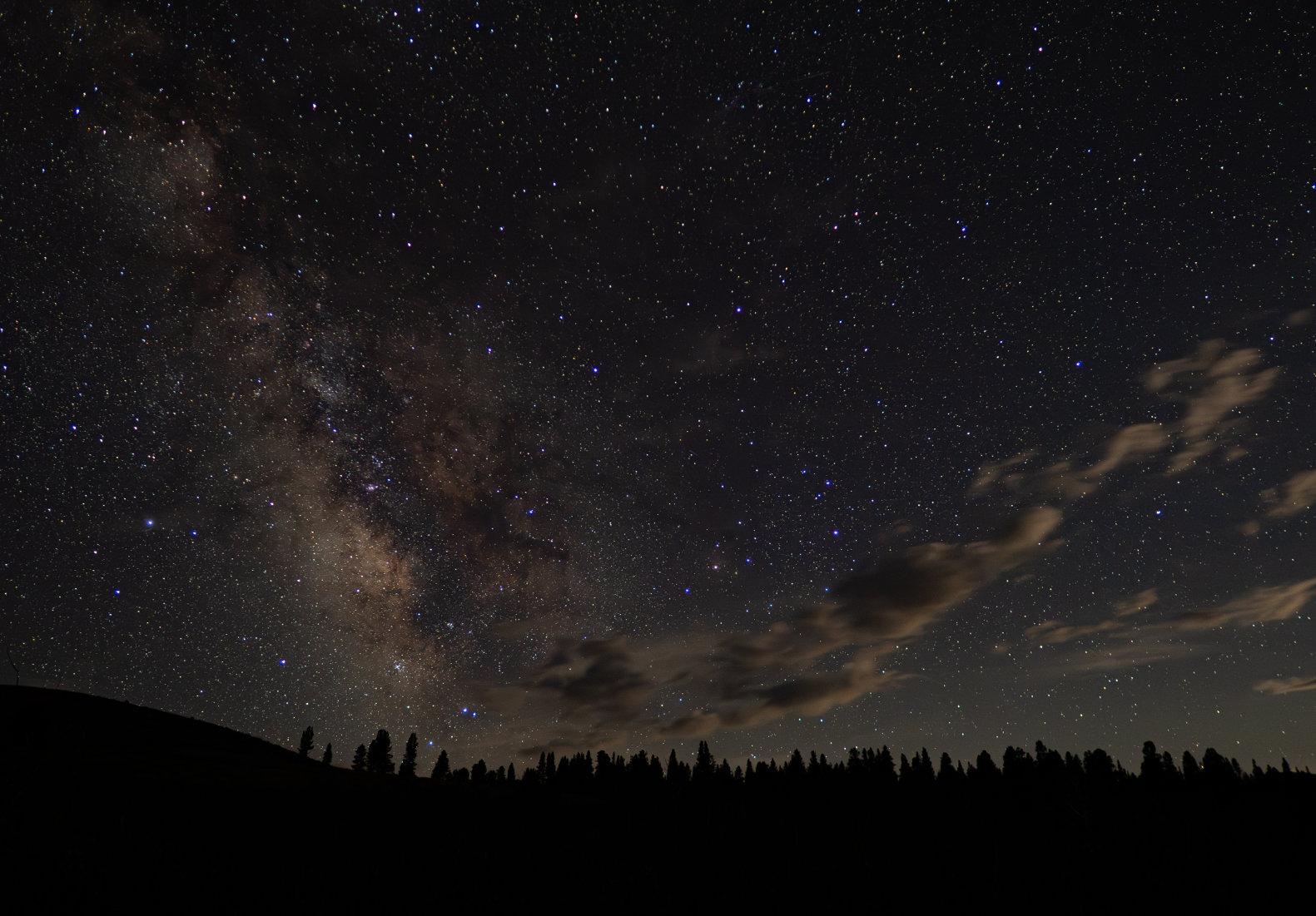
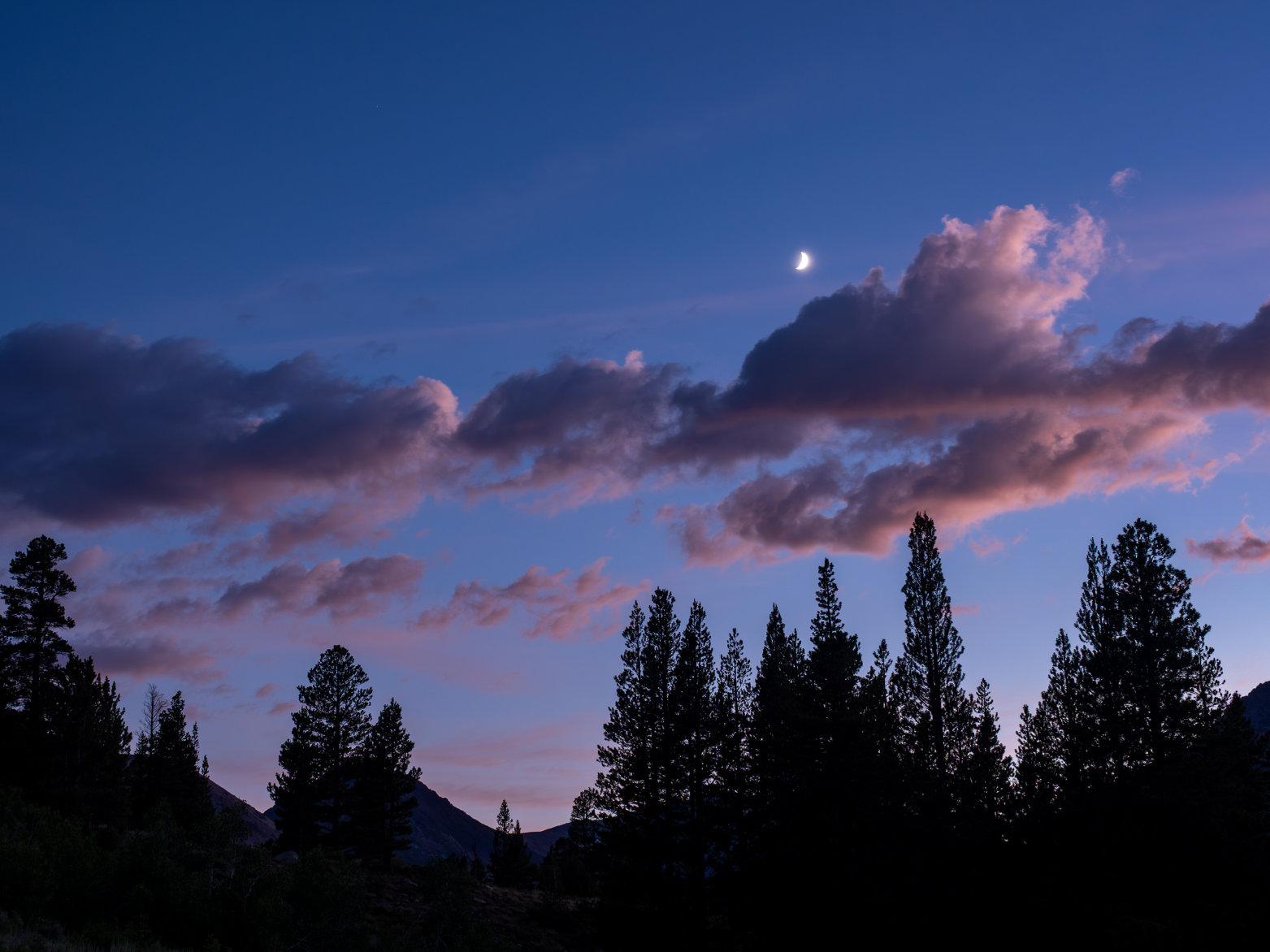
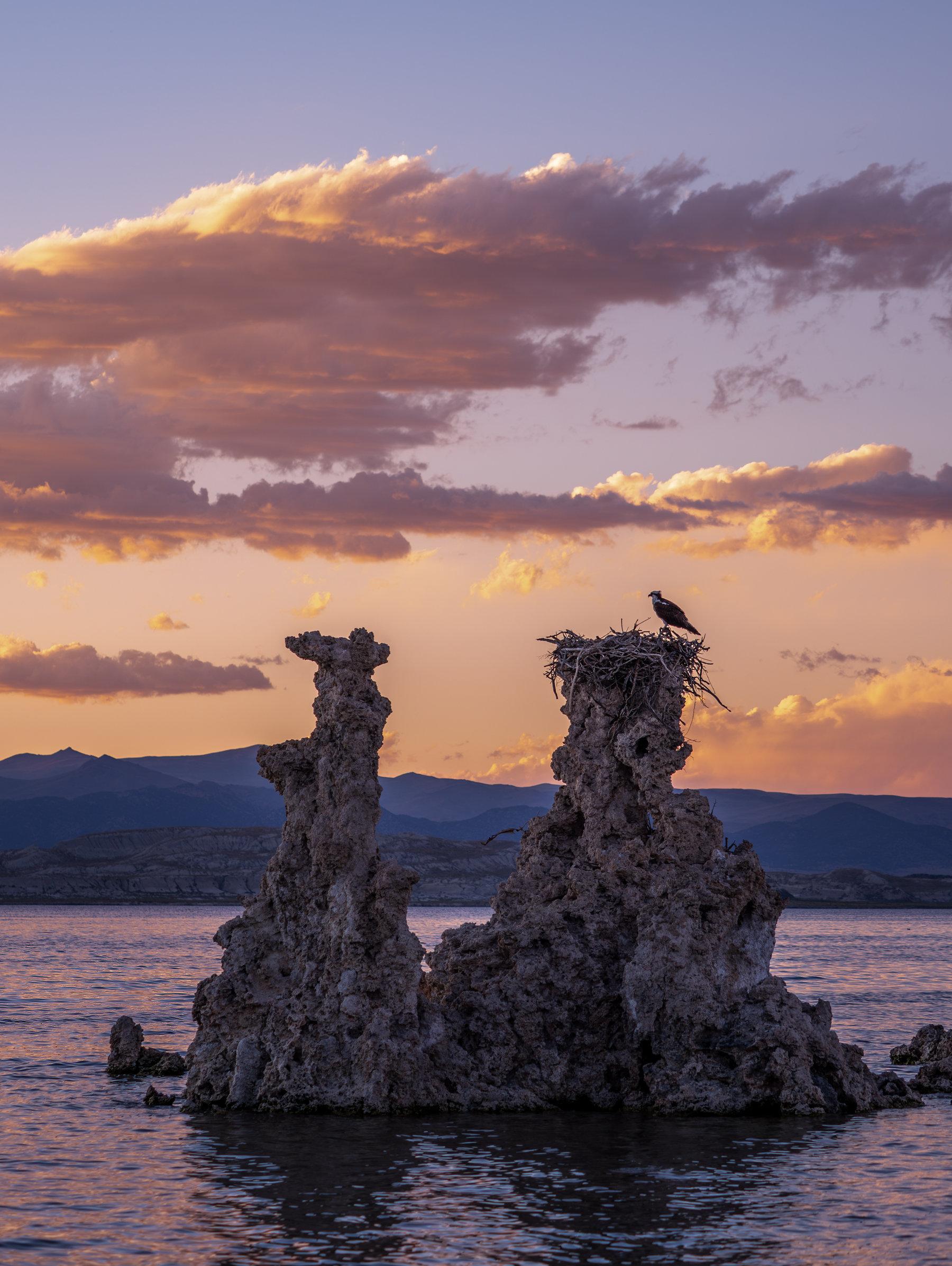
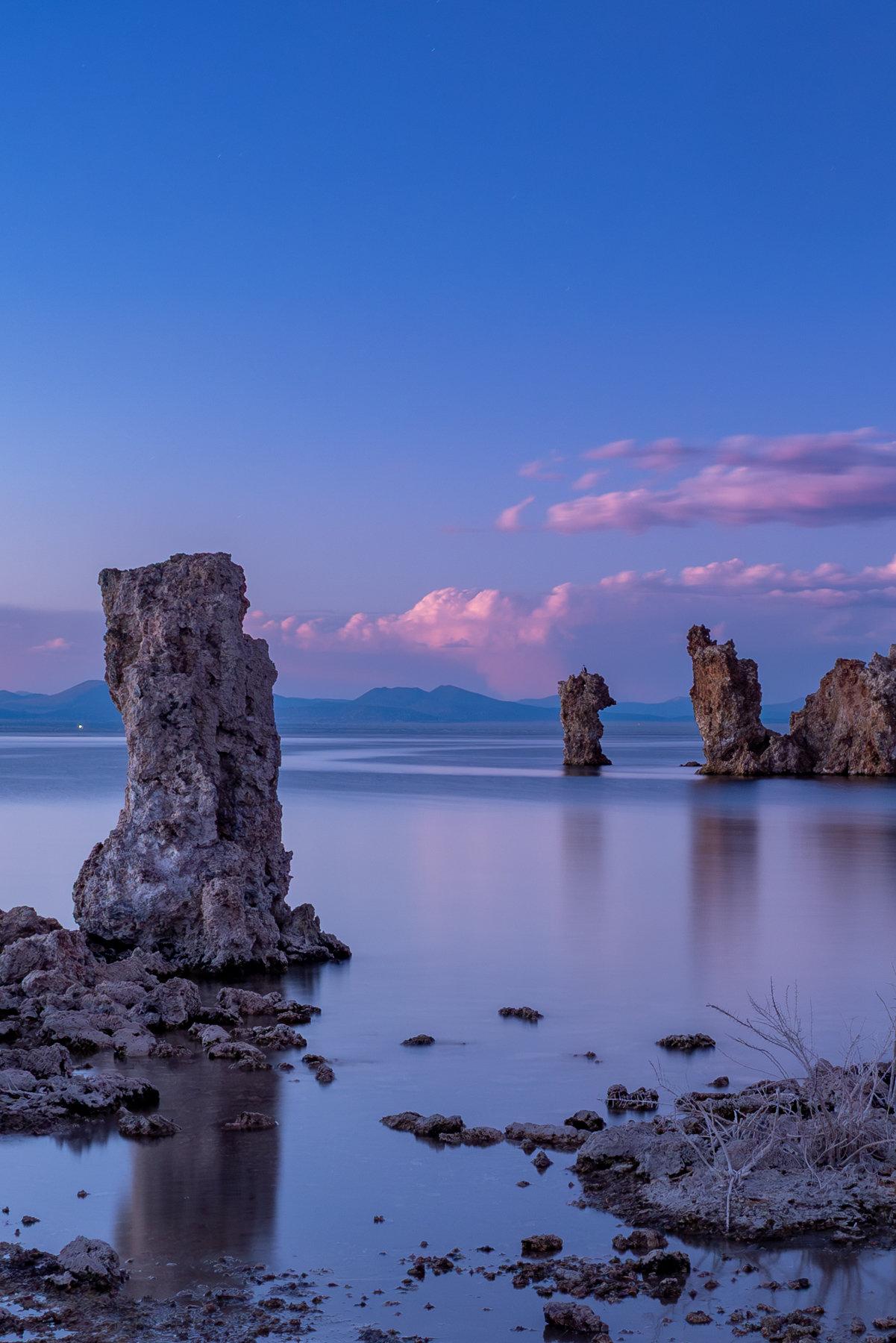
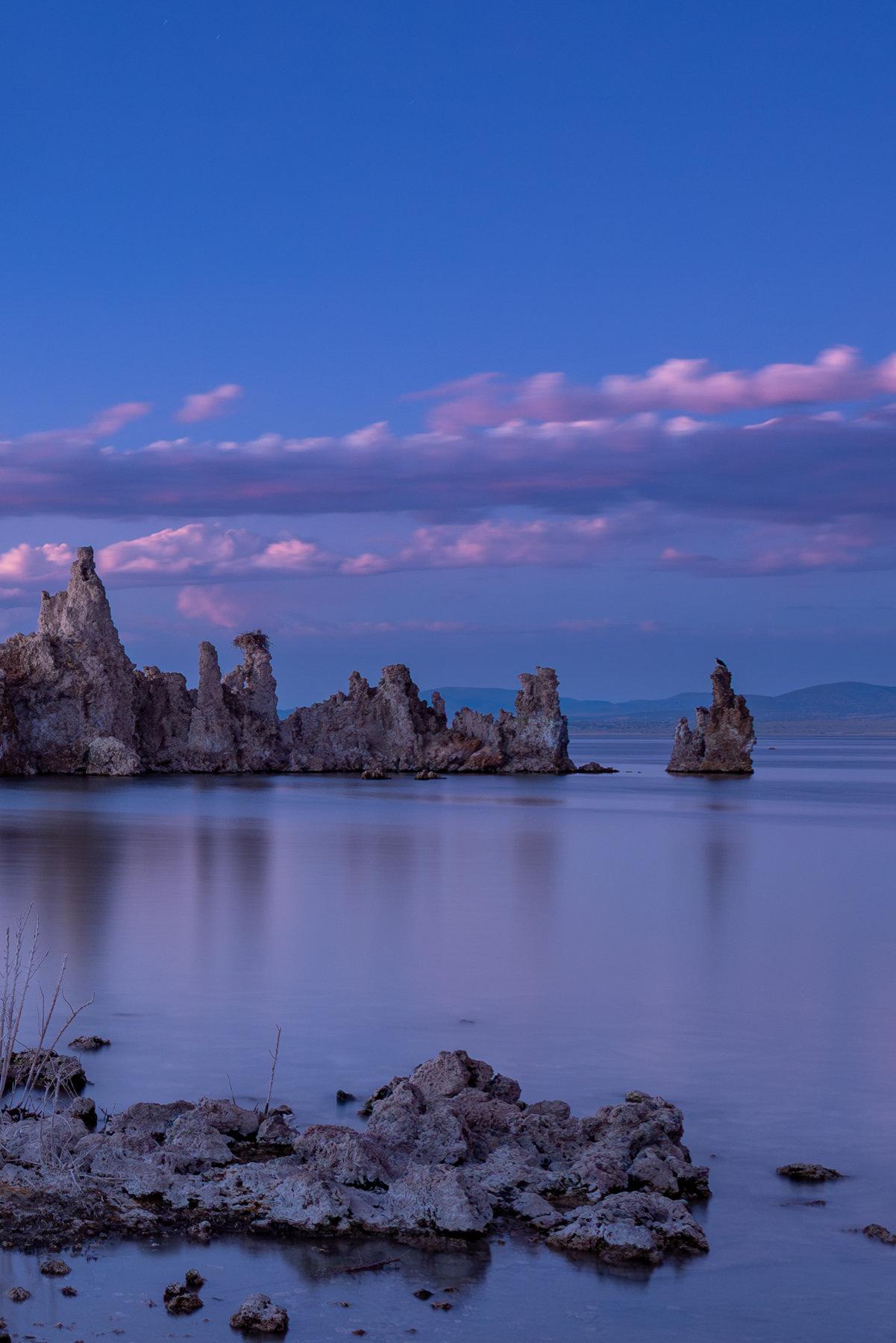
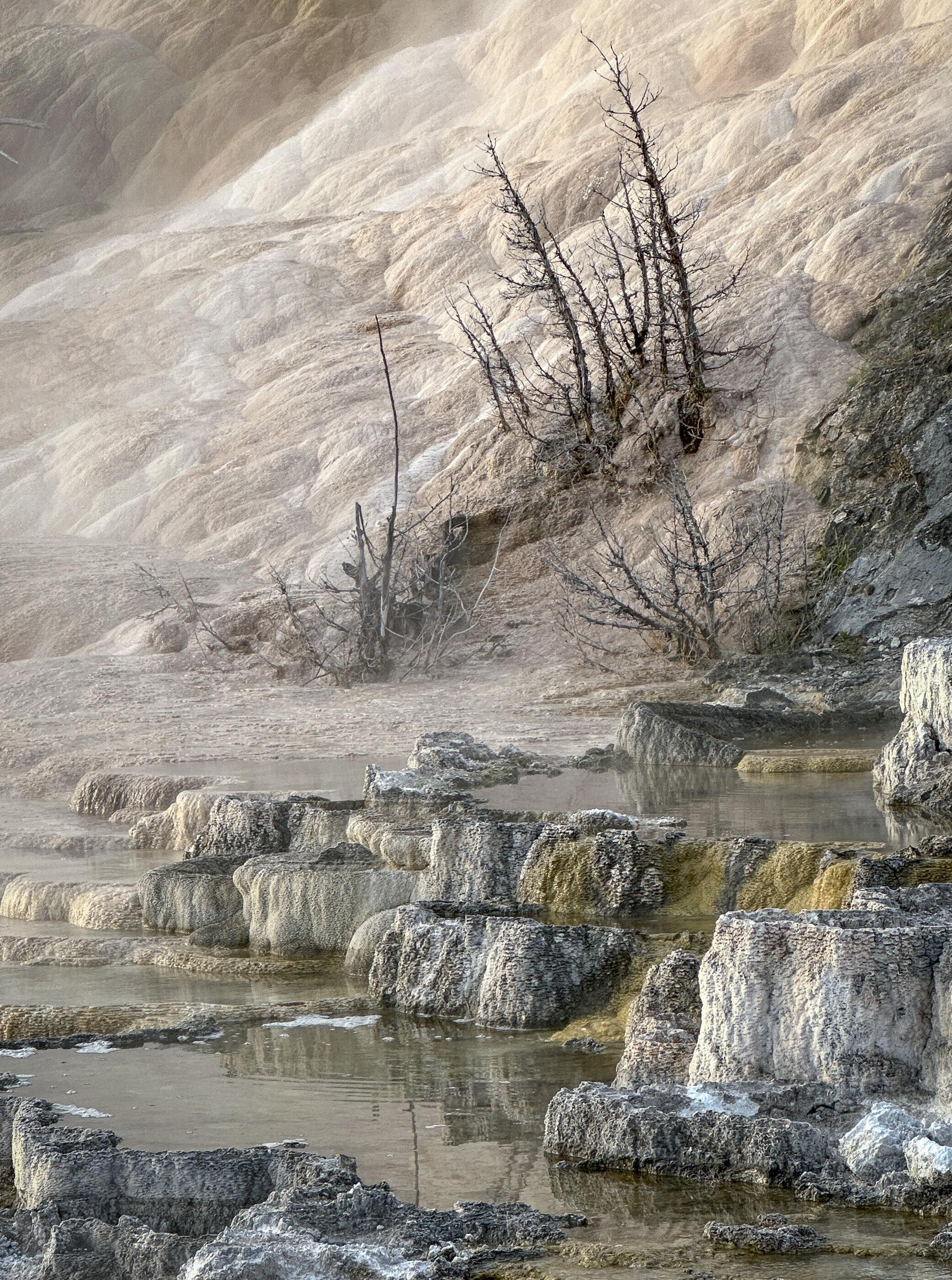
We are in the middle of a cross-country road trip. These are some of the places we’ve been. At publication time we are in the Upper Peninsula of Michigan.
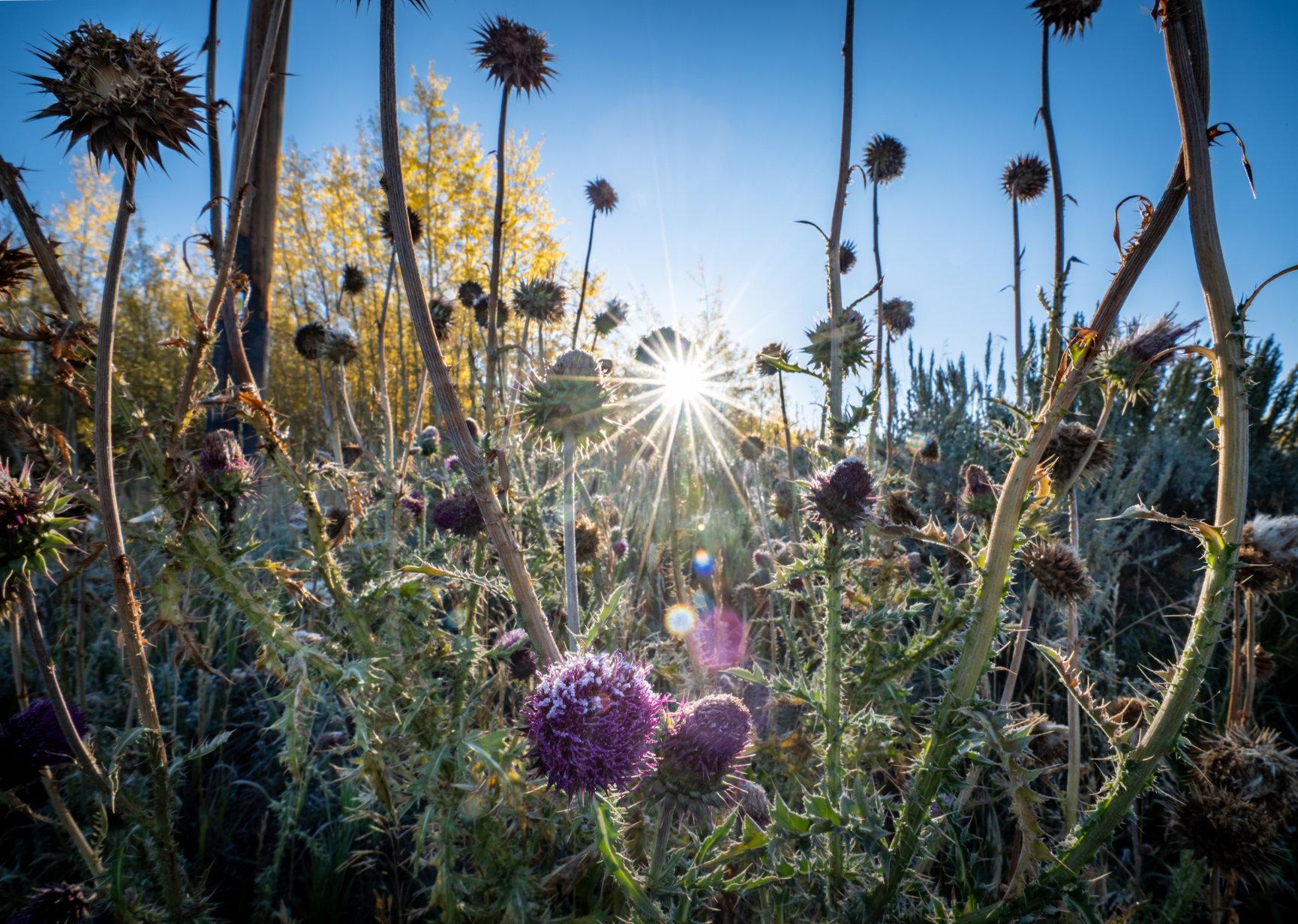
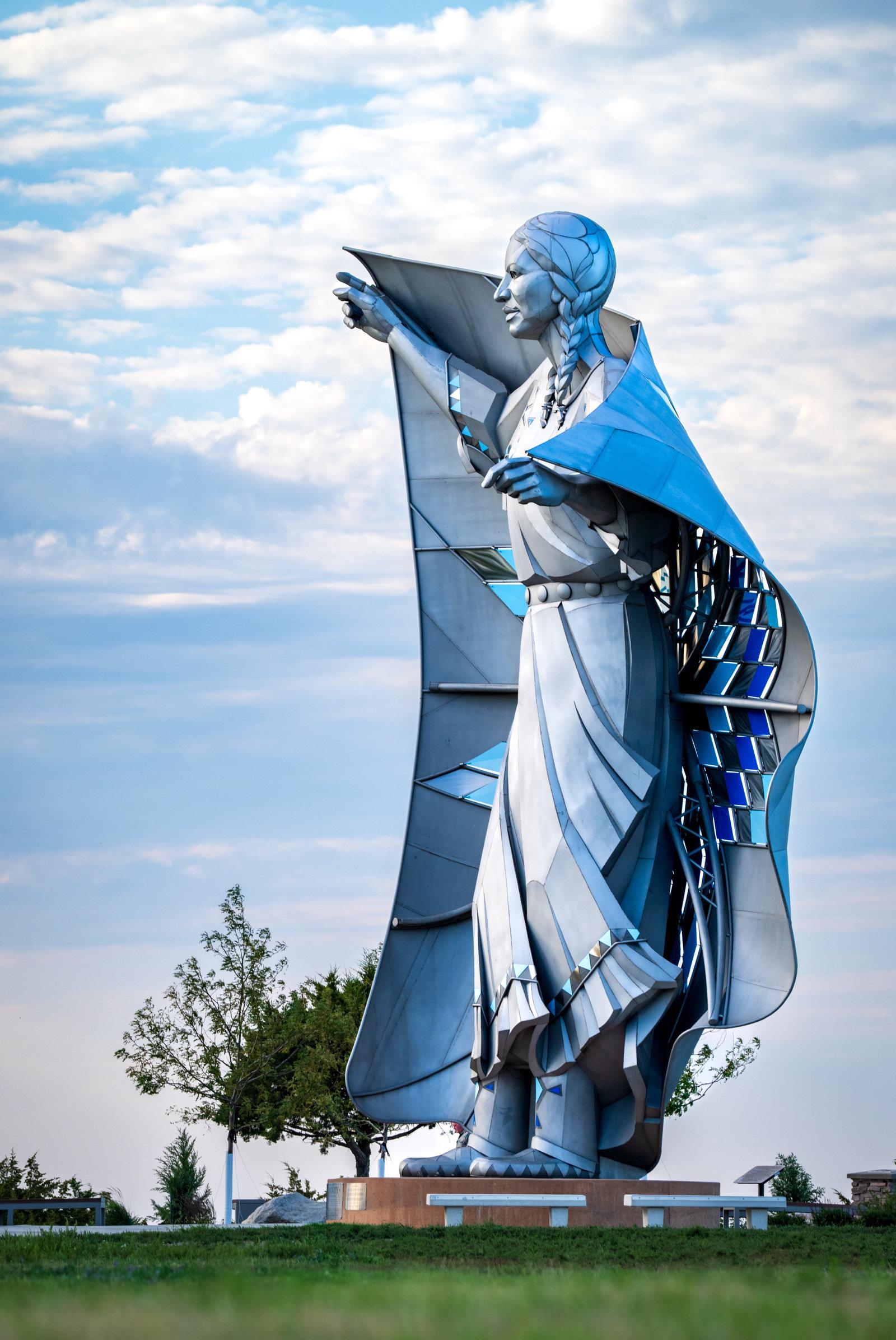
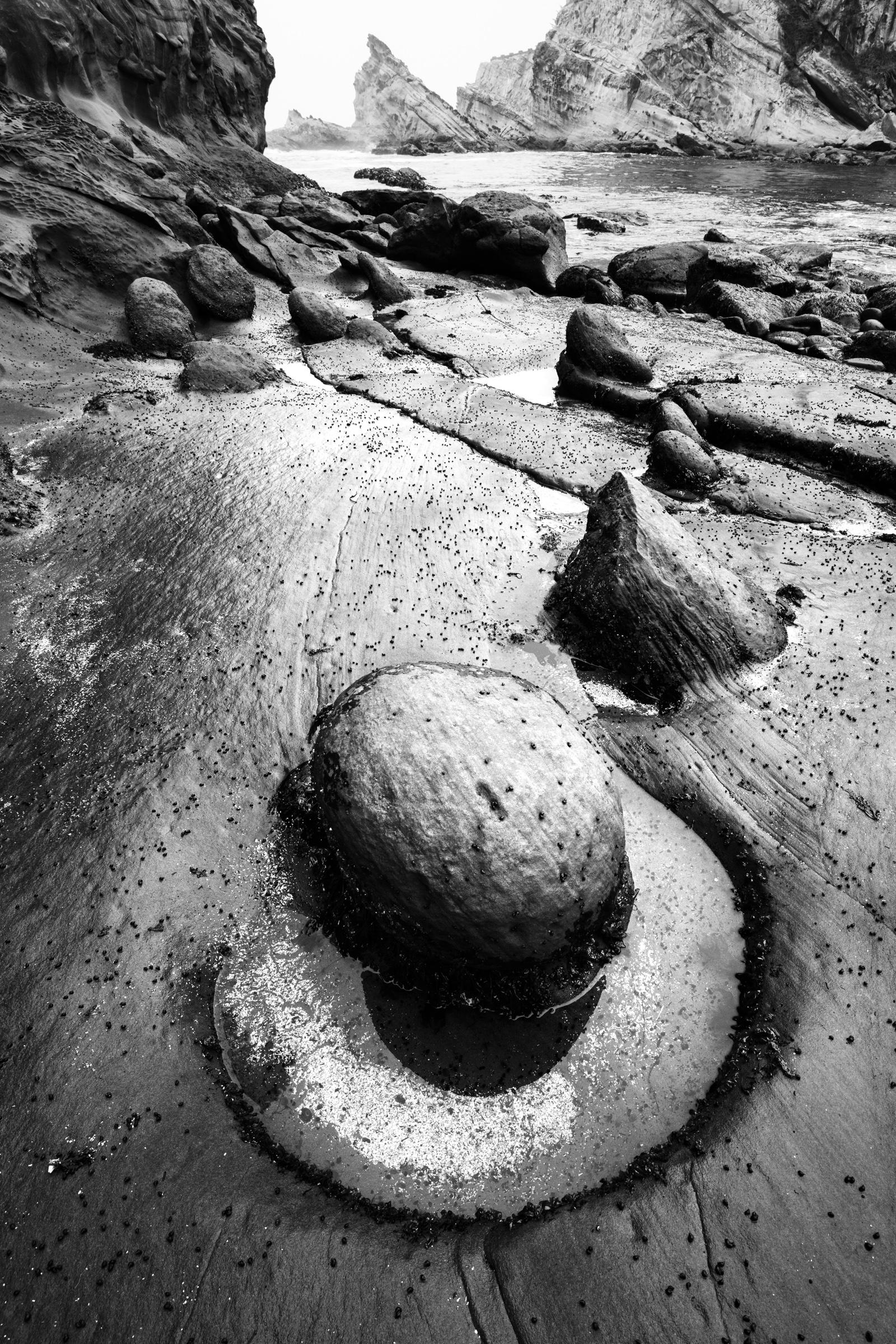
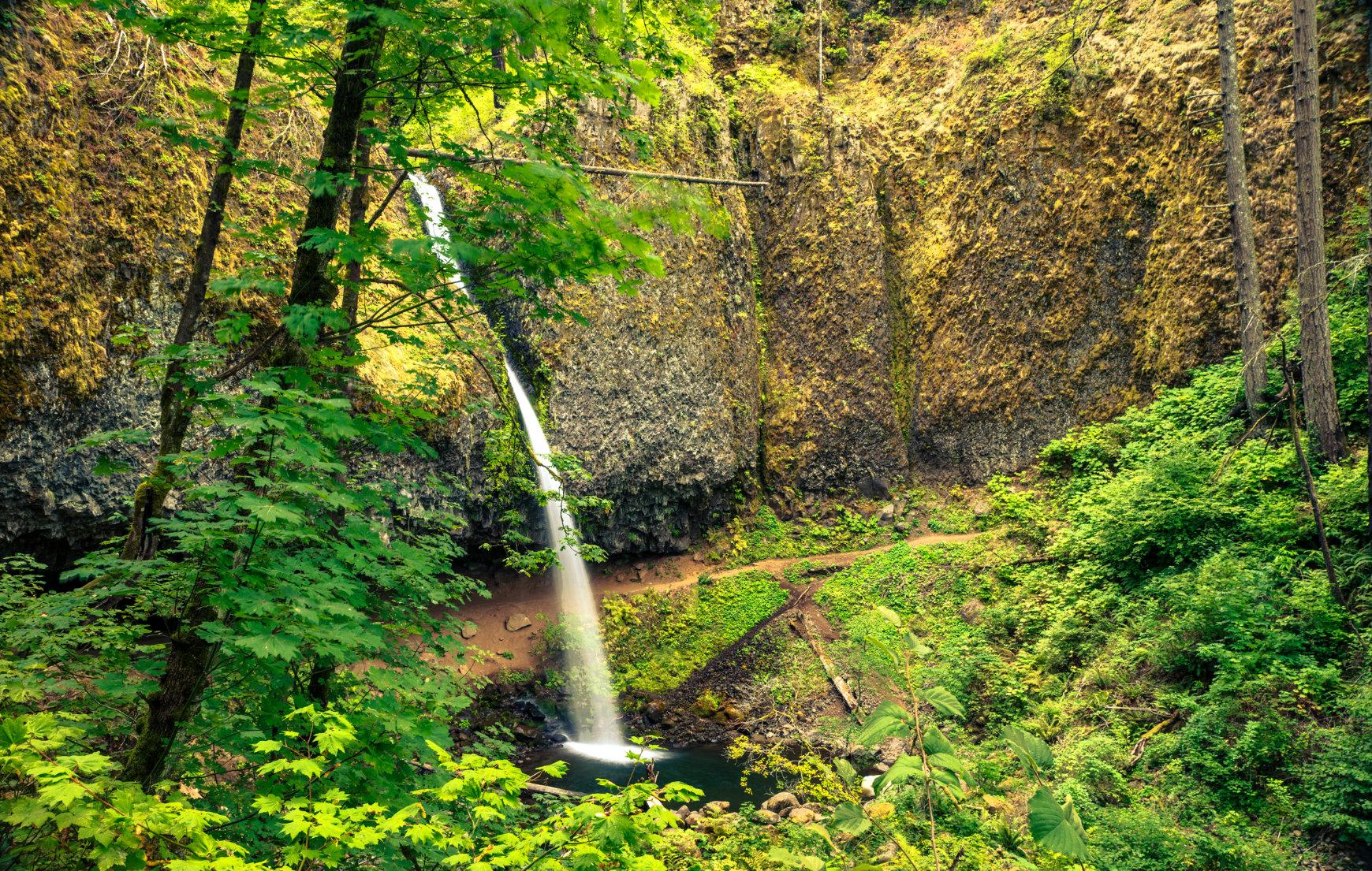
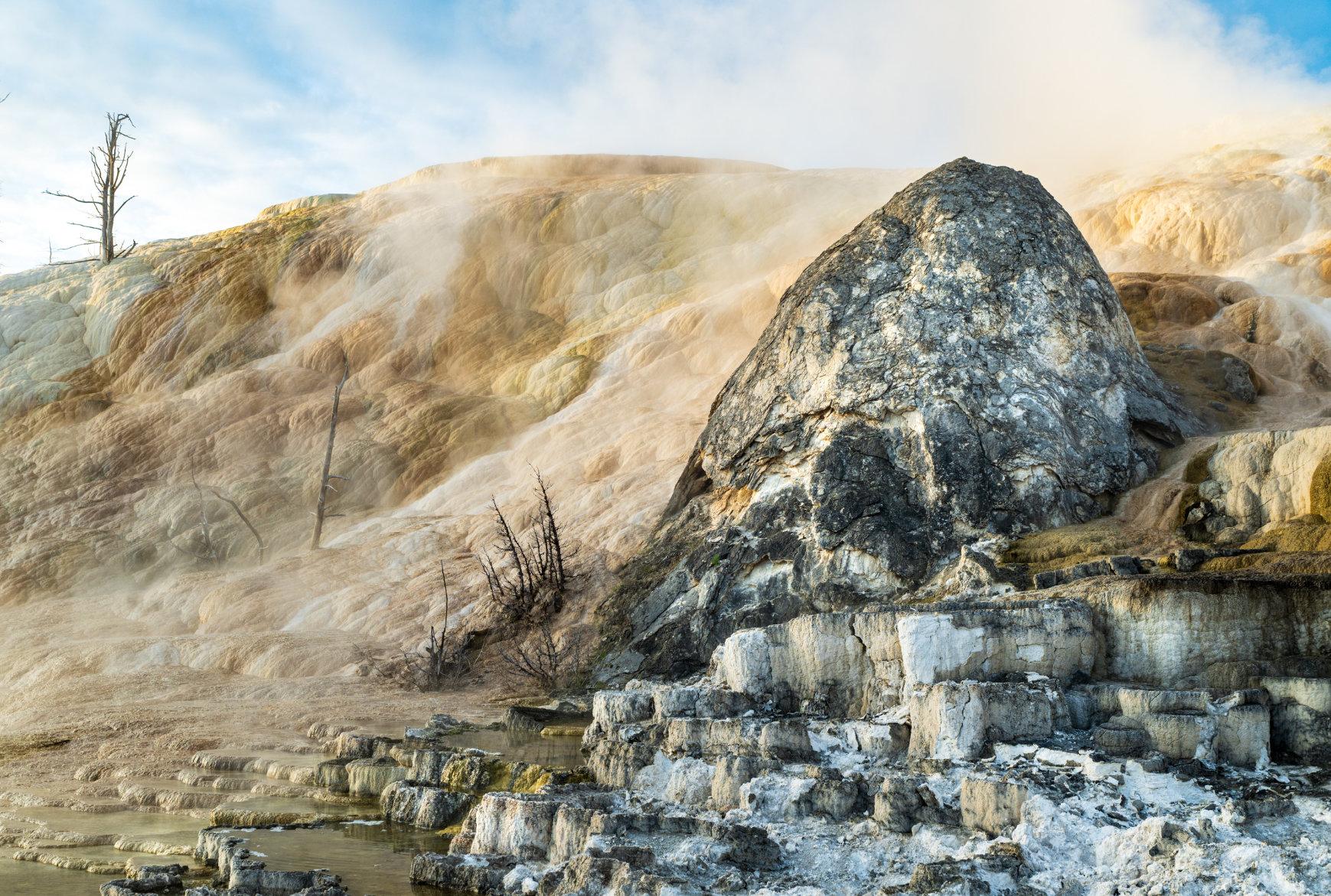
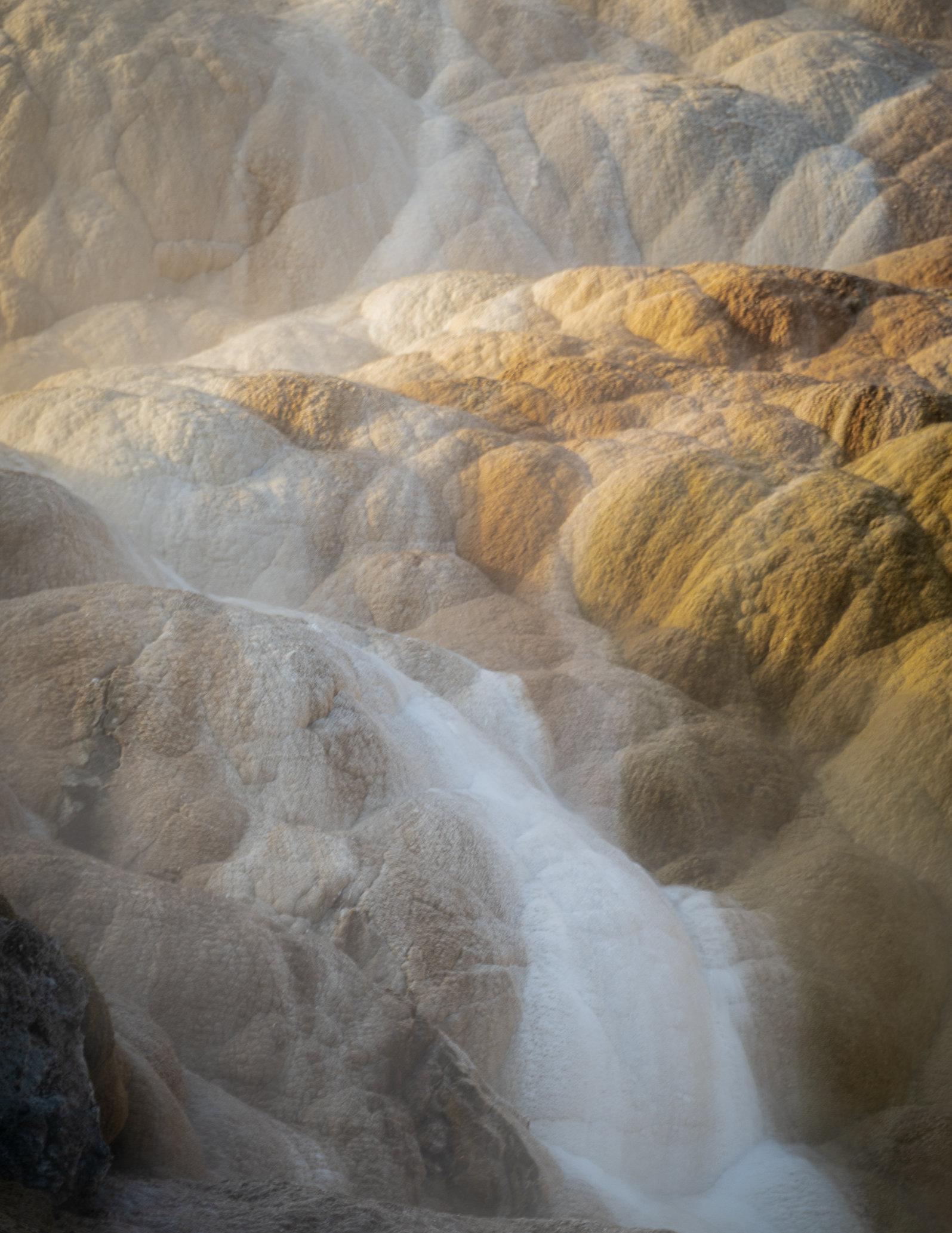
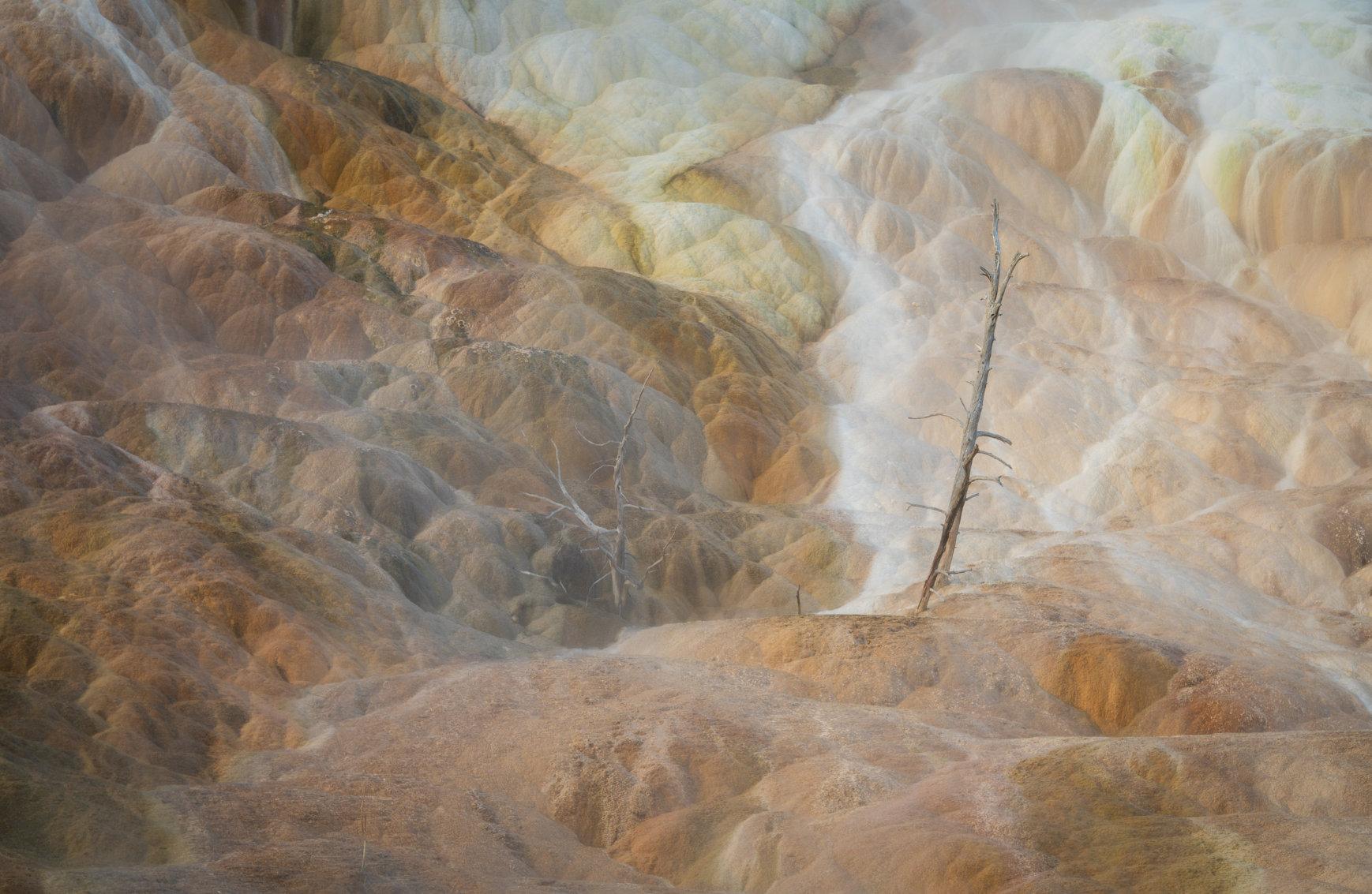
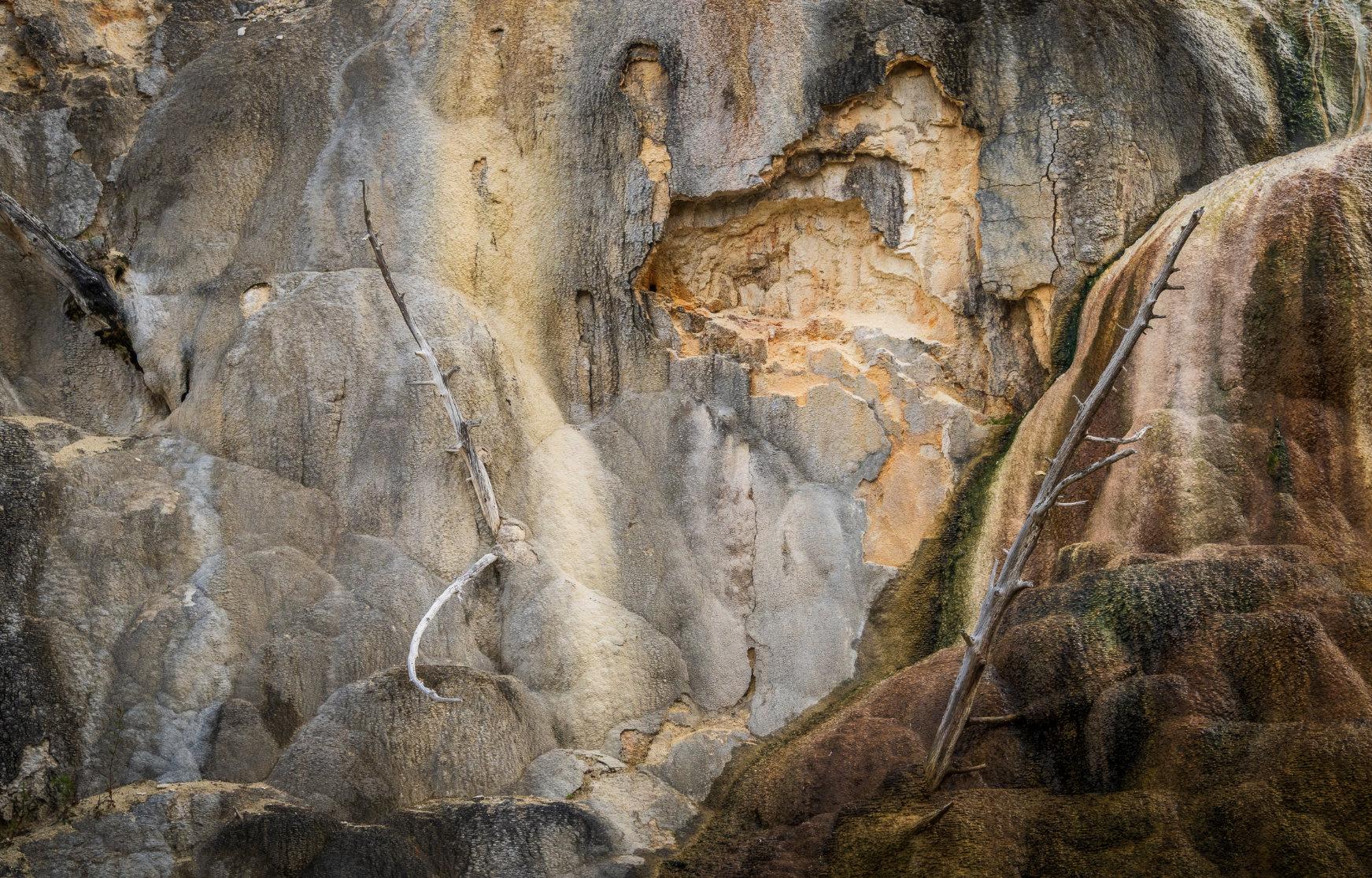
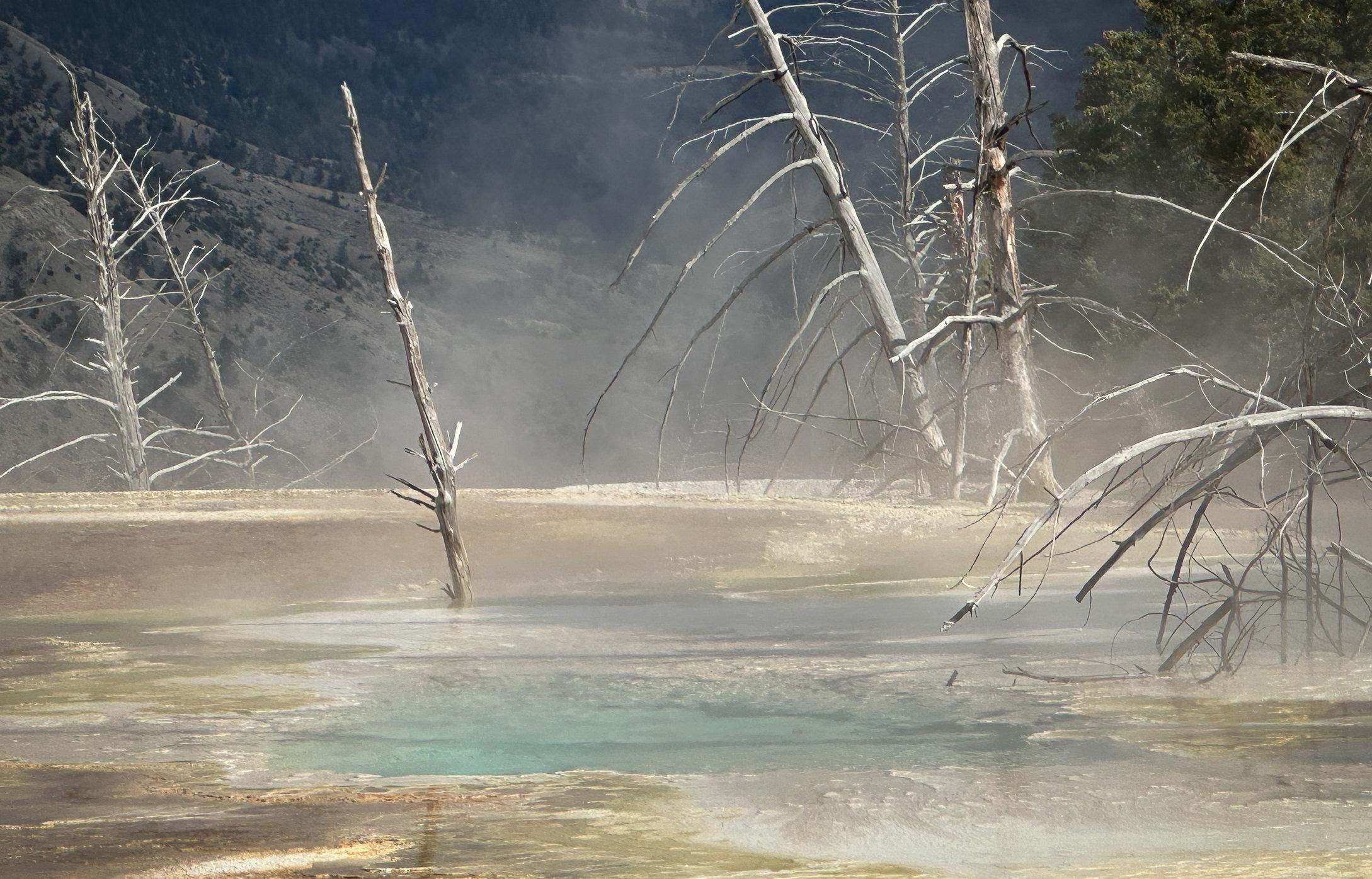
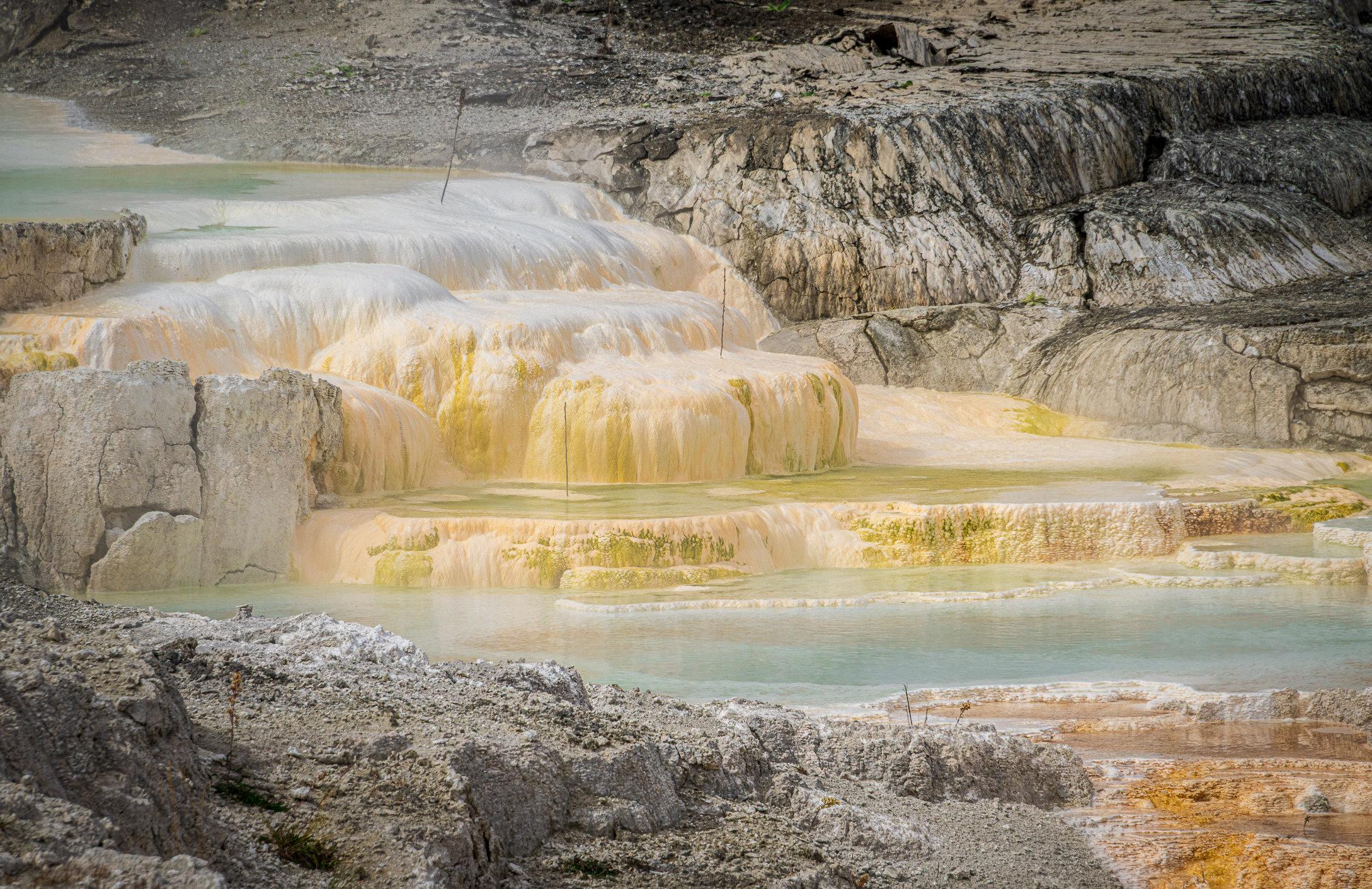
Of all the national parks we have visited Yellowstone is the one that always makes me feel like I’ve fallen into an Edgar Rice Burroughs adventure. Did the whole world look like this at one time?
Michael Caley was drawn to photography as a teenager, during backpacking trips to Yosemite, where he was inspired by the work of Ansel Adams. Today Michael’s dramatic landscape and wildlife photography are a natural extension of his long career as an architect and his many trips to the Eastern Sierra, Joshua Tree NP, the western United States and five trips to Africa. His work has been exhibited in several different venues including a 2010 solo exhibit at The G2 Gallery in Venice, CA. He can be reached at mcaleyaia@aol.com
John Clement began his career in photography in the early 70’s after graduating from Central Washington University with a double major in Geology and Geography. Since then he has earned a Masters of Photography from the Professional Photographers of America. He has received over 65 regional, national and international awards for his pictorial and commercial work. His photographs grace the walls of many businesses in the Northwest and has been published in numerous calendars and coffee table books.
Clement has provided photographs for Country Music Magazine and Northwest Travel Magazine. He has supplied murals for the Seattle Seahawks Stadium and images for The Carousel of Dreams in Kennewick, WA.
Current projects include 17 – 4x8 foot glass panels featuring his landscapes in Eastern Washington for the Pasco Airport Remodel. Last year he finished a major project for the Othello Medical Clinic where almost 200 images were used to decorate the facilities. www.johnclementgallery.com
John Clement Photography (Face Book)Allied Arts Gallery in Richland, WA.
Allan Der
Allan Der is a native California conservation photographer in Mono County, CA. He studied Photography and Graphic Design at Pasadena CC, Art Center LA and graduated with a BFA from CSULB. He has worked as a Graphic Designer, Photographer and Art Director. His photographic work has mostly been commercial and advertising, annual reports and other publications. His clients have included IBM, Arco, Knudsen, Kraft Foods, Lawrys Foods. He has participated group shows with Art Directors Club of Los Angeles, Communication Arts, Los Angeles Center for Photographic Studies, Pasadena Museum of Modern Art and MOCA Temporary. When graphic design moved to computers in the
80's he started consulting and supporting computer graphics. Achieving Apple and Microsoft certification, his career turn to IT consulting and support.
He has had a passion for hiking, backpacking, caving and mountaineering for more than 50 years and has lead trips for the Sierra Club. With semiretirement his passion continues with photography and currently focused on super wide 360 degree panoramic photography
Joe Doherty
Joe grew up in Los Angeles and developed his first roll of film in 1972. He has been a visual communicator ever since.
He spent his teens and twenties working in photography, most of it behind a camera as a freelance editorial shooter.
Joe switched careers when his son was born, earning a PhD in Political Science from UCLA. This led to an opportunity to run a research center at UCLA Law.
After retiring from UCLA in 2016, Joe did some consulting, but now he and his wife, Velda Ruddock, spend much of their time in the field, across the West, capturing the landscape. www.joedohertyphotography.com
John Fisanotti
John was a photography major in his first three years of college. He has used 35mm, 2-1/4 medium format and 4x5 view cameras. He worked briefly in a commercial photo laboratory.
In 1980, John pivoted from photography and began his 32-year career in public service. He worked for Redevelopment Agencies at four different Southern California cities.
After retiring from public service in 2012, John continued his photographic interests. He concentrates on outdoors, landscape, travel and astronomical images. Since 2018, he expanded his repertoire to include architectural and real estate photography.
John lives in La Crescenta and can be contacted at either: jfisanotti@sbcglobal.net or fisanottifotos@gmail.com
http://www.johnfisanottiphotography.com
http://www.architecturalphotosbyfisanotti.com
Beverly Houwing
Beverly Houwing loves traveling and photography, which has taken her to 80 countries and every
continent. Most often she visits Africa since she loves spending time in remote wilderness locations where there is lots of wildlife and unique landscapes. Her images have been featured in numerous Africa Geographic articles, as well as in Smithsonian and the Annenberg Space for Photography exhibits. Her photographs have also been used for promoting conservation by many non-profit organizations, including National Wildlife Federation, National Parks Conservation Association, Crane Trust, National Audubon Society and Department of the Interior. Beverly is an Adobe Certified Instructor, so when she’s not out on a photography adventure she conducts training on their software programs and does freelance graphic design and production work.
Larry Miller
Larry used his first SLR camera in 1985 to document hikes in the local mountains. In fact, his first Sierra Club Camera Committee outing was a wildflower photo shoot in the Santa Monica Mountains led by Steve Cohen in 1991. Since then the SCCC has introduced him to many other scenic destinations, including the Antelope Valley California Poppy Reserve, the Gorman Hills, and Saddleback Butte State Park.
Larry’s own photography trips gradually expanded in scope over the years to include most of the western National Parks and National Monuments, with the Colorado Plateau becoming a personal favorite.
Photography took a backseat to Miller’s career during the 32+ years that he worked as a radar systems engineer at Hughes Aircraft/Raytheon Company. Since retiring in 2013, he has been able to devote more time to developing his photographic skills. Experiencing and sharing the beauty of nature continues to be Larry’s primary motivation.
lemiller49@gmail.com
John Nilsson
John has a fond memory of his father dragging him to the Denver Museum of Natural History on a winter Sunday afternoon. His father had just purchased a Bosely 35mm camera and he had decided he desperately wanted to photograph one of the dioramas of several Seal Lions in a beautiful blue half-light of the Arctic winter. The photo required a tricky long exposure and the transparency his father showed him several weeks later was spectacular and mysterious to John’s young eyes. Although the demands of Medical
School made this photo one of the first and last John’s Dad shot, at five years old the son was hooked.
The arrival of the digital age brought photography back to John as a conscious endeavor - first as a pastime enjoyed with friends who were also afflicted, and then as a practitioner of real estate and architectural photography during his 40 years as a real estate broker.
Since retiring and moving to Los Angeles, John continued his hobby as a nature and landscape photographer through active membership in the Sierra Club Angeles Chapter Camera Committee, as well as his vocation as a real estate photographer through his company Oz Images LA. The camera is now a tool for adventure!
www.OzImagesLA.com
Velda Ruddock
Creativity has always been important to Velda. She received her first Brownie camera for her twelfth birthday and can’t remember a time she’s been without a camera close at hand. Velda studied social sciences and art, and later earned a Masters degree in Information and Library Science degree from San Jose State University. All of her jobs allowed her to be creative, entrepreneurial, and innovative. For the last 22 years of her research career she was Director of Intelligence for a global advertising and marketing agency. TBWA\Chiat\Day helped clients such as Apple, Nissan, Pepsi, Gatorade, Energizer, and many more, and she was considered a leader in her field.
During their time off, she and her husband, Joe Doherty, would travel, photographing family, events and locations. However, in 2011 they traveled to the Eastern Sierra for the fall colors, and although they didn’t realize it at the time, when the sun came up over Lake Sabrina, it was the start of them changing their careers. By 2016 Velda and Joe had both left their “day jobs,” and started traveling and shooting nature – big and small – extensively. Their four-wheeldrive popup camper allows them to go to areas a regular car can’t go and they were – and are –always looking for their next adventure.
www.veldaruddock.com
VeldaRuddockPhotography@gmail.com
As I’m no longer working I have the pleasure of extended travels, one way air fare, no time limits, open to exploring destinations on my bucket list. I especially seek outlocal life, cultural arts, food, and nature. I presentmyself as an ambassador of women who independently solo travel. When people at home ask about my favorite place, I generally tell them, the last place I traveled. I don’t have an agenda when taking photos, though I’m drawn to architecture. The photos taken in the Scottish Highlands are basic, May 2025. While there I was distressed by allergies I brought from home. Prior to that visit November 2024, I was inItalythe Tuscany region. It was a food fest everywhere. The ancient history, the architecture, the local towns,were amazing. I’d return to Italy.
Rebecca Wilks
Photography has always been some kind of magic for Rebecca, from the alchemy of the darkroom in her teens… to the revelation of her first digital camera (a Sony Mavica, whose maximum file size was about 70KB)… to the new possibilities that come from her “tall tripod” (drone.)
Many years later, the camera still leads Rebecca to unique viewpoints and a meditative way to interact with nature, people, color, and emotion. The magic remains.
The natural world is Rebecca’s favorite subject, but she loves to experiment and to do cultural and portrait photography when she travels. Rebecca volunteers with Through Each Other’s Eyes, a nonprofit which creates cultural exchanges through photography, and enjoys working with other favorite nonprofits, including her local Meals on Wheels program and Cooperative for Education, supporting literacy in Guatemala.
Rebecca’s work has been published in Arizona Highways Magazine, calendars, and books, as well as Budget Travel, Cowboys and Indians, Rotarian Magazines, and even Popular Woodworking.
She’s an MD, retired from the practice of Obstetrics and Gynecology and Medical Acupuncture. She lives in the mountains of central Arizona with my husband and Gypsy, the Wonder Dog.
© John Nilsson