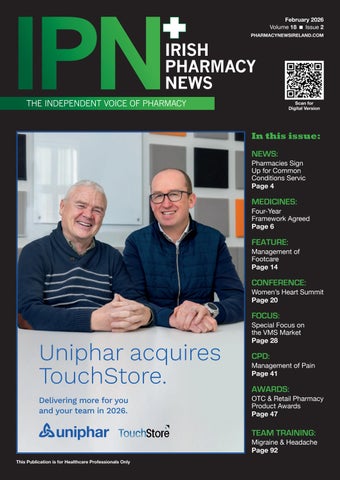
Page 5: Naas Pharmacist retires after Three Decades in Pharmacy
Page 6: New fouryear Framework Agreement for faster Medicines Access
Page 10: Community Pharmacists to Access EU-Wide Patient Records
Page 12: Minister Confirms Pause on Phased Dispensing Changes
Page 24: Uniphar Targets ¤200m Earnings
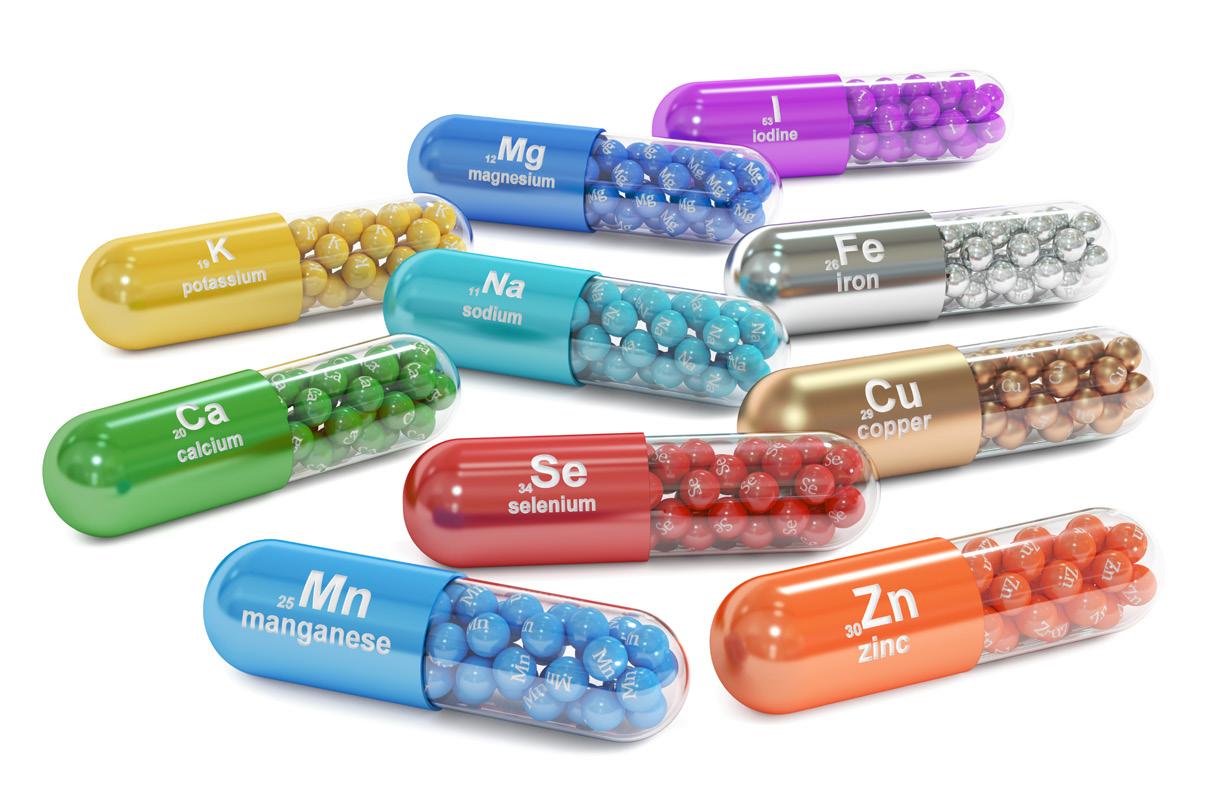
Page 28: Vitamins & Supplements in 2026
Page 34: VMS Market in Men’s Health
Foreword
This issue reflects a pharmacy profession in transition — expanding its clinical role, navigating policy change, and continuing to demonstrate its value at the heart of patient care.
One of the most significant developments we cover this month is the national rollout of the Common Conditions Service (CCS). Now available in more than 1,800 participating pharmacies — representing over 94% of the sector — the service marks a major step forward in improving timely, affordable access to community-based healthcare. The scale of engagement has been striking, with more than 2,500 pharmacy professionals completing the core training modules to date. As Minister for Health Jennifer Carroll MacNeill notes, this strong uptake reflects both the readiness of the sector and the commitment of pharmacy teams to supporting patients and strengthening frontline care. For many pharmacies, CCS represents not just a new service, but a tangible recognition of pharmacists’ clinical expertise and their capacity to manage common conditions safely and effectively.
Clifton House, Fitzwilliam Street Lower, Dublin 2 00353 (01) 6690562
Natalie Maginnis
natalie@ipn.ie
EDITOR
Kelly Jo Eastwood: 0044 787654 8989
kelly-jo@ipn.ie
SALES DIRECTOR
Debbie Graham debbiegraham@ipn.ie +353 8727 99317
CONTRIBUTORS
MANAGING DIRECTOR
Eamonn Brady
Aine Devlin
DESIGN DIRECTOR
Ian Stoddart Design
6 of this magazine may be reproduced, stored in a retrieval system or transmitted in any form without written permission. IPN Communications Ltd. has taken every care in compiling the magazine to ensure that it is correct at the time of going to press, however the publishers assume no responsibility for any effects from omissions or errors.
Alongside developments in primary care, progress at national policy level also features strongly in this issue. The Irish Pharmaceutical Healthcare Association (IPHA) has welcomed the newly agreed four-year Framework Agreement on the pricing and supply of medicines, describing it as a positive step in supporting Ireland’s life sciences industry and improving patient access to innovative treatments. At a time when timely reimbursement of new medicines remains a key challenge, the Agreement signals a shared intent to invest in therapies that deliver meaningful outcomes for patients, while supporting a sustainable medicines ecosystem.
Policy change, however, is rarely without complexity. We also report on the Minister’s confirmation that proposed changes to phased dispensing controls under the Community Pharmacy Agreement 2025 remain paused. This pause will allow the Department of Health and the HSE to assess the impact on patients who rely on monitored dosage systems, or blister packs, and to develop a clearer, clinically led framework for their use. For pharmacy teams, this story underlines the importance of clarity, communication and patient-centred decision-making as new models of care and reimbursement continue to evolve.
Finally, this issue celebrates the innovation and excellence that continues to define the OTC and retail pharmacy sector, as we showcase the finalists in the OTC & Retail Pharmacy Product Awards. Judged by pharmacy owners and buyers, these awards highlight the products and campaigns that support pharmacists in delivering safe self-care, informed choice and real value to patients in an increasingly competitive marketplace.
Together, these stories paint a picture of a profession that is not standing still, but actively shaping the future of healthcare delivery in Ireland — across policy, practice and patient experience.
Regulars
FEATURE:
94% of Pharmacies sign up for CCS
Available in over 1,800 (94%) participating pharmacies across Ireland, the new Common Conditions Service (CCS) will improve affordable and fast access to community-based healthcare.
With the official launch of the service last month, Minister Carroll MacNeill said, “I am pleased to see such a strong response from pharmacies nationwide with over 1,800 pharmacies signing up for the new Common Conditions Service. More than 2,500 professionals have completed the core training modules, reflecting the dedication and commitment of those working in the pharmacy sector to supporting patients and strengthening frontline care.
"This service will have a really positive impact in local communities and will mean that patients will get faster access to treatment, closer to home.
Susan O'Dwyer, IPU Head of Professional Services
“The Department of Health will continue to work closely with pharmacy representatives and service providers to ensure the successful roll-out of the Common Conditions Service and to support improved, convenient access to care for people in every part of Ireland.”
The Irish Pharmacy Union (IPU) has welcomed the launch of the Department of Health’s campaign to raise awareness about the new Common Conditions Service (CCS) currently being rolled out through pharmacies.
The CCS, which was a key part of the Community Pharmacy
From Drug Discovery to Dispensing
The Pharmaceutical Managers’ Institute (PMI) are holding a full-day masterclass, which brings together a panel of leading subject matter experts to provide a comprehensive, end-to-end view of the pharmaceutical industry. Designed to be both highly practical and engaging, the masterclass explores the complete lifecycle of a medicine - from initial submission, through market access, launch, supply, and ultimately dispensing in a retail pharmacy. Proudly supported by United Drug.
Agreement 2025, will further enable patients to receive advice and treatment for common conditions in pharmacies. Pharmacists will now have the ability to prescribe certain prescription-only medicines for a range of 8 common conditions through established clinical protocols.
Community pharmacies across the country will begin offering the services in the coming weeks, with 94% of pharmacies now opted in to deliver the service.
Welcoming the launch the IPU’s Head of Professional Services, Susan O’ Dwyer said, “The Common Conditions Service is a significant milestone in pharmacy care in Ireland and one that the IPU has been advocating for over many years. As medicine experts, pharmacists have long sought the opportunity to use their expertise in new ways to help patients.
“Each day in pharmacies across Ireland patients present with common self-limiting conditions, where pharmacists have the clinical knowledge to support with their management but, until now, lacked the authority to prescribe certain prescription only medications to support with treatment.
“The CCS will change that, enabling pharmacists to deliver timely care and treatment, for 8 common conditions. Participating community pharmacists are looking forward to helping patients get the support they need via this private and confidential community pharmacy service.”
A highlight of the day will be a guided tour of United Drug’s warehouse, offering a rare, behind-the-scenes insight into one of the most critical stages of the pharmaceutical supply chain.
The event takes place on February 26th, 2026 at United Drug, Magna Business Park Dublin from 9.30am-4.30pm
Members can visit www.thepmi.com or non-members can phone the office on 01-2352310 to book.
Calls for Equitable Access
The Asthma Society of Ireland has made a formal submission to the Health Information and Quality Authority (HIQA) as part of the public consultation on a long-term RSV (Respiratory Syncytial Virus) immunisation strategy in Ireland.
In their submission, they strongly advocate for broad and equitable access to RSV vaccines for those most vulnerable to severe respiratory illness, including people with asthma, infants, and older adults.
This builds on their 2026 PreBudget Submission, where they called for the introduction and expansion of RSV immunisation as a key prevention measure.
RSV is a common respiratory virus that can cause serious illness and hospitalisation, particularly among infants, older people, and those with underlying respiratory conditions such as asthma. Viral infections are a major trigger for asthma exacerbations, and preventing RSV can play an important role in supporting better asthma control and reducing pressure on health services.
The Asthma Society key calls to HIQA and policymakers include:
• Full integration of infant RSV immunisation into the National Immunisation Programme
• A targeted RSV Immunisation Pathfinder Programme for older adults, prioritising highrisk groups such as people with asthma
• Investment in public awareness campaigns to improve understanding of RSV and vaccine uptake among eligible groups
While RSV immunisation is not a complete solution, it represents a vital preventative step that can reduce severe illness, improve quality of life, and help people with asthma stay well for longer.
They will continue to push for prevention-focused policies that protect vulnerable communities and strengthen respiratory health across Ireland.
Future-Ready Pharmacy
Promoting relevant education for practice and science is the focus of a new FIP Academic Institutional Membership (AIM) handbook launched by FIP last month.
The handbook gives particular attention to future-ready competencies, including digital health and artificial intelligence, interprofessional education, and leadership and innovation — areas of growing relevance for pharmaceutical educators worldwide. Authored by twenty internationally recognised educators, academic administrative experts and leaders from FIP AIM institutions, it brings together experienceinformed insights from different regions, with different education models, offering practical examples and strategies to help modernise curricula.
“This handbook represents a significant achievement supporting the FIP education vision of equitable access to transformational change in pharmaceutical education and training that advances pharmaceutical practice and sciences to improve global health and wellbeing,” said FIPEd chair Prof. John Pieper.
“The handbook is intended to serve as an experience-informed resource for academic leaders, reflecting collective expertise from diverse regions and varied pharmacy education models,” said FIP AIM chair Professor Lilian M. Azzopardi.
In December of last year FIP launched its Strategic Plan 2025–2030, setting a renewed direction for the global pharmacy profession.
Against a backdrop of workforce pressures, technological change and growing climate challenges, the plan outlines how FIP will strengthen the pharmacy workforce, promote innovation and support equitable access to medicines and quality care worldwide.
Central to the strategy is the “ONE FIP” vision, bringing together practice, science and education to drive collaboration across disciplines and regions. Key priorities include supporting the economic sustainability of pharmacy, accelerating digital transformation and embedding climate resilience.
Thérèse Retires after Three Decades
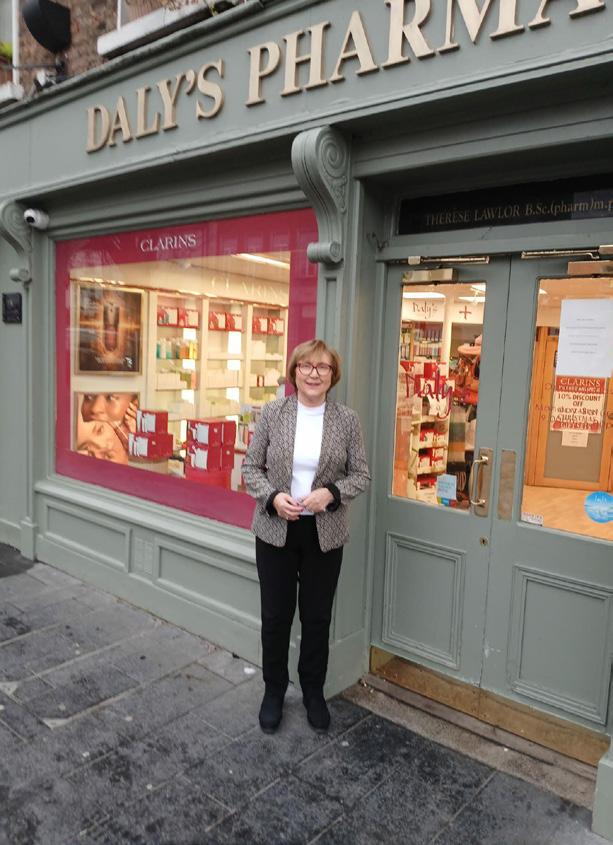
Thérèse Lawlor, much respected Pharmacist and owner of Daly's Pharmacy, Main Street, Naas is retiring after almost three decades of tending to the health and wellbeing of the people of Naas.
Thérèse Lawlor, Pharmacist and owner, Daly's Pharmacy, Naas
Daly's Pharmacy has the honour of being the oldest Pharmacy in Naas, being in operation for well over a hundred years, in one of the most beautiful buildings on Main Street.
Thérèse, originally a Carlow woman, took over at the helm in April 1997.
Thérèse's caring nature and attention to detail, coupled with outstanding customer service, has earned her the consummate trust of the Naas community in matters medical and healthcare.
Her commitment to public health was demonstrated in January 2020 when she sponsored the installation of the first Public Access AED machine on Naas Main Street mounted on the outer wall of the pharmacy.
Thérèse says "its been an absolute honour and privilege to serve the community of Naas for 28 years. Many of the customers I now regard as dear friends".
She is looking forward to having the time to pursue her leisure interests of travel, playing bridge, book club and lowering her golf handicap!
Daly's Pharmacy will continue to trade with the same friendly staff members under the new ownership of Pure Pharmacy Group, with lots of exciting changes and services to look forward to.
The PSI Expressions of Interest
As part of THE commitment to good governance, the Pharmaceutical Society of Ireland (PSI) is seeking expressions of interest from suitably qualified candidates for the role of an independent external member of our Audit and Risk Committee.
Key Information - The PSI welcome applications from anyone with professional expertise in any of the following areas:
• governance,
• risk management,
• auditing, either financial or non-financial,
• data protection.
Further information about the role, its requirements, and the time commitment involved can be found in the information booklet found online at www.thepsi.ie
The PSI currently have one vacancy for an external member of the Committee (a non-Council member). Suitably qualified candidates who are not selected on this occasion will be placed on a reserve panel from which future vacancies on the Committee will be filled. The panel will remain in place until 2028.
Submitting your interest - If you believe you have the competencies required for the role, please complete and return the application form to express your interest by 5pm on Friday, 13 of February 2026. Send it by email to eanna.olochlainn@psi.ie. Alternatively send it by post to Éanna Ó Lochlainn, Governance and Planning Officer, PSI House, 15-19 Fenian Street, Dublin 2, D02 TD72.
Accelerating Access to Medicines
The Irish Pharmaceutical Healthcare Association (IPHA) has welcomed the new four-year Framework Agreement which we believe will allow more innovative medicines to reach patients faster; and is a positive step in supporting the life sciences industry in Ireland. This Agreement on the pricing and supply of medicines reflects a continued desire on all sides to invest in treatments that improve outcomes for patients in Ireland and speed up the process of reimbursing new medicines in compliance with the law.
The negotiations and outcome were critically enabled by assurances from the Minister for Health that the Agreement should address “the explicit aim of achieving the timelines set out in legislation. This marked the first time a Minister for Health confirmed a policy commitment to achieving the timelines in the 2013 legislation and is now the basis for this new Agreement. We pay tribute to her for that decision.
In a paper published last February, Faster and Fairer Access to Medicines, IPHA called on the State to reform the reimbursement system so that it is resourced, governed, and designed to operate within the legal 180-day timeline for HSE decisions set by the Oireachtas in the Health Act 2013.
This Agreement establishes a practical framework of process reforms to drive measurable improvement over its lifetime. Looking ahead, consistent delivery of timely decisions will strengthen patient access to innovative treatments, improve predictability
for clinicians and the health service, and reinforce Ireland’s position as an attractive environment for life sciences investment and research while supporting better outcomes for patients.
Throughout these negotiations, our aim was to support the conditions for sustained investment in innovative medicines in Ireland, ensuring that we continue to be considered a pro-innovation economy and society. The Agreement will allow for efficiencies to be achieved in medicines expenditure by the State that will support investment in innovation. On-going review mechanisms allow for continued dialogue between industry and State on all matters.
Shane Ryan, IPHA President, said, “Today’s Agreement is a critical step forward in supporting patients in Ireland gain faster access to innovative and life-changing medicines, whilst empowering clinicians to provide the best care available. Through this Agreement, we have the opportunity to
Shane Ryan, IPHA President
Cervical Cancer Awareness Week
This Cervical Cancer Prevention Week (19 - 25 January 2026), the HSE reminded everyone that cervical cancer is one of the most preventable cancers, and that the actions which can be taken to stop it developing in the future.
significantly enhance patient care and drive benefits across the healthcare system, which is vital if we are to improve patient outcomes and advance our ambitions as a leader for the life sciences sector.
Today’s announcement is the result of significant collaboration and engagement across Government and the sector, and we look forward to continuing to work together to ensure the Agreement delivers for patients, the health system, and industry.”
Oliver O’Connor, IPHA Chief Executive, said:
“This Agreement is a turning point for patients and also an important outcome for Ireland and the pharmaceutical industry. It underscores a sustained commitment to investing in medicines that deliver better patient outcomes, while signalling that increased investment in innovation will not only strengthen Ireland’s leadership in healthcare and life sciences but also reinforce our economic growth and global competitiveness. Faster access means better outcomes for patients and a stronger healthcare system overall. IPHA and our members are proud to play our part in making this happen with our stakeholders representing the State.”
• New four-year deal designed to deliver faster patient access to innovative medicines, within 180 days to HSE decisions on reimbursement and a stable policy framework.
• Agreement supports growing investment in innovative medicines, reflecting the vital economic contribution of the pharmaceutical industry in Ireland.
By preventing HPV, finding it, and treating abnormal cells, we can prevent cervical cancer before it develops. The HPV vaccine is the first line of protection against cervical cancer. It protects against the main types of HPV that cause most cervical cancers.
Getting vaccinated now means lower risk of cervical cancer in the future. It also protects against genital warts and other cancers caused by HPV.
Irish research shows that girls who were vaccinated in school have a 60% lower rate of serious pre-cancer changes at their first screening test at age 25clear evidence that the vaccine prevents disease.
The free HPV vaccine is offered to girls and boys in their first year of secondary school through the HSE National Immunisation Programme. It’s a once-off vaccine. Research shows that it is safe, highly effective, and long-lasting. It protects you for life from the virus that causes most cases of cervical cancer.
From January 2026, the Laura Brennan HPV vaccine catch-up programme in secondary schools is giving students in fifth and sixth year another chance to get the vaccine if they didn’t get it in first year. Students aged from 16 to 19 can make their own choice to have the vaccine.
Everyone should still be aware of possible symptoms of cervical cancer, because not all cases of cervical cancer are caused by HPV, and screening won’t find every abnormality.
The symptoms can include abnormal vaginal bleeding (between periods, after sex or after menopause), unusual vaginal discharge and pelvic or lower back pain.
Reduce tiredness and fatigue
Everyday life can be quite exhausting but BioActive Q10 can help you in a natural way. The combination of the vitamin-like compound coenzyme Q10 and vitamin B2 that contributes to normal cellular energy turnover is the perfect boost
when your batteries are low. BioActive Q10’s good absorption and bioavailability are documented in multiple scientific studies, which is why it is the leading Q10 brand on the market.
A Vision for Pharmacy
Community pharmacies are Europe’s most widely distributed and accessible healthcare infrastructure. Over 500.000 community pharmacists work in 200.000 pharmacies, serving more than 500 million people across the continent.
The Pharmaceutical Group of the European Union (PGEU) presents its new Vision for Community Pharmacy in Europe, setting out how community pharmacy can help Europe respond to major health, demographic and crisisrelated challenges.
Europe’s health systems face pressure from an ageing population, chronic disease and medicine shortages, while citizens expect care that is more accessible and personalised. The COVID-19 pandemic demonstrated the value of community pharmacies as a trusted first point of care, maintaining care, countering misinformation and delivering public-health interventions. Currently pharmacies are integrated health hubs that combine local presence with clinical expertise, prevention and digital innovation.
From emergency distribution of masks and vaccines to countering misinformation, pharmacists proved indispensable frontline actors and de facto “eyes and ears” of the public health response. That experience inspires this renewed Vision for Pharmacy, which charts how the profession will consolidate those gains and assume an even broader clinical, preventive, and digital role over the next years.
Community pharmacists already do more than dispensing: they support safe use and adherence, provide prevention services and vaccinations, manage minor ailments, monitor chronic conditions and guide
complex therapies, often without appointments and beyond opening hours. With appropriate recognition and support, these services can expand further, including structured screening programmes, prescribing within defined protocols, pharmacogenomic counselling and closer collaboration with other health professionals, particularly in underserved and rural areas.
PGEU President Miko�aj Konstanty states, “Through our network of pharmacies, we deliver accessible, trusted healthcare at the heart of every community. By fully integrating community pharmacy into primary care strategies, digital health systems and crisis-preparedness frameworks, Europe can strengthen prevention, continuity of care, and health systems that are resilient, equitable and future-ready. This new Vision for Pharmacy maps our priorities for the future, with a focus on patient-centred services.”
Recent years have also highlighted structural vulnerabilities, including shortages, fragmented digital infrastructures and pressure on the pharmacy workforce. Pharmacists spend significant time managing supply disruptions and administrative burdens, reducing capacity for direct patient care. PGEU argues that addressing these issues requires coordinated policy action at national and European levels.
PGEU highlights key initiatives in this new Vision to unlock community pharmacy’s full potential:
• Delivering safe, continuous, person-centred care: Community pharmacies ensure that people can always access their medicines and receive trusted, personalised advice for safe and effective treatment.
• Pharmacies as integrated health hubs: Pharmacies provide prevention, screening, and vaccination as part of everyday care, especially in communities where other health services are limited.
• Clinical excellence and expanded scope: Pharmacists act as first-line clinical experts, managing minor conditions and supporting treatment continuity in collaboration with other health professionals.
• Crisis preparedness: Community pharmacies form a trusted, decentralised safety network that supports the supply of medicines, triage, and public health response in times of crisis.
• A thriving, future-ready workforce: A strong and motivated pharmacy workforce is built through fair pay, modern education, and clear career pathways.
• Digital transformation with a human face: Digital tools support safer, more connected care while allowing pharmacists to spend more time with patients.
• Economic resilience: Sustainable funding models recognise the full value of pharmacy services and enable long-term investment in care and innovation.
• Environmentally friendly practice: Pharmacists promote responsible use of medicines and sustainable practices to protect both public health and the environment.
• PGEU underlines that Europe’s community pharmacy network is not only a healthcare asset, but a cornerstone of system resilience.
Diabetes Discovery Meeting
The final Type 1 Diabetes Technology & Research Discovery meeting of 2025 was held recently, bringing together people living with type 1 diabetes, parents, carers, healthcare professionals, and industry representatives for an informative and engaging evening focused on modern diabetes technologies.
Hosted by Diabetes Technology Network Ireland (DTN IRL) in collaboration with Diabetes Ireland, the event highlighted the tools and tactics on how to use diabetes technology in the most efficient manner, and how to deal with and prevent the psychological burden associated with being continuously connected to a device.
Presenting on the night, Dr Hannah Forde, Consultant Endocrinologist, Beaumont Hospital provided many practical tips on how to interpret and use diabetes data to improve insulin management, helping participants better understand how to integrate these technologies into real-life scenarios.
Also presenting at the meeting, Ms Jules Thompson, Senior Clinical Psychologist, CHI Crumlin, Dublin discussed the extremely important topic of mental health and well-being of those living with type 1 diabetes and emerging technologies. Ms Thompson discussed the pros and cons of continuous alarms, multiple medical decisions about insulin dosing, and parental involvement affecting adolescents’ independence. Diabetes distress and burnout were also discussed, as well as coping mechanisms helpful to prevent the above.
Overall, the evening delivered practical education, expert guidance, and empowering conversations, helping attendees make informed decisions about technology options that best fit their medical and lifestyle needs.
The meeting in Dublin was the last of the 2025 series, following similar meetings held in Galway, Cork and Letterkenny earlier in the year. DTN (IRL) and Diabetes Ireland would like to thank all the sponsors, who include Abbott, Air Liquide, Dexcom, Medtronic, Novo Nordisk, The Ireland Funds and Breakthrough T1D for supporting the meeting series. These meetings will continue in 2026.
PGEU President Miko�aj Konstanty
Community Pharmacists to Access EU-Wide Patient Records
Community pharmacists in Ireland are set to benefit from one of the most significant advances in health information access in decades, with the rollout of the European Health Data Space (EHDS) paving the way for secure, cross-border access to key patient records across the EU.
Under the new Regulation, pharmacists working in Irish community settings will, in the coming years, be able to view and update essential clinical information for patients who have received care in other Member States. This includes access to Patient Summaries, ePrescriptions and eDispensations, laboratory results, diagnostic reports and, in later phases, hospital discharge information and medical imaging reports. The aim is to ensure continuity of care and safer medicines management when patients move between countries or return home following treatment abroad.
For community pharmacy, the EHDS has particular relevance. Pharmacists are increasingly involved in medicines reconciliation, chronic disease support, vaccination services and, in the future, expanded prescribing roles. Having timely access to accurate medication histories, allergy status, recent diagnoses and hospital discharge information will help reduce duplication, prevent errors, and support more informed clinical decision-making at the pharmacy counter.
Historically, fragmented IT systems and a lack of interoperability have meant that pharmacists often rely on incomplete information,
The PMI Pharma Summit 2026
Minister for Health Jennifer Carroll
patient recall, or time-consuming phone calls to other providers. The EHDS will address this by obliging healthcare IT systems across Europe to adopt common electronic health record standards, allowing data to flow securely and consistently between hospitals, GP practices and pharmacies.
Minister for Health Jennifer Carroll MacNeill described the EHDS as a major step towards a modern, integrated health information system for Ireland, noting that implementation will begin from 2027 and continue on a phased basis through to 2031. Early national initiatives, such as the HSE Health App and the development of a Shared Care Record, are already laying the groundwork for pharmacy and other primary care settings to connect to this wider European infrastructure. Through the secure MyHealth@EU platform, community pharmacists will ultimately be able to:
• Access and update patient summaries across EU borders
• View and dispense ePrescriptions issued in other Member States
• Review discharge information to support safe continuation of therapy
• Access relevant laboratory and diagnostic results
• Work within fully interoperable electronic health record systems
The Pharmaceutical Managers’ Institute (PMI) Annual Pharma Summit takes place this year at Croke Park on Thursday, March 2026 – an unmissable event that promises to be a cornerstone of industry innovation and collaboration.
The theme for the day is: “Transform & Thrive,” and the team behind the Pharma Summit will be exploring this topic across the backdrop of continuous change, disruption and evolution in across the industry, with stakeholders and . This flagship event will bring together a wide range of attendees, including industry leaders, subject matter experts, and thought leaders.
In February, the PMI will also be hosting a Stakeholder Briefing – CPU update. They will host Linda Fitzharris, Head of the CPU for a breakfast briefing on 5th February. Linda will share some insights into the role of the CPU in managing the complex processes of medicine pricing and reimbursement under the various national health schemes.
From a practical perspective, this has the potential to transform everyday pharmacy practice. For patients returning from hospital treatment abroad, pharmacists will be better equipped to verify current therapy, identify changes, and provide accurate counselling. For travellers, access to cross-border ePrescription information could reduce delays in obtaining essential medicines. In emergency or urgent care situations, having immediate visibility of medicines and allergy histories could significantly enhance patient safety.
The Regulation will be implemented in stages. By 2029, all Member States are expected to support cross-border exchange of Patient Summaries and ePrescriptions/eDispensations. By 2031, this will extend to laboratory results, imaging reports and hospital discharge documentation.
Beyond direct patient care, the EHDS also establishes a secure framework for the secondary use of health data to support research, workforce planning and public health policy, with strong governance and privacy protections overseen by national Health Data Access Bodies.
For community pharmacy, the EHDS represents an important milestone in the journey towards fuller integration within the wider health system. By enabling pharmacists to work with more complete, timely and standardised clinical information, the new Regulation supports safer medicines use, improved continuity of care and a more connected, patient-centred model of healthcare across Ireland and the European Union.
This will be an essential stakeholder briefing for all PMI members, particularly those involved in market access, commercial and external stakeholder management roles. It takes place from 7.30-9.30am at The Address, Citywest, Dublin 22. Visit www.thepmi.com for more information.
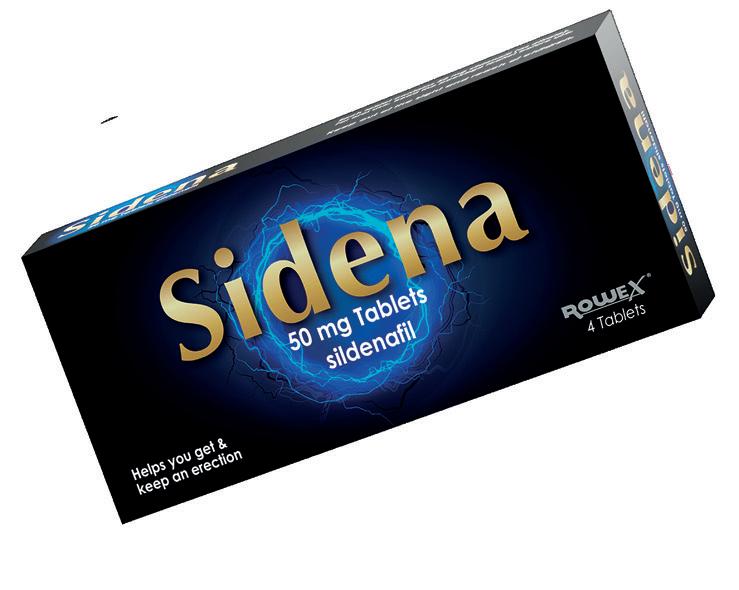
The end of erectile problems? Touch wood.
Available over the counter. No prescription required. Always read the leaflet. Available in a 4 or 8 pack.
ABBREVIATED PRESCRIBING INFORMATION
Product Name: Sidena 50 mg Tablets.
Composition: Each tablet contains, 50 mg sildena l (as citrate) .
Description: Light blue, round, slightly dotted tablets. Cross breaking notch on one side and marked ‘50’ on the other side. Can be divided into equal quarters. (Only two quarters of the 50 mg is covered by posology).
Indication(s): Treatment of men with erectile dysfunction, which is the inability to achieve or maintain a penile erection su cient for satisfactory sexual performance.
Dosage: Adults and elderly: 50 mg taken as needed approximately one hour before sexual activity. Dose may be decreased to 25 mg. Max dose: 50mg once daily. Impaired renal and hepatic function: Sildena l clearance is reduced in hepatic and severe renal impairment. Consider a dose of 25 mg. Dose may be increased step-wise to 50 mg if tolerated. Children and adolescents below 18 years of age: Contraindicated. Use in patients using other medicines: Starting dose of 25 mg with CYP3A4 inhibitors (not advised to use with ritonavir). To minimise postural hypotension in patients receiving and alpha-blocker, stabilise patient rst on the alpha blocker and use a starting dose of 25 mg sildena l. Contraindications: Hypersensitivity to sildena l or any of the excipients. Concomitant with ritonavir, nitric oxide donors or nitrates in any form, guanylate cyclase stimulators e.g. riociguat. In patients that sexual activity is inadvisable (e.g. severe cardiovascular disorders such as a recent (6 months) acute myocardial infarction (AMI) or stroke, unstable angina or severe cardiac failure). Refer these patients to a doctor. Patients with loss of vision in one eye due to NAION. Known hereditary degenerative retinal disorders. Severe hepatic impairment. Hypotension. Anatomical deformation of the penis. Not intended if no erectile dysfunction. Women. Warnings and Precautions for Use: First diagnose erectile dysfunction and determine potential underlying causes (e.g. hypertension, diabetes mellitus, hypercholesterolaemia or cardiovascular disease), before considering pharmacological treatment. Consider the cardiovascular status of patients, since there is a degree of cardiac risk associated with sexual activity. Serious cardiovascular events, including myocardial infarction, unstable angina, sudden cardiac death, ventricular arrhythmia, cerebrovascular haemorrhage, transient ischaemic attack, hypertension and hypotension have been reported post-marketing in temporal association with the use of sildena l. Most, but not all, of these patients had pre-existing cardiovascular risk factors. Sildena l has vasodilator properties, resulting in mild and transient decreases in blood pressure. Caution: Patients with anatomical deformation of the penis (such as angulation, cavernosal brosis or Peyronie’s disease), or in patients who have conditions which may predispose them to priapism (such as sickle cell anaemia, multiple myeloma or leukaemia). Advise patients that in case of priapism, prolonged erections (longer than 4 hours) or sudden visual defect, they should stop taking sildena l and consult a physician immediately. Administer to patients with bleeding disorders or active peptic ulceration only after careful bene t-risk assessment, as there is no safety information available. Interactions: See SPC for detailed information. Inhibitors of the cytochrome P450 (CYP) isoforms 3A4 (major route) and 2C9 (minor route) isoenzymes such as CYP3A4 inhibitors: Itraconazole, ketoconazole, erythromycin, cimetidine, HIV protease inhibitor saquinavir: May reduce sildena l clearance and increase sildena l plasma levels. Consider a starting dose of 25 mg. Strong CYP3A4 inducers e.g. rifampicin may increase sildena l clearance and decrease sildena l plasma concentrations. Grapefruit juice: May give rise to modest increases in plasma levels of sildena l. Nicorandil (Hybrid of potassium channel activator and nitrate): Due to the nitrate component it has the potential to have serious interaction with sildena l. Sildena l potentiates the hypotensive e ect of nitrates. Alpha blocker: Concomitant administration of sildena l may lead to symptomatic hypotension in a few susceptible individuals. Patients should be hemodynamically stable on alpha-blocker therapy prior to initiating sildena l treatment. Sildena l potentiates the antiaggregatory e ect of sodium nitroprusside in vitro. Not recommended in patients with a history of bleeding disorders or active peptic ulceration. Not recommended to use with other pulmonary arterial hypertension treatment containing sildena l. Caution when sildena l is initiated in patients treated with sacubitril/valsartan. May result in a increase of bosentan availability. Ability to Drive and Use Machinery: Minor in uence, dizziness and altered vision were reported. Patients should be aware of how they react to sildena l before driving or using machinery. Undesirable E ects: Very common: Headache. Common: Dizziness, visual disorders, visual colour distortion, vision blurred, ushing, hot ush, nasal congestion, nausea, dyspepsia. See SPC for more adverse e ects.
Marketing Authorisation Holder: Rowex Ltd, Bantry, Co. Cork. Marketing Authorisation Number: PA 0711/170/002. Further information and SPC are available from: Rowex Ltd., Bantry, Co. Cork. Freephone: 1800 304 400 Fax: 027 50417
E-mail: rowex@rowa-pharma.ie
Legal Category: Not subject to medical prescription. Date of Preparation: Jan 2024
of preparation: (10-24) CCF: 26643
Minister Confirms Pause on Phased Dispensing Changes as Blister Pack Concerns Examined
The Minister for Health, Jennifer Carroll MacNeill, has confirmed that planned changes to phased dispensing controls under the Community Pharmacy Agreement 2025 remain paused, as the Department and HSE assess the impact on patients using monitored dosage systems (MDS), commonly known as blister packs.
Responding to a series of Parliamentary Questions from Deputy Pádraig Rice, the Minister said the pause will allow time to establish which patients are most clinically appropriate to receive blister packs and to clarify funding and charging arrangements, particularly for a cohort of vulnerable patients who may be affected by recent communications from some pharmacies.
The Minister stressed that phased dispensing and blister packing are not the same service and should not be conflated. Phased
dispensing, which has been funded by the State for medical card patients since 1996, is designed to improve safety for patients on high-risk medicines such as antipsychotics and opioids. Community pharmacies receive additional fees for providing this service, and this funding will continue.
By contrast, the State has never funded blister packs as a specific service. International guidance, including from NICE, the Royal Pharmaceutical Society and the NHS, indicates that blister packing
Deputy Pádraig Rice
should be a last-resort intervention for adherence support, following other measures such as medicines review, patient education and simplified regimens. Nonetheless, the Minister acknowledged that for some patients, blister packs can be beneficial and are heavily relied upon.
The Department has identified three groups of patients currently using blister packs. The first are patients who have always paid privately for the service; the second are those who have received blister packs free of charge from their pharmacy; and the third are patients whose pharmacies have been supplying blister packs free of charge while claiming reimbursement from the State under phased dispensing arrangements. It is this third group, the Minister said, that is of particular concern, as some may now face new charges.
The pause in implementing revised phased dispensing controls will allow the HSE to gather data on how many patients fall into this category and to develop a robust probity plan. It will also provide
UDW Portfolio now available on Pharmax
time to work with the clinical community to define which patient groups are most appropriate for blister pack support, ensuring that State resources are targeted towards those most in need.
Modelling and proposals on monitored dosage systems are expected to be submitted to the Minister in the first quarter of 2026.
The Minister also confirmed that the Primary Care Reimbursement Service (PCRS) has not issued any new advice or guidance to pharmacists on the matter. Circulars relating to changes originally due to take effect from 1 January 2026 have been removed from the PCRS online system, and phased dispensing continues to operate as before during the pause.
While pharmacies remain free to charge for blister packs as a private service, the Minister emphasised that any such charges must be clearly communicated in line with the Pricing Transparency Guidelines that came into force on 1 December 2025.
The Irish Pharmacy Union has already issued guidance to its members, including a statement on phased dispensing and MDS in December 2025, outlining key clarifications for pharmacy teams and patients.
United Drug has taken another step forward in supporting community pharmacy by bringing the UDW portfolio to Pharmax. The update follows extensive customer feedback and is designed to make the day-today running of your pharmacy simpler, faster and more efficient.
For many pharmacies, managing orders across multiple systems can be time-consuming. By bringing everything together on Pharmax, pharmacists and pharmacy staff can now source a wider selection of products and complete their orders in one place. This improvement means less switching between platforms and more time available to focus on patients and the business.
The new update introduces thousands of additional product lines, expanding the choice
available through Pharmax and giving pharmacies greater flexibility in how they stock and source essentials. A dedicated UDW basket helps keep orders organised, while streamlined navigation makes it easier to find what you need with fewer clicks. Customers will also benefit from familiar features that help speed up daily tasks. Next day delivery remains a key part of the service, ensuring dependable stock availability. The Wishlist option allows teams to save their
most-used items, and having everything on one site means a smoother experience from start to finish. The changes are designed to help pharmacies save time without compromising on choice or service.
United Drug’s goal is to keep strengthening the tools and services that support the pharmacy network. Last year the addition of Profitlines Plus brought a wide range of front of shop products to Pharmax.ie, helping to turn it into a true one-stop shop for customers.
Bringing the full UDW portfolio onto the platform is the next step in that journey, giving pharmacies a single, seamless system that’s easier to use and better suited to the demands of a busy dispensary Pharmax members can now begin exploring the expanded range and updated features designed to make ordering more convenient than ever. For more information contact pharmax@united-drug. com or your area manager.
OTC Management of Foot & Leg Conditions
Common problems that patients will present with in pharmacy include cracked heels, dry skin and fungal growth with these issues becoming more prevalent as people start to let more air at their feet in the warmer months.
Feet are often the most neglected part of our bodies with research showing that people are more likely to have their car serviced than have their feet checked by a Podiatrist.
This is contrary to the fact that our feet are our main mode of transport and deserve equal amounts of care and attention.
According to the HSE, during a lifetime, feet may walk the equivalent of four times around the world so it is essential that they are taken care of at all times.
According to Podiatry Ireland, our feet are complex. They house a quarter of the bones in the body, as well as a network of muscles, ligaments and joints.
They are also vulnerable to injury and disease with over 300 identified foot ailments.
While our feet suffer wear by the age of fifty, they have also lost up to half of the shock-absorbing capability of the natural foot pad which cannot be replaced like a pair of shoes.
Some feet have special needs - children's feet, sporting feet, working feet, mature feet and feet affected by disease.
There are many different types of foot ailments that Podiatrists treat including athlete’s foot, bunions, arthritis, and Achilles tendonitis.
Many of these complaints may present at Pharmacy first and Podiatry Ireland has the following
advice for pharmacists when advising their patients on foot care:
1. Advise patients to alternate shoes - they should not wear the same pair of shoes everyday.
2. Barefoot cautions - patients should avoid walking barefoot as their feet will be more prone to injury and infection. At the beach or when wearing sandals, patients should always use sunblock on their feet as well as the rest of their body.
3. Feet washing - patients should wash feet regularly, especially between the toes and they should always ensure to dry them completely.
4. Feet Inspection - patients should always inspect feet regularly. They should pay attention to changes in colour and temperature of the feet, look for thick or discoloured nails (a sign of developing fungus), and check for cracks or cuts in the skin. If there is peeling or scaling on the soles of feet it could indicate athlete's foot. Any growth on the foot is not considered normal.
5. Shoe fit - patients should make sure that shoes fit properly. It is important to purchase new shoes later in the day when feet tend to be at their largest and they should replace worn out shoes as soon as possible.
Pharmacies should ensure that they signpost the footcare section clearly within store and stock a comprehensive range of wellknown products for customers to choose from.
With an ageing population, suffering from foot, knee and joint problems is seen as just part of getting older, but although to some extent that’s true, there are still warning signs that good pharmacists should take note of and refer on to a GP or podiatrist, along with effective support and treatment for feet and leg conditions.
Those at Risk
Some people are more likely to experience pain in their feet and lower leg than others. Risk factors include:
• Age: Feet flatten and widen with age, the fat padding the sole of the foot wears down and skin becomes drier. Foot pain in older people may be an early sign of age-related illnesses such as diabetes, arthritis and circulation issues. Foot problems may also impair balance.
• Gender: Women are more likely than men to suffer severe foot pain and this may be due to the type of shoes they wear.
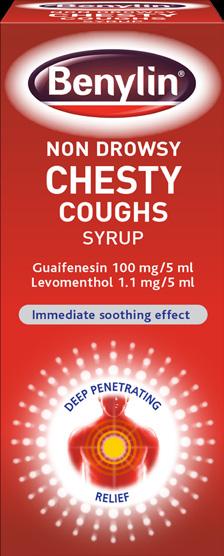
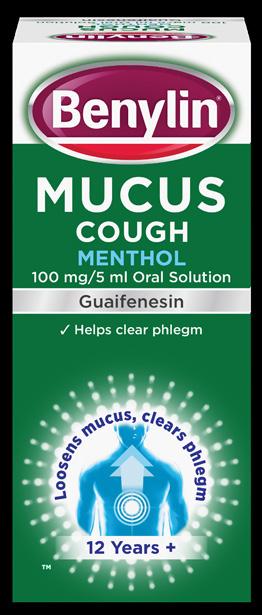
GETS TO WORK FAST TO SOOTHE YOUR COUGH
BENYLIN NON-DROWSY CHESTY COUGHS: Composition: Each 5 mls contains 100 mg guaifenesin and 1.1 mg levomenthol Clear red syrup having a characteristic odour. Indications: The symptomatic relief of productive cough. Dosage: Adults and children over 12 years: Two 5 ml spoonfuls four times a day. Children under 12 years: Not recommended. The Elderly: As for adults. Hepatic/renal dysfunction: Experience with the use of this product suggests that normal adult dosage is appropriate for mild to moderate dysfunction. Caution should be exercised in severe hepatic and severe renal impairment. Contraindications: Hypersensitivity to the active substance or to any of the excipients. Special warnings and precautions for use: Should be not used for persistent or chronic cough, such as occurs with asthma, or where cough is accompanied by excessive secretions, unless directed by a physician. Caution should be exercised when using the product in the presence of severe renal or severe hepatic impairment. This medicinal product contains3.5 g glucose per 5ml, 1 g of sucrose per 5ml and 6.75mg invert sugar per 5ml. This should be taken into account in patients with diabetes mellitus. Patients with rare hereditary problems of fructose intolerance, glucose galactose malabsorption or sucrose-isomaltase insufficiency should not take this medicine. This medicine contains 197 mg of alcohol ethanol) in each 5 ml dose. The amount in a 5 ml dose of this medicine is equivalent to less than 5 ml beer 2ml wine. The small amount of alcohol in this medicine will not have any noticeable effects. This medicine contains Ponceau 4R (E124) which may cause allergic reactions. This medicine contains 16.42 mg sodium per 5 ml equivalent to 0.82% of the WHO recommended maximum daily intake of 2 g sodium for an adult. This medicine contains 1.07mg propylene glycol in each 5ml dose.This medicine contains 20mg sodium benzoate per 5ml dose. Should not be used in children under the age of 12 years. Undesirable effects: Immune system Disorders Not known Hypersensitivity (including Pruritus and Urticaria) Gastrointestinal Disorders Not known Abdominal pain upper, Diarrhoea, Nausea, Vomiting Skin and Subcutaneous Tissue Disorders Not known Rash. MA holder: JNTL Consumer Health I (Ireland) Ltd. Block 5, Hight Street, Tallaght, Dublin 24, Ireland. PA number: PA23490/007/001. Product not subject to medical prescription. Supply through non- pharmacy outlets and pharmacies. Full prescribing information available upon request. Date of revision of text: March 2024
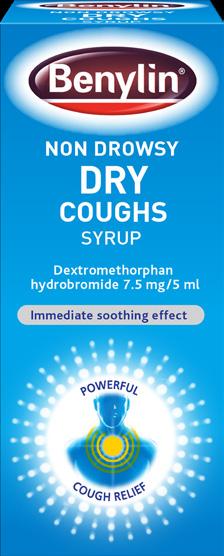
BENYLIN NON DROWSY DRY COUGHS SYRUP: Syrup Composition: Dextromethorphan hydrobromide 7.5mg/5ml. Each 5 ml of Benylin Non Drowsy for Dry Coughs Syrup also contains: Sorbitol solution (70%) E420: 325mg, Sucrose 1625mg, Glucose 2380mg, Sodium 4.4mg, Ethanol (96% v/v) 0.311ml. Pharmaceutical form: Syrup. A clear amber coloured syrup with a characteristic smell of peaches. Indications: BENYLIN Non Drowsy for Dry Coughs is indicated for the relief of non-productive irritating cough. Dosage: Adults and children 12 years and over: Oral. 15mg (10 ml syrup) 3-4 times a day. maximum daily dose: 40 ml syrup. Children under 12 years: This product is contraindicated in children under the age of 12 years. Hepatic dysfunction: Due to the extensive hepatic metabolism of dextromethorphan, caution should be exercised in the presence of hepatic impairment. Contraindications: This product is contraindicated in individuals with known hypersensitivity to dextromethorphan or to any of the excipients. Dextromethorphan should not be used in patients taking monoamine oxidase inhibitors (MAOIs), or within 14 days of stopping MAOI treatment (see section 4.5). There is a risk of serotonin syndrome with the concomitant use of dextromethorphan and MAOIs and the concomitant use of these medications may cause a rise in blood pressure and/ or hypertensive crisis. This product is contraindicated in patients taking serotonin reuptake inhibitors (SSRIs). Dextromethorphan, should not be given to patients in, or at risk of developing respiratory failure. Benylin Non-Drowsy Dry Coughs, Syrup is contraindicated for use in children under 12 years of age. Special warnings and special precautions for use: Patients with the following conditions should not use this product, unless directed by a physician: acute or chronic asthma, a persistent or chronic cough such as occurs with chronic bronchitis or emphysema, or where cough is accompanied by excessive secretions. Cases of dextromethorphan abuse and dependence have been reported. Caution is particularly recommended for adolescents and young adults as well as in patients with a history of drug abuse or use of psychoactive substances. Use of dextromethorphan with alcohol or other CNS depressants may increase the effects on the CNS and cause toxicity in relatively smaller doses. While taking this product, patients should be advised to avoid alcoholic drinks and consult a healthcare professional prior to taking with central nervous system depressants. Serotonin Syndrome: Serotonergic effects, including the development of a potentially life-threatening serotonin syndrome, have been reported for dextromethorphan with concomitant administration of serotonergic agents, such as selective serotonin re-uptake inhibitors (SSRIs), drugs which impair metabolism of serotonin (including monoamine oxidase inhibitors (MAOIs)) and CYP2D6 inhibitors. Serotonin syndrome may include mental-status changes, autonomic instability, neuromuscular abnormalities, and/or gastrointestinal symptoms. If serotonin syndrome is suspected, treatment with Benylin Dry Coughs Syrup should be discontinued. Dextromethorphan is metabolised by hepatic cytochrome P450 2D6. The activity of this enzyme is genetically determined. About 10% of the general population are poor metabolisers of CYP2D6. Poor metabolisers and patients with concomitant use of CYP2D6 inhibitors may experience exaggerated and/or prolonged effects of dextromethorphan. Caution should therefore be exercised in patients who are slow metabolizers of CYP2D6 or use CYP2D6 inhibitors. This product should be used with caution in atopic children due to histamine release. This product contains sucrose, glucose, and invert sugar. This should be taken into account in patients with diabetes mellitus. Patients with rare hereditary problems of fructose intolerance, glucose-galactose malabsorption or sucrase-isomaltase insufficiency should not take this product. Sorbitol: This medicine contains 650 mg sorbitol in each 10 ml dose. The additive effect of concomitantly administered products containing sorbitol (or fructose) and dietary intake of sorbitol (or fructose) should be taken into account. The content of sorbitol in medicinal products for oral use may affect the bioavailability of other medicinal products for oral use administered concomitantly. Patients with hereditary fructose intolerance (HFI) should not take/be given this medicinal product. This medicine contains 472 mg of alcohol (ethanol) in each 10 ml dose. The amount in a 10 ml dose of this medicine is equivalent to less than 12 ml beer or 5 ml wine. The small amount of alcohol in this medicine will not have any noticeable effects. This medicine contains 42 mg benzoate salt in each 10 ml dose. This medicine contains 5.43 mg propylene glycol in each 10 ml dose. This medicine contains less than 1 mmol sodium (23 mg) per 10 ml dose, that is to say essentially ‘sodium-free’. Patients who are taking other medication including cough and cold medicines and / or who are under the care of a physician, should consult their doctor / pharmacist before taking this product. Undesirable effects: Adverse drug reactions (ADRs) identified during post-marketing experience with Dextromethorphan are included below. The frequencies are provided according to the following convention: Very common ≥1/10, Common ≥1/100 and < 1/10, Uncommon≥1/1,000 and <1/100, Rare ≥1/10,000, <1/1,000, Very rare <1/10,000, Not known (cannot be estimated from the available data). Psychiatric Disorders - Rare - Confusional state. Not known – Agitation, Insomnia, Nervous System Disorders: Not known – Dizziness, Psychomotor hyperactivity, Seizure. Somnolence. Respiratory,Thoracic and Mediastinal Disorders: Rare – Bronchoconstriction, Dyspnoea Gastrointestinal Disorders: Not known - Abdominal pain, Diarrhoea, Nausea, Vomiting. Skin and Subcutaneous Tissue Disorders: Not known - Angioedema Pruritus, Rash, Urticaria. PA Number: PA PA23490/010/001. MAH: JNTL Consumer Health I (Ireland) Ltd. Block 5, Hight Street, Tallaght, Dublin 24, Ireland. Date of revision of text: March 2024. Product not subject to medical prescription. Supply through pharmacies only. Full prescribing information available upon request. BENYLIN MUCUS COUGH MENTHOL: Composition: This product contains 20 mg guaifenesin in each ml (100mg in 5ml). Indications: To help loosen phlegm and thin bronchial secretions associated with productive cough, for use in adults and adolescents over 12 years. Dosage: Adults and adolescents over 12 years: For oral administration: 10 ml (200mg guaifenesin) 4 times a day. Maximum daily dose: 40ml (800mg guaifenesin). Paediatric population: The safety and efficacy of Benylin Mucus Cough Menthol in children aged under 12 years have not yet been established. The Elderly: As per adults. Hepatic/ renal impairment: Caution should be exercised in severe hepatic and severe renal impairment. If cough persists for more than 7 days, tends to recur, or is accompanied by a fever, rash, or persistent headache, a physician should be consulted. Contraindications: Hypersensitivity to active substance or to any of the excipients. Special warnings and precautions for use: This product should not be used for persistent or chronic cough, such as occurs with asthma, or where cough is accompanied by excessive secretions, unless directed by a physician. A persistent cough may be a sign of a serious condition. If cough persists for more than 7 days, tends to recur, or is accompanied by a fever, rash, or persistent headache, a physician should be consulted. Caution should be exercised when using the product in the presence of severe renal or severe hepatic impairment. The concomitant use of cough suppressants is not recommended. This medicinal product contains 10mg of benzoate salt in each 10ml dose. This medicinal product may contain very trace amounts of glucose. Patients with rare glucose galactose malabsorption should not take this medicine. This medicinal product contains 381 mg of alcohol (ethanol) in each 10 ml dose which is equivalent to 38.1 mg/ml. The amount in 10 ml of this medicine is equivalent to 9.5 ml beer or 3.8 ml wine. The small amount of alcohol in this medicine will not have any noticeable effects. This product contains Ponceau 4R (E124) red colouring which may cause allergic reactions. This medicinal product contains less than 1 mmol sodium (23 mg) per 10 ml dose, that is to say essentially ‘sodium-free’. This medicinal product contains 2003.5 mg propylene glycol in each 10 ml dose. While propylene glycol has not been shown to cause reproductive or developmental toxicity in animals or humans, it may reach the foetus and was found in milk. As a consequence, administration of propylene glycol to pregnant or lactating patients should be considered on a case by case basis. Medical monitoring is required in patients with impaired renal or hepatic functions because various adverse events attributed to propylene glycol have been reported such as renal dysfunction (acute tubular necrosis), acute renal failure and liver dysfunction. This medicinal product contains macrogol glycerol hydroxystearate 40. It may cause stomach upset and diarrhoea. Undesirable effects: Immune System Disorder: Not Known - Hypersensitivity reactions including pruritus and urticaria, Rash, Anaphylactic reaction. Gastrointestinal Disorders: Not Known -Gastrointestinal discomfort, nausea and vomiting. MAH: JNTL Consumer Health I (Ireland) Ltd, Block 5, High Street, Tallaght, Dublin 24, Ireland. MA Number: PA23490/040/001. Date of revision: May 2025 Product not subject to medical prescription. Supply through non-pharmacy outlets and pharmacies. Full prescribing information available upon request from JNTL Consumer Health I (Ireland) Ltd.
• Occupation: Foot problems, including arthritis in the foot and ankle, toe deformities, pinched nerves between the toes, plantar fasciitis, adult-acquired flat foot and tarsal tunnel syndrome, have been attributed to repetitive use at work – for example, in people whose job means they have to walk long distances or stand for many hours at a time.
• Activity: Sports players and people who take part in vigorous exercise. Women are at higher risk of stress fractures than men.
Common Foot Conditions
Corns and Callouses - Corns (which usually appear on the tops or sides of toes) and calluses (found on the soles of feet) are areas of hard, thickened skin that develop when the skin is exposed to excessive pressure or friction. Problems can be prevented by wearing well-fitting shoes and using protective gel pads or strips to reduce pressure.
Hardened skin can be gently removed with a pumice stone or foot file. OTC products containing salicylic acid are available to treat established corns or calluses, but severe cases or people with diabetes or circulation problems should be referred to a podiatrist.
Cracked Heels - Cracked heels are often caused by open-backed shoes such as sandals or flip-flops striking the heel. Older people are most at risk of cracked heels, as well as those who stand for
prolonged periods. Limiting unsupportive footwear can help to prevent the problem arising, while regularly applying a moisturising foot cream can help keep feet smooth and soft. A pumice stone or foot file can be used to remove hard skin; these are particularly effective when used after a bath or shower.
Athlete’s Foot
Athlete’s foot is contagious via skin-to-skin contact and indirectly if one uses the same towel as a person with the condition. Athlete’s foot, a common fungal infection that usually develops between the toes, most commonly affects teenagers and young adults. The infection usually clears up within days or weeks with antifungal treatment.
Customers can choose between fungicidal products that kill the fungus and fungistatic products, which slow down its growth until it stops. Lamisil AT Athlete’s Foot Cream offers effective relief from Athlete’s foot.
Its active ingredient, terbinafine hydrochloride, works by killing the fungus causing the infection, providing fast-acting relief from itching, burning, and discomfort. Trusted by those seeking relief from fungal skin infections, Lamisil AT Cream provides convenient and targeted treatment for affected areas. With its easy-touse cream formulation, it ensures thorough coverage and absorption, promoting healing and restoring skin health.
A low-potency steroid cream may be recommended if the skin is very sore.
Athlete’s foot is highly infectious, as the fungi multiply quickly in warm and humid environments, such as swimming pools, showers and changing rooms. Good foot hygiene can help to reduce the spread of an infection and involves drying the feet thoroughly, particularly between the toes, wearing clean cotton socks, rotating footwear and avoiding walking barefoot in changing rooms.
Symptoms of Athlete’s foot include:
• An itchy, red rash, which often starts in between the 4th and 5th toes, before spreading to the other toes.
• Scaling or cracking of the skin may occur.
• Blisters can occur. If these burst, they can cause pain & swelling. These tips can help ease the symptoms of Athlete's foot or avoid a recurrence:
• Keep feet clean and dry. Wash feet twice a day and gently towel-dry between the toes.
• Use an antifungal product. After washing and drying the feet, apply an antifungal product. The antifungal terbinafine such as Lamisil AT which has been shown to be very effective.
• Wear light, well-ventilated footwear. Avoid shoes made of synthetic material, such as vinyl or rubber. Wear sandals when possible to let feet air out.
• Alternate pairs of shoes. Use different shoes from day to day. This gives shoes time to dry after each use.
• Protect feet in public places. Wear waterproof sandals or shoes around public pools, showers and lockers rooms.
• Try not to scratch the rash. Sufferers can try soothing itchy feet by soaking them in cool water.
• Don't share shoes. Sharing risks spreading a fungal infection.
• Change socks regularly. Change socks at least once a day — more often if feet get really sweaty.
Verrucas - A verruca is a wart on the sole of the foot caused by infection with the human papilloma virus (HPV), which is picked up from contaminated floors in changing rooms or around swimming pools.
The affected skin is usually white and may have a black spot in the centre. Verrucas may clear up naturally, but treatment is advisable to prevent the infection spreading. Several treatment options are available OTC, including salicylic acid gels, creams, plasters and paints, cryotherapy sprays containing dimethyl ether propane and silver nitrate. To make verrucas more susceptible to treatment, the
Footcare
affected area should be soaked in warm water for a few minutes and gently filed with a pumice stone or emery board. Waterproof plasters are available to protect the verruca and prevent the infection from spreading.
Diabetic Foot Care
Diabetes can cause nerve damage and blood vessel disease in the feet. This may cause skin and tissue breakdown, which can develop into non-healing wounds (ulcers), which are at risk of infection. This may even result in limb amputation. Structural deformity leaves bony prominences exposed to increased external pressure on the skin, leaving it at risk of being damaged.
Identification of patients at risk of diabetic foot disease allows early intervention of preventative measures to be taken, and thus reduces the risk of further complications.
As the number of type 2 diabetes (T2D) cases continues to escalate each year, pharmacists are likely to encounter patients inquiring about proper diabetic foot care. Foot problems are very common in patients with T2D, accounting for a significant portion of diabetesrelated complications and health care costs. Pharmacists are in a pivotal position to educate patients with a new diagnosis of diabetes about their care.
Pharmacists should remind patients about the importance of routine diabetic foot care to
prevent or delay complications, such as diabetic foot ulcers and amputations. Patients with diabetes, especially those with poorly controlled disease, are more susceptible to skin-related complications; therefore, patients should be reminded that many dermatologic conditions can be either prevented or effectively treated if identified early.
Conducting a daily skin inspection and adhering to daily skin care, especially foot care, is imperative for all patients with diabetes. Pharmacists should seize every opportunity to stress the importance of maintaining tight glycaemic control and remind patients how proper and routine foot care is critical to decreasing the incidence of foot ulcers and amputations. It is estimated that nearly 85% of amputations are preventable with education and early intervention.
The primary goal of diabetic foot care is prevention of diabetesrelated complications, such as changes in the skin (dryness and itching) and foot ulcers, which are often attributed to vascular disease, neuropathy, and relative immunosuppression.
Prevention is Key Strategies for preventing foot problems include patient education, patient involvement and adherence, maintenance of tight glycaemic control, and daily care and inspections of the skin, feet, and nails.
Several OTC dermatologic products are marketed specifically for foot care in patients with diabetes. Prior to recommending any of these products, pharmacists should encourage patients with certain signs or symptoms to seek immediate medical care to avoid further complications. Examples of diabetic foot care products include antimicrobial lotions, skin moisturisers, and antifungal and callus treatments.
Varicose veins occur when valves in the leg veins stop working properly, resulting in blood flowing down the veins the wrong way. According to research, varicose veins affect around 30% of adults. There is a stereotype that it is only the old and the overweight that will suffer from them but the condition is hereditary and can strike at any time of life – although it does become commoner with passing years.
Although varicose veins are thought to be bulging veins that protrude from the legs, in up to half of all cases the problematic veins remain hidden under the skin. Many people will often seek simple removal of these thread or spider veins. However, if the underlying hidden varicose veins have not been found and treated first, then thread or spider vein treatments are much less likely to work.
Why are my legs aching?
Tired, aching legs are a common problem, especially in people who sit or stand for long periods. It could be a sign that leg veins are
Worrying Rise in Self-Harm
allowing blood to flow backwards and pool, rather than travel up towards the heart. Insole arch supports may provide extra support for the ankles, which can limit any swelling, while compression hosiery can improve the flow of blood, relieving the tiredness and aching sensation.
Deep vein thrombosis (DVT) causes pain and swelling in the leg as a result of blood clotting while it is still inside the blood vessel. It usually affects one leg only. If DVT symptoms occur, they may include tenderness in one leg (usually the calf), a heavy ache in the affected area, warm skin in the area of the clot, and also red skin, particularly at the back of the leg below the knee. If customers are concerned about DVT, they should see their GP.
Category Management
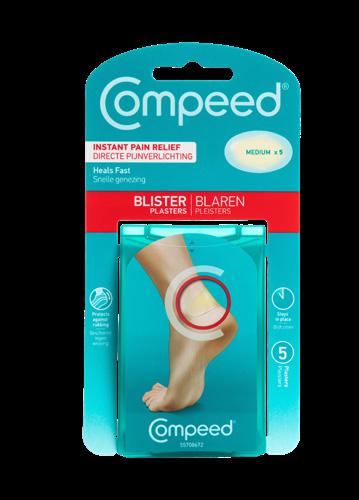
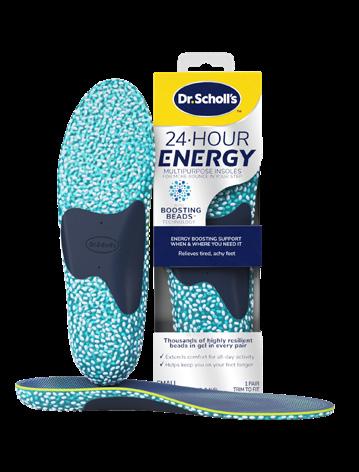
Pharmacists should think beyond foot and leg care when it comes to making a sale. If someone picks up corn plasters, combination treatments may be required, and there is an opportunity for a link purchase such as insole supports to take the pressure off the area. Also, what about pain relief? This is precisely where community pharmacy can add value over and above its competitors – it’s an opportunity not to be missed. This category should be displayed next to or near the first aid category. This is where you will find antiseptic creams and plasters, so the link to the category is appropriate.
New research has found that, while rates of poor mental health and suicide attempts among Irish adolescents have largely recovered from the peaks seen during the COVID-19 pandemic, repeated self-harm is increasing, particularly among females.
The study led by researchers in RCSI University of Medicine and Health Sciences and King’s College London, highlights that trans and gender-diverse young people and early school leavers are particularly vulnerable to mental distress.
Researchers analysed more than 20,000 anonymous responses to the Planet Youth Survey from students aged 15-19 in 113 secondary schools across six counties, estimating national trends in poor mental health, repetitive self-harm (five or more times in one's lifetime) and suicide attempts between 2018 and 2023. The study is the largest
investigation of mental health problems among the general adolescent population in Ireland since 2019.
The findings show that one-in-five respondents reported poor mental health at the time of the survey, one-in-eight reported repeated self-harm during their lifetime and one-in 12 reported having attempted suicide in their lifetime.
The proportion of adolescents reporting self-harm increased from 9.7% during the COVID-19 period to 11.1% two years post-pandemic.
Rates were significantly higher among females, trans and
gender-diverse adolescents, and early school leavers (pupils in Youthreach centres). Trans and gender diverse young people reported the highest rates of any of subjectively poor mental health (52%), repetitive self-harm (44%) and suicide attempt (23%), while pupils in Youthreach centres were twice as likely to report a history of self-harm or suicide attempts compared with their peers still in mainstream secondary school.
“Our study shows that in a typical classroom of 25 senior-cycle students, five will report poor mental health, three will have self-harmed multiple times, and
two will have attempted suicide at some point in their life. While we knew already that demand for adolescent mental health supports in Ireland exceeds available services, these findings illustrate just how wide that gap may be. They underline the need for stronger mental health supports at every level – especially in secondary schools, primary care and community-based services such as Jigsaw,” explains Dr Niamh Dooley, DOROTHY Research Fellow at RCSI Department of Psychiatry and at King’s College London.
E45 knows how to support skin
E45 cream is used for treating dry skin conditions such as dry/flaky skin, eczema, dry psoriasis, dermatitis and sunburn. Suitable for the whole family. Apply 2-3 times daily for best results*.
Inaugural Women’s Heart Summit Examines Persistent Gaps in Cardiovascular Care for Women
Ireland’s first dedicated Women’s Heart Summit took place on Saturday, 24 January 2026, bringing together national and international experts to examine persistent gaps in the diagnosis, treatment and management of cardiovascular disease in women.
Hosted by the Mater Private Network in association with the Cardiovascular Research Institute Dublin, the one-day summit was held at the Westbury Hotel, Dublin, and attracted cardiologists, GPs and healthcare professionals from across Ireland. The programme focused on sex-specific cardiovascular risk, under-recognised clinical presentations and emerging evidence aimed at improving outcomes for women.
Opening the meeting, course director Dr Róisín Colleran, Consultant Cardiologist at the Mater Private Network, emphasised the importance of recognising cardiovascular disease in women as a distinct clinical challenge rather than a variation of male-pattern disease.
The keynote address was delivered by Prof Roxana Mehran, Professor of Medicine
and Director of Interventional Cardiovascular Research and Clinical Trials at Mount Sinai School of Medicine, New York. Her presentation examined heart disease in women as an area that remains under-recognised, underdiagnosed and under-treated worldwide, despite cardiovascular disease being the leading cause of mortality in women globally.
Sessions throughout the day highlighted conditions that disproportionately affect women or present differently compared with men. Spontaneous coronary artery dissection and myocardial infarction with nonobstructive coronary arteries were explored as important but frequently missed causes of myocardial infarction in women. Dr Fernando Alfonso, Head of the Department of Cardiology at Hospital Universitario de la Princesa in Madrid, addressed the
complexities of diagnosing and managing spontaneous coronary artery dissection, while Dr Louise Fitzgerald discussed recognition and follow-up in general practice.
Sex-specific considerations in angina with non-obstructive coronary arteries and ischaemia with non-obstructive coronary arteries were also addressed, with Prof Colin Berry outlining diagnostic and imaging challenges and the need for improved clinical pathways.
Later sessions focused on differences in heart failure outcomes between men and women, with Prof Mark Dayer examining why women experience distinct clinical trajectories and how this should influence treatment strategies. Cardiooncology was another key theme, with Dr Magid Awadalla discussing breast cancer therapyrelated cardiotoxicity and its
growing relevance as cancer survival rates improve.
The programme also included a dedicated focus on cardiovascular disease and pregnancy. Prof Julie De Backer reviewed European guideline-based approaches to managing cardiovascular disease during pregnancy and highlighted the importance of multidisciplinary care for women with complex cardiac conditions.
Across the summit, speakers consistently highlighted the need for greater awareness, improved education and earlier recognition of atypical cardiovascular presentations in women. By bringing together international expertise and Irish clinical experience, the Women’s Heart Summit marked a significant step in advancing discussion and practice around women’s cardiovascular health in Ireland.
From fever to blocked noses, Calpol has got you covered.
CALPOL® Vapour Plug & Nightlight is an electrical device and non-medicine. CALPOL® Saline Nasal Spray is a medical device for congestion relief. ALWAYS READ THE LABEL. Calpol 120 mg/5 ml Sugar Free Infant Oral Suspension. Calpol Six Pus 250 mg/5 ml Sugar/Colour Free Oral Suspension Composition: Calpol 120 mg/5 ml Sugar Free: 120 mg paracetamol in each 5 ml. Calpol Six Pus 250 mg/5 ml Sugar/Colour Free: 250 mg paracetamol in each 5 ml Indications: For the relief of headache, migraine, neuralgia, toothache and teething pains, sore throat, influenza, feverishness and feverish colds. Dosage: Calpol 120 mg/5 ml Sugar Free Infant: Infants aged 2-3 months: 1. Post-vaccination fever and 2. Other causes of Pain and Fever (if baby weighs over 4 kg and was born after 37 weeks). Dose: 2.5 ml. If necessary, after 4-6 hours, give a second 2.5 ml dose. Do not give to babies less than 2 months of age; Do not give more than 2 doses unless your doctor or nurse has advised otherwise; Leave at least 4 hours between doses; If further doses are needed, talk to your doctor or pharmacist. Children aged 3 months – 6 years: 3 – 6 months: 2.5 ml (4 times in 24 hours). 6 – 24 months: 5 ml (4 times in 24 hours). 2 – 4 years: 7.5ml (5 ml + 2.5 ml) (4 times in 24 hours). 4 – 6 years: 10ml (5 ml + 5 ml) (4 times in 24 hours). Calpol Six Pus 250 mg/5 ml Sugar/Colour Free: Do not give to children under 6 years of age. Children aged 6 years – 12 years: 6 – 8 years: One 5 ml spoonful (large end) (4 times in 24 hours). 8 – 10 years: One 5 ml spoonful (large end) and one 2.5 ml spoonful (small end) (4 times in 24 hours). 10 - 12 years: Two 5 ml spoonful (large end) (4 times in 24 hours). Children aged 12 – 16 years: Two – three 5ml spoonfuls (large end) up to 4 times a day. Adults and children over 16 years: Two – four 5ml spoonfuls (large end) up to 4 times a day. Do not give more than 4 doses in any 24-hour period; Leave at least 4 hours between doses; Do not give this medicine to your child for more than 3 days without speaking to your doctor or pharmacist. It is important to shake the bottle for at least 10 seconds before use. Renal impairment: It is recommended, when giving paracetamol to patients with renal impairment, to reduce the dose and to increase the minimum interval between each administration to at least 6 hours unless directed otherwise by a physician. Recommended dose for adults with renal impairment (Calpol Six Plus product only): Glomerular filtration rate: 10-50 ml/min: 500mg (10ml) every six hours; Glomerular filtration rate: less than 10ml/min: 500mg (10ml) ever eight hours. Patients should be advised to contact their healthcare professional before use. Hepatic impairment: In patients with hepatic impairment or Gilbert’s Syndrome, the dose should be reduced or the dosing interval prolonged. Patients should be advised to contact their healthcare professional before use. Calpol Six Plus only: For adults, the daily dose should not exceed 2g per day unless otherwise directed by a physician. The Elderly: Experience has indicated that normal adult dosage is usually appropriate. However, in frail, immobile, elderly subjects or in elderly patients with renal or hepatic impairment, a reduction in the amount or frequency of dosing may be appropriate. For certain patient groups, a reduced maximum daily dose should be considered: Patients who are underweight (for adults, those under 50kg); Chronic alcoholism; Dehydration; Chronic malnutrition. These patients should be advised to contact their healthcare professional before use. For adults the maximum daily dose should not exceed 60mg/kg/day (up to 2g per day). Contra-indications: Hypersensitivity to the active substance or to any of the excipients. Special warnings and precautions for use: Paracetamol should be administered with caution under the following circumstances: Hepatic impairment; Chronic alcoholism; Renal impairment (GFR≤50ml/min); Gilbert’s Syndrome (familial non-haemolytic jaundice); Concomitant treatment with medicinal products affecting hepatic function; Glucose-6-phosphate dehydrogenase deficiency; Haemolytic anaemia; Glutathione deficiency; Dehydration; Chronic malnutrition; Patients who are underweight (for adults, those under 50 kg); Elderly. In general, medicinal products containing paracetamol should be taken for only a few days without the advice of a physician or dentist and not at high doses. If high fever or signs of secondary infection occur or if symptoms persist for longer than 3 days, a physician should be consulted. Prolonged or frequent use is discouraged. Patients should be advised not to take other paracetamol containing products concurrently. Taking multiple daily doses in one administration can severely damage the liver; in such case medical assistance should be sought immediately. Cases of high anion gap metabolic acidosis (HAGMA) due to pyroglutamic acidosis have been reported in patients with severe illness such as severe renal impairment and sepsis, or in patients with malnutrition or other sources of glutathione deficiency (e.g. chronic alcoholism) who were treated with paracetamol at therapeutic dose for a prolonged period or a combination of paracetamol and flucloxacillin. If HAGMA due to pyroglutamic acidosis is suspected, prompt discontinuation of paracetamol and close monitoring, is recommended. The measurement of urinary 5-oxoproline may be useful to identify pyroglutamic acidosis as underlying cause of HAGMA in patients with multiple risk factors. Serious skin reactions such as acute generalized exanthematous pustulosis (AGEP), Stevens - Johnson syndrome (SJS), and toxic epidermal necrolysis (TEN), have been reported very rarely in patients receiving paracetamol. Patients should be informed about the signs of serious skin reactions and use of the drug should be discontinued at the first appearance of skin rash or any other sign of hypersensitivity. Calpol Infant contains the following excipients which have recognised effects: Carmoisine (E122) which may cause allergic reactions; Methyl parahydroxybenzoate (E218), Propyl parahydroxybenzoate (E216), Ethyl parahydroxybenzoate (E214) which may cause allergic reactions (possibly delayed); This medicine contains less than 1 mmol sodium (23 mg) per 5ml, that is to say essentially ‘sodium-free’; This medicine contains 14.32mg propylene glycol (E1520) in each 5ml dose, which is equivalent to 2.86mg/ml. ; This medicine contains 0.16mg benzyl alcohol in each tablet. High volumes should be used with caution and only if necessary, especially in subjects who are pregnant or breastfeeding, or subjects with liver or kidney impairment because of the risk of accumulation and toxicity (metabolic acidosis); This medicine contains 0.00071mg of alcohol (ethanol) in each 5ml which is equivalent to 0.000142 mg/ml. The amount in 5 ml is equivalent to less than 1ml beer or 1 ml wine. The small amount of alcohol in this medicine will not have any noticeable effects; Due to the sorbitol (E420) and maltitol (E965) content of this product, patients with rare hereditary problems of fructose intolerance should not take this medicine. Sorbitol and maltitol may cause gastrointestinal discomfort and have a mild laxative effect. Calorific value 2.3kcal/g maltitol. Calpol Six Plus contains 2.04g Maltitol and 1.4g Sorbitol per 5ml. Sorbitol and maltitol may cause gastrointestinal discomfort and have a mild laxative effect. Patients with hereditary problems of fructose intolerance (HFI) should not take/be given this medicine. Calorific value 2.3kcal/g maltitol. Methyl and propyl parahydroxybenzoates may cause allergic reactions (possibly delayed). Contains less than 1 mmol sodium (23 mg) per 5ml, that is to say essentially ‘sodium-free’. This medicine contains 20.92mg propylene glycol (E1520) in each 5ml dose, which is equivalent to 4.18mg/ ml. This medicine contains 0.05mg benzyl alcohol in each tablet. High volumes should be used with caution and only if necessary, especially in subjects who are pregnant or breastfeeding, or subjects with liver or kidney impairment because of the risk of accumulation and toxicity (metabolic acidosis). This medicine contains 0.00075mg of alcohol (ethanol) in each 5ml which is equivalent to 0.00015 mg/ml. The amount in 5 ml is equivalent to less than 1ml beer or 1 ml wine. The small amount of alcohol in this medicine will not have any noticeable effects. Undesirable effects: Blood and lymphatic system disorders: Not known –Agranulocytosis, Haemolytic anaemia, Thrombocytopenic purpura. Immune system disorders: Rare – Hypersensitivity. Not known - Anaphylactic reaction. Hepatobiliary disorders: Not known - Hepatic function abnormal, Hepatic necrosis. Skin and subcutaneous tissue disorders: Rare – Rash. Not known - Fixed eruption, Rash pruritic, Urticaria.Renal and urinary disorders: Uncommon - Nephropathy toxic. Not known - Renal papillary necrosis (after prolonged administration). Investigations: Not known - Transaminases increased. Metabolism and nutrition disorders: Not known - High anion gap metabolic acidosis. Liver damage has been reported after daily ingestion of excessive amounts of paracetamol. A review of a group of patients with chronic active hepatitis failed to reveal differences in the abnormalities of liver function in those who were long-term users of paracetamol nor was the control of the disease improved after paracetamol withdrawal. Low level transaminase elevations may occur in some patients taking labelled doses of paracetamol; these elevations are not accompanied with liver failure and usually resolve with continued therapy or discontinuation of paracetamol. Very rare cases of serious skin reactions have been reported. High anion gap metabolic acidosis. Cases of high anion gap metabolic acidosis due to pyroglutamic acidosis have been observed in patients with risk factors using paracetamol. Pyroglutamic acidosis may occur as a consequence of low glutathione levels in these patients. MAH: JNTL Consumer Health I (Ireland) Ltd., Block 5, Hight Street, Tallaght. Dublin 24, Ireland. MA Number: PA23490/003/004, PA 23490/003/003. Date of last revision of text: February 2025 Product not subject to medical prescription. Supply through non-pharmacy and pharmacy outlets. Further information available upon request from JNTL Consumer Health I (Ireland) Ltd.,
Paracetamol
Medical Device Medicine
Electrical Device
FOR EVERY GENERATION
FOR EVERY GENERATION
AN
EASY TO SWALLOW FOOD SUPPLEMENT WHICH PROVIDES NUTRITION FOR VISION SUPPORT
Your eyes are your window to the world, and maintaining their health is essential as you age. MACU-SAVE is here to help, offering a combination of nutrients specifically designed to support your macula—the part of the eye responsible for clear, detailed vision.
MACU-SAVE: THE SCIENCE OF EYE HEALTH*
MACU-SAVE is not just another supplement. It’s a carefully crafted formula that includes all three essential macular carotenoids — Lutein, MesoZeaxanthin, and Zeaxanthin — along with other vital nutrients, to support your vision and overall eye health*.
Whether you’re reading a favourite book, recognising a familiar face, or driving safely at night, healthy macular function is key.
AN EASY TO SWALLOW FOOD SUPPLEMENT WHICH PROVIDES NUTRITION FOR VISION SUPPORT
WHY IS MACULAR HEALTH SO IMPORTANT?
Your eyes are your window to the world, and maintaining their health is essential as you age. MACU-SAVE is here to help, offering a combination of nutrients specifically designed to support your macula—the part of the eye responsible for clear, detailed vision.
As we grow older, the macula — the small but crucial central area of the retina — comes under increasing pressure. Factors like age, blue light from screens, smoke, and pollution can take their toll, making macular protection more important than ever. The macula enables us to perform detailed tasks like reading, writing, and recognising faces. When it’s compromised, so is our quality of life.
Take charge of your eye health today.
Whether you’re reading a favourite book, recognising a familiar face, or driving safely at night, healthy macular function is key.
To learn more visit macu-save.com or scan the QR code.
WHY IS MACULAR HEALTH
SO IMPORTANT?
Here’s what makes MACU-SAVE a standout choice:
MACU-SAVE: THE SCIENCE OF EYE HEALTH*
10mg Lutein
10mg Meso-Zeaxanthin
2mg Zeaxanthin
Vitamin B2 and Vitamin E GOLD+ also contains: Vitamin C, Copper & Zinc
MEETING THE NEEDS OF A NEW GENERATION
MACU-SAVE is not just another supplement. It’s a carefully crafted formula that includes all three essential macular carotenoids — Lutein, MesoZeaxanthin, and Zeaxanthin — along with other vital nutrients, to support your vision and overall eye health*.
While MACU-SAVE has long supported adults, today’s children face unique challenges. From increased screen time to changing diets, parents are increasingly aware of the importance of supporting their children’s vision, brain development and immunity from an early age.
GOLD+ also contains: Vitamin C, Copper & Zinc
*Vitamin B2 helps maintain normal vision *** Clinical Studies on request
MEETING THE NEEDS OF A
INTRODUCING MACU-SAVE JUNIOR+
To address this need, MACU-SAVE have created MACU-SAVE Junior+, a sugar-free soft chew for children aged 3+, supporting vision**, brain** and immunity**.
Each chew provides:
**Omega-3 (DHA & EPA): contributes to normal vision and brain function
**Lutein & Zeaxanthin: important carotenoids for healthy eyes
**Vitamin D: supports normal immune system function, bones and teeth
Using patented Concordix® technology, MACU-SAVE Junior+ also delivers 44.9%*** greater nutrient absorption, ensuring children get the most from every chew.
EXPANDING THE MACU-SAVE FAMILY
INTRODUCING
MACU-SAVE JUNIOR+
With the introduction of MACU-SAVE Junior+, the MACU-SAVE range now extends eye health support for every generation. This exciting launch reflects MACU-SAVE’s ongoing mission to deliver innovative, evidence-based solutions that protect vision and overall wellbeing at every stage of life.
MACU-SAVE Junior+ will make its debut at The Pharmacy Show, NEC Birmingham, on the 12th–13th of October. Visit www.macu-save.com for the latest news, updates, and resources on all things eye health related.
To address this need, MACU-SAVE have created MACU-SAVE Junior+, a sugar-free soft chew for children aged 3+, supporting vision**, brain** and immunity**.
Each chew provides:
**Omega-3 (DHA & EPA): contributes
NORMAL VISION
DHA contributes to the maintenance of normal vision. The beneficial effect is obtained with a daily intake of 250mg of DHA.
NORMAL BRAIN FUNCTION
DHA contributes to the maintenance of normal brain function. The beneficial effect is obtained with a daily intake of 250mg of DHA.
NORMAL IMMUNE SYSTEM, BONES AND TEETH
44.9%
NUTRIENT ABSORPTION**
Vitamin D contributes to the normal function of the immune system in children, for normal growth and development of bone, and contributes to the maintenance of normal teeth.
Patented Concordix technology
Uniphar Targets ¤200m Earnings by 2028
Uniphar On Track for ¤200m Earnings Target by 2028 Following Strong 2025 Performance
Healthcare services group Uniphar has reported a strong trading performance for the year ended December 31st 2025, with the company confirming it remains on track to achieve its target of €200 million in earnings before interest, tax, depreciation and amortisation (EBITDA) by 2028.
In a trading update, the Dublinbased group said organic gross profit grew by approximately 9% during 2025, marking its fastest rate of organic growth since its initial public offering. Adjusted earnings per share (EPS) increased by around 21% over the year, significantly ahead of both the company’s own expectations and market forecasts, which had anticipated growth of closer to 14%.
The strong earnings performance was driven by robust trading across all divisions, lower finance costs and the positive impact of Uniphar’s ¤35 million share buyback programme. The company also highlighted a strong liquidity position and said its balance sheet remains resilient, with net bank debt to EBITDA standing at around 1.5 times at year end, well below analyst expectations.
Uniphar confirmed that it is well positioned to deliver further organic growth across its three core divisions. For 2026, the group expects double-digit organic gross profit growth in its Pharma division, high single-digit growth in Medtech, and low single-digit growth in its Supply Chain and Retail business. The company reiterated that at least 80% of its targeted growth
to 2028 is expected to be organic, with mergers and acquisitions continuing to play a supporting role.
Chief Executive Ger Rabbette said 2025 represented another milestone year for the group. “All of our divisions contributed to our fastest rate of organic gross profit growth since IPO. This underscores the positive impact that our strategy is having on our ability to scale organically,” he said. “We have now delivered an excellent six-year compound annual growth rate in earnings per share of 16%. We remain confident of reaching our ¤200 million EBITDA target by 2028.”
Uniphar has pursued a growth strategy combining organic expansion with targeted acquisitions and investments. Recent activity has included the acquisition of the McCauley pharmacy chain in 2023 and the purchase of Irish retail technology company TouchStore earlier this year. The group said it continues to manage an active pipeline of acquisition opportunities, while maintaining a disciplined approach to capital allocation.
The company also confirmed that progress remains on track for the launch of its new logistics
Public Consultation
The Health Information and Quality Authority (HIQA) has launched a six-week public consultation, seeking feedback from the public on its Draft National Guidance for the Responsible and Safe use of Artificial Intelligence in Health and Social Care Services.
centre and enterprise resource planning (ERP) system later this year, projects which are expected to support further operational efficiency and scalability across its supply chain and retail operations. Uniphar’s shares rose following the update, reflecting investor confidence in the group’s financial performance and long-term growth strategy. The company is due to publish its full financial results for 2025 on February 24th.
The group said its strong performance in 2025 reflects the continued execution of its long-term strategy across pharma services, medtech and supply chain operations, with investment in infrastructure and digital capability expected to support further scale and efficiency. Management highlighted that the company’s new logistics centre and enterprise resource planning (ERP) system, due to go live later this year, will enhance service levels, stock visibility and cross-divisional integration, particularly supporting hospital and community pharmacy customers. Uniphar also reiterated that its Community Pharmacy Agreementrelated activities and growing footprint in primary care services position it well to benefit from ongoing structural changes in Irish healthcare delivery. With a strengthened balance sheet, lowerthan-expected debt levels and a strong cash position, the group said it is well placed to continue investing in both organic initiatives and selective acquisitions that align with its strategy of building an integrated, end-to-end healthcare services platform across Ireland, the UK and continental Europe.
The purpose of this draft guidance is to build awareness and good practice among services and staff around the responsible and safe use of artificial intelligence (AI) to ensure safer, better care for people using health and social care services. It is underpinned by four principles: accountability, a human rights-based approach, safety and wellbeing, and responsiveness, and aims to educate and empower people using services on what to expect when AI tools are used in their care.
The development of this draft guidance comes at a time when the health and social care system in Ireland is facing rising costs, increased demand due to an ageing population, increased prevalence of chronic and complex conditions and a shortage of healthcare staff to meet demand.
AI has already begun to be used across health and social care in Ireland, with its role expected to grow significantly. Uses which can positively impact on the delivery of care include streamlining administrative tasks, supporting diagnostics and predicting medical outcomes to enable preventative measures. Although AI has the potential to enhance health and social care, there are potential risks, therefore, it is important that human oversight is maintained.
HIQA’s public consultation on the draft national guidance for the responsible and safe use of AI in health and social care is now open until 5 March 2026. All feedback will be carefully considered and used to inform the National Guidance for the Responsible and Safe Use of AI in Health and Social Care which will be published later this year.
Chief Executive Ger Rabbette
Xylometazoline hydrochloride / Dexpanthenol
Triple effect: Unblocks Soothes*
Helps Protect *
* The Irritated Nasal Lining
Gets to work from
5 mins
With Xylometazoline to relieve nasal congestion and Dexpanthenol which is a derivative of the vitamin pantothenic acid to soothe & protect the irritated nasal lining
Sudafed Plus 1 mg/ml + 50 mg/ml nasal spray, solution. Composition: Each ml of nasal spray, solution, contains 1 mg xylometazoline hydrochloride and 50 mg dexpanthenol. One spray contains 0.1 ml of nasal spray, solution, containing 0.1 mg xylometazoline hydrochloride and 5.0 mg dexpanthenol. Indications: Sudafed Plus 1 mg/ml + 50 mg/ml nasal spray, solution is indicated: for reducing the swelling of the nasal mucosa in rhinitis and as supportive treatment for healing mucous membrane lesions, - for relief in vasomotor rhinitis (rhinitis vasomotorica), for the treatment of nasal respiratory obstruction after nasal surgery. Sudafed Plus 1 mg/ml + 50 mg/ml nasal spray, solution is indicated in adults and children aged 6 years and older. Dosage: Adults and children aged 6 years and older. The usual dose of Sudafed Plus 1 mg/ml + 50 mg/ml nasal spray, solution is one spray into each nostril up to 3 times a day as needed. The dosage depends on individual sensitivity and clinical efficacy. Duration of treatment is limited to 7 days unless otherwise instructed by the doctor. Repeated use is possible only after a break of several days. Do not exceed the recommended dose. For hygienic reasons and to avoid infections, each spray bottle should only be used by the same person. Paediatric population: The administration of the product in children under 12 years of age should be supervised by an adult. If after 3 days of treatment, no improvement or worsening of the symptoms is observed, the clinical situation should be re-evaluated. Regarding the duration of treatment in children, a doctor should always be consulted. Sudafed Plus 1 mg/ml + 50 mg/ ml nasal spray, solution is contraindicated in children under 6 years of age. Contraindications: Hypersensitivity to the active substances or to any of the excipients. Dry inflammation of the nasal mucosa (rhinitis sicca). History of transsphenoidal hypophysectomy or other surgical interventions which expose the dura mater. Sudafed Plus 1 mg/ml + 50 mg/ml nasal spray, solution is contraindicated in children under 6 years of age. Special warnings and precautions for use: This medicinal product may be used only after a careful assessment of the risks and benefits in cases of: patients being treated with monoamine oxidase inhibitors (MAOIs) and other drugs which potentially increase blood pressure, increased intraocular pressure, especially narrow-angle glaucoma, - serious heart and circulatory diseases (e.g. coronary heart disease, hypertension), phaeochromocytoma, metabolic disorders (e.g., hyperthyroidism, diabetes), porphyria, prostate hyperplasia. Patients with long QT syndrome treated with xylometazoline may be at increased risk of serious ventricular arrhythmias. Use during chronic rhinitis may only be carried out under medical supervision owing to the danger of the atrophy of the nasal mucosa. The prolonged use and overdose of decongestant sympathomimetics in particular may lead to reactive hyperaemia of the nasal mucosa. This rebound effect causes narrowing of the airways, with the consequence that the patient repeatedly uses the medicinal product until its use becomes permanent. The consequences are chronic swelling (rhinitis medicamentosa) or even atrophy of the nasal mucosa. In less severe cases consideration can be given to discontinuing the use of the sympathomimetic in one nostril initially and after the symptoms have abated changing to the other side in order to maintain at least part of the nasal respiration. Direct contact of the medicinal product with the eyes should be avoided. In case of misuse or use of excessive amounts of the spray, the absorption of xylometazoline can cause systemic adverse effects, particularly in children (cardiovascular and neurological adverse effects). Undesirable effects: Immune system Disorders - Uncommon hypersensitivity reaction (angioedema, skin rash, pruritus) Psychiatric disorders – Very rare - restlessness, insomnia, hallucinations (primarily in children) Nervous system disorders – Very rare - fatigue (drowsiness, sedation), headache, convulsions (especially in children) Cardiac disorders - Rare - palpitations, tachycardia, hypertension; Very rare - arrhythmias Respiratory, thoracic and mediastinal disorders – Very rare - rebound congestion, nosebleed; Not known - Sneezing, burning and dryness of the nasal mucosa. MAH: JNTL Consumer Health I (Ireland) Ltd, Block 5, High Street, Tallaght, Dublin 24, Ireland. MA Number: PA23490/042/001. Date of revision: October 2025. Product not subject to medical prescription. Supply through pharmacies only. Full prescribing information available upon request from JNTL Consumer Health I (Ireland) Ltd.
More than medicine. A Partner+ in your Pharmacy.
Maximise the value of quality over-thecounter and prescription products, with a flexible Pharmacy rewards program designed around you.
No matter the size of your Pharmacy, Rowex Partner+ has you covered.
Contact us today to help find the right Rowex Partner+ package for your Pharmacy 1800 83 20 83
Maintaining personal relationships with our customers is important to us.
That’s why, whether it’s in person or over the phone, you always have a dedicated representative who truly knows your business.Updated v4
Tom Egan 087 2896738
Mary Hynes 087 9884447
Donal Kennedy 087 9087145
Martin Rowe 087 9821463
Peter Hughes 087 68701407
Breda Kelleher 085 8530435
Rita Healy 085 8530784
Breda Kelleher 085 8530435
Jeanne-Marie Barrett 085 8530784
Jeanne-Marie Barrett 085 8530784
Rita Healy 085 8530784
Vitamins & Supplements in 2026: How Irish Pharmacies Can Drive Growth Beyond Price
Written by Aine Devlin, Marketing Manager Uniphar Brand Partners
The Irish vitamins and supplements category continues to show strong momentum, but the way consumers engage with it is changing. What was once a reactive, occasional purchase is now increasingly part of a preventative, long-term health routine. For pharmacies, this shift represents a significant opportunity, but only if growth strategies move beyond price-led promotions and into education, trust, and service-led retailing.
Recent Irish research shows that 8 in 10 adults are actively taking steps to support their future health, with supplements now the most commonly purchased wellness product. Over half of Irish consumers report taking supplements as part of their everyday routine, signalling a move away from “top-up” purchases and towards sustained category engagement.
However, the same research highlights a tension pharmacy teams will recognise: while interest
is high, confidence and clarity are not. Consumers cite lack of time, confusion and difficulty establishing routines as major barriers to better health habits. This is where pharmacy’s role becomes critical.
The selective Irish consumer: price matters, but trust decides
There is no denying that costof-living pressures continue to shape purchasing behaviour. Irish consumers are increasingly selective, with price remaining
a key decision factor across everyday categories. But while shoppers may compare prices online, trust determines where loyalty ultimately sits.
Research into the Irish consumer shows that people are not simply trading down , they are trading selectively. They will pay for products that deliver reassurance, credibility and clear outcomes. In this environment, pharmacy’s strength lies not in competing with mass retail on price, but in offering confidence at the point of decision.
This distinction is particularly important in vitamins and supplements, where misinformation is widespread and online choice can be overwhelming. Consumers want to “do the right thing” for their health, but often lack the knowledge to choose appropriately.
Pharmacy’s advantage: access, trust and frequency
Pharmacy is uniquely positioned to win in this category.
via website www.uniphar.ie or email linkup@uniphar.ie
Irish data consistently shows extremely high levels of public trust in pharmacists, alongside frequent footfall and accessibility that outperforms most other healthcare touchpoints.
More than half of Irish adults visit a pharmacy weekly, and almost all report trusting the advice they receive from pharmacy professionals. In contrast to online retailers, pharmacies combine convenience with credibility, making them the natural destination for health-related guidance.
This creates an important distinction: supplements sold online are products; supplements sold through pharmacy can be solutions, supported by conversation and care.
From impulse to routine: where real growth lies
One of the most significant shifts in consumer behaviour is the move towards routine-based wellness. Supplements are no longer being purchased only in response to illness or seasonal need. Instead, they are increasingly positioned as part of everyday self-care, alongside diet, sleep and exercise.
Key areas of growth include:
• Preventative health and longevity
• Skin and haircare from the inside
• Immune resilience
• Gut health
• Brain and cognitive support
• Men’s and women’s health across life stages
Crucially, research shows that barriers to better wellness habits include lack of time, difficulty building routines and confusion about product choice. These barriers represent missed sales opportunities if pharmacies fail to intervene , but also powerful levers for growth if they do.
Competing with e-commerce without becoming e-commerce
Online purchasing of medicines and supplements continues to rise in Ireland, and vitamins are no exception. But pharmacy does not need to compete on convenience alone. Instead, it must compete on clarity and confidence.
Where online retail offers endless choice, pharmacy can offer
curation. Where social media offers trends, pharmacy can offer context. And where e-commerce offers discounts, pharmacy can offer direction.
The question is not how to stop consumers browsing online, but how to ensure that when they come into pharmacy , often seeking reassurance , they find it quickly and easily.
How pharmacies can grow the category without relying on price
1. Reorganise the category around outcomes, not brands
Shoppers rarely come in asking for a specific supplement brand. They come in with a goal: more energy, better sleep, improved digestion. Structuring the category by need state , rather than brand, reduces confusion and encourages confident trade-up.
Clear sections such as “Energy & Fatigue”, “Gut Health”, “Sleep & Stress” or “Healthy Ageing” help customers self-navigate while supporting staff conversations.
2. Simplify staff recommendation pathways
A short, consistent framework can transform supplement sales:
• What outcome are you looking for?
• Is this short-term or ongoing support?
• Are there any medications or conditions we should consider?
These prompts build trust while steering shoppers towards appropriate products , and away from trial-and-error purchasing.
3. Make education visible at shelf
Short, compliant shelf communication can significantly improve conversion. Simple cues such as:
• “Who it’s for”
• “When you may notice benefits”
• “How to take it”
• “Can be used alongside…”
These tools reduce decision paralysis and reinforce pharmacy’s role as an expert guide.
4. Focus on routine-building, not single purchases
Because “lack of routine” is a key barrier, pharmacies can increase
repeat purchase by actively supporting habit formation. This might include:
• 30-day wellness resets
• Seasonal immune or gut health bundles
• Loyalty reminders for repurchase cycles
Routine-led strategies shift the category from transactional to habitual.
5. Link supplements to pharmacy services
Public support for expanded pharmacy services continues to grow, particularly around screening and preventative care. Vitamins and supplements should not sit apart from these services, but alongside them.
Blood pressure checks, cholesterol conversations, menopause support and sleep discussions all provide natural moments to introduce relevant supplementation , when appropriate and within scope.
6. Redefine “value” as outcomes, not price
In the vitamins category, value is not simply the cheapest option on shelf. It is the product that delivers reassurance, ease of use and perceived effectiveness.
Good/better/best tiering, supported by clear explanation, allows pharmacy to meet different budgets while still protecting margin and credibility.
The opportunity ahead Irish consumers are more engaged with their health than ever before. They are proactive, informed , and often overwhelmed. Vitamins and supplements sit at the intersection of this behaviour, making the category both high-potential and high-responsibility.
Pharmacies that lean into education, routine-building and expert guidance will be best placed to grow sales sustainably. Those that rely solely on price risk commoditising a category where trust is the most valuable currency.
As we look towards 2026, the role of pharmacy in vitamins and supplements is clear: not just to sell products, but to support better health decisions , one informed conversation at a time.
The importance of planograms for the VMS category and how they can help you grow our sales.
Implementing planograms for VMS merchandising delivers strategic, operational & customer-focused benefits that supports the overall retail performance.
Improved Product Visibility & Accessibility
- Ensures products are placed in logical, easy to navigate locations, allowing customers to quickly find products that match their needs.
- Clear organisation reduces shelf clutter and improves the overall shopping experience.
- Standardised planograms create consistency across multiple locations, ensuring a seamless shopping experience, regardless of the store.
Enhanced Customer Trust
- Well-structured sections reinforce the pharmacy’s professional image, encouraging trust between customers & staff.
- Categorising products by health benefits, e.g. prenatal, bone health, immunity, aligns with pharmacist recommendations & supports informed decision-making.
Increased Sales & Category Performance
- Strategic placement of highdemand or seasonal vitamins drives impulse purchase & basket size.
- Planograms also help to optimise shelf space to maximise sales per square foot.
Efficient Staff Execution & Compliance
- Clear visual guidance reduces the time staff spend making merchandising decisions & ensures the shelves are set correctly.
- Simplifies seasonal/promotional resets.
Data-Driven
- Using planograms enables performance tracking by shelf placement, allowing pharmacies to refine assortments based on sales/margin data, customer behaviour & emerging health trends.
Practitioner-only precision live bacteria supplements
Growth of the Electrolytes Market in Pharmacy
Electrolyte products have moved from a niche “sports hydration” category to a mainstream part of the OTC self-care market, driven by rising consumer awareness of hydration, growth in endurance exercise, weight-management trends, and a renewed focus on illness recovery. For community pharmacists, electrolytes sit at the intersection of everyday wellness and clinical need: they can be genuinely beneficial when used appropriately, but they are also prone to confusion, overuse and unsuitable use in high-risk patients. Understanding the category, its sub-segments and the clinical counselling points can help pharmacies guide patients safely and grow the category in a credible, pharmacist-led way.
Why the electrolytes category is growing
Several consumer and healthcare trends are fuelling demand. Firstly, more people are exercising regularly and taking part in mass participation events, increasing interest in products that promise performance and recovery. Secondly, viral wellness messaging around “hydration” has normalised daily electrolyte use, even among individuals without a clear clinical indication. Thirdly, there is strong ongoing demand for effective rehydration during and after gastrointestinal illness, especially in families with young children and older adults. Finally, heatwaves and travel have brought dehydration awareness into everyday conversation, with consumers looking for “something stronger than water” when they feel unwell or fatigued.
Segmenting the market: not all electrolytes are the same
From a pharmacy perspective, it is helpful to view the electrolyte market in three main segments:
1) Oral Rehydration Solutions (ORS) for clinical dehydration
These are the most evidencebased products in the category.
They are designed to optimise sodium–glucose co-transport in the gut to enhance fluid absorption. This makes them particularly appropriate for acute diarrhoea and vomiting, mild to moderate dehydration, and rehydration support in older adults. ORS is a core self-care intervention where pharmacists can make a meaningful difference—especially when patients might otherwise select high-sugar “sports drinks” that are less appropriate for gastroenteritis.
2) Sports hydration and performance electrolytes
These products are aimed at exercise-related sweating and endurance performance. They may come as powders, tablets or ready-to-drink formats and often vary widely in sodium content. In practice, they are most relevant for longer duration exercise, heavy sweating, or warm climates. A pharmacist-led approach can help customers match the product to their activity level—because for short, low-intensity workouts, water is usually sufficient.
3) “Daily hydration” and wellness electrolytes
This is the fastest-growing but most misunderstood segment.
These products are marketed for energy, focus or general wellness, often with added vitamins, caffeine, adaptogens or sweeteners. While they may suit some consumers, they can blur the line between hydration support and lifestyle supplement. Pharmacies can add value by helping customers understand what they are buying, and by identifying cases where “tiredness” or dizziness may warrant medical assessment rather than another OTC purchase.
Key counselling points for community pharmacists
Electrolytes are generally safe for most healthy adults, but counselling should be tailored to the clinical context.
Clarify the reason for use. Is the customer managing diarrhoea and vomiting, training for a long run, travelling, or simply “feeling tired”? The answer changes the most appropriate product and the advice given.
Check for red flags and dehydration severity. Severe dehydration (confusion, very low urine output, persistent vomiting, blood in stools, severe abdominal pain, signs of shock) requires urgent medical referral. For children, older adults, pregnant women, and immunocompromised patients, thresholds for referral should be lower.
Consider medical conditions and medicines. Patients with heart failure, significant kidney disease, uncontrolled hypertension, or those on fluid-restricted regimens should be cautious with highsodium electrolyte products. Those taking diuretics, ACE inhibitors, ARBs or certain antidepressants may be at higher risk of electrolyte imbalance and should be advised carefully, particularly if unwell with vomiting/diarrhoea.
Avoid “sports drinks” as a substitute for ORS in gastroenteritis. Many contain insufficient sodium and excessive sugar, which can worsen diarrhoea in some cases. For illness-related dehydration, ORS
is typically the most appropriate first-line OTC option.
Explain preparation and use. For sachet-based products, correct dilution matters. Too concentrated can worsen symptoms; too dilute reduces effectiveness. Encourage small, frequent sips in nausea and vomiting and advise on storage once mixed, as per the product instructions.
Commercial and merchandising considerations
Pharmacies often do well by organising electrolytes by needstate rather than brand. A practical approach is to merchandise ORS within gastrointestinal care (antidiarrhoeals, antiemetics, probiotics), while sports and lifestyle electrolytes can sit near sports supports, travel essentials, or wellness ranges. Seasonal merchandising is also effective: summer heat, travel peaks, marathon season, and back-toschool periods are natural triggers. Staff training is crucial, as the category is frequently requested but not always appropriately used; a consistent set of questions (“Who is it for?”, “What symptoms?”, “How long?”, “Any medical conditions/medicines?”) can improve both patient outcomes and conversion.
The pharmacist’s role: credibility in a crowded category
As electrolyte products become more mainstream, the pharmacy differentiator is professional guidance. Positioning electrolytes as part of responsible selfcare—rather than a blanket “daily essential”—supports trust, safety and appropriate use. The strongest opportunities lie in clinical ORS counselling, travel and heatrelated dehydration support, and advising patients on medicines that predispose to electrolyte imbalance. With a category that spans illness, sport and lifestyle, community pharmacists are ideally placed to ensure customers choose the right product for the right reason, at the right time.
The VMS Market in Men’s Health
The market for vitamins, minerals and supplements (VMS) targeted at men has expanded significantly in recent years, driven by increasing health awareness, an ageing male population, greater openness to discussing men’s health issues, and strong consumer marketing around energy, performance, immunity and “healthy ageing”. For community pharmacists in Ireland, this is a category with both commercial opportunity and important professional responsibility, as many men self-select supplements without fully understanding their clinical relevance, safety profile or evidence base
What is driving growth in the men’s supplement market?
Traditionally, men were less likely than women to engage proactively with preventive healthcare. However, this pattern is changing. Increased media coverage of cardiovascular disease, prostate cancer, mental health, testosterone deficiency and fertility has led more men to seek health information and OTC solutions. The COVID-19 pandemic also heightened awareness of immune health and general wellbeing, accelerating uptake of multivitamins, vitamin D, zinc and omega-3 products.
In addition, lifestyle factors such as high stress, poor diet, obesity, alcohol consumption and sedentary behaviour have contributed to a perception of “nutritional gaps” that supplements may help address. For many men, the pharmacy represents an accessible and discreet environment to seek advice on sensitive topics such as sexual health, fatigue, hair loss or ageing, positioning pharmacists as key influencers in appropriate product selection.
Key segments within the men’s VMS category
From a community pharmacy perspective, the men’s supplement market can be broadly divided into several overlapping segments:
1. Men’s Multivitamins and General Health
These products are often positioned as “all-in-one” solutions, containing a combination of vitamins, minerals and sometimes herbal extracts. They typically emphasise energy metabolism (B vitamins), immunity (vitamin C, D, zinc), bone and muscle health (vitamin D, magnesium) and antioxidant protection. While convenient, pharmacists should counsel that multivitamins are not a substitute for a balanced diet and that excessive intakes of certain nutrients, particularly fat-soluble vitamins and minerals such as zinc or selenium, may be harmful if combined with additional singleingredient supplements.
2. Energy, Fatigue and Stress Support
Men frequently request supplements for low energy, reduced concentration or “burnout”. Common ingredients include B-complex vitamins, iron (though true iron deficiency is less common in men), magnesium, coenzyme Q10, ginseng and ashwagandha. It is important to explore underlying causes such as sleep disorders, depression, thyroid disease or anaemia and to refer where appropriate, rather than defaulting to long-term supplement use.
3. Testosterone, Muscle and Performance Products
Products marketed for “testosterone support” or muscle strength often contain vitamin D, zinc, magnesium, fenugreek, tribulus or D-aspartic acid. While correcting deficiencies of vitamin D or zinc may support normal hormonal function, evidence for many herbal “testosterone boosters” is limited. Pharmacists should caution against unrealistic expectations and advise referral for symptoms of hypogonadism, such as persistent fatigue, low libido or reduced muscle mass.
4. Heart Health and Metabolic Support
Cardiovascular disease remains the leading cause of mortality in
men in Ireland. Omega-3 fatty acids, plant sterols, soluble fibre and, in some cases, coenzyme Q10 are commonly used. Pharmacists can play a key role in advising on evidence-based use, interactions with statins or anticoagulants, and reinforcing lifestyle measures as the cornerstone of risk reduction.
5. Prostate and Urinary Health
Saw palmetto, beta-sitosterol, pygeum and zinc are widely used for lower urinary tract symptoms associated with benign prostatic hyperplasia. While some men report symptomatic relief, the evidence is mixed, and pharmacists should screen for red flags such as haematuria, recurrent urinary retention or systemic symptoms that require medical evaluation.
6. Sexual Health and Fertility
Supplements containing zinc, selenium, folate, omega-3 and antioxidants are commonly marketed for sperm quality and erectile function. Again, pharmacists should balance support for evidence-based nutrition with appropriate referral for persistent erectile dysfunction or fertility concerns.
Safety and interaction considerations
Men are more likely than women to use supplements alongside prescription medicines for hypertension, dyslipidaemia, diabetes and mental health conditions. Key counselling points include:
• Potential interactions between herbal products (e.g. ginseng, ginkgo, St John’s wort) and anticoagulants, antihypertensives or antidepressants.
• The risk of excessive zinc intake when combining multivitamins with “immune” or “testosterone” products.
• The need for caution with vitamin A and selenium at high doses.
• The importance of checking for stimulant ingredients, including caffeine or synephrine, in “energy” formulations.
Pharmacists should also be alert to the use of online or gym-sourced products that may be unregulated or adulterated with prescriptiononly substances.
The role of the community pharmacist
Community pharmacists are ideally placed to add clinical value in this expanding market by:
• Taking a brief but structured history to understand symptoms, diet, lifestyle and medicines.
• Differentiating between supplementation for deficiency, therapeutic support and general wellness.
• Providing evidence-based recommendations and realistic expectations.
• Identifying when symptoms warrant medical investigation rather than OTC management.
• Promoting safe duration of use and regular review.
From a professional and commercial perspective, positioning the men’s VMS category as part of a broader, pharmacist-led approach to healthy ageing, cardiovascular risk reduction, mental wellbeing and sexual health can enhance both patient trust and service uptake.
Conclusion
The men’s vitamins, minerals and supplements market continues to grow in Ireland, reflecting changing attitudes to self-care and preventive health. While many products can play a supportive role when used appropriately, there is also significant potential for misuse, unrealistic expectations and missed diagnoses. Community pharmacists, as accessible and trusted healthcare professionals, are uniquely placed to guide men toward safe, evidencebased choices, integrate supplementation into holistic care, and ensure that underlying medical conditions are recognised and referred appropriately.
via website www.uniphar.ie or email linkup@uniphar.ie
Our expertly-formulated supplements have been developed using research with tens of thousands of women and are designed to support nutrition and wellbeing through the various stages of hormonal health.
www.healthandher.com
Vitamin Supplements in Children
Vitamins and minerals are important for healthy growth and development in children. Children who eat a well-balanced diet usually do not need a vitamin or mineral supplement. However, some children are at risk for deficiencies and may need a supplement.
Vitamins, minerals and supplements (VMS) have always been an important category in the pharmacy with various benefits for not only adults but children of all ages from birth right up to the elderly.
It is generally recommended that all children aged 6 months to 5 years are given vitamin supplements containing vitamins A, C and D every day. Babies who are having more than 500ml (about a pint) of infant formula a day should not be given vitamin supplements. This is because formula is fortified with vitamins A, C and D and other nutrients.
Babies who are being breastfed should be given a daily vitamin D supplement from birth, whether or not mum is taking a supplement containing vitamin D herself.
Vitamin D - Babies need vitamin D for healthy growth and development. It helps them build strong, healthy bones and teeth. Babies who don’t get enough vitamin D are said to have a deficiency. If the levels are low enough, they are at risk of getting rickets, a disease that affects the way bones grow and develop.
The recent re-emergence of rickets (a severe form of vitamin D deficiency causing deformity of the bones) amongst infants in Ireland indicated the widespread low levels of vitamin D in the Irish population.
Vitamin A - Vitamin A is important for babies and young children, and some may not be getting enough. It's needed for a healthy immune system, can help their vision in dim light, and keeps skin healthy. Good sources of vitamin A include:
• Dairy products
• Fortified fat spreads
• Carrots, sweet potatoes, swede and mangoes
• Dark green vegetables, such as spinach, cabbage and broccoli
Vitamin C - Vitamin C is important for child's general health and immune system. It can also help their body absorb iron. Good sources of vitamin C include:
• Oranges
• Kiwi fruit
• Strawberries
• Broccoli
• Tomatoes
• Peppers
The B vitamin family plays a vital role in supporting children’s growth, development, and energy metabolism—especially during the school years, when physical, cognitive, and emotional demands are high.
Vitamin B1 (Thiamine) helps convert carbohydrates into energy and supports nerve and muscle function. This is particularly important for active children who need sustained energy throughout the school day.
Vitamin B2 (Riboflavin) and B3 (Niacin) are also involved in energy production and contribute to healthy skin, eyes, and nervous system function. Deficiencies may lead to fatigue, irritability, and poor concentration.
Vitamin B6 (Pyridoxine) is essential for brain development and function. It supports the production of neurotransmitters like serotonin and dopamine, which influence mood, sleep, and attention—key factors in learning and classroom behaviour.
Vitamin B9 (Folate) plays a role in cell growth and red blood cell formation. It is crucial during periods of rapid growth, making it especially important during childhood and adolescence.
Vitamin B12 (Cobalamin) is vital for neurological development and red blood cell production. Children following vegetarian or vegan diets may be at risk of deficiency, as B12 is primarily found in animal products.
Together, B vitamins help support mental clarity, reduce tiredness and fatigue, and maintain healthy cognitive function—all of which contribute to a child’s ability to learn, concentrate, and stay active. A balanced diet should provide adequate amounts, but in children with restrictive eating habits, a B-complex supplement may be beneficial under pharmacist guidance.
Calcium and Iron - Calcium helps build strong bones as a child grows. Good sources include milk, cheese, yogurt, tofu, and calciumfortified orange juice. Iron builds muscle and is essential to healthy red blood cells. Iron deficiency is a risk in adolescence, especially
for girls once they begin to menstruate. Good sources include beef and other red meats, turkey, pork, spinach, beans, and prunes.
Zinc is an essential trace mineral that plays a critical role in numerous biological functions important for growing children. It supports immune system function, wound healing, and normal growth and development, making it particularly valuable during the school years when children are frequently exposed to germs and undergoing rapid physical and cognitive changes.
One of zinc’s key benefits is its role in maintaining a strong immune defence. Children with low zinc levels may experience more frequent colds and infections, slower recovery times, and reduced appetite. Supplementing with zinc—especially during cold and flu season—can help reduce the severity and duration of common childhood illnesses.
Zinc also contributes to cognitive performance and memory, supporting neurotransmitter function and protecting nerve cells from oxidative stress. This makes it a valuable nutrient for concentration, problem-solving, and overall school performance.
Dietary sources of zinc include red meat, poultry, seafood (especially shellfish), dairy products, legumes, seeds, and whole grains. However, absorption can be lower in children
following vegetarian or high-fibre diets, so supplementation may be advisable in those cases.
Pharmacists can guide parents in choosing age-appropriate zinc supplements or multivitamins that include zinc, ensuring safe use and avoiding excessive intake, which can lead to gastrointestinal discomfort or reduced copper absorption.
Communicating with Parents
Community pharmacists are in an ideal position to support and educate parents. Take the time to ask open-ended questions about the child's diet, medical history, and lifestyle. Always encourage food-first approaches where possible, and reassure parents that supplements should fill in nutritional gaps—not replace healthy meals.
Provide written guidance when appropriate, especially for complex regimens involving iron or vitamin D. Offer practical advice on storage (e.g., away from heat and out of children's reach) and dosage reminders.
Finally, encourage parents to check with a healthcare professional before starting any new supplement, especially if the child is on prescribed medication or has a chronic condition. With the right advice, pharmacists can help ensure children get the nutrition they need for lifelong health and wellbeing.
HIGH QUALITY & POWERFUL INGREDIENTS
SCIENCE-BACKED FORMULATIONS THAT DELIVER REAL RESULTS
SUGAR-FREE & VEGAN
NO ARTIFICIAL FLAVOURS OR COLOURS
SCIENCE MADE SWEET PROVEN RESULTS - TRUSTED BY EXPERTS
FASTER ABSORPTION INTO YOUR BLOODSTREAM
NATURAL AND DELICIOUS TASTE
Available from
via website www.uniphar.ie or email linkup@uniphar.ie
Seeking New Treatments for Childhood Dementia
European Rare Diseases Research Alliance funding of €440,000 will allow the team to seek new treatments for Multiple Sulfatase Deficiency, an ultra-rare, deadly, inherited disorder where the body can't properly break down fats and sugars.
MSD develops within the first two years of birth and ultimately leads to a devastating and toxic buildup in cells, especially the brain, causing progressive neurological decline. While severity of the condition can vary, the average life expectancy is just 13 years of age, with many children dying much younger.
Here, working in collaboration with an EU consortium led by paediatrician Prof. Lars Schlotawa at the University Medical Centre Gottingen (UMG), Germany, scientists from the Smurfit Institute of Genetics in Trinity will work to better understand how the disease works and assess potential new treatments.
Trinity’s Dr Gergo Porkolab, postdoctoral research fellow and co-PI on the grant, said: “I’m delighted we have secured this funding to further our understanding of what is a truly devastating disease. We are now well positioned to explore potential therapeutic strategies for patients in the future.”
Professor Matthew Campbell, Head of the Genetics department at Trinity and Chair of Neurovascular Genetics, added: “We are incredibly excited to host this project in our lab in the Genetics department at Trinity. Within the next three years, we are going to see some major developments in this field and Trinity scientists will be at the forefront.”
MSD research has been spearheaded in the past by Alan Finglas, a co-founder and research manager of MSD Action Foundation/SavingDylan.com. Alan’s son Dylan was born with the condition in 2012 and sadly passed away in March 2025.
Speaking today about the new funding Alan Finglas commented: “I’m delighted to be involved in this consortium that will lead one of the largest ever research projects focused on MSD. The coming together of the research teams was years of work, networking and unwavering dedication by Prof. Schlotawa.”
“It gives me great confidence that we may have effective treatments for patients in the years to come and I am delighted that Trinity are playing a major role. This research represents a tremendous legacy for Dylan and all other patients and families that have been battling against MSD.”
As part of the project in Trinity, a postdoctoral researcher will screen the efficacy of novel drugs to treat the neurological effects of MSD. There was much preliminary research on MSD in recent years that enabled this project. MSD Action Foundation assisted with funding and collaborated to characterise new pre-clinical models that are essential for this study.
Under-diagnosis of High Blood Pressure
Also, in other critical preliminary research, The Health Research Board and MSD Action Foundation co-funded the screening of a drug repurposing library of 5,600 drugs on MSD cells at Fraunhofer and UMG. Prof. Campbell added: “There are over 50 drug hits from this that must be narrowed down robustly, developed into drug formulations and tested further on MSD models in the lab. We expect that some drugs will translate to real and meaningful therapies for patients in the future, and there is hope that some of the drugs could also help related conditions.”
TILDA’s most recent data shows that 62% of people aged 50 and over have high blood pressure that is not being managed leading to serious potential health risks.
High blood pressure becomes more common after age 40years yet new research from The Irish Longitudinal Study on Ageing (TILDA) at Trinity College shows that many people in Ireland with hypertension are still not optimally diagnosed or treated based on European guidelines. The new study is published in the international journal Open Heart.
High blood pressure (hypertension) is a significant risk factor for cardiovascular disease, stroke, dementia, and chronic kidney disease, yet it often causes no symptoms and can go undetected for years. This 12-year longitudinal study, involving over 8,000 participants, provides a detailed national picture of how high blood pressure is being managed in Ireland and examines adherence to the latest European Society of Cardiology (ESC) guidelines, including the 2024 recommendations.
Drawing on more than a decade of TILDA data, the researchers show that unmet need in hypertension care is not a new problem, but one that has persisted over time. At the most recent data collection, 62% (approximately 445,000 people aged 50 and over) with high blood pressure were not appropriately managed: they had undiagnosed hypertension, were diagnosed but not receiving treatment, or were on treatment but had blood pressure above recommended targets.
When the lower blood pressure target of <130/80 mmHg, as advised by the 2024 ESC guidelines, is applied, this figure rises to 77% — meaning more than three out of every four older adults with hypertension in Ireland are not optimally managed.
Key findings from the study
• Hypertension prevalence remained consistently high, increasing from 63% to 71% over 12 years.
• Only 56% of those with hypertension are aware they have it, highlighting substantial ongoing under-diagnosis.
• 71% of those with hypertension were taking a medication, treatment intensity was often suboptimal: only 14% were prescribed a guidelinerecommended dual therapy and only 57% guidelinerecommended monotherapy.
• Among those receiving treatment, just 33% achieved the guideline-recommended blood pressure target of <130/80 mmHg, while 54% were controlled to <140/90 mmHg.
• Overall, 62% (445,000 people) with hypertension in Ireland were not appropriately managed according to the 2018 ESC guidelines, consistent with previous TILDA evidence showing poor long-term control of modifiable cardiovascular risk factors.
• Forty per cent of the population had elevated blood pressure (SBP value of 120–139mmHg or a DBP value of 70-89mmHg) and 71% of this group had evidence of high cardiovascular risk.
• People aged 85 years and older and those with moderate to severe frailty were less likely to have undiagnosed hypertension and were more likely to be taking guidelinerecommended medications similar rates of blood pressure control when compared to the wider population.
• People with chronic kidney disease (CKD) were more likely to receive guidelinerecommended treatment and achieve blood pressure control to a target of <140/90mmHg, suggesting targeted care can be effective in high-risk groups.
Alan Finglas and Professor Matthew Campbell in Trinity's Smurfit Institute of Genetics.
Image: Professor Matthew Campbell
For healthcare professionals in Ireland only. Abbreviated Prescribing Information can be found below.
Generic Product Launch
Eltrombopag Teva
Film-coated tablets eltrombopag
High Tech Prescription Medicine
Indications
The treatment of adult patients with primary immune thrombocytopenia (ITP) who are refractory to other treatments (e.g., corticosteroids, immunoglobulins).
The treatment of paediatric patients aged 1 year and above with primary immune thrombocytopenia (ITP) lasting 6 months or longer from diagnosis and who are refractory to other treatments (e.g., corticosteroids, immunoglobulins).
In adult patients with chronic hepatitis C virus (HCV) infection for the treatment of thrombocytopenia, where the degree of thrombocytopenia is the main factor preventing the initiation or limiting the ability to maintain optimal interferon-based therapy.
Eltrombopag Teva Film-coated Tablets Abbreviated Prescribing Information. Presentation: Each film-coated tablet contains eltrombopag olamine equivalent to 25mg and 50mg eltrombopag respectively. Indications: Indicated for the treatment of adult patients with primary immune thrombocytopenia (ITP) who are refractory to other treatments (e.g. corticosteroids, immunoglobulins). Indicated for the treatment of paediatric patients aged 1 year and above with primary immune thrombocytopenia (ITP) lasting 6 months or longer from diagnosis and who are refractory to other treatments (e.g. corticosteroids, immunoglobulins). Indicated in adult patients with chronic hepatitis C virus (HCV) infection for the treatment of thrombocytopenia, where the degree of thrombocytopenia is the main factor preventing the initiation or limiting the ability to maintain optimal interferon-based therapy. Dosage and administration: Oral use. Should be initiated by and remain under the supervision of a physician who is experienced in the treatment of haematological diseases or the management of chronic hepatitis C and its complications. Immune (primary) thrombocytopenia: The lowest dose of eltrombopag to achieve and maintain a platelet count ≥50 000/μl should be used. Dose adjustments are based upon the platelet count response. Eltrombopag must not be used to normalise platelet counts. Adults and Children (aged 6 years and above): 50mg once daily. For patients of East-/Southeast-Asian ancestry, eltrombopag should be initiated at a reduced dose of 25mg once daily. Children (aged 1 to 5 years): 25mg once daily. After initiating eltrombopag, the dose must be adjusted to achieve and maintain a platelet count ≥50 000/ μl as necessary to reduce the risk for bleeding. A daily dose of 75mg must not be exceeded. Discontinuation: Treatment with eltrombopag should be discontinued if the platelet count does not increase to a level sufficient to avoid clinically important bleeding after 4 weeks of eltrombopag therapy at 75mg once daily. Chronic hepatitis C (HCV) associated thrombocytopenia: Eltrombopag should be initiated at a dose of 25mg once daily. No dosage adjustment is necessary for HCV patients of East-/Southeast-Asian ancestry or patients with mild hepatic impairment. If after 2 weeks of eltrombopag therapy at 100mg the required platelet level to initiate antiviral therapy is not achieved, eltrombopag should be discontinued. Children and Adolescents: Eltrombopag is not recommended for use in children under the age of one year with ITP due to insufficient data on safety and efficacy. The safety and efficacy of eltrombopag has not been established in children and adolescents (<18 years) with chronic HCV related thrombocytopenia. Elderly: There are limited data on the use of eltrombopag in ITP patients aged 65 years and older and no clinical experience in ITP patients aged over 85 years. There are limited data on the use of eltrombopag in HCV patients aged over 75 years. Caution should be exercised in these patients. Renal impairment: No dose adjustment is necessary in patients with renal impairment. Patients with impaired renal function should use eltrombopag with caution and close monitoring. Hepatic impairment: Eltrombopag should not be used in ITP patients with hepatic impairment (Child-Pugh score ≥5) unless the expected benefit outweighs the identified risk of portal venous thrombosis. If the use of eltrombopag is deemed necessary for ITP patients with hepatic impairment the starting dose must be 25mg once daily. After initiating the dose of eltrombopag in patients with hepatic impairment an interval of 3 weeks should be observed before increasing the dose. East-/Southeast-Asian patients: For adult and paediatric patients of East-/Southeast-Asian ancestry, including those with hepatic impairment, eltrombopag should be initiated at a dose of 25mg once daily. Contraindications: Hypersensitivity to the active substance or to any of the excipients. Precautions and warnings: Safety and efficacy have not been established in combination with direct-acting antiviral agents approved for treatment of chronic hepatitis C infection. Eltrombopag administration can cause abnormal liver function and severe hepatotoxicity, which might be life-threatening. Serum alanine aminotransferase (ALT), aspartate aminotransferase (AST) and bilirubin should be measured prior to initiation of eltrombopag, every 2 weeks during the dose adjustment phase and monthly following establishment of a stable dose. Caution is required when administering eltrombopag to patients with hepatic disease. In ITP and SAA patients a lower starting dose of eltrombopag should be used. Close monitoring is required when administering to patients with hepatic impairment. Chronic HCV patients with liver cirrhosis may be at risk of hepatic decompensation when receiving alfa interferon therapy. In patients with low albumin levels (≤ 35g/l) or with a MELD score ≥10 at baseline, there was a 3-fold greater risk of hepatic decompensation and an increase in the risk of a fatal adverse event compared to those with less advanced liver disease. In addition, the benefits of treatment in terms of the proportion achieving SVR compared with placebo were modest in these patients (especially for those with baseline albumin ≤35g/l) compared with the group overall. Eltrombopag should only be administered to such patients after careful consideration of the expected benefits in comparison with the risks. Patients with these characteristics should be closely monitored for signs and symptoms of hepatic decompensation. In controlled studies in thrombocytopenic patients with HCV receiving interferon-based therapy (n=1 439), 38 out of 955 patients (4%) treated with eltrombopag and 6 out of 484 patients (1%) in the placebo group experienced thrombotic/thromboembolic events (TEEs). Reported thrombotic/thromboembolic complications included both venous and arterial events. The majority of TEEs were non-serious and resolved by the end of the study. The risk of TEEs has been found to be increased in patients with chronic liver disease (CLD) treated with 75mg eltrombopag once daily for 2 weeks in preparation for invasive procedures. Eltrombopag should not be used in ITP patients with hepatic impairment (Child-Pugh score ≥5) unless the expected benefit outweighs the identified risk of portal venous thrombosis. When treatment is considered appropriate, caution is required when administering eltrombopag to patients with hepatic impairment. Thrombocytopenia is likely to reoccur in ITP patients upon discontinuation of treatment with eltrombopag. Following discontinuation of eltrombopag, platelet counts return to baseline levels within 2 weeks in the majority of patients, which increases the bleeding risk and, in some cases, may lead to bleeding. This risk is increased if eltrombopag treatment is discontinued in the presence of anticoagulants or anti-platelet agents. Platelet counts must be monitored weekly for 4 weeks following discontinuation of eltrombopag. Eltrombopag may increase the risk for development or progression of reticulin fibres within the bone marrow. Prior to initiation of eltrombopag, the peripheral blood smear should be examined closely to establish a baseline level of cellular morphologic abnormalities. If the patient develops new or worsening morphological abnormalities or cytopenia(s), treatment with eltrombopag should be discontinued and a bone marrow biopsy considered, including staining for fibrosis. The effectiveness and safety of eltrombopag have not been established for the treatment of
Teva Pharmaceuticals Ireland, Digital Office Centre Swords, Suite 101 - 103, Balheary Demesne, Balheary Road, Swords, Co Dublin, K67E5AO, Ireland.
Freephone: 1800 - 201 700 | Email: info@teva.ie
Product subject to prescription which may not be renewed (A)
thrombocytopenia due to myelodysplastic syndrome (MDS). Cytogenetic abnormalities are known to occur in SAA patients. It is not known whether eltrombopag increases the risk of cytogenetic abnormalities in patients with SAA. Bone marrow examination with aspirations for cytogenetics is recommended prior to initiation of eltrombopag, at 3 months of treatment and 6 months thereafter. If new cytogenetic abnormalities are detected, it must be evaluated whether continuation of eltrombopag is appropriate. Routine ophthalmologic monitoring of patients is recommended. In controlled studies in thrombocytopenic patients with HCV receiving interferon therapy (n=1 439), progression of pre-existing baseline cataract(s) or incident cataracts was reported in 8% of the eltrombopag group and 5% of the placebo group. Retinal haemorrhages, mostly Grade 1 or 2, have been reported in HCV patients receiving interferon, ribavirin and eltrombopag (2% of the eltrombopag group and 2% of the placebo group. Haemorrhages occurred on the surface of the retina (preretinal), under the retina (subretinal), or within the retinal tissue. QTc interval prolongation has been reported in clinical studies of patients with ITP and thrombocytopenic patients with HCV. A loss of response or failure to maintain a platelet response with eltrombopag treatment within the recommended dosing range should prompt a search for causative factors, including an increased bone marrow reticulin. Eltrombopag is highly coloured and so has the potential to interfere with some laboratory tests. Serum discolouration and interference with total bilirubin and creatinine testing have been reported in patients taking eltrombopag. Interactions: Administration of eltrombopag 75mg once daily for 5 days with a single 10mg dose of the OATP1B1 and BCRP substrate rosuvastatin to 39 healthy adult subjects increased plasma rosuvastatin Cmax 103%. Interactions are also expected with other HMG-CoA reductase inhibitors, including atorvastatin, fluvastatin, lovastatin, pravastatin and simvastatin. When co-administered with eltrombopag, a reduced dose of statins should be considered and careful monitoring for statin adverse reactions should be undertaken. Concomitant administration of eltrombopag and OATP1B1 (e.g. methotrexate) and BCRP (e.g. topotecan and methotrexate) substrates should be undertaken with caution. eltrombopag (up to 100mM) showed no in vitro inhibition of the CYP450 enzymes 1A2, 2A6, 2C19, 2D6, 2E1, 3A4/5, and 4A9/11 and was an inhibitor of CYP2C8 and CYP2C9. No clinically significant interactions are expected when eltrombopag and CYP450 substrates are co-administered. Dose adjustment is not required when eltrombopag is co-administered with either telaprevir or boceprevir. A decrease in eltrombopag exposure was observed with co-administration of 200mg and 600mg ciclosporin (a BCRP inhibitor). Eltrombopag chelates with polyvalent cations such as iron, calcium, magnesium, aluminium, selenium and zinc. Eltrombopag should be taken at least two hours before or four hours after any products such as antacids, dairy products or mineral supplements containing polyvalent cations to avoid significant reduction in eltrombopag absorption. Co-administration of eltrombopag with lopinavir/ritonavir may cause a decrease in the concentration of eltrombopag. Platelet count should be closely monitored to ensure appropriate medical management of the dose of eltrombopag when lopinavir/ritonavir therapy is initiated or discontinued. Eltrombopag is metabolised through multiple pathways including CYP1A2, CYP2C8, UGT1A1, and UGT1A3. Medicinal products that inhibit or induce a single enzyme are unlikely to significantly affect plasma eltrombopag concentrations, whereas medicinal products that inhibit or induce multiple enzymes have the potential to increase (e.g. fluvoxamine) or decrease (e.g. rifampicin) eltrombopag concentrations. Co-administration of repeat doses of boceprevir 800mg every 8 hours or telaprevir 750mg every 8 hours with a single dose of eltrombopag 200mg did not alter plasma eltrombopag exposure to a clinically significant extent. Platelet counts should be monitored when combining eltrombopag with other medicinal products for the treatment of ITP in order to avoid platelet counts outside of the recommended range. Pregnancy and lactation: Eltrombopag Teva is not recommended during pregnancy and is not recommended in women of childbearing potential not using contraception. A decision must be made whether to discontinue breastfeeding or to continue/abstain from eltrombopag therapy, considering the benefit of breast-feeding for the child and the benefit of therapy for the woman. Effects on ability to drive and use machines: negligible influence on the ability to drive and use machines. The clinical status of the patient and the adverse reaction profile of eltrombopag, including dizziness and lack of alertness, should be borne in mind when considering the patient’s ability to perform tasks that require judgement, motor and cognitive skills. Adverse reactions: Pneumonia, rectosigmoid cancer, leukocytosis, thrombocytopenia, haemolytic anaemia, hypersensitivity, toxic neuropathy, retinal haemorrhage, acute myocardial infarction, electrocardiogram QT prolonged, deep vein thrombosis, haematoma, embolism, pulmonary embolism, pulmonary infarction, hyperbilirubinaemia, hepatic function abnormal, cholestasis, hepatic lesion, hepatitis, drug-induced liver injury, thrombotic microangiopathy with renal failure, renal failure, leukocyturia, lupus nephritis, hepatic neoplasm (malignant), hepatic encephalopathy, neutropenia, splenic infarction, syncope. Very Common: Nasopharyngitis, upper respiratory tract infection, cough, nausea, diarrhoea, back pain, headache, dizziness, anaemia, decreased appetite, pruritus, myalgia, pyrexia, fatigue, influenzalike illness, asthenia, chills, oropharyngeal pain, rhinorrhoea. Common: Pharyngitis, influenza, oral herpes, sinusitis, tonsillitis, respiratory tract infection, gingivitis, Anaemia, eosinophilia, haemoglobin decreased, white blood cell count decreased, hypokalaemia, decreased appetite, blood uric acid increased, sleep disorder, depression, paraesthesia, hypoaesthesia, somnolence, migraine, dry eye, vision blurred, eye pain, visual acuity reduced, ear pain, vertigo, hot flush, oropharyngeal pain, rhinorrhoea, mouth ulceration, toothache, vomiting, abdominal pain, mouth haemorrhage, flatulence, rash, alopecia, hyperhidrosis, pruritus generalised, petechiae, myalgia, muscle spasm, musculoskeletal pain, bone pain, menorrhagia, pyrexia, chest pain, asthenia, hypoglycaemia, anxiety, epistaxis. Consult the Summary of Product Characteristics in relation to other side effects. Overdose: In the event of overdose, platelet counts may increase excessively and result in thrombotic/thromboembolic complications. In case of an overdose, consideration should be given to oral administration of a metal cation-containing preparation, such as calcium, aluminium, or magnesium preparations to chelate eltrombopag and thus limit absorption. Platelet counts should be closely monitored. Because eltrombopag is not significantly renally excreted and is highly bound to plasma proteins, haemodialysis would not be expected to be an effective method to enhance the elimination of eltrombopag. Legal category: POM. Marketing Authorisation Number: PA22579/003/001-002. Marketing Authorisation Holder: TEVA GmbH, Graf-Arco-Str. 3, 89079 Ulm, Germany. Job Code: MED-IE-00103. Date of Preparation: November 2025
Adverse events should be reported. Reporting forms and information can be found at www.hpra.ie.
Adverse events should also be reported to Teva UK Limited on +44 (0) 207 540 7117 or medinfo@tevauk.com
Date of Preparation: December 2025 | Job Code: GEN-IE-00167
Further information is available on request or in the SmPC. Product Information also available on the HPRA website.
Written by Eamonn Brady, MPSI
Eamonn is the Supervising Pharmacist and Owner of Whelehan’s Pharmacy’s, Pearse Street and Clonmore, Mullingar
60 Second Summary
Pain is one of the most common reasons for presentation to primary care and community pharmacy, encompassing acute conditions such as injury, infection and dental pain, as well as chronic disorders including osteoarthritis, back pain and neuropathic syndromes. Community pharmacists are often the first point of contact and play a central role in assessment, safe self-care advice, appropriate analgesic selection and timely referral.
Effective pain management begins with structured assessment to identify pain type, severity, duration, functional impact and redflag symptoms that require urgent medical review. Understanding the distinction between nociceptive, inflammatory and neuropathic pain is essential in guiding appropriate treatment and avoiding ineffective or potentially harmful therapy.
Non-pharmacological strategies, including education, activity modification, heat or cold therapy, exercise and sleep optimisation, should be recommended routinely and form the foundation of care. Pharmacological management should follow a stepwise approach, using the lowest effective dose for the shortest necessary duration. Paracetamol remains a first-line option for many patients due to its favourable safety profile, particularly in older adults and those with comorbidities. NSAIDs may be appropriate for inflammatory pain but require careful risk assessment. Combination analgesics have a role in short-term management of moderate acute pain, with clear counselling to minimise the risks of adverse effects and dependence. Pharmacists must remain vigilant for medicine overuse, interactions and special population considerations, including pregnancy, renal or hepatic impairment and polypharmacy. Through evidence-based practice, patient education and multidisciplinary collaboration, community pharmacists are ideally placed to optimise pain control while minimising medicine-related harm and supporting improved quality of life for patients.
1. REFLECT - Before reading this module, consider the following: Will this clinical area be relevant to my practice?
2. IDENTIFY - If the answer is no, I may still be interested in the area but the article may not contribute towards my continuing professional development (CPD). If the answer is yes, I should identify any knowledge gaps in the clinical area.
3. PLAN - If I have identified a
knowledge gap - will this article satisfy those needs - or will more reading be required?
4. EVALUATE - Did this article meet my learning needs - and how has my practise changed as a result? Have I identified further learning needs?
5. WHAT NEXT - At this time you may like to record your learning for future use or assessment. Follow the
4 previous steps, log and record your findings.
Published by IPN. Copies can be downloaded from www.irishpharmacytraining.ie
Disclaimer: All material published is copyright, no part of this can be used in any other publication without permission of the publishers and author. SOLPA-EXTRA has no editorial oversight of the CPD programmes included in these modules.
Management of Pain in Community Pharmacy: An Evidence-Based Guide
Pain is one of the most common reasons for which patients seek healthcare advice and is a frequent presentation in community pharmacy. Acute pain may arise from injury, infection, inflammation, surgery or dental problems, while chronic pain affects approximately one in five adults and represents a major cause of disability, reduced quality of life and healthcare utilisation. Community pharmacists are often the first healthcare professionals consulted and therefore play a crucial role in early assessment, safe self-care advice, appropriate analgesic selection, monitoring of treatment response and referral when necessary.
The management of pain has become increasingly complex due to an ageing population, high levels of multimorbidity, polypharmacy and heightened awareness of the risks associated with long-term opioid use. At the same time, there is strong evidence that many patients continue to under-treat pain or use medicines inappropriately. An evidence-based, structured and patient-centred approach in community pharmacy can improve
Association for the Study of Pain as an unpleasant sensory and emotional experience associated with actual or potential tissue damage. It is influenced by biological, psychological and social factors and cannot be explained solely by the presence or absence of tissue injury.
From a clinical perspective, pain can be broadly categorised into:
Nociceptive pain, arising from stimulation of peripheral pain receptors due to tissue damage or inflammation. It is typically described as aching, throbbing or sharp and is well localised. Examples include osteoarthritis, muscle strain and postoperative pain.
Inflammatory pain, driven by the release of prostaglandins, bradykinin and cytokines, leading to sensitisation of nociceptors. This type of pain often responds well to anti-inflammatory medicines.
Neuropathic pain, caused by damage or dysfunction within the nervous system. Patients may describe burning, shooting, electric-shock sensations, tingling or numbness. Common causes include diabetic neuropathy, postherpetic neuralgia and sciatica. This type of pain responds poorly to conventional analgesics and often requires specialist therapies.
Mixed pain, in which both nociceptive and neuropathic mechanisms are present, as seen in chronic low back pain or cancerrelated pain.
Pain may also be classified as acute or chronic. Acute pain usually resolves as tissue heals and has a protective function, whereas chronic pain persists beyond three months and is associated with central sensitisation, altered pain processing and significant psychological impact.
The Role of the Community Pharmacist
Community pharmacists are uniquely positioned to contribute to pain management through:
• Accessible first-line assessment and triage
• Identification of red flags
• Advice on non-pharmacological measures
• Safe recommendation of OTC analgesics
• Detection of inappropriate medicine use or dependence
• Optimisation of therapy in patients with comorbidities
• Referral to GP, dentist or emergency services when indicated
42 CPD: Management of Pain
Table 1: Types of Pain and Typical Features
Type of Pain
Nociceptive
Inflammatory
Neuropathic
Mixed
Mechanism
Tissue injury
Prostaglandinmediated
Nerve damage
Combined
Pharmacists also play a key role in educating patients on realistic expectations, correct dosing, duration of therapy and the importance of combining medicines with lifestyle and supportive measures.
Assessment of Pain in the Pharmacy
A structured assessment helps determine whether self-care is appropriate and guides treatment selection. The following framework can be used in brief consultations:
History of the Pain
• Onset: sudden or gradual, traumatic or spontaneous
Immediate referral is required if any of the following are present:
• Sudden severe headache or neurological deficit
• Chest pain suggestive of cardiac origin
• Severe abdominal pain with guarding or vomiting
Key Questions
Location Where is the pain? Does it radiate?
Onset When did it start? Trigger or injury?
Character Sharp, dull, burning, throbbing?
Severity 0–10 scale; effect on sleep/function
Timing
Associated symptoms
First-line Approach
Paracetamol, NSAIDs
NSAIDs, paracetamol
Referral, adjuvants
Multimodal
• Suspected fracture or dislocation
• New onset back pain with bladder or bowel dysfunction
• Unexplained weight loss with persistent pain
• Fever with spinal pain
• History of cancer with new bone pain
Non-Pharmacological Management
Non-drug measures are essential in both acute and chronic pain and should be recommended routinely. These include:
• Rest and activity modification in acute injury
• Early mobilisation and physiotherapy in musculoskeletal pain
• Heat or cold therapy
• Sleep optimisation
• Weight management
• Stress reduction and relaxation techniques
• Cognitive behavioural approaches in chronic pain
Education and reassurance are particularly important. Understanding the nature of the condition and expected recovery time can reduce anxiety and improve adherence to treatment plans.
Medicines Figure 1
Table 2: Structured Pain Assessment in Community Pharmacy
Pharmacological Management:
Stepwise Approach
Analgesic therapy should follow a stepwise model, using the lowest effective dose for the shortest necessary duration and tailoring treatment to the individual patient.
Paracetamol
Paracetamol is widely used as first-line therapy for mild to moderate nociceptive pain and fever. It acts centrally to inhibit prostaglandin synthesis and modulate serotonergic pathways.
It is particularly suitable for:
• Headache and migraine
• Musculoskeletal pain
• Osteoarthritis
• Dental pain
• Post-procedural pain
• Patients in whom NSAIDs are contraindicated
Dosing and Safety
The usual adult dose is 0.5–1 g every 4–6 hours, with a maximum of 4 g per day. Lower maximum daily doses are recommended in older adults, low body weight, chronic alcohol use or liver disease. Pharmacists must remain vigilant for duplicate therapy in combination products and counsel on the risk of inadvertent overdose.
NSAIDs
NSAIDs are effective for inflammatory pain but carry significant gastrointestinal, cardiovascular and renal risks. They should be used at the lowest effective dose for the shortest duration, with topical formulations preferred in older adults or those at higher systemic risk.
Key counselling points include:
• Take with food
• Avoid in patients with peptic ulcer disease or severe heart failure
• Review concurrent anticoagulants or corticosteroids
• Consider gastroprotection in high-risk patients
Combination Analgesics
Paracetamol combined with weak opioids may be appropriate for short-term management of moderate acute pain when first-line therapy is insufficient. These products should be used
Table 3: Medicine Overuse Headache Thresholds
Analgesic Type
Overuse Definition
Paracetamol / NSAIDs >15 days per month
Combination analgesics >10 days per month
Triptans >10 days per month
for limited durations, with clear counselling on:
• Maximum paracetamol dose
• Sedation and driving
• Constipation prevention
• Avoidance of alcohol
• Signs of dependence or overuse
Neuropathic Pain and the Role of Referral
Neuropathic pain presents a particular challenge in community pharmacy, as it often does not respond adequately to simple analgesics such as paracetamol or NSAIDs. Patients may describe burning, shooting, stabbing or electric-shock-like sensations, often accompanied by numbness, tingling or allodynia. Common causes encountered in primary care include diabetic peripheral neuropathy, post-herpetic neuralgia, radiculopathy and trigeminal neuralgia.
While pharmacists cannot initiate prescription-only neuropathic agents, they play a critical role in recognising characteristic symptoms, excluding red flags, and facilitating timely referral. Adjuvant medicines such as tricyclic antidepressants, SNRIs and gabapentinoids are often required, alongside nonpharmacological interventions including physiotherapy and psychological support. Ongoing pharmacy involvement is essential to support adherence, manage side-effects such as sedation or dizziness, and reinforce realistic expectations regarding gradual onset of benefit.
Management of Common Pain
Presentations in Community Pharmacy
Headache and Migraine
first-line for mild to moderate episodes. Pharmacists should assess frequency, associated symptoms (nausea, photophobia, aura), and medicine use patterns to identify possible medication overuse headache, defined as use of simple analgesics on more than 15 days per month or combination products on more than 10 days per month.
Counselling should include:
• Early treatment at onset of symptoms
• Adequate hydration and regular meals
• Limiting analgesic use to avoid rebound headache
• Referral for frequent or disabling attacks
Musculoskeletal and Back Pain
Acute low back pain is usually self-limiting. Advice should emphasise remaining active, avoiding prolonged bed rest, and using simple analgesia as required. Paracetamol may be used as baseline therapy, with short courses of NSAIDs if appropriate. Chronic back pain requires a multimodal approach, incorporating exercise, weight
Figure 2
Management of Pain
management and psychological strategies, with referral if neurological symptoms or red flags develop.
Osteoarthritis
Osteoarthritis is highly prevalent in older adults and a common source of chronic pain. First-line management includes education, weight reduction, strengthening exercises and topical NSAIDs. Paracetamol may be used for baseline analgesia, although its effect is modest. Oral NSAIDs should be used cautiously, taking cardiovascular and gastrointestinal risk into account. Pharmacists can support adherence, encourage realistic goals and monitor for adverse effects.
Dental Pain
Analgesics can provide temporary relief, but definitive dental assessment is essential. Pharmacists should discourage repeated short-term use of opioid-containing combinations and ensure patients understand the importance of urgent dental review, particularly in the presence of swelling or systemic symptoms.
Dysmenorrhoea
NSAIDs are first-line due to their inhibition of prostaglandin
synthesis. Heat therapy and lifestyle measures may also help. Referral is warranted for severe, progressive or atypical symptoms, or where pain interferes significantly with daily activities.
Special Populations
Older Adults
Age-related physiological changes and polypharmacy increase susceptibility to adverse drug reactions. Paracetamol is generally preferred, while NSAIDs should be used with caution or avoided. Topical preparations and nonpharmacological strategies are often safer. Pharmacists should also consider falls risk, cognitive impairment and renal function.
Pregnancy and Breastfeeding
Paracetamol remains the analgesic of choice in pregnancy. NSAIDs should be avoided, particularly in the third trimester. Persistent or severe pain requires medical assessment to exclude underlying pathology.
Patients with Hepatic or Renal
Key strategies include:
• Monitoring repeat purchases of combination analgesics
• Educating patients on maximum doses and duration of use
• Encouraging nonpharmacological pain management
• Supporting deprescribing where appropriate
• Recognising signs of tolerance, dependence or withdrawal
The Evolving Role of Community Pharmacy in Pain Management
As primary care services expand and multidisciplinary working becomes more integrated, pharmacists are increasingly involved in structured minor ailment services, prescribing roles and chronic disease management. In the context of pain, this includes early intervention, optimisation of analgesic therapy, prevention of complications and contribution to holistic, patientcentred care pathways.
Conclusion
disease, and NSAIDs generally avoided in moderate to severe renal impairment. Pharmacists should review all medicines for potential nephrotoxicity and advise on hydration.
Preventing Misuse, Dependence and Medicine-Related Harm
The increasing awareness of opioid-related harms highlights the importance of responsible analgesic use. Community pharmacists are well placed to identify patterns of frequent or escalating use, provide brief interventions, and liaise with prescribers when concerns arise.
Pain management is a core component of community pharmacy practice and an area where pharmacists can have a significant impact on patient outcomes. Through structured assessment, evidence-based use of analgesics, vigilant safety monitoring and timely referral, pharmacists support both effective symptom relief and the prevention of medicine-related harm. A patient-centred, holistic approach, underpinned by ongoing professional development, is essential to meet the evolving needs of individuals living with both acute and chronic pain.
CPD Reflection Questions
1. How do I currently assess pain presentations in my pharmacy, and how could I improve this?
2. Am I confident in identifying red flags that require urgent referral?
3. How do I ensure safe use of paracetamol and NSAIDs in older adults and patients with comorbidities?
4. What systems are in place in my pharmacy to detect frequent or inappropriate use of combination analgesics?
How can I better integrate non-pharmacological advice into routine pain consultations?
The Power of 8
In a Single Capsule
Antibiotics
Digestion
Microbiome
Bowel Support
Recovery
Well-being
Oral
For healthcare professionals in Ireland only. Abbreviated Prescribing Information can be found below.
Generic Product Launch
Pazopanib Teva
Film-coated Tablets
pazopanib
30 film-coated tablets
High Tech Prescription Medicine
Indications
Renal cell carcinoma (RCC)
Pazopanib Teva is indicated in adults for the first-line treatment of advanced renal cell carcinoma (RCC) and for patients who have received prior cytokine therapy for advanced disease.
Soft-tissue sarcoma (STS)
Pazopanib Teva is indicated for the treatment of adult patients with selective subtypes of advanced soft-tissue sarcoma (STS) who have received prior chemotherapy for metastatic disease or who have progressed within 12 months after (neo) adjuvant therapy.
Efficacy and safety has only been established in certain STS histological tumour subtypes.
Presentation: Each film-coated tablet contains pazopanib hydrochloride equivalent to 200mg and 400mg pazopanib respectively. Indications: Indicated in adults for the first-line treatment of advanced renal cell carcinoma (RCC) and for patients who have received prior cytokine therapy for advanced disease. Also, indicated for the treatment of adult patients with selective subtypes of advanced soft-tissue sarcoma (STS) who have received prior chemotherapy for metastatic disease or who have progressed within 12 months after (neo) adjuvant therapy. Dosage and administration: Oral use. Adults: The recommended dose of pazopanib for the treatment of RCC or STS is 800mg once daily. Children and Adolescents (Aged <18 years of age): Not suitable for use. Elderly: There are limited data on the use of pazopanib in patients aged 65 years and older. Overall, no clinically significant differences in safety of pazopanib were observed between subjects aged at least 65 years and younger subjects, but greater sensitivity of some elderly patients cannot be ruled out. Renal impairment: No dose adjustment is required in patients with creatinine clearance above 30ml/min. Caution is advised in patients with creatinine clearance below 30ml/min as there is no experience of pazopanib in this patient population. Hepatic impairment: Administration of pazopanib to patients with mild or moderate hepatic impairment should be undertaken with caution and close monitoring of tolerability. 800mg pazopanib once daily is the recommended dose in patients with mild abnormalities in serum liver tests. A reduced pazopanib dose of 200mg once daily is recommended in patients with moderate hepatic impairment. Pazopanib is not recommended in patients with severe hepatic impairment. Contraindications: Hypersensitivity to the active substance or to any of the excipients. Precautions and warnings: Cases of hepatic failure (including fatalities) have been reported during use of pazopanib and is not recommended in patients with severe hepatic impairment. Serum liver tests should be performed before initiation of treatment with pazopanib, at weeks 3, 5, 7 and 9, then at months 3 and 4, with additional tests as clinically indicated. Periodic testing should then continue after month 4. In clinical studies with pazopanib, events of hypertension including newly diagnosed symptomatic episodes of elevated blood pressure (hypertensive crisis) have occurred, therefore, blood pressure should be well controlled prior to initiating pazopanib. Patients should be monitored for hypertension early after starting treatment (no longer than one week after starting pazopanib) and frequently thereafter to ensure blood pressure control. Pazopanib should be discontinued if there is evidence of hypertensive crisis or if hypertension is severe and persists despite anti-hypertensive therapy and pazopanib dose reduction. Posterior reversible encephalopathy syndrome (PRES)/Reversible posterior leukoencephalopathy syndrome (RPLS) and Interstitial lung disease (ILD)/Pneumonitis have been reported in association with pazopanib and can be fatal. Patients developing PRES/RPLS/ILD/pneumonitis should discontinue treatment with pazopanib. The risks and benefits of pazopanib should be considered before beginning therapy in patients who have pre-existing cardiac dysfunction. The safety and pharmacokinetics of pazopanib in patients with moderate to severe heart failure or those with a below normal left ventricular ejection fraction (LVEF) have not been studied. Interruption of pazopanib and/or dose reduction should be combined with treatment of hypertension in patients with significant reductions in LVEF, as clinically indicated. Patients should be carefully monitored for clinical signs or symptoms of congestive heart failure. Baseline and periodic evaluation of LVEF is recommended in patients at risk of cardiac dysfunction. Pazopanib should be used with caution in patients with a history of QT interval prolongation, in patients taking antiarrhythmics or other medicinal products that may prolong QT interval and in patients with relevant pre-existing cardiac disease. In clinical studies with pazopanib, myocardial infarction, myocardial ischaemia, ischaemic stroke and transient ischaemic attack were observed, with some events being fatal. Pazopanib should be used with caution in patients who are at increased risk of thrombotic events or who have had a history of thrombotic events. In clinical studies with pazopanib, venous thromboembolic events including venous thrombosis and fatal pulmonary embolus have occurred. Thrombotic microangiopathy (TMA) has been reported in clinical studies of pazopanib as monotherapy, in combination with bevacizumab, and in combination with topotecan. Patients developing TMA should permanently discontinue treatment with pazopanib. In clinical studies with pazopanib haemorrhagic events have been reported, including fatal haemorrhagic events. Pazopanib should be used with caution in patients with significant risk of haemorrhage. Before initiating pazopanib, this risk of aneurysm and/or artery dissection formations should be carefully considered in patients with risk factors such as hypertension or history of aneurysms. Pazopanib should be used with caution in patients at risk for gastrointestinal perforation or fistula, as fatal perforation events have occurred in clinical studies. Pazopanib should be discontinued in patients with wound dehiscence. In clinical studies with pazopanib, events of hypothyroidism have occurred. All patients should be observed closely for signs and symptoms of thyroid dysfunction on pazopanib treatment. In clinical studies with pazopanib, proteinuria has been reported. Baseline and periodic urinalysis during treatment is recommended and patients should be monitored for worsening proteinuria. Pazopanib should be discontinued if the patient develops nephrotic syndrome. The occurrence of Tumour lysis syndrome (TLS), including fatal TLS, has been associated with the use of pazopanib. Patients at risk should be closely monitored and treated as clinically indicated. Patients on pazopanib treatment should
Teva Pharmaceuticals Ireland, Digital Office Centre Swords, Suite 101 - 103, Balheary Demesne, Balheary Road, Swords, Co Dublin, K67E5AO, Ireland.
Freephone: 1800 - 201 700 | Email: info@teva.ie
Product subject to prescription which may be renewed (B)
be observed closely for signs and symptoms of pneumothorax. Cases of serious infections (with or without neutropenia), in some cases with fatal outcome, have been reported. Interactions: Pazopanib metabolism is mediated primarily by CYP3A4, with minor contributions from CYP1A2 and CYP2C8, therefore, inhibitors and inducers of CYP3A4 may alter the metabolism of pazopanib. Coadministration of pazopanib with strong inhibitors of the CYP3A4 family (e.g. ketoconazole, itraconazole, clarithromycin, atazanavir, indinavir, nefazodone, nelfinavir, ritonavir, saquinavir, telithromycin, voriconazole) may increase pazopanib concentrations. Grapefruit juice contains an inhibitor of CYP3A4 and may also increase plasma concentrations of pazopanib. Concomitant use of pazopanib with a strong CYP3A4 inhibitor should be avoided. If no medically acceptable alternative to a strong CYP34A inhibitor is available, the dose of pazopanib should be reduced during concomitant administration. In such cases there should be close attention to adverse drug reaction, and further dose reduction may be considered if possible drug-related adverse events are observed. Combination with strong P-gp or BCRP inhibitors should be avoided, or selection of an alternate concomitant medicinal product with no or minimal potential to inhibit Pgp or BCRP is recommended. CYP3A4 inducers such as rifampin may decrease plasma pazopanib concentrations. Co-administration of pazopanib with potent P-gp or BCRP inducers may alter the exposure and distribution of pazopanib. In vitro studies with human liver microsomes showed that pazopanib inhibited CYP enzymes 1A2, 3A4, 2B6, 2C8, 2C9, 2C19, and 2E1. Concomitant use of pazopanib and simvastatin increases the incidence of ALT elevations. If a patient receiving concomitant simvastatin develops ALT elevations, follow guidelines for pazopanib posology and discontinue simvastatin. Concomitant use of pazopanib and other statins should be undertaken with caution. Administration of pazopanib with a high-fat or low-fat meal results in an approximately 2-fold increase in AUC and Cmax, therefore, pazopanib should be administered at least 1 hour before or 2 hours after a meal. Concomitant administration of pazopanib with esomeprazole decreases the bioavailability of pazopanib by approximately 40%, and co-administration of pazopanib with medicines that increase gastric pH should be avoided. Pregnancy and lactation: Pazopanib should not be used during pregnancy unless the clinical condition of the patient requires treatment with pazopanib. If pazopanib is used during pregnancy, or if the patient becomes pregnant while receiving pazopanib, the potential hazard to the foetus should be explained to the patient. Patients of childbearing potential should be advised to use adequate contraception during treatment and for at least 2 weeks after the last dose of pazopanib and to avoid becoming pregnant while receiving treatment with pazopanib. Male patients (including those who have had vasectomies) should use condoms during sexual intercourse while taking pazopanib and for at least 2 weeks after the last dose of pazopanib to avoid potential exposure to the medicinal product for pregnant partners and female partners of reproductive potential. Breast-feeding should be discontinued during treatment with pazopanib, as a risk to the breastfed child cannot be excluded. Effects on ability to drive and use machines: No or negligible influence on the ability to drive and use machines. A detrimental effect on such activities cannot be predicted from the pharmacology of pazopanib. The clinical status of the patient and the adverse event profile of pazopanib should be borne in mind when considering the patient’s ability to perform tasks that require judgement, motor or cognitive skills. Patients should avoid driving or using machines if they feel dizzy, tired or weak. Adverse reactions: Thrombocytopenia, neutropenia, leukopenia, thrombotic microangiopathy, hypothyroidism, tumour lysis syndrome, peripheral sensory neuropathy, transient ischaemic attack, cerebrovascular accident, ischaemic stroke, posterior reversible encephalopathy/reversible posterior leukoencephalopathy syndrome, bradycardia, cardiac dysfunction, myocardial ischaemia, venous thromboembolic event, hypertensive crisis, haemorrhage, aneurysms and artery dissections, interstitial lung disease/pneumonitis, pancreatitis, rectal haemorrhage, gastrointestinal haemorrhage, melaena, anal haemorrhage, large intestine perforation, mouth haemorrhage, upper gastrointestinal haemorrhage, enterocutaneous fistula, haematemesis, haemorrhoidal haemorrhage, ileal perforation, oesophageal haemorrhage, retroperitoneal haemorrhage, hepatotoxicity, jaundice, hepatic failure, palmar-plantar erythrodysaesthesia syndrome, haemorrhage urinary tract, vaginal haemorrhage, metrorrhagia. Very Common: Decreased appetite, dysgeusia, headache, hypertension, diarrhoea, nausea, vomiting, abdominal pain, hair colour change, alopecia, rash, proteinuria, fatigue. Common: Infections, hypophosphataemia, dehydration, insomnia, dizziness, lethargy, paraesthesia, vision blurred, flushing, epistaxis, dysphonia, dyspnoea, haemoptysis, stomatitis, dyspepsia, flatulence, abdominal distension, mouth ulceration, dry mouth, hyperbilirubinaemia, hepatic function abnormal, skin hypopigmentation, dry skin, pruritus, erythema, skin depigmentation, hyperhidrosis, arthralgia, myalgia, muscle spasms, musculoskeletal pain, mucosal inflammation, asthenia, oedema, chest pain. Consult the Summary of Product Characteristics in relation to other side effects. Overdose: Pazopanib doses up to 2000 mg have been evaluated in clinical studies. Grade 3 fatigue (dose-limiting toxicity) and Grade 3 hypertension were each observed in 1 of 3 patients dosed at 2000 mg and 1000 mg daily, respectively. There is no specific antidote for overdose with pazopanib and treatment of overdose should consist of general supportive measures. Legal category: POM. Marketing Authorisation Number: PA22579/006/001- 002. Marketing Authorisation Holder: Teva GmbH, Graf- Arco-Str. 3, 89079 Ulm, Germany. Job Code: MED-IE- 00101. Date of Preparation: October 2025
Adverse events should be reported. Reporting forms and information can be found at www.hpra.ie.
Adverse events should also be reported to Teva UK Limited on +44 (0) 207 540 7117 or medinfo@tevauk.com
Date of Preparation: October 2025 | Job Code: GEN-IE-00153
Further information is available on request or in the SmPC. Product Information also available on the HPRA website.
Showcasing the Best in OTC Innovation for Community Pharmacy
A highlight of the Irish pharmacy retail calendar, the Irish Pharmacy News OTC & Retail Pharmacy Product Awards continue to stand apart as the only industry awards dedicated exclusively to recognising excellence in over-the-counter (OTC) and retail healthcare products within the pharmacy channel. Now firmly established as a trusted benchmark for success in the Irish market, the Awards celebrate the products, brands and teams that deliver real value to pharmacies and, ultimately, to patients and consumers.
Since their launch in 2008, the Awards have evolved alongside the sector itself. What began as a platform to recognise innovation has grown into a meaningful reflection of how OTC products perform in the real world of community pharmacy—where clinical credibility, consumer trust, commercial viability and ease of recommendation all matter. Crucially, these Awards are judged by pharmacy owners and pharmacy buyers, ensuring that finalists and winners are assessed through the lens of those making daily purchasing, merchandising and recommendation decisions.
Community pharmacies remain the most important and trusted distribution channel for OTC medicines and consumer health products in Ireland. Unlike other retail environments, pharmacies combine accessibility with professional expertise, offering patients reassurance, guidance and clinical oversight at the point of purchase. Pharmacists and their teams play a vital role in supporting self-care, managing minor ailments, promoting preventative health and ensuring that OTC products are used safely and appropriately. In an increasingly complex healthcare and retail environment, that role has never been more important.
The OTC market itself continues to face both opportunity and challenge. According to IQVIA data, the Irish OTC market was valued at approximately ¤571 million in the 12 months to April 2024, with modest value growth
and declining volumes reflecting changing consumer behaviour, economic pressures and shifting patterns of self-care. Core categories such as Pain Relief, Cough, Cold and Respiratory, Vitamins and Minerals, Digestive Health and Habit Treatment continue to dominate, accounting for the majority of OTC value sales, while competition for space, attention and loyalty intensifies.
Against this backdrop, innovation, education and strong pharmacy engagement are critical. Products that succeed are those that offer clear clinical rationale, address genuine consumer need, and support pharmacy teams with training, materials and responsible marketing. As consumers
increasingly research health products online and explore alternative retail channels, the pharmacy’s differentiator remains expert advice—and the OTC products that best support that interaction are the ones that stand out.
In the following pages, we present the finalists across a wide range of categories, from Best Pain Product and Best Women’s Health Product to Best Marketing or Training Campaign, Best Children’s Product and beyond. These shortlisted entries represent the products that impressed our judges for their effectiveness, innovation, presentation and overall value within the pharmacy setting.
The OTC & Retail Pharmacy Product Awards not only celebrate excellence but also reflect the evolving role of community pharmacy as a cornerstone of accessible, trusted healthcare. They recognise the products that help pharmacy teams do what they do best: support informed choice, safe self-care and better health outcomes for the communities they serve.
Best VMS Product
More people than ever are taking charge of their health, fueling a nationwide wellness movement. Staying ahead of consumer needs—or at least keeping pace—is crucial in today’s rapidly evolving market. This is especially true in the dynamic and ever-changing vitamins, minerals, and supplements (VMS) category, where shoppers expect cutting-edge solutions at their local pharmacy.
Recent market research indicates
Zest Active
Zest Active is a super supplement designed to help people unlock their full potential. Each single serve powdered sachet delivers a science led blend of 25 active ingredients, including essential vitamins, minerals, amino acids, Beta Glucans and Choline formulated to support energy, immunity, mental performance and overall wellbeing.
It was created for people aged 18-30 with busy, active lifestyles, offering a broadspectrum solution for those who want to feel energised and simply at their best every day. Just mix with water for fast, effective nutrient absorption.
Good Bacteria
PrecisionBiotics® Good Bacteria is formulated with 4 billion CFU of the scientifically studied Bifidobacterium BB-12® and Lactobacillus LA-5® bacterial strains. It also contains FOS (fructooligosaccharides), which acts as food for bacteria in the gut. Both strains are able to survive the gastrointestinal tract.
Developed to target the gut, the convenient daily capsule is suitable for those on antibiotics or for everyday ongoing use. When taking alongside antibiotic prescriptions, use during and after completion of the course.
O.R.S Hydration Tablets
O.R.S Hydration tablets scientifically proven formula follows the World Health Organisations hydration guidelines. It contains the perfect blend of electrolytes, minerals and small level of glucose.
Proven to hydrate you faster and keep you hydrated for longer than water alone.
O.R.S Hydration is the fastest proven way to restore a healthy hydration level.
ReMind
ReMind is a scientifically formulated nutritional supplement designed to support long-term eye, brain, and heart health. Built on more than two decades of Irish research into the links between eye and brain function, it combines natural plant antioxidants (carotenoids) with super-strength re-esterified triglyceride (rTG) Omega-3 fatty acids (DHA & EPA) and vitamin E in a single, evidence-based formulation.
ReMind aims to empower consumers with the knowledge, tools, and scientifically validated nutrition to take proactive control of their eye and brain health, challenging the misconception that declining vision or cognitive function is inevitable with age.
AYA Ultimate One A Day
AYA Ultimate One A Day is a premium, all-in-one multivitamin developed to support everyday health through one convenient daily capsule. Designed for modern lifestyles, it provides a comprehensive blend of essential vitamins and minerals to support energy, immunity, cognitive function, bone health and overall wellbeing. In a crowded supplements market, AYA Ultimate One A Day stands out by offering simplicity without compromise, making daily supplementation easier to maintain and more effective long term.
This product deserves recognition for its strong, science-led formulation, clear consumer benefit, and its commitment to supporting pharmacies as trusted healthcare partners.
Best Skincare Product
Irish consumers remain highly invested in their skincare routines, with a strong focus on achieving healthy, radiant skin and preventing signs of aging.
In recent years, skincare innovation has surged, particularly in the areas of anti-aging and multifunctional products that cater to busy lifestyles. Pharmacists can recommend targeted treatments, from hydrating creams to barrierrepair solutions, ensuring safe and effective use. As trusted healthcare providers, they also educate customers on ingredient benefits, skincare routines, and solutions for conditions like eczema and contact dermatitis.
The Finalists in this Category are:
Acnecide 5% w/w Gel
Acnecide 5% w/w Gel 40g is a leaveon daily treatment for acne on the face, chest, and back. It combines 5% Benzoyl Peroxide with Acrylate Copolymer Technology and is clinically proven to fight spot-causing bacteria and unblock pores, blackheads, and whiteheads – killing up to 95% of bacteria in just one week.
Formulated with glycerol to help prevent dryness, this treatment can be applied once or twice daily to the affected area.
Uriage Xémose C8+ Anti-Itch Soothing
Oil Balm
Uriage Xémose C8+ Anti-Itch Soothing Oil Balm is an intensive, lipid-replenishing treatment designed to bring immediate and long-lasting comfort to very dry, itchy, and atopy-prone skin. Powered by the innovative C8 Lipidic Bio-Technology™, this ultra-nourishing oil-in-balm formula reinforces the skin’s barrier from the first application while helping to break the itch–scratch cycle. Uriage Thermal Water, rich in naturally soothing minerals, works alongside ceramides and replenishing oils to deeply hydrate, calm irritation, and restore softness.
Its unique texture melts effortlessly into the skin without greasiness, offering up to 48 hours of hydration and protection. Suitable for all ages, including infants, this dermatologist-tested balm supports skin resilience during flare-ups and daily maintenance alike. Xémose C8+ delivers a new level of comfort for sensitive skin, helping users regain balance, relief, and confidence.
Daily Microfoliant
Achieve brighter, smoother skin every day with the iconic exfoliating powder Daily Microfoliant. Rice-based powder activates upon contact with water, releasing Papain, Salicylic Acid and Rice Enzymes to polish skin to perfection.
A Skin Brightening Complex of Phytic Acid from Rice Bran, White Tea and Licorice helps balance uneven skin tone while a super-soothing blend of Colloidal Oatmeal and Allantoin helps calm skin. This powerhouse exfoliant is gentle enough for daily use.
NEOSTRATA Triple
Firming Neck Cream
NEOSTRATA Triple Firming Neck Cream is a supercharged, triple-action neck cream formulated with breakthrough MicroDiPeptide229® designed to target the visible signs of ageing on the delicate neck and décolletage. Formulated with a powerful blend of NeoGlucosamine, NeoCitriate and Pro Amino Acid, this advanced cream works to visibly firm, lift and smooth the skin’s appearance.
NeoGlucosamine gently exfoliates to help reduce the look of uneven tone while supporting skin’s natural hydrating matrix. NeoCitriate and Pro Amino Acid work together to promote collagen, helping to restore youthful volume and improve skin elasticity.
Elave Intensive Cream
Elave Intensive Cream is a certified medical device treatment formulated to restore and protect the skin’s natural barrier, providing lasting relief for dry, itchy, ultra-sensitive and eczema - or dermatitis-prone skin.
Developed by Gardiner Family Apothecary, an Irish, family-owned pharmaceutical skincare company with over 90 years of dermatological expertise, the cream reflects rigorous scientific formulation and a deep understanding of sensitive-skin needs. Suitable for all ages—from newborns to older adults—it delivers safe, effective care for even the most reactive skin.
Best Baby and Children Product
Baby care products continue to play a central role in community pharmacy, particularly in Ireland, where birth rates remain consistently higher than the EU average.
Community pharmacies are often the first point of contact for new and expectant parents seeking reassurance, practical advice and safe treatment options. From the earliest days after birth through the toddler years, pharmacy teams support families with guidance on feeding, skincare, sleep routines and the management of common childhood ailments. Conditions such as colic, reflux, teething discomfort, coughs, colds and minor skin irritations are among the most frequent concerns raised at the pharmacy counter.
The Finalists in this Category are:
CALPOL® Vapour Plug & Night Light
CALPOL® Vapour Plug & Nightlight releases soothing lavender and camomile vapours that comfort your child through the night and help with clear & easy breathing.
Its soft nightlight provides a gently reassuring glow, as well as guiding you in the room so you can avoid disturbing your child while they rest.
VIVIO®
Junior
VIVIO® Junior is a multivitamin tonic specifically designed to help support a child’s nutritional requirements. Trusted by parents for over 40 years in Ireland, VIVIO® Junior tonic offers comprehensive daily nutritional support in a child-friendly and trusted format, making it a reliable choice for parents who want to support their child’s health and development.
VIVIO® Junior Multivitamin Tonic is suitable from 1 year+ and packed with 14 nutrients, including 12 vitamins, Zinc and Iodine to support growth, immunity and cognitive function.
Nelsons
Teetha
Teething Granules
Nelsons Teetha Teething Granules are a homeopathic remedy designed to relieve teething discomfort in babies. They are traditionally used to alleviate symptoms such as sore and tender gums, flushed cheeks, and dribbling.
Tonstix Travel Pops
Tonstix Travel Pops are specially developed to help soothe and settle children during travel, making journeys more comfortable for both parents and little ones. Ideal for use on flights, car trips and holidays, the orange Honey Jelly Pops offer practical support when children are on the move.
Formulated with carefully selected ingredients, Tonstix Travel Pops contain ginger, traditionally used to help settle little tummies. To ensure they are appealing to children, the ginger flavour is cleverly balanced with a delicious orange taste that kids enjoy.
Nurofen for Children
Starts to work in just 15 minutes to reduce fever and clinically proven to relieve fever for up to 8 hours.
The Nurofen for Children suspension range contains the active ingredient ibuprofen providing fast, effective, long-lasting relief from teething pain, toothache, earache, headache, muscular minor aches and sprains, sore throat and cold & flu symptoms and reduces a fever. Each pack contains either a syringe or double-ended measuring spoon to measure the dose correctly.
Best Women’s Product
Health issues and care strategies for women’s health are far more wide-reaching than just pregnancy and gynaecology. Research has shown that increased global focus on women’s health disorders and an overall aging female population are helping to drive growth of the women’s health products over-the-counter.
Today’s women are much more well informed with consumers leaning towards self-care and self-medication and thus the outlook has been witnessing a dramatic transformation in recent years.
The Finalists in this Category are:
Optibac For Women
Optibac For Women: a specialist supplement for those seeking high quality friendly bacteria for women’s intimate flora, from Ireland's most trusted & recommended brand of friendly bacteria supplements†. Contains Lactobacillus rhamnosus GR-1® and Lactobacillus reuteri RC-14®, clinically trialled for 40 years in over 25 studies, and proven to support vaginal health, particularly for those with concerns like thrush, cystitis, or bacterial vaginosis. This supplement works by supporting natural pH levels, inhibiting pathogens, and enhancing the action of standard treatments such as antibiotics and antifungals.
Unlike creams or pessaries, these easy-to-take capsules are suitable for ongoing use and convenient for women of all ages, including during pregnancy, breastfeeding, perimenopause, and menopause.
Relactagel
Relactagel is a lactic acid gel that is clinically proven to treat Bacterial Vaginosis as well as preventing Bacterial Vaginoses recurrence.
Relactagel contains lactic acid which restores and maintains the natural acidity of the vagina. The lactic acid provides an environment favourable to the growth of lactobacilli, the naturaally occuring vaginal bacteria.Relactagel also contains glycogen which provides nutrients for lactic acid bacteria.
Relactagel is a 7 day treatment which effectively relieves the abnormal discharge and unpleasant odour normally associaed with BV and restores and maintains the natural pH of the vagina.
Cleanmarine For Women
Cleanmarine For Women is your daily go to for Monthly Balance, providing daily nutritional support for every day of the month. Cleanmarine For Women is clinially proven* to support mind, skin, energy, and hormones offering a proactive approach to managing menstrual well-being throughout the month. Suitable for ages 15-45. Cleanmarine For Women is a scientifically formulated unique Omega-3 and Multivitamin Blend for monthly balance. Key ingredients include phospholipid Omega 3 Krill Oil, Vitamins B1, B2, B6 and D3, as well as Rosemary Extract and Soy Isoflavones in 2 capsules per day.
* Wakeman M, Nutrition and Dietary Supplements 2013:5
PrecisionBiotics®
Women’s Flora
PrecisionBiotics® Women’s Flora is formulated with the scientifically tested ASTARTE™ and LA-5® bacterial strains. Belonging to the lactobacilli family, which is prevalent in a healthy vaginal microbiome. With added biotin to support the maintenance of normal mucous membranes.
The vaginal microbiome is home to a universe of bacteria, and plays a role in regulating pH levels, as well as maintaining a healthy balance of yeast. The product comes in one oral capsule per day, and can be taken with or without food.
Women’s Flora is suitable for long-term use and during pregnancy.
Utipro Plus AF
Utipro Plus AF is an antibiotic-free option designed to help relieve cystitis symptoms and prevent recurrent infections. Its unique dual mode of action works in both the bowel and the bladder, offering a comprehensive approach to cystitis management without over-reliance on antibiotics.
Clinical studies have shown that Utipro Plus AF can help reduce the need for antibiotics, ease cystitis symptoms, and lower the risk of recurrent infections. The formulation of ingredients is also recognised by the European Association of Urology (EAU) for its effectiveness.
Best Baby Skincare Product
Irish consumers remain highly invested in their skincare routines, with a strong focus on achieving healthy, radiant skin and preventing signs of aging.
In recent years, skincare innovation has surged, particularly in the areas of anti-aging and multifunctional products that cater to busy lifestyles. Pharmacists can recommend targeted treatments, from hydrating creams to barrier-repair solutions, ensuring safe and effective use. As trusted healthcare providers, they also educate customers on ingredient benefits, skincare routines, and solutions for conditions like eczema and contact dermatitis.
The Finalists in this Category are:
Mustela No Rinse Cleansing Water
Mustela No Rinse Cleansing Water is a gentle, time-saving essential designed to keep baby’s delicate skin fresh, clean, and comfortable from head to toe.
Formulated with 98% naturally derived ingredients and enriched with Avocado Perseose®, this ultra-mild micellar water effectively lifts away impurities, dirt, and traces of pollution—without the need for rinsing. Its soothing, lightweight texture leaves skin soft and hydrated, making it ideal for quick clean-ups, nappy changes, or refreshing moments throughout the day.
Elave Formula 176 Zinc Cream
Formula 176 Zinc Cream is a gentle yet highly effective protective treatment formulated to soothe, repair and shield delicate skin from newborn onwards. Enriched with Zinc and Camomile, this fragrance-free cream is designed primarily to prevent and relieve nappy rash, while also offering versatile benefits for a wide range of minor skin irritations.
Though ideal for babies, Formula 176 is also widely used by parents, older children and adults, making it a true whole-family essential for everyday care. With over 90 years of sensitive-skin expertise behind it, the product exemplifies the dermatological standards that define the Elave and Ovelle brands.
AVEENO® Baby Nappy Cream
AVEENO® Baby nappy cream rapidly soothes sensitive and delicate baby skin and is clinically proven to protect against causes of nappy rash from 1st use. The formula contains zinc oxide, known to create a breathable barrier to protect the skin, and delivers provides immediate comfort and long-lasting protection.
Benefits of our baby nappy cream:
• Suitable for sensitive and delicate baby skin.
• With oat extract and zinc oxide, this nappy rash cream is known to create a breathable barrier to protect the skin.
• Developed for newborns and also suitable for little ones who may be prone to eczema.
Childs Farm’s OatDerma™
Childs Farm’s OatDerma™ threestep routine—OatDerma Body Wash (250ml), Bubble Bath (250ml), and Body Moisturiser (200ml)—is designed to gently cleanse, soothe, and hydrate dry, itchy, and sensitive skin. Each fragrance-free formula is enriched with colloidal oatmeal, sustainably sourced from Finland, known for its soothing, moisturising, and barrier-supporting properties.
The quick-rinse Body Wash and gentle Bubble Bath cleanse effectively without stripping, while the Body Moisturiser provides intensive hydration to relieve dryness and maintain skin comfort. Mild enough to be comparable to water, the range is suitable for newborns and up, clinically proven to support the skin barrier, and approved by dermatologists and paediatricians.
Best Baby and Children’s Supplement
Vitamins, minerals and supplements (VMS) have always been an important category in the pharmacy.
Growing children, especially those who don’t eat a varied diet, sometimes don’t get enough vitamins A and C. It can also be difficult to get enough vitamin D through food alone for them.
Children’s vitamins, alongside a healthy balanced diet, can help to make sure babies and children are getting everything they need to prevent vitamin deficiencies and stay healthy.
The Finalists in this Category are:
Optibac Babies & Children
Optibac Babies & Children is a premium probiotic for digestive health and wellbeing, from the brand of friendly bacteria supplements most trusted by parents†. Expertly formulated for babies, toddlers and children aged 0-12, this supplement contains 3 strains of friendly bacteria including the world’s most scientifically studied strain, L. rhamnosus GG. It also contains added Vitamin D3 and prebiotic FOS fibres, offering little ones all-round gut and immune support.
†Optibac is the brand of friendly bacteria supplements most trusted by parents in Ireland. See website T&Cs for survey details, 500 people, August 2025.
Junior Revive
Junior Revive is a tropical flavoured super supplement specifically formulated to support the health and development of children aged 4 to 12. Each daily sachet delivers 23 active ingredients including 13 vitamins, 6 minerals, 4 fruit and vegetable powders, beta glucans, fibre, live friendly bacteria, and choline - working together to promote immunity, energy, and cognitive function.
Designed with busy families and selective eaters in mind, Junior Revive provides a convenient nutritional solution that complements a balanced diet and helps children perform at their best.
Udo’s Choice Infant & Toddler Blend
Microbiotic
Udo’s Choice Infant & Toddler Blend Microbiotic (formerly Infant Blend) is specially formulated for little ones. It contains 6 infant and toddler specific bacterial strains including Bifidobacteria infantis, Bifidobacteria bifidum and Bifidobacteria breve.
This easy-to-use, tasteless powder can be added to breast milk and formula (once cooled) or applied to the nipple area for those breast-feeding. Udo’s Choice Infant & Toddler Blend Microbiotic has been trusted by par5ents of Ireland for over 25 years making it the perfect choice for your little one, from birth to age five.
BioGaia ProTectis®
Baby Drops
BioGaia ProTectis® Baby Drops are a clinically researched, single-strain probiotic supplement designed to support infant digestive comfort and gut health from birth.
The product contains Limosilactobacillus reuteri DSM 17938, the most extensively studied probiotic strain in the world for infant colic, with over 200,000 hours of scientific research and more than 250 peer-reviewed publications.
Alflorex® Children
Alflorex® Children brings the benefits of our scientifically studied Bifidobacterium longum 35624™ culture in a convenient and reliable dissolvable powder form that has a hint of vanilla.
Each sachet of Alflorex® Children is packed with 1 x 10⁸ bacteria proven to reach the gut in peak condition. The naturally occurring bacteria is part of the family of bacteria given by mother to baby at birth.
The powder is easily dissolved in milk, yoghurt or a smoothie and is an ideal solution for your children’s daily routine. The unique 35624® culture in Alflorex® Children is a naturally occurring bacterial strain found in the human gut. This Bifidobacterium longum culture is part of the family of bacteria given by mother to baby at birth.
Best Beauty Product
The OTC beauty category continues to show strong momentum, underpinned by growing consumer demand for effective, accessible and clinically credible skincare, haircare and cosmetic products. Advances in dermatological science, alongside heightened awareness of skin health and long-term skin maintenance, have driven increased interest in products that deliver visible results while remaining suitable for everyday use.
Multifunctional formulations, preventative skincare and targeted anti-ageing solutions remain key growth areas, as customers look to simplify routines without compromising efficacy. Dermatologically tested products, sensitive-skin ranges and clinically backed claims continue to resonate strongly within the pharmacy setting.
The Finalists in this Category are:
Collagen Complex
Collagen Complex isn’t just a collagen supplement - it’s a super supplement with 10 active ingredients that work in harmony to support your hair, skin, and nails from the inside out.
It has been expertly developed to compensate for the natural loss of collagen and hyaluronic acid during the ageing process, it also contains antioxidants to help protect against free radical damage. It’s the perfect choice for anyone wanting to elevate their beauty routine and support glowing, healthy skin and hair from within.
fabÜ SKIN-HAIRNAILS GLOW
fabÜ SKIN-HAIR-NAILS GLOW is a carefully crafted, multi-award-winning blend designed to nourish your hair, skin, and nails from within. Powered by functional Reishi mushroom and 12 active ingredients-including vitamins, amino acids, and zinc this formula supports collagen formation, protects cells from oxidative stress, and enhances your natural glow.
With consistent use, it helps promote healthier, more radiant skin, thicker, fuller hair, and stronger nails. Tailored to support beauty from the inside out, fabÜ SKIN-HAIR-NAILS GLOW empowers you to look and feel your best, unlocking a luminous, confident version of you.
ACNAUT 3 PROVEN STEPS
ACNAUT 3 PROVEN STEPS contains three tested products needed for daily cleansing, active care and gentle moisturising of oily and blemish prone skin.
A patented formula of active ingredients that contain a powerful anti bacterial action influencing all pathogenic factors causing acne.
The combined action of these three products prevent imperfections,blemishes and blocked pores.Proven products created by leading Dermatologists.Visible results in 5 days!
LUMISILK™ Calming Sheet Mask
LUMISILK™ Calming Sheet Mask is a premium, results-driven treatment designed to deliver instant hydration, visible radiance, and calming relief to stressed or sensitive skin. Created for the modern consumer, the mask combines a luxury silk-like sheet with a carefully balanced serum that supports the skin barrier while restoring comfort and glow from the very first use.
Ideal for use during periods of skin sensitivity, dehydration, or environmental stress, LUMISILK™ leaves the complexion feeling smoother, plumper, and visibly refreshed after a single application. Its gentle yet effective formulation makes it suitable for a wide range of skin types, including reactive or post-treatment skin.
Best Best Marketing/ Launch product
When launching a new product there are several steps to success that are crucial for any business, taking time and careful planning. These include understanding your target audience and how to reach them effectively, looking at what makes your product innovative or different and unifying the product team across all channels, whether it’s marketing, social media or sales.
The finalists in this category have demonstrated that consistency is key when launching a new product within the OTC market.
The Finalists in this Category are:
fabÜ SHROOMS POST MENOPAUSE
fabÜ SHROOMS POST MENOPAUSE is a carefully crafted, pharmacist-led blend designed to support women after menopause. Combining Lion’s Mane mushroom, Shilajit, and essential vitamins and minerals, it helps regulate hormones, reduce fatigue, and support bone, muscle, and cognitive health.
This unique formula promotes energy, mental clarity, and overall wellbeing, helping women feel stronger, balanced, and confident in their post-menopausal journey. Tailored to meet the specific needs of this stage of life, fabÜ SHROOMS POST MENOPAUSE empowers you to reconnect with yourself, supporting your body and mind so you can feel your best every day.
Magnesium+ Bisglycina
A gentle, highly absorbable magnesium bisglycinate formulated to help reduce tiredness and fatigue. This premium, stomach-friendly blend supports normal psychological function and promotes more restful sleep. Made in Ireland and suitable for daily use. Pharma Plus Magnesium+ Bisglycinate is a premium, highly absorbable magnesium supplement created to offer a gentle, effective solution for reducing tiredness and fatigue.
Developed in Ireland with pharmacists and customers in mind, the product delivers a bioavailable form of magnesium that is easy on the stomach, suitable for daily use and designed to support individuals seeking better rest, improved wellbeing and more sustainable daily energy.
Medicare Ear Spray
The New Medicare Ear Spray is a gentle, effective ear care solution designed to support the management of common ear hygiene issues, including excess earwax and discomfort caused by trapped debris. Developed specifically for the pharmacy channel, the spray delivers a fine, controlled mist that helps soften and loosen earwax, supporting its natural removal without irritation.
Formulated for regular use, Medicare Ear Spray is suitable for adults and children and is ideal for customers seeking a non-invasive, easy-to-use alternative to traditional ear drops. The innovative spray format improves compliance by offering hygienic application and improved ease of use. This is particularly beneficial for elderly users or those with dexterity challenges.
Cetaphil Gentle Exfoliating Salicylic Acid (SA) Lotion is a dual-purpose face and body moisturiser designed for sensitive skin. Its aim is simple yet powerful: to deliver gentle daily exfoliation without compromising skin’s natural barrier. By combining hydration & exfoliation in one formula, it helps achieve smoother, softer, and healthier-looking skin while defending against the five signs of skin sensitivity— dryness, irritation, roughness, tightness, and a weakened skin barrier.
This lightweight lotion clears impurities, renews & soothes sensitive skin while gently exfoliating to promote natural skin surface renewal. It hydrates and restores the skin's moisture barrier. Daily use lotion helps to improve skin's tone & texture to reveal healthier looking skin every day. For Dry, Rough & Bumpy, Sensitive Skin. Also suitable for people who may be prone to Keratosis Pilaris.
Nuromol Dual Action Pain Relief
Nuromol Dual Action Pain Relief, from the makers of Nurofen, is redefining OTC pain relief in Ireland. Launched in August 2025, its patented technology delivers faster, longer-lasting, and more effective relief than standard painkillers alone. Unmissable in-store and backed by bold outdoor campaigns, Nuromol exemplifies Nurofen’s commitment to driving pharmacy footfall through innovation and impactful media. A true game-changer in 2025.
Nuromol Dual Action Film-Coated Tablets contain paracetamol 500 mg and ibuprofen 200 mg for short-term symptomatic treatment of mild to moderate pain. This product is especially suitable for pain which has not been relieved by ibuprofen or paracetamol alone. For use in adults aged 18 and older.
Best Menopause Product
The over-the-counter market for menopause support continues to expand, driven by greater awareness, improved education and more open conversations around women’s health. Increasing numbers of women are seeking accessible, nonprescription options to help manage symptoms such as hot flushes, sleep disturbance, mood changes, joint discomfort and urogenital symptoms, often as part of a broader, personalised approach to care.
Demand remains strong for hormonefree alternatives, including evidencebased herbal preparations, targeted nutritional supplements and vitamins and minerals such as magnesium, vitamin D and calcium. At the same time, there is growing interest in products that support long-term health during and after the menopausal transition, particularly bone, cardiovascular and cognitive health.
The Finalists in this Category are:
Regelle
Regelle is a water based (78.82%) hormone-free OTC Vaginal Moisturiser used to relieve vaginal dryness, irritation and discomfort, symptoms commonly experienced during menopause as well as other stages of hormonal change. Vaginal dryness affects up to half of postmenopausal women.
Regelle uses polycabophil in it’s formulation, which allows the vaginal gel it to adhere to the vaginal walls, delivering long-lasting hydration exactly where it is needed. Each application of Regelle can last up to 3 days. Regelle is clinically proven to provide soothing relief from dryness and discomfort. It helps restore moisture and improve comfort rather than simply providing short-term lubrication.
Free from hormones, fragrances and parabens, Regelle is suitable for women who cannot or do not wish to use oestrogen-based therapies. Presented in pre-filled, single-use applicators, it offers a discreet, hygienic and easy-to-use option that pharmacists can confidently recommend for vaginal dryness associated with menopause.
Meno Active
Meno Active is a comprehensive menopause super supplement, formulated and manufactured in Ireland to support women through all stages of their menopause journey. Supporting energy, hormonal activity, brain function and intimate support, this product contains a multi-nutrient sachet, Omega-3 and botanical capsules and all three elements are taken daily. The multi-nutrient sachet contains vitamins, minerals, digestive enzymes and live friendly bacteria. Simply mix with water and drink it along with the Omega-3 and botanical capsules. It is the 3-in-1 solution for this time of a woman’s life and in consultation with a healthcare professional this product can be taken in conjunction with HRT.
Meno Active combines 31 ingredients, at the correct inclusion levels to work in synergy and support the multiple systems in the body impacted at this time of life.
Cleanmarine MenoMin
Cleanmarine MenoMin is Irelands No.1 clinically proven*, peri and menopause supplement for daily nutritional support. Trusted by thousands of Irish Women for over 10 years to support mood, energy levels, brain function, hair, mucous membranes and hormone balance.
Each capsule of Cleanmarine MenoMin contains Omega 3, Biotin, Rosemary Extract, Soy Isoflavones along with B Vitamins and Vitamin D to provide nutritional support to Women aged 40+.
Cleanmarine MenoMin can be taken alongside HRT.
* Wakeman M, International Journal of Scientific Research 2016:5
fabÜ SHROOMS
MENO & PERI
fabÜ SHROOMS MENO & PERI is designed to help you reconnect with your vibrant, balanced self as you navigate perimenopause and menopause. Powered by Lion’s Mane mushroom alongside essential vitamins and minerals, this multi-award-winning blend supports hormonal balance, helps ease fatigue and tiredness, and boosts mental clarity and focus -helping to reignite your mojo.
Formulated with seven carefully selected active ingredients, it works in harmony with your body’s natural rhythms to support both mind and body during this transition. By promoting energy, balance, and resilience, fabÜ SHROOMS MENO & PERI makes this transformative stage of life easier to embrace - helping you feel like you again.
Health & Her
When it comes to multivitamins for women it's not one-size-fits-all. Every stage of a woman's life brings its own nutritional requirements. With this in mind, Health & Her developed a multivitamin that has been formulated to support nutrient requirements that can change when taking hormone replacement therapy (HRT). These include Vitamins B6, B12 and C, Folic Acid and Zinc. PLUS a spectrum of vitamins and minerals carefully blended to support daily wellbeing. Because HRT can increase levels of Copper we've taken care not to include it.
Best Pregnancy/ Fertility Product
Community pharmacy is often the starting point for many when it comes to fertility and pregnancy. Infertility is a public health concern and as such, utilisation of pregnancy and fertility services is prevalent, and the role of the pharmacist and the wider pharmacy team.
Pharmacists can assist customers by providing education on infertility causes, referrals, nonpharmacologic and pharmacologic management options, and the OTC options. For those trying for a baby, there are some essentials that can really help to support them.
The Finalists in this Category are:
Proceive® Trimester 1
Proceive® Trimester 1 is a high-strength, trimester-specific pregnancy supplement designed to support women during the critical first 12 weeks of pregnancy. It delivers evidence-based nutrition tailored to the changing needs of both mother and baby in early pregnancy.
Unlike traditional prenatal multivitamins formulated for “before, during, and after pregnancy,” Proceive® Trimester 1 is purpose-built exclusively for weeks 0–12. The formulation provides three times the nutritional value of a standard pregnancy multivitamin, using nutrients in their most bioavailable forms, including L-Methylfolate, to support absorption and tolerability.
Developed by a Dublin-based R&D team following an extensive review of current nutritional science, the product supports maternal energy production and reduces tiredness, while providing targeted nutritional support for key stages of early foetal development, including cell division and neural tube formation.
Pregnacare Max
Pregnacare Max is an advanced prenatal supplement designed for mums-tobe who want maximum nutritional support throughout pregnancy. This expertly formulated dual-pack provides key vitamins, minerals, and essential Omega-3 DHA to help support maternal health and normal foetal development.
Each daily serving includes 400µg of folic acid, incorporating the highly bioavailable form L-Methylfolate, along with 10µg of vitamin D, 500mg of calcium, and 300mg of Omega-3 DHA to contribute to normal brain and eye development in the foetus.
Fertility Phix
Fertility Phix is a new approach to nutritional fertility support that is comprehensive, science-based and unisex. A true all-in-one, it provides every nutrient shown to improve fertility outcomes in a single product, as an all-natural raspberry-flavoured powder in a sachet for convenient, precise dosing. Each nutrient and dose is supported by human intervention studies. Fertility Phix is for men, with key nutrients for sperm production and testosterone, and for women, with nutrients supporting egg quality and the uterine environment.
The formulation is powerful and research-backed. Alpha lipoic acid, Coenzyme Q10, green tea extract and N-acetylcysteine act as antioxidants to improve sperm and egg quality. L-carnitine and N-acetyl-carnitine support sperm quality, egg quality, ovulation and PCOS.
Bio-Oil® Skincare Oil Natural
Bio-Oil® Skincare Oil Natural is a clinically proven, 100% natural scar and stretch-mark oil. It is ISO 16128 certified, confirming its 100% natural content and 100% natural-origin ingredients.
Fragrance-free and gentle, it is ideal for use during pregnancy, especially for those sensitive to scents or experiencing morning sickness. Beyond pregnancy, Bio-Oil® Skincare Oil Natural is safe for sensitive skin and suitable for use from age 3+, as well as during breastfeeding.
Best Immunity Product
A healthy immune system is the first step of attack against outside invaders such as bacteria or viruses. When an immune system is strong, consumers are more likely to be able to ward off sickness.
There are lifestyle factors that can aid a healthy immune system such as getting enough sleep and exercise, but OTC supplements are also available to help strengthen the body’s immune response either by taking them regularly or at the onset of certain symptoms.
The Finalists in this Category are:
Kelkin Effervescent Zinc & Vitamin C
Kelkin is a trusted Irish wellness brand with over 20 years’ experience providing high-quality vitamins and supplements to Irish consumers at accessible price points. Built on trust, efficacy, and value, Kelkin continues to meet the evolving health needs of Irish families.
Kelkin Effervescent Zinc & Vitamin C is a convenient, high-strength immune support supplement, delivering 1,000mg of Vitamin C (1250% NRV) and 15mg of Zinc (150% NRV) in a single effervescent tablet. This powerful combination supports immune function, tissue growth and repair, and helps reduce tiredness and fatigue, particularly during periods of increased immune demand.
The synergistic pairing of Vitamin C and Zinc enhances immune defence while supporting optimal nutrient absorption. The effervescent format allows the supplement to be easily consumed as a refreshing, tasty drink and ensures fast dissolution and gentle digestion — making it an ideal option for consumers who struggle with traditional tablets.
Revive Active
Revive Active, a super supplement, formulated with 26 active ingredients in one convenient daily sachet. It supports immune function, energy levels, heart health, and helps reduce fatigue.
Formulated using only high-quality, bioavailable ingredients, carefully measured to work in synergy so consumers can truly feel the benefits across multiple areas of health. Glutenfree, vegan & halal certified, it carries the Guaranteed Irish & Love Irish Food marks, and is both formulated and manufactured in Ireland at Revive Active’s dedicated facility in Mullingar.
Sold in over 1,500 pharmacies, many of which have in-store advocates who use & recommend the product with confidence to their customers, a clear testament to the quality that many pharmacies are proud to stand behind.
Vitamin D3 50 Plus
Vitamin D3 is an essential nutrient naturally produced by the body when skin is exposed to sunlight. It plays a vital role in supporting immune health, muscle strength, and the maintenance of healthy bones and teeth.
As we age, our ability to synthesise vitamin D from sunlight declines, so this advanced capsule formulation can help you to get the right levels of vitamin D to keep your immune system, muscles, bones and teeth in the best possible condition. Our capsules provide optimum levels of vitamin D3, perfect for anyone over the age of 50. We use the D3 form as this is better absorbed by our bodies. We’ve also added a drop of refined sunflower oil to optimise absorption, and made our capsules small so they are easy to swallow.
fabÜ SHROOMS
ACTIVE & IMMUNE
fabÜ SHROOMS ACTIVE & IMMUNE is a powerful, pharmacist-led blend of functional mushrooms, vitamins, and minerals designed to support daily energy and immune health. Featuring Cordyceps and Chaga mushrooms alongside Vitamin C, D, Zinc, and Copper, this unique formula helps reduce tiredness and fatigue, protect cells from oxidative stress, and enhance overall resilience.
With consistent use, it provides natural energy, strengthens your immune system, and supports your body to stay active, focused, and energised throughout the day. fabÜ SHROOMS ACTIVE & IMMUNE helps you fuel your body, protect your energy, and thrive with confidence.
Moocha Well Blend
Introducing Moocha Well Blend, a meticulously formulated wellness powder designed with a pharmacy customers in mind, focused on quality, evidence-informed ingredients, and consumer wellbeing, this powder blend brings together a high-fibre base with targeted botanicals, fermentation derived compounds, and essential micronutrients.
Each 5g serving delivers prebiotic chicory root fibre, kombucha powder, apple cider vinegar and ginger extract, supporting digestive comfort and daily gut balance. A clinically relevant multi-strain probiotic complex (including Bacillus coagulans, Lactobacillus plantarum, L. gasseri and L. acidophilus) provides diverse microbiological support, while naturally derived caffeine offers gentle alertness.
Best Sports Product
The OTC sports medicine category is a vital part of the health and wellness market, catering to athletes, fitness enthusiasts, and active individuals seeking quick and effective relief for injuries and muscle recovery. Demand for products like pain relief gels, muscle balms, and joint support supplements continues to grow as more people embrace active lifestyles.
Pharmacies play a crucial role in this category, offering expert advice on injury prevention, recovery, and rehabilitation. Consumers are also increasingly seeking natural and science-backed solutions, making sports medicine an evolving and dynamic OTC segment.
The Finalists in this Category are:
Uriage Bariederm Insulating Repairing Cream
Uriage Bariederm Insulating Repairing Cream is the ultimate ally for active people whose skin is pushed to its limits. Powered by Uriage Thermal Water and an advanced insulating complex, it creates a breathable protective barrier that shields against friction, sweat, and environmental stressors often faced during intense training or outdoor performance. Its rich yet fast-absorbing texture delivers immediate comfort while supporting rapid skin recovery on vulnerable areas such as hands, feet, elbows, and exposed zones.
Formulated for athletes and enthusiasts across all disciplines, this highperformance cream helps prevent irritation, dryness, and chafing, keeping skin resilient so you can focus fully on your sport. Dermatologically tested and suitable for sensitive skin, it offers long-lasting protection without stickiness, making it ideal before, during, or after activity.
Nuasan Active CBD Gel
Nuasan Active CBD Gel is a scientifically backed, natural solution for muscle and joint pain - trusted by runners, athletes and sports professionals alike. This fast-absorbing topical gel delivers targeted relief using a potent 500mg of THC-free CBD, combined with warming chili extract, hemp seed oil and anti-inflammatory botanicals such as eucalyptus, peppermint, cinnamon and rosemary.
Designed to support pre- and postexercise recovery, it works rapidly to ease pain, reduce inflammation and promote circulation without leaving any greasy residue. Ideal for managing joint and muscle discomfort suffered by athletic individuals, it is equally effective for relieving everyday aches and pains experienced by people from all walks of life.
AYA Electrolytes Plus
AYA Electrolytes Plus is a premium hydration solution designed for athletes and active lifestyles. Formulated with optimal levels of electrolytes, magnesium, and essential minerals, it supports rapid rehydration, muscle function, and endurance during training and recovery. The clean, low-sugar formula delivers effective hydration without unnecessary additives, making it suitable for daily use and high-performance sport.
Trusted for quality, taste, and efficacy, AYA Electrolytes Plus aligns with pharmacy-led wellbeing and evidence-based nutrition. Its convenient format and Irish-focused innovation make it a standout choice for supporting performance, recovery, and overall hydration for professionals, patients, and athletes seeking reliable, pharmacy-approved sports nutrition solutions.
Flavoured Creatine Monohydrate
FLEXI NUTRITION Flavoured Creatine Monohydrate is a high-quality, great-tasting food supplement designed to support strength, power and physical performance.
Formulated using pure creatine monohydrate, the product helps improve performance during short bursts of high-intensity exercise and supports overall training outcomes. Available in four refreshing flavours, our Creatine Monohydrate offers a pleasant, sugarfree alternative to unflavoured creatine, encouraging consistent daily use without compromising on nutritional integrity.
FLEXI NUTRITION Creatine is 100% vegan and gluten free, making it suitable for a wide range of customers with specific dietary requirements.
Best Natural Product
More and more consumers are in search of natural solutions to their ailments, including both homeopathic remedies and supplements supportive of a healthier lifestyle.
Driven by consumer interest in all things natural, the market for natural products available over-the-counter has increased over the last number of years. Consumers are purchasing these for both prevention and immune boosting properties as well as to help aid healing when they are sick.
The Finalists in this Category are:
Kinvara 24HR Rosehip Face Serum
The Kinvara 24HR Rosehip Face Serum is a mega calming hydrator designed to support healthy, radiant and comfortable skin throughout the day and night. Made in the west of Ireland, it blends carefully selected plant oils and botanical extracts to help hydrate, nourish and protect the skin while remaining gentle enough for everyday use.
At the heart of the formula is rosehip oil, naturally rich in vitamins and essential fatty acids that help improve skin tone, smoothness and elasticity. This is combined with sea buckthorn to support skin vitality and antioxidant protection, and aloe vera to soothe and calm, making the serum suitable for all skin types, including sensitive and easily irritated skin.
PrecisionBiotics®
Women’s Flora
PrecisionBiotics® Women’s Flora is formulated with the scientifically tested ASTARTE™ and LA-5® bacterial strains. Belonging to the lactobacilli family, which is prevalent in a healthy vaginal microbiome. With added biotin to support the maintenance of normal mucous membranes.
The vaginal microbiome is home to a universe of bacteria, and plays a role in regulating pH levels, as well as maintaining a healthy balance of yeast. The product comes in one oral capsule per day, and can be taken with or without food.
Women’s Flora is suitable for long-term use and during pregnancy.
fabÜ SHROOMS ANDROPAUSE
FOR MEN
fabÜ SHROOMS ANDROPAUSE FOR MEN is a pharmacist-formulated, natural supplement designed to support men aged 40+ through midlife changes. This unique blend combines Shilajit, Lion’s Mane mushroom, and targeted vitamins and minerals, including Zinc, B vitamins, Vitamin D3, Selenium, and Chromium.
It supports healthy testosterone levels, energy, mental clarity, muscle function, and overall vitality. By addressing the key areas affected during andropause, it helps men feel focused, energised, and back in control of their day. With consistent use, SHROOMS ANDROPAUSE FOR MEN promotes strength, resilience, and confidence, empowering men to maintain their wellbeing naturally.
One Nutrition First Defence
One Nutrition First Defence is a blend of powerful antioxidants and polyphenol-rich ingredients including Grape Seed Extract, Green Tea Extract, Pine Bark Extract and Pomegranate Seed Extract as well as Vitamin C, to support your immune system and help protect cells from oxidative stress.
The four potent natural ingredients have been formulated to maximise the antioxidant activity of the mixture. The ingredients work together in positive synergy to create an incredibly strong antioxidant effect 25% stronger than the sum of its ingredients.
Gluten, soy & dairy free, One Nutrition First Defence contains no bulking agents or additives, and is suitable for vegans.
Best Sleep/Stress Product
The sleep and stress market is a valuable category for pharmacies, addressing the growing demand for solutions to manage insomnia, anxiety, and daily stress. With modern lifestyles becoming more fast-paced, consumers are seeking effective, non-prescription remedies such as melatonin, magnesium, herbal supplements, and adaptogens like ashwagandha.
Pharmacies play a key role in guiding customers toward safe and effective options while educating them on sleep hygiene and stress management techniques. The rising interest in holistic wellness has also driven demand for natural and drug-free alternatives, making this category an essential and growing segment within the pharmacy space.
The Finalists in this Category are:
Zenflore Calm
Zenflore Calm features a specially designed formulation that is stable at room temperature and does not require refrigeration. It was developed as a natural option to help support people in managing everyday stress as part of their daily routine.
Bifidobacterium longum 1714™ is a naturally occurring member of the Bifidobacterium family. However, not all Bifidobacterium strains are the same. Research increasingly shows that probiotic effects are strain specific, with different strains delivering different benefits. With thousands of Bifidobacterium strains identified, it is important to choose one that is well characterised, clinically studied, and supported by robust scientific evidence.
PrizMAG Pure Magnesium Bisglycinate
PrizMAG Pure Magnesium Bisglycinate is a genuinely clean, highly absorbable magnesium supplement crafted with a singular focus on purity. Each capsule contains only magnesium bisglycinate— the chelated form known for excellent absorption and tolerability—delivered in a premium vegan pullulan shell. PrizMAG contains no fillers, bulking agents, magnesium oxide, binders, stearates, or manufacturing chemicals, making it one of the purest magnesium options available to pharmacies and consumers. Its gentle nature makes it suitable for individuals with sensitive digestion while effectively supporting common signs associated with low magnesium. PrizMAG has already earned multiple industry awards for its contribution to improved sleep quality and stress resilience. Backed by ITL Health’s commitment to small-batch production, transparency, and premium ingredients, PrizMAG stands out as a purity-led, results-focused magnesium solution for pharmacies seeking a trusted, differentiated supplement.
fabÜ R&R RELAX
fabÜ R&R RELAX is a pharmacistformulated blend designed to support deep rest, relaxation, and a sense of calm. Featuring 8 active ingredients, including Ashwagandha, Maitake mushroom, Lemon Balm, Chamomile, L-Theanine, and Magnesium, it helps reduce tiredness and fatigue, support the nervous system, and promote mental performance.
Whether taken at night for restful sleep or split throughout the day, R&R RELAX helps you feel centred, steady, and balanced. Perfect for busy lifestyles, this unique formula supports relaxation naturally, helping you unwind, recharge, and bring calm to hectic days or nights without compromising energy.
Nytol Once-A-Night
Nytol remains the #1 sleep aid brand in Ireland*, available exclusively through pharmacies to help people achieve a restful night’s sleep. Quality sleep is a cornerstone of overall health, playing a vital role in immune function and well-being.
Nytol One-A-Night Tablets are specifically formulated to address temporary sleep difficulties in adults, supporting the entire sleep cycle: helping you fall asleep smoothly, improving sleep quality, and promoting a refreshed wake-up.
Nytol One-A-Night Tablets contain 50 mg of diphenhydramine hydrochloride as the active ingredient. Diphenhydramine is an antihistamine with sedative properties that works by blocking histamine receptors in the brain, helping to reduce alertness and promote drowsiness. This makes it effective for short-term relief of temporary sleep disturbances in adults.
*Based on IQVIA Sales MAT Dec 2025
Best Eye Care Product
The eye care market in Ireland has seen steady growth, driven by increasing consumer awareness and demand for advanced, specialised solutions. More people are prioritising eye health, seeking products that address specific needs such as digital eye strain, dry eye, and age-related vision changes.
Technological advancements and a growing aging population have further fuelled this trend, with consumers looking for innovative treatments, from hydrating eye drops to blue-light-blocking solutions. Pharmacies are playing a key role in meeting this demand, offering expert guidance and a wide range of over-the-counter products to support eye health and overall vision care.
The Finalists in this Category are:
MACU-SAVE
MACU-SAVE is a science-backed eye health* food supplement designed to support vision*. Developed with a clear focus on the macula, the most delicate part of the retina, MACU-SAVE contains all three essential macular carotenoids: Lutein, Zeaxanthin, and Meso-Zeaxanthin. Its once-daily formulation is further enhanced with Vitamins B2 and E, which contribute to the maintenance of normal vision* and help protect cells from oxidative stress*. Carefully formulated for daily convenience and efficacy, MACUSAVE delivers clinically informed support for eye health*.
*MACU-SAVE contains Vitamin B2, which helps maintain normal Vision, and Vitamin E, which contributes to the protection of cells from oxidative stress.
VizOpti Screen Eyes
VizOpti Screen Eyes are specialist, preservative free eye drops designed to provide instant, long lasting relief for dry, irritated, and tired eyes. Symptoms are sometimes caused by digital eye strain, a rapidly growing concern due to prolonged screen use. Average screen times in Ireland for adults is currently 6 – 7 hours daily.
Suitable for both moderate and severe dry eye symptoms, the formulation contains 0.1% Sodium Hyaluronate, a natural lubricant found in healthy tears, delivering deep hydration, lubrication, and soothing comfort with every application.
Recommended by optometrists, VizOpti is ideal for sensitive eyes, frequent users, and is ideal for individuals with preservative allergies. The drops are safe for use with contact lenses, making them a reliable daily solution.
HYLO DUAL INTENSE®
HYLO DUAL INTENSE® is the next generation eye drop for the management of symptoms of dry eye disease, providing patients with instant, long-lasting relief.
HYLO DUAL INTENSE® contains two dual-acting ingredients that work together to break the vicious cycle of dry eye. Working in combination with 2% Ectoin® osmoprotectant, it also contains 0.2% High Molecular Weight Hyaluronic Acid, providing patients with a preservative-free & phosphate-free formulation that gives superior hydrating relief.
HYLO DUAL INTENSE® is conveniently presented in the patented COMOD bottle which offers patients precise dosing with a guaranteed 225 drops and 6 months sterility from first opening.
Retinex® Max
Retinex® Max is a vegan-friendly supplement designed to support your vision and maintain the health of your eyes over the long term.
Packed with natural lutein and zeaxanthin, two powerful carotenoids, Retinex® Max targets the macula, the ‘seeing’ part of your eye, to help maintain sharp vision. These nutrients are proven to filter harmful blue light, making it the perfect choice for anyone who spends a lot of time in front of screens, such as on smartphones or computers.
MacuPrime
MacuPrime is an evidence-based eye health supplement that helps protect and support vision throughout adulthood. Developed by Irish scientists and backed by over 25 years of peer-reviewed research, it delivers targeted nutrition to the macula, the central part of the retina responsible for sharp sight.
Its three key carotenoids, lutein, meso-zeaxanthin and zeaxanthin build protective macular pigment, filter harmful blue light, and guard retinal cells from oxidative stress. MacuPrime is studied across 15 peer-reviewed trials, independently tested for label accuracy and stability, and manufactured to pharmaceutical standards, making it a supplement pharmacists can confidently recommend and consumers can trust.
Best Irish Pharmacy Brand Product
In an increasingly borderless world, many consumers are favouring Irish pharmacy brand products. Research has shown that a brand’s country of origin can be as important as other purchasing criteria such as price and quality with many Irish pharmacy shoppers wanting to support local businesses, finding local more trustworthy and more attuned to their needs and wants.
With OTC Products available from global companies also, Irish brands must work hard to establish themselves in order to get ahead of the competition.
The Finalists in this Category are:
Revive Active
Founded in 2011, Revive Active is one of the most loved & trusted brands in the Irish market. Since 2021, we’ve strongly held the position Ireland's Number 1 Vitamin and Dietary Supplement Brand, along with exporting to 48 countries around the world. Revive Active offers a range of premium super supplements in powder form, designed to provide comprehensive support. Delivered in a single daily sachet, these supplements are complemented by a collection of capsules tailored for individual needs. The capsules can be taken alongside the super supplements or on their own, depending on individual requirements. Whether you’re seeking immune support, support during menopause, emotional balance or restful sleep, your wellness journey starts here.
Active Iron
Active Iron is an Irish iron supplement that is clinically proven to increase iron and energy levels, helping to fight tiredness and fatigue. Active Iron is specially formulated to avoid constipation, making it gentle on the stomach while still being strong enough to raise iron levels effectively.
Active Iron’s groundbreaking whey-protein formula targets the body’s natural site of absorption, the DMT-1. This targeted delivery helps reduce oxidation and protects the gut from inflammation. As a result, Active Iron delivers twice the absorption of iron sulfate, allowing the body to use iron more efficiently.
Nutri Nua
Nutri Nua is a range of high quality nutritional supplements, containing plantbased ingredients and therefore suitable for vegans. Made in Ireland, we have selected the most bioavailable forms of nutrients that contain no artificial additives or fillers.
The Nutri Nua range has been designed and manufactured in Ireland using 100% recyclable packaging. The brand was developed to meet the needs of the Irish pharmacy consumer, who is looking for a clean and effective range of supplements.
fabÜ
fabÜ is a pharmacist-founded wellness brand creating science-led, plantpowered formulas that deliver real, measurable results. Developed by awardwinning pharmacist Laura Dowling, each product is expertly formulated using carefully selected ingredients with clinical evidence to support customers through every stage of life.
The brand’s 10 nutritional supplement blends combine functional mushrooms, vitamins, minerals, and botanicals to support energy, balance, immunity, cognitive function, and overall wellbeing. In addition, fabÜ has expanded into intimate wellness with the launch of hello joy, a water-based lubricant, and hello healing, vaginal ovules designed to support comfort, confidence, and intimate health.
Best Footcare Product
Footcare remains a core and consistently relevant category within community pharmacy, supporting patients across all age groups and stages of life. From dry, cracked heels and fungal infections to corns, calluses and nail conditions, foot health concerns are among the most common issues raised at the pharmacy counter, often impacting comfort, mobility and overall quality of life.
Consumers are increasingly seeking products that deliver visible results while being safe for regular use, particularly for those with sensitive skin or underlying health conditions. As awareness of preventative footcare grows, demand continues for products that support skin integrity, infection control and longterm foot health. In 2026, innovation in formulations, delivery formats and ease of use continues to strengthen this category, reinforcing the pharmacy as a trusted destination for effective footcare solutions.
The Finalists in this Category are:
Lamisil Once
Lamisil Once 1% Cutaneous Solution contains the active ingredient Terbinafine Hydrochloride. It is a simple and innovative one-application treatment for athlete’s foot. The solution is applied to both feet, covering the toes, soles and sides, and is left to dry for 24 hours. Once applied, the product forms a clear film on the skin that prolongs the fungicidal activity of terbinafine for up to 13 days.* This film also enhances the penetration of terbinafine through the skin by 2.5 times.*
This film-forming technology is a key differentiating feature of Lamisil Once and has supported its strong reputation in the category. The single-use format offers considerable convenience for consumers who prefer a straightforward, no-fuss approach. It is designed to help relieve common symptoms of athlete’s foot, including itching, redness and burning, while supporting the skin’s natural recovery.
*Lamisil ONCE SmPC & Kienzler JL et al. Curr Med Res Opin. 2007;23(6):1293–302. Lamisil Once 1% Cutaneous Solution. Contains Terbinafine. Lamisil Once 1% Cutaneous Solution is indicated in the treatment of tinea pedis for adults. Suitable for 18+ years. Always read the leaflet. Legal Category: P. Lamisil Once is not subject to medical prescription. PA22650/009/003. MAH: Karo Pharma AB Box 16184 103 24 Stockholm Sweden.
Medicare Gel Arch Wrap
The new Medicare Gel Arch Wrap is a discreet, comfortable footcare solution designed to support individuals experiencing arch pain and plantar fasciitis. Containing medical-grade, shock-absorbing Biogel®, the wrap cushions the arch, redistributes pressure, and helps alleviate discomfort caused by prolonged standing, walking, or repetitive strain.
Designed for everyday wear, the slim and flexible wrap fits comfortably inside footwear, offering targeted support without bulk. The gel pad provides consistent cushioning directly where it is needed most, while the soft fabric wrap ensures a secure and comfortable fit throughout the day.
The EPITACT® Flexible Bunion Corrector
The EPITACT® Flexible Bunion Corrector is an advanced, clinically effective, wearable medical band designed to support, correct and relieve pain associated with hallux valgus (bunions) during daily activity. It is an innovative, flexible, ultra-thin solution that allows users to wear it comfortably in normal footwear all day, unlike traditional rigid splints which are only suitable for night-time use.
The Flexible Bunion Corrector works by gradually realigning the big toe while simultaneously protecting the bony bump from friction and pressure within shoes. To limit pressure and friction and to relieve pain, EPITACT® interposes an ultra-thin layer of EPITHELIUM™ silicone gel between the skin and the shoe. This gel pad is specifically engineered to distribute pressure evenly and absorb friction on the bunion, significantly improving comfort during walking.
Compeed
Compeed sets the standard in advanced foot care with a range of hydrocolloid plasters designed to deliver superior protection, comfort, and healing. Our blister plasters provide instant pain relief and deep cushioning, enabling consumers to stay active while promoting faster recovery in an optimal moist environment. Each plaster is ergonomically shaped for a secure, discreet fit, ensuring confidence and freedom of movement. Backed by clinically proven hydrocolloid technology, Compeed delivers long-lasting, effective solutions that empower consumers to live life without compromise-a true innovation in OTC foot care.
Dr Scholl’s 24 Hour Energy Insoles
Scholl 24 Hour Energy Insoles are designed to provide all-day comfort, energy, and support for people on their feet for long periods. Using advanced cushioning and motion-control technology, they help absorb shock, reduce foot fatigue, and improve comfort from morning to night.
Ideal for work, travel, and active lifestyles, the insoles support posture and movement, helping consumers stay comfortable and energised throughout the day. Backed by Scholl’s longstanding footcare expertise and strong pharmacy trust, Scholl 24 Hour Energy Insoles offer a practical, effective solution that delivers visible benefits, high consumer demand, and consistent performance within the pharmacy footcare category.
Most Innovative Product
Innovation continues to be a driving force within the pharmacy sector, with new product launches playing a vital role in responding to evolving patient needs, advancing self-care and supporting pharmacy teams in everyday practice. The Most Innovative Product Launch category recognises those products that have successfully brought fresh thinking to the market—whether through novel formulations, new delivery mechanisms, improved patient usability or addressing previously unmet healthcare needs.
In an increasingly crowded and competitive marketplace, innovation is about more than being new; it is about being meaningful. Products that stand out are those that combine clinical credibility with practical value, making them easier for pharmacy teams to recommend and for patients to use confidently. Innovation may be seen in how a product improves speed of relief, enhances adherence, supports preventative care or simplifies treatment pathways.
The Finalists in this Category are:
Milkaid®
Milkaid® is a trusted and proven range of lactase enzyme supplements designed to help people with lactose intolerance enjoy dairy without discomfort. Containing lactase enzyme, a safe and natural enzyme the body needs to break down lactose, Milkaid® works by converting lactose into two simpler, digestible sugars, glucose and galactose, enabling the effective digestion of lactose and reducing symptoms such as bloating, cramps and diarrhoea.
With lactose intolerance affecting a significant proportion of the population, Milkaid® meets a growing consumer need within digestive health while supporting pharmacists in providing an evidencebased, non-medicinal solution. Its fastacting formulation works naturally with the body, allowing consumers to enjoy dairy confidently rather than avoid it.
Optase Life Sensitive Eye Makeup Remover
Optase Life Sensitive Eye Makeup
Remover is a clinically tested, ionised water-based makeup remover specifically formulated for people with dry, sensitive eyes and delicate periocular skin. Designed by eyecare experts, it gently yet effectively removes eye makeup and daily impurities while respecting the ocular surface and preserving the skin’s natural moisture barrier.
Unlike traditional beauty removers that can sting, irritate or worsen dry eye symptoms, Optase Life Sensitive Eye Makeup Remover is ophthalmologist and dermatologist approved, fragrance-free, preservative-free and suitable for contact lens wearers (lenses removed prior to use). The advanced formula combines patented ionised water technology with hyaluronic acid, pro-vitamin B5 and Manuka honey to cleanse, soothe and hydrate in one step.
GLP-1 Metabolic Support
This advanced formula is designed to support GLP-1 production, a key hormone involved in controlling appetite and regulating blood sugar. GLP-1 (glucagon-like peptide-1) is secreted by the gut in response to food intake and sends powerful signals to the brain to reduce hunger.
It also slows down the rate at which your stomach empties and helps improve insulin sensitivity, all of which contribute to a longer-lasting feeling of fullness and supported metabolism.
MACU-SAVE Junior+
MACU-SAVE Junior+ is a next-generation Irish food supplement created to support children’s eye health in today’s digital world, while delivering benefits far beyond vision alone. Expertly formulated with Omega-3 Fish Oil, Lutein, Zeaxanthin, and Vitamin D, it provides vision support, with added benefits for normal brain function, and the normal functioning of the immune system, as well as the maintenance of healthy bones and teeth.
What truly sets MACU-SAVE Junior+ apart is its use of patented Concordix® technology, designed for the body to enhance nutrient bioavailability, delivering 44.9% greater nutrient absorption. This helps children receive maximum benefit from every dose, supporting both short and long-term health outcomes.
SKINRESCUE
SKINRESCUE for very dry, itchy & flaky skin. Suitable for atopic prone skin.300ml Designed as a skin-identical lipid concentrate for increased hydration and skin barrier protection, skinRESCUE emulates the natural moisturizing factor of the skin and this distinguishes it from many other brands.skinRESCUE contains key ingredients such as ceramides, hyaluronic acid, and 8% urea, as well as a filtrate from the probiotic bacteria Lactobacillicus Bulgaricus for an enhanced calming effect.skinRESCUE stimulates cell breathing and limits moisture loss for up to 24hrs.This is a unique product that is rich in natural emollients and water-binding humectants. More than just a face and body cream, SkinRESCUE is a therapy that helps you feel comfortable in your own skin.
Best Digestive Product
Pharmacies play a vital role in providing OTC digestive remedies, offering expert advice and accessible solutions for common issues like indigestion, heartburn, bloating, and constipation. Pharmacists help customers choose the right treatments, from antacids and probiotics to laxatives and enzyme supplements, ensuring safe and effective use.
They can also provide guidance on lifestyle and dietary changes to support long-term digestive health. As trusted healthcare professionals, pharmacy teams are well-equipped to identify when symptoms may require medical attention, ensuring customers receive appropriate care. Their expertise makes pharmacies a go-to resource for managing everyday digestive concerns with confidence.
The Finalists in this Category are:
Optibac Every Day
Optibac Every Day is a high quality, multi-strain probiotic supplement, providing natural support for gut health and general wellbeing from Ireland’s most trusted and recommended brand of friendly bacteria supplements†. This expert formula contains 6 highly researched strains which target different areas of the gut, together with prebiotic FOS shown to increase the body’s natural gut bacteria.
The strains have been extensively studied for over 20 years and shown in gold standard clinical trials to benefit digestive health. Suitable for the whole family from 4 years upwards, this premium yet greatvalue supplement offers reliable daily support in one easy capsule, making it an ideal choice for those starting their friendly bacteria journey. With no added sugars or artificial colours, and packaged in a recyclable FSC-certified carton, it’s a simple, sustainable option families can trust for everyday gut support and general wellbeing.
Alflorex®
Alflorex® is supported by a robust clinical evidence base, including randomised controlled trials and large real-world studies demonstrating meaningful improvements in symptom severity and quality of life. Costing approximately ¤1 per day, Alflorex® is an accessible, evidence-based option for ongoing IBS management and is the best-selling probiotic in Ireland (source: IQVIA, 2025). Alflorex® is Ireland’s leading probiotic for irritable bowel syndrome (IBS), a chronic and relapsing condition affecting up to 1 in 7 people and frequently managed in community pharmacy. Taken once daily, Alflorex® helps manage IBS symptoms and reduce their recurrence, supporting sustained symptom control.
The product contains the unique Bifidobacterium longum 35624™ strain, a clinically validated, strain-specific probiotic with proven efficacy across all major IBS symptoms, including abdominal pain, bloating, gas, and irregular bowel habits (IBS-C, IBS-D, IBS-M and IBS-U). Because of its broad symptom coverage, pharmacists can recommend Alflorex® confidently without needing to subtype patients.
MyPro DiaCare
MyPro DiaCare is a proudly Irish, pharmacy-led food supplement developed to support faster recovery from gastrointestinal upset through a clinically considered, consumer-friendly solution. It is a unique 2-in-1 product combining electrolytes for hydration with gut-friendly bacteria, specifically Lactobacillus rhamnosus GG, one of the most researched probiotic strains globally. Designed for the whole family aged 3+, MyPro DiaCare addresses a clear and recurring consumer need within Irish pharmacies: effective, convenient, and science-backed support following tummy bugs, dehydration, or digestive disruption.
Alflorex® Dual Action
Alflorex Dual Action first and only evidence based product on the market to target the new classification of IBS which has be rigorously tested
Why testing combinations is key when developing multiple strain formulations: Mixing bacterial strains together can mean their individual properties are affected and they may even knock each other out. Therefore, for multiple strain probiotic formulations, it is important to assess the compatibility of the strains to ensure they have a synergistic rather than an antagonistic effect.
The clinical evidence for multiple strain probiotic formulations should be for the specified combination and not extrapolated from that of the individual strains. This product is unique as it is backed by a clinical trial confirming the efficacy of 35624® and 1714-Serenitas®strains in combination in IBS.*
Alflorex® Dual Action also contains selected B vitamins, vitamin B6 and pantothenic acid, to reduce tiredness and fatigue* and contains calcium to support normal digestion*
Udo's Choice Ultimate Digestive Enzyme Blend
Udo's Choice Ultimate Digestive Enzyme Blend; a unique blend of 7 plant based digestive enzymes to assist in the breakdown of proteins, fats, carbohydrates, and fibre. This blend is 100% plant based enzymes.
The Ultimate Digestive Enzymes are expressed in guaranteed FCC units of activity. This is internationally recognised as the most accurate method to express levels of enzyme potency.
Digestive enzymes are specialised proteins that break down the food we eat. If we’re lacking digestive enzymes, the digestive system cannot break down food which means even though we’re eating well, we are not absorbing all those nutrients that are vital for human health and wellbeing.
Best Oral Product
Oral health remains a fundamental component of overall health, with increasing recognition of its links to conditions such as cardiovascular disease, diabetes and respiratory illness. As a result, demand for effective, preventative oral care solutions continues to grow, positioning this category as a core part of community pharmacy practice.
Community pharmacies are often the first point of contact for patients seeking advice on common oral health concerns, including tooth sensitivity, gum disease, mouth ulcers, dry mouth and oral hygiene maintenance. Pharmacy teams play a key role in supporting early intervention, promoting good daily oral care routines and guiding patients towards appropriate products when dental access may be limited or delayed.
The Finalists in this Category are:
BioGaia Prodentis
BioGaia Prodentis is redefining oral health care through clinically proven probiotic science and is the world's most clinicially researched probiotic for oral health. Containing two patented strains of Lactobacillus reuteri (DSM 17938 & ATCC PTA 5289), Prodentis actively supports a healthier oral microbiome by reducing inflammation, balancing bacteria, and strengthening gum health.
Pharmacists trust Prodentis because it delivers measurable results for patients struggling with bleeding, irritated or receding gums—especially during pregnancy, illness, stress, orthodontic treatment, or in individuals unable to maintain optimal oral hygiene.
With over 35 years of research and more than 250 clinical studies behind BioGaia, Prodentis offers a natural, minty, xylitolbased lozenge that empowers customers to take control of their oral wellbeing. A true innovation in everyday oral care.
Spotlight Oral Care Advanced Action Pro Whitening Toothpaste
Made by Dentists, the Advanced Action Whitening Pro Toothpaste has triple action whitening. The blue gel toothpaste combines three clinically proven active whitening ingredients - Hydrogen Peroxide, PAP (Phthalimidoperoxycaproic Acid), and Diamond Powder for enhanced whitening of the teeth and advanced stain removal. Together with the active ingredients Sodium Fluoride and Hydroxyapatite, which protect the enamel and help remineralise teeth, this professional toothpaste is powerful enough to see results, while gentle enough to use every day.
Founded in 2016 by Irish dentists and sisters Dr. Lisa and Dr. Vanessa Creaven, Spotlight Oral Care’s goal is to create best-in-class oral care products that are clean, clinically proven, effective, innovative, sustainable and ethically created. Committed to educating and promoting oral health awareness amongst customers.
TePe Interdental Brushes
TePe Interdental Brushes are designed to do what a regular toothbrush cannot: clean effectively between the teeth, where plaque builds up and gum disease often begins. TePe Interdental Brushes combine clinical effectiveness, comfort, and highquality design to support optimal daily oral hygiene.
Available in seven sizes, the range ensures a precise fit for every interdental space. Correct sizing is essential for effective plaque removal, and TePe’s colourcoded system makes it easy to choose the right brush. The flexible yet stable handle provides excellent grip and control, allowing gentle, controlled movements for safe and thorough cleaning.
Beyond performance, TePe is strongly committed to sustainability. Fossil-based raw materials have been replaced with fossil-free pine oil, reducing the carbon footprint of TePe Interdental Brushes by up to 80%—without compromising product quality, efficiency, or design.
Oral Health Biotic
Good health starts in the mouth, and Oral Health Biotic is an advanced solution to keep your oral microbiome fresh and healthy.
Each chewable tablet combines two clinically researched strains - BLIS K12™ and BLIS M18™ - to support a healthy oral microbiome by balancing good and bad bacteria in the mouth.
BLIS K12™ naturally colonises the oral cavity and helps maintain fresh breath by stopping the bad bacteria that can cause bad breath and upper respiratory infections. BLIS M18™ works to support teeth and gum health by helping maintain a healthy and balanced environment in your mouth, competing with the bacteria that can cause cavities.
These tablets are chewable, sweetened with tooth-friendly xylitol, and flavoured with spearmint to further support fresh breath.
Best Cough, Cold and Flu Product
The cough, cold, and flu market is a crucial category for pharmacies, especially during peak seasons. Consumers rely on pharmacies for fast, effective relief from symptoms like congestion, sore throat, and fever, driving strong demand for decongestants, cough syrups, lozenges, and immune-support supplements.
Pharmacists play a key role in advising customers on the best treatments while ensuring safe use, particularly for vulnerable groups. As more people seek preventative solutions, including vitamins and natural remedies, this category remains essential for pharmacy growth and customer care.
The Finalists in this Category are:
Olbas® Shower Gel
Olbas® Shower Gel, from the trusted household brand known for its natural decongestant remedies is a refreshing menthol-infused shower gel designed to invigorate the senses and support easy breathing.
Olbas® Shower Gel, marks a pioneering move grounded in innovation that makes it the first decongestion brand to launch this product, entering the fast-growing shower category.
Olbas® Shower Gel blends pure plant oils with energising menthol vapours to create a rejuvenating shower experience perfect for mornings, workouts, and times when consumers need to refresh, reset, and breathe more easily.
Echinaforce®
Sore Throat
Echinaforce® Sore Throat spray is part of the Echinaforce® range of herbal remedies for colds and flu. It contains extracts of freshly harvested Echinacea purpurea herb and root, and sage leaves (Salvia officinalis). It is available in a 30ml bottle, with a specially designed spray nozzle which delivers the herbal extracts to the back of the throat. It has a cooling, minty flavour.
Echinacea is native to North America but now cultivated extensively in Europe. It is one of our most popular herbs and used traditionally to treat the symptoms of colds and flu, including sore throats. Sage is also one of our best known traditional remedies. It too has a history of use for treating sore throats.
Benylin® Day & Night
BENYLIN® DAY & NIGHT tablets are the only cold/flu remedy to offer 24 hour relief with tablets specifically designed for Day and Night.
Each white tablet contains 500mg Paracetamol and 60mg Pseudoephedrine hydrochloride.
Each blue tablet contains 500mg Paracetamol and 25mg Diphenhydramine hydrochloride.
During the day the white tablet relieves fever and decongests the nose.
During the night the blue tablet helps relieve cold symptoms to aid a better sleep.
Each pack contains 12 ‘’day’’ tablets and 4 ‘’night’’ tablets.
Lemsip Max Strength
When cold and flu is getting you down, sometimes you need a helping hand to get you through. For effective symptom relief, there’s a Lemsip Max Strength remedy right for you.
Lemsip Max Strength oral solution contains a maximum strength painkiller (paracetamol 1000mg) to help relieve your cold and flu symptoms. Paracetamol helps relieve body aches and pains, sore throat, headache and fever. Lemsip Max Strength is available in both hot lemon and blackcurrant flavour.
Lemsip Max Cold & Flu 1000mg Powder for Oral Solution contains paracetamol. If symptoms persist consult your health care professional.
Best Pain Relief Product
Pain relief remains one of the most important and frequently accessed categories in community pharmacy, with patients seeking fast, effective and trusted solutions for a wide range of acute and chronic pain conditions. From headaches and migraine to musculoskeletal pain, period pain and minor injuries, pharmacies are a key first point of contact for pain management advice and treatment.
In 2026, the Best Pain Relief Product category recognises those solutions that support pharmacy teams in delivering effective, safe and patientcentred pain management, helping individuals return more quickly to everyday activities and improved quality of life.
The Finalists in this Category are:
Panadol Extra Soluble Tablets
Panadol Extra Soluble Tablets are clinically proven to fight tough pain and are consistently a best-selling pain relief product. Formulated with paracetamol (500 mg) and caffeine (65 mg), this powerful combination delivers enhanced pain relief compared to standard paracetamol alone. The soluble format ensures rapid absorption, providing fast and effective relief when you need it most. Whether it’s a severe headache, toothache, muscle ache, or fever, Panadol Extra Soluble Tablets help you get back to living life without pain holding you back.
Made in Ireland, Panadol Extra is produced at Haleon’s world-class facility in Dungarvan, Co. Waterford, the global home of Panadol, the world’s #1 pain relief brand (excl. US. Based on sales data).
Nuromol Dual Action Pain Relief
NEW IN 2025 – Nuromol Dual Action Pain Relief. Nuromol’s unique patented SynchroTech Technology ensures that paracetamol and ibuprofen are released SIMULTANESOULY to deliver a combination effect. This results in Nuromol providing faster, longer lasting and more effective pain relief than standard painkillers alone. Suitable for the symptomatic treatment of migraine, headache, dental pain, period pain, back pain, muscle pain, cold and flu/sore throat pain.
Nuromol Dual Action Film-Coated Tablets contain paracetamol 500 mg and ibuprofen 200 mg for short-term symptomatic treatment of mild to moderate pain. This product is especially suitable for pain which has not been relieved by ibuprofen or paracetamol alone. For use in adults aged 18 and older. Max duration of use 3 days.
Solpa-Extra Soluble Tablets
Solpa-Extra Soluble Tablets provide fast, effective relief from mild to moderate pain. The dual-action formula, combining Paracetamol and Caffeine, works quickly to ease symptoms such as headache (including migraine), backache, menstrual pain, muscle and joint pain, sore throat, and helps reduce fever, aches, and pains associated with colds and flu.
Thanks to its soluble format, Solpa-Extra gets to work up to two times faster than standard paracetamol tablets*, delivering rapid relief when you need it most.
Available exclusively from pharmacies, Solpa-Extra Soluble Tablets contain: - Paracetamol 500 mg - Caffeine 65 mg
*Based on absorption data
Ceramides & Uriage Xémose C8+: The Complete Comfort Routine
Written by Marie Therese Burke as the Graham Anthony Distribution Expert Trainer
If your skin feels dry, tight, itchy, or easily irritated, you’re not alone. These are some of the most common concerns people experience - especially in colder weather or if the skin barrier becomes weakened. The good news is that with the right ingredients and the right routine, you can restore comfort quickly.
Two of the most effective ways to support a struggling skin barrier are ceramides and Uriage Xémose C8+ - products specifically designed to soothe, nourish, and protect even the most sensitive skin.
What Exactly Are Ceramides?
Ceramides are naturally occurring fats that make up around 50% of the skin’s protective barrier. Think of your skin cells as bricks and ceramides as the mortar holding them together. When that mortar is strong, the barrier stays intact - moisture stays in, irritants stay out, and skin feels comfortable and resilient.
But when ceramides become depleted, the barrier weakens. The result is familiar to anyone with dry or reactive skin:
• Tightness
• Itchiness
• Sensitivity
• Redness
• Rough texture
• Flaking
Environmental stress, harsh cleansers, cold weather, ageing, and conditions like eczema all contribute to ceramide loss. Replenishing them isn’t just helpful - it’s essential!
Why Ceramides Matter in Skincare
Ceramides don’t simply moisturise. They restore structure, helping the skin rebuild its own defences. This
makes them crucial for anyone dealing with chronic dryness, atopic skin, or barrier damage.
An effective ceramide product doesn’t just soothe - it strengthens. And that’s where Uriage Xémose C8+ comes in.
Meet Xémose C8+
Xémose C8+ is designed to bring deep comfort and long lasting protection to dry, itchy, and sensitive skin. Every product is built around three key technologies: Cerasterol 2F
A powerful ceramide complex that helps rebuild the skin barrier. Chronoxine™
Provides fast relief from itch and irritation.
C8 Lipid Technology
Delivers deep nourishment without heaviness or greasiness.
Together, these ingredients help soothe, repair, and protect even the most reactive skin.
Your Xémose C8+ Products
Here’s a simple guide to the full range so you can choose the products that suit your skin’s needs.
Xémose C8+ Lipid Replenishing Anti Irritation Cream
A soothing cream that targets itch and irritation quickly. Perfect for flare ups or areas that feel scratchy or uncomfortable.
Great for: dry patches, irritated areas, children, and adults.
Xémose C8+ Anti-Itch Soothing Oil Balm
A rich, soothing balm designed to calm itch and deeply nourish very dry or atopic skin. It features a clever “break” technology - the texture starts as a comforting cream and then melts into a silky oil as you massage it in. This cream to oil transformation helps the formula glide easily, absorb beautifully, and leave the skin feeling protected without heaviness.
Great for: itchy patches, winter flare ups, dry arms and legs, and anyone who wants instant comfort with long lasting nourishment.
A deeply protective, ultra rich treatment for extremely dry or cracked skin. Ideal for stubborn areas that need extra care.
Great for: elbows, hands, heels, or any area needing intensive repair.
Xémose C8+ SOS Anti-Itch Mist
A lightweight, instant relief spray for itch and irritation. Great for quick comfort throughout the day or for hard to reach areas.
Great for: on the go soothing, children who dislike creams, flare ups.
Xémose C8+ Soothing Nourishing Palpebral Care (Eyelid Care)
A soothing, protective formula designed specifically for the
delicate eyelid area. Helps reduce dryness, irritation, and redness around the eyes.
Great for: sensitive eyelids, eczema prone eye area, makeup wearers.
Who Is Xémose C8+ For?
Xémose C8+ is designed for very dry, itchy, sensitive, or atopic skin, and it’s suitable for all ages - including babies. It’s especially helpful for:
• Eczema flare ups
• Winter dryness
• Tight, uncomfortable skin
• Barrier damage from over cleansing or actives
• Anyone who needs fast relief and long term repair
It can be used on both face and body, making it a versatile staple for families.
What to Remember
Ceramides are the backbone of a healthy skin barrier, and replenishing them is essential for comfort, resilience, and long term skin health. Uriage Xémose C8+ combines advanced ceramide science with immediate soothing technology, making it one of the most effective options for dry, itchy, or atopic skin.
It’s not just another moisturiser - it’s a barrier repair treatment designed to restore calm, comfort, and confidence to even the most reactive skin.
Topic Team Training – Migraine and Headache in Pharmacy
Headache and migraine are among the most common reasons patients seek advice in community pharmacy. For many, the pharmacy is the first point of contact, particularly when pain is acute, disruptive and requires rapid relief. A well-trained pharmacy team can make a significant difference by asking the right questions, recommending appropriate treatment, and recognising when referral is required.
Most customers presenting in pharmacy will fall into one of three broad groups: tensiontype headache, migraine, or medication-overuse headache. Migraine is a neurological condition characterised by moderate to severe, often throbbing head pain, frequently accompanied by nausea, vomiting, and sensitivity to light and sound. Attacks may last from a few hours to several days and can significantly impair daily functioning.
The Importance of Early and Effective Treatment
Evidence shows that treating migraine early in an attack leads to better outcomes. Speed of onset is therefore a critical factor when selecting an analgesic. However, longevity of effect is equally important, as pain that returns a few hours later can be just as disabling and may lead to repeated dosing and potential overuse.
Pharmacy teams should be confident in explaining that the goal is not only to stop the pain quickly, but also to maintain relief long enough for the patient to return to normal activities with minimal need for repeat dosing.
Consider:
For mild to moderate headache and early migraine, simple analgesics such as paracetamol and ibuprofen remain first-line options. Both have good evidence for efficacy and are familiar to patients. However, many migraine sufferers report that monotherapy is not always sufficient, particularly when pain is severe or accompanied by nausea.
This is where combination analgesics can play an important role. Products combining two active ingredients with different but complementary mechanisms of action, for example paracetamol with an anti-inflammatory agent or with caffeine, can provide:
• Faster onset of relief
• Greater overall pain reduction
• Longer duration of action compared with a single ingredient alone
Importantly, some well-studied combination products have been shown to be more effective than codeine-containing analgesics for acute headache and migraine, while also being less likely to cause nausea and vomiting. This is particularly relevant, as nausea
Are I and my team confident in distinguishing between common headache and migraine that can be safely managed in the pharmacy, and symptoms that may indicate a more serious underlying cause requiring urgent medical referral?
How well do we understand the range of appropriate OTC treatment options, including the role of combination analgesics?
In our day-to-day practice, how effectively do we explore associated symptoms such as nausea, light sensitivity and functional impairment, and use this information to tailor advice, set realistic expectations, and validate the patient’s experience?
What practical steps can we take to improve consistency across the team, such as using structured questioning, monitoring frequency of analgesic use to reduce the risk of medication overuse headache, and clearly signposting patients for GP review when headaches are recurrent, severe or poorly controlled?
is already a prominent symptom in migraine and can be worsened by opioids such as codeine. Codeine can also cause drowsiness, constipation and, with repeated use, dependence and medicationoveruse headache.
When discussing options with patients, teams can explain that:
• Combining two proven analgesic ingredients can offer stronger and more sustained relief than increasing the dose of a single agent.
• Certain combinations provide effective pain control without the opioid-related side effects associated with codeine.
• Avoiding unnecessary opioid use is in line with current best practice and patient safety.
Managing Nausea and Tolerability
Because nausea and vomiting are common in migraine, tolerability of the chosen product is a key consideration. An analgesic that works quickly but causes gastric upset may not be retained long enough to be effective. Teams should advise patients to take oral medicines at the earliest
Key Points:
Ensure the team can confidently recommend appropriate OTC analgesia for headache and migraine, including paracetamol, NSAIDs and suitable combination products, tailored to pain severity, associated symptoms such as nausea, medical history and patient preference.
Promote awareness of red flags and referral criteria, particularly sudden or severe onset, neurological symptoms, fever, worsening or persistent headaches, or poor response to repeated OTC treatment.
Encourage supportive advice alongside medicines, including early dosing at symptom onset, adequate hydration, rest in a dark, quiet environment, and lifestyle trigger management, while using empathetic language to validate the impact of migraine on daily life.
sign of migraine, ideally before nausea becomes severe, and to use formulations that are easy to swallow or fast-acting where appropriate.
It is also important to counsel on taking NSAIDs with food (where suitable) and ensuring adequate hydration, while recognising that in significant vomiting, referral to a GP for antiemetic therapy may be necessary.
Avoiding Medication Overuse
Repeated or frequent use of acute pain medicines can lead to medication-overuse headache, a condition where the treatment itself perpetuates the problem. Pharmacy teams should watch for customers purchasing headache medicines regularly and sensitively explore frequency of use. As a general guide:
• Simple analgesics should not be used on more than 15 days per month.
• Combination analgesics should not be used on more than 10 days per month.
Actions:
Ensure support staff understand the following key points:
The typical features of common headache and migraine, including unilateral or bilateral throbbing pain, nausea, light or sound sensitivity and aura, and how these differ from symptoms that may indicate a more serious underlying cause.
How to recommend appropriate OTC treatment options for headache and migraine, including the correct use of paracetamol, NSAIDs and suitable combination products, and when early use and combination therapy may provide faster and longerlasting relief than single agents alone.
How to recognise when referral is required, including sudden or severe onset, neurological symptoms, poor response to treatment, frequent or escalating medicine use, or features suggestive of secondary headache or medication-overuse headache.
HIT PAIN HARD
1. Xémose C8+ Gentle
Cleansing Syndet
A soap free, ultra gentle cleansing gel that respects the skin’s natural pH. Ideal for daily cleansing without irritation. Great for: face and body, babies, children, adults.
A rich, comforting cleansing oil balm that gently removes impurities while leaving a protective, nourishing film on the skin. This helps prevent the tight, uncomfortable feeling that often follows showering - especially for dry or eczema prone skin. shower or bath, all ages, very dry, itchy, or sensitive skin.
A gentle, nourishing face moisturiser that calms redness and strengthens the barrier. Perfect for sensitive, reactive, or eczema prone facial skin.
LONGER LASTING MORE EFFECTIVE
relief than standard
NUROMOL DUAL ACTION COMBINES THE POWER OF IBUPROFEN & PARACETAMOL IN ONE TABLET.
*Standard Painkillers refers to Standard ibuprofen and standard paracetamol. Date of preparation August 2025. RT-M-1JlEzP
Abbreviated Prescribing Information for: Nuromol Dual Action Film-Coated Tablets, Paracetamol 500 mg, Ibuprofen 200 mg Please refer to Summary of Product Characteristics (SmPC) for full product information. Full prescribing information available upon request and also available on www.medicines.ie.
Nuromol Dual Action Film-Coated Tablets contain Paracetamol 500 mg and Ibuprofen 200 mg. Indications: For the short-term symptomatic treatment of mild to moderate pain associated with migraine, headache, backache, period pain, dental pain, muscular pain, cold and u, and sore throat. This product is especially suitable for pain which has not been relieved by ibuprofen or paracetamol alone. This medicinal product is indicated in adults aged 18 and older. Dosage and Administration: Not for use in under 18 year olds. Adults: One tablet to be taken orally up to three times per day with water. Leave at least six hours between doses. If the one tablet dose does not control symptoms, a maximum of two tablets may be taken up to three times a day. Do not take more than six tablets (3,000 mg paracetamol, 1,200 mg ibuprofen) in any 24 hours period. Elderly: No special dosage modi cations required. Those with renal or hepatic impairment please refer to SmPC. Contraindications: In those with hypersensitivity to any of the ingredients, history of hypersensitivity reactions. With active or history of recurrent peptic ulcer/haemorrhage. History of, or an existing gastrointestinal ulceration/perforation or bleeding. Patients with defects in coagulation, severe hepatic failure, severe renal failure or severe heart failure. Concomitant use with other paracetamol or NSAID products. During the third trimester of pregnancy. Warnings and Precautions: For short term use (not more than 3 days). Do not exceed recommended dose. Interaction with Other Medicinal Products: Do not take with other medicinal products containing paracetamol, ibuprofen, acetylsalicylic acid, salicylates or with any other NSAIDs unless under a doctor’s instruction. Pregnancy: There is no experience of use of this product in humans during pregnancy. Breastfeeding: Ibuprofen can pass in very small amounts into the breast milk. No know harmful e ects. Paracetamol is excreted in breast milk but not in a clinically signi cant amount. It is not necessary to interrupt breastfeeding for short-term treatment. Side E ects: Very Common: None listed. Common: Oedema, Abdominal pain, vomiting, diarrhoea, dyspepsia, nausea and abdominal discomfort, Hyperhidrosis, Alanine aminotransferase increased, gamma-glutamyltransferase increased, Liver function tests abnormal. Blood creatinine increased, and blood urea increased. Report any suspected adverse reactions via HPRA Pharmacovigilance. Website: www.hpra.ie. Name and Address of Marketing Authorisation Holder (MAH): Reckitt Benckiser Ireland Ltd, 7 Riverwalk, Citywest Business Campus, Dublin 24, Ireland. PA Number: PA0 979/086/001. Legal Category: Product not subject to medical prescription. Supply through pharmacy only. Date of Preparation: August 2025. SmPC: Available on www.medicines.ie. Product queries Please call (01) 630 5429 or contact the MAH above.
94 Clinical Profiles
DANONE APTAMIL 1 FROM BIRTH FIRST INFANT MILK RECALL
The Food Safety Authority of Ireland (FSAI) today advises that individual packs of Aptamil 1 From Birth First infant milk from a specific batch which was subject to a recall by Danone last week due to the potential presence of cereulide, were sold via the Boots.ie website for online sales. The FSAI is advising parents, guardians and caregivers who may have the recalled product at home not to feed them to their infant or young child. The implicated products were manufactured in Ireland by Danone and exported to a number of EU countries, the UK and third countries. However, due to indirect distribution to Ireland from the UK, the implicated packs were sold via the Boots.ie website for online sales.
The product and batch being recalled is as follows:
• Aptamil 1 From Birth First infant milk; pack size:800g
Expiry date: 31-10-2026
The FSAI is advising parents, guardians and caregivers who may have the recalled product at home not to feed it to their infant or young child. If no symptoms are displayed, nothing further needs to be done. If a parent, guardian or caregiver is concerned about the health of their infant or young child, they should contact a healthcare professional.
The FSAI advises that cereulide toxin may be pre-formed in a food and is extremely heat resistant. Consumption of foods containing cereulide toxin can lead to nausea and severe vomiting. Symptoms can appear within five hours. The duration of illness is usually 6 to 24 hours.
This recall is associated with a contaminated raw ingredient which was also implicated in the recent recalls of some batches of infant formula and follow-on formula. An ingredient, ARA oil, which was manufactured in China, was contaminated with cereulide and added as an ingredient in base powder used to make infant formula and follow-on formula. Cereulide is a toxin produced by some strains of the bacterium Bacillus cereus, which can cause food poisoning.
The FSAI and the Department of Agriculture, Food and the Marine who regulate the Danone manufacturing facilities in Ireland,
continue to engage with Danone to ensure that all food safety measures are being taken to protect consumers.
Danone is advising customers to contact its Aptamil careline team on 1800 22 1234 if they have any queries regarding this recall.
IRISH HEART FOUNDATION CALLS ON GOVERNMENT TO MATCH UK BAN ON JUNK FOOD ADS
The Irish Heart Foundation has called on the Government to match landmark restrictions introduced in the UK this week to tackle saturation levels of junk food marketing that are fuelling crisis rates of childhood obesity.
A blanket ban on all paidfor promotion of unhealthy food online, along with a 9pm watershed for TV advertising of such products, came into effect in the UK as part of measures to improve children’s diets and protect their long-term health.
“This is a crucial measure for children’s future health that stands in stark contrast to lax rules which offer little protection to children in Ireland,” said Irish Heart Foundation director of advocacy, Chris Macey.
“Children in the North will now have greater protection than their counterparts here from unscrupulous online targeting tactics by junk brands that we know are rampant. They result in overconsumption, which in turn causes high rates of overweight and obesity that are damaging children’s long-term health.”
The State’s own research estimates that over 85,000 of today’s children on the island –around one in every 20 – will die prematurely due to overweight and obesity; that children as young as eight are presenting with high blood pressure; and teenagers with a cardiovascular age as high as 60.
Mr Macey said despite this, rules in Ireland restricting TV advertising to children have been so thoroughly undermined that even four and five-year olds see over 1,000 junk food ads per year on average.
And there is no meaningful protection at all for children from online junk food marketing that is more personalised, pervasive and therefore potentially even more damaging.
“Research indicates that children are seeing an average of three junk food ads every 10 minutes they’re online – the equivalent of
over 13,000 ads a year based on a conservative estimate of two hours a day spent on digital platforms.
“To put that into perspective, exposure to just over four minutes of unhealthy food advertising increases consumption by an average of 60.0 kcal. But consumption of an extra 48-71 calories a day depending on age is enough to generate weight gain in children over time.”
Mr Macey said many strong policy recommendations, most notably from the Oireachtas Committee on Children and Youth Affairs here had the potential to curb the impact of marketing on children’s food choices, but were not implemented. A recommendation in the 2020 Programme for Government to introduce a Public Health Obesity Act, including examining restrictions on promotion and advertising aimed at children, was also never acted on.
And just last month (December), the need for action was underlined again in policy options set out as part of the Online Health Taskforce submission to Government which included a ban on paid for and brand advertising online.
“The implementation paralysis of successive Governments, which have been well aware of the need for tough restrictions on junk food marketing has to end. The futures of tens of thousands of today’s children depend on it,” said Mr Macey.
“The UK regulations still allow brand ads and we know that infants as young as 18 months can recognise brands. They also don’t address influencer marketing which is playing a rapidly increasing role in junk food promotion. However, the new law is very much a step in the right direction and an essential part of action urgently needed here to protect the long-term health of our children.”
IRISH CANCER SOCIETY WELCOMES NEXT PHASE OF THE LAURA BRENNAN CATCH UP PROGRAMME
The Irish Cancer Society has today welcomed the next phase of the Laura Brennan Catch Up Programme.
The Government today announced that fifth and sixth year pupils who missed out on the HPV vaccine in first year of secondary school will now have a chance to be vaccinated before the end of the 2025/2026 academic year. The Government also announced that
second to fifth year students will be able to access the vaccination through a second phase of the catch-up programme in the 2026/27 academic year.
Since the catch up programme expired in December 2023, the Irish Cancer Society has been calling for a permanent programme to provide unvaccinated young people aged 24 and younger with additional opportunities to protect themselves against HPV.
Steve Dempsey, Director of Advocacy & Communications at the Irish Cancer Society said:
“This is extremely good news for the pupils in fifth and sixth year who missed out on the HPV vaccination in their first year, and for the younger pupils who will benefit from the programme in 2026/2027. It is a safe and effective vaccine that everyone should avail of.”
The Laura Brennan Catch-Up Programme needs to be made permanent – particularly given the Government’s own stated ambition to eliminate cervical cancer by 2040. Young people post-secondary school up to the age of 24 also need a second chance too. For those who have left the school system, it can cost up to ¤600 for a private HPV vaccination. That’s a high price for a potentially life-saving vaccination, which is effective up to the age of 24 according to the National Immunisation Advisory Committee.
“We want to sincerely thank Tánaiste Simon Harris for his leadership on this matter, and Ministers McNeill and Naughton for delivering this schools-based catch up programme. We also want to acknowledge the work of Deputy Roderic O’Gorman, the Chair of the Oireachtas CrossParty Group on Cancer, in keeping this issue on the political agenda and highlighting the experiences of those who were priced out of vaccination by the lack of a catch-up programme.”
PADCEVTM (ENFORTUMAB VEDOTIN) PLUS KEYTRUDA® SIGNIFICANTLY IMPROVES SURVIVAL FOR PATIENTS WITH MUSCLE- INVASIVE BLADDER CANCER REGARDLESS OF CISPLATIN ELIGIBILITY
Astellas Pharma Co. Ltd. recently announced positive topline results from an interim analysis of the Phase 3 EV-304 clinical trial (also known as KEYNOTE-B15) for enfortumab vedotin, a Nectin-4 directed antibody-drug conjugate, in combination with pembrolizumab, a PD-1 inhibitor.
For healthcare professionals in Ireland only. Abbreviated Prescribing Information can be found below.
Generic Product Launch
Rivaroxaban Teva
film-coated tablets rivaroxaban
Indications
Rivaroxaban Teva 10 mg film-coated tablets
Prevention of venous thromboembolism (VTE) in adult patients undergoing elective hip or knee replacement surgery.
Treatment of deep vein thrombosis (DVT) and pulmonary embolism (PE), and prevention of recurrent DVT and PE in adults.
Prevention of stroke and systemic embolism in adult patients with non-valvular atrial fibrillation with one or more risk factors, such as congestive heart failure, hypertension, age ≥ 75 years, diabetes mellitus, prior stroke or transient ischaemic attack.
Treatment of deep vein thrombosis (DVT) and pulmonary embolism (PE), and prevention of recurrent DVT and PE in adults.
Rivaroxaban Teva Film-Coated Tablets Abbreviated Prescribing Information
Presentation: Rivaroxaban Film-coated Tablets contain 10 mg, 15 mg and 20 mg rivaroxaban. Indications: For 10 mg, prevention of venous thromboembolism (VTE) in adult patients undergoing elective hip or knee replacement surgery. For 15 mg and 20 mg, prevention of stroke and systemic embolism in adult patients with nonvalvular atrial fibrillation with one or more risk factors, such as congestive heart failure, hypertension, age ≥ 75 years, diabetes mellitus, prior stroke or transient ischaemic attack. For all strengths, treatment of deep vein thrombosis (DVT) and pulmonary embolism (PE), and prevention of recurrent DVT and PE in adults. Dosage and administration: For oral use. Adults: Prevention of VTE in adult patients undergoing elective hip or knee replacement surgery: The recommended dose is 10 mg rivaroxaban taken orally once daily. The duration of treatment depends on the individual risk of the patient for venous thromboembolism which is determined by the type of orthopaedic surgery. Treatment of DVT, treatment of PE and prevention of recurrent DVT and PE: The recommended dose for the initial treatment of acute DVT or PE is 15 mg twice daily for the first three weeks followed by 20 mg once daily for the continued treatment and prevention of recurrent DVT and PE. When extended prevention of recurrent DVT and PE is indicated (following completion of at least 6 months therapy for DVT or PE), the recommended dose is 10 mg once daily. In patients in whom the risk of recurrent DVT or PE is considered high, such as those with complicated comorbidities, or who have developed recurrent DVT or PE on extended prevention with Rivaroxaban Teva 10 mg once daily, a dose of Rivaroxaban Teva 20 mg once daily should be considered. Children: Rivaroxaban Teva is not recommended for use in children below 18 years of age. Renal impairment: Limited clinical data for patients with severe renal impairment (creatinine clearance 15 - 29 ml/min) indicate that rivaroxaban plasma concentrations are significantly increased. Therefore, Rivaroxaban Teva is to be used with caution in these patients. Use is not recommended in patients with creatinine clearance < 15 ml/min. When the recommended dose is 10 mg once daily, no dose adjustment from the recommended dose is necessary. Hepatic impairment: Rivaroxaban Teva is contraindicated in patients with hepatic disease associated with coagulopathy and clinically relevant bleeding risk including cirrhotic patients with Child Pugh B and C. Contraindications: Hypersensitivity to the active substance or to any of the excipients. Active clinically significant bleeding. Lesion or condition, if considered to be a significant risk for major bleeding. This may include current or recent gastrointestinal ulceration, presence of malignant neoplasms at high risk of bleeding, recent brain or spinal injury, recent brain, spinal or ophthalmic surgery, recent intracranial haemorrhage, known or suspected oesophageal varices, arteriovenous malformations, vascular aneurysms or major intraspinal or intracerebral vascular abnormalities. Concomitant treatment with any other anticoagulants, e.g. unfractionated heparin (UFH), low molecular weight heparins (enoxaparin, dalteparin, etc.), heparin derivatives (fondaparinux, etc.), oral anticoagulants (warfarin, dabigatran etexilate, apixaban, etc.) except under specific circumstances of switching anticoagulant therapy or when UFH is given at doses necessary to maintain an open central venous or arterial catheter. Hepatic disease associated with coagulopathy and clinically relevant
Teva Pharmaceuticals Ireland, Digital Office Centre Swords, Suite 101 - 103, Balheary Demesne, Balheary Road, Swords, Co Dublin, K67E5AO, Ireland.
Freephone: 1800 - 201 700 | Email: info@teva.ie
bleeding risk including cirrhotic patients with Child Pugh B and C. Pregnancy and breast-feeding. Precautions and warnings: Clinical surveillance in line with anticoagulation practice is recommended throughout the treatment period. As with other anticoagulants, patients taking Rivaroxaban Teva are to be carefully observed for signs of bleeding. It is recommended to be used with caution in conditions with increased risk of haemorrhage. Rivaroxaban Teva administration should be discontinued if severe haemorrhage occurs. In patients with severe renal impairment (creatinine clearance < 30 ml/min) rivaroxaban plasma levels may be significantly increased (1.6-fold on average) which may lead to an increased bleeding risk. Rivaroxaban Teva is to be used with caution in patients with creatinine clearance 15 - 29 ml/min. Use is not recommended in patients with creatinine clearance < 15 ml/ min. In patients with moderate renal impairment (creatinine clearance 30 - 49 ml/ min) concomitantly receiving other medicinal products which increase rivaroxaban plasma concentrations Rivaroxaban Teva is to be used with caution. Rivaroxaban is not recommended in patients with an increased bleeding risk. Patients with prosthetic valves: Treatment with Rivaroxaban Teva is not recommended for these patients. Direct acting Oral Anticoagulants (DOACs) including rivaroxaban are not recommended for patients with a history of thrombosis who are diagnosed with antiphospholipid syndrome. Rivaroxaban has not been studied in interventional clinical studies in patients undergoing hip fracture surgery to evaluate efficacy and safety. Rivaroxaban Teva is not recommended as an alternative to unfractionated heparin in patients with pulmonary embolism who are haemodynamically unstable or may receive thrombolysis or pulmonary embolectomy since the safety and efficacy of rivaroxaban have not been established in these clinical situations. To reduce the potential risk of bleeding associated with the concurrent use of rivaroxaban and neuraxial (epidural/spinal) anaesthesia or spinal puncture, consider the pharmacokinetic profile of rivaroxaban. Placement or removal of an epidural catheter or lumbar puncture is best performed when the anticoagulant effect of rivaroxaban is estimated to be low. At least 18 hours should elapse after the last administration of rivaroxaban before removal of an epidural catheter. Following removal of the catheter, at least 6 hours should elapse before the next rivaroxaban dose is administered. If traumatic puncture occurs the administration of rivaroxaban is to be delayed for 24 hours. If an invasive procedure or surgical intervention is required, Rivaroxaban Teva 10 mg should be stopped at least 24 hours before the intervention, if possible and based on the clinical judgement of the physician. If the procedure cannot be delayed the increased risk of bleeding should be assessed against the urgency of the intervention. Rivaroxaban Teva should be restarted as soon as possible after the invasive procedure or surgical intervention provided the clinical situation allows and adequate haemostasis has been established as determined by the treating physician. For the elderly population, increasing age may increase haemorrhagic risk. Serious skin reactions, including Stevens-Johnson syndrome/toxic epidermal necrolysis and DRESS syndrome, have been reported during post-marketing surveillance in association with the use of rivaroxaban. Rivaroxaban should be discontinued at the first appearance of a severe skin rash (e.g. spreading, intense and/or blistering), or any other sign of hypersensitivity in conjunction with mucosal lesions. Interactions: CYP3A4 and P-gp inhibitors: The use
Product subject to prescription which may be renewed (B)
of Rivaroxaban Teva is not recommended in patients receiving concomitant systemic treatment with azole-antimycotics such as ketoconazole, itraconazole, voriconazole and posaconazole or HIV protease inhibitors. The interaction with clarithromycin, erythromycin and Fluconazole is likely not clinically relevant in most patients but can be potentially significant in high-risk patients. Given the limited clinical data available with dronedarone, co-administration with rivaroxaban should be avoided. Anticoagulants: Enoxaparin did not affect the pharmacokinetics of rivaroxaban. Due to the increased bleeding risk care is to be taken if patients are treated concomitantly with any other anticoagulants. NSAIDs/platelet aggregation inhibitors: Care is to be taken if patients are treated concomitantly with NSAIDs (including acetylsalicylic acid) and platelet aggregation inhibitors because these medicinal products typically increase the bleeding risk. SSRIs/SNRIs: As with other anticoagulants the possibility may exist that patients are at increased risk of bleeding in case of concomitant use ith SSRIs or SNRIs due to their reported effect on platelets. Warfarin: No pharmacokinetic interaction was observed between warfarin and rivaroxaban. CYP3A4 inducers: Cncomitant administration of strong CYP3A4 inducers should be avoided unless the patient is closely observed for signs and symptoms of thrombosis. Other concomitant therapies: Rivaroxaban neither inhibits nor induces any major CYP isoforms like CYP3A4. No clinically relevant interaction with food was observed. Laboratory parameters: Clotting parameters (e.g. PT, aPTT, HepTest) are affected as expected by the mode of action of rivaroxaban. Pregnancy and lactation: Rivaroxaban Teva is contraindicated during pregnancy and breastfeeding. Effects on ability to drive and use machines: Minor influence on the ability to drive and use machines. Adverse reactions like syncope and dizziness have been reported. Patients experiencing these adverse reactions should not drive or use machines. Adverse reactions: Thrombocytopenia, angioedema, anaphylactic reactions including anaphylactic shock, cerebral and intracranial haemorrhage, syncope, eye haemorrhage, hypotension, haematoma, cholestasis, hepatitis, Stevens-Johnson syndrome/ Toxic Epidermal Necrolysis, haemarthrosis, muscle haemorrhage, compartment syndrome secondary to a bleeding, urogenital tract haemorrhage, renal impairment, renal failure (including acute renal failure), postprocedural haemorrhage, contusion, wound secretion, vascular pseudoaneurysm. Common: Anaemia, dizziness, headache, epistaxis, haemoptysis, gingival bleeding, gastrointestinal and abdominal pains, dyspepsia, nausea, constipation, diarrhoea, vomiting, increase in transaminases, pruritus (incl. uncommon cases of generalised pruritus), rash, ecchymosis, cutaneous and subcutaneous haemorrhage, pain in extremity, fever, peripheral oedema, decreased general strength and energy (incl. fatigue and asthenia). Consult the Summary of Product Characteristics in relation to other side effects. Overdose: In case of overdose, the patient should be observed carefully for bleeding complications or other adverse reactions. A specific reversal agent (andexanet alfa) antagonising the pharmacodynamic effect of rivaroxaban is available. The use of activated charcoal to reduce absorption in case of rivaroxaban overdose may be considered. Legal category: POM. Marketing Authorisation Number: PA22579/002/001-03. Marketing
Authorisation Holder: TEVA GmbH, Graf-Arco-Str. 3, 89079 Ulm, Germany. Job Code: MED-IE-00077. Date of Preparation: February 2024
Adverse events should be reported. Reporting forms and information can be found at www.hpra.ie.
Adverse events should also be reported to Teva UK Limited on +44 (0) 207 540 7117 or medinfo@tevauk.com
Date of Preparation: October 2025 | Job Code: GEN-IE-00160
Further information is available on request or in the SmPC. Product Information also available on the HPRA website.
96 Clinical Profiles
This pivotal study is evaluating the combination as neoadjuvant and adjuvant treatment (before and after surgery) versus standard of care neoadjuvant chemotherapy (gemcitabine and cisplatin) in patients with muscle-invasive bladder cancer (MIBC) who are eligible for cisplatin-based chemotherapy. The trial met its primary endpoint, demonstrating clinically meaningful and statistically significant improvements in event-free survival (EFS), and overall survival (OS), a key secondary endpoint. An additional secondary endpoint of pathologic complete response (pCR) rate for neoadjuvant enfortumab vedotin plus pembrolizumab versus neoadjuvant chemotherapy was also met, and a clinically meaningful and statistically significant improvement was observed. The safety profile for enfortumab vedotin plus pembrolizumab was consistent with the known profile of the treatment regimen.
RESEARCHERS RESHAPING SEX AND GENDER INCLUSION IN MEDICAL RESEARCH
An international research team has created a roadmap for the integration of sex and gender in medical research.
The PAINDIFF network, led by University of Galway Centre for Pain researchers, brings together 32 international experts from 22 institutions across eight countries to address one of the most persistent gaps in biomedical science with barriers and inconsistencies in how
sex and gender are accounted for in study design, data analysis and reporting.
The results of the project have been published in Nature Neuroscience https://www.nature. com/articles/s41593-025-02164-1
Senior author and consortium coordinator Dr Michelle Roche said: “For too long, medical research often assumed that biological mechanisms and treatment responses are the same for males and females. Historically, males were more commonly used in preclinical research and while clinical research included more balanced participation, data was not routinely analysed or separately by sex.”
The research team noted that increasing evidence now shows meaningful differences between males and females in disease prevalence, biological pathways and responses to treatment.
Dr Roche added: “As medical research moves toward personalised medicine, it is increasingly clear that understanding sex and gender differences and similarities is essential for improving health outcomes. The PAINDIFF network has developed guidelines and recommendations for studies in this field. Widespread adoption and implementation of these recommendations will reduce variability, improve reproducibility, and enhance the translatability of research findings, within and beyond the field of pain.”
Professor David Finn, joint first author on the paper, said: “Chronic
pain is a clear example of a condition where there are important sex and gender differences. It affects one in five people worldwide, with women accounting for 70% of those affected. Our new paper aims to reset the basic requirements for medical research, offering 13 actionable recommendations to guide researchers, reviewers, funders and policymakers, creating a clear and comprehensive roadmap for integrating sex and gender.”
The recommendations include five universal principles applicable across all types of research — such as including both males and females as standard practice, and analysing and reporting data by sex. They also address how gender, distinct from biological sex, should be meaningfully incorporated into research frameworks.
Professor Brian McGuire, joint first author, said: “Historically, there have been deficits, barriers and inconsistencies surrounding the inclusion and study of sex and gender in research. Our paper provides a framework and roadmap for researchers and other stakeholders on how best to include and study sex and gender in research on pain and other biopsychosocial fields going forward.”
New research caption: Professor Seamus Looby, Honorary Associate Professor, RCSI and Consultant Neuroradiologist at Beaumont Hospital, Dr Sophie Sabherwal, NCHD, Beaumont Hospital and Dr Elizabeth Costelloe, Consultant Neurologist, Beaumont Hospital. Pic: Ray Lohan/RCSI
The research was carried out under the ERA-NET NEURON initiative, funded by the European Union and the Health Research Board, and led by Dr Michelle Roche, Professor David Finn and Professor Brian McGuire at the University of Galway’s Centre for Pain Research.
The 13 PAINDIFF recommendations published under three themes are:
• Universal Recommendations
• Include males and females as standard practice unless there is a valid reason not to do so
• Account for sex in randomisation/counterbalancing/ testing order
• Use adequately powered study design to detect sex differences when it is the primary experimental variable or when data suggest sex-specific effects
• Include detailed reporting of experimental design including sex of the experimenter when possible
• Conduct sex-disaggregated analysis and reporting
• Preclinical
• Researchers should be aware of, and report on, the sex of the established cell lines, primary cells and tissues used in their research
• It is not always necessary to test for oestrous cycle stage
• Researchers should include detailed reporting on housing, environmental conditions and experimental design
• Clinical
• Ask for participants’ sex assigned at birth and selfidentified gender
• Include a “prefer/choose not to say” response option when asking about sex and gender
• Include an open textbox response option to capture gender identity followed by a series of tick boxes to aid categorisation
• Report the number of people who hold diverse gender identities and, where possible and permitted, make the raw data accessible for further study (while ensuring anonymity).
• When possible, collect and report on sex-specific variables to allow disaggregated analysis by sex or gender to be better informed by hormonal status, rather than solely by age.
For healthcare professionals in Ireland only. Abbreviated Prescribing Information can be found below.
Smoking Cessation Medicine
Varenicline Teva
Film-coated Tablets
varenicline
Now reimbursed by the HSE
Indications
Varenicline Teva 0.5 mg and Varenicline Teva 1 mg Film-coated Tablets (initiation pack) and Varenicline Teva 1 mg
Film-coated Tablets
Varenicline Teva is indicated for smoking cessation in adults.
Varenilcine 0.5mg and 1mg Film-Coated Tablets Abbreviated Prescribing Information Presentation: Each film-coated tablet contains varenicline citrate equivalent to 0.5mg and 1mg varenicline. Indications: Varenicline is indicated for smoking cessation in adults. Dosage and administration: Oral use. Adults: The recommended dose is 1mg Varenicline twice daily following a 1-week titration (see SmPC for details). Children: Not recommended for use. Elderly: No dosage adjustment is necessary. Elderly patients are more likely to have decreased renal function, prescribers should consider the renal status of an elderly patient. Renal impairment: No dosage adjustment is necessary for patients with mild (estimated creatinine clearance >50ml/min and ≤80ml/min) to moderate (estimated creatinine clearance ≥30ml/min and ≤50ml/min) renal impairment. For patients with severe renal impairment (estimated creatinine clearance <30ml/min), the recommended dose of Varenicline is 1mg once daily. Hepatic impairment: No dosage adjustment is necessary. Contraindications: Hypersensitivity to the active substance or to any of the excipients. Precautions and warnings: Physiological changes resulting from smoking cessation, with or without treatment with Varenicline, may alter the pharmacokinetics or pharmacodynamics of some medicinal products, for which dosage adjustment may be necessary (examples include theophylline, warfarin and insulin). As smoking induces CYP1A2, smoking cessation may result in an increase of plasma levels of CYP1A2 substrates. Changes in behaviour or thinking, anxiety, psychosis, mood swings, aggressive behaviour, depression, suicidal ideation and behaviour and suicide attempts have been reported in patients attempting to quit smoking with Varenicline. Depressed mood, rarely including suicidal ideation and suicide attempt, may be a symptom of nicotine withdrawal. Clinicians should be aware of the possible emergence of serious neuropsychiatric symptoms in patients attempting to quit smoking with or without treatment. If serious neuropsychiatric symptoms occur whilst on Varenicline treatment, patients should discontinue Varenicline immediately and contact a healthcare professional for re-evaluation of treatment. Smoking cessation, with or without pharmacotherapy, has been associated with exacerbation of underlying psychiatric illness (e.g. depression). In clinical trials and post-marketing experience there have been reports of seizures in patients with or without a history of seizures, treated with Varenicline. Varenicline should be used cautiously in patients with a history of seizures or other conditions that potentially lower the seizure threshold. At the end of treatment, discontinuation of Varenicline was associated with an increase in irritability, urge to smoke, depression, and/or insomnia in up to 3% of patients. In such instances, tapering should be considered. Patients taking Varenicline should seek immediate medical attention if they experience signs and symptoms of myocardial infarction or stroke. Hypersensitivity reactions including angioedema (swelling of the face, mouth neck and extremities) have been reported in patients treated with varenicline. Some rare life-threatening reports required urgent medical attention due to respiratory compromise. Rare and severe cutaneous reactions (Stevens-Johnson-Syndrome and
Teva Pharmaceuticals Ireland, Digital Office Centre Swords, Suite 101 - 103, Balheary Demesne, Balheary Road, Swords, Co Dublin, K67E5AO, Ireland.
Freephone: 1800 - 201 700 | Email: info@teva.ie
Prescription Only Medicine.
Erythema Multiforme) have also been reported in post-marketing reports. Due to the life-threatening nature of these conditions, varenicline should be discontinued and a healthcare provider should be contacted immediately. Interactions: Varenicline has no clinically meaningful drug interactions (see SmPC for further details). No dosage adjustment of Varenicline or co-administered medicinal products listed below is recommended. In vitro studies indicate that Varenicline is unlikely to alter the pharmacokinetics of compounds that are primarily metabolised by cytochrome P450 enzymes. Furthermore, since metabolism of Varenicline represents less than 10% of its clearance, active substances known to affect the cytochrome P450 system are unlikely to alter the pharmacokinetics of Varenicline, therefore a dose adjustment of Varenicline would not be required. Varenilcine is not known to affect the pharmacokinetics of metformin, digoxin, bupropion and warfarin. Co-administration of cimetidine, with Varenicline increased the systemic exposure of varenicline by due to a reduction in varenicline renal clearance. In patients with severe renal impairment, the concomitant use of cimetidine and Varenicline should be avoided. Pregnancy and lactation: As a precautionary measure, it is preferable to avoid the use of varenicline during pregnancy. A decision on whether to continue/discontinue breast-feeding or to continue/ discontinue therapy with varenicline should be made taking into account the benefit of breast-feeding to the child and the benefit of varenicline therapy to the woman. Effects on ability to drive and use machines: Varenicline may have minor or moderate influence on the ability to drive and use machines. Varenicline may cause dizziness, somnolence and transient loss of consciousness, and therefore may influence the ability to drive and use machines. Adverse reactions: Diabetes mellitus, suicidal ideation, depression, hallucinations, psychosis, seizure, cerebrovascular accident, transient loss of consciousness, myocardial infarction, angina pectoris, tachycardia, atrial fibrillation, electrocardiogram ST segment depression, gastritis, haematemesis, severe cutaneous reactions including Stevens Johnson Syndrome and Erythema Multiforme, angioedema. Very Common: Nasopharyngitis, abnormal dreams, insomnia, headache, nausea. Common: Bronchitis, sinusitis, weight increased, decreased appetite, increased appetite, somnolence, dizziness, dysgeusia, dyspnoea, cough, gastrooesophageal reflux disease, vomiting, constipation, diarrhoea, abdominal distension, abdominal pain, toothache, dyspepsia, flatulence, dry mouth, rash, pruritus, arthralgia, myalgia, back pain, chest pain, fatigue, liver function test abnormal. Consult the Summary of Product Characteristics in relation to other side effects. Overdose: In case of overdose, standard supportive measures should be instituted as required. Legal category: POM. Marketing Authorisation Number: 0.5mg PA1986/129/001, 1mg PA1986/129/002, 0.5mg & 1mg Initiation Pack PA1986/129/003. Marketing Authorisation Holder: Teva B.V., Swensweg 5, 2031GA Haarlem, Netherlands. Job Code: MED-IE-00093. Date of Preparation: May 2025.
Adverse events should be reported. Reporting forms and information can be found at www.hpra.ie.
Adverse events should also be reported to Teva UK Limited on +44 (0) 207 540 7117 or medinfo@tevauk.com
Date of Preparation: November 2025 | Job Code: GEN-IE-00165
Further information is available on request or in the SmPC. Product Information also available on the HPRA website.
98 Clinical Profiles
PFIZER SELLS VIIV STAKE TO SHIONOGI
GSK plc (LSE/NYSE: GSK) (“GSK”), and Shionogi & Co., Ltd (Head Office: Osaka, Japan; Chief Executive Officer: Isao Teshirogi, Ph.D) (“Shionogi”) today announced that they have reached agreement together with Pfizer Inc. (NYSE: PFE) (“Pfizer”) for the 11.7% economic interest in ViiV Healthcare Limited (“ViiV Healthcare”) currently held by Pfizer to be replaced with an investment by Shionogi. As a result of this transaction, Shionogi will increase its economic interest in ViiV Healthcare to 21.7%. GSK will maintain its 78.3% majority owned economic interest. Shionogi will continue to have one Director position on the ViiV Healthcare Board, and will be represented by Dr John Keller who has been a Director of ViiV Healthcare since 2012.
Under the terms of the agreement, ViiV Healthcare will issue new shares to Shionogi for consideration of $2.125 bn and cancel Pfizer’s holding in ViiV Healthcare. Pfizer will receive $1.875 bn and GSK will receive a special dividend of $0.250 bn (payable in GBP).
ViiV Healthcare, the global specialist HIV company, is dedicated to delivering advances in treatment and care for people living with HIV and for people who could benefit from HIV prevention.
David Redfern, Chair of ViiV Healthcare said: “This agreement simplifies ViiV’s shareholder structure and we look forward to continuing our highly successful collaboration with Shionogi to advance ViiV’s pipeline and portfolio of long-acting injectable HIV treatment and prevention medicines. GSK would also like to thank Pfizer for its longstanding partnership in the development of ViiV since its establishment in 2009.”
GSK ENTERS AGREEMENT TO ACQUIRE RAPT THERAPEUTICS
GSK plc (LSE/NYSE: GSK) has announced that it has entered a definitive agreement to acquire RAPT Therapeutics (“RAPT”) (NASDAQ: RAPT), a California-based, clinical-stage biopharmaceutical company dedicated to developing novel therapies for patients living with inflammatory and immunologic diseases. The acquisition includes ozureprubart, a long-acting anti-immunoglobulin E (IgE) monoclonal antibody, currently in phase IIb clinical development for prophylactic protection against food allergens.
IgE is a clinically validated target and is the only approved systemic therapy shown to protect patients from a harmful allergic and inflammatory immune response. Around 94% of severe food allergies are caused by IgEmediated reactions.1
Current anti-IgE treatment for food allergy involves injections every 2 to 4 weeks, which can be a significant burden, particularly since most patients are children. Ozureprubart’s clinical profile offers the potential for less frequent dosing of every 12 weeks, supporting improved compliance and patient outcomes; as well as providing a new option to approximately 25% of patients currently ineligible for existing therapy. Ozureprubart complements GSK’s extensive commercial footprint and prescriber base in allergy.
Data from the phase IIb trial (prestIgE) assessing use of ozureprubart as monotherapy is expected in 2027, with phase III trials to be focused on both at-risk adult and paediatric populations. In the US, over 17 million people are diagnosed with food allergies, with more than 1.3 million people suffering severe reactions.2,3,4 This results in more than 3 million patient visits each year to hospital and emergency care.5
ASPECT BIOSYSTEMS AND NOVO NORDISK UPDATE ON DIABETES PARTNERSHIP
Novo Nordisk and Aspect Biosystems have announced they are entering a new phase of their partnership to develop advanced cellular medicines for diabetes.
Since 2023, Aspect and Novo Nordisk have collaborated to develop cellular medicines designed to replace, repair or supplement biological functions to deliver truly disease-modifying therapies. This new phase of the partnership builds on the momentum achieved in the existing collaboration. It reflects a shared mission to accelerate the development of potentially curative medicines for serious diseases.
Aspect has acquired rights to stem cell-derived islet cell and hypoimmune cell engineering technologies from Novo Nordisk and will lead development, manufacturing and commercialisation. Novo Nordisk will have defined rights to expand its role in later-stage development and commercialisation.
Novo Nordisk will make an additional equity investment in Aspect and provide research funding to advance these potentially curative therapies. Novo Nordisk will be eligible to
receive royalties and milestone payments on future product sales from Aspect.
“Novo Nordisk was founded on a commitment to improve the lives of people living with diabetes. That commitment is as strong now as it was 100 years ago, and we have a continued focus on bringing innovation to people living with type 1 diabetes through internal and external innovation efforts,” said Jacob Sten Petersen, senior vice president, Global Research, Novo Nordisk. “Aspect brings tremendous expertise and capabilities in cellular medicines, and we are proud of our partnership with them to progress transformative cell therapies toward clinical development and potentially generating a functional cure for people living with diabetes.”
The agreement between the two companies involves integrating select Novo Nordisk cell therapy research, development, and manufacturing capabilities and expertise from the United States and Denmark into Aspect’s Canada-anchored platform. This integration will strengthen Aspect’s end-to-end capabilities and expand access to highly skilled talent.
“Our partnership with Novo Nordisk combines more than a century of their global leadership in the fight against diabetes with Aspect’s leadership in cell therapy and our biotech speed and agility, creating a powerful force multiplier to deliver clinical impact,” said Tamer Mohamed, founder and CEO, Aspect Biosystems. "By integrating key technologies and capabilities, we are strengthening our full-stack platform,
accelerating our path to curative cell therapies, and advancing our vision to build a generational biotechnology company that delivers global impact for people living with serious diseases.”
Aspect’s platform is being applied to develop a new class of cellular medicines and functional cures for serious metabolic and endocrine diseases, including an islet replacement therapy for type 1 diabetes designed to restore blood glucose control without the need for chronic immune suppression. These cellular medicines are designed to be allogeneic, enabling scalable manufacturing using off-the-shelf cells.
PARALIEF 500 MG FILMCOATED TABLETS
Clonmel Healthcare would like to announce that the name of their 100 pack of Paracetamol filmcoated tablets is changing from Paracetamol Clonmel to Paralief. The pack design has also been updated in line with the consumer 24 pack.
Paralief is indicated for the shortterm symptomatic treatment of moderate pain and/or fever.
Full prescribing information is available on request or alternatively please go to www.clonmel-health. ie. Medicinal product subject to medical prescription.
Please contact Clonmel Healthcare on 01-6204000 if you require any additional information.
PA 126/020/008. PA Holder: Clonmel Healthcare Ltd., Clonmel, Co. Tipperary. Date prepared: January 2026. 0126/NPM/ PAR/002H