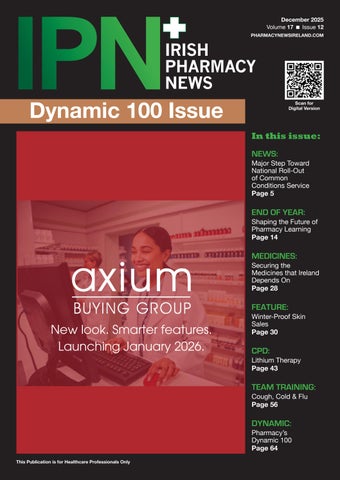
Call for papers: make your contribution to Irish Pharmacy News
Articles
Research Papers
Reviews
Programme Descriptions
Reports
Case Reports
Letters to editor
In-depth review articles critique fundamental concepts, issues, and problems that define a field of research or practice and support advanced practitioners as well as aspiring early-year pharmacists.
Practice reports share innovations on any area of practice, including delivering clinical services, pharmacy administration, or new approaches to inform and engage with patients with the aim to improving pharmacy practice.
Perspective articles focus on a specific field or discipline and discuss current advances or future directions, and may include original data as well as expert insight and opinions. Contact: Kelly Jo Eastwood
Page 5: New Boots Pharmacy opens in Letterkenny
Page 8: United Drug launches enhanced Resource Hub
Page 10: Pharmacists Voice Concern on Phased Dispensing Changes
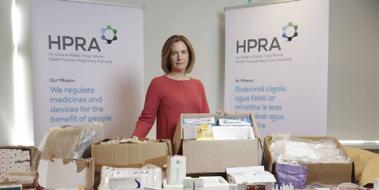
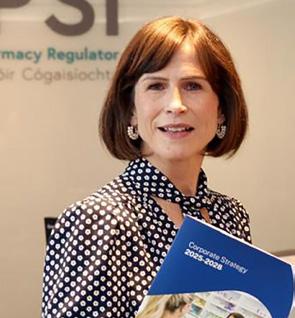
Page 14: Grainne Power takes up Head Position at HPRA
Page 16: Significant Progress for the Pharmaceutical Society
Page 28: Securing the Medicines That Ireland Depends On
Page 40: Top Tips for a Successful Awards Entry
Page 62: Annual Dynamic 100 of Pharmacy
PUBLISHER:
IPN Communications
Ireland Ltd.
Clifton House, Fitzwilliam Street Lower, Dublin 2 00353 (01) 6690562
MANAGING DIRECTOR
Natalie Maginnis
natalie@ipn.ie
EDITOR
Kelly Jo Eastwood: 0044 787654 8989
kelly-jo@ipn.ie
SALES DIRECTOR
Debbie Graham
debbie@ipn.ie +353 8727 99317
CONTRIBUTORS
Conor Walsh
Paul Neill
Joanne Kissane
Audrey Purcell
Michele O’Brien
Victoria Spillane
Chantal Alexander
Muriel Pate
DESIGN DIRECTOR
Ian Stoddart Design
Foreword
As the final issue of 2025 lands on your desk, we close out a year that has reshaped community pharmacy more profoundly than any in recent memory. This December edition reflects both the momentum and the complexity of a sector in transition — a sector that continues to demonstrate resilience, leadership, and unwavering dedication to patient care.
One of the most important developments featured in this issue is the rollout of training for the new Common Conditions Service. With legislation now signed by Minister for Health Jennifer Carroll MacNeill, community pharmacists are preparing to assess and treat eight common conditions, and where appropriate, prescribe under agreed clinical protocols. This marks a landmark expansion of practice — one that recognises pharmacists’ expertise and places community pharmacy firmly at the centre of accessible, timely care. The training launch signals the beginning of a service that has the potential to transform patient access and relieve growing pressure on general practice.
But progress rarely comes without challenge. We also bring you detailed coverage of the concerns raised across the profession following political debate on the future of phased dispensing, sparked by parliamentary questions from Robert Troy.
While the Minister has reaffirmed that phased dispensing will not be removed under the Community Pharmacy Agreement 2025, significant restrictions are set to take effect from January 2026. Her clarification regarding Monitored Dosing Systems — and the evidence, described as “equivocal at best” by the National Centre for Pharmacoeconomics — raises important questions about funding, workload and the practical realities of patient support.
In this issue, we explore what these changes mean on the ground and what pharmacies need to prepare for in the year ahead.
This edition also includes our flagship Dynamic 100 — a celebration of the people who drive this profession forward. These innovators, leaders and community champions are shaping the future of pharmacy retail and patient care in 2025. Their commercial agility, clinical commitment and vision for what pharmacy can become are nothing short of inspiring.
As we turn the page on 2025, this issue captures a profession evolving with purpose. Thank you for joining us on the journey — and for the extraordinary work you do every day for patients and communities across Ireland.
this magazine may be reproduced, stored in a retrieval system or transmitted in any form without written permission. IPN Communications Ltd. has taken every care in compiling the magazine to ensure that it is correct at the time of going to press, however the publishers assume no responsibility for any effects from omissions or errors.
Major Step Toward National Roll-Out of Common Conditions Service
Community pharmacists across Ireland are preparing for one of the most significant developments in pharmacy practice in recent years, following the launch of dedicated training to support the implementation of the new Common Conditions Service. The training became available as the Minister for Health signed the legislation enabling pharmacists to assess and treat an initial set of eight common conditions — and, where appropriate, to prescribe specific prescription-only medicines under agreed clinical protocols.
The initiative forms part of the national policy shift to expand community-based care and reduce pressure on GPs and urgent care services. For pharmacists, it represents an opportunity to apply their medicines expertise more fully, while offering patients faster access to timely, local treatment.
As the pharmacy regulator, the Pharmaceutical Society of Ireland (PSI) has played a central role in shaping the safe roll-out of the service through participation in the Department of Health’s Community Pharmacy Expansion Implementation Oversight Group. The PSI’s focus has been on ensuring that pharmacists have access to the required training, clinical supports and regulatory guidance needed to deliver a safe, effective, patient-centred service.
The PSI-specified training has been developed by a multidisciplinary team at RCSI in collaboration with the Irish Institute of Pharmacy (IIOP), and is now
available on the IIOP learning platform. Any pharmacist intending to provide the Common Conditions Service must complete this training and operate strictly within the HSE clinical protocols.
The PSI has also published new guidelines to support pharmacies in meeting their legislative obligations and ensuring robust governance structures as the service is established.
Joanne Kissane, Registrar and Chief Officer of the PSI, welcomed the milestone, “This marks an important moment for pharmacy and for patients. The Common Conditions Service will expand pharmacists’ ability to support and treat certain common conditions, and where appropriate, to prescribe. Our role is to assure patient safety and maintain public trust. We are pleased that comprehensive training and resources are now available to guide pharmacists in delivering this new service.”
Tom Murray, President, Irish Pharmacy Union
“This service will enable us to use that expertise more effectively, providing quicker access to care and easing pressure on other parts of the health system.”
The Irish Pharmacy Union (IPU) also welcomed the announcement, noting that the training programme represents the first step toward full national implementation. IPU President Tom Murray said pharmacists have long sought the authority to treat common self-limiting conditions such as hay fever, cold sores, certain uncomplicated UTIs and conjunctivitis.
“Pharmacists are medicines experts. This service will enable us to use that expertise more effectively, providing quicker access to care and easing pressure on other parts of the health system.”
With training now underway, pharmacies are expected to begin offering the Common Conditions Service in the coming months, marking a transformative change in the accessibility of frontline healthcare in Ireland.
Pharmacists Seek HRT Guidance
A parliamentary question from Ruth Coppinger has prompted clarification from the Minister for Health on how pharmacists should apply the Free HRT Scheme, following concerns about determining patient eligibility at the point of dispensing.
The Minister confirmed that under the HRT measure introduced on 1 June 2025, the State covers the cost of hormone replacement therapy products — including dispensing fees — only when prescribed for the purpose of alleviating menopausal symptoms.
However, the Minister acknowledged that HRT is frequently prescribed for non-menopause indications, including gender-affirming care, hypogonadism, IVF treatment and certain cancer-related hormonal conditions. These uses are not covered under the scheme.
Responding to questions about how pharmacists can ascertain the indication — given that prescribers are not required to record the clinical reason on the prescription — the Minister stated that the legislation does not alter prescription requirements and does not add any obligation for prescribers to document treatment purpose. Instead, he emphasised that pharmacists must continue to rely on their professional and legal responsibilities, including the principles outlined in the PSI Code of Conduct. Principle 2 requires pharmacists to “provide safe and effective care,” while Principle 5 requires them to “exercise professional judgment in the best interests of patients.”
This, the Minister said, means pharmacists must assess each dispensing for clinical appropriateness, which may include seeking clarification from the prescriber or determining that a full 12-month supply is not suitable without further review. He stressed that he cannot intervene in individual cases or decisions made by pharmacists exercising their professional judgement. The Minister also noted that patients who believe a pharmacist has failed to meet legal or professional standards may submit a complaint to the Pharmaceutical Society of Ireland (PSI) under the Pharmacy Act 2007, or alternatively raise a concern directly through the PSI’s non-statutory process.
Virtual Care
More patients will receive virtual health monitoring in their own home using technology to provide safe and effective care remotely by multidisciplinary teams, with the issue of a new HSE tender.
Virtual care and telehealth is proven to help patients avoid hospitalisation and to facilitate patients to get home sooner following a hospital stay, whilst delivering efficiencies and cost savings to the Irish healthcare system.
By the end of next year, thousands more patients across the country will benefit from remote health monitoring across a range of specialties including but not limited to Respiratory, Cardiology, Oncology, Stroke, Maternity, and Older Persons services.
Damien McCallion, HSE CTTO (HSE Chief Technology and Transformation Officer & Deputy CEO), said: “Remote health monitoring is a clinically validated and technologyenabled approach to delivering safe and effective care outside of conventional clinical settings. It allows suitable patients to receive monitoring and treatment from home, supporting care delivered remotely by multidisciplinary teams, including chronic disease management in the community. It can result in the avoidance of hospital admissions or lead to early discharge for our patients, where appropriate.
“Remote Health Monitoring Technologies will play a key role in expanding telehealth services, improving patient care, and supporting the transition of services into the community, as part of the integrated approach to healthcare in the new Health Regions.”
This new procurement process marks a significant milestone in the advancement of the HSE’s digital health strategy and supports the broader objectives of Sláintecare. The planning approach includes the establishment of regional service hubs and integration with existing virtual care models, ensuring alignment with national service objectives. The aim is to appoint a single supplier to deliver an end-to-end, vendormanaged solution that will enable a national rollout of remote health monitoring services across the Irish health system.
Pharmacists at the Centre of Europe’s Response to Medicines Shortages
Medicine shortages remain one of the most persistent pressures facing healthcare systems across Europe, and new data highlight just how central pharmacists have become in managing and mitigating their impact. According to the latest survey from the Pharmaceutical Group of the European Union (PGEU), community pharmacists spent an average of 10.4 hours per week in 2024 navigating shortages—time dedicated to tracking supply issues, sourcing safe alternatives, liaising with prescribers and, where necessary, compounding medicines to ensure continuity of care.
Recognising the scale and complexity of the problem, the European Medicines Agency (EMA) has launched a new public awareness initiative, #ItTakesATeam, developed in partnership with a coalition of European healthcare professional and consumer bodies, including the European Community Pharmacists, Diabetes Ireland, the European Association of Hospital Pharmacists, and patient advocacy groups. The campaign aims to highlight the shared responsibility involved in preventing and managing shortages, underscoring that no single organisation— whether national regulator, manufacturer, distributor, or pharmacy—can tackle the issue alone.
A central feature of the campaign is a video co-created with PGEU, spotlighting the day-to-day role of community pharmacists in maintaining patients’ access to essential medicines. It illustrates the unseen work behind the counter:
monitoring stock levels, issuing early warnings, coordinating with GPs, adjusting treatment plans, and helping patients navigate uncertainty when a familiar medicine is suddenly unavailable.
Clare Fitzell, Secretary General of the Irish Pharmacy Union and President of PGEU, emphasised the critical role of pharmacists across Europe:
“Pharmacists are taking proactive measures every single day to protect and support patients… This is essential work, safeguarding continuity of treatment and supporting patients through the uncertainty that shortages create.” She also acknowledged the engagement of Ministers Jennifer Carroll MacNeill and Thomas Byrne at the PGEU Conference, noting the importance of policymakers hearing frontline experience directly.
EMA Executive Director Emer Cooke described the campaign
as a milestone in collaborative communication, marking the first time such a large network of professional and consumer groups has co-designed a Europe-wide initiative. She highlighted that managing shortages depends on “trust, transparency and close co-operation” across the entire healthcare ecosystem.
Through videos, real-life stories and social media outreach, #ItTakesATeam aims to bring visibility to the human side of the supply chain. A public webinar on 4 November further supported patients and healthcare professionals by explaining EU regulatory processes and shared practical guidance on how to respond to shortages.
Medicine shortages have no single cause—they reflect interconnected manufacturing, supply and distribution systems operating across borders. But the response always begins locally, and pharmacists remain at its heart.
Boots open New Pharmacy in Letterkenny
Boots Ireland have announced the official opening of a new, larger, Boots store in Letterkenny Retail Park.
Managing Director Stephen Watkins commented, “This investment is another important step in our ongoing commitment to enhance our estate and deliver the very best experience for our customers across Ireland. The new store gives us more space, an improved layout, and an expanded range of health and beauty services - all designed to make shopping with us easier and more enjoyable.
“A huge thank you to the support office teams across property, pharmacy, marketing, HR, beauty and healthcare for coordinating all of the necessary work to bring this relocation to life in less than 6 months!
“Thanks to Margaret McFadden and our incredible Letterkenny team for their energy, passion, and hard work throughout the transition. And to our customers: we can’t wait to welcome you into this bigger and better space.”
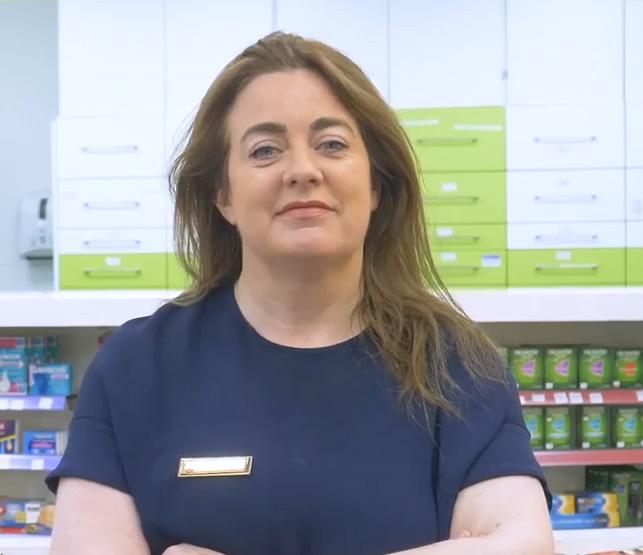
Members of the store team, Store Manager Margaret McFadden and members of the Boots Ireland leadership team at the opening of the new Boots store in Letterkenny Retail Park. Photo: Robbie Reynolds
Pharmacist Helps Transplant Patient Complete Chicago Marathon
Community pharmacist David McNally played a central role in helping double lung and kidney transplant recipient David Crosby complete the Chicago Marathon last weekend — a remarkable achievement given the patient’s complex medical history and recent health setbacks.
Crosby, originally from Meath Hill in Co. Meath and now living in Kingscourt, Co. Cavan, finished the marathon in 10 hours alongside his wife Katie, who donated a kidney to him last year. The feat was made possible through a combination of medical resilience, personal determination, and the steadfast support of close friends, including pharmacist McNally.
As a key member of Crosby’s support team, McNally walked the entire route with him, helping to carry the 1 stone portable oxygen concentrator required to support
David’s damaged lungs throughout the race. But the pharmacist’s involvement extended far beyond physical assistance on the day: McNally has been a long-standing source of medicines advice, safety monitoring and day-to-day support as Crosby navigated life post-transplant, through dialysis, immunosuppressive therapy, and recurrent infections.
Crosby has faced more than a decade of severe health challenges, from transplant recovery to skin cancer to Covid-19 complications that left him in a medically induced
David Crosby and his wife Katie after completing the Chicago Marathon on Sunday also in pics are David's friends L-R David McNally (carrying the backpack), Andy O'Brien, (David and Katie) and Sean Maher.
coma for weeks in 2021. The virus caused irreversible kidney damage, ultimately leading to the transplant from his wife. Most recently, a fractured knee and a skin cancer diagnosis disrupted his marathon training.
Despite these obstacles, Crosby credits his support network — including pharmacist McNally — with helping him manage medications, oxygen use, and symptom monitoring while preparing for the event.
“There were loads of times I felt like giving up,” he said. “But the resilience I’ve built up, and the support from Katie, my friends — especially David helping with my oxygen — kept me going.”
Crosby, who previously completed the New York, Berlin and London marathons before his illnesses, believes Chicago will be his last. But completing it stands as a powerful reminder of what is possible with determination, teamwork, and the continuous, patient-centred care provided by community pharmacists like David McNally.
IIOP/NCCP collaboration – RCSI Charter Week 2026
Save the date! Thursday, 12th February, 2026
The Irish Institute of Pharmacy (IIOP) is delighted to announce that it is collaborating with the HSE’s National Cancer Care Programme (NCCP) to host a session entitled ‘Beyond the Prescription – The Pharmacist’s Role in Cancer Care’ as part of RCSI Charter Week 2026. The session will take place on Thursday, 12th February, in-person, in RCSI, from 14:15-16:15.
The interprofessional session will explore how pharmacists, alongside their multidisciplinary colleagues, play a crucial and expanding role across the full continuum of cancer care, from prevention and early detection through to survivorship. The session will spotlight how the provision of cancer care is evolving and how the practice of pharmacy is adapting to meet the needs of patients.
What is RCSI Charter Week? The Royal College of Surgeons in Ireland (RCSI) Charter Meeting is an annual event, celebrating the granting of a Royal Charter and founding of the College in 1784. It is a multidisciplinary event, welcoming each of the faculties and speciality groups in RCSI. The Charter Meeting will take place, in person, from Tuesday, 10 February to Saturday, 14 February 2026 in RCSI, exploring the theme of ‘Cancer’.
Registration: Registration details for the session, other RCSI Charter Meeting sessions, programme of events and speaker bios will be issued closer to the event. Don’t forget to keep an eye on the IIOP website and our social media accounts for further details and updates. Registration for the session will be FREE! for IIOP members wishing to attend the IIOP/NCCP session only. Keep an eye on the IIOP website for registration details. For anyone wishing to attend other events during RCSI Charter Week 2026, please visit the RCSI Charter Meeting webpage.
Sustainability in Pharmacy
A new knowledge and skills guide emphasising the role of pharmacists in reducing the environmental impact of pharmaceuticals and driving sustainability throughout healthcare systems has been launched.
While many pharmacists recognise climate change as a critical health threat, this guide provides a practical roadmap to translate awareness into action through education, policy, and practice reform.
“Aligned with FIP Development Goal 21 (Sustainability in Pharmacy) and the FIP Statements of Policy on Environmental Sustainability within pharmacy (2016) and on Environmentally Sustainable pharmacy practice (2023), the guide outlines actionable mitigation and adaptation strategies. It supports pharmacists in reducing emissions, preventing pollution, and building climate-resilient, equitable, and accessible healthcare services,” said FIP CEO Catherine Duggan.
Targeted at pharmacists, educators, and policymakers, the publication promotes the integration of sustainability into curricula, workforce development, and professional standards.
This guide encompasses both dimensions: Mitigation efforts focused on reducing environmental impact through greenhouse gas emissions reduction, pollution prevention, and sustainable practice implementation, and adaptation strategies centred around developing climate-resilient healthcare services that maintain accessibility and quality despite environmental challenges. By providing a basis on sustainability-related knowledge and skills, this guide supports professional development, upskilling, and refreshing knowledge and skills for environmentally responsible healthcare delivery.
Healthcare increasingly contributes to the climate crisis, with greenhouse gas emissions related to healthcare globally rising by 36% since 2016. Both hospitals and pharmaceuticals are identified as having the largest carbon footprints collectively.
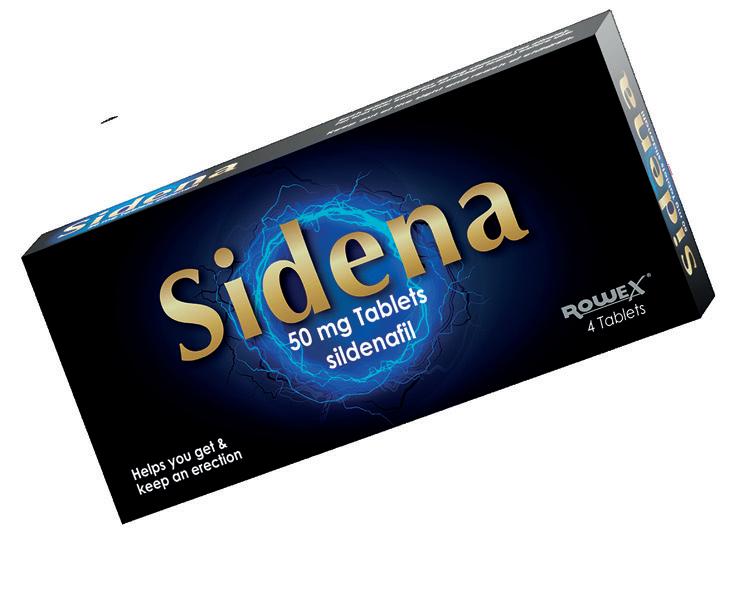
The end of erectile problems? Touch wood.
Available over the counter. No prescription required. Always read the leaflet. Available in a 4 or 8 pack.
ABBREVIATED PRESCRIBING INFORMATION
Product Name: Sidena 50 mg Tablets.
Composition: Each tablet contains, 50 mg sildena l (as citrate) .
Description: Light blue, round, slightly dotted tablets. Cross breaking notch on one side and marked ‘50’ on the other side. Can be divided into equal quarters. (Only two quarters of the 50 mg is covered by posology).
Indication(s): Treatment of men with erectile dysfunction, which is the inability to achieve or maintain a penile erection su cient for satisfactory sexual performance.
Dosage: Adults and elderly: 50 mg taken as needed approximately one hour before sexual activity. Dose may be decreased to 25 mg. Max dose: 50mg once daily. Impaired renal and hepatic function: Sildena l clearance is reduced in hepatic and severe renal impairment. Consider a dose of 25 mg. Dose may be increased step-wise to 50 mg if tolerated. Children and adolescents below 18 years of age: Contraindicated. Use in patients using other medicines: Starting dose of 25 mg with CYP3A4 inhibitors (not advised to use with ritonavir). To minimise postural hypotension in patients receiving and alpha-blocker, stabilise patient rst on the alpha blocker and use a starting dose of 25 mg sildena l. Contraindications: Hypersensitivity to sildena l or any of the excipients. Concomitant with ritonavir, nitric oxide donors or nitrates in any form, guanylate cyclase stimulators e.g. riociguat. In patients that sexual activity is inadvisable (e.g. severe cardiovascular disorders such as a recent (6 months) acute myocardial infarction (AMI) or stroke, unstable angina or severe cardiac failure). Refer these patients to a doctor. Patients with loss of vision in one eye due to NAION. Known hereditary degenerative retinal disorders. Severe hepatic impairment. Hypotension. Anatomical deformation of the penis. Not intended if no erectile dysfunction. Women. Warnings and Precautions for Use: First diagnose erectile dysfunction and determine potential underlying causes (e.g. hypertension, diabetes mellitus, hypercholesterolaemia or cardiovascular disease), before considering pharmacological treatment. Consider the cardiovascular status of patients, since there is a degree of cardiac risk associated with sexual activity. Serious cardiovascular events, including myocardial infarction, unstable angina, sudden cardiac death, ventricular arrhythmia, cerebrovascular haemorrhage, transient ischaemic attack, hypertension and hypotension have been reported post-marketing in temporal association with the use of sildena l. Most, but not all, of these patients had pre-existing cardiovascular risk factors. Sildena l has vasodilator properties, resulting in mild and transient decreases in blood pressure. Caution: Patients with anatomical deformation of the penis (such as angulation, cavernosal brosis or Peyronie’s disease), or in patients who have conditions which may predispose them to priapism (such as sickle cell anaemia, multiple myeloma or leukaemia). Advise patients that in case of priapism, prolonged erections (longer than 4 hours) or sudden visual defect, they should stop taking sildena l and consult a physician immediately. Administer to patients with bleeding disorders or active peptic ulceration only after careful bene t-risk assessment, as there is no safety information available. Interactions: See SPC for detailed information. Inhibitors of the cytochrome P450 (CYP) isoforms 3A4 (major route) and 2C9 (minor route) isoenzymes such as CYP3A4 inhibitors: Itraconazole, ketoconazole, erythromycin, cimetidine, HIV protease inhibitor saquinavir: May reduce sildena l clearance and increase sildena l plasma levels. Consider a starting dose of 25 mg. Strong CYP3A4 inducers e.g. rifampicin may increase sildena l clearance and decrease sildena l plasma concentrations. Grapefruit juice: May give rise to modest increases in plasma levels of sildena l. Nicorandil (Hybrid of potassium channel activator and nitrate): Due to the nitrate component it has the potential to have serious interaction with sildena l. Sildena l potentiates the hypotensive e ect of nitrates. Alpha blocker: Concomitant administration of sildena l may lead to symptomatic hypotension in a few susceptible individuals. Patients should be hemodynamically stable on alpha-blocker therapy prior to initiating sildena l treatment. Sildena l potentiates the antiaggregatory e ect of sodium nitroprusside in vitro. Not recommended in patients with a history of bleeding disorders or active peptic ulceration. Not recommended to use with other pulmonary arterial hypertension treatment containing sildena l. Caution when sildena l is initiated in patients treated with sacubitril/valsartan. May result in a increase of bosentan availability. Ability to Drive and Use Machinery: Minor in uence, dizziness and altered vision were reported. Patients should be aware of how they react to sildena l before driving or using machinery. Undesirable E ects: Very common: Headache. Common: Dizziness, visual disorders, visual colour distortion, vision blurred, ushing, hot ush, nasal congestion, nausea, dyspepsia. See SPC for more adverse e ects.
Marketing Authorisation Holder: Rowex Ltd, Bantry, Co. Cork. Marketing Authorisation Number: PA 0711/170/002. Further information and SPC are available from: Rowex Ltd., Bantry, Co. Cork. Freephone: 1800 304 400 Fax: 027 50417
E-mail: rowex@rowa-pharma.ie
Legal Category: Not subject to medical prescription. Date of Preparation: Jan 2024
of preparation: (10-24) CCF: 26643
Be the Informed type when it comes to understanding diabetes
A new national diabetes awareness initiative, AstraZeneca’s Be the Informed Type campaign, supported by Diabetes Ireland, has been launched to encourage people living with diabetes to better understand their long-term health risks. For community pharmacists, the campaign represents a timely opportunity to strengthen proactive patient support and expand diabetes education at the counter.
More than 308,000 people in Ireland are living with diabetes, and the burden of complications continues to rise. People with diabetes are four times more likely to develop heart failure, and almost one in four adults over 50 with diabetes develops chronic kidney disease. These are clinical realities pharmacists encounter every day through medication dispensing, counselling, and routine interactions with patients managing complex conditions.
Pharmacist Oonagh O’Hagan, who helped launch the initiative, highlighted that pharmacists are often the first to spot early warning signs or identify gaps in patient understanding. “Seeing firsthand the importance of proactive diabetes care is what motivated me to get involved,” she said. For many, complications such as kidney disease or heart failure can develop silently, making regular pharmacist-led conversations vital.
Kieran O'Leary, CEO of Diabetes Ireland; Oonagh O'Hagan, Pharmacist; and Alex Wilkes, CEO of AstraZeneca Ireland
For pharmacists, the campaign underscores several key practice priorities:
• Encouraging early intervention by helping patients recognise symptoms of complications.
• Simplifying complex terminology, ensuring clear understanding of conditions such as heart failure, kidney disease or neuropathy.
• Creating opportunities for brief interventions, such as checking if patients are up to date with reviews, screenings, and blood tests.
• Supporting patient empowerment, particularly for those who may feel overwhelmed or unsure how to articulate concerns to their GP or specialist.
Further clinical information and patient-friendly resources on diabetes complications, including risk factors and symptom recognition, are available at betheinformedtype.ie.
United Drug launches enhanced Resource Hub designed to support pharmacists and elevate patient care
United Drug Wholesale has launched the enhanced UDW Resource Hub, created in response to customer feedback and designed to help pharmacy teams strengthen their patient offering and streamline day-to-day practice.
The Resource Hub brings together a wide range of practical tools, training, and clinical support materials in one easy-to-navigate space. It includes a refreshed Knowledge Hub, offering product training, webinars, podcasts, and step-by-step website tutorials to support team development and continuous learning.
A dedicated Driving Sales area provides category management guidance, marketing assets, ready-to-use POS kits, and SOP templates. These resources are designed to help pharmacies plan with confidence, engage patients
more effectively, and deliver a more consistent in-store experience.
The hub also introduces the new UrostomaCare Hub, the updated name for what was previously Ostomy & Urology Care. It continues to offer the same high-quality service, now supported by expanded education, referral pathways, and patient care materials to help pharmacists provide improved support to ostomy and urology patients.
Speaking on the launch Michael Taylor, Head of Sales & Retail Solutions said “This hub has been
Antimicrobial Awareness Week
The HSE Dublin and South East has been marking Antimicrobial Awareness Week, which took place from 18th to 24 November, 2025.
This World Health Organisation (WHO) global campaign aims to raise awareness and understanding of Antimicrobial Resistance (AMR) and promote best practices wherever antimicrobials are used, helping to reduce the emergence and spread of drug-resistant infections.
Antimicrobial Resistance (AMR) occurs when bacteria, viruses, fungi and parasites no longer respond to antimicrobial agents. As a result of drug resistance, antibiotics and other antimicrobial agents become ineffective and infections become difficult or impossible to treat, increasing the risk of disease spread, severe illness and death.
The theme for the World AMR Awareness Week 2024 is “Act Now: Protect Our Present, Secure Our Future”.
Those working on AMR awareness attended an information stand at the recent “My Voice, My Choice – Supporting Meaningful Participation in Safeguarding and Self Advocacy” regional conference held in Kilkenny.
Catherine Mannion (Senior Antimicrobial Pharmacist/ Community Healthcare services, HSE Dublin and South East) has also presented to NCHDs at the Dept. of Psychiatry mental health inpatient unit at University Hospital Waterford and to pharmacy technicians in training at SETU in Carlow.
shaped by what our customers told us they needed. Pharmacists and their teams asked for practical tools, easy access to training, and resources that would help them deliver better patient care. The UDW Resource Hub brings all of this together in one place, making it simpler for pharmacies to learn, plan, and support their communities.”
The UDW Resource Hub is available now on www.udw.ie . For more information or queries please contact the marketing team at UDWMarketing@united-drug.com.
Speaking about these AMR Awareness events and an information day she attended at the HSE’s Cluain Árann Welfare Home and Community Nursing Unit in Tipperary Town, Catherine Mannion said: “Antimicrobial resistance (AMR) is a pressing global health and socioeconomic crisis. It has significant impacts on human and animal health, food production and the environment. Drug-resistant-pathogens pose a threat to everyone, everywhere. Yet, much more can be done to raise public and stakeholder awareness.”
Your new go-to for pharmacy resources and training
Designed to help you save time, upskill your team, and drive sales, the Resource Hub brings everything together in one place, including:
Knowledge Hub Driving Sales
category management guidance, marketing materials, POS kits, and SOP templates.
product training, webinars, podcasts, and tutorials.
UroStomaCare Hub
supplier product guides, referral pathways, and education resources for ostomy and urology patient support.
Pharmacists Voice Concern on Phased Dispensing Changes
Community pharmacists across Ireland have expressed serious concern following political debate on the future of phased dispensing, after Robert Troy questioned the Minister for Health on the impact of recent policy changes. In a written response, Jennifer Carroll MacNeill moved to reassure pharmacists that phased dispensing is not being removed under the new Community Pharmacy Agreement 2025, but confirmed that significant restrictions and tighter controls will come into force from January 2026.
Phased dispensing has been part of pharmacy practice since 1996, designed to support patient safety by supplying certain high-risk medicines in instalments rather than as full monthly quantities. Pharmacies currently receive additional payments when claims are submitted under this arrangement. According to the Minister, this core function will remain unchanged and will continue to apply where patient safety is a concern.
However, the Minister highlighted what she described as a long-
standing misunderstanding around Monitored Dosing Systems (MDS), often referred to as blister packs. Although widely used in community practice, she stated the State has never agreed to fund MDS and that, over time, some pharmacies have submitted phased dispensing claims as a proxy for providing these systems. This, she said, was neither the intention of the scheme nor supported by evidence. An assessment by the National Centre for Pharmacoeconomics found the evidence for routine MDS use to be “equivocal at best”.
As a result, the Government plans to limit phased dispensing reimbursement under reasons related to physician request or patient inability (reasons 1 and 4) to a specific list of high-risk medication classes. These will include psychotropics, opioids, codeine, and pregabalin/ gabapentin, with a full approved list to be issued by the HSE. Phased dispensing fees for stability-related issues (reason 2) and initiation of new therapy (reason 3) will remain unchanged.
The Minister emphasised that the goal of the new controls is to ensure patient safety
while redirecting ¤20 million in funding toward new patientcentred services. She noted that pharmacies remain free to offer MDS privately and to charge patients directly for this service. Despite these assurances, the debate has sparked concern among pharmacists and families of vulnerable patients who rely on structured medication support. As the sector awaits further detail from the HSE, many pharmacies are assessing how the forthcoming restrictions may affect workflow, service delivery, and patient care continuity.
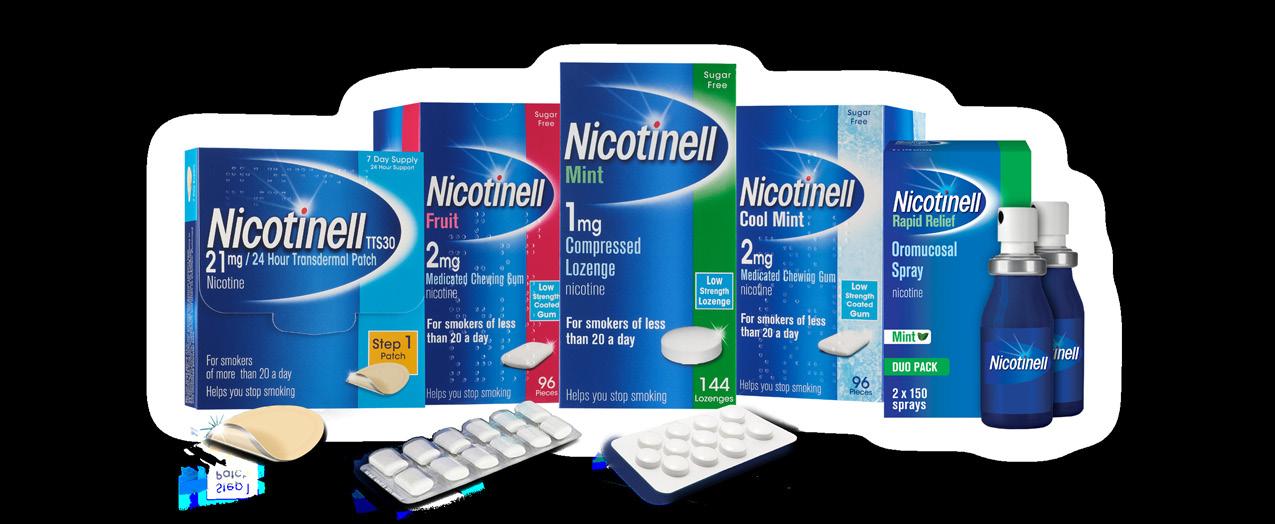
Ocean Healthcare – Official Irish Distributor of Nicotinell
Ocean Healthcare is delighted to announce its appointment as the exclusive distributor of Nicotinell in Ireland. A trusted global brand, Nicotinell supports people on their journey to quit smoking through proven nicotine replacement therapies.
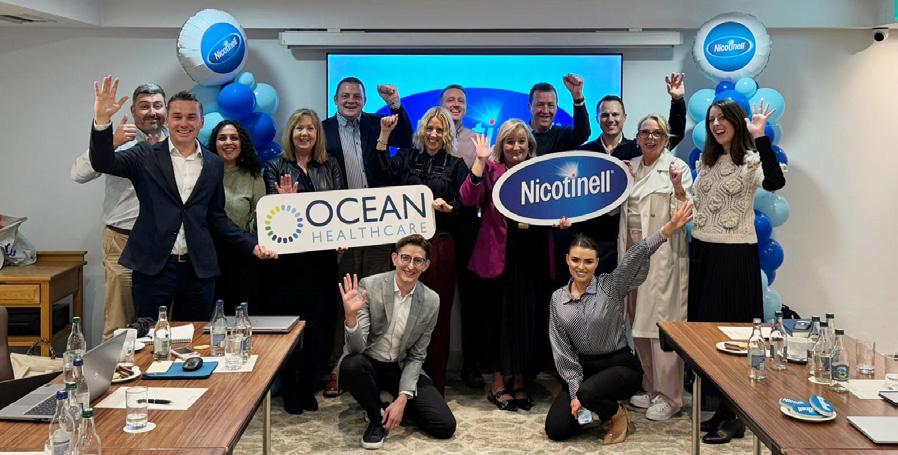
To mark the beginning of this exciting partnership with Dr. Reddy’s, Ocean Healthcare hosted a full-day event with the UK team, featuring insightful sessions, collaboration, and expert input from HCP speaker Dr. Alessandro Franciosi on smoking cessation. Ocean Healthcare looks forward
to combining its resources to optimise Nicotinell’s brand presence and marketing in Ireland.
Available to order from United Drug and Uniphar, or via Transfer Order from Lake Health. For more information, email orders@lakehealth.ie or call +353 (1) 296 8080.
Ocean Healthcare’s and Dr. Reddy’s team celebrating the new Irish distribution partnership
Ocean Healthcare’s and Dr. Reddy’s senior leadership team at the Nicotinell event
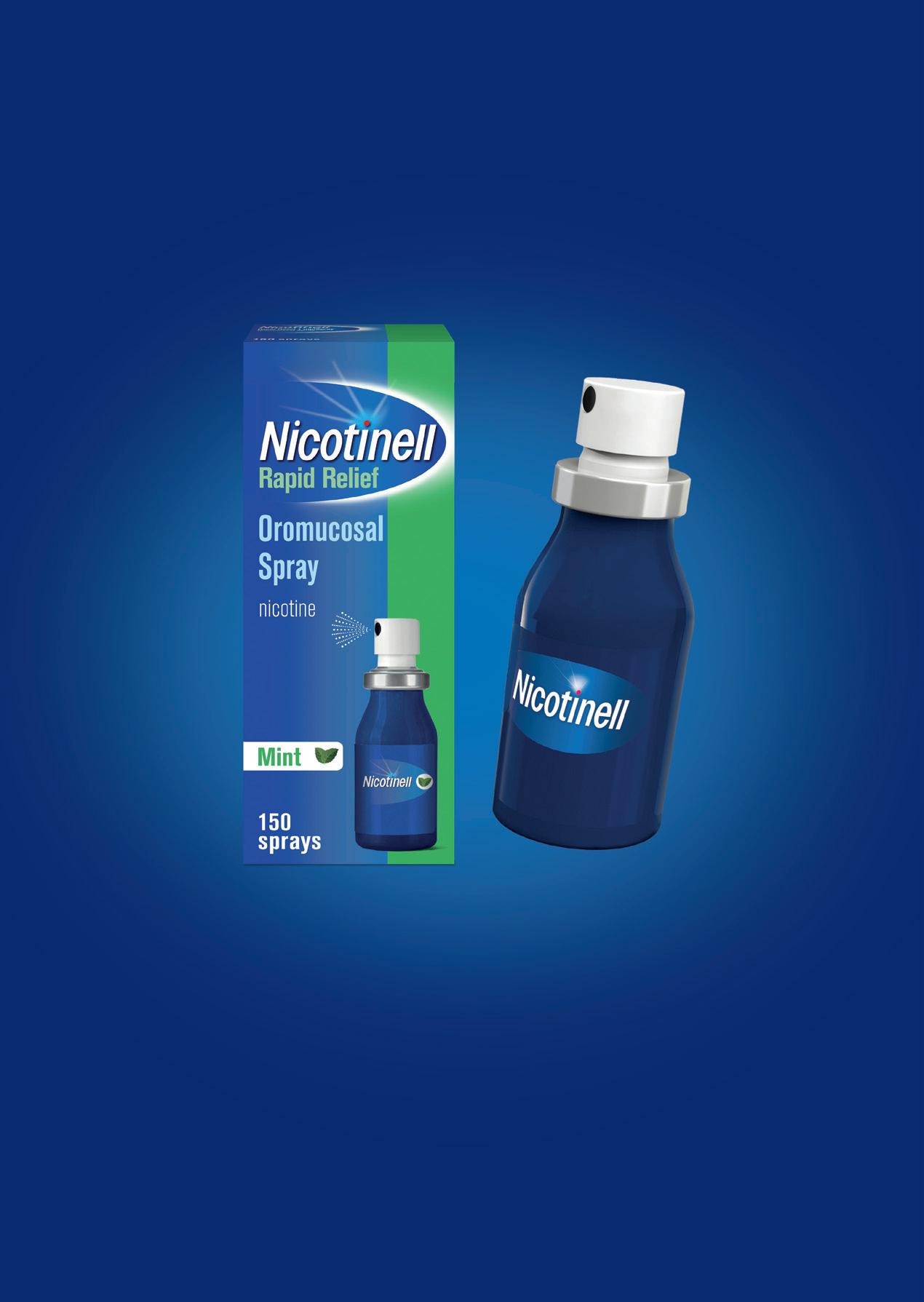
Nicotinell Rapid Relief Spray
Nicotinell® Rapid Relief Oromucosal Mouth Spray helps treat tobacco dependence in adults by relieving nicotine-withdrawal symptoms, including cravings, during a quit attempt or while cutting down before stopping completely. Always read the individual patient information leaflet before use. Contains nicotine. Consult your doctor or pharmacist if you are pregnant, breastfeeding, taking other medicines, have underlying health conditions, or need advice on smoking cessation. Legal Category: GSL. License holder: Dr. Reddy’s Laboratories (UK) Ltd, 410 Cambridge Science Park, Milton Road, Cambridge, CB4 0PE, UK. Distributed in Ireland by Lake Health Ltd. Information about this product, including adverse reactions, precautions, contraindications, and method of use can be found at https://www.medicines.ie
Available to order from United Drug and Uniphar, or via Transfer Order from Lake Health
Email: orders@lakehealth.ie Tel: 01 296 8080
Pharmacy Research Leads Strong RCSI Showing
in National ¤34.5m Funding
Awards
Research with significant implications for future epilepsy treatment — led by Dr Jennifer Dowling of the RCSI School of Pharmacy and Biomolecular Sciences — has been placed at the forefront of major new national funding announced under the Research Ireland Frontiers for the Future programme. The project, which could influence clinical approaches within pharmacy practice and neurological care, is one of three RCSI research initiatives awarded more than €2.3 million in total.
Dr Dowling has secured ¤791,428 to investigate a new therapeutic target for epilepsy, focusing on the role of the brain protein arginase-2. Her study will explore how restoring normal energy metabolism may reduce seizures and inflammation — a development with potential long-term impact on medicines optimisation and future treatment pathways.
These awards form part of a ¤34.5 million national investment
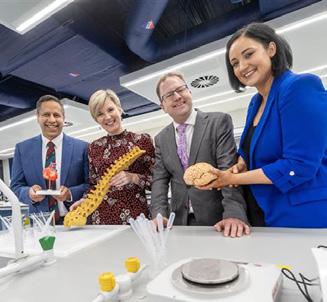
Pictured (l-r): Dr Aamir Hameed, Senior Lecturer in the Department of Anatomy and Regenerative Medicine; Dr Ciara Murphy, Senior Lecturer in the Department of Anatomy and Regenerative Medicine; Minister for Further and Higher Education, Research, Innovation and Science, James Lawless TD; and Dr Jennifer Dowling, Lecturer in the School of Pharmacy and Biomolecular Sciences and Investigator at FutureNeuro Research Ireland Centre for Translational Brain Science
announced by Minister James Lawless TD, supporting 39 research projects across Irish institutions. The programme emphasises curiosity-driven research with real-world clinical potential.
Two further RCSI-led projects also received substantial support:
• ¤809,771 was awarded to Dr Ciara Murphy, who aims to develop a biodegradable,
3D-printed stent combined with an injectable biomaterial to improve treatment for osteoporotic spinal fractures — offering a safer alternative to current cement-based interventions.
• ¤725,760 was granted to Dr Aamir Hameed for pioneering work in paediatric cardiac care. In partnership with Professor Colin McMahon and supported by Children’s Health Foundation, the project aims to lay the groundwork for mechanical heart support devices designed specifically for young children — a major gap in current treatment options.
Welcoming the announcement, Professor Fergal O’Brien praised the success of RCSI researchers, noting that the funded projects highlight “science directly relevant to patients and clinicians” and reflect the institution’s ambition in advancing innovations across biomaterials, cardiac technologies and neurological therapies.
Doing Business with United Drug Made Even Easier
United Drug has taken another step forward in supporting community pharmacy by bringing the UDW portfolio to Pharmax. The update follows extensive customer feedback and is designed to make the day-to-day running of your pharmacy simpler, faster and more efficient.
For many pharmacies, managing orders across multiple systems can be time-consuming. By bringing everything together on Pharmax, pharmacists and pharmacy staff can now source a wider selection of products and complete their orders in one place. This improvement means less switching between platforms and more time available to focus on patients and the business.
The new update introduces thousands of additional product lines, expanding the choice available through Pharmax and giving pharmacies greater flexibility in how they stock and source essentials. A dedicated UDW basket helps keep orders
organised, while streamlined navigation makes it easier to find what you need with fewer clicks. Customers will also benefit from familiar features that help speed up daily tasks. Next day delivery remains a key part of the service, ensuring dependable stock availability. The Wishlist option allows teams to save their most-used items, and having everything on one site means a smoother experience from start to finish. The changes are designed to help pharmacies save time without compromising on choice or service.
United Drug’s goal is to keep strengthening the tools and
services that support the pharmacy network. Last year the addition of Profitlines Plus brought a wide range of front of shop products to Pharmax.ie, helping to turn it into a true one-stop shop for customers. Bringing the full UDW portfolio onto the platform is the next step in that journey, giving pharmacies a single, seamless system that’s easier to use and better suited to the demands of a busy dispensary. Pharmax members can now begin exploring the expanded range and updated features designed to make ordering more convenient than ever. For more information contact pharmax@united-drug.com or your area manager.
Hypertension Pharmacy Toolkit
A version of the International Pharmaceutical Federation (FIP) Hypertension Toolkit focusing on uncontrolled hypertension, one of the leading risk factors for cardiovascular disease, has been shared with the profession.
The toolkit empowers community pharmacists and their teams to identify and manage patients with uncontrolled hypertension through motivational counselling, timely interventions, and ongoing support. It provides practical tools, such as an educational guide, assessment tool, patient leaflet, and referral letter to help integrate blood pressure management into pharmacy practice and strengthen collaboration with other healthcare professionals.
Supporting patients with uncontrolled hypertension: A toolkit for pharmacists has been developed to support community pharmacists and pharmacy support teams in identifying and managing patients with uncontrolled hypertension. It aims to enhance pharmacists’ role in providing motivational counselling and empowering individuals to achieve and maintain optimal blood pressure control through timely interventions and ongoing support.
This resource is designed to motivate and enable pharmacy teams to establish or strengthen community-based services focused on the management of uncontrolled hypertension. It promotes a standardised approach to care, integrates blood pressure monitoring and management into the pharmacy workflow, and fosters collaboration with prescribers to optimise treatment outcomes.
The toolkit is structured around four core elements: an educational guide, an assessment tool, a patient information leaflet, and a primary care referral letter.
It is designed to support pharmacists in their interactions with patients. The role and responsibilities of pharmacists vary across jurisdictions. Users must ensure compliance with relevant national laws and professional codes, including national drug regulations, data privacy, and professional and ethical conduct.
New Appointment at HPRA
The Health Products Regulatory Authority (HPRA) has announced that Ms Grainne Power has been appointed Chief Executive with effect from 1 January, 2026. Ms Power brings significant experience from across the health products sector and throughout her career has consistently demonstrated a strong commitment to both public and animal health. She is currently Director of Compliance at the HPRA where she is responsible for an extensive range of licensing, inspection, market surveillance and enforcement activities relating to medicinal products, blood, tissues and cells, controlled substances and cosmetics. Prior to that, she held the position of Director of Human Products Authorisation and Registration where she was responsible for overseeing the assessment of authorisation applications for medicines and clinical trials.
As Chief Executive, Ms Power will lead the HPRA in its mission to protect and enhance human and animal health through the regulation of health products. Her leadership will also steer the organisation’s strategic ambitions, beginning with the imminent
launch of its new 2026–2028 corporate strategy. She succeeds Dr Lorraine Nolan, who’s tenure as Chief Executive is concluding at the end of this year.
Professor Michael Donnelly, Chairman of the Authority, welcomed Ms Power’s
Ongoing Trust in Pharmacy
Grainne Power, Chief Executive, HPRA
appointment. “The Authority is pleased to announce the appointment of Grainne Power as Chief Executive of the HPRA. On behalf of the Authority, I extend our sincere congratulations and a warm welcome to Grainne as she assumes this pivotal leadership role. Her appointment comes at a significant time for the organisation, and we look forward to working together to build on the organisation’s strong position. We look forward to supporting her leadership and wish her every success.”
Ms Power has over 20 years of regulatory, scientific and
leadership experience in the health products industry, having held a number of senior management roles across both the public and private sectors. She joined the HPRA in 2018. Before entering the public sector, she held senior quality assurance roles in the pharmaceutical and biopharmaceutical industries, managing systems and processes to ensure compliance with regulatory standards. She also gained earlier experience in quality-related roles within the veterinary medicines and medical devices sectors.
Ms Power holds a degree in Biotechnology from Dublin City University and postgraduate diplomas from both University College Dublin and Trinity College Dublin.
Ms Power is a current member of the Council of the pharmacy regulator, the PSI. Members are appointed by the Minister for Health to act in the public interest in overseeing the regulatory responsibilities of the PSI as the pharmacy regulator.
Research conducted for the Irish Pharmacy Union (IPU) highlights the ongoing value the public place in community pharmacists as trusted medicine experts and a vital part of Ireland’s healthcare system. The IPU recently launched a new campaign reinforcing pharmacists’ vital role as medicine experts and reminding people that they are available and accessible when seeking trusted healthcare advice and support.
According to the Pharmacy Index 2025 Survey, carried out by Ipsos B&A, almost all respondents, 97%, said that they trust the advice and patient care they receive from their pharmacists. The same proportion, 97%, said they value the guidance and support provided by their local pharmacy team.
These findings reaffirm the essential role pharmacists play in the delivery of accessible, expert healthcare advice to communities across Ireland.
The survey also found overwhelming public support for an expanded role for community pharmacists. Key findings include:
• 94% support pharmacist prescribing;
• 92% would use health screening services in pharmacies; and
• 95% support pharmacy-led services to help improve adherence to their medicines.
According to the survey, community pharmacists are
viewed as the most accessible part of the healthcare service, with 87% of people saying community pharmacies are very accessible. The research also found that the majority of people believe pharmacists are capable of managing day-to-day healthcare issues (75%), and that pharmacists are available at a time that is convenient (79%).
These results demonstrate strong confidence in pharmacists’ clinical expertise and highlight the public’s willingness to access more
healthcare services through their local pharmacy.
The IPU’s Head of Professional Services Susan O’Dwyer said, “We are launching this campaign to reinforce the message that pharmacists are trusted medicine experts who can support you to take your medicines in the safest most effective way. Whatever your medicines queries, consult with your pharmacist and get advice you know you can trust.”
End of Year Review
PSI
Significant Progress for the Pharmaceutical Society
2025 has been a year of significant progress and transformation for the PSI, marked by key milestones and collaborative achievements across the pharmacy sector. This year, we marked several milestones that are meaningful for pharmacists, their teams, and the public.
Our daily work is concerned with ensuring our core regulatory functions are conducted so that we support the availability of safe, appropriate and effective pharmacy care in Ireland and, when required, take actions to address failings. Throughout the year, we balanced this core regulatory work with ongoing improvement initiatives, while also supporting the expansion and evolution of pharmacy and healthcare. The recommendations of the Expert Taskforce for expanding the role of pharmacy have been particularly influential in shaping our agenda. We have been contributing considerably to progress on several significant strategic initiatives to ensure pharmacy fulfils its potential as part of an integrated healthcare system for greater patient benefit.
New Corporate Strategy
In April, we were pleased to be joined by the Minister for Health, Jennifer Carroll MacNeill, for the launch of our Corporate Strategy for 2025-2028. The launch was a great opportunity to bring together many from across the pharmacy sector and to hear from the Minister about her vision and expectations for pharmacy and patient care. The strategy itself
was developed in consultation with our stakeholders, and our actions against the three strategic objectives are now well underway. These objectives outline how we will approach the changes expected for pharmacy and the broader health landscape, our proposals for continued regulatory change and advancement, and our plans for internal improvement.
Registration updates
One of the core functions of the PSI is the registration of pharmacists, pharmaceutical assistants, and pharmacies, and maintaining the register, including online as a searchable database available to all. At the end of this year, there are over 7,900 pharmacists registered in Ireland, along with over 1,900 pharmacies. Both registers have grown this year, with the number of pharmacists continuing to increase year-on-year.
As part of our work in this area, the PSI assesses the qualifications and practical experience of pharmacists who want to work in Ireland, to ensure the high standards required under Irish and EU law are met. This year, I am very pleased about the changes that have come
Written by Joanne Kisssane, Registrar, Chief Officer, Pharmaceutical Society of Ireland
into effect for our route to registration for pharmacists from outside of the EU, providing a more holistic approach to qualification assessment. For pharmacies, our work involves checking compliance with legal provisions to ensure they are safe to open and operate during visits by PSI inspectors, including for new pharmacy openings. By the end of this year, we will have conducted c.300 inspections.
We are at an important juncture for pharmacy, with a significant focus on the implementation of several important policy projects that are expanding pharmacy practice. Ensuring that we have a sustainable, competent pharmacy workforce available is integral to meeting health service and patient needs, and to maintaining the pharmacy as a trusted and accessible environment where high-quality care is provided to communities across Ireland.
Workforce matters
We continue to pursue our commitment to the current and future pharmacy workforce, along with the Department of Health and others on the Pharmacy Workforce Working Group. The work of this group is grounded in
the recommendations of our 2023 Workforce Intelligence Report. This evidence-based report is a vital document for pharmacy workforce considerations in Ireland. This report highlights the importance of ensuring the sustainability of the professional pharmacy workforce to provide continued safe and effective pharmacy services to the public.
We benefit from the insights gathered through our registers and, once again this year, from our annual workforce survey of pharmacists. We are pleased with the positive and engaged response to this year’s survey—our fourth to date—and look forward to sharing the data in the new year. In parallel, we are progressing a delineated operating model for pharmacies, designed to support rest breaks within the current pharmacy structure. Over the summer, we collected feedback on the changes required to our registration rules to enable this model.
Accreditation of MPharm programmes
The approval of three new MPharm programmes at new locations across the country has been another highlight of the year, significantly expanding educational opportunities for future pharmacists nationwide. We were very pleased to see the successful accreditation of the programmes for the University of Galway, Atlantic Technological University, and South East Technological University earlier this year. Alongside the schools of pharmacy at Trinity College Dublin, University College Cork, and the Royal College of Surgeons in Ireland, where programmes were also accredited again this year, these programmes and their future graduates will make important contributions to the academic, pharmacy and healthcare landscape over the coming years, including adding capacity for future sustainability of the pharmacy workforce.
commitment to the continued modernisation of our regulatory approach and to embrace digital technologies, to enhance service delivery and communications to all stakeholders.
Expanding role of pharmacy
After many years of consideration, reports and discussion, a milestone change is taking place for pharmacy and for the public, with a Common Conditions Service commencing in community pharmacies. Legislation to enable the service, allowing pharmacists to prescribe where needed, was signed by the Minister for Health at the end of October and training for the new service is now available through the IIOP.
Over the past two years, the PSI has been involved both in
to support the new service by specifying the training required for pharmacists, and developed by a team at RCSI and the IIOP. We have also published guidance as a resource to support compliance as pharmacies establish this new service safely.
This is an exciting time, and there has been collective and collaborative working by many in getting to this stage. Pharmacists and pharmacies can now prepare by considering the enablers that are set out on the PSI website.
Continuing Professional Development
Earlier this year, we consulted on proposed changes to legislation on the Continuing Professional Development (CPD) system for pharmacists and a new CPD system for pharmaceutical
professional practice.
Pricing transparency
Following a request by the Minister for Health to the PSI to enhance availability of information for the public about the price of pharmacy fees and services, the PSI developed principle-based guidance for pharmacies this summer. Following consultation and consideration by the PSI Council, this guidance has been published for use by pharmacists and pharmacies. While we do not determine the prices charged by pharmacies, we do expect that pharmacies are transparent about the costs to patients and fees associated with the dispensing of medicines and pharmacy services and that they meet the responsibilities outlined in this new guidance.
much appreciate all who take the time to share their views with us. We gather this information into consultation reports that the PSI Council considers as they make their decisions. These reports are published on our website.
We have also benefitted from the input of our Pharmacist Panel to ensure that regulatory changes and pharmacy initiatives are informed by practical experience and expertise from the profession. We met with panel members several times this year. We look forward to maintaining this panel and to offering opportunities for others to join next year.
The PSI was also pleased to host a meeting of the HPRA’s Patient Forum in Spring this year, which provided a valuable opportunity to discuss the expanded scope of pharmacists, prescribing for common conditions, and the delineated operating model.
We appreciate also the opportunities extended to us to meet and present to those working across pharmacy at conferences and other events, and to pharmacy students during the academic year, to share details about our role and the focus of our ongoing work.
In conclusion, it’s been a truly interesting year. I want to acknowledge the work of PSI Council, new and old, and colleagues in PSI for their unwavering commitment, dedication, and professionalism. As we look ahead to 2026, we remain committed to working collaboratively with our stakeholders to further strengthen pharmacy practice and ensure the highest standards of care for patients and the public.
Joanne Kissane's presentation at the Corporate Strategy launch
End of Year Review
APPEL in 2025: Shaping the Future of Pharmacy Through Experiential Learning
Written by Conor Walsh, APPEL Operations Pharmacist
As 2025 comes to a close, the pharmacy profession in Ireland stands at a pivotal moment. From the rollout of expanded clinical services in community settings to the growing integration of pharmacists into multidisciplinary hospital teams, this year has underscored the profession’s adaptability and innovation. Against this backdrop, APPEL’s experiential learning placements have played a vital role in preparing the next generation of pharmacists for these evolving demands.
This year, APPEL facilitated over 640 pharmacy student placements across Ireland, an achievement only made possible through the dedication of our placement providers and their collegiate commitment to supporting and shaping the future of our profession. With this support, our 4th year students, placements spanned diverse practice areas; with 80 students undertaking their four-month placement in community pharmacies, 42 students in hospital pharmacies, 35 students in industrial settings and 35 students in innovative fields within Role Emerging Practice. Our 5th-year students completed 142 placements in community pharmacy settings and 41 placements in hospital pharmacy settings.
These figures tell a story of opportunity and variety. Students were exposed to the realities of frontline care in community pharmacies, in a sector that is ever-changing to keep up with the demands of the expanded role of the pharmacist. In hospitals, they witnessed the complexity of clinical decision-making and multidisciplinary collaboration. Industry placements offered insights into regulatory affairs, clinical trials, and the development of innovative therapies, while role-
emerging settings showed our students the expanding footprint of pharmacists in non-traditional roles in areas that while nonpatient-facing, still are integral to patient care.
2025 was not a year without its’ challenges. Workforce shortages in community pharmacy continued to dominate headlines, while hospitals faced mounting pressures from increased patient acuity and resource constraints. These realities made securing sufficient placement capacity a complex task. Yet, thanks to the commitment of our pharmacy colleagues, students were welcomed into busy practices and given meaningful learning experiences, and allowed to develop their own professional competencies.
For placement providers, supervising students during such demanding times required flexibility and creativity. But the rewards were clear, as one Senior Preceptor of a 5th Year student reflected “I enjoy learning from students and hearing what they learn in college and seeing how they apply that information. I learn new ways to do things.”
This sentiment captures the essence of experiential learning; that it is a two-way street.
Students gain confidence and practical skills, while preceptors can benefit from fresh perspectives and renewed enthusiasm for their profession.
Experiential learning placements are not just a curriculum requirement, but they are an investment in the future of pharmacy. For students, they provide the chance to contextualise academic knowledge, develop clinical judgment, and understand the realities of patient care. For placement providers, the benefits are equally compelling:
• Shape the Future: Inspire and mentor the next generation of pharmacists.
• Build Your Talent Pipeline: Gain early access to motivated individuals who may become future colleagues.
• Enhance Professional Development: Supervising students fosters reflection and creates opportunities for CPD cycles within the IIOP ePortfolio.
In a year where pharmacy practice has continued to expand - the need for well-prepared graduates has never been greater.
The future is bright, but it requires collective effort. APPEL is now accepting expressions of interest for 4th-year placements, running from 31st August to 18th December 2026. These placements will span community, hospital, industry, and roleemerging practice areas, reflecting the dynamic nature of pharmacy in Ireland. You can register to offer one of these placements by scanning the below QR code or contacting eoi@appel.ie.
Our goal for 2026 is to expand placement capacity across all sectors, ensuring that every student can access a high-quality experiential learning opportunity. With pharmacy in Ireland continuing to embrace digital health solutions, advanced clinical roles, and public health initiatives, students must be equipped to thrive in diverse and innovative settings. Placement providers are key to making this vision a reality. As we reflect on 2025, we are proud of what we have achieved together. Despite challenges, the commitment of our placement providers and trainers has ensured that hundreds of students experienced the realities of pharmacy practice. This does not go unnoticed, and APPEL would like to take this opportunity to thank each and every person who has engaged with our experiential learning programme this year. Looking forward, we see a profession that is innovative, patient-centred, and collaborative and APPEL placements will continue to play a pivotal role in shaping that future.
Listen out for our Christmas ad on
Have a very Christmas
Our Medicare range of breathable plasters to treat minor cuts and scrapes include fabric, waterproof, spot, blister, burns and blue detectable plasters. Medicare plasters are hypoallergenic, latex-free and air-permeable making them ideal for those with sensitive skin.
Don’t let a gift-wrap mishap ruin your festive cheer, stock up on Medicare Plasters for quick, reliable protection this holiday season!
Scan our QR code to browse our Medicare Home Woundcare Range.
For support and further information EMAIL: pharmacy@flemingmedical.ie
End of Year Review
IIOP Supporting Pharmacists, Shaping the Future
The Irish Institute of Pharmacy reflects on a year of progress and looks ahead to 2026 with new resources, expanded CPD, strengthened peer networks, and enhanced communications.
For the Irish Institute of Pharmacy (IIOP), 2025 was more than just another busy year — it’s been a year of transformation, collaboration, and laying the foundations for the future. From supporting pharmacists through professional CPD cycle reviews to preparing for regulatory change, the Institute’s work has touched most corners of the profession.
A Year of Connection and Support
At the heart of the IIOP’s calendar sits the ePortfolio Review project, a cornerstone initiative that runs from January to May, with a lot happening behind the scenes! The rhythm of the project is cyclical — once one year’s review closes, preparations for the next begins almost immediately; reviewers are trained, peer support pharmacists deliver information webinars and IT systems are maintained and updated. All year round, our team are delighted to speak directly with pharmacists, answering their questions, and ensuring they feel supported throughout the process. In 2026 we look forward to strengthening engagement with pharmaceutical assistants, as we work with them to begin to establish their ePortfolio Review process.
Training for an Expanded Role
2025 also saw the delivery of two new online programmes to support pharmacists in continuing to provide quality patient care. The Open Disclosure training programme supports pharmacists to understand their requirements under the new Open Disclosure Framework. The Common Conditions Service training equips pharmacists with the knowledge to embrace an expanded role whereby they can supply certain prescription-only medicines through established clinical protocols, where this is the most appropriate option.
During 2025 the IIOP was delighted to see the continued growth of
peer networks. The Mentoring Programme provides guidance and encouragement by pairing experienced pharmacist mentors with mentees. While initiatives like the Pharmacist Antimicrobial Stewardship Network (PAMSNet) create spaces for discussion and shared learning. These networks are more than professional groups — they are communities, and in 2026 the IIOP will continue to strengthen them, supporting pharmacists’ connections.
Advancing International Collaboration
Collaboration also extended beyond Ireland’s borders in 2025. The Executive Director’s participation in Workshops in LLLP in Sydney — focused on burnout and professional identity — helped advance the IIOP’s work with international colleagues on global pharmacy challenges. These efforts were reinforced through a series of national and international partnerships across the year, further embedding the Institute’s role in shaping practice at both local and global levels.
Sharing Knowledge Through Webinars
Another highlight of 2025 is the continued success of the IIOP’s In Conversation With… webinar series. First launched in May 2020 in response to the needs of the profession during the COVID-19 pandemic, the series has become a trusted space for learning and dialogue. In June 2025, the IIOP celebrated its 100th webinar, delivered by Nikki Holmes, Director of Pharmacy at NHS Dumfries & Galloway, on the topic “Clozapine: What’s it all about?”.
Since its inception, the series has grown to 110 webinars, attracting almost 14,000 attendees and generating over 41,000 rewatches. This milestone reflects the profession’s appetite for accessible, high-quality learning opportunities and the Institute’s commitment to meeting that need.
Preparing for Change Behind the Scenes
Much of the Institute’s work goes unseen. In 2025, significant effort went into preparing for new regulations: the PSI (CPD) (Amendment) Rules 2025 (S.I. 508/2025). These rules require a shift from accreditation to a policybased system of quality assurance for CPD activities delivered through the IIOP.
Extensive desk research informed the development of a draft Quality Assurance of CPD Activities policy, including proposed Quality Standards, and 2026 will see this work come to life. It’s a change that underscores the IIOP’s commitment to maintaining the highest standards in professional development.
Welcoming New Practitioners
Looking to the horizon, early 2026 will also bring the launch of the New to Practice resource. Designed for pharmacists joining the Irish register from abroad, it will serve as both a welcome guide and a refresher for those already practicing in Ireland. In a profession that is increasingly global, this resource will help ensure that every pharmacist feels confident and prepared to deliver care in the Irish context.
they are, reinforcing the sense of community and accessibility at the heart of the Institute’s mission.
Alongside these initiatives, the IIOP has expanded its communication platforms to keep pharmacists connected and informed. The Institute now has a presence across Bluesky, X (Twitter), LinkedIn, Instagram, and Facebook, and has recently launched a WhatsApp channel to provide timely updates on events and resources. These channels ensure that pharmacists can engage with the IIOP wherever
Reflecting on its achievements during 2025, the vision for 2026 is clear: to continue building a profession that is resilient, collaborative, and future focused. Whether through expanding the ePortfolio Review, strengthening networks, embedding quality assurance, welcoming new practitioners, or enhancing communication, the Institute remains dedicated to driving positive change for pharmacists — and ultimately, for the patients they serve.
As 2026 unfolds, the Institute again invites pharmacists to engage with its programmes, share their experiences, and contribute to the networks that make the profession stronger. Whether through ePortfolio Review, mentoring, webinars, or new resources, every voice matters in shaping a future where pharmacy continues to expand and thrive.
End of Year Review
Osteoporosis Society Irish Osteoporosis Society End of Year Review Hospital Professional News
It has been another busy year for the Irish Osteoporosis Society Charity, as we continue to raise awareness of this Silent but deadly disease, IF not diagnosed and treated.
The charity has two employees to cover Ireland, which at times can make it very challenging; however, we continue to forge on with our vision, which is to decrease the number of people losing their independence, from a disease which is preventable and treatable in most cases.
Osteoporosis is unique in many ways compared to other diseases. With most diseases, a person is taking medication to slow down the progression of the disease or to help calm symptoms. With Osteoporosis treatments, they either slow down bone loss, which will help to decrease a person's risk of fracturing, or they increase bone formation, which helps to decrease a person's risk of fracturing or both!
Unlike most other diseases, there are no signs and symptoms of Osteoporosis, which is why it is called the Silent killer. People die from the secondary effects of a fracture, which are blood clots, pneumonia or an infection.
A major development is the new treatment for Osteoporosis called Evenity, the chemical name is romosozumab. There are very strict criteria for it, which is a shame, but it has finally been approved in Ireland, as it has been available in the EU for many
years. It is a prescription medicine used to treat severe osteoporosis in postmenopausal women at high risk of fracture. It is a bonebuilding medication given as a monthly injection for 12 months, which works by both increasing bone formation and decreasing bone breakdown. It is prescribed for those who can be proven to have had a major fracture within the last two years.
Irish Osteoporosis Society Charity continued in 2025 to help dispel the many myths regarding this Silent disease. Many people are unaware that only 2% of nutrition information online is accurate. We do not have a figure regarding the accuracy of osteoporosis information online, but based on our helpline queries, there continues to be a lot of misinformation out there. Additionally, what people are being told in person can be quite alarming.
One of the major issues we have faced this year is that many people are being advised to follow the Liftmor study, which suggests lifting heavy weights to help increase bone strength.
The Irish Osteoporosis Society run the national Osteoporosis helpline, and the following are examples of advice given to people with bone
Written by Michele O'Brien, CEO, Irish Osteoporosis Society
loss, including severe bone loss and fractured vertebrae, which the Osteoporosis society would NOT recommend:
• Lift 5kg and higher above their head
• Lift your grandchildren to increase your overall strength and your bone health
• A farmer's carry which is a person carrying heavy weights in each hand around a room, which in our view and from calls received, can and have been detrimental to causing shoulder, neck and back issues, as well as fractures
• Do yoga
• Jump on trampolines
• Stomp your feet to build up bone
The Irish Osteoporosis Society (IOS) does not recommend that anyone with bone loss lift weights unless they are guided by a regulated professional who specialises in bone health. The issue is that there appears to be many people out there who believe they are experts in this area. Considering we run the national helpline, we are very aware of these issues, and the majority of people who have been injured
admit they just never went back to the class. We would encourage people to contact us for help. We offer an excellent service to charity members, which is a 30-minute phone appointment to discuss their bone health. A one-year membership is a donation of ¤4.16 a month.
We have found that many people with fractured vertebrae do not actually realise they have broken bones in their spine. A crushed, wedge or fractured vertebra means a broken bone in a person's back, and the majority of them are not diagnosed.
The IOS would recommend extreme caution following the Liftmor Study, where people are encouraged to lift their maximum weight.
It is widely accepted that the majority of broken bones in the back are due to osteoporosis; 70% of vertebral fractures go undiagnosed. Often, most broken bones in the back are mistaken for muscle strains. Many people feel that they have "pulled a muscle" when in fact, they have actually broken a bone in their back.
The secondary effects of fractures lead to loss of independence and can lead to premature death. This occurring to even one person is not acceptable. Senior citizens who have never lifted weights should begin with active exercises, slowly progress to low-level weights, and then weight increases gradually over time. This allows their bodies to adjust to the stress and strain placed on them by the exercises. This would minimise the muscle and joint soreness associated with beginning or increasing an exercise program. These are noted from calls received by the Irish Osteoporosis Society as the main reasons people do not return to exercise classes or remain compliant with a home exercise program. Ongoing education regarding the anticipated effects of exercise is very important to maintain compliance with the program and to minimise the risk of injuries.
Touching your toes while in the sitting position or standing position, excessive weights, kettle bells, yoga, jumping off boxes, stopping your feet when walking, trampolines or swiss balls.
World Osteoporosis Day – Time
Written by Michele O'Brien, CEO,
With World Osteoporosis having Society are asking everyone to
Why
Irish Osteoporosis Society
prevention of Fractures
that those with bone loss and senior citizens should avoid, as many senior citizens have undiagnosed vertebral fractures and bone loss.
The IOS’s concern with this trial is that they relied on self-reporting for adverse outcomes. We believe it is misleading to say that there were no adverse outcomes, given the accepted lack of reliability with self-reporting, along with the fact that the exclusions for the trial caused a significant cohort of people to be excluded from participating in the trial.
• Thyroxine
• Thiazides
• Antiretroviral agents
Worldwide, up to 37 million fragility equivalent of 70 fractures per minute. that if the persons bones were
With World Osteoporosis having taken place on 20th October, the Irish Society are asking everyone to check to see if they have risk factors for
The Liftmor trial excluded people who had any of the following:
• Lower limb joint injury or surgery
• Recent fracture (within the last 12 months) or localised back pain
We have reviewed the literature, and, based on this, the Irish Osteoporosis Society would not recommend high-intensity resistance exercise for anyone with bone loss, as we believe it is not worth taking the risk of fractures occurring.
monitored closely due to the fact that there are NO signs or symptoms of bone loss occurring or improving. We do not recommend that a person have repeated DXA scans every 5 years; we recommend, whenever possible, annual DXA scans as bone loss is silent and people can and have lost up to 20% of bone in one year.
Unfortunately, the Irish Osteoporosis Society continue to receive a significant amount of calls from people who have developed disc and sciatic nerve problems, as well as fractured vertebrae, when performing forward flexion stretches.
Did you know that all senior citizens need to ensure that they make their homes safe to reduce their risk of falling in their home?
Why prevention of Fractures is common sense as well as economical
Normal bone Image
Worldwide, up to 37 million fragility fractures occur annually in people over equivalent of 70 fractures per minute. A fragility fracture is a broken bone that if the persons bones were healthy, the fracture would not have occurred.
• Less than 5 years since menopause
• Malignancy (cancer)
• Uncontrolled cardiovascular disease
• Cognitive impairment
It is very important that throw rugs are removed from floors, that people wear a good pair of walking shoes in their home versus slippers as many give no support. A handrail should be placed on steps into homes and handrails on both side of your stairs can make it much easier and safer for you. Clothes should be between hip and eye level in cupboards and any clothes that have not been worn in 5 years should be donated. The reason being that if you or a loved one has trouble finding clothes or when trying to pull an item out, you have difficulty, you have too many items. There are so many people who are not in this position and would be forever grateful to receive clothing. There have been multiple incidences where senior citizens with bone loss have actually fractured vertebrae while attempting to manoeuvre clothes out of a wardrobe.
• Recent X-ray or radiation treatment
• Contraindications for participating in heavy physical activity
• Conditions known to affect bone health, such as:
Research shows that 70% of fractures occur in the Osteopenia range (A T score of -1.5 to -2.49), which is why anyone with bone loss should be progressed with caution. Muscles may be strong, but when they pull on a weak bone, it can easily break.
The IOS recommends slow, cautious, supervised progression in exercise programs for older adults new to weightlifting. Exercise should begin gently and increase gradually to prevent soreness and improve long-term compliance.
The following are the main messages that the charity highlighted throughout this past year
• The importance of normal vitamin D levels, we recommend a result of 70nmol/L for bone health. Many labs consider a result of 50nmol/L as a normal result.
• Pharmacists can make a significant difference in the bone health area by picking a medication which causes bone loss and red flagging all customers who are taking this medication and suggesting they check out the Irish Osteoporosis Society website. The following are examples of the many that cause bone loss: Aromatase inhibitors, proton pump inhibitors, Arimidex, DepoProvera, progesterone-only contraceptives and one of the major causes of bone loss are corticosteroids.
• Thyrotoxicosis or hyperparathyroidism
• Paget’s disease
• Yoga/forward flexion should not be done by anyone with bone loss, as it can and has caused vertebral fractures.
More than one out of four older people fall each year, but less than half actually tell their doctor. The Irish Osteoporosis Society believe from feedback this is due to embarrassment and also many are concerned they may be sent to a nursing home.
1 in 2 women over age 50 will experience 50, even though research shows A recent survey in Ireland showed experienced a fragility fracture. expected/assumed by most people
• Renal disease
• Diabetes
• Immobility
• Taking medications (other than osteoporosis meds) known to influence bone, e.g.
• Prolonged corticosteroid use
• Anyone who has broken a bone from a trip and fall or less should be assumed to have Osteoporosis unless proven otherwise.
• FYI, the only cancer that surpasses Osteoporosis in death is lung cancer, which is why everyone needs to be proactive and help the Irish Osteoporosis Society raise awareness of this silent disease.
Research shows that falling once doubles the person’s risk of falling again and that more than 95% of hip fractures are caused by falling, usually by falling sideways.
What makes walking with a cane or rollator much more difficult?
• Osteopenia should not be considered a “touch of bone loss”
• Everyone with bone loss needs their bone health
Why the Irish Osteoporosis Society does not recommend Chair Yoga
Bending forward puts excessive stress on the anterior aspect of the vertebrae, as well as the discs between them and the sciatic
Our hope for 2026 is that all of you reading this piece will make a conscious effort to help to increase awareness of this Silent disease. By just passing on the National helpline phone number 01 637 5050 or email info@irishosteoporosis.ie, you will make a significant difference in helping to reduce the number of people suffering from this treatable disease.
One of the major issues with those who use canes or rollators is that they are adjusted to high. If either are too high, they can cause, neck, shoulder and back pain and make it more difficult for a person to walk.
There are some in Ireland who older, as they are the highest risk survey was highest amongst 40 common sense, but financially living in Ireland. This is to help independence and their care costing
1 in 2 women over age 50 will experience osteoporosis fractures, and 1 50, even though research shows that most fractures are preventable. A recent survey in Ireland showed that over one third of Irish adults over experienced a fragility fracture. The level of fractures in the survey would expected/assumed by most people to be amongst the older age groups.
How to check if your cane or rollator is too high – you will need someone to help you
There are some in Ireland who believe that DXA scans should only be
The Irish Osteoporosis Society
A person needs to stand up as straight as they can, with their arms down by their sides,
Bone image with bone loss
Normal bone Image
Bone image with bone
Normal bone Image
End of Year Review
Crohn’s & Colitis Ireland Progress, Pressures, and Priorities within the IBD community in Ireland
Major Developments
2025 was a year of progress and persistent challenges for the inflammatory bowel disease (IBD) community in Ireland. Crohn’s & Colitis Ireland (CCI) strengthened advocacy, expanded patient supports, and deepened its role in research collaboration.
A key highlight was CCI’s growing partnerships with academic and industry leaders, reinforcing its role as a bridge between patients and science. The upcoming launch of the IBD Research Hub will provide a central platform for patient involvement and accessible research updates. Importantly, CCI published its first joint report with Johnson & Johnson, exposing the hidden costs of living with IBD, which average ¤3,252 annually and often lead to delayed or avoided care. This evidence will shape policy discussions on financial supports and equity in chronic disease management.
Challenges and Pressures
Despite these steps forward, systemic gaps remain:
• Financial Burden: Nearly half of patients avoid care due to cost.
• Access Delays: Waiting times for diagnostics and treatment remain excessive, compounded by limited GP access to faecal calprotectin testing.
• Workforce Shortages: Under-resourcing of IBD nurse specialists, dietitians, and psychologists continues to strain services.
• Policy Gaps: Critically, IBD is still not recognised under the Long-Term Illness Scheme or the Chronic Disease Management Pathway, leaving thousands without structured supports or financial relief.
• Innovation in Diagnostics: Capsule endoscopy expanded across ten centres, reducing reliance on invasive procedures and improving patient experience.
• Clinical Research Leadership: Ireland strengthened its role in global IBD trials through the INITIative IBD Network, opening pathways to novel therapies.
• Support Expansion: CCI introduced in-person support groups across four counties, creating safe spaces for
Written by Victoria Spillane, Interim Chief Operating Officer, Crohn’s & Colitis Ireland
connection and shared experience. Online stoma support groups also grew significantly, offering tailored advice and peer support for those living with an ostomy.
• Breaking Stigma: CCI launched its first Ostomy Awareness Day media campaign, challenging misconceptions and promoting understanding of life with a stoma as a result of IBD. This campaign marked a major step toward normalising conversations and reducing stigma.
Areas of Concern
Progress has stalled in:
• Mental Health Access: Psychological support remains minimal despite clear need.
• Equity in Care: Lack of inclusion in chronic disease frameworks perpetuates financial and access inequities.
• Workforce Planning: Absence of sanctioned posts for CNS, ANPs, dietitians, and psychologists limits care delivery.
Importantly, IBD does not discriminate by age. It can affect children, adolescents, adults, and older people alike, often striking during formative years and continuing throughout life. This lifelong nature means that care must be holistic and adaptable, addressing education, employment, family life, and
ageing. The absence of structured supports for families is a growing concern, IBD impacts not just the individual but their entire support network, creating emotional and financial strain that current systems fail to address.
Looking Ahead to 2026
CCI’s priorities for the year ahead are clear but challenging. Our goal is to grow supports for an ever-expanding IBD community to keep pace with rising needs and demands, particularly around family supports. IBD does not just affect the individual, it impacts their entire support network. Families often face emotional, financial, and practical challenges, and CCI aims to strengthen resources for them.
However, funding constraints remain a major barrier. Without secure, ongoing funding, we are limited in the areas we can grow. This means some services cannot be expanded, and staffing remains insufficient to meet demand. Despite these limitations, CCI will continue to advocate for systemic change.
From a national perspective, priorities must include:
• Addressing Financial Burden: Implementing measures to reduce out-of-pocket costs and recognising IBD under the Long-Term Illness Scheme.
• Building Multidisciplinary Teams: Ensuring access to dietitians, psychologists, and IBD nurse specialists to deliver integrated care.
• Policy Integration: Including IBD in chronic disease management pathways to enable structured, proactive care.
• Innovation and Equity: Leveraging digital health and precision medicine while ensuring equitable access for all patients.
For the 50,000+ people living with IBD in Ireland, 2026 must be a year of action - both in policy and practice.
End of Year Review
IPHA
IPHA’s 2025 Review of Medicines Access, Trials and Health Policy
2025 was a year defined by both challenge and momentum for Ireland’s research-based biopharmaceutical industry. Across medicines access, clinical research and public health policy, the sector continued to highlight persistent structural issues while also contributing constructively to major national reforms. From significant delays in access to innovative treatments to encouraging progress on clinical trials and new insight into the economic and health value of Self-Care, the year underscored a central truth: Ireland stands at an inflection point. With the right policy choices, patients could benefit from faster access to innovation and a more efficient, sustainable healthcare system.
Faster and Fairer Access to Medicines
At the heart of IPHA’s policy focus this year was the urgent need to reform Ireland’s medicines access and reimbursement system. In February, the association published its position paper on Programme for Government commitments relating to medicines access, benchmarking timelines for the first time against the statutory standards set out in the Health Act 2013. The findings were stark: patients continue to wait nearly two years on average to access newly reimbursed medicines.
Of the 88 medicines reimbursed between 2022 and 2024, the average time from application to access was 617 days—more than triple the legal 180-day decision timeline. Cancer patients faced even longer waits, averaging 694 days, while orphan medicines took 655 days. For medicines requiring a full health technology assessment, the average wait stretched to 916 days, with state processes accounting for almost two-thirds of that timeline.
The consequences for patient care are profound. Clinicians often cannot prescribe treatments already recognised internationally as standard of care, and private patients can sometimes access therapies months or even years before public patients. IPHA’s assessment was unequivocal: the issue is no longer legislative but operational. The existing statutory framework can deliver timely access—if processes are resourced, governed and managed to meet the legal requirements. As negotiations approach on a new Framework Agreement in 2025, IPHA has set out five key principles to ensure the reimbursement pathway becomes more predictable, transparent and aligned with patient needs. The objective is clear: to finally
deliver the “as quickly as possible” commitment contained in the Programme for Government.
Ireland Falling Behind Europe on Cancer Medicines
Parallel to IPHA’s own analysis, a new report by data analysts IQVIA for EFPIA highlighted Ireland’s worsening position relative to European peers. Of 56 oncology medicines licensed by the European Medicines Agency since 2020, only 14—just 25%— are available in Ireland, the lowest availability rate in Western Europe. Irish cancer patients also wait longer than the EU average for access to newly licensed treatments: 644 days compared with the European mean of 586 days. This represents a deterioration of almost two months on last year’s figure, and a significant increase over the 477-day average recorded in 2020. Reduced availability and longer timelines translate into diminished treatment options and, ultimately, poorer clinical outcomes.
The experience of other countries shows what is possible when State authorities and industry work in partnership: faster timelines, predictable pathways, and rigorous value assessments can coexist. For Ireland, the upcoming renegotiation of the Framework Agreement presents a critical opportunity to align policy with patient needs.
Clinical Trials: Encouraging Progress but Work Ahead
In May, IPHA published its latest Clinical Trials Activity Comparison Report, setting out a mixed but hopeful picture. Ireland saw a 34% increase in industry-sponsored trials initiated in 2024, rising from 32 to 43 studies. The time to recruit the first patient—a key measure of system efficiency— also improved dramatically, falling from 67 to 46 days. These gains
reflect the growing impact of the National Clinical Trials Oversight Group, as well as cross-sector efforts to streamline processes.
However, challenges persist. Ireland ranked 18th out of 27 EU countries in clinical trials per capita in 2024. When compared to Denmark—similar in population and economic profile—the disparity is striking: 75 industrysponsored trials here across 2023–2024 versus 229 in Denmark.
Former Minister for Health Stephen Donnelly expressed an ambition last year to double clinical trials activity, which could position Ireland among Europe’s top performers. IPHA recognises the foundational work underway and continues to collaborate with partners including the State Claims Agency and Health Service Executive to remove barriers, standardise documentation, and accelerate trial initiation.
Unlocking the Potential
of Self-Care
A further milestone in 2025 was the publication of new research on the value of Self-Care ahead of SelfCare Awareness Day in July. The findings underscore the substantial health and economic impact of empowering patients to manage minor ailments. Self-Care currently saves ¤727 million annually, with ¤495 million accruing to the HSE alone. With targeted policy support, an additional ¤166 million in savings could be achieved.
Beyond the financial benefits, expanded Self-Care could relieve significant pressure on general practice. The research shows that one GP working hour per day could be freed up nationwide—a meaningful gain at a time of chronic GP shortages. IPHA set out five recommendations, including integrating Self-Care into national policy, reclassifying appropriate medicines to overthe-counter status, expanding
pharmacist-led services, and introducing new digital supports for patients.
Budget 2026: A Positive Step for New Medicines
The year concluded with encouraging signals from Government. Budget 2026 allocated ¤30 million specifically for new medicines within the wider ¤217 million PCRS medicines budget. This will support access for up to 6,000 patients to 32 innovative treatments expected to seek reimbursement next year. These therapies span oncology, immunology, metabolic disease, women’s health and rare disorders. Importantly, Minister for Health Jennifer Carroll MacNeill provided the strongest commitment yet that the State intends to meet the statutory 180-day reimbursement timeline. This explicit policy position marks a significant step forward and aligns with IPHA’s long-standing call for adherence to the 2013 legislation.
In addition, the increase of the R&D Tax Credit from 30% to 35% strengthens Ireland’s competitiveness and supports continued investment in innovation—a vital factor in maintaining Ireland’s global leadership in biopharmaceutical manufacturing and research. 2025 demonstrated both the scale of the challenge and the potential for real progress. IPHA’s priorities—timely access to medicines, a high-performing clinical research ecosystem, and an empowered, patient-centred healthcare model—are now firmly on the national policy agenda. With political will, cross-sector collaboration and a renewed commitment to delivering on the law’s promise, Ireland can move closer to ensuring patients receive the best care as quickly and fairly as possible.
Axium: New website enhancing pharmacy operations, efficiency and profitability
Axium, Ireland's largest independent pharmacy buying group serving over 600 pharmacies with approximately 30% market share, is relaunching its pharmacy-facing website in January 2026.
Developed in direct response to member feedback from on the ground research, this update prioritises enhanced profitability, operational efficiency, and an intuitive user experience to streamline pharmacy operations effectively.
Axium maintains its commitment to delivering optimal value through unchanged product offerings, including branded lines, generics, parallel imports, and consumables, all accessible via a modern, technically robust platform.
Improved Search Functionality
A key enhancement addresses previous feedback on fragmented search capabilities across product categories. As Axium strive to make it easy to find the best available price, the new one-stop search bar enables comprehensive searches across contract lines, ULMs, PI lines, and consumables, delivering instant results with real-time pricing, stock availability, and one-click ordering.
Pharmacists benefit from intuitive filters to refine results by product type or pricing
tiers (e.g., top/best-price lines only), reducing search time and minimising errors in high-volume dispensary environments. This pharmacy-optimised interface ensures rapid product discovery without requiring extensive site navigation knowledge, directly supporting margin maximisation and inventory control.
Key Operational Improvements
• Modern, User-Centric Design: Enhanced navigation and visuals reduce training needs for staff, saving valuable time for patient care
• Back-Order Dashboard: Access a dedicated landing page displaying current back-order statistics, allocation limits, and monthto-date volumes, with drill-down options for realtime adjustments, ideal for managing manufacturer shortages proactively
• Transparent Allocation Management: Gain clear visibility into pharmacy quotas and limitedsupply lines, streamlining compliance and preventing over- or under-ordering
Developed in direct response to member feedback from on the ground research, this update prioritises enhanced profitability, operational efficiency, and an intuitive user experience to streamline pharmacy operations effectively.
• Member News Feed: Stay informed with tailored updates on training, deals, shortages, and alternatives, empowering informed decision-making
• Live Chat Support: Instant access to dedicated pharmacy technicians, minimising phone wait times and resolving queries efficiently
These features build on Axium's proven tools like electronic back-order alerts and iGnite business intelligence for claims analysis and margin optimisation.
Brand new, exciting feature: Suggested Order
The brand new Suggested Order tool will further automate procurement by presenting a personalised pop-up of recommended products upon login. This feature helps your pharmacy stay on top of the right products at the right time by presenting a tailored list of recommended items as soon as you log in. Aligned with your local dispensing patterns, it supports proactive stock management so you can maintain optimal availability for patients while streamlining ordering decisions. Users can review items, adjust quantities, accept (auto-adding to cart for immediate ordering), or reject, with full tracking in order history and performance reporting on acceptance rates.
This innovation ensures no missed opportunities for key lines, enhances
The brand new Suggested Order tool will further automate procurement by presenting a personalised pop-up of recommended products upon login.
Exclusive Operational Support: Monthly visits from a dedicated Business Development Manager to optimise your operations and profitability.
Advanced Reporting Tools: Utilise PowerBI and iGnite to identify high-margin opportunities for your pharmacy.
Streamlined FOS Buying Platform (Axel): Conveniently purchase OTC products directly via Axel, with access to a wide range of promotional activities, high-margin boosters, and exclusive supplier deals.
Training & Development Support: Bi-monthly online training from industry experts, social media assets, and access to Our Academy for ongoing educational and operational support.
personalisation, and integrates seamlessly with Axium's one-stop platform for ULMs, contract lines, and ostomy products, driving efficiency and profitability.
Other benefits to being an Axium member include:
Market-Leading Discounts: Access over 12,000 product lines with competitive pricing and wholesale discounts on your full spend, no thresholds required.
Complete Transparency & Control: Line-level discounts displayed directly on invoices and through reports dashboard.
FOS Category Management: Benefit from categoryspecific support with sales sheets, supplier training, and promotional materials to enhance front-of-shop sales.
If you’re interested in becoming an Axium member, check us out at axium.ie, or pop us an e-mail on info@axium.ie.
End of Year Review Medicines for Ireland Securing the Medicines Ireland Depends On
For Medicines for Ireland (MFI), 2025 has been a year of intensifying advocacy in Dublin and Brussels to ensure that the generics, biosimilar, and value-added medicines sector is recognised as central to the solutions for the Irish healthcare system.
Grounded in our Vision Strategy 2024–2029, we have consistently made the case that smarter use of off-patent medicines is the most practical route to sustainable access for patients and sustainable budgets for the Irish health sector.
As we look back on 2025, three EU-level files have defined much of that work: the revision of the EU pharmaceutical legislation, the Critical Medicines Act, and the recast Urban Waste Water Treatment Directive (UWWTD). Alongside these, our push for digital first communications has shown how regulatory frameworks can support better care, lower waste and a smaller environmental footprint. The Pharma Package is the opportunity to get the foundations right for access and competition
In June, the Council agreed its position on the Pharma Package, a once-in-a-generation overhaul of the EU’s pharmaceutical rules, with an explicit focus on making the sector fairer, more competitive and more resilient. For MFI, the direction of travel is clear. We have argued that any final agreement must:
• Protect and expand the role of generic, biosimilar and valueadded medicines in delivering the “three As” – availability, accessibility and affordability.
• Recognise that off-patent medicines already supply 60% of the medicines Irish patients rely on day-to-day, and that this model only remains viable if pricing, reimbursement and shortage-prevention rules are aligned.
• Avoid creating additional administrative burdens that unintentionally make generic, biosimilar and value added medicines unsustainable in smaller markets like Ireland.
Through Medicines for Europe (MFE), of which MFI is an active member, we have supported efforts to ensure that the legislation is based on a framework that allows companies to keep supplying essential medicines at viable prices.
As Ireland prepares for its EU Council Presidency in the second half of 2026, the implementation and followthrough of this reform will be a critical test of Europe’s ability to turn legislative ambition into practical, patient-centred outcomes.
The Critical Medicines Act is an opportunity to move from dependency to resilience
In March 2025, the European Commission unveiled its proposal, aiming to reduce the EU’s dependence on third-country
Written by Paul Neill, Chair, Medicines for Ireland
suppliers, diversify supply chains, and boost EU based manufacturing for approximately 270 critical medicines.
For generics and biosimilars, the CMA goes to the heart of the economic model. The Commission has explicitly recognised that decades of tenders based solely on lowest price have created a “race to the bottom”, driving manufacturing out of Europe and contributing to the fragility now visible across multiple therapeutic areas.
Throughout 2025, MFI has amplified Medicines for Europe’s position that a “daring” CMA is needed, one that couples security of supply criteria in procurement with dedicated EU funding for essential medicines and API manufacturing, and more flexible state-aid rules.
A well designed Critical Medicines Act can give Ireland and Europe a more stable, predictable foundation for medicines policy. But that outcome is not guaranteed. Securing it will remain a priority for MFI in 2026.
The Urban Waste Water Treatment Directive is the major risk to the availability of medicines for Irish patients
MFI supports the objectives of the EU Urban Waste Water Treatment directive (UWWTD) to protect the environment and advance waste water treatment facilities. However, we are calling for an immediate pause of the implementation of the Directive in its current form, a suspension of the EPR scheme and the revision of the EPR provisions to ensure a science-based and proportionate alternative for funding quaternary treatment that does not harm patient and supply security.
The Directive, which focuses on patient consumption rather than manufacturing emissions already controlled by companies, only applies to the pharmaceutical and cosmetics industries.
• The Directive and its EPR scheme impose disproportionate costs on the pharmaceutical sector while claiming to incentivise “greener” medicines – something prevented by regulatory frameworks and also by the requirement that certain medicines must have a specific effect to treat diseases.
• The data used by the European Commission to justify this proposal is fundamentally flawed and significantly overestimates the toxic load of the pharmaceutical sector.
• The Directive ignores that micropollutants can also come from other sectors, such as food additives, plant protection products, biocides, industrial chemicals, and household cleaning products.
These inaccuracies and assumptions have also led to a seriously underestimated impact of the costs of the proposed EPR scheme on medicines used by millions of patients in Ireland every day.
MFI has taken legal action in the hope that the courts can clarify that this incorrect application of an EPR scheme is not applicable in the case of medicines, and we will continue to advocate for better ways to achieve the objectives set out in the Directive.
Digital-first safety communications is a practical win-win
In March, MFI hosted “Digital Solutions for a Greener Industry”, bringing together representatives from the Irish Pharmaceutical Union, the HPRA and wider stakeholders. The event was expertly chaired by the late Prof Pat O’Mahoney, fondly remembered by all of us across the sector.
Patient safety is the number one priority for all of us operating in
to a digital-first, regulator-approved existing Framework Agreement implementation, and as Ireland taken for granted.
Pharmacy Success Starts and Stops — with Leadership
After working with pharmacies across Ireland, one message has become unmistakably clear: When leadership improves, everything improves — morale, performance, profits, and fulfilment.
Introducing: Pharmacy Success – The Leadership Series
A three-day, in-person leadership training experience built exclusively for pharmacy professionals.
• Maynooth, Co. Kildare
• 2026 Dates: Jan 17th | Feb 11th | March 14th
World-Class Leadership Training — Built for Pharmacy
Morning Workshops with Marian Byrne
Personal, interpersonal and group leadership — from mindset and communication to team culture and long-term strategic impact.
Afternoon Expert Sessions
Insights from industry leaders: real-world pharmacy leadership (Fergus Brennan), essential HR (Fiona O’Connor), AI workflow and admin reduction (Adam Esa), and practical pharmacy finance & margin optimisation (Brian Battles).
This Is Not CPD for the Sake of CPD
This is pharmacy-specific, humanfocused, results-driven leadership development.
Participants will leave with:
• Practical tools they can implement immediately
• New peer connections across the pharmacy sector
• A personalised leadership roadmap — for the next 3 months and the next 3 years
What Leaders From Autumn 2025 Had to Say
“Very thought-provoking course. Well worth the time to attend. I will take so much learning from the three days and practically apply them to my daily work and vision for the future.” - Lorraine Ireland, Area Manager, Stacks Pharmacy
“A really insightful course with so many take-outs. The three days were full of practical and useful tools to implement in the running and management of the pharmacy.” - Grace Mullaney, Owner/Director, Kilminchy & Ballyragget Pharmacy
Places are strictly limited
If you want 2026 to be the year you lead with clarity, confidence and influence — this is the training that will get you there.
Secure your place: brian@pharmacysuccess.ie
Pharmacy Success – The Leadership Series
Because when leaders grow, everything grows.
Winter Skin
Winter-Proof Skin Sales in your Pharmacy
Dry Skin
If the skin’s water content drops below 10%, the enzymes responsible for corneocyte desquamation no longer function properly. The corneocytes shrink reducing levels of NMF and the lipid lamellae appears broken (analogous to crumbling mortar in an old brick wall). These will create breaches in the skin’s barrier, allowing for greater water loss.
Clinically, xerotic skin appears rough and flaky, with white patches (which represent adherent corneocytes due to reduced desquamation) that is both uncomfortable and pruritic. Dry skin is commonly seen on the lower legs, the trunk, forearms, hands and face. The feet are normally less prone to dryness, being protected by socks and tights, but dryness can be problem for those who walk barefoot or wear sandals.
Left untreated, xerotic skin becomes red, dull and rough, and ultimately starts to crack. These cracks deteriorate over time and can bleed, providing an entry portal for irritants and bacteria that can lead to infections.
To prevent dry skin, customers should be advised to maintain skin hydration through adequate fluid intake, avoid hygiene products that dry out the skin, reduce full-
body bathing to every other day, and avoid long, hot showers. To treat dry skin, there are several suggestions pharmacists can offer. Patients can apply oil-based emollients (eg, petrolatum and mineral oil) after bathing, or they may use colloidal oatmeal or bath oil while bathing to enhance skin hydration. Humectants, such as glycerin, draw water into the skin. More serious cases of dry skin may require a urea- or lactic acid containing product.
Managing Eczema
The words eczema (which comes from the Greek word meaning ‘to boil’) and dermatitis (meaning inflammation of the skin) are often used interchangeably to describe several conditions that cause the skin to become dry, itchy, inflamed or irritated.
There are a number of different types of eczema but the term is most often used to refer to atopic eczema (also called atopic dermatitis).
The word atopic refers to hypersensitivity reactions to something in the environment.
Atopic eczema is a very common, non-contagious, chronic (long-term) inflammatory skin condition. While the exact cause is not known, certain factors are thought to be important in its
development, these include an inherited (genetic) predisposition to have a weakened skin barrier, as well as altered inflammatory and allergy responses. Atopic eczema most frequently begins in infancy but may also develop for the first time in adulthood. It affects approximately 1 in 5 children and 1 in 12 adults in Ireland.
For most children affected, the disease is mild. However, often those who have seemingly outgrown the condition will
continue to have life-long sensitive skin and may have recurrences of eczema following long symptomfree spells.
Atopic eczema can run in families and frequently occurs alongside other atopic conditions, including hay fever and asthma.
Symptoms include red, dry, itchy skin, which can sometimes weep, become blistered, crusted and thickened. However, the appearance of eczema and the locations of the body affected can vary greatly depending on the age of the person affected.
Atopic eczema has been described as the ‘itch that rashes’. Itch is an unpleasant sensation which activates the desire to scratch. The desire to scratch can be so intense that people can sometimes scratch until the skin becomes painful and bleeds. Occasionally, this can lead to cuts, abrasions and skin infections.
Scratching is a behaviour used to relieve itching, but sometimes it can also be prompted by emotion, or it can become habitual. Some people scratch when they are stressed or anxious. Some people scratch through subconscious repeated behaviour, and can get stuck in the itch scratch cycle. When they feel itchy they scratch – when they scratch chemicals are released that causes more itch.
Alongside conventional management and treatments for atopic eczema some simple techniques may help to relieve the itch.
Habit reversal is a behaviour modification technique that can be beneficial in helping to replace an old habit with a new one.
To stop scratching, the person first needs to become aware of the desire to scratch and the action of scratching. However, people living with eczema can get fed up of family saying “stop scratching!”, so it may help by developing a code word to provide encouragement instead. Maybe gently ‘pinch’ or ‘tap’ or count the number of times scratching is observed to create awareness of the action. Some people choose to use a tally counter.
The main aim is to improve symptoms and achieve longterm control. In atopic eczema, the skin’s protective barrier is weakened which allows moisture to be lost, and irritants and allergens to pass through the skin more easily. Some common everyday substances e.g. soap, contribute to the weakening of the skin’s barrier and should be avoided.
The Irish Skin Foundation’s ‘Living with Atopic Eczema’ survey, which over 450 people living with eczema or caring for someone with eczema responded to between September 2018 – April 2019 showed that the cost of eczema treatments and doctor’s appointments needed to manage the condition can be a significant financial burden.
The survey revealed that 42% of carers of children and 49% of adults reported cutting back on household expenses due to the cost of managing atopic eczema. The figures suggest that one quarter of you spend at least ¤2,300 annually on doctor’s fees, over-the-counter management products and prescription treatments.
Rosacea
Gusty winds during the winter and the dry air in overheated rooms cause the skin of patients with rosacea to become more sensitive. Rosacea is defined as a chronic, relapsing, inflammatory condition that affects the central portion of facial skin. More frequently seen in fair-skinned individuals of Celtic or Northern European heritage, rosacea occurs more commonly in women (although men tend to experience more severe disease) and in those between 30 and 50 years of age.
Self-Care Tips for Rosacea
These are some of the most important things sufferers need to know about rosacea and how they can best manage it themselves.
1: Identify the triggers
If possible, identify and avoid any lifestyle or environmental factors which trigger or exacerbate symptoms. Examples of common triggers can include alcohol, hot beverages, spicy foods, and extremes in temperatures.
Sometimes it may help to keep a written record of flare-ups to identify any trigger.
2: Choosing products
Individuals with rosacea, often have sensitive, easily irritated skin. Therefore it is important to select mild, non-irritating, fragrance-free, alcohol-free, skin care products.
Advise on the use a moisturiser which is fragrance free and “non-comedogenic” or “oil free”, on a regular basis to improve skin hydration and skin barrier function
3: Cleansing
Avoid vigorous washing and scrubbing as this can irritate the skin. Wash the skin with a gentle skin cleanser or a soap substitute, use lukewarm water and pat skin dry.
4: Shave carefully
Electric shavers may be more comfortable for men with rosacea. Avoid any shaving creams or lotions that burn or sting.
5: Use medications as directed
Use prescribed topical preparations and oral rosacea medications as directed; e.g. take them at the correct time of day, as often as prescribed, at the right dose.
6: Be patient!
Unfortunately, patience is necessary; rosacea treatment may take time to take effect.
Depending on the individual and type of treatment (topical or oral), some studies have suggested it may take 6 – 12 weeks before any particular therapy is changed for another.
7: Are the eyes affected?
If a sufferers eyes are affected, they should consult with their doctor. For mild eye symptoms
(which may include dryness or a gritty feeling in the eyes) washing the eyes twice daily with warm water and using artificial tears may be beneficial.
Chapped Lips
Chapped lips can occur in any season of the year, although they are particularly common during the winter months. Chapped lips can be painful, embarrassing, and uncomfortable. They may sometimes cause difficulty in talking, eating, and drinking.
Understanding the causes, treatments, and prevention can help pharmacy teams advise sufferers on how to reduce or avoid the occurrence of chapped lips.
The skin on the lips is much thinner and more delicate than that on other parts of the body. The lips are also exposed to the elements, including the sun and cold, dry air, making them prone to dryness, cracking, flaking, and peeling.
The lips lack oil glands and so cannot produce their own moisture, but natural moisturisers can help. Whilst the winter conditions most often cause chapped lips, there are other causes such as:
Smoking
Dehydration
Repeatedly licking the lips
Skin disorders such as eczema
Allergic reactions to certain skin care products or cosmetics
Use of certain medications such as anti-acne products
Those with chapped lips may experience dryness, redness, tenderness and sensitivity, cracking, splitting, or peeling and pain.
A variety of OTC products are available for treating or preventing chapped lips. These products typically contain ingredients that assist in healing, such as skin protectants, moisturisers, pain relievers, and sunscreens.
Use of Emollients
Emollient (moisturiser) therapy is often used to manage a number of skin conditions, such as eczema and psoriasis. However, with such a wide variety of emollients available on the market today, it is important you and your team are aware about
which products are the best fit for people who need to use emollients regularly.
Emollients are moisturisers that come in the form of lotions, creams and ointments. They repair and protect the skin barrier. They hydrate and trap moisture in the skin. Emollient therapy improves symptoms resulting in decreased dryness, flaking, cracking, scaling, resulting in reduced itch and inflammation.
Emollients are used in two ways: Leave on emollient or wash emollient. A leave-on emollient is applied directly to the skin to moisturise and trap moisture. Wash emollient comes in the form of a soap substitute as an alternative to soap, emollient body wash in place of shower gel, or emollient bath additive or bath oil instead of bubble bath. Soaps, shower gels and bubblebath should be avoided as they contain detergents, which strip away the natural oils and dries out the skin.
Finding the right emollient is often a matter of trial and error, but the best emollients are ones customers prefer to use and will continue to use every day.
Practical tips for emollient therapy
Establish a good daily skin care routine and try to stick to it.
Don’t stop moisturising when the skin is clear.
Apply emollients in a smooth, downward motion, in the direction of the hair growth.
Never stick fingers into a tub of emollient – Remember to use a CLEAN spatula, spoon or a pump dispenser to apply so it does not become contaminated.
A child with inflamed skin often requires a minimum of 250g of ‘leave-on’ emollient per week, while an adult may need approximately 500g –1000g per week.
Bathwater should be a lukewarm temperature. Five minutes with an emollient bath additive is sufficient.
Remember – avoid soap, bubble bath and shower gel
After bathing or showering, gently pat skin dry and apply emollient all over when the skin is still slightly damp.
Focusing on Winter First Aid
Whether you love it or hate it, winter brings with it a number of health and safety considerations. As winters get increasingly cold, the importance of proper preparation becomes even greater. Get ready for outdoor activities with appropriate first aid provisions and take precautions to stay warm whenever you face the elements.
Taking precautions to keep warm during the winter helps to prevent colds and the flu and can even help to prevent more serious health problems like strokes, heart attacks, pneumonia and depression.
Some people are more at risk in cold weather. These are:
• Low-income individuals
• Individuals with a disability
• Those suffering from long-term health conditions
• People over the age of 65
• Children under the age of 5
• Those with a mental health condition
• Pregnant people
To help customers make sure they, and their First Aid kit are ready for winter, here are some things to consider:
• They should have a First Aid kit on hand that is stocked with the appropriate items
• Take the necessary precautions to keep warm when out in the cold
• Be aware of any potential weather-related risks, such as hypothermia or frostbite
• Review their knowledge of First Aid in case of an emergency
Hypothermia is a serious decrease in body temperature below 35°C (normal body temperature is approximately 37°C). It is a medical emergency that requires hospital treatment.
Signs of hypothermia include:
• Shivering, cold and pale skin which may turn blue or grey on dark skin tones (particularly visible on palms and soles of the feet)
• Slurred speech
• Slow breathing
• Fatigue and confusion
Other signs of hypothermia can include loss of coordination, clumsiness, memory problems, and a decrease in the body’s overall energy. Hypothermia can be caused by a number of factors, such as not wearing sufficient clothing in cold weather, remaining outdoors for too long, falling into cold water, having wet clothes, or living in a cold house – particularly those living alone.
Cuts, scrapes, and bruises are among the most common injuries, and no family member is safe from minor accidents. Fortunately, these
injuries usually can be treated at home without a doctor visit. Pharmacists need to be able to advise patients on how to treat these injuries if medical attention is not necessary, as well as to counsel patients as to when they should seek medical attention.
Scrapes (or abrasions) are wounds in which layers of skin are scraped or torn. The most common sites for scrapes are the hands, elbows, and knees. These injuries often are the result of a fall. Although the scrapes may ooze blood, bleeding does not always occur. Objects penetrating the skin cause cuts (or lacerations). Depending on the depth, cuts often will bleed.
Bruises are the result of hard contact with a person or an object. The impact causes an injury to the tissue beneath the skin, and blood from the injury settles near the skin. Bruises usually start out looking red, then within a few hours turn blue or purple, and finally appear yellow as they fade.
Treating Cuts and Scrapes
Minor scrapes and cuts are easily treated at home with basic wound-care or first-aid supplies. Because cuts can happen at any time, every home should have
tweezers, gauze pads, bandages, and antibiotic ointment.
Here are some steps that pharmacists should tell patients to follow in treating cuts at home:
• Rinse a cut with cool water
• Wash around the cut with soap; avoid getting soap into the wound
• Remove dirt and debris from the wound with tweezers; clean the tweezers with rubbing alcohol before using them
• Apply direct pressure with a clean gauze pad to a bleeding cut
• Treat the cut with antibiotic ointment
• Cover the cut with a bandage (deeper cuts may require a butterfly bandage)
• Do not pick at a scab while a cut is healing
Treating Bruises
Although bruises can be painful, treatment is limited. The best care for bruises involves rest and ice. Ice stops blood flow to the injury site, thus limiting the size of the bruise. Rest allows the site to heal.
Here are some further guidelines for patients for treating bruises at home:
• Apply ice packs or cold compresses as soon as possible
• Reapply ice packs every hour for 10-15 minutes during the first day, if needed
• With bruised legs or feet, elevate the legs as much as possible during the first day
• Take acetaminophen, if needed, for pain; do not take aspirin
• With large bruises, limit activity during the first day
• Use heat packs after 48 hours to promote healing
Here are some signs that bruises need medical attention:
• The bruise swells
• The bruise does not start to fade within a week
• The bruise occurs easily or for no obvious reason
Every Step Counted: Communities Walk Together to Raise Over €142,000 for Jack and Jill
This September, Life Pharmacy teams and their customers across Ireland took on a shared challenge: Walk 100KM in September in support of the Jack and Jill Children’s Foundation. What followed was a month of steady steps, local encouragement, and a fundraising effort that exceeded all expectations.
Life Pharmacy, part of the Uniphar Group, originally set a target of € 100,000. By the end of the month, more than €142,064 had been raised, enough to fund over 7,800 hours of in-home nursing care for children with complex medical needs. Behind that total were thousands of everyday walks: early-morning commutes, lunchtime
loops, evening strolls, and weekend treks that all added up to something meaningful.
Across the country, the challenge quickly became more than a fitness goal. Pharmacies saw customers coming in to share their progress, compare step counts, or encourage staff members who were taking part. For
many, it was a chance to support local families in a simple but heartfelt way - one kilometre at a time.
Some stores organised group walks, others set up in-store displays to keep spirits high, while many kept things informal, letting the growing momentum speak for itself. No matter how people took part, there
was a sense of doing something together, even when the steps were taken individually.
One store in particular stood out: Mulcahy’s Life Pharmacy on Main Street, Mallow, which raised an impressive €6,049, making it the top fundraising pharmacy in the entire Life Pharmacy network. Their staff, customers,
and wider community embraced the challenge with enthusiasm, showing how small communities can deliver big results when they rally behind a cause.
For Mairead Reen, Chairperson of Life Pharmacy, the response reflects the core values the brand strives to uphold:
“We’re absolutely thrilled by the response from our teams and customers across the country. This campaign truly embodies what Life Pharmacy stands for – community, compassion, and care. To surpass our goal by such a margin shows the strength of that spirit. Every step taken and every euro donated will directly help a Jack and Jill family in need, and we couldn’t be prouder.”
The funds raised will help the Jack and Jill Children’s Foundation continue its vital work, providing specialist nursing care and
practical support to the 456 families it currently assists nationwide. These services give parents much-needed respite and allow children with complex medical needs to be cared for at home.
Join Life Pharmacy
If you are interested in talking about what being part of the Life Pharmacy community could bring to your pharmacy, give Laura Garrett a call on 087 119 4374 or email lgarrett@uniphar.ie.
Deirdre Walsh, CEO of the Jack and Jill Children’s Foundation, says the difference this support makes is clear:
“We are so grateful to Life Pharmacy, their staff, and their customers for walking the walk with Jack and Jill once again. The funds raised will make a tangible difference, funding over 7,800 hours of specialist home nursing care for the families we support across Ireland.”
Since it was founded in 1997, the Jack and Jill Children’s Foundation has supported more than 3,207 families, offering home nursing care for children under seven with severe learning disabilities and complex medical needs.
RSV 2025: The Pharmacy Frontline in Ireland’s Quieter Winter
Ireland’s winter respiratory season looks markedly different this year. Where once RSV – respiratory syncytial virus – swept through homes and hospitals with annual regularity, the 2025 season has so far proved calmer. The country’s first full rollout of nirsevimab protection for newborns has eased pressure on hospitals, but the success story reaches beyond hospital walls. Community pharmacies have become a vital part of Ireland’s RSV response: listening, educating, and guiding anxious parents at the very first sign of illness.
A new sense of balance has emerged in RSV management across Ireland. Awareness campaigns, early immunisation, and collaboration between GPs and pharmacies have reshaped the country’s approach to respiratory illness in infants. While the data tell a positive story – fewer hospitalisations and a milder seasonal curve – the quieter wards owe much to the frontline work being done behind pharmacy counters. This article explores that shift through the eyes of GP Dr Máire Finn, who says community pharmacists are now “our earlyalert system”.
Respiratory syncytial virus, once a predictable winter disruptor, is behaving differently this year. The familiar early spike in paediatric admissions has not materialised, and hospitals remain cautiously optimistic. The 2024 – 25 RSV season marks Ireland’s first full winter of nirsevimab protection, providing passive immunisation
to newborns during the high-risk months. Early figures already show a 65 per cent reduction in RSV cases and a 76 per cent drop in ICU referrals compared with the previous season.
For GPs and hospital clinicians, that shift represents relief; for pharmacists, it means new responsibility. Parents are turning to their local pharmacies for answers long before making an appointment or dialling emergency services. As Dr Finn explains, “If pharmacists know RSV is rising, they can give better advice and know when to say, ‘now it’s time to call your GP’. Hospitals benefit when community care gets that right.”
The Sanofi 2024 Together Against RSV survey, which canvassed 500 Irish adults who were pregnant or had children under four, exposed a worrying knowledge gap: just over half (51 per cent) had heard of RSV and understood its risks, 49 per cent said they were confident
identifying symptoms, yet one in five had never heard of the virus at all. Considering that around 90 per cent of children contract RSV by age two, the shortfall in public understanding remains stark.
RSV’s symptoms often mimic an ordinary cold — cough, wheezing, runny nose, or mild fever — but the consequences can be severe for infants under two. It remains the leading cause of lowerrespiratory-tract infection and the most common reason for hospital admission in that age group. The HSE advises parents to contact their GP if a baby has fewer than three or four wet nappies in twenty-four hours, refuses feeds, or maintains a persistent fever; immediate emergency care is warranted if lips turn blue or breathing becomes laboured.
Pharmacists, who see families daily, are uniquely positioned to reinforce those red flags. Many have evolved into informal triage hubs, fielding questions from new
parents uncertain about when to escalate care. This year, that role has become an essential public-health link. “Pharmacy is our early-alert system,” says Dr Finn. “If people behind the counter understand the signs, they can catch problems early – but they can also calm unnecessary worry. That balance keeps both babies and hospitals safer.”
Community pharmacists are also skilled communicators, able to distil complex medical advice into plain language. They can dismantle misinformation at the counter long before it spreads online. The Sanofi survey and HSE guidance highlight how social-media myths create confusion – from claims that RSV is harmless to alarmist posts implying it’s untreatable. “Information and knowledge are two different things,” Dr Finn notes. “And unfortunately, the wrong people are filling that gap.” The pharmacist’s intervention – a short, factual conversation delivered with empathy – often carries more weight than any leaflet or poster.
Since September 2024, nirsevimab has been offered to every baby born between September and March, with catch-up clinics covering those born off-season. Hospitals are already feeling the impact, but Dr Finn emphasises that vaccination alone cannot close the loop. “It’s a game-changer, absolutely, but it doesn’t replace vigilance. Parents still need to know what to look for, and pharmacists can help them do that.”
Pharmacies also excel at promoting the simple prevention measures that often make the greatest difference. RSV spreads through droplets when an infected person coughs or sneezes and can survive for hours on hard surfaces such as toys and doorknobs. Hand-washing, covering coughs and sneezes, and cleaning shared surfaces remain the most effective
Written by Dr Máire Finn interview with IPN (Chantal Alexander)
For healthcare professionals in Ireland only. Abbreviated Prescribing Information can be found below.
Smoking Cessation Medicine
Varenicline Teva
Film-coated Tablets
varenicline
Available on private prescription only.
Indications
Varenicline Teva 0.5 mg and Varenicline Teva 1 mg Film-coated Tablets (initiation pack) and Varenicline Teva 1 mg
Film-coated Tablets
Varenicline Teva is indicated for smoking cessation in adults.
Varenilcine 0.5mg and 1mg Film-Coated Tablets Abbreviated Prescribing Information Presentation: Each film-coated tablet contains varenicline citrate equivalent to 0.5mg and 1mg varenicline. Indications: Varenicline is indicated for smoking cessation in adults. Dosage and administration: Oral use. Adults: The recommended dose is 1mg Varenicline twice daily following a 1-week titration (see SmPC for details). Children: Not recommended for use. Elderly: No dosage adjustment is necessary. Elderly patients are more likely to have decreased renal function, prescribers should consider the renal status of an elderly patient. Renal impairment: No dosage adjustment is necessary for patients with mild (estimated creatinine clearance >50ml/min and ≤80ml/min) to moderate (estimated creatinine clearance ≥30ml/min and ≤50ml/min) renal impairment. For patients with severe renal impairment (estimated creatinine clearance <30ml/min), the recommended dose of Varenicline is 1mg once daily. Hepatic impairment: No dosage adjustment is necessary. Contraindications: Hypersensitivity to the active substance or to any of the excipients. Precautions and warnings: Physiological changes resulting from smoking cessation, with or without treatment with Varenicline, may alter the pharmacokinetics or pharmacodynamics of some medicinal products, for which dosage adjustment may be necessary (examples include theophylline, warfarin and insulin). As smoking induces CYP1A2, smoking cessation may result in an increase of plasma levels of CYP1A2 substrates. Changes in behaviour or thinking, anxiety, psychosis, mood swings, aggressive behaviour, depression, suicidal ideation and behaviour and suicide attempts have been reported in patients attempting to quit smoking with Varenicline. Depressed mood, rarely including suicidal ideation and suicide attempt, may be a symptom of nicotine withdrawal. Clinicians should be aware of the possible emergence of serious neuropsychiatric symptoms in patients attempting to quit smoking with or without treatment. If serious neuropsychiatric symptoms occur whilst on Varenicline treatment, patients should discontinue Varenicline immediately and contact a healthcare professional for re-evaluation of treatment. Smoking cessation, with or without pharmacotherapy, has been associated with exacerbation of underlying psychiatric illness (e.g. depression). In clinical trials and post-marketing experience there have been reports of seizures in patients with or without a history of seizures, treated with Varenicline. Varenicline should be used cautiously in patients with a history of seizures or other conditions that potentially lower the seizure threshold. At the end of treatment, discontinuation of Varenicline was associated with an increase in irritability, urge to smoke, depression, and/or insomnia in up to 3% of patients. In such instances, tapering should be considered. Patients taking Varenicline should seek immediate medical attention if they experience signs and symptoms of myocardial infarction or stroke. Hypersensitivity reactions including angioedema (swelling of the face, mouth neck and extremities) have been reported in patients treated with varenicline. Some rare life-threatening reports required urgent medical attention due to respiratory compromise. Rare and severe cutaneous reactions (Stevens-Johnson-Syndrome and
Teva Pharmaceuticals Ireland, Digital Office Centre Swords, Suite 101 - 103, Balheary Demesne, Balheary Road, Swords, Co Dublin, K67E5AO, Ireland.
Freephone: 1800 - 201 700 | Email: info@teva.ie
Prescription Only Medicine.
Erythema Multiforme) have also been reported in post-marketing reports. Due to the life-threatening nature of these conditions, varenicline should be discontinued and a healthcare provider should be contacted immediately. Interactions: Varenicline has no clinically meaningful drug interactions (see SmPC for further details). No dosage adjustment of Varenicline or co-administered medicinal products listed below is recommended. In vitro studies indicate that Varenicline is unlikely to alter the pharmacokinetics of compounds that are primarily metabolised by cytochrome P450 enzymes. Furthermore, since metabolism of Varenicline represents less than 10% of its clearance, active substances known to affect the cytochrome P450 system are unlikely to alter the pharmacokinetics of Varenicline, therefore a dose adjustment of Varenicline would not be required. Varenilcine is not known to affect the pharmacokinetics of metformin, digoxin, bupropion and warfarin. Co-administration of cimetidine, with Varenicline increased the systemic exposure of varenicline by due to a reduction in varenicline renal clearance. In patients with severe renal impairment, the concomitant use of cimetidine and Varenicline should be avoided. Pregnancy and lactation: As a precautionary measure, it is preferable to avoid the use of varenicline during pregnancy. A decision on whether to continue/discontinue breast-feeding or to continue/ discontinue therapy with varenicline should be made taking into account the benefit of breast-feeding to the child and the benefit of varenicline therapy to the woman. Effects on ability to drive and use machines: Varenicline may have minor or moderate influence on the ability to drive and use machines. Varenicline may cause dizziness, somnolence and transient loss of consciousness, and therefore may influence the ability to drive and use machines. Adverse reactions: Diabetes mellitus, suicidal ideation, depression, hallucinations, psychosis, seizure, cerebrovascular accident, transient loss of consciousness, myocardial infarction, angina pectoris, tachycardia, atrial fibrillation, electrocardiogram ST segment depression, gastritis, haematemesis, severe cutaneous reactions including Stevens Johnson Syndrome and Erythema Multiforme, angioedema. Very Common: Nasopharyngitis, abnormal dreams, insomnia, headache, nausea. Common: Bronchitis, sinusitis, weight increased, decreased appetite, increased appetite, somnolence, dizziness, dysgeusia, dyspnoea, cough, gastrooesophageal reflux disease, vomiting, constipation, diarrhoea, abdominal distension, abdominal pain, toothache, dyspepsia, flatulence, dry mouth, rash, pruritus, arthralgia, myalgia, back pain, chest pain, fatigue, liver function test abnormal. Consult the Summary of Product Characteristics in relation to other side effects. Overdose: In case of overdose, standard supportive measures should be instituted as required. Legal category: POM. Marketing Authorisation Number: 0.5mg PA1986/129/001, 1mg PA1986/129/002, 0.5mg & 1mg Initiation Pack PA1986/129/003. Marketing Authorisation Holder: Teva B.V., Swensweg 5, 2031GA Haarlem, Netherlands. Job Code: MED-IE-00093. Date of Preparation: May 2025.
Adverse events should be reported. Reporting forms and information can be found at www.hpra.ie.
Adverse events should also be reported to Teva UK Limited on +44 (0) 207 540 7117 or medinfo@tevauk.com
Date of Preparation: October 2025 | Job Code: GEN-IE-00155
Further information is available on request or in the SmPC. Product Information also available on the HPRA website.
ways to stop the spread. The HSE’s additional advice – avoiding shared utensils during cold season – fits neatly into day-to-day pharmacy counselling. “We talk a lot about medicine,” says Dr Finn, “but hand hygiene probably saves more babies than any prescription.”
Rural and working parents frequently rely on their pharmacy rather than their GP for firstline advice. For these families, the pharmacist may be the only accessible professional during an anxious night or weekend. Campaign materials from Together Against RSV now equip pharmacy teams with plain-English resources, enabling them to start conversations confidently and without alarming parents. Dr Finn approves of this grounded tone. “It’s not about fear,” she says. “It’s about giving parents the keys to success.”
The right language matters. RSV is common and usually mild, but certain warning signs demand escalation. Pharmacists who can explain that distinction calmly help parents act appropriately rather than react impulsively. This practical communication also supports antimicrobial stewardship by reducing unnecessary antibiotic
demand. “By the time parents reach the GP, they often feel they deserve something,” Dr Finn says. “Education has to start earlier –ideally before they even see us.”
Although RSV is a notifiable condition, community surveillance remains patchy. Few practices have access to swab testing, and most data emerge only when hospital admissions rise. A sentinel model drawing on anonymised pharmacy sales or symptom trends could provide an earlier warning system. If pharmacies could share de-identified data on product demand – baby thermometers, saline sprays, vapour rubs – the HSE could spot patterns before wards begin to fill. “We ordered our own viral swabs,” Dr Finn recalls, “but most practices can’t do that. Labs would be overwhelmed.” A pharmacy-linked early-warning system would offer valuable realtime insight while strengthening the profession’s role in public health.
The cultural side of RSV prevention is equally important. Since the pandemic, household hygiene routines have slipped, and seasonal viruses have regained traction. Dr Finn would like to see hand-washing and respiratory etiquette become a permanent
part of family education. “After COVID, people stopped sanitising as much. You can see the difference in viral spread. We need to treat hygiene like part of family life, not a seasonal chore.” Pharmacists can lead that normalisation through everyday interactions – a reminder about hydration when dispensing infant paracetamol, a quick comment about cleaning toys when selling wipes. Small, consistent nudges build sustainable habits.
Discussion
The shift in RSV dynamics has placed pharmacies at the centre of Ireland’s winter-health ecosystem. Immunisation may have reduced hospital admissions, but it is the combination of pharmacy education, early triage, and consistent public messaging that keeps the system stable. Pharmacists now play a pivotal role not just in dispensing but in data awareness, misinformation control, and preventive communication. Their quiet authority lends credibility to national campaigns and anchors public trust at community level.
As Ireland refines its approach to RSV, opportunities exist to integrate
NEWS - Community Pharmacies Urge Flu Vaccination
pharmacy even further – through sentinel surveillance, seasonal training updates, and closer coordination with GP networks. The profession’s accessibility and public rapport make it uniquely suited to early detection and behavioural guidance.
Conclusion
RSV will remain a feature of Irish winters, but its power to overwhelm the health system is fading. The combination of scientific innovation and everyday vigilance has changed the equation. Pharmacists stand at the intersection of both – science and humanity, vaccine and reassurance. Their conversations, calm and factual, are helping parents distinguish between worry and warning.
Dr Máire Finn sums it up simply: “Hospitals only see the tip of the iceberg. The real RSV fight happens in homes, crèches and GP surgeries — and pharmacies are part of that picture. Prevention is finally outperforming treatment.”
As the country moves deeper into winter, that quiet success may be Ireland’s most powerful publichealth story of the season.
Community pharmacies are playing a central role in Ireland’s winter vaccination effort as the HSE reports a continued rise in influenza cases and hospitalisations. New data from the HPSC show flu activity increasing for a second consecutive week, prompting renewed calls for eligible people to get vaccinated at participating pharmacies and GP clinics.
In week 44 of 2025, confirmed flu cases rose to 174, up from 144 the previous week. Adults aged 65 and older account for the highest number of cases so far this season. Hospitalisations have also more than doubled, increasing from 22 to 48 in the same period. Circulating strains include influenza A(H3), A(H1)pdm09 and influenza B.
According to Dr Éamonn O’Moore, flu remains a significant threat for older adults, young children and people with underlying conditions. “Getting vaccinated remains the best protection against serious illness and hospitalisation,” he said.
Pharmacies nationwide are administering free flu vaccines to all eligible groups, including older adults, people with chronic conditions, pregnant women, healthcare workers and residents of long-stay facilities. Community pharmacists also continue to play a key role in providing the children’s nasal spray flu vaccine for those aged 2 to 17 — a service increasingly in demand as case numbers rise.
The Irish Pharmacy Union (IPU) is encouraging parents to book early, noting that flu disproportionately affects children. Susan O’Dwyer highlighted that children are “twice as likely as adults to catch the flu,” with particularly high infection rates in those under four during last year’s season. She emphasised that the nasal spray vaccine is needle-free, effective and easy to administer, making pharmacies an accessible option for families. Pharmacists are also advising that early vaccination helps protect vulnerable community members before flu activity peaks in December and January. While most children experience mild illness, severe complications — including pneumonia, bronchitis and encephalitis — can occur, especially in those with chronic health conditions.
Awards Turn Your Work Into an Award
Unlocking Success: Expert Tips for Entering the 2026 Irish Pharmacy Awards
Entering awards for your pharmacy business is an excellent opportunity to gain recognition, establish credibility, and celebrate your achievements.
Winning an Award can boost your business’s visibility, attract new customers, and set your pharmacy apart from competitors. However, entering any Awards can be a competitive process that requires careful planning, attention to detail, and a strong strategy.
In this article, we will provide tips and advice on how to successfully enter the 2026 Irish Pharmacy Awards, focusing on the essential elements of the process, crafting your application, and standing out from the competition.
1. Understand the Awards You Are Entering
Before you start the application process, it’s crucial to thoroughly research the awards you’re interested in. Different awards have various categories, eligibility criteria, and judging processes. Understanding these aspects is the first step to ensuring that you apply for awards that align with your pharmacy's strengths and objectives.
• Research the Award’s History and Reputation: Look into the prestige of the Award and how long it has been running. An award with a solid reputation in the industry can offer more value than one that is relatively new or lacks credibility.
• Understand the Categories: Many awards have different categories, such as Customer
Service Award, Innovation and Service Development, Pharmacist of the Year and SelfCare. Ensure your pharmacy’s strengths align with the category you choose. For example, if your pharmacy has a successful medication management programme, entering a category that recognises innovation in healthcare services might be the
Eligibility Requirements: Some awards have specific eligibility criteria. Ensure your pharmacy meets these before proceeding. If there are prerequisites, like a minimum number of years in operation or specific types of services provided, make sure to confirm that your business qualifies.
2. Identify Your Unique Selling
One of the key steps in the award application process is identifying the unique qualities of your pharmacy business that make it stand out. Think about what makes your pharmacy different from others in your area and how this can be a point of distinction in
Innovative Services: If you’ve introduced unique services that benefit your customers, such as specialised health consultations or a personalised medication management system, highlight these. Any innovation that improves customer care or
pharmacy operations can be a great selling point.
• Customer Service Excellence: The level of service you provide to your customers can be a deciding factor in awards. For instance, if your pharmacy staff go the extra mile by offering consultations, reminder services for prescriptions, or creating a welcoming and professional environment, these details should be emphasised.
• Community Involvement: Pharmacies often play a key role in their local communities. If your pharmacy is involved in charity work, health education campaigns, or community outreach programs, be sure to showcase these initiatives.
• Quality of Products and Services: Emphasise the quality and range of products you offer, including any specialised or hard-to-find items. If you have exceptional quality control, customer satisfaction rates, or other metrics that showcase your commitment to excellence, include these in your submission
3. Plan and Organise Your Application
Entering an award requires a well-organised and thoughtfully crafted application. Judges are typically looking for clear, concise, and compelling information that highlights your achievements.
Here are some strategies to help you plan and structure your application effectively:
• Follow the Guidelines: Each award application will come with a set of instructions. Carefully read these and ensure that you follow the guidelines regarding word counts, document formatting, and any additional materials you need to submit, such as photos, videos, or testimonials.
• Use Clear and Engaging Language: Be sure to communicate your points clearly. Avoid jargon or overly complex language. Instead, focus on how your pharmacy meets or exceeds the award criteria. Engage the reader by using examples, statistics, and evidence wherever possible.
• Tell a Story: While it’s important to be factual, storytelling can make your application more compelling. Consider describing how your pharmacy has evolved, challenges you’ve overcome, and how you’ve grown or improved over time. This narrative can help the judges relate to your journey.
• Provide Evidence: Your application should include measurable evidence to support your claims. This might include customer satisfaction surveys, success rates for your services, testimonials, or case studies. Numbers are particularly persuasive; for example, “Our customer satisfaction score has increased by 25% over the past year” or “We’ve helped over 500 patients manage chronic conditions through our personalised care program.”
• Highlight Achievements and Impact: Focus on both the tangible and intangible results of your work. For example, don’t just list the services you offer, but also explain how they positively impact the lives of your customers or the wider community.
4. Focus on Customer Experience
Many awards, especially those in the healthcare or service industries, will place a strong emphasis on customer experience. This is one area where your pharmacy can truly shine, as personalised care and excellent service are often what sets a pharmacy apart.
• Testimonials and Feedback: Collect testimonials from customers who have had positive experiences with your pharmacy. This can be in the
form of letters, online reviews, or short quotes that can be integrated into your application. Positive feedback from your patients can add authenticity and weight to your application.
• Highlight Customer-Centric Policies: If you have customerfriendly policies, such as flexible hours, home delivery services, or patient advice, make sure to describe these in your application. Explain how these services enhance the overall customer experience and make life easier for your patients.
• Measure Customer Satisfaction: If possible, collect and present data about your customers’ satisfaction levels. This can be done through surveys, reviews, or customer retention rates. Showing that your customers consistently rate your services highly can be a strong endorsement of your pharmacy’s commitment to quality care.
5. Leverage Your Team
Your team is the backbone of your pharmacy business, and their hard work and dedication should be recognised. Highlighting your team’s contributions to the success of your pharmacy can strengthen your application.
• Celebrate Employee Contributions: Showcase your employees’ dedication and how they contribute to the pharmacy’s success. This could be through their expertise, teamwork, or exceptional customer service.
• Training and Development: If your pharmacy invests in employee training and development, mention this in your application. Continuous learning and improving skills not only benefit your staff but also your customers, and it can make your pharmacy stand out.
• Leadership and Management: If you or your management team have been instrumental in driving the success of the pharmacy, describe your leadership style and any strategies you have employed to improve business performance. Good leadership can be a significant factor in award applications.
6. Be Thorough with the Submission
Once you have compiled your application, take the time to double-check everything before submission. Small errors can detract from the overall professionalism of your entry.
• Proofread: Ensure there are no spelling or grammatical mistakes in your application. A wellwritten and polished submission will leave a positive impression on the judges.
• Review Your Evidence: Make sure that all evidence you’ve submitted is clear, relevant, and supports your claims. Include any documents or links as required, and ensure that they are properly formatted.
• Meet the Deadline: Make sure that you submit your application before the deadline. Late entries may be disqualified, so it’s important to leave ample time for last-minute edits and submissions.
7. Engage in the Award Ceremony
If your pharmacy is nominated or wins an award, be sure to fully engage in the ceremony. This is a significant milestone, and it’s important to take full advantage of the exposure and networking opportunities.
• Celebrate Your Success: Whether you win or are nominated, it’s important to celebrate the achievement. Share the news with your customers through social media, press releases, and in-store displays. This recognition can build trust with your customers and elevate your brand.
• Network with Other Professionals: Award ceremonies offer a chance to network with other pharmacy owners, industry professionals, and potential partners. Take the opportunity to learn from others, share ideas, and discuss industry trends.
• Leverage Your Award: If you win an award, use it as a marketing tool. Display the award prominently in
your pharmacy, mention it in advertising materials, and incorporate it into your brand messaging. Awards offer social proof of your pharmacy’s excellence, and it can help boost credibility and attract new customers.
8. Keep Improving
Even if you don’t win, the process of entering awards can be a valuable learning experience. Use the feedback from judges to identify areas for improvement in your pharmacy business. Awards are not only about recognition— they can also be an opportunity for growth.
• Identify Strengths and Weaknesses: Reflect on the feedback you received and use it as a guide to continue refining your services and operations. Identifying areas for improvement can help you become more competitive in future award cycles.
• Set New Goals: Based on your experience, set new goals for your pharmacy business. Whether it’s expanding your services, improving customer satisfaction, or investing in new technology, aim to build on your strengths.
Conclusion
Entering the Irish Pharmacy Awards for your pharmacy business, staff and teams, can be an exciting and rewarding process. By carefully selecting the right Award categories, highlighting your pharmacy’s strengths, and crafting a compelling application, you can enhance your chances of success. Remember that the application process is not only about winning but also about showcasing your pharmacy’s achievements, gaining recognition, and setting the stage for future growth. Use the tips and advice outlined above to guide your efforts and ensure that your pharmacy stands out in the competitive landscape of Pharmacy Awards.
For healthcare professionals in Ireland only. Abbreviated Prescribing Information can be found below.
Generic Product Launch
Pazopanib Teva
Film-coated Tablets
pazopanib
30 film-coated tablets
High Tech Prescription Medicine
Indications
Renal cell carcinoma (RCC)
Pazopanib Teva is indicated in adults for the first-line treatment of advanced renal cell carcinoma (RCC) and for patients who have received prior cytokine therapy for advanced disease.
Soft-tissue sarcoma (STS)
Pazopanib Teva is indicated for the treatment of adult patients with selective subtypes of advanced soft-tissue sarcoma (STS) who have received prior chemotherapy for metastatic disease or who have progressed within 12 months after (neo) adjuvant therapy.
Efficacy and safety has only been established in certain STS histological tumour subtypes.
Presentation: Each film-coated tablet contains pazopanib hydrochloride equivalent to 200mg and 400mg pazopanib respectively. Indications: Indicated in adults for the first-line treatment of advanced renal cell carcinoma (RCC) and for patients who have received prior cytokine therapy for advanced disease. Also, indicated for the treatment of adult patients with selective subtypes of advanced soft-tissue sarcoma (STS) who have received prior chemotherapy for metastatic disease or who have progressed within 12 months after (neo) adjuvant therapy. Dosage and administration: Oral use. Adults: The recommended dose of pazopanib for the treatment of RCC or STS is 800mg once daily. Children and Adolescents (Aged <18 years of age): Not suitable for use. Elderly: There are limited data on the use of pazopanib in patients aged 65 years and older. Overall, no clinically significant differences in safety of pazopanib were observed between subjects aged at least 65 years and younger subjects, but greater sensitivity of some elderly patients cannot be ruled out. Renal impairment: No dose adjustment is required in patients with creatinine clearance above 30ml/min. Caution is advised in patients with creatinine clearance below 30ml/min as there is no experience of pazopanib in this patient population. Hepatic impairment: Administration of pazopanib to patients with mild or moderate hepatic impairment should be undertaken with caution and close monitoring of tolerability. 800mg pazopanib once daily is the recommended dose in patients with mild abnormalities in serum liver tests. A reduced pazopanib dose of 200mg once daily is recommended in patients with moderate hepatic impairment. Pazopanib is not recommended in patients with severe hepatic impairment. Contraindications: Hypersensitivity to the active substance or to any of the excipients. Precautions and warnings: Cases of hepatic failure (including fatalities) have been reported during use of pazopanib and is not recommended in patients with severe hepatic impairment. Serum liver tests should be performed before initiation of treatment with pazopanib, at weeks 3, 5, 7 and 9, then at months 3 and 4, with additional tests as clinically indicated. Periodic testing should then continue after month 4. In clinical studies with pazopanib, events of hypertension including newly diagnosed symptomatic episodes of elevated blood pressure (hypertensive crisis) have occurred, therefore, blood pressure should be well controlled prior to initiating pazopanib. Patients should be monitored for hypertension early after starting treatment (no longer than one week after starting pazopanib) and frequently thereafter to ensure blood pressure control. Pazopanib should be discontinued if there is evidence of hypertensive crisis or if hypertension is severe and persists despite anti-hypertensive therapy and pazopanib dose reduction. Posterior reversible encephalopathy syndrome (PRES)/Reversible posterior leukoencephalopathy syndrome (RPLS) and Interstitial lung disease (ILD)/Pneumonitis have been reported in association with pazopanib and can be fatal. Patients developing PRES/RPLS/ILD/pneumonitis should discontinue treatment with pazopanib. The risks and benefits of pazopanib should be considered before beginning therapy in patients who have pre-existing cardiac dysfunction. The safety and pharmacokinetics of pazopanib in patients with moderate to severe heart failure or those with a below normal left ventricular ejection fraction (LVEF) have not been studied. Interruption of pazopanib and/or dose reduction should be combined with treatment of hypertension in patients with significant reductions in LVEF, as clinically indicated. Patients should be carefully monitored for clinical signs or symptoms of congestive heart failure. Baseline and periodic evaluation of LVEF is recommended in patients at risk of cardiac dysfunction. Pazopanib should be used with caution in patients with a history of QT interval prolongation, in patients taking antiarrhythmics or other medicinal products that may prolong QT interval and in patients with relevant pre-existing cardiac disease. In clinical studies with pazopanib, myocardial infarction, myocardial ischaemia, ischaemic stroke and transient ischaemic attack were observed, with some events being fatal. Pazopanib should be used with caution in patients who are at increased risk of thrombotic events or who have had a history of thrombotic events. In clinical studies with pazopanib, venous thromboembolic events including venous thrombosis and fatal pulmonary embolus have occurred. Thrombotic microangiopathy (TMA) has been reported in clinical studies of pazopanib as monotherapy, in combination with bevacizumab, and in combination with topotecan. Patients developing TMA should permanently discontinue treatment with pazopanib. In clinical studies with pazopanib haemorrhagic events have been reported, including fatal haemorrhagic events. Pazopanib should be used with caution in patients with significant risk of haemorrhage. Before initiating pazopanib, this risk of aneurysm and/or artery dissection formations should be carefully considered in patients with risk factors such as hypertension or history of aneurysms. Pazopanib should be used with caution in patients at risk for gastrointestinal perforation or fistula, as fatal perforation events have occurred in clinical studies. Pazopanib should be discontinued in patients with wound dehiscence. In clinical studies with pazopanib, events of hypothyroidism have occurred. All patients should be observed closely for signs and symptoms of thyroid dysfunction on pazopanib treatment. In clinical studies with pazopanib, proteinuria has been reported. Baseline and periodic urinalysis during treatment is recommended and patients should be monitored for worsening proteinuria. Pazopanib should be discontinued if the patient develops nephrotic syndrome. The occurrence of Tumour lysis syndrome (TLS), including fatal TLS, has been associated with the use of pazopanib. Patients at risk should be closely monitored and treated as clinically indicated. Patients on pazopanib treatment should
Teva Pharmaceuticals Ireland, Digital Office Centre Swords, Suite 101 - 103, Balheary Demesne, Balheary Road, Swords, Co Dublin, K67E5AO, Ireland.
Freephone: 1800 - 201 700 | Email: info@teva.ie
Product subject to prescription which may be renewed (B)
be observed closely for signs and symptoms of pneumothorax. Cases of serious infections (with or without neutropenia), in some cases with fatal outcome, have been reported. Interactions: Pazopanib metabolism is mediated primarily by CYP3A4, with minor contributions from CYP1A2 and CYP2C8, therefore, inhibitors and inducers of CYP3A4 may alter the metabolism of pazopanib. Coadministration of pazopanib with strong inhibitors of the CYP3A4 family (e.g. ketoconazole, itraconazole, clarithromycin, atazanavir, indinavir, nefazodone, nelfinavir, ritonavir, saquinavir, telithromycin, voriconazole) may increase pazopanib concentrations. Grapefruit juice contains an inhibitor of CYP3A4 and may also increase plasma concentrations of pazopanib. Concomitant use of pazopanib with a strong CYP3A4 inhibitor should be avoided. If no medically acceptable alternative to a strong CYP34A inhibitor is available, the dose of pazopanib should be reduced during concomitant administration. In such cases there should be close attention to adverse drug reaction, and further dose reduction may be considered if possible drug-related adverse events are observed. Combination with strong P-gp or BCRP inhibitors should be avoided, or selection of an alternate concomitant medicinal product with no or minimal potential to inhibit Pgp or BCRP is recommended. CYP3A4 inducers such as rifampin may decrease plasma pazopanib concentrations. Co-administration of pazopanib with potent P-gp or BCRP inducers may alter the exposure and distribution of pazopanib. In vitro studies with human liver microsomes showed that pazopanib inhibited CYP enzymes 1A2, 3A4, 2B6, 2C8, 2C9, 2C19, and 2E1. Concomitant use of pazopanib and simvastatin increases the incidence of ALT elevations. If a patient receiving concomitant simvastatin develops ALT elevations, follow guidelines for pazopanib posology and discontinue simvastatin. Concomitant use of pazopanib and other statins should be undertaken with caution. Administration of pazopanib with a high-fat or low-fat meal results in an approximately 2-fold increase in AUC and Cmax, therefore, pazopanib should be administered at least 1 hour before or 2 hours after a meal. Concomitant administration of pazopanib with esomeprazole decreases the bioavailability of pazopanib by approximately 40%, and co-administration of pazopanib with medicines that increase gastric pH should be avoided. Pregnancy and lactation: Pazopanib should not be used during pregnancy unless the clinical condition of the patient requires treatment with pazopanib. If pazopanib is used during pregnancy, or if the patient becomes pregnant while receiving pazopanib, the potential hazard to the foetus should be explained to the patient. Patients of childbearing potential should be advised to use adequate contraception during treatment and for at least 2 weeks after the last dose of pazopanib and to avoid becoming pregnant while receiving treatment with pazopanib. Male patients (including those who have had vasectomies) should use condoms during sexual intercourse while taking pazopanib and for at least 2 weeks after the last dose of pazopanib to avoid potential exposure to the medicinal product for pregnant partners and female partners of reproductive potential. Breast-feeding should be discontinued during treatment with pazopanib, as a risk to the breastfed child cannot be excluded. Effects on ability to drive and use machines: No or negligible influence on the ability to drive and use machines. A detrimental effect on such activities cannot be predicted from the pharmacology of pazopanib. The clinical status of the patient and the adverse event profile of pazopanib should be borne in mind when considering the patient’s ability to perform tasks that require judgement, motor or cognitive skills. Patients should avoid driving or using machines if they feel dizzy, tired or weak. Adverse reactions: Thrombocytopenia, neutropenia, leukopenia, thrombotic microangiopathy, hypothyroidism, tumour lysis syndrome, peripheral sensory neuropathy, transient ischaemic attack, cerebrovascular accident, ischaemic stroke, posterior reversible encephalopathy/reversible posterior leukoencephalopathy syndrome, bradycardia, cardiac dysfunction, myocardial ischaemia, venous thromboembolic event, hypertensive crisis, haemorrhage, aneurysms and artery dissections, interstitial lung disease/pneumonitis, pancreatitis, rectal haemorrhage, gastrointestinal haemorrhage, melaena, anal haemorrhage, large intestine perforation, mouth haemorrhage, upper gastrointestinal haemorrhage, enterocutaneous fistula, haematemesis, haemorrhoidal haemorrhage, ileal perforation, oesophageal haemorrhage, retroperitoneal haemorrhage, hepatotoxicity, jaundice, hepatic failure, palmar-plantar erythrodysaesthesia syndrome, haemorrhage urinary tract, vaginal haemorrhage, metrorrhagia. Very Common: Decreased appetite, dysgeusia, headache, hypertension, diarrhoea, nausea, vomiting, abdominal pain, hair colour change, alopecia, rash, proteinuria, fatigue. Common: Infections, hypophosphataemia, dehydration, insomnia, dizziness, lethargy, paraesthesia, vision blurred, flushing, epistaxis, dysphonia, dyspnoea, haemoptysis, stomatitis, dyspepsia, flatulence, abdominal distension, mouth ulceration, dry mouth, hyperbilirubinaemia, hepatic function abnormal, skin hypopigmentation, dry skin, pruritus, erythema, skin depigmentation, hyperhidrosis, arthralgia, myalgia, muscle spasms, musculoskeletal pain, mucosal inflammation, asthenia, oedema, chest pain. Consult the Summary of Product Characteristics in relation to other side effects. Overdose: Pazopanib doses up to 2000 mg have been evaluated in clinical studies. Grade 3 fatigue (dose-limiting toxicity) and Grade 3 hypertension were each observed in 1 of 3 patients dosed at 2000 mg and 1000 mg daily, respectively. There is no specific antidote for overdose with pazopanib and treatment of overdose should consist of general supportive measures. Legal category: POM. Marketing Authorisation Number: PA22579/006/001- 002. Marketing Authorisation Holder: Teva GmbH, Graf- Arco-Str. 3, 89079 Ulm, Germany. Job Code: MED-IE- 00101. Date of Preparation: October 2025
Adverse events should be reported. Reporting forms and information can be found at www.hpra.ie.
Adverse events should also be reported to Teva UK Limited on +44 (0) 207 540 7117 or medinfo@tevauk.com
Date of Preparation: October 2025 | Job Code: GEN-IE-00153
Further information is available on request or in the SmPC. Product Information also available on the HPRA website.
This CPD document outlines a national patient-safety initiative to support safer lithium therapy, led by Audrey Purcell in collaboration with multiple healthcare organisations. Lithium remains a key treatment for bipolar disorder, recurrent depressive disorder, and for reducing suicidality. Because it has a narrow therapeutic index and significant toxicity risk, robust baseline assessment and ongoing monitoring are essential.
Before initiating therapy, clinicians must complete a full work-up including renal function, thyroid function, calcium level, weight, ECG (when indicated), blood count and pregnancy assessment. Starting doses typically range from 400–800mg nightly in adults, with lower doses advised for older adults, low-weight patients, or those with renal impairment. The document provides detailed guidance on lithium formulations— Priadel and Camcolit tablets, and lithium citrate liquids— highlighting the importance of consistent brands and correct dose conversion when switching between products. Plasma lithium levels should be checked 5–7 days after initiation, dose changes, or interacting medicine changes, with a target range of 0.6–0.8 mmol/L for most patients.
Ongoing safety monitoring includes renal function, thyroid tests, calcium and weight every six months, and lithium levels every three to six months depending on risk factors. The document outlines “alarm bell” interactions—ACE inhibitors, ARBs, NSAIDs, thiazides and sodium fluctuations—which can cause dangerous increases in lithium levels.
Common adverse effects include tremor, gastrointestinal upset, hypothyroidism, hypercalcaemia, polyuria, renal impairment and weight gain. Healthcare professionals should recognise symptoms of toxicity and act urgently.
An updated national lithium patient booklet (“Blue Book”) has been launched, reinforcing the importance of education, consistent monitoring, and patient engagement in therapy.
1. REFLECT - Before reading this module, consider the following: Will this clinical area be relevant to my practice?
knowledge gap - will this article satisfy those needs - or will more reading be required?
Chief 2 Pharmacist, Saint John of God University Hospital, Stillorgan, Co. Dublin.
by IPN.
Honorary Senior Clinical Lecturer, Royal College of in Ireland.
2. IDENTIFY - If the answer is no, I may still be interested in the area but the article may not contribute towards my continuing professional development (CPD). If the answer is yes, I should identify any knowledge gaps in the clinical area.
3. PLAN - If I have identified a
4. EVALUATE - Did this article meet my learning needs - and how has my practise changed as a result? Have I identified further learning needs?
5. WHAT NEXT - At this time you may like to record your learning for future use or assessment. Follow the 4 previous steps, log and record your findings.
1. Background and Clinical Information:
Lithium Indications:
can be downloaded from www.irishpharmacytraining.ie Disclaimer: All material published is copyright, no part of this can be used in any other publication without permission of the publishers and author.
Lithium Therapy: a national patient safety and quality improvement initiative
• Bipolar Disorder: mania, hypomania, depression, and prophylaxis of Bipolar Disorder
1. Background and Clinical Information:
• Recurrent Depressive Disorder: used to augment antidepressants
Lithium Indications:
• Reduction of intentional self-harm and suicidality.
• ECG: if cardiac history, risk factors for QTc prolongation, concomitant medicines that prolong QTc
• Pregnancy test and review of contraception (in women of childbearing age).
Prescribing and dose:
• Thyroid Function Tests (TFTs): include Free T4 and Thyroid Stimulating Hormone (TSH). Patient should euthyroid before initiation
• Full Blood Count
• Weight and height
• Pregnancy test and review of contraception (in women of childbearing age).
• Urea and Electrolytes
Starting dose may usually range from 400mg-800mg OD (nocte) in adults, depending on indication. Elderly patients, those with renal impairment or those below 50kg
Priadel tablets are recommended for routine use. The 200mg tablets have score- lines therefore they can be divided accurately to provide 100mg dosage requirements. If a patient is unable to swallow tablets a liquid may be prescribed, if essential. Particular care is required with lithium liquid as this can be associated with calculation and administration errors. It is essential that a switch from tablets to liquid is prescribed by the doctor, calculation confirmed by pharmacist, and
Prescribing and dose:
Starting dose may usually range from 400mg-800mg OD (nocte) in adults, depending on indication. Elderly patient those with renal impairment or those below 50kg in weight, often require lower starting dose (eg 200mg), and maintenance doses
clear dosage instructions provided to patient by the pharmacist.
Example: Switching patient from Priadel tablet (Carbonate) 800mg nocte to Priadel liquid nocte.
12 hours post dose (acceptable 10-14 hours)
Once daily: at night
Twice daily: morning and night
(Immediate Release)
Once daily: at night
Twice daily: morning and night
(Immediate Release)
Once daily: 12 hours post dose
Twice daily: 12 hours post dose and sample to be taken pre-morning dose (acceptable 10-14 hours)
Once daily: 12 hours post dose
Twice daily: 12 hours post dose and sample to be taken pre-morning dose (acceptable 10-14 hours)
• Last serum lithium level >0.8mmol/L
• Interacting medicines. Key interacting medicines include ACEI, ARBs, NSAIDs and Thiazide diuretics. (See summary below and BNF/ Stockley’s for exhaustive list).
Discontinuation:
If a decision is made to discontinue lithium, the risk of relapse may be reduced by reducing the dose gradually. It is recommended to reduce the dose slowly over at least 4 weeks or longer, and preferably up to 3 months in Bipolar Disorder; except in medical emergency or overdose.
2. ALARM bell medication interactions: Think “ANTS” (TABLE OPPOSITE)
3. Adverse effects: (not an exhaustive list)
Cardiac: Lithium may cause cardiac arrhythmia, including bradycardia, sinoatrial dysfunction (SA block), abnormal T waves on ECG (T-wave inversion), and STsegment depression.
Dermatological: Lithium may cause acne vulgaris and/or psoriasis (including exacerbation of both) in patients with and without either condition at baseline.
after addition/discontinuation of medication that can affect level.
Target levels:
Priadel tablets are recommended for routine use. The 200mg tablets have score- lines therefore they can be divided accurately to provide 100mg dosage requirements. If a patient is unable to swallow tablets a liquid may be prescribed, if essential. Particular care is required with lithium liquid as this can be associated with calculation and administration errors. It is essential that a switch from tablets to liquid is prescribed by the doctor, calculation confirmed by pharmacist, and clear dosage instructions provided to patient by the pharmacist.
the first year, then every 6 months; or every 3 months in at-risk patients.
At risk patients include:
GI: Lithium may cause dyspepsia, diarrhoea, nausea, vomiting, dysgeusia (metallic or salty taste), gastritis and abdominal pain. Some effects (e.g. nausea) may occur early in treatment. Other effects may take longer to develop. Supratherapeutic lithium levels should be suspected with severe nausea, vomiting and diarrhoea.
Calculate Priadel liquid dose in Carbonate: 200mg=5ml; 800mg=20ml.
• Elderly (> 65 years)
Example: Switching patient from Priadel tablet (Carbonate) 800mg nocte to Priadel liquid nocte.
Calculate Priadel liquid dose in Carbonate: 200mg=5ml; 800mg=20ml.
Equivalent dose in Priadel liquid is 800mg Carbonate=20ml nocte.
Equivalent dose in Priadel liquid is 800mg Carbonate=20ml nocte.
Lithium level to be checked 5-7 days after switch to liquid formulation.
Lithium level to be checked 5-7 days after switch to liquid formulation.
Plasma levels:
Lithium plasma level should be checked 5-7 days after starting, after every dose change, and
The minimum effective plasma level for prophylaxis in adults is 0.4mmol/L; optimal range is 0.60.8 mmol/L. A level of 0.4mmol/L may be effective in unipolar depression; 0.6 -1 mmol/L in Bipolar Disorder, and levels at the higher end of the range in mania (0.8-1mmol/L).
Monitoring frequency:
TFTs, renal function, Calcium level, and weight check, recommended every 6 months; or every 3 months in at-risk patients.
Once stable, serum lithium levels recommended every 3 months for
• Have received less than 12 months treatment
• Renal impairment (eGFR<60ml/ min)
• Impaired Thyroid function at last test
• Raised Calcium level (adjusted) at last test
• Poor symptom control or suspected poor adherence
• Significant change in patient’s sodium or fluid intake
Hypothyroidism: Lithium has varied effects on Thyroid Hormone production and regulation, including inhibition of Iodine uptake in the Thyroid, inhibition of Thyroid Hormone synthesis and release, and hepatic conversion of free Thyroxine. Patient may present with typical hypothyroidism symptoms including lethargy, impaired cognition, weight gain, dry skin, and cold intolerance. Risk factors include females, older adults, family history of hypothyroidism, and presence of anti-thyroid antibodies.
Hyperparathyroidism and hypercalcaemia: Hypercalcaemia has been reported with Lithium
ALARM bell medication interactions: Think “ANTS”
2. ALARM bell medication interactions: Think “ANTS”
From 10% to more than fourfold increase in lithium level
• Develops over several weeks.
• Most likely to cause lithium toxicity within a month of starting
• Variable: a few days to several months
• Sevenfold increased risk of hospitalisation for lithium toxicity in the elderly
• Consider alternative anti-hypertensive.
• If combination necessary, increased monitoring of lithium level and renal function required.
• Examples of increased lithium levels with oral NSAIDs include (but are not limited to): up to 23% increase in lithium level with Diclofenac; up to 25% increase in lithium level with Ibuprofen.
• Patients should be advised to avoid oral OTC NSAIDs (examples include Ibuprofen) and use Paracetamol if OTC analgesic required Pharmacist should contact doctor if oral NSAID prescribed with lithium.
hand tremor, which may spontaneously decrease over time as compensatory mechanisms develop within the patient. Course tremor and muscle twitching may be observed in lithium toxicity.
Tremor commonly begins early in treatment, but can develop later in treatment, with or without a dose increase. Risk factors include higher doses/serum levels, medicines that can increase lithium level, medicines known to induce tremor (e.g. antipsychotic, antidepressants), caffeine and older adults.
T: Thiazide Diuretics
Unpredictable
Up to four-fold increase in lithium level.
S: Sodium Excess Sodium can reduce lithium levels
Sodium restriction can lead to lithium toxicity.
• Thiazides reduce renal clearance of lithium and levels can rise within a few days.
• Usually apparent in the first 10 days
• Any effect will be apparent in the first month.
• Variable
therapy, which may or may not be related to drug-induced hyperparathyroidism. While lithium has been observed to affect Parathyroid Hormone levels after a single dose, long -term exposure is required to observe clinically relevant alterations in Calcium homeostasis.
Polydipsia and polyuria: Common adverse effects associated with lithium. Patients may notice
• Thiazide diuretics should only be used where unavoidable and with strict monitoring.
• Loop diuretics may be safer. Furosemide is the safest diuretic to use with lithium, but frequent monitoring required.
• Consider high Sodium content OTC preparations and recommend suitable alternatives.
• Care with Sodium content in effervescent formulations.
• Refer to SPS Pharmacy NHS “Considering Sodium content of medicines;” particular care with products > 17mmol Sodium in maximum daily dose.
High-alert examples: (not an exhaustive list)
1) Sodium Bicarbonate in antacids (eg Gaviscon): recommend Maalox instead.
2) High Sodium content in urinary alkalinising agents (eg Cymalon): avoid
3) High Sodium content in soluble/effervescent products: recommend film-coated tablets.
increased urinary frequency (> 3 L in 24 hours) due to poor urine concentration; and increased thirst, which is independent of dry mouth effects of lithium.
Renal effects: Up to one-third of patients may develop some degree of decreased kidney function during the course of lithium therapy, with approximately 5% developing significant kidney impairment/failure.
Sexual dysfunction: Studies report rates of the various effects of 5-40 %. Effects can include decreased libido, impaired sexual arousal, and erectile dysfunction. Sexual dysfunction can negatively impact a patient’s quality of life.
Tremor: Lithium can cause tremor in up to 25% of patients, making it one of the most common adverse effects. This is commonly a bilateral, symmetrical
Weight gain: Increases of 4 to 7 Kg within the first year have been reported in the literature. Effects on central mechanisms related to weight gain, satiety and metabolism are possible. Increased consumption of high-calorie, sugary beverages from increased thirst with lithium could contribute.
Symptoms of toxicity:
Healthcare professionals should be aware of signs and symptoms of lithium toxicity.
For patients with symptoms of toxicity (eg diarrhoea, vomiting, coarse tremor, mental state changes or falls):
Withhold lithium, refer to GP/ Clinic/Hospital for urgent lithium level and U+Es, and seek specialist advice.
Referral to secondary care may be required depending on the severity of symptoms.
4. Lithium Therapy: a blue book for safety
• The national patient information booklet has been produced and updated by Audrey Purcell, Chief 2 Pharmacist and the Saint John of God University Hospital Drug and Therapeutics Committee.
• This initiative is intended to provide and promote safer lithium therapy and empower patients to engage with their healthcare professional to discuss all aspects of lithium therapy, monitoring, and side-effects.
• Appropriate information and monitoring are imperative to ensure best outcomes for patients on lithium therapy and reduce likelihood of harm.
• The HSE National Medication Safety Programme, the Irish
• The HSE National Medication Safety Programme, the Irish Pharmacy Union Network and the College of Psychiatrists of Ireland have collaborated updated booklet in October 2025.
Pharmacy Union, the Irish Medication Safety Network and the College of Psychiatrists of Ireland have collaborated to implement a national launch of the updated booklet in October 2025.
Read the following list very carefully. If you get one or more of these problems at any time, talk to your doctor straight away.
• Updates include changes to recommendations for Lithium liquid which daily.
• Updates include changes to recommendations for Lithium liquid which can be prescribed once daily or twice daily.
• An electronic version of the booklet is available online using the hyperlink below or can be accessed using the QR code below: https://assets.hse.ie/ media/documents/Lithium_ Therapy_Patient_Information_ Booklet.pdf.
• Severe hand shake (tremor).
• Vomiting or severe nausea and persistent
• An electronic version of the booklet is available online using the hyperlink the QR code below:
• Muscle weakness.
• Being unsteady on your feet.
• Muscle twitches.
• Slurring of words so that it is difficult for others to understand what you are saying.
small number of people may not have any immediate symptoms of toxicity when the lithium in their blood is too high. This is why it is important to have regular checks. Regular checks can prevent long-term problems.
• This launch aligns with the updated Lithium Guideline produced by the “Best Practice Guideline for Prescribing and Monitoring Lithium Therapy” content/uploads/2025/07/Lithium-v3.pdf
• This launch aligns with the updated Lithium Guideline produced by the Irish Medication Safety Network “Best Practice Guideline for Prescribing and Monitoring Lithium Therapy” available at https://imsn.ie/wp-content/ uploads/2025/07/Lithium-v3.pdf
• Booklets can be ordered from https://surveys.hse.ie/s/EAFX45/ or hospital.pharmacy@sjog.ie
• Booklets can be ordered from https://surveys.hse.ie/s/EAFX45/ or hospital.pharmacy@sjog.ie
Health care professionals provide essential support and are recommended to:
Health care professionals provide essential support and are recommended
• Ensure patients have a lithium booklet
• Reinforce essential information verbally
• Ensure patients have a lithium boo klet
• Refer patient to the booklet to be aware of potential sideeffects and signs of toxicity
• Reinforce essential information verbally
• Ensure the patient understands their own programme of monitoring
• Refer patient to the booklet to be aware of potential side-effects
• Support patients to engage in appropriate blood test monitoring: keep their record book up to date, and have available at consultations with GP, Consultant, Pharmacist, Nurse.
Acknowledgements:
• Ensure the patient understands their own programme of monitoring
Many thanks to the following for article peer-review:
Georgina Gilsenan, Senior Pharmacist, St
• Support patients to engage in appropriate blood test monitoring: have available at consultations with GP, Consultant, Pharmacist, Nurse.
First Cohort of Advanced Specialist Pharmacists Appointed Across HSE Hospitals
A milestone in Irish hospital pharmacy has been reached with the appointment of the first cohort of Advanced Specialist Pharmacists, marking the most significant reform of the profession’s career structure in over four decades.
A Long-Awaited Development
Fourteen years after the landmark McLoughlin Report (2011) called for a new grade of pharmacist above senior level, the Health Service Executive (HSE) has formally introduced the Advanced Specialist Pharmacist role. The report highlighted the importance of this grade in delivering highquality, cost-effective care and in retaining experienced pharmacists in frontline positions.
This development is part of a broader overhaul of the pharmacy career framework, last updated in 1978. Following the initial recommendations,
further work in 2017–2018 defined role descriptions, while an industrial relations process culminated in agreement under the Public Service Agreement: Building Momentum (2021–2022). The revised structure aims to strengthen governance, enhance medication management, and improve healthcare utilisation costs, ultimately delivering better patient outcomes.
Advanced Practice in Pharmacy
Advanced practice has become a cornerstone of healthcare professions worldwide, and pharmacy is no exception. The International Pharmaceutical Federation (FIP) has issued guidance, competencies, and a toolkit that helped to inform Ireland’s approach. A working group comprising representatives from the HSE, academia, and the Hospital Pharmacists Association of Ireland (through Forsa) developed competency-based criteria tailored to the Irish health system. The Department of Health approved the resulting framework for implementation in November 2023.
The six pillars of performance for Advanced Specialist Pharmacist
Practice, aligned with FIP Advanced Level II:
1. Expert Professional Practice
2. Working with Others
3. Leadership
4. Management
5. Education and Training
6. Research and Evaluation
Implementation and Validation
Unlike regulatory processes overseen by the Pharmaceutical Society of Ireland (PSI), this initiative is workplace-based and linked to the pharmacist’s role. Many experienced pharmacists were already working at advanced levels without formal recognition, and the new grade provides a structured pathway to acknowledge their expertise.
Implementation is being rolled out in two phases:
• Phase 1: Validation of current post-holders already working at advanced practice level.
• Phase 2: Future appointments aligned with Pay and Number policy or Department of Healthapproved service developments.
During Phase 1, eligible pharmacists submitted evidence of their work across the six competency areas, verified by their Pharmacist Executive Manager.
Treatable Risk Factors in Dementia
The process was supported by the National Recruitment Service, with applications anonymised and assessed by an expert panel using a structured scoring system.
Of those who applied, 235 pharmacists nationwide were successful, representing 70% of candidates who passed the eligibility stage. The strong success rate reflects both the depth of postgraduate education within the profession and the high level of expertise built up through years of specialised practice.
Not all applicants met the required standard at this time, a result anticipated given the short leadin period and varying stages of professional development.
Looking Ahead
The introduction of the Advanced Specialist Pharmacist grade marks a pivotal step in strengthening the HSE’s pharmacy workforce at a time of increasing complexity in medication use. The revised career structure offers a sustainable pathway for workforce development, encouraging deeper collaboration between pharmacists, multidisciplinary colleagues, and patients.
As implementation progresses, the impact of these changes promises to enhance clinical care, optimise healthcare resources, and support safer, more effective medication use for patients across the Irish healthcare system.
New research from The Irish Longitudinal Study on Ageing (TILDA) highlights a widespread prevalence of treatable risk factors for dementia among older adults in Ireland, many of which remain under-treated.
Dementia remains one of the leading causes of disability and dependency in older adults worldwide, and its prevalence is rising rapidly. This 12-year longitudinal study, involving over 8,000 participants, provides the most detailed national picture to date of how modifiable risk factors (behaviours or exposures that can be changed or controlled to lower the risk of developing diseases) contribute to cognitive decline in later life.
The study explores the prevalence of the 14 modifiable dementia risk factors highlighted in the 2024 Lancet Commission report on Dementia Prevention, Intervention
and Care. These risk factors are lower educational attainment, hearing loss, high cholesterol, high blood pressure, physical inactivity, diabetes, social isolation, excessive alcohol consumption, air pollution, smoking, obesity, traumatic brain injury, depression, and visual loss.
TILDA researchers reveal that more than 70% of adults aged 50 years and older in Ireland live with at least four modifiable risk factors for dementia, representing over half a million people nationwide. Furthermore, nearly one in four older adults experienced moderate or severe decline in cognitive performance over the study period.
Based on the Lancet Commission’s estimate that up to 45% of dementia cases are preventable through addressing modifiable risk factors. Incredibly, TILDA’s findings suggest that more than 100,000 cases of dementia could potentially have been prevented during the 12-year follow-up period.
Key Findings from the study
• Over 70% of adults aged 50 years or older in Ireland had at least four treatable risk factors for dementia.
• Over 500,000 older people in Ireland had at least four treatable risk factors for dementia at all
three time points across the 12year follow-up period. To put this in perspective, this represents nearly half of Ireland’s estimated 1.1 million community-dwelling adults aged 50 years or older, based on 2022 census data.
• Almost 225,000 people or one quarter of the population of older people in Ireland experienced moderate or severe decline in cognitive performance during the follow-up period. Those with severe decline in cognitive performance had higher numbers of modifiable risk factors compared to those with mild / moderate decline.
It takes nine twelve months make a baby
Before conception, there’s a three month window where both sperm and egg health can be optimised.
Why Recommend Proceive®?
The world’s most advanced formulas
Pure, active nutrition - no fillers or binders
Highest quality nutrients
Tailored for men and women
Guaranteed Irish brand
Don’t Presume, Proceive ®
Stress Awareness Week: What New Research Means for Community Pharmacy Practice
As International Stress Awareness Week shines a spotlight on mental wellbeing, new Irish research offers timely insights for community pharmacists, who are increasingly supporting patients experiencing stress, sleep disruption and related health concerns. A national survey of over 1,000 adults, conducted by Zenflore Calm, shows that stress remains a significant and growing issue — particularly among younger adults and women — and highlights important opportunities for pharmacies to provide early intervention, guidance and reassurance.
According to the survey, 64% of people feel stressed weekly or more often, rising to eight in ten among those under 35. One in four experience stress daily. For pharmacy teams, this means many distressed or overwhelmed patients will present at the counter seeking advice for symptoms ranging from poor sleep and low mood to digestive upset or lack of concentration.
Stress also has a clear demographic pattern:
• Women and adults aged under 35 experience the highest frequency of stress.
• Money is the most cited stressor (78%), echoing cost-of-living pressures that pharmacists regularly hear about when discussing healthcare purchases.
• Family life is a bigger factor for women aged 35–54, while adults over 55 report health-related stress.
• Over 56% feel more stressed in the run-up to Christmas, a period when pharmacies typically see higher footfall and seasonal strain.
The findings align with what many GPs and pharmacists observe in practice. Dr Phil Kieran notes that
Sleep expert, Tom Coleman
a third of GP consultations involve stress-related issues.
“A small amount of stress can be a good thing and can help with productivity, but too much stress can be very damaging. Stress, or stress related complaints account for at least a third of the daily workload of GPs. Symptoms like anxiety and fatigue are made worse by stress. If you find that you’re suffering from stress to the point where it’s affecting your sleep, your performance at work, and day to day life in general, then it’s very important to address this and see what changes you can make to try and reduce your stress levels. Exercise, sleep and eating well have all been shown to reduce stress but it’s always good to speak to a medical professional if you feel overwhelmed.”
Sleep disturbance remains one of the most common stress-related complaints seen in pharmacies. Sleep expert Tom Coleman explains that stress and sleep deprivation feed into each other:
“The same systems that regulate stress also regulate
“A small amount of stress can be a good thing and can help with productivity, but too much stress can be very damaging”
sleep. Establishing a consistent nighttime routine — limiting screens, blocking out light, exercising regularly or using relaxation techniques — can significantly improve stress levels and sleep quality.”
For community pharmacists, the research reinforces the value of proactive stress-related counselling. Many patients seek OTC supports, with multivitamins and vitamin D being the most commonly used supplements, followed by probiotics, taken by 11% of respondents. Pharmacists are well positioned to guide patients through evidence-based choices and discuss lifestyle strategies that complement supplements, while encouraging patients to “ask about the science” behind any product they are considering.
Exercise also remains a key stress reliever, with running, meditation, yoga and cycling among the most popular activities — useful talking points during pharmacy-led health promotion.
As stress intensifies heading into the festive season, pharmacies will continue to play a frontline role in helping patients find balance, manage symptoms and make informed choices about their wellbeing.
Hip Fracture Database
The National Office of Clinical Audit (NOCA) has published the Irish Hip Fracture Database (IHFD) National Report 2024, presenting data on 4,294 patients admitted with hip fracture across 16 hospitals in Ireland. This represents 95% of all hip fractures nationally.
The report continues to show the enduring success of the Irish Hip Fracture Database, with a further improvement noted in many of the standards. This reflects the sustained commitment to highquality multidisciplinary care for older adults. The most notable improvement was seen in timely admission from the emergency department, with 36% of patients admitted to a ward or theatre within four hours - a seven-point improvement on 2023.
The report recommends a renewed focus on pressure ulcer prevention and education. Following a very stable period of 3% per year for 6 years, the rate has increased to 4% in the last two years. Other key areas of focus for the future include nutritional and delirium screening.
Key findings:
• 77% of patients received surgery within 48 hours.
• 86% were reviewed by a geriatrician or advanced nurse practitioner during admission.
• 87% received a specialist falls assessment, and 90 per cent underwent a bone-health assessment.
• 84% received a preoperative nerve block for pain management.
• 85% were mobilised by a physiotherapist on the day of, or the day after, surgery.
• Fewer than 1% of patients had a documented surgical site infection.
• Ten hospitals are now collecting follow-up data which includes 30-day mobility, quality of life and one-year mortality outcomes.
The Irish Hip Fracture Database National Report 2024 provides evidence to guide service planning, quality improvement and education. It underscores that while progress is steady, maintaining focus on prevention, data quality and patient experience is crucial to improving outcomes for Ireland’s ageing population.
Dr Phil Kieran
ZENFLORE
Formulated with the unique 1714™ bacterial culture, vitamin B6 to help reduce tiredness, and saffron extract to support relaxation and emotional balance.*
The Science of PrecisionBiotics®
Each PrecisionBiotics® strain is developed through years of research to precisely target specific areas of health.
Why Recommend Zenflore Calm?
• Supports calm and emotional balance through the gut–brain connection.
• Saffron extract, traditionally used to support relaxation and emotional balance.*
• Vitamin B6 helps reduce tiredness and fatigue and supports normal psychological function.**
• Backed by over 15 years of research with our Bifidobacterium longum 1714™ culture.
• One capsule daily. Allergen-free Suitable for vegetarians.
*Saffron extract contributes to emotional balance and helps support relaxation.
**Vitamin B6 contributes to normal psychological function.
Why January Is a Key Moment for the Fertility Category
January has become one of the most significant moments in the fertility calendar. As couples reset their priorities for the year ahead, interest in conception rises sharply. Google search data shows that queries for “how to have a baby” increase by around 50% every January, reflecting a clear shift in behaviour as many begin planning for pregnancy.
For pharmacies, this surge represents an important opportunity. Pharmacies are often the first place individuals and couples turn when looking for guidance, reassurance and practical steps to support their fertility journey. With more people seeking information in January than at any other time of year, the category deserves particular attention during this period.
A growing number of couples now understand that fertility is a longerterm process. It takes several months for the body to build the
nutritional foundation needed to support conception, making the pre-conception window crucial. This is where tailored nutritional support plays a key role. Brands such as Proceive®, which focus specifically on fertility and the three months before trying to conceive, are seeing increased interest at this time of year because consumers are actively looking for targeted, evidence-informed solutions.
For pharmacies, ensuring the fertility fixture is clear, wellpresented and easy to navigate can make a significant difference in
Improving Depression Care
January. Staff confidence is equally important; being able to explain why pre-conception health matters and what differentiates specialist fertility supplements from general multivitamins helps customers feel supported at a sensitive and often emotional time.
Consumers today are more discerning and more proactive. They are seeking comprehensive formulations that are aligned with the specific nutritional needs of conception for both men and women. Products such as Proceive®, which
offer high-strength, tailored formulations, align well with this shift towards informed decision-making.
Ultimately, January is more than a seasonal spike in search behaviour. It is a moment when couples are motivated, engaged and looking for support. By being well-prepared and well-stocked, pharmacies can play a meaningful role in helping customers take confident, practical steps towards starting or growing their family in the year ahead.
RCSI researchers have been awarded €219,960 in competitive funding through Research Ireland’s COALESCE 2025 programme to lead a new study that will help shape more effective, affordable and patientcentred care for depression across the Irish health system.
The RENOVATE healthcare project will be led by Professor Frank Doyle, Associate Professor, Department of Health Psychology and co-investigator Dr Fiona Boland, Senior Lecturer, Data Science Centre, both based in RCSI’s School of Population Health. It is one of 16 interdisciplinary projects to receive support through the ¤3.5 million national investment.
The project aims to generate robust, locally relevant evidence on the relative effectiveness and cost-efficiency of a wide range of depression treatments,
both pharmacological and non-pharmacological. By using sophisticated analysis techniques and stakeholder consultation, the research will identify optimal treatment pathways that are both clinically effective and financially sustainable for the Irish health service.
It will also examine how different approaches may work better for specific patient groups, such as women or those with co-existing conditions, while engaging patients, clinicians and decisionmakers to ensure real-world relevance and impact.
Professor Frank Doyle, Associate Professor, Department of Health Psychology
Announcing the awards, Minister for Further and Higher Education, Research, Innovation and Science, James Lawless TD said: “Harnessing the power of research is key to tackling the most pressing challenges facing our society. These awards are not just about academic excellence – they are about delivering real, tangible benefits for people and communities.
“Whether it’s supporting survivors of gender-based violence, driving climate action, or safeguarding our cultural heritage, these projects will make a meaningful difference. This is research with purpose, and I commend all the awardees for their dedication to the public good.”
The COALESCE (Collaborative Alliances for Societal Challenges) programme supports excellent, interdisciplinary research that addresses national and global societal challenges by fostering collaboration between researchers and policymakers, civil society, and enterprise.
Opportunity: Group Business Manager wanted for leading independent pharmacy group in North West. Hybrid leadership role, may suit qualified technician in management or entrepreneurial pharmacist.
Significant package, DOE. Contact Richard Greenwood, Verus Search:
Attitudes Towards Winter Viruses Among Older People
New research has been published, exploring awareness among older adults and their carers in Ireland, of the risks of common winter respiratory illnesses. Among the findings, was that awareness levels of Respiratory Syncytial Virus (RSV) are particularly low, despite the condition having a similar ICU admission rate to flu.
The research, which was produced by Ipsos B&A, on behalf of Pfizer Healthcare Ireland, found that there is a far higher degree of concern about chronic illnesses such as cancer and heart disease than acute illnesses common each winter. Among carers, 51% stated they were most concerned about long-term illnesses compared to just 3% who mentioned winter respiratory viruses like RSV, flu, or COVID-19.
RSV Awareness
The research gauged awareness among those over 65 of the most common winter respiratory viruses. It found high levels of understanding of both Flu and COVID-19 among older adults surveyed, at 69% and 65% respectively. Slightly less than half of older adults responding (46%) said they know a lot about pneumonia.
Awareness of RSV is far lower than those other conditions, with just 16% of older adults knowing a lot about the condition. Awareness of RSV among carers is slightly higher at 24% but still significantly below the other three conditions.
This limited understanding extends to personal experience. Just 8% of all adults believe they have ever had RSV, far below known infection rates as almost every person contracts RSV multiple times in their lives.
Prevention and Protection
An Immunisation Pathfinder Programme has been introduced to protect newborns from RSV. The National Immunisation Committee (NIAC) also recommends that all adults aged over 75 should be vaccinated against RSV, along with those aged 65-74 with additional risk factors, and those aged over 60 who are living in long-term care facilities.
This recommendation is based on recent RSV epidemiological findings, which show that among older adults in Ireland, rates of RSV infection and RSV related hospitalisations increase with increasing age. In the 2024/25 RSV season hospitalisations were 59.6, 96.6 and 208.8 per 100,000
population for those aged 70-74 years, 75-79 years and over 80 years old, respectively.
Outbreaks of RSV are common in long-term care settings for adults, with a total of 97 outbreaks reported in the 2024/25 RSV season. 51 of these occurred in nursing homes with a further 13 in residential institutions and four in community hospitals or long stay units. These numbers represented a 162% increase on the previous RSV season in which a total of 37 outbreaks were reported.
A National Immunisation Programme was introduced in Scotland last year for people aged 75 to 79. This has delivered extremely positive results, with 70.6 % of eligible older adults in Scotland vaccinated by May 2025. Following the programme’s launch, Scotland observed a 62 % reduction in RSV-related hospitalisations in the older adult eligible group during winter 2024-25.
Commenting, Professor James Chalmers, Asthma and Lung UK Chair of Respiratory Research, University of Dundee, said: “RSV is a major cause of respiratory illness in older adults worldwide, leading to tens of thousands of hospitalisations each year, yet it remains far less recognised than Flu or pneumonia. The Covid-19 pandemic has shown the importance of protecting ourselves from respiratory viruses. Alongside hygiene, masks, and managing health conditions, vaccination provides proven protection against severe illness and is a significant step forward for older adults.”
Despite its effectiveness, awareness of the RSV vaccine for adults remains very low in Ireland. Just 18% of adults were aware that it is available for older people. However, there is clear support for improved access: 74% of respondents agreed that their older relative would be more likely to have a vaccine if it were easily available to all.
Severity of infections
When asked about the seriousness of common winter respiratory illnesses, concerns were highest
in relation to pneumonia. 91% of those surveyed consider pneumonia to be severe, with 48% seeing it as very severe. Despite low overall awareness, 85% of respondents still regarded RSV as a potentially serious illness, a higher proportion than for either flu (74%) or COVID-19 (73%).
Beyond general awareness, the research explored people’s understanding of who is most at risk from RSV. Most participants recognised that underlying health conditions play a major role in increasing vulnerability, with 80% of adults aged 65 and over identifying this as a key factor.
However, fewer older adults recognised that age itself is a distinct risk factor. Only 68% of those aged 65 and over saw their age as something that heightens vulnerability, compared with 73% of carers.
Deborah Costello, Fundraising & Communications Manager at Friends of the Elderly Ireland, said, “We are now in the midst of the winter virus season, a time when people are more likely to become unwell with common viruses. As well as the obvious impacts upon their health this presents social challenges too. Many older adults become more cautious and are
concerned about their health during the winter. This can cause them to become isolated and possibly miss out on important social interactions with friends and family. Proactively managing winter wellness helps reduce both health risks and social challenges.”
Pádraig Moran, Medical Lead for Pfizer Healthcare Ireland, said, “Each winter in Ireland, we see a surge in respiratory viruses such as such as influenza, RSV and COVID-19 and related hospital admissions. It’s important that older people and their carers are aware of them, understand the risks they pose and know the actions we can all take to reduce those risks. Our research shows that while people are highly aware of respiratory illnesses, their concern tends to focus more on chronic conditions. Yet, we actually have more control over how we prevent these winter respiratory infections.
“Awareness of RSV remains low and it shouldn’t be, given how common it is. Increasing awareness and encouraging protection against all winter respiratory illnesses can make a real difference in keeping people well and reducing pressure on our health system.”
RELIEVE COUGH USED TO ANY
*Broncho 5in1 and Bronchostop Junior. Associated with a cold. ^Bronchostop Syrup and Bronchostop Pastilles. Based on traditional use only. Buttercup Bronchostop Cough Syrup contains thyme herb extract and marshmallow root extract. A traditional herbal medicinal product for the relief of coughs, such as chesty coughs and dry, tickly, irritating coughs and catarrh, exclusively based upon long-standing use as a traditional remedy. Adults and children over 12 years: 15ml every 4 hours, 4 times per day. Max 6 doses (90ml) per day. Max dose should not be exceeded. To be taken 30 to 60 minutes before or after intake of other medicines. Not recommended for children under 12 years. To be administered undiluted or diluted in water or warm tea. Seek medical advice if symptoms persist after 7 days or if dyspnoea, fever or purulent sputum occurs. Contraindications:
Hypersensitivity to marshmallow root, thyme, to other members of the Lamiaceae family or to any of the excipients. Warnings and precautions: Asthmatics and atopic patients should consult a doctor before using the medicine. Contains E218 and E216 that may cause allergic reactions (possibly delayed). Patients with HFI, glucose-galactose malabsorption or sucrase-isomaltase insu ciency should not take the medicine. The additive e ect of concomitantly administered products containing fructose (or sorbitol) and dietary intake of fructose (or sorbitol) should be considered. Pregnancy and lactation: Not recommended. Side e ects: pruritus, rash, urticaria, angioedema, anaphylactic reaction, oral mucosal blistering, abdominal pain, diarrhoea, nausea, vomiting, dyspnoea, exacerbation of asthma. Product not subject to medical prescription. TR 2006/001/001.TR Holder: Kwizda Pharma GmbH, E ngergasse 21, A-1160 Vienna, Austria. Date of preparation: Feb 2023. SPC: https://www.medicines.ie/medicin es/buttercup-bronchostop-cough-syrup-31510/spc Buttercup Bronchostop Cough Pastilles contain thyme herb extract. A traditional herbal medicinal product for the relief of coughs, such as chesty coughs and dry, tickly, irritating coughs and catarrh, exclusively based upon long-standing use as a traditional remedy. Adults and children over 12 years: 1 – 2 pastilles every 4 hours. Max dose 12 pastilles per day. Not recommended for children under 12 years. Seek medical advice if symptoms persist after 7 days or if dyspnoea, fever or purulent sputum occurs. Contraindications: Hypersensitivity thyme, or to any of the excipients. Warnings and precautions: Asthmatics and atopic patients should consult a doctor before using the medicine. Contains E1519 that may cause allergic reactions (possibly delayed). Patients with HFI should not take the medicine. The additive e ect of concomitantly administered products containing fructose (or sorbitol) and dietary intake of fructose (or sorbitol) should be considered. Pregnancy and lactation: Not recommended. Side e ects: pruritus, rash, urticaria, angioedema, anaphylactic reaction, oral mucosal blistering, abdominal pain, diarrhoea, nausea, vomiting, dyspnoea, exacerbation of asthma. Product not subject to medical prescription. TR 2006/001/002. TR Holder: Kwizda Pharma GmbH, E ngergasse 21, A-1160 Vienna, Austria. Date of preparation: Feb 2023. SPC: https://www.medicines.ie/medicin es/buttercup-bronchostop-berry-flavour-cough-pastilles-31509/spc Broncho Junior is a medical device according to Directive 93/42/EEC, used to relieve any cough (dry & chesty) associated with a cold for children from 1 year. Children under 3 years of age should consult with a doctor to exclude more serious diseases being present. Use in children under 1 year of age is not recommended. Children aged 1 year and above: 5ml up to 3 times daily. Children 2 to 3 years: 5ml up to 4 times daily. Children 4 to 5 years: 7.5ml up to 4 times daily. Children 6 to 11 years: 15 ml up to 4 times daily. Always read the Instructions for Use. Date of preparation: 04/2022. Broncho 5 in 1 Multi-Symptom Action Syrup is a medical device according to Directive 93/42/EEC, used for the relief of any cough (dry & chesty) associated with a cold, as well as sore throat due to common cold, associated hoarseness, and dryness of the throat. Adults and adolescents from 12 years of age: 15ml up to 3 times daily. Not recommended for children under 12 years. Date of preparation: Feb 2023. MAT-10976
Topic Team Training – Cough, Cold and Flu
Following on from the November issue Continuing Professional Development on Cough, Cold and Flu, this 5-Minute Learning Module is designed to enhance the community pharmacy team understanding and ask further questions as to how you can support and advise patients.
A community pharmacy environment that fosters teamwork ensures high levels of consumer satisfaction. This series of articles is designed for you to use as guide to assist your team in focusing on meeting ongoing CPD targets and to identify any training needs in order to keep the knowledge and skills of you and your team up to date.
The below information, considerations and checklist provide support to enable you to run a team training session and identify opportunities for learning within the topic of Cough, Cold and Flu.
Cold or influenza (flu) are caused by viruses so have no cure, but the symptoms can be relieved by over-the-counter remedies. These symptoms include runny/blocked nose, sneezing/coughing, aches and pains, high temperature and sore throat. The flu comes on suddenly, whereas a cold develops over several hours.
Flu is a much more 'hard hitting' illness than a cold and will usually leave the sufferer confined to bed for a few days (more about flu symptoms later in this article).
Consider:
The symptoms of a cold, while unpleasant, usually allow the sufferer to continue his or her normal daily activities; though with COVID-19 in our community, COVID-19 must be considered a possibility too. Symptoms of a cold are generally confined to the head, while a patient with the flu will feel sick all over. The treatment for both colds and flu is similar. Colds and flu symptoms generally last a maximum of 7 days and need no specific treatment other than painkillers for aches, pains and temperature and simple measures such as decongestant rubs or vaporisers. Antibiotics are of no benefit as both colds and flu are caused by viruses.
Cold and Flu Treatment
The age of the patient will influence choice of products.
• Runny nose and congestion are both treated by decongestants.
• Sneezing is treated by an antihistamine.
• Cough may be due to irritation or to post-nasal drip. An expectorant mixture can help.
Am I/my team aware of gaps in knowledge? Are we up to date with training in this area, for example in product choice by symptom and the differentiation between cold and flu?
Consider how the above information may help us improve conversations with patients, especially around managing expectations and symptom duration
Note any steps we can implement immediately within the pharmacy, such as advising on prevention in children and signposting to the flu vaccine
• Headaches are due to inflammation of the sinuses and nasal passages, and muscular or joint pain is common - this will need a painkiller.
• Sinus pain worsens on leaning forward or lying down and may develop into an infection.
• High temperature is more common in the flu than with a cold - paracetamol is very useful to bring down high temperature.
• Sore throat is usually the first sign of a cold, and one of the common OTC sore throat lozenges will help.
Cough: During a cold, a cough is often caused by a nasal drip irritating the back of the throat. Chesty coughs occur when mucus (also called phlegm or catarrh) builds up in the airways, and the cough occurs so the body can clear the mucus. Chesty cough mixtures with an expectorant like guaifenesin or carbocisteine liquefy the catarrh so it can be coughed up easier. There are other cough mixtures that cause drowsiness which can be used at night to help sleep. Sugar free versions of cough mixtures are available for diabetics.
In addition to conventional preparations, some patients may prefer herbal or medical-device based remedies that act by coating and soothing the throat and upper airways, providing relief from both dry and chesty coughs irrespective of cause.
Key Points:
Reinforce that antibiotics are not effective for viral infections and ensure all staff can clearly communicate this to patients.
Strengthen understanding of symptom-specific OTC treatments so recommendations are tailored to age, presentation and patient preference.
Promote awareness of when to refer patients – particularly vulnerable groups, high fever persisting, or flu symptoms that worsen.
Encourage the team to provide proactive prevention advice, including hygiene measures, flu vaccination and guidance for parents of young children.
Cough in Children: Coughs are more common during school term and are caused by common viruses which are commonly passed from child to child in school. While rarely serious, coughs and colds are an inconvenience and lead to many missed school days. Some prevention tips help prevent coughs and colds. Examples include ensuring children wash their hands regularly and properly, especially after touching their nose or mouth and before handling food. Teach them to always sneeze and cough into tissues to prevent spreading infection. Sharing cups and utensils is a common way to spread colds and flu. Chesty coughs are especially common during school terms. Antibiotic is rarely needed. Only 20% of chest infections are bacterial so antibiotics are ineffective in most cases.
Influenza (Flu)
Influenza (flu) is a highly infectious acute respiratory illness caused by the influenza virus. It can affect people of any age. The seasonal flu vaccine (flu jab) protects against a number of strains of flu virus.
Symptoms of flu include sudden fever, chills, headache, muscle pain, sore throat, non-productive dry cough, exhaustion, and weakness. Flu characteristically causes a temperature of 38 to 40° C that lasts 3-4 days.
Actions:
Ensure support staff understand the following key points:
The typical causes and symptom patterns of coughs, colds and flu, including how these viral illnesses differ from one another.
How to recognise when symptoms may require referral, such as prolonged high fever, breathing difficulties, or symptoms in vulnerable patients.
The benefits and limitations of OTC treatments, including when decongestants, antihistamines, expectorants and painkillers are appropriate.
The importance of prevention measures— including hand hygiene, flu vaccination and reducing spread—to support patient wellbeing.
C O L D & F L U SY M P T O M S
ONLY
T R IPL E ACTIV E F OR M ULATIO N *
ONLY FROM PHARMACY
Solpa Cold & Flu Multi Relief Max Powder for Oral Solution, Paracetamol 1000 mg, Guaifenesin 200 mg, Phenylephrine Hydrochloride 12.2 mg. For the relief of symptoms of colds and flu and the pain and congestion of sinusitis, including aches and pains, headache, blocked nose and sore throat, chills, lowering of temperature, and to loosen stubborn mucus and provide relief from chesty coughs. Adults, the elderly and adolescents aged 16 years and over: One sachet every 4-6 hours as required to a maximum of 4 sachets (4 doses) in a 24-hour period. Do not give to children and adolescents under 16 years. Not to be continued for over 3 days without consulting a doctor. Contraindications: Hypersensitivity to any of the ingredients, severe hepatic impairment, hyperthyroidism, hypertension, diabetes, cardiovascular disease, those taking tricyclic anti-depressants or beta-blockers or other antihypertensive agents, patients who are taking or have taken monoamine oxidase inhibitors within the last two weeks or those currently receiving other sympathomimetics, phaeochromocytoma, closed angle glaucoma, and porphyria. Precautions: circulatory disorders, chronic alcoholism, urinary retention or prostatic hypertrophy, gilbert’s syndrome, concomitant treatment with flucloxacillin and medicinal products affecting hepatic function, glucose-6-phosphate dehydrogenase deficiency, haemolytic anaemia, glutathione deficiency, dehydration, chronic malnutrition, elderly, adults and adolescents weighing less than 50kg, may act as a cerebral stimulant. Use with paracetamol-containing products. Do not take with alcohol. Pregnancy and lactation: Not
to be taken during pregnancy or whilst breast feeding without medical advice. Side effects: Thrombocytopenia, agranulocytosis, anaphylaxis, severe cutaneous hypersensitivity, bronchospasm, hepatic dysfunction, acute pancreatitis, angioedema, angle glaucoma, high anion gap metabolic acidosis, toxic epidermal necrolysis (TEN), drug induced dermatitis, stevens johnson syndrome (SJS), acute generalised exanthematous pustulosis (AGEP), sterile pyuria, nausea, vomiting, abdominal discomfort, nervousness, irritability, restlessness, excitability, insomnia, mydriasis, tachycardia, palpitations, reflex bradycardia, cardiac arrhythmias, vomiting, diarrhoea, dysuria and increased blood pressure. Product not subject to medical prescription. PA1186/021/003. MAH: Chefaro Ireland DAC, The Sharp Building, Hogan Place, Dublin 2, Ireland. Date of preparation: March 2025. SPC: https://www.medicines.ie/medicines/solpa-cold-flu-multi-relief-max-powder-for-oral-solution-35312/spc#tabs Solpa Cold & Flu Multi Relief Capsules, Paracetamol 500 mg, Guaifenesin 100 mg, Phenylephrine Hydrochloride 6.1 mg. For the relief of symptoms of colds and flu and the pain and congestion of sinusitis, including aches and pains, headache, blocked nose, sore throat, chills, lowering of temperature, and to loosen stubborn mucus and provide relief from chesty coughs. Adults, the elderly and adolescents aged 16 years and over: Two capsules every 4-6 hours when necessary to a maximum of 4 doses in 24 hours. Do not give to children and adolescents under 16 years. Not to be continued for over 3 days without consulting a doctor. Contraindications: Hypersensitivity to any of the ingredients, severe hepatic impairment, hyperthyroidism, hypertension, diabetes, cardiovascular disease, those taking tricyclic anti-depressants or beta-blockers or other antihypertensive agents, patients who are taking or have taken monoamine oxidase inhibitors within the last two weeks or those currently receiving other sympathomimetics, phaeochromocytoma, closed angle glaucoma, and porphyria. Precautions: circulatory disorders, chronic alcoholism, urinary retention or prostatic hypertrophy, gilbert’s syndrome, concomitant treatment with flucloxacillin and medicinal products affecting hepatic function, glucose-6-phosphate dehydrogenase deficiency, haemolytic anaemia, glutathione deficiency, dehydration, chronic malnutrition, elderly, adults and adolescents weighing less than 50kg, may act as a cerebral stimulant. Use with paracetamol-containing products, decongestants or cold and flu medicines. Do not take with alcohol. Pregnancy and lactation: Not to be taken during pregnancy or whilst breast feeding without medical advice. Side effects: Thrombocytopenia, agranulocytosis, anaphylaxis, severe cutaneous hypersensitivity, bronchospasm, hepatic dysfunction, acute pancreatitis, angioedema, angle glaucoma, high anion gap metabolic acidosis, toxic epidermal necrolysis (TEN), drug induced dermatitis, stevens johnson syndrome (SJS), acute generalised exanthematous pustulosis (AGEP), sterile pyuria, nausea, vomiting, abdominal discomfort, nervousness, irritability, restlessness, excitability, insomnia, mydriasis, tachycardia, palpitations, reflex bradycardia, cardiac arrhythmias, vomiting, diarrhoea, dysuria and increased blood pressure. Product not subject to medical prescription. PA1186/021/002. MAH: Chefaro Ireland DAC, The Sharp Building, Hogan Place, Dublin 2, Ireland. Date of preparation: March 2025. SPC: https://www.medicines.ie/medicines/solpa-cold-flu-multi-relief-capsules-35311/spc MAT-10975
IRISH PHARMACY NEWS
JANUARY
McCabes Pharmacy embarked on an ambitious journey with LloydsPharmacy Ireland colleagues to rebrand 100% of the LloydsPharmacy Ireland store estate by the end of the year and in January they confirmed that the rebrand was complete.
In a significant stride towards further modernising patient care, regulatory efficiency, and environmental sustainability, Pharmaceutical Industry Associations (AESGP, EFPIA, and Medicines for Europe) have launched a new series of position papers advocating for the implementation of electronic Product Information (ePI) and improvement of the patient leaflet content.
Minister for Further and Higher Education, Research, Innovation and Science, Patrick O’Donovan TD announced the launch of Atlantic Technological University’s (ATU) new Master of Pharmacy programme. This significant development expands ATU’s educational offerings in the pharmaceutical and healthcare sectors.
New research from RCSI University of Medicine and Health Sciences explained how the body’s internal clock influences the inflammatory process of the immune system. The findings described how immune cells, called macrophages, work differently at various times of the day and could pave the way for time-targeted treatments for inflammatory diseases such as arthritis.
FEBRUARY
The free HRT scheme was scheduled to commence in January 2025. However, as of mid-January, the rollout encountered significant delays. The Department of Health retracted its initial commitment to launch the scheme this month, leading to criticism from various stakeholders.
The Irish Pharmacy Union (IPU) welcomed the commitments outlined in the newly announced draft Programme for Government, which addressed key priorities for community pharmacies. While these commitments represent progress, urgent action was deemed essential to turn them into meaningful improvements for pharmacists and patients.
The latest PGEU Medicines Shortage Survey underscored the persistent and significant impact of medicines shortages across Europe. Over the past twelve months, pharmacies consistently faced high levels of shortages, with 61% of countries reporting that the situation has not improved compared to the previous year’s survey, which was an exceptionally high benchmark for shortages.
Researchers from University College Cork found that a newly developed diet inspired by the eating habits of non-industrialised societies can significantly reduce the risk of a number of chronic diseases – and are to share recipes with the public.
The finalists were announced for the 2025 OTC & Retail Pharmacy Product Awards.
MARCH
Minister for Health Jennifer Carroll MacNeill met with representatives from the Irish Pharmacy Union regarding the delay in rolling out a new national plan which aims to create free access to HRT to all women in Ireland. The meeting was an attempt to resolve the delay and bring clarity to confusion.
The Irish Pharmaceutical Healthcare Association (IPHA) published a position paper on the 2025 Programme for Government Commitments which made the case for Faster and Fairer Access to Medicines.
Entries were launched for the 2025 Irish Pharmacy Awards.
New research from RCSI University of Medicine and Health Sciences found that white blood cells which ‘remember’ past inflammation events are quick to overreact, raising the risk of blood clots.
APRIL
The number of practicing pharmacists in Ireland in 2024 increased 8.8% from 2023, new research revealed.
David Keyes was appointed as the new Managing Director of United Drug in Ireland, effective April 1st, 2025.
The Minister for Health Jennifer Carroll MacNeill TD launched the new four-year corporate strategy of PSI, the Pharmacy Regulator, which outlined its objectives to ensure continued trust in pharmacy and to safeguard patient and public safety over the next four years.
The 12th Annual Scientific Meeting of the Irish Melanoma Forum (IMF) took place, bringing together experts from research, clinical practice, and patient advocacy to discuss the latest advancements in melanoma research, diagnosis, and treatment.
MAY
It was announced that the Pharmaceutical Society of Ireland (PSI) – the pharmacy regulator – were to develop new guidelines on the transparency of pricing in respect of services provided by pharmacies.
McCabes Pharmacy (formerly Lloyds Pharmacy) has ranked 23rd in the Ireland Reputation Index 2025, achieving a strong reputation score of 74.2.
Medicines for Ireland (MFI), the representative body for the suppliers of the majority of medicine in Ireland announced Mr Donagh O’Leary as its new Vice Chairperson.
Over one million units of illegal medicines were detained by the Health Products Regulatory Authority (HPRA) in 2024, marking a 14% increase compared to numbers detained in 2023.
JUNE
Irish Minister of State Alan Dillon TD joined Northern Ireland Health Minister Mike Nesbitt at an event to showcase pharmacy practice and medicines optimisation innovation. The event also explored opportunities for crossborder working to address shared healthcare challenges.
The Irish Pharmacy Union (IPU) welcomed new research confirming overwhelming public support for expanding pharmacy services but warned that the profession cannot deliver without action to address a 17-year state fee freeze and severe resourcing challenges.
It was revealed that Ireland continues to rank among the bottom of Western European countries when it comes to availability of newly licensed cancer treatments, according to a report by data analysts IQVIA for EFPIA, the European pharmaceutical body.
In a historic shift for women’s health in Ireland, hormone replacement therapy (HRT) became free for all women on 1st June. This is a landmark change driven by grassroots activism, expert advocacy, and bold government policy.
JULY
Tanaiste Micheál Martin joined Cork company, PrecisionBiotics to mark a decade of success for their flagship product, Alflorex. The event was held at the Glucksman Gallery in UCC last month, to celebrate Alflorex which was launched in 2014 and is now sold in 22 countries worldwide.
The Irish College of Ophthalmologists hosted their Annual Conference 2024 at the Knockranny House Hotel in Westport, Co Mayo from Wednesday 15th to Friday 17th May. Over 200 ophthalmologists gathered for the three-day scientific conference to hear the latest clinical and scientific developments in the specialty from eye experts at home and abroad.
As part of their added value Knowledge Hub and CPD learning programme, United Drug recently hosted an informative webinar on the topic of HPV Vaccination. The webinar specifically focussed on the role of the pharmacist in the vaccination process, leading to a reduction in Cervical Cancer.
For the first time ever in Ireland a conference focusing on diabetes technologies was held recently in Dublin and a new healthcare professional (HCP) group “Diabetes Technology Network Ireland (DTN IRL)” was launched.
AUGUST
Pharmacies continued to experience unprecedented levels of crime, with 89% of pharmacies being the victims of criminal activity within the last 12 months, according to the latest Crime Survey conducted by the Irish Pharmacy Union (IPU). This marks a sharp increase from 72% in 2020.
The PSI- the Pharmacy Regulator announced the launch of a public consultation on draft guidance to support enhanced transparency on the pricing of medicines, fees and professional services in pharmacy so that patients and the public can make informed decisions about their health and treatment.
RCSI University of Medicine and Health Sciences celebrated the formal opening of its newly redeveloped School of Pharmacy and Biomolecular Sciences teaching labs, marking a major milestone in health sciences education in Ireland.
We published the annual IQVIA Top 100 over-the-counter pharmacy products in Ireland featuring an exclusive interview and in-depth look into the market with General Manager Gwynne Morley.
A new micro-credential course to encourage sustainability in the medtech, pharma and public sector in Ireland was launched at University of Galway.
SEPTEMBER
It was revealed that community pharmacists are facing ongoing challenges in sourcing key opioid analgesics, after a debate in the Dáil highlighted the impact of shortages on hospices and pharmacy practice.
RCSI unveiled a newly catalogued and digitised archive collection from one of Ireland’s most significant pharmacy chains, Hayes, Conyngham & Robinson, to mark Heritage Week 2025.
United Drug Wholesale celebrated dual award success this year, with recognition at both the Irish Healthcare Awards and the Irish Ecom Awards.
Prescribing of pain medications in Ireland has risen significantly over the past decade, with usage rates now outpacing those in England, according to new research from RCSI University of Medicine and Health Sciences.
OCTOBER
Celebrating 60 Years in Business: A Career Rooted in Family and Community
At an event held in the European Parliament, co-hosted by MEP Michalis Hadjipantela (EPP) and MEP Vytenis Andriukaitis (S&D), and alongside the launch of the new Report on Pharmacy Services in Europe, the Pharmaceutical Group of the European Union (PGEU) highlighted how expanding pharmacists’ scope of practice can transform healthcare delivery.
Anne Smyth of Life Pharmacy in Dundalk celebrated 60 years in business.
Oonagh O’Hagan of Meaghers Pharmacy joined forces with AstraZeneca in Ireland to promote the launch of a new national campaign ‘Be the Informed Type’, supported by Diabetes Ireland.
To acknowledge Women’s Health month, Fathiah Kara, Superintendent Pharmacist with Reidy’s Pharmacy authored an article on the topical issue of Menopause and the Role of the Pharmacist.
Our Corporate Profile interviewed Diarmuid Gavin, Country Manager for Théa Pharma Ireland, who reflected on the company’s milestones and shared his vision for the future.
NOVEMBER
Pharmacy Plus Birr was officially recognised as the Business All-Star Community Pharmacy of the Year 2025 by the All-Ireland Business Foundation.
The Pharmaceutical Society of Ireland has welcomed the evidence review published last month by the Health Research Board (HRB). The review, Effectiveness, safety, and costeffectiveness of pharmacist prescribing, is significant in the current context and for future considerations regarding the evolving provision of care by pharmacists for the benefit of patients and the wider health system.
Minister for Health Jennifer Carroll MacNeill TD rejected claims that the Government’s new Community Pharmacy Agreement will remove funding for blister packs, insisting that phased dispensing remains in place but that new controls are being introduced to ensure it is used only for specific high-risk medicines.
The Government’s Budget 2026 sets a new record for health spending — ¤27.4 billion, a ¤1.5 billion (6.2%) increase on 2025. Ministers describe the package as a “performanceled investment” designed to improve access, modernise care, and strengthen delivery at every level of the health system.
A report from The Pharmaceutical Group of the European Union (PGEU) on Pharmacy Services in Europe captured that shift in clear numbers: in 33 countries, an average of 26 distinct pharmacy services are now formally recognised, spanning vaccination, chronicdisease management, screening, digital health, and case management programmes.
COMMERCIAL FEATURE Anne Smyth, Life Pharmacy Dundalk, Co. Louth
Dairy, Digestion and Your Pharmacy
Rediscovering the Joy of Dairy: Supporting Patients with Lactose Intolerance in Community Pharmacy
Lactose intolerance is one of the most common gastrointestinal concerns encountered in community pharmacy, affecting an estimated 65% of the global population.
While prevalence varies widely by region and ethnicity, Irish pharmacies consistently see customers seeking guidance on managing symptoms such as bloating, wind, cramps, and diarrhoea — symptoms that can significantly disrupt daily life and social occasions. As front-line healthcare professionals, community pharmacists are ideally positioned to advise on practical strategies to reduce discomfort and help patients continue to enjoy the nutritional benefits of dairy.
Understanding Lactose Intolerance
Lactose intolerance results from a reduced ability to digest lactose, the natural sugar found in milk and many dairy products. Normal digestion relies on adequate levels of the lactase enzyme, which breaks lactose into glucose and galactose — two sugars easily absorbed by the body.
When lactase is insufficient, undigested lactose travels to the colon, where fermentation by bacteria produces acids and gases. This process leads to the uncomfortable symptoms many patients recognise.
For some individuals, dairy avoidance can provide relief but may risk nutrient gaps, particularly in relation to calcium, vitamin D, riboflavin, and protein intake. Many parents also express concern about children avoiding dairy, as milk and yoghurt remain important dietary components for growth and bone health. Pharmacists can therefore play an important role in supporting families to find strategies that maintain dietary variety while minimising discomfort.
The Role of Lactase Enzyme Supplements
Lactase supplements, including those within the Milkaid® range, offer a straightforward and well-tolerated approach to reducing symptoms. These products work by providing enzyme lactase to break down lactose before it reaches the colon, allowing individuals to enjoy dairy foods without unpleasant after-effects.
The Milkaid® range includes options suitable for adults, teenagers, and children as young as one year, depending on the product format. The formulations are also gluten-free and free from artificial colours and flavours, with selected options suitable for vegans and vegetarians.
A Tailored Approach: Choosing the Right Milkaid® Product
Community pharmacists can provide personalised advice by matching product format to the customer’s lifestyle, dietary habits, and symptom severity.
Chewable Tablets (3+ years)
The standard Milkaid® raspberry and vanilla flavour Chewable Tablets, available in a raspberry flavour, provide 6000 ALU per
two-tablet dose. They are convenient for use while eating out, travelling, or for patients who need an easy, on-the-go option. These tablets support the digestion of everyday dairy products such as tea with milk, cheese, or dessert items.
Milkaid® Junior Chewable Tablets (3+ years)
Designed specifically for children, the Junior tablets come in a strawberry flavour and help ensure young patients can continue enjoying dairy while receiving essential nutrients. They are particularly helpful for occasions like school lunches, birthday parties, or treats such as ice cream, without parents having to worry about symptoms later on.
Milkaid® Drops (1+ years)
For families who consume fresh milk daily, Milkaid® Drops offer the flexibility to reduce lactose content directly in milk. This makes them a valuable option for parents preparing bottles or meals for infants and young children with signs of lactose intolerance. The drops also work well for adults who prefer routine use rather than taking tablets with meals.
Milkaid® MAX Capsules (12+ years)
For individuals requiring stronger support, Milkaid® MAX Capsules provide 9000 A LU per capsule, making them appropriate for those with more pronounced sensitivity. They are unflavoured and easy to use before consuming dairy.
Supporting Customers Through Pharmacy Practice
Beyond product recommendations, pharmacists can enhance patient outcomes by:
• Discussing symptom patterns to distinguish lactose intolerance from conditions with overlapping presentations, such as IBS, coeliac disease, or milk protein allergy.
• Educating customers about hidden sources of lactose, including certain breads, processed foods, and medications.
• Encouraging a balanced approach where patients learn to judge their personal tolerance levels rather than eliminating dairy outright.
• Reinforcing adherence, emphasising the importance of taking lactase supplements immediately before consuming dairy.
There is a range of marketing and patient-engagement support available— including digital advertising, social media content, point-of-sale materials,
REDISCOVER JOY OF DAIRY!
Support your customers with lactose intolerance and help them rediscover the joy of dairy without discomfort. With Milkaid®, they can experience the goodness of dairy foods like milk, cheese, and yoghurt while avoiding the unpleasant symptoms of lactose intolerance.
KEY FACTS
Global Perspective:
Around 65% of the global population is affected by lactose intolerance, making it one of the most common digestive conditions worldwide. Understanding Lactose Intolerance: Why It Happens
Lactose intolerance affects your body’s ability to digest lactose, a natural sugar in milk and dairy products. This happens when the body produces lower levels of lactase, the enzyme needed to break down lactose.
Symptoms:
Bloating Wind Cramps Diarrhoea
dynamic
66 Dynamic 100 - Retail Professionals
The Top 70 Pharmacy Retail Professionals celebrates the individuals who are redefining excellence, innovation, and leadership within Ireland’s pharmacy sector. These dynamic professionals have demonstrated remarkable resilience, commercial acumen, and a relentless commitment to patient care in an increasingly complex retail landscape. Their ability to combine operational expertise with strategic vision has strengthened community health services while driving growth, modernisation, and retail excellence. From frontline leaders to behind-the-scenes innovators, each honouree has played a pivotal role in shaping the future of pharmacy retail in 2025. This year’s list recognises their achievements, their influence, and the outstanding contributions they continue to make to the sector and the communities they serve.
Mark Beddis, Pharmacist, Donaghmede Pharmacy
In 2025, Mark Beddis has been dynamic through his forward-thinking approach to community pharmacy and patient care. He has embraced new clinical service models, helping patients navigate expanded prescribing pathways, health screenings, and chronic disease management. Mark has shown exceptional adaptability during sector changes, ensuring his pharmacy stayed at the forefront of best practice. His leadership in integrating digital tools, improving workflow efficiency, and enhancing patient communication has made a measurable difference to service quality. Mark’s commitment to continuous professional development has also inspired colleagues, creating a culture of learning and improvement. Earlier this year Mark was a finalist for the Reckitt Community Pharmacist of the Year Award.
In 2025, Natasha Benjamin-Payne has been dynamic in redefining what modern pharmacy practice can achieve. She was also a Finalist for the PKF Brenson Lawlor Young Community Pharmacist of the Year Award. She has played a leading role in expanding clinical services within her pharmacy, championing women’s health, vaccination delivery, and medication optimisation programmes. Natasha consistently demonstrates exceptional patient empathy, and her ability to solve complex medication-related problems has earned widespread respect. This year she has also prioritised innovation—introducing new technologies and streamlined processes that have significantly improved patient access and overall service efficiency. Her strong advocacy for professional standards and staff development has strengthened her team, encouraging growth and resilience. Natasha’s energy, leadership, and commitment to driving positive change make her a dynamic and influential figure in pharmacy in 2025.
Dr Caitriona Bradley, Executive Director, Irish Institute of Pharmacy
In 2025, Dr Caitriona Bradley has been a dynamic force in shaping the future of the pharmacy profession in Ireland. As CEO of the Irish Institute of Pharmacy, she has championed progressive education, advanced practice pathways, and national initiatives that empower pharmacists to take on expanded clinical roles. Her strategic vision has supported major developments in prescribing, professional competency frameworks, and workforce advancement. Dr Bradley has also strengthened collaboration across healthcare sectors, ensuring pharmacists are recognised as key contributors to patient care. Her leadership in navigating regulatory, educational, and professional reforms has been widely acknowledged. With a strong focus on quality, innovation, and professional growth, she has been instrumental in driving dynamic progress throughout the pharmacy landscape in 2025.
With over 20 years of experience in the pharmacy industry, Mel is passionate about supporting patient care by empowering pharmacy teams and building efficient, people-focused systems. As Senior Dispensary Operations Manager at Uniphar, she leads a team dedicated to enhancing PCRS claims accuracy and recovery, reducing leakage, and supporting pharmacies nationwide with training, compliance and operational guidance.
What drives her most is helping others succeed. She has led the rollout of Uniphar’s Safety Culture platform, relaunched live stock management projects across McCauley stores, and worked with Real World Analytics to improve data-driven claims reporting. Throughout her career at Uniphar, McCauley and prior, she has supported teams through change—whether that was system upgrades, acquisitions or vaccination service coordination—always with a focus on mentorship, communication and collaboration. She holds an Honours Bachelor of Business and Management from Munster Technological University. Above all, she is committed to helping pharmacy teams deliver safe, highquality patient care while strengthening the systems that support them.
Professor Stephen Byrne, Deputy President/Registrar, School of Pharmacy, University College Cork
In 2025, Prof Stephen Byrne has been dynamic in shaping the academic and professional landscape of pharmacy. His leadership in advancing pharmacy education, promoting evidence-based practice, and strengthening research output has had a significant impact across the sector. Stephen has been instrumental in modernising curricula to prepare students for expanded clinical roles, ensuring graduates enter the workforce with advanced skills in prescribing, digital health, and patient care. He has also championed collaborations between academia, healthcare providers, and policymakers to drive innovation and workforce development. Through his mentorship and vision, he continues to inspire the next generation of pharmacists. His influence, energy, and strategic direction make him a truly dynamic contributor to the profession in 2025.
Charlotte Carroll, Raheny’s McCartans Pharmacy, Raheny
Charlotte Carroll has quickly become an invaluable member of the Raheny Pharmacy team since joining in October 2023. Originally starting as a placement student, her dedication, professionalism, and compassion earned her a full-time position, where she continues to excel. Charlotte consistently goes above and beyond for patients—offering assistance with everything from product advice to filling forms, and always with patience and warmth, especially toward elderly customers. Her proactive learning, attention to detail, and support with vaccine clinics further highlight her reliability and impact. Charlotte’s presence greatly enhances the pharmacy’s care and operations, making her a very deserving Finalist.
68 Dynamic 100 - Retail Professionals
Tomas Conefrey, Superintendent Pharmacist, Conefrey’s CarePlus Pharmacy, Dublin
In 2025, Tomas Conefrey has been dynamic in driving community pharmacy forward through innovation, leadership, and exceptional patient engagement. He has embraced new clinical service opportunities, expanding the range of care offered within his pharmacy while ensuring high professional standards. Tomas is widely respected for his communication skills and his ability to support patients with empathy, clarity, and practical guidance. This year, he has also focused on business development and digital transformation, introducing improved systems that streamline workflow and enhance patient access. His active involvement in pharmacy advocacy and professional development initiatives has strengthened the profession locally. Tomas’s enthusiasm, progressive thinking, and commitment to excellence have made him one of the most dynamic pharmacists of 2025.
Janet Corish, Pharmacy Technician, Campile
Allcare Pharmacy, New Ross
Janet, Senior Pharmacy Technician at Campile Allcare Pharmacy, has been honoured with the 2025 Originalis & Pluripharm Community Pharmacy Technician of the Year Award. With more than 25 years of dedicated service, Janet is renowned for her exceptional accuracy, deep operational knowledge, and warm, compassionate care. Over the past five years at Campile Allcare, she has become a trusted and reassuring presence for patients—explaining medications clearly, supporting those with complex treatment plans, and providing comfort and confidence to older patients who rely on her expertise. Colleagues admire her reliability and professionalism, while the community values her kindness and approachability. Janet’s excellence and commitment make her an outstanding ambassador for the pharmacy technician profession.
Elaine Creech, Regulatory Pharmacist, Uniphar
Elaine Creech has been a dynamic force in 2025 through her leadership in regulatory governance, patient safety, and continuous quality improvement across Uniphar’s pharmacy network. Working closely with the Superintendent and Director of Pharmacy, she strengthens safe and compliant practice through robust standards, risk management, and system development. Her background as a Supervising Pharmacist, Fertility Specialist Pharmacist, and long-standing pharmacy educator informs her practical, patient-centred approach. This year, Elaine has driven digital innovation in error oversight, collaborated with the Schools of Pharmacy, expanded CPD supports, and explored new clinical services, including preparations for Common Conditions. With advanced qualifications in pharmacy and healthcare management, she continues to champion high-quality care and shape the future of an evolving profession.
Working collaboratively with manufacturers, customers, patients and colleagues.
Professor Sally-Ann Cryan, Pharmacist, School of Pharmacy, Royal College of Surgeons Ireland
Professor Sally-Ann Cryan has been a dynamic leader in 2025, advancing pharmaceutical innovation and strengthening academic–practice partnerships. Her work in drug delivery science and translational research continues to shape national priorities in advanced therapeutics. As an educator, she champions experiential learning, interdisciplinary collaboration, and the development of practice-ready graduates. In 2025, her leadership has driven curriculum enhancement, research capacity building, and impactful engagement with regulators, policymakers, and industry. Through her mentoring, strategic vision, and commitment to scientific excellence, she continues to inspire students, researchers, and practitioners while elevating Ireland’s profile in pharmaceutical science.
In 2025, Michaela Donovan has been dynamic through her exceptional commitment to patient-centred care, professional growth, and leadership within community pharmacy. A highly skilled young pharmacist, she has already made a remarkable impact by championing the expanding clinical role of pharmacists and supporting colleagues with enthusiasm and empathy. Michaela excels in planning and executing initiatives, notably leading successful vaccination clinics and coordinating multidisciplinary teams with confidence and clarity. She consistently operates at a level beyond her years, demonstrating mature judgment, strategic thinking, and a natural ability to influence and inspire others. Her dedication to continuous learning and her support for the next generation of pharmacists further highlight her leadership potential. Michaela’s talent, drive, and community impact gave her a nomination for the PKF Brenson Lawlor Young Pharmacist of the Year Award.
Laura Dowling, Pharmacist & Founder, fabÜ
In 2025, Laura Dowling continues to be a dynamic and transformative voice in pharmacy, women’s health, and public education. Over twenty years in practice, she recognised how often women entered the pharmacy with intimate concerns yet felt too embarrassed or unsure to ask. Determined to change this, she created her @fabulouspharmacist Instagram community, offering honest, judgement-free guidance. As her following grew, Laura travelled nationwide delivering talks, ultimately developing her sell-out show Viva La Vulva, opening space for conversations long overlooked. Her newest project, Love Your Vulva, expands this mission—empowering women and girls through education, confidence, and body literacy. Alongside her fabÜ brand, Laura blends clinical expertise with authentic advocacy, driving meaningful, modern change in pharmacy and women’s health.
70 Dynamic 100 - Retail Professionals
Adrian Dunne, Managing Director, Adrian Dunne Pharmacy Group
In 2025, Adrian Dunne has been a dynamic leader through his strategic vision, commitment to patient care, and focus on developing high-performing teams across the Adrian Dunne Pharmacy Group. This dedication was recognised nationally, with several of his pharmacies shortlisted in the Retail Excellence Awards and the group winning the 2025 Uniphar Training & Development Award. Adrian continues to drive the expansion of clinical services, champion digital transformation, and strengthen operational excellence to enhance patient engagement and experience. He is widely respected for empowering his teams, fostering a supportive culture, and prioritising continuous professional development. His forward-thinking leadership and passion for community pharmacy continue to deliver positive, measurable impact for patients and the profession.
In 2025, Adam Esa has been a dynamic force in modern pharmacy, combining clinical leadership with entrepreneurial innovation. Alongside his work as a Superintendent Pharmacist, Adam founded Taskgo, an AI-driven digital agency transforming how pharmacies operate. Through Taskgo, he has developed an AI tool designed to streamline administrative processes, automate routine tasks, and free pharmacists to focus more on patient care, safety, and customer service. His commitment to governance, staff development, and digital optimisation has strengthened quality systems and improved day-to-day efficiency across the pharmacies he supports. Widely respected for his forward-thinking mindset and ability to empower teams, Adam continues to drive meaningful progress, positioning pharmacy for a more technologically advanced and patient-centred future.
Clare Fitzell, Pharmacist/President, Pharmaceutical Group of the European Union
In 2025, Clare Fitzell has been a dynamic and influential leader within Irish community pharmacy. Recently appointed Secretary General of the Irish Pharmacy Union, she brings over 25 years of community-based experience and a deep understanding of the profession’s challenges and opportunities. Clare has already played a pivotal role in shaping national policy, most notably through leading the development of the IPU’s White Paper Key Enablers for a Sustainable Pharmacy Model and the IPU Vision for Community Pharmacy 2030. Her strategic insight, commitment to patient-centred care, and ability to drive meaningful engagement with Government position her as a powerful advocate for pharmacists. Highly respected for her leadership and clarity of vision, Clare is set to guide the profession through a transformative period.
Delivering over 18,000 totes per day to our valued customers.
Adam Esa, Superintendent Pharmacist
Dr Aoife Fleming, Senior Lecturer/Director, MPharm Programme, School of Pharmacy, University College Cork
In 2025, Dr Aoife Fleming has been recognised as a dynamic and influential leader through her receipt of the UCC Staff Recognition Award for Leadership. As Director of the MPharm Programme and Vice Head for Interprofessional Learning, she has driven major initiatives that strengthen collaboration across health disciplines and elevate the quality of healthcare education. A passionate advocate for interprofessional learning for over a decade, Aoife has chaired the All-Ireland Interprofessional Healthcare Challenge at UCC since 2019, leading the UCC student team to national victory in 2025. She also continues to advance pharmacy-led research, including the Department of Health–commissioned Patient & Healthcare Staff Stories Project on sepsis and AMR. Widely respected for her vision, professionalism, and creativity, Dr Fleming’s impact extends across UCC and the wider healthcare community.
Colin Galligan, Managing Partner, Chemist Warehouse
Colin is CEO of Chemist Warehouse Ireland, leading one of the fastest-growing healthcare retail expansions in the country. In 2025, the company opened its 16th Irish store at Wexford Retail Park, creating 22 new jobs and further strengthening access to affordable healthcare in the South-East. With three more openings planned before year-end, Colin’s strategy continues to blend value-driven retail with strong clinical expertise, ensuring every store is supported by a full team of pharmacists and trained healthcare staff. Since entering Ireland in 2020, Chemist Warehouse has generated over 500 jobs across Dublin, Cork, Meath, Carlow, Louth and Limerick. Under Colin’s leadership, the brand is reshaping consumer expectations—offering convenience, competitive pricing and trusted pharmacy services nationwide.
Chanel Geohegan, Hickey’s Pharmacy, Clones
Chanel was the 2025 Panadol People’s Pharmacist recipient. Chanel was nominated by members of her local community recognising her exceptional dedication and impact as a community pharmacist. Known for consistently going above and beyond in her role, Chanel is celebrated as a true pillar of her community, offering invaluable support, care, and expertise to those she serves.
This nomination highlights Chanel's commitment to enhancing the health and well-being of her patients and customers, exemplifying the highest standards of service in her field. Her compassionate approach and tireless efforts have made her a trusted and respected figure, embodying the role of a community leader and healthcare advocate.
Laura Gilmartin, Pharmacist, North Road Pharmacy, Drogheda
In 2025, Laura has been a dynamic driving force in patient safety, health promotion and community wellbeing. Inspired, proactive, and deeply patient-centred, she is leading the development of a first-aid information programme with a licensed instructor, offering clear, practical guidance on common home emergencies. Laura plays an essential role in the success of vaccination clinic days, ensuring a calm, efficient experience while delivering health checks, lifestyle advice, and medication reviews that motivate patients toward better long-term wellbeing. Her initiative in securing a defibrillator outside the pharmacy has already contributed to lifesaving interventions. A natural educator, Laura supports team development, enhances pharmacy processes, drives best practice, and continuously seeks learning opportunities. Compassionate, approachable, and committed to excellence, she elevates patient care at every level.
72 Dynamic 100 - Retail Professionals
Jan Pieter Hallerma, Managing Director, McCabes Pharmacy Ireland
Jan Pieter has has made an immense and measurable impact across our retail business, transforming performance, culture, and patient care through visionary leadership and a relentless focus on excellence. Under direction, profitability has grown significantly year on year, driven by a clear strategy to improve operational efficiency and enhance our customer and patient experience.
Recognising the power of technology, Jan Pieter has spearheaded substantial investments in new systems and digital tools that have revolutionised the way we operate. From data-led decision-making to streamlined stock management and enhanced service delivery, these innovations have strengthened both efficiency and engagement across our teams.
Through strategic vision, operational discipline, and genuine leadership, Jan Pieter has driven outstanding results and lasting transformation. He exemplifies what it means to be an exceptional Managing Director — one who delivers growth with purpose and leads with integrity.
Professor Anne Marie Healy, Professor, Pharmacy, School of Pharmacy, Trinity College Dublin
In 2025, Professor Healy has been a dynamic leader in advancing pharmaceutical sciences, research excellence, and academic innovation. Her work continues to shape Ireland’s pharmacy education landscape through her commitment to high-impact research, interdisciplinary collaboration, and the development of future-focused curricula. Professor Healy is widely recognised for her contributions to drug formulation and delivery science, leading research teams whose work influences both academia and industry. This year, she has championed initiatives that strengthen research capacity, support postgraduate training, and foster strong partnerships with national and international collaborators. Her dedication to nurturing emerging scientists and her strategic vision for the future of pharmacy education solidify her reputation as a dynamic, influential, and highly respected leader in the field.
Grace Hegarty, Pharmacist, Chemist Warehouse, Talbot Street
In 2025, Grace Hegarty has been dynamic in delivering compassionate, patient-centred community pharmacy care while embracing the expanding clinical responsibilities of the profession. She is known for her calm, reassuring style and her commitment to ensuring every patient receives personalised support and clear, accessible information. Grace has played a key role in Chemist Warehouse in enhancing service delivery, from vaccinations and health screenings to medication reviews and preventative care initiatives. She consistently demonstrates strong professional leadership, supporting colleagues, promoting best practice, and engaging in continuous learning. Her dedication to safety, quality improvement, and community wellbeing has made a meaningful impact on those she serves. Grace’s proactive mindset and clinical skillset continue to position her as a standout pharmacist in 2025.
In 2025, Maedhbh Honohan has been a dynamic contributor to community pharmacy through her dedication to high-standard patient care and her commitment to professional growth. Meave is known for her strong clinical judgment, empathetic communication, and ability to support patients with complex medication needs. She actively promotes preventative health, engages in medication reviews, and ensures patients feel informed, reassured, and supported. Within her pharmacy team, Meave fosters a positive, collaborative environment, sharing knowledge generously and mentoring newer colleagues. Her focus on continuous improvement—both in service delivery and operational processes—has strengthened patient outcomes and team performance. Maedhbh’s integrity, compassion, and forward-thinking approach have established her as an invaluable and dynamic pharmacist in 2025.
Lisa Jackson, Pharmacist, Brogans totalhealth Pharmacy
In 2025, Brogan’s totalhealth Pharmacy won the Lynked Excellence in Technology Award. Lisa has been a dynamic and impactful pharmacist within Brogans, distinguished by her patient-first mindset and commitment to delivering exceptional care. Lisa has played a vital role in expanding clinical services, supporting vaccination programmes, and providing trusted guidance to patients navigating complex health decisions. Her strong communication skills, attention to detail, and warm approach help create a welcoming pharmacy environment where patients feel understood and supported. Lisa is also deeply committed to continuous learning, driving improvements in workflow, safety, and service quality throughout the pharmacy. Her leadership, professionalism, and dedication to improving community health make her an outstanding representative of modern pharmacy practice in 2025.
Brian
Kearney,
Pharmacist, McCauley Pharmacy, Tralee
With over 15 years of dedicated service in store, Brian, Pharmacist at McCauley Tralee, has become the cornerstone of his local healthcare community. His unwavering passion for patient-centered care has not only driven the growth of the pharmacy but has also cemented his reputation as a trusted and respected healthcare professional.
Brian’s commitment to his patients is second to none. Regardless of changes in the team around him, he has consistently delivered exceptional care, fostering loyalty among a growing number of patients who trust his expertise and compassion. His dedication extends far beyond the pharmacy counter—he often goes above and beyond, dedicating personal time to follow up on patient needs, liaising with doctors, and ensuring the best possible outcomes for those under his care.
Striving for the highest standards in operational excellence and quality. United, we do better
74 Dynamic 100 - Retail Professionals
Professor Cathal Kelly, Registrar, Royal College of Surgeons Ireland
Professor Kelly, Vice Chancellor, Chief Executive Officer and Registrar of RCSI, has been awarded an Honorary Fellowship of the American College of Surgeons (ACS), one of the most prestigious distinctions in international surgery. In conferring this honour, the ACS acknowledges Professor Kelly’s contribution as an international leader who has transformed surgical education and care quality in Ireland and beyond.
A graduate and Fellow of RCSI, Professor Kelly served as Dean of the Faculty of Medicine and Health Sciences (2006-2009) before his appointment as Chief Executive and Registrar in 2009. Prior to taking up these leadership roles, he was a consultant general and vascular surgeon with a special interest in endovascular surgery in Beaumont Hospital. He combined his career in surgical practice with chairmanship of the surgical division and an academic position in RCSI as Vice-Dean for curriculum change.
Sarah Kenny, Workforce Manager, McCabes Pharmacy
Sarah Kenny, Workforce Planning Manager at McCabes Pharmacy, has led a transformative redesign of the company’s staffing and rostering model at a crucial time for the sector. Faced with escalating locum costs and increasing operational pressures, Sarah spearheaded a comprehensive review of third-party workforce solutions while developing ideal shift patterns for pharmacy teams. After identifying the right platform, she coordinated its integration with McCabes’ existing timeand-attendance system, delivering a seamless one-platform solution. Under her leadership, centralised rostering now ensures pharmacists, technicians, and locums are scheduled efficiently and strategically—placing the right colleagues in the right place at the right time. This overhaul has generated significant operational efficiencies and substantial payroll savings, while freeing local teams to focus on patient care.
Joanne Kissane, Registrar/Chief Officer, Pharmaceutical Society of Ireland
In 2025, Joanne Kissane has been a dynamic regulatory leader, driving transparency, workforce sustainability, and the evolution of pharmacy education in Ireland. As Registrar of the Pharmaceutical Society of Ireland, she oversaw the introduction of new national pricingtransparency guidance, ensuring patients have clear, accurate information on dispensing fees and service costs—strengthening public trust and supporting informed decision-making. Joanne also advanced the PSI’s Future of the Pharmacy Workforce project, launching the fourth annual workforce survey to build essential data and guide long-term system planning. Under her leadership, the PSI accredited the new MPharm programme at the University of Galway, marking a major expansion in pharmacy education. Her commitment to clarity, safety, and sustainable workforce development continues to shape the future of Irish pharmacy.
Backed by size and scale, part of PHOENIX group, we deliver health.
Dr Claire Lennon, Head of the Department of Pharmacy at SETU
In 2025, Dr Claire Lennon has been a dynamic academic leader, guiding a major milestone in Irish pharmacy education through her role as Head of Department at the South East Technological University (SETU). Under her leadership, the University’s new Master’s of Pharmacy (MPharm) programme achieved full accreditation from the Pharmaceutical Society of Ireland, paving the way for the first cohort to begin in Waterford in September 2026. This marks a significant expansion in national training capacity and strengthens the pipeline of future pharmacists. Dr Lennon’s strategic vision, commitment to educational excellence, and dedication to building robust, modern pharmacy curricula position SETU as an emerging leader in pharmacy education. Her work will have long-lasting impact on the profession and the wider healthcare system.
With over 25 years in the Irish pharmacy sector, Jacqui Leonard has been a dynamic and influential leader grounded in patient-first values, professional excellence, and innovation. Since joining Uniphar in 2019, she has developed impactful national programmes—from corporate wellness to large-scale vaccination initiatives—that strengthen pharmacy accessibility and service quality. A standout achievement was leading the School Flu Vaccination Programme, which grew by more than 150% in a single year while supporting pharmacists and mentoring students through APPEL. Now as LinkUp Gold and Key Account Manager, Jacqui partners with independent and group pharmacies to drive strategic growth, identify emerging opportunities, and champion innovation across a rapidly evolving community pharmacy landscape.
In 2025, Kathy Maher has been a dynamic and influential voice in community pharmacy, combining frontline expertise with strong national leadership. As Chair of the Irish Pharmacy Union Contractors Committee, she plays a pivotal role in championing the needs of pharmacy contractors, shaping policy discussions, and ensuring that community pharmacies remain central to patient care. Kathy is widely respected for her strategic thinking, collaborative approach, and ability to articulate the challenges and opportunities facing the sector. Her commitment to advancing sustainable services, improving contractor representation, and strengthening the future of community pharmacy has made a meaningful impact throughout 2025. A passionate advocate for patient access and professional development, Kathy continues to drive progress across the profession.
Jacqui Leonard, LinkUp Gold and Key Account Manager, Uniphar
76 Dynamic 100 - Retail Professionals
Michael Maher, Superintendent Pharmacist, Mahers totalhealth Pharmacy, Drogheda
Michael Maher is the 2025 Perrigo Superintendent Pharmacist of the Year.
As Superintendent Pharmacist, Michael has created a gold standard of compliance, care, and leadership, setting the benchmark not only within his own pharmacy but across the wider profession. Michael continuously champions a culture of accountability and excellence, where every team member is empowered and supported to uphold the highest standards of safe, ethical practice.
Under his leadership, the pharmacy has evolved into a community health hub, delivering accessible vaccination clinics, chronic disease management programs, and health education initiatives. Michael does not just run our pharmacy; he really transforms lives. His leadership is visionary, his standards unwavering, and his commitment to patient care unparalleled.
Molly Mattsson, Postdoctoral Researcher, School of Pharmacy, RCSI
In 2025, Molly Mattsson has been a dynamic emerging leader in pharmacy research, shaping national discussion on pain management through her landmark study at the Royal College of Surgeons in Ireland (RCSI). Published in the British Journal of Clinical Pharmacology, her work revealed significantly higher prescribing rates of pain medications in Ireland compared with England, highlighting a growing reliance on pharmacological treatments among GMS patients. Conducted in collaboration with the HSE Quality and Patient Safety Directorate, University of Oxford, University College Cork, and University College Dublin—and funded by the Health Research Board—the study raises critical questions about access to non-drug pain supports. Molly’s evidence-driven approach, scientific rigor, and commitment to improving public health make her one of 2025’s most dynamic early-career researchers.
Sharen McCabe, Former CEO, McCabes Pharmacy Group
In 2025, Sharen McCabe has been a dynamic force in community pharmacy leadership, combining commercial acumen with a deep commitment to patient-centred care. As CEO, she has driven strategic growth, championed service innovation, and embedded strong clinical governance across her pharmacy operations. During the past year McCabes and LloydsPharmacy completed one of Ireland’s largest ever pharmacy mergers. Sharen is widely recognised for empowering her teams, fostering a culture of professionalism, and ensuring that patients receive safe, accessible, and consistently high-quality care. This year, she has overseen the expansion of enhanced services, strengthened operational excellence, and embraced digital transformation to support efficiency and patient engagement. Her forwardthinking approach, strong leadership, and dedication to elevating community pharmacy have had a significant and positive impact on both her organisation and the wider sector.
Delivering
in-class products, service, and support for optimum patient care.
Dr Suzanne McCarthy, Senior Pharmacy Lecturer, School of Pharmacy, University College Cork
Dr McCarthy, Senior Lecturer at University College Cork and co-chair of the School of Pharmacy’s Athena Swan Committee, recently accepted an Award for Equality, Diversity, Inclusion and Belonging on behalf of the School. Dr McCarthy has been instrumental in driving meaningful cultural change, championing inclusive practices, and fostering a strong sense of belonging within the academic community. Her leadership reflects the School’s ongoing dedication to advancing equality and shaping a more inclusive future for pharmacy education in Ireland.
Kevin McDonnell,
John McCourt, Superintendent Pharmacist, Millmount Pharmacy, Drogheda
In 2025, John McCourt has been a dynamic leader in community pharmacy, guiding Millmount Pharmacy to win the United Drug Business Development for an Independent Award. Since opening in 2017, John has overseen the pharmacy’s evolution from a traditional dispensary into a vibrant health hub offering vaccinations, screenings, personalised consultations, and proactive wellbeing services. Under his leadership, the team goes far beyond dispensing—promoting physical, mental, and emotional wellness through community events and trusted patient relationships. John fosters a culture of continuous professional development, ensuring staff are always equipped with the latest knowledge and skills. His commitment to innovation, patient-centred care, and community engagement has driven Millmount Pharmacy’s remarkable growth and cemented its role as a cornerstone of local healthcare.
In 2025, Kevin has emerged as a dynamic and forward-thinking pharmacist whose leadership and innovation have transformed patient care within his community. Recognising changing healthcare needs, he implemented a digital medication-management system that integrates seamlessly with patients’ mobile devices—offering automated adherence reminders, streamlined prescription reorders, and direct two-way communication. This innovation has significantly reduced waiting times, improved accuracy, and ensured that larger prescriptions are prepared in advance for patient convenience. Beyond technology, Kevin is deeply committed to holistic community wellbeing. He actively supports patients in smoking cessation, chronic disease prevention, and healthier lifestyle choices, ensuring personalised guidance at every opportunity. His vision, compassion, and dedication make him an exceptional and deserving nominee for the 2025 Reckitt Community Pharmacist of the Year.
In 2025, Nicola McGibney has been a dynamic leader in community pharmacy, bringing over 20 years of experience across Ireland and Australia to her role as Managing Pharmacist at McCauley Enniscorthy. A graduate of Trinity College Dublin, she has driven service innovation throughout her career, including being among the first community pharmacists in Ireland to deliver vaccination services. Nicola has contributed to developing SOPs used across more than 130 branches, while leading teams with a calm, people-first approach. She plays an influential role nationally through the Irish Pharmacy Union Pharmacy Practice Working Group and supports professional growth as an early mentor in the Aspire Mentoring Programme. Passionate about patient care, quality, and continuous improvement, Nicola pairs strategic insight with frontline expertise to shape the future of pharmacy practice.
Bernie McLoughlin, Superintendent Pharmacist, Campile Allcare Pharmacy , New Ross
In 2025, Bernie has been a dynamic and exemplary superintendent pharmacist, leading Campile Allcare Pharmacy with exceptional professionalism, compassion, and clinical excellence. She ensures the highest standards of medication safety by collaborating closely with local GPs, preventing errors, overseeing blister-pack management, and guiding patients with clear, confident advice. Bernie fosters a strong learning culture—mentoring students through APPEL, supporting CPD, and empowering colleagues to deliver vaccinations, digital booking services, and community health programmes that have dramatically expanded flu vaccination uptake. Her leadership shines in crisis situations, from medicine shortages to severe weather events, always putting patient welfare first. Calm, dependable, and deeply committed, Bernie’s impact on patient care, team development, and community health makes her truly deserving of Superintendent Pharmacist of the Year.
David McNally, Pharmacist, McNally’s Pharmacy 365
David McNally is a community pharmacist whose compassion and commitment to patient care were powerfully demonstrated during the 2025 Chicago Marathon. As part of transplant recipient David Crosby’s support team, he walked the entire 10�-hour route, carrying the 1�-stone oxygen concentrator Crosby needed to breathe — an extraordinary act of solidarity and clinical vigilance. Beyond race day, David has been a vital source of medicines advice, safety monitoring and day-to-day support throughout Crosby’s journey through dialysis, transplants, infections and recovery. His work at McNally's Pharmacy365 reflects the same dedication: offering year-round out-of-hours care, home delivery, health checks and trusted local service. David’s unwavering support shows the profound, often life-changing impact of community pharmacists.
Professor Frank Moriarty, Associate Professor, School of Pharmacy, Royal College of Surgeons Ireland
In 2025, Frank Moriarty has been a dynamic leader in advancing data-driven healthcare through his work at the Royal College of Surgeons in Ireland (RCSI). He played a central role in developing RxTrends, an innovative real-time prescribing analytics platform that provides clinicians, policymakers, and researchers with unprecedented insight into national prescribing behaviour. This interactive tool enables users to track trends, identify emerging concerns, and support evidence-based decision-making across Ireland’s health system. Frank’s commitment to improving medication safety, transparency, and population-level understanding of prescribing patterns positions him at the forefront of digital health innovation. His work on RxTrends not only strengthens clinical practice but also empowers the wider healthcare community with meaningful, accessible data.
Added Value services from buying groups to claims management tools.
As President of the Pharmaceutical Society of Ireland, Katherine Morrow helped steer the launch of the PSI’s new four-year corporate strategy—an ambitious roadmap for safeguarding patient safety and strengthening trust in pharmacy during a period of major healthcare reform. Introduced by Minister for Health Jennifer Carroll MacNeill, the strategy positions the PSI to lead on implementing recommendations from the Department of Health’s Expert Taskforce, expanding the role of pharmacists within an integrated care system. With digital advances such as the National Shared Care Record and ePrescribing on the horizon, Katherine emphasised collaboration, workforce sustainability and modernised regulation. Her leadership reflects over 25 years’ experience across education, regulation and practice—anchoring the PSI’s mission to deliver safe, high-quality pharmacy care nationwide.
Tom Murray, Pharmacist & President, Irish Pharmacy Union
In 2025, Tom Murray has been a dynamic and highly respected advocate for community pharmacy in his role as President of the Irish Pharmacy Union. He has played a pivotal part in shaping national discussions on workforce sustainability, service expansion, and the evolving role of pharmacists within the healthcare system. Tom’s leadership is defined by strong communication, strategic thinking, and his commitment to advancing safe, accessible, patient-centred care. Throughout the year, he has championed key policy initiatives, strengthened engagement with government stakeholders, and supported pharmacists as they navigate increasing clinical responsibilities. His dedication to professional advancement and his clear vision for the sector’s future make him one of pharmacy’s most dynamic leaders in 2025.
Professor Caitriona O’Driscoll, Prof/Chair of Pharmaceutics, School of Pharmacy, University College Cork
Professor Caitríona O’Driscoll, coordinator of the GENEGUT project and a pioneering leader in RNA therapeutics, has been elected to the Royal Irish Academy, recognising her exceptional contributions to pharmaceutical science in Ireland and beyond. Appointed in 2003 as the first Head of UCC’s School of Pharmacy, she has built an internationally acclaimed research programme in non-viral RNA delivery, with major collaborations across SFI centres including CURAM, SSPC, AMBER and APC. Now Emeritus Professor and Director of UCC Futures – Future Medicines, she continues to shape the future of advanced therapeutics. O’Driscoll also ranks among the top 2% of most-cited researchers worldwide, underscoring her global impact. A visionary academic and research leader, she exemplifies innovation at UCC.
Professor Lorraine O’Driscoll, Prof/Chair of Pharmacology & Biomedicine, Trinity College Dublin
Professor Lorraine O’Driscoll is Professor/Chair of Pharmacology and Biomedicine at Trinity College Dublin’s School of Pharmacy and Pharmaceutical Sciences. She is also Research Director of Trinity St. James Cancer Institute accredited, in June 2025 by the Organisation of European Cancer Institutes (OECI), as the first Comprehensive Cancer Centre on the island of Ireland. Professor Lorraine O’Driscoll is also Vice-President of the Royal Irish Academy. She leads the Government of Ireland All-Ireland Cancer Liquid Biopsies Consortium (CLuB) and in 2025 again she was named among Stanford University/ Elsevier World’s Top 2% Scientists.
80 Dynamic 100 - Retail Professionals
Denis O’Driscoll, Superintendent Pharmacist, McCabes Pharmacy Group/President, Pharmaceutical Society Ireland
Dr Denis O’Driscoll, Superintendent Pharmacist at McCabes Pharmacy and newly elected President of the PSI Council (2025), is leading major innovations in accessible healthcare. Under his leadership, McCabes has launched a pioneering blood testing service with Bloodworks, offering 16 on-site tests—ranging from comprehensive health screens to cancer marker analysis—at pharmacy hubs across Dublin. Patients can access fast, professional phlebotomy services with results in 72 hours and personalised next steps. Dr O’Driscoll brings decades of experience to this initiative, having served over twenty years as Chief Pharmacist with the HSE’s Addiction Services, lecturing at Trinity College Dublin, and chairing the HSE Naloxone Advisory Group. A dynamic healthcare leader, he is reshaping how communities engage with preventative care.
Alicia O’Dwyer, CPD Quality Assurance Pharmacist, Irish Institute of Pharmacy
Alicia, a CPD Quality Assurance Pharmacist with the Irish Institute of Pharmacy, plays a pivotal role in driving professional excellence across the pharmacy sector. A graduate of RCSI who completed the National Pharmacy Internship Programme and earned her MPharm in 2010, she gained valuable experience in both community and hospital settings before joining the IIOP in 2018. She now leads the Institute’s ePortfolio Review process and contributes to major initiatives including accreditation of training programmes. Through her work, Alicia helps ensure that pharmacist CPD remains aligned with evolving healthcare needs and international best practice, supporting the IIOP’s mission— funded by the Department of Health and the Pharmaceutical Society of Ireland—to advance patientfocused pharmacy practice nationwide.
Michelle O’Hagan, Superintendent Pharmacist, The Pharmacy Hub Killinarden
Michelle O’Hagan, Superintendent Pharmacist and owner of Pharmacy Hub, continues to redefine what modern community pharmacy can be. In 2025, she expanded her award-winning Killinarden model with the launch of Pharmacy Hub Belgard, a state-of-the-art “pharmacy of the future” located at the Tallaght Retail Centre. Featuring dedicated consultation rooms and an expanded clinical service offering, the new hub reflects Michelle’s vision of accessible, patient-centred care. Her leadership and community impact were recognised with a nomination for the Tallaght Person of the Year award. Under her guidance, Pharmacy Hub delivers comprehensive services—from dispensing and deliveries to vaccine clinics, health checks, and 24-hour blood pressure monitoring—while proudly maintaining traditional core values as an independent community pharmacy.
Compliance
Oonagh O’Hagan, Pharmacist/Managing Director, Meaghers Pharmacy Group
Oonagh O’Hagan, Managing Director of Meaghers Pharmacy Group and one of Ireland’s most innovative pharmacy entrepreneurs, continues to redefine what modern community healthcare can be. A multi-award-winning leader, she transformed Meaghers from a traditional pharmacy model into a forward-thinking, customer-centric brand driven by agility, innovation, and conscious leadership.
In 2025, O’Hagan spearheaded a groundbreaking partnership with Just Eat and LUDA Partners, making Meaghers the first Irish pharmacy chain to offer seamless same-day delivery of non-medicinal products. With over 1.1 million Irish Just Eat subscribers now within reach, she is reshaping convenience, access, and the future of pharmacy retail.
Under Brian's direction, profitability has grown significantly year on year, driven by a clear strategy to improve operational efficiency and enhance our customer and patient experience. He has restructured operations to focus on priority ranges, ensuring that every store is aligned behind a consistent and high-performing commercial plan and supported a more distinctive brand and marketing strategy to engage & support patient care. Recognising the power of technology, Brian has overseen the roll out of new systems and digital tools that have revolutionised the way we operate. From data-led decision-making to streamlined stock management and enhanced service delivery, these innovations have strengthened both efficiency and engagement across our teams. Equally impressive is Brian's commitment to people and purpose. Through strong communication, accountability, and empowerment, he has built teams that are motivated, agile, and focused on delivering the very best outcomes for patients and customers alike.
This past year, Brian also led the successful launch of several new services designed to improve patient care, ensuring our retail offer remains not only commercially successful but also deeply connected to community health and wellbeing.
David O’Meara, Pharmacist, Pharmacy Plus Birr
David O’Meara, Founder and Superintendent Pharmacist of Pharmacy Plus Birr, has been recognised with the prestigious Business All-Star Community Pharmacy of the Year 2025, celebrating nearly two decades of exceptional community-focused care. Since opening Pharmacy Plus in 2006, O’Meara has built a healthcare destination rooted in trust, compassion, and genuine connection — a place where expert advice meets neighbourly warmth. His vision expanded further with Vision Plus Opticians, offering professional eye care and eyewear under the same roof, making the business a true one-stop hub in the heart of Birr. Praised by the All-Ireland Business Foundation for its outstanding service and deep community impact, O’Meara credits the accolade to his dedicated team and the loyalty of the people they proudly serve every day.
Brian O’Keefe, Retail Director, McCabes Pharmacy Group
82 Dynamic 100 - Retail Professionals
Shane O'Neill, Director of Pharmacy, Uniphar
In 2025, Shane O’Neill continues to play a pivotal role as Director of Pharmacy for Uniphar, driving professional standards, clinical leadership and strategic development across more than 130 community pharmacies. With over 15 years’ experience in Ireland and the UK, he has built a career grounded in patient safety, operational excellence and strong governance—previously serving as Superintendent Pharmacist for McCauleys. Shane is a passionate advocate for career development, mentoring and the advancement of community pharmacy as a dynamic profession. His work with universities supports the next generation of pharmacists, while his role on the IPU Pharmacy Contractors Committee contributes to national sector reform, including the implementation of the Community Pharmacy Agreement. In 2025, Shane continues to champion accessible, community-based healthcare and professional growth.
Joan Reynolds, Senior Pharmacy Buyer, Uniphar
Joan joined the Uniphar family in 2023 as a Senior Buyer, bringing with her a decade of experience from McCauley and a strong commercial background honed at Tesco Ireland. Since taking on this role, Joan has transformed the skincare and fragrance categories across Uniphar’s portfolio, which includes Hickey’s Pharmacy, Allcare Pharmacy, Life Pharmacy, and McCauley stores, as well as our franchise partners. Joan’s approach combines a strategic focus on customer insights with a commitment to high-quality, on-trend offerings that enhance brand loyalty and drive sales. By introducing exclusive skincare and fragrance lines, she has elevated the customer experience while strengthening the company’s position in a competitive market. Moreover, Joan has played a key role in aligning the buying strategies across Uniphar’s retail brands, ensuring a cohesive and tailored product selection that meets the unique needs of each store’s customer base.
Gillian Robinson, Hickeys Pharmacy, Gorey
Gillian Robinson is a standout pharmacist whose leadership in women’s health, vaccination, and education has made her an invaluable force in community healthcare. Renowned for her expertise in women’s health, she empowers patients with clear, compassionate guidance on medications, reproductive wellness, and informed decision-making. As an exceptionally skilled vaccinator, Gillian has played a pivotal role in public health, administering vaccines with precision and reassurance while helping to strengthen community confidence in vaccination. Beyond her clinical work, she is an inspiring educator and mentor, shaping future pharmacists through dedicated training, support, and knowledge-sharing. Gillian’s commitment to excellence in patient care and professional development has earned her widespread respect—making her truly deserving of the Pharmacist of the Year recognition.
Ana Romero, Adrian Dunne Pharmacy, Balbriggan
Ana has gone above and beyond in her role as a community pharmacist, consistently demonstrating leadership, compassion, and an unwavering commitment to patient care. Ana joined Adrian Dunne Pharmacy Group 7 years ago and during this time her work exemplifies the evolution of the pharmacy profession into a cornerstone of accessible healthcare within the community. Ana’s dedication was truly life-saving when, in December, a gentleman suffered a heart attack at the post office next door. Without hesitation, Ana sprang into action, using a defibrillator to deliver life-saving treatment. Two local men assisted with chest compressions until paramedics arrived. Thanks to their quick intervention, the gentleman made a remarkable recovery—and recently returned to the pharmacy to personally thank Ana for saving his life. This act of bravery is a testament to Ana’s skill, composure, and commitment to her community. Ana also fosters strong, personal connections with her patients and the broader community.
Shane has grown the Ryan’s Pharmacy business over the last 28 years. They are now five independent community pharmacies based in Rathangan, Edenderry, Rhode, Daingean and Derrintun.
Ryan’s Pharmacy is a vital part of the community and Shane believes passionately in developing strong relationships with customers while striving to provide a service that is not only excellent but reflects their high standards and delivers on their commitment. This is tangible from the top down, from Shane throughout the team of 70 staff across five locations. Shane is the driving force behind this and he has surrounded himself with likeminded people who believe in a strong sense of community. He is overseeing investment and growth in the Edenderry pharmacy store, doubling in size, furthered Cholesterol diabetes testing within the pharmacies and is actively collaborating with GP’s with increased communications on patient medications.
Professor Laura Sahm, Professor of Clinical Pharmacy/Director MPharm Programme, University College Cork
Earlier this year, Professor Sahm was elected Vice-President of the Pharmaceutical Society of Ireland (PSI) Council at its meeting on 20 June 2025.
This marks a significant step in leadership for the PSI as it continues its mission to assure patient safety and uphold public trust in pharmacy through effective regulation. Professor Laura Sahm qualified as a pharmacist in 1991 and received her PhD from the University of Bath, UK in 1995. Since then, Laura has worked in community, hospital, and in the pharmaceutical industry. Laura joined UCC in 2005 and was promoted to Professor of Clinical Pharmacy in 2023. Her research interests include health literacy, medication adherence, patient and public involvement in research, and improving communication between healthcare providers and patients.
Ramy Seraphim, Group Superintendent Pharmacist, Uniphar
Ramy is a dynamic pharmacy leader with over 15 years’ experience across community and regulatory practice in Ireland and abroad. As Superintendent Pharmacist for Uniphar’s pharmacy groups — Allcare, Hickey’s, McCauley and Life — he drives a strong patient-centred culture, raising standards of care and strengthening regulatory excellence across hundreds of local communities. With a Master’s in Health Economics, Ramy blends clinical expertise with strategic insight to advance governance, service delivery, and innovation. A dedicated mentor, he has supported countless future pharmacists as an APPEL preceptor since the programme began. Passionate about empowering the profession, he champions opportunities that expand pharmacists’ impact in community health. Ramy’s leadership, vision, and commitment to education continue to shape best practice across Irish pharmacy.
IPN Strip ads v10 2025.pdf 18 19/11/2025 15:40
Complimentary cutting on average 10,000 ostomy bags a week.
84 Dynamic 100 - Retail Professionals
Professor Helen Sheridan, Professor in Natural Product Science at the School of Pharmacy and Pharmaceutical Sciences (SoPPS) - Trinity College Dublin
Professor Sheridan, Ireland’s first Professor in Pharmacognosy, has reshaped how we understand medicines from nature through her groundbreaking work at Trinity College Dublin. As former Director of Research at the university’s School of Pharmacy and academic founder of the NatPro, she has championed innovation that links traditional knowledge with modern healthcare needs. A Fellow of Trinity College Dublin and the Royal Society of Chemistry, Helen has secured over ¤21 million in competitive funding and advanced natural-product research spanning global health, ethnopharmacology, and bioeconomy solutions. Remarkably, she identified and progressed a nature-derived lead molecule from discovery to human clinical trials. Her work continues to inspire community pharmacists, highlighting the vital connection between natural medicines, scientific excellence, and patient-centred care.
Stephanie has distinguished herself as an outstanding leader in her role as Superintendent Pharmacist at Chemist Warehouse, earning her place on the shortlist for Perrigo Superintendent Pharmacist of the Year 2025. She has cultivated a strong culture of excellence, driving high standards across every aspect of the pharmacy. Through the development of a comprehensive training programme, Stephanie has elevated the skills and confidence of her entire team — from over-the-counter assistants to pharmacists — ensuring a consistently customer-centred, professional service. A passionate advocate for continual learning, she leads by example, encouraging staff to pursue further education and professional development. Her commitment to team growth has resulted in a highly capable, patient-focused workforce, making a tangible difference to the care experienced by every customer who walks through the door.
Anne Smyth, Pharmacist/Owner, Smyth’s Life Pharmacy Dundalk
Anne Smyth, owner of Smyths Life Pharmacy, continues a remarkable family legacy as the business celebrates 60 years serving the Dundalk community. Founded in 1966 by her parents, the pharmacy has been guided by Anne for more than 25 years, during which she has upheld—and strengthened—its reputation for warm, personal, community-focused care. A passionate advocate for exceptional customer service, Anne has modernised the business while preserving the trust and neighbourly spirit that define it. Twelve years ago, Smyth’s became one of the founding members of the Life Pharmacy brand, helping shape a network committed to high-quality community healthcare. Anne’s dedication ensures the pharmacy’s legacy remains vibrant, relevant, and deeply rooted in local life.
Cormac Spooner, owner of Spooners CarePlus Pharmacy, has led his team to national recognition as winners of the 2025 Haleon Self-Care Award. Driven by a mission to empower patients, the pharmacy has made self-care a central pillar of its service model. Their innovative Health Assessment service brings key health checks together in one accessible appointment, reducing barriers to early detection and helping patients understand their full health profile. By shifting from reactive care to proactive wellbeing, the pharmacy strengthens long-term community health. Accepting the award, Cormac said he was humbled and proud that their services have made a meaningful difference to patients—affirming Spooner’s commitment to accessible, patient-centred self-care.
Ade is the Managing Director of Stacks Pharmacy Group, which operates 18 pharmacies across Ireland. She is the CEO of Digicare, a pioneering Irish health technology company focused on transforming medication management through digital innovation. With a background in pharmacy and over two decades of leadership experience, Her vision for Digicare centres on creating a paperless, AI-enabled medication system that enhances patient safety, reduces clinical errors, and streamlines healthcare delivery. Under her leadership, Digicare has gained national and international recognition, including selection for presentation at the UN General Assembly’s Digital Health Symposium. Ade’s commitment to community health, innovation, and sustainable care models has positioned her as a leading voice in Ireland’s digital health transformation. She is passionate about improving outcomes for vulnerable populations and driving systemic change through technology, aligning closely with Sláintecare’s goals for a more integrated and efficient healthcare system.
Conor Sweeney, Pharmacist, Adrian Dunne Pharmacy, Trim
Conor is an exceptional young community pharmacist whose passion, empathy, and leadership set him apart. Deeply committed to his patients, he routinely goes above and beyond— checking in on vulnerable individuals, delivering medicines, and ensuring every person feels supported and cared for. His clinical knowledge is outstanding, and his dedication to continuous learning strengthens both his own practice and that of his colleagues. A natural mentor, Conor inspires confidence and growth, guiding trainees and leading his team with calm, proactive professionalism. His strong community spirit shines through his involvement in local charities, sports, and vaccination programmes, where he helps deliver more than 1,000 vaccines each winter. Conor’s compassion, drive, and leadership embody everything a young pharmacist should be.
Ade Stack, Superintendent Pharmacist/Managing Director, Stacks Pharmacy Group
86 Dynamic 100 - Retail Professionals
Dr Áine Teahan, Senior Pharmacy Researcher, Health Research Board
Dr Áine Teahan, Senior Researcher at the Health Research Board, has emerged as a standout leader in evidence-based pharmacy reform through her groundbreaking report on pharmacist prescribing. Commissioned by the Department of Health, the study delivers compelling proof that pharmacist prescribing is safe, effective and cost-efficient across conditions such as diabetes, urinary tract infections and contraceptive care. Its impact was underscored by Minister for Health Jennifer Carroll MacNeill, who hailed the findings as a catalyst for expanding pharmacists’ role nationwide. Dr Teahan’s work shows that patient outcomes are equal or superior to traditional models—positioning community pharmacists as a vital, untapped force for improving access and easing pressure on general practice.
Professor Christian Waeber, Head of Pharmacology and Therapeutics at University College Cork
Professor Waeber has been awarded the 2025 John Feely Medal by the Irish Association of Pharmacologists—the organisation’s highest honour. Presented at its annual meeting in University College Dublin, the medal recognises his sustained, island-wide impact on pharmacology. Over thirteen years at UCC, Prof Waeber has strengthened research, teaching, and postgraduate training, contributing major advances in drug development, migraine and stroke science, and controlled-release drug-delivery platforms. He led the creation of the Munster Integrated Stroke Research and Education Catalyst in 2023 and has authored over 150 papers with 31,000+ citations. His award highlights a career defined by leadership, innovation, and exceptional scientific contribution.
Beverly Walsh, Store Manager, Hickey’s Pharmacy Northside Coolock
Beverly has spent over 13 years building her career with Hickey’s Pharmacy, beginning in OTC, before transitioning into a Pharmacy technician role and progressing into her current role as Store Manager for Hickey’s Northside Coolock. Beverly’s journey reflects her dedication to community pharmacy and her commitment to delivering exceptional patient care while continually developing professional skills and leadership abilities.
She is passionate about creating an environment where both patients and colleagues feel supported, informed and are cared for. She leads and mentors a team of 12 colleagues, focusing on coaching, development and personal growth. She also plays an active role in training new store managers, helping to build confident and capable pharmacy leaders for the future. Excellent customer service and the delivery of high-quality pharmacy service are always at the centre of her approach.
In 2024, Beverly and her team were honoured to receive the Irish Pharmacy Excellence Award for professional Excellence, a recognition that reflects her commitment to the profession and drive to continually raise standards within community pharmacy. Supporting her team, championing professional excellence, and helping shape the future of community pharmacy continues to inspire her work every day.
Access Ireland’s largest portfolio of unlicensed medicines.
Dearbhla Walsh, Pharmacist, Campile Allcare Pharmacy, New Ross
Dearbhla Walsh is an outstanding community pharmacist whose patient-centred approach defines her work at Campile Allcare Pharmacy. She treats every patient as an individual, taking time to listen, simplify complex regimens, and spot issues early—from nonadherence to drug interactions—while empowering people with clear, accessible advice. A natural problem-solver, she has introduced initiatives such as medication-synchronisation support, digital vaccine booking, and community wellness projects, including a local Steps Challenge. Dearbhla is also deeply committed to health education, recently co-organising a menopause information evening with colleagues, local clinicians, and wellness experts. Now active in academia, she shares her expertise with students, staff, and the wider community. Her compassion, innovation and leadership embody the very best of modern community pharmacy.
Stephen Watkins, Managing Director, Boots Ireland
Stephen Watkins, Managing Director of Boots Ireland, has led the company through a standout year of innovation, expansion, and public-health impact. Under his leadership, Boots opened its new flagship store at Point Square, strengthened its presence at Electric Picnic as exclusive beauty partner, and joined Ireland’s free HRT scheme, broadening access to essential women’s health services. Ranked among Ireland’s most reputable brands in 2025, Boots Ireland continued to enhance customer trust even amid regulatory scrutiny. Watkins’ leadership keeps Boots at the forefront of accessible, modern community healthcare. Earlier this year Stephen was appointed Chairperson of Retail Ireland.
Dan Whelan, Pharmacist, Meaghers Pharmacy, Ranelagh
Dan Whelan, winner of the 2025 Reckitt Community Pharmacist of the Year Award, is a standout leader at Meaghers Pharmacy Ranelagh. Renowned for his compassionate, patientfirst approach, Dan consistently goes above and beyond—offering exceptional support, personalised advice, and thoughtful care that has earned deep trust across the community. His innovative work, including the introduction of a 24-hour blood pressure monitoring service and expanded vaccination clinics, has strengthened clinical care and enhanced collaboration with local GPs. Dan leads with calm professionalism, mentoring his team and fostering a culture of empathy, learning, and excellence. His dedication to proactive healthcare and genuine community connection makes him an outstanding ambassador for modern community pharmacy.
88 Dynamic 100 - Industry Leaders
This year’s Top 30 Industry Professionals highlights the leaders who have been instrumental in shaping Ireland’s medicines landscape in 2025. From innovators driving major investments in biopharma and advanced manufacturing, to the policy shapers pushing for faster access, stronger supply chains and a more sustainable health system, these individuals stand out for their influence, ambition and impact. Together, they represent the strategic minds and bold decision-makers whose work behind the scenes—and often in the spotlight—has helped propel Ireland’s life-sciences and pharmaceutical sector forward during a year of significant change and opportunity.
Kevin Barry, Commercial Director, Revive Active
Kevin Barry has been a key driver of Revive Active’s momentum in 2025, spearheading the brand’s continued rise as Ireland’s No.1 vitamin and mineral supplement range. With over two decades of commercial leadership, he has shaped winning retail strategies, strengthened pharmacy partnerships, and ensured flawless execution across all channels. His leadership has powered major innovations, including the successful Capsule Collection and this year’s standout launch of Collagen Complex, further cementing the brand’s presence in Irish pharmacies. Kevin has also played a pivotal role in Revive Active’s corporate evolution, contributing to BCorp certification, BRCGS accreditation at the Mullingar facility, and community-focused cultural initiatives. His strategic vision and commitment to science-led, premium nutrition continue to elevate the company’s mission of empowering consumers to live healthier, more energised lives.
Caroline Burton, Head of Retail Marketing, Uniphar
Caroline joined Uniphar as Head of Retail Marketing in 2022, bringing a wealth of experience and expertise to the role. She leads a dynamic marketing team, guiding the development and execution of strategic initiatives across advertising, sponsorship, PR, social media, and market research for Allcare, Hickey’s, McCauley, and Life Pharmacy. With over 25 years marketing experience across Pharmacy, Retail, FMCG, and the Drinks industry, Caroline is focused on driving impactful marketing strategies that enhance customer engagement and brand loyalty. She holds an MBS in Marketing from UCD Smurfit Graduate Business School, a Bachelor of Commerce from University College Dublin, and a Professional Diploma in Digital Marketing from the Digital Marketing Institute of Ireland.
Veronica Carragher, Business Development Executive, Uniphar
Joining Uniphar as a Business Development Executive in 2025, Veronica Carragher brings more than 30 years of pharmaceutical market expertise to her role. She has quickly made an impact by strengthening customer relationships and championing technology-driven solutions that boost pharmacy margins and operational efficiency. Known for her positive, solutions-focused approach, Veronica thrives under pressure and prioritises service excellence, ensuring every customer receives the same high standard of support she would expect herself. Her deep industry knowledge, combined with her commitment to long-term partnership building, makes her a valuable and dynamic addition to Uniphar’s commercial team in 2025.
Stocked products delivered within 24 hours.
John Carroll, CEO, Navi Group
John Carroll, CEO of Navi Group, is leading one of Ireland’s most ambitious drives in pharmacy technology and services. As the parent company of DispenSense, Navi Group is focused on empowering independent pharmacies through market-leading systems — from the Axium and TillSense platforms to iGnite, CarePlus Pharmacy and StayWell Pharmacy. Under John’s leadership, the group has grown from its Axium roots into a major innovation engine for the sector. DispenSense, its newest breakthrough, is redefining dispensing workflows with state-of-the-art, safety-driven automation, while TillSense delivers the flexible, modern EPOS solution pharmacies have long needed. With a clear vision for digital transformation, John continues to elevate independent pharmacy through smarter, integrated technology.
Peadar Coyle, GM/Co-founder, Zeon Healthcare
Peadar Coyle continues to make waves in 2025 as co-founder of Zeon Healthcare, one of Ireland’s fastest-growing supplement and healthcare innovators. With experience from leading companies including Wyeth, Pfizer and UDG Healthcare, Peadar identified an unmet need for high-quality, problem-solving supplements and built a business now expanding across Europe, the UK and beyond. Zeon's mission is simple: create solutions that genuinely help families live better. This year’s launch of MACU-SAVE Jr+—a zero-sugar, patented cognitive and visionsupport formula for children—exemplifies that mission. Proudly Irish, Peadar prioritises superior ingredients, rigorous manufacturing standards and trusted partnerships with community pharmacies. His leadership continues to position Zeon as a standout Irish success story.
Dr Rebecca Cramp, Director of Code and Regulatory
Affairs, IPHA
As Director of Code and Regulatory Affairs at IPHA, Dr Rebecca Cramp has been a leading voice for overhauling Ireland’s clinical trials system in 2025. Her message is clear: Ireland must move faster. Drawing on comparisons with Denmark and Finland—where industry trial activity far outpaces Ireland—she argues that predictable, standardised and efficient trial processes are essential if patients are to access breakthrough medicines sooner. Under her guidance, IPHA’s 2025–2026 workplan prioritises smarter trial design, streamlined hospital sign-off procedures, and dedicated clinical research resources. Dr Cramp believes that with the right reforms, Ireland can become a European leader in clinical research, giving patients earlier access to life-saving innovation.
Professor Mark Ferguson, Director General of Science Foundation Ireland
Professor Mark Ferguson, Director General of Science Foundation Ireland and Chief Scientific Adviser to the Government, has overseen one of the most significant transformations in Ireland’s research landscape in 2025. A key milestone was the launch of SFI’s Shaping Our Future strategy by An Taoiseach Micheál Martin and Minister Simon Harris, setting a bold vision to unlock Irish research potential and strengthen national innovation. This year also marked the formal transition into Taighde Éireann – Research Ireland, unifying Ireland’s research funding system. Under Ferguson’s leadership, new initiatives such as New Foundations 2025 and Innovate for Ireland advanced talent development, basic research, interdisciplinarity and Ireland’s global scientific competitiveness.
90 Dynamic 100 - Industry Leaders
Alan
Franklin,
Pharmacy Solutions Manager, United Drug
In 2025, Alan Franklin has firmly established himself as a key leader within United Drug, serving as Pharmacy Solutions Manager with responsibility for Pharmax and ARC. With 14 years’ industry experience, Alan brings deep operational insight, strong claims-processing expertise, and a strategic mindset to his role. Under his leadership, ARC has continued to strengthen, while his early improvements to Pharmax have already enhanced efficiency and user experience for pharmacy customers. Alan’s problem-solving ability, commitment to compliance, and focus on service excellence make him a trusted partner to both colleagues and clients. His drive to constantly elevate performance across dispensaries positions him as a dynamic contributor to United Drug’s continued transformation in 2025.
Tom Freyne, CEO, Scope Healthcare
As CEO of Scope Healthcare, Tom Freyne has led a standout year of innovation and growth across the company’s international operations. In 2025, HYLO Dual Intense® was named Best Eye Care Product at the Irish Pharmacy News OTC & Retail Pharmacy Product Awards, reinforcing Scope’s leadership in dry eye solutions. Tom oversaw major launches including OPTASE LIFE, OPTASE HYLO FORTE and a new cloud-based meibographer transforming dry eye diagnostics. Scope also advanced education through its IP Bursary Awards and expanded partnerships with bodies such as ABDO National Resource Centre. With new acquisitions, global expansion and the Scope Connect education hub thriving, Tom continues to steer the company toward clinically driven, technology-enabled eyecare excellence.
Karen Gibney, Digital
&
As Operations Manager for the Independent Life Pharmacy Group, Laura Garrett continues to shape one of Ireland’s most successful pharmacy brands in 2025. Since joining Uniphar in 2016, she has been central to the group’s commercial and operational growth—guiding pharmacies on sales, margin, and efficiency before stepping into a senior leadership role in 2022. Under Laura’s direction, Life has grown from 87 to 103 pharmacies and achieved standout recognition, including ranking #2 overall and #1 retail brand in the 2024 CXi Survey. She now leads a team of Territory Managers and Administrators, ensuring consistent brand execution and member support nationwide. With strong strategic, operational and leadership skills, Laura continues to drive Life Pharmacy’s expansion and customer excellence in 2025.
Brand Marketing Manager, United Drug
In 2025, Karen Gibney remains a central force behind United Drug’s digital and brand marketing success. Over the past three years, she has transformed retailer and supplier engagement through elevated communications, website enhancements and the development of the UDW Knowledge and Resource Hub. Under her leadership, United Drug’s social platforms have achieved exceptional, triple-digit growth, becoming the most influential in Ireland’s pharmaceutical supplychain space. Karen also pioneered the UD Talks podcast series, delivering expert-led content that supports pharmacies’ commercial and educational needs. Acting as both strategist and creative partner, she manages end-to-end marketing campaigns with precision and insight. Her focus on innovation, data-driven improvement and supplier collaboration continues to strengthen United Drug’s market presence.
New
Laura Garrett, Operations Manager, ILP Group
Jenny Howett, Marketing & Communications Manager, McCabes Pharmacy Group
In 2025, Jenny Howlett continues to elevate McCabes Pharmacy’s brand visibility and customer engagement through innovative, multi-channel marketing. She leads the creation of compelling in-store, digital, outdoor and social content, with McCabes’ social platforms ranking best-in-class for engagement across the sector. Jenny has also amplified community connection through eventled strategies, including customer appreciation days and nationwide health activations delivered through McCabes’ partnership with Athletics Ireland. These initiatives—notably blood pressure checks, flu vaccines and wellness advice—strengthen the brand’s presence in local communities. Jenny’s work in designing clear, impactful promotional guidelines has supported double-digit sales growth, ensuring consistent execution across all stores. Her creativity, leadership and customercentric approach make her a key driver of McCabes’ continued success.
Appointed Managing Director of United Drug in 2025, David Keyes brings more than a decade of strategic leadership to one of Ireland’s most important healthcare organisations. Having shaped United Drug’s commercial strategy and public affairs agenda since 2012, he is now leading a refreshed structure focused on operational excellence and customer experience. In 2025, David has championed major investments in digital tools, data-led decision-making and enhanced stock management systems—strengthening efficiency and elevating service standards across the business. His commitment to innovation, collaboration and continuous improvement positions United Drug to meet the evolving needs of pharmacy customers and healthcare partners nationwide.
Ciara Kirke, Clinical Lead of the HSE National Medication Safety Programme, has been recognised as the HSE West North West regional Poster Winner at the HSE Integrated Healthcare Conference 2025 for her impactful work on the iSIMPATHY project. Her winning poster, “Safety and Savings,” highlighted the powerful benefits of pharmacist-led, person-centred medicines reviews in general practice. Using the “7 Steps to Appropriate Polypharmacy” approach, pharmacists reviewing highrisk or heavily prescribed patients delivered significant clinical and economic gains, with annual savings of ¤124,968 to ¤347,844 per pharmacist. Ciara also champions the HSE Health App and its My Medicines List feature, emphasising how keeping an accurate medicines record improves safety, communication and patient empowerment across Ireland’s healthcare system.
David Keyes, Managing Director, PHX Ireland United Drug
Dr Jennifer Carroll MacNeill, Minister for Health, HSE
Minister for Health Jennifer Carroll MacNeill who was appointed to this role on 23rd January 2025 has led a series of transformative healthcare initiatives in 2025. She signed regulations enabling pharmacists to deliver the new Common Conditions Service, allowing treatment and prescribing for eight minor conditions — a milestone supported by national training from the Pharmaceutical Society of Ireland and embedded within the Community Pharmacy Agreement. In June, she launched Ireland’s first state-supported HRT Arrangement, providing free hormone replacement therapy to women nationwide. Earlier in the year, she strengthened all-island cooperation, hosting Northern Ireland Minister Mike Nesbitt to advance paediatric and cancer services. She also expanded digital health access through new maternity features on the HSE Health App, supporting more personalised, connected care for patients across Ireland.
Ian is a commercially focused business leader, with over 25 years’ experience in leadership roles across a broad sectoral landscape including retail, distribution, manufacturing, construction and pharmacy.
Ian is Managing Director of Uniphar Group Supply Chain and Retail business, leading a committed team of over 2,000 people, focused on delivering for partners and customers. His team support global pharma clients and the Irish pharmacy sector to deliver positive patient outcomes across Ireland. The focus is to deliver best in class service, value and technology to the pharmacy and hospital sectors. Uniphar Supply Chain and Retail is investing heavily to ensure community pharmacy continues to play a central role in the Irish healthcare system long into the future, with a new state of the art distribution facility launching in 2026 and an exciting technology innovation pipeline.
In 2025, Louise Martin continues to lead Uniphar’s Retail Division with vision and momentum, drawing on more than 20 years of experience across Irish and international pharmacy markets. Since joining in 2020, she has overseen the growth and performance of Ireland’s largest Irish-owned pharmacy network—spanning Allcare, Hickey’s, McCauley and the Life Pharmacy partnership. Louise is a passionate advocate for retail pharmacy’s future, championing customer-first innovation, operational excellence and a collaborative, commercially driven culture. Under her leadership, Uniphar is elevating store standards, strengthening brand performance and driving strategic progress across more than 280 pharmacies. Known for her energy, strategic clarity and people-focused leadership, Louise continues to shape the evolution of Irish community pharmacy in 2025, ensuring Uniphar remains a sector-leading force.
Keith McLernon, Managing Director, McLernons
In 2025, Keith continues to shape Ireland’s pharmacy technology landscape after four decades leading McLernons. Under his direction, the company has evolved from simple labelling systems into a fully integrated pharmacy IT powerhouse, now supporting customers across Ireland, Great Britain and South Africa. A constant horizon-scanner, he drives innovation by integrating emerging technologies and ensuring McLernons interfaces seamlessly with all major robotic dispensing systems in the Irish market. Keith’s commitment to customer-focused service remains at the core of the business—reflected in regionally deployed trainers and engineers who maintain close, trusted relationships with local pharmacies. He actively fosters new ideas within the team, leading to innovations such as MPS Script Finder, developed to support pharmacies facing growing workloads since Covid. A long-time supporter of the Irish Pharmacy News Awards, Keith continues to champion excellence across the profession.
Louise Martin, Retail Lead, Uniphar
Ian Madden, Managing Director, Uniphar Supply Chain Retail
Tanya Mulcahy, Director, Health Innovation Hub Ireland
Dr Tanya Mulcahy, Director of Health Innovation Hub Ireland, is a driving force behind Ireland’s expanding health innovation ecosystem. Since joining HIHI in 2013, she has helped transform it from a single-site pilot into a national programme with four partner locations, supporting companies navigating the healthcare system and empowering frontline innovators to develop, test and scale new ideas. With a research career spanning University College Cork, Trinity College Dublin, and biotech roles in the US at Schering-Plough and Orchid Biosciences, she brings deep scientific and commercial expertise. Tanya also contributes to initiatives such as the BioInnovate Programme and founded the Women’s Ideas Network, championing innovation, leadership and diversity across Ireland’s health and research landscape.
Eibhlín Mulroe, CEO of Cancer Trials Ireland since 2015, has led the organisation through a decade of transformation, strengthening Ireland’s capacity for world-class cancer research. She oversees a 50-strong cross-functional team and works closely with Chair Dr Jonathan Westrup and Clinical Lead Prof Bryan Hennessy to deliver its mission of giving Irish patients early access to cutting-edge cancer treatments. Under her leadership, the group rebranded, expanded its national infrastructure, commissioned its first economic impact report and established a Patient Advocate Advisory Group. Eibhlín also contributes nationally through roles with EHealth Ireland, the Royal Irish Academy and multiple research and policy committees. Her career spans patient advocacy, health research, and leadership of major national and European initiatives.
Paul Neill, Chair, Medicines for Ireland
In 2025, Paul Neill continues to play a major leadership role as Chair of Medicines for Ireland, championing affordability, supply security and greater use of generics and biosimilars. He led the rollout of the organisation’s 2024–2029 Vision Strategy, setting a clear agenda for strengthening access and reducing cost pressures across the health system. This year, Paul oversaw the expansion of MFI membership to include Kora Healthcare and Athlone Pharmaceuticals—an important step ahead of national negotiations on a new Framework Agreement. His work emphasises smarter procurement, better value for the State, and stronger resilience in medicines supply. Paul remains a key voice shaping Ireland’s future medicines policy in 2025.
Oliver O'Connor, Chief Exective, IPHA
In 2025, Oliver O’Connor remains one of Ireland’s most influential pharmaceutical voices, championing faster and fairer access to medicines. Under his leadership, IPHA published a landmark analysis showing Irish patients wait almost two years for many new treatments, alongside reforms to accelerate reimbursement and improve equity. Oliver continues to push for full delivery of medicinesaccess commitments in the Programme for Government and a new national Framework Agreement on pricing and supply. He has also welcomed increased funding for innovative medicines in the 2026 Budget and consistently links better access to Ireland’s competitiveness and life-sciences strength. His advocacy positions him as a leading force for policy reform in 2025.
Eibhlín Mulroe, CEO, Cancer Trials Ireland
94 Dynamic 100 - Industry Leaders
Professor Risteárd Ó Laoide - National Director, National Cancer Control Programme
Professor Risteárd Ó Laoide, National Director of the National Cancer Control Programme, has marked a significant milestone in 2025 with the publication of the updated National Competency Framework for Pharmacists Providing Cancer Care. First developed in 2015 following the NCCP Oncology Medication Safety Review, the Framework has now been modernised to reflect the rapidly evolving role of pharmacists across hospital and community settings. With rising use of systemic anticancer therapies, greater reliance on oral anti-cancer medicines, and increasingly complex treatment protocols, pharmacists require enhanced skills to support safe, high-quality care. Under Professor Ó Laoide’s leadership, the updated Framework ensures pharmacists remain equipped, future-focused and central to delivering excellence in Ireland’s cancer services as treatment models and technology continue to advance.
Gráinne Power, Chief Executive, Health Products Regulatory Authority
Gráinne Power has been appointed Chief Executive of the Health Products Regulatory Authority, effective 1 January 2026 — a role that reflects more than 20 years of regulatory, scientific and leadership experience across the health products sector. Currently the HPRA’s Director of Compliance, she oversees licensing, inspections, market surveillance and enforcement for medicines, clinical products, controlled substances and cosmetics, having previously led Human Products Authorisation and Registration. As Chief Executive, she will guide the organisation into its new 2026–2028 strategy, succeeding Dr Lorraine Nolan. Welcoming her appointment, HPRA Chair Prof Michael Donnelly praised her deep expertise and commitment to public and animal health. She also serves on the Council of the Pharmaceutical Society of Ireland.
Ruth Proctor, Commercial Director Rx and OTC, Uniphar
In 2025, Ruth Proctor continues to make a significant impact within Uniphar’s Supply Chain & Retail team, where she now leads RX Buying alongside OTC across the McCauley, Allcare, Life and Hickey’s pharmacy groups. Since joining as a Retail Buyer in 2017, she has grown in parallel with the organisation, contributing to major expansion in front-of-shop strategy and category performance. With 14 years’ buying experience and a DCU business degree, Ruth brings strong commercial insight, supplierrelationship management and a deep understanding of the pharmacy market. Her leadership supports improved product availability, competitive pricing and enhanced commercial outcomes across one of the country’s largest retail networks. Ruth remains a dynamic contributor to Uniphar’s retail success in 2025.
Sharon Rice, President, The Pharmaceutical Managers’ Institute/GM, Allphar
In 2025, Sharon Rice steps into the role of General Manager of Allphar with vision, energy and a strong commercial track record. With 12 years at United Drug and senior roles across leading pharmaceutical companies, she has built a reputation for strategic insight, customer-focused growth and collaborative leadership. Sharon’s work in business development and secondary care has consistently delivered strong results, and she now brings that expertise to one of Ireland’s key pre-wholesale operations. Academically accomplished—with degrees spanning science, pharmaceutical chemistry and marketing—she pairs technical knowledge with commercial acumen. As President of the Pharmaceutical Managers Institute, she also champions industry-wide collaboration and innovation. In 2025, Sharon continues to drive excellence and strengthen Allphar’s leadership position.
In 2025, Shane Ryan continues to shape national medicines policy as President of IPHA and General Manager of Takeda Ireland. Since taking up the presidency in late 2024, he has focused on accelerating access to innovative therapies, strengthening Ireland’s life-sciences ecosystem and championing patient empowerment. Representing industry on HTA and clinical-trials panels, Shane is a prominent advocate for digital health, equity of access and modernised evaluation pathways. He also leads IPHA’s political engagement ahead of the next general election, guiding the organisation’s manifesto and key life-sciences priorities. His leadership positions him at the centre of Ireland’s efforts to deliver faster, fairer access to breakthrough medicines in 2025.
Martin Slattery, Commercial Director, Uniphar
In 2025, Martin Slattery continues to drive impressive commercial growth as Commercial Director of Uniphar’s wholesale business. With senior leadership experience at Musgraves and Lidl, he brings strong retail discipline, customer focus and commercial rigour to the pharmaceutical supply chain. Since joining in 2022, he has overseen exceptional performance across the wholesale division, including record market growth and the rapid rise of LinkUp Gold as Ireland’s fastestgrowing buying group. This year, Martin has also led the development of a new pharmacy ordering app launching in early 2026, supporting Uniphar’s digital transformation. Combined with the upcoming state-of-the-art warehouse facility, his leadership is helping shape a more efficient, scalable and future-ready supply chain for Irish pharmacy.
Graham Stafford, Founder/CEO, Ocean Healthcare
Graham, Founder and CEO of Ocean Healthcare and Affirm Health, has led two of Ireland’s most dynamic consumer health businesses into a new phase of growth. Under his leadership, Ocean Healthcare has secured major international partnerships, becoming the official distributor for brands including P20, Nicotinell, Perspirex and Dexcel, adding to a portfolio featuring E45, Bio Oil, Proceive and Lamisil. At Affirm Health, he continues to scale Proceive globally, with 2025 marking its expansion into the Middle East. Known for his strategic vision and collaborative leadership, Graham has strengthened Ireland’s consumer health landscape while driving both companies into their next chapter of innovation and international growth.
Dr Iwan Zwick, CEO Gollmann-Zwick Group
Iwan Zwick of GOLLMANN Robotics reports a milestone year for the company as its presence in Ireland continues to accelerate. Just two years after establishing Irish distribution, GOLLMANN has gained strong momentum, bolstered by exceptional feedback at the IPU Congress in Kilkenny. Irish pharmacists are increasingly recognising the advantages of GOLLMANN’s moving-shelves technology, particularly its unmatched space efficiency in automated warehousing. A major spring software update set a new industry standard for split-pack handling, while fully automated restocking of opened medicines remains unique to GOLLMANN systems. In November, the company celebrated the installation of its 1,000th robot at Gollmann-Zwick — a landmark achievement. With this progress, Iwan looks to 2026 with confidence and continued ambition.
96 Clinical Profiles
ALEXION, ASTRAZENECA RARE DISEASE, WILL TRANSITION TO 100% RENEWABLE ENERGY FOR IRELAND OPERATIONS
SITES IN 15-YEAR BIOMETHANE GAS PURCHASE AGREEMENT
Alexion, AstraZeneca Rare Disease, has announced that it will transition to biomethane to provide 100% of its heating needs at its Dublin and Athlone, Ireland sites, making it the first pharmaceutical company in the country to fully embrace this sustainable energy source to fuel the research, development and manufacturing of medicines. This landmark initiative will be achieved through a fifteenyear partnership with Carbon AMS, a leading biomethane producer and will contribute to the Company’s flagship decarbonisation programme, Ambition Zero Carbon.
This agreement is the first largescale biomethane contract with ‘additionality’ in Ireland, meaning the project will add renewable capacity to Ireland’s national gas grid. Biomethane will be sourced from a new state-of-the-art plant strategically located in Duleek, Co. Meath— approximately 30km from Alexion’s College Park site and 120km from its Athlone operations—and will use grass silage obtained through longterm contracts with local farmers.
Construction of the Duleek facility is expected to be completed, and the first supply of biomethane generated to sites, in 2026.
The Duleek facility will supply at least 32GWh of biomethane per year to the Alexion Operations sites, equivalent to 6.3% of AstraZeneca’s global gas consumption and displacing approximately 5,800 tonnes of carbon dioxide equivalent (CO2e)
emissions per year. The transition and contractual agreement are key elements of AstraZeneca’s flagship Ambition Zero Carbon programme, which aims to reduce greenhouse gas (GHG) emissions from the Company’s global operations and fleet (Scopes 1 and 2) by 98% in 2026, compared to a 2015 baseline, on the way to becoming science-based net zero by 2045.
The agreement will see Carbon AMS construct a purpose-built anaerobic digestion system, in which microorganisms break down organic material, such as grass, in a sealed, oxygen- free enclosure. The anaerobic digestion process produces biogas, which is then turned into biomethane, a renewable source of energy. The nutrient-rich by-product will be returned to farmland, enhancing soil health, promoting further grass growth and reducing the need for synthetic fertilisers, contributing to sustainable Irish agriculture and a circular economy.
Ireland’s abundant grasslands and temperate climate provide ample agricultural residues and grass silage for anaerobic digestion, ensuring a sustainable biomethane supply.
Minister for Transport and Minister for Climate, Energy and the Environment, Darragh O’Brien TD, said: “The commitment by Alexion, AstraZeneca Rare Disease to transition their Irish operations to 100% biomethane marks a significant contribution to the National Biomethane Strategy. The project’s ‘additionality’ facilitated by the partnership with Carbon AMS and involving the development of new renewable infrastructure in Duleek and longterm contracts with local farmers illustrates how private-sector
initiatives can deliver tangible benefits for both environmental goals and the agricultural community. Such collaborations are vital for contributing to our national decarbonisation targets, strengthening our energy independence and fostering a more sustainable future for Ireland.”
Shane Doyle, Senior Vice President, Global Operations and Sustainability, Alexion, said: “Our partnership with Carbon AMS marks a pivotal moment in Alexion and AstraZeneca's sustainability journey. By transitioning to 100% biomethane for our heating needs in Ireland, we are not only significantly reducing our operational emissions but also pioneering a new source of energy for the pharmaceutical industry in Ireland. This substantial, longterm commitment underscores our dedication to environmental stewardship and our role in fostering a more sustainable future for Ireland.”
MINISTER
FOR HEALTH PUBLISHES
REPORTS
FROM WOMEN'S EXPERIENCES OF HEALTHCARE IN IRELAND LISTENING FORUM
Minister for Health, Jennifer Carroll MacNeill TD, has today published a collection of reports from the Women's Experiences of Healthcare in Ireland Listening Forum. The three reports were commissioned by the Women’s Health Taskforce to support the ongoing drive to improve women’s health services in Ireland.
The initiative involved listening sessions conducted in partnership with the National Women’s Council in order to gather women’s perspectives on healthcare, including specific insights from women in priority groups. The resulting three reports highlight some significant differences in experiences shared by the priority groups, compared to those of the general population.
There were a number of positive experiences reported by women, reflecting extensive investment of ¤180 million in women’s healthcare since 2020. This has enabled delivery of a suite of new services including specialist menopause clinics, fertility hubs and state-funded Assisted Human Reproduction services, postnatal hubs and the Free Contraception Scheme which provides a free end-to-end contraception service for all women in Ireland aged 17 to 35.
Women also praised the efficiency of the BreastCheck, CervicalCheck and BowelScreen programmes, as well as highlighting positive experiences with maternity services and with the quality and
continuity of care provided by GPs, doctors and nurses.
Areas identified for improvement included access to healthcare, the provision of information and being treated with respect and dignity. Crossover themes identified by both the general population and priority groups included a two-tier health system, not being listened to, difficulties when attending/accessing maternity hospitals, feeling dismissed and encountering patriarchal attitudes.
Fieldwork for the study was completed in Spring 2025, prior to the introduction in June 2025 of state-funded Hormone Replacement Therapy (HRT) for women experiencing symptoms of menopause.
Minister Carroll MacNeill said, "These important reports amplify the voices of women across Ireland and shine a light on both the strengths and challenges within our healthcare service.
“The experiences documented reflect the progress of recent years. The landscape of women’s health services is almost unrecognisable from what it was less than a decade ago. We have a network of fertility hubs, endometriosis and menopause clinics, a growing network of postnatal hubs and see-and-treat gynaecology clinics as well as free contraception and HRT to help reduce the cost burden traditionally associated with being female.
“Awareness and training among healthcare professionals has also improved and I’m pleased to see this highlighted in these reports. However, we must continue to improve, to ensure that all women, regardless of age, location or ethnicity, are afforded timely, quality care delivered with dignity and respect.
“The Women’s Health Fund has supported several initiatives aimed at improving access to and engagement with health services among marginalised groups. In line with the priorities outlined in Budget 2026, we are working to address existing gaps in services through targeted investment in each of the six Health Service Executive Health Regions.
“We must do so in a way that puts the patient at the centre ensuring that every cent invested in women’s healthcare is targeted in a way that achieves the best health outcomes.
“I am grateful to everyone who shared their stories and insights, and to NWCI for its valuable work. This collaboration will bring us all closer to a more equitable health service that supports women’s health and wellbeing across all life stages."
Pictured were Phil Doyle, Managing Director, Fund Management, Richard Kennedy, Chief Executive Officer & Co-Founder, Carbon AMS with Darragh O'Brien TD, Minister for Climate, Environment and Energy and Minister for Transport and Shane Doyle, Senior Vice President, Global Operations and Sustainability, Alexion, AstraZeneca Rare Disease - Picture Jason Clarke.
OFFICIAL OPENING OF BLACKROCK HEALTH WOMENS HEALTH CENTRE
Blackrock Health, a cornerstone of Irish healthcare for over 40 years, has proudly announced the official opening of the Blackrock Health Womens Health Centre. This state-of-the-art facility, backed by a previously announced ¤16 million investment, is now open at 2-5 Warrington Place, Dublin 2, marking a pivotal moment in delivering truly holistic and integrated healthcare specifically for women in Ireland.
The Blackrock Health Womens Health Centre stands as the nation's most comprehensive private, consultant-led centre dedicated to women’s health. With a team of 28 consultants, four women’s medicine specialists and 30 ancillary healthcare professionals and support staff, the collective team will provide unparalleled access to a vast array of specialist services, all designed with the unique needs of women at their core.
What truly sets the Blackrock Health Womens Health Centre apart is its integrated approach. Diagnostics and treatments across each disease area are delivered with a deep understanding of how these health concerns can co-exist. This enables the centre's expert, consultant-led team, spearheaded by Professor Donal Brennan, Clinical Director and Gynaecological Oncologist and joined by many experts in women’s health amongst whom are Dr. Gerry Agnew, Clinical Lead Urogynaecology, Dr Caoimhe Hartley, Clinical Lead Women’s Medicine and Prof Kirk Levins, Pain Medicine, to provide an unrivalled breadth of care under one roof.
“We are incredibly proud to be officially opening the Blackrock Health Womens Health Centre today.” said Dr. Caroline Whelan, Group CEO of Blackrock Health.
“This state-of-the-art facility represents a pivotal milestone in our unwavering commitment to providing comprehensive, compassionate, and truly specialised care that empowers women at every stage of their health journey. We are not just opening a centre; we are opening a new chapter in dedicated women's healthcare.”
Blackrock Health Womens Health Centre will offer an extensive array of specialist services, including consultant-led clinics in gynaecology, urology, breast health, endocrinology, gastroenterology, pain medicine, cardiology, dermatology, psychology, health screening, and rheumatology. These services will be complemented by a full suite of nursing and allied health offerings, including physiotherapy, urodynamics, phlebotomy, and radiology diagnostics including DXA scanning, mammography, and ultrasound.
Dr Caoimhe Hartley, Clinical Lead Women’s Medicine and GP, Blackrock Health Womens Health Centre said, “The Blackrock Health Womens Health Centre brings together an exceptional team of specialists across a wide range of disciplines. This collaborative approach allows us to provide truly integrated care, addressing the interconnected nature of women’s health needs. We are delighted to open our doors today to offer a new healthcare solution to women for now and into the future.”
This initiative aligns with the Women’s Health Action Plan 20242025, addressing critical gaps in current services and empowering women to take control of their health journey with convenient access to specialist care. Healthlink referrals are welcome for services available at Blackrock Health Women’s Health Centre. For more information and to book appointments, please visit blackrockhealth.com.
Blackrock Health, a cornerstone of Irish healthcare for over 40 years, today proudly announces the official opening of the Blackrock Health Womens Health Centre. This state-of-the-art facility, backed by a previously announced ¤16 million investment, is now open at 2-5 Warrington Place, Dublin 2, marking a pivotal moment in delivering truly holistic and integrated healthcare specifically for women in Ireland. Pictured were Prof. Donal Brennan, Clinical Director and Gynaecological Oncologist, Blackrock Health Womens Health Centre, Dr Caoimhe Hartley, Clinical Lead Women’s Medicine and GP, Blackrock Health Womens Health Centre with Lorraine Keane, TV Personality and Brand Ambassador for the Women’s Health Centre Dr Caroline Whelan, CEO of Blackrock Health and Gordon Dunne, CEO of Blackrock Clinic. Picture Jason Clarke
CCS WARMING FOOT CREAM
As the colder months set in, our feet often feel the chill first, making it the perfect time to reach for CCS Warming Foot Cream. Infused with warming pepper extract and moisturising ingredients like glycerin and paraffinum, it helps gently hydrate and warm dry, winter-worn feet. The rich yet fast-absorbing formula, with its spa-like scent, leaves feet feeling soft, nourished, and ready to take on the season.
Available to order from Ocean Healthcare. Email orders@oceanhealthcare.ie or Phone: 01 2968080
CROÍ
URGES GOVERNMENT
TO PRIORITISE HEART HEALTH AS CHARITY HOSTS HEART HEALTH CHECKS AND AWARENESS EVENT IN LEINSTER HOUSE
Croí, the Heart and Stroke Charity, today held a Heart Health Check and Awareness Event in Leinster House to highlight the urgent need for a new national cardiovascular plan to tackle cardiovascular disease (CVD), which is Ireland’s leading cause of death and disability.
The event, hosted by Minister Noel Grealish offered simple health checks for things like blood pressure, pulse, and cholesterol, and also included a test for Lp(a) –a genetic factor that can increase the risk of heart disease. One in five people worldwide have high Lp(a) levels. Knowing your level can help you take steps to protect your heart health, or that of a loved one. New European guidelines recommend that every adult should have this test at least once in their lifetime.
However, it’s not yet available to the public in Ireland – something Croí hopes will change.
In addition to testing, the event offered tailored advice on cardiovascular risk reduction, including stroke prevention, to some 100 members of the Oireachtas and staff.
Cardiovascular disease currently claims more than 9,000 lives every year in Ireland, accounting for one in every three deaths. Its impact extends across the health service and the wider economy: one in two families will be affected by heart disease or stroke; while CVD is responsible for 40% of hospital admissions and 75% of hospital bed days; and costs the State an estimated at ¤3.4 billion annually.
Despite these stark figures, Ireland has had no national cardiovascular strategy since 2019. With an ageing population and rising prevalence of risk factors such as hypertension, obesity, diabetes and high cholesterol, Croí is warning that the burden of CVD will continue to escalate unless prevention and early detection become national policy priorities.
Meeting with Oireachtas members throughout the day, Croí called for the urgent implementation of three priority policy actions:
1. Publish a new National Cardiovascular Health Plan with measurable targets to reduce deaths and hospitalisations, expand prevention and rehabilitation programmes, and strengthen early detection and treatment services.
2. Implement the National Review of Adult Specialist Cardiac Services (2023), which offers a clear pathway for delivering safe, equitable and high-quality cardiac care nationwide.
Croí, the Heart and Stroke Charity, held a Heart Health Check and Awareness Event in Leinster House to highlight the urgent need for a new national cardiovascular plan to tackle cardiovascular disease
98 Clinical Profiles
3. Provide dedicated funding to ensure full delivery of the National Stroke Strategy. This would improve patient outcomes, reduce long-term disability and lower overall healthcare costs.
Croí’s Medical Director, Professor Jim Crowley said, “Today’s heart health event in Leinster House, and the high volume of demand showed just how seriously members of the Oireachtas take their own heart health. We were delighted to provide checks to some 100 members and staff over the course of the day. The level of engagement we saw shows both the scale of concern and the appetite for early detection when it comes to cardiovascular health and stroke prevention. It also underlines, in a very real way, how vital accessible prevention services are.”
“Cardiovascular disease remains Ireland’s biggest killer, but a more proactive, preventative model of healthcare can save lives. What we need now is a coordinated national plan to ensure every community in Ireland can access the same level of support. Hopefully today will show our politicians just how easy it is to prevent cardiovascular incidents – all we need is the supporting policies to put these checks in place, and ensure they are accessible across all of Ireland,” Professor Crowley added.
MATER PRIVATE NETWORK WINS “HEALTHCARE EDUCATION EVENT OF THE YEAR”
Mater Private Network and CVRI Dublin are proud to announce that they have been awarded “Healthcare Education Event of the Year” at the Irish Healthcare
Awards 2025 for their flagship event, the Dublin Heart Summit. This recognition celebrates the organisations’ commitment to advancing cardiovascular education, clinical excellence, and innovation in heart health across Ireland.
A panel of over 30 expert judges, including leading physicians, educators, patient advocates, medical journalists, and representatives from the pharmaceutical and life sciences industries, carefully reviewed this year’s entries. The judges said that this flagship educational event raised awareness of cardiac conditions and treatments, achieving high-impact education with large attendance and very high delegate satisfaction.
Now in its second year, the Dublin Heart Summit is a collaboration between Mater Private Network and the Cardiovascular Research Institute (CVRI) Dublin, supported by the Royal College of Surgeons in Ireland (RCSI) and the Irish Cardiac Society. The 2025 Summit brought together over 700 healthcare professionals including cardiologists, GPs, and allied health specialists, to explore the latest developments in cardiovascular medicine, patient care, and research.
The event was designed to foster collaboration, encourage knowledge-sharing, and inspire new approaches to improving outcomes in cardiovascular disease. This year’s programme featured expert-led discussions on emerging treatments, ground-breaking technologies, and evolving models of care, underscoring Ireland’s growing
reputation as a leader in heart health innovation.
Adopting a hybrid delivery model, the Summit provided both inperson and virtual participation, ensuring broad accessibility and engagement across the healthcare community. All attendees received Continuing Professional Development (CPD) certification and access to on-demand educational materials to support continued learning.
In addition to its clinical impact, the Dublin Heart Summit played an important role in raising public awareness around cardiovascular disease. Through national broadcast coverage and expert interviews, Mater Private Network helped bring key messages about prevention and heart health to a wider audience.
Speaking about the award, Professor Robert Byrne, Director of Cardiology and Director of the CVRI at Mater Private Network said “We are honoured to receive this recognition from the Irish Healthcare Awards. The Dublin Heart Summit reflects our ongoing commitment to clinical excellence, education, and innovation. Through collaboration with our partners in RCSI and the Irish Cardiac Society, we are helping shape the future of cardiovascular care while improving outcomes for patients across Ireland.”
The Dublin Heart Summit has now established itself as Ireland’s leading cardiovascular education forum, uniting professionals from across disciplines to share insights, exchange ideas, and advance the understanding of heart health. Looking ahead to 2026, a new symposium – the Women’s Heart Summit – will take place on 24th January, followed by the 3rd Dublin Heart Summit on 18th April.
ONLY 37% OF EMPLOYEES REPORT WORKPLACE SUPPORT FOR HEALTHY LIFESTYLE
HABITS
Vhi, Ireland’s largest health insurance provider has released data that reveals that only 37% of employees believe that their workplace supports them to engage in activities to maintain their health and prevent future diseases. While 83% believe small health actions now can prevent bigger health issues later, many struggle to turn intention into action. Such measures, which include regular exercise, health checkups and screening tests, all contribute to a healthier lifestyle.
Highlighting the need to rethink how workplace wellbeing is promoted, these findings come from Vhi’s latest Workplace Health Insights survey, conducted by Ipsos B&A with over 1,000 corporate employees. The research explores key barriers to preventative care and examines how workplace culture influences health behaviours. The results were shared during Vhi’s Workplace Health Insights webinar on 4th November, titled “Wellness Interrupted: Guilt, Microcultures and the Tech Trap.”
What Employees Say About Preventative Health Measures
The research shows that while employees in Ireland are aware of the benefits of preventative health, 28% report no participation, or only minimal engagement in lifestyle measures that help maintain health and prevent disease.
Dr Ui May Tan, Clinical Lead for Preventative Health, Vhi
Professor Robert Byrne, Director of Cardiology and Director of the CVRI at Mater Private Network with his team
Additional findings include:
• 66% say preventative health activities are often not accessible or convenient enough.
• 54% say cost is a barrier to participating in health activities.
• 45% report a lack of time as a key obstacle to managing their health effectively.
• 20% experience high stress levels, and 56% fear future health problems if their stress continues.
The research underscores the importance of integrating preventative health into everyday work life, not only for better health outcomes but also for enhanced wellbeing and productivity. However, this is far from standard practice. One-third of employees express concern about engaging in workplace wellness activities during work hours due to fears of being perceived as less dedicated. Rethinking how employers support preventative health in the workplace
At Vhi’s Workplace Health Insights webinar on 4th November, experts explored the workplace microcultures that impact employee wellness, the role of digital tools in both supporting and hindering wellbeing, and the practical ways employers can foster a culture of wellness.
Speaking at the event, Dr Ui May Tan, Clinical Lead for Preventative Health, Vhi, said: “Preventative health is often seen as a personal responsibility – something to manage in your own time. Our research shows that guilt, lack of convenience and workplace expectations are key reasons people struggle to prioritise their health. Many employees know exactly what they should be doing – getting more sleep, taking breaks, exercising, checking in with their GP - but they feel they don’t have permission, time or energy to do it.
Preventative health isn’t a luxury or a reward – it's an essential part of keeping people well, productive and happy. Employers have an opportunity and a responsibility, to lead by example and help normalise healthy habits as part of the working day. Vhi is proud to provide a suite of supports which make it easier for employers to promote workplace wellbeing. Today we want to remind and encourage employers to take advantage of the tools and services available to them in
order to encourage employees to prioritise their overall health and wellbeing.”
Amy Burke, People and Sustainability Officer, Vhi, said: “For employers, support of preventative health this isn’t just a wellbeing initiative — it’s a strategic investment. By fostering a culture that promotes health, companies can see measurable benefits including improved engagement, higher productivity, stronger business performance and enhanced morale. Vhi’s purpose is to support members to live longer, stronger and healthier lives. In pursuit of this, we are proud to work alongside employers and employees to help create environments where employees feel empowered to take care of their health, and organisations can demonstrate the tangible value of supporting wellbeing at work.”
For more information on the Vhi Workplace Health Insights findings visit: www.vhi.ie/employers/ workplace-health-insights
SANOFI AND REGENERON’S DUPIXENT APPROVED AS THE FIRST TARGETED MEDICINE IN THE EU IN OVER A DECADE FOR CHRONIC SPONTANEOUS URTICARIA
The European Commission has approved Dupixent (dupilumab) for the treatment of moderateto-severe chronic spontaneous urticaria (CSU) in adult and adolescent patients 12 years and above with inadequate response to histamine-1 antihistamines (H1AH) and who are naive to antiimmunoglobulin-E (IgE) therapy for CSU. Eligible patients can use Dupixent as a first-line targeted treatment option.
“The unpredictable nature of chronic spontaneous urticaria leaves patients guessing when they’ll have their next outbreak of disruptive, debilitating hives and itch, which can make life challenging,” said Tonya Winders, President & CEO, Global Allergy & Airways Patient Platform. “Dupixent is proven to reduce these intense symptoms and has the potential to make a positive impact on people struggling to control this disease.”
“Standard-of-care, firstline treatment options like antihistamines offer limited relief for many people living with uncontrolled chronic spontaneous urticaria, leaving them to face unrelenting cycles of itch and hives,” said Alyssa Johnsen, MD, PhD, Global Therapeutic Area Head, Immunology Development
at Sanofi. “Dupixent significantly reduced these symptoms of CSU and led to more patients experiencing well-controlled disease or a complete response compared to placebo in two phase 3 studies. Now, eligible patients with CSU in the EU have a new option that is proven to reduce itch and hives.”
The approval is based on data from two phase 3 clinical studies in the LIBERTY-CUPID program (NCT04180488). Study A and Study C included 284 patients aged 12 years and older who were symptomatic despite the use of antihistamines and who were naïve to anti-IgE therapy. Both studies assessed Dupixent as an add-on therapy to standard-of-care antihistamines compared to antihistamines alone and demonstrated Dupixent significantly reduced urticaria activity (a composite of itch and hives), and individual measures of itch and hive severity compared to placebo at 24 weeks. Dupixent also increased the percentage of patients with well-controlled disease and complete response at 24 weeks compared to placebo. Study B (n=108) provided additional safety data and evaluated Dupixent in patients aged 12 years and older who were inadequate responders or intolerant to anti-IgE therapy and symptomatic despite antihistamine use.
Safety results from Study A, Study B and Study C were generally consistent with the known safety profile of Dupixent in its approved indications. The most common adverse reactions for Dupixent overall are injection site reactions, conjunctivitis, conjunctivitis allergic, arthralgia, oral herpes, and eosinophilia. Additional adverse reactions of injection site induration, injection site dermatitis, and injection site hematoma were reported in the CSU adult and adolescent studies. Adverse events more commonly observed with Dupixent (≥5%) than placebo in patients with CSU were injection site reaction, COVID-19, hypertension, CSU, and accidental overdose.
“The approval of Dupixent for certain adults and adolescents with chronic spontaneous urticaria in the European Union represents the first innovation for patients with this disease in over a decade,”
said George D. Yancopoulos, MD, PhD, Board co-Chair, President and Chief Scientific Officer at Regeneron. “Physicians now have a new approach for CSU with
Dupixent, as the only treatment that inhibits IL4 and IL13, two key drivers of type 2 inflammation, and can offer patients significant improvement in debilitating itch and hives. This approval further demonstrates the ability of Dupixent to advance the treatment landscape for yet another chronic type 2 inflammatory disease, with a well-established safety profile across its indications.”
Beyond the EU, Dupixent is also approved for CSU in certain adults and adolescents in several countries including the US and Japan.
TEVA RECEIVES EUROPEAN COMMISSION APPROVALS FOR PONLIMSI® (DENOSUMAB) BIOSIMILAR TO PROLIA® AND DEGEVMA® (DENOSUMAB) BIOSIMILAR TO XGEVA®
Teva Pharmaceuticals International GmbH, a subsidiary of Teva Pharmaceutical Industries Ltd. (NYSE: and TASE: TEVA) announced that the European Commission (EC) has granted marketing authorizations for its two denosumab biosimilar candidates – PONLIMSI, a biosimilar to Prolia®1 and DEGEVMA, a biosimilar to Xgeva®, following the positive opinion of the Committee for Medicinal Products for Human Use (CHMP) earlier this year.
These approvals mark another significant milestone in Teva’s industry-leading biosimilars portfolio and its ongoing commitment to improving patient access to essential biologic therapies across Europe. Teva plans to launch both products in key European markets in the coming months.
The approval represents an important step in advancing Teva’s Pivot to Growth strategy, reinforcing the company’s dedication to broadening access to biosimilar medicines for patients.
Steffen Nock, SVP Head of Biosimilars & Chief Science Officer, said: “This approval represents an important step forward in increasing patient access to biosimilar therapies for serious bone conditions, underscoring our commitment to supporting better care for patients."
Michal Nitka, SVP Head Generics Europe & Global Head OTC, added: "Through product launches like these, we remain committed to providing additional treatment options for healthcare systems across Europe – especially in countries where access to biosimilars can still be improved."
Nicotine Cravings Down Turn
Helps relieve nicotine cravings and supports your patient’s quit attempt
Nicotinell® offers a range of nicotine replacement therapies (NRT) to help treat tobacco dependence in adults by relieving nicotine-withdrawal symptoms, including cravings, during a quit attempt or while cutting down before stopping completely. Always read the individual patient information leaflet before use. Contains nicotine. Consult your doctor or pharmacist if you are pregnant, breastfeeding, taking other medicines, have underlying health conditions, or need advice on smoking cessation. Legal Category: GSL. License holder: Dr. Reddy’s Laboratories (UK) Ltd, 410 Cambridge Science Park, Milton Road, Cambridge, CB4 0PE, UK. Distributed in Ireland by Lake Health Ltd. Information about these products, including adverse reactions, precautions, contraindications, and method of use can be found at https://www.medicines.ie.
Available to order from United Drug and Uniphar, or via Transfer Order from Lake Health.