17 minute read
Single-handed Streamer Fishing - A Guide


Fly fishing with streamers is among the most effective methods when it comes to hooking up with big trout. In the following, Rasmus Ovesen offers tips and recommendations for succeeding with this exciting and versatile method.
BY RASMUS OVESEN // Images by Rasmus Ovesen and Martin Ejler Olsen
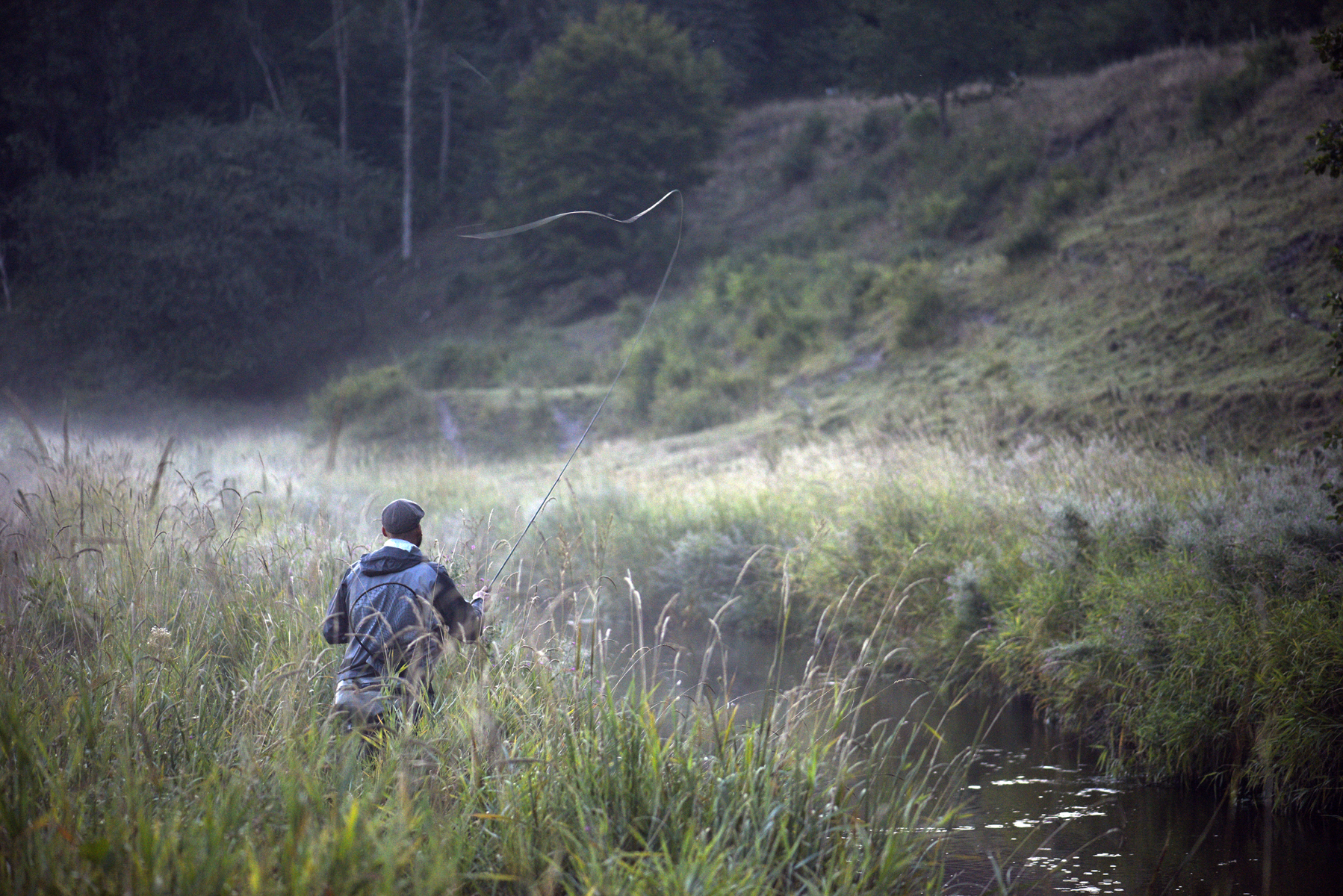
YOU’VE FISHED HERE A NUMBER OF TIMES BEFORE – with dry flies and small nymphs, with your determined gaze drifting ceaselessly across the water trying to catch a glimpse of a foraging trout. You’ve caught the odd kilo+ fish here, but you’re pretty sure there are bigger ones around – and this early morning you’ve materialized on the banks of a deep stretch of the river equipped with a much heavier outfit than usual and a meaty looking fly at the end of your leader. The plan, of course, is to see if of the BIG ones are at home today.
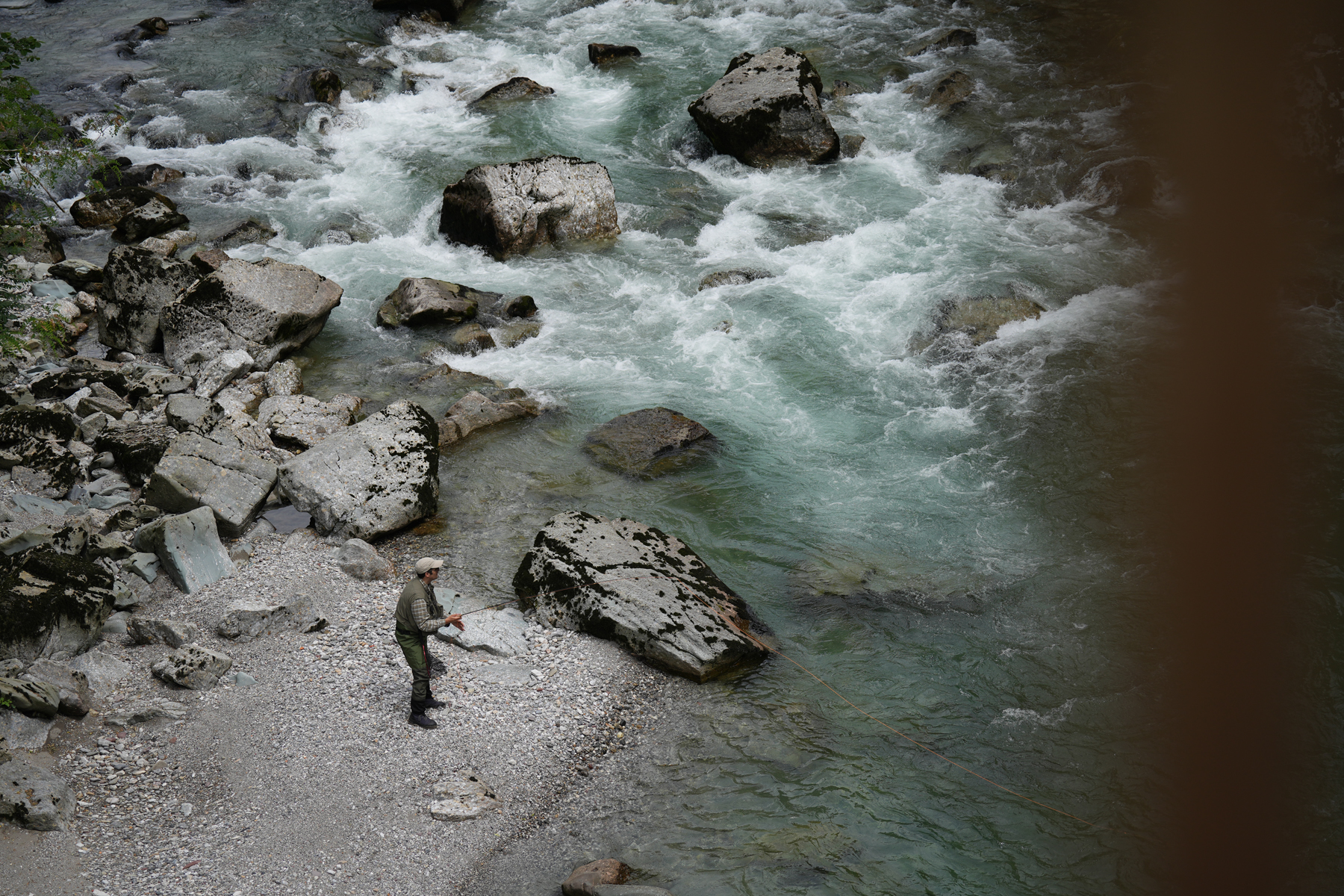
After a few tentative blind casts, where you adjust both your casting stroke and cadence according to the unfamiliar weight of the gear, everything comes together and the big fly shoots across the water. It lands blindly somewhere out there and makes a temporary crater in the lead-grey water, which has calmed to a mirror underneath the dawning sky. You let the fly sink for a bit, allowing it to reach just the right depth, and you immediately feel the weight of the fly as you start your retrieve.
The first flickering sunlight now floods over the hill tops on the opposite side of the river and weaves seamlessly into the ghostlike mist that dances shapelessly across the timid water. Soon after, shadows come crawling sedately along the glistening damp meadow floor.
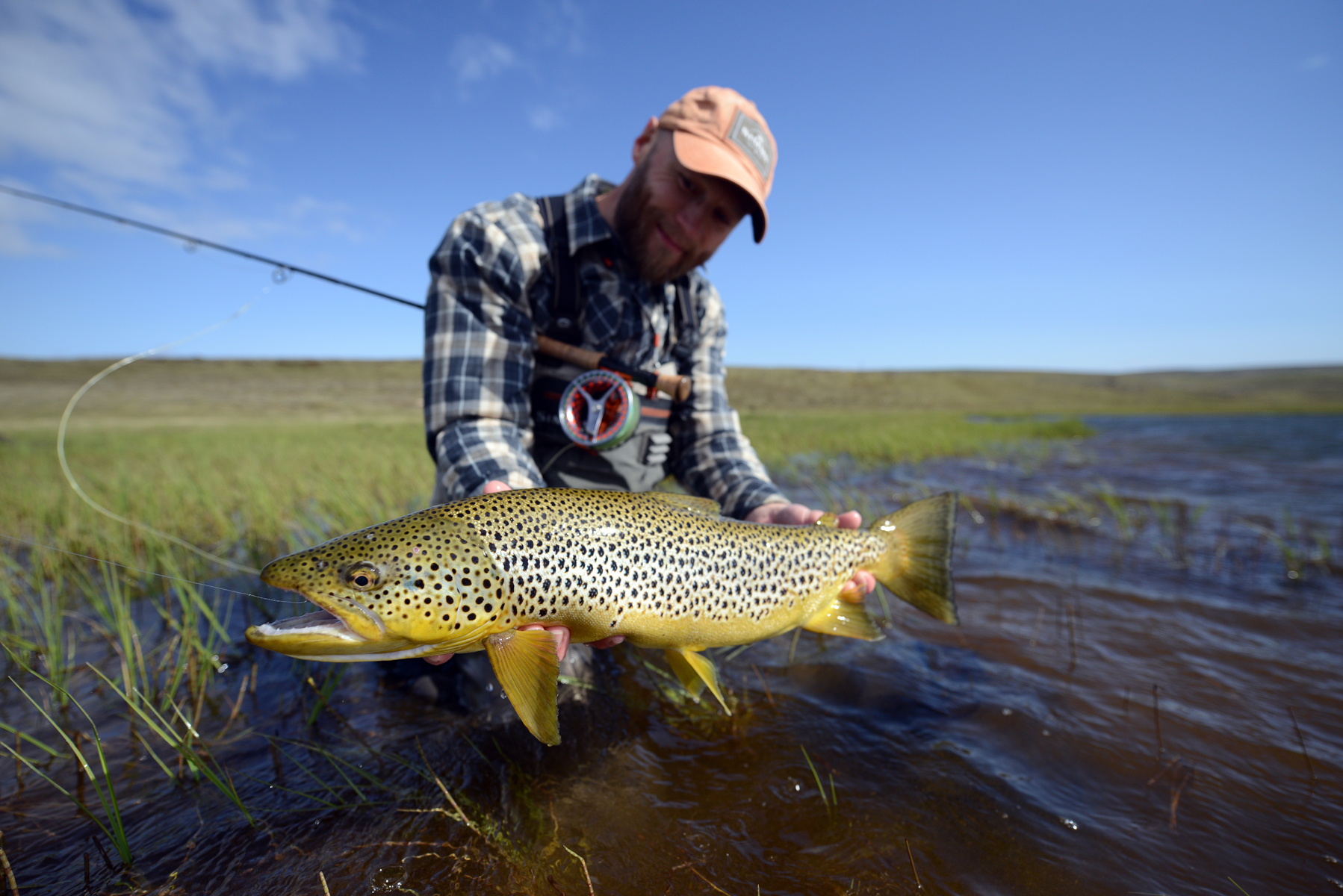
It’s as if something in the undisturbed wilderness around you takes a deep breath, and you’re somehow lost in the reverie - slipping into a trancelike state not unlike that of the night, when – suddenly - you’re violently brought back to consciousness. A dramatic tug, which almost pulls the fly line out of your hand, flexes the rod straight into the handle and a series of vehement pulls give way to a powerful downstream surge.
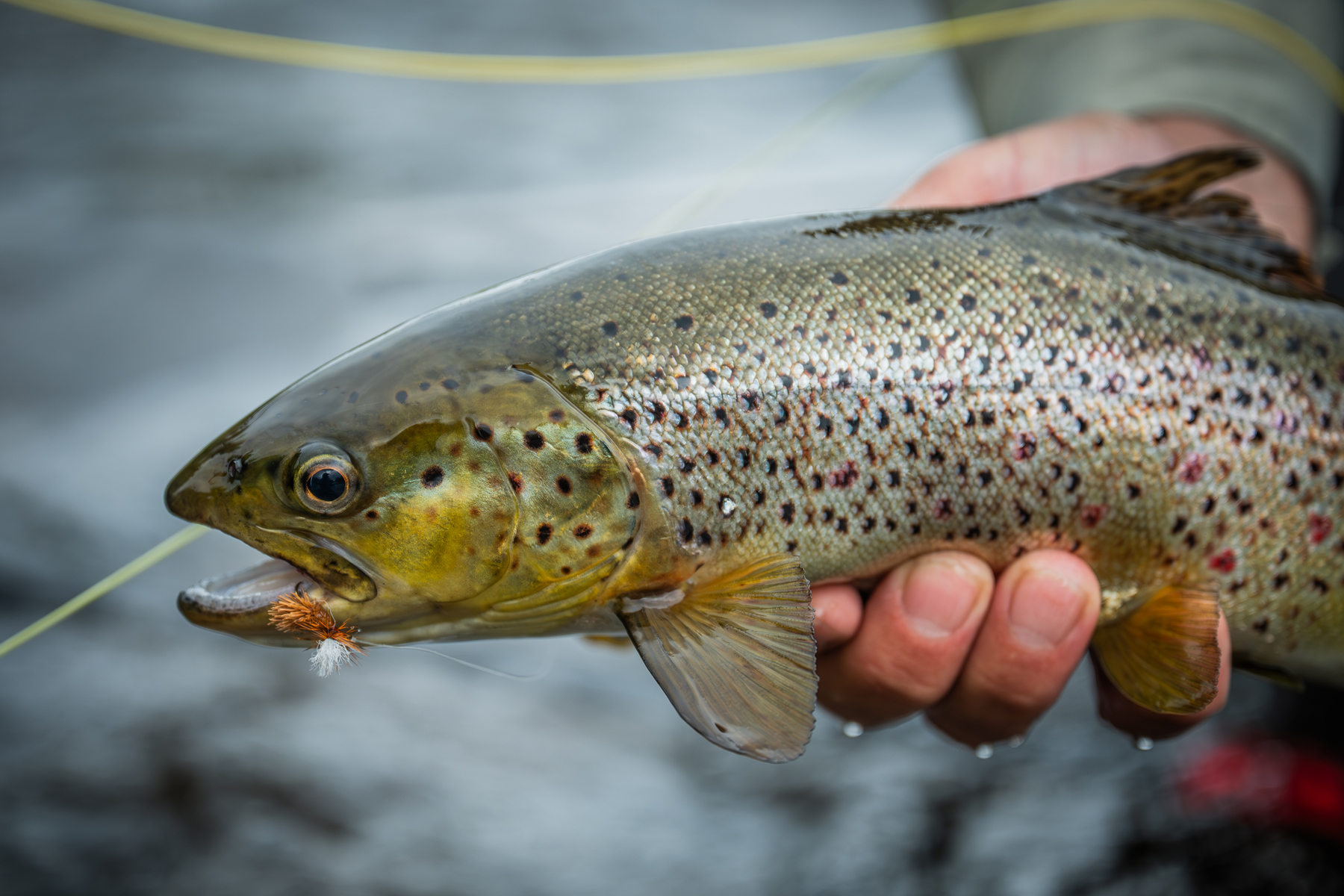
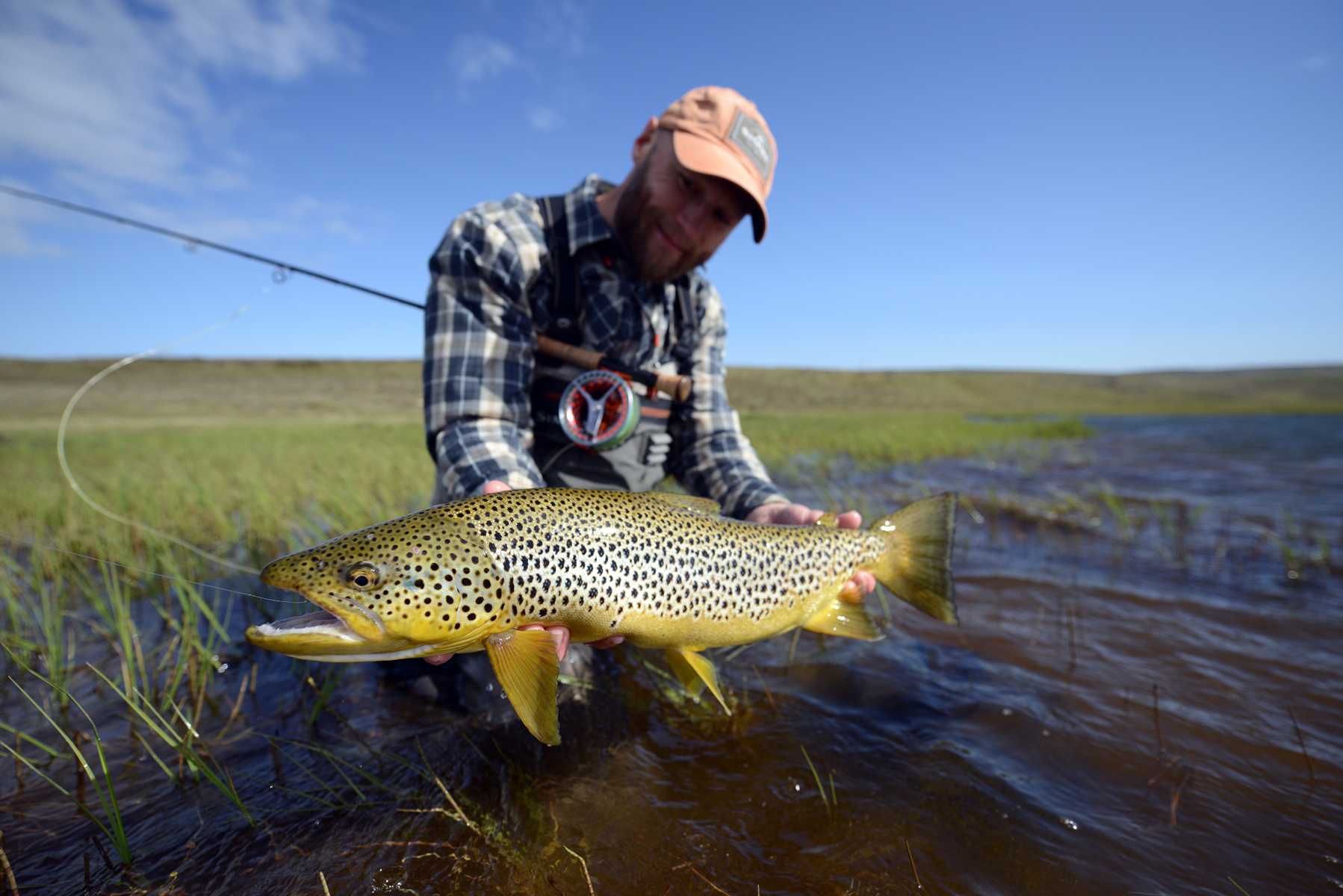
You set off in hot pursuit, applying a bit of side pressure, and after a tumultuous stint of tug-o-war you bring the fish in. It’s of a completely different caliber than anything you’ve ever previously caught in the river; broad-shouldered, heavy, muscular and with an almost grotesquely big set of toothy jaws.
As it slides across the frame of your landing net, you concurrently slide into a state of light chock. The fish is close to four kilos! You retrieve the streamer, which suddenly doesn’t seem all that big anymore, admire the pristine fish for a few seconds and release it back into the water. Shortly after, as you walk along the riverbank back to your car, you’re reminded of the brutal power of the fish as it wrestled free of your hands and took off with fin strokes so forceful that they sent cascades of water into your face. You can’t help but wonder if it was a coincidence or not. One thing is sure, however: This wasn’t the last time you visited the river armed with heavy equipment and a fly box full of sizeable streamers.
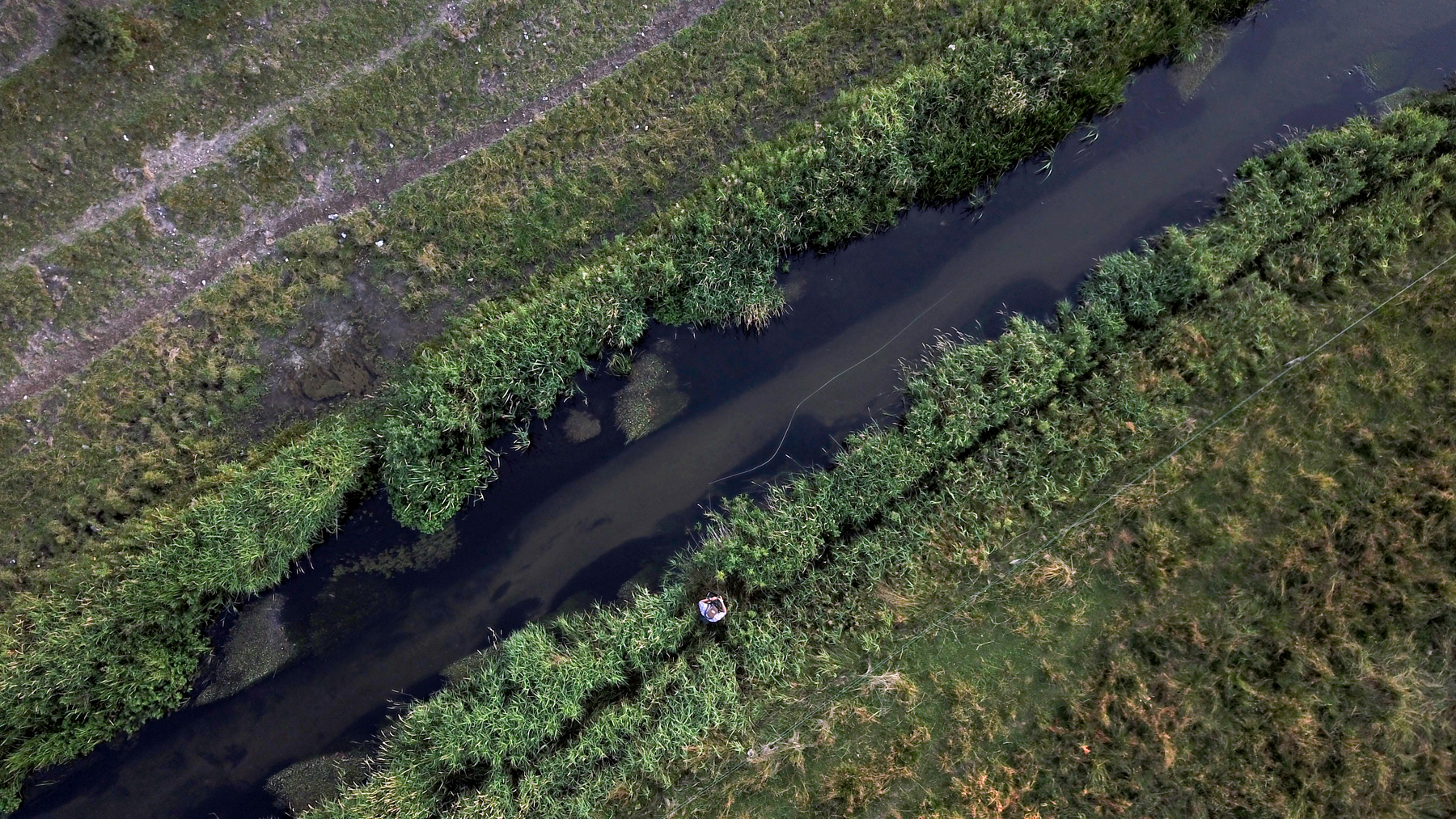
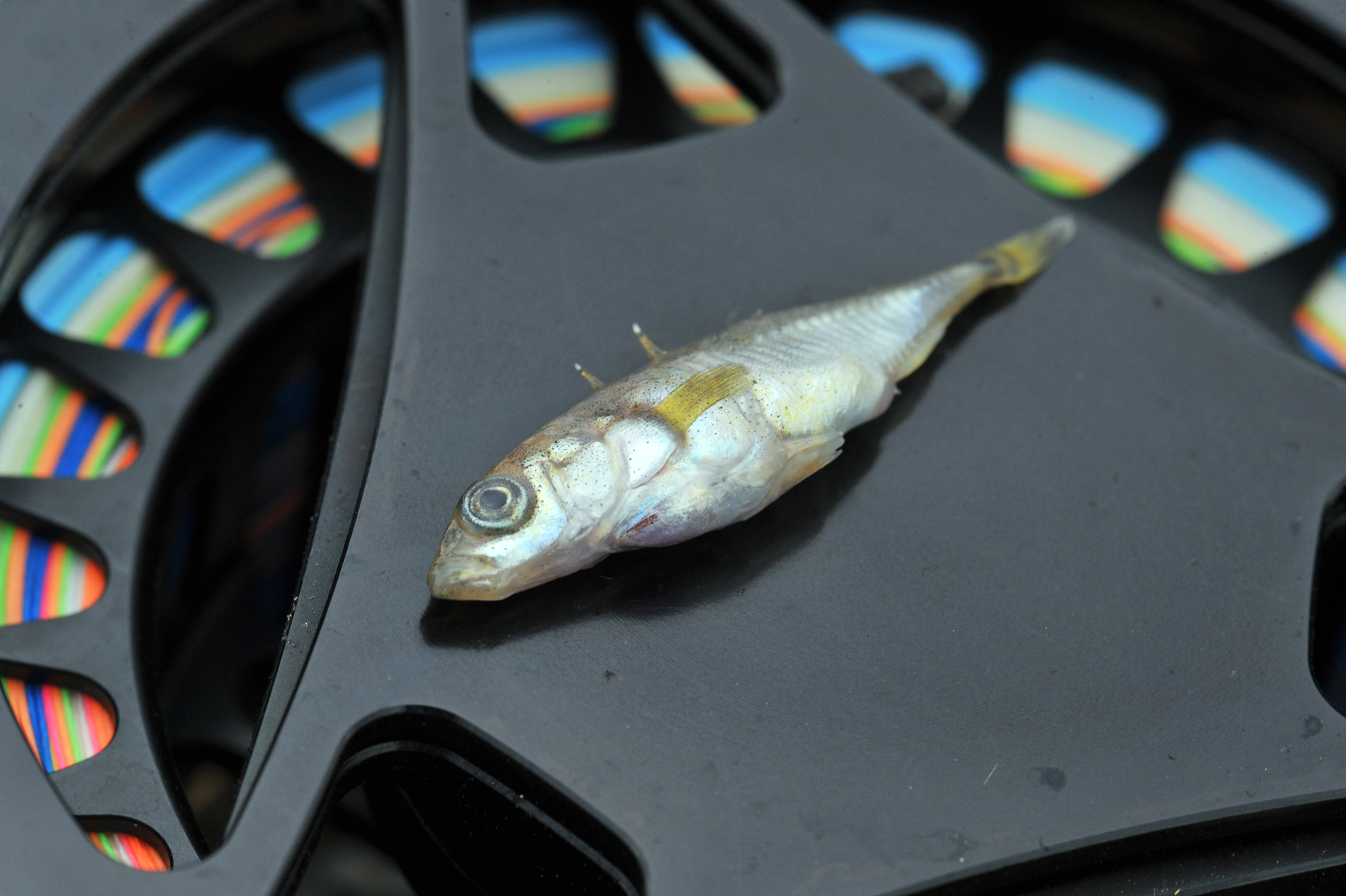
THE WORD ”STREAMER” is a common American denominator for flies that imitate prey fish – and prey fish, oftentimes, is the key to understanding why some rivers and lakes produce big trout. If prey fish such as roach, stickleback, freshwater sculpin, common bleak or common minnow are present in good amounts, the trout will start to key in on them. And, once they do, a radical growth phase will be catalysed – one that will ultimately produce fish of the kind of proportions that lots of fly fishermen dream about. Obviously, big trout can be caught on small imitations of crustaceans and other water insects, but there’s something rather irreversible about the shift from insect food to fish meat. This is the kind of diet that creates and sustains big trout and, as a result, you’ll need meaty flies to really tempt the biggest fish in the pool.
Streamer fishing covers lots of different scenarios and techniques but, in all its simplicity, it’s about targeting big predatory trout with meaty flies. Whether chasing these fish in rivers or lakes, it all boils down to presenting your fly in a life-like way, at close range, when the conditions are right, and the fish are actively feeding (or to simply provoke them into striking). In order to do so, however, you’ll need the right equipment – and it differs from traditional trout gear in a number of ways.
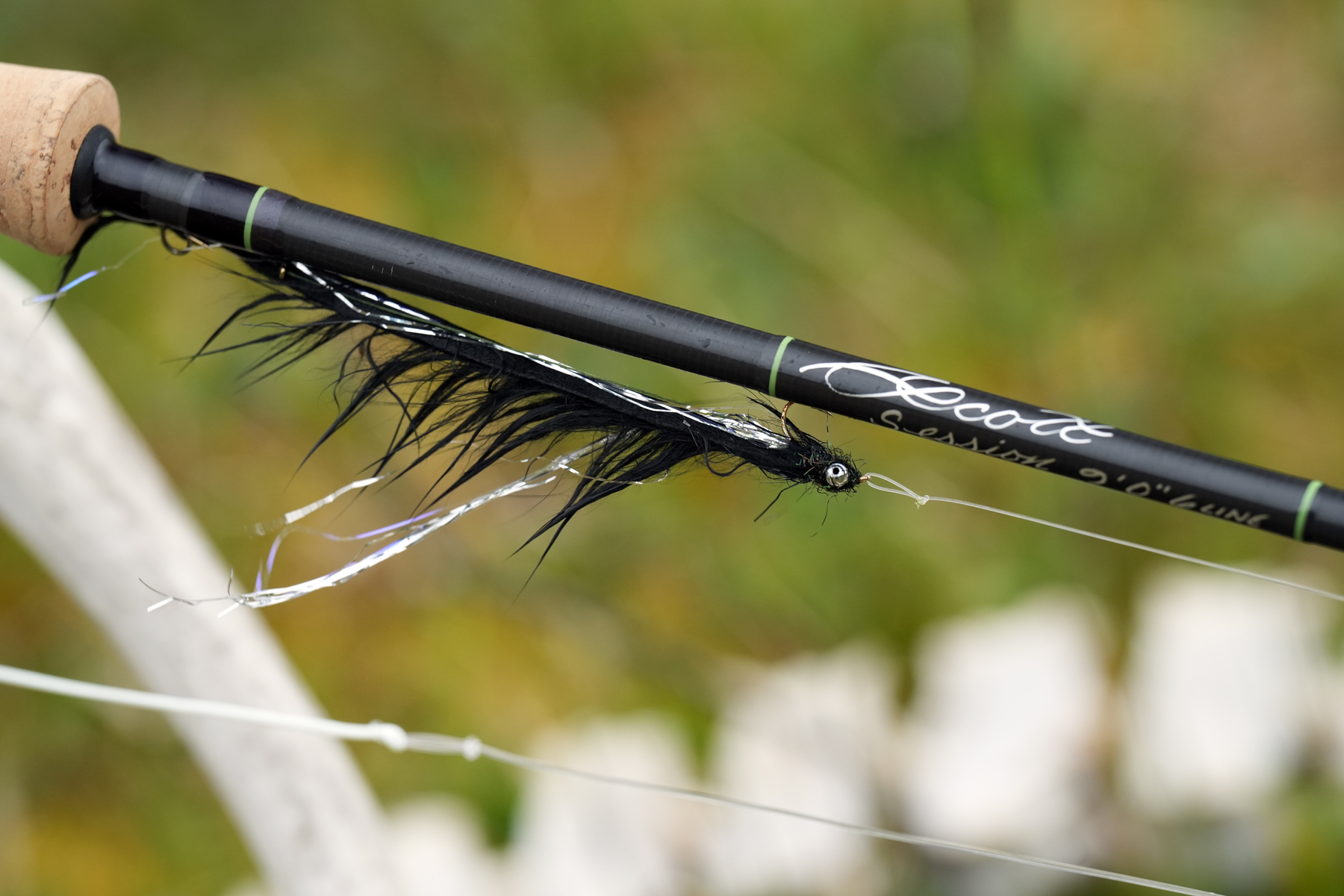
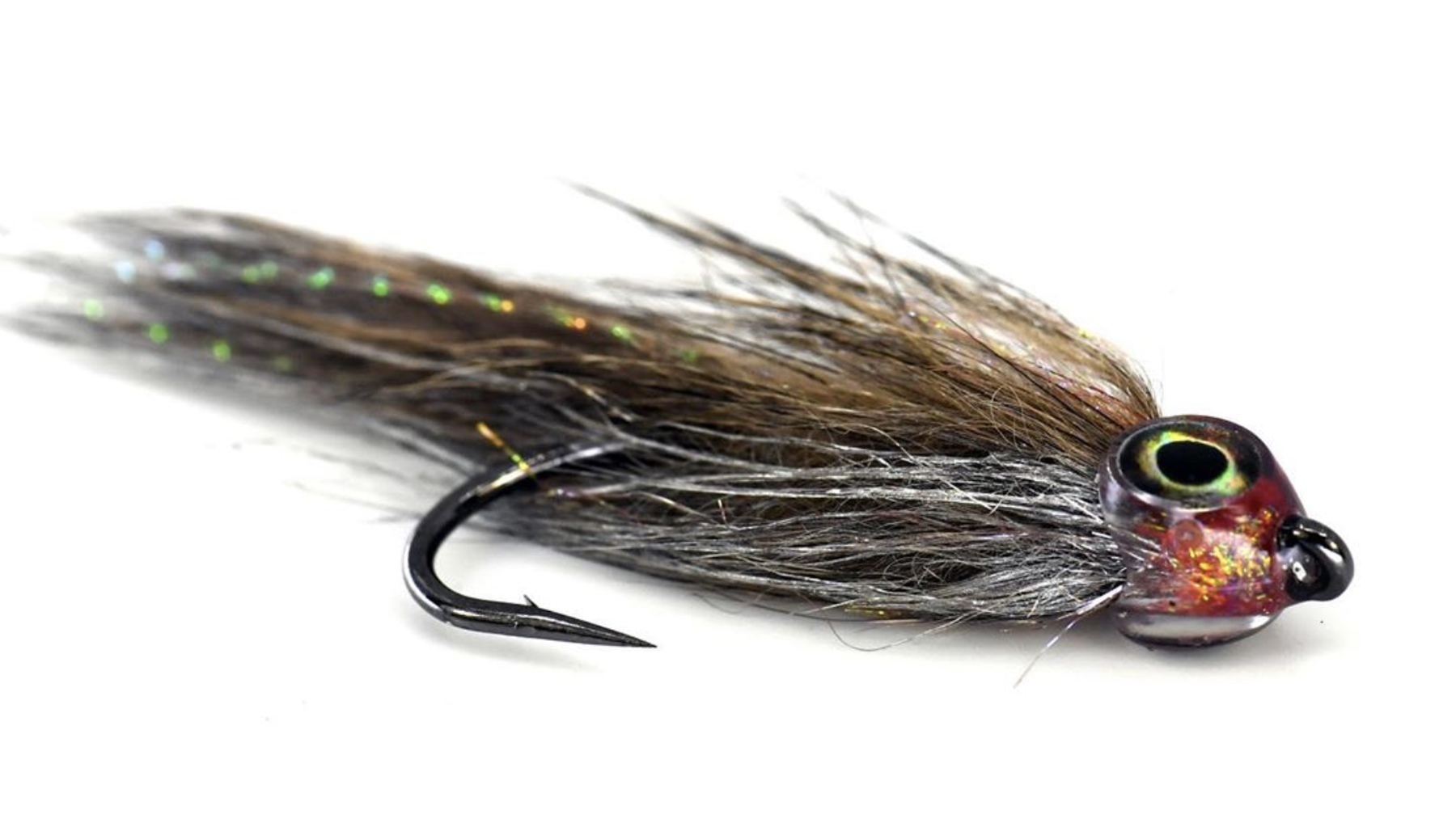
THE GEAR, TYPICALLY USED WHEN STREAMER FISHING, is relatively heavy. It should be carefully adjusted to the size and weight of the flies used and – not least – to the size of the fish targeted. The bigger the flies and the bigger the fish, the heavier equipment you’ll need.
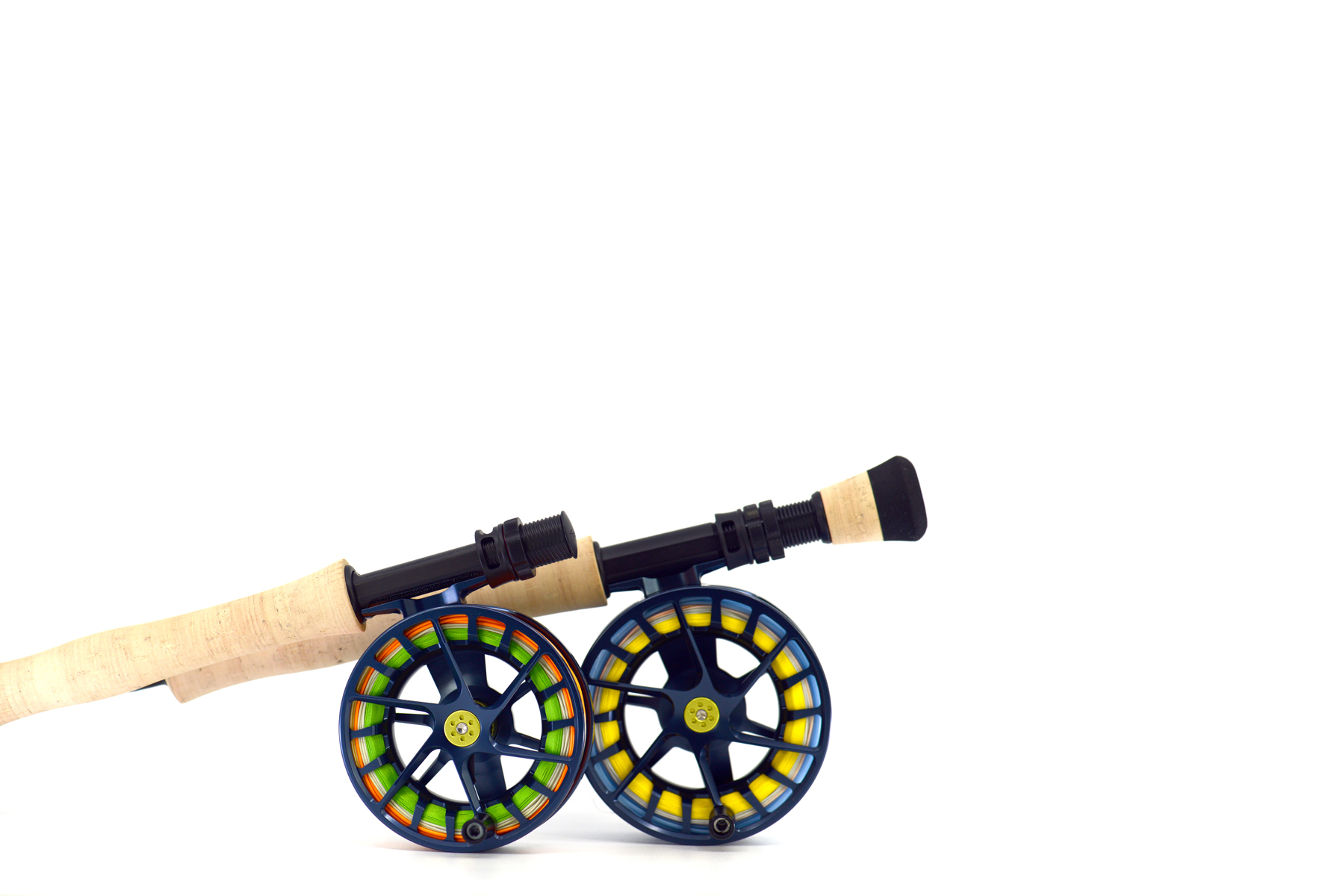
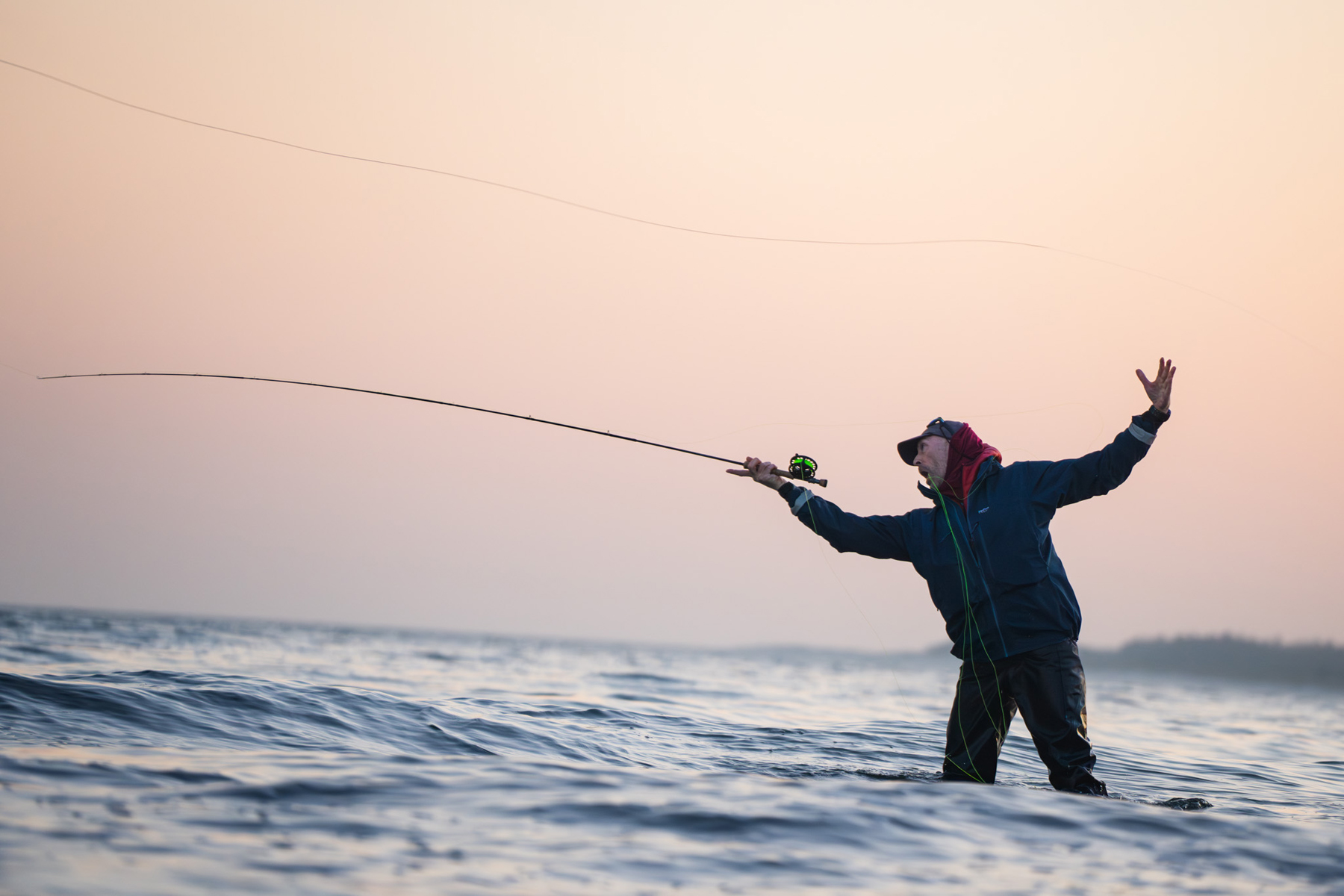
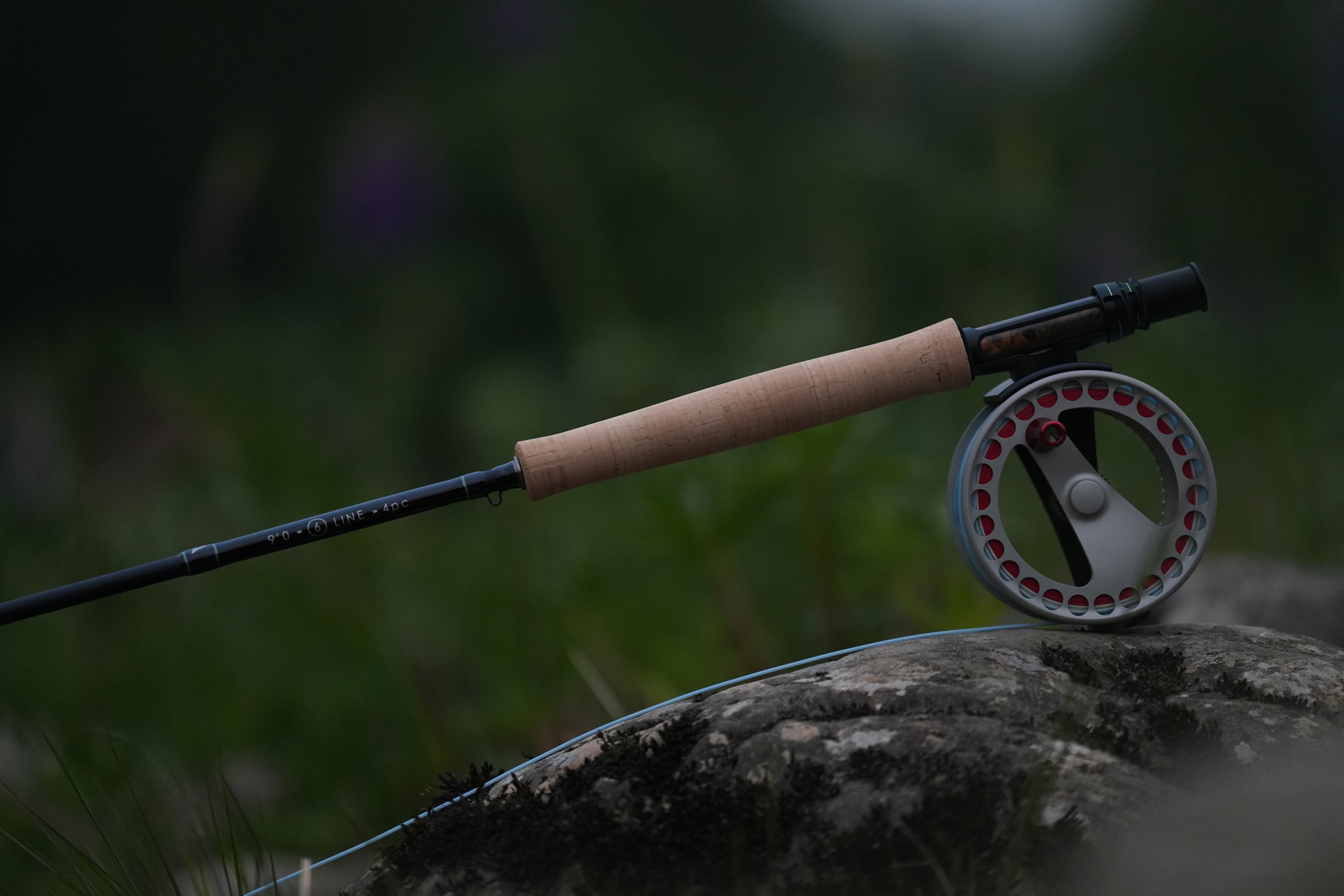
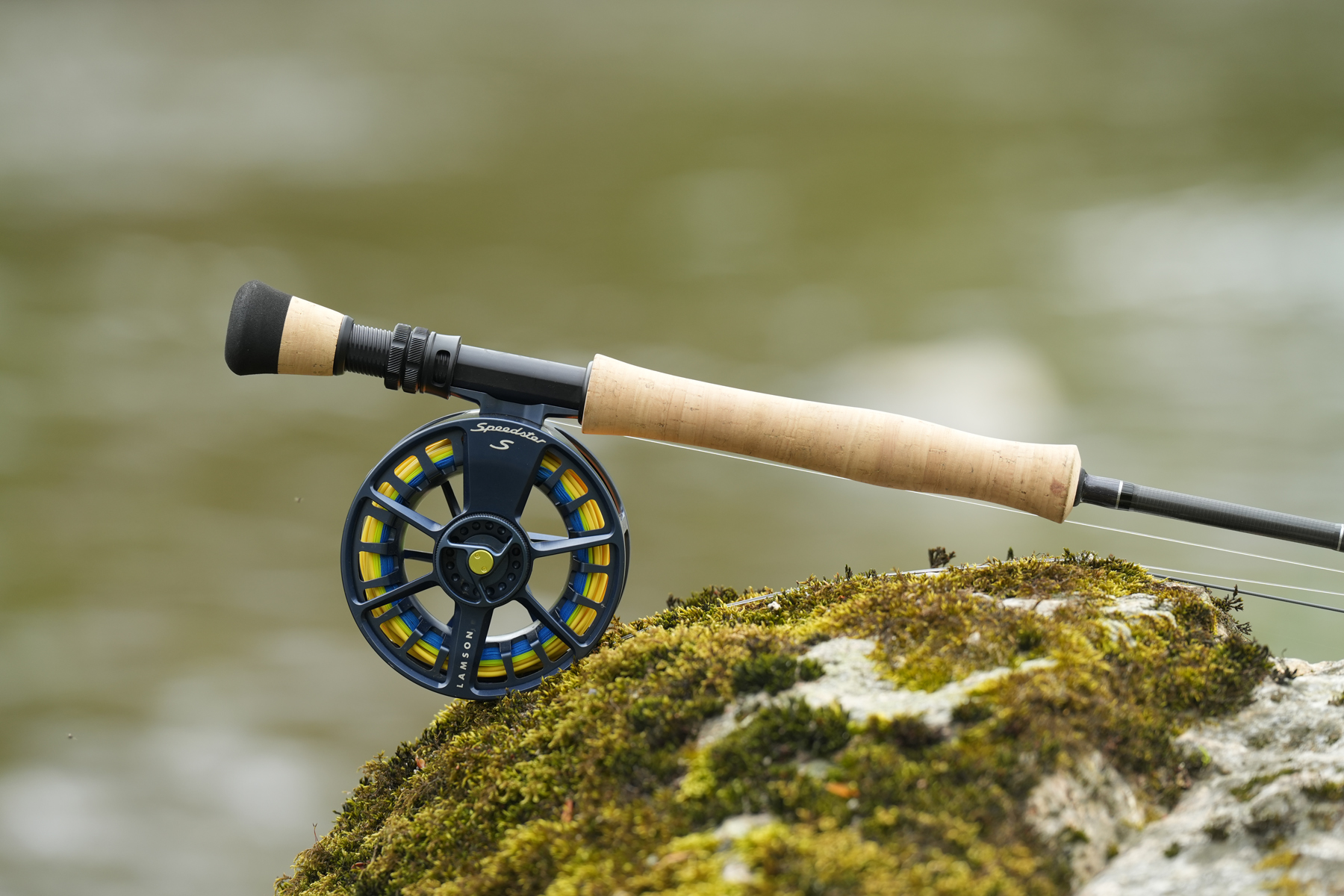
When fishing rivers (and bigger lakes), a 9,6’ fly rod ranging in weight from #6 – 8 is what you’ll need. The fly rod action is down to personal preference, but most people will benefit from fly rods that have relatively deep flex profiles; progressive and powerful rods that can be loaded deep into the blank when needed, while at the same recovering quickly when loaded, thus generating high line speeds. This is particularly important, when fishing with big streamers that are the opposite of aero-dynamic.
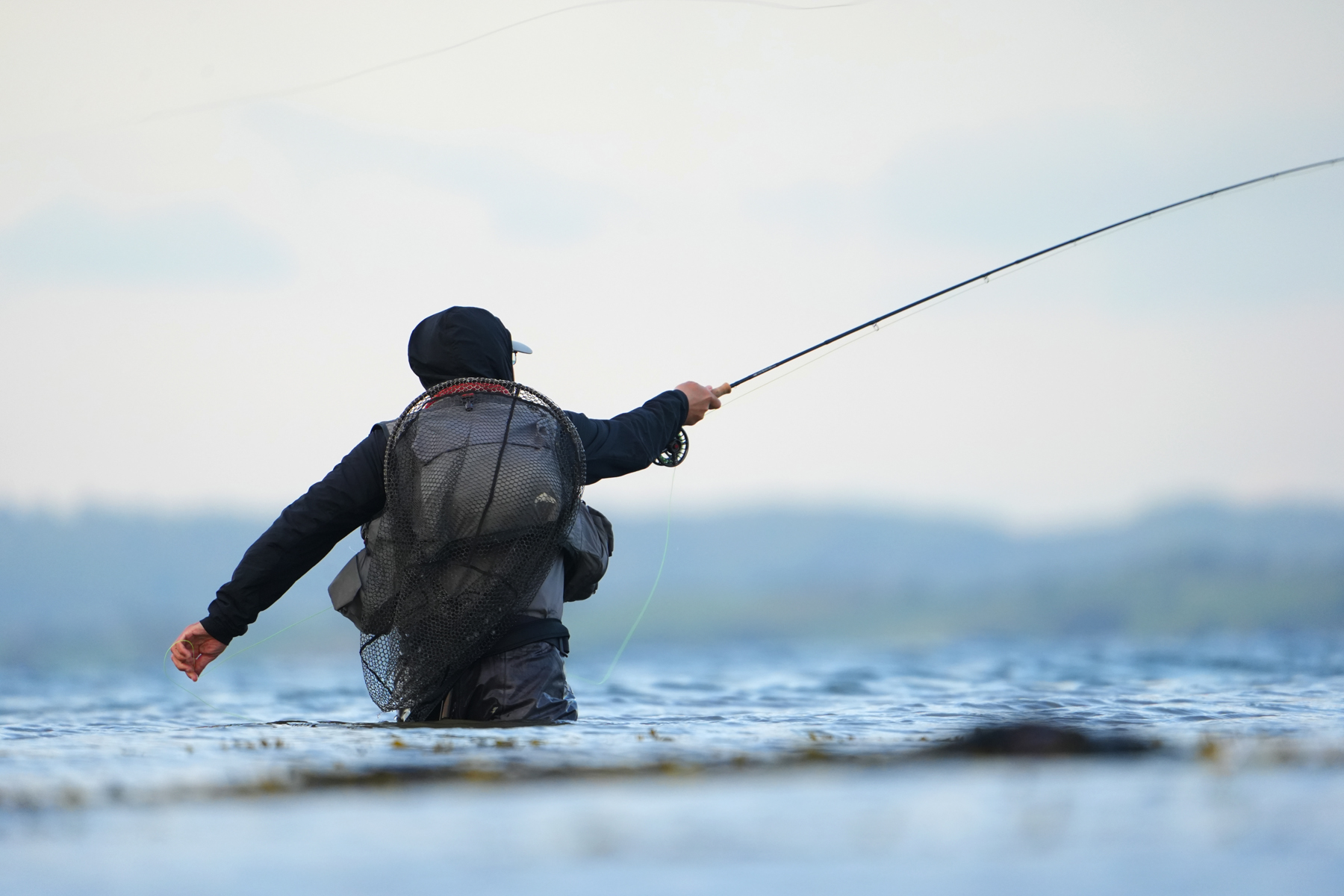
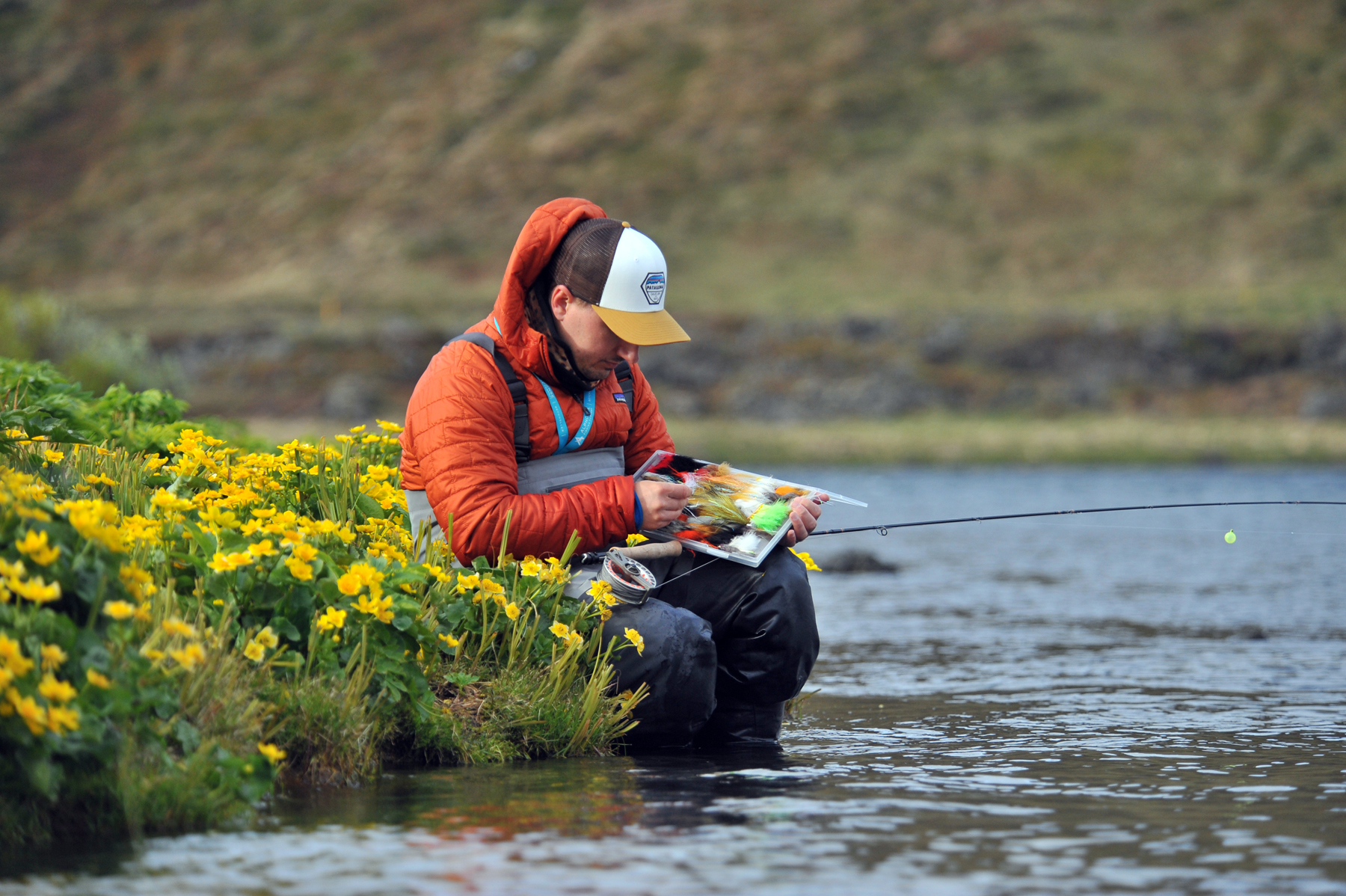
Equally important as the fly rods are the fly lines. They should be able to load the fly rod deeply, turn around big flies in the air, and – at the same time – cast effectively at a distance. There are several WF-fly lines in the market that are perfectly
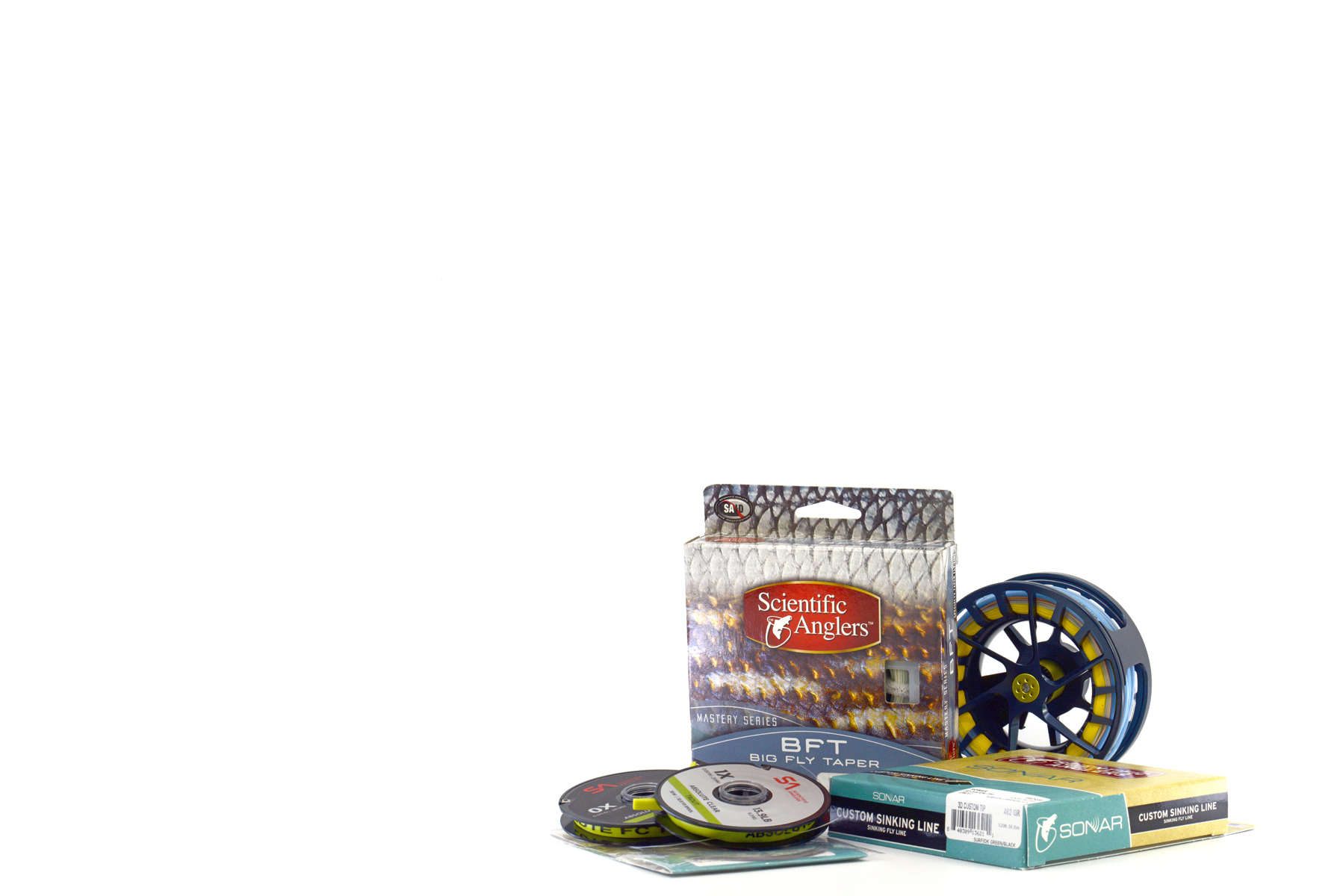
suited for this job, and a lot of them have been designed specifically for handling big flies – for instance Scientific Anglers BFT (Big Fly Taper) or Mastery Titan. The common denominator for these lines is their relatively short and compact front tapers, measuring somewhere between 9 and 10,5 meters and weighing between 12 and 20 grams depending on their classification. As a rule of thumb, you should opt for one of these specialty lines in a weight class that matches your fly rod’s AFTM classification, but in certain instances – for instance if you’re fishing crammed spots with little room for blind-casting or when using really wind-resistant flies, you might consider opting for an “over-classified” line (for instance a WF7 line for a 9,6’ 6-weight rod). Whether you should choose a floating-, intermediate-, or sinking line is something we’ll return to in a bit, once we get to fly presentation.
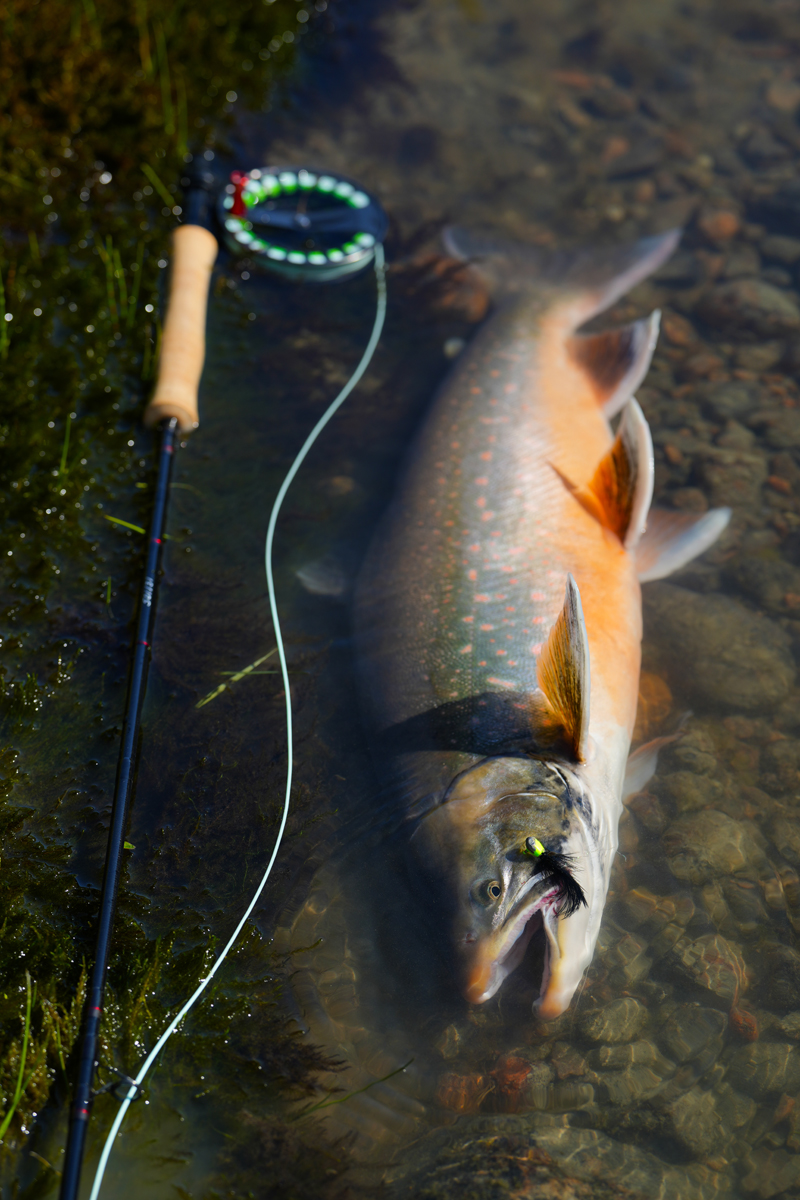
If you’re fishing rivers with lots of vegetation along the banks, deep water, overhanging trees and limited potential for overhand casting, you should, instead, consider getting your hands on one of the many specialty fly lines designed for anchored water-born casts – for instance the Spey Lite Integrated Skagit lines. In combination with 10’+ fly rods, they make it possible to fish effectively in places where overhand casting possibilities are limited.

THE LEADERS play a pivotal role. They should be carefully adapted so the flies don’t turn over too soon or too late. As a ground rule, the leaders should be somewhere between 3 and 4.5 meters in length and tapered into a tippet section of 0,26 –0,32mm depending on the conditions and how far you’re casting. The further you’re casting, the longer the leader should be. But more importantly; the bigger the flies you’re using, the shorter and thicker the leader should be – and vice versa.
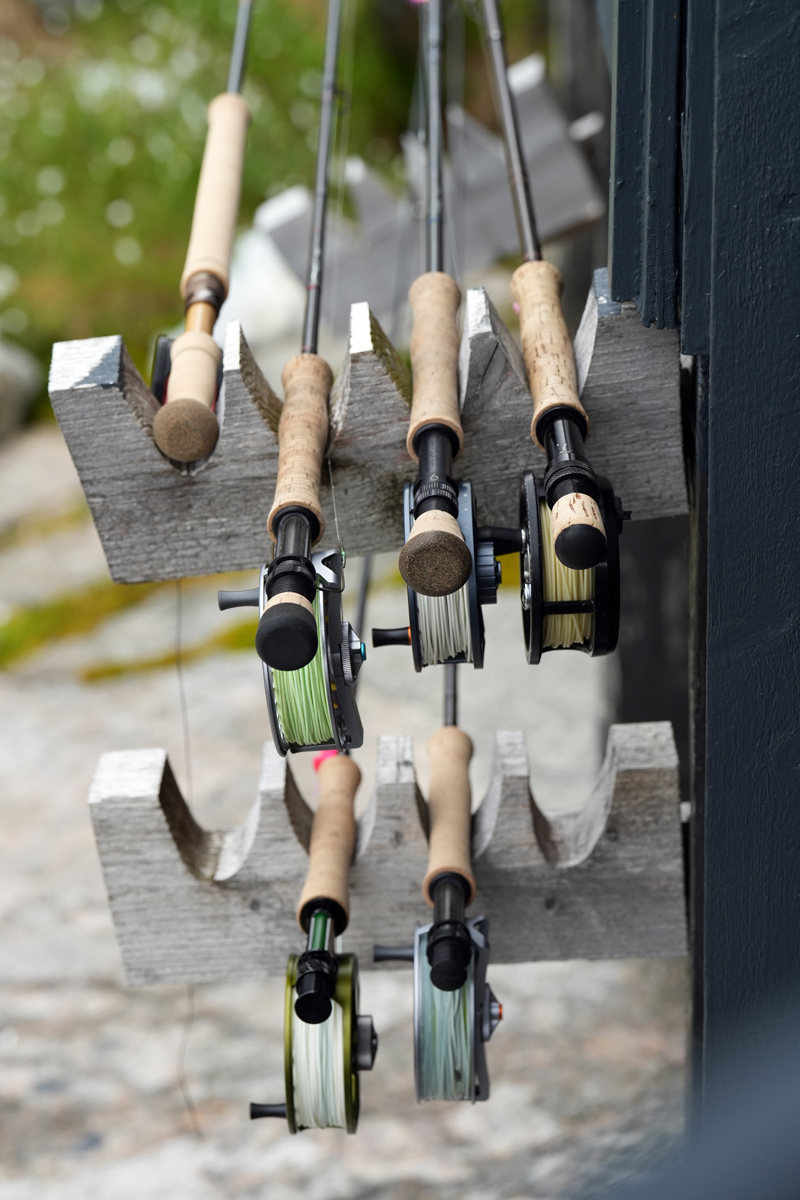
Long leaders provide the most subtle presentation of the fly; something that is oftentimes key when fishing clear water. So, consider starting out with a 4,5 to 5-meter-long leader. If you experience difficulties casting efficiently or stretching the leader, simply shorten it to meet your demands, by 25-30cm increments, and try another couple of casts. Once you’ve found the right length, you’ll notice that casting will be a lot more harmonious and energy efficient.
In clear water, fluorocarbon leaders are particularly useful due to their low visibility. However, if you’re fishing in places with big rocks, jagged boulders or sunken trees, nylon is a more durable and abrasion-resistant alternative. It’s also worth keeping in mind that nylon and fluorocarbon have different sink rates. Fluorocarbon is stiffer and sinks faster than nylon. When fishing turbid or stained water, you can use thicker leaders – and you should. It will help you land the fish faster with minimal risk of leader breakage, and it will minimize the stress the fish experiences before being unhooked and released.
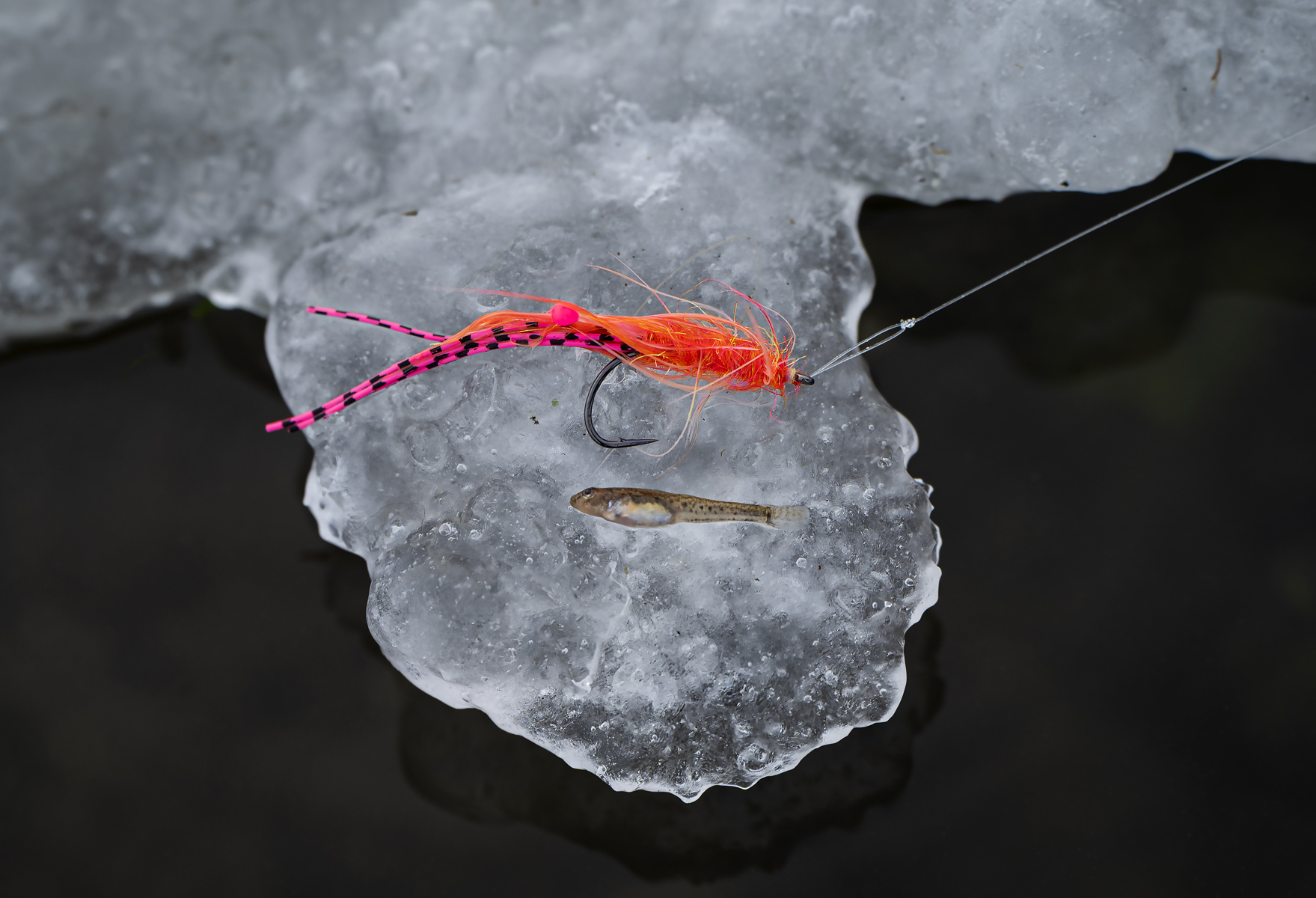
THE STREAMER FLIES comprise a chapter of their own. They typically fall in two categories: Imitative flies and provocative flies. The latter are designed to agitate fish that aren’t actively feeding into striking while the former are designed to imitate the most abundant prey fish; both in appearance and movement.
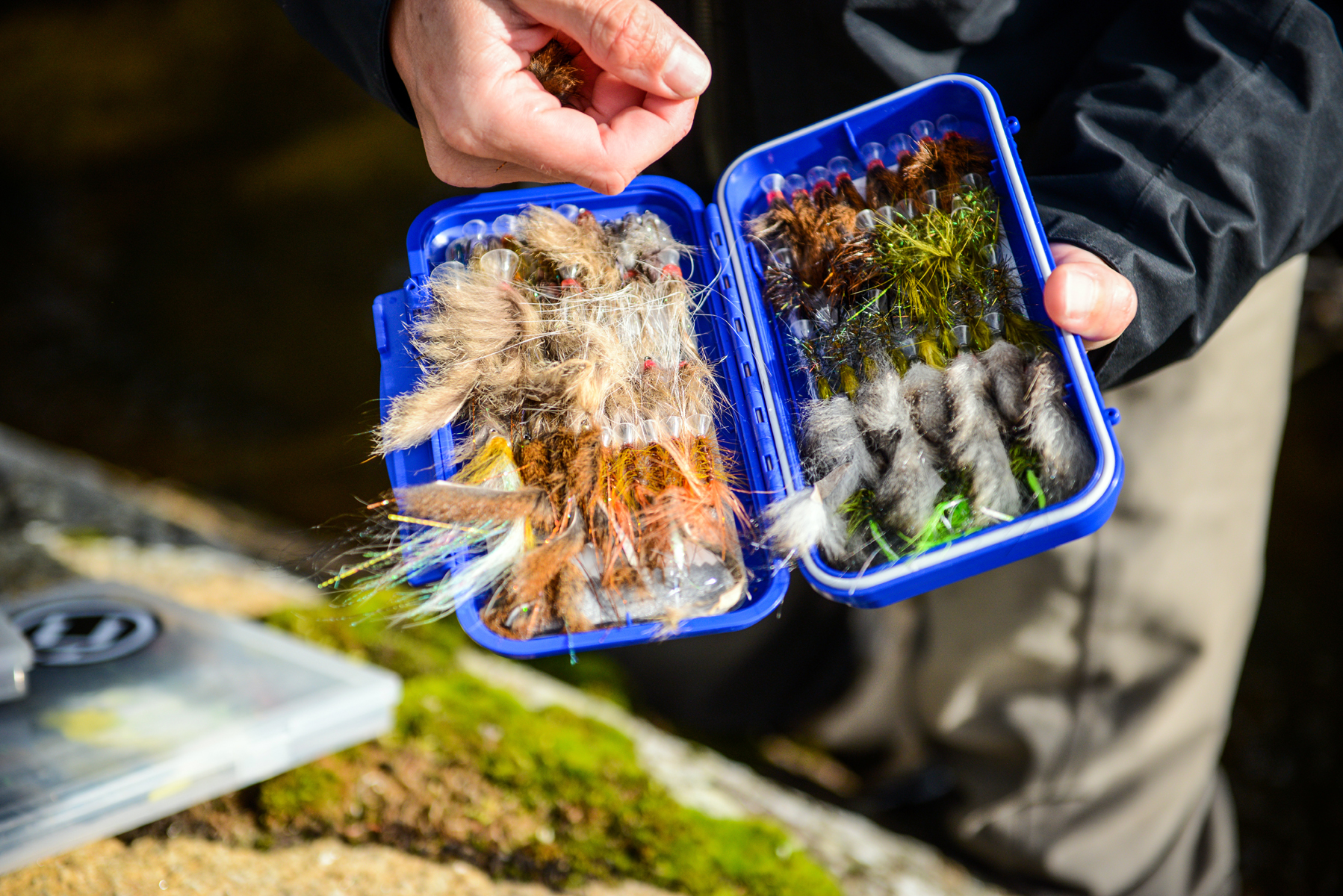
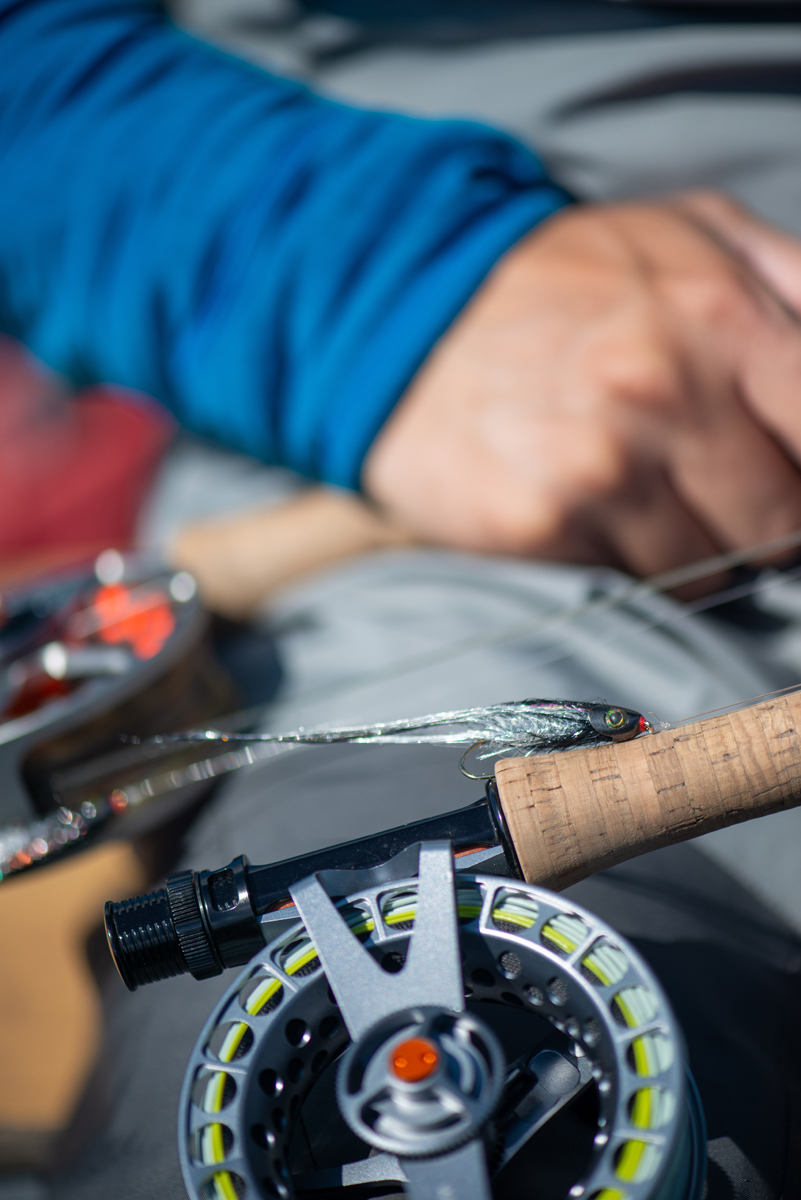
The movement of the fly, as we will get back to, has a lot to do with how it is retrieved, but the materials play a key role too. In relatively still water, flies that incorporate lively materials such as, for instance, marabou, spey hackles or rabbit strips - materials that make the fly slither and pulsate - are especially effective. So-called articulated streamers tied on multiple “shanks”, such as for instance the Game Changer Fly, will do the same alluring trick. Otherwise, Magic Heads are highly recommended. They are small funnel-shaped discs in clear plastic that can be mounted on the fly thus providing it with an enticing S-curve movement pattern even with the slowest of retrieves.
For more info: www.petitjean.com/ online/en/120-magic-head
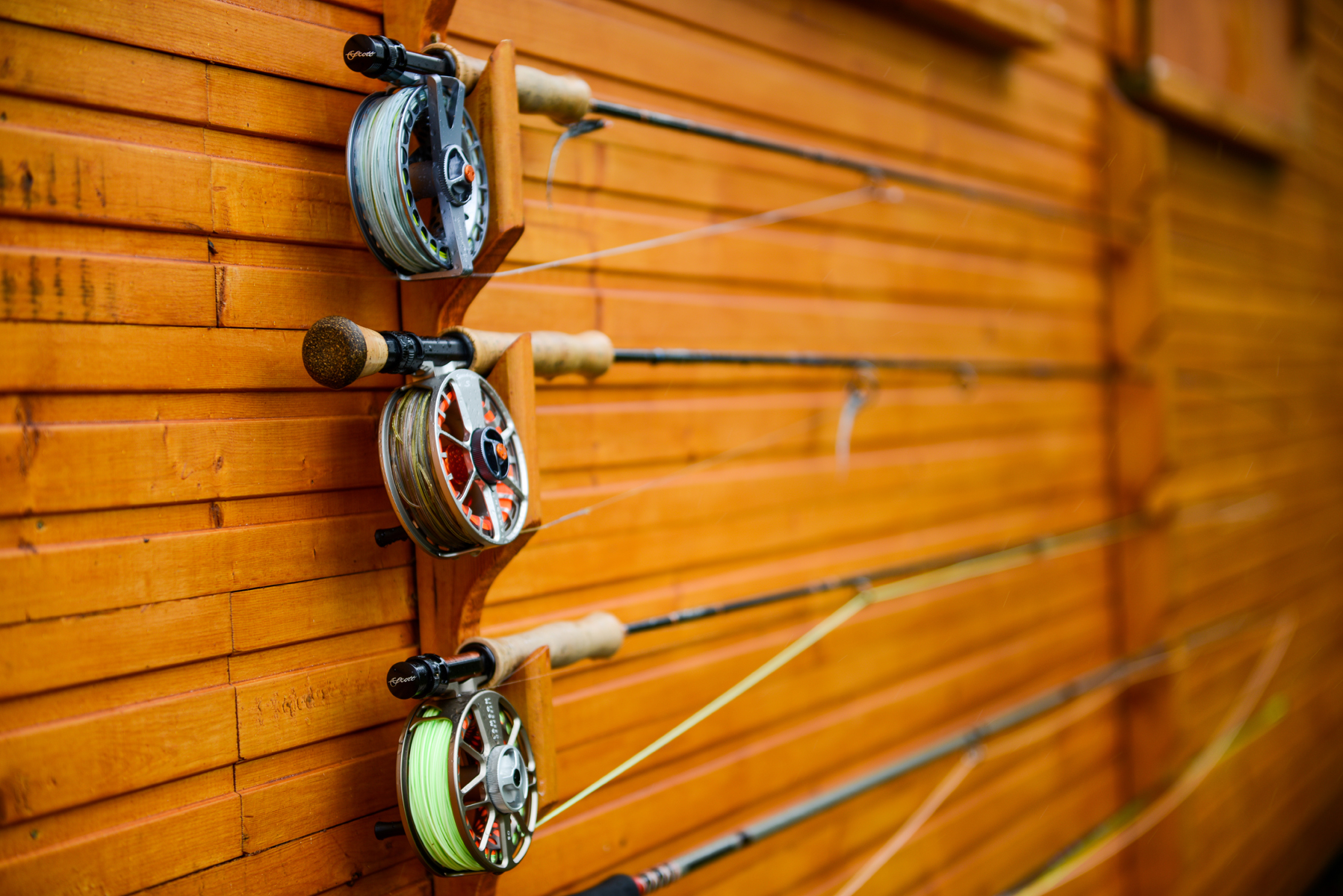
In rivers with moderate to fast currents, it makes more sense to tie the flies with stiffer materials such as lightly crinkly synthetics, bucktail or even temple dog. When fished at an angle, the current will provide the flies with pulsating movement. In really fast currents, however, the most important thing is that the materials don’t collapse and that they have a good silhouette despite the water pressure.
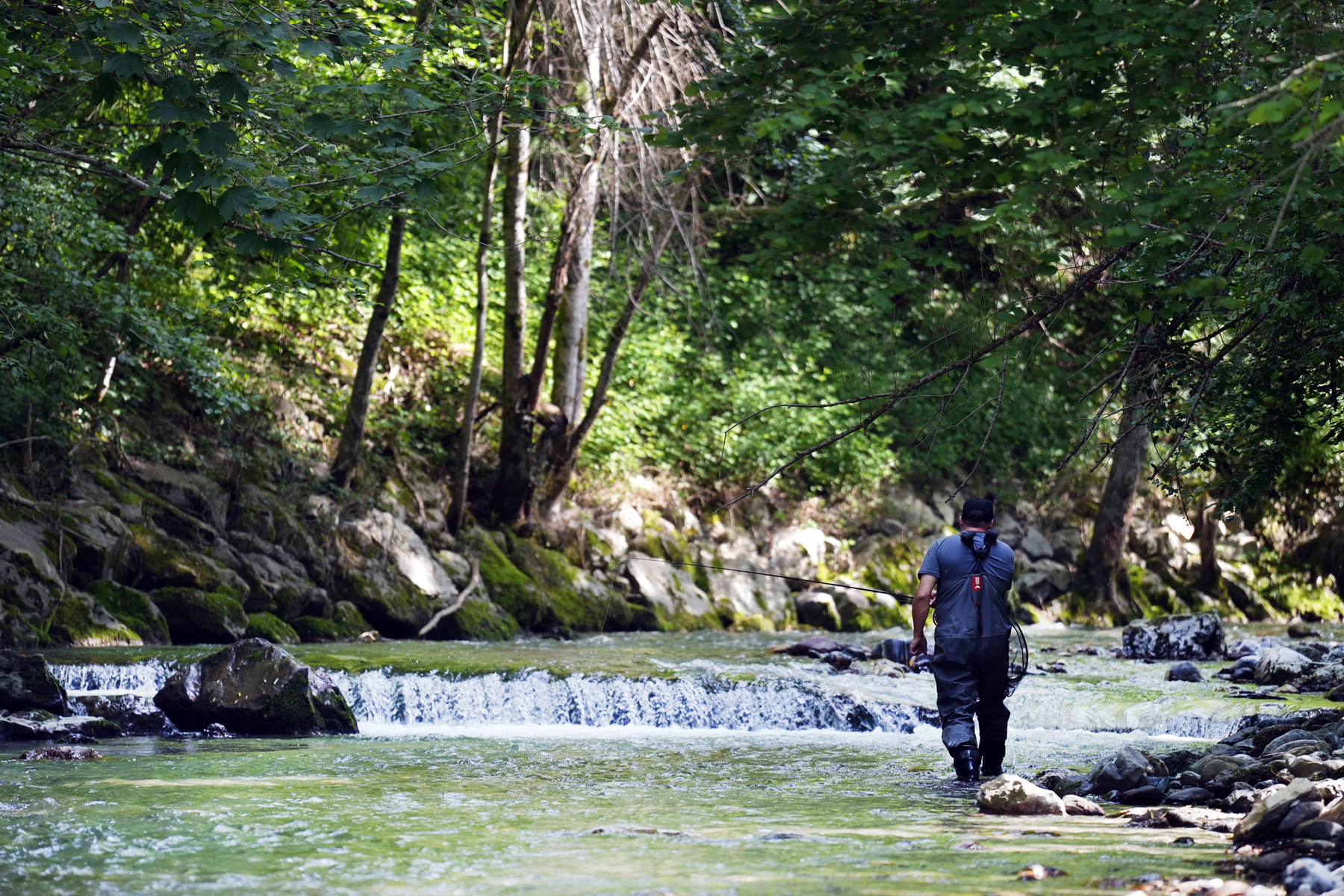
While provocation flies are usually tied in eye-catching colours such as pink, chartreuse, yellow and red – and preferably using a bit of flash fibres, imitation flies are more subtle and blend in more naturally. The realism of the latter seem to determine how effectively they fish, while the former can’t seem to be outrageous enough; preferably incorporating fluorescent- or ultraviolet materials, glass rattles, propellers or action discs that make a bit of extra noise in the water thus demanding attention. Regarding the size of the flies, they can hardly be big enough. A 50-centimeter brown trout, for instance, is easily capable of hunting down and swallowing prey items of 10 – 15 centimetres in length, so don’t be afraid to bring out “the big guns”.
Whether the flies should be weighted or not, depends on how deep – or how fast, you’ll be fishing. And this, again, depends on what kind of line you’ll be using. We’ll get back to this shortly.
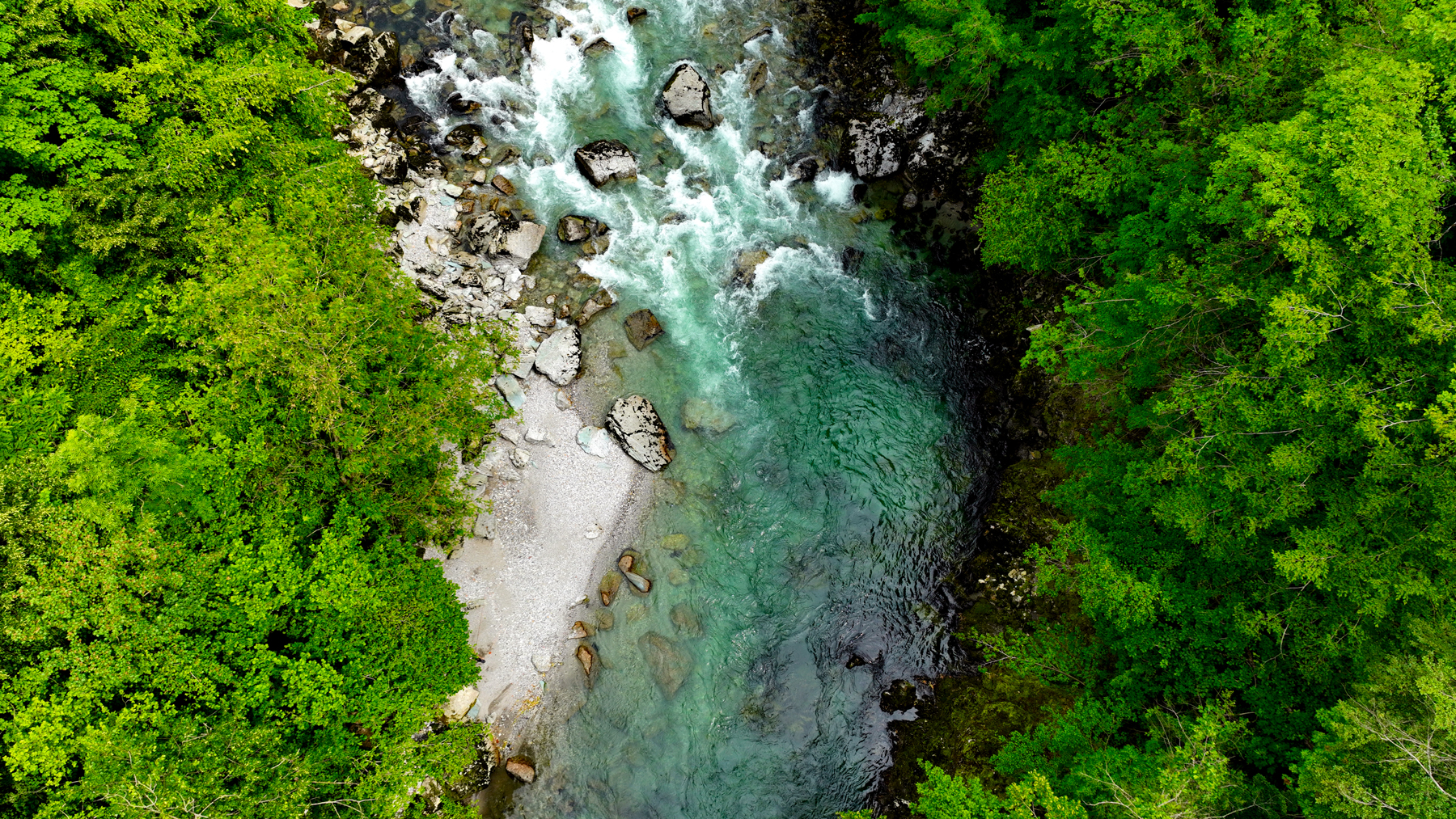
FLY PRESENTATION can be crucial when it comes to inducing the take. When it comes to provocation flies, you’ll want to fish them at close range and, preferably, with abrupt and unpredictable strips that annoy and irritate the trout. Here, an intermediate- or sinking line and a rather short leader is a good solution – and the casts should be sent off at a 45 to 30-degree angle so the flies don’t swing too fast cross current. The same setup is also good for imitation flies during spring and fall, when the water temperatures are somewhere between 8 and 13 degrees. During these periods, the fish have ideal hunting conditions and they’re both prompt and fast, and so should your retrieve be. Use weighted streamers and retrieve them with long, fast retrieves to imitate a fleeting baitfish. This is something that will really catch the trout’s eye and get its attention.
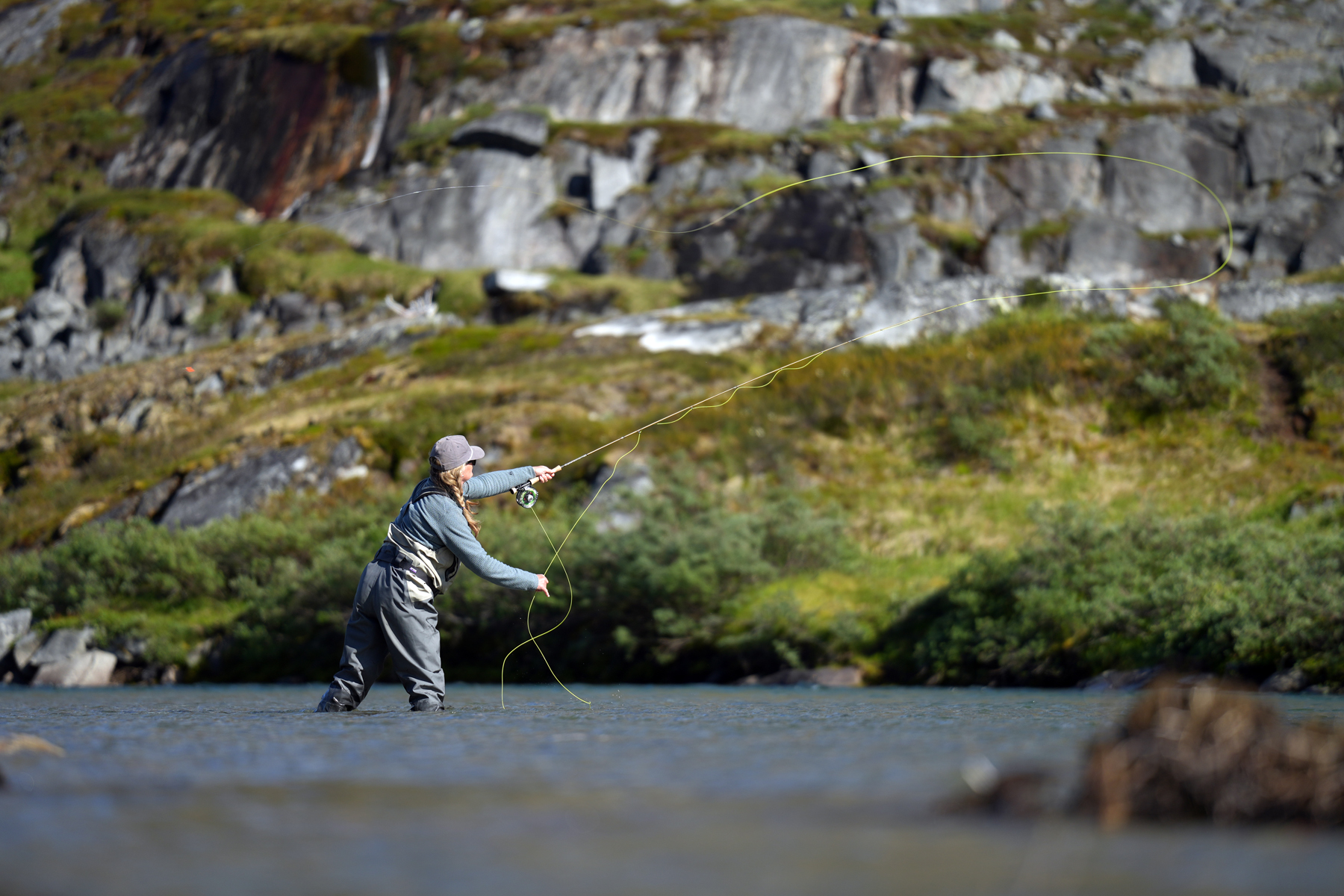
The faster you’re stripping, the less time the fish will have for deliberation. But when stripping fast, it’s important to fish in close proximity to the fish. So, unless you’re sight-fishing -or fishing shallow water, use sink-3 to sink-5 lines in combination with durable leaders that can handle the sudden and violent resulting strikes. Using a sinking line, cast a bit upstream at a 60 to 90-degree angle – or even directly upstream, when fishing really deep parts of water, and don’t be afraid to place the rod in your armpit and use both hands for a super-fast retrieve. Obvious holding spots can be fished with a handful of supplementary casts at different angles and speeds to really cover the water – and to make sure you’re down deep, but otherwise it’s all about being on the move and covering as much holding water as possible.
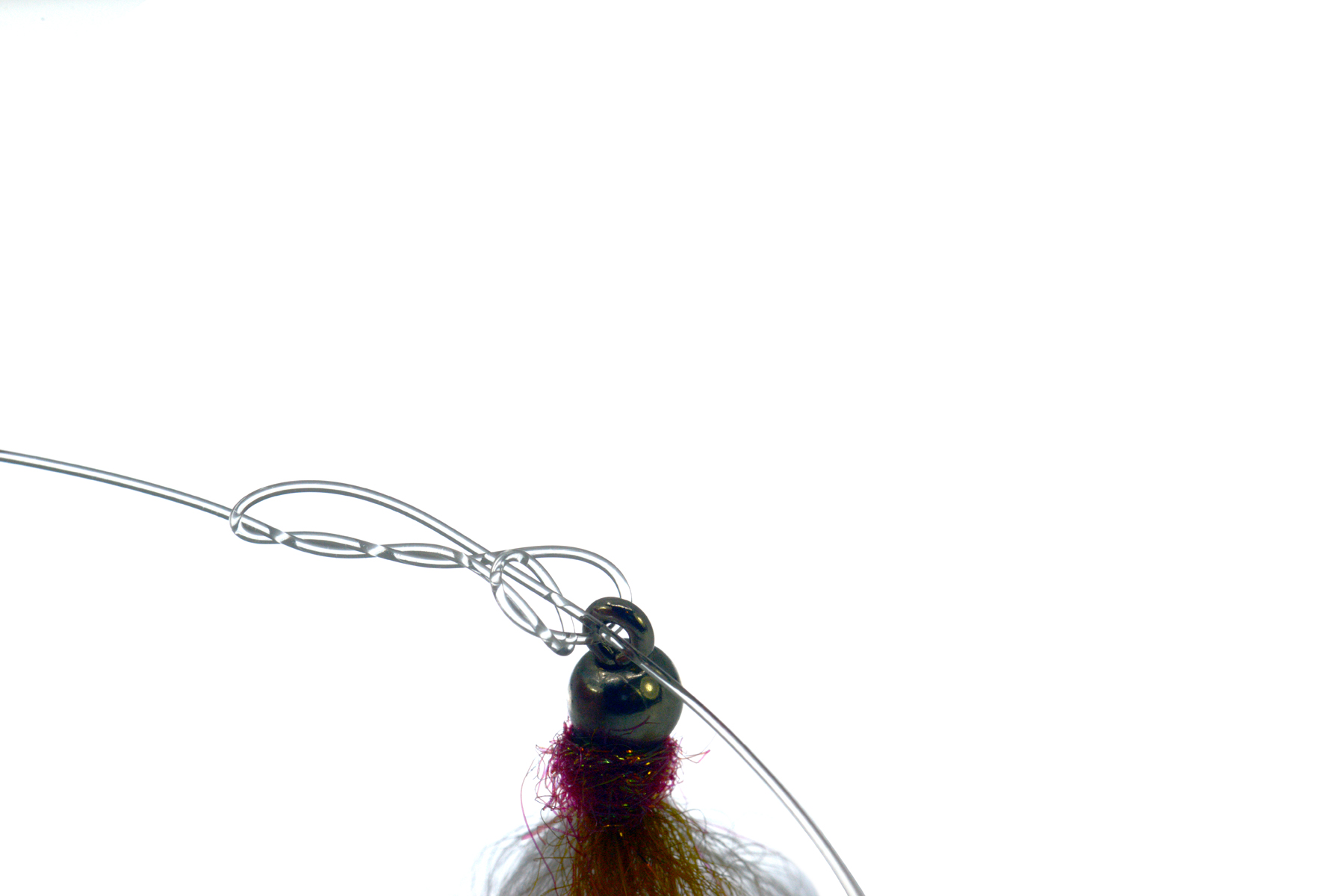
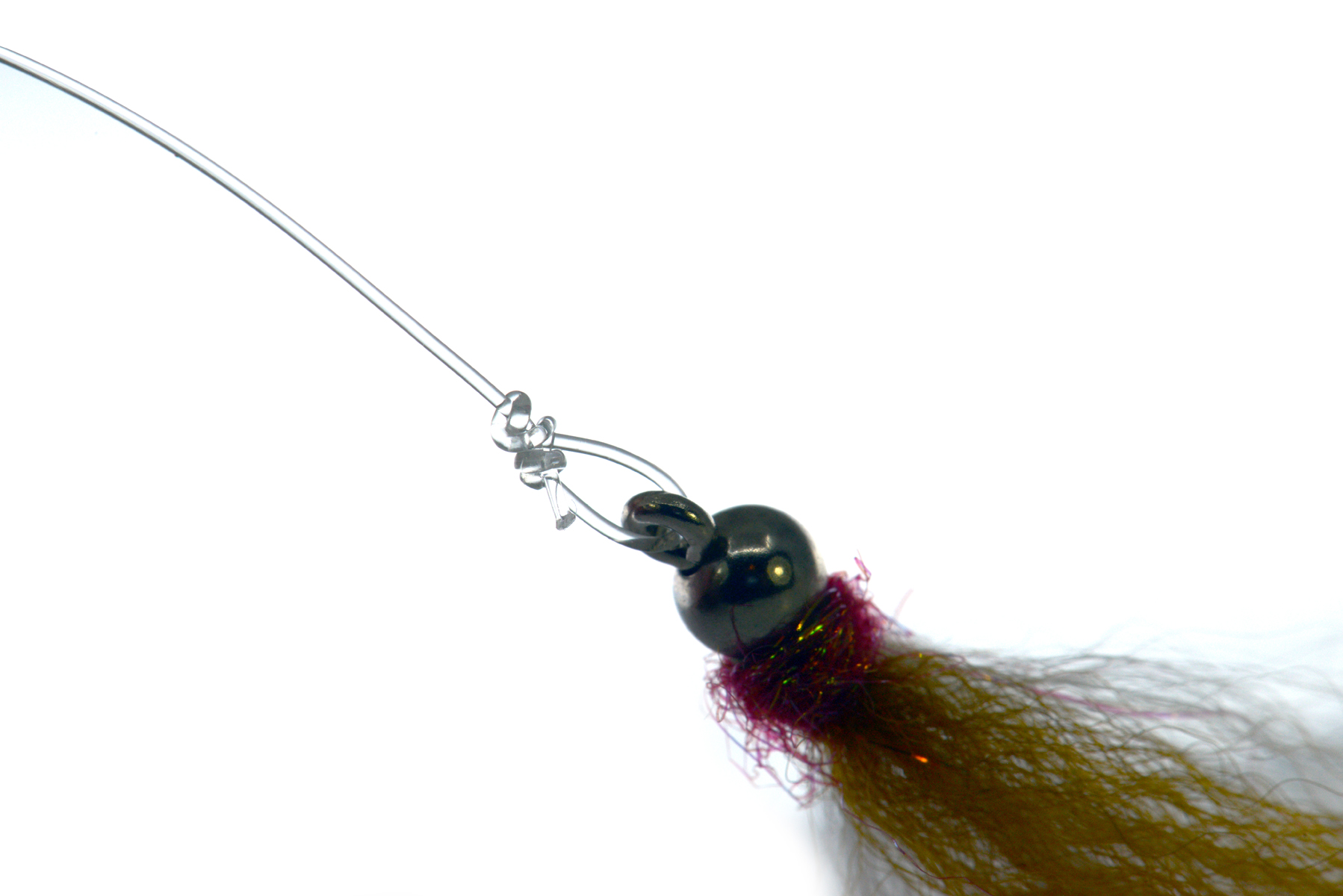
When fishing in cold water – below 6 degrees, the trout aren’t as resolute or fast as otherwise. Here, you’ll have to apply your “water reading” skills and key in on the spots where fish are most likely to hold and use light, pulsating flies (perhaps mounted with a Magic Head) fished at a sedate pace on long leaders. Doing so, it’s especially important to know your flies: How they react when retrieved and how they respond to varying currents and water pressures. Long, even retrieves followed by short pauses and twitches usually work well when the water is cold, and the fish are lethargic.
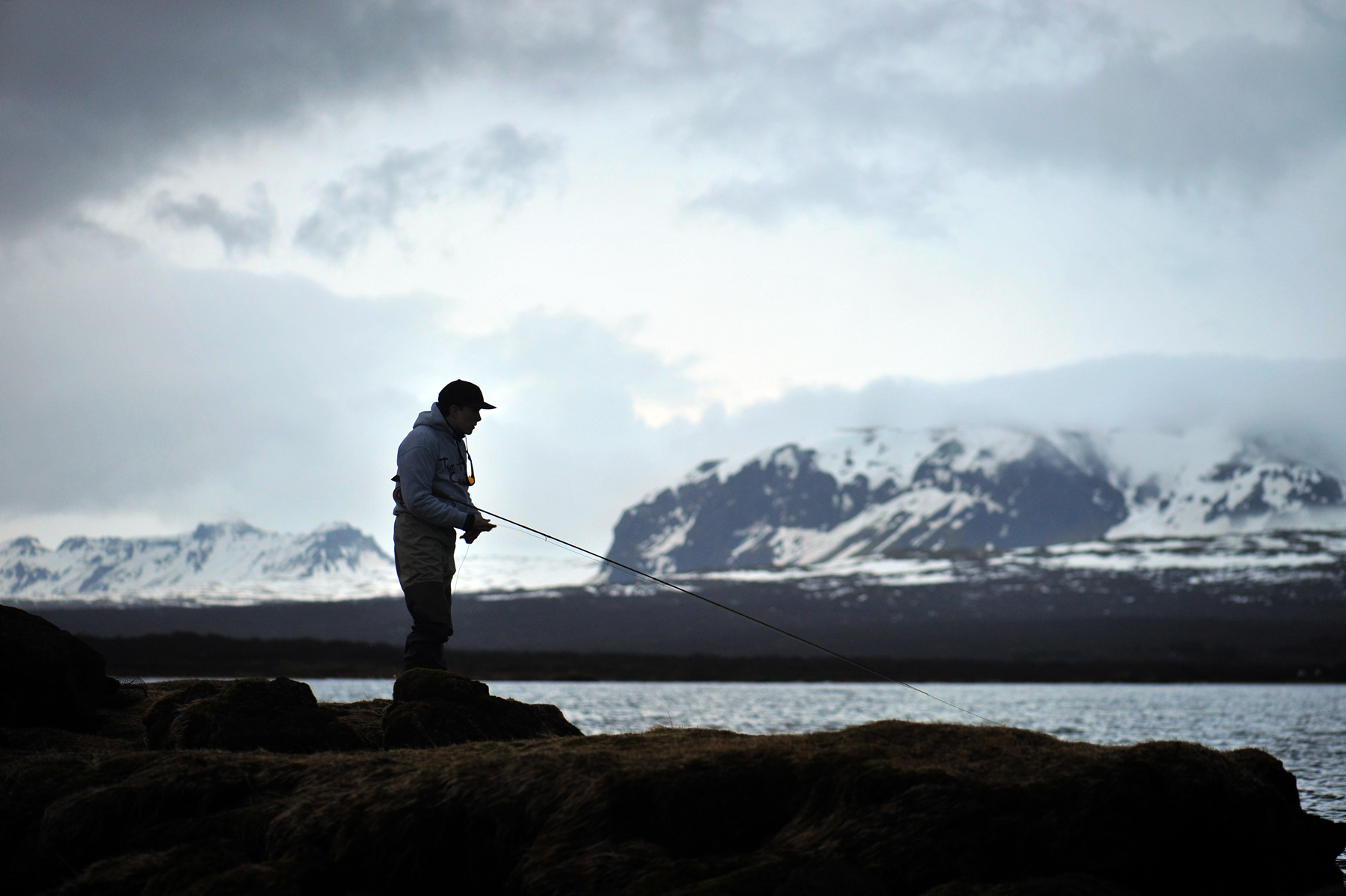
Remember, though, to keep good contact with your fly at all times and mend the line upstream to prevent the speed of the fly from accelerating too much. In winter rivers with moderate currents cast cross current at a 90-degree angle and let the current do most of the work while always keeping the line taught. In really slow-flowing rivers be a bit more proactive.
When the fish are clinging to the bottom, you might also consider using a floating line in combination with heavily weighted streamers or socalled jig flies, which are tied on traditional jig hooks. They’re not necessarily meant for overhead casting, but they can be fished at close-range with short casts, lots of line mending and a highly held rod tip. They’re particularly good for fishing pocket water and spots in close proximity to structure: For instance, holes behind big rocks, boulders or white-water necks – no matter the time of year.
At the end of long leaders, these flies can be cast or chucked upstream like nymphs and dropped into holding spots while adding a few twitches and jerks here and there. This technique has been developed and perfected in the Baltic Region and its well suited for deep and/or fast water and for fishing lee spots. And just as with nymph fishing, you’ll need to strike promptly whenever there’s even the slightest “bump” or tug on the line.
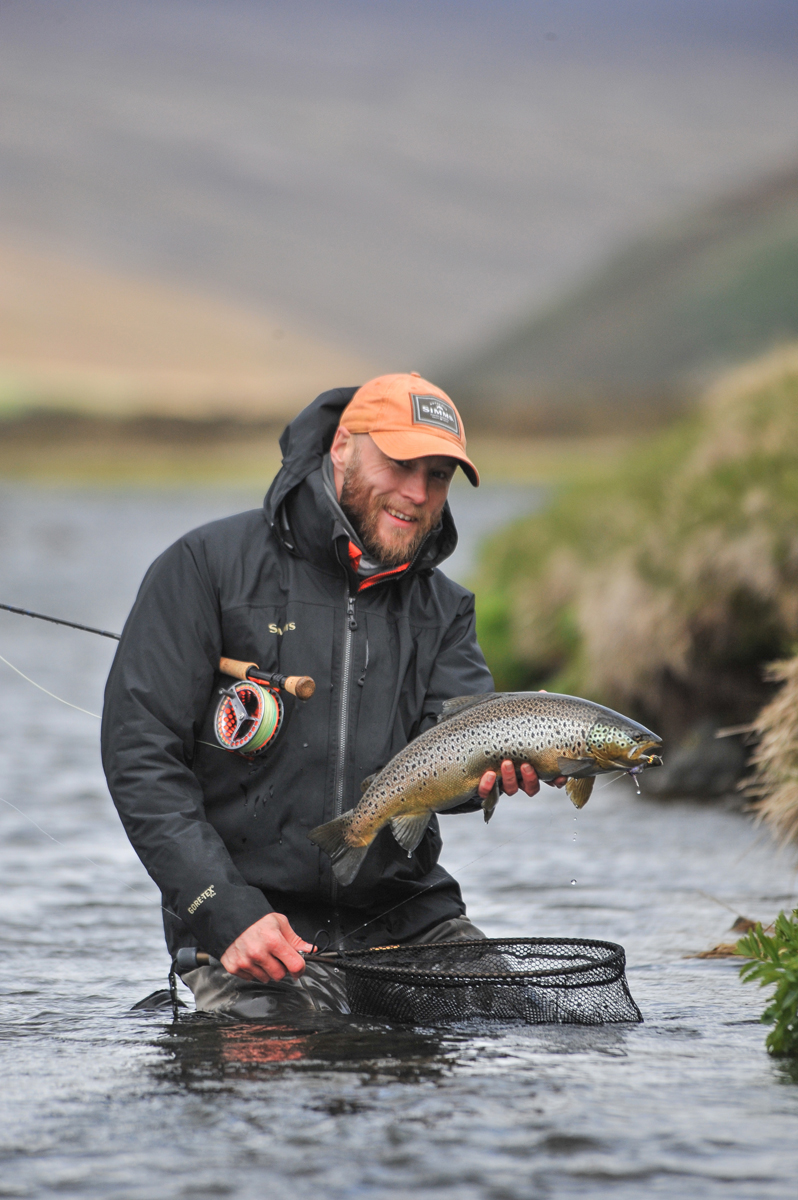
TIMING is an important factor, when fishing with streamers. Streamer fishing can be effective all year round, but it is particularly so during early spring when the rivers flood and subsequently drop. If you hit the river during these floods, especially when the water starts dropping and gradually become clearer again you just might run into some very hectic fishing. During spring, the fish are busy regaining whatever body mass they’ve lost during spawning and a long, cold winter, and – as a result, they throw themselves greedily at anything that looks edible.
During the heat of the summer, the fish are mainly active during dusk and dawn – and at night. Night fishing, in particular, with floating lines and big flies fished just below –or even on the surface, can prove very effective.
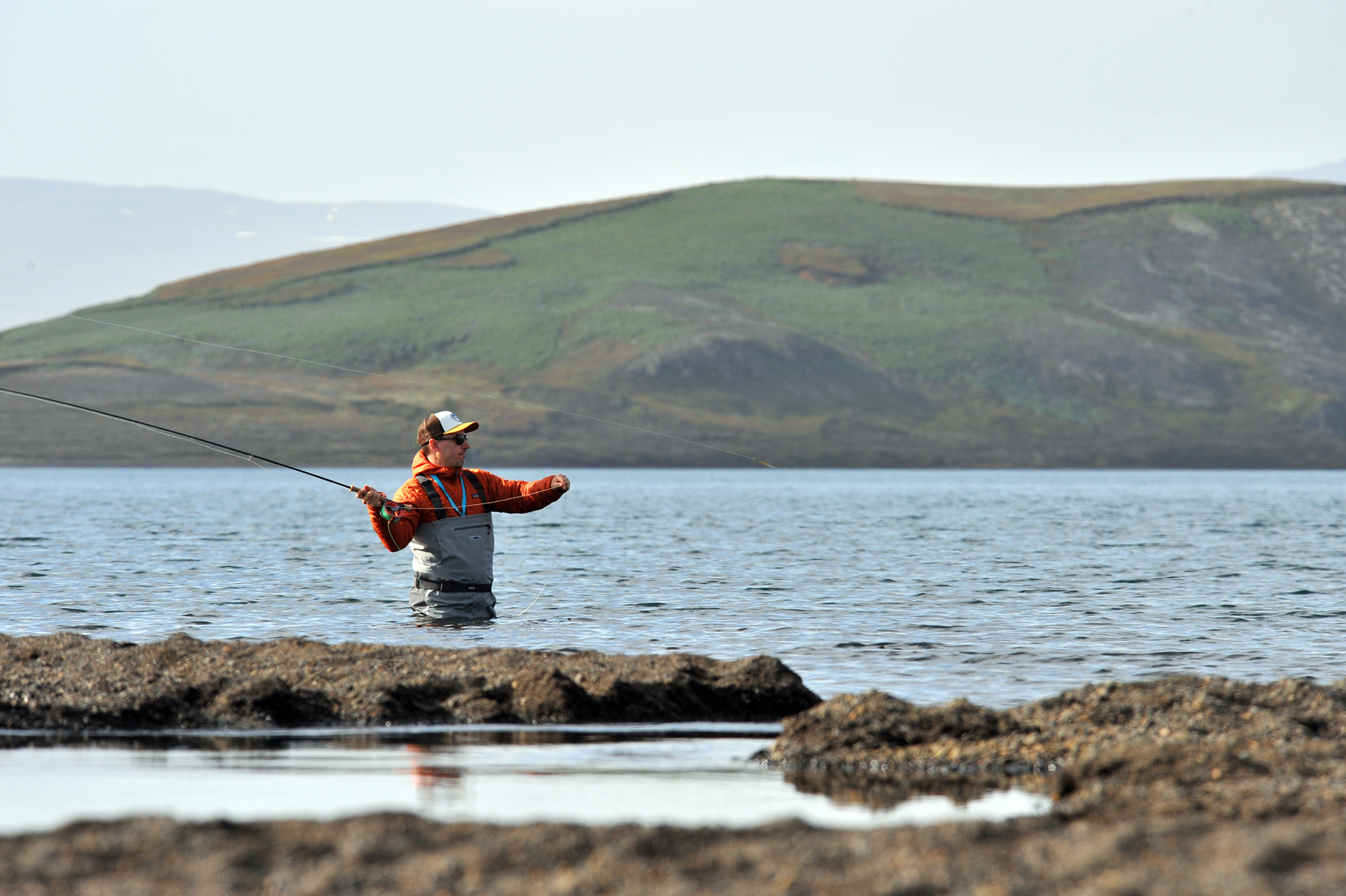
So-called wake flies, which settle just below the surface and make a visible wake when retrieved can be particularly effective. When targeting fish during daytime, the game is completely different, however. Here, sinking lines or jig-style fishing in deep pocket water is typically what’s required to hook up.
The winter months provide occasional periods with temperature rises and mild weather, when the fishing can be good. But, generally, summer and fall is when you stand the best chances of hooking into a trophy. During fall, the big fish are on the move, and they’re aggressive, territorial and opportunistically busy putting on a bit of additional weight ahead of the spawning and a long winter. Especially on days with rain and rough weather with low light conditions, the fish can be active – and if you concentrate on the wee hours of the day, you’ll stand a good chance of getting bent.
Good luck!
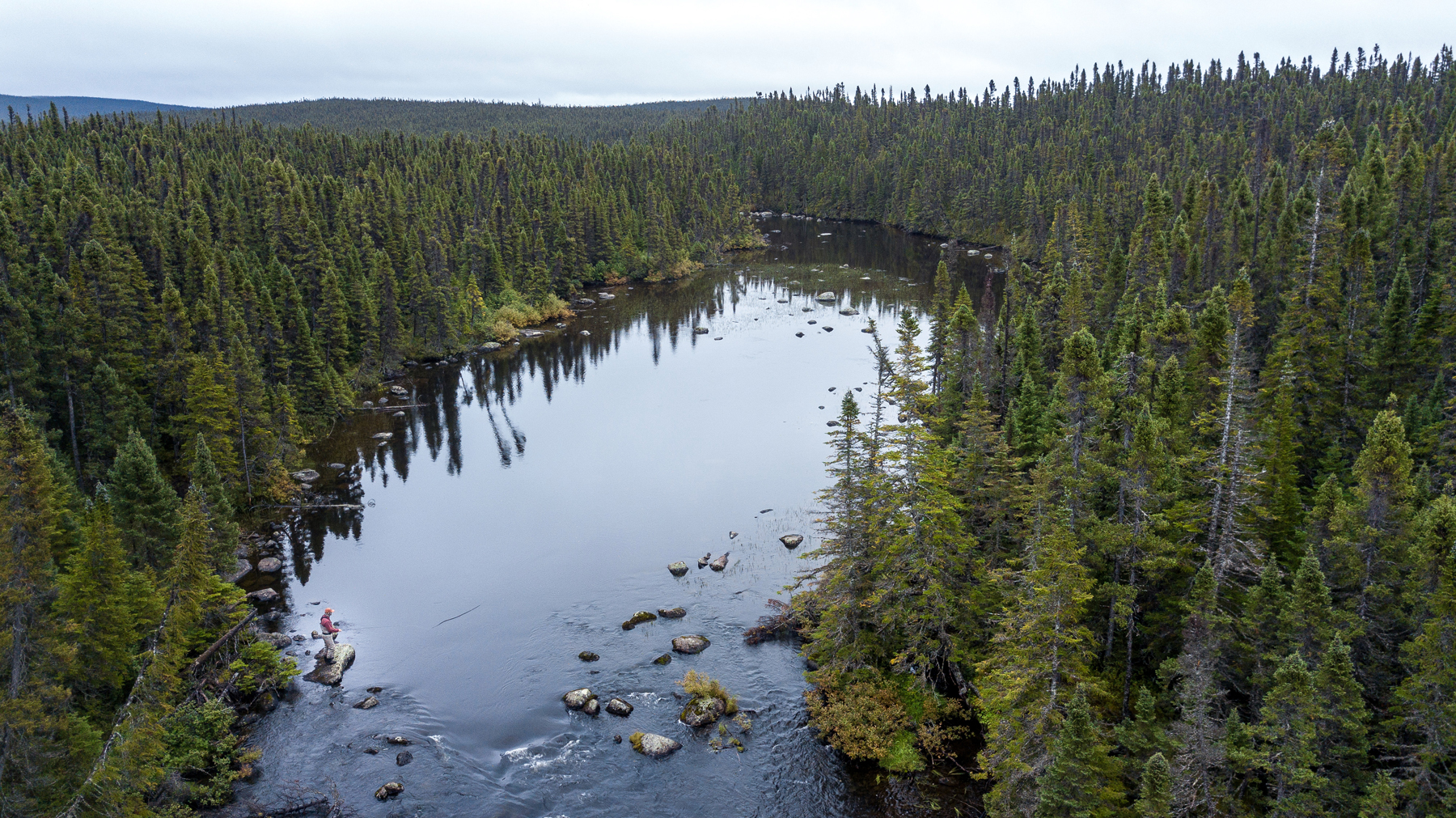
TIPS – WHERE TO LOCATE BIG TROUT
The biggest trout are found where the food is most abundant and where the best hiding spots are found – preferably in combination. In lakes, the biggest fish are found along the edges and drop offs, near inlets or along wind-exposed banks – especially if exposed to headwinds. They move around quite a bit, traversing great areas, but they are rarely far away from the where baitfish such as roach, dart and minnow congregate. And once you’ve located the baitfish (typically where big patches of weeds are relieved by great depth curves), you’ll eventually run into big trout.
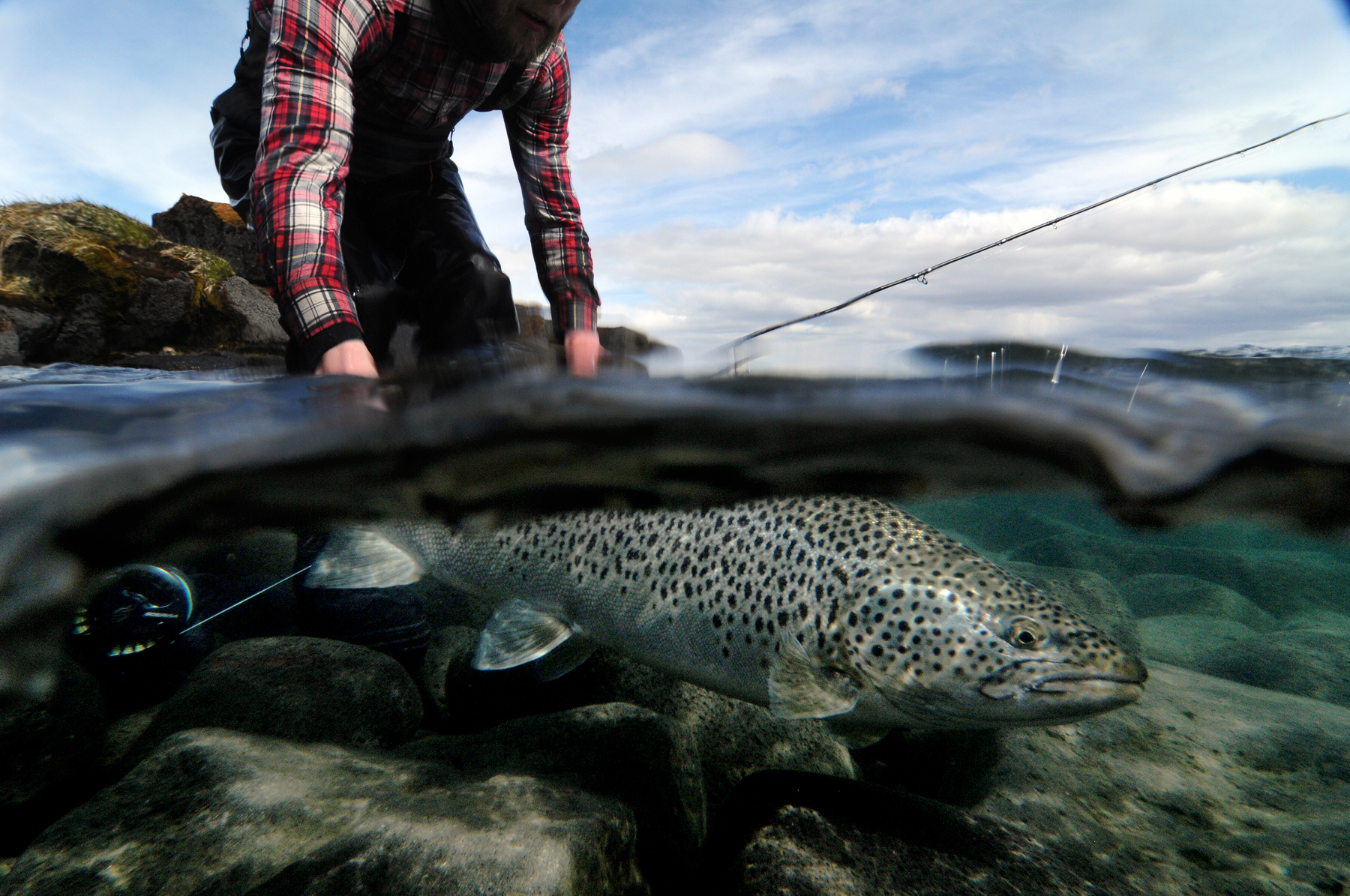
Except for the fall months, the fish are far more stationary in the rivers. And particularly the biggest trout like to stay in spots where there’s good cover and lee from the current. They favour spots in deep water, and they like to lurk behind big rocks or boulders, underneath undercut banks, below white-water and in deep channels –spots that are frustratingly difficult to fish effectively. But rest assured: They come out of their hiding at dusk and dawn or when the water swells. They need to hunt actively from time to time – in open water, so never give up. It’s just a matter of timing.