16 minute read
BAHAMAS: Crooked & Acklins – The Forgotten Atoll

Over the years, I’ve had the good fortune to cast flies across the length of the Bahamian archipelago - from the flats of Grand Bahama and Abaco to the wild backcountry of Andros and the remote beaches of Long Island. But more than a decade ago, one place captured my heart like no other: The vast southern atoll formed by Crooked Island and Acklins. Tucked away far from the tourist trail, this isolated corner of the Bahamas has drawn me back time and again - and each return only deepens my appreciation for its raw, untouched beauty.
BY HERLE HAMON
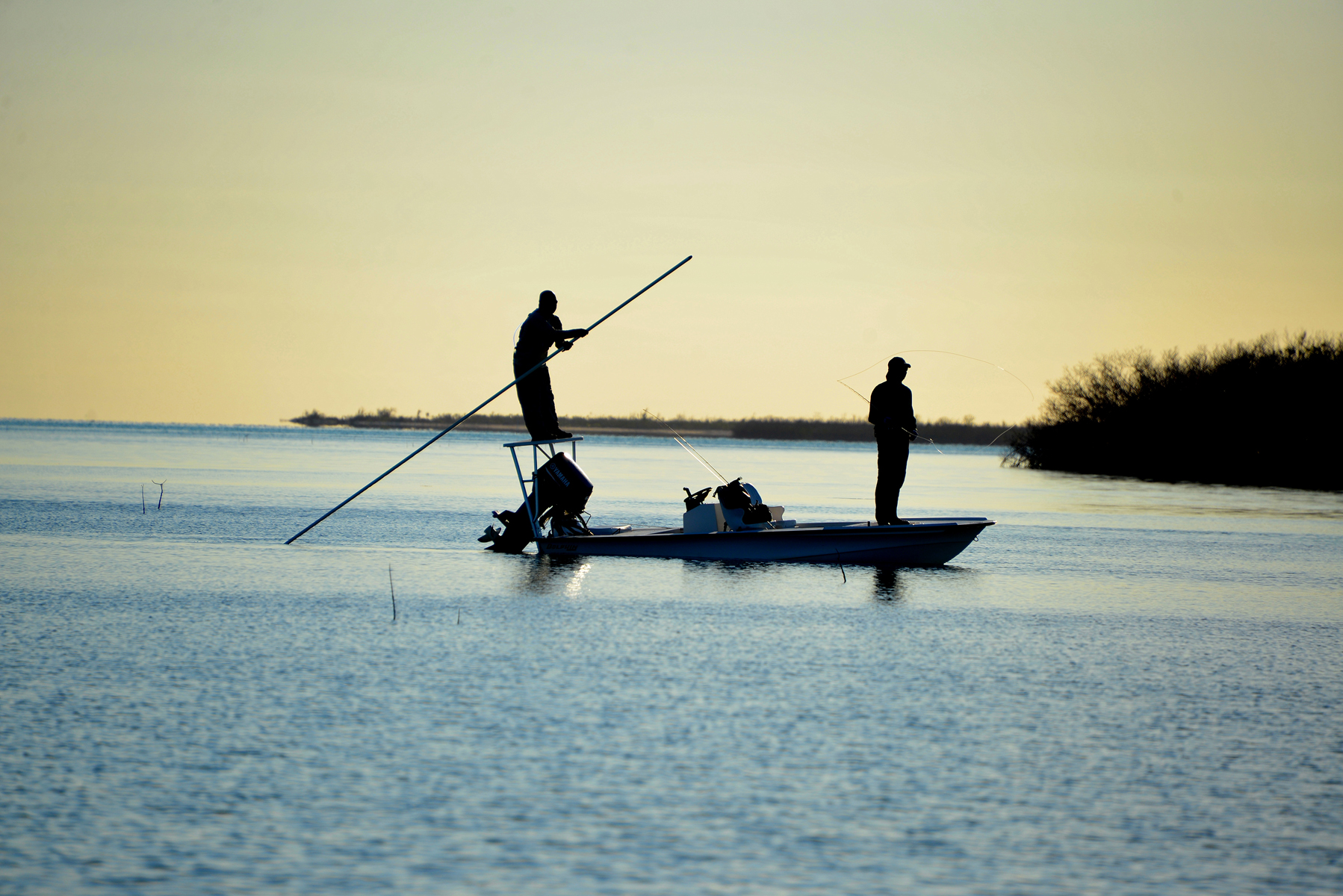
Crooked doesn’t come easy. There are just two flights a week from Nassau, a handful of vehicles on the island, one small grocery store, and fewer than 200 residents. It feels like stepping back in time - and that’s part of its magic.
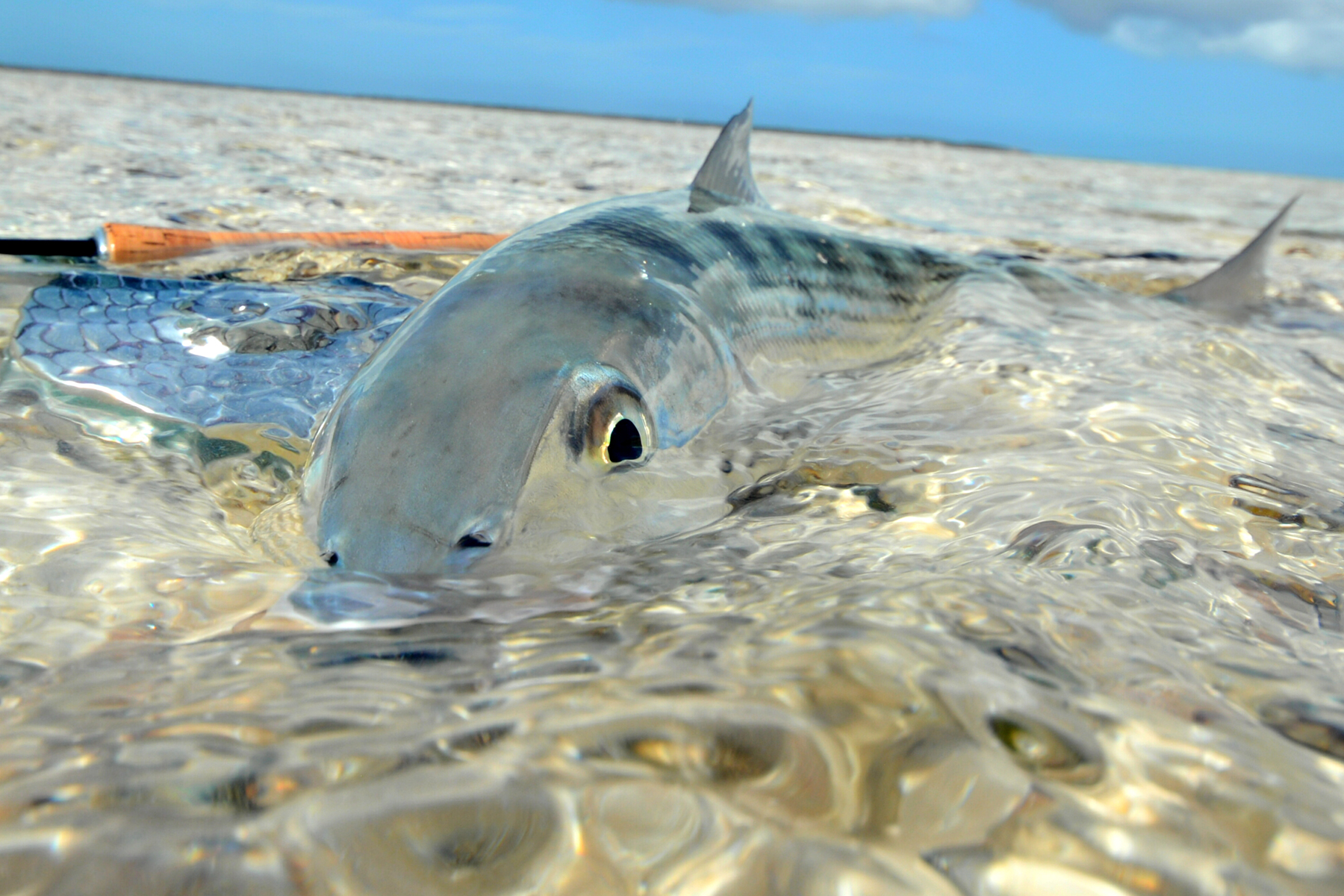
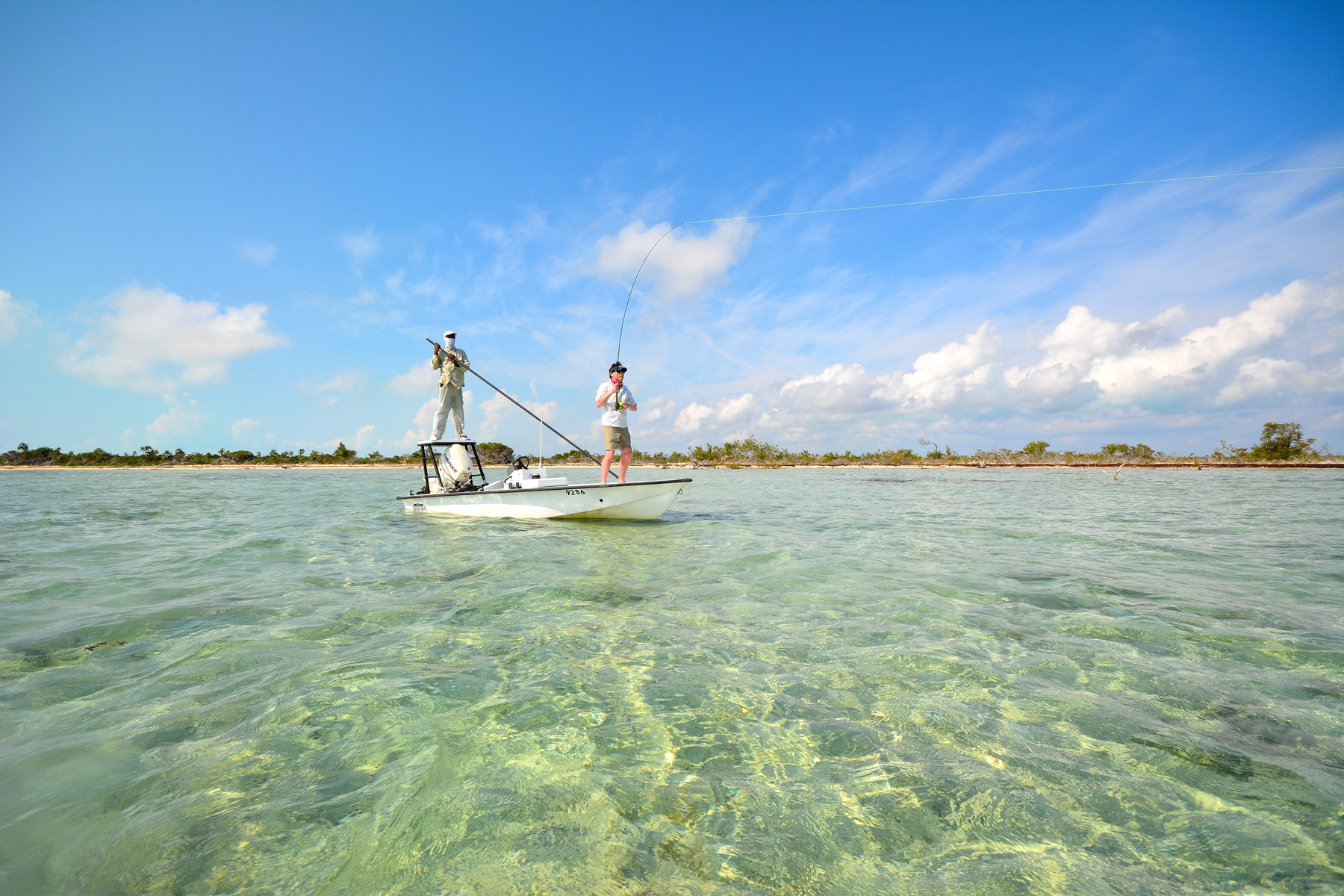
What Crooked and Acklins lack in amenities, they more than make up for in wild, pristine flats. This enormous atoll stretches roughly 140 miles around, sheltering a sprawling inner lagoon teeming with life. Bonefish are plentiful, the pressure is practically non-existent, and the water? - As clear and endless as any fly angler could hope for. If you’re looking for solitude, unspoilt nature, and the chance to explore flats where it feels like no one has cast before - you might just find your own version of paradise on this forgotten atoll.
Bonefish Heaven – Exploring the Flats of Crooked & Acklins
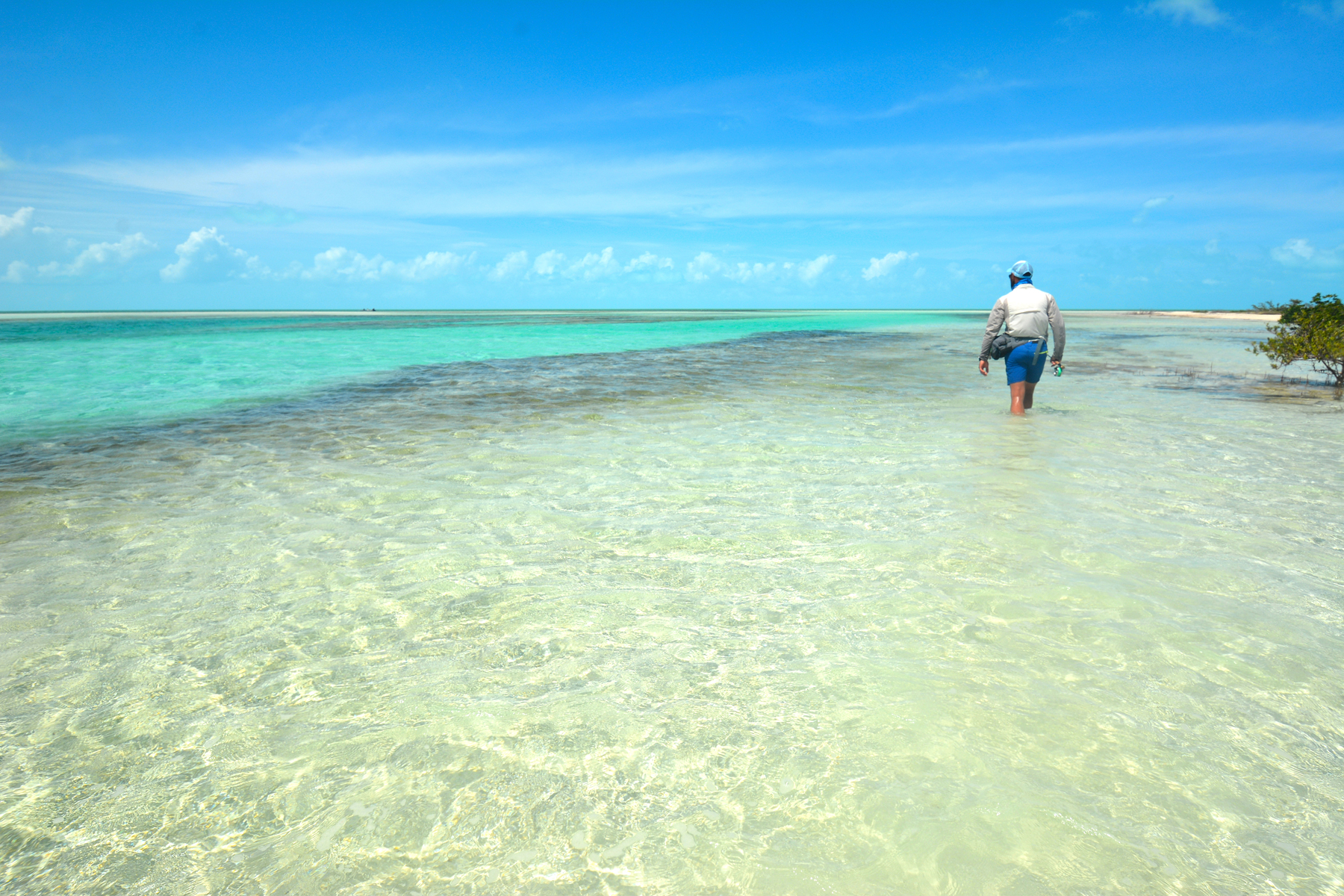
As your plane descends over Crooked and Acklins, you’re greeted by a jaw-dropping mosaic: square miles of white sand and coral-studded flats, bordered by a reef-fringed coastline where the water glows with a clarity that rivals anywhere else on Earth. It’s a bonefish’s dream habitat - and a fly angler’s, too.
But to truly appreciate this place, you need to love solitude, raw nature, and the pace of island life. There’s only one road, a scattering of brightly painted houses, and locals who live slow and smile often. And beyond that? Flats. Endless, untouched flats stretching in every direction - a tropical angler’s Eden.
But to truly appreciate this place, you need to love solitude, raw nature, and the pace of island life. There’s only one road, a scattering of brightly painted houses, and locals who live slow and smile often. And beyond that? Flats. Endless, untouched flats stretching in every direction - a tropical angler’s Eden.
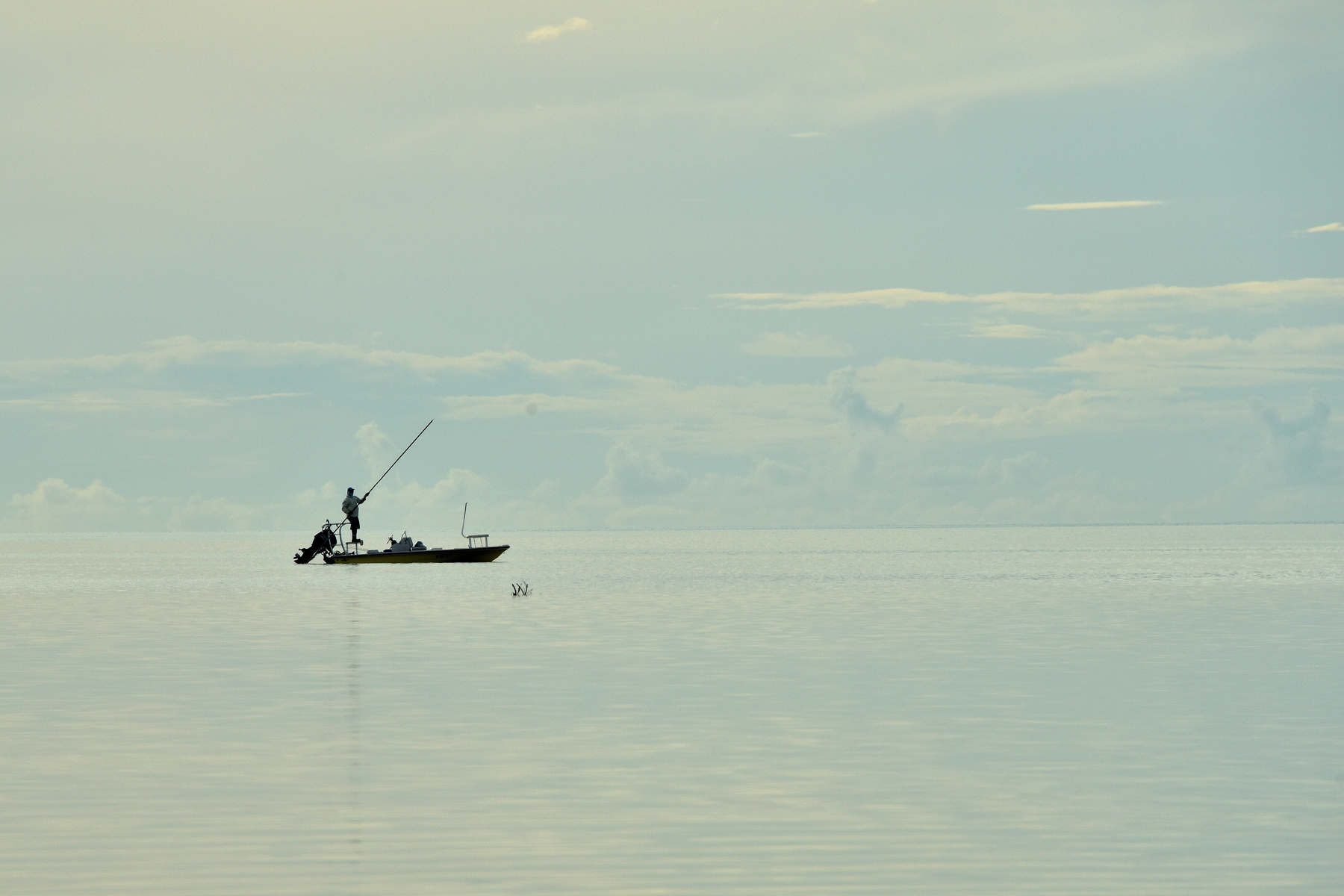
That said, a word to the wise: Don’t come here expecting to walk out of your rental and wade into worldclass fishing. While a handful of roadside lagoons hold bonefish, the vast majority of the atoll’s fishable water is only accessible by boat. I’ve met more than one disappointed DIY angler who showed up with high hopes and no skiff, only to realize they were limited to a few overfished flats.
Yes, this is the Bahamas - the bonefish capital of the world - and yes, you can catch fish from shore.
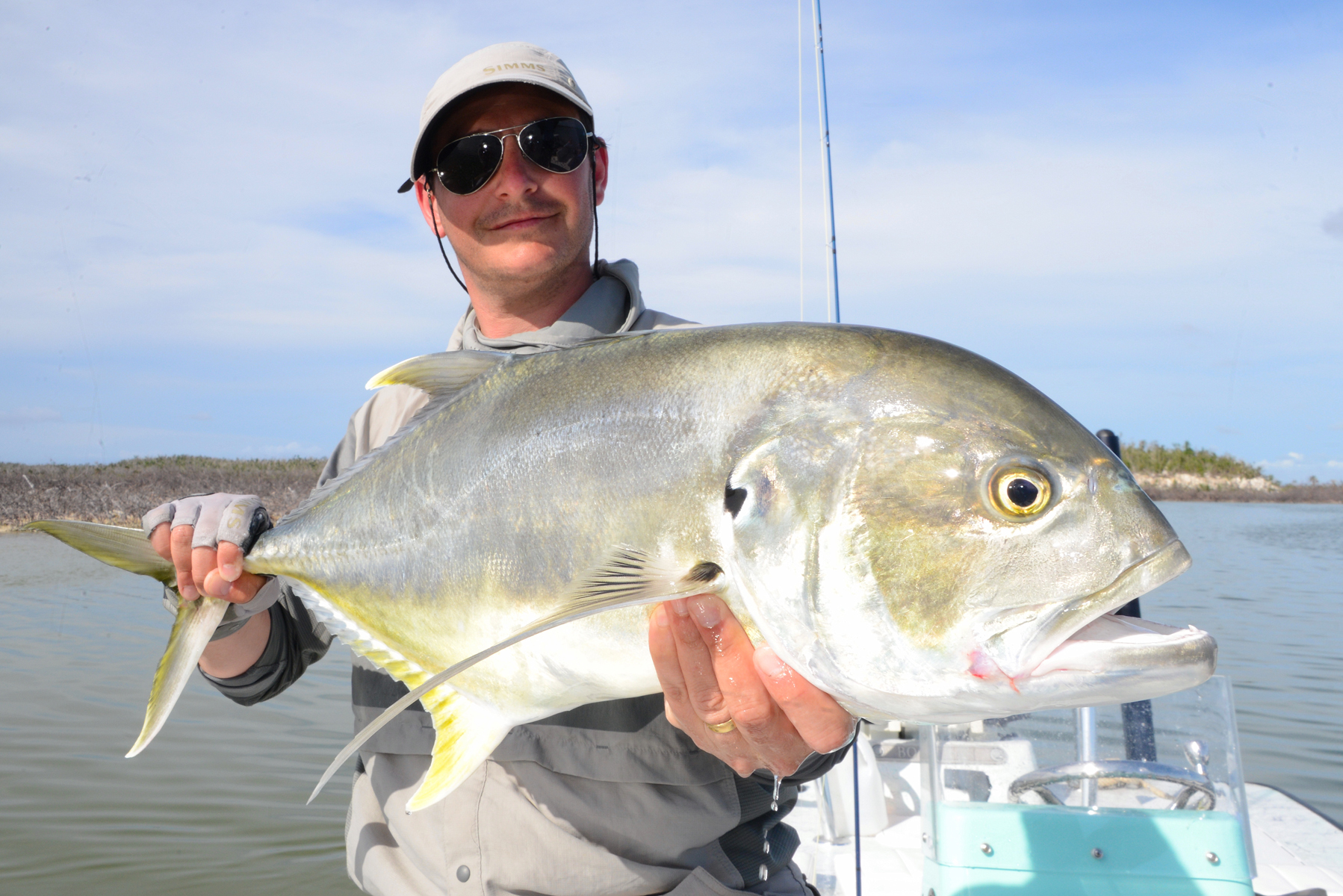
But if you want to unlock the true potential of this place, you need a flats skiff and a good guide.
“You’re a cast away from some of the most productive bonefish flats in the Caribbean”
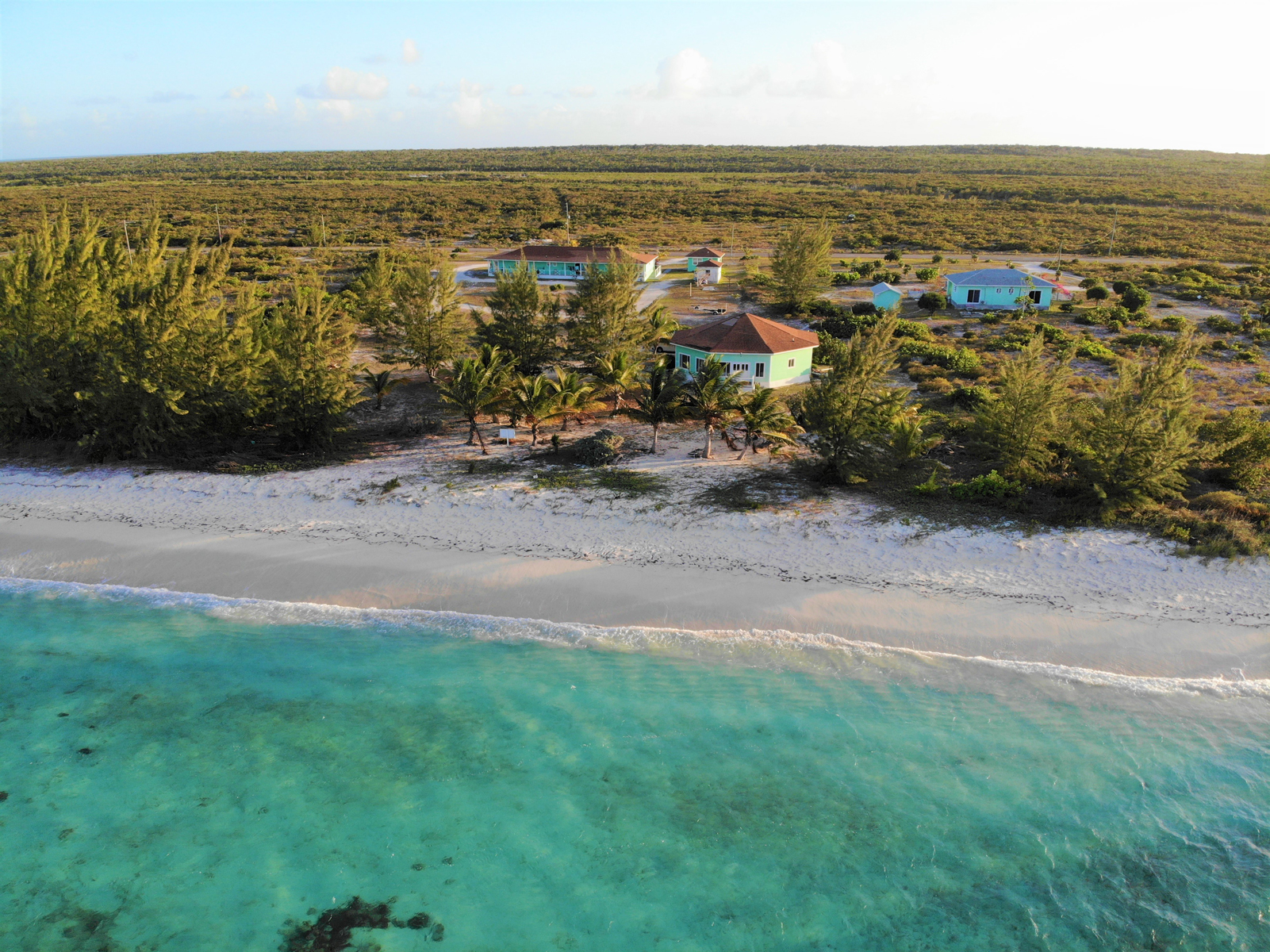
That’s where the Crooked & Acklins Lodge comes in. Perfectly situated to access the best waters on both islands, the lodge operates boats from two strategic locations: One dock inside the vast Turtle Sound lagoon on Crooked Island, and another near the channel that separates Crooked from Acklins. From either launch point, you’re a cast away from some of the most productive bonefish flats in the Caribbean.
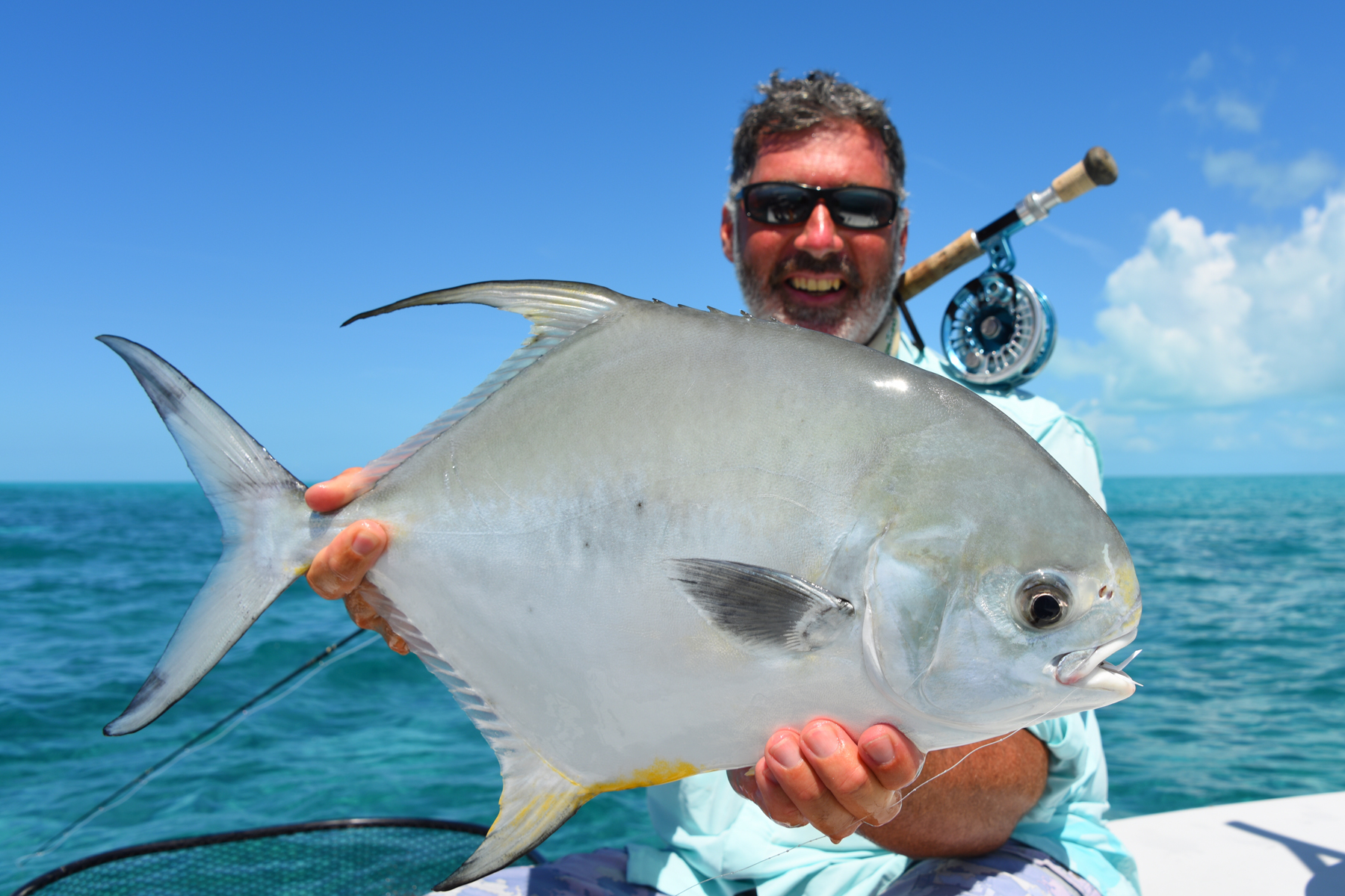
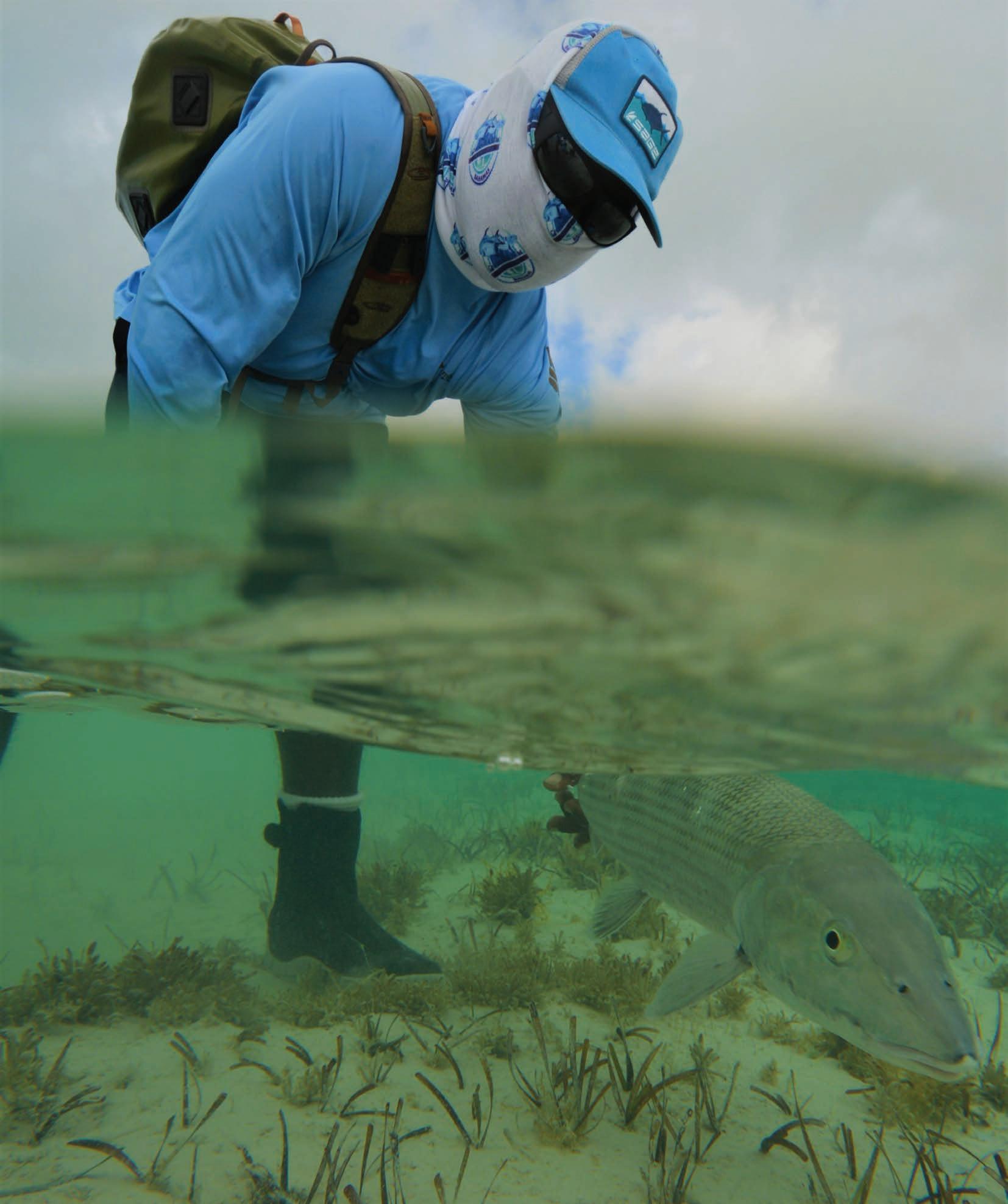
This is bonefish heavenpure and simple
On my most recent trip, I decided to push further. I packed a few barebones tents and convinced a handful of adventurous buddies to join me for a true off-grid exploration. We left behind the comfort of the lodge and headed into the wildest corners of the atoll, eager to explore the less-travelled zones that had been calling to me for years. In past trips, I’d only scratched the surface of these remote, uninhabited islands scattered around the edge of the atoll. They lie well beyond the daily reach of the lodge’s skiffs, and I’d only had fleeting encounters with their potential. But those brief glimpses were enough to stir something in me - a sense that this place held far more than I had seen. And I wasn’t wrong.
Improvised Bivouac on the Reef
Thanks to a bit of creative packing - and an extra checked bag - we arrived equipped with four “luxury” tents, ready to set up a rough-andready base camp on a remote coral cay, inhabited only by ospreys and curious rock iguanas. With help from the lodge and a few trusted guide friends, I had arranged - remotely, of course - a multi-day bivouac in one of the most inaccessible corners of the atoll.
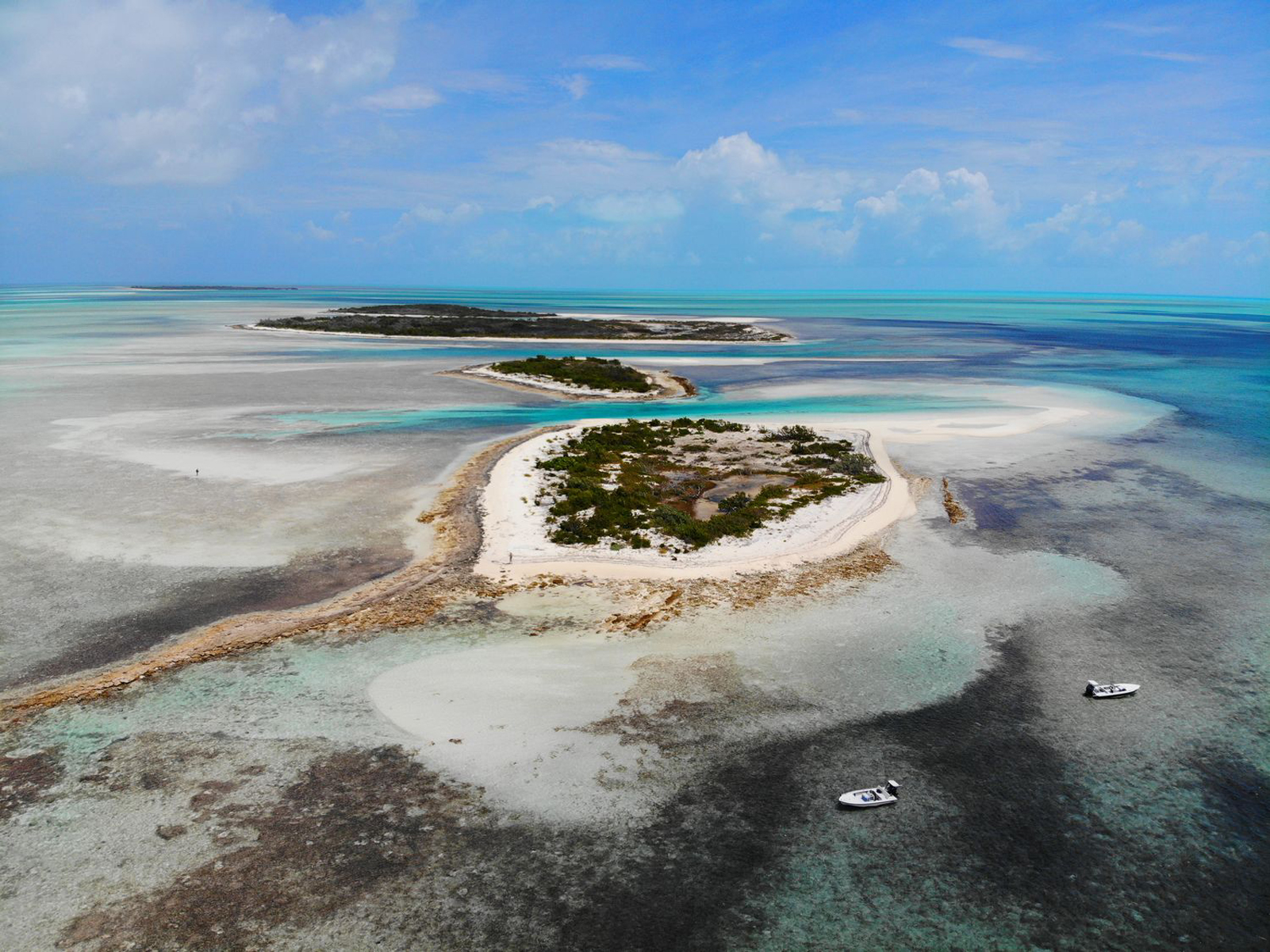
Coolers were filled to the brim with ice, food, and most importantly, enough drinking water to last us through the coming days. This was the real deal: Off-grid, self-reliant, and wildly exciting. The archipelago we targeted is made up of eight small, scattered islands spread across nearly 20 kilometres of reef-fringed flats and channels. We set up camp on the second cay from the north, nestled behind a curve of sand that offered shelter from the prevailing wind. Tents went up fast, coolers were tucked into the shade of scrubby vegetation, and the adventure began. And we quickly discovered… we weren’t alone.
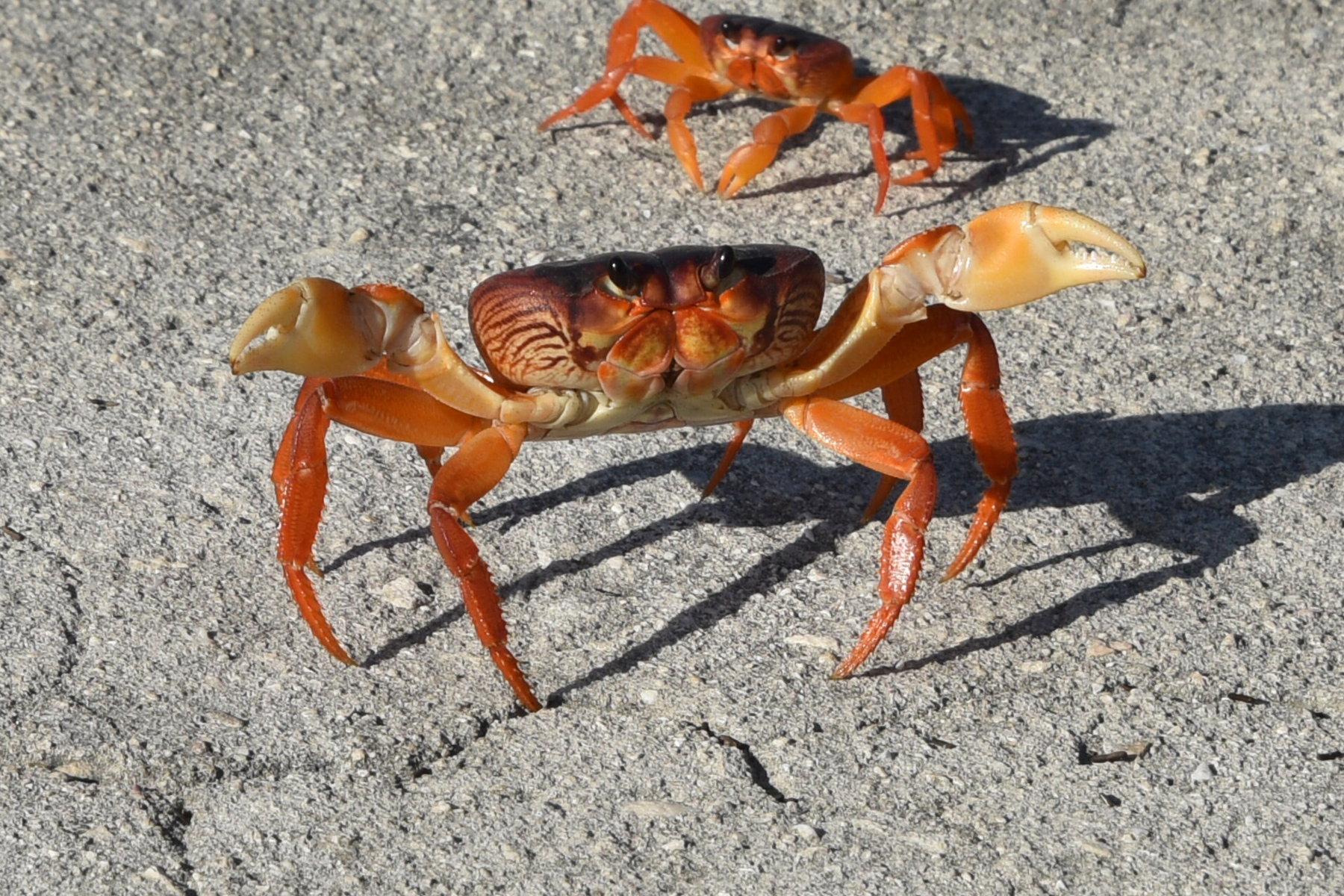
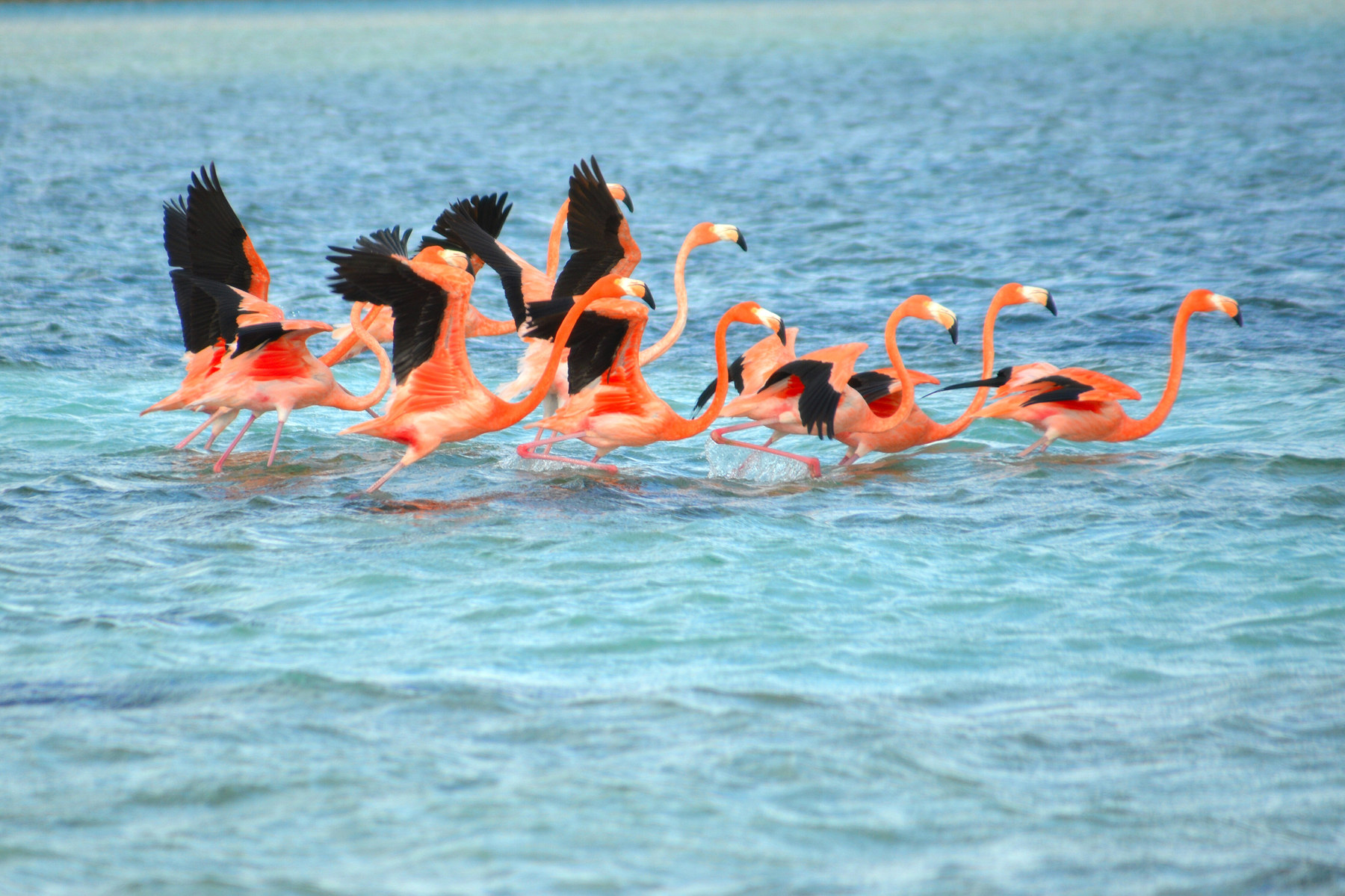
From the brush emerged a whole committee of iguanas, waddling over with practiced ease in search of handouts. Between the lizards, hermit crabs, and curious shorebirds, it became clear we’d have to guard our food like a permit guards its shadow. Nothing could be left unattended - not even for a minute.
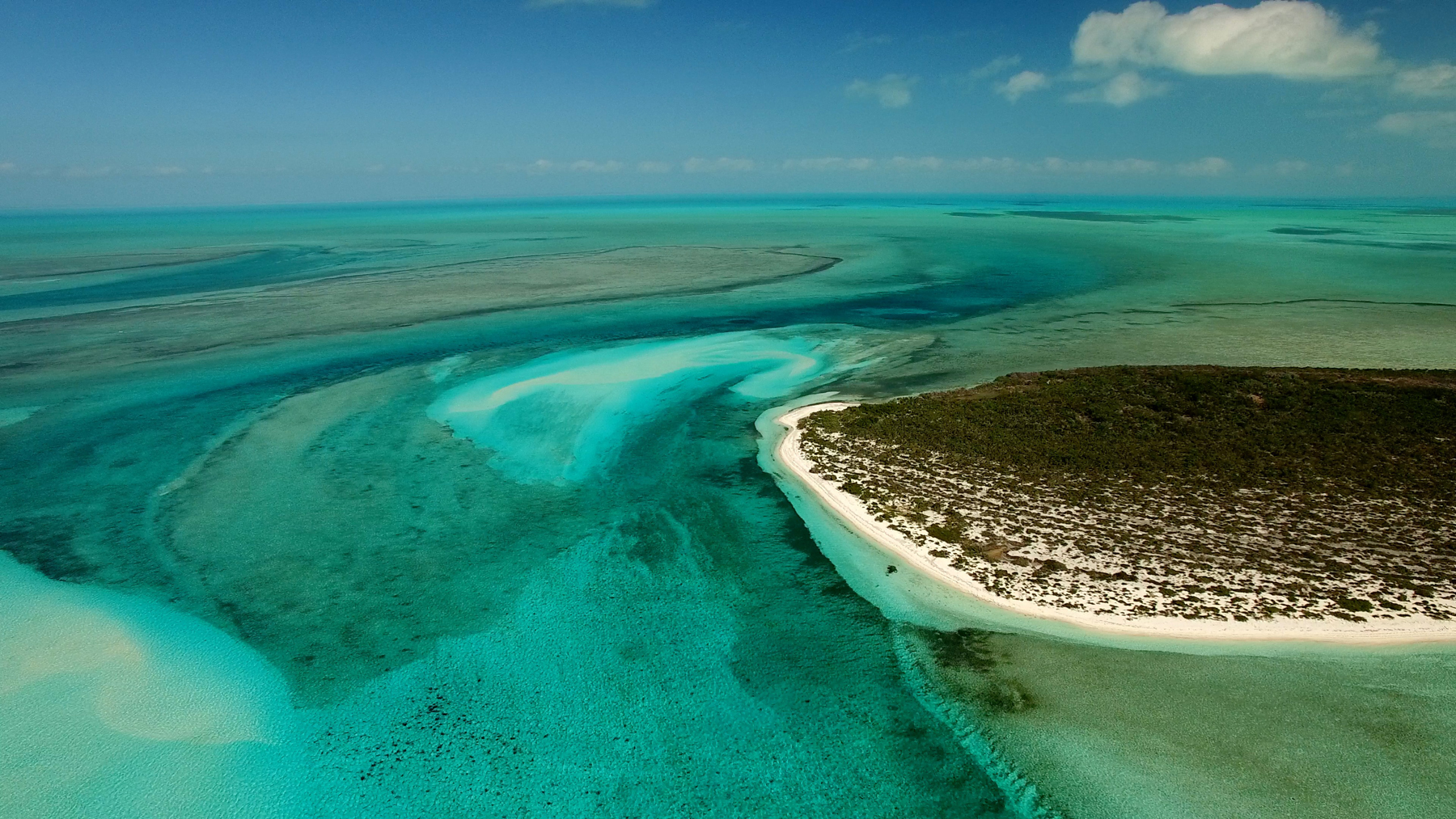
Out beyond the beach, the deep channels cutting through the reef were like underwater highways. With the incoming tide, they brought life into the lagoon - predators, forage fish, and just maybe, the fish of a lifetime. As the tide pushed in hard, we loaded into our two flats skiffs and split up to explore the surrounding flats.
Triggerfish Paradise
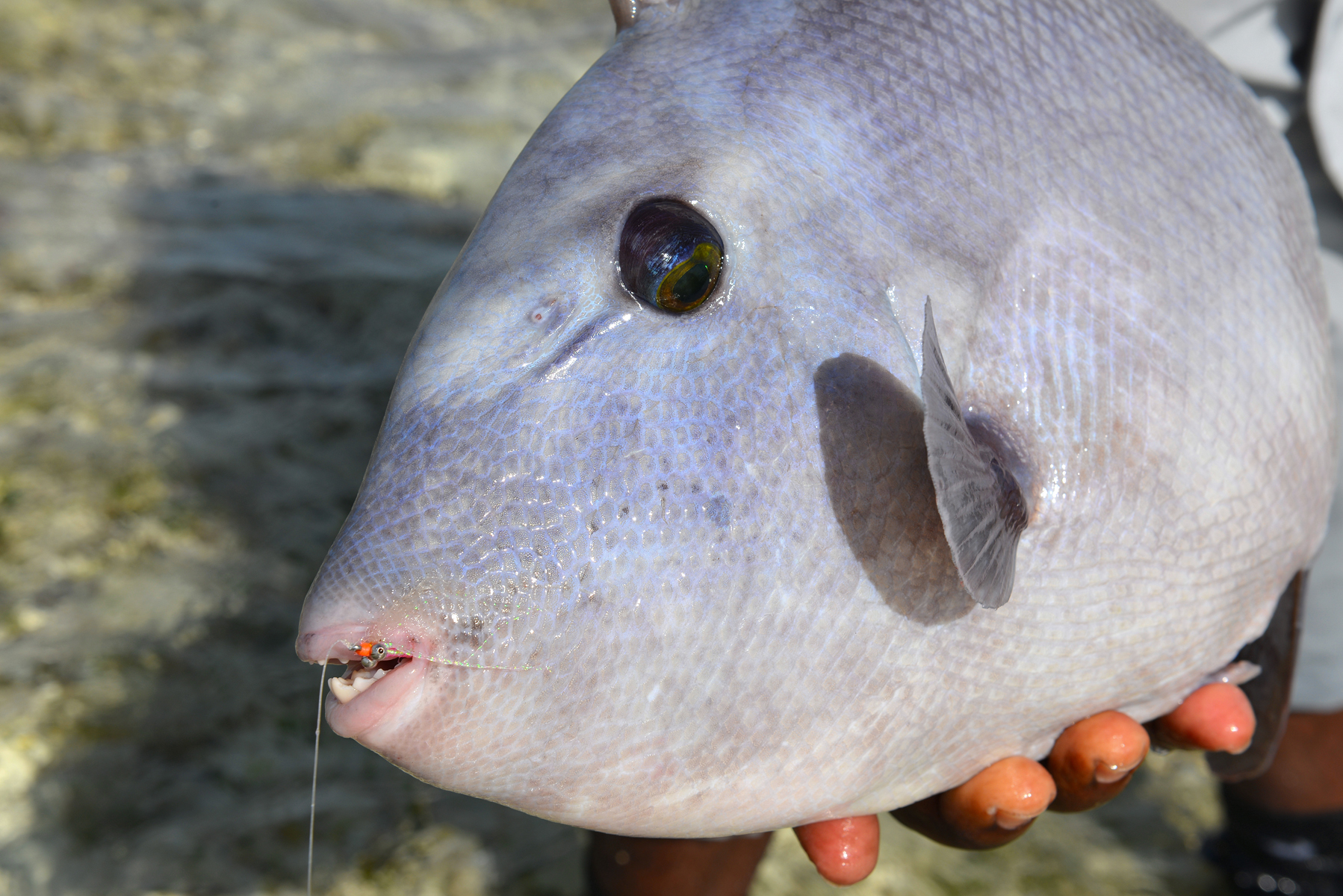
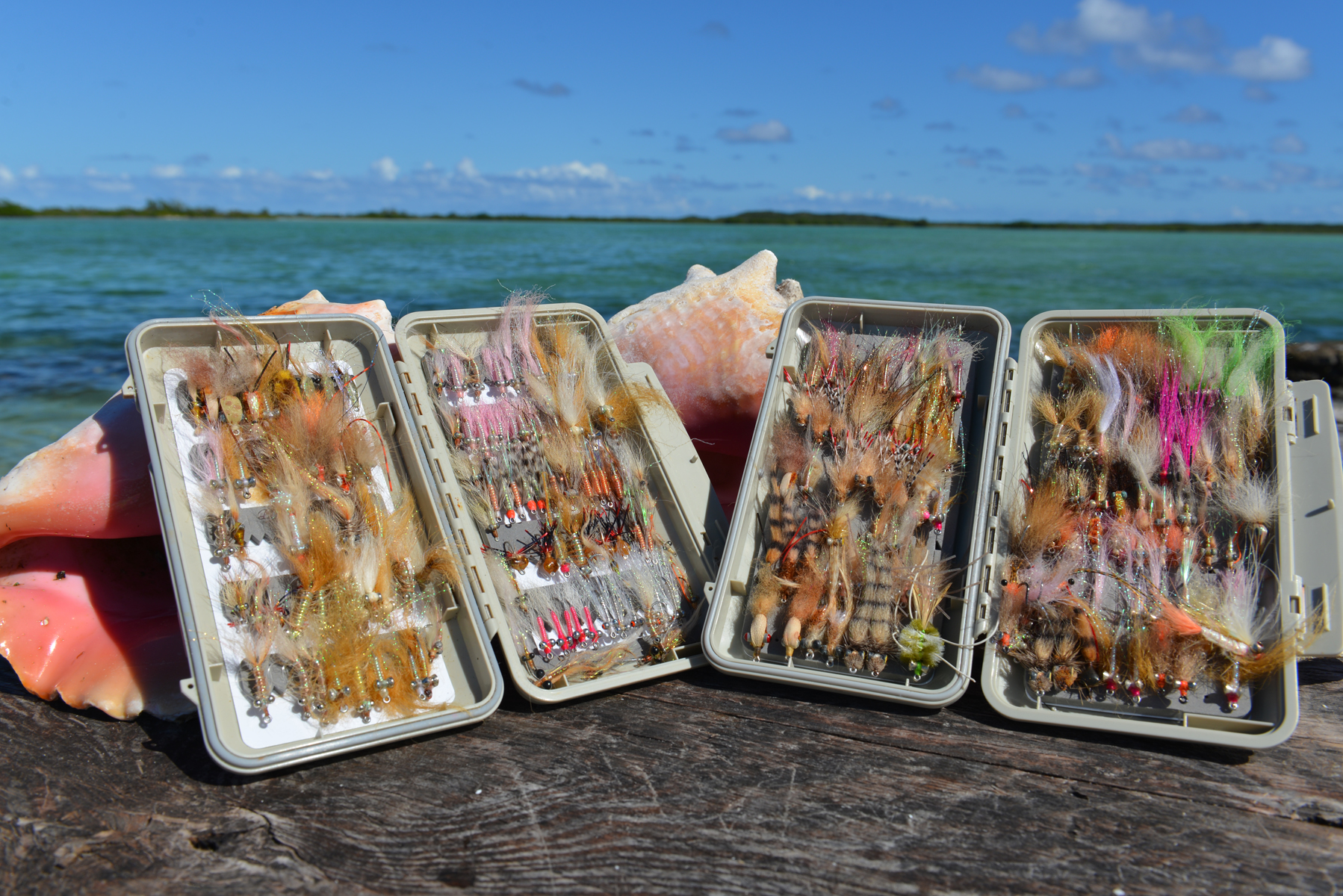
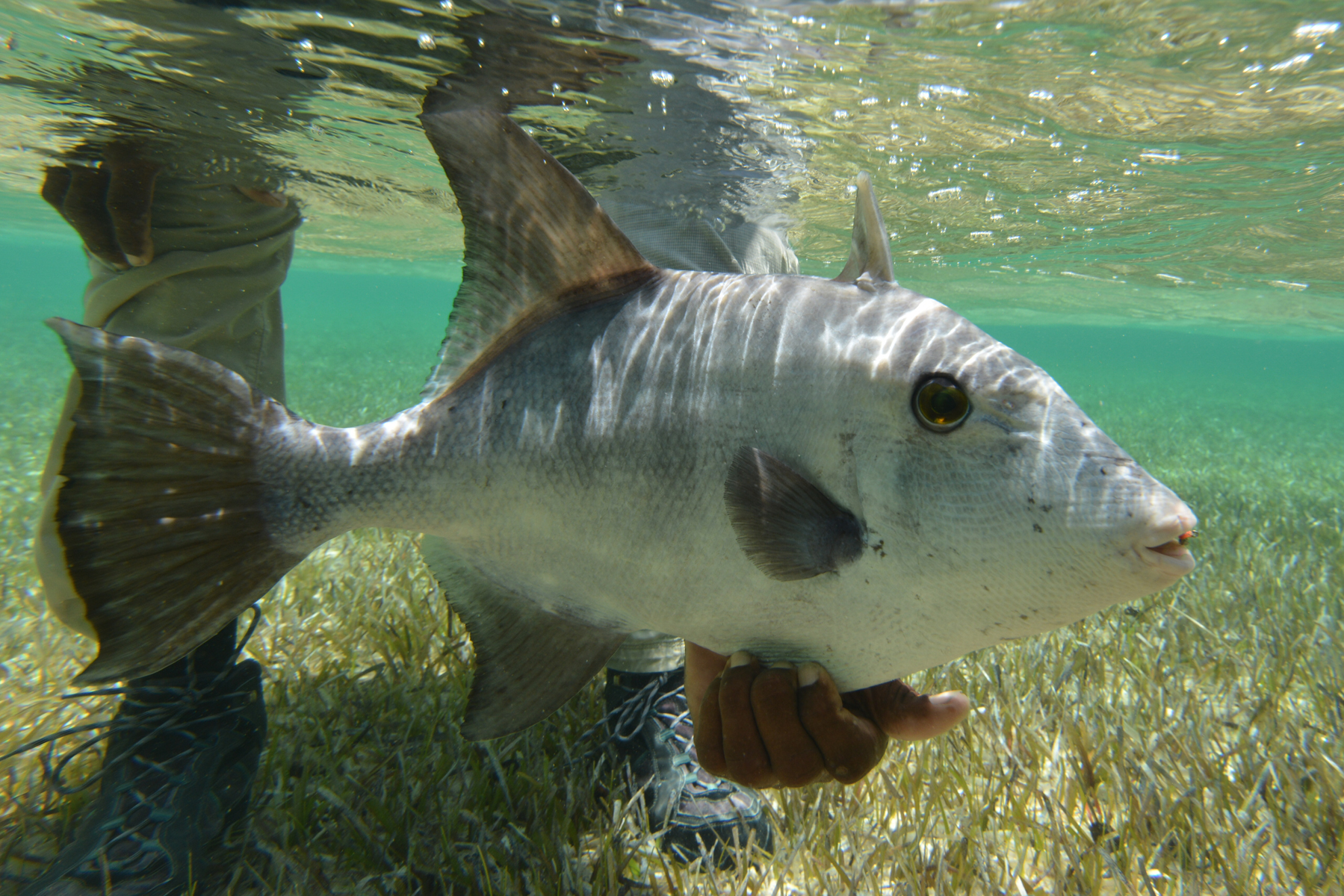
I paired up with Julien and headed around the back of the island. We hadn’t poled more than a few minutes before the tails appeared - not bonefish, but something rarer, and in surprising numbers. Triggerfish. Lots of them. I’d never seen so many in one zone - not in the Caribbean, anyway. Maybe twenty tails waved above the surface in near-perfect unison, as if choreographed. We eased in, dropped our shrimp patterns ahead of the leading fish, and watched them charge with that unmistakable triggerfish twitch.
The first double came quick. Then another. And another. By the time the tide had risen enough to scatter the school, I’d landed nine solid fish - by far the best trigger session I’ve had anywhere in the Caribbean.
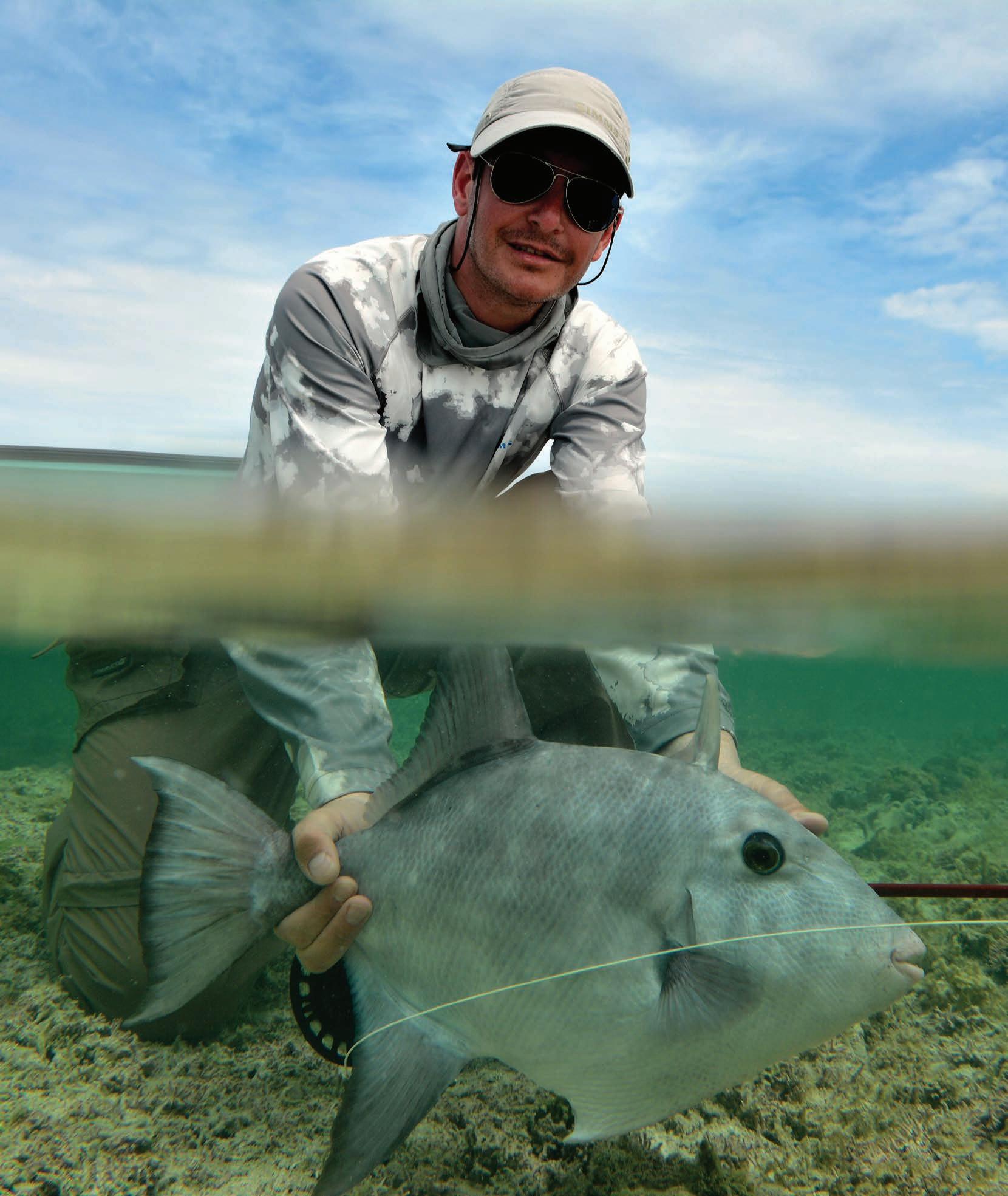
These were Ocean Triggerfish, a species native to the Atlantic, with a chameleon-like ability to shift color depending on the substrate - from ghostly pale to charcoal black, and every steel-blue hue in between. Like their Indian and Pacific cousins, they prowl the shallows in search of crustaceans, digging with their strong teeth and rooting out prey from coral and sand alike.
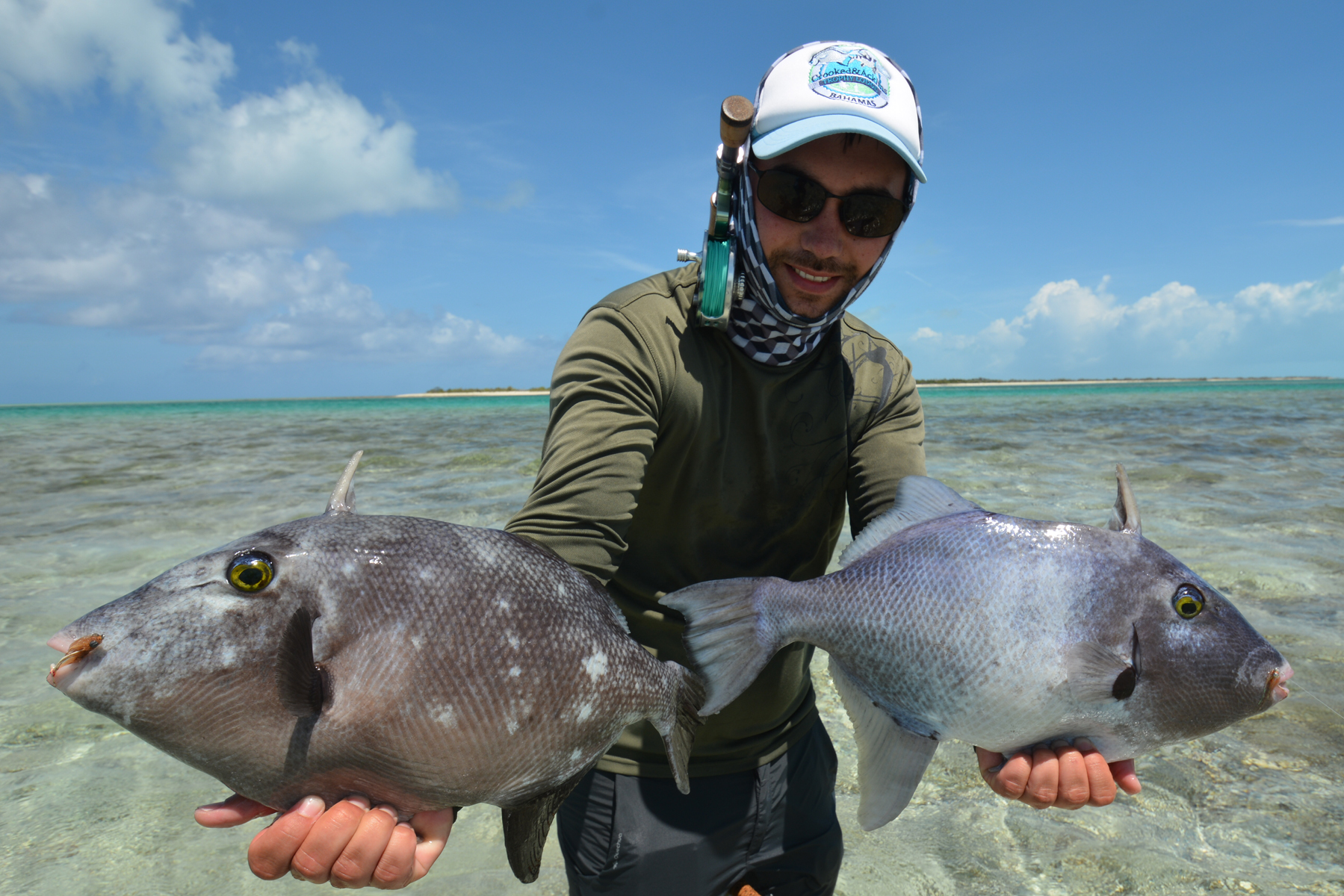
They’re an underrated target on the fly. Sight-fishing in skinny water, slow and deliberate eats, and surprisingly technical presentations - these fish demand finesse. You let them come to the fly, wait for that slight tilt as they key in, then strip set with just enough pressure to sink steel.
They don’t run like a bonefish or bulldog like a jack, but a big trigger will test your knots, your patience, and your temper. And they love nothing more than breaking you off on the nearest coral head. But man… when it all comes together, there’s nothing quite like them.
Cuda Time
As we made our way back toward the island, I peeled off toward the windward side, where a wide channel swept in close to shore. I was walking along the beach when I spotted it: A dark shadow moving just above the bottom, cutting slowly across the sand. No doubt about it. A big barracuda was on the hunt.
I quickly swapped flies, tying on a white-and-chartreuse 4/0 streamer, rigged on a wire bite tippet. The fish was holding steady, almost statuesque. I knew from experience not to cast too close - get too tight, and you’ll spook them every time.
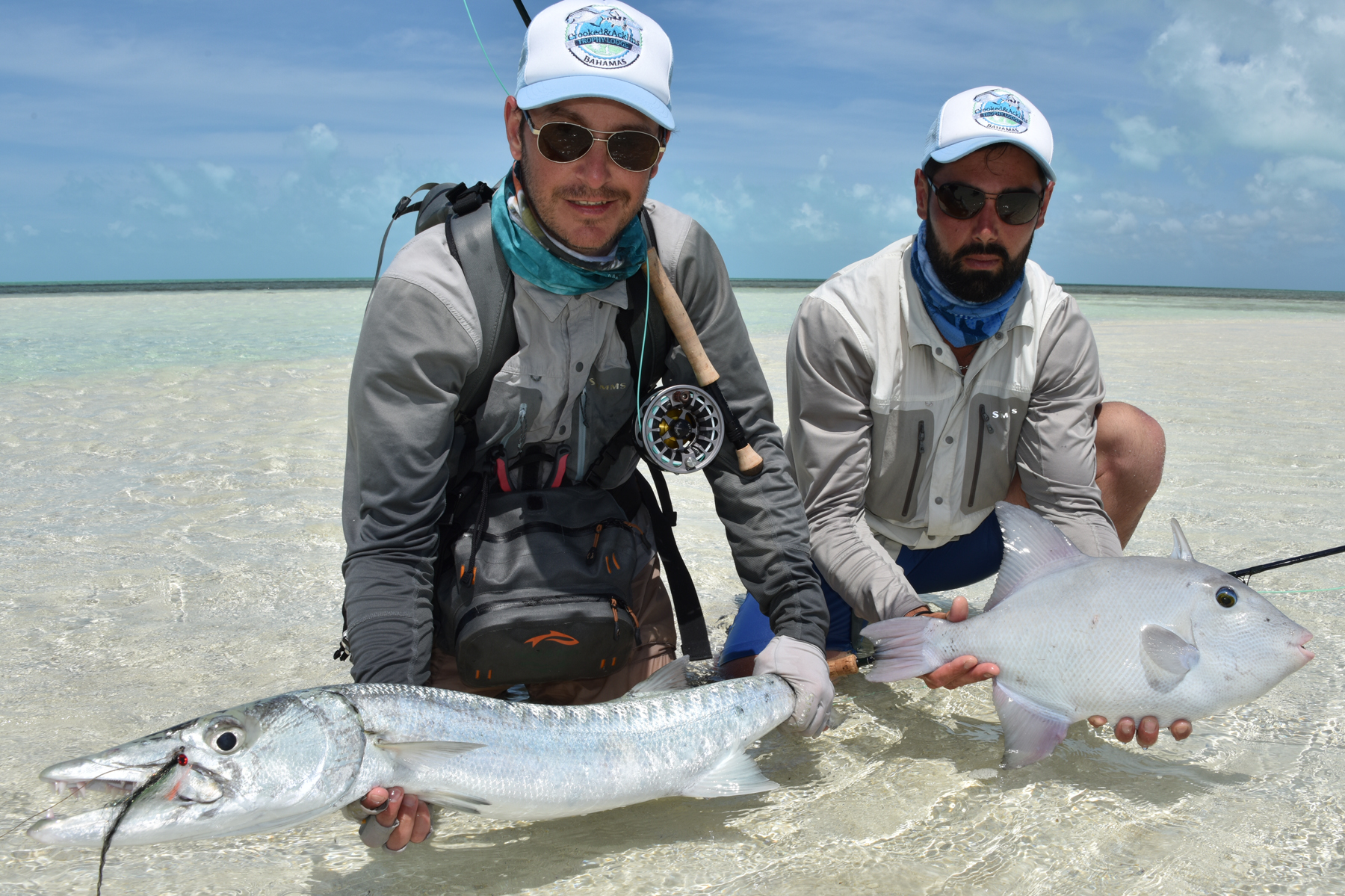
I sent the fly out about 20 meters, right into the heart of the channel. Let it sink. Then strip - fast, erratic, no rhythm. I kept my eyes locked on the fish… but I never even saw the take. That barracuda hit like a freight train. The line ripped through the water as the fish exploded into a series of aerial cartwheels - some well over a meter out of the water. That first run rivals anything a tarpon can dish out. But unlike tarpon, barracuda are sprinters. After the initial chaos, they tire quickly.
I worked the fish back toward the beach, landing it on the white sand before releasing it with care. It bolted for deeper water just in time - because circling nearby, maybe 8 feet long and closing in fast, was a shark. Out here, sharks show up like clockwork the moment something struggles. Their ability to detect vulnerability is uncanny - and yes, there are plenty of them around. I gave the area a few minutes to settle before making some blind casts into the channel. First cast - smash. Whatever it was ripped the line from my hand and came off just as quickly.
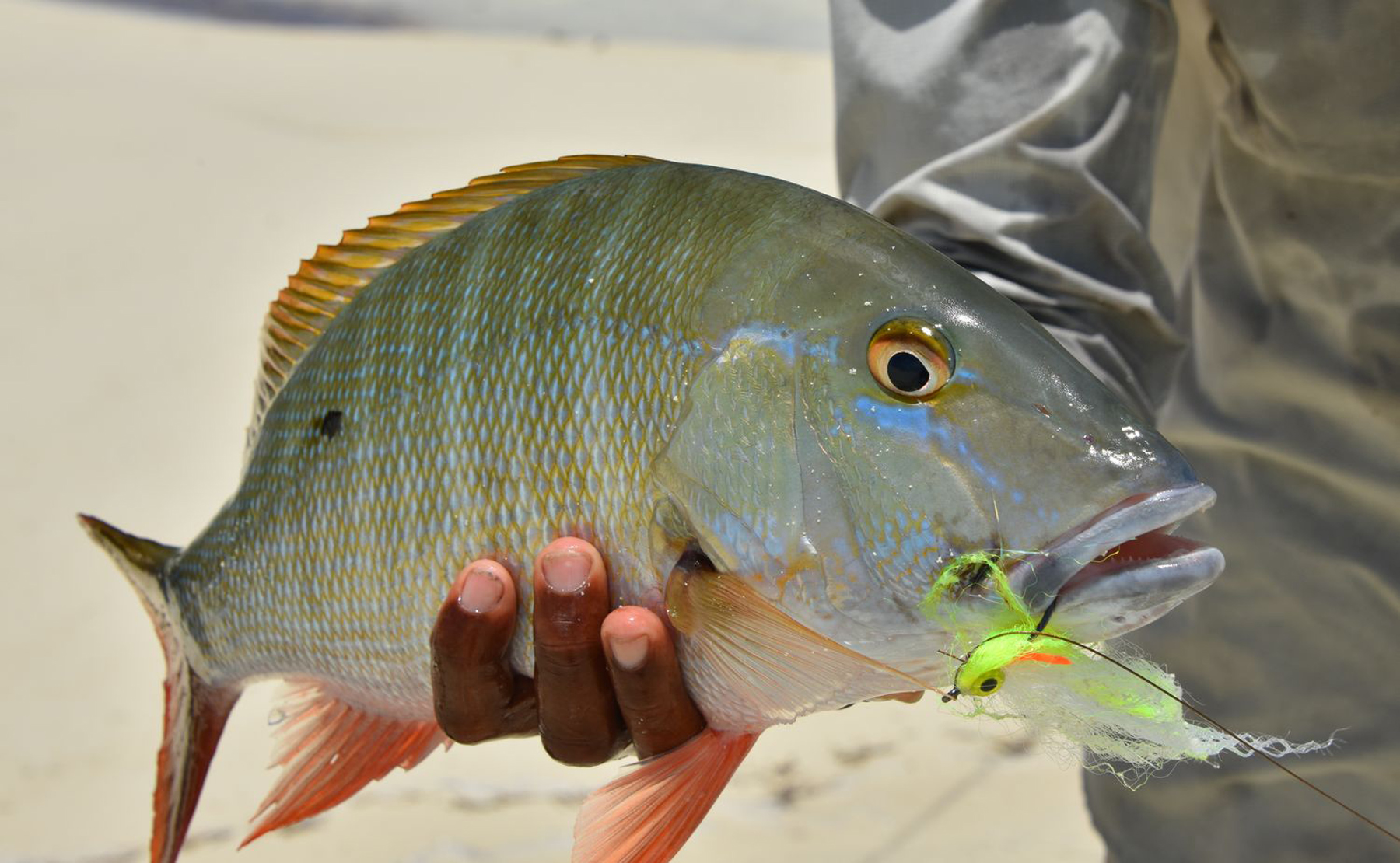
Second cast. Another violent hit, but this time I held firm. The fish ran hard, then arced into the shallows with three others in tow. It was a solid mutton snapper, followed by a small pack of companions - and a triggerfish for good measure. Romain joined me just as the group surged in, and he dropped a shrimp pattern right in front of the trigger. Immediate eat.
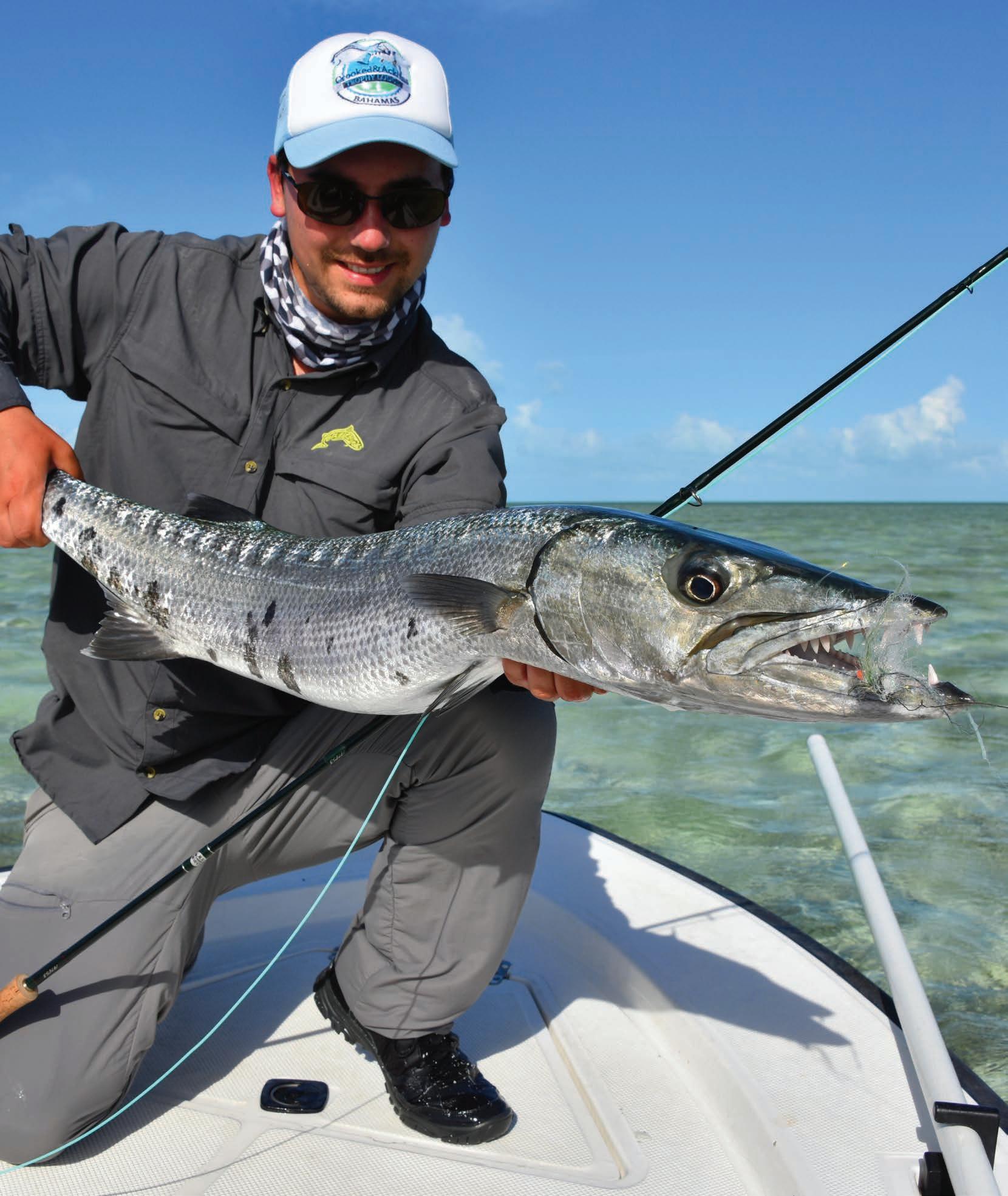
I managed a quick shot of the moment with Kenny, one of our guides and longtime friends, who was fishing alongside Romain. Between them, they’d already seen and landed plenty of triggerfish, just like the rest of the crew.
Strangely, though… not a single bonefish sighting that day.
The Barracuda Bommie
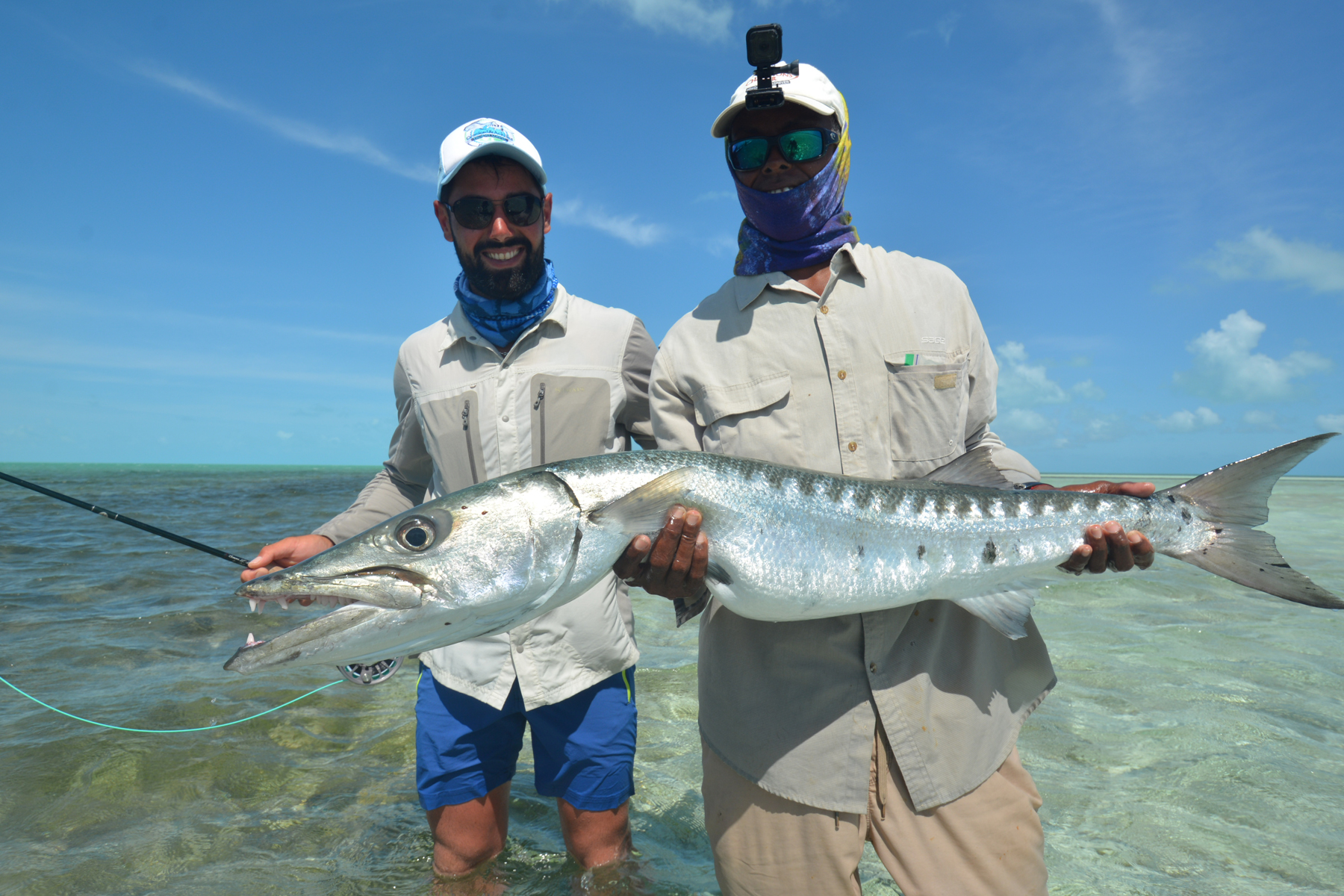
On our way back to the island camp, we made a quick stop on a lone coral head - a bommie rising from the depths, surrounded by shimmering flats. And right there, circling lazily near the surface, we counted at least fifteen barracudas, almost motionless in the crystal-clear water.
Julien, who had never caught a barracuda on the fly before, lined up a cast. He wouldn’t be disappointed. His streamer got smashed – violently - by a big cuda that appeared out of nowhere like a torpedo. The take was pure chaos. What followed was an aerial display that left us all yelling. The fish spent as much time airborne as it did in the water.
Julien brought his first fly-caught barracuda to hand - well over a meter long. An absolute bruiser.
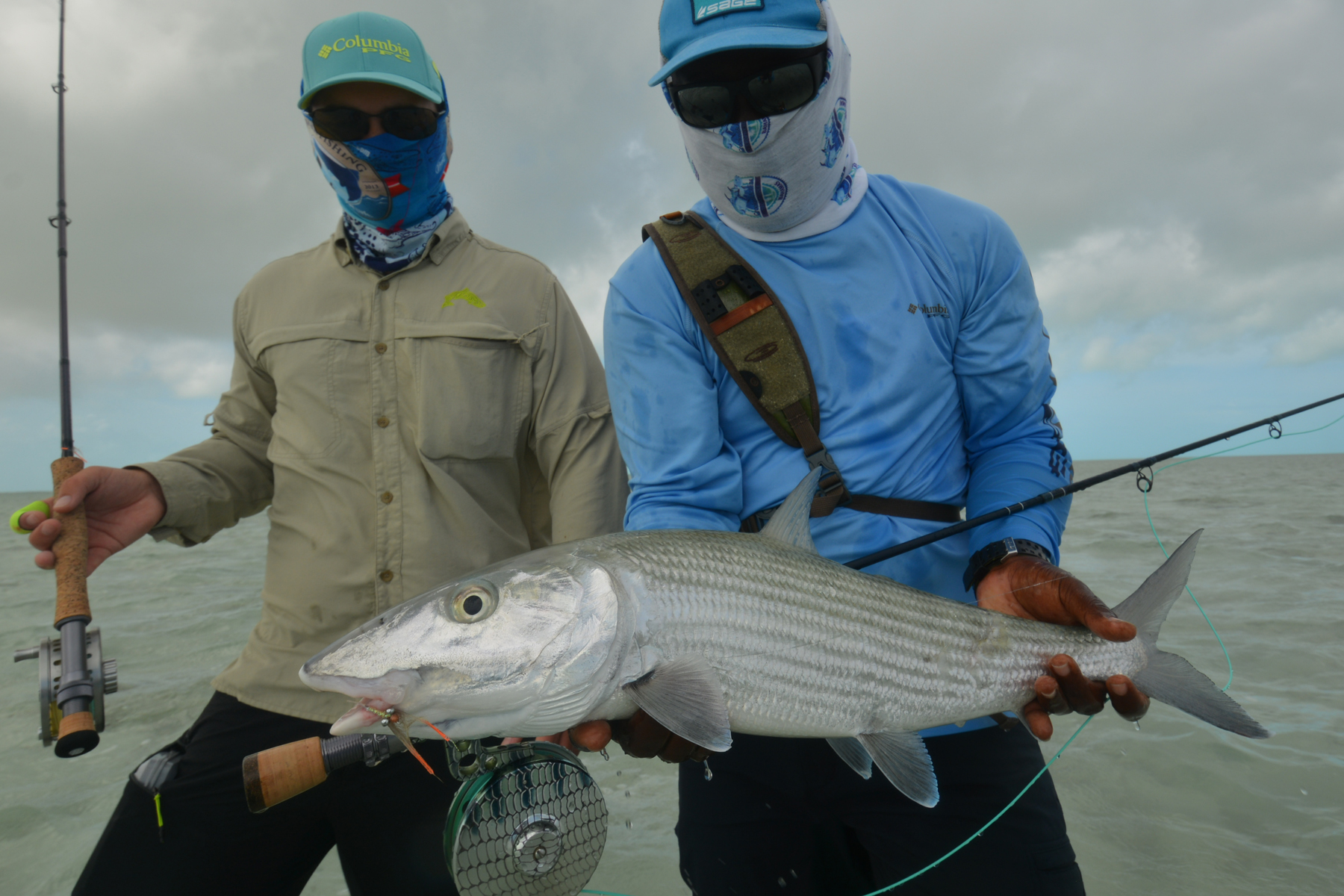
We stuck around and landed a few more, though none matched the size or fury of that first fish. Back at camp, we gathered around to trade stories from our first full day exploring the remote outer cays. Everyone was buzzing, but still - no one had seen a single bonefish. Strange, considering how textbook-perfect the flats looked. Alive with life, but not a bone in sight.
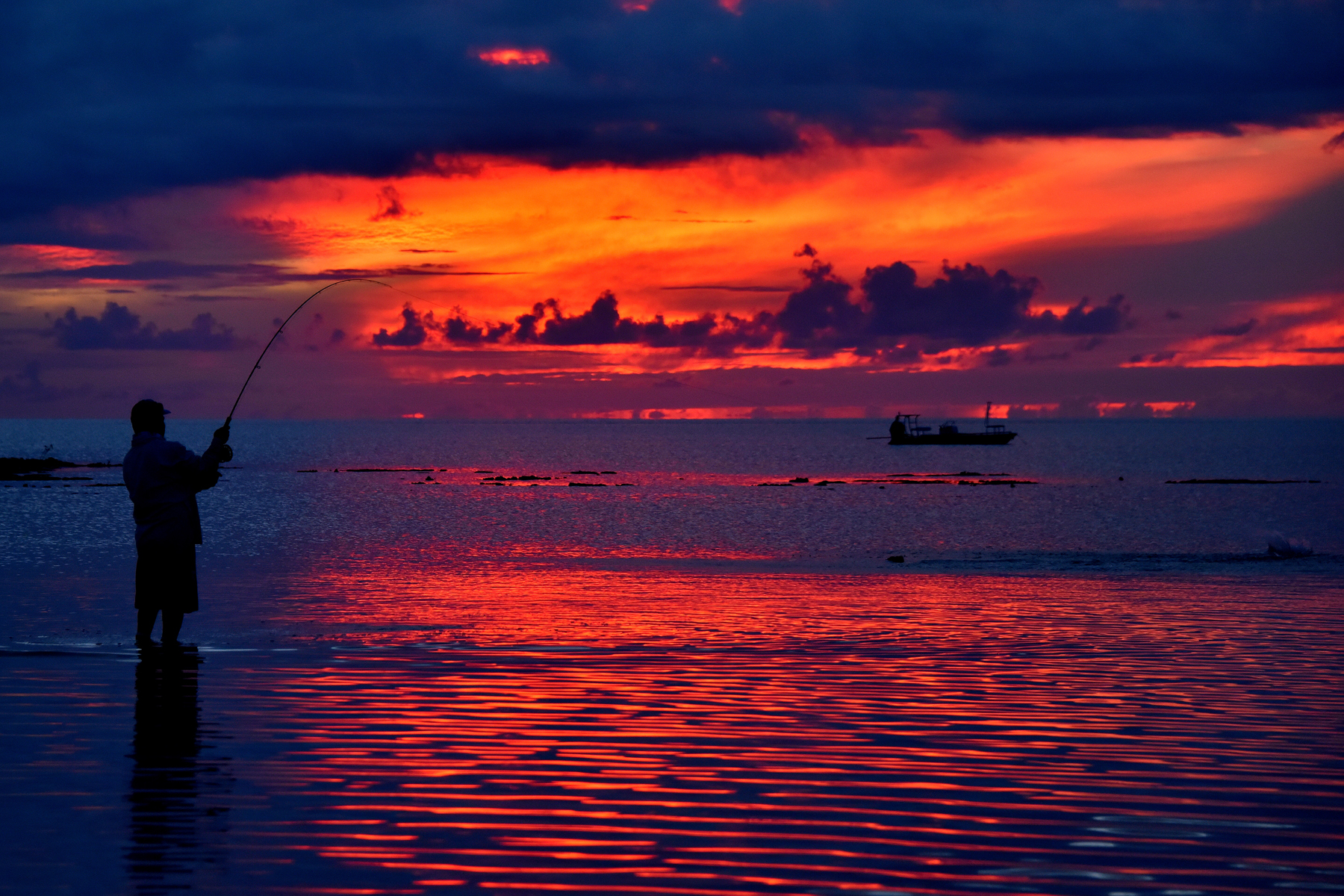
That evening, we parked ourselves on the cooler lids to catch the sunset, soaking in the colours and the solitude. But we didn’t linger - mosquitoes here are no joke - and soon retreated to our tents for the night.
Into the South: Birds, Triggers, and Ghosts
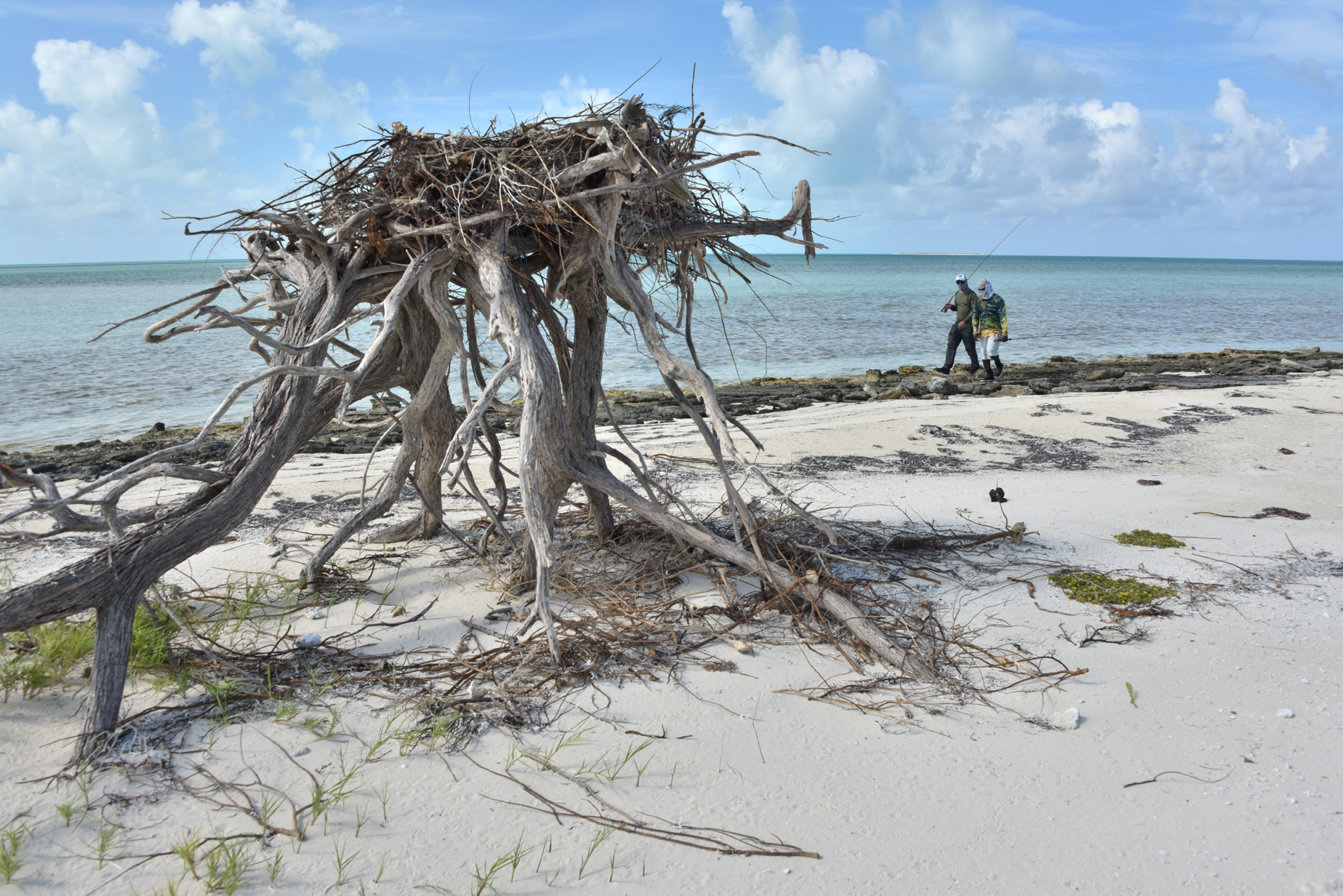
At first light, we loaded the boats and headed farther south. The landscape opened up into a raw and untouched chain of islands. Massive osprey nests perched high in the trees - these birds have found paradise here, thriving in a rich and undisturbed ecosystem.
Once again, we filled the day with action - more triggerfish, plenty of snapper, and aggressive barracudas smashing anything flashy. We even saw massive stingrays cruising the sandy bottoms, often shadowed by packs of triggers and the occasional jack. It felt like we were drifting through a giant saltwater aquarium.
Permit Surprise
As the tide filled in, we decided to head back into the inner lagoon. The wind had completely died. The entire atoll was glass - mirror calm, a surreal kind of silence. Then we spotted something strange - nervous water, way out in the middle, in three meters of depth.
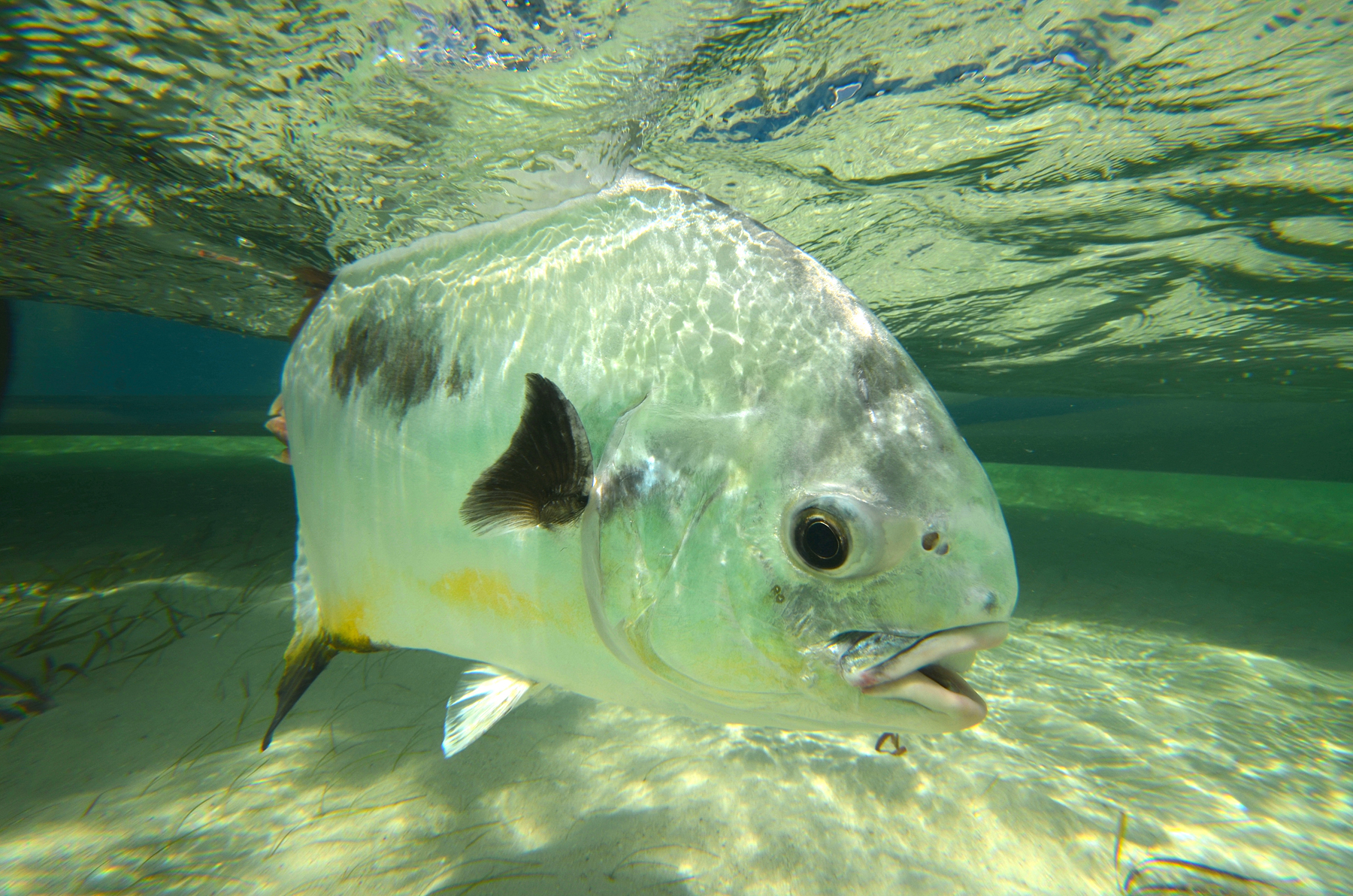
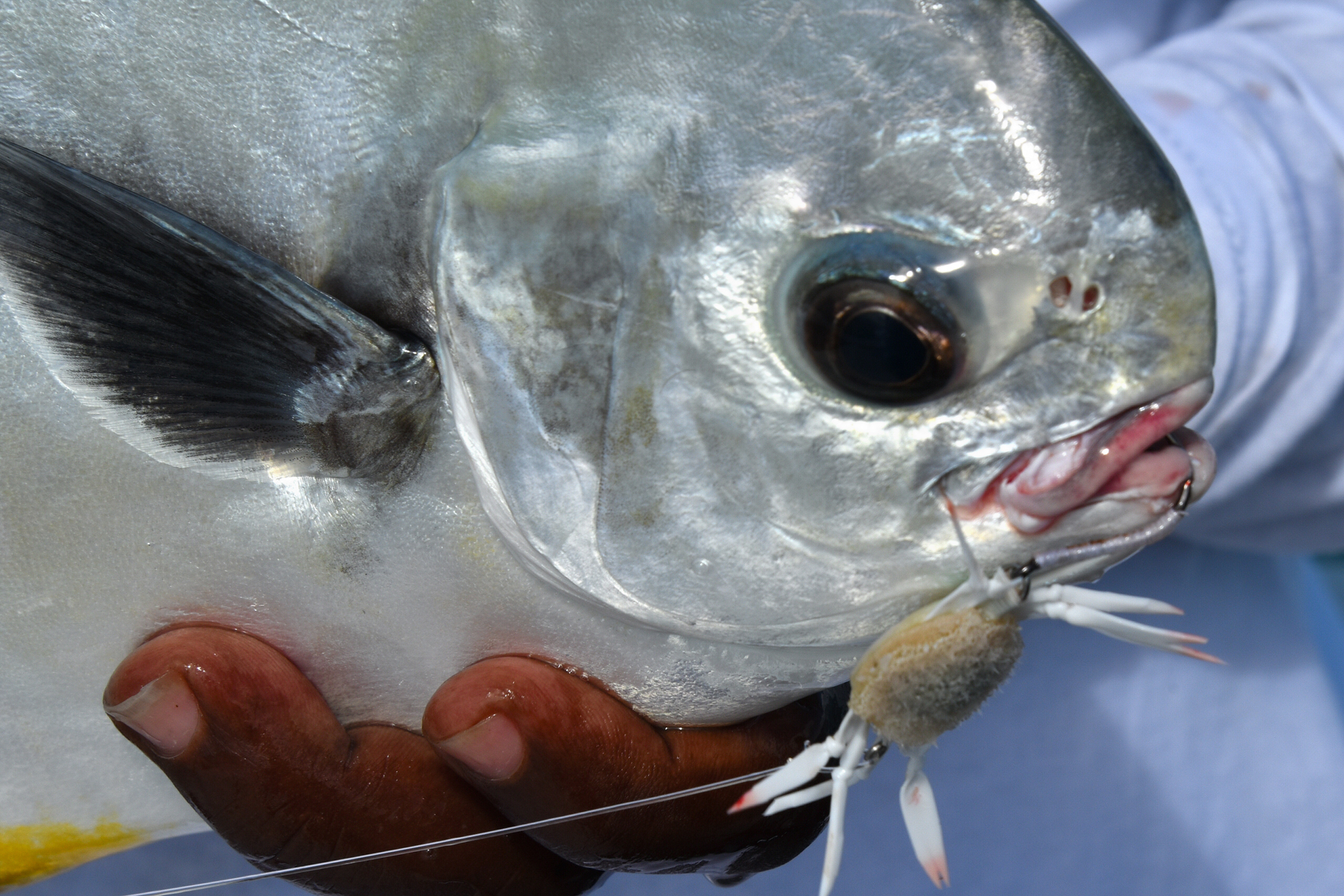
We eased the boat closer and... I couldn’t believe my eyes. A school of at least fifty permit - slowly moving, just under the surface, ghosting past the bow.
I grabbed the 10-weight rigged with a crab fly and dropped a cast well ahead of the school. Stripped once. Twice. A few fish peeled off, tracked the fly… but no take. Same on the next two casts. Classic permit behaviour.
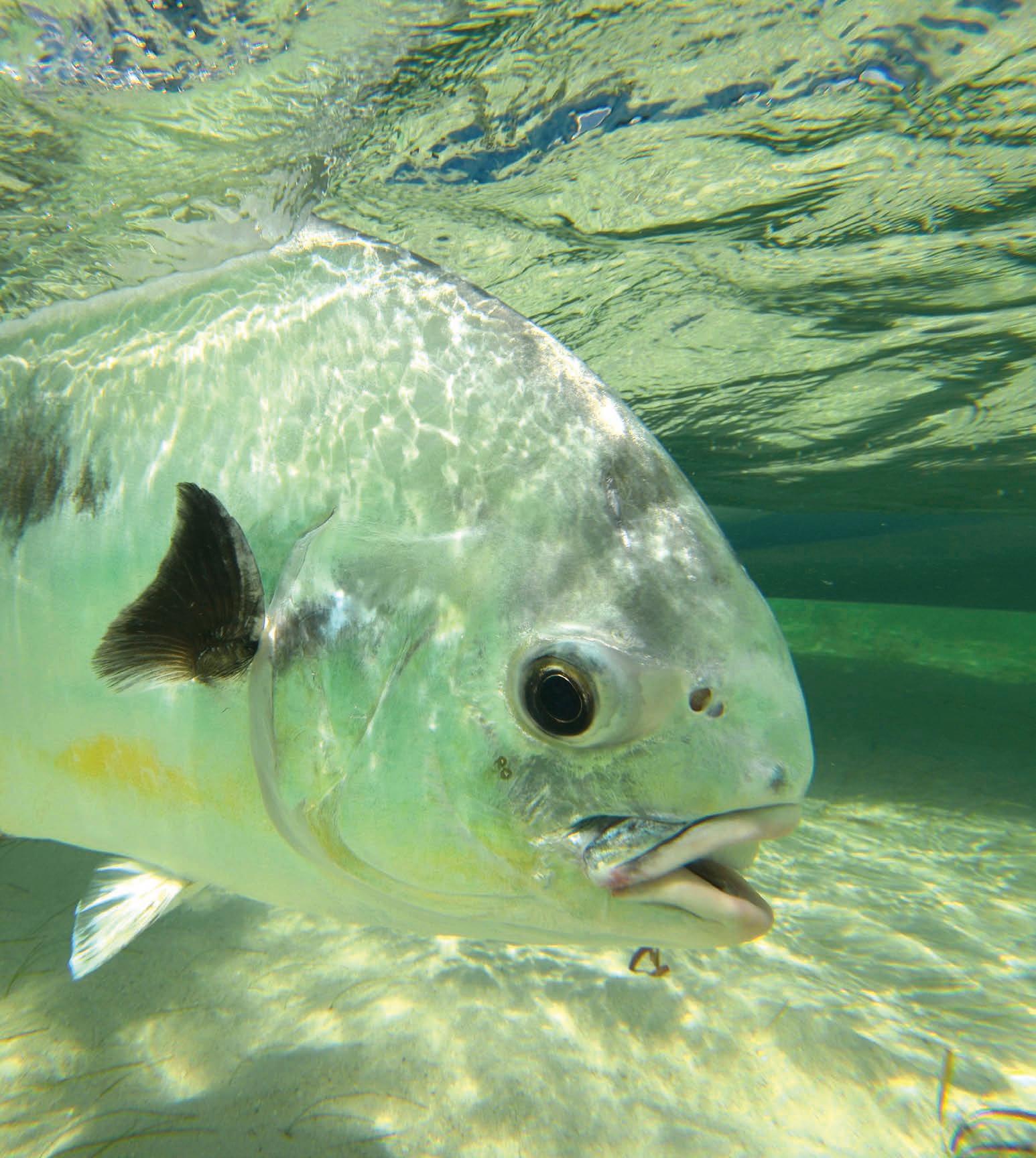
Time to switch it up. I let the fly sink, completely still, just holding tension on the line. Then - tap. Barely a tick. I strip-set hard just in case, and the rod bowed deep. Fish on!
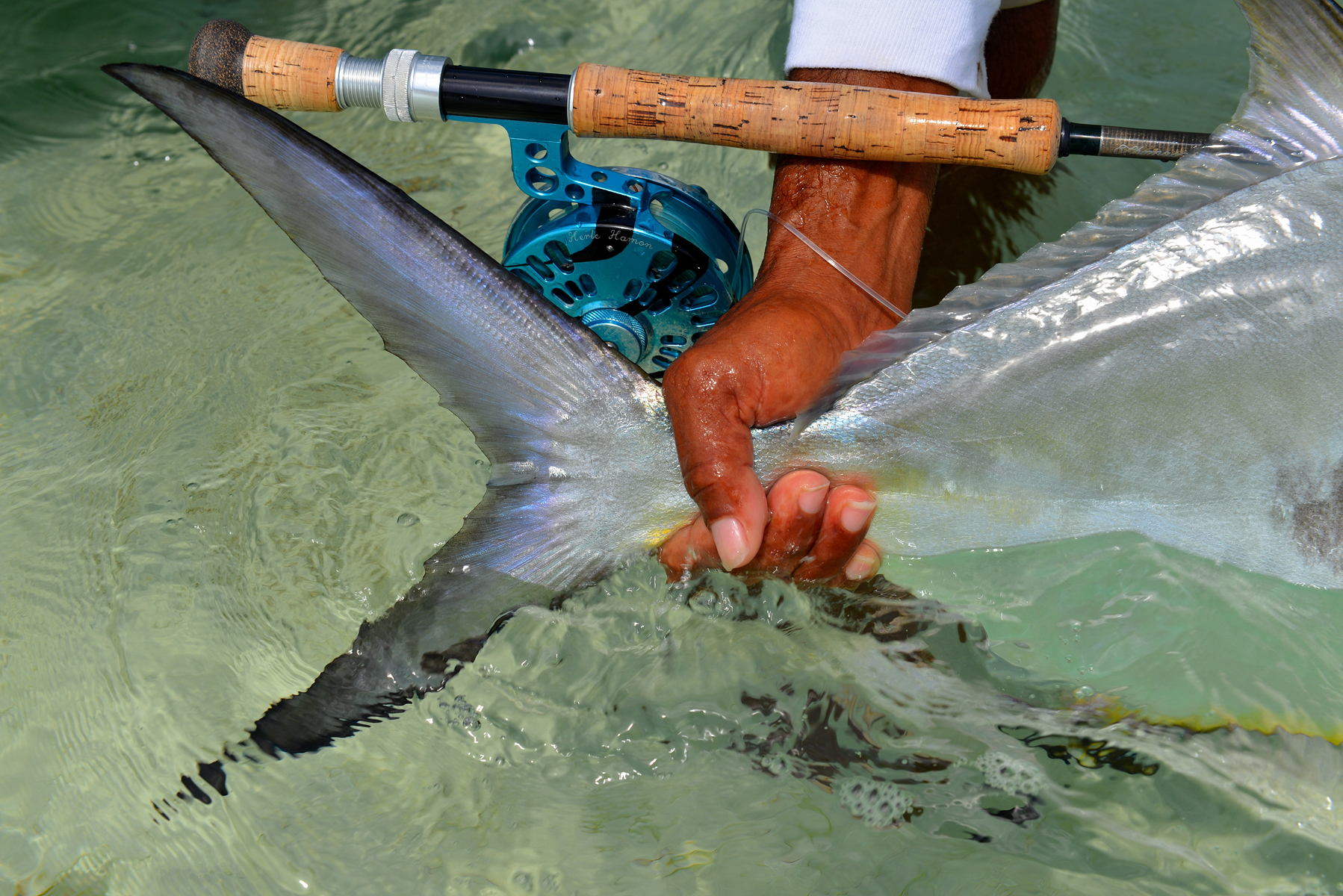
In that depth, the fight was very different from permit taken in skinny water. The fish stayed with the school at first, then peeled off and circled deep under the hull - like a jack. Not a giant, but a permit is a permit. It earned every inch of backing it took.
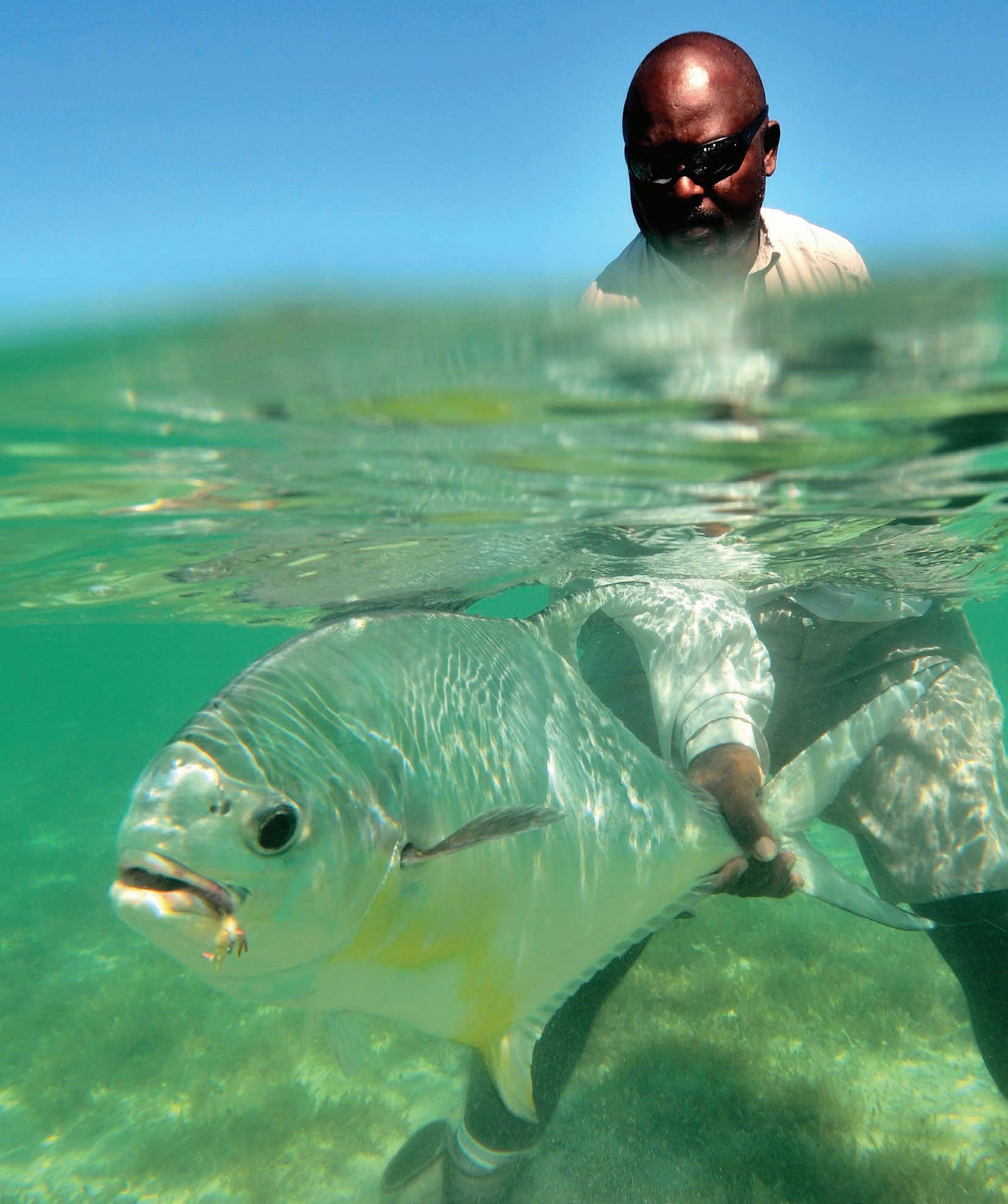
We ended the session with blitzing bonito, packs of yellow jacks, snappers, even a few tarpon-like ladyfish. The lagoon, under those glassy conditions, felt otherworldly - teeming, pristine, unreal. That night, we camped again under the stars, belly full of memories, minds spinning with images of the day.
The Bonefish Lagoon
We land on a new island - quiet, wild, and seemingly untouched. Word is, there’s a saltwater lagoon tucked inland, so we head straight for the narrow channel that drains and fills it with the tides. We don’t even make it inside before we spot the first bonefish gliding along the edges, feeding confidently in the moving water.
We hook a few right away and then wade deeper into the heart of the island. There’s just six inches of water here - no place for sharks or other big predators. As the tide continues to drop, the lagoon slowly empties out, pushing us across to the opposite flat. And that’s when it happens…
Hundreds of bonefish. All gathered in one massive school, flashing and shifting like liquid mercury. Surrounding them are several barracudas and reef sharks, cruising, watching, waiting. It’s a raw, unscripted moment - the circle of life in real time. Hunt or be hunted.
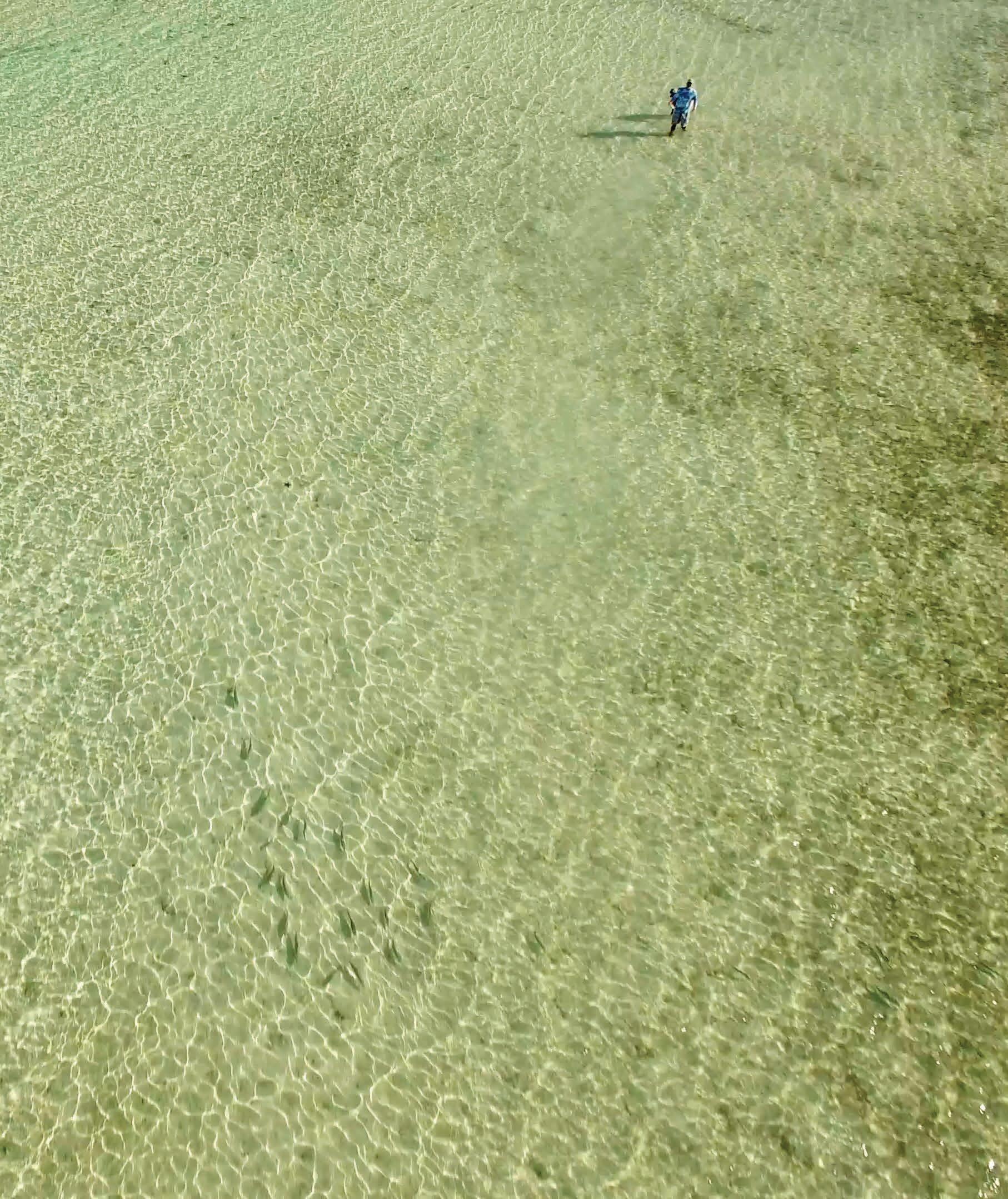
We cast briefly but quickly call it off. Every hooked fish becomes a target, and we’re not here to feed the sharks. Safety in numbers is their only defence, and it’s clear that with each falling tide, a few don’t make it. Still, we’re glad to have finally found them. I figure the other flats we’d fished earlier were just too exposed - too risky for the bones to settle in.
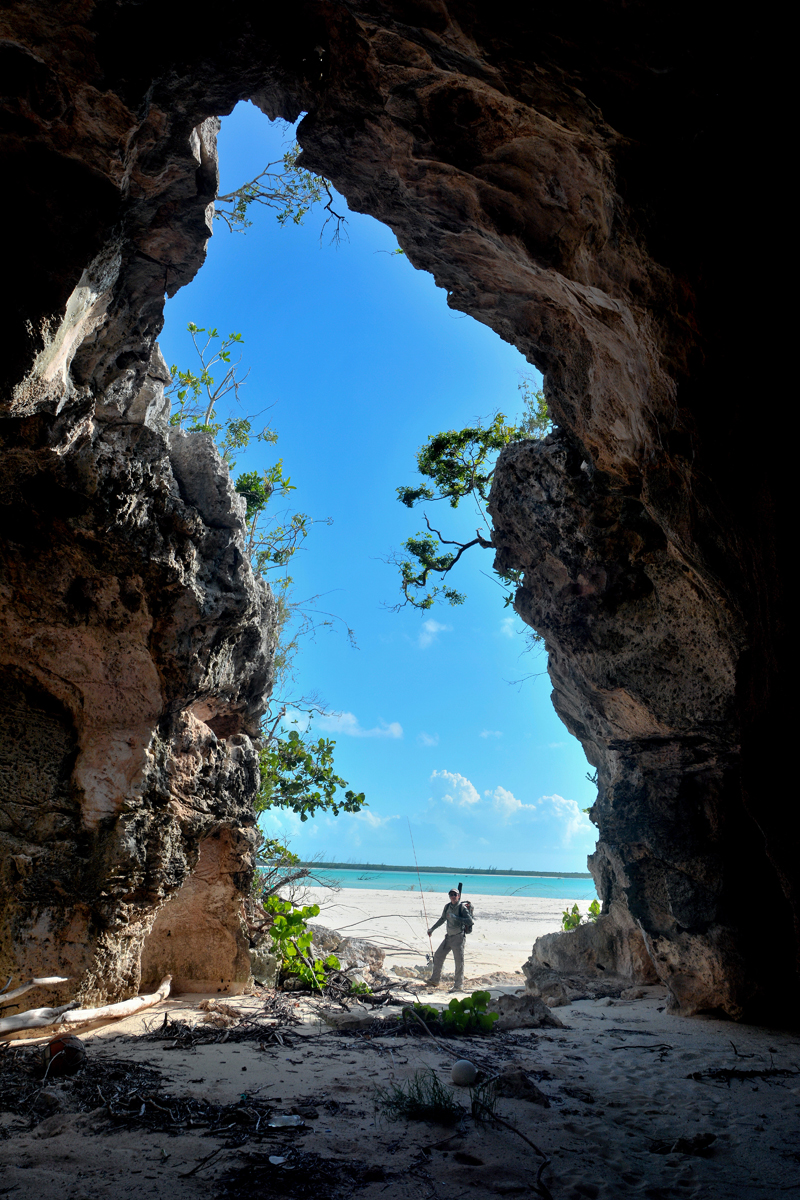
Baby Tarpon and Big Dreams
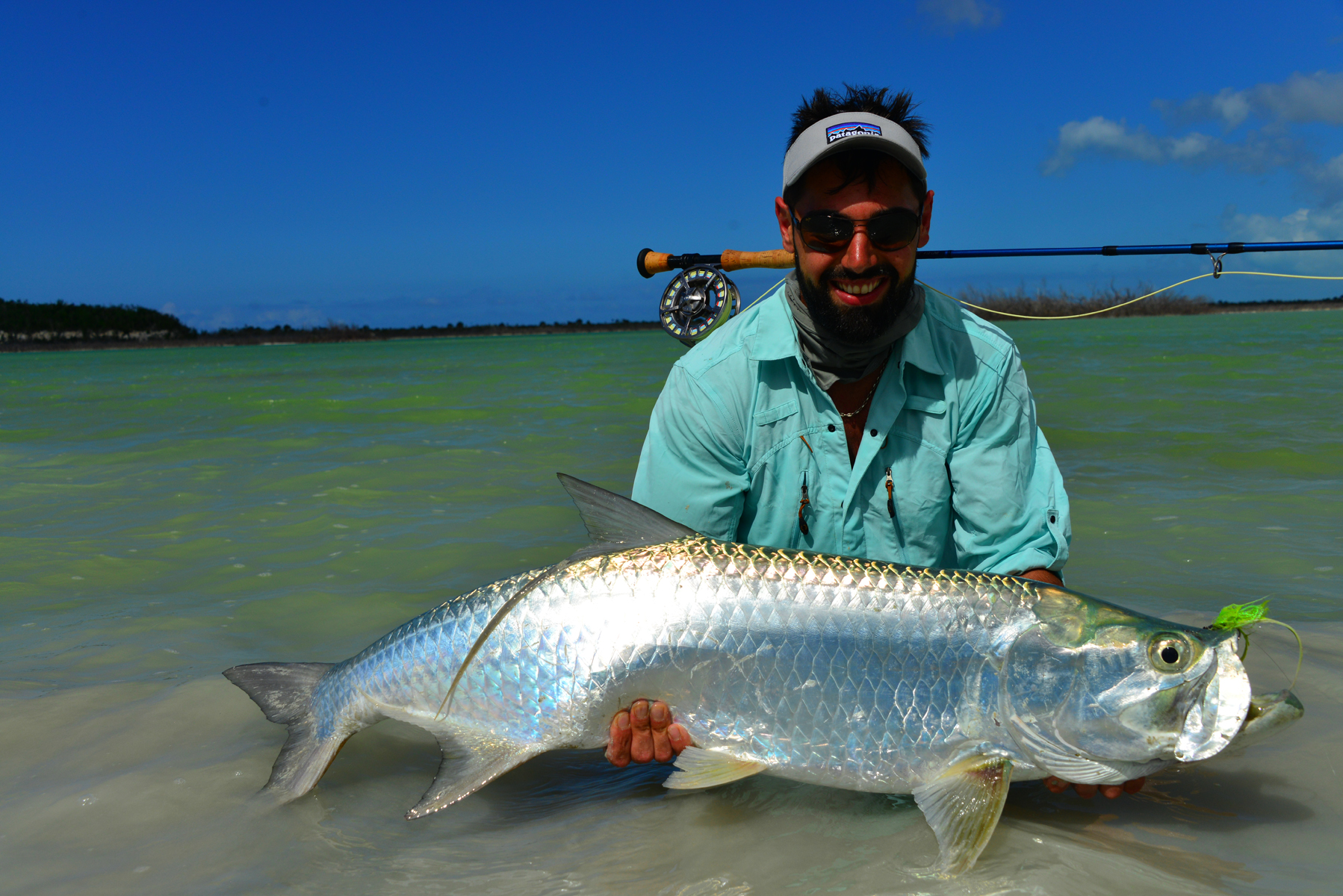
We push north, toward the tip of Long Caye. The landscape shifts again - alternating between open beaches and dense mangrove, both living and ghost-white. I’m walking with Christophe when we spot a small school of baby tarpon, finning calmly in barely a foot of water - moving just like bonefish do.
My first cast is spot on, and a silver missile explodes in the shallows. A few minutes later, Christophe hooks one too, and it launches straight into the air right in front of him - classic baby tarpon chaos.
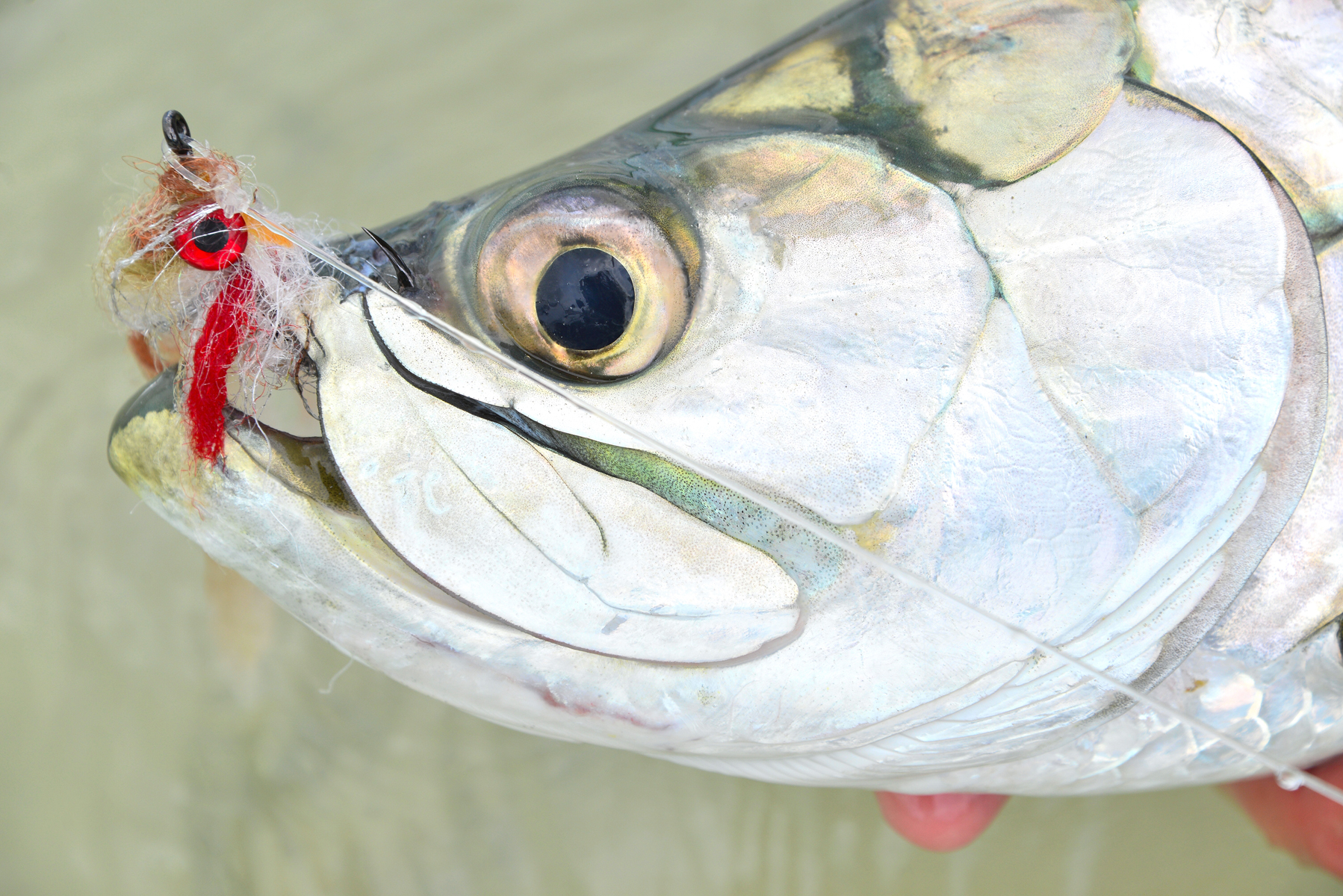
Further along, we find big bonefish, cruising in twos and threes over sandy bottom patched with turtle grass. Some easily go ten pounds or more. The kind of fish that leaves your hands shaking a bit after the release. And then I feel it - a flicker of possibility. Bonefish? Check. Tarpon? Check. Could this be the day for a Grand Slam?
We spend our last hours chasing permit. Each of us gets a legit shot. Each of us is humbled. Classic permit behaviour - all drama, no closure.
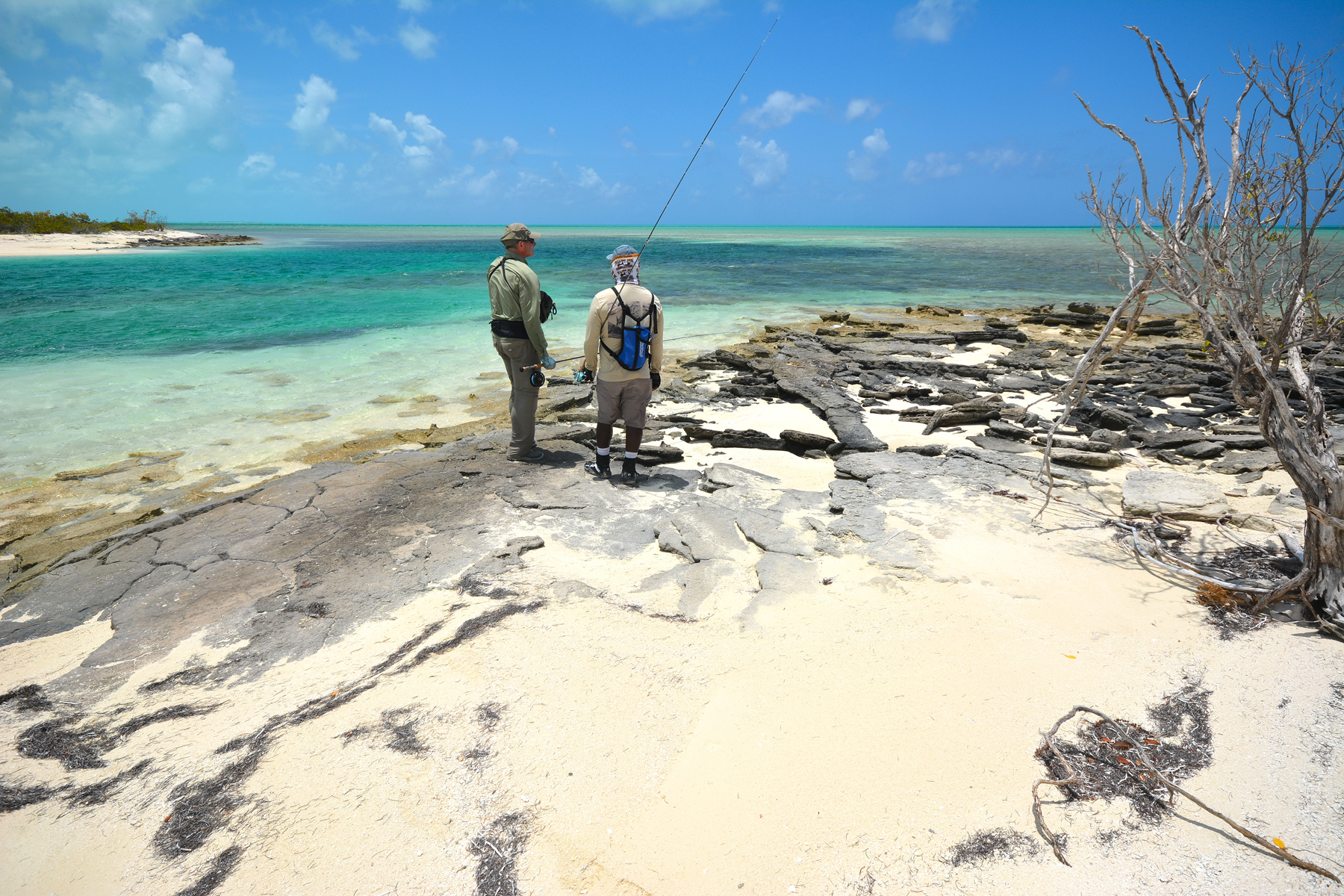
Back to the Lodge
That night, back at the lodge, the little things feel luxurious: A hot shower, a cold drink with ice, and some freshly fried conch fritters. But what we really bring home is something less tangible - images that won’t leave us anytime soon. This atoll, wild and remote, still has plenty of secrets left to tell. And if all goes well, I’ll be back in January - with my guides, my gear, and a head full of hope. Stay tuned…
Information and how-to-book:
2h Flyfishing (Europe): www.2hflyfishing.com/destinations/bahamas
The Fly Shop (US): www.theflyshop.com/travel/saltwater/crooked-acklins.html