6 minute read
BornholmSession: Regenerative Fly Fishing Tourism in Practice

The world of fly fishing has long been celebrated for its connection to nature, a passion that demands patience, precision, and a deep respect for the environment. However, as the impact of human activity on aquatic ecosystems continues to grow, it has become clear that simply enjoying nature isn’t enough. Fly fishers are beginning to see their role in conservation not as passive observers, but as active participants in restoring and preserving the rivers they cherish. This is where regenerative tourism comes in, and this movement is vibrantly represented at the annual BornholmSession, a fly-fishing festival on Denmark’s picturesque Bornholm Island.
By GORDON P. HENRIKSEN // Photos by GORDON P. HENRIKSEN, FREDERIK LORENTZEN, NIELS VESTERGAARD, and KRISTJAN LØK
BornholmSession, a gathering of passionate fly fishers, has become a great example of a form of regenerative tourism, combining sport with restoration. BornholmSession has grown into a unique celebration of the communities created by fly fishing. One of the things that make this festival stand out from other fishing events, however, is its commitment to making a positive impact on the local environment.
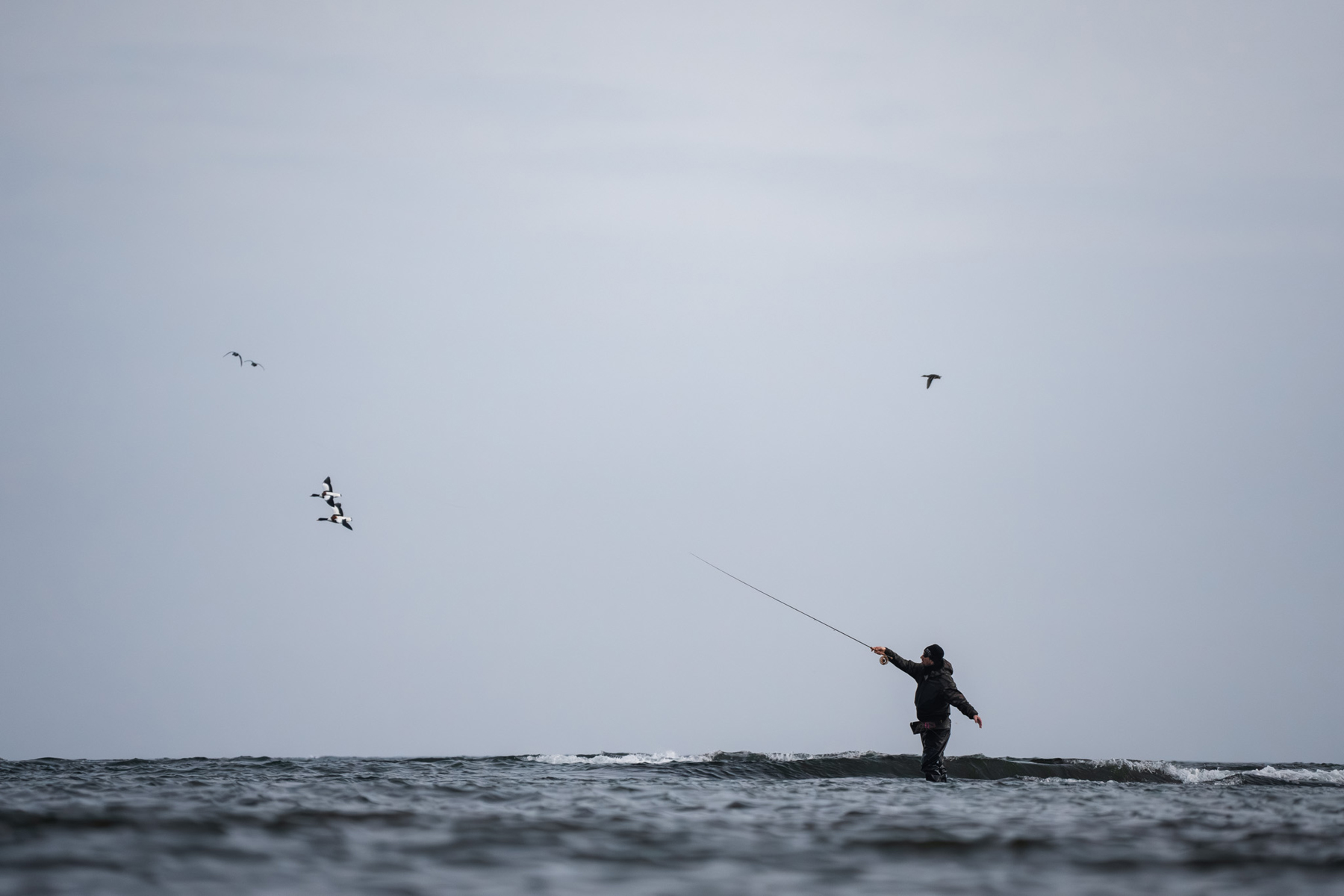
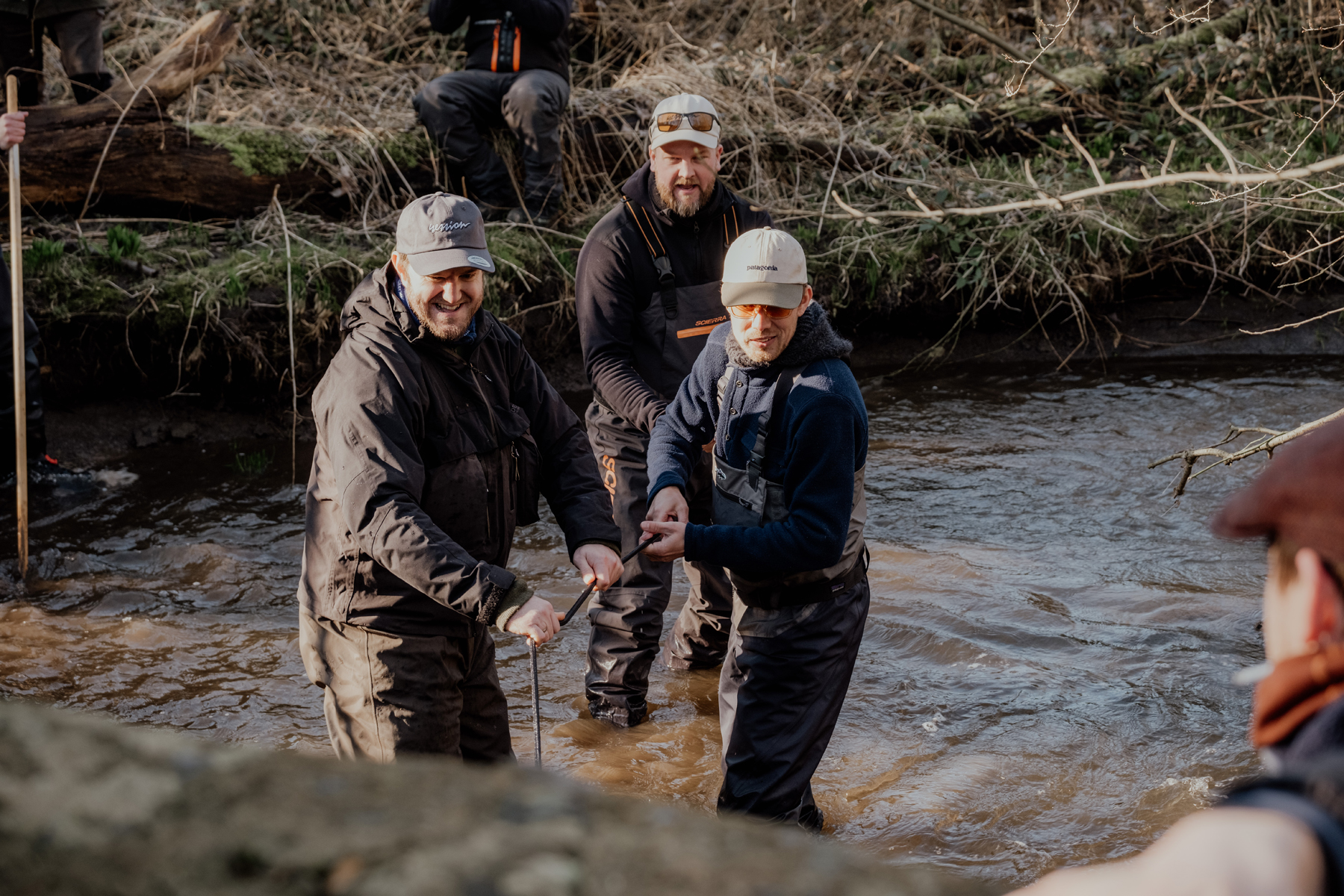
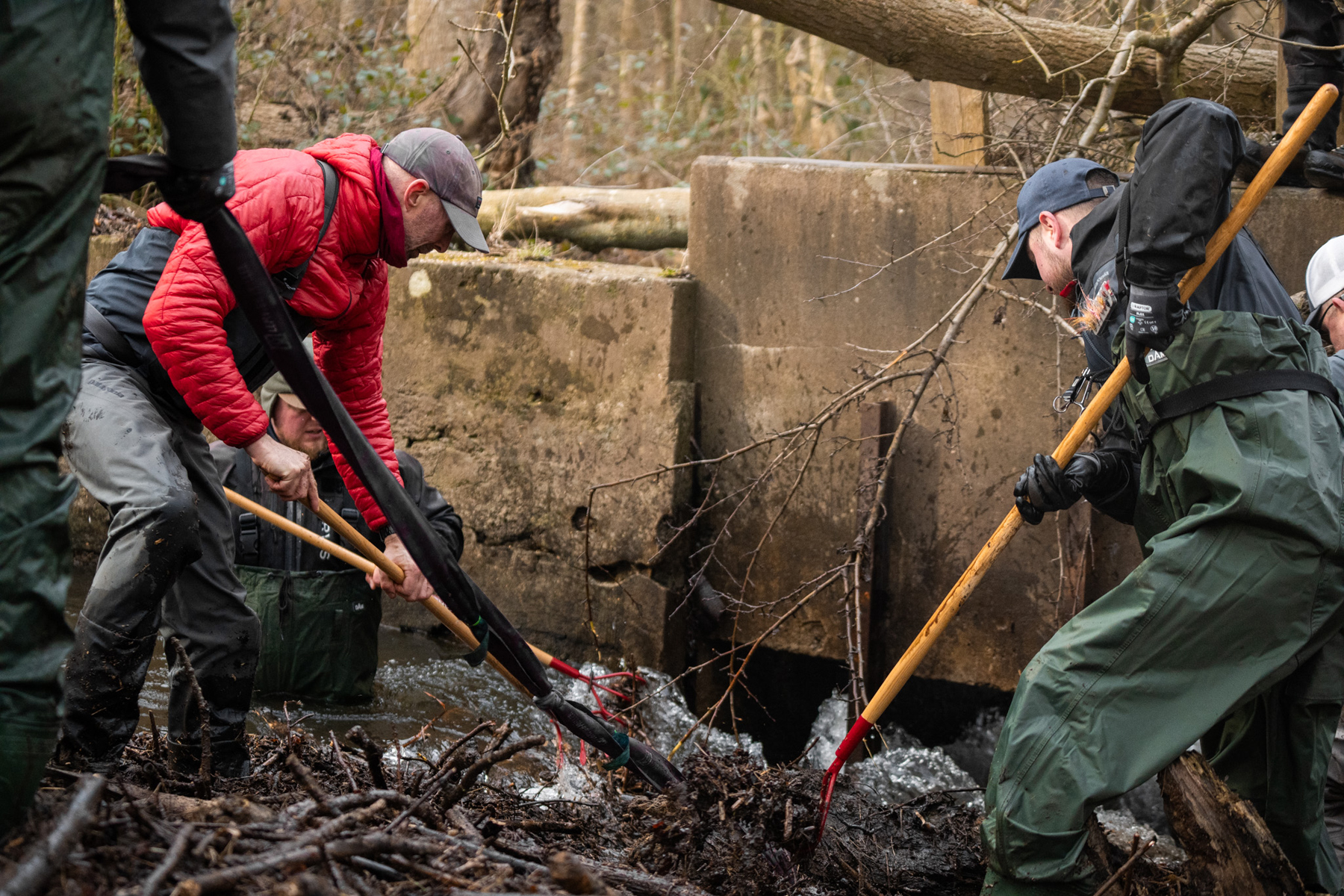
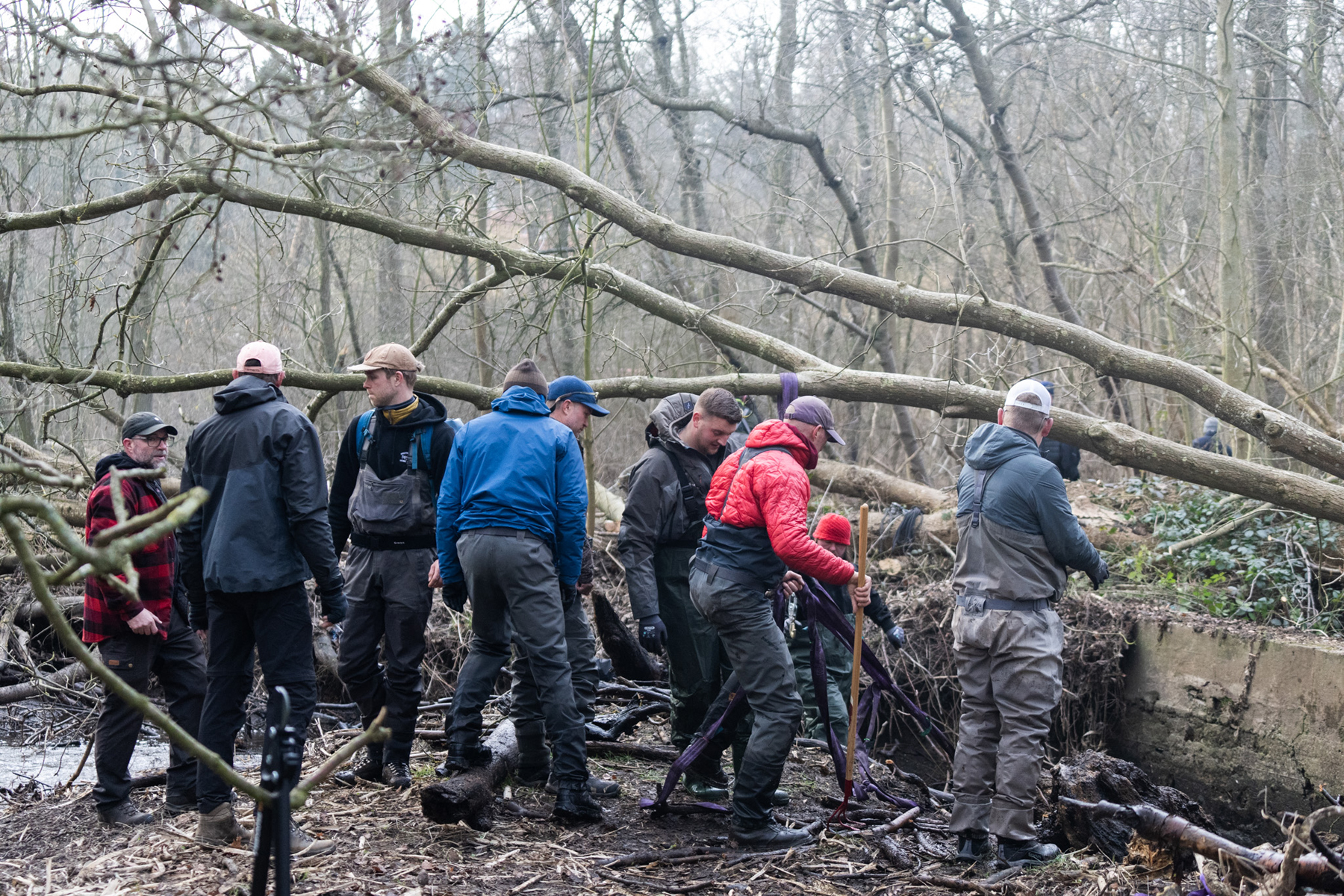
While participants enjoy fishing along the island’s pristine coasts, they also work side by side with local volunteers from “Vandpleje Bornholm” to restore habitats and ensure the rivers’ health. This year, a new movie was made by photographer Mats Schroeter and one of the organizers, Gordon P. Henriksen.
“This synergy between conservation and recreation is changing the way we think about tourism”
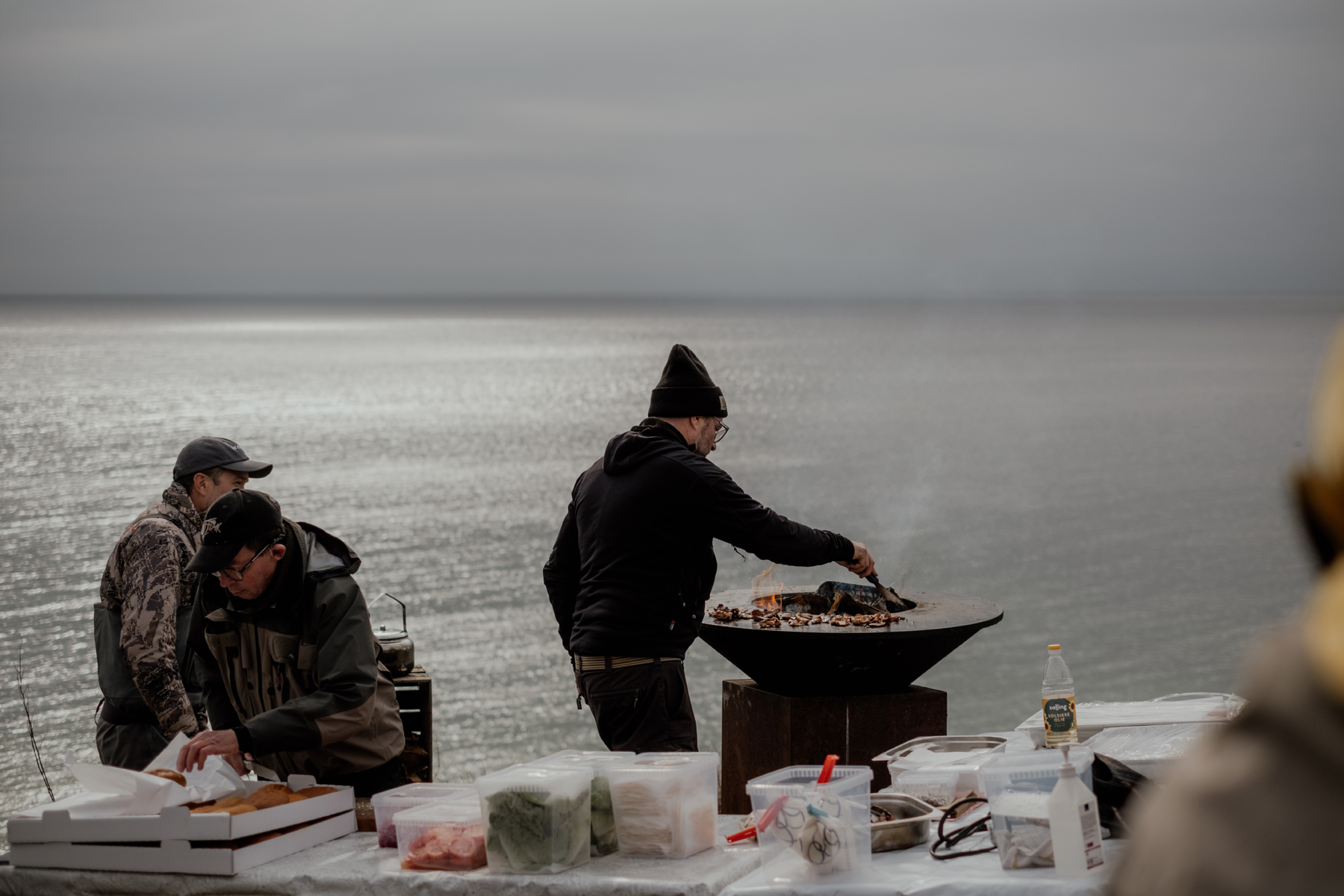
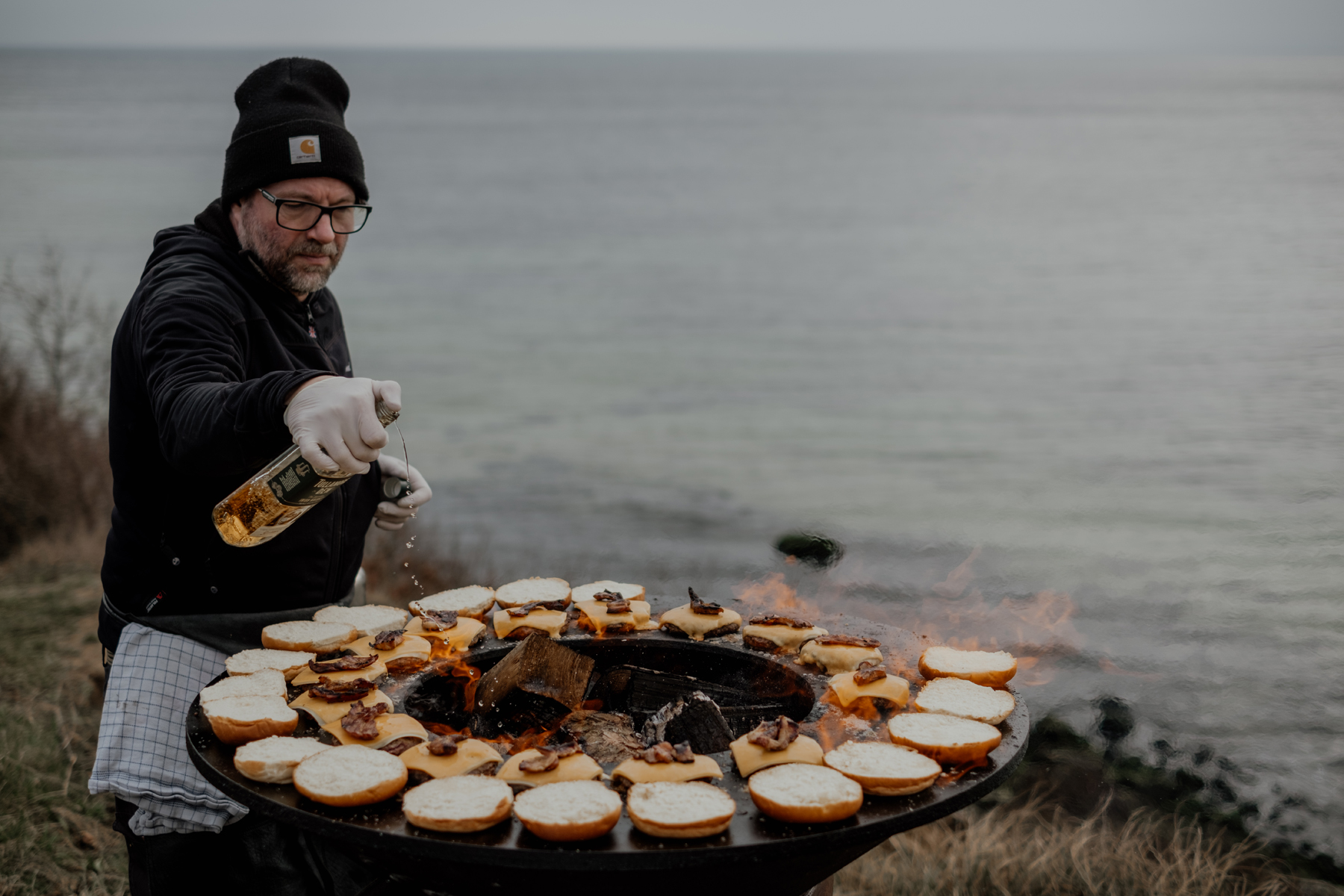
The movie tells the story of why we are motived to do river restoration as part of a fishing trip. We see Bornholm’s beautiful coast, some nice fly fishing and most of all happy fly fishermen putting in a day’s hard work – and enjoying some cormorant pizza and cold local beers to celebrate the effort. This synergy between conservation and recreation is changing the way we think about tourism - and how tourism can give back to the environment.
Regenerative Tourism: A Win-Win for Anglers and the Environment
Regenerative tourism is a concept that seeks to leave a destination better than it was found. Unlike traditional forms of tourism, which can often be accused of exploiting natural resources, regenerative tourism focuses on improving the environment as well as supporting local communities and ecosystems.
“One key project is the restoration of spawning habitats for trout”
At BornholmSession, this philosophy is put into practice by engaging anglers directly in conservation projects.
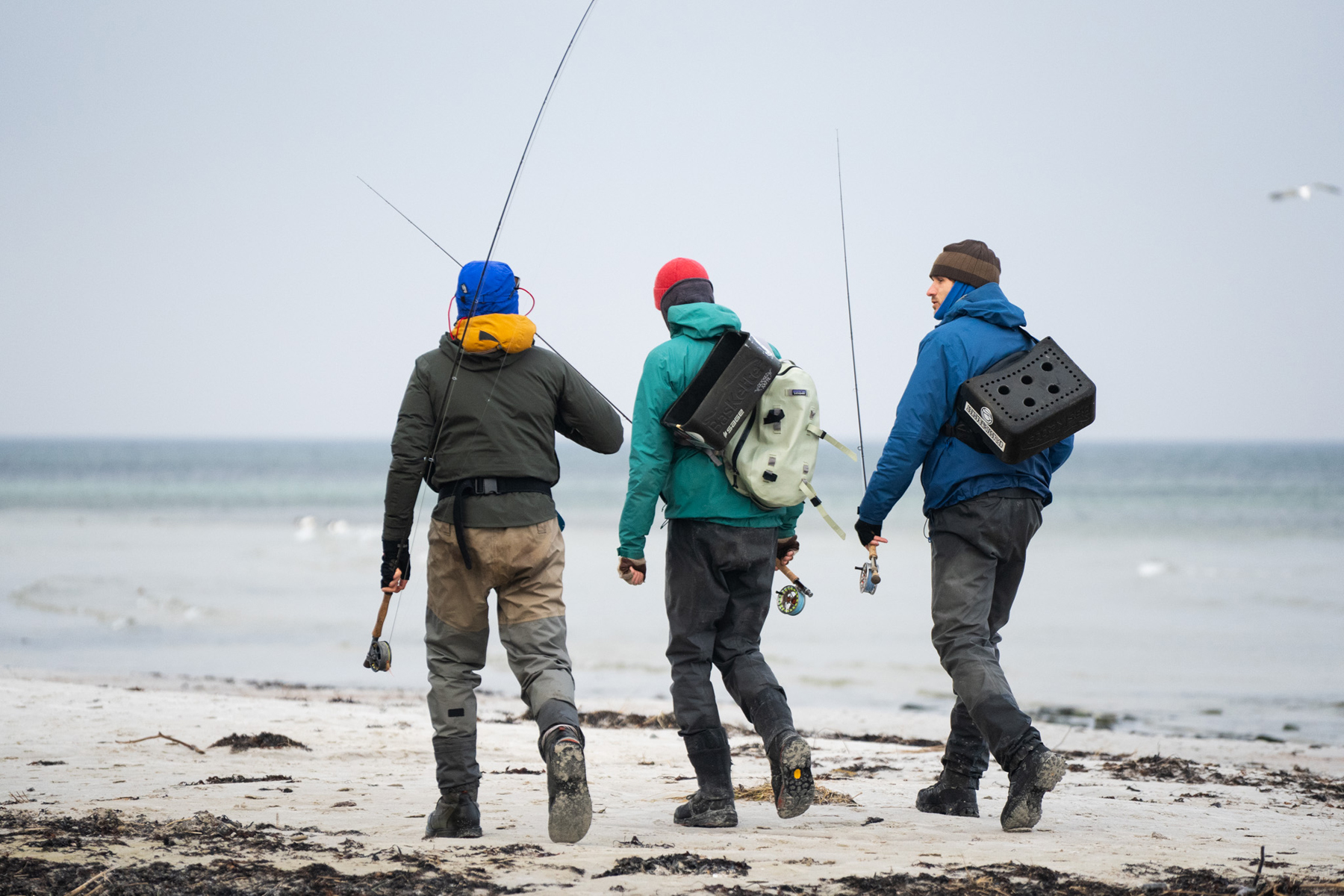
How Fly Fishers Are Helping to Restore Fish Populations
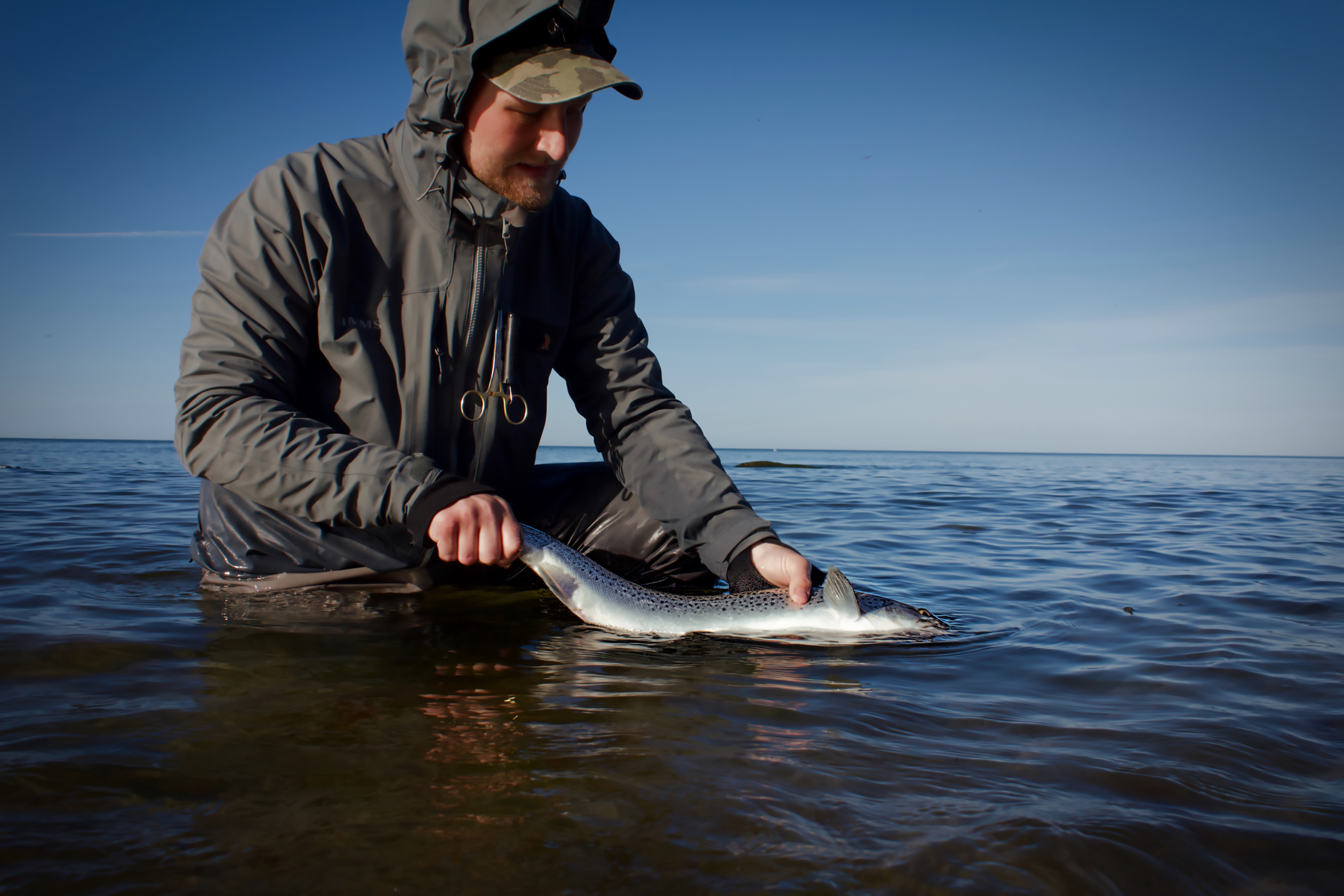
The specific restoration projects associated with BornholmSession focus on improving conditions for wild brown trout populations, that thrive in Bornholm’s rivers but have been under threat due to pollution, habitat degradation, and overfishing. Through collaboration with local environmental organizations participants at the festival take part in a variety of activities that supports the recovery of these populations. One key project is the restoration of spawning habitats for trout. As the island’s rivers have become more polluted and heavily affected by human activity, many of the natural spawning grounds have been lost.
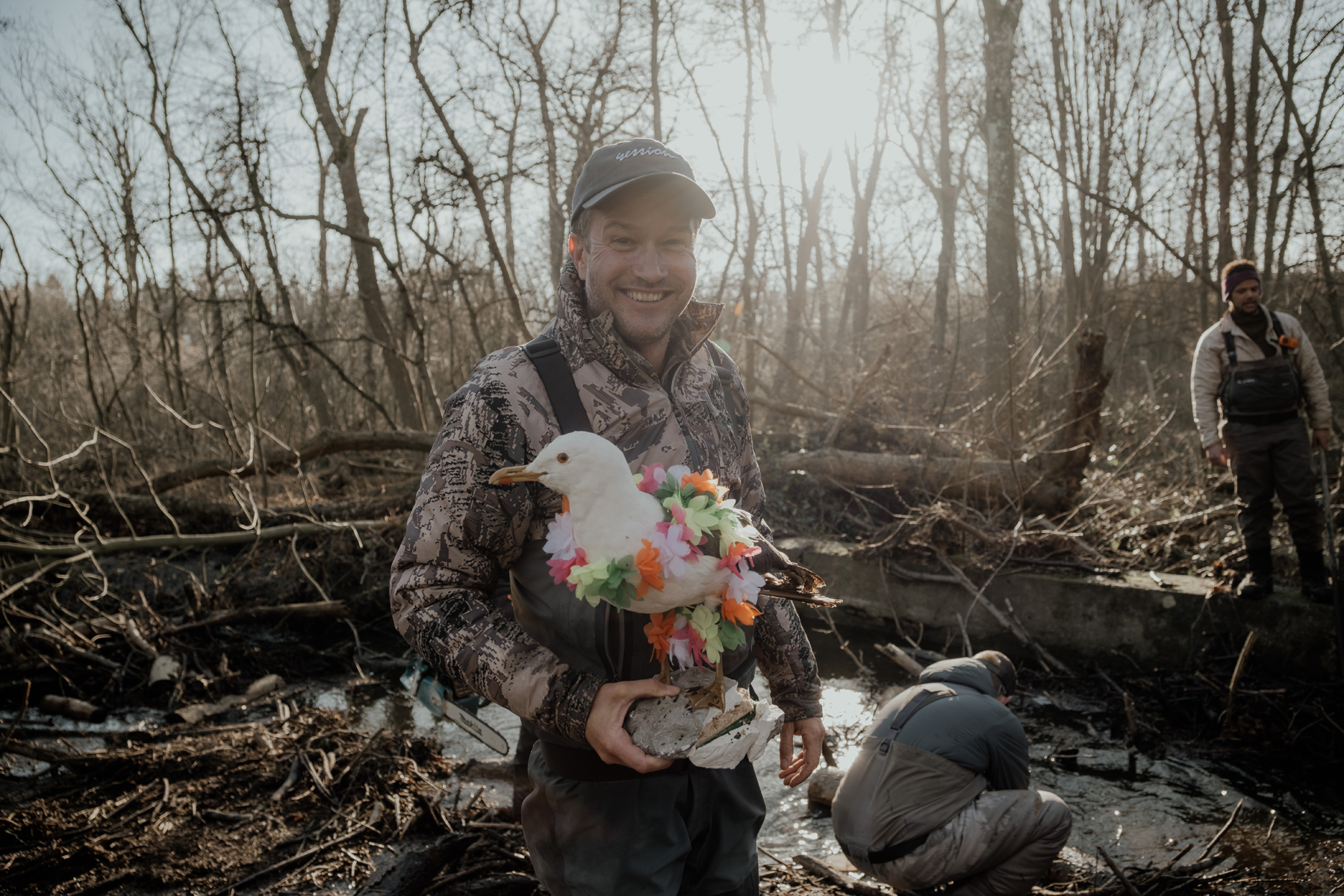
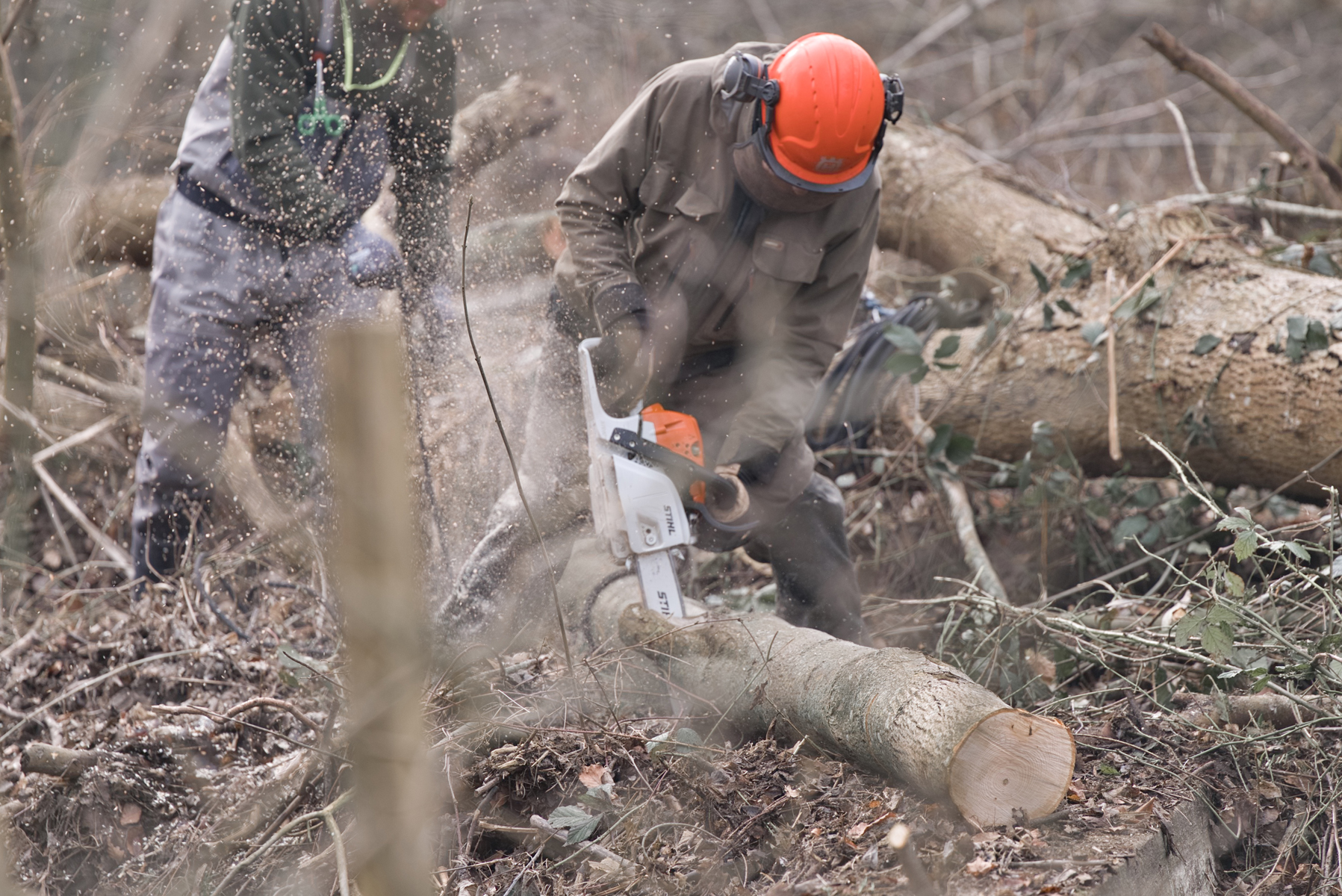
Volunteers have helped rebuild these areas by installing gravel beds and ensuring that the water flow is optimal for fish spawning. Similarly, work is done on cleaning up the riverbeds, removing obstructions, and planting native plants to improve water quality and provide shade that helps regulate the temperature of the streams.
The Role of Media: Amplifying the Message
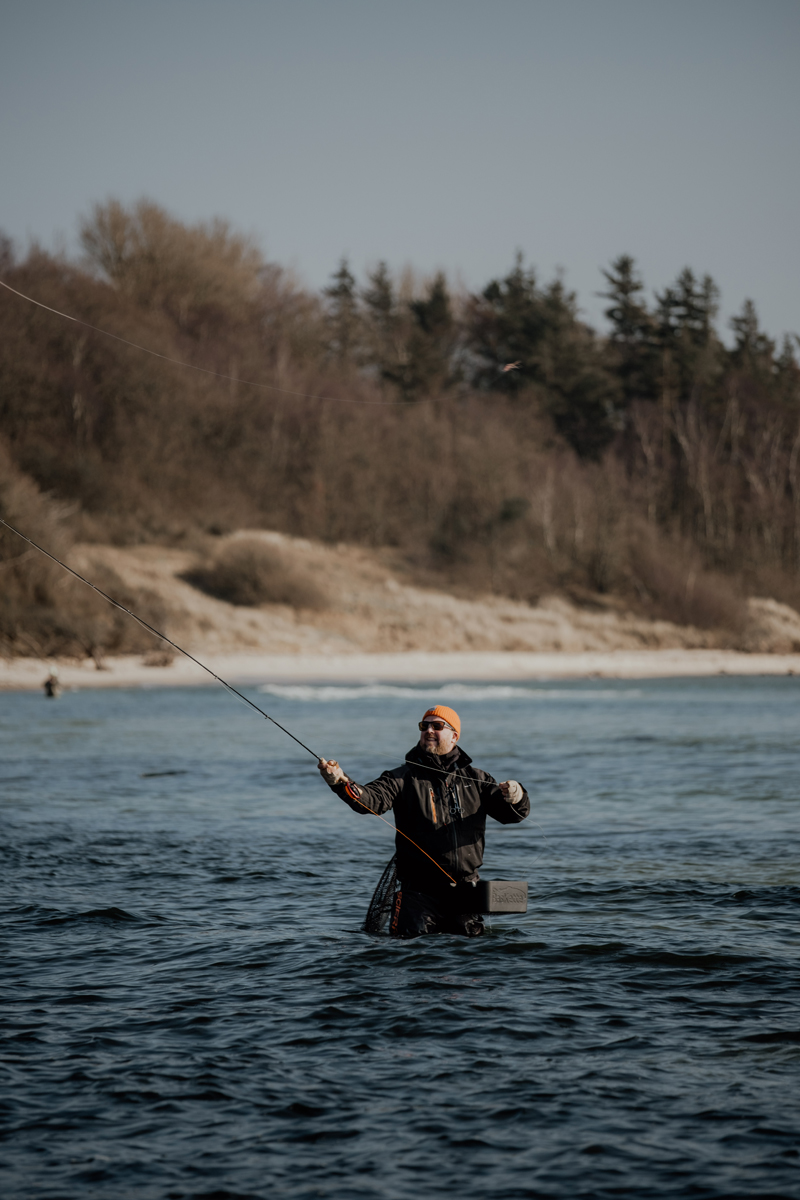
To spread awareness about these impactful efforts, the BornholmSession organizers have produced a short powerful documentary, which showcases the festival’s conservation initiatives.
The film not only captures the beauty of the island and the passion of its anglers but also tells the stories of how fly fishers are helping to restore the fish populations that are central to their sport.
This film serves as both a testament to the success of the BornholmSession and as an invitation for other communities and festivals to adopt similar regenerative tourism practices. It also highlights the powerful connection between people, nature, and the future of the rivers they love to fish in.

Conclusion: A New Model for Fly Fishing and Tourism
Is regenerative tourism at BornholmSession setting a new standard for how we approach fly fishing and the ecosystems that sustain it. By blending sport with conservation, the festival is showing that anglers don’t just take from the destinations; they give back to them, ensuring that future generations will be able to enjoy the same beauty and bounty.
Fact File: Fly Fishing for seatrout on Bornholm
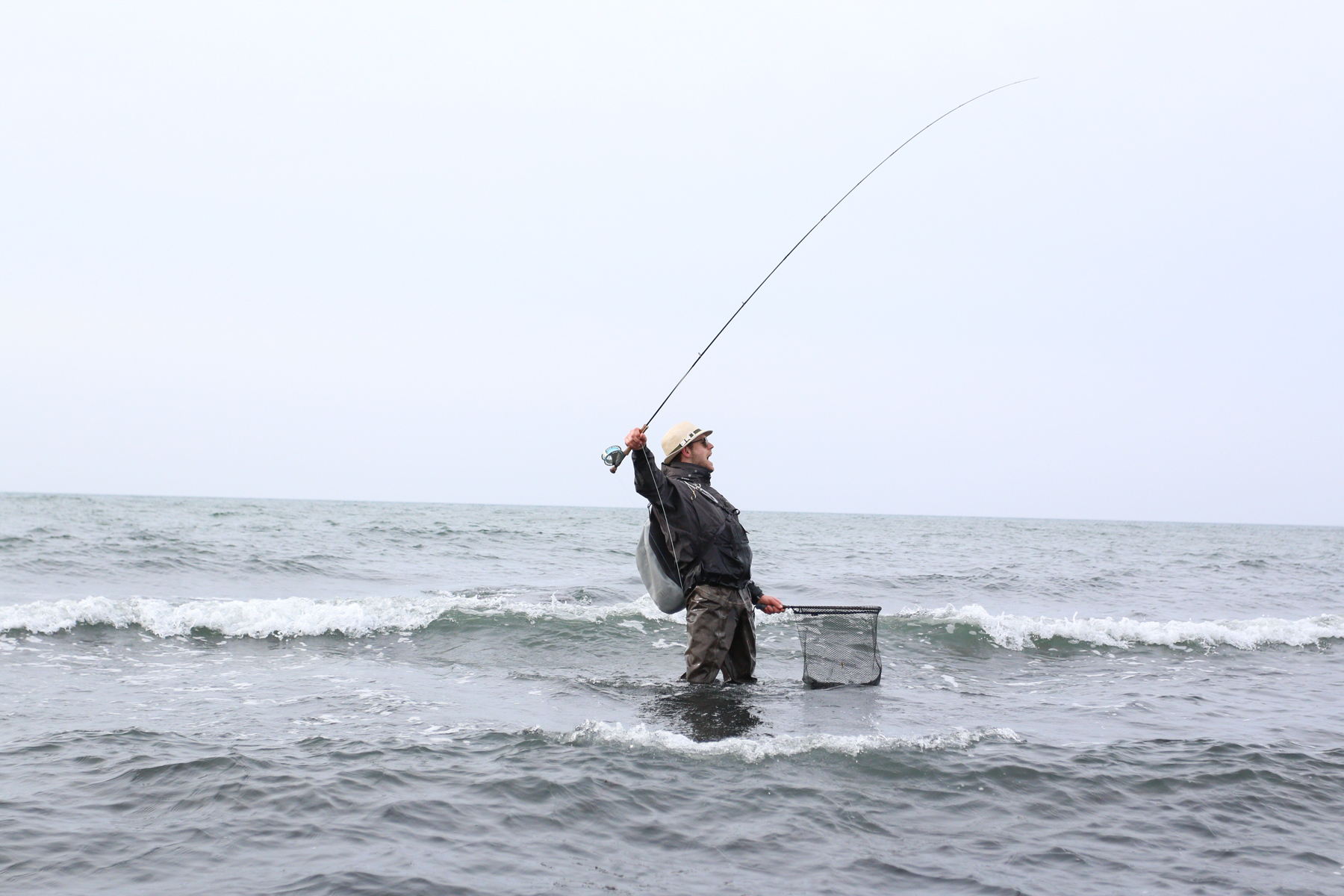
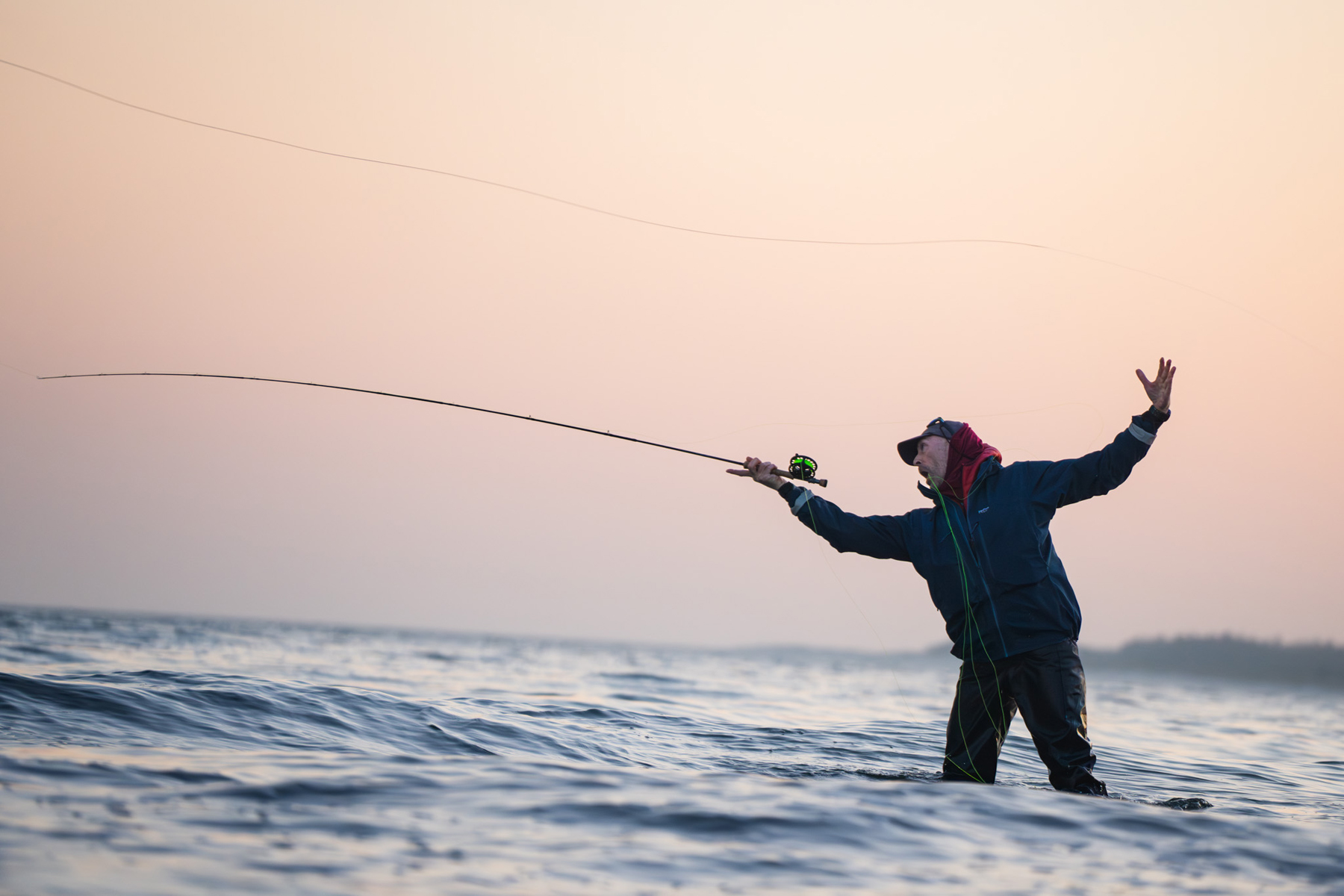
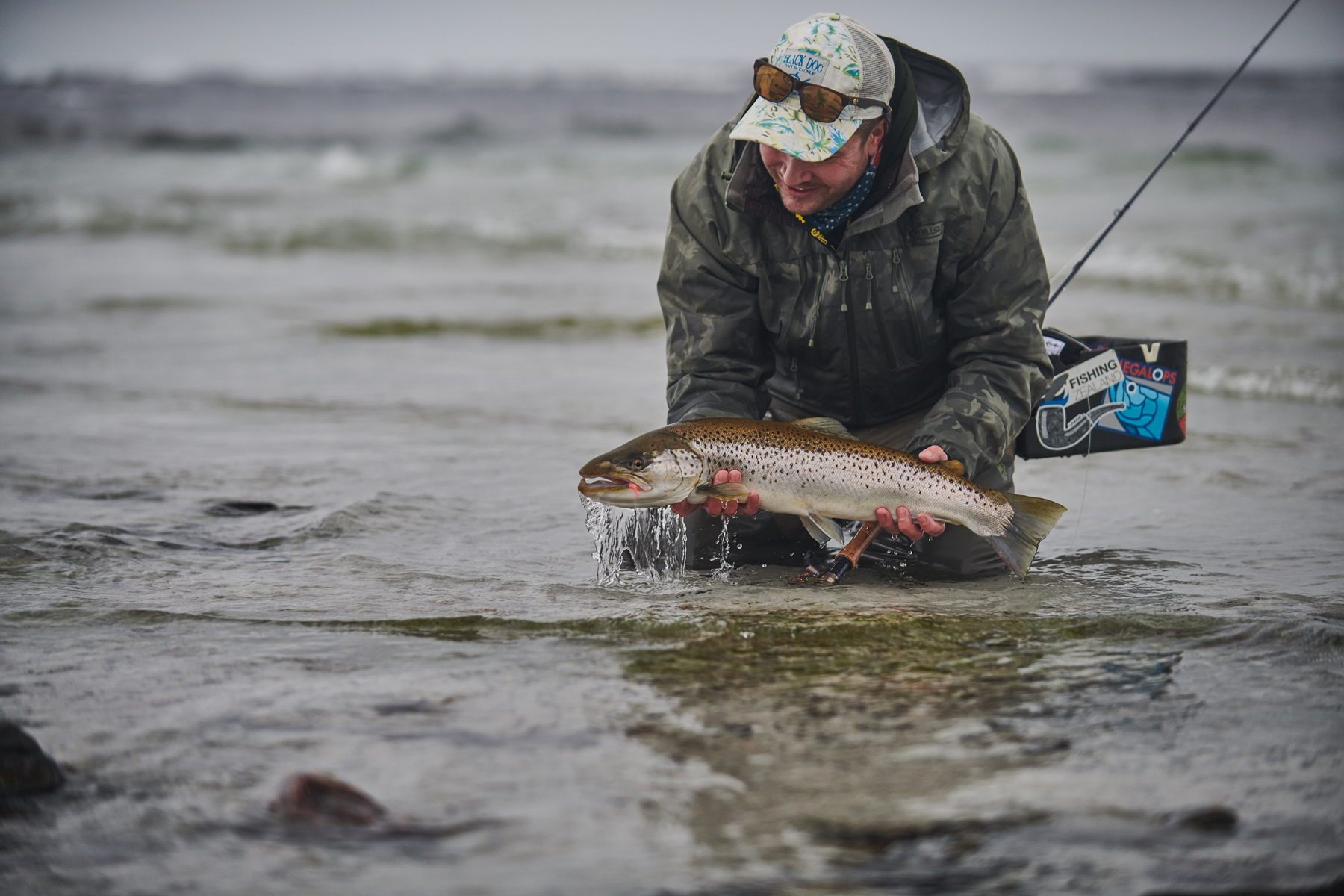
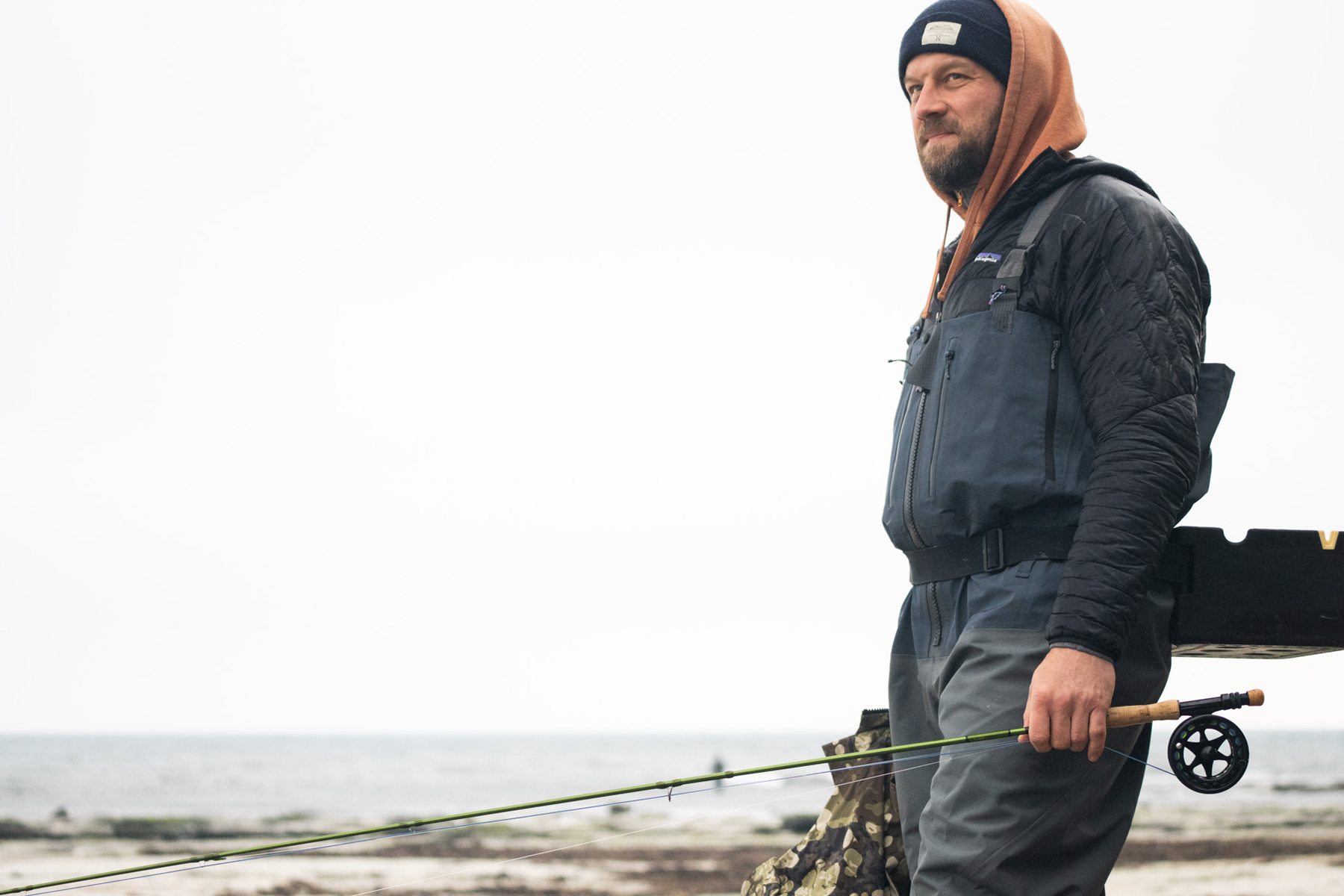
Bornholm can be a challenge – but one with great rewards. There is real potential to catch massive, silver-bright sea trout here, but it requires effort - often along wind-exposed coastlines that can be demanding and risky to wade. Fish can, of course, be caught on more sheltered stretches, but it is usually on spots with onshore winds that the truly large fish are landed.
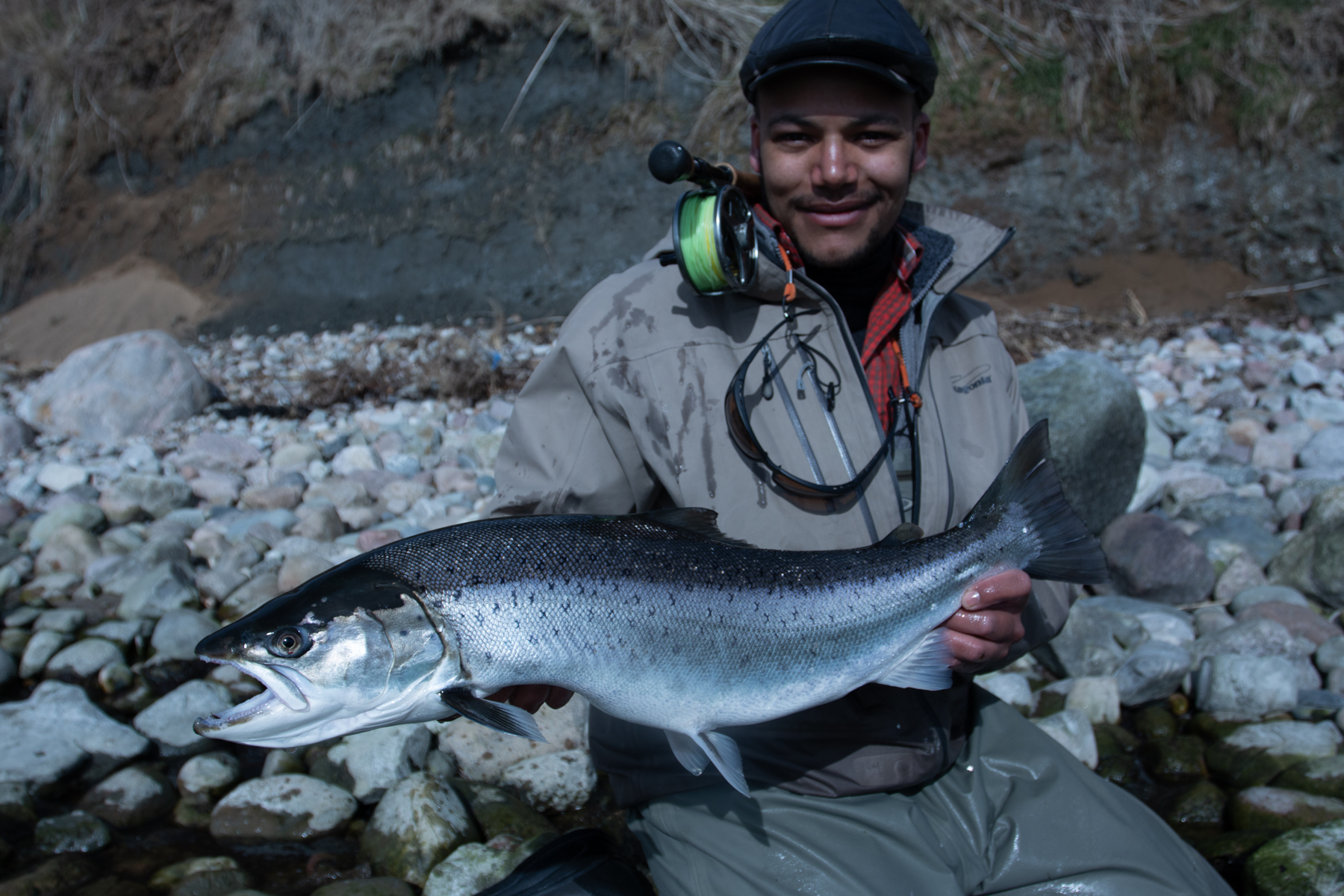
Along Bornholm’s southwest-facing shores you’ll find a number of coastal areas with relatively shallow water, where you can wade and cast beyond drop-offs, bars, reefs, and kelp beds. These areas can offer good fly fishing during the spring months. In general, however, the key is to locate coastal spots close to deep water and seek out rough, stirred-up conditions - because it is most often in colored, turbulent water that the fish move in to feed.
For the coastal fly angler on Bornholm, it is important to have the right gear for casting and fishing in heavy surf and strong windsalong stretches that are not always easy to wade. For covering water along bars and in large bays, waders are essential. Neoprene waders with felt soles and studs are recommended, as they provide secure footing on everything from wet rocks to bladderwrack and rolling stones.
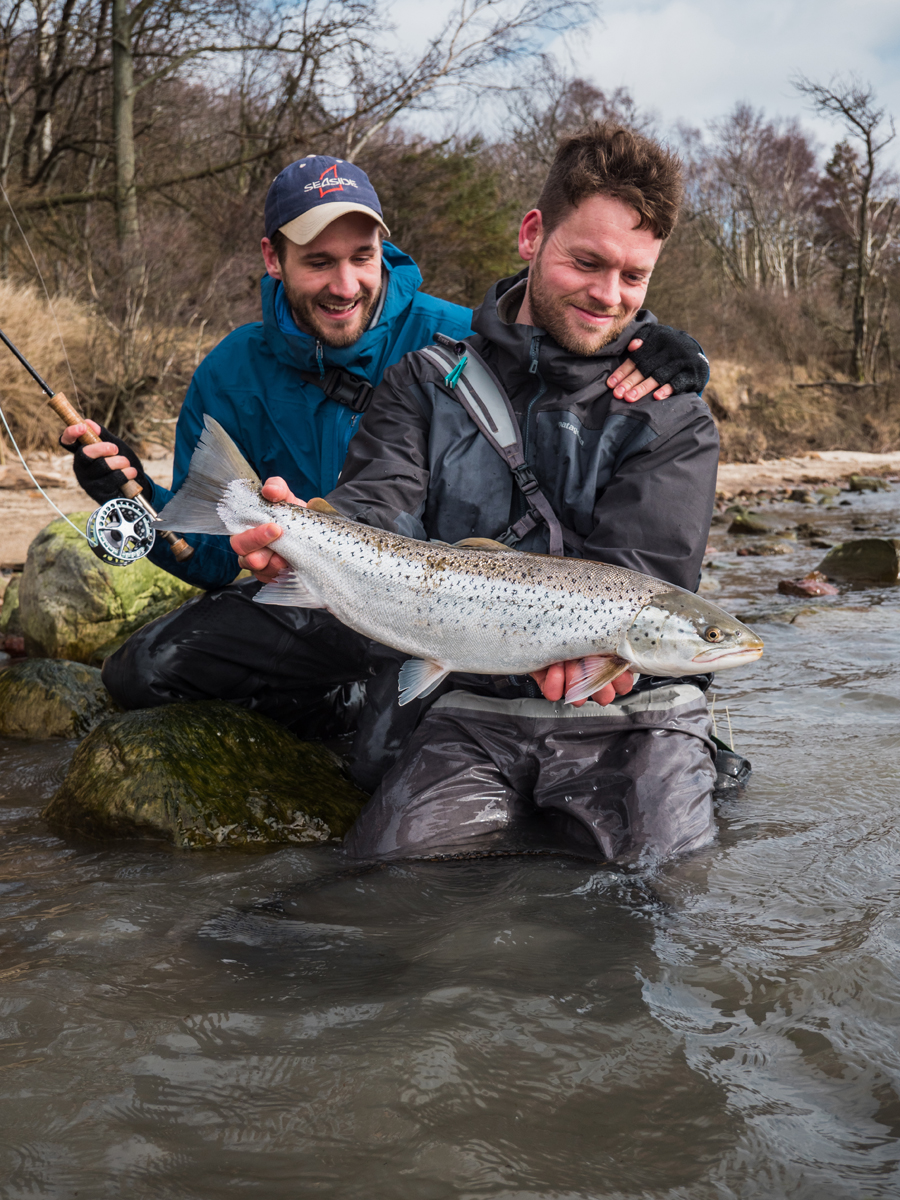
“Bornholm’s sea trout often move in schools of varying size, and locating them is key”
As for fly gear, it must support mobile, searching-style fishing. Bornholm’s sea trout often move in schools of varying size, and locating them is key. To make covering water more efficient, a shooting-head setup is highly recommended.