5 minute read
MUSTAD: A History of Fly Hooks

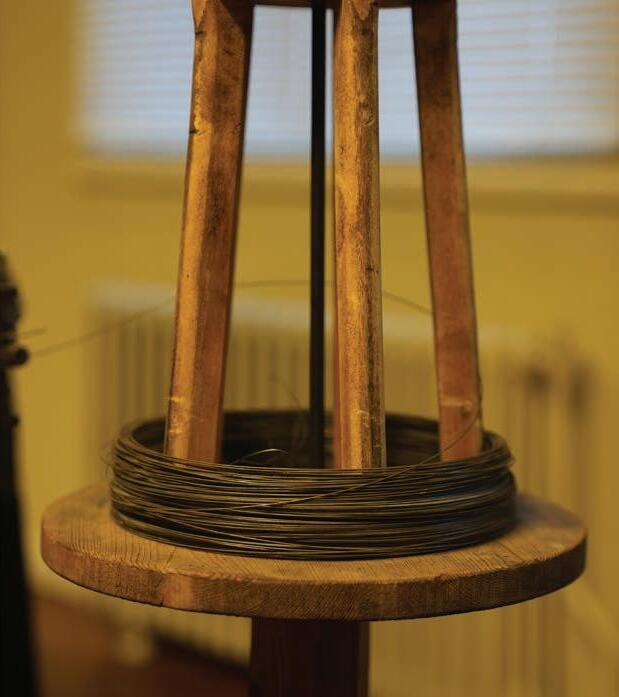
Back in the 1800s, Mustad emerged in the Norwegian town of Gjøvik. Ole Mustad took on a wire-producing factory and made his dream a reality. His journey through time, fueled by the commitment and ingenuity of both a dedicated team and the global community of enthusiasts, has become a testament to the determined spirit that defines Mustad.
By EDDIE PAYTON // Photos by RASMUS OVESEN
Beating the odds
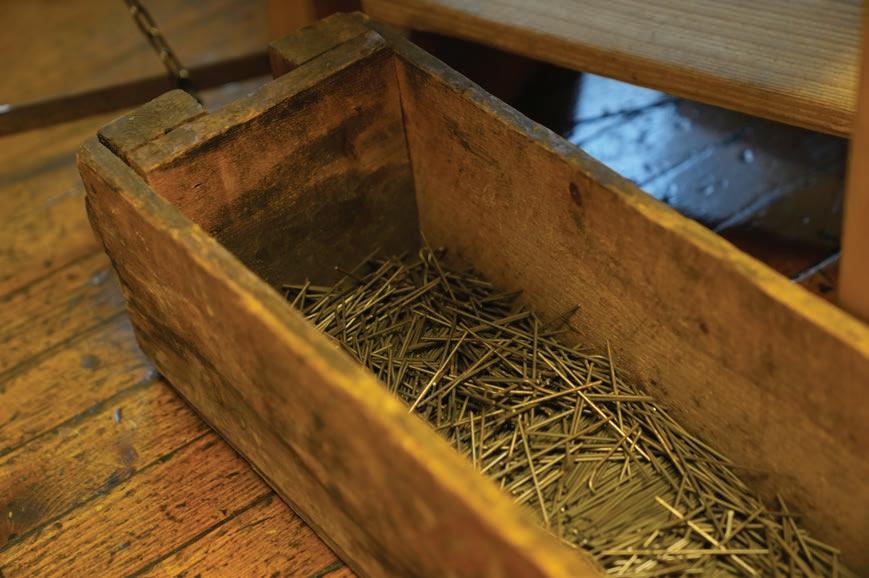
Picture the mid-1800s, a period steeped in economic gloom. Amidst this adversity, together with leader Ole Mustad, Mathias Topp conceived a vision that aimed, and succeeded, in changing the fishing industry. Having dedicated years to the production of nails and wire, the Mustad factory near Gjøvik was poised for a transformation - the birth of a new era in hook craftsmanship.
The Hook Maker
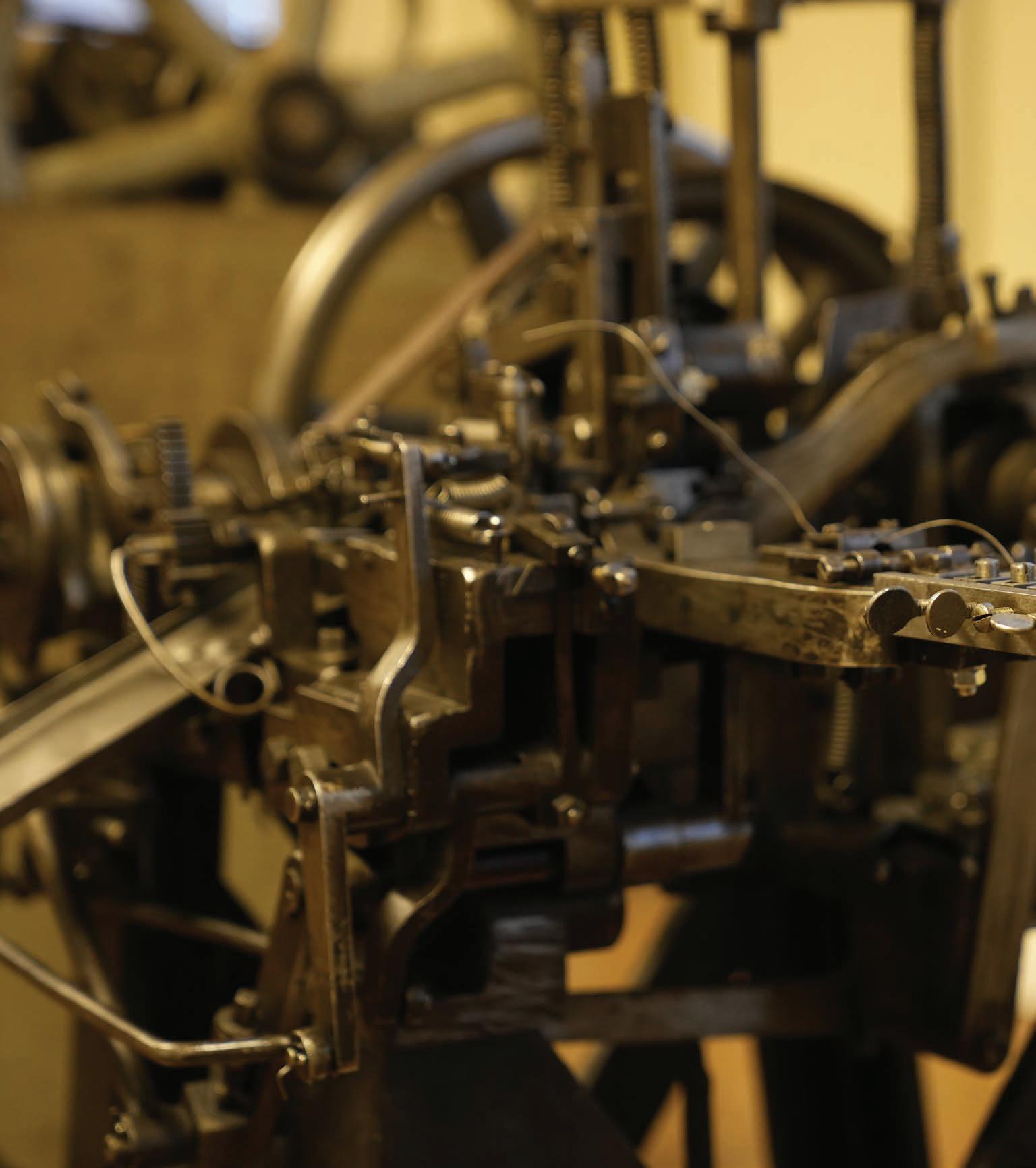
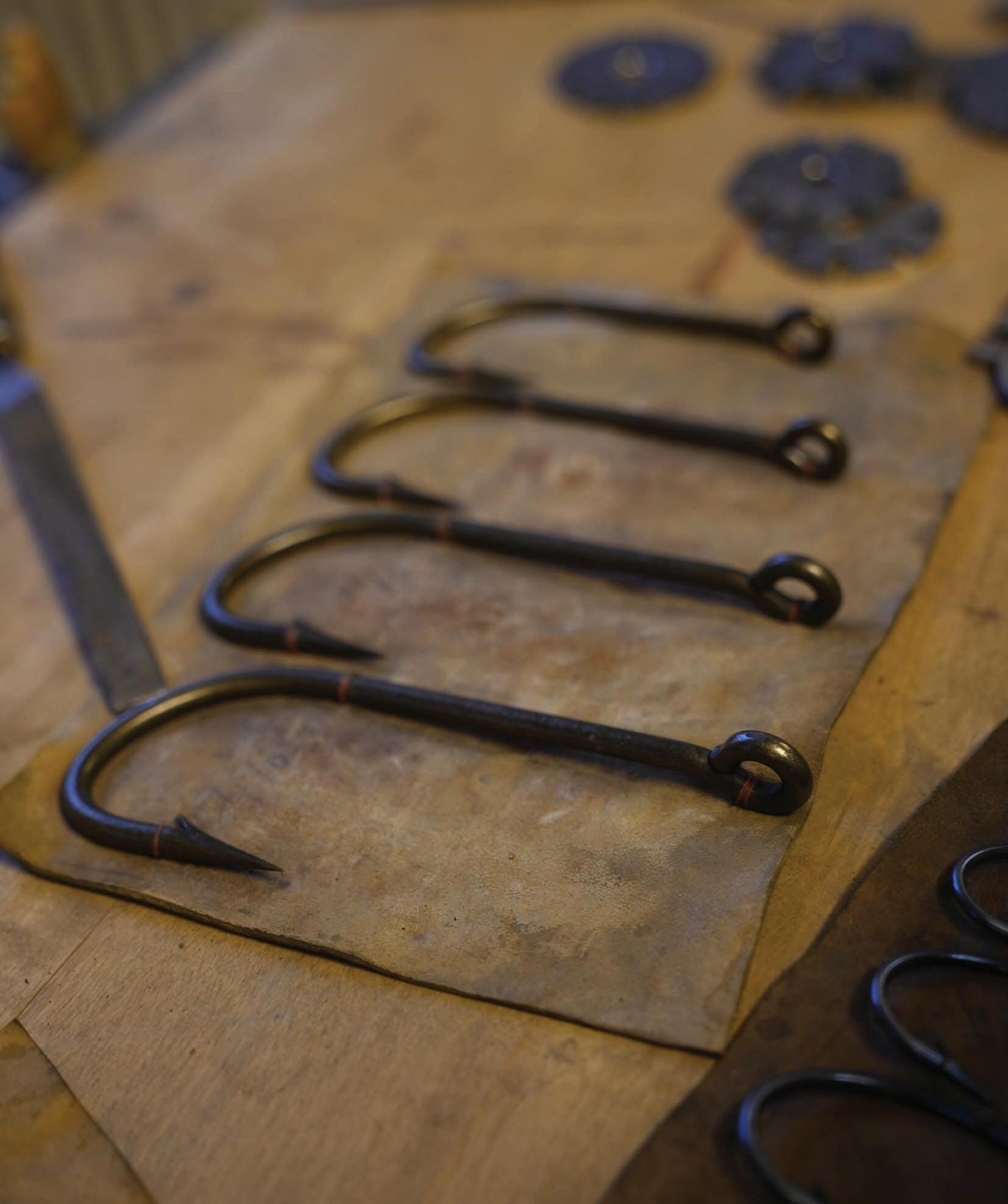
Topp envisioned a machine where steel wire entered on one end, only to emerge on the other as a masterpiece of high-quality hooks. In 1877, “The Hook Maker” materialized. Fearing mimicry by competitors, Mustad masked the creation in secrecy. Blueprints were carefully protected, and the details of the machine remained a mystery to the public.
The confidentiality wasn’t without reason. The Hook Maker wasn’t just a contraption; it was the key to Mustad’s intense growth in fishing globally. Mustad dispatched a team across the globe. Their mission: to unveil the needs of fishing hooks in all corners of the world and utilize “The Hook Maker,” returning modernized hooks to the source with unparalleled strength, consistency, and affordability.
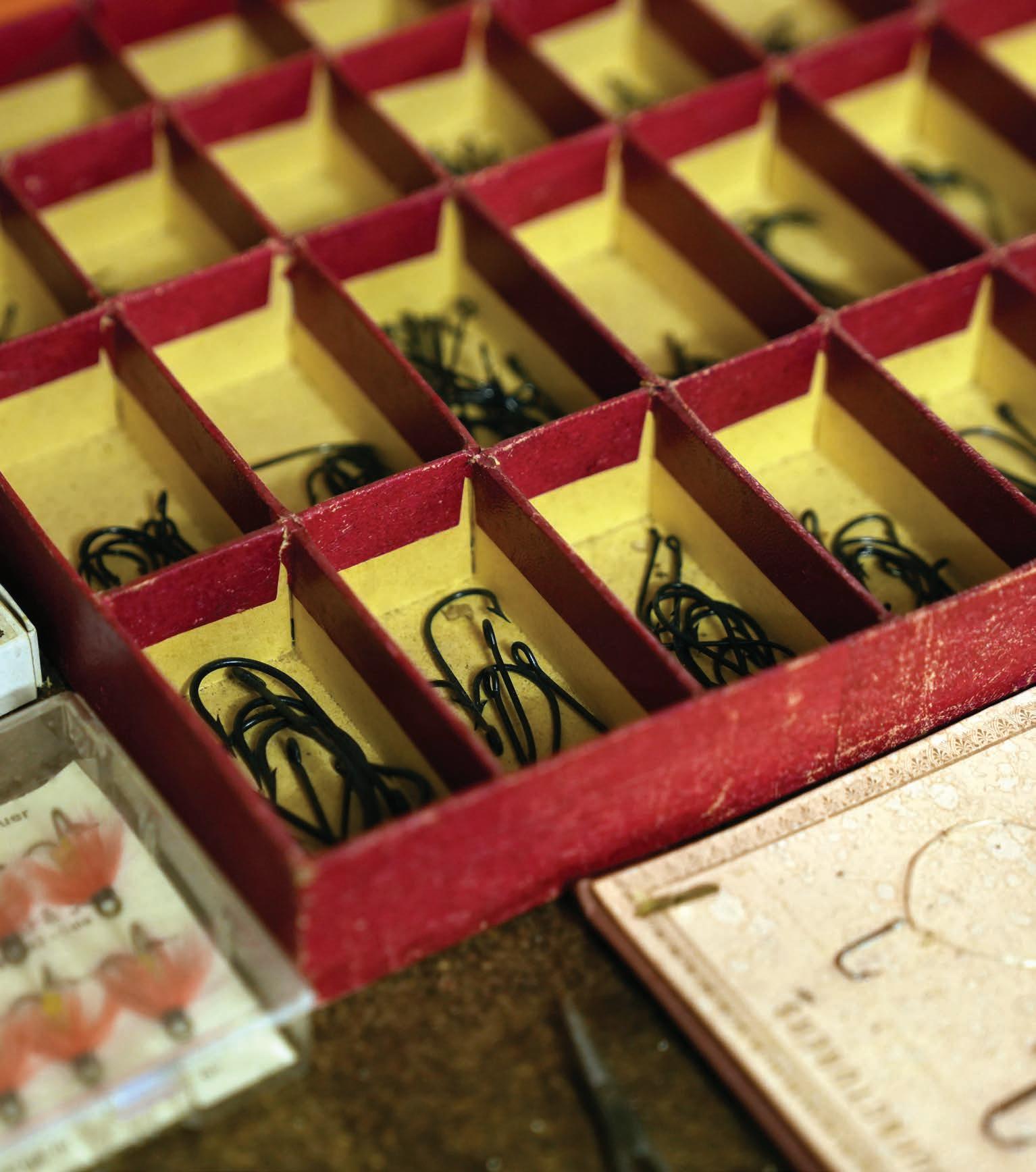
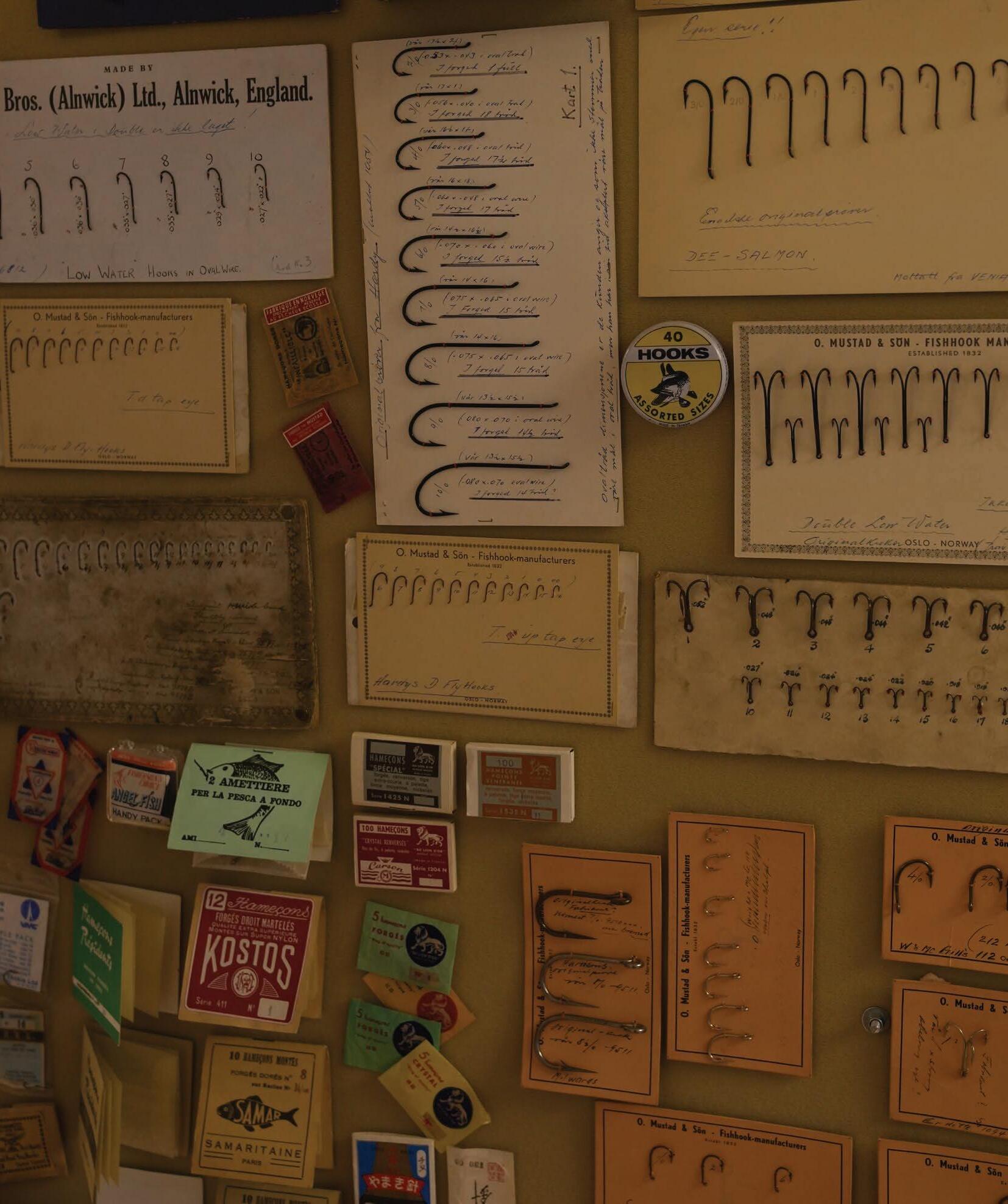
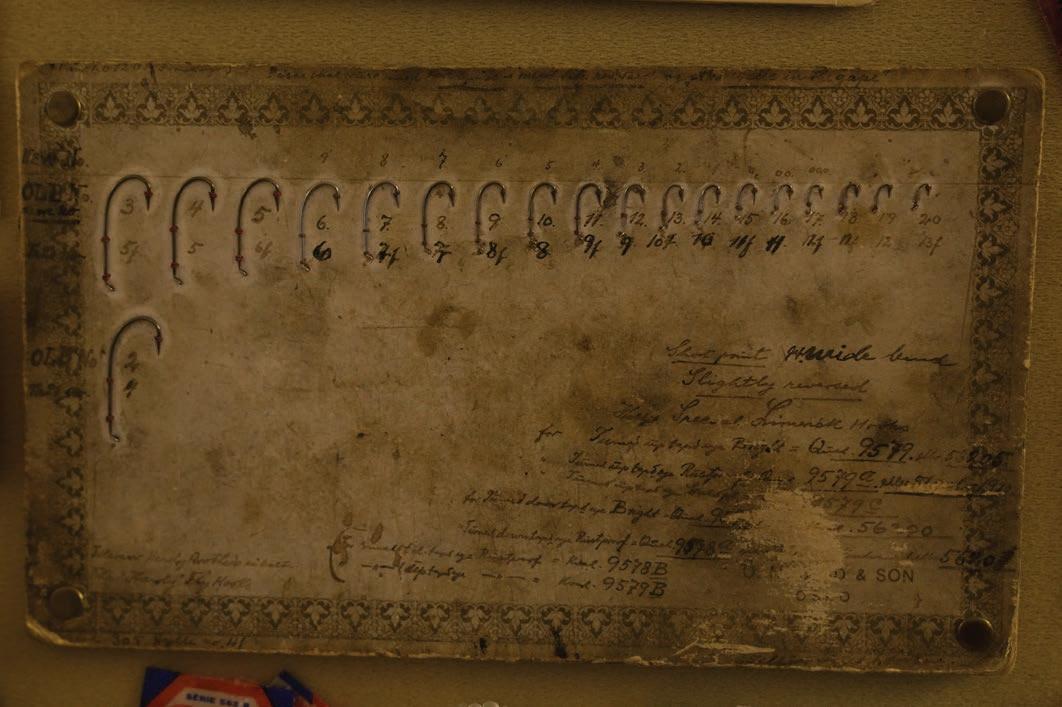
As Mustad dived into the artistry of fly hooks, communities dedicated to tying embraced the range, becoming a driving force to propel innovation and ushering in a modern era of fly tying. The evolution of fly hooks blossomed into a collection of today’s iconic selection, celebrated by fly tiers crafting patterns for an array of flies and targeted species. With the advent of automated production, a groundbreaking assurance emerged for tiers — for the first time, the balance and weight of hooks could be trusted.
Going Global
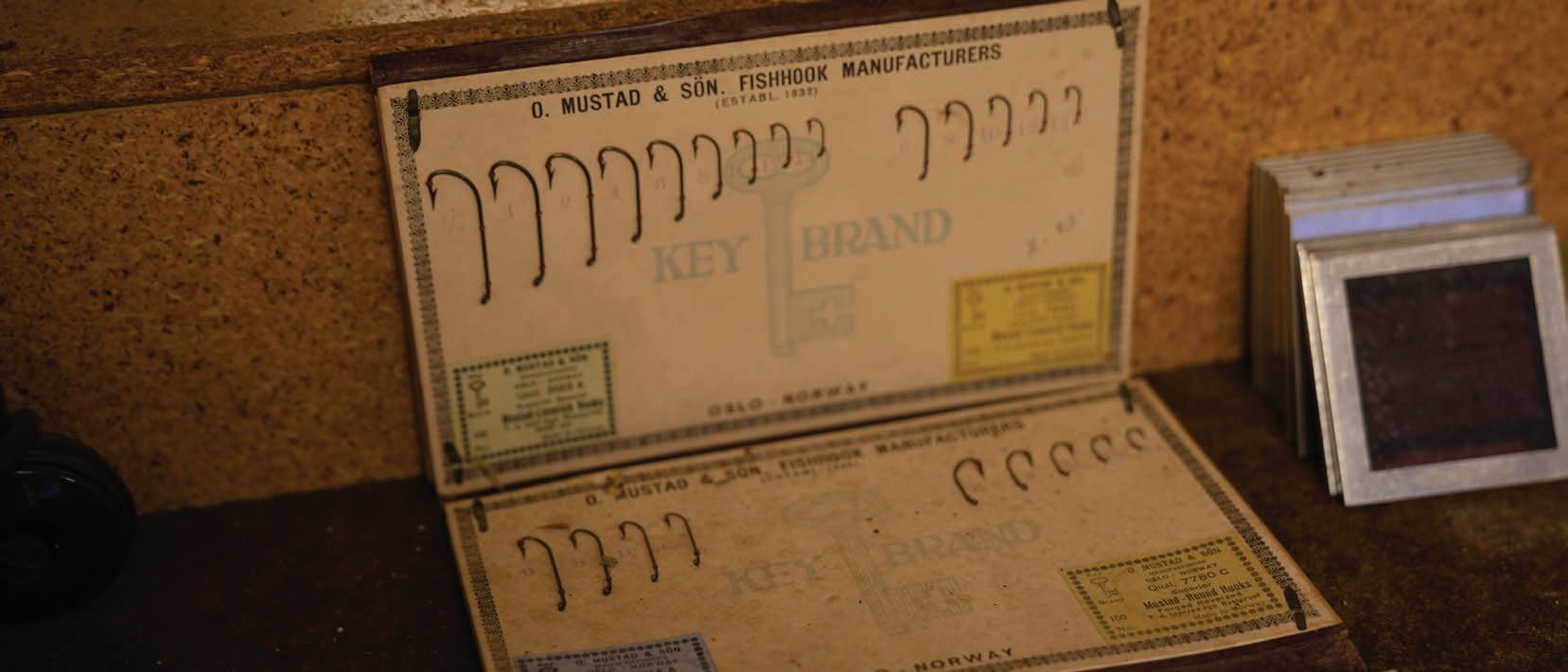
The quality and pioneer spirit of the company soon made Mustad’s name a household name in the fishing world, representing 50% of the world’s fishing hook production in the 1950’s and continuing to be the world’s largest fish hook manufacturer. This might explain why to this day, the word “mustad” simply translates into “fishing hook” in many corners of the world— a testament to the enduring mark left by Mustad on the art of angling and legitimizing the brand’s expertise in the making of fishing hooks.
Creating Traditions
As Mustad dived into the artistry of fly hooks, communities dedicated to tying embraced the range, becoming a driving force to propel innovation and ushering in a modern era of fly tying. The evolution of fly hooks blossomed into a collection of today’s iconic selection, celebrated by fly tiers crafting patterns for an array of flies and targeted species. With the advent of automated production, a groundbreaking assurance emerged for tiers — for the first time, the balance and weight of hooks could be trusted.
As Mustad perfected fly hooks, tying communities took a liking to the range and supported the innovation and modernization of fly tying. The development of fly hooks grew into a range of legendary hooks known well among fly tiers across all types of flies and targeted species. Automated production meant to tiers that for the first time, the balance, weight and quality of hooks could be trusted.
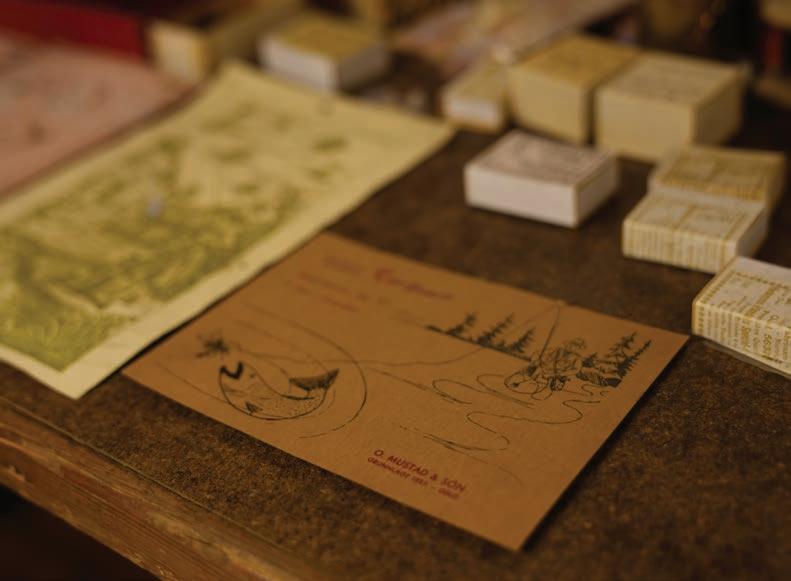
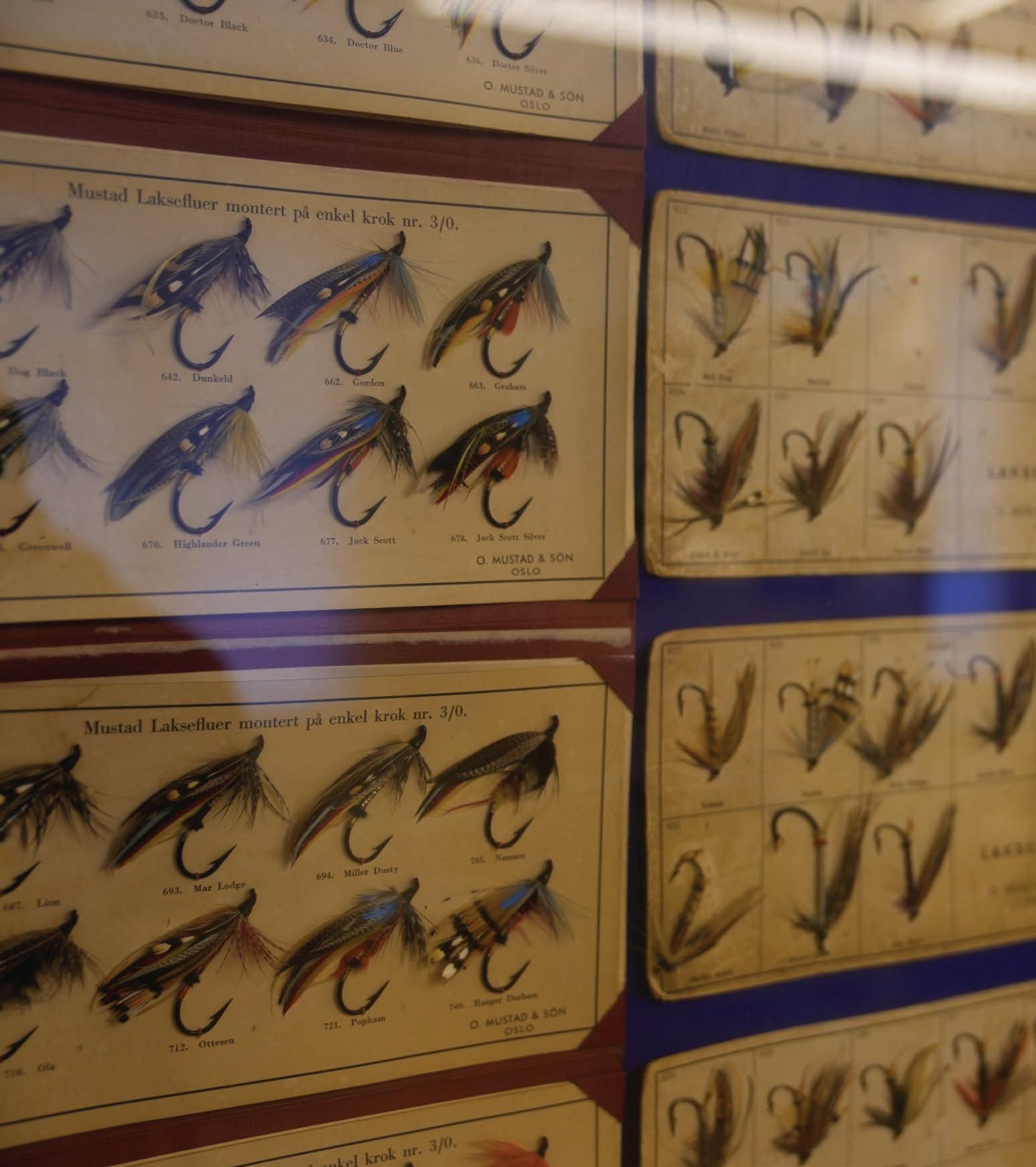
For over a century, Mustad not only perfected fly hooks but also curated a selection of flies meticulously handcrafted by some of the world’s most skilled tiers. Year after year, these designs garnered accolades, etching Mustad’s presence in the annals of fly tying. Though the era of Mustad-tied flies has past, the tradition endures as top-tier fly artisans continue to choose Mustad for their creations.
The evolution of Mustad fly hooks into notoriety owes much to the continuous development of technologies and the prevailing trends in the industry. This progression began when Mustad made the first fly hook with its automated production back in 1877 then to introducing unmatched point technology to fly fishing, starting with UltraPoint 4.3 over a decade ago and leading up to AlphaPoint 4.8 today.
Together with experienced tiers and anglers, Mustad continues to grow and develop hook technologies and styles that evolve with the times and techniques, culminating in a family of fishing hooks that match the legacy of Mustad’s enduring, trustworthy traditions.