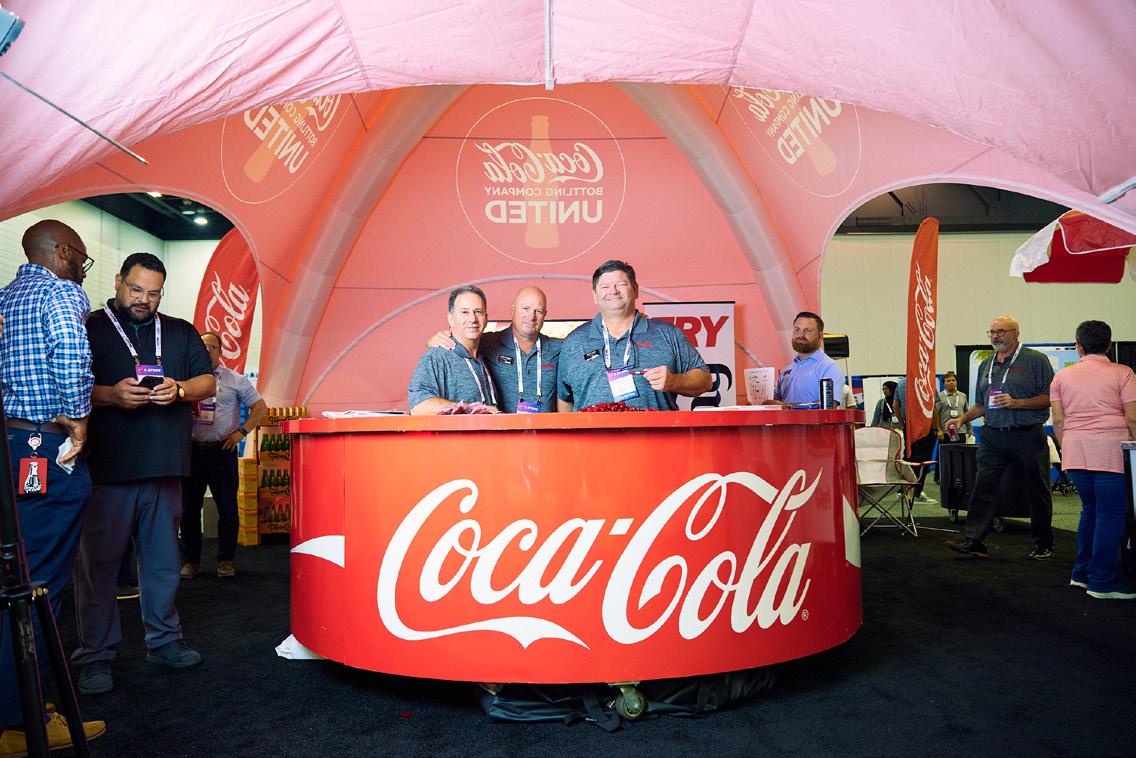
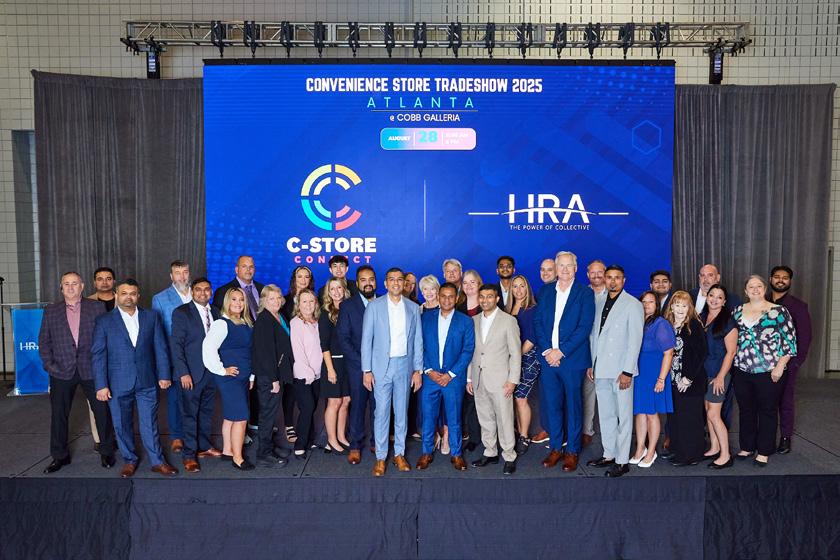
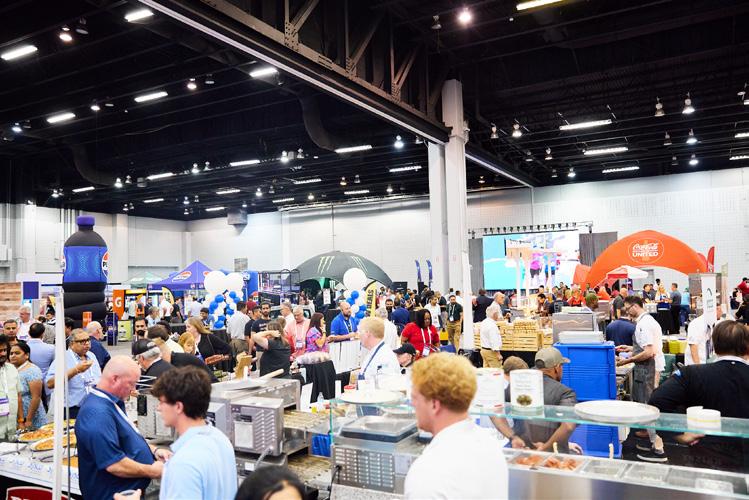
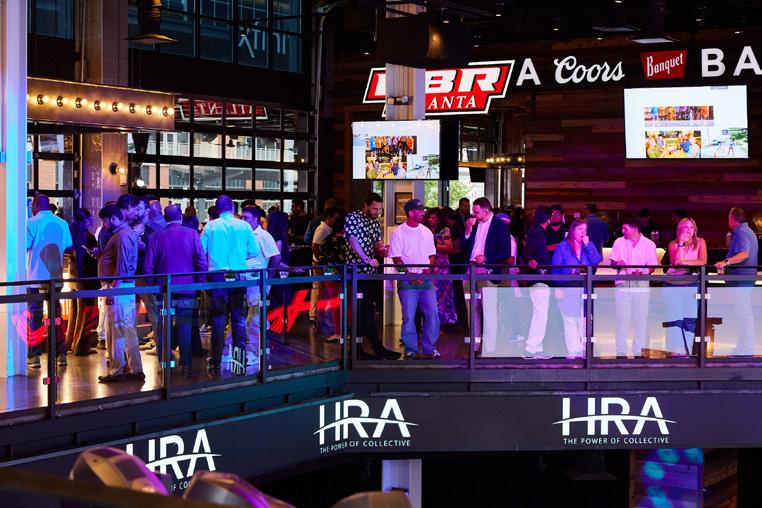
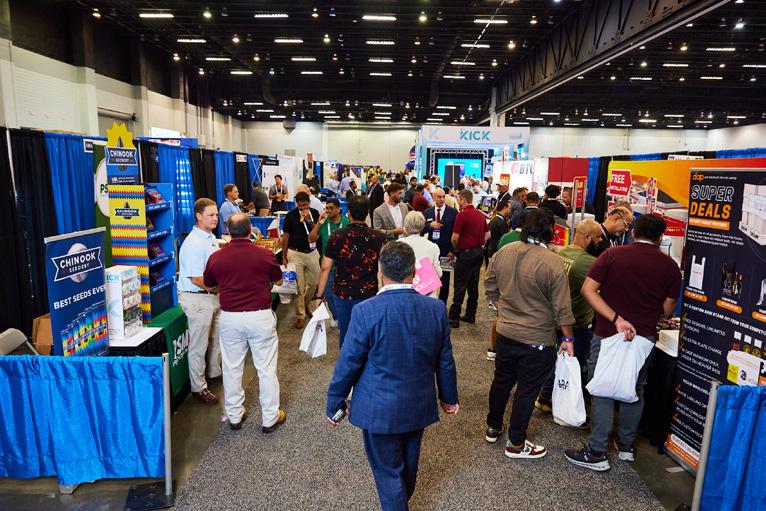
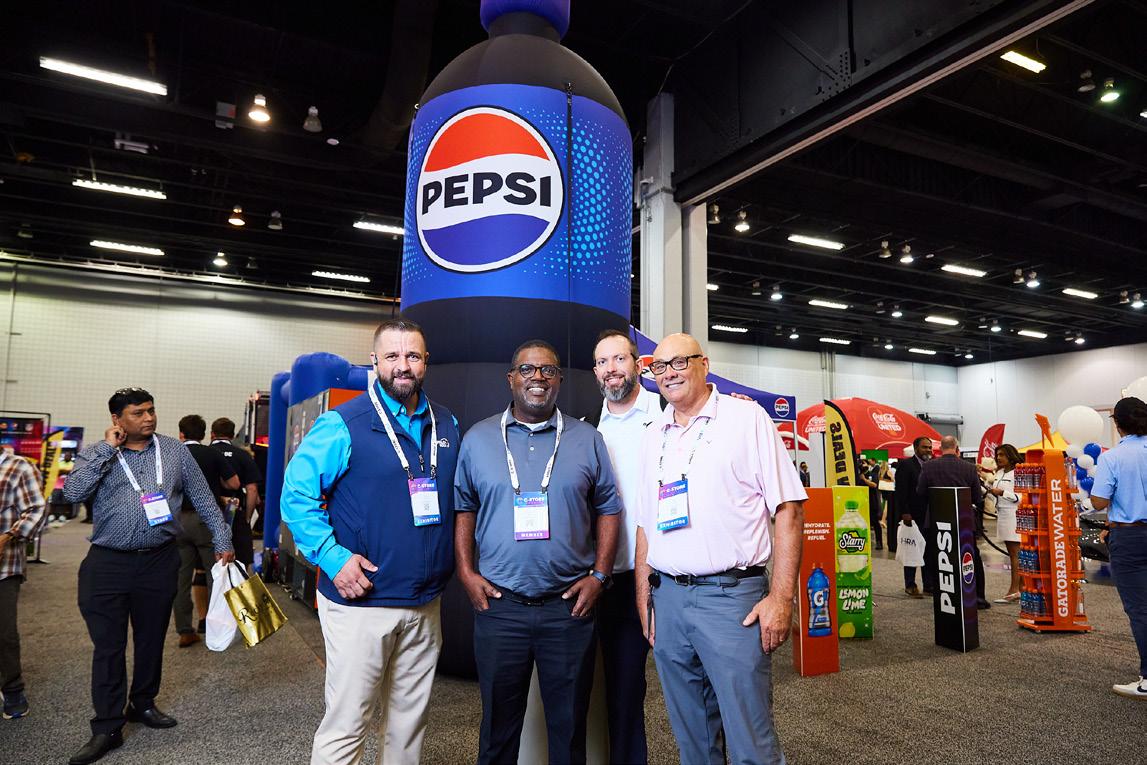
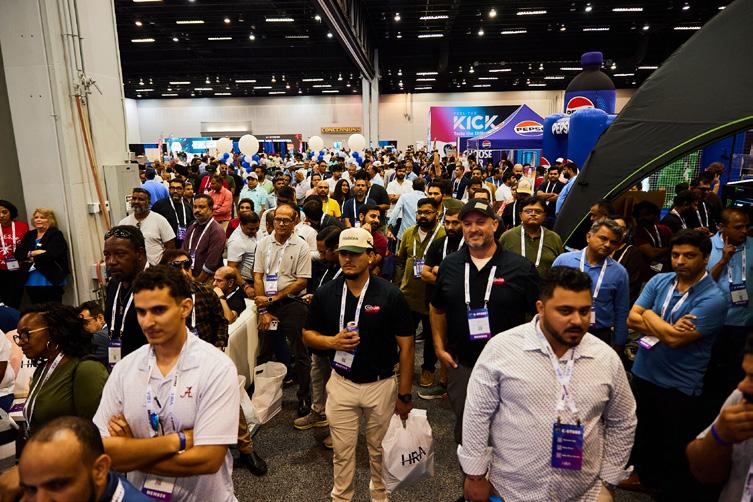
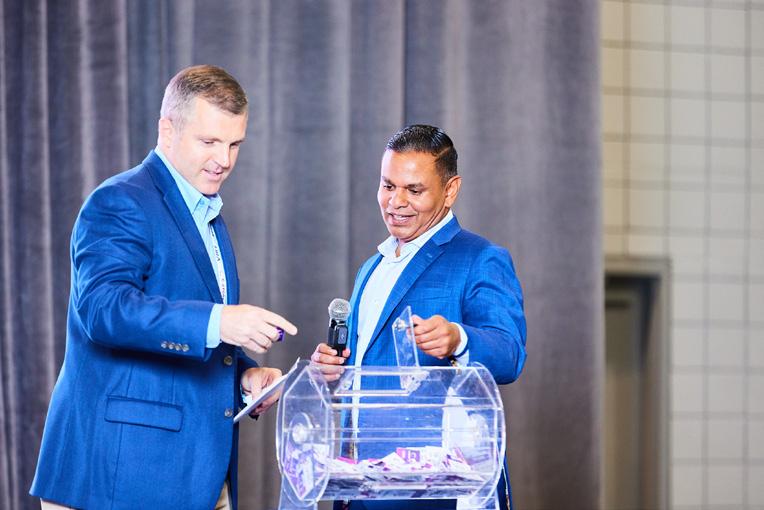
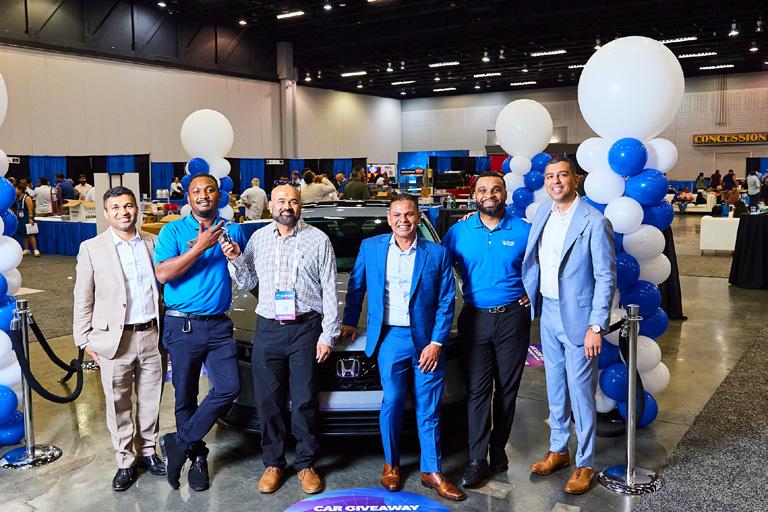
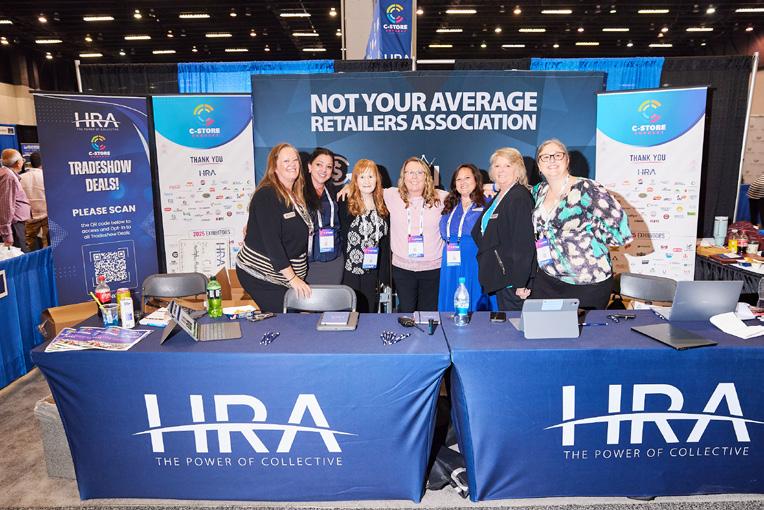
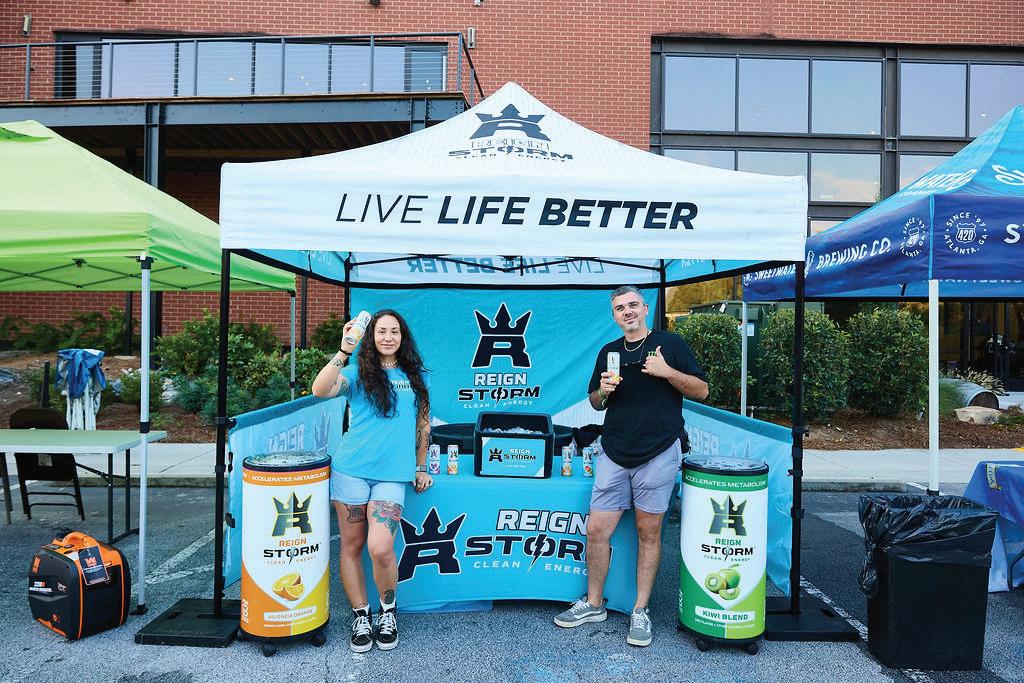
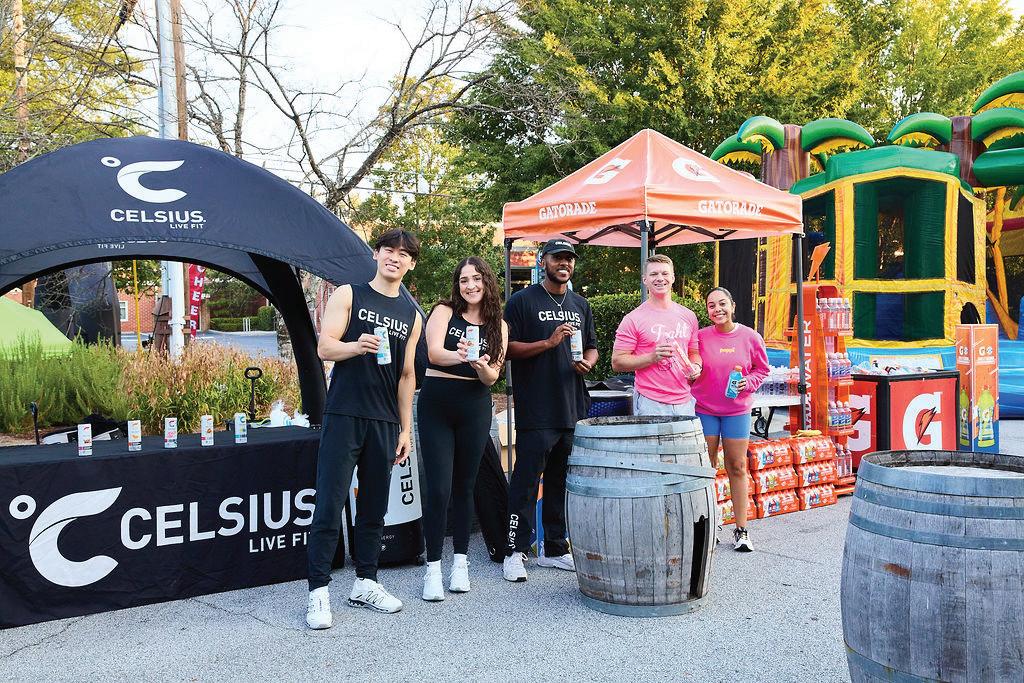
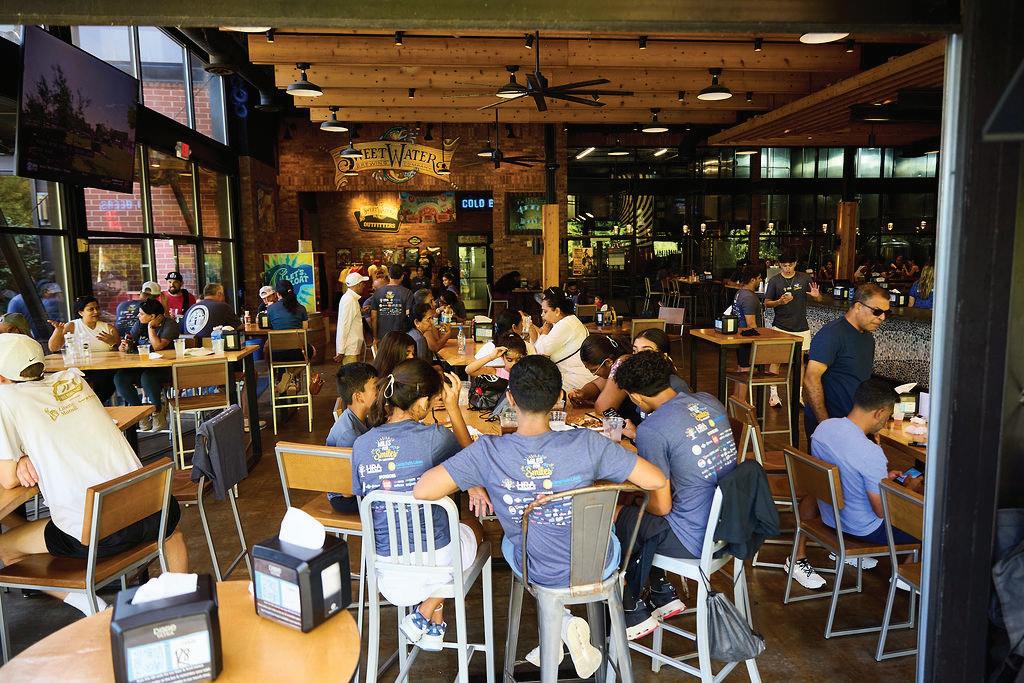
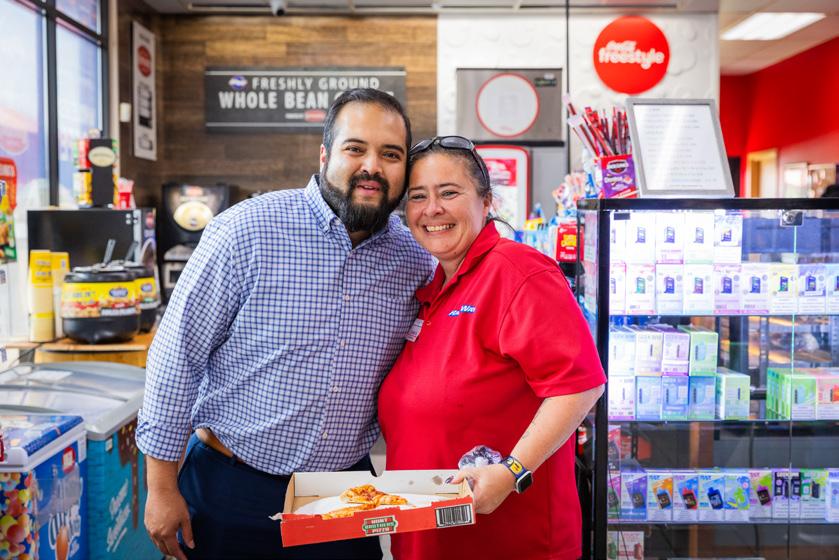
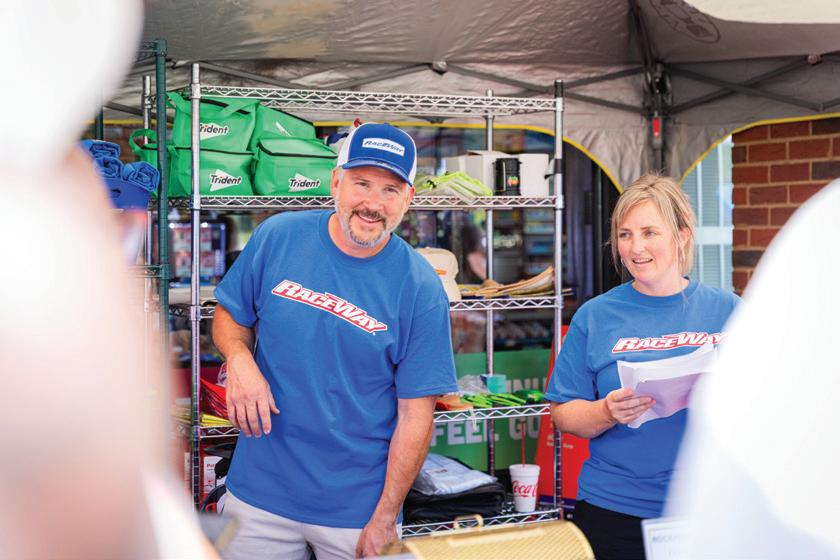
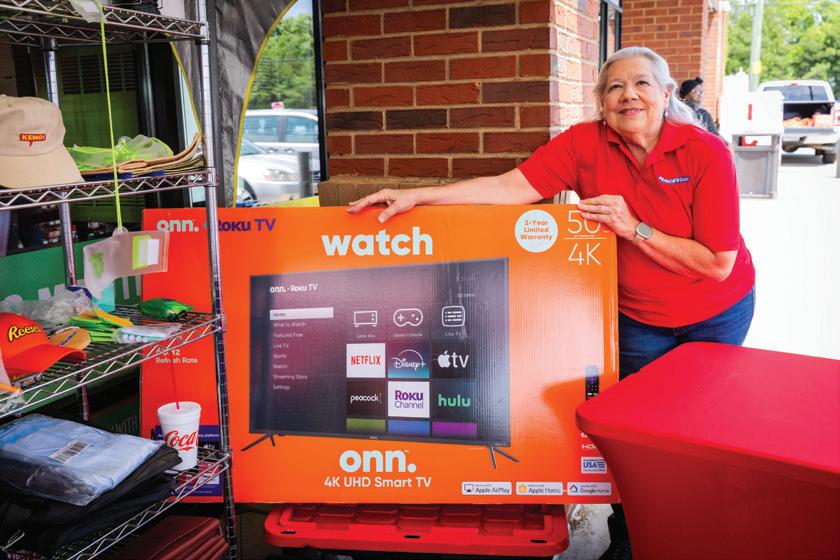
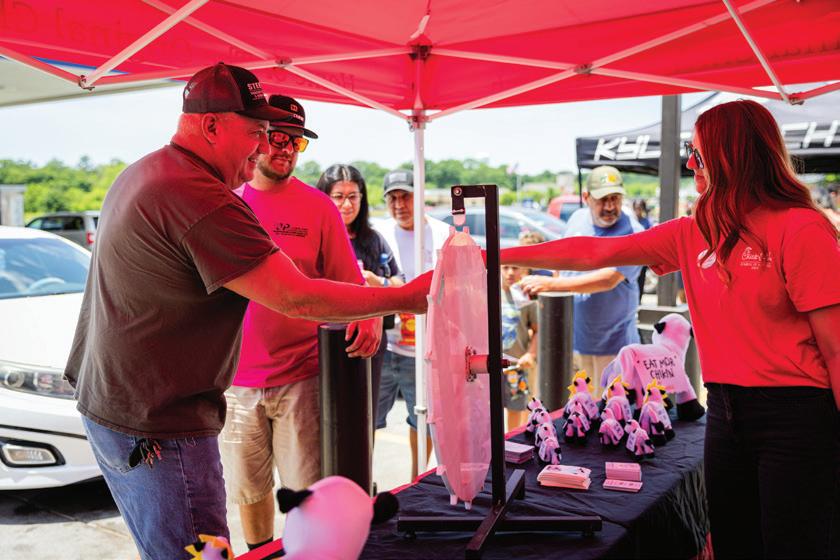
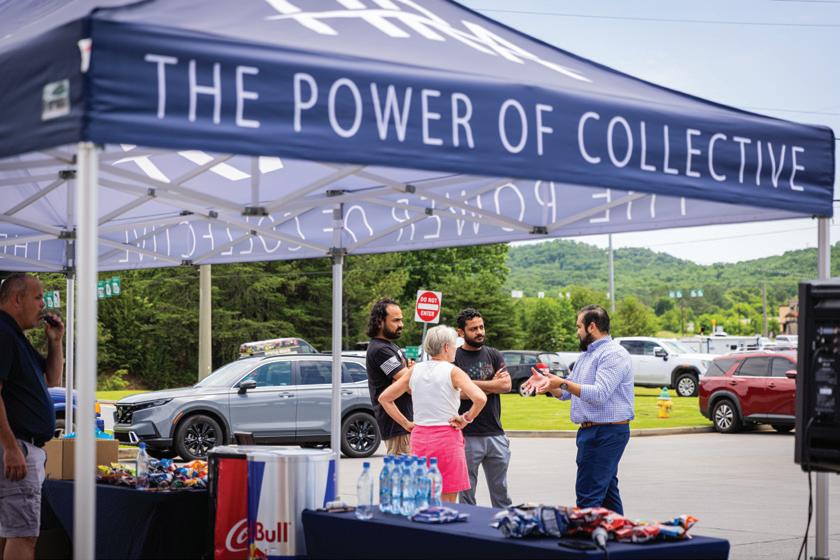
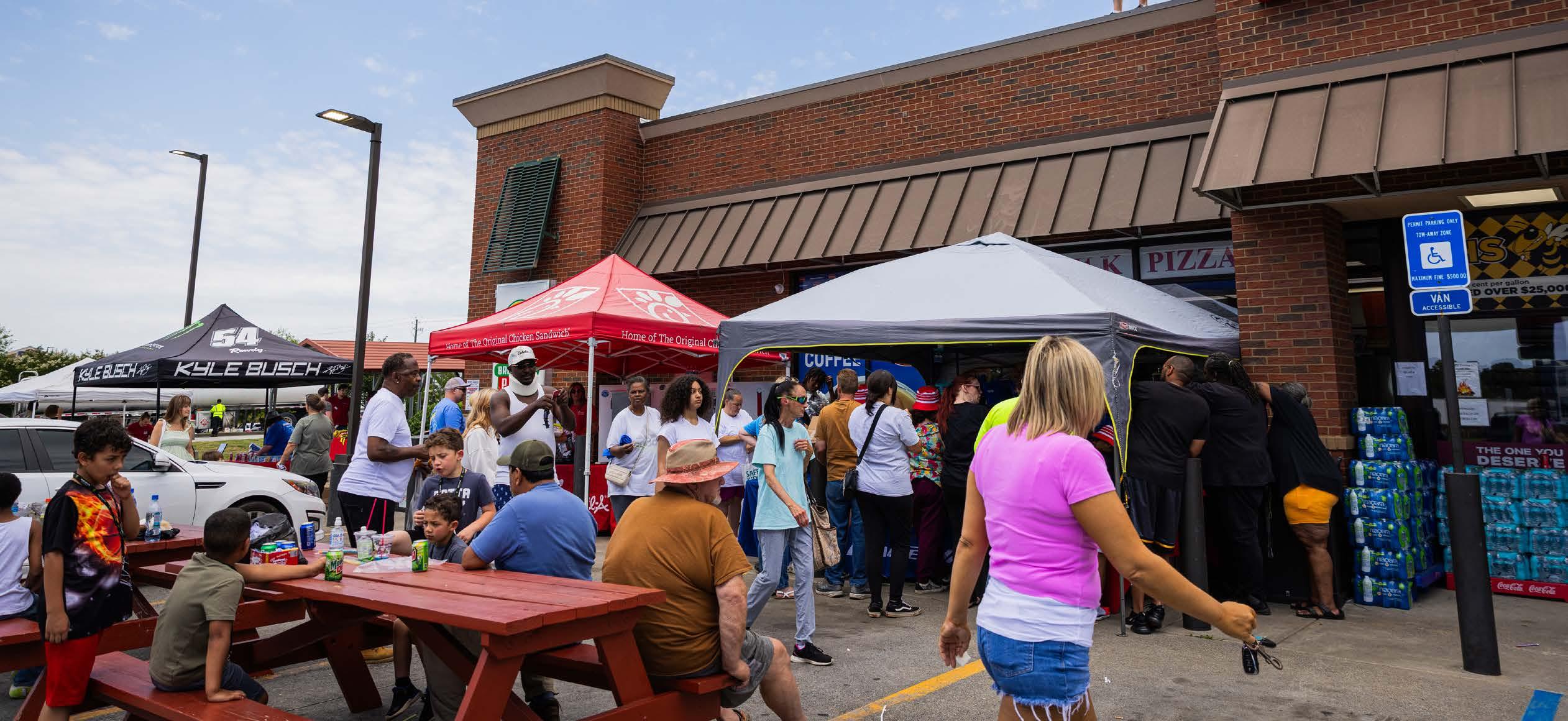
The 2025 event was not only the largest in HRA history, but it also fueled organizational growth with 200+ new members joining HRA directly from guest attendees. Exhibitors and retailers alike emphasized the show’s role in driving sales, discovering new products, and sparking ideas to improve in-store food service and hot case programs.
The show oor was buzzing with activity as members connected with industry-leading brands, secured exclusive Hot Deals using HRA’s technology platform, and explored innovations in fast-growing categories like food service and technology. By the close of the show, attendees had booked more than 80,000 cases, unlocked $325,000+ in member savings in the cold vault and beverage category, and generated 500+ new leads in grocery and food service.
Camp Twin Lakes provides adaptive and deeply impactful camp experiences to children and families living with serious illnesses, disabilities, and life challenges, year-round.
September 20
th
Our intentionally-designed programs help campers overcome obstacles as they learn new skills to more independently manage their challenges. As they make memories with their peers, the isolation they often feel vanishes in the comfort of new friendships forged by the strongest bonds - the challenges they have in common.
Each summer, Camp Twin Lakes serves thousands of children and teens from across the country during weeklong overnight camping programs. Each week, Camp serves a di erent unique diagnosis or life challenge at our three medically-supported campuses located in Winder and Rutledge, GA.
be limited after 8am
FROM OUR EDITOR
As we move into the fall of 2025, it is clear that this year has tested every aspect of the convenience store business. From the national numbers on sales and margins to the dayto-day realities of staffing, shrink, and shifting consumer habits, it hasn’t been easy. However, what has stood out most in my conversations with owners across the Southeast and beyond is not the pressure itself, but the creativity that emerges from it.
This September issue is built on that idea. It’s about resilience. It’s about owners who refuse to wait for things to get easier and instead make things better right now. You’ll read about stores that turned profit drains into steady gains, operators who embraced technology not as a burden but as a lifeline, and leaders who doubled down on their people even when the budget was tight. You’ll see how foodservice combos, loyalty programs, and local partnerships are accelerating profit, and how alternative services like parcel pickup and community events are turning slow weeks into opportunities to connect.
What I hope you take from these pages is not just ideas, but encouragement. The truth is, none of us can control the economy, fuel prices, or broader trends. What we can control is how we respond. We can refine our operations, invest in tools that actually save money, and create stores that feel like part of the community, rather than just another stop. We can also plan ahead, giving ourselves a clear runway into 2026 so that we start strong instead of scrambling.
If you find yourself feeling stretched thin this fall, remember that the owners who are making it work are not trying to chase everything at once. They are focusing, adapting, and leaning into the strengths they already have. They’re choosing resilience over reaction. That’s a lesson worth carrying through the rest of this year.
Thank you, as always, for the work you do in your communities and for allowing us to be part of your journey.
Warm regards,
Editor-in-Chief, C-Store Connect Magazine
THE POWER OF COLLECTIVE
COVERING THE SO
We are one of the fastest growing convenience store retail associations, representing thousands of retailers and an ever increasing number of major vendors. Our members get exclusive access to discounts, incentives, and rebates while our vendors get an opportunity to build brand equity and loyalty. Store owners gain the power of a group with a single representative that communicates on their behalf. Our members put more money in their pockets! Become a member and utilize the collective bargaining power of our HRA family.
Community & Partnership
We represent more than 5,000 retailers and 45 major vendors. You will have us behind you as a representative that will communicate on your behalf.
Why Choose Us
Our focus is your success!
Gain bulk buying power, discounts, and rebate programs and you will see savings roll in every quarter. There is no cost to join.
Operate your business with a robust partnership giving you access to savings, services, and a team helping you operate a more profitable and seamless c-store. Ensure you are operating with the highest gross profit possible by partnering with us. If you don’t save, we don’t earn.
Through our partnership with vendors you gain access to the power of collective bargaining! Amazing pricing and deals are no longer only for large chains.
MARKET CHECKPOINT
A shift is happening at convenience stores in 2025. It’s not one big event; it is a collection of pressures, adjust ments, and small wins that are changing what it means to run a successful store. For many years, the c‑store model was simple: fuel revenues, impulse snacks, lottery, and beverages. Those elements are still present, but several of them are under strain. Fuel volumes are weaker, margins are thinner, and customers are more selective. At the same time, inside‑store offerings are becoming more important. Foodservice, premium beverages, local items, and fresh food are rising in relevance. Stores that adjust are finding growth while others feel the squeeze.
Recent data makes the picture clearer. In the second quarter of 2025, U.S. convenience store sales slipped by 7.9 percent year over year. That slide is traced primarily to weaker fuel revenue. Fewer gallons sold, decline in pump pricing, and increased competition from
fuel alternatives. Despite that drop, inside store sales remain relatively resilient. Customers continue to purchase snacks, drinks, prepared food, and other items as they enter the store. They are not abandoning visits altogether; they are changing what they buy. Sources indicate that foodservice and consumer packaged goods are holding steady or growing in many locations, particularly those that have invested in high quality options. In markets where stores offer better for you or local products and maintain a posi tive store experience, customers tend to spend more per visit.
Margin pressure is real and hard to ignore. Single store operators report net profits commonly between 3 and 5 percent. High traffic locations with strong operations or well built foodservice sections may achieve higher margins. However, for many stores, small mistakes or inefficiencies can rapidly reduce profit. Fixed costs remain constant, including rent, insurance, utilities, and labor. When
fuel weakens, those costs tend to dom inate. That forces store owners to find gains inside rather than expecting large external shifts.
Some categories are showing strain. Low margin impulse products are most vulnerable. Generic snacks, lower cost discount beverages, and even some deeply discounted plastics or brand labels are at risk when consumers tighten budgets. When inflation increases prices, shoppers often opt for lower priced alternatives or skip extras. That reduces volume even when price points stay sta ble. On the other hand, premium bever age lines, specialty items, fresh food, and regional or local products are showing promise. They command better margins and grab attention when presented well in stores.
Foodservice continues to stand out as one of the strongest growth levers. Prepared meals, sandwiches, hot foods, and quality grab‑and‑go items are con
tributing more to store revenue than they did in previous years. In places where menu quality is high, service speed is good, and customers perceive value, foodservice can increase the average check and drive loyalty. Stores that commit to freshness and consistency are seeing stronger returns per square foot of kitchen space. Those kitchens are not extravagant. Often they are lean, efficient, focused on a few strong offerings rather than dozens of weak ones.
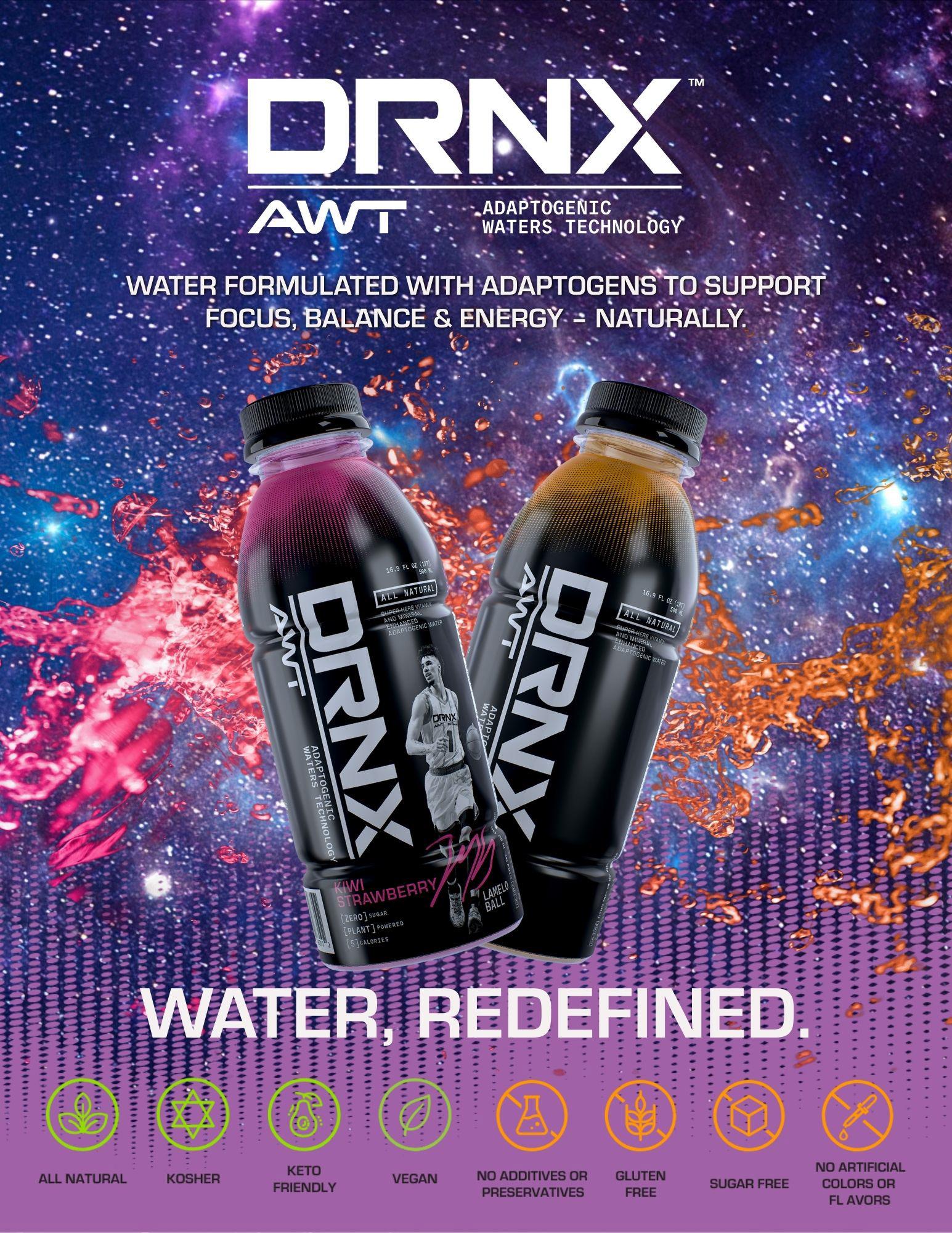
Emerging beverages are another bright spot. Consumers are drawn to functional drinks, wellness water, ready to drink alternatives, and any product that com bines hydration with value. In locations where stores offer sampling, good cooler placement, and clear signage, those products tend to outperform slower mov ing lines. Several operators have expand ed their beverage assortments and seen traffic uplift simply because their coolers better reflect current consumer demand than those of their competitors.
Loyalty programs and personalization
tools are gaining ground. Surveys show that more shoppers now view conveni ence stores as reasonable substitutes for quick service restaurants. When stores can connect with customers through rewards or personalized offers, they capture visits they might otherwise lose. Metrics show that stores using POS data to drive digital or printed coupons experience higher return rates, a higher take rate on promotions, and better aver age tickets when promotions are carefully designed.
Profit drains remain a key challenge. Shrinkage from theft, spoilage, mispric ing, or expired product is a growing prob
foodservice and consumer packaged goods are holding steady or growing...”
lem. Expanded fresh food and beverage offerings increase risk when staff are not vigilant. Old refrigeration, poor lighting, inefficient HVAC, and deferred main tenance continue to drive utility costs upward. Labor inefficiency adds up when staff schedules do not match customer demand. Over time, understaffing during peak hours or insufficient cross‑training of staff reduces productivity. Excess in ventory of slow moving SKUs ties up cap ital and increases waste when products go out of date or do not sell quickly.
Promotions and pricing require discipline. Offers that are too generous or poorly timed eat into margin without driving enough extra volume. Discounts that can nibalize full‑price sales, stacking of pro motions that confuse customers, or over reliance on vendor deals without under standing store cost structure can result in profit loss rather than gain. Inventory that is overstocked due to poor forecasting or lack of promotional alignment locks up cash and creates risk for waste.
Technology is doing much of the heavy
lifting for stores that adopt it. Inventory forecasting tools help owners decide what to stock and when. Remote mon itoring systems for freezers, coolers, and lighting help reduce energy waste. Integrated POS and video systems help detect losses, speed checkout, and reduce fraud and errors. Mobile payment and digital loyalty tools help create fric tionless experiences. Stores that invest wisely in technology and train their staff to use it are seeing significant returns on their investment.
Macroeconomic pressures set the back drop. Inflation has eased compared to prior years, but cost increases in utilities, insurance, transportation, and labor con tinue. Consumers remain cautious and discretionary spending is tightening. Fuel price volatility persists in many states, af fecting both cost structure and customer behavior. Supply chain disruptions, regu latory shifts, and rising minimum wages in certain locations all contribute to the cost side. Stores that do not closely monitor these inputs risk experiencing margin
a hard look at which categories are growing and which are draining”
surprises.
This leads to strategy. The actionable path forward is to take a hard look at which categories are growing and which are draining. Evaluate foodservice offer ings: is there room to improve taste, pres entation, or speed? Consider introducing or expanding beverage lines that match current demand. Improve store appear ance, customer experience, lighting, and signage. Audit shrink monthly, review inventory turnover, and check cooler performance. Invest in technology only where the payoff is clear. Utilize loyalty programs or personalized promotions to
encourage repeat visits. Train staff to be efficient and customer focused.
In many cases, small changes add up. Reducing energy costs by upgrading lighting, sealing door leaks, and improv ing cooler insulation can lower month ly bills. Cross training employees so they cover multiple duties can improve scheduling flexibility and reduce over time. Tightening product assortment to remove slow sellers frees up shelf space for better items. Improving merchandising and signage can lift awareness and sales of premium or growth categories.
The c‑store economy in 2025, and soon leading into 2026, is complex but not hopeless. It is more a test of respon siveness than endurance. Stores that recognize the shifting trends, adjust their operations and assortments, lean into the interior of the store, and invest in custom er experience are positioned to win. For owners who view today’s challenges as opportunities to improve, there is a strong opportunity.
Double Treat Yourself
LOW HEADACHES
EVERYTHING
HIGH TECH TECHNOLOGY IN
Technology can feel like a blessing and a burden for today’s convenience store owner. With so many tools on the mar ket and promises flying in from every angle, it’s easy to wonder what’s truly worth your time, money, and energy. But technology isn’t just a nice to have any more; it’s becoming a matter of survival. What was once considered an upgrade is now an essential part of staying com petitive, especially for independent op erators who need every edge they can get. The difference now is that many of these tools are finally living up to their promise. They’re faster to install, easier to use, and often pay for themselves when deployed with intention.
Across the board, store owners are reporting stronger returns from invest ments in digital tools than they did
even two years ago. And it’s not just large operators; independents with one or two locations are adopting smart er systems that help track inventory, improve checkout times, reduce shrink, and enhance customer experience without overcomplicating things. The key is alignment. When the technology matches the scale and needs of your operation and is supported by staff training and regular use, it becomes a multiplier. That’s the kind of investment that works hard for you, even when you’re not on site.
Let’s start with the cornerstone of most convenience store operations: the point of sale system. In the past, POS was little more than a digital cash
technology isn’t just a nice-to-have anymore...”
register, handling transactions and may be a few basic reports. Today, it’s the heart of real time visibility. Modern POS platforms allow you to drill into sales by item, hour, and category. They can flag suspicious behavior like repeated voids or refunds. Some systems are now linked to smart video platforms that tie footage directly to individual transac tions, allowing store owners to inves tigate discrepancies with full context. This integration has led to significant
reductions in internal theft and has helped isolate training gaps that were causing cashier errors.
Inventory tools have also made mean ingful gains. It’s no longer about simply counting what’s on the shelf. Smarter systems can now forecast demand, suggest restocks, and even recommend markdown timing based on sell through rates and expiration dates. These are especially useful in foodservice and fresh product categories where shelf life is short and margins are tighter. In several recent studies, stores using pre dictive inventory tools reported a reduc tion of up to 40 percent in food waste. That kind of waste reduction doesn’t just save you product, it reduces labor, trash haul off costs, and customer
disappointment when key items are out of stock.
Equipment monitoring has quietly be come one of the most effective ways to prevent profit leaks. Stores that install temperature and energy sensors on their refrigeration and freezer units can track performance around the clock. These sensors detect things like doors being left open, compressors cycling too frequently, or temps creeping into unsafe zones. One store in Georgia in stalled these sensors and realized that their ice cream freezer had been under performing for over a month, resulting in both lost sales and higher power bills. After fixing the compressor and adjust ing the thermostat, they not only saved energy, but they also avoided losing an entire shipment of product. These types of stories are becoming more common
as store owners realize they don’t have to be physically present to know some thing’s wrong.
Self checkout has also evolved sig nificantly. What once felt like a big box feature with high risk is now more accessible and secure. Advances in AI and computer vision have made it eas ier to verify product identity, limit theft, and reduce the friction customers feel when checking out on their own. One Southeastern chain rolled out compact self checkout stations and saw custom er wait times cut in half. That same roll out allowed them to shift one employee per shift from register duty to customer service and food prep, both of which increased average ticket sizes. For stores in tourist heavy areas, highway corridors, or busy city intersections, the speed factor alone is often worth the
investment.
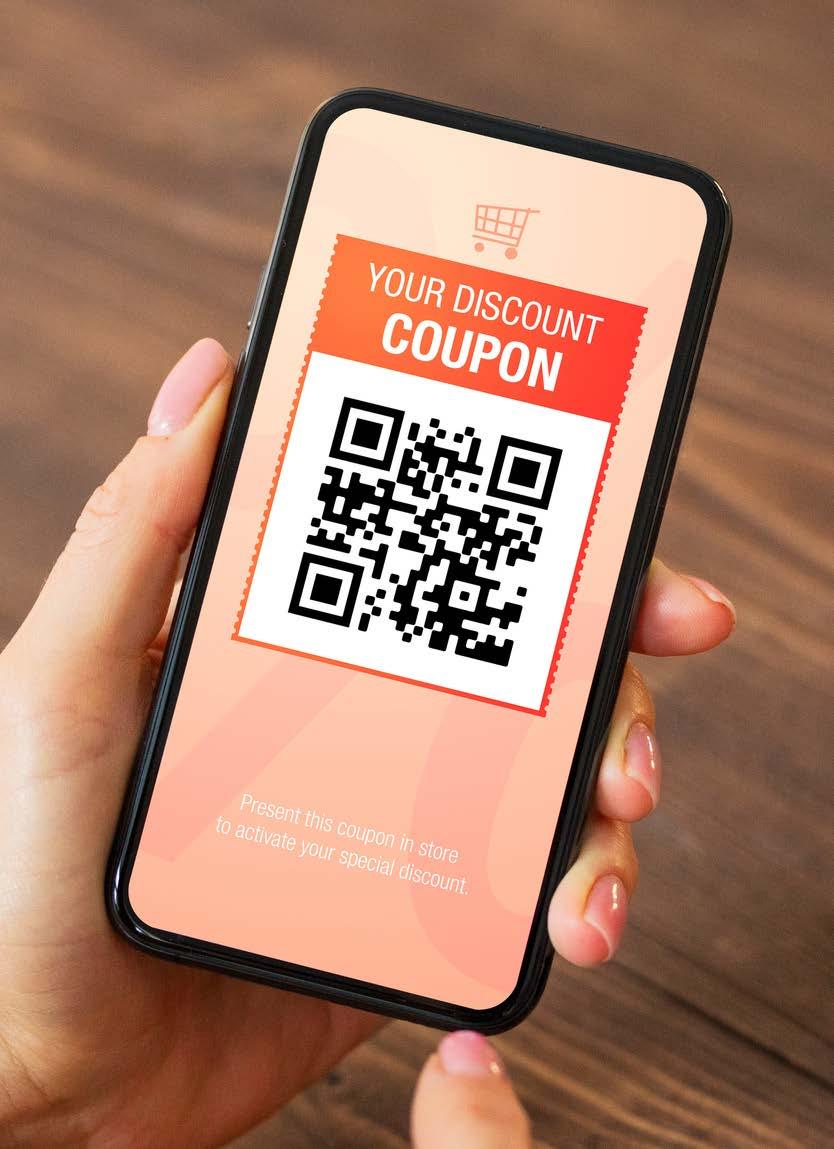
Loyalty tools are also having a quiet re surgence. But not in the old punch card format. Today’s loyalty programs are digital, lightweight, and often require nothing more than a phone number and a QR code. Some tie directly into your POS and automatically track purchases, giving you the ability to send person alized offers based on past buying behavior. In the Southeast, energy drinks and breakfast items are two of the top performing bundled categories in loyalty campaigns. One operator run ning a simple “buy three, get one free” campaign on functional drinks saw their average weekly units in that category jump by 26 percent. The trick is making it easy. No apps to download. No hoops to jump through. Just relevant rewards delivered smoothly.
Let’s also talk about digital signage. While many operators still use paper signs or static menu boards, stores that have made the switch to digital displays are reporting higher customer engage ment and more flexibility in promotions. These signs can change throughout the day to highlight breakfast in the
the speed factor alone is often worth the investment”
morning, snacks in the afternoon, and frozen drinks in the evening. They can also be used to showcase limited time offers, local products, or even lives tream lottery jackpots or social feeds. One store near Atlanta began using a 43 inch screen by their coffee station and saw a 15 percent lift in breakfast sandwich sales within two weeks. The screen simply rotated through combos, pricing, and lifestyle images showing people enjoying their meals in store.
Even tools that operated behind the scenes, like staff scheduling platforms, are becoming surprisingly effective. With labor costs rising and staff avail ability tightening, scheduling platforms that use sales forecasts and local event data can help you staff more efficiently. If you know your Tuesday afternoons are slow but your Friday evenings surge, you can reduce unnecessary hours and avoid being short staffed during critical windows.
Payments technology is another area where expectations have shifted. Cus tomers now expect contactless options to be available. Tap to pay, mobile wal let, and QR based systems have gone from fringe to expected. If your payment terminals can’t handle these options quickly and smoothly, customers notice and often don’t come back. A survey conducted earlier this year found that more than 60 percent of Gen Z and millennial consumers in the Southeast will leave a store if contactless isn’t available or takes too long. That’s not a small group. For many operators, simply updating payment terminals and ensur
ing fast transaction speeds has become a priority, not a luxury.
Sustainability tech is also gaining traction, though quietly. LED lighting up grades, programmable thermostats, wa ter saving bathroom fixtures, and even smart power strips are all tools that reduce energy and utility bills over time. The return may not feel dramatic on day one, but these tools deliver over months and years. Some states now offer rebates for energy efficient upgrades, and many utilities will assist with audits or incentives. For stores that operate in older buildings or high heat zones like Georgia, Florida, and South Carolina, shaving 5 to 10 percent off a power bill month after month adds up fast.
What makes all of this more effective is integration. The stores that see the best
returns are not always the ones with the flashiest gear, but the ones where the tools are connected, well maintained, and actually used. Data is reviewed, acted upon, and shared with staff. Train ing is consistent, alerts are not ignored, and promotions are updated. Consist ency, more than the brand of the tool, is what drives success.
One of the most powerful outcomes of good technology adoption is time saved. When your systems handle the repetitive work, you and your team can focus on what matters. You’re not buried in spreadsheets trying to guess what went wrong last week. You’re not scrambling to manually count invento ry. You’re not waiting in the back for a cooler to fail again. You have more bandwidth to focus on customers, train your staff, or simply take a breath.
IN-PERSON OPTIONS
ONE-DAY FORMAT - CLASS & PROCTORED EXAM IN THE SAME DAY
Running a convenience store in 2025 means balancing on a razor’s edge between margin pressures and opportunity. Owners face rising costs for labor, utilities, and supplies, and still must meet customer expectations for speed, freshness, and friendliness. When budgets are tight, it is tempting to think the only solution is to cut costs by reduc ing investment in people. But more and more stores are proving that leadership and culture are not expenses; they
are investments with measurable returns. When you treat your team as part of the business identity rather than a cost center, when you provide leadership that inspires loyalty, when you redefine roles, mentor, reward, and share success, your store’s performance improves.
Employee retention has been a persistent issue in the conven ience store world. Turnover rates are high. Many stores have
annualized turnover above 100 per cent for hourly staff, especially where competition for labor is intense. Some of the turnover relates to pay, hours, or conditions. But other causes are more deeply rooted in culture, leader ship, recognition, clarity of role, and opportunity for growth. According to a recent piece from CStoreThrive, stores that focus on culture building, flexible scheduling, competitive pay, clear de velopment paths, and regular feedback reduce turnover by 30 to 40 percent in their first year of focused effort.
One strategy that seems simple but moves the needle is defining what you
leadership and culture are not
expenses”
expect from your team and communi cating that clearly and often. It means having conversations early with new staff members about what service, be havior, and performance mean at your store, rather than assuming they intuit those expectations. Regular check ins, mentoring, peer feedback, and visibly celebrating when someone meets or exceeds expectations are crucial. When staff can see what good looks like and understand what is valued, they tend to feel more confident and more rooted in their roles.
having predictable schedules, advance notice, or the ability to adjust around family responsibilities or second jobs matters deeply. One study noted that stores using predictive scheduling software and giving two‑week advance notice to staff see fewer voluntary departures. Flexibility in scheduling is one path to making the job feel less burdensome.
Incentives of various kinds have been revived and refined. Some stores are ty ing bonuses to measurable metrics like customer satisfaction, inventory accura cy, shrink levels, or retention itself. For example, one store chain gives quarterly bonuses when retention targets are met. When employees see that doing a good job in reliable ways yields a reward, motivation increases. Pay increases tied to performance reviews more than once a year also help. Dash In convenience stores changed their review frequency
to twice a year and gave small raises at each review, which together added up to meaningful increases. Helping staff feel seen and valued for their contribu tions and improvements.
Mentorship and internal growth are also key components of what many suc cessful stores are implementing. They identify high potential among their staff, give that person increased responsibil ity, train them, and show a pathway to supervisor or manager roles. Promoting from within fosters loyalty and reduces the costs associated with hiring and training. It changes mindsets: staff no longer view their current position as just temporary. One survey of convenience store operators found that stores with mentorship programs saw both lower turnover and higher customer satisfac tion. Employees in those stores reported feeling more empowered to take initia tive. When leadership invests time in de
A growing number of stores are exper imenting with flexible scheduling and work arrangements to support their team’s lives. For many employees,
veloping their staff, that staff returns the investment by taking ownership of their role, caring for customers, and doing a little extra when needed.
Role redefinition shows up in more than promotions. It means giving staff a voice, letting them contribute ideas, and recognizing their contributions outside of sales metrics. It may involve enlist ing them in decisions about product displays, the flow of traffic in the store, or which products to promote. When people feel they have a say, they tend to feel more responsible. This contributes to better service, improved upkeep, fewer errors, and greater consistency. Many store owners report that staff who participate in “small improvements” projects, like reorganizing cooler layout or reassigning restocking responsibil ities, take more pride in their jobs and stay longer.
Profit sharing is emerging as a power ful tool in tight times. When employees share in the business’s gains, they feel more connected to the outcomes. According to Payscale research, profit sharing increases employee engage ment and retention across many indus tries. Stores adopting profit sharing experience fewer departures and im proved morale. For convenience stores, profit sharing may take many forms, including quarterly bonuses when store profit targets are met, extra commis sions on upsells, a small percentage of net profit distributed among staff, or profit sharing tied to specific metrics such as foodservice margin or shrink reduction.
staff if customer satisfaction, shrinkage, or service metrics are met. Other stores incorporate peer‑nominated awards, where staff recognize someone for go ing above and beyond, paired with small cash or gift incentives. These combined approaches reinforce culture and signal value without breaking tight budgets.
One of the traps to avoid is implement ing profit sharing without clarity. If staff do not understand exactly how profit is calculated, how targets are meas ured, or why some months may yield little or no bonus, then disillusionment follows. Transparency about finances, regular updates, conversations about performance, and how individual efforts contribute to the larger picture are nec essary so that profit sharing reinforces rather than disappoints.
favorite snack or a custom thank‑you note, celebrating work anniversaries, or achieving retention goals all contribute to a sense of belonging. In a business where staff often work early mornings, late nights, and irregular hours, these rituals provide a sense of meaning and shared purpose.
Special attention to the working envi ronment, tools, and support also shows up in stores with stronger retention. Clean break rooms, sufficient sup plies, functioning equipment, clarity in roles, consistent scheduling, safe and
Owners are also experimenting with profit sharing paired with non‑cash rec ognition. Some stores create “team prof it pools,” where a portion of the profit beyond a threshold is shared among
Engagement rituals beyond pay or incentives matter too. Some stores are introducing daily or weekly rituals: brief team huddles before opening to align priorities, highlight wins from the previ ous day, report issues, and brainstorm small solutions. That kind of regular communication helps build cohesion so that team members see they are solving problems together rather than each shift being isolated. Recognizing staff publicly for good work in front of peers, giving small rewards like a
Recognizing staff publicly for good work in front of peers”
respectful treatment all factor together. When employees feel disrespected, overlooked, or hampered by broken equipment or workflow obstacles, mo tivation slips. On the other hand, when leadership addresses issues visibly, staff respond. For example, ensuring coolers are clean, replacing worn out mats, providing staff with the neces sary resources to do the job well, and acknowledging when equipment issues
are causing extra work are small acts with a big impact.
Training and development show strong returns. Stores that provide training on customer service, food safety, product knowledge, cross‑training in multiple roles, and refresher training show lower error rates, fewer customer complaints, and higher staff confidence. Cross‑train
Leaders who model desired behavior set tone and credibility.”
ing is especially helpful when foot traffic or staff availability fluctuates. Employees who can shift between cashier, food prep, restocking, or even shift manage ment are more valuable and less prone to burnout. Cross‑training also helps stores maintain service in unpredictable periods. It is a hedge against absence or turnover.
Another cultural factor is ownership of problems. When leadership treats problems not as blame but as oppor tunity, staff are more likely to surface issues early rather than allow them to fester. Leaders who welcome feedback
and act on it gain trust. Trust shows in greater effort, more consistent perfor mance, and lower attrition. It matters more than many realize: an apology or acknowledging that you heard a concern often restores motivation far more than a small raise that was never announced.
Staffing trends show improvement in many markets, though challeng es remain. Some c‑store retailers report that hiring is getting easier as unemployment rates fluctuate and competition for front line labor softens in certain rural or smaller markets. Yet retention remains the harder task. Stores that prioritize culture, leader ship, and inclusion tend to outper form. Data from NACS and workforce surveys indicate that stores with high recognition, clear career paths, and incentives are more likely to meet growth goals and maintain margin even when margin pressures squeeze fuel and CPG categories.
Owners also strive to align leadership actions with their visible values. It is one thing to say “customer always matters” or “teamwork is important,” but another to show it visibly. A man ager cleaning floors when no one else is there, or helping staff during the rush, or staying late to resolve a cus tomer or supplier issue. Leaders who
model desired behaviors set tone and credibility. Staff notice when values are consistent and when they are not. The gap between what leadership says and what leadership does often becomes a morale issue if left unaddressed.
What starts small often scales. A store may begin with recognition rituals, such as “Employee of the Week” or “Store Champion” shout outs, and expand to storytelling about staff achievements, sharing metrics at meetings, creating a small budget for staff suggestions, profit sharing, or performance bonuses, or even opening discussions about next roles for experienced team members. Over time, these build identity.
When budgets are tight, the temptation is to cut costs like staff hours, benefits, or perks. That can quickly erode morale because those are heavily symbolic. Simple actions such as offering an extra break, being flexible on shift swaps, paying small bonuses for attendance or performance, giving paid time off for celebrating personal events matter. These things might not cost much per sonally, but they show respect, value, and care, and often pay back in loyalty, improved service, fewer mistakes, and lower turnover.
When you focus on leadership, culture, development, and recognition, you create environments where teams stay, customers notice service excellence, and operations run smoothly. In lean times, culture becomes not an expense but a differentiator. For owners seeking to preserve margin and grow amid pres sure, investing in people in these ways often yields returns that are more relia ble and more sustainable than chasing the lowest supplier cost or cheapest promotion.
PROFIT ENGINES
WHAT’S ACCELERATING THIS YEAR?
So far this year, many convenience store operators have begun to shift gears. They are finding that some promising strategies implemented just a year ago are now showing up in the bottom line. There are numerous profit drivers, including foodservice combos, private la bel beverages, loyalty programs, and localized partnerships. Stores that lean into these are seeing profit gains.
But none of these wins happen by acci dent. What they share is a mix of know ing what customers want, executing with
discipline, and choosing priorities rather than spreading thin. Let’s look at what’s accelerating this year, how it’s working, and what you can replicate in your store to get results fast.
Foodservice Combos with Strong Margins
One of the clearest accelerators of 2025 has been foodservice combos. When done well, these combos are freeing up margin while giving customers value. According to recent data from Petrosoft, many convenience stores report an
inside gross margin of over 50 percent on foodservice offerings once costs are controlled and waste is minimized. At the same time, foodservice as a category is not only growing but becoming a larger share of both in‑store sales and gross margin dollars. In the U.S., foodservice accounted for 27.7% of in‑store sales in 2024 and represented 38.6% of in‑store gross margin dollars. Prepared food alone accounted for nearly 73% of food service sales during the same period.
Achieving that margin level is not easy,
but several factors are helping stores reach it this year. First, customers are demanding more than just speed; they want freshness, flavor, and more cus tomizability. Hot meals, customizable gr ab‑and go items, upgraded sandwiches or wraps, and even premium or regional flavor offerings are emerging as strong profit drivers. NielsenIQ reports that de mand for fresh, premium prepared items continues to rise among shoppers who want to feel like they are getting a quality meal without the price or wait time of a full restaurant.
Second, combo pricing is working well. Customers respond when price bundles are clear and seem fair. A breakfast combo with coffee, plus a food item, or a meal with a drink in lunch or evening hours, often significantly lifts the average ticket. Stores that couple that with strong visual prompts at the point of sale, or digital signage that calls attention to combo deals, notice a significant increase in customers adding beverages or sides to their purchases. The trick is blending perceived value with profit mar gin. The cost to produce the combo must be tightly controlled, including portion size, supplier costs, waste, and speed of delivery. Combos that are too generous eat into the margin. Those that skim on quality lose customer trust.
Third, successful stores have invested in infrastructure or operational chang es that reduce friction. Faster kitchen layouts, better equipment, cross‑trained staff so food can be prepared even when traffic surges, and technology for order tracking to avoid mistakes. For example, stores that add digital order displays or small point of order tablets reduce mis takes in combo assembly and decrease returns or waste. These kinds of invest ments in execution are what separate combos that add profit from combos that just add labor cost.
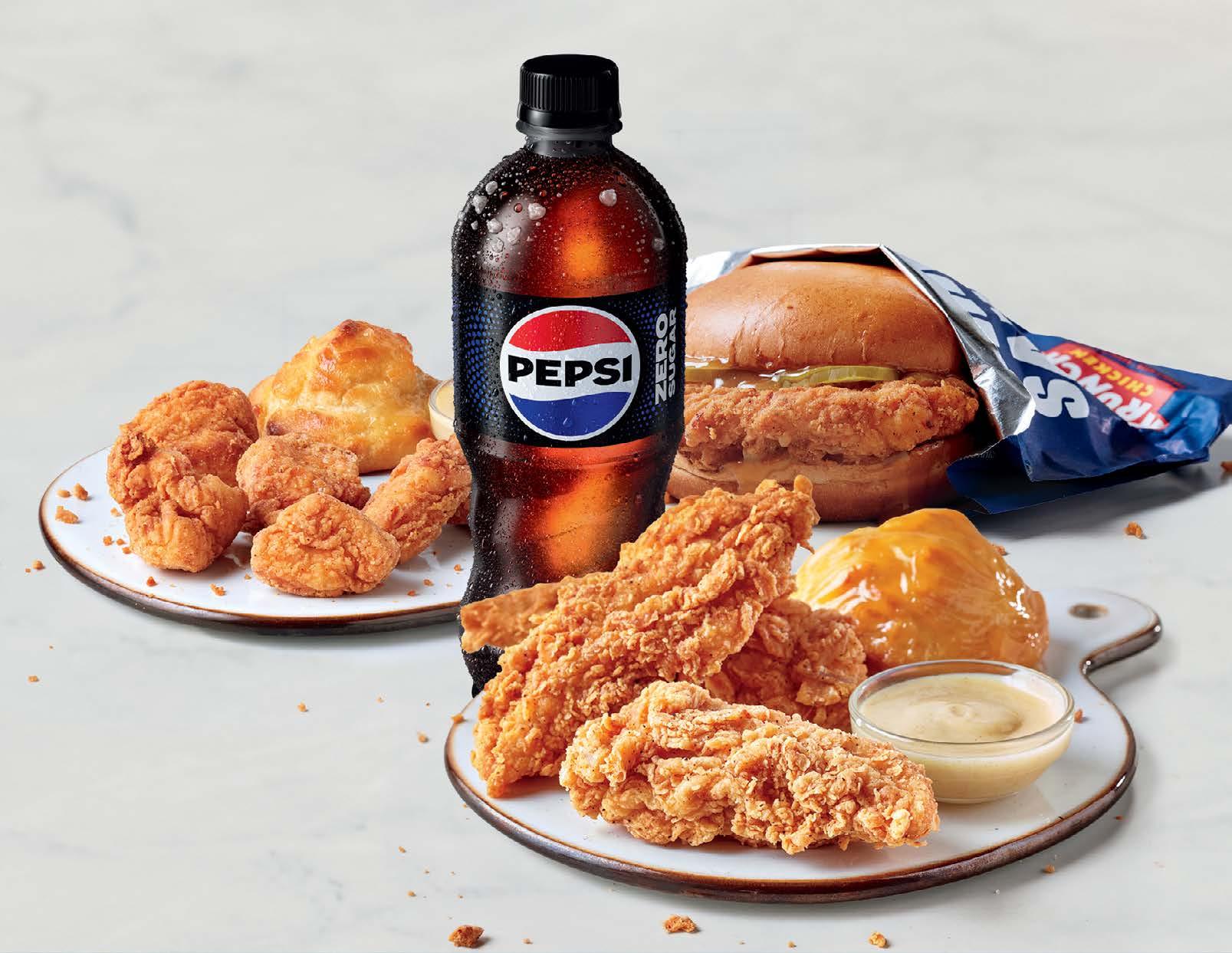
Customer behavior has shifted. Shop pers who once popped in for gas or a snack are now treating the convenience store as a place to eat one of their regular meals. Surveys show that a large share of consumers have tried made to order meals in convenience stores: 85% in 2024‑2025 in multiple reports. Some stores report that when quality meets ex pectations, customers return not just for snacks or fuel, but also for breakfast or lunch. That repeated behavior multiplies the win.
Private‑Label Beverages and Value Adds
Private label items are gaining traction this year, especially in beverages. Data shows that while private label account ed for about 4% of unit sales in c‑store beverages a while back, growth in that space is accelerating. Major operators are introducing new store label bev erage SKUs, premium flavored drinks, and non alcoholic beverage alternatives under their own brand. Because private label allows greater control over cost, pricing, and sometimes margins run far above those available in national brand ed alternatives, stores that execute well here are accelerating profits.
A chain introducing its own iced tea or flavored water under a store brand may have a lower cost per unit, less promo tional pressure, and greater pricing flexi bility. Many operators combine private la bel beverages with promotional bundles or loyalty perks to build trial and repeat usage. Some stores use value for private label as a tool to retain customers who might otherwise shop promotional sales at grocery stores or big‑box retailers.
Private label growth is not without its challenges, though. Ensuring consistent quality, packaging appeal, supply chain reliability, and branding matter more than ever. Customers are comparing premium beverage experiences across channels: if packaging feels cheap or the flavor is off, it hurts more than it has in decades past. However, stores that invest in pack aging, taste testing, and presentation are seeing private label beverages not only grow but also become a loyalty lever.
Loyalty Programs and Digital Engagement
Loyalty programs are one of the fastest growing profit drivers this year. When customers feel recognized and rewarded,
they return more often. Many stores have upgraded or refined their loyalty offers to tie into foodservice combos or beverage purchases. Personalized offers based on past purchase behavior are becoming common. If a customer frequently buys coffee and a breakfast sandwich, loyalty messaging or mobile offers will reflect that, prompting a combo or side item next time.
Operators that utilize their point of sale data to track repeat behavior can create offers such as “Buy three, get one free” or “Spend X and get a discount on your beverage.” These programs cost money but often yield a return in both increased frequency and higher average ticket. Stores also report that delivering loyalty rewards seamlessly (no extra effort at checkout, no confusing process) matters a lot. Friction kills participation. Loyalty tied to digital channels, such as text offers, app notifications, or QR codes, works especially well with younger or tech savvy customers.
Data also suggests that customers increasingly view c stores as alternatives to quick service restaurants in both pre pared food and loyalty experiences. One report notes that nearly three quarters of shoppers in some markets view c‑stores as legitimate QSR alternatives. This shift
makes loyalty and engagement more than a marginal strategy. It becomes re quired for competing in meal occasions.
Localized Product Partnerships
Another growth area accelerating this year is localized product partnerships. Stores are finding that local beverages, locally baked goods, regional snacks, or partnerships with local farms or pro ducers amplify profit when customers perceive uniqueness, authenticity, or freshness. Local products often carry premium pricing because customers be lieve they are getting something special or different than what they see in national brands.
These partnerships help stores differen tiate. In a crowded suburban or highway market, having something local can make a store feel more community‑connect ed. It encourages customers to choose your store even if the price is slightly higher. It builds loyalty, word of mouth, and sometimes social media engage ment. For example, store operators that partner with local coffee roasters or local bakeries use those relationships not only for product but also for storytelling. You might see local origin coffee cups or regional seasonal flavors that are exclu sive to your store. The uniqueness helps margin because customers are willing to
pay for it.
Some stores use exclusive local prod ucts as loss leaders to bring people in, then rely on other high‑margin purchases during the same visit. For instance, a local bakery sample might draw traffic, and those customers then buy beverages or snacks. Local partnerships can also reduce supply chain costs in certain ar eas when transportation or freight costs are high. When local goods are sourced regionally, shipping costs drop, fresh ness improves, spoilage decreases, and margins increase.
Beverage Innovation & Flavor Trends
Beverages remain a powerhouse for driv ing profit growth. The non alcoholic bev erage segment has seen significant inno vation in flavors, packaging, functionality, and value. Fruit‑forward drinks, sparkling tea, enhanced water, and wellness trends have shown strength. One recent column reported that, in nonalcoholic beverages, there was a 10.7% year over year rise in innovative style drinks through late 2024. When innovation aligns with what customers are seeking—taste, ingredi ents, health cues, convenience—these new beverages add margin and increase basket ring.
Presentation also matters. New cooler signage, better arrangement, premium packaging, freshness cues, and offering cold brew coffee or functional hydration near foodservice or high‑traffic zones help. Customers are more likely to try something new if the cooler looks clean, the packaging looks appealing, and the product is visible.
What Makes These Strategies Work Now
All of these profit accelerators share traits. First, they are aligned with chang ing consumer behavior. In 2025, custom ers have higher expectations, particularly
in terms of food and beverage quality, speed, and variety. Inflation has made value more important, but value is now about perceived value, not just the lowest cost. Customers will pay more if they believe they are getting quality, flavor, freshness, or uniqueness.
Second, the cost benefit matters. Food service combos, private label goods, loyalty programs, and local product partnerships all require margin control. When you manage input costs, supplier costs, portion control, correct pricing, and minimize waste, you deliver substan tial returns. Tools such as POS reporting, demand forecasting, and equipment monitoring support these efforts.
Third, execution matters more than scale. A small store with a few kitchen items, a good local partner, and a well managed loyalty program can achieve a stronger return per square foot than a larger store that tries to do everything and spreads its efforts too thin. Focus, clarity, and consistency produce wins.
Fourth, there is a feedback loop in these strategies. When customers respond well to a new combo or a new private label product, stores need to adjust. Remove what underperforms and double down on what resonates. When loyalty data indicates that certain items are frequent ly purchased together, then bundle them and place them together. When a local partner delivers quality, extend the relationship. When beverage innovation succeeds, reorder fast and test more SKUs.
What to Watch Out For
There are risks, of course. Foodservice combinations with high margins often require significant investment, including kitchen equipment, staff training, inven tory management, and spoilage control. Private label beverages require quality control, packaging investment, good
shelf life, and reliable supply. Loyalty programs require investment in software, staff time, marketing, and good POS integration. Local product partnerships require outreach, relationships, smaller scale production, and sometimes more frequent delivery, which can increase cost.
Competitive pressure is increasing. As more stores adopt new strategies, what was once a differentiator becomes expected. This means margins on some combos or private label items may com press when everyone is trying to com pete in the same space. Stores need to watch cost creep carefully. Watch what the customer values. It is easier to lose profit when duplicating someone else’s strategy without differentiation.
Additionally, supply chain disruptions remain a wild card. Inflation for food ingredients, packaging, and transporta tion can increase costs unexpectedly. Labor availability or wage increases affect both foodservice and operations. Energy costs or utility spikes can eat into premium margin items if they are energy inefficient. All of these mean that acceler ation requires attention, not inertia.
Action Steps for Store Owners
If I were advising a store owner who wanted to pursue these profit accelera tors right now, I would recommend the following path: Identify one or two accel erators that make sense for your location and customer base. Perhaps your store is located in a busy commuter corridor, making foodservice combos and loyalty programs a sensible option. Or maybe you are out in a smaller town where local product partnerships and beverage inno vation deliver uniqueness.
Next test small. Try one high margin combo, measure the cost, margin, speed, waste. See how it performs in real cus tomer traffic. If it fails, learn quickly and
adjust. If customers love it, scale. The same applies to private labeling: select a reputable partner or vendor, ensure packaging is right, create a sample, and promote it.
Make your loyalty program work for you, not against you. Use data you already have. Track what people buy. Offer combos, tie in beverages, reward repeat visits, or repeat purchase of high margin items. Make participation easy. Commu nicate clearly.
Do not neglect the operational details. Inventory, supplier relations, packaging, promotions, staffing, and execution are all crucial. Margin gains often disappear when waste, spoilage, or inefficiency slips in. Monitor cooler performance, manage fresh food carefully, review gross margin by category often, and look for hidden cost leaks.
Finally, always listen to your customers. What do they seem to want? What flavors or local choices do they comment on? What are they willing to pay more for, and what do they regard as no different? Your strongest accelerators will be the ones that align with what your customers already value.
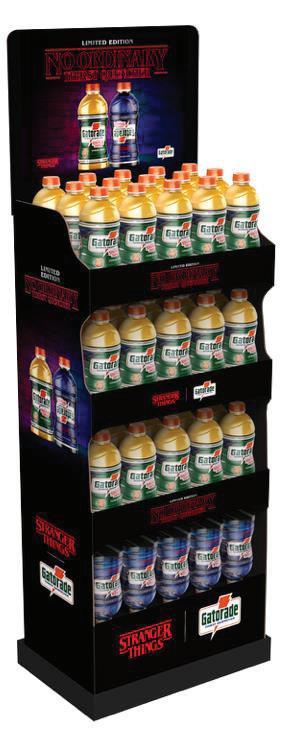
sixth October
onCapitalize Fandom
Stranger Things attracts an enthusiastic youth cohort and is popular with teen athletes.
Stranger Things Season 4 set a Nielsen record for the most-watched show ever at the time!
43% 2.4x #1
Gatorade SKUs are the most productive in the Sports Drink category, averaging $2.3MM per item, per week!
Gatorade displays are significantly more productive vs #2 Sport Drink competitor!
Gatorade is highly productive when on Feature & Display, growing register rings by over 40%!
ALTERNATIVE
SERVICES DRIVING RESILIENCE
Convenience stores have always been strongest when they adapt quickly to their customers’ needs. It means moving past the old definition of “convenience” and thinking about how the store can serve as a hub for everyday life. Shoppers now expect more than snacks, coffee, and lottery tickets. They want simple services that save them time, reduce hassle, and fit naturally into the errands they already run. That shift is creating opportuni ties for operators who see their stores not just as retail sites, but as problem solvers. Services like parcel pickup, in store ATMs, digital notary, telecom kiosks, and order ahead pickups are no longer side experiments. They are practical and profitable extensions of what a convenience store already does best: meeting customers where they are and making their day easier.
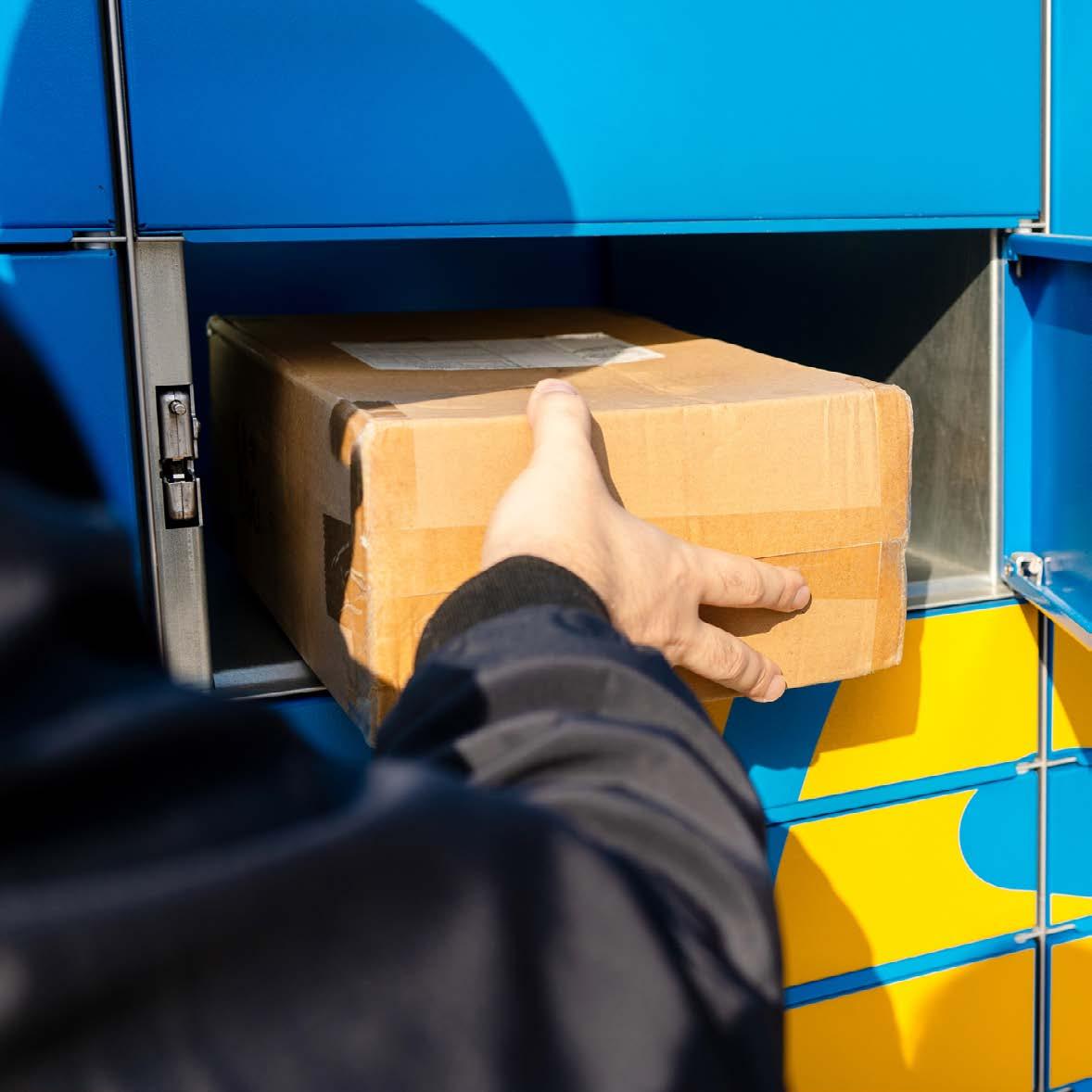
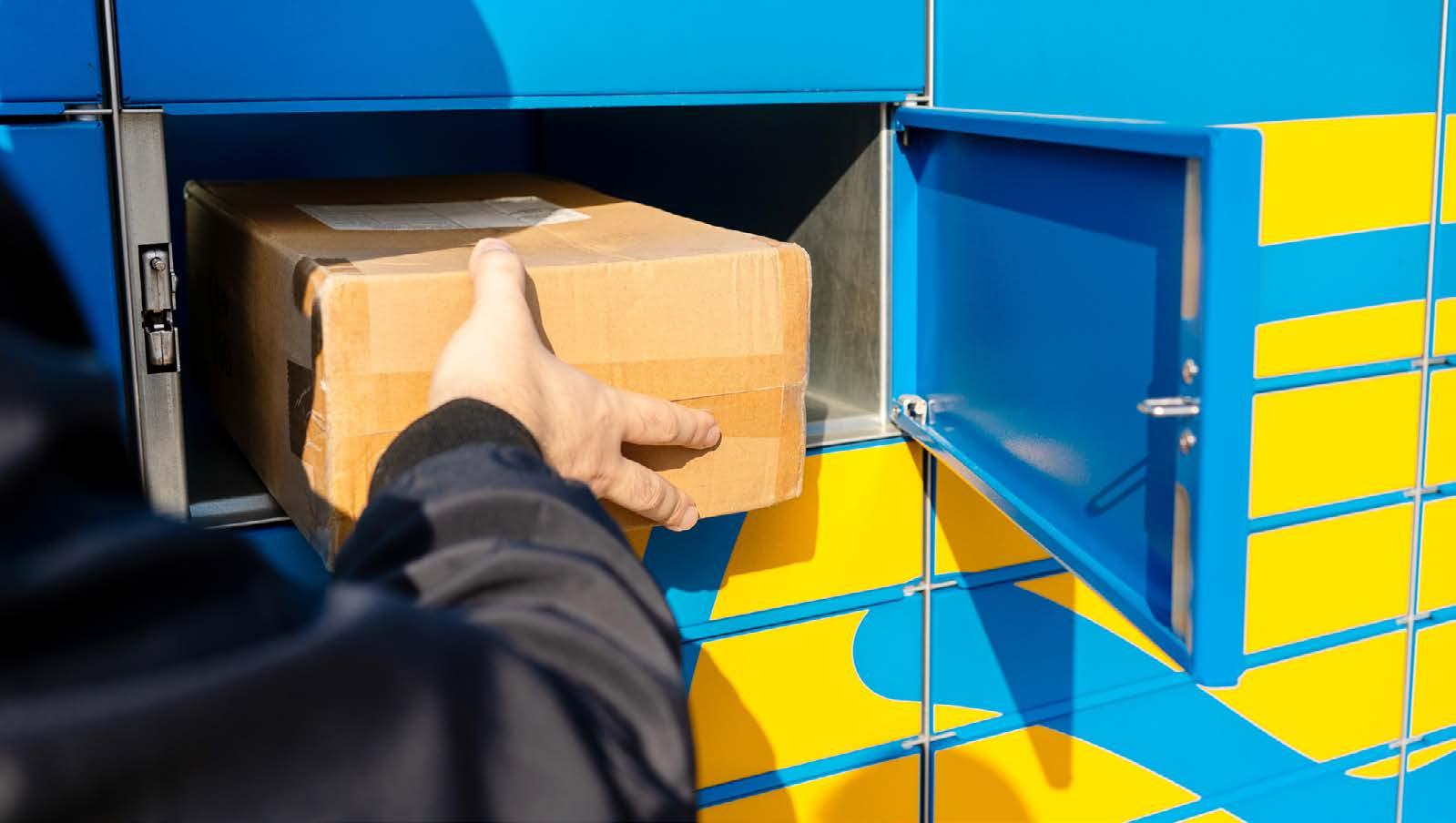
Parcel pickup is a clear example. What started as a side experiment has grown into an everyday expecta tion. Customers ordering online want simple, safe places to pick up their packages, and convenience stores are perfectly positioned to deliver. Hosting a parcel locker or acting as a pick up point requires little daily involvement
from staff once the system is set up, but it steadily brings people through the door. And that matters, because customers rarely stop in just to grab a box. They buy a drink, grab a snack, and fill their tank. The service be
It means moving past the old definition of ‘convenience’”
comes a traffic driver disguised as a utility. In smaller markets, especially, being the go to spot for parcel pickup helps a store become more embed ded in the community, with the added bonus of rental or commission income from the locker itself.
ATMs and payment kiosks play a similar role. Even in a world dominated by mobile wallets, there is still a de mand for cash and bill payments. The machines don’t take much space, they require little staff attention, and they quietly churn out transaction fees. For operators, the real advantage is that they add usefulness to the store without taking much away. Customers appreciate having a reliable, well placed ATM or bill pay option, and those small conveniences often tip the decision to visit your location instead of someone else’s. In rural areas or neighborhoods with limited banking access, the impact is even greater. A steady trickle of transactions might not seem impressive, but month after month, those fees and the incremen tal purchases they drive add up to a meaningful piece of revenue.
Some operators are also finding that offering notary services or digital notarization gives them a surprising edge. Regulations vary by state, but in markets where it’s permitted, a store that provides notary service often attracts people who would otherwise drive across town to a bank or legal office. It doesn’t require a major build
out, only a licensed notary and a quiet space, but it delivers a service that many customers desperately need.
For owners, it means positioning the store as a hub of community trust, a place where legal or financial docu ments can be handled quickly while also capturing incidental sales. As more states expand remote online no tarization, this is only becoming easier for independents to adopt. What was once a niche add on is quickly moving into the mainstream of community convenience.
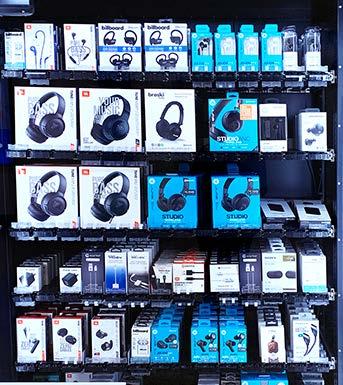
Telecom kiosks and device accessory stations are another area where stores can generate revenue without incur ring significant investment. Customers frequently need a phone charger, a pair of headphones, or a SIM card, and they expect to find them in a convenience environment. By dedi cating space to a simple kiosk or a vendor supported accessory display, owners can capture impulse purchas es with high margins. Some vendors even manage the kiosk directly, supplying inventory and maintaining it while the store collects rent or com mission. It is the kind of add on that doesn’t require new labor or systems, but it visibly expands what the store can offer, reinforcing its role as a one stop solution for everyday needs.
Buy online, pick up in store programs are also growing, even among smaller retailers. Customers have become accustomed to ordering ahead, paying digitally, and picking up on their own schedule. Large chains normalized the practice, but independents are
it involves a basic integration with an app or text system”
discovering that scaled down versions work too. Sometimes it’s as simple as a phone order and a bag waiting at the counter. Other times, it involves a basic integration with an app or text system. Either way, the service gives customers more control and reduces the chance they walk away because an item is out of stock. It also drives repeat traffic, as customers who plan their pickups around regular items, such as beverages or snacks, often return week after week.
The range of possible services doesn’t end there. In some communities, photo and printing kiosks are quietly profitable, especially in rural markets where other options are scarce. Some operators have experimented with local ticket sales or community ser vice partnerships, such as utility bill payment or small postal outlets, and
discovered that these not only gener ate additional revenue but also embed the store deeper into daily life. What connects all of these is not just the income they produce directly, but the way they pull people in and give them a reason to think of the store as more than a fuel stop.
The stores that succeed with these services are careful about how they roll out these services. They don’t throw money at every idea. They pick what fits their location and their customers. A rural highway store may benefit more from parcel lockers and ATMs than from digital notarization. A suburban commuter store might win with BOPIS programs and telecom ac cessories. The lesson is that services should align with the rhythms of the community and be executed reliably. Nothing undermines trust faster than a broken ATM, an out of service kiosk, or a package pickup system that doesn’t work. Cleanliness, signage, lighting, and staff awareness all play a crucial role. A service is only valuable when customers know it’s there and trust it will work every time.
These services offer something impor tant: resilience. They diversify income, they attract different customer groups, and they create repeat patterns of visits that aren’t tied to pump prices or fuel demand. And they don’t always require massive capital or risky bets. Many can be launched through vendor partnerships, revenue share models, or modest upfront investment. They are not magic bullets, but they are practical tools.
15YEAR 15CELEBRATION YEAR CELEBRATION
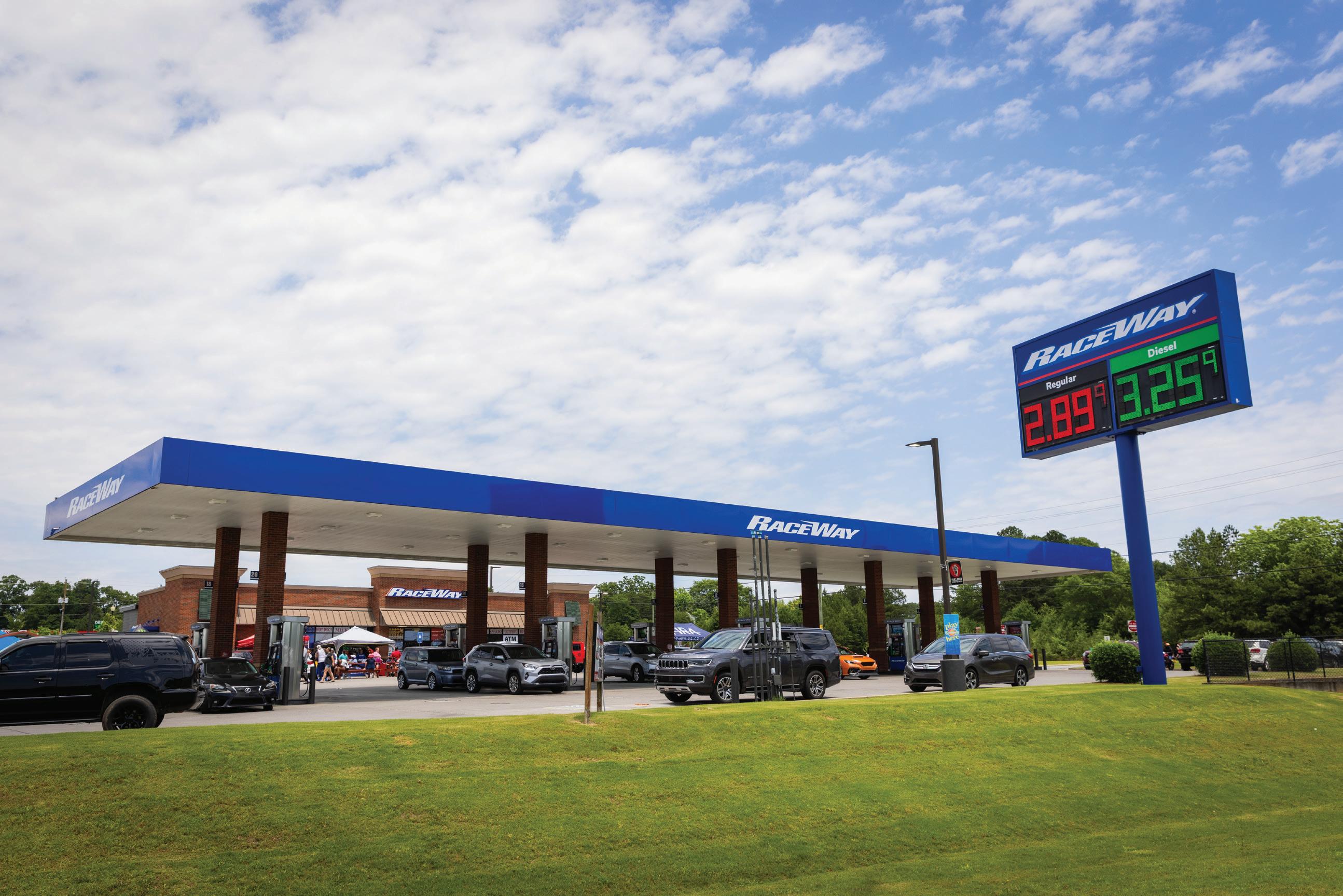
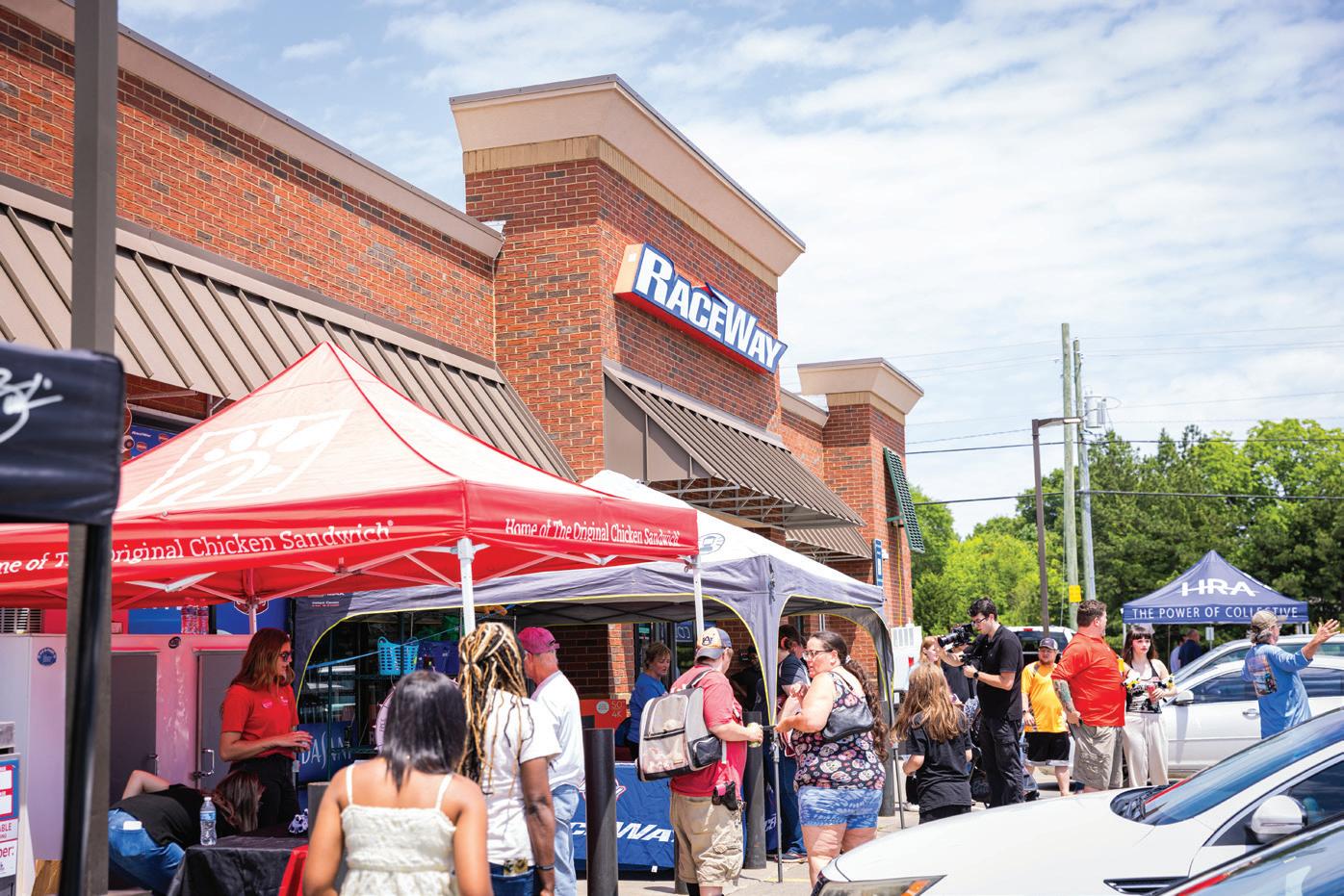
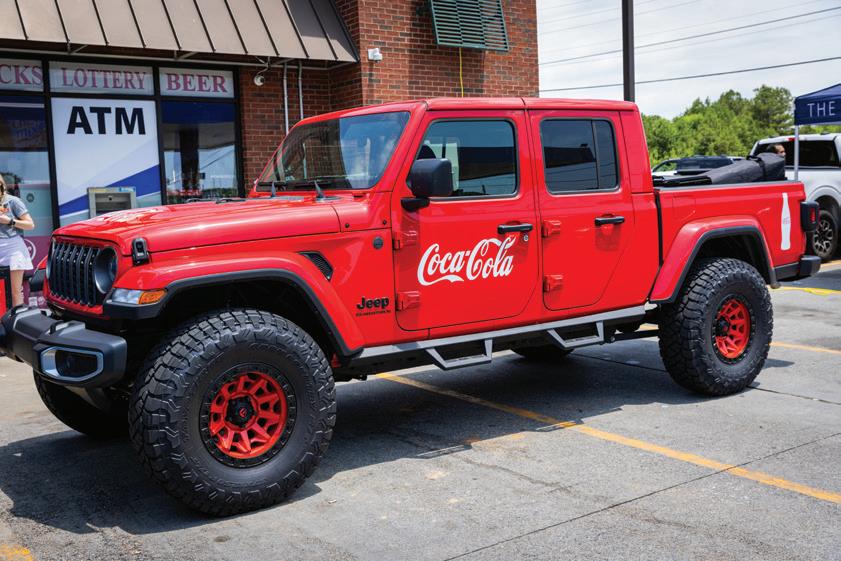
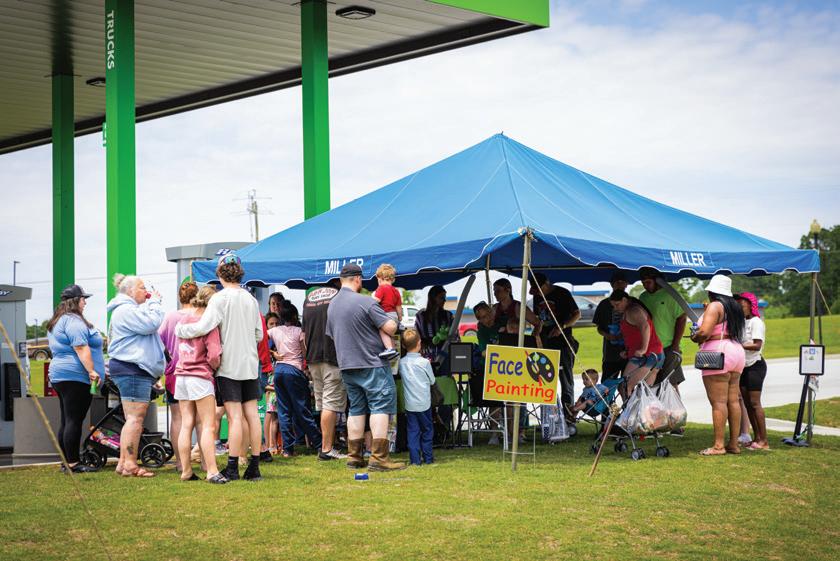
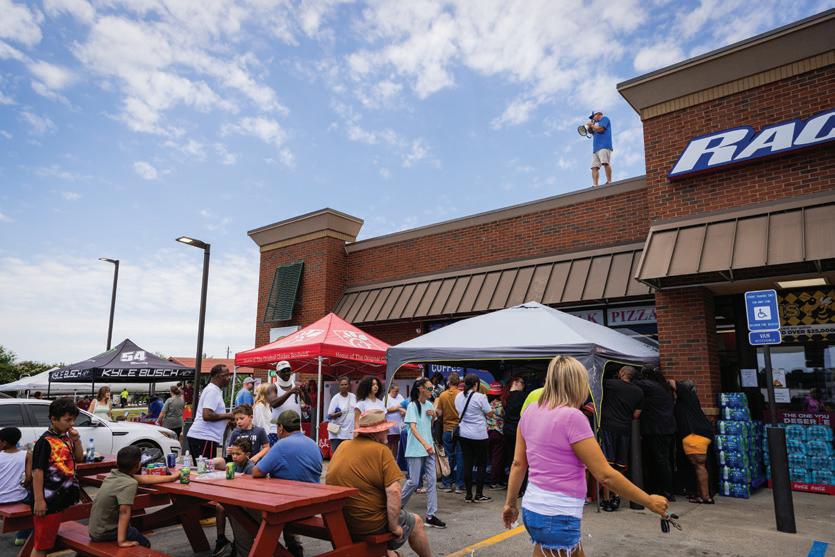
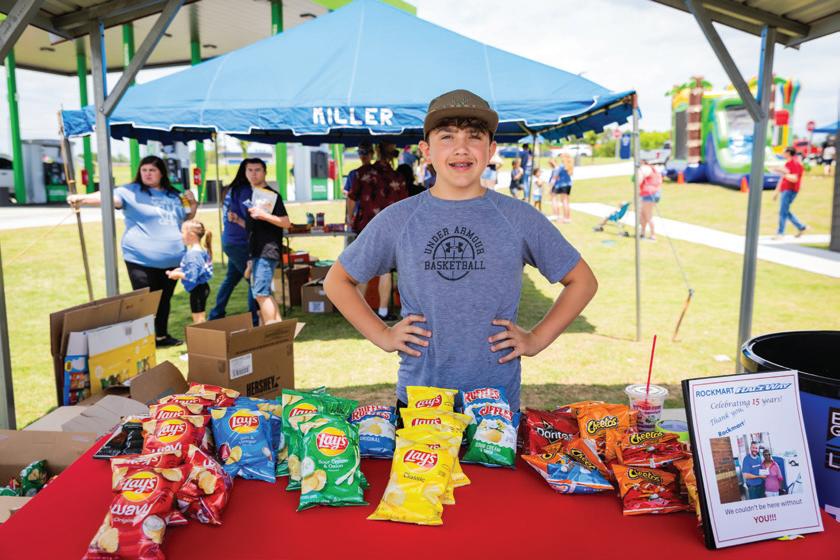
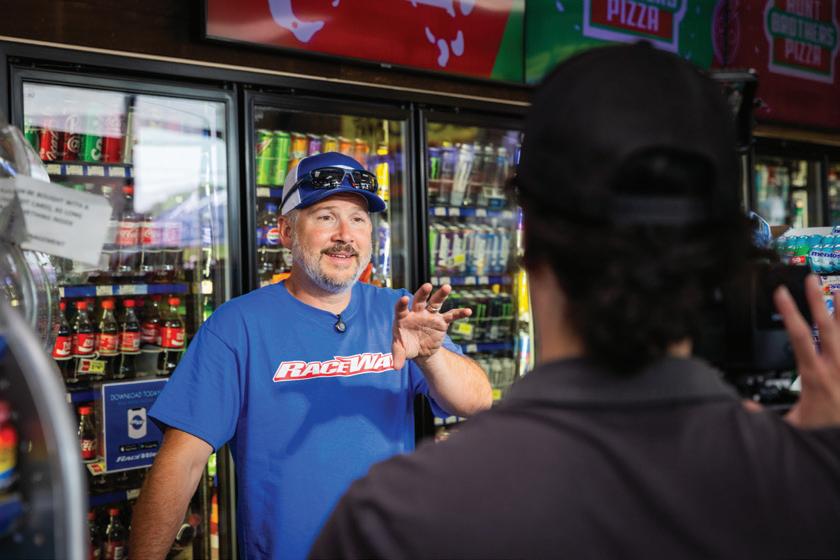
Rockmart’s Raceway turned fteen this summer, and the store marked the milestone the way it has done business from the very beginning — by bringing the community together. On May 23, owner Clint Brock and his team welcomed families for an afternoon of face painting, balloon animals, prize drawings, and a bounce house that made the station’s corner lot on Nathan Dean Parkway feel more like a festival than a forecourt.
Brock opened the Raceway in May 2010, when the four-lane corner at Highway 113 was still taking shape. Over the years, new restaurants and service businesses have sprung up around it, and the station itself has grown to meet demand with diesel service for large trucks and a busy deli that has become a local stop for fresh food. Through it all, Brock credits his employees and the steady support of Rockmart residents for helping the store thrive.
That support has gone both ways. The Raceway has sponsored local teams and events, with its Pump 18 program alone contributing thousands of dollars to Rockmart High School athletics. Those funds have helped student athletes with equipment and travel, keeping the store closely tied to the families it serves.
As Brock put it during the anniversary celebration, the store’s goal has always been simple: to be the cleanest, friendliest stop in town. Judging by the crowd that gathered to celebrate fteen years — and the energy around the bounce house — the community seems to think they’ve delivered.
WHEN FOOT TRAFFIC FALTERS
Every business has its slow stretches. The energy dips, the store feels a little too quiet, and the rhythm that normal ly keeps things moving stalls out. For convenience store owners, those lulls can feel particularly sharp. The busi ness thrives on momentum: the steady flow of customers who come in for their morning coffee, their afternoon pick me up, their evening lottery ticket. When that rhythm falters, the impact shows up quickly on the register tape. In 2025, with customers being more cautious about spending and more selective about where they stop, that challenge has grown. Yet for every store that feels stuck, there are others finding creative ways to breathe new life into it. What they have discovered is that the solution is not just about pro motions or discounts. It is about events that make the store feel like a place to connect, even if only for a few minutes, and that sense of connection is what draws people back in.
Community drives are one of the clear est examples. At first glance, a school supply collection box or a holiday food drive looks like a small gesture. But in practice, it becomes a powerful mag net. Customers who might not have had a reason to stop that week now have one. They swing by to drop off note books, canned goods, or winter coats, and once they are inside, they usually add a purchase. The store benefits from the traffic, but the deeper value is the reputation it builds. People notice when a store steps up for the community, and that goodwill stays long after the drive ends. A customer who once thought of your store only as a place to grab gas or a drink starts to see it as part of something larger, a place that shares in the responsibility of caring for neigh bors. That bond is not easily broken.
Sampling works in a similar way but
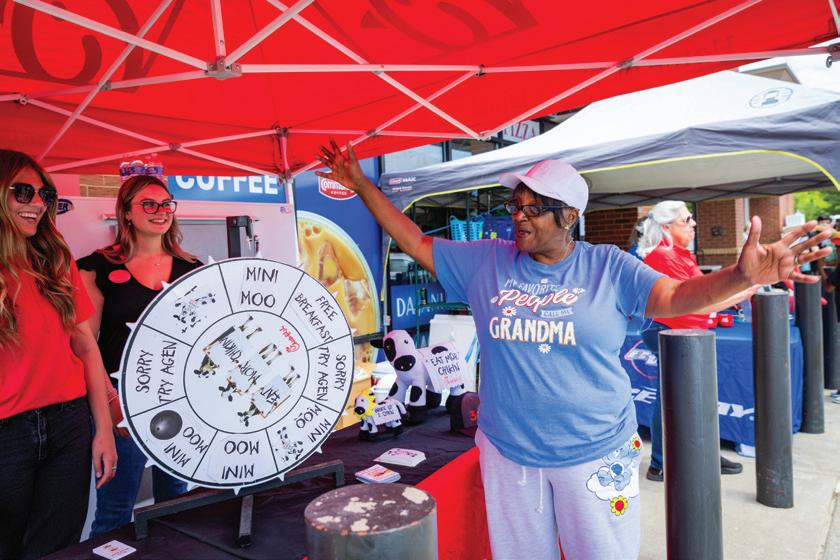
carries its own flavor of connection. In slow weeks, flash sampling can create surprise and curiosity that shifts the mood. A tray of hot coffee from a local roaster offered in the morning, a taste of a new sandwich during lunch hours, or a sip of a functional energy drink in the late afternoon can turn an ordinary visit into something memorable. Sam pling is not just about moving product. It is about sparking conversation. Staff talk to customers about what they are trying, ask for their feedback, and share which flavors they like the most. Customers who might have walked in silently now have a reason to linger, en gage, and maybe leave with something new in hand. Vendors often provide samples at little or no cost, which keeps the financial risk low while creat ing the feeling of abundance. And when customers feel like they got something extra, even a small taste, their percep tion of value shifts in a way that lasts beyond the sample itself.
Micro markets are another inventive ap proach. These are temporary displays that transform a corner of the store into something new. A seasonal station with local snacks or a special holiday bun dle setup creates a festive atmosphere. Customers are conditioned to browse shelves in a certain way. When items are pulled out, grouped differently, and framed as special, they draw attention. That attention translates into sales, but more importantly, it makes the store feel alive. Staff can lean into the theme, talk about the display, and encourage customers to try something new. Even if the products are not new to the store, the presentation makes them feel like an event. It tells the customer, “some thing is happening here,” and that energy is contagious.
Live demonstrations take that feeling further by bringing people together
around an experience. When a vendor comes in to brew coffee, grill sliders, pour new drinks, or hand out samples, the store becomes more than a stop — it becomes a stage. The air fills with aroma, customers gather, conversations spark, and the atmosphere shifts. One store in Alabama invited a local coffee roaster to set up for a morning demo. The roaster shared stories about the beans, brewed samples, and hand ed out coupons. Customers not only tasted something new, they learned something, and they left with a reason to come back. These demonstrations often rely on vendor partnerships. The vendor provides the product and the staff; the store provides the space and
being more cautious about spending and more selective about where they stop”
the audience. It is a win win, creating energy inside the store without adding labor cost.
What connects all these approaches is not just the bump in sales, but the way they build a sense of community. Con venience stores are found in every type of market, from dense urban corridors to small rural towns. But even in big cities, each store is part of a smaller pocket of community: the neighborhood around a corner store, the stretch of commuters along a highway exit, the group of students who walk by after
school. People who live and work in those pockets want to feel recognized. They want places that are more than transactional. When a store hosts an event, however small, it signals that it sees its role differently. It is not only about selling snacks or drinks. It is about being present, relevant, and connected.
This sense of connection also runs deeper when vendors are involved. Many suppliers are eager to support events because they know it builds visibility for their products. For store owners, tapping into vendor resourc es — from sample stock to demo staff to promotional signage — helps stretch budgets and reduce risk. It also creates a stronger partnership. When a vendor knows you are willing to showcase their products in an engaging way, they are more likely to support your store with promotions, special pricing, or market ing dollars. That partnership becomes another layer of resilience. The store is no longer going it alone; it is part of a network working to keep energy alive.
The benefits also extend to staff. Em ployees who are asked to participate in events often feel more engaged.
Running a sample tray, explaining a micro market display, or welcoming people during a community drive is dif ferent from standing behind a register. It gives staff a chance to connect with customers, to feel part of something more dynamic, and to show personality. That kind of engagement helps with retention. Staff who take pride in their store’s role in the community are more likely to stay, and their enthusiasm positively impacts the customer expe rience. A customer who sees a friendly face behind a sample tray remembers that interaction long after the free bite has been consumed.
The risk with events is minimal com pared to the upside. Most require little capital, modest coordination, and a willingness to promote. Promotion itself is easier than ever. A quick post on a social media page, a printed sign on the door, or even a mention during a customer’s regular visit can spread the word. Customers talk, especially when they feel they are getting something extra or when they see their store sup porting a cause. That word of mouth becomes its own marketing engine, car rying your store’s reputation into places traditional advertising cannot reach.
Ultimately, these events are about rhythm. Stores thrive when they feel like they are part of the community’s daily beat. When traffic slows, events restore that rhythm by giving customers a reason to re engage. They remind people that your store is not just there to sell but to serve. That distinction matters more than ever in a market where customers are watching every dollar and choosing where to stop carefully. They are not only buying a product; they are buying into the feeling that your store is part of their community.
For operators looking at empty aisles during a slow week, the answer may not be another discount sign or coupon code. It may be as simple as a school supply drive, a tray of fresh samples, a seasonal display, or a vendor brewing coffee at the counter. Those moments restore energy, strengthen bonds, and turn lulls into opportunities for growth. And over time, they do more than fill the register. They help transform your store into a place where people feel connected, and that connection is what keeps them coming back, week after week, year after year.
RUNWAY READY PLANNING FOR 2026
Every strong takeoff requires a clear runway. For convenience store owners, the end of 2025 is more than a finish line. It is the stretch where you either prepare for a clean launch into the new year or you stumble into January trying to catch up. The difference between stores that thrive in 2026 and those that fight to keep pace will often come down to what owners do in the last quarter of 2025. Planning ahead may sound like a luxury in a business where every day brings a new challenge to address, but it is actually one of the most reliable ways to secure profits and conserve energy. The operators who carve out time to look forward will not only meet the year with readiness. They will meet it with momentum.
Capital planning is one of the most overlooked disciplines among inde pendents, yet it is one of the most pow erful. Too many owners treat capital like
a reactive bucket. The freezer fails, so they scramble for cash. The roof leaks, so they scramble for cash. A new loca tion becomes available, so they scram ble for cash. That cycle is draining and expensive. Runway planning flips the model. It asks: What investments do I know are coming in the next twelve to eighteen months? If a cooler is nearing end of life, if your coffee equipment is outdated, if your POS contract will ex pire, or if you want to refresh signage, you should be setting aside funds or negotiating financing now. Even if the spend is not until summer, your ability to pay without panic depends on what you do in Q4. Banks and lenders look more favorably on operators who come in with foresight, not crisis. And even if you never need to borrow, having a dis ciplined capital reserve changes how confidently you make decisions.
Negotiating with vendors during Q4 is
another crucial runway move. Vendors set budgets by calendar year. Their marketing funds, promotional support, and incentives often need to be allo cated before January. If you wait until spring to ask for support, you may find their funds already spent. Right now, while vendors are finalizing budgets, is the time to secure commitments. That might mean negotiating better case discounts, agreeing on co op advertis ing, requesting free fill on new items, or asking for equipment support such as branded coolers or coffee machines. Even smaller independents can negoti ate if they show volume consistency or willingness to test new SKUs. A vendor who sees your store as organized and proactive will be more inclined to invest in you. That extra support can reduce cost, increase margin, and strengthen your ability to compete.
Equipment planning deserves careful
attention. Every store has a mix of assets that either generate or protect revenue: refrigeration, ovens, grills, HVAC, lighting, POS terminals, even doors and flooring. Too many opera tors wait until failure, which often re sults in higher cost, longer downtime, and spoiled product. Planning in Q4 means reviewing age, maintenance re cords, warranty coverage, and expect ed life cycles. If you know a freezer is on borrowed time, begin budgeting and sourcing now. If your lighting is still fluorescent, plan a conversion to LED in the spring. If your POS system has been slow or unsupported, talk to providers before the contract locks you in for another year. Suppliers often discount toward the end of the year to move inventory, and lead times are easier to manage when you schedule ahead. The operators who upgrade on their own terms always spend less than those who upgrade under duress.
Marketing calendars are another underused tool. Many stores treat marketing like a reactive chore, scram bling for promotions when sales dip. That habit not only wastes effort, it leaves gaps in customer engagement. Building a calendar in Q4 for the entire
next year changes that dynamic. Map out natural touchpoints: spring break, back to school, football season, holi days, local fairs, parades, or festivals. Tie your promotions to those rhythms. When you know that October will bring football games, plan bundled specials around tailgate snacks and drinks. When July brings travel, plan promo tions on cold beverages and easy gr ab and go meals. If you take this time now, you also give vendors a chance to co fund those efforts. A vendor will happily support a summer beverage campaign if they know in December that you plan to run it. A marketing cal endar gives you structure, consistency, and leverage.
Trade events and industry buy in may seem like extras, but they are actually investments in awareness. Every year, hundreds of new products, tech nologies, and operational tools are introduced at shows. If you only learn about them when your competitors adopt them, you are already behind. Trade shows and regional distributor events give you the chance to see, touch, and evaluate what is coming before it hits the mainstream. More importantly, they connect you with
people who are shaping the industry. Relationships built at these events often translate into better access to promotions, early access to new SKUs, or opportunities to test programs before others. Planning now means setting aside budget and time. Regis ter early, book travel, and mark your calendar. Missing one weekend in the store may feel costly, but the long term return of being ahead of the curve can be exponential.
Staffing should also be part of your runway. Q4 is a time to evaluate who on your team is ready for more re sponsibility, who might be leaving, and where you need to invest in training. Rather than being surprised by turno ver in January, take stock now. Identify team members who could step into su pervisor roles, cross train employees to cover multiple functions, and update training manuals so new hires in 2026 are onboarded faster. If you know retention is an issue, consider small adjustments in incentives or recogni tion before the year ends. That way, your best employees start the new year motivated, not looking elsewhere. Stores that treat staff development as part of their runway planning often see
smoother operations and lower turno ver when the new year begins.
Technology belongs on the checklist as well. Ask yourself which systems are slowing you down or costing you money. Do you need upgraded payment terminals to keep up with customer expectations for mobile wallets? Is your POS still delivering accurate reporting, or are you wasting hours reconciling errors? Could new scheduling software save labor costs? Could inventory forecasting tools re duce waste? Planning now allows you to research, budget, and adopt these tools in a measured way. Technology decisions made in a hurry often end up being expensive mistakes. Technol ogy decisions made as part of runway planning are more likely to pay back in efficiency and profit.
There is also value in reviewing your partnerships broadly. Beyond vendors, look at your service providers: insur ance agents, bankers, accountants, cleaning services, security providers, utility contracts. Q4 is a smart time to renegotiate or shop around. Rates often reset in January. If you go into those renewals without preparation,
you may pay more than necessary. If you take time now, you can compare, negotiate, and lock in better deals. A few percentage points saved on insur ance or utilities translates directly into profit, and those savings compound month after month.
Runway planning also means thinking about your growth story. Do you intend to expand in 2026? Are there nearby properties or markets you should keep an eye on? Are you positioned to buy if an opportunity arises? Even if growth is not on the immediate horizon, think ing about it forces you to assess your current position. Are your books in or der? Is your debt manageable? Do you have systems that can scale if needed? By considering these questions now, you create optionality. You may not expand in 2026, but you will be ready if the right chance comes.
At its core, being runway ready is about mindset. It is the choice to step out of reaction mode and into prepa ration mode. It is about seeing your business not just as a daily grind but as an enterprise that needs vision. That vision does not require endless resources. It requires attention. A few
hours spent reviewing capital, ven dors, equipment, marketing, staffing, and partnerships in Q4 can change the trajectory of the entire next year. Without that attention, you risk being pulled into the same cycles of reac tion, scrambling, and stress.
For independent operators, waiting is always tempting. It feels easier to assume things will get better, that demand will stabilize, or that problems will solve themselves. But waiting is not a strategy. Planning is. When you take Q4 seriously as your runway, you do more than survive another year. You set yourself up to take off into the next one with clarity and speed.
The operators who will thrive in 2026 are not the ones who guess. They are the ones who prepare. They are already reviewing their capital, ne gotiating their terms, planning their promotions, scheduling their upgrades, booking their events, and aligning their teams. They will enter January not wondering what to do next but already executing on a plan. That is the power of runway planning. It turns uncertainty into direction, and it turns the calendar from a threat into an opportunity.
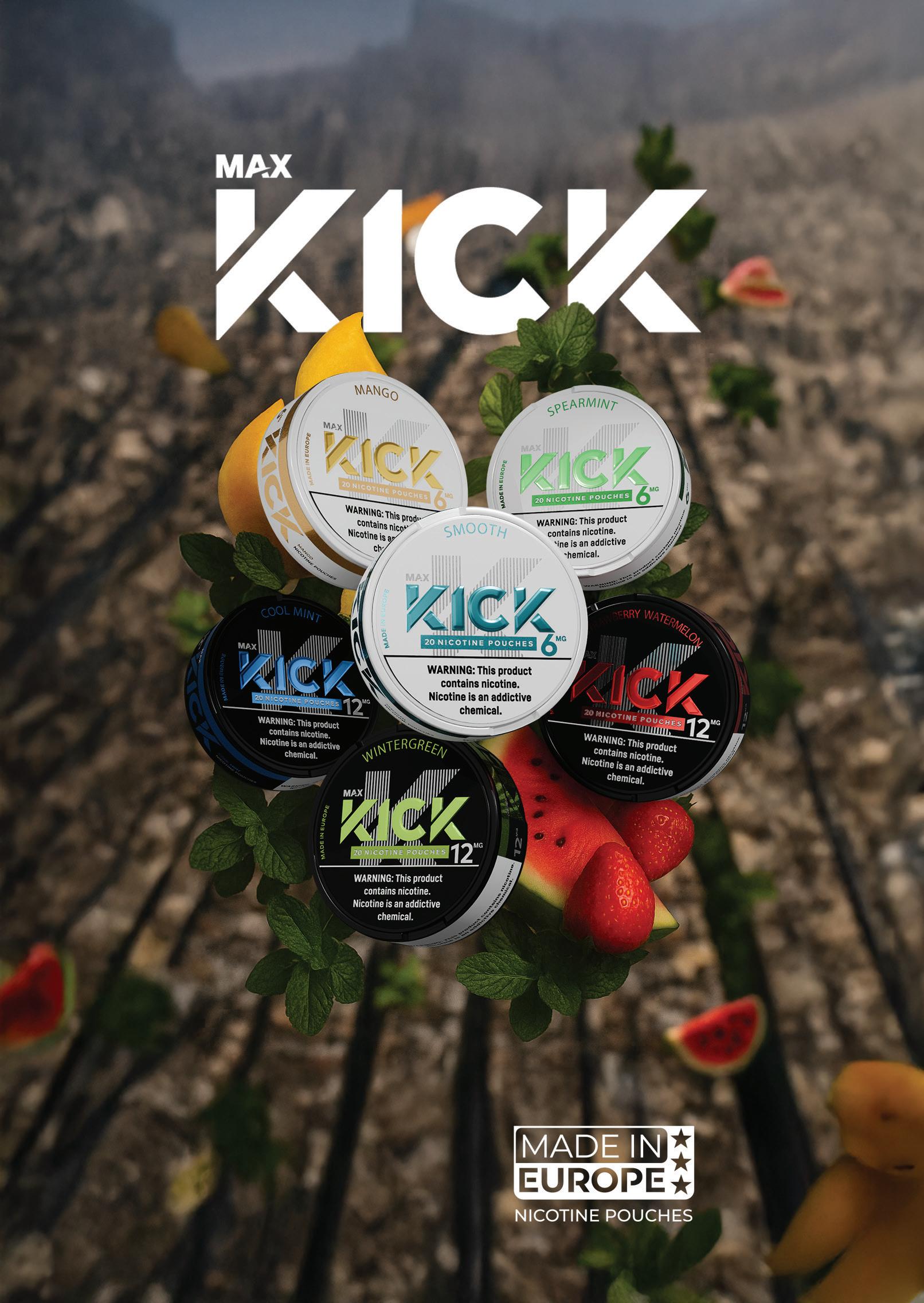
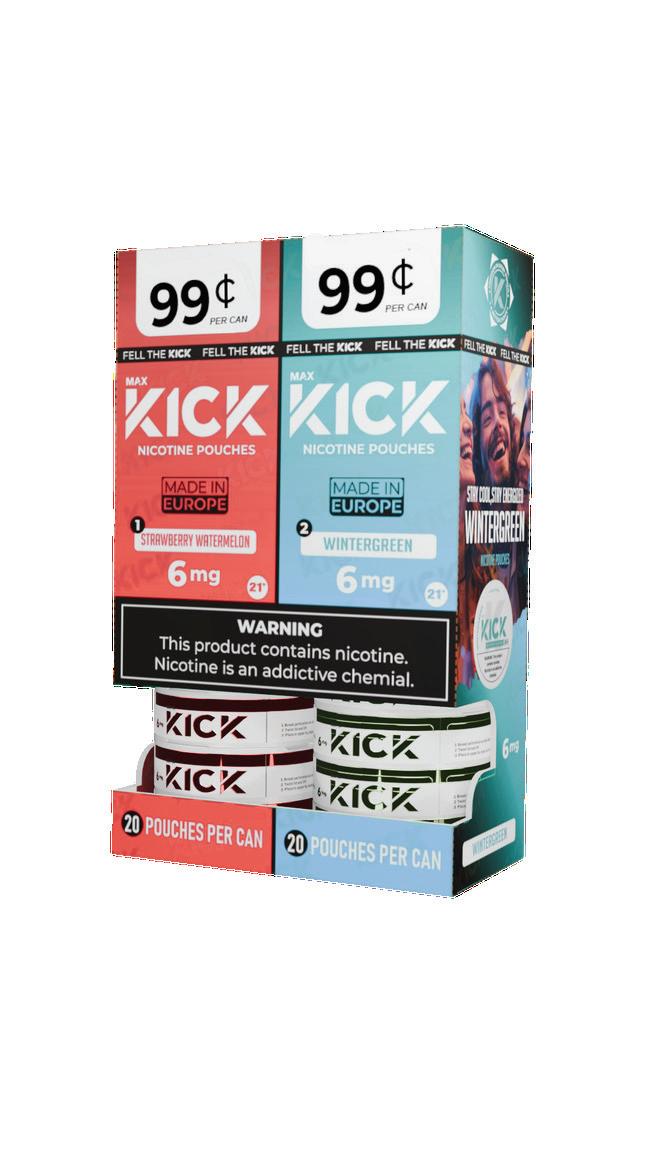
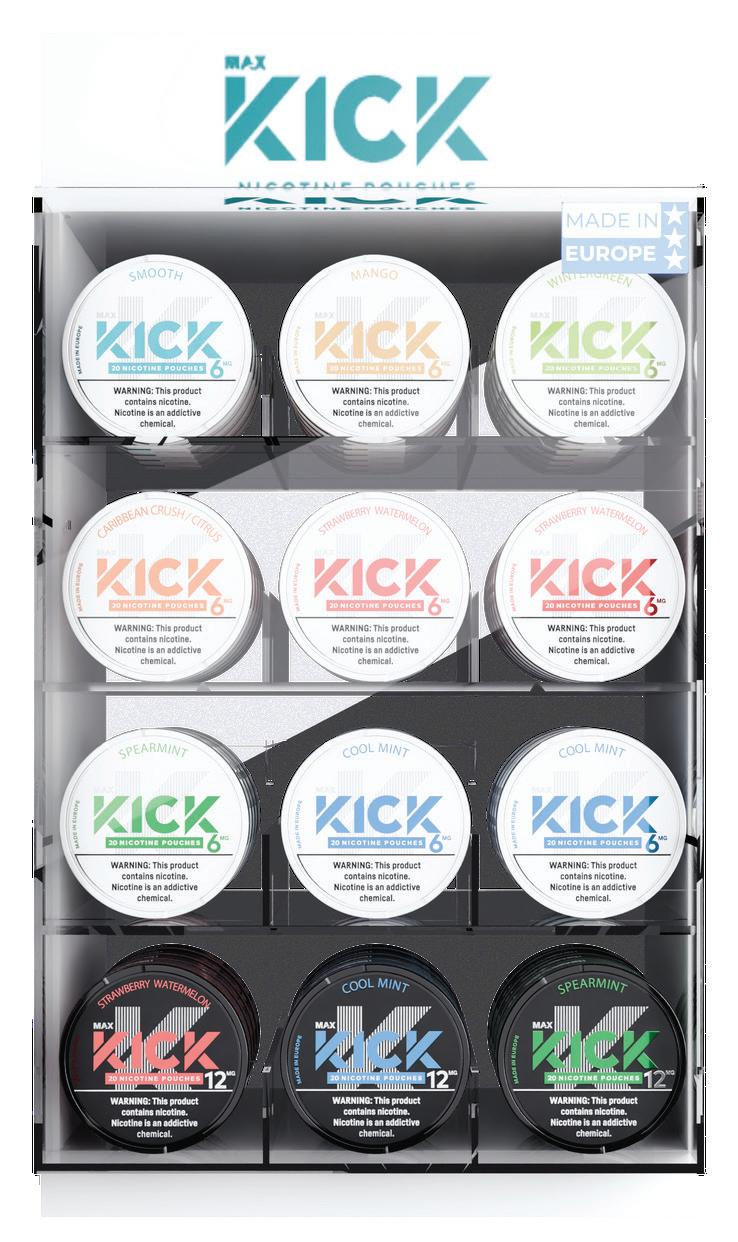
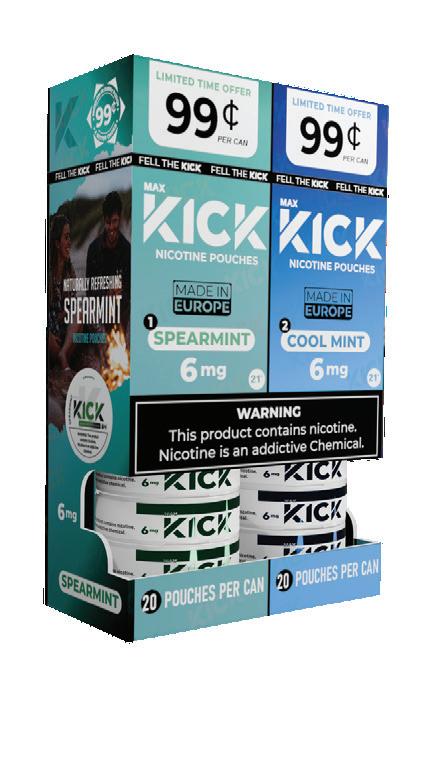
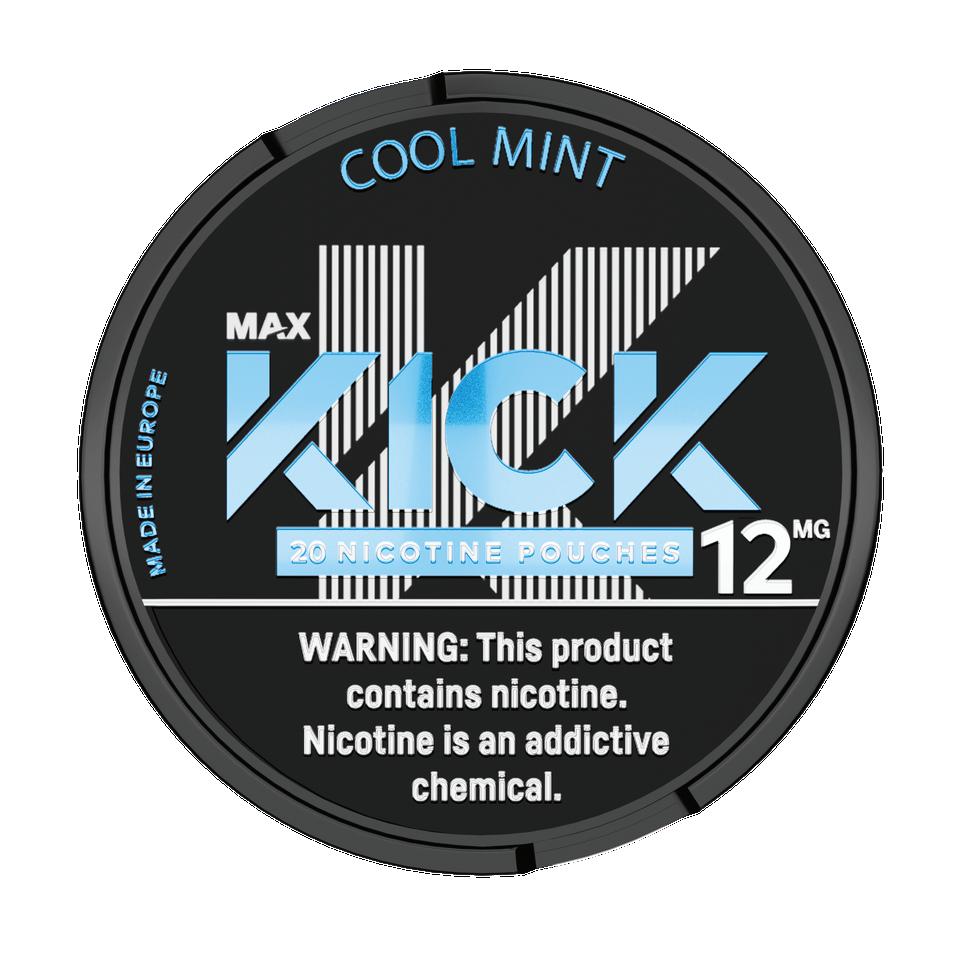
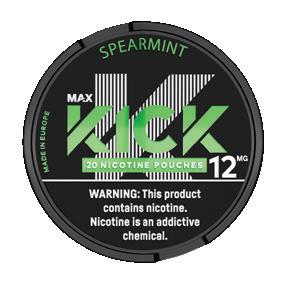
At Max Kick, we deliver value to consumers worldwide with a modern, tobacco-free experience.
We cater to individuals who seek to fix their kick anytime, anywhere whether at work, on the go, or enjoying life’s moments.
With an extensive selection of flavors, we take pride in our commitment to compliance, aesthetics, and delivering the highest quality experience to every user.
for trial, merchandising, and
product momentum in-store
POCKET-SIZED PROFITS
Nicotine Pouches Gaining Ground
Nicotine pouches have evolved from cu riosity to a full on category, and in many stores, they are becoming the quiet engine that keeps the backbar healthy while older products are being phased out. Customers who once defaulted to a pack are now exploring clean, discreet, and smoke free options that better fit their day. The shift is not about hype, it’s about behavior. People want something that is fast, simple, and acceptable in more places, and pouches meet that need. They ride along in a pocket, leav ing no smell, and don’t require a lighter. For c stores, that is the kind of product that can carry a slow month that would otherwise feel flat.
The growth numbers explain why oper ators are paying attention. Across the industry, modern oral nicotine has been the standout on the backbar. In 2023, the “other tobacco” slice, which includes pouches, posted a surge in per store sales and an even steeper climb in gross profit contribution, with margins around the high twenties that look a lot more like the rest of the store than legacy cigarettes. That momentum was not a single season blip. Unit sales and profit contribution continued to climb into 2024 and 2025 as trials turned into repeat purchases and more shoppers discovered that pouches fit the parts of their day when smoking is not an option.
Brands are reinforcing the story with their own shipment data. Altria recorded a sharp increase in pouch shipments for on! in the second quarter of 2025, a sign that consumer demand is still expanding rather than peaking. Philip Morris has also been publicly confident about ZYN’s run rate in the United States. Third party market snapshots still show ZYN holding
the top spot in 2024, despite supply tightness late in the year, which suggests the ceiling is higher than many expected when this category first emerged. For an operator on the ground, the practical translation is simple. If you merchandise pouches well, keep core strengths and flavors in stock, and price with discipline, they move.
The rise of pouches is happening at the same time older lines are being phased out. Cigarettes still account for a significant share of in store sales, but the trend has been shifting for years. Per
store per month, cigarette sales de clined again in 2023, and the portion of cigarettes in inside sales decreased by a couple of points. In many markets, shop pers who still use nicotine are managing budgets differently, looking for value or switching among forms based on price, convenience, and restrictions in their daily routine. This encourages spending toward pouches, especially when the store makes discovery easy and the backbar is clear.
Policy pressure around flavors and vapor has also altered the landscape. Sever al states have imposed flavor limits on e cigarettes, and recent research shows those policies are changing how people use nicotine, with substitution effects that operators can feel in real time. While public health debates will continue, the retail effect is straightforward. When one door narrows, customers look for legal alternatives that are easier to live with, and pouches benefit from that search, provided the store treats the category seriously and stays compliant.
Regulation is the other side of the story, and it matters to your assortment choices. In January 2025, the FDA authorized twenty ZYN pouch products after a full scientific review through the PMTA pathway, which was the first time the agency cleared any pouches for U.S. marketing. That decision gave retailers a clearer footing on which specific SKUs are fully authorized. Since then, the FDA has expedited reviews for additional pouch submissions from major manufac turers. The direction of travel is toward a defined, enforceable marketplace, rather than the gray zone that frustrated every one a year or two ago. For an owner, the safest move is to bias your set toward products that have an authorization in hand or are clearly in the review pipeline, and to keep staff trained on ID verifica tion and signage so you stay well inside the rules.
Youth protection is part of that responsi bility. National surveillance shows pouch use among teens remains far lower than vaping, but several data points in 2024 and 2025 flagged an uptick, especially among older male students and in rural areas. That is the cue to take your com
pliance habits seriously, not a reason to abandon a legal adult category that is driving your backbar. When stores follow strict ID procedures and merchandise responsibly, they protect their busi ness and their community while serving adults who have already decided to use nicotine.
From an operator’s point of view, the playbook is about execution, not flash. The category rewards clean presenta tion, clear strength communication, and a steady core set that shoppers can count on. The margin structure is healthy enough to support occasional trial deals when a new flavor or strength arrives, but the long game is consistency. If your three fastest movers are out for a week, the category feels fragile. If they are always there, customers build habits that cushion the rest of your backbar. The same operational discipline that lifts packaged beverages applies here. Watch turns by strength, track how many new customers become repeat customers within sixty days, and be careful with long tails that look interesting but lock up cash.
Assortment should match the people who actually walk through your door, not the theoretical customer from a national slide deck. Some stores sell more win tergreen and mint, others lean on coffee and citrus. Strength preferences differ by neighborhood and by time of day. What wins at a commuter heavy suburban store may not carry in a college corridor a mile away. Use your scanner data, check exit interviews at the counter, and let the set evolve based on what you are seeing, not on what a generic plano gram suggests. The operators who treat pouches as a living category, rather than
a one time install, are the ones seeing the most reliable lift.
There is also a genuine service com ponent to this category that is often over looked. Many adult customers explore pouches because they want something they can use without having to step outside. Others want a way to manage nicotine intake in a form they perceive as simpler. You are not a clinic, and you are not giving health advice; however, you are the local expert on what is stocked, how it is labeled, and which options best
fit different preferences. When your staff can answer basic questions about flavor, strength, and format without hesitating, customers notice. That confidence builds loyalty the same way a knowledgeable coffee crew does for the morning crowd.
Partnerships help. Manufacturers have invested in adult education, merchandis ing kits, and data that can help you make informed decisions. Take the help if it aligns with your compliance standards and your store’s reality. Request timely replenishment of best selling items. Ask
for clarity on which SKUs are authorized. Ask for support when introducing a new strength tier, so you are not left with a shelf of unsold fringe products three months later. The brands that want your space should be willing to help you keep it productive.
The final piece serves as a reminder about balance. Modern oral is adding real dollars, but it should not tempt you into forgetting the basics that keep the whole store healthy. Keep cigarettes faced and priced correctly for the adults who still buy them, but do not let them dictate your entire identity. Keep vapor compliant and clean if you carry it, and pay attention to how flavor policies in your state affect demand. Most of all, treat pouches as part of a broader strategy to stabilize the backbar while you grow inside the store. The goal is a mix that is less volatile than it was three years ago. Pouches can help you get there.
If you step back and look at the arc through 2025, the opportunity is clear. A form factor built for modern life is taking share because it fits the way adults actually live. The category shows healthy margins and genuine repeat behavior in stores that merchandise it well. The regu latory picture is firmer than it was, with the first authorizations issued and more reviews moving. Cigarettes continue to give ground at the edges. For a con venience store that wants to protect its backbar and maintain a steady register in a cautious economy, that combination is exactly what you want to see. Treat the set like it matters, stock the products that are on the right side of the rules, maintain tight compliance, and let cus tomers build habits. The rest follows.
DISPLAYS AVAILABLE:
Scan the QR code to view displays available to order or visit our brand support site to place an order today.