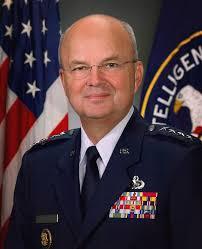
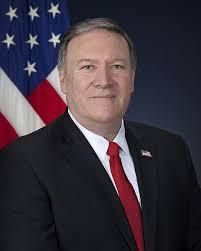
“GOVERNMENT CYBERPROTECTORS" AND
Yulia Erdyv and Emanuel G. Boussios, Ph.D. Hofstra UniversityRESEARCH QUESTION
How have figures such as Julian Assange, Edward Snowden, Chelsea Manning, Katharine Gun, and others drawing inspiration from predecessors like Daniel Everette Hale and Reality Winner as part of the New Know edge Cyberc ass (NKC) shaped publ c attitudes towards pr vacy and government surveillance? What are the broader mp ications of these evolving perceptions for democracy and governmental transparency?
INTRODUCTION
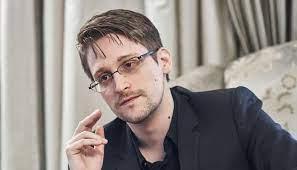
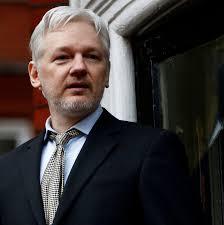
Th s research explored the effects of actions taken by Assange, Snowden, Gun, Hale, W nner, and Manning concerning wh st eblow ng. Their dissemination of sens t ve documents via p atforms such as Wikileaks has ignited a worldwide d scussion on pr vacy and government survei lance Th s research seeks to grasp the consequences of these d sc osures, how they have altered public views on governmental conduct, and strategies for preventing such leaks, particularly in the digita era.The study also looked into the responses of Government Cyberprotectors (GCP), who assert that leaks of national secur ty information can jeopardize various aspects of the U.S. nationa security program, including specific operations For instance, in 2010, the Taliban claimed to have accessed class f ed military dispatches from Afghanistan posted by WikiLeaks.
The GCP were selected as they ep tomize the various security admin strations post-September 11, 2001.
OBJECTIVES
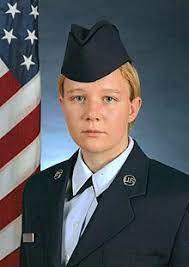
To ana yze the impact of whist eblowers such as Assange, Snowden, Gun, Hale, W nner, and Manning on public opinion regarding government surveillance and privacy
To explore the roles of the NKC and the GCP n the context of these leaks


THEORETICAL FRAMEWORK
Application of GCP's viewpoints on Routine Activity Theory (RAT)