We have over 450 professionals working coast to coast, and licensure across all 50 states, so we can collaborate no matter where you’re based. We seek to deliver the right balance of simplicity and innovation to align teams and technology around what matters most—your customer.
licensed in states STAFF 600+ professionals
7 COUNTRIES
2
20,000+ projects permitted across OFFICES
2,000+ communities
who we are
Our Vision
Amplify our Solution Suite to clientpartners through securing vital talent and harnessing advancing technologies.
Our Purpose
Leading clients to fulfill their vision while building lasting partnerships.
Our Culture
HFA aspires to be a people first culture of empowerment where talent thrives.
Lead with Excellence
Work Together
Exceed Expectations
Build Relationships
single-source studio
Bring your whole design team together.
At HFA, we unite the expertise of your multi-discipline team of architects, engineers, permitters, and other industry professionals, so you can:
+ Maximize coordination across disciplines
+ Streamline communications and gather feedback earlier
+ Create higher quality documents that can be delivered sooner
fully integrated disciplines
Architecture
MEPFP Engineering
Landscape Architecture
Structural Engineering
Civil Engineering
Interior Design
Robotics Integration
3D Scanning
Power Systems
FM / Asset Management
Planning
Commissioning
Fueling
De-Risking Design
Technology + Collaboration
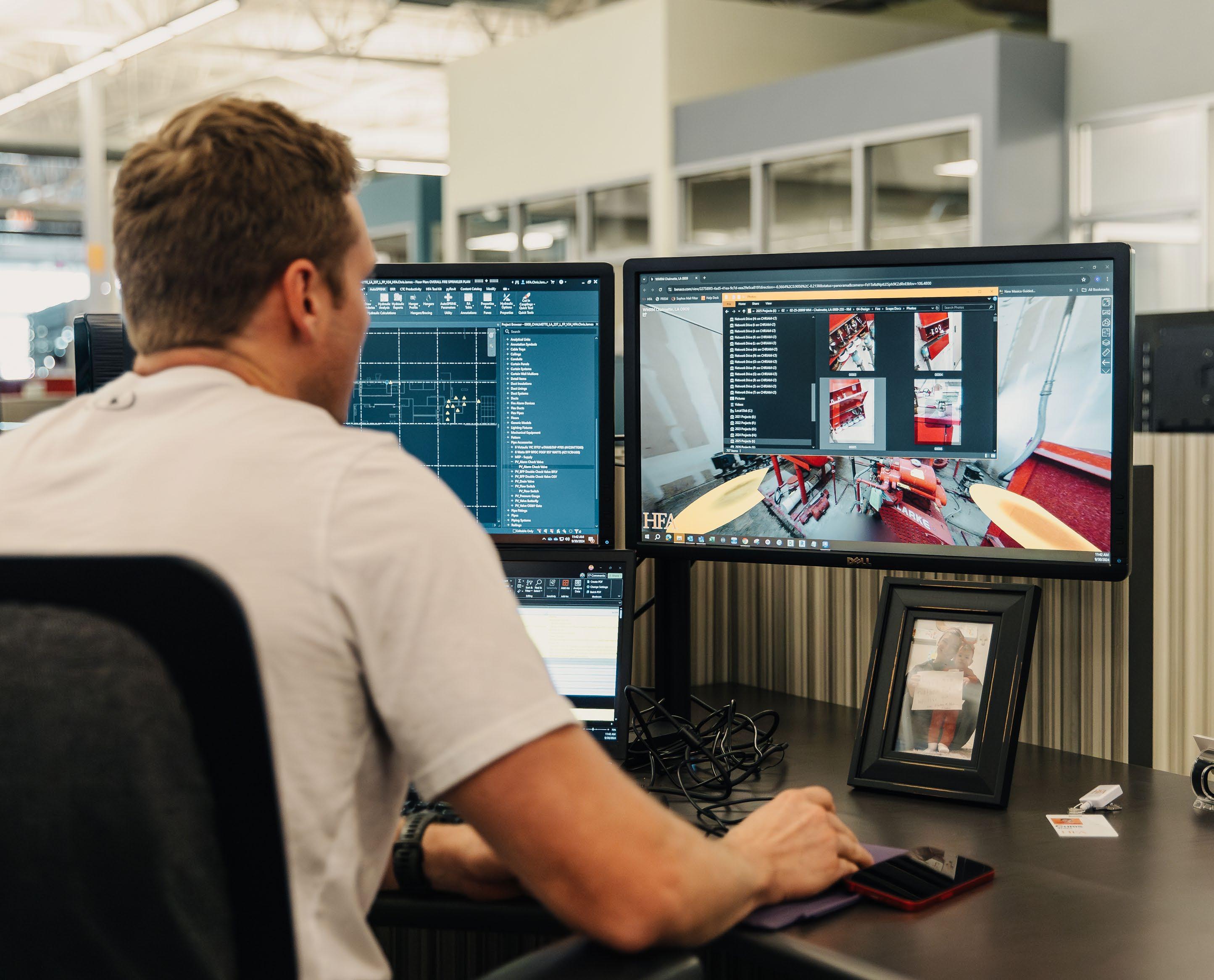
Our collaborative processes are supported by advanced technologies. All disciplines work in the same Revit models, updated in real time, thus allowing the entire team access to detailed project information at different stages before, during, and after construction.
We continue to use and expand on Autodesk BIM 360. The software drastically improves efficiency by allowing the client, project team and other stakeholders to work together on one model in the cloud. It reduces changes later in the project to coordinate and manage project data and designs.
More, Better, Quicker
HFA quickly and efficiently iterates through design changes and options through advanced techology in software and hardware. The client benefits due to frequent communication and difffering views. A collaborated multi-discipline BIM model enables swift moves from one type of visualization service to another while keeping the cost of services low.
HFA, BIM + Revit
Since 2007, HFA has been using Revit on projects. The multi-disciplinary staff at HFA is competent in Revit and training sessions and helpful tips are available to them each week to help refine their skills. This ensures that the teams at HFA will utilize Revit to produce models that are consistent in quality and accuracy. To continue to stay current, some staff members attend conferences such as Autodesk University to learn and apply the latest in the design and construction industry.
meet the team
vice president / healthcare practice leader
Paul Sabal is a registered architect and interior designer with more than 43 years of experience in the architecture and engineering industry. With extensive knowledge in healthcare design and construction, Paul has been involved in all aspects of the process, from initial land and facility planning to design and construction administration. He has worked in large firms, multi-office settings, and national practices, making him well-versed in healthcare design trends and best practices. Paul’s expertise extends to regulations, legislation, and reimbursements in the industry. As Vice President at HFA, he brings his wealth of experience to lead a team in challenging industry norms and developing innovative solutions for clients. With a focus on leveraging new AEC technologies, Paul aims to revolutionize how healthcare projects are planned, designed, constructed, operated, and maintained.
Don Ness, aia, ncarb
Paul Sabal, aia, acha, edac, ncarb, leed ap director of healthcare
Don serves as a Director of Healthcare at HFA and is a seasoned design professional with more than 36 years of industry experience. He has worked on a diverse range of projects, including public facilities, industrial, institutional, healthcare, religious, education, and commercial projects. Don has a passion for land development, construction, and his skills in project management, facility planning, and cost estimating have been instrumental in his success as both Principal in charge and Project Director for many large-scale projects. In his current role at HFA, Don leads and directs the healthcare teams for HFA. His impressive portfolio includes managing and assembling a large team for a $150-million-dollar bed tower for Saint Francis Health Systems, $100-million-dollar Math and Science Building for UT Dallas, $46-million-dollar New Engineering for UTPB in Midland Texas, $78-million-dollar student housing complex in New Orleans for LSU. He has also designed a long list of complex healthcare projects. What sets Don apart is his ability to run large teams and projects and complete them on time and on budget. He has demonstrated this throughout his career, which includes owning and operating his own firm for 20 years.
Kent Norwood, aia
sr architect
Kent Norwood is a Senior Architect with a background in healthcare, clinics, professional office buildings, and hospitals. With more than 40 years’ worth of expertise in various architectural modalities, Kent brings a wealth of knowledge to different building types. He has a passion for creating patient-centered design experiences and has worked with corporations, government entities, and individuals, making Kent an invaluable asset. Currently, at HFA, he is spearheading the establishment of a new team and department by implementing HFA methodologies. Kent is actively involved in the Maranatha project, leveraging his organizational and communication skills to develop a phased masterplan.
Aric Reed, pe
healthcare mep program lead
Aric Reed is a highly experienced mechanical engineer with over 13 years of expertise in HVAC design, specializing in healthcare and higher education sectors. Starting his career as a design HVAC engineer, Aric has progressed through roles of increasing responsibility, including project manager, project executive, director, and now serves as the Healthcare MEPF Program Lead. In this role, Aric drives business development, oversees project delivery, and fosters strong client relationships, ensuring projects meet the highest standards of quality, safety, and patient-centered care.
Aric is recognized for his leadership in sustainable design, having led mechanical, electrical, and plumbing (MEP) efforts on six LEED Silver and Gold-certified projects. His past work has been awarded the 2022 AEE Regional Energy Project of the Year, and he was named to the prestigious Consulting-Specifying Engineer magazine’s Top 40 Under 40 list in 2023. Beyond his technical and leadership roles, Aric has served as President of the Northwest Arkansas Chapter of ASHRAE from 2017-2019, contributing to the growth and education of the engineering community. He is also OSHA-10 certified, ensuring safety remains a priority in all his projects.
Alex Halloran, pe
team lead / mechanical engineer
Alex Halloran is a seasoned mechanical engineer with ten years of specialized experience in architectural engineering, focusing on healthcare and higher education projects. As the Healthcare Team Lead, Alex oversees a multidisciplinary MEP (Mechanical, Electrical, Plumbing, and Fire Protection) design team, guiding them to deliver high-impact, client-centered solutions across the southeastern United States. With a strong track record of managing large-scale healthcare facilities, Alex has served as the engineer of record for multi-million-dollar projects, demonstrating expertise in both design and project leadership. In his previous role, Alex was named Director of Engineering, leading a team of 12 MEPF staff over the course or three years.
Throughout his career, Alex has led innovative projects, including the pioneering UAMS Proton Therapy Center, the first of its kind in Arkansas, as well as the Baptist Hospital Inpatient Behavioral Health Center and Piedmont ICU Expansion. His work also extends to higher education, having contributed to the UCA Integrated Health Sciences Building and the UofA Rice Research Facility. Known for his commitment to quality and reliability, Alex’s approach combines technical precision with a focus on building strong client relationships that drive project success.
meet the team
sr fire protection designer Gary Sims, et
Gary Sims is a seasoned professional with over 36 years of experience in fire suppression and protection design. Beginning his career in the contracting industry in 1989, Gary transitioned to the consulting field in 2009, bringing decades of expertise to complex fire protection projects. As a Senior Fire Protection Designer, Gary leads and supervises a three-person team, managing design work, conducting site surveys, performing water flow testing, and attending project coordination meetings.
Gary’s extensive portfolio spans small commercial developments, large industrial facilities, government and military projects, as well as international ventures. He holds multiple NICET certifications in Fire Protection/Building Systems Programs, including Water-Based Systems Layout (Level III), Special Hazards Systems (Level II), and Inspection and Testing of WaterBased Systems (Level I). His additional qualifications include OSHA 10 certification and proficiency in Revit/BIM technology, project management, and owner advocacy.
Some of Gary’s key accomplishments include fire protection design for major healthcare facilities, such as the Arkansas Children’s Hospital in both Northwest Arkansas and Little Rock, Methodist University Hospital in Memphis, Mercy Health Systems Tower Additions in Rogers and Fort Smith, Arkansas, Providence Hospital in Washington, D.C., and the Mother Baby Addition at Washington Regional Medical Center in Fayetteville, Arkansas. With a meticulous attention to detail and a commitment to safety and efficiency, Gary continues to deliver innovative solutions to meet the unique needs of his clients.
Martin Khallaf, pe, cem, cbcp, cxa, ccp
commissioning discipline lead
Martin Khallaf is an accomplished mechanical engineer with 18 years of experience in the design, commissioning, and optimization of commercial building MEP (Mechanical, Electrical, and Plumbing) systems. As the leader of the Energy and Commissioning discipline, Martin oversees the strategic direction and execution of energy efficiency and commissioning initiatives across various projects. His expertise spans building automation, energy management, and commissioning, with a particular focus on driving innovation and improving building performance.
Throughout his career, Martin has been deeply involved in projects that emphasize sustainable design and energy efficiency. He is passionate about collaborating with teams to find innovative solutions that enhance building performance while reducing environmental impact. His work has helped clients optimize energy use and ensure that MEP systems are functioning at peak efficiency.
Charles Kvamme, pe
electrical engineer
Charles Kvamme serves as the lead Electrical Engineer for HFA’s healthcare team, bringing nearly a decade of experience in electrical design and engineering. His role encompasses developing design standards, specifications, and technical details to support both current and future healthcare projects, while also acting as the primary Electrical Designer and Professional Engineer on active projects.
Charles began his engineering career at IMEG in Dallas, Texas, where he worked on a wide range of project types including libraries, senior living facilities, urgent care centers, and more. In 2017, he transitioned to Bernhard in Fayetteville Arkansas, where he specialized in complex projects across healthcare and higher education. During his time there, he became a licensed Professional Engineer and led the electrical design of the new Cooper Green Ambulatory Care Facility in Birmingham, Alabama—an extensive 210,000 square foot, two-year project that exemplifies his skill in designing modern, high-performance healthcare environments. In addition to Cooper Green, Charles takes pride in his work on the U.S. Marshals Museum in Fort Smith Arkansas, a technically demanding entertainment venue, and the University of Arkansas’ J.B. & Johnelle Hunt Family Baseball Development Center, where he addressed unique requirements tied to advanced training and filming technologies.
project experience
Mercy Hospital Northwest Arkansas — Inpatient Bed Tower +
Expansion + Hospital Renovation*
location | rogers, ar
sq. footage | 380,000
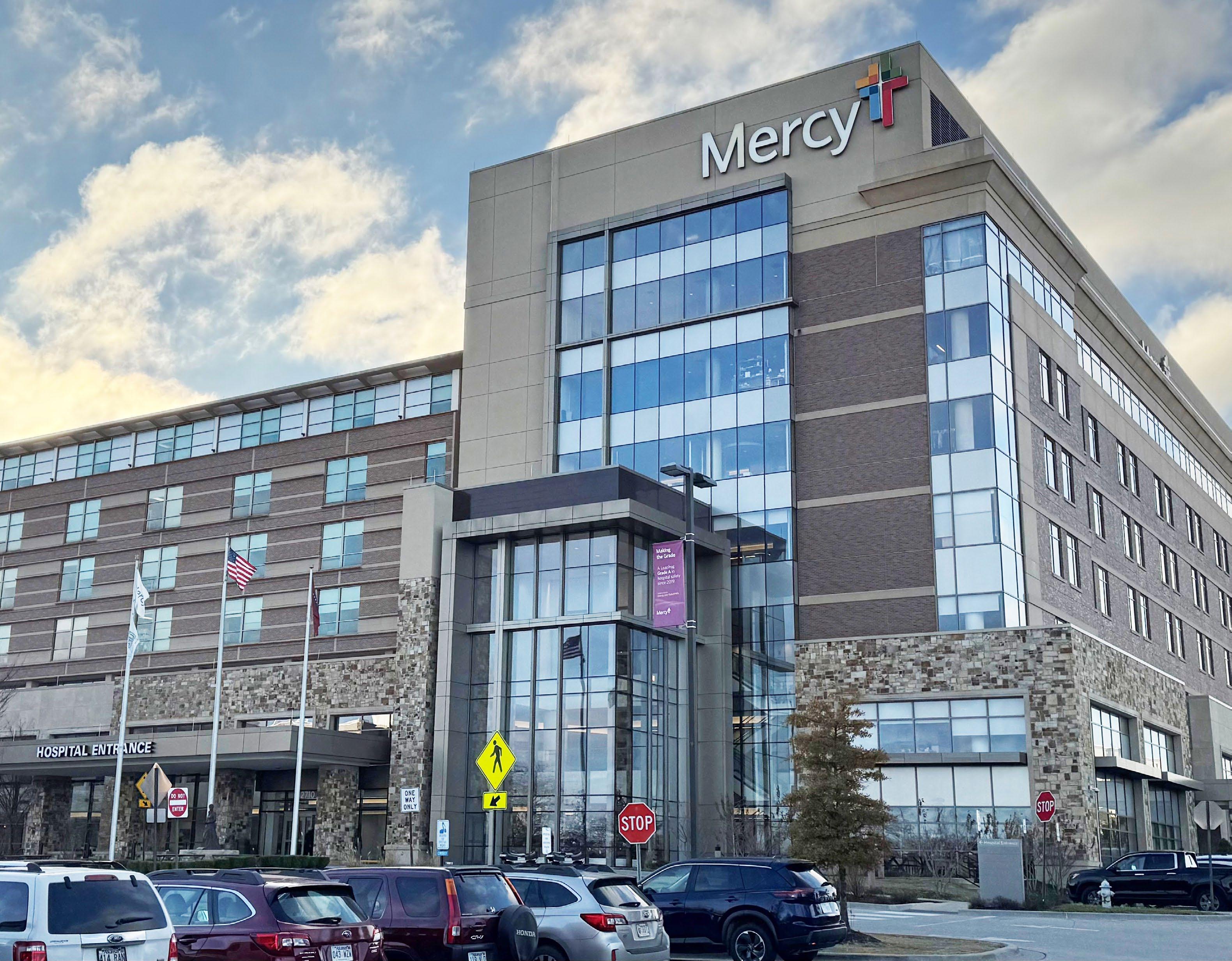
Mercy Hospital Northwest Arkansas is located in Rogers, Arkansas which is one of the fasted growing MSA’s in the country. Due to the explosive population growth in the region, the original 200 bed Hospital, which opened in 2008, was experiencing bed shortages, and other capacity stresses by early 2013. That year, in the role of Planner, Paul Sabal prepared a Strategic Facility Masterplan for Hospital leadership which clearly identified that all nursing units and the ED would be at capacity by 2015, and all D&T and support service departments would be at capacity by 2019. In 2015 Mercy Hospital NWA re-engaged Paul to prepare a phased expansion Master Plan ofthe Rogers campus. This time, in the role of Principal-in-Charge and Planner, Paul recognized that the key factors for the successful outcome of the project to be:
• Optimize patient experience and staff/user efficiencies
• Develop a fastest path to additional bed capacity
• Relocate the Hospital main entry for greater visibility
• Conform the appearance of the existing facility to current Mercy Brand standards
• Locate the expansion to maximize new construction SF, minimize renovation SF
• Locate the expansion to provide the best adjacency for expansion of the support and D&T departments on the lower floors
• Locate the expansion to minimize impact on existing operations
• Locate the expansion to minimize impact on the existing ED
• Expand surface parking to address future parking need and compensate for loss of parking due to new construction
After testing many options with leadership, Paul chose a solution which places a 7-story bed tower to the West of the existing Hospital. This location provides space directly adjacent to support service departments on the 1st floor, Imaging and Diagnostics on the 2nd floor and Surgery on the 3rd floor for expansion. Floors 4 through 7 connect directly to existing Nursing units and are serviced with dedicated public and service elevators. On the North elevation, the relocated Main Hospital Entry gives patients easy access to all destinations through a 2-story gallery element that provides welcome, admitting, pre-admit testing, and waiting spaces. The entire exterior of the existing 2008 structure is being reimaged using innovative masonry staining techniques to match the requirements of Mercy’s exterior Brand standards.
project experience
Mercy Energy Stewardship Program*
location | arkansas, oklahoma, kansas, missouri
Over 30 critical pieces of infrastructure equipment replaced at various hospitals. Close coordination was required with the owner, contractor, commissioning agent, and design team as each facility must remain in operation throughout the changeout process. All projects were fully commissioned. Example types included in the program: Chillers, Cooling Towers, Boilers, Generators, Air Handling Units, Heat Exchangers
Mercy Hospital ED/ICU Expansion*
location | fort smith, ar cost | $186,000,000
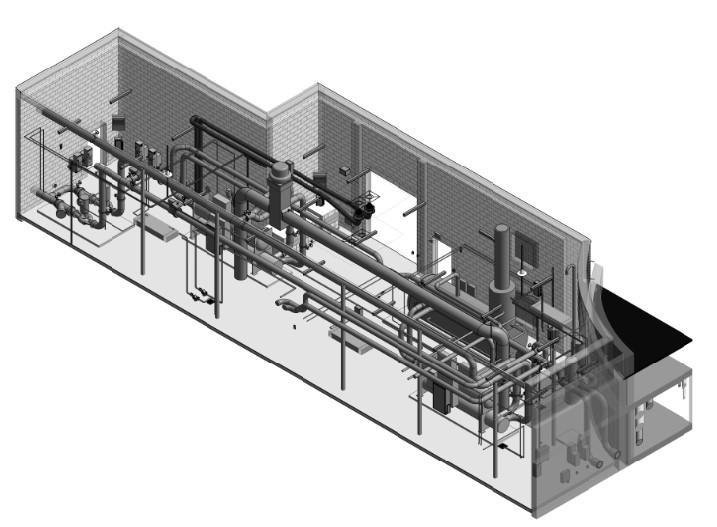
Renovation of the existing Emergency Department, as well as a 3-story addition to the hospital, along with a new parking garage and CEP expansion. HVAC scope included an expansion of the central energy plant with new chillers, cooling towers, steam boiler, pumps, fuel storage, and BAS controls, along with the new expansion AHUs, air terminals, exhaust fans, duct, pipe, etc. The new steam boiler was integrated into the existing steam supply piping and equipment. In the penthouse of the new expansion, all new redundant shell-and-tube heat exchangers were designed to use central plant steam to create heating water for the 3-story expansion. Variable speed pumps and control sequences that include temperature and pressure resets help to save energy costs. All steam condensate is collected in new duplex receiver skids and routed back to the central plant for reuse, saving makeup water costs.
project experience
Grady Memorial New Onsite Plant Replacing 75 Yr-Old High Pressure Steam Boilers
location | atlanta, ga
sq. footage | 2,000,000+
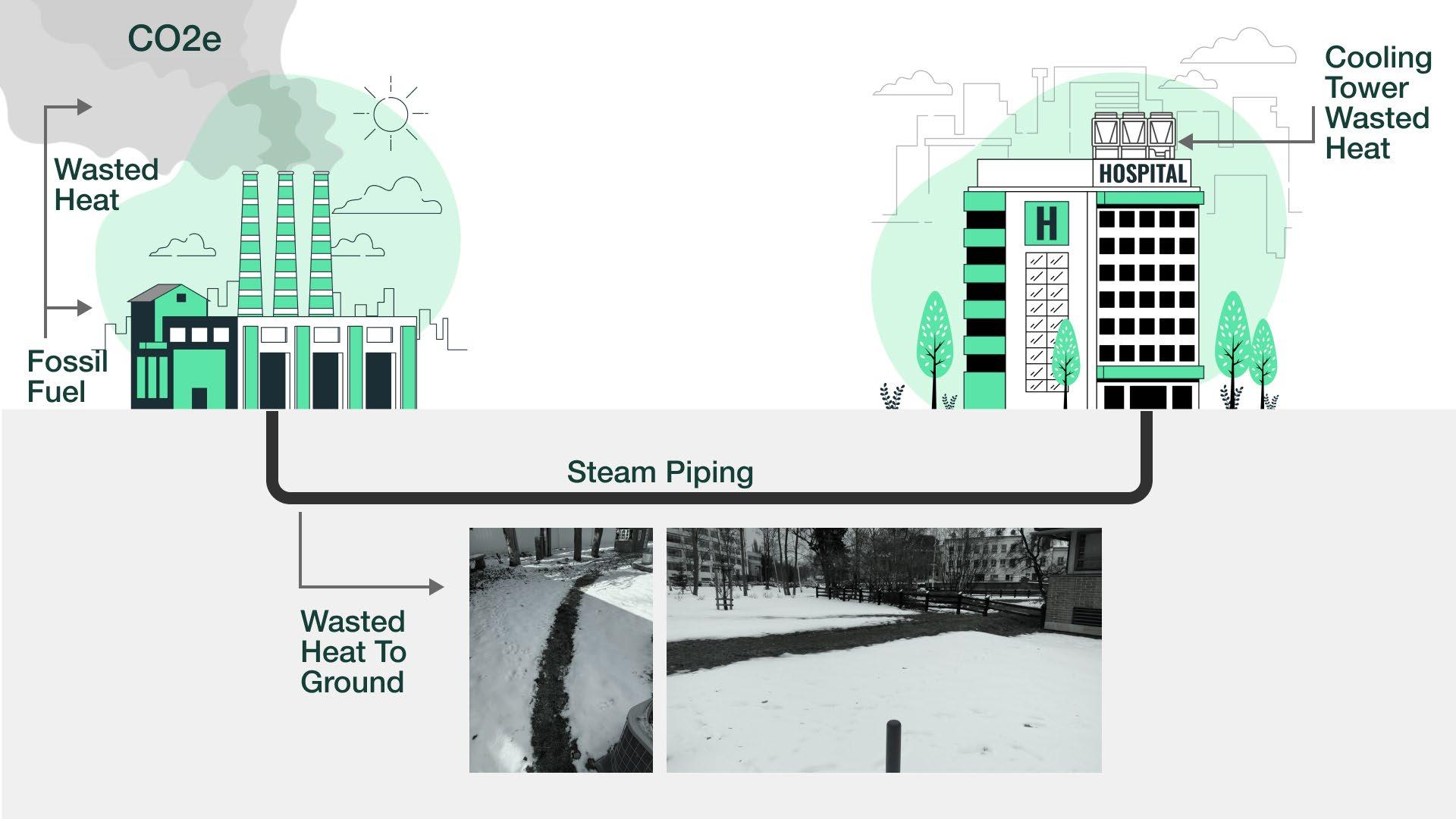
The current remote steam plant that serves various buildings at Grady Memorial owned buildings is beyond its useful life and in need of swift replacement. As an alternative to a direct replacement of the existing remote plant, Oakwell is leading the project engineering and administration to build two new boiler plants within the Clinics building penthouse.
The two plants will include:
1. A high efficiency hot water plant
a. (3) 12,000 MBH high efficiency condensing hot water boilers plant to heat the building hot water reheat loop directly piped directly to the Main Grady and Clinics hot water reheat loops
b. New HW boilers burn natural gas and fuel oil as backup.
c. Will meet the peak heating load of the existing Main Grady and Clinic Building reheat loops.
d. With HW temperature reset during non-peak heating load periods will be approximately 10% more efficient than producing steam
Key Outcomes & Anticipated Value Delivered
2. A smaller high pressure steam plant
a. Sized to meet the sterilization, air handling preheat, humidification and domestic hot water heating steam load.
b. (3) 18,600 MBH high pressure water tube boilers
c. Two of the three boilers meet the peak steam load associated with hospital sterilization, humidification, domestic hot water heating and air handling preheat.
d. The third boiler will provide N+1 redundancy to the steam plant and the hot water plant via the existing steam to HW heat exchangers.
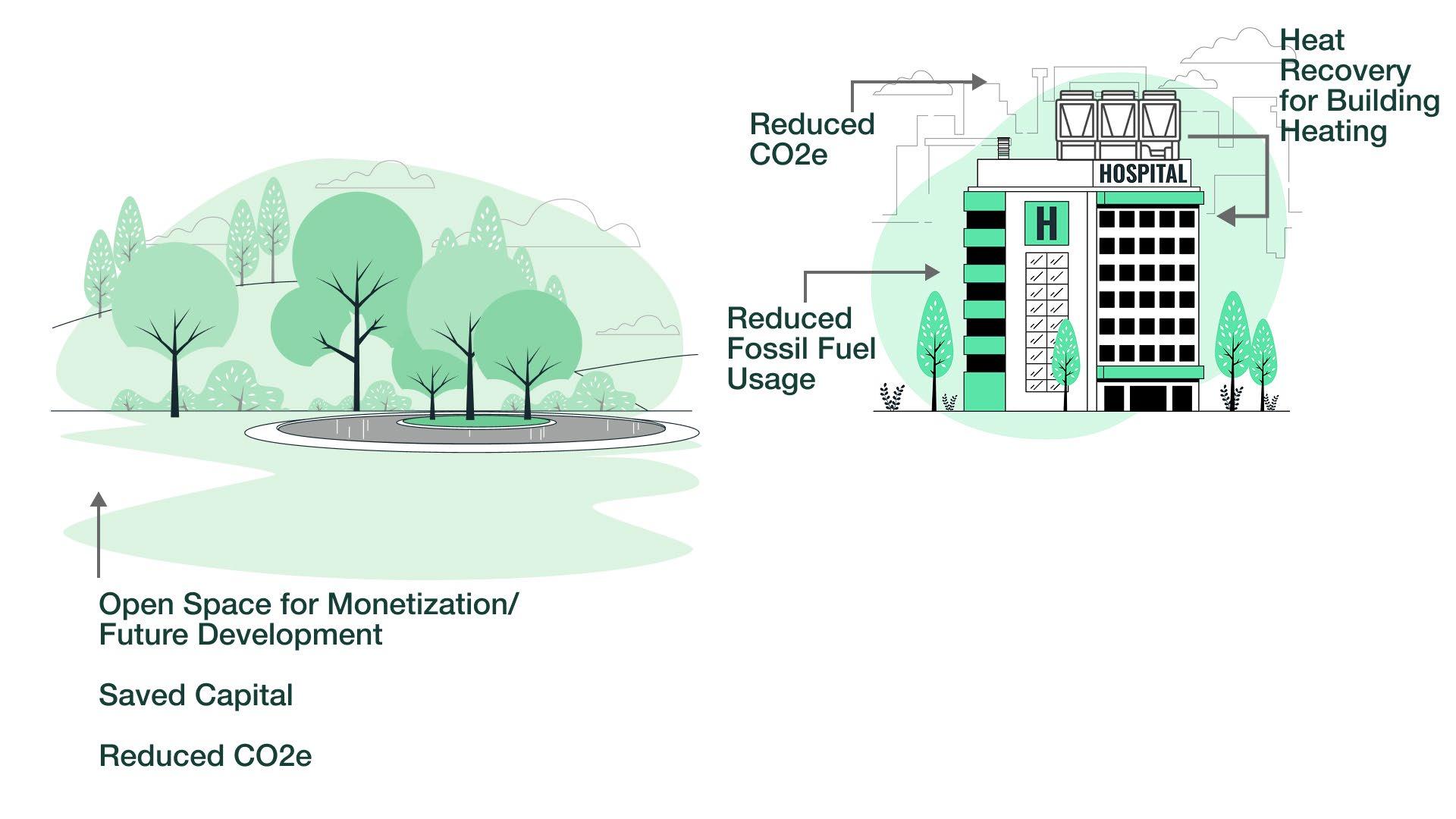
1. Grady will realize an estimated $30-40 million net present value savings over the next 40 years
2. The two new boiler plants will reduce the natural gas consumption of the facility by 20%
3. The location of the new boiler plants onsite will free up a valuable parcel of land that the old plant occupied for monetization / future development.
NEW WAY
OLD WAY
project experience
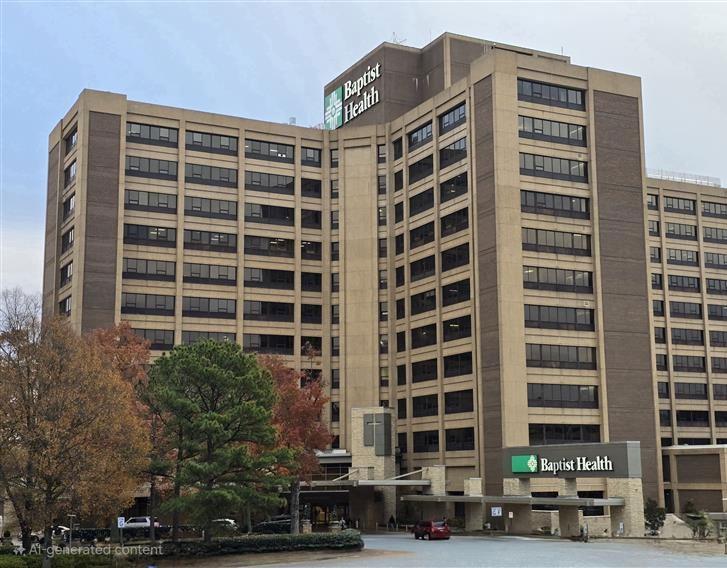
Baptist Health Energy Savings Performance Contract*
location | fort smith + little rock, ar
cost | $70,000,000
An energy savings performance contract, this engineering-led project included major infrastructure upgrades and replacements at three separate hospital campuses at the same time. Equipment replaced/ added included:
• One steam boiler (600HP) with stack and blowdown economizers
• New central energy plant Steam-to-Hot Water Heat Exchangers
• Decommissioned remote building loop shelland-tube HXs
• 30 pumps
• 2 desiccant AHUs
• 137 VFDs
Project included the design and routing of new district heating water piping to multiple steam building entrances, and replacing individual remote shell-and-tube heat exchangers and building pumps with new heating water entrance control valves and backup pumps. Main steam distribution piping was disconnected from buildings and steam supply was pulled back to the central plant, with new flash tank, condensate receiver and pumps, and economizers.
project experience
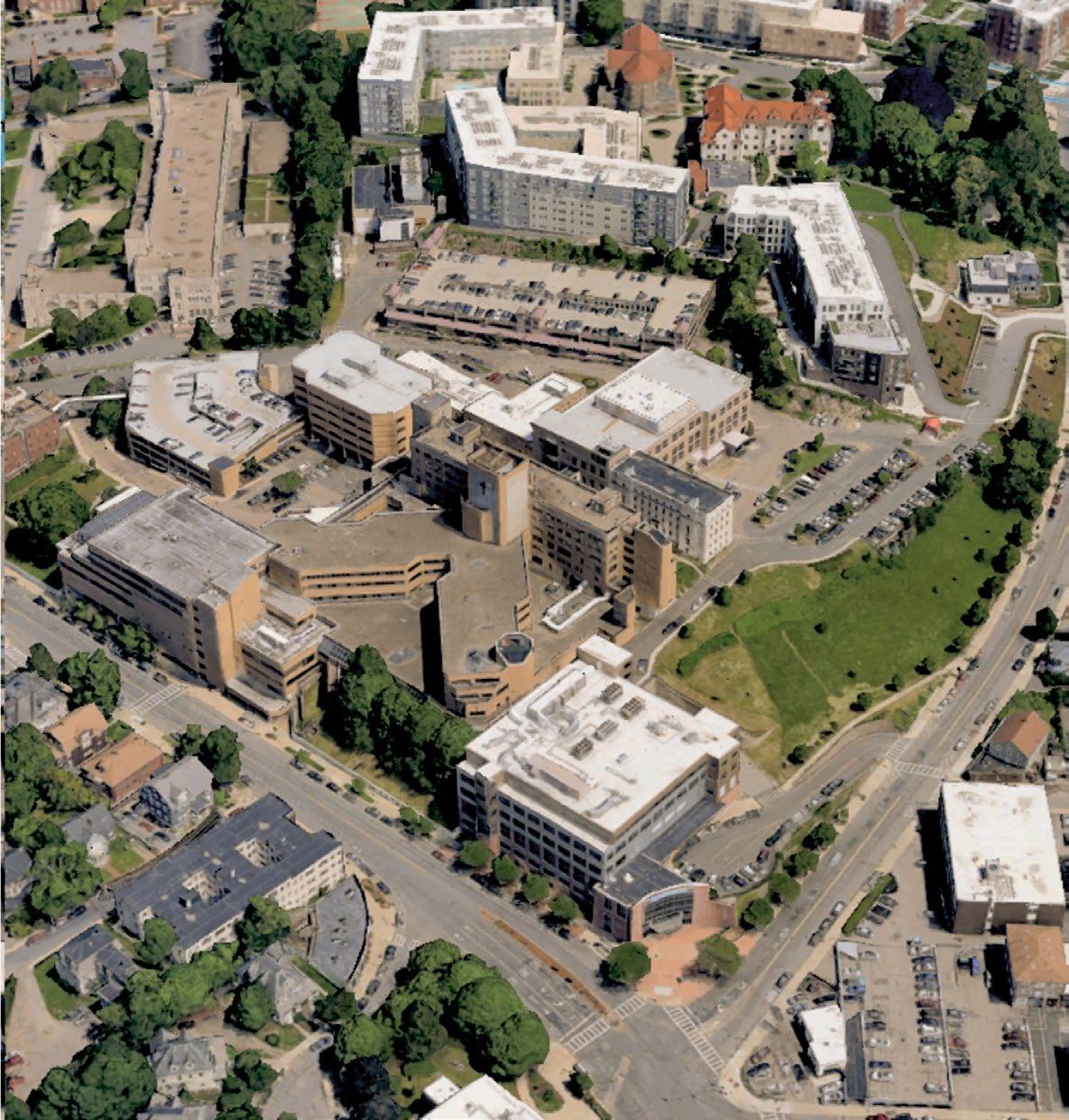
Boston Medical Center - Brighton, Site Master Plan
location | brighton, ma sq. footage | projected renovation and new construction area: 222,200 SF and addition of a +/- 400 car parking garage
Constructed between 1917 and 2009, the original St. Elizabeth’s Medical Center campus spans 25.7 acres and includes 10 buildings and two parking garages. The 329-bed hospital faced operational and infrastructure challenges from decades of organic growth, topographic constraints, disconnected departments, and aging systems that created complex wayfinding for patients, staff, and visitors.
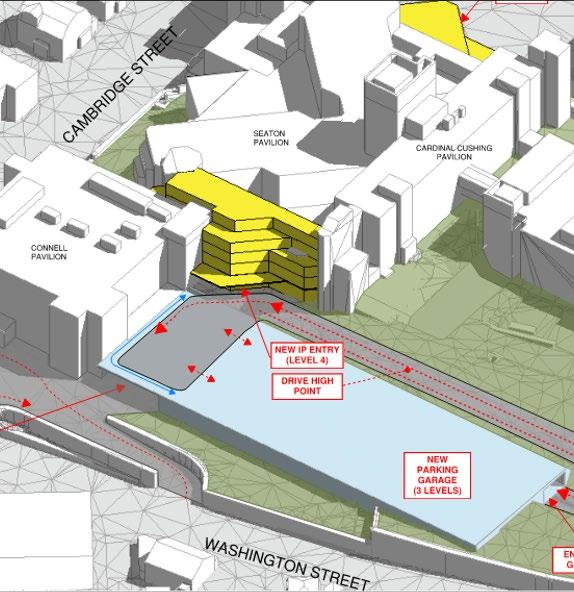
The planning team developed a comprehensive site master plan focused on simplifying circulation, improving wayfinding, and aligning infrastructure with future growth. The plan introduces a new hospital entry and central corridor that connects inpatient and outpatient zones, streamlines patient and staff movement, and improves vertical and horizontal access across buildings.
Key improvements include:
• Defined inpatient and outpatient entries with enhanced connectivity
• New main hospital lobby connecting existing buildings
• Consolidated departments and service lines to improve functional relationships
• Increased on-site parking capacity by approximately 400 spaces
• Relocation of clinical lab and administrative functions to optimize space
• Upgraded material handling and service access systems
The master plan transforms the complex campus into a cohesive healthcare facility with improved patient experience and operational efficiency.
UAMS Radiation Oncology*
location | little rock, ar
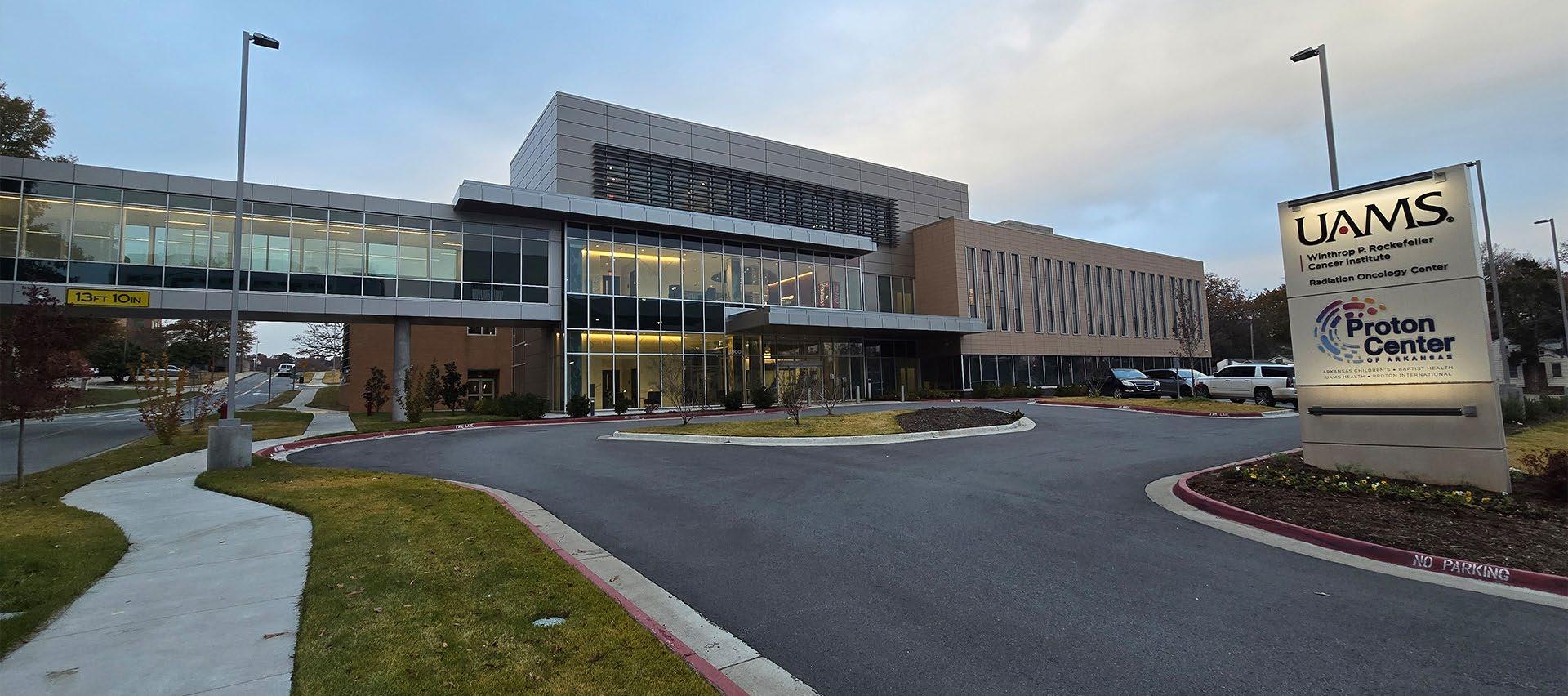
This project added 50,000 SF of imaging space to the existing UAMS campus, extending the campus boundary further to the east. The project consisted of extensive underground utility work to extend the campus district energy system (chilled and heating water) to the new radiation oncology building, and existing bio-ventures building. The solution proposed involved directonal boring under an active roadway to minimize the impact to the campus traffic flow. Additionally, utilities were rerouted under an existing parking deck to allow proper connection to the district energy system. Careful planning and phased commissioning were required to keep the project on schedule, and disruption to existing buildings at a minimum. Critical design challenges that were overcome included, flushing of the new piping to ensure protection of the existing energy infrastructure, strategically placing valves and access points to allow phased construction, and working with the construction team to provide temporary solutions to affected buildings on campus as piping was extended.
project experience
St. Louis Heart and Vascular
location | bridgeton, mo
sq. footage | 20,000
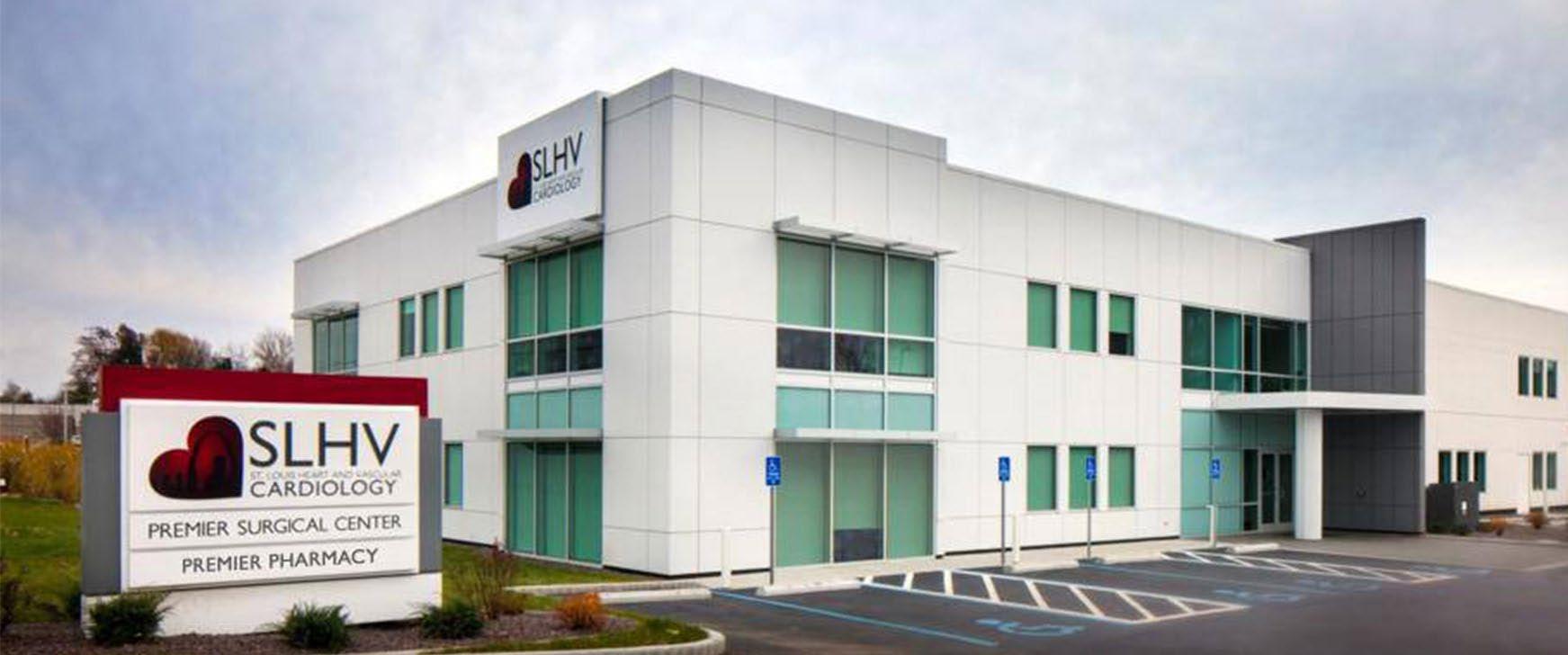
St. Louis Heart and Vascular is in Bridgeton, Missouri, a northwestern suburb of St. Louis, and is located close to SSM DePaul Medical Center. The 11 physicians in Paul Sabal’s previous practice engaged my firm in 2013 to design a new facility for them to integrate their clinic and invasive cardiology platforms. Specifically, they wanted to perform many high acuity EP cases in their new facility that they normally performed in the Hospital. In Paul’s role as Principal-in-Charge and Planner for the project, he investigated numerous existing buildings in the vicinity that would meet their project requirements:
• Convenient location for patients and staff
• Maximize visibility and brand identity
• Close to a hospital to address patient safety
• Provide expansion for an additional Cath Lab, Retail Pharmacy and Arrhythmia Monitoring functions
• Build the outpatient Cath Lab as an Ambulatory Surgery Center
• Provide space for all cardiac testing, imaging and treatment modalities
• Segregate surgical, clinical and diagnostic patient flows.
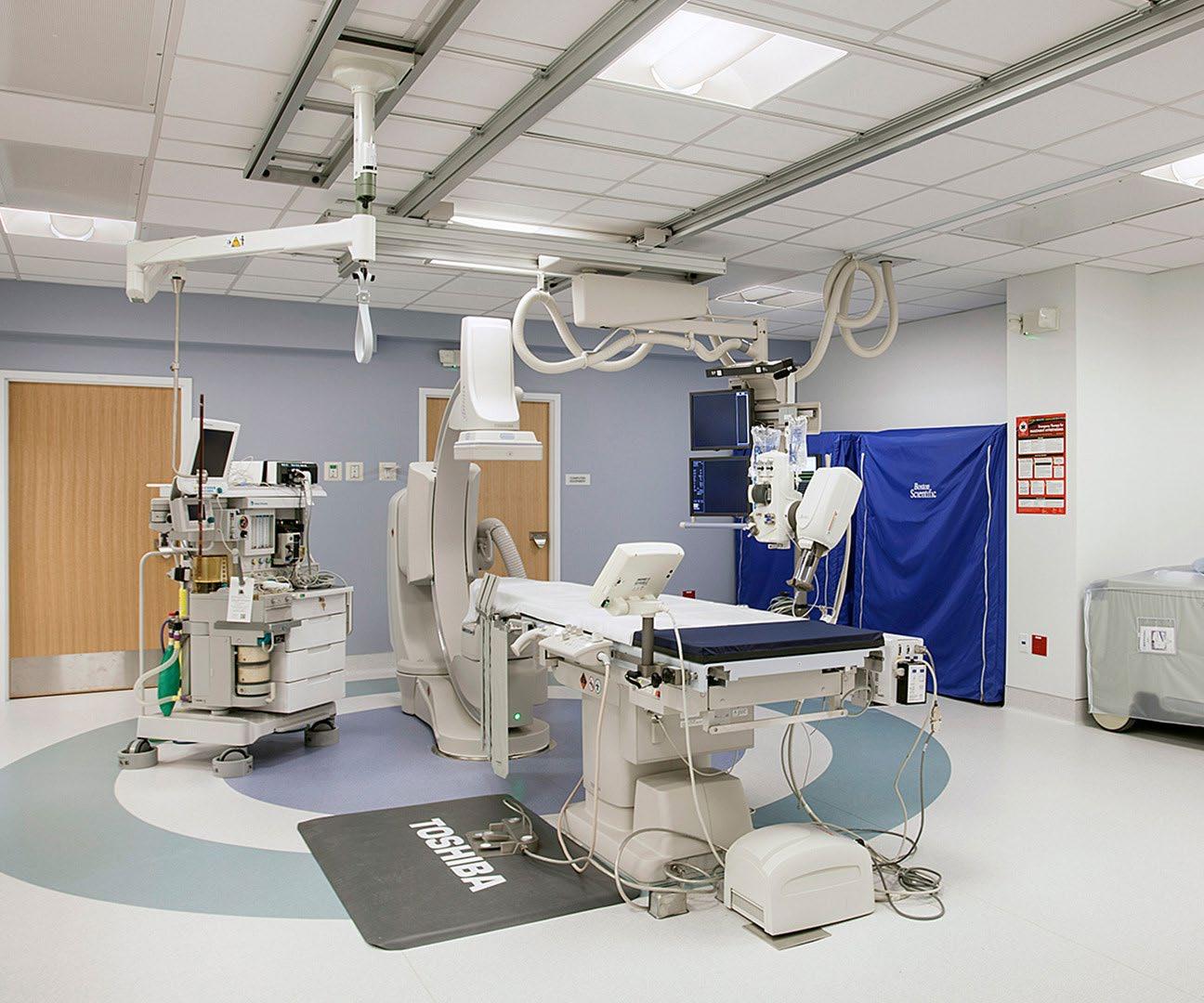
Their solution is the adaptive reuse of an existing 2−story office building located just outside DePaul Medical Center. The newly renovated facility provides 20,000 sf of integrated cardiac care, with the first Hybrid Cath Lab to be licensed as an Ambulatory Surgery Center (ASC) in the state of Missouri on the first floor, and comprehensive cardiac clinics, diagnostics, and treatment services on the second floor. This project was a complete interior renovation of both floors which included relocation of 2 emergency exit stairs, the addition of a passenger elevator, and extensive structural upgrades. The shell of the existing building was reimaged employing a transverse fin wall as a tool to organize, and separate, the major functional elements on each floor − patient pre−surgical prep and recovery from the sterile Hybrid Cath Lab area on the first floor, and cardiac diagnostics from the clinic/administrative spaces on the second floor. The $5.2 million project successfully rebranded an obsolete office building into a sophisticated contemporary healthcare facility that provides a comprehensive slate of cardiac services in an innovative environment.
project experience
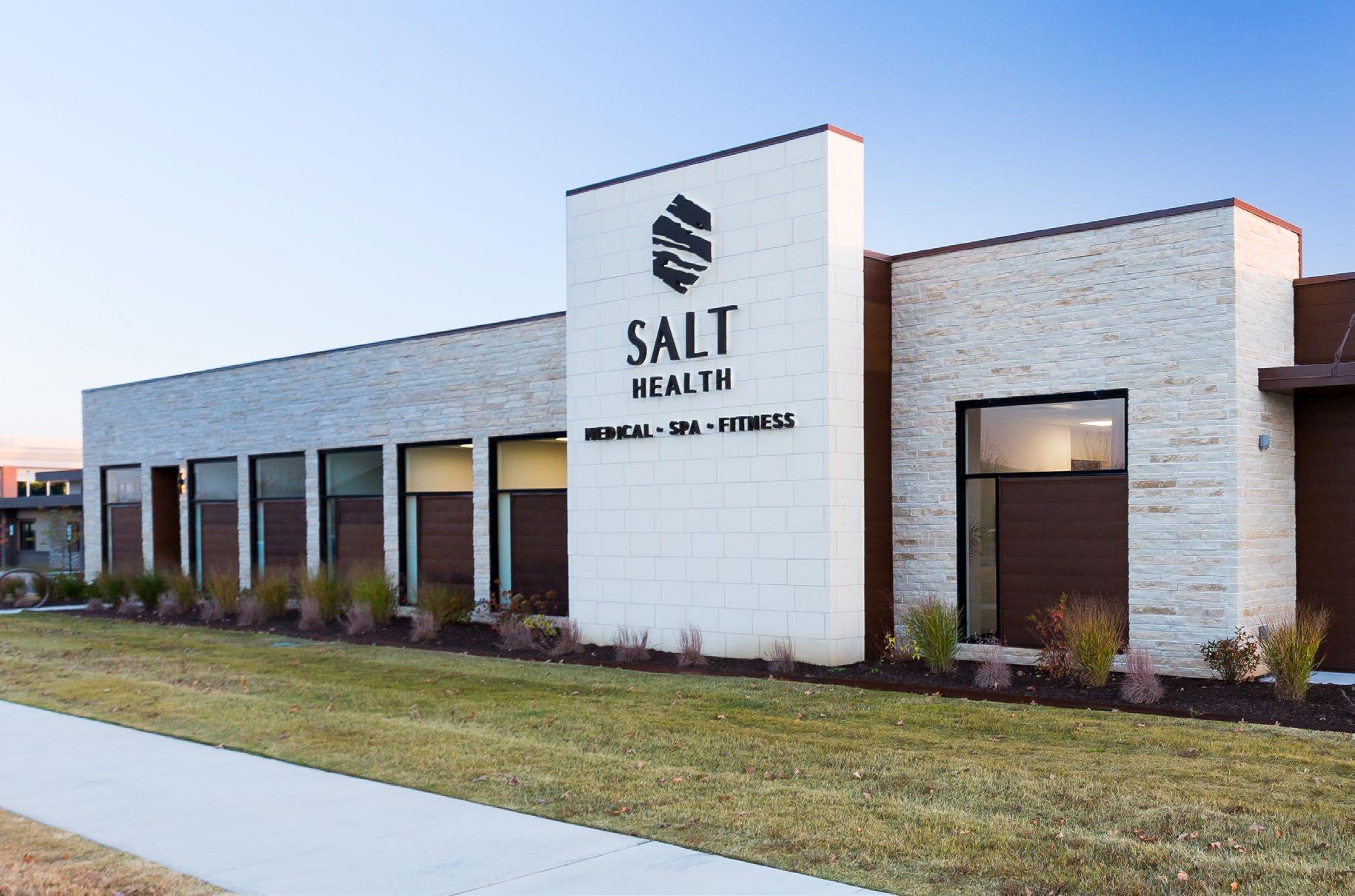
SALT Health
location | bentonville, ar sq. footage | 12,600
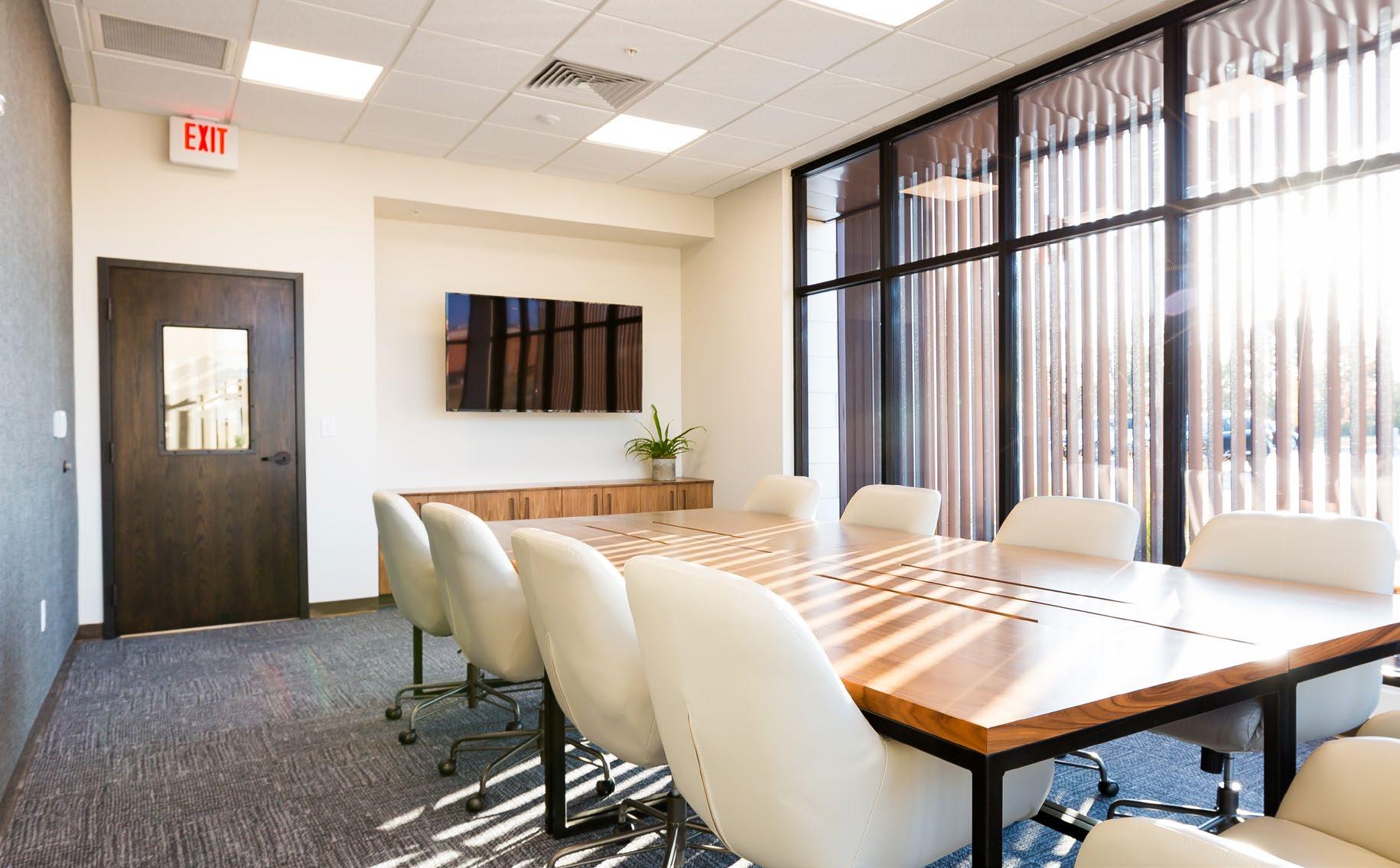
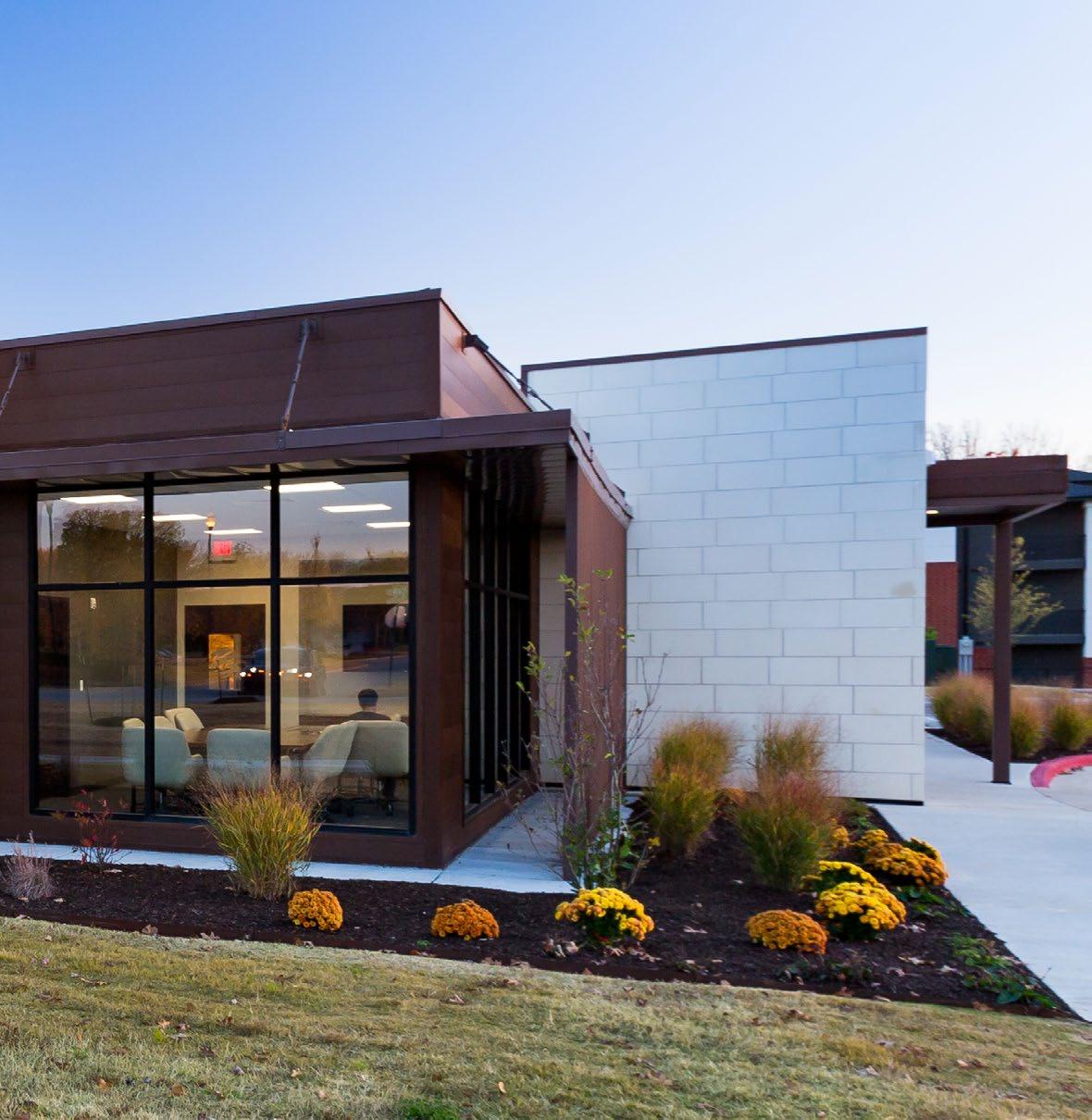
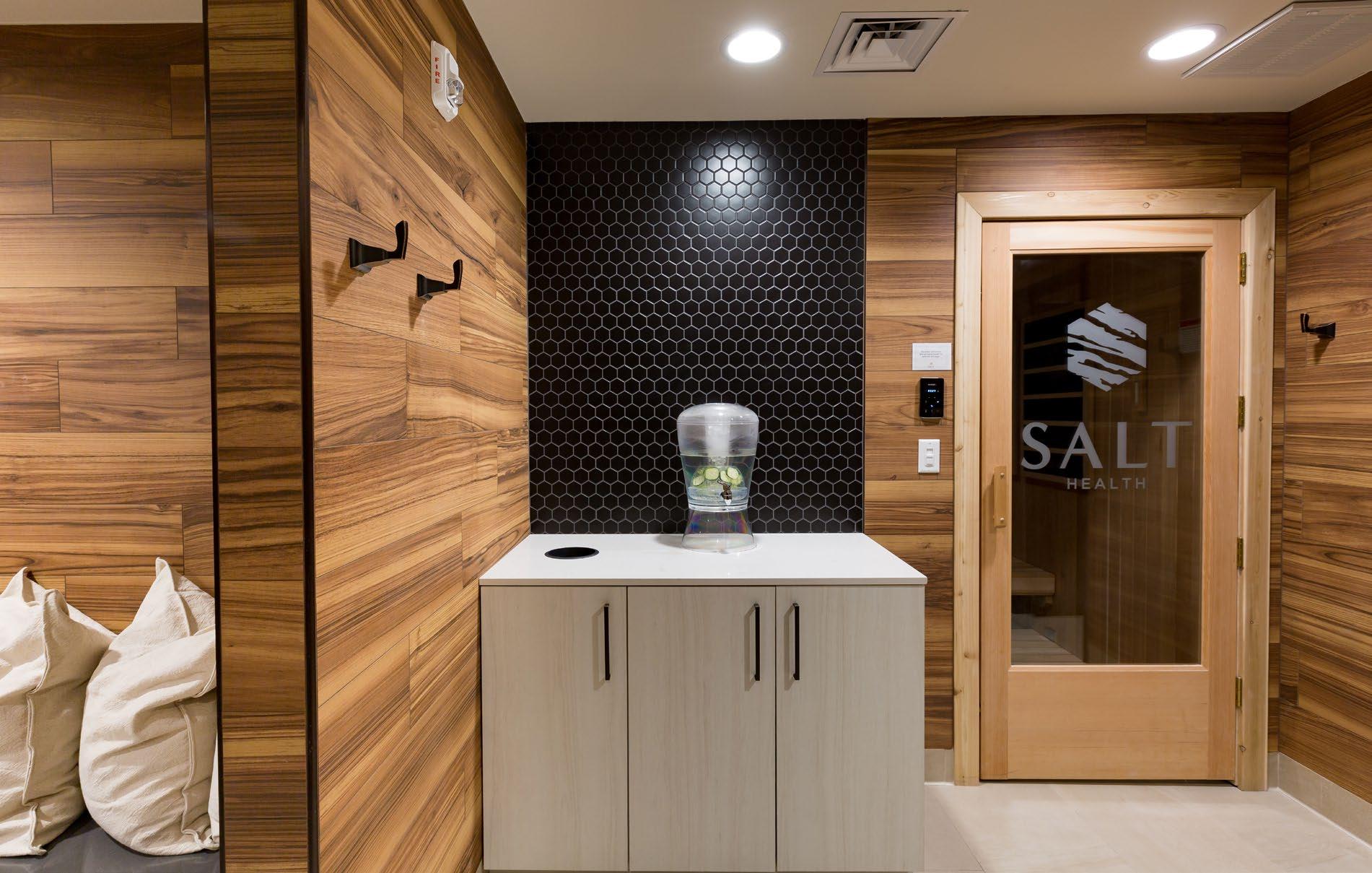
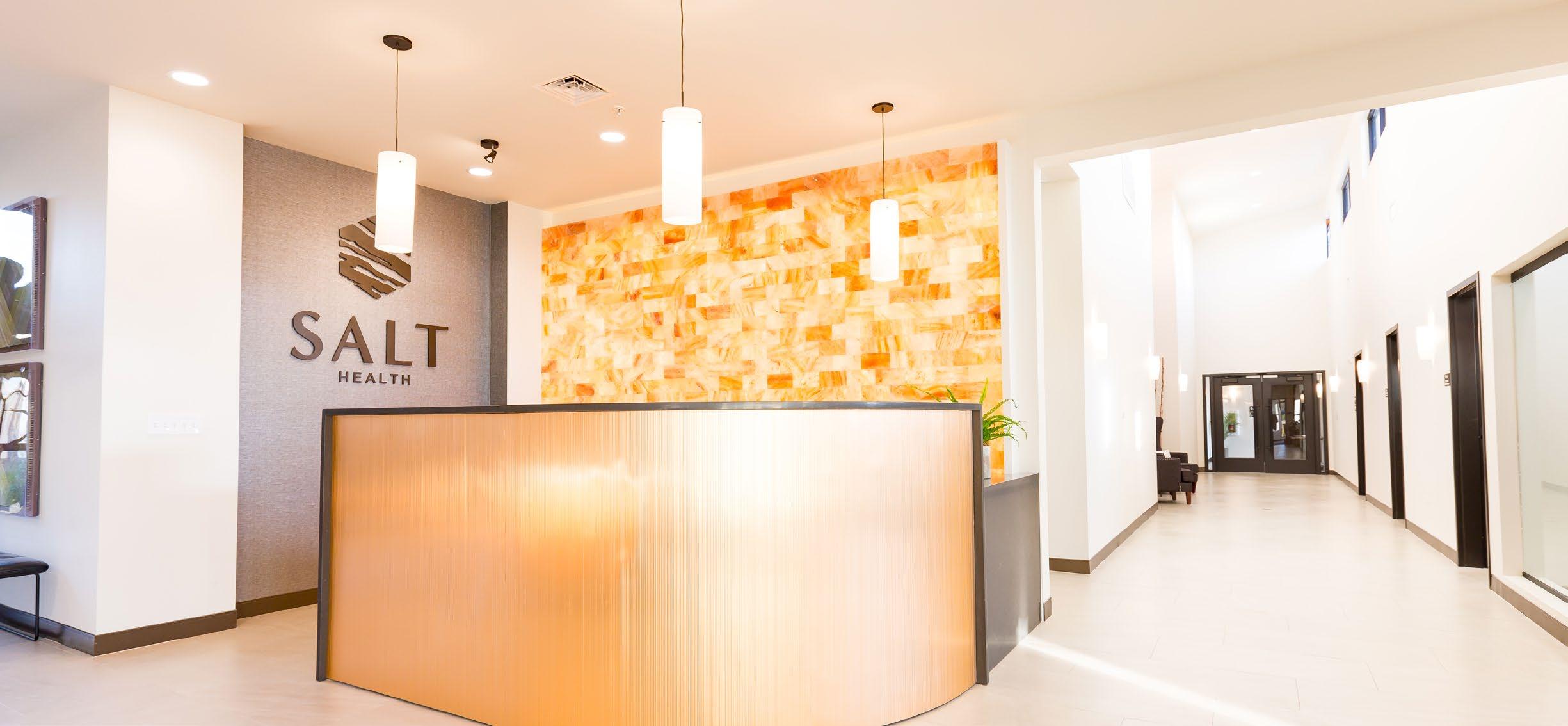
SALT Health is a newly-constructed concierge medicine, fitness, and spa facility in Bentonville, AR. The name SALT Health was chosen by the partners because salt is the most diverse mineral in history. It can preserve food, heal wounds, and was used as currency throughout history.
In collaboration with an out-of-state design architect, GSB, we took over the project at the design development phase and provided construction documents, permitting, and construction administration.
project experience
Mercy Hospital Jefferson*
location | crystal city, mo
sq. footage | 232,953
This area, which was a rural community when the existing campus was constructed in 1953, is now on the Southern edge of St. Louis metro area. The 60+ year old facility had been expanded over the years to a point where key departments were disjointed, wayfinding was complicated, central plant was failing, and a huge amount of non-revenue generating space was built-in to the floor plans. Mercy Health purchased the Hospital in 2013 and made a significant financial commitment to modernizing the facility. In early 2014, my firm was engaged to develop a comprehensive master facility plan for the Hospital. In my role as PIC and Planner I worked with Hospital leadership to identify essential “must haves” for the project:
• Honor the history of Jefferson County, and the Catholic heritage of Mercy
• Optimize the patient experience by consolidating entries and improving wayfinding.
• Consolidate disjointed D&T departments and enhance staff efficiencies
• Convert non-revenue generating space to specialty clinics
• Convert semi-private beds to all private patient rooms
• Expand women’s services, cancer services and behavioral health services
• Update aging infrastructure and correct code violations
• Expand surface parking
• Conform new construction to Mercy Brand standards
After reviewing numerous options with Hospital leadership, we chose to place a 3-story 90 patient bed tower on the South side of the Hospital connected to the existing facility with gallery spaces which are constructed with glass to allow natural light flood the public spaces. The new patient tower includes a standalone mechanical penthouse and is expandable to 3 additional patient bed floors. Existing semi-private rooms will be renovated to private beds after the new tower is operational. A new main Hospital entry on the West reduces the number of entries and provides patients and guests intuitive access to the new bed tower, clinics, and existing bed elevators. Site circulation and wayfinding are all simplified and surface parking expanded to accommodate the projected expansion requirements. All new construction will conform to the Mercy Guidelines and Brand Standards
project experience
Ascension Seton Medical Office Building*
location | austin, tx
sq. footage | 100,000
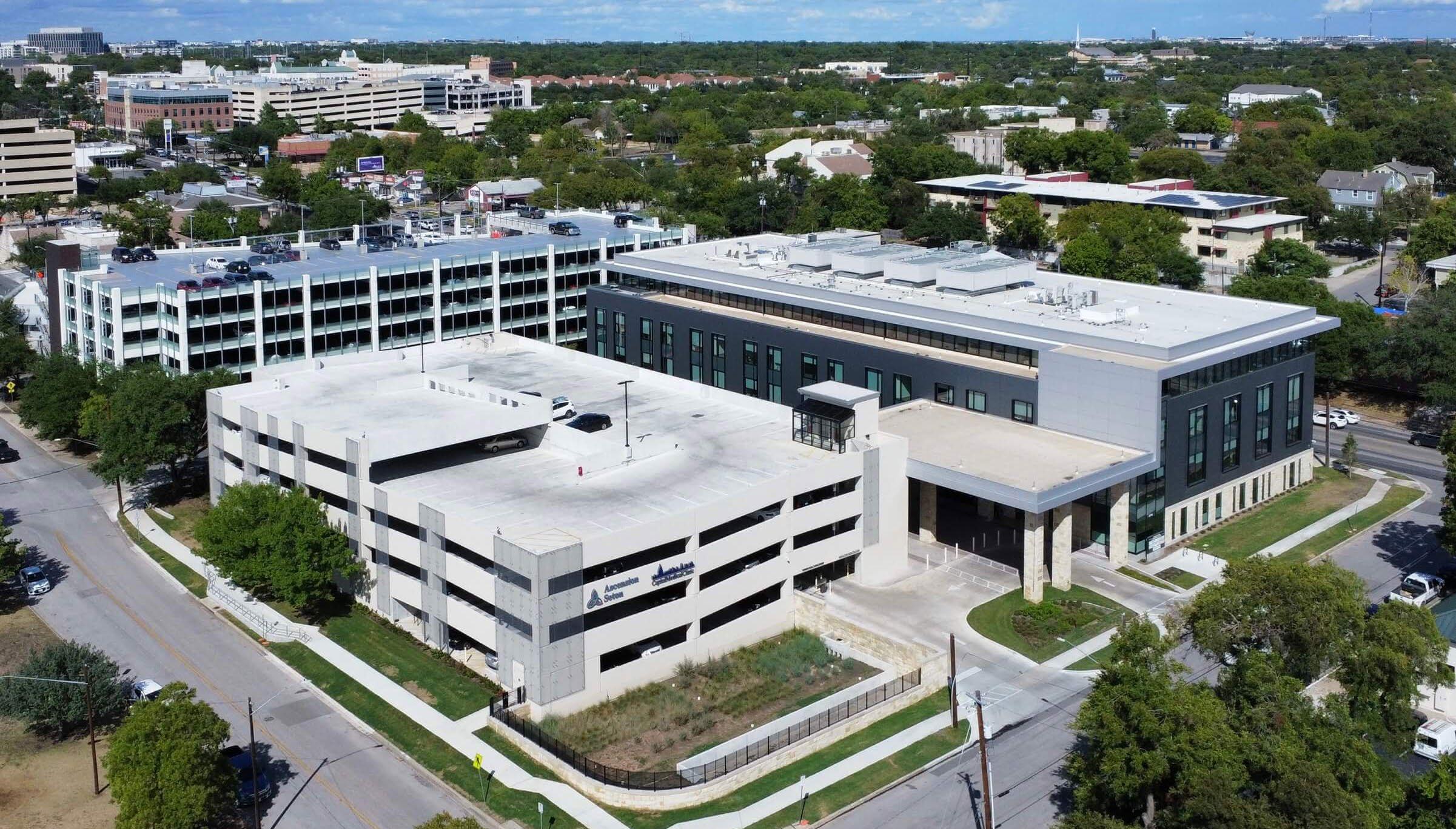
The new 100,000 square foot medical office building is located on the Ascension Seton Medical Center Austin campus. While working at a previous firm Don Ness was involved in negotiating Contracts with Johnson Healthcare Real Estate (Developer), organizing and assembling design team and managing the project through Construction Documents. This project consisted of cardiology, complex spine, imagery services, Capital Medical Clinic and The OB / GYN Group of Austin.
HFA has extensive experience completing architecture and engineering projects of various types, sizes, and complexity. Attached are examples of projects completed by this project’s key HFA personnel that illustrate the capacity of the proposed team to complete projects of similar scope and complexity as would be expected under this contract. Projects or experience denoted with “*” were completed by HFA primary or secondary point of contacts listed on the project team and are only intended to show experience of specific staff on this project team.
project experience On the Boards
location | little rock, ar sq. footage | 32,000 Arkansas Children’s Hospital - Cardiology Second Floor West Remodel
Rendering is by GHC Architects, LLC — the designer of the
ARBRA Plastic Surgery - Clinic, Spa and Office-Based Surgery Center
location | rogers, ar
sq. footage | approx. 6,500
building shell.
let’s talk
Paul Sabal, aia , acha , edac , ncarb , leed ap Vice President / Healthcare Practice Leader