January 2026
600+ professionals
2
20,000+ projects permitted across OFFICES
7 COUNTRIES
2,000+ communities licensed in states STAFF

Project Map

January 2026
600+ professionals
2
20,000+ projects permitted across OFFICES
7 COUNTRIES
2,000+ communities licensed in states STAFF
Project Map
We have over 600 professionals working coast to coast, and licensure across all 50 states, so we can collaborate no matter where you’re based. We seek to deliver the right balance of simplicity and innovation to align teams and technology around what matters most—your customer.
Amplify our Solution Suite to client-partners through securing vital talent and harnessing advancing technologies.
Leading clients to fulfill their vision while building lasting partnerships.
HFA aspires to be a people first culture of empowerment where talent thrives.


Bring your whole design team together.

At HFA, we unite the expertise of our multi-discipline team of architects, engineers, permitters, and other industry professionals, so you can:
+ Maximize coordination across disciplines
+ Streamline communications and gather feedback earlier
+ Create higher quality documents that can be delivered sooner
Architecture
Interior Architecture
Landscape Architecture
Structural Engineering
Permitting
Civil Engineering
Refrigeration
Commissioning
Mechanical Engineering
Electrical Engineering
Plumbing Engineering
Fire Protection Engineering


Our collaborative processes are supported by advanced technologies. All disciplines work in the same Revit models, updated in real time, thus allowing the entire team access to detailed project information at different stages before, during, and after construction.
We continue to use and expand on Autodesk BIM 360. The software drastically improves efficiency by allowing the client, project team and other stakeholders to work together on one model in the cloud. It reduces changes later in the project to coordinate and manage project data and designs.
HFA quickly and efficiently iterates through design changes and options through advanced techology in software and hardware. The client benefits due to frequent communication and difffering views. A collaborated multidiscipline BIM model enables swift moves from one type of visualization service to another while keeping the cost of services low.
Since 2007, HFA has been using Revit on projects. The multi-disciplinary staff at HFA is competent in Revit and training sessions and helpful tips are available to them each week to help refine their skills. This ensures that the teams at HFA will utilize Revit to produce models that are consistent in quality and accuracy. To continue to stay current, some staff members attend conferences such as Autodesk University to learn and apply the latest in the design and construction industry.
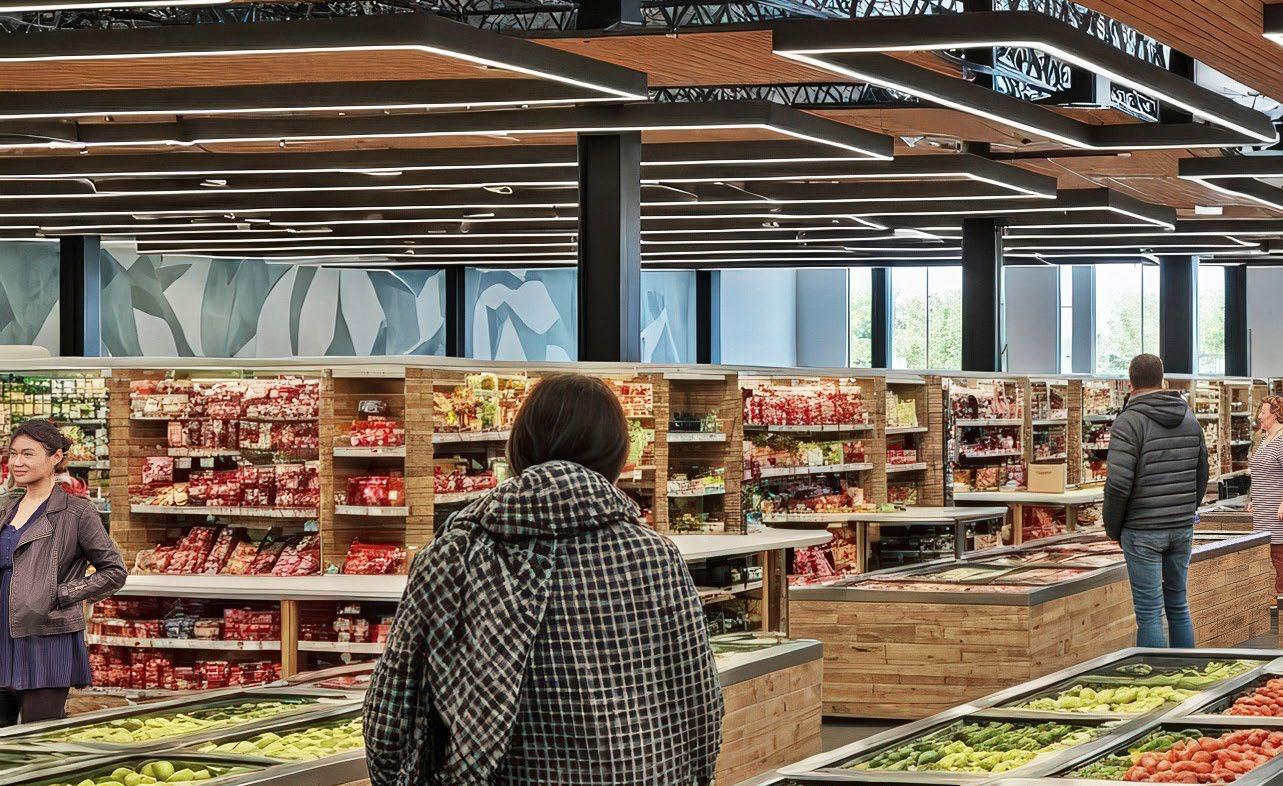
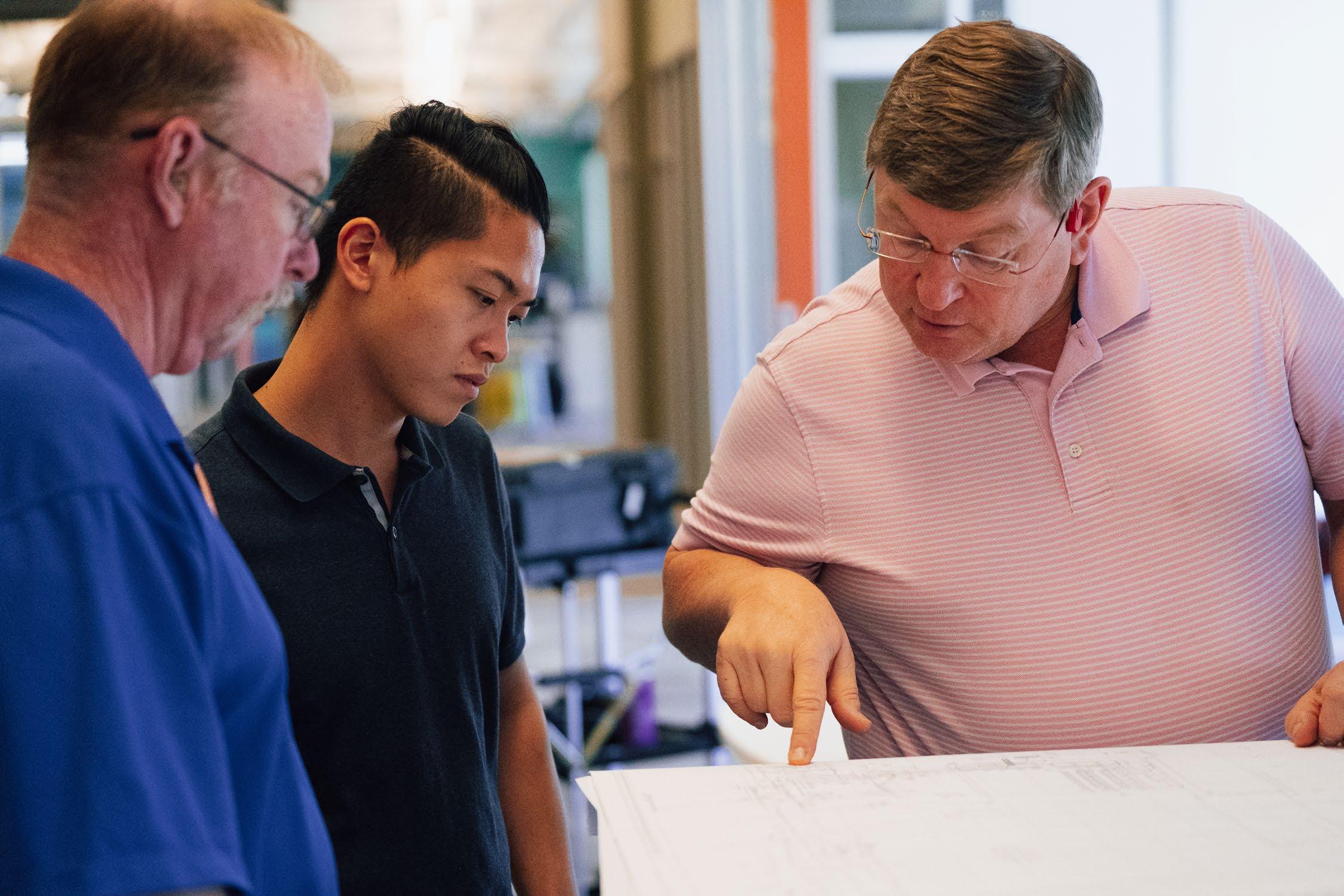
At HFA, we understand the unique challenges grocery brands face — whether you’re rapidly expanding across regions or maintaining consistency across multiple store formats. With decades of experience in design and engineering, we’re here to help you grow smarter — not just bigger.
We Help You:
+ Hit tight deadlines and budgets without sacrificing quality
+ Streamline renovations and new builds, even in active store environments
+ Tailor designs to local markets while maintaining brand consistency
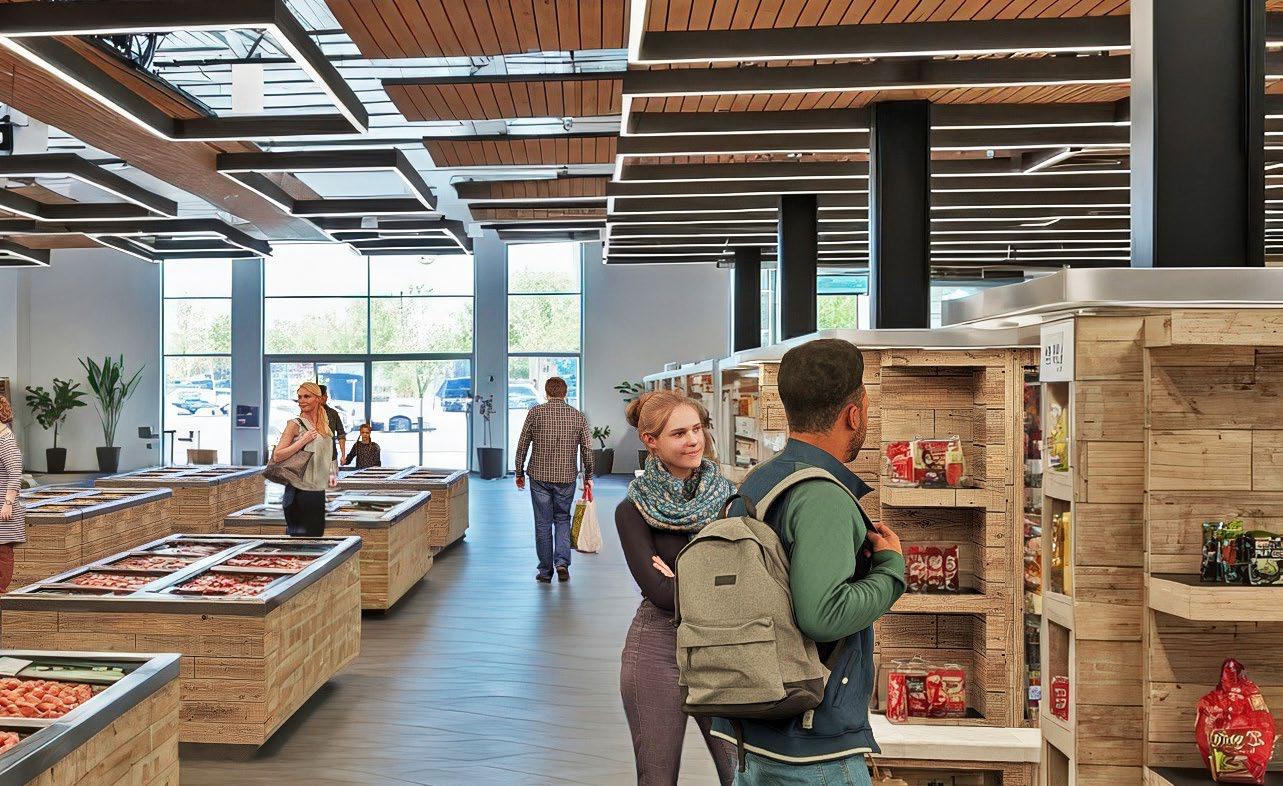
Grocery stores are more than retail spaces, they’re community landmarks. That’s why our collaborative approach focuses on creating environments that reflect both your brand vision and local values. Whether you’re scaling regionally or nationally, we help you avoid the pitfalls of a one-size-fits-all solution while keeping what made your brand successful at the core.
As you plan your growth, focus on what should remain consistent: logistics, experience, and brand identity. For everything else — adaptability and localization are key.
At HFA, we design vibrant grocery spaces that meet strategic goals, from site selection and brand visibility to integrated, efficient layouts. Our holistic approach brings together all key disciplines to support both front- and back-of-house operations, using adaptable designs and costeffective systems that evolve with planned upgrades and refresh cycles. With solutions like curbside pickup and touchless checkout, we enhance convenience for a seamless, omnichannel shopping experience.

RECEEVING
RECEIVING/LOADING
PRODUCE PREP AREA MEAT PREP AREA STOCK & WAREHOUSE BAKERY & KITCHEN PRODUCT PREP AREA
Our comprehensive suite of grocery-specific services includes:
+ New Store + Remodel Programs
+ Prototype Design + Management
+ Distribution Facility Design + Remodels
+ Automation Integration
+ Special Projects
+ Brand Integration + CAP X Programs
+ Power Systems Support
+ Net Zero + Decarbonization Programs
+ Reality Capture + Modeling




Steven Le, aia, ncarb
Grocery + Retail Sr Lead


Client Partnerships

Giancarlo Botazzi, pe Jaime Castañeda, pe
Vice President of Structural Engineering

Miguel Purdy, pe
Discipline Lead / Sr Refrigeration Engineer
MEP Program Lead / Electrical Engineer

Ed Damphousse
Client Partnerships Lead
Bachelor of Art in Economics, University of New Hampshire, 1987
Ed Damphousse leads HFA’s Client Partnerships Team, driving the firm’s efforts to identify, develop, and sustain strong client relationships. With 35+ years of AEC experience, Ed is a natural relationship builder, with strong client rapport, consistent communication, and reliable follow-through.
Ed began his career with R.S. Means, the recognized industry leader in construction cost information. He brings a unique ability to align A/E solutions with client project proformas and overarching business goals, always keeping his clients’ best interests at the forefront.
His expertise spans multiple sectors, including:
+ Retail: Prototype development, multi-site rollouts, refresh programs, and omni-channel integration
+ Industrial: Supply chain infrastructure, fulfillment, logistics, cold storage, and ASRS automation
+ Office: Space planning, programming, co-working space and amenities
+ Mixed-use, Multi-family, and Hospitality
Ed is an active member of NAIOP, CEBA, and ICSC.

Education
Bachelor of Architecture with a Minor in Structural Engineering, Roger Williams University
Registration
Licensed in: AL, AR, CT, DE, FL, MA, MD, ME, MI, NH, NJ, NY, OK, PA, RI, VT
As Vice President, James leads the firm’s retail sector and has spent more than 20 years supporting both national and regional clients. He brings exceptional project management expertise, a deep understanding of store design, and firsthand insight into the challenges facing today’s retail environment. Additionally, James is a recognized subject matter expert (SME) in retail and has been published as an author in national retail trade publications.
Three design tips for small-format stores | Chain Store Age
Scale Up — And Stay True to Your Roots | Progressive Grocer
How to Capitalize on E-Vehicle Adoption | Convenience Store News (csnews.com)
Freud, Pot & Lemon-Kale Smoothies | Convenience Store News (csnews.com)
James was the project manager for Wayland Town Center - a 372,000-square-foot mixed-use development in Wayland, Massachusetts, designed as a vibrant Main Street–style destination. Anchored by a grocery store, the center blends retail, restaurants, services, medical uses, and residential units to create a true live-work-play environment. HFA collaborated closely with the town and development team to establish a cohesive master plan featuring a strong central boulevard, walkable sidewalks, and architecture inspired by traditional New England with modern touches. The result is a highly desirable community hub that balances housing with rich amenities.
Point, Buildings A, B, D, E + F | Littleton, MA
James was the project manager for the construction of multiple retail buildings (+/-250,000 square feet) for core and shell deliverables. James oversaw the preparation of construction documents for architectural and engineering services related to the retail center.
James served as project manager for the Nordstrom Rack improvements at Warwick Mall, leading the transformation of a vacant anchor space into a modern retail environment. His responsibilities included overseeing extensive façade upgrades that balanced a refreshed aesthetic with the existing mall architecture. He coordinated directly with the Nordstrom Rack design team to ensure all tenant criteria were met while managing design and execution efforts on behalf of the mall’s ownership.
James was responsible for the preparation of construction documents for various large-scale projects as the Warwick Mall included exterior facade improvements associated with Nordstrom Rack and interior skylight improvements.
Basket | Littleton, MA + Lynn, MA
James was the project architect for the construction of two +/- 60,000 square foot grocery stores. James oversaw the preparation of construction documents for architectural services related to the project.

Steven Le, ncarb Education
Bachelor of Architecture, California Polytechnic State University, San Luis OBISPO
Registration Licensed in: CA, MA
With 30 years of experience in architecture, Steven Le is a seasoned leader specializing in the design and execution of complex retail and grocery environments. As a Senior Team Lead at HFA, he brings a wealth of expertise in managing multimillion-dollar projects, ensuring they are delivered with precision, efficiency, and a commitment to excellence. Throughout his career, Steven has worked with several prestigious architectural firms across California, contributing to a diverse portfolio of high-profile retail and grocery projects. His technical acumen, leadership skills, and deep understanding of regulatory requirements allow him to navigate complex design challenges while balancing client expectations, timelines, and budgets. From concept to completion, he excels in coordinating multidisciplinary teams, fostering collaboration, and maintaining clear communication with clients and stakeholders.
Passionate about the transformative power of architecture, Steven is dedicated to creating spaces that are both functional and inspiring. He thrives on designing environments that enhance customer experience, operational efficiency, and long-term sustainability. Beyond project execution, he is equally committed to mentorship—guiding the next generation of architects by sharing his knowledge, insights, and leadership experience.
Steven Le served as Senior Project Manager for multiple Market Basket grocery store projects across New England. He provided long term project oversight for new construction and renovation efforts, coordinating with design leads, project architects, consultants, and client teams. His responsibilities included staffing coordination, budget oversight, schedule management, and review and approval of monthly invoices to support consistent delivery across a large multi site program.
Steven served as Senior Project Manager and Partner for the 40,000 square foot tenant improvement and façade remodel of the Seafood City Supermarket at Westborough Marketplace. The project included a full grocery store build out with a food court and shared seating areas. Steven managed design development through construction, including documentation standards, consultant coordination, and overall project control.
Steven served as Senior Project Manager overseeing multiple New Hampshire Liquor and Wine Outlet store projects. His role included coordination with client teams and consultants, budget management, staffing oversight, and schedule control. The projects supported consistent rollout across multiple locations while addressing site specific conditions.
Steven served as Senior Project Manager for Market Basket Spirits locations in Waltham, Hanover, and Chelsea. He coordinated project teams through design and construction phases, managed budgets and schedules, and supported consistent brand execution across multiple sites.
Steven served in senior project management roles on multiple grocery anchored retail developments throughout California. Projects included large scale retail centers with grocery tenants, pad buildings, and supporting site improvements. His responsibilities included project oversight, budgeting, consultant coordination, and construction phase support.

Bachelor of Science in Mechanical Engineering, University of Arkansas
Brent Tweedy brings over 25 years of experience in multidisciplined design firms, with a career spanning mechanical and plumbing design, client leadership, senior team leadership, and now Vice President of Engineering. His project background includes remodels, new construction, expansions, and takeovers across retail, grocery, convenience stores, and restaurants.
Brent’s expertise covers design and code compliance, project and program management, prototype and design development, and construction administration. His passion lies in partnering with clients to translate their vision into practical, highperforming solutions through crossdiscipline collaboration at HFA.
As VP of Engineering, Brent leads and supports a team of 60+ electrical and mechanical engineers and designers across multiple sectors, including retail, hospitality and entertainment, restaurant, industrial, and real estate development.
Brent played a key role in the design and development of the 136k sq ft Sam’s Club prototype, including leading change management efforts and developing new design standards. During the same period, he oversaw mechanical, plumbing, and refrigeration design for more than 30+ Sam’s Club siteadapt projects. He also served as the lead mechanical, plumbing, and refrigeration designer for multiple Walmart expansion projects, converting nongrocery formats into full Supercenters.
Brent led a multidisciplinary team of mechanical and electrical engineers responsible for delivering 20+ Walmart Neighborhood Market and Walmart Supercenter siteadapt projects, as well as converting existing facilities into new Neighborhood Market formats. Below are a few locations:
Alpharetta, GA, Haynes Bridge Rd | Existing Big Star converted to 46k sq ft WNM
Bellevue, WA, Kelsey Creek Center | Existing grocer 115k sq ft converted to 65k WNM
Greer, SC | Existing Winn-Dixie Supermarket converted to 48k WNM
Lithonia, GA | Existing Big Lots converted to 42k WNM
Greenville, SC, Wade Hampton Blvd | Existing grocery converted to 40k WNM

Giancarlo Botazzi, pe Education
Bachelor of Science in Civil Engineering, Northeastern University, 1985
Master of Science in Engineering, University of Texas, 1986
Registration
Licensed in: AL, AR, CO, CT, DE, FL, GA, IN, MA, MD, ME, MI, NC, NE, NH, NJ, NY, OK, PA, RI, TN, TX, VT
As the Vice President of Structural Engineering at HFA, Giancarlo spearheads a dynamic team of engineers and designers, bringing nearly four decades of extensive experience in diverse building structural engineering projects across the United States. With a profound understanding of design standards and codes encompassing structural steel, concrete, precast concrete, masonry, and wood, Giancarlo is well-versed in the International Building Code (IBC) and specific state building code requirements.
Giancarlo’s portfolio showcases his proficiency in designing intricate new structures and addressing challenging structural rehabilitation and renovation projects. His collaborative approach enables him to effectively partner with project design teams and building owners, devising creative and cost-efficient solutions that align with architectural design criteria and client objectives. Licensed in 23 states and Puerto Rico, Giancarlo is also an esteemed member of the National Council of Examiners for Engineering and Surveying (NCEES).
Engineer of Record for a new 120,000 SF steel-framed supermarket at Meadow Glen Shopping Center, supported on piles, grade beams, and a structural slab. Extensive coordination with fixture plan and MEP systems was required due to freezer and underground plumbing impacts, resulting in specialized slab and pile detailing.
Engineer of Record and/or Project Engineer for projects ranging from straightforward structural designs to complex phased expansions requiring coordination with store planning and contractors to maintain operations during construction, including a two-story Whole Foods Market in Cambridge with a faux-mansard roof on deep foundations and ground-level parking.
Giancarlo served as Structural Engineer of Record for the ground up design of a Market Basket grocery store with an attached retail building within the Edgemere Crossing at Flint Point development. The structural design included a metal deck roof system supported by steel beams and steel joists, with exterior walls framed in light gauge metal studs and brick veneer. The lateral load resisting system consisted of steel braced frames, and foundations were designed as shallow spread footings with slab on grade. Giancarlo coordinated with the project team to support structural compliance with the Town of Shrewsbury building code requirements and mixed-use development guidelines.

Education
Bachelor of Science in Electrical Engineering, John Brown University, 2000
Registration
Licensed in all states except: AK, HI, ID, KY, ME, MT, ND, NH, SD, UT, VT, WY
Jaime brings 20 years of experience to HFA in lighting design, power distribution, short circuit analysis, voltage drop analysis, load diversity, life safety, and communication systems, and design of back-up emergency and critical power systems. Jaime is responsible for various commercial facilities’ electrical design, including retail, grocery, maintenance, and manufacturing facilities. Jaime’s primary roles at HFA include responsibility for accuracy, constructability, code compliance of overall electrical designs and calculations, and electrical staff training.
Has served as Lead Electrical Engineer on Walmart Supercenters and Neighborhood Markets which both include extensive grocery programs. Work has spanned the country and includes remodels, new store developments, and special projects annually. Scope of work has included power systems, lighting, MEP and fueling controls.
Served as MEP Program Lead and Electrical Engineer for Target’s grocery and remodel program, providing electrical oversight for phased renovations including lighting upgrades, power distribution modifications, equipment coordination, and store reconfigurations across multiple locations.
Served as MEP Program Lead and Electrical Engineer for multiple Market Basket grocery projects, providing electrical design and coordination for core and shell and interior fit-out, including power, lighting, and equipment systems, while ensuring alignment with store standards and operations across varying site conditions.
MEP Program Lead and Electrical Engineer for Sam’s Club prototype development and site adaptations, providing electrical system design, standards coordination, and design oversight for large-format retail projects, including power distribution, lighting, and
In addition to the above, provided electrical design for numerous ground-up, remodel and take-over projects for Sultana Market, Whole Foods and numerous convenient store brands which included fueling.

Miguel Purdy, pe
Education
Bachelor of Science in Agricultural Engineering, University of Arkansas
Registration
Licensed in: AR, AZ, GA, IA, ID, IL, IN, KY, LA, MN, MS, NC, ND, NV, NY, OH, OK, SC, SD, TN, TX, WI, WV
Miguel has more than 30 years of project management, mechanical design development, and schematic design of refrigeration systems for new buildings and remodels of existing structures in commercial, food processing, and manufacturing spaces. His knowledge of building and process mechanical systems, including design, operation, installation, and energy usage, allows HFA to provide owners with solutions meeting varying parameters while using his experience to help owners better define the needs of their facility.
As Discipline Lead and Senior Refrigeration Engineer, Miguel Purdy supports Walmart grocery projects nationwide. HFA has been an approved Walmart Refrigeration Engineering firm for the past five years, completing capital expenditure projects, remodels, and new store developments. To date, Miguel has supported over 800 grocery projects, with recent work focused on transcritical CO₂ (TCO₂) systems and secondary systems utilizing medium temperature glycol and low temperature recirculated CO₂..
Miguel Purdy has supported multiple Target grocery store projects, including both remodels and new store developments, in his role as Discipline Lead and Senior Refrigeration Engineer. Remodel projects included full refrigeration system replacements utilizing transcritical CO₂ systems. New store designs initially developed as transcritical systems later transitioned to two refrigerant cascade systems utilizing transcritical CO₂ and A2L refrigerants.
Miguel Purdy provides refrigeration engineering expertise for industrial ammonia systems serving food processing facilities. His work includes systems operating as low as –56°F for individual quick freezing (IQF) poultry applications, as well as systems operating up to +30°F for process space conditioning to maintain rooms up to 50°F.

Education
Bachelor’s Degree In Mechanical Engineering, South Dakota School of Mines and Technology
Registration
Licensed in all states except: CA, DE, HI, MT, NV, VT
Ryan Vaughn serves as a Senior Mechanical Engineer at HFA. He brings more than 21 years of engineering experience to his role here at HFA and is the Engineer of Record for his retail clients’ projects in the states where he holds a license (41 states). Ryan is responsible for providing engineering input on projects to designers, client leads, and team leads. He is also proud to work closely with the mechanical engineering department at HFA by assisting with learning and training opportunities. Ryan strives to help wherever he can within the studio, whether that is through mentoring in his own department or lending his time to various volunteer opportunities.
Ryan Vaughn served as Mechanical Engineer of Record for this Neighborhood Market, originally delivered as a takeover store with a 50 ton split system air handling unit serving the sales floor and stock room areas. After approximately 10 years of operation, HFA was engaged to replace equipment to address ongoing humidity issues. Ryan reviewed total, sensible, and latent load calculations and made design decisions to support proper equipment selection. He performed final quality control of the HVAC design and signed the construction documents.
Ryan Vaughn served as Mechanical Engineer of Record for this ground up Neighborhood Market project. He was involved in all aspects of HVAC and plumbing design from project initiation through completion. His responsibilities included final quality control and execution of the construction documents, as well as providing guidance on code comments, bid questions, and RFIs.
This ground up Supercenter project included non prototype regional design elements. Ryan Vaughn supported grocery equipment review and worked closely with the architect and client to confirm prototype equipment requirements. He also provided input on non prototype equipment to address site specific conditions.
This project included the addition of a market fulfillment center to an existing Supercenter. Ryan Vaughn served as Mechanical Engineer of Record and was responsible for determining system loads for the remodeled space, including tight humidity control requirements and infiltration concerns. He evaluated and selected appropriate equipment, performed final quality control, and signed the construction documents. He also provided guidance on code comments, bid questions, and RFIs.
Ryan Vaughn served as Mechanical Program Lead for the development of a small format retail prototype intended for ground up construction. He worked closely with the client as an integral part of the HVAC and plumbing design development process. Ryan also served as Mechanical Engineer of Record, and the prototype was later used to support multiple site adapt locations.
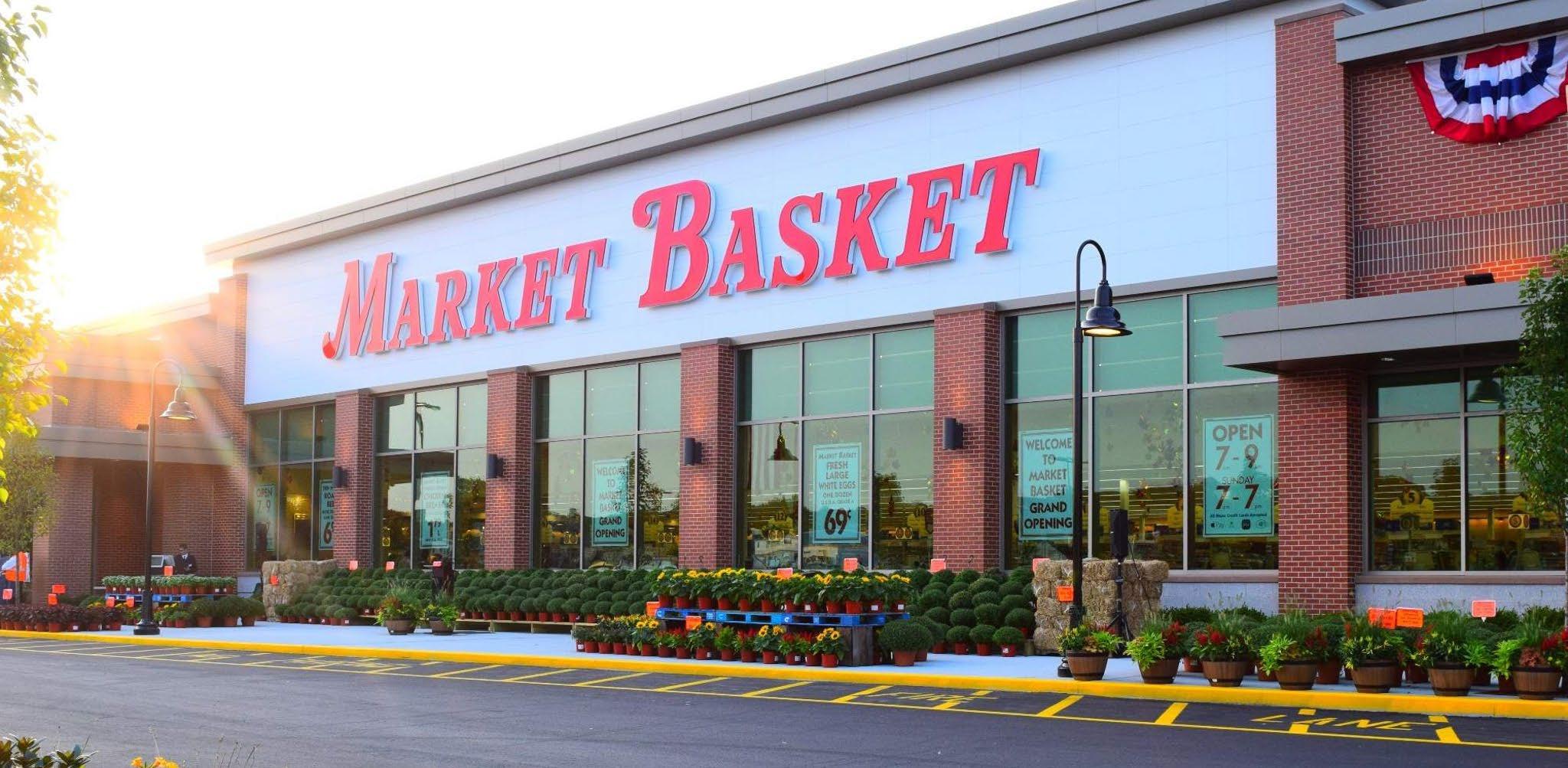
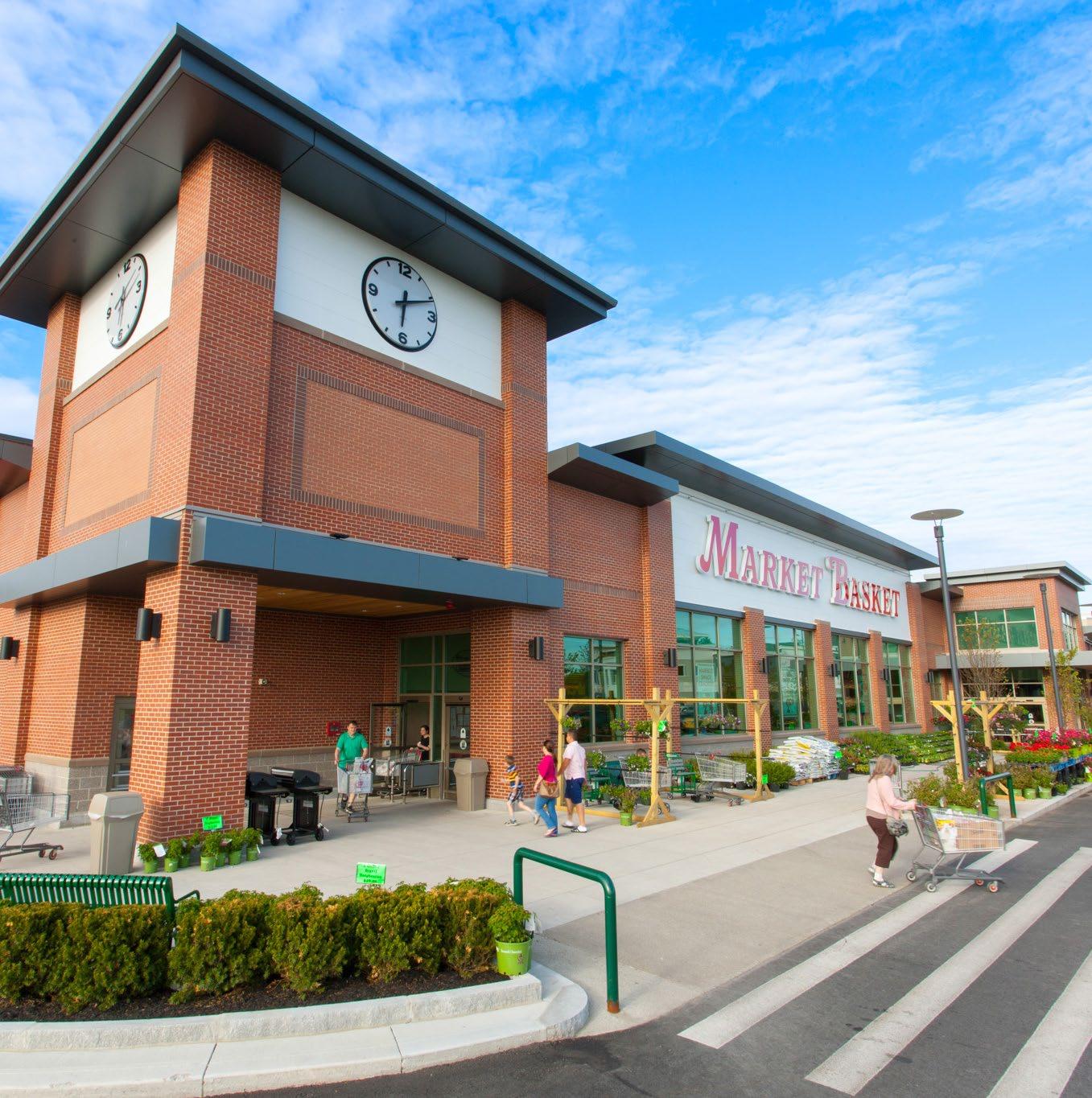
For over a decade, HFA has proudly supported Market Basket, DSM Realty (its development arm), and their landlords with a full range of design services. Our work spans from landlord shell coordination to the turnkey delivery of fully integrated architectural and engineering solutions, including refrigeration systems.
Market Basket stores typically span around 60,000 square feet, and our contributions have included prototype development, program rollouts, and site-specific adaptations. Over the years, HFA has collaborated closely with the Market Basket team to evolve their store design - offering a refreshed look that reflects the values and identity of this respected regional chain.
Recent Locations
Lynn, MA
Littleton, MA
Maynard, MA
Shrewsbury, MA
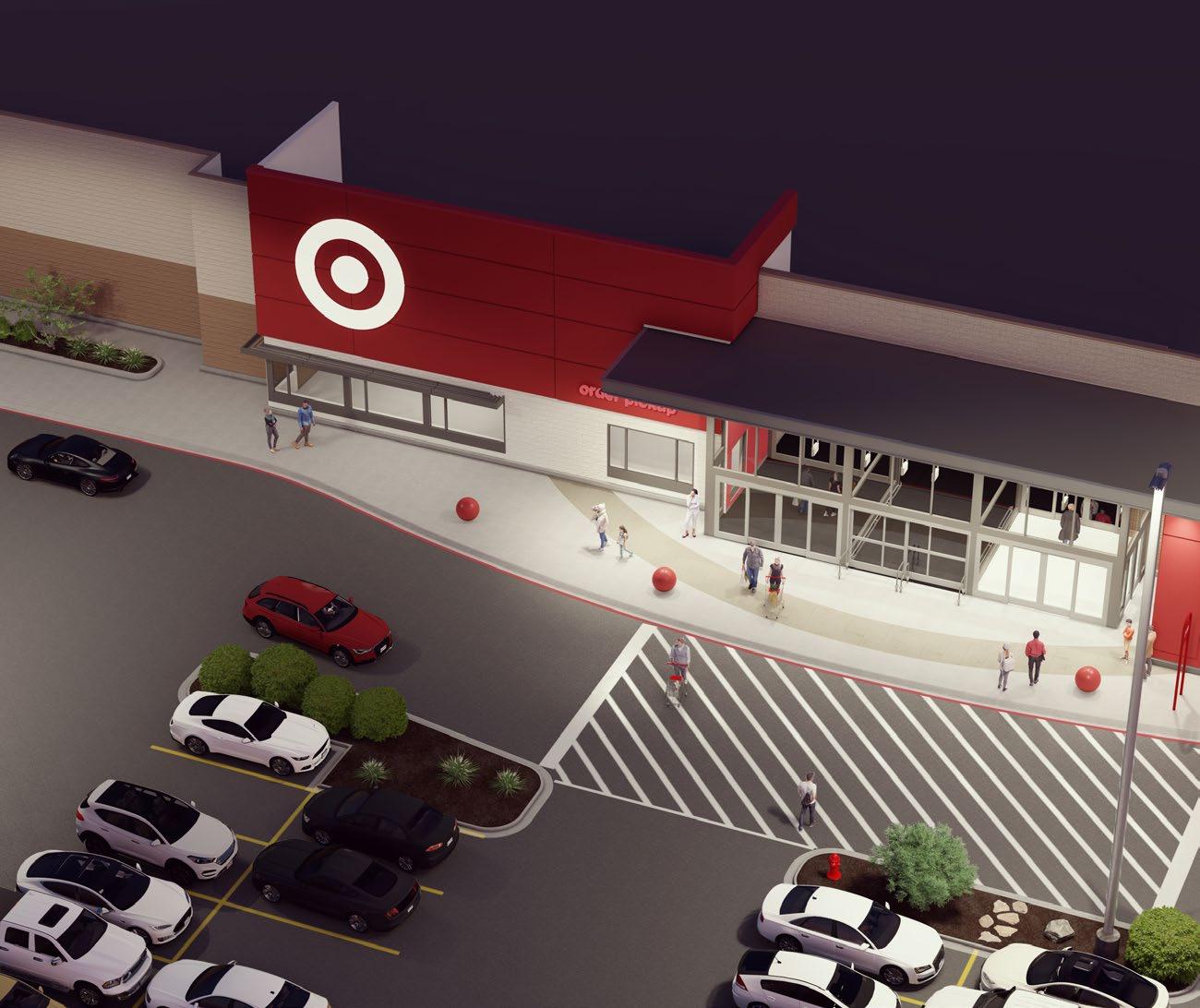
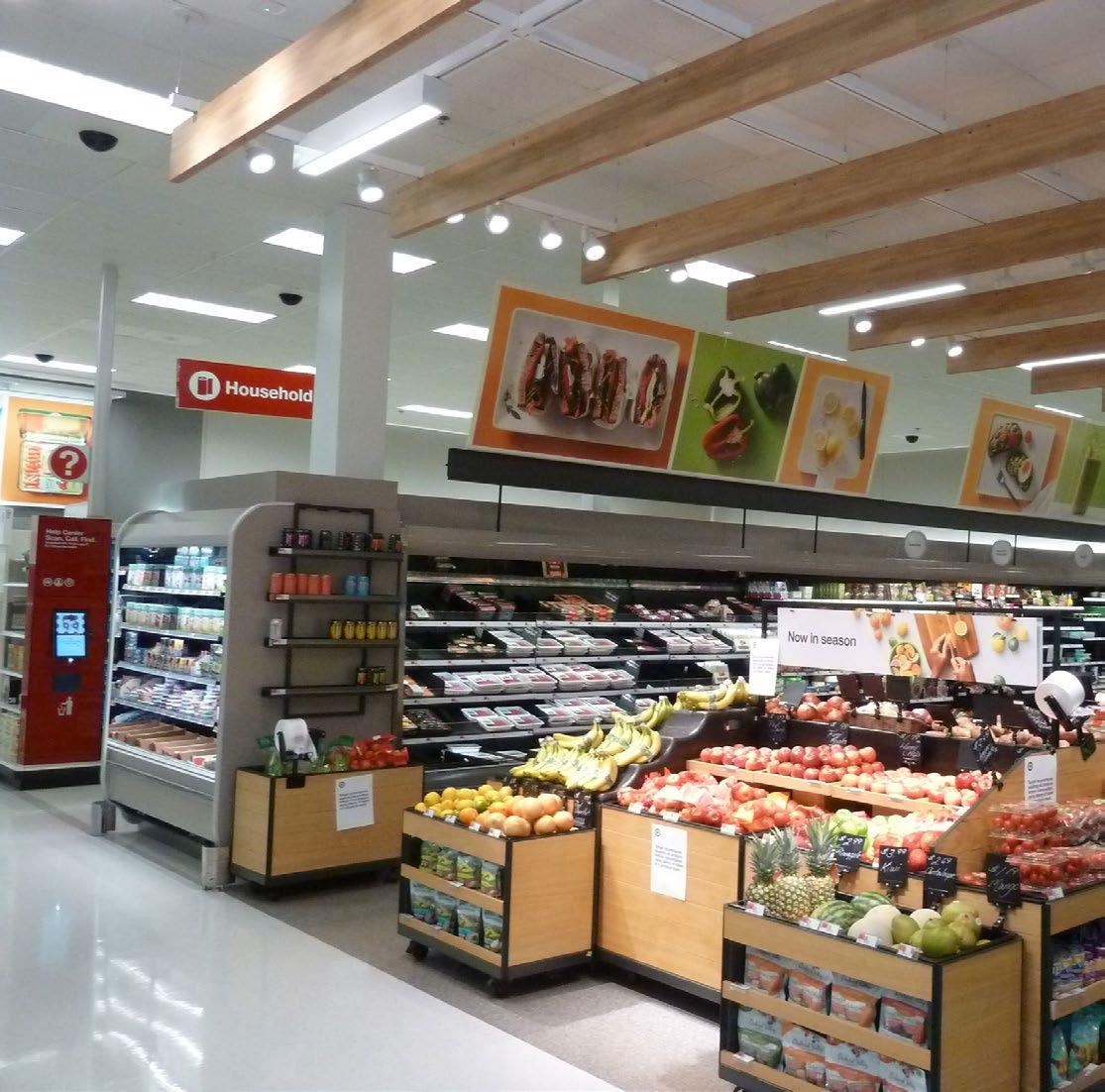
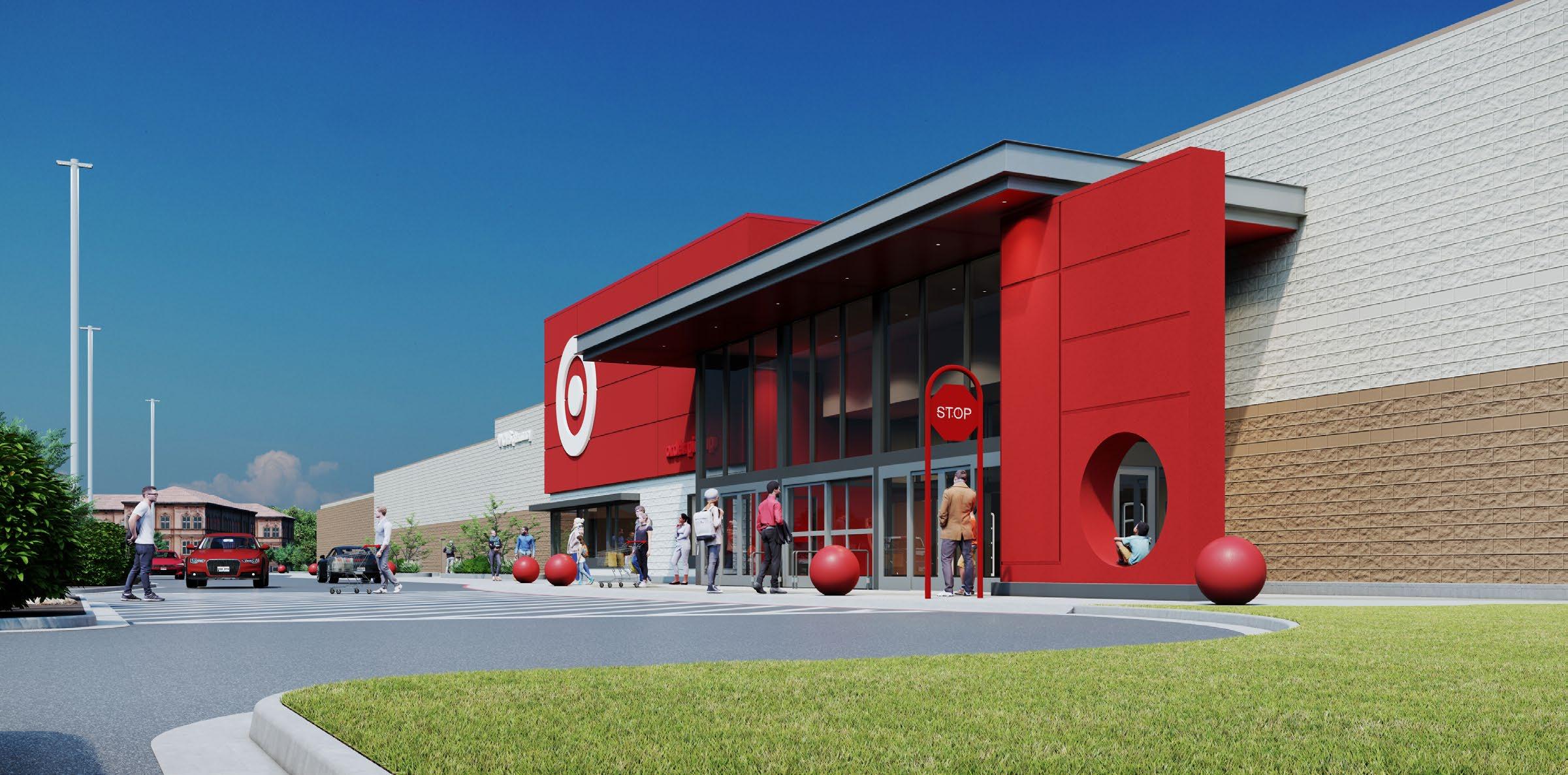
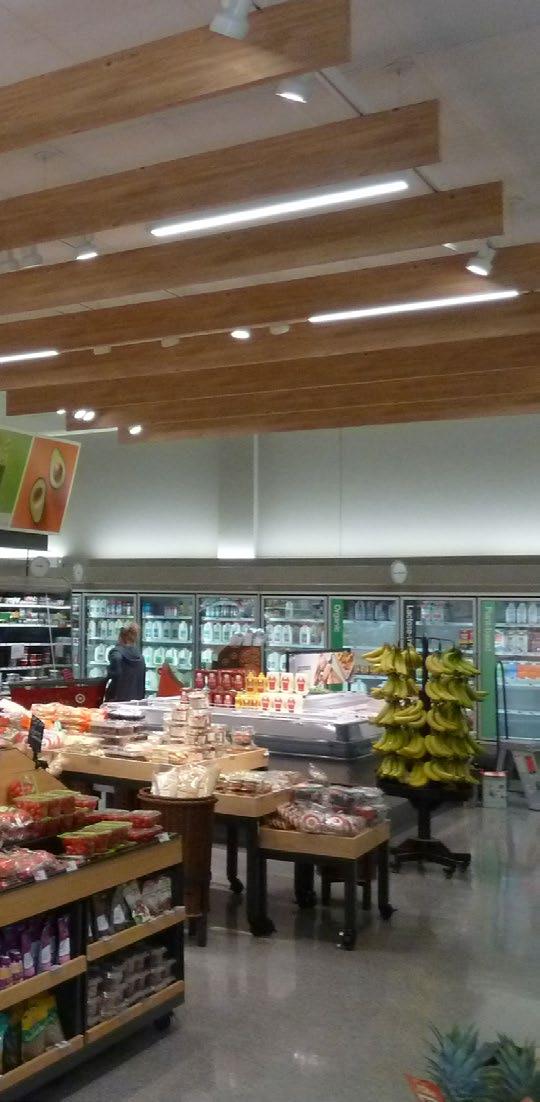
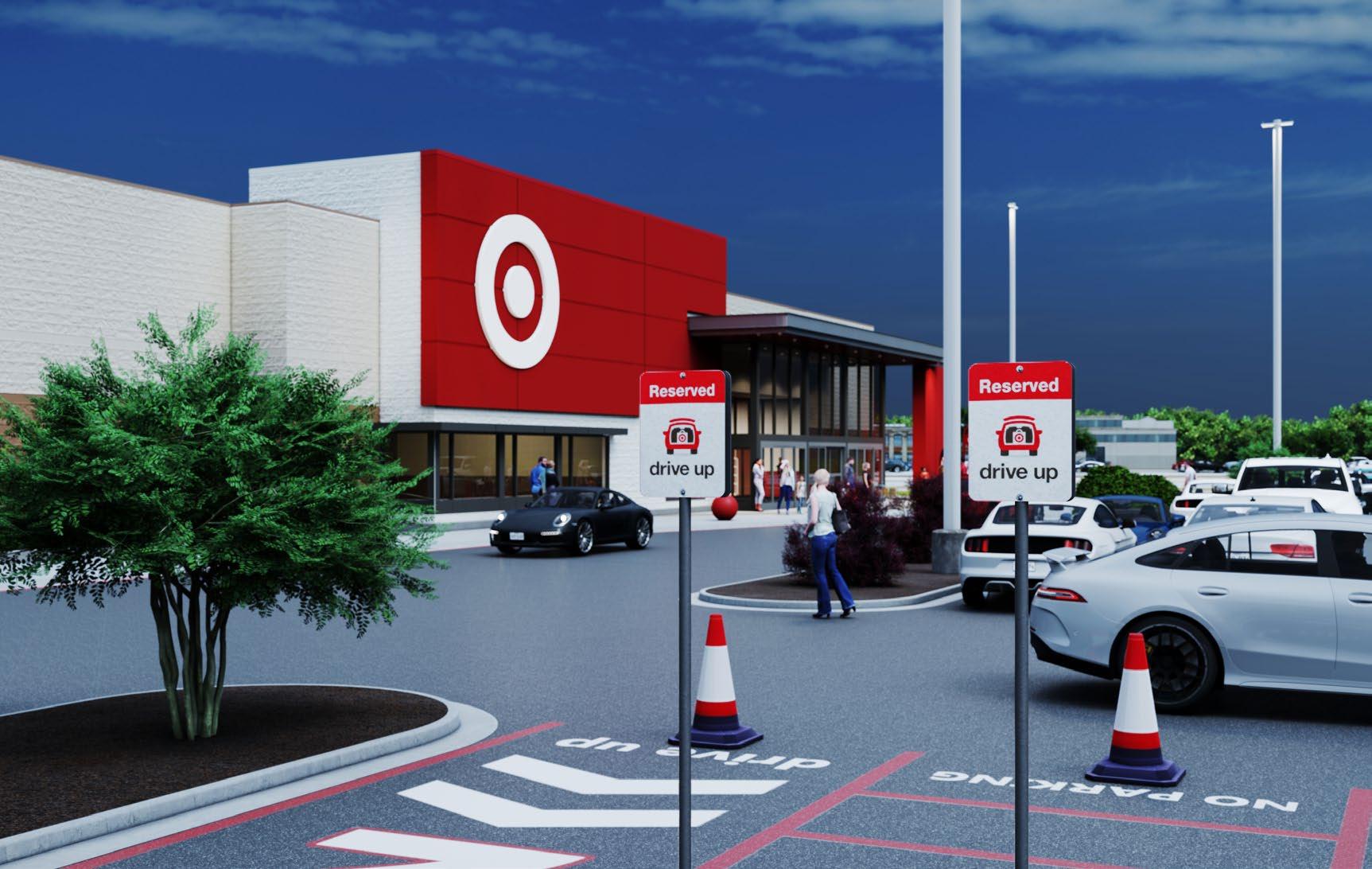
HFA provides full service, integrated architectural and engineering design services in support of Target, one of the nation’s largest grocery and general merchandise retailers. The partnership includes new store ground up projects, large scale remodel programs, online pickup initiatives, and special projects.
HFA’s work includes updates to merchandising layouts, finishes, lighting, graphics, restrooms, dining areas, and pharmacies, as well as the development of new branding environments such as Ulta Beauty. In addition to store projects, HFA supports Target’s supply chain through architectural and engineering services for distribution centers, delivering projects with dedicated permitting, phased construction planning, and close coordination to meet aggressive schedules while minimizing disruption to operations.
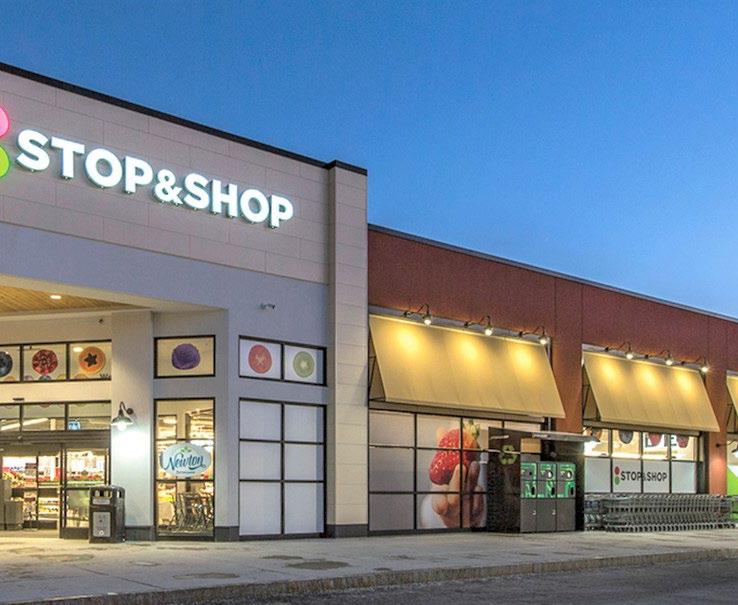
Working in collaboration with Crosspoint Associates, HFA delivered a completed landlord shell at the Newton Nexus development to accommodate Bfresh, a new grocery tenant concept.
Bfresh was a smaller-format, healthfocused grocery store concept from Stop & Shop’s parent company, Ahold Delhaize, geared toward urban shoppers.
HFA provided architectural and structural engineering services, collaborating closely with Stop & Shop to coordinate utility services and structural solutions supporting the grocer’s interior fit-out. The team also incorporated branding standards into the renovated façades.
Many of the Bfresh locations have since been either taken offline or rebranded to their flagship Stop & Shop brand.
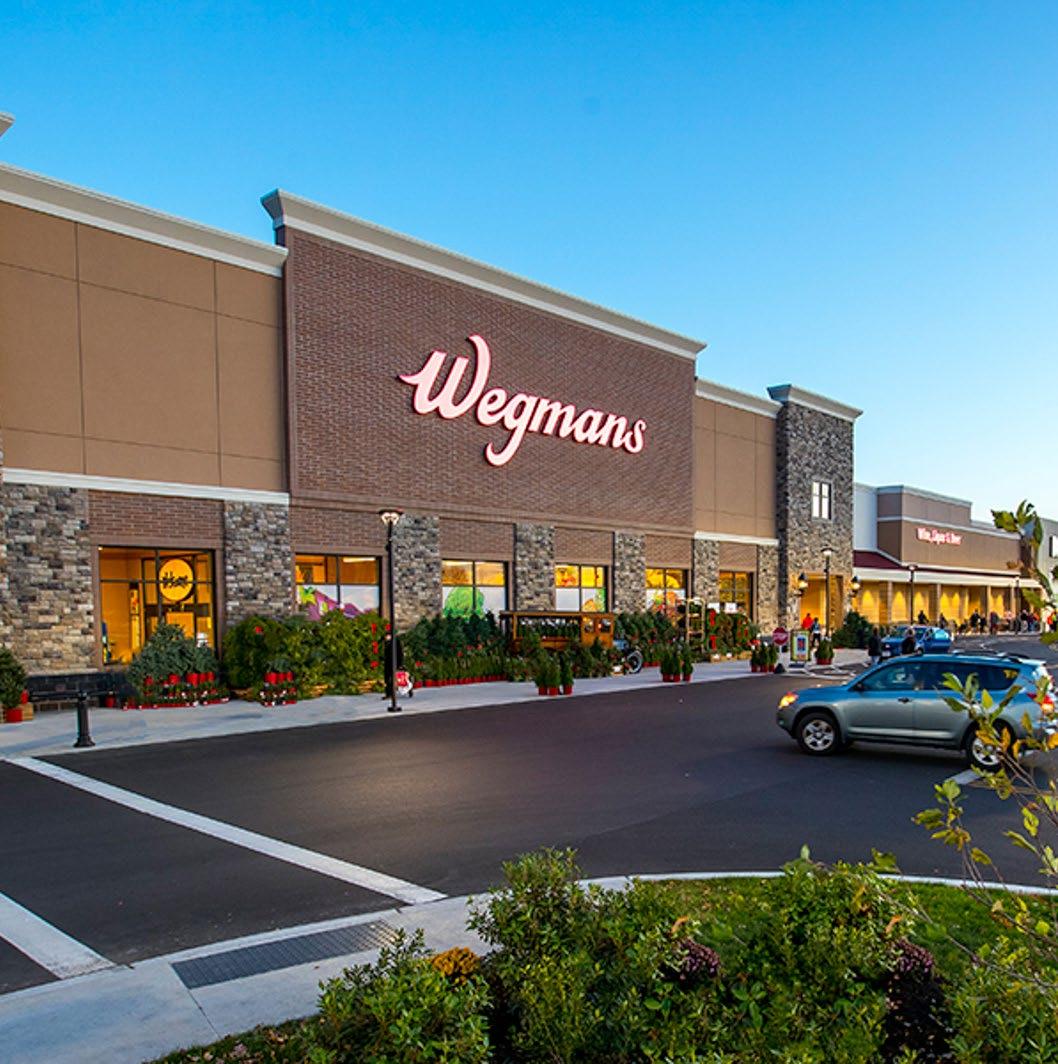
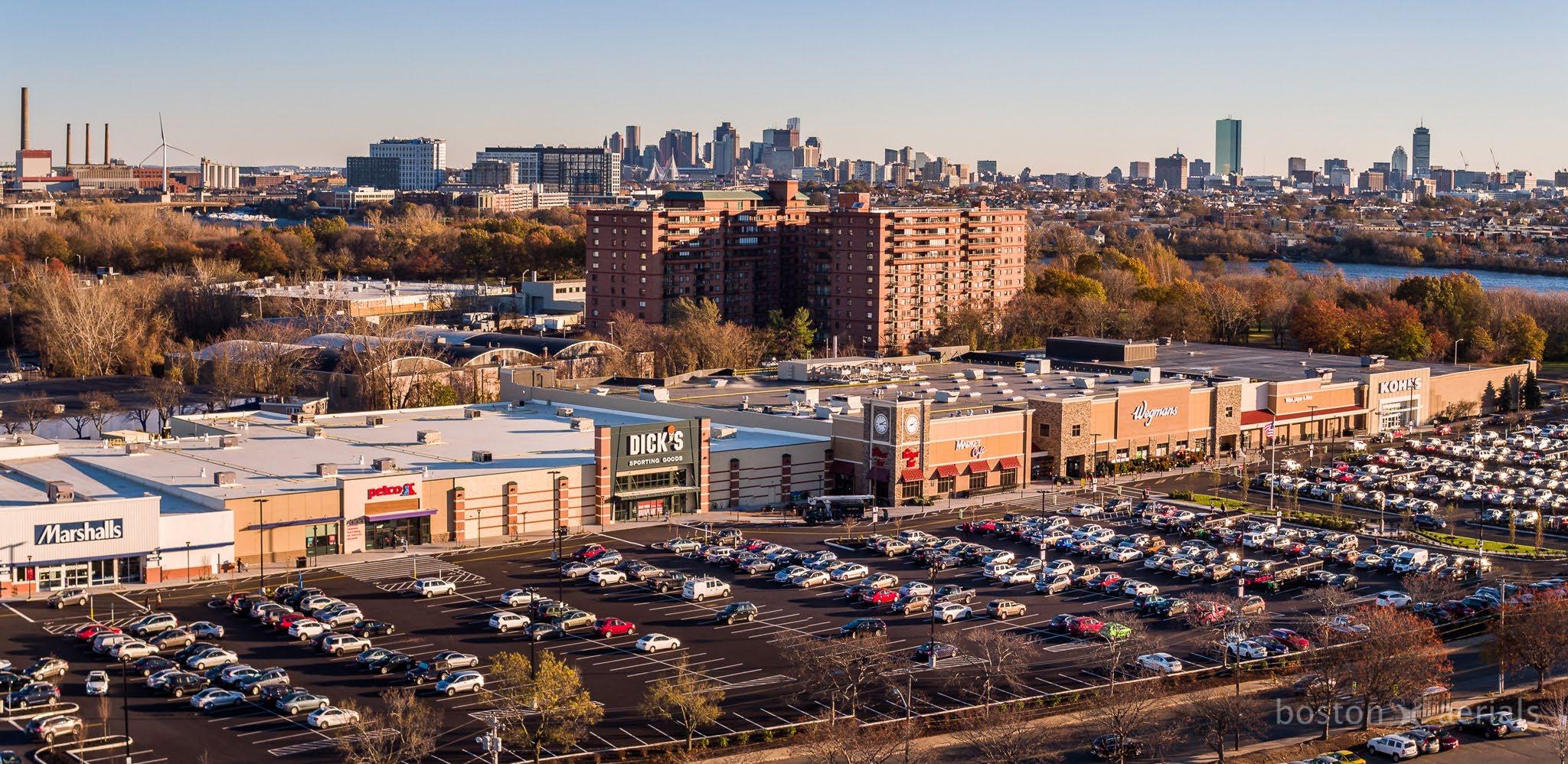
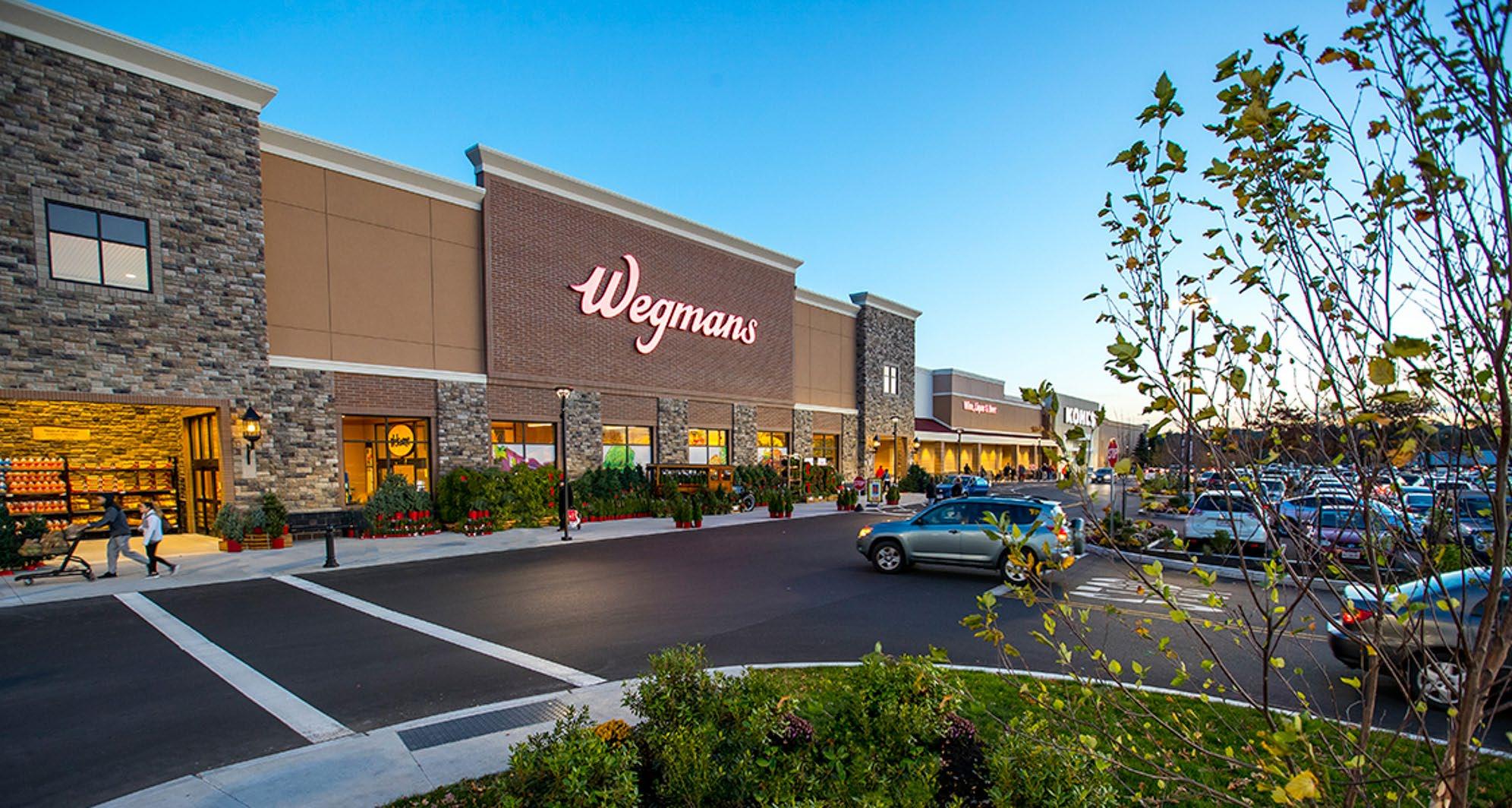
HFA has had the privilege of partnering on numerous landlord shell assignments for Wegmans over the years. These stores typically range from 80,000 to 120,000 square feet and often serve as anchor tenants in upscale retail lifestyle centers.
Wegmans’ exterior architecture typically features a warm, inviting design with a blend of traditional and modern elements. Many locations showcase a brick or stone façade, large arched windows, and a clock tower or peaked roofline that evokes a classic, smalltown market feel. The design often includes well-landscaped entrances, prominent signage, and canopies or covered walkways, creating a welcoming and upscale appearance that reflects the brand’s emphasis on quality and community.
Recent Locations
Northborough, MA
Medford, MA
Westwood, MA
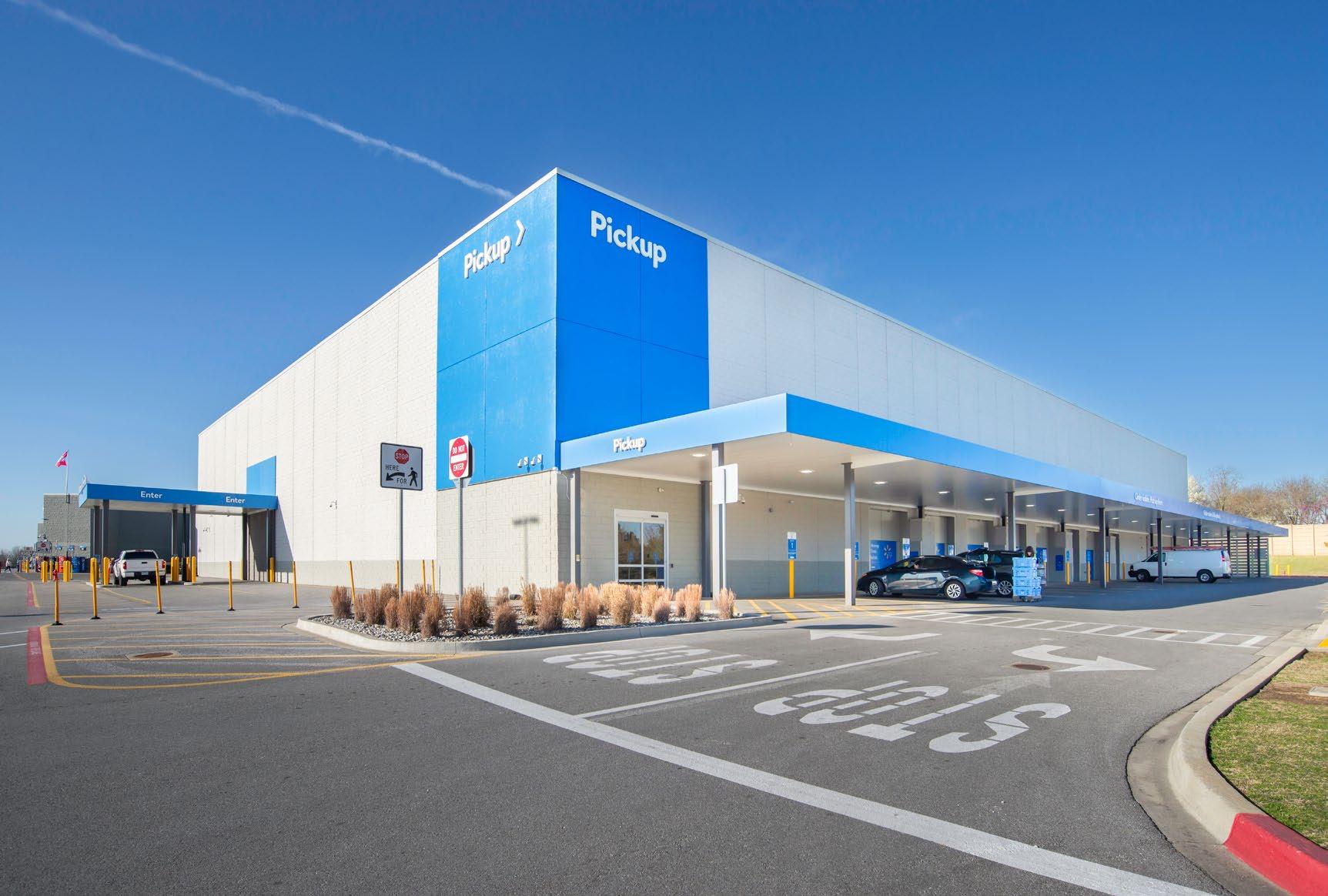
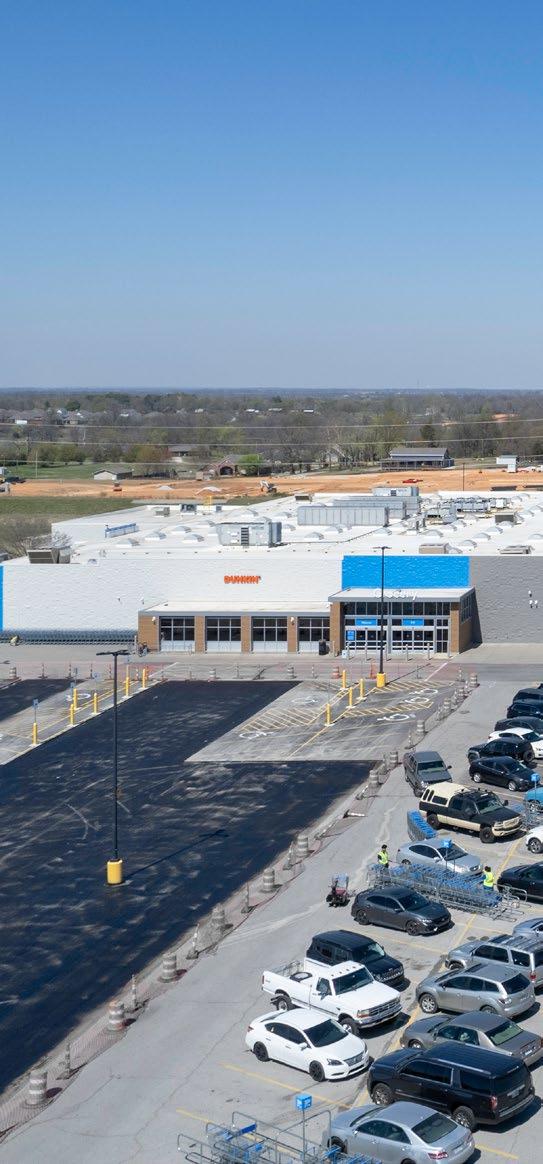
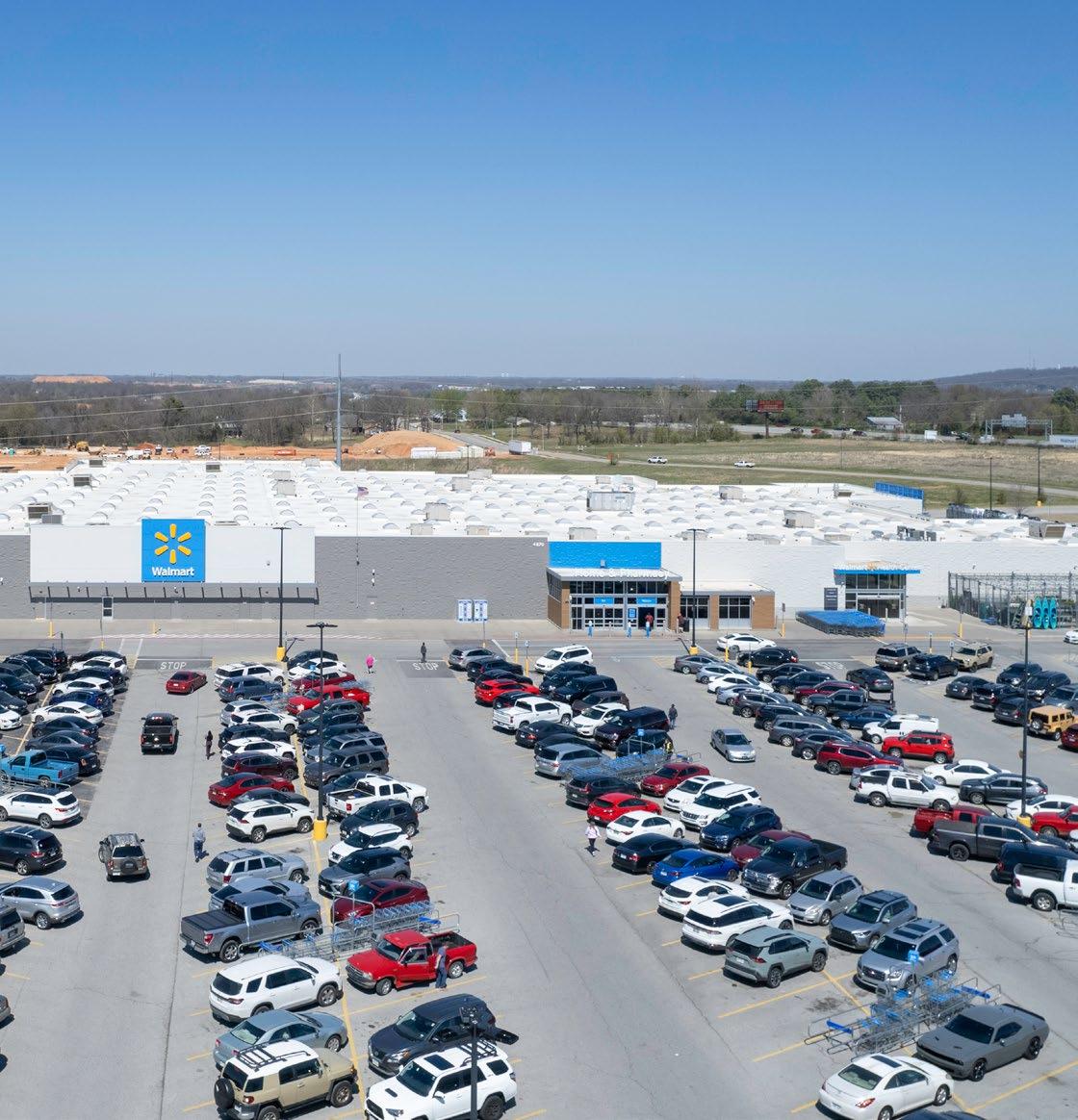
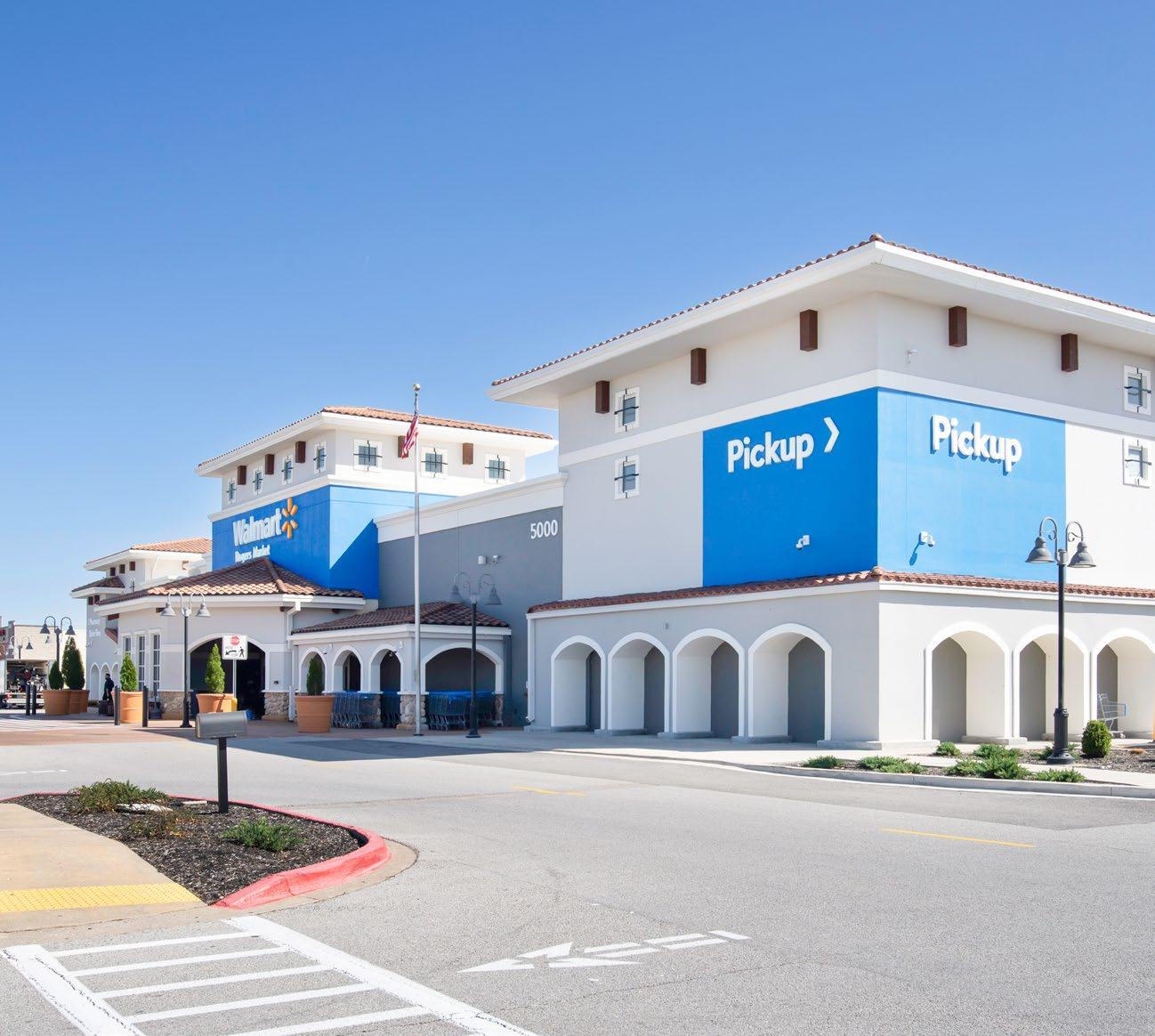
Walmart is the largest grocery retailer in the United States, operating Supercenters and Neighborhood Markets nationwide. HFA has a long-standing relationship with the Bentonvillebased multinational retailer, providing full-service, integrated architectural and engineering support focused on grocery environments.
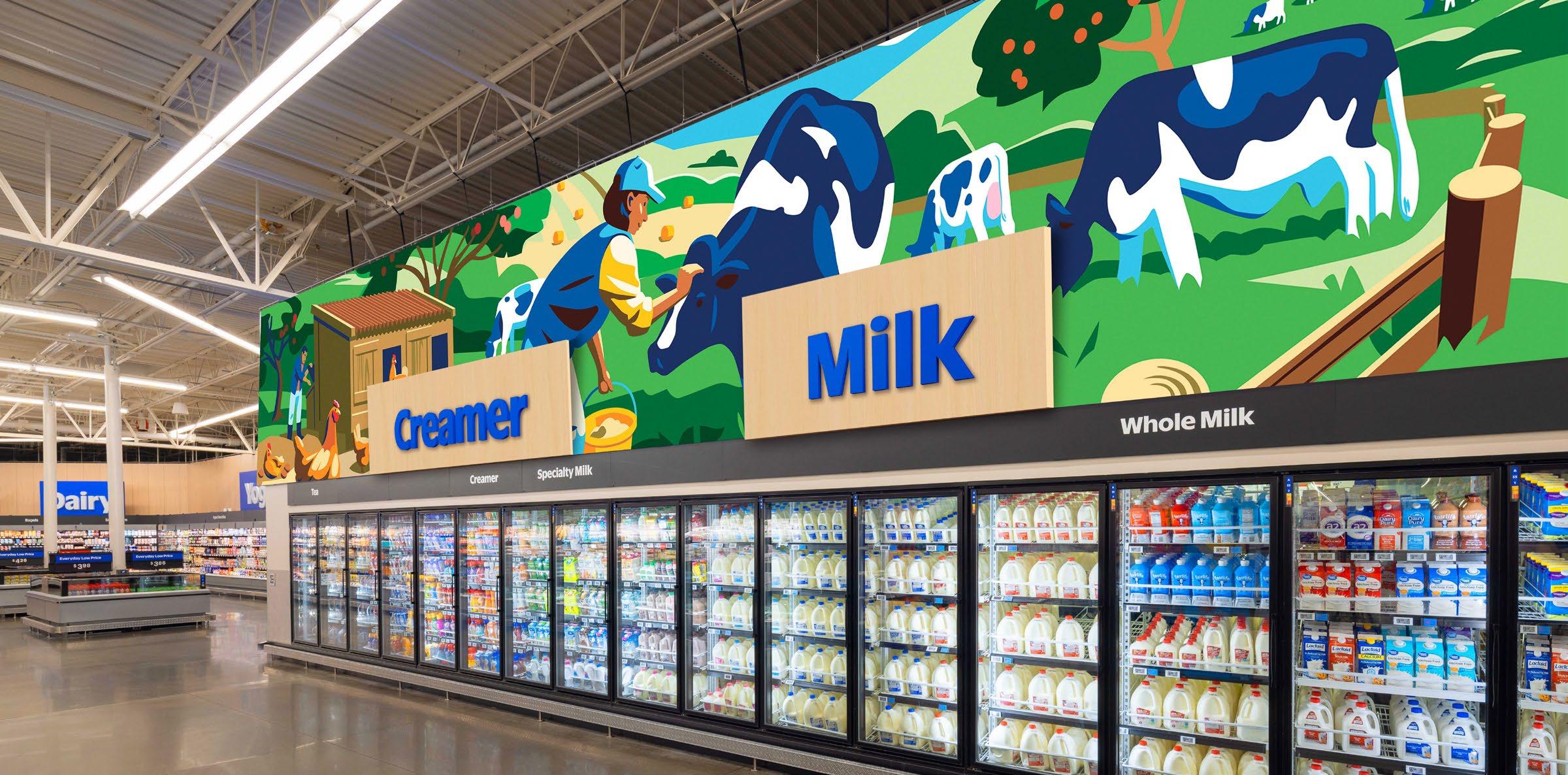
HFA supports grocery projects through remodels, new store development, and special initiatives, including the General Remodel program. This work includes large-scale interior and exterior upgrades, store footprint expansions, and implementation of prototypical grocery design elements. In 2021, HFA was selected as one of three firms within Walmart’s Design Collective, supporting the development of scalable design solutions for both prototypical and non-prototypical grocery stores.
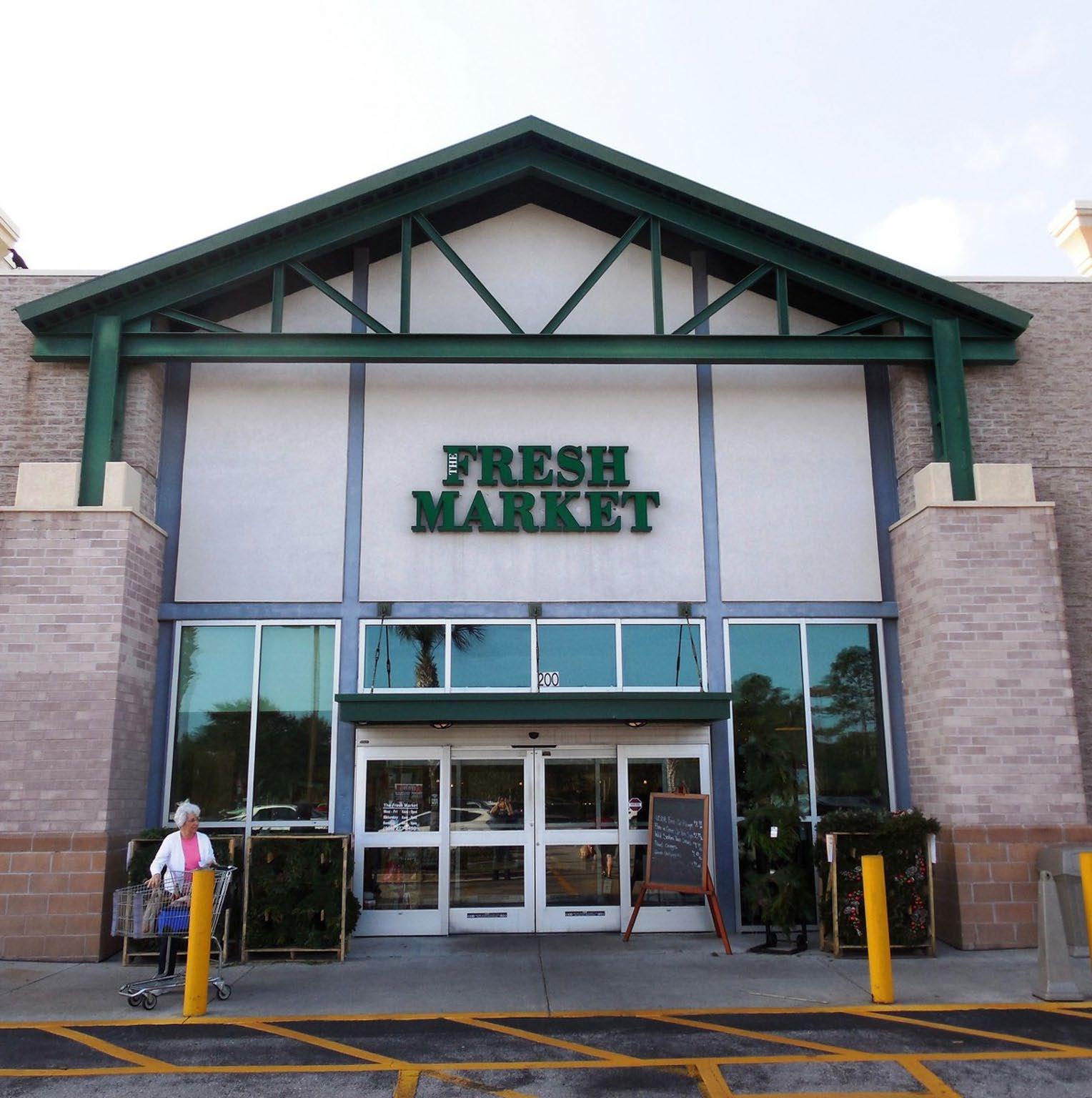
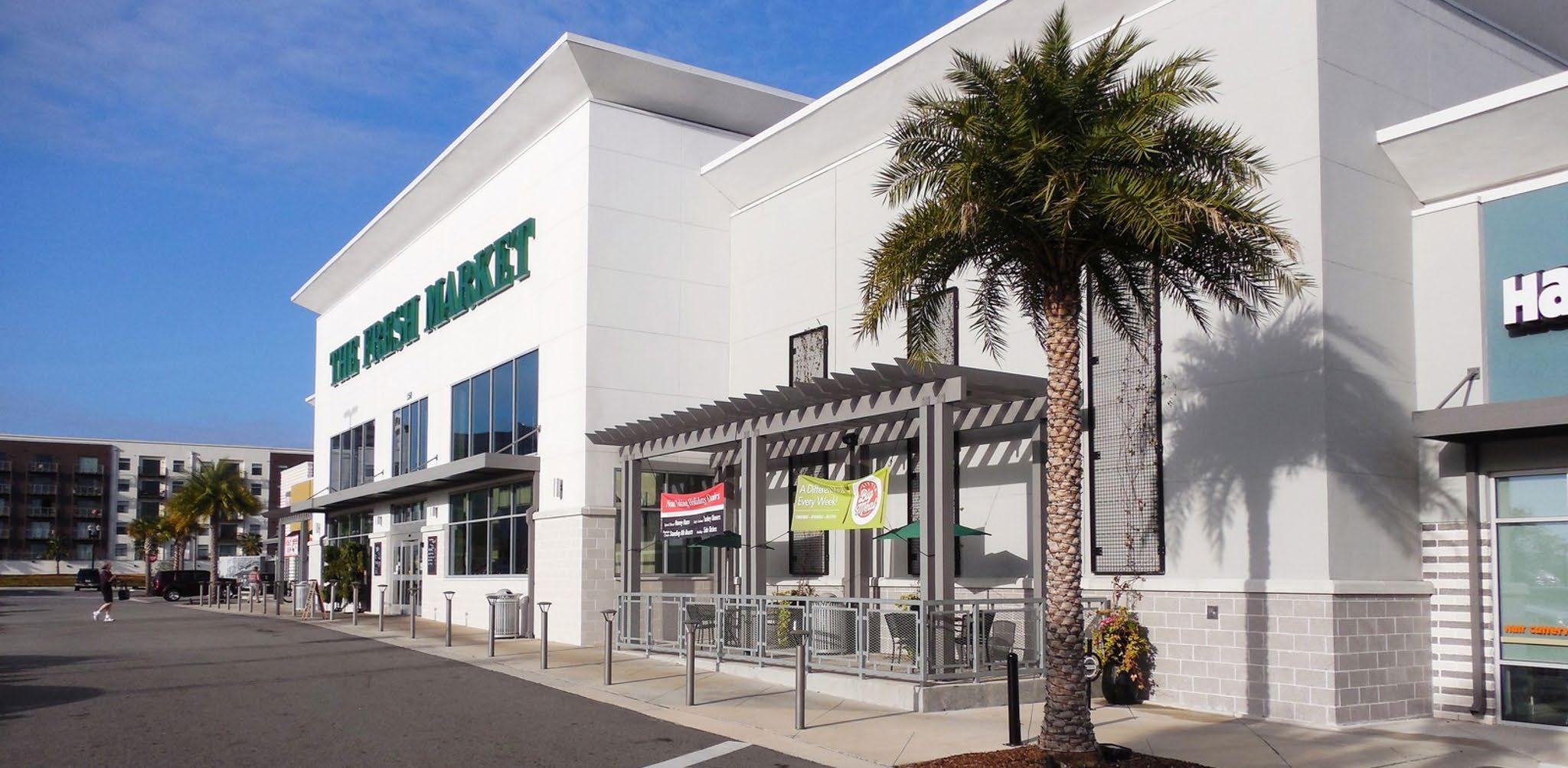
HFA partnered with Fresh Market to execute a Center Store Alteration Roll-Out program across more than 25 existing store locations throughout the South Central and South Atlantic regions. The program involved developing phased drawings that integrated existing fixture plans with newly envisioned layouts, including updated power and lighting designs. Collaborating closely with The Fresh Market’s Design & Construction team and external consultants, HFA successfully guided the design process through all required jurisdictional approvals—ensuring that each store remained fully operational throughout the renovation period.
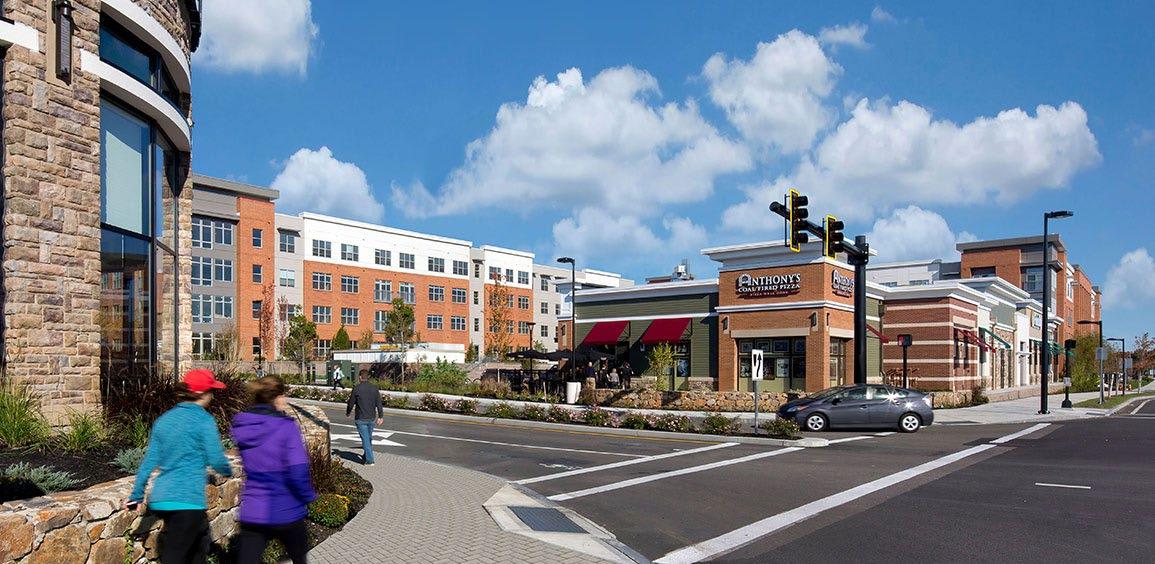
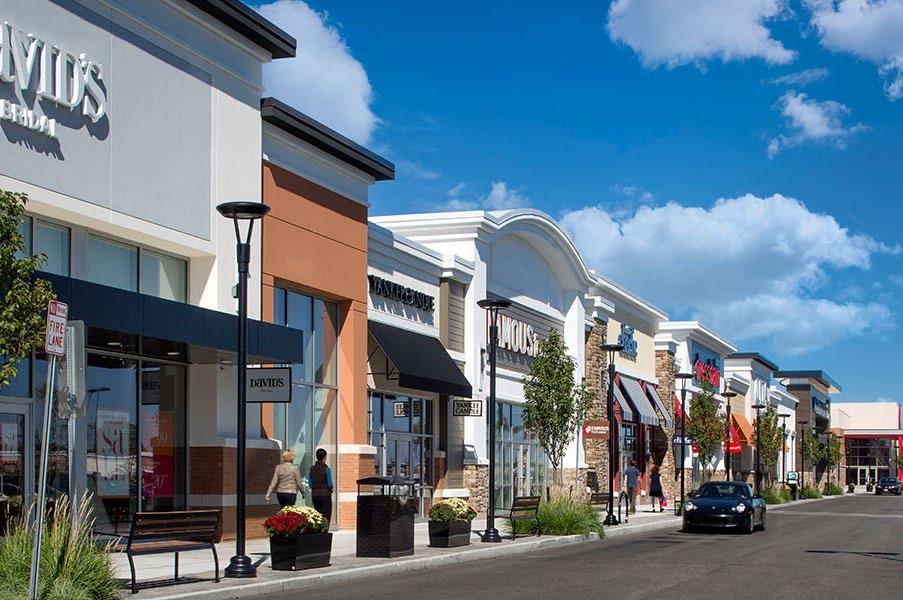
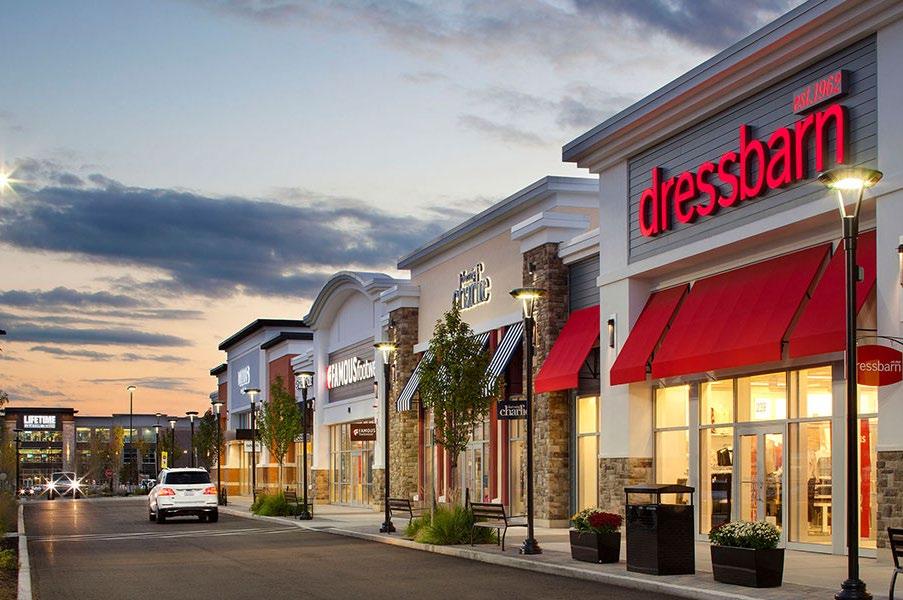
University Station is a 2 million-square-foot, mixed-use project and open air shopping center in Westwood, Massachusetts, located on University Avenue adjacent to the Route 128 MBTA Commuter Rail/Amtrak Station. Anchored by Wegmans, Target, and Nordstrom Rack and featuring New England’s Life Time Athletic, University Station is a vibrant, mixed-use development. University Station draws a unique mix of customers from some of Boston’s most desirable suburbs including Dover, Milton, Needham, Sharon and Westwood. With active sidewalks and lively storefronts, this shopping center offers a broad mix of tenants and provides visitors places to pause and truly enjoy their shopping experience.
Location Size
Westwood, MA
2,000,000 SF
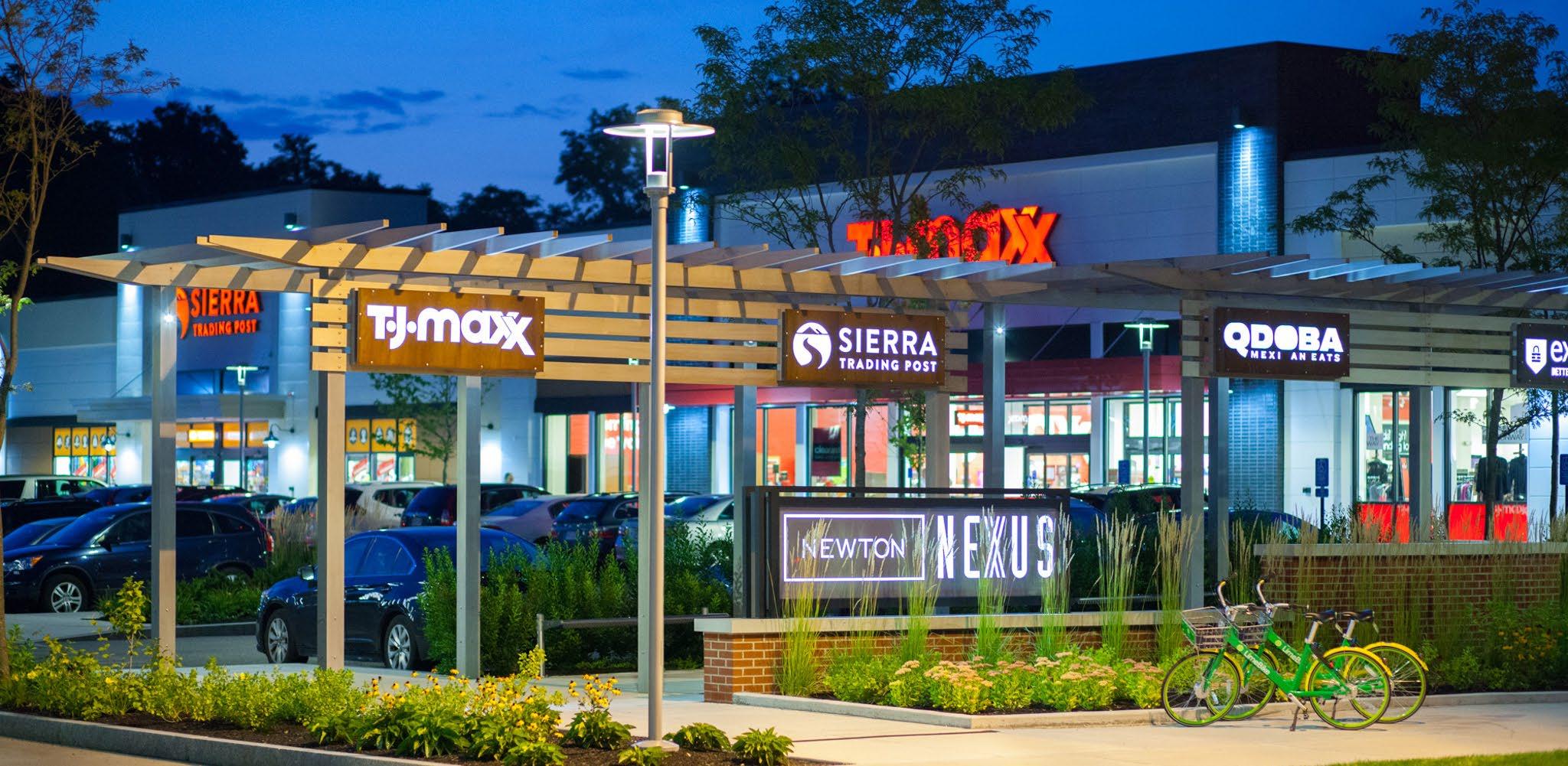
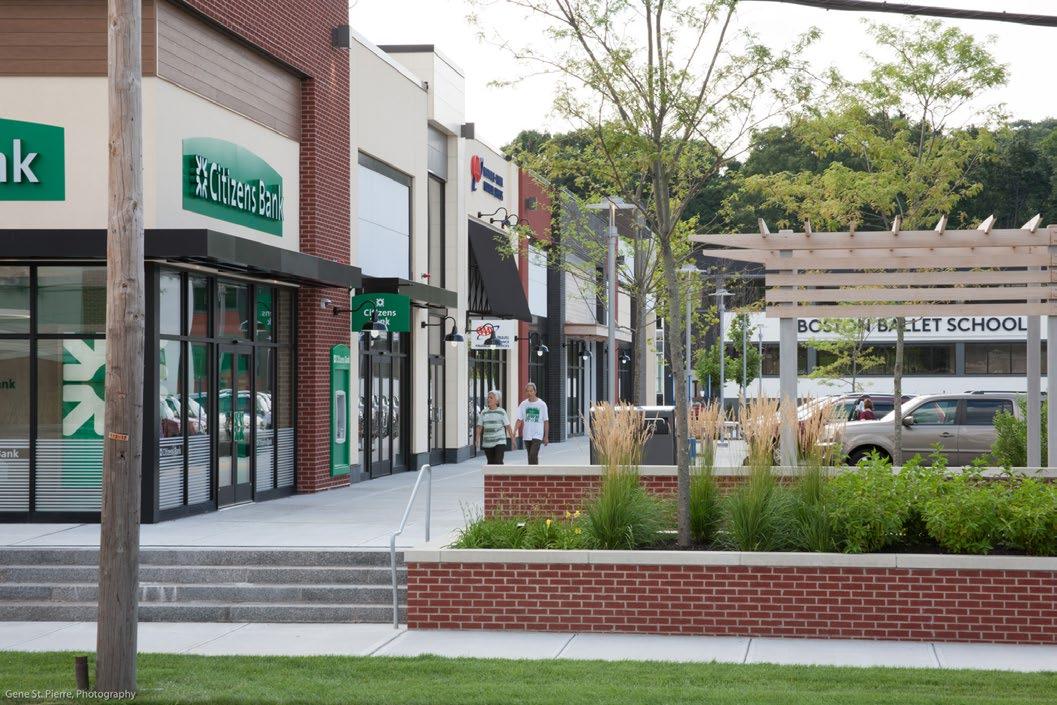
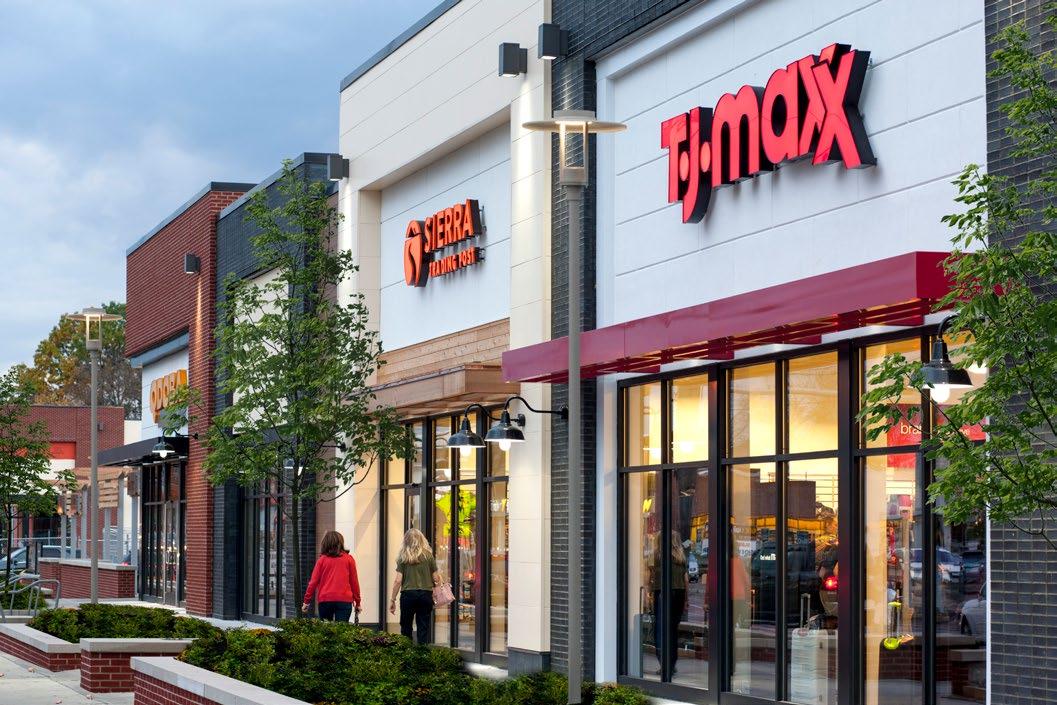
Located on an active business corridor in Newton, MA, the team was challenged with transforming three existing industrial office buildings into a modern ‚ industrial chic‚ mixed-use development. With a lively and inviting retail atmosphere, Newton Nexus is a destination for many shoppers, offering contemporary architecture, public gathering spaces, and a unique shopping experience.
Location Size
Newton, MA
142,000 SF
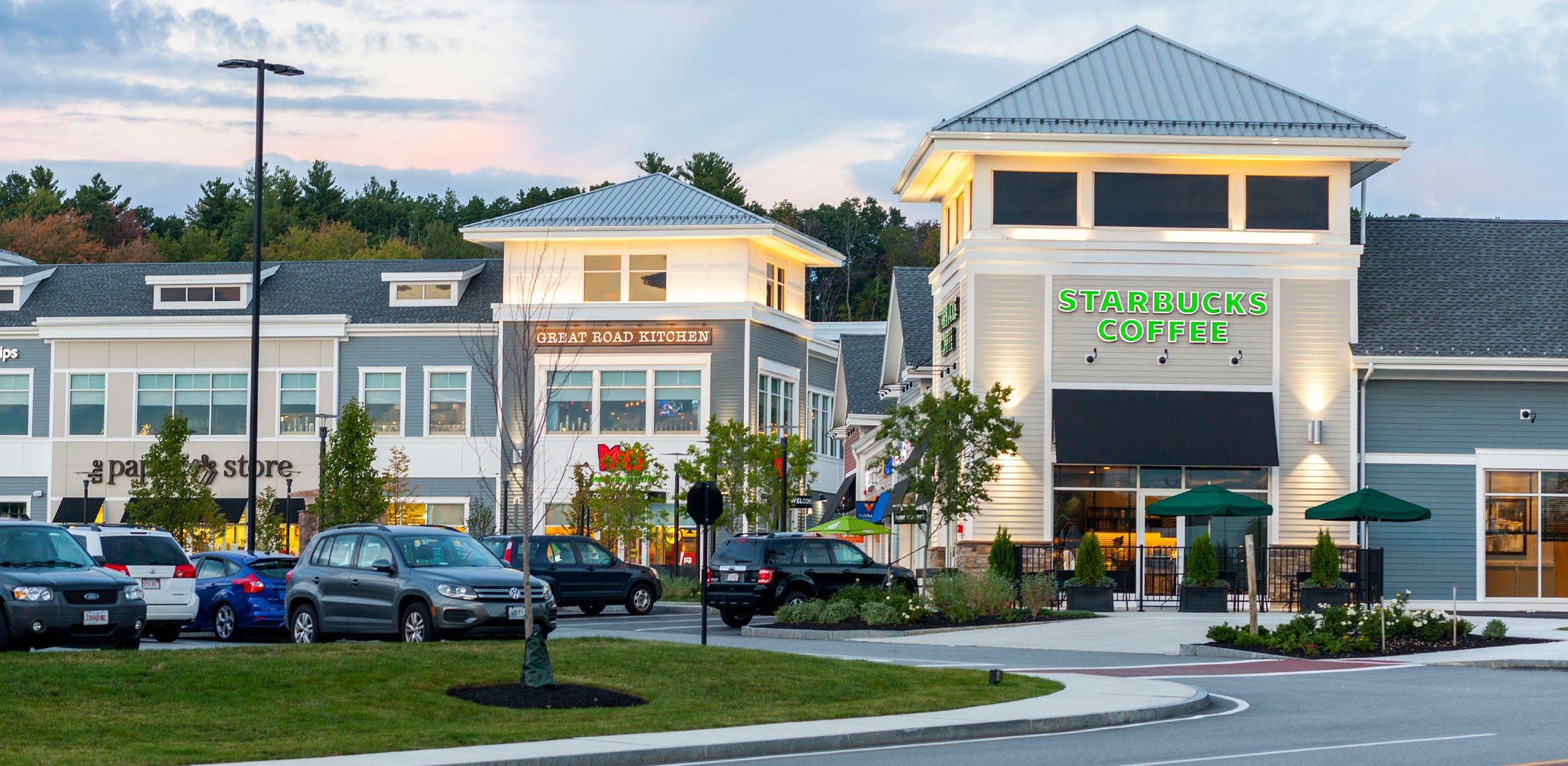
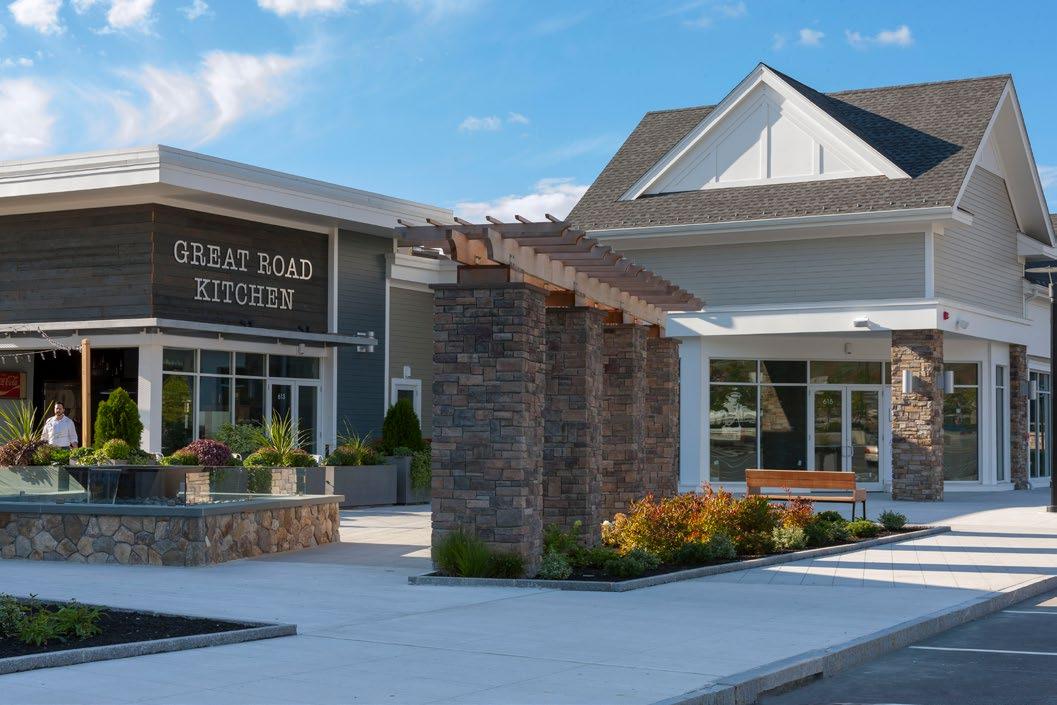
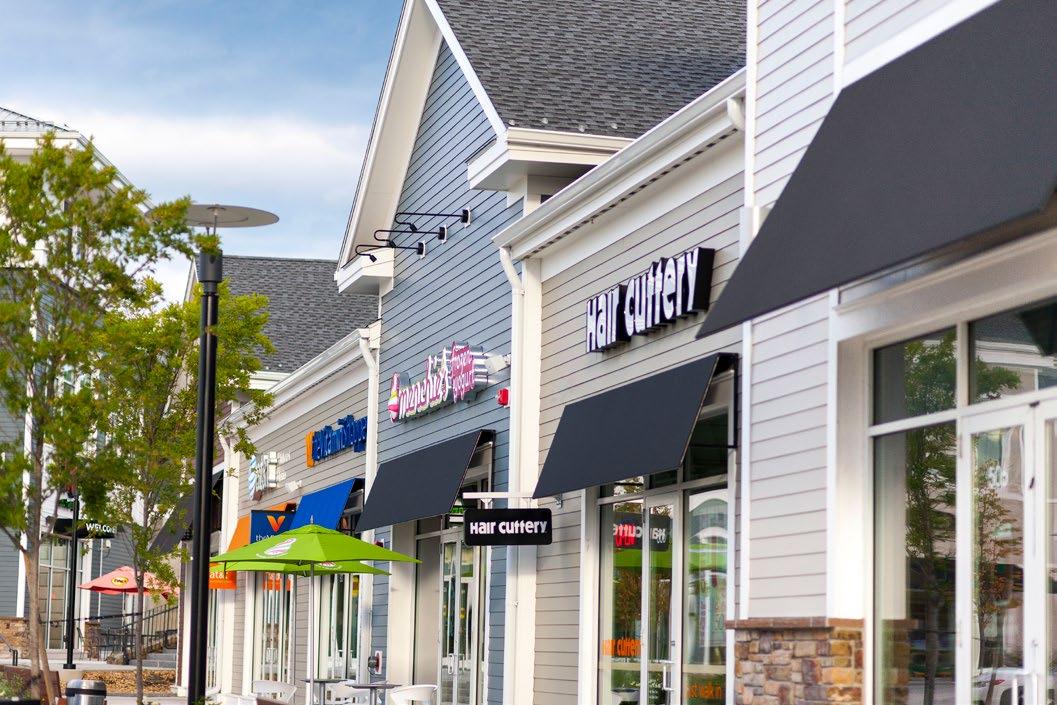
Located at the intersection of 495 & Rt. 119 in Littleton, MA, The Point integrates into a very challenging and steeply graded site. With expertise in master planning and retail/mixed-use, HFA was able to work with the grades and create three platform levels of retail (low, middle, and high). To take advantage of the varying grade levels, HFA was able to maximize retail frontage by creating a combination of single and twostory retail buildings with some buildings being carved into the hillside. The resulting placement of buildings to address site grade resulted in the opportunity to create outdoor activity spaces with framed views and vistas into the development.
Location Size
Littleton, MA
500,000 SF
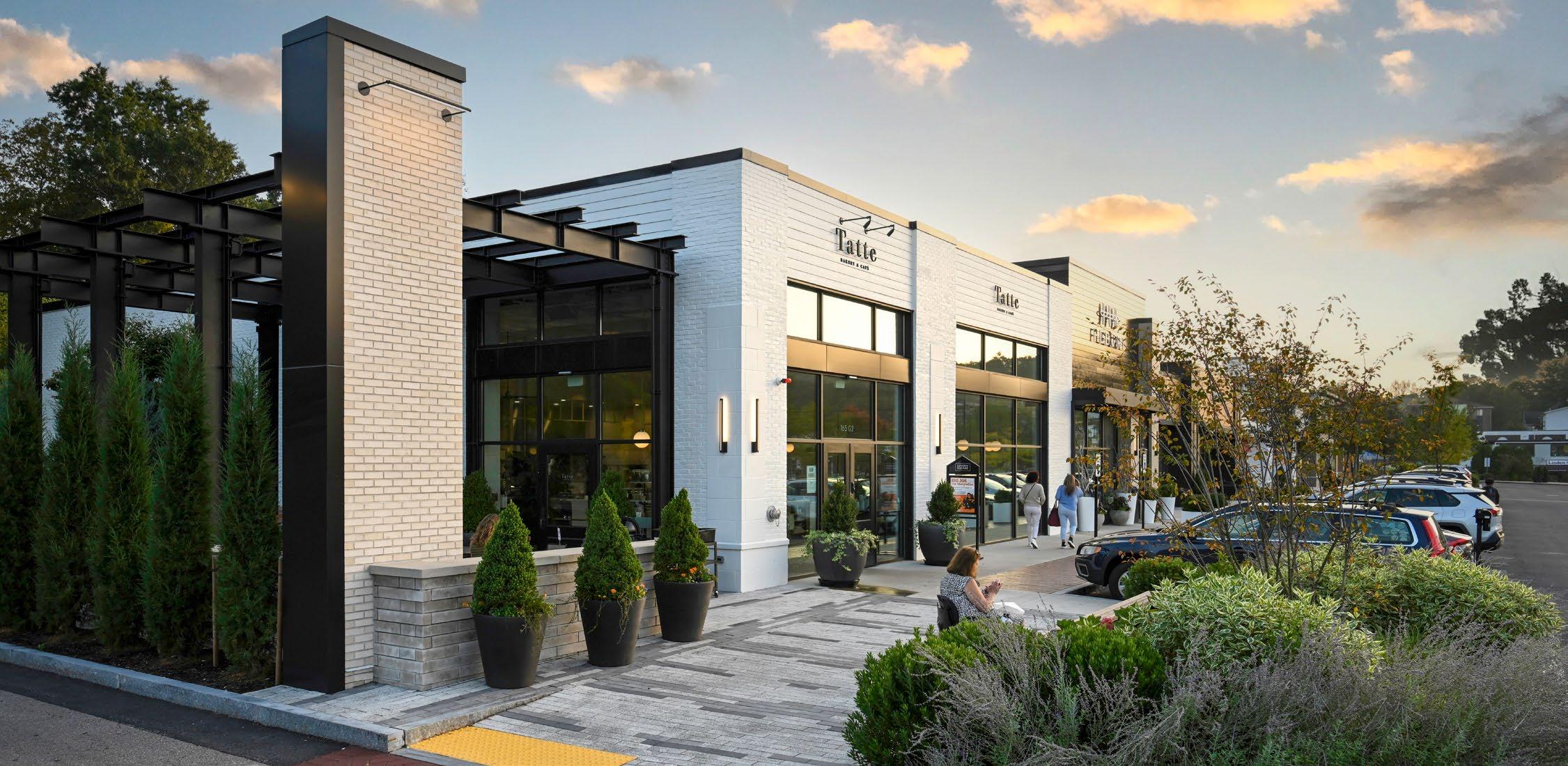
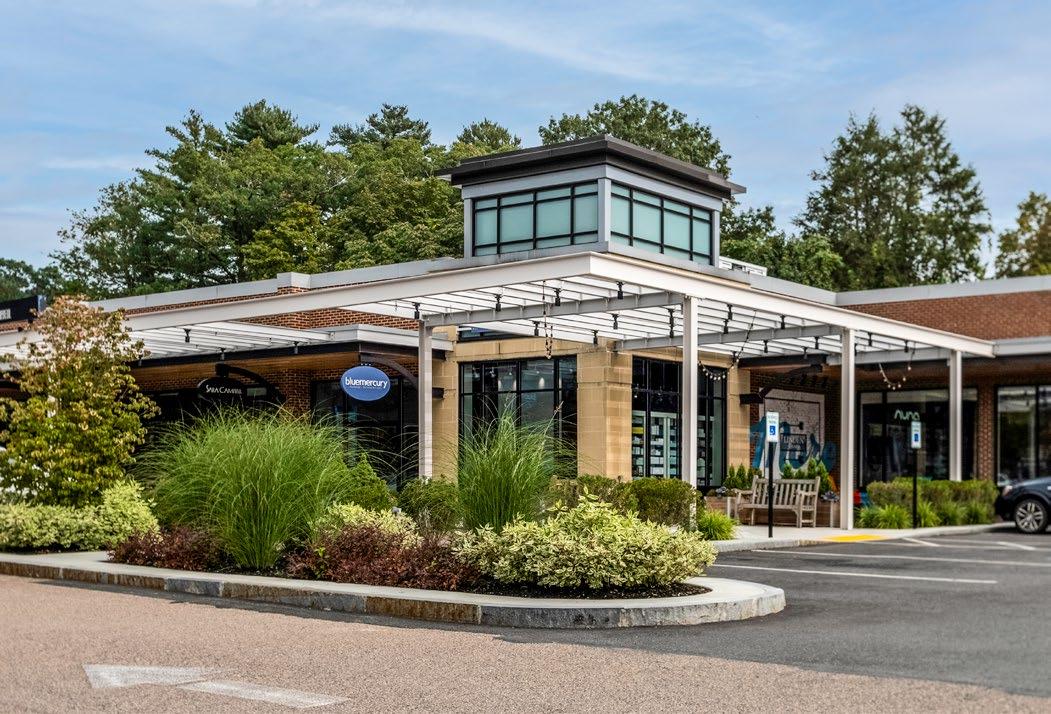
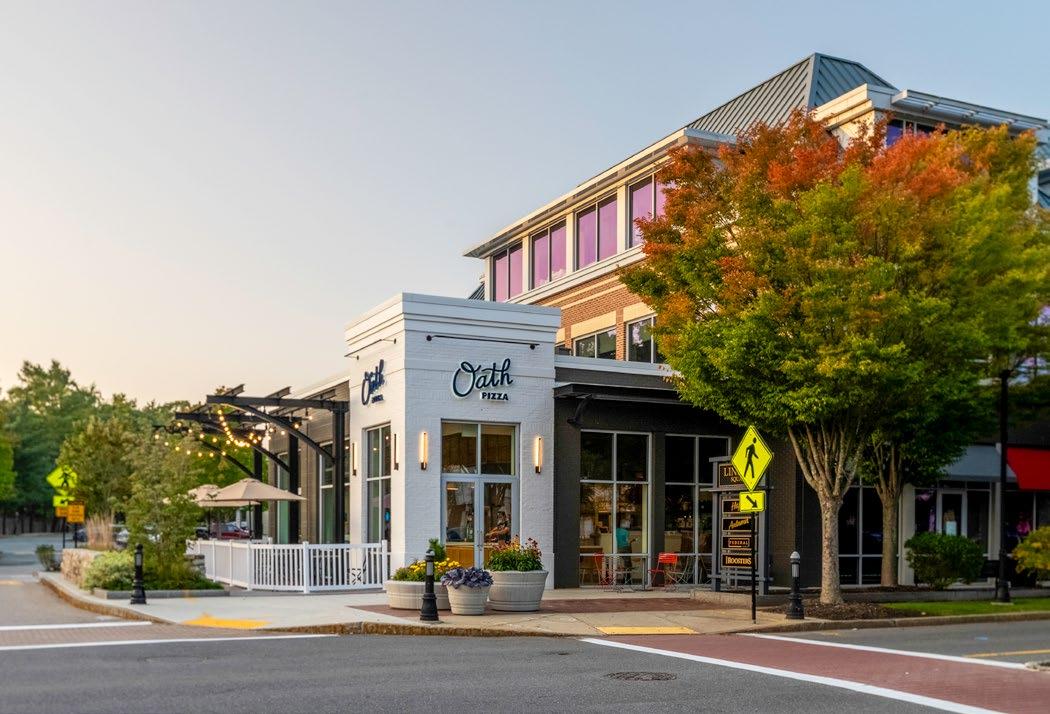
HFA is honored to be the architecture and engineering partner for Federal Realty Investment Trust’s renovation of its well-known mixed-use retail and lifestyle development, Linden Square. Located in the heart of Wellesley, MA, Linden Square has a long history within the community, having gone through various uses and phases of construction since the early 1900s. In 2020, Federal Realty Investment Trust chose to reinvest in the center to update many of its attractions and maintain its reputation as one of the region’s premier retail destinations. HFA was eager to take on the task of bringing modern design and functionality to Linden Square while respecting its rich New England architectural character.
Location
Size
Wellesley, MA
223,000 SF
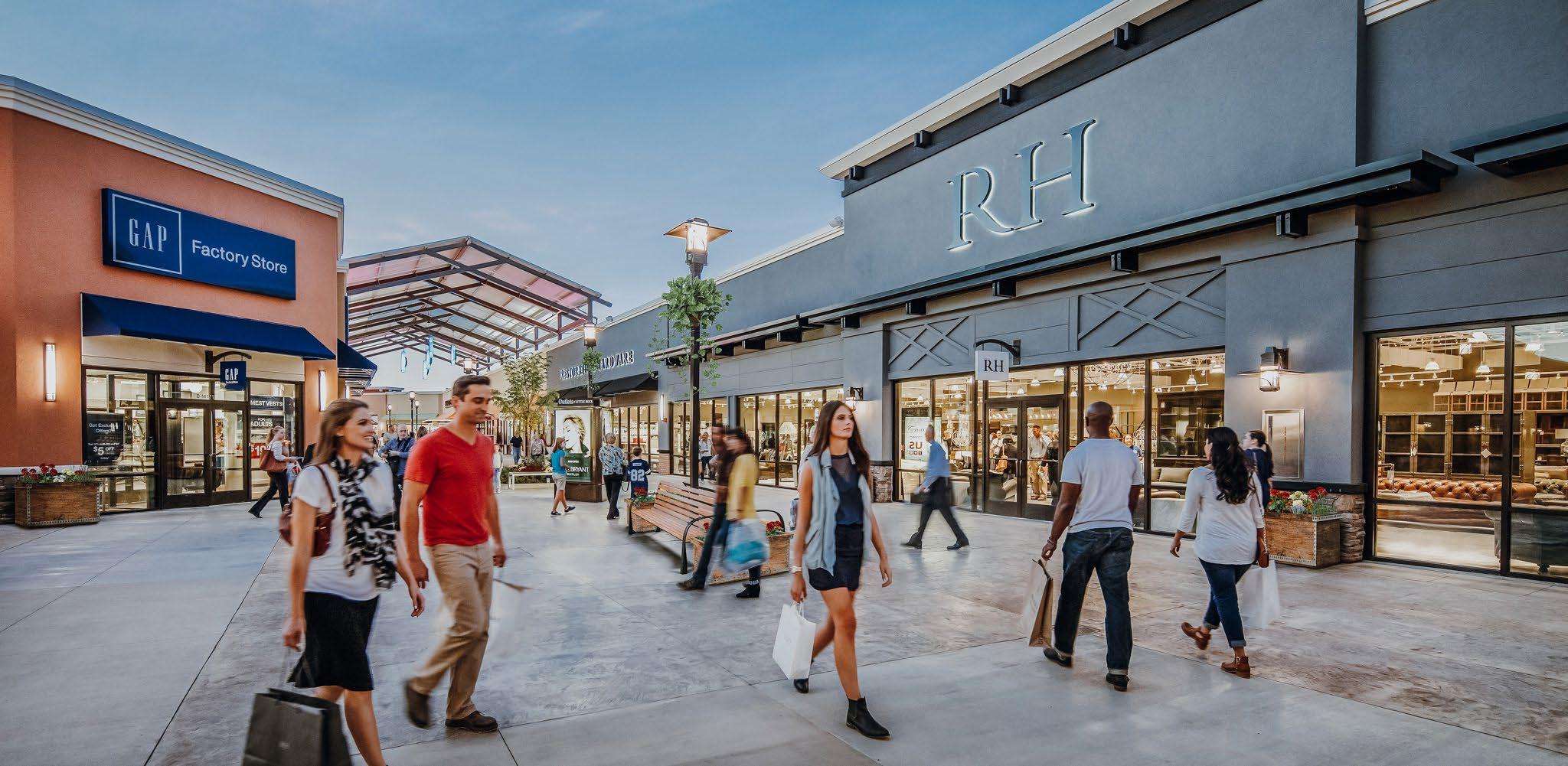
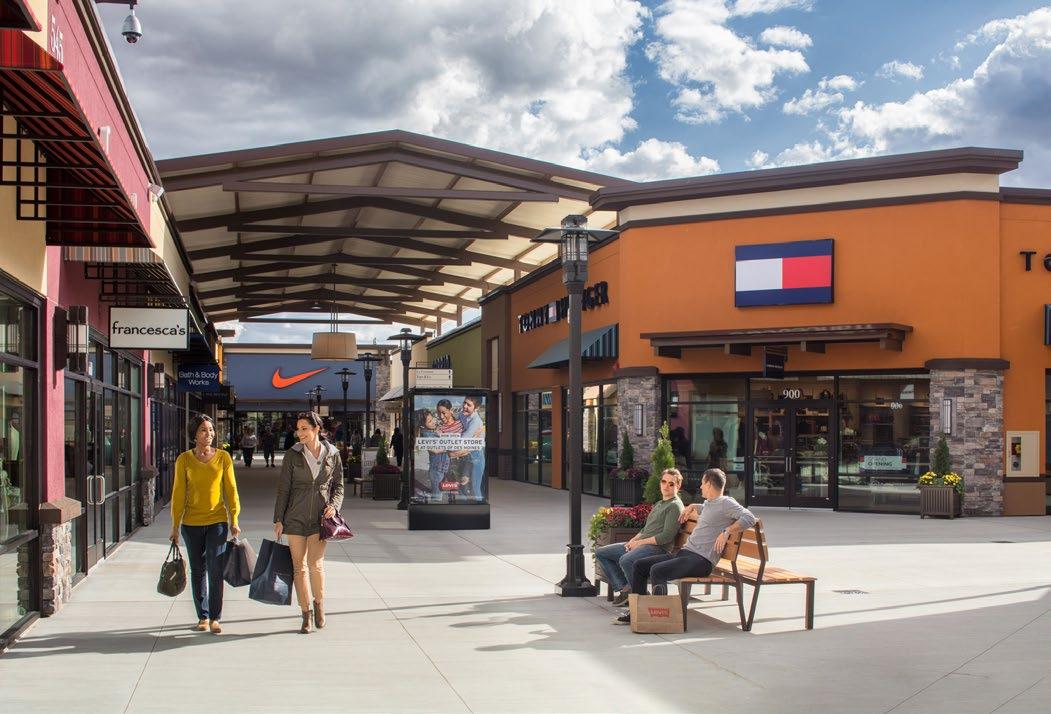
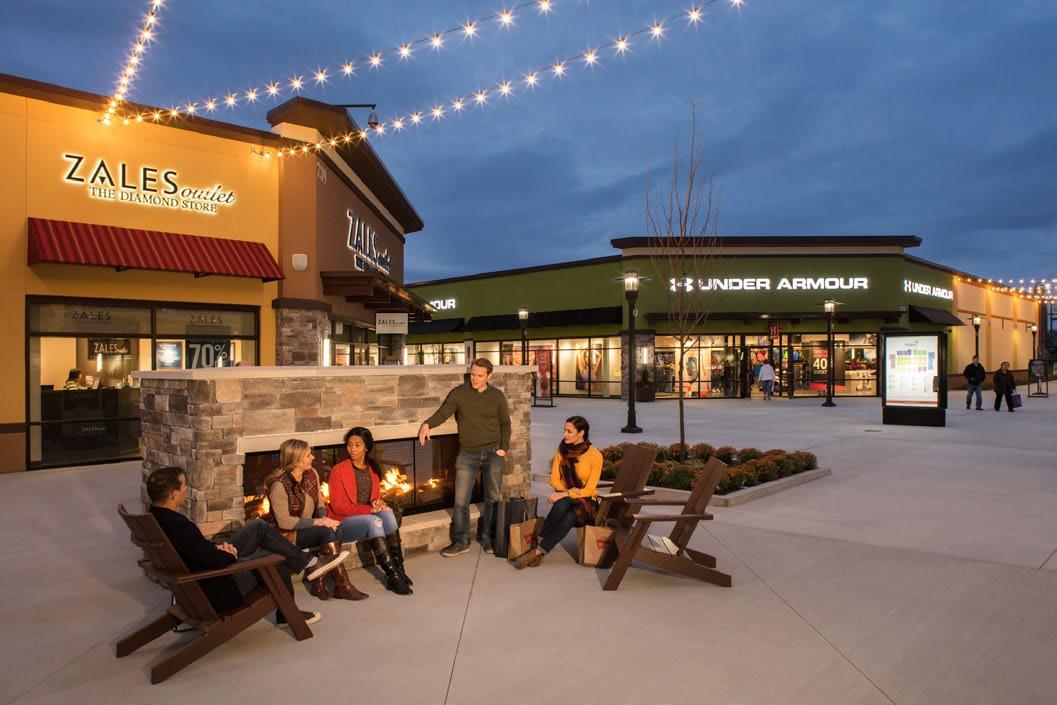
Located in Little Rock, AR, and Des Moines, IA, these outlet destinations offer a welcoming and comfortable environment for patrons to shop and gather. With more than 300,000 square feet of retail space at each location, guests enjoy active pedestrian plazas, sidewalk amenities, casual seating areas, and dramatic lighting. Featuring some of the best retail brand names, the outlets serve as premier shopping destinations in their respective cities. We continue to support our clients and their properties post-construction through ongoing tenant infill work.
300,000 SF Each Location
Little Rock, AR + Des, Moines, IA
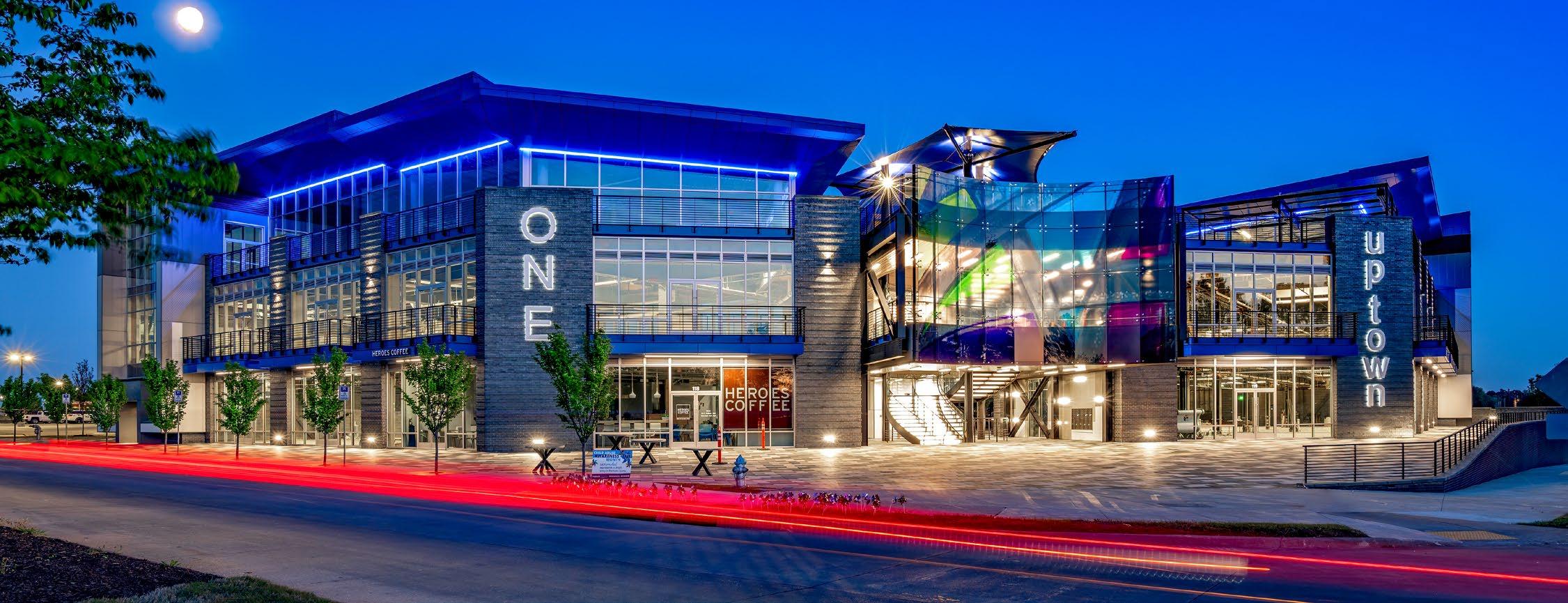
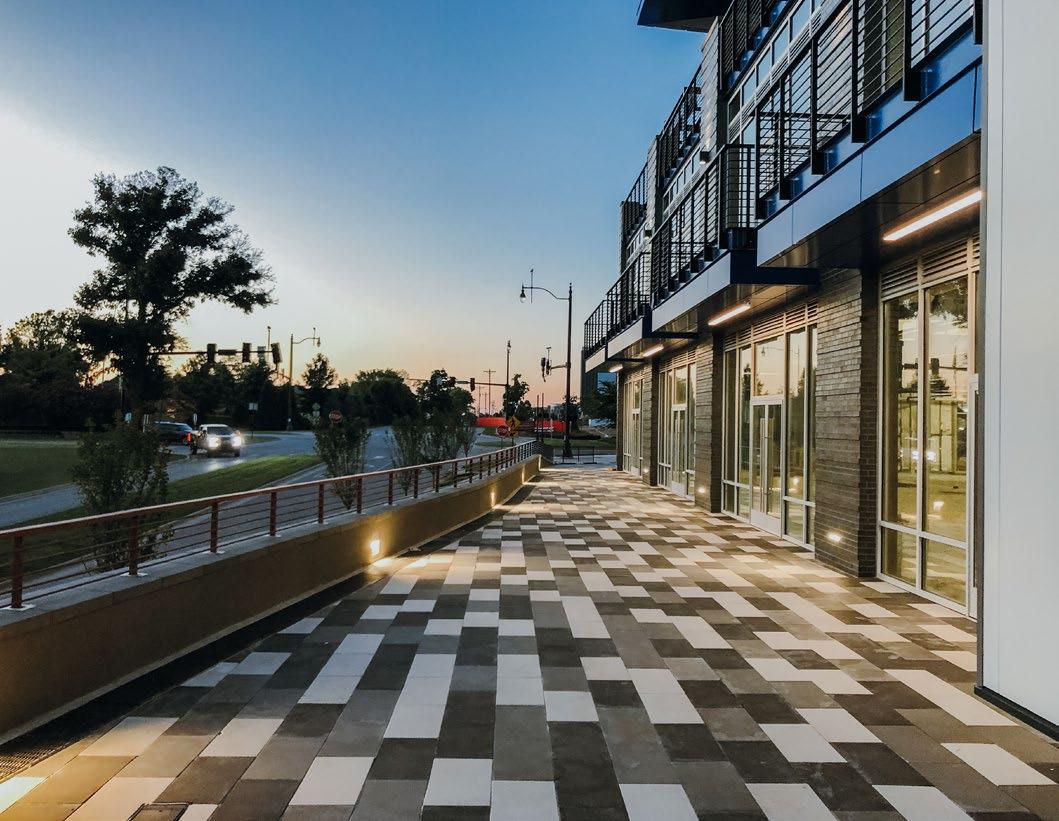
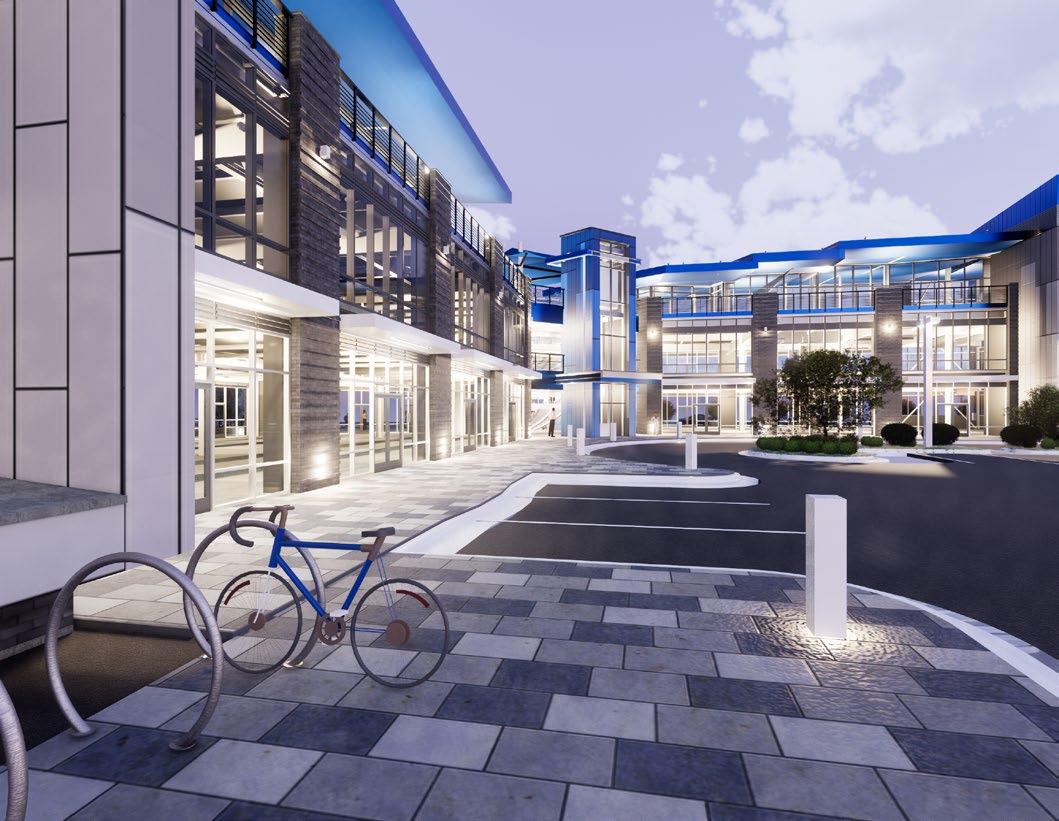
ONE Uptown is located in a fast-growing neighborhood in Rogers, AR. The building sits on a 24 acre block overlooking the ninth hole at the Pinnacle Golf Course — annual host to the LPGA Tour. This 65,000 square foot, three-story multi-use property includes retail shops, business offices, and two luxury rooftop restaurants with outdoor dining overlooking the recently designated UCOM (Uptown Commercial) district. ONE Uptown was designed to have a contemporary look, matching the burgeoning urbanization of the area and contributing to its shopping and entertainment district. ONE Uptown is within walking distance to the Walmart Amp, TopGolf, Pinnacle Mall, and various businesses and restaurants. Along with architectural design, HFA provided MEP services, structural design, fire protection engineering, civil engineering, landscape design, large scale development services, construction administration and permitting.
Location Size
Rogers, AR
65,000 SF
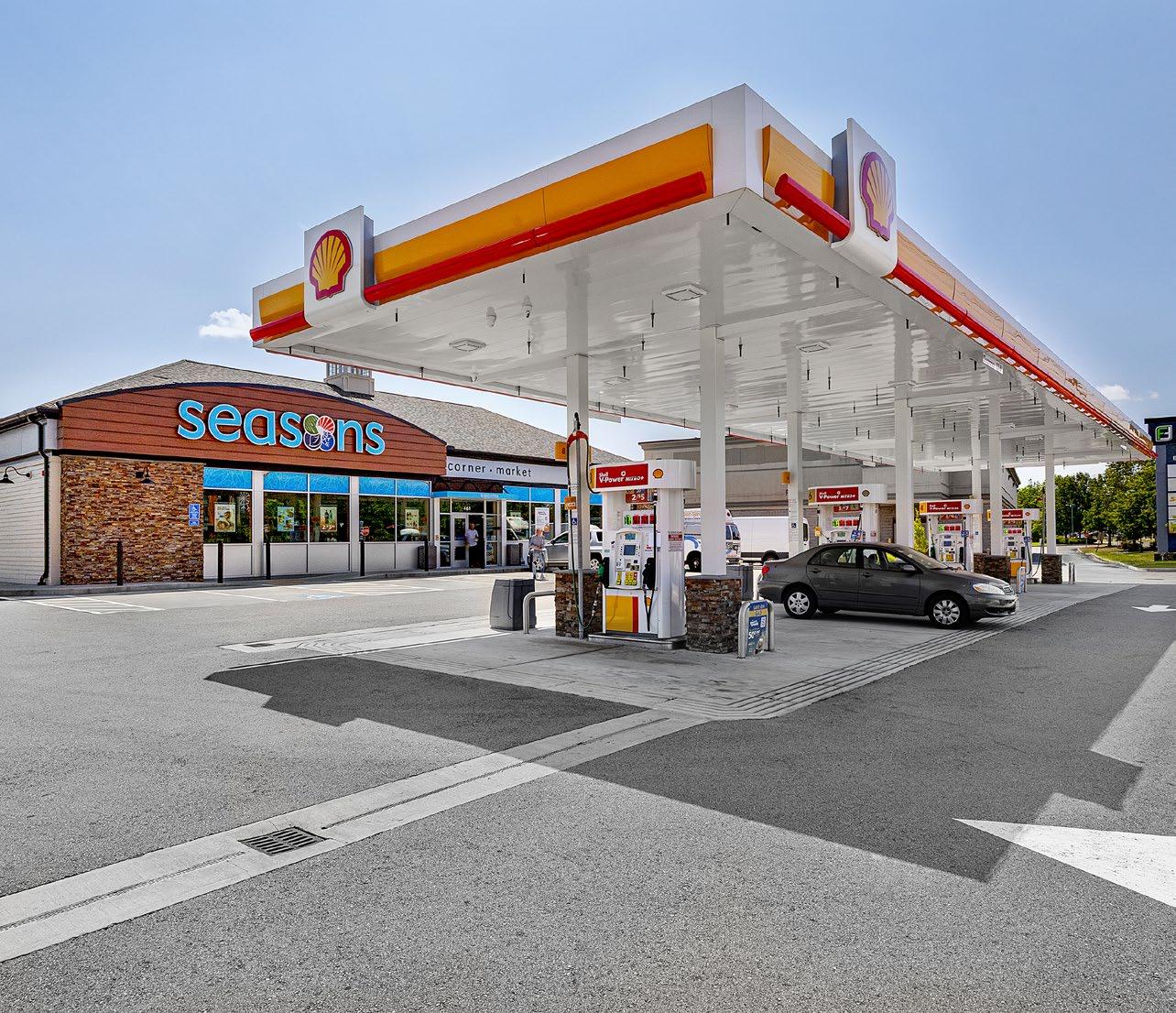
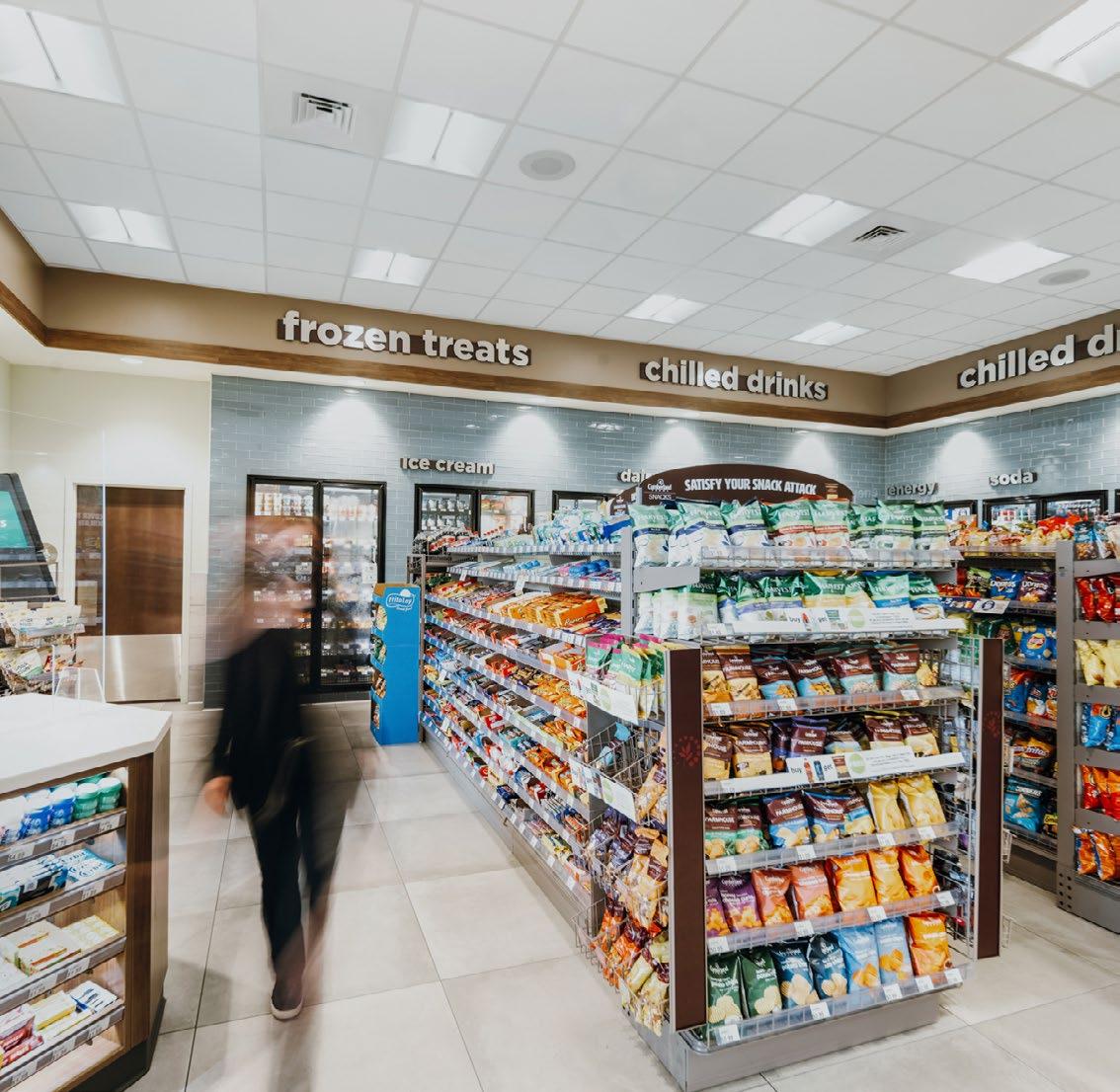
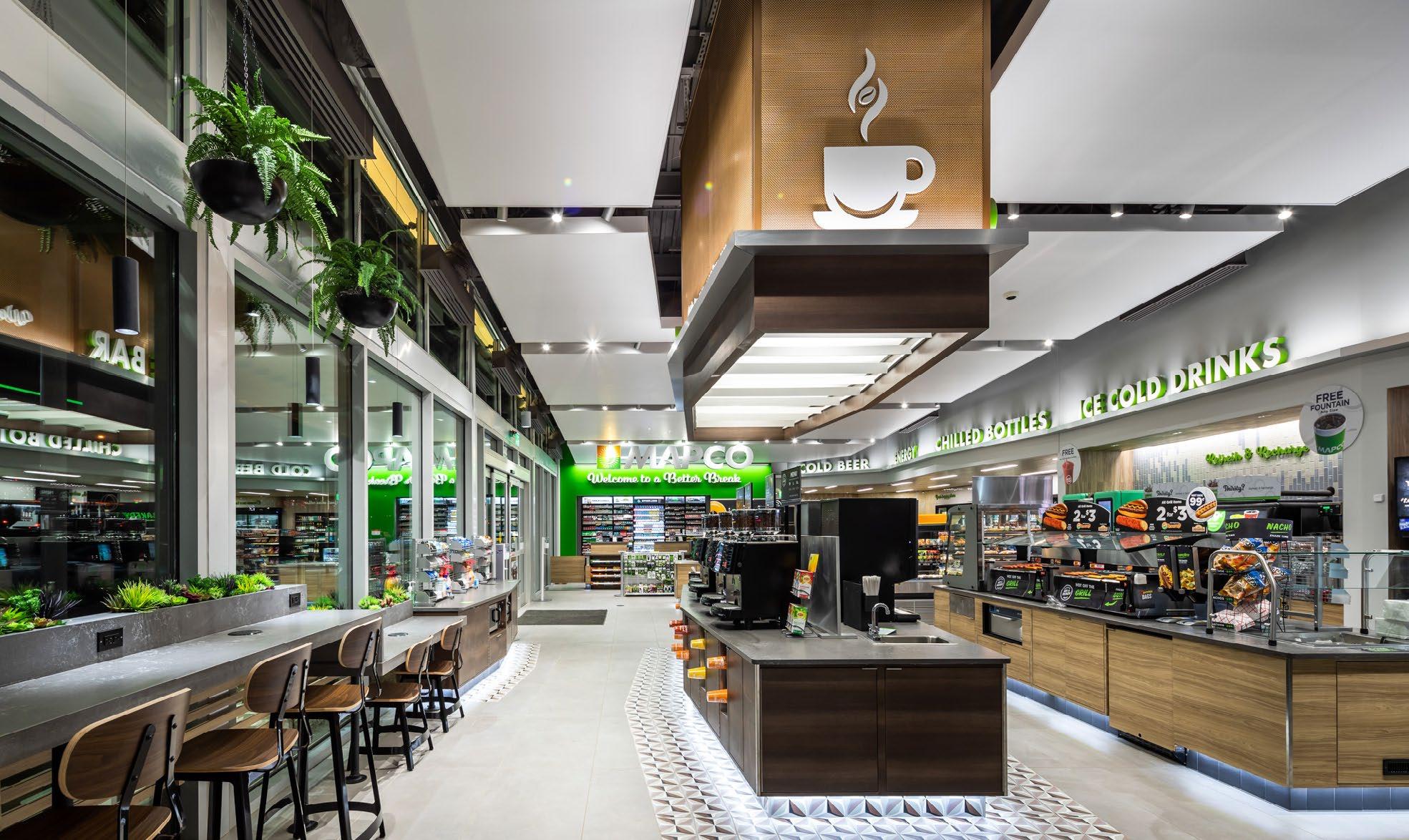
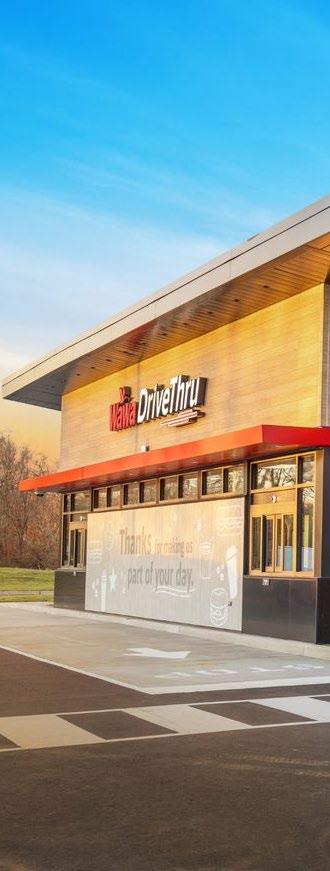
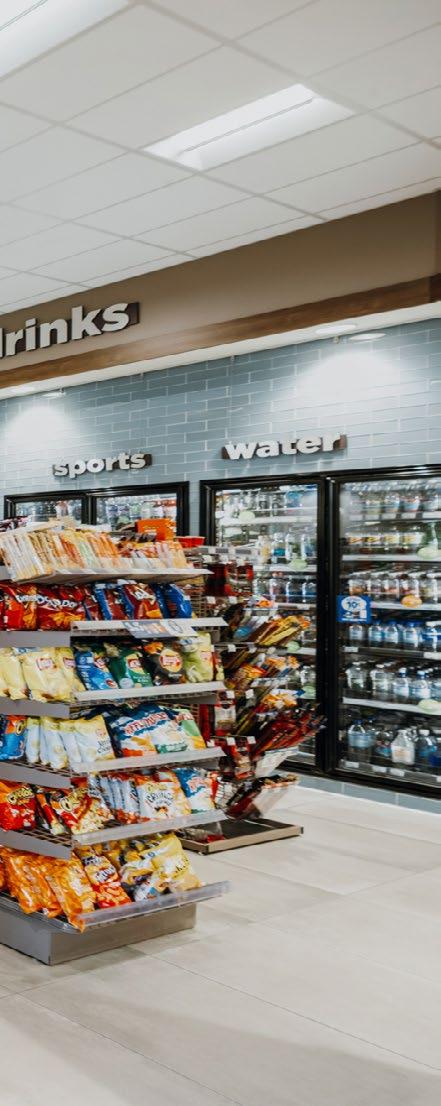
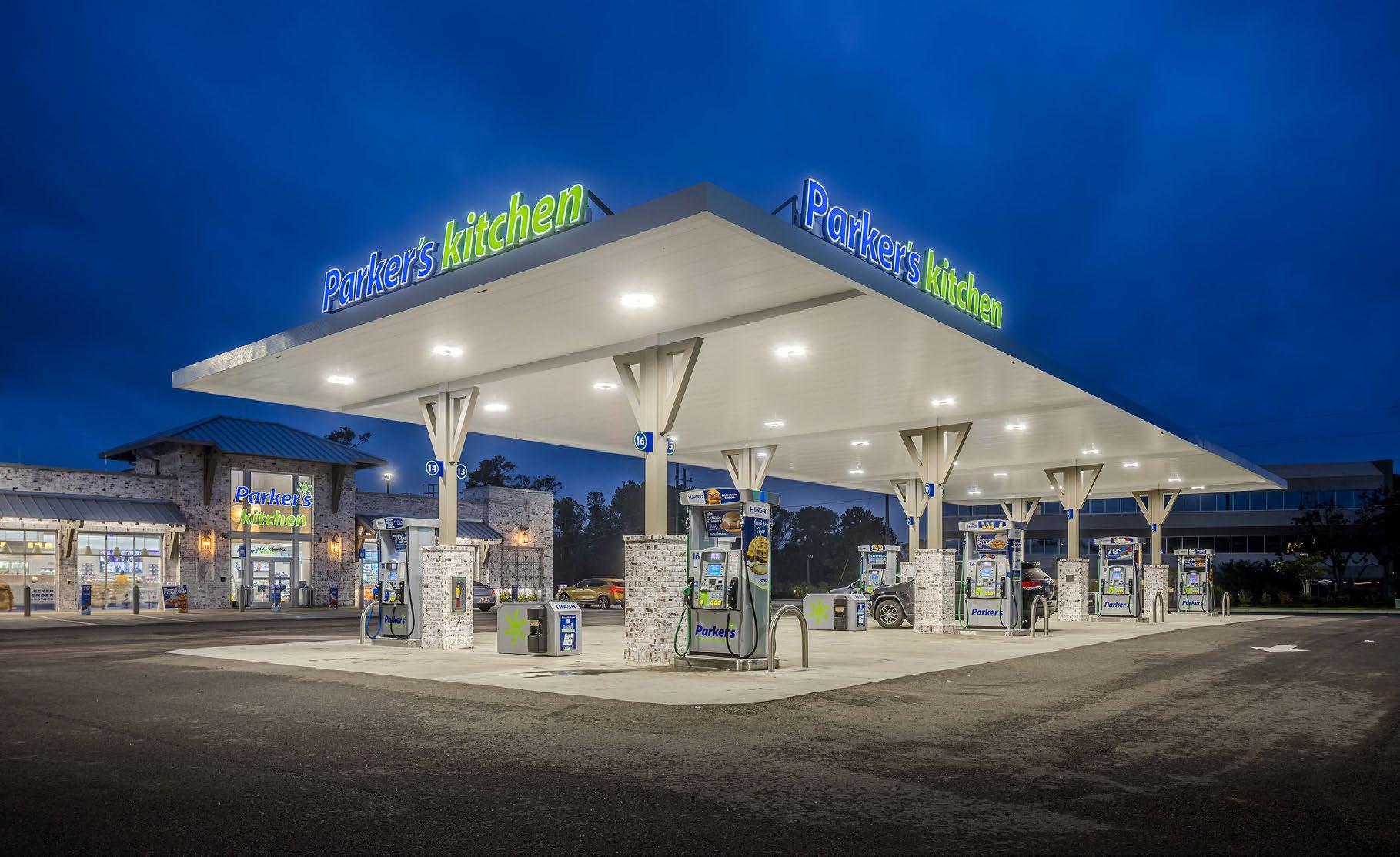
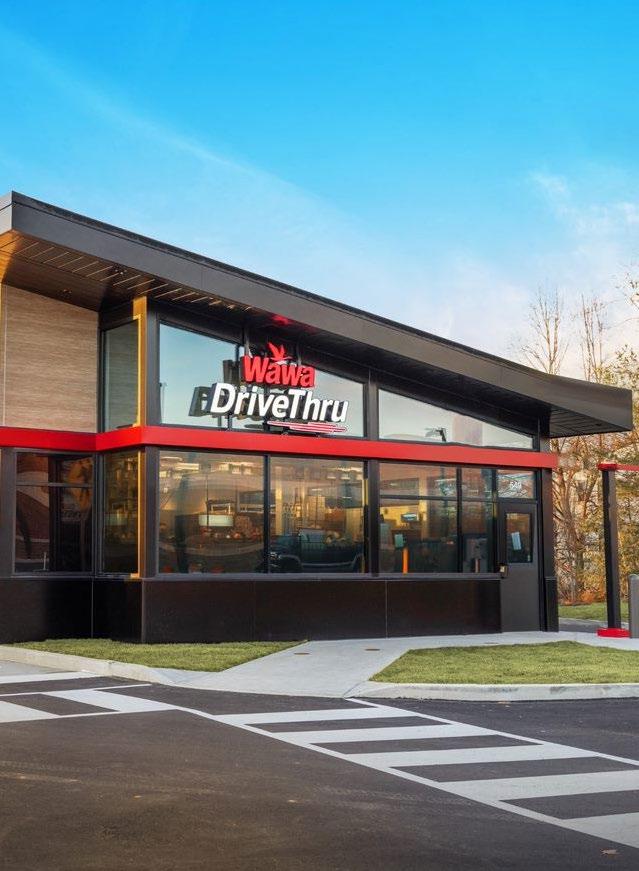
HFA’s retail practice, including convenience store and smallformat environments, leverages the firm’s fully integrated architecture and engineering expertise to design spaces that respond to evolving consumer behavior and operational needs. Their work in convenience retail focuses on creating dynamic, customer-centric environments that encourage repeat visits and support omni-channel features like curbside pick-up or innovative checkout systems, while also integrating fueling solutions when relevant. HFA simplifies the delivery process from concept through construction, enabling brands to streamline deployment and scale with confidence across varied formats.
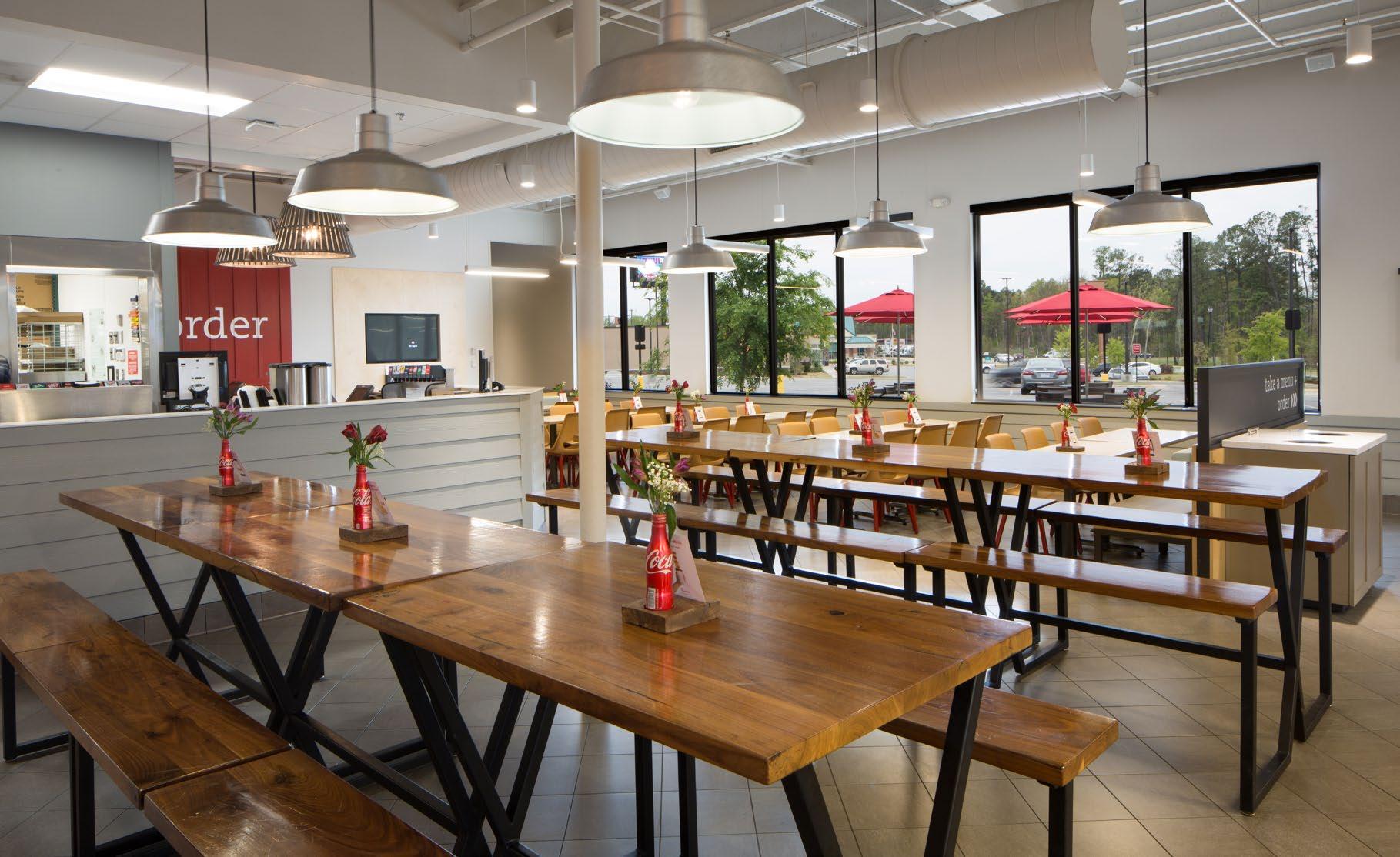

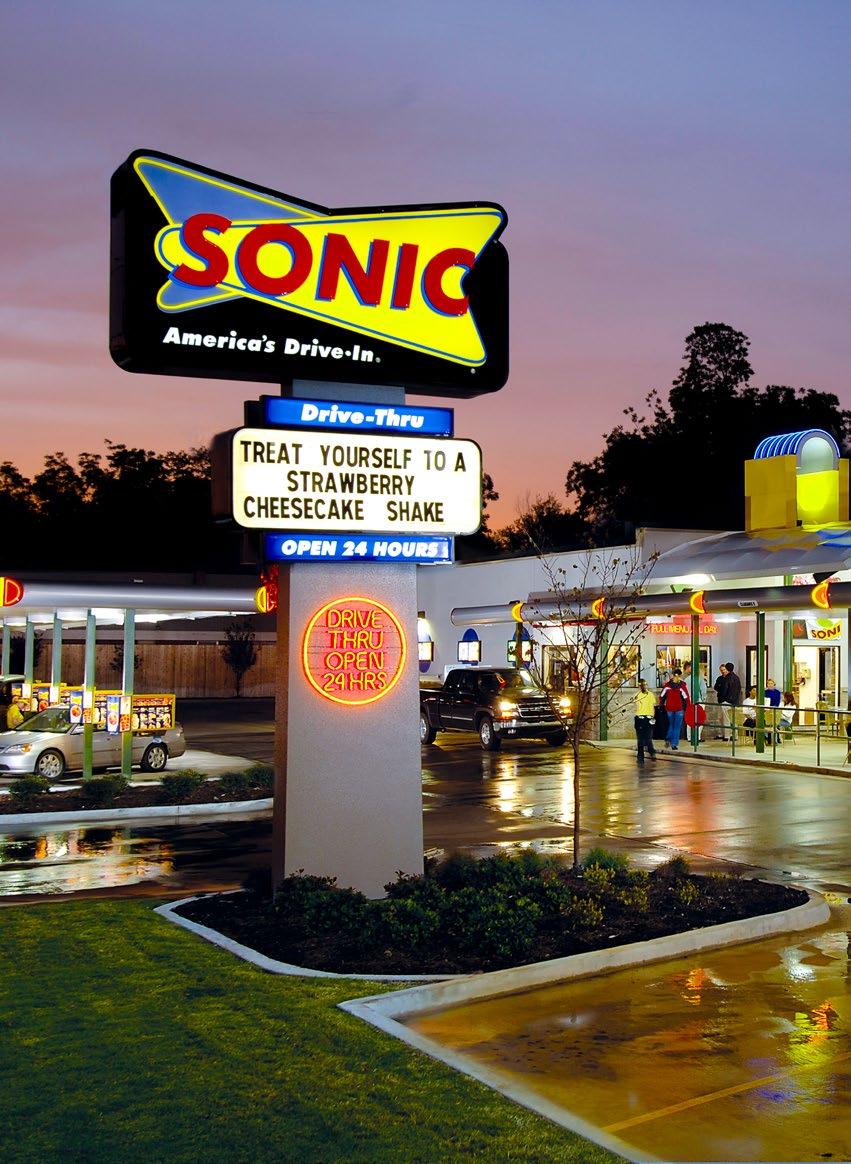
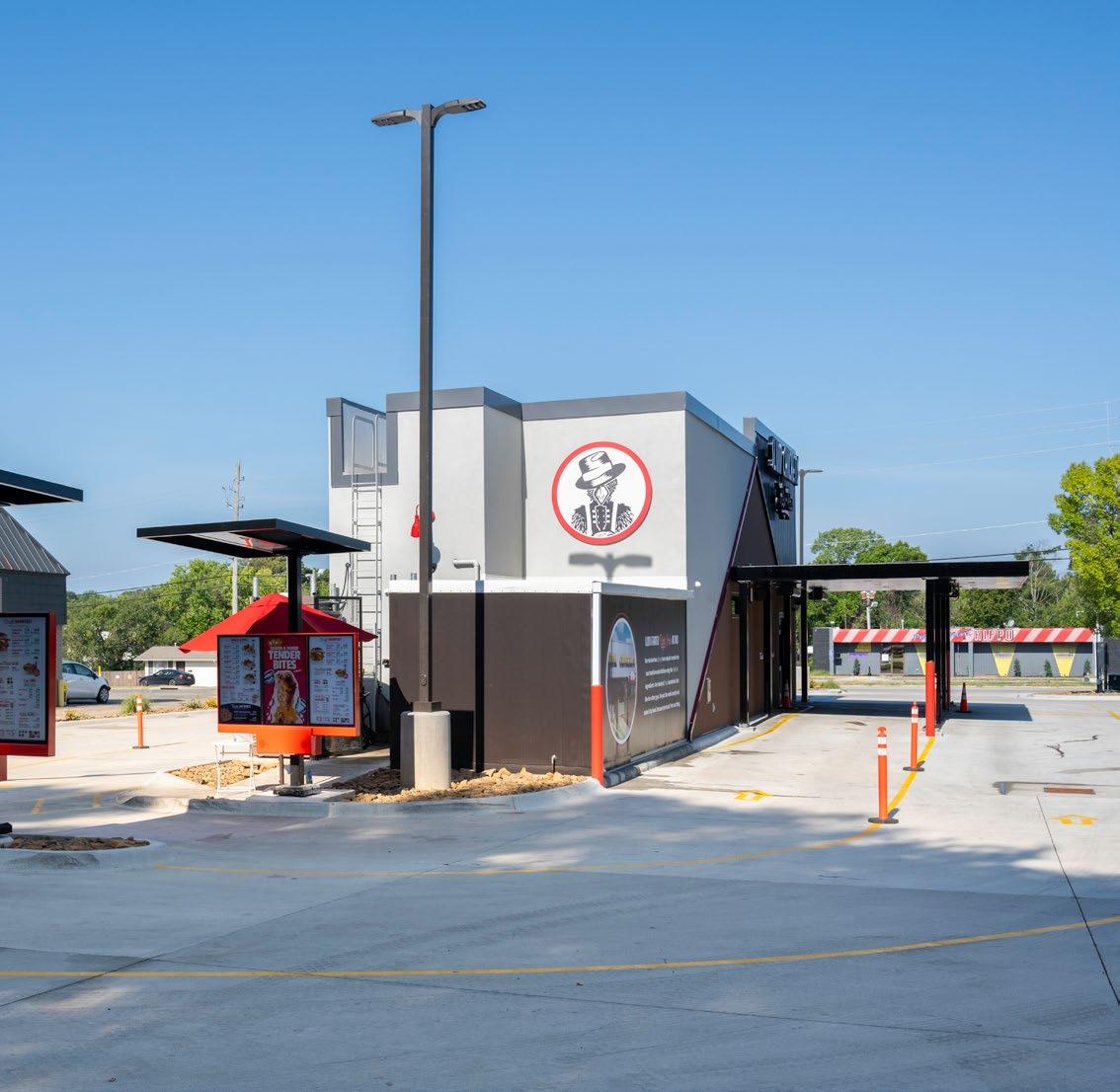
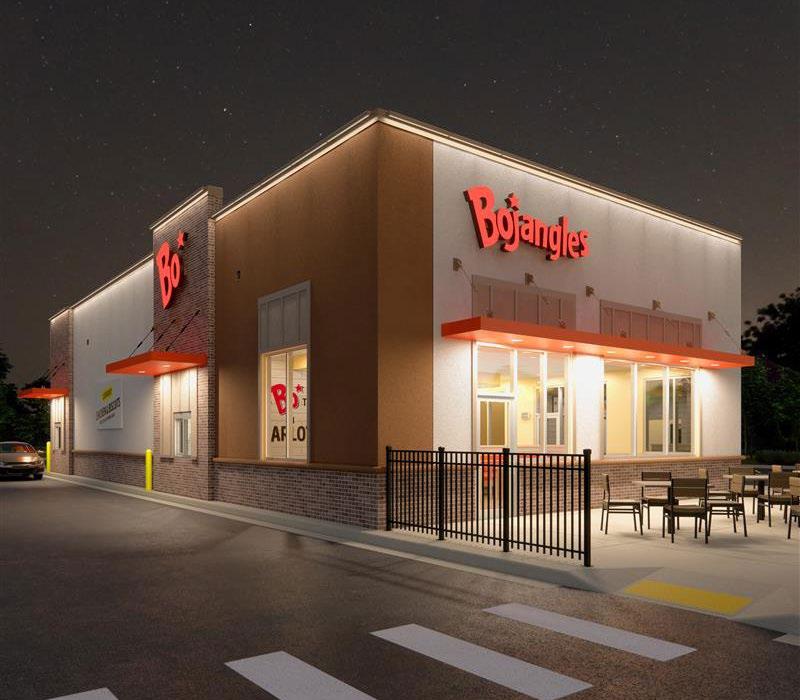
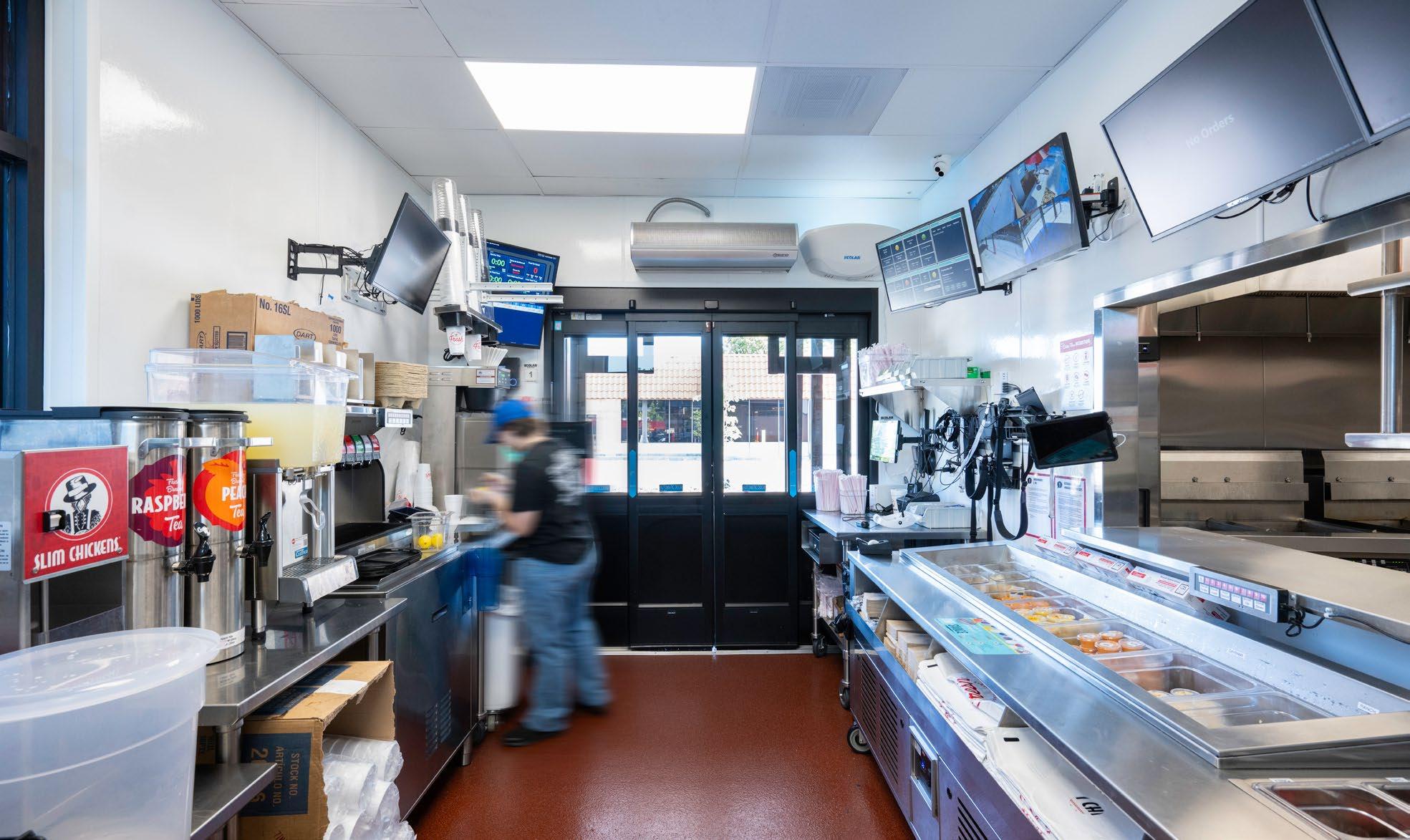
HFA brings extensive experience designing QSR environments, with a strong focus on developing programmatic solutions that support consistency, efficiency, and brand growth. Their integrated team collaborates closely with clients to create repeatable design standards that adapt across locations, streamline operations, and enhance the guest experience. From prototype development to rollout, HFA helps QSR brands scale with confidence while maintaining design integrity and operational performance.

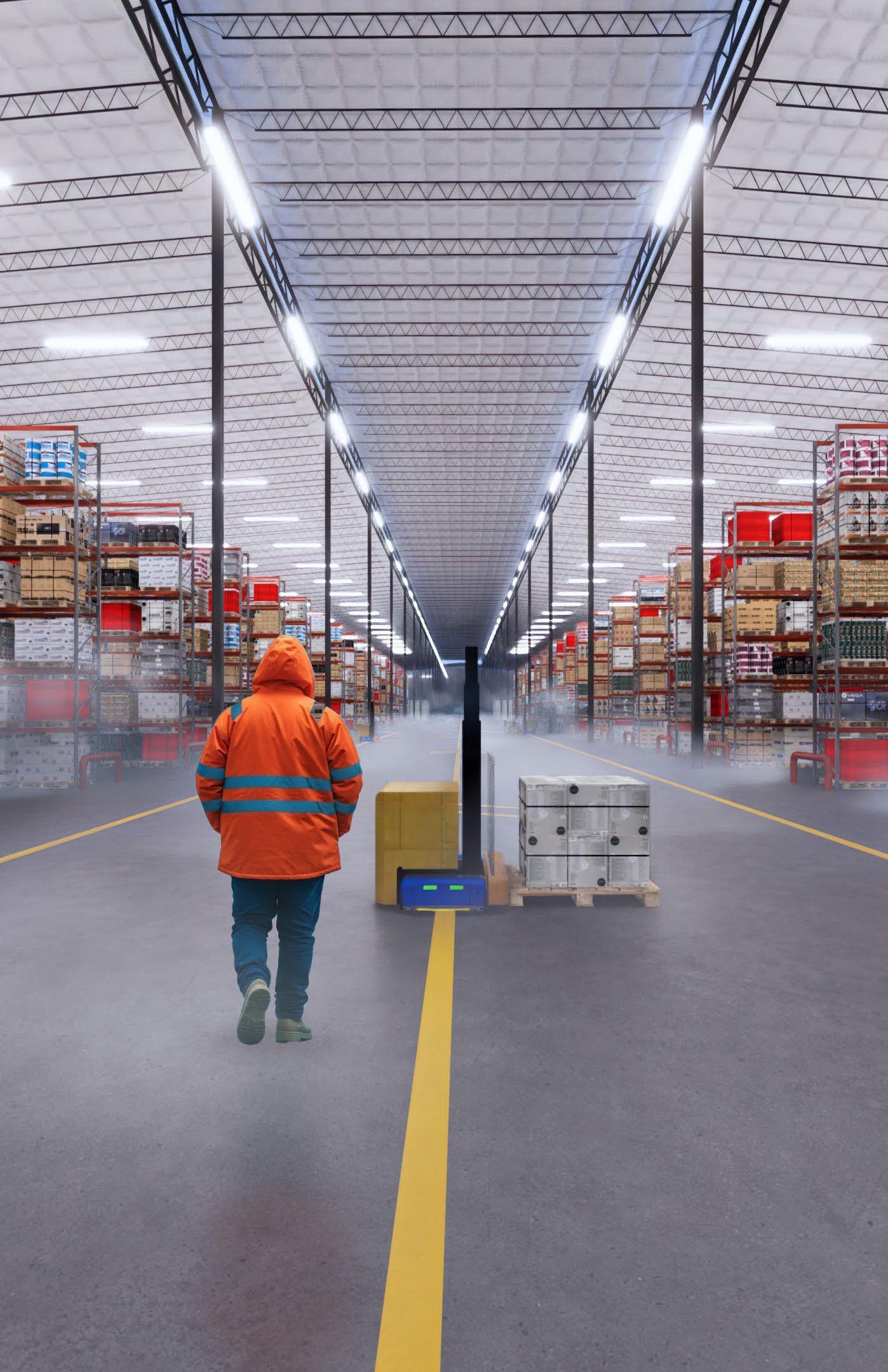
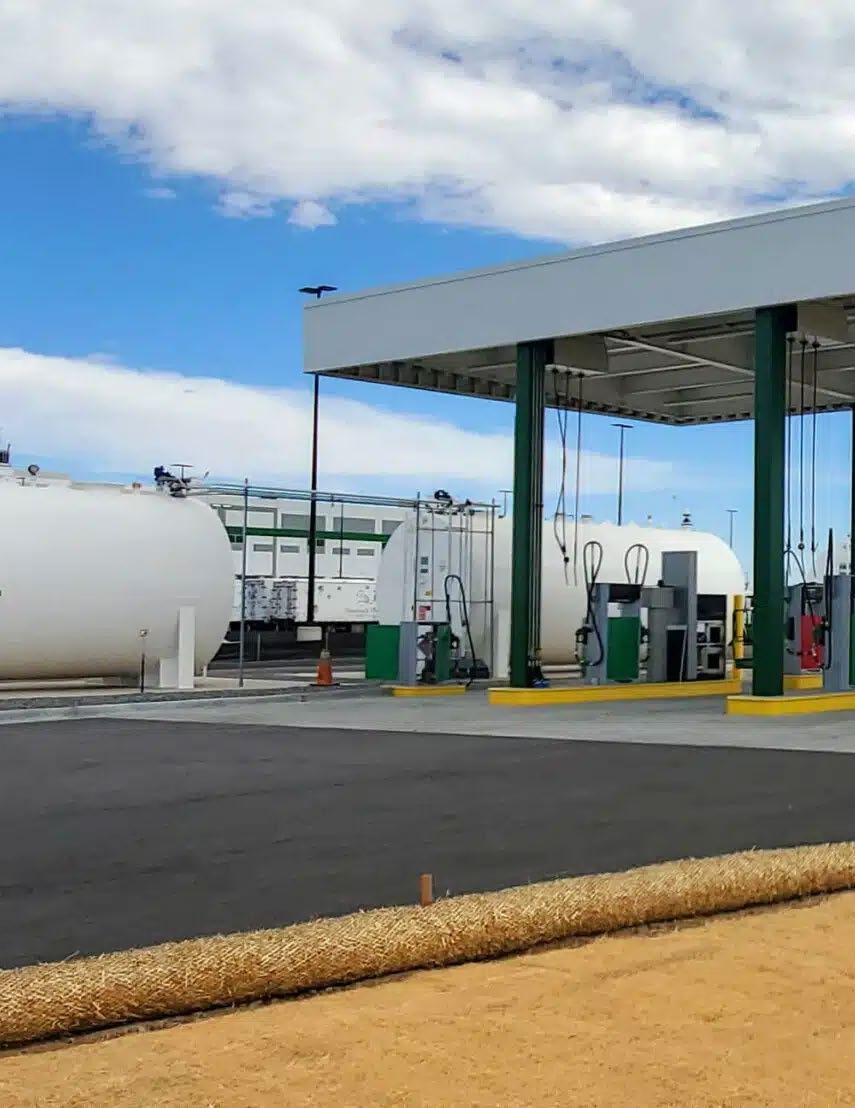
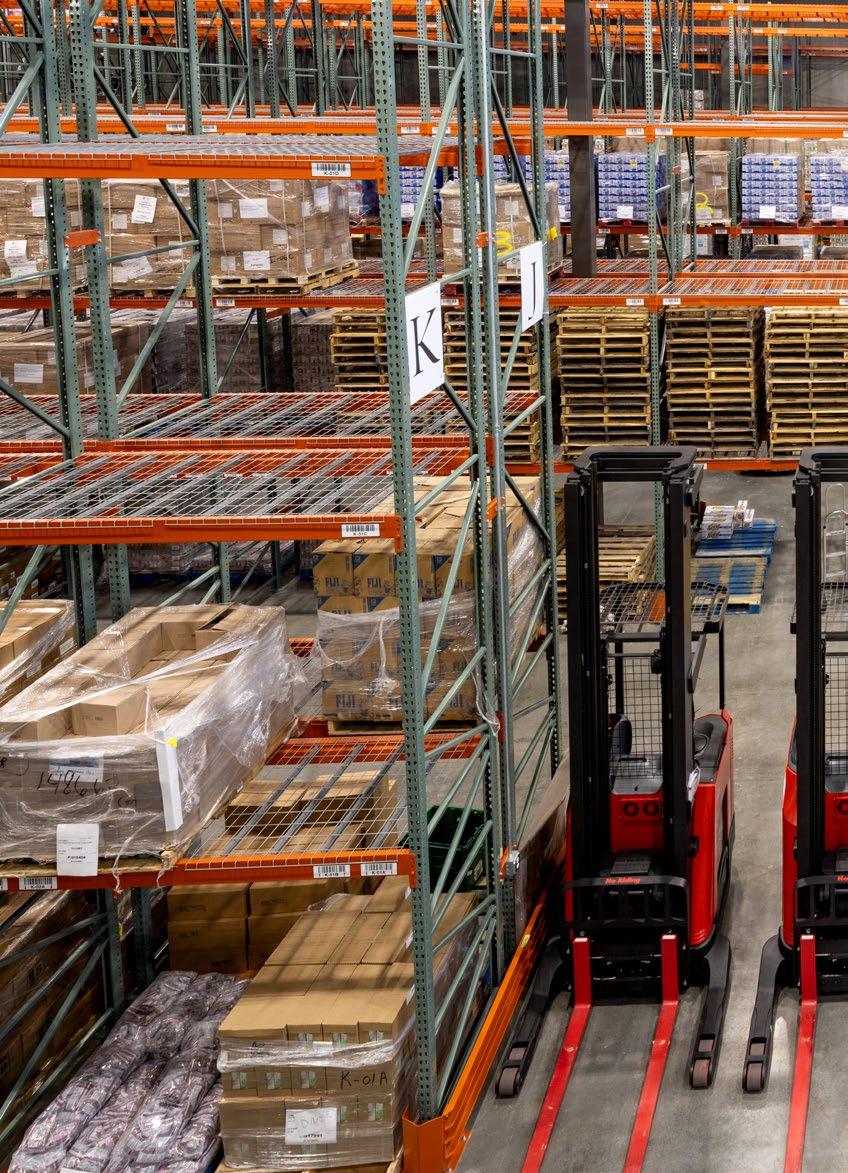
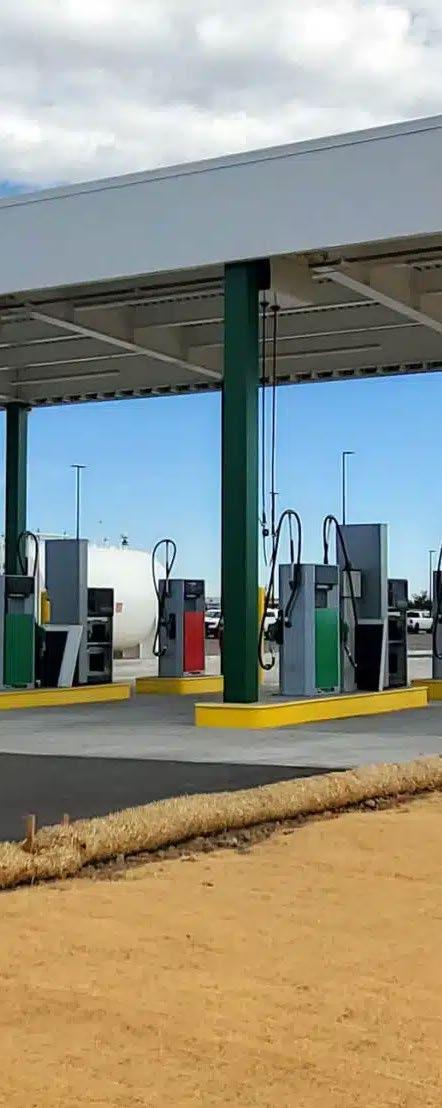
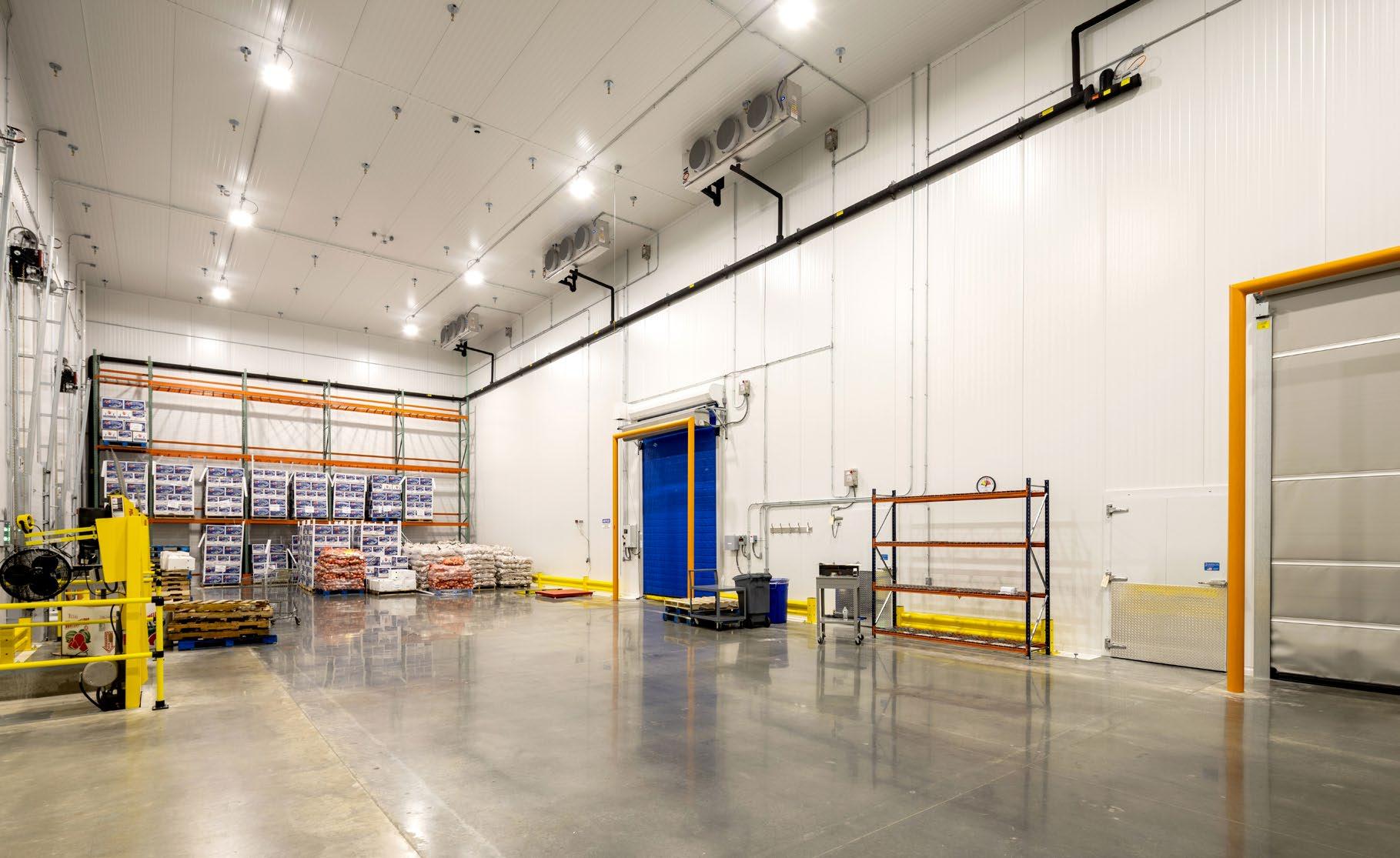
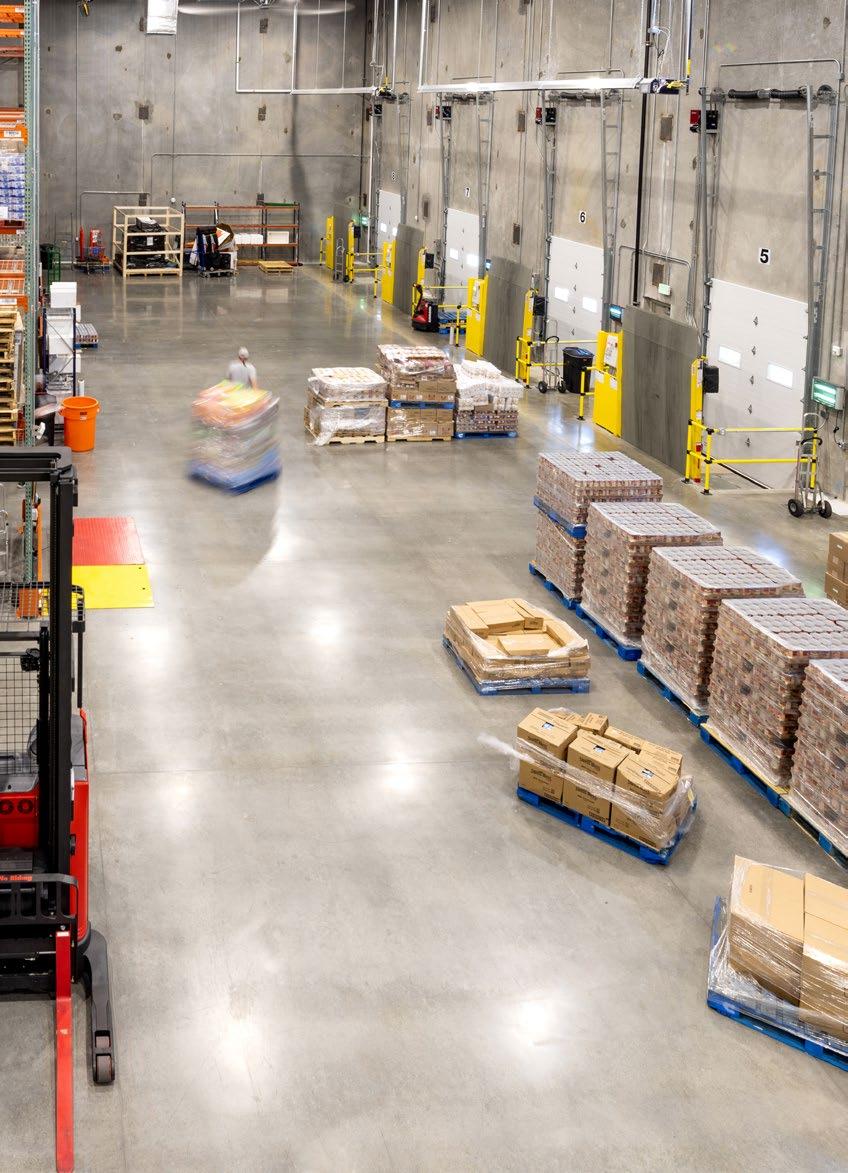
HFA’s Supply Chain Support experience is built for speed, certainty, and scale, supporting logistics, fulfillment, and distribution projects from entitlement through commissioning. As a single, fully integrated A+E partner, we streamline workflows across pre-construction, permitting, and construction administration—reducing coordination gaps, RFIs, and change orders while accelerating delivery timelines. Our team combines automation, robotics integration, cold storage, fueling, and omnichannel logistics expertise to evaluate sites quickly, optimize layouts, and deliver resilient supply chain facilities nationwide.
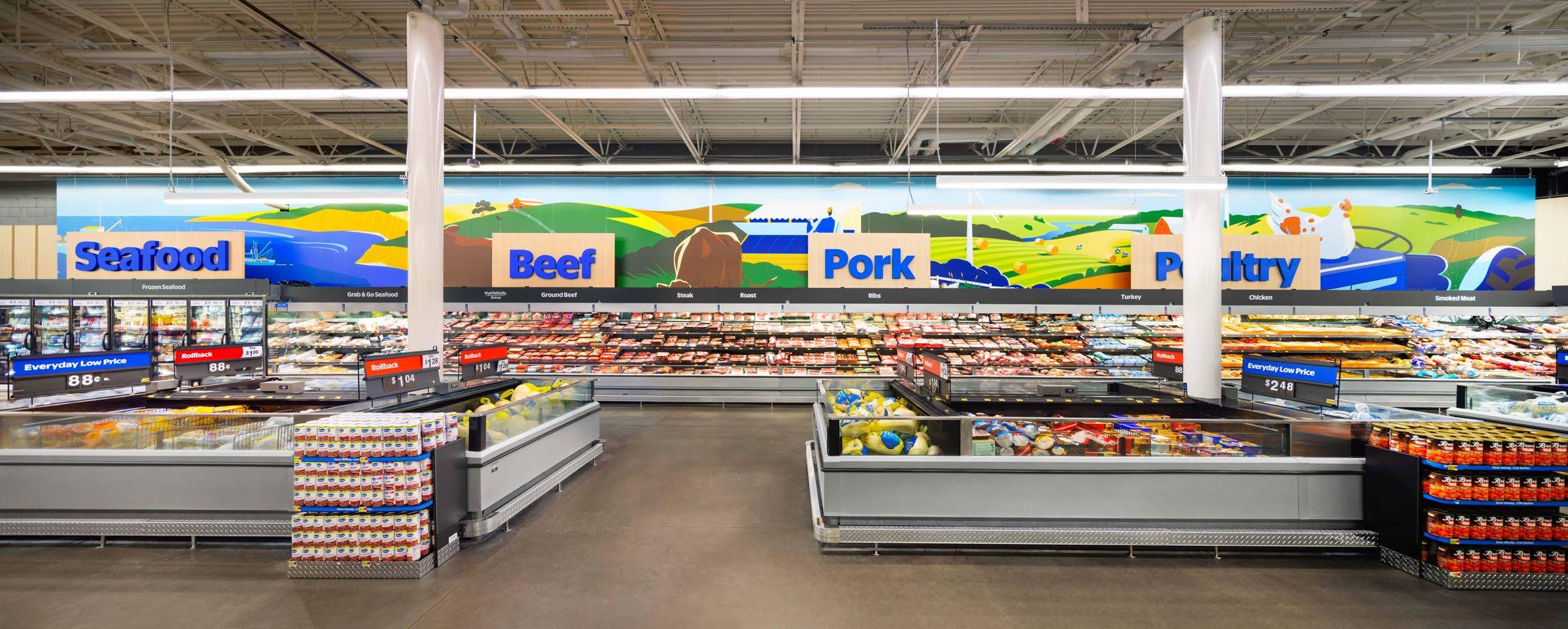
leadership
Published on January 12, 2026
HFA’s work has enriched the Walmart customer and associate experience at diverse formats across the country. Meet two HFA Team Leads who help keep the innovative retailer’s existing stores on the leading edge
Online pickup and delivery keep getting faster and easier at Walmart, and not just at brand-new stores.
The increasingly seamless ecommerce transactions at existing Walmart Supercenters, Neighborhood Markets and other formats are due in part to the Everyday Design work of dozens of HFA architects and engineers. These multidisciplinary teams are part of Walmart U.S.’s ambitious and ever-evolving remodel program.
Their focus is on finding new ways to improve the experience for customers and associates, from the parking lot to the produce aisles to the spacious new store expansions that are ramping up online order-fulfillment across Walmart U.S.’s 5,206 retail units.
‘‘We are now designing expansions of up to 9,000 or 10,000 square feet for some of the biggest Walmart Supercenters, which process tremendous numbers of online orders every day,’ said HFA’s Courtney Ayres (NCIDQ, RID), Senior Architectural Team Lead for the Walmart remodel program and a veteran interior designer.
These new buildings store thousands of general and grocery SKUs and boast their own freezers and walkin coolers. It’s an improvement over older approaches in which grocery and general-purpose stockroom space could be cannibalized for fulfillment of delivery and pickup orders. ‘It’s important to maximize your regular stockroom space so that you can keep the shelves as stocked as possible,’ Courtney explained. ‘Adding high-efficiency fulfillment capacity for pickup and delivery is a huge evolution.’
These building expansions provide dedicated space for orders to be stored until the customers/delivery drivers arrive for pickup, noted HFA Team Lead Melinda Turner (AIA, NCARB). ‘It’s a way to overcome the limitations of using the existing stockroom space to boost capacity and fulfill more orders per hour,’ Melinda said. ‘It reduces friction and increases efficiency for everyone, so it’s a win-win.’
Focused on architecture, Melinda leads a 12-person team within Courtney’s larger remodel group of more than 70 architects and engineers. In addition to leading a six-member remodel team, Sarai Martinez also leads a five-member special projects team that manages standalone expansion projects as well
as smaller-scope initiatives, for example, exterior branding implemented outside of full-store remodels.
Back in 2021, Walmart invited HFA to join a broader design collective comprised of three architectural firms working on various test initiatives. But HFA’s relationship with the Bentonville, Arkansas-based retailer goes back about 20 years. Conducted in collaboration with vendors, consultants and, at times, other civil and structural engineering firms, the remodel program includes ongoing contributions from all of HFA’s in-house disciplines. These Everyday Design efforts help shape the day-to-day experience of Walmart customers and associates in large and small ways, Courtney noted.
‘For example, remodeling and sometimes enlarging the pharmacy is typical scope of work for our projects,’ Courtney said. ‘This allows for higher capacity and larger volume of customers served, but it also provides a more functional and user-friendly workspace for the associates and the pharmacist.’
Courtney’s team also has designed new mother’s rooms for Walmart Supercenters. ‘As a mother myself, I know that having this place of privacy is something that new moms really appreciate,’ she said. ‘It’s great for Walmart to acknowledge that need.’
The remodel program even touches spaces that many retailers have traditionally ignored, such as breakrooms and the hallways that lead to them. ‘Now
we’re painting and refreshing that entire space,’ Melinda said. ‘Walmart really wants their associates to feel like they are part of what matters in their store.’
Collaboration is part of any Walmart Supercenter remodel project, but the new store expansions take this to another level, from big-picture decisions down to small details.
‘At the highest level, Walmart has now charged us with providing recommendations on where the expansion should go on that site, and precisely what the footprint should look like to maximize efficiency,’ Courtney said. ‘so we’re coordinating with our civil partners, doing site evaluations and looking carefully at things like easements and utilities. Then we’ll go back to Walmart and say, ‘This is the safest and most logical place for the square footage that you want.’’
The challenges can vary dramatically from day to day and site to site. ‘That could be figuring out the best way to connect to an existing building, or even just dealing with the ground itself,’ Courtney said. ‘In low-elevation Louisiana, for example, if you dig a hole, it is going to fill with water, so you need to account for that. We just have a wide range of site-specific considerations. It’s everything from drive lanes for the trucks to whether the jurisdiction wants stucco instead of CMU [concrete masonry units]. There are a lot of moving parts.’
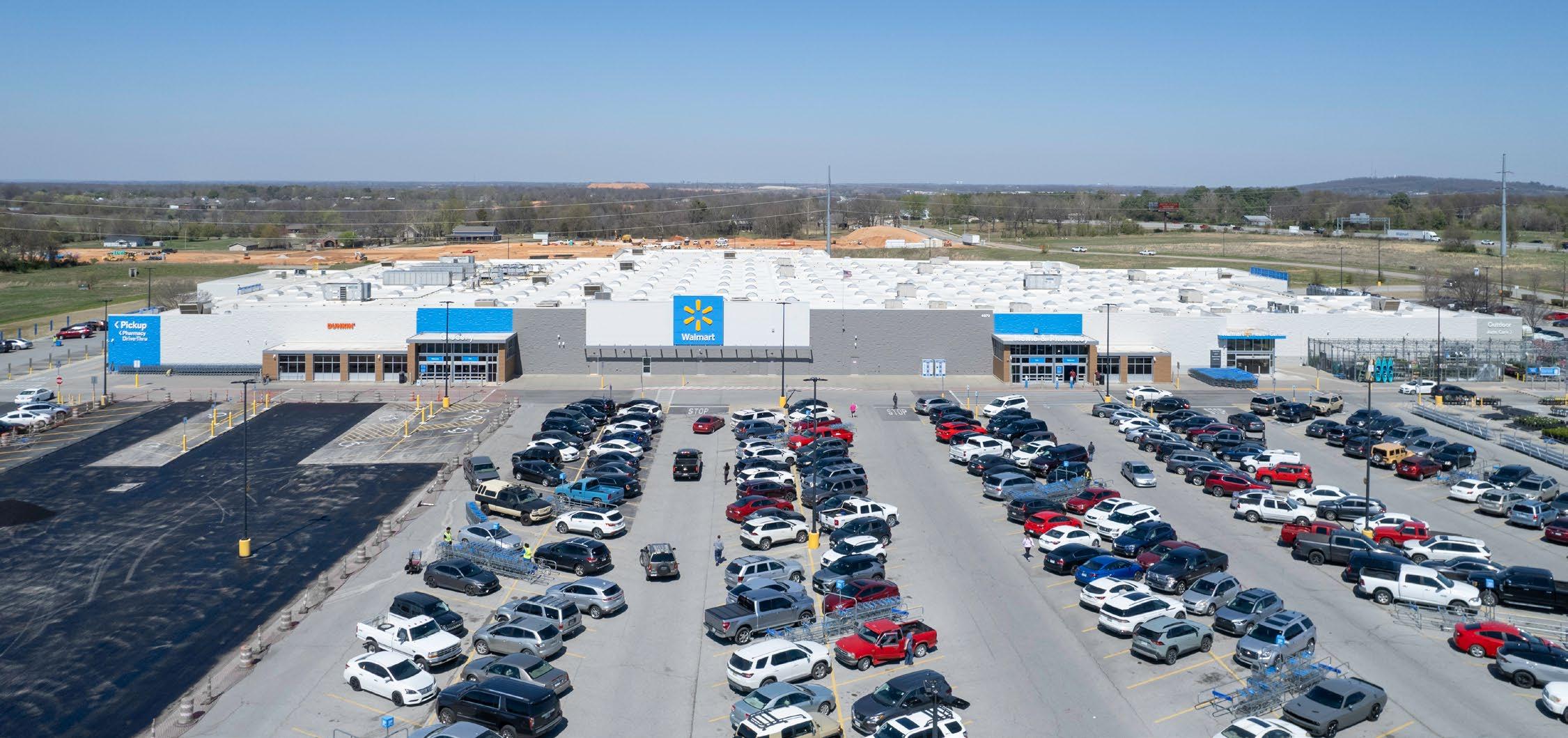
The complexities that can arise on such projects are many, but Courtney and Melinda encourage their teams to use a clarifying lens: Imagining how the experience of customers and associates will be affected by the design decision in question.
‘some of it boils down to the jobs we had before we became architects or engineers,’ Melinda said. ‘That might be, ‘Well, when I worked in a retail or grocery stockroom, how would this change have worked for me? Would they have given me a forklift license? What would I have run into in this situation?’ We’re constantly looking through that lens to find the approaches that will be most efficient.’
Even basic systems like rooftop drainage can affect the day-to-day reality of store associates, Melinda noted. ‘Is that downspout where somebody is going to be walking constantly?’ she asked. ‘How do you make sure that if everything freezes that water runoff is never a safety hazard?’
This imaginative exercise shapes planning for every dimension of these remodel projects. As Courtney explained, ‘We’re putting ourselves in the mindset of, ‘OK, if I were doing this job or if I were picking up these groceries, what obstacles would I be encountering? How can I make sure this experience is as easy and efficient as possible every day?’’
It leads to better buildings, inside and out. ‘My background is in interior design, so I focus heavily on interior space-planning and things like the path
of travel, proximity and ergonomics, while Melinda’s training is on the architectural end,’ Courtney said. ‘It’s really about everyone working together, thinking about what we know, and applying that to the project.’
When a Walmart remodel is complete, the public sees the physical improvements but not what went into the total effort, things like negotiating complex code requirements related to parking lot changes and nextgeneration refrigerants; making sure the structural slabs for the expansion were appropriate for the walk-in coolers and freezers; or adopting the right fire protection and mechanical, electrical and plumbing (MEP) systems to guarantee a safe and efficient building.
But when members of the team stroll through a remodeled Walmart, they remember scoring those wins, Melinda said. They also notice even seemingly small details: new vestibule flooring, LED lighting in the reach-in freezers, a freshly painted wall with Walmart’s new wordmark and True Blue and Spark Yellow color palette. ‘Believe it or not, we can look at those details and pinpoint within about a six-month period when that store was remodeled,’ Melinda said.
Adds Courtney: ‘When I shop at a beautiful, remodeled Walmart and say to myself, ‘Hey, my team did that!’ it makes me so proud of them. It also brings me tremendous pride to see people in a space that is functioning well, with everything working just as intended.’
Published on October 19, 2025
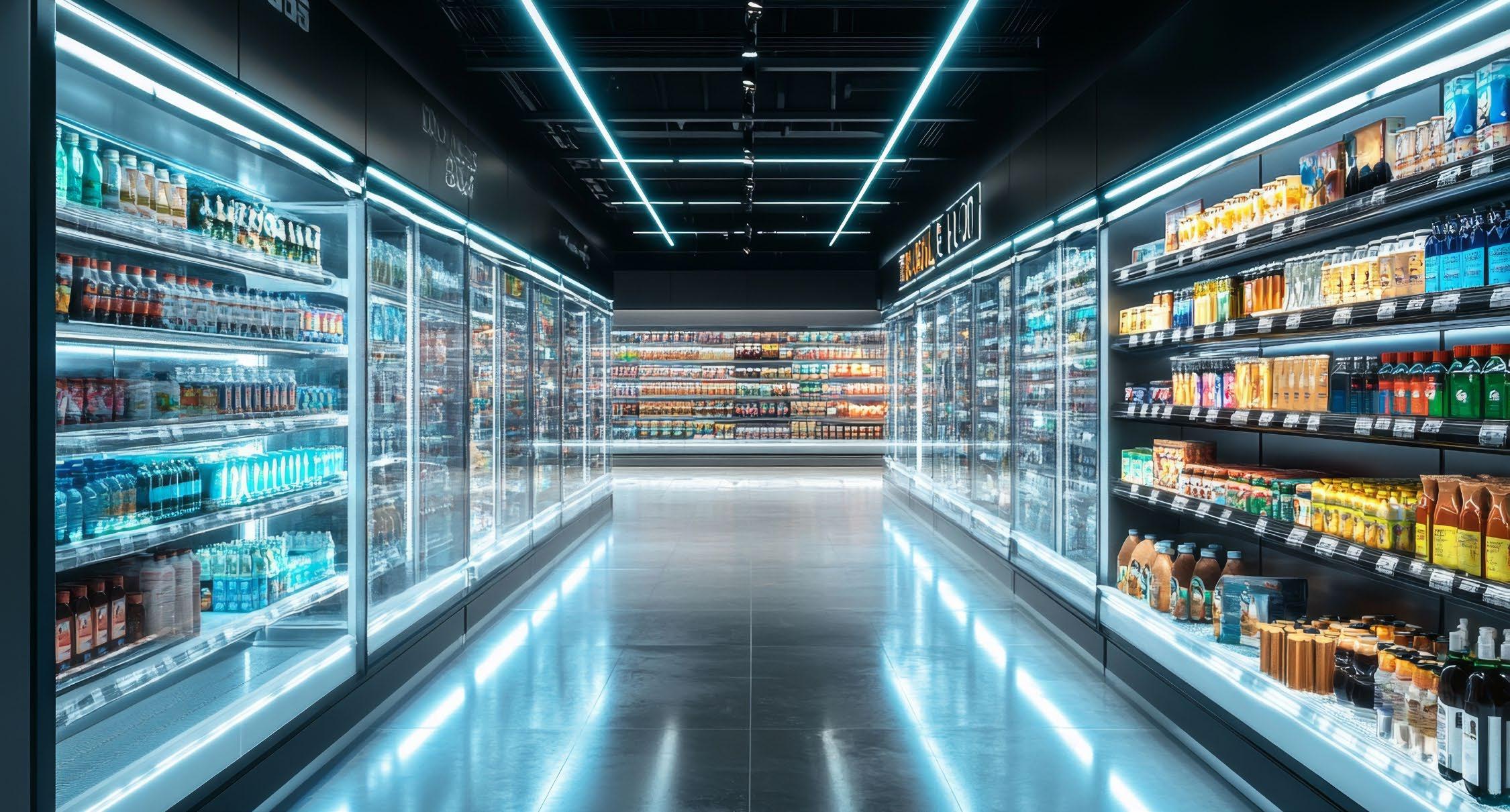
Lowering emissions starts with smarter cooling. From CO 2 to propane, natural refrigerants are reshaping how grocers think about performance, compliance, and the path to Net Zero.
In recent years, increased pressure has been placed on industry leaders to continue to look at how they can lower emissions and comply with new and evolving regulations sent down by the EPA and other agencies. The year 2020 brought forward the American Innovation and Manufacturing Act (AIM), which mandated a phased down approach to the use of hydrofluorocarbons (HFCs) that have high global warming potential (GWP) in manufacturing and retail sectors like grocery stores and others. By 2036, the AIM Act mandates an 85% drop in high GWP HFCs. To do so, many national grocery chains have begun shifting to less harmful refrigerants, that are slowly getting closer to that elusive Net Zero.
Employee Owned. People Powered.
However, not all refrigerants are made equal, and the changing regulations can make it confusing to know which refrigerants are the right mix for each retailer. What is right for each retailer isn’t always the same, especially when looking at the upfront and maintenance costs that come with some of these systems. One size does not fit all, and we think it’s important to look back at the impetus for these changes to help you determine what’s the right move for you and your refrigeration systems.
Grocery retailers are typically willing and able to make the switch to more sustainable gases for their refrigerated cases. However, knowing which is the ‘right’ choice can be a puzzle. All refrigerants operate differently, and those differentiations in operation also necessitate where these refrigerants work the best. As you begin to explore a change from one to another, it’s important to look at the whole picture to make sure you are making the right choice for your site, your employees, your customers, and of course, your end goal. Let’s take a look at the more common natural refrigerants and how they can help you stay cool under pressure.
2 (R744)
Pros of CO2 | CO2 has largely been recognized as the next right choice because of its very low GWP (a rating of 1), and its cost-effectiveness for owners and operators. CO2 is also non-flammable and non-toxic, making it safe for operators and customers. It can also function efficiently at lower temperatures, which
is conducive to powering refrigerated systems. CO2 is also an abundant resource and can be accessed relatively easily, making it the natural choice for many grocers.
Cons of CO2’ | CO2 requires higher operating pressures to function properly, which translates into more complex refrigeration systems needing to be created in order to contain it. Because of these high pressures, there is greater demand put on refrigeration equipment and there is a need for safety precautions in case of valve or pipe failures. When choosing piping systems, special care must be taken when choosing valves, pipes, and seals, ensuring they are able to withstand high pressures without strain.
Bottom Line: What to Know About CO 2 Refrigerants (R744)
+ Eco-Friendly + Abundant: With an ultra-low GWP of just 1 and wide availability, CO2 is a smart, sustainable choice that aligns with environmental goals.
+ Safe to Use: It’s non-flammable and non-toxic, making it a safer option for both workers and customers.
+ Performs Well at Low Temps: CO2 thrives in cold environments, making it ideal for grocery and food retail refrigeration.
+ System Complexity Matters: CO2 systems operate at much higher pressures, so they require specialized equipment, components, and trained technicians ‘ which can increase setup costs and maintenance complexity.
Pros of Propane | Propane was discovered in the late 1860s, but it wasn’t until the 1900s that it was recognized for its potential as a fuel source. Since then, propane has been used to heat homes, power cooking equipment and water heaters, and more. With propane’s versatility and accessibility, it’s often looked to as a convenient choice. Propane is also a very efficient refrigerant. A much smaller quantity of R290 is required for refrigeration than that of other refrigerants. This becomes another positive attribute for propane. Because you need less of it in your refrigeration systems, should a leak occur, any potentially harmful effects are minimized because of the lack of flammable matter leaking into the surrounding environment.
Cons of Propane | As noted above, propane is flammable, so it does require both proper storage and handling to ensure the safety of those in its vicinity. This also means that proper ventilation and safety precautions are taken in enclosed spaces where propane tanks may be stored. Because the use of propane in refrigeration systems is still a relatively new alternative in the refrigeration rack area, the initial startup costs that include specialized safety features and the specialized components needed might be cost-prohibitive for some retailers.
+ Highly Efficient: Propane packs a punch ‘ it delivers more heat transfer with less refrigerant, making refrigeration systems run efficiently while using smaller quantities of refrigerant.
+ Clean + Reliable: It has a global warming potential (GWP) of approximately three, and it doesn’t expire, making it a dependable long-term choice.
+ Safer Than You Think: Because so little propane is needed to operate systems, even in the event of a leak, the risks are reduced ‘ but safety protocols are still essential.
+ Upfront Investment: Propane systems may require higher initial costs due to necessary safety features and equipment ‘ but many see that investment pays off in efficiency and sustainability.
+ Climate Matters: Propane systems are most efficient in mild to moderately warm regions. In hot or tropical climates, they can still work well but may need additional engineering (like better ventilation or capacity planning) to avoid performance loss. Consider your location’s seasonal temperature highs and indoor heat load when evaluating the use of propane systems.
There’s no one-size-fits-all answer and that’s exactly why this decision deserves thoughtful consideration. While CO’ and propane both offer compelling benefits in the shift toward lower-emission refrigeration, they also come with unique system requirements, safety protocols, and cost considerations. Choosing the right solution isn’t just about checking a sustainability box ‘ it’s about aligning your refrigerant strategy with your operational needs, infrastructure, and long-term goals.
The next step? Engage early with your refrigeration engineers and system design partners. Their insights are critical to evaluating site-specific factors, understanding the trade-offs, and ensuring your investment is optimized for performance, safety, and compliance. The future of refrigeration is evolving fast and having the right team at the table now will position you to make confident, forward-thinking choices that keep your systems running cool and clean for years to come.
Published on September 5, 2025
Scaling up doesn’t mean blending in. Learn how design can help growing grocers preserve what makes them special while connecting with new customers in new markets.
This article previously appeared in Progressive Grocer.
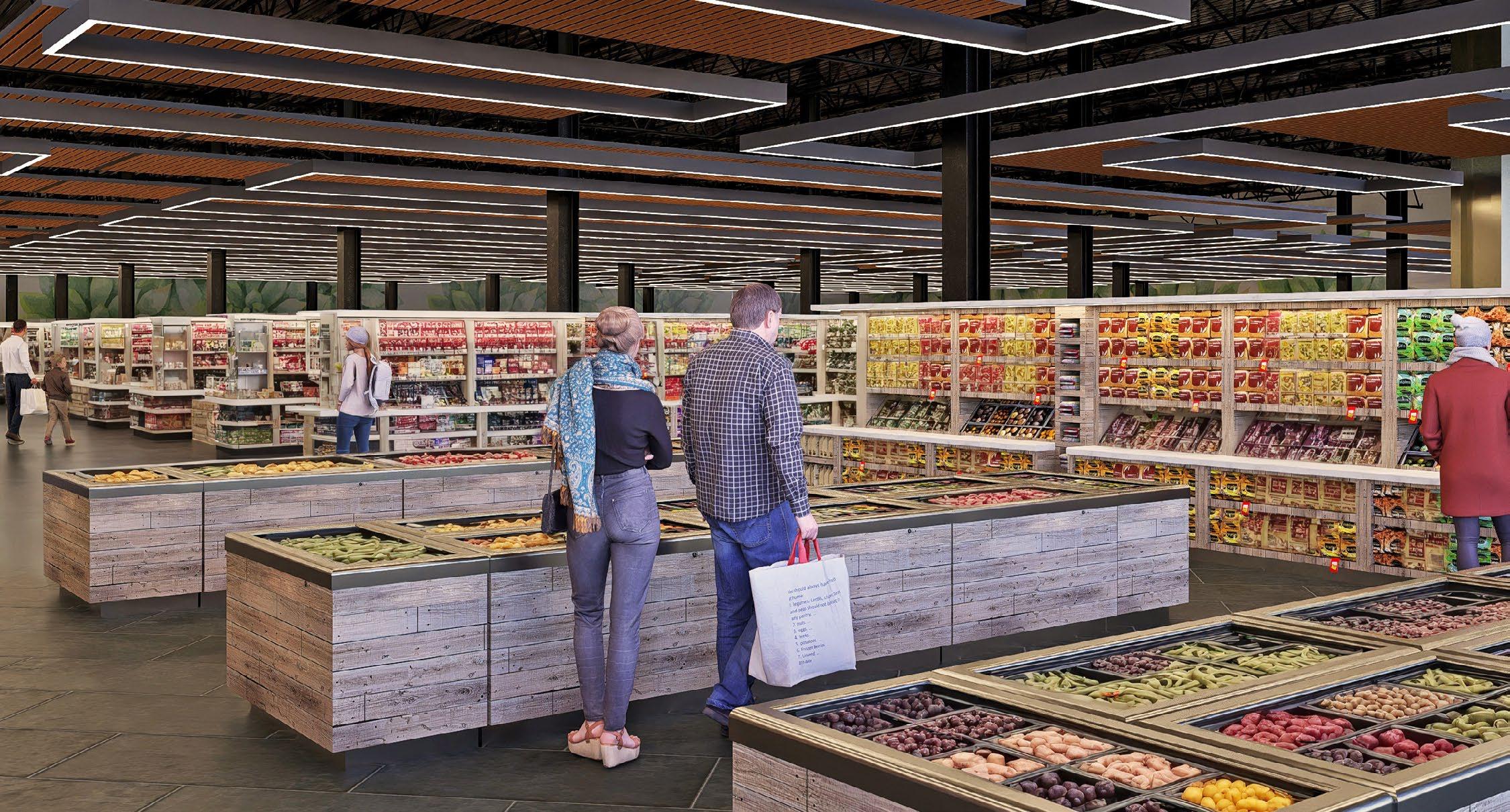
When local grocers start thinking about scaling up, they can go through a bit of an identity crisis. Looking in the mirror, they still see a community-focused business that has scored a hit by connecting with specific people in specific places. That could be a few rural towns in western Massachusetts, or a smattering of beachfront food stores up and down the Gulf Coast.
Ramping up store growth raises the prospect of developing a one-size-fits-all prototype. How do you go regional or national without losing touch with what fueled your success in the first place?
Here are three design-related tips for connecting with new communities and customers as you grow your operations.
Grocery execs and store designers have long understood the benefits of localization, but in too many cases the approach ends up feeling like it was driven by the town’s chamber of commerce. If your new store is in a part of the country famed for its cranberry bogs, Columbia River salmon or Black Angus beef, then by all means use merchandising and graphics to celebrate these local icons. It also makes sense to create a community board that trumpets your support of sports teams, charities and public safety heroes, with ads and social media accounts driving home the message.
But a more granular approach to localization can yield benefits, too. In a practice that is common to hospitality architects who design luxury hotels and resorts, expanding grocers can study how their new customers differ from one another. This knowledge can then be used to shape the look, feel and function of the store.
Imagine planning a store that will be within walking distance of three bustling colleges. The design firm has put together multiple patron profiles for that location and observed that time-pressed students who rarely cook will make up a big part of the customer base.
Rather than plopping down a one-size-fits-all prototype, the grocer can now work with the architecture and engineering (A+E) team to maximize the visibility, visual appeal, and convenience of the grab-and-go experience located close to the front of the store.
Localization can be about more than putting cereal boxes, ramen noodles or premade Cuban sandwiches within easy reach. By huddling early in the planning process, grocers and their A+ E teams can brainstorm more ambitious offerings, a conversation that should include how mechanical, electrical, plumbing,

fire-protection or refrigeration codes and components could come into play. Let’s say the college town is in Southwest Texas. Students could pop in and see a fast casual-like street taco bar with a locally inspired menu and graphics as well as a fast and efficient queueing system. Mechanical engineers have worked with the store designers to create a distinct experience, controlling the airflow in and around that taco bar so that the croissants at the bakery on the other side of the store never take on the aroma of honey-lime barbacoa.
Likewise, the A+E team has taken the time to chart how other patron profiles’retired professors, say, or parents with young children’will experience and use the space. Having studied the demographics and psychographics in the market, the team might suggest giving politically and environmentally conscious shoppers a bit more information. Imagine a portrait of the third-generation farmer who grew those habanero and serrano peppers, or an illuminated display showing how the store minimizes its carbon footprint.
Some employees at the expanding New England grocery chain Market Basket sport nametags that list the number of years they have devoted to the company. It’s a seemingly small detail that conveys a sense of community connection. For its part, fast-expanding Publix has built a strong reputation via its employees’ friendliness and service orientation.
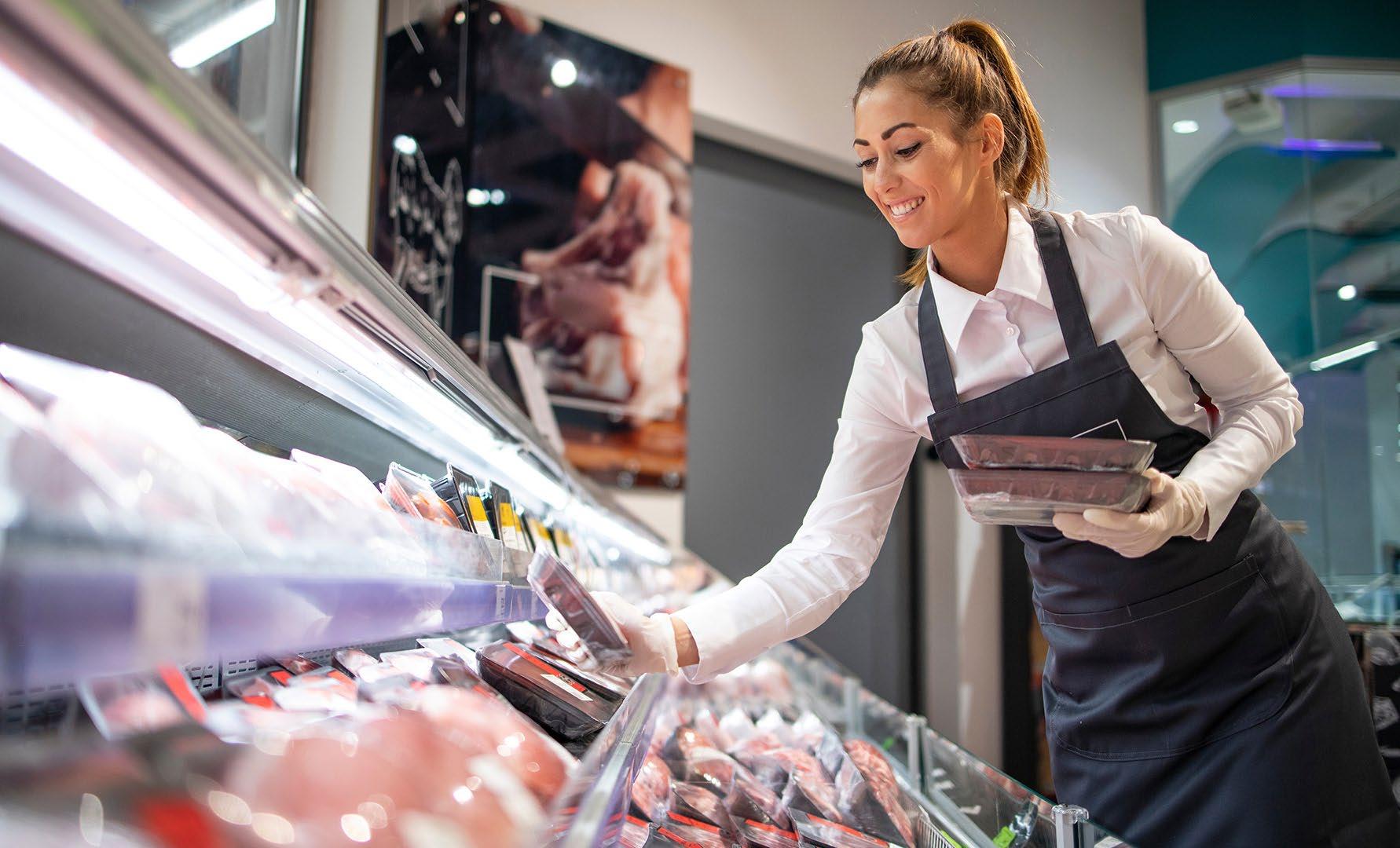
If the human dimension is a big part of who you are, make sure your A+E team understands this from the outset, because store design can be used to accentuate this strength. For example, the team could design the café so that seating is close to the service counter, making it easy for regulars to shoot the breeze with their favorite baristas. If your brand is more about convenience, the team might use site and store layout to maximize the efficiency of online order pickup.
As you form your growth strategy, focus on understanding the logistical, experiential and brand elements that will need to stay consistent. For everything else, let flexibility and localization be the name of the game.
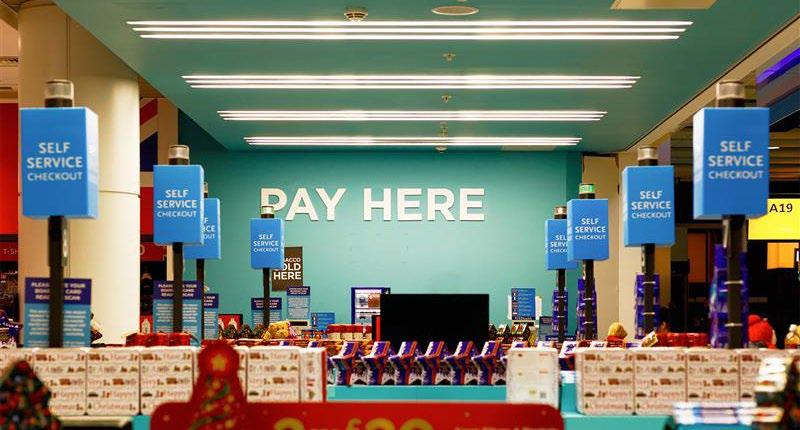
Published on February 13, 2024
Retailers grapple with the double-edged sword of self-checkout as concerns over shoplifting and customer experience rise. Discover three strategic tips for achieving the delicate balance between self-checkout convenience, safeguarding against theft, and ensuring a positive shopping experience for all.
A version of this article was first published on Chain Store Age Online.
Retailers are paying more attention to the potential downsides of self-checkout lanes. Operators like Dollar General, ShopRite, Costco, Wegmans and Five Below, to name a few, reportedly have tweaked their selfcheckout strategies in response to shoplifting and other concerns. At least one big-box discounter has started tearing out self-checkout lanes at stores where shrink is running high.
Changing course on these systems is no easy decision. Some customers actually like scanning their own items (this was especially true during the pandemic), and self-checkout lanes can allow retailers to cut labor costs, better cope with the labor shortage, and keep lines moving during peak times, among other benefits.
But concerns about shoplifting and shrink continue to grow. Meanwhile, many retailers are hyper-focused on protecting the customer experience, which can suffer when they rely too heavily on self-checkout systems.
Here are three tips for achieving balance in your approach to self-checkout.
Some stores have stronger incentives to rethink selfcheckout than others. That could be because the store has a bigger problem with shrink than other locations in the portfolio, or a higher percentage of regular customers who dislike these systems. When I had small children in tow, I saw firsthand how frustrating self-checkout lanes could be for busy parents. (Just try scanning and bagging a cart full of groceries with one hand, while using the other to keep your kids from wandering away, grabbing candy off the shelf or bumping into other customers.) People with disabilities often find selfcheckout to be difficult to use, and many seniors greatly prefer face-to-face checkout, as do people with large orders that would seemingly take forever to scan by yourself.
Dynamics at individual stores, in other words, are worth considering alongside factors such as shrink and labor cost and availability. Do you serve a large number of seniors or young parents? What is your shopper’s average basket size? How many complaints has the store manager received about self-checkout over the past six months?
By paring back the number of self-checkout lanes and hiring additional cashiers, some retailers could turn self-checkout into an option’as opposed to a necessity’for these different customer segments, thereby improving their overall experience.


But of course, if shrink is getting out of control at a given store, stronger steps might be necessary. Self-checkout lanes create well-documented opportunities for people to walk out of the store with pilfered merchandise. In addition, higher rates of shoplifting can lead to more confrontations with suspected criminals’an unpleasant experience for all and a potential liability risk for the retailer.’
At some stores, drastically reducing or eliminating self-checkout might be the best way to go.
Retailers that do decide to remove a few of their self-checkout lanes could consider using the newly available space to create what might be thought of as a ‘security box.’ This involves positioning self-checkout lanes within a self-contained area, with one entrance and one exit. Typically, an attendant will stand at the exit to both assist customers and watch what’s going on.
The dimensions of the box are important. If it is too large, the security-enhancing effects could be lost. If it is too small, customers could feel hemmed in and frustrated by the lack of space. Here again, average basket size could
be an important factor: If your average shopper buys a relatively small number of items, then a smaller security box might work just fine. Retail architects and designers can help companies establish an approach that works for their customers and stores.
Certain other technologies that outsource checkout to customers’by, for example, allowing them to scan items and drop them in their carts as they stroll the aisles’can carry shrink risks of their own, depending on how these systems are arrayed and employed.
In addition to reevaluating the shrink risks associated with conventional self-checkout lanes, retailers might want to take a second look at the potential downsides of any other self-checkout systems they employ.
All of that said, they should stay open to new technology solutions hitting the market. While Amazon has shuttered some of its cashierless stores as part of cost-cutting efforts, various companies continue to push the envelope on self-checkout via experiments involving the likes of biometric-detection, mobile apps, RFID chips, and AI-fueled cameras and carts. One of these days, the push for innovation savvy innovator startup could lead to realize checkout nirvana’an automated approach that truly is headache-free for both shoppers and stores.
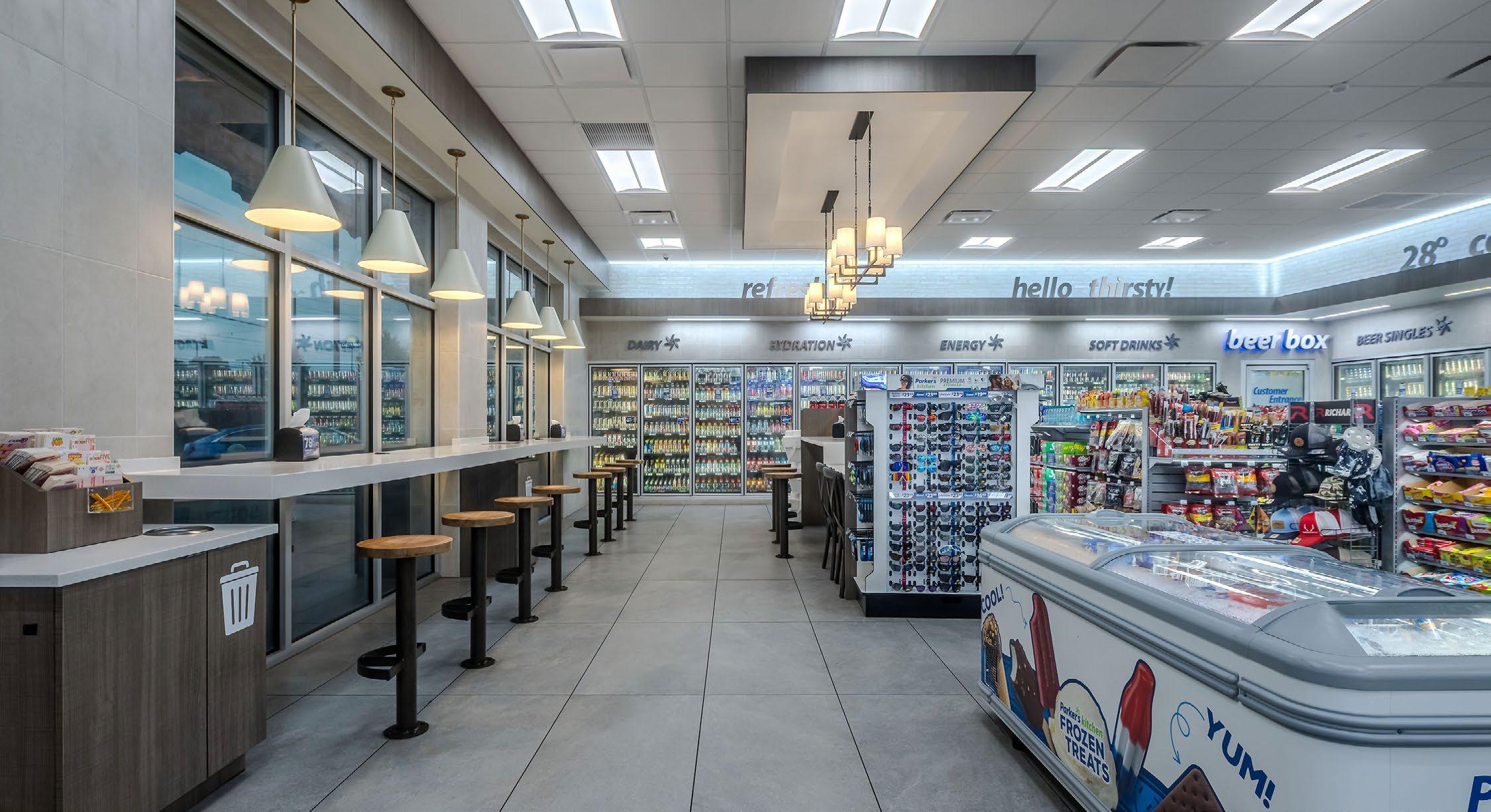
Parker’s Kitchen is one of the fastest-growing convenience store brands in the Southeast. Known for its fresh food, high-end finishes, and fuel-forward approach, the company has over 100 stores in Georgia, Florida and South Carolina. Yet, scaling a brand at this level isn’t just about building more locations, but designing with intention. That means balancing speed with consistency, food with function, and fuel with the future.
Since ‘2022, HFA has partnered with Parker’s Kitchen to meet those needs head-on. What began as a fuel-only collaboration has evolved into a fully integrated design relationship spanning architecture, engineering, fueling systems, prototyping, and long-term planning.
In the world of convenience retail, everything is connected, and when every site counts, a multidisciplinary approach makes all the difference.
When Parker’s Kitchen first reached out to HFA, the goal was simple: get support designing the fuel systems powering each location. It’s a critical (but invisible) piece of the operation. Customers don’t see the underground portion that must be precise, codecompliant, and future-ready.
‘Fuel systems are highly regulated.’ said Branson Hall, Senior Lead for Travel Plazas and Fueling at HFA. ‘From piping to tank placement to permitting, it all affects site flow and timelines. Getting it wrong slows everything down.’
Hall has worked with HFA for over 23 years and said factors such as site slope, plot size and street access all impact the design. He said there are many considerations the public doesn’t see but experience the benefit of.’
These include designated truck or auto entrances and more space and routing for fuel supply trucks. This final factor is incredibly important, Hall said, as many of these trucks unload on the passenger side, which could impede traffic flow if designed incorrectly.’
During the initial engagement, Parker’s Kitchen had locations across Georgia, and South Carolina, with plans to grow faster. They needed a team that could match their pace and deliver consistently without sacrificing quality. After proving value on the fuel side, HFA was asked to take on more.
Today, HFA provides full architectural and MEP services for this growing brand. This multidisciplined team works alongside Parker’s Kitchen to streamline everything from prototype development to site adaptation. Hall said they did not originally handle civil engineering operations but have added those services as Parker’s Kitchen has expanded.
Speed matters, but so does alignment. That’s why HFA built a dedicated, multidisciplinary team for the Parker’s Kitchen program. This team of 14-18 includes everyone from fueling designers and architects to MEP and structural engineers, as well as client leads and interior designers who understand the brand’s goals inside and out.
‘We approach each site as a single, coordinated effort,’ says Zack Meyers, Architect and Team Lead at HFA. ‘Every discipline is in conversation. When architecture, engineering, and fueling design work together from the start, we catch issues early, reduce rework, and move faster without compromising quality.’
This level of integration minimizes delays and reduces change orders between consultants, helping Parker’s Kitchen open stores faster without running into costly surprises. It also allows HFA to contribute strategic ideas, not just production support.
‘We’re not just drafting plans,’ Meyers said. ‘We’re asking questions that help them make better decisions at scale.’
Beyond function, HFA helps ‘Parker’s Kitchen design spaces that feel elevated. Stores are known for their bright interiors, fresh food displays, and smart site layouts that support both passenger and commercial vehicles.
One standout example: a large-format truck stop in Kingsland, Georgia, which introduced new features tailored to long-haul travelers. Think expanded restrooms, commercial parking and a customdesigned game room unlike anything in the Parker’s Kitchen system.
‘The game room was a fun challenge,’ says Valerie VanHoesen, Interior Designer and Client Lead at HFA. ‘We went for a Vegas-inspired look. It’s entertainment but done with the same attention to detail we use in every project.’
These new formats are helping Parker’s Kitchen test, learn and evolve as they grow. Also, HFA manages the prototype library, so those learnings are rolled back into future sites and remodels for efficiency and consistency.
As the relationship has deepened, HFA has become a true strategic partner, not just a vendor. The team is involved in early-stage planning, and long-term rollout strategies, helping Parker’s Kitchen think ahead about remodel cycles, regional requirements, and customer expectations.
HFA is now supporting remodels for existing stores as they approach the typical 5- to 7-year refresh cycle, ensuring that the brand experience for Parker’s Kitchen stays current while minimizing disruption.
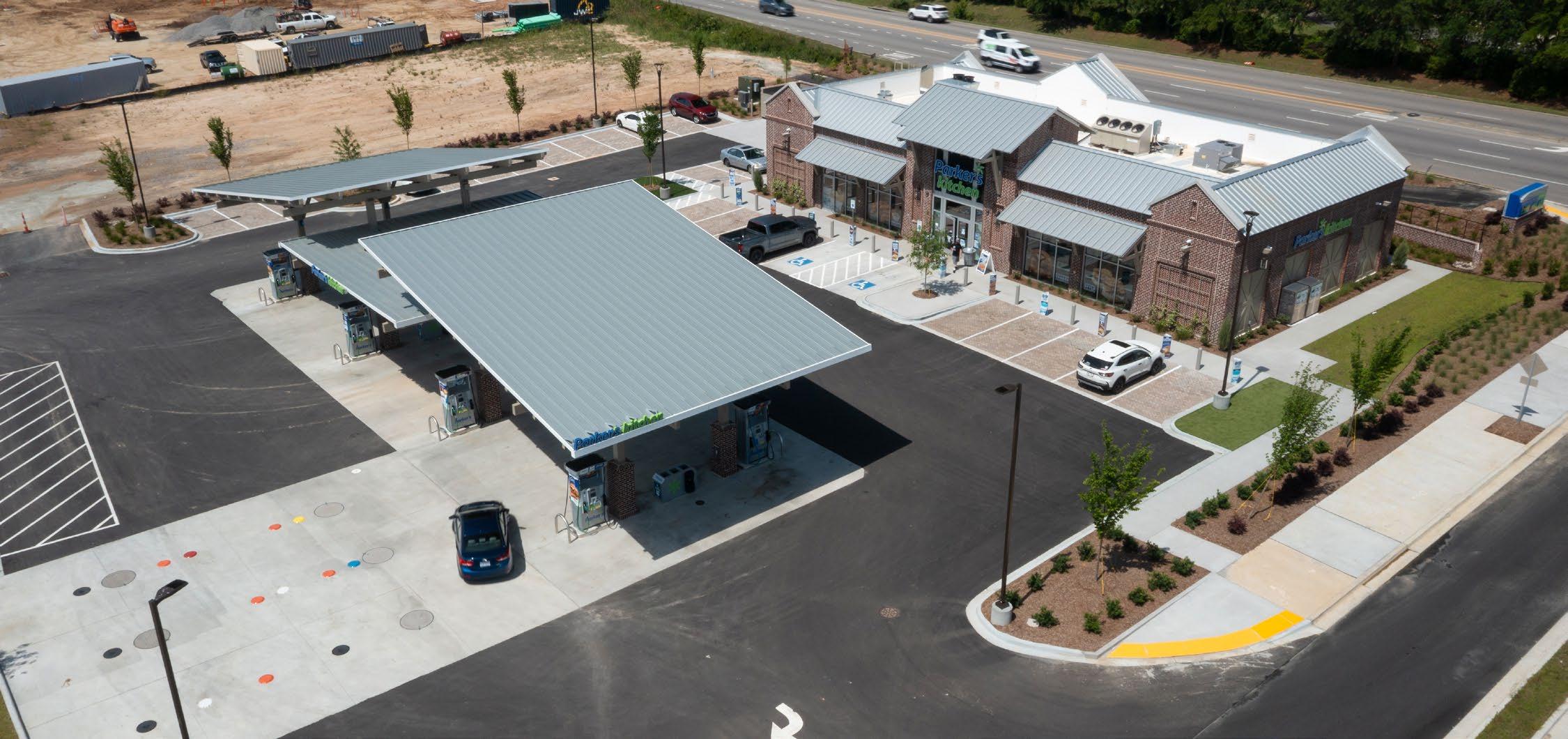
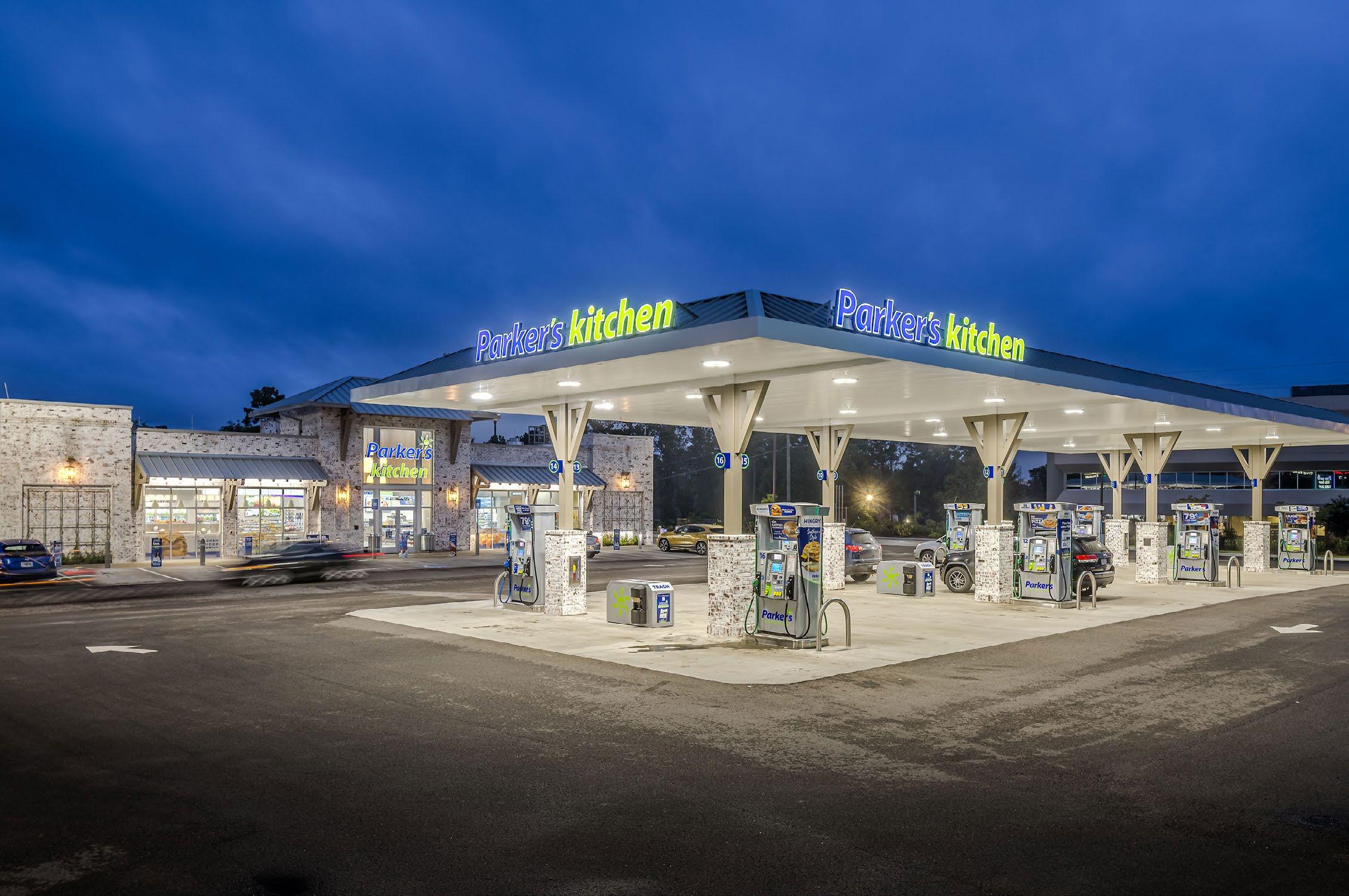
Today, Parker’s Kitchen is a brand in motion. It’s scaling fast, expanding markets, and refining its offerings along the way. HFA’s role is to make sure the design process keeps up, without losing sight of the details that set Parker’s Kitchen apart.
‘We’re here to keep things moving,’ says Hall. ‘But we’re also here to protect the quality and safety behind the scenes. That’s what the fuel system is, and that’s what keeps customers coming back for more.’
As Parker’s Kitchen continues to grow, HFA’s integrated, multidisciplinary team is ready to support whatever comes next: a new prototype, a new market, or a new opportunity to bring convenience to life.
Published on September 18, 2025
Store designers from HFA Architecture + Engineering offer tips on how grocers can stay true to their original vision even as they tap new audiences.
Local grocers need to stay true to their roots as they make the jump to regional or national footprints, advised veteran store designers from HFA Architecture + Engineering.
Strategic approaches to design can help these operators avoid developing a one-size-fits-all store prototype that fails to convey who they really are, observe Steven Le and James Owens (both AIA, NCARB) in a September 5 column for Progressive Grocer. “When local grocers start thinking about scaling up, they can go through a bit of an identity crisis,” they write.
Le is senior grocery + retail lead at HFA; Owens is a VP at the fully integrated multidisciplinary firm. Their column for Progressive Grocer offers three tips for using design to connect with diverse communities and customers.
The first is to take a more nuanced view of localization. Rather than just focusing on store designs that emphasize local produce and community connections, grocers can rely on meeting the needs of different patron profiles’a practice that hospitality architects have honed for years in their work on luxury hotels and resorts.
The first step is to study “how their new customers differ from one another,” Le and Owens write. “This knowledge can then be used to shape the look, feel and function of the store.”
To illustrate, they use the hypothetical of a store that will be within walking distance of three bustling colleges. “The design firm has put together multiple patron profiles for that location and observed that time-pressed students who rarely cook will make up a big part of the customer base,” they write. “The grocer can now work with the architecture and engineering team to maximize the visibility, visual appeal and convenience of the graband-go experience located close to the front of the store.
They also emphasize the value of making it a multidisciplinary conversation: “By huddling early in the planning process, grocers and their architecture and engineering teams can brainstorm more ambitious offerings, a conversation that should include how mechanical, electrical, plumbing, fire protection, or refrigeration codes and components could come into play.”
For example, a grocer opening in a college town in southwest Texas, might create a fast-casual street taco bar with a locally inspired menu and graphics, as well as a fast and efficient queueing system. “Mechanical engineers have worked with the store designers to create a distinct experience, controlling the airflow in and around the taco bar so that the croissants at the bakery on the other side of the store never take on the aroma of honey-lime barbacoa,” write Le and Owens.
In much the same way, the development of patron profiles might have revealed the important role of customers with different priorities and needs’retired professors, say, or parents with young children.
The A+E team “might suggest giving politically and environmentally conscious shoppers a bit more information,” the architects write. “Imagine a portrait of the third-generation farmer who grew those habanero and serrano peppers, or an illuminated display showing how the store minimizes its carbon footprint.”
Lastly, they encourage local grocers to incorporate distinctive parts of their identity into the store design itself. At the New England grocery chain Market
Basket, for example, some employees wear nametags showing the number of years that they have devoted to the company’a seemingly small detail that conveys a sense of community connection. Likewise, Publix has built a strong reputation for customer service.
“If the human dimension is a big part of who you are, make sure your architecture and engineering team understands this from the outset, because store design can be used to accentuate this strength,” the architects note. “For example, the team could design the café so that seating is close to the service counter, making it easy for regulars to shoot the breeze with their favorite baristas.”
As local grocers form their growth strategy, they should “focus on understanding the logistical, experiential and brand elements that will need to stay consistent,” Le and Owens conclude. “As for everything else, let flexibility and localization be the name of the game.”
Read the full article at: https://progressivegrocer. com/scale-and-stay-true-your-roots