благотворительный фонд Памяти Михаила Рудяка за щедрую
кто мы
Publisher: Editor:
Editorial Director:
Editorial Director:
RabbiYosephY Zaltzman
EllaVorovitch
Rabbi Dan Rodkin
Design and Layout: EllaVorovitch
Irene Lipsker
Proofreading:Larissa Tchoumak
Mikhail Khazin
Адрес: Greater Boston Jewish Russian Center
29 Chestnut Hill Avenue Brighton, MA 02135
Телефон: 617-787-2200 617-787-4693
E-mail: exodus@shaloh.org
Website: www.Shaloh.org
Exodus Magazine Boston Edition is published monthly by the GREATER BOSTON JEWISH RUSSIAN CENTER
APril - May 2025 Issue 90
Registration Number 770
Circulation 4,000
Подписка: $ 18 Printed in USA
страдания "мирного" палестинского населения, которое жестоко прессует, оккупирует и изощренно мучает злой израильский ЦАХАЛ при содействии не менее злобных и кровожадных израильских поселенцев! И это, как говорится, полбеды. Вторая ее половина в том, что фильм палестинскому активисту помогал снимать израильский активист - Юваль Авраам. А вишенкой на торте стала петиция в поддержку этого документального "шедевра", сопровождаемая сотней подписей от ста израильских (!) кинематографистов, среди которых - режиссеры, актеры и другие сотрудники киноиндустрии. Интересно, если б кто-нибудь когда-нибудь решился рассказать правду о страшных событиях 7 октября, создав фильм на эту тему и каким-либо
Кругом одни евреи
что
сермяжно-русский это означало бы: "евреи, евреи, кругом одни евреи." Написано в Торе: "И сказал фараон народу своему: "Вот! Народ сынов Израиля стал многочисленнее и сильнее нас!.." И это не просто кликушество облеченного абсолютной властью антисемита. Сама же Тора свидетельствует в предшествующих строчках: "А сыны Израиля... стали чрезвычайно многочисленны и сильны, и наполнилась ими страна".
Эти слова толкуются мудрецами Талмуда: "и наполнились ими театры и стадионы". Что означают эти понятия времен эпохи расцвета римской культуры в приложении к быту и культуре древнейшего Египта, мне сказать трудно, но в приложении к нашему времени они означают... ну, во-первых, то же самое – театры и стадионы. Да плюс к тому еще и артистические тусовки, политические движения всех толков, научные кружки, религиозные секты, антирелигиозные лектории, лиги защиты кактусов... В общем, кругом одни евреи! Свободное общество, чего
кругом одни евреи! И окружают евреев стенами гетто... Угроза,
мы повторяем те же ошибки. Но пусть, несмотря ни на что,
ПЕСАХ
Шаббат, 12 апреля –воскресенье, 20 апреля 2025 г.
Что такое Песах?
следует начать только после окончания Шаббата (в субботу,
для Песаха. Хала должна быть съедена отдельно от остальной пищи, над салфеткой, чтобы собрать все крошки. В Шаббат халу следует
ингредиентов - муки и
Единственное ключевое отличие заключается в том, что хлеб
наполняясь горячим воздухом,
разрастается, Маца же остается плоской - скромной. Хомец символизирует увеличение нашего эго – основной причины самопорабощения. Отмечая Песах, Праздник Свободы, мы отказываемся от Хомца, тем самым искореняя наше эго. Единственное средство по-настоящему соединиться с Создателем и друг с другом – смирение, оно является гарантом, что наше эго не помешает этой связи.
Пасхальный Седер
Когда:
Тора запрещает нам владеть каким-либо Хомцом
недели. ОЧИЩЕНИЕ ОТ ХОМЦА Когда: За несколько недель до Песаха.
Внимательно проверьте и очистите от Хомца свой дом, машину,
офис и т. д. Убедитесь, что все места, куда в течение года могли
попасть кусочки или крошки еды, тщательно вычищены.
ПРОДAЖА ХОМЦА
Когда: до четверга, 10 апреля.
Нескоропортящиеся продукты из Хомца, которые вы хотите
использовать после Песаха, должны быть проданы, чтобы
они не находились в вашем владении на время праздника.
Заполните декларацию продажи Хомца. Подробности на вебсайте shaloh.org/sellchametz
ПОИСКИ ХОМЦА Когда: в четверг, 10 апреля, после наступления темноты. Надо
провести поиски Хомца – кусочков еды, крошек и т. д., возможно
застрявших в укромных уголках дома или пропущенных во время уборки. Перед началом поисков произносится особое
благословение - его можно найти в «Пасхальной Агаде».
СЖИГАНИЕ ХОМЦА
Когда: в пятницу, 11 апреля, до 11:38 дня.
Сожгите Хомец, найденный при поисках.
ПРЕКРАТИТЬ ПОТРЕБЛЕНИЕ ВСЕХ
ИЗ ХОМЦА
Когда: в Субботу, 12 апреля, до 10:31 утра.
лежа - наклонившись (что символизирует свободных людей), рассказать историю Исхода нашим детям. Наиболее важные части Пасхального Седера:
1. Рассказать историю Исхода.
2. Съесть кезайт Мацы (27 грамм).
3. Съесть кезайт Марора (18 грамм).
4. Выпить четыре бокала вина.
5. Чувствовать себя свободным – пить вино и есть Мацу полулежа, наклонившись влево.
6. Праздновать и благодарить Вс-вышнего.
Фраза «Пасхальный Седер» на самом деле представляет собой
Короткая длинная дорога
во время Исхода израильтяне, наконец, вышли из Египта, они выбрали длинную дорогу. (Это было еще до того, как мы прошли действительно долгий, длиной в 40 лет, путь в пустыне, а затем пошли очень-очень долгой, длиной в две тысячи лет, дорогой в изгнании). Баал Шем Тов учит, что нет коротких путей, когда дело доходит до революционных преобразований. Полные драматизма истории о «внезапном успехе» в Силиконовой долине (или любые другие, которые так любит изображать Голливуд) на самом деле являются результатом многолетнего упорного труда и настойчивости. Не обольщайтесь, коротких путей не бывает! Когда дело доходит до важных жизненных начинаний, особенно нашего личностного роста и духовных исканий, мы не должны делать резких поворотов - вместо этого должен быть постепенный прогресс. Внезапный разворот нежизнеспособен и в конечном итоге приведет к поражению. Как указывает Алтер Ребе в книге «Тания», короткие пути, на самом деле, никогда не достигают пункта назначения. Вместо того, чтобы идти по иллюзорному короткому и легкому пути (на самом деле являющемуся длинным, потому что он
никогда не приведет нас к желаемой цели), мы должны искать пусть и длинный, но верный путь, который не окажется коротким, так как в конечном итоге приведет нас туда, где мы должны быть.
ДЕКЛАРАЦИЯ НА ПРОДАЖУ ХОМЦА
Декларацию необходимо отправить до 21:00 часа в четверг 10 апреля 2025 года Продать Хомец можно онлайн на сайте shaloh.org/sellchametz
Я (МЫ):
Имя
Я, нижеподписавшийся, передаю раввину Дану Родкину все полномочия на продажу любых видов хомца, которыми я располагаю, включая посуду, которая использовалась для хомца, где бы он ни находился, а также право на аренду мест, где хомец и используемая для него посуда
параллели между ними. Подобно поколению Потопа, евреи тонули в реке Нил. Точно так же, как строители Вавилонской башни, евреи должны были делать кирпичи и строить здания. Реинкарнация
хорошим человеком, не будучи религиозным. Пока ты добр
пока никому не причиняешь вреда, ты хороший человек и не нуждаешься в Высшей Инстанции в своей жизни. Другие считают, что пока вы молитесь Б-гу и следуете религиозным ритуалам, не имеет значения, как вы относитесь к другим людям. Можно быть религиозным, не будучи добрым. Обе позиции ошибочны. Быть религиозным, не будучи добрым к людям, вообще бессмысленно. Если вы любите Б-га, тогда вы любите Его детей. Каждый человек создан
Тогда как объективно определить, что является правильным, а что – нет? Без абсолютной морали все можно оправдать. Евреи первыми в мире осознали, что жить, следуя указаниям Вс-вышнего, означает жить хорошо. А для того, чтобы узнать,
– Холь аМоэд
в празднование Песаха. Будьте радостными – праздник длится
Изкор
Когда: в воскресенье, 20 апреля.
Изкор - это поминальная молитва об умерших близких, в которой мы просим Вс-вышнего вспомнить души наших умерших родственников и друзей. Основная составляющая Изкора - наше личное обещание после праздника дать пожертвование в честь души умершего. Произведя
Заполните и отправьте форму до 10 апреля 2025 г.
ИМЕНА ПОКОЙНЫХ
Имя: ___________________ Имя матери: ____________________
Имя: ___________________ Имя матери: ____________________
Имя: ___________________ Имя матери: ____________________
Имя: ___________________ Имя матери: ____________________
В память о моем родственнике/друге я даю следующее
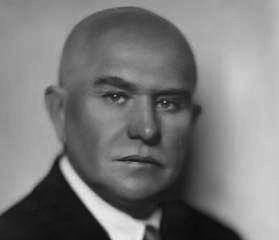
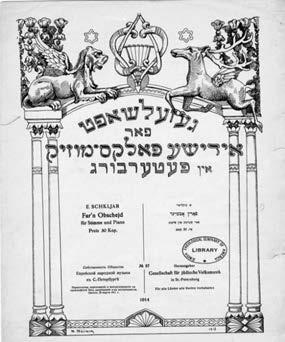
Имя Эфраима Шкляра - композитора, хорового дирижера и педагога - сегодня известно лишь узкому кругу специалистов по еврейской музыке. Однако, в самом начале XX-го века в Санкт-Петербурге на него возлагались большие надежды, и ему пророчили судьбу «еврейского Глинки».
Эфраим Элевич Шкляров (Ефрем Ильич Шк ляр) родился 5 октября 1871 года в небольшом городке Тимкевичи Минской губернии. Семья была традиционной, отец служил при синагоге кантором. Когда мальчику было три года, семья переехала в Слуцк. Вскоре были замечены удивительные музыкальные способности маленького Эфраима, и он, как и отец, постепенно приобщился к канторскому пению. В двенадцать лет он ушел из дома вместе с каким-то заезжим кантором, который посулил мальчику золотые горы и место в его хоре. Обещание свое "гастролер" выполнил лишь частично. Золотых гор не было, а были лишь годы скитаний, нещадной эксплуатации и тяжелого труда, что закончилось потерей голоса в переходном возрасте. В 1890 году Эфраим Шкляр оказался в Варшаве, где ему удалось поступить в консерваторию по классу контрабаса. Это был единственный инструмент, на котором студентам предоставлялось бесплатное время для упражнений. Вскоре проявился интерес Шкляра к теории музыки и композиции, и он записался в класс профессора Носковского. Тот довольно предвзято отнесся к новому ученику, но, благодаря выдающимся способностям, Шкляра все же признали самым одаренным студентом класса. В 1894 году
на открытие памятнику Шопену в Желязовой
Воле из России в качестве
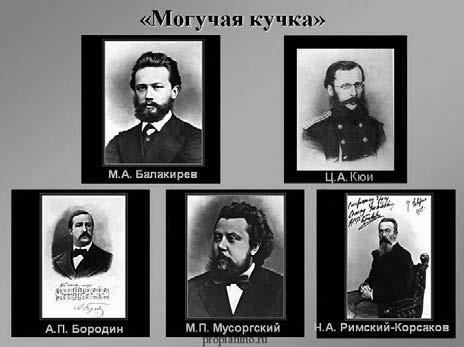
инспектора приехал композитор М. А. Балакирев (основатель знаменитой "Могучей кучки"). Шкляра на встречу с композитором не пригласили. Возмущенные
ства единомышленников, которые бы посвятили всю свою энергию еврейской музыке.
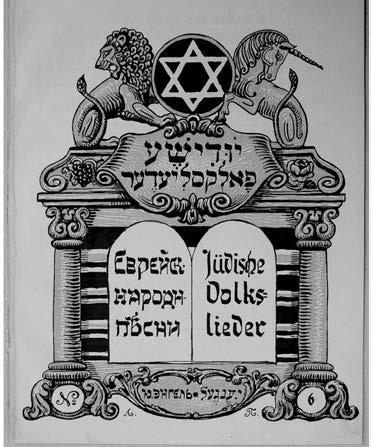
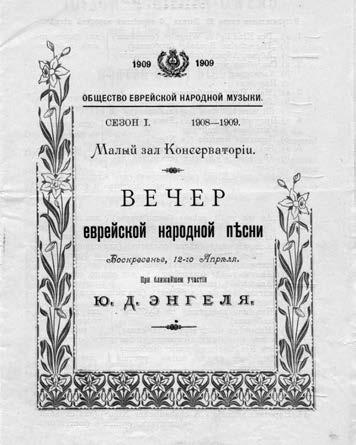
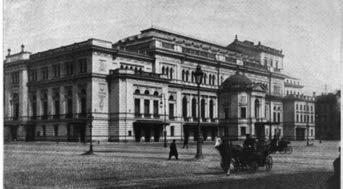
В 1902 году Эфраим Шкляр организовал музыкальный клуб Kinor Zion («Лира Сиона»). Клуб ставил своей целью сочинять и исполнять только еврейскую музыку. Поскольку своего музыкального материала еще было мало, часто звучали произведения на еврейскую тематику, написанные Мусоргским, Римским-Корсаковым, Балакиревым. Атмосфера в Консерватории в те годы была благоприятной для евреев. Римский-Корсаков, в отличие от многих влиятельных людей в то время, не был антисемитом и всячески поощрял своих учеников. Евреев же в Консерватории было очень много. Ходила даже шутка о том, что это - единственное учебное заведение с процентной нормой для неевреев.
К началу Первой мировой войны в Консерватории обучалось 1200 студентов еврейского происхождения, в то время как из-за жесткой процентной нормы в остальных учебных заведениях число еврейских студентов не превы-
Елена
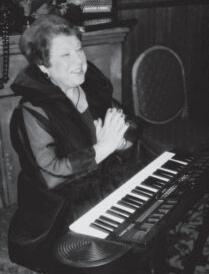
считали, что это лучшее, что им удалось увидеть и услышать. И неудивительно: Татьяна была единственным экскурсоводом в Калифорнии, кто работал в элитном Ленинградском Городском Экскурсионном Бюро, создавшим экскурсионную методику европейского уровня. - Татьяна, что вы можете сказать о себе в жанре блиц-интервью. Напомню, что «блиц»означает «быстро». Итак, пожалуйста, молниеносно - о себе.
- Ну, что ж, молниеносно? Пожалуйста! Родилась я в Ленинграде,
совет
скандиро-
Creative Writing. В университете меня арестовали за hate speech, потому что «палестинцам», орущим «Kill the Jews!» - «Убивайте евреев!» - я громким экскурсоводческим голосом посоветовала: «Идите к своим верблюдам!»
сделал меня национальной знаменитостью. После учебы вернулась в туристический бизнес: работала с прилетавшими на частных самолетах русскими миллионерами. Туристы, приезжавшие в Сан-Франциско, получали экскурсовода с двумя
арестована была на лекции о Шаббате, до которой не знала, что оказывается Шаббат начинается в пятницу. От ностальгии меня излечили задолго до отъезда. Энергия, затраченная
Усталость
та, от которой хотелось
плакать, и та, от которой почти начиналась рвота. Я проводила за
рулем по 10–12 часов за день, хотя больше десяти водителям по закону Калифорнии запрещалось.
постоянно повторяла: «Ты должна быть лучше всех!». Она понимала, что такое жизнь, потому что пережила погромы на Украине, революцию, Гражданскую войну, переезд за большие деньги в Ленинград, перед самой блокадой эвакуацию из Ленинграда в Сталинград, за золотые часы переправу на другой берег Волги под носом у немцев, выживание в Красноярске и – самое трудное – возвращение (опять за золото!) в Ленинград против
своего финансового
невежества я оценила только на 35-м году
лет раньше, чем Карл Маркс с его теориями «товар-деньги-товар», и родившая 14 детей. Она понимала, что, одолжив
деньги и купив товар, она должна успеть продать его, пока проценты на взятый кредит не съедят прибыль.
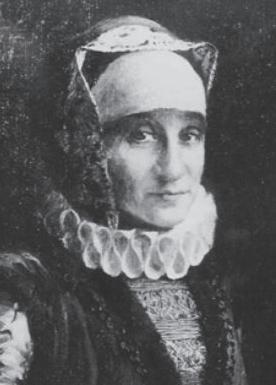
Глюкель - Гликель бас Иуда Лейб из Хамельна (Гамелена), урожденная Пинкерле, 1645- 1724, удачливый коммерсант, одна из первых еврейских женщин-писательниц на идише, автор известных воспоминаний.
Антисемитизм является классическим примером ресентимента. В средневековой Европе евреям не могли простить того, что во время эпидемий чумы и холеры они, в отличие от окружающих, почти не заболевали и не умирали. Европейцы, которые мылись, в лучшем случае, раз в году и выливали ночные горшки из окон, иногда прямо на головы прохожих, не понимали, что по традиции еврей омывал руки, не только встав утром с постели, а также перед каждой едой. Еврей регулярно посещал микву, где, прежде чем погрузиться в священный бассейн,
Феликс Ручаевский
Еврейское счастье есть
няшних дней. Еврейское счастье ... Есть ли оно у народа,
- и керогаз, и примус, И аппетитный вкусный мамин цимес, Бабулей сваренный нежнейший чолнт-хамин, Наливки вкус домашней,старых вин... А помните, как чудно было с пивом селедочку с лучком - ну что за диво!
И эсек флейш - с вареньем, черносливом
Поешь - и жизнь не так грустна, счастлива... А шейка, да с мукой, с гусиной шкваркой,
В бульоне с кнейделах - пахучем, жирном, жарком...
А шпондра - с косточкой, а кореслах с печи, Яичных нудельс длинные лучи... Медовый леках, штрудель, казинакиЕвреи знают толк в еде, однако.
Но жизнь течет, сменяет моду мода... Я чту рецепты
со всеми остальными бабушками, и потому вот вам мой рецепт этого блюда.
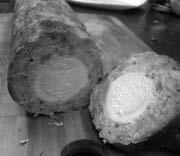
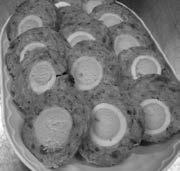
Смешаем оба вида фарша, добавим сырые яйца и соль и очень хорошо вымешаем.
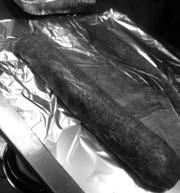
Разложим на столе пищевую пленку или алюминиевую фольгу, распределим готовый фарш по поверхности толщиной примерно 2 см.
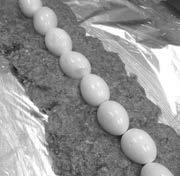
Вдоль по длине уложим одно за другим сваренные куриные яйца, естественно без скорлупы. И сформируем вокруг них рулет. Аккуратно переложим его на застеленный пергаментом проти-
Рассказы о необычном
– Нет, не сразу. – А что же дальше было?
– Дальше… Я считался
Как-то после обеда Иче Люблин проснулся раньше обычного.
– Приходи сегодня вечером ко мне, – попросил он.
– Иче, я учусь вечером допоздна. Не хочу отменять учебу.
– Я буду умирать этой ночью,– объяснил Иче, –боюсь оставаться один.
– Да ну, умирать, скажешь тоже, – усмехнулся я.
– Умирать, умирать, – подтвердил Иче. – Пришла пора перебираться на другой берег.
И было в его голосе что-то такое, отчего я немедленно согласился и расспросил Люблина, куда
губы, показывало, что он еще жив. Я открыл сундук. Он был пуст. На самом дне, завернутые в старые, но чистые наволочки лежали несколько стопок мелко исписанной бумаги и
The central point of the Redemption and Exodus from Egypt, as G-d indicated to Moses, “When you will lead the people out of Egypt...” is, of course, “...you will serve G-d on this mountain”: to receive the Torah at Mount Sinai, study it and observe its Mitzvahs (commandments) in actual practice, for “the essential thing is the deed”, and to do all this in complete freedom.
At the same time, each Torah-related action has an impact on the mental and emotional faculties of the person learning Torah and doing Mitzvahs, refining him or her both in intellect and character, as Maimonides — the Guide of the Perplexed of his generation and of all subsequent generations — emphasizes in many places.
Needless to say, since each and all of the Mitzvahs have been given by G-d, who is Infinite, so are the teachings and effects of every Mitzvah and Torah-aspect infinite in scope and dimension. And the more comprehensive and all-embracing is the Mitzvah, the deeper, wider, and more variegated are the aspects stemming from it.
In addition to the teachings of the Mitzvah itself, there is also the instruction that can be derived from the occurrence of the Mitzvah as it becomes due on a particular day of the week, which varies from year to year. And while the general message always remains in force, the particular occurrence of the Mitzvah in point of time underscores specific aspects of the Mitzvah even more pointedly and emphatically.
If the above pertains to every Mitzvah and aspect of Torah, how much more so in regard to such an all-embracing event as the Exodus, which we are obligated to remember and to mention every day, twice daily, in our prayers, and in a particularly pronounced way during the days of Passover so as to permeate thereafter every day of the year.
In addition to all its other teachings, the Festival of Our Freedom conveys the instruction that we ought to put in an extra measure of vitality and effort in both areas of Divine service, namely, “between man and G-d” and “between man and man” in our everyday life throughout the year. One of the inner aspects of being “good to Heaven and good to the creatures” is that it is the most effective medium of unity between two
extreme opposites: the Creator (“Heaven”) and the created (“creatures”), as well as between the creatures themselves, where each individual has his own will and his own interests; but being good to each other brings about peace and unity between them, in the fullest sense of peace, namely, that both sides gain a measure of completeness [the Hebrew word for peace, shalom, is the same as the word for completeness, shalem].
It follows from the above that what has been said about being “good to Heaven and good to creatures” means that these do not remain two distinct concepts, but they become (like) one and the same — as the Alter Rebbe taught that loving your fellow like yourself is a “vessel” or channel to loving your G-d.
Even where it appears at first glance that it is merely a matter of “good to Heaven,” yet since it stems from loving your G-d, it must express itself in the fulfillment of His Mitzvahs with true enthusiasm, including, especially, the “Great Principle” of the Torah, loving your fellow as yourself.
And conversely, inasmuch as the Mitzvahs refine the person, his character, intellect and dispositions, as mentioned above, they are the instruments whereby to achieve the highest degree of loving G-d “with all your heart, and will
all your soul, and with all your might” — “good to Heaven,” because the refined soul-powers become attuned and drawn to spirituality and G-dliness.
* * *
This is also one of the basic teachings of the Exodus, the purpose of which was to “serve G-d on this mountain”, receiving the Torah, as also indicated in the first of the Ten Commandments: “I am G-d, your G-d, who brought you out of the land of Egypt.”
Simply stated: After the Jewish people languished in Egypt for generations, in a state of slaves to Pharaoh, not only physically but also spiritually — they changed themselves completely and attained true freedom; so much so that not only did they reject the “idols” of Egypt and the whole Egyptian ideology, but moreover they consecrated all their powers and the “great wealth” that they brought out of Egypt to the construction of the Mishkan (Sanctuary) for the Divine Presence in their midst, which made peace between the whole of Creation and the Creator, to the extent “I will dwell among (within) them” — making this material world a fitting abode for G-d, blessed be He.
* * *
May, G-d grant that every one of us, in the midst of all our Jewish people, should have a “kosher and joyous Passover” — and this expression, too, reflects both “good to Heaven,” (“Kosher Passover”) and “good to the creatures,” (“joyous Passover”), since in order that the joy of Yom Tov should be complete, it is necessary to care for and bring joy to “everyone who is hungry” and “everyone who is needy,”
And practicing loving one's fellow in the fullest measure will nullify the cause of the present exile and will hasten the realization of the Divine promise “As in the days of your going out of the land of Egypt” — “G-d will bring us to His Holy Land... and will build His Temple as the high Heavens... and we, Your people and the sheep of Your pasture, will praise You for ever”, for it will be a redemption that will not be followed by exile, an eternal redemption, the true and complete Redemption through Moshiach, and very soon indeed. EM
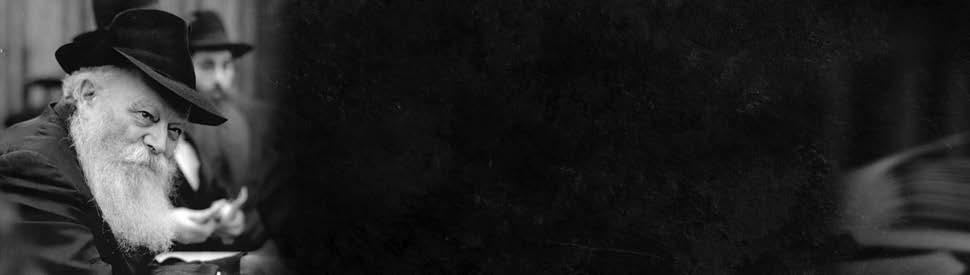
From the Rebbe's letters
made you think
The Challenge of Passover
Passover is the oldest and most transformative story of hope ever told. It tells of how an otherwise undistinguished group of slaves found their way to freedom from the greatest and longest-lived empire of their time, indeed of any time. It tells the revolutionary story of how the supreme Power intervened in history to liberate the supremely powerless. It is a story of the defeat of probability by the force of possibility. It defines what it is to be a Jew: a living symbol of hope.
Passover tells us that the strength of a nation does not lie in horses and chariots, armies and arms, or in colossal statues and monumental buildings, overt demonstrations of power and wealth. It depends on simpler things: humility in the presence of the G-d of creation, trust in the G-d of redemption and history, and a sense of the non-negotiable sanctity of human life, created by G-d in His image: even the life of a slave or a child too young to ask questions.
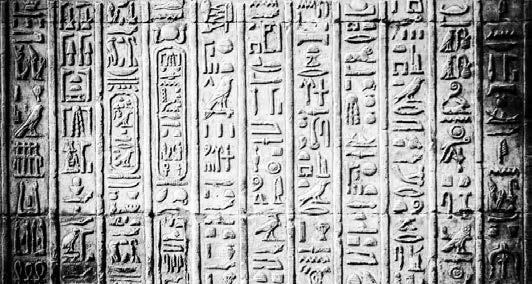
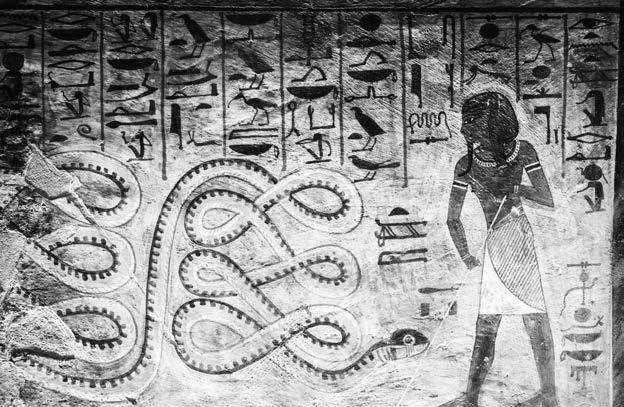
Passover is the eternal critique of power used by humans to coerce and diminish their fellow humans. It is the story more than a hundred generations of our ancestors handed on to their children, and they to theirs. As we do likewise, millennia later, we know what it is to be the people of history, guardians of a narrative not engraved in hieroglyphics on the walls of a monumental building but carried in the minds of living, breathing human beings who, for longer than any other have kept faith with the future and the past, bearing witness to the power of the human spirit when it opens itself to a greater power, beckoning us to a world of freedom, responsibility and human dignity. Passover is more than simply one festival among others in the Jewish calendar, more even than the anniversary of Israel’s birth as a free people setting out on its journey to the Promised Land. In this section, I want to show how it emerged, in four ways, as the central event around which most of Judaism turns.*
First, close examination shows us that the Torah narrative of Genesis from Abraham to Jacob is a series of anticipations of the Exodus, focussing our attention on, and heightening our anticipation of, what would eventually take place in the days of Moses.
Second, remembering “that you were once slaves in Egypt” is the single most frequently invoked “reason for the commands.” The Exodus was not just an event in history. It forms an essential part of the logic of Jewish law.
Third, key elements of Jewish law and faith are best understood as a protest against and alternative to the Egypt of the Pharaohs even where the Torah does not state this explicitly. Knowledge of that ancient world gave us fresh insights into why Judaism is as it is.
Fourth, sustained meditation on the contrasts between Egypt and the society of the Israelites were called on to create reveals a fundamental choice that civilizations must make, then, now and perhaps for all time. There is nothing antiquarian about the issues Passover raises: slavery, freedom, politics, power, state, society, human dignity and responsibility. These are as salient today as they were in the days of Moses. Passover can never be obsolete.
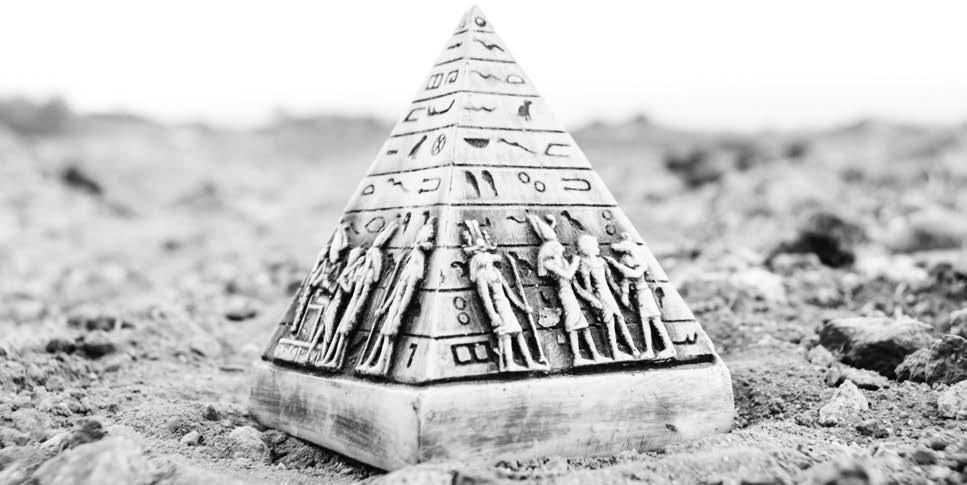
At the heart of the festival is a concrete historical experience. The Israelites, as described in the Torah, were a fractious group of slaves of shared ancestry, one of a number of such groups attracted to Egypt from the north, drawn by its wealth and power, only to find themselves eventually its victims. The Egypt of the Pharaohs was the longest-lived empire the world has known, already some eighteen centuries old by the time of the Exodus. For more than a thousand years before Moses, its landscape had been dominated by the great pyramid of Giza, the tallest man-made structure in the world until the construction of the Eiffel Tower in 1889. The discovery in 1922 by the English archaeologist Howard Carter of the tomb of a relatively minor Pharaoh, Tutankhamun, revealed the astonishing wealth and sophistication
of the royal court at that time. If historians are correct in identifying Rameses II as the Pharaoh of the Exodus, then Egypt had reached the very summit of its power, bestriding the narrow world like a colossus. At one level it is a story of wonders and miracles. But the enduring message of Passover is deeper than this, for it opens out into a dramatically new vision of what a society might be like if the only Sovereign is G-d, and every citizen is in His image. It is about the power of the powerless and the powerlessness of power. Politics has never been more radical, more ethical or more humane.
Heinrich Heine said, “Since the Exodus, freedom has spoken with a Hebrew accent.” But it is, as Emmanuel Levinas called it, a “difficult freedom,” based as it is on a demanding code of individual and collective responsibility. Passover makes us taste the choice: on the one hand the bread of affliction and bitter herbs of slavery; on the other, four cups of wine, each marking a stage in the long walk to liberty. As long as humans seek to exercise power over one another, the story will continue and the choice will still be ours. EM
Rabbi Dr. Sir Jonathan Sacks, of blessed memory, was the former Chief Rabbi of the UK and the Commonwealth and a member of the House of Lords. He was a leading academic and respected world expert on Judaism. He was the author of several books and thousands of articles, appeared regularly on television and radio, and spoke at engagements around the world.
Jonathan Sacks
BeTween fire and iCe
Adin Even Yisrael Steinsaltz
The Exodus from Egypt was apocalyptic, not only because of the supernatural events that took place during its unfolding, but also because it sparked an extremely significant change within a relatively short amount of time –and without any warning or preparation. It is true that the events recounted in the Book of Exodus did occur over the course of a few months, but when we think about the amazing transformation that the People of Israel underwent as a result –from a loosely related ethnic group of slaves to a new nation – the redemption from Egypt does indeed seem very sudden and surprising.
While Passover is the festival of redemption, the Exodus from Egypt is commemorated on each of the Biblical festivals and all through the year. Even events in Jewish history as important as the re-establishment of sovereignty in Israel during the Second Temple era are not considered to be equal to the Exodus. Our Sages teach that only the Final Redemption will be able to overshadow its significance.
The Exodus has also become a prototype of redemption for all nations of the world, a model against which other redemptions are measured and assessed. The coming of the Messiah is a momentous event – not only for the Jewish people, but for the entire world. It is not simply a matter of national deliverance, nor even of a Jewish renaissance, but of an intrinsic change in world history. In a certain way, the Final Redemption, as its name implies, marks the "end of history," or, at least, the end of history as it has been for the last several millennia.
We know from Biblical prophecies and from the Talmud that there are two possible scenarios for the Final Redemption. The difference between them lies in a fundamental question: will it be a revolutionary event, or an evolutionary one? The first redemption, the Exodus from Egypt, was a whirlwind of supernatural events, a total revolution. Indeed, many descriptions of the Final Redemption – in Jewish and non-Jewish sources alike – depict the final redemption in a similar way. For example, this approach, "the great and terrible day of the Lord," is a universal earthquake which begins with "darkness, not light"and involves colossal wars between "the children of light and the children of darkness." Like the Exodus, the Final Redemption is, so to speak, a Divine tour de force vis-à-vis the world. When G-d wills it, all of reality will be torn to shreds, and the new day will
shine, as was the case in the Exodus from Egypt –out of "blood and fire and pillars of smoke."
The alternative scenario of redemption is an evolutionary one and is based on human progress –whether slow or fast – toward a higher state of existence: "For you shall not go out in haste, neither shall you go by flight; for the Lord will go before you, and the G-d of Israel will follow you behind"; or, in other words, "in sitting still and rest will you be saved." While the Exodus from Egypt contained an element of flight, this redemption will be a slow, smooth process and, despite the enormous differences between the present and the future, it will still be possible to discern the steps that paved the way for the redemption. Even the Biblical metaphor that likens redemption to birth –a dramatic event with a clearly defined "before" and "after" – presupposes the long pregnancy that came before it.
The difference between these two diametrically opposed scenarios can be explained by the somewhat enigmatic Talmudic saying: "The son of David [the Messiah; in other words, the final redemption] will come only in a generation that is either altogether righteous or altogether wicked." Redemption for an "altogether righteous" generation is preceded by years of preparation in which people work to better themselves. This kind of redemption is just the finale of an evolutionary process. On the other hand, the redemption of an "altogether wicked" generation cannot possibly be an extended, slow process, because such people,
by their very nature, make no preparations for it. Therefore it must entail a revolutionary outburst, which, in this case, is not a grass-roots effort but a Divine one. As such, it must shatter the old patterns of existence – a painful, even tragic event. The future redemption is, in many ways, the continuation and completion of the Exodus. We know from the Book of Exodus that the redemption from Egypt occurred at midnight; the end of the Passover Haggadah includes references to the future redemption as the second half of this night of deliverance. This is not only solace and encouragement in the face of our present trials and tribulations; it is also a logical sequence.
The Exodus, then, is a comma in the manuscript of world history, whereas the final redemption is a full stop. But what shape the final redemption will assume depends, to a great extent, on us as human beings. Through the totality of our actions, we will determine whether we are an "altogether wicked" or "altogether righteous" generation and, consequently, if we can expect "blood and fire and pillars of smoke" or salvation through "sitting still and rest." EM
Rabbi Adin Even Yisrael Steinsaltz, of blessed memory, is internationally regarded as one of the leading rabbis of the last century. The author of many books, he is best known for his monumental translation of and commentary on the Talmud. To learn more visit his website, steinsaltz.org.
Passover: The disruPTive riTual
Tzvi Freeman
And when Moses took us out from Egypt,” she continued, “he told us to ask the Egyptians for their silver and gold.”
I was sitting on the lap of my dear Iraqi grandmother as she pointed to the silverware and trinkets aligning the mantelpiece and told me their story in her very broken English.
“Because they never paid us for working for them,” she explained. “And these are the things they gave us.”
My eyes were fixed on the stubby, solid bronze owl whose ruby eyes, I had been told, somehow disappeared during our family’s sojourn in India. He stood just next to the tall silver kiddush cup that I use on Friday night to this day.
Just above them was the portrait of Moses who seemed to be teaching something in particular about his two stone tablets. He looked much like a member of our family—certainly more Iraqi than Canadian.
But most of all, I looked up in awe at my grandmother. She had been there, in Egypt, and she had the stuff to prove it.
My grandmother knew Moses. That explained her name: Serach Moses. And I was her grandchild. Even more than my grandfather who taught me to read Hebrew, it was my grandma who gave me my identity as a Jew. Thanks to her, I figured out what made me different from the rest of the kids in public school. It wasn’t just that we ate pilaf and they ate french fries. We were the people G-d had taken out of Egypt to be His people.
A powerful identity, but one that came with a biting dissonance. There were tough questions to be answered.
If we left Egypt to come to the Promised Land, what were we doing among the Douglas firs of Vancouver? If Moses had scored us all these riches, why did Grandpa have to walk many miles every day to his cramped, dusty menswear store in one of the poorest commercial districts in town? And if being Jewish is a badge of honor, why did the kid who punched me out at school have to make a point of me being a Jew?
But then it seems an integral part of Jewish identity is that jarring dissonance. Because it’s immediately evident in the Passover Seder as well. And, more than any other experience, it’s at the Passover Seder that a Jew establishes identity.
There is no question that the Passover Seder is
designed to disrupt our senses. The Zohar states that we do everything differently on this night because in the heavens the divine energy flows differently, skipping the protocols that are in place all year round.
In its most simple sense, the Haggadah is meant to be told as an answer to a question, and to do that, the Seder presses all our buttons to switch us into questioning mode.
In other words, even though “seder” means “order”—and each step of the Seder follows the other in meaningful, logical steps—it’s an order of disorder.
We wash our hands as though we’re about to eat bread, and then we dip a vegetable into salt water. Why? To disrupt the order of things, so someone might ask, “Isn’t this out of order?”
We introduce the matzah by singing, “This is the bread of suffering that our fathers ate in the Land of Egypt.” Then we cover the matzah. Why? To disrupt expectations. So the child within us will ask, “Why is this night different?”
We have to make it obviously different, just so you will ask. So that if you came to a Passover
Seder and had no questions, you just weren’t there. It’s an ingenious ploy, choreographed with precision. In this disruptive order of disorder, there are key points at which expectations are ignited—and then quickly explode into more of that orchestrated dissonance.
Take the grand opening of the section called “Magid”—usually described as “Telling the Story.”
We’ve set up our Seder plate, made kiddush on the wine, dipped that veggy, broken the middle matzah, and now finally we’re ready to explain what this night is all about.
This is the bread of suffering that our fathers ate in the Land of Egypt!
Suffering? Wait! Isn’t tonight about freedom? Why start with suffering?
And who says we ate matzah in Egypt? Isn’t this the bread we ate when we were leaving Egypt?
Anyone who is hungry, come and eat! Anyone who needs to make a Passover meal, come do it with us!
But we already made kiddush! Why didn’t we invite them before kiddush? Isn’t that an essential part of the Seder and the Four Cups of
Redemption?
For that matter, why didn’t we invite them when we were in the synagogue? Why now, when the doors are closed, the windows shut, and we’ve already begun the meal (if but a cup of wine and a measly veggy)?
And then comes the clincher: Now we are here. Next year we will be in the Land of Israel.
Now we are slaves. Next year we will be free. Really? We are slaves? We are not in Israel?
If so, what on earth are we celebrating?
Now tell me you had none of those questions when you said those words last year. Incomprehensible. At the very outset of the Haggadah, we are already introducing facts and notions that entirely disrupt the most basic assumptions of our people’s identity-narrative and of this holiday.
We are slaves. We are still in Egypt. There are hungry and needy amongst us. What happened to the people G-d took from Egypt to the Promised Land to be His people?
The dissonance only gets stronger. The child asks four questions. Now we can answer: We were slaves to Pharaoh in Egypt. And G-d took us out from there with a strong hand and an
outstretched arm.
Okay, we’re doing good. This seems to be the unambiguous answer and identity for which we were searching. The problem is that the speaker of the Haggadah seems more interested in enigma than in clarity. So he continues, insisting…
And if the Holy One, blessed be He, had not taken our fathers out of there, we and our children and our children’s children would still be slaves to Pharaoh in Egypt.
Hold on. That was not the deal. Everyone knows that was not the deal.
Our great-grandfather, Abraham, was promised by G-d that “the fourth generation will return here.” Our fathers, us, our children, and our children’s children—that’s four generations. There’s no way we could have stayed in Egypt any longer than that. G-d promised.
And thinking that through, the first part doesn’t work either. Why should G-d have to take us out from there?
If we were slaves due to natural consequences, or because we were just slave material—understood. A supernatural power would be required to abort a natural occurrence. But the entire situation was supernatural from the get-go. There was a divine
decree. Once the decree would be up, the bondage should spontaneously terminate.
So why the “strong hand and outstretched arm?”
Just let us walk out of there and return to the freedom that was naturally ours.
All this leads into the meat and potatoes of the Haggadah: The wandering Aramean.
This is the section where we unpack four verses, discovering how the entire story is really contained in only a few words. These are words that every Jew in ancient times had memorized, because he had to recite them by heart every year when he brought his first-fruits to the Temple. In this way, this mini-narrative became the everyman’s “what it means to be Jewish” in a nutshell.
But somehow, it’s the preface to that section that became far more memorable and popular. After we mention the covenant G-d made with Abraham, we cover the matzah, raise our cups and everyone sings together those words that so much resonate with the Jewish experience and the Jewish soul, “V’hee She’amda…”
And this is what has stood for us and for our fathers. For in every generation, they rise against us to exterminate us. But the Holy One, blessed be He, saves us from their hand.
At this point, if there’s any honesty in your heart, you just have to wake up and ask: For this we were chosen? To wander from land to land, facing again and again genocidal enemies?
Even the Egyptians weren’t out to exterminate us, as the Haggadah states clearly, “Pharaoh only decreed against the boys, but Laban (presented here as the prototype of genocidal villains) wanted to uproot us all.” So what was the point of rescuing us from there?
Yes, You save us from their hand. But, in the unsparing words of Rabbi Isaiah Horowitz, 17th century author of one of the most popular compendiums of Jewish thought, the Shnei Luchot Habrit: “Don’t put us in danger and You won’t have to save us.”
Could anything be more jarring, more antithetical to the entire theme of the Haggadah than this reminder of our history of persecution?
True, undebatable—we were miraculously saved, again and again. But if we are truly His chosen people, in what way is this His praise? Are the enemies so much better than us that we really deserve their persecution? For what exactly are we thankful? Isn’t it simple justice that their devices should fail against us?
Which brings us to the most obvious of all questions, one that, unanswered, simply does not allow the Seder to continue:
Why do we thank G-d for taking us out of Egypt? Didn’t He put us there in the first place?
Tell me an intelligent child is not going to have this question.
The answer is staring us in the face, clear as day: …And G-d took us out of there with a mighty hand and an outstretched arm.
We were taken out of there. Which means we really never left. Because, as everyone knows from early on, no one can change you if you don’t change yourself. And so, no one, not even G-d, is going to make you free by ripping off your chains and carrying you from your oppressors on eagle’s wings.
Why were we so suddenly and swiftly rescued? Because the whole scheme had spun out of control. Egypt was meant to be a purification for our souls. Instead, the opposite was happening. If we had stayed there, we would likely have never left after 400 years. Even if we did, we would fall back again. Just as the oppression had worsened far beyond anything that was expected, so too the
people had sunk much further, infected by the moral deprivation of Egyptian society.
And the Egyptians were evil to us.
That’s how it’s translated. But the Hebrew words, Rabbi Horowitz writes, don’t really read that way. Rather, read: “And the Egyptians made us evil.”
So, enter Plan B: Get them out of there fast and clean the mess up later.
Which explains:
This is the bread of poverty that our fathers ate in Egypt.
Because, even as they left, our ancestors remained in Egypt. And so, we remain there as well. If the only reason you’re free is because they let you out of prison, you’re still a prisoner.
That’s also why there are poor people who we must invite to our Seder. There should be no needy people in G-d’s world. But there are. Because we are still slaves. We are still in Egypt. The job was never complete.
And now, G-d has brought us into His service. Now, not just then. Every day. Because every day since that day we followed Moses into the vast and empty desert of Sinai, every day is another Exodus. Every day, we are fleeing Egypt, with our oppressors close on our heels.
Every day, we have to renew that connection. Because if you stand still for a moment, you’re back in Egypt again.
In every generation, they attempt to annihilate us…
So that we have been living for 3,334 years in a suspended state, free but not free, wealthy but poor, virtuous yet corrupt, bonded to the one G-d of heaven and earth and yet—from a superficial perspective at least—abandoned to the vicissitudes of history and nature.
So what are we celebrating?
That we started the job. And that we were given the tools to complete it. A spark of absolute freedom was implanted within our souls. EM
Rabbi Tzvi Freeman, a senior editor at Chabad.org, is the author of Bringing Heaven Down to Earth and more recently Wisdom to Heal the Earth. To subscribe to regular updates of Rabbi Freeman's writing or purchase his books, visit Chabad.org. Follow him on Facebook @RabbiTzviFreeman.
MOSHIACH MUSINGS
Moshiach’s Seudah is held on the eighth day of Pesach. The Torah originally commanded us to celebrate Pesach for seven days. When our people were exiled, however, a certain degree of doubt arose regarding the exact date on which the holidays should be celebrated. To solve the problem of determining the Jewish calendar in exile, our sages added an extra day to each festival. In other words, the eighth day of Pesach had been an ordinary day, but through the power endowed by the Torah, the Jewish people were able to transform it into a holy day.
When Moshiach comes, a similar transformation will occur throughout all of creation. Even the material and mundane aspects of the world will reveal G-dliness. Celebration of Moshiach’s Seudah on the eighth day of Pesach—once an ordinary day, now transformed—anticipates the kind of transformation that will characterize the era of the redemption.
That the Baal Shem Tov originated the custom of Moshiach’s Seudah is particularly fitting. Once, in the course of his ascent to the heavenly realms on Rosh Hashanah, the Baal Shem Tov encountered Moshiach and asked him, “When are you coming?” Moshiach replied, “When the wellsprings of your teachings spread outward.”
The goal of the Baal Shem Tov’s life was to prepare us for Moshiach, and the institution of Moshiach’s Seudah was part of that life’s work.
Our generation has been charged with the responsibility of making all Jews aware of Moshiach—and this includes the custom of conducting Moshiach’s Seudah. This mission is particularly relevant in our day, for the Jewish people have completed all the divine service necessary to enable Moshiach to come. As the Previous Rebbe expressed it, “We have already polished the buttons.” Moshiach is waiting: “Here he stands behind our wall, watching through the windows, peering through the crevices.” The walls of exile are already crumbling, and now, in the immediate future, Moshiach will be revealed.
Jewish Unity Matters –Vote for BeYachad - Together for Israel!
Ballot #12!
by Rabbi Rodkin
October 7th marked a turning point for the Jewish people. It reminded us that in the face of existential threats, we need more than courage — we need unity. While Israel defends itself on the front lines, Jews in the Diaspora are battling an unprecedented surge of antisemitism. This is not the time for division — our strength lies in standing together.
Every Jew, no matter where they live, has a responsibility to protect and shape our shared future. One of the most effective ways to do that is to participate in the upcoming World Zionist Congress elections (WZC).
What is the World Zionist Congress, and why vote for Ballot #12BeYachad - Together for Israel?
The World Zionist Congress is the «parliament of the Jewish people,» held every five years. It brings together elected delegates from Jewish communities around the world.
The Congress decides who leads the most influential Israel institutions, including the Jewish Agency for Israel (Sochnut), the World Zionist Organization, and the Jewish National Fund (Keren Kayemet LeYisrael). These bodies play a major role in immigration, education, security, Jewish identity, and development of the land of Israel.
In addition, the Congress allocates $1 billion per year to support programs in Israel and global Jewish communities.
Let’s be clear: there are other groups on the ballot who promote harmful policies under the banner of “progress” and “political correctness.” If we don’t speak up with our votes, they will speak for us.
Leah Rodkin after completing Masa Kumta – the final march to receive her beret, a significant milestone in her service in the IDF’s combat units.
Who represents you?
I, Rabbi Dan Rodkin, and my daughter Leah Rodkin — a former IDF combat soldier and director of Stand Strong Boston — are proud to serve as delegates for BeYachadTogether for Israel (Ballot #12).
Our slate is made up of people from every part of Jewish society:
=Rabbis who bring moral clarity and spiritual leadership
=Business leaders who support Israel and Jewish causes
=Community activists who defend Jewish life and values
=Young IDF veterans who have fought to protect our homeland
At the last Congress, I personally stood up and advocated for increased funding for “lone soldiers” — young Jews who leave their families abroad to serve in the IDF. I
also pushed for more funding for Jewish education, which is critical to our continuity.
Now, we need your help again to ensure that Israel’s future and the future of the Jewish people are in the right hands.
Why Vote for Ballot #12
-BeYachad - Together for Israel?
k Unwavering support for Israel and its citizens
k Strengthening ties between American Jews and Israel
k Investing in Jewish education and identity
k Combating antisemitism in the U.S. and worldwide
k Support for lone soldiers and youth programs
k Promoting Jewish values and unity
k Organizing volunteer and solidarity trips to Israel for Diaspora Jews
How to Vote
Voting is open from March 10 to May 4, and every Jewish adult over 18 living in the U.S. is eligible to vote.
4 It costs just $5 to vote — a small price for a powerful impact!
4 You can vote online www.shaloh.org/vote4Israel, or, if you prefer paper ballots, we’ve made it easy:
4 Paper ballots are available at the Shaloh House synagogue office.
If you need help registering or filling out the form, just stop by — we’re happy to assist!
] Call us at 617-787-2200 for more informationor help with the process.
Volunteers Needed!
We’re looking for volunteers to help others navigate the voting process. It’s easy — and you can make a real differenc
e Top volunteers will be entered into a raffle for a FREE trip to Israel!
If you’re ready to help — reach out and join the team!
Why is Ballot #12 so meaningful?
The number 12 represents the 12 Tribes of Israel — a powerful symbol of our unity as one people. BeYachad - Together for Israel (Ballot #12) unites Jews from all walks of life with one mission: to protect a strong, united, and Jewish Israel.
Your vote is a vote for strength, unity, and the future of Israel and the Jewish people.
Learn more: shaloh.org/vote4israel
BeYachad - Together for Israel (Ballot #12) — Stronger Together!
Rabbi Rodkin with a group of children from Sderot who came to Boston to spend time at the Shaloh House summer camp
an inviTaTion To freedom
by Rabbi Dan Rodkin
The beginning of the Haggadah is kind of puzzling. We say, "All who are hungry, come and eat; all who are needy come and celebrate Passover." But we’re saying it while sitting at the Seder table. The only ones hearing it are already there, so what’s the point?
Great question! That’s really the point of many of the Passover Seder practices – to question things. We’re always on a journey, and on the night of Passover we are on a journey to freedom. If we want to get to the destination, we first need to acknowledge where we are. We’re not really free. We’re celebrating freedom – a certain freedom that was but more so the long journey that began a few thousand years ago when we left Egypt and continue today.
We are inviting ourselves and the people around us to really be present at the Seder. While we may be sitting at the table, our minds can be miles away. But then we may miss out on the most powerful spiritual journey - the Seder.
Each one of us is hungry, and we are all needy. We have a soul that hungers for nourishment and inspiration, and we all feel a profound need for our inner self to be freely expressed. Our soul yearns to love, to give, to contribute to the world and to connect to G - d. But our soul is sometimes trapped, surrounded by obstacles to its being free - scars from the past that cripple us; fears that prevent us from opening our hearts; bad habits that waste our time and divert our energy; toxic relationships that we have become dependent on; negative attitudes that darken our vision; egotism and complacency that stunt our growth.
We are stuck in our own inner Egypt, with these internal slave-masters holding us back from becoming who we are supposed to be. Like Pharaoh of old, our ego doesn't want to let us go. Even as we sit down to the Seder to read the story of the Israelite Exodus from slavery, we are still slaves.
So at the beginning of the Seder we invite ourselves to really come to the Seder and experience freedom. Don't let yourself be enslaved to your Egypt any longer. "Whoever is hungry, come and eat. Whoever is needy, come and celebrate Passover." If you hunger for inspiration, come and absorb the Haggadah's message of liberty. Don't just sit there - enter into the Passover experience with your entire being. Read the story of the Exodus, taste the Matzah, the food of faith, and drink in the wine of freedom.
The Seder night is more than just a commemoration of miracles of the past; it is a personal experience, the exodus of the soul. The same spiritual energies that brought about the miracles long ago are reawakened. Freedom is in the air. On Passover long ago we left Egypt; this Passover we can free ourselves from our own slavery.
We can rush through the Haggadah to get to the main course. Then our souls remain trapped. Rather let's take our time, allowing the eternal story of freedom sink in and become a part of us. Let yourself go - free your soul.
On the night of Passover, we’re not just celebrating freedom. We’re rehearsing it. We’re getting in the mode. That’s why the first thing we have to do is to affirm that things are not how they’re supposed to be. There are people who are hungry. There are Jews who don’t even know they’re supposed to be at a Seder tonight. And even those who are there, are a bit lost and hungry to encounter their true selves. We’re still slaves—to the world, to its darkness and hatred, and to our own egos. But on this night, things open up. All who are hungry for truly transcendent freedom, come and partake – to embark on the journey and embrace the path of spiritual growth that leads to freedom. EM
Rabbi Dan Rodkin is the Executive Director of the Greater Boston Jewish Russian Center. You can Ask the Rabbi at rabbi@shaloh.org.
freedom and The Courage To heal
Yosef Y. Jacobson
Moses’ first visit to Pharaoh demanding liberty for his people only brought more misery to the Hebrew slaves; the Egyptian monarch increased their torture. The Hebrews now would not listen any longer to the promise of redemption. Now let us pay heed to this seemingly strange verse in Exodus:
So G-d spoke to Moses and to Aaron, and He commanded them to the children of Israel, and to Pharaoh the king of Egypt, to let the children of Israel out of the land of Egypt.
G-d is charging Moses with two directives: command the people of Israel and then command Pharaoh the king. However, the verse is ambiguous: What did G-d command Moses to instruct the people? The message for Pharaoh is clear: Let the children of Israel out of Egypt. But what is it that Moses is supposed to command the people themselves?
The Jerusalem Talmud says something profoundly enigmatic: G-d instructed Moses to command to the Jewish people the laws of freeing slaves. The Talmud is referring to a law recorded later in Exodus: If a Jew sells himself as a slave, the owner must let him go after six years. He is forbidden to hold on to the slave for longer. This was the law Moses was to share with the Israelites while they were in Egyptian bondage.
Yet this seems like a cruel joke. The Children of Israel at this point were crushed and tormented slaves themselves, subjugated by a genocidal despot and a tyrannical regime, enduring horrific torture. Yet, at this point in time, G-d wants Moses to command them about the laws relevant to the aristocrat, the feudal lord, the slave-owner?!
What is more, as the Torah puts it: “G-d commanded them to the children of Israel, and to Pharaoh the king of Egypt to let the children of Israel out of the land of Egypt.” It seems like the two instructions—the one to the Israelites and the one to the Egyptian king—are linked. And furthermore, the commandment to the Israelites preceded the commandment to Pharaoh.
But what does the commandment to the Jewish people that they free their slaves one day in the future have to do with the mission to Pharaoh to set the Hebrews free from bondage?
Who Is Free? The answer to this question is simple and moving, and is vital to the understanding of liberty in Judaism.
Before Pharaoh can liberate the Jewish slaves, they must be ready to become free. You can
take a man out of slavery, but it may prove more challenging to take slavery out of a man. Externally, you may be free; internally, you may still be enslaved.
What is the first and foremost symptom of being free? That you learn to confer freedom on others.
The dictator, the control freak, or the abusive spouse or parent does not know how to give others freedom. He or she feels compelled to force others into the mold that he/she has created for them. Uncomfortable in his own skin, he is afraid that someone will overshadow him, expose his weaknesses, usurp his position, or make him feel extra in this world. Outwardly he attempts to appear powerful, but inwardly his power is a symptom of inner misery, insecurity, and confinement.
When I do not confront the parts in me that are wounded, my animal-soul consciousness which has developed myriads of coping mechanisms, emotions, drives, instincts, and belief systems to keep it safe and in control, will be running my inner operating system. Without even noticing it, I am trying to control the people around me through all types of creative and sometimes brilliant ways so that I can feel superficially safe and comfortable. My relationships and emotions are shaped by my internal wounds and terror—the need to survive in a scary and unsafe world.
In such a situation, how can I give up control? How can I celebrate otherness? How can I remain vulnerable, present, regulated, feeling your heartbeat with no agenda, when I need to put my heart on lockdown in order to survive, or I need to control you?
I am simply not capable of truly celebrating another person's life and individuality because I am desperate each moment for emotional oxygen; all I can think of is how to remain protected in a world that is dangerous. I may be aware of this, but I do feel the anxiety of manipulation.
Who is powerful? He who truly knows how to empower and trust. Who is free? He who can free others. Who is a leader? He who creates other leaders.
“Nearly all men can stand adversity, but if you want to test a man's character, give him power,” Abraham Lincoln said. Ask yourself: Do you know how to celebrate internally the presence and heartbeat of the other? Can you enjoy the soaring success of your loved ones and constituents? Do you encourage them to spread their wings and maximize their potential? Can you allow others to shine?
Pharaoh may set you free physically. But former slaves can become present tyrants. People who were abused sometimes become abusers themselves. It is what they know about life; it is the paradigm they were raised with. They grew up in abuse and slavery, so they continue the cycle with others.
The first Mitzvah the Jews had to hear from Moses before even he could go to Pharaoh to let them go free was: One day you will be free. Remember that freedom is a gift; use it to free others.
As it turns out, this is a remarkable Talmudic insight. The first commandment ever given to the Jewish people was: Don’t internalize what the Egyptians have done to you. Find the spark of freedom, the inner Divine core, that no trauma can tarnish or paralyze; that part has remained free and will cherish conferring it upon others. EM
Rabbi Yosef Yitzchak (YY) Jacobson is one of America’s premier Jewish scholars in Torah and Jewish mysticism. He is a passionate and mesmerizing communicator of Judaism today, culling his ideas from the entire spectrum of Jewish thought and making them relevant to contemporary audiences. Rabbi Jacobson founded and serves as dean of TheYeshiva.net.
Exodus Magazine Holiday Companion
PASSOVER
Shabbat, April 12 to Sunday, April 20, 2025
What is Passover?
Passover (Pesach in Hebrew) commemorates the emancipation of the Israelites from slavery in ancient Egypt. It is observed by avoiding bread and other leavened foods and highlighted by the Seder meals that include four cups of wine, eating matzah and bitter herbs, and retelling the story of the Exodus. The name comes from the fact that the houses of the Israelites were “passed over” during the plague of the firstborn, and also reflects the notion that the Exodus is connected with the supernatural.
Pre-Holiday to-do list
• Shop for the holiday needs
• Clean the house for Passover, especially the kitchen, from any bread crumbs and non Kosher-for-Pesach products
• Cook the Seder and Holiday foods
• Buy Matzah and wine
• Sell your Chametz before April 11
• Make Yizkor plans
Shabbat and Passover in 2025
Because the eve of Passover falls on Shabbat this year, some of the rituals and customs associated with the eve of Passover are different:
Fast of the Firstborn, usually on the eve of Passover, is moved up to Thursday, April 10.
Cleaning for Passover, selling chametz and burning chametz need to be completed earlier than usual due to Shabbat. See the following page for details.
Cooking and preparations for the Seder need to be completed before Shabbat (Friday, April 11), since these activities are forbidden on Shabbat. Setting the Seder table should be done only after Shabbat has concluded (8:42pm on Saturday, April 12).
Shabbat Meals: With the exception of bread, all the food eaten on Shabbat should be kosher for Passover. Challah bread should be eaten away from the rest of the food, over a napkin that captures the crumbs. On Saturday, the challah should be consumed before 11am and the crumbs should be disposed of by flushing them down the toilet.
Candle Lighting times:
Shabbat and Holiday candles are lit by women and girls.
On the second evening of consecutive holy days, light from a pre-existing flame. Light a 48-hour candle before the onset of Shabbat to be used for this purpose.
• Friday, April 11 at 7:04pm
• Saturday, April 12 after 8:06pm, from a pre-existing flame
• Sunday, April 13 after 8:08pm, from a pre-existing flame
Friday, April 18 at 7:12pm Saturday, April 19 after 8:15pm, from a pre-existing flame
Passover Resources
Website: Enjoy dozens of articles and videos on the JRCC Passover minisite at shaloh.org/Passover. Content for children at shaloh.org/Kids
Haggadah: A comprehensive guide and walk-through of Passover preparations (cleaning, selling chametz, etc.) can be found in your Passover Haggadah, or online at shaloh.org/haggadah.
We’re here to help
Shaloh House is here to assist with all your Passover needs. See the back page for a variety of Passover services being offered. For assistance in making your Passover plans or any other assistance, visit shaloh.org/Passover or contact us.
Chametz vs. Matzah
Why is eating Matzah on Passover so fundamental? Chametz and Matzah are almost the same substance, containing the same ingredients of flour and water. The one key difference is that while Chametz bread rises, filling itself with hot air, the Matzah stays flat and humble. Chametz represents that swelling of ego, is the greatest form of enslavement. When we celebrate the Festival of Freedom, as Passover is also known, we disavow Chametz as a vehicle for eradicating ego. Because the only way to truly and freely connect to our Creator and to one another is with humility, to ensure our egos don’t get in the way.
No Chametz
The Torah forbids us to own or possess any Chametz throughout the week of Passover. Here are the basic steps to getting rid of Chametz:
CLEAN IT
When: In the weeks preceding Passover Thoroughly check and clean any place in your home, office or car that might possibly contain traces of food.
SELL IT
When: by Thursday, April 10
The non-perishable Chametz products you want to store and keep for after Passover should be sold so they are not technically in your possession for the duration of the holiday. Use the form or visit shaloh.org/chametz
SEARCH FOR IT
When: Thursday, April 10, after dark Search for crumbs and remnants of Chametz that may have escaped your clean-up operation. A special blessing is recited before the search, you can find it in your Haggadah (JRCC Haggadah page 2).
BURN IT
When: Friday, April 11, before 11:38am Burn the Chametz you found during the search.
STOP EATING IT
When: Saturday, April 12, before 10:31am
After this time, you can no longer eat any Chametz. Any Chametz left over should be disposed of.
NULLIFY IT
When: Saturday, April 12, before 11:38am Nullify any Chametz in your property that may have been overlooked by reciting a unique passage, which can be found in your Haggadah.
i Learn more about the prohibition of possessing Chametz and lots of resources for all the above at shaloh.org
The Passover Seder
When:
Saturday, April 12 and Sunday, April 13, after dark.
How:
Follow your Haggadah step-by-step and have a great time!
i The JRCC Haggadah has a very informative introduction with clear explanations and instructions about the Seder. To prepare, you can also visit jrcc.org/Seder before the holiday for fascinating articles, useful information, and practical tutorials.
The Seder in Short
The Passover Seder contains the observance of many biblical and rabbinical mitzvot, including: eating matzah, eating maror (bitter herbs), drinking four cups of wine, relating the story of the Exodus to our children, and reclining as a symbol of freedom.
The most essential parts of the Passover Seder are:
1. Telling the Story of the Exodus
2. Eating the Matzah (27 grams)
3. Eating the Marror bitter herb (18 grams)
4. Drinking the Four Cups of Wine
5. Feeling Free – reclining consuming the wine and Matza
6. Celebration and gratitude to G-d
From Chaos to Order
The phrase “Passover Seder” is actually an oxymoron: The word “Passover” means to skip, to pass over. The word “Seder” means order. So the Passover Seder is actually about bringing chaos into order. The supernatural nature of the Passover energy, reflected in the astounding miracles that accompanied the Exodus, seems somewhat out of reach, disconnected from our lives today. The fifteen steps that comprise the order of the Passover Seder are designed to bring that lofty energy down to earth so that we can assimilate it into our minds, hearts and lives as we are today – empowering us to live a life that is both supernatural and grounded at the same time.
The Short, Long Road
When the Israelites finally left Egypt during the Exodus, they took the long way. (This is even before taking the really long way of forty years in the desert, and then taking the really, really long way of two thousand years in exile.)
The Baal Shem Tov teaches that there are no shortcuts when it comes to radical transformations. The dramatic stories of “overnight success” portrayed in Hollywood and Silicon Valley are actually the result of many years of hard work and perseverance. Do not be deluded – there are no shortcuts.
When it comes to all of life’s endeavors, especially our personal growth and spiritual pursuits, we should not attempt a sudden about-turn; instead, there should be a gradual progression. A sudden about-turn will not be maintained and eventually will lead to regression.
As the Alter Rebbe points out in Tanya, the only shortcuts are the ones that don’t actually reach the destination. Rather than taking the illusory short and easy path, which is actually long because it never gets us where we want to go, we should seek the long and truthful path, which is actually short because it eventually takes us where we need to be.
Sale of Chametz Form
SUBMIT BY: THURSDAY, APRIL 10, 2025 AT 9PM Sell your chametz online at shaloh.org/chametz
I (We):
[Head(s) of the Household] Hereby authorize Rabbi Dan Rodkin to dispose of all chametz that may be in my (our) possession wherever it may be — at home, at my (our) place of business, or elsewhere — in accordance with the requirements of Jewish Law as incorporated in the special contract for the sale of chametz.
HOME ADDRESS
BUSINESS ADDRESS
SIGNATURE DATE
SIGNATURE DATE
Double Dipping
At the Passover Seder, what is the inner significance of dipping the vegetable in salt water and the bitter herb in charoset?
The Israelites in Egypt suffered greatly. And while we can never fully understand the meaning of suffering, the Kabbalists have taught that sometimes we suffer in one lifetime in order to correct something from a past life. This was the case with the Jews in Egypt.
The mystics teach that the Israelites in Egypt were reincarnations of two previous generations: the generation of the Great Flood and the generation that built the Tower of Babel. This is why we see clear parallels between them. Just like the generation of the Flood, Israelites were drowned in the Nile River. And just like the builders of the Tower of Babel, the Israelites had to make bricks and build buildings. Reincarnation is a spiritual system by which people can correct past wrongs. In the times of the Flood, people were violent, dishonest and corrupt. Their sins were primarily against their fellow human beings. In the times of the Tower of Babel, however, they treated each other kindly. Their mistake was that they believed that humanity could exist without a higher cause. The purpose of their tower was to take over the heavens and supplant Divine power with human power.
These two mistakes are still around today. Some believe that you can be a good person without being religious. As long as you are nice to people, as long as you don’t hurt anyone, you are a good person and don’t need a higher authority in your life. Others believe that as long as you pray to G-d and follow religious rituals, it doesn’t matter how you treat other people. You can be religious without being good.
Both are mistaken. Being religious without being good makes no sense at all. If you love G-d, then you love His children. Every human is made in G-d’s image, and so you cannot honor G-d if you dishonor humanity. You can’t pray to the G-d that tells you to love your fellow as yourself and then treat your fellow like dirt.
But you also can’t be truly good without G-d, because there can be no such thing as absolute good without an absolute source. If morality is relative, then it can be defined however I want it to be defined. There can be no objective definition of right and wrong. Without absolute morality, as history has shown us, anything can be justified.
The Israelites were the first to recognize that living a Divine life means living a good life, and that in order to know what “good” is you need G-d. Unlike the generation of the Flood, who disregarded human decency, and unlike the generation of the Tower of Babel, who rejected Divine authority, the Israelites survived Egypt to establish a new society based on G-d-given goodness.
At the Seder table, we have a reminder of these two misguided generations: we dip the vegetable in the salt water that commemorates the floodwaters, and the bitter herb in the charoset that represents the bricks that built the tower. We have seen the tragic consequences of dividing between G-d and good. We must ensure that the two never part.
The Intermediate Days
When: Tuesday, April 15 to Friday, April 18
Chol Hamoed (literally, “the weekday of the holiday”) refers to the “intermediate period” of the festivals between the beginning and ending holy days. These days are a fusion of the mundane (“chol) and the sacred (“moed”). These are not holy days like Shabbat and Yom Tov during which work is prohibited, yet they are still festival days that are observed with limited work restrictions.
The general idea is to minimize work so as to maximize the holiday celebration – a time to reflect, connect, and celebrate. Be Merry – it’s a week-long festival! Try to drink wine and eat Matzah each day.
Yizkor
When: Sunday, April 20
Yizkor is the remembrance prayer for departed loved ones, where we implore G-d to remember the souls of our relatives and friends that have passed on. The main component of Yizkor is our private pledge to give charity following the holiday in honor of the deceased. By giving charity, we are performing a positive physical deed in this world, something that the departed can no longer do, especially if our goods deeds emulate theirs. Yizkor renews and strengthens the connection between us and our loved one, brings merit to the departed souls, and elevates them in their celestial homes.
Yizkor Card
q Yes, I want the name(s) of my relatives / friends to be mentioned during the Yizkor Service and for the card to be places on the wall during services. Please, fill in clearly and submit by April 10, 2025:
When: Each evening after dark, for 49 days, starting Sun, April 13
The counting of the Omer leads up to the holiday of Shavuot and the giving of the Torah on the fiftieth day. The 49 days embody the 49 steps of self-improvement.
i Learn more about this Mitzva at shaloh.org/omer
All Night Learning
When: Friday night, April 18 - the 7th night of Pesach
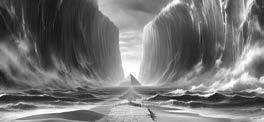
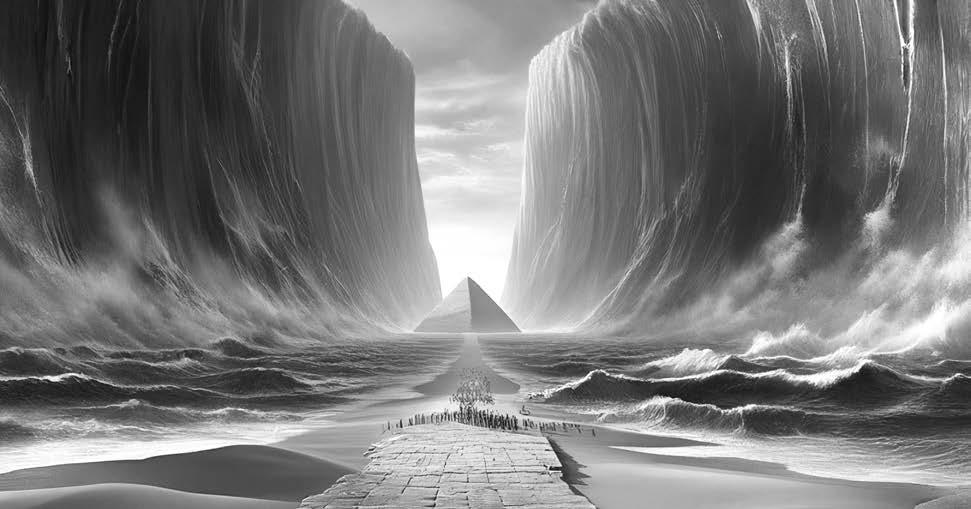
It is customary to remain awake all night until dawn, studying Torah, in commemoration of the great miracle of the Splitting of the Sea, which occurred at dawn on the Seventh Day of Passover.
The Feast of Moshiach
When: Sunday, April 20, in the afternoon
On this final day of Passover we strive for the highest level of freedom, and focus on the Final Redemption. Following the Baal Shem Tov’s custom, we end Passover with “Moshiach’s Feast” — a festive meal complete with matzah and four cups of wine, during which we celebrate the imminent arrival of Moshiach. This unique experience begins before sunset and continues until after nightfall. i Learn more at jrcc.org/MoshiachFeast
Moshiach Time
One of the most constricting elements of the human condition is the phenomenon of time. Time carries off the past and holds off the future, confining our lives to a temporal sliver of “present.” But on the first night of Passover we break the bonds of time, having received a mandate to experience the Exodus as if it is happening right now. We recall the Exodus in our minds, verbalize it in the telling of the Haggadah, digest it in the form of matzah and wine.
As we pass over the centuries, memory — those faded visages of past that generally constitute our only answer to the tyranny of time — becomes experience, and history is made current and real.
On the last days of Passover, our transcendence of time enters a new, heightened phase: it is one thing to vitalize memory to the point of actual re-experience, but quite another to make real an event that lies in the future, especially an event that has no parallel in the history of man. Yet in the closing hours of Passover, we enter into the world of Moshiach. Having vaulted over millennia of past on the seder nights, we now surmount the blank wall of future, to taste the matzah and wine of the ultimate redemption.
As the Rebbe teaches, when we open our eyes in this way, our awareness itself makes it real.
Passover concludes at 8:16pm on Sunday, April 20. Wait one hour before using Chometz.
Bracha for Shabbat Candle Lighting:
Baruch a-ta A-do-nay Elo-hei-nu me-lech ha-o-lam
a-sher ki-dee-sha-nu bi-mitz-vo-tav vi-tzi-va-noo li-had-leek ner shel Sha-bbat ko-desh.