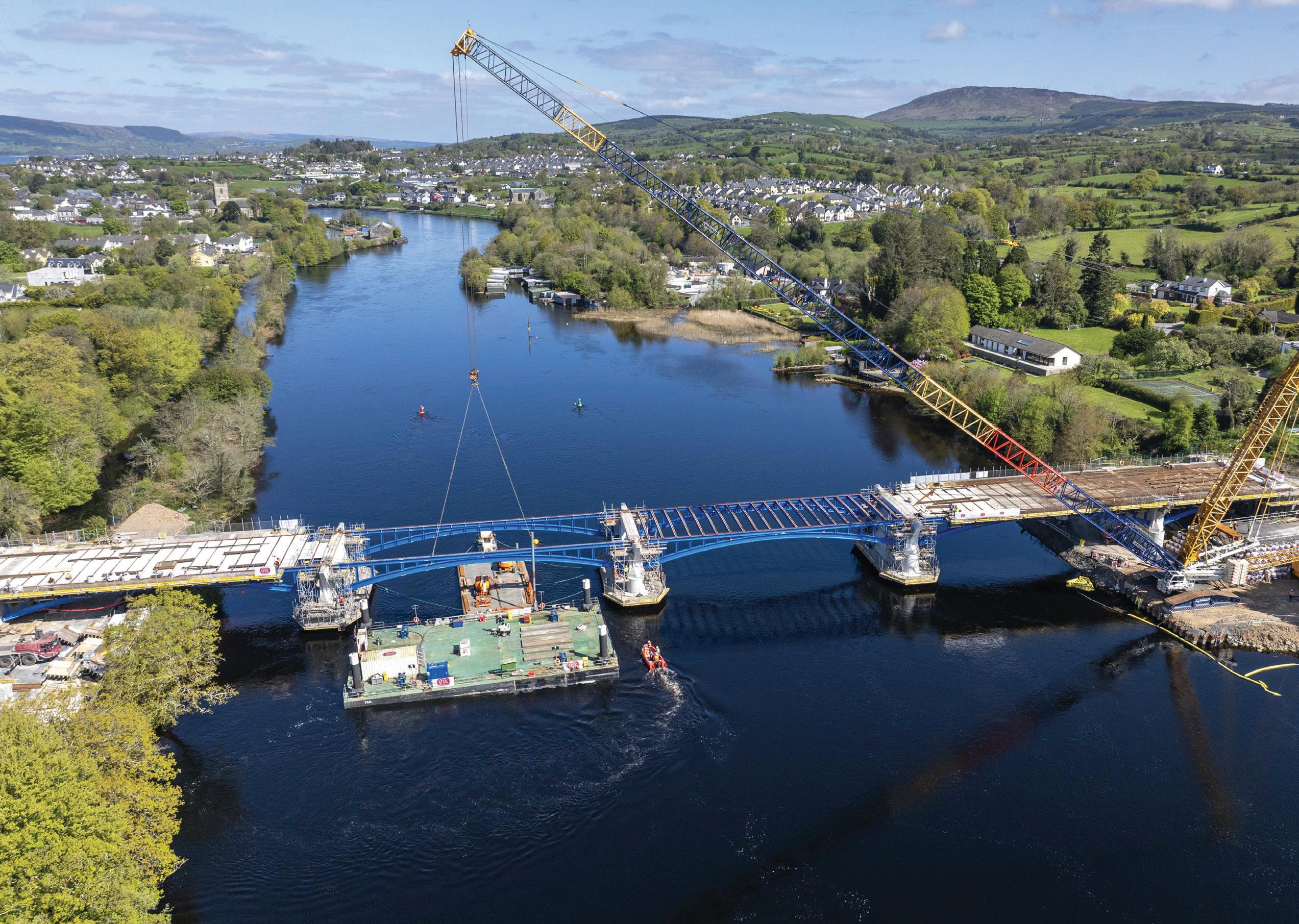
Common perspectives, shared ambitions and a desire to build better through collaboration. These are the qualities needed to ensure that we deliver for our clients to the highest standards. At John Paul Construction we believe that each project we deliver is an opportunity to learn through partnership, to improve on what’s gone before and to create a better tomorrow for us all.
Go Further | Build Smarter
When things get tight
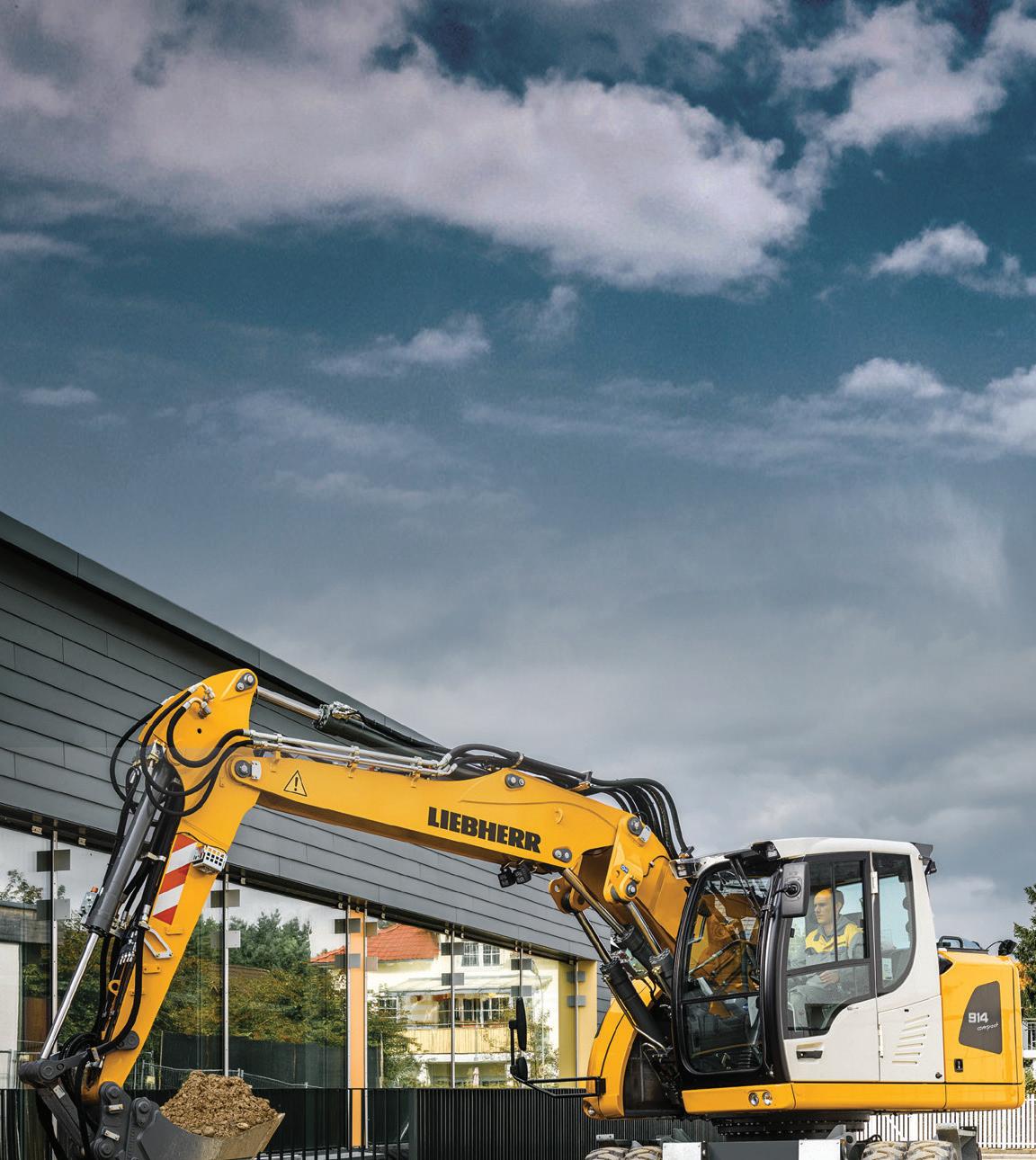
The A 914 Compact Litronic wheeled excavator
Maximum comfort even when space is limited. With its large cabin and a short rear slewing radius this mobile excavator enables you to work efficiently and flexibly day in, day out. It’s a Liebherr. Job done.
Wheeled excavator
CIVIL AND CONSTRUCTION IRELAND
Email: info@civilandconstruction.ie
Civil and Construction Ireland 2025
LETTER FROM THE EDITOR
Despite global economic and political turbulence, the Middle East and Gulf is emerging as the region offering some of the greatest opportunities to Ireland’s exporters according to one business organisation. Enda Corneille, chair of the Arab Irish Chamber of Commerce acknowledges there is a sense of caution among Ireland’s exporters, but emphasises that the strongest signals for export growth are now pointing east. “There is a new spotlight on markets such as Saudi Arabia, UAE, Morocco and Egypt with well-known Irish businesses in sectors including construction and engineering providing a diverse range of products and services to these countries. Ireland needs to diversify its international trade exposure and reduce its dependence on more ‘traditional markets’ and we have seen significant potential for Irish businesses in the Arab world,” said Corneille.
Whether it’s ferrying teams to a major project, hauling power tools across multiple counties or delivering specialist components to high-rise sites, vans remain the silent workhorses of Ireland’s construction and engineering sector. Senior managers who sign off on fleet purchases know a reliable van can mean the difference between a job running smoothly and costly downtime. Heading into 2026, they’re faced with the broadest range of options yet - from long-range electric newcomers to tried-and-tested diesel stalwarts - with manufacturers working hard to make their offerings safer, more comfortable and more connected. The headline grabbers are the new battery-electric models. But while electric gets the headlines, diesel still accounts for the bulk of Irish construction fleets. Flick forward to have a look through our van guide and if in the market to upgrade your fleet then reach out to the reputable brands featured in this issue.
We have a lot of insightful articles in this issue along with plenty of construction news and a great 2026 Van Line-Up so flick forward for all of that great content. Enjoy the read.
Mark Kenny Editor
For all advertising and marketing queries, contact on email: info@civilandconstruction.ie
Design: Colin Brennan
Advertising Sales: darren@civilandconstruction.ie
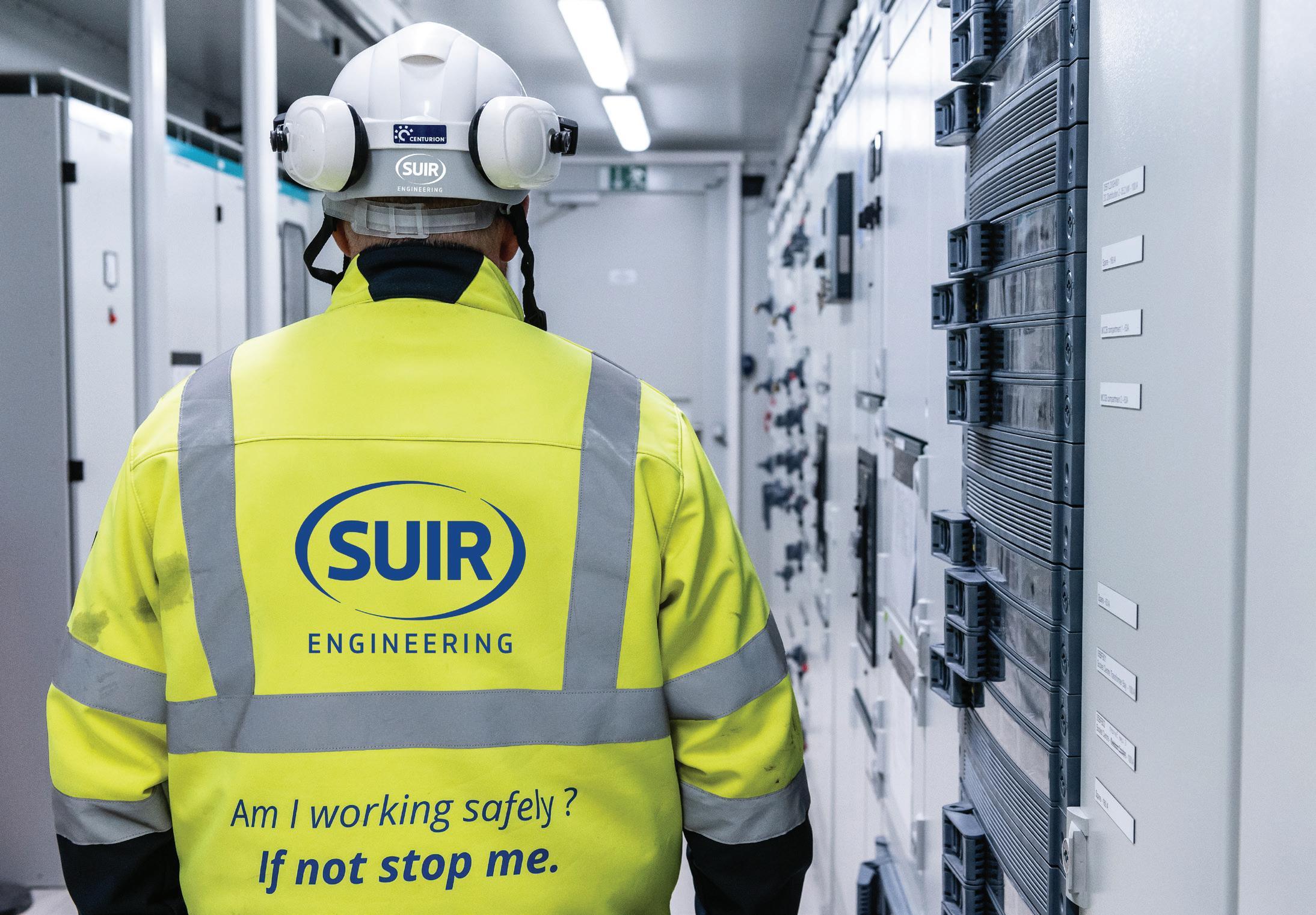
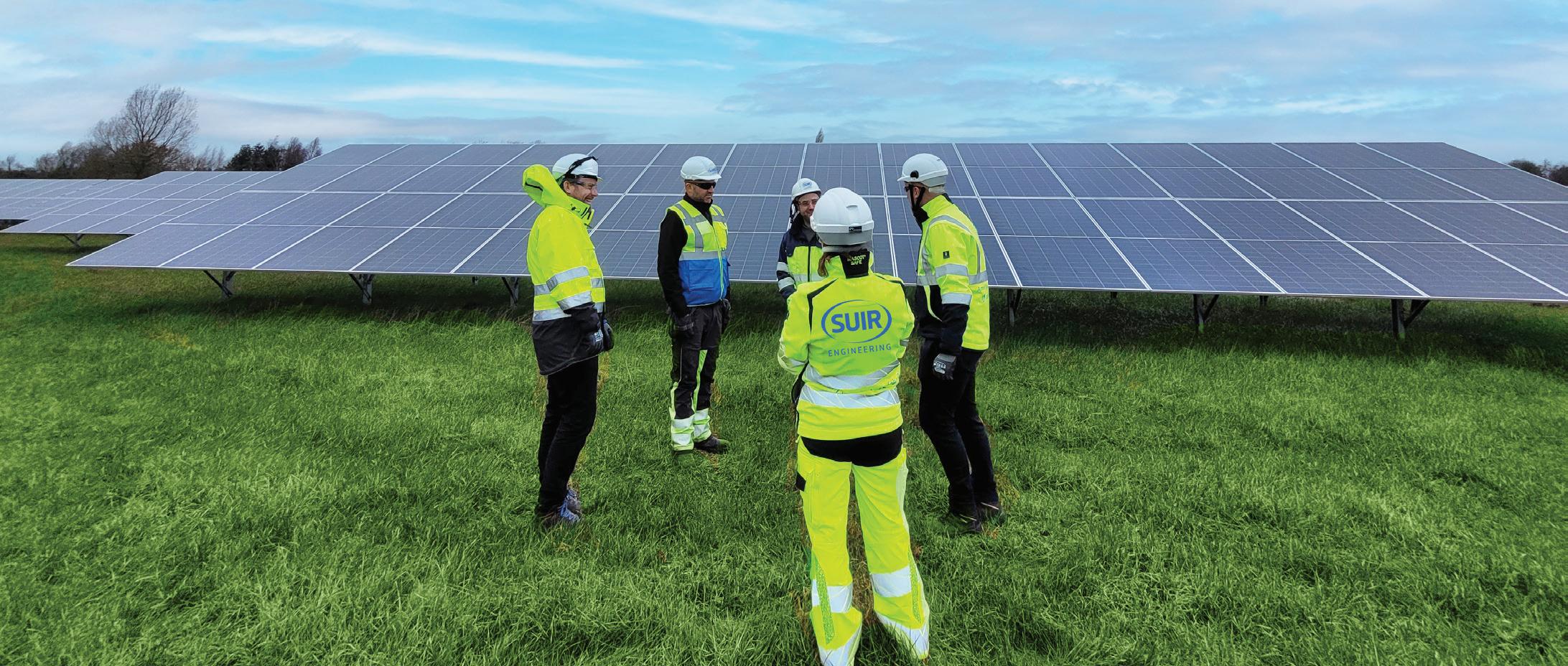
SUIR ENGINEERING
Combining deep Irish expertise with UK market insight to deliver landmark energy projects from Inverness to Southampton.
ARCDOX BIM CONSULTANTS
Golden Thread (Part 4) - “The Handover” - from Event to Dialogue.
CITA GATHERING25
From vision to future, CitA gears up for Gathering25.
GRANT
The Grant Aerona R290 heat pump has been designed specifically for the Irish climate.
HOWDEN
Small landlords are leaving the Irish rental market in their droves while institutional investors ignore it. Why?
2026 VAN LINE-UP
Keeping Ireland’s construction fleet moving.
MH INTERNATIONAL
Driving change within temporary works.
SCSI REPORT
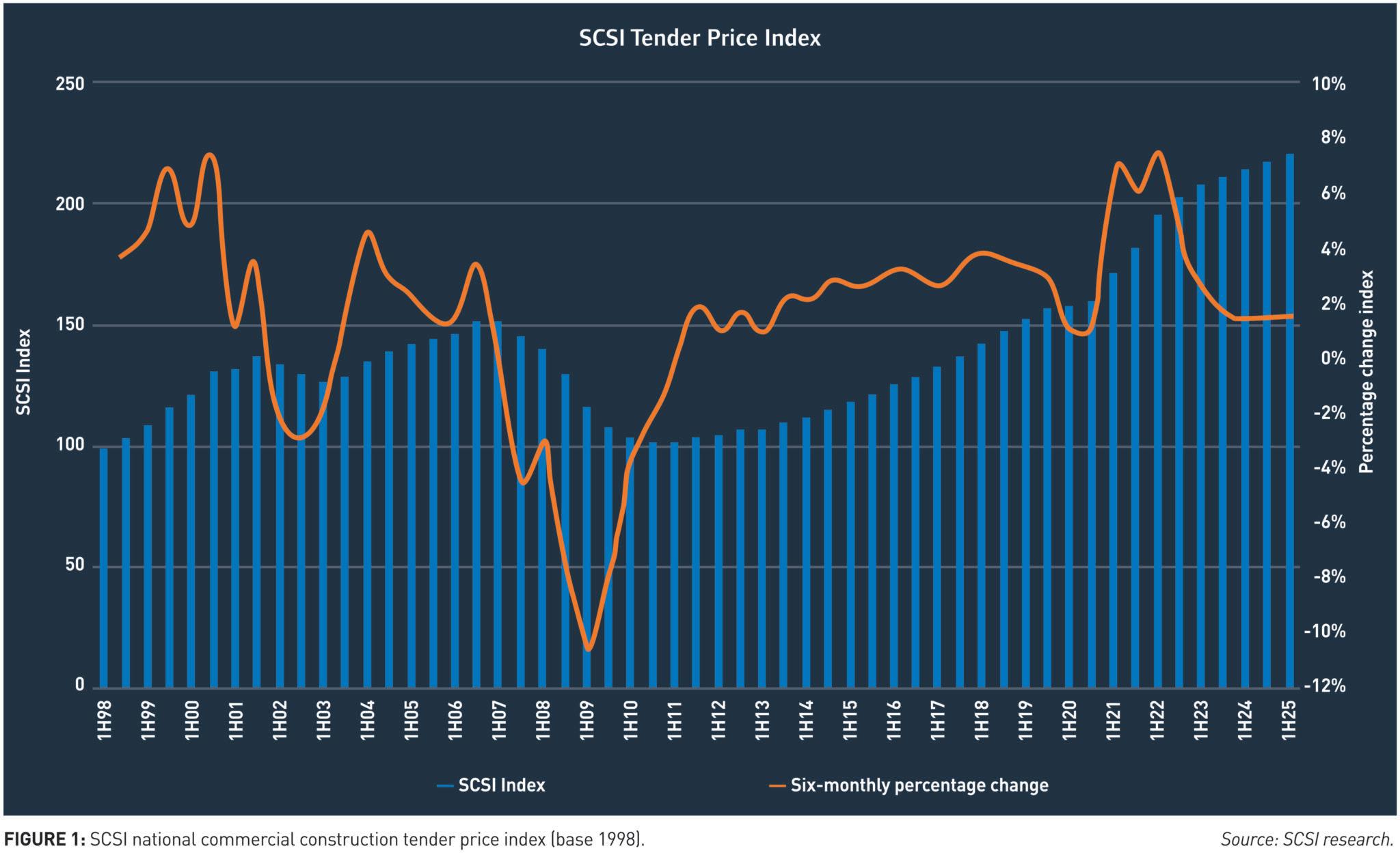
Commercial construction costs increased by 1.5% In H1 2025.
KILSARAN
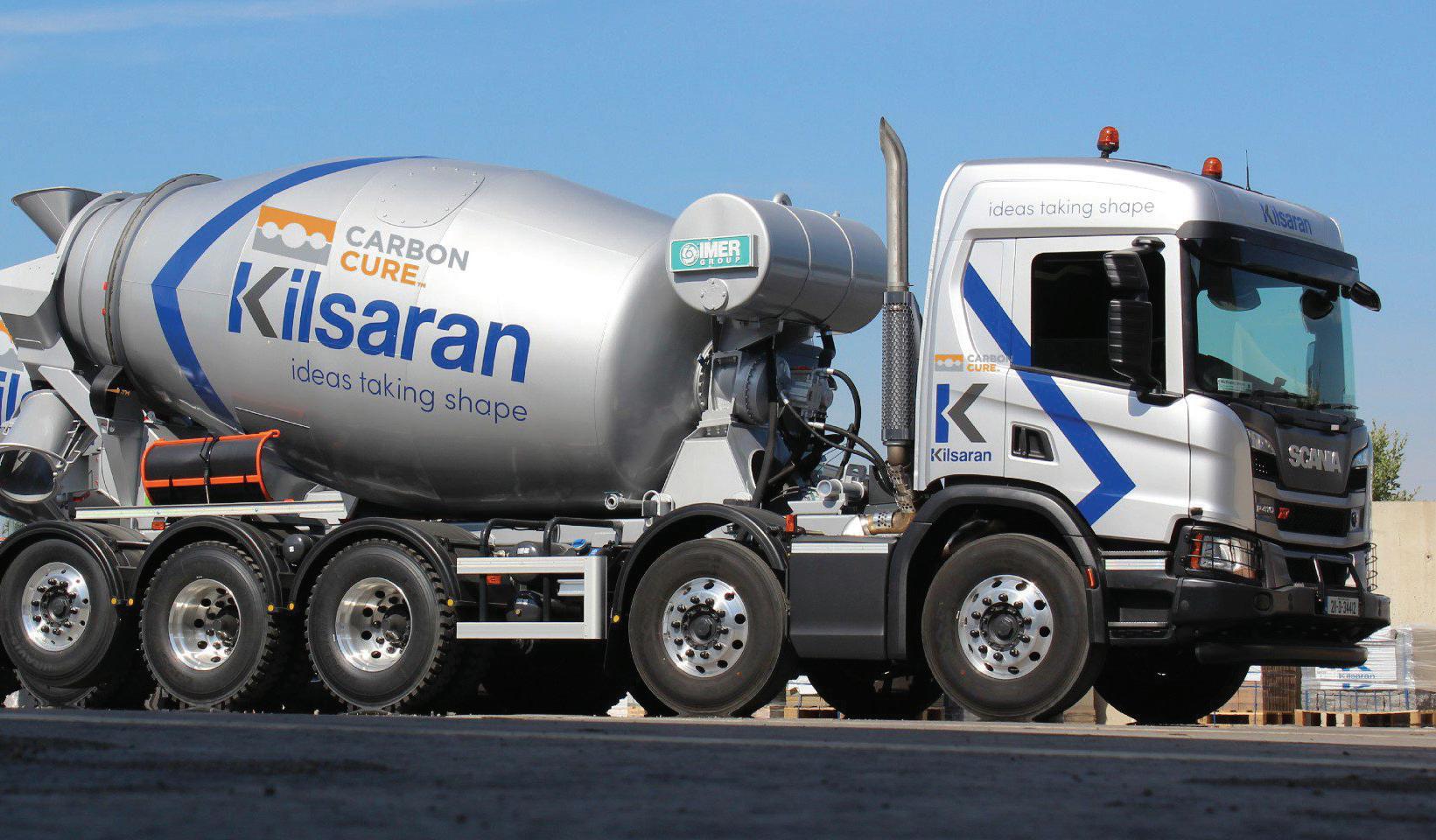
Kilsaran announces new Chief Financial Officer and board appointments.
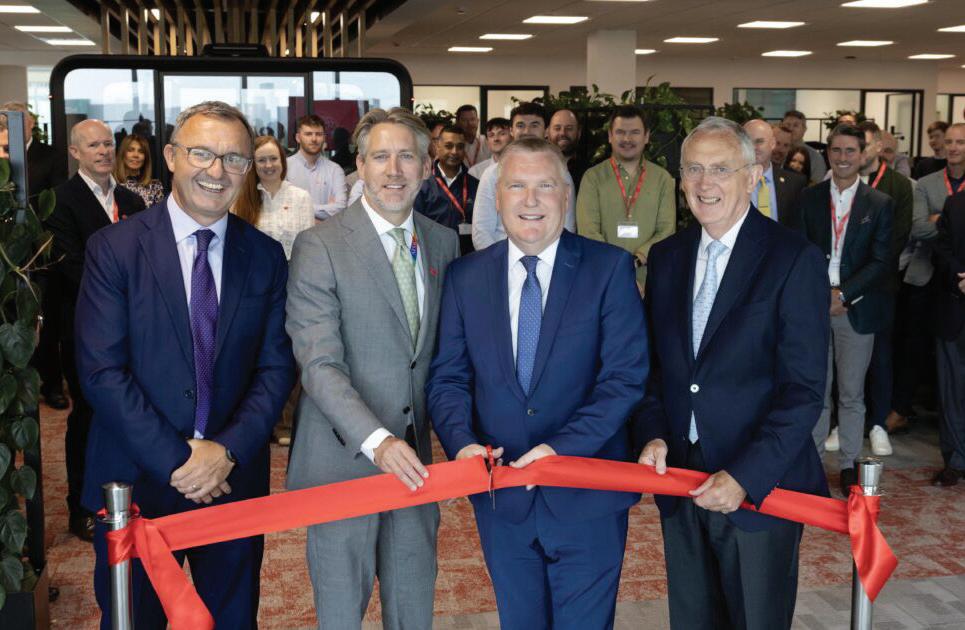
Sisk Officially Opens New Cork Office
Ireland’s largest construction firm, Sisk has officially opened its new office at City Gate, Mahon in Cork city centre. Its new Cork office was officially opened today by Michael McGrath, EU Commissioner, Gary McGann, Chairman, Sicon Ltd (Sisk Group) and Paul Brown, CEO, Sisk.
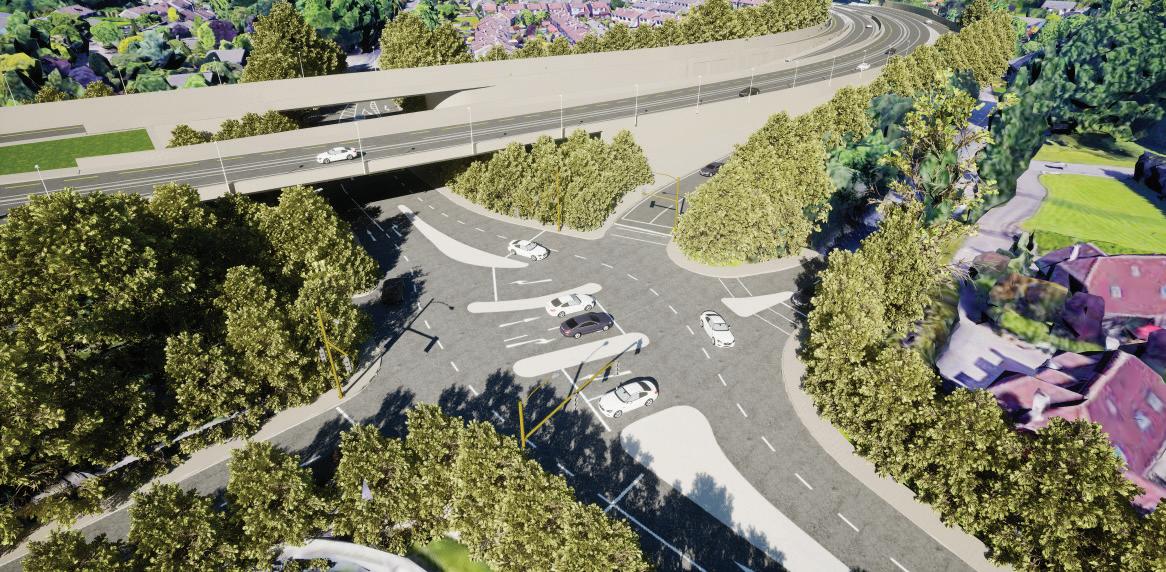
The new office was retrofitted over a four-month period and has capacity for over 50 people. The Sisk – Cork office had previously been based on Kinsale Road since 1967. The company has recently been announced as main contractor for the extension of Center Parcs Longford Forest having previously completed the Dunkettle Interchange Upgrade Scheme and Pfizer in Ringaskiddy over the past 18 months.
In June 2024, Sisk moved over 250 of its staff into its new Irish headquarters in Citywest, Dublin.
Paul Brown, CEO, Sisk said: “Our roots are firmly in Cork and the move to Mahon is an investment in our people and a vote of confidence for the wider Munster region. This move will enable us to support and attract future local talent into the construction sector. Our new office also compliments our new HQ retrofit in Dublin.
He added: “Additionally, it is a wider commitment by us to be best prepared to support the Government’s recent update to the National Development Plan (NDP) - a bold vision that ramps up public capital investment to an historic €275.4 billion from 2026 to 2035. Off the back of our successful completion of Dunkettle Interchange, we are positioned to support one of the most ambitious infrastructure programmes in our nation’s history - and one that we support and are ready to engage upon.”
Michael McGrath, EU Commissioner said: “Construction employs millions of people across Europe and contributes around 10% of our gross value added. With over 165 years of experience and a strong commitment to quality, innovation, safety, and sustainability, Sisk has delivered many vital building projects across Ireland, the UK and throughout Europe. In doing so, it provides valued employment and contributes to economic growth and urban renewal wherever it works. Construction is never just about bricks and mortar - it’s about people, communities, and creating opportunities for future generations. Given that it all started for Sisk in Cork in 1859, I am delighted to open Sisk’s new Cork office - a testament to the company’s continued close connection with and commitment to Cork and the wider region. I wish the whole team at Sisk continued success.”
Elm Park Green Apartments, South Dublin
Sally Gap Bar, Powescourt Hotel, Wicklow
Coleman Court Student Accommodation, Cork
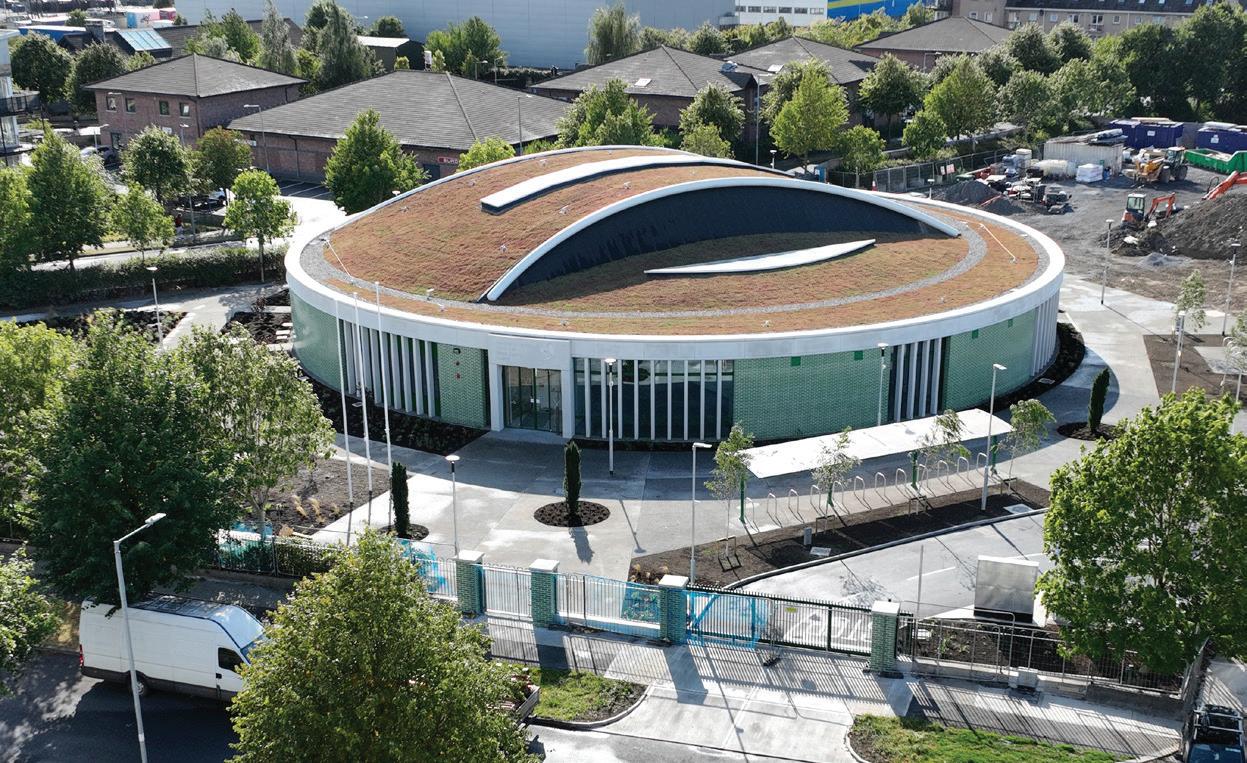
Meakstown Community Centre, Dublin
Two Liebherr Special Excavators Optimise Bethell’s Civil Engineering Performance
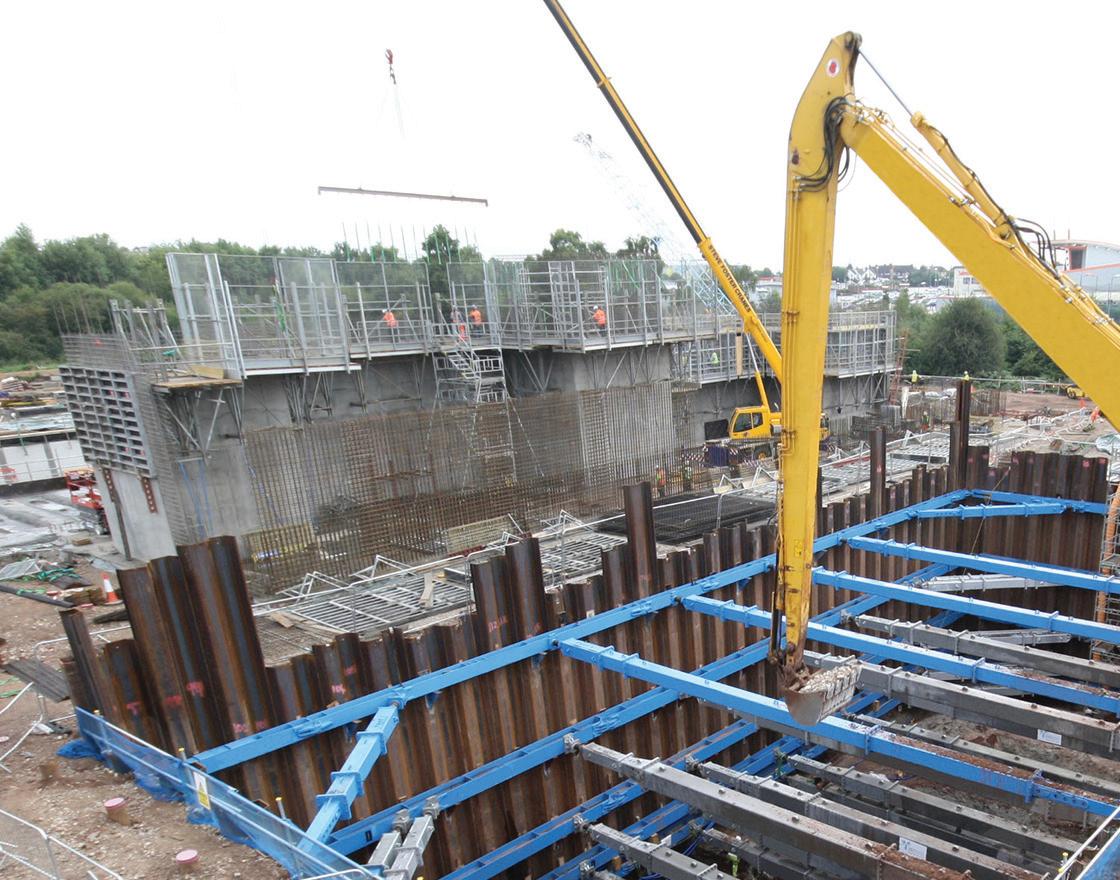
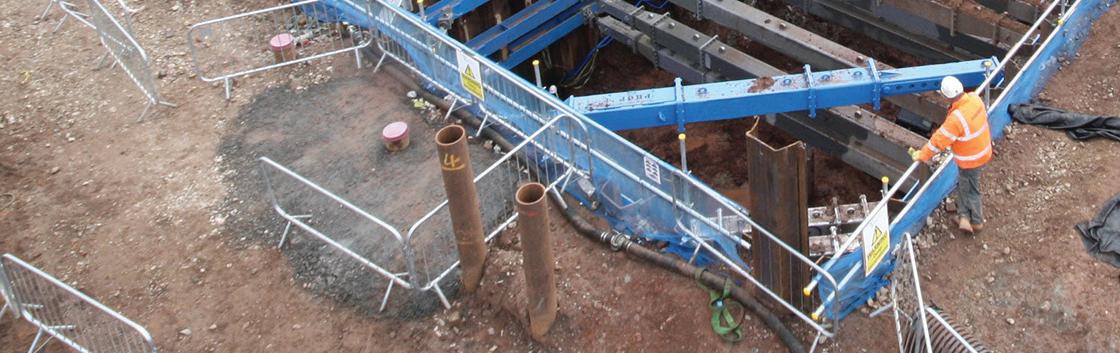
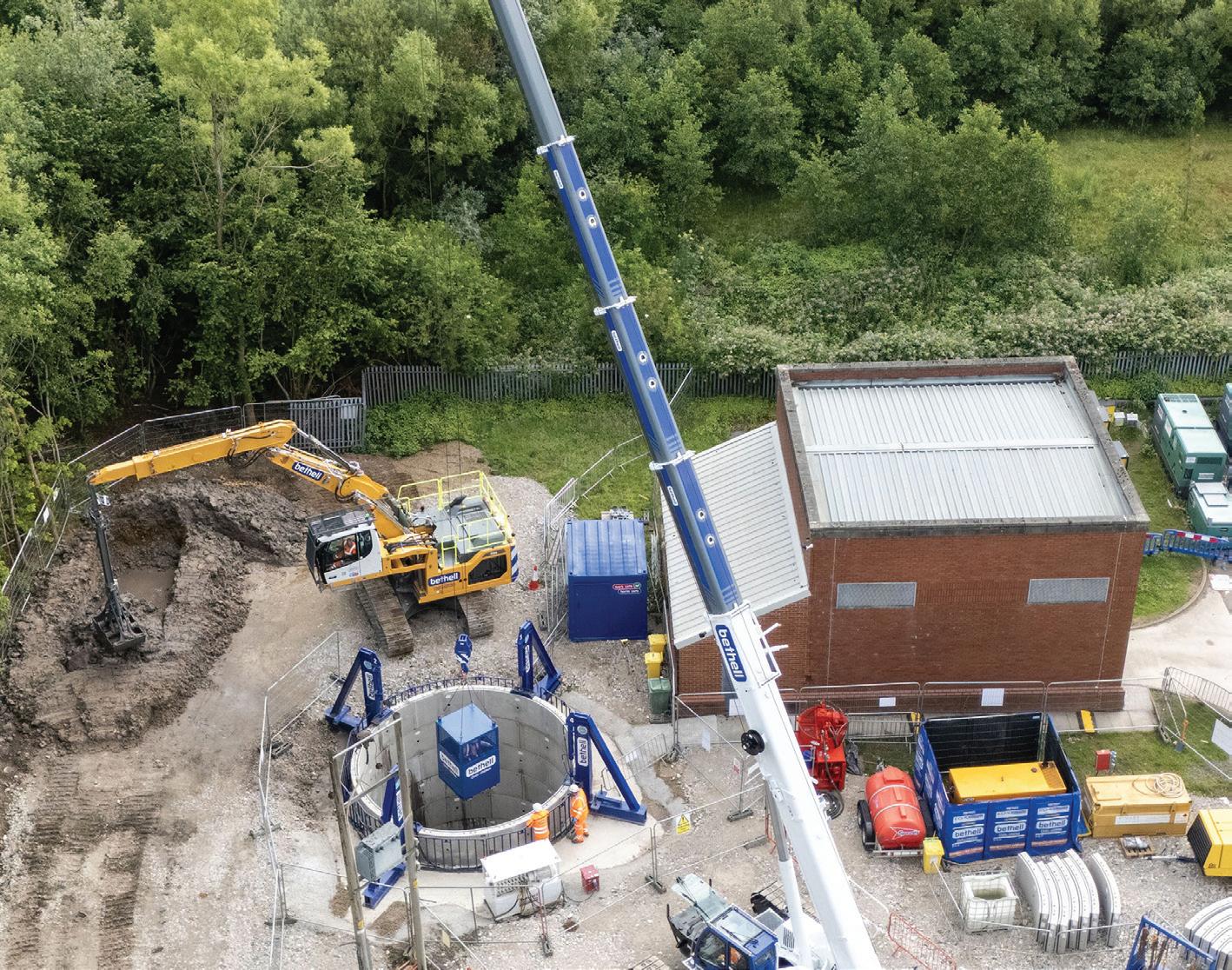
The family-owned company Bethell specialises in excavation and shaft sinking for urban infrastructure projects in the United Kingdom and has recently expanded its fleet with two Liebherr R 930 crawler excavators and a Liebherr LTR 1060 telescopic crawler crane. The company relies on machines that are perfectly equipped to meet the technical challenges of working in dense urban areas and on special underground projects.
The Bethell Group has expanded its fleet with two specially configured Liebherr R 930 crawler excavators and a Liebherr LTR 1060 telescopic crawler crane. This move strengthens the long-established British company’s capabilities in excavation and shaft sinking for urban infrastructure projects.
Machines tailored for excavation and shaft work
Bethell, which specialises in complex work in confined urban environments, was looking for machines that combine precision, safety and robustness. After an 18-month rental period, the company decided to purchase its own specialised equipment in order to be able to respond more flexibly to increasing order volumes.
“We were very impressed by the quality of the complete package offered by Liebherr. Everything went smoothly. And the fact that a single manufacturer is responsible for production, delivery and warranty gives us great peace of mind,” emphasises Ronan Kilroe, operations manager at Bethell.
Specially adapted R 930 excavators for demanding applications
The two crawler excavators delivered to Bethell are based on the standard R 930 model developed and built by Liebherr France SAS and each have an operating weight of approx. 40 tonnes (compared to 30.4 to 36.3 tonnes for the standard version).
They are equipped with an extended chassis and a hydraulically liftable driver’s cab, which gives the driver a viewing height of up to five metres –ideal for monitoring excavation work. The working attachment includes a two-part boom and a telescopic stick for increased reach. For safety, the machines are equipped with rollover protection with an optimised field of vision and ring-shaped lighting that clearly delineates the work area.
A
tailor-made project with the Liebherr Application Centre in Colmar
The development of these special excavators was made possible by the expertise of the Liebherr Application Centre at the Liebherr-France SAS site in Colmar. This department is dedicated to customising crawler excavators in accordance with specific customer requirements, relying on close cooperation between engineering, sales and customers. A detailed analysis is carried out for each project, taking into account practical conditions and operational requirements.
In Bethell’s case, technical consultations led to a tailor-made configuration with working equipment specially adapted to the requirements of excavation and shaft work. At the same time, a high level of comfort and safety for the driver has been ensured. “It was a long process, but it paid off. We have received three excellent products that will serve us well for many years to come,” concludes Ronan Kilroe.
Liebherr stands for tailor-made solutions – even for demanding operations. With its versatile attachments, even complex tasks can be reliably mastered. For this specific customer requirement, a suitable suspension was developed and implemented for use with a telescopic stick. For deep excavations, Liebherr also offers customized grab extensions and special rotary drives. An integrated ejector also enables complete emptying of the shells – for maximum efficiency on the construction site.
Atkinsréalis Appointed To Design M28 Cork
To Ringaskiddy Motorway Scheme
AtkinsRéalis, a world-class engineering services and nuclear company, has been appointed by BAM to deliver comprehensive design services for Cork County Council’s M28 Cork to Ringaskiddy Motorway Scheme.
The three-year role will see AtkinsRéalis responsible for all multi-disciplinary detailed design services and provide on-site monitoring during construction of the 11-kilometre motorway from Bloomfield Interchange to Barnahely, east of Carrigaline. AtkinsRéalis will also contribute its global experience in delivering low carbon design and construction to the scheme, which is one of the first major infrastructure projects in Ireland to require a construction stage Climate Change Plan.
Martina Finn, Managing Director, AtkinsRéalis Ireland, said: “The M28 is one of Ireland’s most significant infrastructure developments that will enhance connectivity with the Port of Cork, a critical international gateway, and the wider region, while improving journey times and safety for County Cork. It’s also an opportunity to apply new digital design practices reduce carbon during construction and across the asset lifecycle, demonstrating how major infrastructure can be delivered sustainably.” The project involves extensive digital information management requirements for both design and construction phases.
Finn added, “Our proven track record in delivering complex transport projects across Ireland, combined with our
international capabilities in digital design, positions us well to support this transformative project that will drive regional economic growth.”
The €181 million design and build contract, awarded to BAM by Cork County Council, forms part of a broader €456 million investment in the M28 funded by the Department of Transport through Transport Infrastructure Ireland (TII). As a designated part of the Core Trans-European Transport Network (TEN-T), the M28 will support the ongoing development of the Port of Cork’s deep-water facilities in Ringaskiddy while enhancing regional connectivity and reducing travel times for both commercial and commuter traffic.
The appointment builds on AtkinsRéalis’ proven track record of delivering large-scale design and build national road projects in Ireland, including the M7 Naas Newbridge Bypass Upgrade and M50 Upgrade PPP Scheme. The company has also delivered numerous road projects for Cork County Council over many years, including the N40 TEN-T Improvements and Carrigaline Western Relief Road. AtkinsRéalis’ other major transport projects in Ireland include the DART+ West and South West projects for Irish Rail and the MetroLink Advanced Works for Transport Infrastructure Ireland.
With offices in Dublin, Cork, Galway, and Dundalk, AtkinsRéalis Ireland continues to expand its infrastructure portfolio as part of its growth strategy to increase to approximately 1,000 employees over the next five years.
Arab Economies Signal Strong Opportunity for Irish Construction & Engineering Firms
It’s not an easy time for Ireland’s exporters right now. However, with the Middle East & Gulf emerging as one of the world’s strongest economic regions. a business summit, announced today, will offer business leaders an opportunity to hear from Irish construction and engineering companies thriving in the region.
The 2025 Arab-Irish Business Summit taking place at the Mansion House on September 18th will offer unique insights into doing business in the Arab world with a stellar line up of speakers including:
• Jim Healy, CEO NuLumeTek, which specialises in energy-efficient lighting design and supply. Nulumentek is involved in the majority of Tier One mega projects in Saudi Arabia, having already delivered projects in 12 countries to date
• George Mullan, founder of SIS pitches, which designs, manufactures and installs sports surface solutions and track construction and maintenance services. SIS Pitches has completed sports pitch projects at every major football event in the world and has worked with international names and projects including Real Madrid, Manchester City, Inter Milan, Barcelona FC and Chelsea FC. SIS Pitches has recently signed contracts for the first two World Cup 2034 stadiums in Saudi Arabia
Despite global economic and political turbulence, the Middle East and Gulf is emerging as the region offering some of the greatest opportunities to Ireland’s exporters according to one business organisation. Enda Corneille, chair of the Arab Irish Chamber of Commerce acknowledges there is a sense of caution among Ireland’s expor-
ters, but emphasises that the strongest signals for export growth are now pointing east.
“There is a new spotlight on markets such as Saudi Arabia, UAE, Morocco and Egypt with well-known Irish businesses in sectors including construction and engineering providing a diverse range of products and services to these countries. Ireland needs to diversify its international trade exposure and reduce its dependence on more ‘traditional markets’ and we have seen significant potential for Irish businesses in the Arab world,” said Corneille.
A wide range of practical issues – from challenges and culture, to banking, legal affairs and recruitment – will be addressed with crucial advice from Enterprise Ireland, which has a strong on-the-ground presence in the region. Taking place on 18 September 2025 at the Mansion House, Dublin and hosted by journalist and broadcaster, Matt Cooper, the summit will cover a wide range of topics and sectors including construction & engineering, fintech & technology, food & drink, travel & tourism and professional services.
Hundreds of Irish businesses are expected to attend what is being billed as the most important event for Irish businesses looking beyond the traditional markets of the US and UK for export and trading opportunities.
The event is being jointly organised by the Arab-Irish Chamber of Commerce, Bord Bia, Department of Foreign Affairs and Enterprise Ireland.
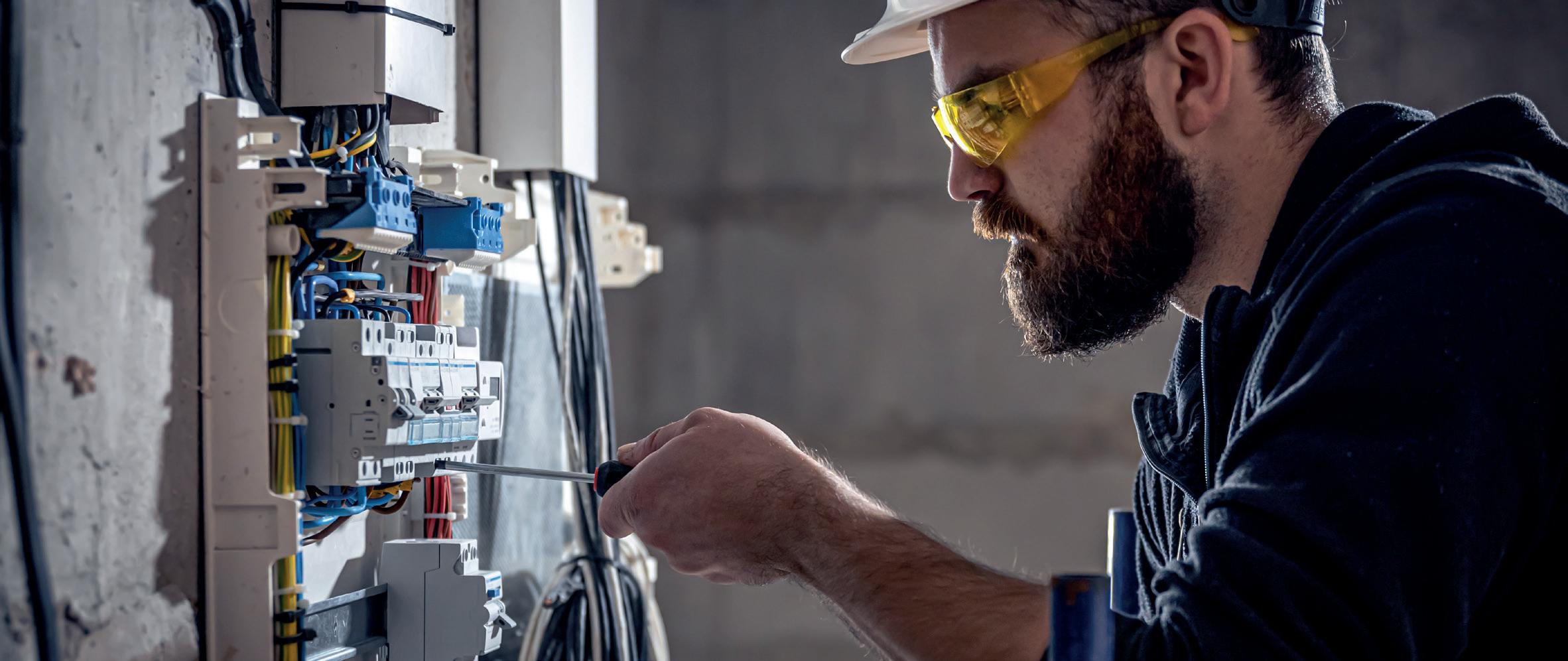
If you are buying a security service your provider must be licensed by the PSA even if their primary business is not security.
Electricians, Property & Facilities Management Companies, and others providing security services must be licensed.
Using unlicensed providers puts your business at risk as you could:
•Face Prosecution
•Invalidate your insurance cover
•Compromise the safety of your staff and customers
To ensure that your security provider is licensed with the PSA visit www.psa-gov.ie
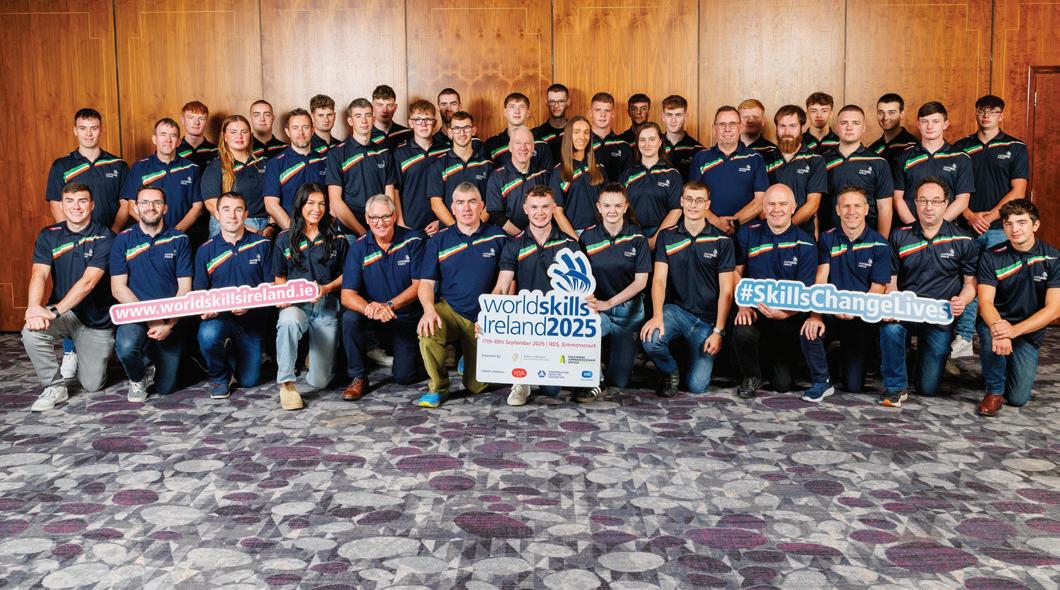
Students Celebrate Success at WorldSkills Ireland 2025
More than 30,000 students from over 300 schools across the country came together at the RDS Simmonscourt for WorldSkills Ireland 2025, Ireland’s largest skills and apprenticeship showcase. Over three days, young people got to experience first-hand the wide range of skills, trades, and career opportunities now on offer.
The event gave students the chance to meet employers, try out different skills, hear from apprentices already working in their industries, and see the latest technologies in action. From construction and engineering to digital, hospitality, horticulture and the creative arts, WorldSkills Ireland gave a real insight into the many different career paths available outside the traditional academic route.
Celebrating excellence within the industry, a highlight was the National Competition Finals, where 180 competitors took part in 35 different skills finals, spanning construction, engineering, ICT, automotive, hospitality, creative arts, logistics, and more.
Speaking about the event, Ray English, Chair of WorldSkills Ireland, said: “It was fantastic to see so many young people from every corner of the country experiencing the huge variety of skills and apprenticeships now available. Over the three days, students had the chance to meet employers, hear directly about career opportunities, and see the level of talent on display in the competitions. The standard of skill across the board was extremely high and shows the real quality coming through our apprenticeship and training programmes. WorldSkills Ireland has become a real showcase for what’s possible – for students, parents, and teachers alike.”
Ray added: “It was great to see all the national competitions gathered under one roof, which will enhance Ireland’s ability to compete in WorldSkills International finals, I want to congratulate all the participants and acknowledge the commitment and dedication of our students, sponsors and the supporting staff who have made this possible.”
Committed to promoting excellence in skills and driving economic growth through a skilled workforce, this year’s construction competitions were supported by SISK, Crown Paints, Jones Engineering, King & Moffatt, Saint-Gobain, OPW and Unilin Insulation.
Demonstrating their skills, the winners included:
• Bricklaying winner – Oisin Byrne Power from Co. Wexford studying at TU Dublin
• Cabinetmaking winner – Eoin Dalton from Co. Clare studying at ATU Connemara
• Carpentry winner – Kenneth Mulrooney from Sligo studying at ATU Sligo
• Joinery winner – Aaron Hayes from Co. Meath studying at ATU Sligo
• Electrical Installation winner – James Hunt from Co. Cavan studying at ATU Sligo
• Plumbing and Heating winner – Adam Harbour from Co. Limerick studying at Waterford SETU
• Painting & Decorating winner – Tadgh Whitmore from Co. Waterford studying at TU Dublin
• Plastering & Drywall systems winner – Eoin Lynch from Co. Limerick studying at MTU Cork
• Architectural stonemasonry winner – Luca Howard from Co. Roscommon studying at Kerry College
Over the three days, visitors met with 80 + exhibitors, including many leading industry names, with the chance to meet employers actively recruiting apprentices and career professionals. Students also heard from Industry Heroes and rising stars on the Heroes Stage, connected with Education and Training Boards, Technological Universities, Universities, and Apprenticeship Consortium Employers, and experienced cutting-edge learning through AI, Virtual Reality, and green technology in the Further Education and Training Village.
WorldSkills Ireland is a Government and all-industry initiative, working hand in hand to deliver the solution to Ireland’s skills shortage. Backed by leading industry partners including SISK, Construction Industry Federation and ESB Networks; sector sponsors including SIMI (Society of the Irish Motoring Industry) and Fáilte Ireland; and education partner, the Institute of Guidance Counsellors, the event is also supported by the Government of Ireland and the National Apprenticeship Office (NAO). The event continues to play a key role in raising awareness of skills-based careers and inspiring the next generation of Ireland’s workforce.
To see the full list of winners from WorldSkills Ireland 2025, visit: worldskillsireland.ie/worldskills-events/2025-competition-winners/
PEACE OF MIND FOR 10 YEARS
Make the greener choice for your home, upgrade your existing central heating with an eco-friendly, low noise Midea Heat Pump. Air source heat pumps are the low-carbon future of home heating which integrates heating and domestic hot water into one system.
The future of heating, renewable energy is the greener, cleaner way to heat your home. Midea’s air source heat pumps are the costeffective way to lower your energy bills and switch to a low-carbon way of heating your home. Make yourself at home and start saving with Midea Heat Pumps.
OUR MIDEA MONOBLOC HEAT PUMP COMES WITH A MARKET LEADING 10 YEAR WARRANTY.
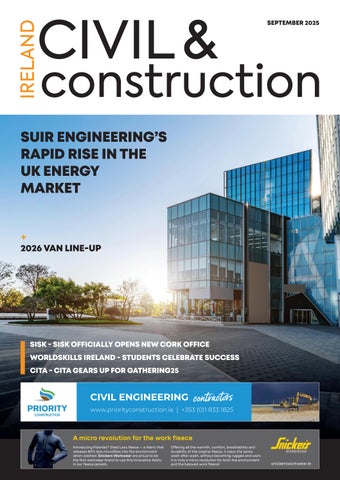
SUIR ENGINEERING’S RAPID RISE IN THE UK ENERGY MARKET
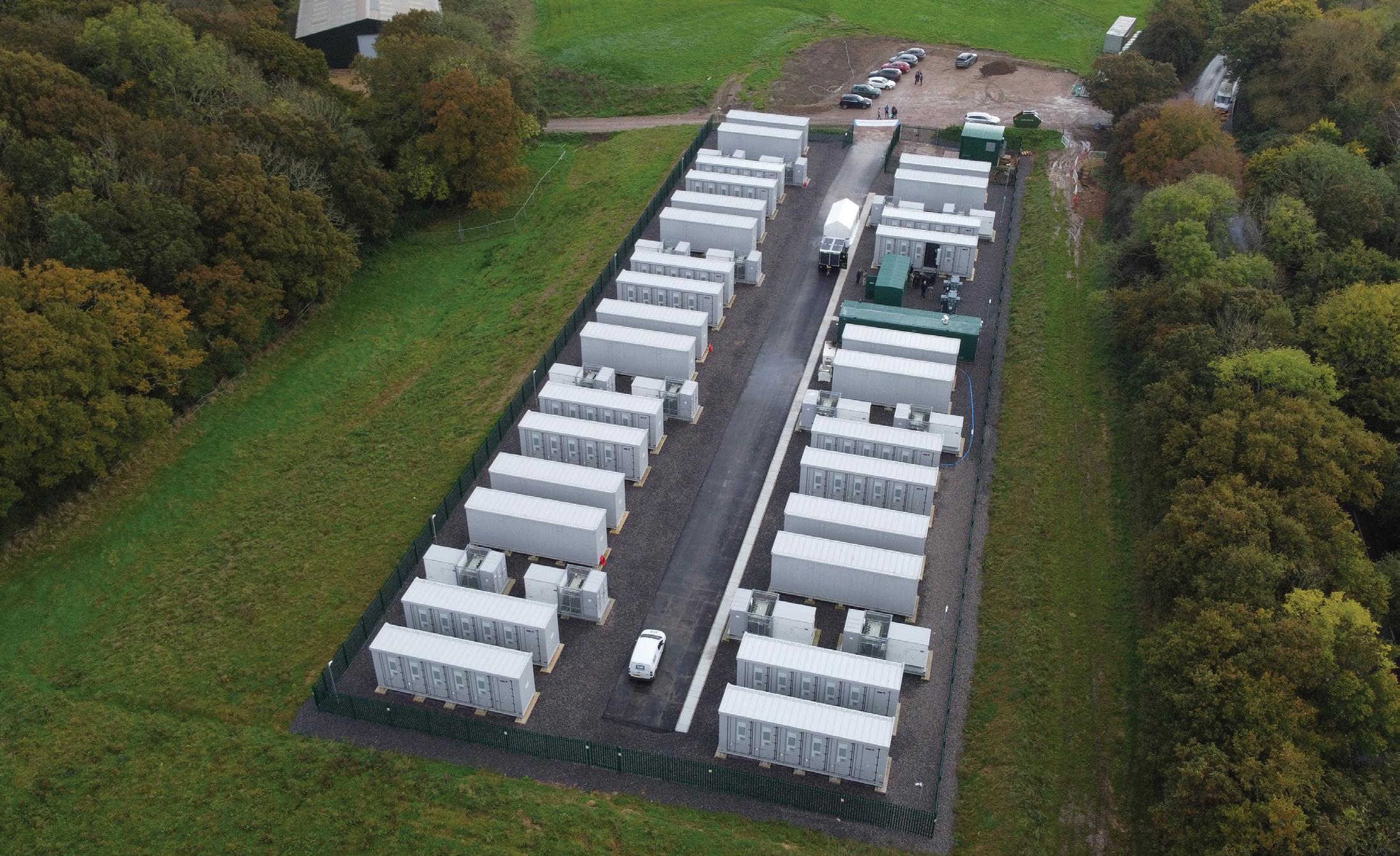
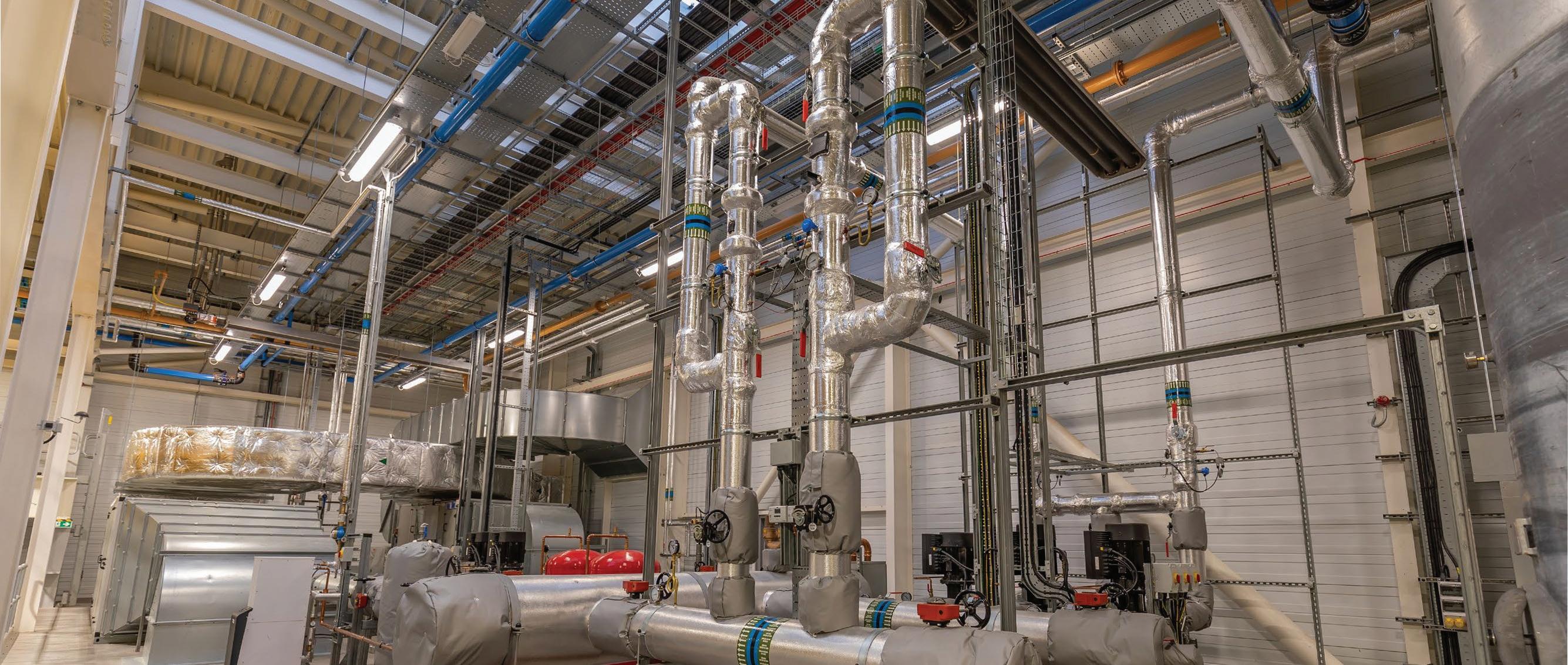
Suir Engineering is combining deep Irish expertise with UK market insight to deliver landmark energy projects from Inverness to Southampton.
Suir Engineering has a long-standing reputation across Ireland and Europe for its expertise in Electrical, Mechanical, Instrumentation and High Voltage services. Its presence in the UK took a significant leap forward after being acquired by Duke Street in 2022, energising its first battery storage project in Botley and building momentum with a variety of projects currently underway. Its UK team is rapidly growing, with offices in Paddington and Manchester and plans to expand into Scotland following the recent acquisition of Taylor & Fraser, a leading Scottish mechanical and electrical contractor.
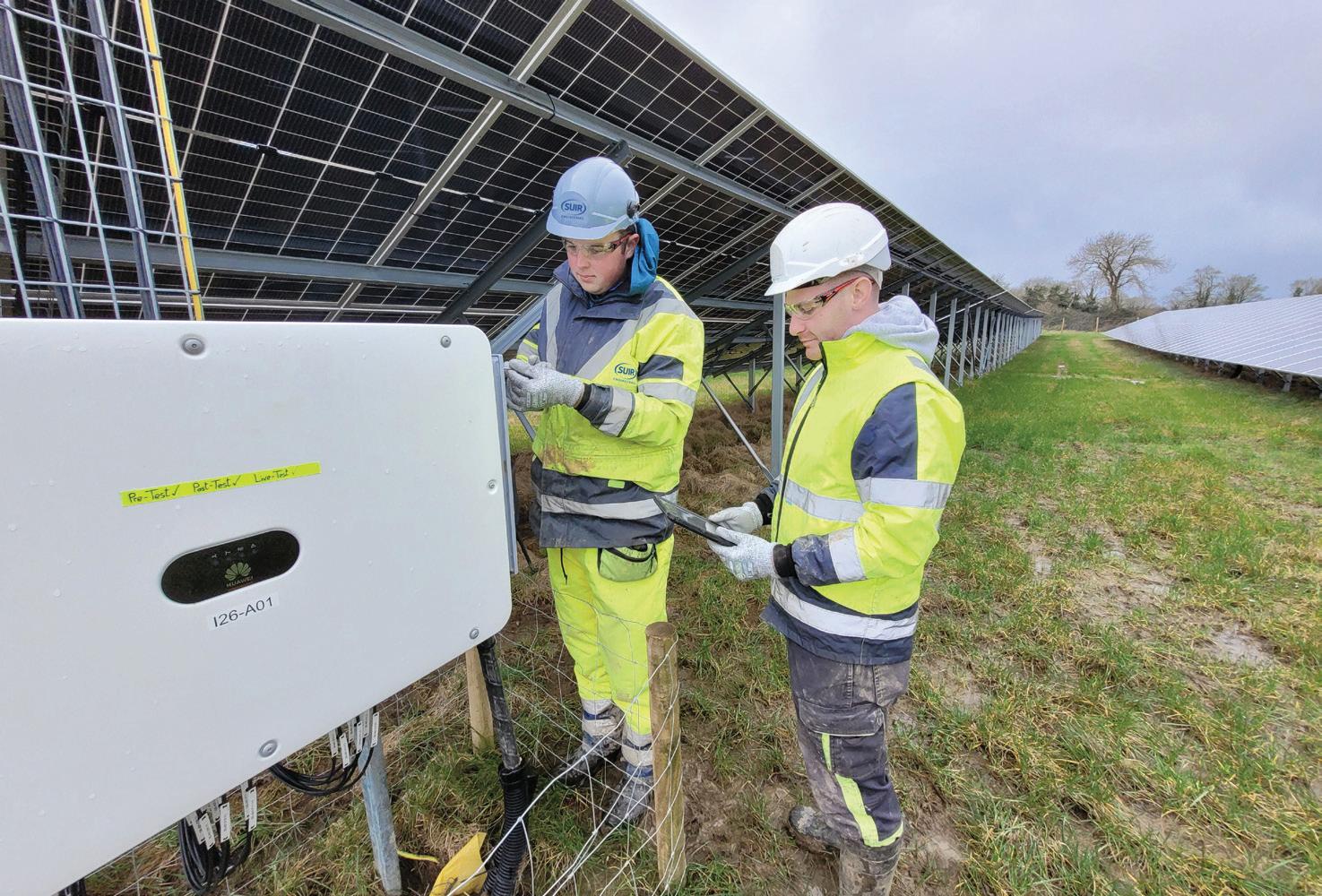
In the UK, Suir’s primary focus lies in Energy, Power & Renewables (EP&R) Data Centres and Life Sciences - sectors where the company has deep technical expertise and a proven delivery model. The team
combines seasoned Irish project leaders with newly recruited UK specialists to offer a comprehensive inhouse service, from design to commissioning.
“What sets Suir Engineering apart is our pedigree in delivering high-quality work right first time,” says Maurice Lynch, Director of Engineering at Suir UK. “In Ireland, we’ve delivered some of the largest renewable projects to date. That pedigree is driving our ambition in the UK. Things are going from strength to strengthwe’re established, winning work, and building a strong team to deliver it.”
Maurice, who brings to Suir over a decade of experience working for electricity distribution network operators in the UK, including Electricity North West and Northern Powergrid, says in-house knowledge is where the company has been able to distinguish itself in the UK market, that enables it to leverage embedded expertise with an agility to adapt to geographical nuances. “We have project directors and highly skilled electrical and civils professionals who have been
delivering complex projects for many years. That said, we fully recognise that the UK market is different, and we’ve been careful to recruit the right individuals to meet those specific demands.”
Maurice himself is a case in point. “As an Independent Connection Provider (ICP), we regularly work with Distribution Network Operators (DNOs), and part of my role is engaging and working with network operators to ensure we deliver a timely and cost efficient projects to our clients meeting milestones and project commitments.
“Due to my DNO background I have experience and understanding of the grid connection process - and the obligations placed on DNOs - which helps when supporting the client meet their objectives . Suir is an ICP that looks to outperform on its targets and objectives in order to deliver a high level of customer satisfaction to its clients.
“I think what makes our approach work so well is that it’s a strong mix of newly appointed UK expertise combined with the long-standing experience of our Irish teams, who are now delivering projects here. That combination is proving to be very effective.”
In-House Expertise
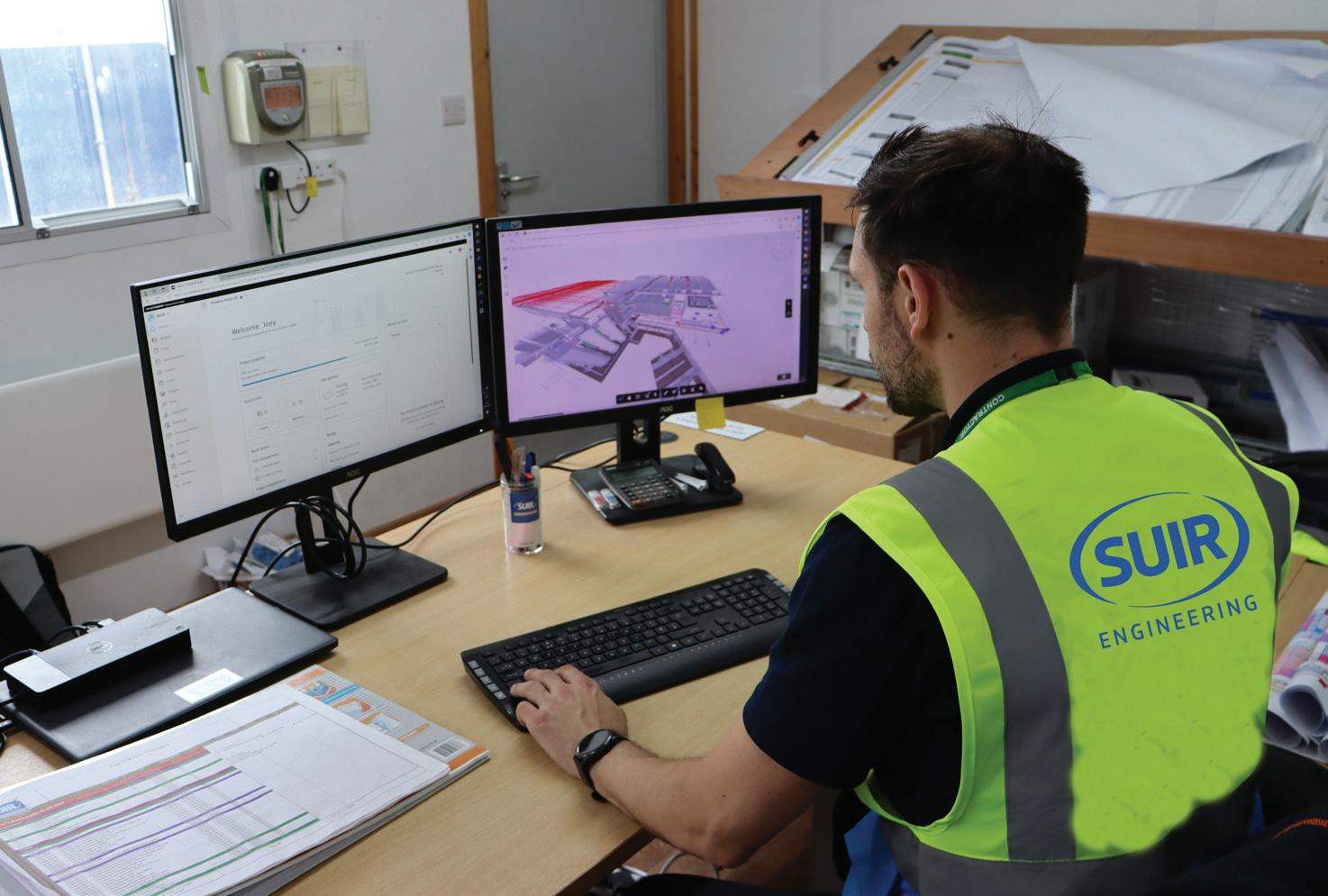
Suir places a strong emphasis on in-house expertise to deliver projects efficiently and to the highest standards. Suir has in-house designers, SAPs (Senior Authorised Persons), and engineers who help them deliver sites effectively.
The company’s internal capabilities include design teams, high-voltage commissioning teams, and both electrical and civil engineers.
This structure allows Suir to manage the majority of a project’s lifecycle without relying heavily on external suppliers. While the company does go to market for certain specialist services the core engineering and delivery work is handled internally to ensure greater control over quality, cost, and consistency.
Landmark UK Battery Storage Project
Botley, a 114MWh battery energy storage system (BESS) located near Southampton, marked a significant milestone for Suir Engineering as one of its first major undertakings in the UK. The scope of works included full project delivery - planning discharge, design, procurement, installation, commissioning, and energisation of the BESS facility. The site required 1.4km of grid connection, crossing public highways, a SPOC area, and private land. This presented a number of complex challenges, including the execution of multiple legal easements and strict alignment with the DNO (SSEN) specifications.
Construction began in August 2023 with initial cut and fill works to prepare the site footprint. After achieving correct site levels and successful compaction testing, Suir moved on to pouring 160 in-situ foundations for the battery infrastructure. These were integrated with cable ducting for the electrical network and hard stands for cranage and off-loading operations. The project was completed on time and within budget.
The client for that project was based in South Korea, Despite challenges around time zones, language, and different methods of working, their feedback was extremely positive.
Suir is currently delivering several major infrastructure projects in partnership with major UK developers , involving 132kV DNO substations and HV networks for solar, wind and battery storage sites.
Ambitious Objectives
Suir’s ambition in the UK is clear: to continue growing a strong, sustainable business by partnering with developers who have a robust pipeline of projects. “We’re particularly keen to deliver some ‘first-of-their-kind’ projects here in the UK, something we’ve done very successfully in Ireland,” says Maurice.
That innovative approach is central to Suir’s strategy moving forward. Expanding geographically is another key priority, with Scotland firmly in focus.
Strategic acquisitions also play a vital role in Suir’s long-term growth plan.” Maurice explains. The recent acquisition of Taylor and Fraser exemplifies this approach. With Andrew Norris, one of Suir’s senior directors, now leading the Scottish based contractor.
Engineering solutions for energy, life and data.
We are the leading provider of high-quality engineering solutions. With expertise across the entire project life cycle, our structured project management, combined with a customer-centric and personable service ethic, sets us apart. It’s why we are the internationally trusted partner for world-class engineering that ensures consistent project delivery, every time.
Trusted partner in excellence suireng.com
GOLDEN THREAD (PART 4) - “THE HANDOVER” - FROM EVENT TO DIALOGUE
TIn the previous article of this 4-part series, we have explored the Why, What, and How of the Golden Thread of Information for AECestablishing it as an ethical imperative for safety, a framework for building trust, and a practical discipline for project delivery. The previous articles provided a map for the present. This article, however, aims to be a compass for the future. It asks, “What’s next?” It explores the profound technological and philosophical shifts that will transform the Golden Thread from a static record of the past into a dynamic, predictive engine for the future. At the heart of this transformation is the “handover” of information. This article argues
that the traditional concept of “handover” as a discrete, transactional event at the end of a contract or project stage is obsolete and must be replaced by a new paradigm of a continuous, systemic dialogue – a continuous flow of information. Communication is always a two-way exchange of information, and dialogue, as enriching communication, is always an ongoing conversation, not just plain statements of facts.
For generations, the “handover” was a moment of physical transfer - the thud of boxes filled with leverarch files hitting a desk, the exchange of a CD-ROM or USB key with thousands of disconnected PDFs
and spreadsheets. This was a moment of finality, of contractual obligation fulfilled, and often, of responsibility abdicated. The end of conversation. This created a legacy of ‘dark data’ - unstructured, inaccessible information that required a form of forensic archaeology to decipher years later, often in the wake of a crisis. The incredible knowledge, time, and effort of producing that data was often lost when those boxes went to dark damp storage rooms in the basements of buildings. Finding a single piece of information, like the location of a gas shut-off valve, as in the Grenfell tragedy, became an exercise in costly and dangerous detective work.
This outdated model is perpetuated by the flawed metaphor of a “relay race” – the proverbial handing over of the baton. The reality, however, is that the engagement between planning, design, construction, and operations is a blurry, overlapping, and ongoing system of communication. The critical failure point is the “handover” between the different layers of abstraction in this system of business, from financial transactions, to contractual administration, to equipment installation, which currently relies on inefficient, error-prone manual human processing. In this article, we will deconstruct this outdated model, map a new systemic blueprint, and present a vision for an integrated stack of standards and technologies that replaces this flawed manual system with machine-to-machine communications – not to make humans obsolete, but to empower them to do more and better things.
The Sound of Chaos: Our “Entity-First” Approach
The persistent challenges that plague our industry - the data silos, the costly rework, safety risks, the adversarial contracts, the shirking of responsibility, and passing problems downstream - are symptoms of our “entityfirst” mindset. We behave like supremely talented musicians, each focused only on our own instrument and sheet music. The architect perfects the design model, the engineer perfects the analysis, and the contractor perfects the schedule. But we seldom see ourselves as part of the grand orchestra and the final symphony.
This thinking is not accidental; it is baked into the very structure of our industry. It begins in our siloed professional training, where disciplines are taught in isolation. It is reinforced by adversarial, fixed-scope contracts that financially disincentivize collaboration beyond the bare minimum. And it is perpetuated by a culture of risk aversion, where hoarding information is often seen as a defensive strategy to avoid blame when things go wrong. Beyond the financial drain, the ultimate casualty of this chaos is trust. Trust between professionals erodes when information is hoarded as a defensive measure or means of manipulation. Trust between the industry and the public is shattered when buildings fail to perform as promised, or worse, prove to be unsafe. The ‘blame culture’ that emerges from this fragmentation is not just an unpleasant working environment; it is a systemic barrier to learning and improvement. Without a foundation of shared, trustworthy, and verifiable information, every problem becomes a search for a culprit rather than
a collaborative search for a solution. This erosion of trust and damage caused by our outdated practices is perhaps the most significant, and most difficult to repair. It creates an environment where systemic failure becomes not just possible, but probable, as the informal safety nets of professional collaboration and shared understanding are replaced by rigid, contractual defensiveness.
The result is chaotic noise. The traditional handover is the sound that results when one section of the orchestra finishes its piece, gets up, and walks off the stage. It is reflected in a cascade of process failures. It begins with the Data Dump, where we deliver disconnected files instead of connected relationships. This is enabled by blind and rigid contracts that create artificial walls that ignore the fact that project phases are deeply intertwined, not discreet, unconnected events. The inevitable outcome is a completely broken data flow (poor communication). Consider a common failure: an architect, working against a deadline, updates a fire door specification in a design team meeting. The decision is captured in minutes but never formally transmitted through a structured workflow. The contractor, referencing the original tender documents, orders the non-compliant doors. The installer fits them, their work order simply saying ‘install doors per schedule’. The error is now physically embedded in the building, a latent defect born from a simple breakdown in communication, waiting to be discovered years later at great cost and risk, maybe even death to some innocent victim.
The First Connection: A Human Dialogue
This vision of an automated, interconnected system can feel overwhelming, but it begins not with technology, but with a human conversation. The greatest barrier to a successful handover is often the very first step: defining what needs to be handed over. This is the “Client’s Dilemma”. We cannot expect our clients to be experts in design, construction, operations, and information management. To do so would be like a doctor expecting a patient to provide their own diagnosis and treatment plan. The client is the patient; the AEC team is the doctor. The client knows their symptoms and their high-level business needs, but they rely on their professional team to translate those needs into a specific, technical prescription. As professionals, we have a duty of care to the client and the public at large. Without this guided conversation, clients often default to vague requirements, or worse, copy-paste specifications from previous projects, leading to the delivery of information that is both costly to produce and operationally useless. The result is the infamous ‘data-rich but information-poor’ handover.
When this dialogue is successful, the result is a set of information requirements that are not a burden, but a strategic asset to everyone in improved processes and outcomes. They are specific, measurable, and directly tied to the business objectives. They create a clear ‘definition of done’ for information, eliminating ambiguity and providing a contractual foundation for accountability. This act of translation requires skills beyond technical expertise; it requires facilitation, strategic thinking, and business analysis. It requires
open dialogue and communication. This frontloading of clarity is the single greatest mitigator of downstream risk, transforming the project dynamic from adversarial to collaborative. Sadly, this deep level of communication is poorly lacking in our sector.
The Universal Blueprint: A Stack of Connected Systems
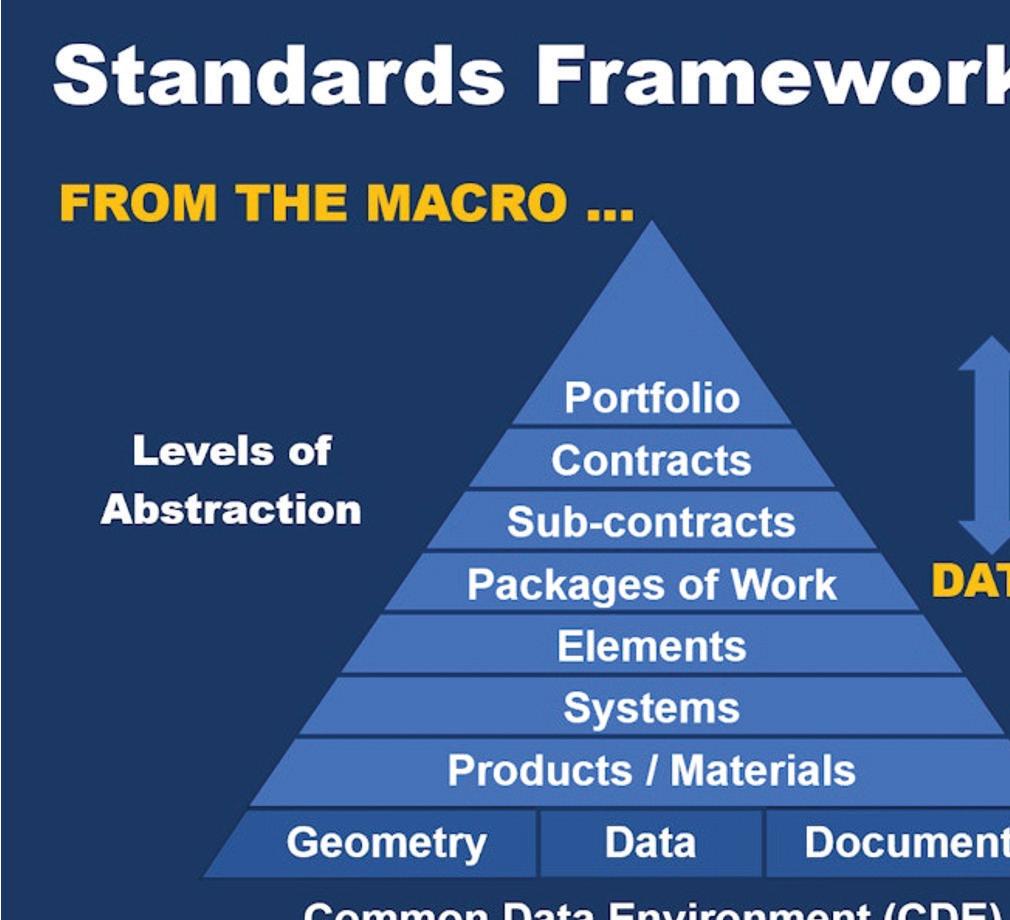
Once the requirements are defined, we can design the system to deliver them, not as isolated events, but as a continuous stream of information flow. To move beyond chaos, we must view our projects through a hierarchical stack of standards that connects the micro-level of building components and materials to the macro-level of financial and sustainability reporting. This integrated stack represents a fundamental departure from the traditional ‘stage-gate’ model of project delivery, where information is produced, reviewed, and handed over in discrete, linear phases. That model, a relic of the paper era, inherently creates the information silos we see today. The stack model, by contrast, is concurrent and dynamic. It acknowledges that information flows continuously back and forth, up and down, between different levels of abstraction in the day-to-day business of planning, designing, construction and operating the built environment.
At the very foundation of this stack is the Micro Level, the non-negotiable bedrock of quality. This layer represents a fundamental shift away from thinking in terms of drawings (documents) and towards thinking in terms of objects (data) – the materials and components that make up the project, and all their
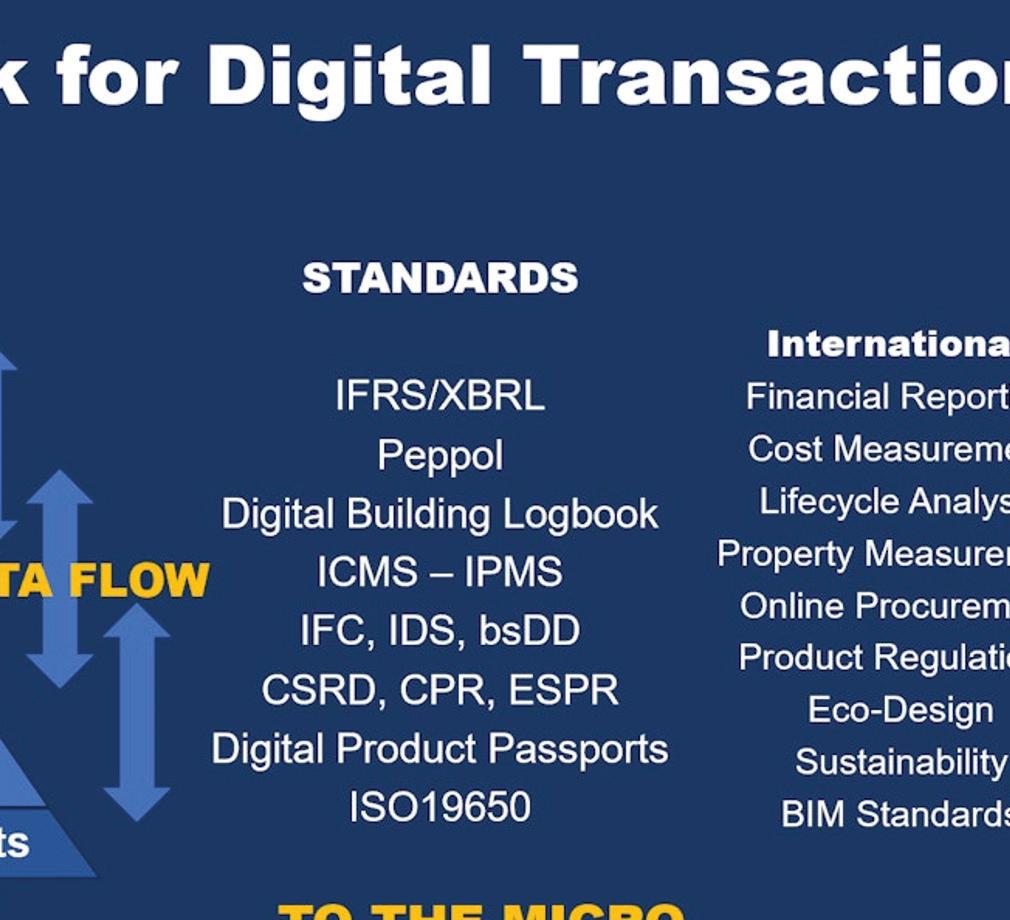
rich property data that will aggregate up the hierarchy to financial and sustainability reports. Here, standards like IFC (Industry Foundation Classes) for BIM provide the object-oriented structure, while the ISO 19650 process provides governance within a Common Data Environment (CDE). Each component - a pump, a window, a beam - becomes a container for its own piece of the golden thread, carrying verifiable data from its Digital Product Passport upwards through the ecosystem.
Building on this is the Asset Level, the crucial translation layer. Without this layer, the data from the micro level remains unintelligible to business systems. A cost manager using ICMS (International Cost Measurement Standard) cannot easily link a line item in a cost plan to a network of pipes in a 3D model. This layer provides the semantic glue, using standards like IPMS (International Property Measurement Standard) to verify spatial data and an ontology like RealEstateCore to create the Rosetta Stone that allows different business functions to speak a common language to IoT devices. Finally, the Macro Level is driven by powerful external forces. This is the domain of the Chief Financial Officer, the Chief Sustainability Officer, and the institutional investor. They are not concerned with the make and model of a pump, but with its aggregated impact on the portfolio’s energy consumption and its effect on the bottom line of financial peerfomance. The demand for CSRD reporting (Corporate Sustainability Reporting Directive) comes from investors demanding verifiable ESG data. The adoption of PEPPOL (Pan-European Public Procurement Online) protocol is driven by
governments mandating transparent e-procurement (digital tendering, invoicing, payments). Crucially, the power of this blueprint lies in the bi-directional dialogue it enables across the levels of abstraction, currently handled by human translations (aggregating or dividing). A decision at the Macro Level (a new net-zero policy) creates new requirements that flow down, dictating which products can be specified. This feedback loop transforms the model from a static hierarchy into a responsive, learning system.
The Language of a Living System
A stack of standards is a skeleton; to make it a living system, it needs a language – a nervous system of communication. A successful system maintains “informational homeostasis” - a balanced dialogue between business need, design intent, as-built reality, and operational efficiency. The CDE (common data environment) acts as the cell membrane, regulating this flow. Adopting a common ontology is perhaps the most significant cultural and technical challenge in this entire vision. It requires competing stakeholders to agree on a shared dictionary that facilitates communication across divided domains of expertise and a common way of structuring reality. It is the digital equivalent of international diplomacy. However, without it, true automation remains impossible. To build this language, we use three core principles:
• Semantics: Ensuring our words have a shared, unambiguous meaning. For a pump, this means defining ‘flow rate’ in litres per second.
• Taxonomy: Classifying our data into a logical hierarchy. Our pump is then classified under Products > Mechanical > Pumps > Centrifugal Pumps within a system like Uniclass.
• Ontology: This describes the rich network of relationships. Our pump isA centrifugal pump, hasPart motor XYZ, isConnectedTo Pipe Network A, isLocatedIn Plant Room 2, and hasMaintenanceSchedule MS-123.
When these three principles are combined, we create something far more powerful than a simple database: we create a knowledge graph. This is a machinereadable model of the asset’s ecosystem, where not just the objects, but their relationships, dependencies, and contexts are explicitly defined. It is this knowledge graph that provides the foundational intelligence for the ‘nervous system’ to operate upon. An AI agent cannot ‘translate’ or ‘reason’ about data it cannot understand. A rich, well-structured ontology transforms a CDE from a digital filing cabinet into a queryable, intelligent brain for the built asset, ready to be automated. Industrybacked ontologies like RealEstateCore are designed to provide this common language.
The Intelligent Nervous System: Automating the Flow of Trust
With a structured stack and a rich language, the final step is to create the “intelligent nervous system” that automates the flow of information. It is crucial to understand that this is not about creating a fully autonomous, ‘lights-out’ operation where humans are obsolete. Instead, it is about creating a powerful symbiosis between human expertise and judgment, and machine efficiency. The system automates the mundane - the data aggregation, the compliance checking, the transaction recording - freeing up human professionals to perform the tasks they are uniquely qualified for: exercising professional and ethical judgment, imagining creative applications, managing complex stakeholder relationships, and making strategic, ethically grounded decisions. The AI agent can flag a non-compliance issue, but it takes a human professional to understand the context, negotiate a solution, and attest to the final outcome. The system provides the data; the human provides the wisdom. In the end, only a human can take final responsibility (you can’t take the AI agent to court if something goes wrong).
This integration is a trinity of technologies. BIM (Building Information Modelling) as the digital foundation provides the organised data backbone via standardized processes like ISO 19650, IFC, IDS (Information Delivery Specification), and bsDD (buildingSMART Data Dictionary). Upon this, AI (Artificial Intelligence) acts as the Universal Translator and processing engine. Here, Model Context Protocol (MCP) provides an open standard that enables seamless interaction between AI models and external data sources and tools. AI agents, using standardized A2A (agent-to-agent) communication protocols, serve as the connectors that automate the data flow. However, as we all know, AI can “hallucinate,” and it requires a counterbalance. This is where DLT (Distributed Ledger Technology) serves as the Notary of Trust. DLT records critical transactions in a secure, immutable ledger, creating a system of traceable and auditable data where trust is a computational feature, not just a human assumption.
As an example, consider the bottom-up journey of communication from ‘Pump 4’ - an IoT sensor detects a vibration anomaly. The AI agent queries the Digital Twin, pulling the pump’s Digital Product Passport to verify acceptable tolerances and its warranty status. It cross-references the maintenance history in the Digital Building Logbook. It packages this rich, contextual data into an automated maintenance request via PEPPOL to the registered supplier, copying the building manager (keeping the human in the loop). It simultaneously updates the asset’s operational risk data for the next financial report using XBRL.
Now consider a Top-Down Command. A smart contract on a DLT is approved to authorise a €100k HVAC upgrade. An AI agent reads the contract, identifies the scope from the BIM model, and initiates an e-tender request on the PEPPOL network. The contract is awarded, and once installed, the loop is closed only when the new system’s IoT sensors confirm that the performance metrics defined in the original contract have been met, triggering the final, automated payment release on the DLT.
We now see an ongoing dialogue between components of the building and the people involved, streamlining the end-to-end communications (exchange of information) from macro to micro processes, enabled by people, processes, and technologies working in harmony. Our buildings are now talking to us.
The Human Challenge: Bridging the Knowledge Gap
While this vision of a seamlessly integrated stack is compelling, its implementation faces a profound human challenge: the reality is that very few individuals, if any, possess the domain knowledge that spans all levels of this hierarchy. The CFO who understands XBRL reporting has little knowledge or visibility into the IFC data structures used by the BIM manager. The facility manager who lives in the asset management system does not speak the same language as the sub-contractor installing a product. We are an industry of deep specialists, each expert in our own domain, yet often isolated by the very expertise that makes us valuable. Bridging these knowledge gaps is therefore not a technological problem at its core; it requires a deep and sustained commitment to cross-disciplinary collaboration and conversation. It demands a new culture of communication where experts are willing to step outside their comfortable silos, not just to share data, but to help connect the dots with others. This raises a critical question of governance and leadership in AEC: Who has the oversight to drive this integration? Who is incentivized to foster the dialogue between the C-suite and the plant room? The success of this entire vision hinges on finding and empowering these ‘system thinkers’ - leaders who can orchestrate the human symphony, not just perfect their own instrument.
Conclusion: From Information Manager to Systems Architect
The story of “what’s next” for the Golden Thread is a fundamental shift in our thinking: from the “handover” as a discrete, manual event, to an ongoing, automated dialogue. The future lies in an integrated stack of standards and technologies that enables machineto-machine communication, automating the flow of trustworthy information.
This transformation may seem daunting, but the journey does not begin with a massive technology investment.
It begins with a change in mindset, from entity thinking to system thinking. It starts by having the “Client’s Dilemma” conversation at the outset of the next project, not 2 weeks before handover. The goal is not to eliminate the human role, but to elevate it. By reducing our dependency on mundane, repetitive, and errorprone work, we free ourselves to focus on higher-value tasks like imaging new possibilities, complex problemsolving, and strategic ethical oversight.
For information managers – those of us in AEC who are truly interested in the idea of a persistent “golden thread” of information, from cradle to grave – this requires a fundamental shift in our professional role - from librarians of static data to architects of dynamic information ecosystems. This new role is not just about managing data in retrospect; it’s about designing trust as foresight. It’s about building systems that create value through transparency and predictability. As architects and engineers of these systems, our responsibility extends beyond the project stage lifecycle; we are laying the digital foundation for smarter, more resilient buildings, infrastructure, and cities. The Golden Thread, in its ultimate form, is not just a static record of what was built, but a living blueprint for a better future. It is time to move beyond just “making models” and truly begin “making sense.”
It is time to build relationships, not just buildings. About the Author
Ralph Montague BArch MRIAI - is an architect and director at ArcDox BIM Consultants, a member of the Royal Institute of Architects of Ireland (RIAI), a member of the National Standards Authority of Ireland (NSAI) Technical Mirror Committee for BIM Standards, co-founder of the BIM Coordinators Summit and the international BIM Heroes Community. With over 30 years of industry experience, Ralph specialises in advising individuals, businesses, and project teams on information management practices and implementing BIM standards (ISO 19650).
www.ArcDox.com www.BIMhero.io
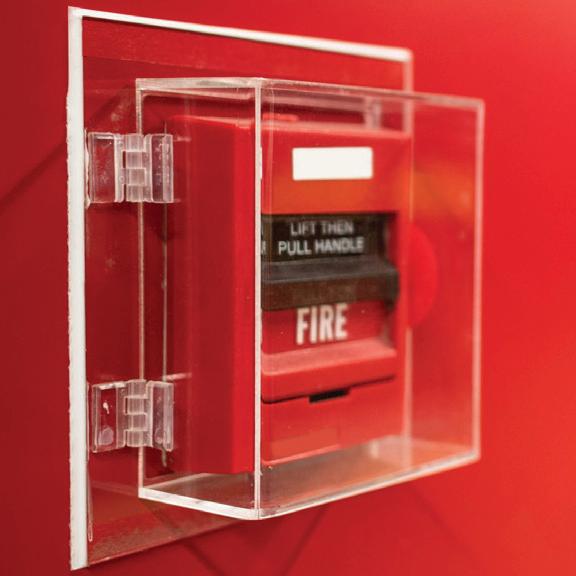
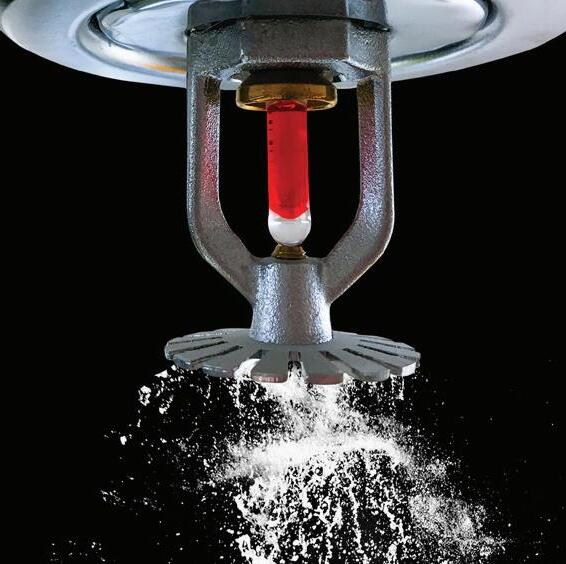
Irish owned and managed, Automatic are exclusively dedicated to the fire protection business. Our engineers and designers are recognised as experienced and respected individuals among their peers within the construction industry. As a Loss Prevention Certification Board (LPCB) Level 4 Certified contractor (highest accreditation level available), we are permitted to design, install, commission and self-certify all of our works on all categories of sprinkler systems, without third-party certification or supervision.
FROM VISION TO FUTURE, CitA GEARS UP FOR GATHERING25
Twenty-five years after its founding, the Construction IT Alliance (CitA) is preparing to celebrate a landmark in Ireland’s construction journey – one shaped by digital innovation, smarter solutions, and leaner ways of working. We speak to Alan Hore, Director and Co-Founder, about ambition for more and plans for the much-anticipated BIM Gathering25
This November, CitA will mark a major milestone with its flagship BIM Gathering at the Clayton Hotel in Ballsbridge, Dublin. On 6 November 2025, industry leaders from across Ireland and abroad will come together for a day of reflection, forward thinking, and celebration of 25 years of digital construction in Ireland, under the theme ‘25 Years of Digital Construction: Realising Vision, Advancing Automation’.
Dr Alan Hore, CitA’s Director and Co-Founder, sees the event as an opportunity to honour the organisation’s heritage while looking ahead to the future. “It is a reflection on where we are today, with the lean, green and digital advancements, and what the future holds for our industry”, he says.
The event will bring together 50 Irish and international speakers, with representation from contractors, designers, manufacturers, advanced manufacturing companies, construction professionals, tech leaders, innovators, researchers, policymakers and academics.
“We will have a broad section of the industry represented,” says Alan. “We want the conversation to be balanced and collaborative, with both policy updates and publications as well as case studies and a strong focus on the future.”
The keynote line-up is already impressive. Alexandra Luck, Programme Director for the UK’s National Digital Twin Programme, brings a wealth of experience in asset and risk management, digital engineering, information management and security-minded approaches. Tomi Henttinen, Architect SAFA and Chief Innovation Officer at Gravicon Oy in Finland and one of the pioneers of BIM in the country. He will present on Automated Code Checking. Dale Sinclair, Director and Head of Digital Innovation at WSP and a self-described “pragmatic futurist,” will share insights into how automation is already reshaping global projects. He was the lead author of the RIBA Plan of Work publications and has
also written several books on design management and the crucial role of the lead designer in the digital age. Francesca Lofiego, Digital Lead, Structure Tone UK, who also chairs Women in BIM UK and Ireland, will highlight diversity and leadership in digital construction. Finally, Lauren Lake, Co-Founder at Bridgit, has been recognised on the Forbes 30 list in the Manufacturing and Industry category and the Best of Canada Forbes Under 30 Innovators list. She will speak on people, AI, and building a competitive workforce strategy.
The morning will be dedicated to assessing the current state of the industry, with breakout sessions on BIM, skills, policy, data and standards. “The focus in the morning is on where we are right now,” Alan explains. “In the afternoon, we move towards what is next, with the automated future and what that will mean for the industry.”
The Gathering is distinctive in its format. The event will include the keynote speakers, respected industry speakers and around 20 peer-reviewed paper authors. “These papers are jointly authored by industry and academia,” Alan explains. “This blend of real-world relevance and academic rigor is part of what has given the event its reputation and we would be confident that it will be well supported.”
The day will conclude with a gala dinner in the Clayton Hotel, offering delegates the chance to connect, reflect, and celebrate. “This event has an enduring legacy,” Alan says. “We have been running it since 2013 and there is an audience that returns time and again. It is our flagship project and attracts overseas visitors as well as a strong Irish contingent.”
This year’s Gathering will also direct attendees to CitA’s new online platform showcasing Irish success in Modern Methods of Construction (MMC). This resource builds on CitA’s work with the Skillnet MMC Accelerate scheme, which launched nationally in May 2025. The platform connects users to training pathways, upskilling opportunities, case studies, research and regional events, with the aim of making MMC accessible to SMEs, large firms and individuals across the country.
The career-mapping work within the platform has identified over 120 indicative MMC-related job roles across lean, green and digital, with in excess of 50 profiled in detail. Each includes skills requirements, training opportunities and in some cases “day in the life” videos. “When we talk about MMC, we’re not just talking about modular or 3D printing,” he says. “It is anything that modernises the industry. This addresses housing shortages. Automation and prefabrication make sense because there are fewer people around to do the work. This focus on MMC ties directly to the Gathering’s wider theme of advancing automation and preparing the industry for its next phase of growth.”
He adds, “Construction is at a turning point with housing demands, climate targets, and the pressure to deliver smarter and faster reshaping the industry everywhere. Digital tools, automation, and modern methods are no longer nice to have; they are the backbone of competitiveness and sustainability. Gathering25 is designed for this moment”.
To book tickets visit www.bimgathering.ie
Our thanks to our generous sponsors of the CitA BIM Gathering 2025
Alan Hore - Director, CitA
THE GRANT AERONA R290 HEAT PUMP HAS BEEN DESIGNED SPECIFICALLY FOR THE IRISH CLIMATE
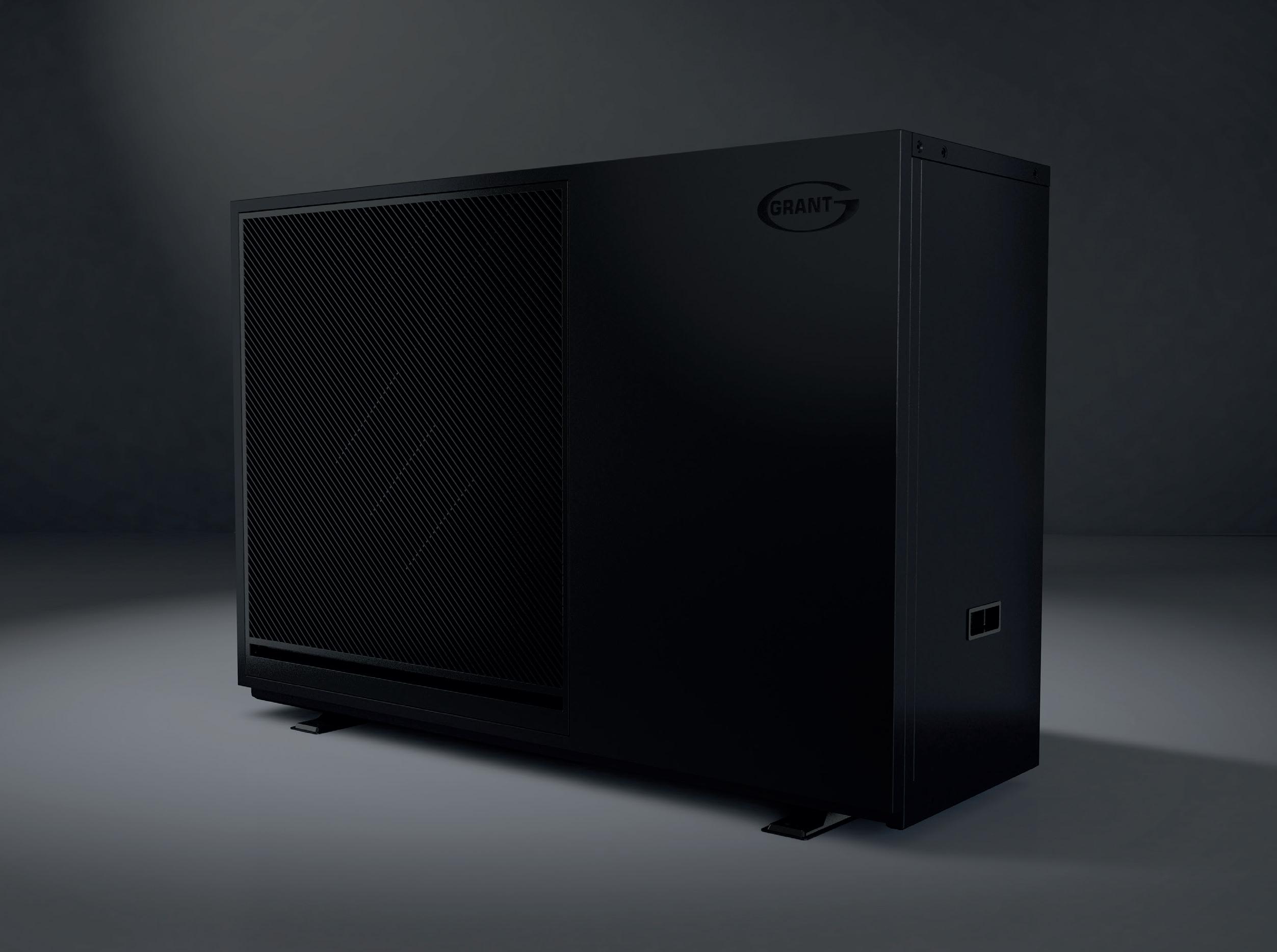
As the construction industry pivots toward lower-carbon building practices, integrating high-efficiency heating technologies is no longer just a design preference, it’s becoming a compliance necessity. The new Grant Aerona R290 air-to-water heat pump offers a robust, future-ready heating solution engineered to meet the real-world demands of both residential and multi-unit construction projects across Ireland and the UK.
Specifically developed to perform in the region’s damp, variable climate, the Aerona R290 range includes five outputs from 4kW to 16kW, making it the most versatile heat pump offering on the market today. This output range gives engineers and contractors the flexibility to specify a system for everything from compact new builds and deep-retrofit extensions to larger-scale developments and apartment blocks.
Moisture is a defining characteristic of our climate, and it poses specific challenges to many air source heat pump systems, especially during colder, frosty conditions. The Aerona R290 has been rigorously tested in these environments and uses natural refrigerant R290, delivering higher thermal efficiency and reducing its global warming potential. More importantly for contractors and facility managers, the system’s optimised defrost cycles are engineered to maintain output and limit performance drops during frost-heavy periods, which is crucial for both occupant comfort and energy cost predictability.
Sustainability in construction is as much about system durability as it is about operational efficiency. The Aerona R290 incorporates anti-corrosion coatings and moisture-resistant components, protecting against frost
damage and extending lifecycle value of the system. With A+++ energy efficiency ratings at 35°C flow, the Aerona R290 supports low-temperature system design and aligns with best practices in underfloor heating and oversized radiator retrofits. It is also a strong fit for SAP calculations and helps future-proof developments against tightening emissions regulations.
The modern profile of the Aerona R290 heat pump reflects a thoughtful approach to product design, acknowledging that mechanical systems must now align not only with performance benchmarks, but with architectural intent. Where visual discretion and acoustic sensitivity are essential, especially on sites where homes are in close proximity to one another, the Aerona R290’s refined form and quiet operation allow it to be integrated without compromising on design and comfort.
The Grant Aerona R290 offers engineers, specifiers, and contractors a climate-adapted, technically sound, and installation-friendly heat pump solution. Its blend of performance, resilience, and adaptability makes it a strong asset in delivering on sustainability goals without sacrificing buildability or cost control.
Visit www.grant.ie for more information on Grant’s range of innovative heating solutions, as well as its Integrated Heating Packages offering. Follow Grant on Facebook and Twitter @GrantIRL or Instagram @ grant_irl. You can also follow Grant on LinkedIn @ GrantEngineeringULC and subscribe on YouTube @ GrantEngineeringIE
Think Heating. Think Grant
Grant Aerona R290 4kW air source heat pump
NEXT GENERATION
The Grant Aerona R290
- Innovative Design
- Exceptional Performance
- Ultra-Low Noise Levels
- Outputs from 4kW – 16kW
IRISH RENTAL MARKET
Small landlords are leaving the Irish rental market in their droves while institutional investors ignore it. Why?
Ireland’s housing market has long been shaped by a reliance on small scale landlords, but recent years have witnessed a steady exodus of these owners from the rental sector. At the same time, the expectations that large institutional investors would step in to stabilise has not materialised to the extent policymakers once hoped. The combination is deepening the rental crisis, straining affordability, and raising urgent questions about the sustainability of Ireland’s housing model. Why are small landlords exiting? For decades individuals and families made up the backbone of the Irish rental market. However, since 2008 financial crisis, the pressures on these landlords have multiplied. A mix of taxation, regulation and financial risk has eroded the viability of small scale letting.
One major risk factor is taxation. Rental income in Ireland is treated as personal income and taxed at marginal rates of up to 52% when USE and PRSI are included. Mortgage interest deductibility, once a relief to landlords, has ben gradually restored but still fails to
fully offset high borrowing costs. For many landlords, the post-tax return on investment is uncompetitive to alternative asset classes.
Another factor is regulation. The introduction of rent pressure zones, stricter tenancy protections, and greater compliance requirements were designed to safeguard tenants, but many landlords view them as restrictive and overly bureaucratic. While such rules are essential for tenant security, they reduce flexibility and make the sector less attractive to small investors.
Finally, broader market dynamics are contributing to exits. Rising property values have given landlords a strong incentive to sell. Many who bought in the 1990’s or early 2000’s can now realise significant capital gains, particularly in Dublin and Cork. Others are exiting because of age, Ireland’s landlord cohort is disproportionately older, with many simply retiring from the market. The result is a steady erosion of supply. Central Bank and RTB data show thousands of rental homes being withdrawn annually, worsening the imbalance between supply and demand. For tenants, this translates into soaring rents and intense competition for limited accommodation.
So why are institutional investors staying away? While small landlords are leaving, large institutional players, such as pension funds, real estate investment trusts (REITs), and global asset managers have not rushed to fill the gap in the traditional rental sector. This stands in contrast to other European cities, where institutional landlords play a significant role.
One reason is the relatively small scale of Ireland’s rental market. Unlike Germany or the Netherlands, where renting is the norm and long-term leases are widespread, Ireland has a cultural bias towards homeownership. This limits the potential size and stability of rental yields, making it less attractive for investors seeking scale
Policy uncertainty also discourages institutional capital. Ireland’s housing market has been marked by frequent policy changes from shifting rent control to varying taxation measures. For investors with long-term horizons, such unpredictability increases risk.
Moreover, institutional players prefer large scale, purpose built developments that offer efficiency and standarised management. Ireland has seen a growth in so called “build-to-rent” schemes in urban areas, but planning restrictions, construction costs, and political resistance have slowed their rollout. These projects often attract criticism for focusing on luxury apartments unaffordable to most renters, further deterring expansion.
Another issue is reputational risk. Global funds that invested heavily in Ireland after the financial crash, often acquiring distressed assets, faced public backlash for being seen as “vulture funds”. For international investors mindful of political and social perception, Ireland presents a more contentious environment than other European countries.
The simultaneous exit of small landlords and hesitancy of institutional players has created a policy dilemma. The government faces pressure to protect tenants, but heavy regulation risks discouraging landlords. It also seeks institutional investment to boost supply, yet is wary of being accused of handing over housing policy to global funds.
Critics argue that Ireland’s overreliance on small landlords has always been unsustainable. A fragmented landlord base struggles to deliver secure, affordable, and professionally managed rental housing. Conversely, others argue that institutional investors are unlikely to ever prioritise affordable housing meaning their involvement would do little to solve the crisis.
In conclusion. Ireland’s housing system caught between two unsatisfactory dynamics: the erosion of small scale landlord participation and the reluctance of institutional investors to meaningfully engage in the private rental sector. Without decisive policy shifts, the rental market risks further contraction, worsening affordability, and ongoing instability.
The solution likely lies in a mixed approach, protecting and incentivising small landlords to remain while simultaneously creating the conditions for more sustainable, large scale, and socially balanced investment. This requires greater policy certainty, targeted tax reform, and above all, a long-term vision that balances tenant protection with landlord viability.
Until then, Ireland’s rental market will remain squeezed, with tenants bearing the brunt of a structural imbalance that neither small landlords nor institutional investors appear willing to resolve on their own.
Colm McGrath - Head of Surety, Howden Ireland
2026 VAN LINE-UP
KEEPING IRELAND’S CONSTRUCTION FLEET MOVING: 2026’S VAN LINE-UP
Whether it’s ferrying teams to a major project, hauling power tools across multiple counties or delivering specialist components to high-rise sites, vans remain the silent workhorses of Ireland’s construction and engineering sector. Senior managers who sign off on fleet purchases know a reliable van can mean the difference between a job running smoothly and costly downtime. Heading into 2026, they’re faced with the broadest range of options yet - from long-range electric newcomers to tried-and-tested diesel stalwarts - with manufacturers working hard to make their offerings safer, more comfortable and more connected.
For senior managers across Ireland’s construction and engineering giants, a van is more than just a box on wheels – it’s a mobile workshop, a meeting room on the go, and sometimes the only part of the business that a client actually sees. With huge pressure to meet deadlines, deliver materials and move staff safely and economically, the right commercial vehicle becomes a strategic asset. In our upcoming vans feature we’ve gathered a cross-section of the latest models on offer –from all-electric newcomers to tried-and-tested diesel workhorses – giving decision-makers an at-a-glance view of what’s coming onto Irish roads in 2026.
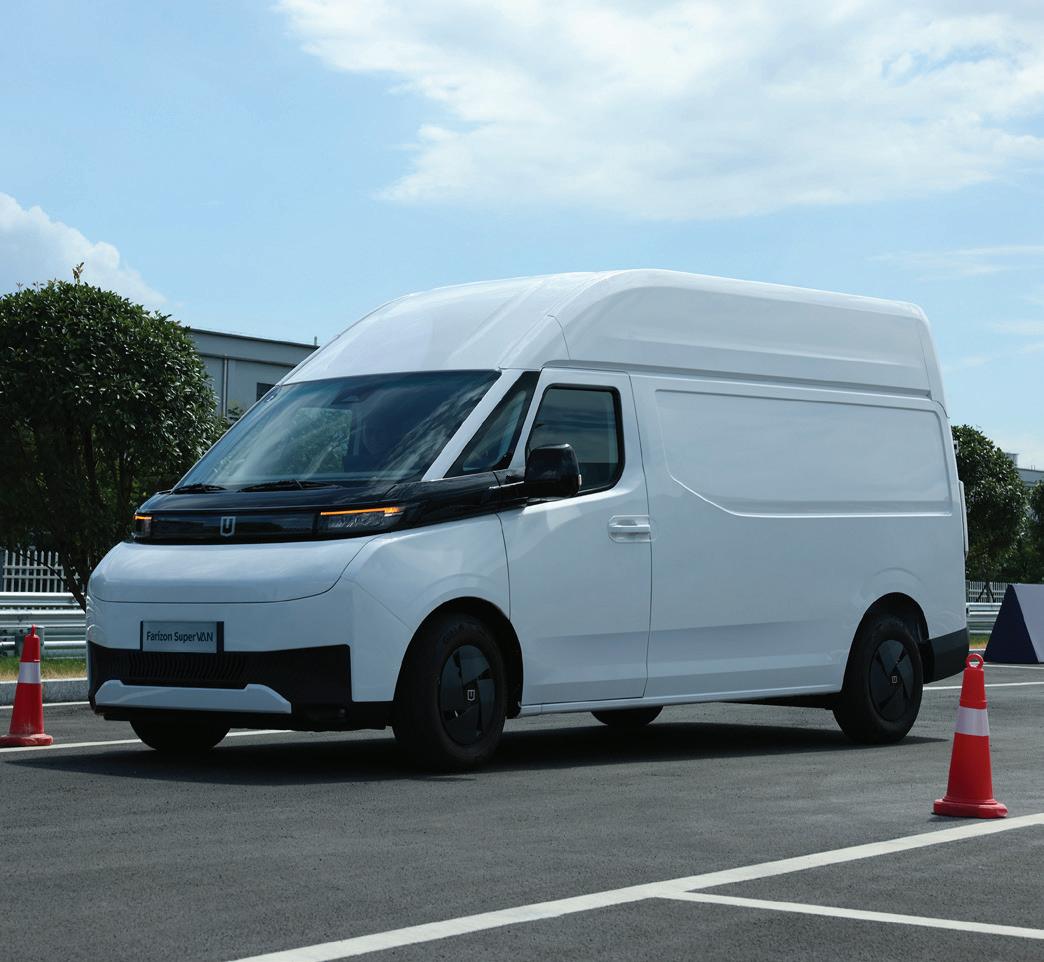
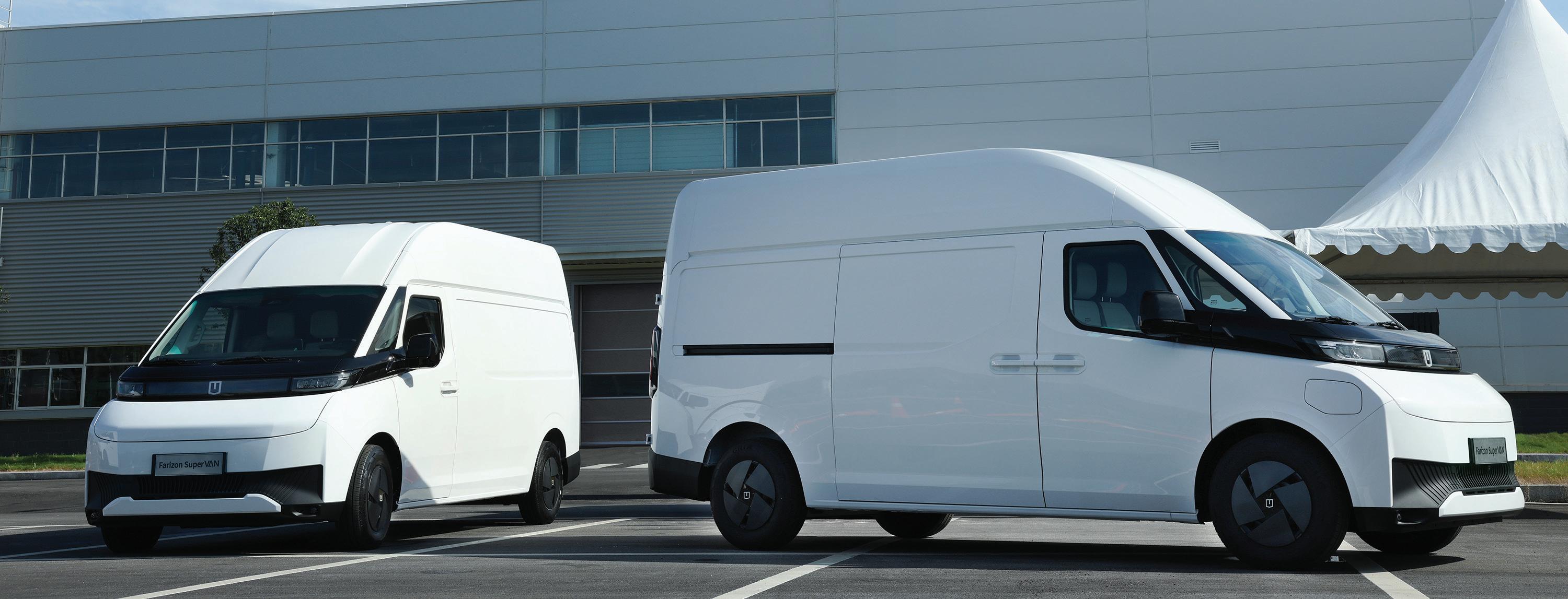
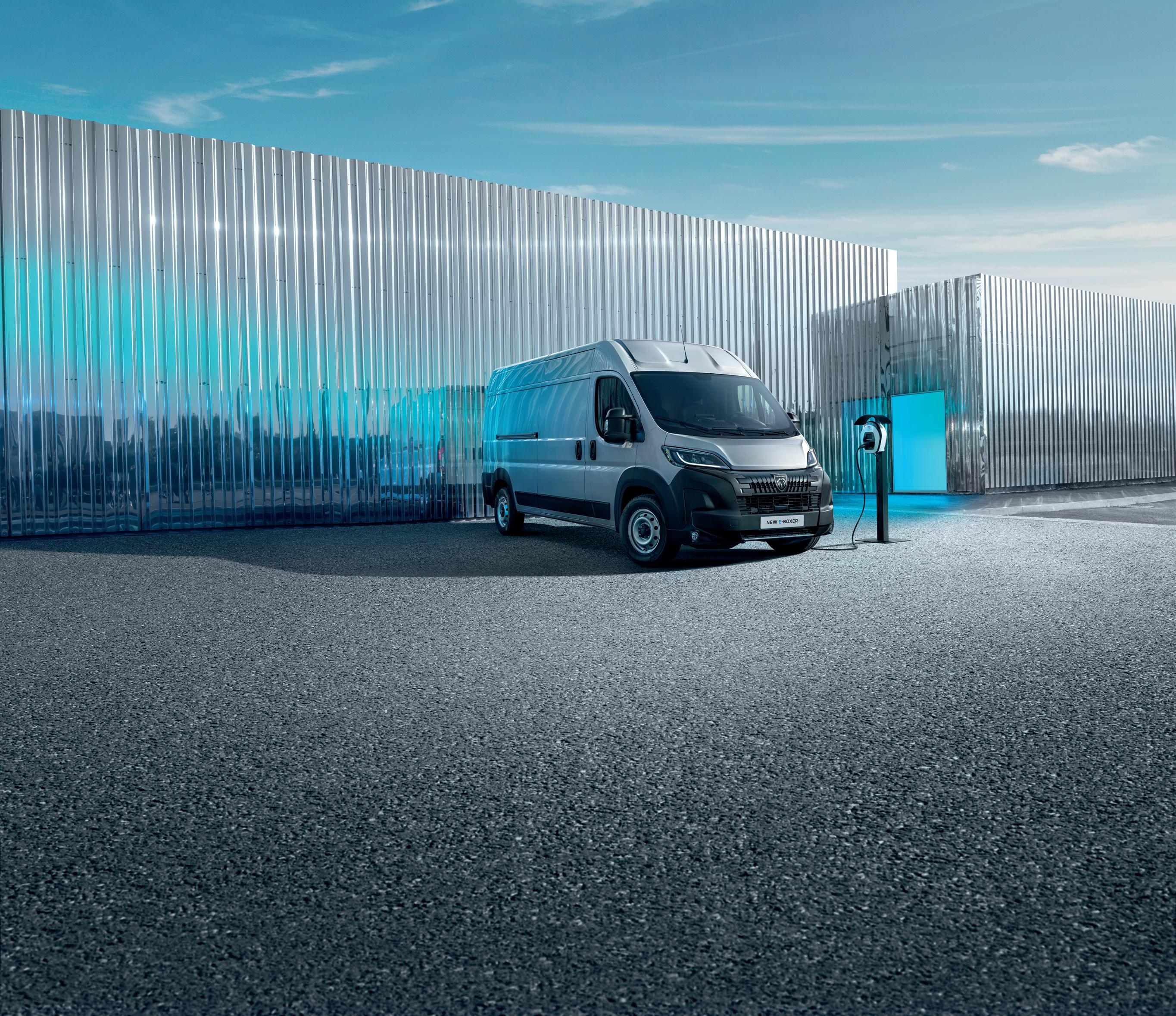
Farizon is preparing to launch its SV, an all-electric van claiming up to 551 km range on a single charge – a bold entry into a space where range anxiety has been a real hurdle. Peugeot continues to broaden its offer: the new Partner Van with up to 330 km range, the Expert Van with up to 350 km, and the Boxer Van stretching to 410 km on certain versions. All are designed to support Irish fleet managers in their transition to lower emissions without compromising on payload.
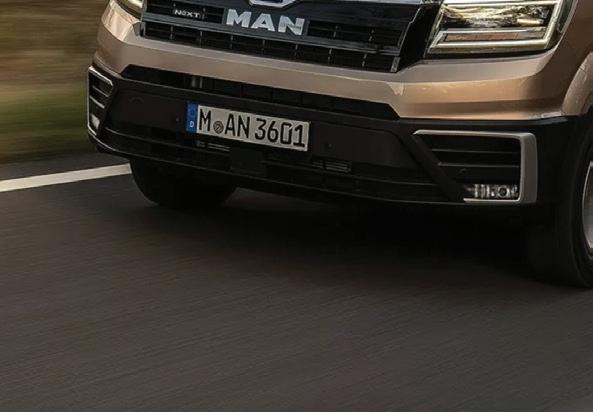
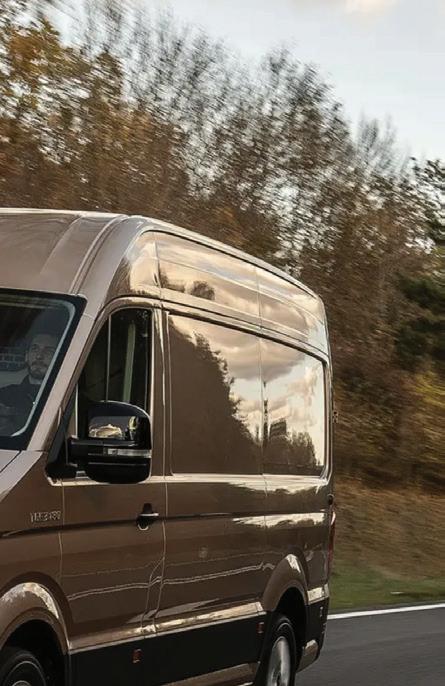
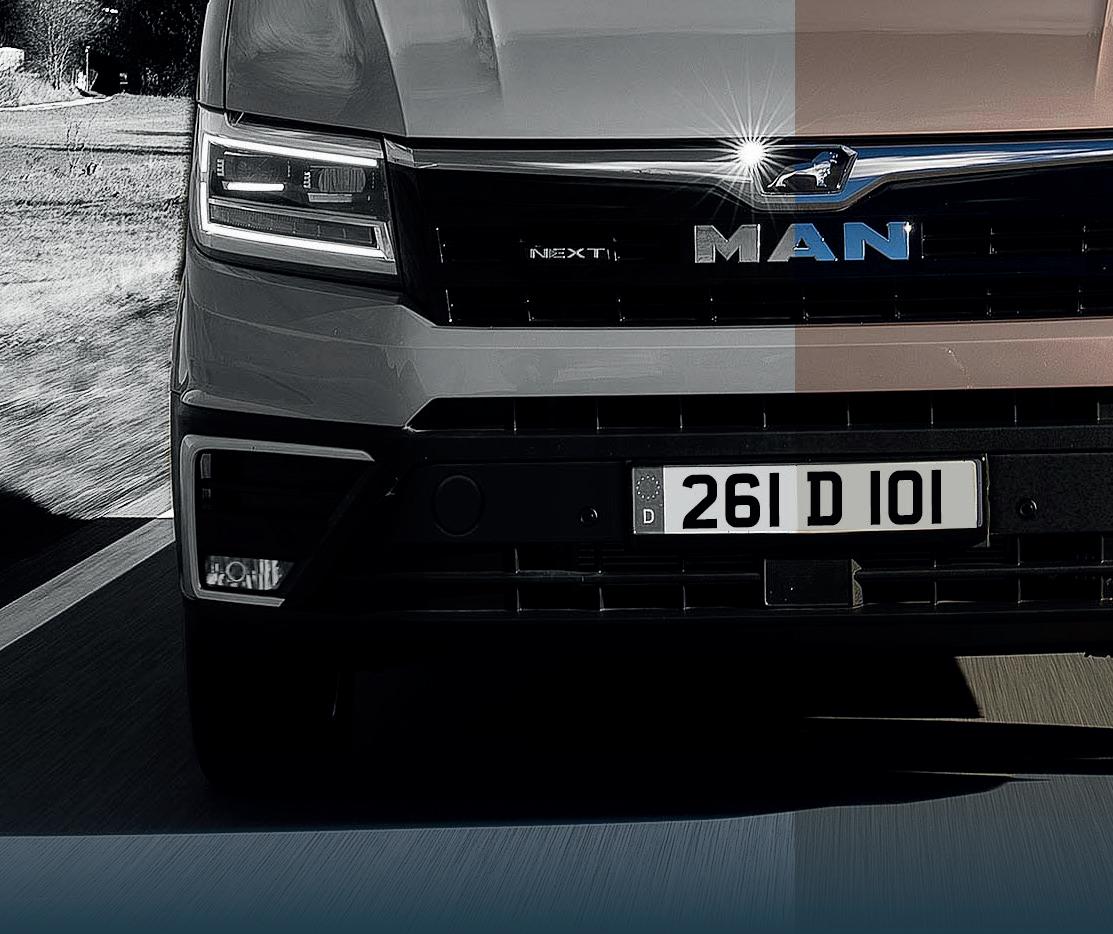
MAN is promoting the latest MAN TGE, still one of the most flexible large vans for conversions and highmileage applications. Kia has entered the commercial space with its PV5 Cargo Van, priced from €33,230, combining a clean-sheet design with competitive running costs.
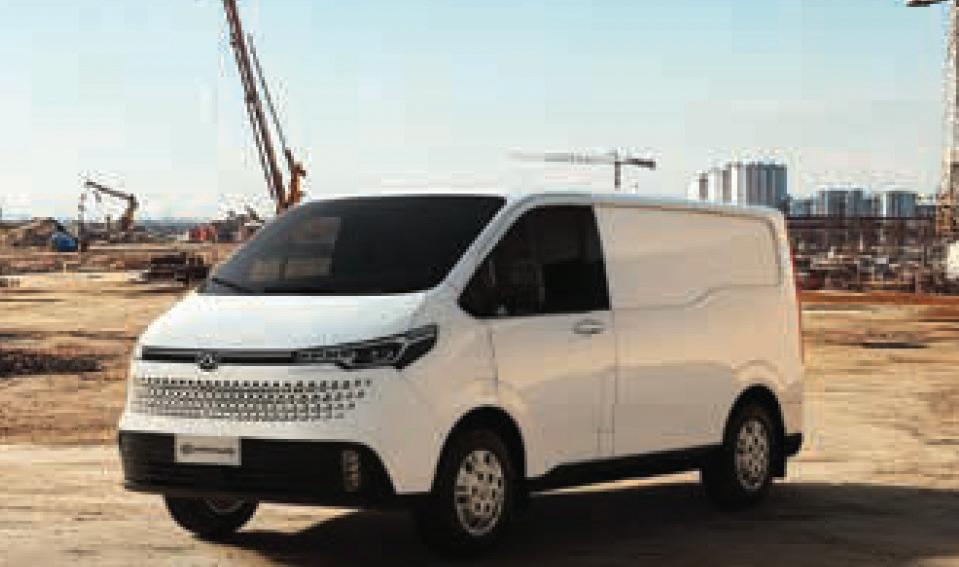
Maxus – already familiar to many operators – continues to offer a broad spread. The T60 Max caters to buyers wanting a rugged pickup, while the eDELIVER 3 handles city runs with zero tailpipe emissions. The larger Deliver 7, now offered alongside the electric eDELIVER 7, gives fleet managers a clear diesel or electric choice depending on their duty cycle.
Farizon SV Man TGE
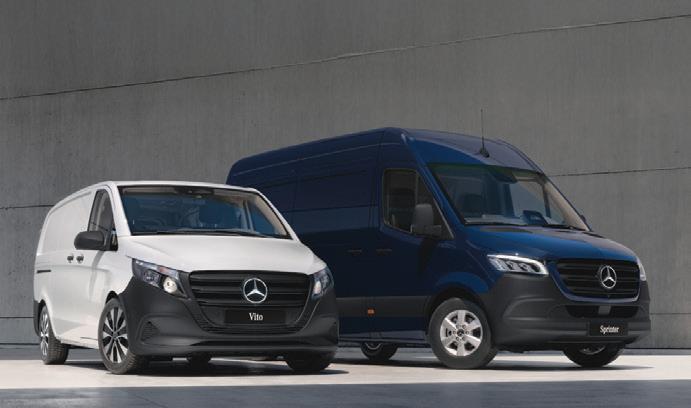
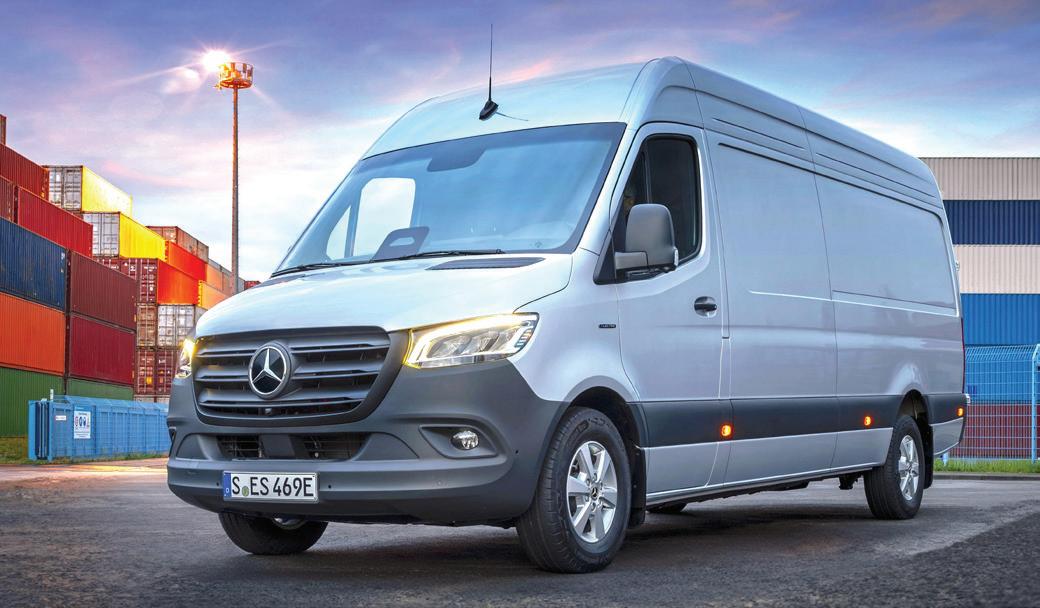
Mercedes-Benz remains a pillar of the Irish van scene with its two-pronged approach: the Sprinter Panel Van begins at €50,920 for the base trim and continues to offer the breadth of wheelbases and bodies that large operators need; the mid-size Vito, starting from €43,380, is a favourite among trades who want a premium badge without sacrificing practicality.
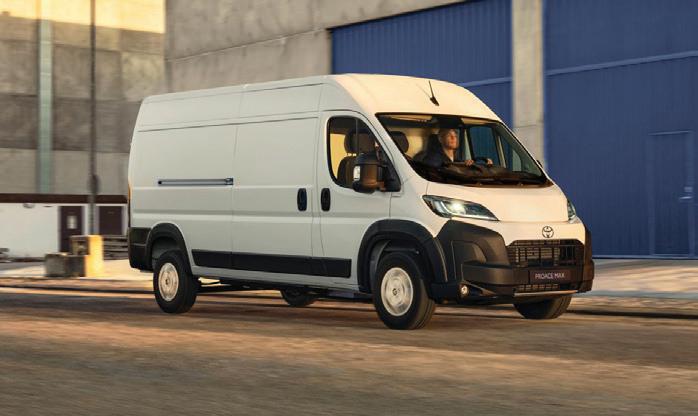
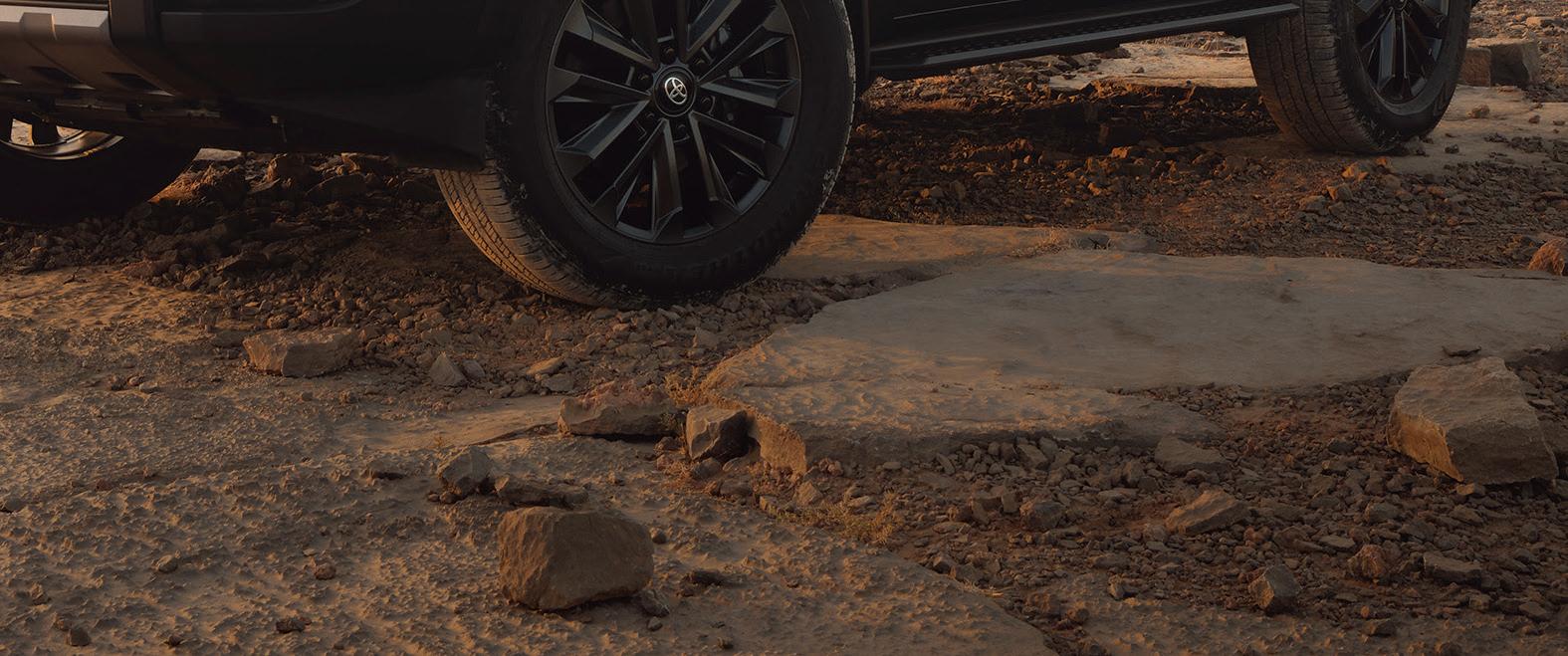
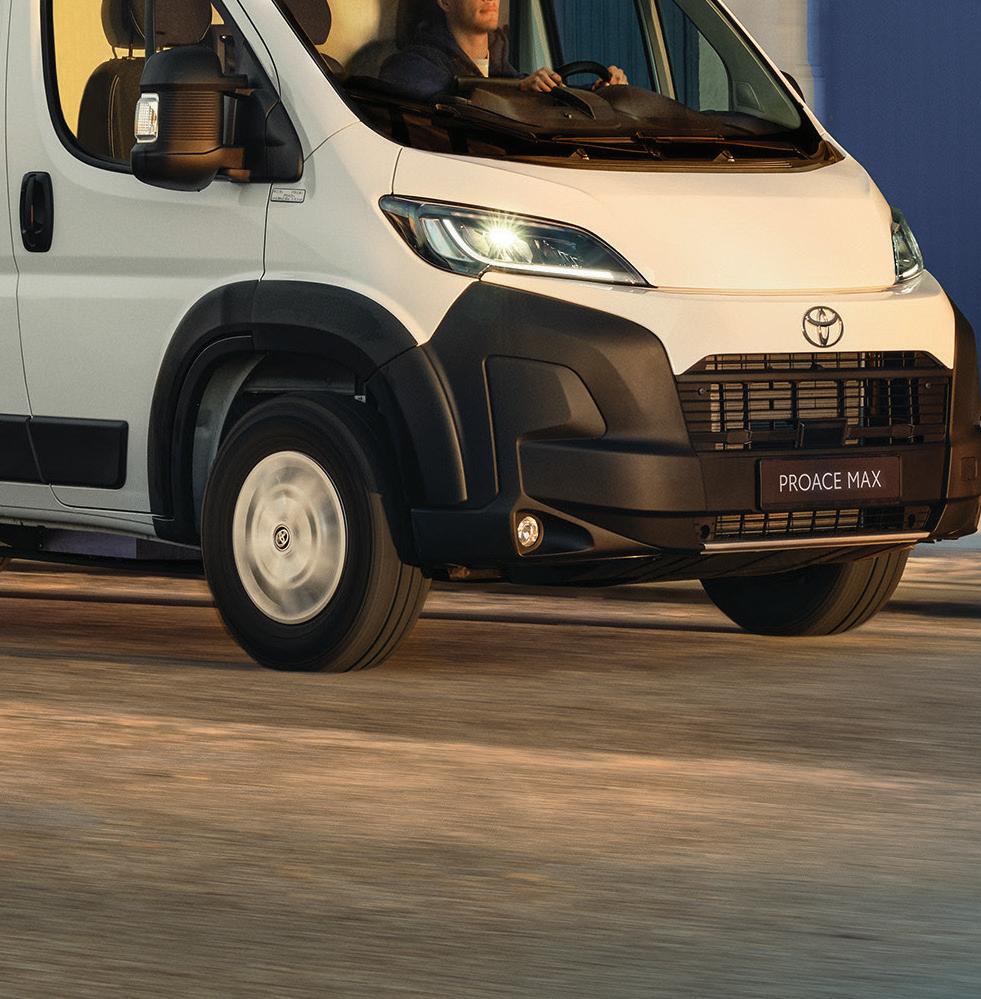
Toyota has now joined this line-up in force. The new Proace Max – priced from €35,022 – is Toyota’s answer to large-capacity commercial needs. Powered by a proven 2.2-litre diesel, it’s available through Toyota’s Kinto One all-inclusive leasing solution, which wraps vehicle, maintenance, tyres and support into one monthly payment. For operators looking for low running costs in a smaller footprint, the Corolla Hybrid Van brings a petrol-electric drivetrain to the compact commercial segment from €27,378. And at the rugged end of the scale, Toyota continues to offer the Land Cruiser Commercial, a 2.8-litre diesel workhorse producing 204 hp and 500 Nm of torque, priced from €57,192, making it a staple for firms needing off-road credibility as well as payload.
Across the board, what’s striking is how much more refined vans have become. Cabins now feature proper infotainment screens, smartphone mirroring and advanced driver assistance systems once reserved for cars. Adaptive cruise control, lane-keeping aids and even 360-degree cameras are now trickling down into the commercial sector, reducing fatigue and boosting safety for drivers who spend all day behind the wheel.
For construction and engineering businesses, this matters. With project managers juggling sites from Cork to Donegal, the van is not just a tool but a first impression. Low running costs, reliability and residual values still top the spreadsheet, but brand image, driver comfort and connectivity are climbing steadily up the list.
Another shift is in how these vehicles are acquired. Traditional outright purchase is now only one piece of the puzzle. Toyota’s Kinto One is emblematic of a trend across the sector: an all-inclusive lease that simplifies budgeting by rolling maintenance, tyres, road tax and breakdown cover into a single monthly payment. For senior management, that predictability can be as attractive as the van itself.
As 2026 unfolds, fleet managers face both opportunity and complexity. Government policy is nudging towards lower emissions, but site demands still call for longrange diesel workhorses. Manufacturers are responding with dual powertrain strategies – electric for urban and regional work, diesel or hybrid for heavier, longerdistance duty – while upping the game on safety and driver comfort.
Whether it’s Farizon’s headline-grabbing 551 km electric range, Peugeot’s trio of battery vans, MAN’s adaptable TGE, Kia’s fresh PV5, Maxus’s split diesel/electric ladder, Mercedes-Benz’s premium Sprinter and Vito, or Toyota’s blend of diesel Proace Max – available through Kinto One – hybrid Corolla Van and Land Cruiser workhorse, Ireland’s commercial vehicle market has never been more diverse.
The takeaway for decision-makers in construction and engineering is simple: you don’t have to compromise. You can match powertrain to duty cycle, choose finance methods that suit your cashflow, and still give drivers a van that projects professionalism on every site visit. In an industry where reliability and reputation go hand-inhand, that’s no small thing.
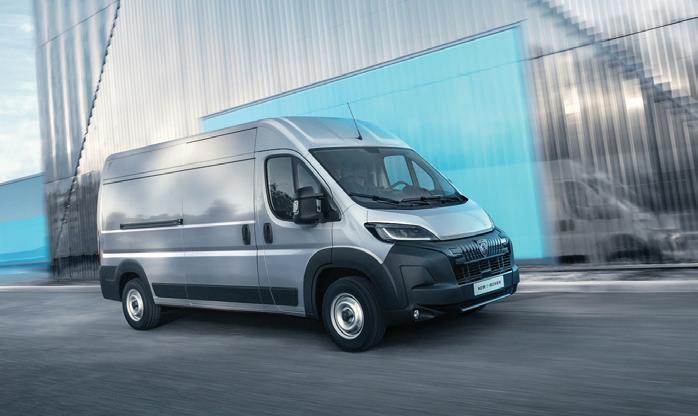
Peugeot Boxer
Maxus Deliver 7
Kia PV5
Mercedes-Benz Sprinter & Vito Toyota Proace Max
FARIZON SV SET TO REDEFINE THE ELECTRIC VAN MARKET
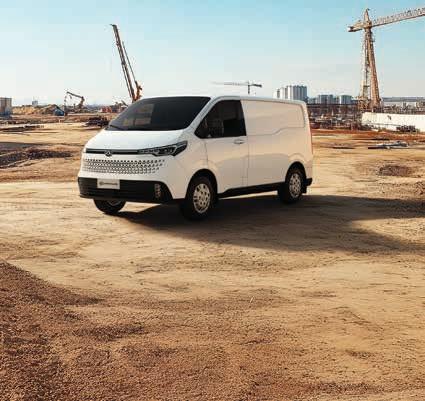
Farizon, the commercial vehicle division of Geely Holding Group, is preparing to launch its first allelectric van in Ireland, the Farizon SV. Distributed by the Frank Keane Group, the SV represents the next generation of commercial vehicles, designed from the ground up as a pure EV.
The SV has been engineered specifically for business needs, offering a choice of configurations with up to 13m³ of load space and a payload capacity of up to 1,350kg. Its extra-low loading height of just 550mm ensures easier access for operators, while wide-opening side and rear doors allow for maximum flexibility in loading and storage solutions.
Performance and range are equally impressive. With a choice of 67kWh, 83kWh, or 106kWh batteries, the SV is capable of delivering an all-electric range of up to 551km (WLTP city). Rapid charging from 20% to 80% can be achieved in just 36 minutes, helping to minimise downtime for fleet operators. Power output of 170kW (231PS) and 336Nm of torque ensures responsive performance even under full load.
Inside, the SV is driver-focused, with an ergonomic three-seat cabin and advanced technology including a 12.3-inch floating touchscreen, digital instrument cluster, and heated multi-function steering wheel. Safety remains a priority, with the SV achieving a Euro NCAP Platinum crash test rating and featuring advanced systems such as forward collision warning, driver monitoring, intelligent speed assist, and real-time payload monitoring.
Gerard Rice, Managing Director of the Frank Keane Group distribution business, commented: “As demand grows for cleaner, smarter commercial vehicles, we believe the Farizon SV offers something truly compelling – a safe, highly equipped electric van backed by a brand with global scale and strong engineering credentials.”
Farizon Ireland will confirm its dealer network appointments in the coming months, with the SV expected to go on sale in 2025.
For updates, visit farizon.ie.
PEUGEOT VAN RANGE
All models featured come in Diesel or All-Electric engines
NEW PARTNER VAN
The compact van for the city
• Up to 330km WLTP electric operating range
• Free access to low emission areas
• 2 lengths available (Standard and Long)
• Available in Crew Cab: Long version and Automatic
• Volume up to 4.40 m3
• Payload capacity up to 981kg
NEW EXPERT VAN
The most versatile utility truck
• Up to 350km WLTP electric operating range
• Free access to low emission areas
• 2 lengths available (Standard and Long)
• Height of under 1.9 metres
• Volume up to 6.60 m3
• Payload capacity up to 1,335kg
NEW BOXER VAN
The multipurpose commercial van
• Up to 410km WLTP electric operating range
• Free access to low emission areas
• 3 Lengths available (L2, L3, L4)
• 3 Heights available (H1, H2, H3)
• Volume up to 17 m3
• Payload capacity up to 1,476kg
KIA’S ALL-ELECTRIC PV5 NOW AVAILABLE TO ORDER
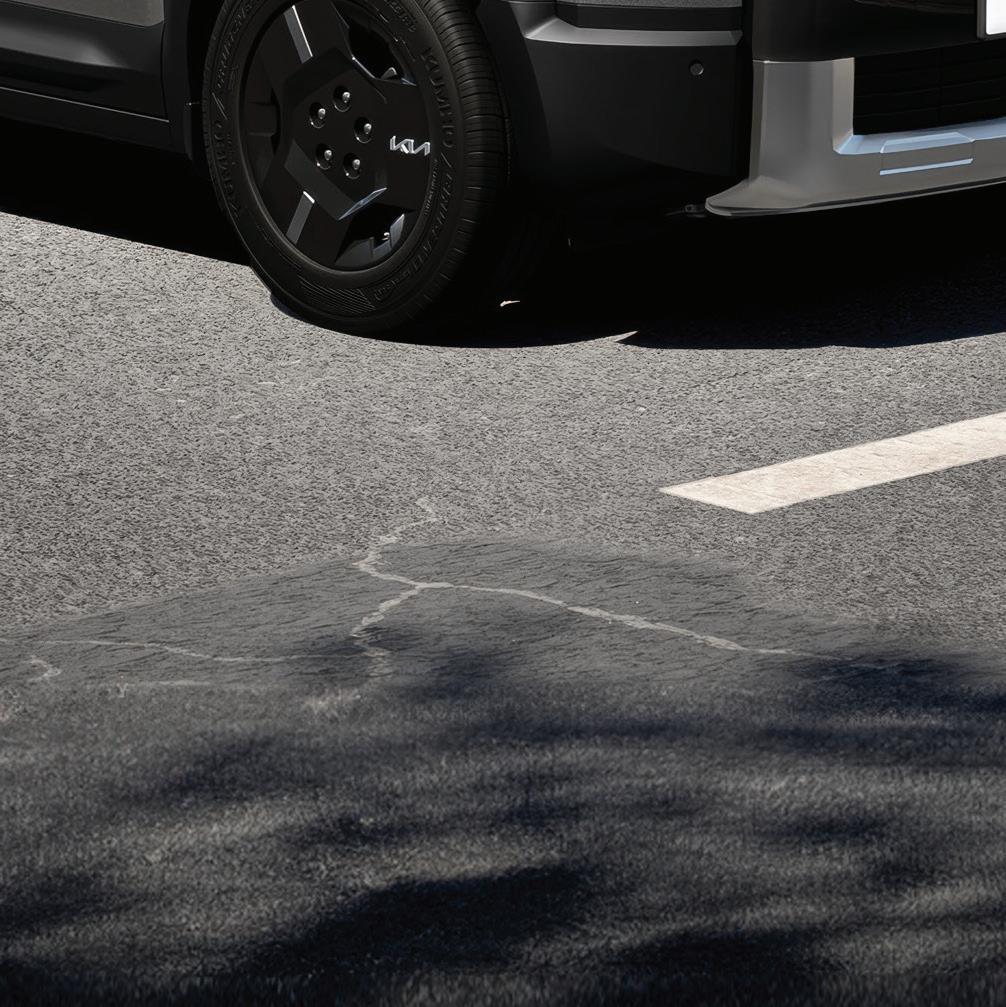
Kia Ireland have announced full details of the Kia PV5, the first model to launch under the company’s Platform Beyond Vehicle (PBV) strategy and will arrive in Ireland in November. Designed to redefine the concepts of space and mobility, the PV5 will leverage Kia’s worldleading EV technology and fulfil the diverse needs of a broad customer base by providing unprecedented flexibility and customisation through innovative modularity. Purpose built to meet the evolving needs of modern transportation, the PV5 offers a smarter, more adaptable, and user-focused solution for modern transportation needs. Starting immediately, customers can place orders for the PV5 Passenger and Cargo variants from any of Kia’s nine dedicated PBV Centres nationwide. All versions will feature a 71.2 kWh battery and 120 kW Electric motor as standard.
Manufactured at Kia’s cutting-edge EVO production facility in Hwaseong, South Korea, the PV5 embodies next-generation engineering and scalable manufacturing processes. PV5 is based on the brands Electric-Global Modular Platform for Service (E-GMP.S) and production will start next month for L2/ H1 Passenger (5 seat) and Cargo (2 seat) versions, additional variants will follow in 2026. The PV5 features a best-in-class electric range of up to 416 kilometers and ultra-fast charging capabilities, reaching 80 per cent in just 30 minutes.
“The start of PV5 sales is a milestone not only for us here in Ireland but also for our wider strategy to drive electrification across Europe,” said Ronan Flood, Managing Director of Kia Ireland. “From adaptive configurations to impressive digital features to and intelligent connectivity, the PV5 delivers a dynamic, forward-thinking solution for both businesses and private customers alike.”
In terms of design, the PV5 Passenger’s refined profile accentuates its contemporary look and delivers excellent visibility thanks to the large window area, made possible by a low beltline. The model’s window area is framed by striking black glass surrounds that contrast with the PV5’s body colour. Robust black wheel arch claddings and rocker panels give continuity with Kia’s SUV line-up while the bold lighting signature and sleek black accents elevate its modern appeal. The rear showcases an elegantly chamfered D-pillar
line that enhances the vehicle’s sense of volume while the electric tailgate, set above a strong protective bumper ensures maximum practicality. While the PV5 Cargo shares the same geometric design as the PV5 Passenger, it features a boxier profile that reflects its enhanced space efficiency. Clean, modern aesthetics elevate the PV5 Cargo’s design over traditional light commercial vehicles. A key difference lies in the Cargo’s twin side-opening doors, which provide optimal practicality and ease of access for loading and unloading. The rear design complements the sleek side lines, boosting load capacity and creating a more open feel.
The PV5 Cargo is available in two trim levels with the K2 model featuring impressive specification as standard including twin side-opening doors, LED headlights, digital key, air conditioning, heated seats and steering wheel, front and rear parking sensors, towbar wiring, Highway Driving Assist (HDA) and Lane Keep Assist System (LKAS) at a competitive starting price of just €33,230*. In addition, the K4 models feature ventilated cloth and leather seats, 360° Surround View Monitor (SVM), Blind-spot View Monitors (BVM), electric folding mirrors and Blind-spot Collision Avoidance Assist with a starting price of €35,100*. The PV5 Passenger is available exclusively in the K4 trim which features all the elements of the K4 Cargo including full vegan leather seats, electric tailgate and heated rear seats for a retail price of €42,550**. All PV5 models are available with 3.9% APR finance, with 3.9% PCP finance available on the Passenger model also.
Kia will operate their PBV business from nine existing Kia dealerships. See www.kia.com for more details.
The K ia PV 5 Car go
.
Electrifying your business. Coming soon.
From €33,230 (excl. VAT)
TIME FOR CHANGE TIME FOR MAXUS
One of Ireland’s leading commercial vehicle brands.
If you’re considering a new vehicle for personal or business use, then MAXUS has you covered.
Visit www.saicmaxus.ie or scan the QR code to find your local MAXUS dealer
MERCEDES-BENZ SPRINTER & VITO
Sprinter
The Mercedes-Benz Sprinter sets the standard for large vans, blending versatility, advanced safety, and the prestige of the three-pointed star. Available as a Panel Van, Chassis Cab, or Tourer, the Sprinter offers a solution for every business, with a choice of three wheelbases, two roof heights, and gross vehicle weights from 3.5t to 5.5t. Whether transporting goods or people, the Sprinter delivers strength and adaptability. Pricing for the Sprinter Panel Van begins at €50,920 for the BASE trim (311.36 3.5t, low roof), with the midrange PRO from €53,445 and the SELECT trim starting at €56,690. For those requiring more capability, the Sprinter Chassis Cab starts at €54,345, while high spec SELECT models are priced from €60,500. At the top end, the Sprinter Tourer SELECT begins at €136,690, offering premium people-carrying comfort.
All models feature the intuitive MBUX infotainment system with a 10.25-inch touchscreen, voice control and navigation. Inside, thoughtful details such as multi-function steering wheels, practical stowage, and ergonomic seating make long days more comfortable, with upgrades like leather steering wheels and comfort seats available on higher trims.
Safety comes as standard, with Active Brake Assist, Blind Spot Assist, Attention Assist, Lane Keeping Assist, and Crosswind Assist fitted across the range. Engine options deliver between 114 hp and 190 hp, with the choice of a 6-speed manual or smooth 9G-TRONIC automatic transmission. Payloads reach up to almost 3 tonnes, ensuring serious carrying power.
Backed by a 3-year unlimited mileage warranty, MobiloVan roadside assistance, and a nationwide dealer network, the Sprinter is built to keep businesses moving. With its blend of performance, innovation, and value, the Mercedes-Benz Sprinter remains the ultimate professional van.
Vito
The Mercedes-Benz Vito is a mid-size van that delivers a perfect balance of practicality, technology, and premium quality, making it an ideal partner for businesses of all sizes. Available in three lengths—Compact (4,895 mm), Long (5,140 mm), and Extra-Long (5,370 mm)—the Vito provides flexibility to suit everything from urban deliveries to long-haul transport.
Pricing begins at €43,380 for the BASE model. The mid-level PRO line starts from €44,655, offering added features such as lumbar support, seat cushion length adjustment, and a larger 70-litre fuel tank. For those seeking premium comfort and style, the SELECT line begins at €55,950, featuring 17” alloy wheels, a chrome grille, ambient interior lighting, leather steering wheel, and advanced MULTIBEAM LED headlights. Higher-powered variants, including the Vito 119L with automatic transmission, start from €59,795, while the range extends to people-focused Tourer models priced from €107,390.
All trims feature the latest MBUX infotainment system with a 10.25-inch touchscreen, intuitive voice control, smartphone integration, and navigation. The system adapts to driver preferences over time, offering a personalised driving experience.
On the road, the Vito prioritises safety with standard features including Active Brake Assist, Blind Spot Assist, Attention Assist, Lane Keeping Assist, Crosswind Assist, and a reversing camera. Optional packages, such as the Driving Assistance Package, add intelligent features like DISTRONIC adaptive cruise control and Active Steering Assist.
With a choice of 6-speed manual or 9G-TRONIC PLUS automatic transmission, efficient diesel engines, and payloads tailored for professional needs, the Vito combines Mercedes-Benz reliability with businessfocused practicality. Stylish, versatile, and built to perform, the Vito is the smart choice for those who demand more from their van.
Your Driving Force
Any Task, anytime. Discover vans by Mercedes-Benz. Available with our convenient Service plan and three-year Warranty. While you focus on your business, we take care of the rest.
Learn more
TOYOTA PROFESSIONAL RANGE
LAND CRUISER
• 18" Dark Grey Metallic Alloy Wheels
• 8-Speed Automatic Transmission
• Electric Power Steering
• Adaptive Cruise Control
• Toyota Safety Sense
• 10" Multimedia Display with Embedded Navigation
• 15" Steel Wheels with Full Wheel Cover
• Full Size Spare Wheel
• 3-Spoke Synthetic Leather Steering Wheel
• Eat & Work Seat Bench
• 180 Degrees Opening of Rear Doors
HYBRID VAN
• 16" Steel Wheels with Wheel Cover
• Smartphone Integration incl. Apple CarPlay™ & Android Auto™
• Heated and Power Adjustable Door Mirrors
• Adaptive Cruise Control
• 8" Multimedia Display with DAB and Bluetooth
• Rear View Camera
KINTO One
Powered by
NEW Comprehensive Fleet Insurance
Roadside Assistance
Maintenance and Tyre Packages
Flexible Terms
No Initial Capital Outlay
Fixed Costs
Nationwide Delivery
MAN TGE NEXT LEVEL
COMFORT, PERFORMANCE AND STYLE
Ready for any challenge – the MAN TGE is your ultimate partner for business and beyond. With robust design, powerful performance, and advanced safety features, it’s built to work as hard as you do.
DRIVING CHANGE WITHIN
TEMPORARY WORKS
As always, the conversation continues around how the construction industry should make greater use of digital technologies, contributing to reduced carbon and more informed maintenance of existing assets. But what are these technologies and what value could they offer? Here, Nik Arhipovs, Technical Manager at MH International, explores more…
The construction industry’s challenges with digitalisation are nothing new, with the infamous Mark Farmer review in 2016 perhaps one of the first to openly call out and challenge the industry’s reluctance to change and modernise. Looking specifically at the transport sector and the appetite for digital innovation is clear. However, actioning this can be a challenge.
In the publication of TII’s Statement of Strategy 20212025, the organisation sets out its goals for the period – including to better “operate, maintain and extend the life of national roads and light railway infrastructure”, to “ensure appropriate management of environmental resources and contribute to the transition to a lowcarbon and climate resilient society.” Through the greater use and adoption of digital technologies, this
and more can be achieved. In fact, ‘innovation’ was clearly listed as one of the core values of TII’s Statement of Strategy.
‘Right first time’
The importance of ‘right first time’ is clear. If teams are having to do the work twice due to error, not only is it a health and safety risk but a considerable carbon factor too. It’s here that digital innovation can come into play.
Through the use of immersive 3D design software, teams can benefit from a digital rehearsal of the works – visibility that can be taken even further with advancements in Virtual Reality (VR) and Mixed Reality (MR) technology. As well as the ability to visualise and resolve any potential clashes, whether between the temporary and the permanent or the new and the existing, such software can enable teams to consider the site and access logistics down to incredible levels of detail, including whether the required equipment or machinery will fit within the constraints. The enhanced visualisation can even help teams to better-engineer and optimise a scheme design, helping to prevent over-engineering and potentially reduce the amount of materials required.
Technology such as this can also deliver added value from a health and safety perspective. Given the very nature of the highways sector, any site can present risk factors, whether that is working from height, on a railway or alongside a busy main road. By taking the site into the digital environment, some of this risk can be mitigated, with engineers able to visualise and explore the structure at the early design stage, all without leaving their desk.
Mitigating risk
On any construction project, there are nine identified areas of high-risk areas, with one of them being temporary works. This is an unsurprising statistic, with temporary works presenting complex feats of engineering and often being responsible for supporting a large permanent structure (such as a bridge) while works are undertaken. As a result, planning and execution are key. By using digital and immersive technology, these two factors can be bridged, allowing for informed decision-making processes through a digital device at an early stage. Teams can build it, visualise it and inspect it with the client, all via the 3D digital environment, with the ability to redesign elements where necessary and offer improved confidence on site.
All of this helps to reduce the risk factor, as well as contributing to a ‘right first time’ mindset, eliminating the likelihood of error and cutting down on carbon.
Another danger presented by the highways sector is manual inspections, with inspections forming a key part of the TII’s Statement of Strategy, given the emphasis on maintaining and extending existing assets. However, this presents numerous challenges, not least the fact that the number of highways inspectors is falling, just as demand increases. The very task of physically travelling around Ireland to visually inspect the structure for damage and provide advice on maintenance schedules is not only a momentous one, but it can also generate significant carbon emissions. There are also the resulting traffic delays to be considered, due to lane closures during inspections; cost; and health and safety risks.
Value of data
This is where monitoring technology can really deliver value for the highways sector, offering a move away from both schedule-based maintenance (potentially wasting unnecessary carbon on works that aren’t needed for another five or ten years) and inspectionbased maintenance.
Through the installation of sensors - designed to measure and monitor movement, deflection, vibrations or cracks - live data can be easily accessed from anywhere, offering instant visibility into a structure’s performance. It can help to identify any structural impacts that have occurred or behavioural changes, whether due to increased traffic, age, load strain
or general fatigue, while the ability to set limits can instantly trigger alerts should any tolerances be exceeded.
Bridge bearing monitoring is a great example, identifying potential structural damage to the bearings, main structure or expansion joint failure. Often the result of environmental conditions or general age, ceased bearings can be catastrophic for the bridge deck and pier. With repair works understandably presenting a mammoth undertaking, with road closures and significant disruption caused, the ability to identify maintenance requirements and schedule accordingly can surely be beneficial for all.
The future
Looking ahead to the future and technological advancements present some existing opportunities. One of those is the rise of Artificial Intelligence (AI), offering the ability to analyse and learn from structural data to better predict the behaviour of assets, in turn enhancing maintenance schedules and improving the life expectancy of structures. Of course, for this to succeed, reliable and high-quality data is required, which is where monitoring technology can shine.
We regularly provide engineered, bespoke temporary works solutions that transform vision into reality. With extensive expertise across civil infrastructure and building sectors, our capabilities cover the hire of groundworks support, propping, jacking, temporary access and temporary bridging. Combined with a dedicated monitoring department and experienced digital engineering team, MH International can work with you on the whole project journey, helping you to get it right first time.
At the early design stages, our EVE application creates an immersive 3D environment, with the intuitive technology allowing teams to interactively explore and review the temporary works scheme in its entirety. While our range of structural and environmental monitoring systems can provide valuable insight into the health and condition of a project or structure, with real-time data collected and sent through to a unique monitoring web portal, Insite.
Learn more: https://mh.international/
Your temporary works experts.
Go Deeper, Go Higher, Go Further
Whatever your project demands, MH International is here to support you with temporary works solutions that help you build with confidence. We know that every project is unique and has its own challenges but with early involvement, we can manage risk and ensure a value engineered solution.
SCSI Report Shows Commercial Construction Costs Increased By 1.5%
In H1 2025
Anew report by the Society of Chartered Surveyors Ireland (SCSI) shows that while commercial construction costs are continuing to rise, the rate of increase has remained relatively stable over the past two years.
The latest Tender Price Index (TPI) published by the SCSI shows the median rate of commercial construction inflation increased nationally by 1.5% in the first half of 2025, the same rate as the three preceding six-month periods.
According to the SCSI’s Tender Price Index, (TPI) which is the only independent assessment of commercial construction tender prices in Ireland, the annual median national rate of inflation for the past 12 months was 3%. The report indicates some variation across the regions over the last six months with the highest median rate of inflation of 2% recorded in Munster and Connacht / Ulster. In Dublin the figure was 1% while Leinster (Excl Dublin) had the lowest rate of increase at 0.5%.
Analysis
The Vice President of the SCSI, Tomás Kelly described the continuing moderation in the rate of increase over the past two years as a welcome development.
“The reduction in the rate of increase which we’ve seen over the last couple of years is due in the main to reduced supply chain disruption and price volatility for construction materials. The relative stability we’ve seen over the last couple of years is in marked contrast to the 2021 / 2022 period when tender price inflation increased significantly. However, while overall inflationary pressures have moderated, ongoing geopolitical uncertainty, over conflicts and the potential introduction of reciprocal tariffs between the US and the European Union have the capacity to cause fresh supply chain disruption.”
“While we believe tender prices will continue to edge higher in the second half of 2025, given global uncertainty it is very difficult to predict if the moderate rates we have seen over the past two / two and a half years will continue. While it’s true that fears of a tariff war may be receding at the moment, that may change.”
Impact of Labour Shortages
Among other challenges identified were access to labour, with surveyors highlighting continuing labour shortages and constraints, as well as the inflation of labour prices. While overall inflationary pressures have moderated, feedback from quantity surveyors indicates that labour-related costs continue to influence tender pricing across certain projects.
National Development Plan
Mr Kelly reiterated the SCSI’s call on the Government to invest in key economic infrastructure while price inflation remains at more sustainable levels.
“We welcome the recently published update of the National Development Plan as a long-term strategic infrastructure plan of €275 billion up to 2035. The current period of tender price stability provides a great opportunity for Government to push forward with the much-needed infrastructure investment across a range of sectors.
“For example, with regard to utilities urgent investment is required in the water supply network, in wastewater treatment and in the electricity grid. Critical investment is also required across the transportation, residential and healthcare sectors.”
“We would also urge the Government to publish the sectoral investment plans in order to provide specific details of the projects and pipeline up to 2030.”
Kilsaran Announces New Chief Financial Officer and Board Appointments
Kilsaran has announced the appointment of JJ Comerford as its new Chief Financial Officer (CFO) and member of the company’s main Board. JJ brings over two decades of international finance leadership, a proven record in value creation and deep expertise in financial management to help drive Kilsaran’s next phase of growth. JJ joins Kilsaran from Aryzta AG, where he most recently served as Group Financial Controller following several years as CFO of Aryzta Europe, helping to guide the business through its turnaround.
His career spans senior finance and controlling positions with Riverdeep and HMH, through a Nasdaq IPO and multiple high-value transactions in the USA and in emerging markets. He is a Fellow of Chartered Accountants Ireland.
JJ succeeds Tom McCarthy, who is retiring after an extraordinary 25-year tenure as CFO. Tom has been instrumental in shaping Kilsaran’s financial strategy and guiding the company through significant periods of expansion and change. His dedication, integrity, and leadership have left an indelible mark on the organisation.
Barry Rafferty appointed as Board Member Kilsaran also welcomes Barry Rafferty to its Board. Barry brings over 30 years of leadership experience in the wholesale building materials and manufacturing sectors across
Ireland and the UK. He joined Kilsaran in November 2023 as Managing Director of its KPRO Facades and Paving business units, and since then has played a pivotal role in driving strategic growth and operational excellence.
Barry began his career in 1993 with Kingspan Building Products as Polymer Engineering Manager, laying the foundation for a distinguished trajectory in technical and commercial leadership. Between the late 1990s and early 2000s, he held senior technical and commercial roles before joining Hytherm Ltd. as Technical Manager. He advanced to Operations Director and played a key role in the company’s evolution into Xtratherm, eventually becoming Managing Director for Ireland and the UK. In that capacity, he led significant business transformation and operational integration initiatives.
Barry’s leadership is marked by a deep understanding of technical operations, a sharp commercial instinct, and a proven ability to deliver results across complex organisational landscapes.
Commenting on Barry’s appointment, the board of Kilsaran stated: “Joining the board, Barry is set to play a key role in advancing the company’s growth agenda, enhancing efficiency, and aligning regional strategies”.