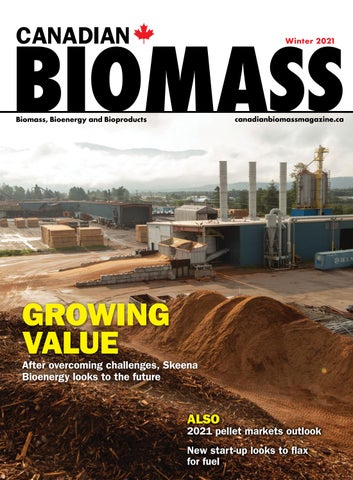
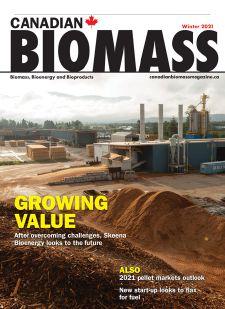
Skeena Bioenergy came online in 2019, but it wasn’t until October 2020 that the plant was running at full speed. Canadian Biomass takes readers inside the new facility.
14
Growing demand
FutureMetrics’ William Strauss shares the annual global markets overview and forecast for both heating and industrial wood pellets.
16 Fuel from flax
Saskatchewan-based Prairie Clean Energy is looking to capitalize on a new opportunity: producing biofuel from flax straw.
18 Green generation
GM Canada and its partners recently completed a $28 million cogeneration project using renewable landfill gas. Canadian Biomass gets an inside look at the endeavour.
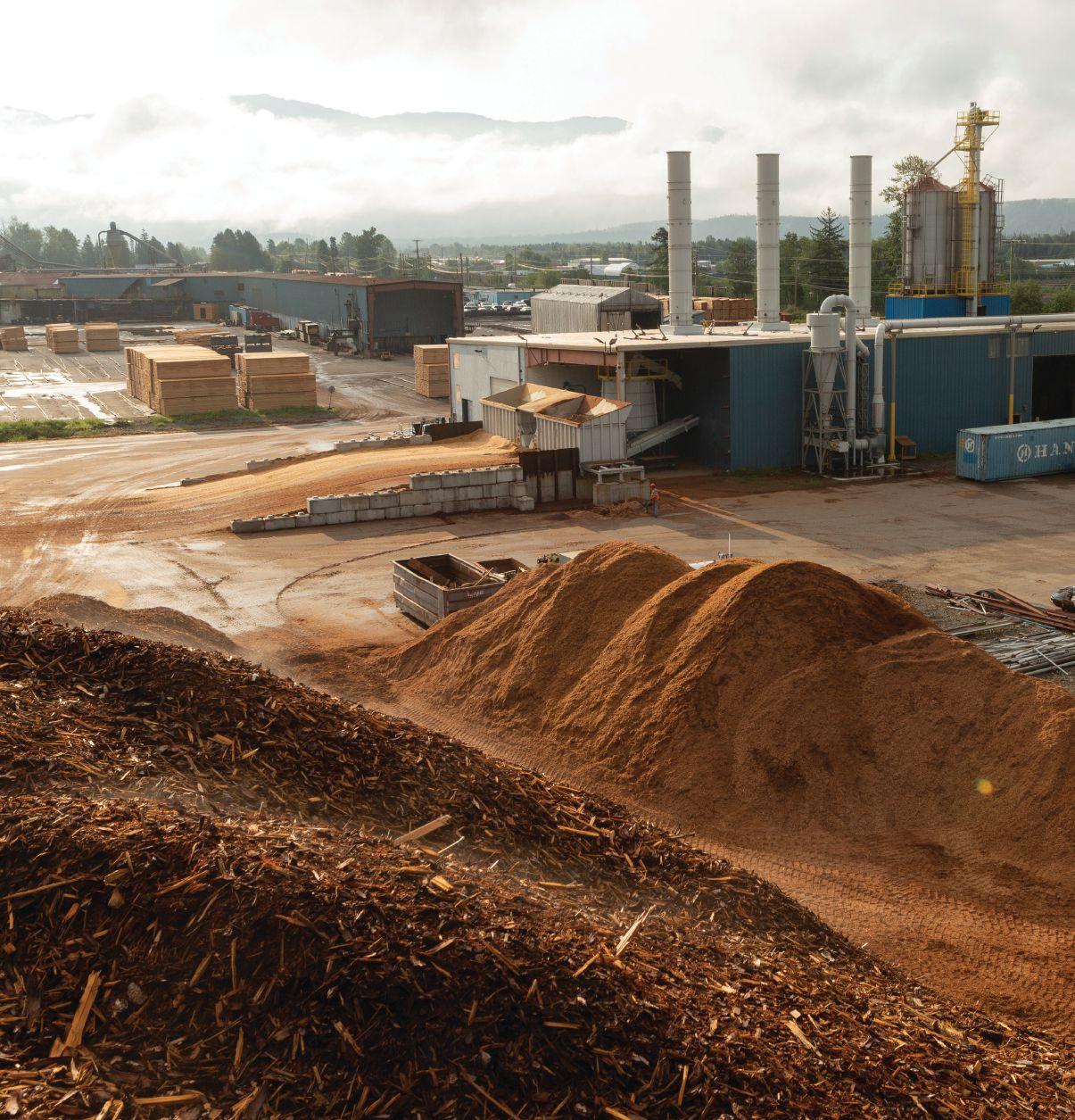
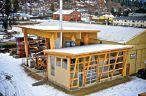
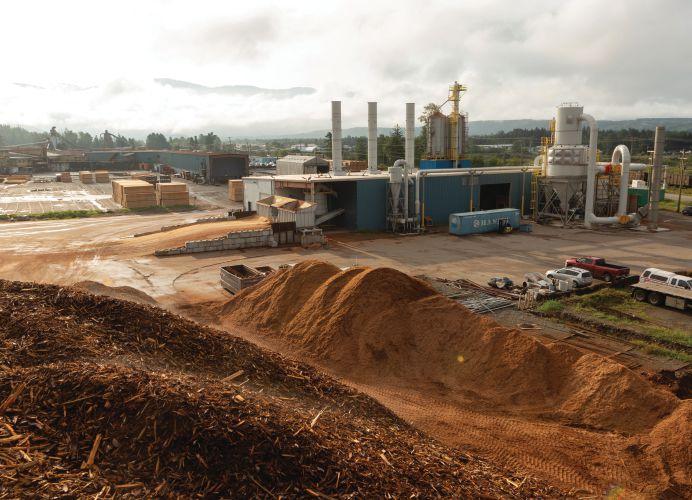
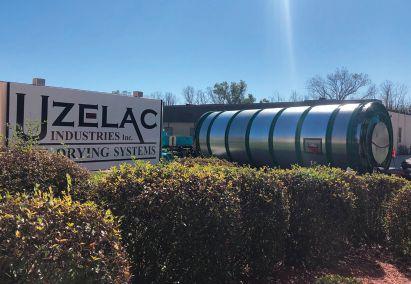
Skeena Bioenergy’s $20 million wood pellet plant came online in the second quarter of 2019, but challenges prevented it from operating under normal conditions until October 2020. Photo courtesy Skeena Bioenergy. “It
story on page 14.
TDoubling demand
What will the new year bring?
he word ‘unprecedented’ has been used so many times to describe 2020, I’m starting to wonder what actually is considered ‘precedented.’ It is true that 2020 was a year unlike any other, thanks to COVID-19. But, as we start out the new year, I’m optimistic that we will start to see a return to ‘precedented’ times. Even so, we will continue to feel the impact of the pandemic for years to come. That’s particularly true for our industry as governments and businesses focus on promoting a green economic recovery.
As William Strauss, president of FutureMetrics, explains in his annual pellet markets outlook on page 14, “The increasing negative impacts of climate change are likely to motivate policies that will support using industrial wood pellets for power generation.” Assuming such policies are implemented by governments around the world, FutureMetrics forecasts that pellet demand will essentially double from 2020 to 2027.
Developing the domestic market for wood pellets and other bioproducts, such as biofuel, is critical for fostering Canada’s green economy. Fortunately, since I joined Canadian Biomass in 2018, government support and public awareness of these renewable energy sources has increased dramatically. It always makes me happy to share news about government investments in new biomass heating projects, for example, or the work being done by new start-ups in the industry.
One start-up that has me especially excited is Prairie Clean Energy. The company has come up with a plan to turn flax straw (which is normally burned) into biofuel.
Volume 21 No. 1
Reader Service
Print and digital subscription inquires or changes, please contact Jay Doshi, Audience Development Manager Tel: (416) 510-5124 Fax: (416) 510-6875
Email: jdoshi@annexbusinessmedia.com
Mail: 111 Gordon Baker Rd., Suite 400, Toronto, ON M2H 3R1
Editor - Ellen Cools (416) 510-6766 ecools@annexbusinessmedia.com
Contributors - Gordon Murray, William Strauss, Susan Yurkovich, Sarah Hammond
Group Publisher - Todd Humber 416-510-5248 thumber@annexbusinessmedia.com
Account Coordinator - Brooklyn Van Dyk Ph: (416) 510-5229 bvandyk@annexbusinessmedia.com
National Sales Manager - Rebecca Lewis Ph: (519) 400-0332 rlewis@annexbusinessmedia.com
Western Sales Manager - Tim Shaddick tootall1@shaw.ca Ph: (604) 264-1158 Fax: (604) 264-1367
Media Designer - Curtis Martin
COO Scott Jamieson sjamieson@annexbusinessmedia.com
Canadian Biomass is published four times a year: Winter, Spring, Summer and Fall. Published and printed by Annex Business Media.
That’s good news for our industry, especially as more players get involved. One such player is Skeena Sawmills, which built their own pellet plant, Skeena Bioenergy, in 2019 to better utilize waste fibre from their sawmill. Despite encountering some initial challenges with rail transportation and dryer safety, the company is now looking towards the future, with an eye on developing the domestic market.
“I think that there’s a real opportunity in Canada to use wood pellets as a renewable resource for our own domestic use,” Roger Keery, CEO of Skeena Bioenergy, says on page 10. “Canadians aren’t doing that at any scale, and I really think that’s a missed opportunity.”
“We realized the demand for sustainable, renewable, stable fuel sources from biomass around the world is pretty significant, and our supply of the same around here [in Saskatchewan] was abundant,” Mark Cooper, president and CEO of the company, explains on page 16. “We thought that maybe the time had come to capitalize on all of the agricultural waste.”
Agricultural biomass is a part of the bioeconomy that is currently underdeveloped, but presents a big opportunity for Canada, especially in the Prairie. Consequently, Cooper and his colleagues have founded the Prairie Biomass Association to increase research into this field and raise awareness. It’s a terrific idea and one that I believe will help bring much-needed attention to ag-biomass. •
Publication Mail Agreement # 40065710 Printed in Canada ISSN 2290-3097
Subscription Rates: Canada - 1 Yr $57.00; 2 Yr $102.00 Single Copy - $9.00 (Canadian prices do not include applicable taxes) USA – 1 Yr $121.50 CDN; Foreign – 1 Yr $138.00 CDN
ENERKEM, PARTNERS TO CONSTRUCT $875M BIOFUEL PLANT IN QUEBEC
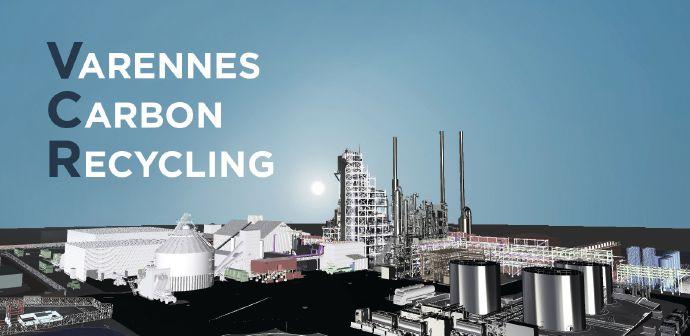
Enerkem, with a group of strategic partners that include Shell, Suncor and Proman, and Hydro-Quebec, who will be supplying green hydrogen and oxygen, and with the support of the Quebec and Canadian governments, has announced plans to construct a biofuel plant in Varennes, Que.
Varennes Carbon Recycling (VCR) will produce biofuels and renewable chemicals made from non-recyclable residual materials as well as wood waste. The plant will leverage green hydrogen and oxygen produced through electrolysis, transforming Quebec’s excess hydroelectricity capacity into value-added biofuels and renewable chemicals. VCR will be a major creator of local direct and indirect jobs during its construction and operation.
This plant will produce one of the lowest carbon-intensive fuels by diverting non-recyclable waste as well as
wood waste materials from landfills and through access to green electricity and green hydrogen and oxygen.
Enerkem’s technology enables the recycling of the carbon and hydrogen contained in non-recyclable waste and wood waste currently landfilled and burned. Enerkem’s proprietary thermochemical process enables the conversion
ENVIVA MARKS FIRST SHIPMENT OF WOOD PELLETS TO JAPAN
Enviva Partners, LP, announced on Dec. 2, 2020 that its first shipment of sustainable wood pellets was on its way from Port Panama City in Florida to Japan’s Iwakuni Port.
“Worldwide demand for renewable solutions that can help mitigate climate change right now continues to grow immensely,” said John Keppler, Enviva chairman and chief executive officer. “We are very proud of our operations in the southeast and our export terminals that enable us to safely, stably and reliably deliver a product that displaces coal and helps countries like Japan meet their climate change goals in the most cost-efficient way while ensuring reliable and dispatchable energy generation.”
Enviva’s first shipment carried approximately 28,000 metric tonnes of wood pellets made from low-value wood sourced in the U.S. southeast. By using sustainable wood pellets instead of coal, heat and power producers in Japan will be able to reduce carbon emissions by more than 85 per cent on a lifecycle basis, providing a significant reduction in emissions for the world’s fifth-largest greenhouse gas emitter while also providing grid stability.
Japan’s feed-in tariffs (FiTs) for renewable energy, along with the government’s commitment to shut down or decarbonize 100 coal plants, have enabled more than three million tonnes of long-term demand for wood pellets to be contracted by Enviva. Most of such agreements with the company’s Japanese customers extend to 2040 and beyond.
of this carbon into biofuels and renewable chemicals, made from methanol, which is the project’s intermediary product. These products enable society to reduce consumption of traditional hydrocarbons used for transportation and in everyday products (paint, windshield washer fluid, plastics and chemicals of all kinds).
PINNACLE SIGNS EXTENDED OFF-TAKE CONTRACT IN JAPAN
Pinnacle Renewable Energy has announced that it has entered into an extension of a long-term, take-or-pay off-take contract with Mitsubishi Corporation Ltd., a large, diversified trading company in Japan. Under the terms of the extension, Pinnacle will supply 80,000 to 90,000 metric tonnes per annum of industrial wood pellets to Mitsubishi beginning in Q1 2023. The industrial wood pellets will be used by a biomass power generation plant in Japan.
“We are excited to grow our business with our Asian customers,” said Duncan Davies, chief executive officer of Pinnacle. “We have developed a special relationship with Japan and we share their strong commitment to decarbonization and their replacement of fossil fuels with sustainable wood pellets.”
NEW MICROSITE PROMOTES EQUITY AND DIVERSITY IN FORESTRY
The Canadian Institute of Forestry/ Institute forestier du Canada (CIF-IFC) and the Centre for Social Intelligence (CSI) have launched Free to Grow in Forestry (www.freetogrowinforestry.ca), a microsite that communicates to all stakeholders in the forest sector the resources developed through the Gender Equity in Canada’s Forest Sector National Action Plan.
The National Action Plan is a three-year initiative spearheaded by the CIF-IFC and the CSI, with strategic guidance from a National Steering Committee of forest sector leaders from government, industry, academia, Indigenous and non-profit organizations to achieve gender equality and meaningful inclusion of women, Indigenous peoples and new Canadians at all levels, from technical to executive level positions, in the forest sector. The Free to Grow in Forestry microsite is a culmination of this effort and will share the actions undertaken in this initiative including, but not limited to, communication “shareables” that individuals and organizations are encouraged to utilize in their spheres of influence.
“With labour market demands mounting and an ever increasing globally competitive market, the forest sector must look for ways to remain competitive and thrive,” said Luc M. Rainville, past president, CIF-IFC.
“Working together across the sector is a transformational approach to affecting change on diversity and inclusion. Not only will the workplace culture see benefits, organizations can expect to see an improvement in the bottom line,” said Kelly Cooper, CEO and founder, CSI.
QUEBEC GOVERNMENT INVESTS $5.9M IN WOOD-WASTE-TO-BIOFUEL PROJECT
The Quebec government has awarded funding totalling $5.943 million to a non-profit organization, Bioénergie La Tuque (BELT), under a program called Technoclimat from Transition Énergétique Québec (TEQ), for a project to develop and demonstrate the potential of producing advanced biofuels from locally-sourced forestry waste in La Tuque, Que. The funding will be used to continue project development and plant design, which are key enablers for making further decisions regarding the potential of building a renewable fuels plant in the area.
BELT, the Council of the Atikamekw Nation (CNA) and Neste have been collaborating on the project since 2017. The partners have been jointly assessing the feasibility of utilizing sustainably-sourced forest-based biomass, particularly harvesting residues – such as branches and tops that are not suitable for sale – in the production of advanced sustainable biofuels. Once in place, this biorefinery could produce advanced renewable
biofuels based on logging residues from the Haute-Mauricie region in Quebec.
The advanced biofuel will be fully compatible with existing infrastructure and therefore an excellent candidate for supporting the energy transition into the next decade. Thus, the project has the potential to significantly reduce the greenhouse gas emissions from Quebec’s transportation sector, allowing the province to reach significantly larger emission reductions than what is currently projected.
“The region developed around logging, yet, at the moment, residues from this industry are rotting in the woods. In a coherent energy transition towards a greener economy, projects that make it possible to recover what is currently considered to be waste is aligned with Atikamekw’s values of improving the use of the territory’s resources. These are not perfect industries but, by acting wisely, we can combine economic, social and environmental development,” said Constant Awashish, Grand Chief of the Atikamekw Nation.
GREENLANE RENEWABLES SIGNS $10M CONTRACT FOR NEW U.S. RNG PROJECT
Greenlane Renewables Inc.’s wholly-owned subsidiary, Greenlane Biogas North America Ltd., has signed a $10 million ($7.7 million U.S.) contract for a new renewable natural gas (RNG) project in the United States owned by an international energy company. This project will utilize Greenlane’s membrane separation biogas upgrading system.
“Greenlane continues to gain traction with global energy companies as they seek to diversify their energy portfolios and introduce low-carbon intensity fuel options to their customer base.” said Brad Douville, president and CEO of Greenlane. “To be selected for this exciting new project showcases again our unique ability to provide the best solution from our portfolio of multiple upgrading technologies. This is becoming increasingly important as our customers originate, develop and finance a wide range of projects within their respective portfolios, each with unique requirements. This ability, combined with our decades of experience and proven track record, makes Greenlane the ideal partner to help all of our customers scale up rapidly.”
While uncertainty remains with respect to the COVID-19 pandemic and its ongoing impact on global economies, the company believes that the energy transition is here to stay. Furthermore, the company believes that RNG will play a meaningful and growing part in countries’ efforts to stimulate their economies while tackling climate change and moving toward a decarbonized future, in which Greenlane will play an important role.
Correction: In Canadian Biomass’ 2020 Pellet Gear Directory, S. Huot should have appeared under Handling Equipment and in the list of company names. Canadian Biomass regrets the error.
Heating up
WBSB installs first-of-its-kind steam wood pellet boiler in North America
By Gordon Murray
hat do you get when you team up one of Canada’s leading pellet manufacturers with an industrial heating specialist? Biomass Solutions Biomasse (BSB).
BSB is the brainchild of two long-time businessmen in New Brunswick: Jean Claude Savoie, owner of Groupe Savoie (GS) in Saint Quentin, N.B., and Malcolm Fisher, owner of Compact Appliances, in Sackville, N.B. The company replaces fossil fuels with biomass heating solutions for buildings throughout eastern Canada.
When the opportunity came in 2018 to provide a carbon-friendly, efficient system to the amalgamated Collège communautaire du Nouveau-Brunswick (CCNB) and the Université de Moncton (UDM) at the CCNB-UDM Shippagan Campus, BSB was a natural solution. The company had experience in this area; in 2014, they installed a Binder 840 kW hot water pellet boiler at the Grand Falls Hospital, which has been heating its facilities with pellets ever since.
Combining the CCNB and UDM buildings required a 36,000-square-foot expansion. The project’s architect, Jacques Boucher Architect (JBA) from Pokemouche, N.B., needed to replace the three old oil steam boilers with a heating system that could meet the requirements of the expanded footprint, be cost-efficient and support the university’s environmental goals. JBA hired Roy Consultant Ltée from Bathurst, N.B., as the engineering firm responsible for studying the steam heating system and advising on renewable fuel sources options, including wood chips and/or wood pellets.
FIRST-OF-ITS-KIND
“Storage space was an issue, so the energy density of the wood pellets and the close proximity of the campus to the Groupe Savoie wood pellet plant in Saint Quentin helped seal the deal,” says Théo Losier,
development officer with BSB.
But, finding the right steam boiler system to heat the campus expansion required more research. Since the team from Roy Consultant had already worked with BSB on the hospital project, they agreed it would be good to bring in Binder’s engineering team. Binder Energietechnik produces cost-efficient and environmentally-friendly boiler combustion systems.
“One of the prime motivators for the project was the Kyoto Protocol at the time and everyone was talking about carbon taxes and taxes on oil of upwards to $20 per tonne,” says Serge Mallet, a fourthclass power engineer who led the installation at the campus and today oversees its day-to-day management.
“Pellets are a renewable and responsible source of energy and were already being produced in New Brunswick for international and domestic customers, so why not use the local pellet supplier?”
TOUGH ENOUGH FOR CANADA
The objective of the project was to replace three outdated oil steam boilers with a new low-pressure steam biomass boiler that would be environmentally friendly, reliable and cost-efficient.
Most wood pellet boilers in North America work with pressurized hot water.
The UDM Shippagan’s system is unique in that the Binder boiler was coupled with the campus’ original steam system.
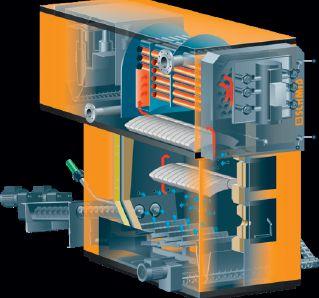
First, the combustion chamber produces a hot gas that goes through a heat exchanger. It is fed with pellets by augers. The combustion process is fully automated and equipped with moving grates, primary and secondary air fans and an exhaust gas recirculation. The system has oxygen regulation and a multi-cyclone that cleans the flue gases.
Second, the boiler has an economizer that preheats the condensate and then generates steam. The steam enters another heat exchanger, which is used to raise the
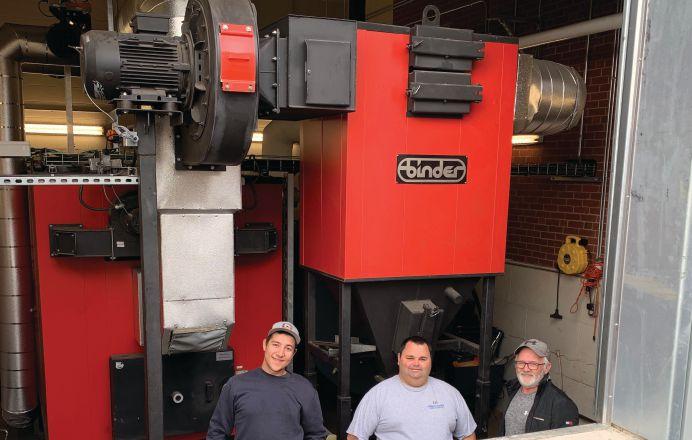
Serge Mallet, responsible for mechanical/electrical systems and buildings maintenance at the CCNB-UDM Shippagan Campus, seen here with colleagues Sebastien Chiasson (left), HVC mechanical, and janitor Maurice Gagnon (right). Photo courtesy Gordon Murray.
temperature of the hot water that circulates through the campus buildings, heating radiators in each classroom. Both the steam and hot water cycles are closed.
“Our system doesn’t use much fresh water – we recycle almost all of the condensate and use steam instead of hot water so we can use a smaller-size boiler,” Mallet says. “Using our steam boiler for heat and a heat exchanger for heating the water makes the system more efficient.”
The Binder system has also proven itself tough enough to face winters in Shippagan, where temperatures can dip down to -20 to -30 Celsius. While two new backup oil boilers were installed to replace the old ones, they aren’t getting a lot of use.
The entire system can be controlled remotely through the main control system. All the controls and alarms are linked to Mallet’s and his assistant’s cell phones.
“When I want to reduce the capacity of the boiler, I can do it from my computer at home. Every night before going to bed, I check the boiler on my cell phone and I check the weather. And if the weather will get warmer that night I reduce the boiler capacity before I go to bed,” Mallet explains. “In the morning, I increase the boiler capacity early before all the normal daily systems come on – they are scheduled to start 15 minutes apart so there’s not too much demand on the system at once.”
COMING FULL CIRCLE
Groupe Savoie’s pellet plant produces 90,000 metric tonnes of pellets every year
– comprised almost entirely from the residuals from harvesting or sawmilling. A local trucking company delivers 30 tonnes of pellets at a time to the campus – a 300 kilometre trip one-way from the pellet plant. When the campus is down to about 25-30 per cent, usually within 20 days, it calls the dispatcher for more pellets.
The pellets are also benefitting the local greenhouse. After combustion, the ash left from burning the pellets is collected in a massive bin that fills up approximately every 20 days. The product is transported to the greenhouse to be used as fertilizer for gardens, coming full circle to start a new cycle.
PROVING THE BUSINESS CASE
Like with most innovative projects, there was hesitancy about investing nearly $1 million in new technology that was untried in the Canadian marketplace.
“Not everyone was convinced is was the right thing to do, having a wood pellet steam boiler instead of oil, because it’s never been done in North America. So, we had to go through lots of convincing with the engineer, architect and stakeholders,” says Losier. “We focused on saving and reducing emissions, and I believe, at the end of the day, the two goals have been achieved – more than expected, actually.”
Placing the combustion chamber next to the heat exchanger was a first not only in North America but for Binder, who managed that part of the design.
“Normally, we have a boiler that is just one big block, with a heat exchanger above
the fire. Binder managed that part of the design, but it was a bit tricky to fit it in the room because the building was already designed with that boiler room,” says Francis Lamarche, BSB’s mechanical engineer.
“This was ground-breaking stuff and first-of-its-kind in North America,” says Losier. “Not only did we have to win people over about the technology but also on the idea of a farm-style silo on the campus next to the modern look of the expansion building. But, in the end, everyone agrees that it blends in well.”
Local residents were also concerned about the potential for emissions from the burning of the pellets, especially since it’s located in the heart of the campus.
“I believe it’s cleaner than burning fuel – we’ve reduced emissions by nearly 85 per cent,” says Mallet. “There is no particulate and once the boiler is hot, you don’t see any smoke.”
And it’s not just the air that’s clear, but also the future for more buildings to adopt this technology. Losier says other New Brunswick public buildings, including schools and hospitals, are considering using pellets for energy.
“Here, we have a carbon-friendly product coming from New Brunswick wood waste, and [we are] turning it into a clean source of energy that is supporting local businesses and jobs while reducing emissions and costs – it is the future of energy. We just have to look to Europe and Asia to see how it’s taken off there. We’ve got a good thing going here.” •
Fink Machine Inc., is very excited to announce that we have added Schmid Energy Solutions boilers to our current product portfolio. Fink’s success is based on Service and we are looking to continue that by adding Schmid boilers to its line of high quality products.
Growing value
After overcoming multiple challenges, Skeena Bioenergy looks to the future
By Ellen Cools
As the forest industry increasingly recognizes the need to use as much fibre as possible, more and more sawmills are exploring the opportunity to produce wood pellets. One such sawmill is Skeena Sawmills, based in Terrace, B.C.
In 2018, the company began the process of building a new pellet plant under the name Skeena Bioenergy. The $20 million plant, which can produce up to 75,000 tonnes of pellets per year, came online in the second quarter of 2019. However, it wasn’t until October 2020 that the plant began operating under normal conditions.
A BUMPY RIDE
The main goal for Skeena Sawmills in building this plant was to add value to the mill’s residuals and bring more wealth into the surrounding community, Roger Keery, CEO of Skeena Sawmills and Skeena Bioenergy, explains.
Construction on the plant took approximately six to seven months. During this time, Skeena identified three priorities.
“Our first priority was to have a plant that was capable of processing all of the residual material that the sawmill produces, in both its current configuration and what we plan for in the future,” Keery says.
The second was to build a plant that was as safe as possible and would have minimal environmental impacts, in terms of greenhouse gas emissions and noise and visual impact on the surrounding community.
The third priority was “to build a plant that was state-of-the-art in terms of production cost, efficiencies and product quality,” Keery says.
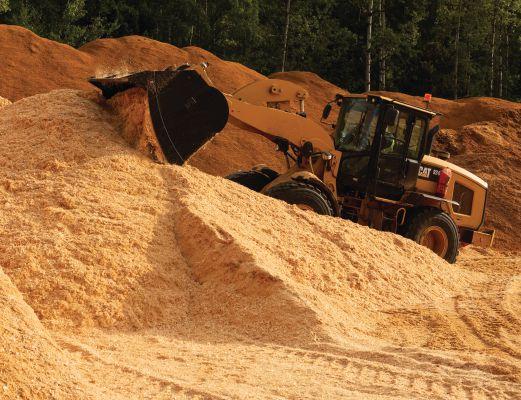
While the majority of fibre for the plant comes from the sawmill, the company also uses fibre from select suppliers in the surrounding areas, including a log sorting business in nearby Prince Rupert, B.C.
“They do a lot of trimming of their logs, and the trim pieces were just accumulating,
going to a landfill. Now that we have a pellet mill, we’re grinding those and bringing those to our mill to use as fuel,” he explains.
Skeena Bioenergy also uses fibre from the Terrace Community Forest, which embarked upon a new project last year grinding wood waste from second-growth thinning operations (read more about this project in Canadian Biomass’ Fall 2020 issue).
“We’ve done a couple trials of that, and we’ll do more,” Keery says. “It helps the community, and makes better use of the material that otherwise would be burned.”
The plant itself brought 22 new jobs to the surrounding community, and helped to secure the sawmill.
But, as mentioned above, Skeena faced some challenges that prevented the plant from running at full capacity.
The main challenge facing Skeena was rail transport. When they first began working on the pellet plant, they formed a
partnership with the nearby Kitsumkalum First Nation. The Kitsumkalum First Nation has a contract to haul the pellets from the plant to the rail head. At the time, they were working to build a new rail siding, which was meant to come online when Skeena Bioenergy started, Keery explains.
However, for various reasons, the project was delayed and was not officially opened until October 2020. In the meantime, CN Rail allowed Skeena to use a small nearby rail siding.
Unfortunately, “it was a real problem for us,” Keery says. “They couldn’t service it effectively; it required service three times a week, and we had a difficult time with that. So, from the time we started until October last year, we were constantly having to shut the plant down because we were out of rail cars.”
Now that the plant is running under normal operating conditions, Skeena can better evaluate how well it is working.
Skeena Bioenergy’s $20 million plant came online in the second quarter of 2019, but challenges prevented it from operating under normal conditions until October 2020. Photo courtesy Skeena Bioenergy.
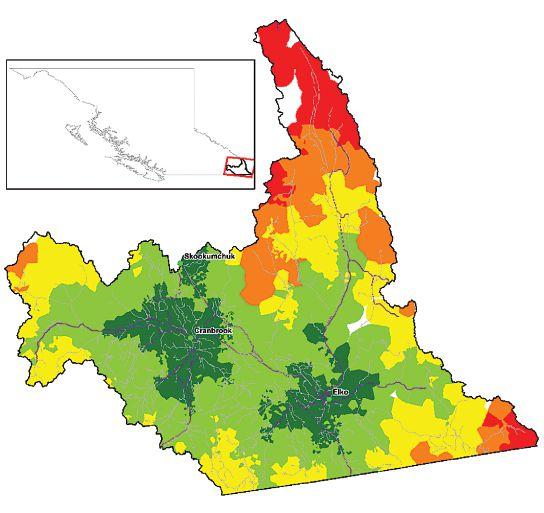
WHAT ARE BIOMASS HEAT MAPS?
A biomass heat map is a tool to help visualize the cost of biomass that is residual from harvest operations. The heat map is important because it can inform decision-making and economic feasibility studies. Its visual impact can trigger new thoughts and innovations in the human mind that a table of numbers can not… like: Where might we build a new plant? Should we compete at an existing delivery point, or not?
What does it tell us?
A biomass heat map doesn’t usually show how much biomass is available, but it does show the cost of biomass – the cost of getting it from any location in the area to the nearest delivery point.
A biomass availability study shows how much forest-origin residual biomass – what’s left after the lumber and pulp grades are removed – can be expected on a yearly basis from an area. A good biomass availability study will break down the available amounts into cost classes, like 4,000 oven-dry tonnes (odt) per year if you pay $45/odt, and 11,000 odt per year if you can pay $60/odt, etc.
Parameters influencing the cost
Most biomass heat map costs assume the harvest has been done to acquire sawlog, (purpose-harvesting biomass is more expensive). Grinding biomass at roadside is a fairly standard cost. Time to transport the material to the mill is the main cost variable.
Knowing this time cost (a combination of distance and road speeds), and combining it with the grinding cost, we can produce a map showing the cost per dry tonne. The heat map shows the distribution of biomass by cost to recover it from roadside.
Significant investments are required to establish a forest biomass supply chain. Any medium or large project needs a feasibility study to address fundamental issues such as longterm supply guarantees, competitive costs and financing considerations.
CALL ON OUR EXPERTS:
FPInnovations has developed the tools and expertise to conduct this type of study and ensure that projects are viable in the long term. The heat maps are another tool to help the decision makers.
Please contact charles.friesen@fpinnovations.ca to learn more about it.
“So far, we’re quite happy with what we see. It meets our expectations in terms of its running volume, and our pellet quality is very good,” Keery says.
INSIDE THE PLANT
As a new player in the wood pellet industry, Skeena turned to a veteran equipment manufacturer to design and implement the plant: Prodesa.
The plant itself is set up in a way that emphasizes efficiency and safety. Fibre that is stockpiled in the yard goes to the plant through a double infeed system.
“This allows us to use products with different characteristics and blend them together to get the finished product that we want,” Keery explains.
The fibre then goes to a Bruks Siwertell green hammer mill, and then to a Swiss Combi gas-fired belt dryer with three 16-million-BTU gas burners. After this step, the fibre goes to another Bruks dry hammer mill, and then on to a dry storage bin, which feeds three Promill pelletizers. The pelletizers are capable of increasing the plant’s production capacity from 75,000 tonnes per year to 96,000 tonnes, but Keery says the company wants to get more experience running under normal operating conditions before they increase production.
Pellets then go to a pellet cooler, which feeds a screen. After screening, the pellets are stored in two 100-tonne truck-loading silos. From there, the pellets are trucked to the Kitsumkalum First Nation’s rail siding two kilometres from the plant, where they are loaded into rail cars for shipment.
PRIORITIZING SAFETY
Skeena has also implemented several measures to ensure the safety of their employees, both with regards to COVID-19 and to mitigate dust and explosion hazards.
The company was among the first to implement safety measures to prevent the spread of COVID-19, installing handwashing and sanitizing stations, requiring masks, and more, Keery says.
“We tried to respond to the COVID threat early when it started – some of our management team saw that this was going to be a big problem,” he explains. “So, we started implementing protective measures at a point when people were actually not viewing COVID as a big problem.”
Since then, Skeena has revised its safety standards three or four times, taking
increasingly strict measures to prevent COVID-19 transmission, Keery says.
For example, two operators normally work in a control room at the plant. To ensure employees in the room would be safe, Skeena installed a partition, dividing the room in half, and installed air exchange systems to maintain fresh air.
Consequently, the company hasn’t had any stoppages in production due to COVID-19, nor have they reported any positive cases among their employees.
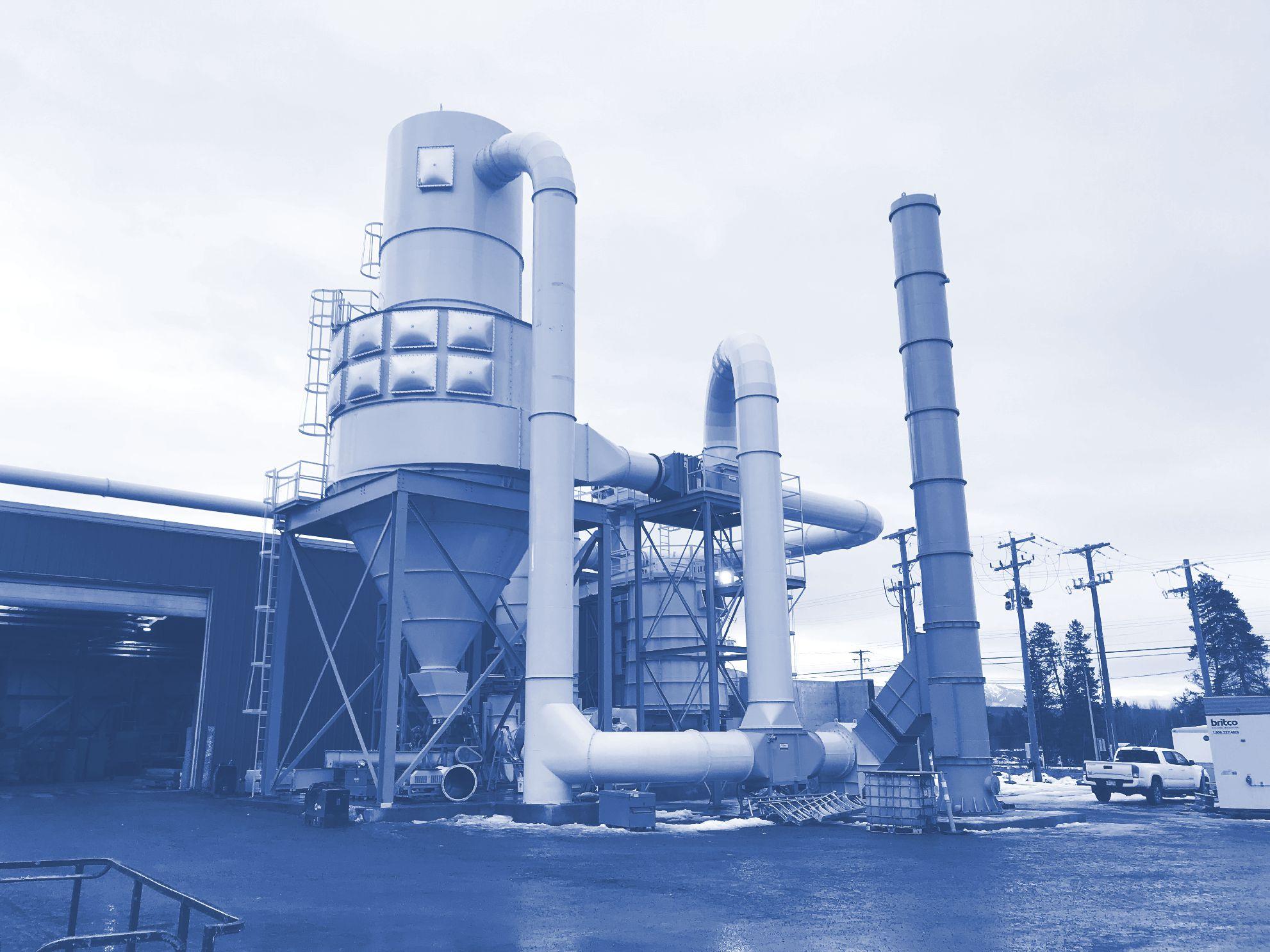
Of course, outside of a pandemic, safety is still critical for wood pellet operations. Skeena has therefore installed multiple safety systems. The material handling systems, for example, have rock traps on the green and dry end, as well as metal traps to remove contaminants from the raw material. Skeena has also installed oscillating fans throughout the plant to prevent dust accumulation on horizonal surfaces.
The Swiss-Combi dryer also has spark detection systems in the burners and water-deluge systems to control fires.
“All of our components have been designed to the NFPA safety rules,” Keery says. “That means there’s spark detection systems anywhere there is an explosion possibility, as well as exploding ports in many of the structures that could have an internal explosion occur. A lot of attention has been paid to ensuring that the rules around handling wood dust, which is explosive, meet the NFPA regulations.”
Additionally, any piece of equipment that Skeena felt was a potential liability for explosion, such as the dry storage unit, is housed outside of the main building, Keery says. And, throughout the plant, systems have been installed that allow operators to stop production in the event of a fire or other disruption, to remove the potentially hazardous material.
Part of this focus on safety is borne out of experience – a belt dryer fire in July 2019 forced the plant to shut down for a month.
“We’ve since had to undertake a number of protective measures to identify and stop fires,” Keery says.
Now, any sparks that do break out are quickly dealt with and often don’t result in a stoppage of production, he adds. Skeena has also formed a working group to continue improving their ability to prevent belt dryer fires and respond to them effectively.
“That’s going to go on for some time,” he says. “We probably made six or so
changes to improve the situation and we still have several more that we’re planning to implement to further improve that.”
Skeena Bioenergy is not alone in experiencing a belt dryer fire. This is an industry-wide issue – one that Keery would like to see addressed in the future. The industry has put together a task force to work on this issue, and the Wood Pellet Association of Canada held a belt dryer symposium in November last year, where Skeena Bioenergy spoke about their experience.
GROWING THE BUSINESS
After overcoming these challenges, Keery is excited to get a year of normal operation under his belt. This will allow the team at Skeena to better understand how well the plant performs on an ongoing basis, establish the basic economics of the business, and focus on training employees, he says.
Looking further down the line, Skeena is exploring the possibility of producing specialized grades of pellets. In general, wood pellets are made to a single standard, designed as a fuel.
“But, we think given the variations in the type of fuel that’s available, there’s some opportunity to make more specialized grades that fit other uses better, and, to do that, you have to be able to deliver a differentiated product to customers,” Keery explains. “We think we could do that and we’re actively looking at doing those things.”
The company is also looking at entering new markets, such as China. Skeena Bioenergy is owned by a family that immigrated from China, and therefore has strong connections with the country.
Currently, most of Skeena’s pellets are exported to Japan, although the company also provides pellets to some local commercial customers. This is another market Skeena wants to build upon.
“I think that there’s a real opportunity in Canada to use wood pellets as a renewable resource for our own domestic use,” Keery says. “Canadians aren’t doing that at any scale, and I really think that’s a missed opportunity.”
To address this issue, Keery says the industry needs to build public awareness about wood pellets as a renewable resource.
“That’s something I’m quite passionate about for us as an industry and as a company. It’s important to us that we support local community uses of pellets and try to grow those,” he says. •
Growing demand
Global pellet markets forecast under current or evolving policy
By William Strauss
Wood pellets are an upgraded renewable solid fuel which, if sourced sustainably, offer a low carbon-emitting alternative to fossil fuels. They are widely used for heating homes and businesses. or as a substitute for coal in electric power generating stations.
This article will mostly focus on what are commonly called industrial wood pellet pellets that are used in power plants.
HEATING PELLET MARKETS
But it should be noted that the heating pellet markets are expected to continue to have steady growth. Heating pellet markets are influenced by policy and, in some cases, are supported by it. Policies that impact the cost of fossil heating fuels, lower the cost of installing a pellet-fueled appliance, or provide support for using renewable energy, facilitate the decision to switch to a pellet boiler or install a pellet stove and use wood pellets for heating.
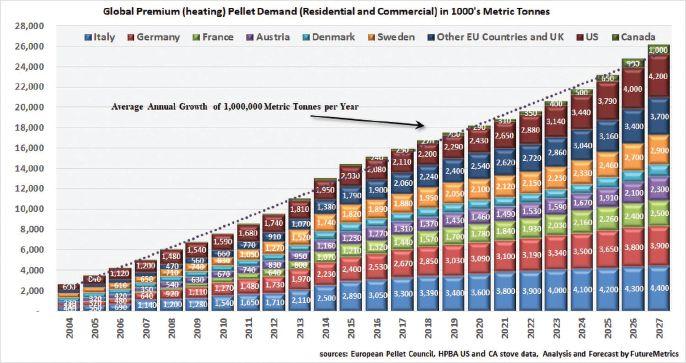
The heating pellet market is substantial. FutureMetrics estimates that global demand for heating pellets in western nations will reach about 26 million metric tonnes in 2027, up from the estimated 18.2 million metric tonnes consumed in 2020 (see Figure 1).
INDUSTRIAL WOOD PELLET MARKET
Whereas the heating pellet market is influenced and supported by policy, the industrial wood pellet market is entirely dependent on policy support in most jurisdictions. In the heating sector, in some locations, pellets are the lowest-cost fuel, but in the power sector, coal is typically more costly than pellet fuel. Lowering carbon emissions from electricity generation via co-firing pellets and coal or converting a power station to operate on pellets requires government mandates and support. The outlook for growth depends on which policy scenario one chooses: current policy with no changes, or evolving policy in response to climate change.
CURRENT POLICY FORECAST
Under current policy support schemes, after 2023 there is limited future growth forecast in the industrial wood pellet market. Europe and the UK will have reached the limits of the current policy support in 2023. It is possible that some support in the UK and western Europe will expire in the late 2020s, causing demand to fall. Japan’s growth in pellet demand will continue for a few more years. But, most of Japan’s feed-in-tariff (FiT)-supported in-
dependent power producer (IPP) projects are expected to be up and running by the end of 2024. South Korea has potential for higher demand, but the collapse of renewable energy certificate (REC) prices and changes in REC weightings have depressed pellet demand and thrown great uncertainty into how support for pellet fuel as a substitute for coal will evolve.
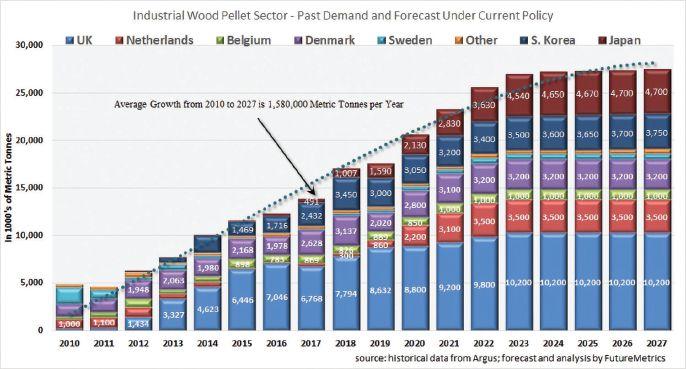
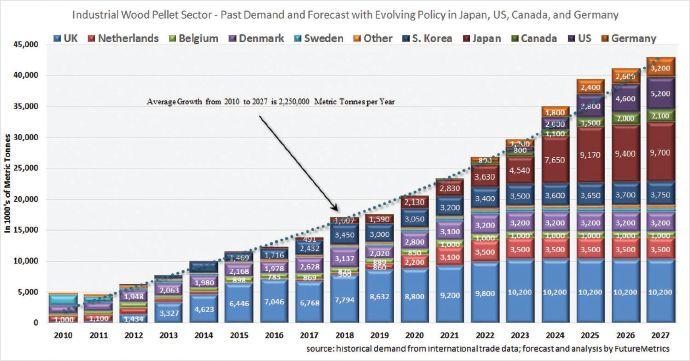
However, even under the “current policy” scenario, there is still growth expected. The forecast is for an additional 6.8 million tonnes per year of demand in 2027 compared to 2020 demand levels, with most of that new demand online by the end of 2023. But, FutureMetrics expects that policies will evolve and demand in 2027 and beyond will be much higher than shown in Figure 2. The increasing negative impacts of climate change are likely to motivate policies that will support using industrial wood pellets for power generation.
EVOLVING POLICY FORECAST
Under the evolving policy scenario, FutureMetrics is confident Japan will have policy that supports co-firing, and perhaps a few full conversions to pellets, at major utility power stations. The Japanese government has set goals for how power is generated that, under most scenarios, will require some portion of the coal in large utility power plants to be replaced with wood pellets. The government has also set minimum efficiency standards that low-efficiency power stations can meet by co-firing.
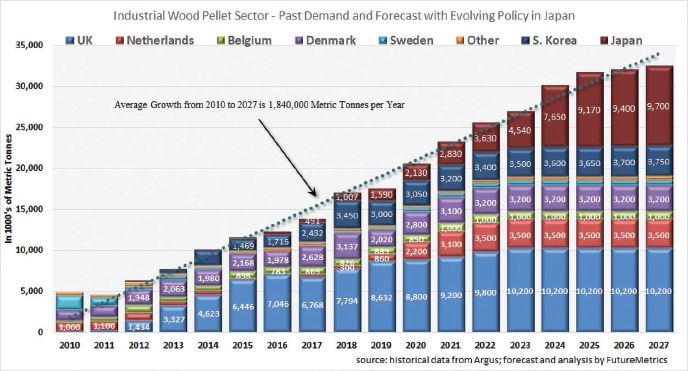
Based on those power stations that are likely to use pellets to meet minimum efficiency requirements and expectations that pellets will be part of the strategy for compliance for CO2 emissions goals, FutureMetrics expects an additional five million tonnes per year of demand by 2027 (see Figure 3). This pushes new demand in 2027 to 11.9 million tonnes per year.
But, there is another likely “evolving policy” that includes the U.S., Germany,
Figure 1. Heating pellet markets.
the U.S. could be using 5.2 million metric tonnes (or more) per year of industrial wood pellets in power stations by 2027. But, some work must be done to familiarize U.S. policymakers about the efficacy of a strategy that has proven to be a relatively low-cost, on-demand, quick-to-deploy, and low-carbon source of power in other areas.
Meanwhile, evolving policy in Germany (which is a major producer of wood pellets) may facilitate the substitution of industrial pellets for coal in power stations. Based on CO2 emissions goals, goals to phase out coal, and continuing policy discussions, Germany’s demand could equal or exceed 3.2 million tonnes per year by 2027.
There is also potential in Canada. The combination of a carbon tax and a mandated coal phase-out suggests that a few of the newer coal plants would benefit from using pellets. Capital Power’s Genesee #3 516 MW coal-powered unit in Alberta, commissioned in 2005, is converting to natural gas. But, Capital Power says the plant will retain “dual fuel” capabilities. The 463 MW Keephills #3 unit also in Alberta, commissioned in 2011 and owned by TransAlta, would consume about 1.8 million tonnes per year if it were fully converted to pellets.
At this time, neither Capital Power nor TransAlta have plans to use wood pellets in those stations. TransAlta has said the Keephills #3 will continue to use coal. If that plant used wood pellets produced near its location in Alberta, then, in combination with carbon capture and storage (CCS), Canada’s net CO2 emissions would be at least a negative 850 kilograms per megawatt-hour of power generated.
There are other Canadian coal stations that could make the transition with relative ease. It is possible that Canada could be using 2.1 million tonnes of industrial wood pellets per year by 2027.
DOUBLING DEMAND
and Canada that pushes potential demand in 2027 higher.
The U.S., under President Biden, is expected to pursue aggressive policies aimed at fighting climate change. In 2015-16, FutureMetrics analyzed the effects of the Clean
Power Plan (CPP) and determined that a low-cost and reliable pathway to compliance was via co-firing pellets with coal at selected power stations. Using a similar analysis and an expectation that new policy will form a similar foundation for change,
There are other locations that may adopt a pellet fuel strategy for the power sector. But, with just those discussed above, as Figure 4 shows, it is feasible that industrial wood pellet demand will essentially double from 2020 to 2027. If these “evolving policy” scenarios occur, pellet demand in 2027 would be 40.8 million tonnes per year.
Find the full-length version of this article at canadianbiomassmagazine.ca. • William Strauss, Ph.D., is the president of FutureMetrics, www.futuremetrics.com
Figure 2. Industrial pellet markets under current policy.
Figure 3. Global industrial pellet demand with evolving policy in Japan.
Figure 4. Global industrial pellet demand with evolving policy in Japan, the U.S., Canada and Germany.
Fuel from flax
Inside a Saskatchewan-based start-up’s efforts to produce biofuel from flax straw
By Ellen Cools
When most people hear the words “flax straw,” they don’t think about biofuel. But a new startup based in Regina, Sask., called Prairie Clean Energy wants to change that.
The company, which was founded in March 2020, has developed a process for turning flax straw, which is often burned or trashed, into biofuel. But where did the idea for this project come from?
The founder and chief relationships officer of Prairie Clean Energy, Trevor Thomas, saw an opportunity in the environmental space, says Mark Cooper, president and CEO of the company.
Thomas realized there is a lot of agricultural waste in Saskatchewan – in particular flax straw from flax crops – and began doing research into the possibility of using this material as a biofuel.
Thomas soon brought Cooper on board, and then they recruited their third partner, David Whitrow, as chief financial officer. From there, the three partners worked on developing a business plan, looking into the supply of flax straw in Saskatchewan.
“We realized the demand for sustainable, renewable, stable fuel sources from biomass around the world is pretty significant, and our supply of the same around here [in Saskatchewan] was abundant” Cooper says. “We thought that maybe the time had come to capitalize on all of the agricultural waste.”
They took their idea to farmers in the province, and received positive feedback and interest.
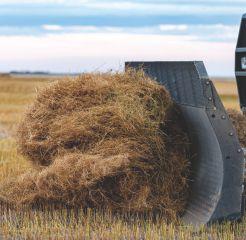
“They’re very excited,” Cooper says. “There’s about three-quarters of a million tonnes of flax straw per year that’s getting burned, and farmers don’t like burning it because they know it’s not good for the environment and it’s a fire hazard for the surrounding properties and communities.”
Because of how difficult it is to deal with the flax straw, farmers in Saskatchewan
have limited the amount of flax they grow and focused on growing flax that minimizes the amount of straw produced. This is what’s known as ‘the straw problem.’
Prairie Clean Energy saw an opportunity to help solve this problem by collecting the flax straw from farmers and processing it to use as biofuel.
THE PROCESS
But what exactly is the process for turning flax straw into biofuel?
There are two processes that Prairie Clean Energy is researching, in conjunction with the University of British Columbia (UBC)’s Biomass and Bioenergy Research Group (BBRG) and the University of Saskatchewan’s engineering department.
The first process is compressing bales of flax straw.
“That’s the simplest solution for us –the farmers bale the product, typically in round bales, and deliver it to our facility where we shred, dry, re-bale and compress the product,” Cooper explains. The bales are then shipped to customers, and can be used in fluidized boilers or similar systems that can accommodate baled product.
Prairie Clean Energy is also explor-
ing the possibility of pelletizing the flax straw, working with the UBC BBRG to research this process.
“What we’ve been told from experts in the pellet industry is that pelletization is, in the long run, the most economical way to handle the transportation of the product,” Cooper explains.
“The work that UBC is doing is to assess how amenable flax straw is to pelletization, what process is necessary to pelletize it, comparing the efficiency of that to the efficiency of baling, and trying to help us understand what process makes the most sense for our business,” he adds.
Given the predominance of the wood pellet market, Prairie Clean Energy is very interested in this option.
“The pellet market is much more widely understood and much more developed globally and domestically, so we think it opens up a lot of marketplaces if we can make the economies of it work,” Cooper says. “The challenge, from my understanding, is that the infrastructure costs of pelletizing at the production capacity that we want to be able to do is significantly higher than the infrastructure cost of bailing, so we have to figure out the economics.”
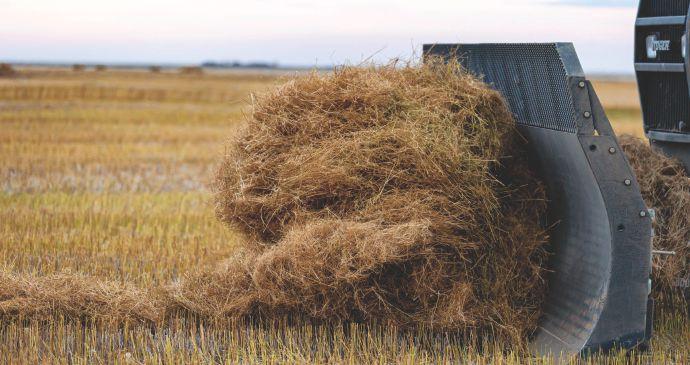
Approximately 700,000 tonnes of flax straw is grown on the Canadian prairies each year and is considered agricultural trash. Photo courtesy Greg Huszar, Huszar Visuals.
UBC is also conducting a supply chain analysis to understand the total carbon footprint of the lifecyle of the process. But flax straw is a carbon sink, and this process would prevent the straw from being burnt in the fields, which are both positives, Cooper says.
This research is set to be completed in March. In the meantime, Prairie Clean Energy is using the compressed bale method in its test runs. Hunterwood Technologies, based in Cochrane, Alta., has done most of the analysis and production for the company.
So far, these test runs have shown that the biofuel produced from flax straw is highly efficient.
“When properly dried, flax straw produces 8,500 BTUs per pound, and the chemical composition is fairly similar to wood,” Cooper says. “From our perspective, as a fuel source, it’s as good as wood is – it even burns a little hotter. So, it’s a great product.”
EXPANDING PRODUCTION
Prairie Clean Energy plans to expand their production in the next year to be able to produce 20,000 tonnes of product per month, or about 250,000 tonnes per year.
While flax is typically harvested in September and October, Prairie Clean Energy plans to collect flax straw from the farmers throughout the year, so that they can produce product year-round.
“We’re not intending to be seasonal in our delivery, and we think that will provide steady supply for folks,” Cooper says.
When it comes to customers, Prairie Clean Energy is having conversations with industrial users in B.C., companies in the UK and companies in Japan. Once the company has signed a contract with a customer, they will begin construction on a dedicated production facility in the Regina area.
LOGISTICAL CHALLENGES
There are, of course, some challenges when launching a new business in a relatively new field.
“The single biggest challenge is the logistics and managing the logistics of aggregating a product from over 500 different farms in a given year, and the location of those farms and the amount of product that they have from year-to-year changes,” Cooper says. “So, aggregating that is a huge problem.”
Despite the strong response from farmers, the demand for the product is not at the same level because customers first need to understand what the product is and how it will work in their boilers, among other things, Cooper says.
“So, it’s just taking time to get that market developed,” he says.
There are also regulatory barriers depending on customer location. In B.C., for example, if a customer wants to burn flax straw, it has to be included in their permit from BC Hydro. This means BC Hydro needs to be educated about the product and customers need to go through the permitting process. Meanwhile, to be able to export product to Japan, Prairie Clean Energy has to get their product to be considered part of the feed-in-tariff.
But the company has multiple partners to help them overcome these regulatory hurdles.
“We’re lucky that we’ve got great partners here in Saskatchewan, like the Saskatchewan Trade and Export Partnership, the Ministry of Trade and Export Development and the Ministry of Agriculture, that are working closely with us to aggregate all of those things and to help clear the path for us to be able to get to market,” Cooper says.
BUILDING AWARENESS
Looking ahead, the next step for the company is to further build awareness about flax straw as a viable biomass fuel, Cooper says. They also need to secure clients who are prepared to purchase flax straw from the company, and then get their production plant up and running to be able to deliver on their commitments.
The company is also working to build more awareness about agricultural biomass and support further research in the field. To help accomplish these goals, Cooper and his partners recently founded the Prairie Biomass Association.
“We recognize there’s a lot of opportunity in Canada – especially on the Prairies – for growth of the use of biomass, especially as we have to move away from burning coal and as we see increased pressure from the federal government and internationally to reduce the carbon footprint of our energy sector,” Cooper says.
In the Prairies alone, there is more than two million tonnes per year of available agricultural biomass, he says. This is a massive opportunity for Canada, but more research needs to be done on the viability of different products such as wheat straw, barley and corn.
“One of the reasons why we wanted to launch the association is that we want to partner with the research groups and we want to get that research going now, because while we focus on flax, we want to support and understand how those other agricultural products can be used and brought to market,” Cooper explains. “Because as the market continues to improve for biomass, we think that Canada – which is already a powerhouse in providing wood pellets – can supplement the pellet market with really solid agricultural waste.” •
From single units to complete turnkey systems, CSE Bliss Manufacturing specializes in an industry leading line of hammer mills, rotary feeders, pellet coolers, parts and rebuilds, providing the complete solutions that only the CSE Bliss family can offer.
Green generation
Inside GM Canada’s $28 million cogen project using renewable landfill gas
By Ellen Cools
As more emphasis is placed on fostering a green economy, large businesses are investing in new ways to power their operations with renewable sources.
GM Canada is one such business. In August 2020, the company announced it had completed a $28 million cogeneration project that uses renewable landfill gas (LFG) from a local landfill to power and heat its St. Catharines, Ont., Propulsion Plant.
This venture aligned with the company’s sustainability targets, Tammy Giroux, GM Canada’s manager of government relations, tells Canadian Biomass
“One of those targets is that we source 100 per cent of our electricity from renewable sources by 2040, to support our overall vision of being a company that has zero emissions,” she says.
The project began in late 2016, when Mike Watt, executive vice-president of Walker Industries – an organics recovery company that runs one of the largest
landfills in Ontario – met with Carolyne Watts, plant director at the St. Catharines Propulsion Plant, to discuss the possibility of using gas from the landfill as a source of renewable fuel at the plant.
Carolyne voiced her support and the two companies, along with their partner, Integrated Gas Recovery Services (IGRS), began planning the project. The partners ultimately agreed to build a 3.3-kilometre-long pipeline to carry the LFG from the Walker landfill to GM Canada’s plant.
FROM PLANNING TO COMMISSIONING
The process for executing the cogen initiative, from planning through to commissioning, took just over four years, Giroux says.
“Like any good project, there was the initial timeline and then the actual timeline,” she says, laughing.
The partners ran into a few challenges along the way. The pipeline that carries
the LFG runs through property controlled by the Niagara Escarpment Commission and the St. Lawrence Seaway Authority. As such, the companies needed approval for the proposed pipeline from these groups. This took much longer than expected – more than three-and-a-half years, Watt explains.
Once all the necessary plans and contracts were in place, construction began on the pipeline in 2019.
But, when COVID-19 hit in March 2020, construction was delayed for a few weeks while the companies instituted the necessary health and safety protocols.
“There were delays at both sites in terms of getting a major green energy construction project completed right in the middle of COVID,” Watt says. “That covered probably most of our construction window here, so we’re pretty happy that we managed to get this up and running through all of that.”
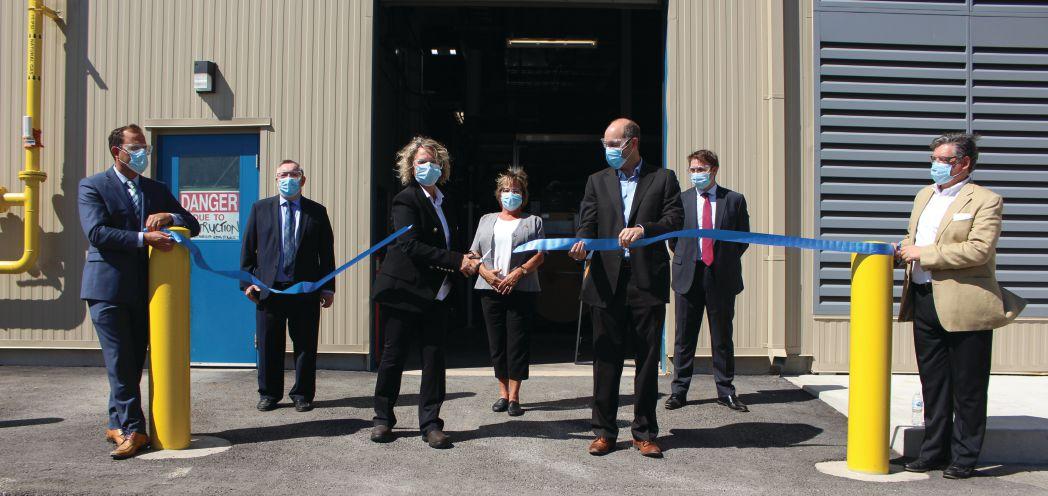
(From left to right) Walter Sendzik, Mayor of St. Catharines; Jim Bradley, regional chair; Carolyne Watts, St. Catharines Propulsion Plant director; St. Catharines MPP Jennie Stevens; Geordie Walker, CEO of Walker Industries; MP Chris Bittle; and David Paterson, GM Canada vice-president of corporate and environmental affairs, celebrate the commissioning of the St. Catharines
Propulsion Plant cogeneration facility. Photo credit: Ann Power.
FROM WASTE TO POWER
But how does landfill waste become landfill gas, and how is that gas used to power and heat the propulsion plant?
The landfill itself acts as a huge anaerobic digestor, Watt explains.
“You have a lot of organic waste in the landfill and no oxygen,” he says. “That naturally generates an anaerobic digestion process.”
That process produces two gases, methane and CO2, in roughly equal quantities. In the past, Walker burned the methane gas, which would otherwise be vented into the atmosphere.
“But, this project affords us the opportunity to collect it, just like you would with an oil field – you have wells that drill down into the landfill and you essentially just suck out the gas,” he says.
That gas is put into a large pipeline, at which point Walker cleans it up, compressing it and removing the moisture, particulate matter and siloxanes.
“Siloxanes (silicone-based compounds) are prevalent in landfill gas, and it tends to not be great if the siloxanes are burnt along with the gas in engines,” Watt explains. “Siloxanes actually oxidize onto the sides of the cylinder head and will eventually stop the engine working. So, we generally want to remove them.”
Walker purchased a new state-of-the-art siloxane skid to remove this material.
Once treated, the LFG is transported to the St. Catharines plant through the 3.3-kilometre-long pipeline. At the plant, the gas goes to what the partners refer to as “energy islands.” These islands are actually four engines that generate electricity to be used on-site. The waste heat from the engines is captured and used to heat the facility.
There are two streams of recovery for heating the facility. One is the waste gas coming off the engines as the methane is combusted. The other is the heat coming off of the engine itself, which gets quite warm during the combustion process.
“Typically, combustion of a fuel like this is about 35-37 per cent efficient. So, of the amount of energy that’s stored in that fuel, you’re recovering only about 37 per cent of it as power,” Watt says. “But, the heat recovery we’re getting at GM with these engines is up in the mid-50’s percentile. So, it’s quite a significant ability to recover as much as we possibly can of that landfill gas.”
This type of system is often referred to as combined cycle recovery or cogeneration.
“It’s worked quite well in many different places, but this is probably one of the few larger-scale applications in Canada,” Watt adds.
IMPACTFUL ENERGY
The engines generate about 6.4 megawatts of electricity for the plant, which is just over one-third of the demand for the site, Giroux says. The impact of this is huge for GM Canada.
“It’s displacing what we would have bought from the Ontario grid. And from the recovery of the heat and distribution to the site, we’re able to reduce our greenhouse gas emissions by a really significant percentage – about 70 per cent,” Giroux says.
This, in turn, has reduced the plant’s operating costs. The initiative has also created a circular economy between the plant and Walker Industries.
“They’re our nearest neighbour; they had a waste that they were able to convert into a fuel that we’re able to use, to help make ourselves more sustainable, and that’s also helping Walker create a new business line, helping us to be more successful in
the community,” Giroux explains.
It also sends a good signal to the community of continued employment opportunities at the plant, Watt says.
BARRIERS TO OVERCOME
While this venture has been successful for all partners involved, there are some challenges for other industrial users that might want to embark upon a similar endeavour.
“The project may not have been as successful if the landfill had been 40 kilometres away,” Giroux says when asked what factors contributed to their success. “It helped that, in the end, we only had a dedicated pipeline between the two of us that was 3.3 kilometres.
“It’s a combination of finding a good industrial site that’s fairly close to a well-established landfill site that you can find these kinds of synergies.”
“We’ve really solved an energy problem for an adjacent neighbour, rather than just putting green energy into the grid,” Watt adds. “So, to me, this is a much more efficient use of the system, where we have our landfill and a user immediately adjacent. But, those opportunities are not common.”
For smaller landfills or landfills in remote areas that don’t have major hydro connections or gas pipelines nearby, it becomes cost prohibitive, he explains.
Consequently, for more endeavours like this to come online, both Giroux and Watt believe more government support is needed. There needs to be a way to “funnel” some funding to help other projects succeed, Giroux says.
“The federal government is still talking about how they intend to return funds collected under their carbon policies, at least those collected from large industries under the output-based-pricing system. They say that they’re going to return it in order to help generate greenhouse gas reduction opportunities. These are the kinds of projects that they should be looking at,” she says.
The Federation of Canadian Municipalities recently launched its Green Municipal Fund to help support initiatives that reduce greenhouse gas emissions, Watt notes. He hopes that subsidies from this fund can help smaller municipal landfills take initiative like this, turning waste into renewable fuels to help power industrial users.
INVESTING IN THE ENVIRONMENT
Despite the financial barriers, both Giroux and Watt believe this is a growing market.
“We’re hoping that this is a good example to others,” Giroux says.
GM Canada is exploring using different types of renewable energy, such as solar and wind, to power their operations around the world. But which source of renewable electricity generation they use depends on location, Giroux notes. Renewable landfill gas is ideal for Canada, with its colder climate.
“Being able to work with partners like Walker and IGRS and get reliable supply of this kind of renewable fuel for a long period of time creates a real opportunity for us,” she says.
“I think that GM’s at the forefront of this in terms of their overall goal with their energy use and where it’s coming from,” Watt adds. “COVID has put plans on hold in many cases, but you’re going to see many more companies making a commitment to invest in the environment.” •
Measuring moisture
An in-depth look at the benefits of NIR moisture measurement
By Sarah Hammond
There are two things manufacturers and producers have at the forefront of their agenda, especially in today’s economy: minimizing cost and increasing efficiency. Knowing where improvements can be made and implementing increasingly lean operating procedures creates immediate process line results.
When it comes to wood fuel biomass, moisture is vital for minimizing cost, properly operating biomass boilers and genuine fuel load assessment. Near-infrared (NIR) technology is a great non-contact way to measure moisture content, immediately improving the product and overall efficiency of the plant.
WHY MEASURE MOISTURE?
• Reduce dryer usage and energy costs
• Proper control of the infeed and dryer exit
• Consistency of your final product
• 100 per cent product inspection
Moisture control becomes crucial in wood and biomass products as excess moisture not only affects the product but also the equipment, energy usage, production efficiency, down time and more.
Wood fuel boilers are optimally designed to operate with fuel that has a limited moisture range content. Fuel outside of the boiler’s tolerated moisture range can lead to multiple inefficiencies, increased emissions, and even errors in the control system. Knowing and maintaining the moisture content is essential to production efficiency and provides multiple immediate benefits.
INSTANT RESULTS
Introducing lean manufacturing principles can allow operating personnel to hone in on best practices and top product quality. By implementing moisture monitoring, processing, and manufacturing, plants can produce large savings in a short amount of time.
Wood fuel is purchased based off weight, which is very susceptible to moisture changes, making it critical in product energy savings. If incoming fuel has a high moisture content, then producers may be overpaying for wood fuel and increasing the energy required for dryer operation.
Moisture control technology in pellet plant operations is crucial in order to proactively avoid quality control issues. A product that is too dry can result in over-drying, causing a dusty, ambient environment that can result in a fire. Moisture control systems can not only provide immediate cost savings and product quality, but severely improve the safety of the plant as well. Pellet plants often see dry conditions that can create sparks and other fire-causing issues; implementing a system to measure moisture at multiple
points of the production process can greatly reduce this risk.
Dry products create avoidable risk, as do products that are too wet. The pelletizer requires a tolerated moisture range to ensure its efficiency. Excess moisture can cause the pelletizer to malfunction, resulting in significant product loss and downtime.
Moisture control provides immediate results by reducing transportation costs stemming from excess water, and less wear and tear on equipment from ash and dust build-up. It also prevents blockages on the conveyor, which results in boiler shut downs.
When it comes to challenges faced by plant operators, moisture detection and control is one of the most crucial steps. If there is no current method of moisture measurement in the production process, a key opportunity for increasing efficiencies is being missed.
ULTIMATE EFFICIENCY
Do you currently have the ability to consistently measure 100 per cent of the product being produced? Installing NIR moisture
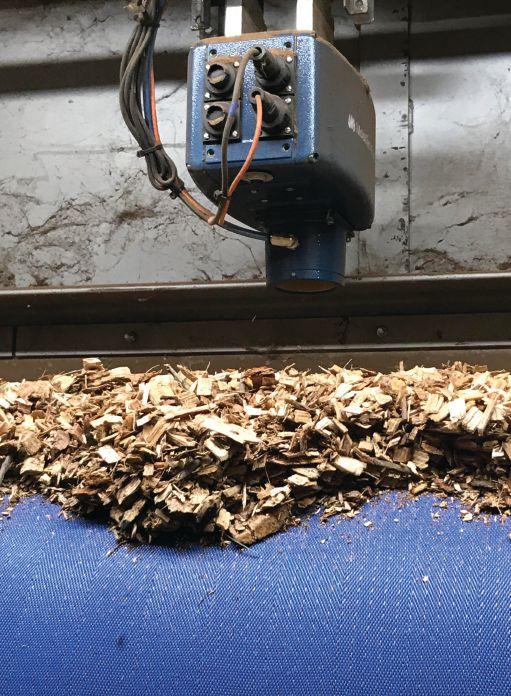
Measuring the moisture of wood chips. Photo courtesy MoistTech.
sensors throughout the process makes this easily achievable. Proactive, immediate adjustments are easily made to ensure optimal manufacturing by line personnel while monitoring the process anywhere in the facility.
Maximizing automation and increasing reliability by reducing costs is a major benefit for operating personnel and easily achieved through moisture monitoring. Moisture ranges outside of a machine’s tolerance can unravel important facets of the production process. Each phase of the manufacturing process runs more efficiently with accurate moisture content and leads to higher profits. Identifying and using the best methods can lessen problems such as warping, claims, checks and excessive transportation costs.
WHY NEAR-INFRARED?
Multiple moisture detection methods exist for industrial processing – but, not all technology is created the same. Radio frequency (RF), weight loss and probe methods have various factors that need to be considered as they can sometimes provide more of an educated guess than a reliable measurement that can be repeated.
NIR technology does not have to be in contact with the product at all – in fact, it measures moisture approximately four to 12 inches away from the product. Non-destructive and precise accuracy also make NIR the No. 1 choice for moisture detection.
NIR spectroscopy and imaging provide fast, nondestructive analysis of the chemical and physical information in the product. When light hits a product, it interacts in various ways; transmitted light will pass through while backscattered light will reflect from
the product back to the sensor. Absorption is key to NIR analysis. By implementing a NIR moisture sensor, wood and wood fuel product manufacturers can adjust moisture levels based on real-time information, thereby reducing raw material and fuel costs, as well as producing higher yields and more uniform products. NIR offers clear advantages over traditional methods, such as ease-of-use, elimination of hazardous chemicals, and increased efficiency of product testing. NIR analysis eliminates all manual steps of collecting, drying, and accurately weighing samples.
PROACTIVE AVOIDANCE
Continuously monitoring moisture content leads to proactive avoidance of potential issues caused by out-of-tolerance moisture levels. Delivering the highest quality product by utilizing NIR moisture detection systems ensures the highest quality of accuracy and repeatability. The sensors are insensitive to material variations such as particle size and material height/colour; provide continuous, reliable readings with zero maintenance; require onetime calibration; are non-contact; and feature a non-drift optical design. Adjustments are made on-the-fly, producing instant measurements, improving performance, reliability, and consistency. •
Sarah Hammond is the Florida-based marketing manager for MoistTech, producing content tailored to the needs of manufacturers looking to increase efficiency. Contact MoistTech to see how proper moisture measurement and control can affect your production line at info@moisttech.com or 941-727-1800.
WAll BC communities are forestry communities
Regional supply chain study emphasizes the importance of forestry in B.C.
By Susan Yurkovich
hat does a forester in Prince George, a drone maker in Vancouver and an environmental consultant in Victoria all have in common?
They all live and work in a forestry community.
The answer might surprise many people. However, B.C.’s forest industry’s deep roots are supporting people and families in communities in every region of the province.
If you call Quesnel or Campbell River home, your dad, your sister or your neighbour might be one of many British Columbians directly employed in a forestry job. They could be working in the forest or in a sawmill making products that we all rely on every day.
However, if you live in Vancouver, Surrey or Richmond, you may know someone who depends on the forest industry, too.
That’s because close to 9,900 B.C.based companies – small, medium and large – across the province are in the business of supplying goods and services to the forest industry. And according to a study commissioned by the BC Council of Forest Industries (COFI), the value of those goods and services totaled $7 billion in 2019.
The study – Deep Roots. Strong Communities. 2019 Regional Supply Chain Study – looked at the supply chain spend and reach of COFI member companies, which represent the majority of lumber, pulp and paper, and manufactured wood producers in B.C.
In all, more than 340 communities and 120 Indigenous Nations and organizations are part of our industry’s supply chain.
That includes urban centres. The study found that the industry purchased $2 billion worth of goods and services from 2,100 businesses located across 19 municipalities in Metro Vancouver. More than half of it was in the City of Vancouver alone.
On Vancouver Island, the spend was valued at $1.2 billion, purchased from 1,600 suppliers, with more than a quarter of them located in Nanaimo.
In the North, Prince George is home to 970 forestry suppliers that supplied $718 million in goods and services last year.
And more than 550 businesses from Kelowna and Kamloops in the Interior provided a combined $220 million in the forestry supply chain spend.
Importantly, forestry is also a primary industry in many Indigenous communities. Business agreements and stewardship partnerships with Indigenous Nations provided about $250 million in economic benefits to Indigenous communities, with close to 120 Indigenous Nations or affiliated businesses participating in B.C.’s forest industry in 2019.
So, what kind of goods and services did these companies supply?
Suppliers range from manufacturers designing, producing and servicing parts for the equipment used in forestry operations to urban-based tech companies developing digital solutions to improve harvesting, tree planting and regeneration processes, to administration, janitorial and catering services, to name just a few.
If every one of these companies em -
ploys five, 10 or 100 people, that’s a lot of British Columbians who also count on the forest industry each day to support their families, pay their bills and enjoy a great quality of life.
B.C.’s forest industry remains a cornerstone of the economy and as the province continues its recovery from the pandemic, it is poised to get more people back to work. The industry is responsible for over 100,000 direct and indirect jobs, contributes nearly $13 billion to the provincial GDP and generates close to $4 billion in annual revenues to municipal, provincial and federal governments to help fund important public services like health care and education.
Our industry faces many challenges including rising costs, access to fibre, trade volatility and strong global competition. But, working together, government, communities, workers and industry can address these challenges and ensure our deep roots continue to be the foundation for strong communities, sustainable growth and shared prosperity for decades to come.
To find out more about how your community is also a forestry community, read the study at cofi.org. •
Susan Yurkovich is the president and CEO of the BC Council of Forest Industries.
For the latest news, equipment and project profile features, plus videos, webinars and more, visit canadianbiomassmagazine.ca.
Featuring some of the biggest influencers in the Canadian forest products sector as well as women who have trailblazed in their careers, the Women in Forestry Virtual Summit offers a live panel discussion, presentations and on-demand sessions where speakers will explore the importance of fostering a diverse and inclusive workforce.
Compact pressure sensors and switches with 360° custom-colour status display
Individually selectable: 256 colours
Measurement in progress Sensor switching Process malfunction