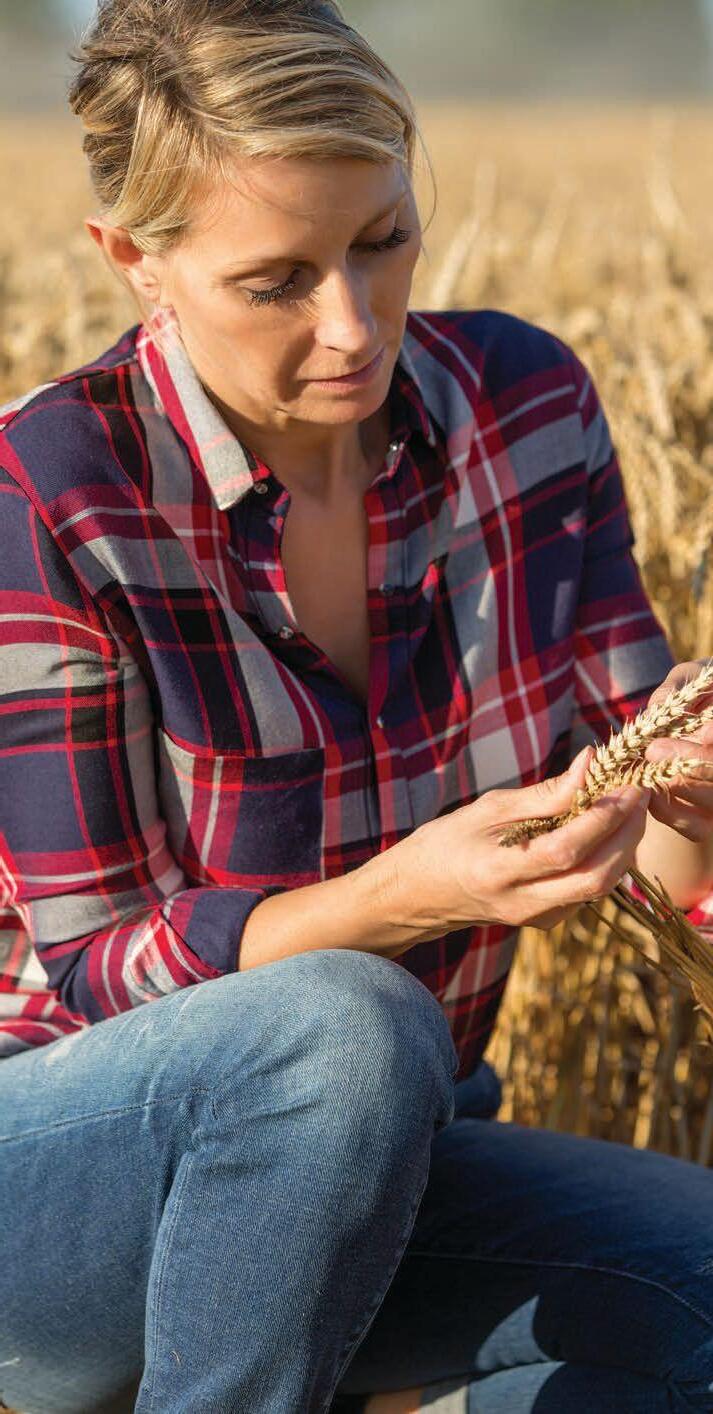
We are proud to inspire the next generation of agricultural leaders. We provide continuing education, leadership and skill-building opportunities through our national young farmer program and women in the egg industry program. Contact your egg board to learn more.
TOP 4 UNDER 40
In March 2021, Canadian Poultry launched our inaugural 4 Under 40 program, an initiative designed to recognize young poultry farming leaders. We were truly blown away by the incredible submissions we received.
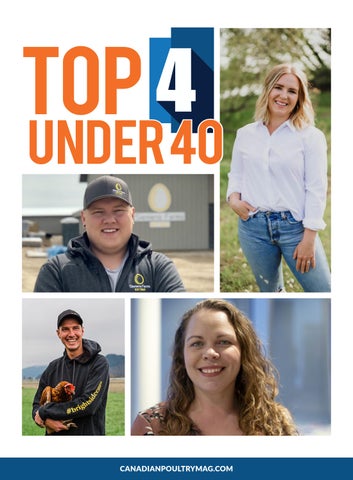
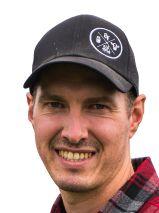
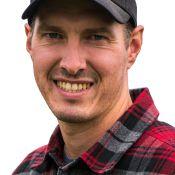
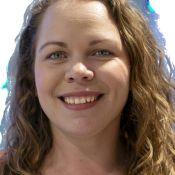
The four producers chosen as our first honourees include: Richard Boer from B.C.; Tiffany Martinka from Saskatchewan; Harley Siemens from Manitoba; and Anneke Stickney from Ontario.
Boer built a diverse poultry farming business that includes specialty chicken, layers, pullets and an innovative retail store. He also gives back, including volunteering at an egg farm in Africa.
Martinka is a broiler producer and a strong advocate for chicken farming and agriculture. She’s also an educator, harnessing social media to give non-farmers a close look at broiler production.
Siemens co-manages his family’s egg and pullet farm together with his dad Kurt Siemens. He recently led a huge renovation that included state of art technology, innovation and aviary housing. And he’s also a tireless advocate for his industry.
Lastly, Stickney led her farm’s expansion into broiler production as well as its transition from conventional layer housing to an enriched system. She also goes the extra mile for her industry and community, including overseeing egg donations, serving on a women’s network and more.
Our full podcast interviews with each farmer are available at canadianpoultrymag. com/podcasts. Now, in the pages ahead you can read highlights from each discussion. •
Presented by
4
Harley Siemens
Natural born leader
Fourth-generation egg producer is taking the family farm in new directions.
6 10
Tiffany Martinka Digital advocate
Broiler farmer harnesses social media to help connect people to food production.
9
Richard Boer
Aggressive expansion
Egg and specialty chicken producer built a diverse and growing poultry business.
Anneke Stickney Making things happen
Egg and chicken producer has expanded her family’s poultry business.
Q&A with Harley Siemens
To hear our full interview with Harley, visit canadianpoultrymag.com
NATURAL BORN LEADER
Fourth-generation egg producer Harley Siemens is taking the family farm in new directions.
by Brett Ruffell
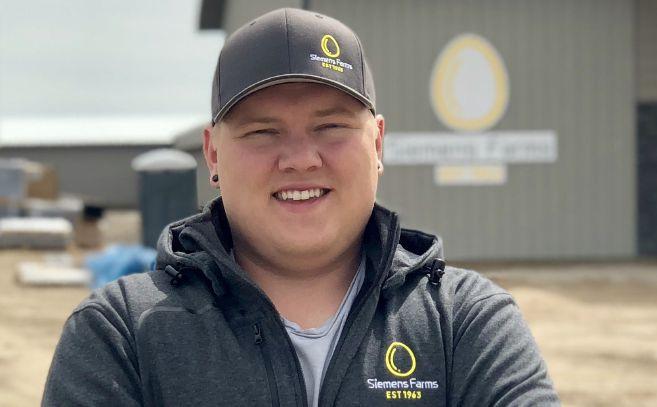
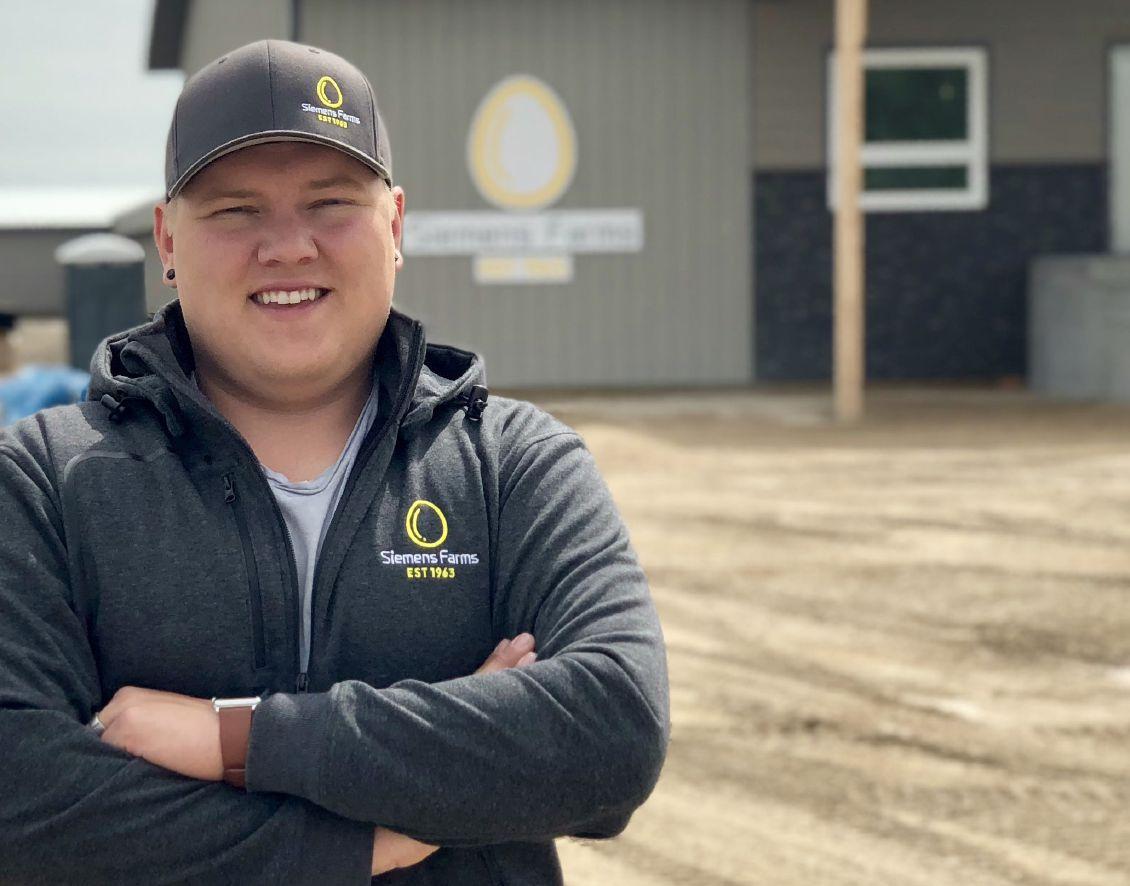
Harley Siemens is an egg and pullet farmer based in Rosenort, Man. He co-manages Siemens Farms with his dad Kurt. In recent years, he led his farm’s transition to aviary housing. This was a complex project that included building both layer and pullet aviary barns. He’s also a tireless educator and advocate for the egg industry and supply management. Canadian Poultry editor Brett Ruffell talked to Siemens about his egg farming background, leadership he’s shown on the farm and his already lengthy advocacy record.
Can you start by telling us a little bit about your background and the history of your family’s farm?
I live here in Rosenort, Man., which is about 35 minutes south of Winnipeg. We own and operate a 24,000-layer facility here on our farm, along with 15,000 pullets. A couple years ago, we converted our whole operation over to free-run aviary. We contain them in three barns. I’m the fourth-generation egg farmer. Me and my wife, we live here on the farm with our three kids. I just loved living and growing up on the farm and want to teach my kids how to take over the family business. Living the farm life is some of the best life that you can have. So, I’d love to give them that opportunity. And in the previous year, we actually just finished purchasing part of another farm that’s located in Niverville and also in Bluemenort.
You were saying you oversaw a big housing transition at your farm in recent years. Could you tell us more about that and all the planning that went into it?
Our barn was built in the 80s. We renovated in 2001 and we added an enriched row in 2009. And while me and dad were looking at it, he said, “Well, we want to grow our farm.” But there wasn’t much quota for sale. And plus, we want to be able to support two families. So, we looked at different options. And we found free-run was a good way to go. So, what I did is I went off to the London Poultry Show. I toured some barns out there, talked to some different cage providers and stuff like that. And it really all fell into place quickly. That happened in March and I came home and said, “Dad, this is
Harley Siemens led his family farm’s transition to free-run aviary housing for layers and pullets.
what we’ve got to do.” He says, “Do you want to do it? Let’s go!” So, then I made some drawings up. We met with people. Got everything started. And two years later, we were up and running fully. So, that was all three barns. Credit my dad for trusting me and those decisions to go that way. But, we’ve said it a million times, it was literally the best decision that we’ve ever made at that farm. Not only were we able to provide for two families, now we can provide for three.
And you also transitioned to raising your own pullets in an aviary system. How did that go?
Yeah, that was a whole thing in and of itself. I do think, though, that it was good that we didn’t raise pullets before for the fact that when we came into it we were totally starting fresh. We’ve started a standard operating procedure handbook so that we can look back and see in these days, we’ve got to do this, at this age, we do this. And it’s really helped take the guessing out of it. But of course, you’ve still got to learn with the bird and some things may change. It was quite the whirlwind to get going but I think we got it down pat pretty good now.
I know you’re also really active in terms of advocacy. Can you tell us about some of the more memorable programs you’ve been involved with?
“You may think what you do is just the same old, same old, but people are really amazed by it.”
I’ve developed some awesome connections with our local CFL team, the Winnipeg Blue Bombers. I get a lot of the players out here, take them for tours with the family. And then I say I’ll supply you with eggs for the year just to have that word out. And Adam Bighill has been a huge supporter of our farms. He loves posting on social media and doing that “eggvocacy” for us.
And I love working with Manitoba Egg Farmers and all the different events that we put on. Now with COVID, we’ve been at a standstill for quite some time, but doing different events, setting up live displays for the public to come and I don’t like to use the word teach but just show them what we do. And just answer all their questions. I always say there’s no such thing as a dumb question because they just don’t know and we can’t get upset with them because they don’t know things. It’s our job to help inform them and show them what we do.
Another thing I should mention, I worked really well with Agriculture in the Classroom here in Manitoba. With COVID, we
thought it’d be really cool to do a virtual tour. So, we did a Zoom webinar. I had a headset and we had my phone all setup. And we had about 180 classrooms across Manitoba watching a live virtual tour and asking questions in my ear and stuff. It was awesome.
What advice would you give to the younger generation looking to become poultry leaders?
My one thing that I like to say in a lot of my presentations is just say yes. I know a lot of the things are scary to look at –to go do interviews, to do radio interviews, to do all that stuff. Just embrace it. You may think what you do is just the same old, same old, but people are really amazed by it. You have to think about it – you are supplying the food to everybody in Canada. It’s so important. But I think a lot of times we just take that for granted because that’s our everyday thing. We go to the barn in the morning, we check our hens. But if you take a look back, like think of all those birds that you’re in charge of. Think of all the families that you’re feeding. It is a huge responsibility and you should take huge pride in that.
To end off, what are your future plans for the farm?
For a little bit, I think we’re going to just relax. We just finished building a brand new shop in our yard and doing a lot of landscaping with the new barn. So, now that we’ve gotten a hold of things, we’re just going to kind of let her go. •
Q&A with Tiffany Martinka
To hear our full interview with Tiffany, visit canadianpoultrymag.com
DIGITAL ADVOCATE
Broiler farmer Tiffany Martinka harnesses social media to help connect the public to food production.
by Brett Ruffell
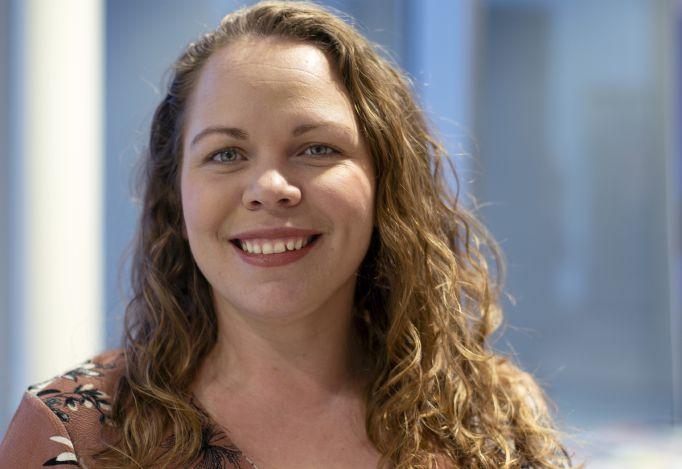
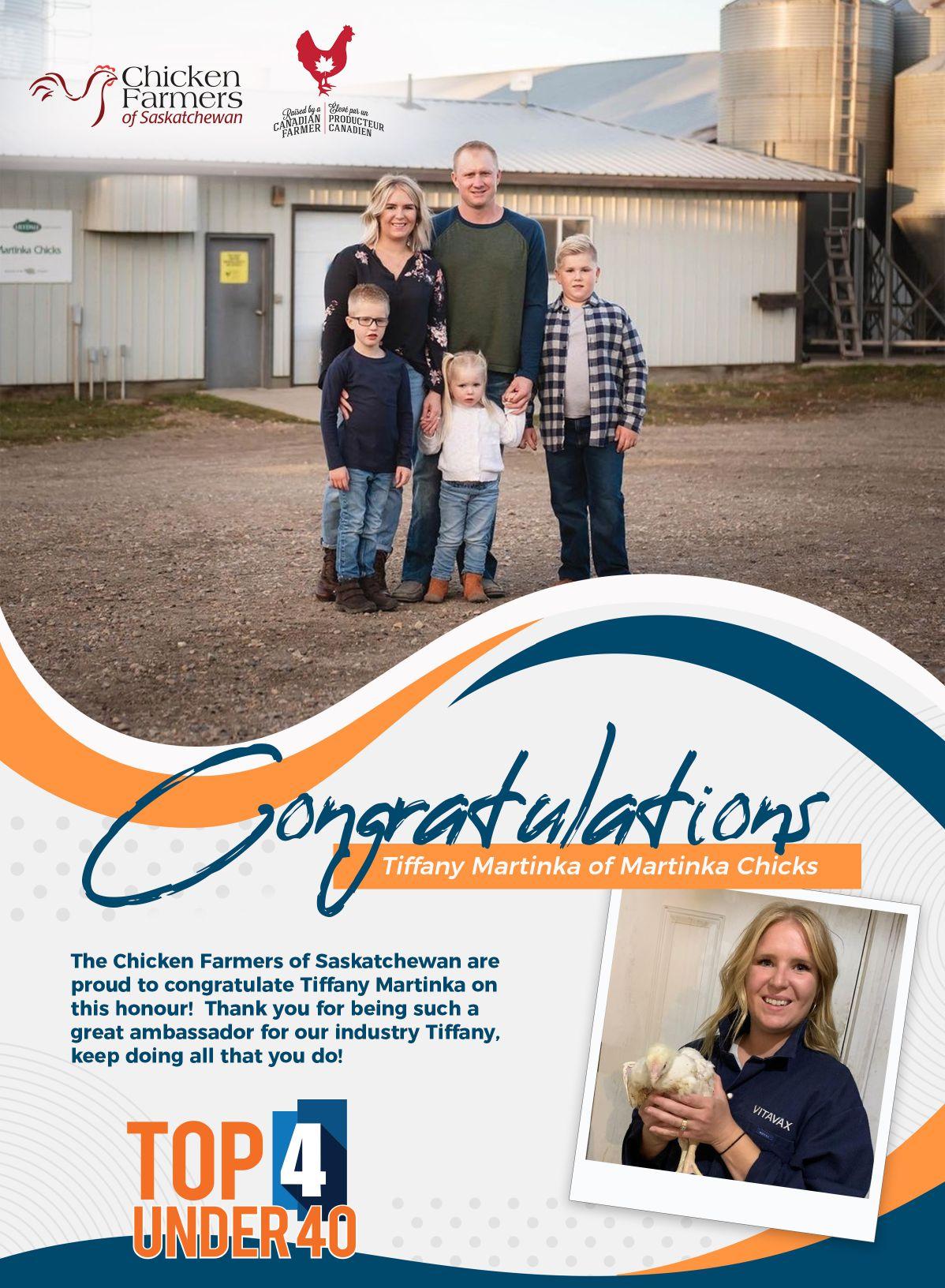
Tiffany Martinka of Martinka Chicks is a broiler producer based in St. Benedict, Sask. She’s a strong advocate for chicken farming and agriculture in Canada and Saskatchewan. She’s also an educator, harnessing social media to give non-farmers an up-close-and-personal look at broiler production. Canadian Poultry editor Brett Ruffell talks to Martinka about her chicken farming background, her on-farm leadership and the innovative ways she uses social media to educate people about broiler production.
Could you start by telling us a little bit about your background in poultry production?
My background, basically, is hands on living it. I grew up on a grain and cattle farm. I’ve been in 4-H all growing up. So, I’ve always been around agriculture. I went to university for an ag business degree. And that is where I met my husband. And after university, we got married. He knew he wanted to farm. I was working in the agriculture industry, on the crop side of things. So, we moved back to his family farm and we started the succession plan. That is where I really started to get to know about poultry production – just being in this family.
The history of our family farm where we live now is it was once a dairy farm. The dairy farm either had to be upgraded, or they had to look at getting out. So, they opted for getting out and there happened to be broiler quota available. So, they purchased the broiler
“I think we need to take a closer look at how can we expand past our little bubble and reach that urban population and share our story with them.”
quota, built the barns and that was about 15 years ago now.
And so, when my husband and I got married, we did succession planning with my father in law, and the plan was to roll into his third of the farm. So, it was three brothers that farm together –my father in law and his two brothers. So, when we rolled into my father in law’s third, we were farming with two uncles. One uncle has retired recently, a couple years ago. That leaves my husband and I, we’re farming with an aunt and uncle now. That is the current situation on our farm.
Could you also tell me about the leadership roles you’ve taken on the farm?
My primary role is caregiver of our family, being that we have a special needs daughter. But I really missed having my job. I missed working. And I looked at it as an opportunity that okay, I’m here on the farm. What can I do right here from home, as I care for my daughter? So, I took the initiative to just start sharing bits and pieces of our farm on social media.
I worked with Farm & Food Care last summer to do a series of presentations on our broiler production cycles. Every week, we did a Facebook Live presentation where we’d show the growth of the chickens and their cycle. And we’d talk about a different topic each week corresponding to where they were at in their growth cycles.
The farming population in general, there’s very few of us. When you narrow it down to a supply managed industry like the chicken industry, there’s even fewer. So, there’s not many of us to stand up and share what we do.
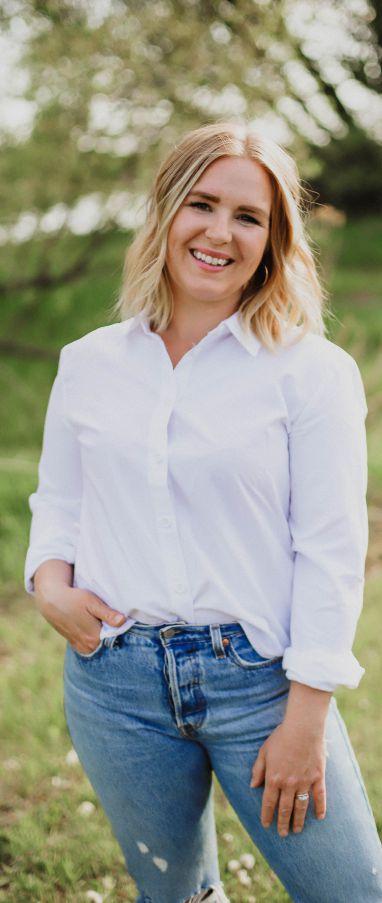
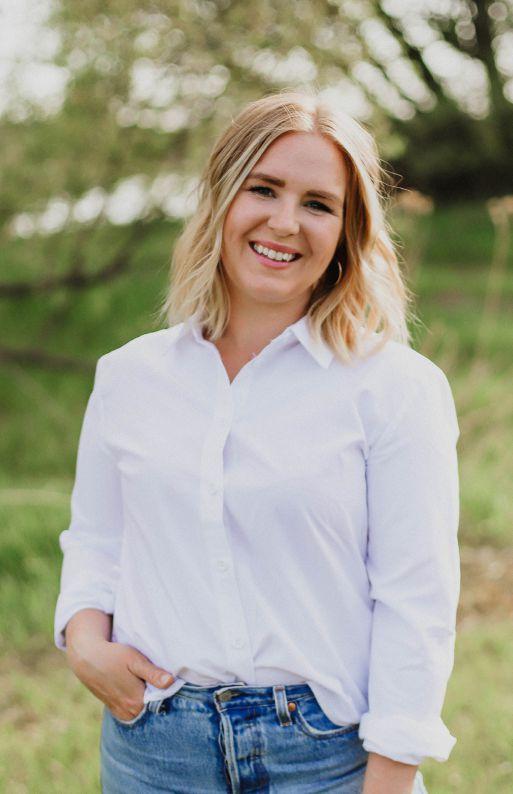
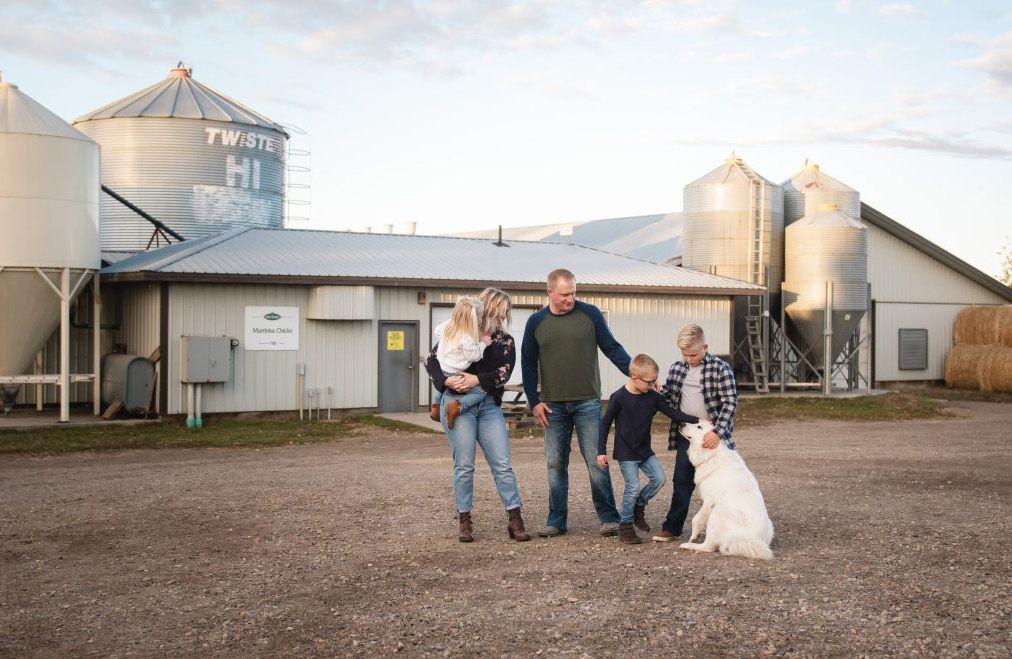
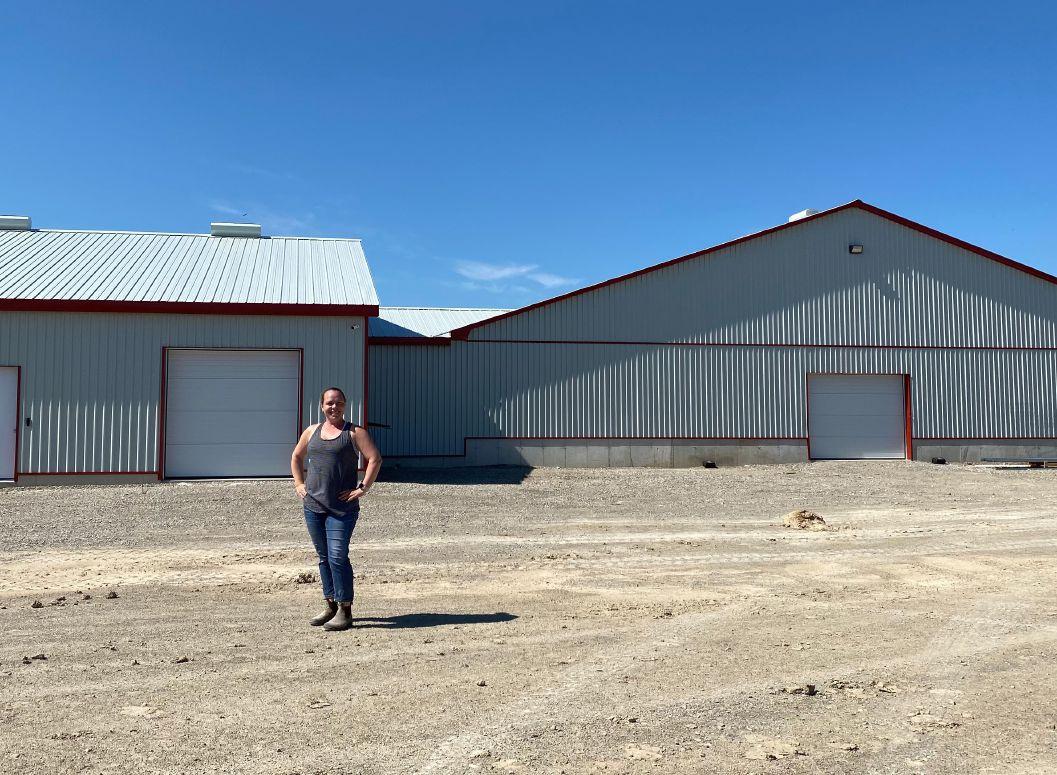
Tiffany Martinka of Martinka Chicks is a broiler producer based in St. Benedict, Sask.
Tell me a bit more about some of the ways you use social media for advocacy.
I’ve been doing a lot on social media. I have an Instagram account called @prairiepretty and I share a lot on there. I really try and connect to an urban population. In past years, as farmers were encouraged to speak up about our industry and share our story. I think what happened was farmers were just following other farmers. And I think what we need to take a closer look at how can we expand past our little bubble and reach that urban population and share our story with them. One of the ways we can do that is by sharing with our passions first.
I’ve also recently done a virtual field trip for Saskatchewan classrooms and teachers. So, I opened it up on my Instagram account. I said, any teachers who would like a virtual field trip, I am offering one this June – we just had a new flock of chicks come into our barns. And I said, please send me your email and I will send you the Zoom link so that I can present to you. It’s interactive. Come prepared to ask questions as I’m presenting. And I would love to offer that to you.
I ended up sending out emails to 100 different teachers. And I was blown away by the support. I think it was great timing. Great time of the year. The teachers were messaging me saying thank you so much for offering this. So, it came time to the presentation day and I thought maybe, you know, half the teachers might actually log on. And we ended up with 120 classrooms logged on to watch the virtual field trip.
Why is it so important to you to educate people about what happens in the poultry industry?
I think the number is only something like two or three per cent of all of Canadians are involved in primary agriculture production. So the vast majority of our population has no link to the family farm.
You know, in past generations, people might have grown up on the family farm. Maybe they had grandma and grandpa to go visit on the farm. But as generations go by, people are becoming more and more removed from the family farm. And social media gives us this opportunity to give people that connection to a family farm.
I think a common misconception also with supply management is that we’re factory farms. And that’s not the case at all. Ninety-eight per cent of farms are family farms, and I want to share with people that we are a family that farms.
Just because our farm might be a little bit bigger than the average farm with our poultry production, it doesn’t mean that we aren’t following animal care standards and on-farm food safety and sustainability practices. I want to share with people that we can still do all those things.
I hate that people fear where their food comes from. That should not happen. We have one of the best food systems in the world. And there should be no reason why people are fearful of their food. And they deserve to know where their food comes from. And I guess that is one of the reasons why I’m passionate about sharing with people.
What are your future plans for your business and for your advocacy work?
I really hope to continue my advocacy efforts. I hope to continue to offer virtual farm tours. I recently joined the Farm & Food Care board of directors on behalf of the chicken industry. I’ve started doing a little bit of work as a director on their board. So, that’s been really interesting.
Just continue what we’re doing and our efforts to provide a quality product that’s sustainable and focusing on animal care efforts and on farm food safety. I hope to see our farm continue to grow and improve so that my children have the option of farming and taking this on as a profession one day as well if they choose to do so. •
Martinka uses social media like Facebook Live presentations to educate non-farmers about broiler production.
PHOTO CREDIT: DAMARA LYNN PHOTOGRAPHY.
Q&A with Richard Boer
To hear our full interview with Richard, visit canadianpoultrymag.com
AGGRESSIVE EXPANSION
Richard Boer built a diverse poultry business from the ground up.
by Brett Ruffell
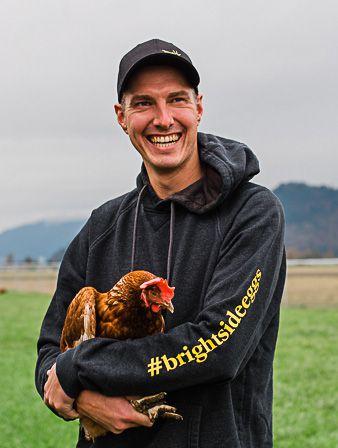
Richard Boer built a diverse poultry farming business from the ground up. It encompasses specialty chicken, layers, pullets and an innovative retail store with a unique vending machine for egg purchases. He also takes time to give back, including volunteering at an egg farm in Africa. Canadian Poultry editor Brett Ruffell talks to Boer about his diverse poultry portfolio, innovation and giving back.
First, can you start by telling us a little bit about the background of your business?
We started Brightside Poultry in 2013. We were new entrant producers. We started through the B.C. chicken new entrant program. So, we built our barn in 2013. I had never actually held a chicken before in my life. And so, we found some good people that were able to give us some sound advice. One of the guys is an equipment salesperson. He gave me a lot of time. He spent a lot of time with me, toured me around some chicken farms and helped me decide what equipment would be best for our barns. We built our first barn and then in May of 2013, we got our very first flock of chicks. And that was the first time I had ever held a chicken.
From there, you got into eggs. Can you tell us about that transition?
So, then B.C. had a quota exchange, and there was a significant amount of quota that was for sale. And we always were looking to expand our poultry operation in some way. We sat down with our bankers and I sat down with the equipment dealers and put a business plan together. We realized if we got a certain amount of quota that we could cash flow it. And so, we decided to put a bid in on the exchange. And that was how we got started.
Your business is now pretty diverse. How do you manage that?
That was probably the hardest learning curve of all of it. I had to learn how to delegate. I’m a person that really likes to be hands on. I found managing employees to be the hardest part of my job. So
and Jacqueline
yeah, I did a lot of work on learning how to manage people, how to delegate, how to let things go and get things off my plate and let other people help me. I’ve got one full time employee on our poultry farm.
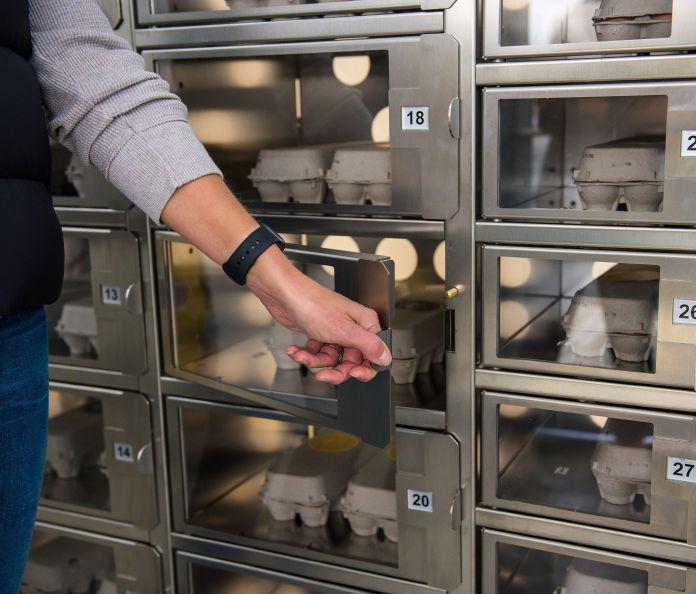
Tell me some interesting things you’ve done on your farm. We started Brightside Eggs in 2019. And originally, we saw an article in an agriculture magazine and it was two brothers in Ireland that were selling potatoes out of a locker style vending machine. And we just thought that that was just fantastic. We live on a road right on the edge of Chilliwack. And we’ve got 34,000 cars a day
Richard
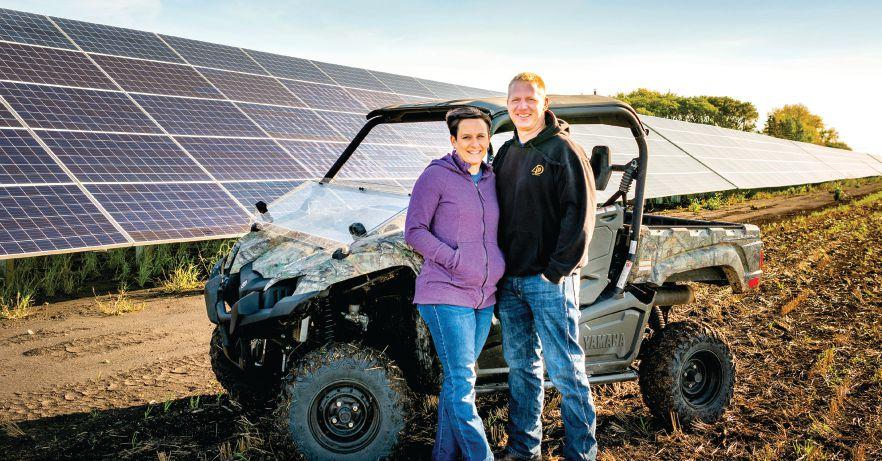
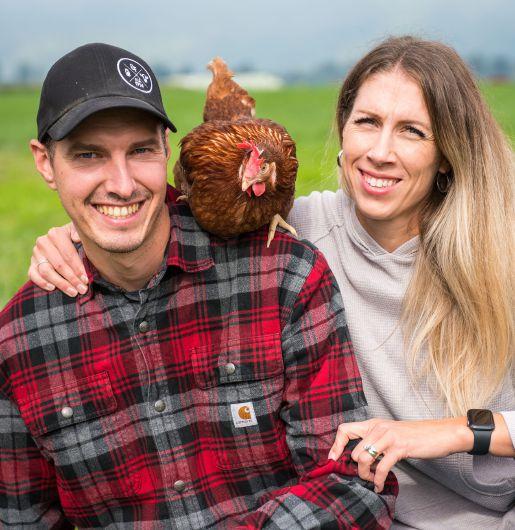
Boer own and operate Brightside Poultry in Chilliwack, B.C.
driving past our farm. We’ve always thought that we would retail something from our farm site just because we have location. We just had no idea what it was. And in 2017 when we started egg production, we realized that it was eggs. We could easily sell eggs from farmgate, ungraded, to the to the people that drive by every day.
In 2018, when we were planning on building the third barn we went to Germany to go look at the poultry equipment that we were going to put in the new barn. And then at the same time we decided to go look for some of these vending machines that we saw in this article a year earlier. So, we went to the vending machine manufacturer, saw the machine, liked it and ordered that too.
I know you’re really involved with some advocacy efforts. What were some of the most impactful programs you’ve participated in?
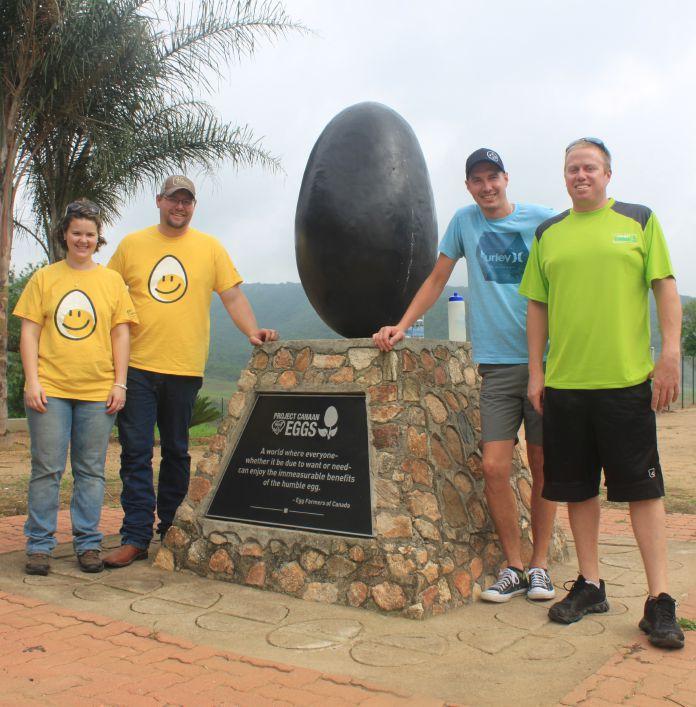
I went to Project Canaan with Hearts for Africa and saw the layer operation that they built there. It was a real eye opener. In North America, people complain about their food, how it was grown, what production type this egg came from or that meat was from. To go to Africa and hand out eggs in a very poor community, you really realize that here in North America, we’ve never been that hungry in comparison. When we saw the children in that community, they just wanted food. There are really truly hungry people out there. And there are a lot more issues that matter than if it’s organic or free-run or a caged egg.
Me and my wife, we’ve said, if there’s going to be charities that we’re going to donate to, we’re always going to pick a charity that helps feed those that are in need. We’re in the business of food production. And it’s what we do. So, if we’re going to help people we’re going to help by making sure that they’re not hungry.
What are your future plans for the business?
Well, we’ve built our new layer barn and we built a new pullet barn so that we have enough room for expansion. So, we’re definitely hoping to expand on the layer side of things. Down the road, if there are other opportunities to get some more layer quota, we’re ready for it. So, I think our short-term goal is fill up the facilities that we’ve now built for. And down the road, who knows? It’s been a pretty crazy eight years. •
Boer (second from the right) took part in Egg Farmers of Canada’s young leader volunteer trip to the Project Canaan egg farm in Eswatini, Africa.
Boer’s egg vending machine, made by Roesler Vending from Germany, is fully automated and configurable to expand capacity.
Q&A with Anneke Stickney
To hear our full interview with Anneke, visit canadianpoultrymag.com
MAKING THINGS HAPPEN
Anneke Stickney has expanded her family’s poultry business while also going above and beyond for her community.
by Brett Ruffell
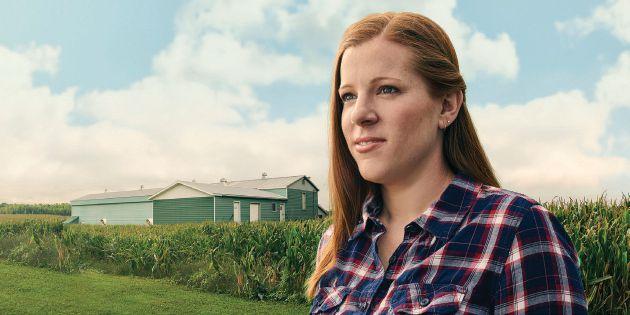
Anneke Stickney is a chicken and egg farmer based in Elora, Ont. She led her farm’s expansion into broiler production. She also spearheaded her egg farm’s transition from conventional layer housing to an enriched system. What’s more, she goes the extra mile both for her industry and her community. Canadian Poultry editor Brett Ruffell talks to Stickney about her poultry farming background, her on-farm leadership and her advocacy and community involvement.
Can you start by telling me a little bit about your background in poultry production?
I was actually born and raised on the layer farm that I am currently operating now. While I was in school, I did help my parents out quite a bit on the farm. I went to the University of Guelph-Humber and studied business administration and have a diploma in small business management. After I graduated, I actually worked at the bank for almost 10 years. And then it was back in 2012 that my parents gave me the opportunity to actually purchase the farm. So, in 2012 I jumped on to the opportunity to start our own layer operation here in Elora, Ont. And then in 2017, we started looking at making a bit of a transition and also added broilers to our operation.
“I think myself and a lot of people across Canada are looking at that opportunity just to put our feet back on the ground and do our advocacy work and educate our consumers on where our food comes from.”
So, right now we have a layer farm, a broiler farm and we are currently building a new layer facility.
Why did you decide to expand into broilers?
My parents are actually in the broiler industry as well. Back in 2017, there was a big transition made in the egg industry that we had phased out conventional housing. And that’s the type of system that I currently have right now. So, in 2017 when that came about, we kind of looked at our operation to see where we were, what we were doing and what our growth strategy was. With the phasing out of conventional we knew we still had some time left in the system that we had. So, we wanted to look at other opportunities while staying within the feather industry. The broiler industry was growing, there was quota available and we had a property that we could build on. Based on that criteria, we kind of went for it. We started with one barn and now we’re operating three barns.
How do you find balancing layers and chicken production?
In order for us to maintain the current standards that we have, we actually employ one full-time individual at the layer farm, and then we actually have a part-time employee at both the broiler and the layer operation. I’m also a mother of four boys. In order to maintain the household but also be able to operate our broiler and layer operation the way we would like to, we had to bring in employees in order to maintain that standard. So, right now I’m in the barn on a daily basis. My family members are helping me out. We make our own feed. We truck our own feed. So, we’ve tried to do a lot of the work ourselves. But we also outsource it to other family members just to bring some efficiency to our operation.
You also took part in Egg Farmers of Canada’s national young farmer program. Can you tell me a bit about that experience?
So back in 2019, and part of 2020, I was able to participate in the program. It allowed me to meet individuals from across Canada.
OCT. 19, 2021 12:00PM EDT
JOIN THE CONVERSATION
Register for a virtual mentorship event with some of the most influential leaders in Canadian agriculture.
This half-day virtual event will showcase select honourees and nominees of the IWCA program in a virtual mentorship format. Through roundtable-style sessions, panelists will share dvice and real-life experiences on leadership, communication and balance working in agriculture.
PLATINUM SPONSOR GOLD SPONSOR BRONZE SPONSORS
The program provided us with a base on supply management and the differences between provinces. And it provided us with a general knowledge of the national program that we currently have. I think the one benefit to the program was just the availability of meeting farmers from across Canada and seeing what other farmers are doing in their operation. And even the way they’re managing their operation. I was lucky enough to be in the program before I started the construction on the barn and heard what other farmers were doing and what other products they were putting in the barn. This gave me the opportunity to research a little bit more and look at other technology advancements to put into the barn.
You also help with Egg Farmers of Ontario’s egg donation program. What’s it been like navigating that through the pandemic?
I help coordinate hard-boiled eggs that we provide to local schools. Since the pandemic, volunteers were no longer allowed to go into the schools. But also, in our county, our children had been doing remote learning for months on end.
So, in order to still be able to provide those hard-boiled eggs, our local Food & Friends program provided families the opportunity to get a snack box throughout the year. So, we were able to provide over 120 cases of hard-boiled eggs on a monthly basis to the program, which then allowed students from over 100 schools in our county to have access to the hard-boiled eggs, but also cheese products, bread products and fruit products. So, it provided students with a nutritious lunch and/or snack that they would have been provided at school.
You’re also very involved with the Ag Women’s Network. Can you tell me a little bit about that program?
I have been a treasurer for the Ag Women’s Network for over five years. And the Ag Women’s Network is an Ontario network for females – and males as well – to network with other farmers or other industry reps within Ontario. The past two years since COVID, we’ve done a lot of virtual events, which allows us to expand a little bit more. So, we actually have members from across Canada that are joining us for these virtual events.
Prior to COVID, I was also a mentor, which allowed us to work with another mentee, but also the other mentors within the program and just provided guidance. And if there was a goal that the mentee was looking at, to kind of guide them and provide them with advice on how to achieve those goals. So that was something that I did back in 2019. And I know it’s something that the Ag Women’s Network is still looking at doing once COVID is over.
What are your future plans for the business and for your advocacy?
We’re in the process of just completing the new construction of a layer barn in the new year. We’ll be transitioning our first flock to our new barn and I think that is going to bring a whole new challenge in itself. In terms of advocacy work, I do a lot of work for local fairs. And now with COVID a lot of these fairs have been on hold for the last two years. So, I think myself and a lot of people across Canada are looking at that opportunity just to put our feet back on the ground and do our advocacy work and educate our consumers on where our food comes from. •
Anneke Stickney led her family farm’s expansion into broiler production and their transition to enriched housing.
The
Canadian Hatching Egg Producers are the national representatives for the broiler hatching egg industry in Canada.
CHEP ensures a steady supply of broiler hatching eggs to the Canadian chicken industry. CHEP is dedicated to animal welfare, is a leader in food safety initiatives and provides research grants to support continuous improvement in the industry.
CHEP Research
Research is an important part of CHEP’s efforts to continuously improve. CHEP administers a producerfunded research grant program that supports researchers across Canada in their efforts to improve the health and performance of breeder hens, while always considering environmental and animal welfare concerns.
Ammonia is a top research priority for CHEP as it is an important factor in the barn environment that affects human health and flock health. To this end, we are supporting the following projects:
• Measurement of Ammonia Concentrations for the CHEP (University of Guelph)
• Impact of ammonia and dust concentrations on worker and animal health and well-being in Canadian hatching egg production (Université Laval/Université Montréal)
CHEP also funds research on health and welfare, food safety, the environment and alternatives to antibiotics and is a founding member of the Canadian Poultry Research Council.
2021 Research Priorities
Ammonia and Salmonella Enteritidis (SE) reduction have been designated as top priorities.
• Production-based Research
• Breeder Welfare
• Environmental Research
• Poultry Health and Disease
• Alternatives to Antimicrobials
• Control of Foodborne Pathogens/SE
The Canadian Broiler Hatching Egg Producers’ Association also provides an annual Broiler Breeder Research Grant to support poultry research students studying broiler breeders.
CHEP looks forward to communicating to our producers and the poultry community the results of the projects we are funding when they are available.
Advantage People
Global reach and a local touch that spans 6 continents. People with know-how and advice that champion customer success. Our team of dedicated and experienced people will help grow your business. Let us show you at aviagen.com.
Aviagen is happy to congratulate Canadian Poultry’s Top 4 Under 40 award winners. Aviagen is committed to the Canadian poultry industry and to encouraging its future leaders.