Two of the presentations on the first day of AgSmart Educational Expo focused on the practical implications of artificial intelligence in agriculture, including the potential for growers using chatbots for agronomic support. One speaker demonstrated asking multiple chatbots the same agronomic question to compare their answers.
Novel approach to breeding.
Breeding new, heat-tolerant varieties.
Splitting hairs over nitrogen fertilizer
Risk management tool.
Researchers investigate.
Updating seed size performance research.
New cereal varieties
Updates for 2026.
Winter camelina
Lower input crop could compete.
Fusarium head blight biocontrol agent.
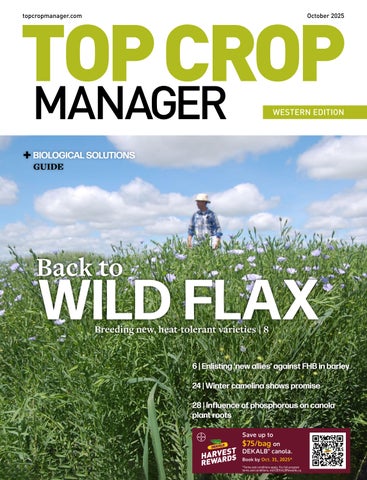
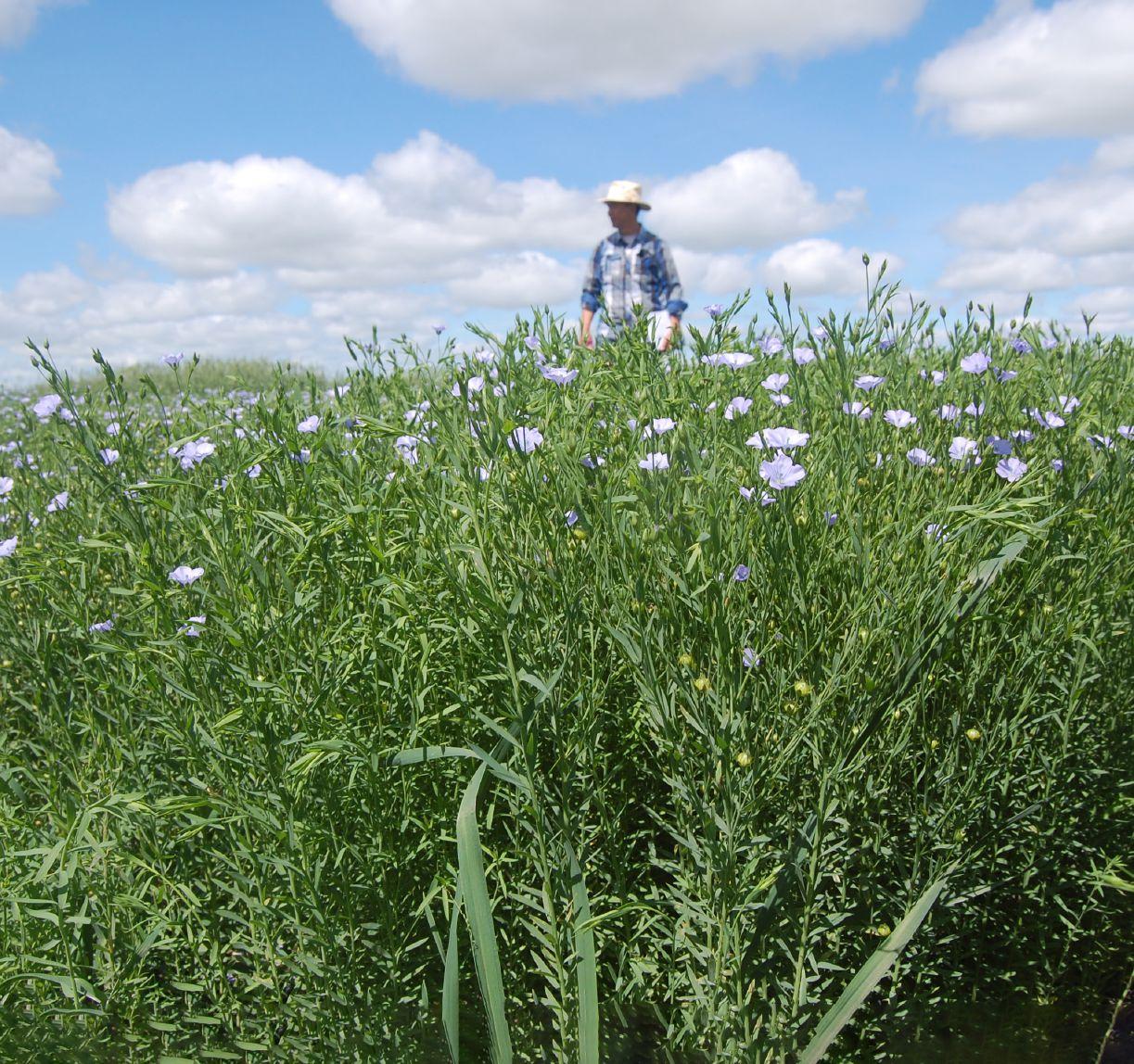
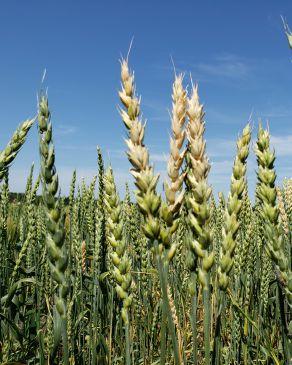
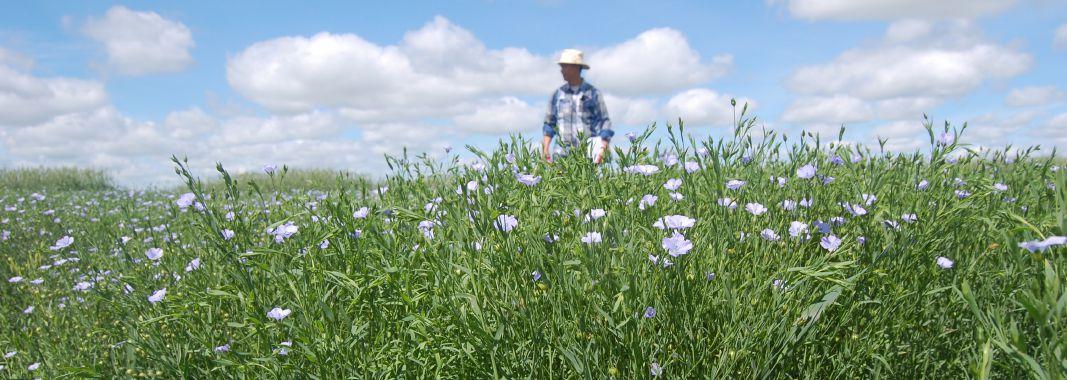
Plant breeders are looking to create heat-tolerant flax from wild flax genetics. Photo courtesy of Bunyamin Tar’an.
FROM THE EDITOR
by Kaitlin Berger
LOVE, LAND AND LEARNING IN THE PEACE COUNTRY
My first encounter with Alberta’s Peace Country was in October 2020. I’d just moved to Calgary from Ontario the year before – and I wanted to see what it was like to hunt in Alberta. My friend convinced me that it was worth making the seven-hour trek in her dilapidated jeep to Peace River to fill our tags for the season.
As someone accustomed to hunting from a tree stand in the bush on the edge of a 100-acre field of corn, soybean and wheat in Ontario, I was in awe of the massive fields of canola, barley and oat surrounding Grimshaw and Falher and other small communities in the region. I actually had to use binoculars to see the other side of the fields. The wildlife that was eating from the harvested grain was pretty spectacular too. We went home with one whitetail, two mule deer and a moose to fill our freezers – and the certainty that we wanted to come back as often as possible.
The Peace Region holds unique challenges and opportunities...
Characterized by its short growing season and long daylight hours in the summer, the Peace Region in Alberta holds unique challenges and opportunities when it comes to field crop production. That’s why, for the first year ever, Top Crop Manager is hosting a Top Crop Summit in Grande Prairie, Alta. on November 20, 2025. It’s an opportunity for growers and agronomists and industry stakeholders to access a local event with back-to-back informational sessions relevant to crop management in the region.
For over a decade, Top Crop Manager has hosted a Top Crop Summit in Saskatoon – and that’s coming back for its 11th year in February 2026. Fashioned after the popular Saskatchewan summit, the new Top Crop Summit in Grande Prairie is a one-day event designed for producers in northern Alberta and British Columbia. Speakers will discuss disease management, herbicide resistance, the status of insect pests, canola, annual forages and much more.
If you’re in the Peace Country, be sure to join us to learn, network, ask questions and find solutions as you plan for the next growing season.
As I can attest, my first introduction to Alberta’s Peace Region made me want to return – and return I did. Besides a filled freezer, my hunting trip was successful in other ways. My friend knew a guy who let us use his 1982 Westfalia hippie van as a crash pad between hunts. Turns out, I got his number and made many more trips to Peace River in the years to follow. Eventually, I got his last name, too.
Meet you there in November? Register for the Top Crop Summit in Grande Prairie or Saskatoon at www.topcropsummit.com.
Western Field Editor BRUCE BARKER (403) 949-0070 bruce@haywirecreative.ca
National Account Manager QUINTON MOOREHEAD (204) 720-1639 qmoorehead@annexbusinessmedia.com
National Account Manager REENA UPPAL (437) 922-7359 ruppal@annexbusinessmedia.com
Account Coordinator JULIE MONTGOMERY (416) 510-5163 jmontgomery@annexbusinessmedia.com Group
Team Lead/Media Designer BROOKE SHAW CEO SCOTT JAMIESON sjamieson@annexbusinessmedia.com
Enlisting ‘new allies’ against FHB in barley
Researchers embark on a novel approach to breeding for FHB resistance in barley.
BY CAROLYN KING
Resistance to Fusarium head blight (FHB) is a top priority for Prairie barley breeders because this devastating cereal disease can reduce yields and produce toxins that limit the grain’s end-uses. However, strengthening FHB resistance in barley is an ongoing battle. That’s why an Agriculture and Agri-Food Canada (AAFC) project is working towards enlisting some barley endophytes –beneficial microbes that live inside plants – in this fight.
While progress has been made over the years with cultivars resistant to FHB, pathogens constantly evolve to overcome any defences created against them. “In this continuous fight against FHB and permanent need for high-quality barley grain, we have considered ‘making some new allies.’ We have decided to take a closer look at the endophytes,” notes Ana Badea, the barley breeder at AAFC’s Brandon Research and Development Centre (BRDC) in Manitoba.
Champa Wijekoon, AAFC research scientist, explains: “Endophytes are diverse microorganisms, for example fungi and bacteria, that reside in the internal tissues of the plant, such as in the roots, stems, leaves and seeds. Plants have a symbiotic relationship with their endophytes, which produce and release metabolites and enzymes that are beneficial for plant growth, as well as enhance the plants’ ability to tolerate environmental abiotic and biotic stresses.”
Badea and Wijekoon, who is with the Canadian Centre for Agri-Food Research in Health and Medicine (CCARM) in Winnipeg, are the project’s co-principal investigators. Their main collaborators are James Tucker with BRDC and Dilantha Fernando with the University of Manitoba. Several students were involved with conducting this project, especially Vinuri Weerasinghe, Denice Embrador and Zoe Quill.
The goal of this AAFC-funded project that started in 2021, is to unlock the potential of barley endophytes to enhance plant health and grain quality. Some of these endophytes could have potential as commercial biocontrol products for crop applications. Others
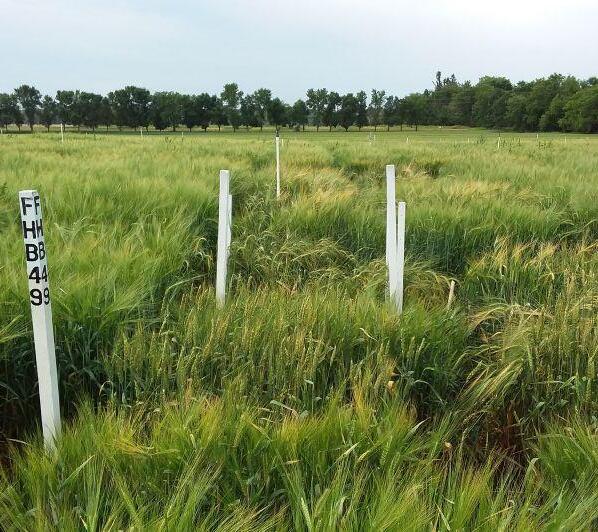
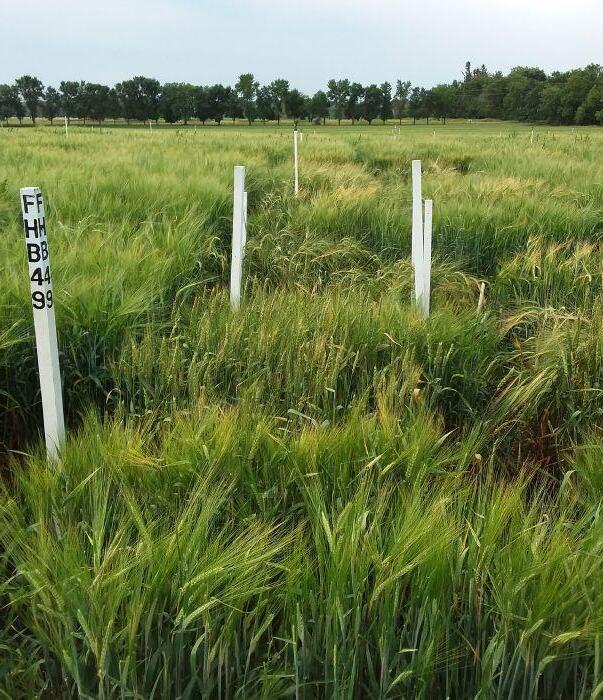
ABOVE The four barleys were also grown in AAFC Brandon’s Fusarium head blight nursery to see how Fusarium infection affected the plant microbiomes.
might be passed down from the parent barley plants to the seed and the crop’s next generation. This process, known as vertical transmission, underlies the exciting possibility of breeding barley for such inherited endophytes.
“We consider this work on the endophytic seed barley microbiome as a foundation towards microbiome-assisted barley breeding,” says Badea. “This project is among the very few attempts globally in barley and the first in Canada, to our knowledge, as it is a complex breeding strategy in which endophytic microbes are also targets in the selection process.”
INSIGHT ON ENDOPHYTES
The plants used in the project were four two-row spring barley genotypes: AAC Synergy (bred by AAFCBRDC, intermediate FHB resistance), CDC Bold (bred by the University of Saskatchewan, susceptible to FHB), GB132013 (bred by the University of Guelph, moderate FHB resistance) and Kutahya (bred in the Netherlands, moderate FHB resistance).
These four genotypes were grown at BRDC in the field in non-FHB-inoculated plots and in BRDC’s FHB nursery (inoculated with Fusarium graminearum, a major FHB-causing pathogen) in 2021 and 2022. The barleys were also grown in the greenhouse in 2022. The team collected samples from the stems, roots and seeds of the FHB-inoculated and non-FHB-inoculated barleys at three different crop growth stages, as well as from the original source seed of the barleys. “We have combined sequencing data with microbial isolation as a powerful tool to gain novel insights into the function of the endophytes,” explains Badea.
To obtain the sequencing data, the team first sterilized the surface of the plant samples, so the DNA analysis could target the microbes within the plant’s endosphere (plant’s internal tissues). Then they extracted the DNA and analyzed it for certain sequences, called taxonomic markers, to identify the types of bacteria or fungi down to at least the genus level. The project’s sequencing data provides information on all the fungi and bacteria present in the samples, whether the microbes are beneficial, neutral or pathogenic to the barley plant. The sequencing data allowed the team to determine the composition of the bacterial and fungal microbiomes and to analyze how the barley genotype, plant growth stage, plant part, FHB status and year influenced
the microbiome characteristics.
ABOVE In a project to find FHB-fighting microbes, researchers grew four barley varieties in the field at AAFC Brandon and sampled the plants to analyze their microbiomes.
The microbial isolation studies focused on selected fungal and bacterial genera reported to have benefits in other crops, including some used as commercial products in crop production. The team isolated these microbes and identified the species. And in laboratory cultures, they evaluated each isolate’s antagonistic (inhibitory) effects on seven different Fusarium pathogens, including Fusarium graminearum
HIGHLIGHTS FROM THE PROJECT
The project has generated a treasure trove of data about barley’s fungal and bacterial endosphere communities, the factors influencing them, and the functions of the microbes.
Wijekoon highlights some of the fungal results: “FHB-infected samples had a higher species diversity and abundance of pathogenic fungi compared to the non-infected barley samples. This could suggest that physiological changes in the barley due to the infection could play a role in the microbial community differences between samples, as well as the composition and interactions between endophytes that
could affect the abundance of pathogenic species present in the FHB-infected barley.”
The fungal microbiomes differed between the plant parts, with the abundances of some of the fungi differing significantly between the parts. “The abundance of species in each tissue could be affected by the infection of FHB as there could have been an increase of opportunistic pathogens from the soil or other factors,” she says.
Regarding some of the beneficial fungi, Wijekoon says: “Potential biocontrol agents such as species in the genus Cladosporium were one of the most abundant in the moderately FHB-resistant GB132013 barley, while the genus Penicillium was the most abundant in the moderately FHB-resistant Kutahya barley from the FHB-infected head tissues.”
This finding suggests that the ability of these two barleys to resist FHB might be getting a helping hand from FHB-fighting endophytes, perhaps through vertical transmission or perhaps through having favourable conditions for colonization by these endophytes from the local environment.
CONTINUED ON PAGE 14
Back to wild flax
Researchers are tapping into wild flax to help breed new, heat-tolerant varieties.
BY JOEY SABLJIC
Canada’s flax crops, while facing historically low acreages over the past couple of seasons, could be getting a major upgrade, courtesy of the University of Saskatchewan’s Crop Development Centre. Leading the charge is Bunyamin Tar’an, chair in chickpea and flax breeding and genetics. Together with his team, he is in the midst of a four-year project that’s looking to create new, heat-tolerant flax varieties.
The focus on heat tolerance, explains Tar’an, ultimately came after a series of controlled trials to try to understand the variable yields growers had been seeing for a number of seasons. “It was an inconsistent issue from one region to the next,” he says. “As a grower, you might assume poor yields were due to drought, too much moisture – or some other agronomic issue.”
What Tar’an and his team found was that – even in plots that were under adequate irrigation – yields nosedived once temperatures reached 30 degrees Celsius and above at the flowering stage. “At first glance, the plants themselves looked very green and lush, but the yield had just disappeared in the heat,” he says.
Normally, within one boll – the mature fruit of the flax plant – there may be eight to 10 seeds. But under heat stress, Tar’an and his team were seeing just one to two seeds per boll – with the majority of them being empty. This demonstrated a need to breed flax plants that can yield and perform well in warmer temperature environments caused by climate change.
“First, we needed to do screening and see if there was
Plant breeders are looking to create heat-tolerant flax from wild flax genetics.
any possible source for heat tolerance within the flax germplasm that we have – that was our starting point,” he says. However, he quickly discovered the overall, genetic base of modern cultivated flax is very narrow and lacks the diversity a breeder needs to tap into specific characteristics like heat tolerance.
“Thousands of years ago, flax plants were first domesticated for use in fibres, for linens. And then, later on, people realized that the seeds were highly nutritious and could be used in food,” he explains. “My theory is that – because of this shift from fibre to food – we lost much of the genetic variability in flax. And now, we’re focused on trying to bring it back.”
GOING BACK TO THE SOURCE
In a bid to find the genetic diversity they need, Tar’an and his team are looking beyond the current cultivated flax varieties and into a wild flax species, Linum bienne, which is currently found in parts of the Mediterranean and Western Europe. “We’re confident that it’s this wild, progenitor species where we’ll find new, untapped sources of genetics,” says Tar’an. “By introducing more diversity, we would expect to start seeing heat tolerance as a result.”
The researchers are making crosses of modern flax varieties with wild L. bienne plants and creating 50-50 wild-cultivated hybrids. The newly crossed hybrids are then grown within temperature and moisture-controlled environments. From there, the researchers slowly raise the temperature from 22 to 35 degrees Celsius for a week during flowering.
By doing this, Tar’an and his team want to see how the wild-cultivated crosses respond physically, chemically and genetically. “First, we want to see what changes are happening in terms of the plants’ morphology. Usually, when flax plants are under heat stress, we see fewer bolls and flowers,” he explains. “So, with these new crosses, we think there are going to be certain physical differences that show they’re better able to
tolerate heat.”
From a genetic standpoint, Tar’an and the team’s goal is twofold. They want to identify the genetic source of the heat tolerance and specific crosses that can withstand higher temperatures. They also want to help create a “roadmap” of heat tolerance traits, using molecular markers and DNA profiling, for future flax breeding efforts. “That way, we, or any other breeders, can know with a very high probability that any progeny that’s being selected will have heat tolerance,” he says.
So far, Tar’an and his team are beginning to see some promising new material emerge from their initial work. “There are some potential new lines from the wild flax that are maintaining their capability to produce seeds and withstand temperatures of 35 C,” he says.
CREATING A MORE COMPETITIVE FLAX CROP FOR THE FUTURE
Looking beyond his ongoing trials, Tar’an believes that adding genetic diversity will help create a more competitive, sustainable – and profitable – Canadian flax crop. He points out that Canadian flax also needs to continue to compete on a global scale against flax production powerhouses like Russia and Kazakhstan.
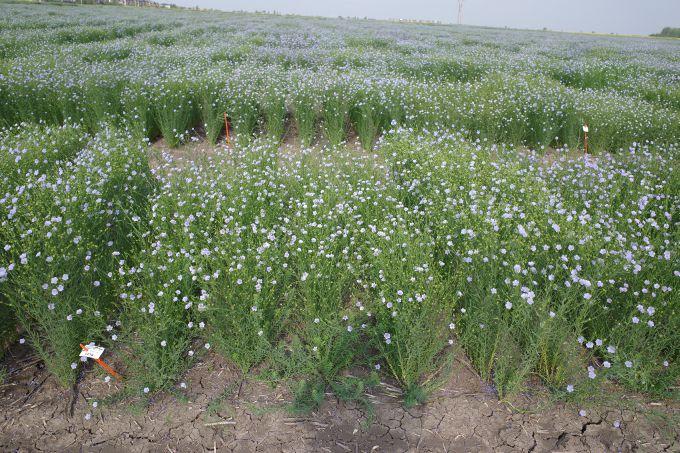
ABOVE Flax plot.
“A big part of why we’re taking on these new breeding efforts is for us to stay one step ahead going forward,” says Tar’an.
While heat tolerance certainly represents a huge step forward, Tar’an is quick to acknowledge that his breeding efforts can’t overlook many key characteristics like oil content and seed yield. “It’s about finding that right balance between all of the agronomic characteristics,” says Tar’an.
“If you’re a farmer – yes – you need to maintain your crop rotation, but the economics in deciding to grow flax absolutely have to be there too. So, we as breeders still need to deliver a variety that not only meets the farmers’ needs, but also industrial needs in terms of seed quality and oil profile. Otherwise, heat tolerance alone simply isn’t enough.”
Splitting hairs over nitrogen fertilizer
Does splitting nitrogen fertilizer make sense as a risk management tool?
BY BRUCE BARKER
After the disastrous 2021 drought, the researchers at Saskatchewan’s Agriculture Applied Research Management (Agri-ARM) centres came up with a research demonstration program exploring how to mitigate risk when applying nitrogen (N) fertilizer in dry years. As a risk management tool, they looked into applying a portion of N requirements in a side – or midrow-band – at seeding followed up with a post-emergent N application.
“There are some situations in Western Canada where we might consider a split application. For
ABOVE Split application of N might be a risk management strategy in wheat, depending on yield potential.
example, we had two years of drought back to back, and our soil moisture reserves were depleted. So, a producer might say, ‘Well, I’m going to hold back on some of that nitrogen, and if conditions improve, then I’ll apply some more nitrogen after the crop has emerged,’” says Mike Hall, research coordinator with the East Central Research Foundation and Suncrest College at Yorkton, Sask.
In the early 2000s, research by AAFC research scientist Guy Lafond compared applying all N requirements at seeding to a split application of either 50 or 67 per cent at seeding followed by an in-crop UAN (28-0-0) application. In wheat, applying 67 per cent of fertilizer N at seeding plus 33 per cent in-crop yielded the same as applying all the N at seeding. For canola, applying 50 per cent of N at seeding with the remaining in-crop produced similar yield as applying all of the N at seeding. In canola, application should
Photo courtesy of Bruce Barker.
be made before the six-leaf stage to maximize yield.
Building on this earlier research, demonstration trials supported by the Sustainable Canadian Agricultural Partnership (Sustainable CAP) were conducted in 2022 at the Agri-ARM sites at Yorkton, Indian Head, Melfort, Outlook, Scott and Swift Current. The Outlook site was under irrigation to provide a best-case scenario where moisture wasn’t limited. There were a total of 13 treatments. These rates include soil residual N in the top 24 inches of soil plus applied fertilizer N. Nitrogen applied at seeding was banded or side-banded, and post-emergent applications of N were dribble banded UAN mixed with Agrotain to reduce the risk
of volatilization loss.
Hall says that assuming a good yield potential of 60 bu./ac., a wheat crop requires 162 lb. N/ac. So, an 80 lb./ac. would represent approximately 50 per cent of total N requirement and 110 lb./ac. would be approximately 67 per cent of the total N require
ment. The first five treatments set up a response curve to increasing rates of nitrogen as side-banded urea at seeding to establish the maximum yield response.
IHARF-Indian Head
Results at Indian Head
RESULTS VARIED BY SITE
The response to N rate and placement timing varied by site, with Indian Head and Outlook having high response to N. Swift Current and Scott were low yielding and fairly unresponsive to N due to drought. Yorkton was high yielding but unresponsive to N because of high soil N reserves and loss of 20 to 30 per cent of yield due to hail. Melfort also had high soil N reserves and response to N was low.
At Indian Head, residual soil N was 16 lb. N/ac. and yields plateaued at 91 bu./ac. at the 140 lb. N rate. Grain protein increased linearly with the highest protein content of 15.5 per cent at 170 lb. N, which was 0.9 per cent higher than the content at the 140 lb. N rate.
There were some yield and protein differences with the split applications at Indian Head compared to the 140 lb. N banded at seeding. Top-dressing 60 lb. N as UAN at the 3- to 5-leaf stage over top the 80 lb. N base rate resulted in a yield of 87.7 bu./ac., statistically lower than the 91 bu./ac. when all 140 lb. N was banded at seeding. However, protein content was 15.2 per cent with the split application compared to 14.6 per cent with the 140 lb. N at seeding.
Dribble banding 30 lb. N/ac. on top of the higher base rate of 110 lb. N significantly reduced grain protein and numerically increased yield a little compared to dribble banding 60 lb. N on a base rate of 80 lb. N, but yield was still lower than the 140 lb. N at seeding treatment.
“The Indian Head site was very responsive to N in
“The Indian Head site was very responsive to N in terms of yield and grain protein.
Split applications of N tended to be a little lower yielding...”
terms of yield and grain protein. Split applications of N tended to be a little lower yielding compared to placing all the N down at seeding. While most of the yield and grain protein potential could be reclaimed with a split application, the economics of this approach were poorer at the 140 lb. level of fertility and only slightly better at 170 lb. rate,” says Hall.
Hall’s economic analysis used a price of $10.56/bu., a 12.5 per cent protein, a protein premium of $0.66/ per cent/bu., and a cost of $1.33/ lb. N and a $10/ac. UAN application cost. At the 140 lb./ac. level of N fertility, none of the split applications at the 3- to 5-leaf generated as much income as putting all the N down in the sideband at seeding, says Hall. “This was true whether we started with a base rate of 80 or 110 lb. N/ ac. in the side band.”
The treatment with 140 lb. N at seeding returned $190/ac. compared to Treatment 2, while the 80 lb. +
Results at Swift Current
60 split at three to five-leaf returned $175, and the 110 lb. + 30 lb. split returned $149. Delaying UAN application to the flag-leaf reduced economic returns even further. “If you’re going to take that strategy, you really should be getting that nitrogen out there before the three- to five-leaf stage,” says Hall.
At the irrigated Outlook site, yields maxed at 140 lb. N/ac. at approximately 75.6 bu./ac. when all the N was banded at seeding, but was statistically similar to the 110 lb. N treatment (74.6 bu.). Protein continued to climb with rates up to 170 lb. N/ac. ending at 13.6 per cent.
There was a significant yield increase when UAN was split applied at the three- to five-leaf stage with the 80 + 60 treatment yielding 85.6 bu. and the 110 + 30 split treatment yielding 83.3 bu. Similar to Indian Head, split applications at the flag-leaf stage resulted in a yield loss compared to the three- to five-leaf stage.
The split applications also provided higher economic returns than applying all the N at seeding at Outlook. The 140 lb. N treatment at seeding returned $113/ac. compared to Treatment 2, while the 80 + 60 split at the three- to five-leaf stage returned $203, and the 110 + 30 returned $157. Delaying split application to the flag-leaf stage resulted in lower economic returns relative to the three- to five-leaf stage, and the 140 lb. N banded treatment.
“Split application of N is common practice in moist environments such as England because it improves nitrogen use efficiency. Perhaps something similar was happening under irrigation in Saskatchewan,” says Hall. “This requires further study to determine if these results can be replicated.”
LOW RESPONSE AT DRIER SITES
Response at Swift Current was low due to drought. Yields ranged from a low of 33.1 bu./ac. for the check soil N treatment of 59 lb. N/ac. and up to 35.7 bu./ac. for the 170 lb. N treatment. Few of the split N treatments yielded more than the 80 lb. N base treatment (33.6 bu.) but by less than 2 bu./ac. Relative to the base
treatment of 80 lb. N/ac., all treatments lost money due to drought, with the higher N rates losing the most. Results at Scott were similar to Swift Current, with yields in the 43.6 to 48.9 bu./ac. range. Again, a few of the split applications had marginally higher yields, but by less than 1 bu./ac. All split applications were also less economical than the base rate of 80 or 110 lb. N. “During the drought at Swift Current and Scott, holding back on side-banded N at seeding would have proved economical because producers would not have bothered with dribble banding any additional N,” says Hall.
“Split application of N is common practice in moist environments such as England because it improves nitrogen use efficiency.”
Overall, Hall says that split application could be beneficial under irrigation when an early UAN application could improve yield and profitability. However, Hall would like to see more research supporting this strategy for irrigation. Under dryland, if conditions are very dry, and the long-term forecast doesn’t look promising, holding backing on N at seeding could provide some economic benefit. He cautions, though, that a grower shouldn’t hold back too much, suggesting no more than 30 lb. N/ac.
“The economic risk of holding back on a lot of N at seeding and missing the opportunity to dribble band N early if conditions improve are much larger than losses incurred from over fertilizing the crop by 30 lb. N/ac.,” says Hall. “Perhaps the best approach with split applications on dry land farming is to not do it on purpose. Fertilize for a regular crop yield and if conditions look exceptional consider dribble-banding UAN in-crop at the three- to five-leaf stage.”
ABOVE Based on Lafond’s early research, an application of N should be made before the six-leaf stage to maximize yield in canola.
Photo courtesy of Kaitlin Berger.
Enlisting ‘new allies’ against FHB in barley
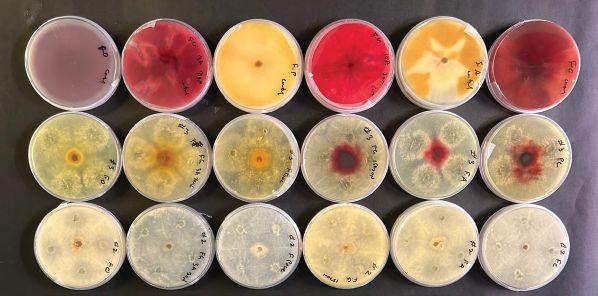
ABOVE These Petri dish cultures show the antagonistic effects of isolates of two species of the fungus Trichodermaon Fusarium. The top row shows pure cultures of six different Fusariumpathogens. In the next row, the same set of Fusariumisolates were placed in the middle of the dish surrounded by one of the Trichodermaspecies. The third row shows the Fusariumisolates with the other Trichodermaspecies. Both Trichodermaspecies were able to greatly limit the growth of the Fusariumpathogens.
However, Wijekoon explains that it’s too early to draw such conclusions. “We have isolated Trichoderma and Penicillium species as fungal endophytes and Serratia, Bacillus and some other species as bacterial endophytes that may be potential biocontrol agents for FHB and may contribute to plant-inherited resistance. However, more studies are needed to confirm their consistent presence in those moderately resistant genotypes.”
Wijekoon outlines other examples of the bacterial findings. “FHB and related factors including the barley plant growth stage, barley genotype and growing season altered the structure of the bacterial endophyte community of barley grains with significant effects from FHB and plant growth stage.”
“Most of the antagonistic bacteria identified in this study were Serratia and Bacillus species, followed by Delftia, Myroides and Paenibacillus.” Some Serratia and
Bacillus species were able to inhibit the growth of the Fusarium fungi by up to 75 per cent in the lab culture tests. “Our findings may be used to predict conditions that could either induce or control FHB in the host through bacterial microbiome interaction,” Badea notes.
NEXT STEPS
“Our hopes are that we will be able to secure funding that will allow us to continue this type of work and capitalize on the strong foundation that we have built on the endophyte research in barley so far,” explains Badea. The information about barley’s endosphere microbiome generated by this project could be a springboard for development of biocontrol products, advances in FHB control and progress towards microbiome-assisted breeding for better barley.
Just as breeders now develop barley varieties with genetic defences against particular pathogens, microbiome-assisted breeding could help breeders develop varieties that are very hospitable to barley’s endophyte friends.
“Worldwide, Canada is recognized as a producer and supplier of high-quality barley and malt. This reputation is built on years of breeding efforts and a very rigorous quality assurance system,” says Badea. “In order to maintain this leadership position and ensure that our economy stays strong and our farmers continue to have continuous access to improved barley cultivars suited for our Canadian growing conditions, we have to take advantage of the best and most cutting-edge tools and methods that could help us in developing improved field-ready cultivars.”
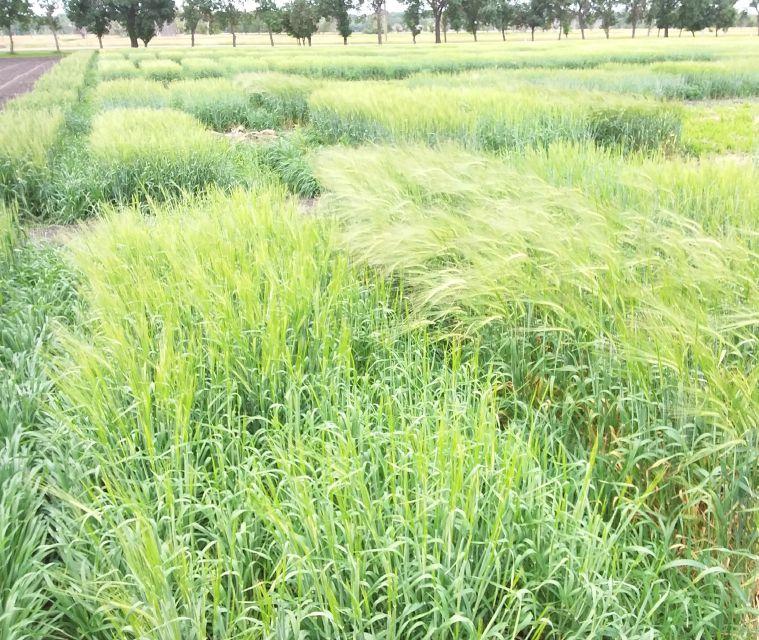
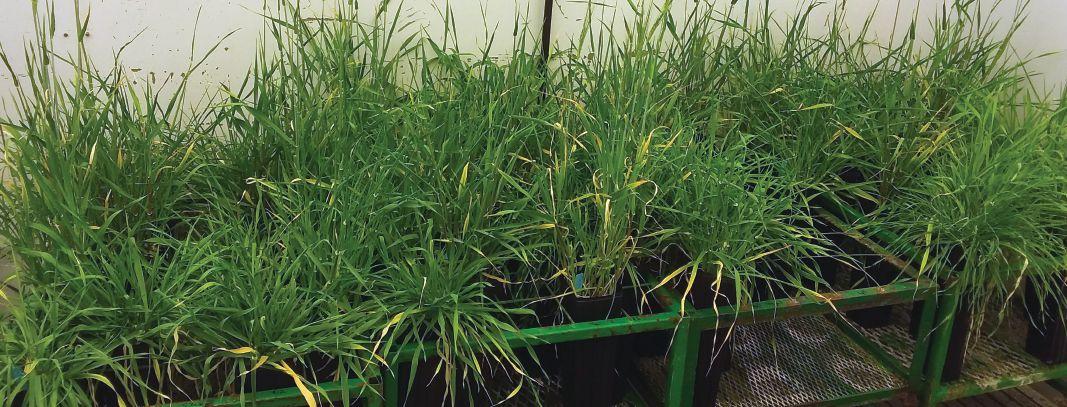
ABOVE The researchers also grew the four barleys in a greenhouse to see how those conditions influenced the plant microbiomes.
Another look at canola seed size
Alberta researchers update previous seed size performance research with similar results.
BY LEEANN MINOGUE
Alittle over a decade ago, the now-retired Agriculture and AgriFood Canada (AAFC) research scientist Neil Harker led research trials to see if larger canola seeds produced better crops (and yields) than smaller seeds.
In 2014 and 2015, the team direct-seeded “small” seeds, seeds weighing between 3.31 to 3.44 grams per 1,000 seeds (thousand kernel weight or TKW), and “large seeds” with a TKW of 4.96 to 5.40 g. Plots were grown using these two seed sizes and five different seeding rates. The team found that the larger seed size increased crop density and biomass and decreased plant mortality, days to end of flowering, and the percentage of green seed. But the small increase in final yield from the larger seed wasn’t statistically significant, and larger seed size had no impact on emergence, development or the weight or oil content of the harvested seed.
In 2020, researchers at SARDA Ag Research, a producer-led non-profit organization that conducts applied research in the Peace River region of northern Alberta, decided it was time to update this work. “Hybrid seed production has evolved so much and so far. Researchers at SARDA wanted to update knowledge,” says Rajeev Dhakal, a research scientist with SARDA.
From 2020 to 2022, the SARDA team, along with researchers from the producer-led Battle River Research Group in east-central Alberta and
Lakeland Agricultural Research Association (LARA) in Bonnyville, Alta., funded by Sustainable Canadian Agricultural Partnership (Sustainable CAP), ran a three-year trial in those three sites to test the effects of canola seed size and seeding depth.
Their results were similar to Harker’s results. “There was a difference in emergence due to seed size in some site years. However, it did not result in significant difference in yield, thousand seed weight or seed quality traits,” Dhakal says.
In this recent study, the team seeded smaller and larger seeds. “The lowest TKW we used was 2.8 grams,” Dhakal says. “The highest TKW was 6.7 grams.” The study also included plots of mid-sized seeds, with an average TKW of 3.6 to 5.3 g.
SEED SIZE ISN’T THAT IMPORTANT
“There is a common belief that bigger seed size will give you a more vigorous crop resulting in higher yield,” Dhakal says. This may be true for a crop like corn with seed only taken from the middle portion of corn cobs, where seeds are larger and more uniform than at the top and bottom of the cob. “This boils down to an understanding that a bigger seed means bigger plants, better plant stands and higher yields. That is not necessarily true with canola.”
SARDA also found that seeding depth did not significantly impact yield and quality traits in most
All photos courtesy of Rajeev Dhakal.
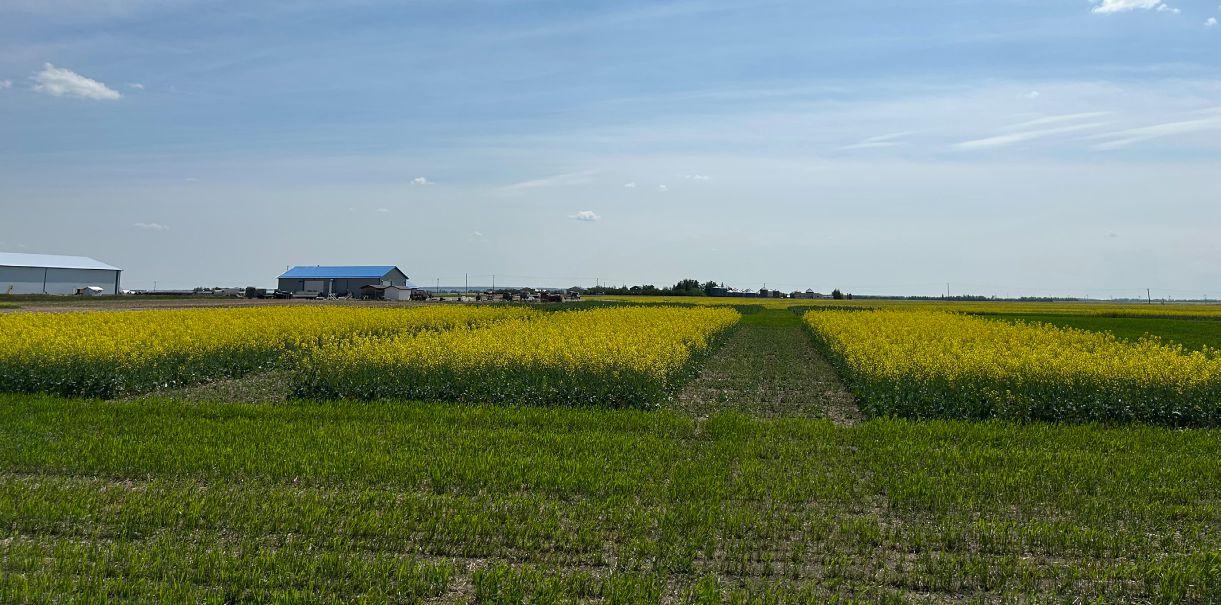
LEFT This canola seed size research trial updates earlier research to include larger seed sizes now available on the market. BELOW Canola flowering.
site-years, though depth may affect emergence in some soil moisture levels. “If you seed too deep and the seeds are small, they might not emerge out of the soil early on and could be hit hard with lack of moisture,” Dhakal says.
In this trial, seeding depths did not vary that widely: 1 cm, 2.5 cm and 4 cm. “Maybe looking into seeding deeper (deeper than 4 cm) in different soil moisture levels will give us more insights,” Dhakal says.
GETTING PEER FEEDBACK
At Canola Week in Saskatchewan in December 2024, researchers displayed a poster showing results from SARDA and the Battle River Research Group site-years. Dhakal used the opportunity to get feedback from other canola researchers before writing the research paper to finalize this work. This is the comment they heard most often: “You got TKW up to 6.7 grams!”
Seed size has increased over time. Researchers working on the Harker study didn’t have access to seed that large for the earlier trials.
PAYING BY THE POUND
At the time of the Harker study, and when the SARDA study was planned, seed size directly impacted input costs. Growers paid for canola seed by the pound, regardless of size. With a consistent target plant density and estimated emergence rate, seed with an average TKW of 6 g would cost twice as much as seed with an average TKW of 3 g.
Jason Casselman, Operations Director at Area One Farms Ltd., remembers a time when growers would visit their retailer and ask to look at the TKW of the bags, hoping to find small seeds and cover more acres at the same cost.
Now, canola seed is sold by the acre, with most bags
sized to cover 10 acres with 4.25 million seeds. A bigger bag of large seed costs the same as a smaller bag of small canola seed and, typically, farmers don’t get to choose the bag size. “You kind of have to take what you get,” Casselman says.
With financial implications off the table, seed size is less consequential. “With confidence, I can say producers can choose their variety based on the other needs they have without worrying about the seed weight,” Dhakal says. Farmers are free to focus on other seed traits and leave seed size to the luck of the draw.
USING THE CALCULATOR
Although seed bags are now clearly labelled, using the CCC seeding rate and seed cost calculator still has some benefits. “What’s nice about the calculator,” Casselman says, “is it does ask you some of those other questions about the conditions that you’re seeding into.” It allows for input of seed size (TKW), target plant density (in plants per square foot) and estimated emergence rate (the default is 60 per cent expected emergence).
The biggest factor to consider, however, is the target number of plants per square foot.
The CCC recommends a stand of five to eight plants/ ft2; the seeding rate calculator default is six plants/ft2. The default is a general average, but Casselman says growers may want to consider their local conditions.
For example, Casselman farms in the Peace River Region of northern Alberta. With the shorter northern growing season, it might be practical to aim for eight plants/ft2, the higher end of the recommended density range, to promote faster maturity. For growers in areas like eastern Manitoba, where a thinner canola stand will have a longer growing season to branch out, five or six is likely fine.
The CCC recommends seeding canola between 0.5 to 1 in. deep, with 0.75 as the average. “There’s no advantage to burying that seed deep,” Casselman says. “But there is an opportunity to make sure the seed is hitting a little bit of moisture.” Larger seed can be seeded a little deeper than smaller seed.
KEEP IT IN PERSPECTIVE
With a crop as financially important to Western Canada as canola, it’s good to keep research updated as seed production methods change. But while this study is important, seed size is not the most crucial aspect of seeding. Casselman says factors like seeding tool performance, seeding speed and fertilizer placement can have much more impact on canola plant stands than seed size. “Seed size is important, but don’t let it distract from the other agronomic factors that it takes to achieve that final plant stand that you want to have.”
Integrated Cereal Disease Management Starts with Certified Seed
Breeding and varietal selection are central to managing cereal diseases in Western Canada. Coupling strong genetics with sound agronomic practices and clean seed handling helps ensure the best possible outcome for an emerging cereal crop.
Starting with a tested and clean source of seed, such as Proven® Seed varieties of wheat, durum and barley, reduces the risk of seed-borne diseases. We select genetics from the top cereal breeding programs on the Prairies, with a focus on improving protection against common diseases like fusarium, root rots, rusts, smuts and scald.
Our genetics partners use cutting-edge tools such as genomics and gene editing, alongside traditional breeding methods, to advance only those varieties that demonstrate improvements in key areas like disease resistance, insect resistance, yield and quality.
By selecting top-rated varieties such as AAC Broadacres VB, which provides the added benefit of midge tolerance, or CDC Imbue CL Plus, valued for its strong rotational benefits with pulse acres and an additional in-crop weed control option to help manage herbicide-resistant weeds, you can be confident your choices are well-adapted to Western Canadian conditions. Pairing certified seed from a trusted source with the right seed treatments further strengthens your management strategy.
Finally, rotating out of cereals in the crop cycle helps lower soil-borne inoculum, supporting healthier fields over the long term.
Although disease pressure is highly weather-dependent, it can impact both yield and quality in dry and wet conditions. As diseases shift geographically and new pathogen variants emerge, the success of cereal production in Western Canada relies on continued investment in breeding. That’s why we remain committed to delivering seed solutions backed by strong agronomic and disease management advice.
Work with a Nutrien Ag Solutions® Crop Production Advisor to get practical, relevant seed, fertility and crop protection solutions to help ensure the best possible result for your Proven Seed crop.
Learn more about how our varieties are raised to adapt to Western Canadian conditions at ProvenSeed.ca/RaisedToAdapt.
New cereal varieties just around the corner
Updates for 2026.
BY KAITLIN BERGER
Whether growing oats, barley or wheat, there are new variety options for growers in 2026, compiled by Top Crop Manager . All information comes from the respective seed companies.
FP GENETICS
CDC Byer is a high ß-glucan, low oil and moderate protein oat line that combines good groat percentage, good kernel weight, high plumps and very low thins. It shows very good yield potential, short height, very good lodging resistance and moderate maturity. CDC Byer also demonstrates moderate resistance to crown rust and resistance to smut and barley yellow dwarf virus (BYDV).
SY Stanza is a new two-row, non-GN malting barley that brings strong agronomic performance and brewing potential to Western Canada. It yields 10 per cent more than CDC Copeland and one per cent more than AAC Synergy, with especially strong performance in the Brown soil zone. Its shorter stature and significantly improved lodging resistance make it very attractive for on-farm management. While its disease resistance package is average overall, on the quality side, SY Stanza offers higher kernel weight, plumpness and a unique malting profile tailored for the North American craft industry. Its non-GN trait also opens the door for distilling use. Already accepted by brewers in other regions and proven in Europe, SY Stanza positions FP Genetics well in the malting barley market with a premium, versatile variety.
CROP DEVELOPMENT CENTRE – PUBLIC RELEASE
CDC Vosk was selected from the cross 05WAX56/ Carberry made at the University of Saskatchewan during the winter of 2007/2008. It is a “waxy” (low-amylose) line in a Canada Western Red Spring (CWRS) genetic background. CDC Vosk is a semidwarf line. It is awned and hollow-stemmed. In three years of testing in the Special Purpose Wheat Cooperative Test, CDC Vosk was significantly lower yielding (20 per cent lower) than the mean of the check
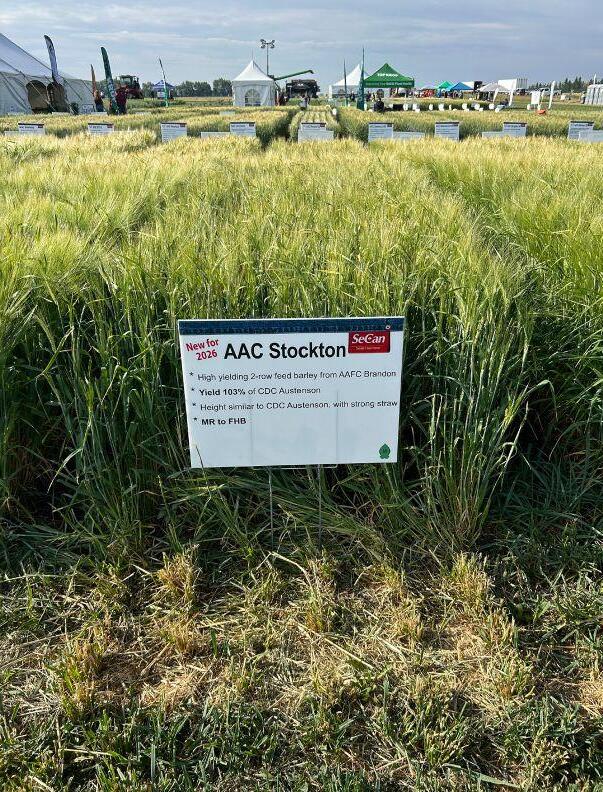
ABOVE AAC Stockton is best suited to the higher disease pressure areas of the eastern Prairies.
cultivars (AC Andrew, Pasteur, AAC Awesome, GP233, No. Stations, LSD0.05). This is to be expected as the check cultivars were from the SP class. It was also earlier maturing (four to five days), shorter with an intermediate lodging score and test weight relative to the check cultivars. CDC Vosk had a lower kernel weight than the checks. CDC Vosk was resistant to prevalent races of leaf, stem and stripe rust. The Fusarium head blight (FHB) reactions for CDC Vosk
were variable (moderately resistant (MR) to susceptible (S)). On average, CDC Vosk has the yield potential of Carberry but is shorter-strawed and earlier maturing.
SEEDNET
FB22816 is a six-row, “ultra” smooth awned, hulled six row barley well adapted to all areas of Western Canada. This variety showed excellent grain yield performance, outyielding all the checks during the 2022 and 2023 Co-Op registration trials, and outperforming AC Cattleac by six per cent. The line FB22816 comes with a stronger disease resistance package than other six-row varieties currently in the market. Notably, it was the only line rated R for scald in the Feed Coop.
SECAN
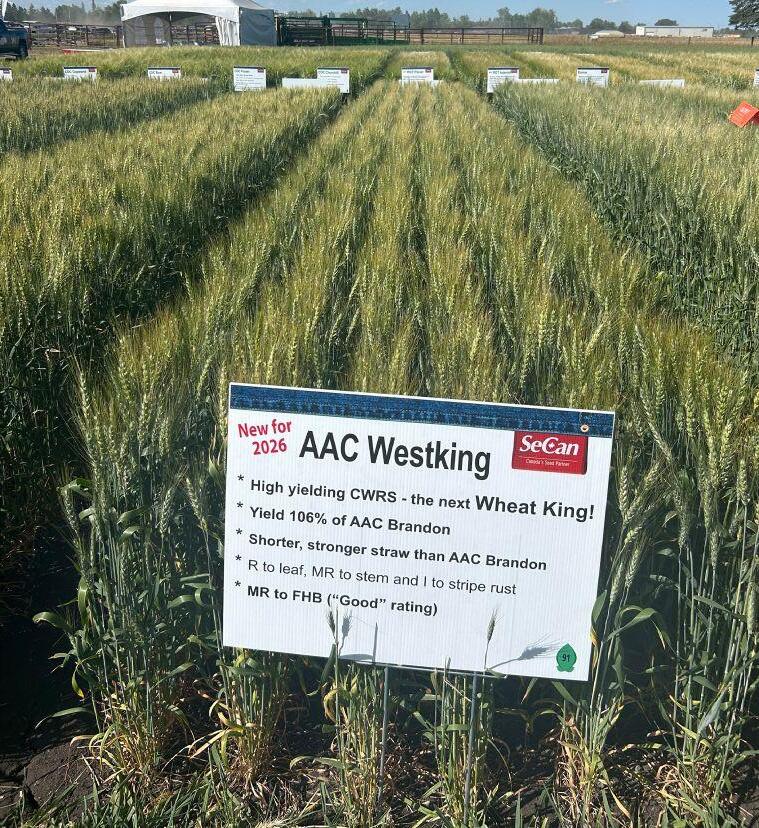
AAC Westking CWRS is the AAC Brandon replacement growers have waited for after more than a decade. It yields 106 per cent of AAC Brandon with stronger straw and better sprouting resistance. AAC Westking is MR to FHB, intermediate (I) to stripe rust, resistant (R) to leaf rust and MR to stem rust. AAC Westking was developed by AAFC Swift Current. Available from SeCan retailers in 2026.
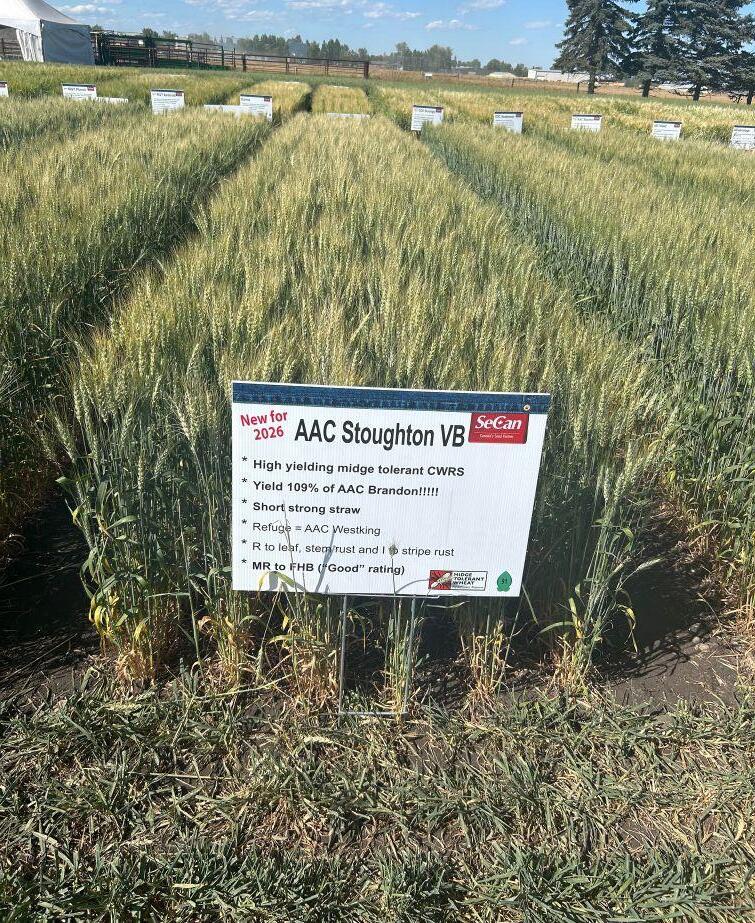
AAC Stoughton VB midge tolerant CWRS yields 109 per cent of AAC Brandon. It has stronger straw than both AAC Brandon and AAC Starbuck VB. It’s MR to FHB, I to stripe rust, R to leaf and stem rust. AAC Stoughton VB was developed by AAFC Swift Current. It’s available from SeCan retailers in 2026.
AAC Oakman VB has a solid stem for the best sawfly protection in CWRS. It yields 97 per cent of AAC Brandon and has shorter stronger straw. AAC Oakman VB is also midge tolerant for dual insect protection. It is I to FHB, R to
stripe, leaf and stem rust. AAC Oakman VB was developed by AAFC Swift Current. It’s available from SeCan retailers in 2026.
ABOVE AAC Westking yields 106 per cent of AAC Brandon.
CDC Wiseton is a conventional straw durum with an I rating for Fusarium and low deoxynivalenol (DON) accumulation. It yields equal to AAC Schrader with stronger straw and higher protein. CDC Wiseton was developed by the Crop Development Centre at the University of Saskatchewan. It’s available from SeCan retailers in 2026.
AAC Stockton is a high yielding two-row feed barley best suited to the higher disease pressure areas of the eastern Prairies. Developed by AAFC Brandon, its yield average is 112 per cent of CDC Copeland and 103 per cent of CDC Austenson. It’s MR to FHB, R to stem rust. It’s available from SeCan retailers in 2026.
NUTRIEN
Carleton is a two-row,
rough-awned feed barley with great yield potential and an MR rating to FHB. This variety is well suited to all growing conditions and is desirable for straw management while standing taller than a true semi-dwarf variety.
Cantu is a two-row, roughawned dual purpose feed barley. It’s a great option for both feed or silage barley – and is very high yielding with good standability and exceptional grain potential.
AAC Camrose VB sets a new standard for high- yielding Canada Prairie Spring Red (CPSR) wheat. With midge tolerance and a phenomenal disease package including resistance to stem rust, leaf rust, strip rust and bunt, AAC Camrose VB is an excellent option for growers looking for the highest possible yields.
CDC Imbue CL Plus is a Clearfield Plus variety, offering high yields and improved protein relative to other Clearfield lines. It’s
suitable for all soil zones. An earlier maturing semi-dwarf, this variety is comparable to a conventional CWRS while offering a solution for growers concerned about Group 2 herbicide carryover.
CANTERRA SEEDS
CS Baker is a high-yielding CWRS wheat variety with exceptional adaptability across Western Canada. It will join the Warburtons program in 2026. With a yield potential of 104 per cent compared to AAC Brandon, on par with all the latest varieties entering the market, CS Baker features shorter plant stature and very good standability, making it well-suited for diverse growing conditions across the Prairies. It offers good resistance to stem rust and FHB, MR to stripe rust and leaf rust, and maintains a mid-season maturity. Strong lodging resistance further positions CS Baker as a reliable choice for growers seeking top performance and disease resilience in Western Canadian wheat production.
CS Breadwinner is a high-yielding, short CWRS wheat variety that outperforms AAC Brandon by six per cent in yield, offering excellent resistance to stem rust and moderate resistance to FHB, making it an ideal choice for wheat farmers in the Western Prairies facing high disease pressure. With strong standability, superior milling performance, and a consistently excellent quality profile, CS Breadwinner is a valuable addition to any wheat production program.
CS Garde is a CWRS wheat variety offering good yield potential at 98 per cent of AAC Brandon, with a significantly shorter stature (-6 cm) and improved lodging resistance compared to AAC Brandon and AAC Viewfield. Its maturity aligns with these checks, and it delivers an excellent disease
resistance package with R to stem, leaf and stripe rusts, and I to FHB.
ABOVE AAC
Stoughton VB is available from SeCan retailers in 2026.
CS Recoil is a CPSR wheat variety that yields 106 per cent more than AAC Penhold. It has short stature and excellent lodging resistance. It has similar maturity, test weight and protein content to AAC Penhold but features a stronger disease resistance package, including resistance to leaf and stripe rust, moderate resistance to stem rust and intermediate resistance to FHB. CS Recoil is an outstanding choice for CPSR growers seeking top performance and reliability.
Kyron is a white milling oat variety with excellent yield potential, short, strong straw and very good lodging resistance. It matures earlier than all new varieties, making it an excellent choice across the
Prairies, including short-season areas. It has the best resistance to crown rust in its class, rated as MR. It has excellent milling quality and is currently in the market development process to be accepted by millers and end-users.
ALLIANCE SEED
CDC Evident – CWAD
CDC Evident is the evident choice for durum growers wanting the sky to be the limit for yield potential, without sacrificing agronomics. It offers high grain yield – higher than all check cultivars with 102 days to maturity. It has a good lodging score, height slightly shorter than checks, excellent enduse suitability and a good disease package with resistance to stem rust, leaf rust, stripe rust and common bunt and MS to FHB.
It all starts with the soil. When it’s healthy, everything works better—stronger roots, improved structure, and more efficient use of nutrients. But after years of wear, many soils need support to perform at their best. Black Earth humic solutions help restore soil vitality from the ground up. With high-purity Humalite and consistent quality, our products enhance moisture retention, boost nutrient availability, and improve overall soil health—naturally. Easy to integrate and built for results, Black Earth gives your soil the foundation it needs for long-term productivity.
Scan the QR code or contact us to start elevating your soil today.
sales@blackearth.com www.blackearth.com
Winter camelina shows promise
Lower input crop could compete with canola returns.
BY BRUCE BARKER
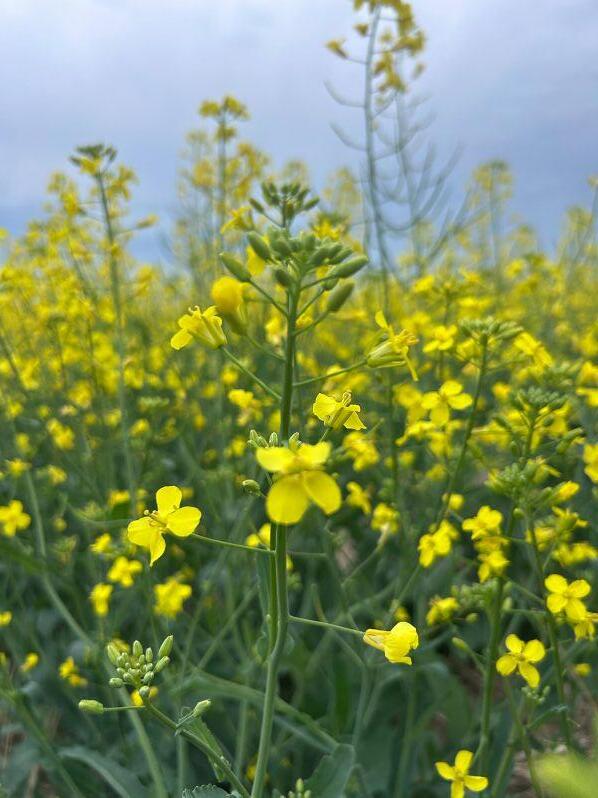
It may be too early to tell, but winter camelina could gain ground from canola acres. That’s the experience that Darcy Friesen, a farmer at Langham, Sask. had when he tried winter camelina a year ago.
“I don’t mind trying a few crops. So, this is one that I tried to see how it would pay out. And you know last year, it paid out well, because of how it yielded. And if I can replicate that again, I would be quite excited,” says Friesen.
BEHIND CROP DEVELOPMENT
Friesen grew a winter camelina contracted from Smart Earth Camelina, a Saskatchewan company located in Saskatoon. Smart Earth started their camelina breeding program in 2005 and have managed to improve their varieties over the past 20 years. They promote camelina as a low input crop that can perform better than canola on marginal land.
The company has increased the seed size of camelina by 40 per cent to allow slightly deeper seeding with common drills. They also released the first herbicide-tolerant camelina variety with Group 2 resistance: NewGold HT. Smart Earth was also working on developing winter camelina that could survive Prairie winters but sold their camelina germplasm and intellectual property assets of their breeding program to Bayer in January 2025.
“Smart Earth Camelina Corp. has been at the forefront
TOP Darcy Friesen thought his winter camelina outperformed canola in 2024.
of camelina development for over 20 years, and camelina is now poised to join the ranks of the other major oilseed crops,” said Jack Grushcow, president and chief executive officer at Smart Earth Carmelina Corp., in a press release at that time. “We believe Bayer is the ideal party to scale camelina production to a level that drives meaningful advancements in sustainable agriculture and significantly reduces global CO2 emissions.”
Smart Earth had been processing camelina oil as a quality meal and oil for animal feed and aquaculture. They produced a camelina oil supplement for canine and equine use for skin, joint and overall health.
Bayer, though, is pivoting to promote camelina as a renewable diesel and sustainable aviation fuel which they estimate to increase from 14 billion to 40 billion gallons by 2040. In the same press release, Bayer indicated: “Camelina is a novel intermediate oilseed crop with a promising low-carbon intensity for renewable fuel and can be grown in both spring and winter. Bayer intends to use its expertise in oilseeds to further develop this product.”
The genetics of winter camelina trace back to varieties of Siberian origin. There, the crop is planted in the fall and overwinters before restarting growth in the spring, much like winter wheat. The advantages are similar to winter wheat with improved weed competition, and an early maturity that can beat the yield stress from summer heat. It also helps to protect erodible soils in the fall
Photo courtesy of Darcy Friesen.
and early spring.
Friesen had previously grown a spring camelina variety in 2022, but conditions were very dry and the yield was around 20 bushels per acre. Still, he thinks the spring camelina would have outperformed canola on that piece of land because the canola would have suffered more from the heat stress.
GROWING WINTER CAMELINA
In 2023, Friesen decided to try out winter camelina on 200 acres of sandy soil. He seeded it in late September of that year. “It’s probably one of our poorest pieces of land, which was also another selling feature for camelina. It’ll grow on lighter land with less input,” he says.
For weed control, Friesen applied Edge in the fall. Camelina was broadcast applied and incorporated with a heavy harrow as part of the two-pass Edge incorporation. He says there was little visible winter camelina growth that fall. “You had to really look to see if there was much there. So, we had planned that we would probably have to plant something else into it the next spring, but everything caught in the spring and we had very good growth,” says Friesen.
Edge provided early season weed control, and once
established, the winter camelina provided good weed competition so no in-crop herbicide was applied. His fertility program was about two-thirds of the blend that he would apply to canola. Overall, he says his input costs on the winter camelina crop were less than two-thirds of his canola crop when considering seed costs, fertilizer and weed control.
At harvest, Friesen was surprised to see the yield pushing 40 bushels per acre. Typically, yields average around high 20s and low 30s. Compared to canola, he says his winter camelina came out on top. “I’m pretty sure it would have done substantially better than canola. It’s quite sandy soil, and I know if I seeded canola there in the spring, we would have lost the early moisture from winter before we would have been able to get the canola into the ground,” says Friesen.
The winter camelina flowers earlier than canola and therefore avoided being affected by the summer heat in 2024. “If I had canola on that piece of land, I would estimate it would probably have yielded between 25 and 30 bushels.”
Friesen wasn’t able to seed any winter camelina in the fall of 2024 but is hoping that he may be able to get seed and a contract to try to seed it in the fall of 2025. With Bayer purchasing the germplasm, there have been some delays in the contracting program, and by mid-August he was still waiting to see what type of programs would be available.
“I would be interested in growing winter camelina again, as one year isn’t a good trial. If I can replicate the success that we had, then I can see it being part of my long-term crop planning,” says Friesen.
Grow Smarter
It’s more than seeds It’s expertise It’s support
CONGRATULATIONS TO OUR 2025 HONOUREES
MartineBoulia n ne AthynaCambo uris
Emily Ford CathyLennon
Jolene MacEac h ern
CandaceMitsc h ke
MeghanScot
INSPIRE LEARN LEAD CONNECT
Join us live online, from anywhere, to hear from today’s most influential leaders and changemakers in Canadian agriculture.
Hear from the 2025 IWCA honourees and other agricultural trailblazers as they share their experiences, triumphs and lessons learned during the virtual IWCA Summit.
Join us for an afternoon of panels, interactive conversation and audience Q&A as our honourees pass down their knowledge, wisdom and advice to other women in agriculture.
The influence of phosphorous on canola plant roots
Researchers investigate soil microorganisms and phosphorous uptake.
BY VANESSA FARNSWORTH
If you look at it on paper, Saskatchewan, with its large total phosphorus pools, should be the perfect place to grow canola. The problem is that only a small percentage of that total phosphorus is available to plants. Often, it’s lost in runoff or erosion, or it’s banked in non-plant-available forms.
Bobbi Helgason, soil microbial ecologist at the University of Saskatchewan, and her team have been investigating the role that soil microorganisms play in processing phosphorus into a form that’s more easily absorbed by plant roots. “The challenge in our region is that we have very calcium rich soils and phosphorus likes to bond with calcium and sorb to minerals, so when we increase available phosphorus by adding fertilizer, it very quickly gets bound up and goes into that non-plant-available pool.”
Although microorganisms produce compounds that
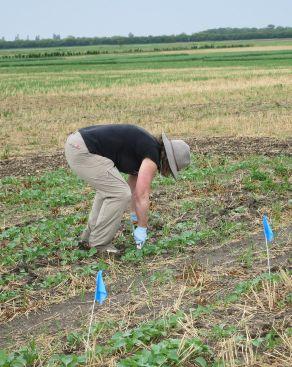
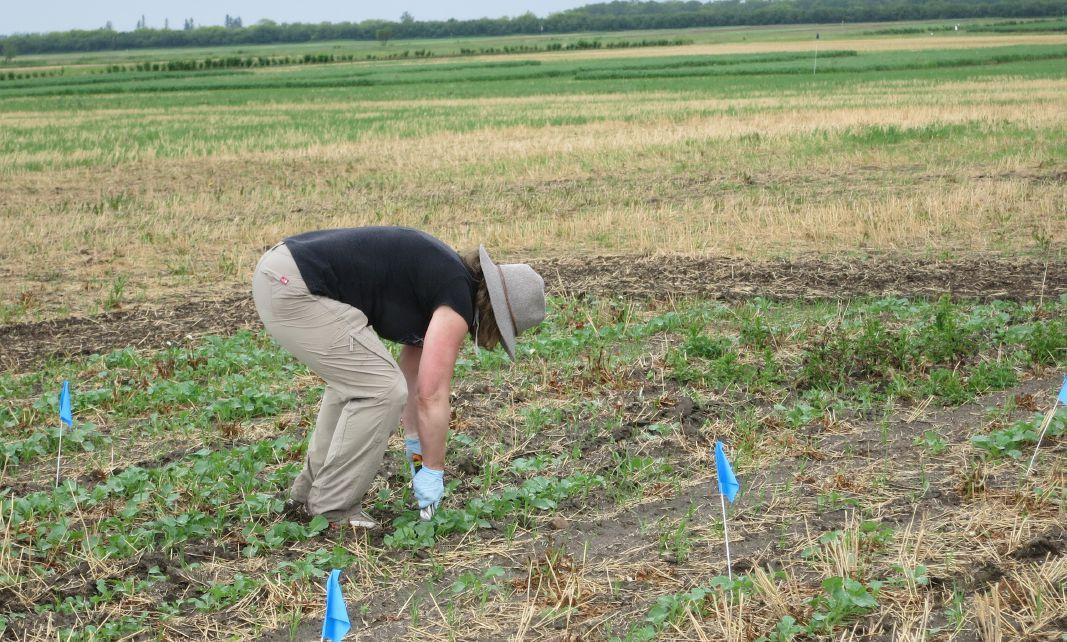
ABOVE Bobbi Helgason is collecting randomly selected canola plants from study fields during the early vegetative stage at the Agriculture and Agri-Food Canada Research Farm in Scott, Sask.
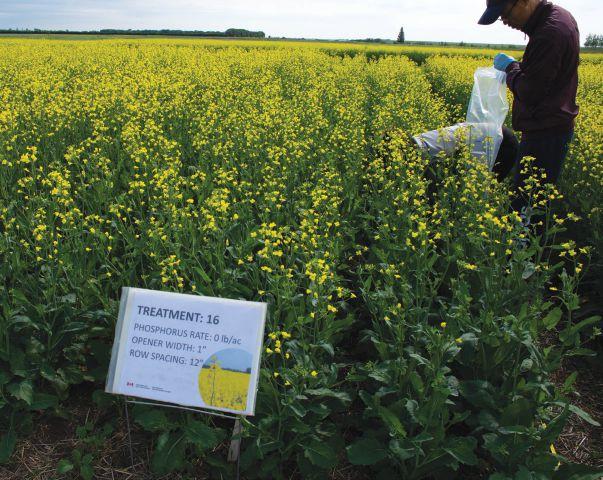
transform phosphorus into plant-available forms in the root zone, the influence of phosphorus fertilization on the overall root-associated microbial community and specifically the phosphorus-responsive microbes is not currently well known. To better understand it, Helgason, Leon Kochian, Patrick Mooleki and Mengying Liu undertook a two-year field study at the Agriculture and Agri-Food Canada (AAFC) research farm in Scott, Sask in 2019. They applied monoammonium phosphate (MAP) fertilizer at three rates (no addition, recommended rate, high rate) using two opener placements (1-in. and 4-in.) in a replicated randomized complete block design.
“We were curious to understand what we would see by gaming the system with a no-phosphorus control and then comparing that to a sufficient phosphorus and a high phosphorus treatment,” says Helgason.
All photos courtesy of Bobbi Helgason.
“Could we see which organisms tended to be more abundant under each scenario, and would that give us clues that they were directly helping plants to acquire phosphorus in a deficient environment? Likewise, if we applied a high rate, what were the microbial implications of that?”
Helgason notes that the recommended rate of seedplaced granular MAP in Saskatchewan can be inadequate to meet canola’s heavy phosphorus demands, something that could lead to reduced grain yield. However, canola seedlings are also highly sensitive to seed-placed phosphorus fertilizers, so excessive fertilizer applications can cause toxicity, negatively impacting young canola seedlings. That’s why they included both narrow (1-in.) and wider (4-in.) opener placement settings in this experiment.
“The thinking behind that was that the toxicity caused by the fertilizer at the higher rates would be less impactful if we used a wider band. Probabilistically, the chance that a seed and a fertilizer granule would be right next to each other would be less,” Helgason says.
In each of the two study years, researchers chose four to six randomly selected plants per plot for
Phosphorous fertilizer is applied on ~85 per cent of Saskatchewan’s cropland.
Source: Government of Saskatchewan
microbiota studies and took samples from the bulk soil, rhizosphere soil and plant roots at both the fourto five-leaf vegetative stage and the full-flowering stage. Canola performance was then evaluated and rhizosphere and root bacterial and fungal microbiota was profiled using DNA amplicon sequencing.
“We sampled at early vegetative and then at peak flowering when about 50 per cent of the canopy is flowering,” says Helgason. “That was based on knowing that early assembly of the microbiome is important to how the microbiome eventually looks. By flowering, plants have taken up most of their macronutrients and are beginning to reallocate them internally towards seed production.” Helgason’s team found that phosphate fertilizer rates and placements reduced canola germination but, strikingly, didn’t affect crop yield or biomass.
“What we saw was that plant emergence was strongly affected by the phosphorus fertilizer rate but yield ultimately wasn’t. Basically, where emergence was lower, plants grew bigger and yielded more,” Helgason says, adding that the result was not what she expected. “Definitely, the lack of a yield response over such a wide gradient of fertilizer was a huge surprise.
Even the fact that we didn’t see bigger differences between the 1-in. and the 4-in. opener settings was a surprise. It was apparent at emergence that we definitely had toxicity effects, but the fact that the toxicity didn’t translate to lower yield was interesting.”
PHOSPHOROUS IMPACT ON MICROORGANISMS
In response, Helgason’s team began looking for nuanced relationships and found that phosphorus fertilization impacted root bacterial and fungal diversity, community structure and the relative abundance of these microorganisms. “What we eventually did was determine which organisms were selected for by our different treatments, and then correlated that with plant growth response,” Helgason explains.
“We did find a group of bacteria and fungi that were selected for under high phosphorus conditions and under low phosphorus conditions. Amongst those organisms were bacteria that are known to aid in phosphorus cycling under both conditions,” says Helgason.
While some, including Burkholderia-Caballeronia-Paraburkholderia, Luteibacter, Amaurodon, Trichoderma and Penicillium were abundant in the root microbiome following the addition of phosphorus, others like Chryseobacterium, Chitinophaga, Flavobacterium and Olpidium were plentiful when no phosphorus was added.
“There was an increased prevalence of organisms known to aid in phosphorus cycling in both sets of treatments, but they were different organisms,” Helgason says. “Canola plants are assembling their relationships in a way that’s environment responsive.”
COMPLEMENTARY NITROGEN RESEARCH
Study results suggest that phosphate fertilizer rates and placements at seeding can have a lasting impact on the canola root microbiota, modulating plant growth as the plant matures in relation to soil phosphorus availability. Helgason’s complementary research into nitrogen may point to why. “If we think about ammonia uptake, there are these two big groups of microorganisms that do it, and one of them competes better under low ammonia conditions while the other competes better under high ammonia conditions,” says Helgason.
She correlates that to her phosphorus study. “We might be seeing different organisms in those two groups either because some compete better under phosphorus sufficient conditions or perhaps maybe it’s because big plants were drawing down so much more phosphorus. We don’t know which, but there were different competitive environments in the high and low phosphorus fertilizer treatments. And so you
get competitors that perform best in each of those environments.”
THE TAKEAWAY FOR PRODUCERS
ABOVE Coinvestigator Yunliang Li is collecting canola biomass samples from study fields during the full-flowering stage at the Agriculture and Agri-Food Canada Research Farm in Scott, Sask.
The bottom line for canola producers is that – if you have healthy soil – all the organisms you need for phosphorous acquisition are already there. “That means that under high or low phosphorus conditions, you’ll have populations that can thrive,” adds Helgason. “Because plants almost exclusively select their microbiome from the bulk soil, you need to have good balance and good diversity in the bulk soil, so that plants have a great inoculum as the environment shifts.”
In addition, the more efficiently canola can use phosphorus, the more likely it is that producers will be able to achieve optimal crop yield using less fertilizer. Helgason also sees the potential for this root microbiome research to one day help canola breeders create varieties that are better able to take advantage of their root microbiomes.
Sally Vail, research scientist at AAFC, who specializes in oilseed breeding and collaborated with Bobbi on the nitrogen study agrees. “I’m optimistic this could be a potential down the road. It’s just going to take more time to figure out how to specifically select for a beneficial trait, if it exists,” she says. “I think there’s a real opportunity over the next five to 10 years to set up some new and interesting studies. And I think both the nitrogen work and the phosphorus work are examples of where we can very strategically identify contrasting genotypes to address a specific question.”
Fungi cage match
New fungal species identified as a Fusarium head blight biocontrol agent.
BY BRUCE BARKER
In one corner is the long-time heavyweight Fusarium graminearum pathogen that causes Fusarium head blight (FHB) in many cereals on the Prairies. In the other corner is a new challenger hoping to bring the heavyweight down. The newcomer is a native mycoparasite, Sphaerodes mycoparasitica Vuj., a natural killer specific to Fusarium species that effectively knocks out F. graminearum and deoxynivalenol (DON) contamination in cereal grains.
“It is a native Saskatchewan fungal parasite that attacks both the Fusarium fungus and its mycotoxins. The mycoparasite infects and eats the cells of the pathogenic host, then extracts and digests its mycotoxins as a source of carbon and energy. This commercially viable biocontrol agent (BCA) has shown efficacy against Fusarium head blight in both susceptible and tolerant spring wheat and durum wheat cultivars,” says Vladimir Vujanovic, professor emeritus at the University of Saskatchewan.
Vujanovic’s ground-breaking BCA discovery goes back to research that started in 2005, and S. mycoparasitica was described as a new fungal species in 2009. It is now listed in the Index Fungorum – a worldwide database on fungi.
STUDIES TO SUPPORT
In a recent greenhouse study published in the journal Pathogens, two common wheat and two durum wheat cultivars with varying FHB resistance levels were used to evaluate major agronomic traits of spike number, spike weight, seed weight, biomass and plant height. The BCA treatments decreased FHB symptoms in all four cultivars and improved spike number, spike weight, seed weight, plant biomass, plant height and grain yield. By comparison, the F. graminearum 3ADON chemotype control treatment decreased agronomic trait value by up to 44 per cent across all cultivars.
Losses in cereal fields are likely to worsen in years to come if no effective FHB control product is available on the market and integrated in the small cereals breeding
programmes. The best BCA-cultivars combinations have minimized mycotoxin levels in grains.
ABOVE Fusarium head blight is one of the most damaging cereal diseases.
Study results, presented in the journal Microorganisms, revealed that effective treatments reduced the presence of DON in the grains, generally to levels below the limit of quantification (LOQ) of 16 µg/kg says Vujanovic. Efficacious control was attained on susceptible and tolerant common and durum wheat cultivars, as measured by Fusarium DNA and DON concentration in grains. Measured amounts in grain were below Canadian and USA imposed limits (DON <1 ppm), as well as below contractual farm-industry agreements (DON <0.5 ppm for products destined for Europe).
“Its efficacy has been demonstrated in laboratory, greenhouse, phytotron, research and demonstration plots in all Saskatchewan ecozones and type of soils. It has proven highly effective against 12 Fusarium species responsible for several plant diseases in different crops, including Fusarium head blight symptoms in cereals and associated mycotoxins,” says Vujanovic.
This efficiency is the result of a “protocooperative” system of crop-fungus symbiosis driven by evolution. S. mycoparasitica acts as a plant protector, reinforcing an old evolutionary mechanism in managing Fusarium infection by increasing plant immunity to Fusarium
Photo courtesy of Taurai Matengu.
“It is a native Saskatchewan fungal parasite that attacks both the Fusarium fungus and its mycotoxins.
species and promoting plant growth and vigor, says Vujanovic. It is a biocontrol, specific to the Fusarium-FHB complex and mycotoxins, able to provide total care to crops from early seed germination to plant maturity.
straw (at or shortly after harvest) with predictable results.
Research was also conducted from 2017 to 2021 on scaling up production and field testing of S. mycoparasitica. The optimized BCA fermentation enabled scaling from the initial 10 L fermentation to 30 L, and 300 L commercial level production. Developing the production technology allowed further field testing to better understand how the BCA works, and how it would be used commercially by farmers.
BCA technology represents the leading edge of innovation in agricultural biocontrol for cereals. It allows an early establishment of effective management practices, while minimizing the impact on human and animal health.
No damage to the cereal plant, beneficial plants and soil microbiomes occurs and there is no need for applications of synthetic fungicides, although S. mycoparasitica has been shown to be equally suitable in combination with anti-FHB synthetic fungicides and to reduce fungicide residues in grains, says Vujanovic. While most FHB management strategies rely on less predictable factors, such as weather conditions, BCA can be applied either to seed (prior to sowing) or to
“The product is ready for commercialisation, although not registered yet. It would be great to have a company take this unique product and make it commercially available for farms across the Canadian Prairies and worldwide. The product and its biotechnology – production, fermentation, formulation and application – are completed to speeding up commercialisation,” says Vujanovic. “No similar bioproduct is yet on the world market.”
by Bruce Barker, P.Ag
Alternate forms of nitrogen fertilizer performed similar to urea
Atwo-year field study led by the University of Alberta assessed the impact of different nitrogen (N) fertilizer formulations on spring wheat production in Alberta. The objectives of this study were to compare alternative granular N fertilizers with urea (46-0-0), and to see if urease and nitrification inhibitors can improve N use efficiencies when banded into the soil. The rationale for investigating alternate forms was that they may have fewer volatilization and nitrous oxide losses compared to urea, which would reduce greenhouse gas emissions.
The alternate N fertilizers were ammonium sulfate nitrate and calcium ammonium nitrate. Ammonium sulfate nitrate (ASN) (26-0-0-24) contains both nitrogen and sulfur. The nitrogen is in the ammonium and nitrate forms that is readily available to plants. Calcium ammonium nitrate (CAN) (27-0-0 +8Ca) also contains N in both the ammonium and nitrate forms and are readily available for crop uptake.
The research was conducted in 2017 and 2018 at Barrhead, Alta. on a Dark Grey Luvisol soil, and at Lethbridge, Alta. on a Dark Brown Chernozem irrigated soil.
In the first five treatments, an unfertilized control was compared to the alternative N-based fertilizers of ammonium sulphate nitrate and calcium ammonium nitrate, and these N fertilizers were also applied with and without a nitrification inhibitor (DMPSA). At Barrhead, the fertilizer rate was 89 lb. N/ac. (100 kg/ha), and these comparisons were on Canada Western Red Spring (CWRS) wheat. At Lethbridge, the fertilizer rate was 36 lb. N/ac. (40 kg/ha) and the comparisons were on Canada Western Amber Durum (CWAD) wheat.
The next four treatments compared untreated urea with urea treated with a nitrification inhibitor (DMPSA), or a urease inhibitor (NBPT), or a dual urease and nitrification inhibitor with the same rates and wheat classes as the first five treatments.
Treatments 10 to 12 compared untreated urea versus urea treated with DMPSA or NBPT on Canada Prairie Spring Red (CPSR) wheat classes at Barrhead at 89 lb. N/ ac., and CWAD at Lethbridge at 80 lb. N/ac.
At Barrhead, all N fertilizer treatments were mid-row banded three inches deep. Fertilizer N at the irrigated Lethbridge site was also mid-row banded but at a slightly shallower depth of 2.75 inches.
In addition to the N fertilizer treatments, all
treatments received 17.8 lb. P2O5/ac. (20 kg P2O5/ha) in the seed row and 17.8 lb. P2O5/ac. + 13.4 lb. K2O/ac. (15 kg K2O/ha) in the mid-row band. Herbicide and fungicide applications were applied as needed.
Shoot nutrient uptake of N was generally very similar across treatments, with few differences between fertilizer sources, urease and nitrification inhibitors and wheat classes. The exceptions were lower N uptake in the unfertilized control and higher N uptake in durum wheat at the 80 lb. N fertilizer rate. Total plant N uptake in shoot and grain N content was similar across treatments and soil types.
Averaged across wheat class and site years, there were no significant yield differences between untreated urea, ASN and CAN fertilizers. Yield ranged from 77.0 bu./ac. (5,171 kg/ha) for CAN to 77.6 bu./ac. (5,209 kg/ha) for urea. However, untreated urea and urea plus a nitrification inhibitor had significantly higher yield than urea plus a urease inhibitor, although the yield difference was less than 2 bu./ac.
For grain protein content, urea had the highest protein content at 12.3 per cent but was statistically similar to ASN that was intermediate at 12 per cent and CAN the lowest at 11.7 per cent.
The researchers say that a lack of differences for most treatments, excluding the unfertilized controls, was due to deep banding of the fertilizer N. Banding can reduce volatilization and nitrate-N losses, especially under the tested conditions, leading to urea and the alternate fertilizers performing similarly.
Additionally, since there were only minor yield differences between sources, with or without inhibitors, there is little incentive to switch N source away from un-stabilized urea when deep banding is the preferred method of fertilizer placement. The alternate products, ASN and CAN also contain 60 per cent of the N content of urea, which would result in the application of increased product volume compared to urea. This means increased transportation, storage and application costs.
The alternative sources, which are nitrate-N based (NO3-), also have greater potential for soil acidification than urea.
“The findings of this study reinforce the continual use of urea as a banded N source for spring wheat production within the Canadian Prairies and provides little evidence towards the use of alternative nitrogen-based formulations tested under these conditions,” the researchers concluded. “In their un-stabilized states, urea performed marginally better in the Dark Grey Luvisol soil, while slight improvements observed in the alternative formulations (i.e., ASN and CAN) occurred within the Dark Brown Chernozem due to possible downward soil profile movement of nitrate.”
This study was funded in partnership with the Government of Alberta, Agriculture and Forestry division and the University of Alberta.
Bruce Barker divides his time between CanadianAgronomist.ca and as Western Field Editor for Top CropManager. CanadianAgronomist.ca translates research into agronomic knowledge that agronomists and farmers can use to grow better crops. Read the full research insight at CanadianAgronomist.ca.