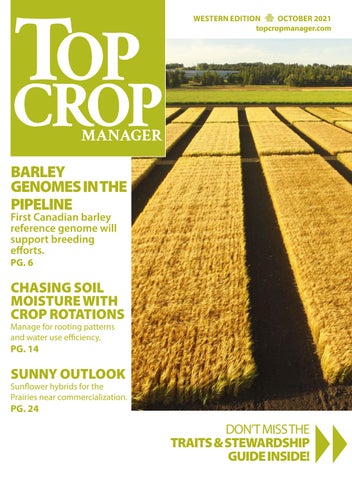
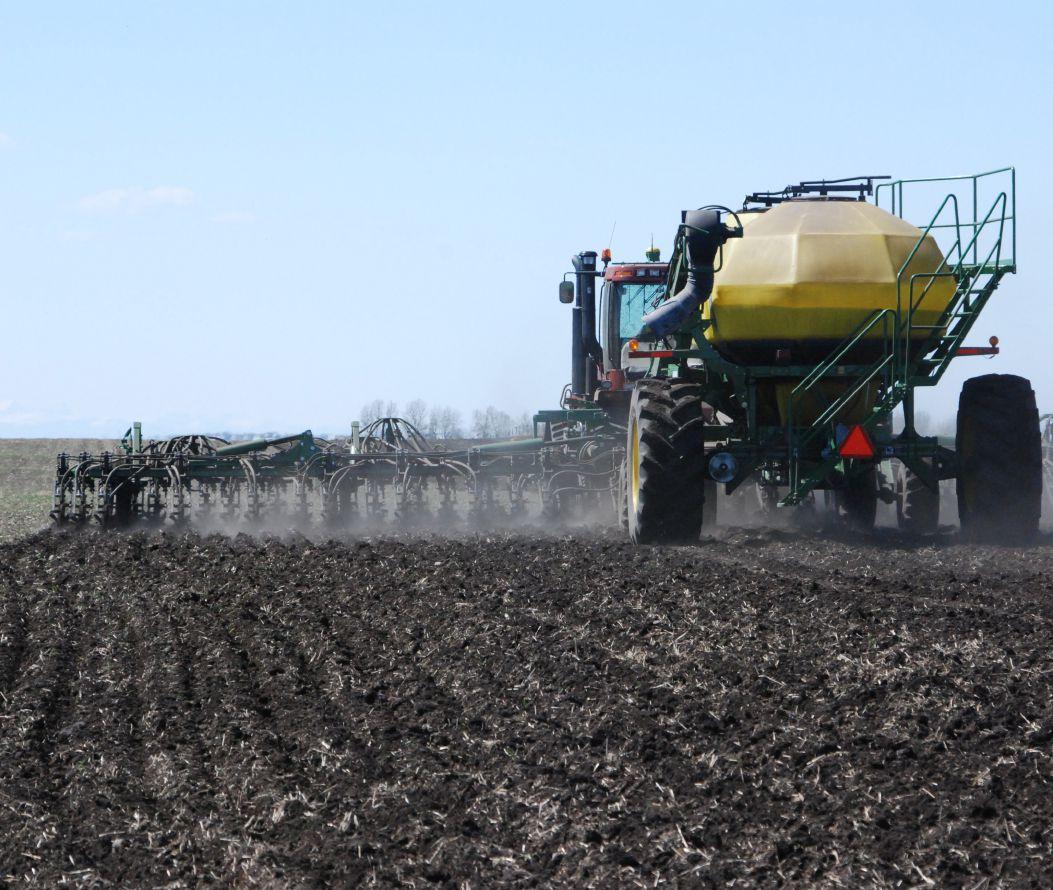
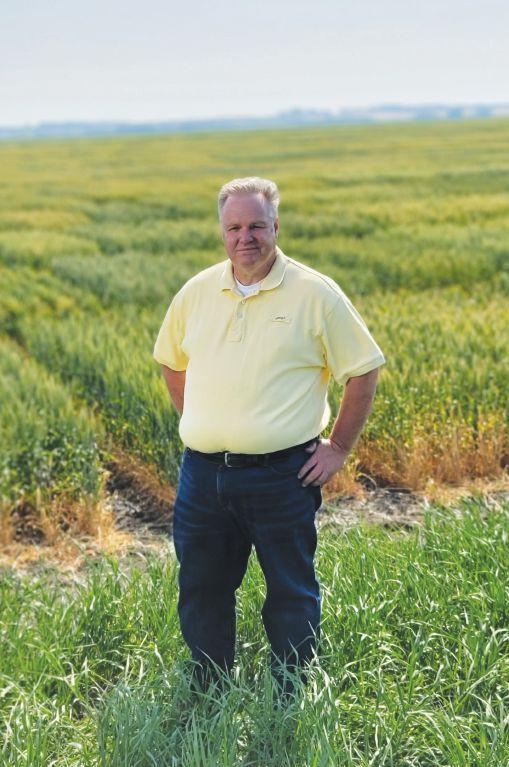
First Canadian barley reference genome will support breeding efforts.
PG. 6
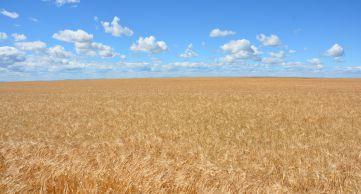
CHASING SOIL MOISTURE WITH CROP ROTATIONS
Manage for rooting patterns and water use efficiency.
PG. 14
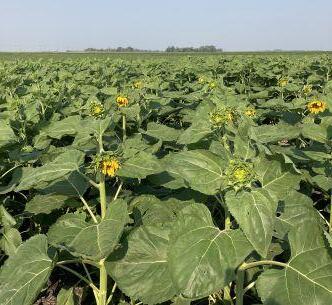
SUNNY OUTLOOK
Sunflower hybrids for the Prairies near commercialization.
PG. 24
A
leader in customer satisfaction for a reason.
Customers who grew Brevant™ seeds last season ranked us as a leader in customer satisfaction. Why? We work hard to ensure you get the latest technology, locally tested, with the focused service you deserve. It all adds up to simpler buying decisions, consistent and reliable results in the field, and customer satisfaction scores* that we can boast about in print. We’re blushing.
Together with your local retailer, we work hard to make your choice easy.
Visit your retailer or learn more at brevant.ca
*Based on third party research ranking Brevant seeds as a leader in customer satisfaction in 2020
PLANT BREEDING
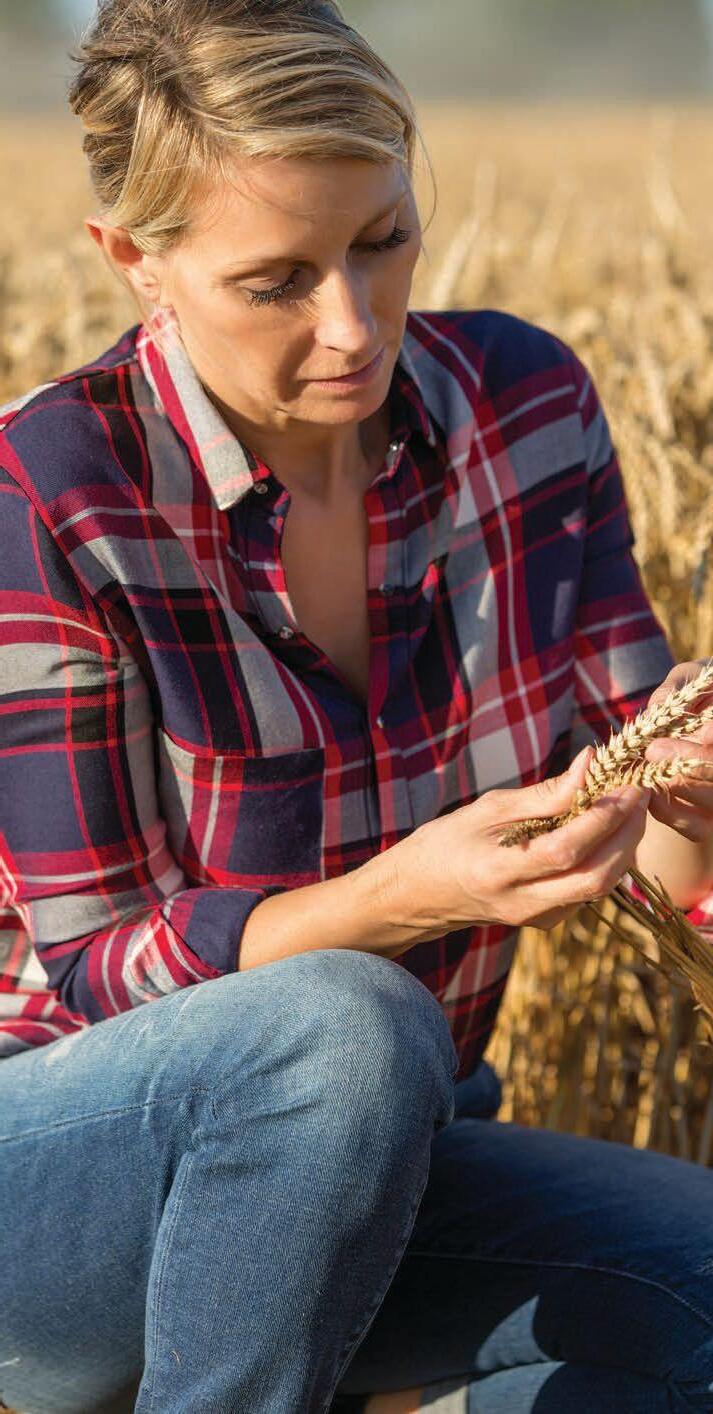
6 | Barley genomes in the pipeline
Publication of the first Canadian barley reference genome to support breeding efforts.
By Julienne Isaacs
FROM THE EDITOR
4 Considering careers in agriculture
By Stefanie Croley
AGRONOMY UPDATE
28 Multiple genes improve clubroot resistance
By Bruce Barker
CROP MANAGEMENT
OCTOBER 2021 • WESTERN EDITION
14 | Chasing soil moisture with crop rotations
Manage crop rotations with an eye on rooting patterns and water use efficiency.
By Bruce Barker
CROP MANAGEMENT
10 Narrowing the yield gap
By Bruce Barker
PLANT BREEDING
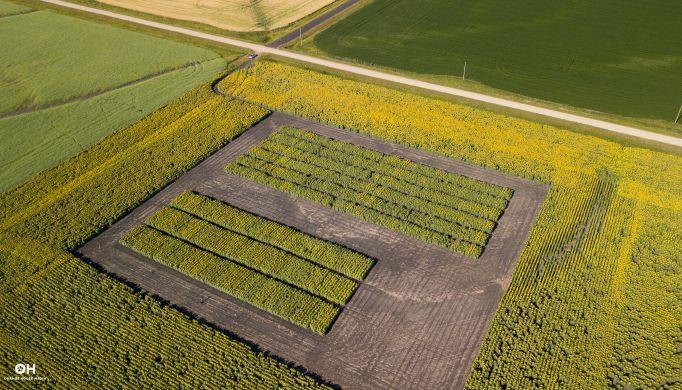
24 | Sunny outlook
Sunflower hybrids designed for the Canadian Prairies are nearing commercialization.
By Carolyn King
PLANT BREEDING
20 Engineering biology centre to speed Canadian agricultural research efforts
By Julienne Isaacs
ON THE WEB
STATSCAN RELEASES MIDSUMMER PRINCIPLE FIELD CROP STOCKS DATA
The results of Statistics Canada’s tri-annual supply and disposition exercise indicate that stocks of wheat, oats, dry peas and lentils were all up as of July 31 compared with the same date a year earlier, while canola and barley stocks were down, largely due to higher exports, as global demand for Canadian grain remained high.
TopCropManager.com
Readers will find numerous references to pesticide and fertility applications, methods, timing and rates in the pages of Top Crop Manager. We encourage growers to check product registration status and consult with provincial recommendations and product labels for complete instructions.
STEFANIE CROLEY EDITORIAL DIRECTOR, AGRICULTURE
CONSIDERING CAREERS IN AGRICULTURE
I recently listened in on a virtual roundtable discussion on the future of labour in agriculture, hosted by my colleagues at our sister publications, Greenhouse Canada and Fruit & Vegetable magazines. The discussion focused specifically on horticulture and greenhouse production, but many of the issues and suggestions presented – and the insight shared by the diverse group of grower, educator and industry panellists – are reflected in the field crop production sector as well.
At one point in the conversation, panellists were asked about attracting new folks outside of the industry to a career in agriculture. Pandemic aside, attracting and retaining new employees has been an industry-wide challenge for many years. Kim Wickwire, a horticulture instructor at Olds College, shared that enrolment numbers in many of the college’s agriculture classes and programs were continuously growing, but there seemed to be barriers in turning that education into a long-term career, including money (and the high cost of living) and misconceptions about what a career in agriculture actually entails.
While it’s encouraging to see the increased interest in ag education, retaining the interest – and bridging the education-to-career gap – is perhaps a greater challenge. Tania Humphrey, vice-president of research and development at Vineland Research and Innovation Centre in Vineland, Ont., commented on the benefits of a career in agriculture that are often overlooked by those with no farming background.
“Agriculture needs to attract [not only] people who grew up on a farm, or who did an ag science degree or program. We [also] want the people in computer science and food and nutrition and other [disciplines],” Humphrey said. “[The sector is] not just about sitting on a tractor . . . there are so many types of jobs and so much need for people of all backgrounds and disciplines. [Agriculture] is technologically advanced, it’s interesting, it’s dynamic, it’s recessionproof, there’s economic growth…all these things that young people should find attractive, but I think they’re unaware.”
I’ll be the first to admit I didn’t consider a career in agriculture when I was in school, simply because I associated it with working on a farm, which wasn’t the right fit for me. But Humphrey is right – there is so much more to a career in ag besides working on a farm. This is reflected in each issue of Top Crop Manager, but this one especially, which focuses on plant breeding, genetics and research work done by seed and chemical companies and federal and provincial research partners. Outside of the farm and lab, there are exciting roles in sales and marketing, engineering and mechanics, and even in media. The next time you’re encouraging someone to consider a career in agriculture, remind them that while life on the farm is pretty great – there’s a whole other world of ag options beyond the farm gate, too.
related groups whose products and services we believe may be of interest to you. If you prefer not to receive this information, please contact our circulation department in any of the four ways listed above.
Annex Privacy Office
privacy@annexbusinessmedia.com • Tel: 800 668 2374 No part of the editorial
There’s a reason InVigor Pod Shatter Reduction hybrids have been seeded on 40 million acres.
® hybrid canola with patented Pod Shatter Reduction technology helps protect yield potential and provides harvest exibility by offering the choice of straight cutting or delayed swathing. And with two new offerings for a total of 10 Pod Shatter Reduction hybrids in our 2022 lineup, it’s easier than ever to nd a high-performing t for your farm.
For more information, contact BASF Customer Care at 1-877-371-BASF (2273) or visit agsolutions.ca/InVigor.
Always read and follow label directions.
BARLEY GENOMES IN THE PIPELINE
Publication of the first Canadian barley reference genome to support breeding efforts.
by Julienne Isaacs
The barley genome is roughly 5.3 giga bases and comprises five million nucleic acid-base pairs. That’s almost twice the size of the human genome.
For this and other reasons, the recent assembly of the first Canadian barley reference genome represents a significant accomplishment, says Ana Badea, a research scientist in barley breeding and genetics for Agriculture and Agri-Food Canada (AAFC) based in Brandon, Man.
The genome for AAC Synergy, a two-row malting barley developed at AAFC’s Brandon Research Station that is widely adapted to Canadian growing conditions, was published earlier this year.
“Assembling big genomes is not easy,” Badea says. “However, it is worth the effort since having a reference barley genome is like having a blueprint, and like with any blueprints, [once you have it], things get a lot easier.”
With Ottawa-based AAFC researcher Nick Tinker, Badea coleads TUGBOAT (Targeted, Useful Genomics Project for Barley and Oat), a five-year project that aims to support Eastern and
Western Canadian barley and oat breeding efforts.
The work for assembling the barley reference genome, which falls under the TUGBOAT umbrella, was led by bioinformatics expert Wayne Xu, who works at AAFC’s Morden Research and Development Centre in Manitoba, aided by a team of researchers across the country with expertise in barley and oat.
“These days, the process of sequencing an entire genome is easier than it was just a few years ago due to the new sequencing technologies available. However, assembling a large genome like barley is still not an easy task,” Badea says. “Doing this type of work requires bioinformatics experts and hardware that can compute these large data sets.”
TUGBOAT began in 2019 and will run until 2024. One of its main objectives is to complete genome sequences for barley and oat and use these to ease breeding efforts, Badea says.
Work on the reference genome for AAC Synergy, a two-row
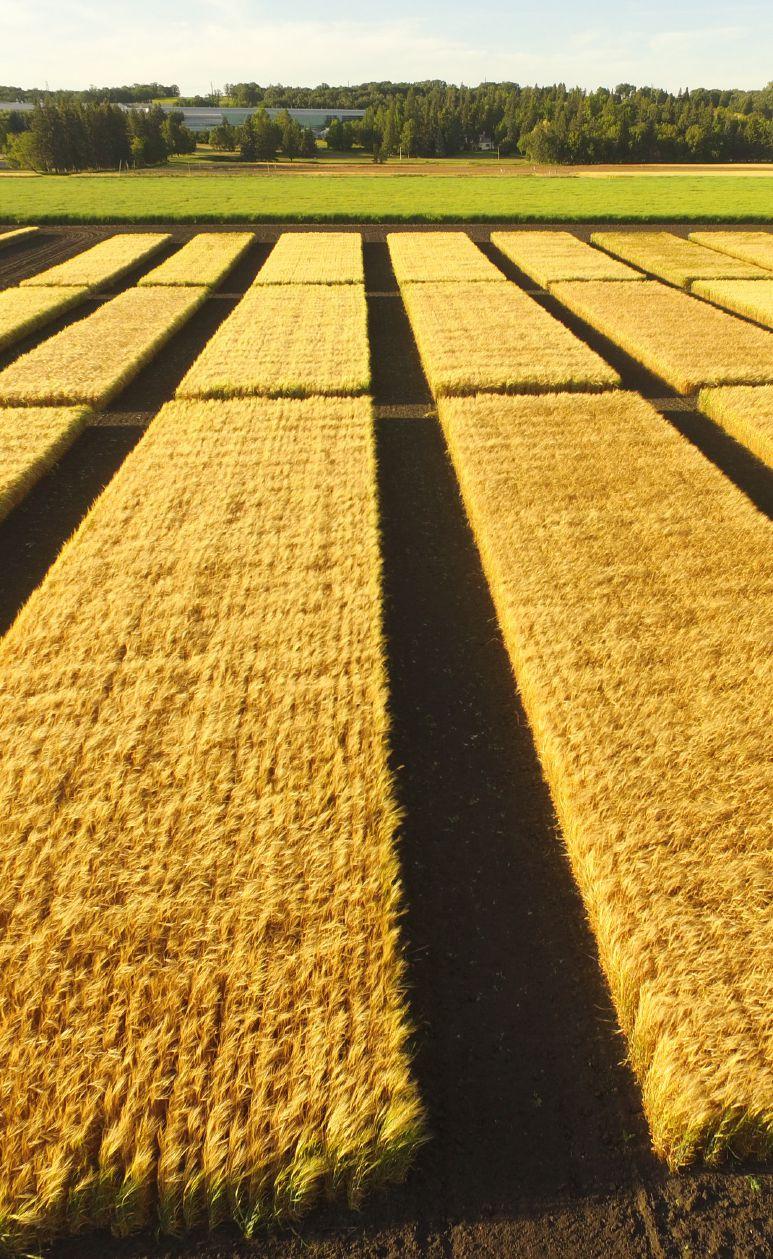
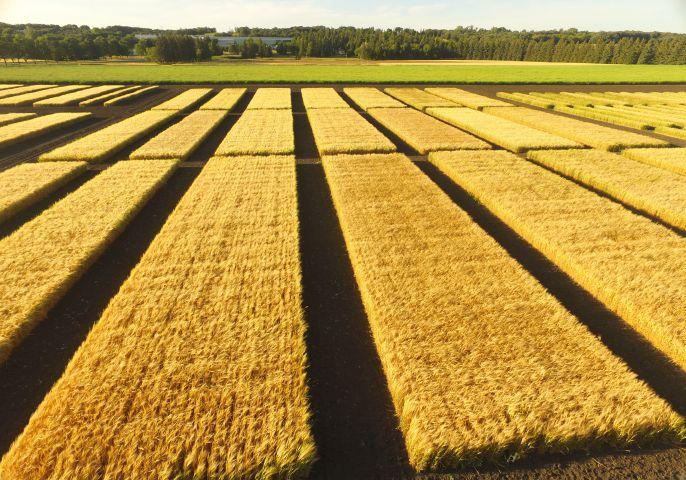
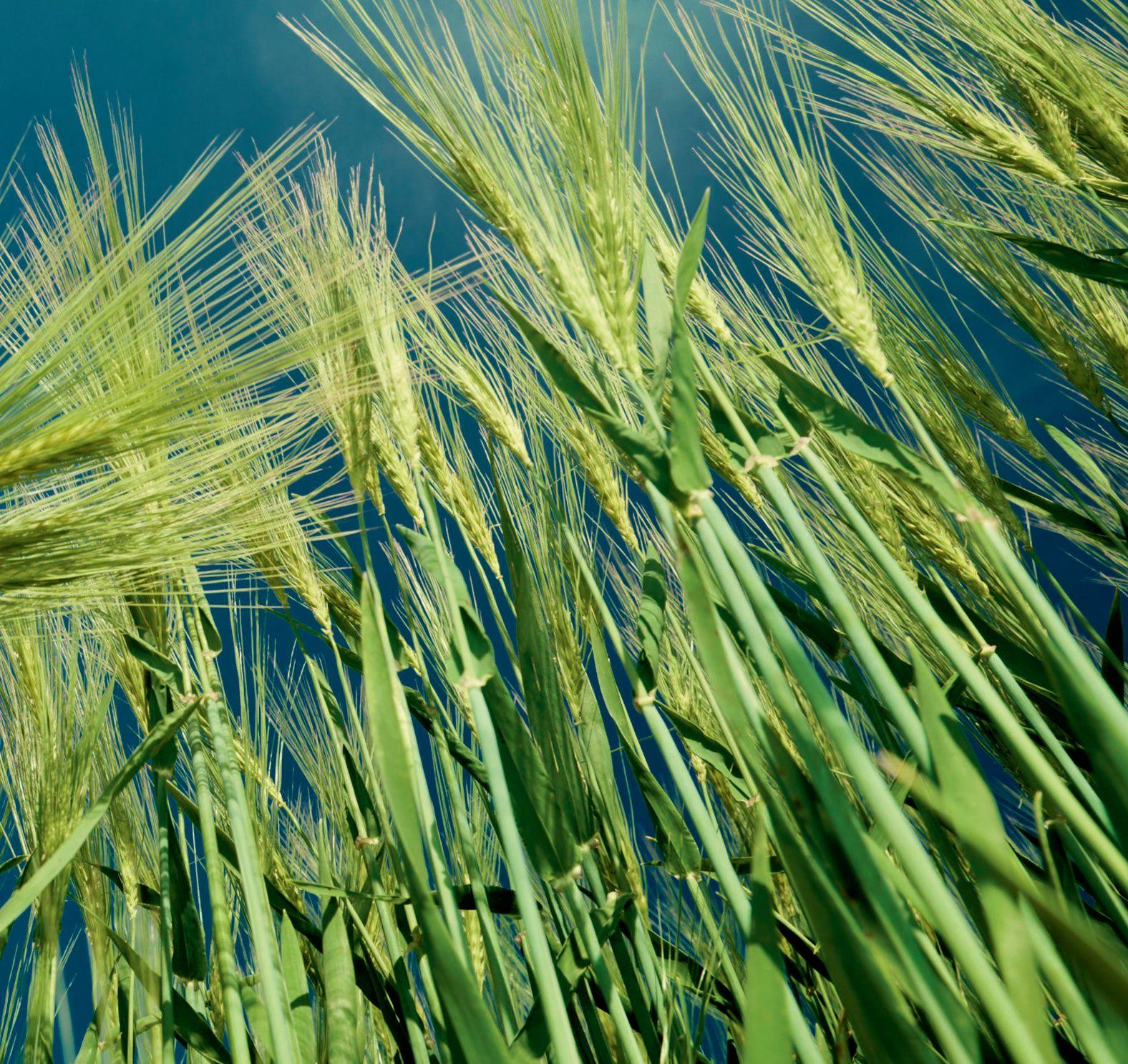
ABOVE: A field of AAC Connect barley.
BE READY. AND BE PROTECTED.
Introducing Vercoras, our new seed treatment for canola.
InVigor® hybrid canola growers will be set to stay ahead of advancing threats with the arrival of new Vercoras® seed treatment. It combines a frontline insecticide with four fungicide active ingredients. Together, they provide broad-spectrum control of key seed- and soil-borne diseases like blackleg and base protection against flea beetles1
Because when you use seed this good, you need to treat it right. Visit agsolutions.ca/vercoras to learn more.
Always read and follow label directions.
1 Vercoras seed treatment is an on-seed application of Vercoras F3 seed treatment, Poncho® 600 FS seed treatment insecticide and Vercoras XC seed treatment.
malting barley, began in the fall of 2019, immediately after TUGBOAT was greenlit. By September 2020, the team had submitted a manuscript detailing genome assembly to a scientific journal; the paper was published in early 2021.
“It is safe to say that the work, which involved tissue material generation and collection, high molecular weight DNA extraction and sequencing, curation and assembly of sequencing data, just to name some of the main steps involved with this activity, took less than a year,” she says.
This spring, the team embarked on the second part of the project, which will characterize some of the differences between AAC Synergy and other barley genotypes.
In past years, the reference genome for an American six-row barley cultivar called Morex has been used to aid Canadian barley projects. Badea says the differences between AAC Synergy and Morex, or AAC Synergy and the popular European variety Golden Promise, are still not well understood.
“Canada is a world leader when it comes to barley. To maintain our posi-
tion, we need to understand the genetic code of Canadian barley and what makes it unique,” she says.
“From our current primary genome comparison study, with either Morex or Golden Promise, we have learned that they share large genome-scale similarity, but we expect that there will be differences in small region-scale and gene levels related to quality, maturity, tolerance to biotic and abiotic stresses, etcetera, that could all have important implications for breeding.”
Additional reference genomes
Under the auspices of TUGBOAT, researchers have already begun work on three additional barley reference genomes for feed and malting cultivars AC Morrison, CDC Austenson and AAC Connect, Badea says.
These cultivars belong to different lineages, she explains, and are all core to Eastern and Western Canadian barley breeding programs; most likely, they contain important structural variations.
For example, AAC Connect, a two-row malting barley developed at AAFC Brandon, is moderately resistant to Fusarium head blight (FHB) – currently the highest rating for a Canadian barley.
“FHB resistance is complex, since it is quantitative and polygenic,” Badea says. This means its traits are produced by the cumulative effects of many different genes. “They can be affected by the environment, making breeding FHB-resistant varieties very challenging. We anticipate that the information generated in the coming years by our project will enable the breeders to conduct a first screening in the lab based on AAC Connect annotations for a given AAC Connect-derived breeding population,” she explains.
This means it’ll be harder to miss FHBresistant genes, and it will make the breeding process more efficient by reducing the number of lines tested in the field nursery.
Across Canada, FHB is the top disease affecting wheat and barley; it reduces yield and also quality, as it contaminates grain with mycotoxins that are harmful for human and animal health. The mycotoxin of main concern to the industry is deoxynivalenol (DON), also known as vomitoxin. In Canada, maximum residue limits of DON are set at one part per million (ppm), although Badea says levels as low as 0.5 ppm can result in shipments being rejected.
Given the high stakes for the industry, producers are used to deploying several
TUGBOAT team members. One of the project’s main objectives is to complete genome sequences for barley and oat and use these to ease breeding efforts.
PHOTO COURTESY OF ANA BADEA.
PHOTO COURTESY OF ANA BADEA.
Molecular tools resulting from the project could mean that only breeding lines with improved malting qualities could make it to trials.
strategies in FHB management, but Badea says that one of the best strategies is the use of barley varieties with built-in resistance – so the reference genome is good news for barley breeding.
But it won’t just come in handy for disease resistance breeding. It might also help
qualities could make it to trials.
“The final goal is that the breeders will have access to new tools to use in their selection process and develop improved varieties for the benefit of the Canadian farmers, malt-makers, beer-makers and – why not – beer-drinkers,” Badea says.
“For example, in the future, if the malthouses and breweries suddenly require malting barley with a different malting profile, we would be able to more quickly focus on that in our breeding, thanks to the genomic information that our team will be uncovering.”
Last year, an international consortium of researchers led by the Leibniz Institute for Plant Genetics and Cultured Plant Re search published the genomes for 20 dif
ferent barley genotypes, marking a first step toward publishing the barley pangenome – or the genetic information for multiple varieties of a species.
Badea says that currently, international efforts are ongoing to further expand the barley pan-genome by 50 or more genotypes, which will radically improve understanding of different aspects of the barley genome. Canada’s progress with the barley reference genomes may be useful to these international efforts.
But the TUGBOAT researchers’ efforts are ultimately geared toward improving
GROWING YOUR WORK OF ART
The visionary design of Proven® Seed shines through from every angle. Our leading-edge technology offers a whole new perspective on canola, cereals, corn, soybeans and forages. Whether you’re looking for high yields and performance from every seed across all acres, or specific herbicide systems and disease management, we know there’s a Proven Seed that fits your field. Only available at Nutrien Ag Solutions ® retail. Visit ProvenSeed.ca to learn more.
NARROWING THE YIELD GAP
Using GxExM synergies to bridge the gap between yield potential and the on-farm reality.
by Bruce Barker
The building blocks of yield come in many shapes and sizes, and from many sources. Plant breeding, disease, weed and insect management, soil and water all contribute. However, a new approach to understanding yield is GxExM – that is, Genetics x Environment x Management. This integrated approach helps researchers, plant breeders and farm managers hone in on how to narrow the yield gap between yield potential and what is actually achieved on-farm.
“Our population is growing faster than our ability to grow more food. Climate change is also impacting our ability to grow food, so it’s imperative we have an understanding of how to make changes for what is expected to happen 15 years from now, which is easier said than done,” says Brian Beres, a research scientist with Agriculture and Agri-Food Canada (AAFC) in Lethbridge, Alta.
One challenge Beres points out is that crop production is still stuck in a silo mentality, where efforts to improve crop production aren’t shared between different sectors. For example, a research note from the United Kingdom suggests that 90 per cent of yield gains in their main agricultural crops since 1982 is due to breeding new varieties. That is a silo mentality that doesn’t recognize the contributions of other parts of GxExM.
In reality, research has shown that there are synergies between genetics and management. From the 1960s through to 2010, yield increases of wheat showed a genetic gain of about 0.6 per cent per year, but a yield increase of 1.2 per cent per yield when the synergies of genetic gain and agronomic management were combined.
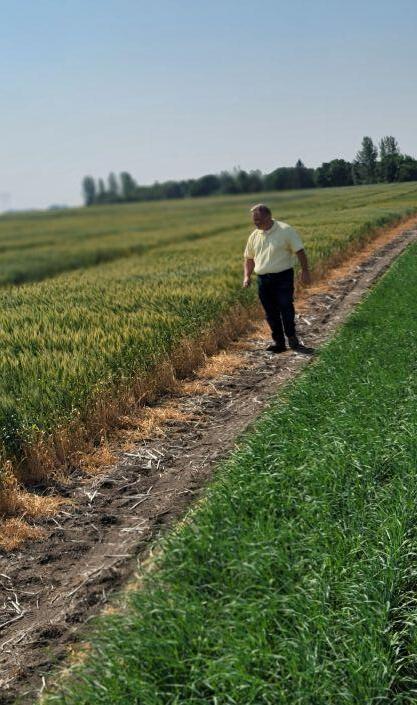
ABOVE: Ultra-early seeded wheat is an example of how management can enhance genetics and environment.
PHOTO BY BRUCE BARKER.
FOR
COUNT
At Bayer, every obstacle is a chance to learn. And to do better. We learn from the past, but don’t live there. We focus on innovation every day. Our advanced canola hybrids deliver next-level weed control and offer enhanced pod integrity to ensure clean straight cutting. So, for an easier, faster, smoother harvest, choose DEKALB. Plus, with the undeniably powerful flea beetle protection of BUTEO™ start seed treatment, you can be sure that DEKALB canola really is, the seed for every season. THE SEED FOR EVERY
“When you put the gains together, about one-half of wheat yield gains come from genetics and the other one-half from how we manage those genetics,” Beres says. “We have to look beyond what contributes more to how to identify the best synergies of genetic traits and the systems needed to capitalize on those traits. Some environments may require enhanced genetic contributions while others dictate a focus on management, but never is a complete disconnect sustainable.”
Identifying yield gaps
The GxExM equation identifies yield potential of the crop. In a year like 2021, environment had the greatest impact on yield, resulting from low rainfall and high solar radiation and temperature. Genetics are also very important, but these two factors are mostly beyond farmers’ and agronomists’ control, aside from variety selection. Where the yield gap can occur is with the management side of the equation. Fertility and insect, weed and disease management are all within a farmers control and need to be managed to exploit the varieties grown and what Mother Nature provides.
Reaching full yield potential may not be an achievable goal. A target of 70 to 80 per cent might be reasonable, but narrowing the gap above this threshold may not be cost-effective or environmentally sound.
The Global Yield Gap Atlas, an international organization covering 70 countries across six continents, hosts a database of yield gaps for 13 major food crops. The organization identifies the yield gap of major crops in Australia at 52 per cent, the Middle East and North African regions at 75 per cent, Argentina at 41 per cent and North-
west Europe at 25 per cent. Canada is not included in the project. “I would argue that our yield gap is under 40 per cent for wheat, but we have yet to quantify it,” says Beres, who is part of a group of scientists who are working to develop a yield gap atlas for Canada. He says developing a yield gap atlas would help benchmark current yield gaps, and help guide research priorities and crop management initiatives. The initiative would rely on obtaining information on the many aspects of GxExM. It would require information from study
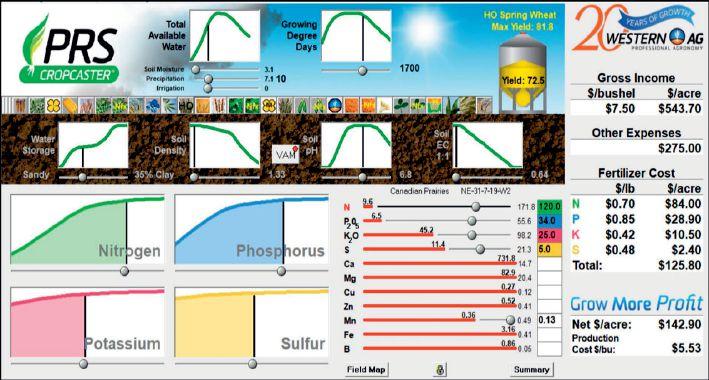
LET’S BUILD YOUR 2022 CROP PLAN
• CropCast your yields for 27 different crops.
• Analyze ‘What if’ scenarios based on your projected climate, prices and costs.
sites based on climate zones, cropping systems, crop management and soil data.
Exploiting yield through management
Beres gives a couple examples of how management can be used to reduce the yield gap. In one research study, he looked at the effect of crop rotation diversity in a cereal-based cropping system. Various rotations of wheat, pea, canola, triticale and intercrops were
In a research study, Brian Beres found the highest canola yields came from the most diverse rotations, pointing to how management can help reduce yield gaps.
compared. In the trials, cereal yield was the highest in the canolacereal-pea rotation, followed by canola-cereal, cereal-pea and continuous cereals. Canola responded similarly, with the highest yields in the most diverse rotations.
In the same study, microbial biomass, measured in the triticale rhizosphere, was the highest in the pea-canola-triticale rotation, and declined as the rotation became less diverse.
Net returns were calculated and, in a medium to high productive environment, the canola-triticale-pea had the highest returns at $271 per acre. Triticale-canola was the second highest in that environment at $255 per acre, with declining returns from the less diverse rotations.
Another example of using management to increase synergies with genetics and environment is research conducted by Beres on ultra-early seeded wheat. The research found that grain yield was higher and more stable with ultra-early seeded wheat, with an optimal seeding rate of 40 seeds per square foot and a shallow seeding depth of one inch. Starting to seed when the soil temperature reached zero to 2.5 C resulted in six bushels per acre higher yield than when soils reached 10 C.
“I would argue that, in Canada, our ability to exploit yield is getting harder,” Beres says. “The objective of a GxExM approach is to understand how to weave all the components into a system that will flourish and be more resilient in the future.”
SEED YOU CAN COUNT ON.
Total Ration Solutions testing program used to identify hybrids with maximum silage yield potential and quality
Line-up includes EDF (Effective Digestible Fibre) and EDP (Effective Dual Purpose) hybrids for end use flexibility
PHOTO BY TOP CROP MANAGER.
CHASING SOIL MOISTURE WITH CROP ROTATIONS
Manage crop rotations with an eye on rooting patterns and water use efficiency.
by Bruce Barker
In a “normal” year, farmers can use crop rotations as a tool to access soil moisture to get the most out of stored and growing season precipitation. In a dry year like 2021, it is even more critical to take advantage of any stored soil moisture going into the 2022 growing season.
“I think, to a certain degree, that growers are aware of the water use requirements of different crops and plan their crop rotations accordingly,” says Dale Risula, provincial specialist, specialty crops, with the Saskatchewan Ministry of Agriculture in Regina. “But it also depends on other factors, like soil moisture, commodity prices and the weather.”
Generally, crop production on the Prairies relies heavily on available soil moisture in the rooting zone. While growing season precipitation can impact crop yield more than spring soil moisture conditions, stored soil moisture is important for germination and early season growth. It’s like carrying a cash balance in the bank that can be drawn upon when needed.
Crop sequencing impacts soil water availability because different
crops have different water use efficiencies, and different rooting patterns and depths. As a result, growers can use crop rotations to manage and improve water use efficiencies.
Spring soil moisture can be improved, depending on the type of crop grown. Leaving stubble standing as high as possible can help catch snowfall and reduce surface runoff and evaporation in spring. Risula says that stubble that is six- to nine-inches tall can conserve 0.5 to one inch more water over winter, compared to a field that was cultivated in the fall. The type of crop will impact the amount of snow trapping, with crops like peas, chickpeas and lentils leaving very little stubble to trap snow.
An additional inch of soil water can significantly contribute to higher crop yields. For example, in the Dark Brown soil zone, an extra one inch of moisture could yield an extra four bushels per acre (bu/ ac) of CWRS (Canada Western Red Spring) wheat, 6.2 bu/ac of barley, 2.80 bu/ac of canola and 7.75 bu/ac of oat.
ABOVE: Understanding the rooting patterns of different crops can help improve moisture use efficiency.
DEVISED ON THE PRAIRIES. FOR THE PRAIRIES.
Our new homegrown pre-seed herbicide gets the toughest weeds.
Inspired by our local herbicide team, new Smoulder™ was designed to manage the most difficult weeds that thrive out here. It provides burndown of emerged weeds – even tough perennials and resistant weeds – as well as residual control of secondary flushes of volunteer canola. In short, this prime example of Prairie ingenuity delivers everything you want in a pre-seed herbicide ahead of wheat and barley.
Visit agsolutions.ca/pre-seed to learn more about Smoulder and the rest of the BASF pre-seed herbicide portfolio, including Certitude® and Voraxor™
Always
directions.
Research by Herb Cutforth at Agriculture and Agri-Food Canada (AAFC) in Swift Current, Sask., also found that tall stubble can have positive effects on crop production during the growing season. A three-year study was conducted in Swift Current to determine how seeding canola, chickpea and wheat into cultivated, six-inch short (about 15 centimetres high) stubble, 12-inch tall (about 30 cm high), and 18-inch extra-tall (about 45 cm high) standing wheat stubble affected crop yield.
Crop yield and the overall average water use efficiency increased linearly as stubble height increased to 18 inches. For example, wheat yield increased from 29 bu/ac (1,910 kilograms per hectare, or kg/ha) to 31 bu/ac (2,075 kg/ha) from cultivated to extra-tall stubble. Because all stubble types were overwintered as tall stubble, this increase in yield was attributed to a better microclimate during the growing season with reduced evapotranspiration and increased solar reflectance rather than increased snow trapping. These benefits would be generally achieved following crops where stubble can be left tall, such as cereals and canola.
ture lower in the soil profile, which a subsequent deep-rooted crop can access. Conversely, shallow-rooted crops depend on soil moisture recharge from fall rainfall, snow trapping and early spring rains. A shallow-rooted crop will utilize this moisture recharge very efficiently.
Generally, alfalfa, safflower and sunflower have the deepest roots. Barley, canola, oriental mustard and wheat have a moderate rooting depth, and field pea, flax and lentil are shallow-rooting.
Winter wheat and fall rye also root to depth earlier in the growing season than spring wheat, taking advantage of early season moisture.
A study conducted at AAFC Swift Current looked at rooting char acteristics and soil water use of chickpea, pea, lentil, canola, mustard and wheat. This research, led by Herb Cutforth, found that wheat withdrew the most water from the soil profile, and pulses withdrew the least amount of water. Pulses were also found to be shallow-root ing, removing significantly less water than oilseeds and wheat below the 31-inch (80-cm) depth. Oilseeds withdrew less water than wheat from the upper regions of the soil profile.
Cutforth concluded that growers “can increase the overall efficien cy of a crop rotation by growing deeper-rooting crops, such as wheat and canola, following pulses, and by growing crops, such as wheat, that will use the increased soil water reserves following canola.”
Another study conducted at AAFC Swift Current, led by Brian McConkey, looked at root distribution by depth through an analysis of a research database that included root measurements. Crops in cluded were wheat, maize, oat, barley, pea, chickpea, lentil, soybean, canola, alfalfa and fescue. McConkey found that at least half of the root biomass could be found in the upper 7.9 inches (20 cm) of soil for all crops.
Alfalfa showed the deepest rooting profile with 95 per cent of roots in 54 inches (136 cm) of soil depth and a maximum rooting depth of 70 inches (177 cm). Perennial fescue had the shallowest rooting depth, with a maximum 31-inches (78-cm) rooting depth.
For annual crops, wheat, barley and soybean showed deeper root ing depth than other crops, with 95 per cent of roots occurring in the top 40 to 54 inches (100 to 138 cm) and maximum rooting depth of 57 to 68 inches (146 to 172 cm). Oat, pea, chickpea and lentil had the shallowest rooting profile of annual crops, with 95 per cent of roots in the top 25 to 34 inches (64 to 85 cm) and maximum rooting depth of 31 to 43 inches (78 to 110 cm).
Generally, the research found that cereal and pulse crop roots were distributed more evenly in the soil profile, while more roots were ac cumulated in the upper soil layers for oilseed crops.
A demonstration conducted in 2010 by researchers at AAFC Scott in Saskatchewan shed further light on rooting depth. They seeded four plots to canola, wheat, lentils and green foxtail. To scan the roots, a 60inch (150-cm) soil core that was three inches in diameter was pulled. Researchers then used a scanner to capture images of rooting depth. By July 13, 2010, lentils showed dense root growth to 70 cm, and limited root growth to 90 cm. The canola and wheat roots reached past 100 cm. Green foxtail roots were dense to 55 cm below the surface. These depths were reached even though the research station had received 14 inches (363 mm) of rain at the time of scanning.
Using rooting depth to manage and access soil moisture
Risula says growers can optimize water use by rotating between deep and shallow-rooted crops. A shallow-rooted crop leaves soil mois-
These research studies can help guide farmers and agronomists when developing crop rotation plans. While commodity prices will always have a large impact on crop rotation decisions, understanding crop rooting patterns and water use efficiencies can help utilize soil moisture in the most efficient way. And depending on what precipitation occurs between harvest and spring seeding, that knowledge could be more valuable than ever in 2022.
SOURCE: SOIL CLIMATE ZONES OF THE CANADIAN PRAIRIES, ENVIRO TEST LABORATORIES.
The incredible nominations we received for the second year of this program highlighted just how many influential women there are working within Canada’s agriculture industry.
To our Top 7 recipients, those who nominated an influential woman, those who offered support through social media or tuning into the podcast series on AgAnnex Talks, and to our generous sponsors:
CONGRATULATIONS
WOMEN IN CANADIAN AGRICULTURE WINNERS
Andrea McKenna
Crystal Mackay
Ellen Sparry
Leona Staples
Noura Ziadi
Simone Demers-Collins
Tina Widowski
ENGINEERING BIOLOGY CENTRE TO SPEED CANADIAN AGRICULTURAL RESEARCH EFFORTS
Centre will enable high-throughput research in plant biology, system resiliency and new technologies in pest control.
by Julienne Isaacs
Astate-of-the-art biomanufacturing facility that promises to deliver innovations in agricultural research and plant breeding is set to open in Saskatchewan by the end of 2021.
The agricultural biomanufacturing platform, which is as-yet unnamed, will be hosted and managed by the Global Institute for Food Security (GIFS) at the University of Saskatchewan, and is funded in part by a $3.2-million investment through the Canadian Foundation for Innovation (CFI), with the remaining 60 per cent of funding coming from public and private partners.
Engineering biology, or synthetic biology, is an interdisciplinary approach that “uses engineering principles to analyze and apply biological processes to improve existing products or create new sustainable solutions for the entire ag and food ecosystem,” according to GIFS.
“Engineering biology combines engineering, miniaturization and robotics with biology and computation to accelerate and drive the design-build-test cycle,” says Steve Webb, executive director and CEO at GIFS, and a member of Canada’s National Engineering Biology steering committee.
Webb says the engineering biology centre will serve research needs across many industries. Within agriculture, it promises to help accelerate breeding efforts with the University of Saskatchewan’s Crop Development Centre in order to get better varieties into farmers’ hands much more quickly.
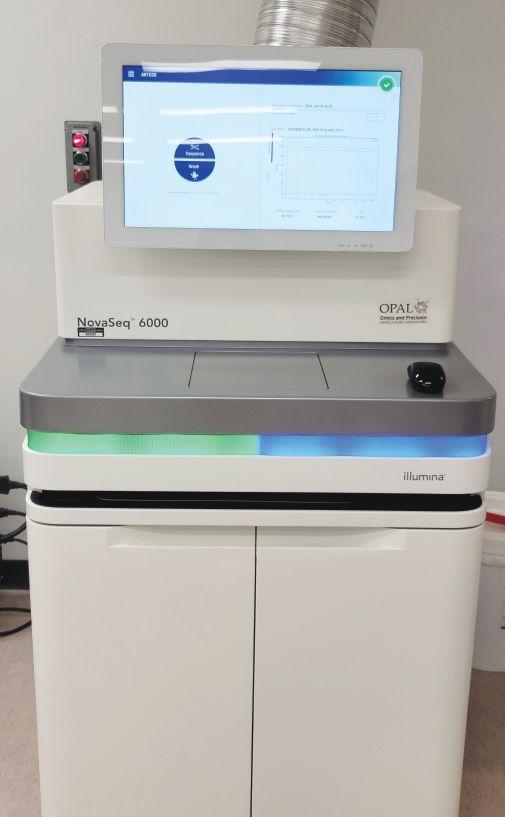
The centre will combine GIFS’ genomics, data management and analytics capacity through its Omics and Precision Agriculture Laboratory (OPAL) with a biomanufacturing platform, which uses robotics to manipulate DNA, RNA and proteins, a metabolomic suite to look at secondary metabolites and small molecules, and a proteomics suite to measure protein structure and function.
“These five suites make up the entire platform,” Webb says. “Because we have the computational and genomics suite through OPAL, we can already start making tools and reagents. The
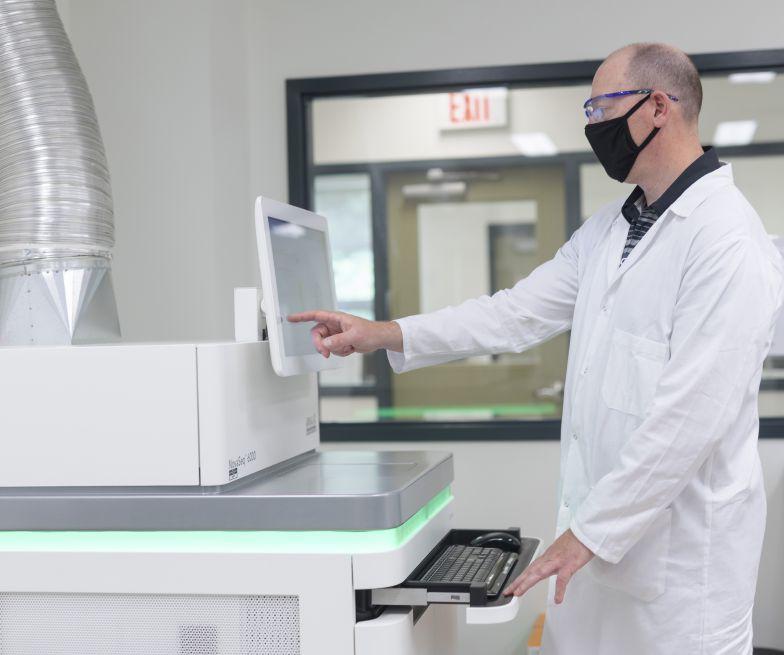
The Novaseq 6000, a genome sequencing machine, in the OPAL lab.
proteomics suite will be the next one that’s built, and then the last suite will be the metabolomics suite.
“The lead time on ordering equipment is about six months, so we’re probably seeing the full suite buildout within two years – but the goal is to be operational and drive research projects by the end of this fiscal year.”
Webb says the centre is projected to require 10 hires; the positions, which require specialized technical expertise, will be advertised nationally and internationally. But it will also provide training opportunities for many Canadian researchers.
“One of the things that I think is exciting is the training opportunity – it’ll make Saskatchewan the agriculture and food research node for the Canadian network and will help to build partnerships and collaborations around the world,” he says.
“This part of the bio-economy is projected to grow to $2- to $4-trillion in the next 10 to 20 years.”
Applications in plant research
The CFI funding application to open the engineering biology centre was initiated in 2019 by Tim Sharbel, a professor in the University of Saskatchewan’s college of agriculture and bioresources, in collaboration with Webb. At the time, Sharbel was working at GIFS on research related to apomixis, or asexual seed production in plants.
Sharbel had spent two decades researching how apomixis, a naturally occurring process, could be harnessed in plant breeding to immediately “fix” desired genotypes and dramatically improve the efficiency of breeding efforts.
Steve Webb, executive director and CEO of GIFS.
Most of his research has focused on boechera, a genus of the Brassica family and relative of canola.
“We now know all the genes required to make a sexual boechera into an apomix. The genes all make sense. The next step is a high-throughput CRISPR-Cas9 experiment that will introduce these genes into a canola plant,” he says. “Essentially, I’ve got all these genes but no way of testing them all.
“I’ve come to a bottleneck in my research.”
The solution, Webb informed Sharbel, was a biomanufacturing centre with the capacity to process huge amounts of data in a short period of time.
Sharbel isn’t the only researcher who has bumped against the limits of traditional avenues of research. The centre will be used by many scientists from the university, as well as researchers from across the country, says Webb.
“The biggest challenge for us is to combine individual requests from different project leads and efforts to maximize the capacity that we have,” he says.
At the same time, Webb doesn’t
Bruce Mann, GIFS technical lead, Omics and Precision Agriculture Laboratory (OPAL), operates the NovaSeq 6000 Sequencing System.
believe the centre will have to turn any applicants away.
“I hope we run into the problem of not having the capacity, but I can’t see that happening within the next five to seven years,” he says. “One of the challenges these platforms can have is whether they have enough business. The good news is that we have people who want to use the platform and pay for it.”
Besides Sharbel’s apomixis research, other efforts slated to enter the centre include projects focused on canola genomes – for example, understanding canola gene function and impact on plant performance under biotic and abiotic stress.
Another major area of research under the plant improvement umbrella at GIFS, which Webb says will also find a home at the engineering biology centre, is the relationship between plants and the soil microbial community.
“The centre will allow us to manipulate plants and microbes at scale at the same time. So, that will allow us to think about how to accelerate and build resiliency in the production system,” he says.
Yet another area of interest to the cen-
Steve Webb (pictured) says the new facility should get better varieties into farmers’ hands much more quickly.
tre’s research partners is natural diversity in small molecules, Webb adds. The research will attempt to identify small molecules that can help manage plant diseases and insects “to avoid the use of synthetic chemistries – an organic approach to control,” he says.
Sharbel says engineering biology will ultimately help researchers and plant breeders build more complexity into their programs.
“There’s a quote out there that the placement of any new crop into the field requires 15 years and 150 million dollars of research,” he says. “The reason is that it’s a very random process – you’re trying to cross all these traits and sometimes they don’t mix together and it really does take a long time. We really are only touching the surface in terms of crop improvement. Engineering biology enables us to bring that time down under five years.
“This is the logical step in how funding can lead to research success.”
SEED YOU CAN COUNT ON.
Range of hybrid choices to meet your growing conditions
Robust breeding and testing process to assure quality
Trusted brand to deliver value and performance
PLANT BREEDING
SUNNY OUTLOOK
Sunflower hybrids designed for the Canadian Prairies are nearing commercialization.
by Carolyn King
As the only sunflower breeding program in Canada, the Manitoba Crop Alliance’s program is key to the longterm success of the country’s sunflower production. This program is just 10 years old, but it already has some very promising hybrids, including one that is nearing the final stage of precommercial field testing.
The program targets sunflowers for the confection seed market –the in-shell snack market. The aim is to develop hybrids that have a production advantage for Prairie growing conditions and a seed quality advantage in domestic and international markets.
“At present, the sunflower varieties available to Canadian producers are all sourced from the United States. All those genetics were bred and developed in the U.S. for U.S. growing conditions and needs,” explains Darcelle Graham, chief operating officer of the Manitoba Crop Alliance (MCA).
“In fact, one of the top confection varieties that Canadian producers are still growing today is 30-plus years old. You wouldn’t see that with other crop types. Canada has new canola hybrids, new wheat varieties, new corn hybrids coming along all the time; their
genetics are continually being improved.
“So, one of the reasons why the sunflower breeding program was identified as a strategic priority was the need for new genetic opportunities for sunflower producers in Canada. The program’s overall objective is to increase the profitability of growing sunflowers for Canadian producers.”
Before the National Sunflower Association of Canada (NSAC) and four other Manitoba commodity groups amalgamated to form the MCA in 2020, Graham was NSAC’s executive director. She notes, “Manitoba has 90 per cent of the sunflower acres in Canada, so our breeding program is focusing on Manitoba for now. Once we have a commercially ready hybrid for Manitoba, we will look at expanding the field testing to Saskatchewan and Alberta. We’re hoping that our hybrids will be a good fit for those provinces, too.”
Over the decade since the breeding program started, it has received funding from various sources. Currently, it is funded by
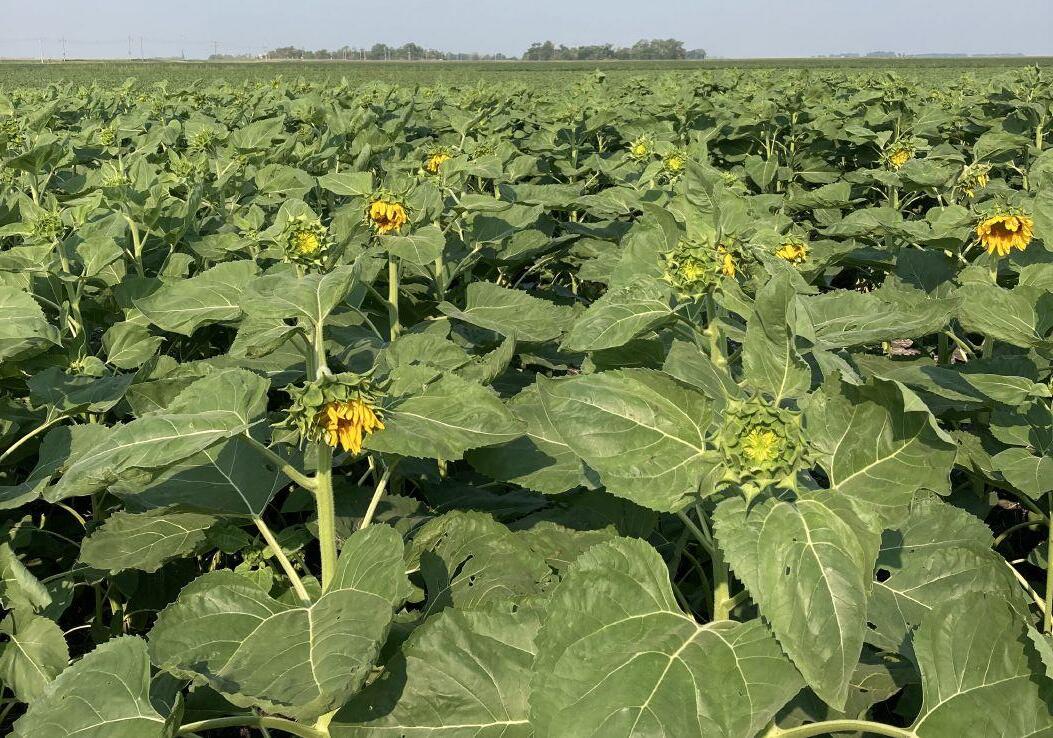
TOP: Some early experimental hybrids at 51 days after planting at the Fargo nursery in North Dakota.
INSET: The parent lines are developed at the Fargo nursery.
Photos courtesy of MCA Sunflower Breeder.
Agriculture and Agri-Food Canada and the Canadian Agricultural Partnership (CAP) under the Diverse Field Crops Cluster, the Manitoba Government under the CAP Ag Action Manitoba program, Western Grains Research Foundation and levy dollars from MCA sunflower growers.
Seeking the best of the best Mike Hagen has been the program’s sunflower breeder right from the beginning. Graham says, “We didn’t have any sunflower breeders per se in Canada with the required knowledge and expertise, so we looked stateside. Mike has considerable expertise and experience with sunflower breeding, and he brought in some of the initial parental lines for our program. Also, Mike is based in Fargo, North Dakota, which is a hub for sunflower research, including the USDA breeding program. And we have been able to bring certain traits from the USDA program, such as disease resistance traits, into our breeding program.”
“Hybrids are made by crossing parent lines, so as a breeder, about 90 per cent of my job is developing the best elite parent lines that I
can,” Hagen explains. “It takes about four to six years to develop a new parent line. You keep on eliminating and eliminating and narrowing it down to the very best lines based on how well they perform in crosses with other parent lines and the quality of the experimental hybrids that I can get from them.”
This breeding work is conducted at the program’s summer and winter breeding nurseries. The summer nursery, running from May to October, is just outside of Fargo, and the contra-season, or winter, nursery is in Chile and operates from November to April. “Having the contra-season nursery allows us to advance our materials at an accelerated rate; essentially it doubles the rate of hybrid advancement,” Graham notes.
The hybrids are evaluated at various Manitoba locations in a series of trials. The seed for these trials is produced at the winter nursery.
“This winter nursery/summer nursery system works quite well,” Hagen says. “In the summer, we get to see the performance of the different hybrids, and I get to evaluate my inbred lines again before we send the seed to Chile. And based on all those observations,
we can improve or fine-tune the winter nursery, so we can get a higher quality field of experimental hybrids for the following summer.”
Each year, they test 132 new experimental hybrids at two Manitoba locations; usually one is in the Elm Creek area and the other in the Holland area.
Out of those 132 experimentals, they advance the best ones to the variety performance trials (VPTs) in the following year; in 2020, they advanced 12 out of the 132 hybrids.
The VPTs take place at multiple Manitoba locations each year. These replicated plot trials compare the advanced hybrids with the commercial varieties currently being grown in Manitoba.
The best lines from the VPTs go to pre-commercial strip trials at two to four locations. The strip trials are conducted in commercial fields by sunflower grower members of the MCA, using the grower’s field equipment and production practices. The strips are at least eight rows wide and 1,000 feet long.
Your better beans are here.
Better soybeans. Better yields. Better for your community. That’s why we developed Enlist E3™ soybeans, a more advanced seed with high yield potential and a robust herbicide tolerance. Enlist Duo™ and new Enlist™ 1, with Colex-D™ technology for a better low drift, near-zero volatility solution that lands and stays on target.
Enlist E3 soybeans are available for 2022 planting. Talk to your local seed supplier. Simply Better Soybeans. | Learn more at enlistcanada.ca
The pre-commercial pilot trials are the final stage of testing. These larger scale trials involve perhaps 40 or 50 acres and are conducted by MCA sunflower grower members using their own equipment and practices.
Traits that meet grower needs
The MCA breeding program works hard to ensure that its sunflower hybrids will perform successfully in Prairie growing conditions.
To advance through the Manitoba testing process, a hybrid’s yield must be as good as or better than yields of the current commercial varieties. The hybrid’s days to maturity must be equal to or shorter than the maturity of the current commercial varieties. And the hybrid must be able to withstand strong winds and driving rain without falling over. To further help with standability, Hagen also breeds for medium to short plant height.
Through Hagen’s breeding work, all the parent lines now in the program are tolerant to the herbicide Express, which means that all hybrids produced are Express-tolerant –another competitive advantage for growers. He notes, “This is a non-GMO herbicide resistance trait – a natural resistance that was found in nature.”
The breeding program is also making good progress on disease resistance. “I’m working with some dominant genes for resistance to downy mildew and rust, and trying to incorporate those into all the new experimental hybrids that we test every year in Canada,” Hagen says. “About 90 per cent of the experimentals that we’re testing this year in Canada have a gene for resistance to downy mildew and about half of those 90 per cent also have a resistance gene for rust.”
Traits that meet market needs
“Another piece to this program is ensuring that we keep in contact with our processors and buyers [so we understand what their needs are],” Graham says. “For example, pre-COVID, we would invite them out to see our hybrids as they are growing here in Manitoba, and we would share with them samples of the harvested seeds because there are some nuances with confectionary sunflower seed characteristics.”
Some of those nuances relate to seed shape. “We breed for a long-type seed,” Hagen explains. “It is not really long, but it is longer than the industry standard that is grown in Canada at present, which is more of a round-type. And we also want the
SOYBEA
The MCA program evaluates the hybrids at various Manitoba locations in a series of trials, starting with the new experimental hybrids, shown here at Elm Creek in 2020.
PHOTO COURTESY OF MANITOBA CROP ALLIANCE.
shoulder, or base of the seed, to be wide.” A longer seed with a wide shoulder is a shape that appeals to both domestic and international markets.
In addition, the hull colour has to be visually appealing to consumers. “There is very little processing when it comes to confectionary sunflower seeds,” Graham says. “They get harvested, cleaned to remove harvest debris, and sized. Then they are roasted in the shell and put into a bag.”
Hagen breeds for hulls with a striking colour combination: a solid dark grey and ideally just a single, clean white stripe around the outside edge of the hull.
“We also want a good test weight, which means we want a lot of nut meat in those seeds,” he says. “When we select hybrids for advancement, we try to get 55 per cent or higher nut meat (or about 45 per cent or less hull). Last year, the hybrids that we advanced were in the range of 55 to 62 per cent nut meat.”
High yields, high quality, high hopes
“Our breeder and our team are very excited with the results we’re getting. We’re hoping to meet our goal of having a commercially viable hybrid by the end of this project cycle, which is March 31, 2023,” Graham says.
“This year, we have one hybrid that is in its second year of pre-commercial strip trialling and it’s looking pretty good,” Hagen notes. “We had the same hybrid in the VPTs last year and it outperformed the industry standard by quite a bit in all three VPT locations. And we also had it in strip trials in three locations last year. It outperformed the industry standard in two of the locations and in the third one, the industry standard edged us out a little bit.”
On top of that, Hagen’s breeding pipeline now has several experimentals that look like they have the potential to be commercialized in the coming years.
“We’re pretty happy with the progress that we’ve made. You have to wait a long time and do a lot of work to get to this point, but it’s finally starting to come to fruition,” Hagen says. “We’ll get another year under our belt, and then I’m hoping that we can get something in pre-commercial pilot trials.”
He adds, “We are in talks with third parties that are interested in looking at commercializing a hybrid from our program.” So stay tuned – a commercialized sunflower hybrid that’s tailor-made for Manitoba could be on the way.
BRUCE BARKER, P.AG CANADIANAGRONOMIST.CA
MULTIPLE GENES IMPROVE CLUBROOT RESISTANCE
Cultivar resistance is a cornerstone of clubroot management. Most canola hybrids have resistance to the “old” pathotypes 2, 3, 5, 6 and 8, but research in 2014 to 2016 by Stephen Strelkov at the University of Alberta found a total of 17 “new” pathotypes using the Canadian Clubroot Differential (CCD) set.
To further understand how clubroot-resistant (CR) genes interact with these new pathotypes, researchers at Agriculture and Agri-Food Canada (AAFC) in Saskatoon initiated a unique threeyear study in 2016 to assess the efficacy and durability of canola lines carrying single and multiple CR genes. For the study, led by research scientist Gary Peng, 20 canola-quality Brassica napus inbred and hybrid lines carrying single, double and triple clubrootresistant genes were produced in collaboration with Nutrien Ag Solutions. All lines in the study were resistant to the old pathotypes 2, 3, 5, 6 and 8. The study looked at the efficacy of selected lines against the newly identified pathotype 5X. Westar and 45H29 (resistance to old pathotypes), both susceptible to the 5X pathotype, were included as controls.
Durability of the selected lines were also assessed against the predominate pathotype 3H (old pathotype 3) under heavy and lighter disease pressure, mimicking clubroot infestation levels in Alberta versus in Saskatchewan and Manitoba. Stacking of clubrootresistant genes was also included to investigate the efficacy and durability against this common clubroot pathotype.
The study found that clubroot-resistant genes on chromosome A8 (CRB) are effective on the old pathotype 3H, but only partially resistant to two of the new pathotype 5X populations, and susceptible to a third population of pathotype 5X.
When the CRB gene was combined with one of the clubrootresistant genes on chromosome A3 (Rcr1 or CRM), moderate resistance was achieved against all 5X populations, as well as high resistance to the older pathotypes. Peng says this indicates that the range of resistance can be increased by stacking two clubrootresistant genes with different modes of action.
The study also showed that in response to 5X infection, many genes involved in pathogen immunity pathways were more strongly activated in lines carrying these two clubroot-resistant genes, relative to those controlled by either of the single clubrootresistant genes alone. Despite an intermediate level of resistance,
the resistance appears quite durable after five generational cycles of exposure to the same 5X population, with disease severity index (DSI) generally less than 30 per cent. This highlights the value of using the multi-genic approach for clubroot-resistance efficacy and durability.
Against pathotype 3H, a single clubroot-resistant gene was found to lose the resistance gradually, especially when exposed to high initial inoculum levels (107 spores/g soil). The resistance erosion was noticeably slower under lower inoculum pressure (104 spores/g).
Because resistance erosion was slower under lower inoculum pressure, the researchers emphasized the importance of extended crop rotation – at least a two-year break from canola – to reduce the load of resting spores in heavily infested fields to assist in the performance and durability of clubroot resistance.
Research by Strelkov found that having a greater than two-year break from canola resulted in a 95 per cent decrease in clubroot resting spore concentrations. In the third year after the harvest of clubroot-resistant canola, resting spore concentrations were similar to those of host-free control plots. By implementing longer rotations and having an awareness of clubroot severity or inoculum levels in their fields, producers may be able to prolong the effectiveness of clubroot-resistant varieties and contribute to more sustainable management of clubroot of canola.
The overall results of these research projects highlight the value of stacked clubroot-resistant genes of different modes of action for resistance performance and durability. More work is warranted to look at resistance against additional new pathotypes (3A and 3D, for example) to confirm the validity of this multi-genic strategy for enhanced resistance efficacy and durability.
According to the Canola Council of Canada, it is understood that no clubroot-resistant variety, including new ones with multiple resistance genes, are resistant to all of the clubroot pathotypes detected in Western Canada. As a result, growers and agronomists should talk to their seed suppliers to gain an understanding of how to implement a strategy for rotating and stacking clubroot-resistant genes on their farm. This strategy will become more useful as more clubroot-resistant genes are bred, and stacked, into new canola varieties.
OCT. 19, 2021 12:00PM EDT
JOIN THE CONVERSATION
Register for a virtual mentorship event with some of the most influential leaders in Canadian agriculture.
This half-day virtual event will showcase select honourees and nominees of the IWCA program in a virtual mentorship format. Through roundtable-style sessions, panelists will share dvice and real-life experiences on leadership, communication and balance working in agriculture.
PLATINUM SPONSOR GOLD SPONSOR
IT’S OPEN SEASON ON WIREWORMS.
Often overlooked by cereal growers, wireworms can cause significant losses in yield –up to 50%*. And even when they’re identified, growers have had to settle for secondrate solutions. Until now. New Teraxxa® F4 is the only cereal seed treatment that eliminates wireworms by breaking the life cycle. It also provides broad-spectrum control of seed- and soil-borne diseases. So why use an ordinary seed treatment? Arm yourself with the only all-in-one solution for cereals. Learn more at agsolutions.ca/TeraxxaF4.