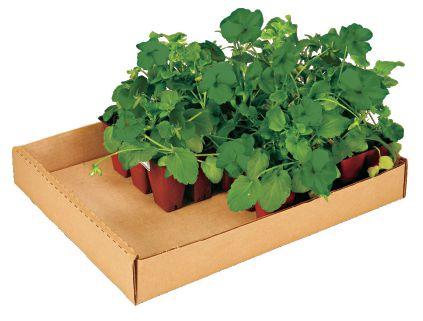
Do everything you can to keep waterhemp out of your field.
PG. 10
ATTACKING THE WEED SEEDBANK
Turn loose the predators. PG. 6
ARE YOUR TANK MIXES EFFECTIVE?
The answer can get murky. PG. 16
Don’t miss the 2021 Weed Control Guide included in this issue!
Make the shift to maximum control.
Feel a new level of control with Exhilarate™ herbicide. Thanks to overlapping modes of action and Arylex™ active, Exhilarate provides exceptional broadleaf weed control in wheat and barley at maximum value.
Visit your retailer today to book your Corteva Agriscience products for 2021!
Early Order offer ends soon. Book by March 15th, 2021 and SAVE up to 18% with Flex+ Rewards.* Find
TOP CROP
MANAGER
WEED MANAGEMENT
6 | Attacking the weed seedbank
Turn loose the predators. by Bruce Barker 10 | Be very afraid Do everything you can to keep waterhemp out of your field. by Bruce Barker
WEED MANAGEMENT 16 | Are your tank mixes effective? The answer can get murky. by Bruce Barker WEED MANAGEMENT
A valuable research legacy by Donna Fleury
INPUTS – THE PODCAST BY TOP CROP MANAGER
Tune in to the latest episodes of Inputs and catch insights on spring soil preparation and recognizing and managing sulfur deficiency in your crops. Never miss an episode by subscribing to Inputs wherever you listen to podcasts. TopCropManager.com
Readers will find numerous references to pesticide and fertility applications, methods, timing and rates
Manager. We encourage growers to check product registration status and consult with provincial recommendations and product labels for complete instructions.
PHOTOS COURTESY OF RICHARD ANDERSON.
PHOTO BY BRUCE BARKER
PHOTO BY SHARAVARI KULKARNI.
STEFANIE CROLEY EDITORIAL DIRECTOR, AGRICULTURE
One of the things I love most about my job is getting the opportunity to meet and chat with folks from all over the country, about all kinds of topics. As someone who didn’t come from an agriculture background, I value all of the tidbits and insights that come from even a five-minute chat. But the best conversations happen with those who are just as passionate about their work as they are knowledgeable about it, and I’d wager a bet that you won’t find a group of people more passionate than the agriculture research community. Their excitement is contagious.
If you’ve been a Top Crop Manager reader or follower for a long time, you’ll know our mandate is to focus on agronomy research. It’s been our niche for many years – long before I joined the brand in 2013 – and while we’ve dipped our toes into new things here and there, we’ve always gone back to what we know: transferring the most up-to-date agronomic information straight from the source to you, our readers. Frankly, without the incredible work done by researchers, professors, extension staff and the myriad people within the agricultural scientific community – and their willingness to share it with us –Top Crop Manager wouldn’t be the same.
New and up-and-coming projects have been always been our mandate, but sometimes the older the research, the more impactful it is. Take the story on page 30, for example. As Donna Fleury writes, agriculture ecosystem studies have long played an important role in current and emerging research with some of the experiments in Lethbridge, Alta., referenced in this story dating back more than 100 years. The longevity and impact of the trials is fascinating and proves agronomic research in Canada has a deep history.
In recent times – the past year, in particular – the research community has been affected in a number of ways. Like other industries, the pandemic has changed the way trials are carried out – in many cases, fieldwork has been postponed or cancelled altogether, forcing results to be delayed. The landscape of Canadian agricultural research has changed too, with funding cuts and shifting models. But as you’ll see in this issue and many others, in spite of the challenges, Canadian agronomy research continues to thrive, with ground-breaking developments in plant breeding and biotechnology, new ways to boost yields, combat weeds, pests and diseases and so much more.
In the age of “fake news” and misinformation, it’s more important than ever to learn from reliable sources. As you read through this issue, take some time to appreciate the work it takes for those credible sources to turn their questions into answers, helping you do your job better.
Your mission: clean fields where your canola crop can thrive. Glyphosate? Yes, but not without its #1 wingman, Command® Charge herbicide from FMC. Applied pre-seed along with glyphosate, Command Charge herbicide hits cleavers, volunteer canola, kochia, pigweed, flixweed, Russian thistle, lamb’s-quarters and many others with multiple modes of powerful action. Then, it keeps the fight going with days and days of extended cleaver control.
Now you’re cleared for takeoff. Now you’re ready to grow canola.
SKY-HIGH SAVINGS WHEN YOU BUY COMMAND CHARGE.
ATTACKING THE WEED SEEDBANK
Turn loose the predators.
by Bruce Barker
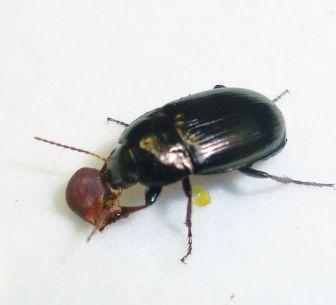
In the biocontrol world, most people think of beneficial insects as those that attack insect pests, such as the thirteen-spotted lady beetle consuming up to 160 aphids in 24 hours. But there are other beneficial insects out there at ground level quietly munching their way through the weed seedbank. These seed predators, such as ground beetles and crickets, can substantially reduce the amount of weed seed going into the seedbank.
“It’s very contextual as to how significant seed predation can impact the weed seedbank because there are so many different environmental interactions,” says Christian Willenborg, associate professor in the department of plant sciences at the University of Saskatchewan. “The predators can be there every year, but it is a very complicated network that depends on the types of weeds, the habitat, and the ground beetles that are present and attacking as seed predators.”
Typically in the weeds world, biocontrol is thought of as a specific
insect targeting a specific weed. For example, Aphthona nigriscutis, or black dot beetle, has had a significant impact on leafy spurge populations.
Seed predation is different, and is a form of biocontrol that doesn’t target a particular plant. Rather, seed predators are generalists that eat many seeds that can contribute to the weed seedbank. In addition to ground beetles (Carabid beetles), mice, birds and earthworms can also feed on weed seeds. Some studies have found that rodents contribute to an equal or greater proportion of seed consumption than invertebrates.
In Europe, research has found that seed predators can consume large portions of weed seeds headed for the seedbank. At Wageningen University in the Netherlands, Westerman et al. found that
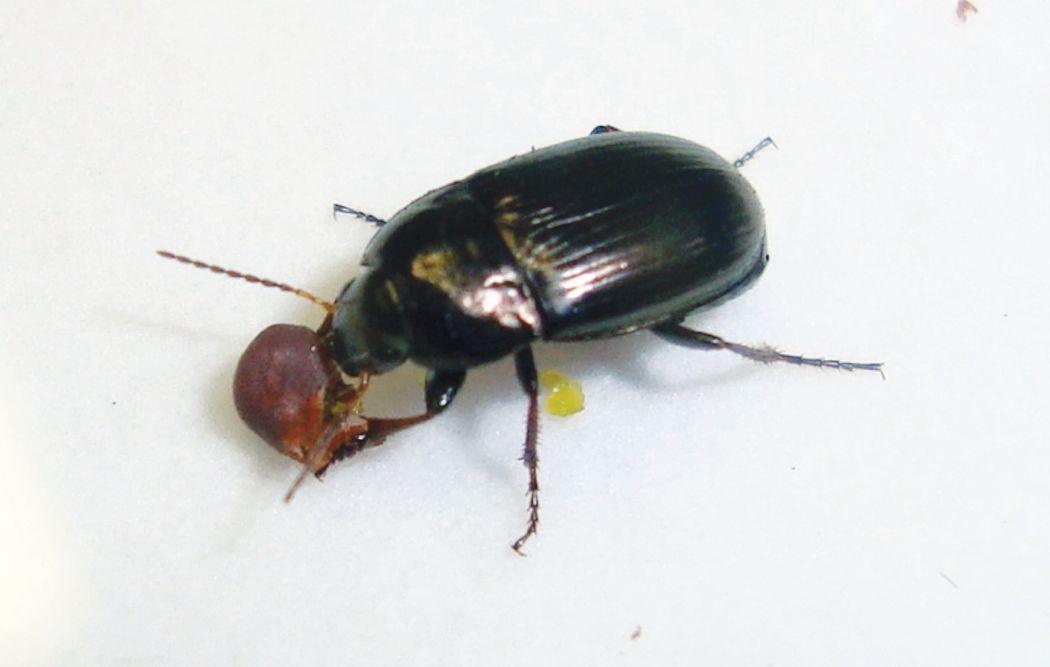
beetles can put a significant dent into the weed seedbank.
“annual seed loss due to predation [number of seeds consumed per number of seeds produced per year] ranged from 32 to 70 per cent with continuous predator exposure from seed shed to harvest.” At the Research Institute of Crop Production, Prague, Czech Republic, Honek et al. found that “predation of seed on the ground in arable fields can be as high as 1,000 seeds per square metre per day by ground beetles.”
Closer to home, graduate student Sharavari Kulkarni with the Department of Agricultural, Food and Nutritional Science at the University of Alberta (U of A) spent several years studying the role of ground beetles in biological control of weeds. She conducted several studies under the supervision of Willenborg, John Spence in the Department of Renewable Resources at the U of A, and the late Lloyd Dosdall of the Department of Agriculture, Food and Nutritional Science at the U of A.
Kulkarni’s first study investigated the preferences of four adult carabids for volunteer canola, stinkweed and wild mustard. She essentially laid out a smorgasbord for the carbids, and let them eat as
much as they wanted of what they wanted. All carabid species preferred volunteer canola seeds the most, followed by wild mustard seeds, and then stinkweed. Beetles highly preferred seeds of all three weeds that had taken up moisture (imbibed) compared to dry seed. The density of the carbids and how active they were accounted for 67 per cent of the observed variation in seed removal.
In subsequent research, Kulkarni set up a study to see if odours given off by seed translated into seed preferences of three carabid species for the same three weed species that were either dry or imbibed with water. The laboratory apparatus used was somewhat complex, but similar to lining up glasses of single malt scotch and having a sniff. Results of this test found that two of the three carabid species tested preferred water-imbibed volunteer canola seeds over other weed species. Additionally, this preference was only for imbibed seeds, because the three carabid species did not discriminate between weeds that were dry.
Encouraging seed predators
Willenborg says that farmers can use multiple strategies to try to encourage seed predation. It basically comes down to Maslow’s Hierarchy of Needs theory, where basic food, water and shelter are the primary needs. Anything that encourages biodiversity usually encourages seed predators.
All carabid species preferred volunteer canola seeds the most, followed by wild mustard seeds, and then stinkweed, according to Kulkarni.
Crop diversity is one factor that can help seed predators. Andrew Heggenstaller’s research at Ames, Iowa, found that percentage seed predation varied during the time of year and by crop. For example, seed predation in corn and soybean crops was highest during the
Carabid
PHOTO
summer, while predation in small grain and legume crops was low in the summer but high in the spring and fall. Seed predation in alfalfa fluctuated throughout the growing season.
Practices that encourage ‘shelter’ for seed predators can also improve survival and seed predation. Shelterbelts, grassed field edges, ditches, buffers and pollinator strips can provide overwinter habitat. Cover crops can also provide shelter with legumes filling the gaps between harvest and winter.
The move to no-till on the Prairies has benefited seed predators. Kulkarni also investigated the impact of seed burial on seed consumption. Seed burial depth influenced seed consumption rates with a significant interaction between seed burial depth, carabid species, and gender of the carabid species tested. She observed that higher seed consumption by females of all species occurred, and that there was greater consumption of seeds scattered on the soil surface compared with seeds buried at any depth. However, there was evidence of seed consumption at all depths and seed burial did not eliminate weed seed predation.
Even though seed predators may feed below the soil surface, they generally do not feed very deeply – often only one to two centimetres deep. Seeds on the soil surface are plainly more vulnerable to seed predation, but tillage can also impact the predators – Willenborg says it is “extremely detrimental to the survival of seed predators.”
Pesticide application can also be detrimental to seed predators. Many pesticides that will kill a pollinator will also likely to kill a ground beetle, Willenborg says.
Is encouraging seed predation worth it? Willenborg has found
found seed predation reached as high as 85 per cent of volunteer canola, and 55 per cent of kochia weed seeds.
that in pulse crops, seed predation reached as high as 85 per cent of volunteer canola and 55 per cent of kochia weed seeds. At Boone, Iowa, research by van der Laat et al. found that maximum seed predation for common lambs-quarters was 53 per cent in 2003 and 64 per cent in 2004. Common waterhemp seed predation reached 80 per cent in 2003 and 85 per cent in 2004.
“The economic impact of seed predators might seem small in some cases, especially because we cannot directly observe their actions or results, but the predators are there and they’re working for free,” Willenborg says. “I am hard-pressed to think of any other type of free weed control growers can obtain within their cropping systems.”
Powerful broadleaf weed control combined with trusted Group 1 grass chemistry.
• Cross Spectrum Performance
Unparalleled control of a wide range of broadleaf weeds, including kochia, narrowleaved hawk’s-beard and wild buckwheat, alongside leading Group 1 grass control of wild oats and green foxtail.
• Rotational Freedom
Control Canada thistle, perennial sow thistle and dandelion with the flexibility to rotate to lentils or chickpeas the following year.
• Easy Tank Mixing
Tank mix with MCPA Ester for expanded Group 4 mode of action control.
Learn more at Avenza.Corteva.ca
Early Order offer ends soon. Book by March 15th, 2021 and SAVE up to 18% with Flex+ Rewards.*
In pulse crops, Willenborg
PHOTO BY TOP CROP MANAGER.
BE AFRAID. BE VERY AFRAID.
Do everything to keep waterhemp out of your field.
by Bruce Barker
Learn from the experiences of others. That was the message coming out of a panel discussion at the Manitoba Agronomist Conference in 2019, led by Manitoba Agriculture weed specialist Tammy Jones (now with Corteva Agriscience as technical sales agronomist for Manitoba since July 2020), and joined by Richard Anderson, a farmer and BASF representative in Ontario, and Greg LaPlante, with GL Crop Consultants in southeast North Dakota.
In 2019, waterhemp was confirmed in five Manitoba municipalities: Whitemouth, Reynolds, Ste. Anne, Dufferin, and Rhineland. It was also further confirmed in the municipality of EmersonFranklin in 2020.
“It’s frustrating to find more fields with waterhemp, but it’s not an explosion of cases. The good news about these new detections is that it means growers are looking for waterhemp plants. What would be worse is not looking for it and seeing waterhemp really take off,” Jones says.
The Saskatchewan Ministry of Agriculture conducted an extensive roadside survey of more thaan 200 soybean fields in the southeast part of the province in 2020, in an area roughly bounded by Highway 48 on the north and Highway 47 on the west.
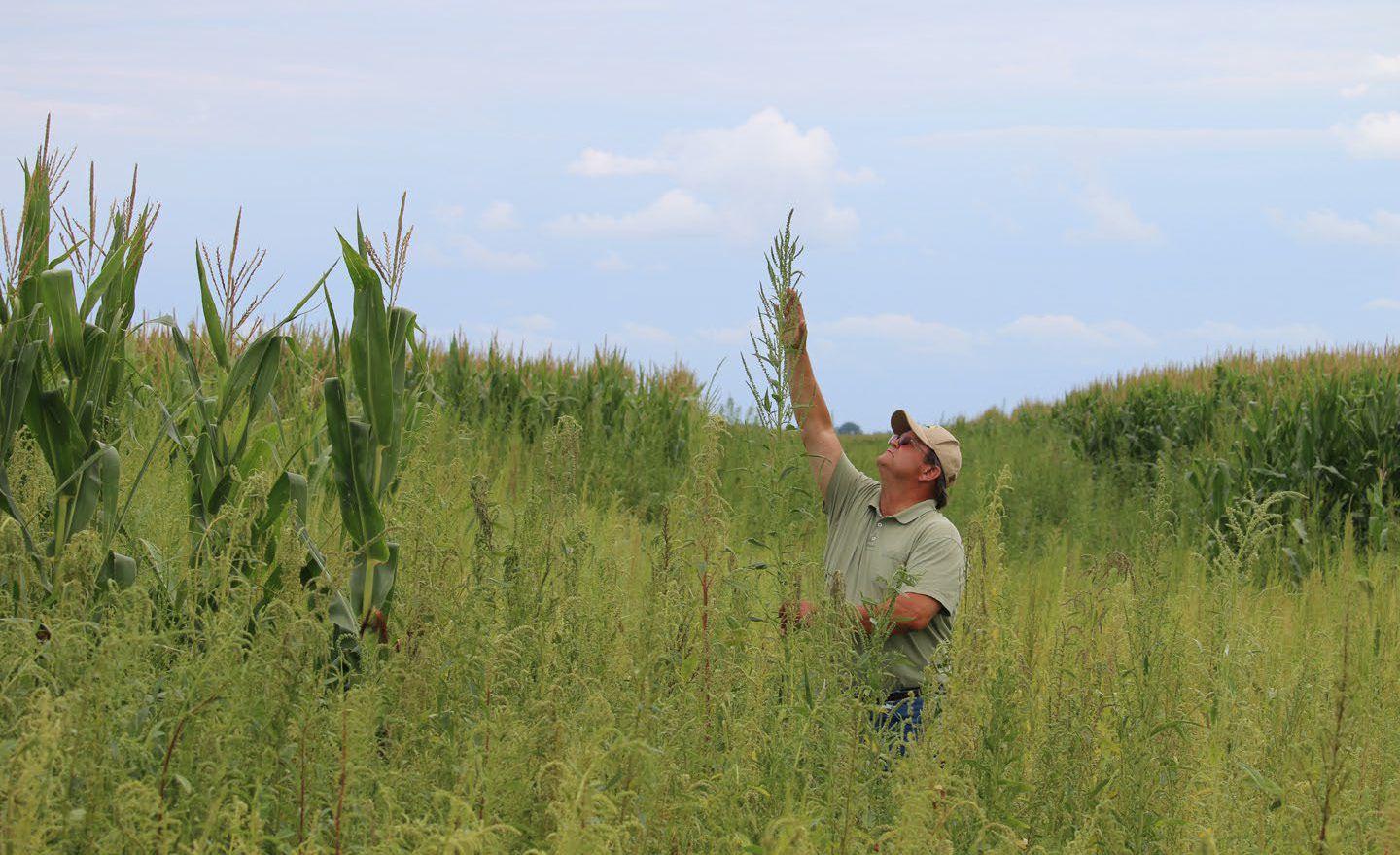
TOP: Greg LaPlante (pictured) says waterhemp can be devastating once established.
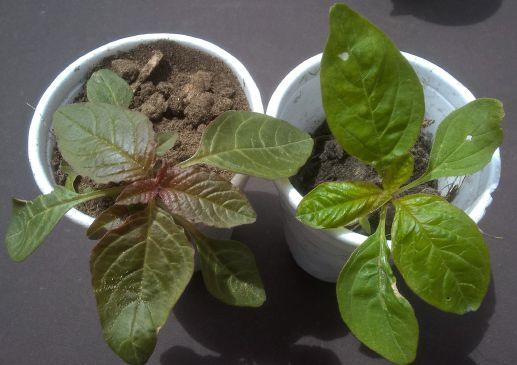
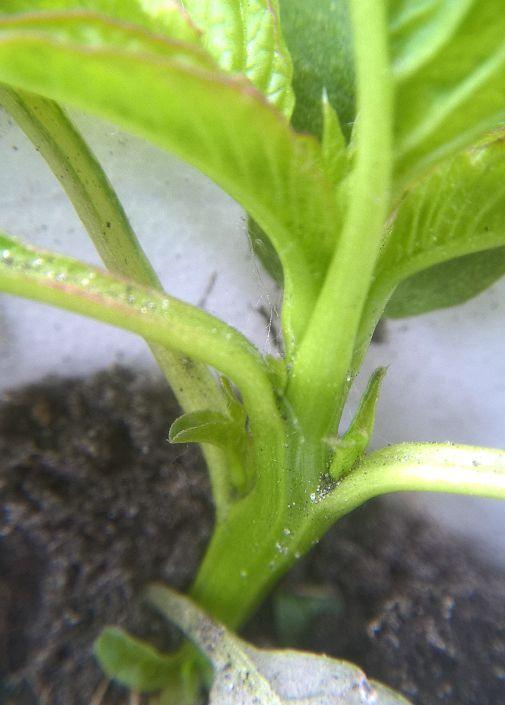
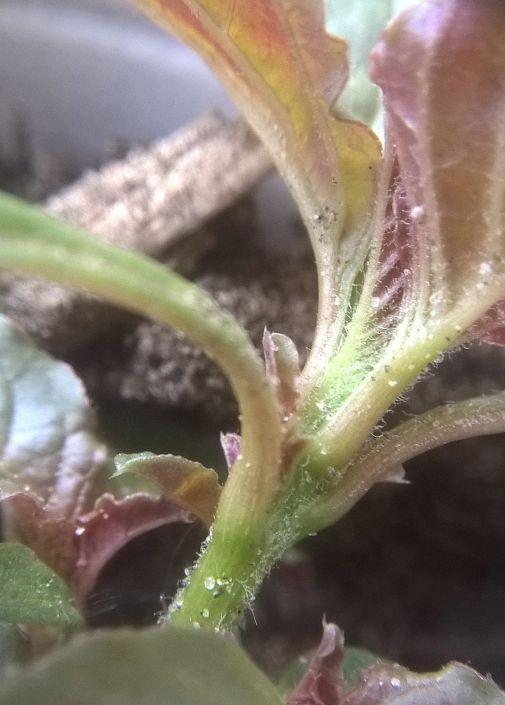
BOTTOM: Redroot pigweed (left) has narrower and longer cotyledons than waterhemp (right).
How do you beat the ultimate burndown? Extend it.
Multiple modes of action deliver both fast burndown and extended residual.
Just when you thought the best couldn’t get better. Heat® Complete provides fast burndown and extended residual suppression. Applied pre-seed or pre-emerge, it delivers enhanced weed control and helps maximize the ef cacy of your in-crop herbicide. So why settle for anything but the complete package? Visit agsolutions.ca/HeatComplete to learn more.
Always read and follow label directions.
“Because we did not want to conduct a permission-based survey, we essentially observed these fields from the road with binoculars and tried to spot anything that resembled waterhemp. There was only one field out of the lot, in the far southeast corner of the province, that was suspicious,” says Clark Brenzil, provincial weed specialist in Regina. “Unfortunately, the producer would not give us permission to enter the field to collect the sample and confirm or dispel the suspicion. So, no there are no confirmed cases in the province yet.”
The adaptation or establishment of populations in Manitoba is no surprise, as waterhemp is found in many areas of North Dakota, directly south of where the Manitoba populations have been found. There are many ways that waterhemp could have found its way to Manitoba, such as on equipment, wildlife movement, or water flow. In Ontario, waterhemp has rapidly spread through the corn and soybean growing areas since 2014 when it was first found in Lambton County.
Be afraid
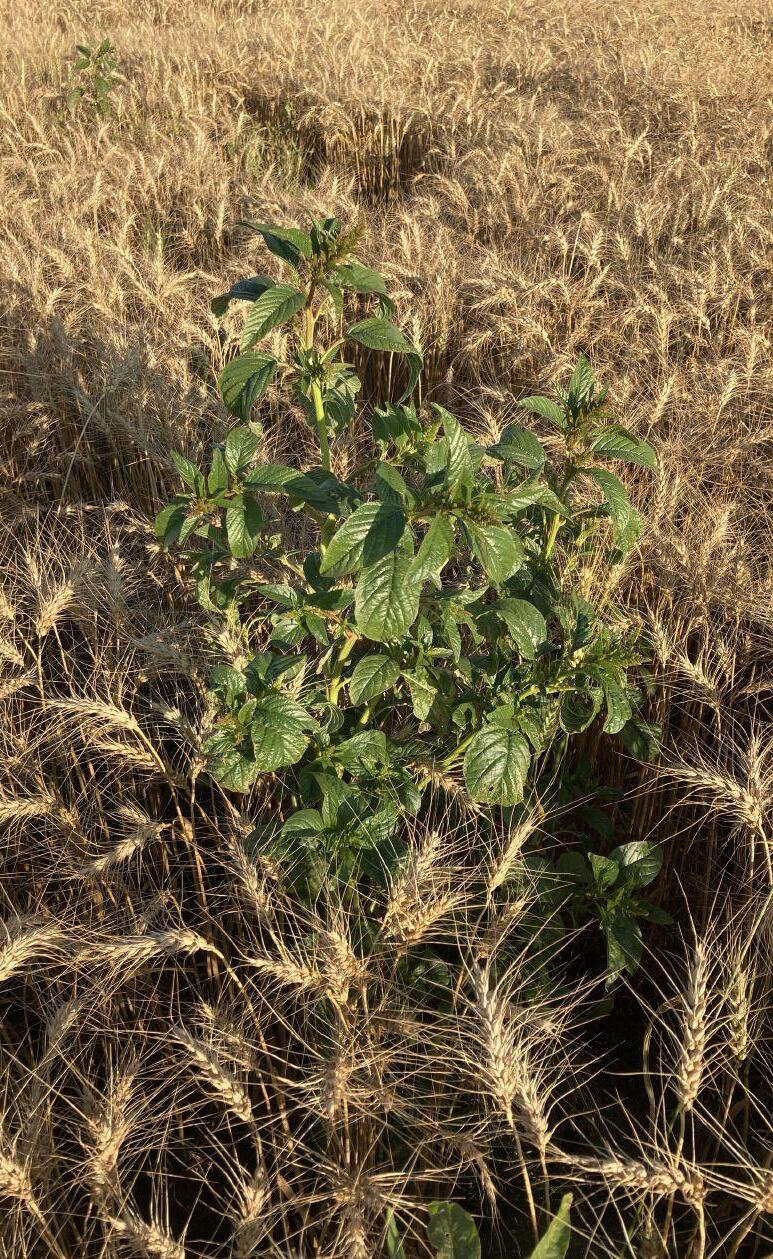
Waterhemp (Amaranthus tuberculatus) is in the same Amaranthaceae family as redroot pigweed. It has oval to lance or spearhead shaped waxy-looking leaves that grow three- to six-inches long with an alternate leaf arrangement on a hairless stem. It typically grows four to five feet tall but can grow to more than 10 feet tall. The terminal inflorescence can be more than one foot long, with many thin lateral branches that produce, on average, 250,000 seeds per plant, but up to one million seeds in some cases.
That prolific seed production causes major problems because the seeds can emerge throughout the growing season, making her-
bicide control difficult. It thrives in open areas, and row crops are especially vulnerable to competition.
In Ontario, research has found waterhemp caused an average yield loss in corn of 18 per cent and 43 per cent yield loss in soybean. More than 20 plants per square foot can reduce soybean yields by 44 per cent.
“If waterhemp emerges early, I’ve seen that you can lose up to 100 per cent of the crop,” Anderson says. “Because it germinates throughout the year, you need sequential herbicides with residual control that last throughout the year.”
In North Dakota, LaPlante says all the early warning signs were there from grower experiences in Arkansas where waterhemp got out of control. Now, waterhemp has become a major problem in North Dakota.
“We failed misearably to nip it in the bud. One weed becomes millions or billions in a few years,” LaPlante says. “I estimate the increased costs of herbicide control of at least $35 per acre to control waterhemp.”
On top of those pre-seed layering costs, LaPlante has seen harvest losses because green stems and high moisture makes harvest slower and more difficult. Some plants are so large that the combine header can’t cut them – the header just pushes them over.
Be very afraid
On top of the very prolific and competitive nature of waterhemp, herbicide resistance is another scary issue. Genetic PCR testing has confirmed Group 2 and Group 9 (glyphosate) resistance in Manitoba. In North Dakota, Group 2+9 resistance and Group 14
PHOTOS COURTESY OF RICHARD ANDERSON.
Redroot pigweed has hairs on the stem.
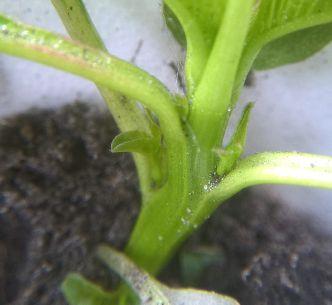
Waterhemp has a hairless stem.
resistance is suspected but not yet confirmed. In Ontario, Groups 2, 5, 9 and 14 resistance has been confirmed, including Groups 2+5+9+14 multiple resistance.
In addition, the Ohio State University Extension Agronomy team has indicated that the trend is for waterhemp to develop resistance to any new herbicide sites of action that are used in postemergent treatments within about three cycles of use.
Proper identification is important
Properly identification of waterhemp will help implement early weed control strategies. Waterhemp and redroot pigweed can look very similar in the seedling stage. A differentiating feature is cotyledon shape. Redroot pigweed has a long, paddle-shaped cotyledon while waterhemp has oval-shaped cotyledons. Another distinguishing factor at is that redroot pigweed has hair on the stems and waterhemp stems are hairless.
“Look where the leaf joins the stem and use a magnifying loop if you need to. There can be a lot of variability in the field so scout in different locations,” Anderson says. “This is very important because the weeds need to be controlled early.”
Dealing with the fear
In Manitoba, as a Tier 1 Noxious weed, it must be destroyed when found. That means total destruction. Jones has seen a worst-case scenario where 37.5 acres of a quarter-section field were mowed and then disced. The worst areas were water runs, low areas of the field, and strips where the combine had previously spread seed. The rest of the field was walked and rogued for waterhemp plants
– many times to try to prevent seed set.
“If you’re pulling a waterhemp plant, don’t just drop it on the ground. It can regrow from dirt on the root ball,” LaPlant cautions.
Growers in Ontario and the U.S. have found that management of waterhemp isn’t easy once established, and it takes an integrated approach to try to keep it under control. To give herbicides a chance, practices that encourage early canopy closure can help improve
In 2021, recycle every jug
Our recycling program makes it easier for Canadian farmers to be responsible stewards of their land for present and future generations. By taking empty containers (jugs, drums and totes) to nearby collection sites, farmers proudly contribute to a sustainable community and environment. When recycling jugs, every one counts.
Ask ag-retailers for a collection bag, fill it with rinsed, empty jugs and return to a collection site. Find a collection location
info@cleanfarms.ca @cleanfarms
PHOTO COURTESY OF TAMMY JONES.
In Manitoba, waterhemp must be destroyed when found.
weed control. This includes using narrow row spacing and increased seeding rates. Inter-row cultivation can help in row crops, and cover crops can help suppress the weed when there is no crop growing on the field. Crop rotation and machinery sanitation to prevent seed spread will help to slow its spread.
From an herbicide perspective, the use of soil residual herbicides is key. Anderson says that growers should be proactive and use preseed residual herbicides layered with post-emergent and/or residual herbicides in-season. For post-emergent herbicide applications, early control is very important. A two-inch tall waterhemp plant has seven to nine growing points, but a four-inch tall plant has 14 to 20 growing points, and a six-inch tall plant has over 30 growing points.
“You have to be able to control all those growing points,” Anderson says. “So the best time to control waterhemp is when it has one growing point. That’s an un-emerged plant that you can control with a pre-emergent herbicide.”
LaPlante agrees that early, pre-emergent control is important. “Growers in North Dakota weren’t using pre-emergent layering because they didn’t think waterhemp would be an issue. It took a few short years for Group 2 and 9 resistance to develop. Short term strategies have now become long term strategies for us.”
In Ontario, with Group 2, 5, 9 and 14 herbicide resistance confirmed, post-emergent choices are becoming more limiting. In University of Guelph research trials, Lontrel XC, Pixxaro, Infinity and 2,4-D ESTER have provided over 90 per cent visual control of waterhemp.
“The Group 4 Enlist and Extendimax technologies are very important for us in-crop,” Anderson says.
In Manitoba, the choices aren’t really that different. There is a good selection of pre-seed residual Group 14 and 15 herbicides, depending on the crop.
For post-emergent follow-up, there is a heavy reliance on Group 4 herbicides, but several other Groups are effective, including Groups 6, 19, and 27 in some crops.
Farmers and agrologists can also have waterhemp tested for herbicide resistance at Harvest Genomics, a Guelph, Ont., biotechnology company. A leaf sample of about one-quarter-dollar size is submitted to the lab, and results are typically available in two to three days after receipt of the sample. This will guide herbicide selection to help manage the weed.
For Manitobans, all is not lost, especially with a greater diversity of narrow row, competitive grain crops. Being proactive, scouting for the weed, and destroying may help keep the weed from becoming too invasive.
“There are some good news stories in 2020 from growers who used effective pre-seed Group 14 and 27 herbicides sequentially on badly infested fields from 2019. There was so much less waterhemp pressure than the year before. This year one of the fields was in wheat and we only found three or four waterhemp plants,” Jones says.
“Crop competition, narrow rows, shading, effective herbicides – these tools actually work.” Controlling waterhemp in Manitoba
THE UNSTOPPABLE SUPERPOWER
Take control. Start clean and eliminate weed competition with the power of the Nufarm pre-seed burndown portfolio in canola, cereals, pulses and soybeans.
• PERFORMANCE – Manage those toughest weeds early including kochia, cleavers, narrow-leaved hawk’s-beard, volunteer canola and more.
• CONVENIENCE – All-in-one formulations make load times quicker. Tank-mix with glyphosate. No additional surfactants required.
• RESISTANCE MANAGEMENT – Built-in with multiple modes of action to help manage Group 2-, 4- and glyphosate-resistant biotypes.
Amplify your glyphosate pre-seed burndown with BlackHawk®, CONQUER® II, GoldWing® and ThunderHawk™. It’s pre-seed power without the complexity.
ARE YOUR TANK MIXES EFFECTIVE?
The answer can get murky.
by Bruce Barker
Effective doesn’t just mean the weeds are dead. Tank mixing with multiple modes of action is a proven strategy for mitigating and delaying herbicide resistance. But are all tank mixes effective in dealing with herbicide resistance?
“Having an effective tank mix is not easy to implement. Tank mixing is not an effective herbicide resistant strategy unless you have multiple effective modes of action,” says weed research scientist Breanne Tidemann with Agriculture and Agri-Food Canada in Lacombe, Alta.
Tidemann places emphasis on “effective” and says farmers need to understand what weeds each mode of action can target. She illustrates her point with some examples that point out possible misunderstandings of tank mixing. Active ingredient names are used rather than trade names so as not to pick on a specific product.
Tidemann’s examples refer to both pre-packaged and on-farm tank mixing.
The first step is to know the active ingredient and which herbicide groups that the tank mix partners are in. Take for example, a tank mix of pinoxaden plus clodinafop that targets wild oats. Tidemann says it is not an effective tank mix to combat herbicide resistance because both products are Group 1 modes of action. They are separate sub-groups within the Group 1 herbicides (a den and a fop), but still the same mode of action.
Or, swap out the clodinafop for bromoxynil. That’s a multiple mode of action mix, because bromoxynil is a Group 6 herbicide. However, it is not an effective tank mix, because only pinoxaden
ABOVE: With wild oat herbicide resistance on the rise, developing effective tank mixes is getting more difficult.
PHOTO BY BRUCE BARKER.
targets wild oat. Bromoxynil is only registered to control broadleaf weeds.
Cross-resistance makes selection tougher
Try again. Pinoxaden plus pyroxsulam should be an effective tank mix because it has Group 1 and Group 2 modes of action against wild oats. Whether it is effective depends on the resistance status of wild oat on your farm, and the tank mix might not provide wild oat control at all. If you have Group 1 or Group 2 resistance to the subgroups represented, you may only have one effective mode of action. If you have resistance to both modes of action you may not get any wild oat control at all.
Sixty-nine per cent of wild oats across the Prairies were resistant in the last herbicide resistant surveys. Sixty-two per cent were resistant to only Group 1; 34 per cent resistant to only Group 2; and 27 per cent were resistant to Group 1 plus Group 2 herbicides.
Tidemann says farmers will need to dig deeper into herbicide group selection to get effective tank mixes for wild oat control. This can also include herbicide layering, where a soil-residual herbicide is applied in the fall or spring prior to seeding, followed up by an in-crop wild oat herbicide.
Same goes for broadleaf weeds. Take kochia as an example. How about Group 2 pyroxsulam plus Group 4s fluroxypyr plus 2,4-D?
The dreaded buzzer again. All kochia on the Prairies are considered resistant to Group 2 active ingredients. The Group 4 fluroxypyr + 2,4-D may still control the kochia if fluroxypyr is applied at 0.243 litres per acre (180g/L formulation), while kochia is not on the 2,4-D label. But, this is not an effective multiple mode of action
tank-mix that will help delay herbicide resistance.
Similarly, a mix containing Group 15 carfentrazone plus Group 9 glyphosate applied pre-seed only might be an effective multiple mode of action tank-mix. Carfentrazone is registered at four rates and only the third rate of 29.6 mL per acre or higher will control kochia. And it is also dependent on the kochia being susceptible to glyphosate. Or layering carfentrazone with an effective postemergent herbicide would also be a good strategy for delaying herbicide resistance in kochia.
“Triple-resistant kochia to Group 2, 4 and 9 active ingredients have been confirmed across the Prairies,” Tidemann cautions. “Knowing the resistance status determines if it’s an effective multiple mode of action tank mix.”
Finally, figuring out effective multiple modes of action gets even tougher when trying to combine a tank mix for wild oats and broadleaf weeds – many which also have herbicide resistant populations. In Alberta, for example, there are Group 2 plus 4 resistant cleavers, Group 2 resistant chickweed, hemp-nettle, Russian thistle, stinkweed and wild mustard.
“Getting effective multiple modes of action is not easy, and resistance makes it that much harder. Plus, it is a good practice to rotate herbicides from year to year,” Tidemann says. “It takes time to come up with a strategy, but it’s worth it to keep your products effective for longer and weeds under control.”
21_0180_TopCrop_Western_FEB_MAR_CN Mod: January 8, 2021 8:59 AM Print: 01/14/21 9:27:19 AM page 1 v7
Unlock the power of four modes of action
Adding Intruvix™ herbicide to glyphosate gives your burnoff the right combination of performance and resistance management.
Intruvix herbicide provides contact and systemic control of broadleaf weeds before cereals, including narrow-leaved hawk’s-beard, kochia (including Group 2 & 9 resistant biotypes), volunteer canola and many other target weeds. That means cleaner fields today and sustainable glyphosate use for the future.
CRACK THE CODE ON CASH BACK WHEN YOU PURCHASE INTRUVIX HERBICIDE.
MANAGING NITROGEN IN MILLING OAT
Striking the right balance between yield and test weight.
by Bruce Barker
Oat producers who target the milling market have to balance nitrogen (N) fertility to maximize yield with the impact on test weight. Oat millers prefer a test weight over 245 grams per 0.5 litres. If the test weight falls below that level, there is a price discount, and if the test weight falls below 230 grams, the oats are rejected for milling.
“We’ve been involved in oat test weight trials for a number of years and found that as the nitrogen rate is increased, oat test weight decreases,” says Heather Sorestad, research assistant with the East Central Research Foundation and Parkland College in Yorkton, Sask.
Sorestad and Mike Hall, research coordinator with ECRF and Parkland College conducted a number of oat trials in 2019 and 2020. Sorestad says that 2020 results were impacted by a drought with only two inches (50 millimetres) of rain in May and June compared to the long-term average of 5.25 inches (131 mm). This resulted in a short crop with yields averaging around 66 bushels per
acre – much below normal.
“The drought presented an opportunity to compare Summit and CS Camden in good times and bad times,” Sorestad says.
Differing results between drought and normal years
In 2020, several research studies were conducted on oat with financial support from ADOPT and Canadian Field Crop Research Alliance. The first looked the impact of increasing N rate on yield and test weight of Summit and CS Camden. Nitrogen rates were zero, 36, 71, 107, 142, and 178 pounds N per acre (zero, 40, 80, 120, 160 and 200 kg/ha).
“We are finding that old 60 pounds nitrogen per acre recommended rate should really be more like 80 pounds N, especially if you are seeding oats early,” Hall says. “As an aside, even at the
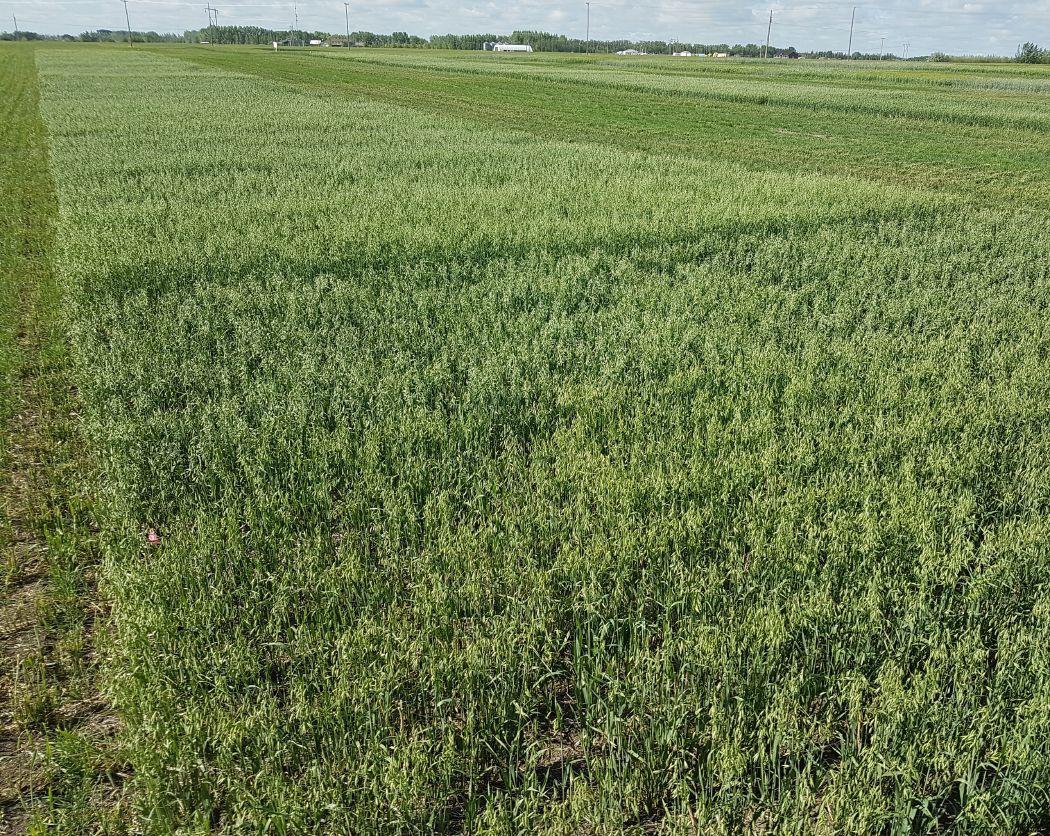
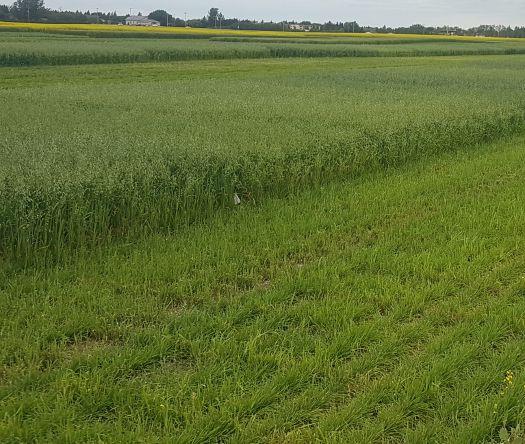
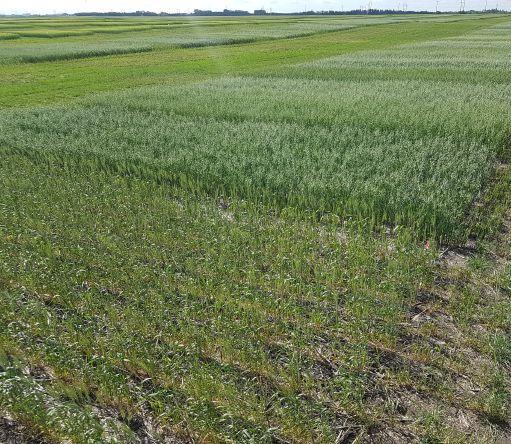
TOP: CS Camden’s test weight was significantly lower than other milling oat varieties tested.
PHOTOS COURTESY OF ECRF.
highest rate we didn’t have any substantial lodging in 2019 or 2020.”
In the drought year of 2020 at Yorkton, Summit had a modest yield response to N up to 71 pounds N per acre, where the yield response leveled off and then drops off above 107 pounds N. Yield was slightly above 60 bushels per acre. As was seen in previous trials, test weight did decline with increasing N rates. However, at all N rates, test weight remained much above the test weight discount level of 245 grams, with the lowest test weight at 274 grams, which occurred at the highest N rate.
In 2020, CS Camden responded similarly to N rates as Summit oat. Yields were similar, and test weight declined with increasing N rate. However, CS Camden had overall lower test weights than Summit, but still above the discount level.
The story was different in 2019 when yields for both varieties approached 160
bushels per acre. For both varieties, yields plateaued at 107 pounds N. Summit maintained test weight better than CS Camden. At 71 pounds N and higher, the test weight for Summit dropped below the discount level but never dropped below the test weight rejection level. However for CS Camden, the lowest N rate of 36 pounds N resulted in a test weight below the discount level, and N rates of 107 pounds and above resulted in rejection.
“So it would appear that Summit can maintain better test weights than CS Camden when growing conditions are good and when there is a drought,” says Sorestad. “Summit and CS Camden are both on the Grain Millers preferred list for this area, but we were wondering how some of the other varieties on that list would stack up.”
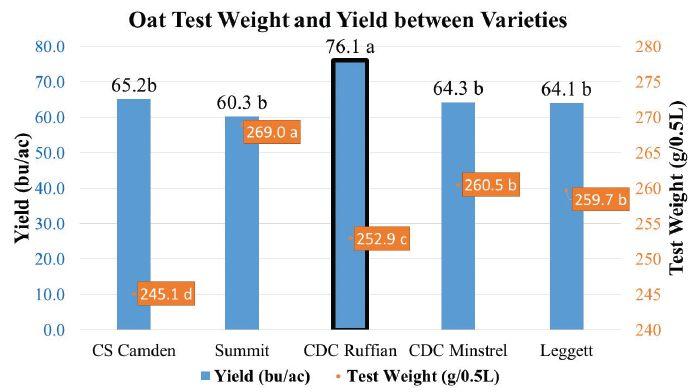
During the drought in 2020, the yield and test weight response of CS Camden, Summit, CDC Ruffian, CDC Ruffian, CDC
Minstrel and Leggett oat to increasing rates of N were compared. Averaged over N rates, CDC Ruffian yielded significantly higher with a yield of 76 bushels per acre. The other varieties yielded similarly with yields ranging from 60 to 65 bushels per acre.
“Ruffian has yielded well in our past studies but should not have yielded as well as it did based on regional trial data published in the Seed Guide. Ruffian may have received a little yield advantage in this study because its emergence was significantly lower than the other varieties. It is possible the lower plant population resulted in less interplant competition for moisture during the drought and in turn higher yield,” Hall says.
Test weight comparisons for CS Camden and Summit followed the same trend as previously observed. Summit had a test weight of 269 grams while CS Camden was significantly the lowest at 245 grams, just at the discount level. The other oat varieties were statistically similar with test weights ranging from 253 to 260 grams –all above the discount level.
“Ultimately, the producer will need to decide how far to push N rates based on their own field experience because there are other factors to consider such as lodging. However, for those producers wanting to push N, using CS Camden would not be my first choice,” Hall says. “Low test weight will often get CS Camden into trouble as rates of N are increased whereas Summit rarely gets into trouble. If you are a producer that is struggling with low test weight, try growing Summit.”
The drought conditions in 2020 resulted in low yields and high test weights, compared to better growing conditions in 2019.
IT’S PAYBACK TIME.
Step up to a higher level of cleavers control.
For years, managing cleavers in canola has been a challenge. But not anymore. Facet® L herbicide puts you in control of cleavers to help safeguard the yield potential of your InVigor® hybrid canola. So in addition to the satisfaction of payback, you’ll also enjoy a nice payout.
See how a cleaner sample pays off with our ROI calculator at agsolutions.ca/FacetL
Always
OPTIMIZING ORGANIC OAT PRODUCTION
A Saskatchewan study’s initial results show weed control and yields that would please even conventional oat growers.
by Carolyn King
On the Prairies, oat is one of the real cash crops for organic farmers. There is a strong demand for organic oats for products like energy bars, and farmers make money growing them,” says Steve Shirtliffe, a professor of plant sciences at the University of Saskatchewan.
Now he is leading a project that is pointing the way to even better practices for organic milling oat production.
This project builds on previous studies by Shirtliffe and his research group. “Years ago, we did some work on weed control in organic oats with Dilshan Benaragama [now a post-doctoral researcher who was working on his master’s degree at that time]. We were able to get fairly good weed control [by using a higher seeding rate, harrowing and a more competitive cultivar],” Shirtliffe explains. “However, despite the improved weed control, our yields were often around 70 bushels an acre, which for oat isn’t great.”
Over the years since then, Shirtliffe’s group made a lot of progress on organic weed control, especially with mechanical control options, but they hadn’t yet tried those new options in oat crops. Plus, based on some of their other research, they suspected that the relatively low oat yields were likely due to low soil fertility levels, especially low phosphorus levels, that tend to occur in organic cropping systems on the Prairies.
He says, “With our current project, we have an opportunity to put those pieces together, and do some applied research that will help organic growers get better yields from a crop that makes them money, that is good for their farm and the environment.”
The project includes 1) a weed control study, 2) a nutrient management study, and 3) a study that combines the optimum practices from the first two studies. It is funded by Agriculture and Agri-Food Canada and the Western Grains Research Foundation under the Canadian Agricultural Partnership’s Organic Science Cluster.
More effective weed control
“For the first study, we are evaluating various cultural and mechanical weed control practices to determine how successful they are at suppressing weed growth as well as their effects on oat yield,” says Racquelle Peters, a graduate student working on the project. The field experiments are taking place at the University’s Kernen Crop Research Farm in Saskatoon from 2019 to 2021.
One set of treatments is comparing seeding rates of 250 versus 500 seeds per square metre. Since the early 2000s, Shirtliffe’s group has been advocating the use of higher plant populations to make the oat crop more competitive with weeds. This study’s comparison will help identify the optimal seeding rate where the crop outcompetes the weeds but doesn’t compete excessively with itself.
PHOTOS COURTESY OF RACQUELLE PETERS.
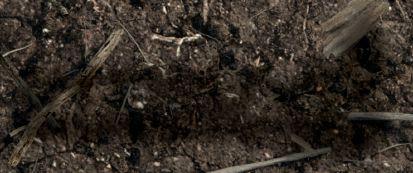
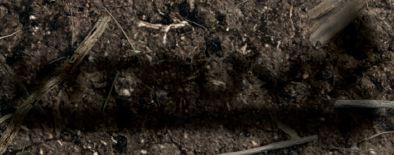
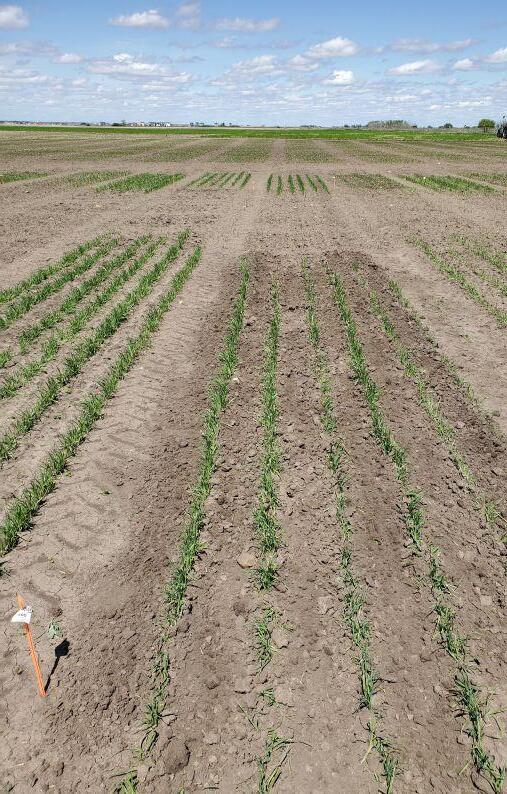
A Saskatchewan organic oat production project includes a weed control study with such treatments as rotary hoeing, which was used on this plot.
KOCHIA
NEVER RIDES ALONE. GET THE WHOLE POSSE.
When you apply pre-emergent Authority® 480 herbicide, you’re after kochia and you mean business. But it’s not like the other weeds can jump out of the way. Yes: Authority 480 herbicide controls kochia with powerful, extended Group 14 activity in wheat, peas, flax and more. It also targets redroot pigweed, lamb’s-quarters, cleavers* and wild buckwheat.
Authority 480 herbicide. Gets more than kochia. But man, does it get kochia.
REWARD OFFERED. GET CASH BACK WHEN YOU BUY AUTHORITY 480 HERBICIDE
The study’s mechanical treatments include rotary hoeing, inter-row cultivation and a combination of the two. Shirtliffe’s group has had good success with these tools in pulse crops, and they want to see how well they work in a cereal crop like oat.
“Rotary hoes will control small-seeded, shallowly emerging weeds; those are the most problematic weeds for most organic farmers, based on the surveys we have done,” Shirtliffe notes. “However, rotary
hoes only control these weeds when the weeds are just emerging. The optimum stage for control is what people call the white thread stage – when you scrape the soil away from the surface and you see what looks like a lot of white threads. At that stage, the rotary hoe’s tines can flick the weeds out of the ground, whereas if you wait until later the roots will more firmly anchor the weeds. So that timing is critical.”
“Getting the right timing when the weeds are still small enough but the crop is just big enough is tricky; it can be a matter of a day.”
A rotary hoe can control weeds within the crop row as well as between the rows, but it may damage the crop if the timing isn’t right. Peters says, “Rotary hoeing can be used when the crop is between the 2and 4-leaf stage; the crop is able to bounce back from damage a little better when it is in that young stage. But getting the right timing when the weeds are still small enough but the crop is just big enough is tricky; it can be a matter of a day.”
Because of the tricky timing, a rotary hoe doesn’t always work well every year. That is one of the reasons why Shirtliffe’s group suggests that organic growers have more than one tool for weed control.
Inter-row tillage, which targets weeds between the rows, is done when the crop is a slightly older but while the weeds are still fairly small. “The crop has to be big enough that either a camera-guided system or you as a human with a manually controlled system can see the row, so the soil cultivated between the rows isn’t going to cover up the crop plants. For cereals, the crop should probably be at least at the three- or four-leaf stage,” Shirtliffe explains.
He adds, “With the our manually steered inter-row cultivator, we use 12inch rows, but some producers go as narrow as seven- or eight-inch rows with their camera-guided systems.”
Some of the study’s treatments are producing really good weed control, especially the combination of rotary hoeing plus inter-row cultivation.
“In fact, some of our plots in 2020 had no weed biomass. Using these two implements with good timing – and some luck [with the weather] – we’re able to have relatively consistent organic weed control that approaches the levels in conventional production systems,” Shirtliffe says.
He notes that this study’s findings may also be of interest to conventional growers. “Some of the most problematic weeds in oats can’t be controlled with herbicides; for instance, there is no herbicide to control wild oats and green foxtail in conventional oats. So some conventional growers might want to pick up on our findings, although there is some resistance to doing a little bit of tillage and to buying specialized weed control equipment.”
Nutrient strategies for great yields
The nutrient management study is assessing green manures and animal
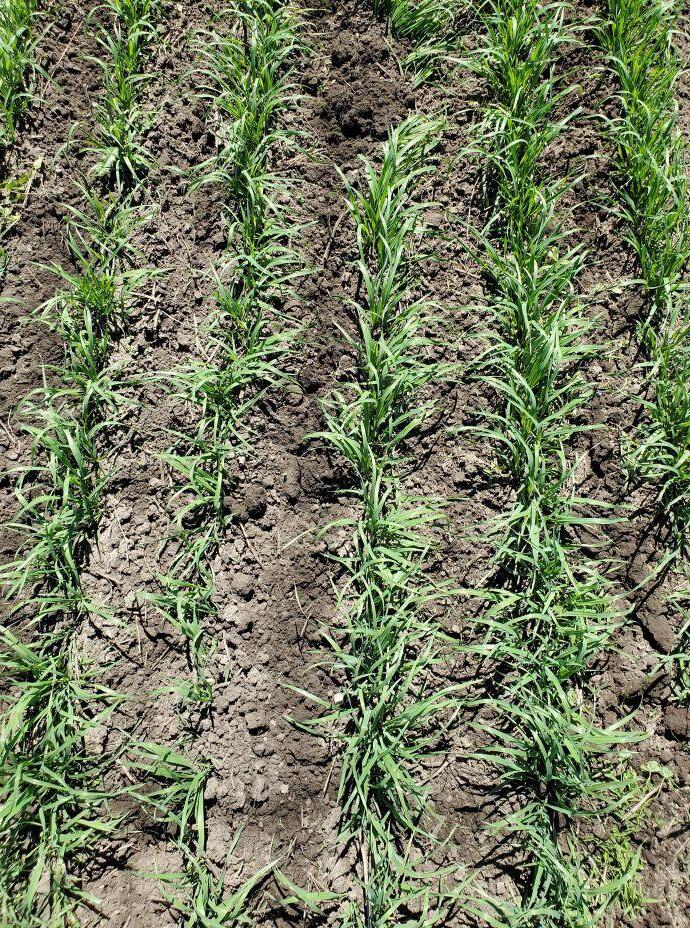
This plot was treated with an inter-row cultivator.
manures as ways to improve nitrogen and phosphorus availability to organic oats. Two of these two-year field experiments finished in 2020, one at Kernen, and the other at the University’s Goodale Research and Teaching Farm near Saskatoon. The third experiment, which is at Kernen, will finish in 2021.
“The first factor we are looking at is four different crops prior to oats,” Peters explains. In one treatment, faba bean, a nitrogen-fixing legume, is incorporated into the soil after the beans are harvested. In the second, faba bean is not harvested but plowed down at the flat pod stage. Harvesting the grain gives the grower income from the plowdown crop, but reduc-
es the amount of nutrients returned to the soil in the plowdown. The third treatment is a wheat crop that is incorporated after the grain is harvested. The fourth is fallow. She notes, “Fallow was picked as the previous crop control treatment due to its short-term ability to mineralize existing organic matter and supply nutrients to the following crop. Many organic farmers still use this practice in their rotation; however, overuse can lead to soil degradation.”
Each of the green manure plowdown treatments is paired with an animal manure application, to try to add both nitrogen and phosphorus to the soil. The study is comparing two locally available animal
manures: composted cattle manure purchased from a local garden store, and raw laying hen manure from the university’s poultry farm.
The animal manure treatments also compare two timings: before the green manure crop is planted, to see how that crop responds and whether that influences the subsequent oat production; or after the green manure crop is plowed down but before the oat crop is planted. The control plots receive no animal manure.
Shirtliffe and Peters are really pleased with the nutrient study’s results so far. “We have been able to reach yields up to 150 bushels an acre for some of the treatments, which is very exciting,” Peters says.
Shirtliffe adds, “The amendments that add phosphorus seem to be helping a lot.” The best yields are from chicken manure plus faba bean green manure.
Cadillac combo, plus new options
The third study will consist of the bestperforming treatments from the first two studies. “We will be putting together treatments that are almost weed-free and nutrient treatments with yields that even a conventional oat grower would be happy with,” Shirtliffe says.
Peters adds, “We hope to find the Cadillac combination of weed control and crop fertility management that improves the quality and yields of organic oats.”
This study will start in 2022 and run for two years. Along with validating the results from first two studies, it will also include a few new treatments so Shirtliffe’s group can begin looking at how these new options might help to further optimize organic oat production.
These new options will likely include different nutrient products. Shirtliffe explains, “The vast majority of organic farms in Saskatchewan don’t have animals. And many don’t have a nearby manure source and of course manure transportation costs are high. So we are going to evaluate pelletized chicken manure, which is used in organic cropping systems in many areas of the U.S. And we might also experiment with struvite [magnesium ammonium phosphate, recovered from municipal wastewater].”
Overall, Shirtliffe and Peters are excited by the project’s results so far. Shirtliffe says, “We think there is a real potential for organic oat growers to start making even more money.”
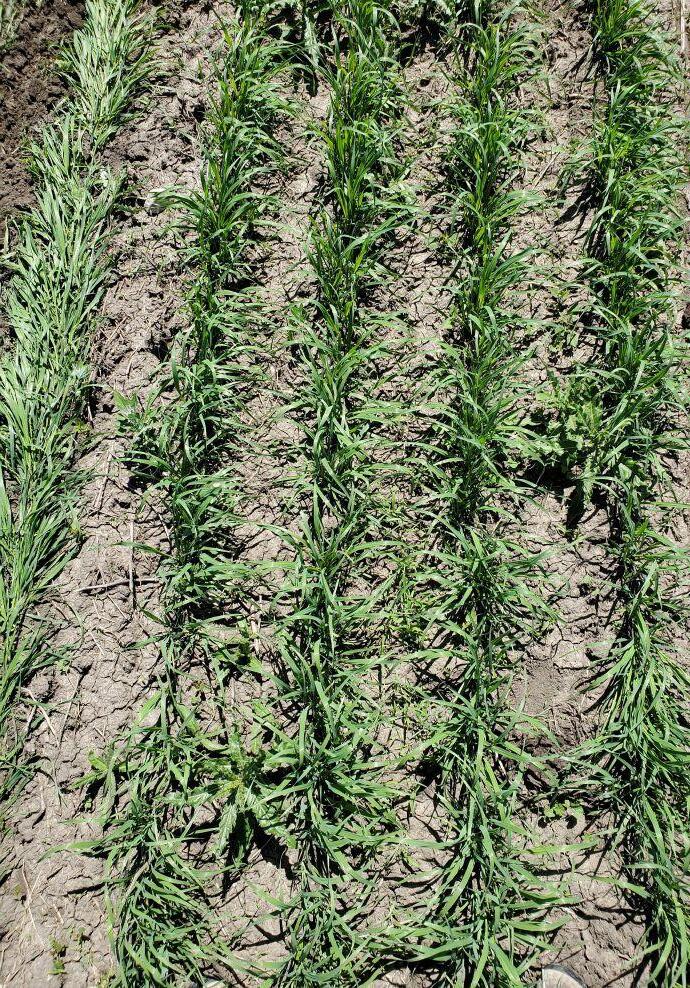
This check plot had no weed control.
A VALUABLE RESEARCH LEGACY
The oldest long-term agroecosystem experiments in Canada continue to inform research today.
by Donna Fleury
Agriculture ecosystem research has a long and rich history on the Prairies, continuing today to address new and emerging research issues such as sustainable cropping systems and climate change. An effort is underway to ensure this valuable and unique dataset of long-term experiments remains an accessible resource for informing current and future research questions.
“We have the oldest and longest running agroecosystem experiments in Canada that were started here at the Lethbridge Research and Development Centre in 1910,” says Charles Geddes, research scientist with Agriculture and Agri-Food Canada (AAFC). “Some of these long-term experiments have been ongoing since the native prairie was broken in 1910, and certain data has been collected annually from these plots over the last 110 years. This gives us a very unique and valuable multi-decadal
research resource. Today, we continue with 18 different longterm experiments focusing on crop production and agroecosystems. This knowledge is now being used to address emerging issues such as climate change, sustainable cropping systems, carbon sequestration and nutrient cycling.”
One of the first and longest experiments, known as Rotation ABC and located next to the Lethbridge Research Centre, was part of a larger experiment started in 1911 trying to determine what crops would grow best and the most optimum and economic crop sequences in southern Alberta. Three of the several dryland experiments continue today and include A (continuous wheat), B (fallow-wheat) and C (fallow-wheat-wheat). Rotation
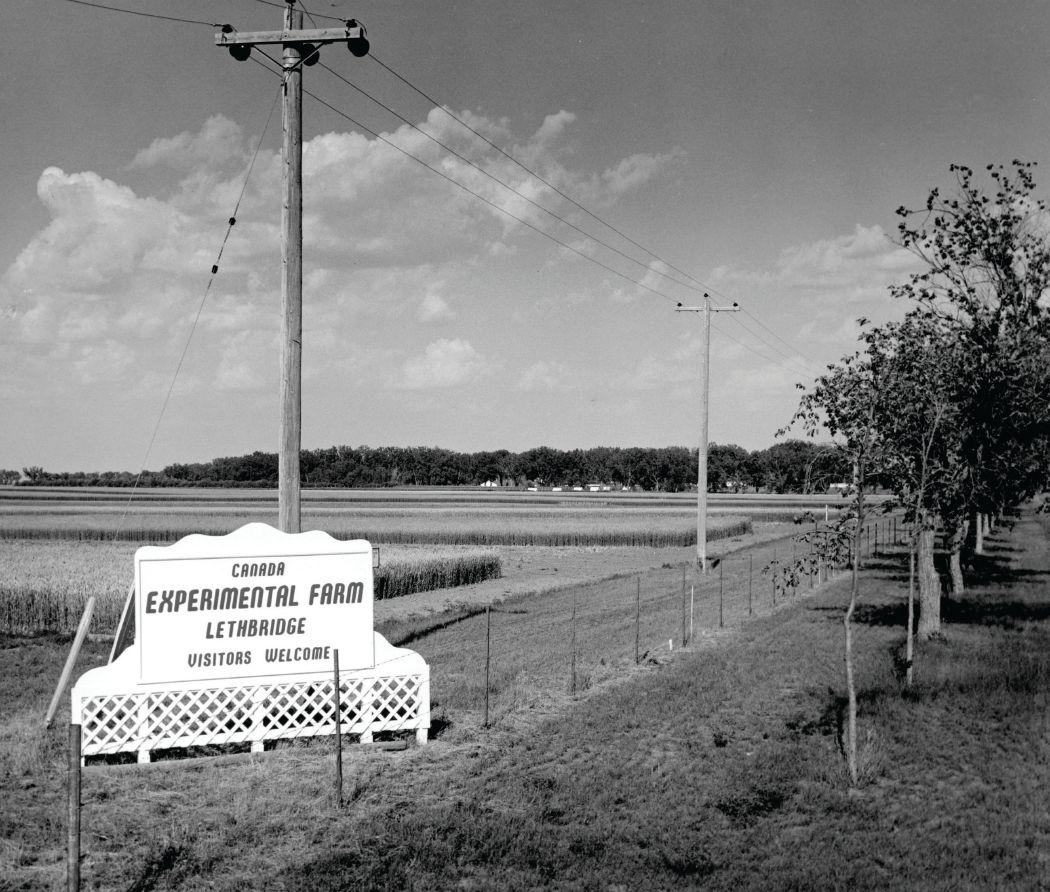
ABOVE: An old welcome sign at the corner of Rotation ABC in Lethbridge, Alta. PHOTO
ABC has continued to be used as a check or benchmark for various other experiments over the years. Rotation U, established in 1911, focused on irrigated crop rotations. Other long-term experiments were initiated in the mid-1950s, some in the 1980s and ’90s, and continue today. Across the Prairies, other long-term AAFC experiments continue in Saskatchewan in Scott, Swift Current and Indian Head.
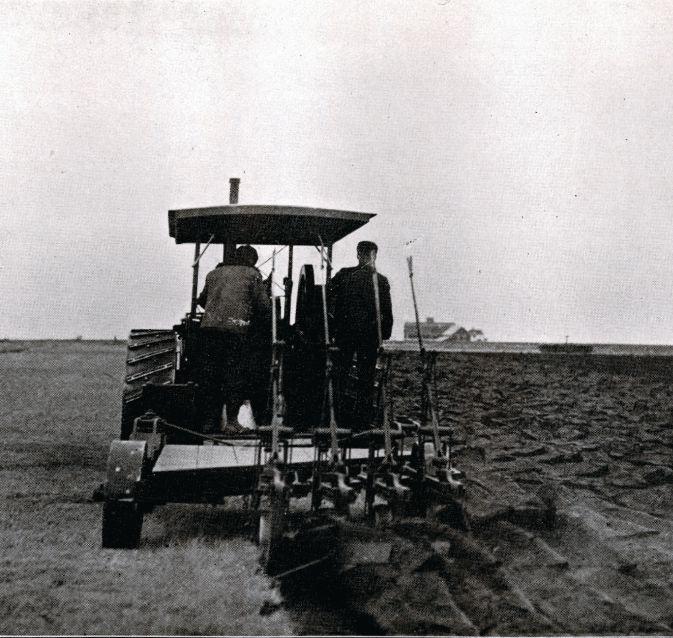
Geddes adds this long-term history provides a very unique timeline of consistent data collection over a century and a timeline of changes and adoption of new technologies and farming practices. The original plots were managed using horse drawn farm equipment and tillage, and have evolved over the years to no-till systems, chemical pest management and modern cultivars. These longterm datasets show how those plots were managed over time, changes in crop productivity and soils under the various treatments, along with comprehensive weather and climate data. Over time, the research has shown an improvement in crop pro -
ductivity, mainly due to the adoption of new practices, technologies and varieties introduced over the last century.
Rotation 120 is another long-term experiment started in 1951 that includes various crop rotations and over the years adding diversity not only of crops but also alternative N sources. The experiments included comparisons of inorganic fertilizer with manure applications and other amendments, the addition of N fixing perennial crops and the use of forage or cover crops. This rotation has evolved over time, but the main core rotations have stayed the same. Other experiments focus on long-term soil quality, factors such as erosion and climate and how they affect long term crop productivity and how crops and soils cope with change over time.
“The research questions for various systems have changed over time and having these long-term experiments provides the opportunity for adding new questions and experiments to existing plots,” Geddes says. “In the late-1960s, for example, the Rotation ABC plots were overlaid with different fertilizer treatments, comparing with or without nitrogen and phosphorus fertilizer and the impacts on productivity.
PHOTO COURTESY OF DARRYL NAKONECHNY.
New sign for Rotation ABC at Lethbridge.
Questions around soil organic carbon (SOC), productivity and sustainability are just as relevant today as early on. One of the very relevant findings that continues to inform our current research is the impact on SOC once the native prairie was broken,” Geddes explains. “Generally, there was a rapid decline in SOC, with the continuously cropped systems showing less decline than those experiments including fallow in rotation. The continuous and multiple decades of research is even more valuable today as we address big questions around carbon sequestration, climate change, productivity risk, sustainability and long-term economic viability.”
Going forward, Geddes is working closely with a network of more than 20 other AAFC researchers who have been involved with the experiments to bring this valuable long-term dataset together into an easily accessible resource. The goal is to provide an integrated database that can be used as a reference point for the various research experiments, some of which are not well known, and for future experiments. “When we are dealing with long-term experiments from over the past 100 years, we have experiments passed down from generation to generation of various researchers who have worked at AAFC over the years. When passing an experiment on to new researchers it is really important to avoid any loss of important information or data as some of our scientists retire. Therefore, we are trying to develop a single data management platform to house the information for any researchers who have an interest in building on existing long-term data with new research questions.”
Along with the extensive datasets, Geddes notes for soil scientists another long-term valuable resource is an archive of actual soil samples that have been collected from the experiments and
stored dating back to 1910. This is a very interesting resource for scientists to take advantage of and has relevance for new work, such as new molecular technologies focused on the soil biome and other new technologies. It can also help inform model development that can further an understanding and quantification of the interaction of management and climate on SOC, crop productivity and sustainability in prairie agroecosystems.
“We are using a phased approach to integrate the decades of information and our long-term goal is to digitize all of the old data and handwritten records as well,” Geddes explains. “ We are starting with yield data and plot metadata for how plots were managed over time and then adding various soil and other factors such as SOC, soil nutrient status, soil quality and climate. As part of this project we are developing a stewardship committee to manage the long-term experiments. It is important to not just continue the experiments just for the sake of continuing them, but rather there has to be some sort of foreseeable value. This committee will assess the various long-term experiments and determine whether they will have utility in the future, or if they don’t maybe it is time to start a new long-term experiment instead to address a more current topic or new research questions.”
“We are looking forward to integrating this unique and valuable long-term agroecosystem resource that AAFC has invested in over the years into a more accessible database system for our researchers. We know this legacy of experiments, datasets and knowledge has already been very useful over the years and continues to help inform current research questions around sustainable cropping systems and climate change. This long-term agroecosystem resource will continue to be valuable for addressing other research questions into the future, some we likely haven’t even thought of yet.”
The front cover of a field book from 1911.
The initial breaking of the native prairie at Lethbridge, Alta., in 1911.
Cross-spectrum, designed just for you.
We’ve worked with farmers to simplify their spray decision by offering cross-spectrum herbicides that control both grass and broadleaf weeds in their cereal crops. Cross-spectrum herbicides from Corteva Agriscience deliver more convenience, flexibility and overall improved weed control performance.
Early Take offer ends soon. Purchase by April 30th, 2021 and SAVE up to 15% with Flex+ Rewards*.
BRUCE BARKER, P.AG CANADIANAGRONOMIST.CA
CONTROLLING GLYPHOSATE/DICAMBA RESISTANT-KOCHIA IN SOYBEAN
Kochia resistant to multiple herbicide groups is an issue on the Prairies. A kochia survey in southern Alberta in 2017 found that all kochia populations were resistant to Group 2 ALS inhibitors, 50 per cent were resistant to Group 9 glyphosate, and 18 per cent were resistant to Group 4 dicamba herbicides. Kochia populations with multiple resistance to Group 2 plus 4 plus 9 were found in 10 per cent of samples. This resistance issue is also emerging across Saskatchewan and Manitoba, as well as on the Great Plains of the United States.
Research results in Montana and Kansas can help guide western Canadian growers on how to manage glyphosate/dicamba resistant kochia in Roundup Ready 2 Xtend (glyphosate/dicamba-resistant) soybean. The key is layering pre-emergent with post-emergent herbicides. At a Montana State University research site near Huntley, a RR 2 Xtend soybean variety, DKB006-29, was drilled into sixinch (15-centimetre rows) using 170,000 seeds/acre (420,070 seeds/ hectare) on May 10, 2017 and May 7, 2018, into a conventional till field. The glyphosate-resistant population used in this study had an eight-fold resistance to glyphosate, and the dicamba resistant population had a 6.8-fold resistance to dicamba.
At the site in Hays, Kansas, a different RR 2 Xtend soybean variety (AG34X7) was no-till planted on 30-inch (76-cm) row spacing at 130,000 seeds/acre (321,100 seeds/ha) in 2018. The kochia population had a 5.5-fold level of resistance to dicamba, and glyphosate resistance. Thirteen herbicide programs were evaluated, including pre-emergent (PRE) alone and PRE followed by (fb) a post-emergent (POST) application. A non-treated control (weedy check) was included for comparison. Glyphosate at 1,261 g ae/ha was included with all PRE treatments for burndown weed control. This is roughly equivalent to one litre per acre of Roundup WeatherMax (540 g ae/L). All PRE treatments were applied one day after soybean planting. POST treatments were applied when soybean plants had reached V3 to V4 growth stage. Pre-emergent (PRE) only herbicide treatments included sulfentrazone, pyroxasulfone, dicamba, sulfentrazone plus dicamba, pyroxasulfone plus dicamba, metribuzin plus flumioxazin plus imazethapyr, flumioxazin plus pyroxasulfone, and pendimethalin plus dimethenamid-P. The PRE fb POST application included the above treatments, followed by a glyphosate plus dicamba application.
Two other treatments were applied at the Kansas site: pyroxasulfone plus sulfentrazone fb glyphosate plus dicamba; and sulfentrazone plus metribuzin fb glyphosate plus dicamba.
In Montana, PRE-applied sulfentrazone provided complete,
season-long control of glyphosate/dicamba resistant (GDR) kochia among all tested PRE-alone programs. This compared to PRE pyroxasulfone or PRE dicamba with 70 per cent control rated 10 days after PRE application. It should be noted, though, that the sulfentrazone rate was about 50 per cent higher than the western Canadian rate, and the pyroxasulfone rate was about one-half of the registered western Canadian rate. The dicamba PRE alone rate was similar to the full western Canadian rate, and the dicamba PRE tank-mix rate was one-half the full rate. The dicamba POST rate was also one-half the full rate in the glyphosate tank-mix.
When dicamba was added to pyroxasulfone PRE, residual control of kochia was greatly improved to 95 per cent assessed 10 days after application. This shows that the kochia population that was resistant to POST applications of dicamba was moderately sensitive to PRE dicamba. All PRE fb POST programs provided season-long control of GDR kochia in RR 2 Xtend soybean.
Kochia plants in non-treated plots produced an average of 5,691 seeds/ft2 (56,910 seeds/m2) at soybean harvest. Kochia survivors from dicamba PRE alone produced 301 seeds/ft2 (3,010 seeds/m2) and pyroxasulfone PRE alone produced 253 seeds/ft2 (2,530 seeds/ m2). Kochia survivors in plots treated with dicamba plus pyroxasulfone PRE produced a significant reduction to only 23 seeds/ft2 (230 seeds/m2), but that may still be enough to replenish the GDR kochia seed bank. All other herbicide programs tested were effective in eliminating GDR kochia seed production in soybean.
All herbicide programs improved soybean grain yield with yields ranging from 69 to 76 bu/ac (4,610 to 5,090 kg/ha), with no significant differences except for the dicamba PRE-only program with a yield of 67 bu/ac (4,490 kg/ha) compared to 76 bu/ac (5,090 kg/ha) in the dicamba PRE fb glyphosate plus dicamba POST program. This indicates the need for a two-pass dicamba-based program to protect soybean yield loss when only dicamba is used in the PRE application.
Average yield in the untreated plot was 57 bu/ac (3,800 kg/ha). Similar results were seen in the one-year of testing in Kansas for kochia control, seed set and yield.
While herbicide rates used in the study differ somewhat from some of the registered rates in Western Canada, the results of this research trial show the potential of layering herbicides to control glyphosate plus dicamba resistant kochia in RR 2 Xtend soybeans. If you are interested in setting up a layering program to control resistant kochia, talk to your agronomist or company representative to determine the best approach.
TOUGH WEEDS IN CANOLA? STRIKE BACK WITH A LITTLE ‘TUDE.
Get a new mode of action pre-seed for a new level of certainty.
To help maximize your canola’s yield potential, you need to put the smackdown on weeds early. New Certitude® herbicide is the pre-seed solution that provides exceptional control of challenging weeds like resistant kochia and volunteer canola. Certitude is also the first Group 27 chemistry for canola production, making it an ideal tool for helping to ensure the sustainability of your farm. We’ve stepped up our game. Now it’s your turn. Visit agsolutions.ca/certitude to learn more.
Learn more about our canola solutions portfolio at agsolutions.ca/canolastrong