Yield loss is greater when severe symptoms persist PG. 12
TAR SPOT IS HERE TO STAY
Integrated strategies necessary for long-term management PG. 20
Ask
BIGGER YIELDS HEALTHIER BOTTOM LINE
PESTS AND DISEASES SOYBEANS PESTS AND DISEASES
6 | Grappling with Bt resistance in European corn borers
Research aims to curtail the spread of resistance to the Cry1F toxin.
By Carolyn King
Curiosities, concerns and solutions By Stefanie Croley
26 Volunteer canola competition in soybean is intense
12 | Correlating iron deficiency chlorosis and soybean yield
Yield loss is greater when severe symptoms persist.
By Bruce Barker
By Bruce Barker FERTILITY AND NUTRIENTS
14 Tailoring the corn fertility system By Julienne Isaacs
SOYBEANS
22 Refining soybean seeding depth
By Bruce Barker
ON THE WEB
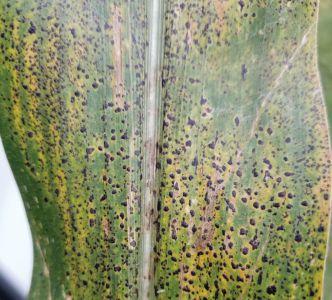
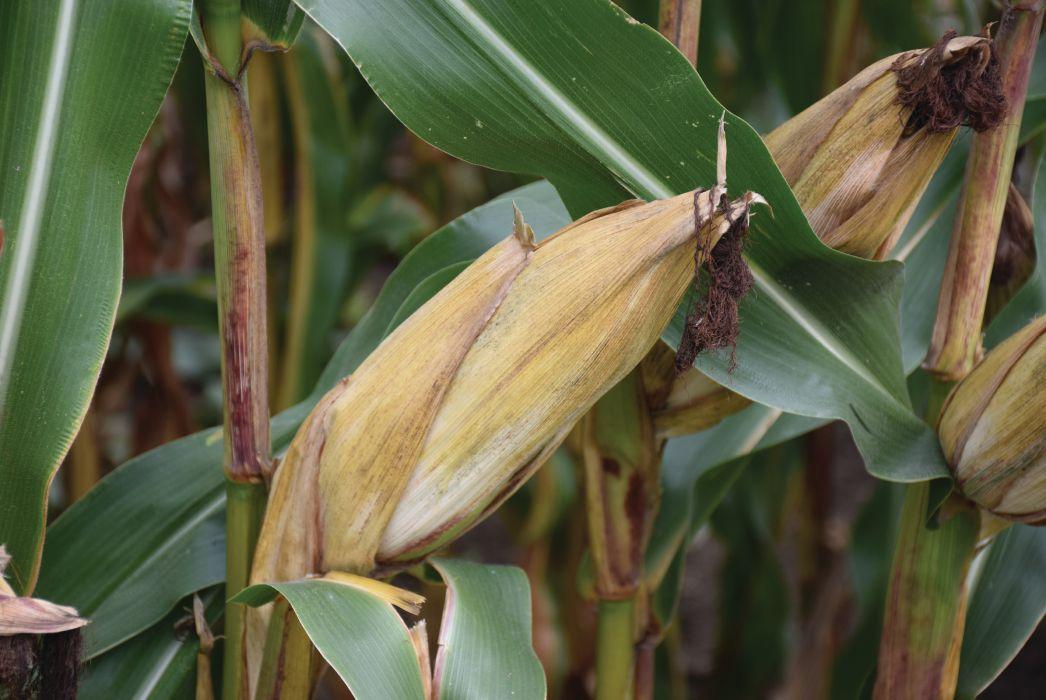
20 | Tar spot is here to stay in Ontario Integrated strategies are necessary for long-term management
By Julienne Isaacs
PESTS AND DISEASES
24 Don’t misdiagnose spider mites in soybeans
By Julienne Isaacs
Farm Credit Canada’s 2021 trade report examines the role of currency and exchange rates as an indicator of Canada’s agricultural and food performance. According to FCC, the USD/CAD exchange rate is often used as a metric of competitiveness for Canadian exports, but fails to accurately assess the global market impact of the strength of other currencies.
Readers
labels for complete instructions.
STEFANIE CROLEY EDITORIAL DIRECTOR, AGRICULTURE
Iwas recently reading an article from Brownfield Ag News, an American website, about tar spot. The article featured an interview with Dean Malvick, a professor in the department of plant pathology at the University of Minnesota, who said tar spot had gone from a “curiosity” just six years ago, when it was first discovered in the United States, to a “legitimate threat to farmers.”
Reading that prompted me to think about all of the other topics we’ve covered in Top Crop Manager over the years that started similarly – as a minor concern. Take a disease like clubroot for example, which had already been lingering in canola fields for about 10 years when I joined the Top Crop Manager team in 2013. Sure, it was more than a blip on the radar at that point, but in such a short period of time, both the disease and our knowledge of it have changed so much. In my early days as an ag journalist, phrases like “herbicide resistance” were slowly becoming more common; now, it’s a topic that we cover regularly – and I hate to say it, but I predict fungicide resistance will follow a similar pattern. These concerns, and so many others, all started as curiosities; growing over time as more and more people looked for answers and solutions. Many evolved into legitimate threats; others stayed moderately troubling. And some remained a little tiny blip.
That’s the beauty of it: in most cases, concerns go through cycles of moving up and down the priority list. With time, and the right conditions, some become more complex – but so do the solutions. There’s an incredible amount of collaboration taking place within the ag industry and, when paired with strategy, knowledge transfer, and technological advancements, the future is looking bright.
This edition of Top Crop Manager is our annual full-circulation issue, focusing on corn and soybeans; inside, you’ll find articles about some of those threats, like tar spot, Bt-resistant European corn borer, and volunteer canola competition in soybeans. But before you start to worry too much about which of those might be problematic in your operation, arm yourself with the knowledge you’ll need to make the best decisions possible.
You can start with this issue, but if you’d like to go deeper, consider joining us at the 2022 Top Crop Summit. We’re back virtually in February for two half-day events; one focused specifically on Eastern Canada (Feb. 16), and the other on Western Canada (Feb. 23). We’ve selected speakers who will tackle the issues head-on while sharing practical tips and advice – check them out for yourself and register at topcropsummit.com.
topcropmanager.com
GET SERIOUS SEED PROTECTION.
It’s time to get serious about the early season health of your cereals, peas and lentils.
Lumivia™ CPL provides outstanding protection from wireworm, cutworm, armyworm and pea leaf weevil. With a unique mode of action and a favourable environmental profile, it is proven to maximize early season seedling stand establishment, increase plant count and manage risk from insects.
Book Lumivia™ CPL today. Contact your crop protection retailer.
lumiviaCPL.corteva.ca
GRAPPLING WITH BT RESISTANCE IN EUROPEAN CORN BORERS
Research aims to curtail the spread of resistance to the Cry1F toxin.
by Carolyn King
The startling discovery of European corn borers with resistance to a Bt protein called Cry1F in Nova Scotia in 2018 has triggered a major project to tackle the problem.
“Using Bt corn to control European corn borer has been very successful for 25 years in North America. This [Nova Scotia case] was the first instance where resistance to any Bt protein has developed in this pest in the field in North America throughout that time,” says Jocelyn Smith, the research scientist who manages entomology research at the University of Guelph’s Ridgetown campus.
“This resistance could jeopardize our ability to control the corn borer in the region. There is also a risk that the resistance could spread to neighbouring provinces or states and cause the same reduced control of European corn borer in corn.” When not controlled, this pest can have significant impacts on corn yield, quality and standability.
A likely factor in the development of this resistance was the use of Bt corn hybrids with only a single toxin for controlling European corn borer. Smith explains that in most of North America, pyramided corn hybrids with more than one Bt protein targeting the corn borer are used, so the risk of the pest developing resistance is lower. However, in Nova Scotia’s relatively small market for hybrid corn seed, some single-toxin hybrids were still being sold.
“Another big issue that we are looking at in this project is whether this Cry1F resistance could result in cross-resistance with some of the other Bt proteins,” Smith says.
“Four Bt proteins target European corn borer and all are considered high-dose proteins [which reduces the risk of resistance]. But three of these proteins [including Cry1F] are somewhat similar in their structure and function. So, there is a risk of cross-resistance, which would even jeopardize the ability of the pyramid Bt corn hybrids to control European corn borer.”
The seriousness of the Cry1F resistance issue for Canadian corn production is signalled by the project’s diverse funding partners. They include: the Natural Sciences and Engineering Research Council of Canada (NSERC), Grain Farmers of Ontario, Atlantic Grains Council, Manitoba Crop Alliance, Ontario Ministry of Agriculture, Food and Rural Affairs (OMAFRA), Manitoba Agriculture and Resource Development, Centre de recherche sur les grains (CÉROM), Perennia Food and Agriculture Inc., Bayer, Syngenta, Pioneer, and Ohio State University.
Smith and Rebecca Hallett, an entomologist and professor at the
University of Guelph, are co-leading the project, which started in 2020. Other members of the project team are research associate Yasmine Farhan and graduate student Emily Glasgow.
The project’s objectives are to: determine how widespread Cry1F resistance is in Eastern Canada; understand the characteristics of the Cry1F resistance and figure out how it can be managed; and update our understanding of European corn borer biology across Canada.
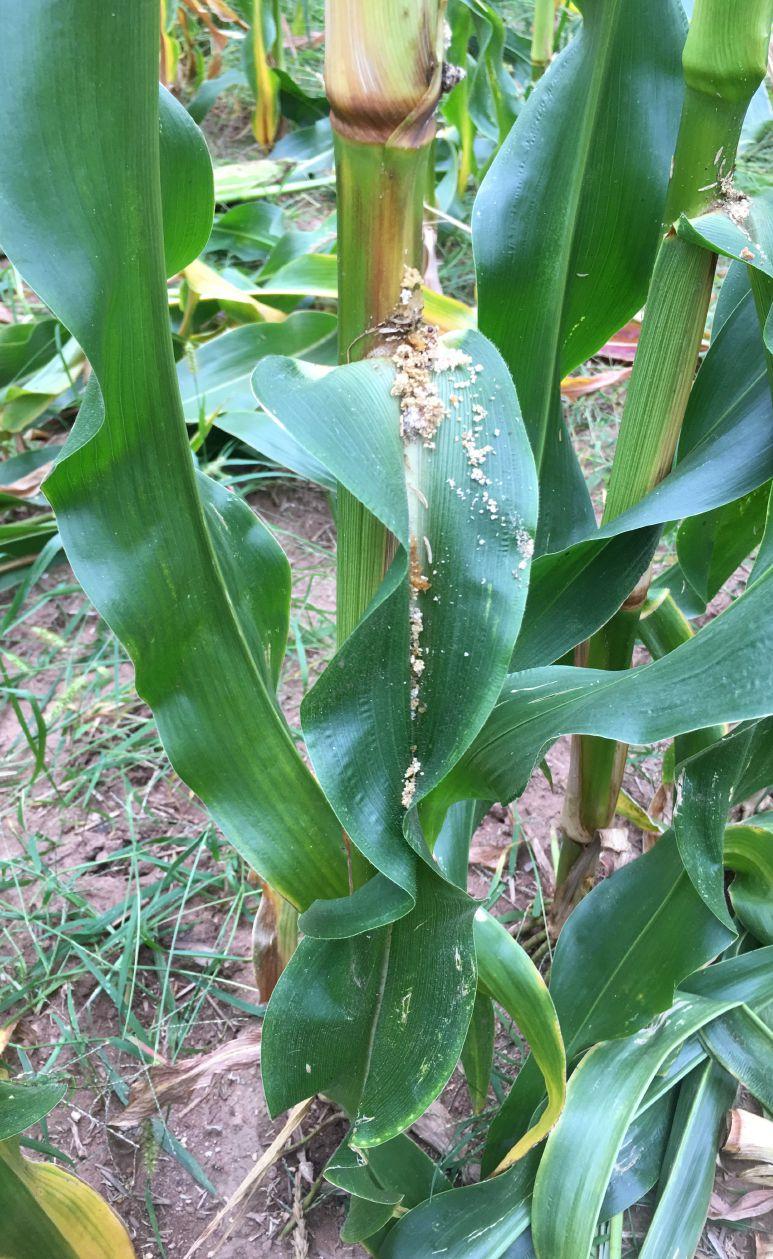
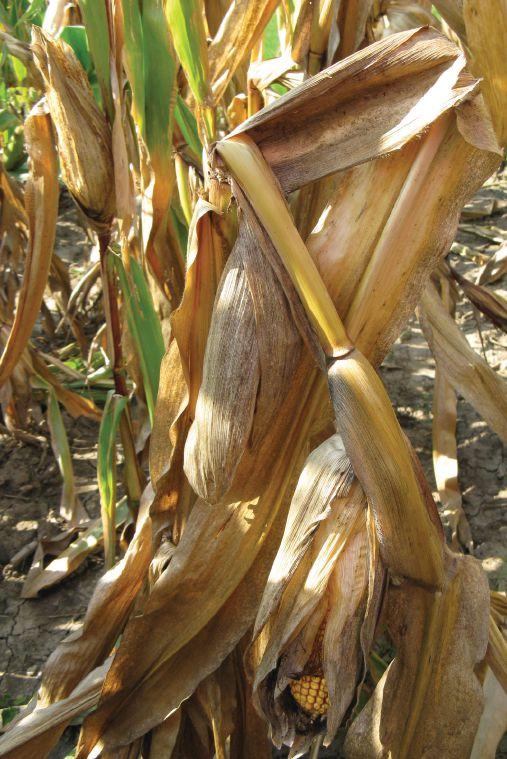
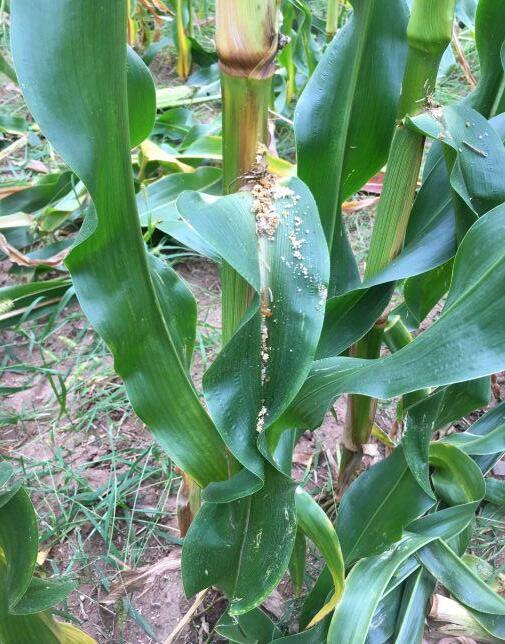
ABOVE: Standability damage due to European corn borers.
Spread of Cry1F resistance
Smith and her colleagues identified that first case of Cry1F resistance in Nova Scotia three years ago. Her team has been monitoring for this resistance in Eastern Canada ever since.
Determining Cry1F resistance in corn borers involves a lengthy bioassay process. To date, the team has analyzed the samples collected in 2018 and 2019, and the 2020 results are almost complete.
“So far, the resistance seems to be primarily within Nova Scotia, with maybe some elevated tolerance in some of the other Maritime provinces and possibly in Quebec,” Smith notes. The project will continue this resistance monitoring for three more years.
Early indication of cross-resistance
To check for cross-resistance with the other Bt proteins that target the corn borer, Smith’s team is testing samples of the pest collected from across Canada for resistance to the other three toxins – Cry1Ab, Cry1A.105, and Cry2Ab2 – as well as Cry1F.
“We are finding some indication of cross-resistance between Cry1F and Cry1Ab, which is concerning,” Smith notes.
Some of their other current lab experiments include determining how easy it is for the pest to transmit the Cry1F resistance trait to its offspring, and examining whether having Cry1F resistance might have fitness costs for the pest that could affect its development or
reproduction and its overall abundance.
Resistance linked to pheromone race?
European corn borers are grouped into races based on which type of pheromone lure attracts the adult moths to traps: the E pheromone, or the Z pheromone. Smith wants to find out if the Cry1F resistance trait is associated with the insect’s pheromone race.
“The Z race European corn borers are more loyal to corn and predominantly develop only on corn. The E race European corn borers are more likely to develop on the pest’s many other host crops [such as
« The soybeans produced and exported by Prograin help feed 26 million people around the globe. »
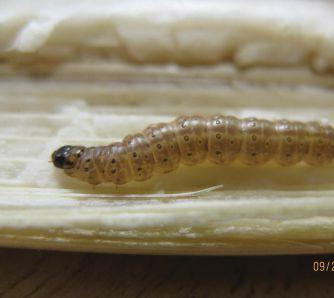
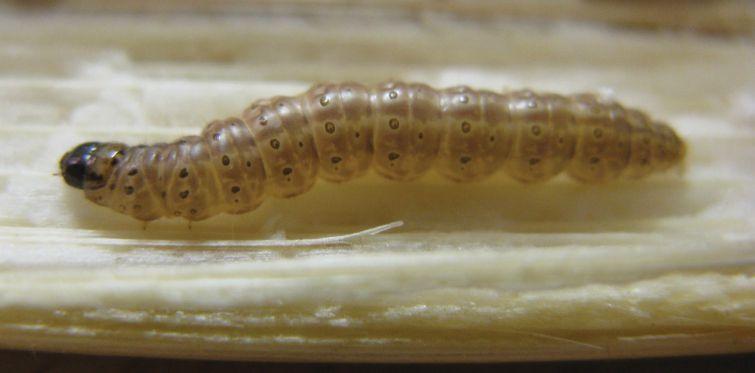
The European corn borer’s larva damages corn stalks and kernels, impacting yield, quality and standability.
potatoes, hemp, hops, apples, wheat, millet, and so on],” Smith says.
“Also, the E and Z races can mate and produce hybrid corn borers [that are attracted to a blend of the E and Z lures]. We are trying to do some crosses in the lab right now to see if we can figure out the host range of the hybrid corn borers.”
She adds, “The best-case scenario would be if the Cry1F resistance is associated with just the Z race because we could then target their management primarily in corn. However, if they are able to utilize other host plants to complete their development, then a reservoir of resistant corn borers could survive on other crops, making them more difficult to control.”
Updating corn borer basics
“Because this pest has been controlled so well with Bt corn for 25 years, researchers haven’t spent a lot of time focusing on it,” she says. “Aspects of its phenology [which is the timing of life cycle stages as affected by factors like temperature] may have changed over the last 25 or 30 years. We want to look at that again and see what impact it will have for cropping systems in Canada.”
Smith and her team are looking at characteristics like the number of generations per year, and the timing, duration and peak of the flight of the moths in the different corn-growing regions across Canada.
“[Based on observations so far,] it looks like the corn borer typically has two generations per year in Eastern Canada. However, there seem to be pockets with both single-generation and two-generation populations,” Smith notes.
As part of this phenology work, the researchers are evaluating the existing growing degree-day models for the corn borer, which are used to predict things like when to scout for the pest. They want to see if the models still work well or perhaps need some modifications.
A cross-Canada boost
The project’s corn borer data collection is getting an extra boost through a nationwide pilot project under the Canadian Plant Health Council. The pilot’s goal is to harmonize European corn
borer monitoring practices across Canada and across crops, and to share monitoring results. Smith helped in the development of the pilot’s harmonized survey protocol, in an app called Survey123, which is available online for anyone who is monitoring this pest.
The monitoring data shared through the pilot could enhance Smith’s project in several ways. “We’ll be able to see whether corn borers are infesting new and emerging crops in Canada, like hops or hemp. We can obtain more information about the biology of the corn borer across the country – the timing of its life cycle in different areas, the duration of moth flight – not just for corn crops but for other crops as well. We can also see how well the degree-day models are fitting for the insect in different regions in Canada.”
In addition, the project team is hoping to receive corn borer samples collected through the pilot from different crops across Canada. They want to determine the pheromone race of those samples, which could increase understanding of the connection between race and host crop preferences.
Assessing management strategies
At present, the main strategy for halting the spread of Cry1F resistance is to use Bt corn hybrids with more than one toxin for European corn borer control.
“Within a couple of years after the discovery of Cry1F-resistant corn borers, the seed corn companies pulled the single-toxin Bt corn hybrids from the region where the resistance developed, and brought in pyramid hybrids with more than one toxin. The hope is that any Cry1F-resistant corn borers would still be susceptible to the other Bt toxins, and these pyramid hybrids would reduce the resistant population,” Smith says.
“However, given our early indication of some level of cross-resistance, this strategy might not be robust enough to stop the spread of the resistance problem.”
The project’s monitoring for resistance to the four Bt toxins will help in tracking the effectiveness of the management strategy and in identifying whether additional strategies are needed.
Those other strategies might include options like chopping up infested Bt corn stalks, applying insecticides, or using pyramids with Bt toxins that have a lower risk of cross-resistance with Cry1F, if available.
She adds, “It is possible that more Bt proteins for European corn borer will be available in the future, but it is not imminent by any means; it may be close to 10 years.”
Benefits for corn growers and more
The results from this project could help in maintaining a crucial tool for controlling the European corn borer.
“Bt corn is one of the most effective and environmentally friendly ways to manage this pest of corn,” Smith notes.
“The use of Bt corn in North America has actually also benefitted a lot of other crop producers, in that this tool has suppressed the overall corn borer population across the board, across North America. The lower overall population has benefitted organic producers who don’t use pesticides to control pests, and it has benefitted growers of other vegetable crops that corn borers can infest. If we lose this technology, we may have to use more insecticides in corn as well as other crops.
“This research will also help Canadian growers better understand the risks around corn borers and help growers to make decisions on their pest management strategies and their resistance management strategies for corn borers.”
Feeding damage by European corn borers.
39 SEASONS OF NEW PERSONAL BESTS.
When you might get about 40 chances to grow your yield of dreams, you need a corn seed with proven year over year performance. So when it comes time to choose a seed, choose the one with over a century’s worth of seasons under its belt. Made with superior genetics to deliver yield and stand up against insect and disease pressure, DEKALB® corn seed is the choice you can depend on every year.
We’re updating our hybrid leaderboard with new results weekly, so be sure to check back often.
For more information, contact BASF AgSolutions® Customer Care at 1-877-371-BASF (2273).
See how InVigor® hybrid canola is performing near you. Always
• Competitive comparisons – see why more growers choose InVigor
CORRELATING IRON DEFICIENCY CHLOROSIS AND SOYBEAN YIELD
Yield loss is greater when severe symptoms persist.
by Bruce Barker
Why are my soybeans yellow, and is that a concern?
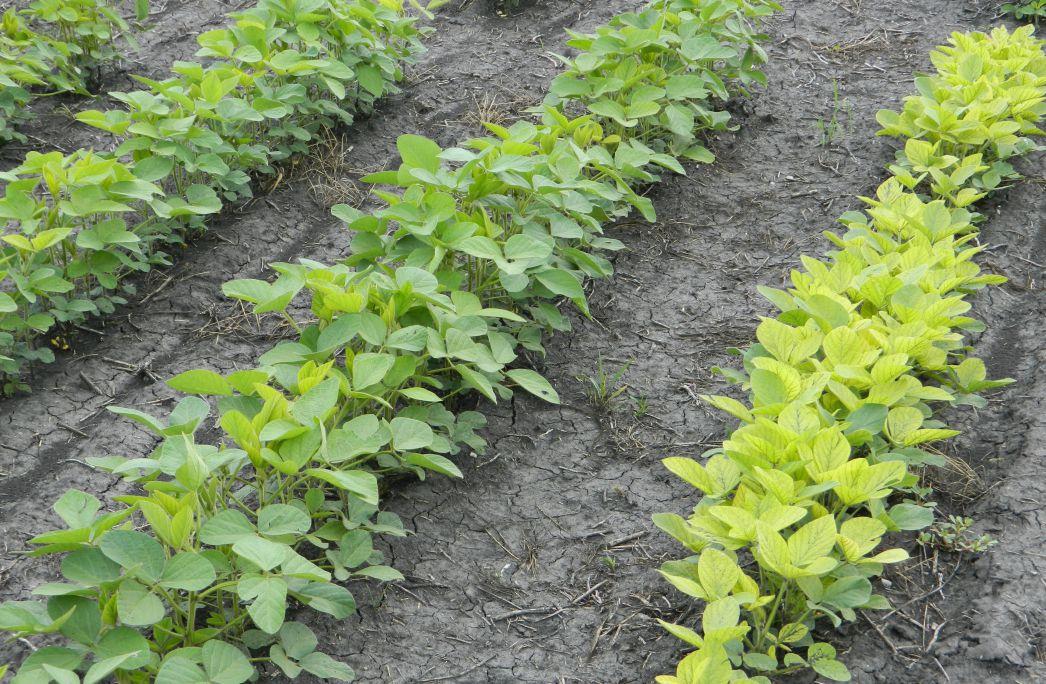
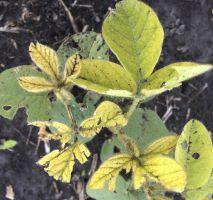
Iron deficiency chlorosis (IDC), better known as “yellow soybeans,” could be the issue.
“The yellowing over of soybean fields, caused by iron deficiency chlorosis, is a common occurrence in late spring, and is a production challenge that reduces yield in Manitoba and throughout the Prairies,” says Kristen MacMillan, research agronomist in soybean and pulse crop agronomy and cropping systems at the University of Manitoba. MacMillan leads the Soybean and Pulse Agronomy team, a collaboration between the Manitoba Pulse & Soybean Growers and the Univeristy of Manitoba, which focuses on soybean, dry bean and pea agronomy and cropping systems.
Although iron is abundant in Manitoba soils, factors such as calcium carbonate content, salinity, nitrates and available moisture can prevent the uptake of plant-available iron (Fe) by soybean plants, leading to yellowing, specifically interveinal chlorosis, of upper foliage. The condition typically occurs during the early vegetative stages following rainfall, and can persist from days to weeks. Generally, with more severe symptoms and the longer they persist, greater yield loss is expected. Variety selection is the most effective option, as in-season rescue options with foliar Fe application have proven ineffective as Fe
is unable to translocate within the soybean plant.
To help farmers and agronomists choose varieties with IDC tolerance, Manitoba Agriculture (MA) co-ordinates an annual variety evaluation trial; MacMillan’s research team started harvesting the trial in 2017. Each year, 80 to 96 varieties are seeded in one-metre rows with three replicates on an IDC-susceptible site near Oak Bluff, Man., that is very high in calcium carbonate.
As part of these trials, each row is evaluated in late June for an IDC score according to a scale that ranges from one to five, with low score having a greater tolerance to iron chlorosis. At harvest, the rows are hand-harvested for yield and correlated to IDC score.
Impact of IDC can be high
Over the four years from 2017 through 2020, the effect of IDC on soybean yield varied depending on the year, as severity and duration of symptoms varied.
MacMillan found that in two out of three years, a significant linear relationship between overall IDC score and soybean yield was
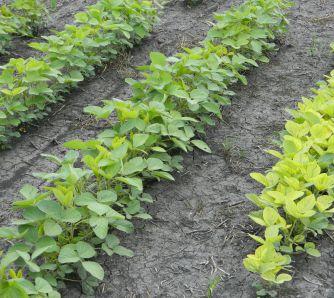
ABOVE: Iron deficiency chlorosis can be a production challenge on the Prairies.
PHOTO COURTESY OF DENNIS LANGE.
determined. For each one-unit increase in IDC score, soybean yield was estimated to be reduced by 24 to 28 bushels per acre. Over the years, the IDC scores have ranged between 1.5 and 3.0, so a one-unit change can have a large impact on yield.
“Another way to look at this data is that, for each 0.1 unit that IDC score increases, soybean yield is reduced by 2.4 to 2.8 bushels per acre,” MacMillan says. “In a field where IDC occurs, a variety rated 1.7 would be expected to yield nine to 11 bushels per acre more, on average, than a variety rated 2.1 in IDC-affected areas.”
These Manitoba results suggest greater yield loss from IDC compared to values reported by David Franzen and R. Jay Goos at North Dakota State University. In North Dakota, yield loss associated with IDC was estimated at nine to 19 bushels per acre per unit of chlorosis at the five- to six-leaf stage, depending on the year. The difference, though, could be related to the range of subjective IDC scores assigned by evaluators.
This is the first time yield loss associated with IDC has been quan-
tified for the Prairies. But there is more work to do, MacMillan says, like considering the variability related to variety performance and when and where IDC occurs. IDC is highly variable within a field and from year to year. She says the study years of 2017 to 2021 have been drier than normal in Manitoba and IDC has not been a major production issue compared to 2013 to 2016. In a survey of 53 farmers and agronomists, the frequency of IDC occurring varies from every year to one in four years. When IDC does occur, the majority responded that only 10 to 25 per cent of a field is affected. “This spatial and annual variability makes precision management both an opportunity and challenge,” MacMillan says, adding that she has begun evaluating variety performance under both IDC and non-IDC conditions in order to determine the potential for site-specific management within fields. The best management practices currently available remain soil testing for carbonate and soluble salt levels. If the field risk is high, select a tolerant, high-yielding variety. It is a simple and very effective management choice.
SHIPPING SUPPLY SPECIALISTS
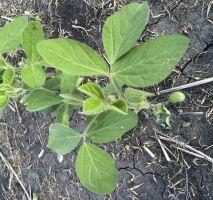
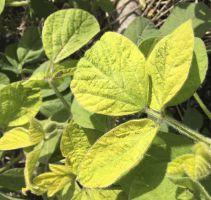
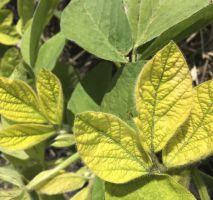
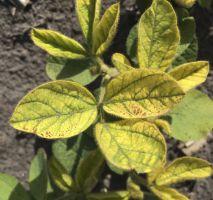
IDC rating scale from left to right: 1 = healthy, green; 2 = some yellowing; 3 = interveinal chlorosis; 4 = dead tissue evident; 5 = stunted growing point.
TAILORING THE CORN FERTILITY SYSTEM
In Manitoba and Ontario, many strategies can work – as long as producers are soil testing.
by Julienne Isaacs
It was the late George Jones, an Ontario corn researcher, who famously said that growing corn was a “religion.”
“He’d say, ‘People don’t meet up in the coffee shop to talk about fertilizing cereals. They sure do with corn,’” remembers John Heard, soil fertility specialist for Manitoba Agriculture.
Whether farmers are in Western or Eastern Canada, there is no one “right” way to manage corn fertility.
The key, Heard says, is to tailor the system to work under local conditions.
“You can manage and feed corn in a variety of ways that can work well. Many may offer room for improvement, but there are over 20 ways to put 100 pounds of nitrogen on corn,” Heard says. “I’m encouraged that there’s no single right way.”
Recent research conducted by now-retired University of Manitoba professor Don Flaten and Agriculture and Agri-Food Canada agronomist Curtis Cavers, for example, supports the idea that there’s no clear-cut advantage or differences in results between different sources and placement for corn. “Presuming rates were similar, they got similar yields,” Heard says.
It’s good news for producers, but won’t come as a surprise. In
fact, a recent grower survey by Stratus Research, funded by the former Manitoba Corn Growers Association (now Manitoba Crop Alliance), found that the province’s producers successfully use a wide range of fertilizer practices.
Corn requires many essential nutrients to grow properly, but the crop is hungriest for three main nutrients – nitrogen, phosphorus and potassium – as well as sulfur and the micronutrient zinc. It also requires calcium, magnesium and several micronutrients including boron and iron. The latter are typically present in Manitoba and Ontario soils and do not need to be supplemented.
Even if there’s no one right way to fertilizer corn, there are a few approaches that might come in handy when managing nitrogen, phosphorus and potassium in Manitoba and Ontario.
NITROGEN
In corn, it’s essential that producers attend to the 4Rs – “right source, right rate, right place and right time” – of fertilizer application.
ABOVE: Corn requires several nutrients, but nitrogen, phosphorus and potassum are what need to be managed most.
PHOTO BY TOP CROP MANAGER.
But in order to do so, producers need to soil test, Heard says. “Use soil tests not only for decision-making, but as an auditing tool for whether you meet the needs of the crop,” he says.
One new rule of thumb comes from University of Manitoba studies on soil testing after the corn crop: “With corn, if a soil test is testing 20 to 50 lb./ac of N, that means that the producer did a pretty good job of supplying N to meet yield potential. If it soil tests less than 20 lb./ac of N, the crop was under-supplied for yield potential,” Heard says. “If you’re measuring more than 50 lb. residual N, then more N was supplied or was available than that crop required for its yield potential.”
These days, Heard adds, farmers running really “lean and efficient” programs are fine-tuning their rates.
Manitoba
Most Manitoba producers apply N via subsurface banding. According to Manitoba Agriculture, band placement is 20 per cent more efficient than broadcast application.
One interesting finding from Manitoba Corn Growers Association’s grower-funded survey is that 24 per cent of respondents had access to manure that could be exploited as a fertility source, Heard says. “That’s good news. We like to see manure used up on hungry crops.”
A relatively small percentage of growers – 11 per cent – used enhanced efficiency fertilizers (EEFs) in Manitoba, although Heard believes that number might increase. But the utility of EEFs really comes into play in wet years, when N is vulnerable to loss via leach ing or denitrification, and the last few years have been dry in Manito ba. Most EEFs, he says, are a type of insurance against wet conditions.
A great deal of research in recent years has looked at placement and timing. Fall application of N has been a staple for producers farming clay soils; this allows them to go straight into the field with the planter in the spring without the need for spring tillage – a boon in dry years.
shown that optimal N rates vary year to year based on rainfall amounts between June 15 and July 15; rainfall in this period closely correlates with yield at the end of the year, which appears to be driving optimum N rates at Elora, Rosser says.
“Looking at rainfall might be one of those mechanisms whereby you can adjust N rates. If you’ve had above-normal rainfall and yields look good, you might want to bump up rates, and vice versa – if rainfall during this period is well below normal and impacting yields, perhaps you could pull back,” he says, adding that more research is needed before definite recommendations can be made.
PHOSPHORUS AND POTASSIUM
Corn relies on large amounts of phosphorus and potassium early in the season for healthy development. Both nutrients are “immobile” in the soil, meaning placement is key to ensuring roots come in contact with them.
Band applications for both nutrients is therefore preferable to broadcast application.
Manitoba
Heard says Flaten’s lab has conducted research on the yield drag that sometimes occurs when corn is planted after canola. Corn is well known to benefit from beneficial soil fungi mycorrhizae through increased P uptake. Canola does not need or support mycorrhizae during its growth, so following crops may lag until my-
But on lighter, sandier soils at greater risk of leaching, many growers are choosing to sidedress and do in-season applications, Heard says.
There’s a growing body of research on split N applications, he adds, comparing applying all N at seeding versus holding some back for later application; these trials show that only occasionally was there benefit or penalty to applying later. But he cautions that in one study conducted by Cavers, anytime less than 50 lb. N was ap plied to start the crop, yields couldn’t catch up with split N later in the season.
“Corn following soybeans advanced in maturity more quickly and was less needy or responsive to phosphorus than if we grew
“Don’t start your crop too lean – make sure you have at least that much, and then follow up later,” he says.
Ontario
Ben Rosser, corn specialist for the Ontario Ministry of Agriculture, Food and Rural Affairs (OMAFRA), says there’s a “wide array” of options for applying N on corn fields in Ontario.
“If there have been any trends over the last few years, there’s been a move to more high-clearance applicators for later in-crop applications of UAN or dry nitrogen products.”
Some past Ontario Soil and Crop and OMAFRA on-farm research has looked at late nitrogen applications, but Rosser says yield benefits of the practice are generally only realized in very wet years.
Research completed by now-retired University of Guelph cropping system professor Bill Deen at the Elora Research Station has
GROWING YOUR WORK OF ART
The visionary design of Proven® Seed shines through from every angle. Our leading-edge technology offers a whole new perspective on canola, cereals, corn, soybeans and forages. Whether you’re looking for high yields and performance from every seed across all acres, or specific herbicide systems and disease management, we know there’s a Proven Seed that fits your field.
Only available at Nutrien Ag Solutions ® retail. Visit ProvenSeed.ca to learn more.
corn after canola,” Heard says. “After canola, there was a marked response or benefit to applying side-banded phosphorus.”
This practice didn’t always close the yield gap, but it did narrow it, he says. When it comes to potassium, corn readily exhibits deficiencies, and deficiencies are more common in corn grown on sandier soils.
“One of the old established practices on the Prairies is that banding potassium is much more efficient than broadcasting it,” he adds.
“We encourage growers to respect potassium in soil tests. If your dollars are short and you can’t broadcast the high rates required, apply a lower rate of banded potassium to meet the crop’s needs. Here on the Prairies, we export a lot of potassium out of the ground with our crop and we don’t replace that. On many clay soils we have ample native reserves, but in lighter soils we really need to soil test and address [any deficiencies].”
Ontario
Rosser says the push for greater efficiency is at least in part a necessary response to higher fertilizer prices.
“If you’re looking for efficiency,” he says, “optimize placement to get the most response out of fertilizers that you can.”
Again, the best way to have an idea for how responsive your farm will be to P and K is to soil test; in Ontario, producers should follow guidelines in the Agronomy Guide for Field Crops (OMAFRA’s Publication 811).
Rosser says that in the last few years, questions were raised about the recommendations developed many decades ago for fertilizer rates. “Six or seven years ago, former corn specialist Greg Stewart and Ken Janovicek from the University of Guelph pulled more recent data together and the more recent research trials did support that these recommendations still provide the most
economic fertilizer rates during the year of application,” he says.
Rosser says another question has been, “If using these recommendations allow a soil test to slip lower over time, is there a yield impact to this compared to maintaining a moderate soil fertility level?” A Grain Farmers of Ontario-funded long-term P and K research project is trying to answer this question.
For phosphorus, Rosser says producers should use placement, rate and timing guidelines in the Agronomy Guide.
For potassium, he echoes Heard’s advice: in other words, that it’s critical to address deficiencies.
“Quite often you don’t get the benefit out of your other fertilizers if you’re not watching potassium. It can’t be ignored,” Rosser says. “Going back to some older Ontario research, in reduced tillage scenarios, including some potassium in starter fertilizer provided a yield response above just broadcasting it all.”
Rosser has been working on a strip tillage fertility project with Grain Farmers of Ontario looking at timing – specifically fall application versus spring application in strips and broadcast applications under full width tillage on low testing soils.
“One thing that stood out was that, in the fertility control plots [no P or K applications], the full width tillage plots would show some K deficiency, but when you go to the strip-tilled plot, the deficiencies show up a lot earlier and more severe than they do on the full width tillage plots,” Rosser says.
“This would suggest that in strip tillage, placement may be more important. That story has been told in no-till for quite a while, but appears it may also hold true in strip till.”
In Rosser’s strip till study, initial results suggest that striptilled corn may not be as adept at accessing soil nutrients as corn planted under full-width tillage. This means producers should go into the season with strong fertility packages and careful placement.
High fertilizer prices have resulted in a push for greater fertilizer efficiency, and optimizing placement will ensure the best response.
PHOTO BY TOP CROP MANAGER.
16 YEARS OF FARMING HAS TAUGHT ME THAT I CAN ALWAYS FIND AN EDGE.
DEKALB® soybean seed from Bayer out-perform competitive varieties all season long. Trial data, breeding and extensive research has created first-to-market innovative varieties including the recently introduced XtendFlex® trait that offers tolerance to dicamba, glufosinate, and glyphosate herbicides. Choose the seed for your field’s needs and get the performance – and profitability – you demand.
Jake Munroe, Soil Management Specialist (Field Crops) Ontario Ministry of Agriculture, Food and Rural Affairs
Managing multiple-herbicide-resistant waterhemp
Peter Sikkema, Professor, Weed Management – Field Crops University of Guelph Ridgetown Campus
Targeting tar spot in Ontario corn fields
Albert Tenuta, Field Crop Pathologist
Ontario Ministry of Agriculture, Food and Rural Affairs
Focus on: Agronomy insights from Western Canada
Insect populations in field crops: 2021 results and 2022 predictions
James Tansey, Provincial Specialist, Insect/Pest Management, Saskatchewan Ministry of Agriculture
Wheat yield gaps in the Canadian Prairies
Brian Beres, Senior Research Scientist, and collaborators Agriculture and Agri-Food Canada, Lethbridge, Alta.
The side-effects of wet/dry cycles: dealing with salinity after a drought
Marla Riekman, Soil Management Specialist
Manitoba Agriculture and Resource Development
This interactive event will arm you with the tools and information you need to kick off a successful growing season.
Visit TopCropSummit.com for the full schedule, additional speaker details, and to register before early bird pricing ends.
TAR SPOT HERE TO STAY IN ONTARIO
Integrated strategies necessary for long-term management.
by Julienne Isaacs
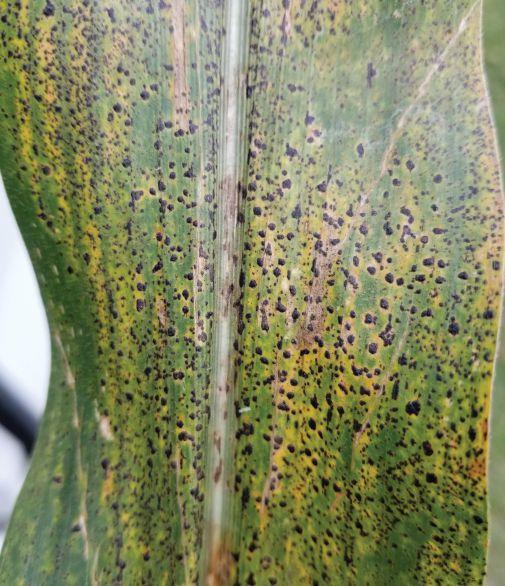
Tar spot is here to stay.
In September of 2020, researchers confirmed the plant disease, which is caused by the fungus Phyllachora maydis, had reached Ontario. By winter, they’d found it in the lower five counties of southern Ontario.
“The big question was whether it would overwinter,” says Albert Tenuta, field crop pathologist for the Ontario Ministry of Agriculture, Food and Rural Affairs (OMAFRA).
On July 2, 2021, tar spot was found in low levels in West Elgin County in an area that had seen a fair amount of the disease the previous summer, indicating that it had, in fact, overwintered.
“We saw a scattering of lesions on some plants. One or two out of every hundred plants had tar spot that early,” Tenuta says.
Across the border, tar spot was found in Michigan, Indiana and Iowa; by the second week of July, it was identified in Wisconsin and Illinois.
Ideal conditions for tar spot, he says, include temperatures between 15 and 21 to 22 degrees Celsius and high relative humidity (greater than 75 per cent) leading to leaf wetness.
But in Ontario, the temperatures remained high for much of the summer – between the upper 20s and 30s, with humidity higher than the norm. Typically, Tenuta says, they’d have expected tar spot to slow down under those conditions, but the disease rapidly spread.
“The surprising thing this year was how widespread tar spot was in Ontario,” Tenuta says. “Basically, as of the beginning of October, we have tar spot to some degree in all counties from Guelph to Windsor, from [the north shore of Lake Erie] up to grapers’ country.”
Severity depended on field conditions and hybrid susceptibility, but also when the infection occurred: the earlier fields were infected, the greater the severity.
The disease was originally detected in the Indiana/Illinois region in 2015. These days, it can be found throughout the U.S. corn belt. In 2018, Tenuta says, yield losses in the U.S. ranged from 20 to 60 bushels per acre; as of 2021, producers have seen up to 50 per cent yield loss, or more than 100 bu/ac.
It’s a warning for Ontario growers: once established in a region, tar spot can hit corn growers hard.
“This is a disease we need to respect, learn about and prepare for,” he says. “Producers don’t need to fear it, because we have tools available to us, and we need to modify and build on those tools in the toolbox right now.”
Scouting and management
Now that tar spot is established in southern Ontario, it’s critical that producers identify tar spot in their fields as early as possible, which will help them identify their risk, Tenuta says.
Supported by Grain Farmers of Ontario, Tenuta is involved with the Corn Disease Working Group and the Tar Spot Working Group through the Crop Protection Network. Trials are underway in Ontario and the U.S. looking at fungicide efficacy, disease epidemiology and hybrid evaluations.
Few hybrids available in Ontario are tolerant or partially resistant; the majority are susceptible. Going into 2022, it’s important for producers to talk to seed retailers or agronomists to identify hybrids with some resistance to the disease, Tenuta says.
“We don’t have anything that would be considered highly resistant, so we need to look to other tools to develop an integrated
PHOTO COURTESY OF DARCY TELENKO.
ABOVE: Tar spot is present in southern Ontario, so early identification is more important than ever.
management program,” he adds.
The next step, he says, is to use the Tarspotter app to assess disease risk. The app integrates weather predictions, crop phenology and site-specific information to assist farmers in making management decisions.
The best time to manage tar spot with fungicides is during the V8 to R4 growth stages.
Tenuta’s team is running fungicide strip trials to identify the best available chemical controls for tar spot. In those plots, they saw a 30- to 40-bushel yield increase when they used a fungicide compared to when they did not. Results aren’t ready, but Tenuta’s research appears to echo U.S. results so far, which is promising.
“The tools that growers have available will help them reduce the effects of tar spot,” he says. Some fields in the extreme southwest could have benefited from a second application this year.
The disease can be reduced but not eliminated; this means producers need to stay on their guard.
Residue management and crop rotation will help in terms of re-
CROP PROTECTION NETWORK
Corn growers in Ontario and the U.S. can find up-to-date information on diseases including tar spot on the Crop Protection Network website at https://cropprotectionnetwork.org/.
ducing tar spot risk and impact, but they’re less effective than using resistant hybrids, scouting and applying fungicides at the right time, Tenuta says, because the pathogen is wind-borne. “It’s weather conditions that drive disease development,” he says.
“Going into next year, it’s important to be out there as soon as possible to scout. Be aware of the disease and where it is and talk to agronomists. That will help guide us with in-season disease development and controls.”
If producers find tar spot in their fields in 2022, they should get in touch with Tenuta so his research group can update maps in realtime. Tenuta can be reached at albert.tenuta@ontario.ca or 519360-8307.
SOYBEANS
REFINING SOYBEAN SEEDING DEPTH
Seed between 0.75 and 1.75 inches for maximum yield.
by Bruce Barker
Soybeans can be sown too deep or too shallow. That’s the findings of a research project that investigated the optimum seeding depth for soybeans in Manitoba.
“Dry soil conditions have often led agronomists and farmers to chase moisture and seed soybeans at two inches or deeper. Observations on the success of this practice have been variable, such as delayed or reduced emergence in some but not all cases,” says Kristen MacMillan, research agronomist in soybean and pulse crop agronomy and cropping systems, department of plant science at the University of Manitoba. “On the other hand, very wet soil conditions in spring have led some farmers to consider broadcasting and incorporating soybean seed. It was my goal to find out if very shallow or deep seeding of soybean impacts yield.”
At the time of MacMillan’s research (from 2017 through 2019), the recommended seeding depth was between 0.75 and 1.5 inches, based on recommendations from other regions. The objective of her research study was to identify the optimum seeding depth for soybeans in Manitoba, and to measure the impact of seeding depth on plant population, nodulation and root rot (Carman 2019 only), pod height (2018 and 2019 only), maturity and grain yield. Trials were seeded with a double disc plot seeder between May 14 and May 24 at 200,000 seeds per acre. The soybean variety DK 23-60RY was grown in Arborg, and DK 24-10RY was grown in Carman. All trials were seeded into tilled stubble, except the trial in Arborg in 2017, which was seeded into tilled fallow.
Growing season conditions in all environments were drier than normal, reflecting what farmers in the region have been experiencing as well. Cumulative spring precipitation in May and June equated to 2.2 to 5.7 inches (56 to 145 mm), which was 40 to 87 per cent of normal; and seed was often placed into dry soil. An accumulated one inch (25 mm) of rain occurred between 10 and 22 days after seeding in all trial environments. These conditions provided a good scenario to understand if deep seeding is warranted in dry springs.
MacMillan found that a seed depth range of 0.5 to 2.25 inches resulted in an established plant density ranging from 140,000 to 170,000 plants per acre, which is the current recommended plant stand range. A very shallow seeding depth of 0.25 inches resulted in significantly lower plant density of 81,000 plants per acre, which is only about 50 per cent of the recommended plant stand.
“To answer a question that was received from farmers and agronomists, we rated nodulation and root rot at the Carman experiment in 2019,” MacMillan says. “We found no effect of seed depth on nodulation or root rot. Nodulation was good and root
rot severity was very low overall.” However, ratings could not be measured at the shallowest 0.25-inch treatment due to very low plant establishment and inadequate sample size.
Soybean yield was significantly affected by seed depth, environment and their interaction, meaning that overall response to seed depth was similar in each environment but with varying magnitude. Overall, the relationship between seeding depth and soybean yield explained 68 per cent of the variation in soybean yield.
The seed depth range that produced 91 to 100 per cent of maximum yield was between 0.75 and 1.75 inches, with maximum yield at 1.25 inches.
“This study provides evidence that even under dry soil conditions, there is no benefit to chasing moisture. We did not measure depth to moisture in each environment but seed was often placed in dry soil with rainfall to follow, sometimes up to three weeks later,” MacMillan says.
Shallow and deep seeding had the most impact on soybean yield. Seeding at 0.25 inches reduced soybean yield by 19 per cent, and seeding at 2.25 inches reduced yield by 10 per cent, but with a range of zero to 36 per cent. Shallow seeding was more detrimental than deep seeding in this study.
“As observed in the field, deep seeding only slightly reduced overall plant stand and is likely not the primary mechanism of yield loss. Other factors such as delayed emergence, reduced seedling vigour, cotyledon loss and chlorosis were observed and could contribute to yield loss with non-optimal seeding depth,” MacMillan says.
Pod height was affected by seeding depth but the differences were not agronomically significant, since height to the first podbearing node was high overall, ranging from 3.5 to 3.9 inches, and was statistically the same for all seed depths from 0.5 to 2.25 inches. Very shallow seeding at 0.25 inches resulted in significantly lower pod height at three inches. Growing conditions had a greater impact on pod height, ranging from 3.1 to 4.7 inches. “This is in agreement with other literature indicating that environmental conditions and genetics are known to influence pod height to a larger extent than management practices,” MacMillan says.
Seeding depth did not affect days to maturity.
“Compared to other soybean management decisions that we have studied in the soybean and pulse agronomy program, including seeding date, fungicide and variety choice, ensuring seed depth is within the optimum range is likely the most influential to soybean yield,” MacMillan says.
DON’T MISDIAGNOSE SPIDER MITES IN SOYBEANS
Symptoms can pass for drought damage or early senescence.
by Julienne Isaacs
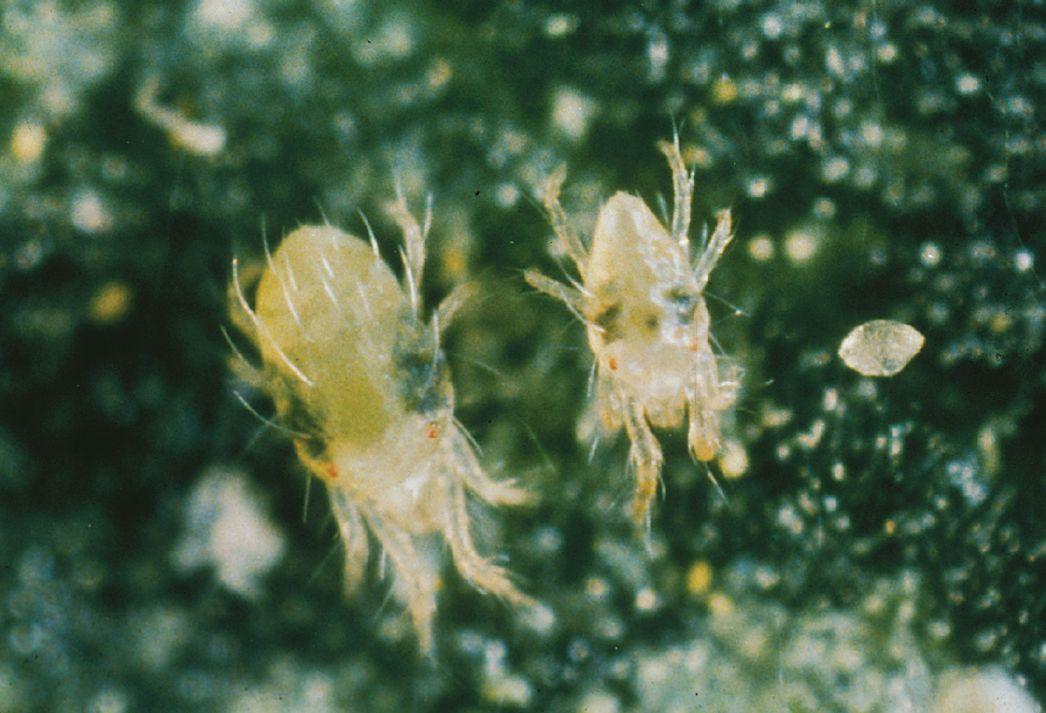
Two-spotted spider mites (Tetranychus urticae Koch) are small – very small, at one fiftieth of an inch or so in length – but mighty.
If conditions are right and they get to work in the early R stages of soybean development, spider mites can cause 40- to 60per cent yield loss, says Tracey Baute, field crop entomologist for the Ontario Ministry of Agriculture, Food and Rural Affairs (OMAFRA).
But they’re so small that they can go unnoticed. “They’re tiny and almost transparent,” Baute says. “You can see them, but they’re tiny dots. We usually suggest people take leaves and shake over a white or black piece of paper to see their movement.”
It’s easy to mistake the symptoms of a spider mite infestation for drought symptoms: over time, the leaves show a stippling pattern –like they’ve been sandblasted, Baute says – with fine webbing underneath the leaves, “almost like it’s defoliating or getting ready for fall.” Left unchecked, the mites kill the plant and move to another host.
Over the last few years, with higher-than-average temperatures, spider mites have become more of an issue for Ontario producers. There are a few “hot spots” that have problems with spider mites
almost every year, Baute says. But this year, even though conditions weren’t ideal for mites, researchers still found them in some fields. “It’s something to pay attention to going forward,” she adds.
Two-spotted spider mites are pests of many crops, including horticulture crops, dry beans, soybeans and wheat, and can be tricky to manage for that reason. After one host crop is harvested, they “balloon” to another host on fine webbing. Ontario researchers have noticed a trend whereby spider mites will balloon from cereal and grass crops after harvest to other hosts, including soybeans.
There’s only one chemical mode of action registered for use on spider mites in soybean in Ontario: dimethoate, an organophosphate sold under the trade names Lagon and Cygon that works by disabling a critical enzyme in the mite’s nervous system. Additional modes of action are available for high-value horticulture crops, but are sold at a price range that isn’t economical for field crop producers. Dimethoate has been used for decades, Baute says, and its efficacy could be waning.
ABOVE: A close-up photo of a two-spotted spider mite.
OMAFRA has partnered with Western University and Agriculture and Agri-Food Canada on a spider mite monitoring project. This past growing season, 10 to 12 populations collected from farms ranging from Grey County to the Chatham-Kent area were analyzed at Western, and all were discovered to be resistant to dimethoate.
Management
Because dimethoate is the only chemistry registered for use in soybeans and dry beans, Baute says there’s a high need for spider mite population testing to determine whether resistance is widespread and the registration of new control agents should be expedited.
The latter isn’t a simple task. Baute says the industry has been pushing for the registration of a second mode of action in soybean for years. The end product would need to be cost-effective for field crop producers. Alternative products in use in horticulture crops can set producers back $50/acre or more, which is costprohibitive even if the alternative results in major yield losses.
While testing existing products for use in soybean, researchers need to evaluate application rates to ensure resistance doesn’t develop.
“On top of that, part of this project is looking at testing mite populations on other products. If they’re already tolerant, there’s no point in getting them registered,” she says.
Faced with such a challenging pest – so tiny it can easily be mistaken for drought stress, with the ability to quickly navigate from host to host, and increasingly resistant to the only product available to control it – producers may wonder what can be done to manage it.
Crop rotations can help, Baute says. “You do see more spider mite infestations in areas that are more abundant with soybeans or dry beans, but even if [producers rotate out of soybeans], they’re still present nearby in cereals and grassy ditch banks, and will balloon into any soybeans in the area.”
Spider mites tend to start at the field edges, she adds, so spraying at field margins could be an option as long as resistance hasn’t developed.
Producers’ best bet is to plant early so soybean plants are past the R3 stage by the time spider mites zero in on the crop. “There aren’t many cultural practices to keep the infestations down – it’s a matter of making sure your plants are as stress-free as possible and maybe more advanced when infestations happen,” she says.
If they continue to have issues with the pest, they may need to rotate out of beans and dry beans for a few years until other products are registered.
For now, producers should consider submitting mite population samples for analysis. Baute recommends sampling before an insecticide application is made, or after an application has been made and spider mites continue to be a problem in the field. OMAFRA staff will visit the farm to collect samples, she says.
Baute’s goal is to have a new infographic tool with information on spider mite identification and dimethoate resistance ready for the 2022 growing season. The resistance project will also include an app for farmers to identify fields with spider mite problems and notify Western University that a sample should be taken.
“We’re trying to build some resources and tools,” she says.
To notify Baute of fields with spider mite populations to take samples for testing, producers can contact her at tracey.baute@ontario.ca or 519-360-7817.
CULTIVATING INNOVATION
ADVANCING TECHNOLOGY IN CANADIAN AGRICULTURE – AN IN-DEPTH REPORT –
Be sure you are subscribed to Top Crop Manager to help us review the status of technology in Canadian agriculture through the eyes of producers and industry members via an online survey.
Stay tuned for the on-demand roundtable discussion and digital report sharing the findings and insight from industry stakeholders.
BRUCE BARKER, P.AG CANADIANAGRONOMIST.CA
VOLUNTEER CANOLA COMPETITION IN SOYBEAN IS INTENSE
Volunteer glyphosate-resistant (GR) canola is a challenge for Roundup Ready soybean growers since a glyphosate application does not control the volunteers. The objectives of this research study, led by Robert Gulden in the department of plant science at the University of Manitoba, were to determine the action and economic thresholds for volunteer canola (B. napus) in soybean grown at narrow- and wide-row spacing, and to evaluate the impacts of increasing volunteer canola densities on both soybean and volunteer canola plant development and seed yield.
The research was conducted at three sites in Manitoba over two years at the Ian N. Morrison Research Farm near Carman, at Kelburn Farms near St-Adolphe, and on an independent research farm near Melita. Roundup Ready soybeans were seeded into wheat stubble in mid- to late-May at 180,000 seeds/ft2 (445,000 seeds/m2) in narrow (10-inch; 25-cm) and wide (30-inch; 75-cm) row spacing. Roundup Ready canola was broadcast on the plots immediately before seeding soybean at densities of zero, one, two, four, eight, 16, and 32 seeds/ft2 (zero, 10, 20, 40, 80, 160, and 320 seeds/m2) in 2012, with an additional treatment of 64 seeds/ft2 (640 seeds/m2) included in 2013.
Other weeds were controlled with two in-crop applications of glyphosate at 0.67 L/ac rate (900 g a.e./ha).
Volunteer canola competition was intense and caused over 50 per cent yield loss in soybean in most cases, and as much as 79 percent soybean yield loss under wide row production at Carman in one year.
Average maximum soybean yield loss of about 60 per cent was similar in narrow- and wide-row production systems. This was unexpected as other weed interference research has found greater yield loss in wide-row soybean compared to narrow row spacing.
Soybean yield loss at low and high volunteer canola densities were similar. This indicates that volunteer canola competition with soybean is generally intense, leading to substantial yield loss in soybean at most volunteer canola densities – even at less than one volunteer canola plant/ft2 (10 plants/m2).
Action and economic thresholds were generally low due to the highly competitive ability of volunteer canola with soybean. Overall, action thresholds were less than 0.9 plants/ft2 (<9 plants/m2) and economic thresholds were less than 0.5 plants/ ft2 (<5 plants/m2). At these thresholds, volunteer canola seed return to the weed seedbank was on average 1,440 seeds/ft2 (14,400 seeds/m2) in narrow-row soybean, and 1,040 seeds/ft2
Thresholds developed in Gulden’s study are an important decision-making tool for effective management of volunteer canola in soybean.
(10,400 seeds/m2) in wide-row soybean.
The low economic and action thresholds were attributed to differences in canola and soybean development. For example, by the time soybean reached the first trifoliate, volunteer canola plants already had an average of three leaves; once soybean reached its fourth trifoliate, volunteer canola had reached the reproductive phase. Additionally, canola has the ability to aggressively branch out and compete for soil and water resources when plant densities are low, resulting in intense competition even at low densities.
Thresholds developed in this study are an important decisionmaking tool for effective management of volunteer canola in soybean, and highlight the need for volunteer canola control in soybean even at low plant densities.
Several herbicide Groups are available to control volunteer Roundup Ready canola (Group 9). These include herbicides in Groups 2, 5, 6, 14 and 15 – some pre-emerge and others postemerge applications.
Volunteer canola seed returns at the action thresholds were greater than typical seedbank additions caused by harvest losses of a canola crop. Therefore, soybean in rotation can be a significant contributor to the replenishment of volunteer canola in weed seedbanks if left uncontrolled.
Bruce Barker divides his time between CanadianAgronomist.ca and as Western Field Editor for Top Crop Manager. CanadianAgronomist.ca translates research into agronomic knowledge that agronomists and farmers can use to grow better crops. Read the full Research Insight at CanadianAgronomist.ca.
PHOTO BY BRUCE BARKER.
HAVE A BREAK THROUGH SEASON
4G 4FREE
+Gain Ground with free 4G JDLink™ service.*
Now, enjoy all the benefits of wireless machine connectivity with no subscriptions, no service fees and no complicated contracts. With 4G JDLink connectivity, you get fast data transfer to help you monitor and control virtually every aspect of your operation. If your machines are 4G enabled, just turn them on in your John Deere Operations Center account. Need to upgrade your 3G machines to 4G? Visit your local John Deere dealer for details on how to upgrade.
Using connectivity to improve yields, cost efficiency and profitability is how you can gain ground in your operation.
See what you have to gain : JohnDeere.ca/Free4G
*Must purchase and install a 4G JDLink MTG (modem); once activated, there is no additional cost or monthly service charges.