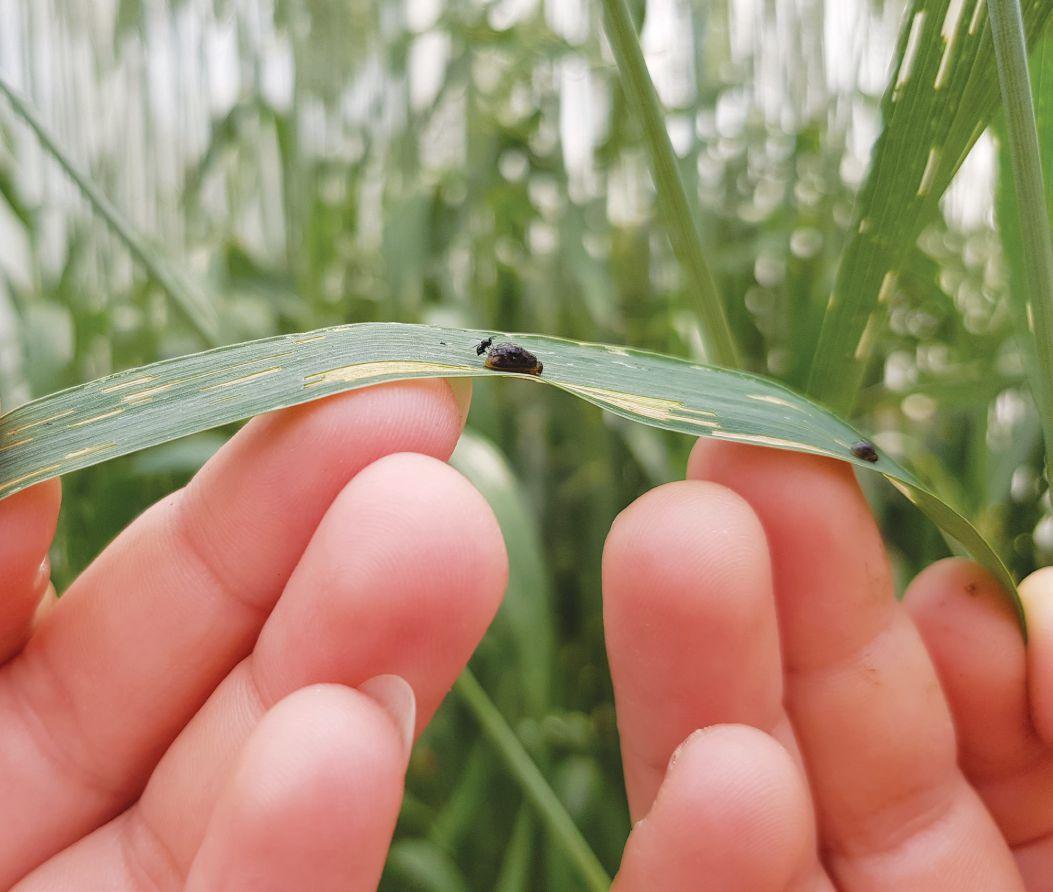
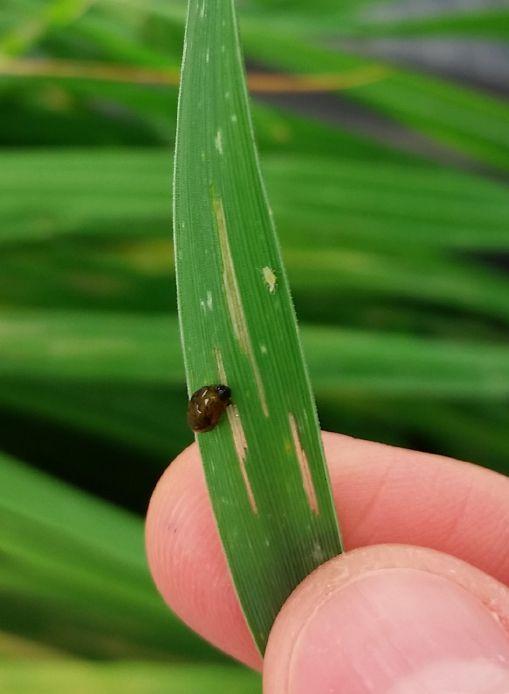
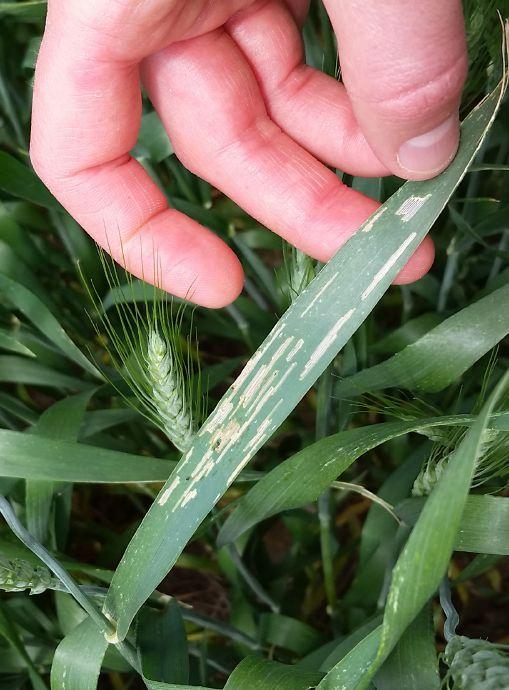
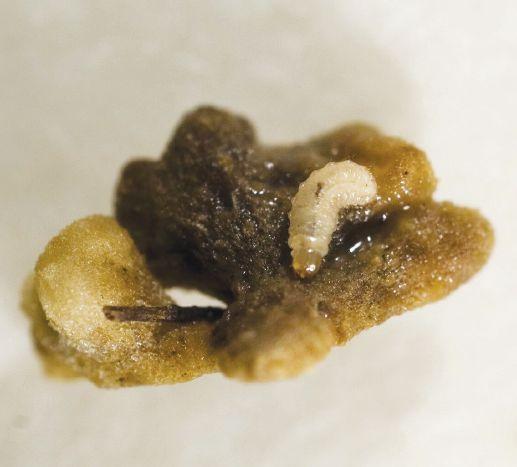
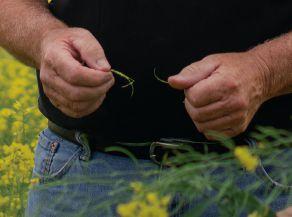
Flea beetle is still the number one insect pest in Manitoba
PG. 20
PRIMING PLANT DEFENCES
Helping plants help themselves in fighting tough diseases
PG. 24
MORE PLANTING CHOICES THAN EVER
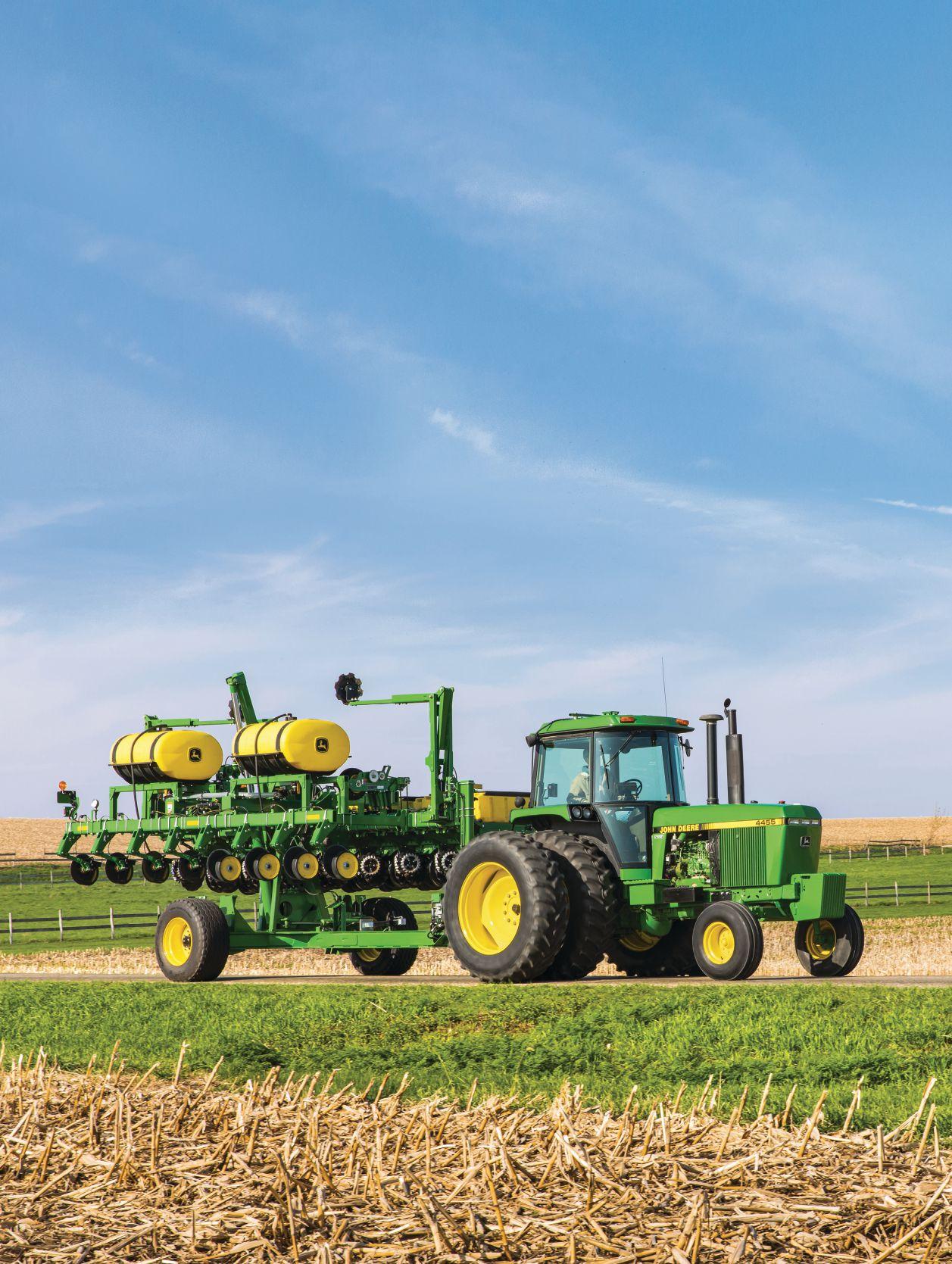
No matter the size of your operation, John Deere has a planter for you to help you increase your yield potential, lower your input costs, and work efficiently. You’ll find just about every possible planter product or feature available, including:
The new compact 1745 Planter is perfect for your small fields and narrow-road transport needs.
The new ExactRate™ Liquid Fertilizer System lets you fertilize as you plant – exactly – and is an ideal match for planters equipped with ExactEmerge™ or MaxEmerge™ 5e Row Units.
ExactEmerge™ Row Units help you finish fast without sacrificing uniform seed placement. Plant at up to 10 mph (16 km/h) with precise seed placement and depth control.
MaxEmerge™ 5 Row Units are designed for a wide variety of crop types with versatile row unit configurations.
MaxEmerge™ 5e Electric Row Units deliver accurate seed population around curves without the hassle of chains, sprockets or hex shafts.
Performance Upgrade Kits* make it easy for you to make your current planter perform like it’s new.
Talk with your John Deere Dealer to find your right choice.
Nothing runs like a Deere™.
*See dealer for compatibility details.
John Deere, the leaping deer symbol, and green and yellow trade dress are trademarks of Deere & Company.
JohnDeere.com/Plant
TOP CROP
MANAGER
PESTS AND DISEASES
6 | Economic thresholds for cereal leaf beetle
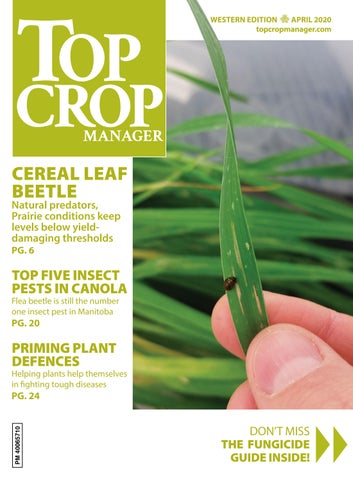
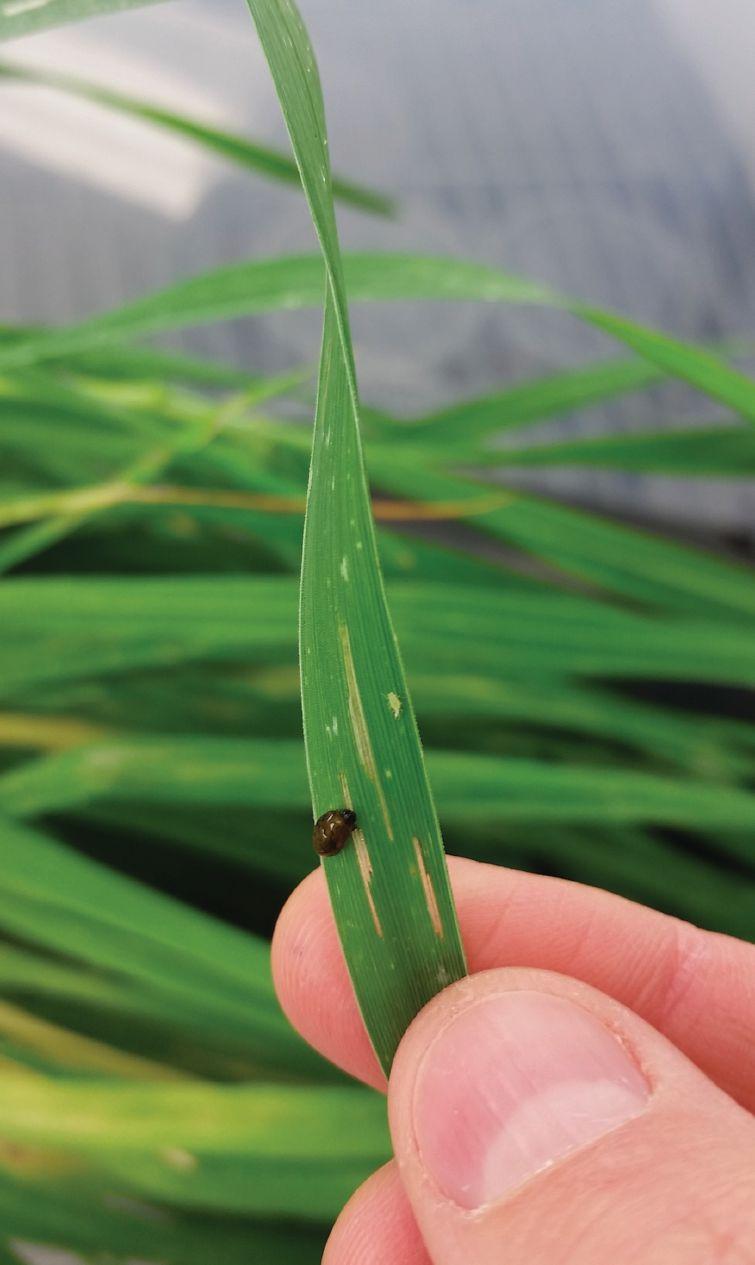
Natural predators and Prairie conditions seem to be keeping cereal leaf beetle levels below yield damaging thresholds. by Donna Fleury
FROM THE EDITOR
4 A back-to-basics approach to disease management by Stefanie Croley
PESTS AND DISEASES
10 A beneficial parasite by Carolyn King
ON THE WEB
PESTS AND DISEASES
20 | Manitoba’s top five insect pests of canola
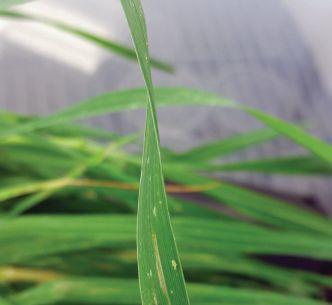
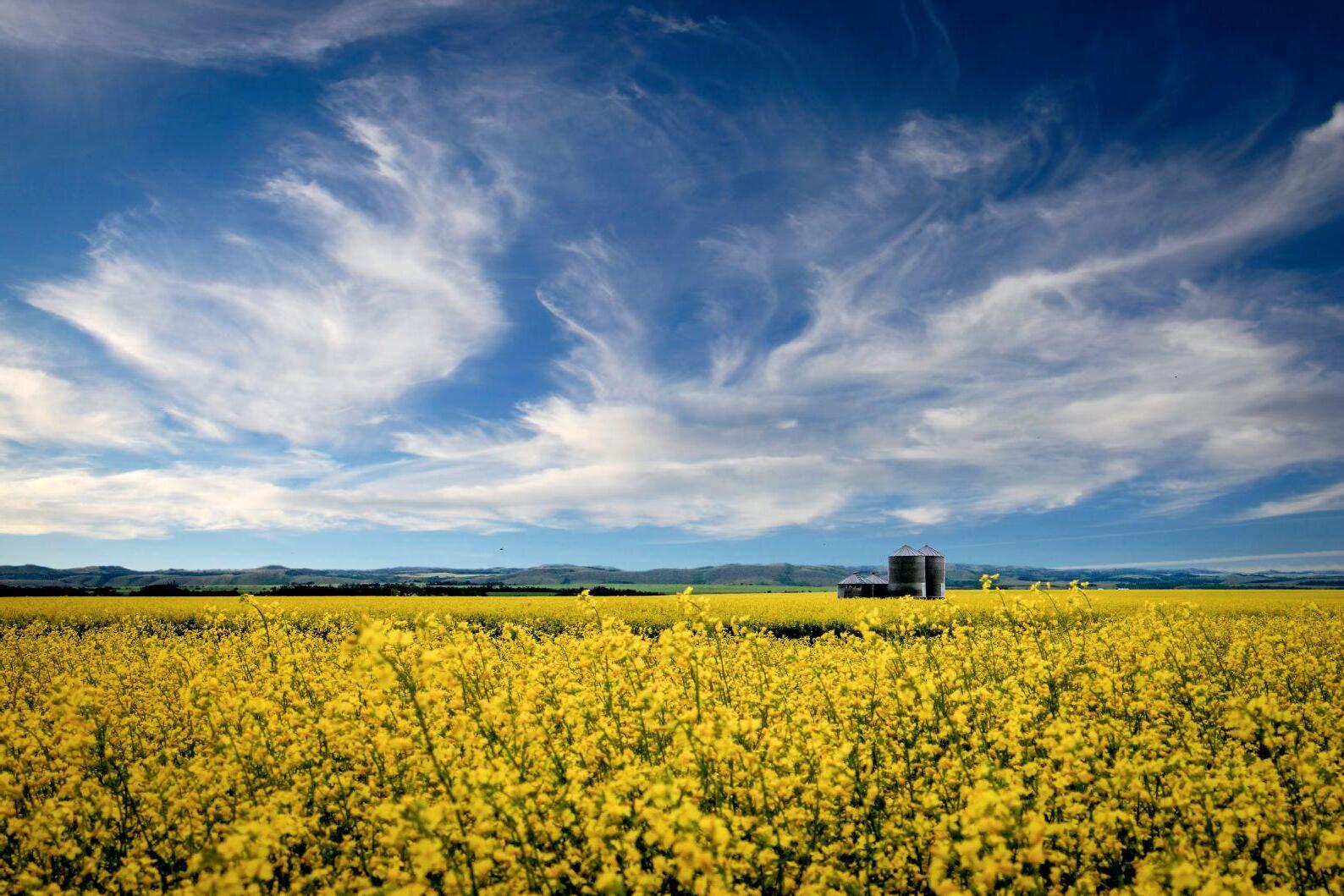
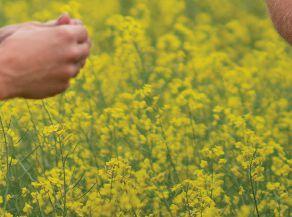
Flea beetle is still the number one insect pest of canola in Manitoba, according to industry experts.
by Julienne Isaacs
PESTS AND DISEASES
16 Controlling Fusarium head blight by Mark Halsall
PESTS AND DISEASES
28 Searching for wireworms by Bruce Barker
NEW RESEARCH CHAIR HAS INTEGRATED RESEARCH APPROACH
To help expand agronomy research in Western Canada, crop scientist Maryse Bourgault has been recruited as the first Western Grains Research Foundation (WGRF) Integrated Agronomy chair at the University of Saskatchewan Visit TopCropManager.com for the full story.
PESTS AND DISEASES
24 | Priming a plant’s defences Helping plants to help themselves in fighting tough diseases. by Carolyn King
PESTS AND DISEASES
32 Digging into the wireworm threat to soybean by Carolyn King
PESTS AND DISEASES
36 When pathogens and pests collide by Jennifer Bogdan
Readers will find numerous references to pesticide and fertility applications, methods, timing and rates in the pages of Top Crop Manager. We encourage growers to check product registration status and consult with provincial recommendations and product labels for complete instructions.
STEFANIE CROLEY | EDITORIAL DIRECTOR, AGRICULTURE
A BACK-TO-BASICS APPROACH TO DISEASE MANAGEMENT
Like many of you, I often start my day by reading the news. I began doing this before I was in high school, sitting at the kitchen table and flipping through the local newspaper while eating breakfast.
These past few weeks, headlines from every news outlet are dedicated to COVID-19, the disease caused by a novel coronavirus. There’s lots of conflicting information, scary stats and colourful language used in the discussion surrounding the disease, the risks, and the lasting effects on both people and the global economy. But when it comes to prevention and keeping yourself and your loved ones healthy and safe, the main messages being communicated are simple: avoid non-essential travel, stay isolated if you can, and wash your hands well and often.
This is the same advice we’ve all heard for years when suffering from a cold or flu that many of us – myself included – brush off lightly. We power through the day while feeling under the weather, all the while knowing a day of rest is beneficial. The risks associated with COVID-19 are serious, especially for those who are immunocompromised, and it’s nothing to joke about – but it’s a good reminder for all of us that disease prevention starts with a back-to-basics approach.
So how does handwashing relate to this issue of Top Crop Manager? The idea for this column stemmed from the place where all good ideas start: Twitter, of course. Jokes aside, I came across a tweet that suggested the ag community has a wealth of knowledge when it comes to disease prevention, referencing handwashing, boot-washing and other biosecurity measures in place at livestock barns or near disease-susceptible fields. The author didn’t get into the specifics in terms of crop disease, but producers employ several measures to keep their fields free from disease and pests. Scouting, multiple modes of action, crop and variety rotation, tank mixes and spray timing, among other things, are all part of a disease management strategy –much like washing your hands and staying home help prevent the spread of viruses.
Coincidentally, this issue of Top Crop Manager is focused on pests and diseases and, thanks to the experts, we dive a little deeper into issues. Read about the economic threshold for cereal leaf beetle on page 6 and the commercialization of a fungal parasite to control Fusarium head blight on page 10. And, as planting season approaches, pest control will be top of mind, too: be on the lookout for the top pests found in canola, as written about on page 20.
Whatever threat you face this season – in the field or otherwise – we hope the stories found in this issue help you stay prepared and informed. And don’t forget to wash your hands.
APRIL 2020, VOL. 46, NO. 7
EDITORIAL DIRECTOR, AGRICULTURE Stefanie Croley • 888.599.2228 ext. 277 C – 226.931.4949 scroley@annexbusinessmedia.com ASSOCIATE EDITOR Alex Barnard • 519-429-3966 ext. 276 C – 416-305-4840 abarnard@annexbusinessmedia.com
Fax: 416.510.6875 or 416.442.2191 Mail: 111 Gordon Baker Rd., Suite 400, Toronto, ON M2H 3R1
SUBSCRIPTION RATES Top Crop Manager West – 9 issues Feb, Mar, Mid-Mar, Apr, June, Sept,Oct, Nov and Dec – Canada - $48.50, US - $110 (USD $84.50) Foreign - $131.50 (USD $101) Top Crop Manager East – 6 issues Feb, Mar, Apr, Oct, Nov and Dec – Canada - $48.5 US - $110 (USD $84.50)
ECONOMIC THRESHOLDS FOR CEREAL LEAF BEETLE
Natural predators and Prairie conditions seem to be keeping cereal leaf beetle levels below yield damaging thresholds.
by Donna Fleury
Cereal leaf beetle first appeared on the Canadian Prairies in 2005, and researchers have been closely monitoring the pest ever since. Although it is an invasive pest in Europe and has been in Eastern Canada and the southern United States since the 1960s, no western Canadian economic thresholds were available. And it’s not economic to apply chemicals to insects if they are not doing a lot of damage.
“Without more local data for the Canadian Prairies, we had to look to economic thresholds from the southern U.S. for larval feeding levels that cause defoliation and yield loss,” explains Haley Catton, research scientist with Agriculture and Agri-Food Canada in Lethbridge, Alta. “The economic threshold in wheat for the U.S. is 0.4 to 1 larvae per flag leaf, which would be one larvae on four of every 10 flag leaves in the crop. We wanted to develop an economic
threshold relevant to western Canadian crops and conditions,” Catton says.
“We also know that natural enemies are important for control of cereal leaf beetle, so understanding the impact of the biocontrol wasp Tetrastichus julis and other generalist predators (such as spiders, lady beetles, carabids and nabid bugs) that eat eggs and larvae in Western Canada was an important component. There are a lot of factors going on and we needed more knowledge to make decisions to make sure we balance controlling the pest while protecting the
ABOVE: The tiny adult parasitoid wasp T. julis laying its eggs inside a cereal leaf beetle larvae, which has already caused feeding damage. This is a beneficial insect in action. Note how small it is, which makes it almost impossible for an untrained eye to notice this valuable insect in their field.
PHOTO COURTESY OF EMILY LEMKE.
A closeup of a cereal leaf beetle larva, which itself is yellow. However, you can’t see yellow because it covers itself with its own feces for protection; that’s what gives it its “slug-like” appearance.
natural predators and their control benefits.”
In 2016, Catton initiated a three-year project to quantify the effects of cereal leaf beetle and its natural enemies on western Canadian spring wheat. Catton notes that the project was building on the important work her colleague Héctor Cárcamo and his team had previously completed around cereal leaf beetle and the biocontrol wasp T. julis
This larval parasitoid, which has been widely relocated across the Canadian Prairies since 2009, is a specialist to cereal leaf beetle larvae and has shown high parasitism rates. T. julis is a very tiny wasp, about two millimetres long in adult form, that lays its eggs inside cereal leaf beetle larvae, helping control the pest.
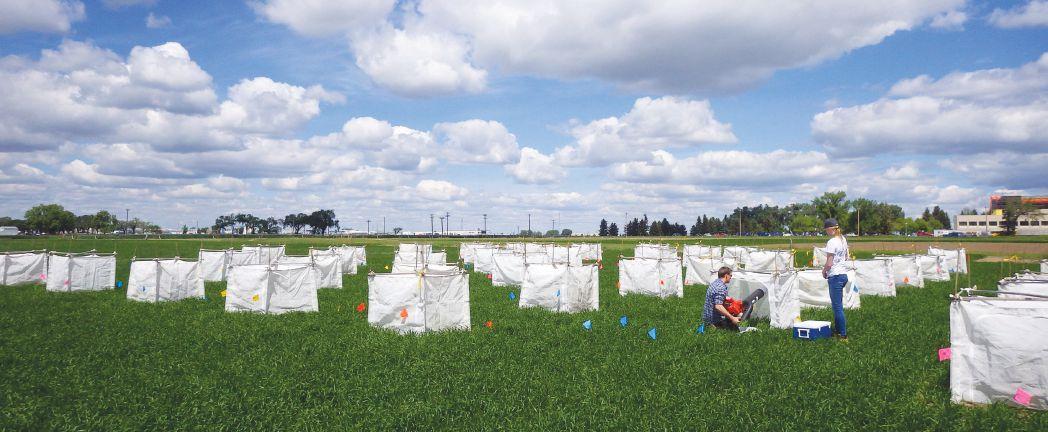
For this project, cage studies were conducted on dryland spring wheat near Lethbridge over three years. The trials focused on three key factors and included seven treatments: comparing the presence or absence of cereal leaf beetle, generalist predators, and T. julis, in cages with cereal leaf beetle, as well as an uncaged control. Throughout the growing season, cereal leaf beetle larval numbers, flag leaf damage and aphid infestation in the cages were monitored. At harvest, crop yield and total insects recovered in the cages were measured.
“Overall, despite our best efforts, we could not get a cereal leaf beetle effect on yield impact on wheat,” Catton says. “In 2017 and 2018, we actually added 44 adult cereal leaf beetles to the onemetre square cages, which visually looks like a lot of beetles. Even at these very high densities of adult beetles, there were few larvae and no yield impact to the wheat crop at all. The cereal leaf beetle larvae at the levels observed did not have a significant effect on yield in any year,” she says.
“Aphids tended to be more of a problem inside the cages, and
field.
we are trying to determine if they interact with cereal leaf beetle on yield impacts. The results of the study confirm that, to date, the economic threshold for cereal leaf beetle on the Canadian Prairies is at least one larva per flag leaf, because at levels lower than this we saw no yield impact,” she adds, noting that in discussion with producers, it seems the insect rarely reaches levels this high in Western Canada.
“Therefore, chemical control of cereal leaf beetle is not necessary at the levels observed and could harm beneficial insects. We also were unable to detect the impacts of T. julis and generalist predators in this study, because pest pressure was low, but we think T. julis is a big reason why cereal leaf beetle has not become a major pest on the Prairies.”
Cárcamo began distributing the T. julis wasp to cereal leaf beetle infestations across the Prairies in 2009. Researchers suspect the combination of the parasitoid wasp and western Canadian growing conditions are providing cereal leaf beetle larvae control. In recent years, Catton has been conducting a survey on cereal leaf beetle larvae to monitor the spread and impact of the biocontrol wasp.
“The problem with documenting a success story like this, is we are still having a challenge trying to collect enough cereal leaf beetle larvae to be able to dissect and determine parasitoid levels,” she adds.
“We are continuing to try to monitor and collect cereal leaf beetle larvae from across the Prairies to try to determine how far this biocontrol wasp T. julis has spread and at what rate it is spreading. When we do get cereal leaf beetle larvae samples, it is common for us to find more than 50 per cent of larvae in a field are parasitized, which means they will die.”
Catton and her team are asking growers to collect and send
PHOTO COURTESY OF HALEY CATTON.
PHOTO COURTESY OF HALEY CATTON.
Cereal leaf beetle feeding damage (with fecal stains) that farmers may notice in the
In the field cage experiment, technicians are using a leaf blower in reverse to remove any insects in the cages before adding cereal leaf beetle larvae for the study.
cereal leaf beetle larvae samples. “This will help us better understand the parasitoid, and we will also provide information back to growers about the levels in their fields. If we don’t find any parasitoids, we may be able to provide T. julis to growers for their fields to help increase their population.” If you have samples, contact Catton via email: haley.catton@canada.ca or by phone: 403-317-3404.
The economic threshold project is now completed, but Catton is working on a new project focused on T. julis. The project is being conducted in greenhouse experiments to better understand the relationship and impacts of the pest and the parasitoid.
The most important message from the study, Catton emphasiz-
es, is that, in most cases, cereal leaf beetle is not causing economic damage to crops at the levels found in fields, so chemical spraying is not needed.
“Unnecessary spraying also kills the beneficials that are silently providing value that is often overlooked. We sometimes call T. julis and the other natural predators the ‘unpaid army’. The contribution of the natural predators is actually worth a lot of money, and may have turned the cereal leaf beetle pest into mostly a non-issue for growers so far. Don’t spray unless absolutely necessary to protect the natural predators that are adding value and pest control in fields.”
Enforcer® herbicide works fast to take out tough broadleaf weeds in cereals.
Knock down broadleaf weeds like kochia (Group 2-, 4-, and glyphosate-resistant biotypes), cleavers, volunteer canola, Russian thistle, wild buckwheat and more.
Spray when it works for you. Enforcer has a wide window of application, a convenient all-in-one formulation and flexible grass herbicide tank-mix options.
A BENEFICIAL PARASITE
A fungus native to Saskatchewan helps control both Fusarium and its toxins.
By Carolyn King
As cereal growers know, Fusarium head blight (FHB) is a major threat, as it not only reduces crop yields but can also produce toxins that limit the end-uses of the grain. Neither resistance genes in crops nor chemical fungicides provide complete control of this disease. So, Saskatchewan researchers are working towards commercialization of a new option for FHB control, using a unique fungal parasite that attacks both the Fusarium fungus and its toxins.
Vladimir Vujanovic, an associate professor at the University of Saskatchewan, discovered this parasite a few years ago after a long search. As a microbiologist, he had been working on various Fusarium species causing disease in diverse plant species, ranging from asparagus, to oak, to wheat. And that got him thinking.
“My hypothesis was that, since Fusarium is so widely present, there should be some organisms that control the fungus’s population. So in 1996, I started to analyze all taxa diversity – all microbial organisms associated with a particular sample – to try to find organisms that might offer a natural way to control Fusarium.”
Using that approach, Vujanovic eventually discovered a
fungus that was parasitizing Fusarium in samples collected from Saskatchewan wheat fields.
Vujanovic and his research team have confirmed that this fungal parasite, or ‘mycoparasite’, is a new species, which is now called Sphaerodes mycoparasitica. He adds, “Because discovering this mycoparasite was quite difficult, only our laboratory has this unique species.”
A fierce little foe of FHB
Since that discovery, Vujanovic and his team have been working with this mycoparasite to better understand how it affects FHB. This research has included molecular studies as well as experiments in the greenhouse, the field and the controlled growth chambers at the university’s phytotron.
Their findings show Sphaerodes mycoparasitica has strong potential as an FHB biocontrol product for several reasons.
One key characteristic is that the mycoparasite has just the right
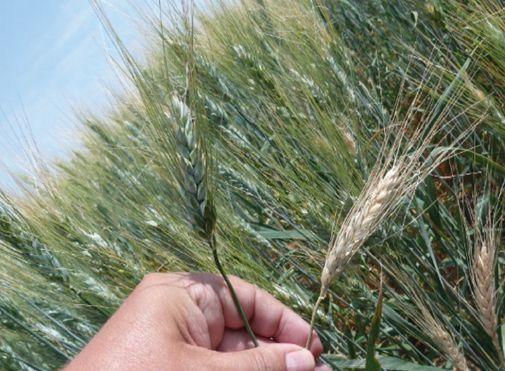
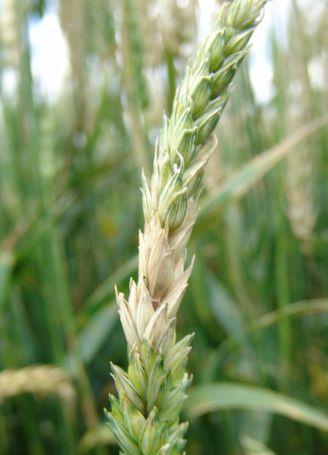
ABOVE: Fusarium head blight, shown here in durum, is a major threat to cereal growers.
PHOTO COURTESY OF TOP CROP MANAGER.
amount of specificity in the range of fungal species that it parasitizes. “Most of the microbes used for commercial biocontrol products are generalists; they attack many different organisms. Such products have the potential to harm beneficial microbes as well as pathogens,” explains Vujanovic, who holds the Agri-Food Innovation Chair in Agricultural Microbiology and Bioproducts at the university.
“In contrast, Sphaerodes mycoparasitica is specific to Fusarium – not just one Fusarium species, but several Fusarium species. I have tested the mycoparasite against 12 different Fusarium species that are plant pathogens and found it can fight most of those species.”
This ability to attack several Fusarium species is really important because FHB can involve different Fusarium species. He says, “We have to fight Fusarium graminearum, F. avenaceum, F. culmorum, and so on. And within the populations of each of those species, you have different chemotypes that produce different types of toxins. This mycoparasite can fight multiple Fusarium species and chemotypes in the same sample at the same time.”
Vujanovic lists five other characteristics that help make the mycoparasite a good choice for the battle against FHB.
“First, it reduces the amount of Fusarium cells in a plant. Second, it turns off the genes in the Fusarium fungus that are responsible for manufacturing the different toxins produced by different Fusarium species, such as deoxynivalenol (DON), zearalenone, aurofusarin and fumonisin. So those genes stop producing toxins.”
He adds, “A chemical fungicide has just the opposite effect on Fusarium toxins. We have published research showing that Fusarium produces mycotoxins as a defence mechanism. So my suggestion is: don’t fight Fusarium with something that is trying to kill it because that will just cause Fusarium to develop defences that produce more toxins than usual.”
The third characteristic is that the mycoparasite is tolerant to the different Fusarium toxins. That tolerance allows the mycoparasite to attack Fusarium without being harmed by these mycotoxins.
“Fourth, the mycoparasite actually uses the Fusarium mycotoxins as a carbon
Introducing the Top Prospect for the 2020 Growing Season
The best o ence is a good defense. With Prospect™ herbicide, your canola will have the best start possible. Prospect tank mixed with glyphosate will give you game-changing performance against the toughest broadleaf weeds, including cleavers and hemp-nettle.
Ask your retailer or visit Corteva.ca to learn more.
source for energy. So it decomposes the toxins, degrading and detoxifying them,” he says.
“And fifth, given that the mycoparasite is tolerant to mycotoxins, it could also be tolerant to other toxins, such as synthetic pesticides used in agriculture.” In previous research, Vujanovic and his collaborators showed that the mycoparasite can be used in combination with chemical fungicides. Using this type of integrated approach would enable crop growers to reduce their use of chemical fungicides when fighting FHB.
Towards commercialization
In recent years, Vujanovic has led various studies towards commercialization of the mycoparasite as a biocontrol product. His current project involves a method for scaling up production of the mycoparasite’s biomass using large-scale fermenters, and multisite field testing of the product under Saskatchewan conditions.
This three-year project, which started in 2018, is funded by the Saskatchewan Wheat Development Commission and Saskatchewan’s Agriculture Development Fund. The research is also supported by the Natural Sciences and Engineering Research Council of Canada (NSERC), which has provided funding for Vujanovic’s Sphaerodes mycoparasitica research for many years.
He explains that the scale-up research is key to moving forward on commercialization. “The first thing that companies want to know is whether this mycoparasite biomass can be produced on a commercial scale and be cost-efficient. The mycoparasite is biotrophically related to Fusarium [in other words, it feeds on a living Fusarium host]. Usually it is difficult to grow biotrophic organisms outside of their host. I know of only one commercial biocontrol product today that uses biotrophic-specific mycoparasites, and that product is efficiently used in greenhouse systems but not in the field.”
Fortunately, the project has now shown that scaled-up production of Sphaerodes mycoparasitica is possible. Working in collaboration with Vujanovic, a team at the Saskatchewan Research Council has successfully produced the mycoparasite biomass using a system that simulates commercial-scale production.
Vujanovic and his team are using this biomass in their field trials.
Field trials
“Testing the mycoparasite under field conditions is very important because many biocontrol organisms show good potential when tested under greenhouse conditions but not in the field,” notes Vujanovic.
He has designed the field trials to cover the types of situations that Saskatchewan growers encounter with the pathogen, the host and the environmental conditions related to FHB development.
“[To inoculate the field plots with the pathogen,] we chose the 3ADON chemotype of Fusarium graminearum. Fusarium graminearum is the most important cause of FHB on the Prairies, and 3ADON is the most virulent chemotype of F. graminearum We use a mix of 3ADON isolates collected in Saskatchewan in our inoculant to imitate the usual situation in the field.”
To select the host crops for the trials, Vujanovic asked the breeders at Agriculture and Agri-Food Canada and the University of Saskatchewan’s Crop Development Centre who are collaborating with him on the project. The breeders selected four elite cereal varieties: a wheat variety and a durum variety that are susceptible to FHB, and a wheat variety and a durum variety that are moderately resistant or tolerant to FHB.
To encompass diverse environmental conditions, Vujanovic’s team has plots at three sites: one in the Brown soil of southern Saskatchewan; one in the Dark Brown soil of central Saskatchewan; and one in the Black soil of northern Saskatchewan.
The trials also include a range of moisture conditions. He notes, “In 2018, the first year of the trials, the weather was dry, with less than 40 per cent of the average precipitation. In 2019, moisture conditions were relatively normal.” As well, one of the sites is irrigated, and the other sites are mostly non-irrigated but have a few irrigated plots for comparison.
Vujanovic’s team is testing the biocontrol product as a seed application, a post-harvest application to the crop residue on the field, and a foliar application at flowering. For each of these application options, they are applying the biocontrol agent on its own and in combination with a chemical fungicide application.
The team is measuring crop yields and FHB symptoms in the plots. After harvest, they measure the mycotoxin levels in the
In Vujanovic’s Fusarium-inoculated plots, the plants treated with the biocontrol product (left) are healthy while the untreated plants (right) are diseased.
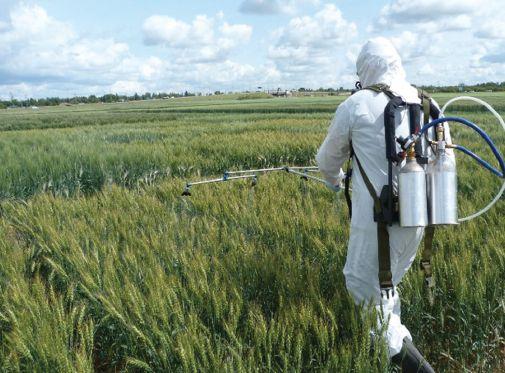
One of Vujanovic’s research technicians applies both the biocontrol product and a chemical pesticide spray to evaluate options for integrated FHB control.
CLEAN FIELDS GET NOTICED
Wild oats can make your fields stand out for the wrong reason. Varro®, a Group 2 herbicide, provides control of wild oats and other tough grass weeds while helping manage resistance on your farm.
Varro – for wheat fields worth looking at.
grain, and examine the genes in Fusarium that manufacture mycotoxins to see if those genes are turned off.
In addition, they are using nextgeneration DNA sequencing technologies to look for changes in the microbial communities associated with the crop. Although their research to date indicates that the mycoparasite is specific to Fusarium, they need to confirm that it definitely does not cause any negative changes in the cropassociated microbial community.
Promising preliminary findings
The team has one more year to go in the field trials, so they can’t draw any firm conclusions yet. However, the results so far look promising. The biocontrol product is reducing FHB impacts and boosting crop yields.
“Overall, whatever application method you use, the effect is positive,” Vujanovic says.
The preliminary results suggest the foliar application may provide the most consistent results across all the varieties, whether the mycoparasite is applied alone or in combination with a fungicide.
As Vujanovic notes, any product for controlling FHB needs to control the pathogen during flowering, the critical infection time for development of the disease.
Their initial findings also indicate that applying the mycoparasite on the crop residue after harvest could reduce the primary infection of Fusarium in the spring. “Although infection in the spring is relatively low, it is important because it allows establishment of Fusarium,” he explains. “Our application on straw is resulting not only in a positive effect on controlling Fusarium head blight but also a positive effect on plant growth.”
He thinks a straw application might be of particular interest to organic growers. Not only is the mycoparasite a natural way to manage Fusarium and its mycotoxins,
but this application option would give organic growers who are trying to use less tillage an alternative to burying infested crop residues.
Vujanovic is hopeful that the seed treatment will also be a good option. “I know that farmers are usually more interested in seed applications, and I agree with them. Assisting with the seed germination process and early plant growth, establishment and health is very important,” he notes.
“[In some of our other studies,] we have found that treating the seed with the mycoparasite helps stimulate seed germination. Also, a seed surrounded with the mycoparasite will stay healthy even if you later apply Fusarium directly on the seed, which was recently proven using the Canadian Light Source facility. So the mycoparasite completely shields the germinating seed.” That means the seed treatment could prevent common root rot infections caused by Fusarium species.
Results so far show that some of the cereal varieties in the trial are consistently improved by the mycoparasite application across years and geographic regions, whereas other varieties have year-to-year variations in how well they respond to the product depending on the weather conditions. Vujanovic says, “Our strategic partnership with experienced Saskatchewan breeders is well suited to explain these differences in varietal responses.”
The greatest improvements in disease control and crop yield are for the FHBsusceptible varieties. But the FHBtolerant varieties also benefit from the mycoparasite applications.
It’s not clear yet if the yield benefits from the biocontrol product are entirely from the mycoparasite’s attack on Fusarium, or if the mycoparasite is also acting as a plant growth promoter and stimulating the plant’s immune system to some extent.
In 2020, Vujanovic and his team will be completing
trials,
their work to fine-tune the dosage and optimize the formulation of the product. The data from this project will be used in the processes required for product registration and commercialization.
Exciting potential benefits
FHB is one of the most important cereal diseases in Canada. If the biocontrol agent lives up to its promising results so far, it could provide significant benefits to cereal growers and others in the cereal value chain.
“This biocontrol product could help Prairie crop growers in different ways. It could prevent [Fusarium] root disease and help plant establishment, which could provide yield benefits. And it could improve crop yield and grade by reducing Fusarium head blight infection and by
biocontrol product could be a valuable addition to their toolbox for FHB control, to complement the use of chemical fungicides or FHB-tolerant varieties.
The biocontrol product could be especially important for organic producers. Vujanovic explains, “Organic growers don’t have the option of using chemical fungicides, so they have a relatively limited number of tools to counter FHB. They could really benefit from products that use natural organisms to fight Fusarium.”
He also notes, “Food industries benefit from the farmers’ efforts to produce clean grain because removing the mycotoxins can be difficult for food processors.” In fact, Vujanovic is hoping to work with some people in the food industry to see if it might be feasible to
If the biocontrol agent’s promising
PHOTO COURTESY OF TOP CROP MANAGER.
CONTROLLING FUSARIUM HEAD BLIGHT
Researchers in Saskatchewan are using an integrated, on-farm approach to better understand how the interaction of environmental and management practices contributes to disease development.
by Mark Halsall
For years, researchers on the Prairies have working to find the best methods for controlling Fusarium head blight (FHB), one of the most destructive diseases in wheat. A new FHB study taking place in Saskatchewan is breaking the mould in terms of how this kind of research is typically done.
Christiane Catellier, a research associate for the Indian Head Agricultural Research Foundation (IHARF), is leading the study, which is being performed on a farm level and is taking a more ecological approach.
“The idea behind the project is to look at the occurrence of Fusarium from a multivariate perspective. So, rather than looking at two or three specific variables in isolation, like we traditionally do in agronomic research, we’re looking at a large number of variables affecting the disease development,” Catellier says.
“I have more of an ecology background. Ecology research is often conducted as this multivariate approach which looks at interacting variables in time and space, and that’s the direction I was going with this. It’s like an applied way to look at an ecological question.”
Essentially, Catellier and her team are evaluating how the interaction of the environment and management practices affects FHB development in wheat crops. The goal is developing more precise recommendations for FHB prevention and disease management in wheat that take these two sets of variables into account.
“We’re collecting data on environmental factors as well as management factors,” she says. “The environmental factors include weather variables such as precipitation, air temperature and humidity, and soil variables such as moisture, temperature, texture – those kinds of things.”
Catellier says the management factors being examined in the study include seed quality, seeding rate, row width, and timing of herbicide applications. She adds that her team is also measuring crop development metrics such as plant growth and density through regular observation during the growing season.
Catellier maintains that, at a minimum, the study design should enable the researchers to determine whether the variability in Fusarium occurrence in time and space is mainly a result of environmental or management factors. It’s also hoped that the research will help identify specific variables, like humidity levels or at what stage a crop is sprayed, that may be the most influential in this respect.
The data collection for the study is taking place on 10 grain farms in Saskatchewan: four near Indian Head and three in each of the Melfort and Scott areas. The information is gathered from wheat fields on each farm on a weekly basis by researchers from IHARF as well as the Northeast Agriculture Research Foundation and Western Applied Research Corporation, which are assisting with the project.
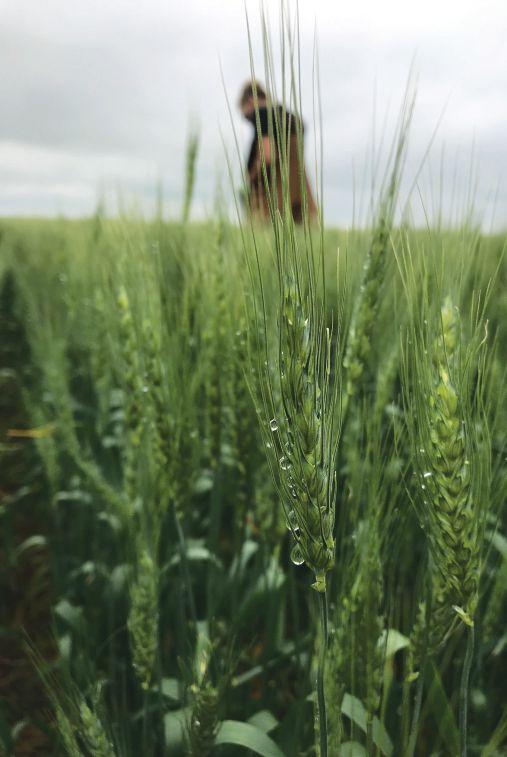
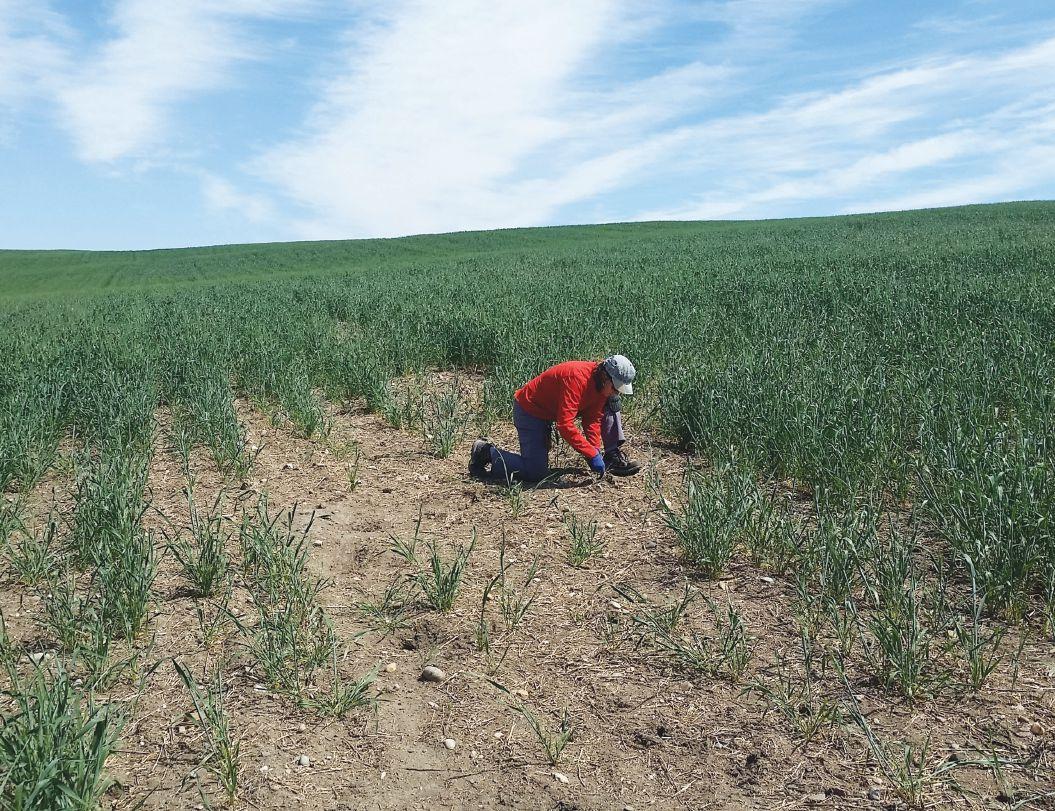
Logan Fahlman, a summer student participating in the onfarm Fusarium head blight study, collecting research data in a wheat field in Indian Head in 2019.
It’s bigger with .InVigor.
W elcome back to
The BASF Ag Rewards Program is bigger than it’s ever been. Now, when you purchase qualifying fungicides and pair them with purchases of InVigor® hybrid canola and Liberty® herbicide, you can earn rewards of up to 15%.1
To learn more, contact your BASF AgSolutions® Representative, or call AgSolutions Customer Care at 1-877-371-BASF (2273). You can also visit agsolutions.ca/rewards. EARN UP TO 15% ON SELECT FUNGICIDES1
1 For full terms and conditions, visit agsolutions.ca/rewards
“We are collecting data directly from farmers’ fields but, because it doesn’t involve a trial, farmers just manage their field as usual,” Catellier says.
“The producers have been really cooperative because it’s less of an inconvenience for them to participate [and] they see the value of this study,” she adds. “It’s going really well.”
Catellier decided to try an on-farm approach, rather than utilizing research plots or field-level strip trials, because it’s a better format for the kind of information her team is looking for.
“There’s just lots of factors that affect the disease, and it’s hard to look at these factors with small plot research,” she says. “The main thing with an on-farm study is that it encompasses a lot of that variability that we see on a field-scale, that you wouldn’t see at a small plot level.”
Catellier’s research is unusual in another way, too.
“Field-scale [research] usually involves experimental manipulation with trials in a farmer’s field. This is more of an observa-
tional study,” Catellier says. “The observational study aspect allows us to look at lots of different variables together, rather than just two or three like we normally would.”
Catellier stresses that even with this kind of observational study, “it can be just as rigorous as a trial involving experimental manipulation, as long as it is well designed and you have enough replication.”
The project, which is being funded by the Saskatchewan Wheat Development Commission, started in 2018 and wraps up this year.
“Because we need so much replication, we’re collecting the data on the three locations over three years,” Catellier says, adding it’s too early to discuss any findings.
“Once the three years of data collection are done, then we should have that level of replication that we’re looking for,” she says. “We haven’t looked at the data too closely at this time, because without enough replication it could be misleading.”
Catellier plans to release the study results in 2021.
Christiane Catellier, research associate for the Indian Head Agricultural Research Foundation.
PHOTO COURTESY OF SARAH MCATEE.
From one long line of hard workers to another.
Help protect your pulses and your yield with Delaro.
You know producing the best pulse crop takes experience, future-forward thinking, and the best fungicide in the business. For your first pass, you want a high-performing fungicide that checks all the boxes: broad-spectrum, long-lasting, exceptional disease protection and the all-important increase in yield. You need a fungicide that works as hard as you do, as those who came before you, and those who will follow.
Find out more about Bayer Fungicides at ItsGrowTime.ca
MANITOBA’S TOP FIVE INSECT PESTS OF CANOLA
Flea beetle is still the number one insect pest of canola in Manitoba, according to industry experts.
by Julienne Isaacs
In 2019, poor growing conditions and a lack of early season moisture meant canola had a prolonged seedling stage and was more susceptible to flea beetle damage early in the year, says John Gavloski, entomologist for Manitoba Agriculture and Resource Development.
Some producers sprayed multiple foliar applications on flea beetles in parts of the province, according to Canola Council of Canada agronomy specialist Keith Gabert.
Runner-up insect pests were cutworms, diamondback moths, Bertha armyworm and grasshoppers.
Here are the top five insect pests of canola to watch in Manitoba, and strategies for dealing with them in 2020.
Flea beetle
There’s no provincial monitoring program for flea beetle. In some ways, damage from the insect is dependent on weather, Gavloski says. In 2019, the canola crop didn’t get enough soil moisture early in the year, prolonging the seedling stage, and seed treatments weren’t adequate for flea beetle control. Lack of precipitation meant plants could be slow to emerge, and Gavloski says some
provincial agronomists were concerned producers mistook uneven emergence for flea beetle damage. But, Gabert adds, poor growing conditions combined with low plant stands are the first warning signs that producers may require a foliar insecticide application to manage flea beetles.
“These conditions allow flea beetles the opportunity to consume the existing cotyledons faster than the plant can grow and recover from feeding damage,” he says. “This is particularly true if the weather warms up rapidly in the absence of good soil moisture, and the flea beetles’ consumption speeds up to match warm conditions.”
While scouting fields, producers should pay attention to “shothole” feeding damage by flea beetles, which intensifies roughly three weeks after the seeding date, when seed treatments often start to wear out, Gavloski advises. Plants are most susceptible dur-
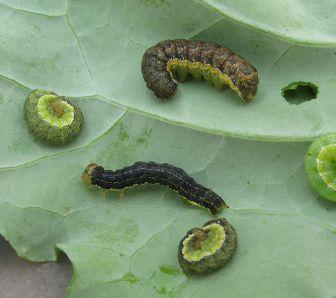
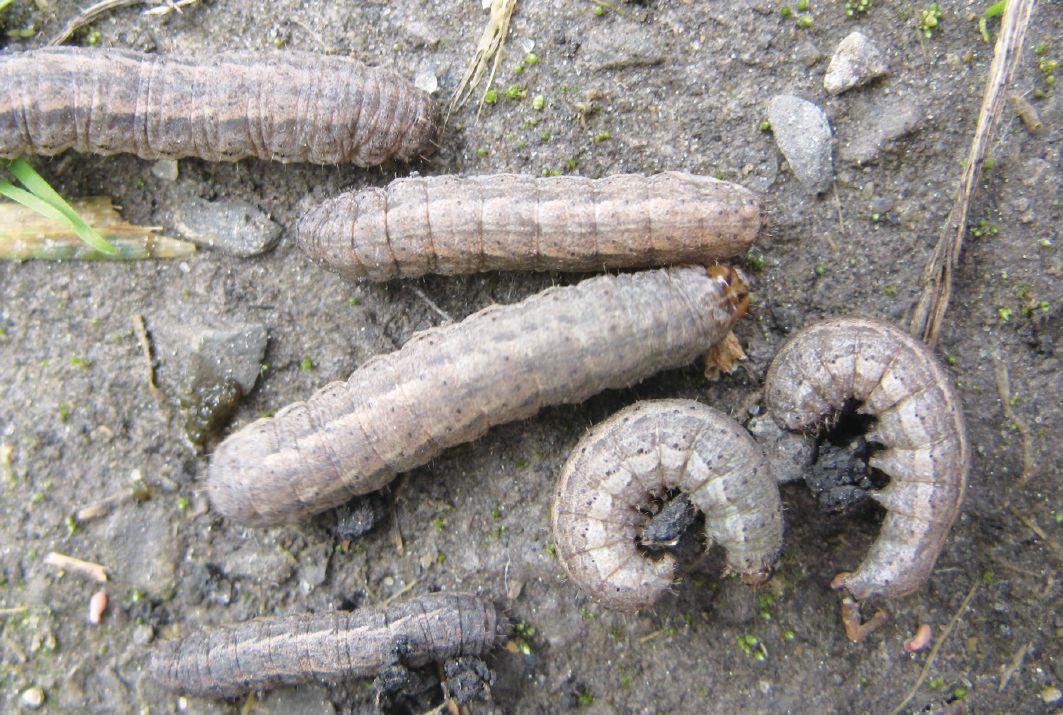
TOP: There are dozens of cutworm species in the Prairies, but two in particular – including dingy cutworm, pictured here – were responsible for most damage in Manitoba.
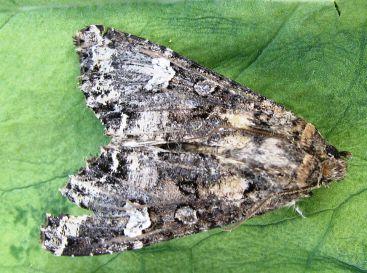
INSET: Bertha armyworm is nocturnal. The moth (pictured here) is much bigger than the diamondback moth.
PHOTOS
ing the cotyledon to four-leaf stage.
Under cool or windy conditions, Gabert says flea beetles may also hide closer to the soil surface and feed on canola stems. It isn’t common, but this type of damage should be treated as another potential stand reduction threat.
Cutworms
In 2019, cutworms were a concern in many Manitoba canola fields, resulting in insecticide applications and even some reseeding in the northwest, southwest, central and Interlake areas.
There are dozens of cutworm species in the Prairies, but two in particular – redbacked cutworm and dingy cutworm – were responsible for most damage in Manitoba (although Gavloski notes some fields did have a complex of cutworm species). When there are high numbers of both species, feeding damage seems to be prolonged, he says, adding the numbers were “incredibly high” this year.
Producers should scout early, as soon as the crop starts coming up, and thoroughly, because damage can be patchy, Gavloski says. If damage is patchy, producers have the option of spraying the patches rather than the entire field.
Once economic thresholds are reached, insecticides should be sprayed as late in the day as possible for maximum efficacy, as cutworms are nocturnal.
“Cutworms are difficult to predict, so purchasing an upgraded seed treatment effective on cutworms in 2020 in response to 2019 damage is not a guaranteed return on investment, but it definitely provides peace of mind should a cutworm problem arise again,” Gabert says.
Diamondback moths
Diamondback moths do not overwinter well in Western Canada and typically blow in from the southern United States; thus, infestations are difficult to predict. But the pest is monitored by the Prairie Pest Monitoring Network (PPMN) across Western Canada from the Peace River region of B.C. to Manitoba, and risk forecasts are posted weekly during the growing season.
The earlier in the season the adults arrive, the more generations the pest can complete in a growing season, resulting in greater overall risk of defoliation, Gabert says.
Scout fields from June to August. When scouting, shake plants to dislodge and count the larvae. The economic threshold has been
reached once there are 20 to 30 larvae in a square foot of plants.
Natural enemies, including parasitic wasps and insect predators, are key to controlling diamondback moth, and in some cases provide adequate control without the need for an insecticide application, Gabert says. “We’ve seen expected populations of concern collapse with natural control measures,” he says.
Bertha armyworm
Bertha armyworm, a type of “climbing cutworm,” is also monitored by the PPMN. Gabert says most traps in 2018 and 2019 showed the insect still in the low risk category, with just a few traps having counts in the uncertain and moderate risk categories. But as a cyclical pest, it could “easily return to more widespread damaging levels,” he says.
Gavloski says there have been higher numbers than usual over the last two years with occasional reports of spraying, so producers should stay on the alert and continue scouting.
Bertha armyworm is nocturnal. Older larvae feed during the night and hide under debris or in the soil during the day. The moth is much bigger than the diamondback moth.
Producers should begin scouting for larvae after peak flowering. When scouting, carefully examine both plants and soil and leaf litter for larvae.
As with diamondback moth, under the right conditions natural enemies can control bertha armyworm without the need for insecticide, so spraying should occur only after economic thresholds have been reached.
Grasshoppers
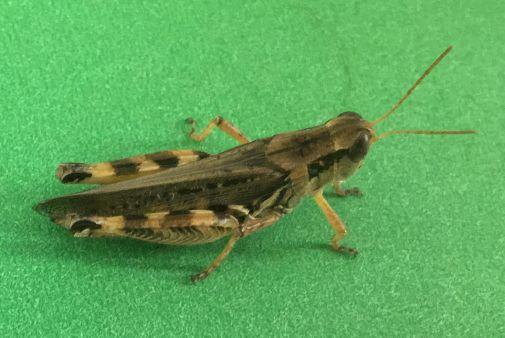
Gavloski says grasshoppers were widespread in Manitoba in 2019. Populations build during hot, dry summers, and the province has seen three dry years in a row.
Some grasshopper species, such as clearwinged grasshopper, focus on cereals, while others, such as twostriped and migratory grasshopper, are generalists and will feed on canola, he says. Twostriped and migratory grasshoppers were the dominant species in Manitoba fields last year. These species often start out in crops or vegetation other than canola, but sometimes will move into canola after other crops are senescing or have been harvested.
The best time to start scouting for grasshoppers is early June in areas that had lush vegetation the previous August and September, Gavloski says, because that’s where they’ll have laid eggs. Sometimes this can mean field margins or ditches.
“You’re trying to figure out if there are areas that have heavy populations of nymphs emerging. Grasshoppers are much easier to control when they’re young than when they’re adults,” he says.
Again, beneficial insects like bee flies and blister beetles can help control grasshopper populations. These can sometimes be found in field margins, ditches, and areas with high grasshopper populations, so producers should take their numbers into account before spraying.
Selective insecticides are also available, including EcoBran, which includes carbaryl pesticide and an attractant for grasshoppers on flakes of bran. It only affects grasshoppers and a few other insects that would consume it, Gavloski says. The Group 28 insecticide Coragen is also semi-selective and will not harm bees or parasitic wasps.
Gabert says Canola Watch continues to be a useful tool for producers looking for weekly updates on these and other pests of canola by province during the growing season. Sign up at canolawatch.org.
Grasshoppers were widespread in Manitoba in 2019. Populations build during hot, dry summers, and the province has seen three dry years in a row.
This is no time to be sentimental.
Switch to the fastest-growing sclerotinia fungicide.
Canadian canola growers don’t merely expect innovation – they demand it. That’s why more and more are stepping up to Cotegra® fungicide from BASF. Combining the two leading actives that target sclerotinia in a convenient liquid premix, it provides the new standard of protection. So it should come as no surprise that Cotegra is the fastest-growing sclerotinia fungicide. Learn about all the reasons why at agsolutions.ca/cotegra.
Always read and follow label directions.
PESTS AND DISEASES
PRIMING A PLANT’S DEFENCES
Helping plants to help themselves in fighting tough diseases.
by Carolyn King
Prairie research is underway to see if a natural compound released by a plant parasite could help boost wheat’s defences against Fusarium head blight.
“This approach is about applying certain biological or chemical agents to a plant to induce the plant’s defences by triggering the expression of its defence genes,” explains Hossein Borhan, a research scientist with Agriculture and Agri-Food Canada (AAFC) in Saskatoon, who is leading the project.
“These agents are molecules or compounds that are perceived by the plant as ‘not-self.’ Basically, they mimic the exposure of the plant to the pathogen without the actual presence of the pathogen. So, the plant responds to these molecules, which are naturally associated with pathogens, and activates its defence system.”
Priming a plant’s defences immunizes the plant before an actual pathogen attack.
“As soon as a plant is attacked by a pathogen, the plant senses the presence of the pathogen. That triggers the plant’s defence system to start responding. To overcome this initial defence response, the pathogen secretes (injects) into the plant tissue molecules called effectors that act as virulence factors. Those virulence factors suppress the plant’s defence system,” Borhan says.
“But when a priming agent is applied, we induce the plant’s defences in the absence of the virulence factors. That gives the plant time to build up its defences and to overcome the subsequent pathogen invasion.”
The compounds that researchers are considering as possible priming agents are ones that activate systemic defence responses that are effective against a range of pathogens. So, rather than just defending itself against a single pathogen species or race attacking at a specific infection site – which is what race-specific disease resistance genes do – the whole plant is alerted to defend itself against diverse pathogen species.
Borhan thinks this priming approach could be an additional disease management option, especially when conventional methods, like disease resistance genes or fungicides, are not available or don’t provide complete protection against a pathogen.
“Using crop varieties with resistance genes can be very effective, but often the resistance is only effective against specific races of a
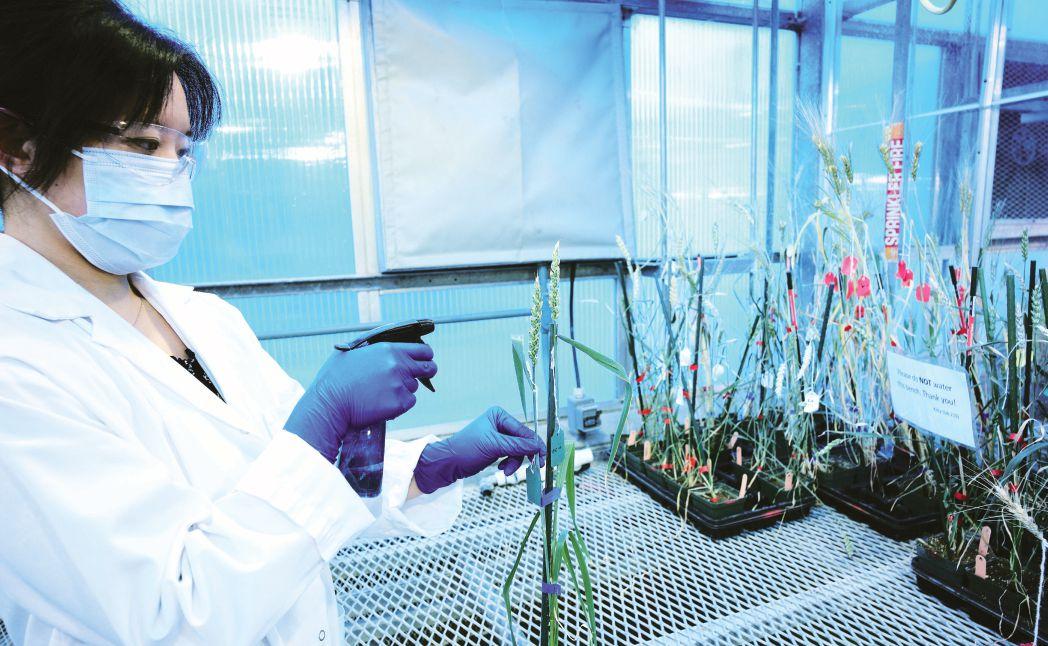
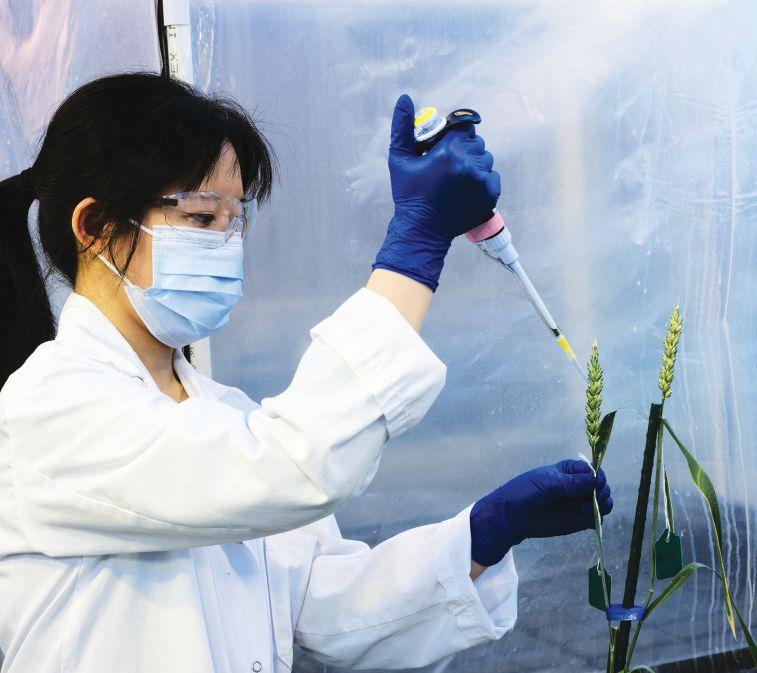
TOP: Kitty Cheung, a post-doctoral researcher in Borhan’s lab, sprays a nematode pheromone called ascr18 on a wheat head to prime the plant’s natural defence system.
Cheung inoculates wheat heads with Fusarium graminearum in experiments to see if ascr18 helps the plants to fight this pathogen.
pathogen. Also, the resistance can break down in a rather short period because the pathogen evolves,” he explains. “Using fungicides to control pathogens can be problematic, primarily because of the risk to human health and the environment, and also because repeated application of fungicides will lead to the emergence of fungicide-resistant races of pathogens.”
From concept to practical tool
“Priming plant defences is not a new area of research, but it has definitely gained a lot of momentum in recent years,” Borhan notes. “The reason is that there have been significant advances in our understanding of how plants interact and respond to pathogens and to beneficial microbes. So, priming plant defences has now become more of a real alternative/complementary option to conventional methods of plant protection against pathogens.”
As researchers turn this concept into practical products for crop growers, they will need to find answers to a wide range of questions, including many practical questions.
Borhan gives a few examples: “One research area is how to maximize the efficiency of priming agents and at the same time reduce any costs to the plant’s overall fitness. Induction of plant defence responses may impact the plant’s general development and yield by using up some of the energy and nutrients that the plant requires to fully develop.
“In terms of applying the priming agents to crops, we need to find out about the stability of the agents. This is less of an issue when they are used in controlled environments such as greenhouses, but we need to understand the effect of the environment on the stability and functioning of these agents. We also need to figure out cost-effective ways to apply the agents, especially under large-scale Canadian farming practices.
“Another consideration is the formulation and production of large quantities of the agents for commercial use.”
Help from a plant parasite
According to Borhan, various compounds have been shown to be effective as priming agents. His project is making use of a com-
pound released by plant-parasitic nematodes, which are microscopic, worm-like pests.
“Nematodes produce pheromones called ascarosides, which play a role in regulating nematode development and in communication and interaction between nematodes. Recently, researchers have discovered that ascarosides can act as a plant defence priming/inducing agent,” he explains.
“Since first reported in 2015, additional studies have shown that an ascaroside called ascr18 is effective as a priming agent in several crops like wheat, soybean, tomato and corn. And it is effective against a range of pathogens like viruses, fungi, bacteria, nematodes and oomycetes (which are fungi-like organisms). These initial findings warrant further research toward the application of ascr18 to boost the defence of Canadian crops against their major pathogens.”
Borhan’s project is currently investigating the use of ascr18 as a priming agent to help wheat plants defend themselves against Fusarium head blight. He will also be testing ascr18 to help pulse crops fight important diseases.
“Fusarium head blight is a serious concern for Canadian crop growers, and one of the most challenging diseases to control. Neither disease resistance genes nor fungicides are completely effective against this disease. So, I wondered whether priming a wheat plant’s defences could be a solution to this challenging disease,” he says.
“Based on published data and discussion with the team who discovered ascr18 at the Boyce Thompson Institute in the U.S., I was curious to test ascr18 as a priming agent that could potentially help to minimize the damage due to Fusarium head blight.”
Borhan and his research group are just in the first year of this project, which is funded by Saskatchewan’s Agriculture Development Fund, the Western Grains Research Foundation and the Saskatchewan Wheat Development Commission
At the moment, they are working on the dosage of ascr18 and evaluating foliar, seed and in-furrow application methods.
“Priming plant defences has seen many advances and promising results in the last few years. I think it has the potential to be a viable alternative approach to managing crop diseases,” Borhan says. “I’m hoping to play a small part in this exciting and important research area.”
PHOTO COURTESY OF COLIN KINDRACHUK.
THERE’S STRENGTH IN NUMBERS
Three different powerful herbicide Groups have been combined to make one simple solution for cereal growers.
Infinity® FX swiftly takes down over 27 different broadleaf weeds, including kochia (up to 15 cm) and cleavers (up to 9 whorls). And if you’re worried about resistance, consider this: you’re not messing with one wolf, you’re messing with the whole pack.
SEARCHING FOR WIREWORMS
Research looks into crop rotation impacts.
by Bruce Barker
Wireworms seem to be getting worse, although nobody knows for sure since population surveys have not been conducted recently. But since lindane insecticidal seed treatment was withdrawn from the market in 2004, anecdotal evidence points to an increasing problem. Some producers are very frustrated with the persistent infestations they face year after year.
“When I started working at Lethbridge in 2016, I asked funders and growers what insect pests they were concerned about or would like to see researched, and what I heard back was wireworms,” says research scientist Haley Catton, an entomologist with Agriculture and Agri-Food Canada in Lethbridge, Alta.
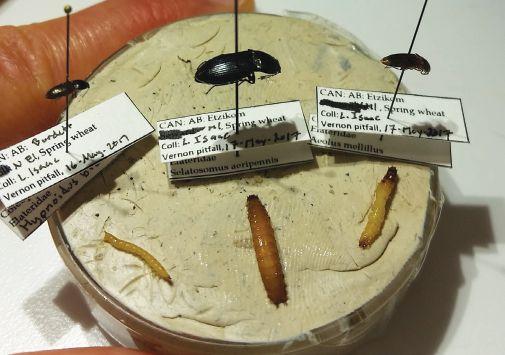
Catton explains that wireworms are not a worm species, but actually the larval stage of several species of click beetles. The most common species on the southern Prairies are Hypnoidus bicolor, Selatosomus aeripennis destructor, and Aeolus mellillus. Each has their own life cycle and characteristics. For example, H. bicolor and A.
TOP: Haley Catton is researching the impact of crop rotation on wireworm species.
ABOVE: The three dominant wireworm species in southern Alberta.
PHOTO
mellillus are mostly or all females and do not need to mate to lay eggs. Those species can fly as adults. S. a. destructor comes in both male and female forms and needs to mate, but does not fly.
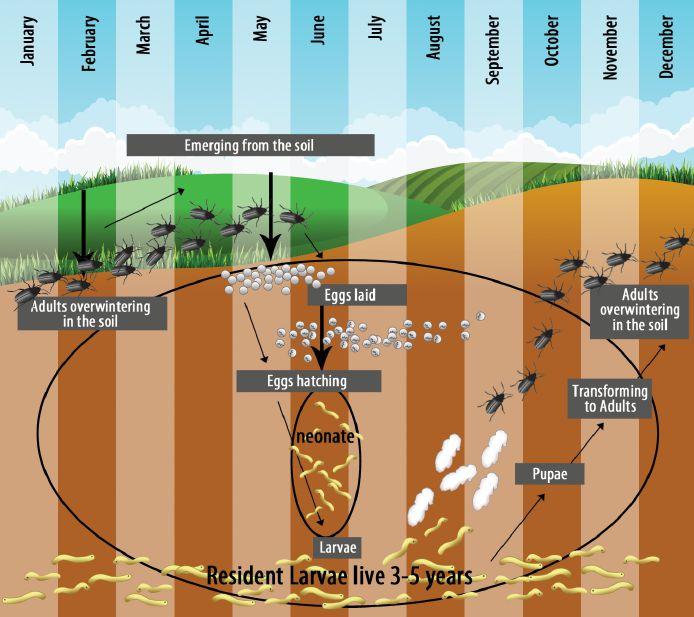
Click beetles emerge from hibernation in the spring and lay eggs in preferred crops, such as grasses or cereal crops. The eggs hatch in the early to mid-summer into “neonate” wireworms, which are very small (less than four millimetres). Neonates, the term for first-year wireworm larvae, do not do much damage themselves, but they grow into larger wireworms that eventually cause damage.
Wireworm larvae that survive in the soil for more than one year are called “resident” wireworms. These wireworms can feed and live in the soil for two to five years, depending on the species – making them difficult to control. A. mellillus has a one-year life cycle, while H. bicolor stays in the soil usually for two to three years and S. a. destructor for three to five years or more.
The resident larvae are the most damaging stage of wireworms – they are active in the spring, when they feed on seeds and crops during establishment. Resident larvae will eventually pupate in late summer, with the adult click beetle emerging during the following spring.
In 2017, Catton started a three-year wireworm research project funded by the Alberta Wheat Commission and the Western Grains Research Foundation. The project looks at how crop rotation in the two prior years affected wireworm numbers, size and species composition. Twelve spring wheat fields were selected in each year with one of the following rotations: cereal-cereal-wheat, canolacereal-wheat, cereal-canola-wheat, pulse-canola-wheat.
Sampling occurred at six locations per field. Each field was
A LONG WAY TOGETHER
sampled with one underground bait trap in the spring, and twocombined soil cores of 4.3-inch (11 centimetres) diameter by four in. (10 cm) deep weekly from spring until harvest.
In the first two years of the trial (2017 and 2018), 1,072 wireworms from eight or more native species were collected, dominated by H. bicolor (58 per cent), S. a. destructor (23 per cent), and A. mellillus (9 per cent). However, the densities of wireworms were variable from field to field, with 52 per cent of wireworms collected from six out of 24 fields. Results from 2019 are still being analyzed.
“Field-to-field saw huge variations, from high densities to almost nothing,” Catton says.
Data from the first two years shows that crop rotation did have an impact on wireworms. Canola-cereal-wheat fields had more wireworms than cereal-canola-wheat and pulse-canola-wheat. Canola-cereal-wheat also resulted in more numerous and smaller S. a. destructor larvae, but wireworm length of other species was not affected by rotation.
“We suspect that having winter wheat in the rotation the year before spring wheat resulted in higher survival of young S. a. destructor larvae,” Catton says.
Control options
Catton says that there is still much to learn about integrated control options, such as using crop rotation as a tool to manage populations. Other agronomic practices that promote vigorous, rapid crop growth and a healthy stand establishment – shallow seeding into warm, moist soil, adequate soil fertility and high seeding rates –can also help the crop better survive wireworm feeding pressure.
MULTIMAX MP 522
No matter how challenging your needs, MULTIMAX MP 522 is your best ally for agro-industrial applications with telehandlers and compact loaders. MULTIMAX MP 522 features indeed a steel-belted casing and a special compound providing extraordinary stability and traction in addition to great cut and chip as well as puncture resistance.
MULTIMAX MP 522 is BKT’s response to the need of a versatile multi-purpose tire under toughest conditions.
“Knowing your field history is important. Look for dead patches, and if you see them in the spring, dig around to see if you can catch the wireworms in the act of feeding. Other methods of control are being investigated, but in the near future chemical control will remain the most important tool,” Catton says.
Lindane was a very effective seed treatment and killed neonate and resident larvae: research by AAFC research scientist Bob Vernon (retired) showed that 65 to 70 per cent of the resident larvae died during the growing season in wheat plantings. Lindane also killed more than 85 per cent of new neonate larvae occurring later in the growing season, effectively knocking back wireworm populations for three years.
After the withdrawal of lindane in 2004, several other insecticides that were effective on wireworm were also removed, including Temik, Dyfonate, Furadan and Counter. That left insecticide seed treatments containing neonicotinoids (Group 4A) as the only remaining options – clothianidin (Poncho, Nipsit, Titan), thiamethoxam (Cruiser) and imidacloprid (Raxil Pro Shield, Admire, Alias, Sombrero, Stress Shield).
The problem with neonicotinioid insecticides is that they aren’t as effective at killing larvae. Vernon found that larvae that contact the insecticide become moribund, rather like being intoxicated, and of-
ten appear asleep. The result is that there is good crop establishment and minimal impact on yield, but not a major decrease in larvae populations.
In February 2020, a new insecticidal seed treatment was registered for use on cereals to protect against wireworm in Western Canada. Lumivia CPL brings a new mode of action for early-season protection against wireworm. It contains the active ingredient chlorantraniliprole, a Group 28 insecticide. Lumivia CPL was also registered for control of cutworm and pea leaf weevil in cereals, peas and lentils. It was previously registered for wireworm and seedcorn maggot control in corn.
Lorne Thoen, product manager at Corteva Agriscience, says that Lumivia CPL acts on the muscle system of the insect, which paralyzes the larvae very quickly upon contact. As a result, the larvae stop feeding almost instantly.
“The level of mortality will depend on how much food the larva had in its stomach before it contacted the insecticide. If it had a full stomach, the larva might survive, but if it had an empty stomach, the larva could die,” Thoen says.
Thoen explains that chlorantraniliprole activity lasts for about 30 days. “There is some wireworm mortality and it does reduce wireworm populations in the soil, but no registered product today has a high percentage of kill like lindane did.”
Lumivia CPL is compatible with fungicide seed treatments and Rhizobia inoculants. Thoen says it has a low application rate, and product development testing with many different types of applicators in 2019 showed that it can be easily seed-applied on the farm or by a custom seed treater.
Monitoring wireworm
Growers can also monitor for wireworms on their farm by setting out bait traps in the spring, prior to seeding. Pour one half-cup of wheat seed into a nylon stocking, cheese cloth or mesh bag and tie off the end with string. Soak the filled stocking in water for 24 hours. Bury the bait in the ground three to five inches deep and cover with soil. The carbon dioxide emitted from the bait will attract wireworm larvae. After 10 to 14 days, remove the bait trap and look for larvae.
Catton says that if growers find wireworms in their field, she would like to hear from them to help build an understanding of the distribution and species composition across the Prairies. There is a lot more to be learned about the wireworm problem on the Prairies.
“Bait traps are a good first step to understanding if you have wireworms on your farm, but we don’t have any correlation to know what the numbers mean; we don’t know how many wireworms in a bait trap are required before they start to impact yield,” Catton says.
To send in a wireworm sample, collect as many wireworms as possible from the bait trap and place them in a small vial of rubbing alcohol as a preservative. Include a brief description of when and where the sample was collected (nearest town or address), information about the crop rotation in the sampled field over the past four years, your name, mailing address and telephone number. Once the species are identified, growers will be contacted with the results.
Send the sample to: Dr. Haley Catton Agriculture and Agri-Food Canada Lethbridge Research and Development Centre
5403 - 1 Ave S, Lethbridge, AB T1J 4B1 haley.catton@canada.ca
Catton and her colleagues are writing a wireworm field guide that is expected to be released later this year.
“The wireworm species we have are all native, so they are really well adapted to surviving in our Prairie soils,” Catton says. “That also makes them really hard to control.”
ILLUSTRATION
Hot, cold, big, small, early, late?
Just GO with Pixxaro™ herbicide, the total annual broadleaf weed control that won’t slow you down. Only Pixxaro includes maximum crop, weed, weather and tank mix flexibility. PLUS the proven power of Group 4 resistance management.
For more information call the Solutions Center at 1‑800‑667‑3852 or visit Pixxaro.Corteva.ca
DIGGING INTO THE WIREWORM THREAT TO SOYBEAN
Working towards economic thresholds for suppressing these serious pests.
by Carolyn King
Soybean is one of many crops – such as cereals, corn, potato, dry bean and more – that wireworms will attack. But exactly how serious is the wireworm threat to Manitoba soybean production?
Preliminary findings from a Brandon University project are showing the threat can be pretty significant.
“When we started this project, we were surprised that there wasn’t a lot of information on the extent of damage that wireworm causes to soybean in Manitoba,” says Bryan Cassone, the project’s principal investigator and an associate professor in the University’s Biology Department. “And we have been surprised to see just how much wireworm damage there is.”
Wireworms are the larvae of click beetles. Many different wireworm species are crop pests in Canada. These species differ from each other in terms of things like their feeding and habitat preferences and the timing and length of their life cycle stages.
The larval stage, which is the pest’s crop-damaging stage, is spent in the soil. This stage lasts several years, up to five or more in some species, and then the larvae pupate and emerge from the soil as adult beetles.
The larvae get larger – and more voracious – with each moult. Each year, they move up and down in the soil, going up near the surface to feed on the underground parts of plants and then retreating deeper to escape adverse conditions like hot, dry soil in summer or cold temperatures as fall turns to winter.
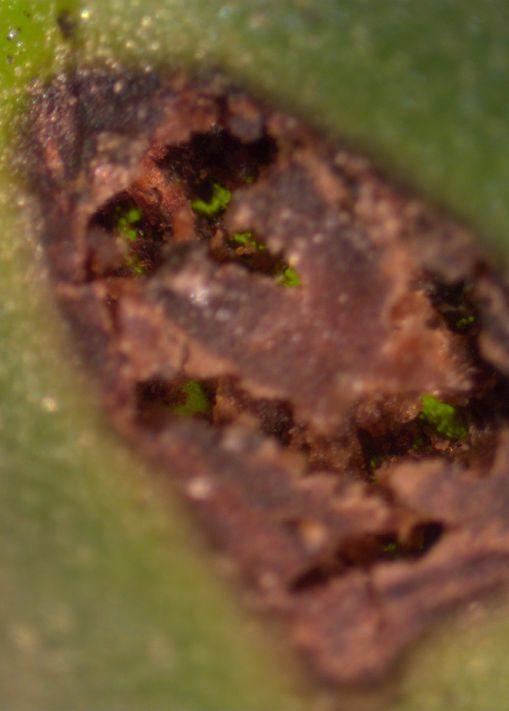
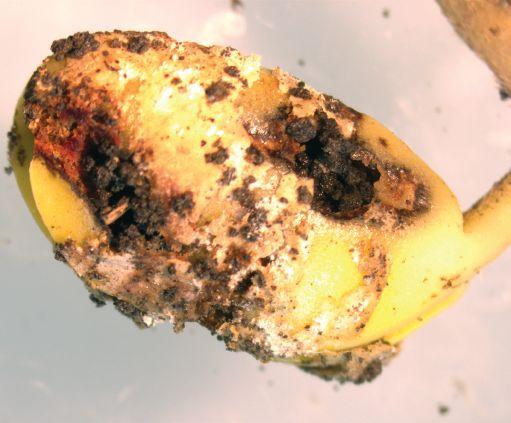
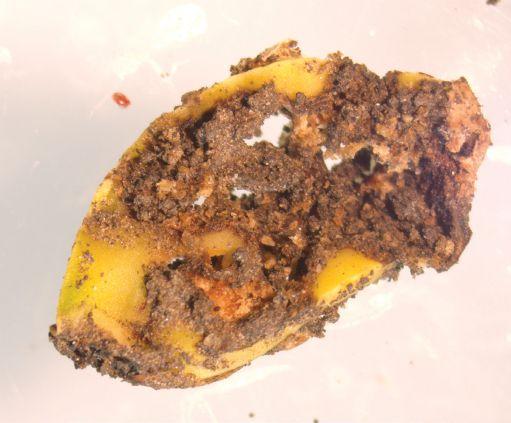
“In soybean, wireworms primarily damage the seeds and seedlings. They can damage the seed just by feeding on portions of the seed, and sometimes they completely hollow it out. In the seedlings, they can cause damage to the cotyledons, stems and roots. They cut off small roots and tunnel into the underground tissue, causing the plant to become quite wilted or stunted,” Cassone explains.
“In really infested soybean fields, we usually see large patches with limited plant growth. The larger the patches, the greater the wireworm infestation is – and the greater the yield impact will be.”
He notes that, by the time you see wireworm damage in your crop, it’s too late to stop the damage in that crop year. However, once you’ve diagnosed a wireworm problem, you can consider applying a seed treatment to reduce wireworm damage in the next crop.
Wireworms can damage soybean seedlings as they germinate in the soil.
“Of course, lindane is banned. [Lindane was a seed treatment product that was very effective at killing wireworms.] The seed treatments available at present don’t actually kill wireworms in most cases,” he notes.
“Instead, they cause the wireworms to [temporarily] become less active, meaning that they feed less and cause less damage to the seed and seedlings. [That gives the soybean plant time to grow large enough to withstand wireworm feeding.]”
The ultimate goal of Cassone’s three-year project is to develop economic thresholds for applying seed treatments to suppress wireworm in soybean crops under Manitoba conditions. The project involves three studies that are collecting the information needed for figuring out those thresholds.
Cassone’s graduate student Ivan Drahun is leading the project work. Cassone and Drahun are collaborating with Wim van Herk, a research scientist and wireworm expert at Agriculture and AgriFood Canada in Agassiz, B.C. The Manitoba Pulse and Soybean Growers, Western Grains Research Foundation and Canadian Agricultural Partnership are funding the project.
Wireworm field surveys
One of the project’s studies is assessing the prevalence and species composition of wireworms across Manitoba’s soybean-growing region through field surveys in 2018, 2019 and 2020. Each year, the project team samples about 25 randomly chosen fields, based on interest from the farmers.
The team is mainly using bait trapping to sample for wireworms, although they have done some work with other sampling methods. The bait is germinating wheat; it emits carbon dioxide, which attracts wireworms. The traps are buried one foot deep, and about 18 traps are placed along four or five transects across each field. The traps are collected about 12 days later and brought back to the lab to extract the wireworms. The trapping is done three times a year: in the spring before planting, in mid-summer, and in the fall after harvest. Spring trapping is proving to be the best option by far.
For each surveyed field, the team collects data on factors that might influence wireworm numbers and species, such as the crop rotation strategy, seed treatments and soil type.
“We have done two years of surveillance so far. We’ve found that over 90 per cent of the surveyed fields have species of wireworm that are known to cause crop damage,” Cassone says. “The southwest part of the province has the highest wireworm risk.” That is where they are finding the most wireworms and the greatest diversity in wireworm species.
So far, they have found six wireworm pest species. About 95 per cent of the wireworms are Hypnoidus bicolor. The other species are
Hypnoidus abbreviates, Limonius californicus and Agriotes mancus, as well as two species that can only be identified to the genus level: a Dalopius species and a Hemicrepidius species.
Hypnoidus bicolor larvae remain in the soil for two or three years. Cassone adds, “I wish we knew more, particularly for bicolor, about their feeding preferences and relative amounts of damage in different crops.”
In previous wireworm surveys in Manitoba, the most common species were Hypnoidus bicolor and Selatosomus destructor. It is intriguing that this current survey hasn’t found any Selatosomus destructor so far, especially since almost all the wireworms in recent surveys in Saskatchewan and Alberta were Selatosomus destructor
“There seems to be quite a shift in the wireworm species composition between Manitoba and other Prairie provinces,” he notes.
In the current Manitoba survey, the average number of wireworms per trap is ranging between 0.17 and 8.6, meaning that the wireworm levels in some fields could be a serious concern for soybean. Cassone explains, “We don’t know the economic thresholds for Manitoba yet, so we are using a U.S. threshold of 1 wireworm per trap. About a third of the surveyed fields are at or significantly above that level.”
For each surveyed field, the team provides the farmer with the field’s wireworm sampling results and offers recommendations on whether or not to apply a seed treatment to control the pest.
In 2020, the team plans to sample about 25 to 30 fields. They are also going to experiment with different bait trap designs to see if that influences the sampling results.
Once they have completed the surveys, they will be analyzing all the field data to look for correlations between wireworm numbers and species, the level of wireworm damage, and field characteristics like soil type and cropping history.
DNA-based study
The second component of the project is a DNA-based study to examine the genetic diversity in the Manitoba wireworm samples, to understand the dispersal patterns of the Manitoba species, and to compare the Manitoba results with the findings from the recent Saskatchewan and Alberta surveys.
“We have sequenced about 330 individuals from 13 different
The preliminary results of a Brandon University project are showing that wireworm damage can be a significant threat to Manitoba soybean crops.
wireworm populations. We are focusing on Hypnoidus bicolor because that is what most of our specimens are,” Cassone says.
“From our very preliminary results, it looks like there is a great deal of genetic diversity [within Hypnoidus bicolor], and there seem to be discrete regional populations. For instance, the genetics in southwestern Manitoba are quite different from those in other parts of the province and the other Prairie provinces. This suggests that these wireworms don’t disperse very much.”
The team expects to complete the DNA analysis in a few more months.
Soybean damage assays
The project’s third study involves lab-based feeding assays to evaluate wireworm damage on soybean seeds and seedlings under various conditions. Using field-collected Hypnoidus bicolor wireworms, the team is comparing the effects of such factors as wireworm density, temperature, soil type and seed treatment on the amount of damage in soybean.
They have already finished the wireworm density assays. “We’ve taken wireworm at different larval stages and evaluated the effects of various densities of the larvae on different numbers of soybean seeds and seedlings,” Cassone explains.
“As you would expect, you get more damage in soybean as the wireworm density increases. But it is not a linear increase in damage; it is almost exponential.”
They are also finding that the bigger, later larval stages of Hypnoidus bicolor can be really destructive. “For instance, when we put
three or four of those larger larvae in with 30 soybeans, nothing is growing by the end of the two-week trial. The plants don’t even make it out of the seed stage,” he says.
“About four of the bigger larvae have the same impact as about 20 of the smaller, younger larvae. If you have a lot of those bigger larvae in your field, it could be exceptionally devastating for your crop.”
Over the coming months, the project team will be conducting the assays on temperature, seed treatments and soil type.
Practical implications
“Once the three studies are completed, we will compile all the analyses and do our best to come up with a fairly accurate economic threshold for applying a seed treatment,” Cassone says.
To use the threshold, you would conduct bait trapping to assess the wireworm problem in your field. Patches of wilted, stunted or missing plants are a good indication of a wireworm infestation. You can check the roots of affected plants to look for wireworms, other insect pests and diseases that might be causing the problem. Then, if you know or suspect that you have a wireworm problem, you would use several bait traps to sample for wireworms in the spring before planting soybean. And then you would use your wireworm counts with the economic threshold formula to see if a seed treatment would make sense for your soybean crop.
The project’s results should help Manitoba farmers and crop advisors in making more informed decisions on the management of wireworms in soybean crops.
Rexade™ is pure performance – today’s complete grass and broadleaf weed control for wheat and the only one pass decision you need to make.
For more information, visit Rexade.Corteva.ca
WHEN PATHOGENS AND PESTS COLLIDE
Exploring the interaction between Fusarium root rot and pea leaf weevil.
by Jennifer Bogdan
Sometimes in nature, one plus one equals more than two. Synergistic relationships where two organisms are better together are not uncommon, but they can throw a real curveball at a grower when they happen to be between two crop pests that are already difficult to manage on their own.
Syama Chatterton and Héctor Cárcamo, both research scientists with Agriculture and Agri-Food Canada (AAFC) in Lethbridge, Alta., co-supervised a master’s student’s project on the interactions between Fusarium root rot and pea leaf weevil. From field surveys conducted in Alberta in 2017, approximately one-third of pea fields exhibited symptoms of both root rot and pea leaf weevil feeding. This observation prompted the researchers to ask: is there a connection between Fusarium root rot and pea leaf weevil?
“We knew the life cycles of the two pests overlap, and there was another study showing an interaction between a related insect, the clover root curculio, and Fusarium species in alfalfa. So, there was a precedence to show this could occur between Fusarium root rot and pea leaf weevil,” Chatterton explains.
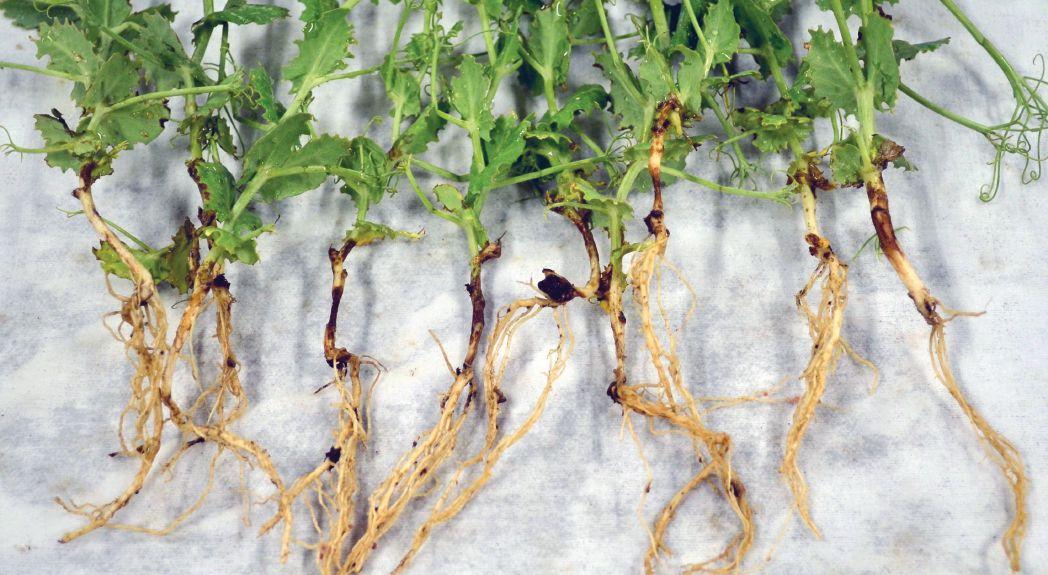
Fusarium root rot (FRR) is a major root disease of pulse crops on the Prairies, with yield losses in field peas ranging from 10 to 30 per cent in a typical year, and up to 60 per cent loss with severe infections under optimal conditions. Fusarium root rot causes lesions to form on the roots, restricts water and nutrient uptake by the crop, and eventually prematurely kills the plant.
Pea leaf weevil (PLW) (Sitona lineatus L.) is an important early sea-
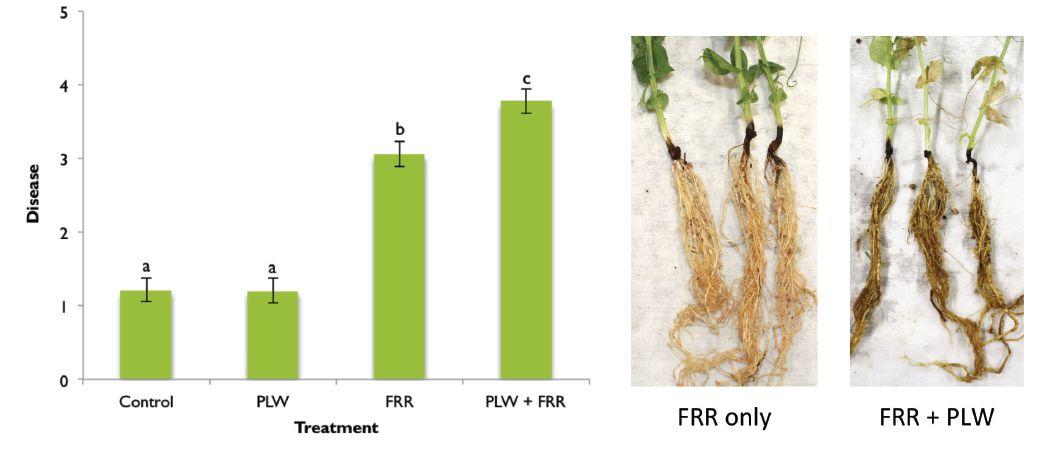
Pea leaf weevil and Fusarium root rot mutualistically impact peas.
MIDDLE: Pea leaf weevil larvae feed on Rhizobia bacteria within the nodule.
TOP:
The same highly systemic action that makes EVITO® Fungicide get into the plant fast also makes EVITO longer lasting. Because even product that falls onto the soil will be taken up through the root system. And with its residual soil activity, rain or irrigation will give it a second boost for even longer-lasting protection. Fast acting. Long lasting EVITO. To find out more, visit evito.ca.
son pest of field peas and fababeans. While the adults cause defoliation with their characteristic U-shaped feeding notches in the leaves, the major economic damage is from the larvae feeding on the Rhizobium bacteria in the root nodules. Up to 90 per cent destruction of root nodules has been reported in highly infested pea plots in southern Alberta, ultimately decreasing nitrogen-fixation and overall plant yield.
For the research study, Fusarium avenaceum was chosen as the test pathogen because of its aggressiveness on pea, as well as it being the most common Fusarium species found on the Prairies.
Pests thrive better together
When Fusarium and PLW larvae were both present on pea roots, the root rot infections were more severe compared to Fusarium alone. This increase in FRR was likely due to an entry wound into the plant and the destruction of root nodules. Because Fusarium species are “opportunistic,” they require the plant to be stressed in order for infection to take place. A nibble on the nodules from a pea leaf weevil larva provides the perfect entry route into the plant for this pathogen, resulting in the higher infection rates and more severe root rot symptoms observed.
While PLW larvae reduced the number of nodules due to feeding, the presence of both Fusarium and PLW larvae together further decreased nodule numbers. The amount of leghemoglobin produced within the nodules was also lowered. Leghemoglobin is the protein that carries oxygen to the nitrogen-fixing Rhizobium bacteria and is what gives a healthy, functioning nodule its pinkish-red colour. Interaction between the pests resulted in an overall decrease in nodulation efficiency of the plants. The presence of PLW larvae also caused plants to produce nearly all nodules in the crown region, rather than forming the ideal combination of crown and lateral root nodules. Taking all of these factors into account – fewer and less efficient nodules that were concentrated at the crown – the plants may have been unable to produce sufficient amounts of nitrogen due to PLW larvae feeding, and were consequently more susceptible to FRR infection.
Not only was the presence of PLW larvae beneficial to Fusarium, but the relationship was mutualistic for the PLW as well: more PLW pupae were found on pea plants infected with FRR than on plants that were Fusarium-free. This result was a bit surprising. “The mechanism is intriguing and it would be interesting to find out how this happens.
Perhaps the plants overcompensate and produce more nodules that are eaten by the PLW larvae before we can measure them,” Cárcamo says. More nodules would mean more food for the larvae, allowing more larvae to survive to pupation.
Another possible explanation for this observation is that, when under attack, pea plants naturally produce a defence compound (pisatin) that has been shown to deter feeding from some insect species, including weevils. However, a number of Fusarium species, including F. avenaceum, F. solani, F. oxysporum, and F. graminearum, are able to break down pisatin. Therefore, if pisatin is toxic to PLW larvae, then it’s possible that the presence of Fusarium could increase PLW larvae survivability.
Field environment adds complexity
Field trials using insecticide and fungicide seed treatments on field pea and fababean were established in 2016 and 2017. Based on the greenhouse study results, the researchers expected to see higher root rot severity when the pathogens and PLW occurred together in the field. However, even when the insecticide seed treatment reduced nodule feeding, the disease severity did not consistently decrease.
“We also used fungicidal seed treatments to reduce or eliminate Fusarium species from the interaction, but due to the complex of pathogens causing root rots, we weren’t really able to compare pea leaf weevil damage and larvae numbers with and without root rot in the field,” Chatterton explains.
Cárcamo attributes the complex results to the multiple factors interacting in a field environment, which led to large variability in their findings. “The insecticide seed treatment was the only clear treatment that may protect yields; the fungicides were too variable. There appeared to be no antagonism between the fungicide and the seedcoated insecticide.” The authors did note that the fungicide treatments were evaluated at later node stages (7-node stage), and further study is needed to evaluate their performance in root rot suppression at earlier crop stages.
“This study illustrates the complex interactions that occur among plants, insects and pathogens, and the multidisciplinary approach –bringing together entomologists and pathologists – required to begin to elucidate such mechanisms, especially in the cryptic underground root zone,” Cárcamo concludes.
Disease severity was highest when pea leaf weevil and Fusarium root rot were both present.
Grow your margins with Bayer
You come from a long line of hard workers, risk takers and quick thinkers. Generation after generation, season after season, you share one common goal – getting more out of every seed, every row and every field. So, if you’re in the family business of higher yields and increased margins, Bayer fungicides are here to help you get the job done.
Find out more about Bayer Fungicides at ItsGrowTime.ca
Suddenly you’ve got more confidence than ever.
Get superior protection with Caramba to maximize yield and quality. Want to enter the harvest stretch with more certainty than ever? Protect your investment in cereals with Caramba® fungicide. It provides the most proven and effective management of fusarium head blight and yield-robbing leaf diseases. Caramba protects the quality and yield you’ve built all season, for a big boost in confidence – and your bottom line. Visit agsolutions.ca/caramba to learn more.
Always read and follow label directions. AgSolutions