TOP CROP
MANAGER
TAILORED SOYBEANS
Breeding for processors, growers and consumers
PG. 6
FROM WILD TO WHEAT
Providing disease resistance genes from wild relatives.
PG. 9
BACTERIAL BROWN SPOT
Controlling an emerging threat.
PG. 16

Breeding for processors, growers and consumers
PG. 6
Providing disease resistance genes from wild relatives.
PG. 9
Controlling an emerging threat.
PG. 16
A profitable soybean crop starts with better genetics that deliver better results. That’s why we created Enlist E3™ soybeans, a more advanced seed with high yield potential and a robust herbicide tolerance. Spray them with Enlist Duo™, or new Enlist™ 1 herbicides, for a low drift, near-zero volatility solution that’s a better choice for your farm and community.
Enlist E3 soybeans are available for 2021 planting. Talk to your local seed supplier.
Simply Better Soybeans. Learn more at enlistcanada.ca
6 | Tailored for growers, processors and consumers
Breeding food-grade soybeans with high yields, disease resistance and targeted processing qualities. by Carolyn King 9 | From wild to wheat
Providing new disease resistance genes from wild relatives and better access to those genes for breeders. by Carolyn King
16 | Spotlight on bacterial brown spot
Controlling an emerging threat and other bacterial diseases in dry bean. by Carolyn King


STEFANIE CROLEY
EDITORIAL DIRECTOR, AGRICULTURE
Fall always feels like a really transitional time. For many of you, it likely means a jump back into the routine of harvest season, with meals in the field, early mornings and late nights. Throw in kids, school, sports, spouses, other work commitments and an inevitable frost (or worse – a snowfall) and soon the long, hot days and warm, bright nights of summer are a distant memory.
But summer 2020 was quite different from previous seasons, and this fall comes with even more transitions than years past as we move into the new “normal.” The coronavirus pandemic changed the way we operate, both in personal and professional manners. Compared to some industries, Canada’s agricultural sector got off easy – farmers generally work individually or in small groups, so few modifications have to be made to maintain physical distancing guidelines. But the industry had a noticeable challenge when it came to events – an integral piece of the ag industry puzzle.
I’ve worked in agriculture for quite a few years and I love to read and do my own learning about the industry, but field days, crop tours, trade shows and conferences are where I learn the most. The conversations that happen in the middle of a field, at a random breakfast table or inside the beer tent are irreplaceable. The face-to-face connections are hard to beat, and I know I’m not alone when I say I always walk away with more than I came with.
This summer, almost all of the events I regularly attend across Canada were cancelled, and a few were replaced with webinars, pre-recorded videos or live virtual events. Can these digital platforms provide the same experience? Not quite. But they’re still pretty darn good, and although it’s hard to replicate an in-person conversation, it was encouraging to see the industry come together to deliver the next best thing. The power of the Internet has a way of building connection when we can’t have it otherwise – and if the pandemic has taught us anything, it’s how much we as humans need connection. We’re lucky to live in an age where we can use technology to interact with people across the country during a time where we can’t travel to be there in person.
The pandemic is putting a pause on more live events this fall and winter, including the Top Crop Summit , traditionally held in Saskatoon each February. But, we’ve transitioned to a virtual version and we hope you’ll embrace this change as much as we have. The 2021 Top Crop Summit , will be held online on Feb. 23 and 24, 2021, but you’ll still receive the same great content we’ve presented at previous events, with the new addition of content specifically geared toward farmers in Eastern Canada as well as Western Canada. We’ll be sharing more details in the coming weeks and months, so stay tuned to topcropsummit. com for more information.
Change can be hard, but it can also bring great rewards. If you’re hesitating at the idea of an online conference, I challenge you to give it a shot. After all, if my 82-year-old grandmother can figure out how to use a video chat, I bet you can too.





Introducing the X Series Combines. These new combines deliver more harvesting capacity, with no sacrifice in grain quality — all while using 20% less fuel. The X9 1100 can harvest up to 320 acres a day in wheat*. And to match the increased crop harvesting capacity of these new combines, we also redesigned our headers.
To learn more about whether an X9 combine is the right one for you, contact your local dealer or visit JohnDeere.ca/X9Combine.


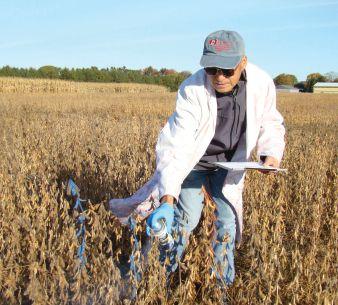
Breeding food-grade soybeans with high yields, disease resistance and targeted processing qualities.
by Carolyn King
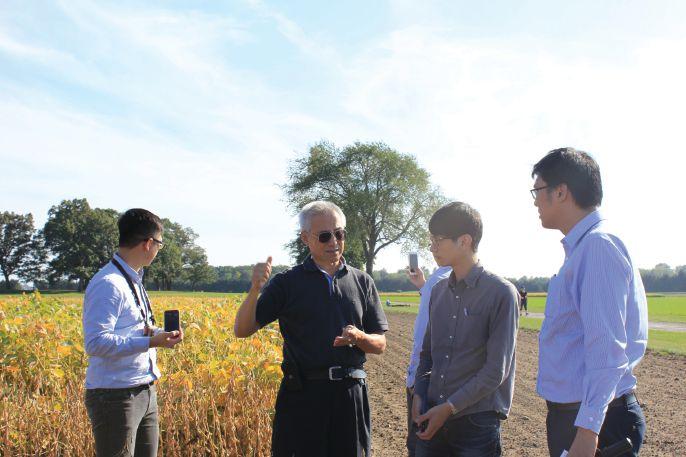
Tofu, soymilk, miso, edamame – those are just some of the food uses for soybeans. For each type of product, processors look for particular quality characteristics in the soybeans they buy. Soybean breeder Kangfu Yu is developing diverse varieties to meet those special quality requirements while ensuring the varieties also have the traits that Ontario growers need.
“Canada has established a global reputation for the production of high-quality, non-GMO, food-grade soybeans. Today, food-grade soybeans represent approximately 25 per cent of the crop produced in Canada, with a value of more than $0.5 billion. Food-grade soybeans are exported to Japan, Southeast Asia, Europe and China, and most of this trade is through identity preserved (IP) contract production of specific varieties,” explains Yu, who leads the food-grade soybean breeding program at the Harrow Research and Development Centre (RDC) of Agriculture and Agri-Food Canada (AAFC).
“The Harrow-RDC soybean breeding program has made significant contributions to the Canadian food-grade soybean industry through the development of high-yielding, excellent processing quality soybean varieties with resistance to pests such as soybean cyst nematode and soybean sudden death syndrome.
“We have developed those varieties for Canadian soybean industries and Ontario soybean growers. More than 20 food-grade soybean varieties have been registered and released to the industry by the program since 1989. These varieties have improved the profit margin of Canadian soybean growers and increased the competitiveness of Canadian non-GMO IP soybeans in world soy food markets, which is especially significant for the Asian-Pacific Rim countries.”
The program’s main food quality focus is high protein content (greater than 41 per cent) and high free sugar concentration. These are important properties for such foods as tofu, soymilk and miso.
Yu and his research group also target various other traits valued by processors. For instance, they want yellow or clear colours for the hilum (the “eye,” where the seed was attached to the pod) so the colour of the soy food will not be affected. They also aim for soybeans with higher water uptake, at least 2.2 times the bean’s original weight, because processors have to soak the beans to make food products.
For protein quality, they want the ratio of 11S (glycinin) proteins to 7S (β-conglycinin) proteins – the two main types of soy proteins – to be between 1.1 and 1.7. Other traits of interest include large, round seeds for better visual appeal, and resistance to soybean mosaic virus to prevent seed-staining.
The breeding program mainly develops long-season soybean varieties suited to the more southerly parts of southwestern Ontario, with maturity group (MG) ratings between 2.0 and 2.5. “But recently, I have been trying to develop lines with earlier maturities than MG 2.0 so we can provide food-grade varieties suited to a larger area in Ontario,” Yu notes.
The program’s top disease resistance priorities are soybean cyst nematode (SCN) and soybean sudden death syndrome (SDS). “Resistance to SCN and SDS is particularly important for soybean varieties adapted to the longer season areas of Chatham-Kent, Essex,
and Lambton counties. In these areas, we estimate that SCN and SDS are two of the three most limiting diseases for soybean production,” says Owen Wally, a crop pathologist at the Harrow-RDC.
SCN and SDS are both soil-borne pathogens that can cause severe yield impacts. Wally’s studies show that, year-by-year, both diseases are becoming more severe in Ontario’s southwest, where they first arrived in Canada, and their ranges are gradually expanding to the north and east through the province’s soybean-growing areas.
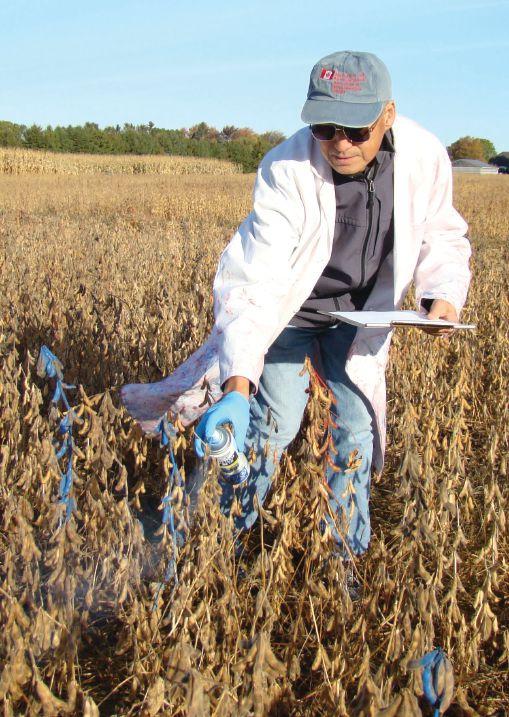
Wally’s research group evaluates Yu’s breeding lines for resistance to the two diseases through indoor and field screening.
For SDS, they do two types of indoor screening. Wally says, “We inoculate the seedlings with the fungus that causes SDS, Fusarium virguliforme, and observe the plant’s response.
“As well, we extract the toxin produced by this fungus, and we apply that toxin directly to the plants to see if it causes the symptoms.”
They do these different tests to see which modes of action a plant has for fighting the pathogen. He explains, “We think
there are multiple mechanisms for how plants can tolerate this pathogen.
“One mechanism is for the plant to resist the fungus from colonizing the root, which prevents the disease. If the pathogen is able to colonize the root and release its toxin, then the plant may resist the toxin, which makes the symptoms less severe.”
For the outdoor SDS screening, Wally’s group uses some naturally infested sites and an SDS disease nursery they have recently set up at the Harrow-RDC.
“For the Harrow SDS nursery, we inoculate the soil with Fusarium virguliforme Every season when we plant the breeding program’s test material, we give the nursery an extra inoculation of the pathogen. We also irrigate the nursery so the moisture levels are sufficient to cause ample disease.”
For the indoor SCN screening, they use cones filled with sand that they inoculate with the nematode. They place the inoculated cones in a water bath and then monitor the plants growing in the sand for cysts on their roots.
Their SCN field screening takes place at two sites: one at Harrow-RDC and the other in Chatham-Kent. These sites aren’t
20_1791_TopCropEastern_OCT_CN Mod: August 21, 2020 10:12 AM Print: 09/01/20 12:07:06 PM page 1 v7
inoculated; they are naturally infested with high populations of the nematode.
Yu is currently using two sources of SCN resistance in his breeding program. SCN resistance genes are identified by the soybean line that was the original source of the resistance; for instance, the most commonly used source is called plant introduction (PI) 88788.
“When Vaino Poysa was the breeder for this program, he started using PI 88788 as the major resistance source for soybean cyst nematode. Since I took over the program in 2012, I have also added PI 437654, another major source of resistance,” Yu notes.
For many years, PI 88788 has been used as the single SCN resistance source in North American soybean varieties. Recent studies show that some populations of the nematode have now overcome this resistance.
Yu says, “Having both PI 88788 and PI 437654 in our varieties will provide more durable SCN resistance.”
Yu’s breeding program is quite prolific, with new varieties continually coming along. For example, in 2019, the program
registered two new varieties with the Canadian Seed Growers Association (CSGA).
“One is AAC Big Ben, licensed by Southwest Seeds Inc. This variety has SCN resistance and yields that are about 10 per cent higher than the control based on 12 siteyear location tests over two years,” he says.
“The other variety is AAC Wigle, licensed by SeCan. AAC Wigle has a protein concentration of about 46 to 47 per cent; that was significantly higher than the control at 12 site-year locations over two years. This variety also has SCN resistance and higher yields.”
Currently, the program has three varieties in line to be registered soon. “We are registering OX-181; we suggested the name AAC McRae. It is licensed by SeCan and is being registered with the CSGA now. This variety not only has higher yields, but also excellent resistance/tolerance to SCN and SDS. Since one of the parents has PI 437456 and the other has PI 88788, this variety should provide durable resistance to SCN.”
The second upcoming variety is OX191. “We are calling it AAC Hallam. It is licensed by SeCan and has high yields and SCN resistance.”
The third one is OX-202, with the suggested name AAC Richard. It is licensed by SeCan, and offers high yields and resistance/tolerance to both SCN and SDS.
“In addition to the release of finished varieties, the program has also developed and released specialty food-grade soybean germplasm to Plant Gene Resources of Canada,” Yu explains.
“These germplasm releases provide
valuable genetic material for use by other public and private soybean germplasm programs and further support growth in the Canadian soybean industry.”
For instance, the program has released three lipoxygenase-free, or “lipoxygenase null”, soybean lines: HS-151, HS-201 and HS-203.
“Usually soybeans have three lipoxygenase enzymes, which are major contributors to undesirable grassy and beany flavours in soymilk. But in HS-151, HS-201 and HS-203, we got rid of all three of these enzymes,” he says.
“Another germplasm line we developed is HS-171, a large-seeded soybean that is suitable for edamame. Also known as vegetable soybeans, edamame soybeans are harvested at the green stage and served as a vegetable dish – for example, in Japanese cuisine. We also developed a black soybean line, HS-172, which can be used to make fermented foods such as douchi.”
In addition, the program has released six protein variant soybean lines and has more of these lines in development. Yu explains, “In each of the 11S and 7S protein categories, there are a number of subunits. In 7S, there are three subunits: α, α’ and . And in 11S, there are five major soy proteins: A1, A2, A3, A4, A5.” Yu and his group have found that these different subunits can have some influence on processing qualities.
“These protein variant lines derive from non-adapted and wild-type materials introduced into the program from Japan approximately 20 years ago.
“Through extensive crossing, analysis
and selection, we have developed wellcharacterized protein variant profiles expressed in adapted Canadian soybean germplasm.
“The protein variants have unique characteristics that may have applications in traditional soy food manufacture, protein concentrates, protein isolates and other uses.”
So far, the program has released: HS-161 (7S α’ null, 11S A3 null) – for softer tofu; HS-162 (7S α’ null, 11S A4 null) – for firmer tofu; HS-181 (11S null) – having no 11S means this line has a higher 7S concentration, which is better for fighting obesity; HS-183 (7S α’ null, 11S null); HS-182 (7S α’ null, 11S A4 null); and HS-191 (11 S null).
Another component of Yu’s soybean-breeding program is the development of molecular markers, which enable faster and more efficient selection of breeding materials.
“I have a background in molecular biology and genetics and, before I took over the breeding program, I was developing molecular markers for marker-assisted selection. Since I took over the program, I started using a new molecular marker technology called KASP-SNP,” he notes.
“In collaboration with scientists from the U.S. and AAFC’s London-RDC, we have developed KASP-SNP markers. We have used them in our breeding program to assist/speed up the process of selection for disease resistance and food quality traits.”
The Harrow-RDC, like other AAFC research centres across the country, was closed in March due to the pandemic and has only partially reopened as of early August.
“Although I think we do need to contribute to the control of this pandemic by reducing our fieldwork and lab work, COVID-19 is having a significant impact on our breeding program,” Yu says. “It has delayed our progress by at least a year.”
Despite the difficulties, Yu and his research group are doing their best to continue their work of developing improved varieties that help Ontario growers to produce top quality food-grade soybeans that are competitive in world markets.
This breeding program is currently funded by AAFC and the Canadian Field Crop Research Alliance under the Canadian Agricultural Partnership.
Providing new disease resistance genes from wild relatives and better access to those genes for breeders.
by Carolyn King
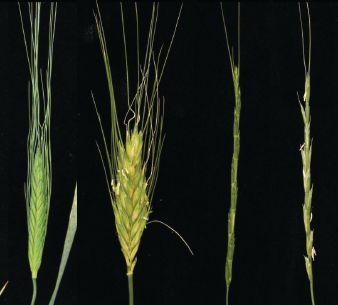
The wild relatives of wheat are a key source of new disease resistance genes. But finding these genes and moving them into adapted wheat lines are challenging and time-consuming tasks. A national effort aims to make this pre-breeding work more efficient, providing all Canadian wheat breeding programs with access to these genes.
The need for new disease resistance sources is ongoing, explains Sylvie Cloutier, who initiated this pre-breeding platform. “Sometimes, especially when the same resistance gene is used repeatedly, the pathogen overcomes that gene. We’ve seen this with leaf rust resistance genes.” So, a new gene with resistance to the new virulent pathogen strain is needed – or preferably several such genes, so breeders can pyramid them together for more durable resistance.
“Sometimes, individual resistance genes just don’t provide enough protection.” In such situations, breeders need to add several of these minor resistance genes to muster a stronger defence against the pathogen.
However, domestication, selection and breeding have narrowed the diversity available in crop gene pools, including disease resistance genes. “Going to the wild relatives of crops is a way of accessing some of this lost genetic diversity,” says Cloutier, a molecular geneticist with Agriculture and Agri-Food Canada (AAFC) in Ottawa.
This pre-breeding initiative is focused on four disease priorities: leaf rust, stripe rust, powdery mildew and Fusarium head blight.
She explains, “Fusarium head blight and leaf rust are major diseases across the country. Powdery mildew is a serious concern mainly in Ontario, Quebec and the Maritimes, because Eastern Canada’s much moister climate favours this disease. Stripe rust is a particular issue in Alberta, but this disease has the potential to
become a much broader threat in Canada.”
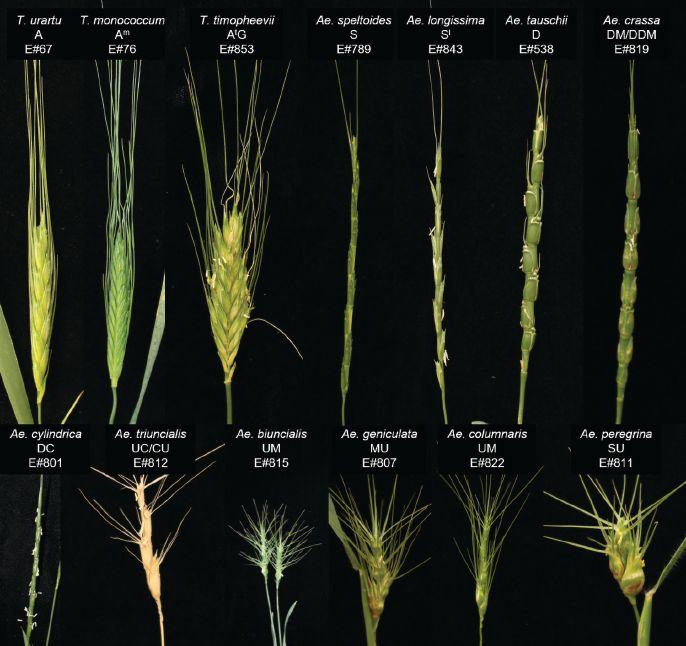
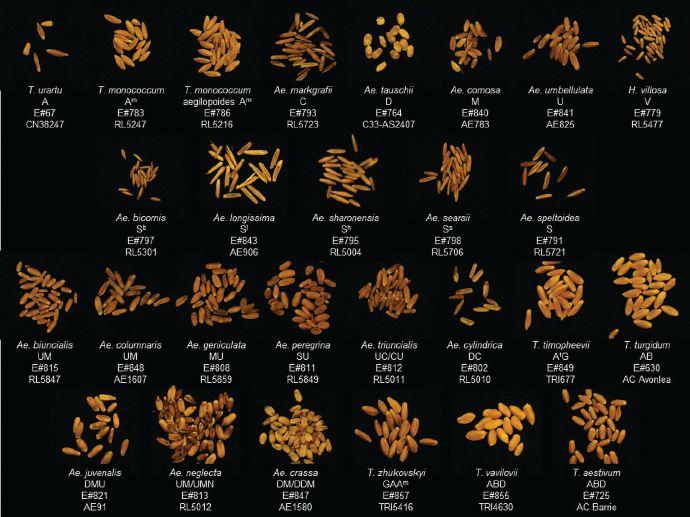
Cloutier’s research group is working with various wild relatives of wheat, including about 30 Aegilops species, as well as a few Haynaldia and Thinopyrum species. Aegilops species have proven to be particularly good resistance sources. “At least 17 of the 66 leaf rust resistance genes identified to date come from nine Aegilops species,” she notes.
Just getting fertile offspring from a cross between wheat and a wild relative can be difficult because their genomes usually do not match up with each other. However, the genomes of certain Aegilops species do match with part of wheat’s genome. Bread wheat has a hexaploid genome, meaning that it is composed of three sub-genomes, known as the A, B and D genomes. These three
genomes came together in the distant past through the natural hybridization of three progenitor species; the first hybridization combined the A and B genomes into a single species, and the second added the D genome.
“The B genome of wheat comes from a species related to Aegilops speltoides, and the D genome comes from Aegilops tauschii,” Cloutier says . “The D genome came into bread wheat only 10,000 years ago, which is like yesterday in terms of evolution. These were random events and there were very few of them. Researchers have estimated that the crosses with Aegilops tauschii that produced hexaploid wheat may have happened less than five times. So, the whole diversity available in Aegilops tauschii as a species is really not

When you might get about 40 chances to grow your yield of dreams, you need a corn seed with proven year over year performance. So when it comes time to choose a seed, choose the one with over a century’s worth of seasons under its belt. Made with superior genetics to deliver yield and stand up against insect and disease pressure, DEKALB® corn seed is the choice you can depend on every year.

THE SEED FOR EVERY SEASON
represented in bread wheat, since only a few individual plants created bread wheat.”
To tap into more of the diversity available in wheat’s progenitor species, Cloutier and her research group have also been working on what is called synthetic hexaploid wheat. Synthetic wheat is a reconstruction of wheat made by crossing A. tauschii and Triticum turgidum (durum wheat), which has the A and B genomes. The researchers use various genotypes of A. tauschii and Triticum turgidum to get more diversity into their synthetic wheats. Then they use these synthetics in crosses with elite wheat lines.
Wild plants have a lot of characteristics that make them unsuitable for agricultural production. Bringing a wild resistance gene into wheat requires backcrossing with elite wheat lines to get rid of any unwanted wild traits. Synthetic wheat also needs backcrossing. “Nevertheless, synthetic wheat remains one of the easiest methods to bring wild relative genes into wheat,” she notes.
Pre-breeding work has been going on for many decades in Canada, but recent technological advances are spurring progress.



Cloutier explains one such advance. “In the past, geneticists – but mainly pathologists – would assess some wild relatives for disease resistance at the phenotypic level, testing the plants in the field or indoors with the pathogen. Their efforts were successful; for example, 44 per cent of the 66 leaf rust resistance genes identified so far are from wild relatives,” she says.
“But the work was very time-consuming and difficult because, once they identified a wild relative with resistance to a specific race of a disease, they still had to make crosses and evaluate the progenies. And they couldn’t tell whether the resistance genes they found were the same old genes that they had tested before or new ones.
Bayer CropScience, LP is a member of Excellence Through Stewardship® (ETS). Bayer products are commercialized in accordance with ETS Product Launch Stewardship Guidance, and in compliance with Bayer’s Policy for Commercialization of Biotechnology-Derived Plant Products in Commodity Crops. Trecepta ® RIB Complete ® Corn has been approved for import into Australia/ New Zealand, Colombia, China, Japan, South Korea, Mexico, Taiwan, United States and all individual biotech traits approved for import into the European Union. Please check biotradestatus.com for trait approvals in other geographies. Any other Bayer commercial biotech products mentioned here have been approved for import into key export markets with functioning regulatory systems. Any crop or material produced from these products can only be exported to, or used, processed or sold in countries where all necessary regulatory approvals have been granted. It is a violation of national and international law to move material containing biotech traits across boundaries into nations where import is not permitted. Growers should talk to their grain handler or product purchaser to con rm their buying position for these products. Excellence Through Stewardship ® is a registered trademark of Excellence Through Stewardship. ALWAYS READ AND FOLLOW PESTICIDE LABEL DIRECTIONS. Roundup Ready® 2 Technology contains genes that confer tolerance to glyphosate. Glyphosate will kill crops that are not tolerant to glyphosate.
“Nowadays, we still do phenotyping in the field or indoors. But in parallel to that, we can do genome-wide genotyping of the plants. Then we match the two types of data together. That gives us a really clear picture as to whether we are looking at a new resistance source or the same old-same old. If we find potentially new sources of resistance, then we do further work with them.”
This phenotype/genotype approach also allows determination of the relative strength of a resistance source. That information is helpful whether researchers are working on major resistance genes, where each gene
provides strong disease resistance, or minor resistance genes, where each gene contributes a little to the plant’s overall resistance.
Other technological developments help with the transfer of wild genes into adapted material, and more advances could be on the way. Cloutier says, “There is potential to use technologies such as CRISPR to bypass or discard all of the undesirable stuff from the wild plant and focus on only the genes we want, but we are not there yet.”
Pre-breeding platform benefits
Cloutier developed her idea for the prebreeding platform in 2014. Back then, AAFC’s Cereal Research Centre in Winnipeg was closing, and she was transferred from there to Ottawa and asked to shift her research mandate to wheat.
“So, I tried to find gaps in the existing wheat efforts. I found that Canadian geneticists and pathologists have been really good at identifying wild resistance genes. In fact, they have been pioneering this prebreeding work – if you look at the rust resistance genes, many were identified by Canadian scientists like Peter Dyck, Eric Kerber, Daniel Samborski and George Fedak. But the transfer of wild resistance genes into adapted lines and their adoption in wheat varieties were sometimes lacking.”
Cloutier also realized why this gap occurred. “In the past, there would be a breeder at a research centre and a geneticist or pathologist. The geneticist/pathologist would
work on the pre-breeding aspect, and the outlet for the materials that he or she would develop would be that particular breeder. If the pre-breeding material was not to the breeder’s satisfaction, the material would end up in an envelope somewhere, moreor-less labelled, not labelled, not kept alive, or whatever. There was a lot of waste.”
So, she designed the platform to provide a more co-ordinated approach for each stage of the pre-breeding process, from identification to transfer to adoption, to ensure Canadian crop growers will continue to have access to disease-resistant wheat varieties.
The identification stage involves a collaborative approach. “My idea was to merge the phenotyping and the genotyping, and to have all the phenotyping done by the experts. So, the stripe rust phenotyping is done at AAFC-Lethbridge by Reem Aboukhaddour; the leaf rust at AAFCMorden by Brent McCallum, AAFCOttawa by Cloutier and the University of Saskatchewan by Curtis Pozniak; Fusarium head blight at AAFC-Morden by Maria Antonia Henriquez; and powdery mildew at AAFC-Charlottetown by Adam Foster.”
The genotyping is done as a collaborative effort between Curt McCartney and Colin Hiebert at AAFC-Morden, and Cloutier at AAFC-Ottawa. The data analysis and database work are conducted by Frank You’s bioinformatics group at AAFC-Ottawa.
“For the second stage of the process, we want to make sure we move the wild genes
into semi-adapted wheat lines,” she says. “I could identify a great resistance gene in the wild species Aegilops triuncialis, but if I give this wild plant to breeders they will have absolutely no interest in it. However, if I offer them something that looks like a commercial wheat variety and it has that resistance gene in it, then they will be interested.”
To ramp up adoption, the platform is making the semi-adapted germplasm widely available to all Canadian wheat breeders and also providing a database of genotypic and phenotypic data about the germplasm.
“Breeders will want to plant the material in the field and look at it, but they are also interested in things like: What data have you collected on this germplasm over the years? Where is the gene located? What is its importance? So, we are developing in parallel a database to provide this type of information.”
“It has already been six years since I began this work. It started as a small A-Base project, then a GRDI [Genomics Research and Development Initiative] project, and then a five-year Wheat Cluster project,” Cloutier explains. The Wheat Cluster project (2018 to 2023) is funded under the Canadian Agricultural Partnership by AAFC and Canadian wheat industry partners. She is coleading this project with Curt McCartney.
“Now our Wheat Cluster funding has been leveraged into a very large, panCanadian Genome Canada project,” she says. Cloutier and Curtis Pozniak are the project’s principal investigators in this project, entitled 4DWheat: Diversity, Domestication, Discovery and Delivery.
“[This project] is giving us greater capacity particularly to study Fusarium head blight and build capacity for assessing the semi-adapted germplasm. As well, we have additional genomic capacity, enabling us to explore different technologies for the transfer of genes from wild relatives. We are also developing a much more comprehensive database that will be available to everybody.”
Cloutier notes, “Our pre-breeding work is snowballing. It has been wonderful to be part of bringing together various research and industry partners. The new project is a partnership between AAFC, Genome Canada, the provincial governments of Saskatchewan, Ontario, and Manitoba, and many industry players, including the wheat commissions of Saskatchewan, Alberta and Manitoba.
There is an enthusiasm and a momentum for pre-breeding research right now.”


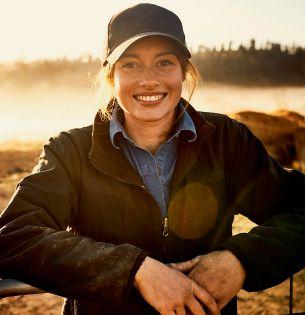
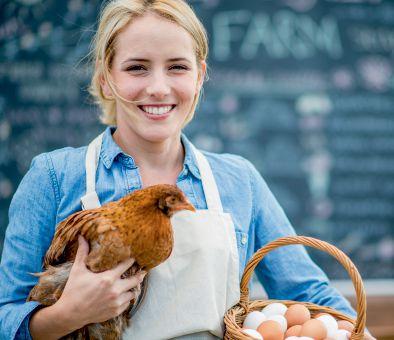
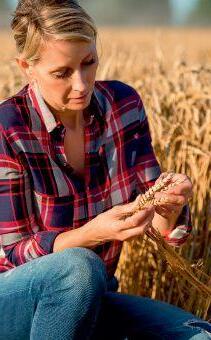
The incredible nominations we received for the inaugural year of this program highlighted just how many influential women there are working within Canada’s agriculture industry.
To our Top 6 recipients, those who nominated an influential woman, those who offered support through social media or tuning into the podcast series on AgAnnex Talks, and to our generous sponsors:




Sponsored by

Presented by
Inoculation, management practices and plant breeding all have a role.
by Julienne Isaacs
How can we change soil microbial communities to benefit plants? For researchers in the University of Guelph’s School of Environmental Sciences, that’s the million-dollar question. Soil microbiologists have been working on characterizing soil microbial communities for decades, says Kari Dunfield, professor and Canada Research Chair in Environmental Microbiology for Agro-ecosystems. “Traditionally we’ve thought of plants as their own entities, but now we’re trying to think about plants plus micro-organisms – so, you have both plants and microbes in the roots and within the plant. We’re realizing how big a role micro-organisms play and how they’re responding to their environment,” Dunfield says.
These days, there’s lots of interest in the use of microbial inoculants to stimulate plant growth, and many products hitting the market. Dunfield says these products often rely on single strains of plant growth-promoting micro-organisms (“single strain inoculation”) and are devel-
and fields and conditions.”
“There’s a lot of work out there where people are looking at micro-organisms and host plants and not considering the different soils they could be putting those plants into, with different nutrients and textures,” she says. “But I think we need to consider those things and ask how agricultural management practices are changing the soil.”
Dunfield, with students Mica Tosi and Eduardo Mitter, recently published a backto-basics review paper that summarizes principles of microbe-plant-soil interactions in the Canadian Journal of Microbiology. The paper discusses the three main techniques for manipulating the plant microbiome to exploit beneficial traits – introducing and engineering microbiomes, modifying the soil environment via agricultural practices, and breeding and engineering the host plant.
When it comes to introducing microorganisms to the soil, single-strain inoculation tends to be the simplest technique. But “this strategy is particularly vulnerable because the inoculation successfully relies
We need to ask how agricultural management practices are changing the soil.
oped in labs with controlled conditions. Typically, inoculant products contain symbiotic organisms like mycorrhizae, which are dependent on the plant and whose behaviour is easier to predict. But once soil inoculants hit real-field conditions, their effect becomes harder to identify and understand. With all soil micro-organisms, the results are variable, Dunfield says. “The research is trying to find a predictive or standard response across multiple years
on the survival, establishment, and performance of a single strain, which could be outcompeted by the resident microbiome even within one week,” the authors write.
The addition of mixed inoculants to the soil can mean introduced micro-organisms are more resilient, but it doesn’t always mean success; negative outcomes can result from unexpected interactions with microorganisms already present in the soil. A third inoculation technique is “micro -
biome transfer,” in which groups of undefined microbes are captured, assessed for their effect on plant growth or other qualities and transferred to the soil. Again, though, both short- and long-term effects of microbiome transfer on real-world fields are still poorly understood.
Modifying the soil through agricultural practices is a second technique for manipulating the plant microbiome. Agricultural management, the authors note, can be assumed to have had a strong selective pressure on microbiomes, but it could be possible to exert a stronger influence on soil microbial communities by mimicking natural ecosystems through ecological engineering. This can include management practices like increasing plant diversity via longer crop rotations and the use of cover crops, or intercropping, and reducing the use of chemical inputs, such as synthetic fertilizers and pesticides.
Dunfield’s team considers this technique the most promising. Not enough is understood yet about the plant microbiome to be able to link specific agricultural practices to specific microbial communities that can perform specific services, but this is her research group’s ultimate goal, she says. “You hear a lot of farmers saying they want their soil microbiome to be ‘diverse,’” Dunfield says. “It would be great if we could get even more specific. The idea is to create a kind of guide by looking for what’s in the soil and trying to backtrack.”
Dunfield’s lab is currently analyzing data from several long-term trials conducted in Elora and Ridgetown in order to start answering questions about how practices like crop rotation shift microbial communities over time. A third option for manipulating the plant microbiome is plant breeding. Under traditional plant breeding
conditions, “you’d be selecting against micro-organisms because you’d be using a lot of chemicals and fertilizers, and that tends to minimize the benefits you can get out of microbial communities.”
An alternative approach is to try out different plant genetics in different environmental conditions, where the plant’s performance under different soils can be evaluated.
Host plant manipulation actually started thousands of years ago when farmers began selecting particular plants, the authors of the paper point out. These days, plant breeding takes advantage of new technologies, such as high-throughput genotyping, to speed up the process. But
modern breeding programs still “mostly overlook” how plant genotypes affect soil and root micro-organisms.
It’s also true that modern plant-breeding programs tend to focus on the improvement of agronomic traits such as yield in intensively managed systems with optimal nutrient and pesticide programs. Inevitably this has resulted in a loss of diversity in root microbiota, often leaving plants more vulnerable to disease than their wild relatives, the authors write.
“Wild plants could constitute important genetic reservoirs of beneficial microbes,” they conclude.
How can plants be bred to support healthy soil microbial communities? The
answer is at least partly in the roots. The rhizosphere can support microbial communities that help plants thrive, and plants can be bred with an eye to improving “root architecture” – ideal for colonization and root exudates or emissions that provide them with carbon.
Research is needed to discover how plants could be bred for ideal endophytic (or interior) microbiota, which could improve plant resilience and disease resistance.
It’s a brand-new area of research, but in the last five years Dunfield says there has been a lot of work done on manipulating the host plant. “Maybe in the next five years, that will start to play out in research and plant breeding programs,” she says.
by Carolyn King
Bacterial blights – such as common bacterial blight, halo blight and bacterial brown spot – can cause serious problems in dry beans. Until recently, common bacterial blight was thought to be the most important of these blights in Ontario. But new research is showing that the biggest concern is now bacterial brown spot (BBS), for which there are no really effective control measures.
“We are finding that bacterial brown spot is often misdiagnosed as common bacterial blight, leading to underestimates of bacterial brown spot,” says Owen Wally, pulse pathologist with Agriculture and Agri-Food Canada (AAFC) in Harrow, Ont., who is leading this research. “I think bacterial brown spot is probably number two on the list of the most damaging diseases in Ontario dry beans currently, right after white mould.”
In a five-year study (2018 to 2023), Wally and his research group aim to get a better handle on the occurrence and yield impacts of BBS and other bacterial diseases in Ontario dry bean crops, and are working on new ways to control these diseases.
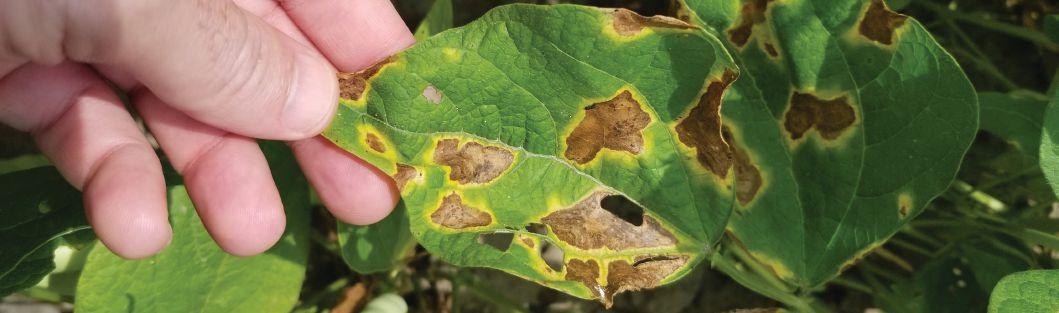
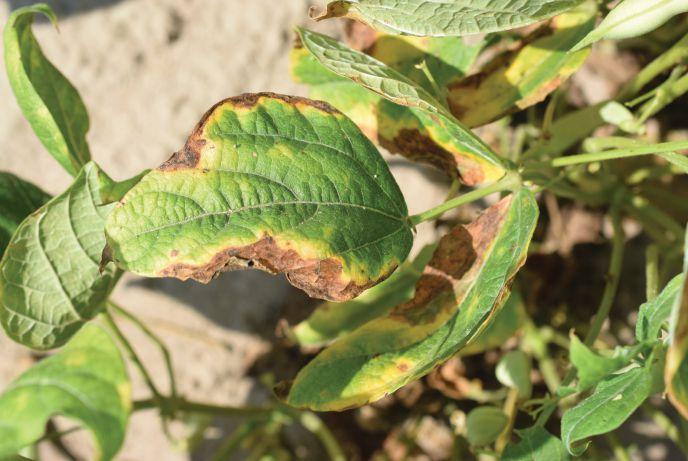
Bacterial brown spot is caused by Pseudomonas syringae pathovar syringae (“pathovar,” or “pv.,” refers to a type of bacterial strain). “This pathogen can affect the foliage, pods and seeds of dry bean plants. The symptoms start as small, brown, water-soaked lesions. Under the right conditions, these can spread fairly rapidly on both the pods and the leaves,” Wally explains.
“On the leaves, those little lesions will start to coalesce and form larger lesions and become completely necrotic. Although it varies, the lesions will often develop a pale-yellow ring around the outside of the necrotic areas as the disease progresses. As the disease progresses further, it can cause a lot of defoliation. When bacterial brown spot affects the pods, it can lead to seed abortion,
so the seeds just sit there and don’t mature.”
Like common bacterial blight (CBB) and halo blight (HB), BBS requires high humidity. However, BBS tends to favour temperatures from 12 to 20 C, more moderate than CBB prefers. Wally notes, “These humid and somewhat cooler conditions are common in the evenings and early mornings in a lot of the Ontario beangrowing regions. For instance, a heavy dew or fog in the morning provides optimal conditions for bacterial brown spot.”
Although BBS can be seed-borne, Wally doesn’t think the disease is coming from the seed. “Almost all of the dry bean production in Ontario uses certified, disease-free seed. That seed usually comes from Idaho, which is very dry [so these bacterial diseases are not a concern].”
He adds, “Even when Ontario-grown seed is not showing any symptoms, there is always going to be a minor amount of [bacterial disease on the seed] because of the humid conditions in Ontario. If you plant that seed again, the disease problem will get much, much worse. So, Ontario growers have to pay quite a premium to get seeds from Idaho.”
Wally thinks BBS is coming from crop residues and alternative hosts in and around bean fields. “Bacterial brown spot has a very broad host range. The pathogen infects many other species, such as corn, [some other legume crops, wheat, barley] and some perennial and annual weed species. For example, the pathogen causes a minor disease on corn called Holcus spot, which is not treated because it doesn’t attack corn yields. But growers often have beans in rotation with corn, so we think this is probably where most of the inoculum is coming from.”
Given its wide host range, Wally suspects that the BBS pathogen is probably present in much of Ontario and just needs the right conditions to make the disease flare up in dry bean crops.
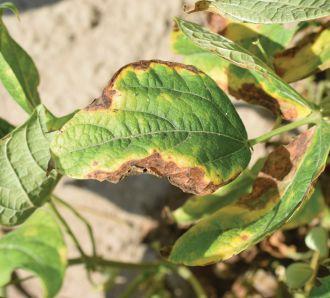
ABOVE: Bacterial brown spot is emerging as the most important bacterial disease in Ontario dry beans.
“If the pathogen is on the bean seed to begin with, then it is already within the plant cells and the disease will progress quite rapidly. If the pathogen is coming from crop residues, then the bean plant would need to have some sort of wounding event so that the bacteria can enter; bacteria cannot directly invade plant cells,” he explains.
“Wounding events could be high winds and especially hail. We also think insects play a role. They may not directly vector the pathogen, but they may be moving it around and causing damage to the leaves and pods where the bacteria can enter the plant.”
For Ontario bean growers, BBS stepped into the spotlight in 2014 when the disease caused serious problems in adzuki bean crops. Wally says, “Adzuki beans are extremely susceptible to bacterial brown spot, but the disease affects pretty much all the market classes of dry beans grown in Ontario.”
He notes, “We don’t really know the impact of bacterial brown spot on yield, but it has been estimated to be as high as 40 per cent in some severe cases. We think it is somewhere between five and 10 per cent under normal conditions without the disease really having been noticed. So, the average field might see that type of yield loss.”
“Currently, there are not really any effective options for controlling bacterial brown spot,” Wally says. Longer crop rotations don’t help to control BBS because of the pathogen’s many other hosts.
No Ontario dry bean varieties are known to have BBS resistance. In contrast, breeders have developed many CBB-resistant varieties for Ontario, such as Rexeter, Mist, Lighthouse, Apex and AAC Argosy.
Copper-based products are available for in-crop spraying to help slow the growth and spread of BBS, HB and CBB. However, these products often have limited effectiveness, depending on factors like weather, disease pressure and the particular bacterial pathogen.
“Streptomycin used to be the main seed treatment for controlling bacterial diseases in bean crops, but it is no longer registered,” Wally notes.
Using certified seed is important to help prevent the disease situation from worsening.
Another challenge is figuring out whether BBS or some other bacterial pathogen is causing the symptoms. “The symptoms of bacterial brown spot, halo blight and common bacterial blight can fool most people, including myself sometimes, because they

The Roundup Ready® Xtend Crop System combines the high yield potential of Roundup Ready 2 Xtend® soybeans with built-in tolerance to both glyphosate and dicamba chemistries.
Applying the higher rate of Roundup Xtend® in your first pass provides short-term residual activity on small seeded broadleaves* with the added ability to effectively manage resistance concerns.
EARLY SEASON CONTROL TO GET AHEAD OF THE WEEDS AND STAY THERE.
traits.bayer.ca
*Performance may vary from location to location and from year to year, as local growing, soil and weather conditions may vary. Growers should evaluate data from multiple locations and years whenever possible and should consider the impacts of these conditions on the grower’s elds. Bayer CropScience, LP is a member of Excellence Through Stewardship ® (ETS). Bayer products are commercialized in accordance with ETS Product Launch Stewardship Guidance, and in compliance with Bayer’s Policy for Commercialization of Biotechnology-Derived Plant Products in Commodity Crops. These products have been approved for import into key export markets with functioning regulatory systems. Any crop or material produced from these products can only be exported to, or used, processed or sold in countries where all necessary regulatory approvals have been granted. It is a violation of national and international law to move material containing biotech traits across boundaries into nations where import is not permitted. Growers should talk to their grain handler or product purchaser to con rm their buying position for these products. Excellence Through Stewardship ® is a registered trademark of Excellence Through Stewardship.
ALWAYS READ AND FOLLOW PESTICIDE LABEL DIRECTIONS. Roundup Ready 2 Xtend ® soybeans contains genes that confer tolerance to glyphosate and dicamba. Glyphosate will kill crops that are not tolerant to glyphosate. Dicamba will kill crops that are

look very, very similar. Bacterial brown spot and common bacterial blight look almost identical,” Wally says.
“The lesions [in all three diseases] have brown, necrotic centres, but the ring of the chlorosis [yellowing] is typically smaller with bacterial brown spot as compared to halo blight and common bacterial blight. On the pods, bacterial brown spot lesions are slightly smaller than common bacterial blight lesions.” With BBS, the leaves tend to look more tattered.
Genetic sequencing is the most reliable way to tell the diseases apart. HB is caused by Pseudomonas syringae pv. phaseolicola CBB is caused by Xanthomonas axonopodis pv. phaseoli and Xanthomonas fuscans subspecies fuscans
BBS predominates in surveys
Wally’s bacterial blight research is targeting BBS, CBB, and HB, as well as bacterial wilt. Bacterial wilt in dry bean is caused by Curtobacterium flaccumfaciens pv. flaccumfaciens; some reports indicate bacterial wilt may be resurging in North America.
Part of Wally’s research is focused on improving our understanding of the Ontario situation for these four diseases. “We want to determine the impact that these bacterial diseases are having on bean production in Ontario – how much are they impacting yields and under what conditions do these yield impacts happen? We also want to find out how widespread they are in Ontario,” he explains.
“In addition, we want to determine the genetic diversity of these different bacterial
populations, if there are different races or if they differ in virulence within these different growing regions.”
So, Wally and his research group, along with collaborators throughout Ontario’s bean-growing regions, are collecting samples of symptomatic plant tissues. In 2018 and 2019, they collected about 30 samples.
In the lab, they isolate any bacteria present in these samples. Next, they do genetic analysis, including DNA sequencing, to confirm the species. And then they do virulence testing to make sure the isolates cause disease in bean plants.
“Close to 90 per cent of the isolates so far have turned out to be bacterial brown spot,” Wally notes. “These samples came from people who thought the symptoms were common bacterial blight.”
Another component of this research involves screening dry bean lines for resistance to bacterial diseases. In this work, Wally is collaborating very closely with Jamie Larsen, who leads AAFC’s dry bean breeding program at Harrow.
As part of this component, they set up a new BBS disease nursery at AAFC’s London research centre in 2019, and they are also doing indoor BBS screening.
The BBS nursery joins AAFC’s CBB nursery in Harrow and HB nursery in London. These three field nurseries are used to screen dry bean varieties in the Ontario registration trials, as well as some advanced lines from Larsen’s program and the University of Guelph’s breeding program. The
nurseries are irrigated and inoculated with the appropriate pathogen to increase the probability of disease development.
“From the variety screening, we are finding definite varietal differences in the response to bacterial brown spot. So, there could be some genetic resistance already within some bean lines. So far, it seems that the large-seeded bean market classes are a little more tolerant to brown spot than the small-seeded market classes,” Wally says.
He adds, “Once we start publishing the varietal differences, growers will be able to select cultivars that have more tolerance to bacterial brown spot.”
Wally is excited about the potential to develop BBS-resistant varieties for Ontario. “This would provide growers with an effective way to manage one of the major disease problems in Ontario dry bean crops.”
The longer-term goal is to develop bean varieties with resistance to multiple diseases, particularly CBB, BBS and anthracnose. “Further down the road, if we get enough resistance packages together, growers might be able to use Ontario-grown seed for regrowing in Ontario instead of having to pay a premium for Idaho-grown seed.”
Wally is also involved in a cross-Canada study to evaluate novel seed treatments for managing bacterial diseases in beans. “We’re trying to find some alternatives to streptomycin. If we can find suitable seed treatments, they could be easily added to the existing treatment packages for dry beans.”
In Harrow, Wally’s group is assessing the effectiveness of about eight different seed treatment products in controlling BBS, CBB, HB and bacterial wilt. They are testing the products on both Ontario-grown seeds and on Idaho-grown certified seeds.
He notes, “There is some evidence that [the efficacy of] some of these seed treatments can last a fairly long time within the plant, almost to maturity, because they are not working directly on the pathogen but they are influencing the plant to produce different responses.”
Wally’s bacterial disease research will help provide much-needed information and tools for Ontario dry bean growers to manage BBS and other bacterial diseases. This research is funded through the Canadian Agricultural Partnership’s Pulse Cluster: a partnership between AAFC and the Ontario Bean Growers and other pulse agencies across Canada.





OCT. 20, 2020 12:00PM
Register for a virtual mentorship event with some of the most influential leaders in Canadian agriculture.
This half-day virtual event will showcase select honourees and nominees of the IWCA program in a virtual mentorship format. Through roundtable-style sessions, panelists will share advice and real-life experiences on leadership, communication and balance working in agriculture.