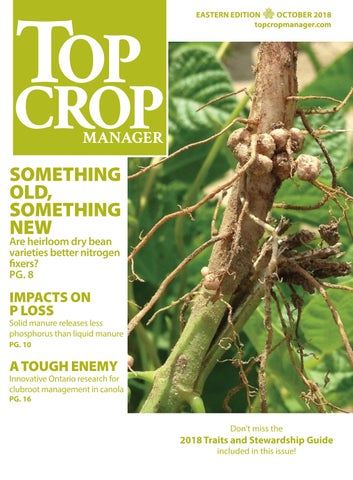
Are heirloom dry bean varieties better nitrogen fixers?
PG. 8
IMPACTS ON P LOSS
Solid manure releases less phosphorus than liquid manure
PG. 10
A TOUGH ENEMY
Innovative Ontario research for clubroot management in canola
PG. 16
Don’t miss the 2018 Traits and Stewardship Guide included in this issue!
TOP CROP
8 | Something old, something new Are heirloom dry bean varieties better nitrogen fixers? by
Carolyn King
| Impacts on P loss
Julienne Isaacs
| Tackling a tough enemy Innovative Ontario research for clubroot management in canola.
Carolyn King
weeds spread?
ON THE WEB
TOP CROP MANAGER’S 2018 COVER PHOTO CONTEST
You know what the words Top Crop Manager mean to us – now, we want to see what being a Top Crop Manager means to you. Enter our cover photo contest, sponsored by Meridian Manufacturing, for a chance to be featured on our December cover.
For submission guidelines and full rules and regulations, visit www.topcropmanager.com/photo-contest.
Readers will find numerous references to pesticide and fertility applications, methods, timing and
Manager. We encourage growers to check product registration status and consult with
labels for complete instructions.
STEFANIE CROLEY | EDITOR
HIGHLIGHTING INNOVATION
There's a way to do better – find it.
During the span of my career, I’ve had the opportunity to cover several different markets from an editor’s desk. From professional services, like firefighting, to retail bakeries and pizzerias, I’ve seen different Canadian sectors change and grow toward the betterment of the industry. But I’d be willing to argue that the level of research and development in Canadian agriculture is unmatched.
Of course, the research doesn’t come without cost, and over recent months, Canada has made several investments in agriculture (most recently, in early September, the investment made toward supporting the canola sector to focus on growth and profitability). But the real work happens behind closed doors, in the labs and offices, by some of the top researchers in the world.
The quote above, from America’s greatest inventor, Thomas Edison, is particularly poignant to open our annual issue highlighting advanced genetic and plant breeding research. Arguably overused, innovation is a buzzword you’ll often hear in many industries, including agriculture. As you flip through this issue, I’m sure you’ll agree with me that it’s hard not to describe these projects as innovative.
One such example is the story on page 16, which highlights new research from the University of Guelph on clubroot management. Spearheaded by Mary Ruth McDonald, the research looks at determining which strains of the disease affect different crops, and explores different management practices.
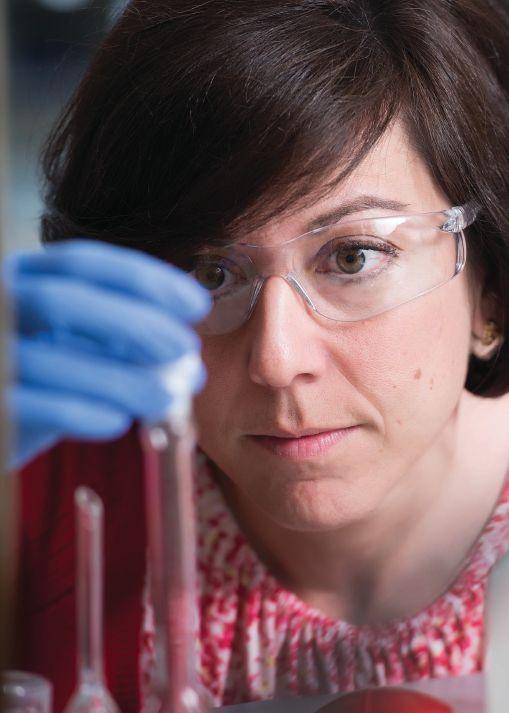
And on page 20, you'll read about a project based out of Ottawa's Carleton University, aiming to develop a quick, low-cost test for detecting mycotoxins. Dr. Maria DeRosa is working on a prototype to test for Ochratoxin A right at the farm or grain elevator, with minimal training or resources. If the project is successful, DeRosa hopes to test the technology in grain elevators to determine how userfriendly it is.
We’ve also included our Eastern Traits and Stewardship Guide in this issue, which highlights new technologies from the seeds and traits industries projected to provide more protection, reduce risk and add value to your bottom line.
Finally, I’d be remiss not to mention the 2019 Soil Management and Sustainability Summit during a discussion about innovation. Our fourth research-focused event, Top Crop Manager’s annual summit gathers producers, agronomists, industry members and the scientific community together to share new research and ideas. We hope you’ll consider joining us on Feb. 26, 2019 in Saskatoon.
There’s constant change and growth happening, and we’re pleased to be able to provide a glimpse of what you can expect to see from the industry in the coming years. Happy reading.
Crop Manager West – 9 issues
March, Mid-March, April, June, September, October, November and December – 1 Year$47.50 Cdn. plus tax Top Crop Manager East – 7 issues February, March, April, September, October, November and December – 1 Year - $47.50 Cdn. plus tax Potatoes in Canada – 1 issue Spring – 1 Year $17.00 Cdn. plus tax
of the above - $80.00 Cdn. plus tax
GOING NATIVE WITH NITROGEN FIXATION
Some newly discovered native bacteria are top-notch nitrogen fixers with Canadian soybean cultivars.
by Carolyn King
Most nitrogen-fixing bacteria in commercial soybean inoculants originate from subtropical regions, just like soybeans themselves. But are subtropical inoculants really the best choice for Canadian soybean production? Recent research shows some native Canadian bacteria are much better nitrogen fixers for our short-season soybean cultivars.
“Symbiotic bacteria have the ability to form swellings called nodules on soybean’s roots and to fix nitrogen from the atmosphere and convert it into nitrogen compounds that can be used directly by the plant. This process, known as symbiotic nitrogen fixation, enhances crop productivity while reducing the need to add nitrogen fertilizer to crops, which in turn minimizes negative impacts on the environment,” explains Eden Bromfield, a research scientist with Agriculture and Agri-Food Canada (AAFC) in Ottawa, who is leading this research.
“In northern growing areas, the onset of symbiosis may be delayed because of suboptimal conditions early in the season. Also the duration of nitrogen fixation is limited because of our short growing season. This can act as a constraint on soybean productivity.”
Bromfield hypothesized that nitrogen-fixing bacteria associated with native legumes in Canada are adapted to our short-season conditions so they might be more suitable than subtropical bacterial strains for nitrogen-fixing symbiosis with Canadian soybeans.
“Bacteria belonging to the genus Bradyrhizobium are the most common types of bacteria in soybean inoculants, and when I started this research, I knew there were a number of native legumes in Canada that associate with bradyrhizobia,” he says. “I didn’t know whether those bradyrhizobia would be capable of symbiosis with soybean.”
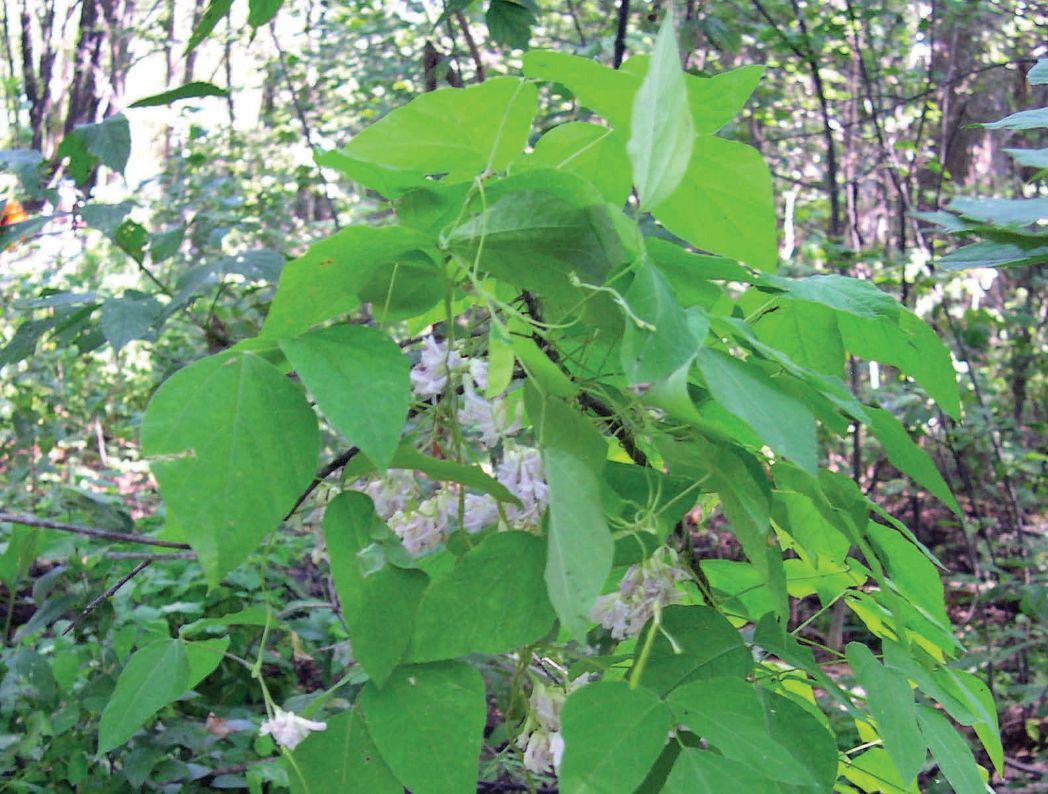
In his search for promising bacteria, Bromfield targeted four wild legume species – Amphicarpaea bracteata, Apios americana, Desmodium glutinosum and Desmodium canadense – which are all native to Eastern Canada. He notes that both Amphicarpaea bracteata and Apios americana were food sources for indigenous peoples. “Amphicarpaea bracteata is known as hog peanut. It is quite closely related to soybean. It produces an aerial seed and a subterranean seed. The subterranean ABOVE: Amphicarpaea bracteata (hog peanut), one of the legumes in Bromfield’s study, is quite closely related to soybean.
PHOTOS COURTESY OF EDEN BROMFIELD.
seeds are about the size of a peanut, and they are edible and very nutritious. Apios americana [sometimes known as groundnut] is a vine with subterranean tubers, which are a rich source of carbohydrates and proteins.” Desmodium glutinosum is known as pointed-leaved tick trefoil, and Desmodium canadense is called showy tick trefoil.
According to Bromfield, these four species are the only native legumes in the region that still have a fairly wide distribution; several others have become rare or endangered. He adds, “These four native legumes grow mostly in mature native woodlands, habitat that is disappearing fast. So it is a good opportunity now to sample the diversity of the Bradyrhizobium bacteria that these legumes are using and to exploit that diversity for potential agricultural applications such as new and efficient soybean inoculant strains.”
Bromfield says, “We started this research by going out and finding native legume populations. All of them were growing in deciduous woodland areas with no history of agriculture. We sampled the soil around the roots of each of these legume species at multiple sites in Eastern Canada, mainly in Quebec. Then we prepared soil suspensions from these soil samples, and inoculated them onto two shortseason soybean cultivars.” Some of the bacteria in those suspensions were able to form nodules on the soybean plants.
Next, Bromfield and his research group isolated bacteria from those root nodules, making more than 800 different isolations. For each of those isolates, the researchers sequenced six genes that are essential for bacterial survival and two genes required for symbiosis. Based on sequence analysis, they were able to identify the species of the bacterial isolates. They found a remarkable diversity of species. They discovered eight previously unknown Bradyrhizobium species as well as novel species in two other genera. They also found four known Bradyrhizobium species. Then, they inoculated each of these bacterial species onto short-season soybean cultivars and grew the plants in the greenhouse under controlled conditions to evaluate the ability of the bacteria to fix nitrogen efficiently.
“Some of these species were between one and three times more efficient with regard to nitrogen fixation than a widely used inoculant strain that originated from subtropical conditions,” Bromfield says. “So, some of them are highly efficient with short-season soybeans.” Through this research, Bromfield and his research group have made several other discoveries that have scientific importance and could have direct or indirect relevance to agriculture.
For example, Bromfield’s research has provided definitive evidence for the horizontal transfer of symbiosis genes in the field. Horizontal
transfer is the movement of genetic material between different bacterial species. This mechanism has significance in many issues; in medicine, horizontal transfer and spread of antibiotic resistance genes has contributed to the creation of "superbugs" with resistance to multiple antibiotics.
He explains that the horizontal transfer of symbiosis genes has implications for the effectiveness of soybean inoculants. “When inoculated soybeans are grown in an area with existing bradyrhizobial populations in the soil, it may be difficult to find the original inoculant strain in the soil after the crop, except at very low levels. But sometimes some of the isolates that are identical to the inoculant strain are now inefficient [at fixing nitrogen]. The transfer of symbiosis genes from native bacteria to inoculant strains or vice versa is one explanation for this loss of efficiency and for the spread of either desirable or non-desirable genes throughout the bacterial populations associated with soybean.”
Another interesting finding is the discovery of a new set of genes for symbiosis. “We found a group of four novel species which possess novel nodulation and nitrogen-fixation genes . . . These species nodulate soybean plants but they don’t fix nitrogen, so they don’t have direct applications for soybean production.” They might turn out to have some other agricultural application, such as symbiosis with a different legume crop, or to shed light on symbiotic nitrogen-fixation processes.
“We also discovered that one of the novel Bradyrhizobium species possesses photosynthesis genes as well as nitrogen-fixation genes,” Bromfield says. “There is a very ancient lineage of bradyrhizobia that are photosynthetic and fix nitrogen, but they don't possess genes required for nodulation in modern legumes. Instead, this ancient group nodulates a group of tropical aquatic legumes and forms stem nodules, which fix nitrogen as well as photosynthesize . . . Of course, root nodule bacteria in the soil can’t photosynthesize because there is no light below ground. But if you could get them to nodulate the stems [of modern legume crops] and photosynthesize to provide energy (sugars) for nitrogen fixation, you would have a potential win-win situation.”
Bromfield and his research group are at work on one of the next steps in this research, which is to formally describe, name and publish the novel species so that these species can be identified and used by other researchers and by inoculant companies. This work includes whole genome sequencing of each species. Bromfield has already published a new bradyrhizobia species that he discovered in the Ottawa area; it is very efficient at fixing nitrogen with soybean and is called Bradyrhizobium ottawaense
The researchers are also investigating their novel species that has both photosynthesis and nitrogen-fixing genes. As an evolutionary biologist, Bromfield is really intrigued. “With what we have discovered, we have a beautiful opportunity to unravel aspects of the evolution of photosynthesis and nitrogen-fixation genes in the bradyrhizobia. Our hypothesis is that these photosynthesis and nitrogen-fixation genes have been transferred horizontally from the ancient lineage of Bradyrhizobium to the distantly related novel species.”
A key next step is to test the novel species that were efficient nitrogen fixers in the greenhouse to see how well they perform under field conditions with short-season soybean cultivars.
The potential for some new, improved inoculants for Canadian soybean production is exciting. “We have identified Bradyrhizobium bacteria that are much more efficient than the widely used commercial inoculant strain that we tested. They are presumably adapted to shortseason symbiosis under Canadian conditions because they were taken from native legumes that have evolved and developed under shortseason conditions in the soybean-growing areas,” Bromfield says.
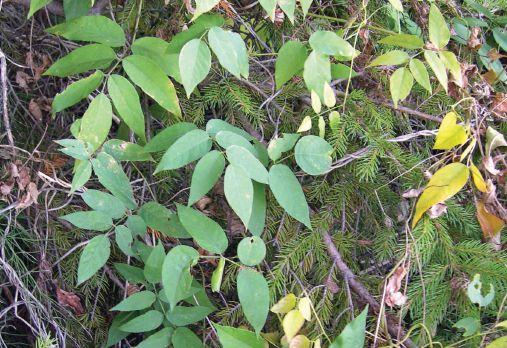
Apios americana (groundnut) is one of four wild legume species that Bromfield used as sources of nitrogen-fixing bacteria for possible use with Canadian soybean cultivars.
FARMING HAS ALWAYS BEEN A SERIES OF RISKS. LOSING HALF YOUR NITROGEN DOESN’T HAVE TO BE ONE OF THEM. When commodity prices decline, making smart decisions about your nitrogen investment is more critical than ever. AGROTAIN® nitrogen stabilizer protects your nitrogen, keeping it available to your plants to maximize performance and optimize yield potential. In fact, in corn trials conducted over a three-year period, AGROTAIN stabilizer increased yield an average of 20 bushels per acre compared to untreated urea.* Grow smarter with AGROTAIN. Consult with your retailer or visit AGROTAIN.com for additional information.
SOMETHING OLD, SOMETHING NEW
Are heirloom dry bean varieties better nitrogen fixers than modern varieties?
by Carolyn King
Acomparison of heirloom and modern dry bean varieties is revealing that some heirloom varieties could be good candidates for breeding dry beans with greater nitrogen-fixing capacity.
“Dry beans are commonly thought to be poor nitrogen fixers. Other forage and grain legume species can get over 80 or 90 per cent of their nitrogen from symbiosis with rhizobia bacteria. But beans usually fix less than half of their nitrogen,” says Jennifer Wilker, a PhD student in plant agriculture at the University of Guelph.
“So, to obtain a good bean yield every year, producers actually apply nitrogen fertilizer, instead of relying on symbiosis. If we could improve the nitrogen-fixing capacity in beans, then producers could reduce that fertilizer input and reduce those costs, and also reduce the risk of nitrogen losses to the environment.”
Wilker conducted the heirloom/modern comparison as one part of her PhD studies. “The overall goal of my PhD research is to explore the diversity for nitrogen fixation in dry beans, to determine the genes involved with the trait, and to identify genotypes that might be useful for breeding higher nitrogen-fixing varieties.” In the other part of her PhD research, Wilker is using a diverse set of 280 genotypes to investigate the genetics and genomics of nitrogen fixation in dry bean. She is conducting her PhD research with guidance from associate professor Alireza Navabi and professor Peter Pauls.
For the heirloom/modern study, the working hypothesis was that heirloom dry bean varieties might have higher nitrogen-fixing capacities than conventionally bred varieties.
Wilker explains, “The symbiotic relationship between beans and rhizobia is metabolically expensive for the host plant, and the symbiosis is really sensitive to external sources of nitrogen. So, if nitrogen is available in the soil, the symbiosis is reduced in favour of using that readily available soil nitrogen.
“In modern breeding programs, beans are maintained
throughout the growing season in just the same way as producers grow their crops, which includes applying nitrogen fertilizer. So, it may be that years and years of selection in breeding programs for performance under this adequate nitrogen environment, where symbiosis would be down-regulated, may have led to selection of bean genotypes that don’t have higher nitrogen-fixing capacities.
“Heirloom genotypes, on the other hand, have been maintained throughout the years, often by backyard enthusiasts or small seed companies, and they often encourage the use of rhizobia inoculants, which would encourage symbiosis. Beans under that production system would benefit from the ability to fix nitrogen from the atmosphere [through symbiosis], and perhaps would continue to carry on that trait from generation to generation.
“So, if beans had good nitrogen-fixing capacity historically, then that trait might have been maintained in heirloom varieties and selected against in modern varieties.”
To carry out the study, Wilker acquired 28 heirloom varieties, encompassing various market classes, from Canadian heirloom seed distributers. And, from the University of Guelph’s seed collection, she obtained 20 standard varieties that had been commercially released between the 1960s and 2015 and represented modern market classes.
Because the study’s heirloom group and modern group both included smaller- and larger-seeded types, Wilker was also able to make comparisons of the nitrogen-fixing capacities of these two size types. She explains that dry bean genotypes are classified into two major gene pools linked to seed size. Genotypes that were domesticated in South America are in the Andean gene pool and are larger-seeded. Genotypes domesticated in Central America or Mexico are in the Middle American gene pool and are smaller-seeded.
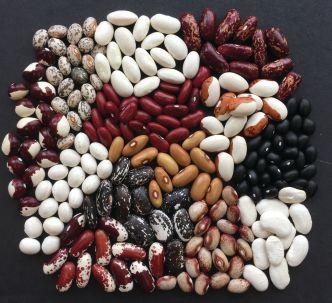
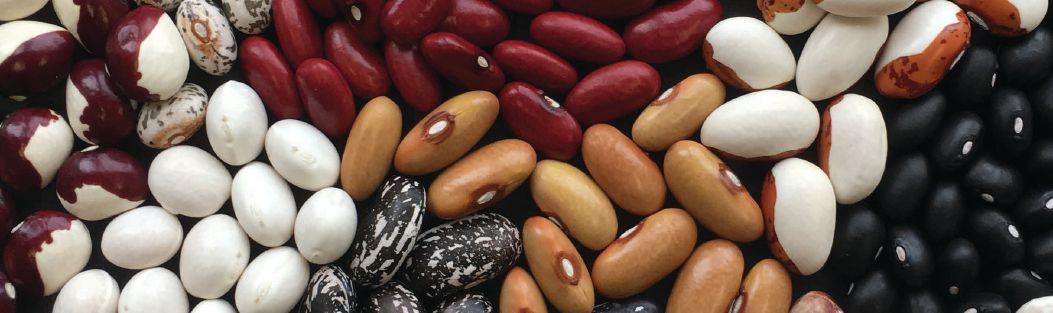
ABOVE: Some of the diversity in seed coat colour and seed size found among the heirloom varieties in Wilker’s study.
In addition to the 48 varieties, the study also included a mutant bean that doesn’t fix nitrogen because it doesn’t form root nodules with rhizobia bacteria. She says, “We used that mutant as our baseline for the nitrogen levels in the seed and compared all of the other varieties to it.”
The study, which started in 2014, was carried out over two field seasons at two Ontario field locations with low soil nitrogen levels: the Elora Research Station, and a farmer’s field near Belwood. The study team inoculated the beans with a rhizobial inoculant and didn’t add any nitrogen to the plots. They measured various agronomic characteristics such as days to flowering, days to maturity, 100-seed weight, and yield. They used isotope analysis to determine the nitrogen and carbon levels in the seeds, and they calculated the percentage of fixed nitrogen in the seeds. They also genotyped all the bean varieties and used that data to determine how closely the heirloom varieties were related to the modern ones.
Wilker is currently completing her PhD thesis and she has some interesting results from the heirloom/modern study. From the genetic analysis, she determined that the genotypes in this study are evenly represented between the larger-seeded Andean genotypes and the smaller-seeded Middle American genotypes. She also discovered
that the heirloom varieties do not all cluster together as a group of genotypes; instead, some are more closely related to modern varieties than others.
From the analysis of the field data, Wilker found that the amount of fixed nitrogen was positively correlated to days to flowering but not to yield. She suspects the lack of correlation to yield might be because the soil nitrogen level was so low in this particular study that the fixed nitrogen didn’t give enough of a boost to make a significant yield difference.
Looking at the nitrogen-fixing capacity of individual genotypes, she saw some variation in performance from year to year and environment to environment, as would be expected. “But, when we generate the rankings for individual genotypes [averaged across the study’s years and sites], we find that four of the top five genotypes are heirloom varieties. Also, four of the top five came from the Middle American gene pool,” she says.
So, individually, heirloom genotypes dominate the top results for nitrogenfixation capacity, which is in line with the study’s hypothesis. Wilker adds, “The highest heirloom nitrogen fixer was Coco Sophie, a round navy bean-like variety. The highest standard genotype was Hi N Line, a matte black bean, followed by OAC Inferno,
a recently developed light red kidney released by the University of Guelph.”
However, the heirloom group as a whole had a larger range in nitrogen-fixing capacity than the standard group. And when all the data for each group were averaged together, there was no significant difference in nitrogen fixation between the heirloom group and the standard group.
For the standard group, this finding suggests that the nitrogen-fixing trait is not being either selected for or selected against in modern breeding programs. Wilker speculates, “Perhaps the nitrogen-fixing trait is just being carried along [in each generation of plants]. And it may not be an either/or situation – perhaps the fact that the plants perform well with added nitrogen fertilizer doesn’t mean that they can’t also perform well with rhizobia.”
In addition, Wilker’s analysis showed that the smaller-seeded Middle American genotypes had higher nitrogen-fixing capacities than the larger-seeded Andean genotypes. She suspects there may be several reasons for this result; in particular, she notes that the Middle American gene pool has a much broader genetic background than the Andean gene pool, and the narrow Andean pool may not actually contain any particularly good nitrogen fixers.
In the other study for her PhD, Wilker found significant variation in nitrogen-fixing capacity among the 280 genotypes and identified some superior nitrogen fixers. She also identified regions of the bean genome associated with nitrogen fixation.
What do the results from her two studies mean for dry bean breeding? Wilker notes, “Varieties like Coco Sophie, Hi N Line, and OAC Inferno show promise for use in breeding programs to improve nitrogen-fixing capacity in dry bean varieties.”
More than that, she believes gaining a better understanding of nitrogen fixation from a genetic and genomic perspective will provide a valuable foundation for future efforts to improve this trait in dry bean. “Nitrogen fixation is controlled by many, many different genes. And each of the regions in the genome associated with nitrogen fixation might be contributing a small part of the plant’s nitrogen-fixation capacity. However, once the genes are identified and genetic markers are developed for them, breeders could screen their breeding materials for multiple markers at once. And that could result in a positive shift in nitrogen fixation in dry bean.”
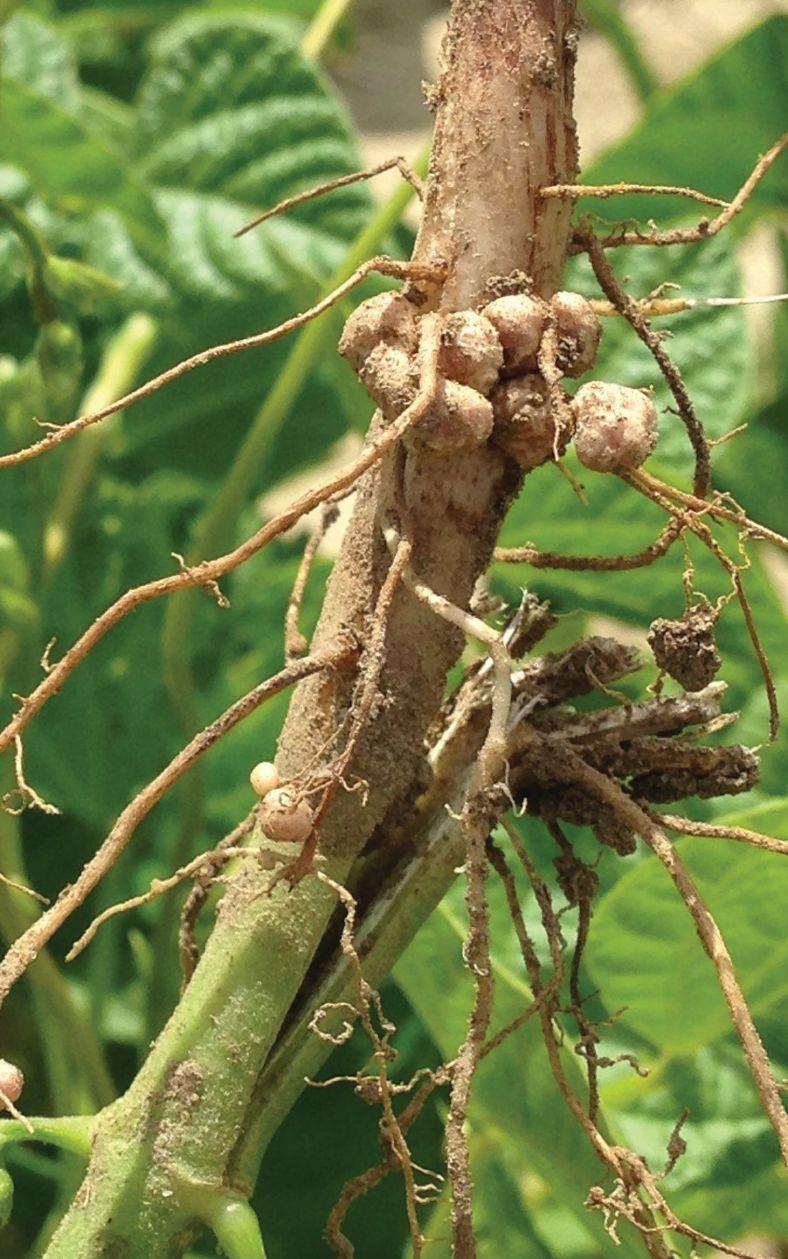
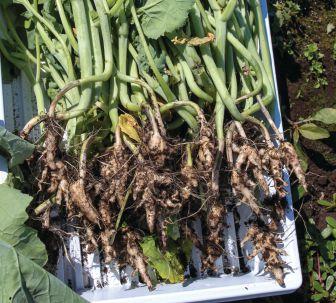
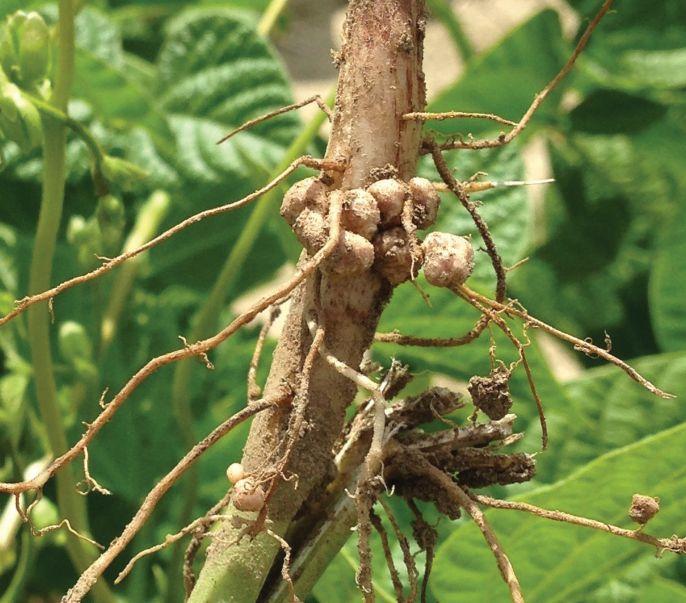
Dry beans usually get less than half of their nitrogen from symbiosis with rhizobia bacteria, which form nodules on their roots.
IMPACTS ON P LOSS
A study shows solid manure releases less phosphorus than liquid manure.
by Julienne Isaacs
Anew publication out of Agriculture and Agri-Food Canada’s (AAFC) Harrow Research Station shows that use of solid manure reduces particulate and total phosphorus (P) loss on tiledrained soil over time, compared to liquid manure and chemical fertilizer.
Tiequan Zhang, a research scientist focused on soil fertility and water quality, heads the long-term study with water management researcher Chin Tan in Woodslee, Ont. The paper, which was published in the Journal of Environmental Quality, includes data from 2008 to 2012, but the study continues, Zhang says.
“For this study the long-term aspect is really important because P dynamics and transformations in the soil with manure application is a very slow and cumulative process,” he says.
Funded through AAFC A-base funding, the study was designed to be as comprehensive as possible, looking at soil P cycling and losses within the whole ecosystem, so that Zhang and Chin can try to give a complete picture of impacts on crop production and water quality to farmers and regulators.
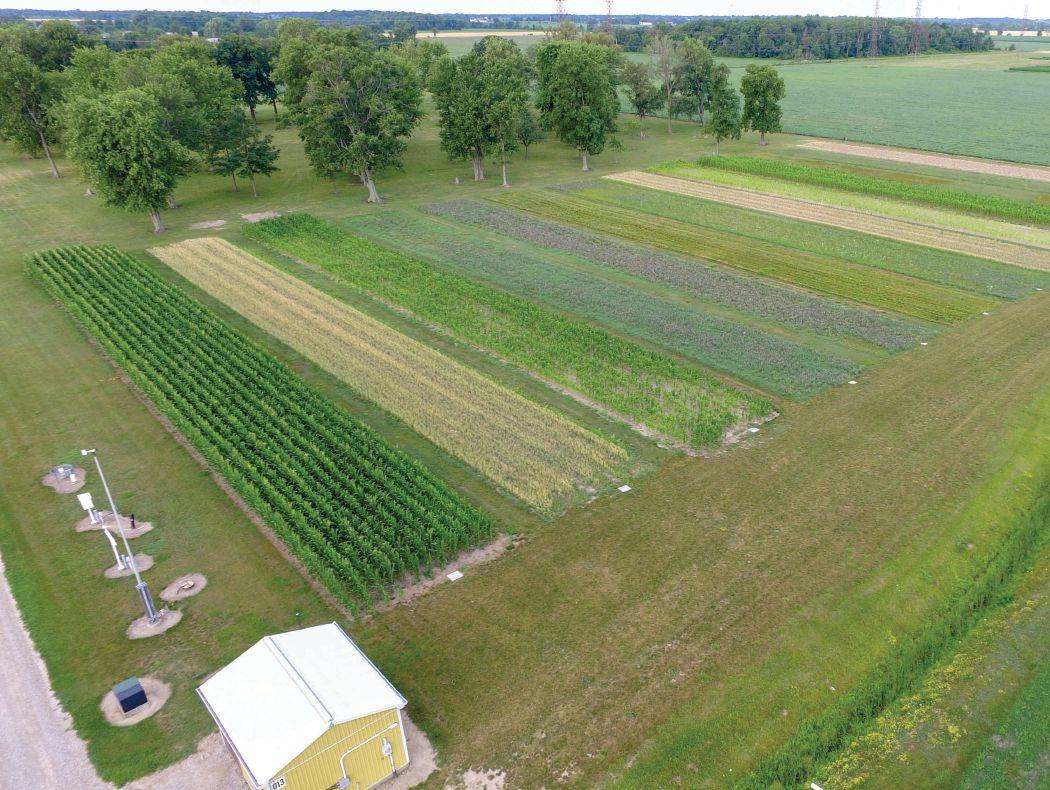
The experiment was set up in a randomized block design with two replicates. Treatments include combinations of two water
table management practices – free drainage versus controlled drainage with subirrigation – with four types of P fertilization: inorganic P fertilizer, liquid cattle manure, solid cattle manure, and soil P draw-down. A tile-drained buffer strip between each plot prevented contamination. Data on liquid and solid cattle manure with regular free drainage were reported in comparison with chemical fertilizer in the publication.
A corn-soybean rotation was planted on the plots. Tile water from each plot was delivered to a collection sump inside a monitoring station for automatic sampling and flow data collection.
According to Zhang, it is important to study a variety of types of manures, because producers use different types but also because each type of manure contains its own types of phosphorus.
“Phosphorus loss is driven by both the content and the form of the phosphorus,” he explains. “P loss can be different between liquid and solid manures, even though the same rates are applied.”
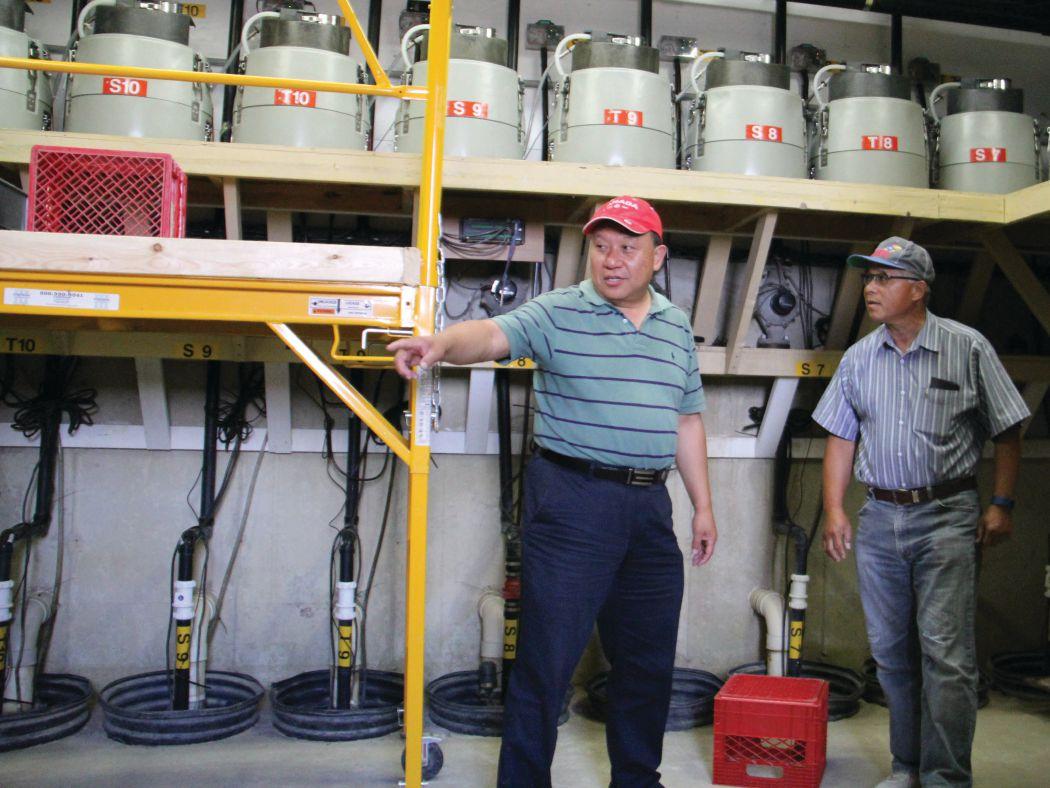
ABOVE: Tiequan Zhang (left) and Chin Tan (right) conduct semi-annual inspection for the auto-field water discharge monitoring and sampling systems. The state-of-the-art systems run continuously year-round with a back-up generator installed to ensure complete collection of quality data.
The researchers also applied the liquid, solid and chemical fertilizers based on P content, versus the conventional approach, which is to apply these fertilizers based on the crop’s nitrogen fertilizer needs – a practice that often results in over-applying P.
What they discovered at the end of the four-year period was that liquid manure increased dissolved reactive P loss immediately after application. But solid and liquid manure exhibited similar rates of dissolved P loss to IP fertilizer over the long-term. Liquid cattle manure and IP fertilizer showed roughly similar rates of particulate P loss during the four-year period, but solid manure reduced particulate P and total P loss over the long term.
Zhang says the results show solid cattle manure is preferable to reduce overall P losses. It’s also preferable for other reasons: solid manure has fewer pathogens than liquid manure, which means it’s safer for those applying it, and results in fewer pathogens and microorganisms making their way into water bodies.
If producers must use liquid cattle manure instead of solid cattle manure, there are methods to reduce P losses, such as applying
several days before rainfall events are expected and cultivating the soil immediately after application. “This helps the P react with the soil components, and losses will be reduced,” Zhang says.
While limiting P losses is common sense both from economical and environmental standpoints, it isn’t the law. Ontario’s Nutrient Management Act was passed in 2002, but hasn’t been enforced due to a lack of scientific data. Instead, it offers recommendations to limit P losses. Zhang’s research helps bolster the needed data, and it also offers support to the Fertilizer Institute’s conventionally accepted 4R approach (right source, right rate, right time, right place).
Such an approach is especially necessary in Ontario, where about 63 per cent of cropland is under tile drainage. “According to our research, P loss from tile drained fields accounts for up to 85 per cent of total P loss. Tile drainage is a major path of P losses.”
Because tile drainage is unavoidably part of agriculture in Ontario, producers should look to research to help them apply P at rates that benefit crops but limit harm to the environment.
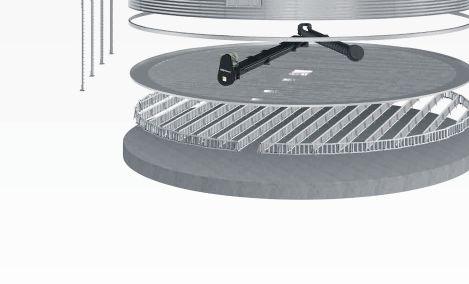
QUALITY TOP TO BOTTOM
ADVANCED CONTINUOUS ROOF ANGLE
15" ROUND GALVANIZED ROOF VENTS
SPIRAL STAIRCASE
WALK-IN-DOOR
EASYFLOW2 U-TROUGH UNLOAD SYSTEM
24" - 36" WIDE FILL CAP WITH REMOTE OPENER
4" WIDE CORRUGATION WITH G115 GALVANIZED STEEL
VARIABLE SECTION STIFFENERS (VSS)
CONTINUOUS BOTTOM RING ANGLE
LOCK-N-LOAD FLOOR SYSTEM
TERMINATING COVER CROPS
Proper termination of cover crops is critical to subsequent crop success.
by Trudy Kelly Forsythe
There’s no doubt cover crops provide an abundance of benefits for producers, including boosting soil health and improving crop performance. However, not all cover crops are created equally, especially when it comes to ensuring cover crops don’t become a weed in crop rotations.
Annual ryegrass is one of those cover crops. Kris McNaughton, a researcher at the University of Guelph in Ridgetown, Ont., says there are many reasons producers might choose annual ryegrass as a cover crop to overwinter.
“You can plant it early in the fall following a wheat crop and, if you get a good rain, it will establish quickly, develop a good fibrous root system that will hold soil over winter and help prevent erosion,” she says. “It’s also a good nitrogen scavenger.”
That said, she adds it can be problematic because it is challenging to kill the next spring.
“If you’re going to overwinter annual ryegrass, you need to kill it before you plant your next crop,” McNaughton says, explaining the best they were able to achieve in their research trials was a 95 to 96 per cent kill and that was with aggressive management. “It basically becomes a weed in the spring. It can develop 500 to 1,000 seeds and has a strong ability to develop resistance.”
Termination
There are a number of methods producers can use to terminate their cover crops, including winterkill, mechanical methods and herbicides. However, with annual ryegrass, McNaughton says none will be 100 per cent effective.
“Tillage can help control but you need to be prepared that you are still going to be spraying with Roundup and tank mix with a Group 1 herbicide,” she adds, explaining in some of their trials on timing to kill with glyphosate, they still had three plants survive, and as many as 50 per cent came up if there was a timely rain to cause regrowth.
While herbicides are the best option for terminating annual ryegrass, timing is critical. McNaughton recommends applying as early in the spring as you can, although there will still be regrowth.
“We applied on April 26 at the eight-inch stage just before first node as recommended and we needed a high rate, 1,800 grams of active ingredient per hectare, and we still needed to tank mix with another mode of action,” she says. “You need to make sure it’s dead. We find the base of the plant doesn’t die off.”
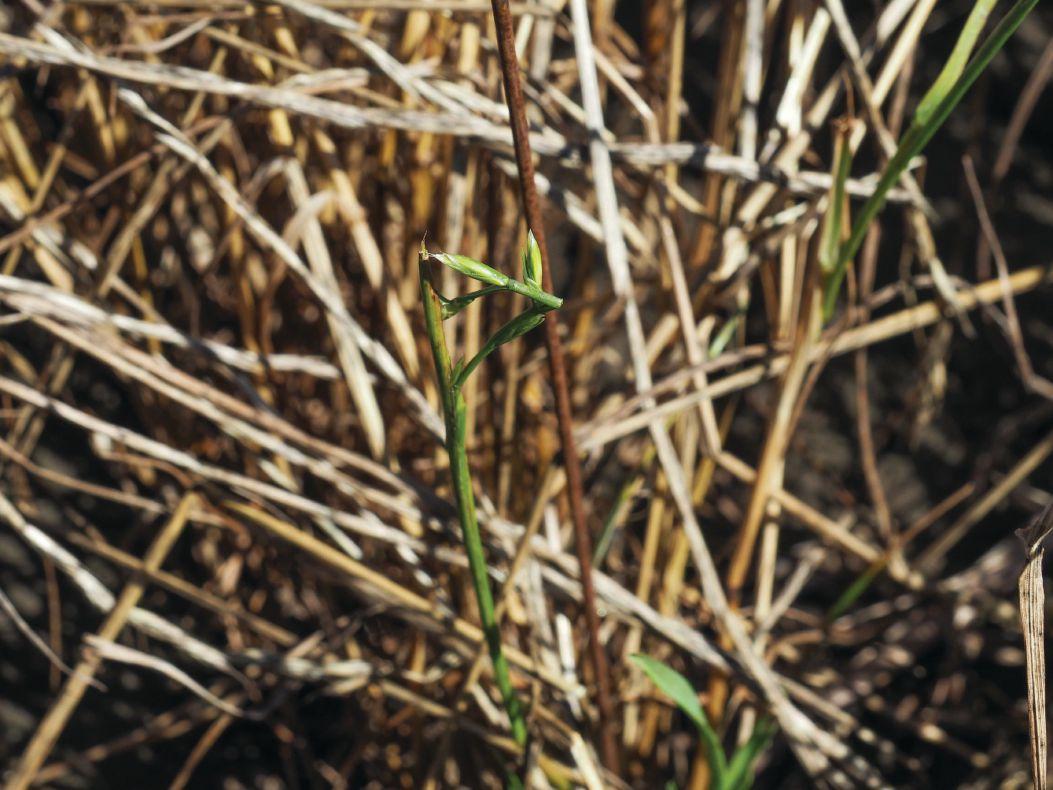
ABOVE: Glyphosate plus Eragon were sprayed at this plot on May 29. As of July 7, just a few annual ryegrass seeds had survived application.
Other options
McNaughton says cereal rye is a better option for a cover crop if a producer is looking to add overwintering. This is because it has advantages similar to annual ryegrass but is easier to terminate in the spring with lower rates of glyphosate alone.
“We can kill it with a mid-rate glyphosate application at 1,350 grams of active ingredient per hectare,” she says. “That rate
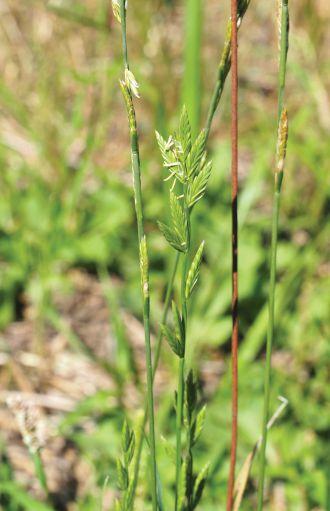
LEFT: Even when you are trying to terminate and do everything correctly, annual ryegrass can still survive herbicide application and set seed, according to McNaughton. On this plant, glyphosate was applied in the fall (Nov. 7) and the surviving plant is seed and pollinating (photo taken July 7).
will kill and there won’t be any regrowth.”
Cereal rye is not as set on timing either.
“When you apply depends on how much residue you want left in the field when you plant,” McNaughton says. “It will depend on your planter; if your planter can handle more residue then you can terminate the cereal rye later in the spring and closer to when you will be planting your crop.”
Cereal rye can also provide allopathic weed control.
“It naturally suppresses weeds we want to control later on,” McNaughton says.
One example of this is trials in Oxford County and Norfolk County, where researchers looked at different management practices to control Canada fleabane. They saw no Canada fleabane growing anywhere they planted cereal rye in the fall. This was regardless of herbicide or tillage treatment they also used.
Other options include red clover and crimson clover. Both overwinter well, are efficient nitrogen fixers, improve soil health and protect against erosion.
But, says McNaughton, there are still some issues with killing. “You get better control if you spray early and tank mix the glyphosate with a Group 4 herbicide like dicamba.”
A better fit for annual ryegrass
McNaughton says annual ryegrass still has its place as a cover crop.
“Annual ryegrass is a better fit if you’re interseeding between corn rows mid-season,” she says, explaining this is because it handles shading better than several cover crops. As a result, it will survive between the corn crop rows and still develop a root system that will help amend the soil. “It tends to produce fewer seeds with the corn shading so you don’t see the return to the soil seed bank.”
PESTS AND DISEASES
TACKLING A TOUGH ENEMY
Innovative Ontario research for clubroot management in canola.
by Carolyn King
First detected in Ontario canola in 2016, clubroot is an increasing concern for the province’s canola growers. A University of Guelph research group is a key player in Canadian research to manage this devastating disease and is advancing knowledge about Ontario’s clubroot situation.
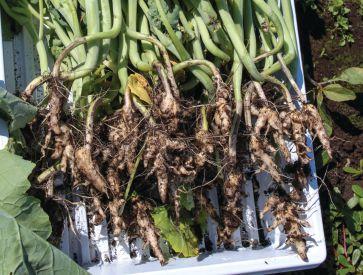
The clubroot pathogen, Plasmodiophora brassicae, infects Brassica plants including crops like canola, cabbage and broccoli. Brassica roots release substances that stimulate the pathogen’s soil-borne resting spores to germinate and form zoospores. The zoospores swim through soil water to the roots and enter the root hairs to begin the infection process. The infection causes clubs to form on the roots – the clearest symptom of the disease. The clubs stop water and nutrients from flowing up into the rest of the plant, and that results in yellowing, wilting, and premature ripening and death of the plant.
Yield loss from clubroot can reach 100 per cent with susceptible canola cultivars in heavily infested fields. The clubs on a single infected root can produce millions of resting spores. When the clubs
decay, those resting spores remain in the soil, ready and waiting for the next host crop.
Clubroot is spread mainly by infested soil on field equipment, so the disease typically starts at field entrances. But infested soil can also be carried on vehicles, tools or boots, or be moved by water or wind erosion.
Soil surveys by the Ontario Ministry of Agriculture, Food and Rural Affairs (OMAFRA) in 2016 and 2017 found clubroot-positive fields scattered across the province’s canola-growing region. Wet conditions in the spring and summer of 2017 favoured development of the disease, and yield losses occurred in affected fields.
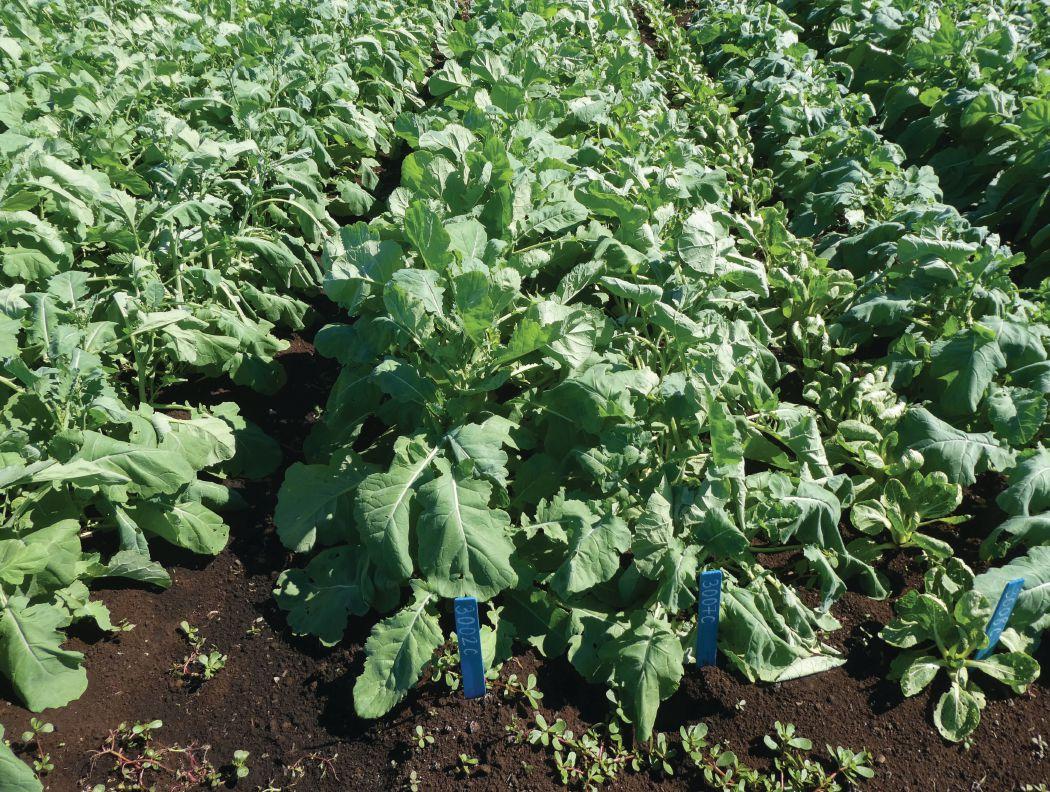
TOP: In this trial to assess clubroot resistance in some Ontario canola cultivars, the wilting in several of these cultivars is an indication of clubroot infection, which was confirmed by checking the roots for clubs.
INSET: In McDonald's plots, growing canola plants with resistance to clubroot pathotype 6 for several years resulted in the emergence of pathotype 2, which causes the disease in canola.
PHOTOS COURTESY OF MARY RUTH MCDONALD.
TOP CROP MANAGER
Mary Ruth McDonald, a professor in the department of plant agriculture at the University of Guelph, has been investigating clubroot on canola and Brassica vegetables for many years. One aspect of her group’s current work is to conduct the time-consuming process of determining the clubroot pathotypes, or strains, in the samples collected by OMAFRA.
Identifying the pathotype is important because different pathotypes have different host preferences and different levels of virulence on those hosts. Clubroot has actually been in Ontario since at least the 1920s, but the province’s main strain, pathotype 6, prefers vegetable hosts. McDonald notes, “For a long time in Ontario, the only pathotype found on vegetables was pathotype 6. So no one, including my group, was looking at the pathotypes until clubroot showed up on canola and it was a different pathotype – pathotype 2.”
McDonald’s group is now pathotyping Ontario clubroot samples from canola and vegetables. Pathotype 2 is known to attack canola; it is a common pathotype in Quebec canola fields that have been tested for the pathogen. So far, her group has identified pathotypes 6 and 2 on vegetables, and pathotype 2 on canola. They have also found possible detections of pathotypes 5 and 8, and they are re-testing those samples to confirm the pathotypes. Pathotypes 5 and 8 are both known to cause clubroot on canola in other regions of Canada, but, if confirmed, this would be the first time they have been detected in Ontario.
Many of the clubroot-resistant canola cultivars available in Canada have resistance to pathotypes 2, 3, 5, 6 and 8. Resistant cultivars are the cornerstone of clubroot management strategies. But one of the scary things about the pathogen is its ability to rapidly overcome resistance genes.
McDonald has seen this rapid adaptation first-hand. “At the Muck Crops Research Station [MCRS], where we do most of this work, we noticed that some of the canola cultivars that were resistant in 2011 were forming clubroot clubs in 2014. When we tested these new clubs, we found the pathotype had changed from 6 to 2,” she explains.
“We think this change occurred because we have been doing so much research on canola at this research station. A lot of the canola lines were resistant or partially resistant to pathotype 6, so by growing these lines we think we selected for a new pathotype, just the same way that growers in Alberta [where clubroot has been a major issue for over a decade] were growing clubroot-resistant canola for a few years and then a new pathotype developed that could overcome that resistance.”
McDonald emphasizes, “What we saw at the research station is very consistent with what other researchers have been finding: by growing a clubroot-resistant cultivar between two and four times in the same field, you can select for a new pathotype.” This is one of the reasons why crop rotation is such an important part of clubroot management: it is crucial to maintaining the effectiveness of resistant cultivars.
McDonald’s group is currently conducting a trial to assess the level of clubroot resistance in some canola cultivars that are commonly grown in Ontario. Early indications are that some of them are very susceptible while others are quite resistant.
For a number of years, McDonald has been collaborating with researchers in Western Canada to explore possible practices to manage clubroot. Some of their studies focus on how to reduce small patches of clubroot, whether it’s the first time the pathogen has shown up in a field or it’s a new pathotype emerging in a field after a resistant cultivar has been grown there for a few years.
McDonald is testing Ontario canola cultivars for clubroot resistance; wilted, clubroot-susceptible cultivars are in the foreground, and clubroot-resistant cultivars are behind.
One intriguing patch management study at the MCRS is looking at the effects of grass cover crops on resting spore numbers. Some growers already use grass cover crops on clubroot-infested field entrances to prevent the movement of infested soil, but the initial results from the study’s first year in 2017 suggest a grass cover crop might actually help reduce the number of resting spores.
“The root exudates from the grasses stimulate the germination of the resting spores [thereby reducing the number of existing resting spores]. Although the zoospores can infect the grass’s root hairs, they can’t go any further [in the infection process], so the grasses never develop clubs and don’t add any new resting spores to the soil.”
In 2017, the study involved a greenhouse trial. In 2018, the researchers are conducting a field trial and extensive greenhouse trials to see whether they can validate the 2017 results. McDonald says, “We are very excited about this direction of research, but a year from now we should have much more definitive information on this approach.”
In a related trial, the researchers are assessing the impacts of combining different kinds of lime with the grass cover crops, because the pathogen prefers acidic soils. One of their other patch management trials involves covering infested patches with plastic so the soil will heat up during the summer; they want to see if high soil temperatures affect the resting spores.
In addition, McDonald’s group is evaluating the effects of rotational crops like spring wheat and field pea to see if some crops are better than others at reducing resting spore concentrations.
Another research focus of McDonald and her colleagues is the potential use of beneficial microbes to help manage clubroot. “A number of years ago we looked at a fungus called Heteroconium that colonizes within the roots of Brassica plants. More recently we looked at two commercial biological controls, one a bacterium and one a fungus. With all three, we found the microbes give some suppression of the disease when the clubroot inoculum concentration is relatively low, but they don’t reduce the disease when the inoculum concentrations are high,” notes McDonald.
“More recently we have been testing a fungus called Piriformospora Janus Zwiazek at the University of Alberta is investigating this fungus [as a way to provide various benefits to canola crops such as increased tolerance of environmental stresses]. If this fungus could eventually be registered as a product for use on canola to have other beneficial effects, we wanted to be able to tell growers whether or not it would help reduce clubroot. However, once again, we saw some reduction in the disease at low to moderate concentrations of the pathogen, but
we didn’t see any difference at high levels of the pathogen.”
McDonald and her colleagues have conducted various studies on the pathogen’s biology, which are helping to inform strategies for managing the disease.
For instance, the results from their research on temperature thresholds for the pathogen’s development have implications for canola seeding dates. “The pathogen doesn’t really get started on its development until the temperature reaches about 14 C, but canola seed will germinate and the plants will start to grow at temperatures well below 10 C. So, if the plants grow at those cooler temperatures, the roots won’t get infected. And if the roots of a larger plant get infected with clubroot, the disease doesn’t have quite as devastating an effect on the plant,” explains McDonald.
“A few observational studies in the past had suggested that early seeding helps with clubroot management, but we did replicated field trials with various seeding dates, from early spring until the middle of June when the soils were much warmer. We found that it is definitely worthwhile to seed canola as early as you can, taking into
consideration the risk that frost might still occur.” She adds, “There are lots of good reasons to seed canola early, and clubroot management is one more.”
In a field and greenhouse study, the researchers investigated the energy cost to clubroot-resistant plants of fighting off clubroot infections. “Clubroot-resistant canola is impressive – you can grow the plants in a field with high levels clubroot resting spores and you get no clubs developed at all. And it’s very important to choose a resistant cultivar when you have a clubroot infestation because you’ll get a crop. But when you have high levels of resting spores in the soil, the resistant cultivar’s yield is reduced a small amount, maybe just 5 or 10 per cent, in a whole field [because it takes some energy for the plant defend itself from the pathogen],” McDonald says. “This tells us is that, even when you’ve got effective clubroot resistance in your cultivars, you still have a good reason to follow the recommended practices, such as crop rotation, to reduce the resting spore concentration in the soil.”
As well, her group is examining partial resistance to clubroot in canola. She notes, “We are interested in how partial resistance
develops in the plant and whether genes for partial resistance can be stacked with some other resistance genes to make resistance last longer because the breakdown of clubroot resistance in two to four years is a serious problem for everybody.”
Over the past five years, almost all of McDonald’s clubroot research was funded in conjunction with collaborators in western Canada, with funding from Agriculture and Agri-Food Canada (AAFC), the Canola Council of Canada (CCC) and provincial canola grower groups in western Canada, through the Growing Forward 2 program. In particular, she has been working closely with researchers at AAFC in Saskatoon, and she also talks frequently with clubroot researchers at Alberta Agriculture and Forestry and the University of Alberta. Recently, McDonald received funding from the OMAFRA-University of Guelph funding program for research that is more focused on clubroot in Ontario. In addition, she and her AAFC colleagues have applied through the CCC to the new Canadian Agricultural Partnership program to hopefully obtain funding for the next five years of clubroot research.
COMMUNITY HEROES IN THE MAKING
It’s the little things
that
make a big difference. Recycle your jugs and bags and lead the way for the next generation. cleanfarms.ca
SCALE-UP AND VALIDATION OF A QUICK LOW-COST TEST FOR MYCOTOXINS
A quick and inexpensive visual test will help everyone along the supply chain make better decisions and save money.
by Donna Fleury
Cereal grains and other major food crops can become contaminated with mycotoxins, which are naturally occurring toxins produced by mold that grow in certain conditions. Some of the mycotoxins familiar to the grains industry include Ochratoxin A, Deoxynivalenol (DON) and others, which are not only regulatory and international trade concerns, but also potential health issues. Mycotoxins can develop at various crop stages, pre-harvest, harvest and in storage, but cannot be detected visually and have no taste or smell.
Recognizing that testing crops and foods to ensure low levels of mycotoxins is a difficult and often expensive undertaking in laboratories, industry is looking for simple, inexpensive tools to detect and screen for mycotoxins. Maria DeRosa, professor and research scientist at Carleton University, is leading a research project developing quick low-cost tests for mycotoxins that could be used at the farm or grain elevator with minimal training or resources. In particular she is working on a prototype to test for Ochratoxin A (OTA), one of the most abundant food-contaminating mycotoxins, which is found in cereals and cereal derived products, as well as other commodities including coffee, cocoa, wine and spices. This mycotoxin can cause health problems in humans and animals, such as kidney damage and potential human carcinogenicity.
"In previous research, we were working on developing small nanoparticle-based detectors for use in testing for health parameters for cancer, blood sampling and other factors," DeRosa explains. "We discovered various aptamers, which are small pieces of DNA that are good at recognizing and sticking or binding to target molecules even when they are in a sea of other competing materials. We have identified specific aptamers that are able to quickly recognize and bind to targets such as drugs, proteins, toxins and other factors. This property has been used in a range of sensing applications, including detection based on fluorescence, polarization, energy transfer, and colour change. They can also be used as receptors in diagnostics and sensor devices, which led us down the path to develop a tool to detect mycotoxins in crops, food or even in blood samples."
DeRosa's first mycotoxin project focused specifically on OTA mycotoxin in agriculture crops, with the goal to try and develop an inexpensive but robust method of detection. A search through
millions of pieces of different DNA resulted in successfully finding an aptamer that would stick to OTA. Using nanotechnology and different particles that glow or change color depending on the environment, researchers were able to determine this technology would work for the detection of OTAs. Metal nanoparticle based colorimetric assays have received considerable attention due to the low cost, simplicity and convenience of these methods. "Having developed a prototype, our current three-year project is focused on scale-up and validation of this detection or myco -
Professor Maria DeRosa working in her Carleton University lab.
toxin test strip technology," DeRosa says. “We have narrowed down what we think is the best way to make these tests, and have developed two different test strip approaches or assays using gold or silver nanoparticle-based detection using the OTA aptamer. Similar to a pregnancy test method, the test strip changes color if the
real field samples. We are collaborating with another researcher who is working on a different OTA project with a collection of wheat and corn grain samples from multiple locations, and validating our test strip using these large batch, field scale samples. By the end of this final year of the current project, these
“Our goal is the use science to design a detection system that can make food more affordable and help farmers in Canada, at the same time as save lives in other parts of the world."
results are positive. For example, a grain elevator sample may be able to be developed from the grain dust as a load of grain is being dumped, with a drop of water and then put on the test strip to look for a color change. Both methods are inexpensive, simple, rapid to perform and produce results visible to the naked-eye."
The next step was to develop a costeffective method to scale-up the technology and produce large batches of the test kits. Equipment has recently been put in place at the university to reliably reproduce hundreds of the test kits at a time. “With scalable test kit technology in place, we are now ready to go beyond lab samples and validate the test strips on
results will provide a go or no-go decision to our research. We are optimistic that this test strip technology will work on these field samples, but the results of these trials will help us find out for sure."
If the results are a “go” decision, DeRosa anticipates engaging in another project in 2019 to move outside of the lab completely and into the field in grain elevators and on farms. This will provide the opportunity to validate how user-friendly the technology is outside of a controlled lab and its capability under different environments and uses. “If we are successful, then we really have developed a test kit or tool that will help farmers and the entire supply chain,” DeRosa adds. “A quick and
inexpensive visual test will help everyone along the supply chain make better decisions and save money. The test strips are expected to be able to be used at different stages along the supply chain from raw materials to food products, and possibly even consumers. Although the test strips will help with monitoring, screening and general decision-making, they will not completely replace expensive laboratory testing that may still be required on questionable samples or in specific situations."
Other potential advancements to the test strips could include improving the sensitivity of the test strips to be able to detect specific levels of mycotoxin contamination. DeRosa has also been in discussion with computer scientists about the potential for developing an app that could provide more advanced visual assessment beyond what the human eye is able to see. She is also looking at extending the technology to other mycotoxins of concern, or perhaps even test kits or other tools that could identify multiple toxins at one time in specific commodities. The goal is to design a versatile system that can be used to develop multiple tools and technology to address industry problems in the field.
"So far through our research, we have learned how to identify the right aptamers, how to put these test strips together, which nano particles work best and strategies for detecting OTA," DeRosa says.
"Therefore, it shouldn’t take us as long to apply the technology platform to other mycotoxins in the future, such as Aflatoxin B1, Zearalenone and Deoxynivalenol (DON). This will also help industry be better prepared for potential new mycotoxins or other threats that may move in as a result of climate change or other factors. We have also developed a scalable manufacturing process for the test kit technology, which we expect can be moved out to commercial production in the near future. Our goal is the use science to design a detection system that can make food more affordable and help farmers in Canada, at the same time as save lives in other parts of the world."
The research has been funded by the Western Grains Research Foundation (WGRF), Alberta Wheat Commission (AWC), Saskatchewan Wheat Development Commission (SWDC) and Natural Sciences and Engineering Research Council of Canada (NSERC).
Students in the lab setting up to make the aptamer on a DNA synthesizer.
DIVERSIFYING ROTATIONS
Modeling study shows diverse rotations result in high corn yields.
by Julienne Isaacs
Anew computer modeling study shows that corn yields improved under diversified rotations versus corn grown in monoculture.
The study, funded by OMAFRA’s New Directions program in collaboration with Agriculture and Agri-Food Canada (AAFC), looked at the effectiveness of the DeNitrificationDeComposition (DNDC) model in capturing the beneficial impacts of diversified cropping systems over time.
University of Guelph professor Claudia Wagner-Riddle, who led the study along with her colleague Marek Jarecki in the school of environmental sciences, says the study used data from two long-term trials with contrasting soil types: a 35-year trial at Elora and a 57-year trial at Woodslee.
“Our objective was to test the ability of the DNDC model to predict changes in yield as well as soil organic carbon, and to be able to do that you need long-term plots,” Wagner-Riddle says.
“The typical approach is to run the model using existing data and compare it to the results that you obtained in the trials to get confidence that what the model is predicting is close to the truth,” she explains. “We picked these two sites because we were interested in studying the long-term effects of diversified rotations.”
The long-term trial at Woodslee is supervised by AAFC researcher Craig Drury while the trial at Elora is supervised by University of Guelph researcher Bill Deen.
According to Drury, modeling work like Wagner-Riddle’s is indirectly invaluable to Ontario producers.
“The reality is that research is very expensive and we can’t look at all things at all times,” he says. “Soils and climate varies, and crops change depending on economics. That’s where models like DNDC come into play, because if we can validate a model like in this paper, then you can use the model to start doing the what-if scenarios.”
Wagner-Riddle says studies that consider climate impacts in the future are especially important in helping to make cropping systems more resilient to extreme weather events.
She says the climate community has created scenarios that consider possible climate situations in the future. These are called representative concentration pathways, or RCPs, and they take into account three possibilities: that nations around the world don’t reduce fossil fuel use and C02 levels reach very high concentrations; that concentrations stay at a medium level; and that concentrations hit a low level.
ABOVE: The long-term rotation trial at Woodslee, Ont. has yielded a goldmine of data.
Using data from the two long-term studies, Wagner-Riddle’s team first validated the model and then projected it into the future, ending at the year 2100, to explore how monocropping and diversified rotations, respectively, responded to these different RCPs.
What they found, says Wagner-Riddle, was that diversified rotations were more resilient to climate change. “They were able to deal with climate change and yields increased, while in the simple rotations, yield stagnated due to water effects,” she says.
Long-term trends
Drury says the trial at Woodslee has generated “an absolute goldmine” of data.
The study involves 12 treatments, he says, with half of these fertilized and half left unfertilized; plots include continuous corn or a four-year rotation with corn: corn-oats-alfalfa-alfalfa (with the alfalfa underseeded to the oats in the third year).
“Those plots have been in place for a lot of years and the treatments have been maintained, along with the fertilization, but there have been gradual changes in the management of these treatments to reflect current practice,” says Drury. “When it started, the seeding rate was a lot lower than it is now and row spacing was quite a bit wider. Over the years, as new corn varieties come out, we’ve changed to more productive varieties, and we use current planting rates and row spacing.”
He says that in the continuous corn treatments the soil has degraded over time, and researchers have observed many other problems. In a good year, the crop reaches about knee-high. Yields have remained flat for these plots, he says, because researchers have introduced better varieties over time.
“In contrast, in the rotation treatments, the soil quality is so much better than continuous cropping, such that the yields have generally increased over time, and the soil properties are improved – higher
carbon levels, improved physical properties, better drainage, improved water holding capacity,” he says.
Over a 57-year period, average yields in the continuous corn (fertilized) are roughly 95.2 bushels per acre (bu/ac), and average yields in continuous corn (unfertilized) are roughly 21.7 bu/ac.
But yields in the fertilized, rotated plots reach 131 bu/ac on average.
Averages calculated based on eight years of data from 2008 to 2015, reflecting current population rates and row spacing, show that typical yields for fertilized, rotated plots reach 158.9 bu/ac versus 103.3 bu/ac for fertilized continuous corn plots.
Drury says the improved yields and soils in the diversified rotations stem in part from the use of cover crops in the “shoulder seasons” –spring before planting and fall after harvest – and that the inclusion of a cover crop or winter cereal crop in the rotation, such as winter wheat, can make a big difference.
Long term impacts can be seen from these studies, but what about the short-term, in which farmers make decisions based on practical factors and return on investment?
Wagner-Riddle is working on another modeling study looking at the short-term effects of a diversified rotation, including effects on yield, soil organic carbon, nitrous oxide emissions and water quality.
But data already exists showing real benefits to diversified rotations.
Drury is the lead on another study looking at continuous cropping with corn, soy or winter wheat, or two-, three- or four-year rotations with either winter wheat, or winter wheat and a red clover cover crop.
“From a yield perspective we can see that yields do fare quite a bit better for diverse rotations, especially those that include winter wheat and particular winter wheat plus a cover crop,” he says. “These soils are more resilient, able to withstand drought conditions or excess rain.”
HOW DO WEEDS SPREAD?
More than herbicide resistance is at play in the battle against weeds.
by Trudy Kelly Forsythe
You’ve scouted and know what weeds are present in your fields. You’ve paid attention to what weeds are prevalent in your region. And you’ve used an integrated management strategy that combines treating with the recommended modes of actions and using cultural practices like planting clean seed, controlling weeds along field edges and tilling to discourage weed germination.
Yet weeds keep popping up and considering that the list of herbicide-resistant weeds is growing, and many have become resistant to more than one mode of action, it’s natural to want to blame herbicide resistance. Dave Bilyea, a weed technician with the University of Guelph’s Ridgetown Campus, wants producers to think again.
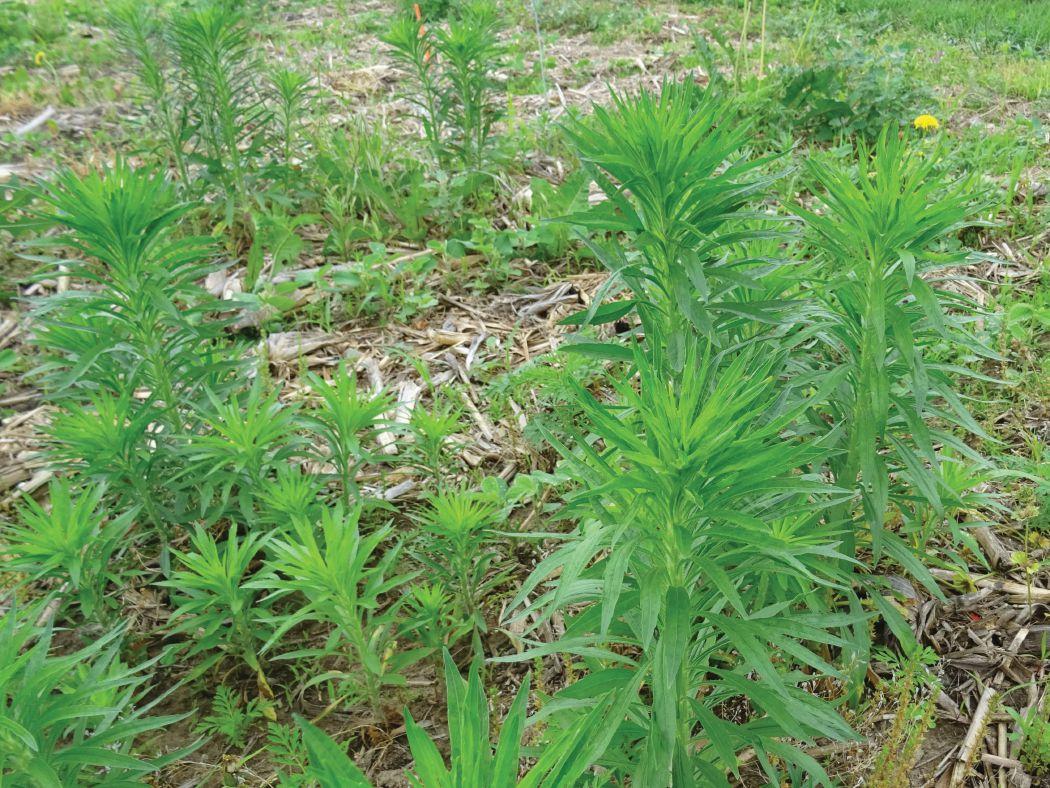
“Weeds are successful, but it’s not just because they are herbicide resistant,” says Bilyea, who was involved in research to look at every weed on the most recent list of herbicide-resistant weed species in Ontario. “They all have particular mechanisms that enable them to spread efficiently.”
How weeds spread
Weeds typically have exceptional root systems that dig deep and are resilient when it comes to damage from tilling, weeding and other
termination processes. They can also produce thousands of seeds per plant. For example, lamb’s-quarters – which was found to be one of the worst weeds in Ontario, according to an online survey of farmers conducted in 2016 – can produce up to 75,000 seeds per plant.
While the biggest culprit for spreading weeds is the wind, there are other common ways weeds may introduce themselves to a new location. These include being transferred via waterways as well as by wildlife, livestock and even farm equipment.
“Just because weeds are herbicide resistant doesn’t mean that’s the only reason weeds are still present,” Bilyea says. “There are other factors that allow these weeds to spread.”
Birds of a feather
Some of them make sense, such as waterfowl spreading Palmer amaranth – a member of the waterhemp and pigweed families that has been causing grief in the United States because it is resistant to Groups 2, 3, 5, 9 and 14 herbicides. It grows to 10 feet in height and produces up to 500,000 pepper grain-sized seeds per plant.
“Palmer amaranth is a desert weed that saw a lot of spread
ABOVE: Dave Bilyea is working to determine how weeds like Canada fleabane spread from field to field.
inadvertently by humans,” Bilyea says, explaining the first infestation was from cotton fed to cattle that spread it. “Now it is one of the worst weeds for all agronomic crops in the U.S.”
And when farmers in Missouri discovered it in their fields after ducks and geese had wintered there, weed scientists at the University of Missouri were approached to look into it. They conducted a two-phase project, first to determine what weed species the waterfowl were consuming and then to see how long it took the seeds to travel through the birds’ digestive systems.
“It’s theoretical at this point, but because they are migratory, these birds can move the seed further,” Bilyea says.
The research supports the theory, finding that waterfowl consume a variety of weed seed throughout Missouri, with ducks consuming a larger variety than snow geese. While the majority of seed recovery occurred between four and 16 hours, five weed species, including Palmer amaranth, were recovered 36 to 48 hours after consumption.
As a result, the waterfowl have the potential to spread Palmer amaranth from states bordering Ontario into the province.
Earthworm collections
Other methods of travel are a little more surprising. One example comes from Ohio State University’s research on earthworms burying giant ragweed seeds.
“It is not clear what they are doing with them, but they seem to prefer giant ragweed seed,” Bilyea says. “They are not eating them but burrowing down and planting them so there will always be populations nearby because of this.”
By tying thread to the ragweed seeds to see how far down the worms took them, researchers found seeds were buried between 0.5 and 22 centimetres deep. Most were buried in the upper 10 centimetres of the soil, the depth limit from which giant ragweed seedlings can emerge. Below that and the seeds tend to remain dormant. As for quantity, the researchers determined that in one square foot of soil, three to four earthworms could bury 500 ragweed seeds.
“It’s why ragweed is so prevalent,” Bilyea says, explaining greater than 60 per cent of the seeds may emerge from the worm burrows.
That can pose a problem considering giant ragweed, which is now resistant to Groups 2 and 9 herbicides, can grow as high as 13 feet and produce thousands of seeds per plant.
Be aware
Bilyea says he does not want to alarm farmers about these threats, but he does believe they should be aware that weed seeds can be spread in nonconventional ways.
“We have waterhemp here in Ontario and we are trying to manage it as best we can,” he says. “Palmer amaranth, to this point, no one has found in Ontario.”
He encourages farmers to look around, do weed identification and if they see something different, report it.
“It’s all about scouting,” Bilyea says. “Be diligent in scouting, and not just in fields, but also around small ponds and in provincial parks where populations can start.
“It’s important to have people looking,” he adds. “If we can find small populations, we can do something about them. Scouting is important.”
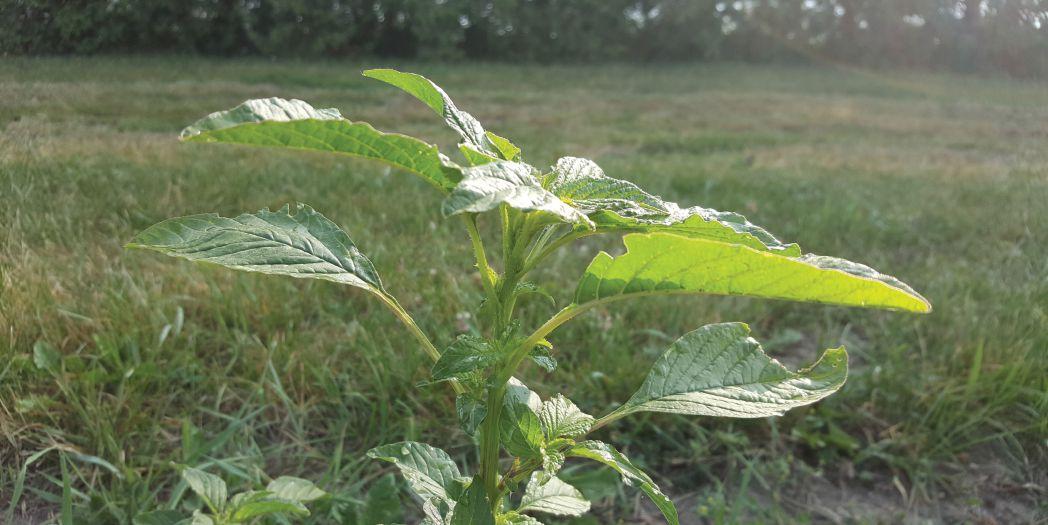
Green pigweed can produce as many as 100,000 seeds per plant.
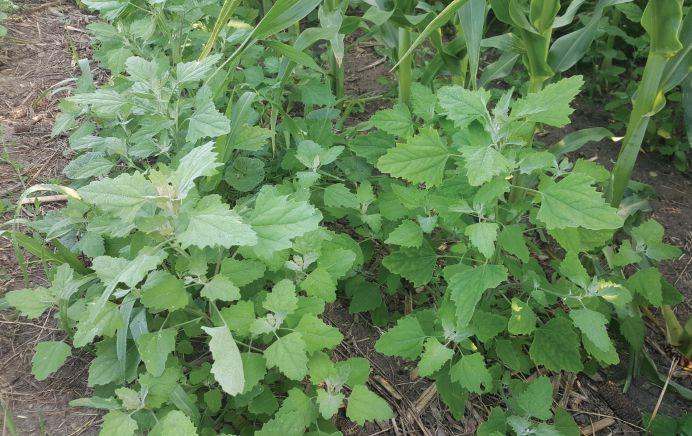
Lamb's-quarters – one of Ontario's worst weeds – can produce up to 75,000 seeds per plant.
Let’s Grow Together
To Our Valued Customers and Partners
With harvest in full swing, we know this is a busy time of year for all of us in agriculture. At Bayer, this season also brings an historic milestone that will help us achieve even more together as we look toward our collective future. I’d like to take this opportunity to tell you about it.
Growth – both on the farm and in our industry – requires a steady stream of new innovation. This can only be driven by ground-breaking R&D aimed at nding new solutions to the challenges you face in your elds every day. We are con dent we can help make a difference.
Our recent acquisition of Monsanto combines our 150-year history of innovation and service excellence with Monsanto’s portfolio of seeds, traits and data science. To say we are excited about the future would be an understatement.
To our Canadian growers: Everything we do, including this acquisition, is built around helping you improve your operation. Your success is our success; it’s that simple. And we will continue to work hard in the months and years ahead to earn – and keep – your business.
To our stakeholders across the industry: We won’t be successful unless you are equipped with the knowledge and support you need to keep serving the growers who depend on you in the way they’ve come to expect. You are a critical link in the support system that growers trust, and we are committed to our relationship.
These are truly transformational times in our industry, but we are here to listen, answer your questions, and develop a path forward together. This is how Bayer does business.
If you have questions related to a product remaining in the Bayer or Monsanto portfolio, your regular Bayer or Monsanto contact will be happy to help you. You can also nd more information at AdvancingTogether.com
We appreciate your hard work producing crops for the bene t of consumers around the world. Above all, we’re proud to work with you, and we’re eager to earn that privilege every spring.